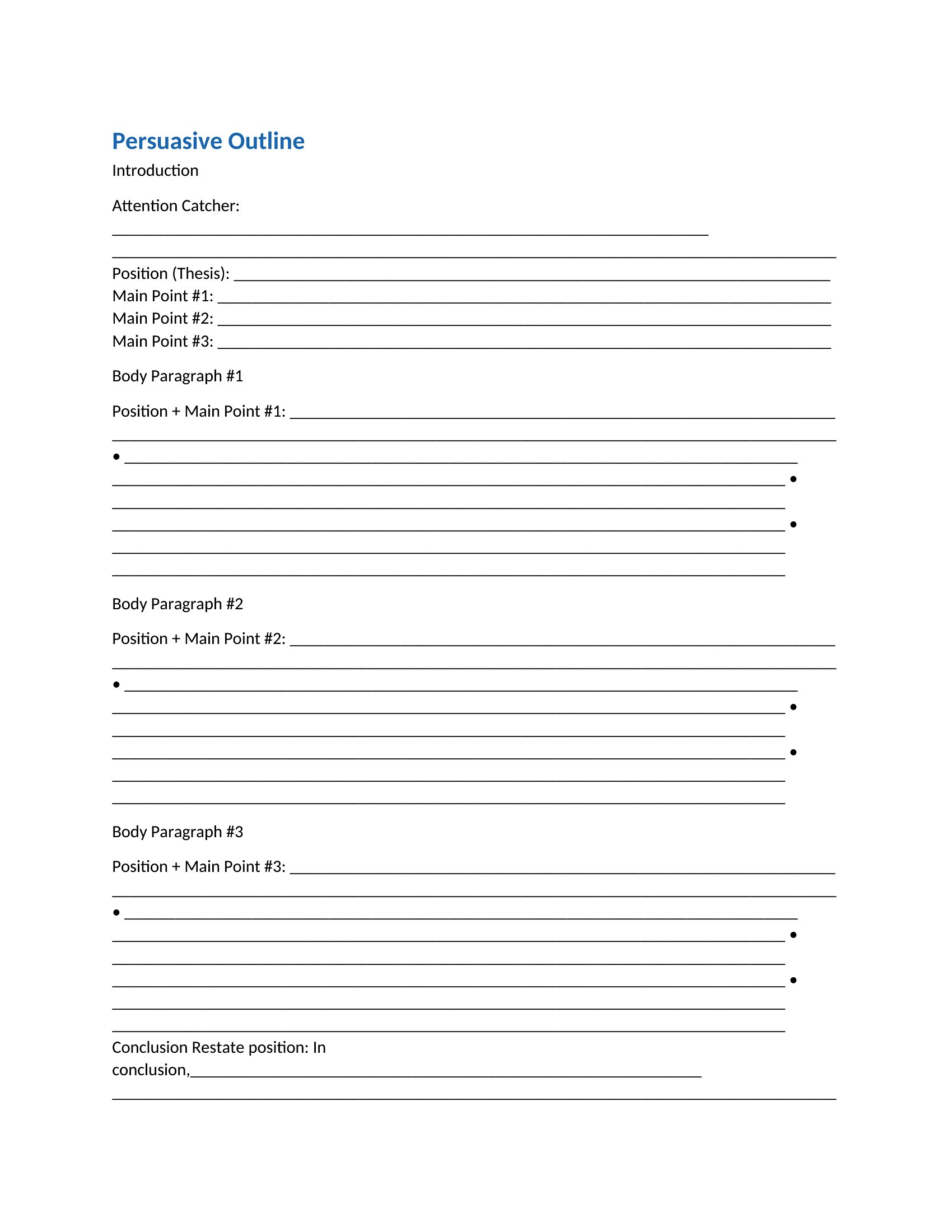
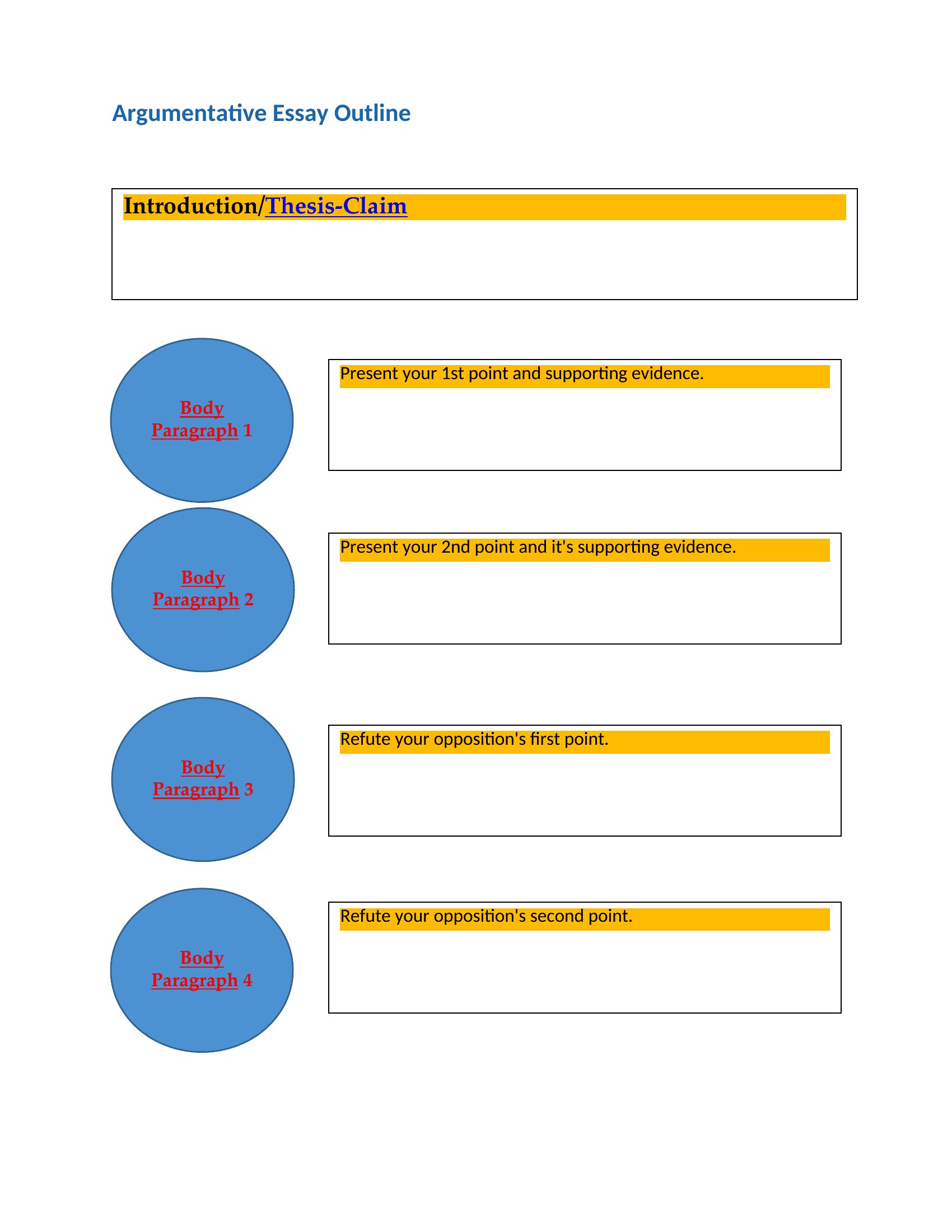
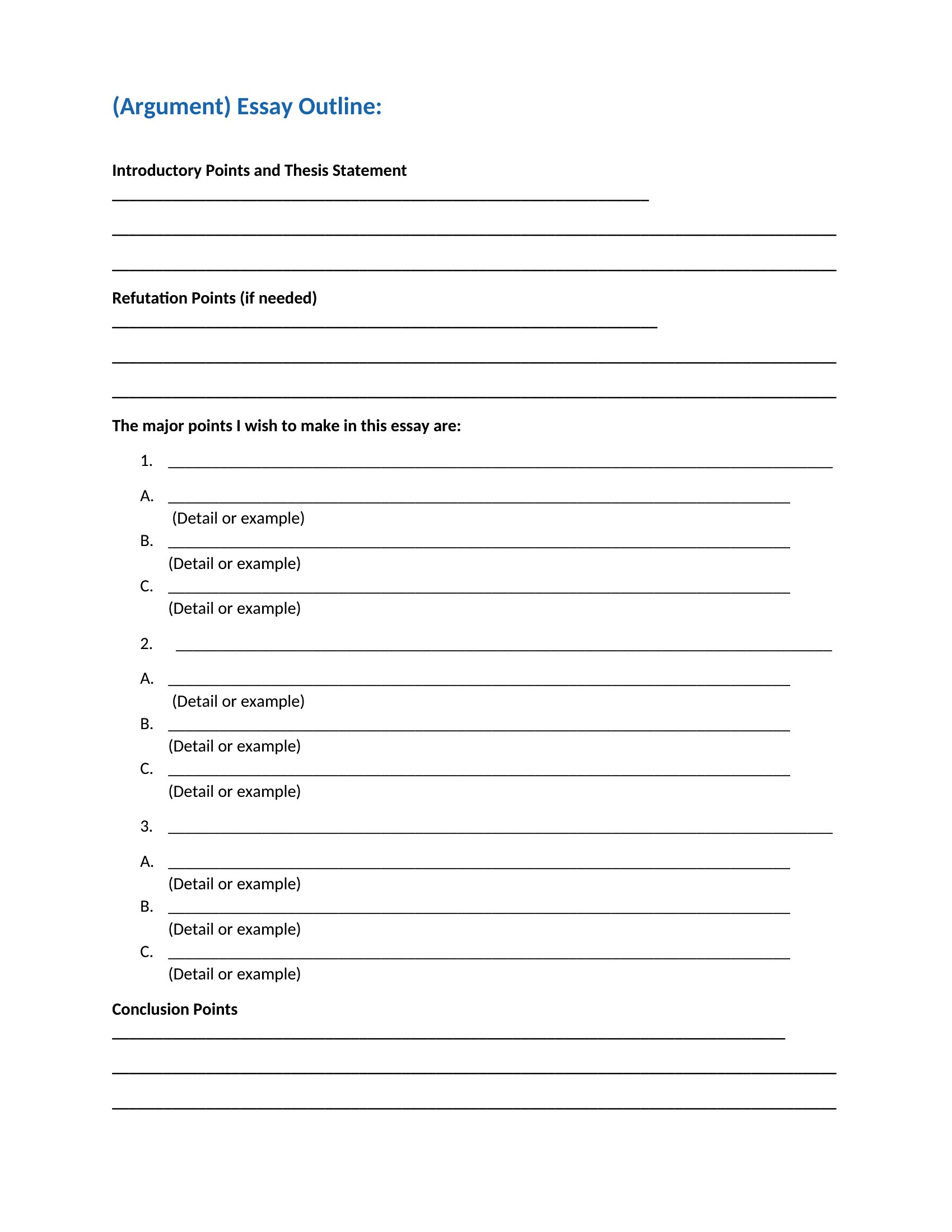
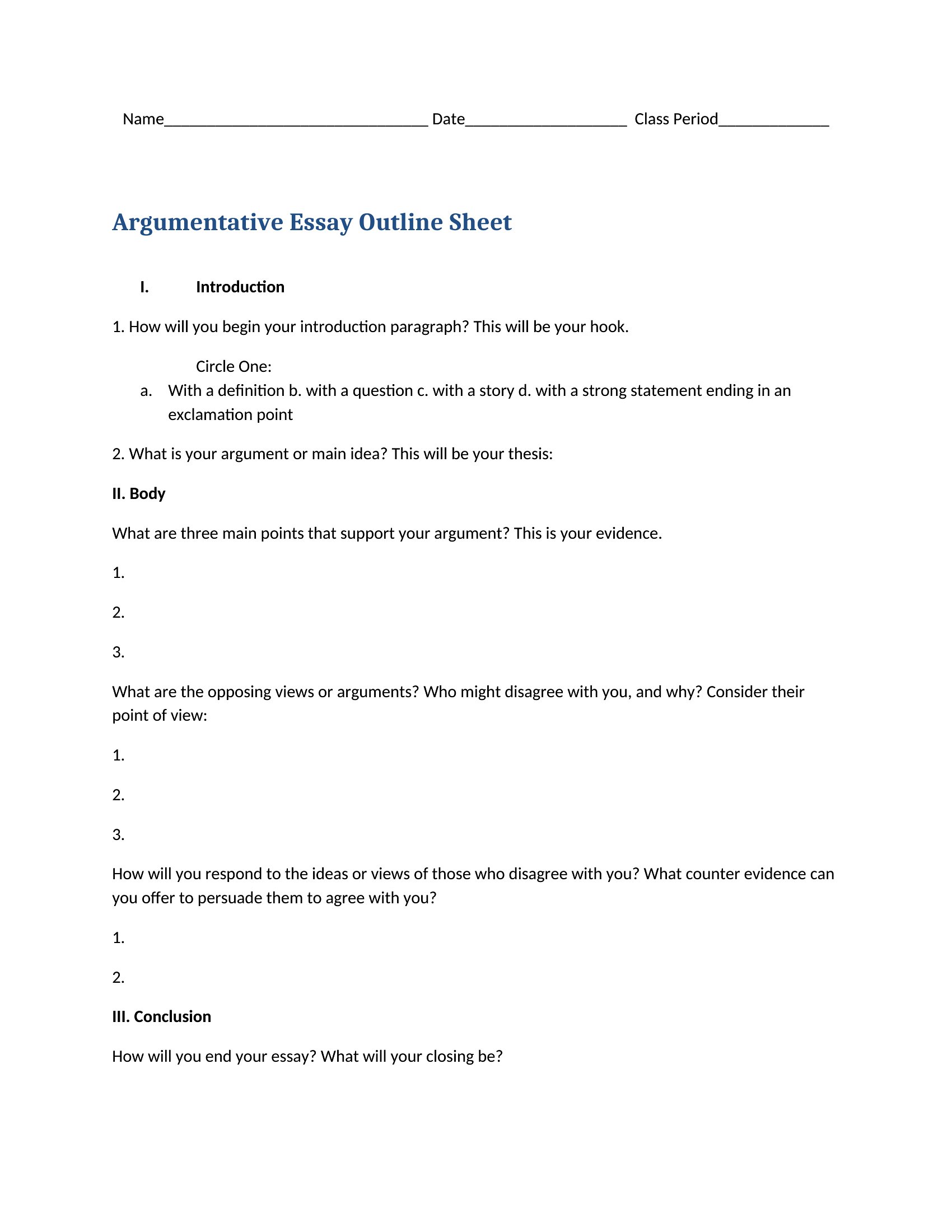
Free Essay Outline Templates (Word)
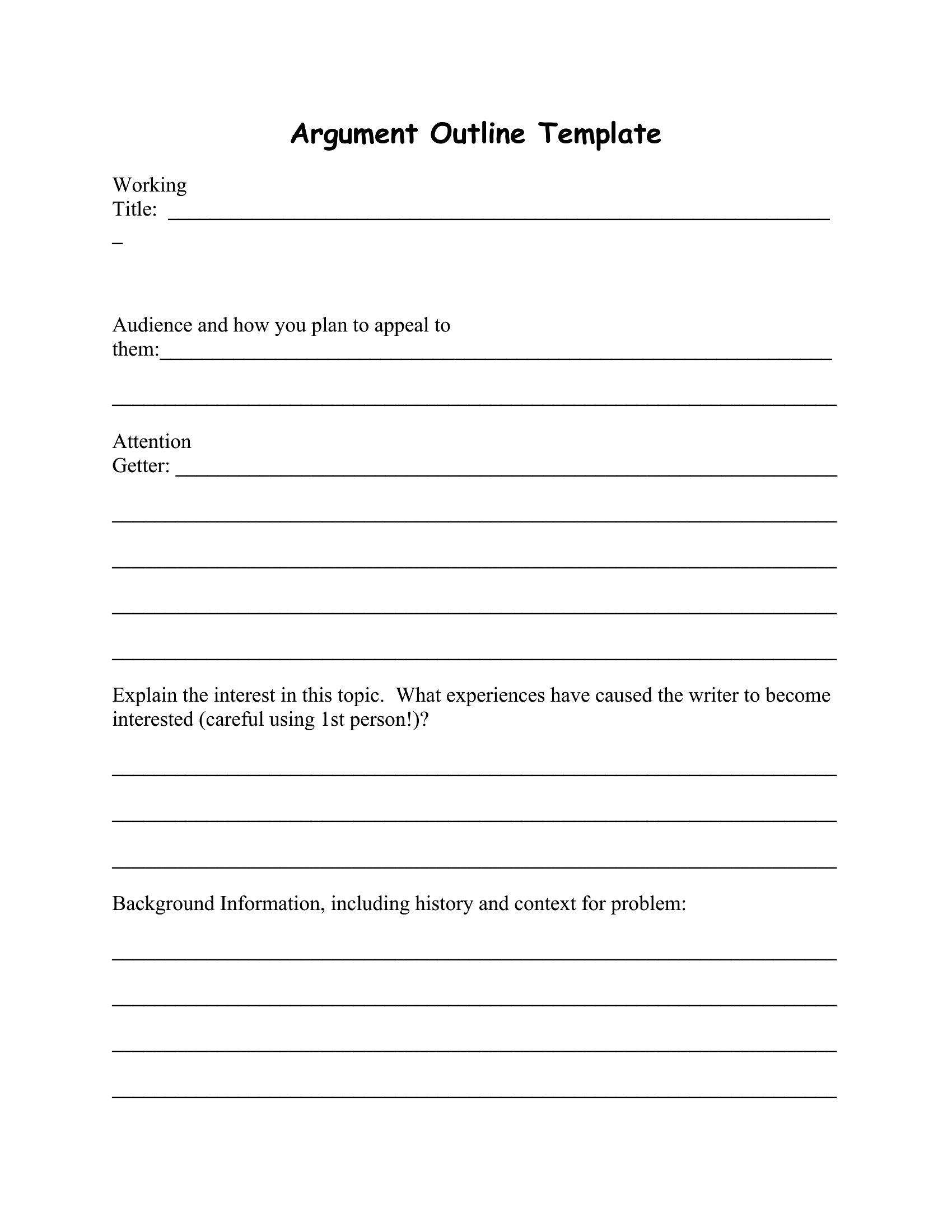
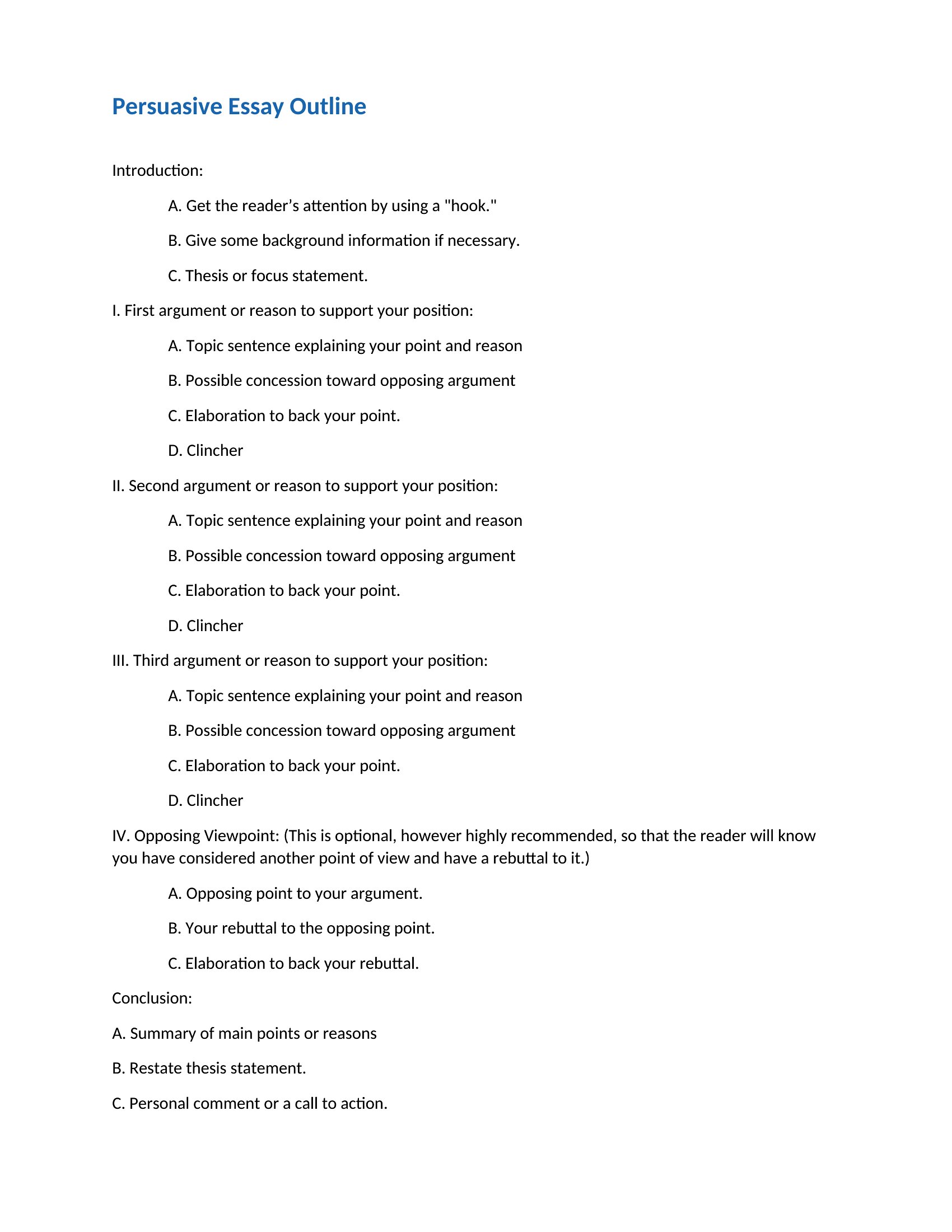
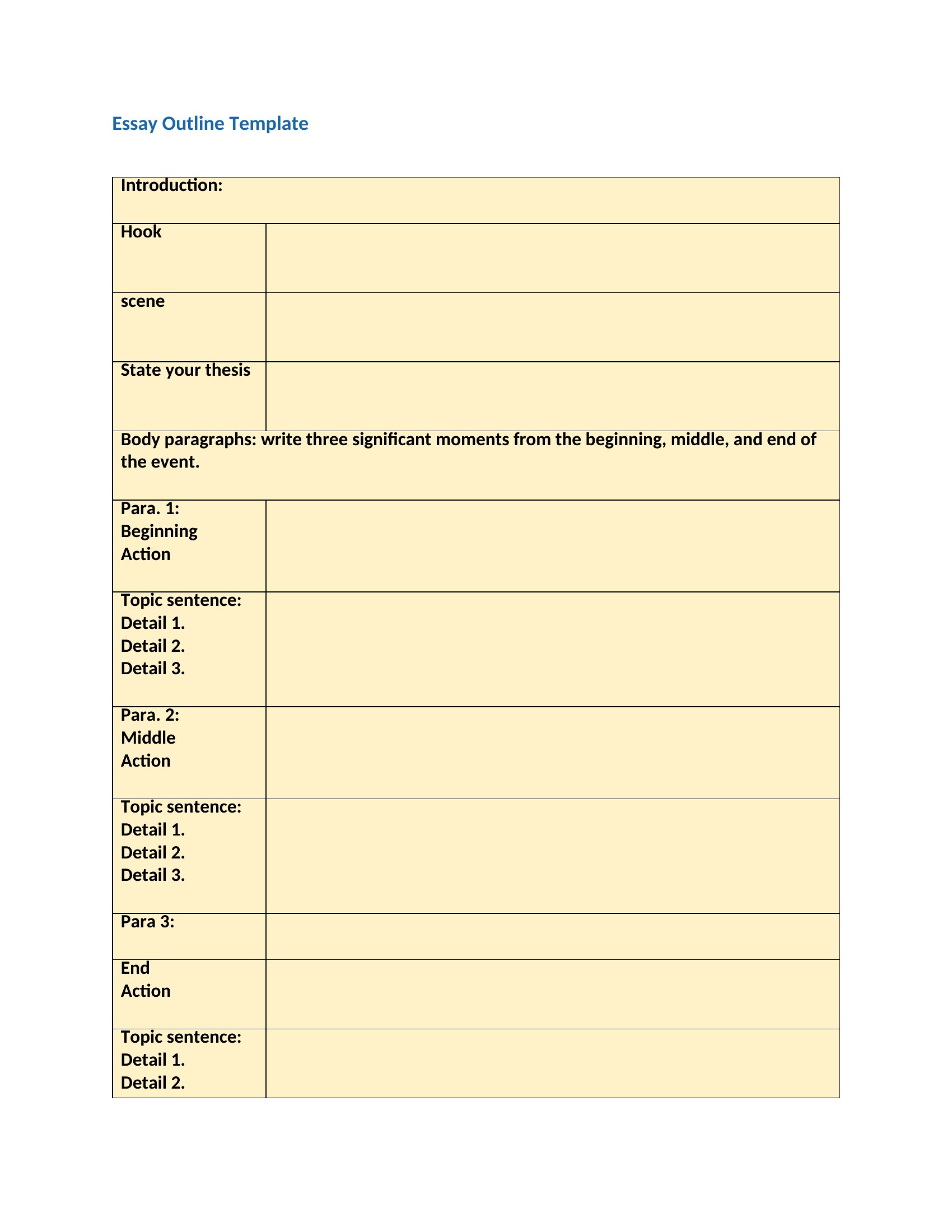
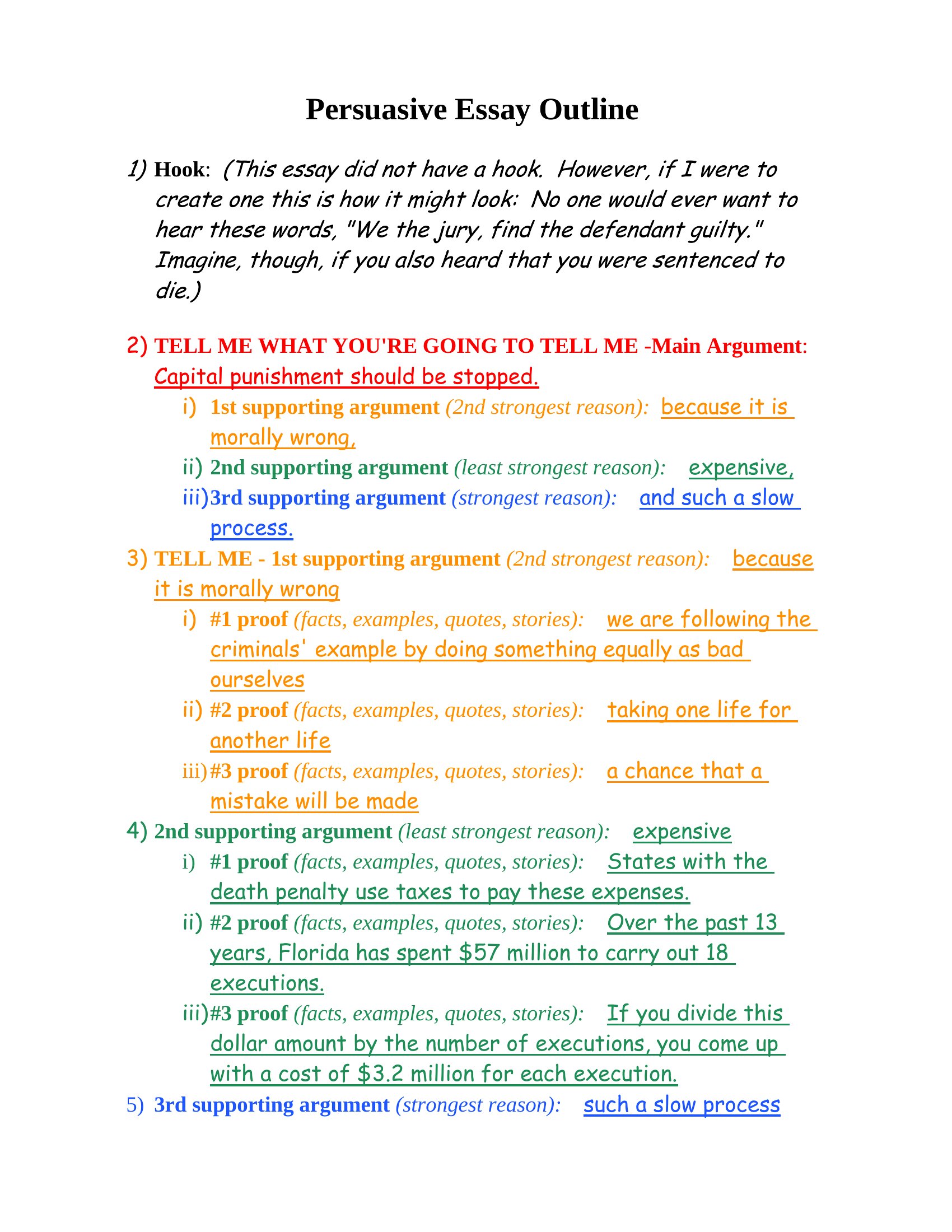
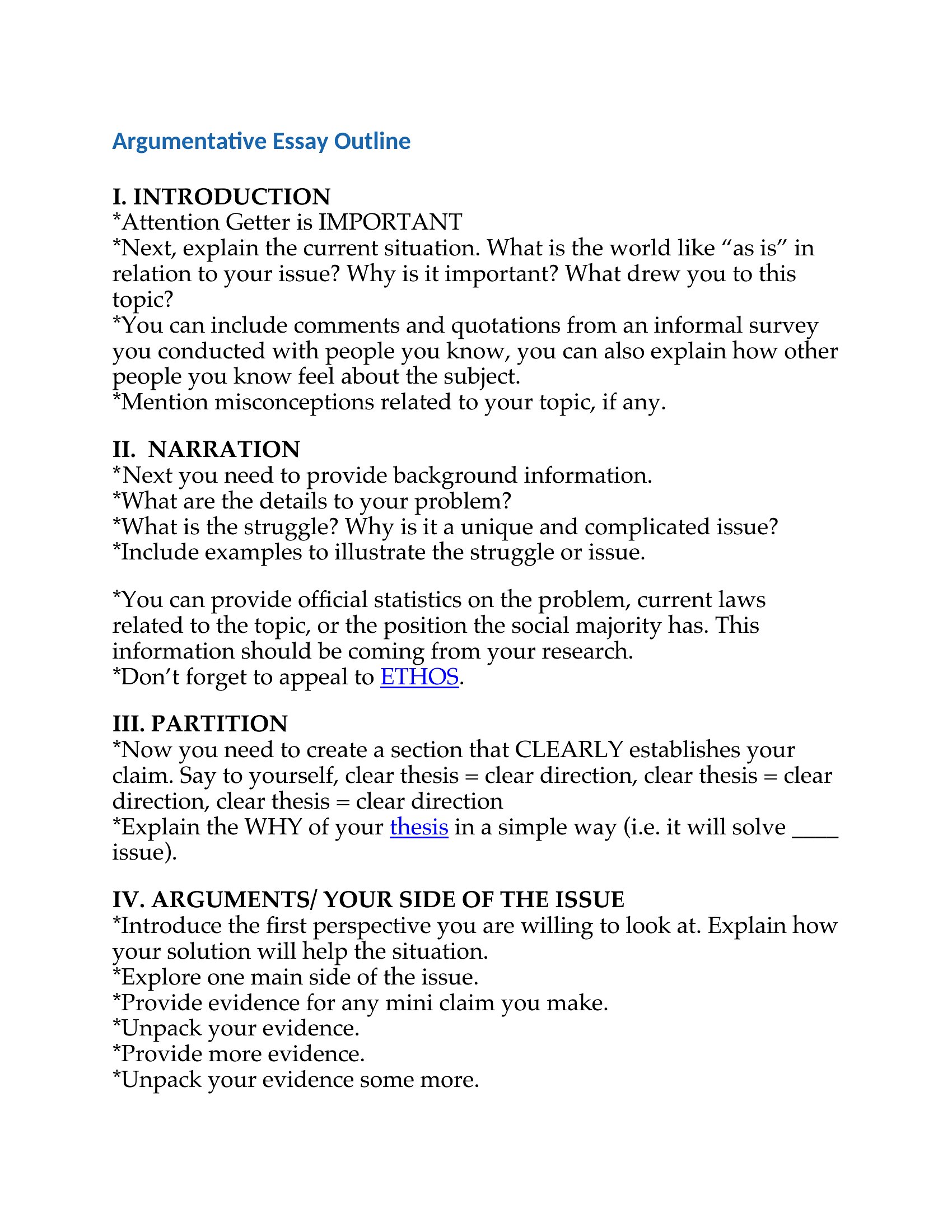
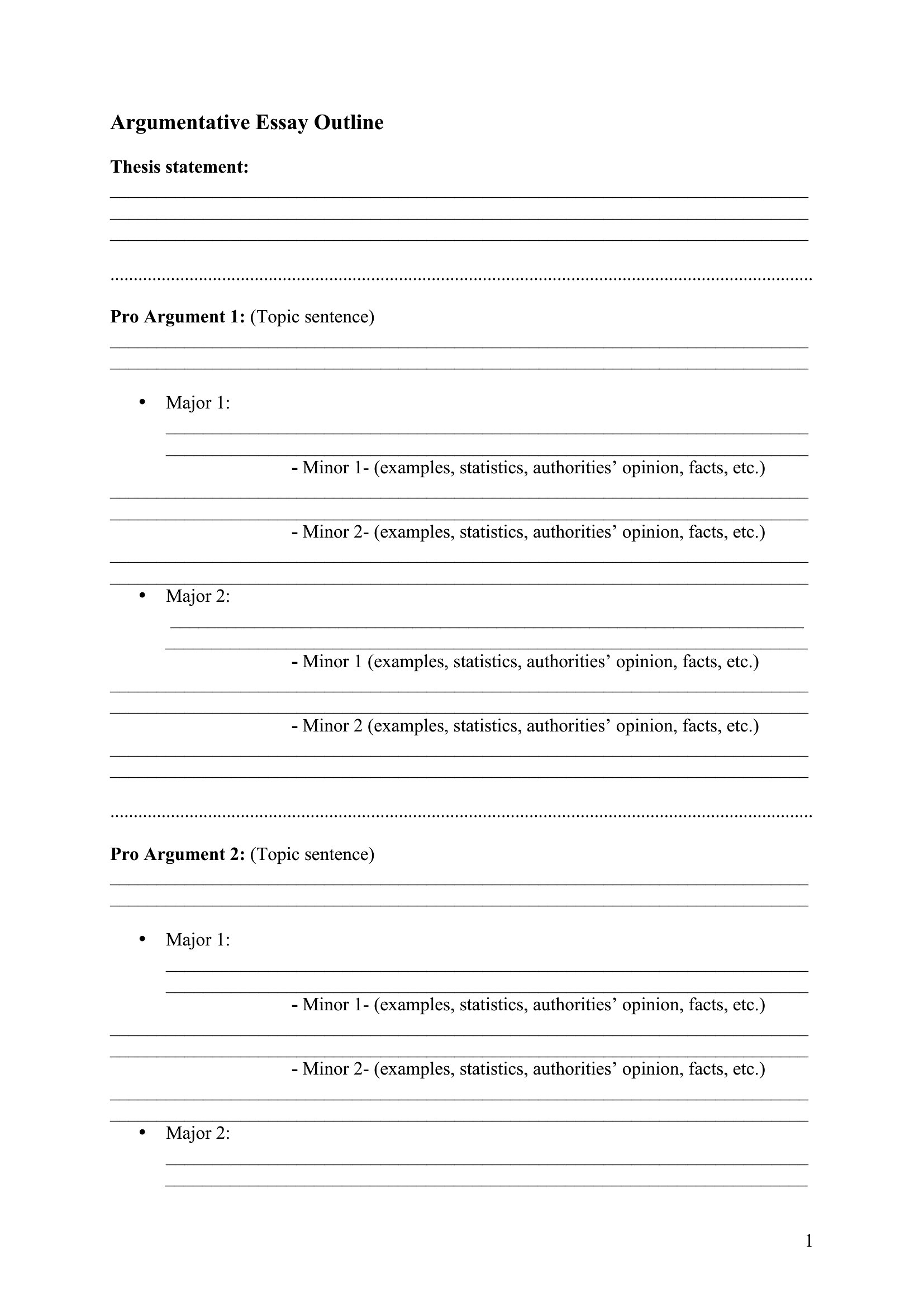
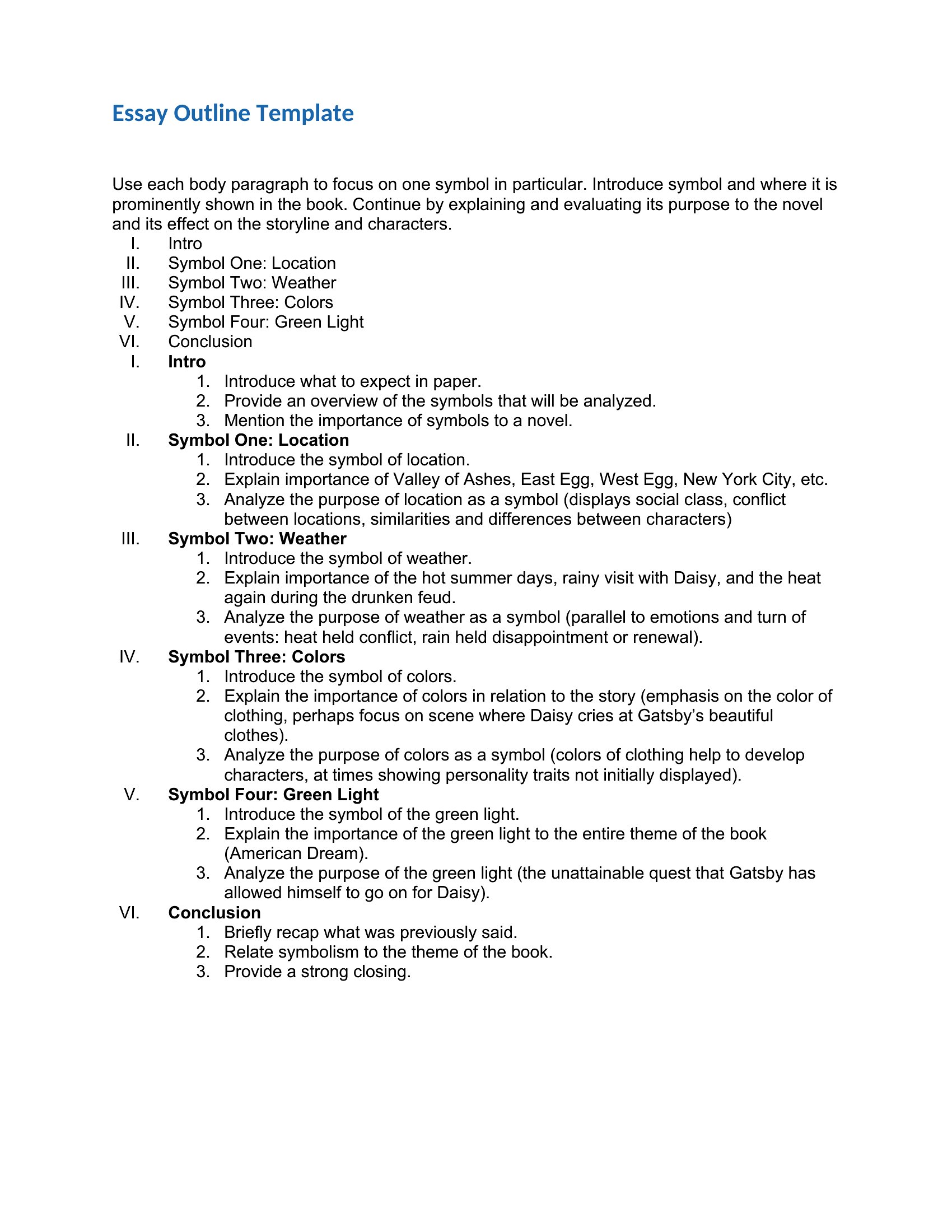
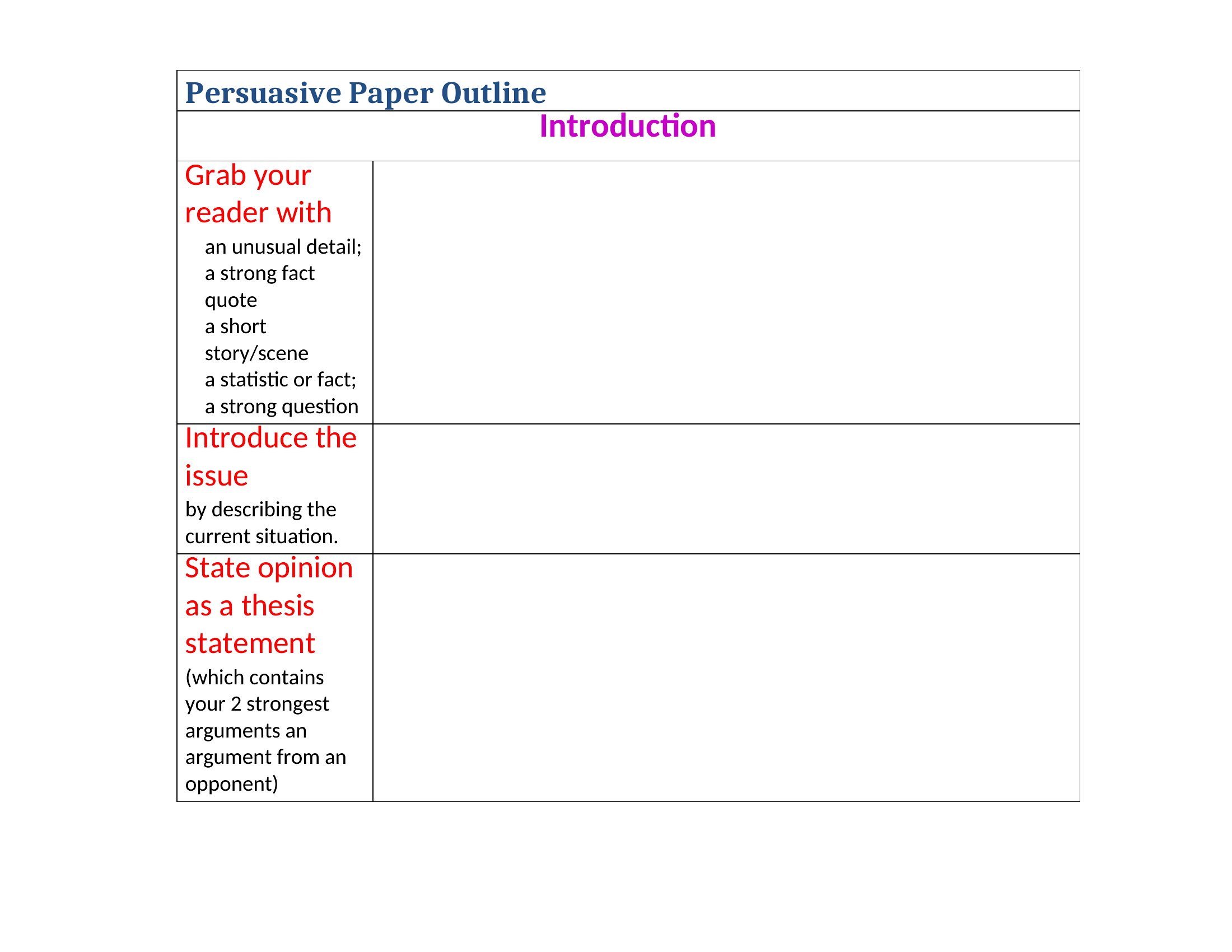
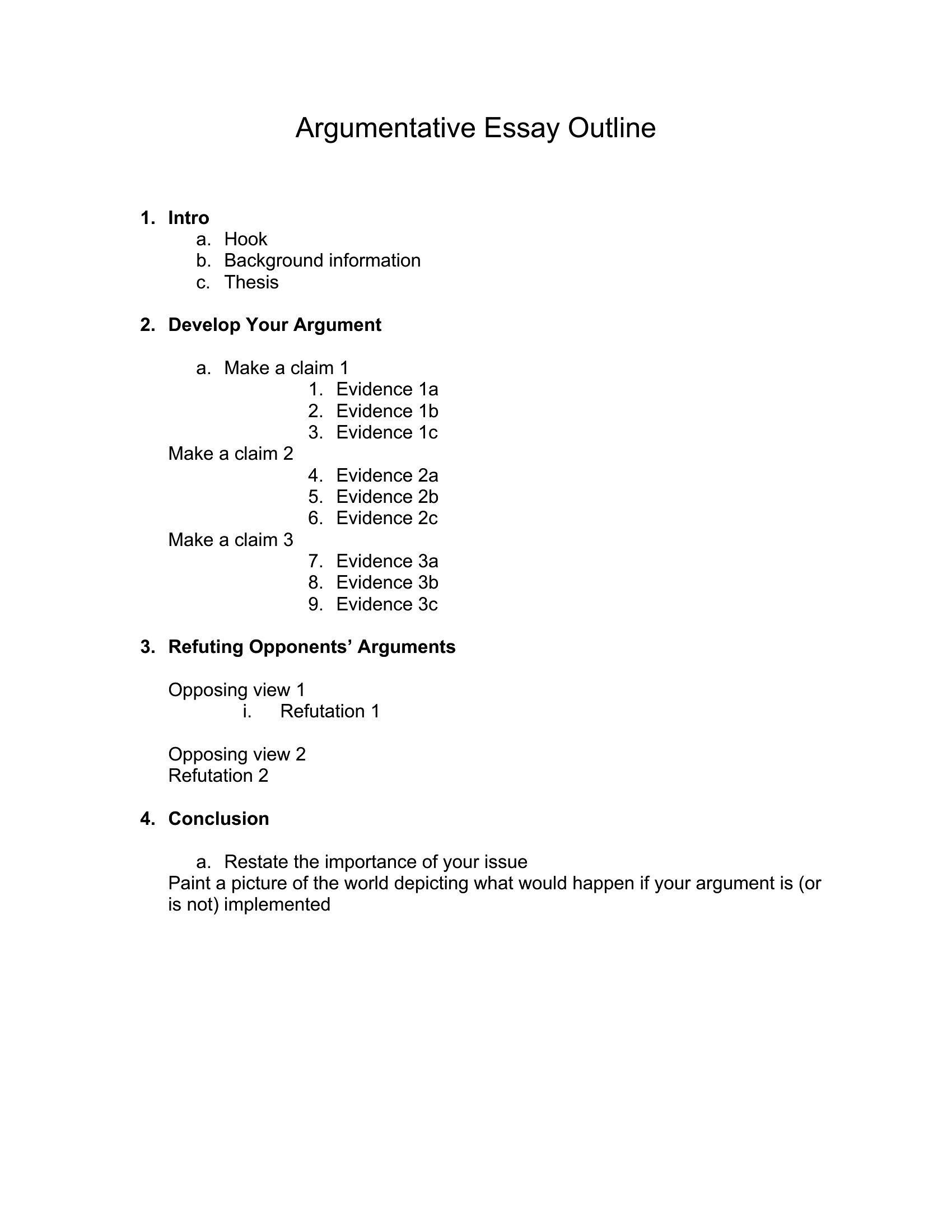
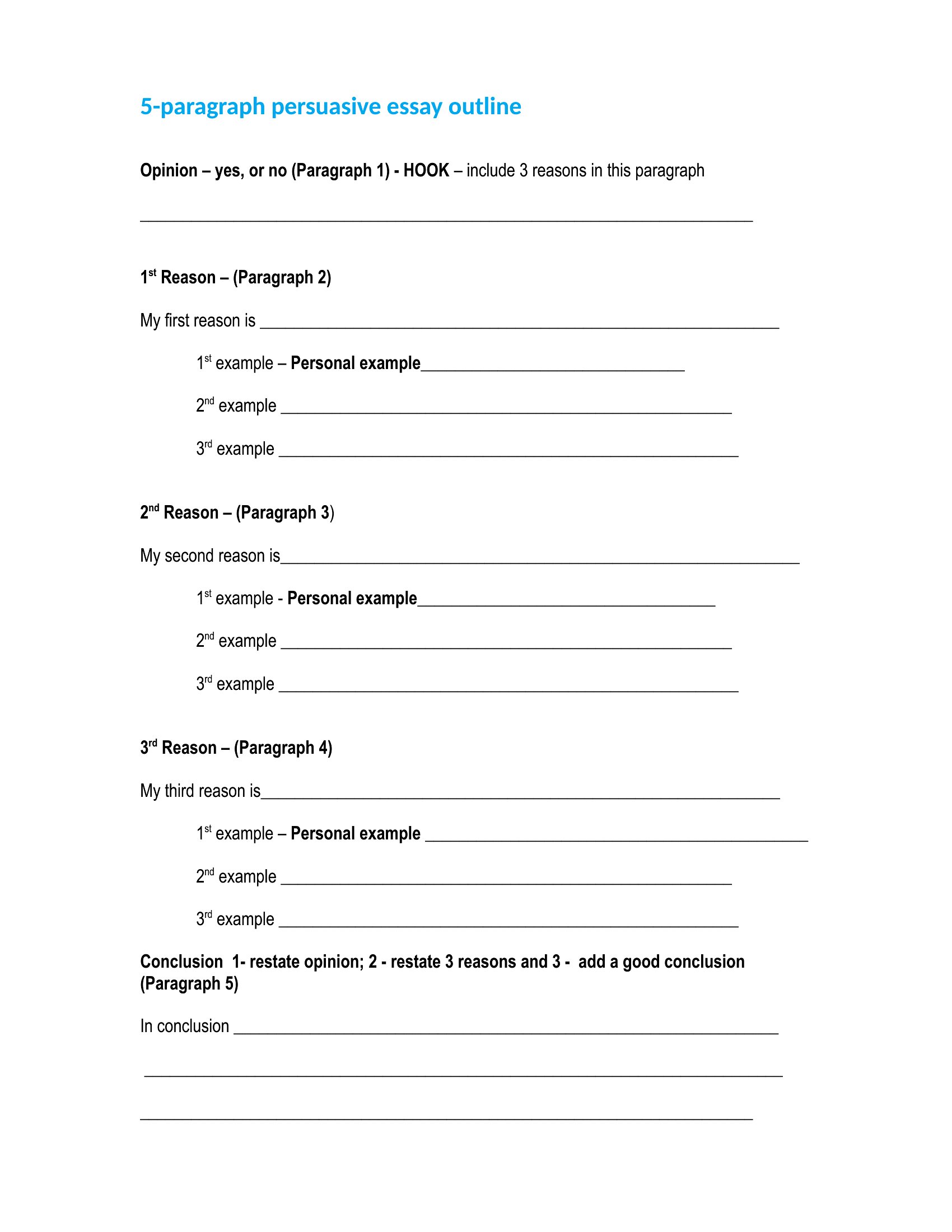
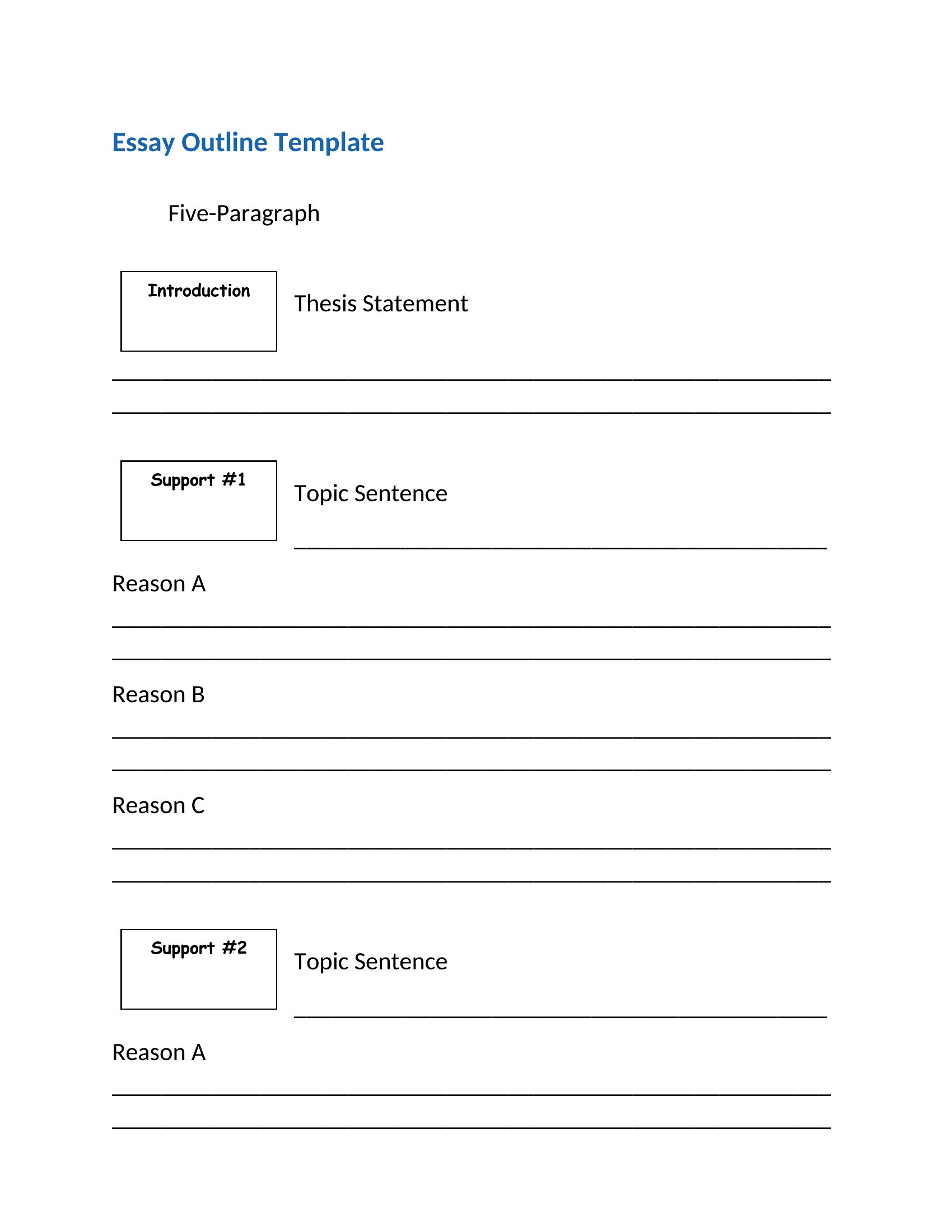
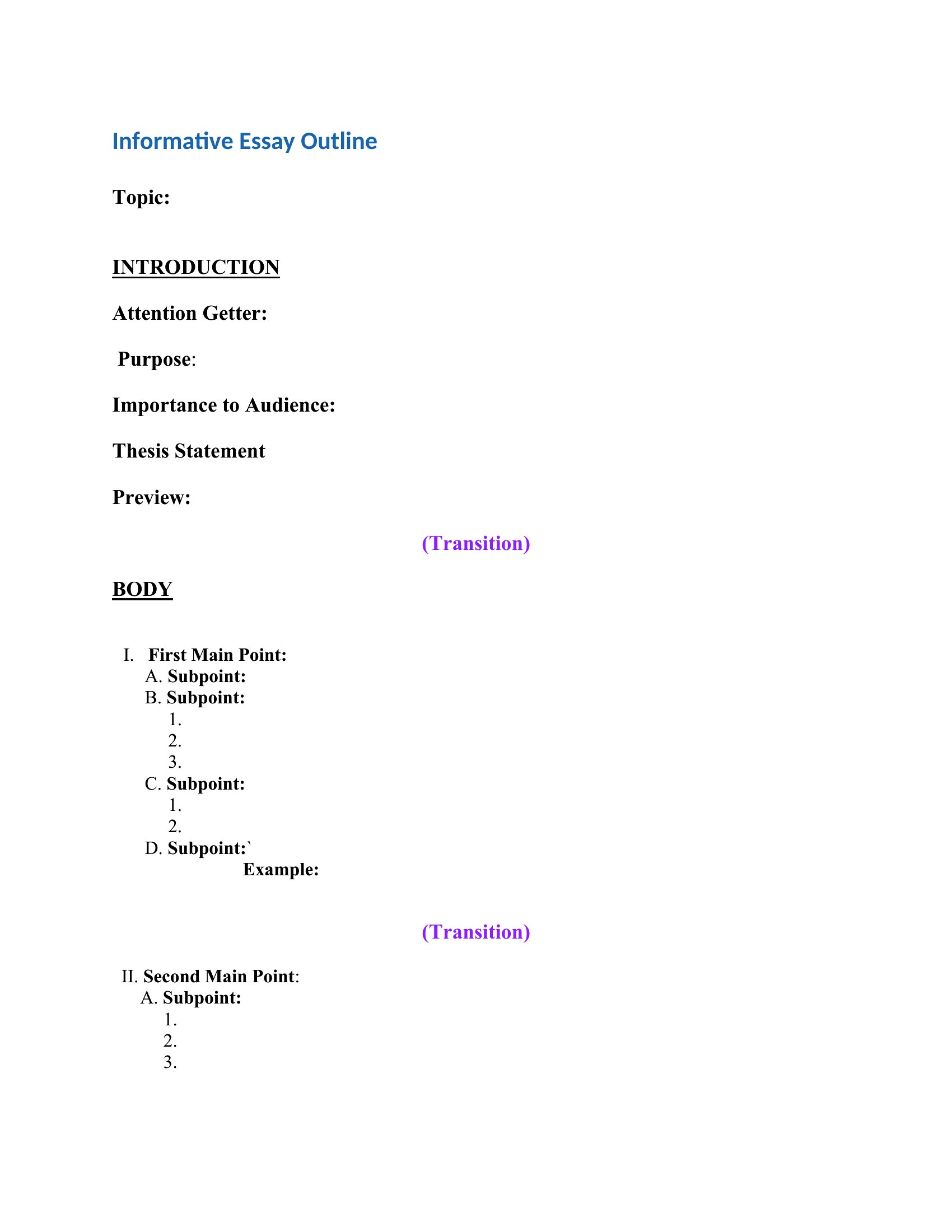
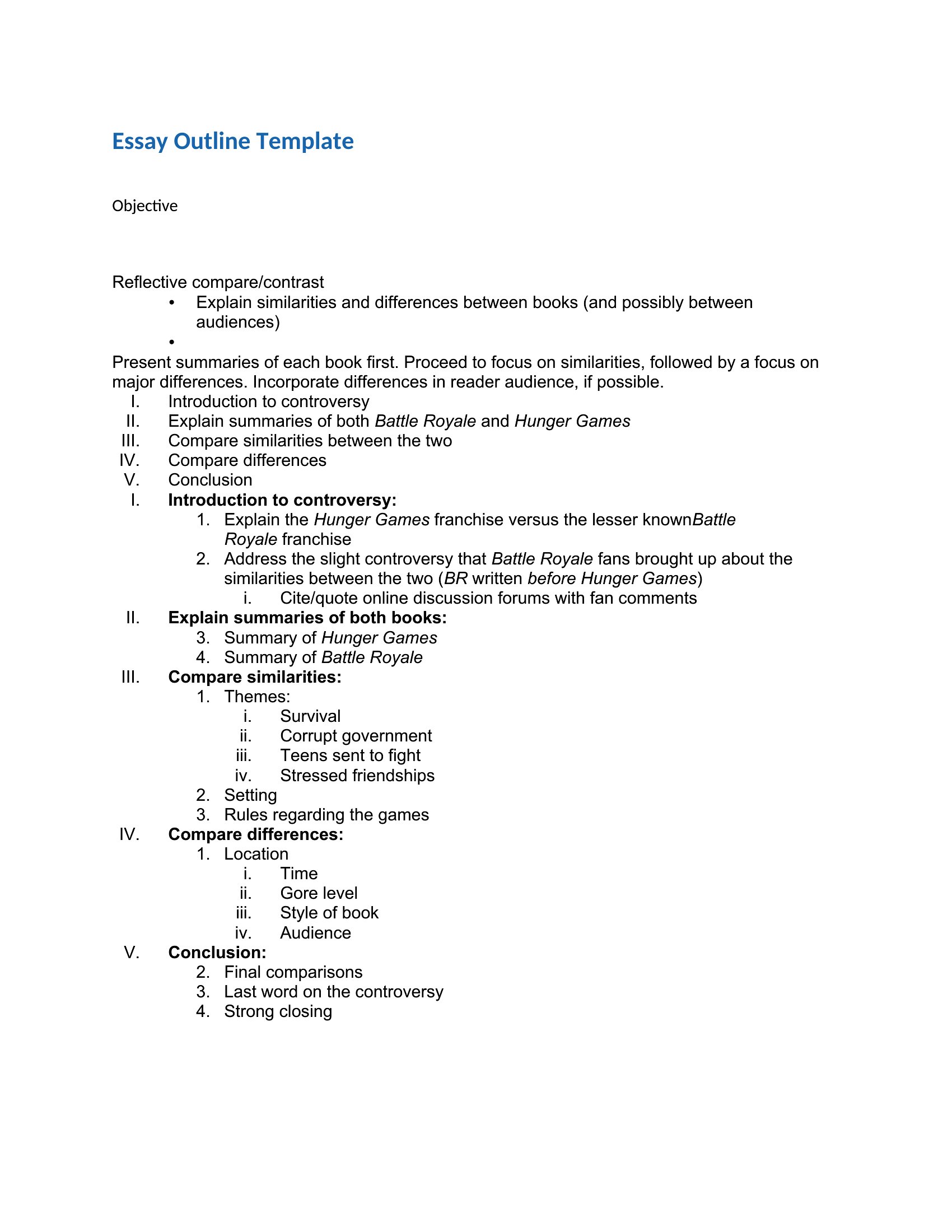
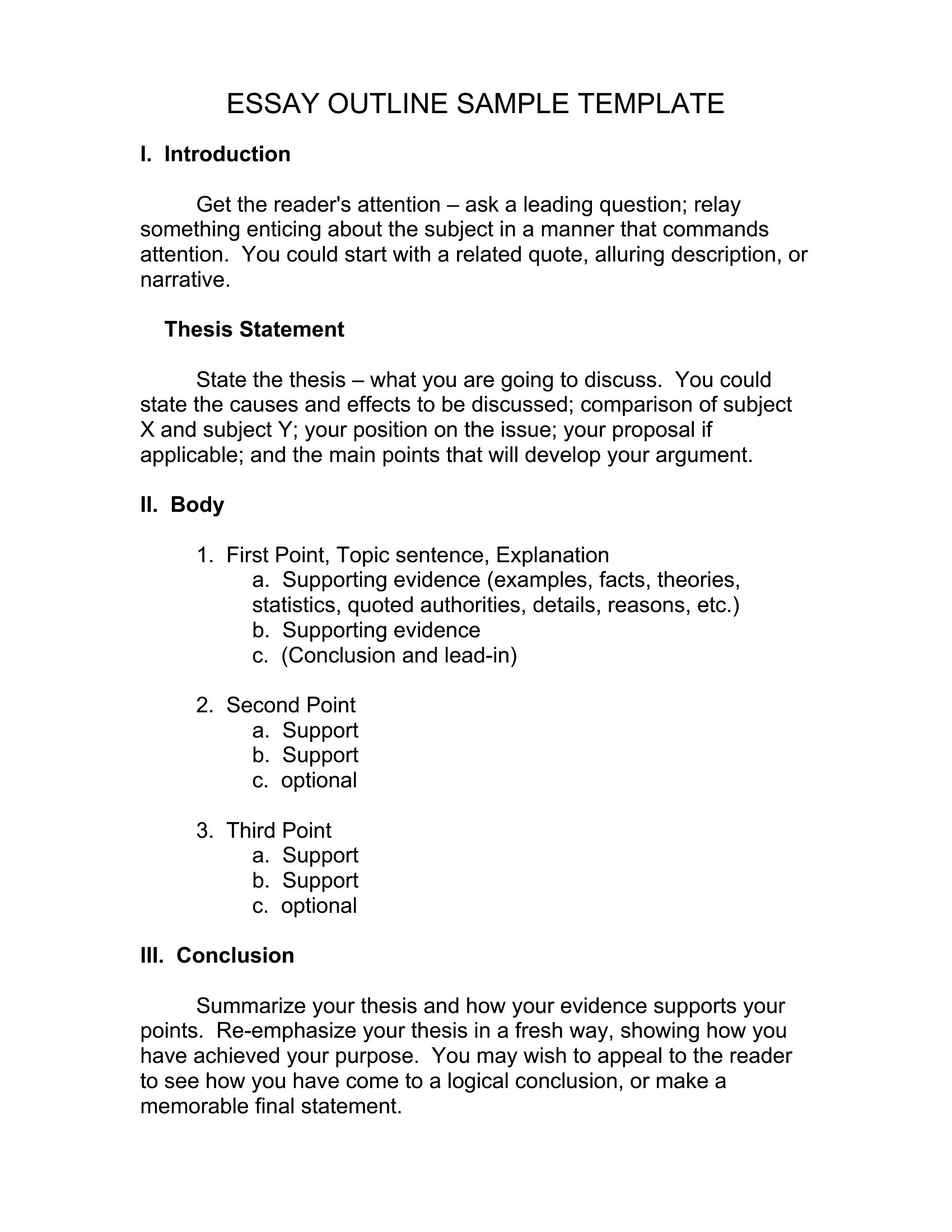
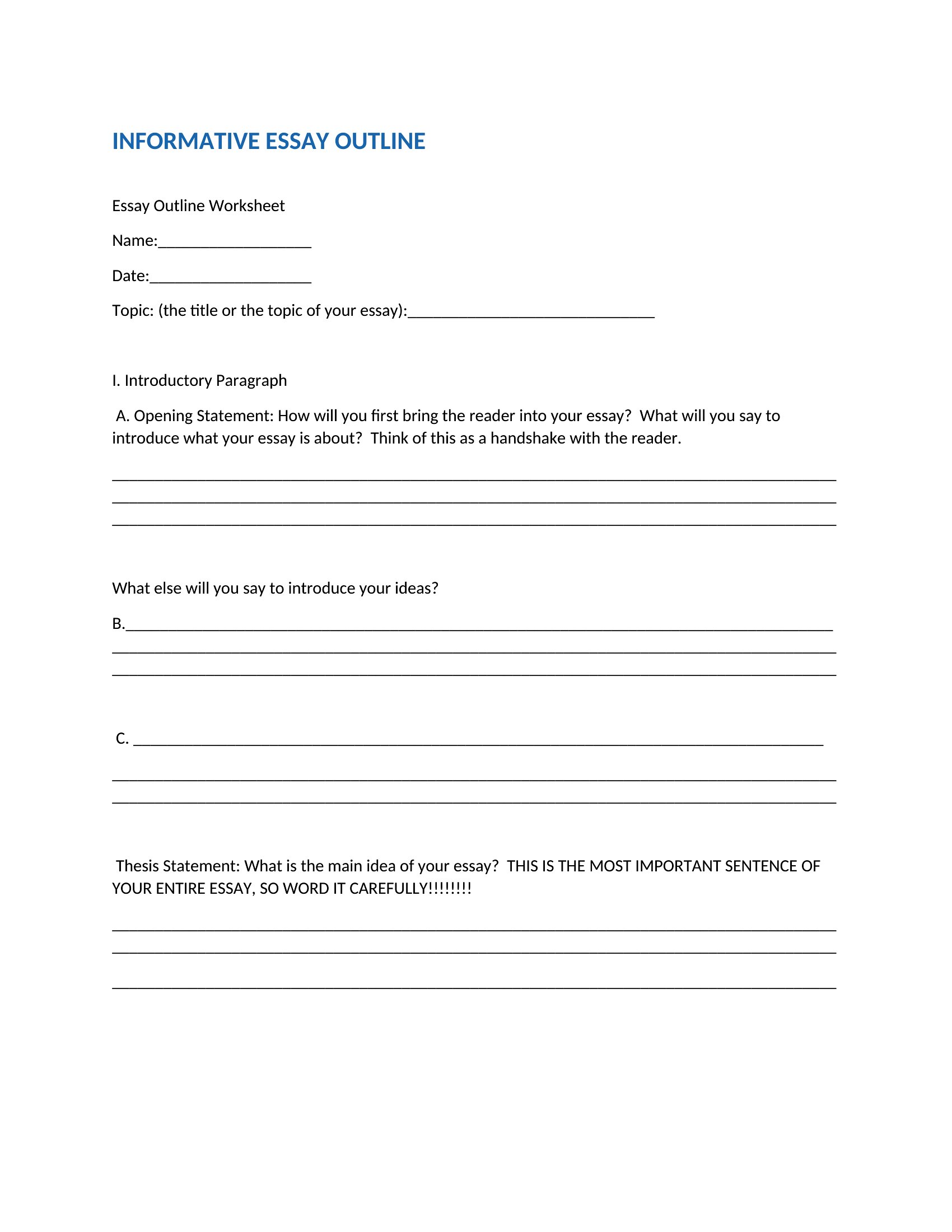
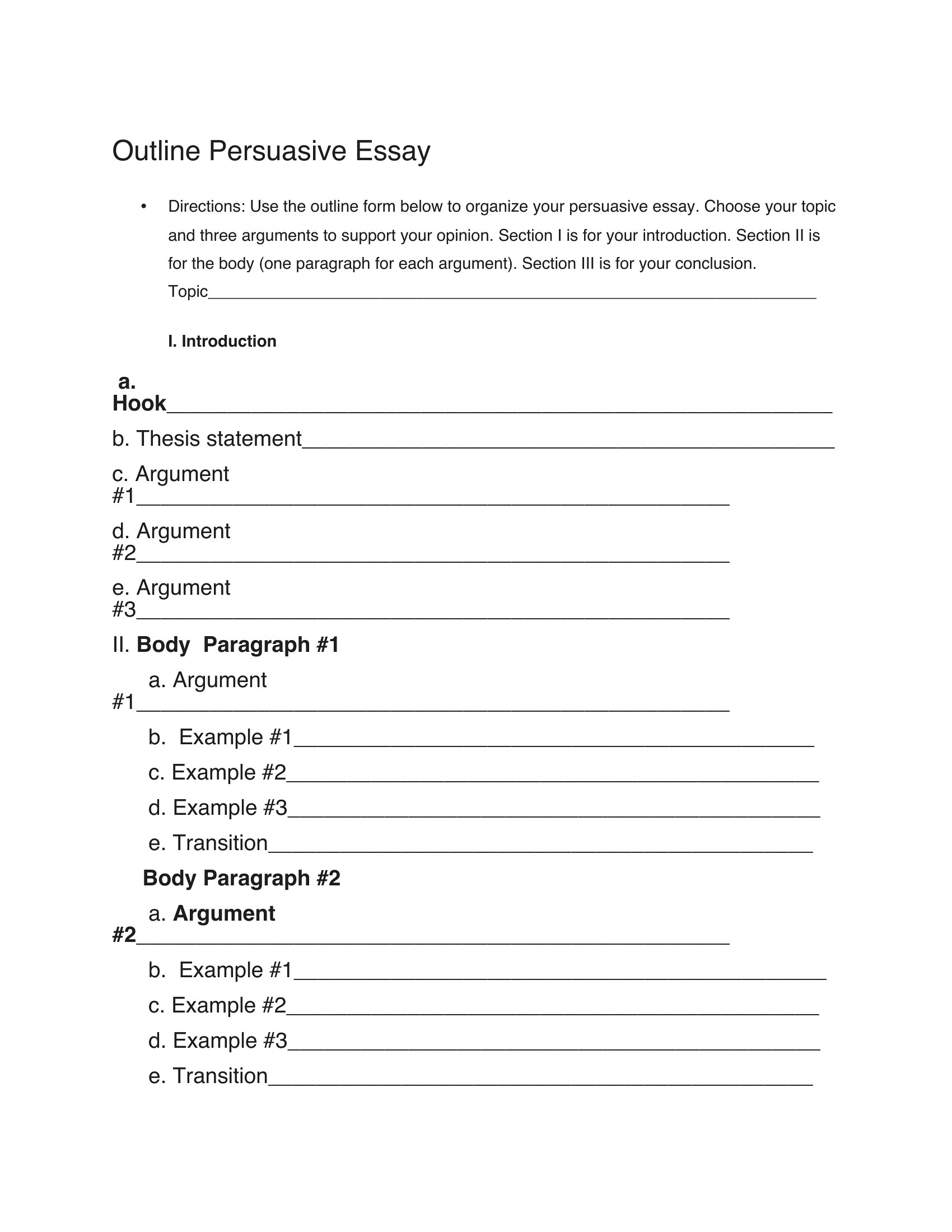
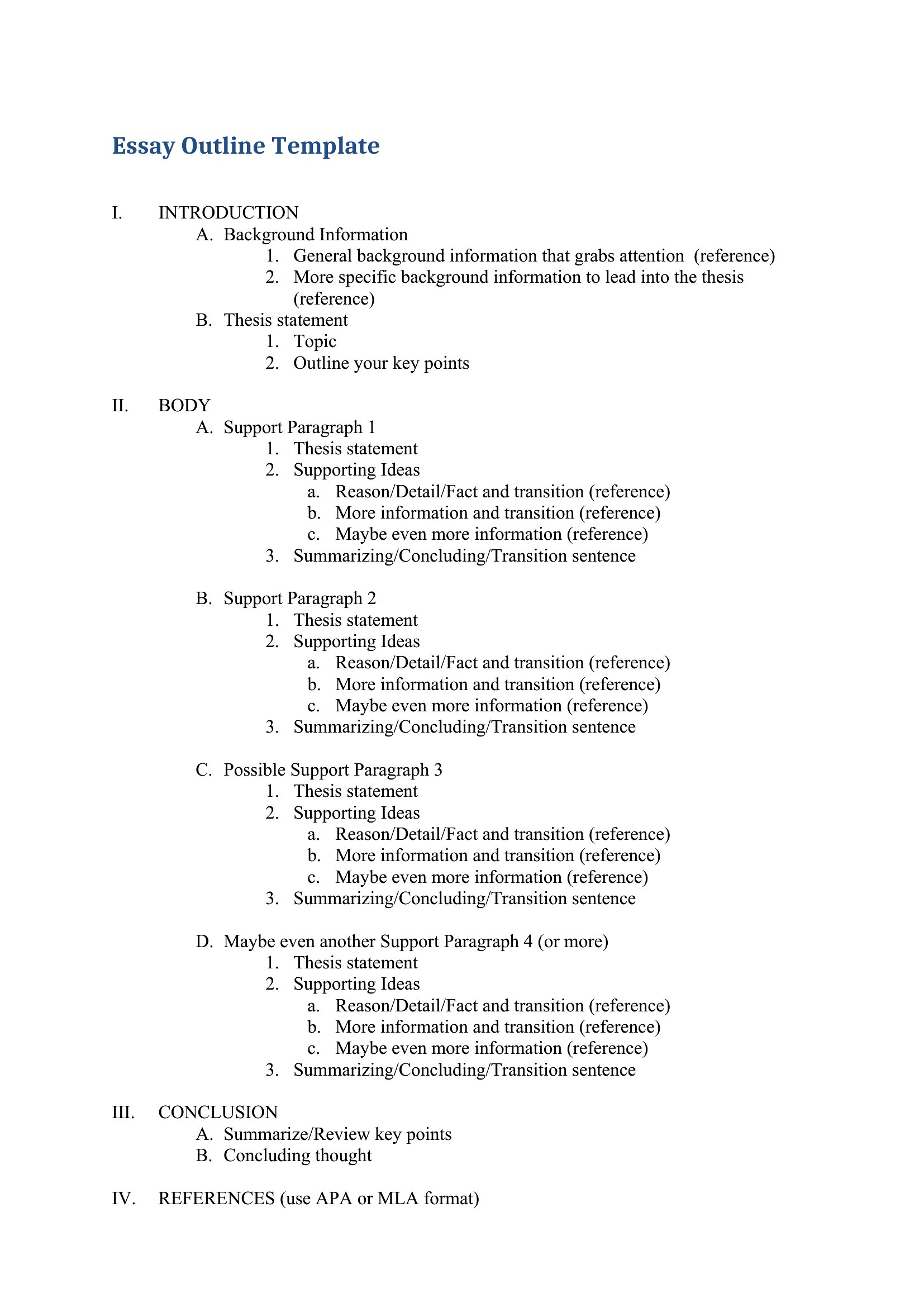
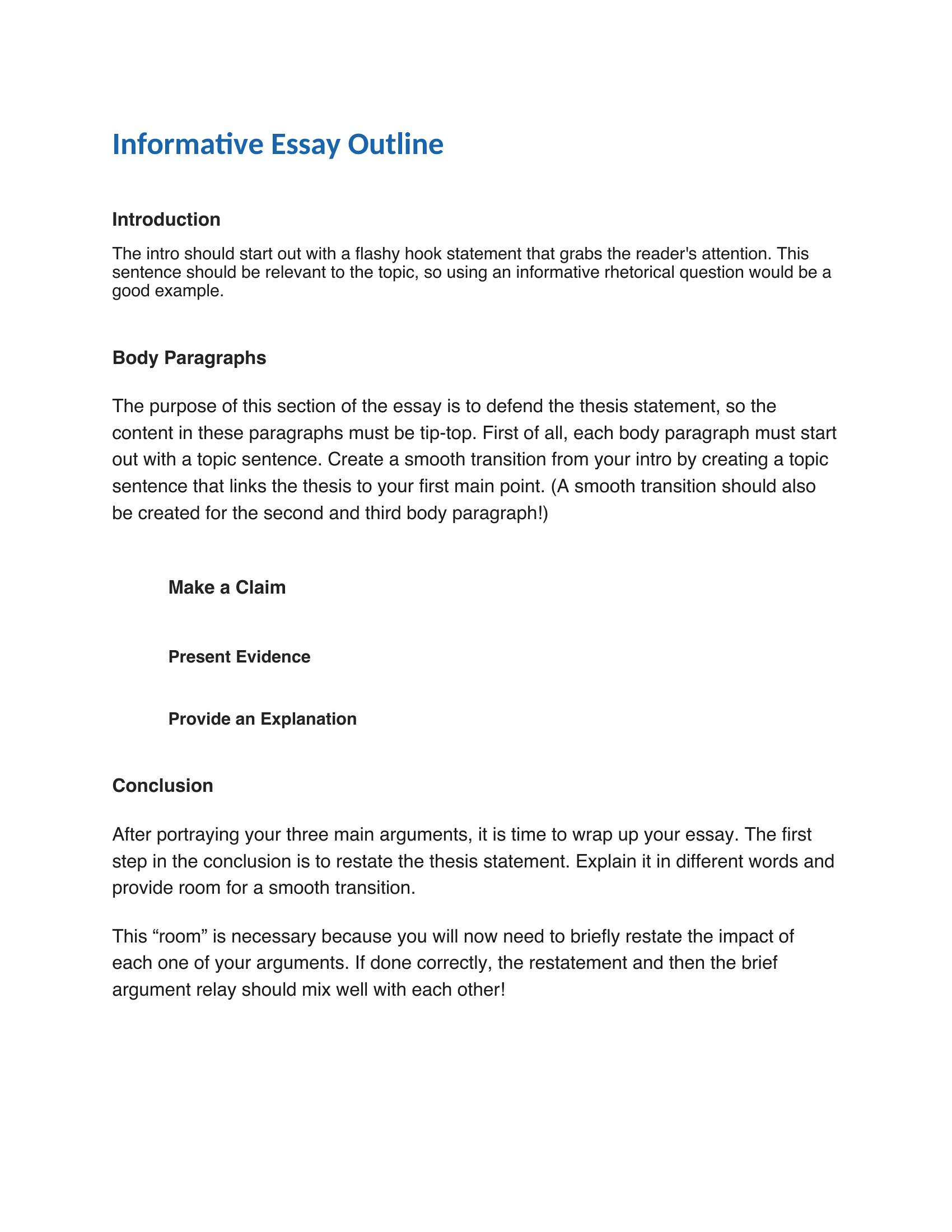
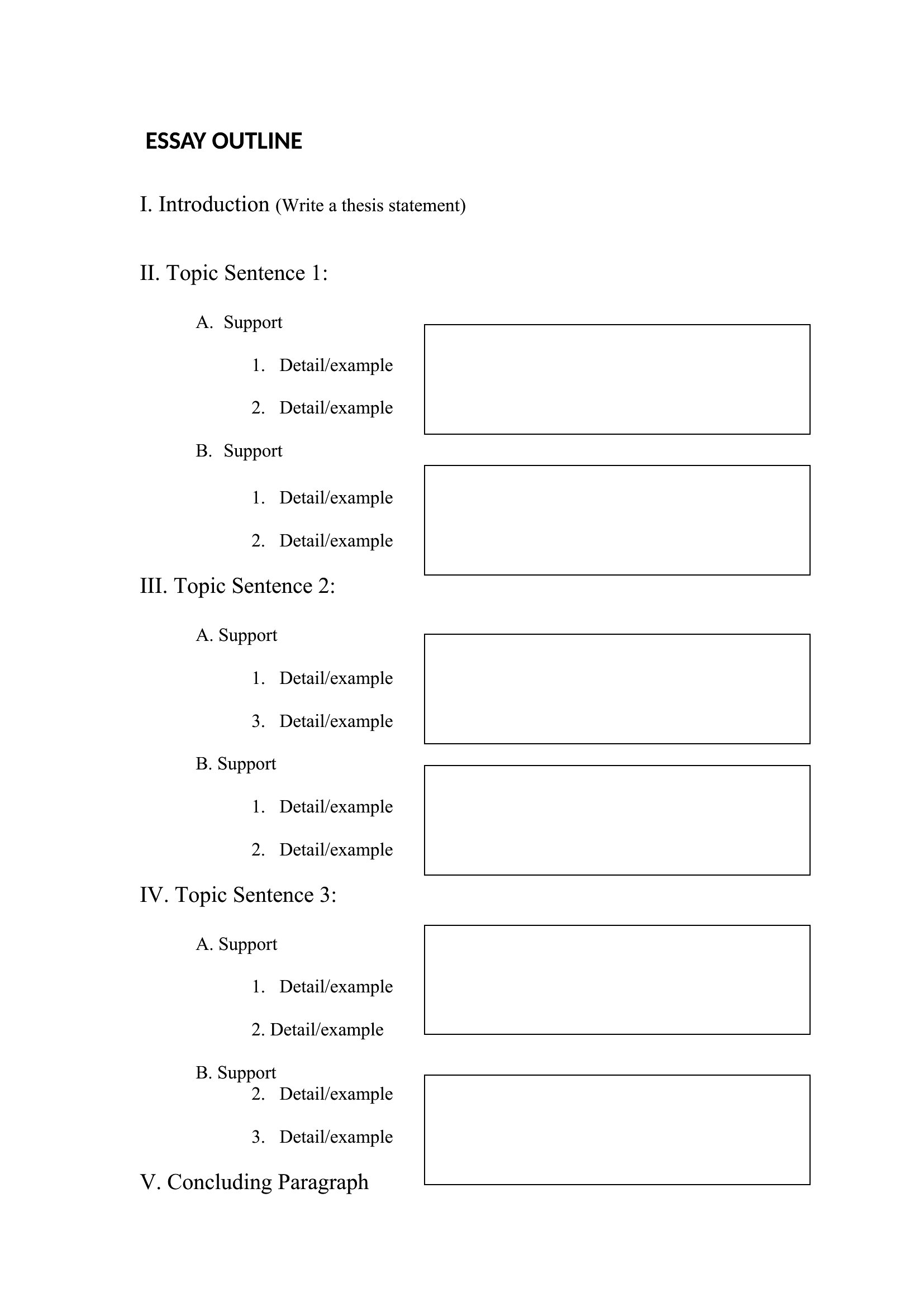
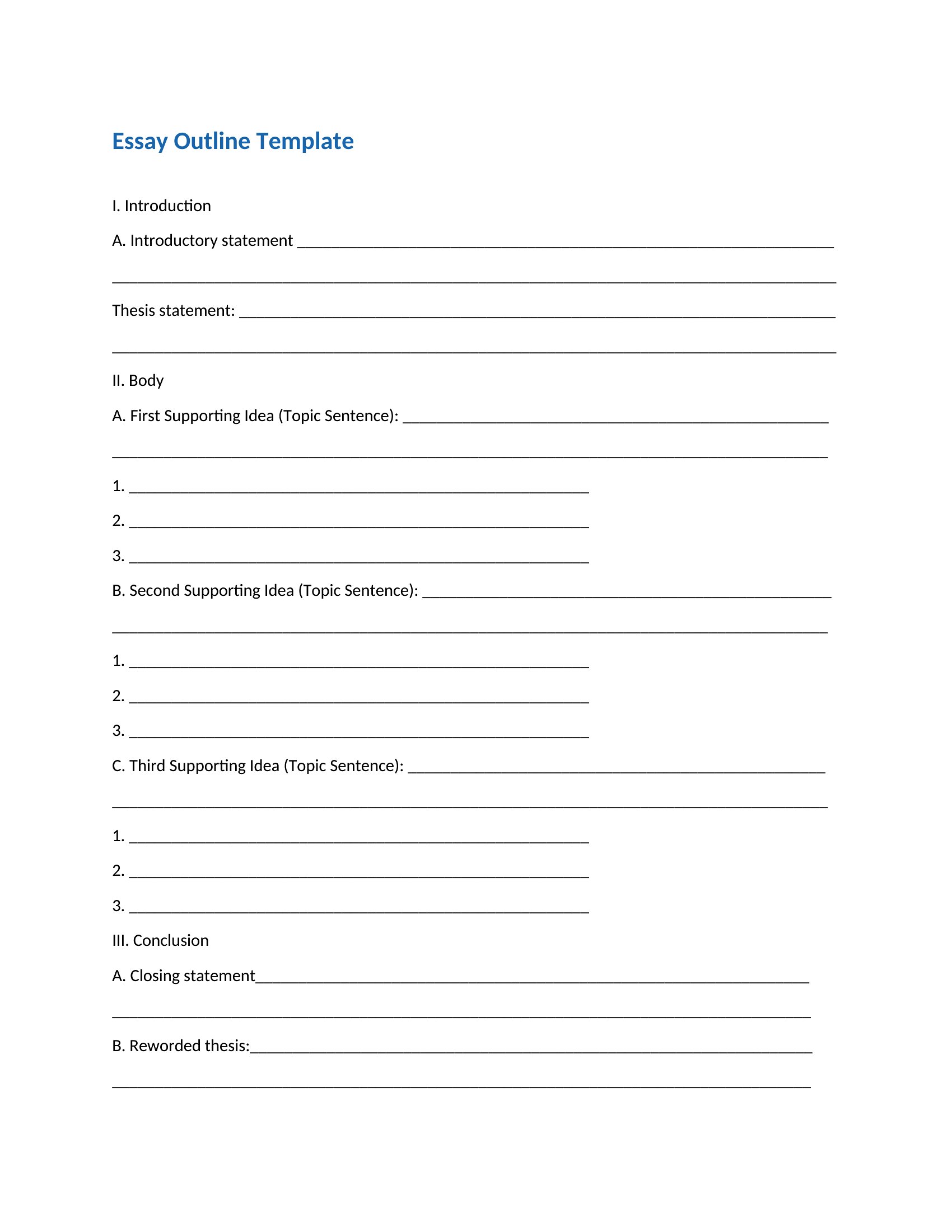
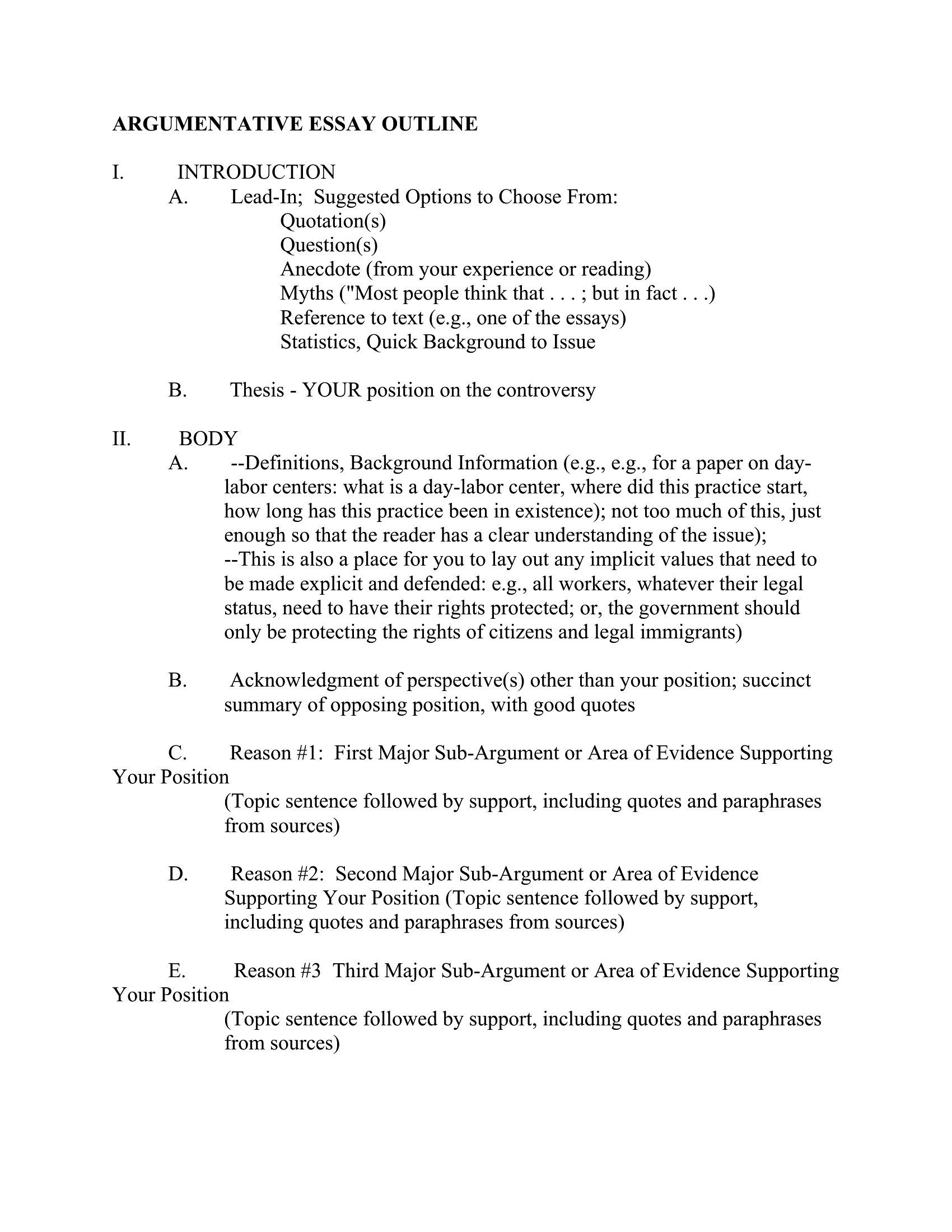
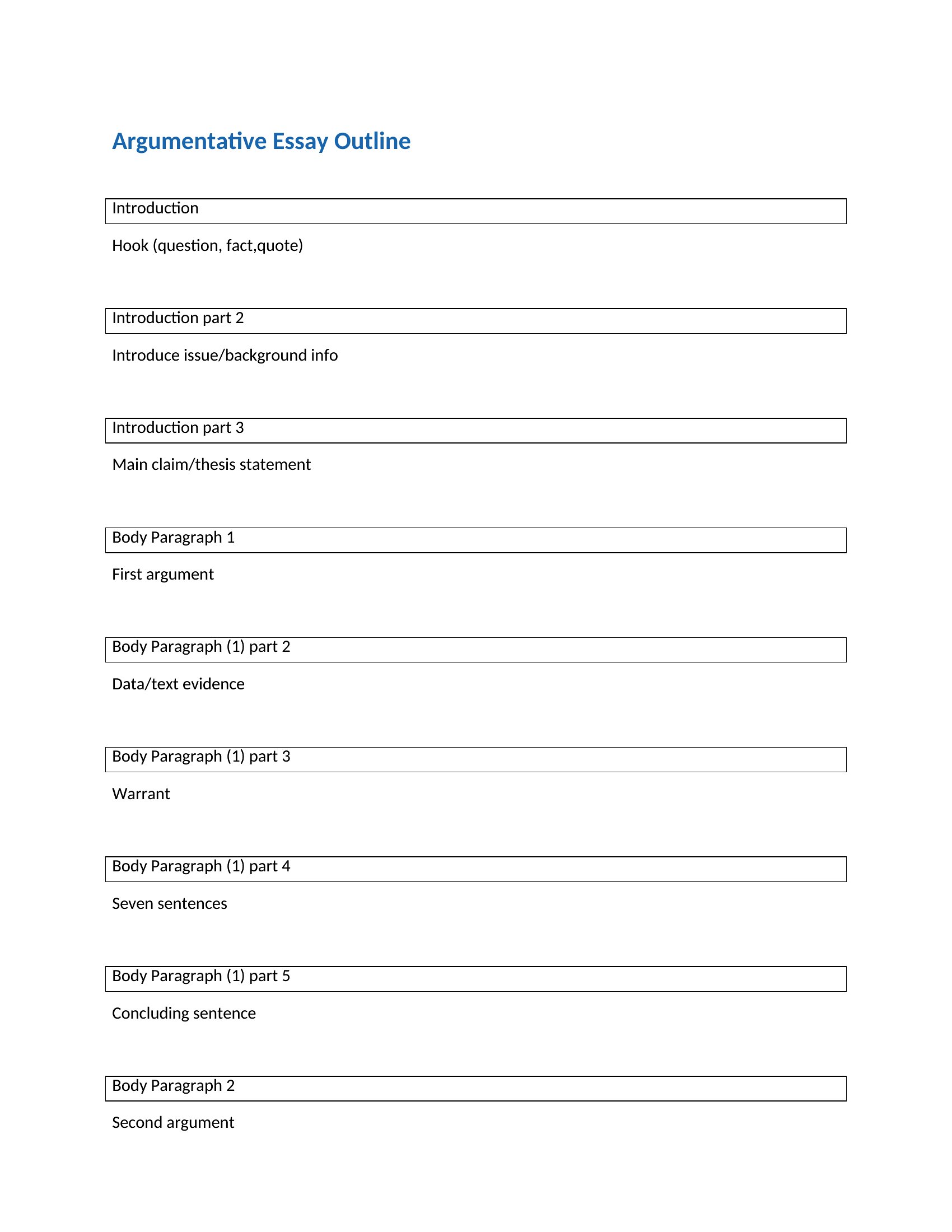
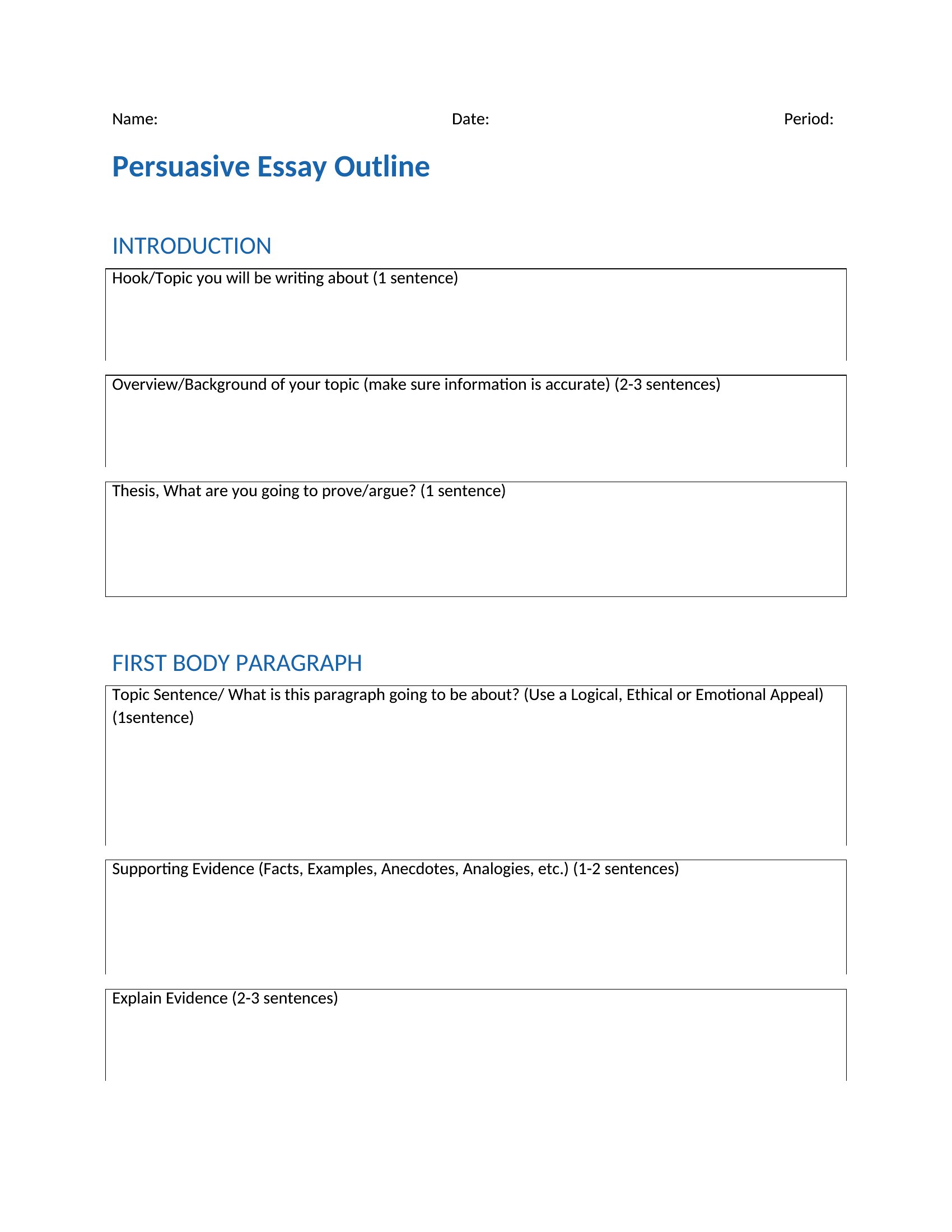
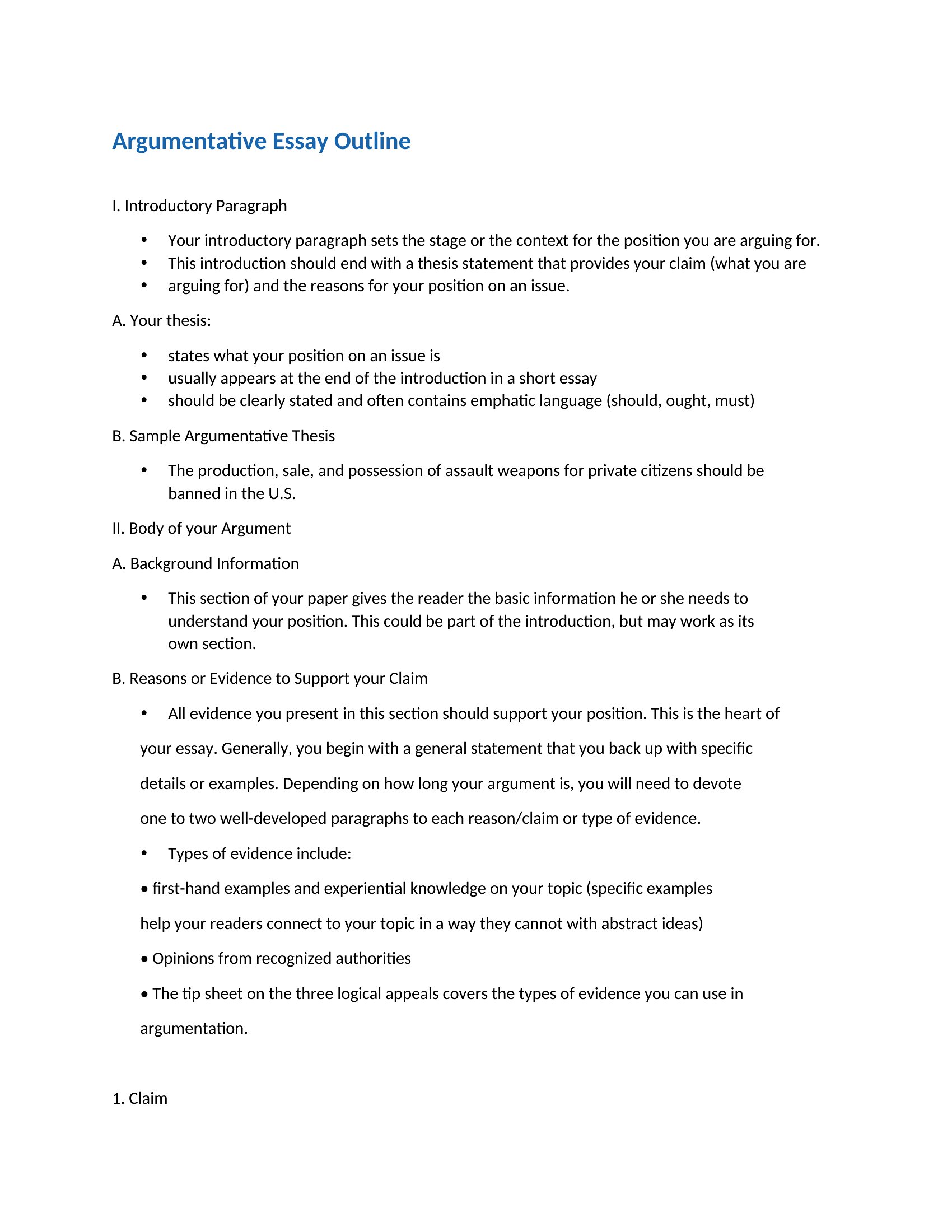
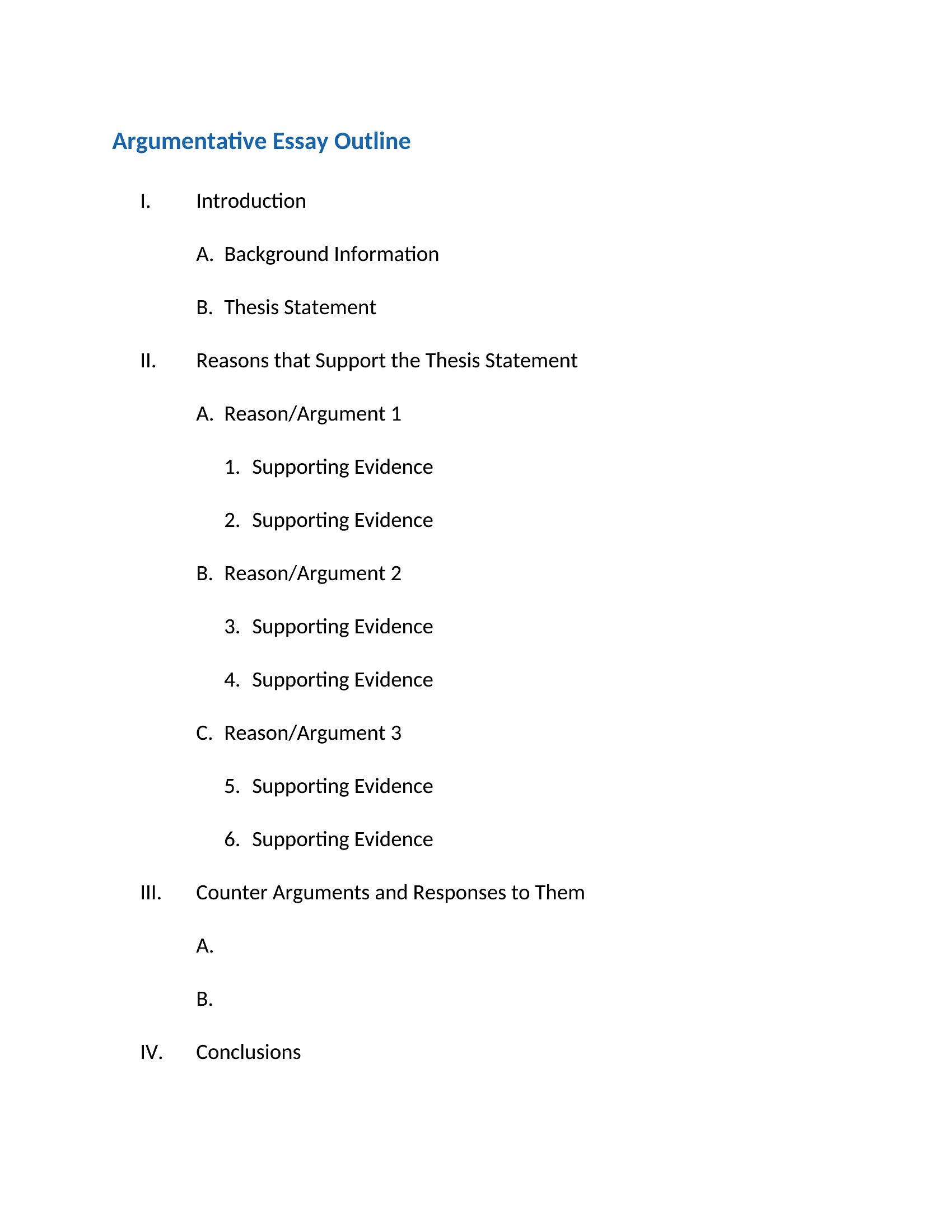
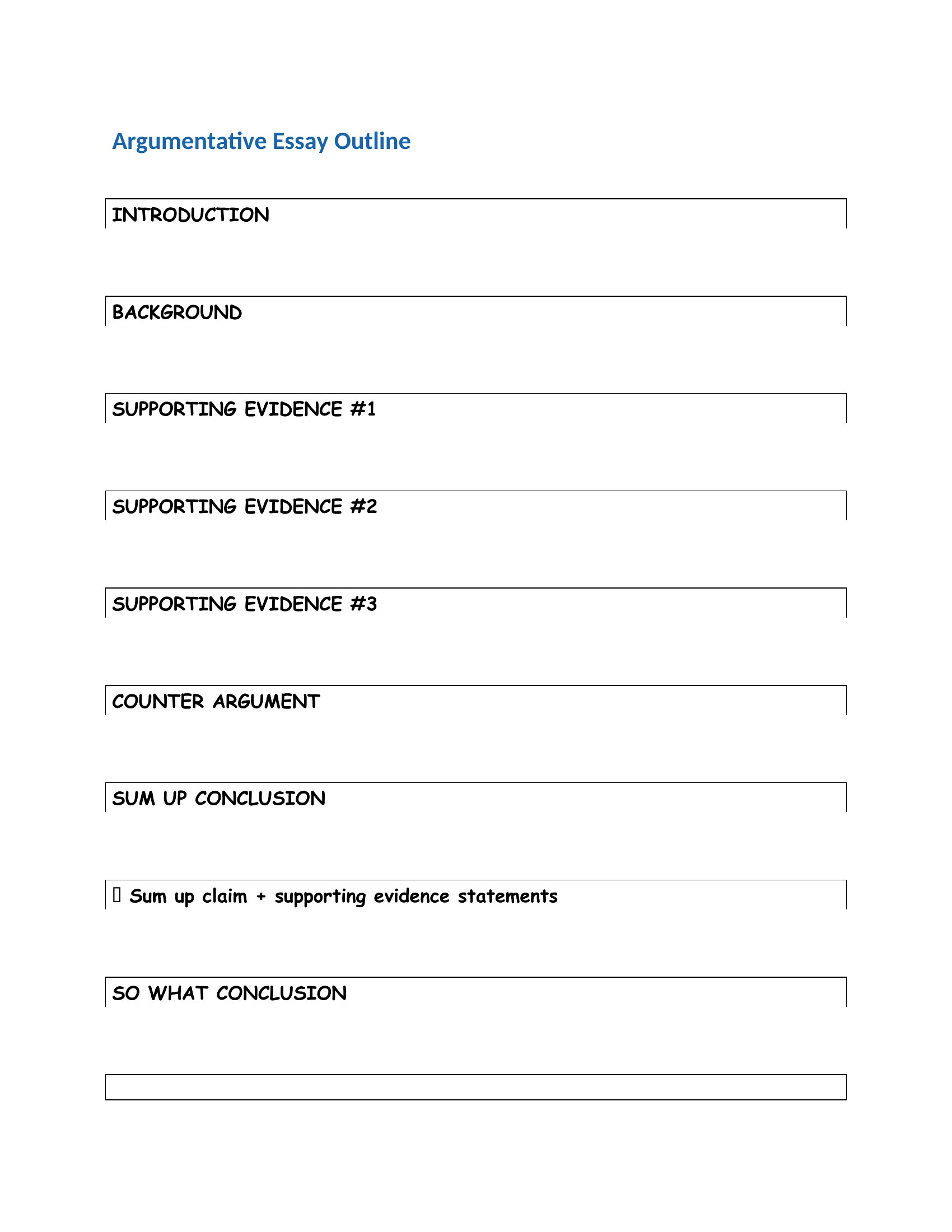
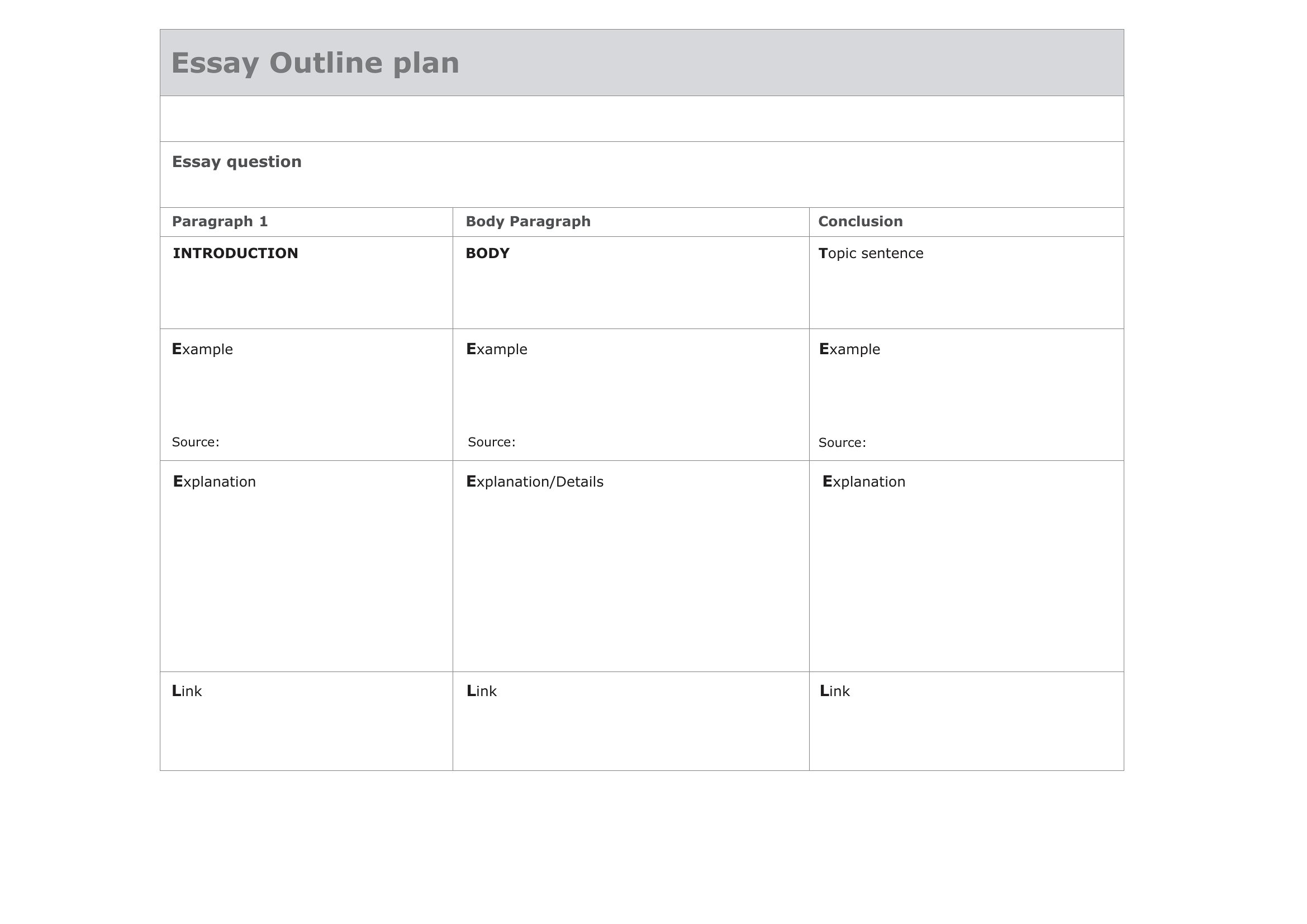
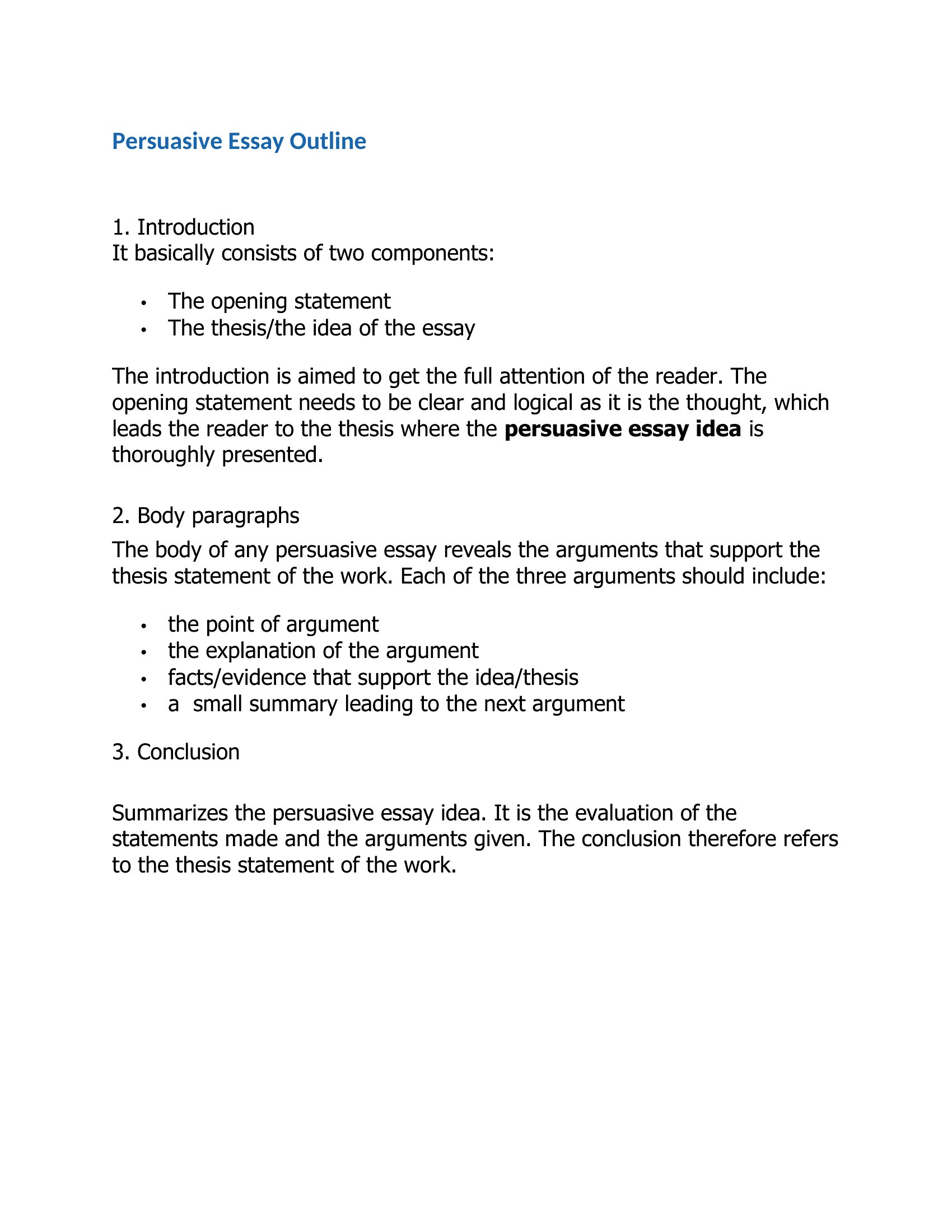
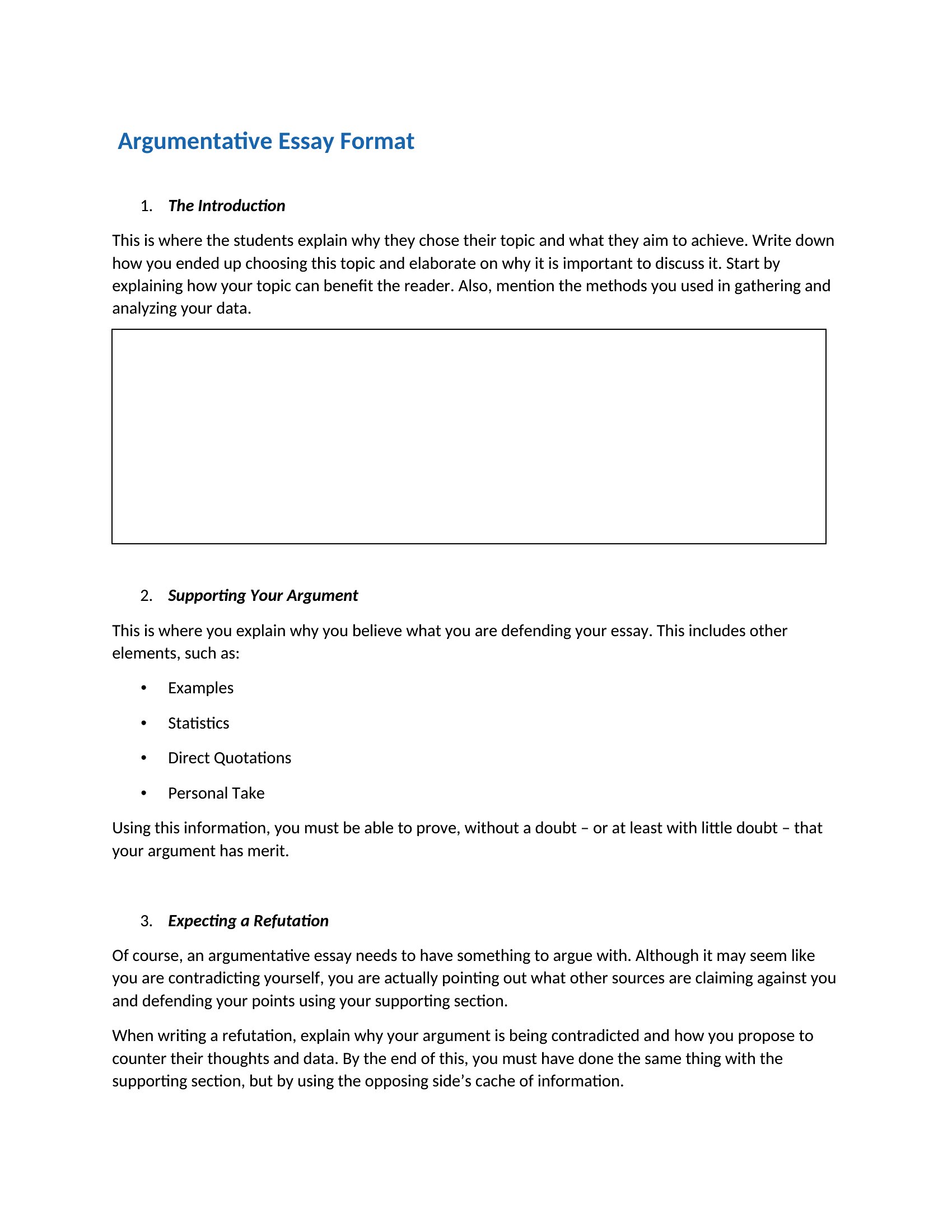
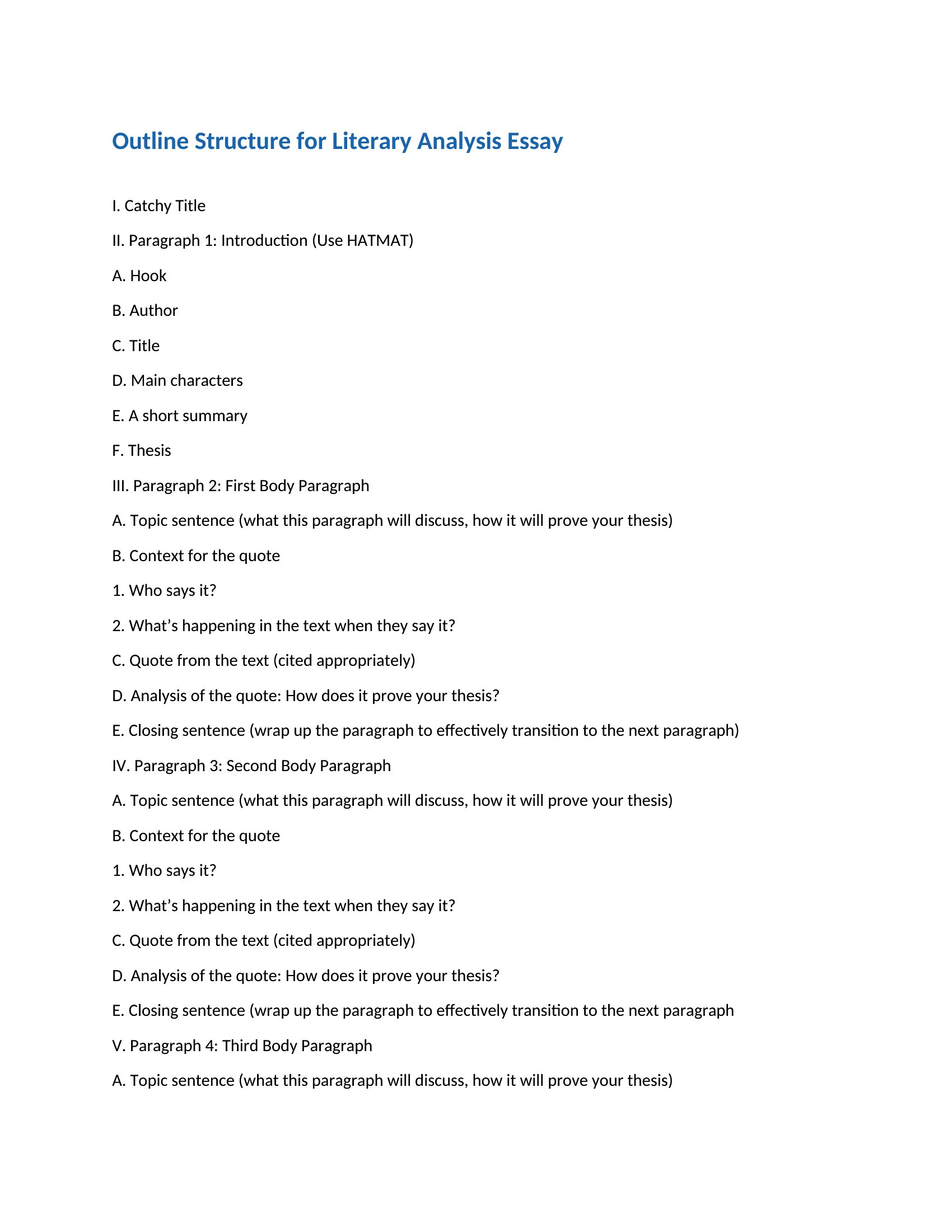
WorksheetsA clear outline turns a blank page into a writing plan, mapping the thesis, main points, and evidence before the first paragraph. This collection of 37 templates supports students and writers tackling argumentative, narrative, and five-paragraph essays, plus longer research papers.
Each outline is editable in Microsoft Word, so you can fill in your topic sentences, rearrange ideas, and build the structure that fits your assignment. Print a copy to scribble on or draft right in the document. Download the format that matches your essay and give your writing a backbone before you start.
When to use this Essay Outline template
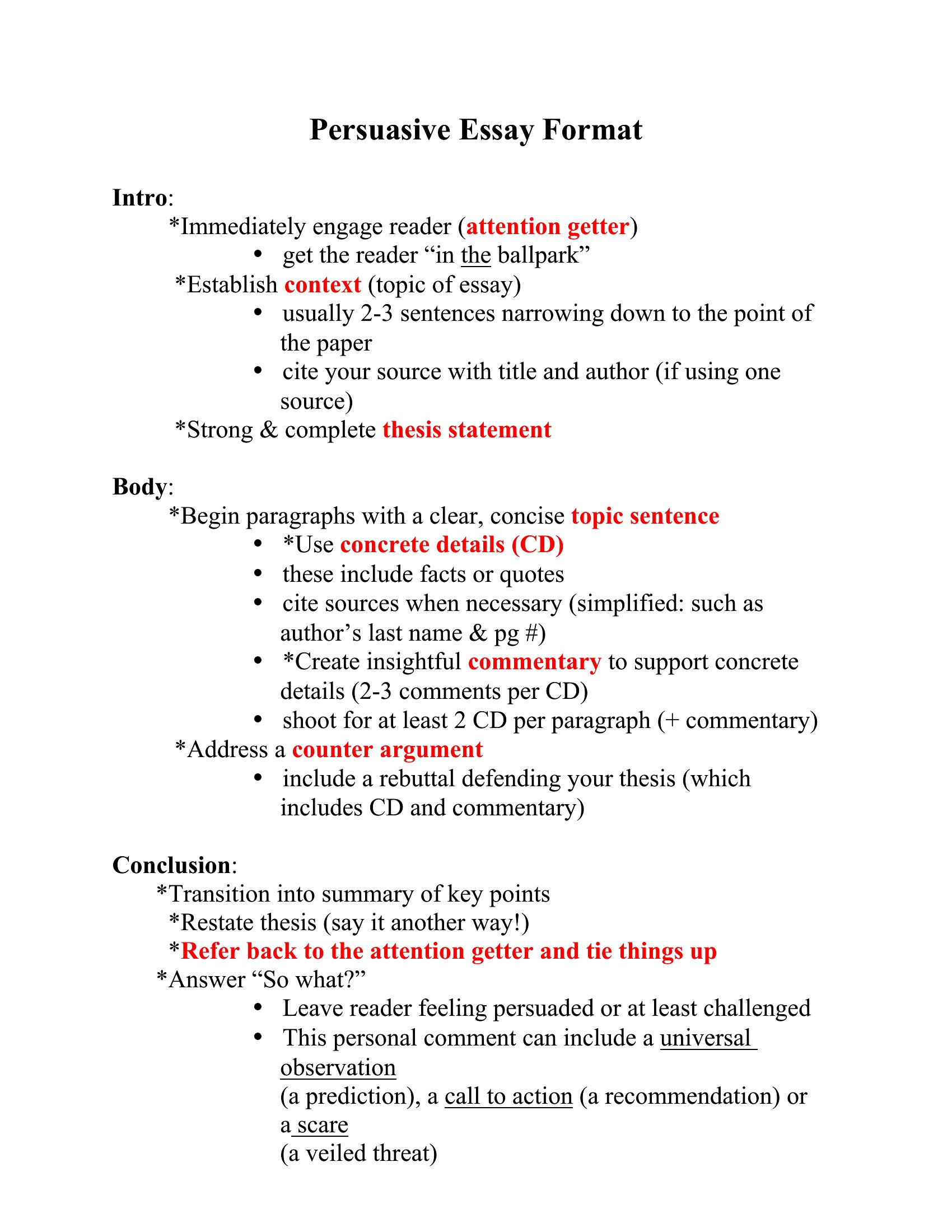
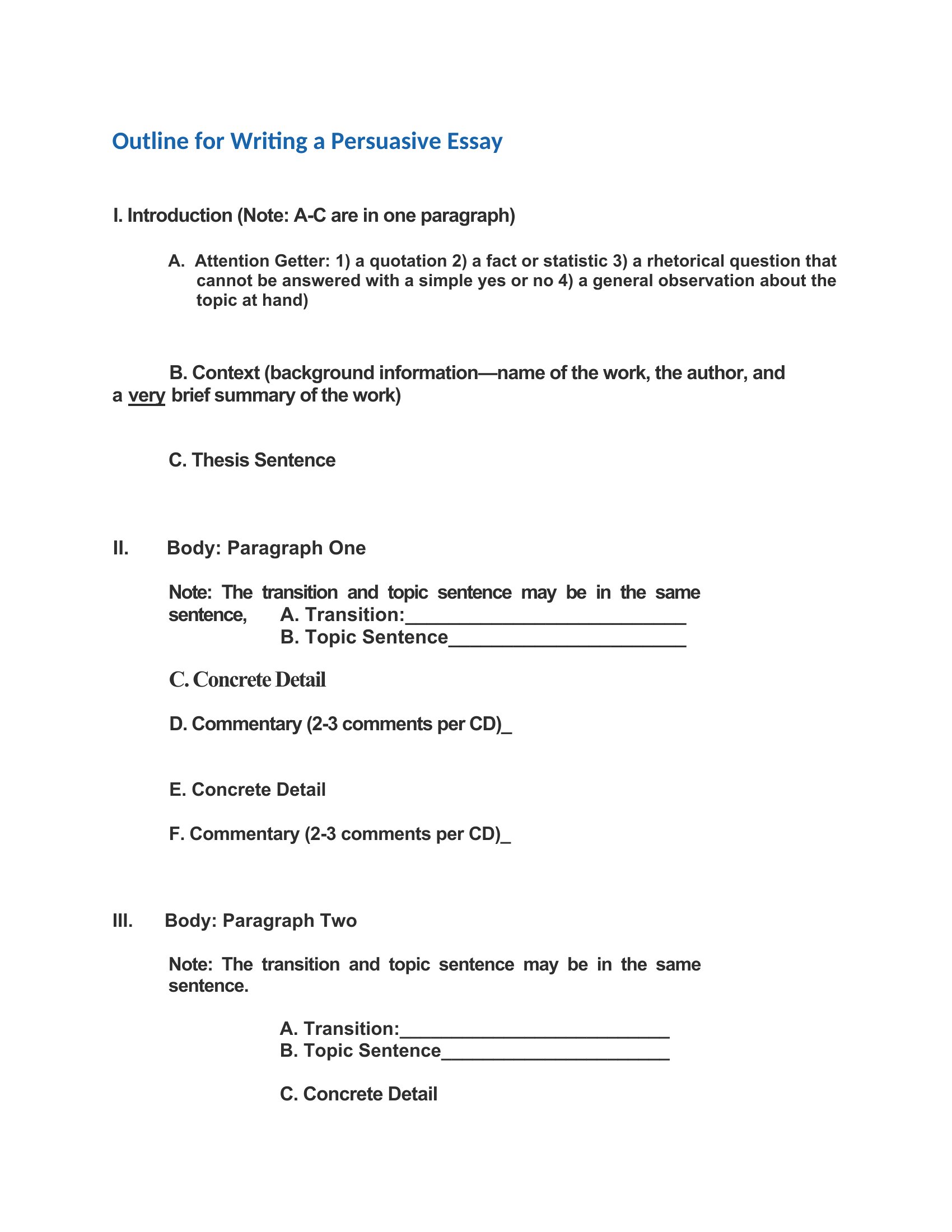
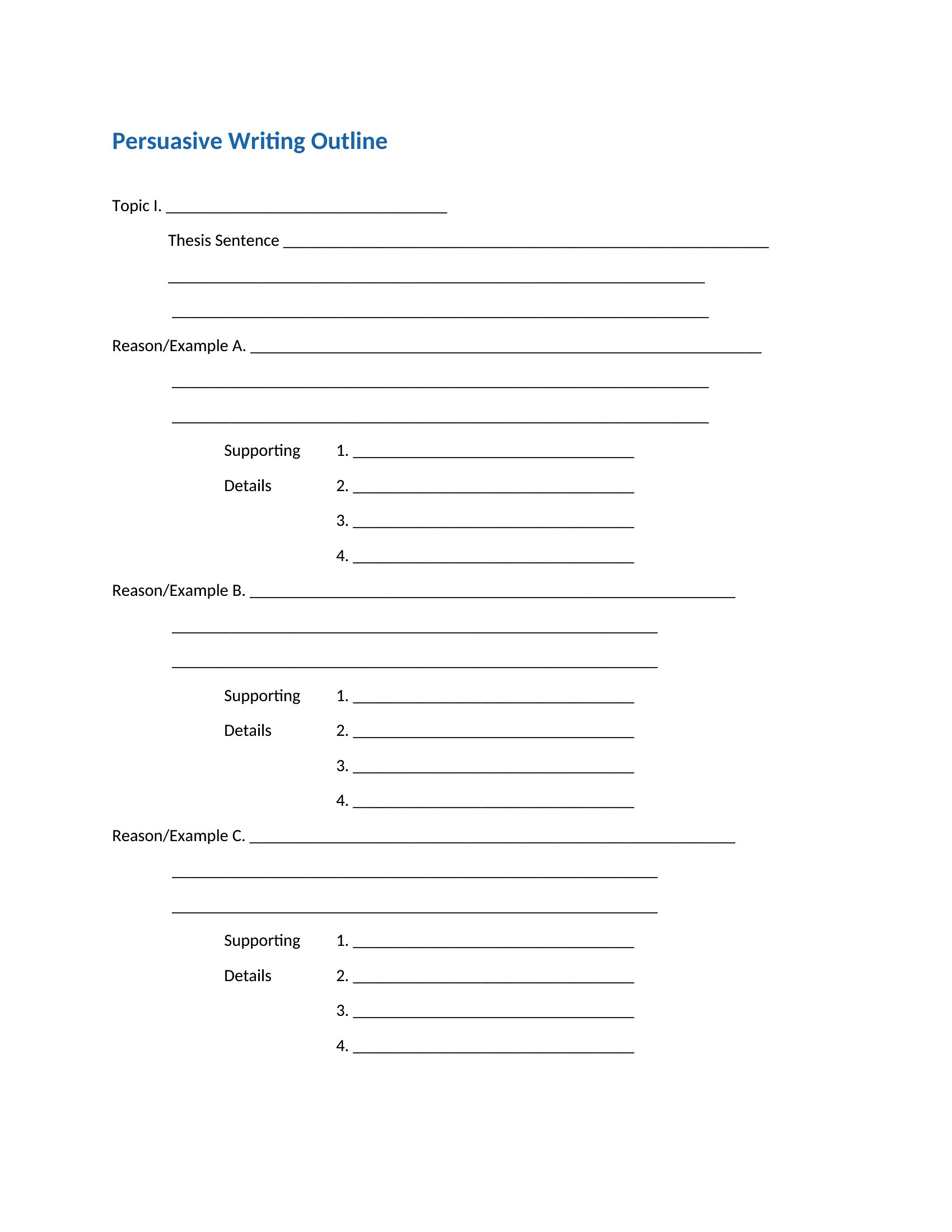
- A high school senior struggling with a 5-paragraph persuasive essay assignment can use these outlines to organize claims, counterarguments, and evidence into a structured roadmap before drafting.
- College applicants drafting a personal statement for university applications benefit from research paper outlines to logically sequence anecdotes, themes, and reflective insights.
- Undergraduate students writing synthesis essays for literature or history courses can leverage these templates to merge multiple sources while clearly marking transitions between ideas.
- Educators designing lesson plans for first-year composition classes can print and distribute these editable outlines to help students visualize essay structures in real time.
Which format should I download?
All 37 outlines are provided exclusively in Microsoft Word format because it balances simplicity and flexibility for writers. Choose this format if you need to easily rearrange sections, adjust indentation, or collaborate by sharing a document. Word’s user-friendly interface also lets you quickly transition from outlining to drafting without formatting disruptions. If you’re teaching or grading essays, Word’s track changes feature allows for seamless feedback integration.
Choose from 37 Essay Outline Templates
How to use this Essay Outline template
Can I use these outlines for non-academic writing, like business reports or creative storytelling?
While primarily designed for argumentative, narrative, and research essays, these outlines can adapt to other structured writing tasks. For example, a business analyst drafting a case study might use the persuasive essay outline’s problem-solution framework. However, adjust headings to reflect your content’s unique sections—for instance, replacing ‘Thesis’ with ‘Executive Summary.’
What’s the best way to customize an outline if my essay requires more or fewer main points than the template suggests?
Word’s flexible formatting lets you merge or split existing sections by adjusting the outline hierarchy (e.g., demoting subpoints to main points). For templates with rigid numbering, replace placeholder text with your own headings—like ‘Background’ instead of ‘Introduction’—then rearrange the outline view. If you need extra space, insert new lines between sections without altering the template’s core structure.
How can I ensure my outline stays organized if I’m combining ideas from multiple sources for a synthesis essay?
Use Word’s comment feature to flag source citations next to relevant sections, or color-code text based on origin (e.g., blue for primary sources, green for scholarly articles). For complex synthesis, create a separate ‘Sources’ subsection under each main point to list direct quotes or paraphrased ideas. This keeps your outline clear while tracking research integration.
Comments
Join the conversation
Sign in to share your thoughts and leave a comment on this resource.