Skip to content
50% off this one-time $1.99 pack with HALFOFF — or unlimited with Pro.HALFOFF
Premium

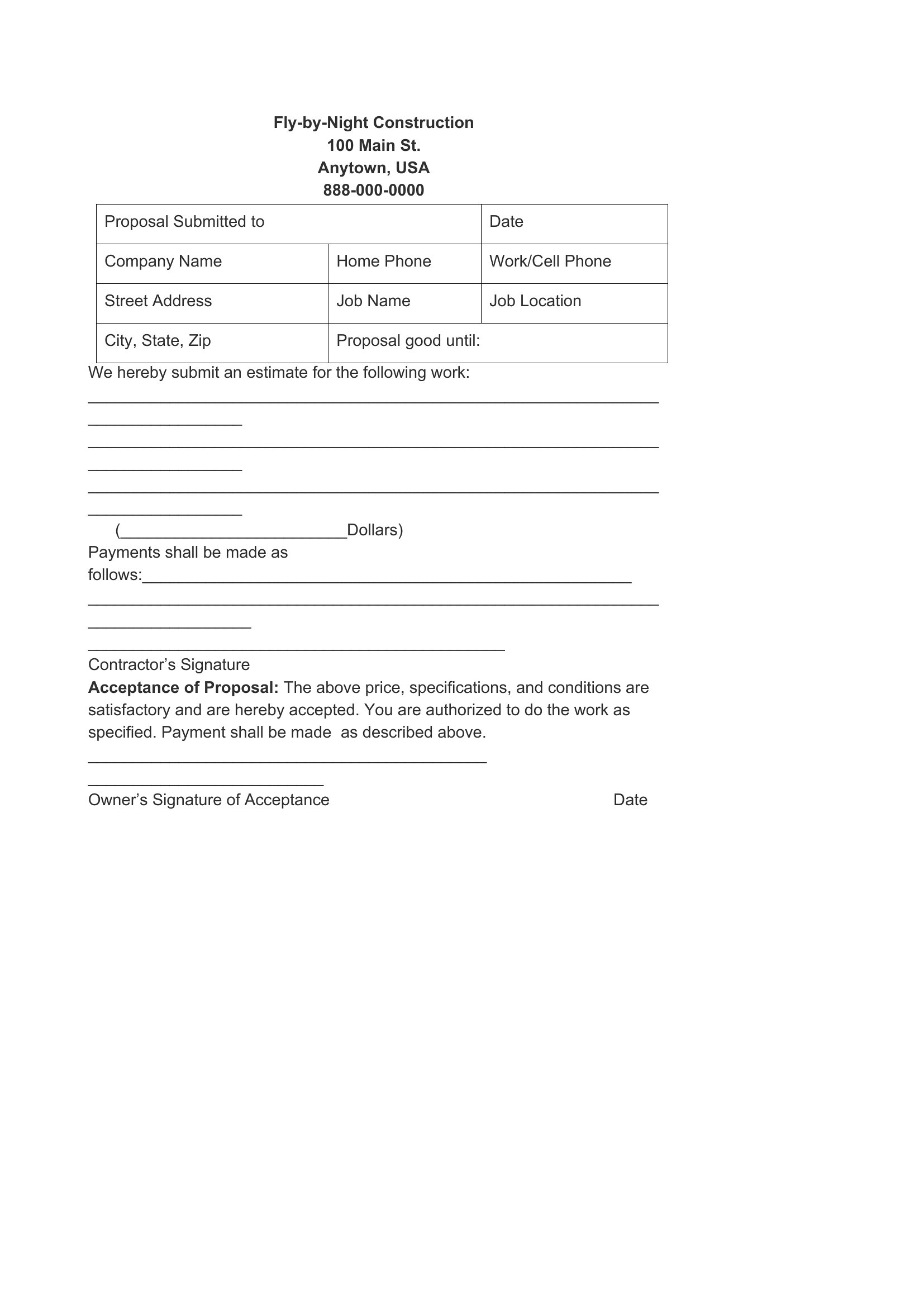
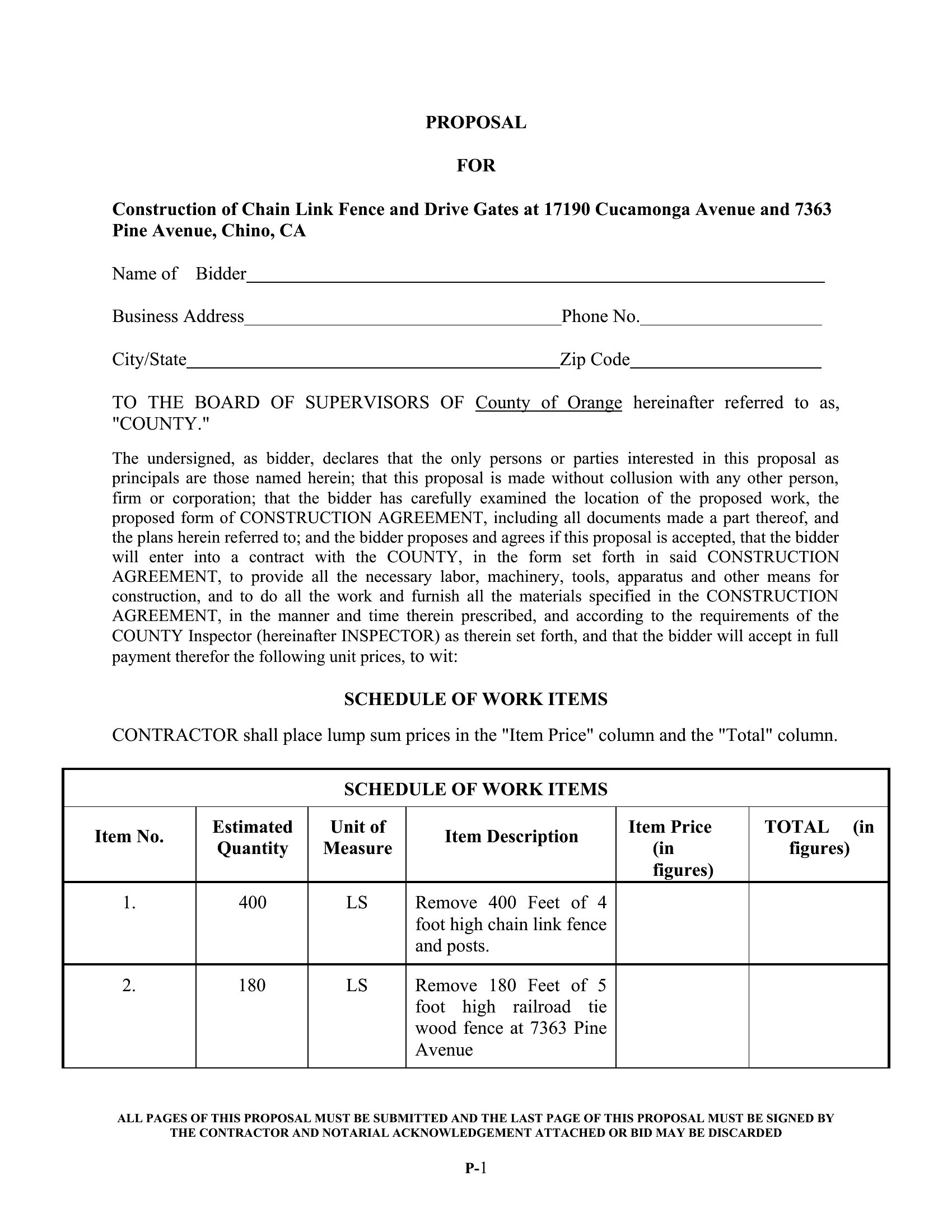
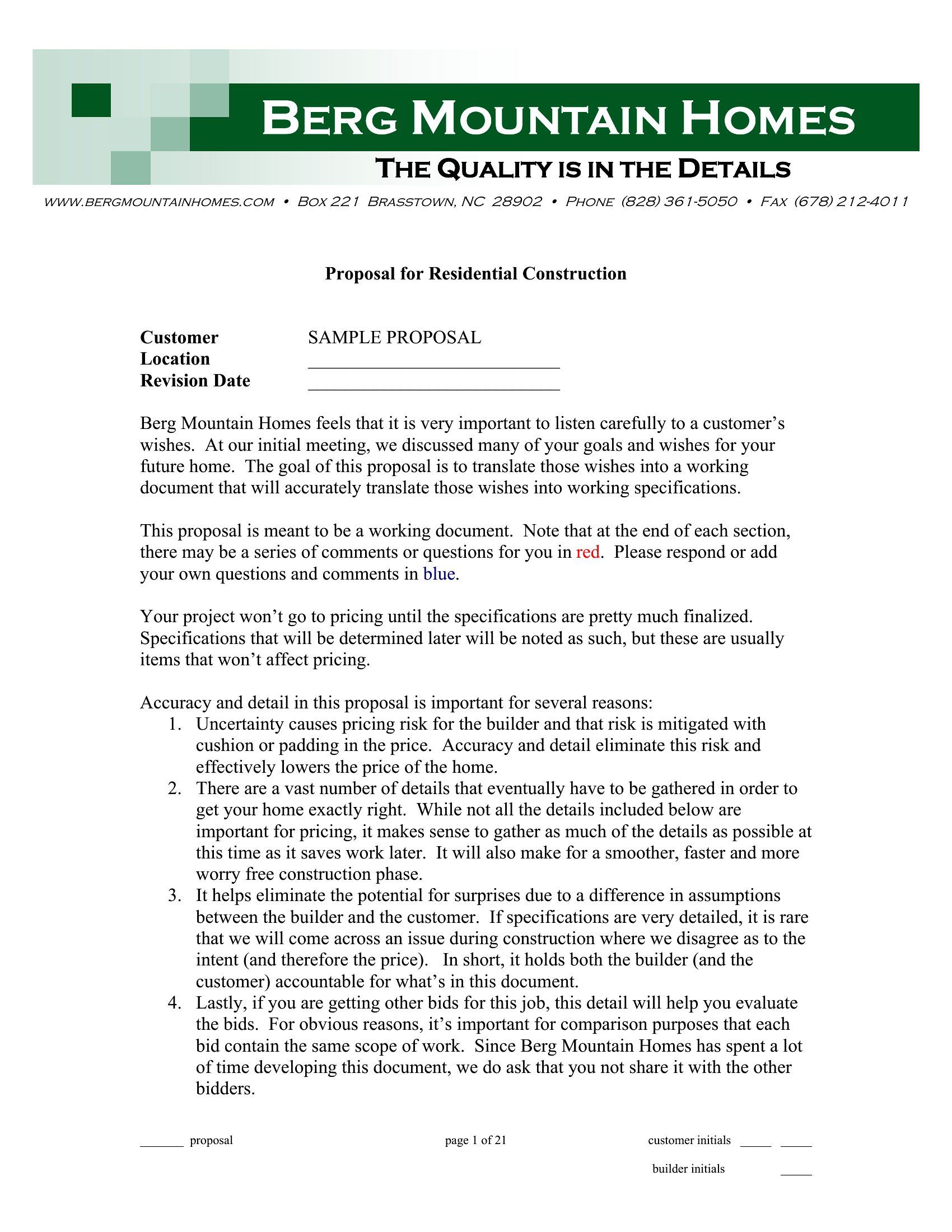
Free Construction Proposal Templates (Word, Excel, PDF)

Analysis
emmaniva by emmaniva
Updated 0 downloads 1 community comment

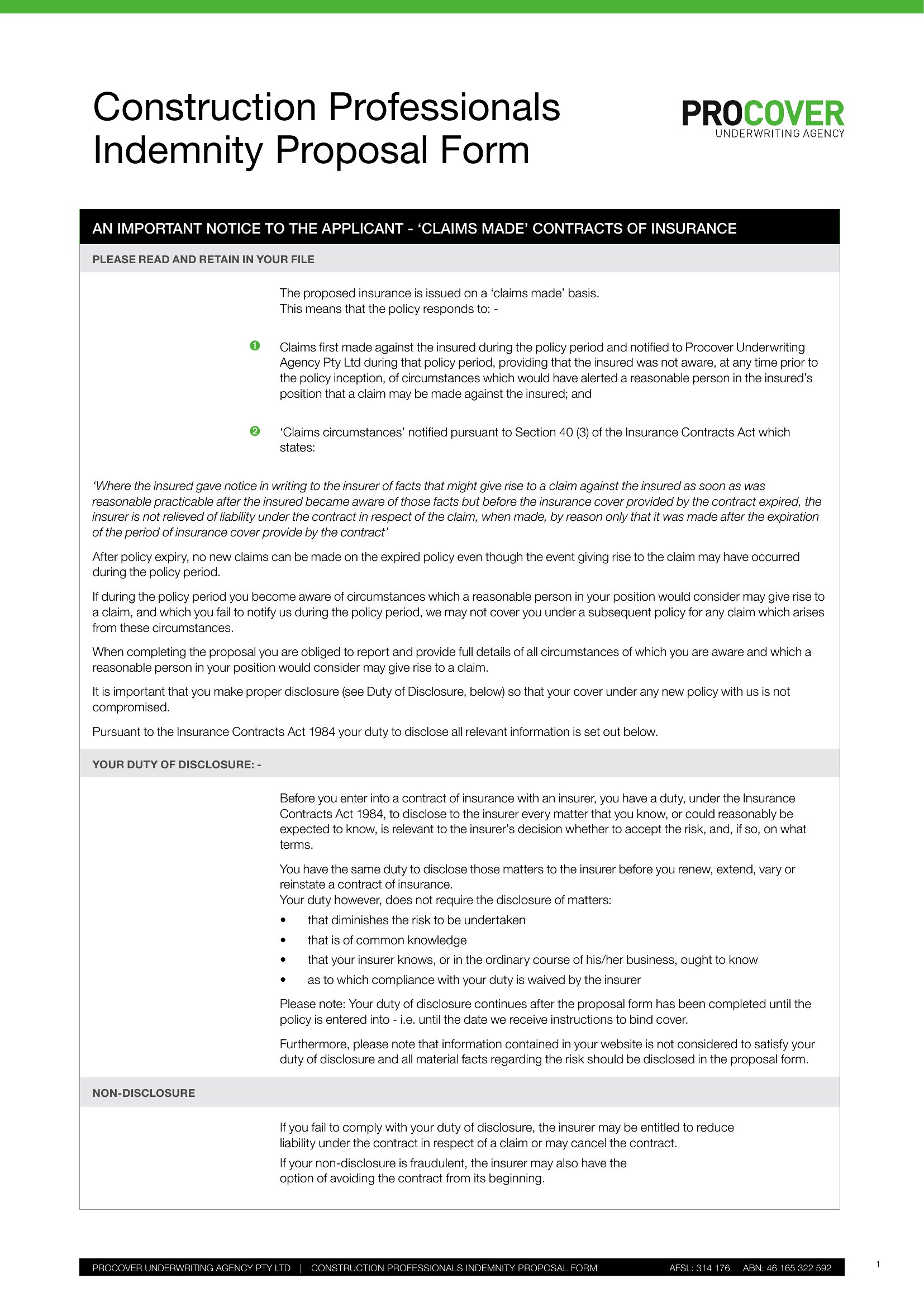
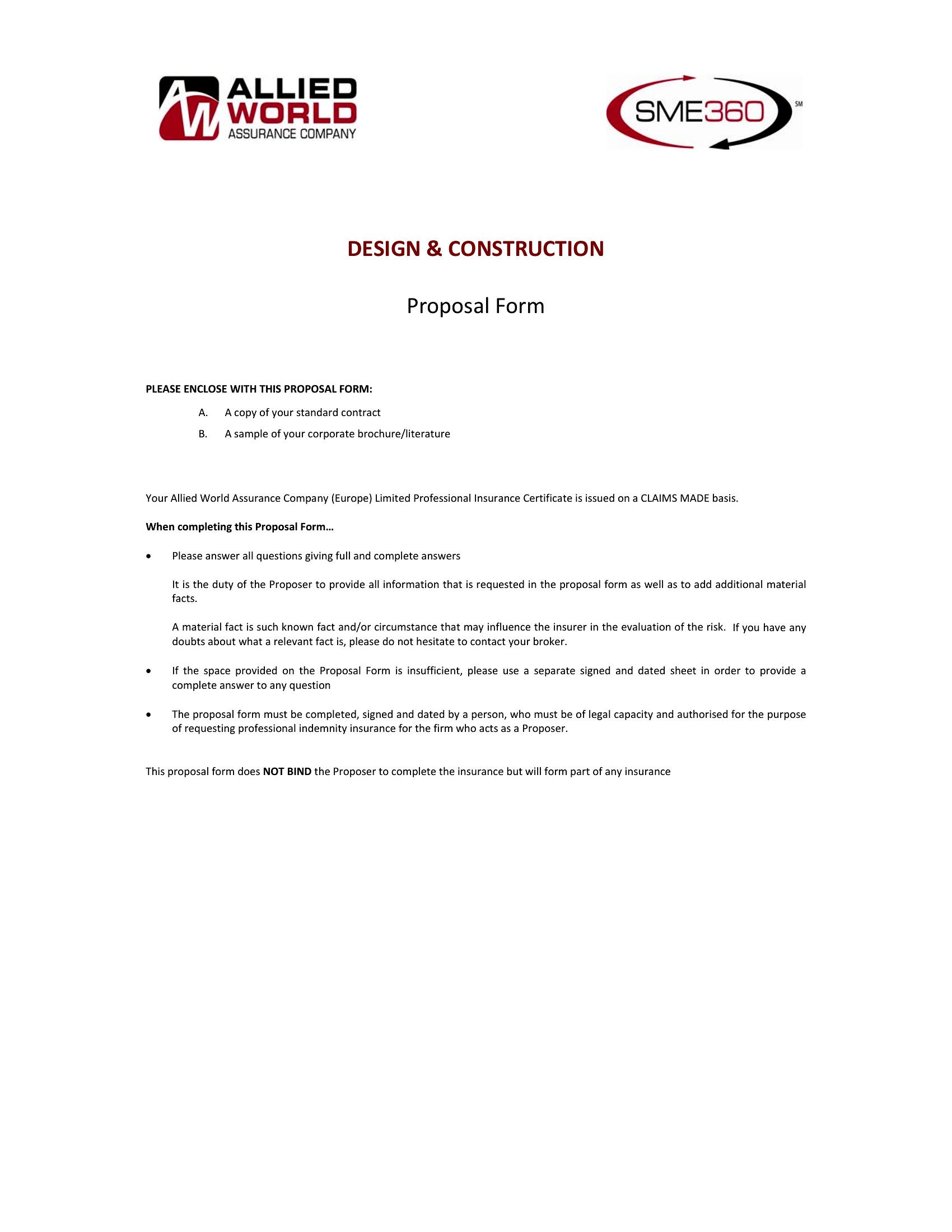
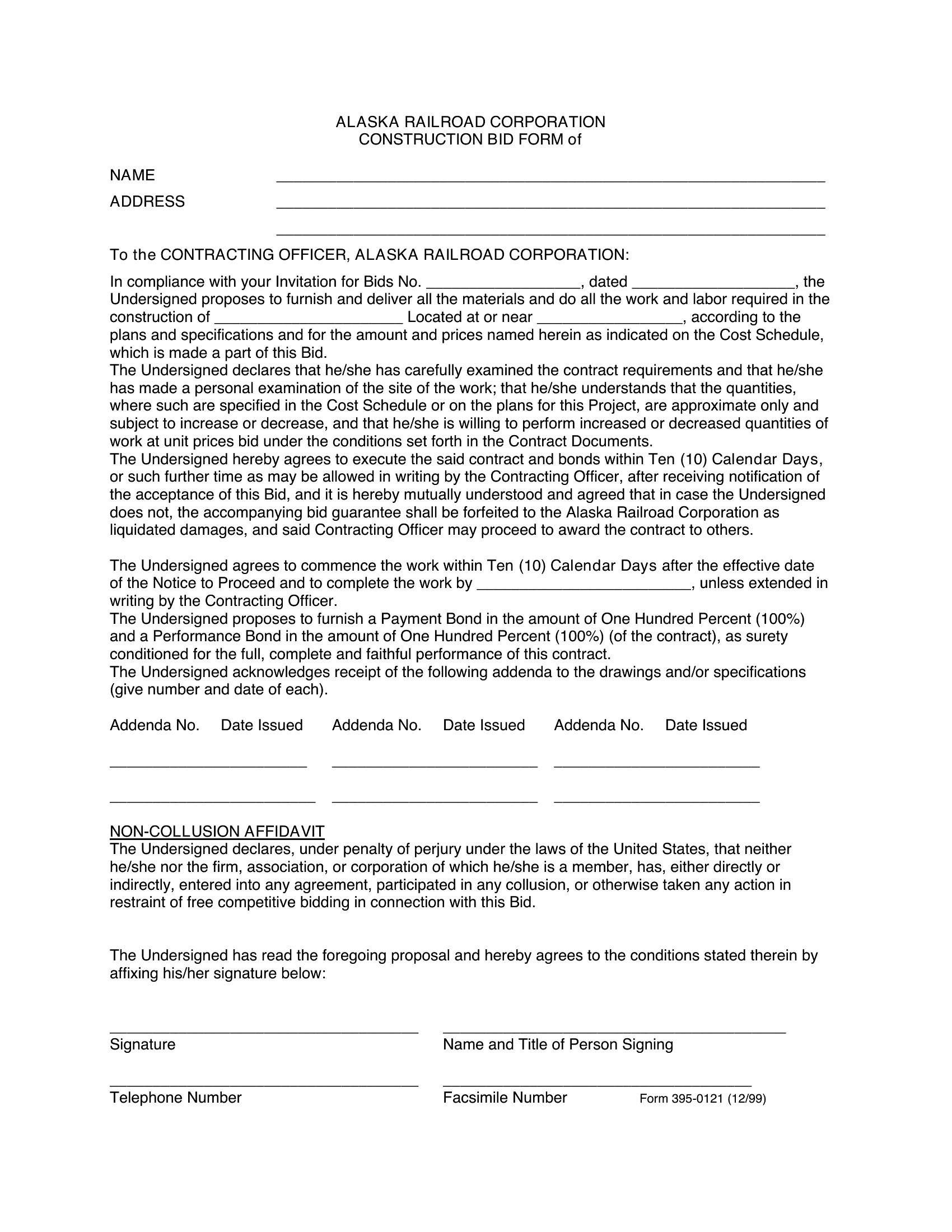
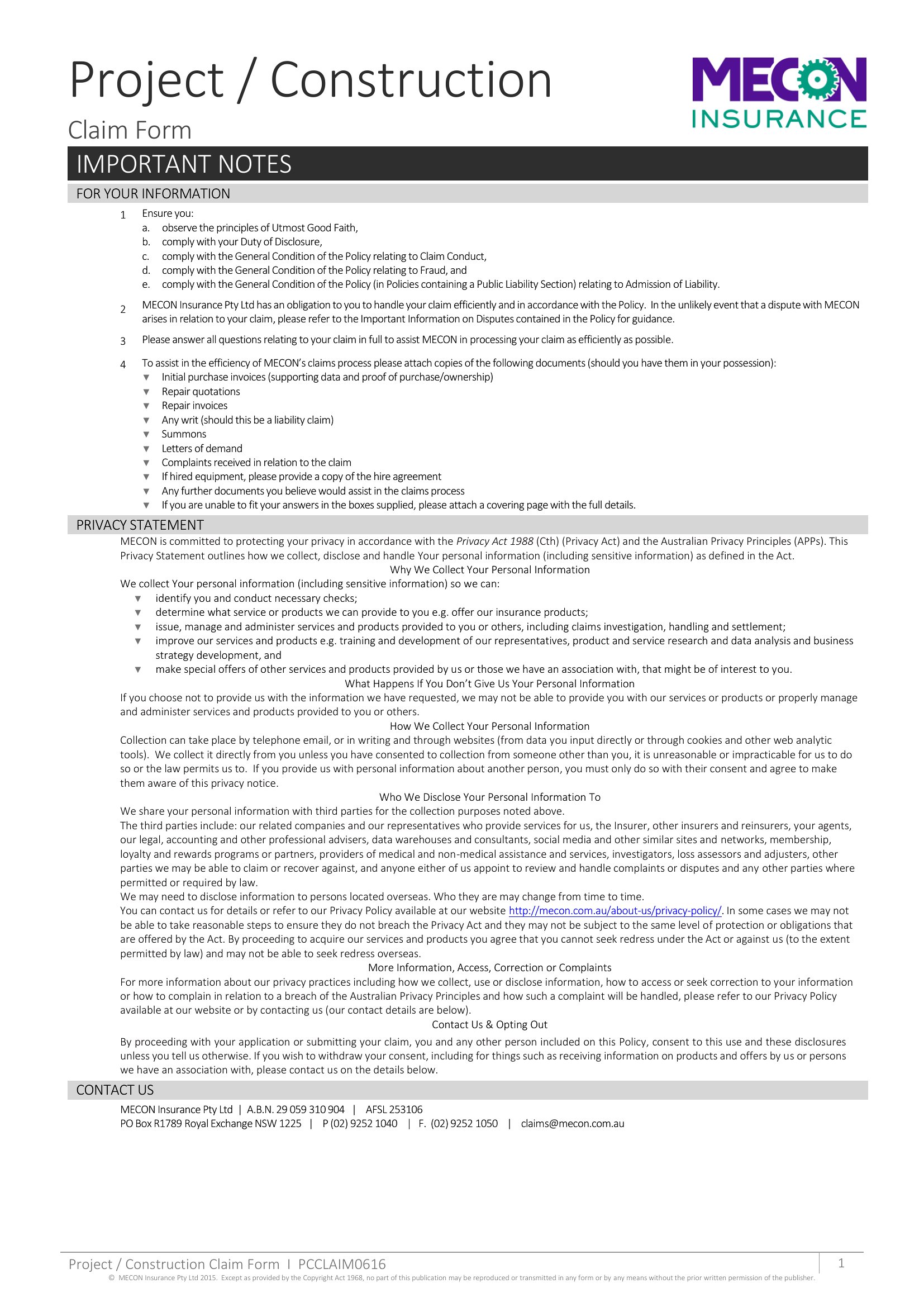
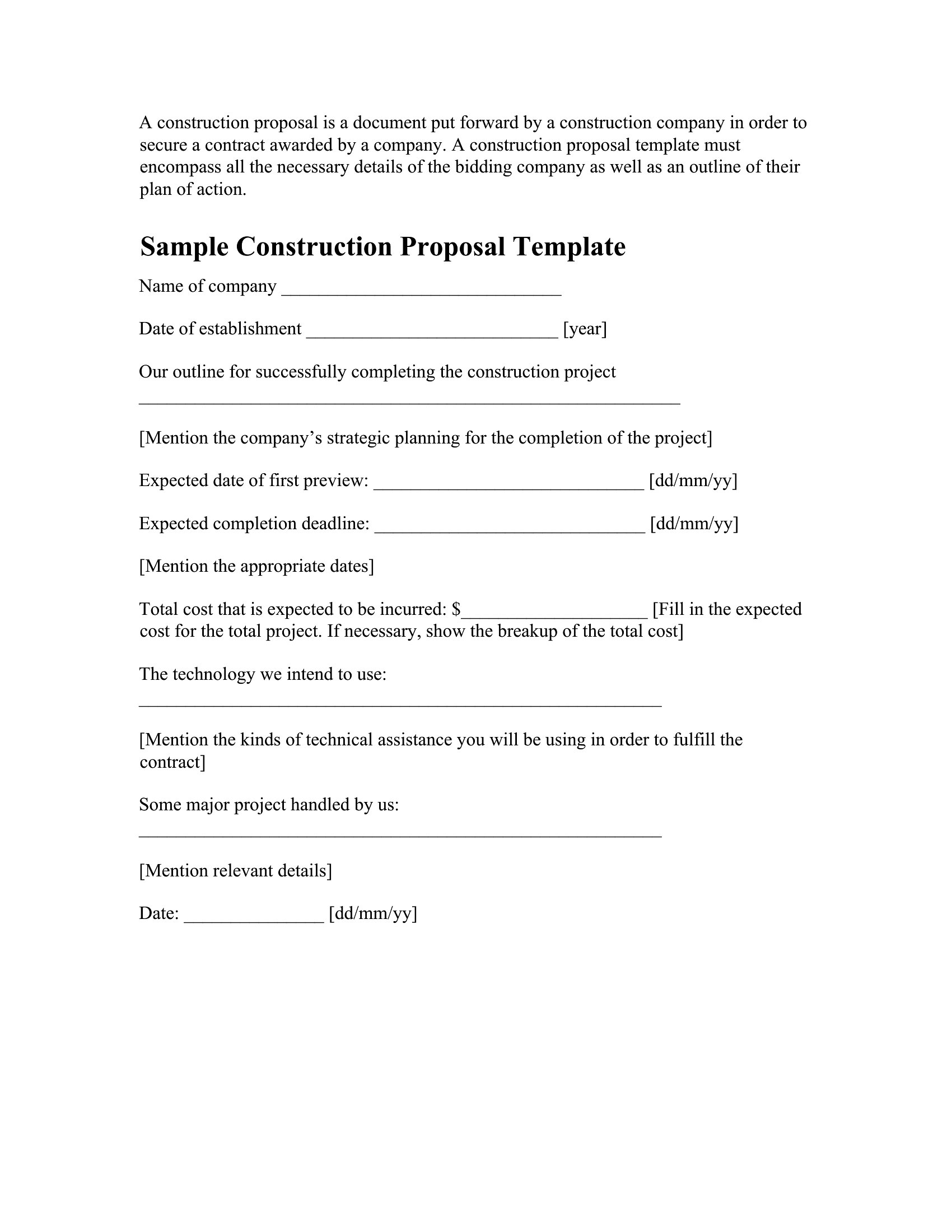
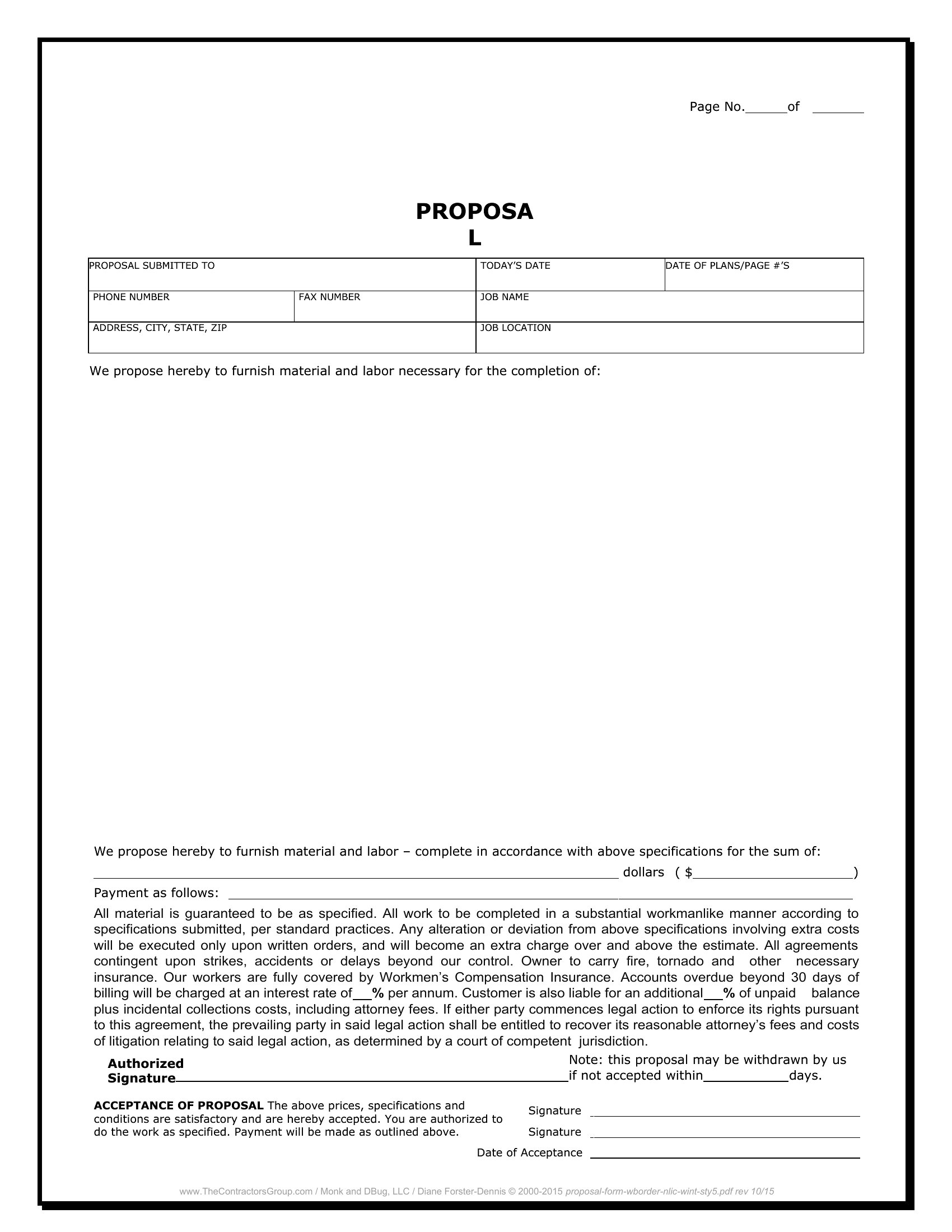
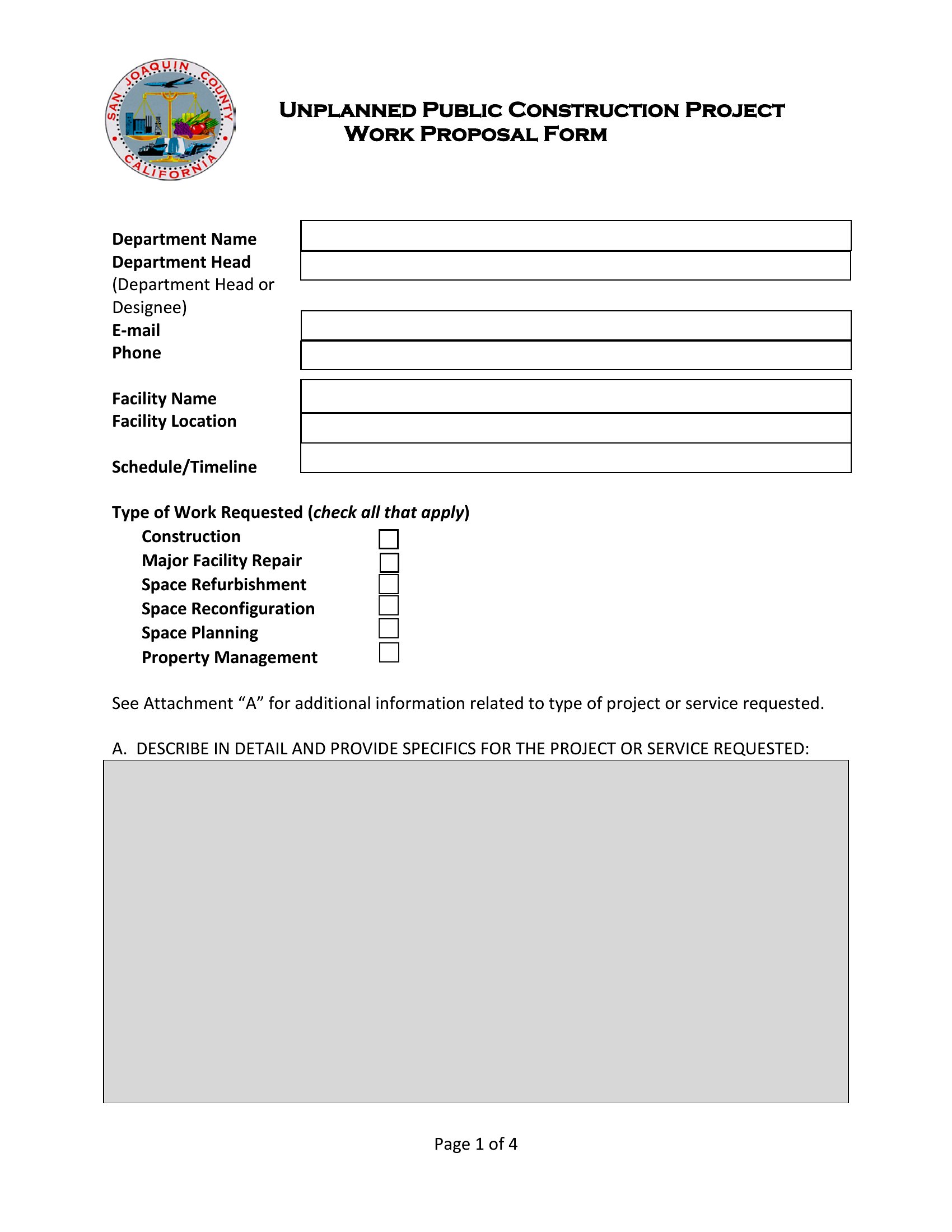
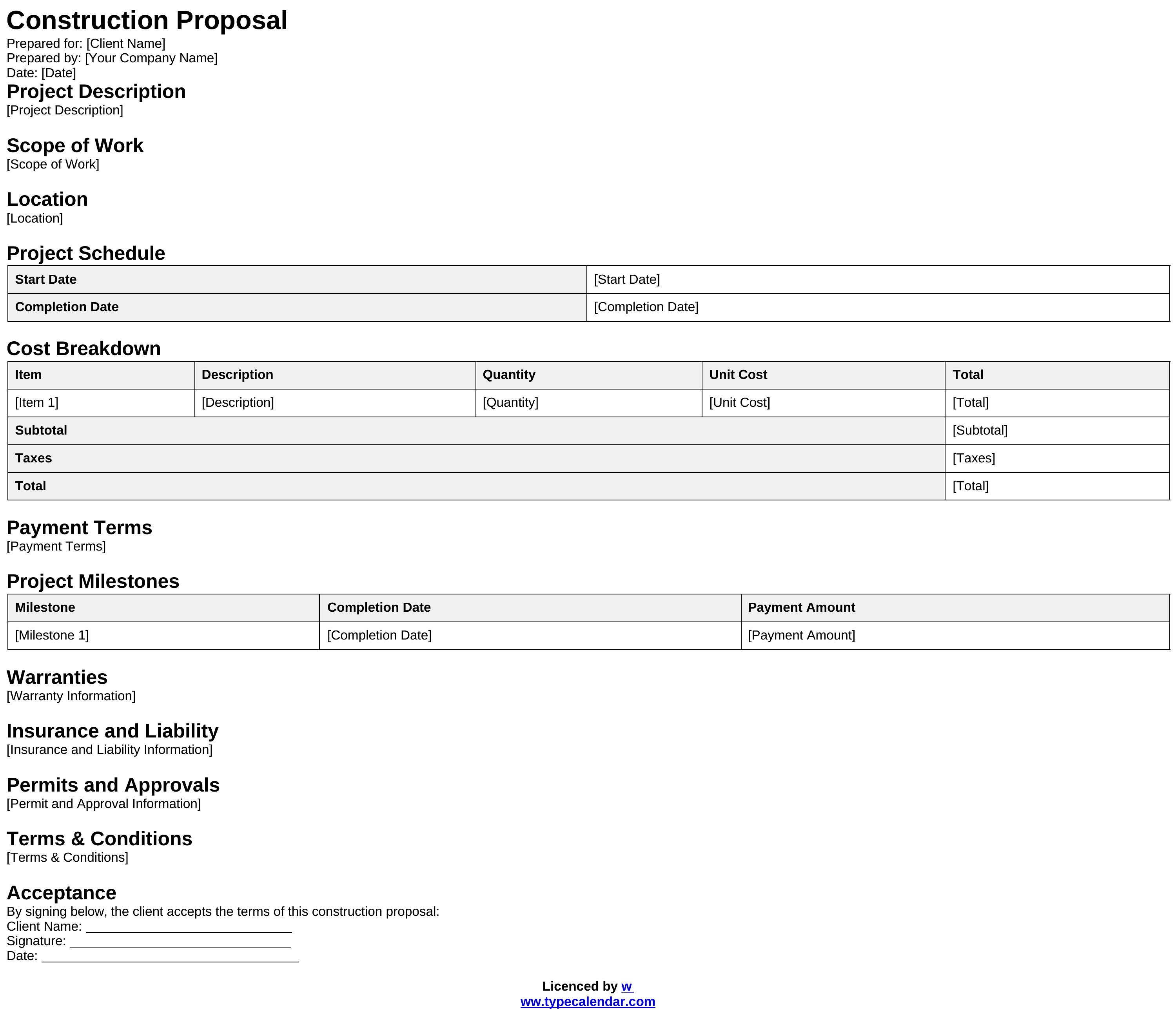
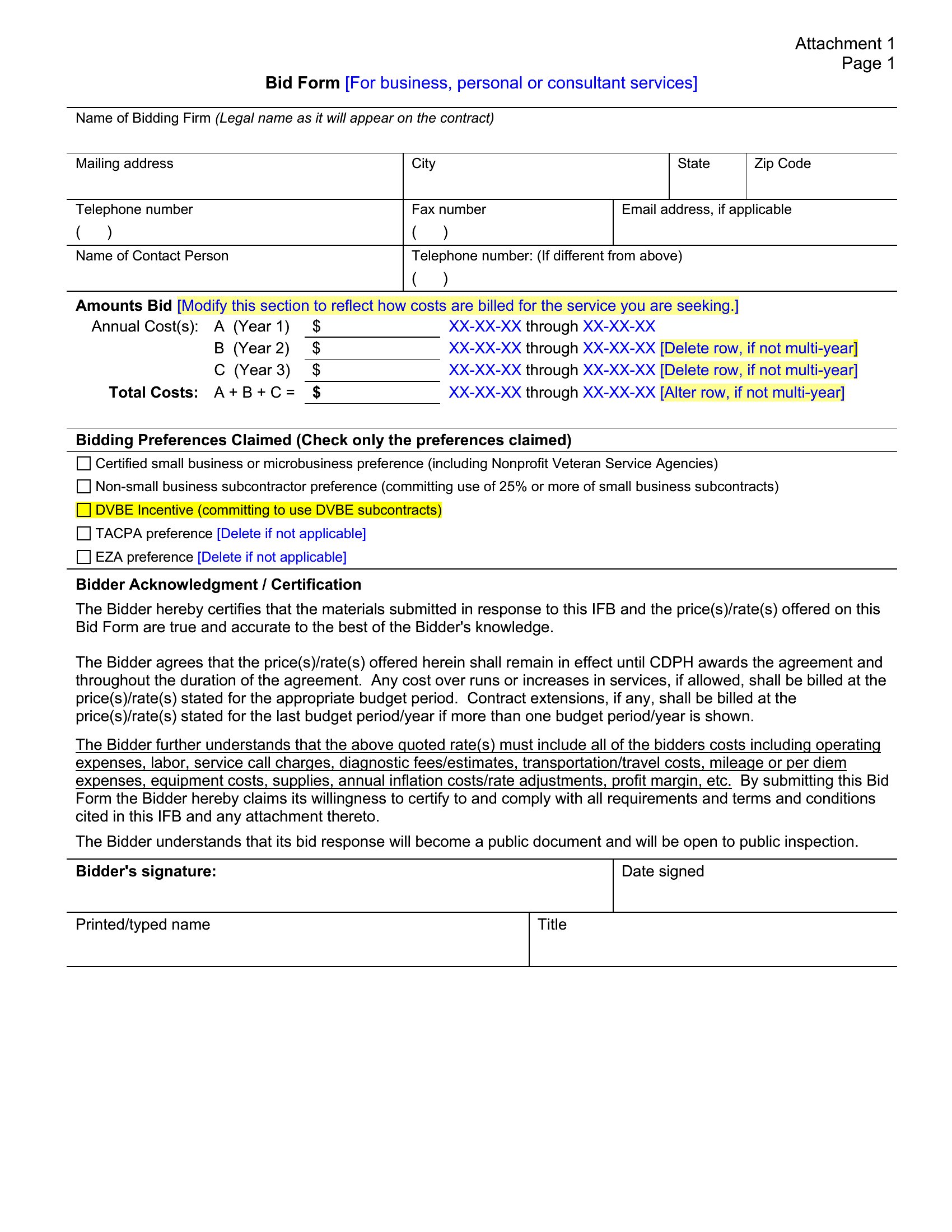
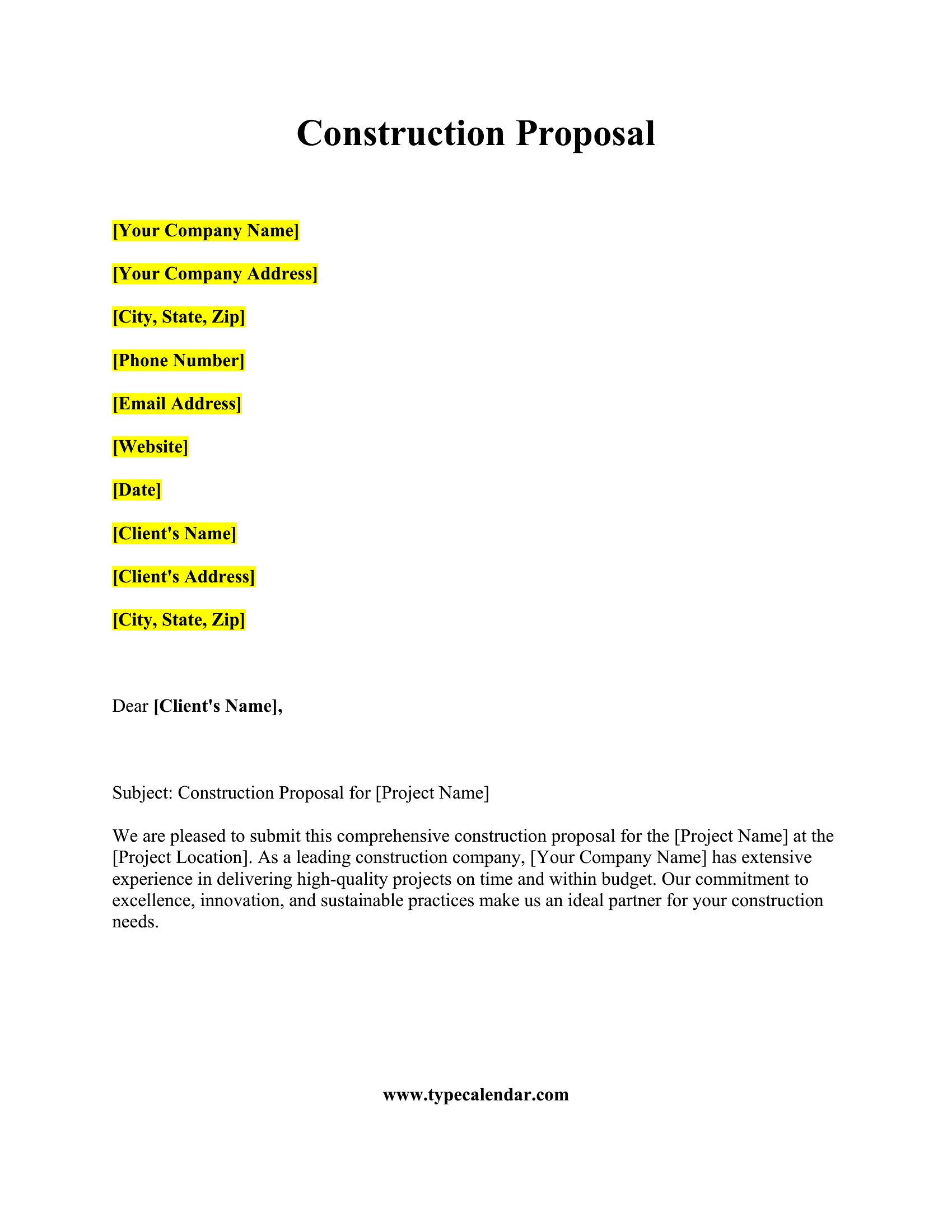
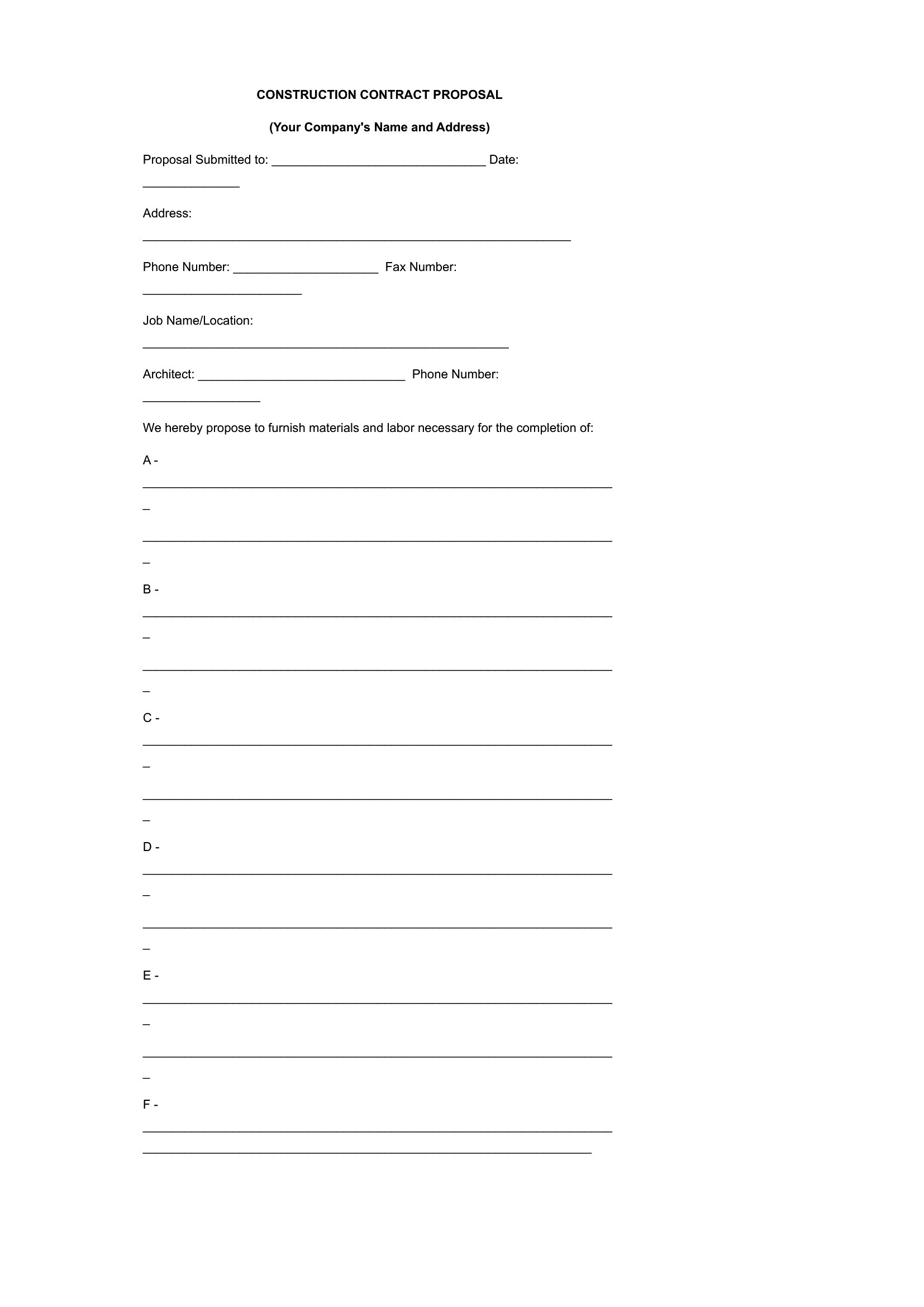
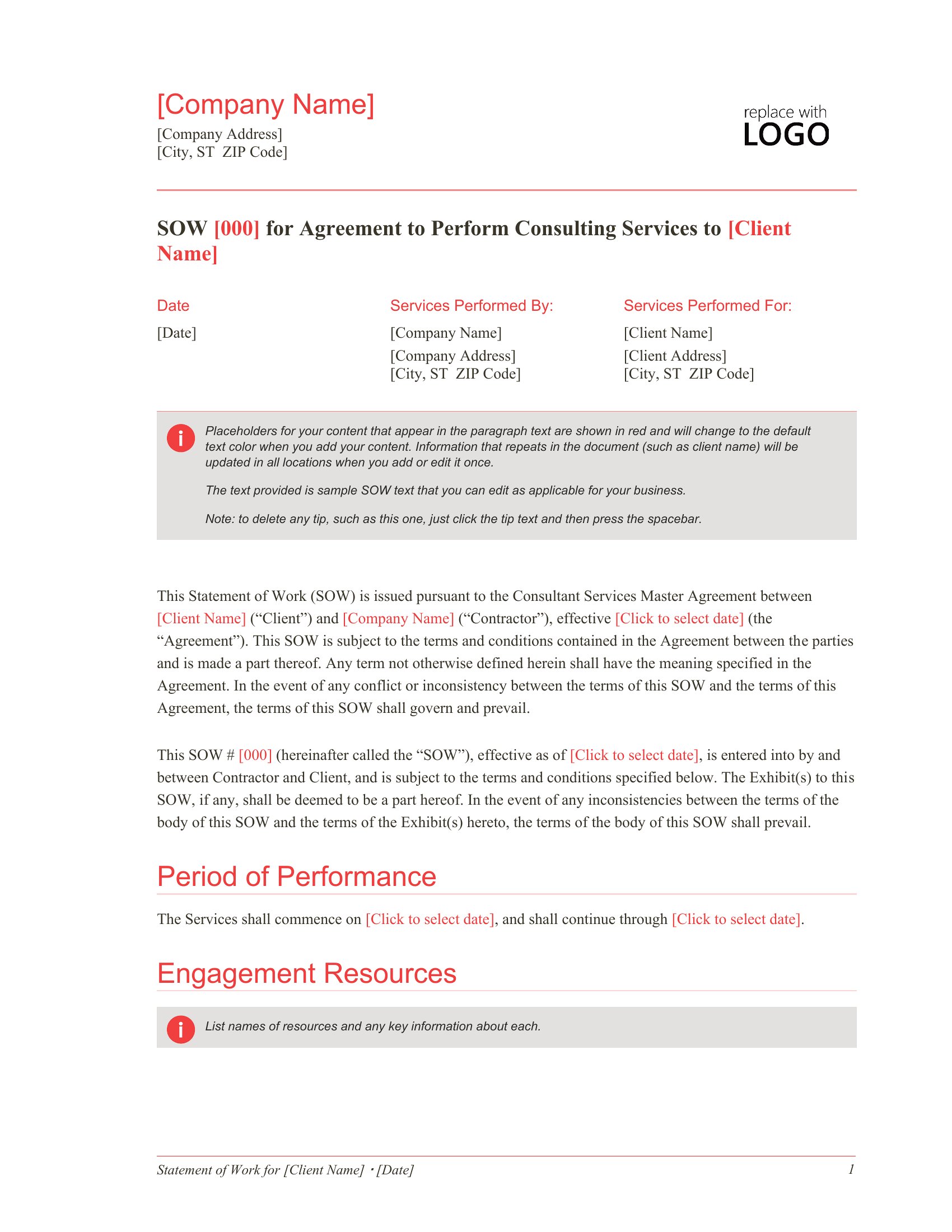
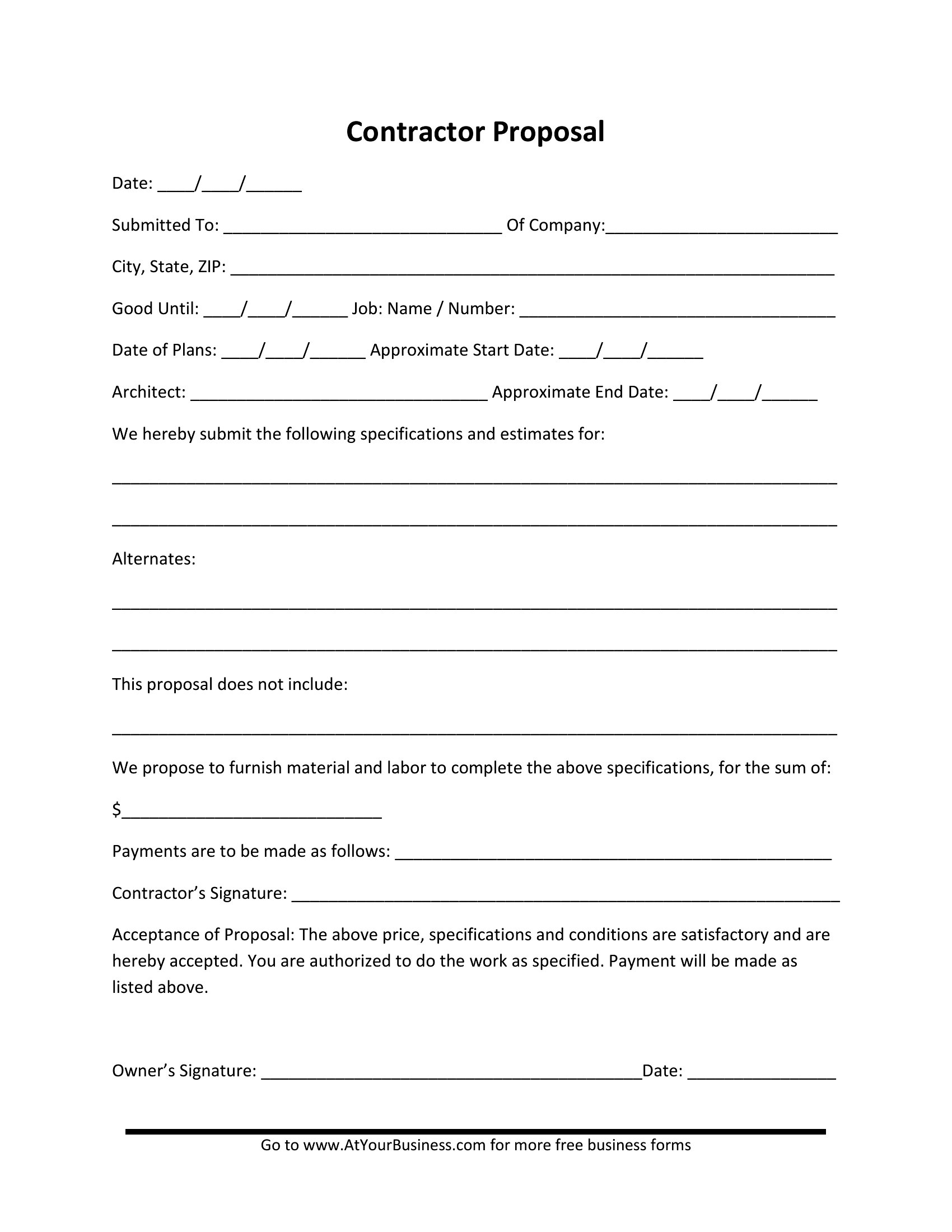
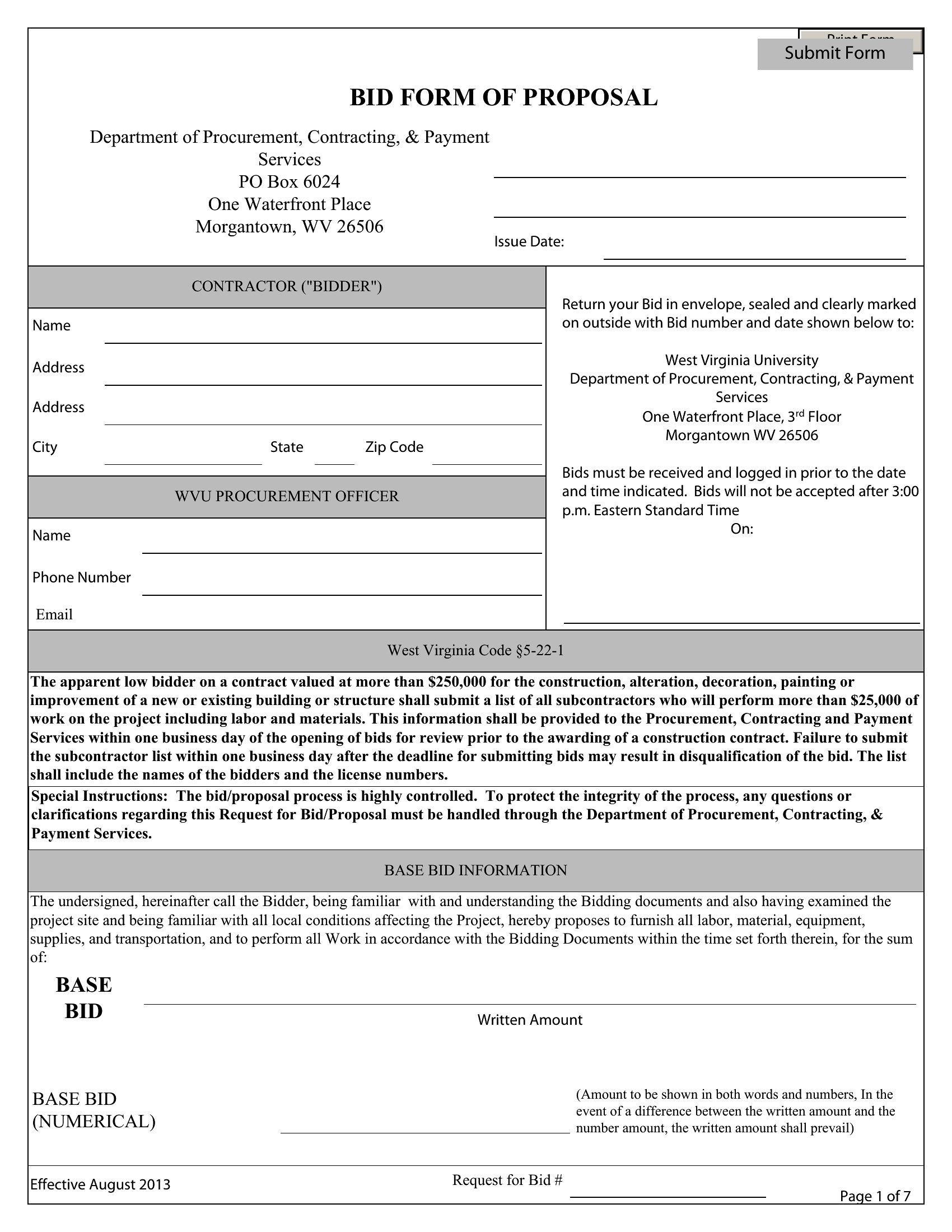
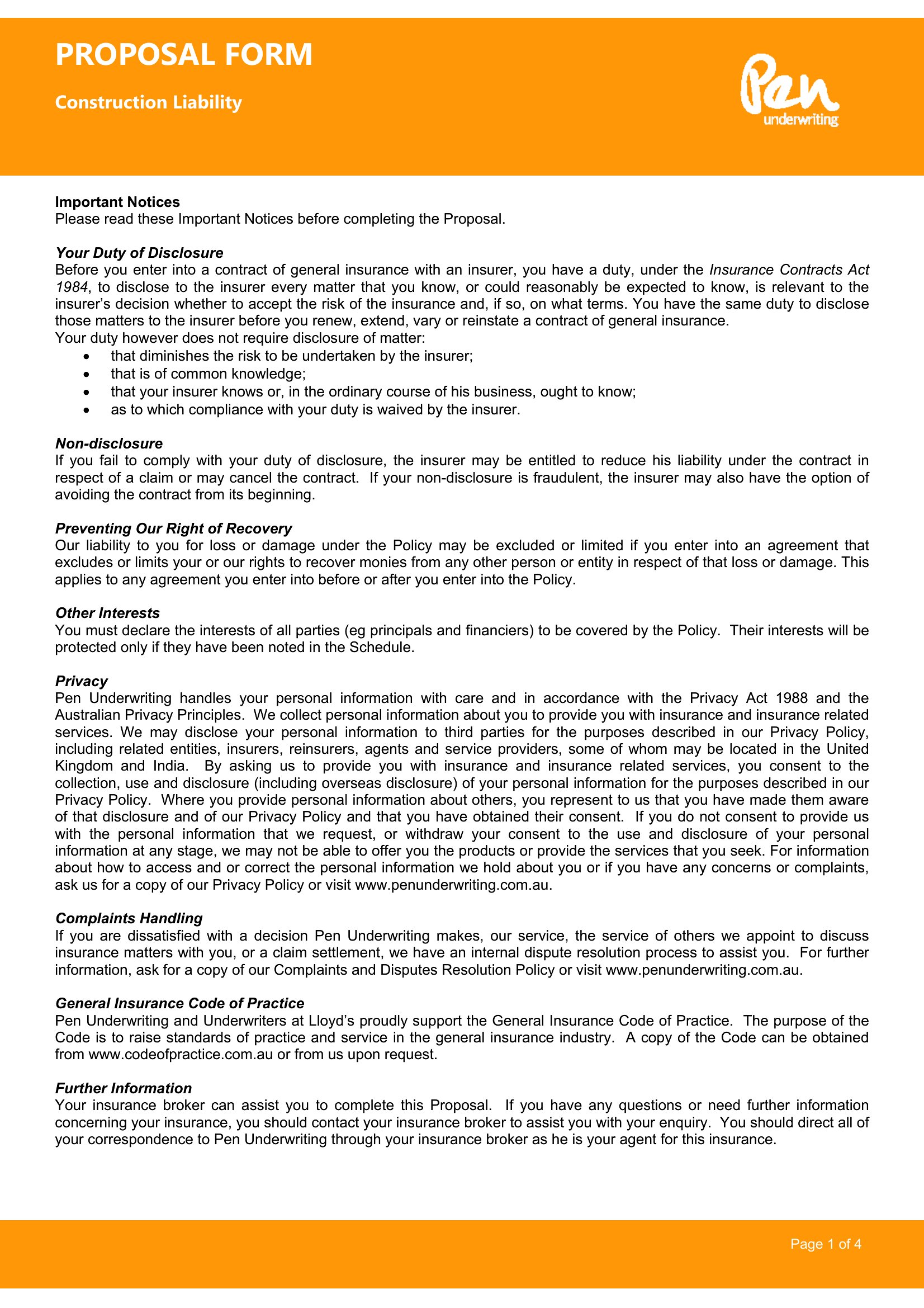
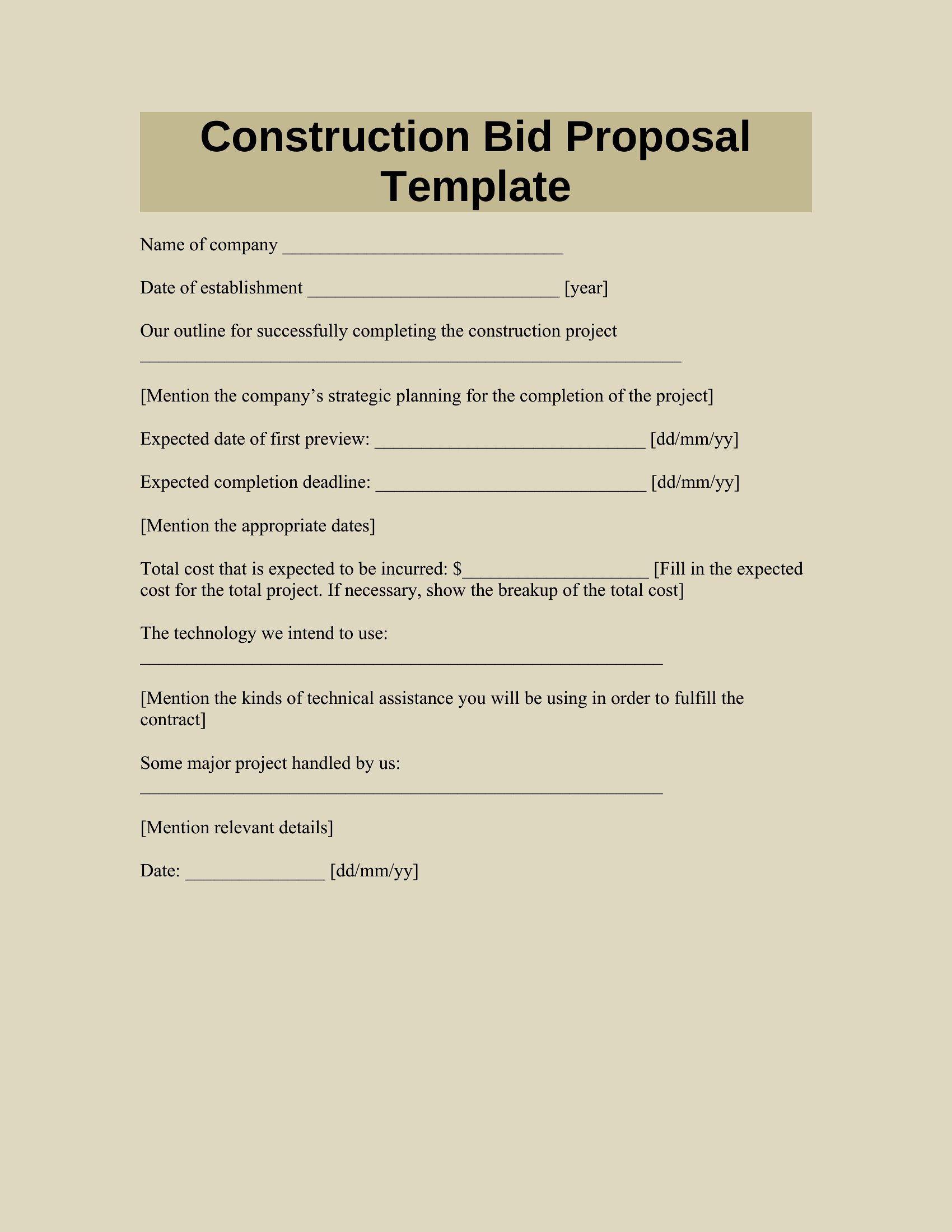
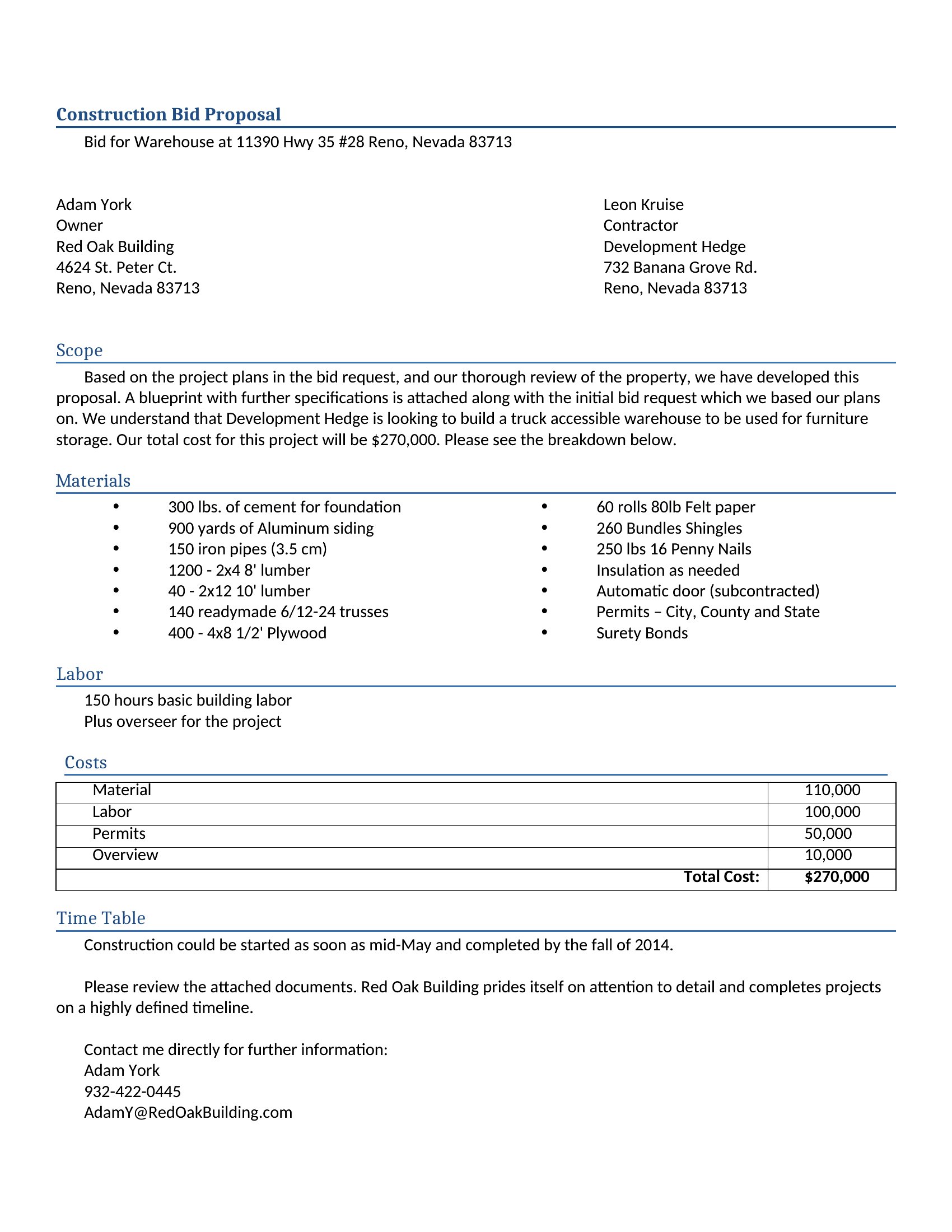
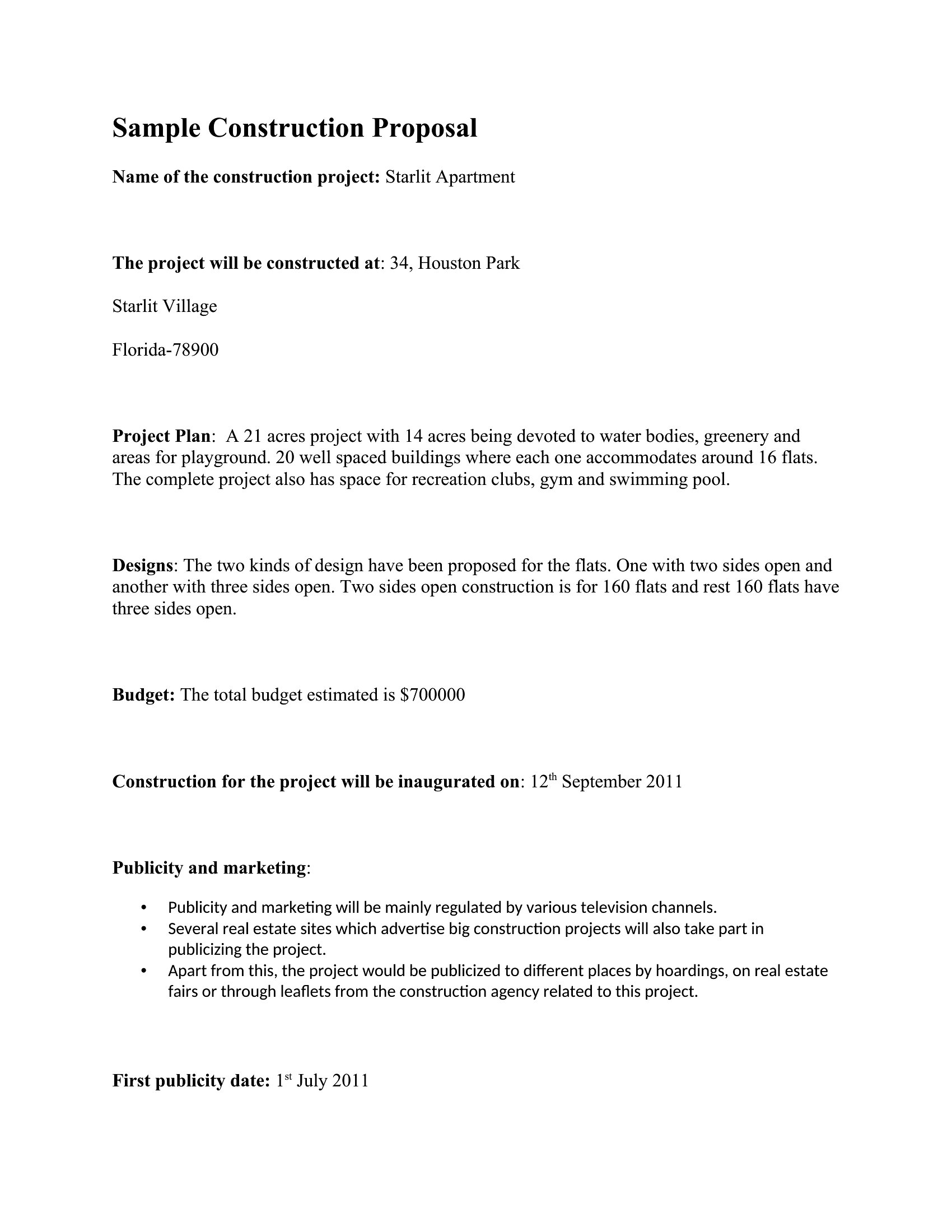
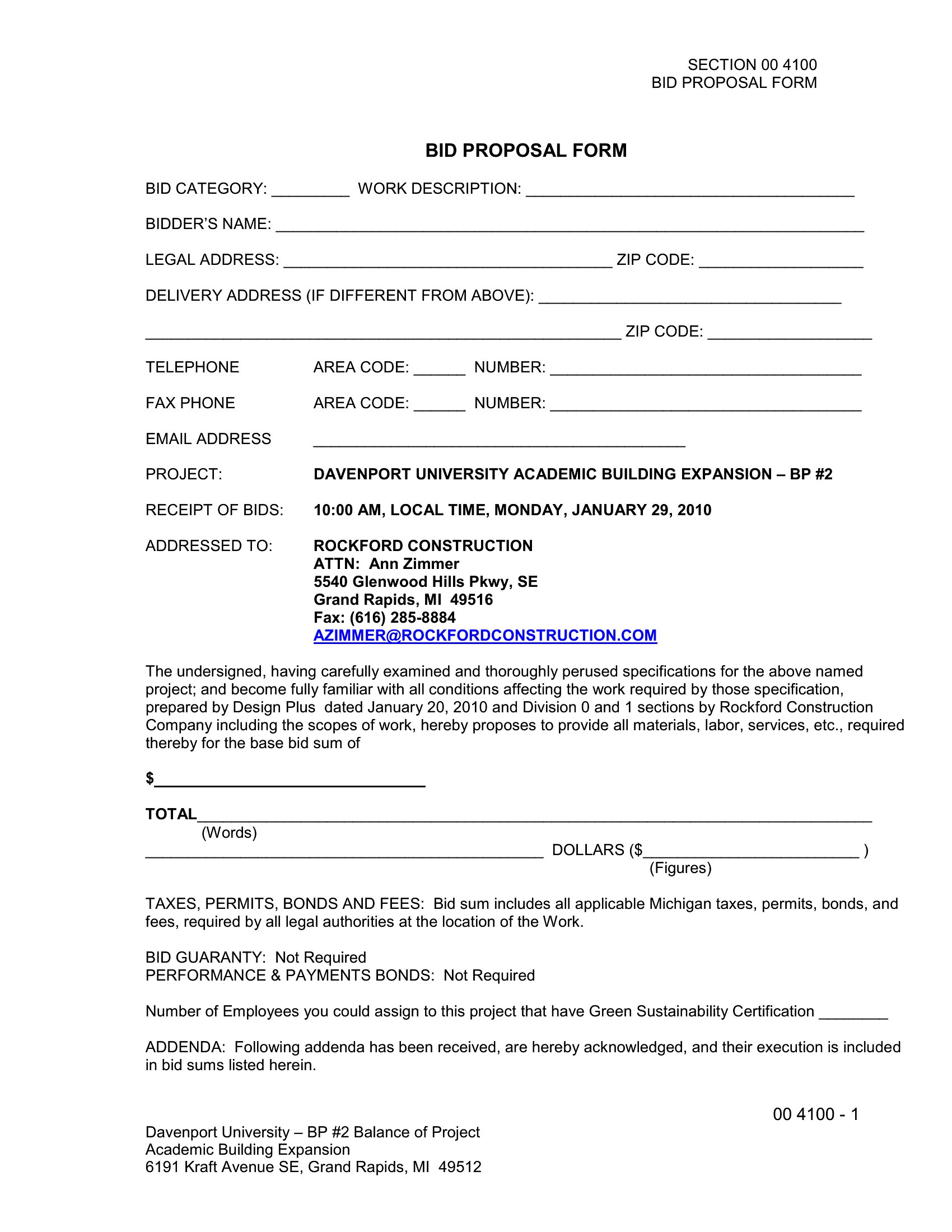
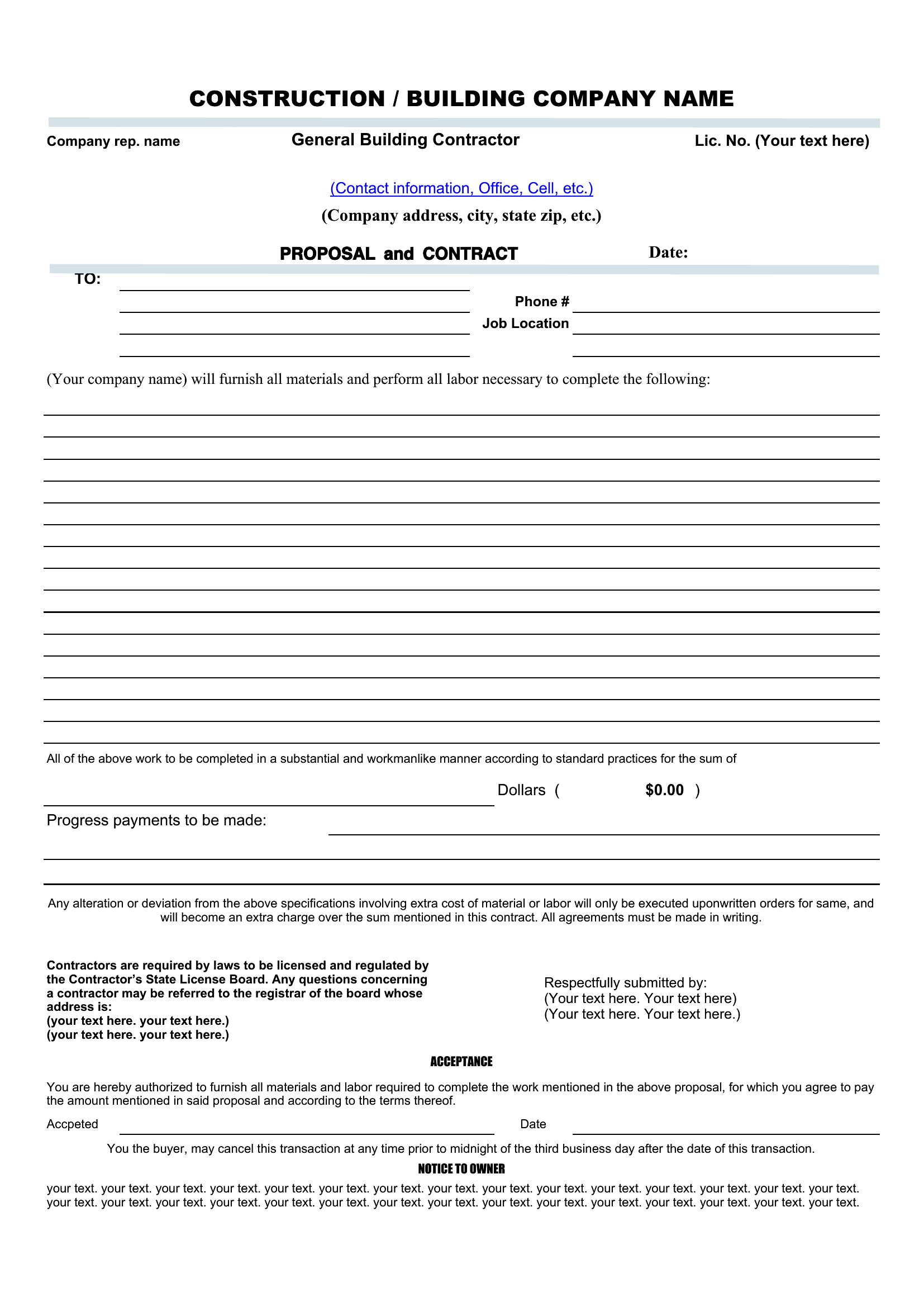
Winning a building job often comes down to a clear, professional proposal that shows the client you've thought the work through. This set of 30 construction proposal templates helps contractors and builders present scope, materials, labor, and pricing in a format that reads as organized and trustworthy, whether for a remodel, a new build, or a small repair.

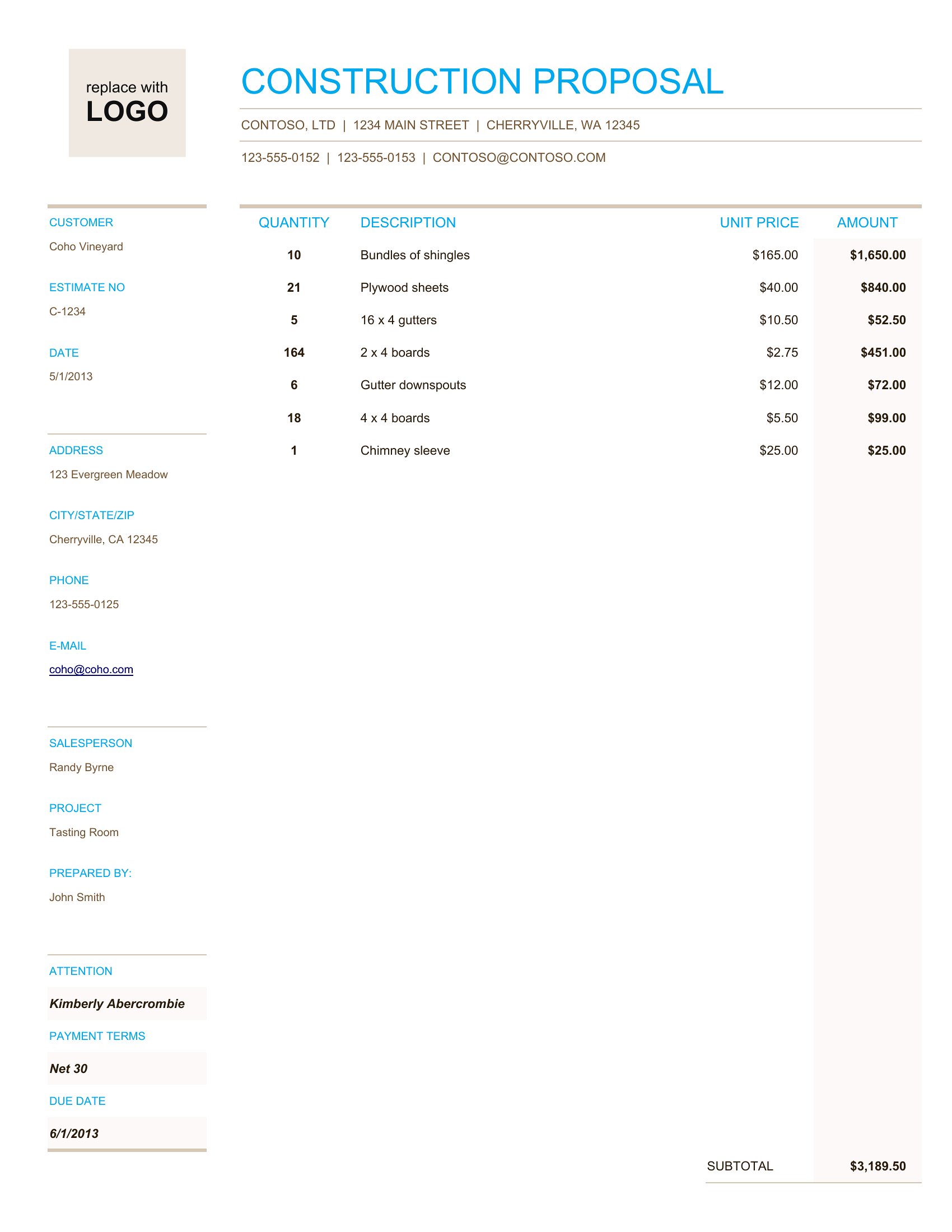
Run the cost breakdown in the Excel versions, write up the narrative in Word, and hand over a clean PDF for the client to review and sign. Swap in your line items, adjust the totals, and brand it as your own. Download the version that fits the job and send a bid that stands out from the competition.

When to use this Construction Proposal template

  • A mid-sized general contractor bidding on a $1.2M mixed-use development project needs to detail phased construction timelines, subcontractor agreements, and permit contingencies in a way that reassures city officials and investors alike.
  • A specialty roofing subcontractor submitting a bid for a commercial warehouse renovation must clearly separate material costs (e.g., modified bitumen) from labor, warranty terms, and weather-related delay clauses to stand out against three larger competitors.
  • A residential custom home builder presenting a proposal to a first-time buyer couple includes a side-by-side cost comparison of two flooring options—hardwood vs. luxury vinyl—to help them visualize trade-offs in upfront cost and long-term maintenance.
  • A public works department reviewing proposals for a school district’s new gymnasium addition uses a standardized Excel template to quickly compare labor rates, equipment rental costs, and compliance with ADA accessibility requirements across five local contractors.

Which format should I download?

WordExcelPDF

Use Excel when you need to embed dynamic cost calculations (e.g., material escalation clauses) or require side-by-side budget comparisons for different contractors. The spreadsheet format lets clients adjust assumptions—like changing square footage or adding custom finishes—without altering the proposal’s structure. Choose Word for traditional, linear proposals where you prioritize narrative explanations, such as detailing your firm’s past experience with similar projects or justifying a premium for sustainable building practices. Opt for PDF when submitting to clients who demand a locked, print-ready document, like government agencies or large corporate clients with strict procurement workflows.

How to use this Construction Proposal template

How do I handle a situation where the client requests changes after I’ve sent my proposal?

These templates include a dedicated section for contract terms where you can outline a change-order process, including any associated fees for revisions or delays. For example, you might specify that modifications to the scope require a formal addendum and mutual agreement on adjusted timelines or costs. Always note that the original proposal remains valid unless amended in writing—this protects you from scope creep.

Should I include my company’s past project photos in the proposal?

Yes, but keep it strategic. Add 3–5 high-quality photos of projects similar to the client’s needs, with captions explaining your role (e.g., ‘Our team installed the structural steel framing for this 20,000 sq. ft. warehouse expansion’). Avoid overloading the document, as too many images can distract from the written details. Place photos near relevant sections—for instance, near your section on quality control or materials—to reinforce credibility.

What’s the best way to address potential risks or delays in my construction proposal?

Use a separate “Risk Management” table in your Excel or Word template to list foreseeable issues (e.g., permitting delays, supply chain shortages) alongside mitigation strategies and contingency buffers. For example, you might note, ‘We allocate 5% of labor costs to a weather delay fund based on historical data for this region.’ This shows preparedness while keeping the proposal focused on your solutions. Avoid vague language like ‘minimal risk’—specificity builds trust.

Comments

Join the conversation

Sign in to share your thoughts and leave a comment on this resource.

Newsletter

Get Weekly Design Updates

Join our community to receive curated resources and inspiration.

Weekly Tips Resources Early Access

We respect your privacy. Confirmation email required. Privacy Policy