Skip to content
50% off this one-time $1.99 pack with HALFOFF — or unlimited with Pro.HALFOFF
Premium

Free Certificate of Origin Templates (Word, Excel, PDF)

Life
ernestross by ernestross
Updated 0 downloads Quality-checked template

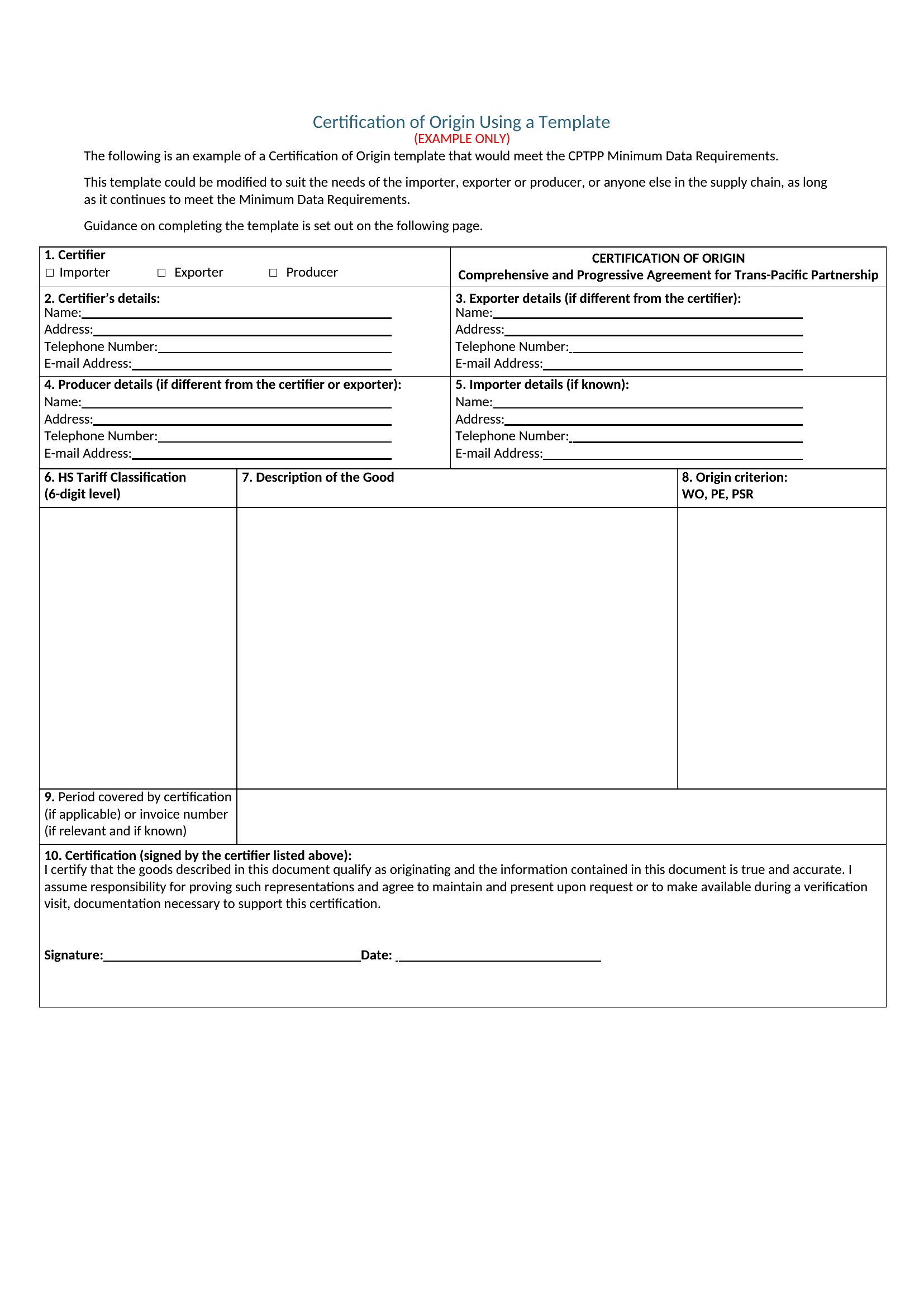
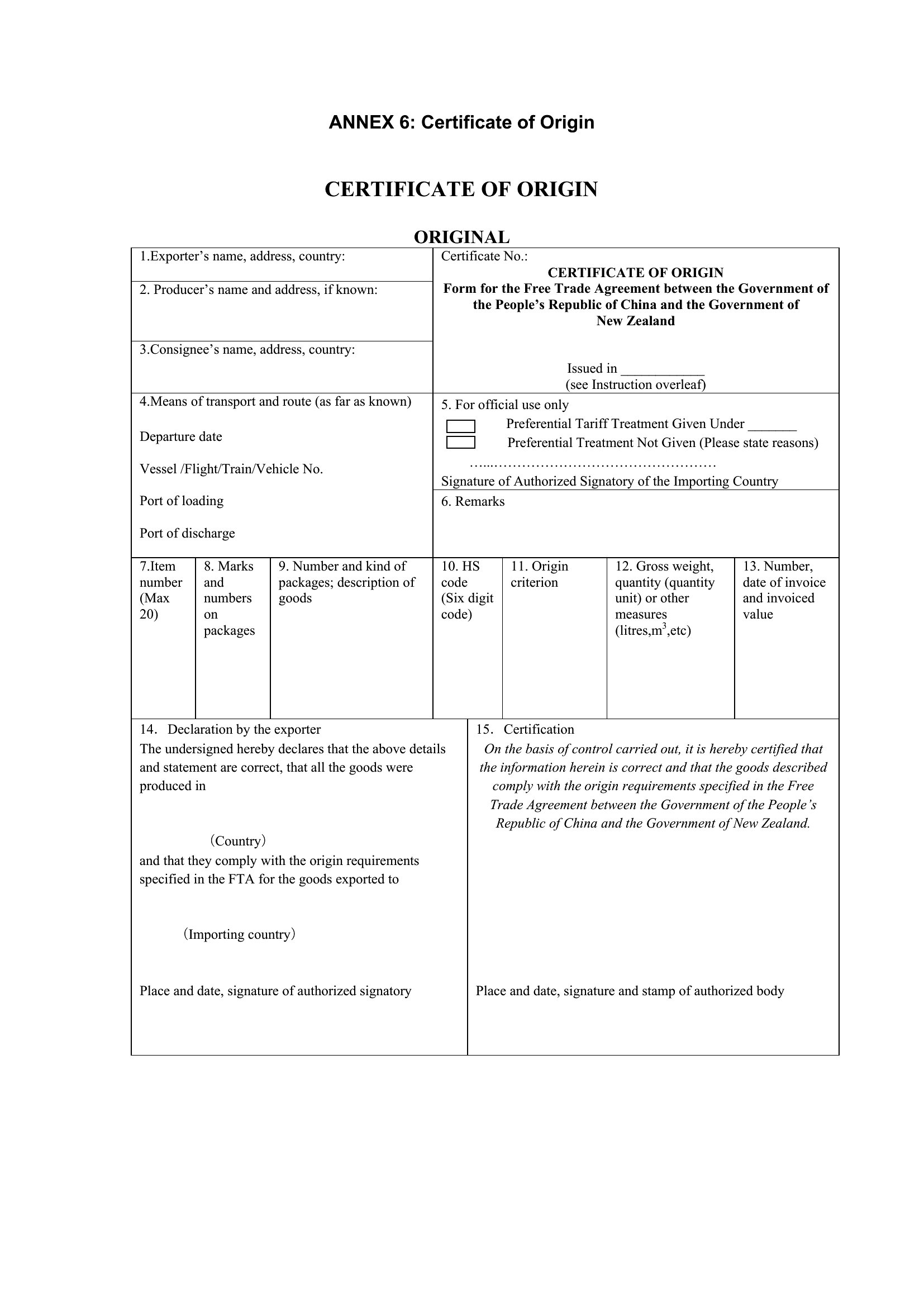
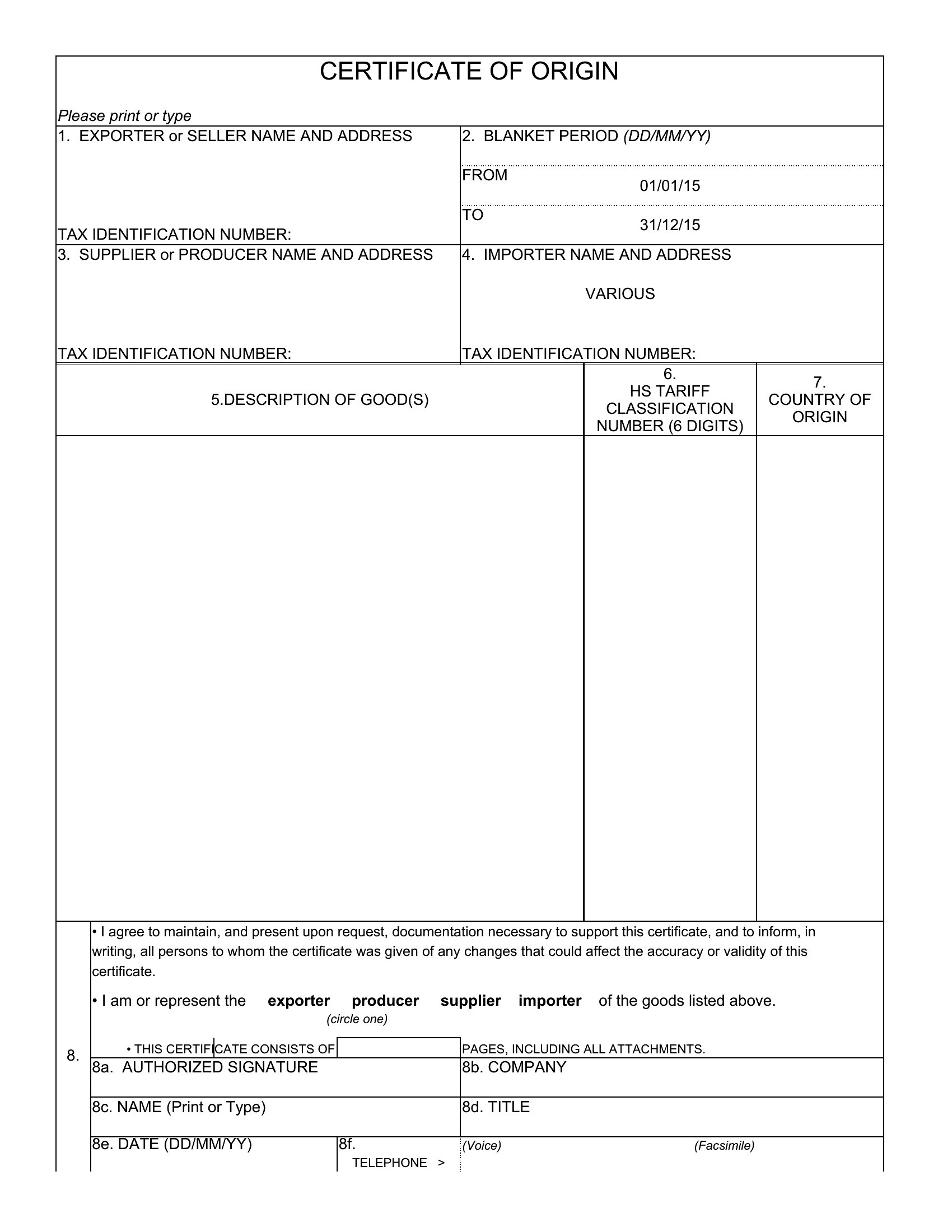
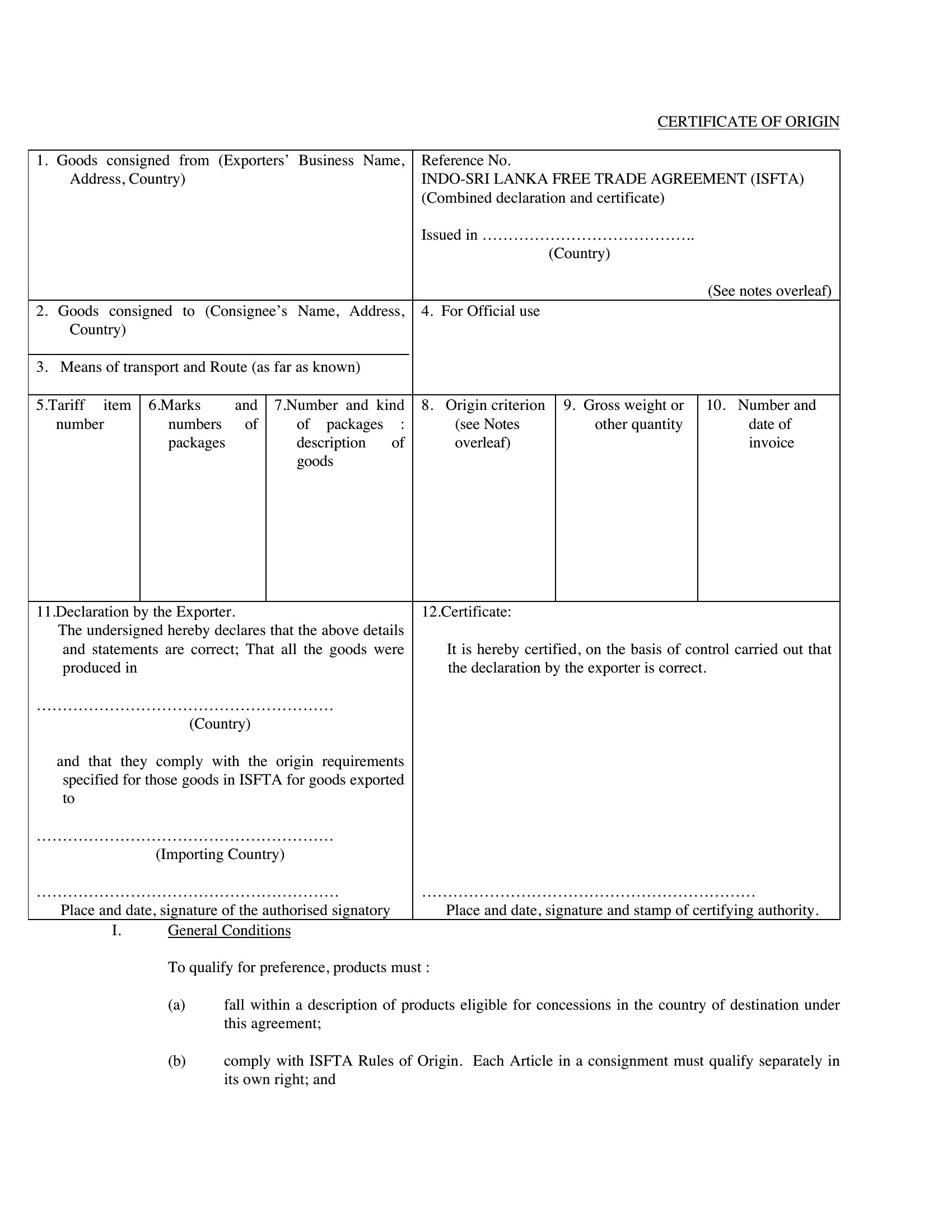
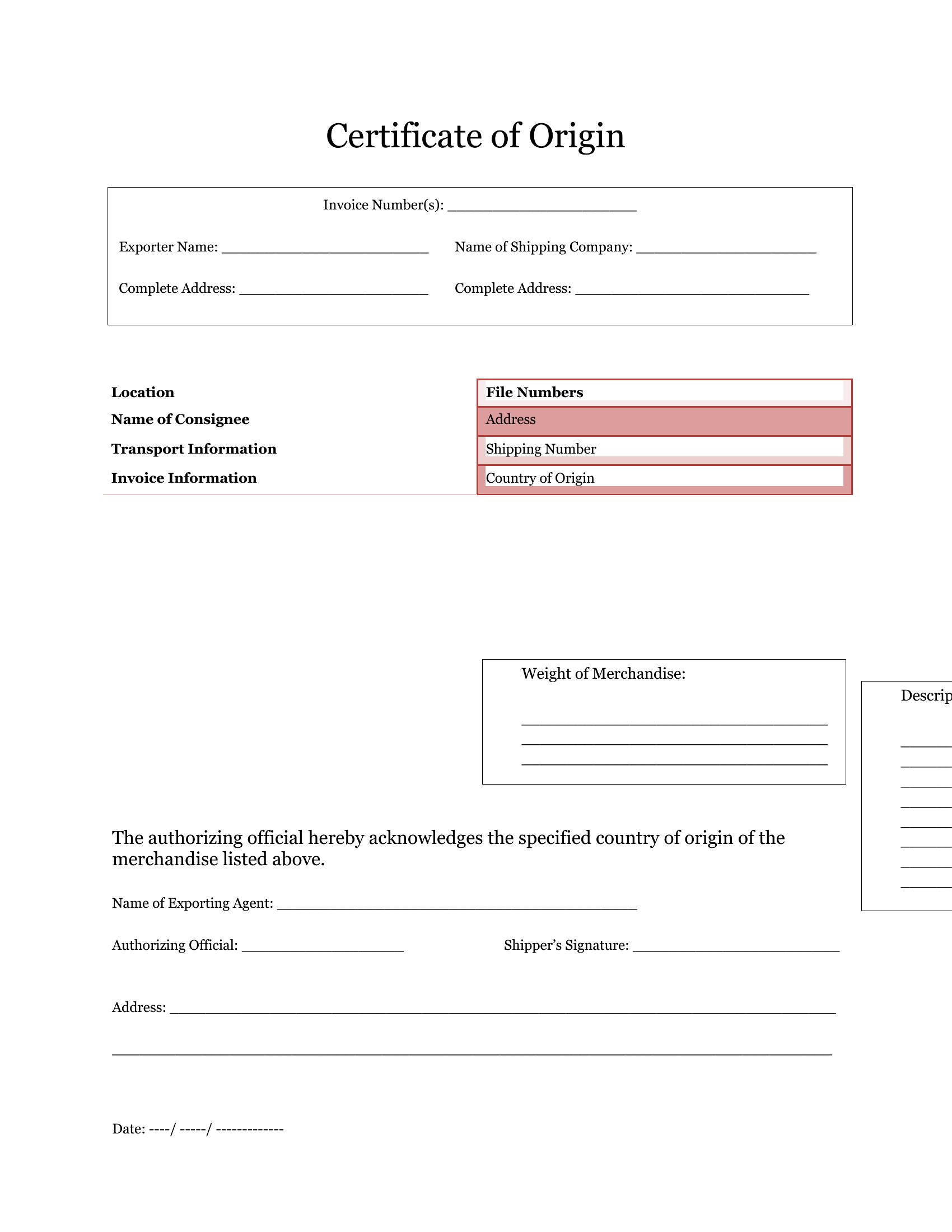
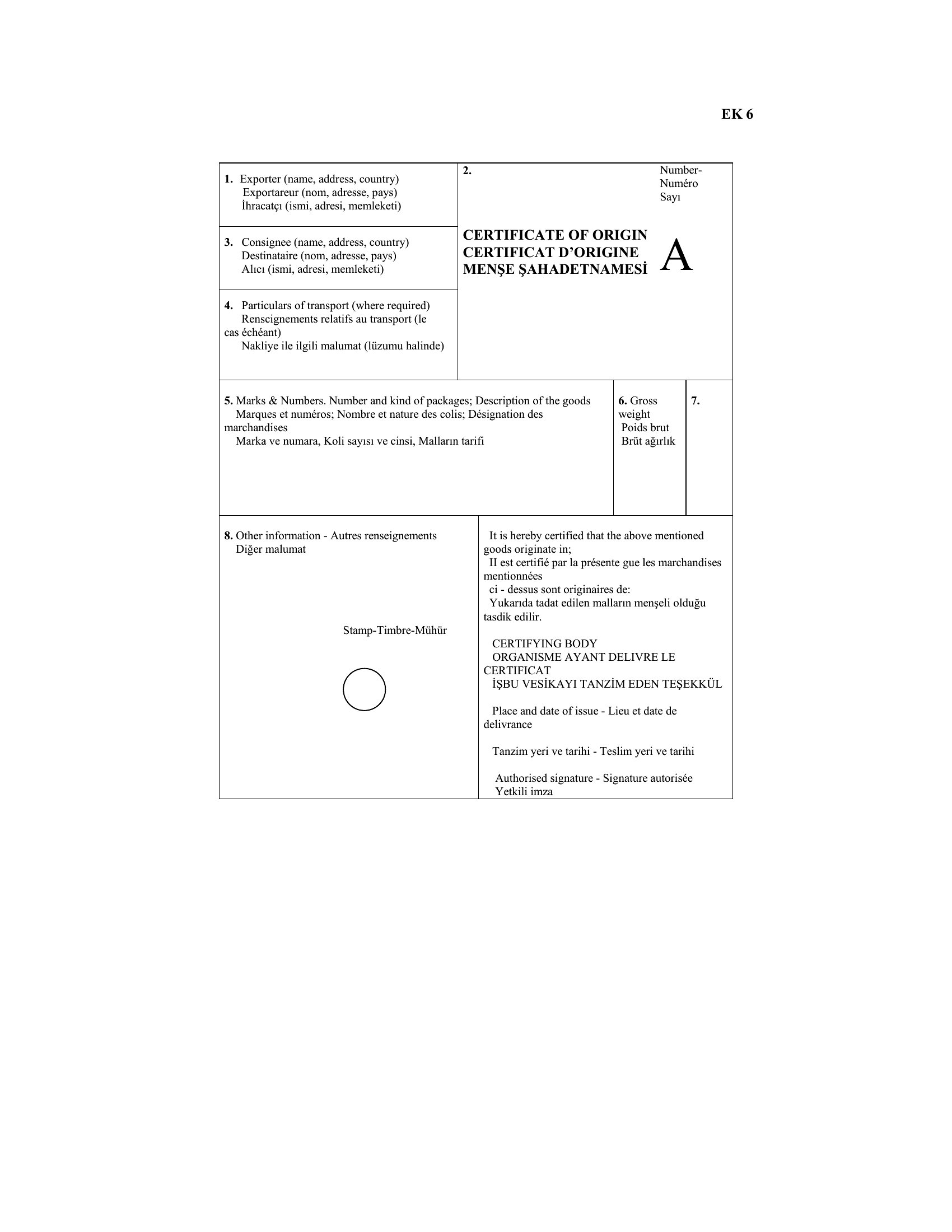
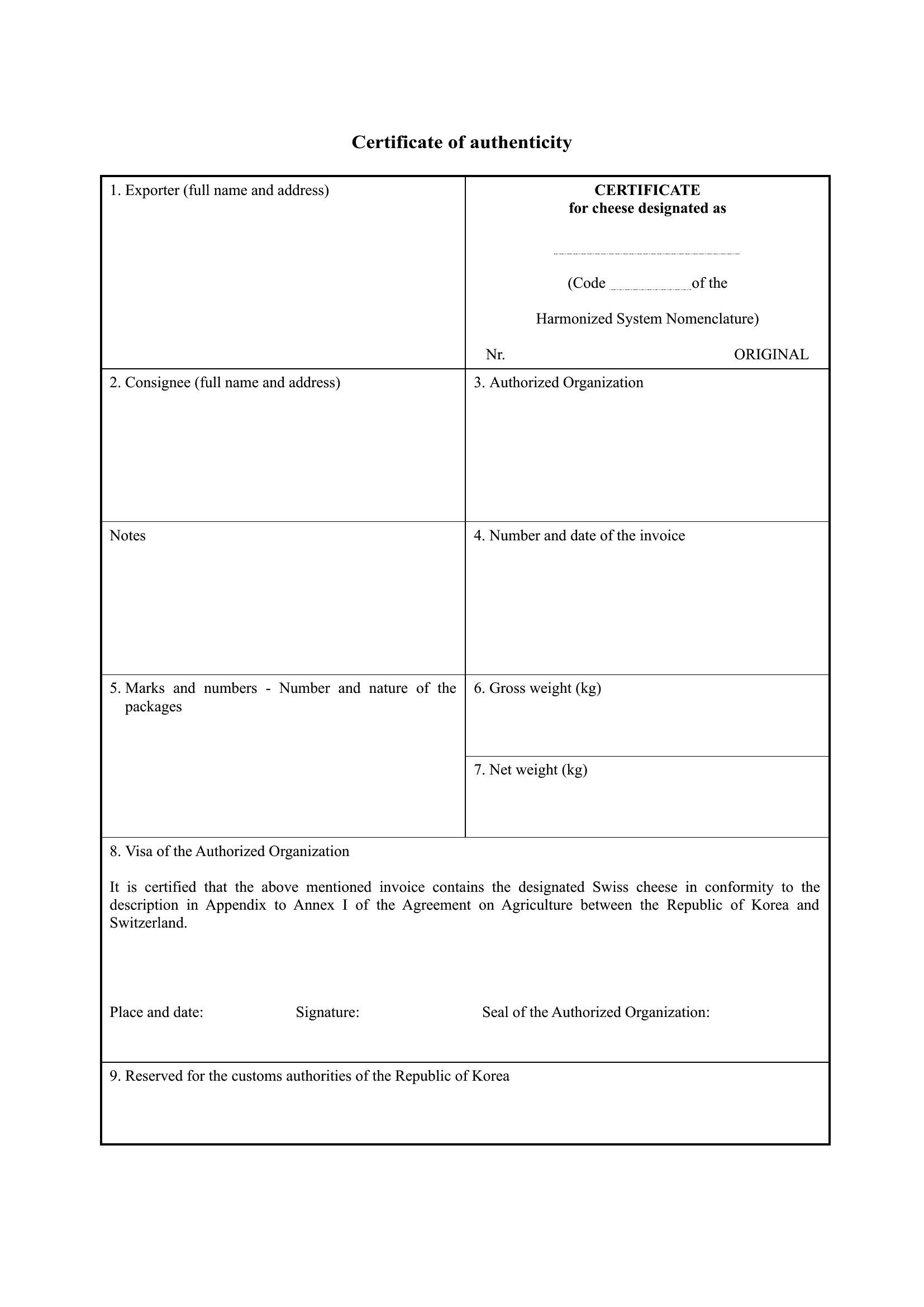
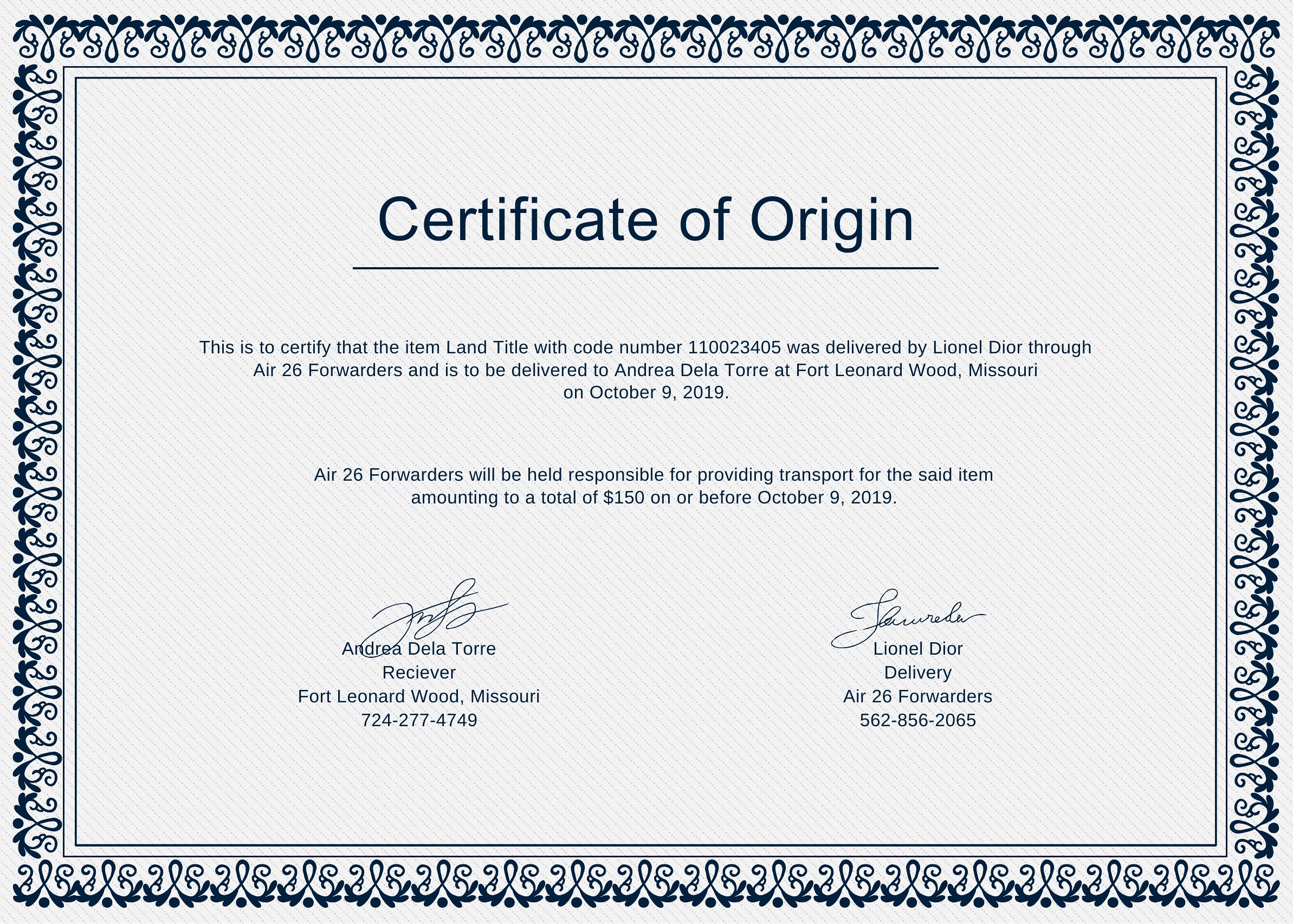
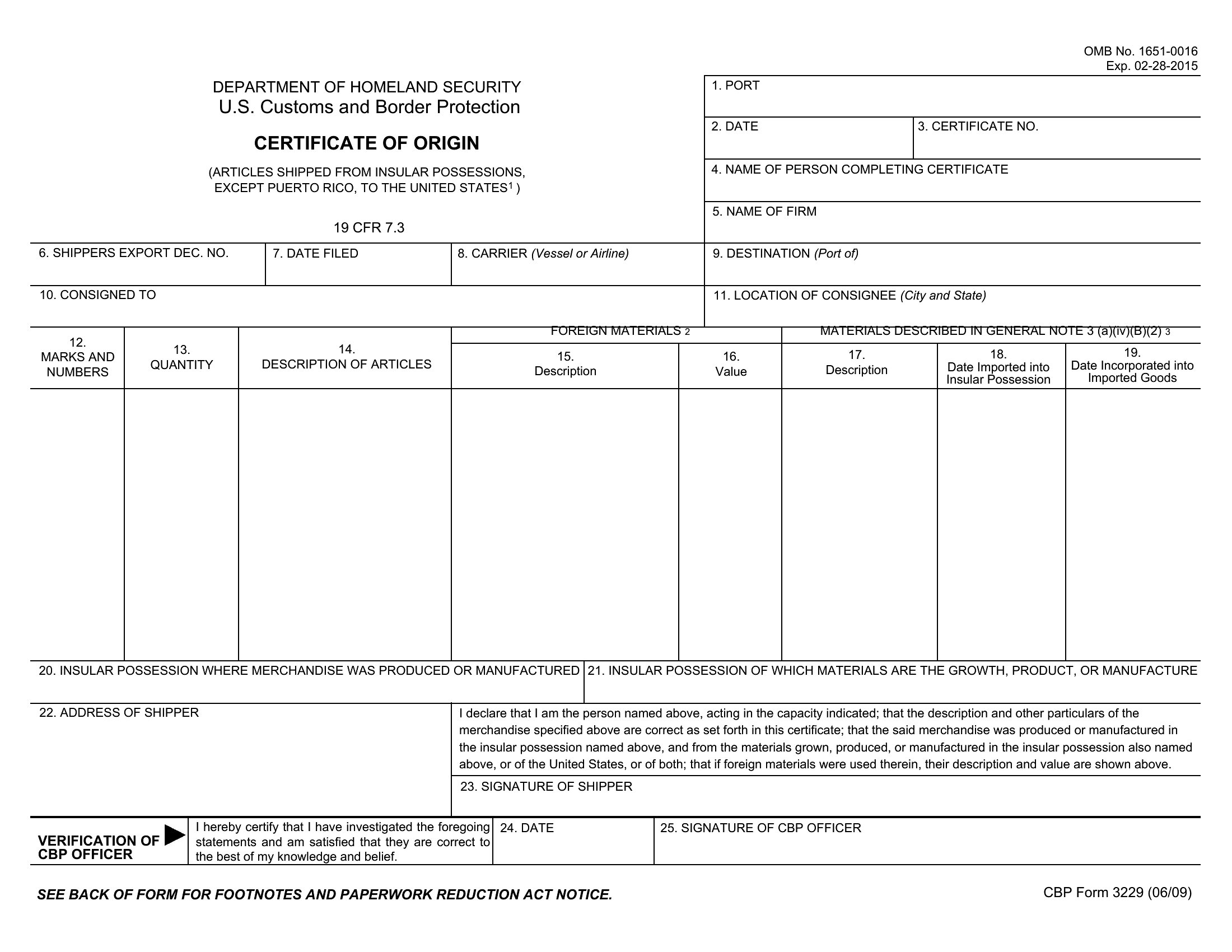
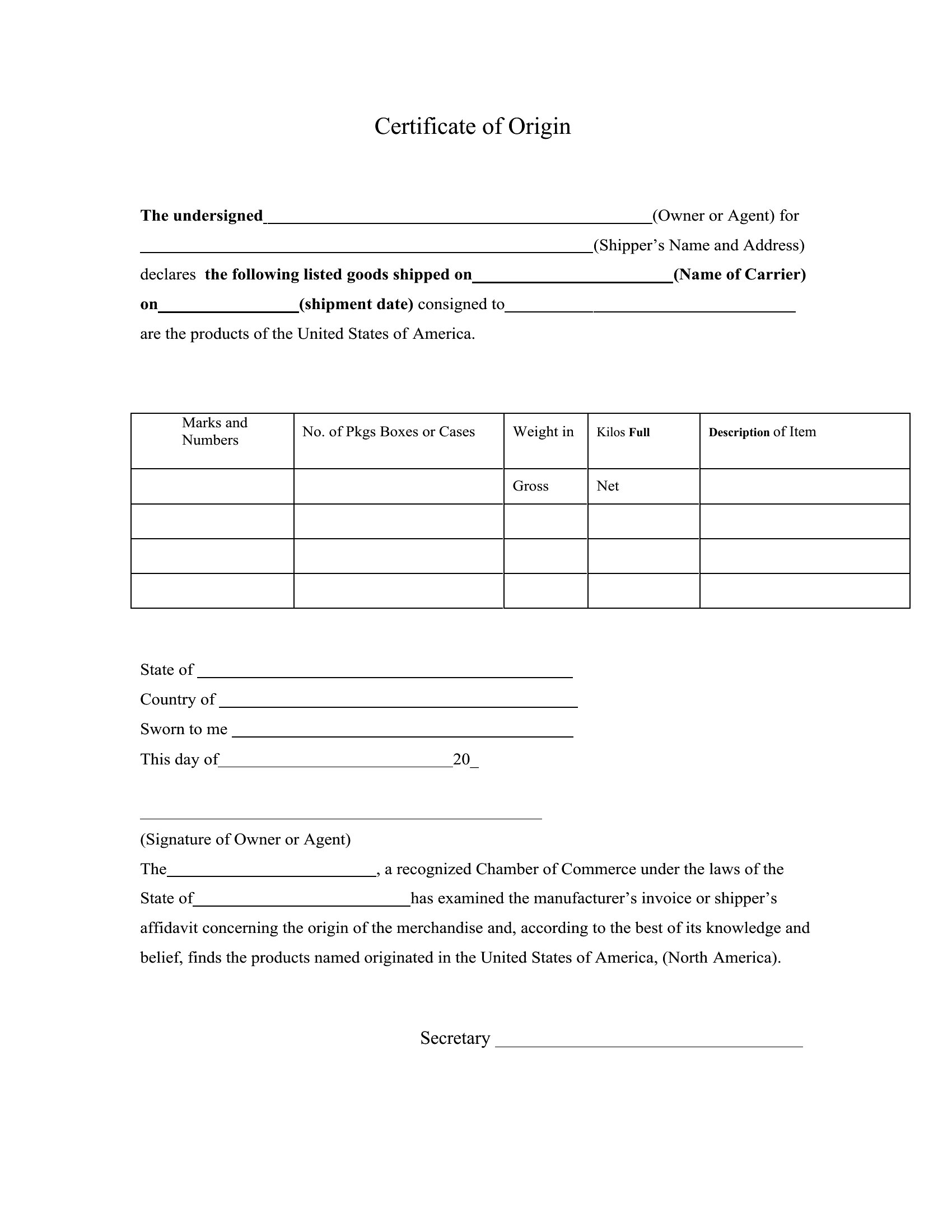
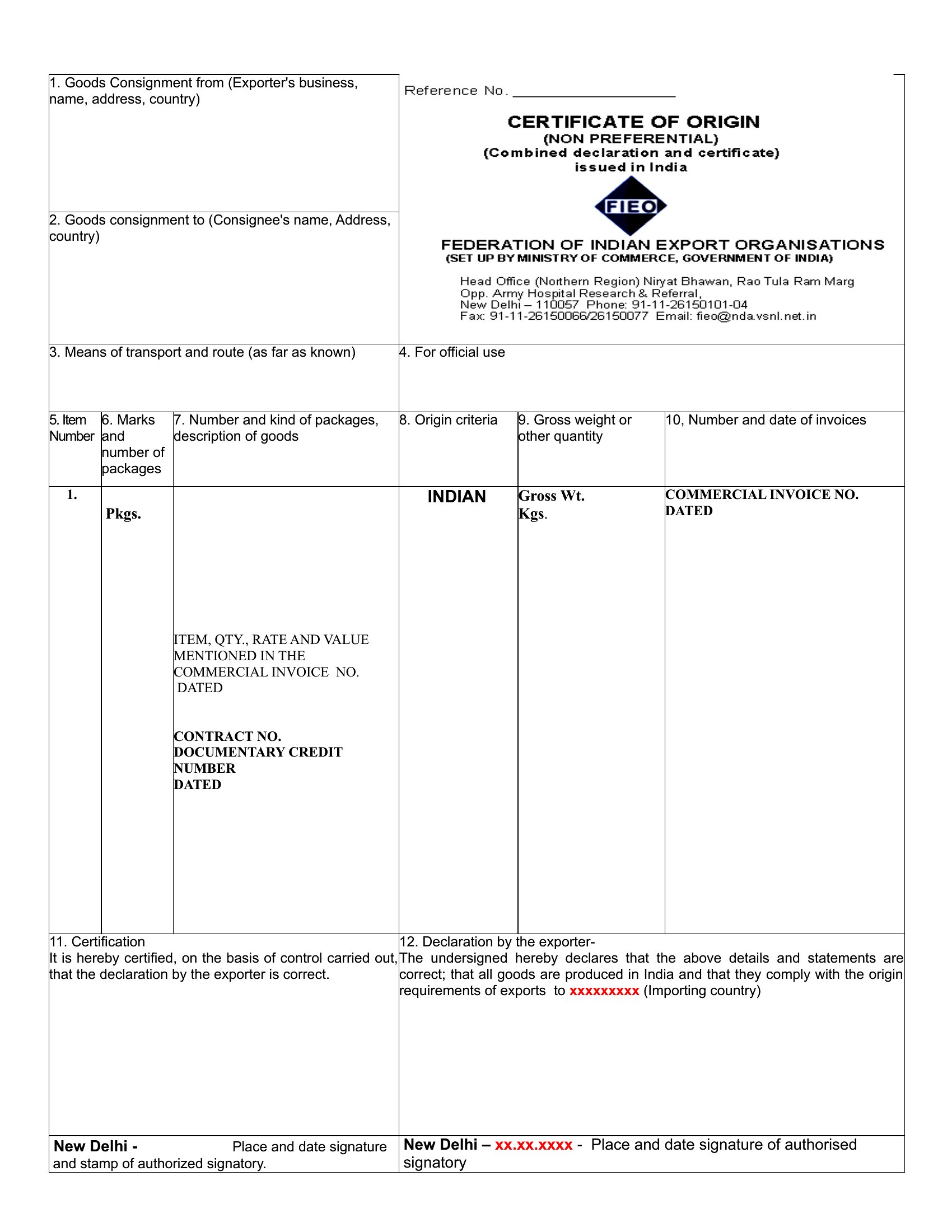
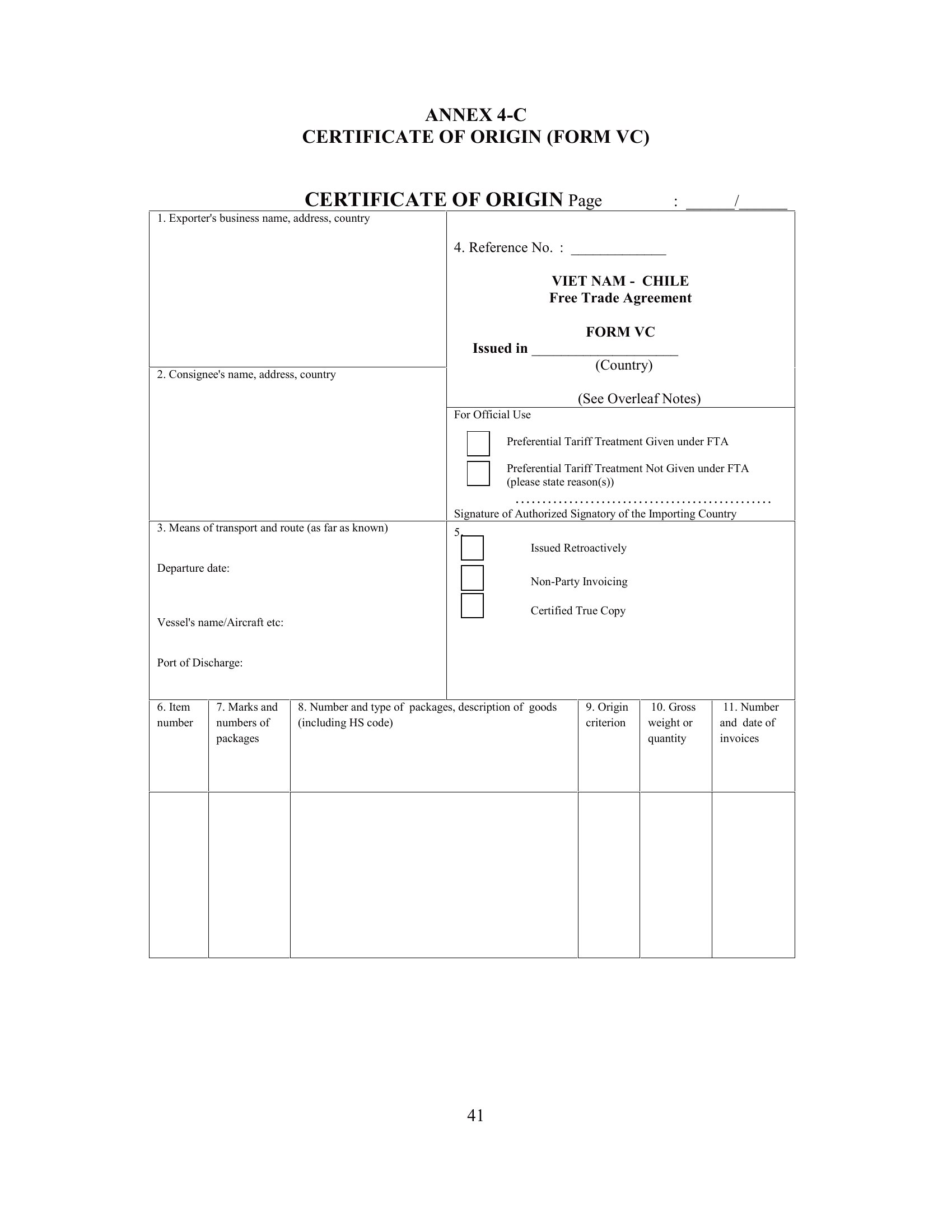
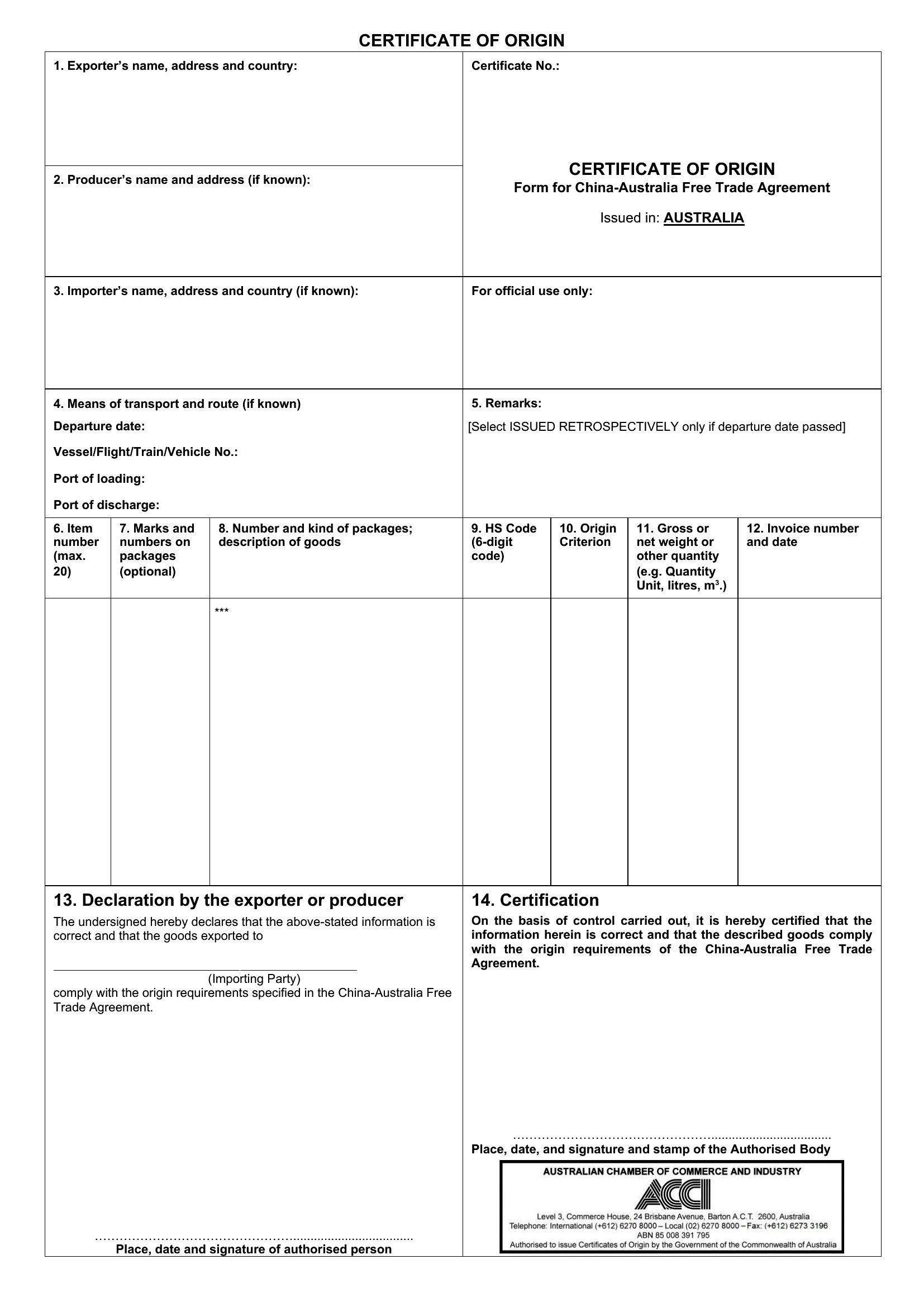
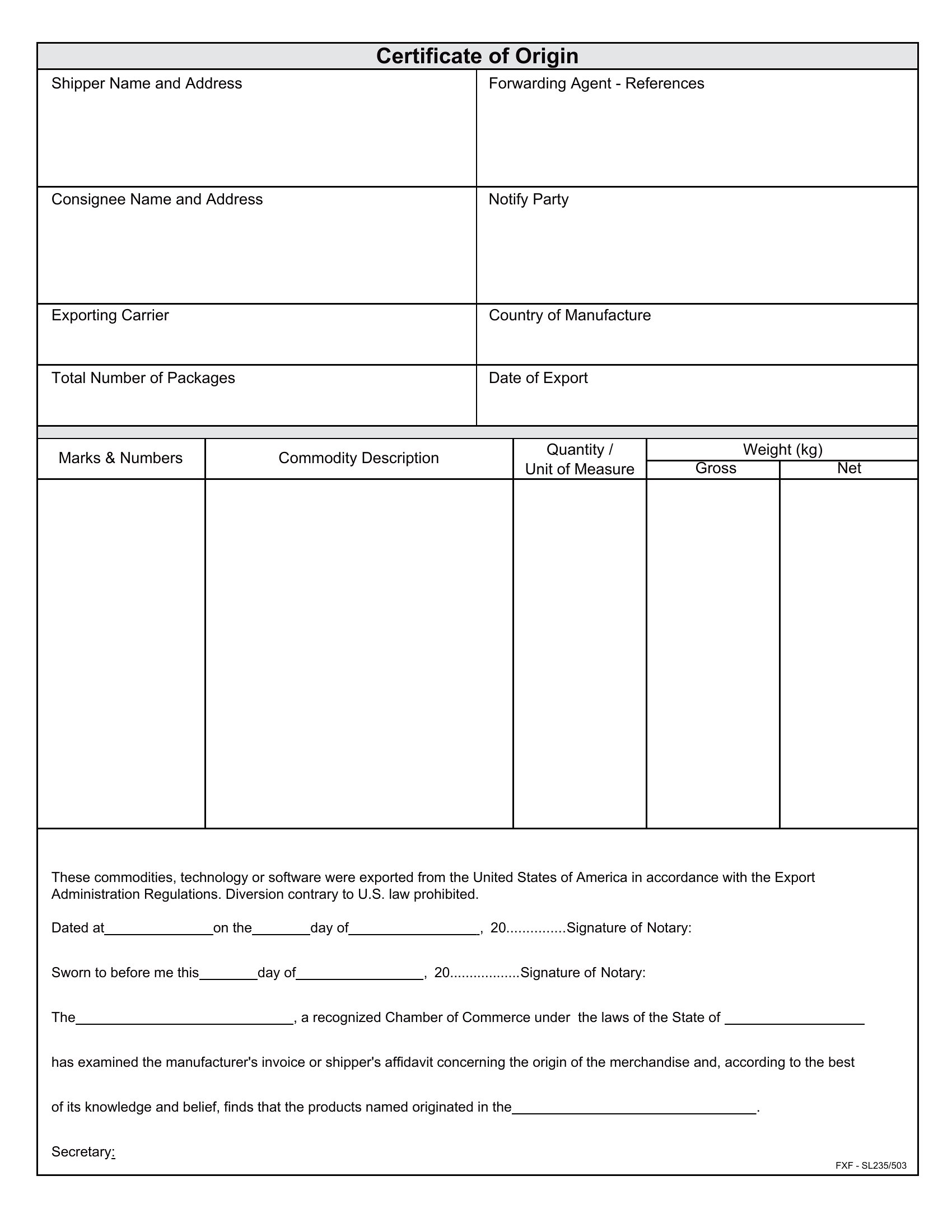
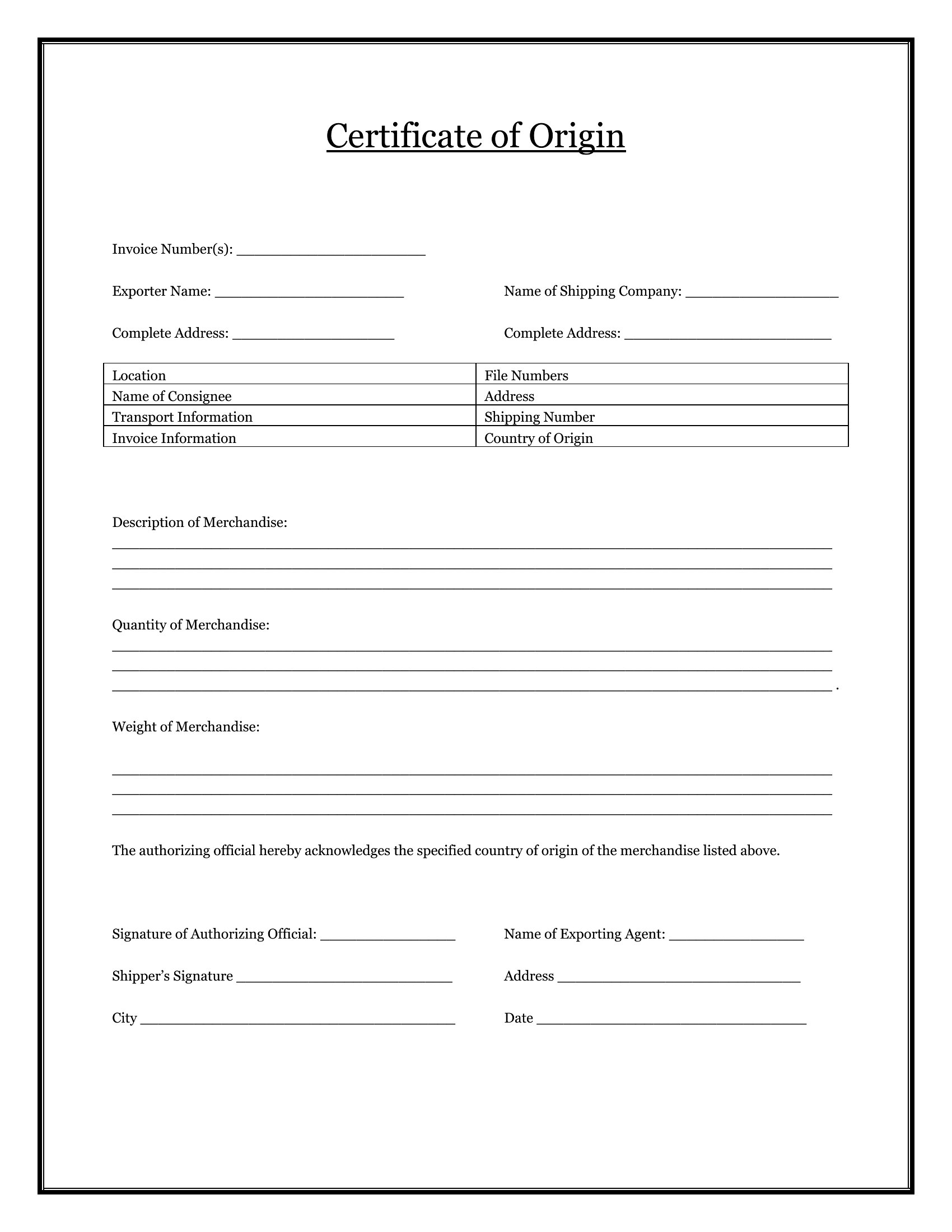
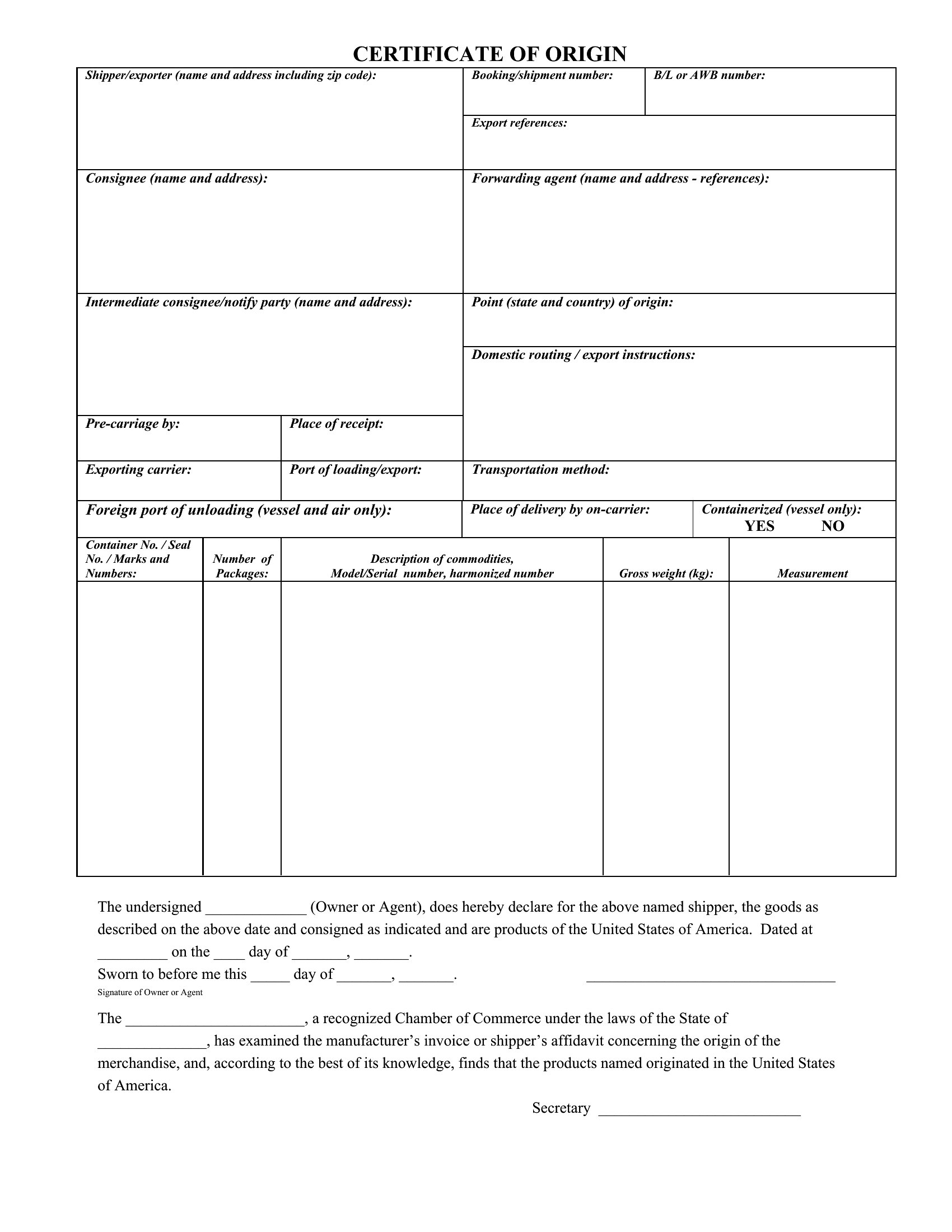
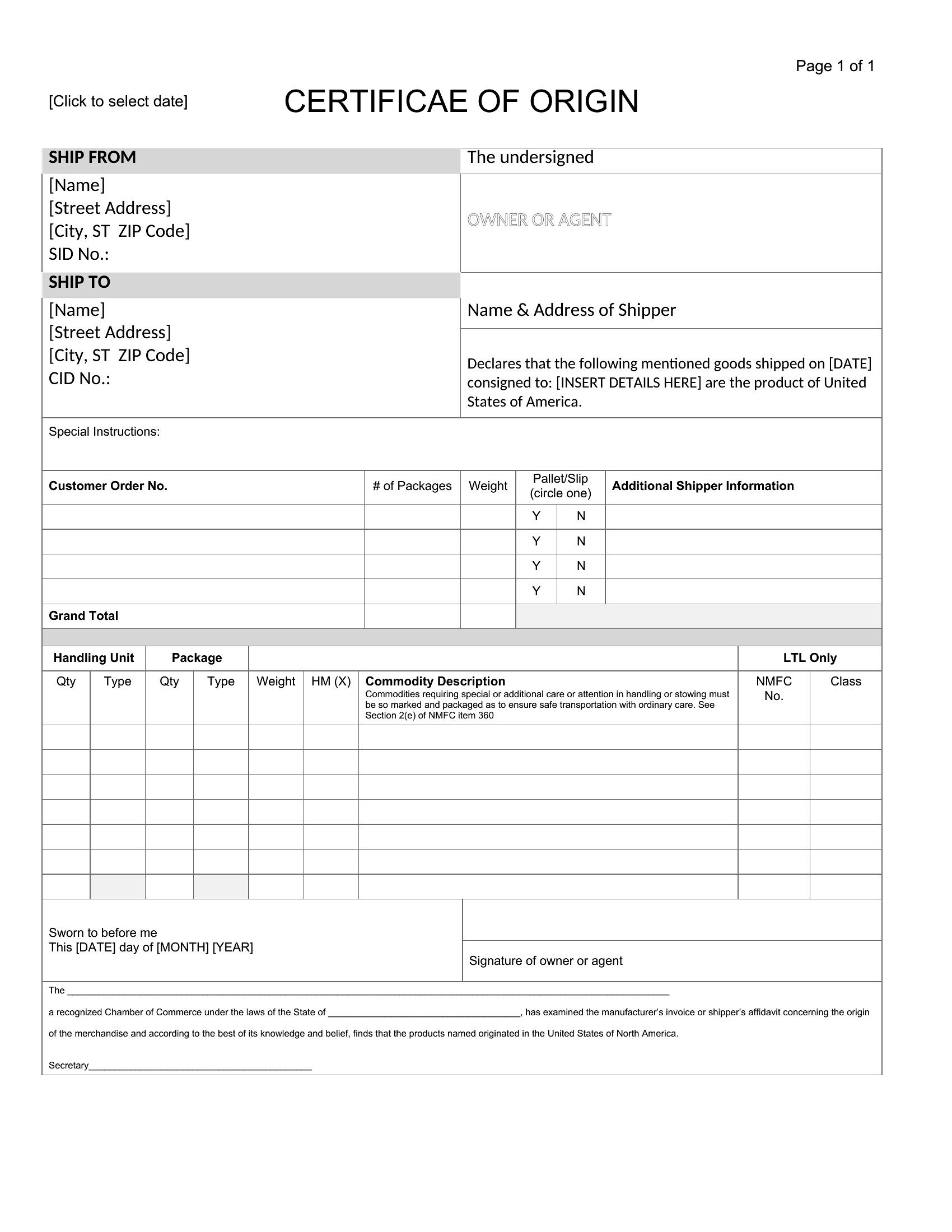
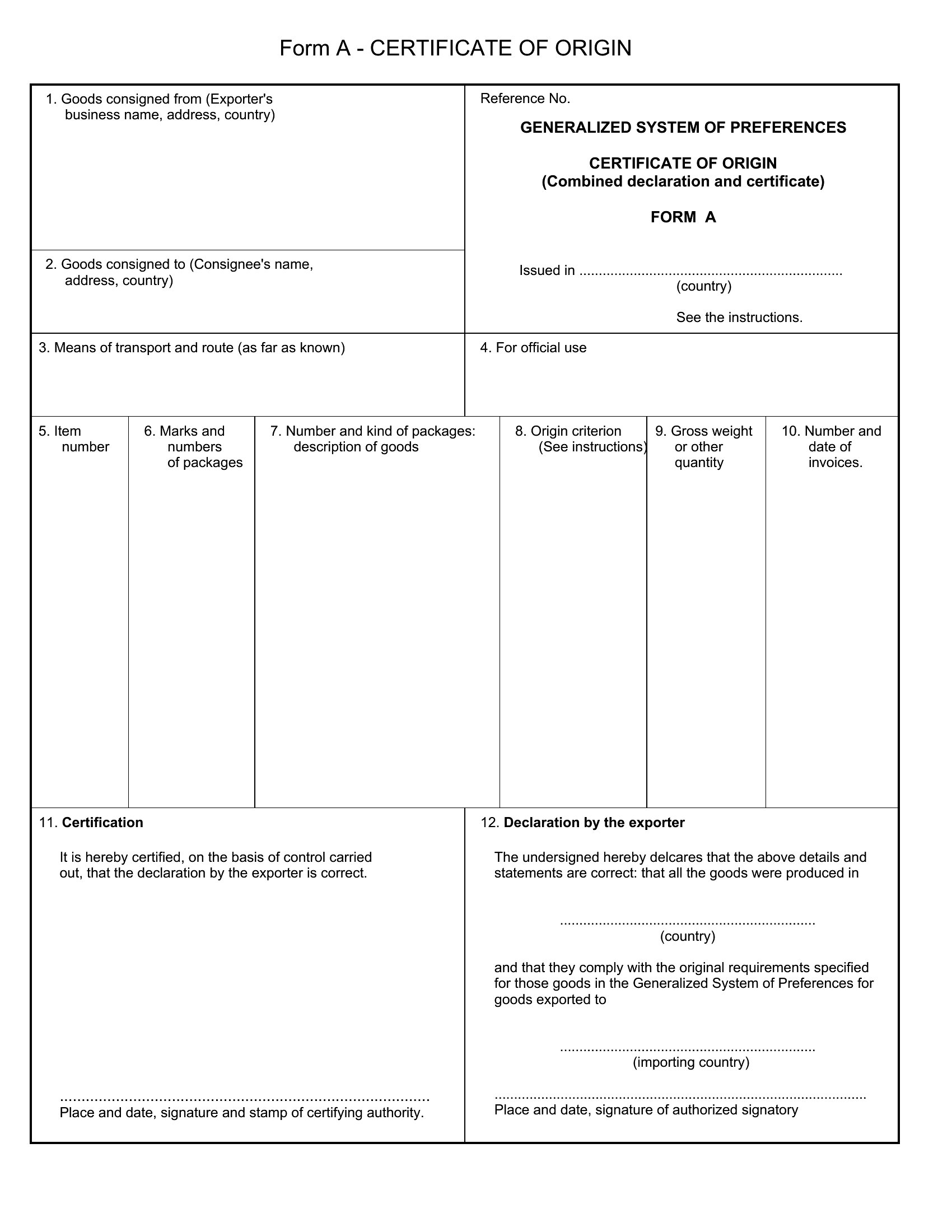
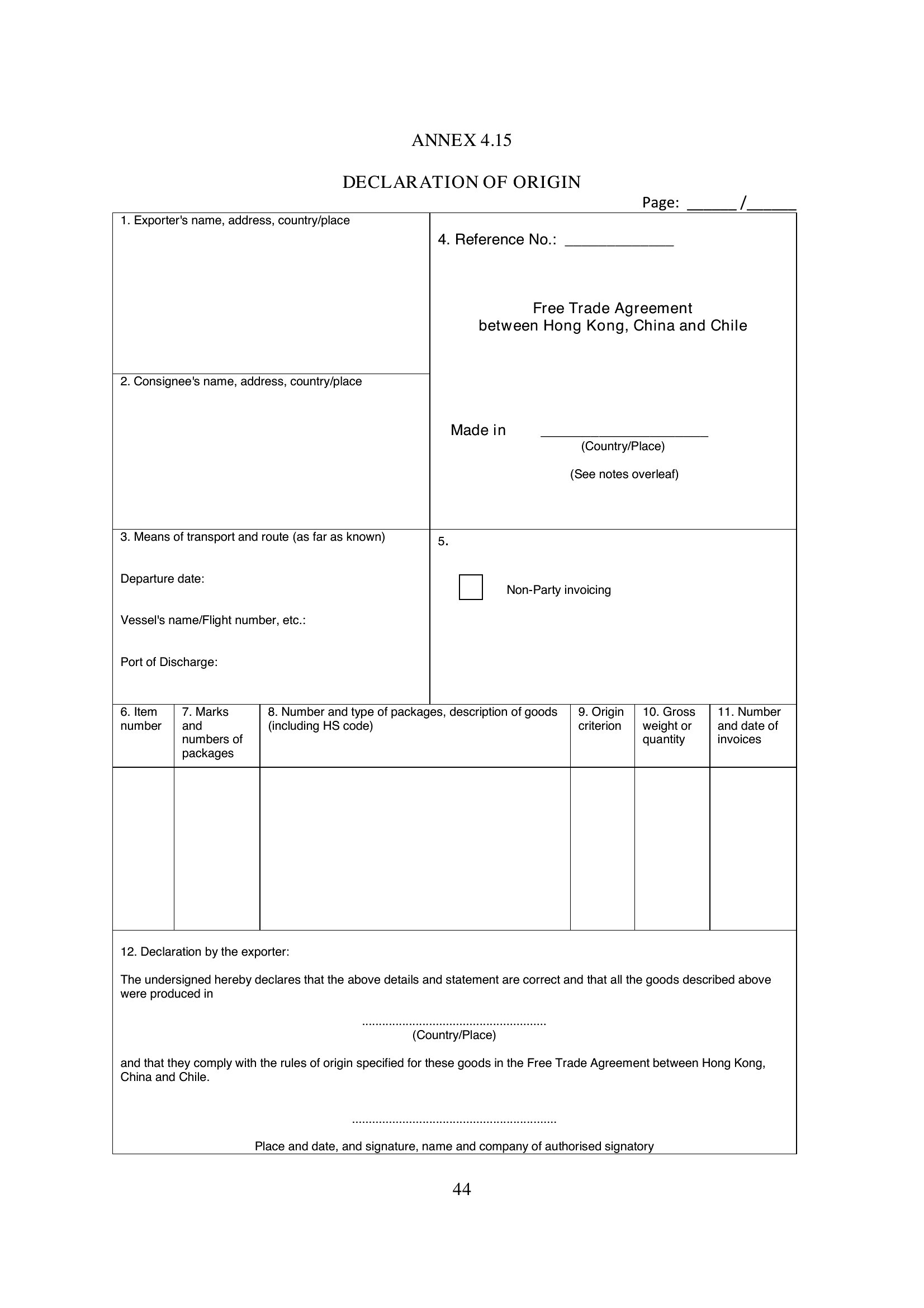
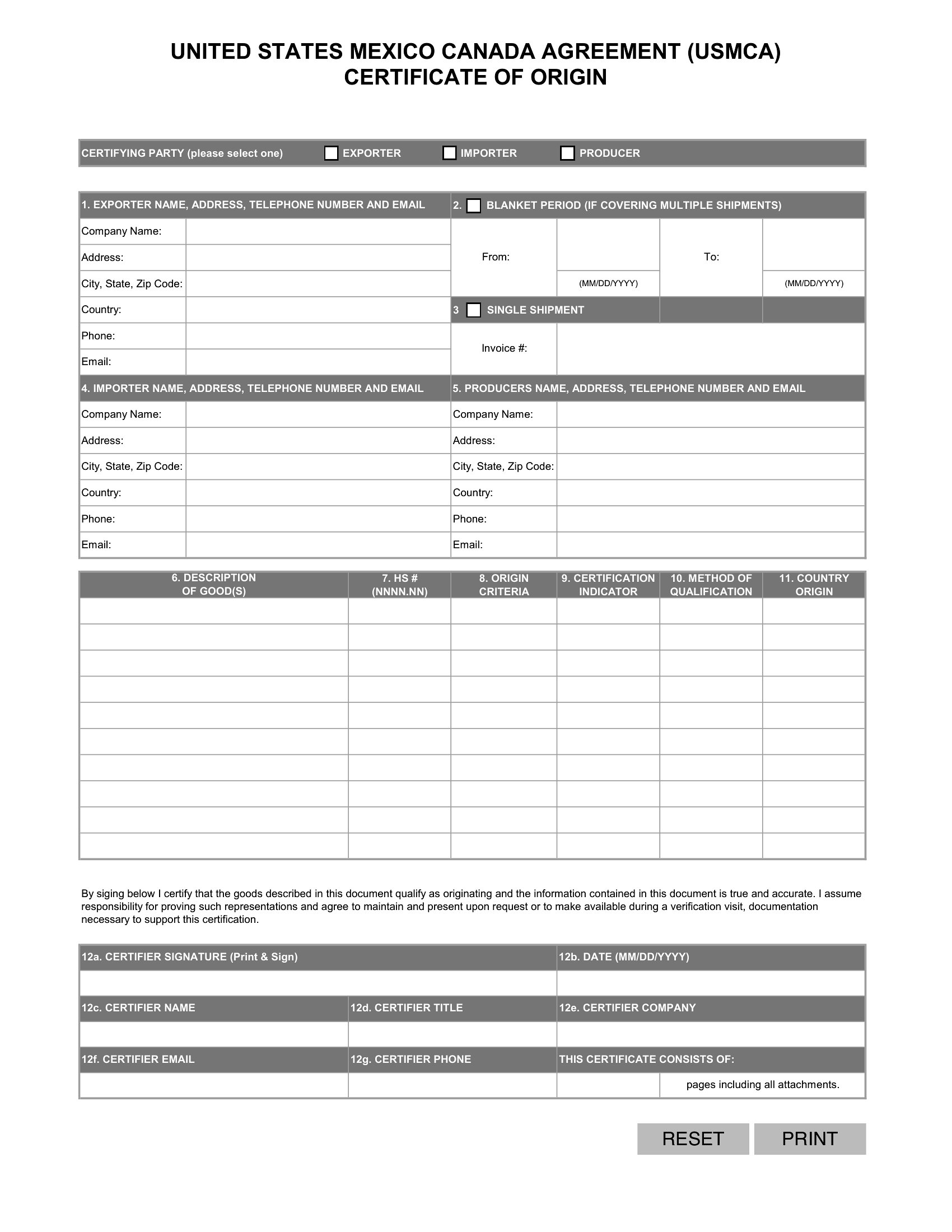
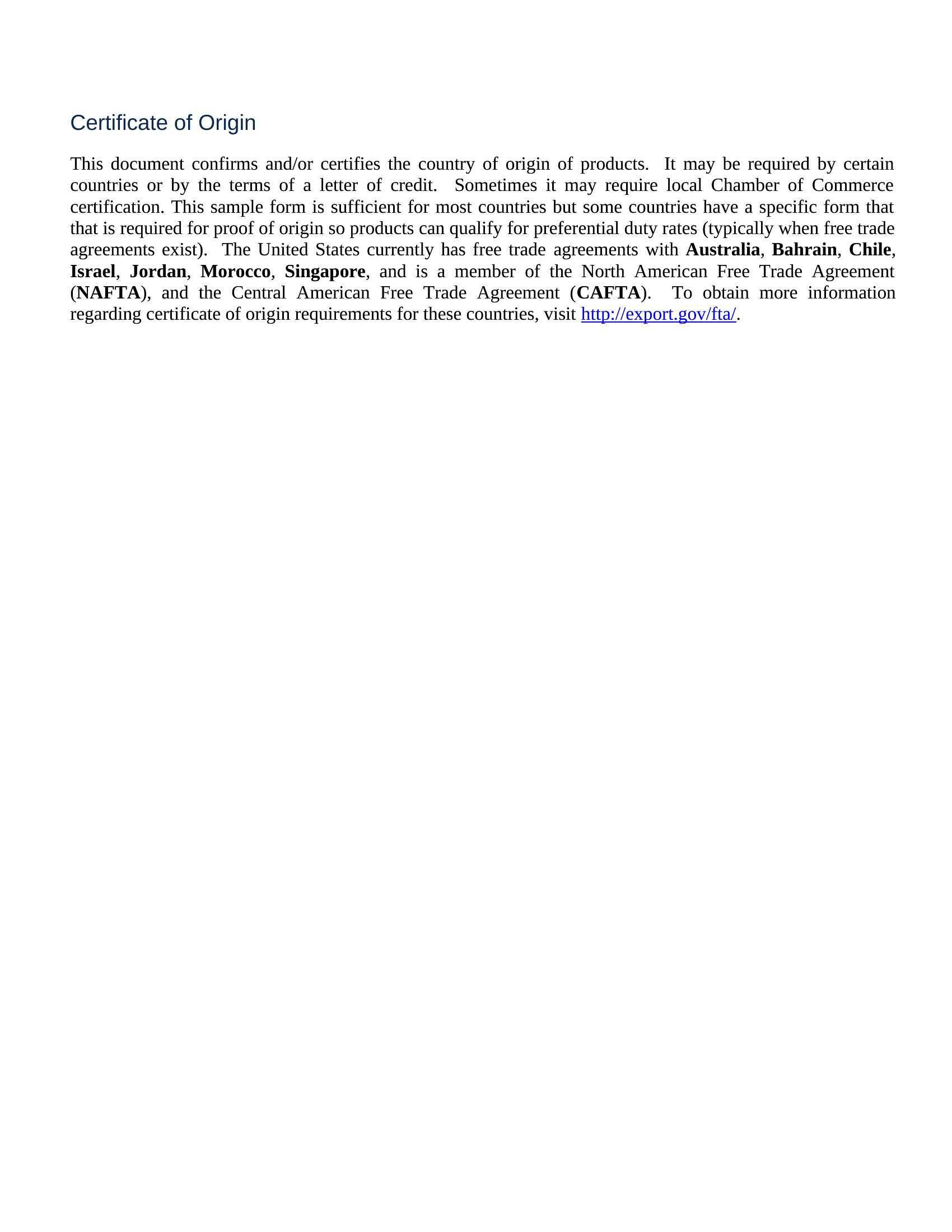
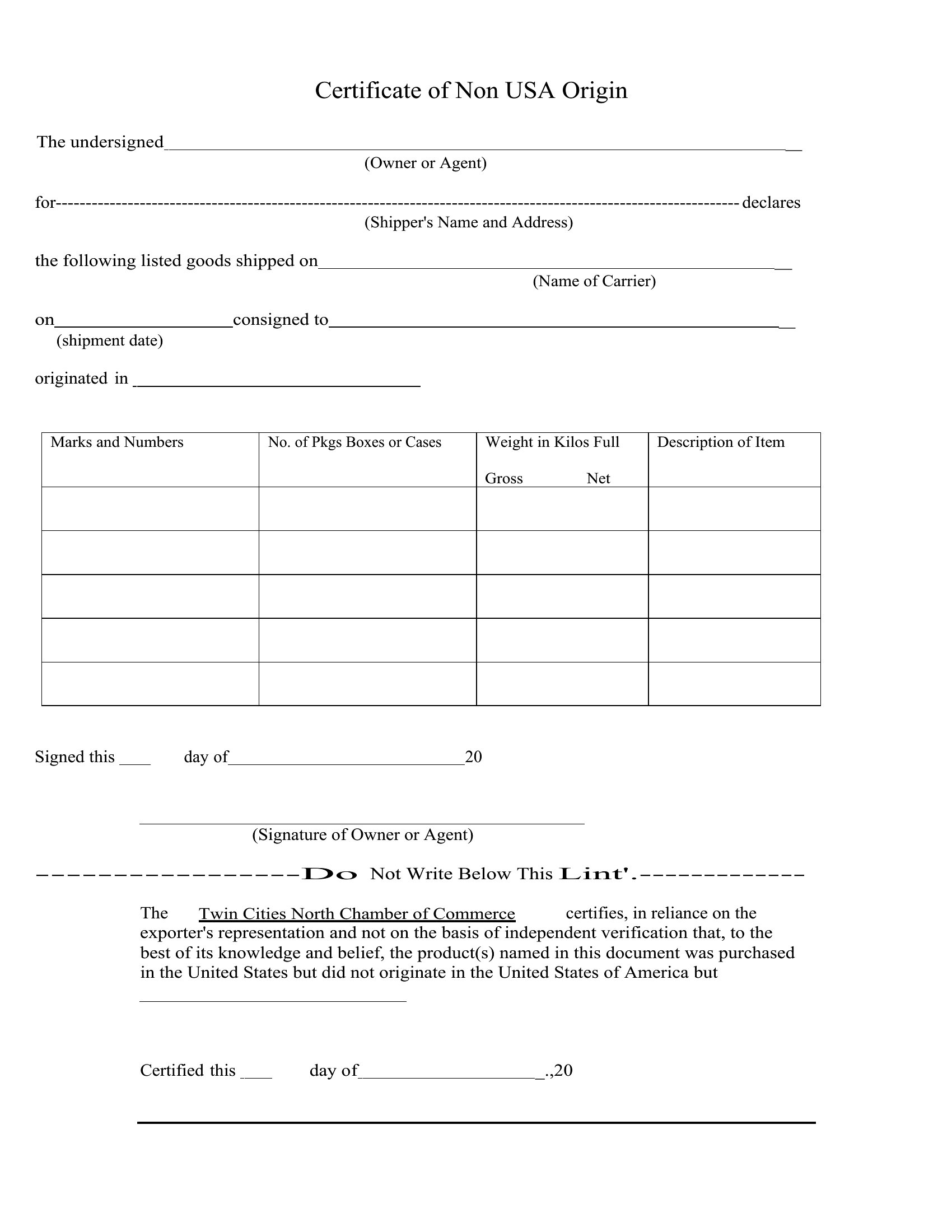
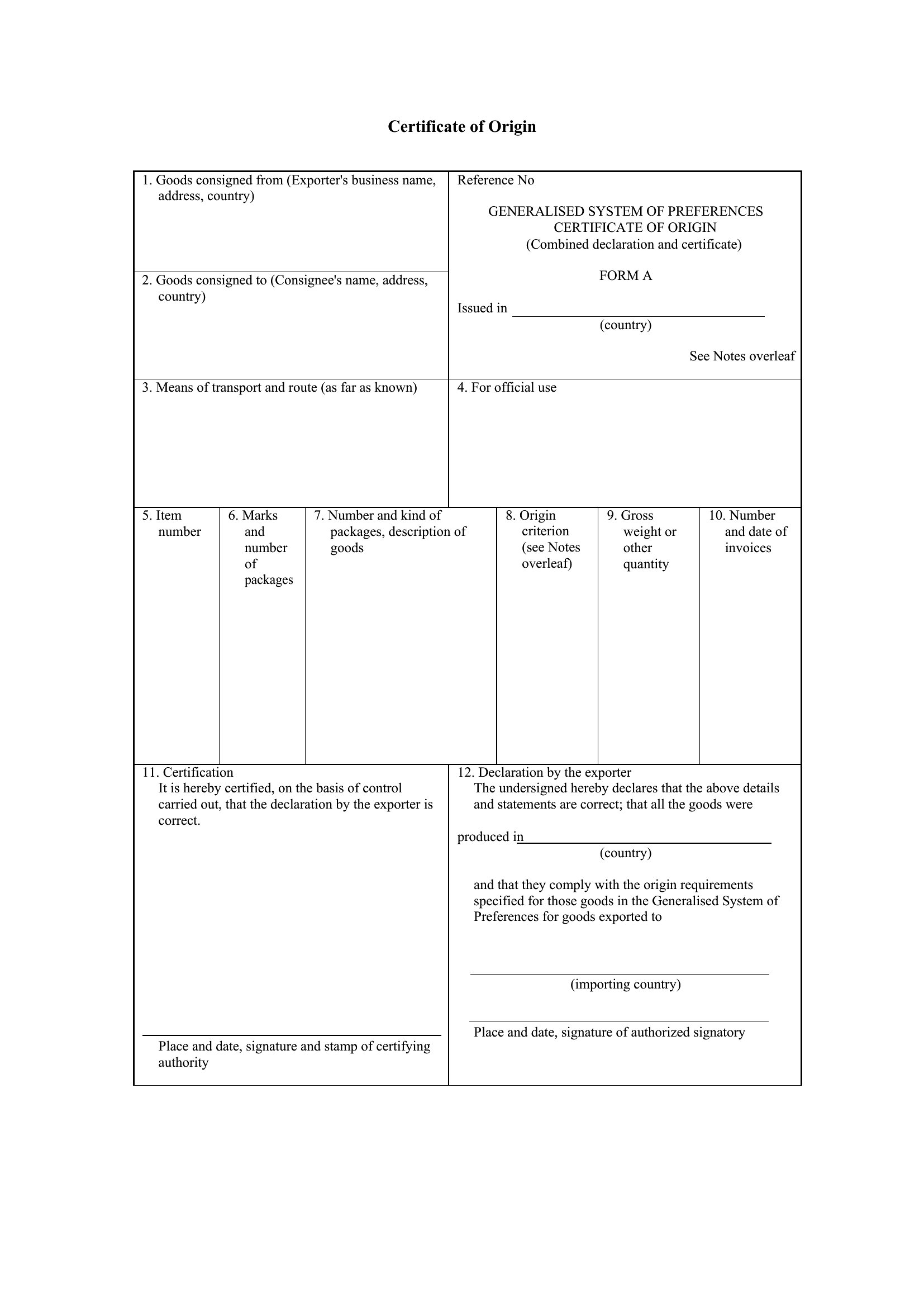
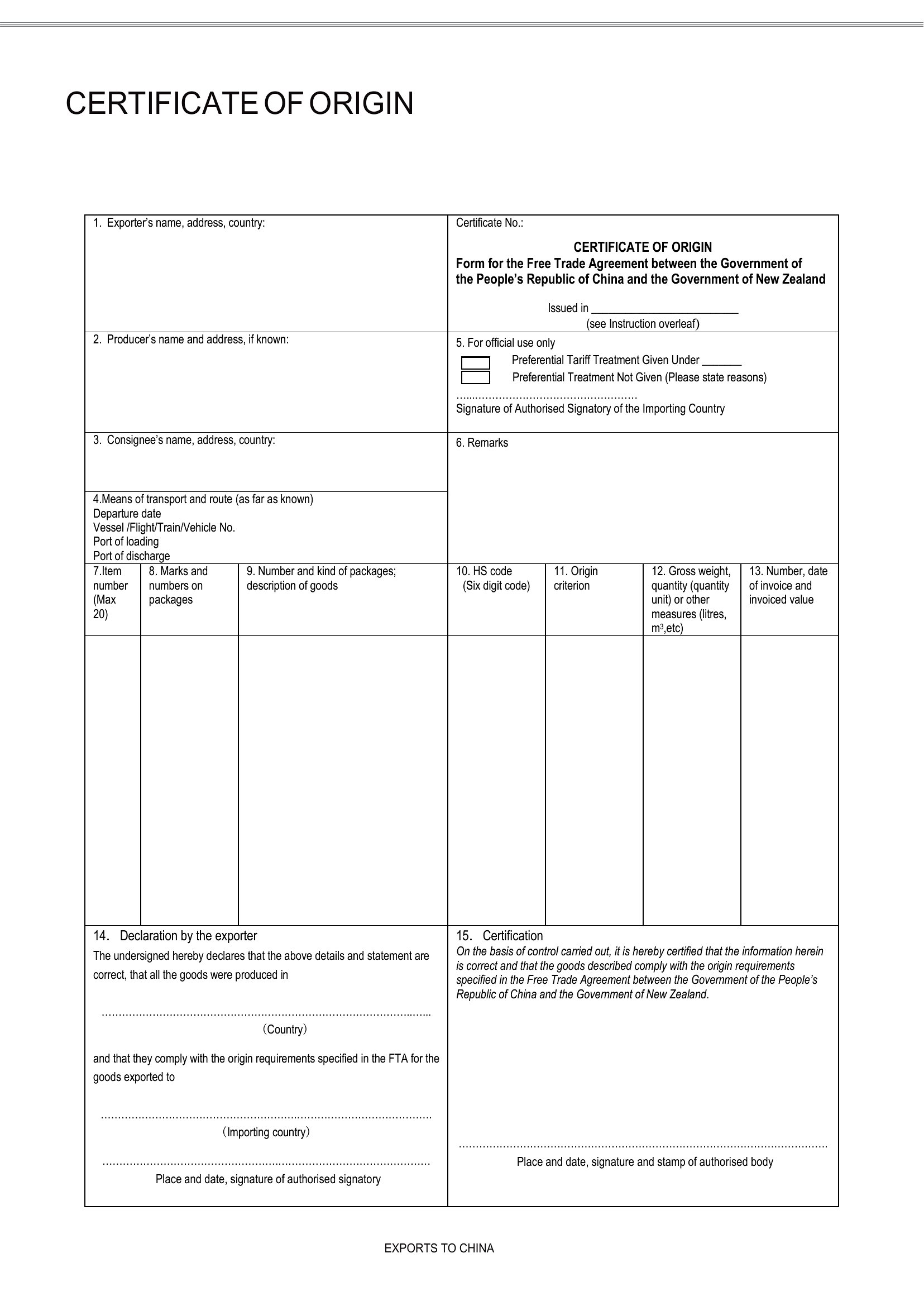
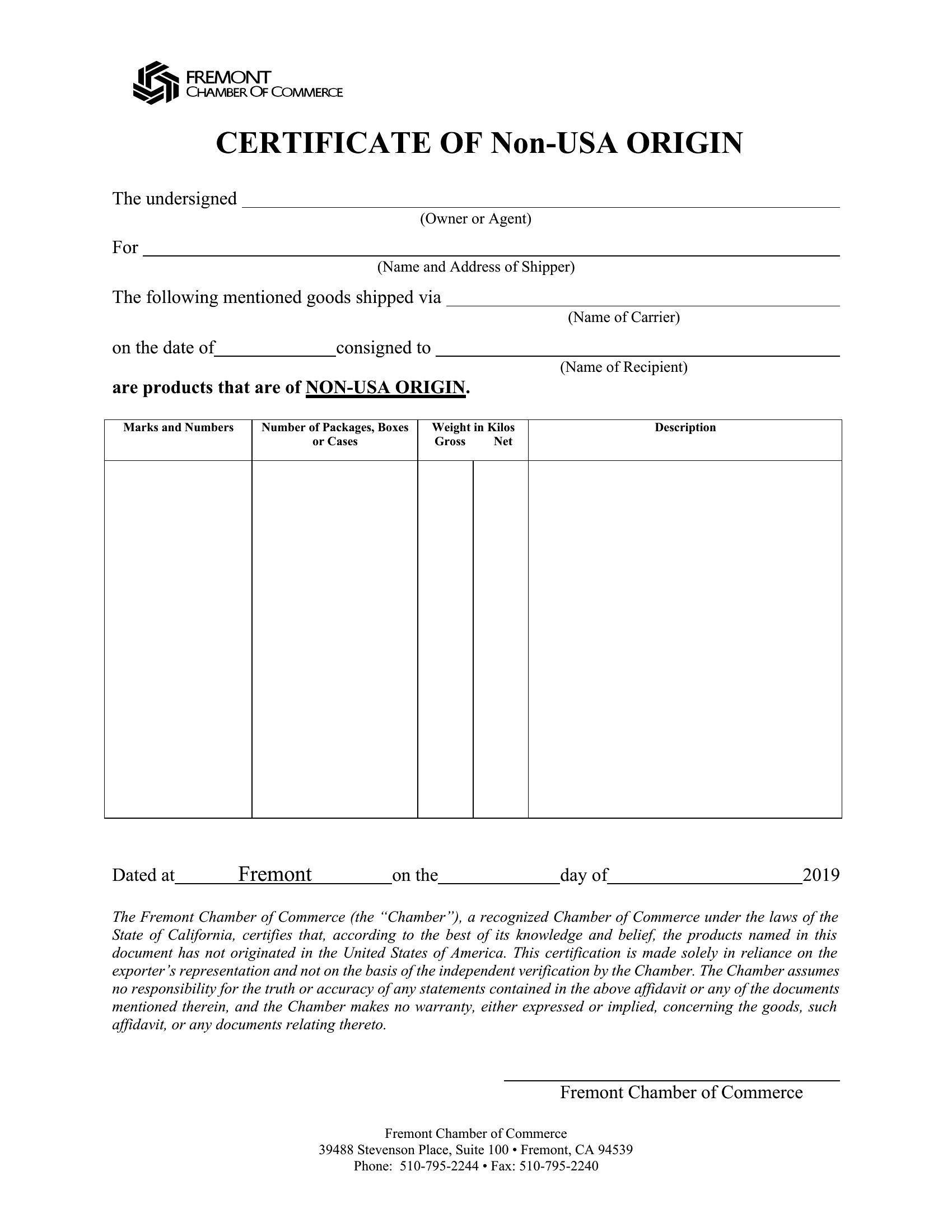
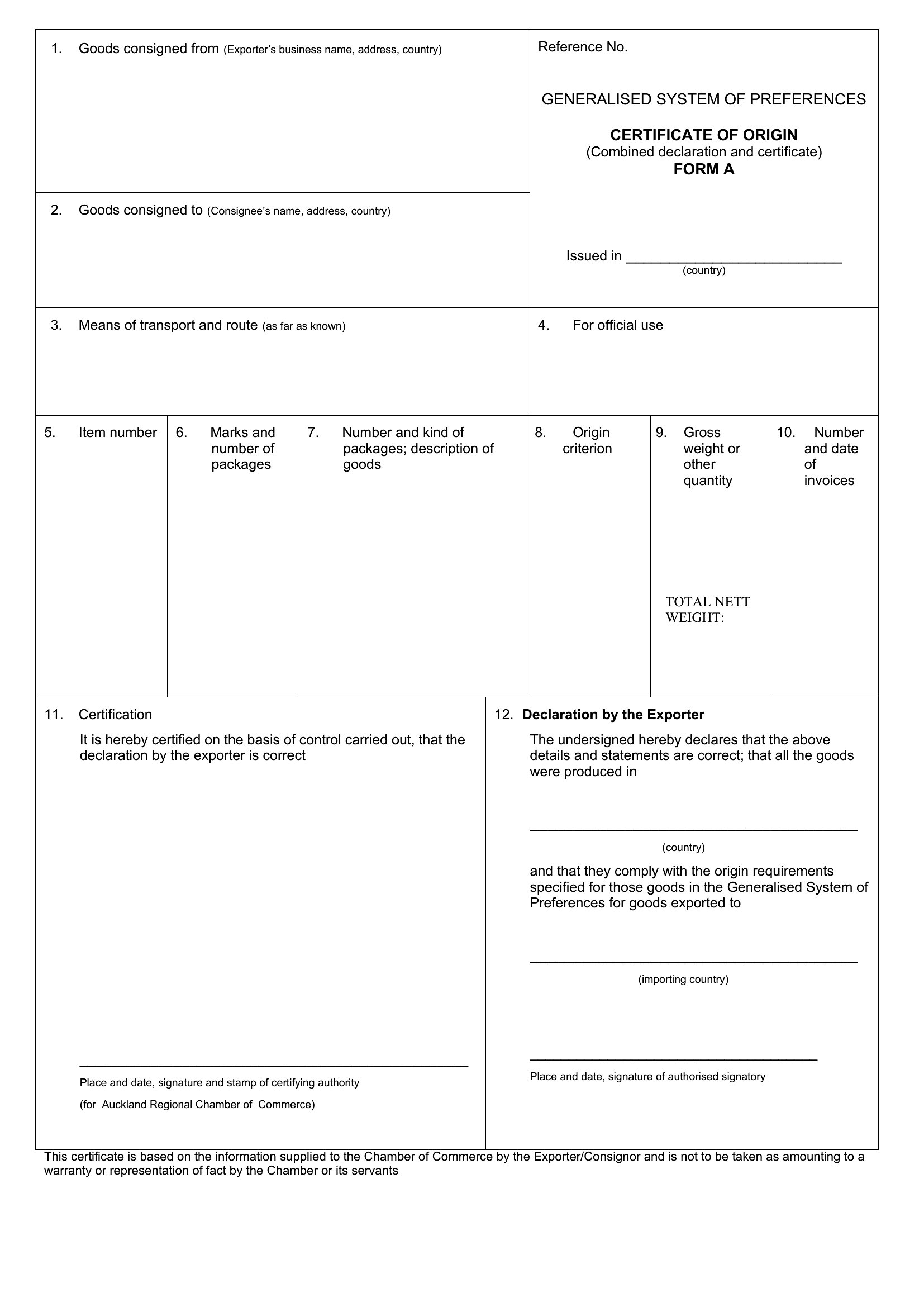
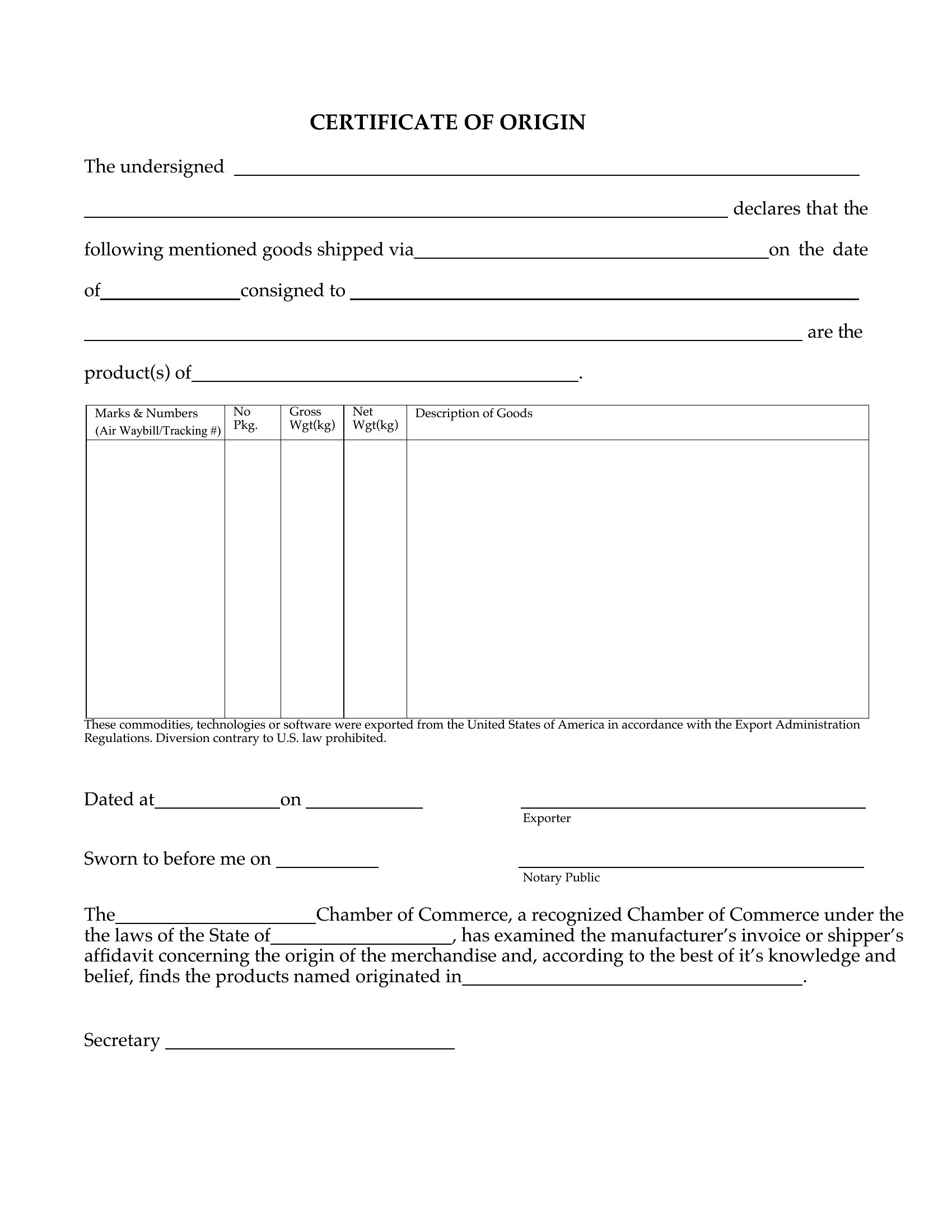
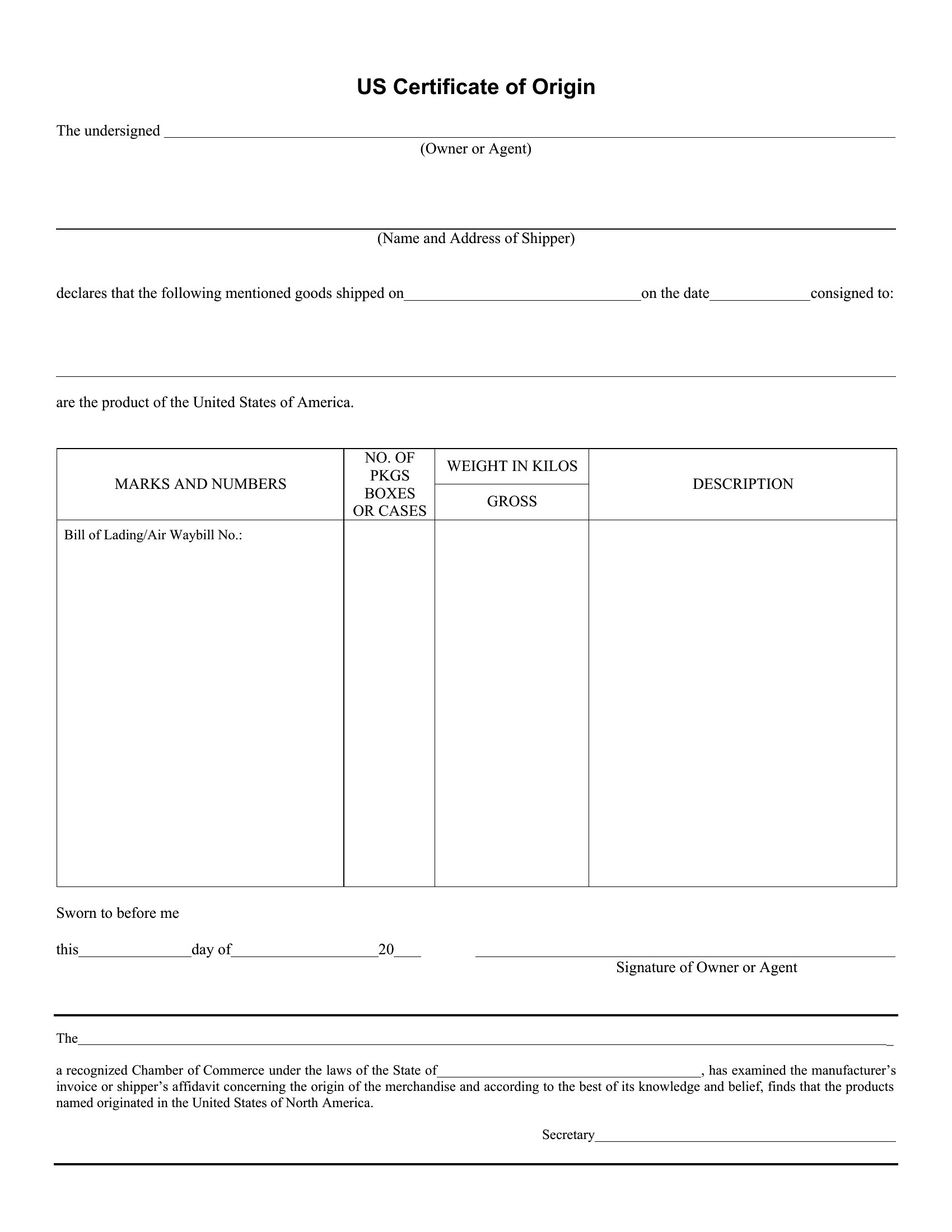
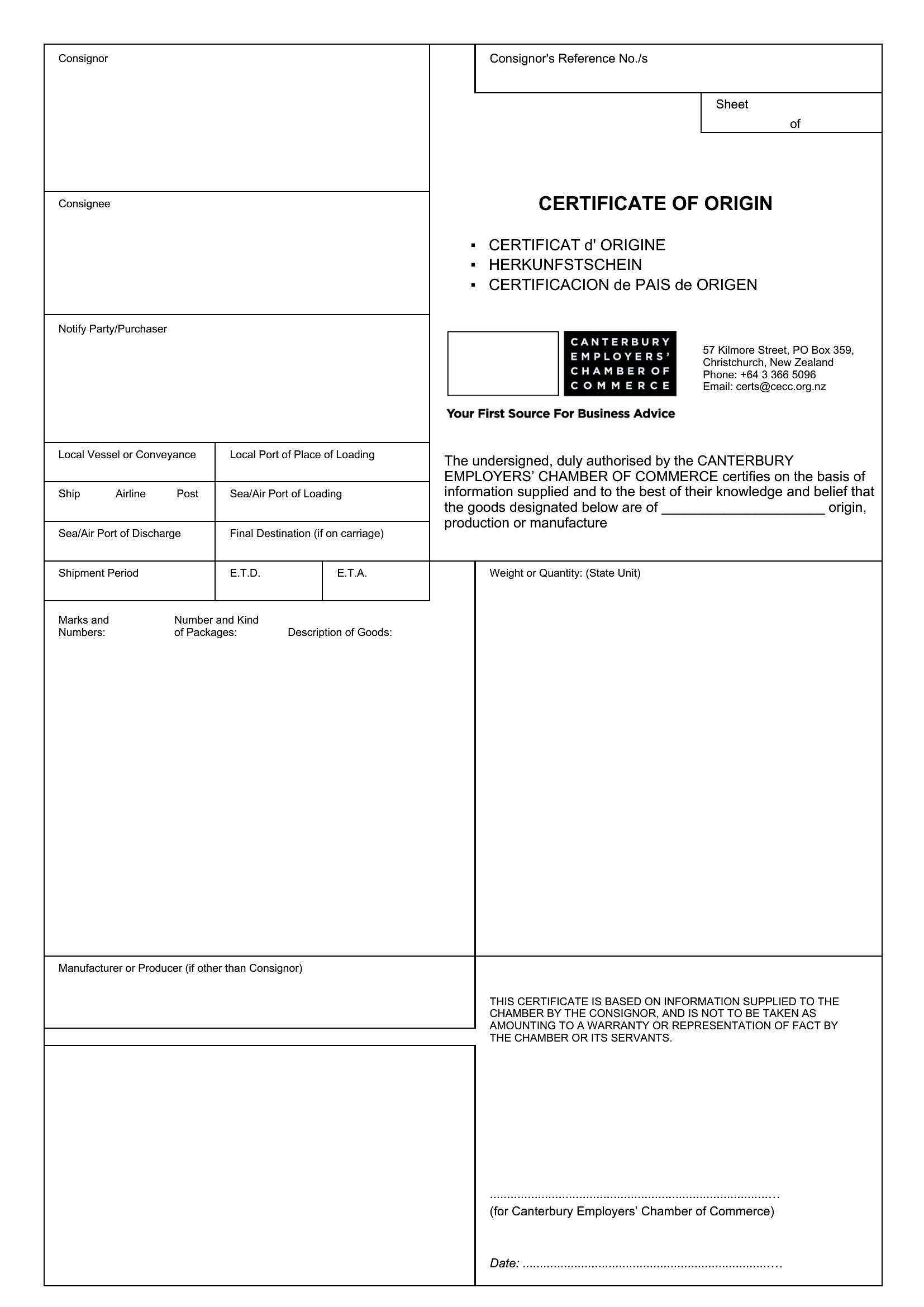
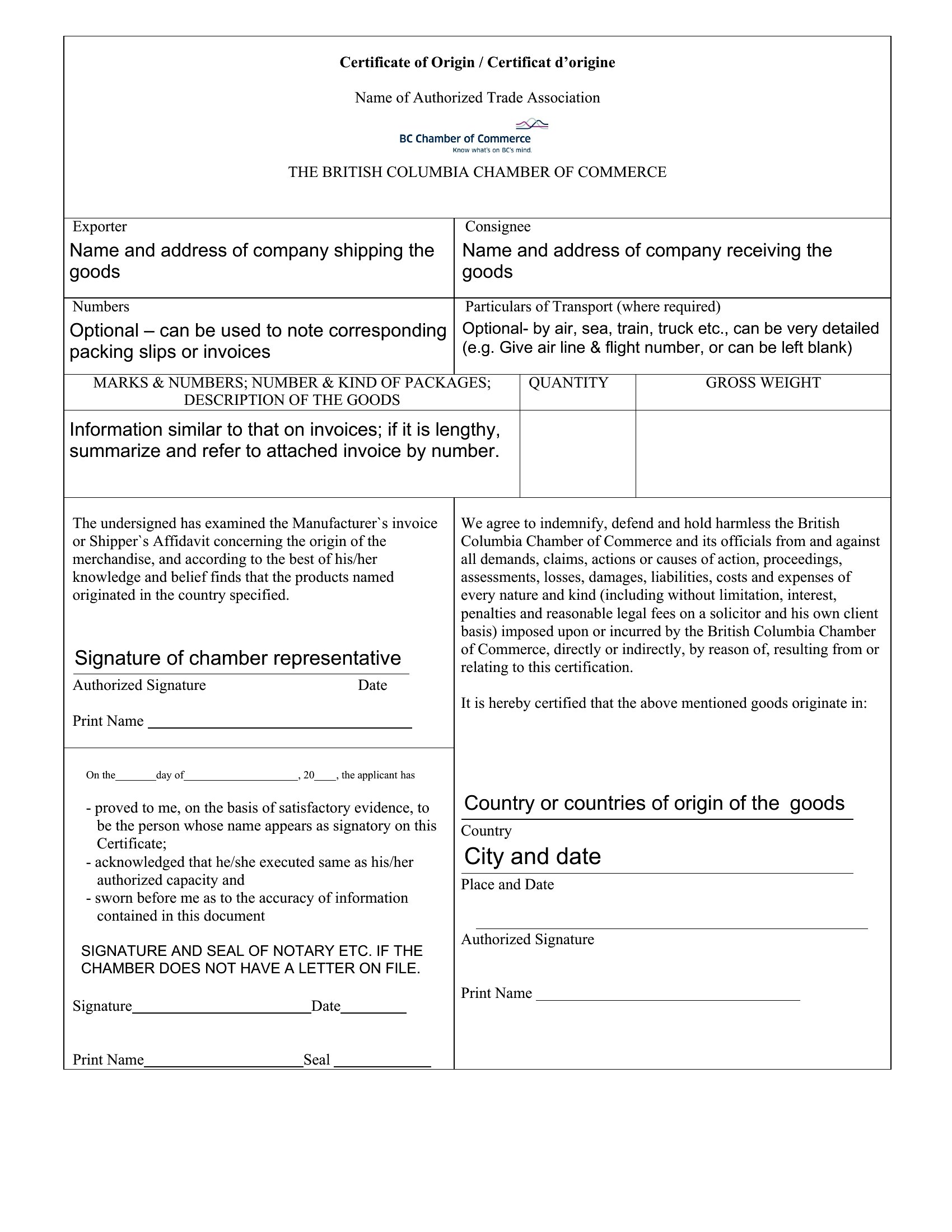
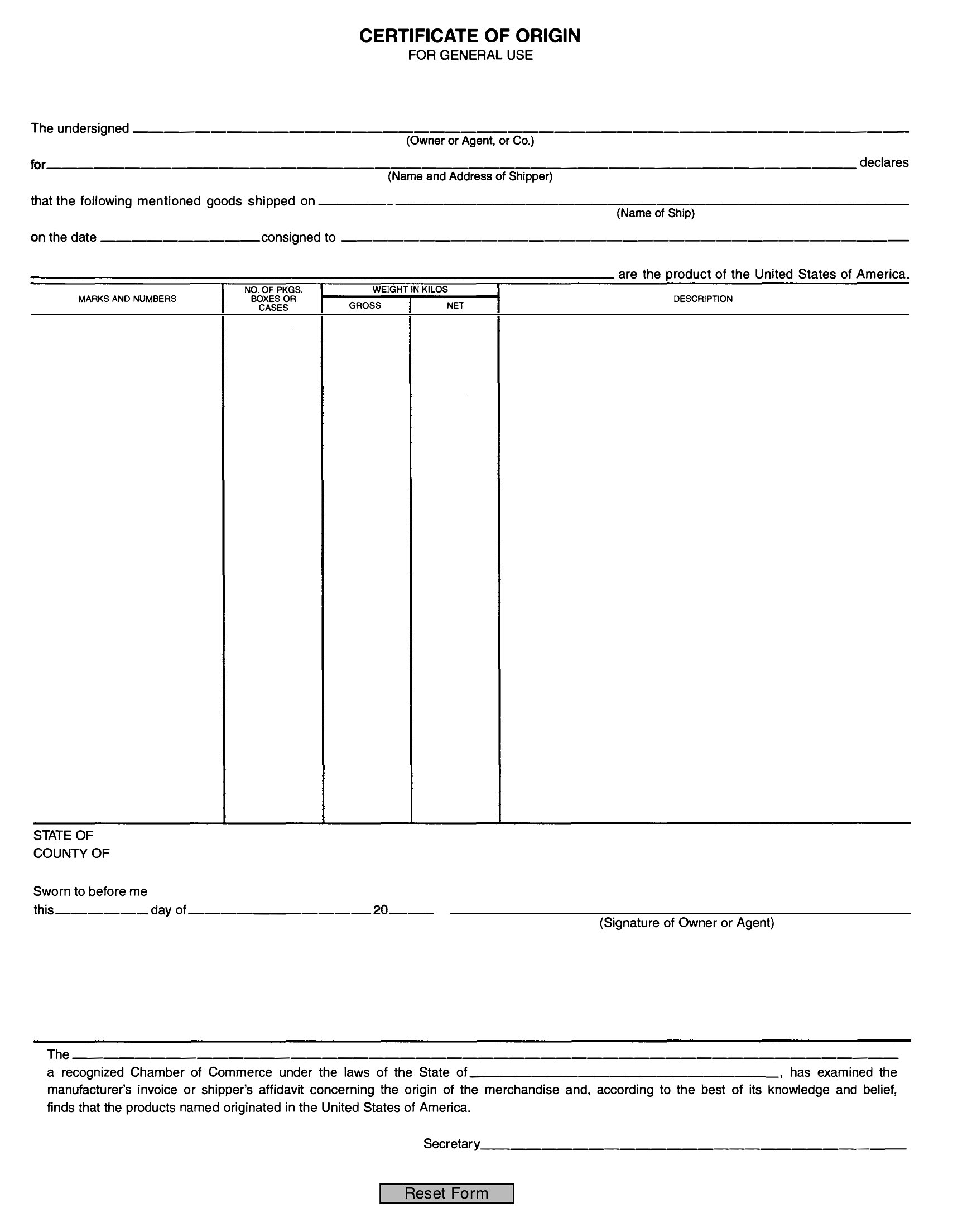
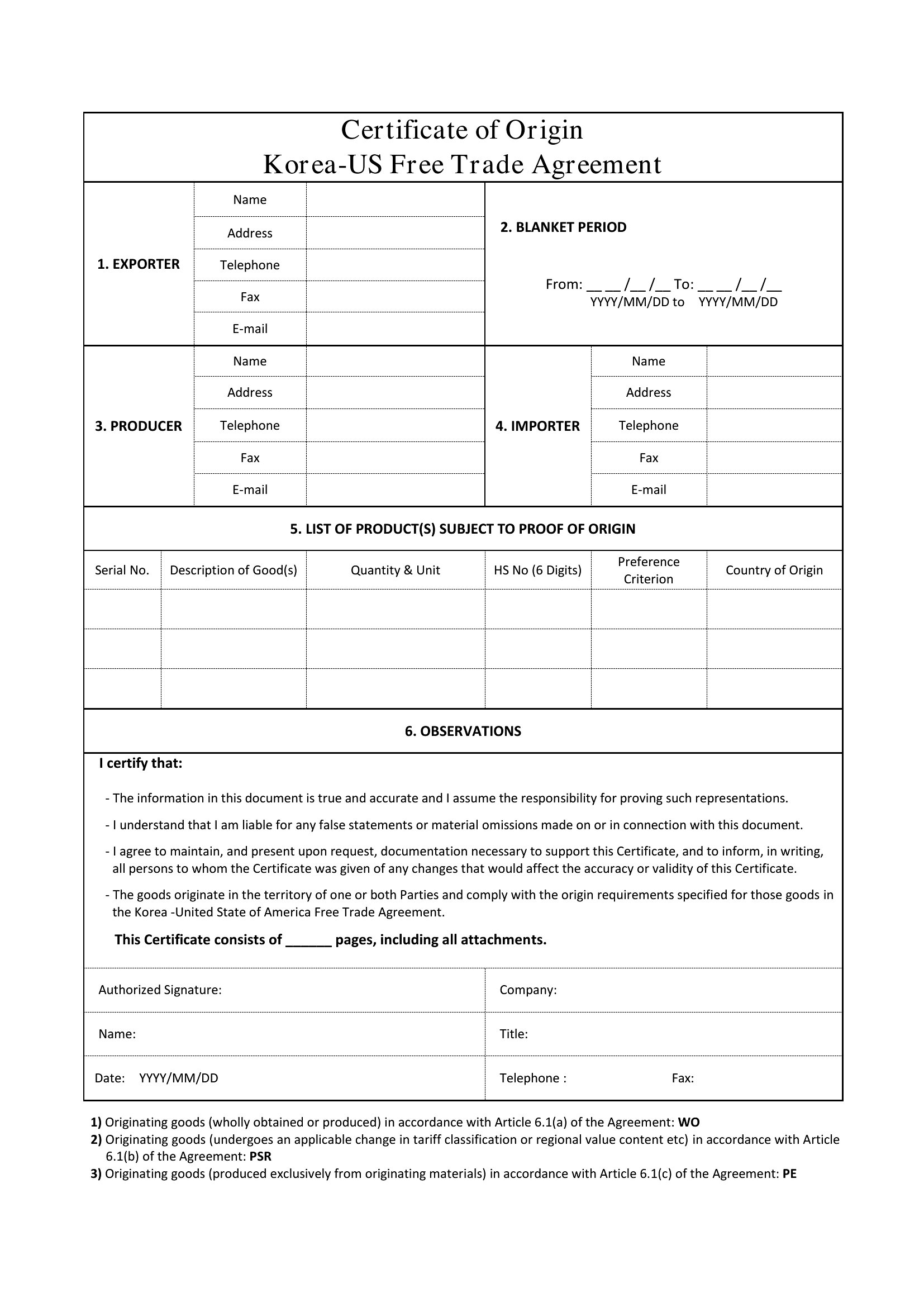
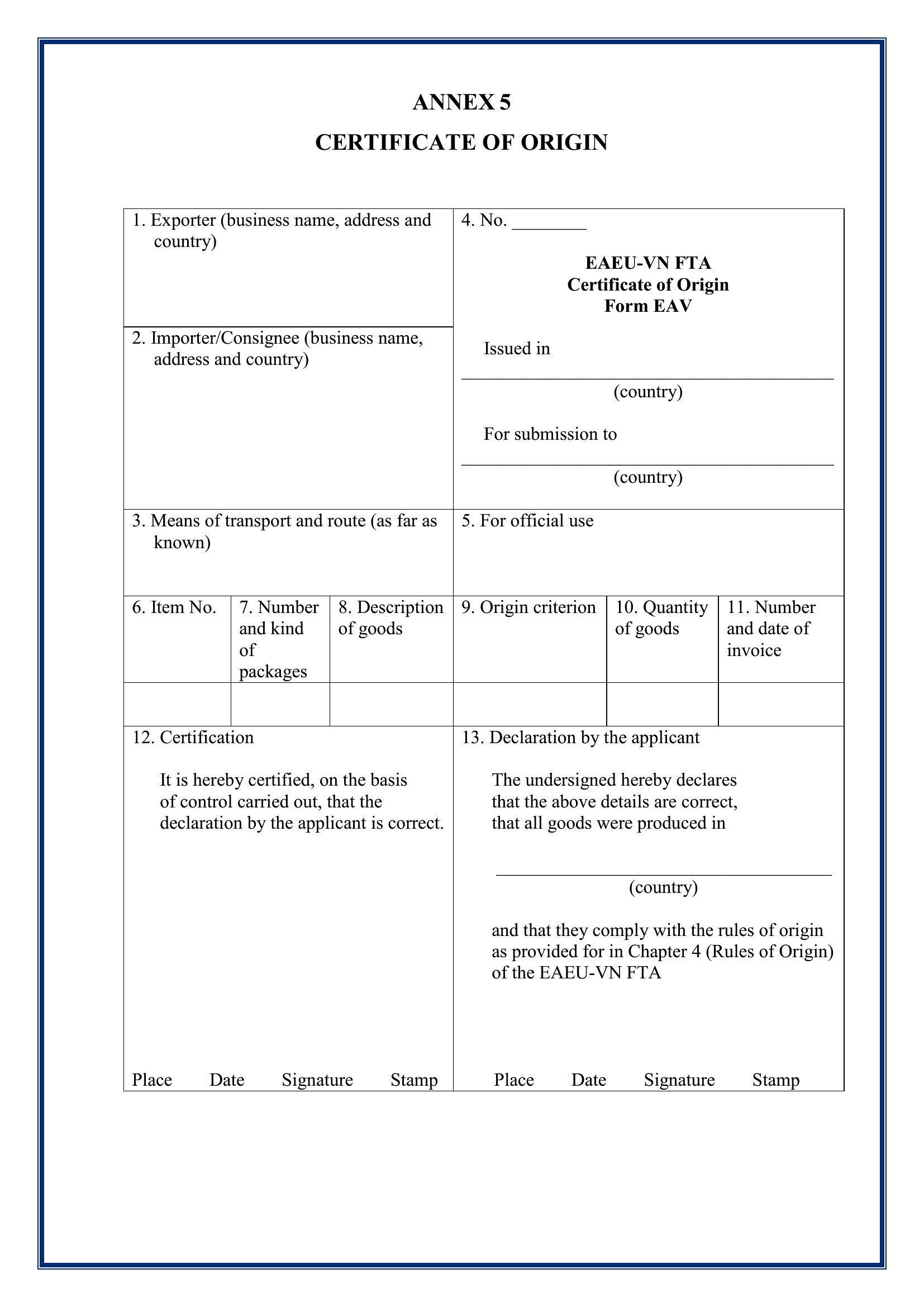
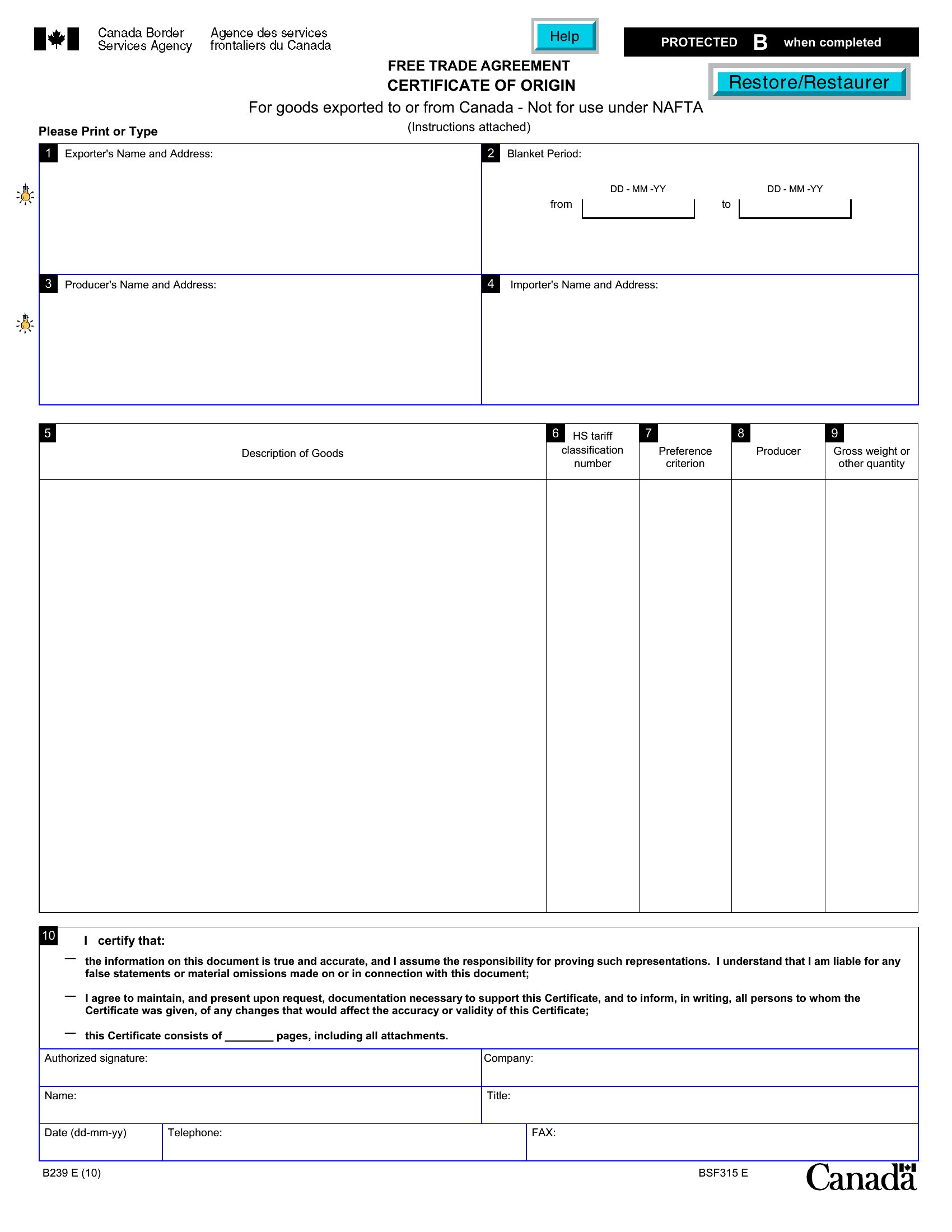
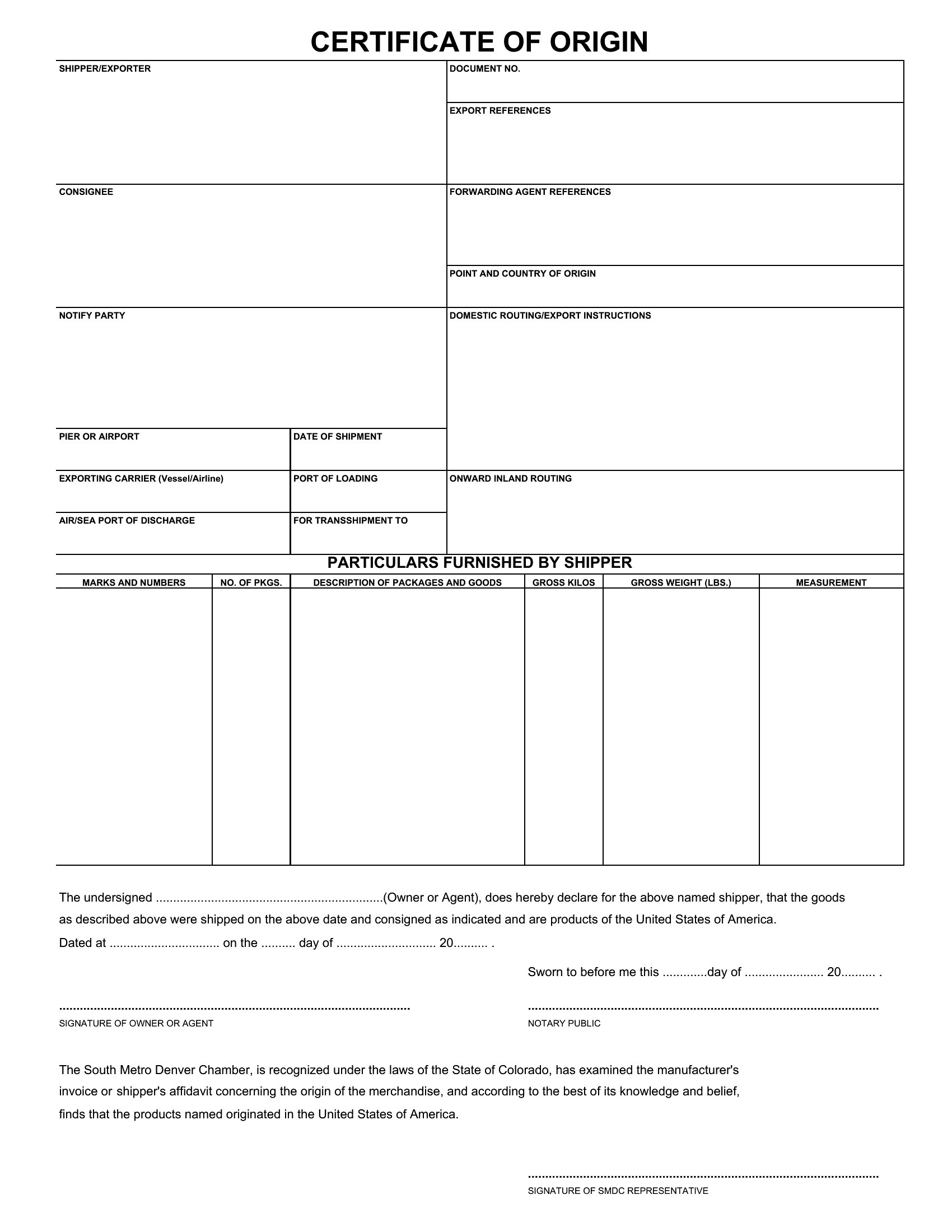
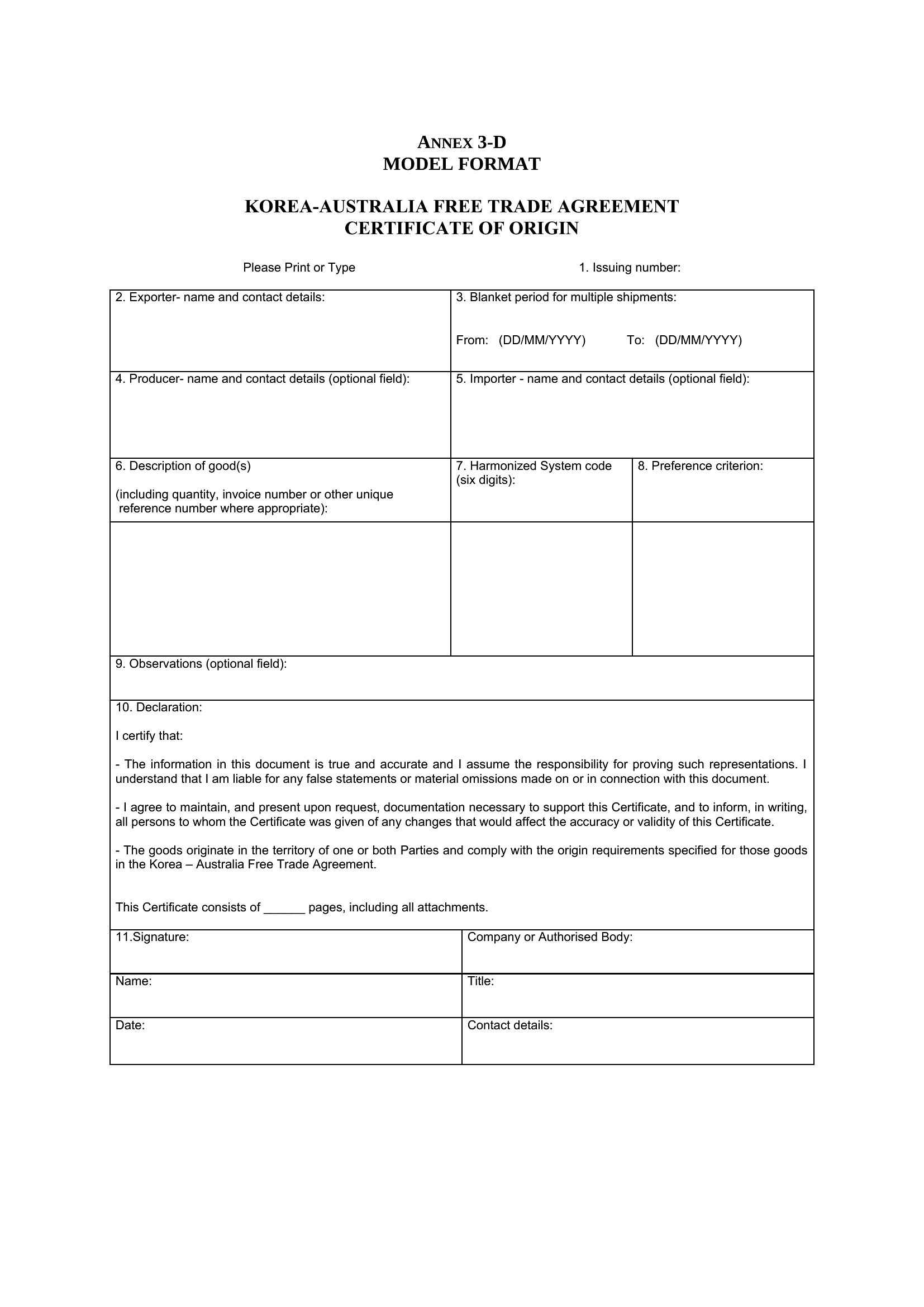
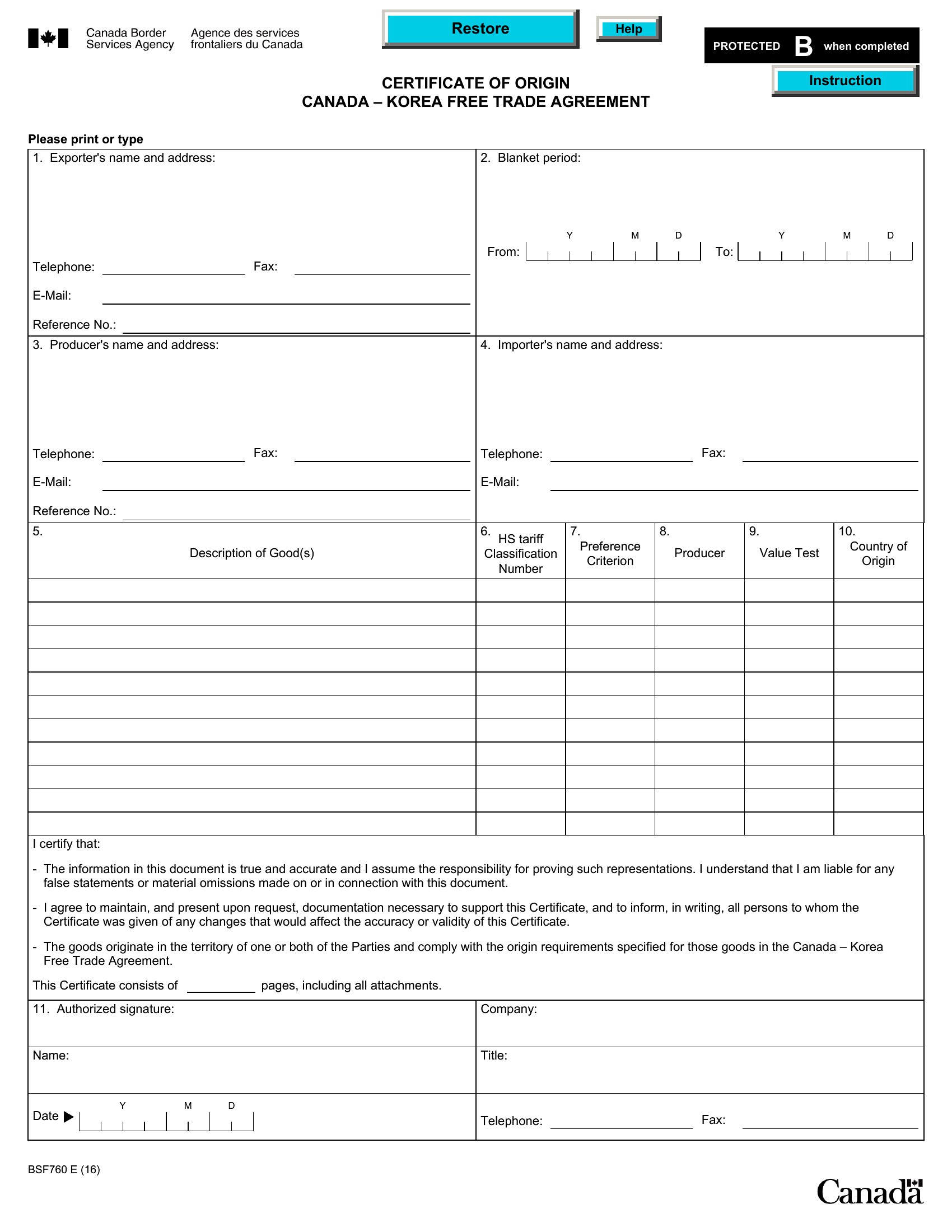
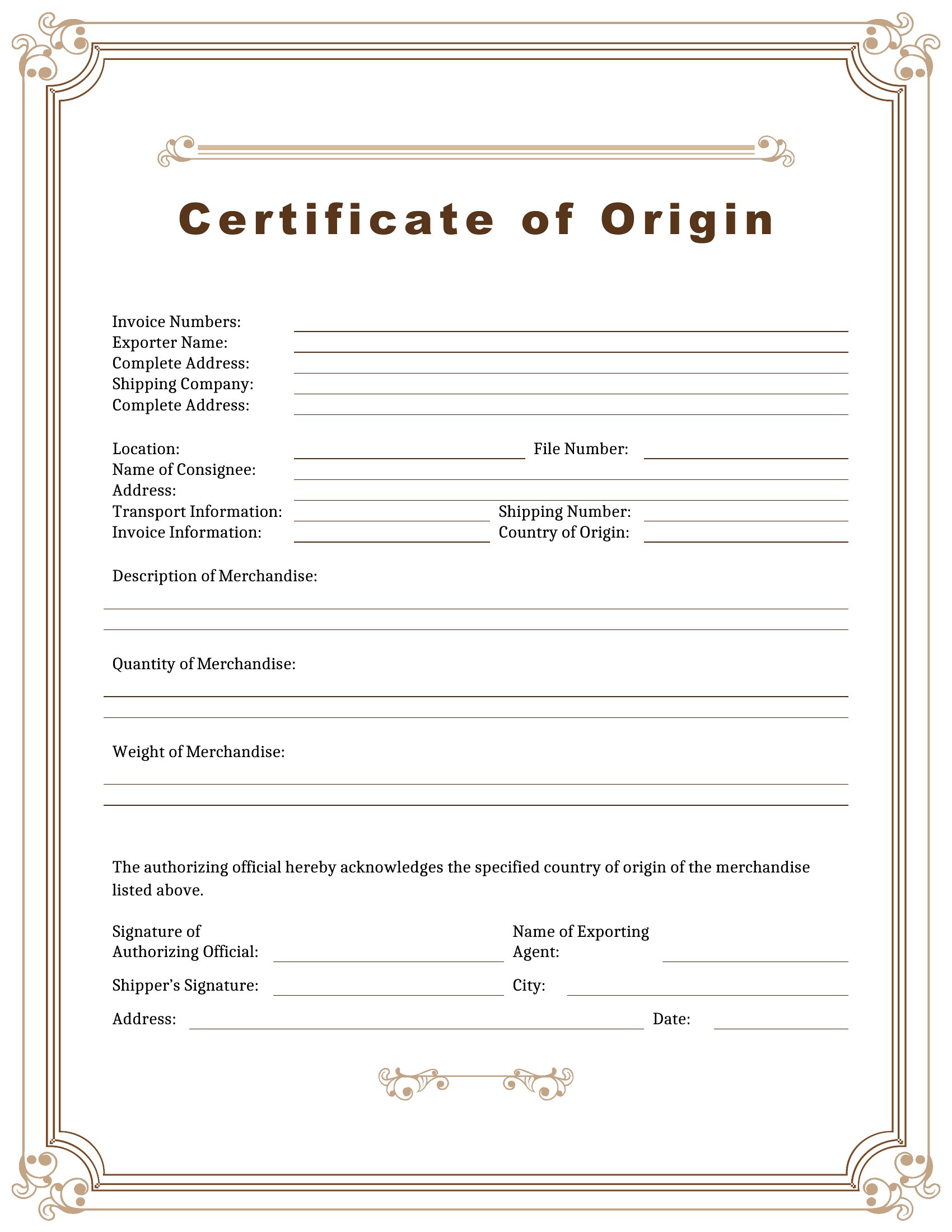
A certificate of origin states where goods were manufactured, a document customs authorities and importers rely on to clear international shipments and apply the right duties. This collection of 42 templates helps exporters, freight forwarders, and small manufacturers produce the paperwork trade deals require without commissioning a custom form each time.

Fill in the Word or Excel versions with shipment and origin details, or print the PDF copies for stamping and signing. Enter the exporter, consignee, and product information, then keep a copy with your shipping records. Requirements differ by destination country, so verify what each market expects. Download the version that fits your shipment and keep goods moving across borders.

When to use this Certificate of Origin template

  • A small electronics manufacturer in Vietnam exporting to the EU needs a formally recognized certificate of origin to prove their components were made in Vietnam, ensuring compliance with EU trade agreements and preferential duty rates. Word or PDF templates help them maintain consistency across shipments.
  • A freight forwarder handling cross-border shipments for clients in the U.S. and Canada requires a standardizable certificate to speed up customs clearance, reducing delays for perishable goods like seafood or pharmaceuticals. Excel templates allow them to batch-process multiple shipments efficiently.
  • An artisan coffee roaster in Guatemala exporting to specialty cafes in Australia needs a certificate to verify their beans’ origin, which directly impacts pricing and market positioning. A printable PDF version ensures the document is ready for notarization and client contracts.
  • A startup importing handmade textiles from Turkey must provide proof of origin to U.S. buyers, who need verification for ethical sourcing claims. A fillable Word template lets them customize details for each supplier while keeping the professional layout intact.

Which format should I download?

WordExcelPDF

Choose Word if you need a fully customizable document for repeated shipments, as it allows easy editing of details like exporter names, product descriptions, and HS codes. Excel is ideal when managing bulk shipments, as it supports data entry for multiple certificates at once, with formulas to auto-populate totals or compliance flags. PDF is best for final submissions, especially when notarization or client contracts require a static, tamper-proof version. The free PDF templates here are pre-formatted to meet common international standards, so they’re a solid starting point for immediate use.

How to use this Certificate of Origin template

Do these templates include the specific language required for preferential trade agreements like the USMCA or EU GSP?

These templates provide the standard fields and structure needed for most certificates of origin, including space for the exporting country, manufacturer details, and product descriptions. However, each trade agreement has unique wording or seals—like the ‘Made in USA’ certification or EU GSP’s ‘originating’ requirements. Always cross-check with the importing country’s customs authority or a trade compliance expert to ensure full adherence. The templates serve as a framework to fill in, not a replacement for legal review.

Can I use one of these templates for a shipment where the goods were partially manufactured in multiple countries?

Yes, these templates include sections for multiple manufacturers and countries of origin, which is critical for rules-of-origin requirements. If your goods qualify under a trade agreement’s ‘substantial transformation’ rule, note the primary country where the goods gained their essential character. For complex cases, consult the specific trade agreement’s rules or a customs broker, as the template alone won’t determine eligibility for duty reductions.

What should I do if the importer’s country requires a certificate to be notarized or apostilled?

These templates are designed to be printed on official letterhead and can be signed by an authorized representative. Once completed, take the document to a notary public for verification. If apostille or legalization is needed (common for countries outside the Hague Apostille Convention), the notary can guide you to the next steps—typically submitting the certificate to your country’s foreign affairs ministry. Always confirm the importer’s requirements first, as processes vary by destination.

Comments

Join the conversation

Sign in to share your thoughts and leave a comment on this resource.

Newsletter

Get Weekly Design Updates

Join our community to receive curated resources and inspiration.

Weekly Tips Resources Early Access

We respect your privacy. Confirmation email required. Privacy Policy