Skip to content
50% off this one-time $1.99 pack with HALFOFF — or unlimited with Pro.HALFOFF
Premium

Free Value Chain Analysis Templates (Word, PDF)
Analysis
albaneschmitt by albaneschmitt
Updated 0 downloads Quality-checked template

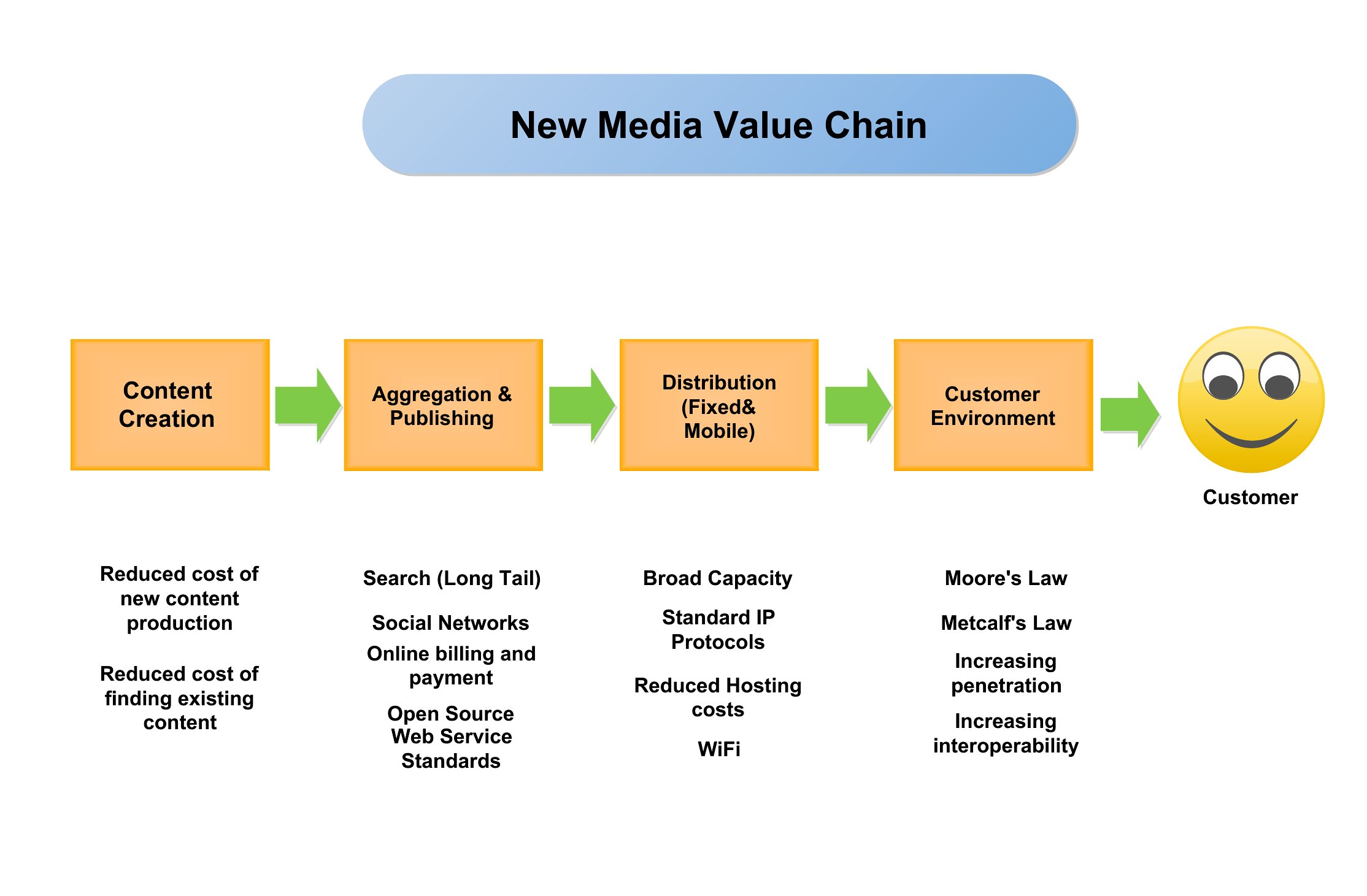
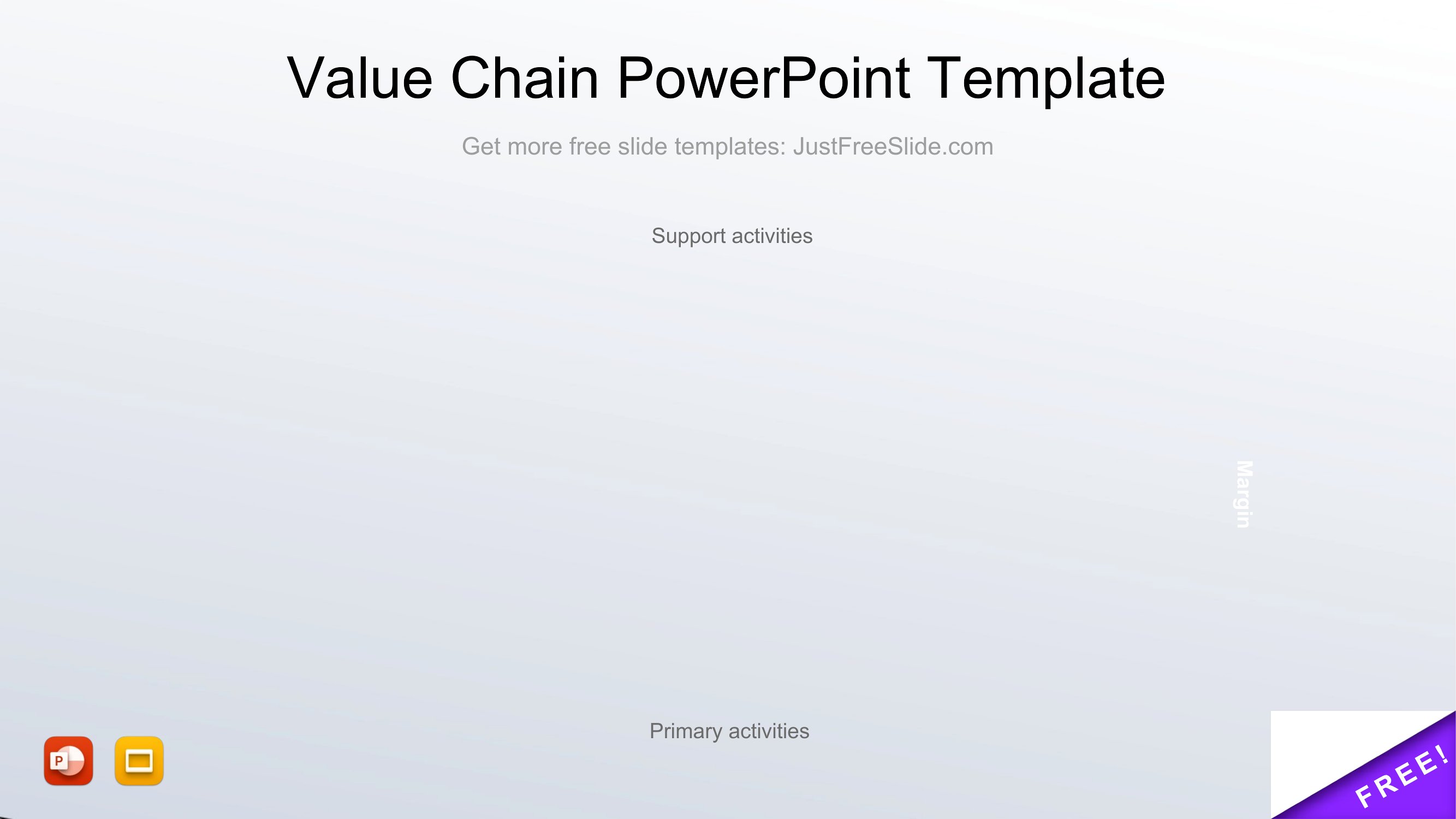
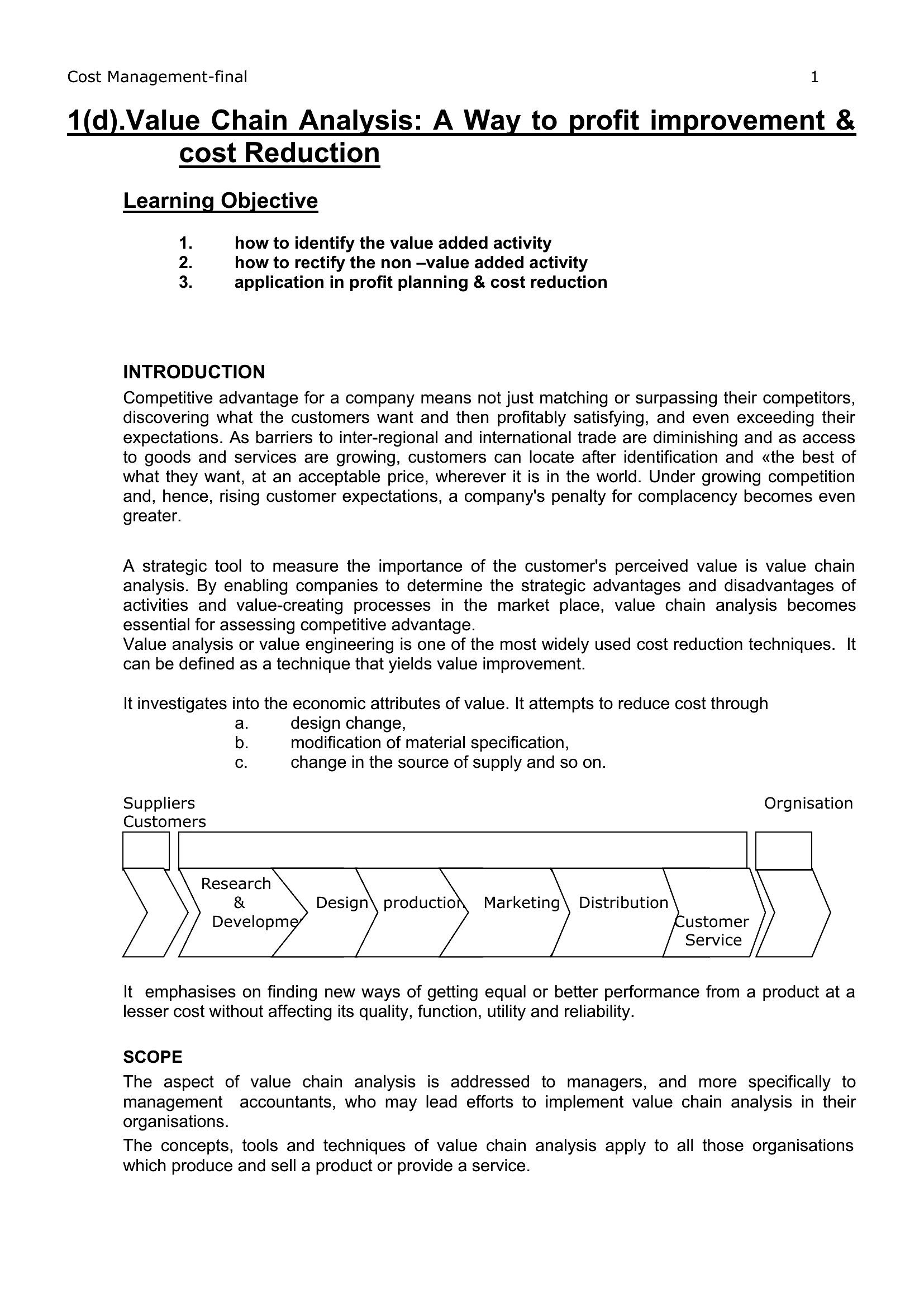
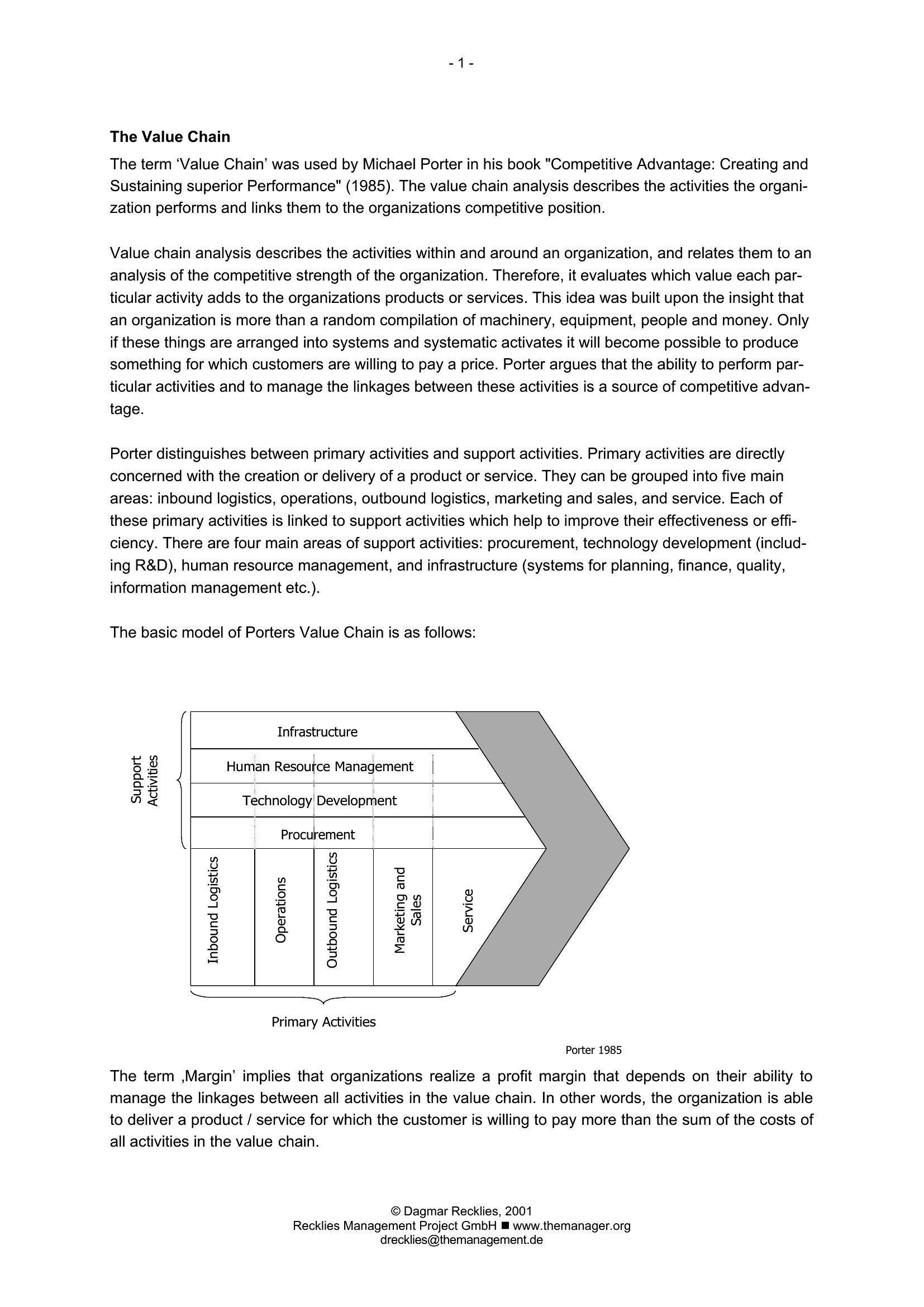
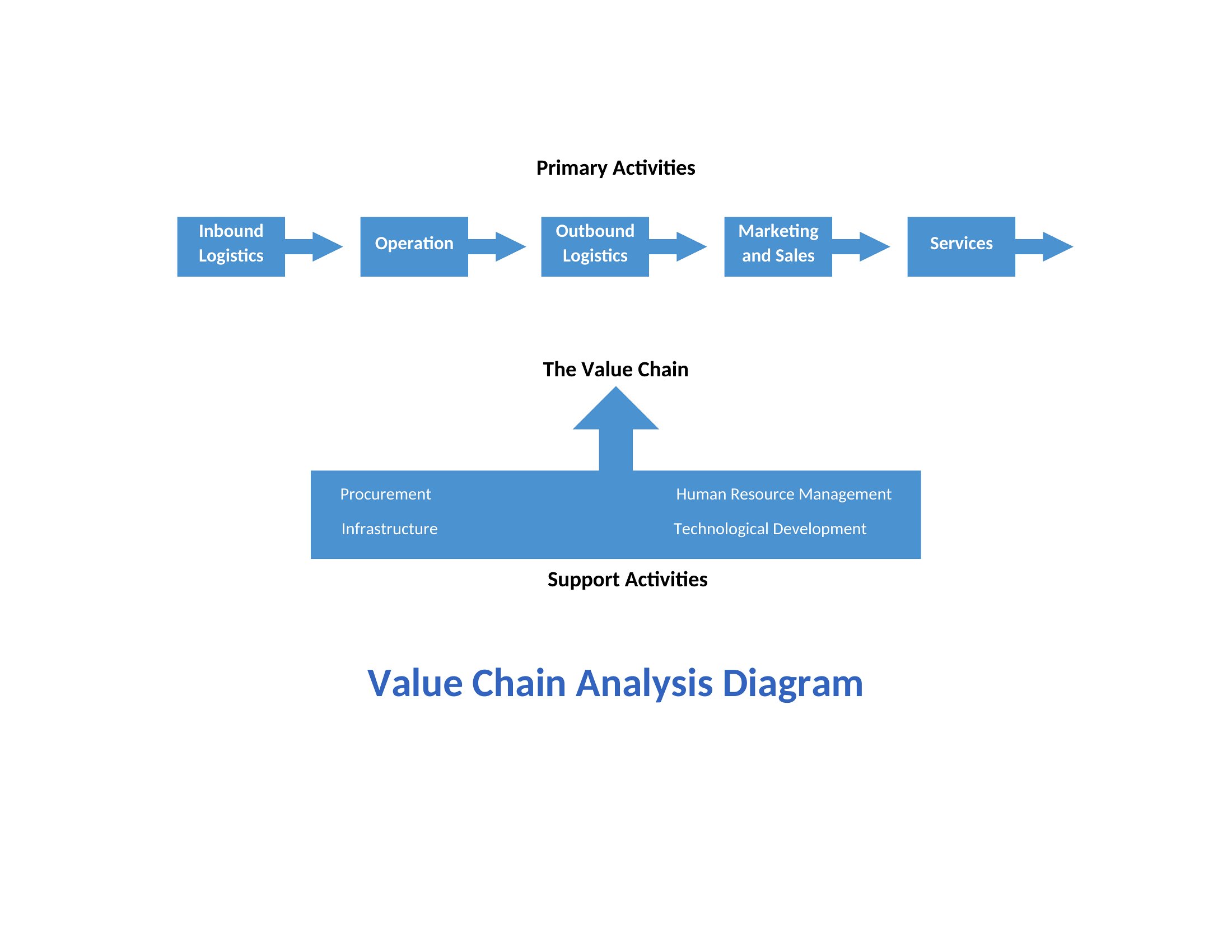
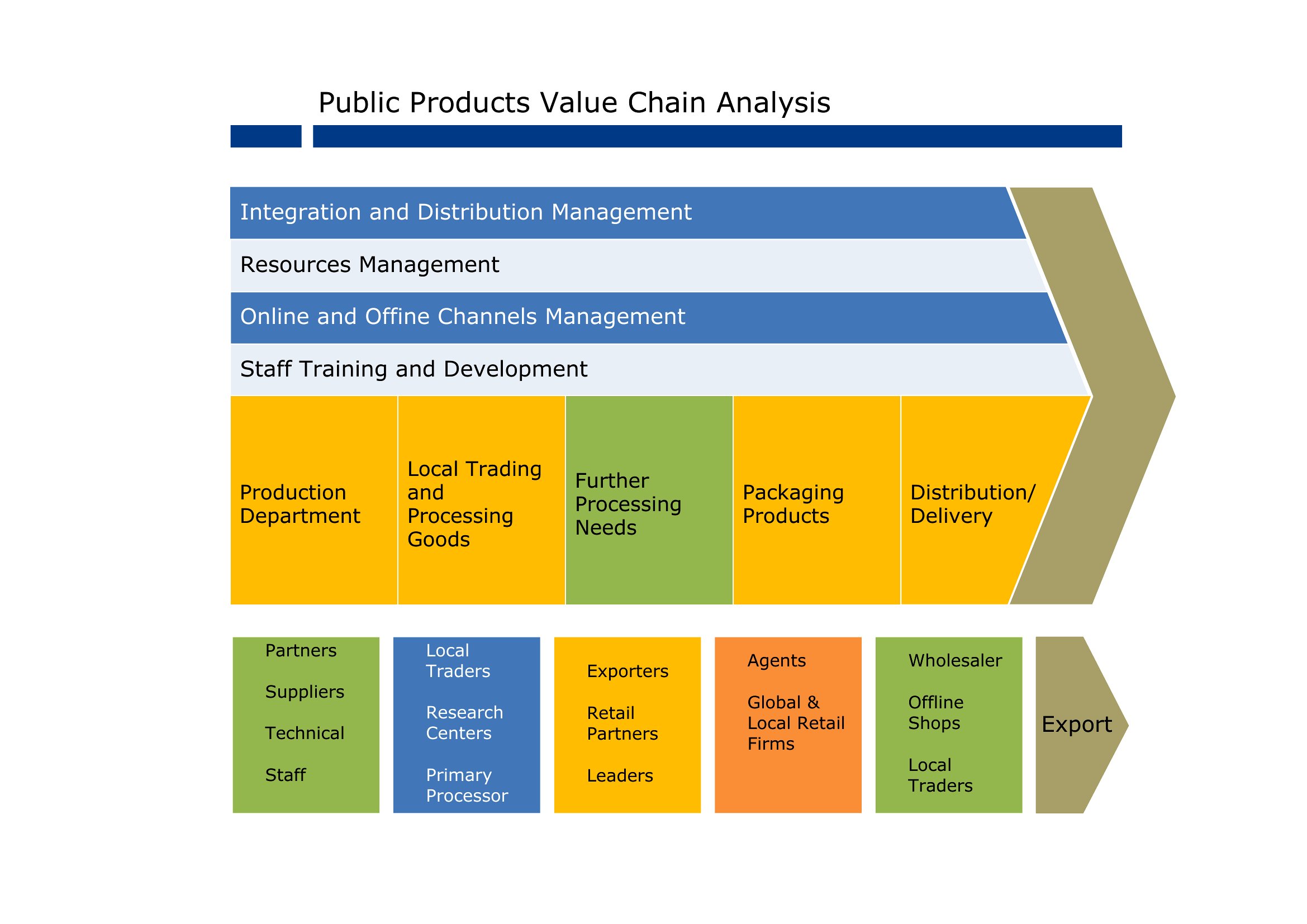
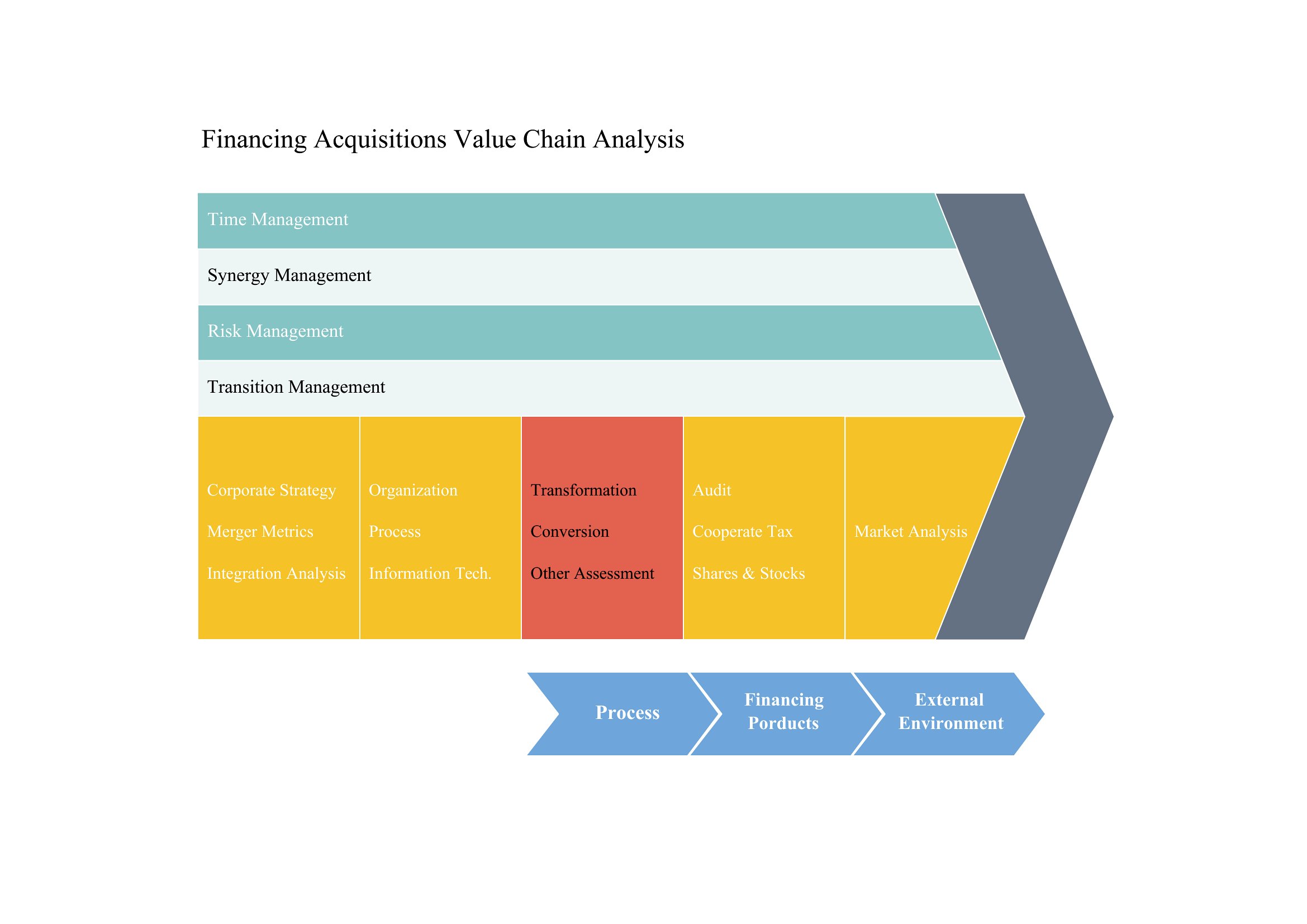
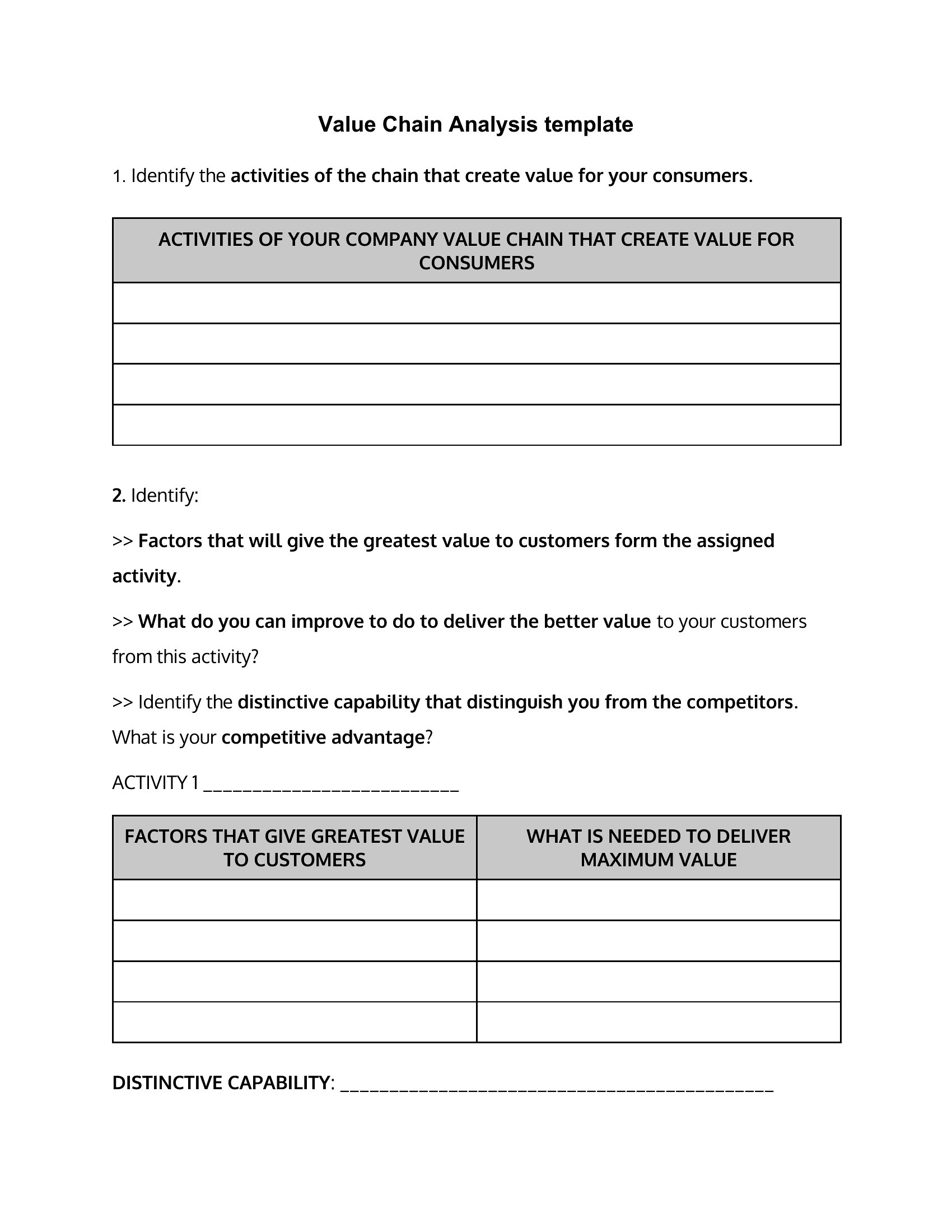
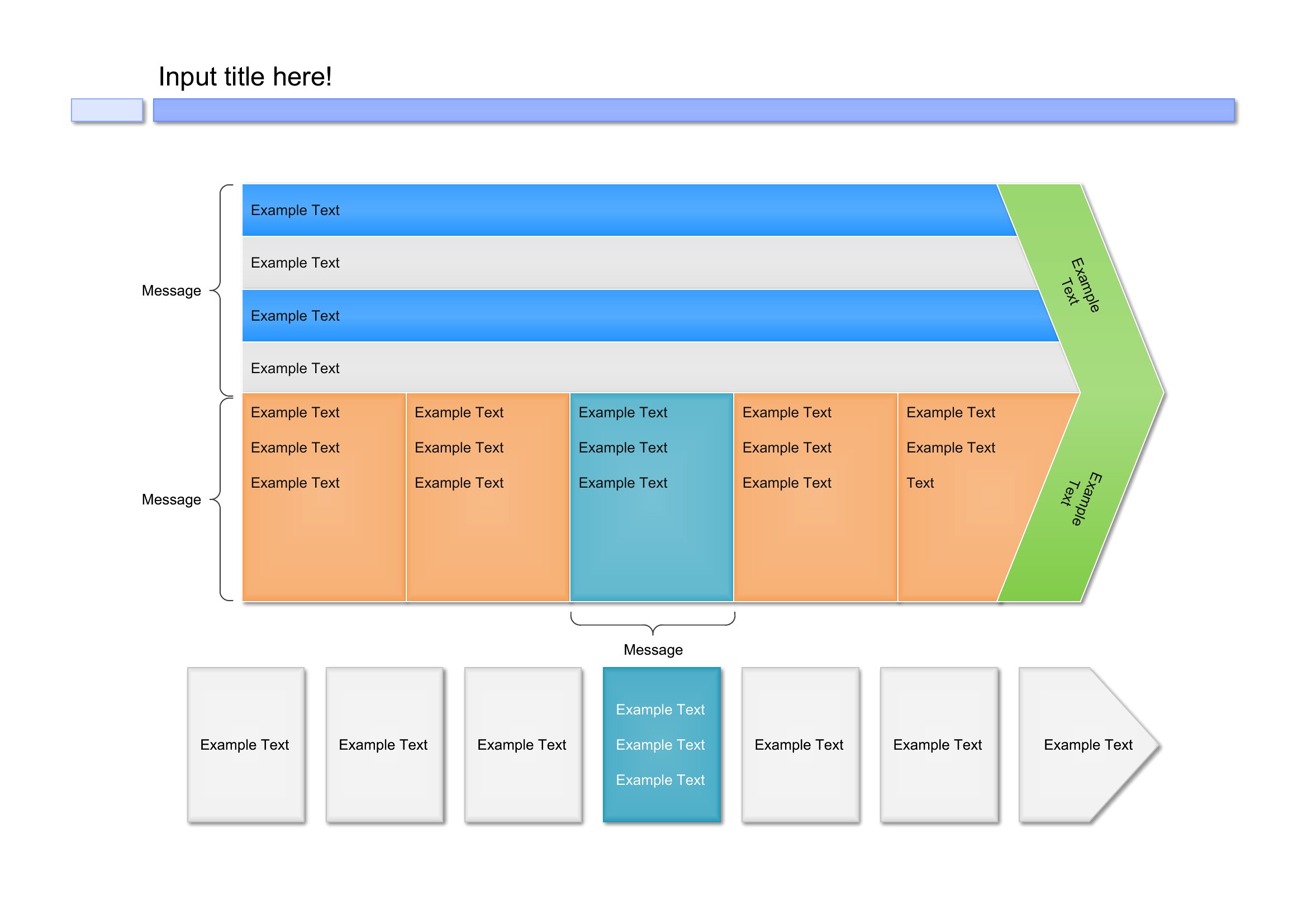
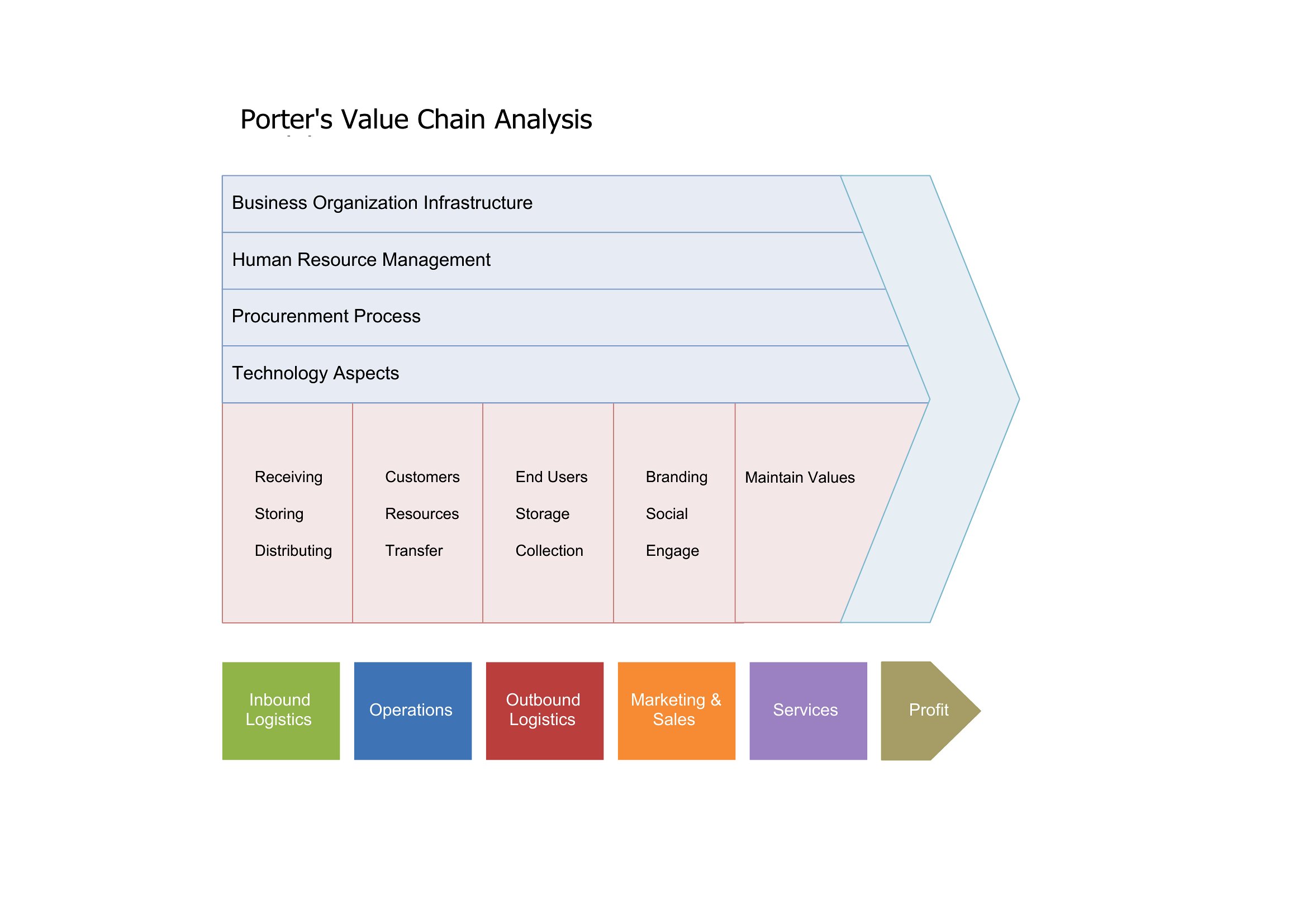
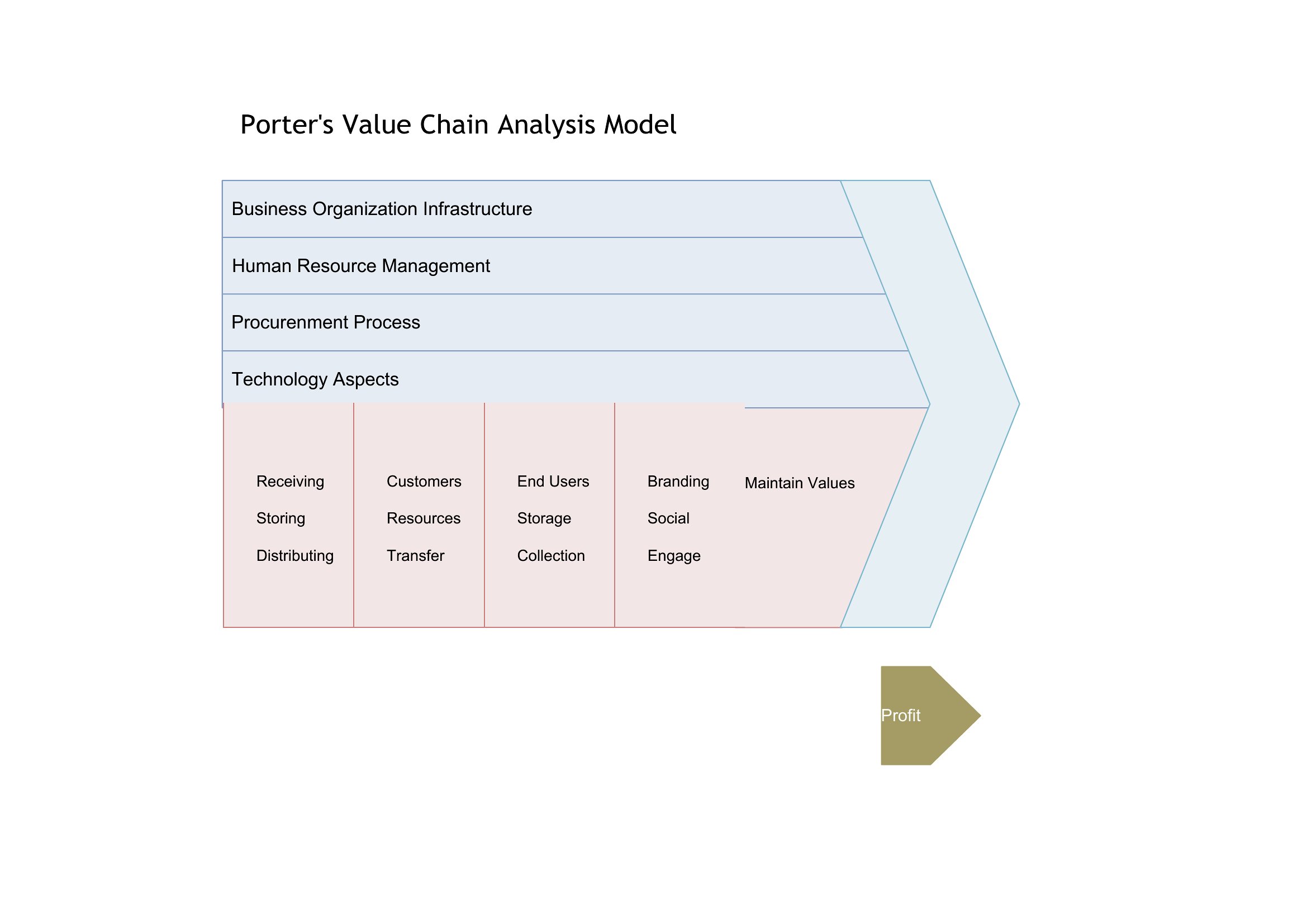
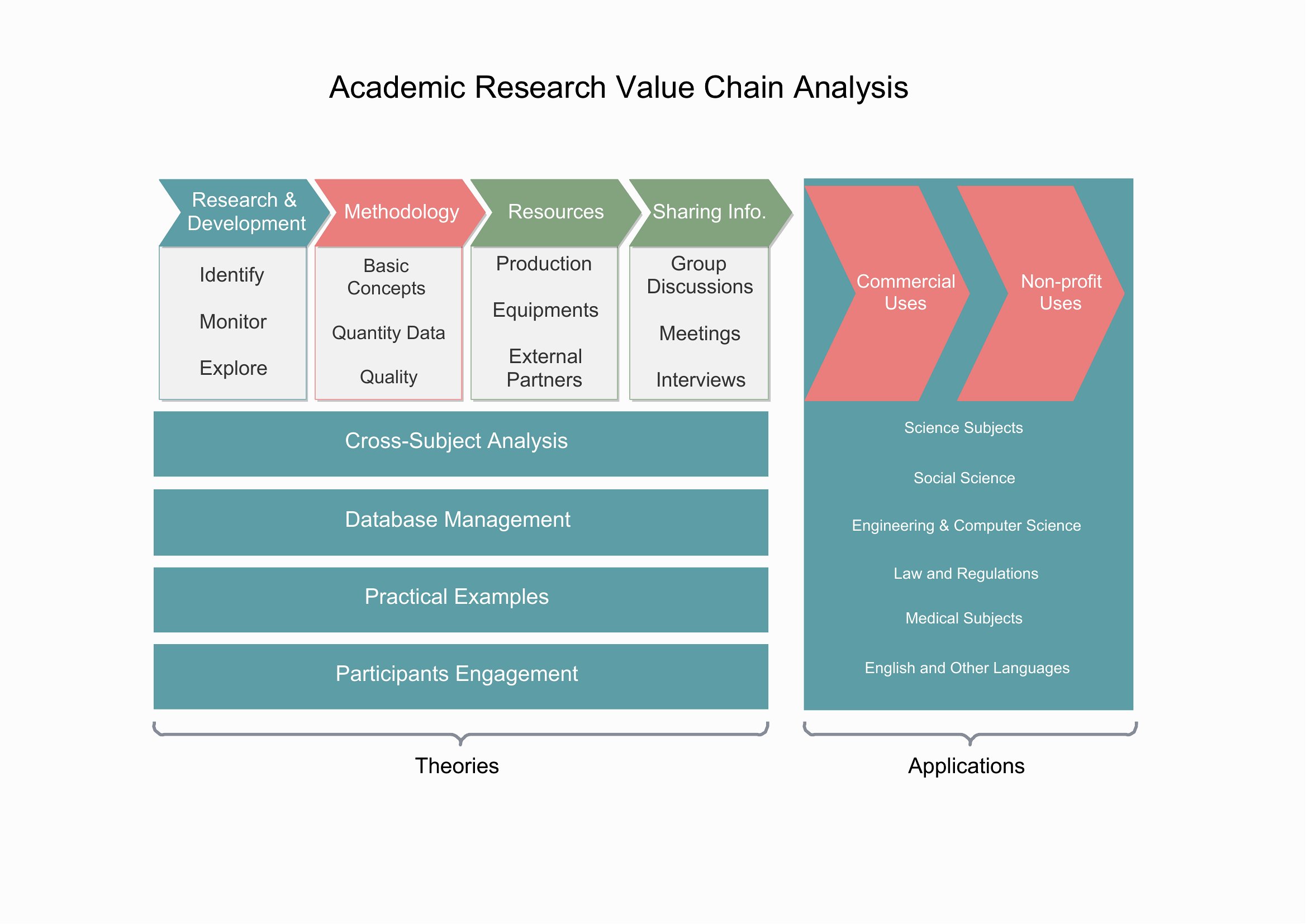
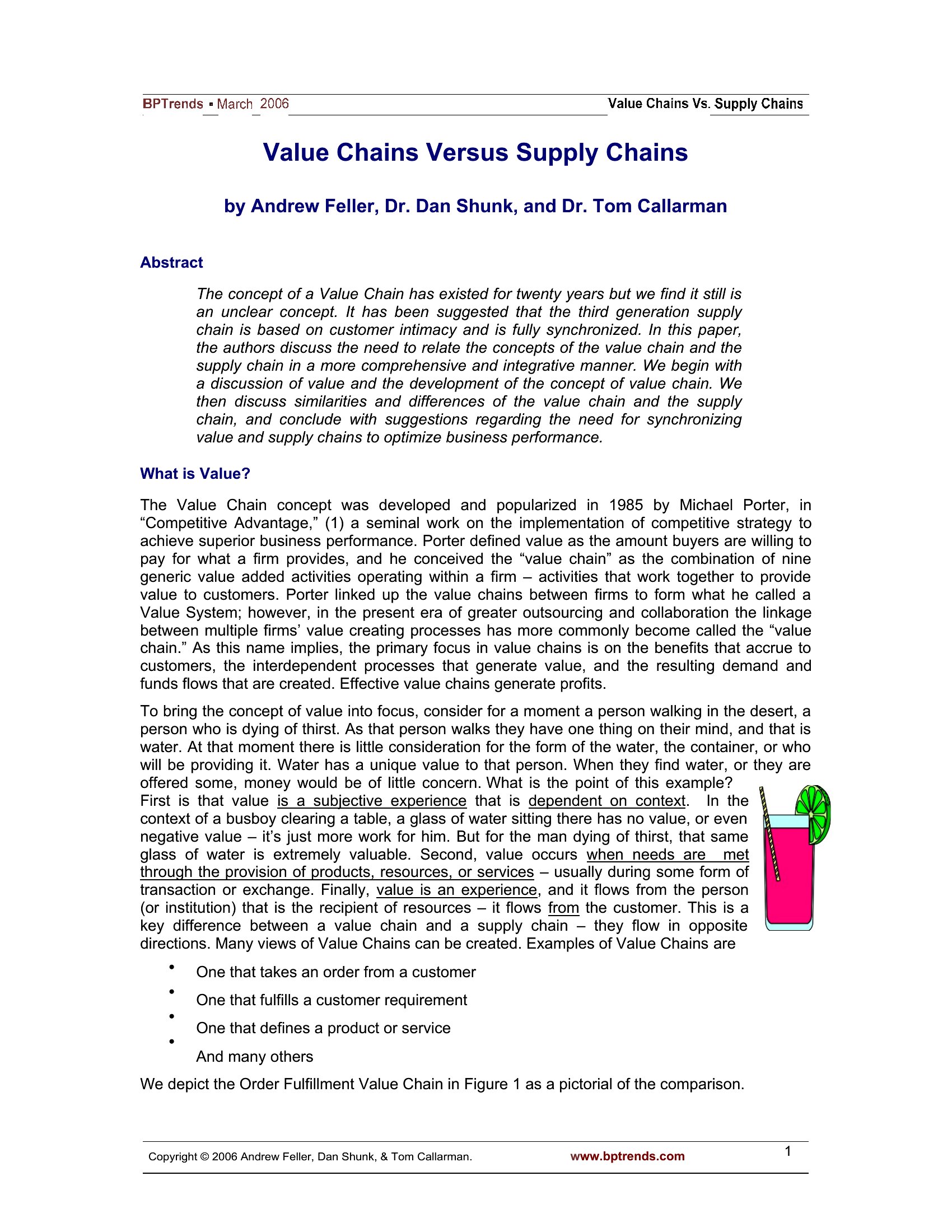
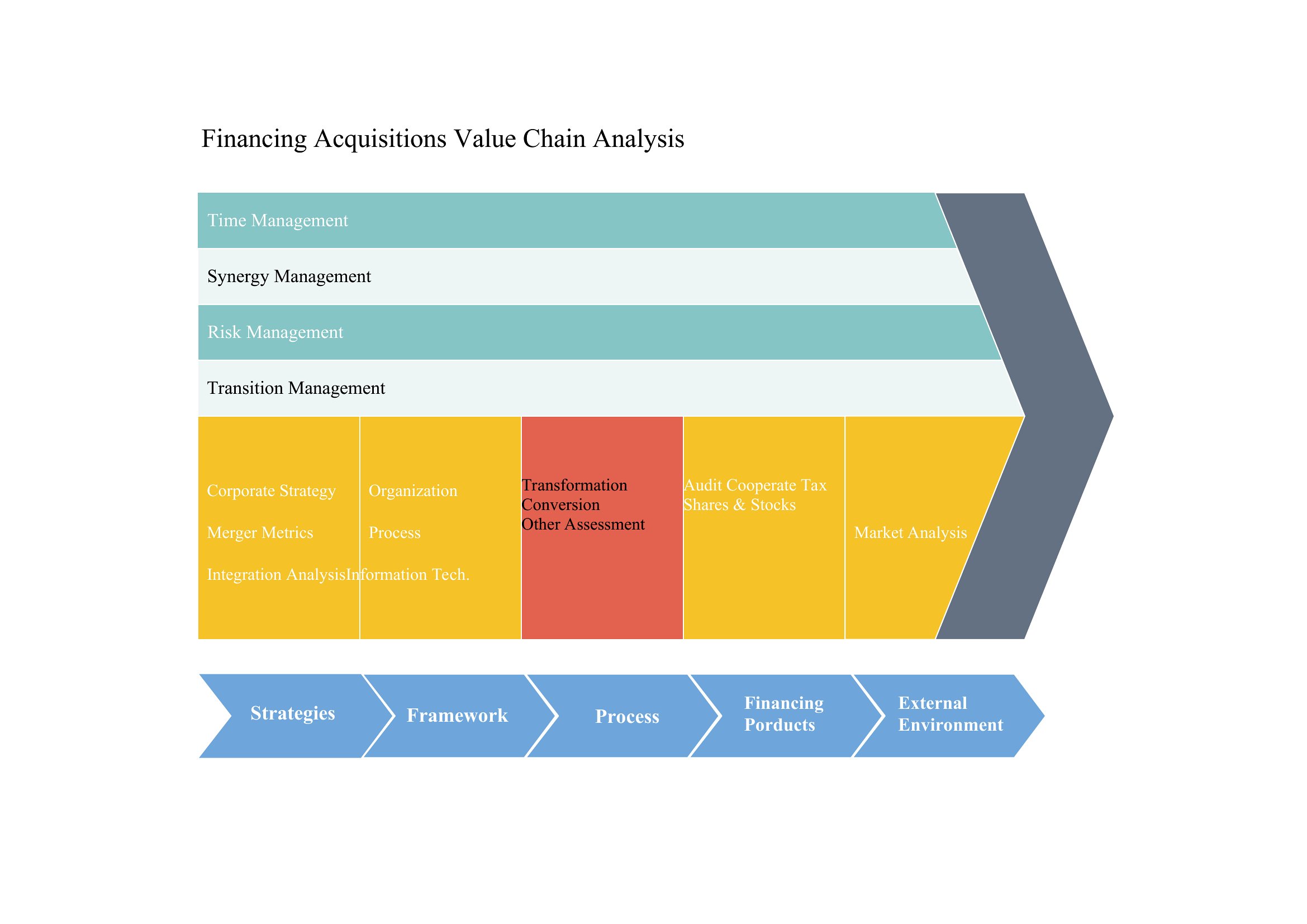
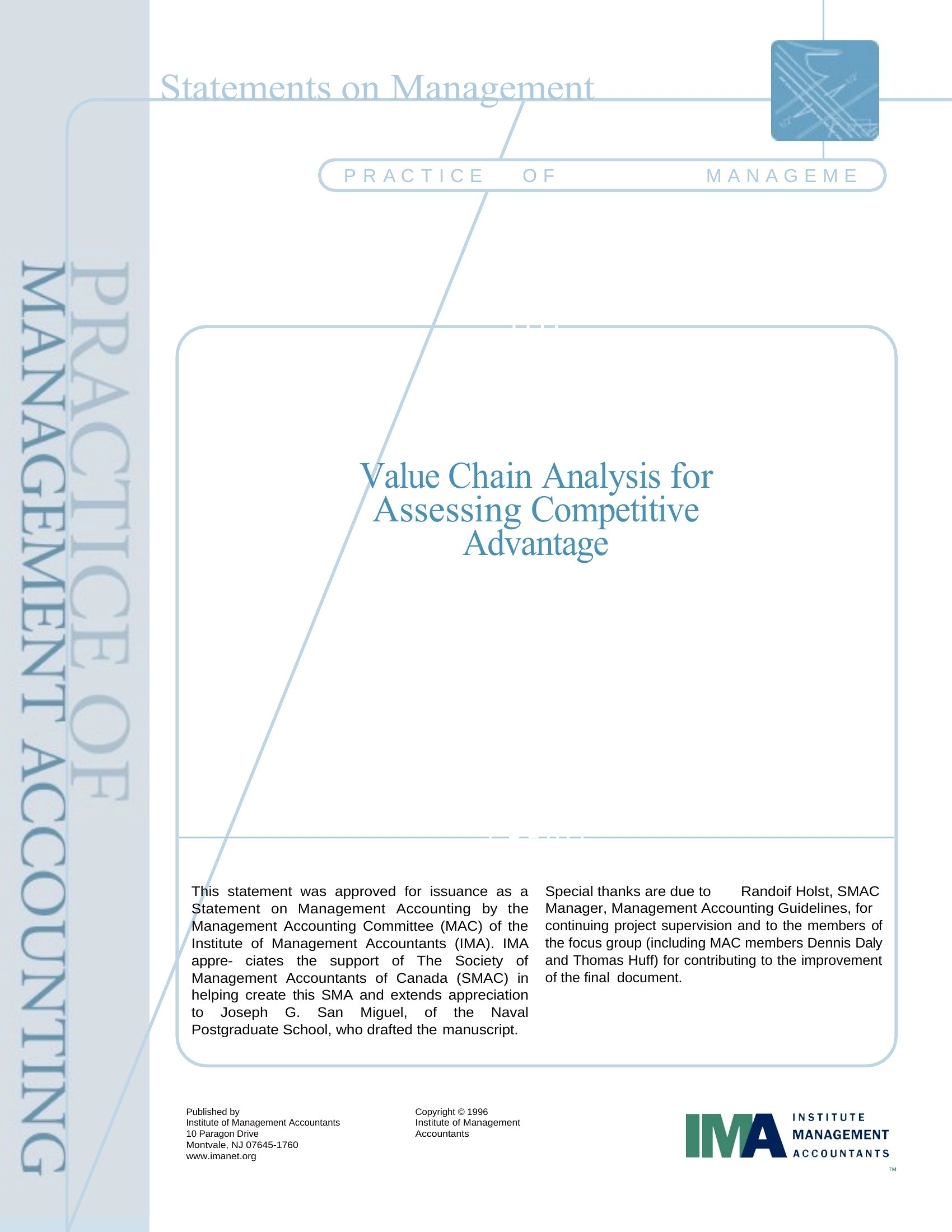
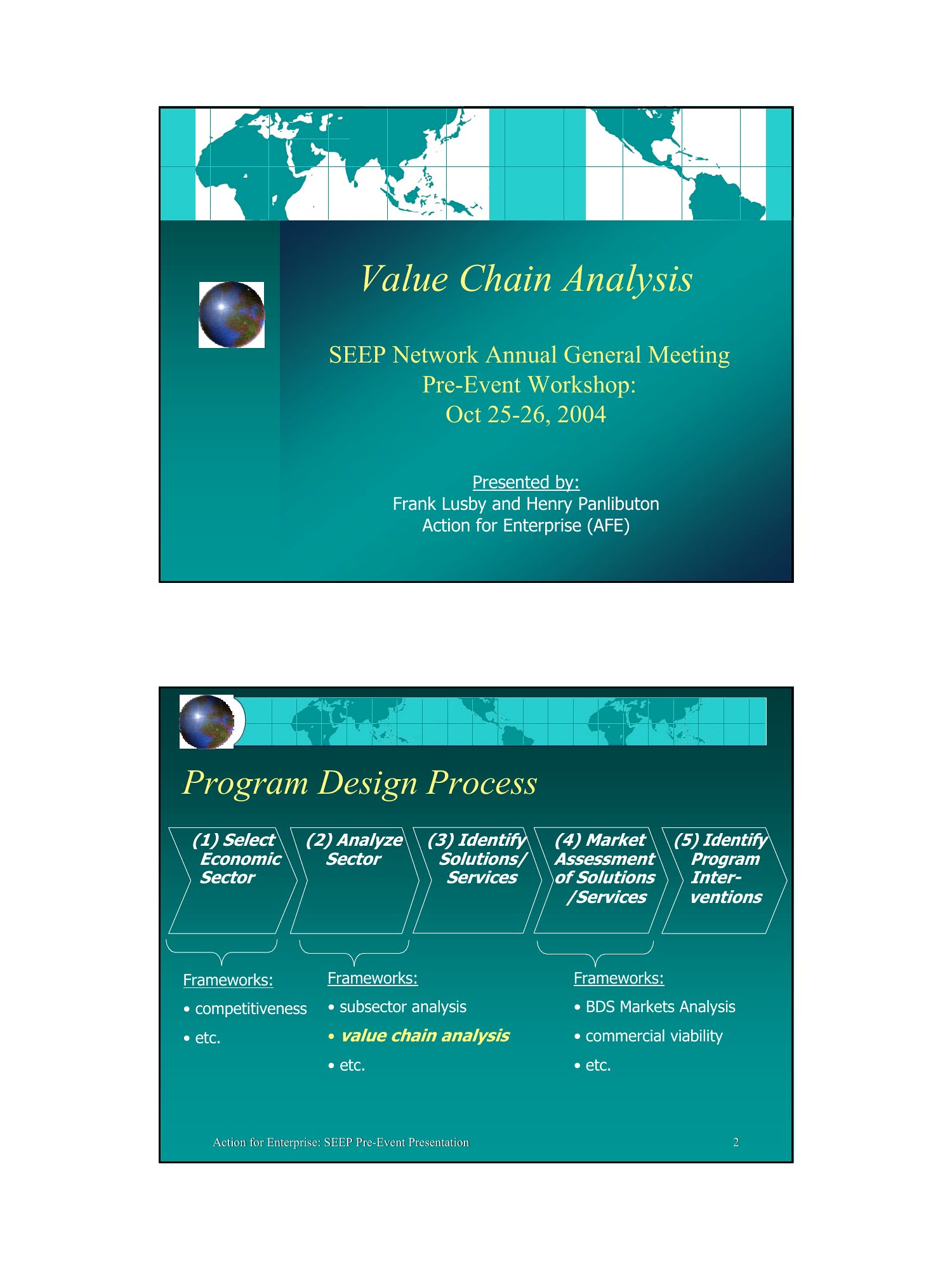
Breaking a business down into its primary and support activities shows where real value gets created and where money leaks out. This collection of 47 value chain analysis templates, built around Porter's classic framework, helps you map inbound logistics, operations, marketing, service, and the infrastructure behind them. Strategists, MBA students, and business owners can use them to find an edge over their competitors.

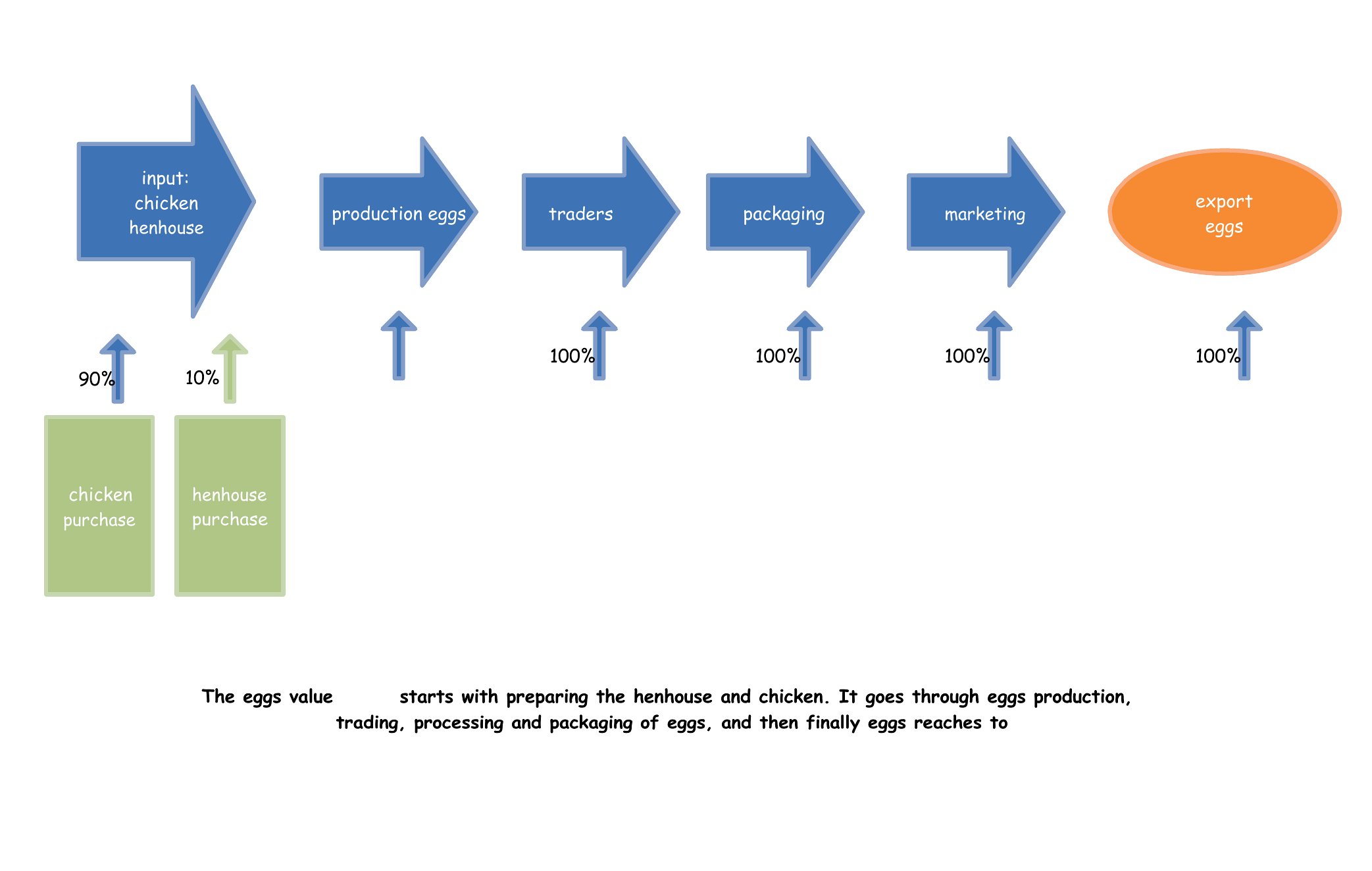
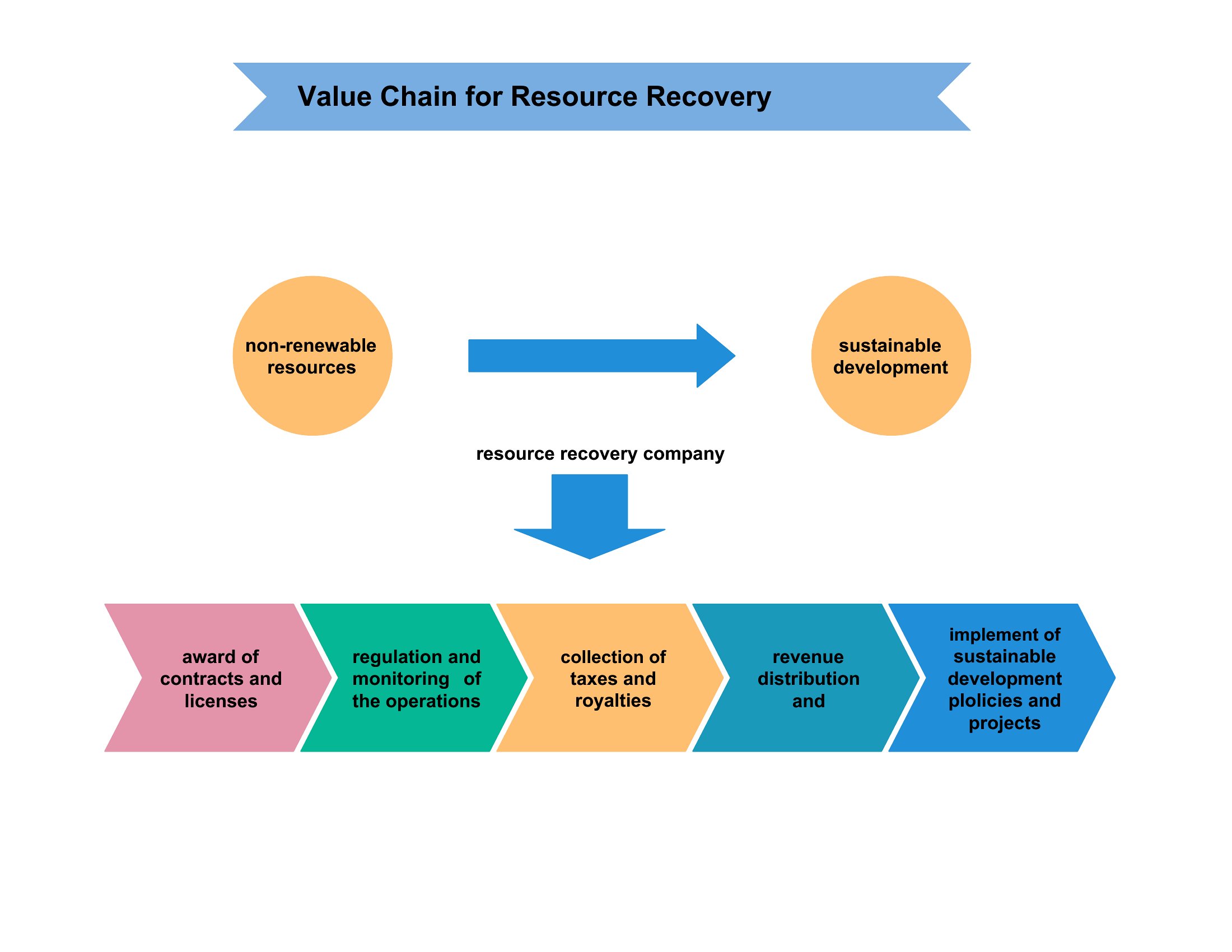
You'll find Word and PDF versions ready to fill in and present, with diagrams laid out so each activity has its place. Map your processes, mark the costs and margins, and the strengths and weaknesses start to stand out. Pick the layout that fits your analysis and turn a sprawling business into a clear, comparable picture.

When to use this Value Chain Analysis template

  • A startup founder analyzing why customer acquisition costs outpace revenue to identify inefficiencies in their e-commerce supply chain and last-mile delivery processes.
  • An MBA student preparing a case study on Tesla’s electric vehicle dominance, mapping primary activities like manufacturing and procurement to explain their competitive advantage in battery technology.
  • A mid-sized manufacturer reviewing rising operational costs by comparing in-house production vs. outsourced assembly, using templates to highlight support activities like IT and HR.
  • A consulting team advising a hospitality client on why guest retention dropped, tracing leaks in service activities like housekeeping and front desk training back to fragmented management systems.

Which format should I download?

WordPDF

Choose Word if you need to customize or refine the analysis alongside stakeholders, as its editable text and tables make it ideal for collaborative drafting. Opt for PDF if you’re finalizing a polished report for clients or presentations, where a locked layout ensures consistency. Both formats support Porter’s framework, but PDFs preserve branding and formatting better for external sharing. Avoid Word for formal submissions unless revisions are expected—PDFs are universally accepted in academic or corporate settings where templates are submitted as-is.
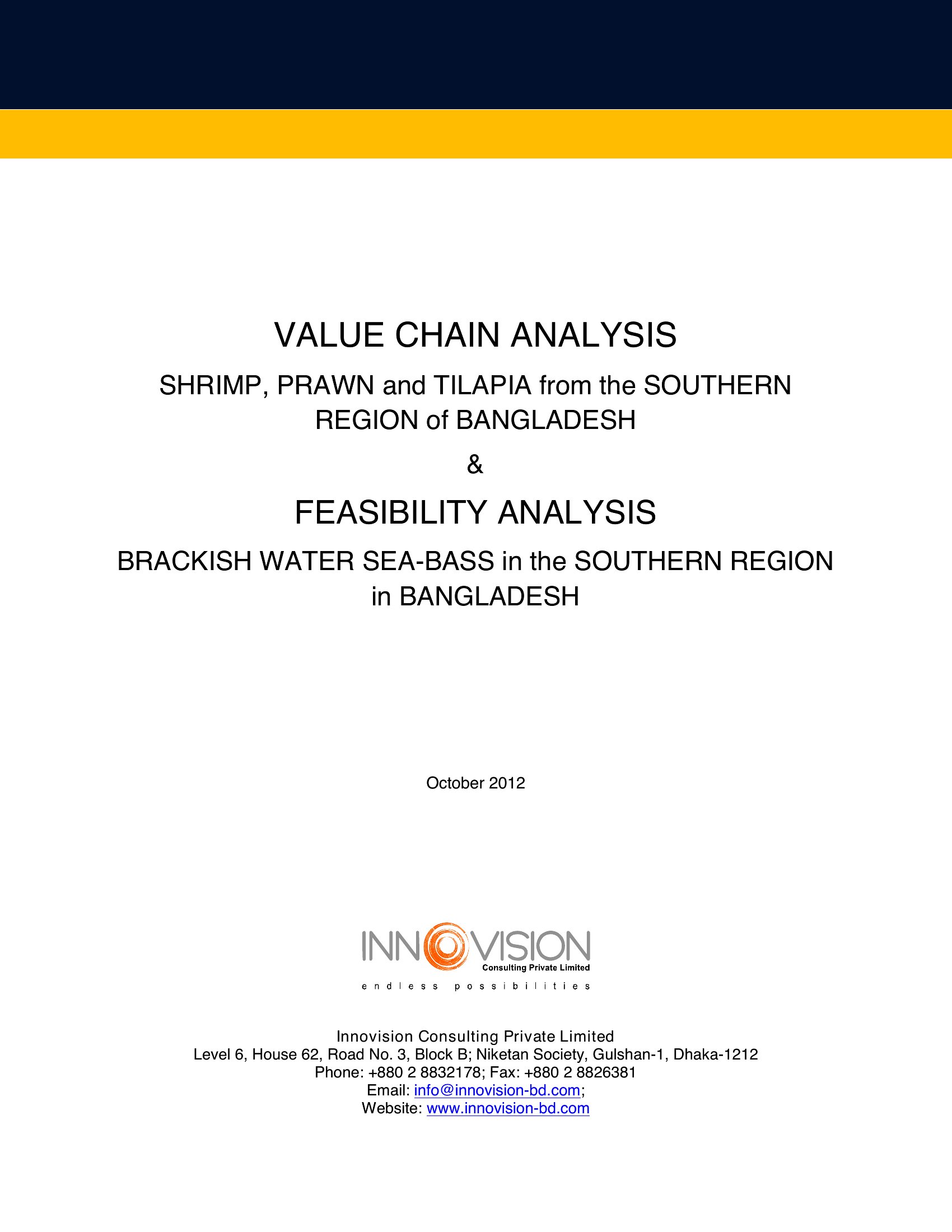
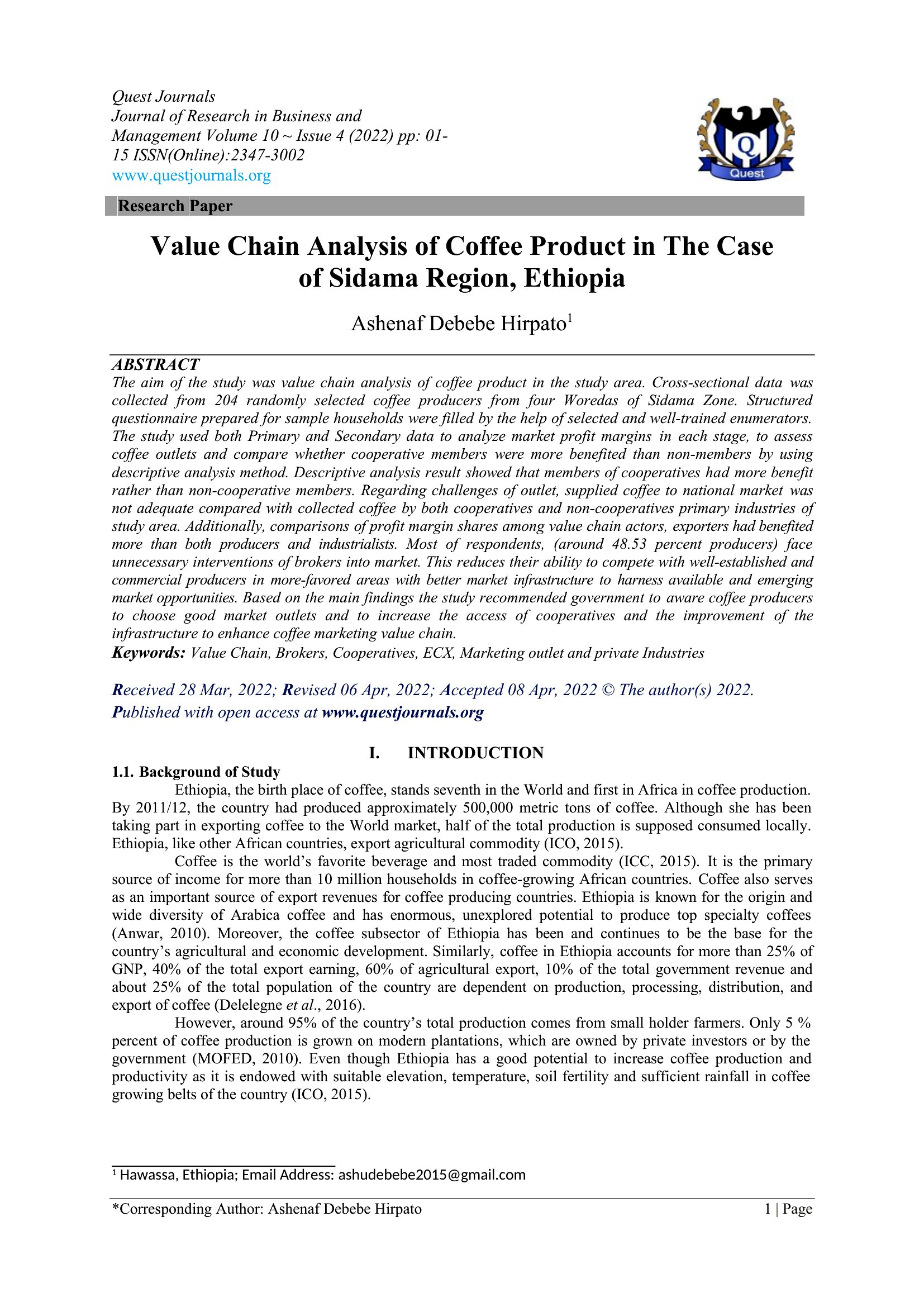
Choose from 47 Value Chain Analysis Templates
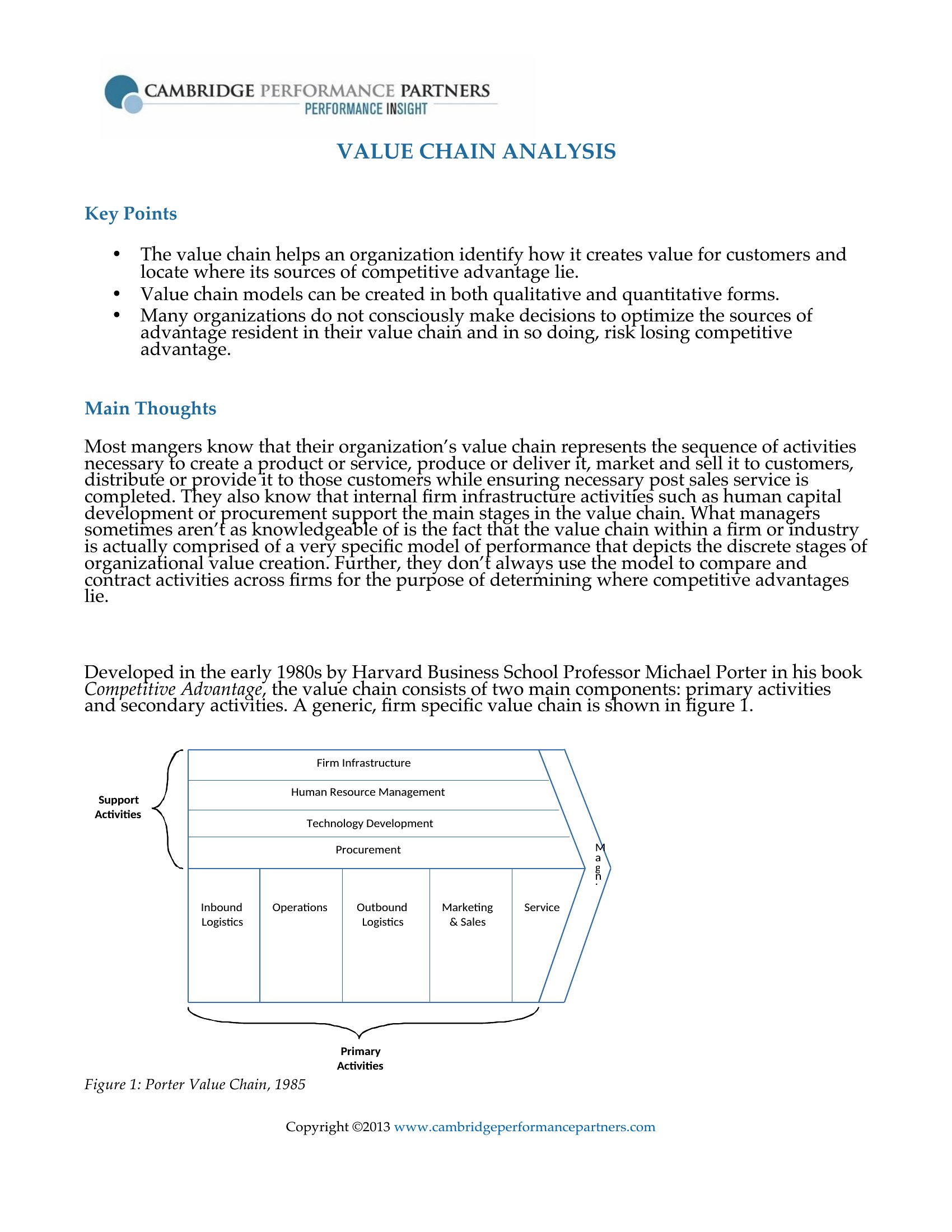
How to use this Value Chain Analysis template

How do I adapt these templates for a service-based business like a consulting firm?
Focus on support activities (e.g., HR, firm infrastructure) and primary activities like client onboarding or project delivery. Replace manufacturing logistics with knowledge-sharing processes or technology platforms. For example, map ‘procurement’ to hiring top talent or licensing tools, and ‘outbound logistics’ to client reporting systems. Use the templates’ activity grids to reassign labels while retaining the same structural flow.

Can I use these templates to compare two competing businesses in the same industry?
Yes, but you’ll need to overlay two analyses side-by-side in Word or merge them into a single PDF. Highlight differences in support activities (e.g., one company’s heavy R&D spend vs. another’s lean operations) to pinpoint competitive edges. Avoid direct copying of proprietary data—these templates structure your *own* analysis, not reverse-engineering a rival’s strategy. Use the ‘infrastructure’ section to contrast leadership or culture as support activities.
Are these templates suitable for a nonprofit analyzing program efficiency instead of profit margins?

Absolutely, with adjustments to reframe ‘value creation’ around mission impact. Replace revenue leaks with resource waste (e.g., volunteer turnover, donor attrition) and map primary activities to service delivery (e.g., ‘inbound logistics’ becomes supply chain for food banks). The templates’ activity breakdowns work for nonprofits—just rename headings to reflect outcomes like ‘program outreach’ instead of ‘marketing.’ Keep the focus on activities that drive the organization’s core purpose.
Comments

Join the conversation

Sign in to share your thoughts and leave a comment on this resource.

Newsletter

Get Weekly Design Updates

Join our community to receive curated resources and inspiration.

Weekly Tips Resources Early Access

We respect your privacy. Confirmation email required. Privacy Policy