Free Printable Ten Frame Templates (Word, PDF)
WorksheetsTemplates
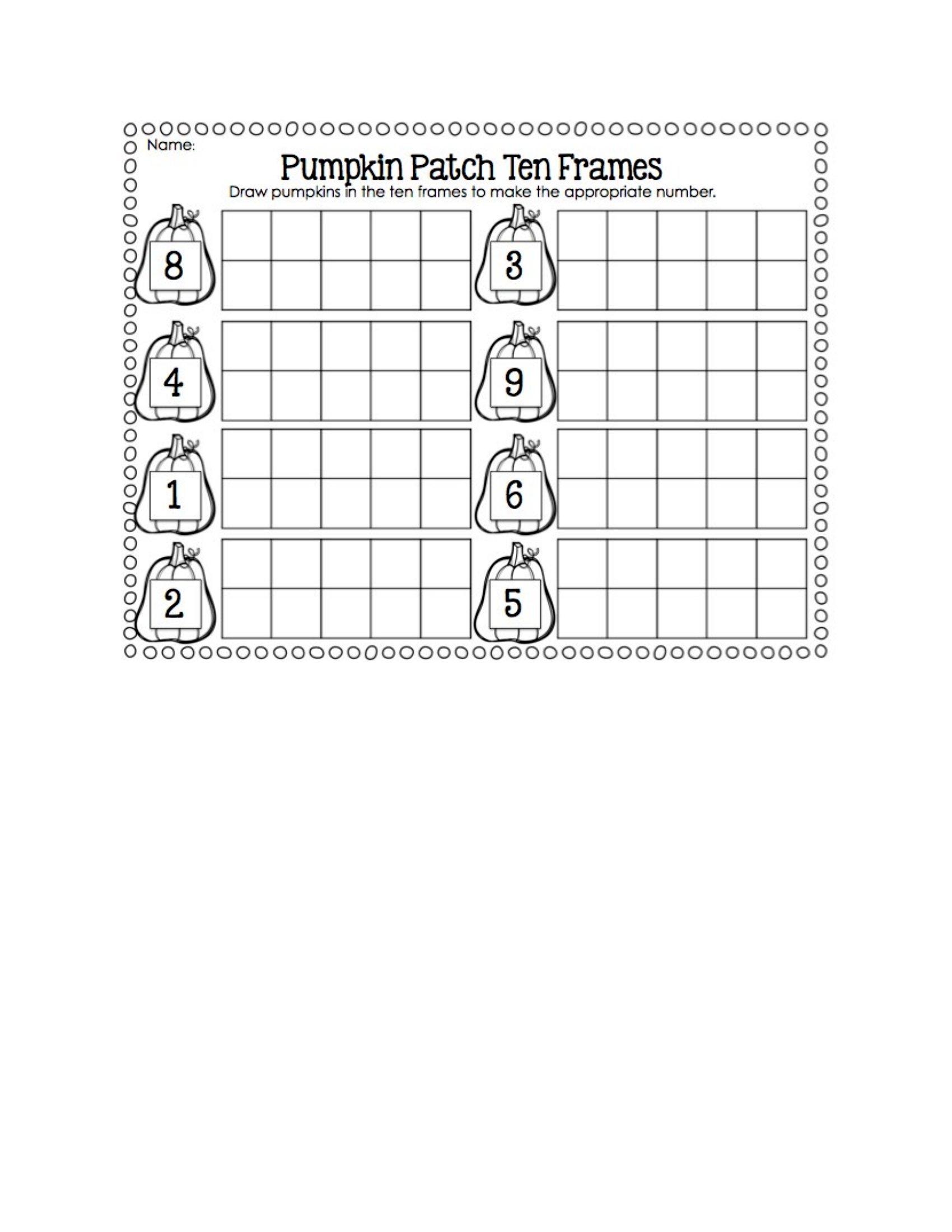
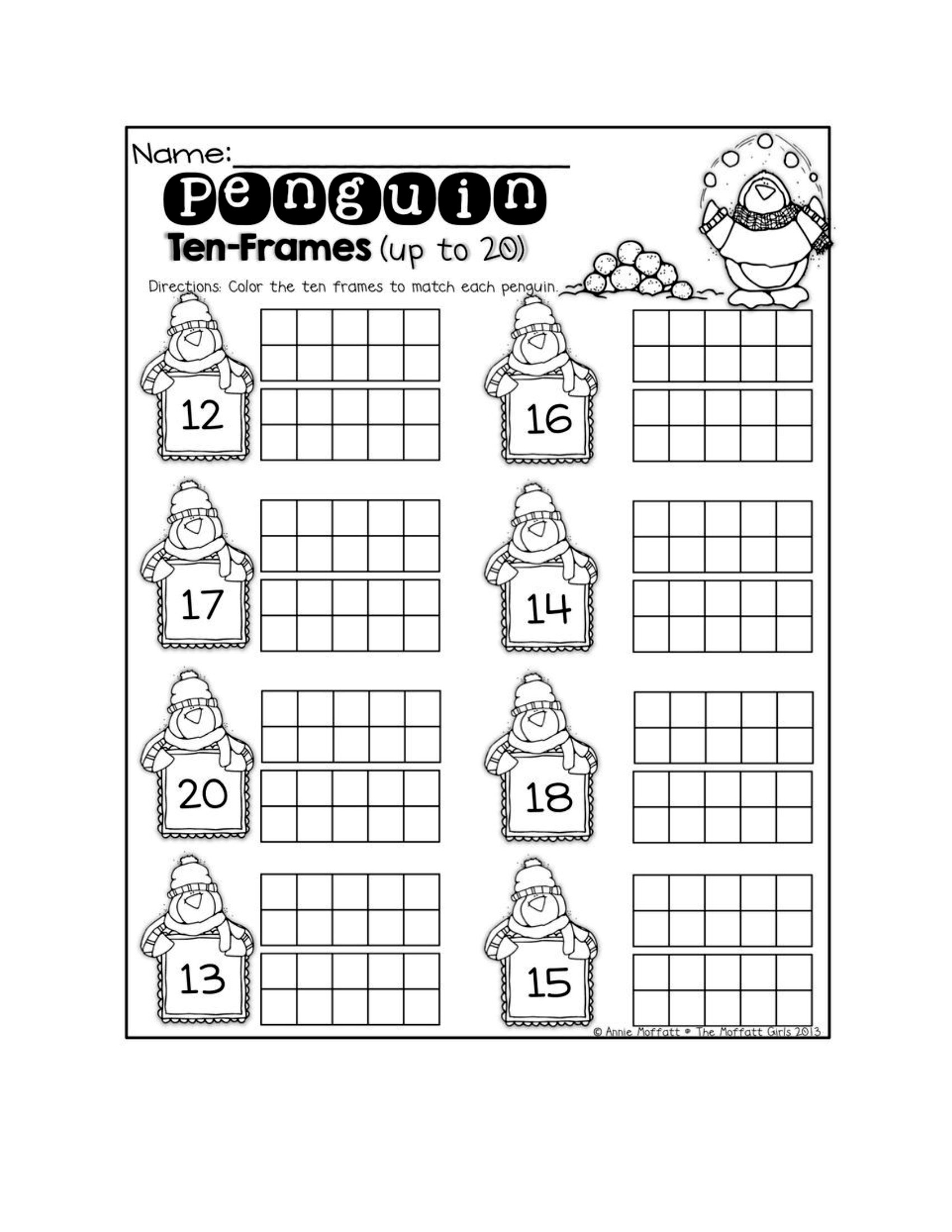
Ten Frame Mania
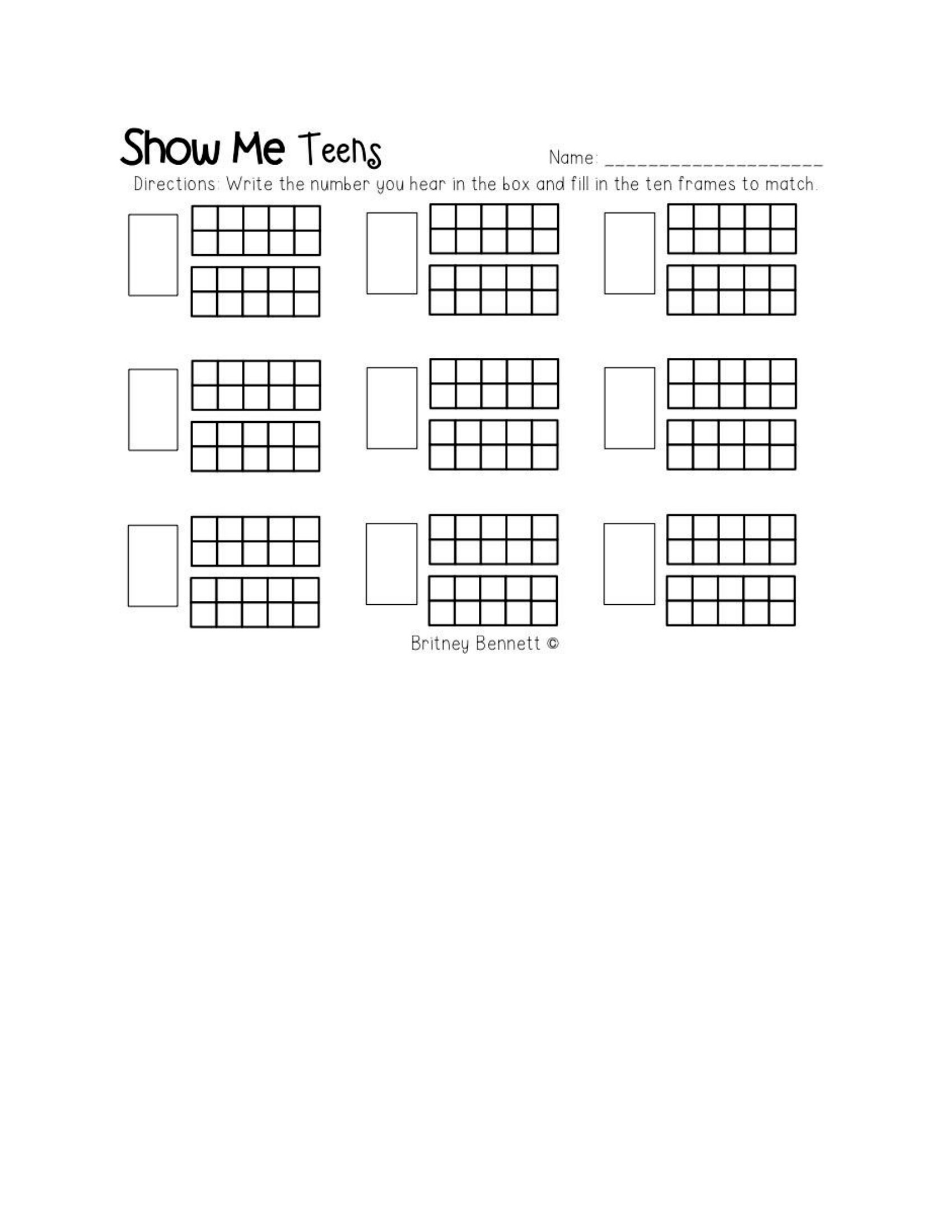
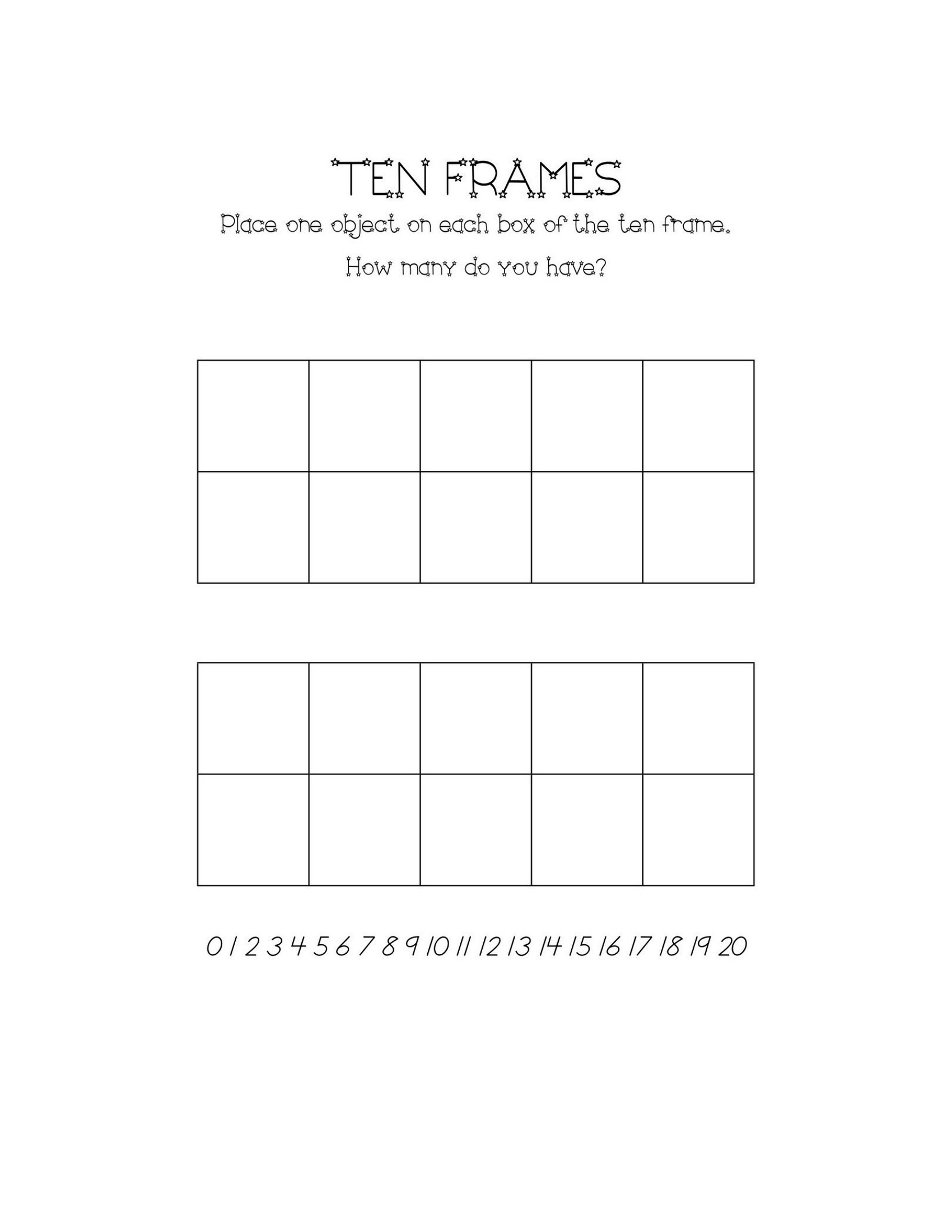
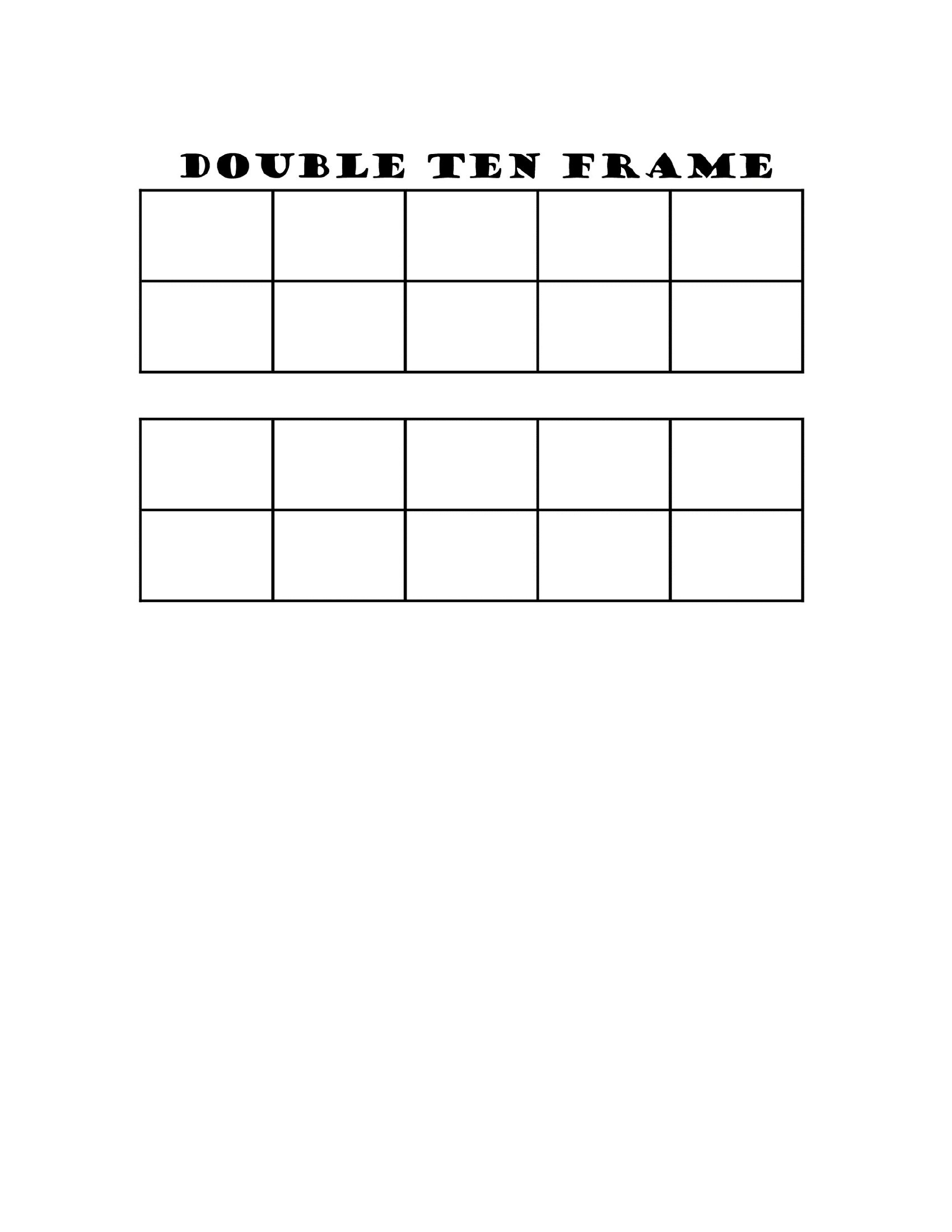
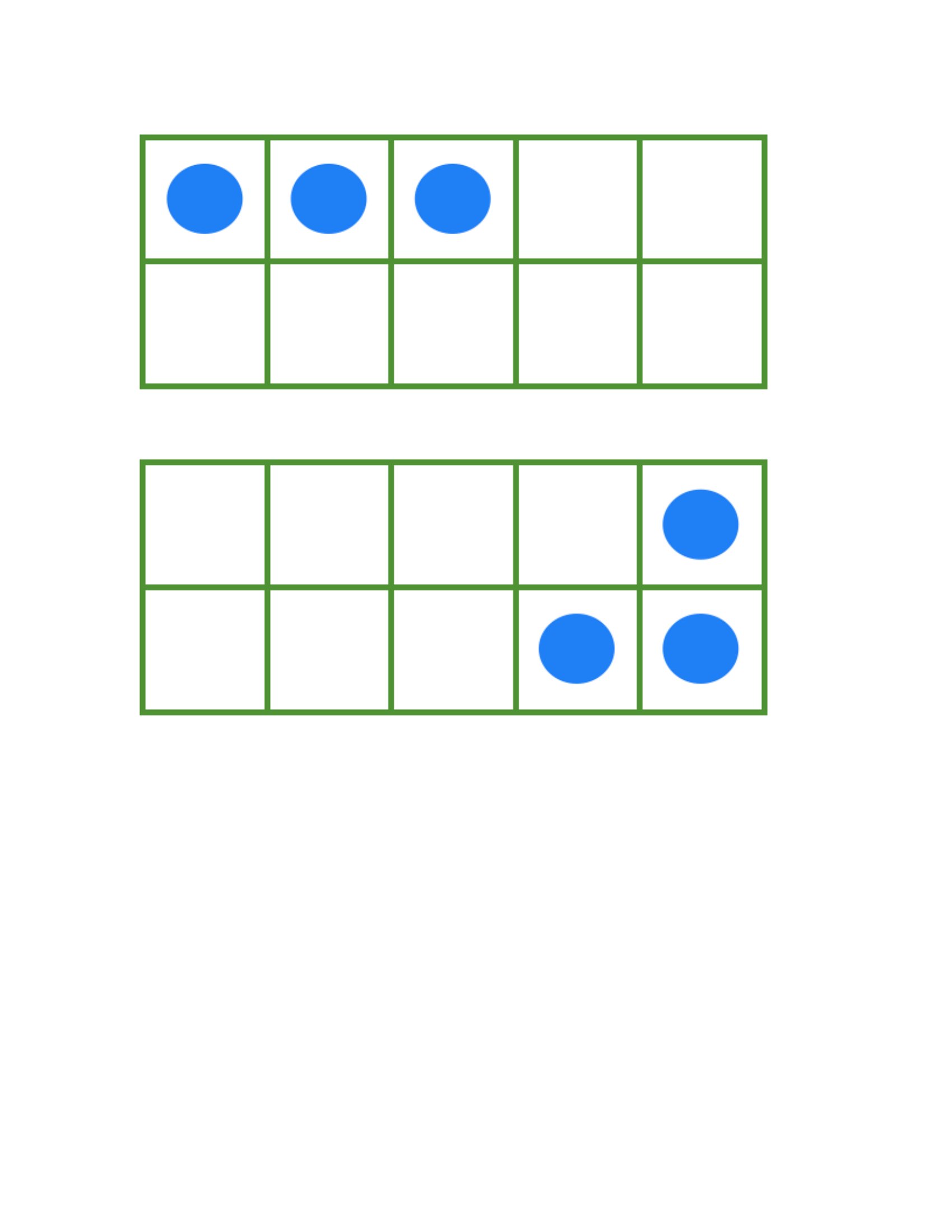
Double Ten Frame
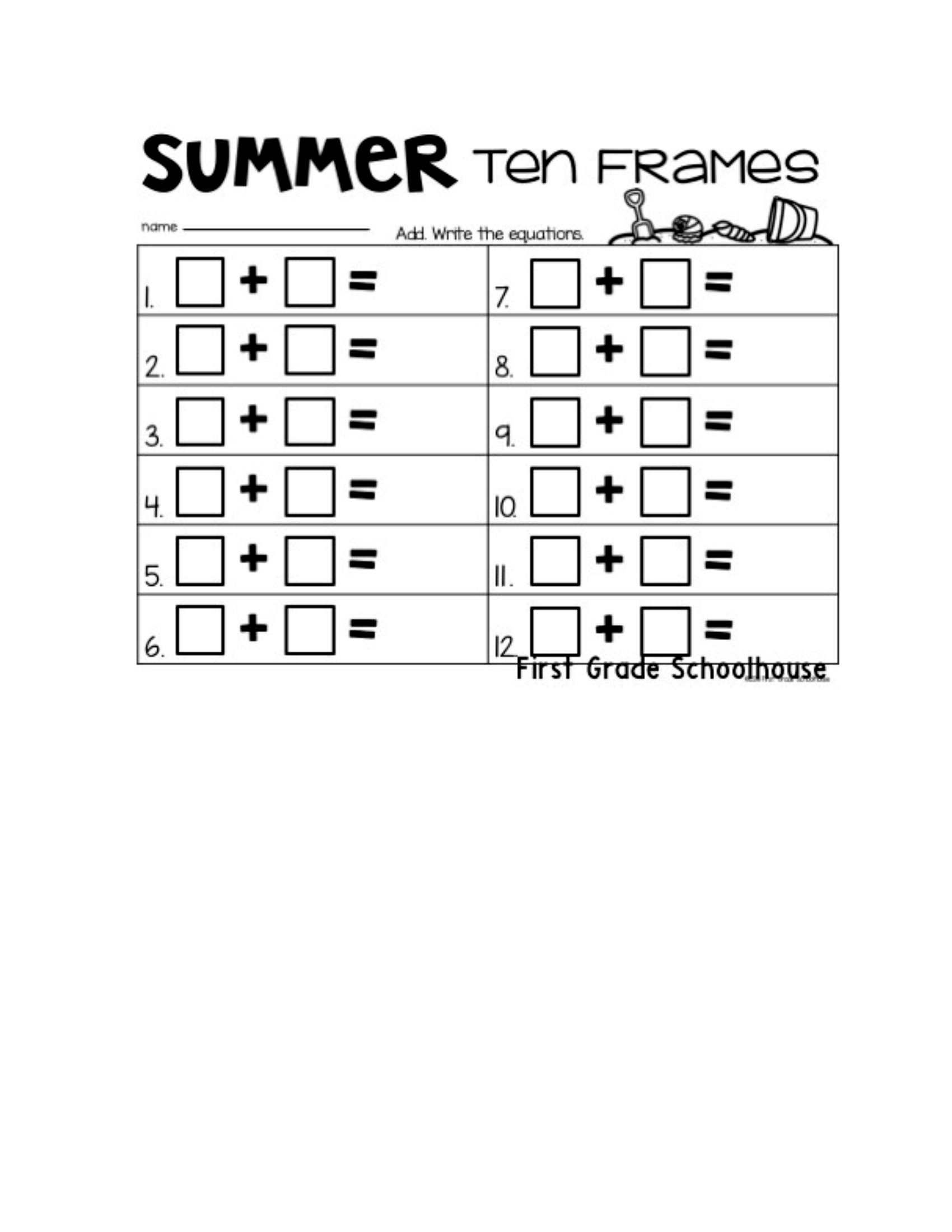
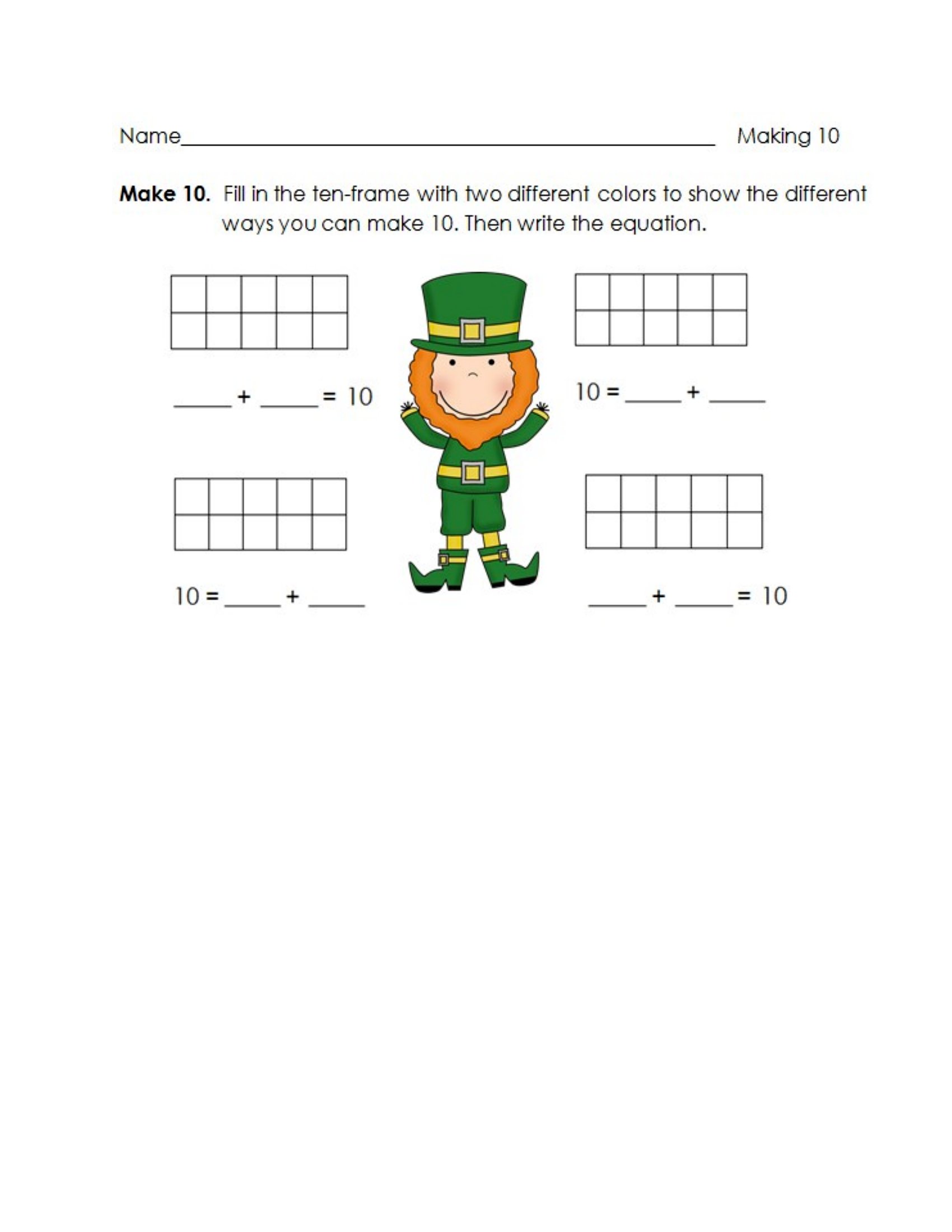
Ten Frames Math
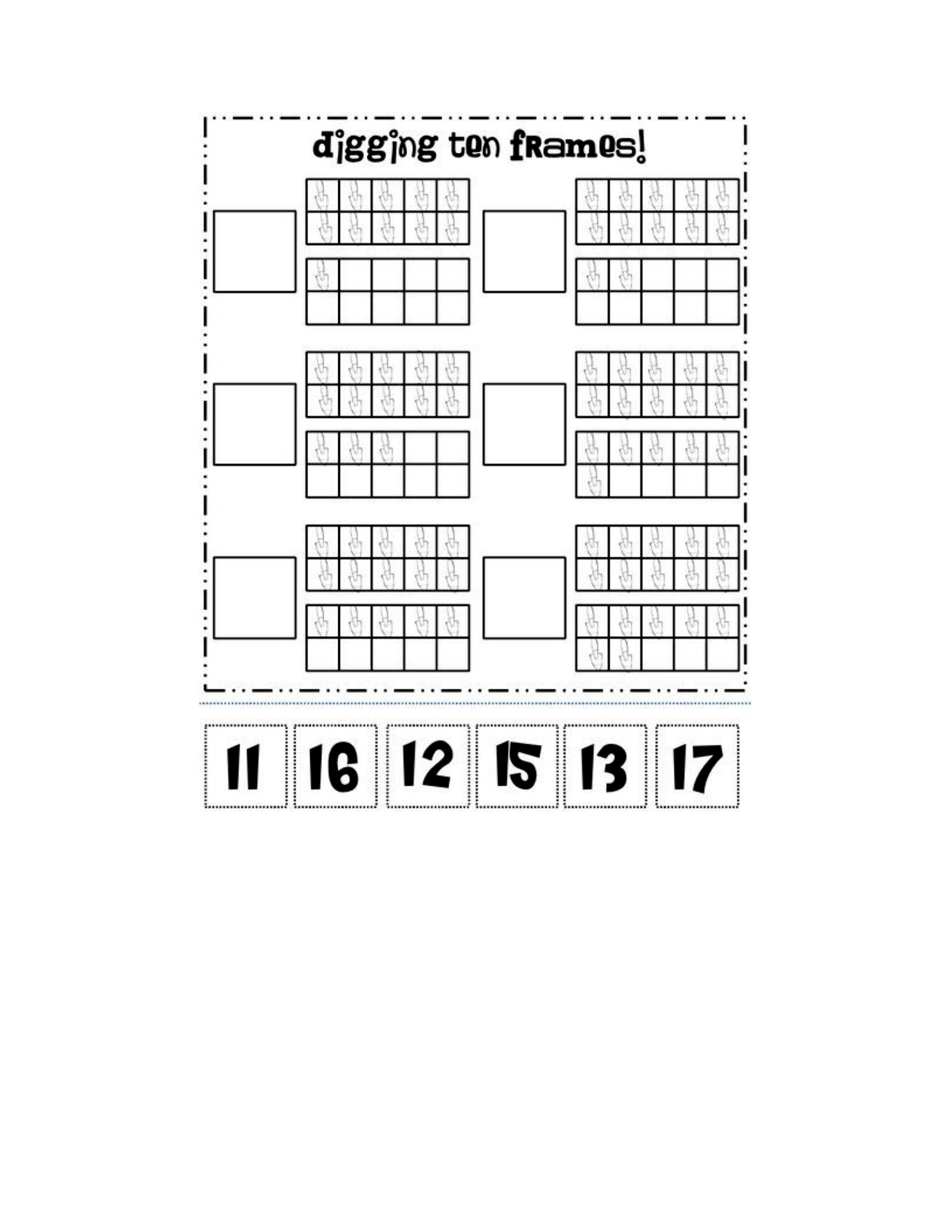
Blank Ten Frame
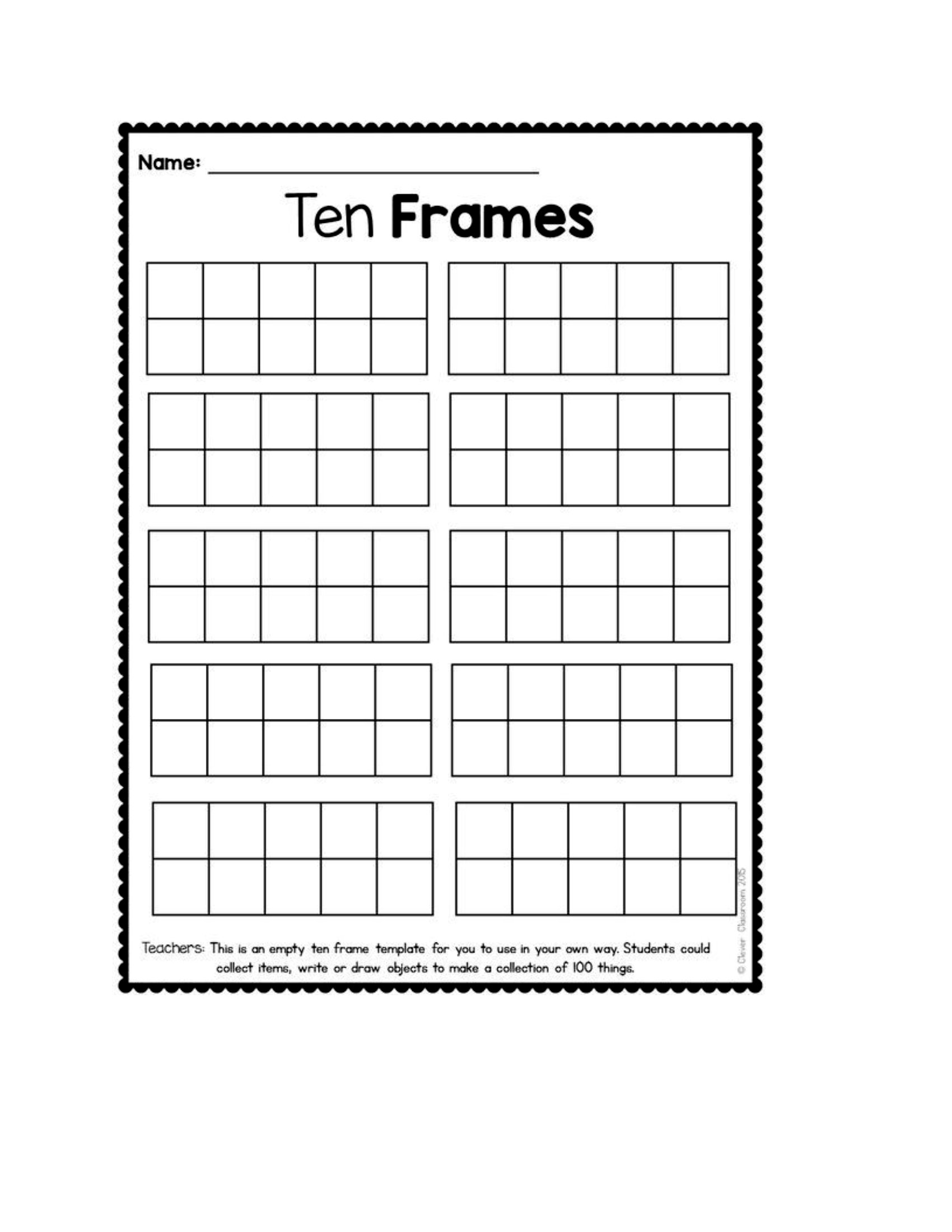
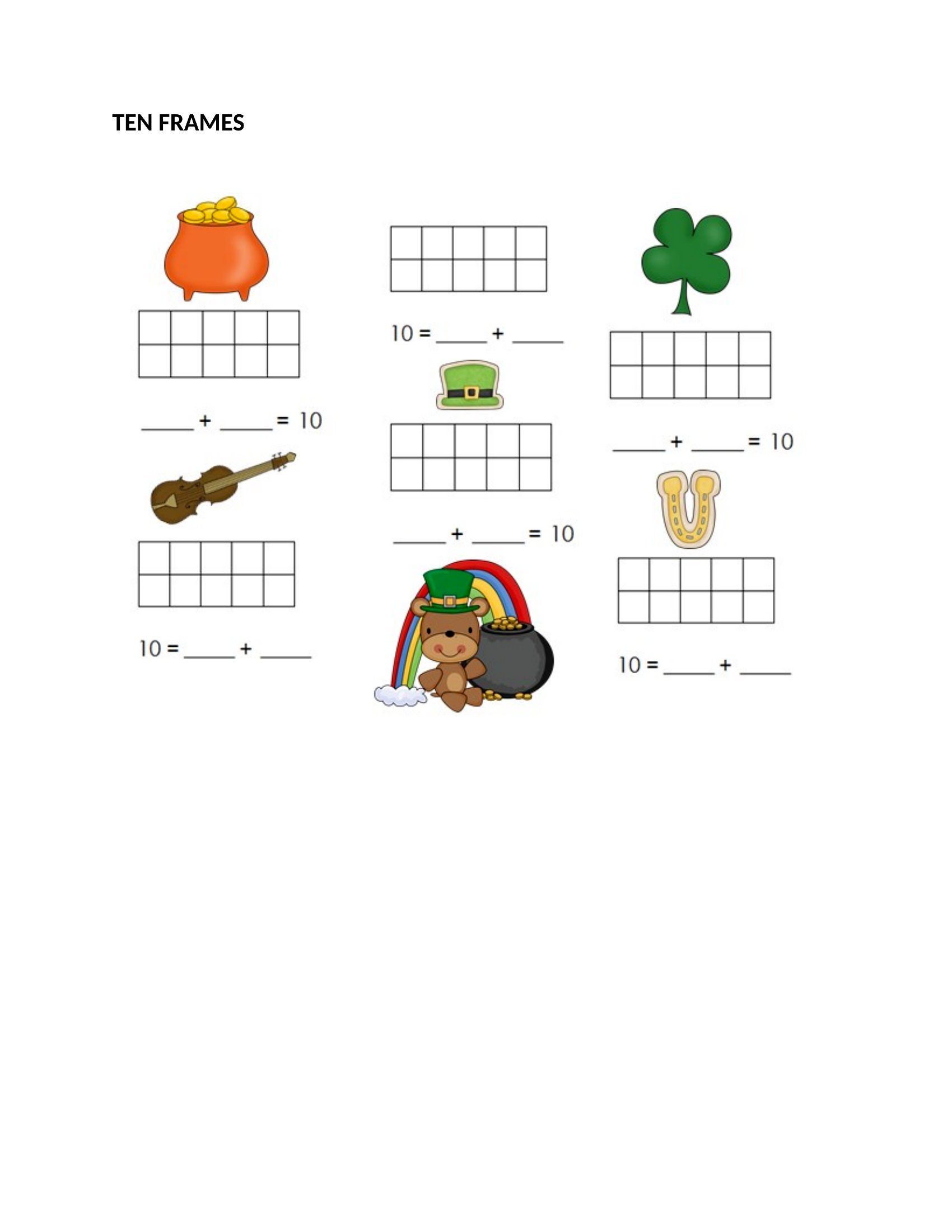
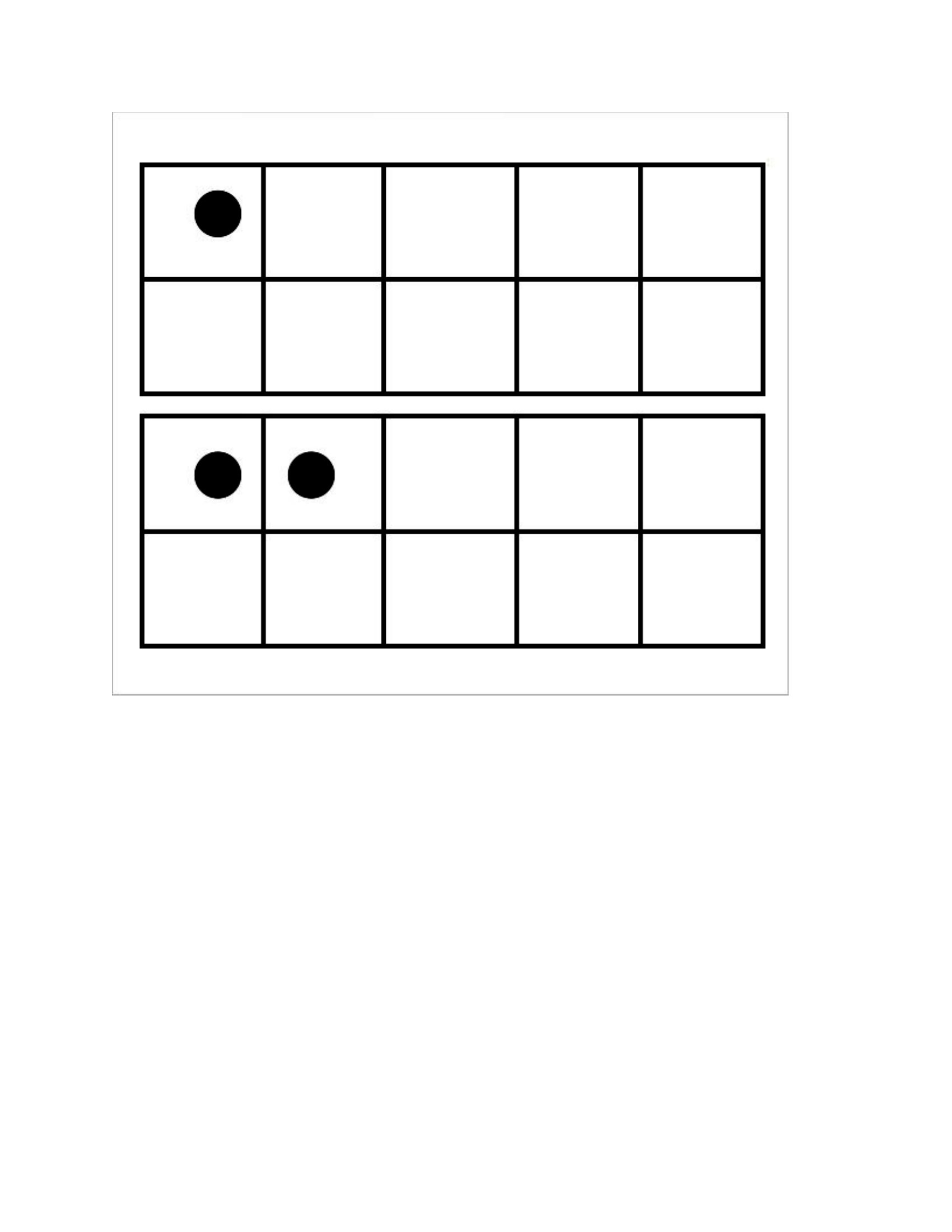
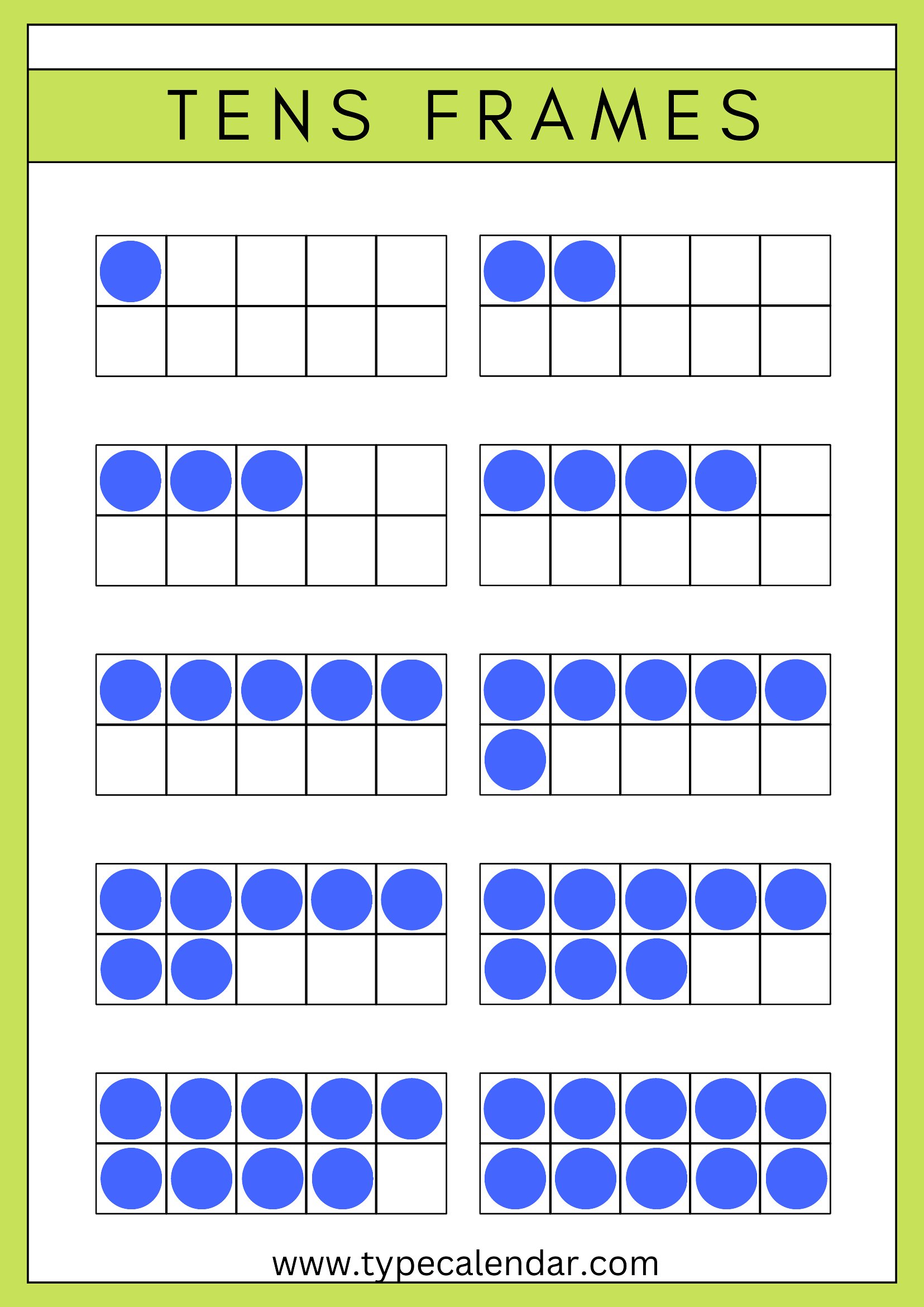
Ten Frames
Blank Tens Frame
Tens Frame
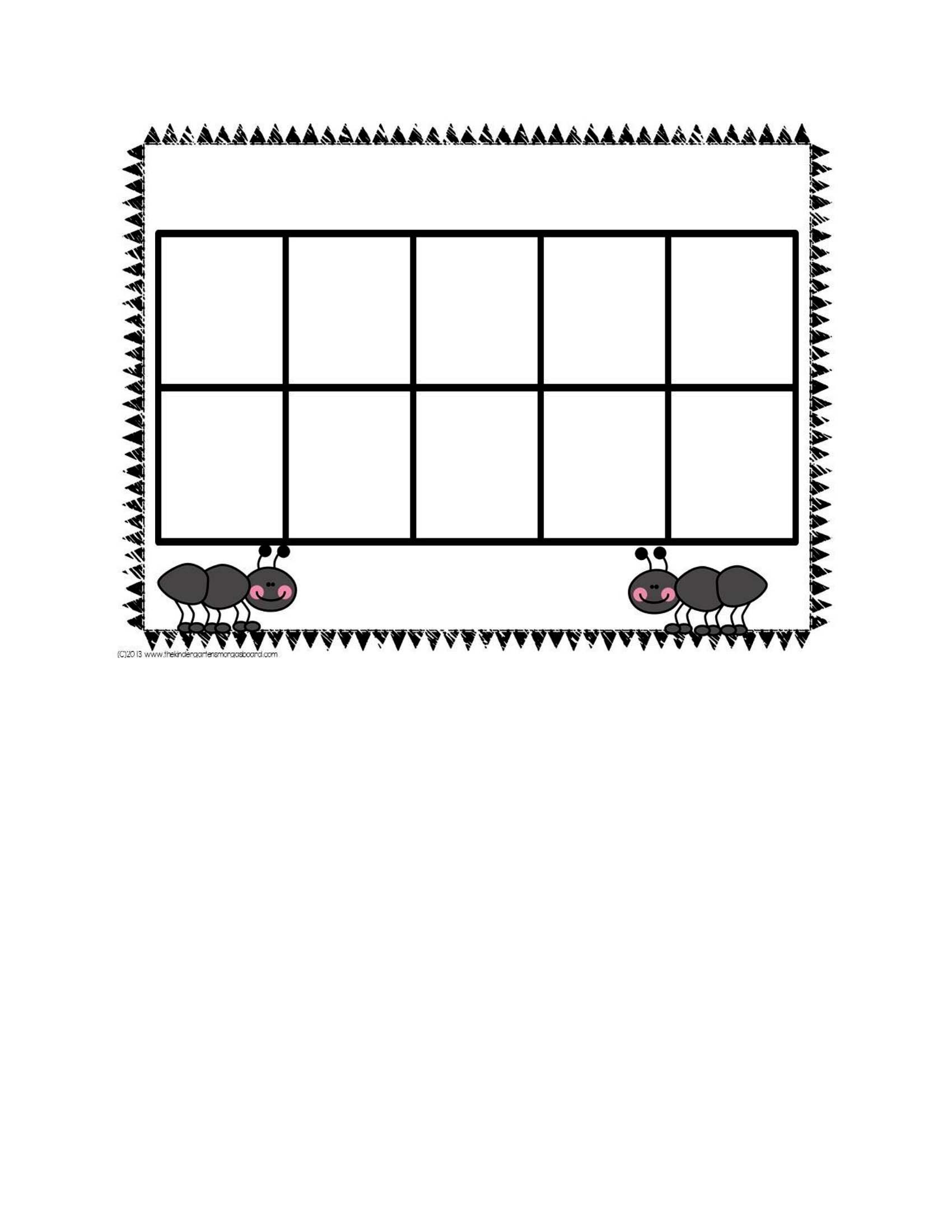
Ten Frame Math
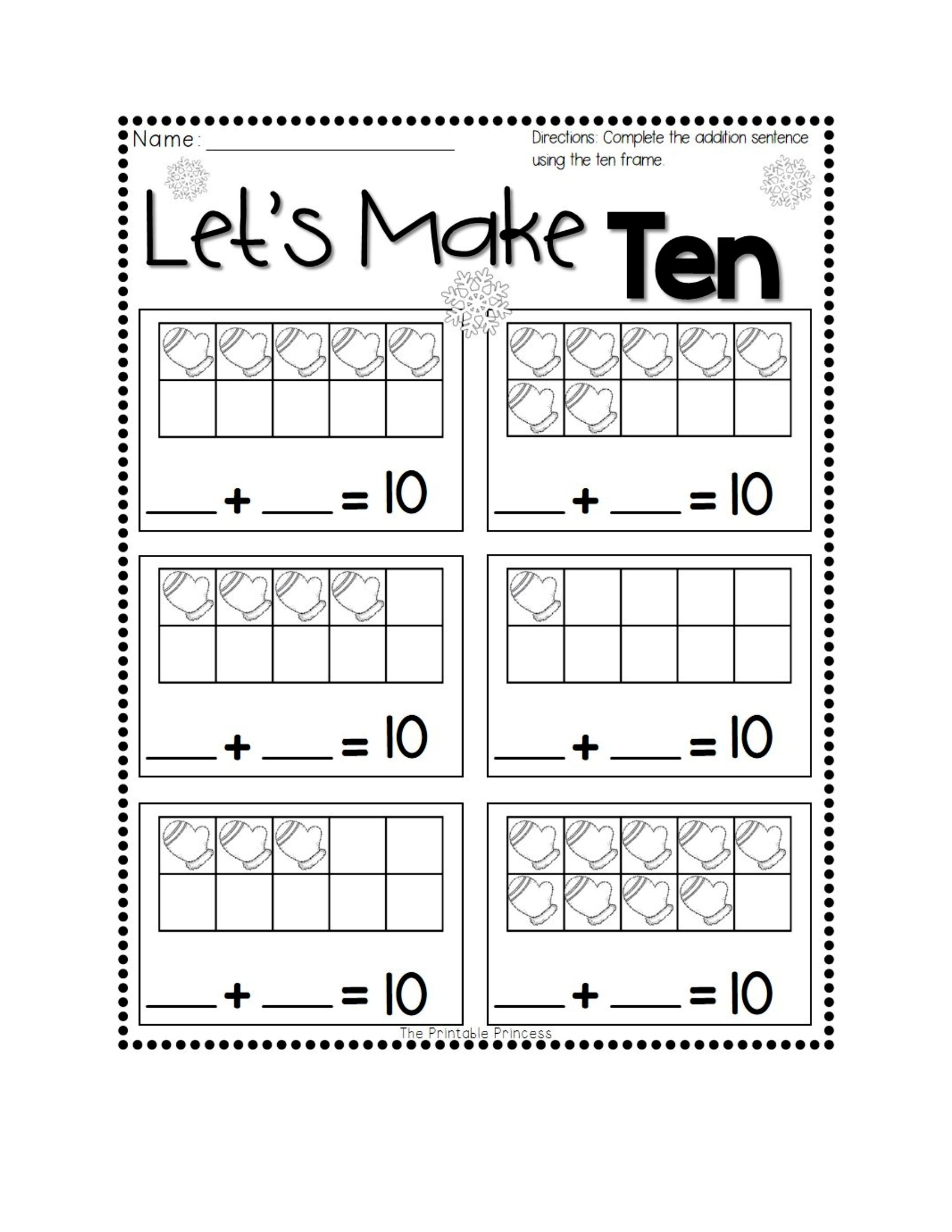
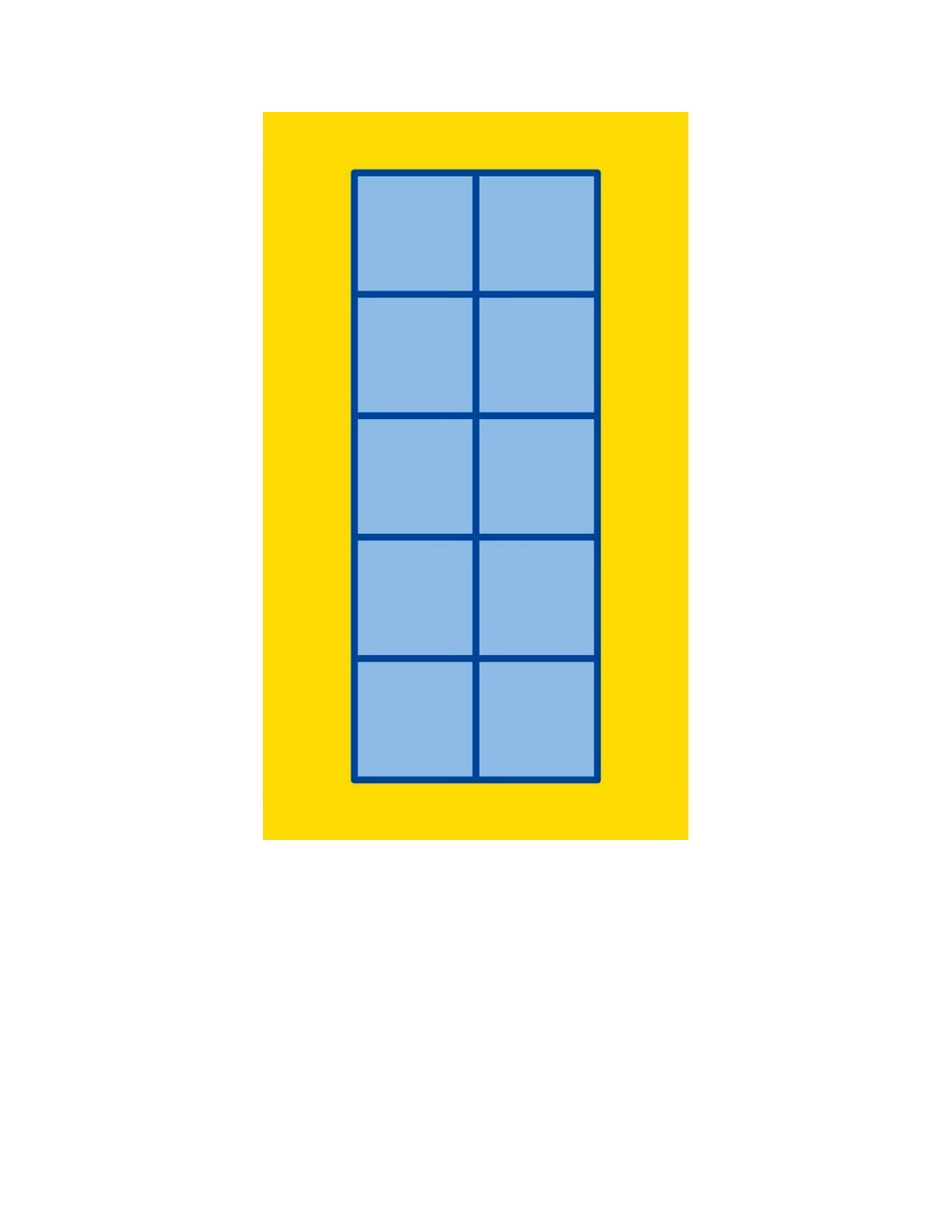
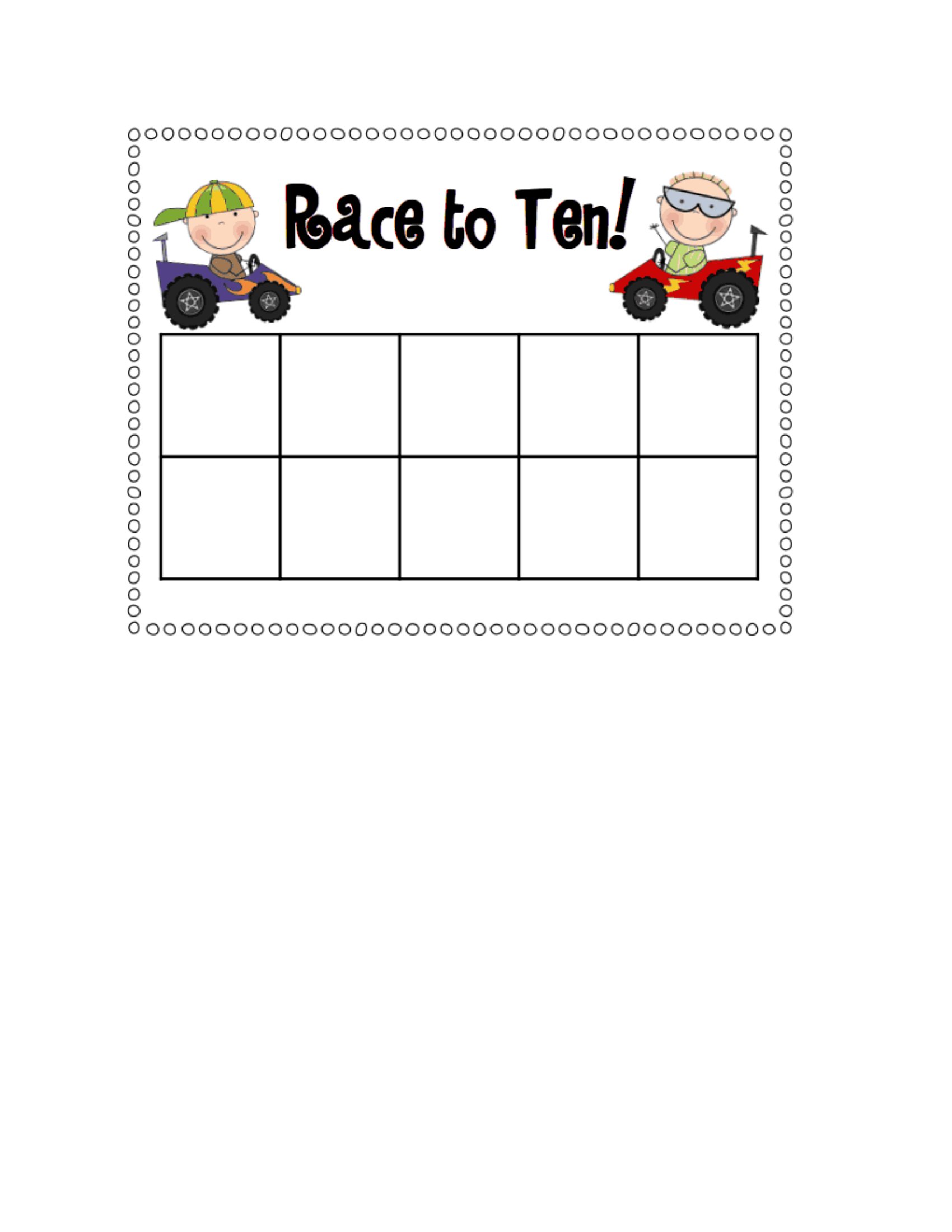
Ten Frame Games
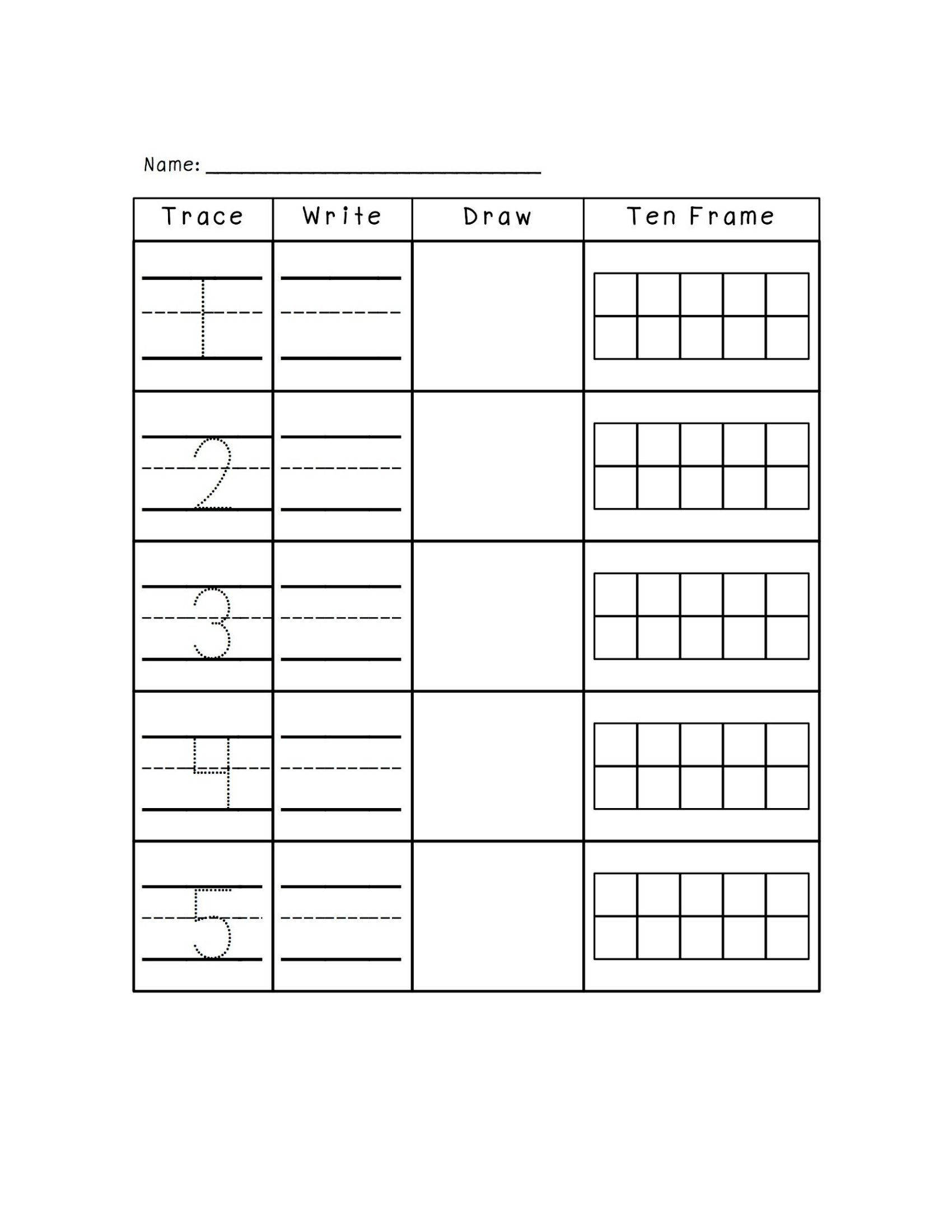
Blank Ten Frames
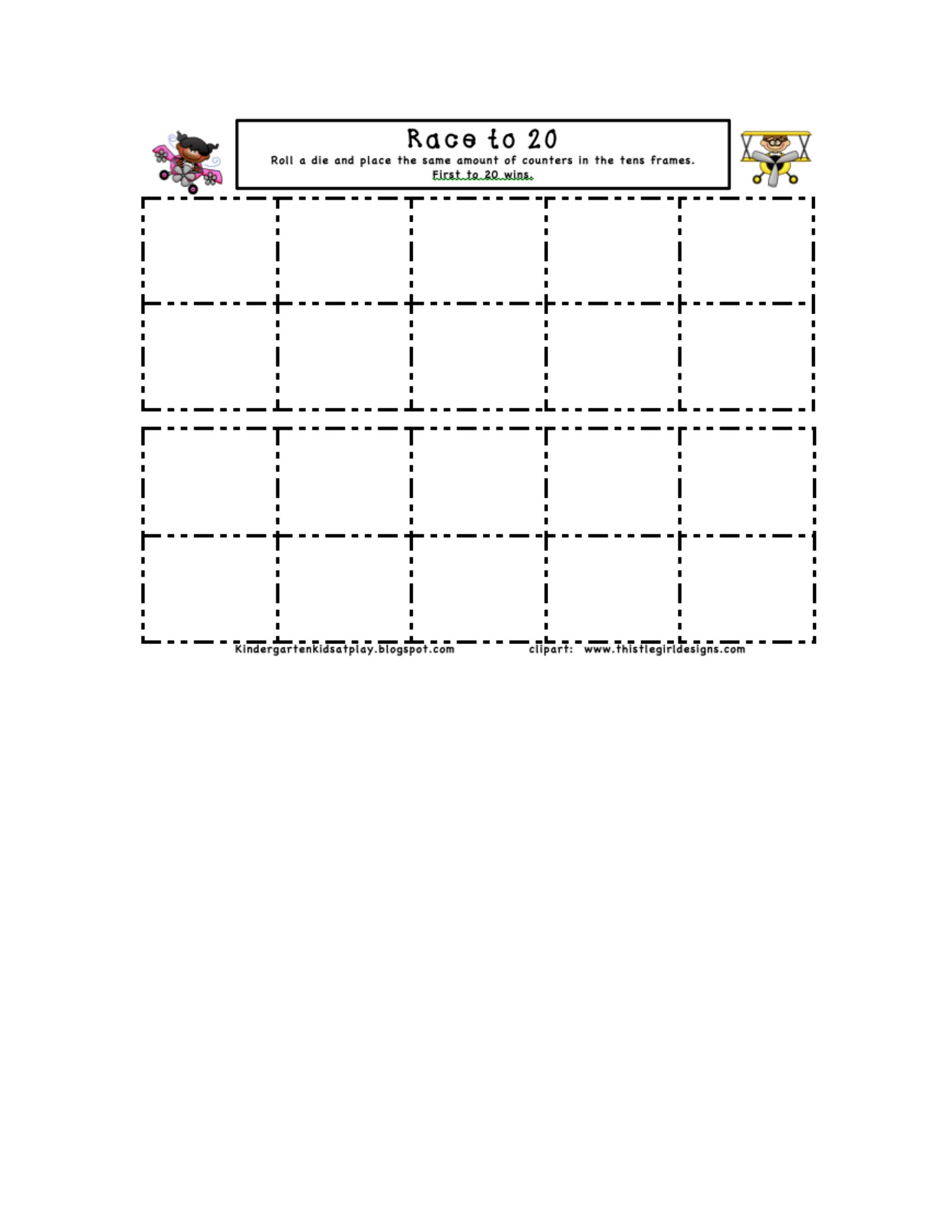
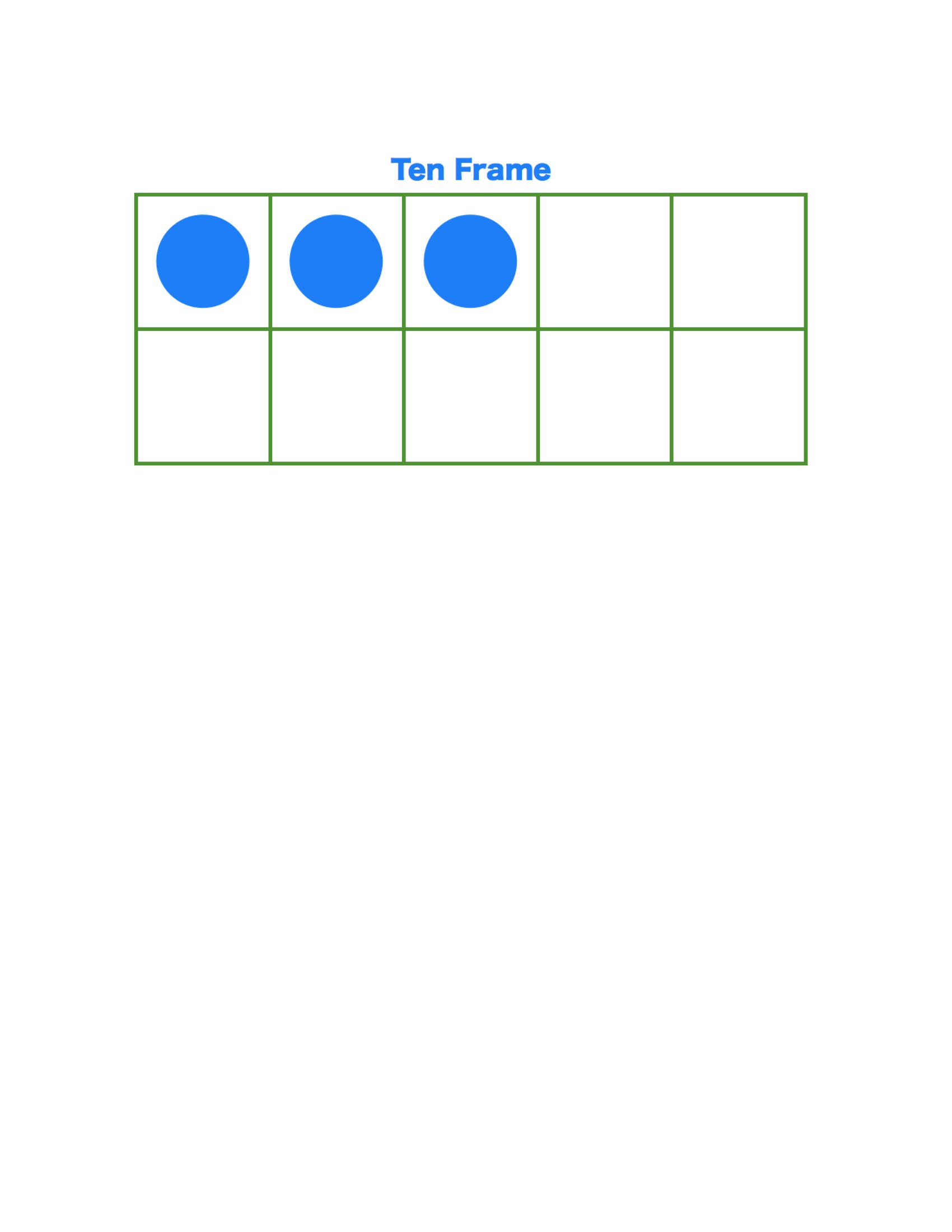
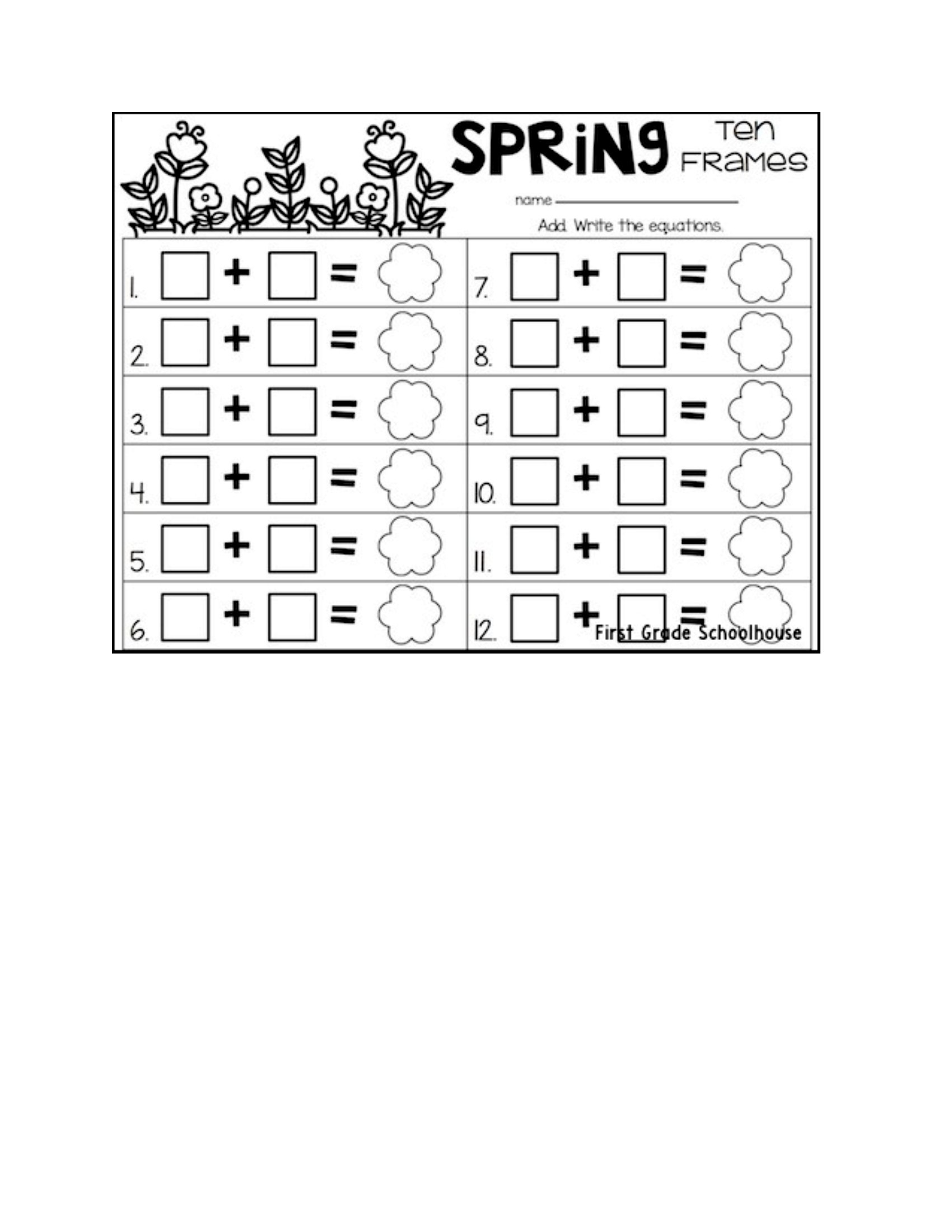
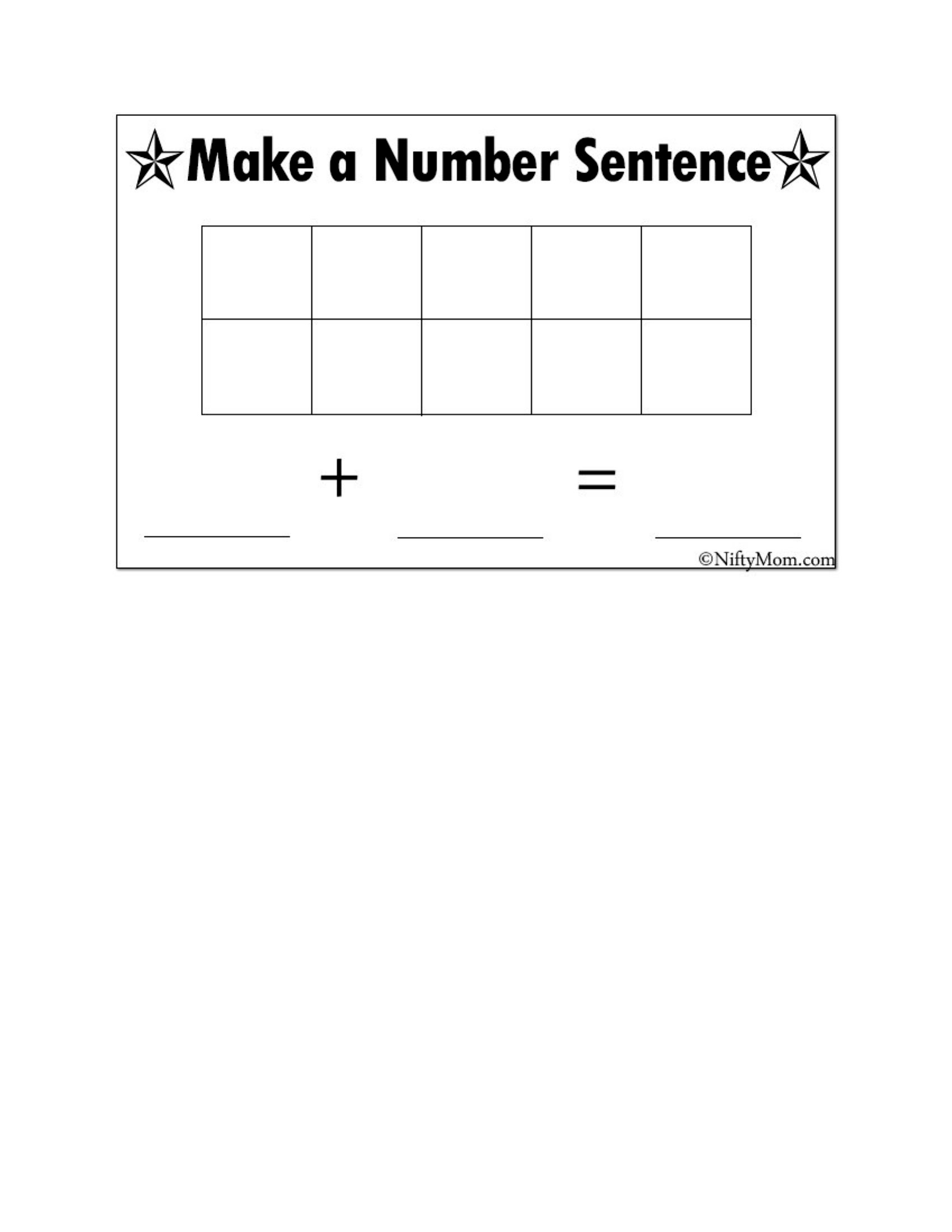
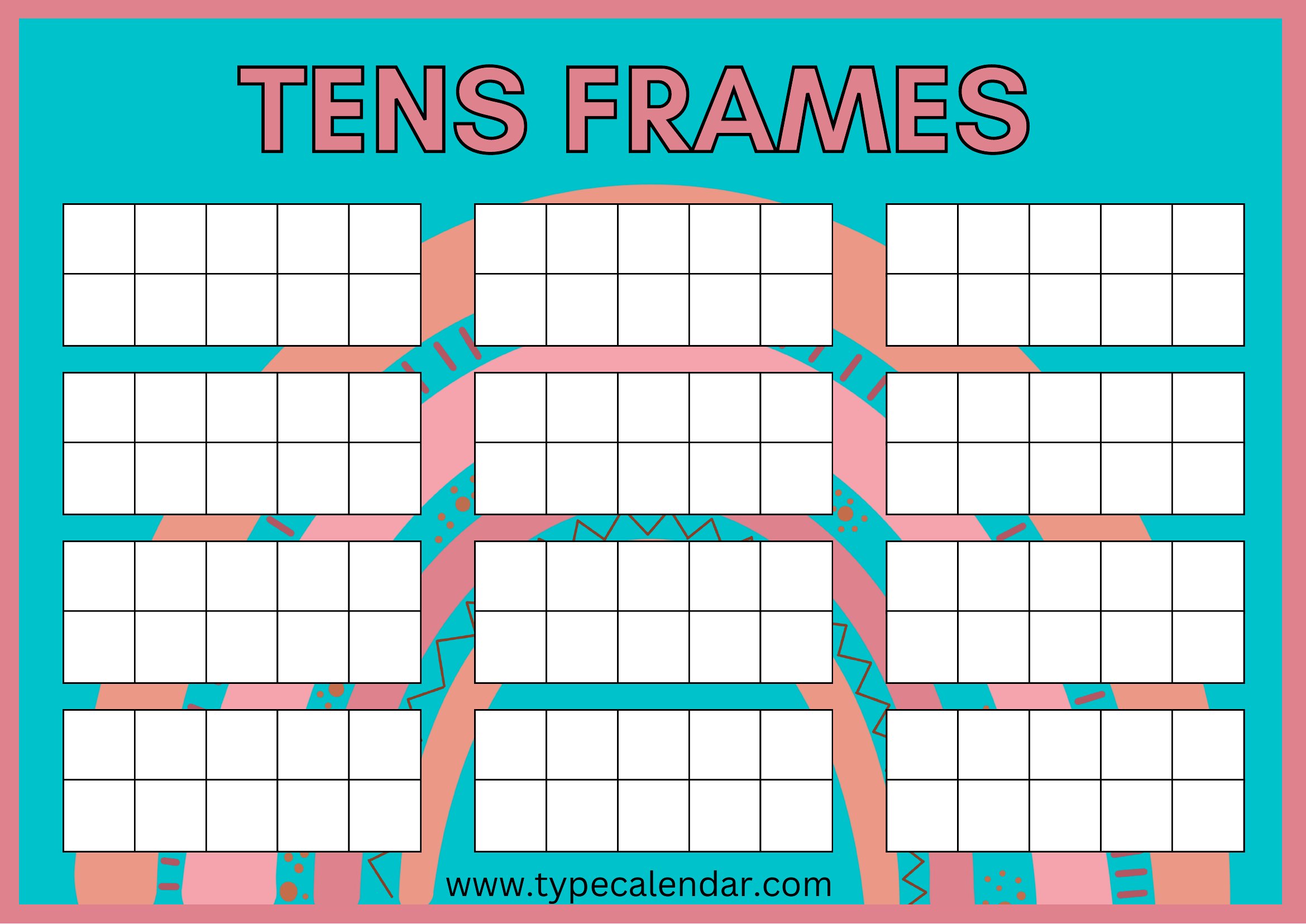
Tens Frames
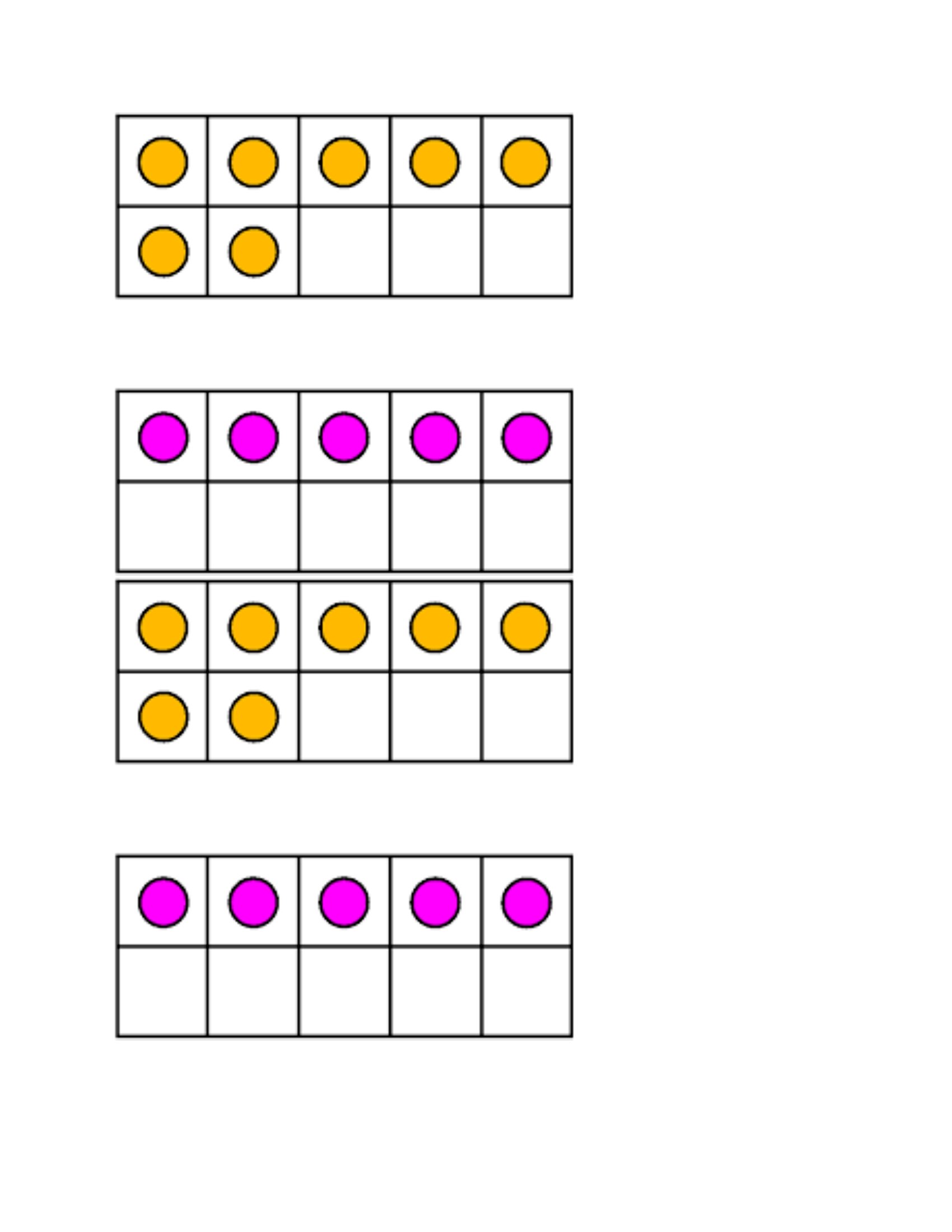
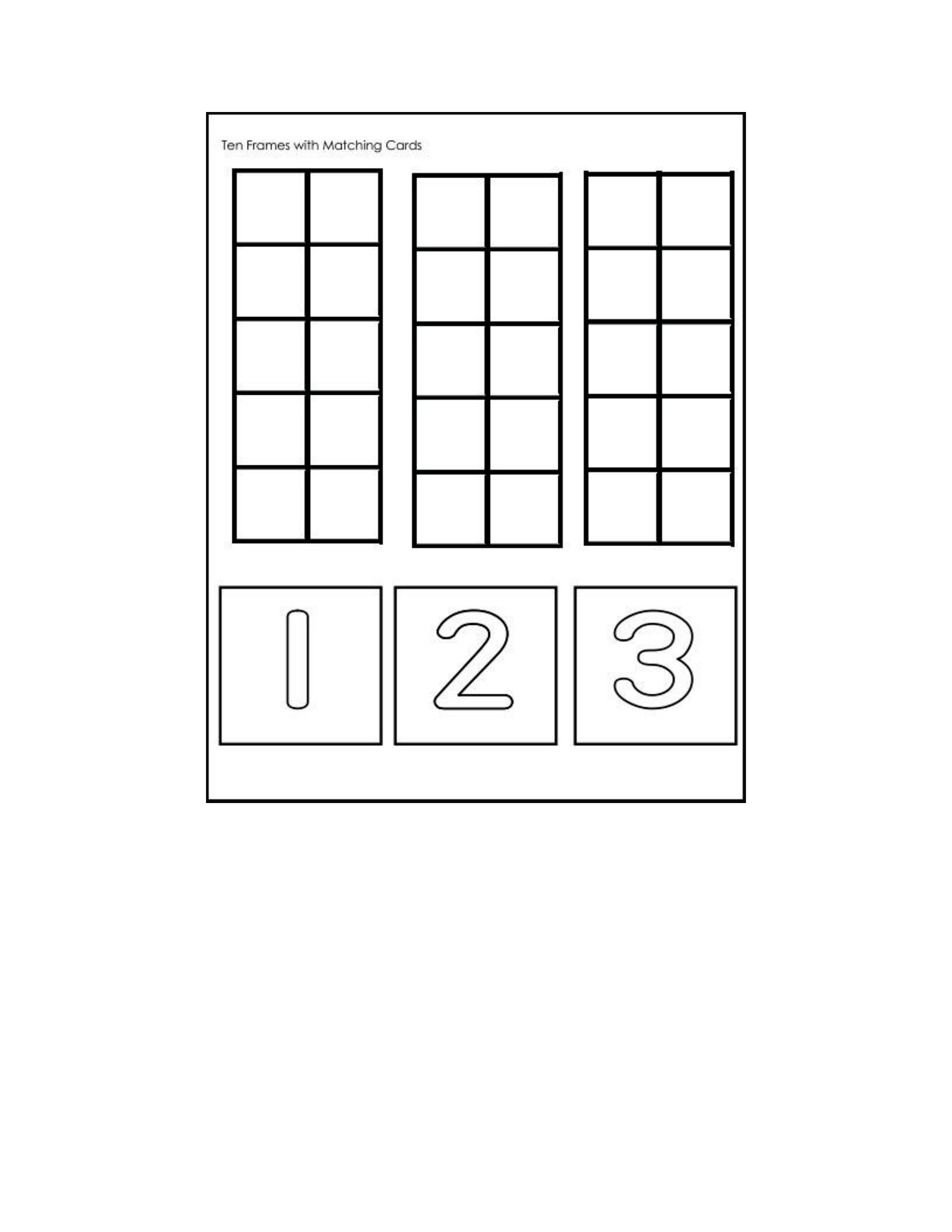
Ten Frame Cards
FAQ
How can ten frames help students who are still learning to count past 10?
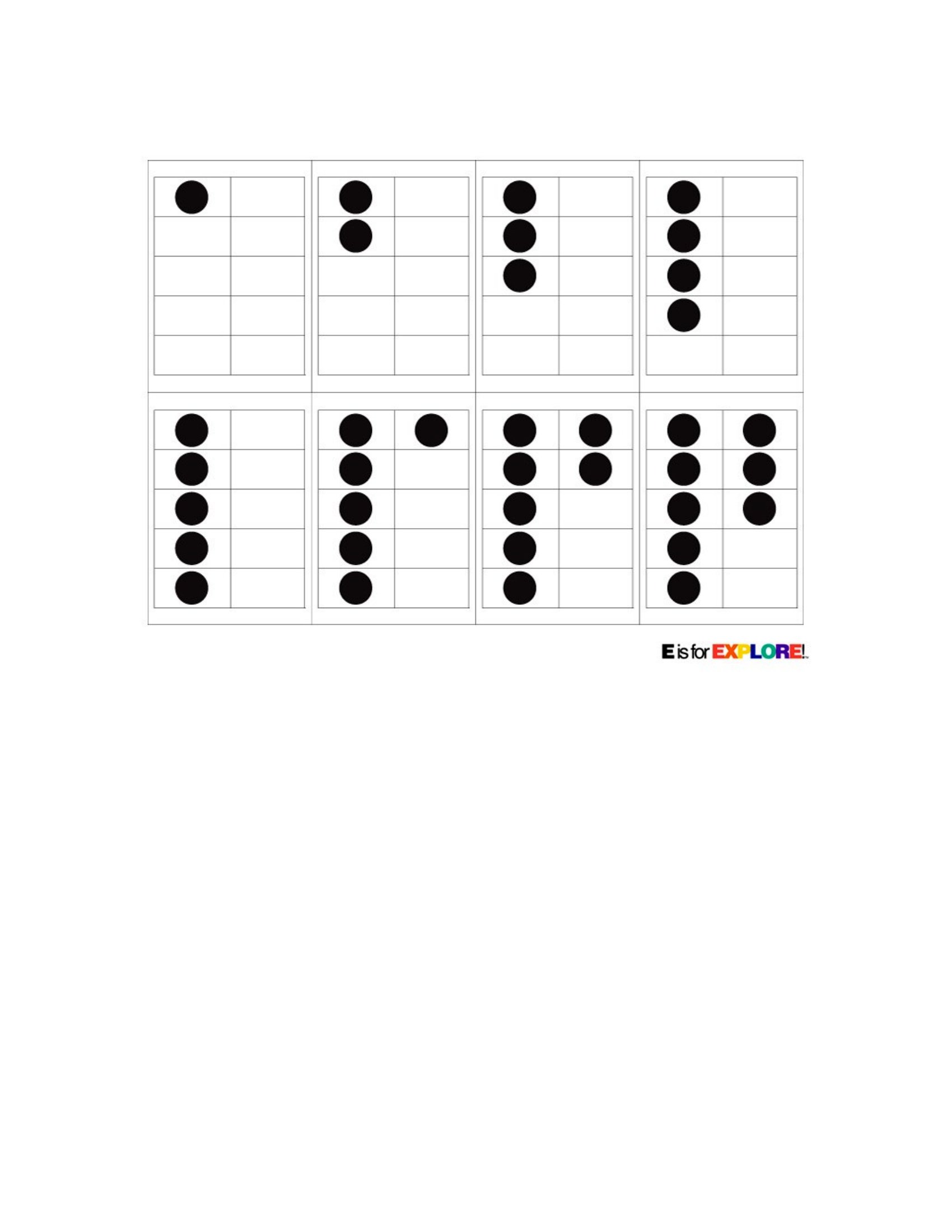
Ten frames provide a structured visual tool: students fill the top row (1–5) first, then the bottom (6–10), reinforcing sequential counting and place value. For numbers beyond 10, use multiple frames or introduce a second frame to model teen numbers (e.g., 12 as one full frame + 2 counters). Start with filled-in examples, then progress to blank frames for guided practice.
Are these templates suitable for differentiating instruction in a mixed-ability classroom?
Yes. Include filled-in frames with counters for students needing extra support in counting, while advanced learners can use blank frames to solve addition problems or explore commutative properties. For example, pair a student who needs to see 7+3 with a blank frame, while another fills in 7+3 and 3+7 to compare. The collection’s variety lets you tailor difficulty without creating new materials.
Can ten frames be used for teaching subtraction, or are they mainly for addition?
Ten frames work for subtraction too! Start by filling a frame (e.g., 8 counters) and remove a group (e.g., 3) to show the result visually. For missing-subtrahend problems (e.g., 8 – __ = 5), fill the frame partially and let students deduce the missing number. Use the counters to physically remove groups, which builds a concrete understanding before transitioning to number sentences.
Comments
Join the conversation
Sign in to share your thoughts and leave a comment on this resource.