Free Story Outline Templates (Word)
LifeTemplates
FAQ
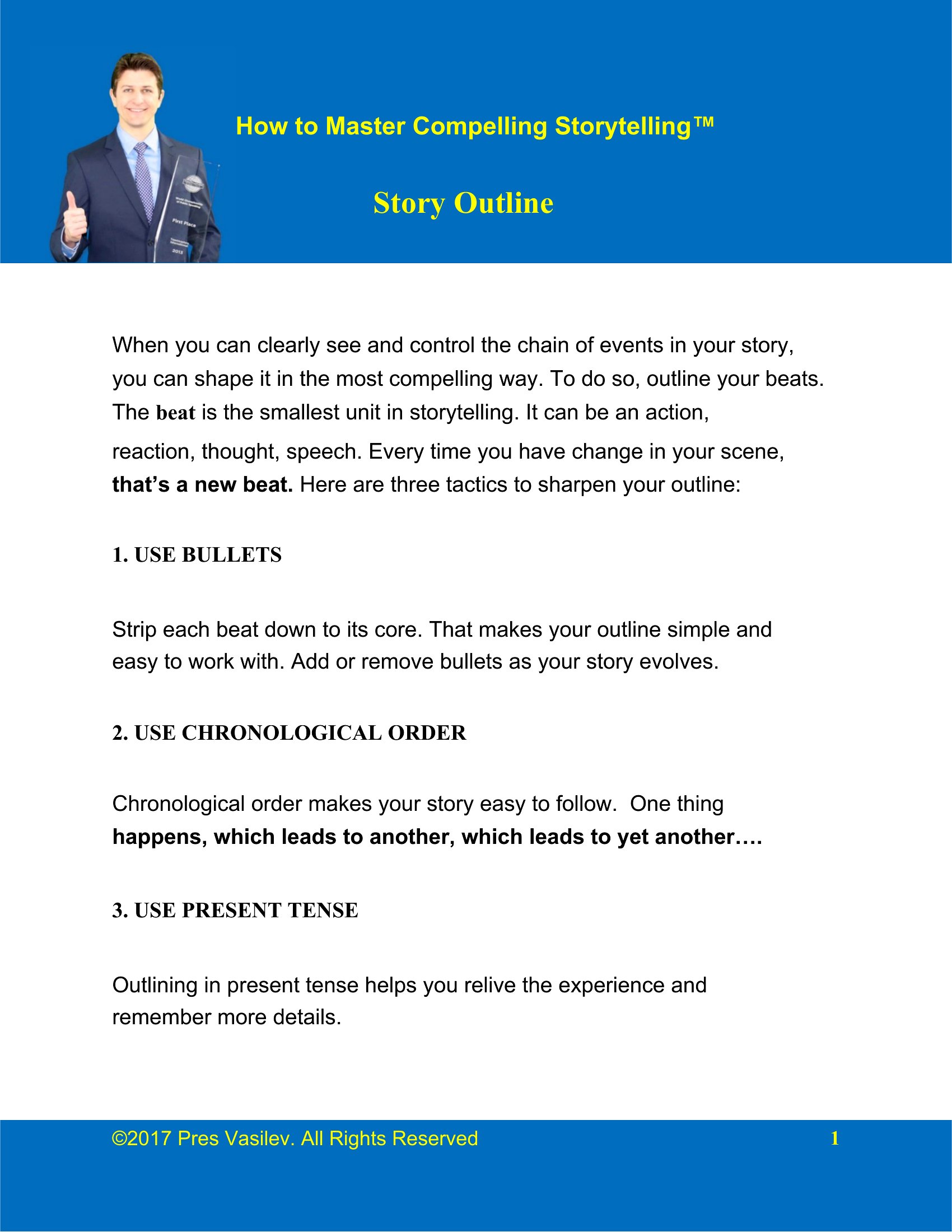
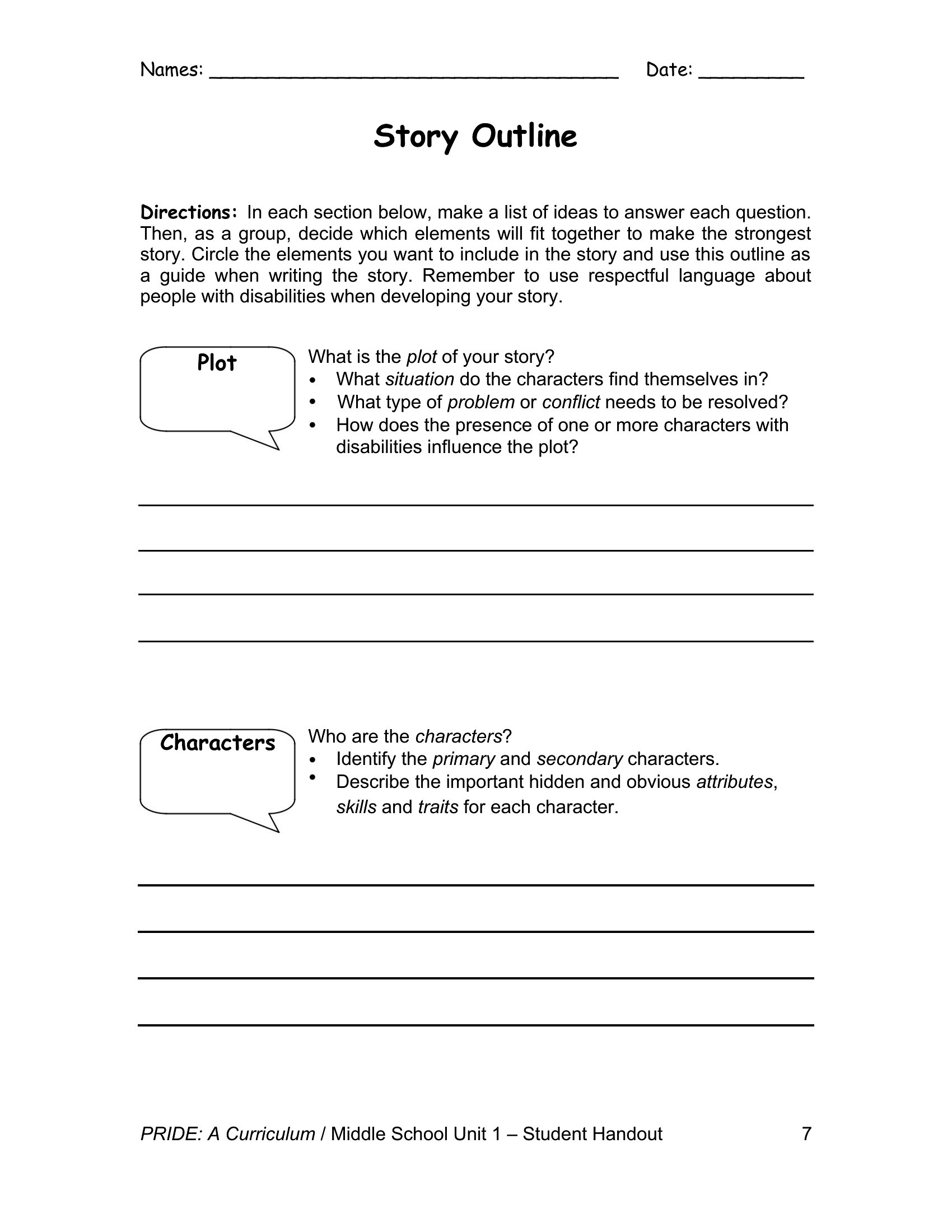
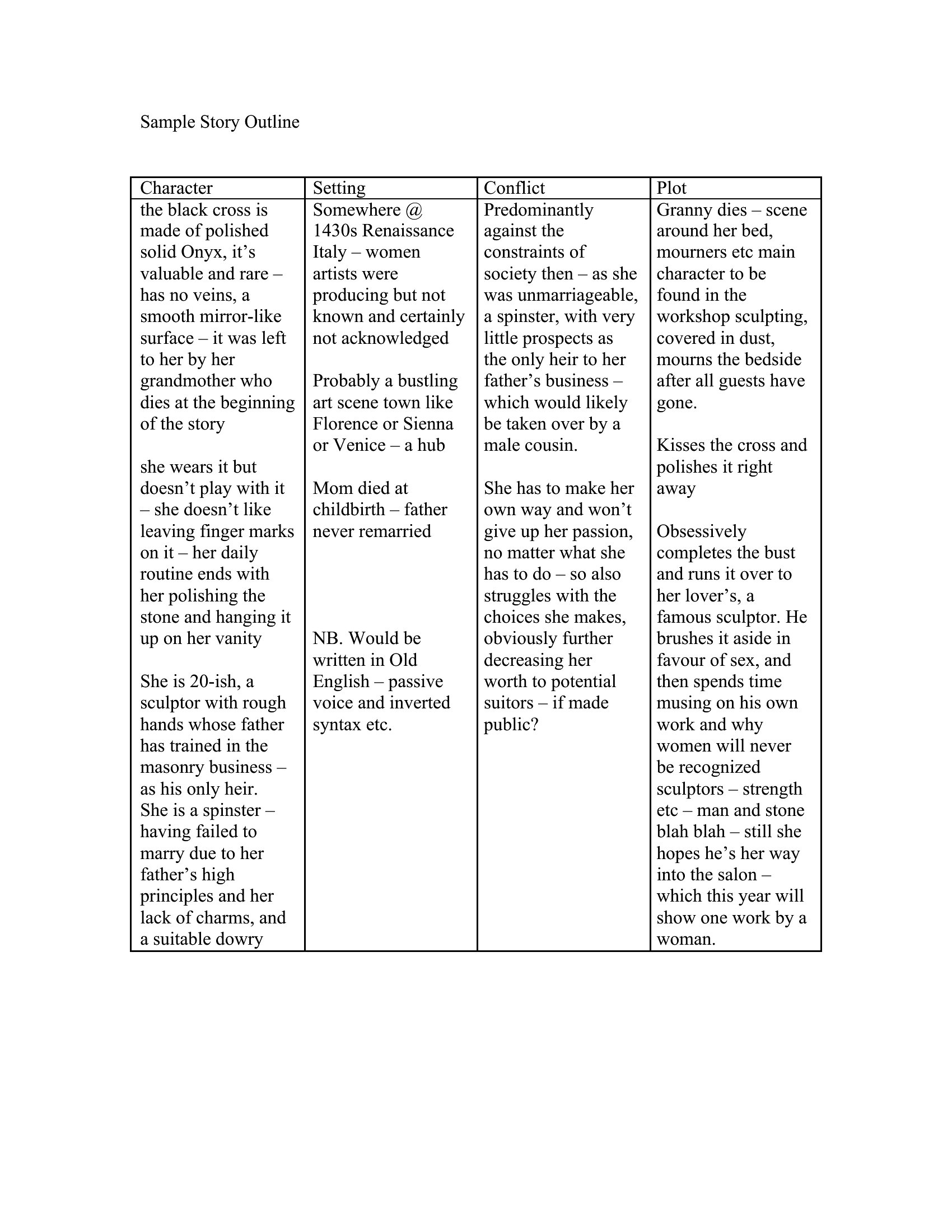
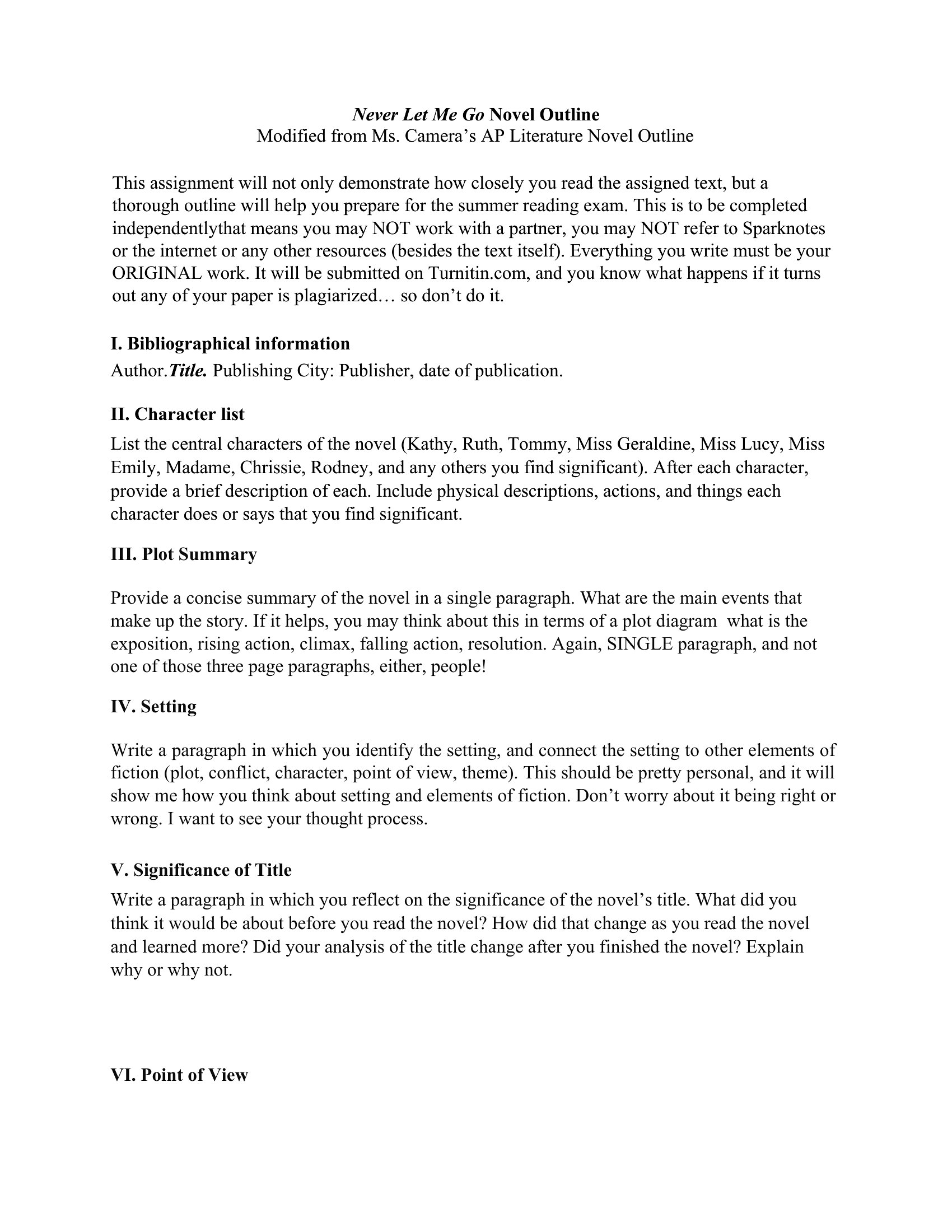
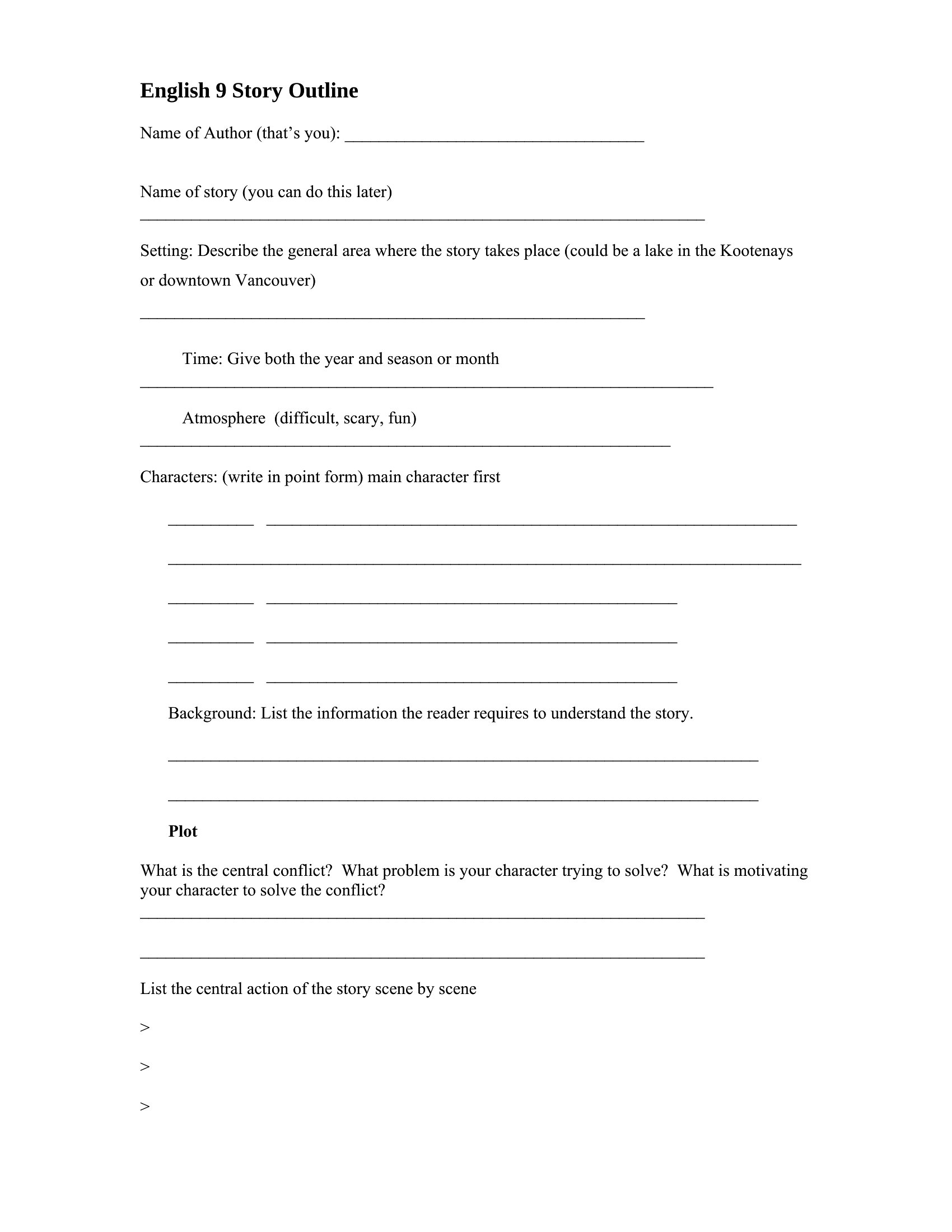
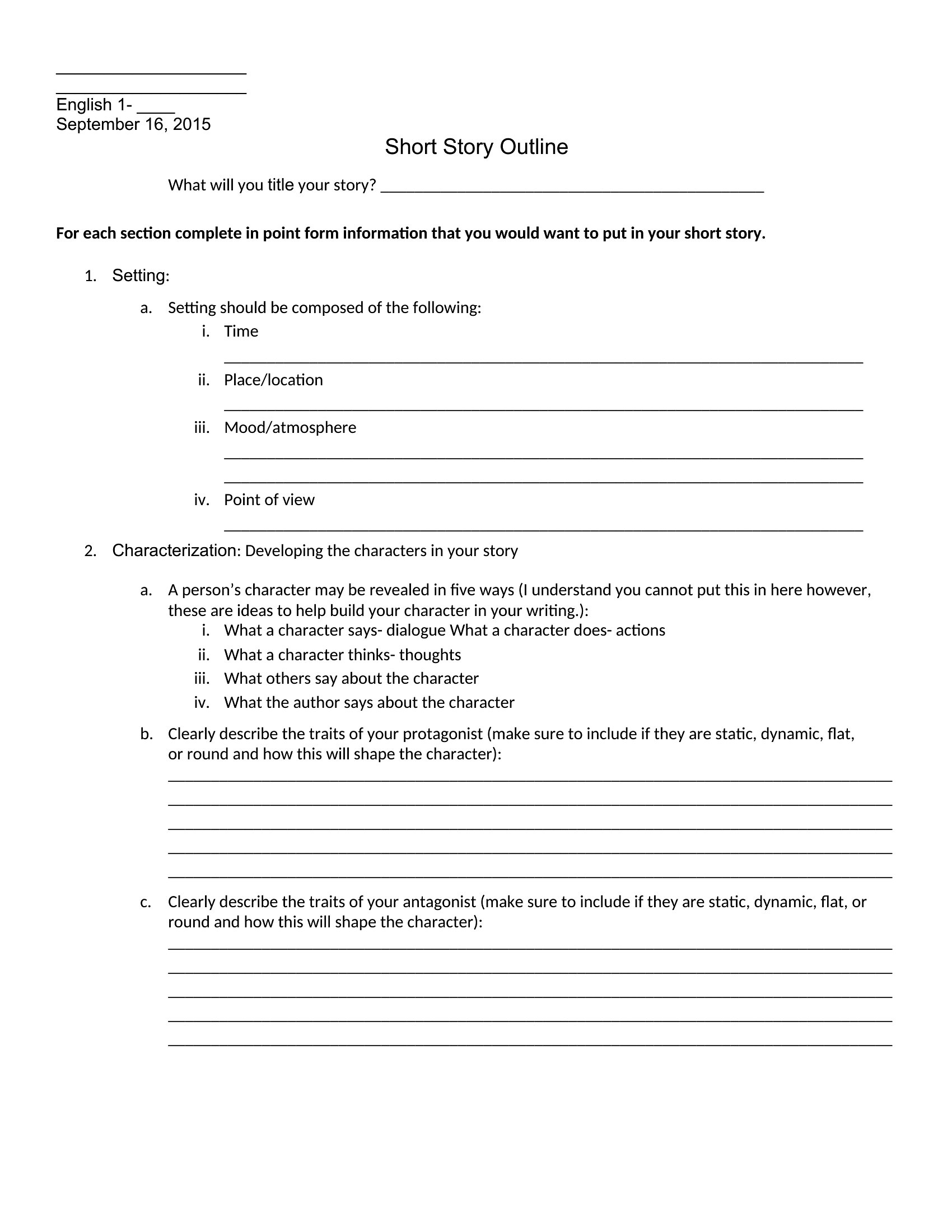
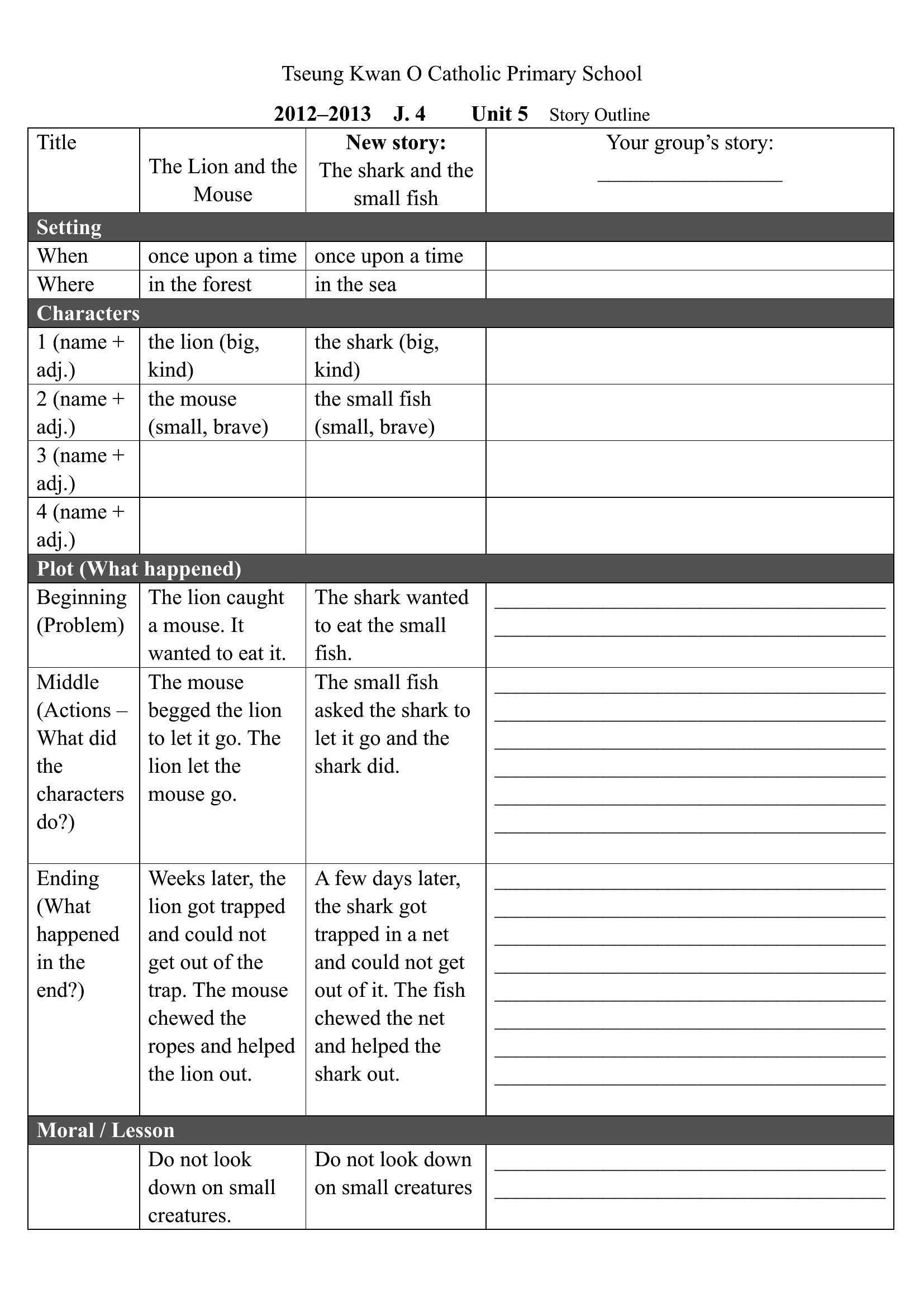
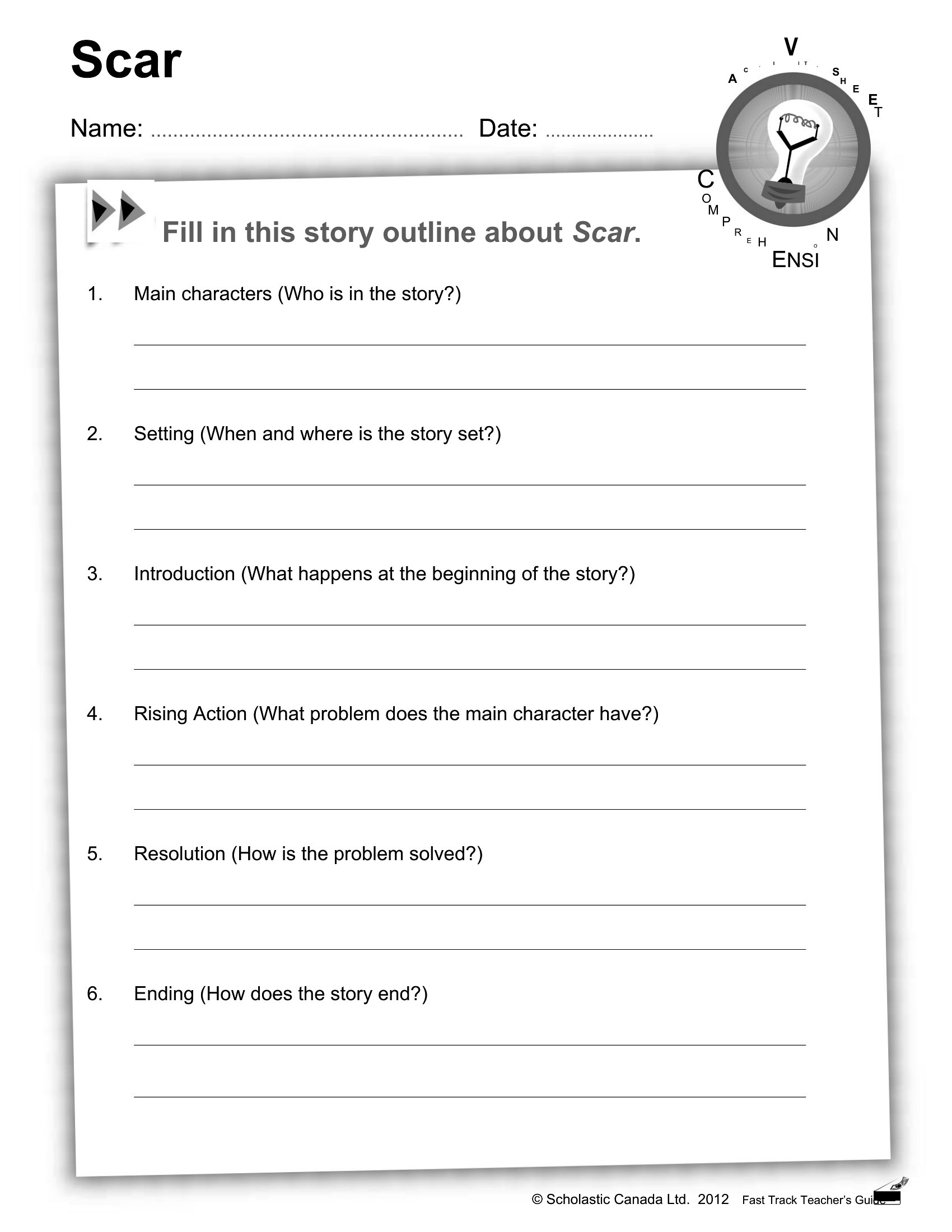
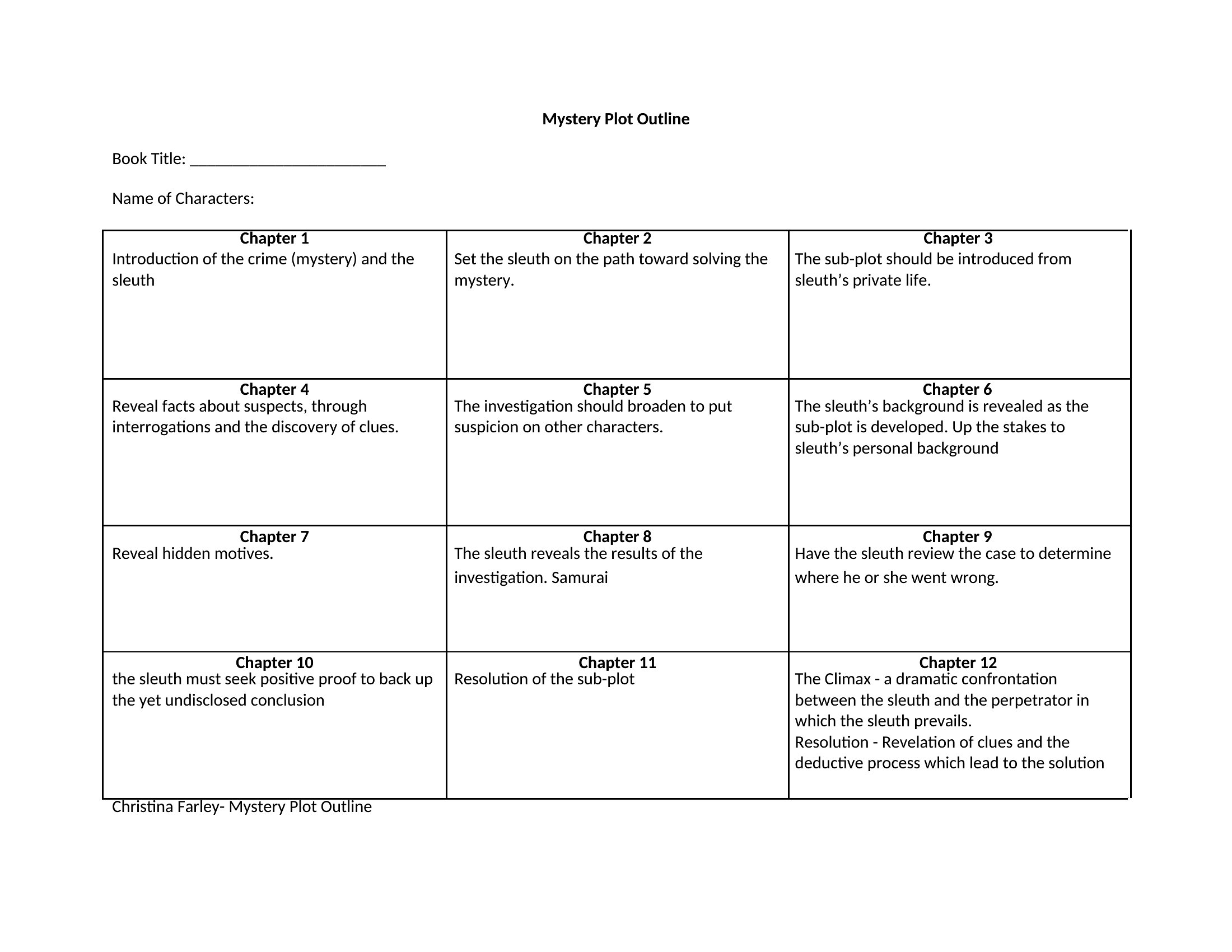
Can these outlines help me fix a story that feels stuck or inconsistent?
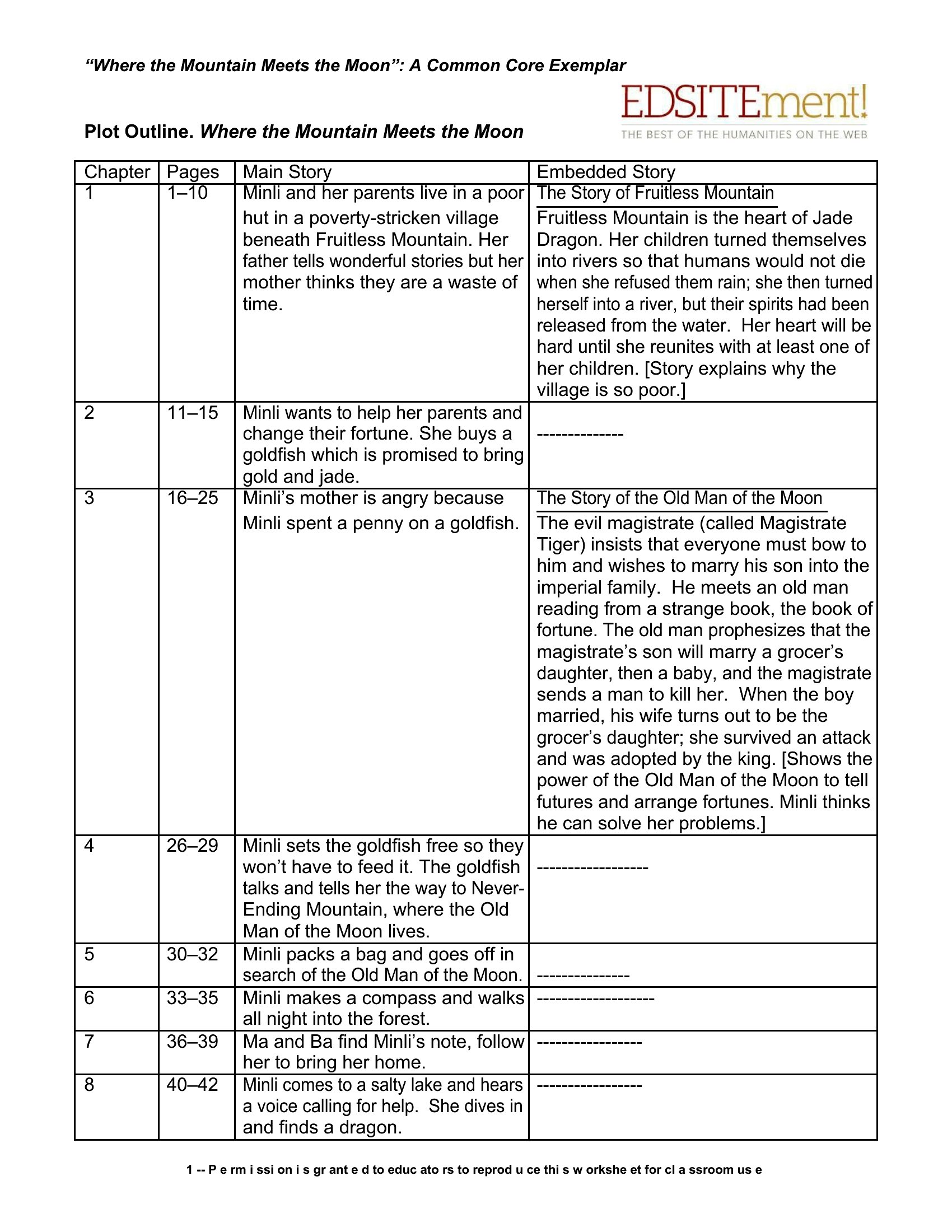
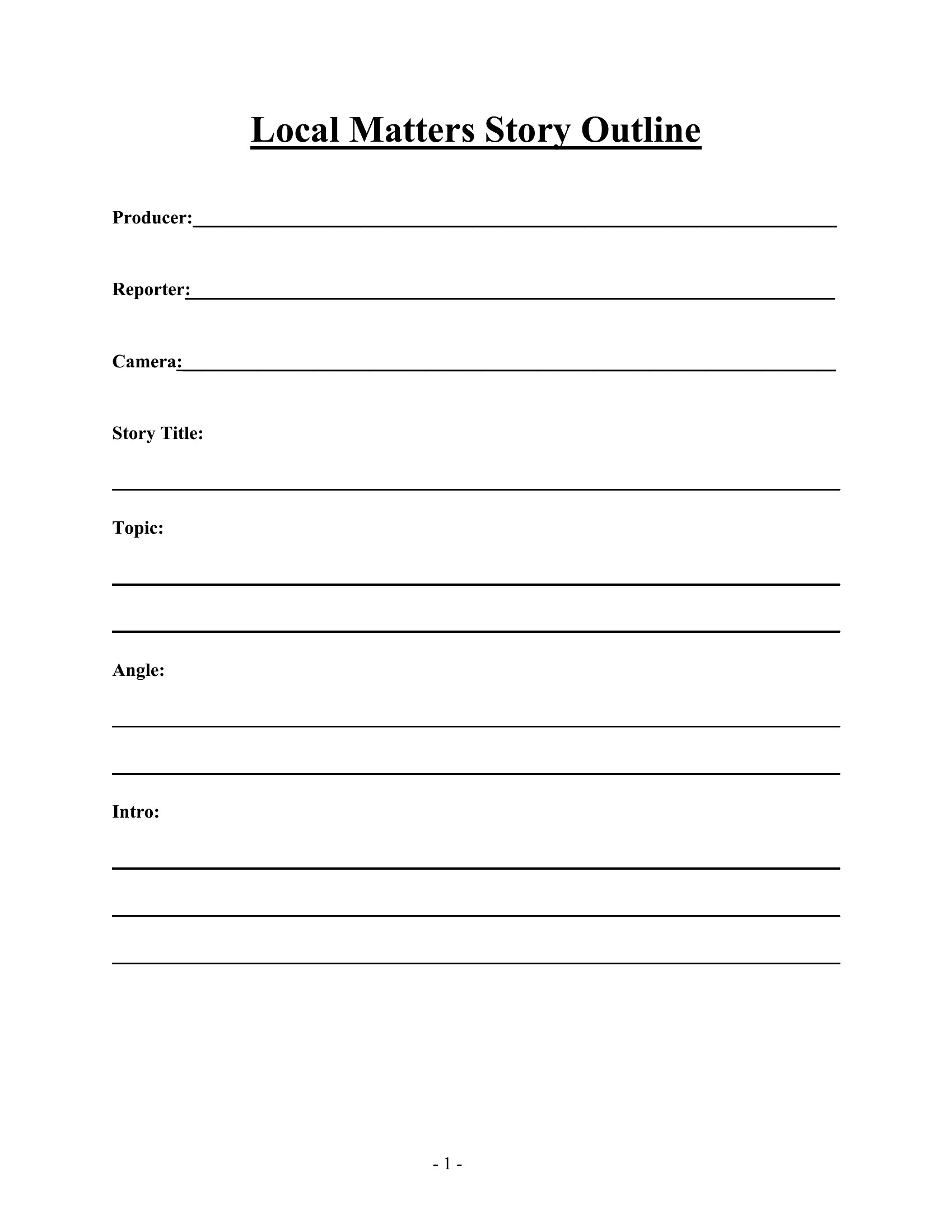
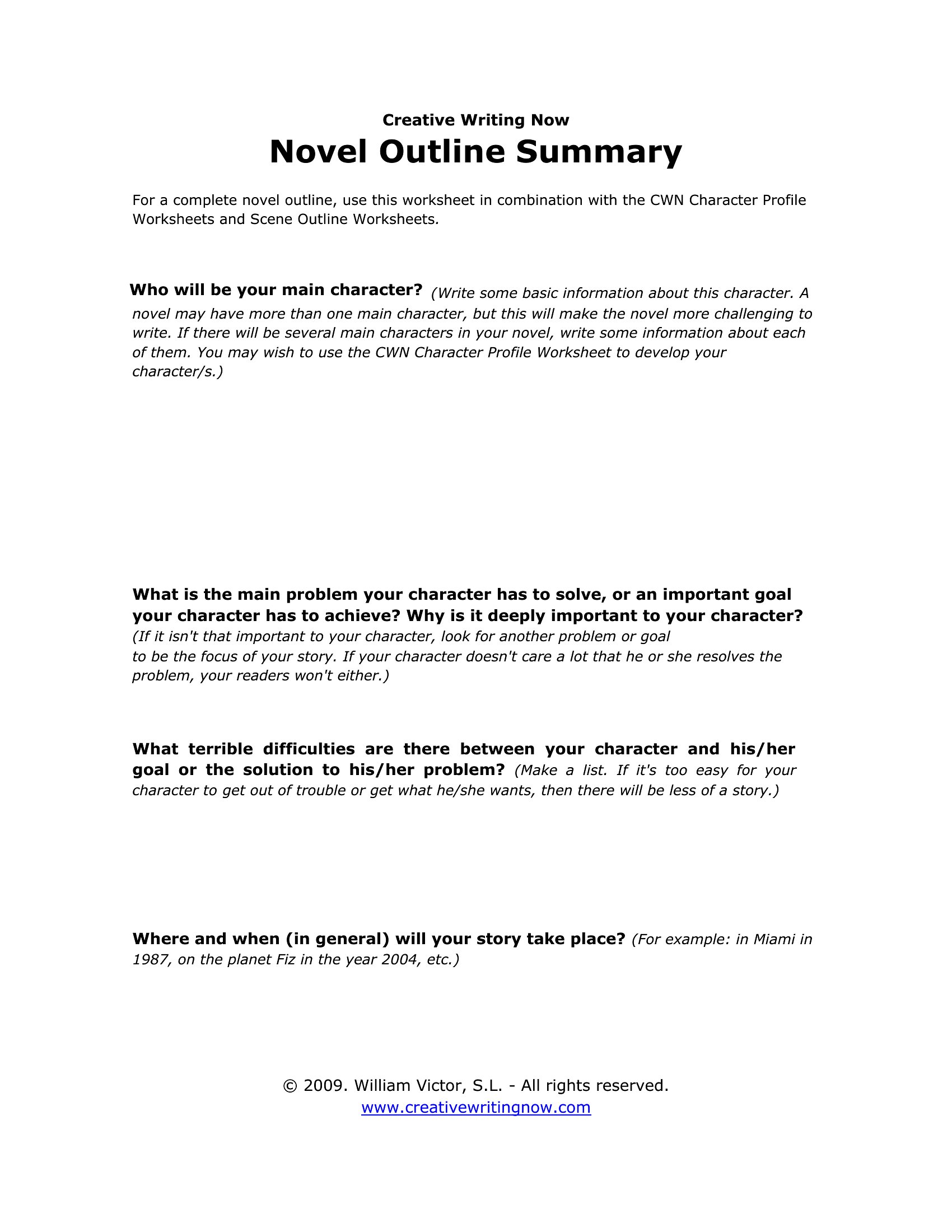
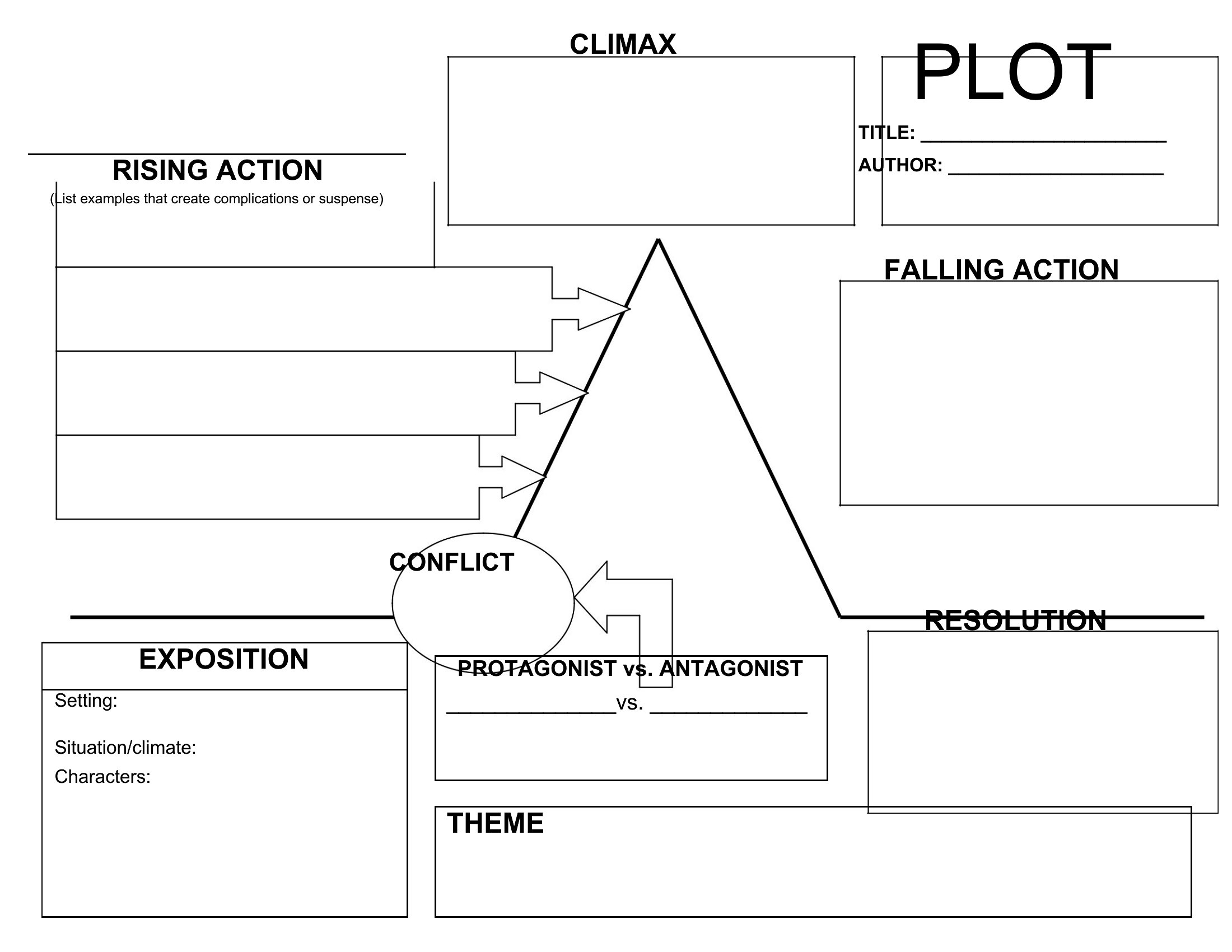
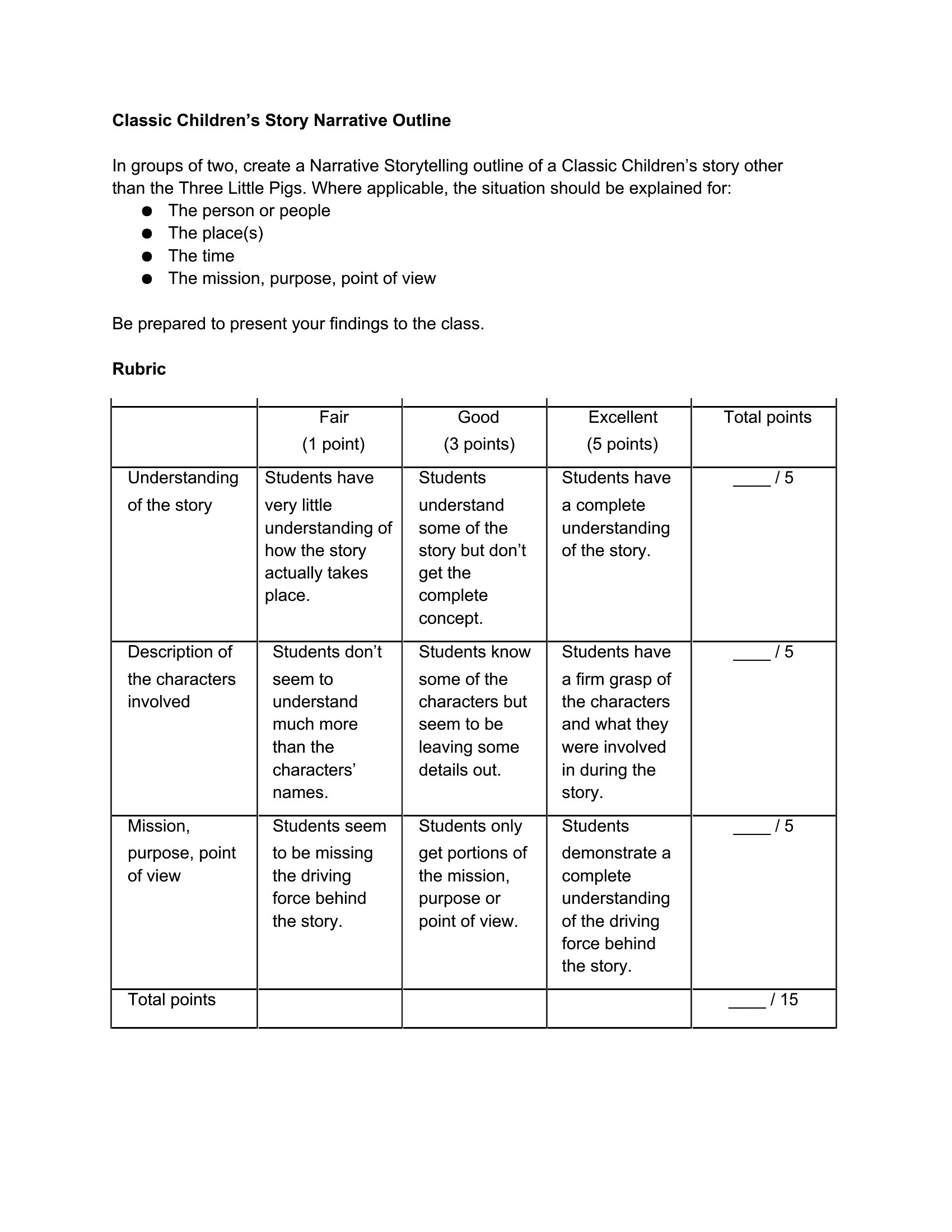
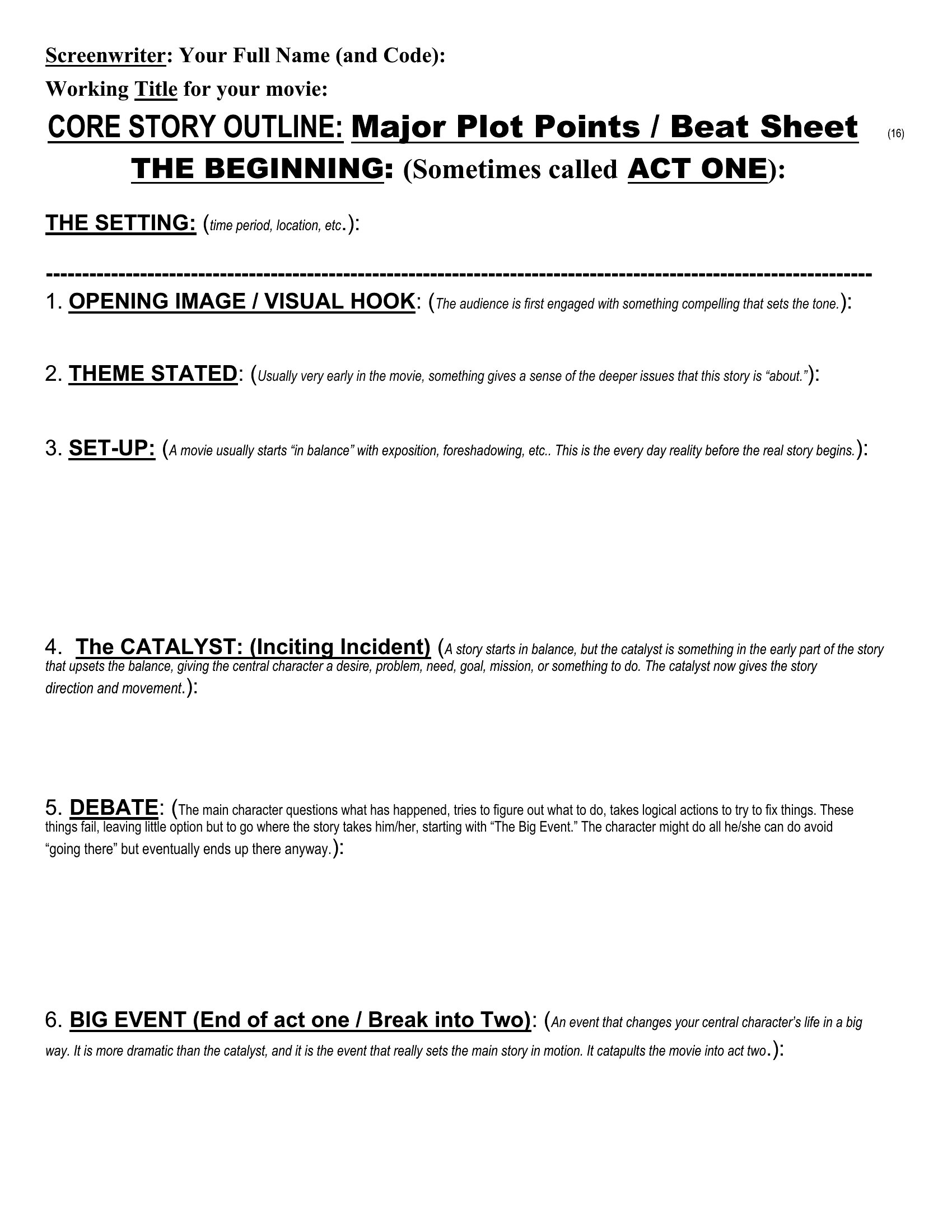
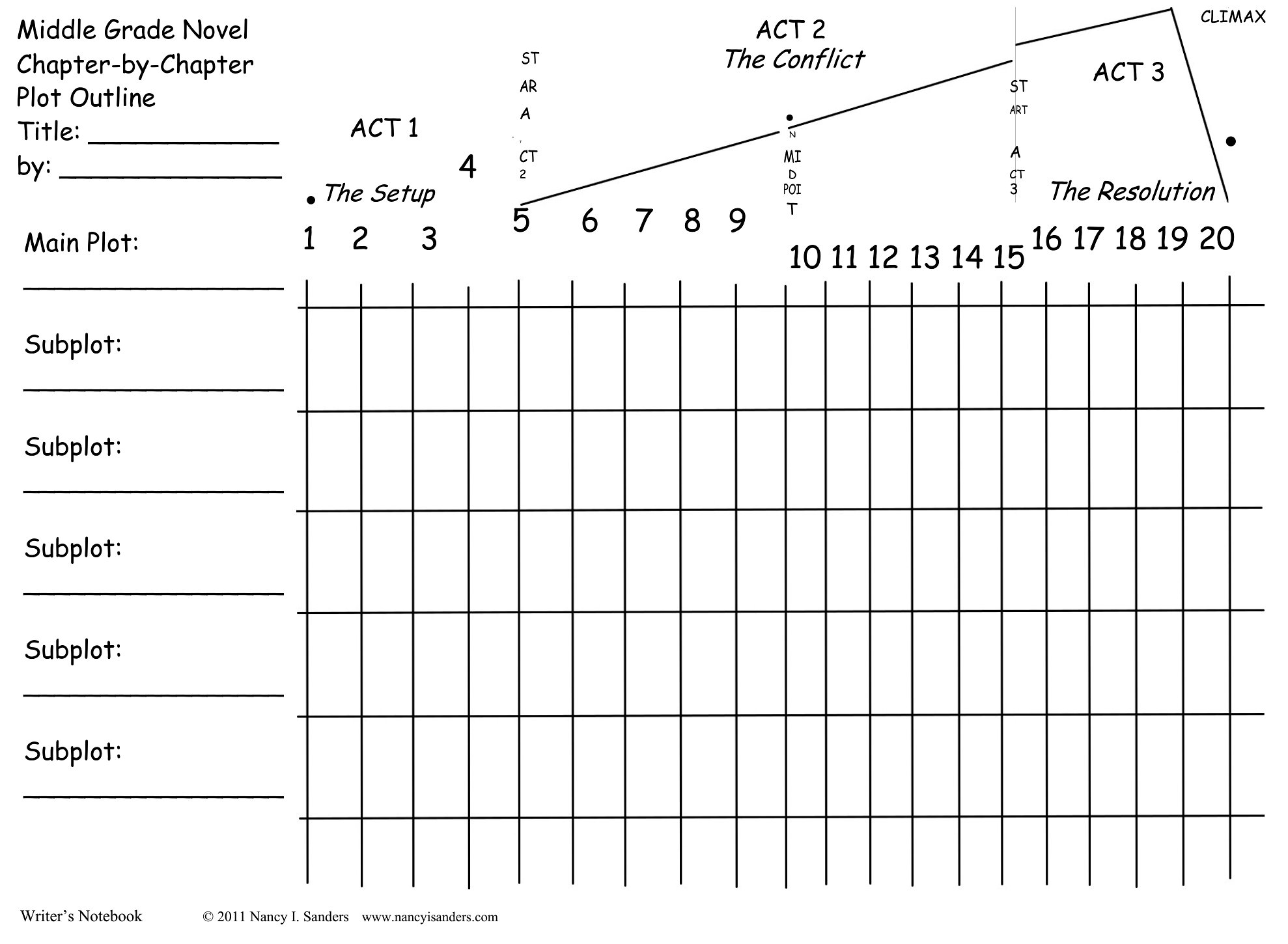
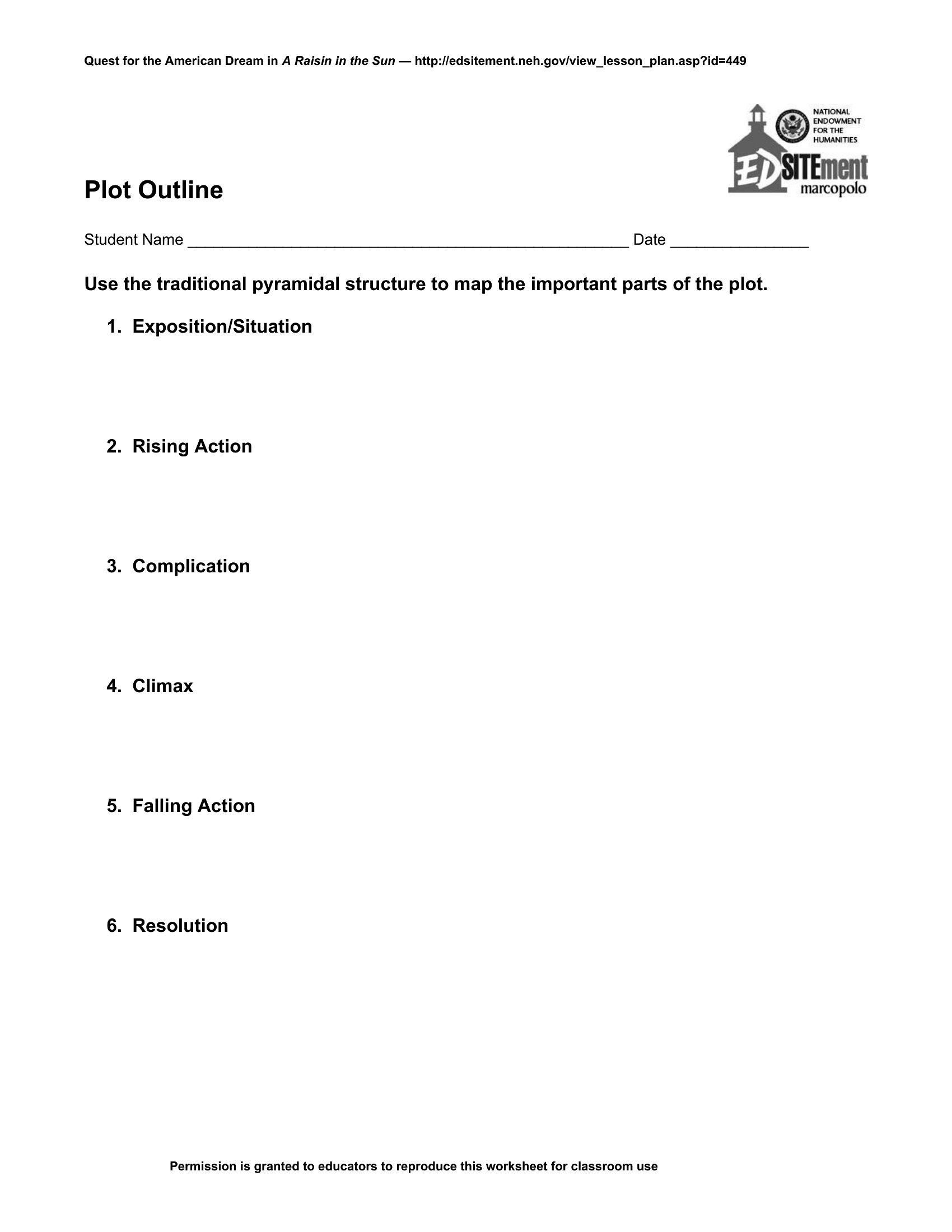
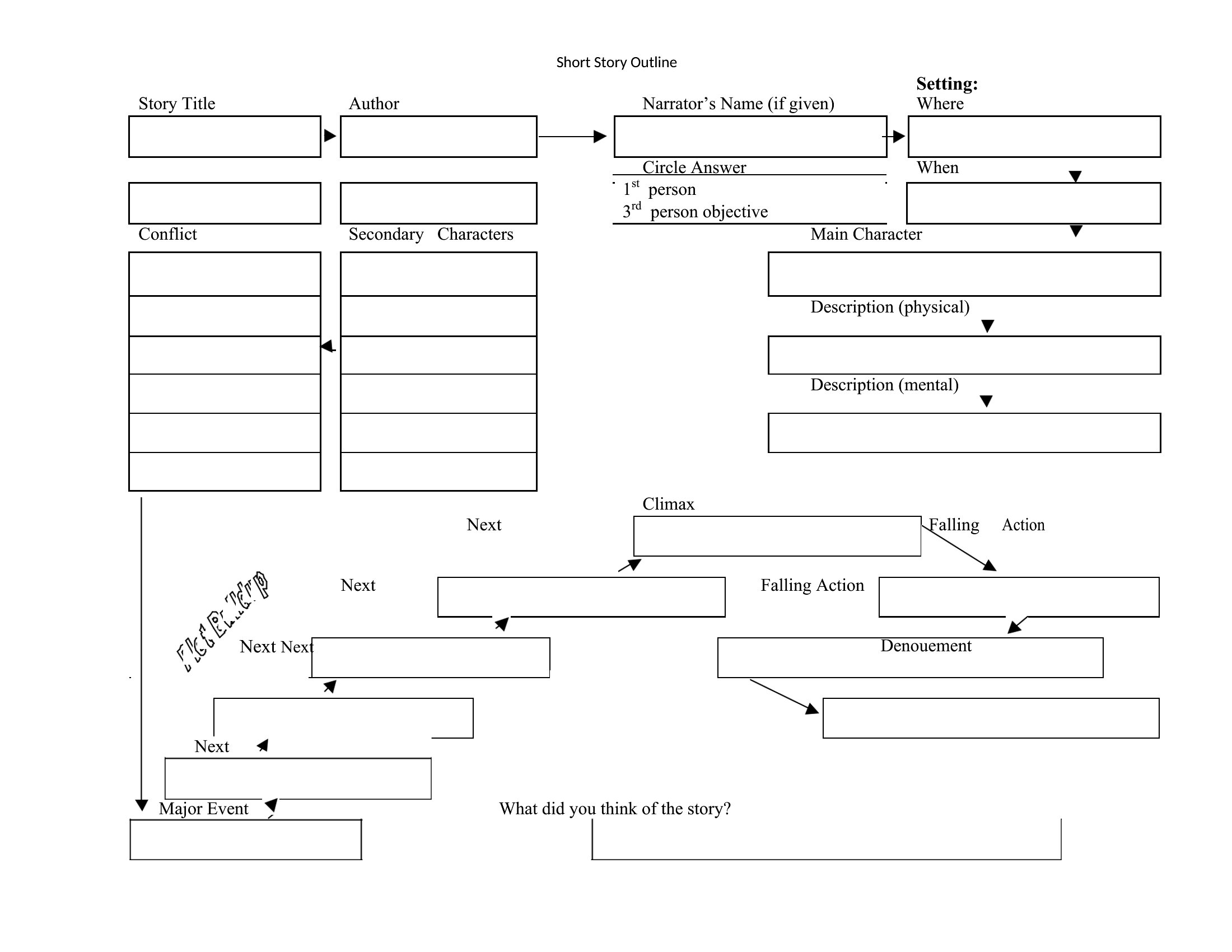
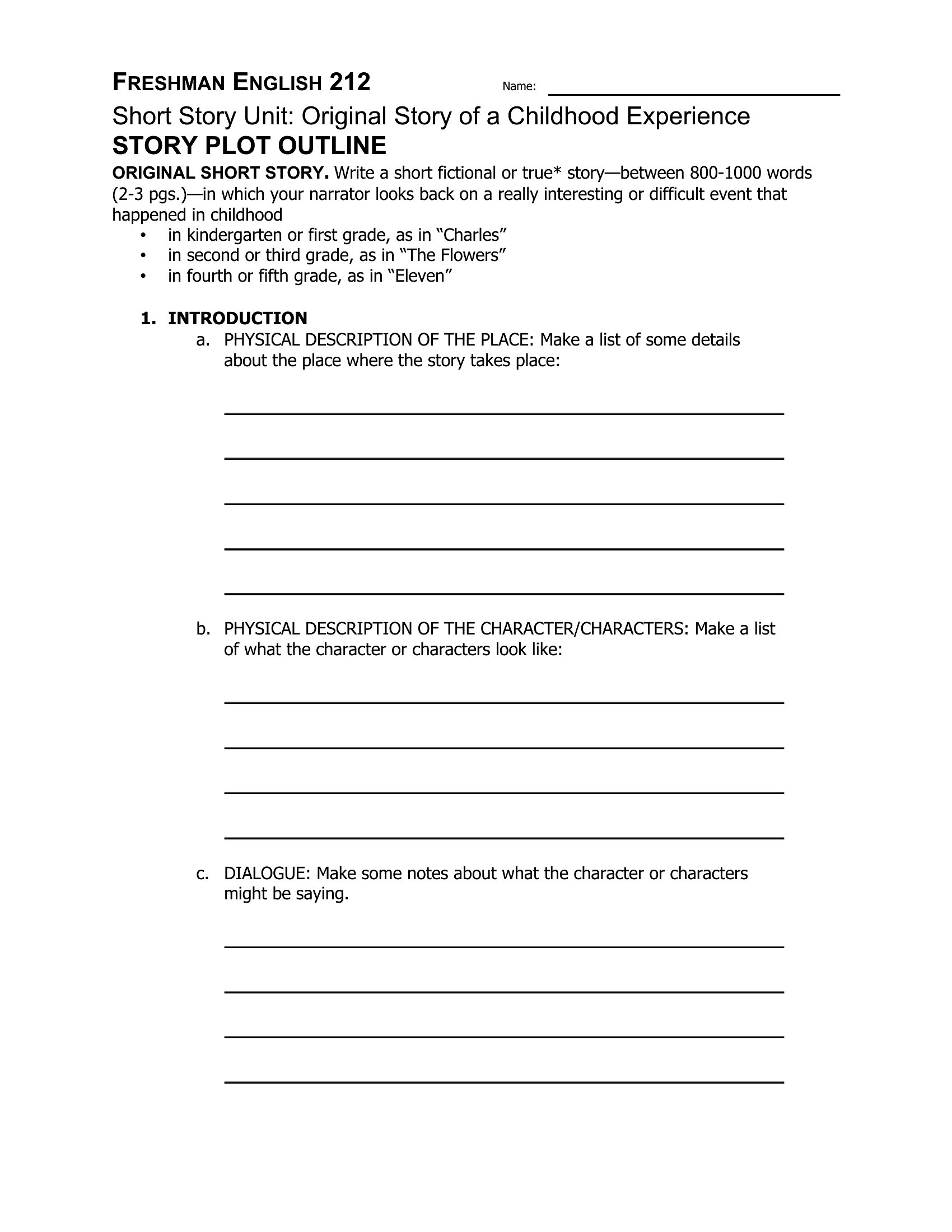
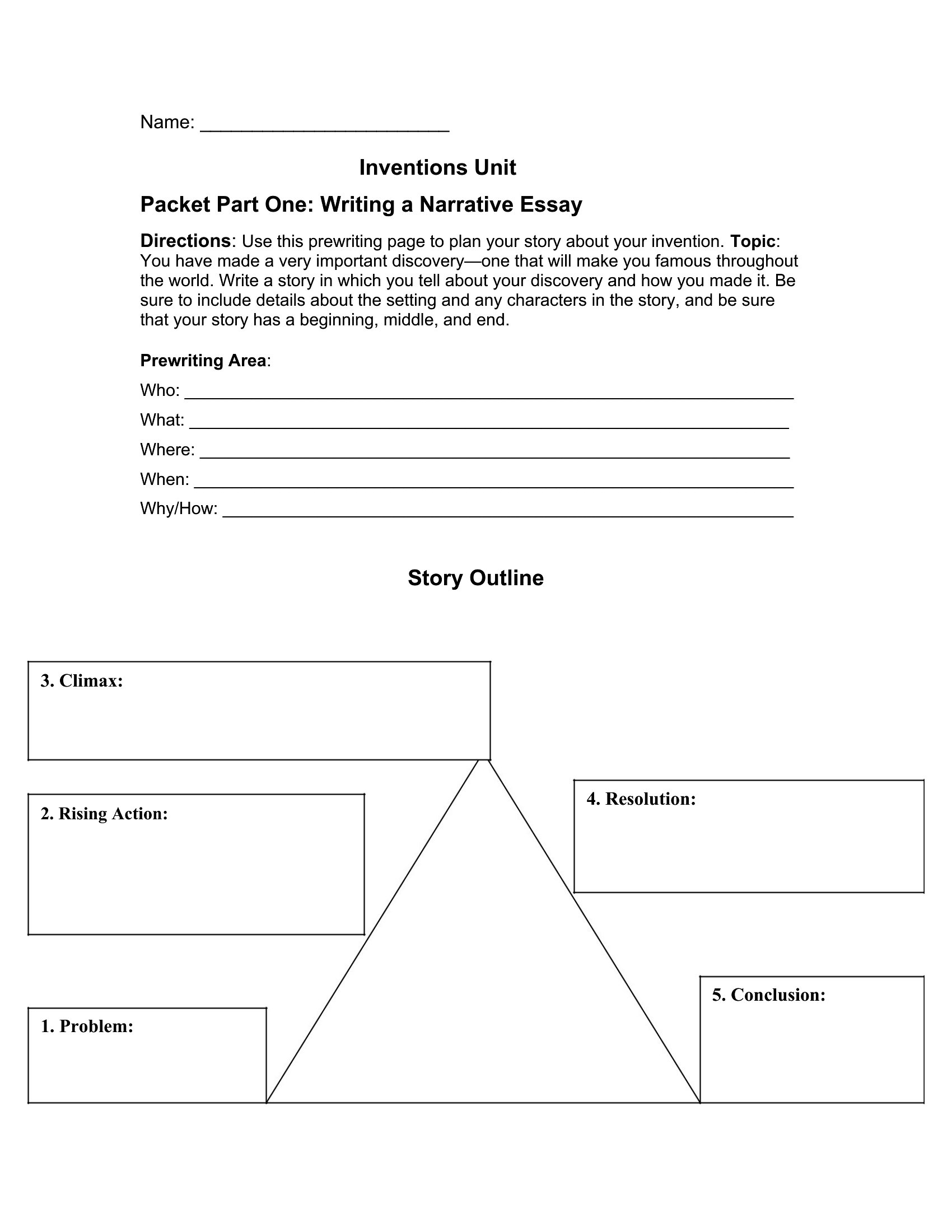
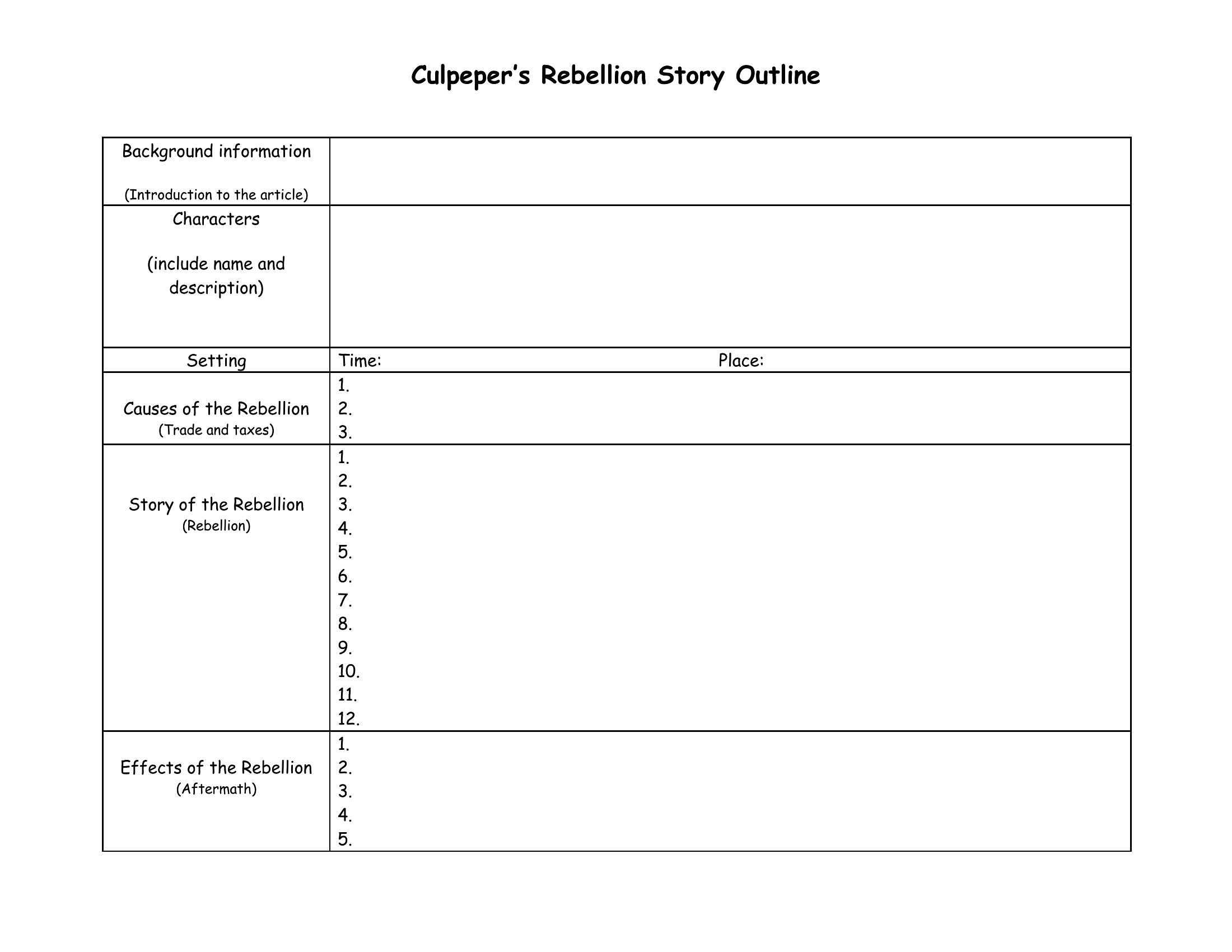
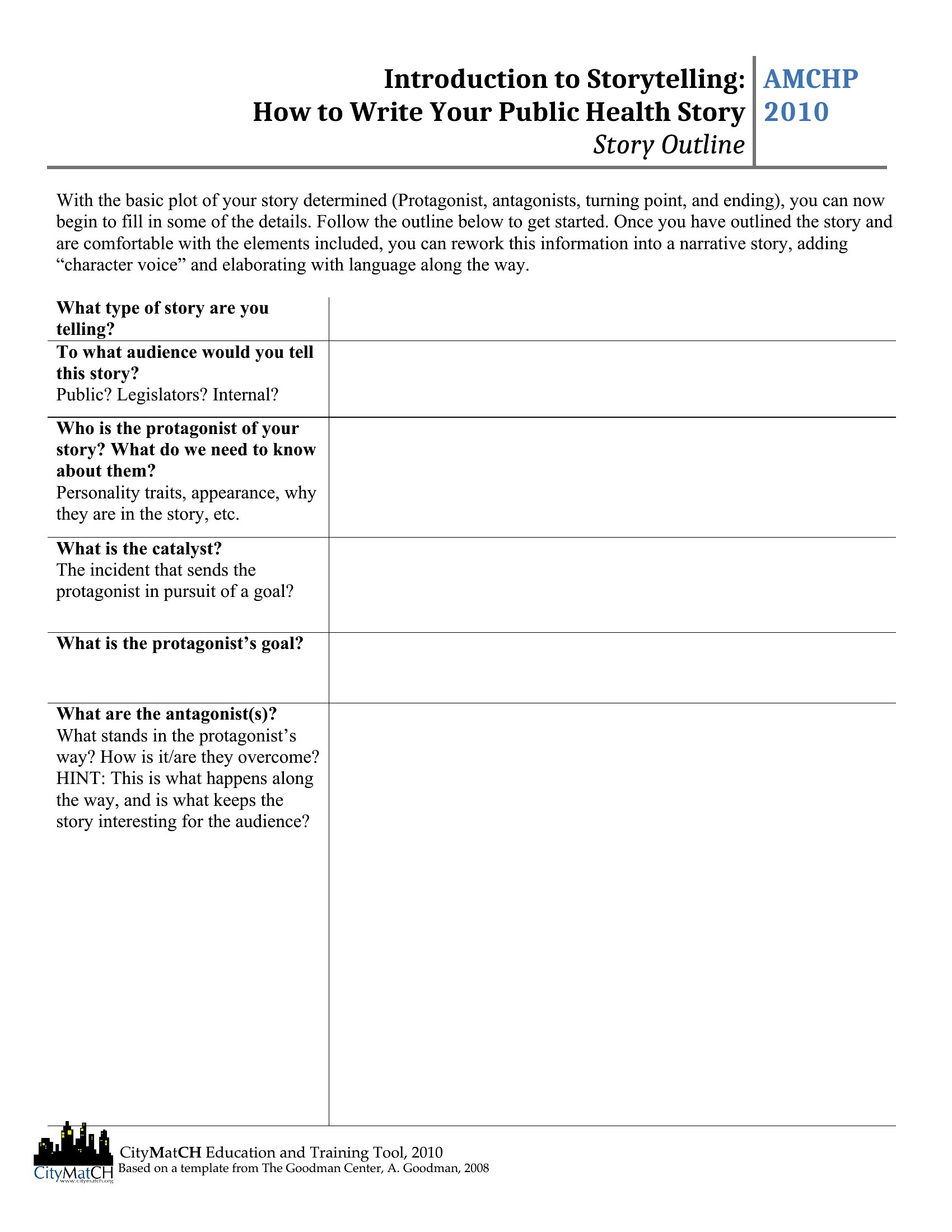
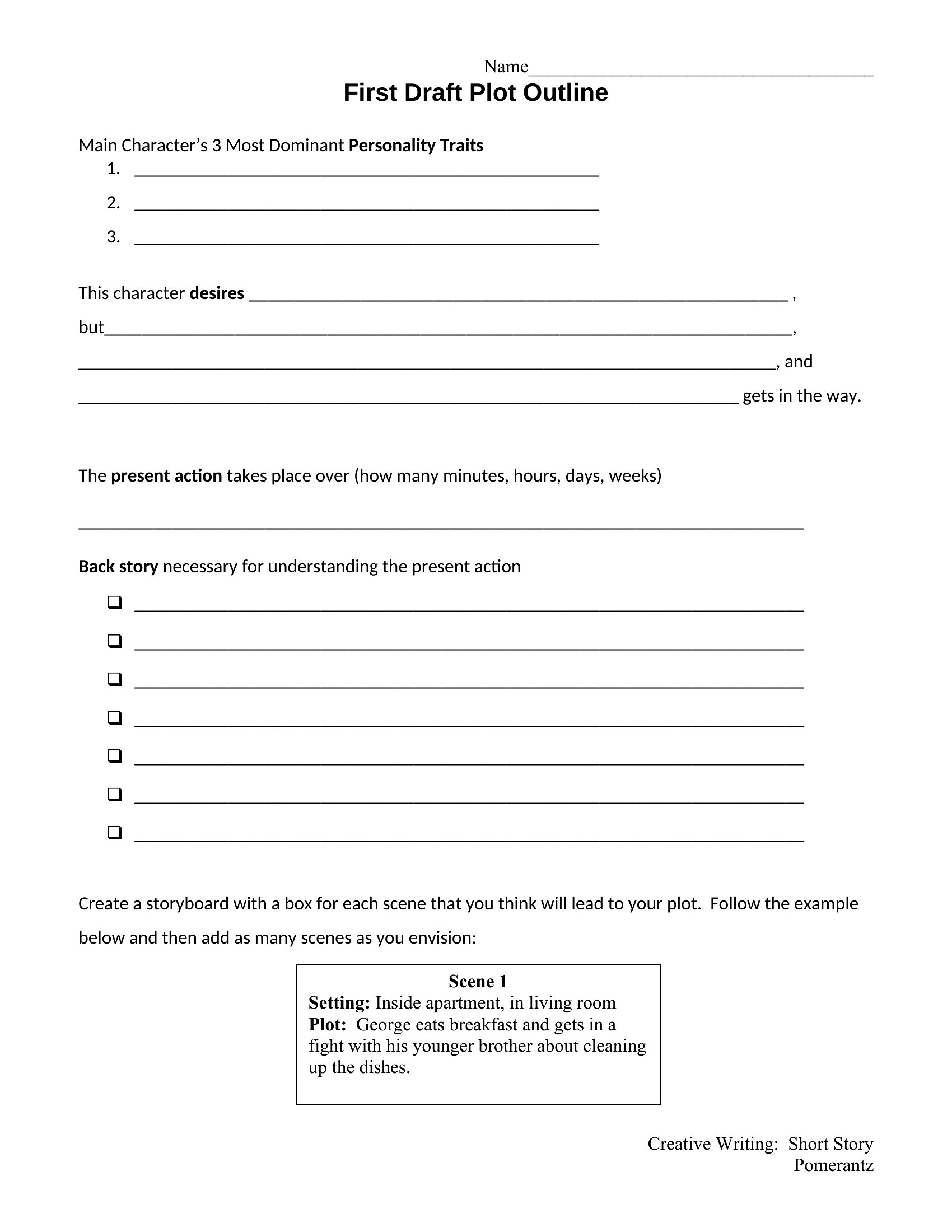
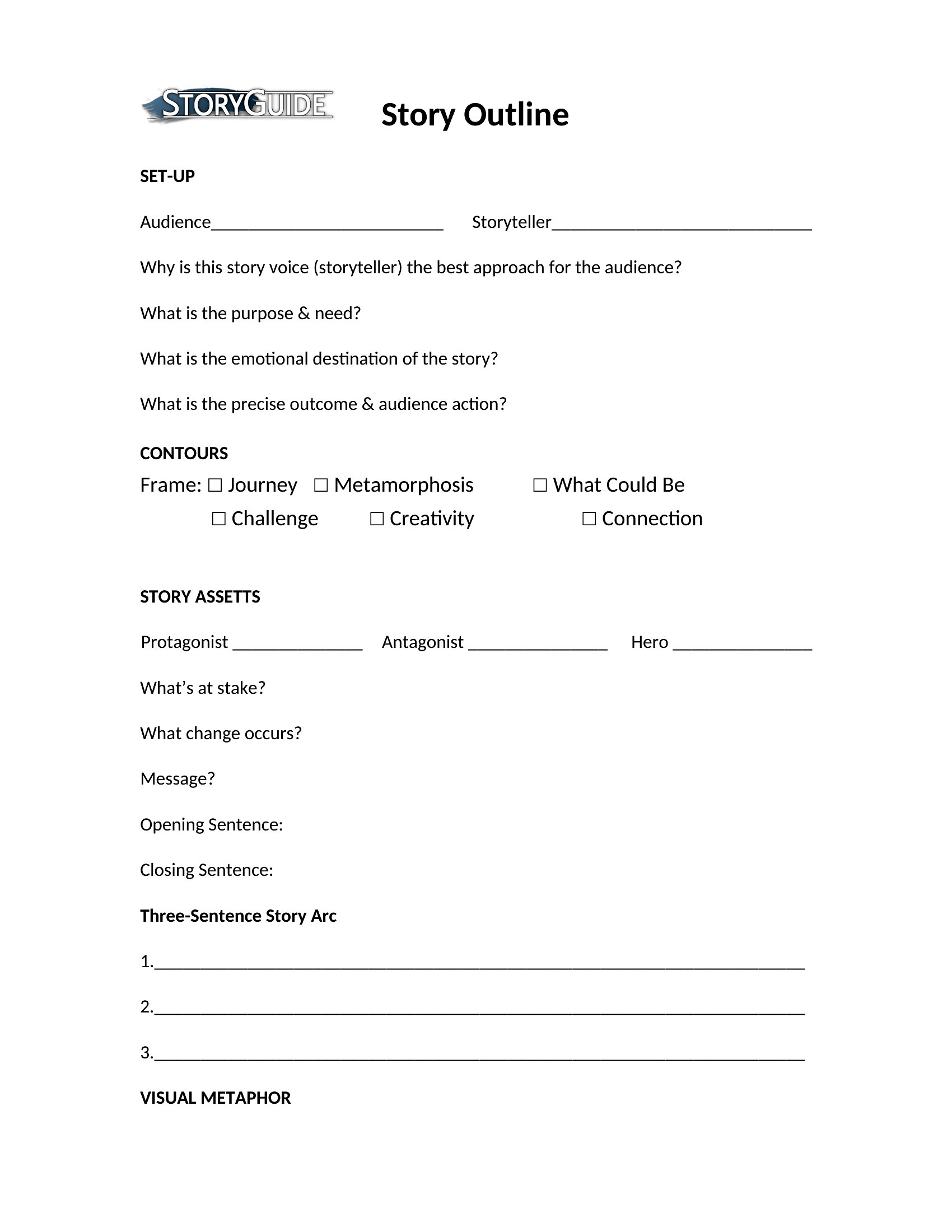
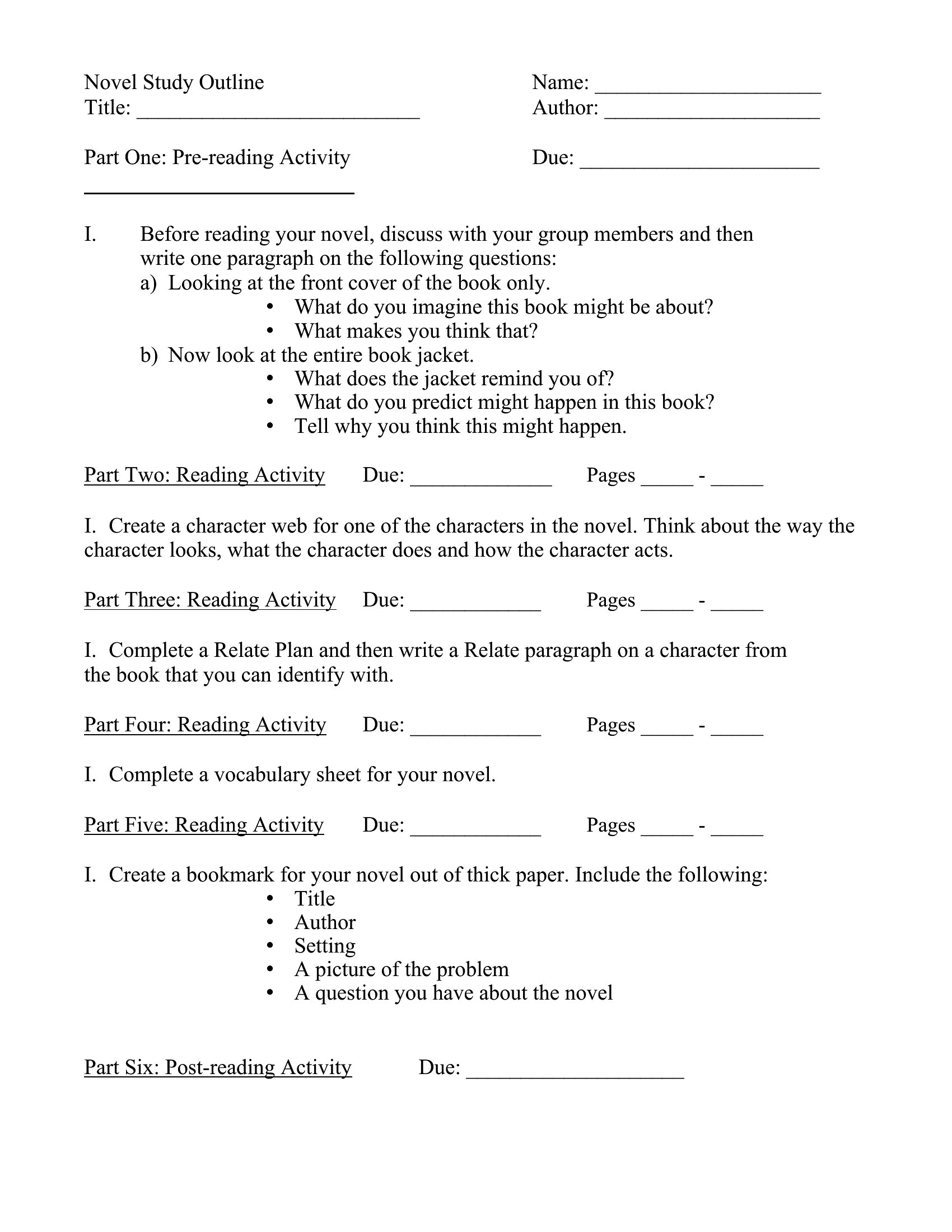
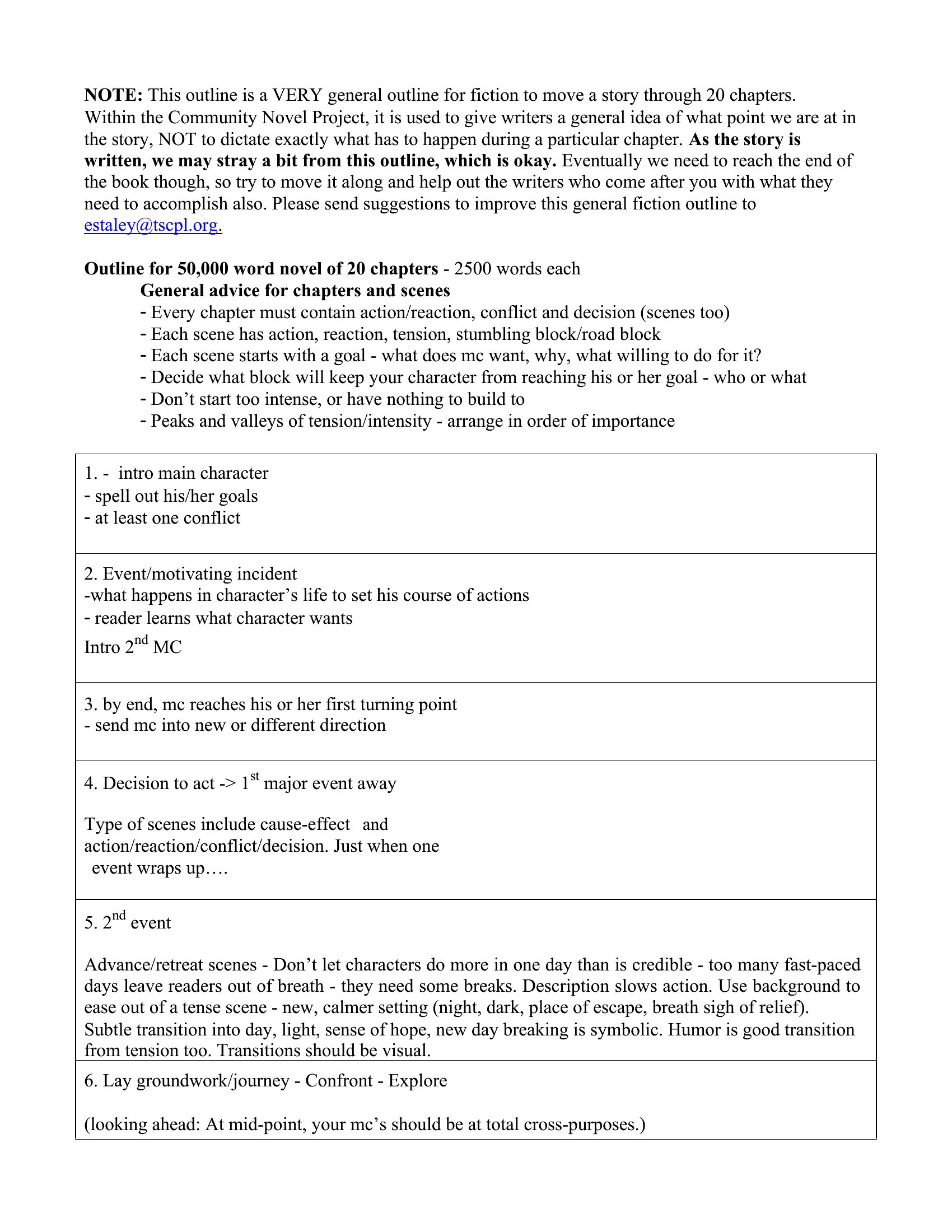
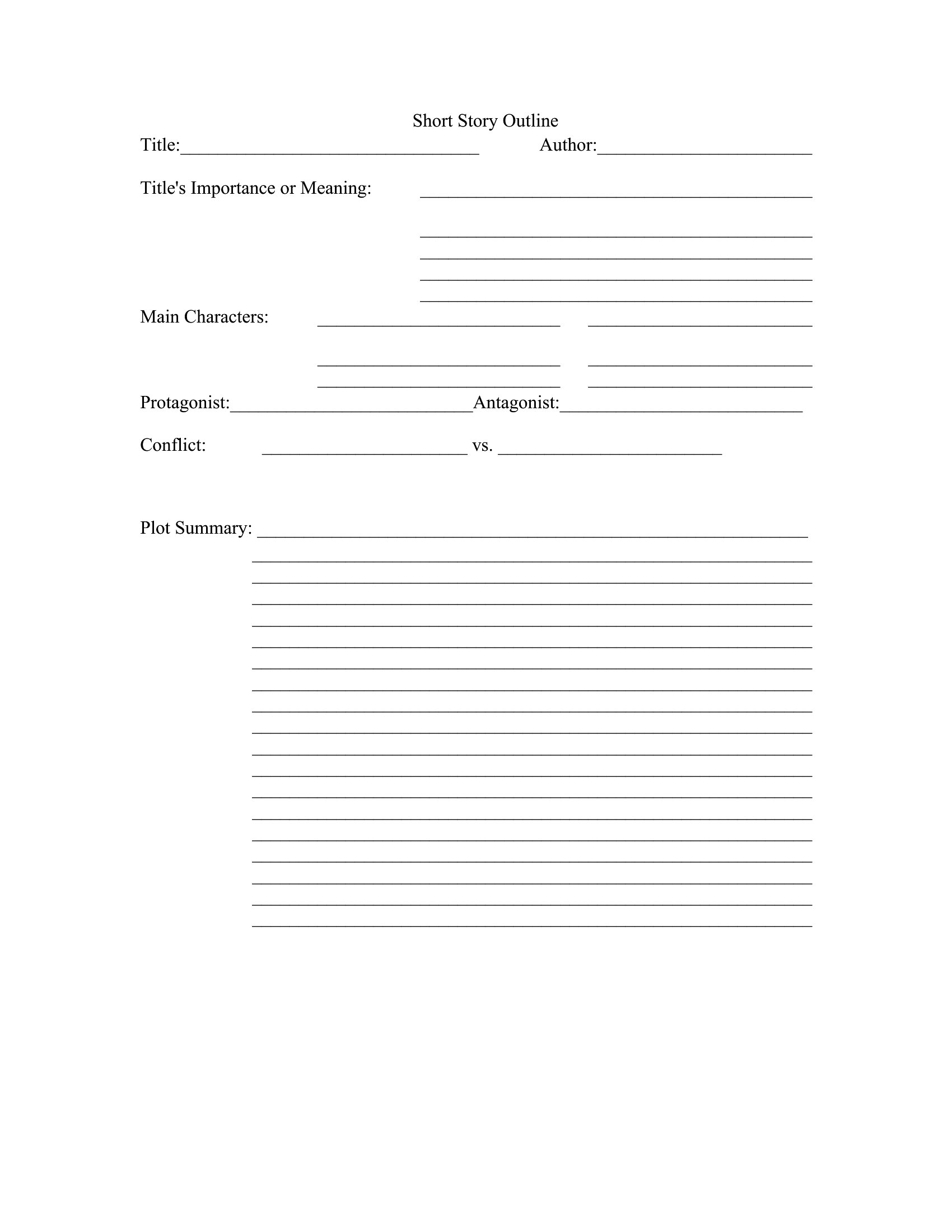
Absolutely. Many writers use these templates as a diagnostic tool—filling in gaps in their existing outline to spot pacing issues, underdeveloped characters, or weak conflicts. The structured prompts (like ‘What’s the inciting incident?’ or ‘How does the antagonist evolve?’) often reveal where the story needs revision before rewriting entire sections.
Are these templates suitable for non-fiction storytelling, like memoirs or essays?
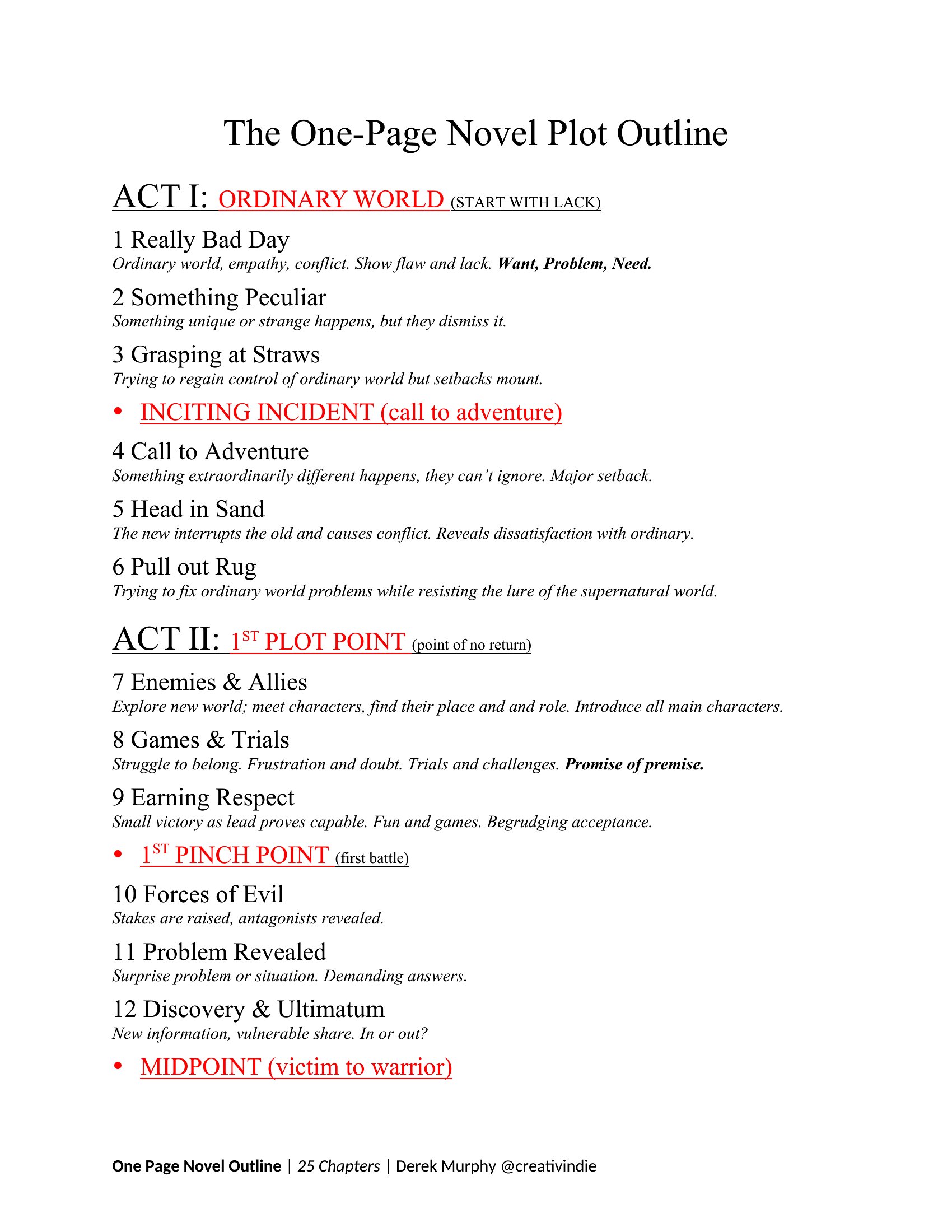
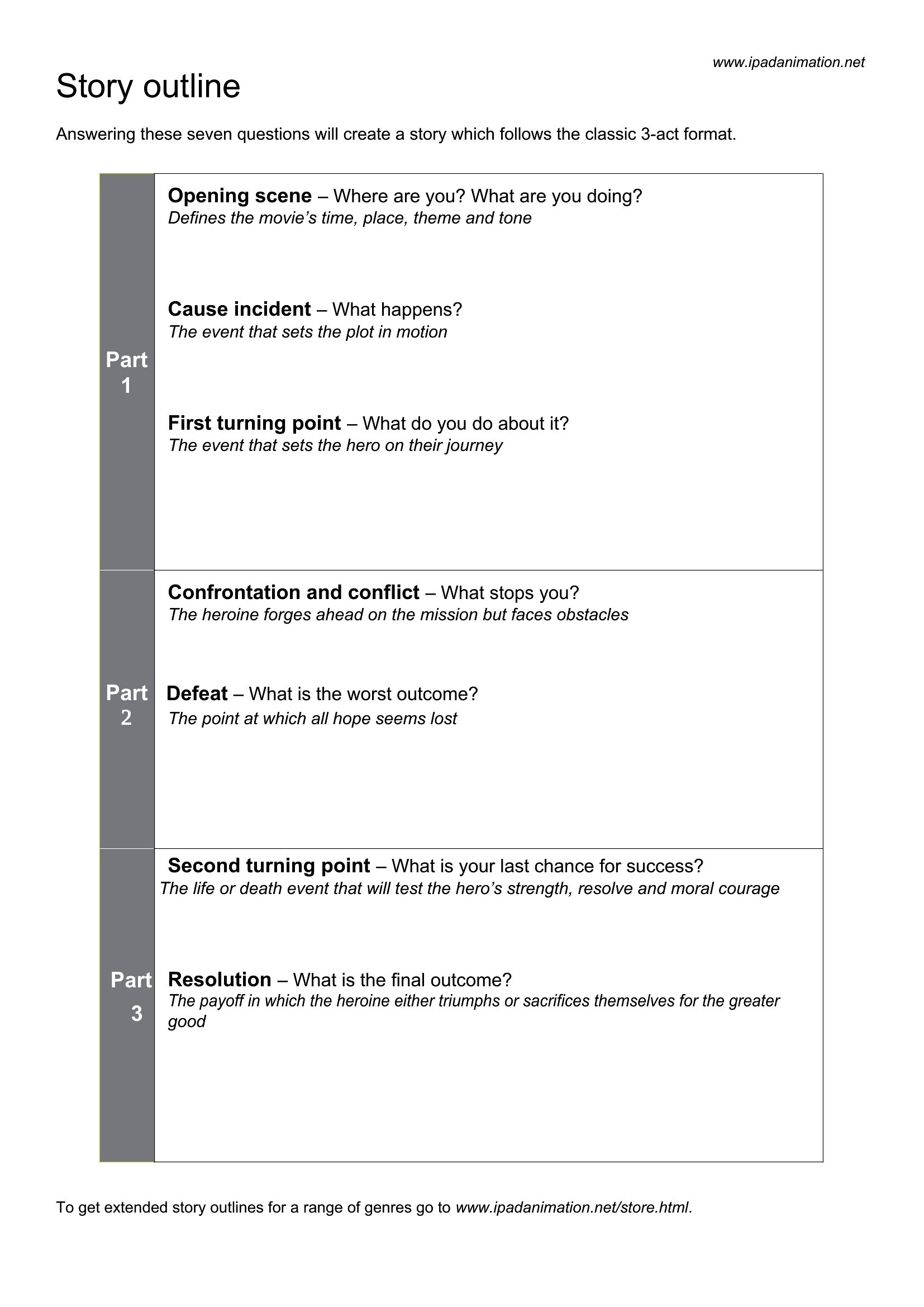
Yes, but with a twist. While the templates focus on fiction structures, they work well for non-fiction by reframing elements—e.g., ‘characters’ become key people in your memoir, and ‘plot points’ shift to pivotal moments or themes. The three-act outline, for example, can map the emotional arc of a personal essay from introduction to climax to resolution.
How do I adapt these for a story with multiple perspectives or non-linear timelines?
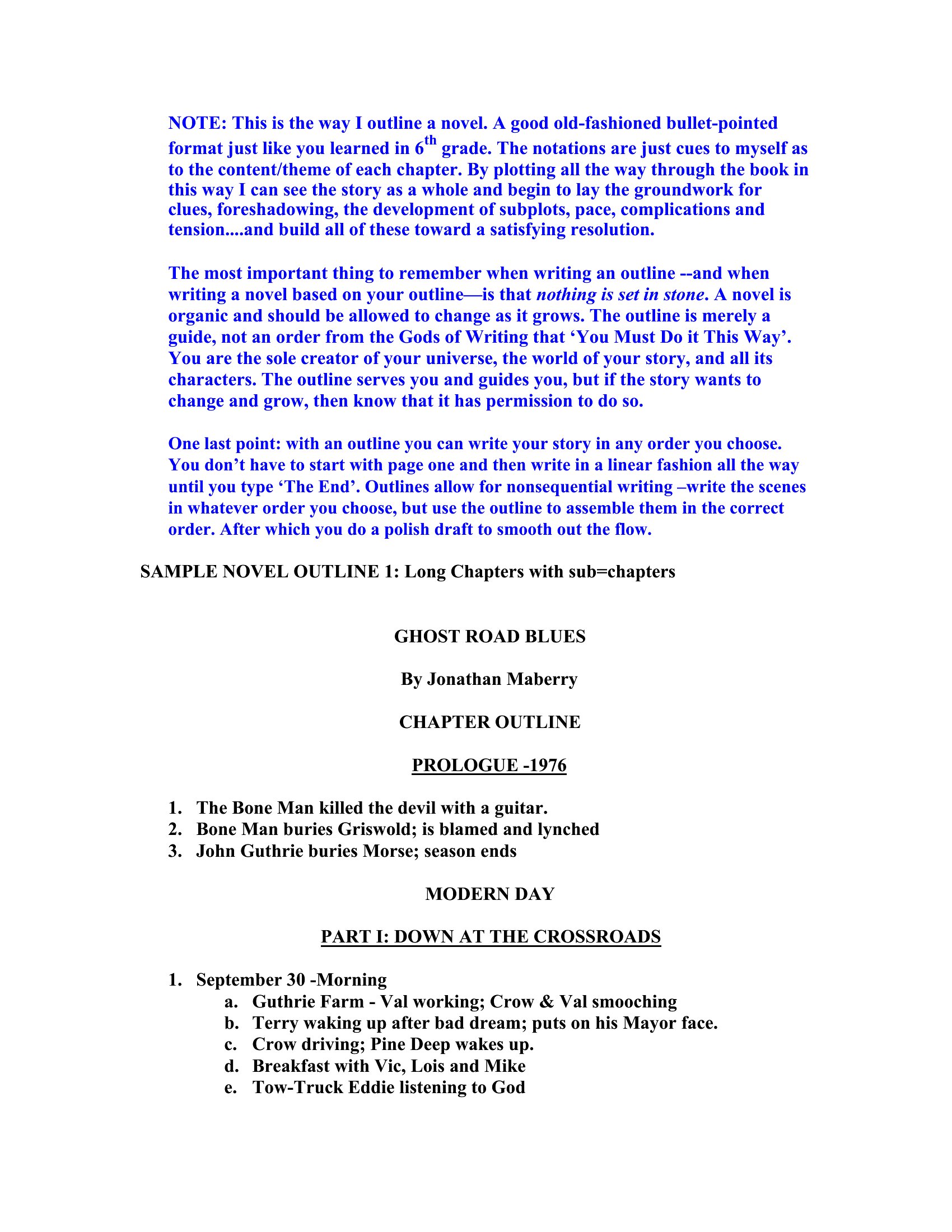
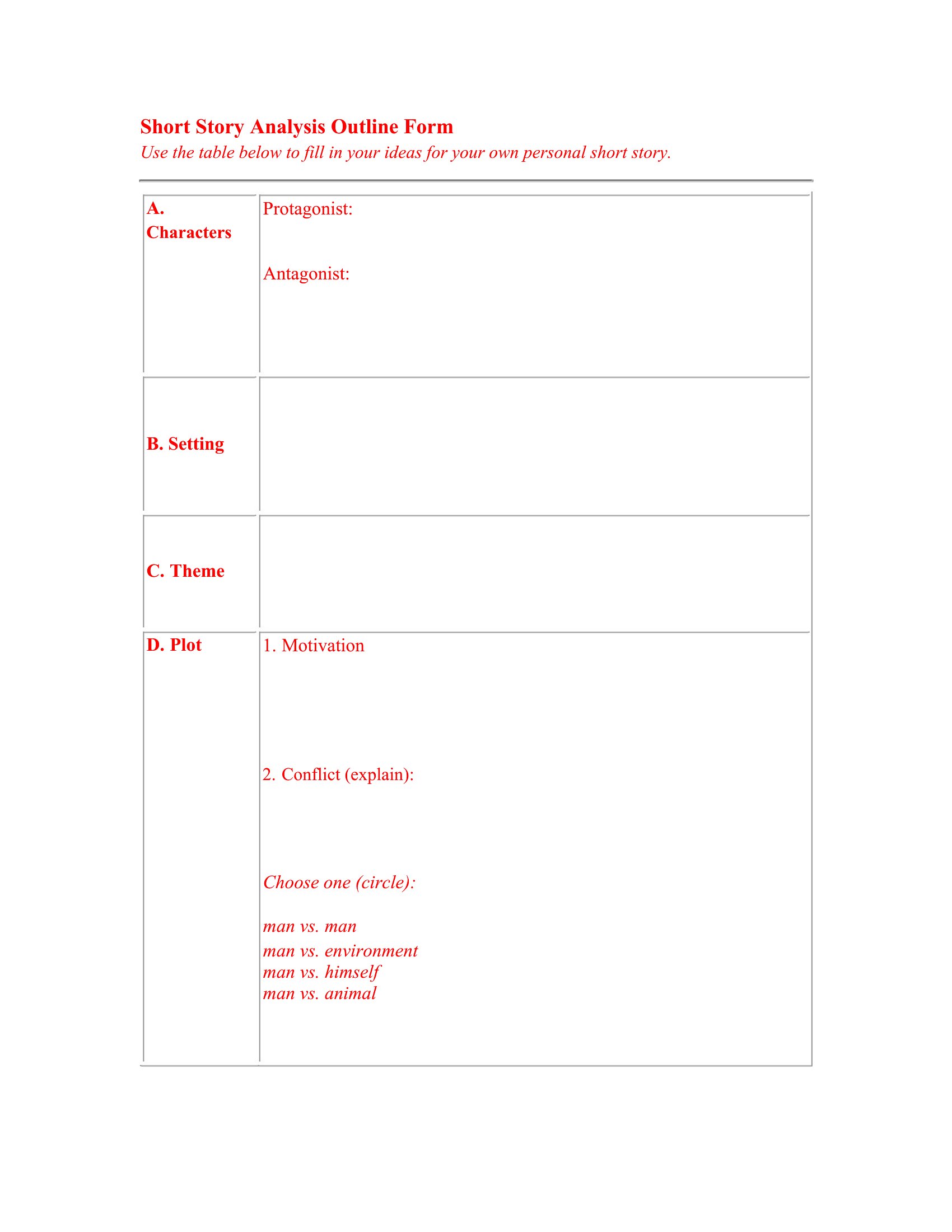
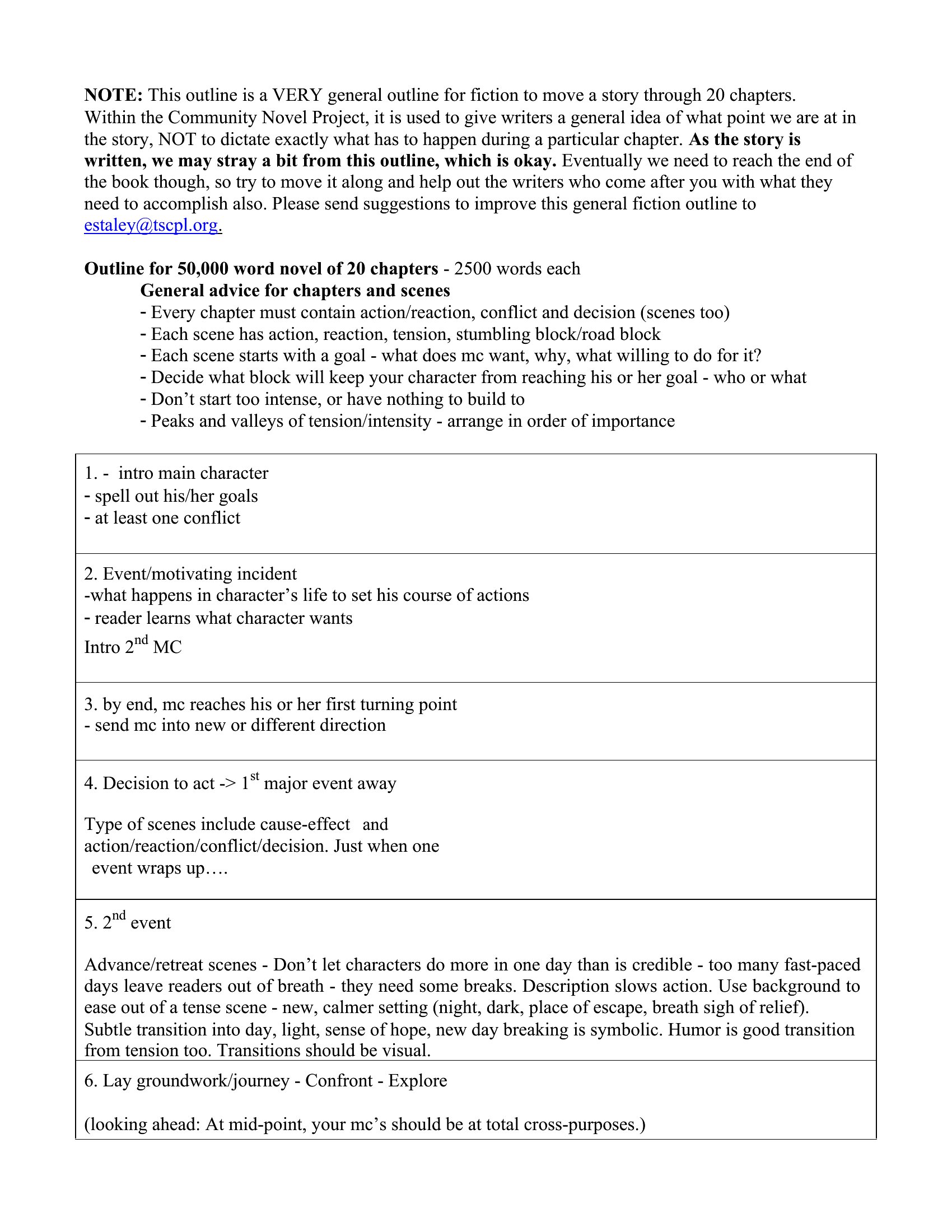
Start by creating separate outline sections for each perspective or timeline thread, labeling them clearly (e.g., ‘Past: Sarah’s POV,’ ‘Present: Detective’s Case Notes’). Use the ‘conflict’ or ‘plot points’ columns to note how these threads intersect. For non-linear stories, the ‘resolution’ section can map how the timeline pieces together, ensuring all loose ends are addressed logically.
Comments
Join the conversation
Sign in to share your thoughts and leave a comment on this resource.