Skip to content
50% off this one-time $1.99 pack with HALFOFF — or unlimited with Pro.HALFOFF
Premium

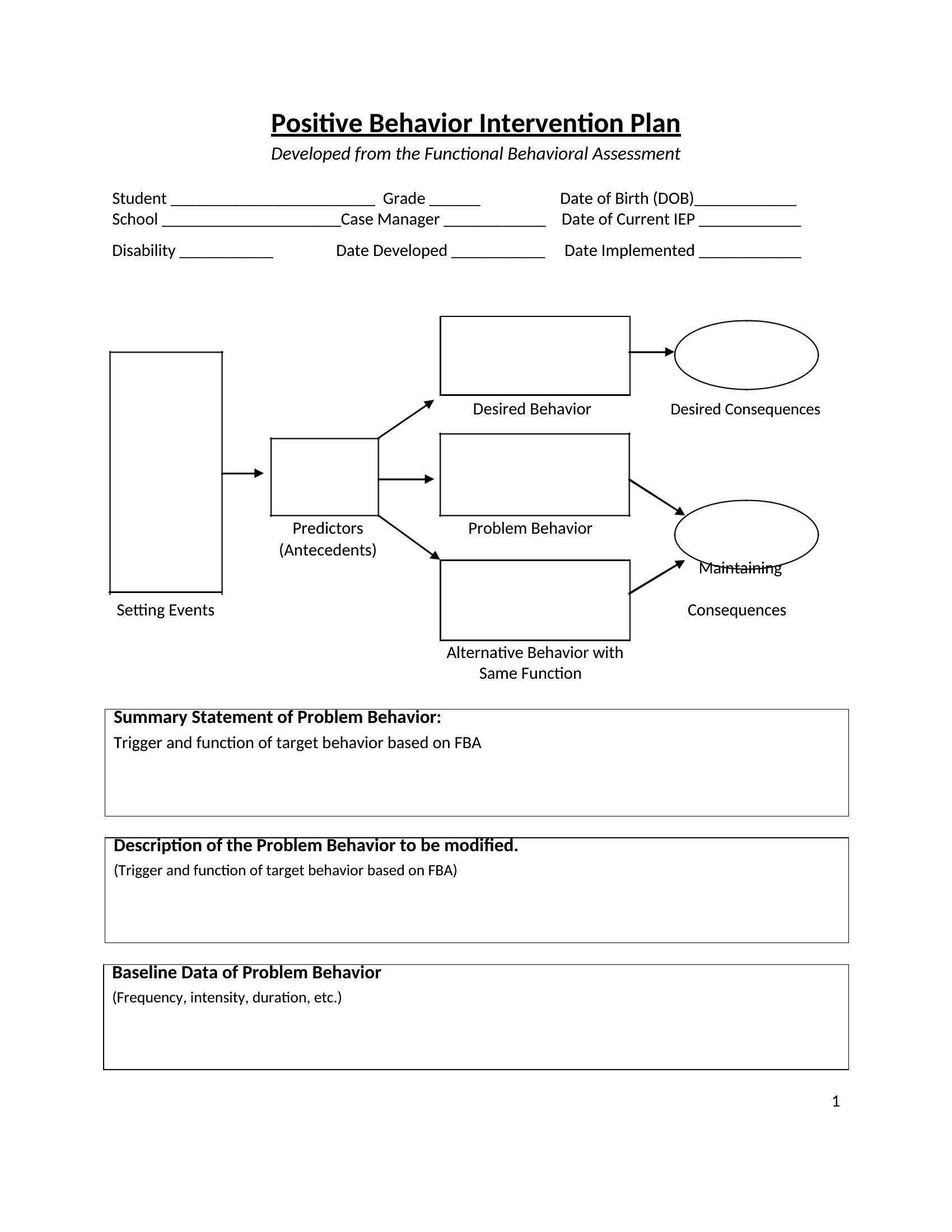
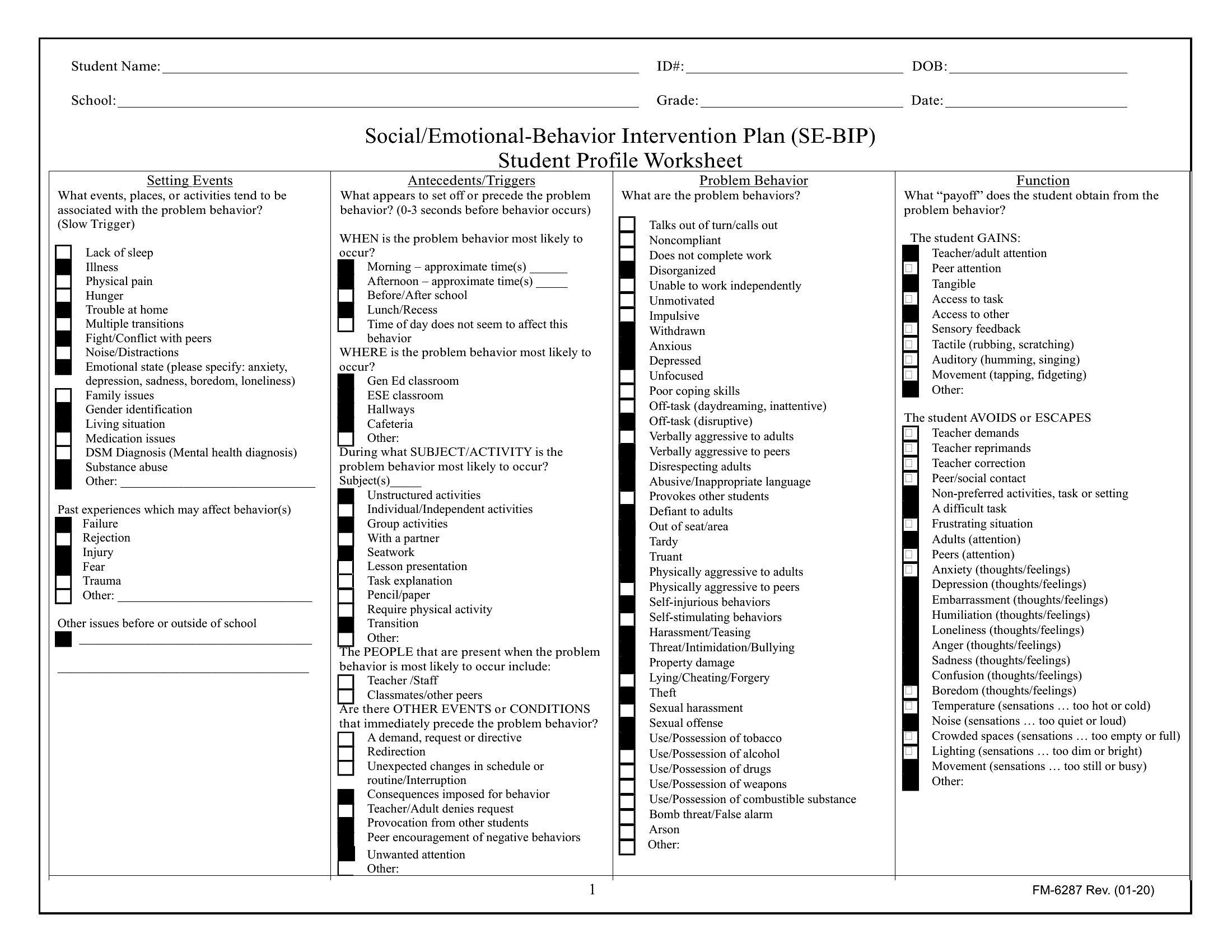
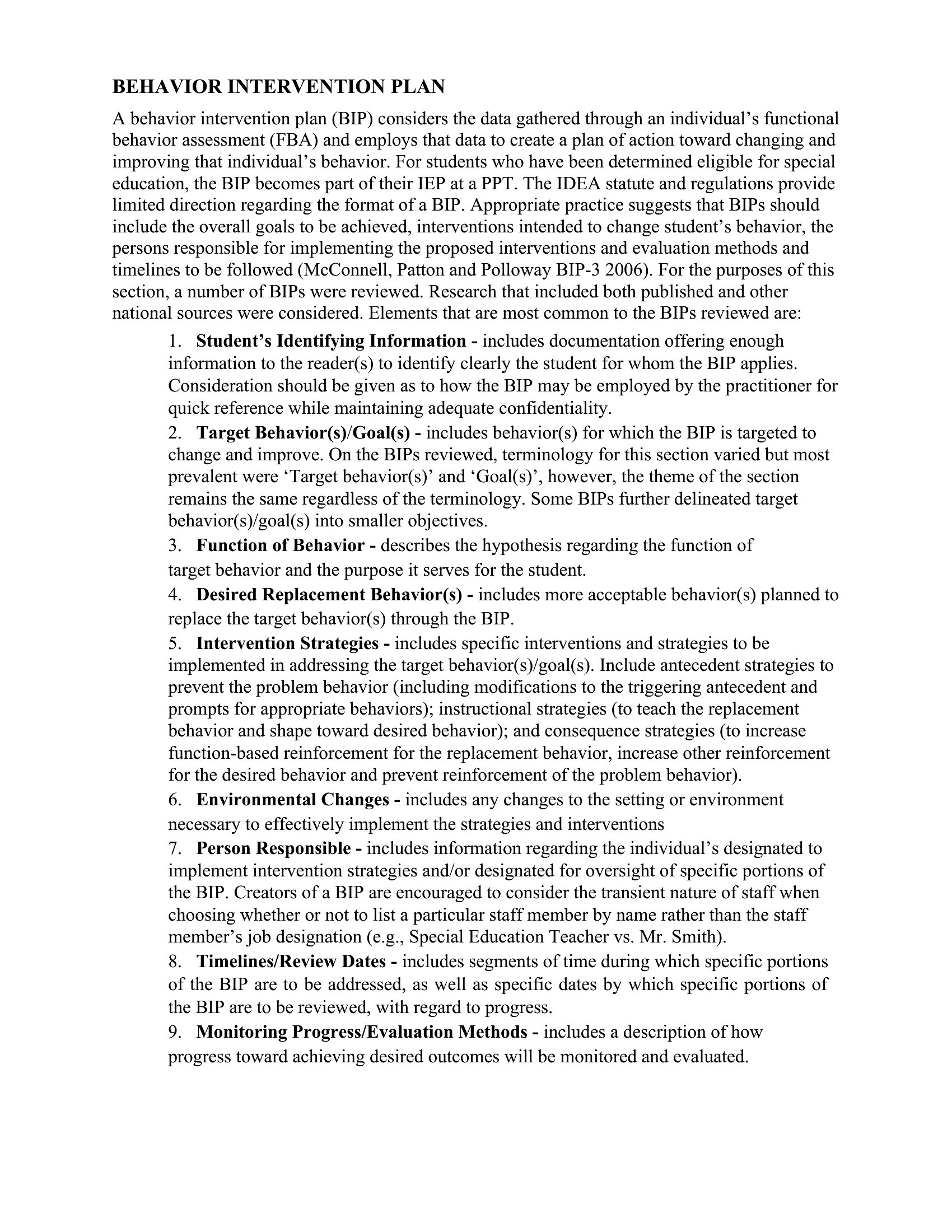
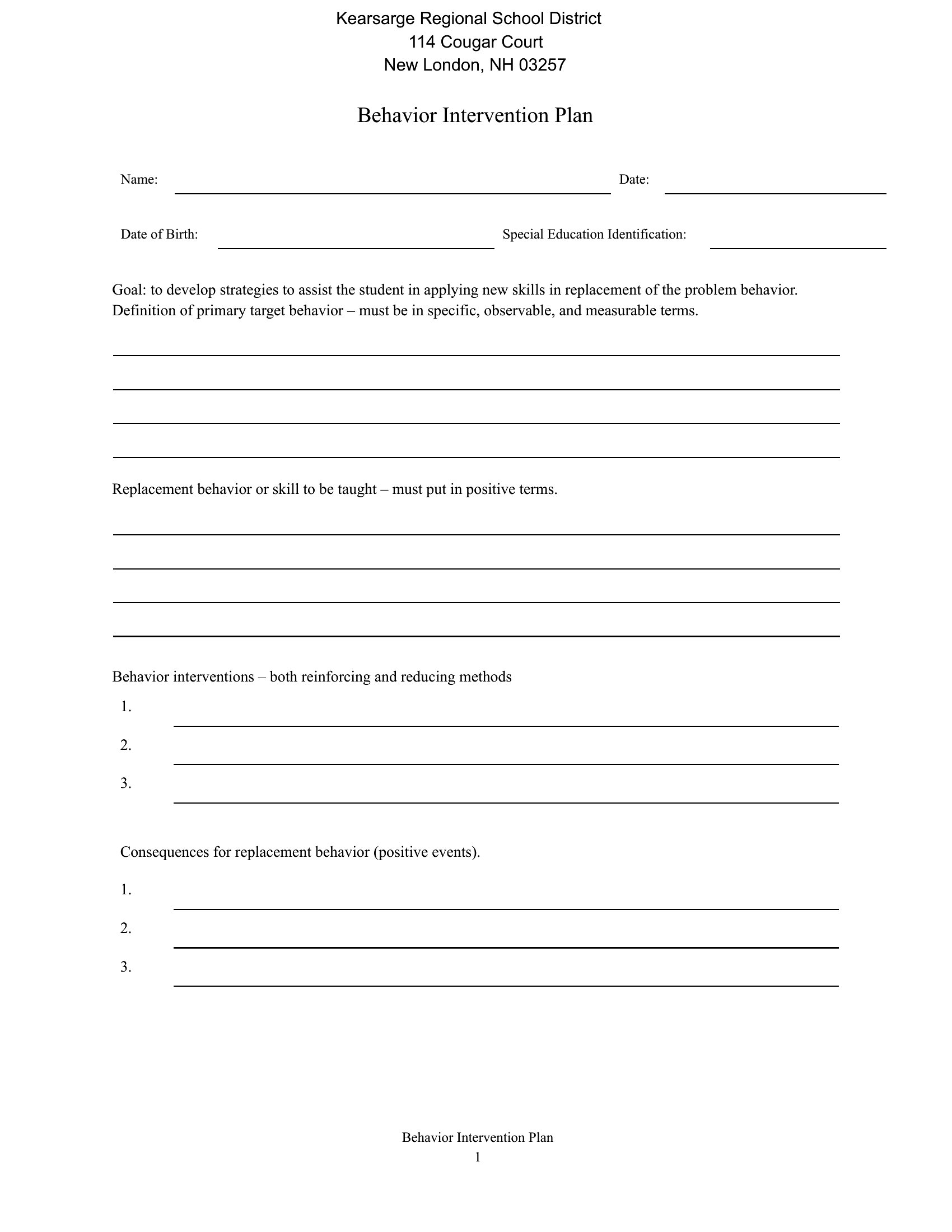
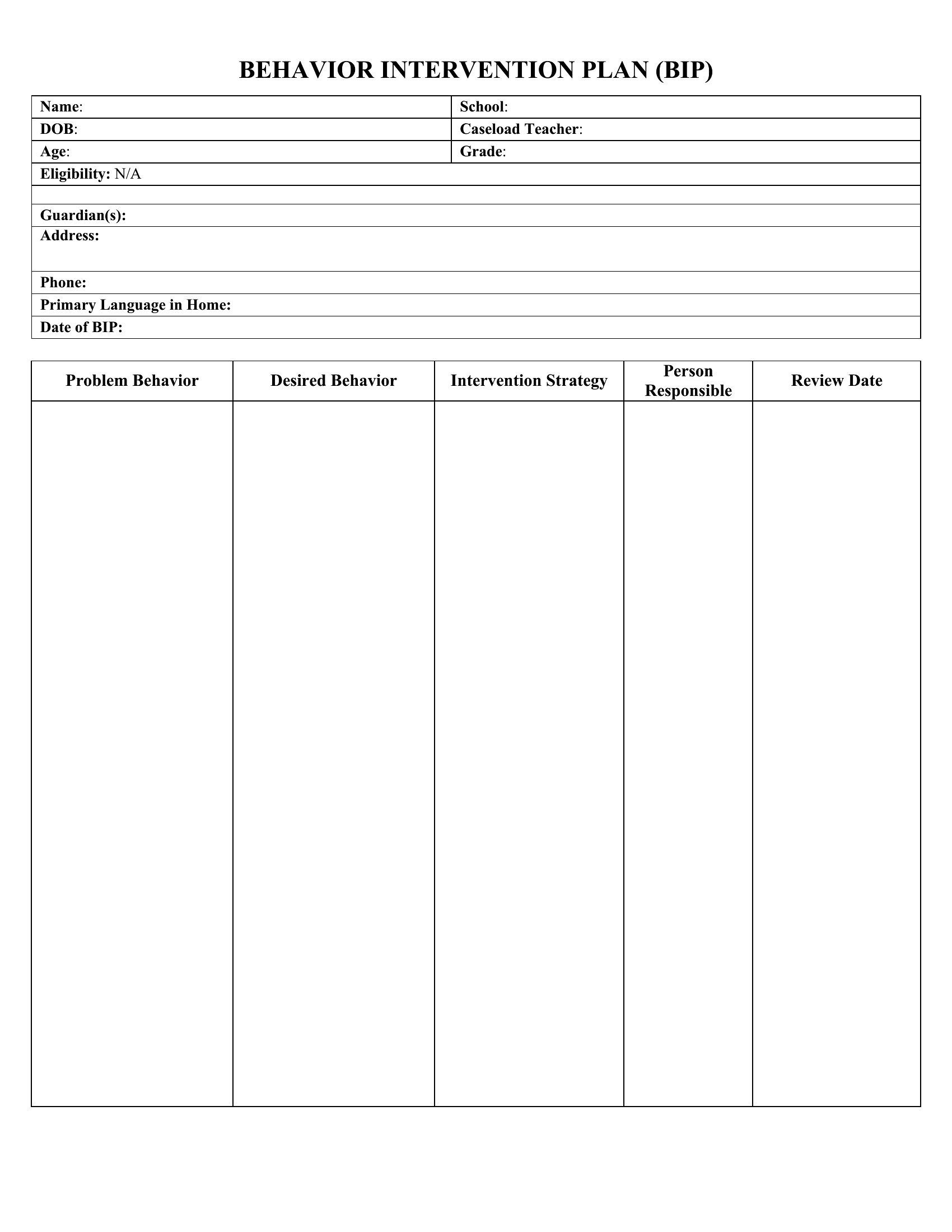
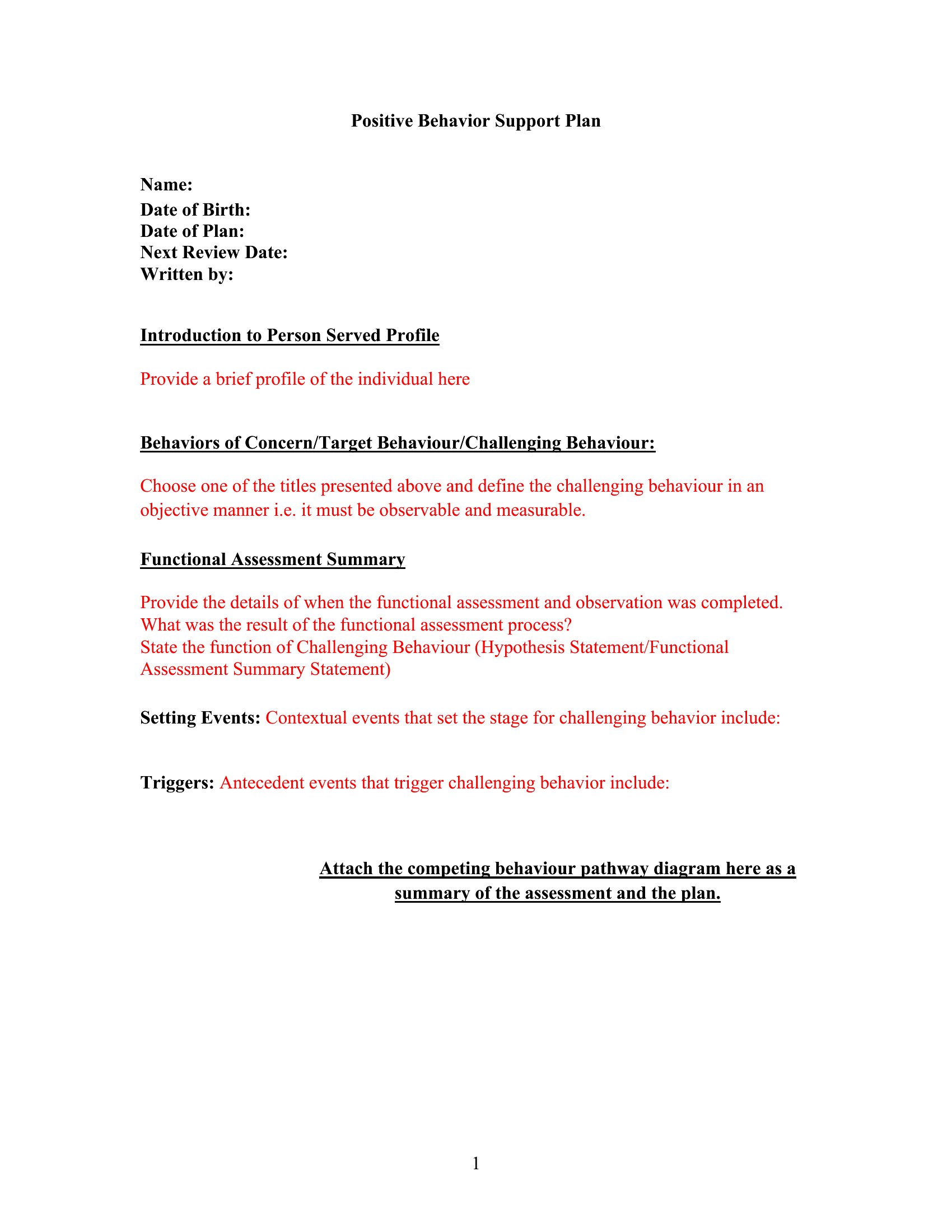
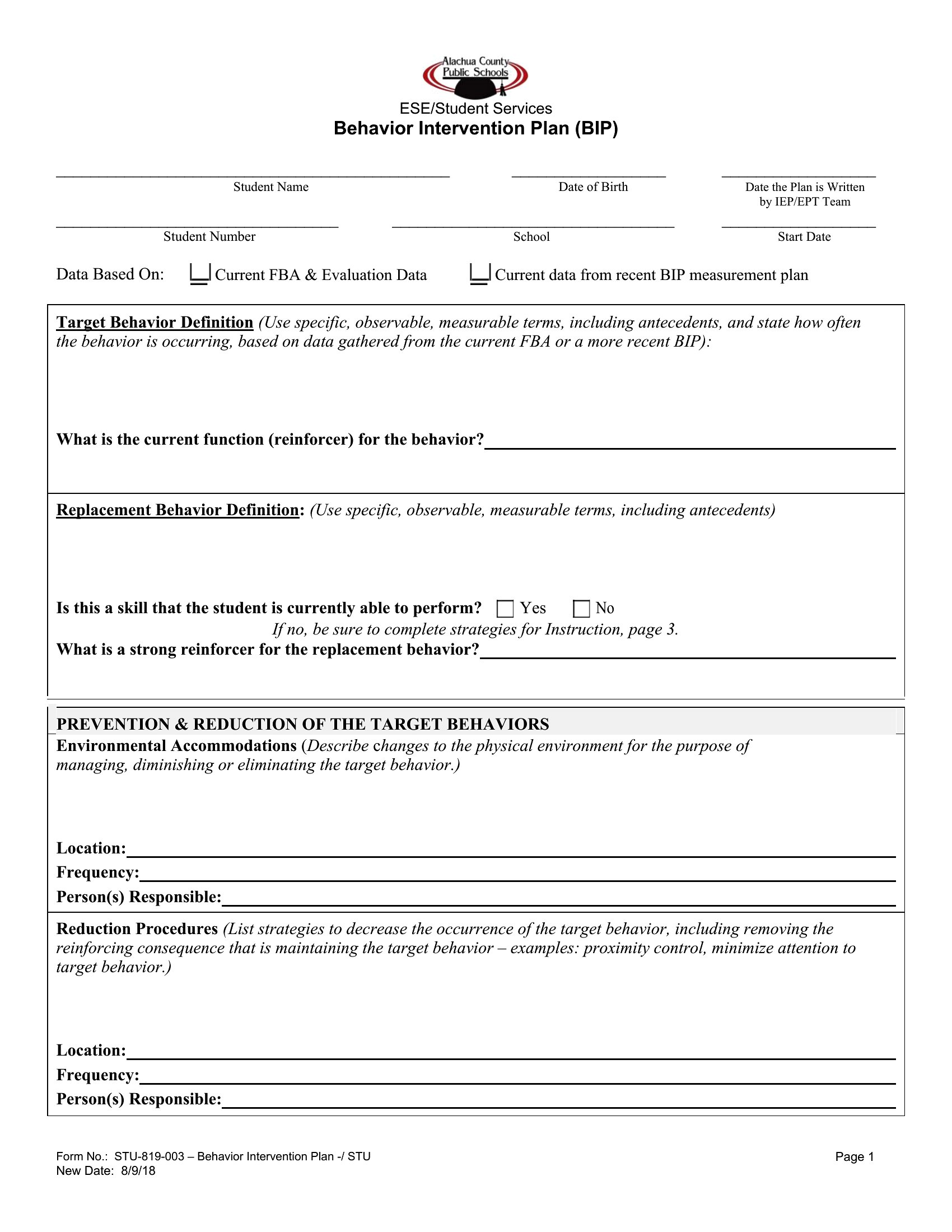
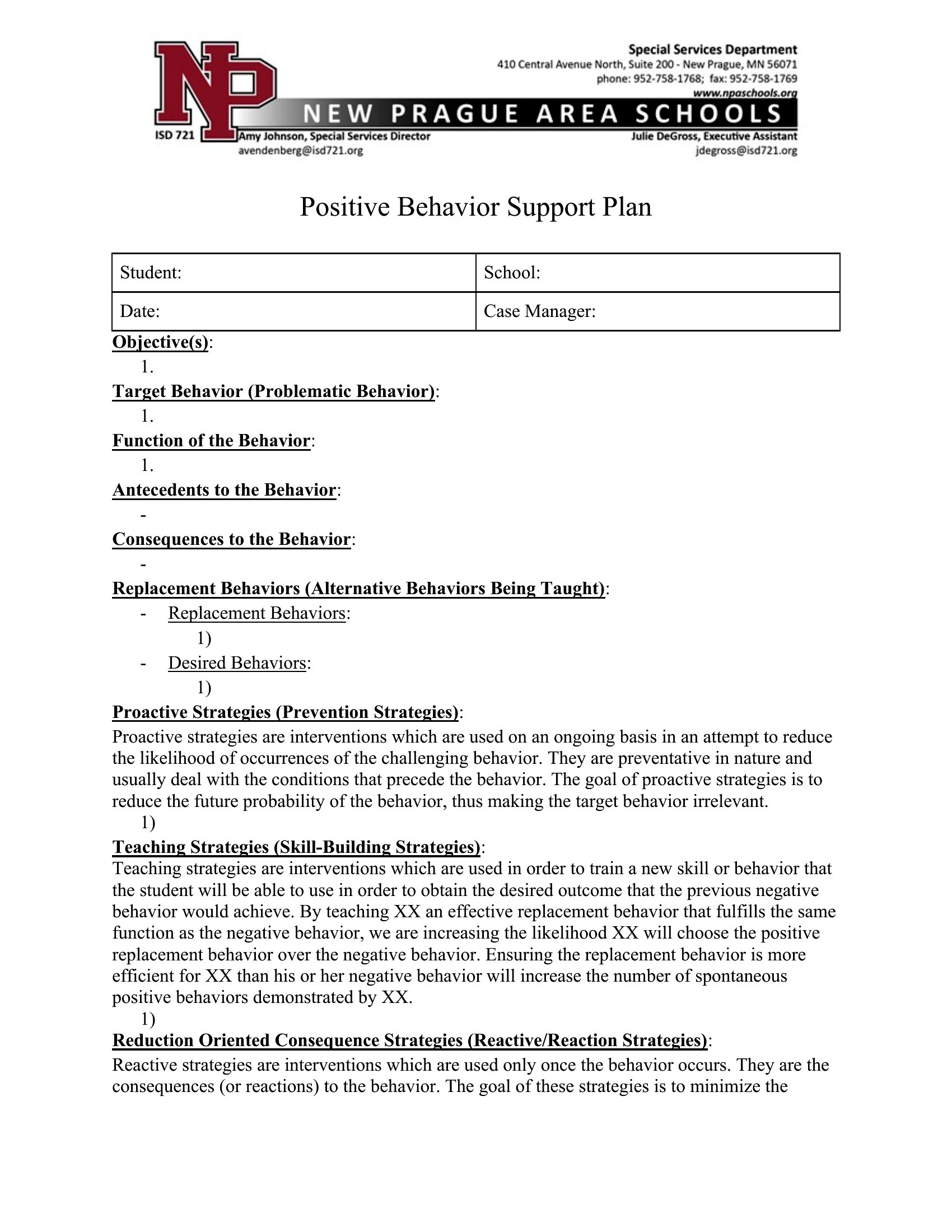
Free Behavior Plan Templates (Word, PDF)
Analysis
marinicepinto by marinicepinto
Updated 0 downloads Quality-checked template

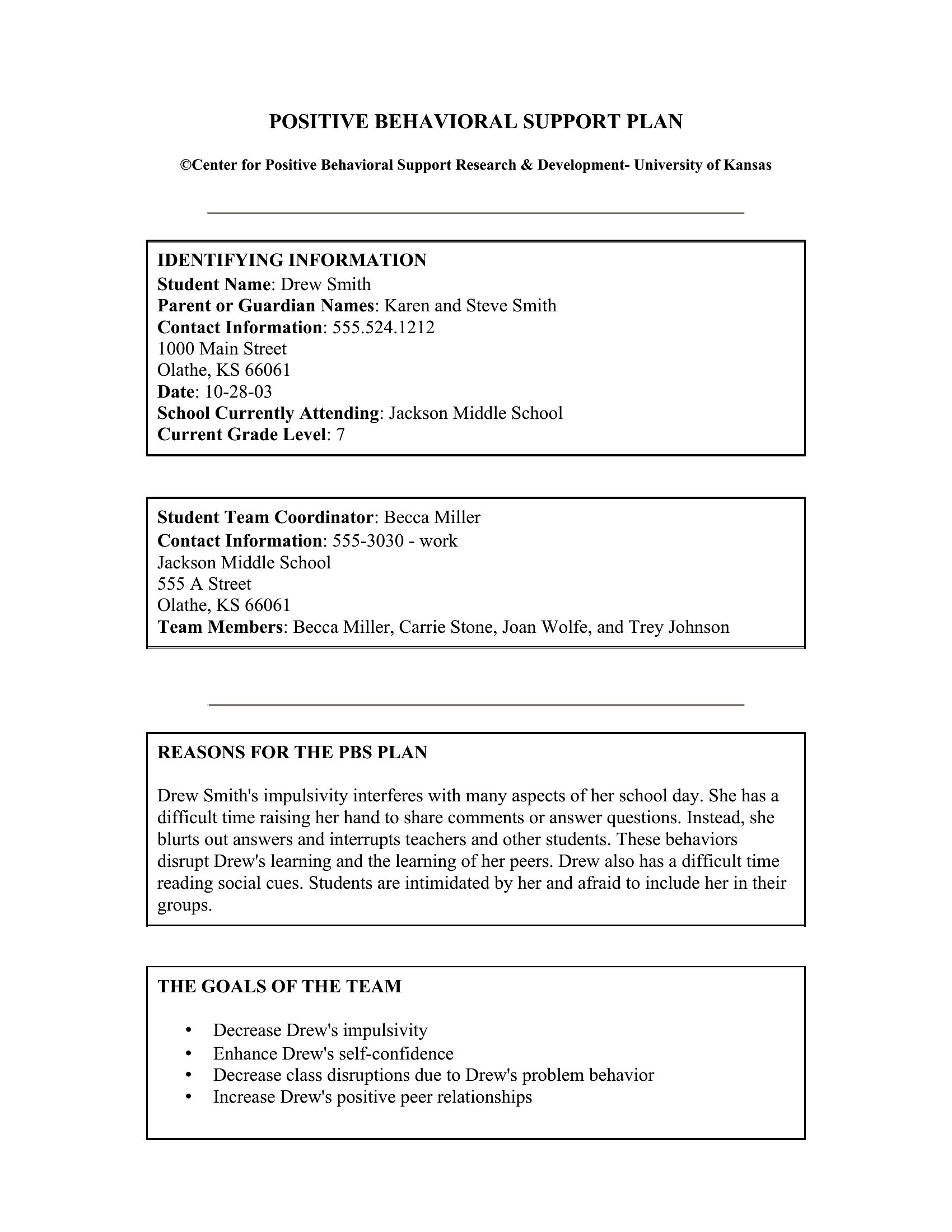
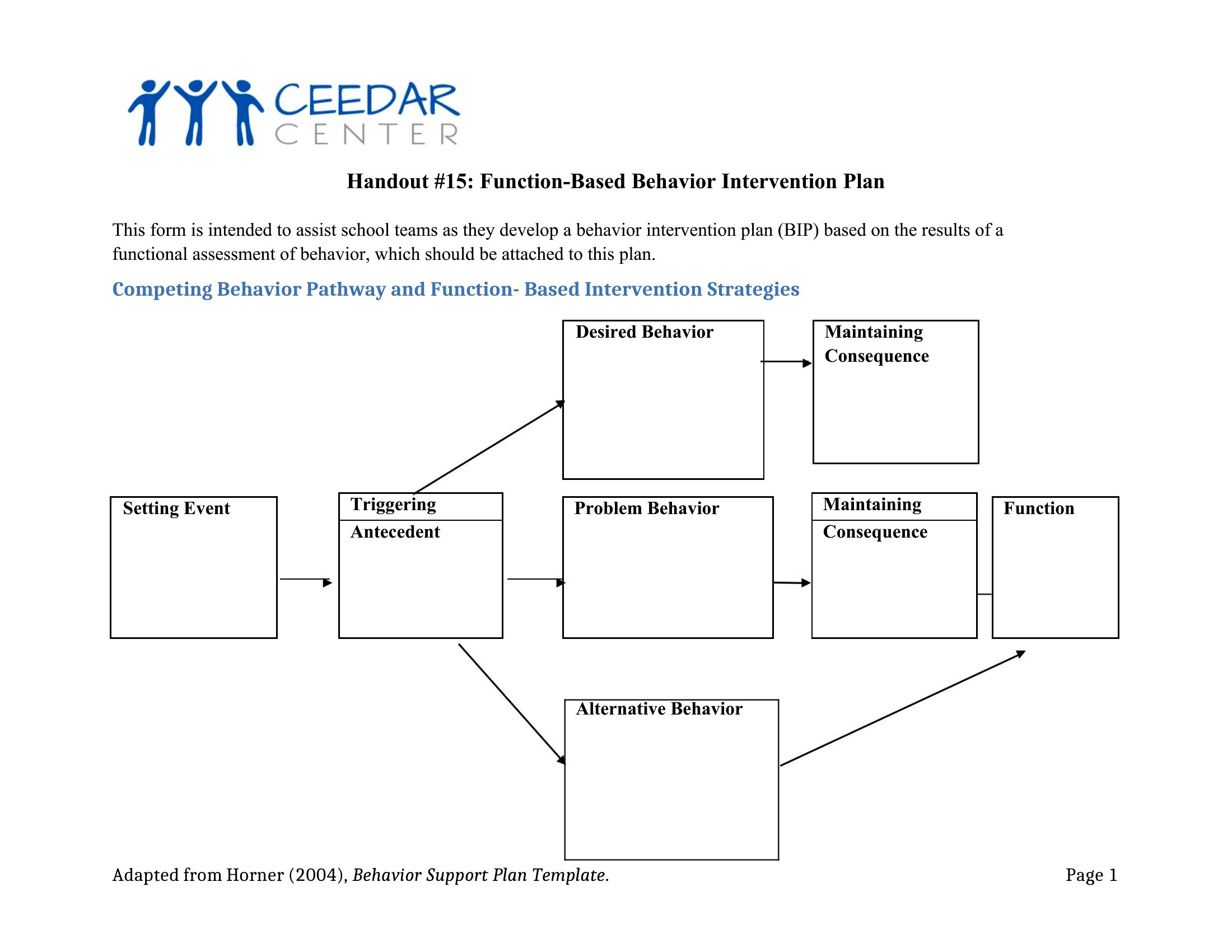
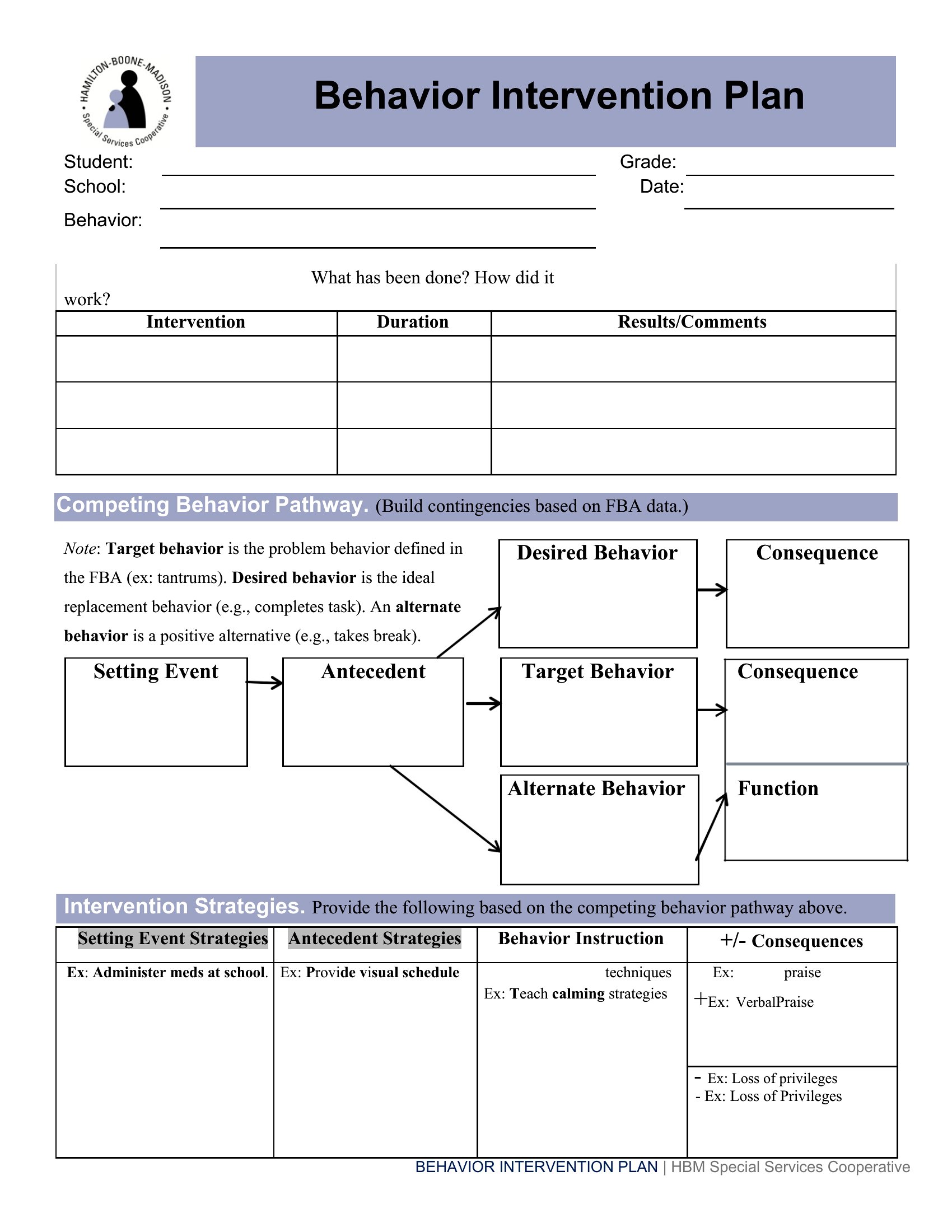
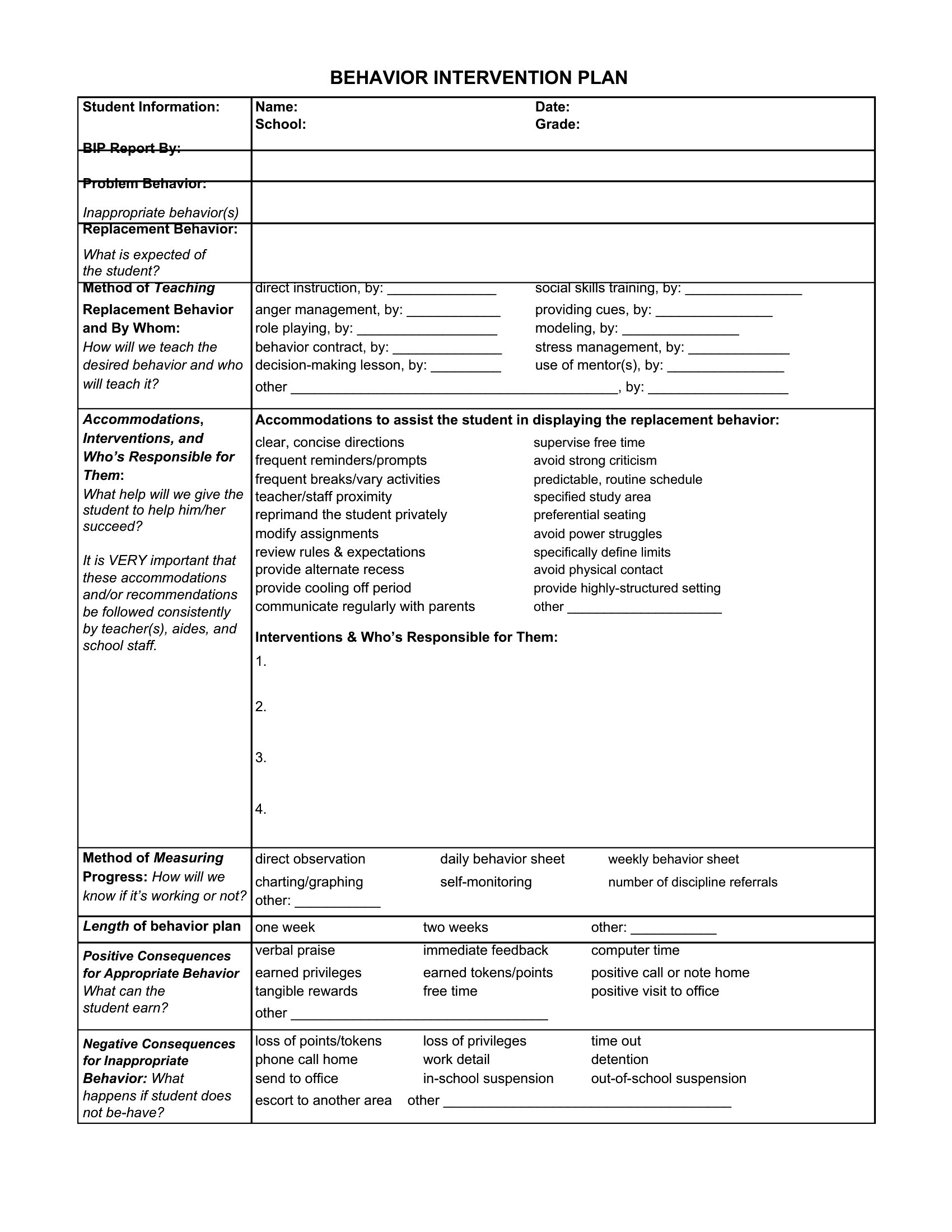
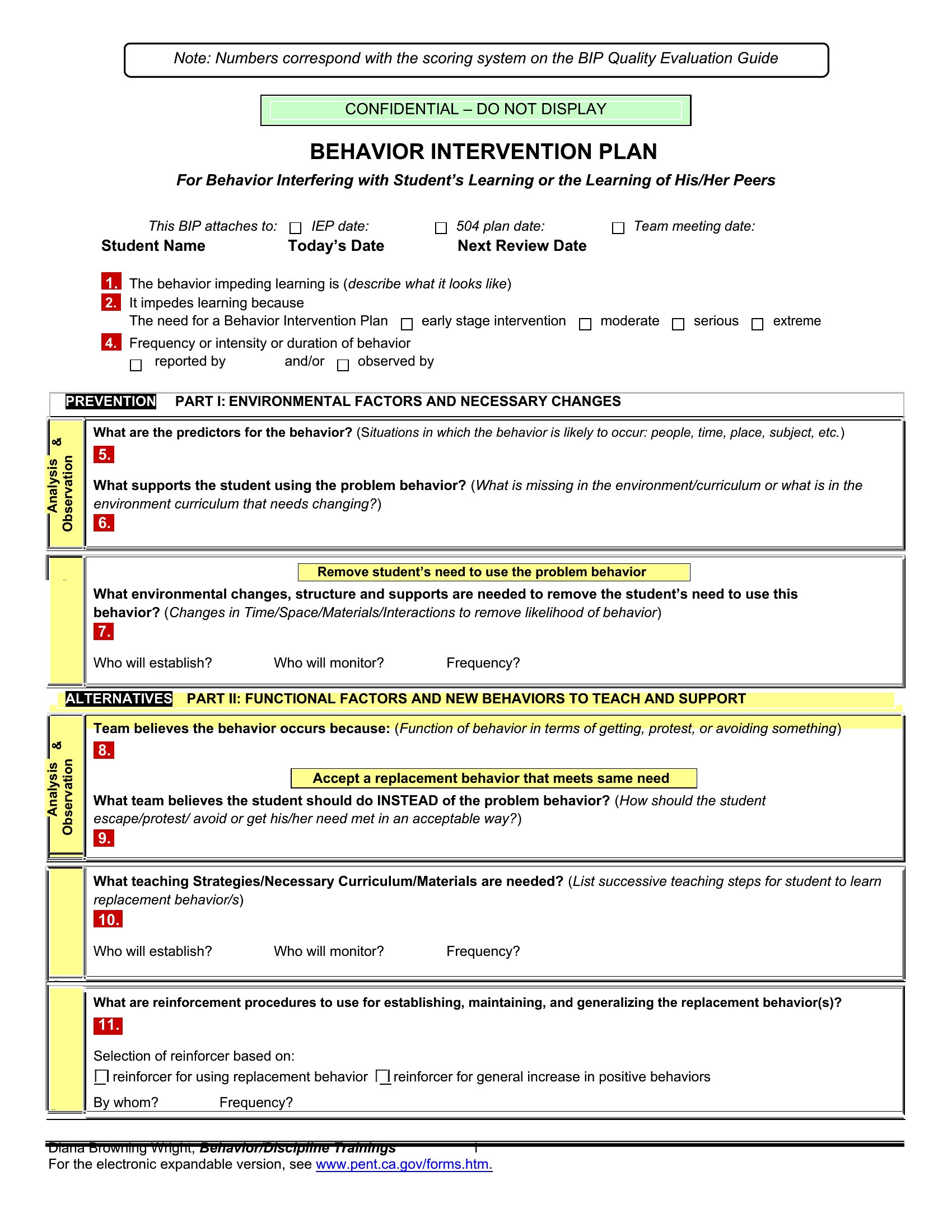
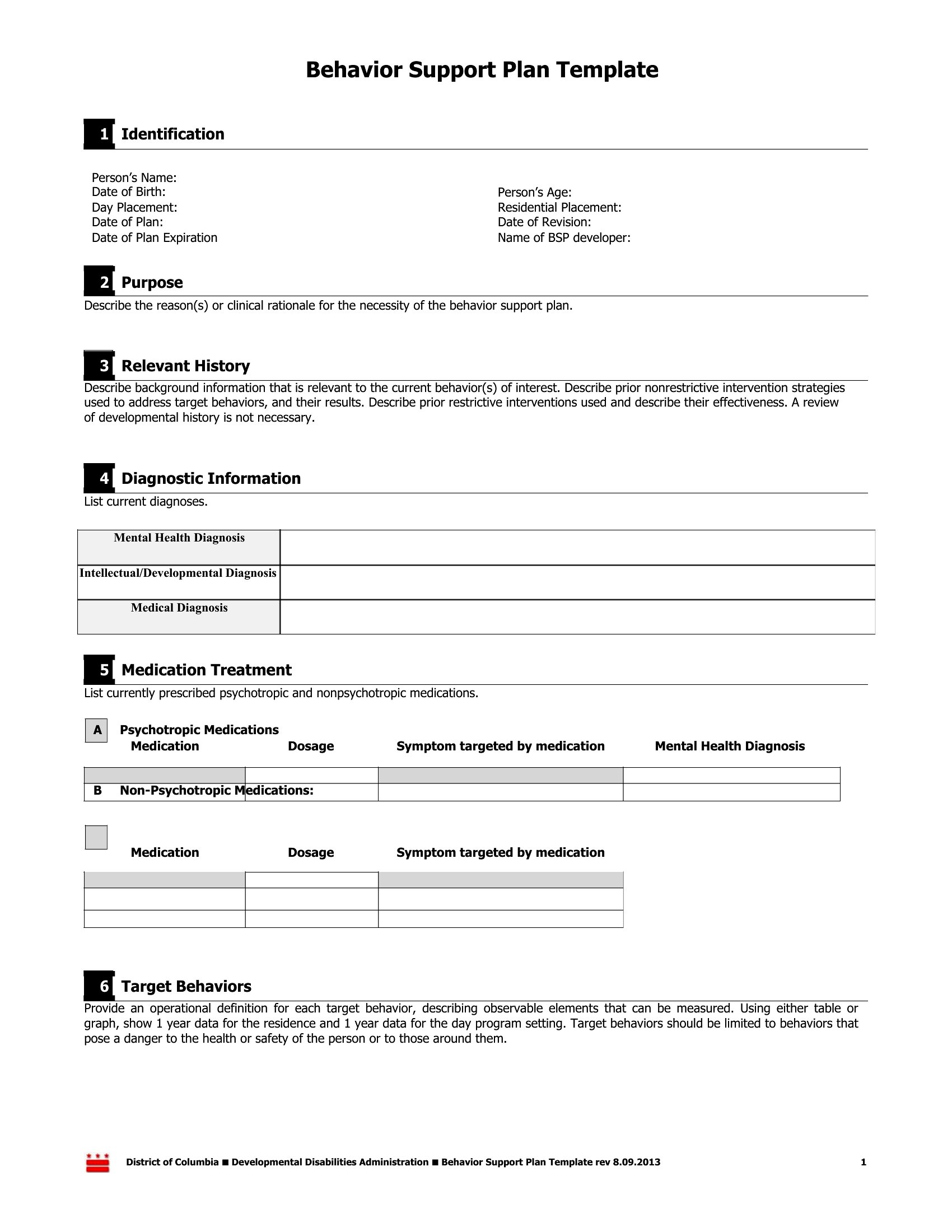
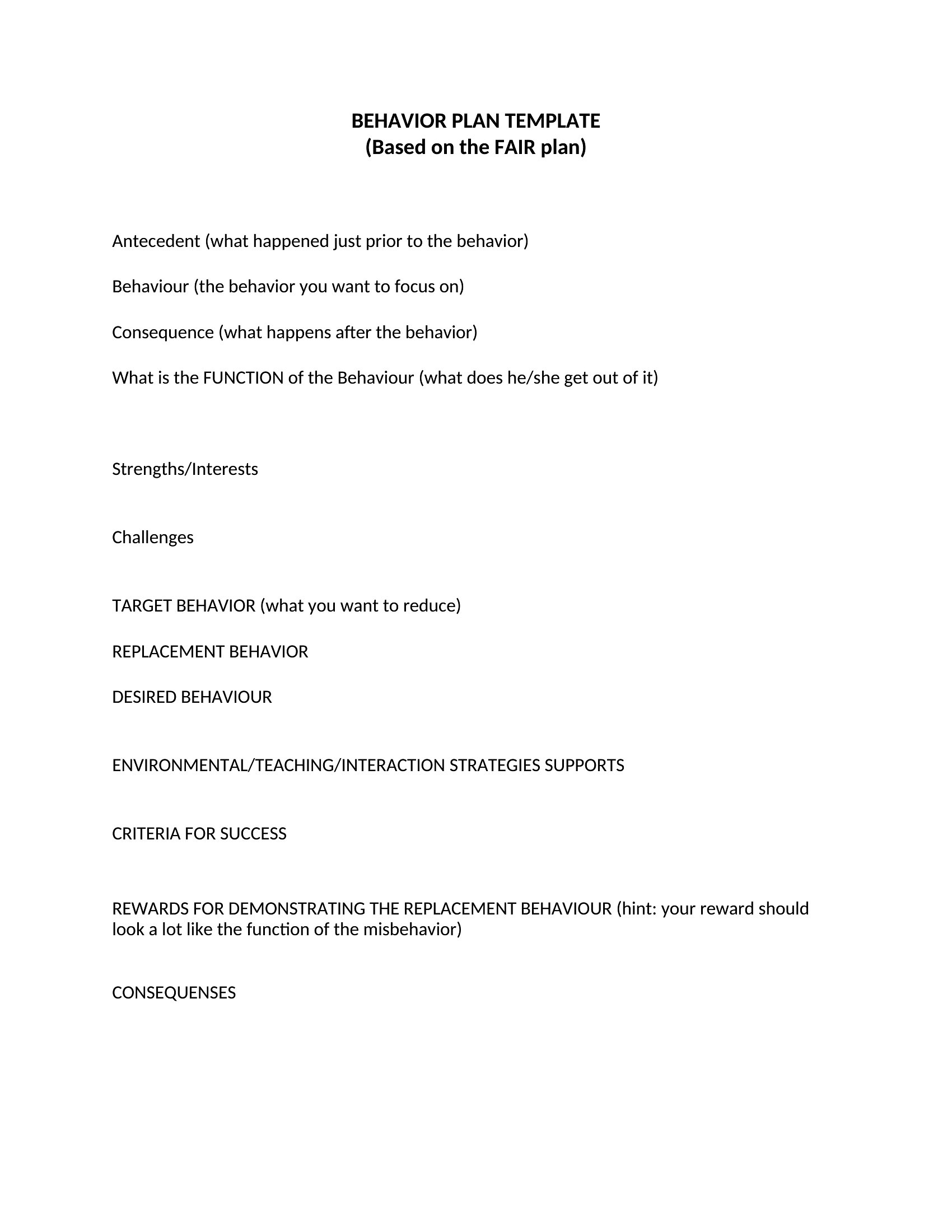
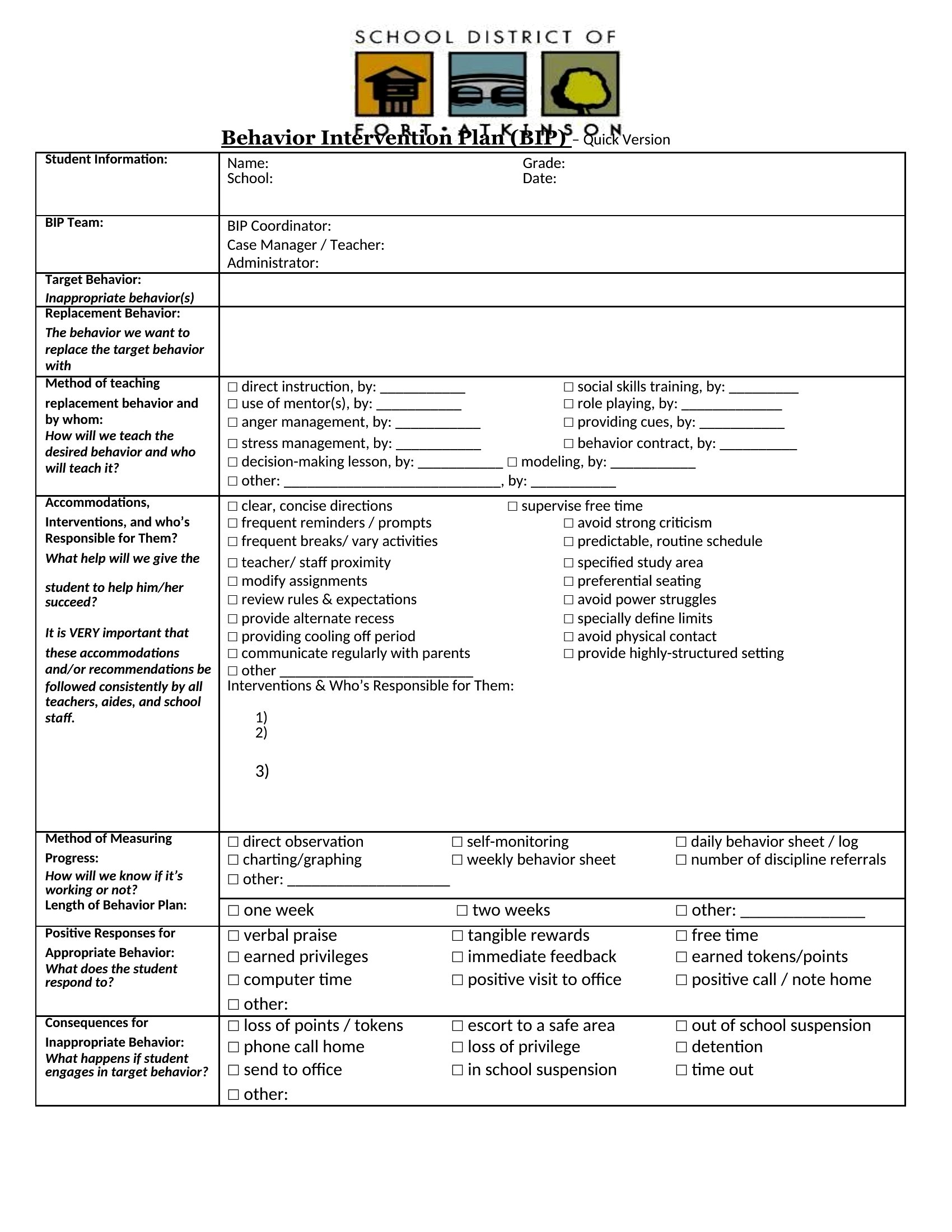
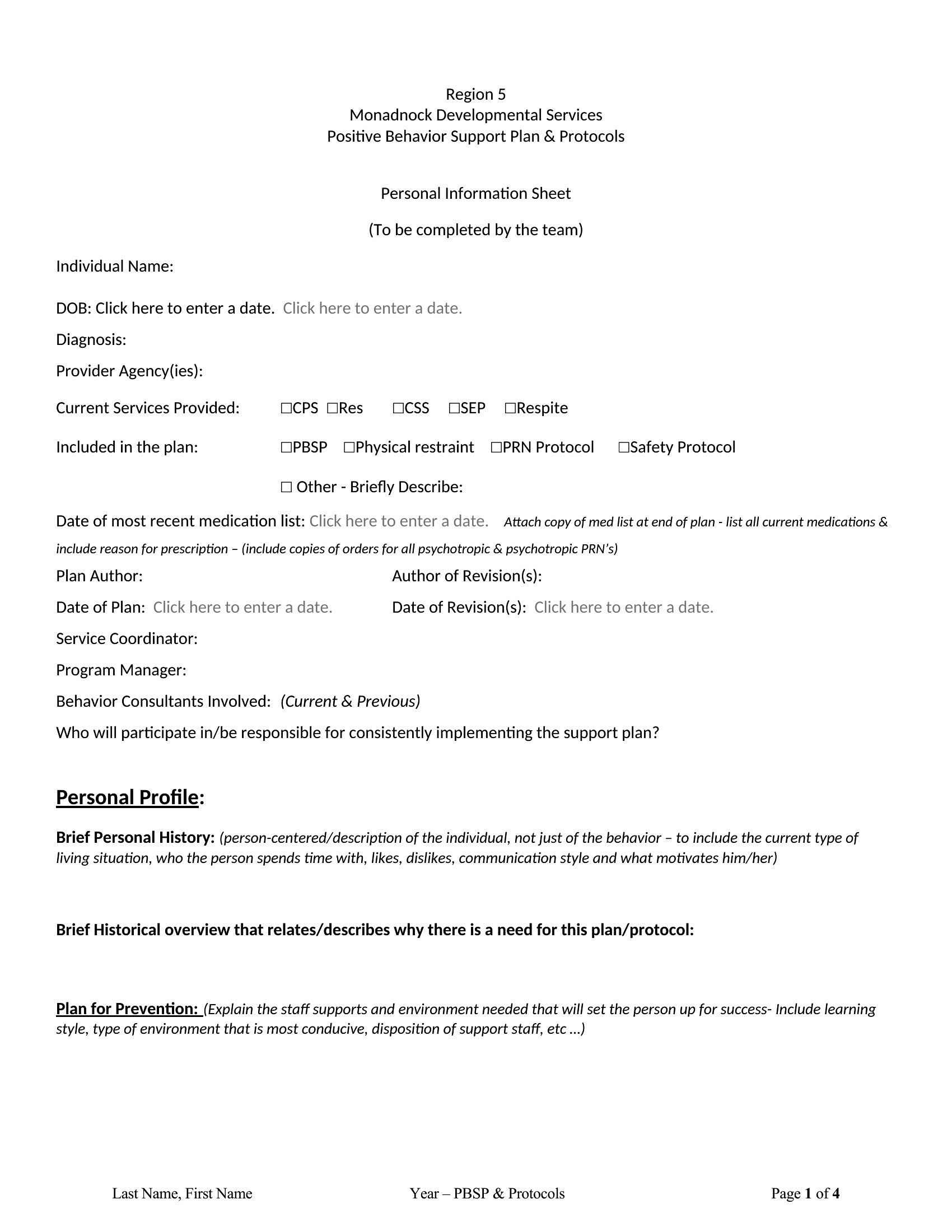
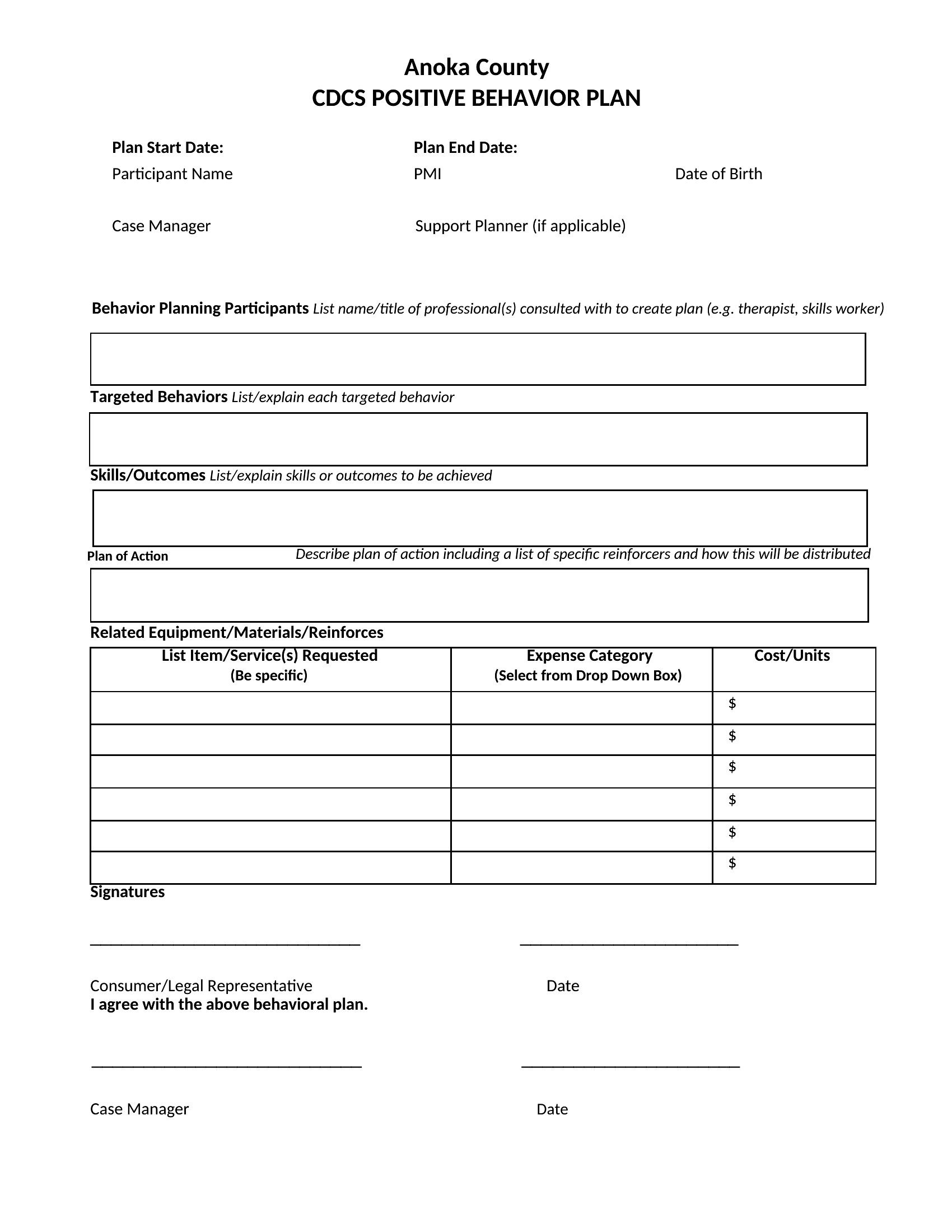
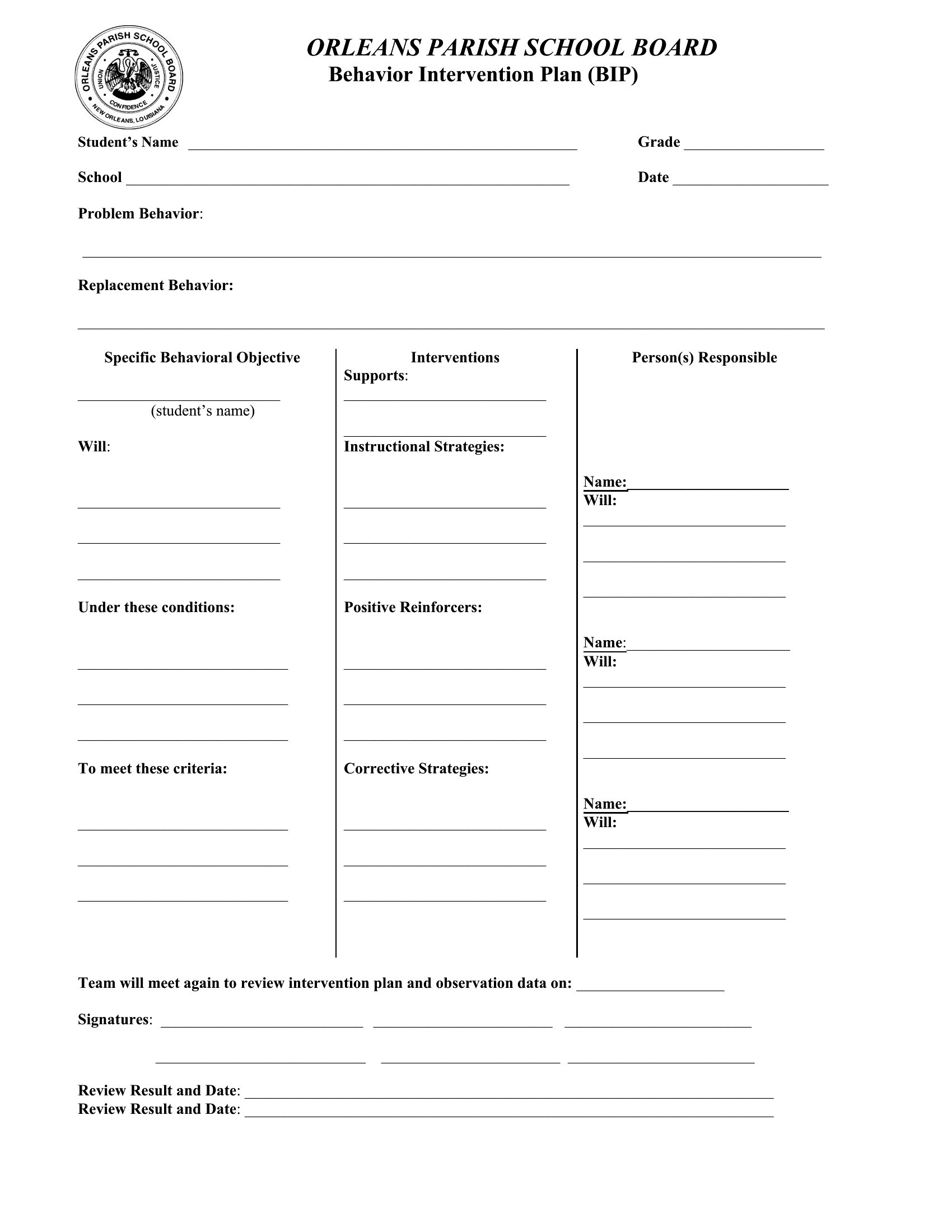
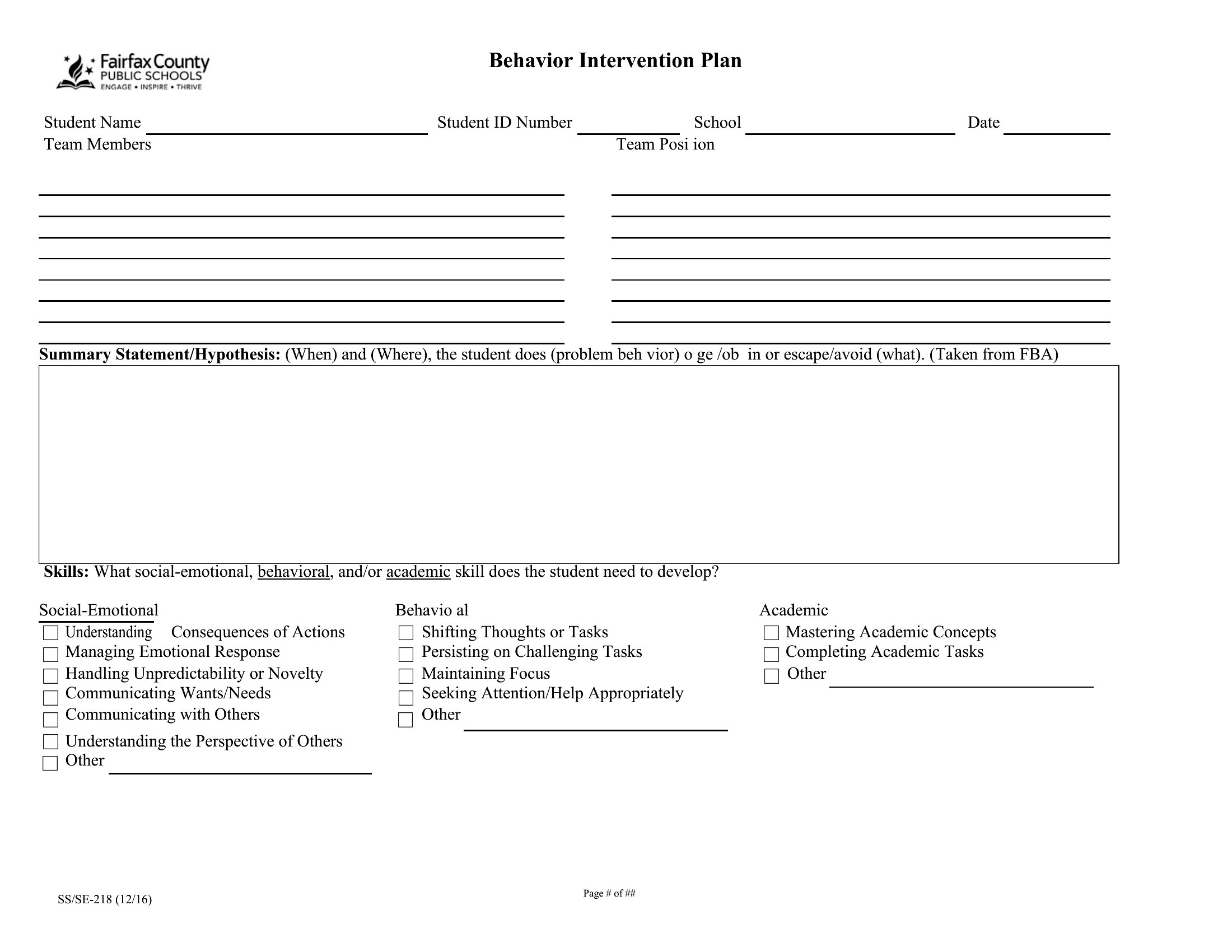
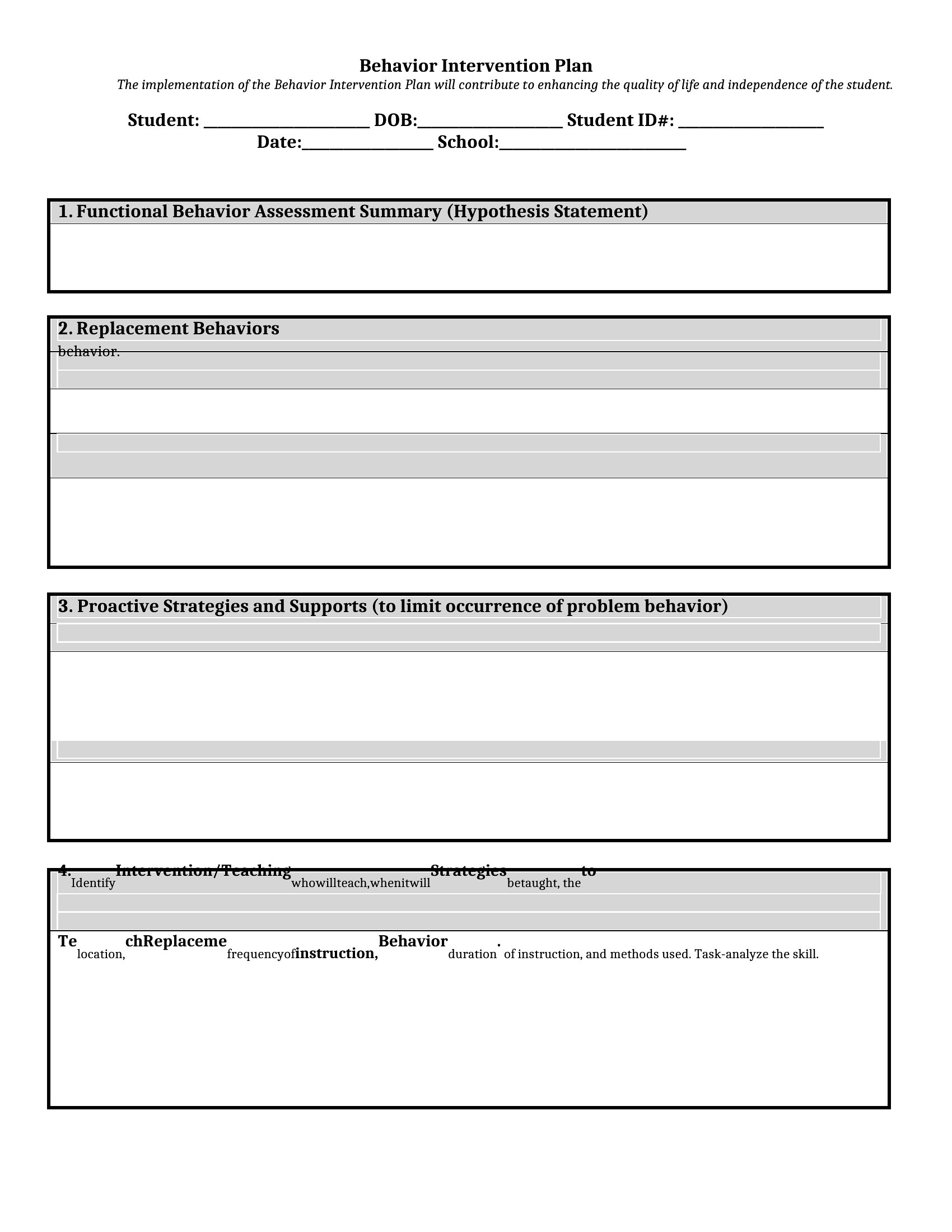
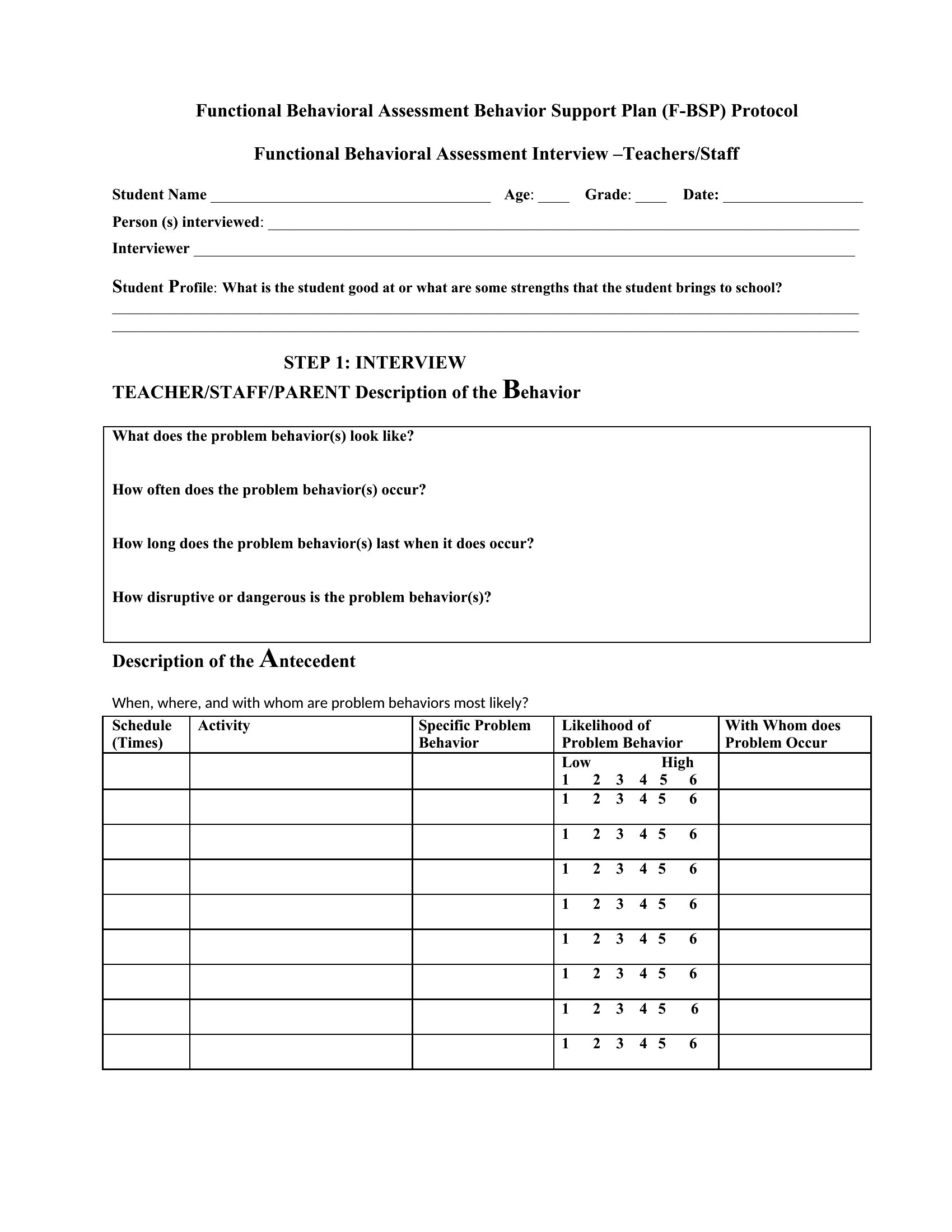
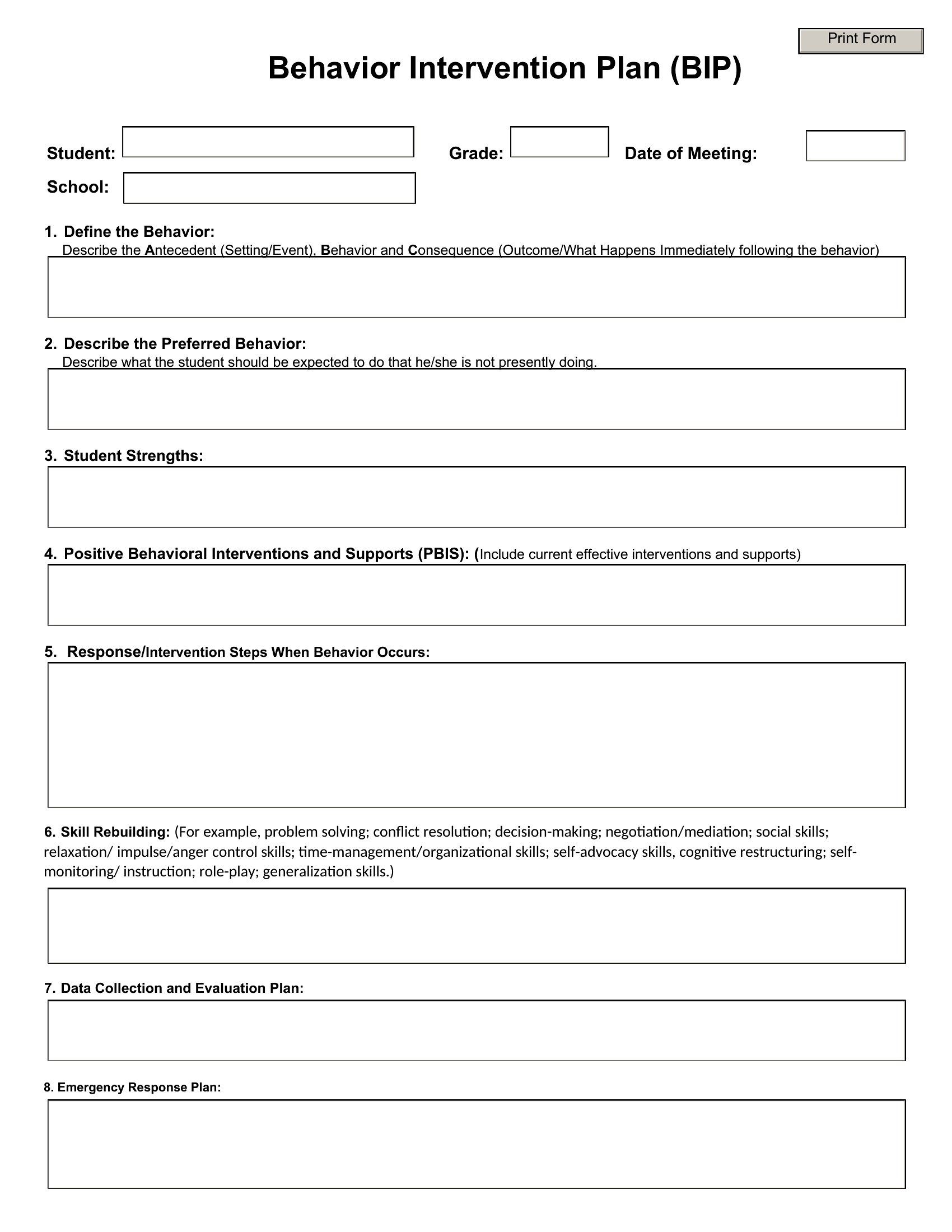
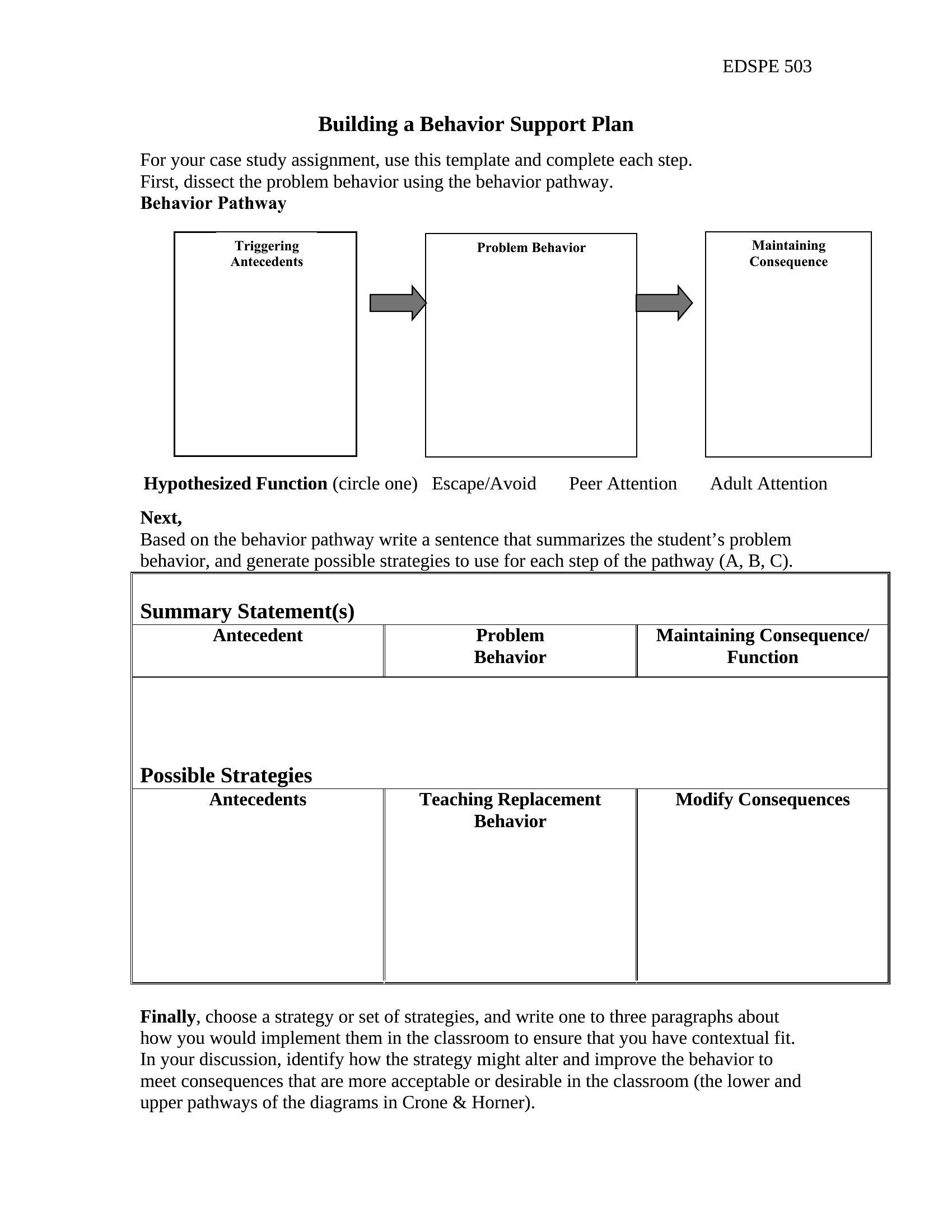
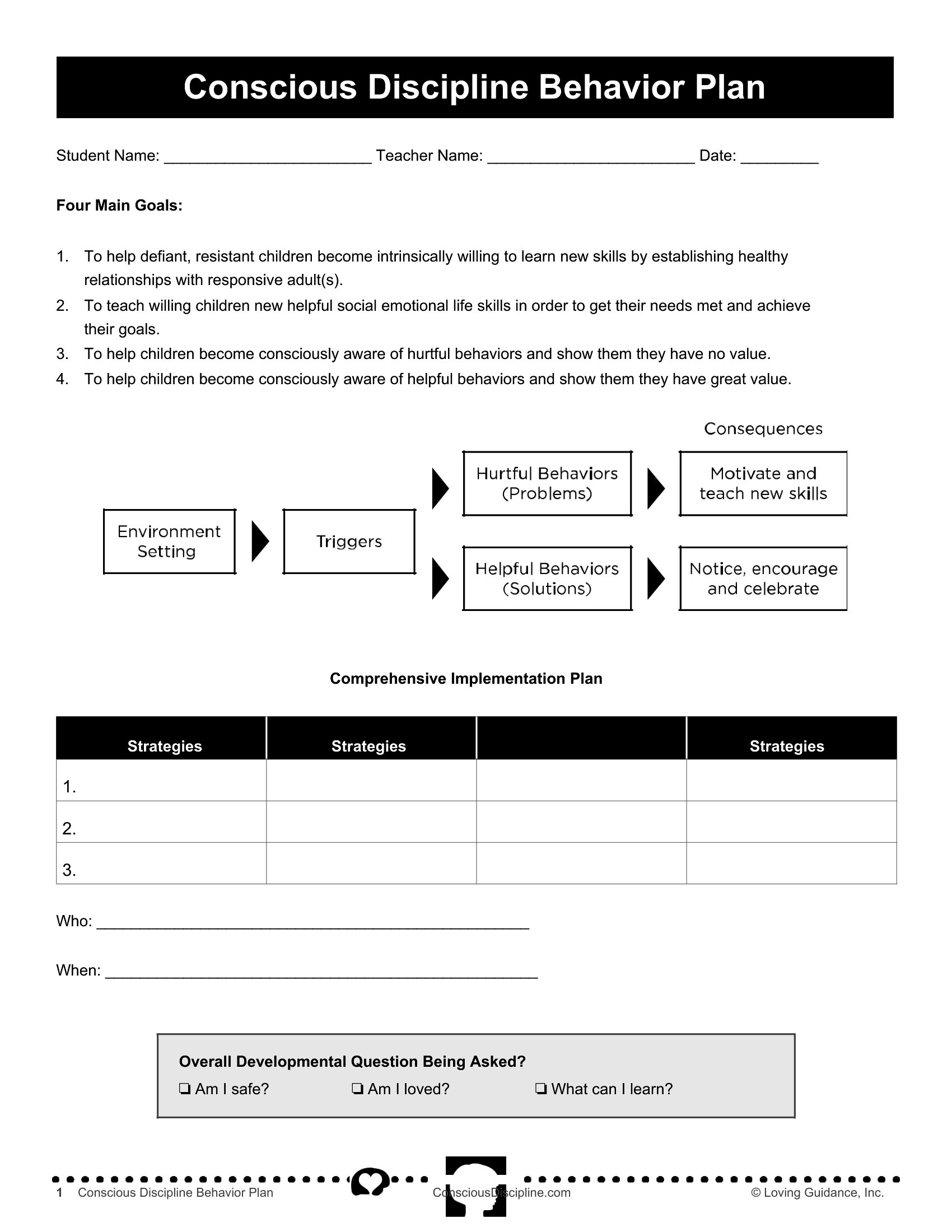
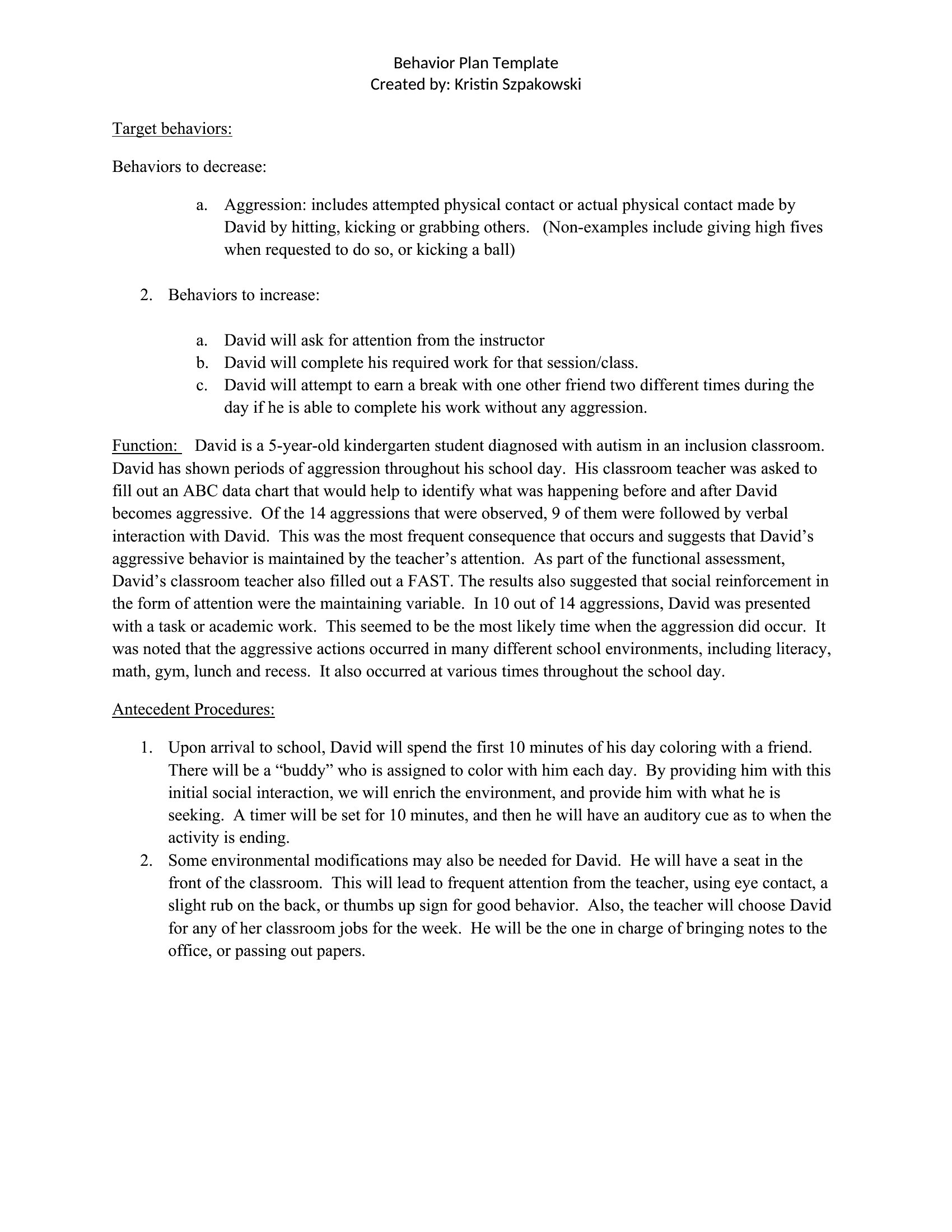
A good behavior plan gives a child consistent expectations and a clear path to better choices, whether it's used at school or at home. This collection of 50 templates includes behavior intervention plans, support plans, and classroom management charts that teachers and counselors rely on. Educators, parents, and behavior specialists can document triggers, goals, and strategies in one organized place.
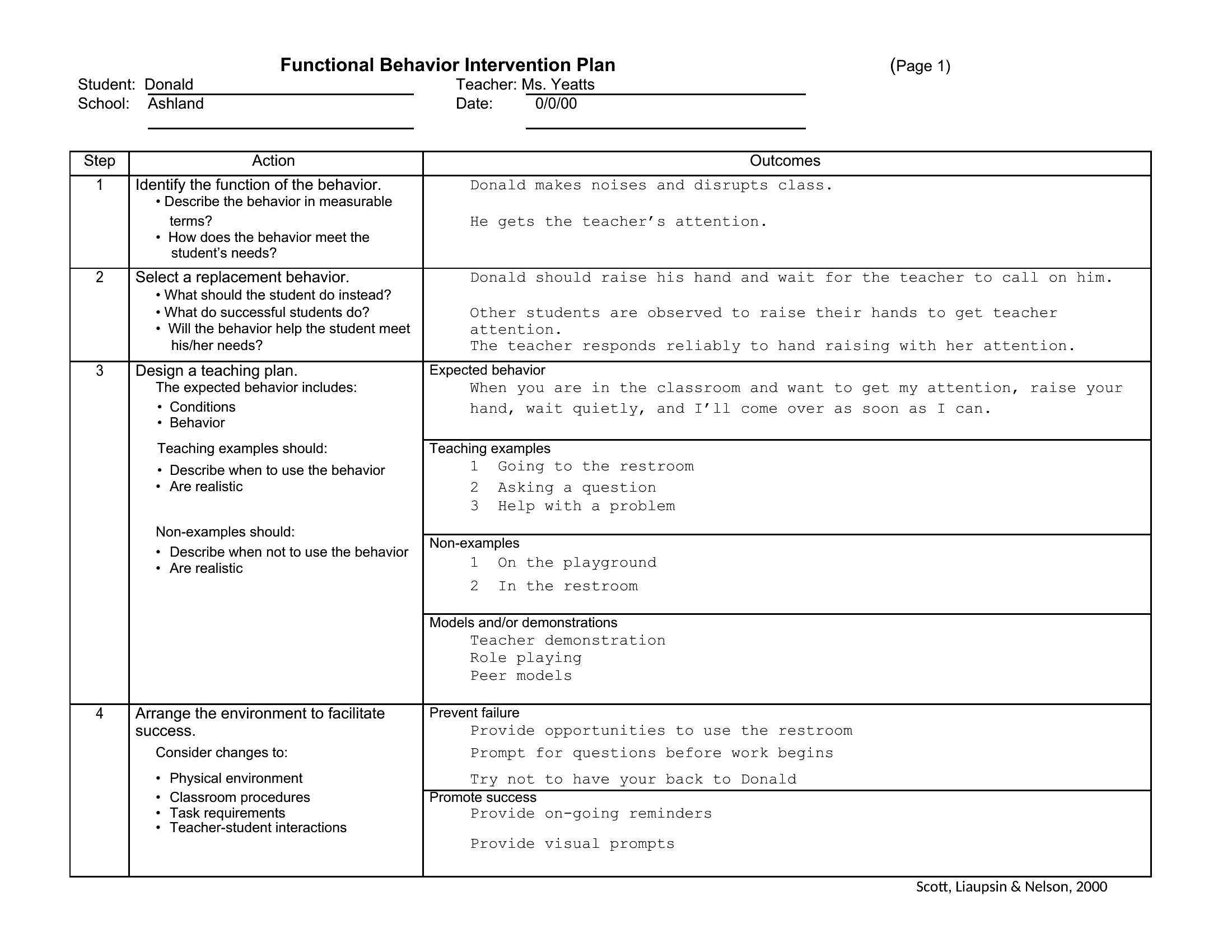
The templates open in Word for editing and come as PDFs you can print and share with a team. Fill in the target behaviors, list the interventions, and track progress over the weeks that follow. Download the plan that fits the situation and start building a consistent, supportive routine.
When to use this Behavior Plan template

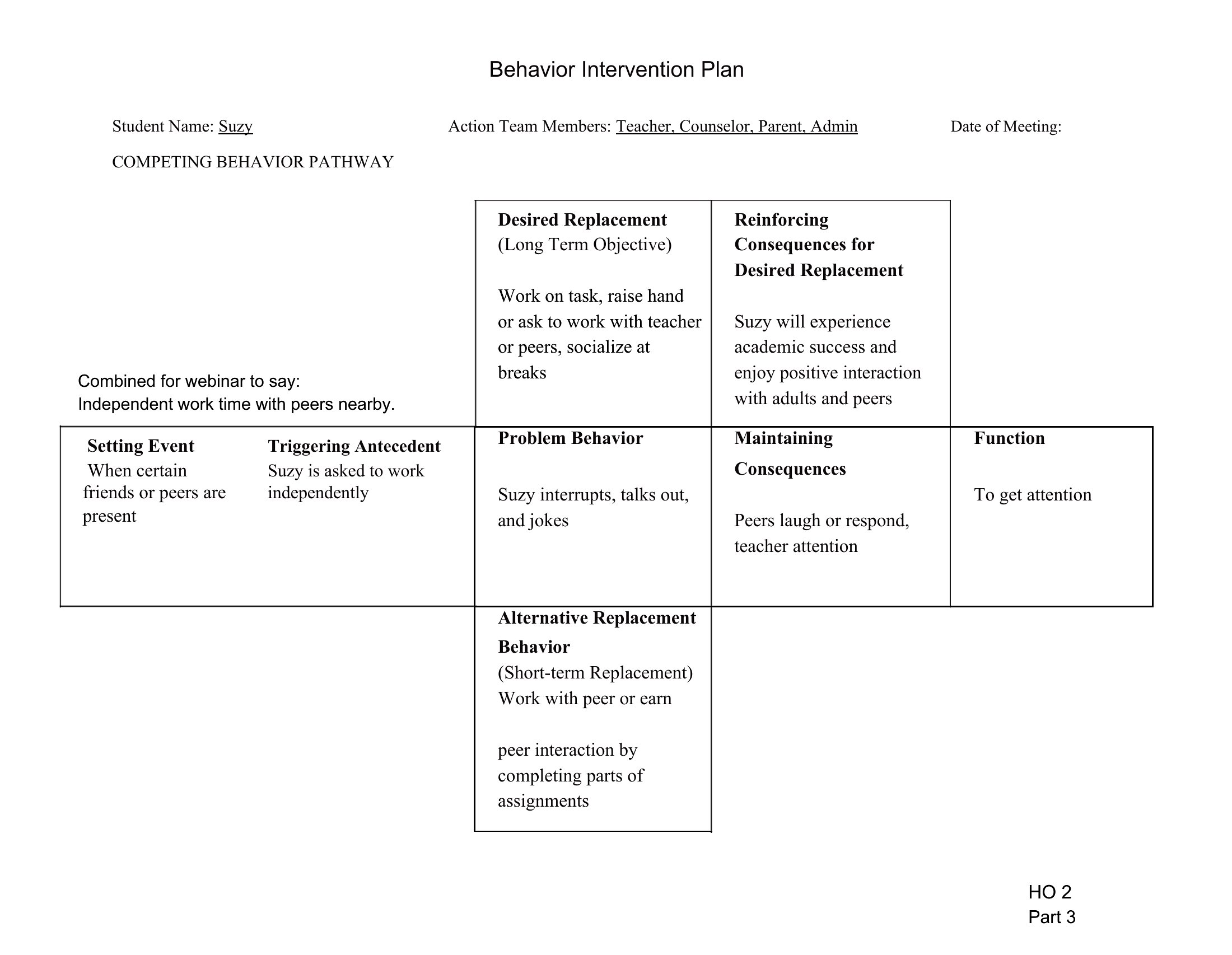
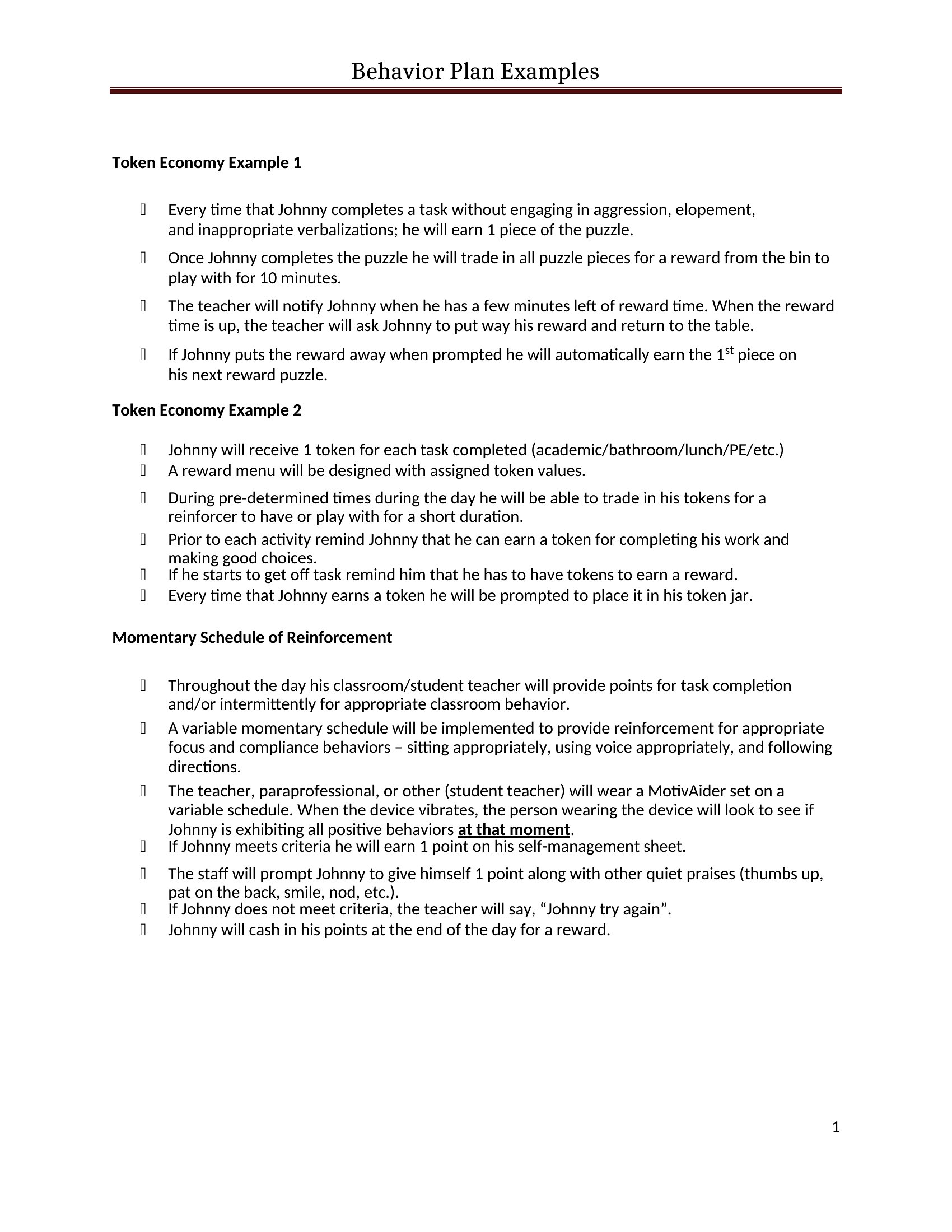
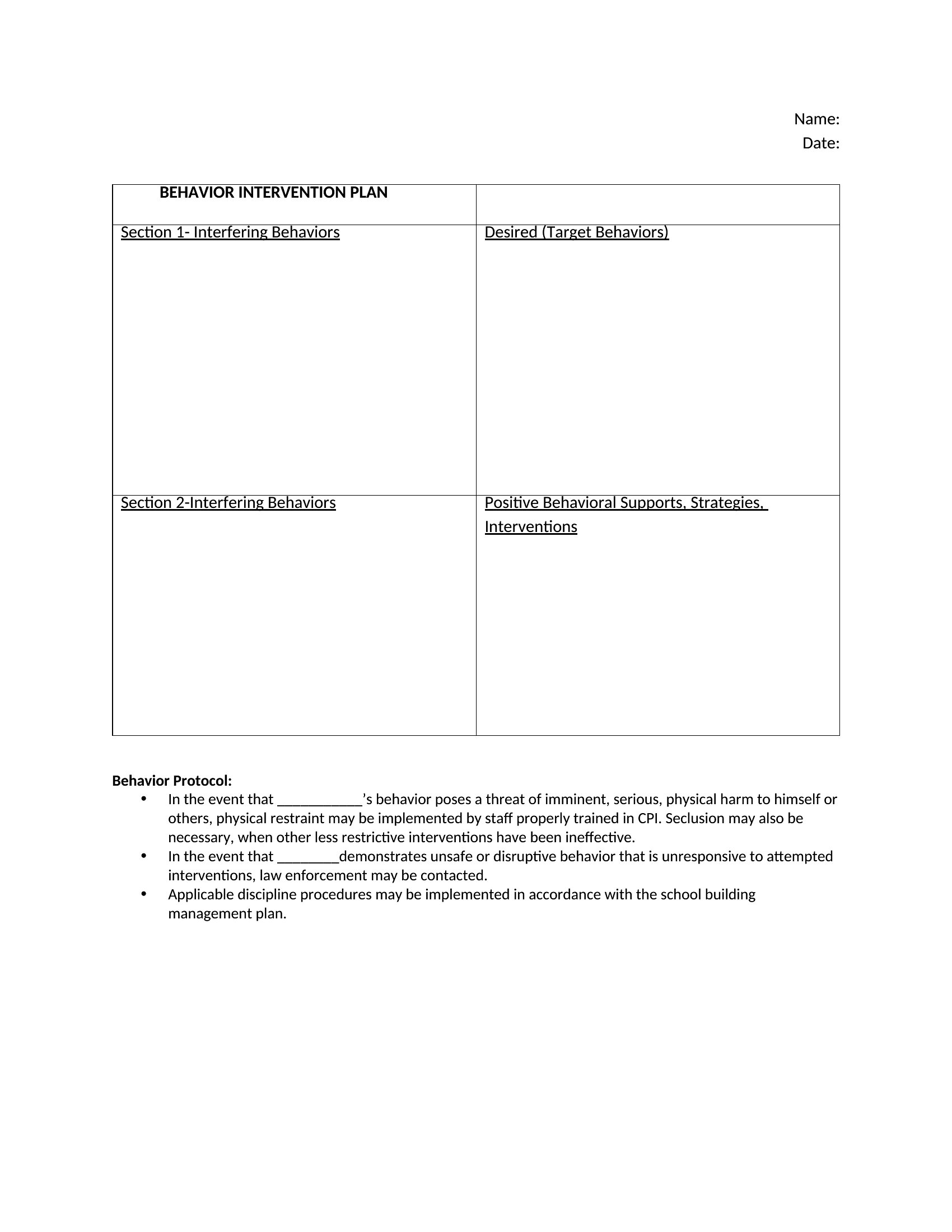
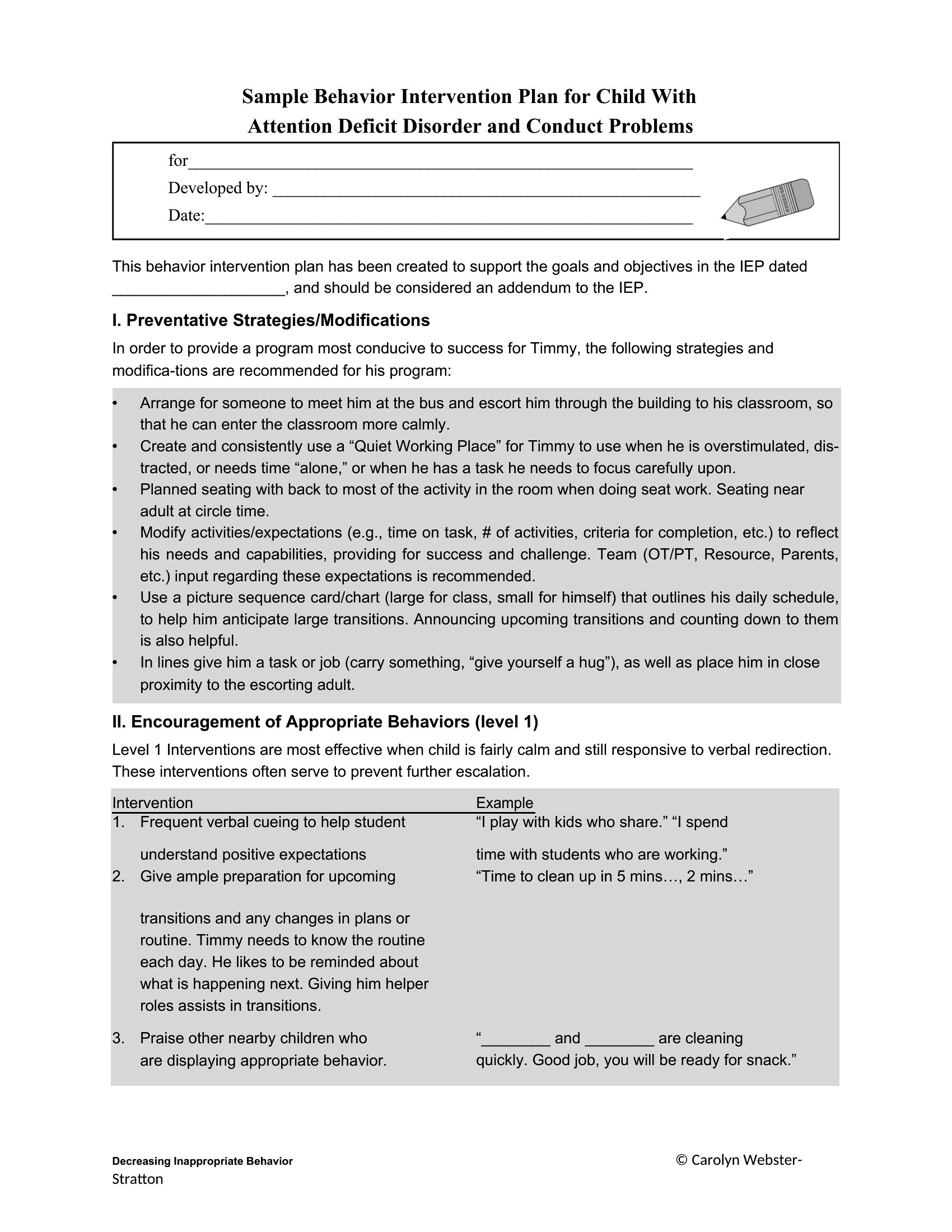
  • Special education teachers need a clear Behavior Intervention Plan PDF to document a student’s emotional outbursts during transitions, helping them identify triggers like noise overload and outline replacement strategies for the classroom.
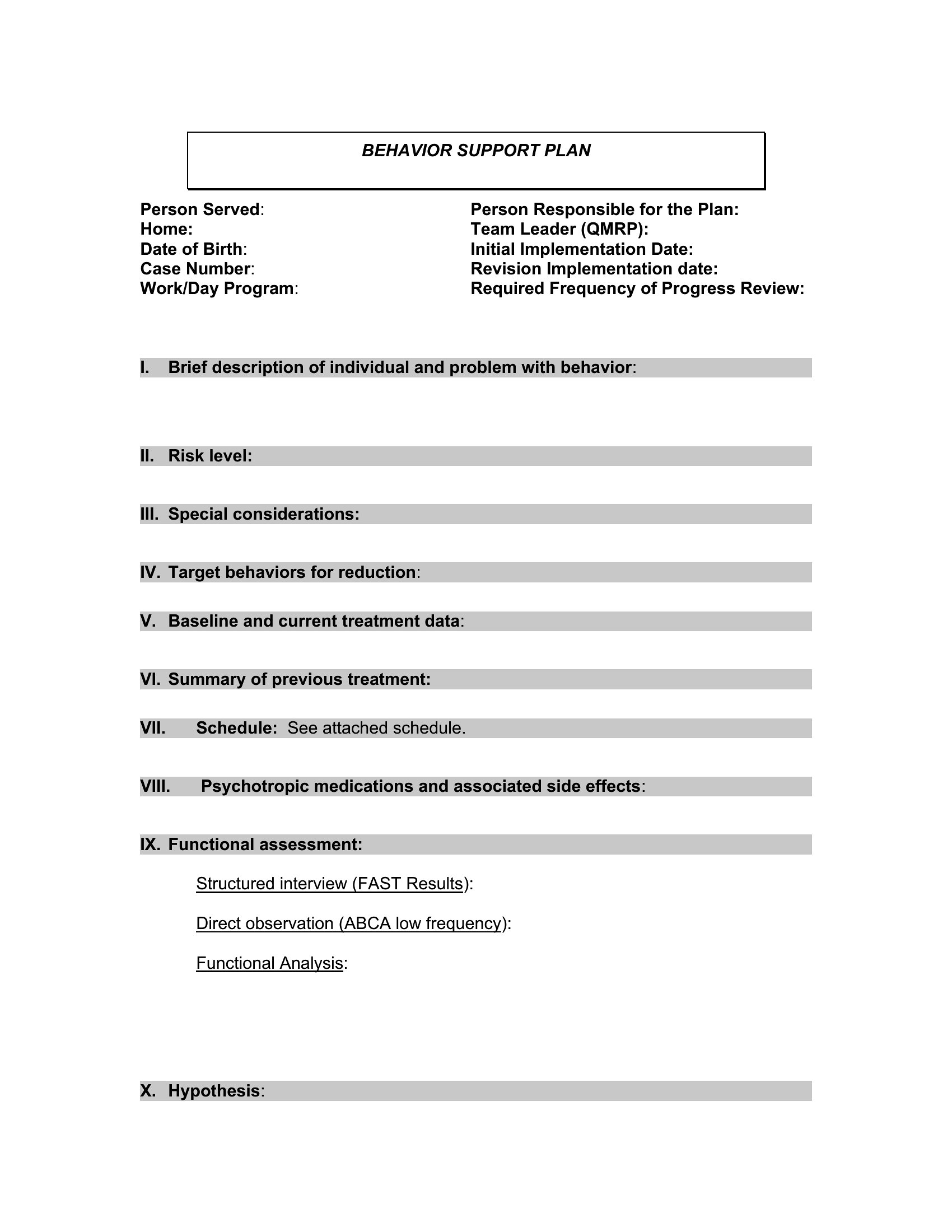
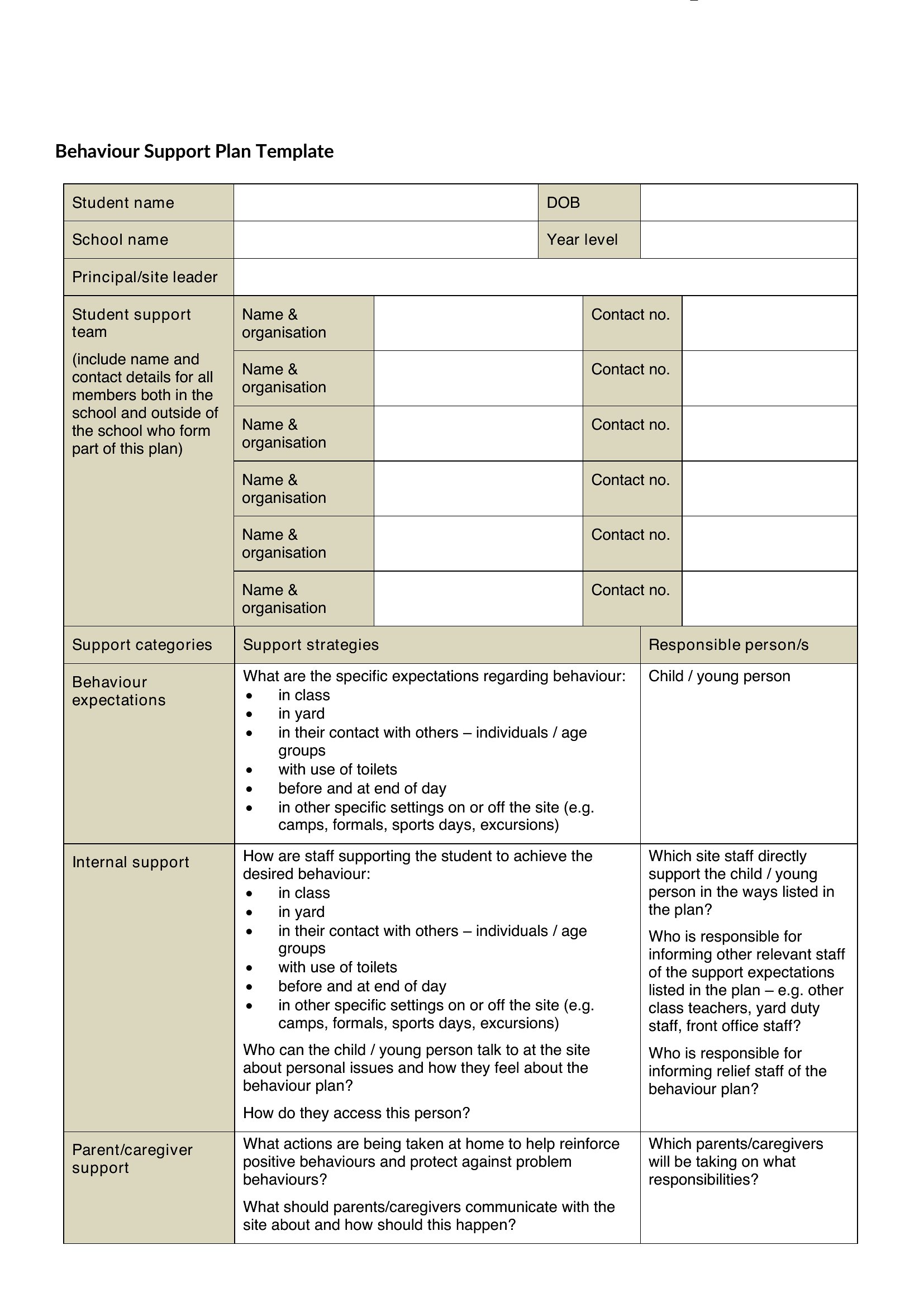
  • Parents of a 7-year-old with ADHD require a structured Behavior Support Plan in Word to track home meltdowns tied to screen time, ensuring consistent consequences and rewards across both school and family settings.
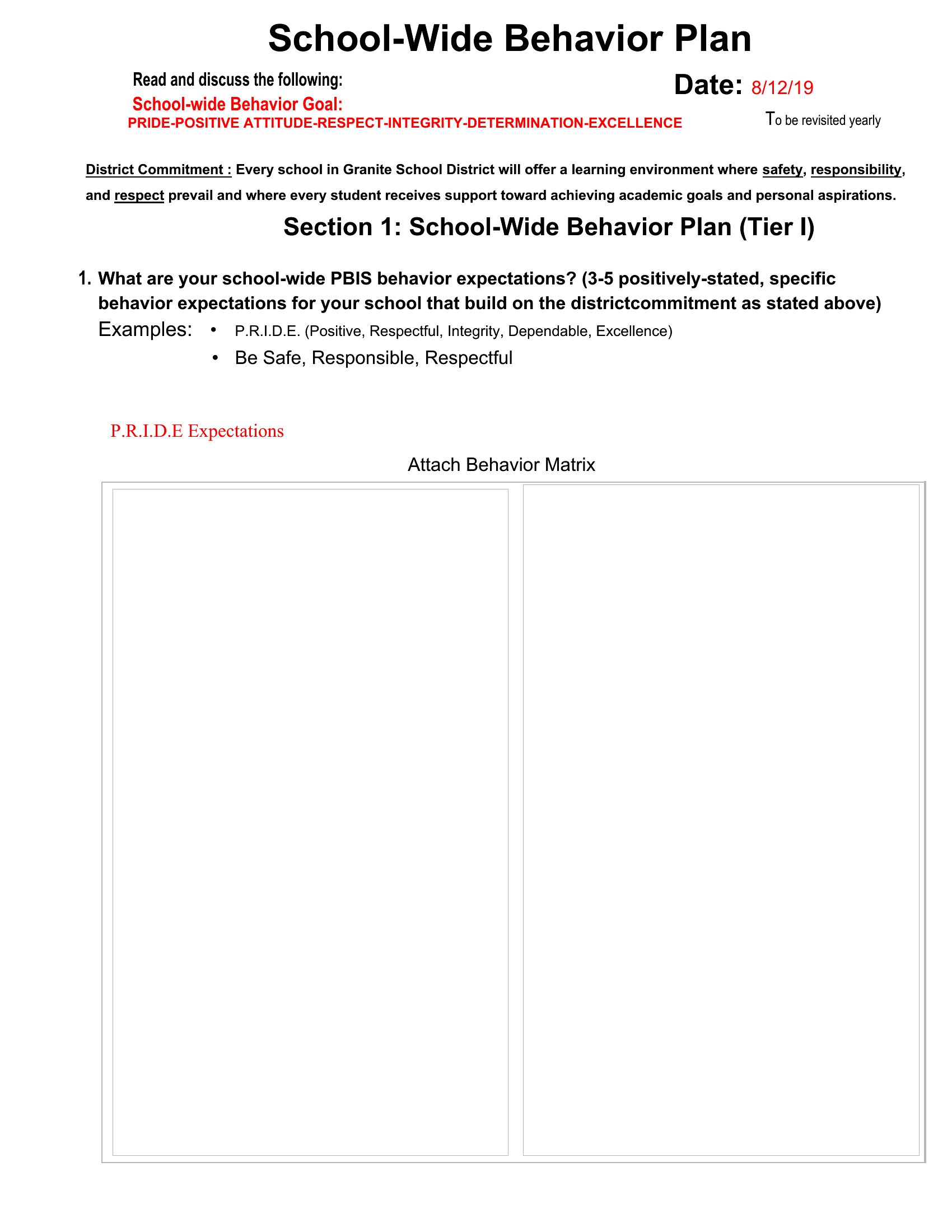
  • School counselors use a Behavior Management Plan to set measurable goals for a shy student avoiding group projects, breaking down participation into small steps (e.g., raising hand once per week) with visual progress charts for reinforcement.
  • Behavior specialists at a juvenile detention center design a Performance Improvement Plan for youth with explosive anger, combining de-escalation techniques, weekly check-ins, and tangible incentives to modify aggressive responses during conflicts.

Which format should I download?

WordPDF

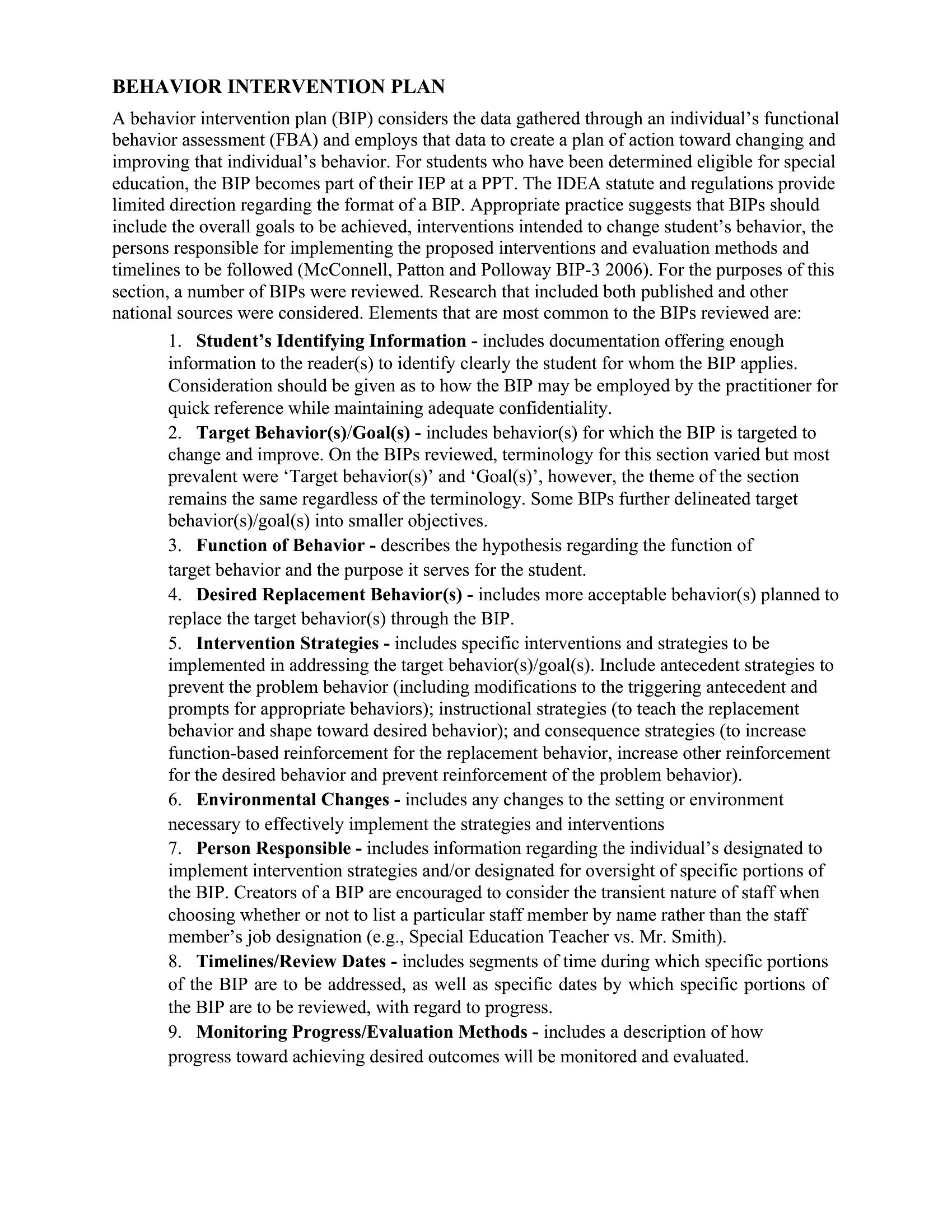
Use Word for templates requiring customization, like a Behavior Management Plan where you need to add school-specific triggers or adapt reward systems for individual students. Choose PDF when you need a static, printable reference—such as a Behavior Intervention Plan for IEPs or compliance documentation—where formatting must remain consistent across multiple reviewers. The PDF format is ideal for sharing with parents or legal teams who can’t edit the plan but need to reference it accurately.
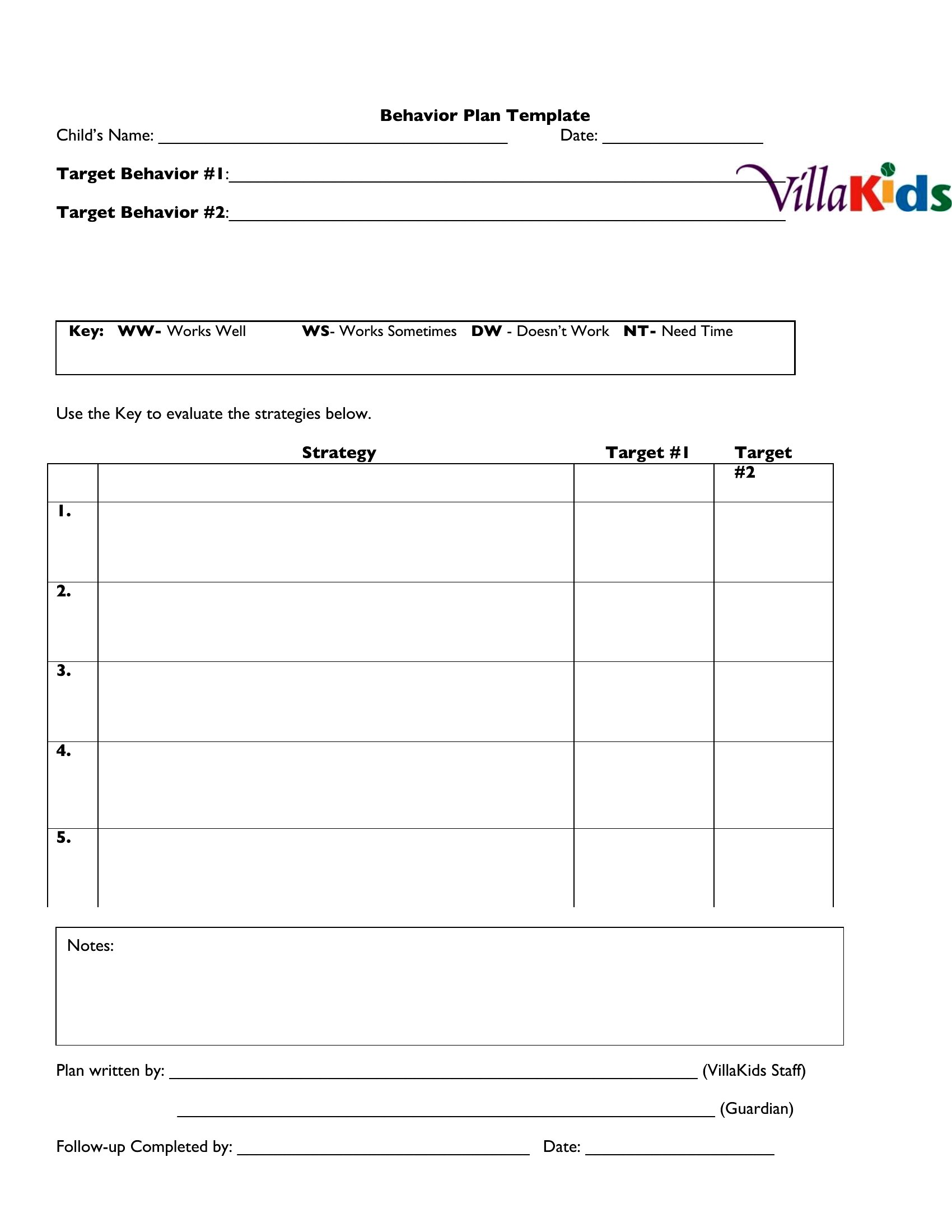
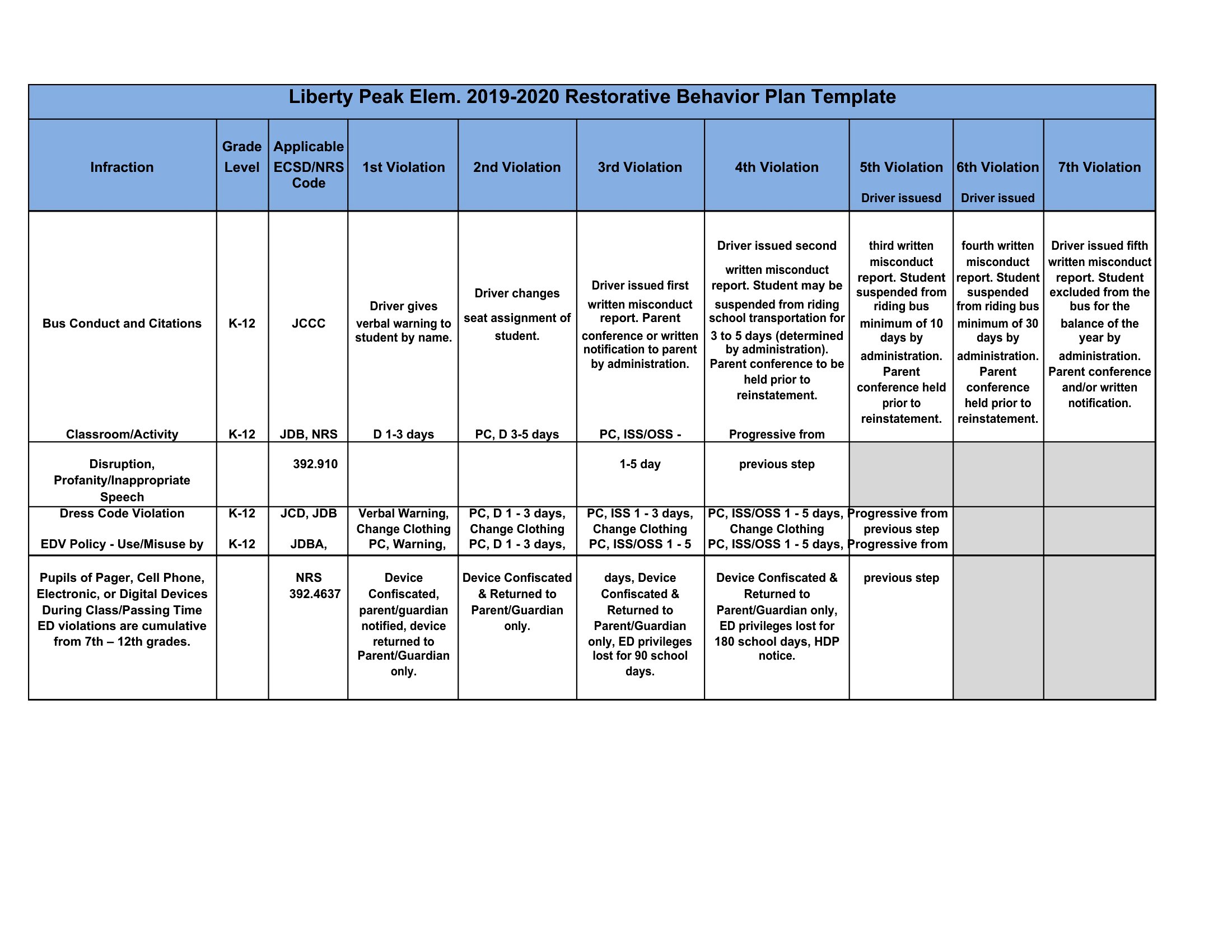
Choose from 50 Behavior Plan Templates
How to use this Behavior Plan template

How can I tailor a template for a student with both sensory processing issues and defiance?

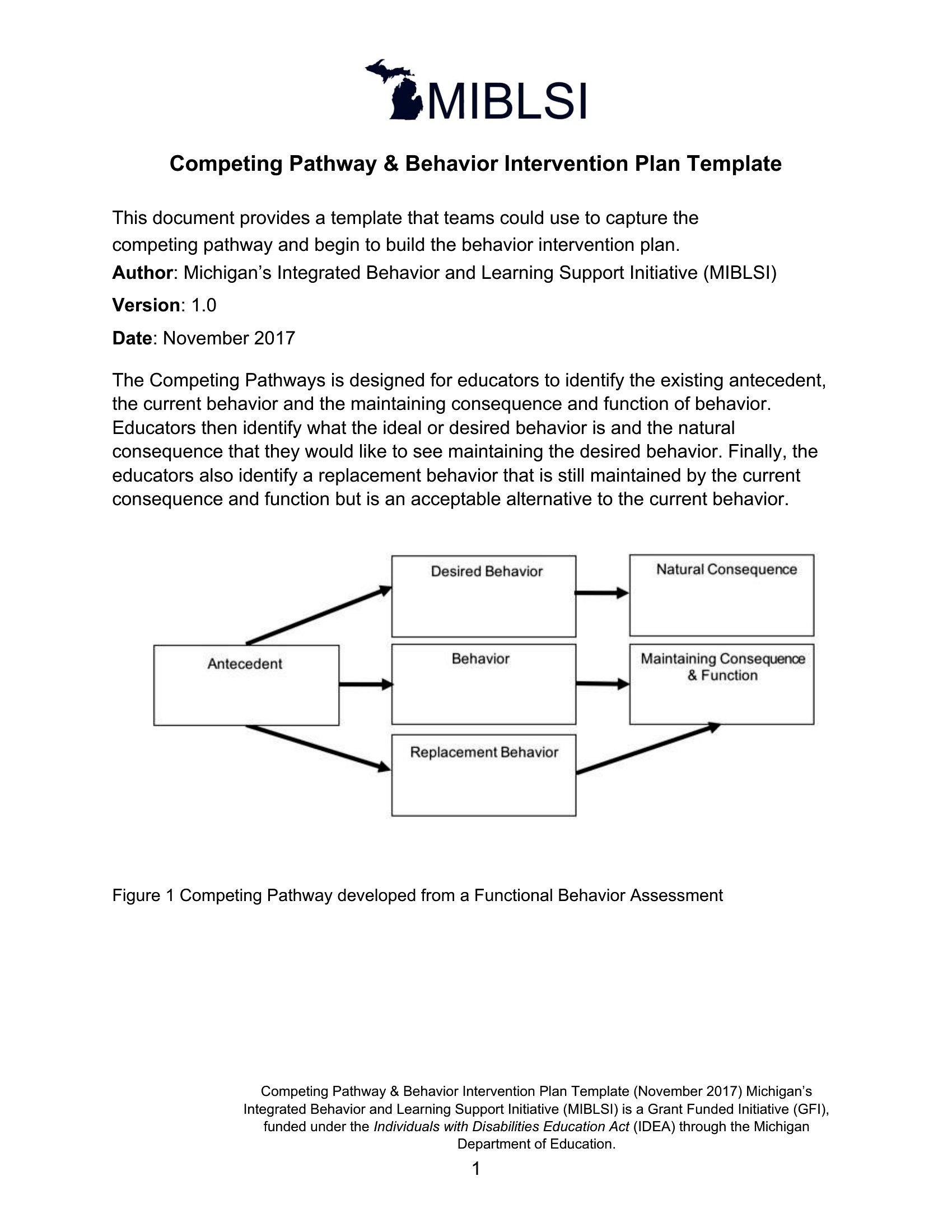
Start with a Behavior Support Plan in Word, then merge sections from multiple templates (e.g., a sensory-friendly checklist and a defiance-tracking chart). Note specific triggers like fluorescent lighting or abrupt instructions, and pair them with environmental adjustments (e.g., noise-canceling headphones) alongside motivational strategies. Avoid generic consequences—focus on teaching replacement behaviors, like using a ‘quiet corner’ instead of shouting.
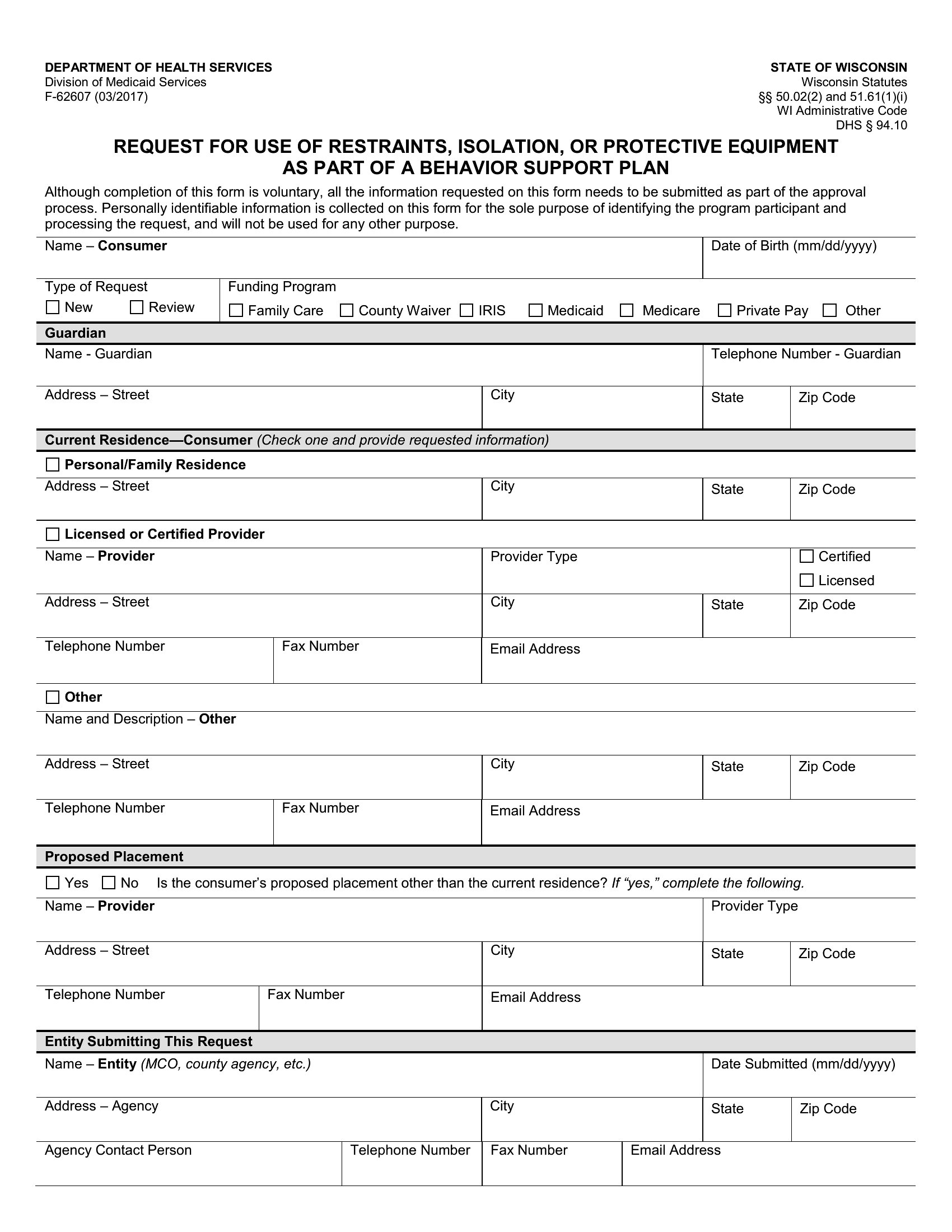
Should I include a ‘positive behavior’ section in every plan, even if the child’s main issue is aggression?

Yes, always balance interventions with positive reinforcement to avoid reinforcing negative attention. For example, if a student’s Behavior Management Plan targets hitting peers, include a ‘calm hands’ reward system (e.g., stickers for 10 minutes of gentle touches) to redirect energy. Studies show aggression often decreases when alternative coping skills are visibly celebrated. Frame goals as ‘increasing’ positive actions, not just ‘reducing’ negatives.
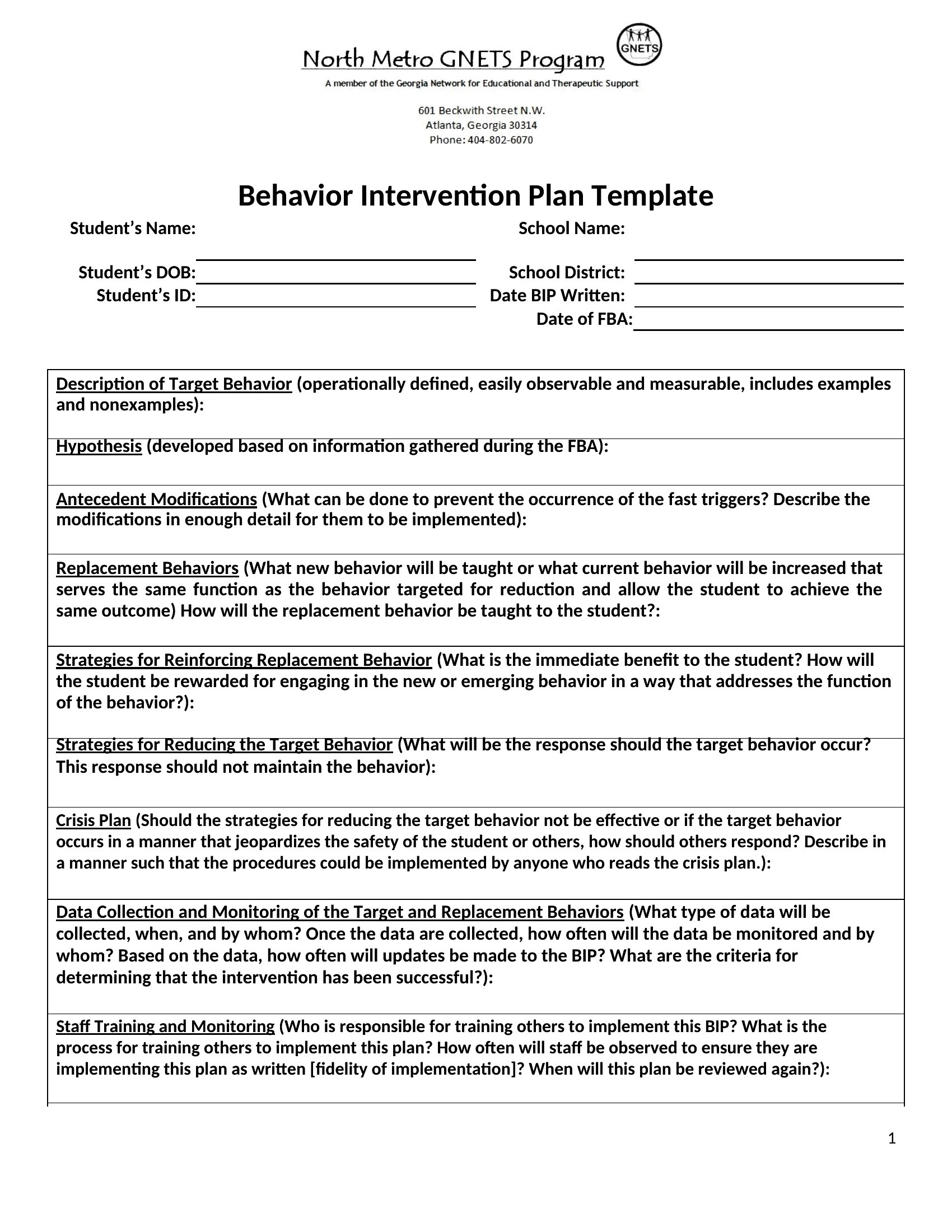
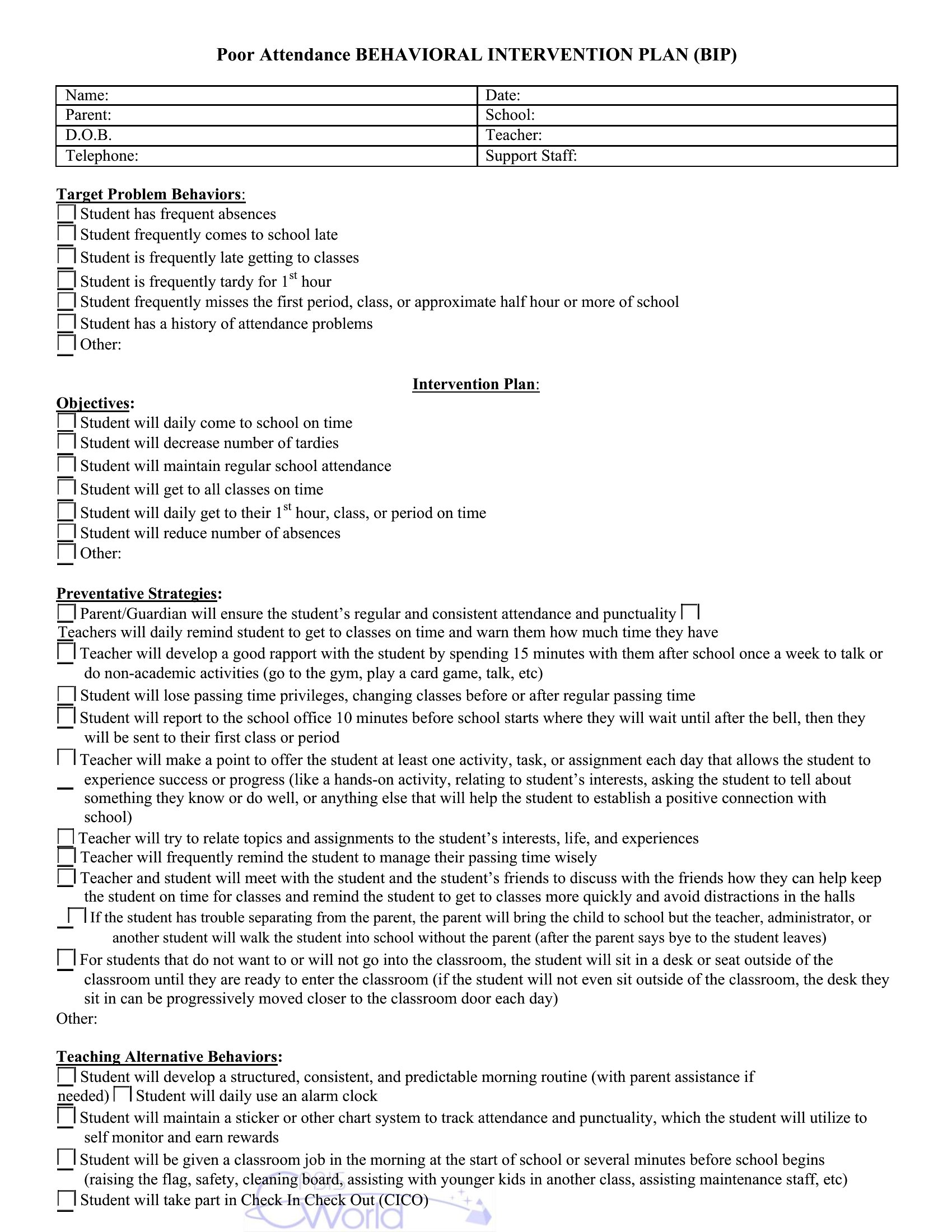
What’s the best way to document progress if the child’s behavior improves but then relapses periodically?

Use a Word template with a ‘data tracking’ table to log daily/weekly observations, but supplement it with a narrative section for context (e.g., ‘Improved for 3 weeks until family moved—note: child struggles with change’). For PDF plans shared with teams, add a ‘trends’ page summarizing patterns (e.g., ‘Relapses occur after weekends’). Highlight small wins even during setbacks to maintain motivation, and adjust strategies quarterly based on these notes.

Comments

Join the conversation

Sign in to share your thoughts and leave a comment on this resource.

Newsletter

Get Weekly Design Updates

Join our community to receive curated resources and inspiration.

Weekly Tips Resources Early Access

We respect your privacy. Confirmation email required. Privacy Policy