Skip to content
50% off this one-time $1.99 pack with HALFOFF — or unlimited with Pro.HALFOFF
Premium

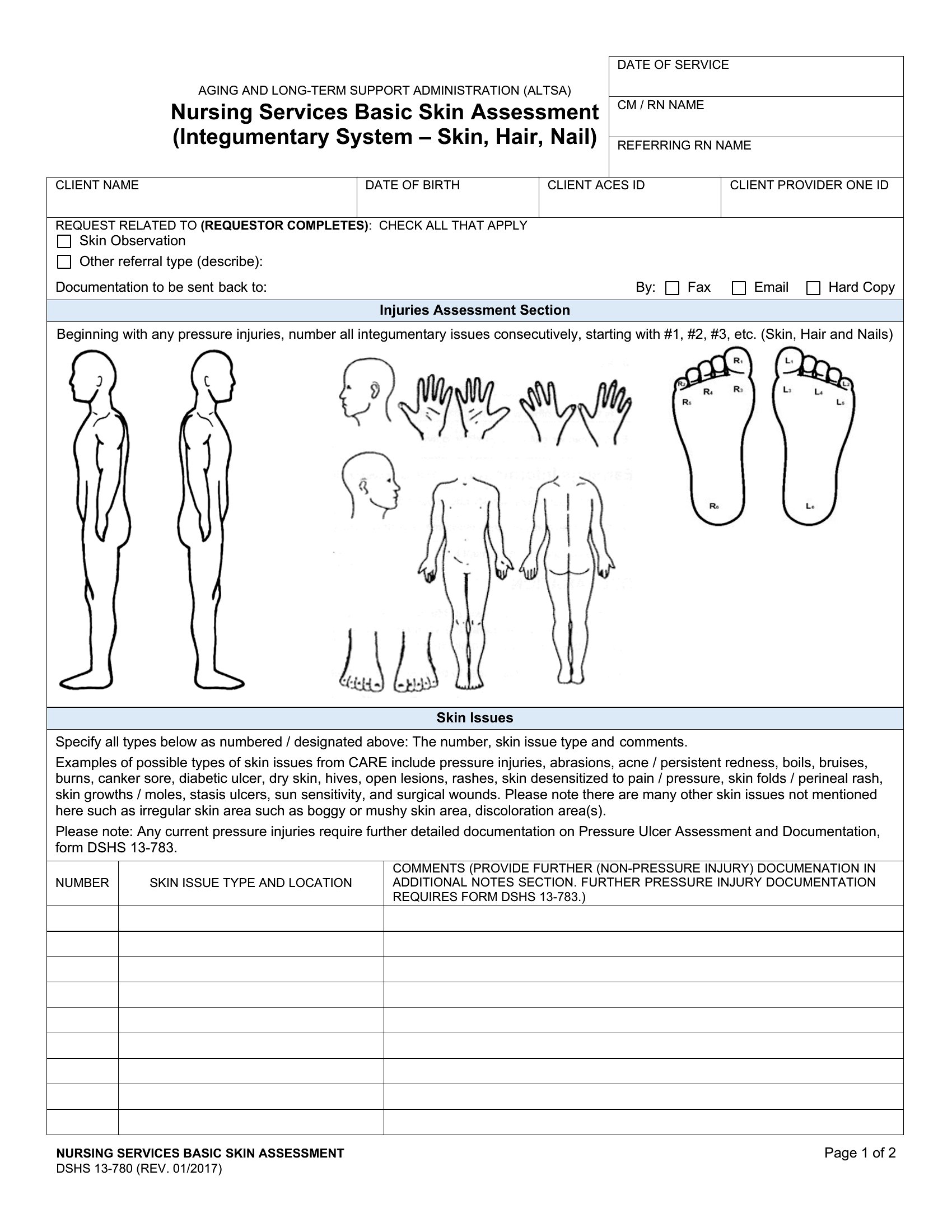
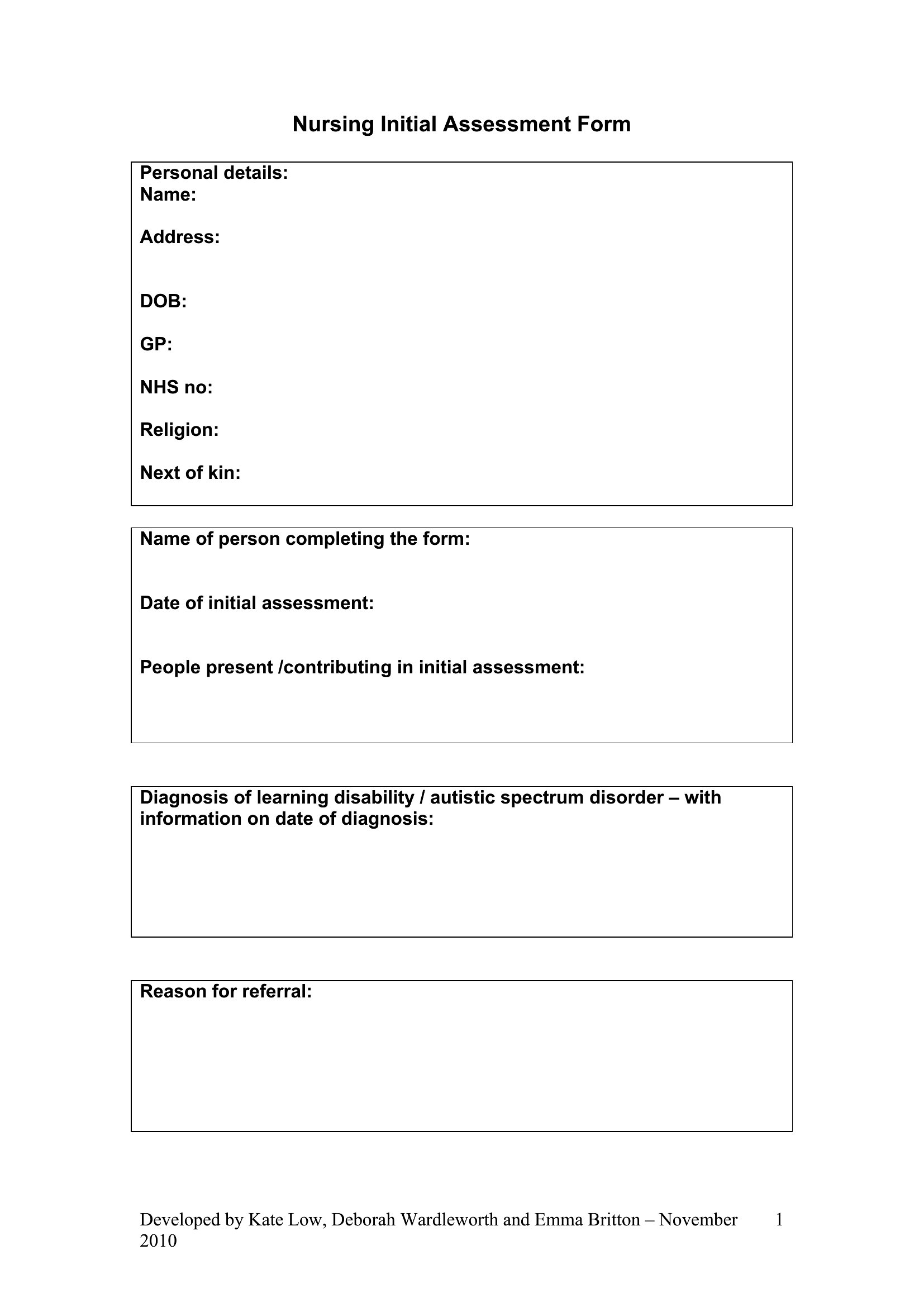
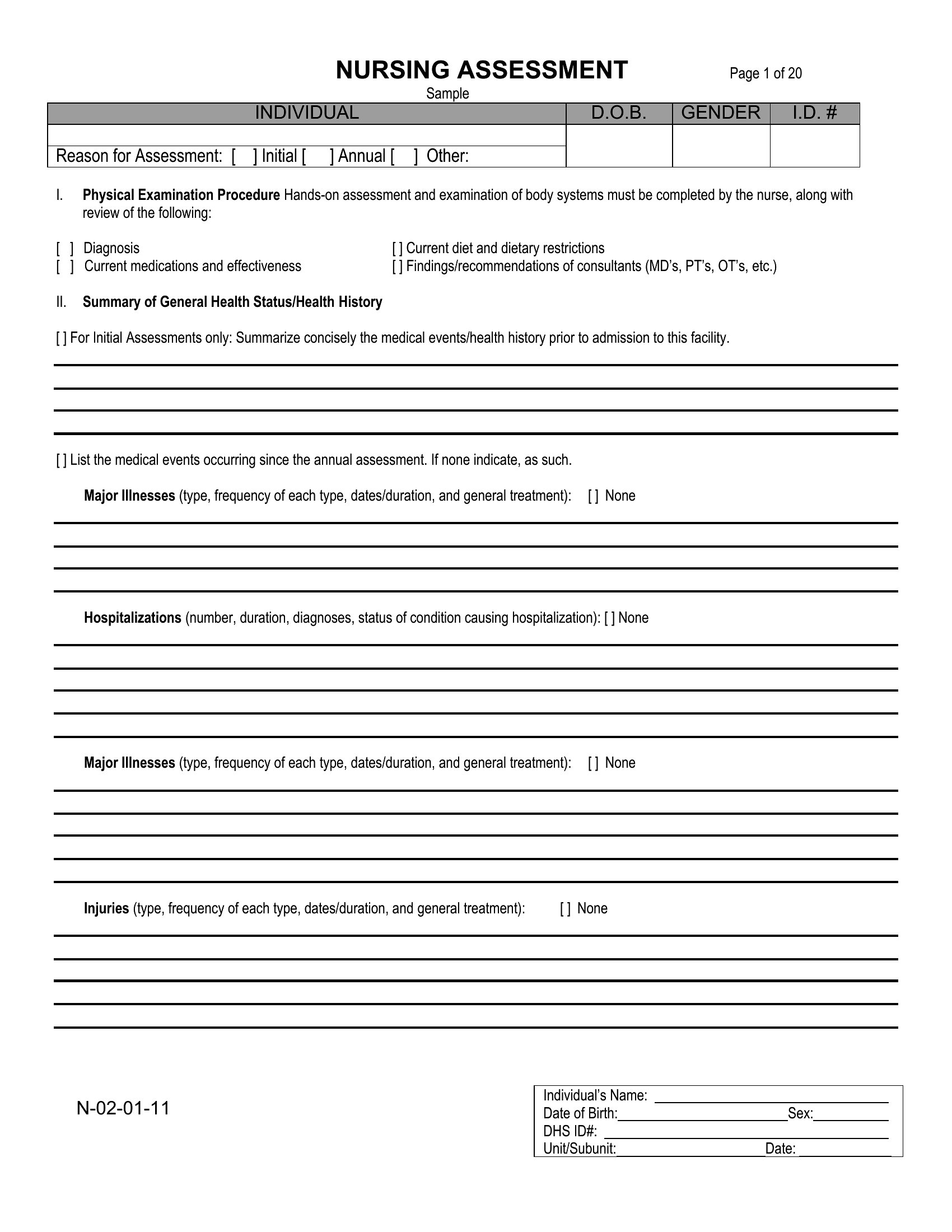
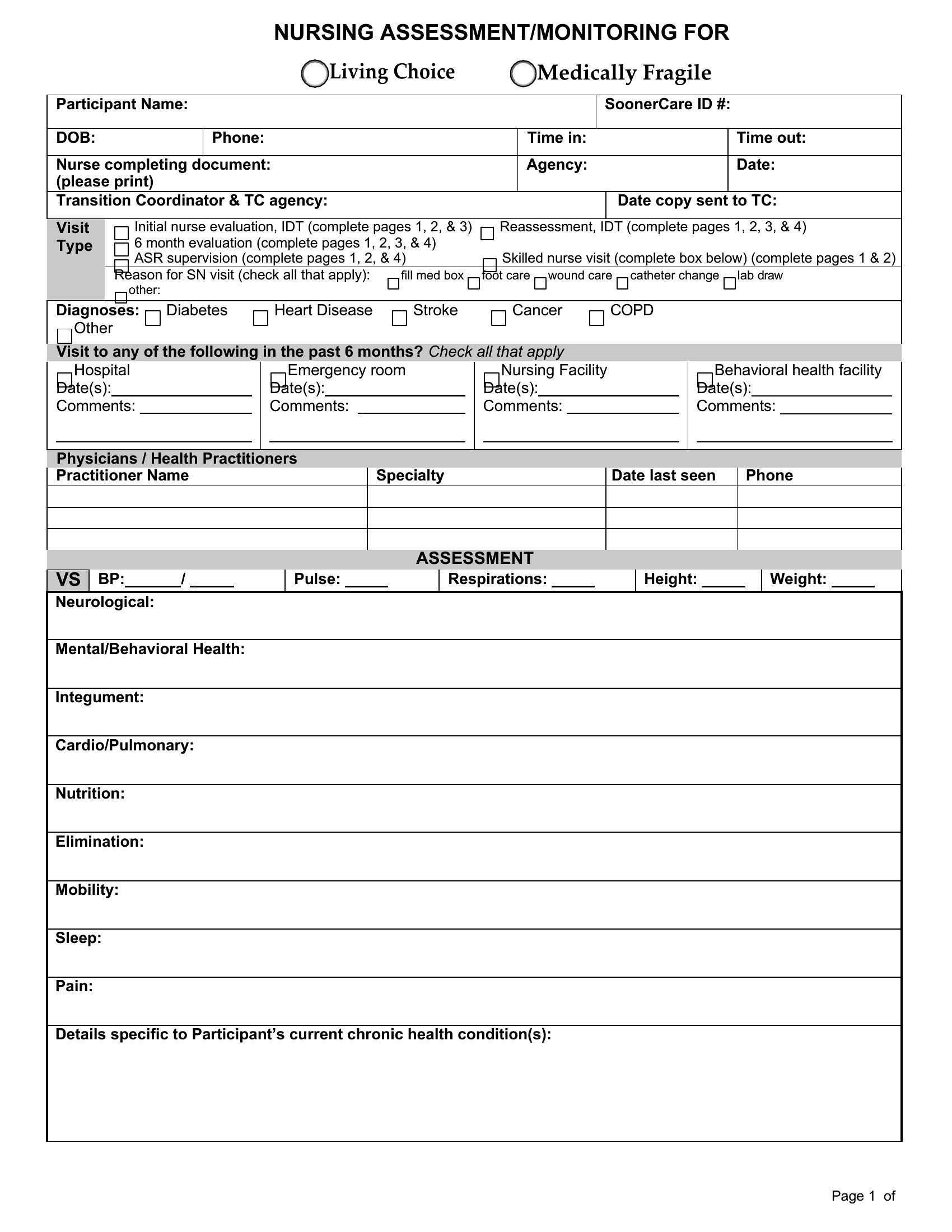
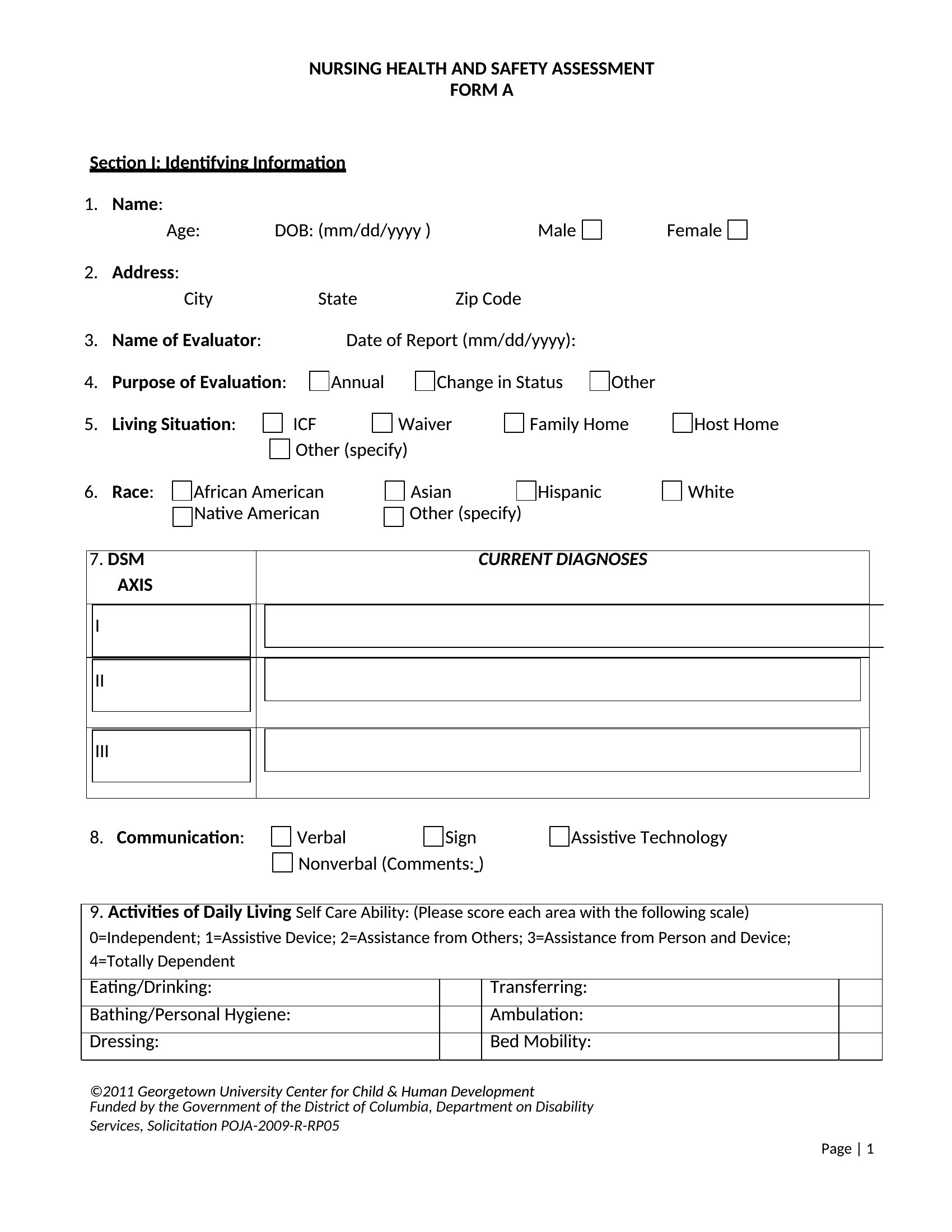
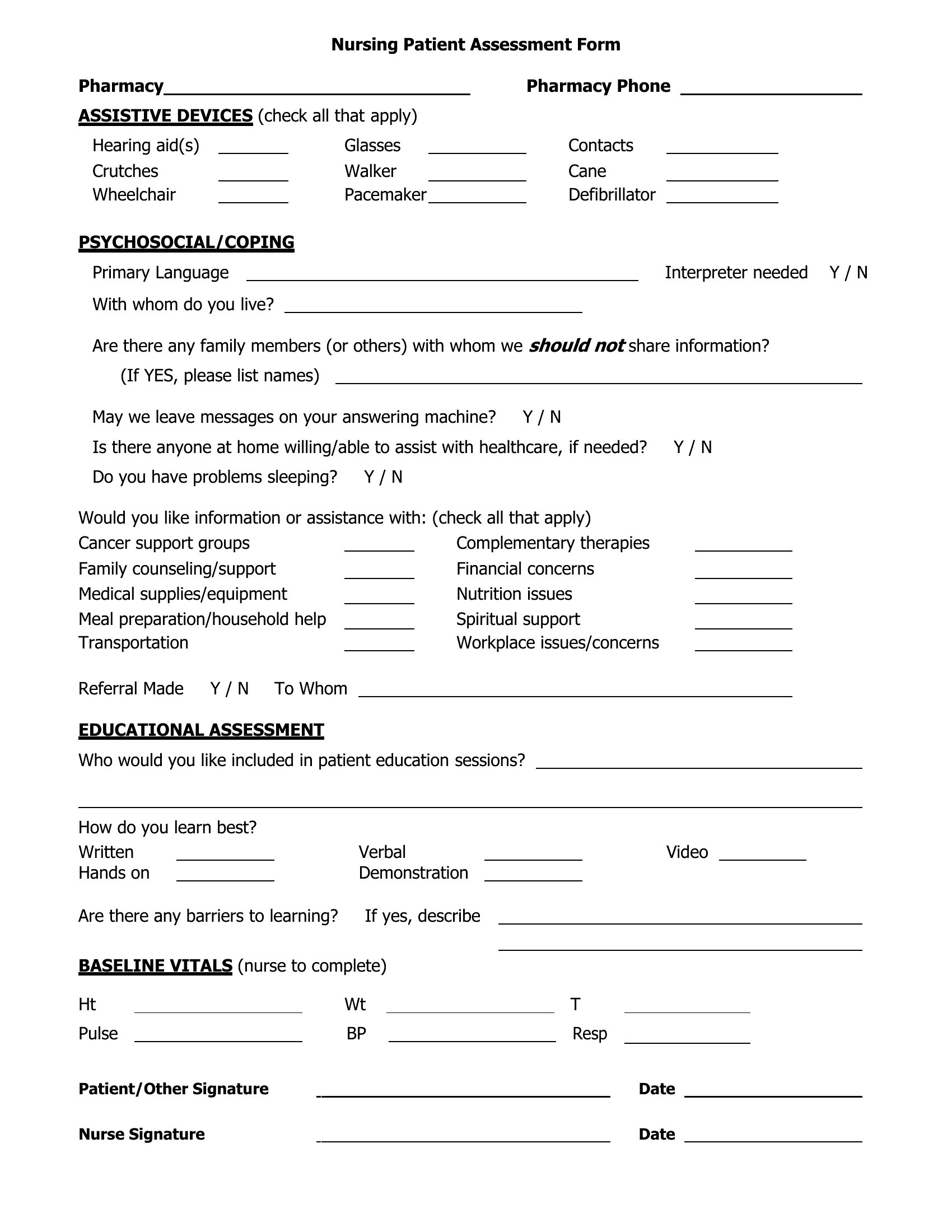
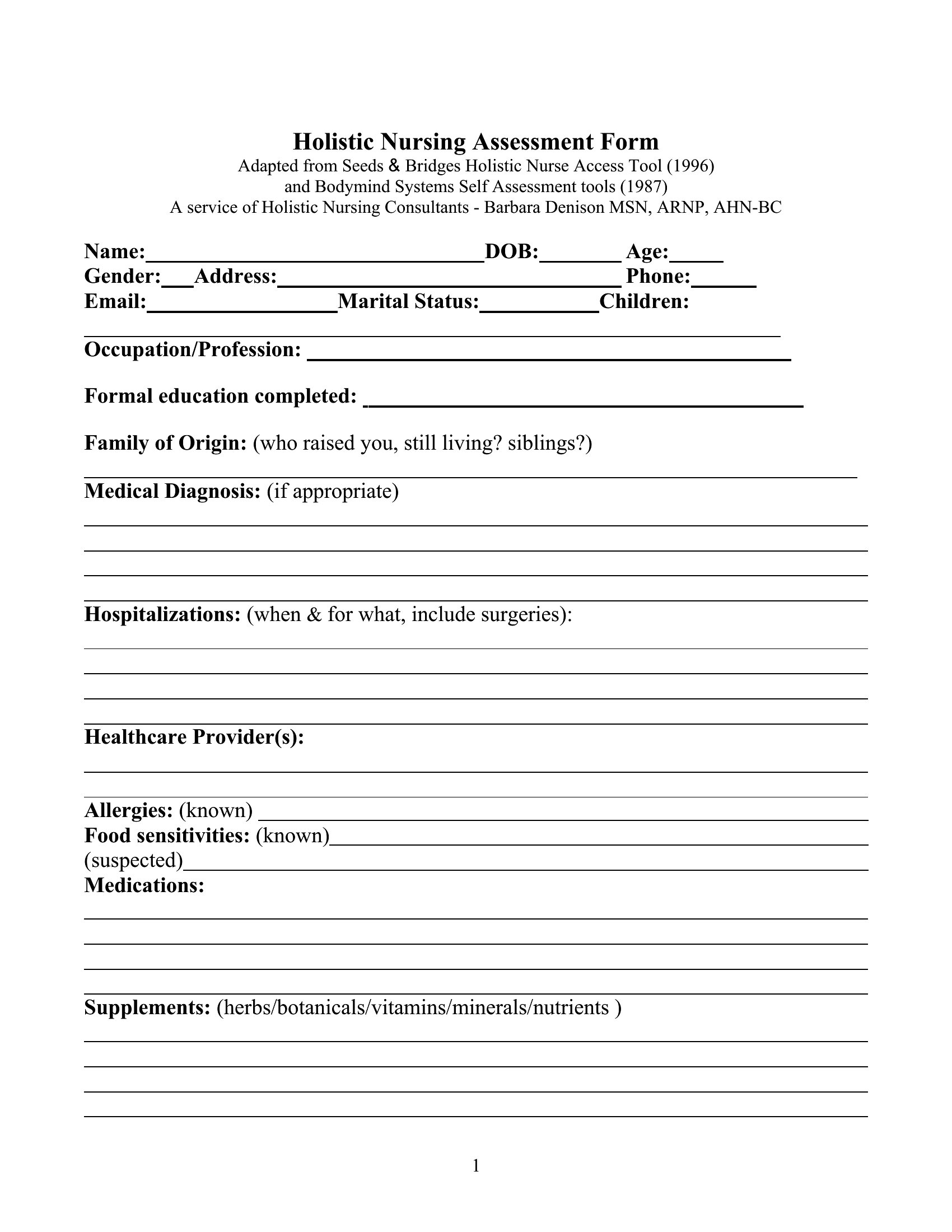
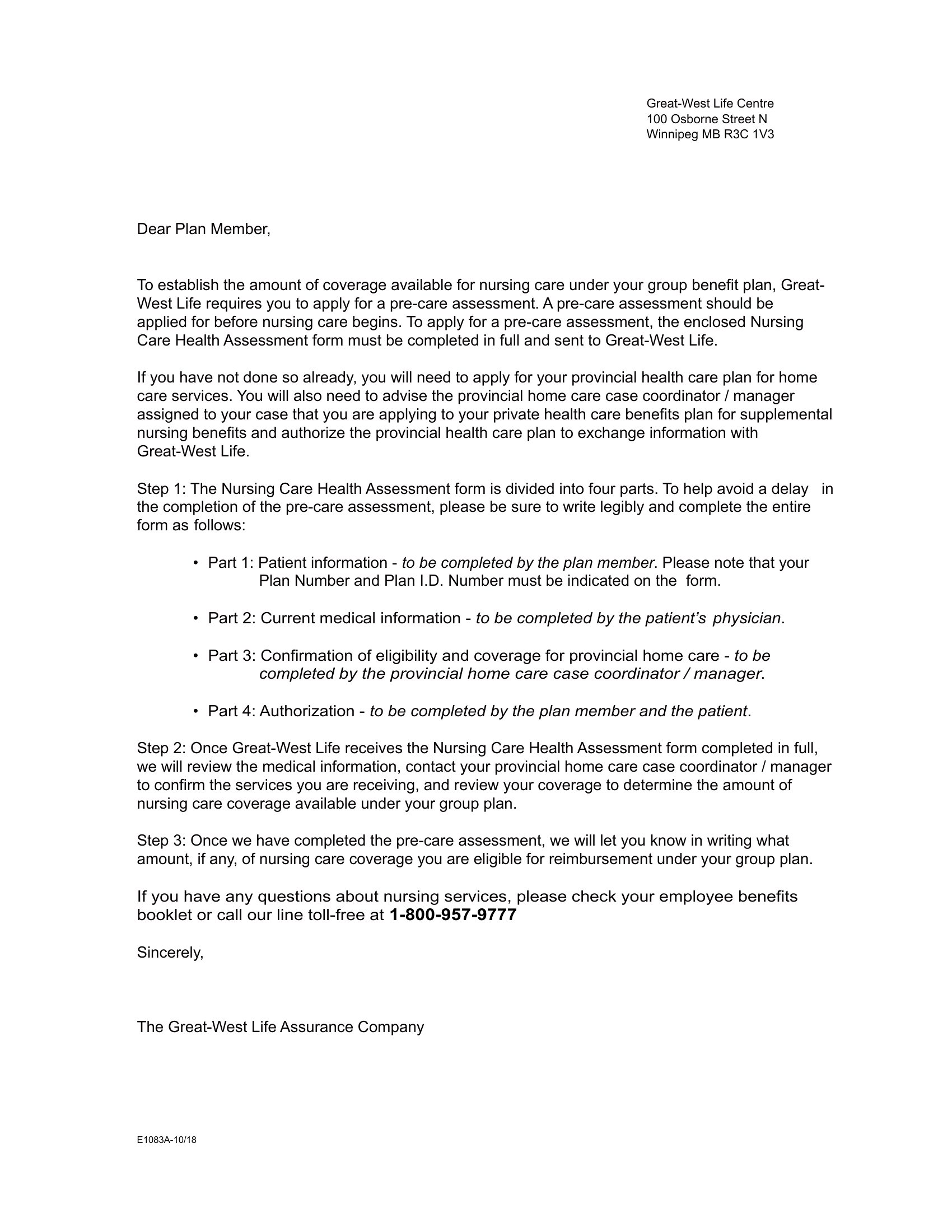
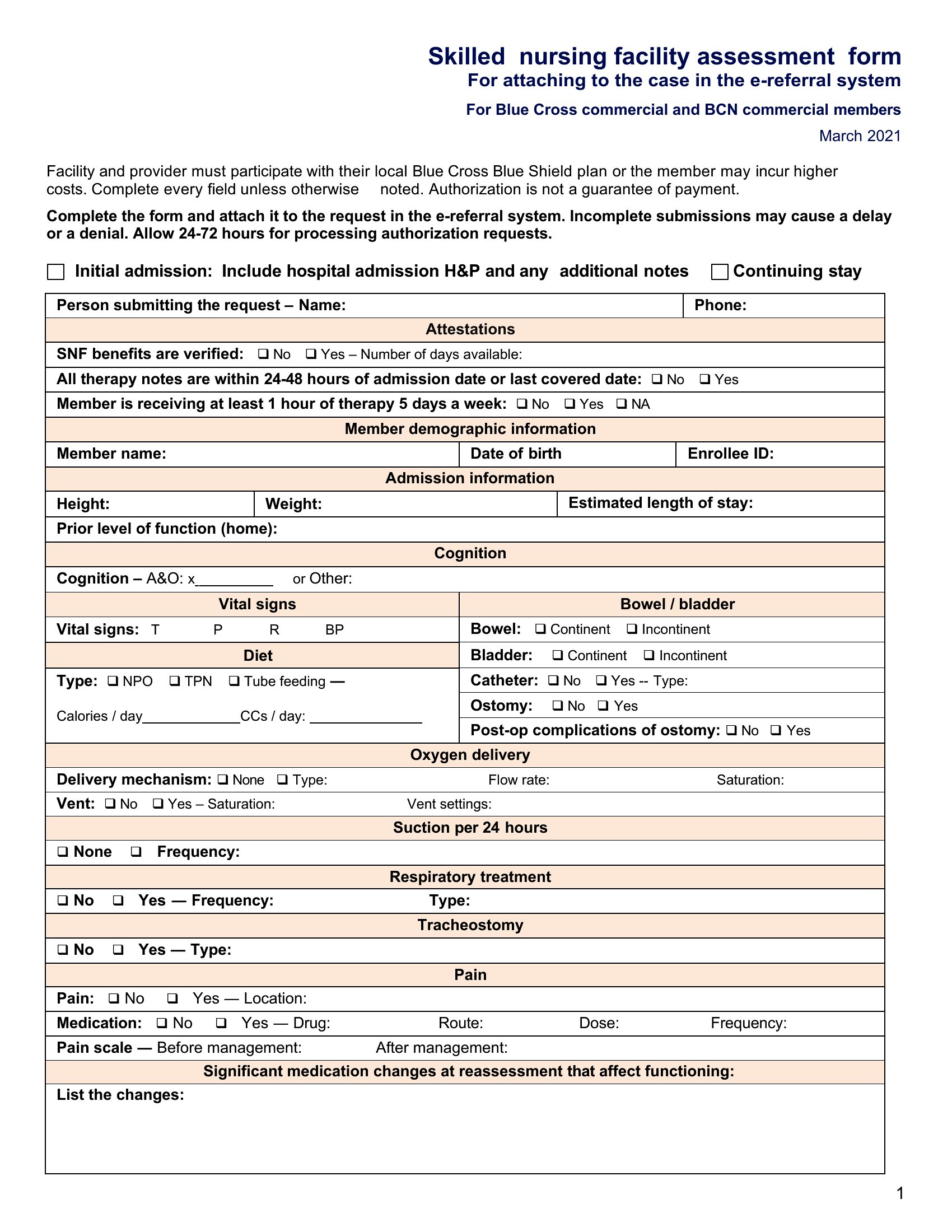
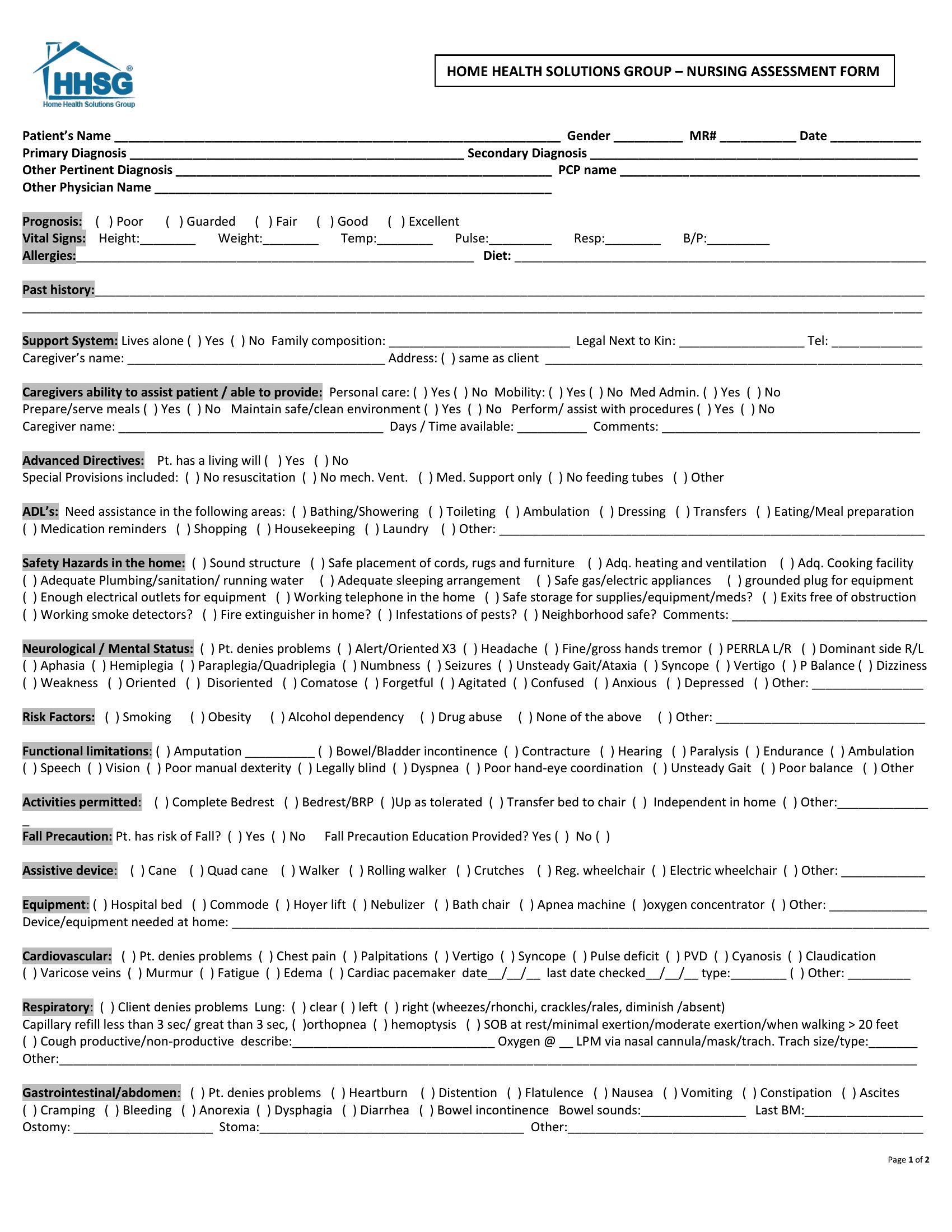
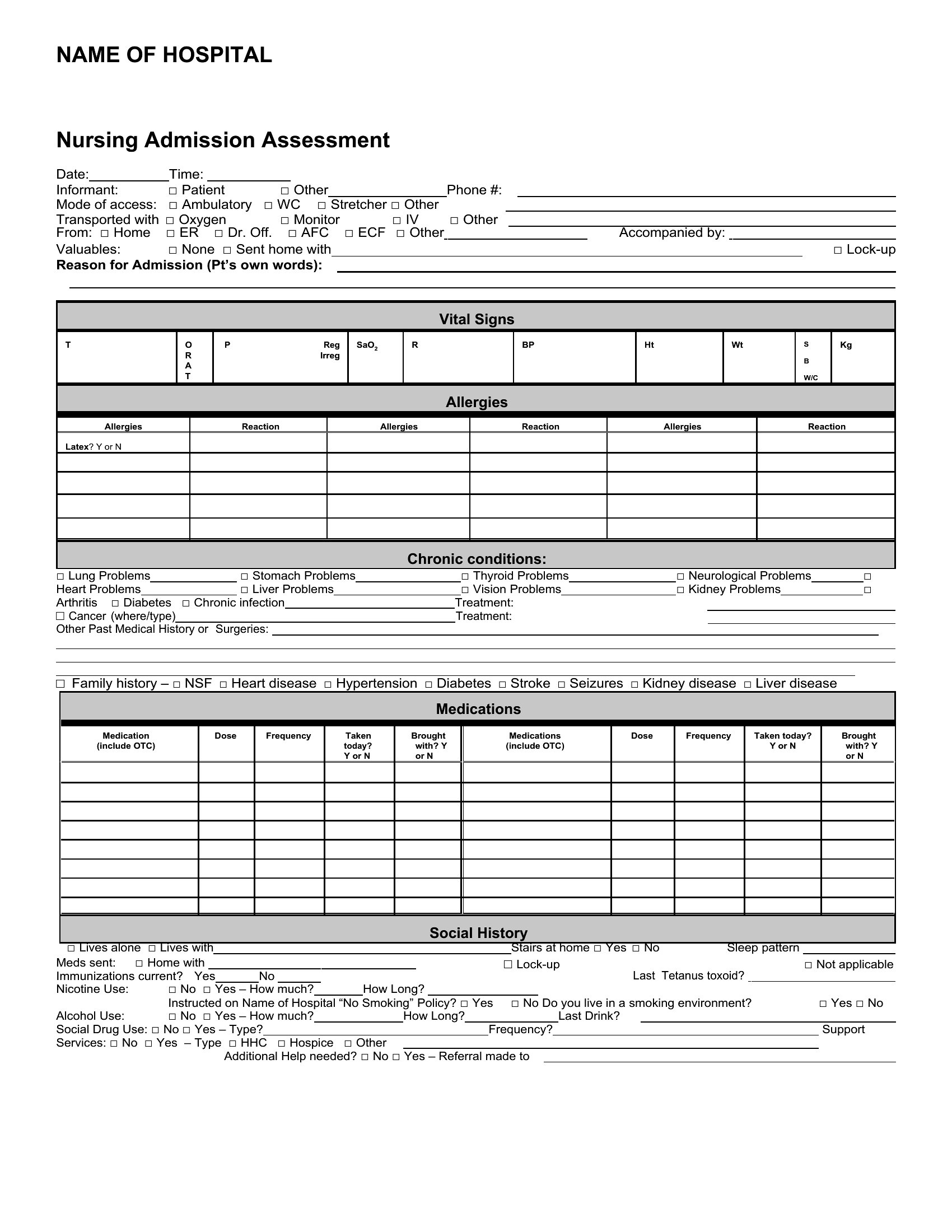
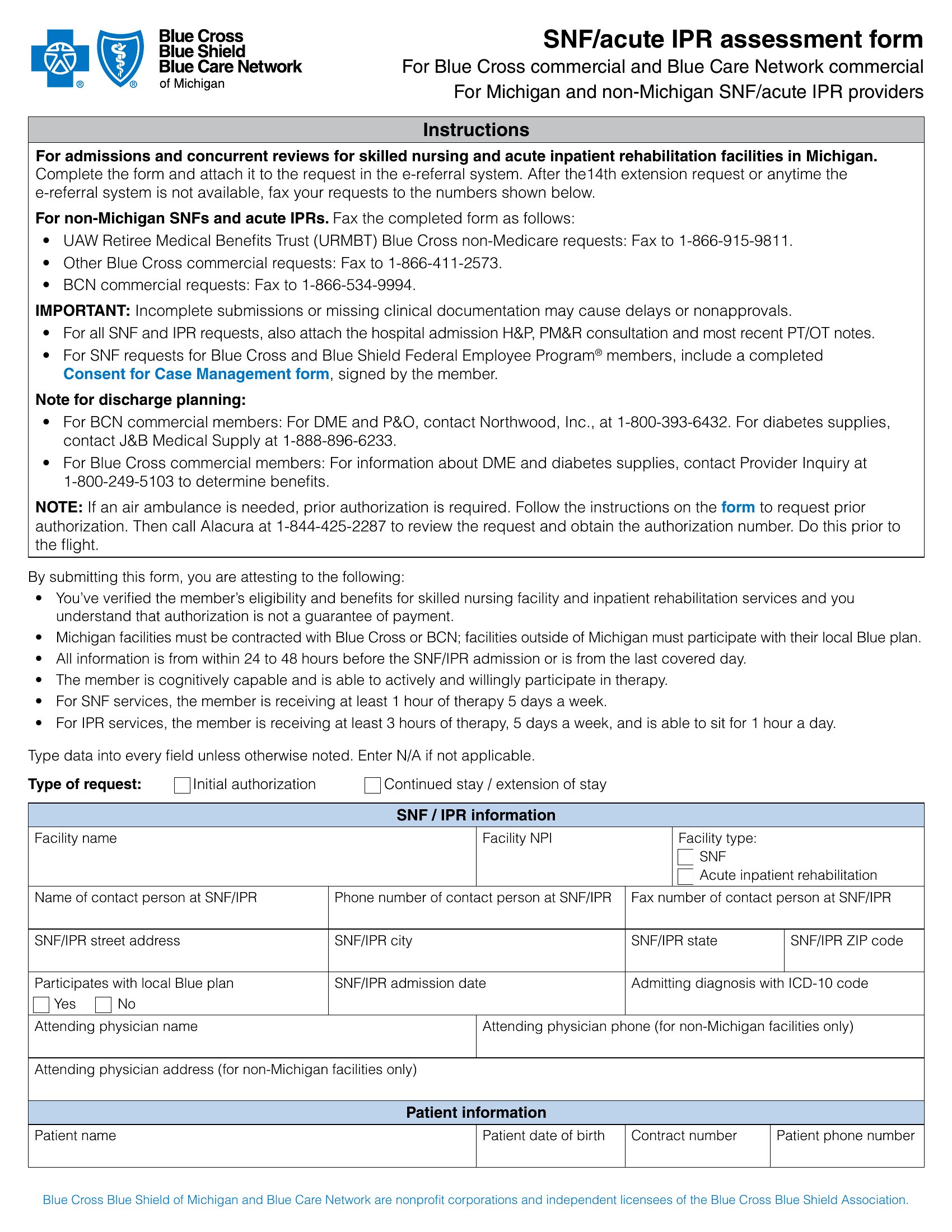
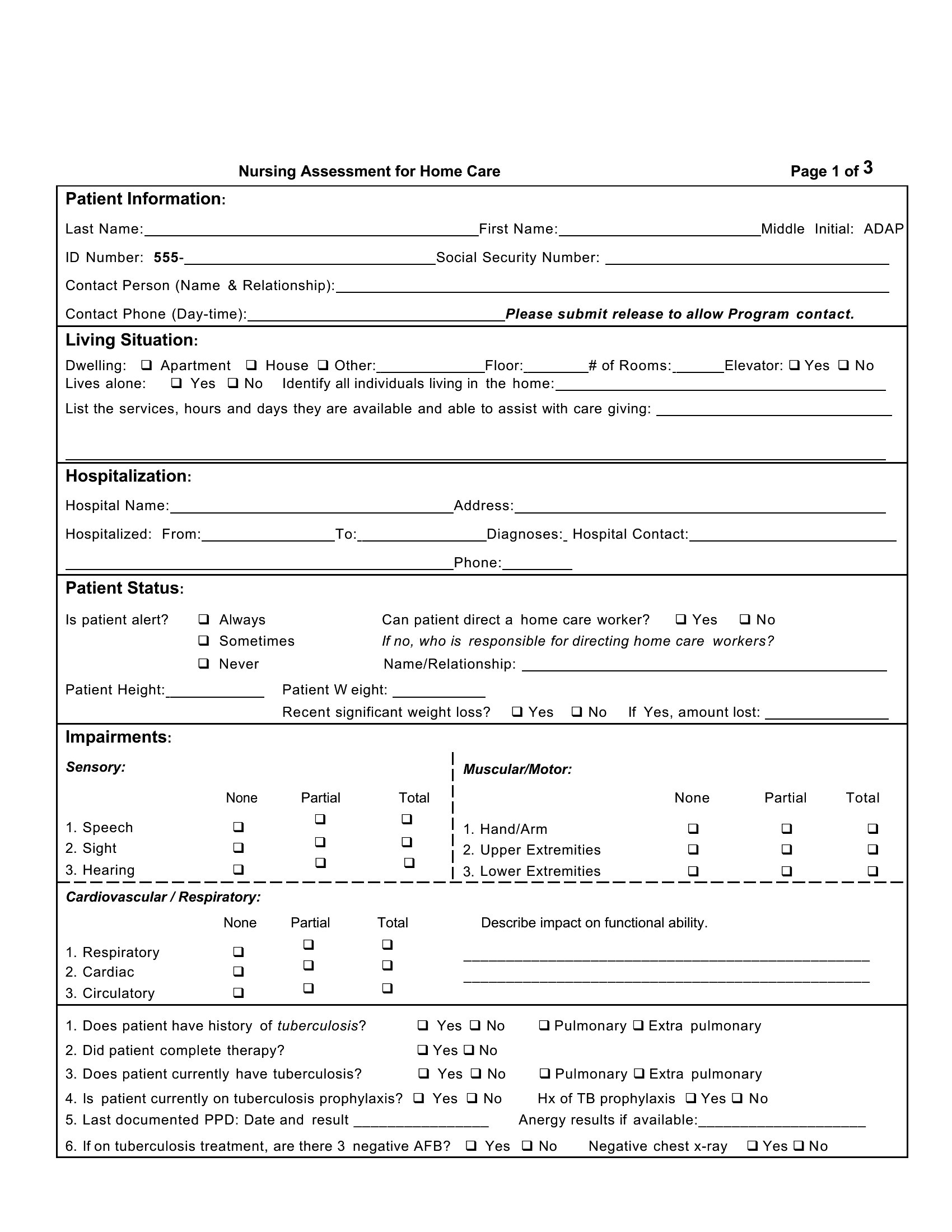
Free Nursing Assessment Forms (Word, PDF)

Applications
giraypekkan by giraypekkan
Updated 0 downloads Quality-checked template

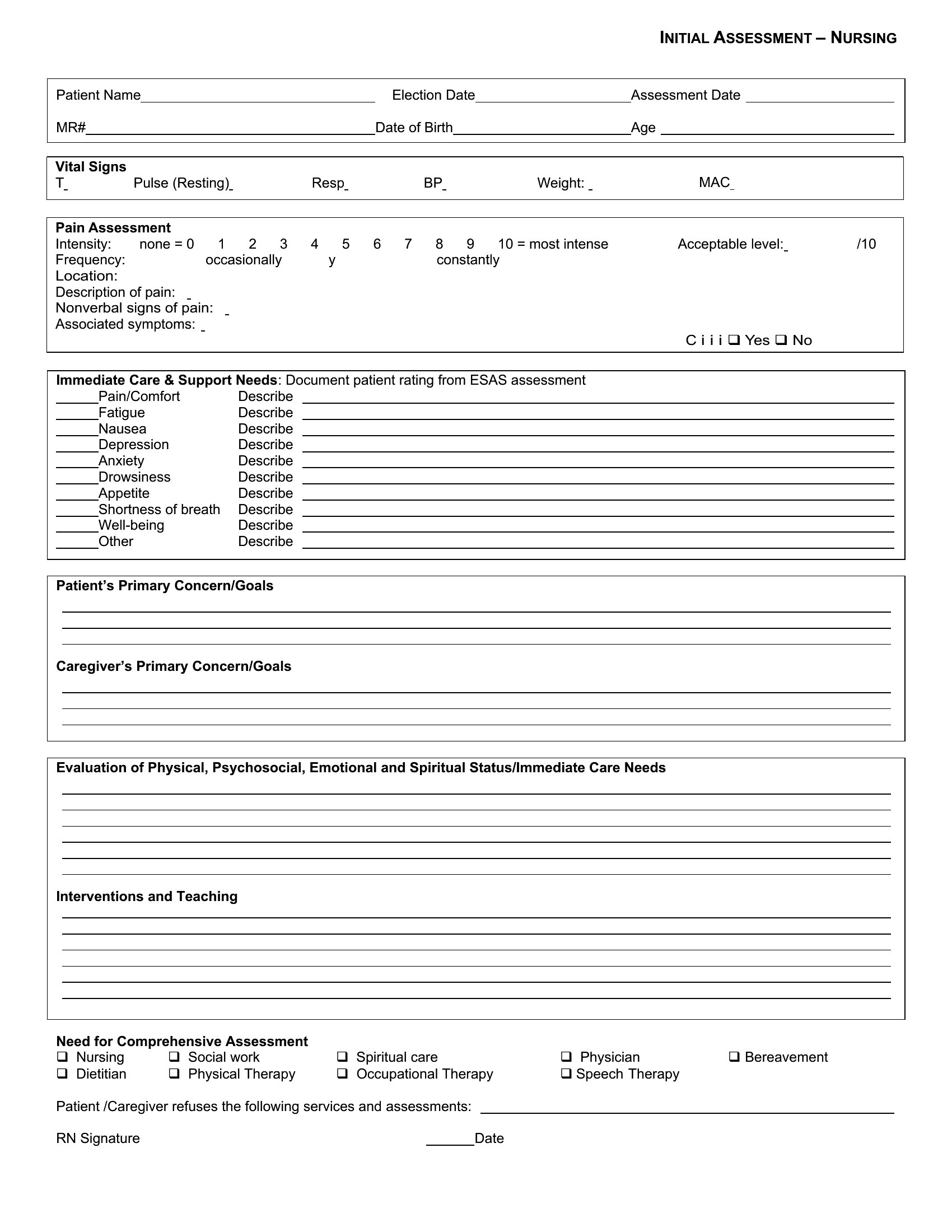
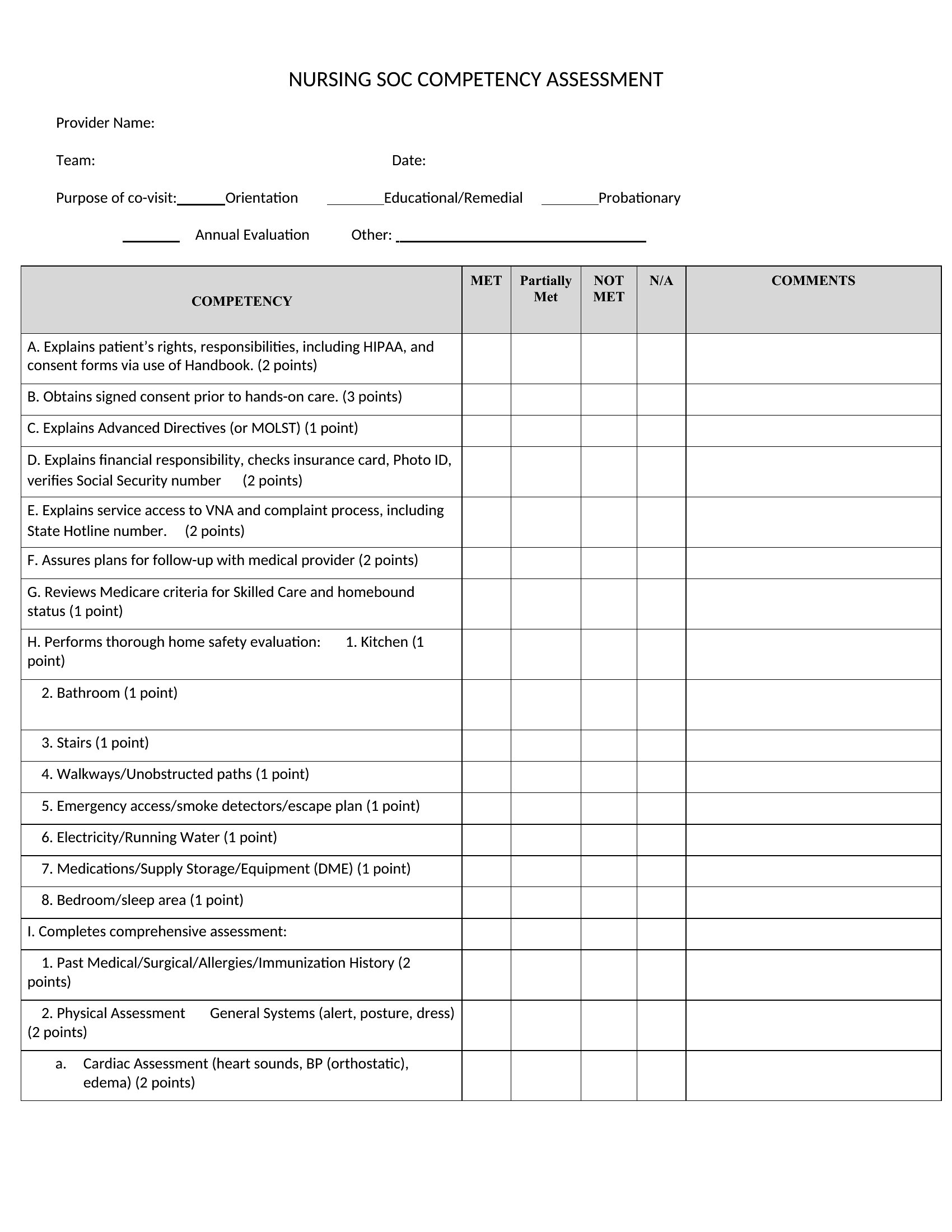
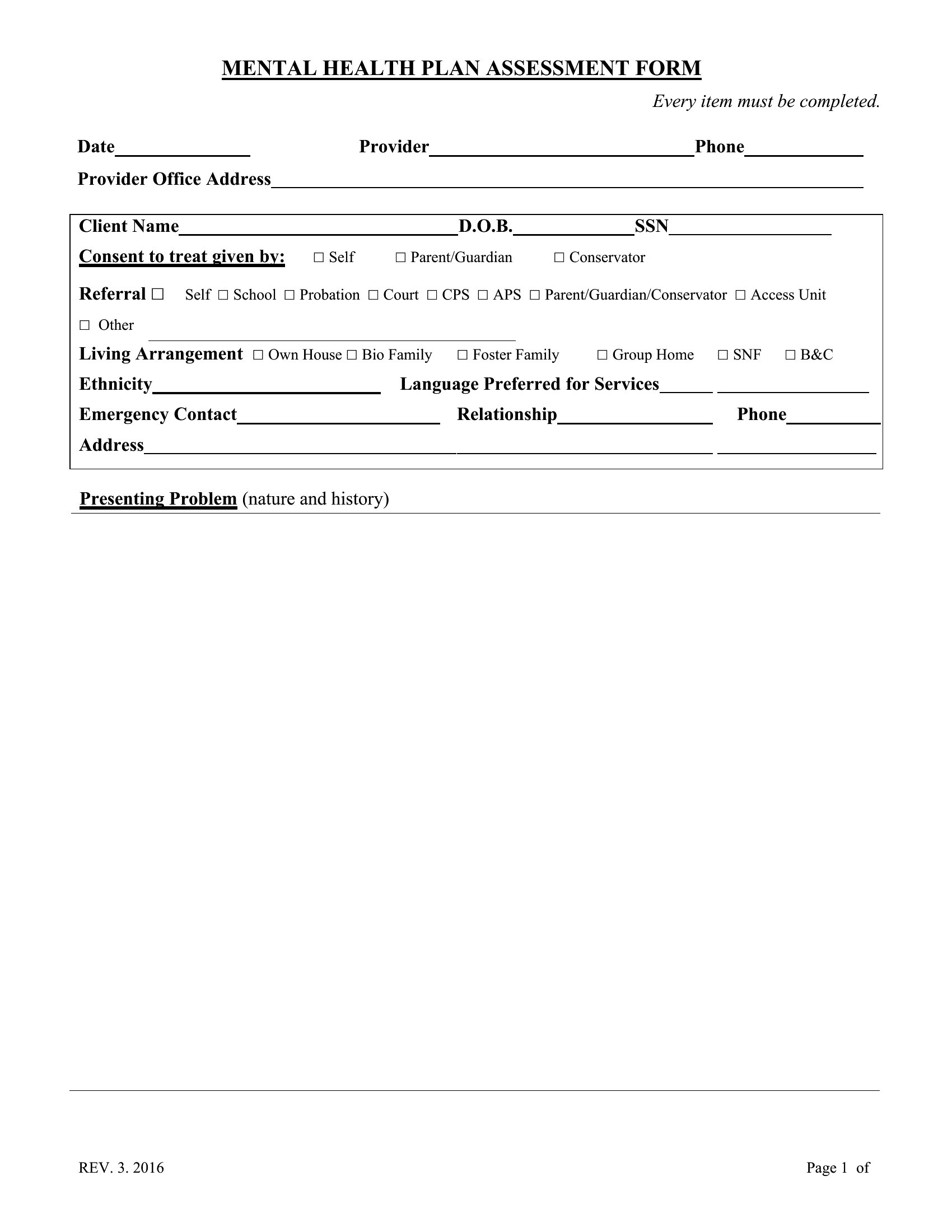
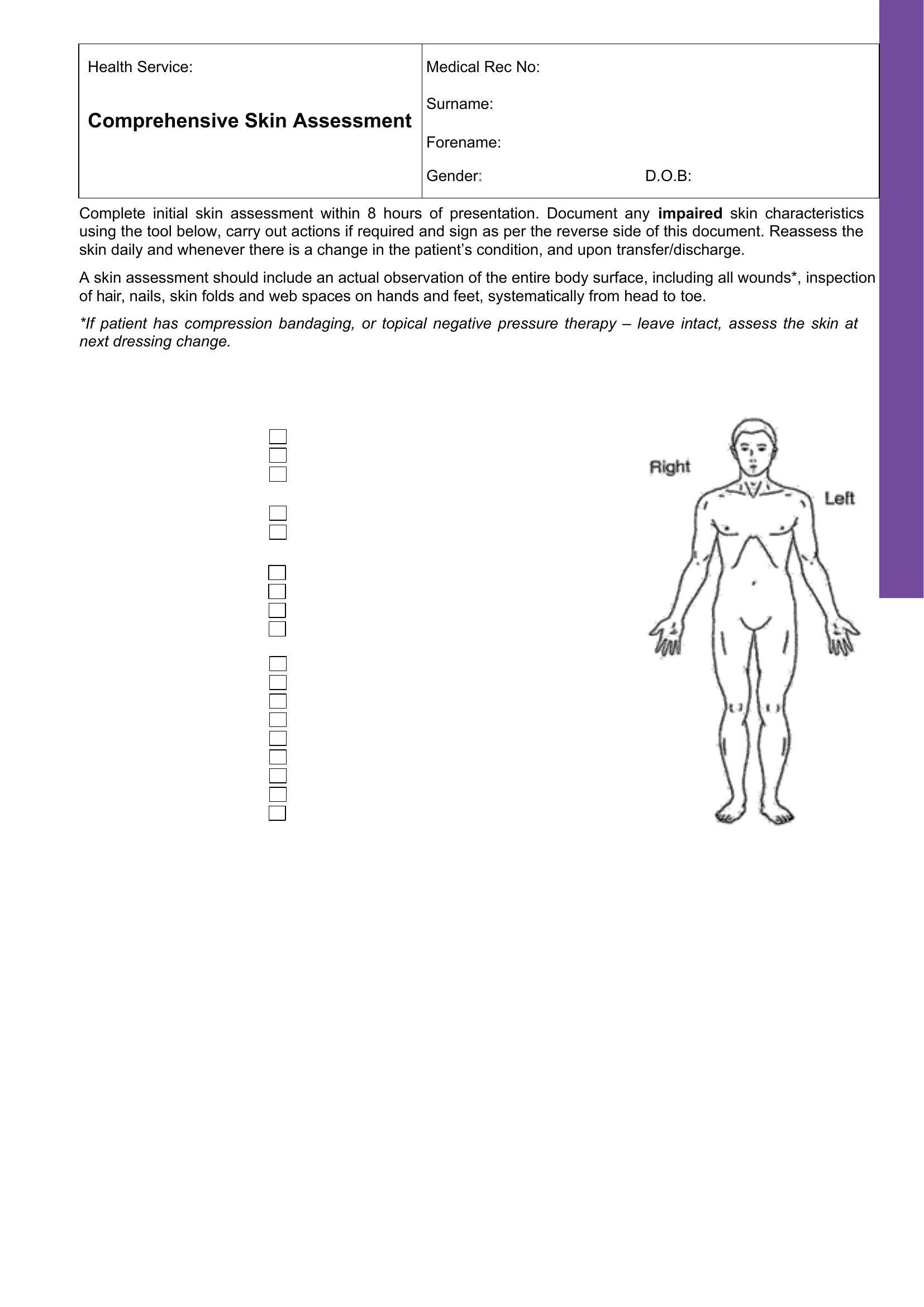
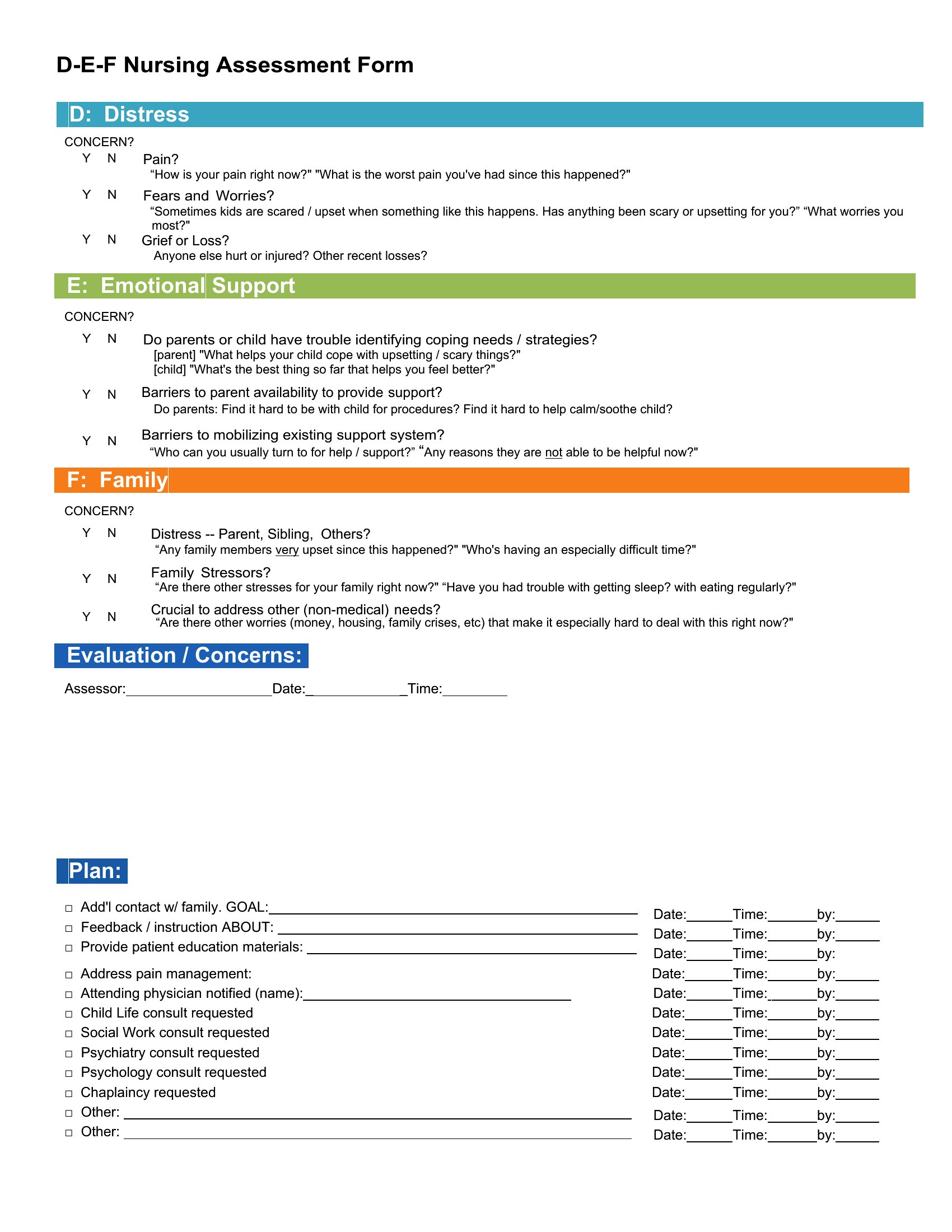
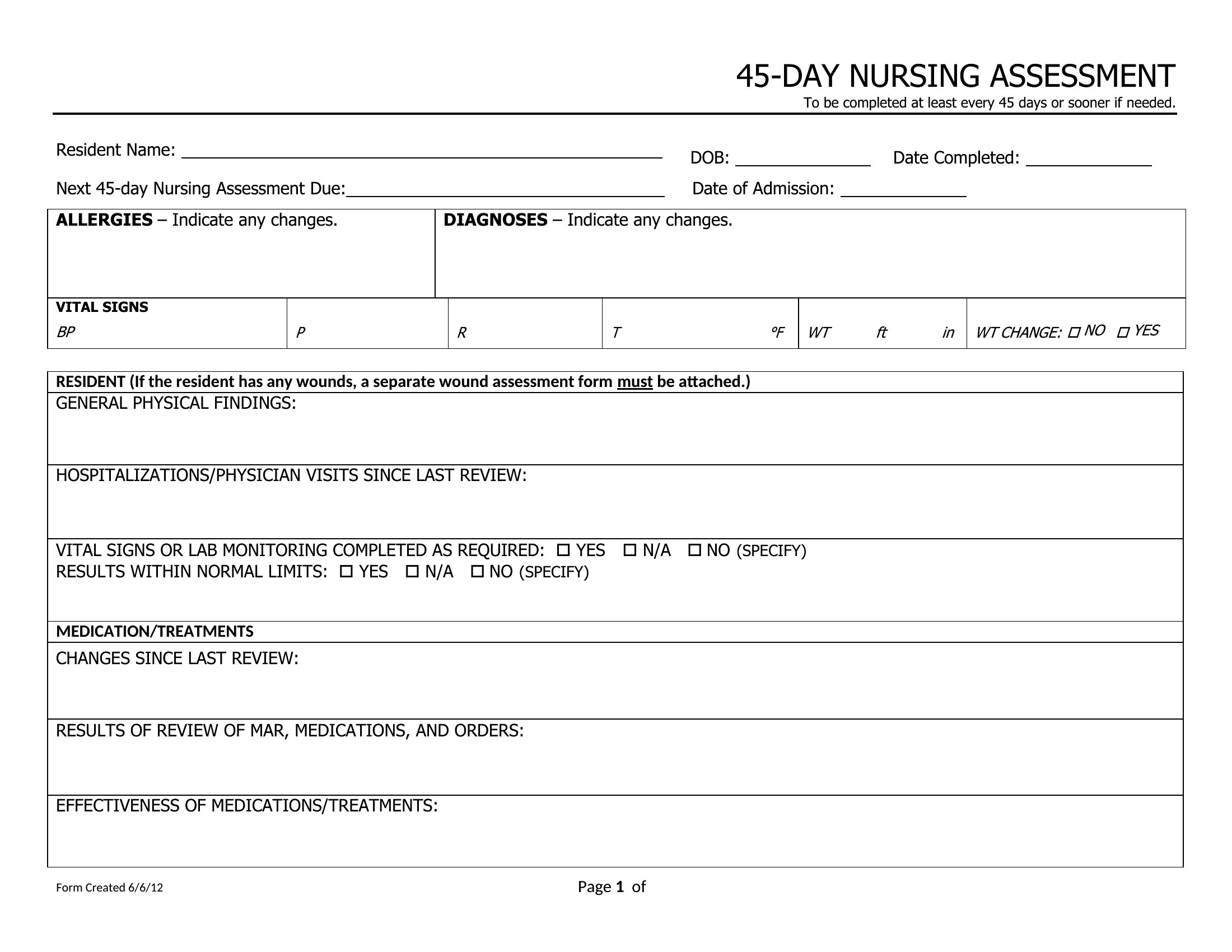
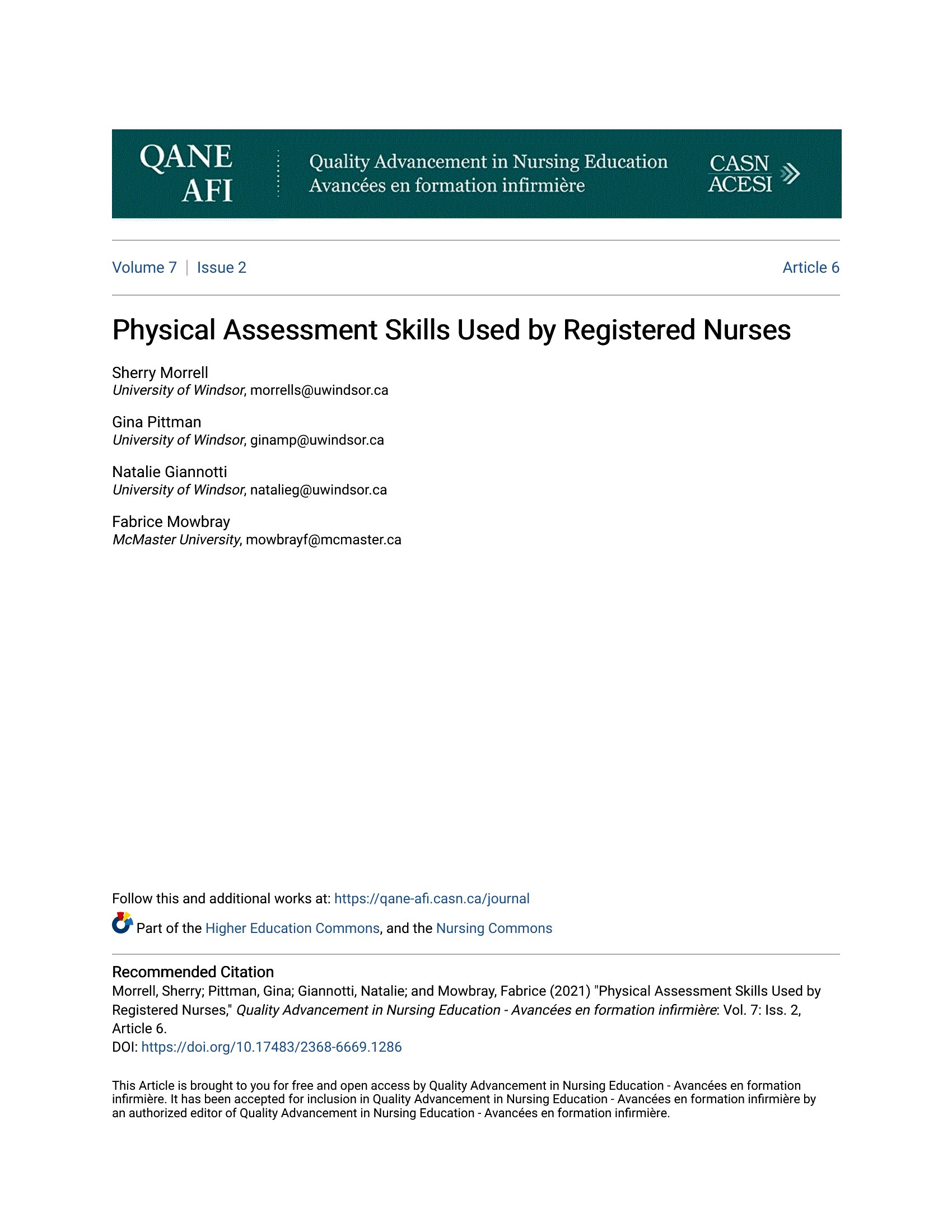
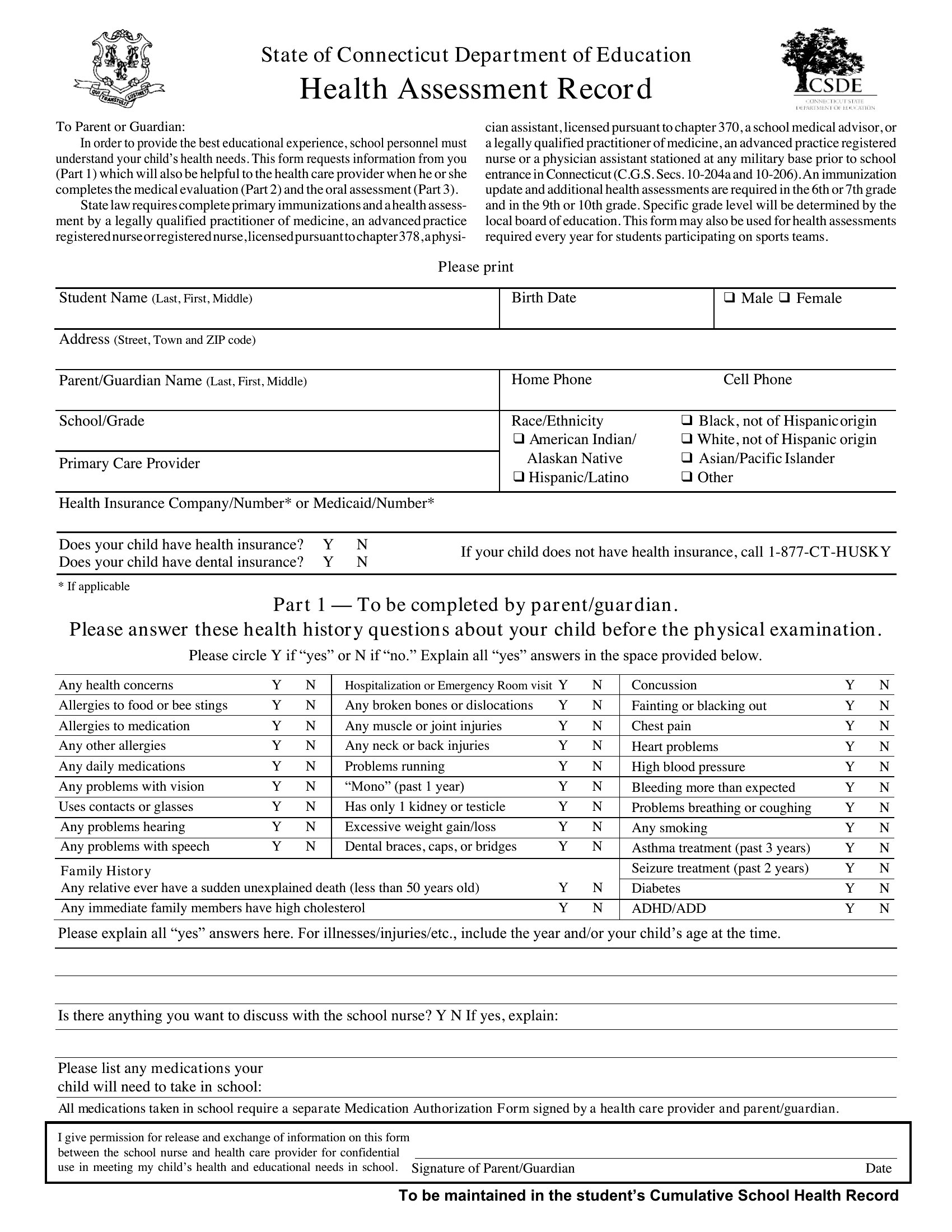
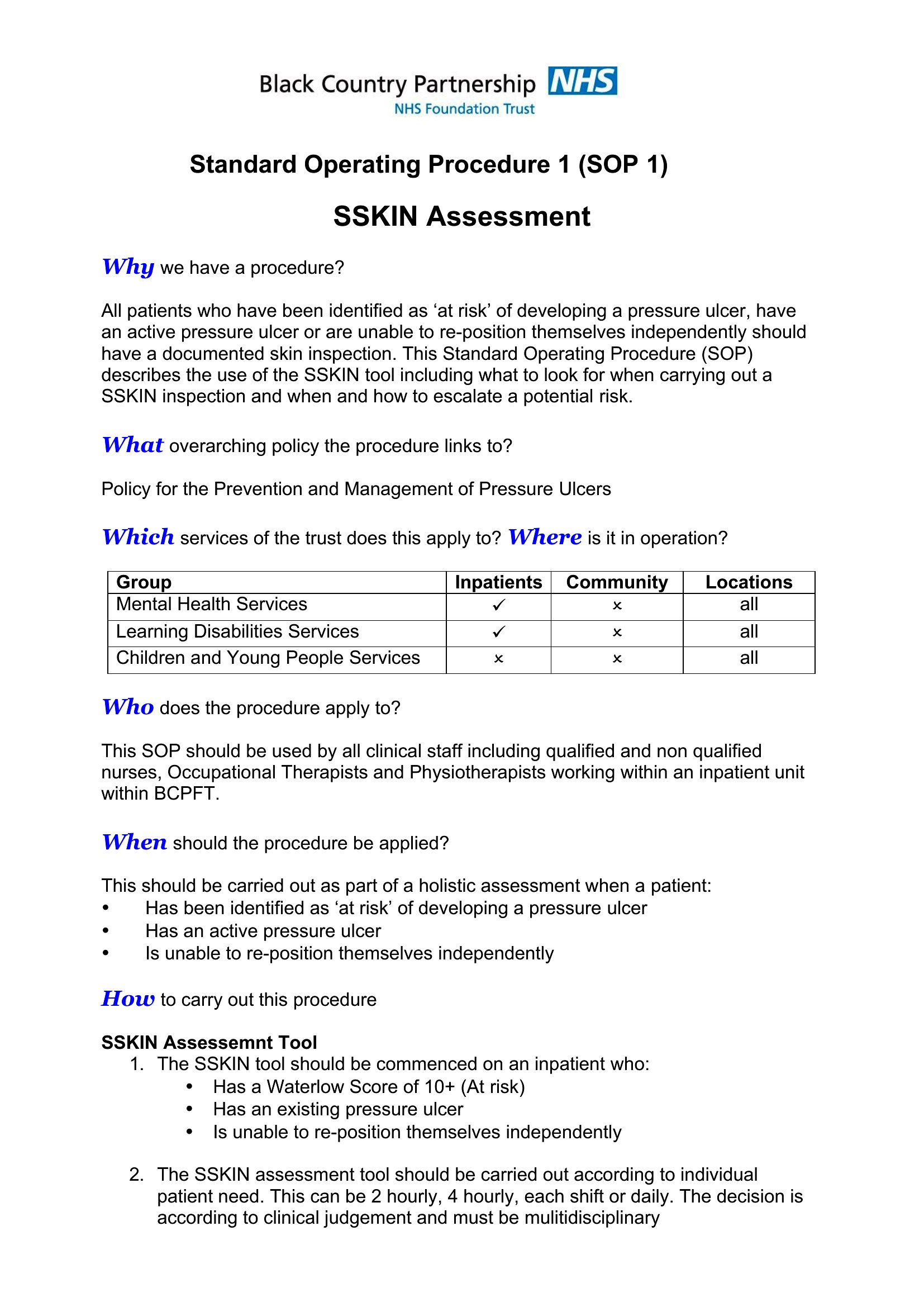
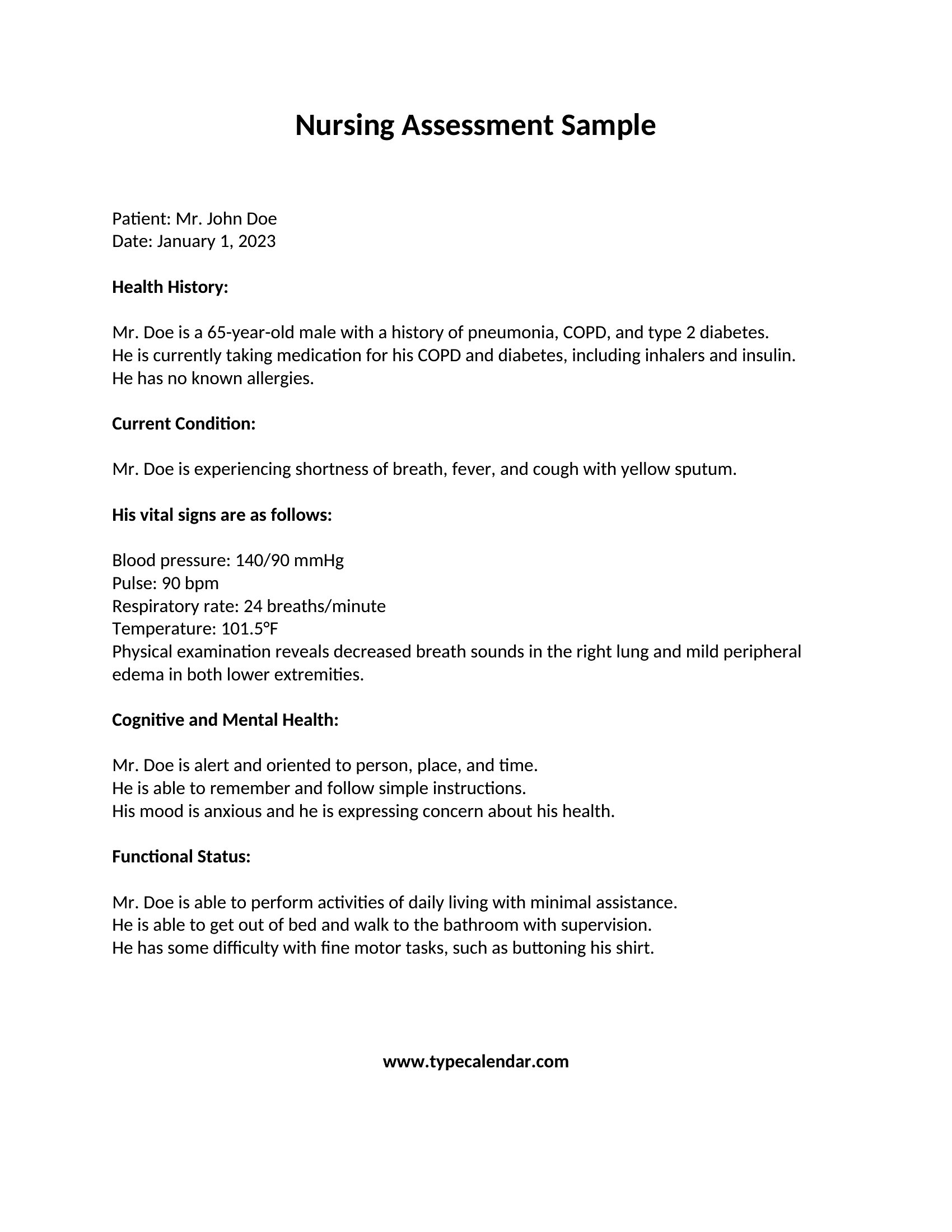
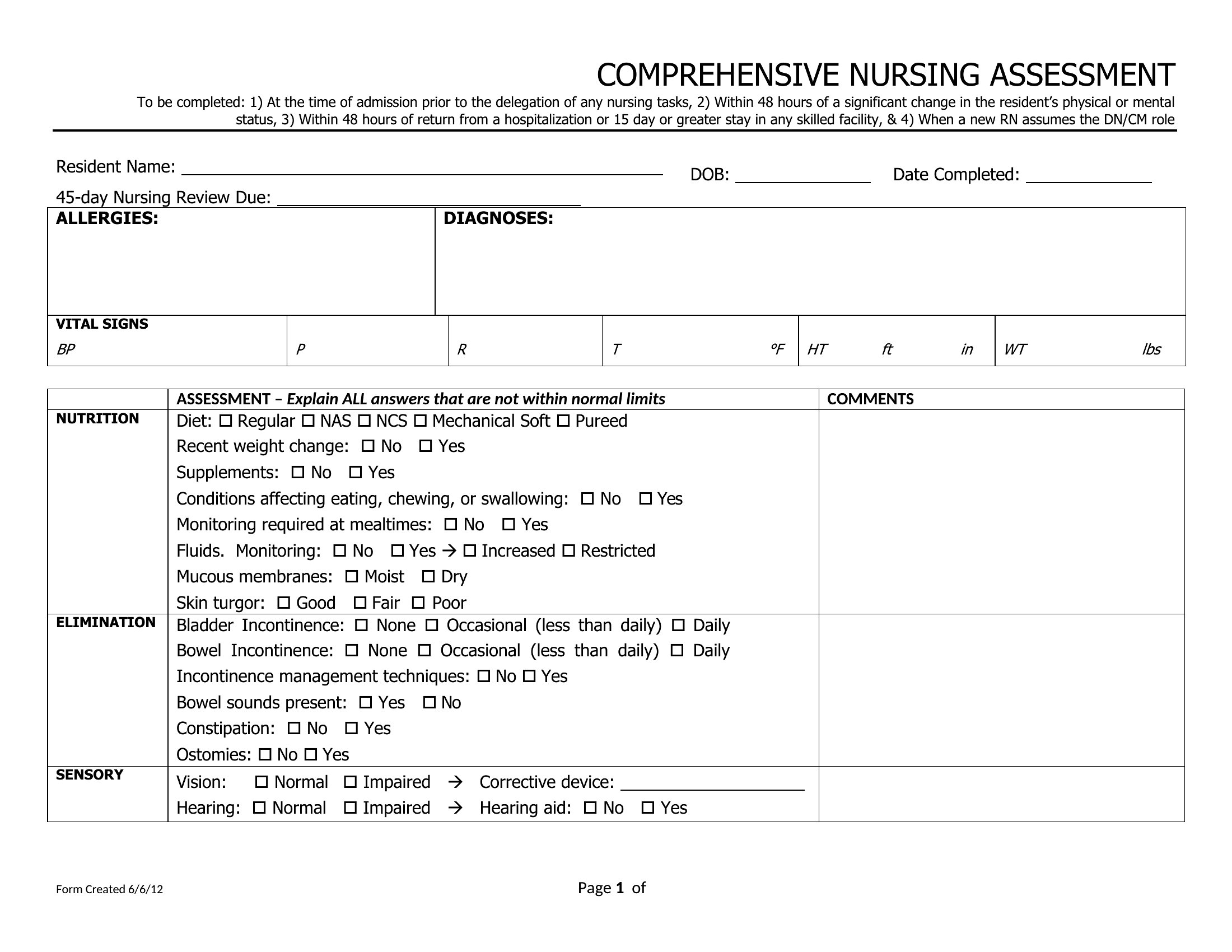
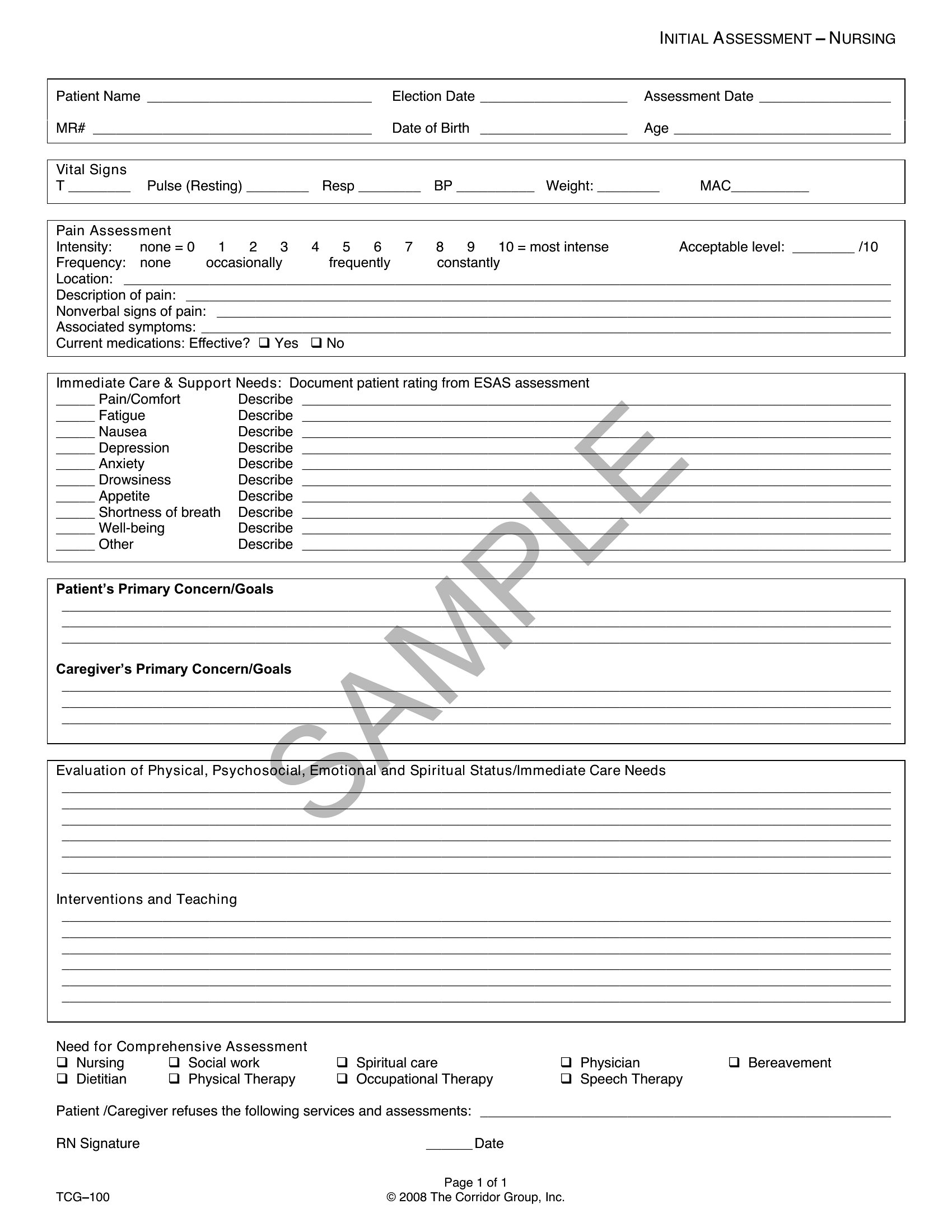
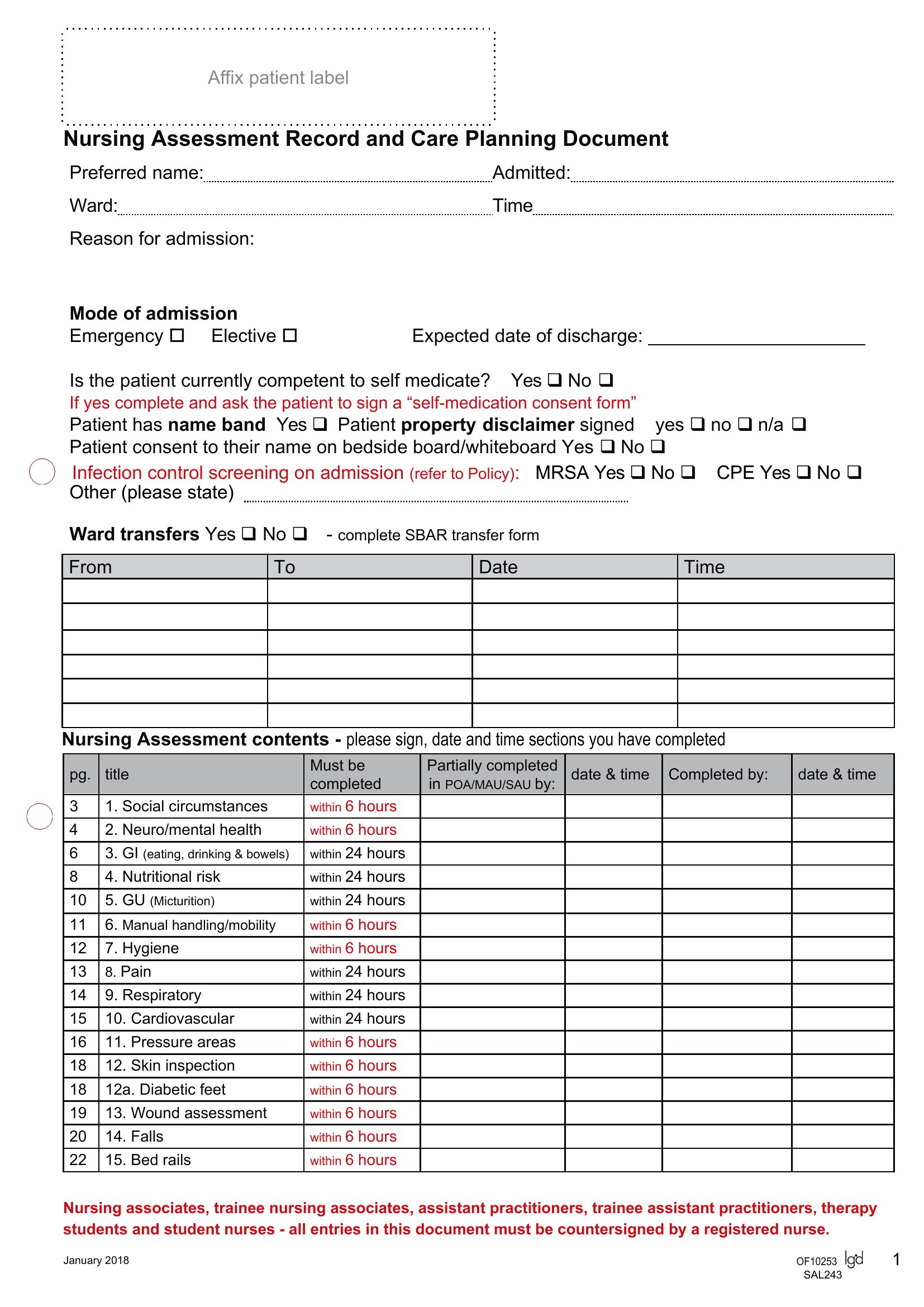
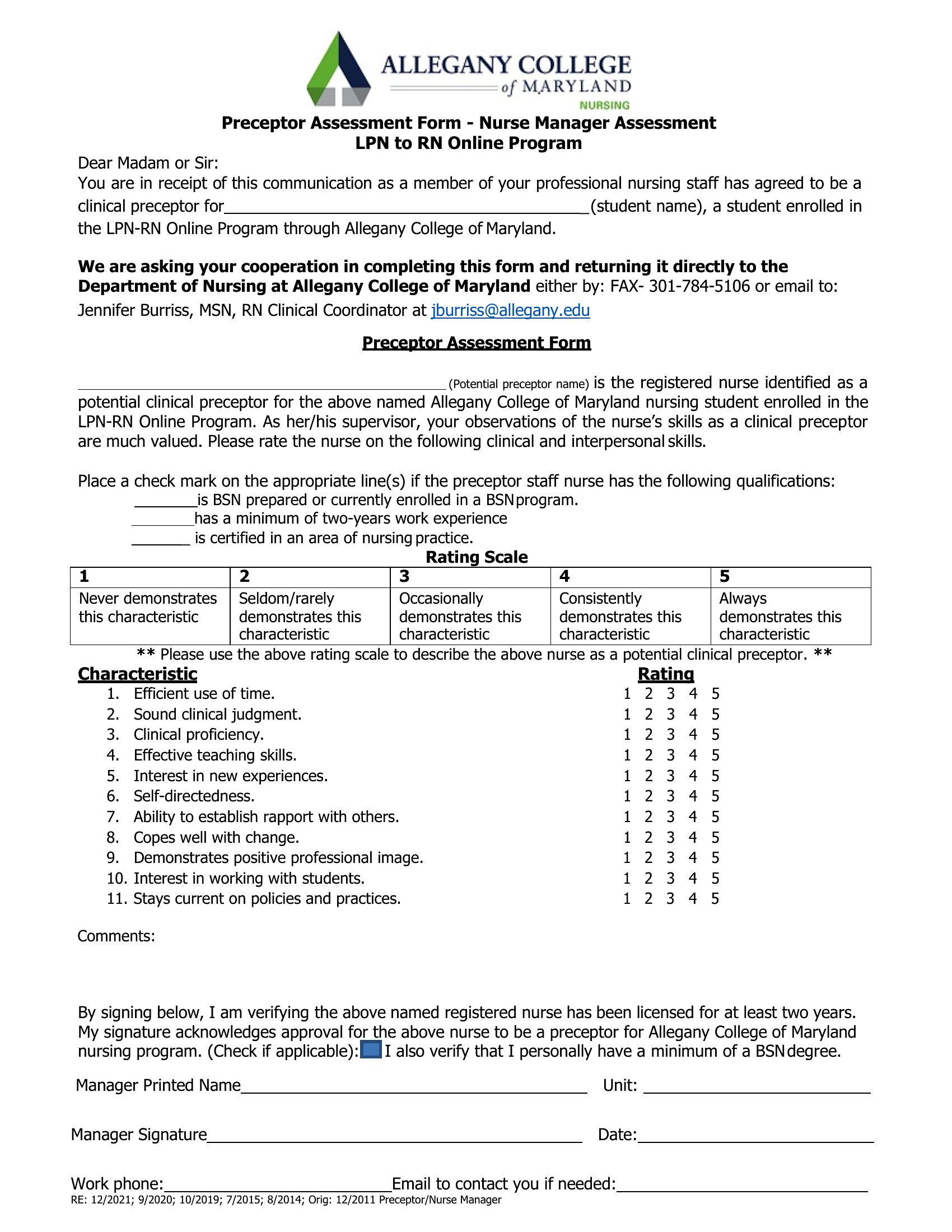
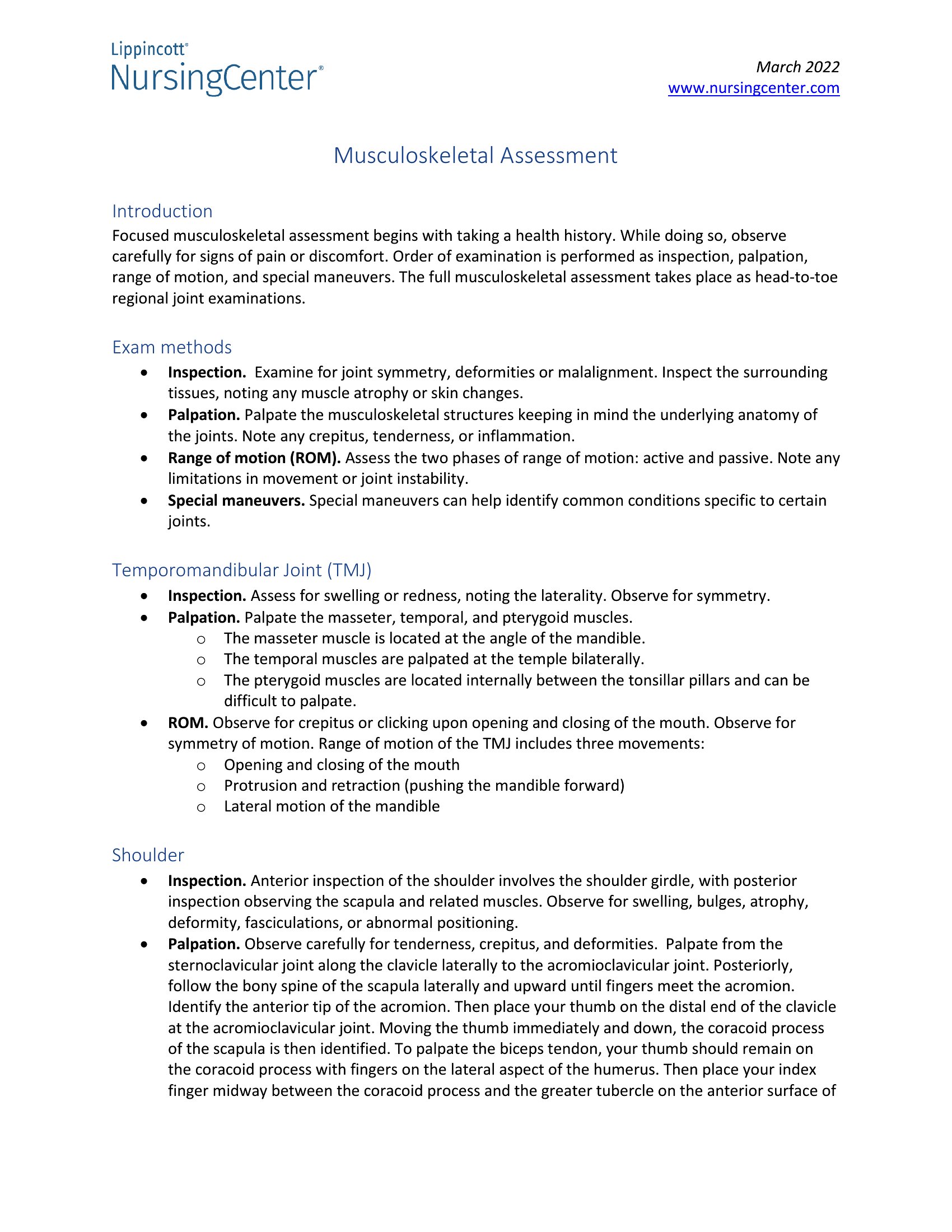
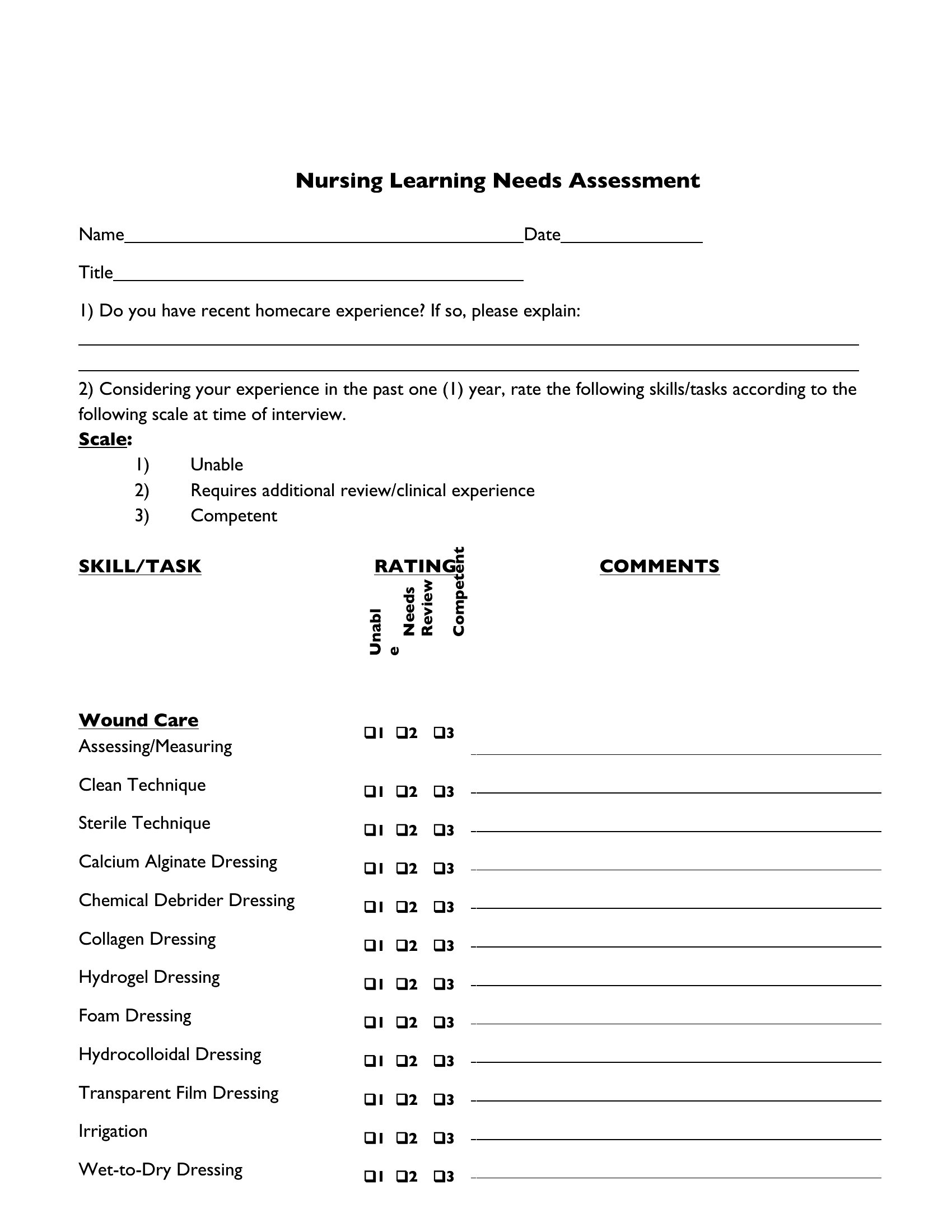
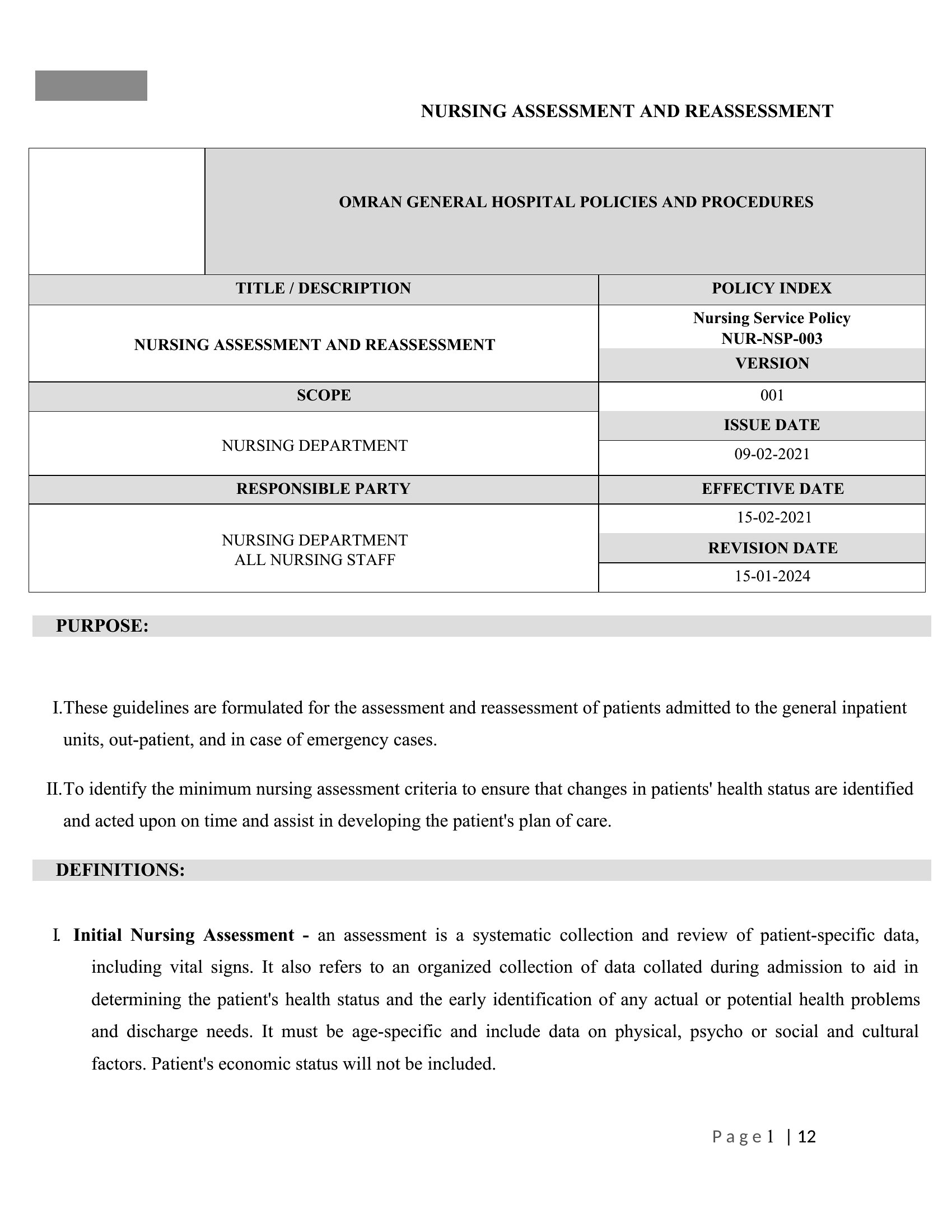
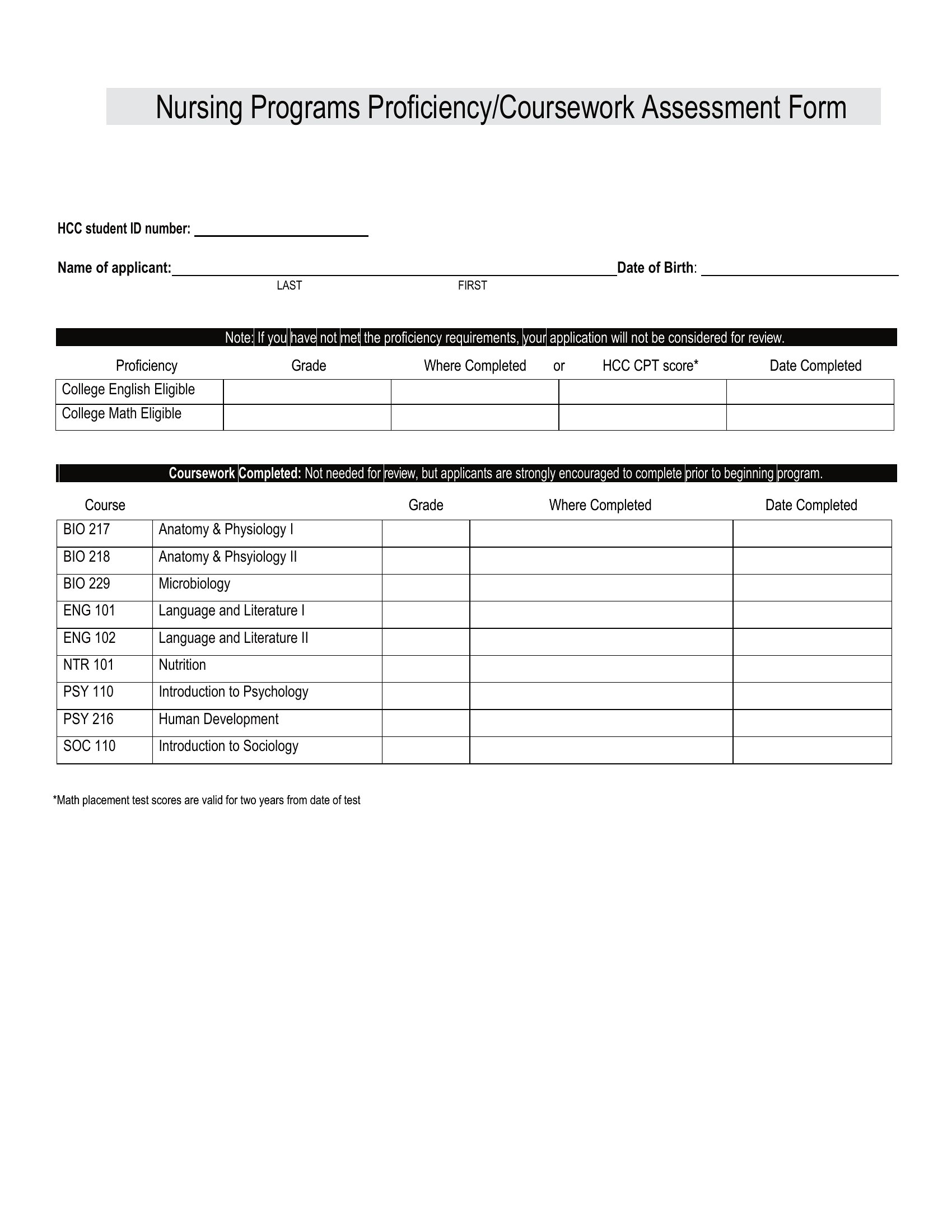
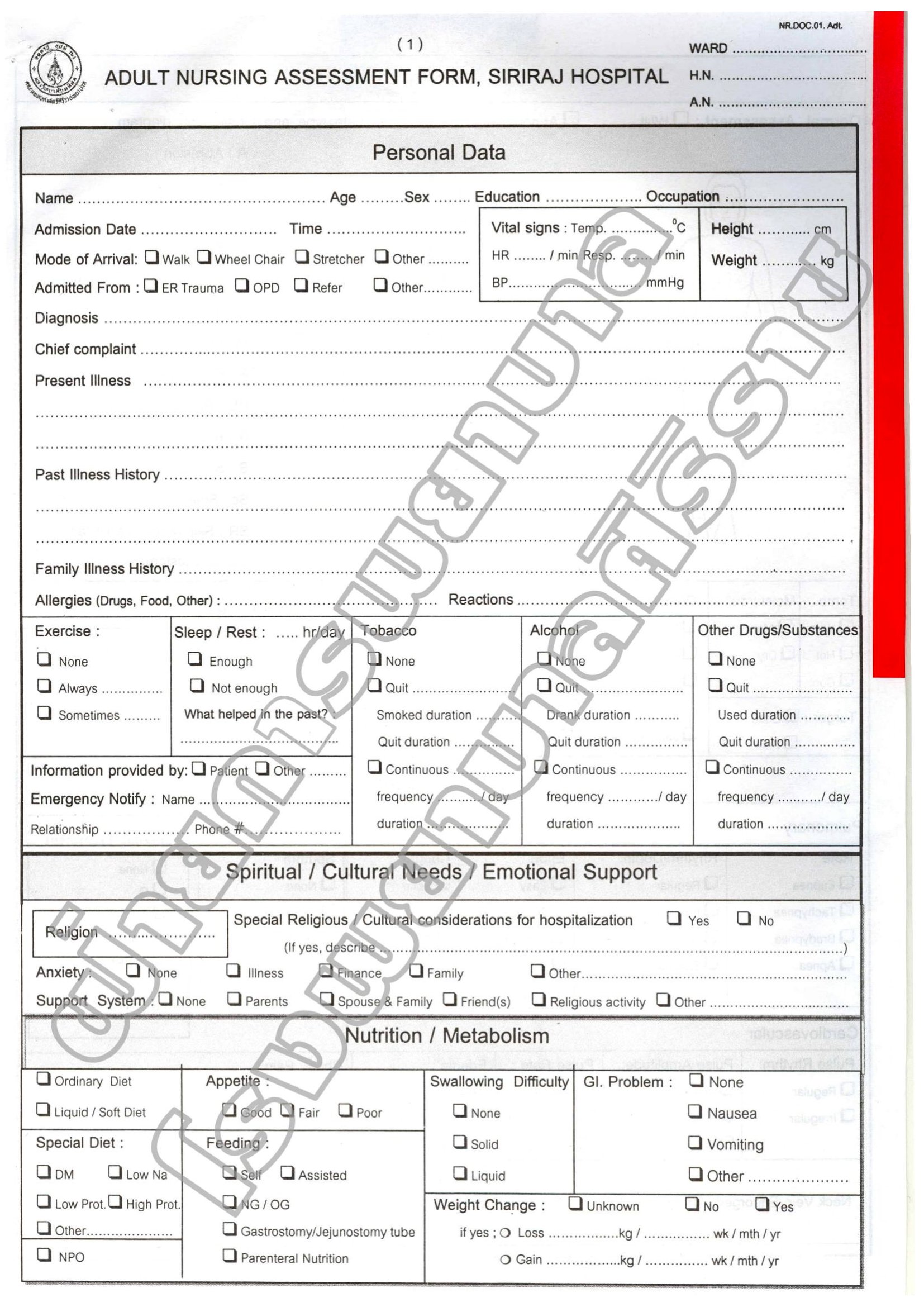
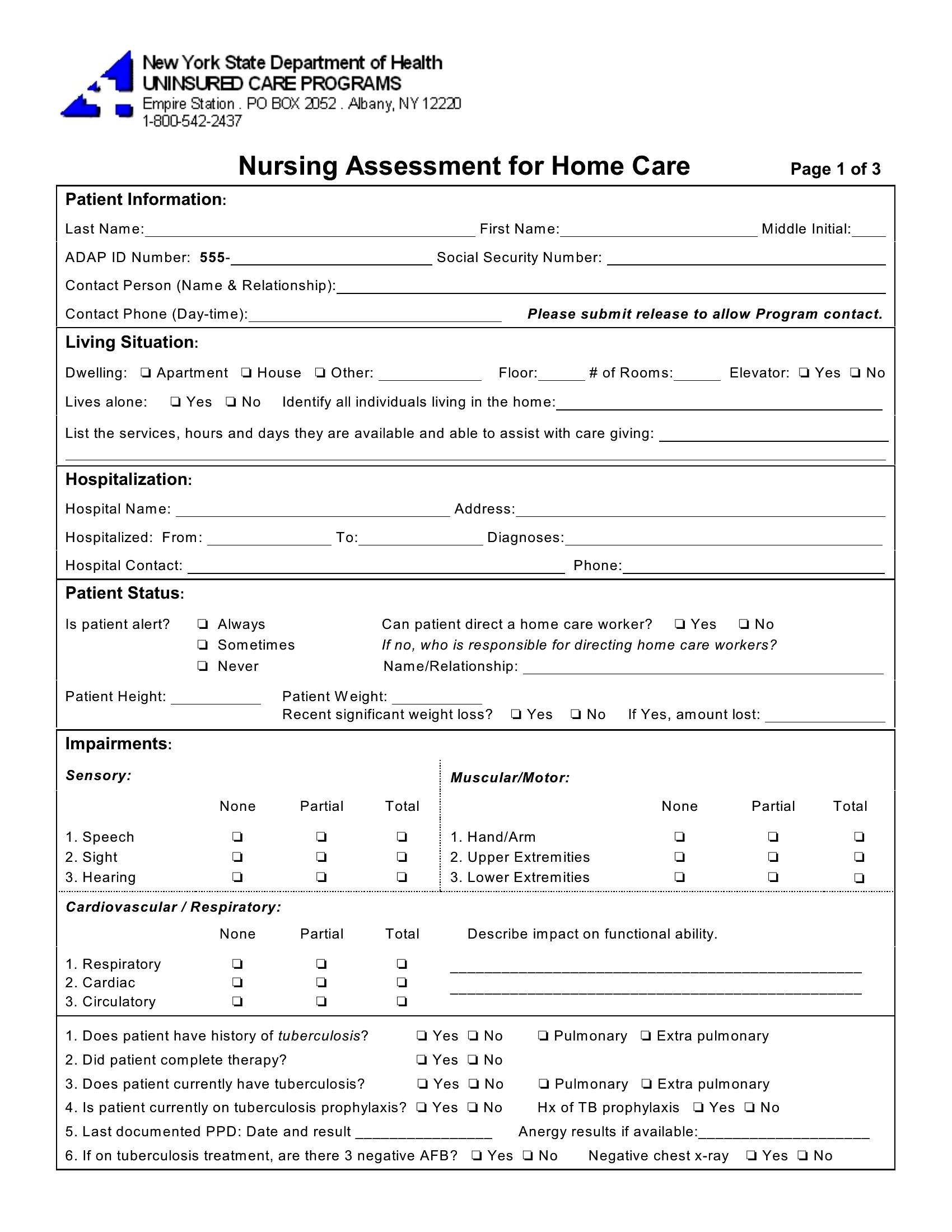
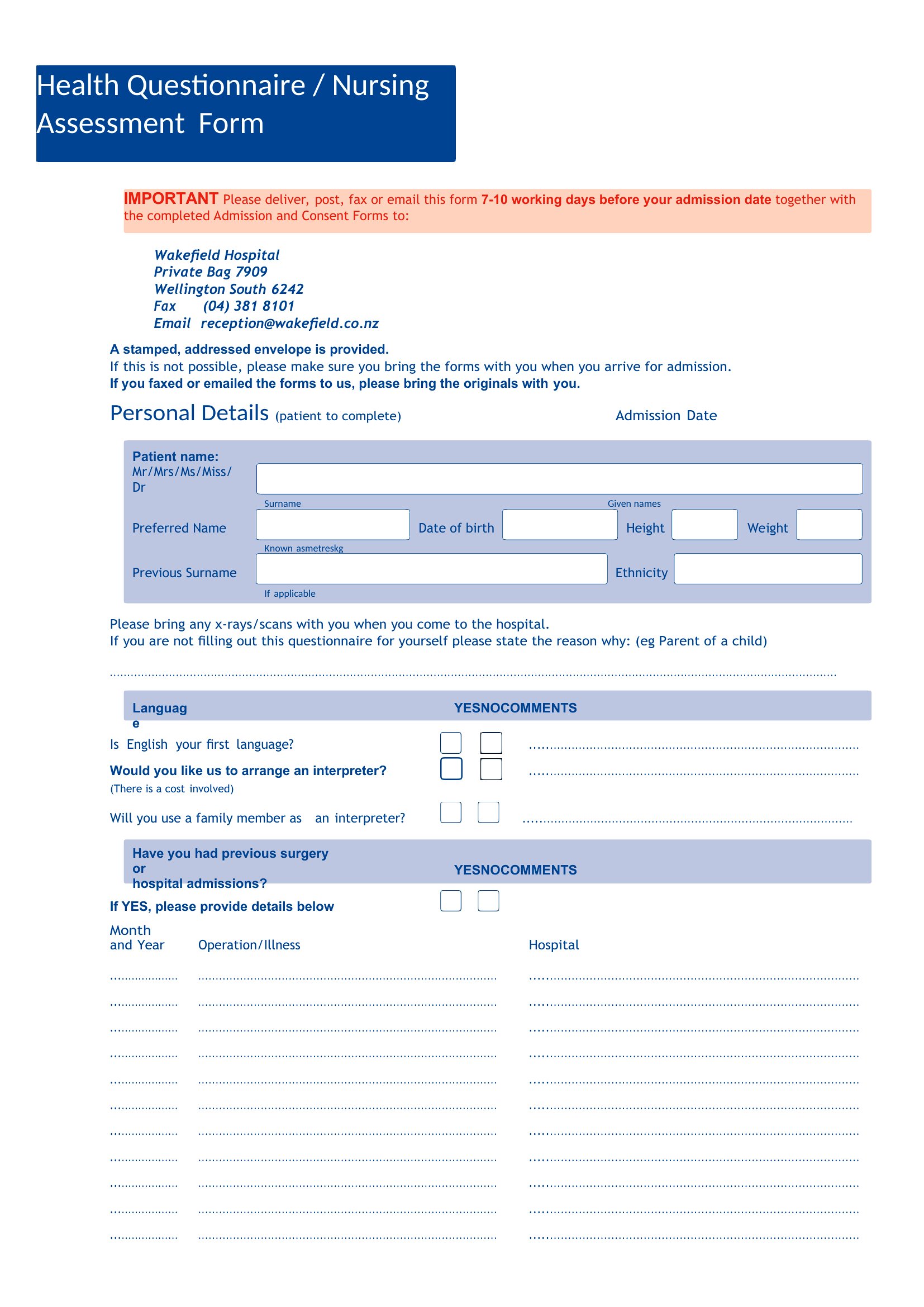
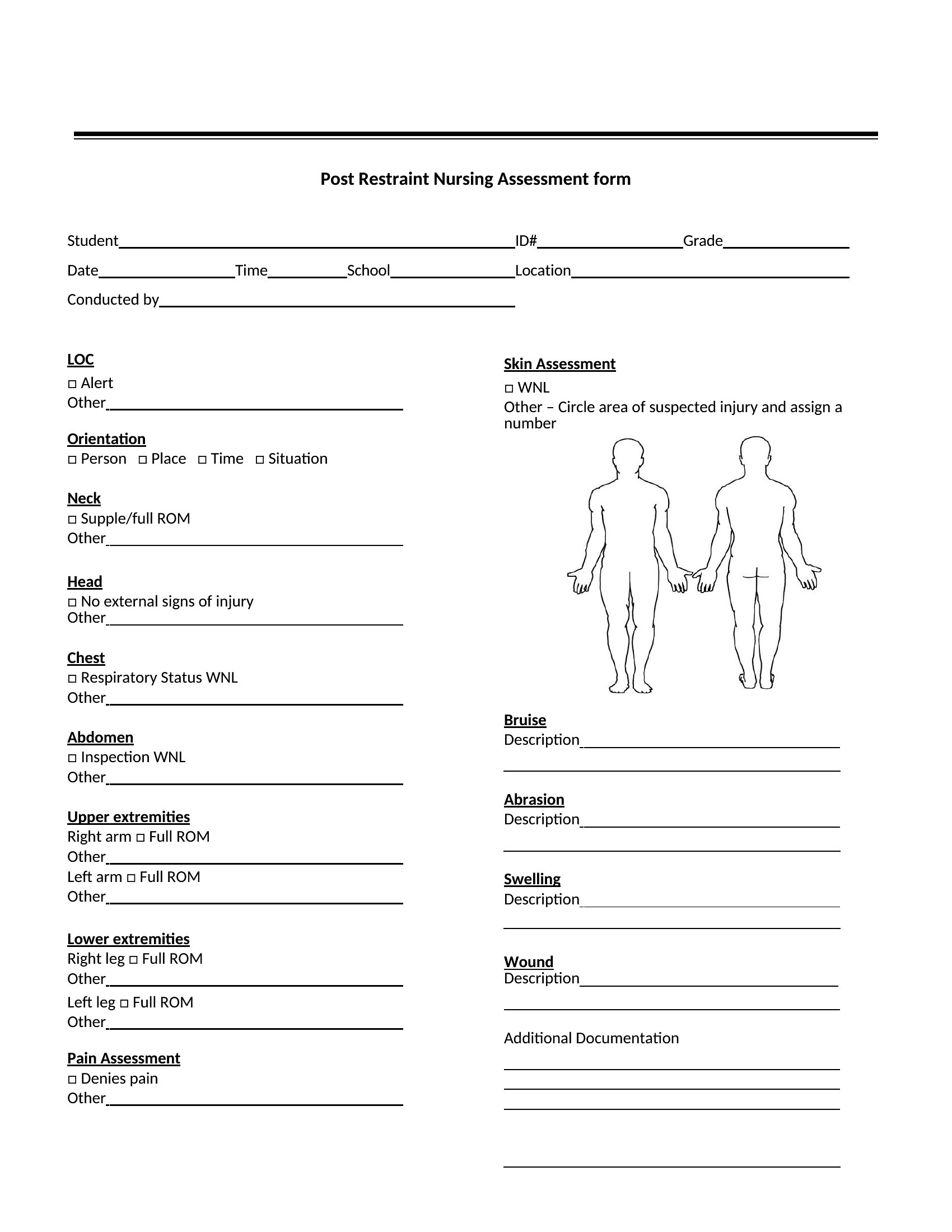
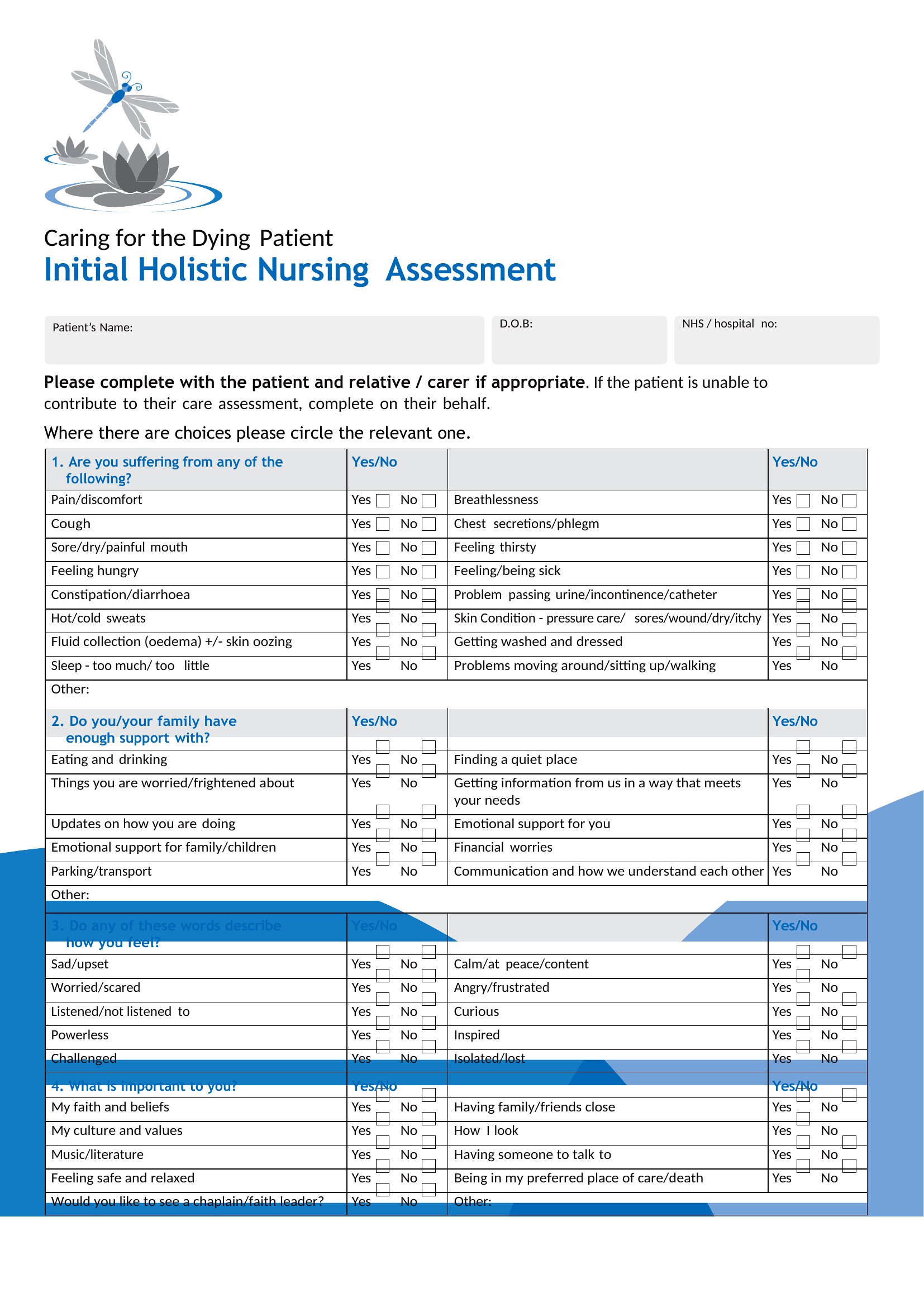
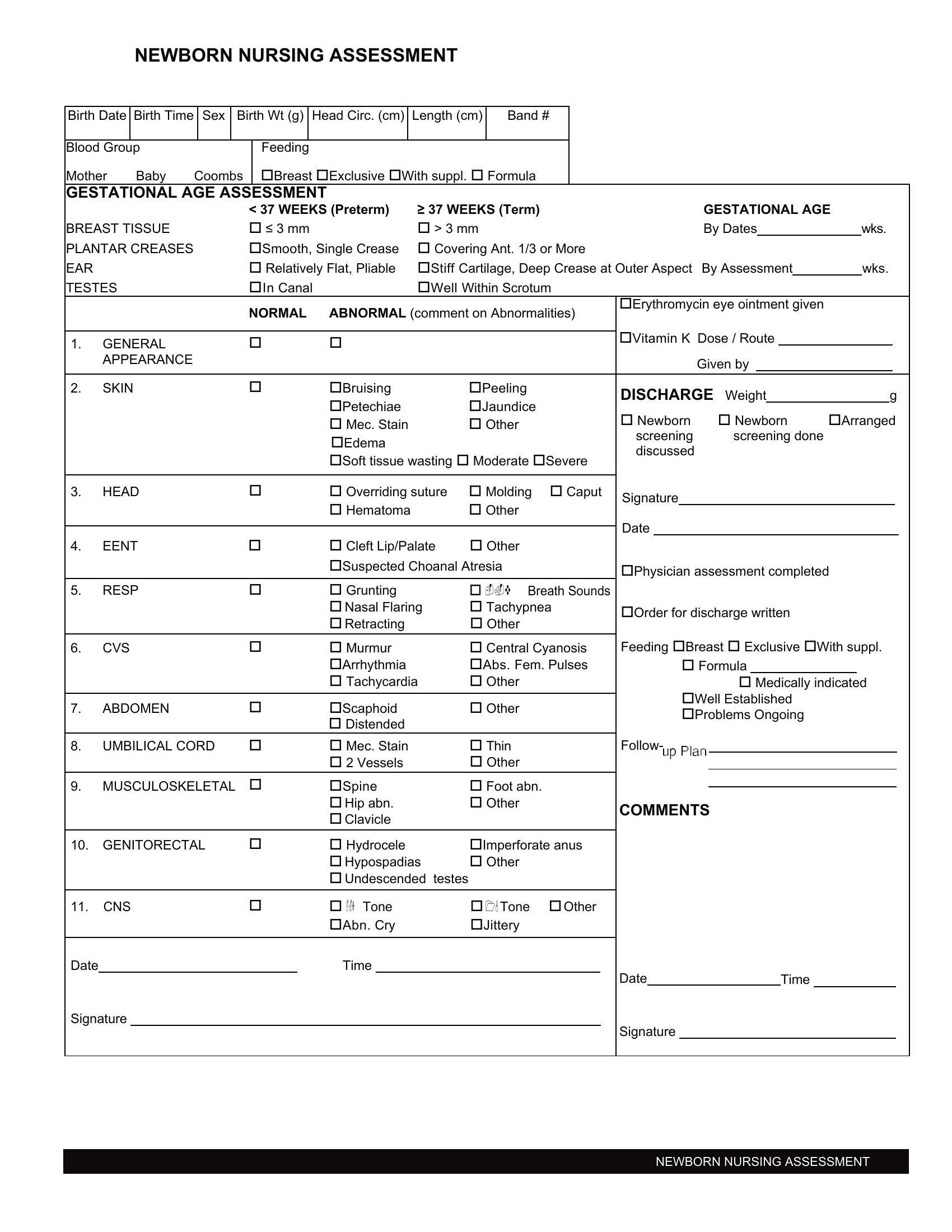
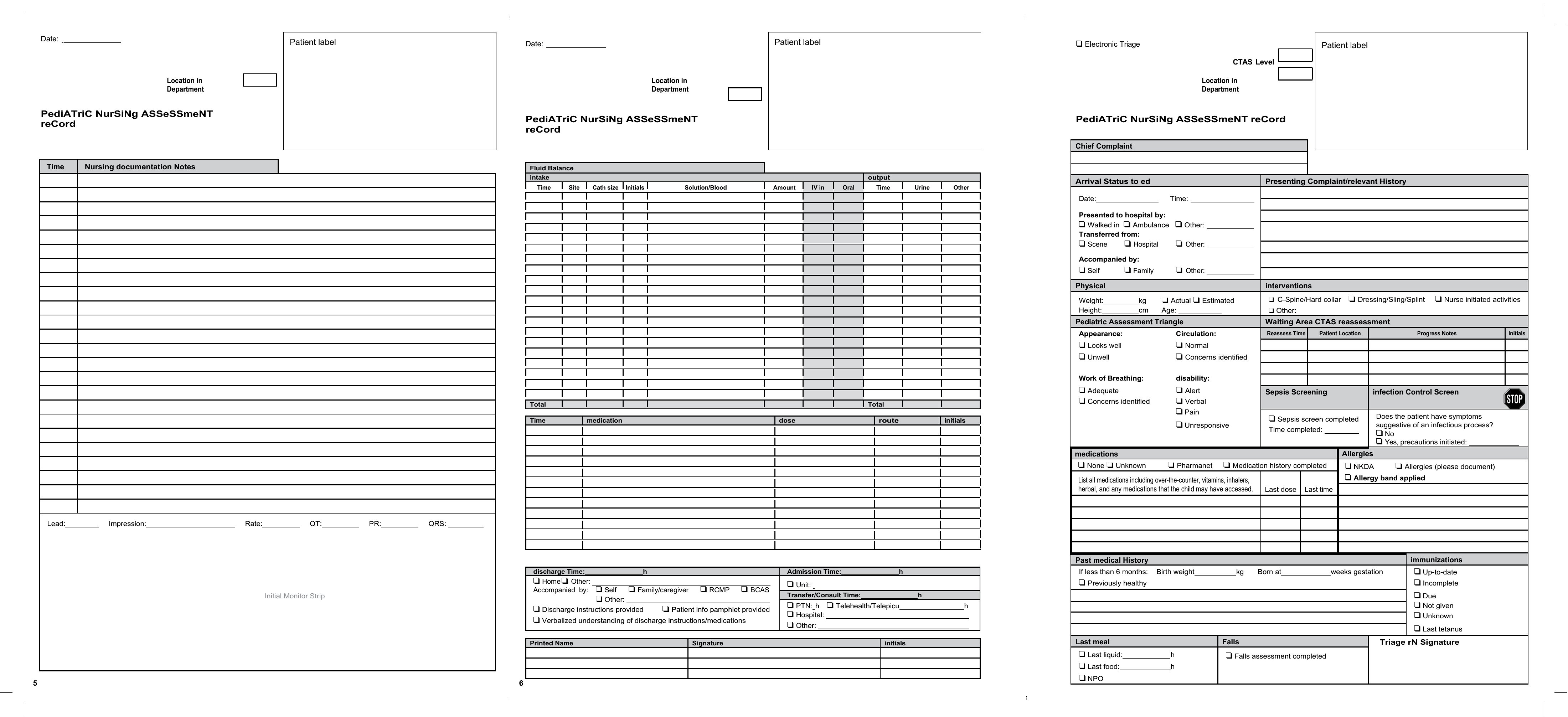
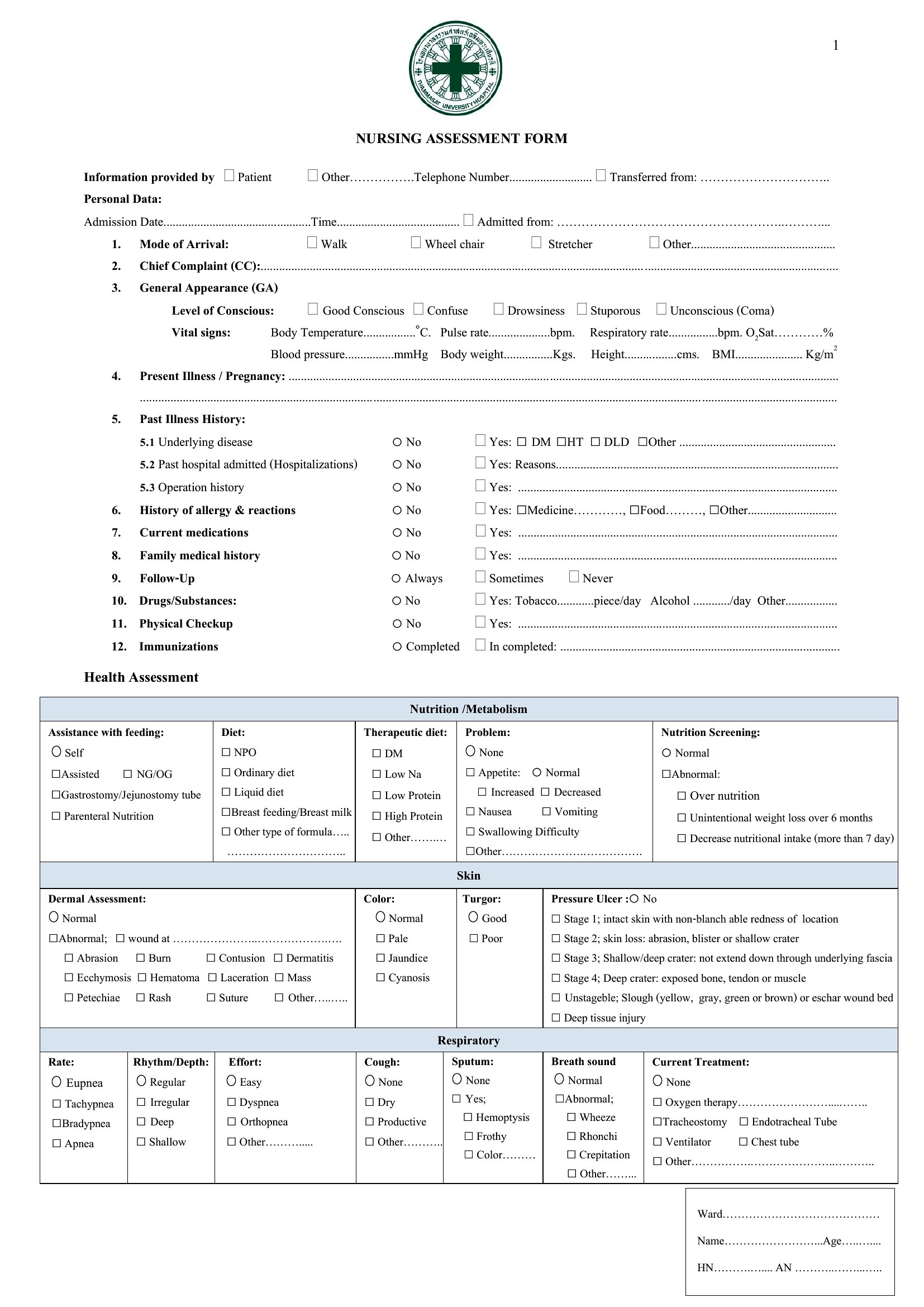
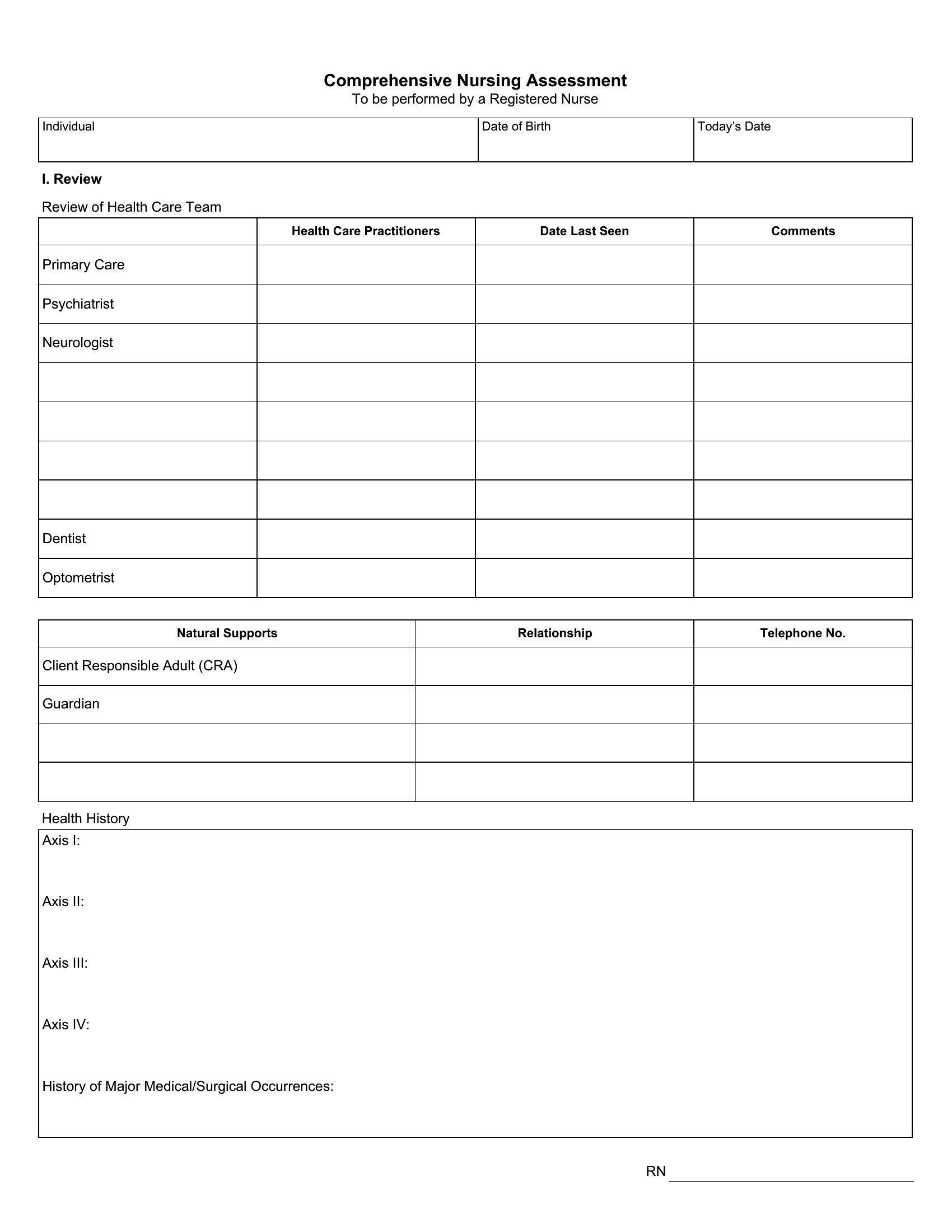
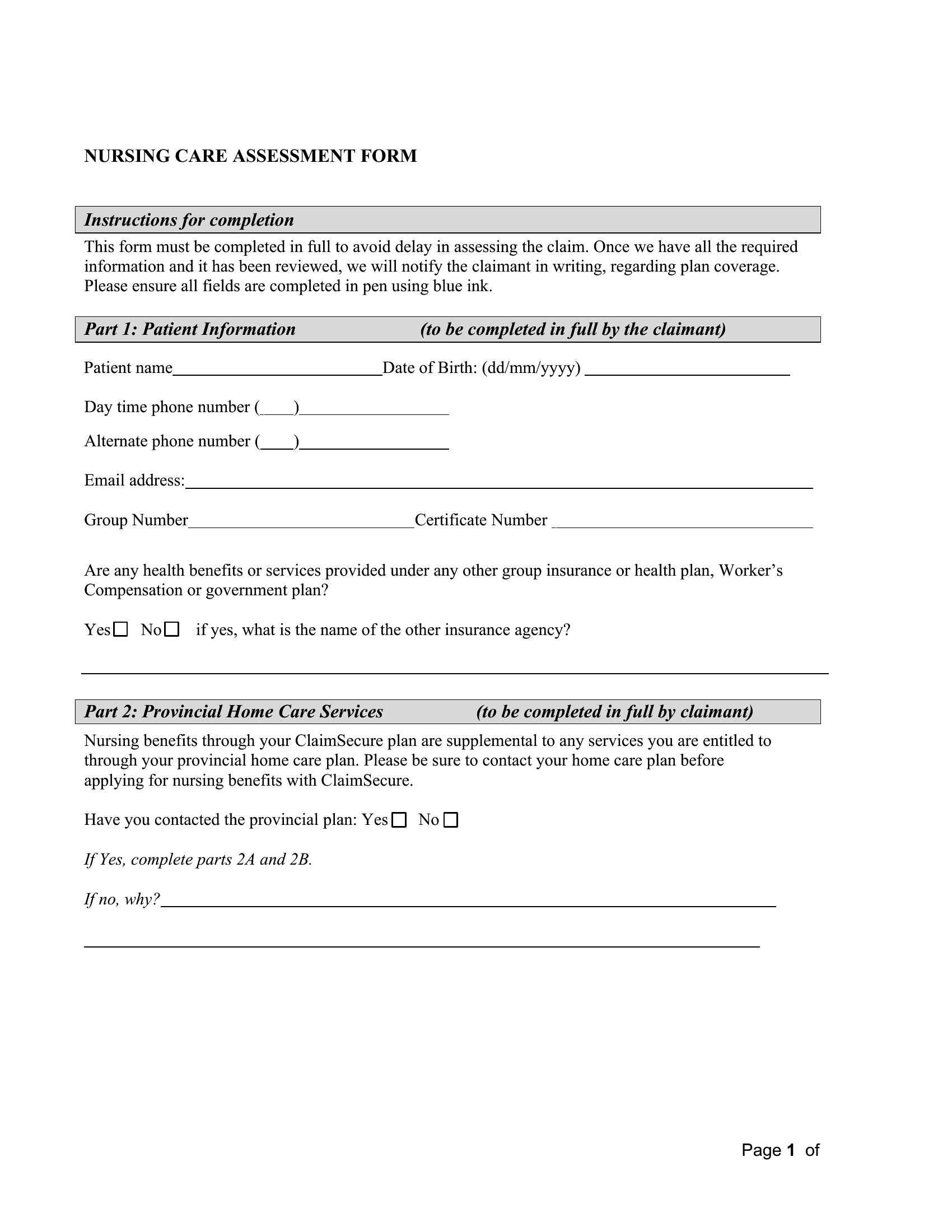
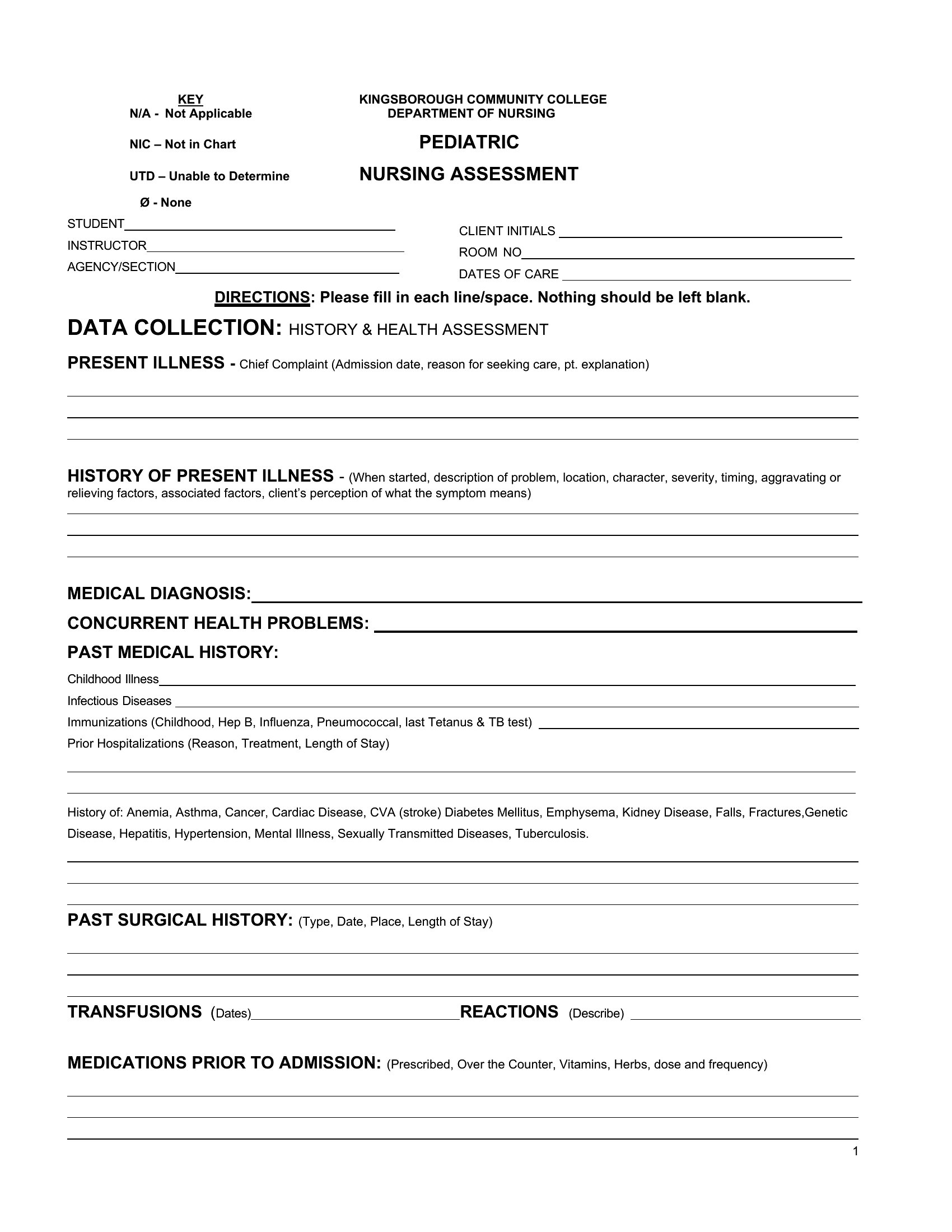
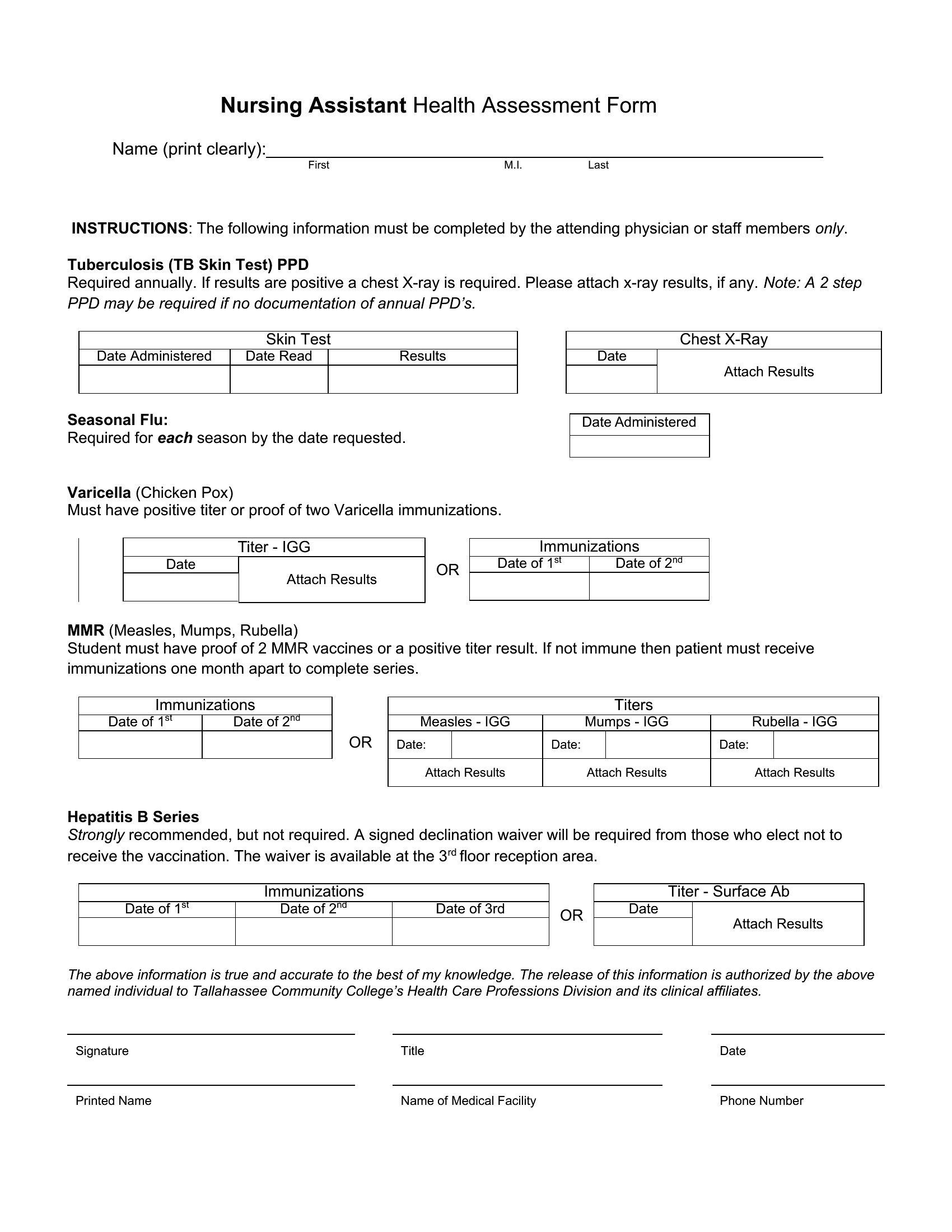
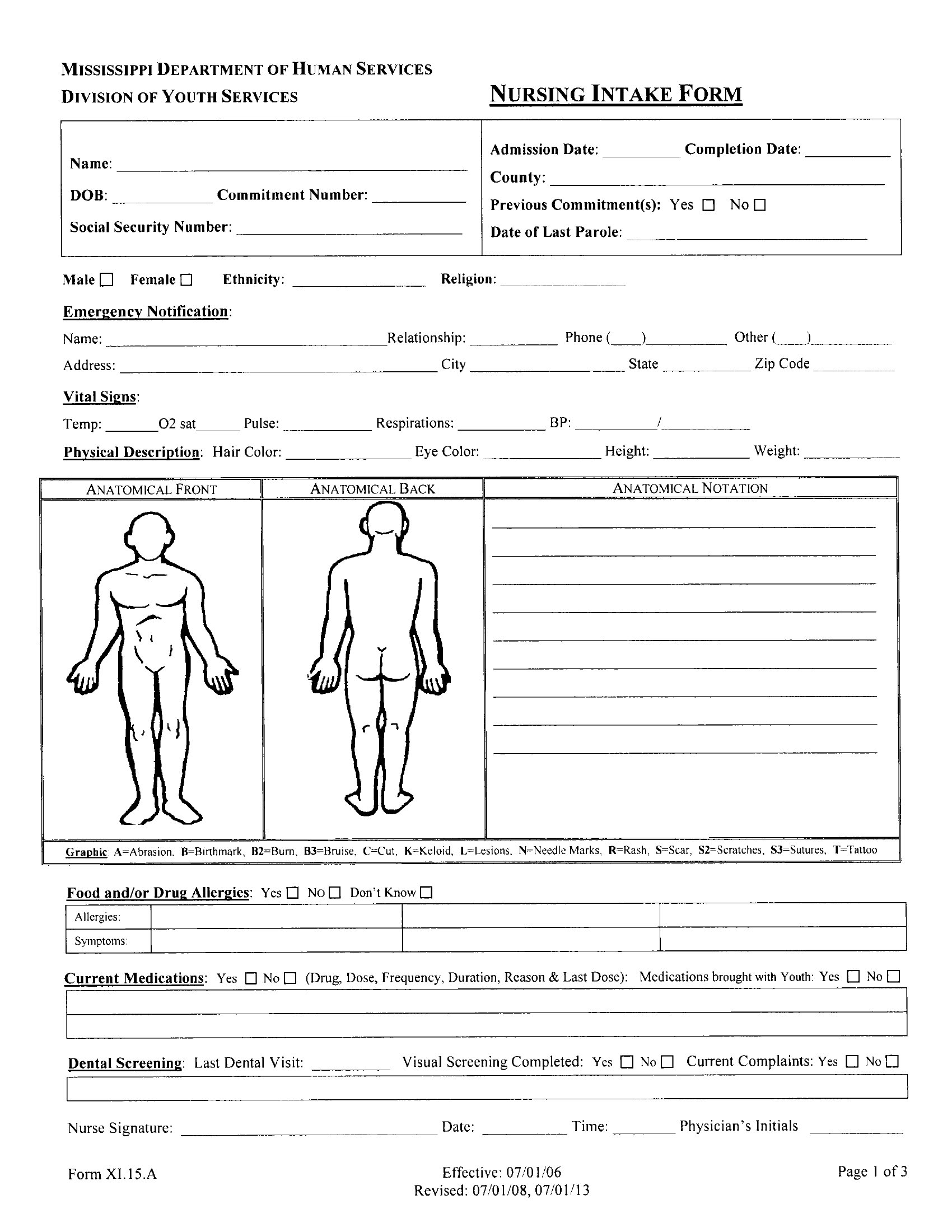
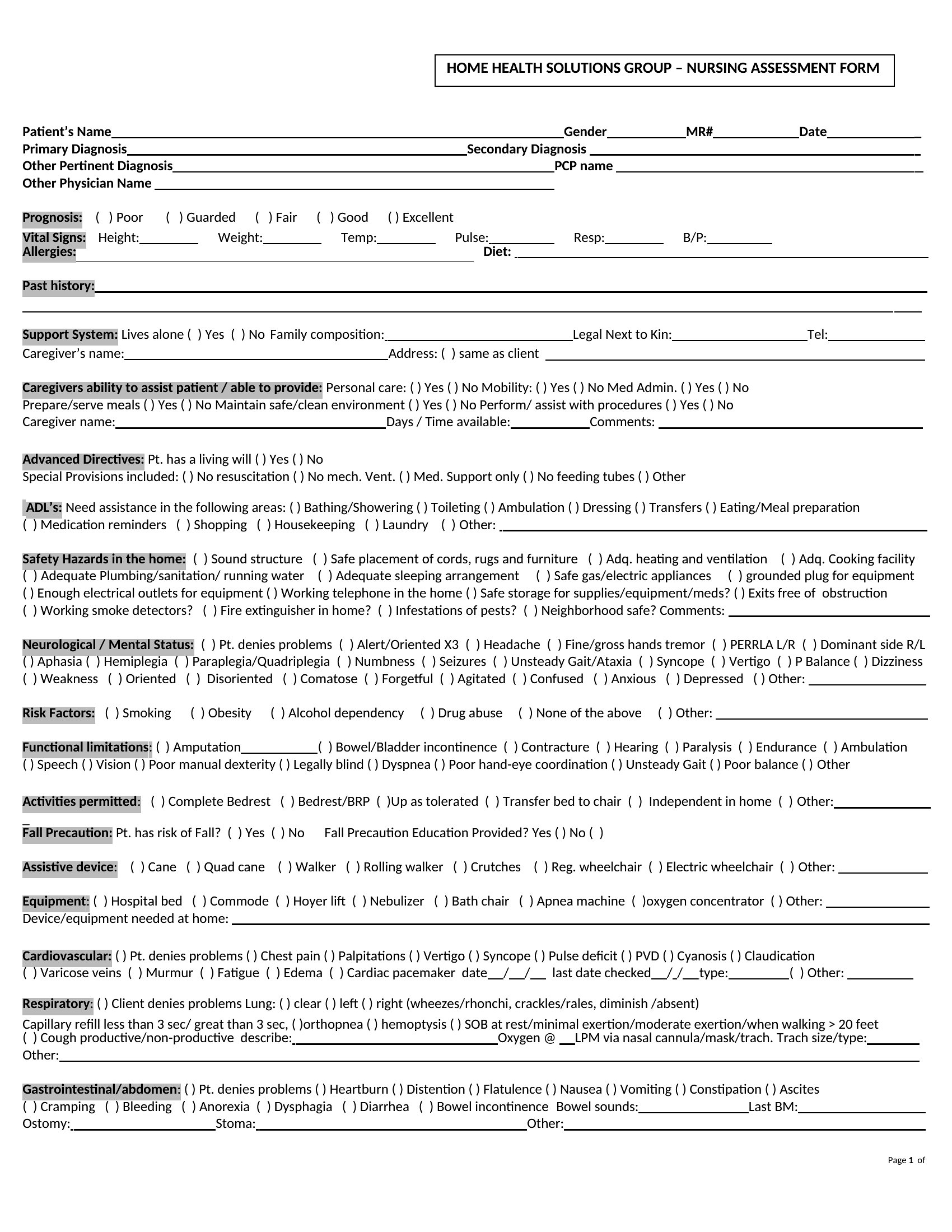
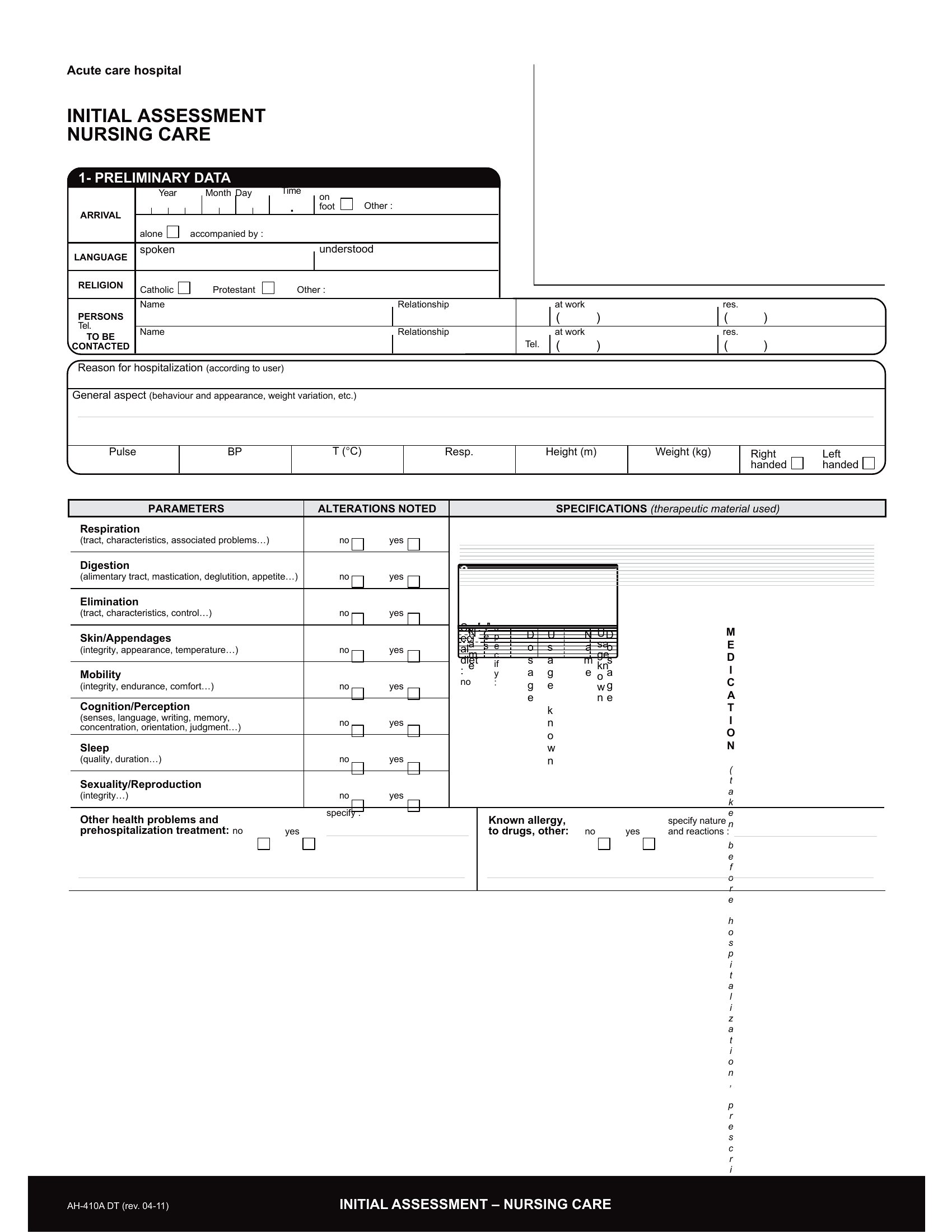
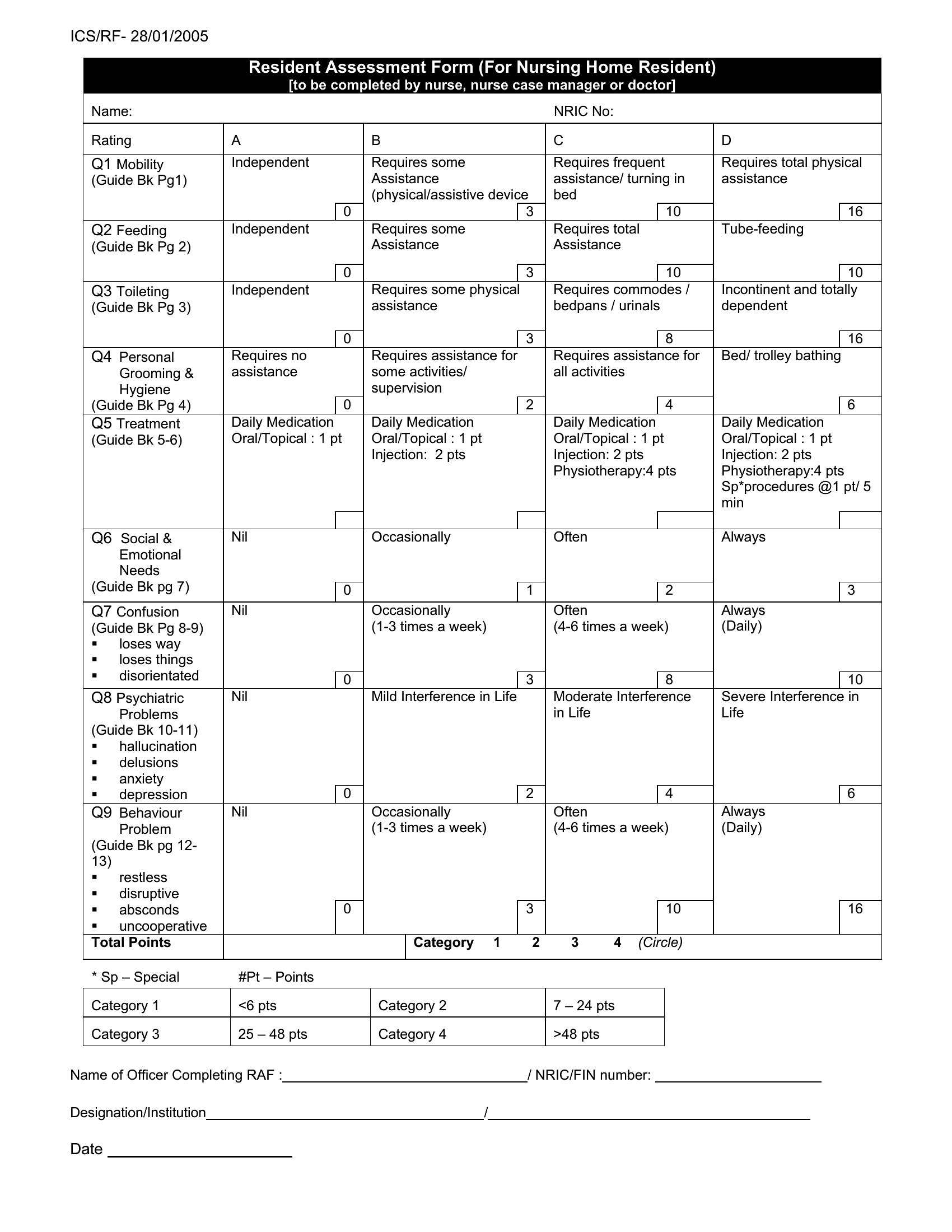
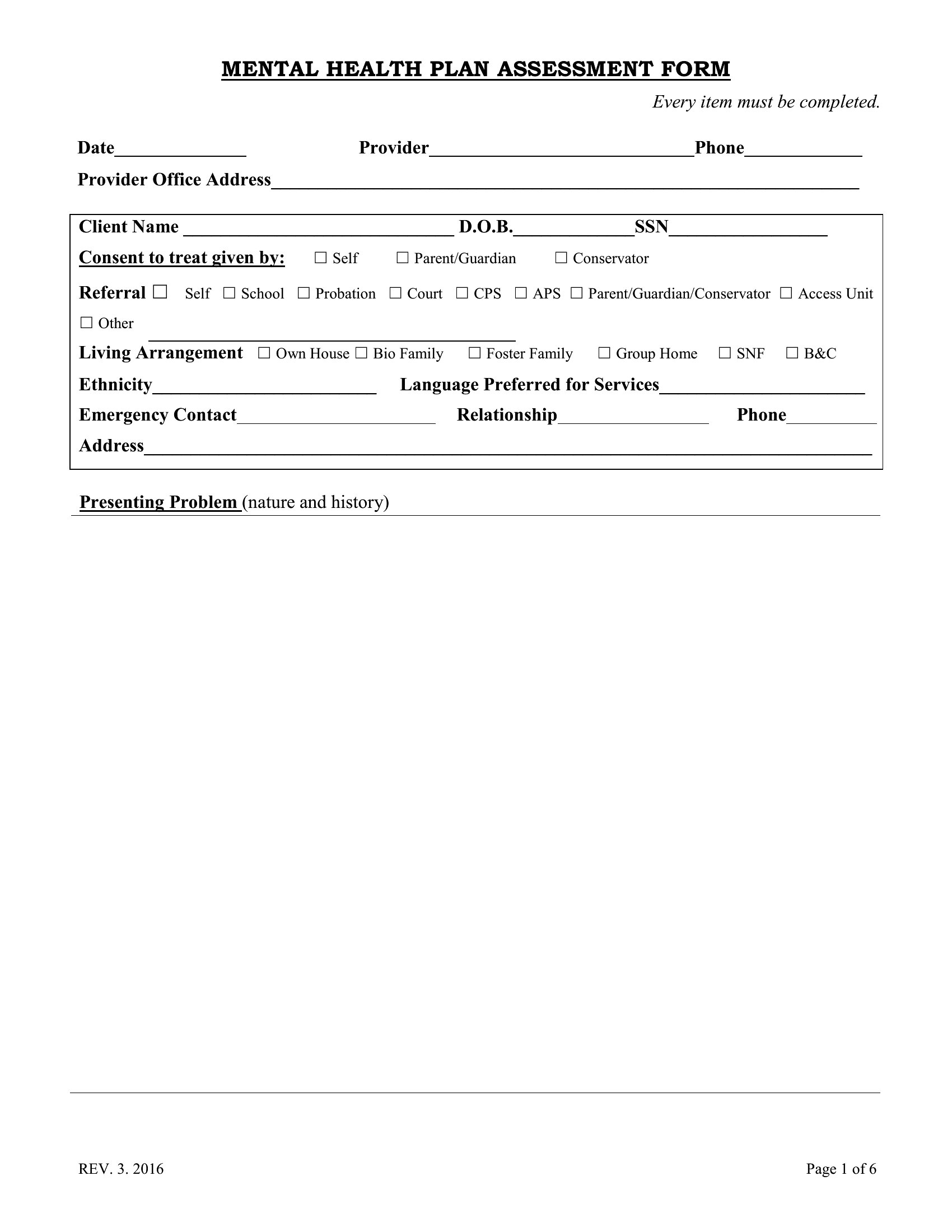
A thorough patient assessment is the foundation of good nursing care, and a structured form keeps the head-to-toe exam organized. These 52 templates help nurses and students document neurological, abdominal, cardiac, and full-body assessments in a consistent, chartable way.

You'll find editable Word files and print-ready PDFs, so you can adapt the sections to your unit or print blanks for the cart. These are study and documentation aids, so always follow your facility's protocols and clinical judgment over any template. Choose the assessment that fits your practice, customize the fields, and keep your charting clear and complete.

When to use this Nursing Assessment Form template

  • Newly licensed RNs starting in critical care units can use these forms to document cardiac assessments for patients with complex conditions like arrhythmias or post-op cardiac surgery, ensuring no vital signs or exam findings are overlooked during high-pressure shifts.
  • Pediatric nurse practitioners in clinics can customize the abdominal assessment template to track growth milestones in young patients, like identifying liver/spleen enlargement or bowel sounds, while maintaining a clear record for parents and referring specialists.
  • Clinical instructors in nursing schools can print blank PDF versions of the ABCDE assessment form for labs, letting students practice documenting airway, breathing, circulation, disability, and exposure findings on standardized patient mannequins before real-world rotations.
  • Geriatric nurses in assisted living facilities can adapt the physical assessment template to focus on fall-risk factors, mobility changes, and chronic pain documentation for elderly residents, aligning with facility protocols while capturing subtle deterioration signs often missed in general checklists.

Which format should I download?

WordPDF

{'format_guide': 'Choose Word when you need to customize sections—like adding hospital-specific protocols or patient education checklists—to align with your unit’s policies before printing. Word’s editable fields are ideal for teams that update forms frequently, such as trauma units adjusting neurological assessment criteria. Opt for PDF when you require static, print-ready documents for direct patient charting or compliance audits, ensuring consistency across shifts without risk of accidental edits. The PDFs are perfect for mobile use during rounds or in settings where digital signatures (via third-party tools) are later added to the record.'}

Choose from 52 Nursing Assessment Form Templates

How to use this Nursing Assessment Form template

Can these templates help standardize assessments across different hospital departments, like ICU and pediatrics?

Yes, the templates are designed to be adaptable to various specialties. For example, the abdominal assessment can be modified to include ICU-specific findings like distension risks in post-op patients, while the pediatric-focused versions highlight growth charts and developmental milestones. Start with the closest specialty match, then edit sections like ‘normal findings’ ranges to fit your department’s protocols.

How do these forms ensure HIPAA compliance when documenting sensitive patient information?

These templates are structured to include all required assessment categories (e.g., vital signs, patient history) but are not legal documents or substitutes for professional advice. To maintain compliance, add your facility’s standard disclaimers—like ‘This assessment is for clinical use only’—and ensure forms are stored securely. For electronic use, pair with a HIPAA-compliant EHR or password-protected digital filing system.

Are the neurological assessment sections detailed enough for patients with conditions like Parkinson’s or multiple sclerosis?

The neurological templates cover core areas like reflexes, coordination, and cognitive function, which are critical for tracking degenerative diseases. However, they may need supplementation with disease-specific scales (e.g., UPDRS for Parkinson’s) or physician-approved addendums. Use the Word version to insert these extras, or note in the PDF where additional testing is required—then cross-reference with specialty consult notes.

Comments

Join the conversation

Sign in to share your thoughts and leave a comment on this resource.

Newsletter

Get Weekly Design Updates

Join our community to receive curated resources and inspiration.

Weekly Tips Resources Early Access

We respect your privacy. Confirmation email required. Privacy Policy