FAQ
How do I decide whether to include an exclusivity clause in an influencer contract?
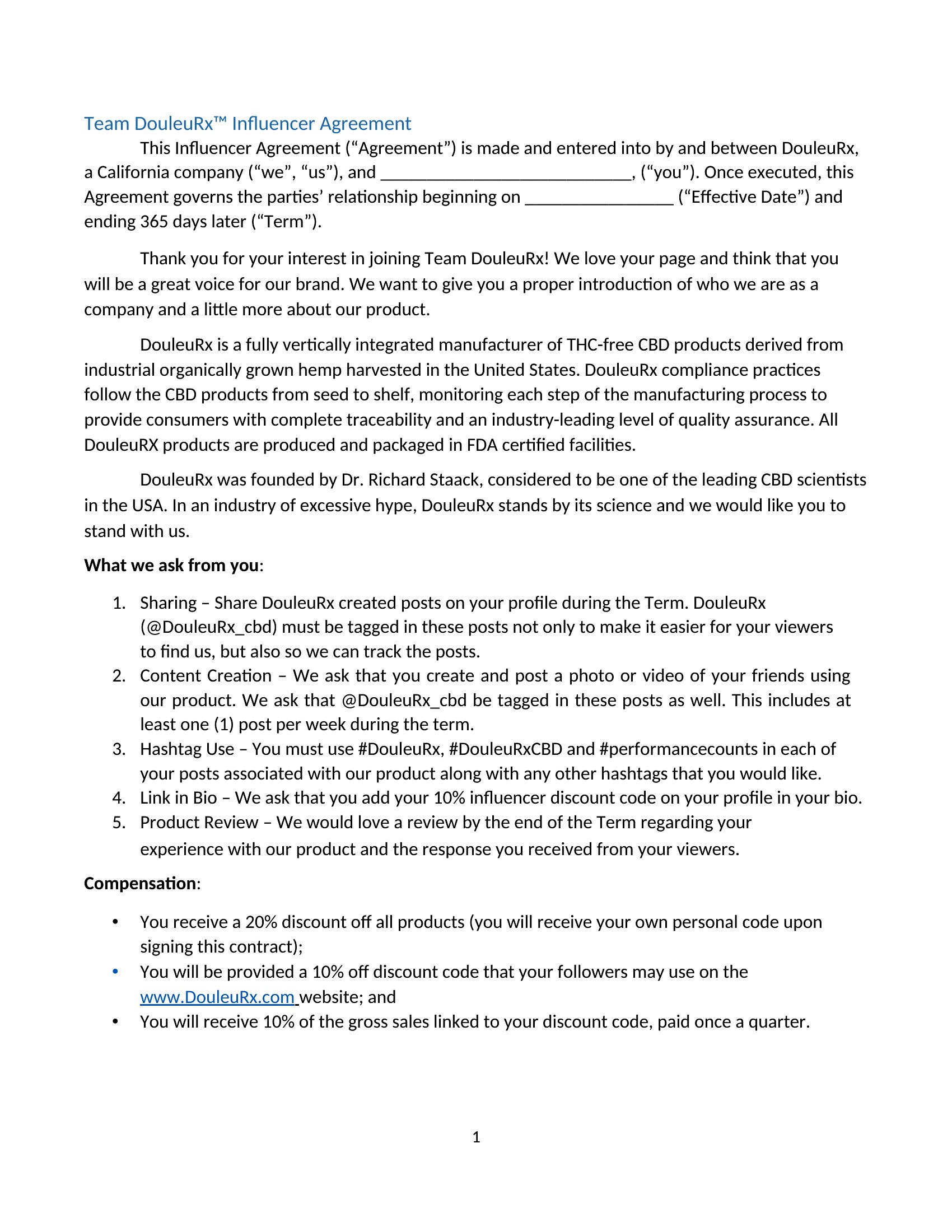
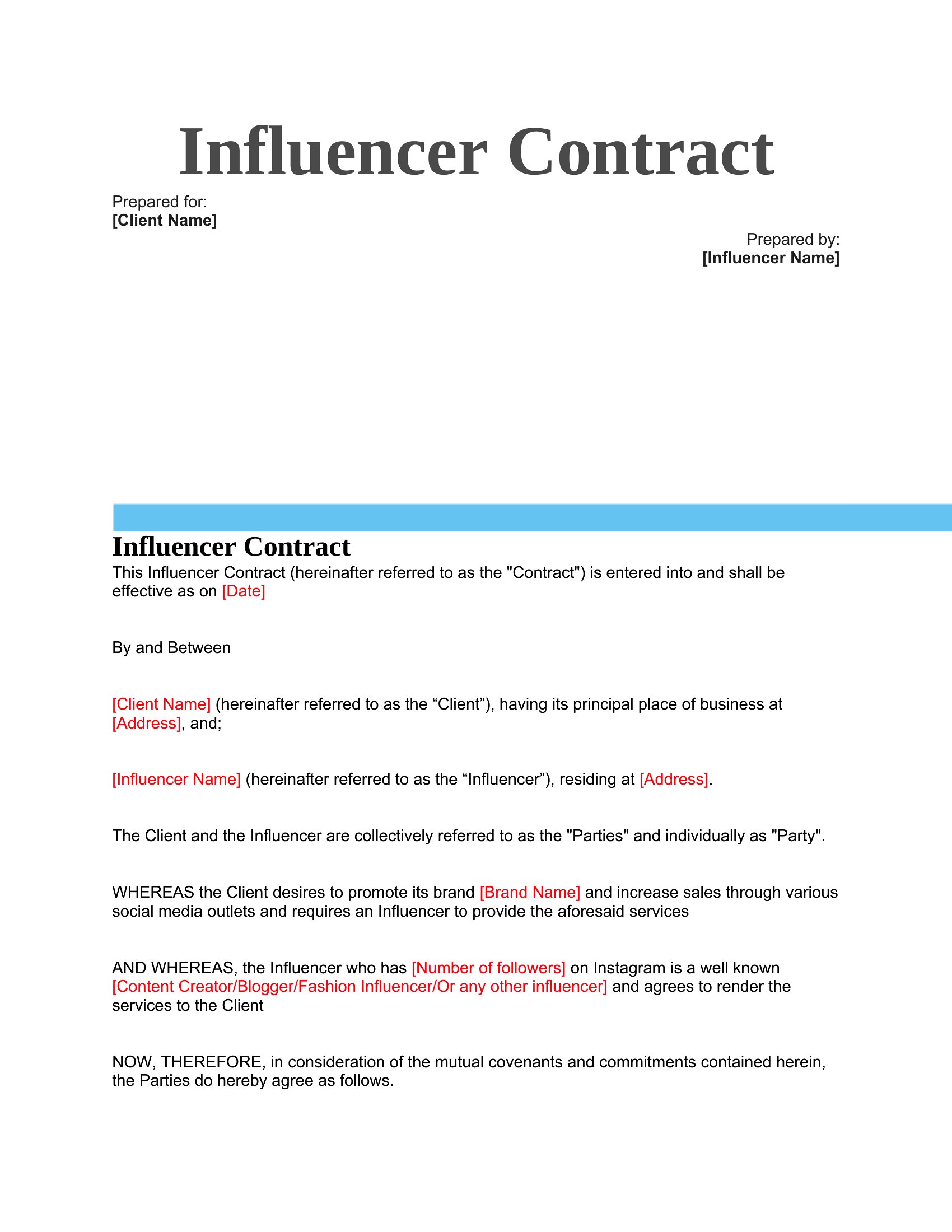
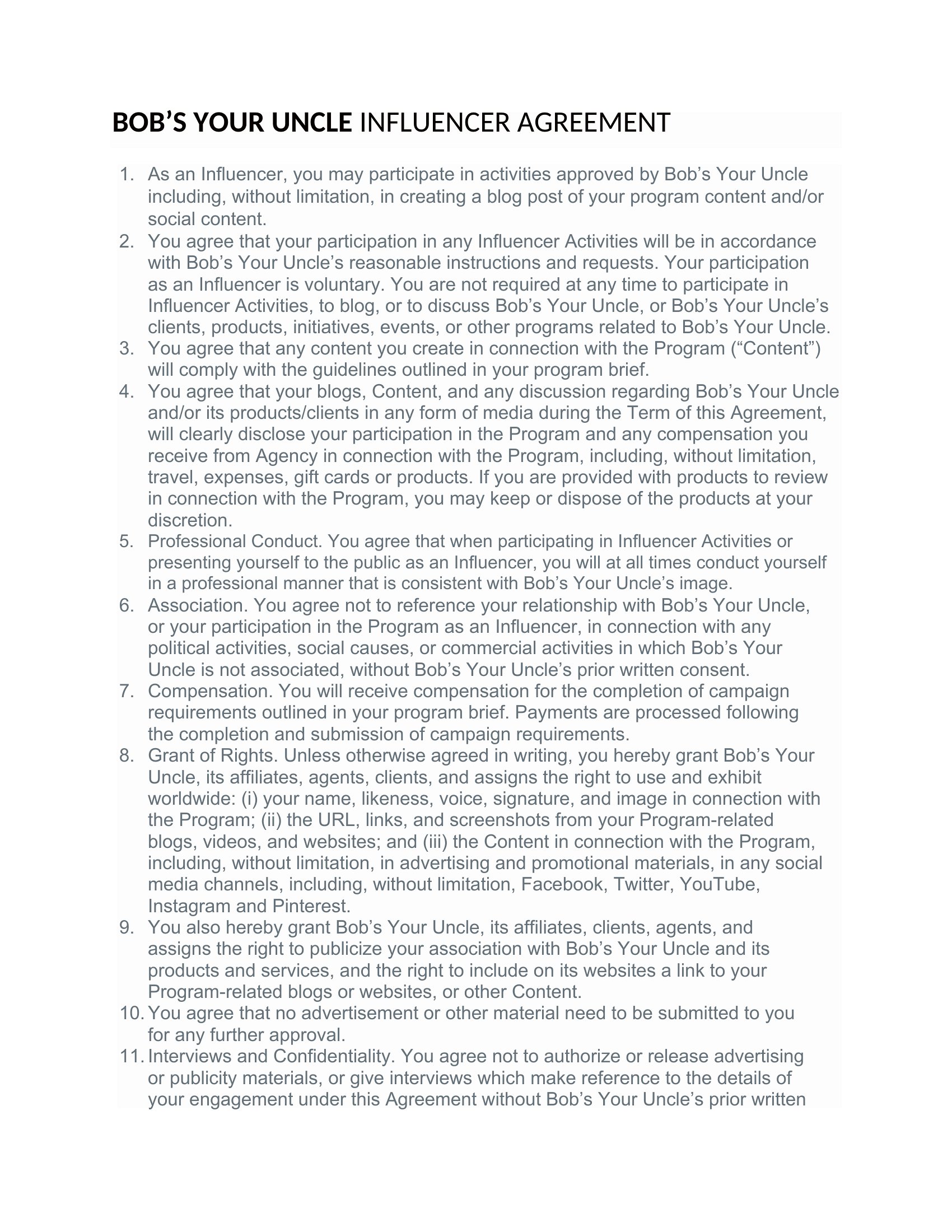
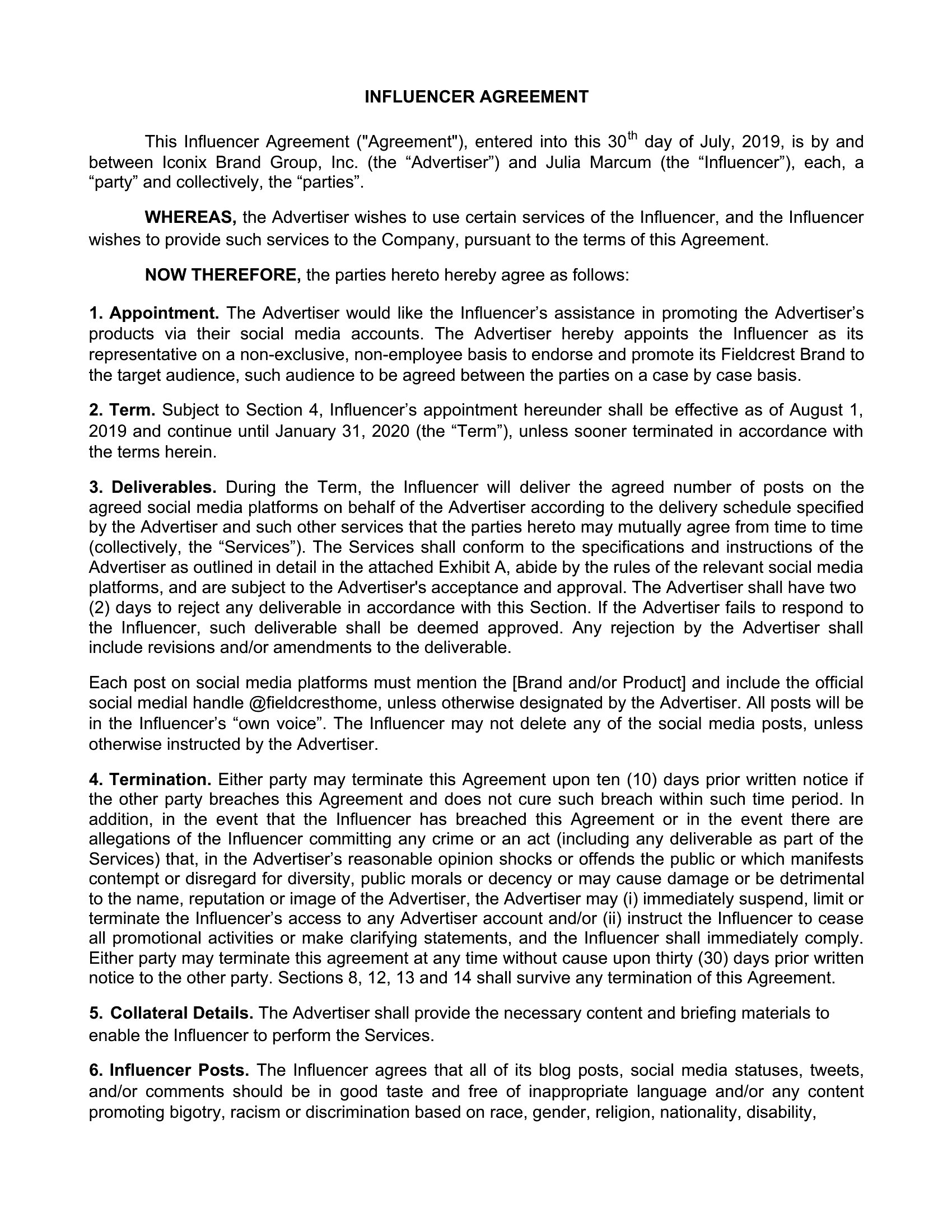
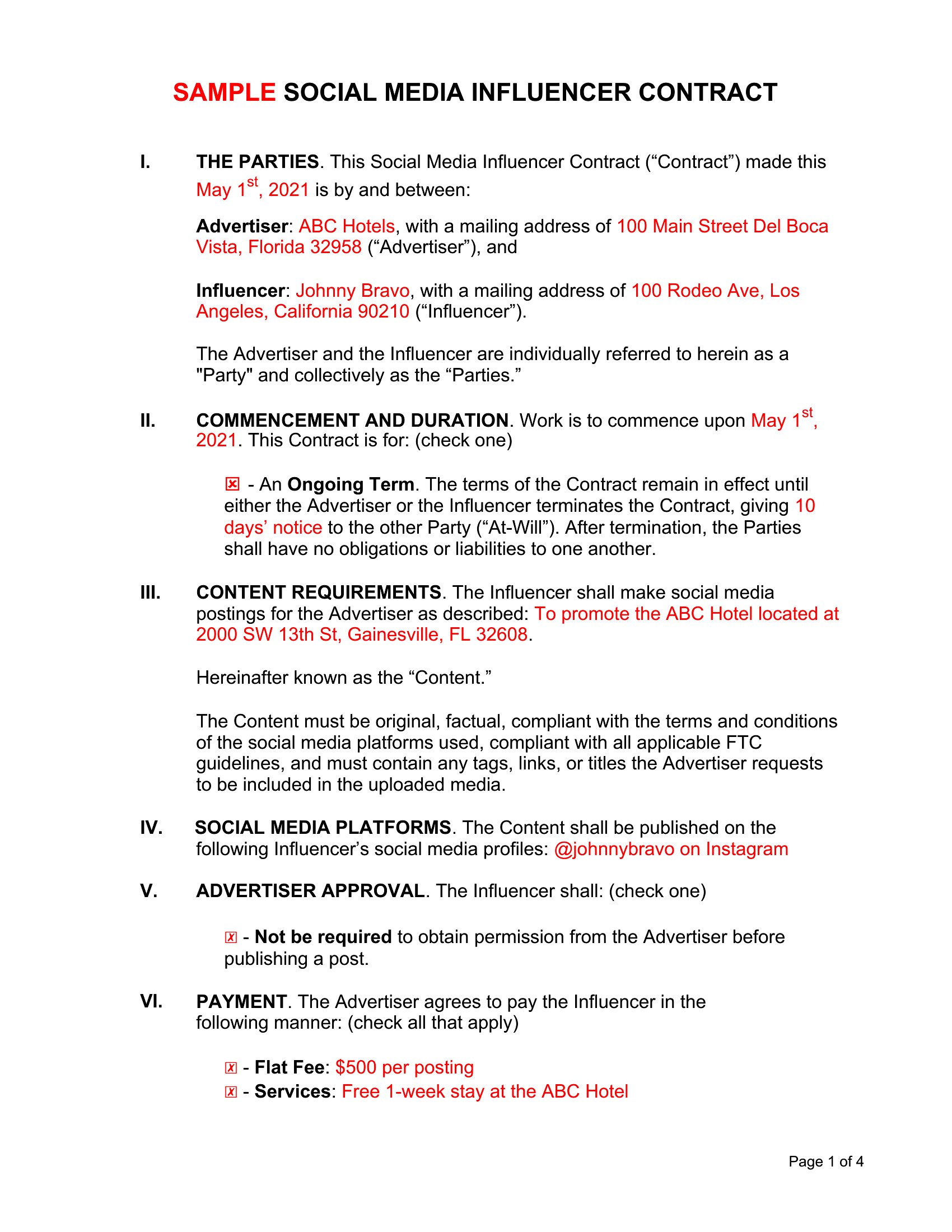
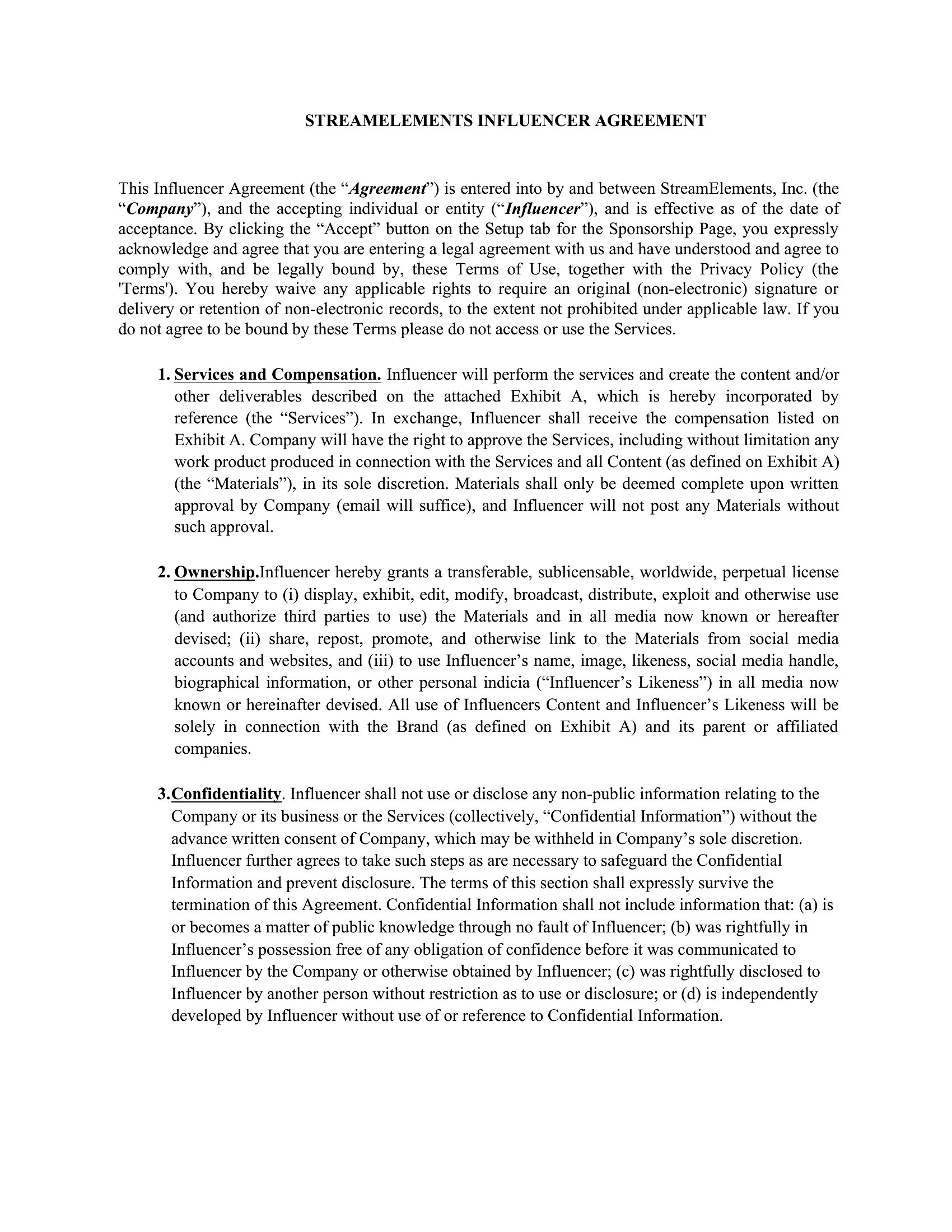
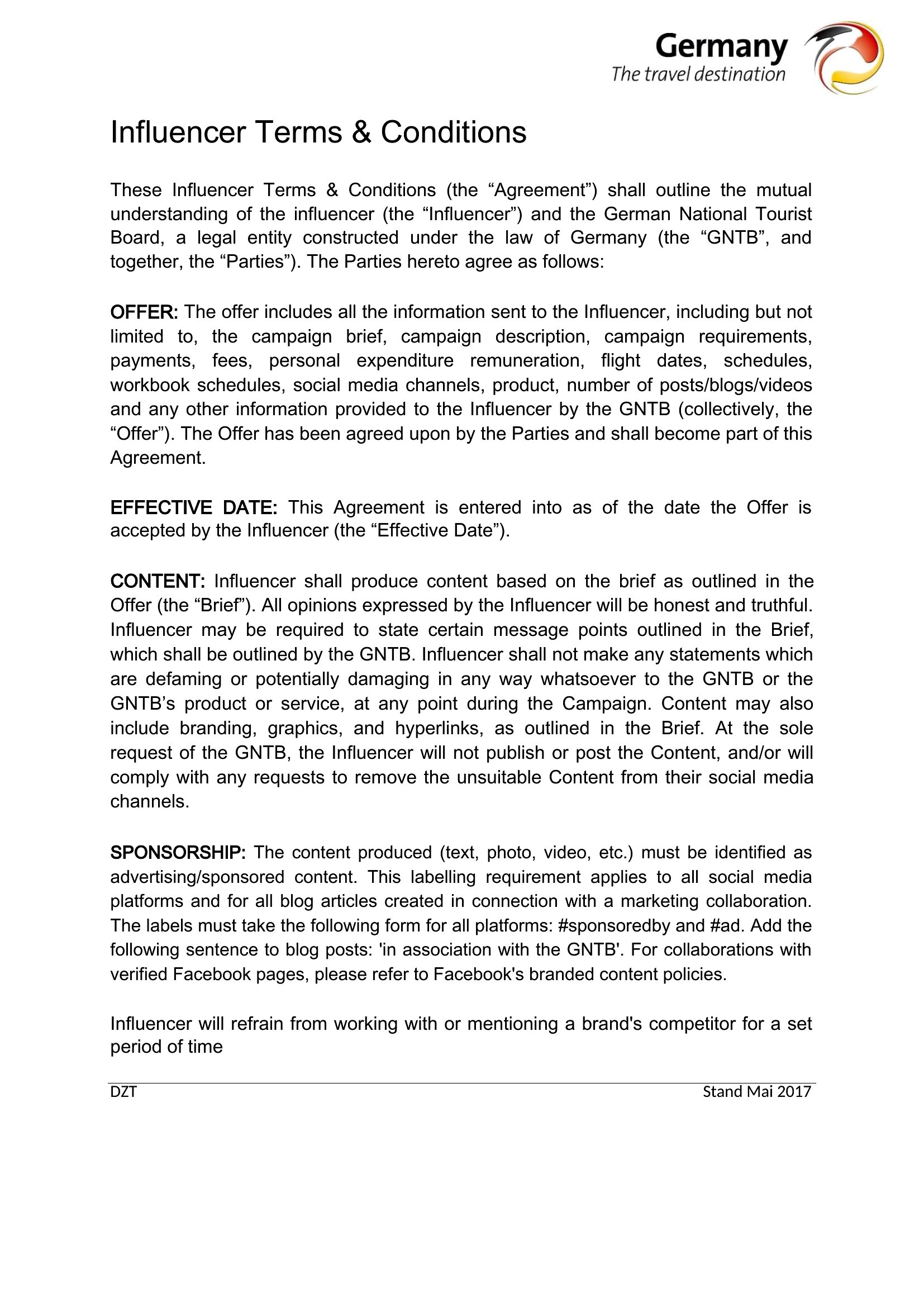
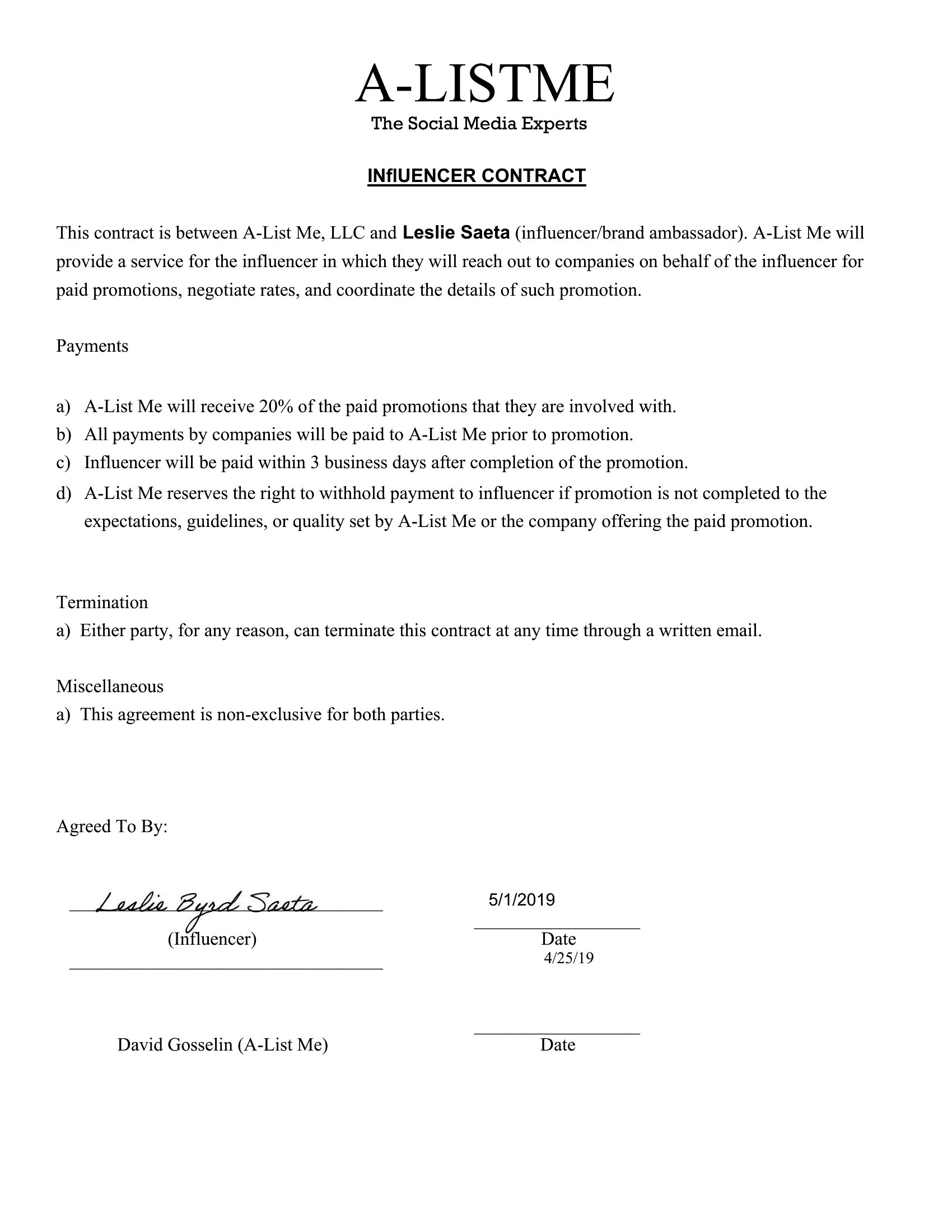
An exclusivity clause makes sense if the brand wants the influencer to promote only their products within a specific category or timeframe. For example, a luxury watch brand might require an influencer to avoid competing brands for 3 months. However, influencers with large followings may resist this, so balance it with fair compensation. Always discuss this clause early to avoid last-minute negotiations.
What’s the best way to handle content ownership if I’m a brand working with an influencer?
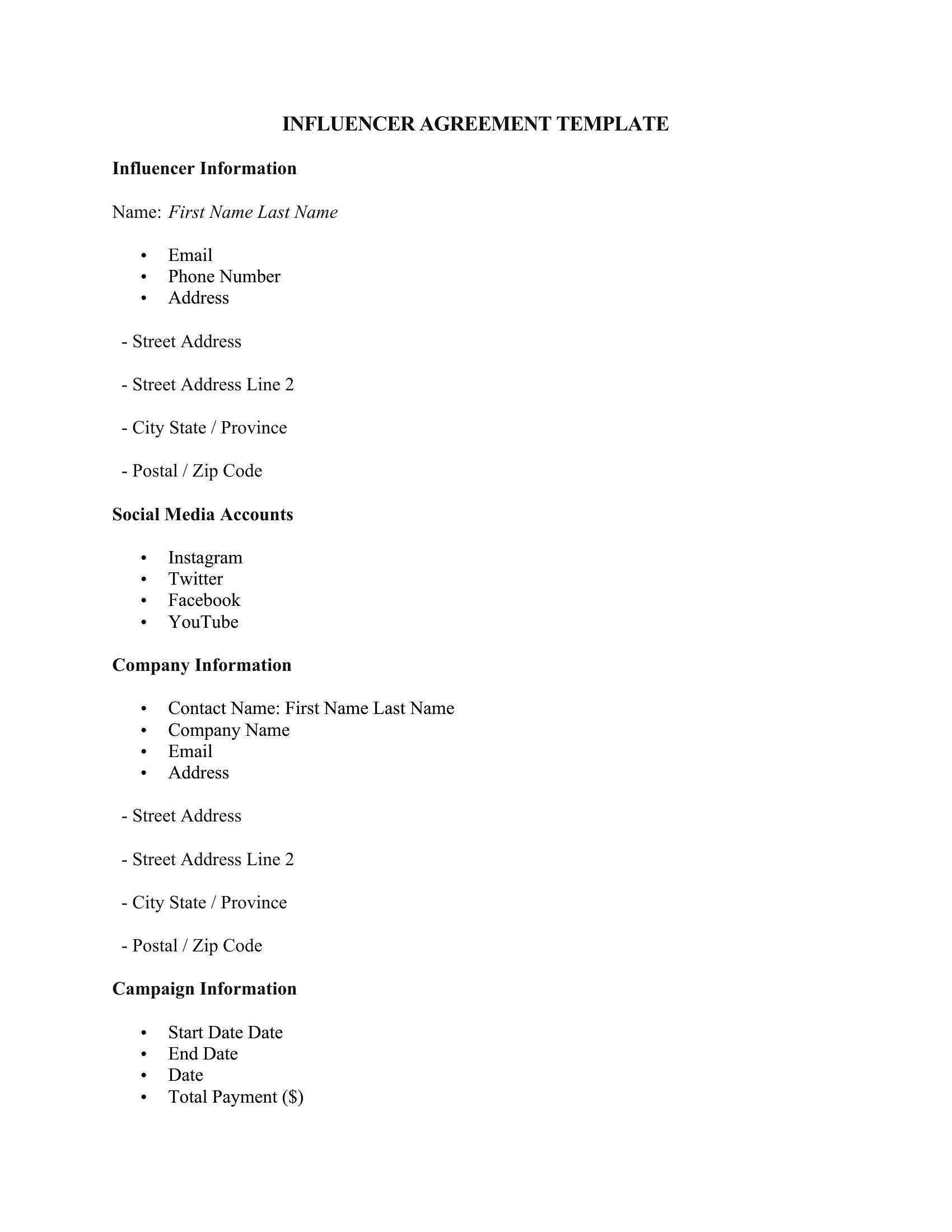
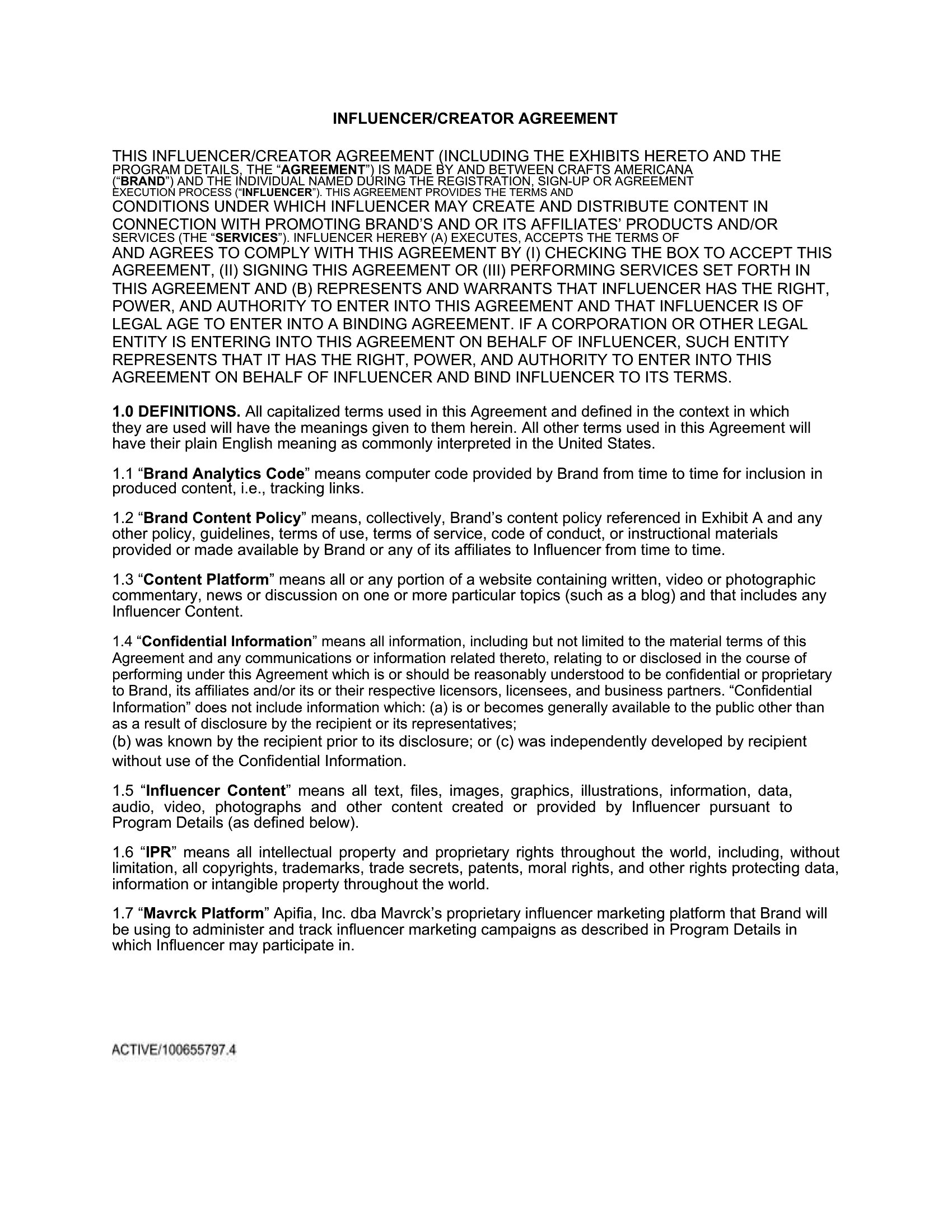
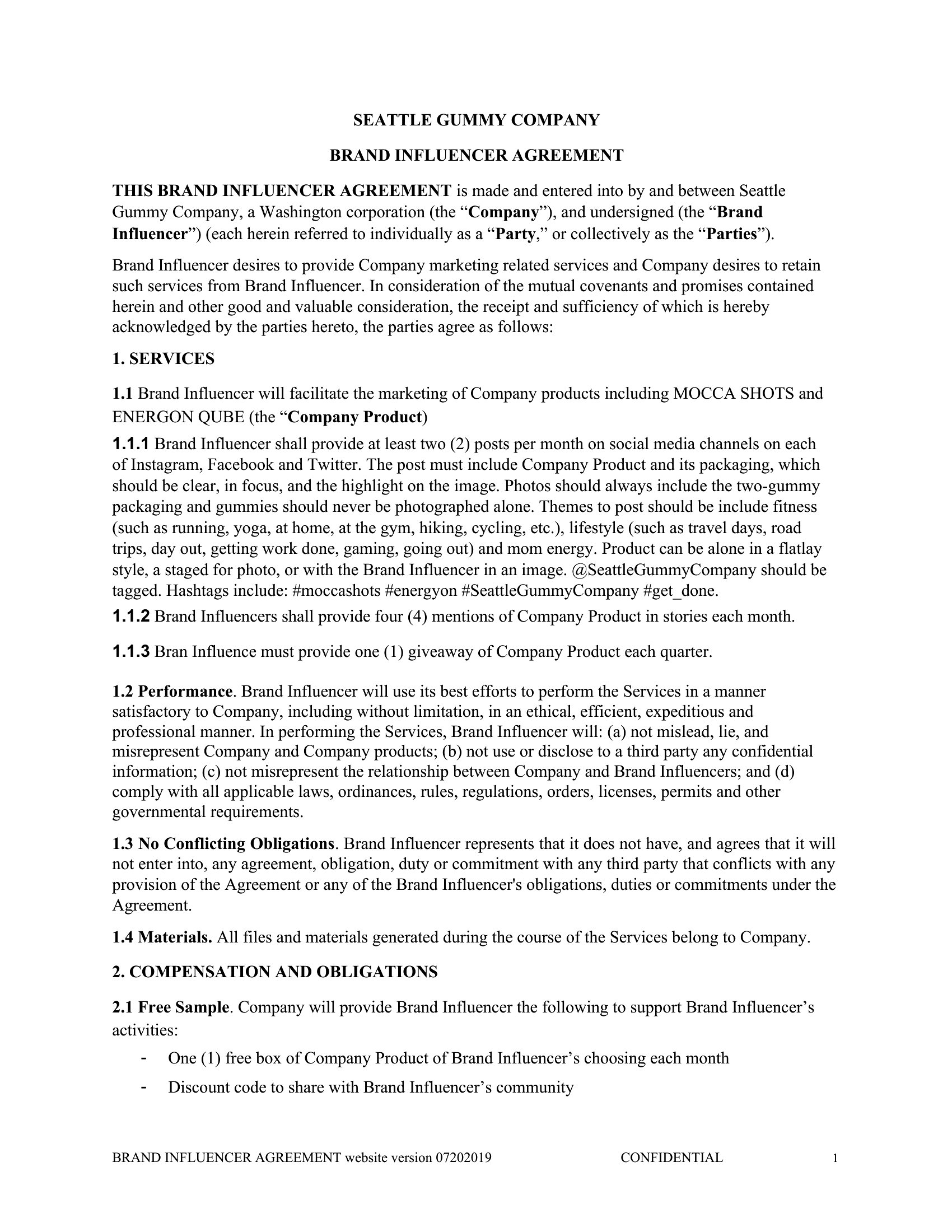
Clearly define ownership in the contract—whether you’re licensing the content for a set period or purchasing full rights. For example, a brand might secure a 6-month license for a video but retain the right to repurpose clips for ads. If the influencer created the content independently, they may retain ownership unless they agree to transfer it. Consult a legal expert to tailor this section to your campaign goals.
Should I include a ‘make-good’ clause if an influencer doesn’t meet their promised engagement metrics?
Yes, a make-good clause protects brands by requiring the influencer to produce additional content or refund a portion of payment if engagement (likes, shares, comments) falls below agreed-upon thresholds. For instance, if an influencer promises 5% engagement on a post but only gets 2%, the clause could trigger a follow-up Story or partial refund. Define metrics upfront to avoid disputes later.
Comments
Join the conversation
Sign in to share your thoughts and leave a comment on this resource.