Free Fence Estimate Templates (Word, Excel, PDF)
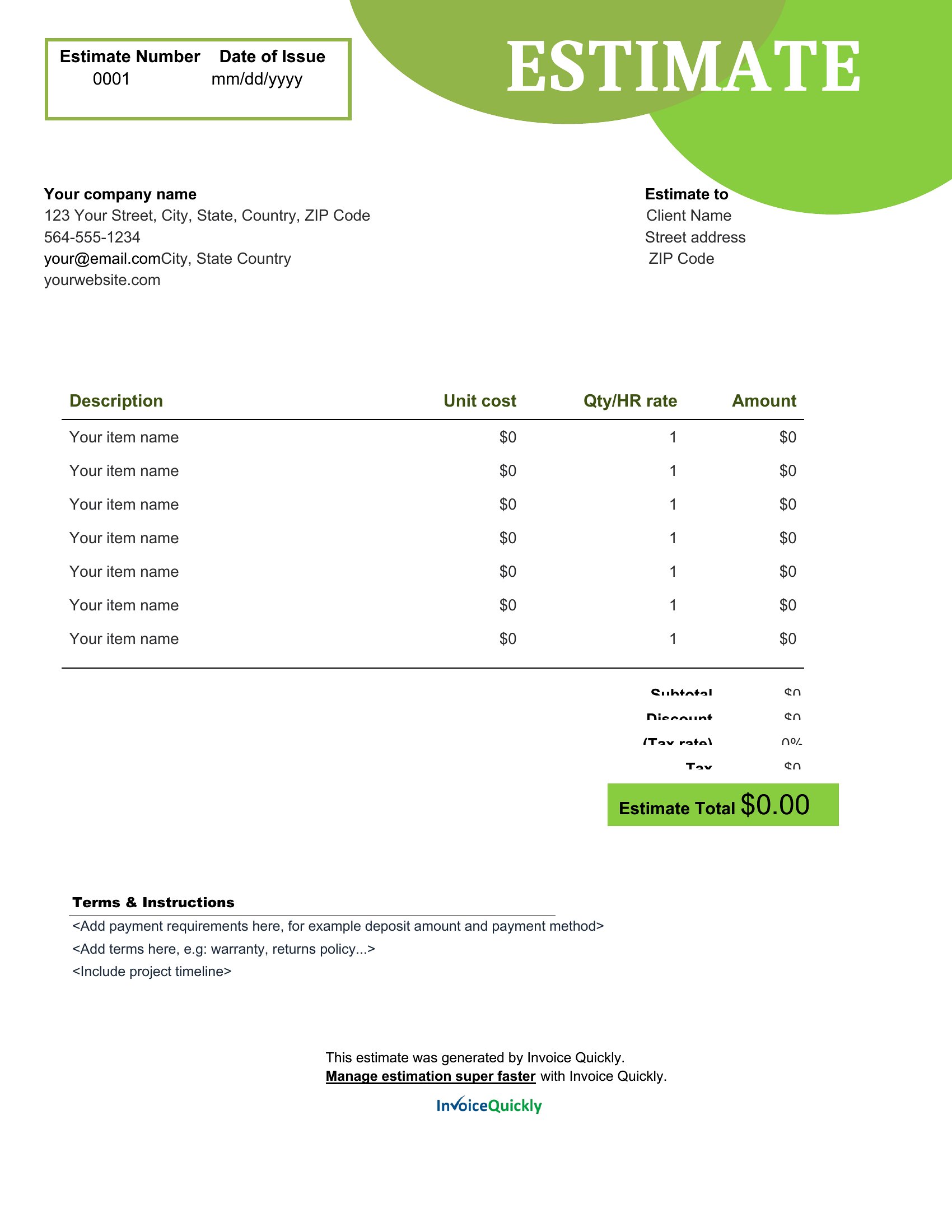
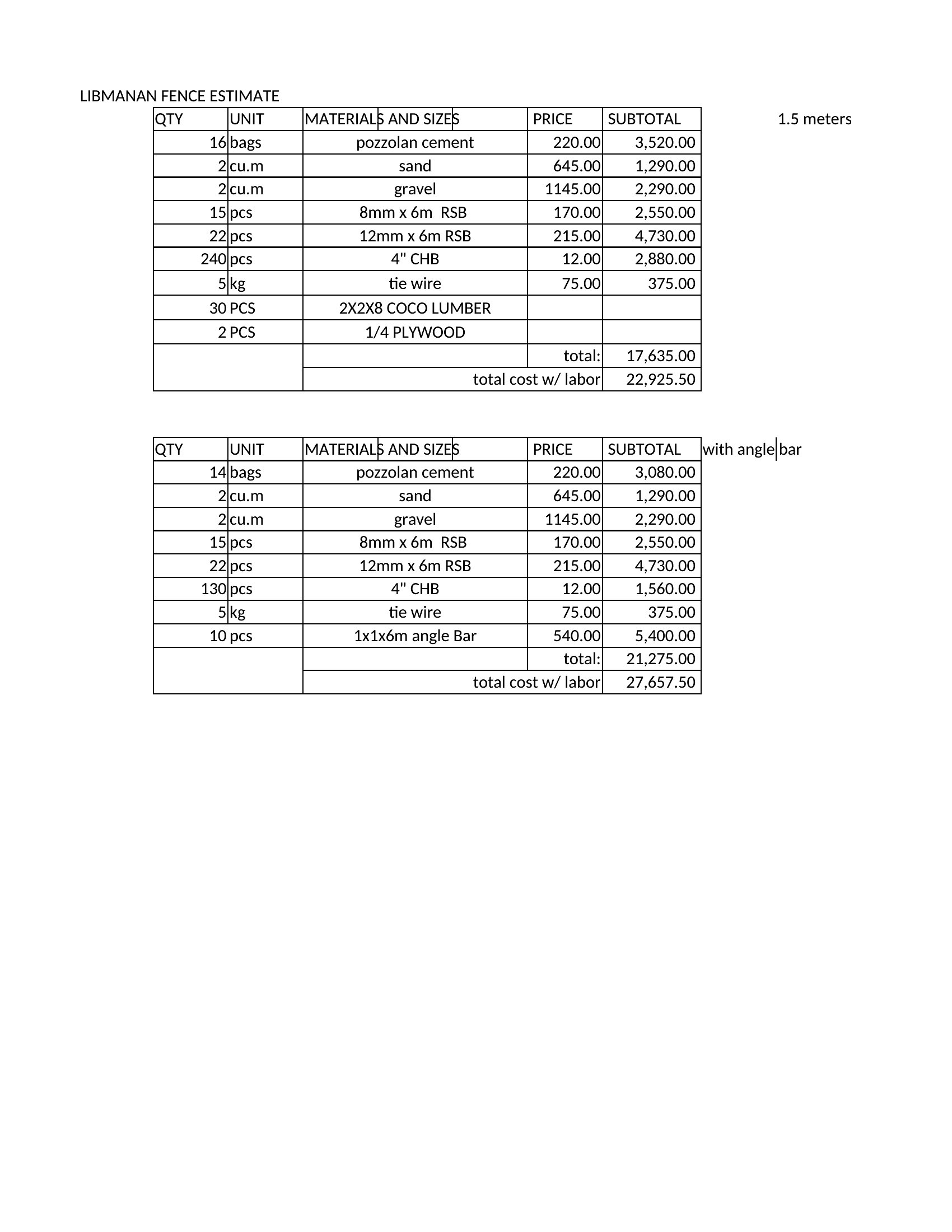
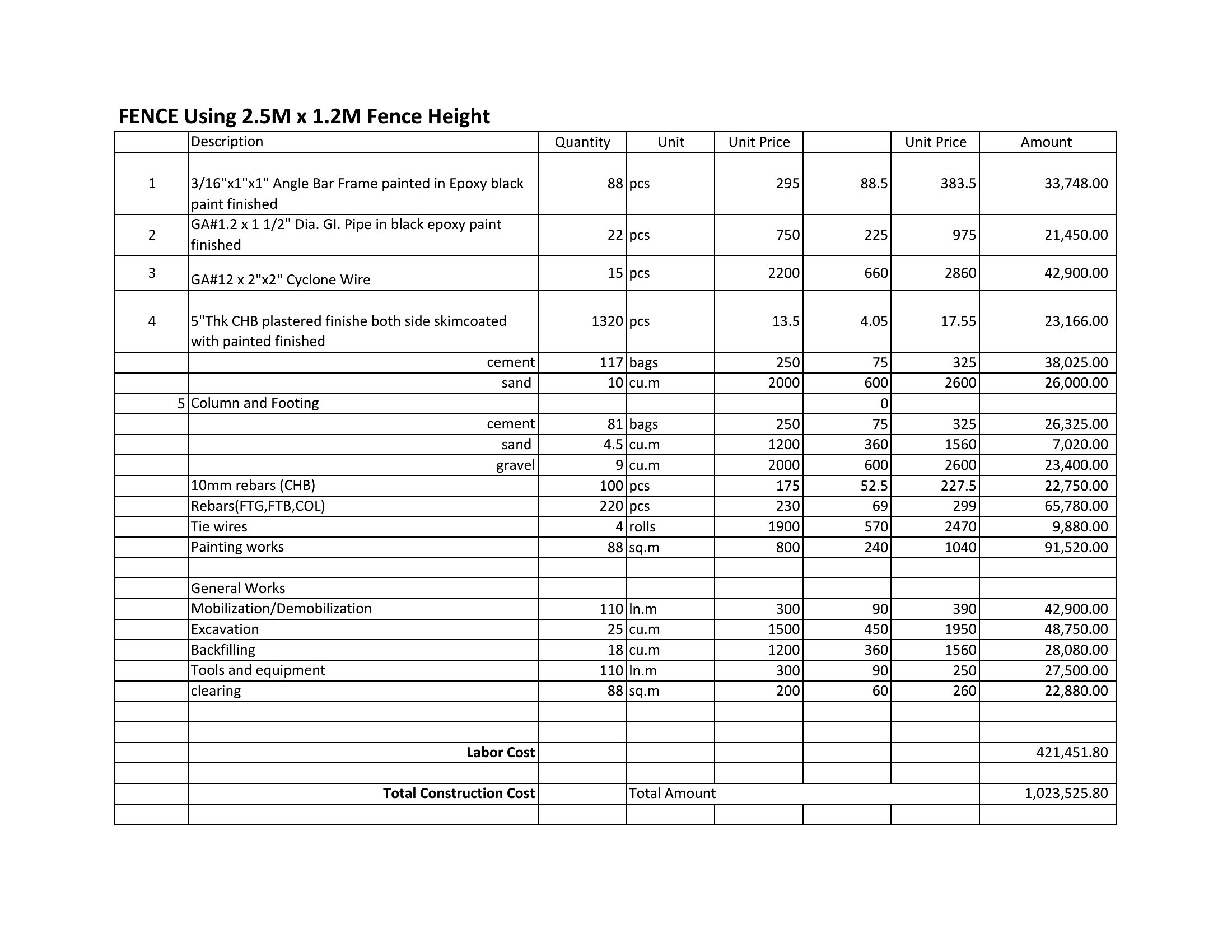
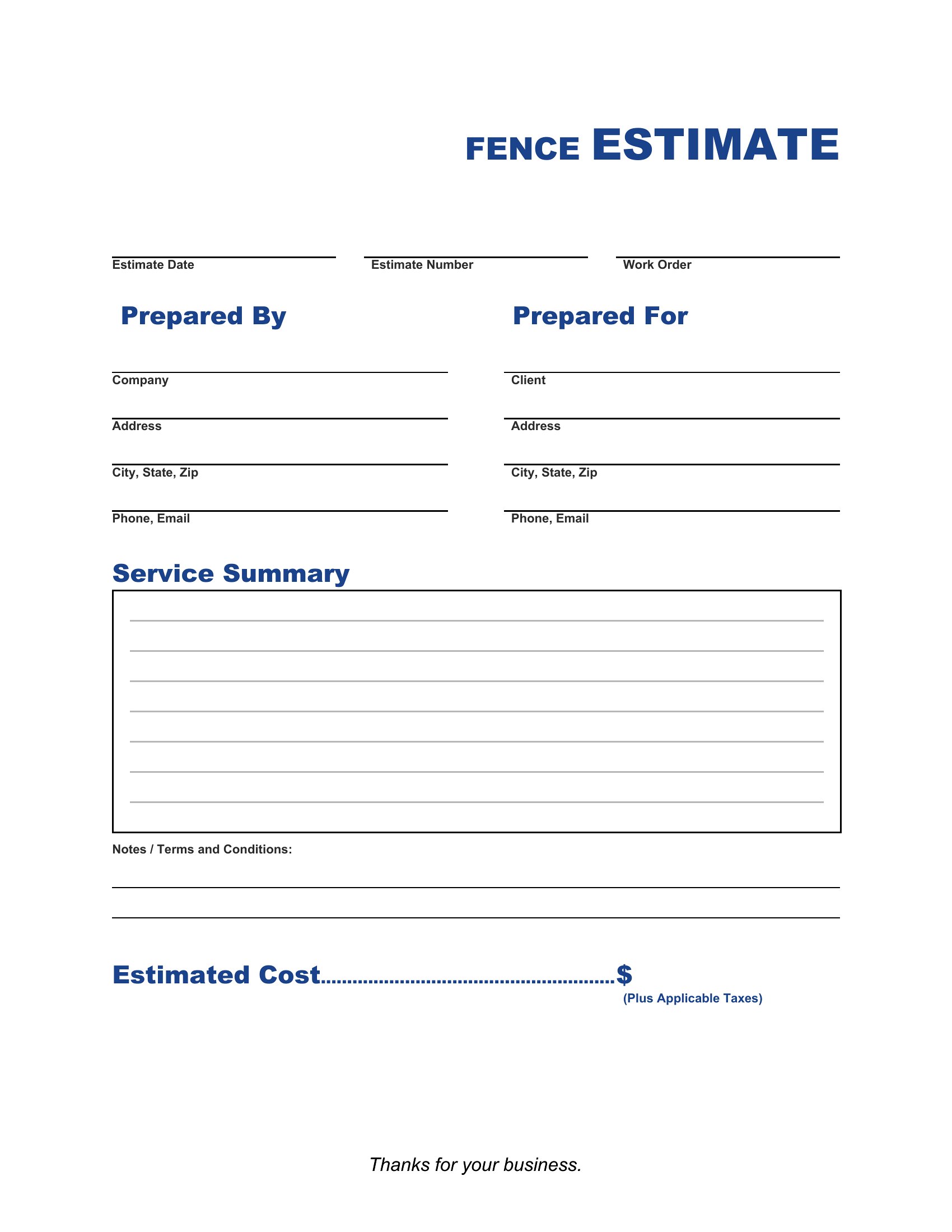
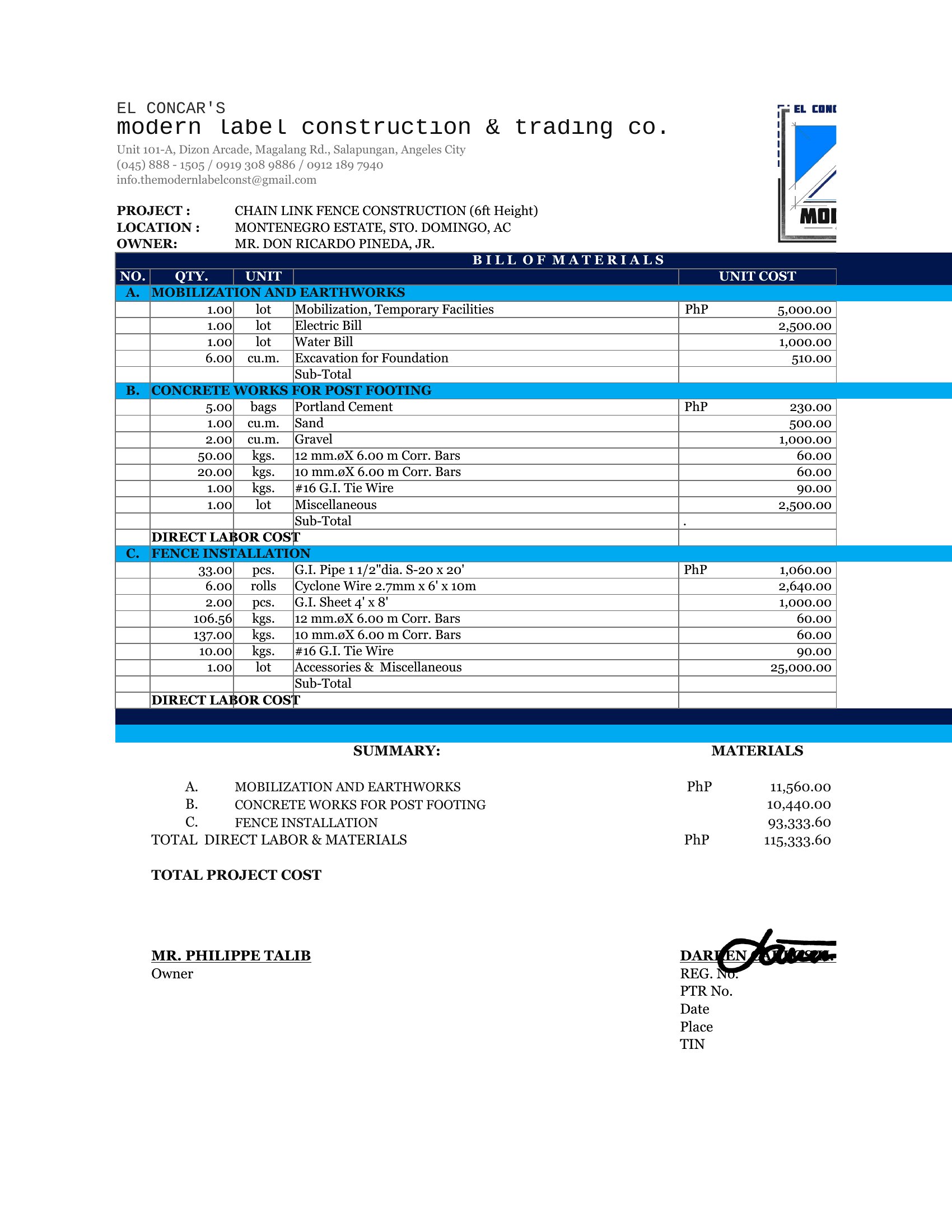
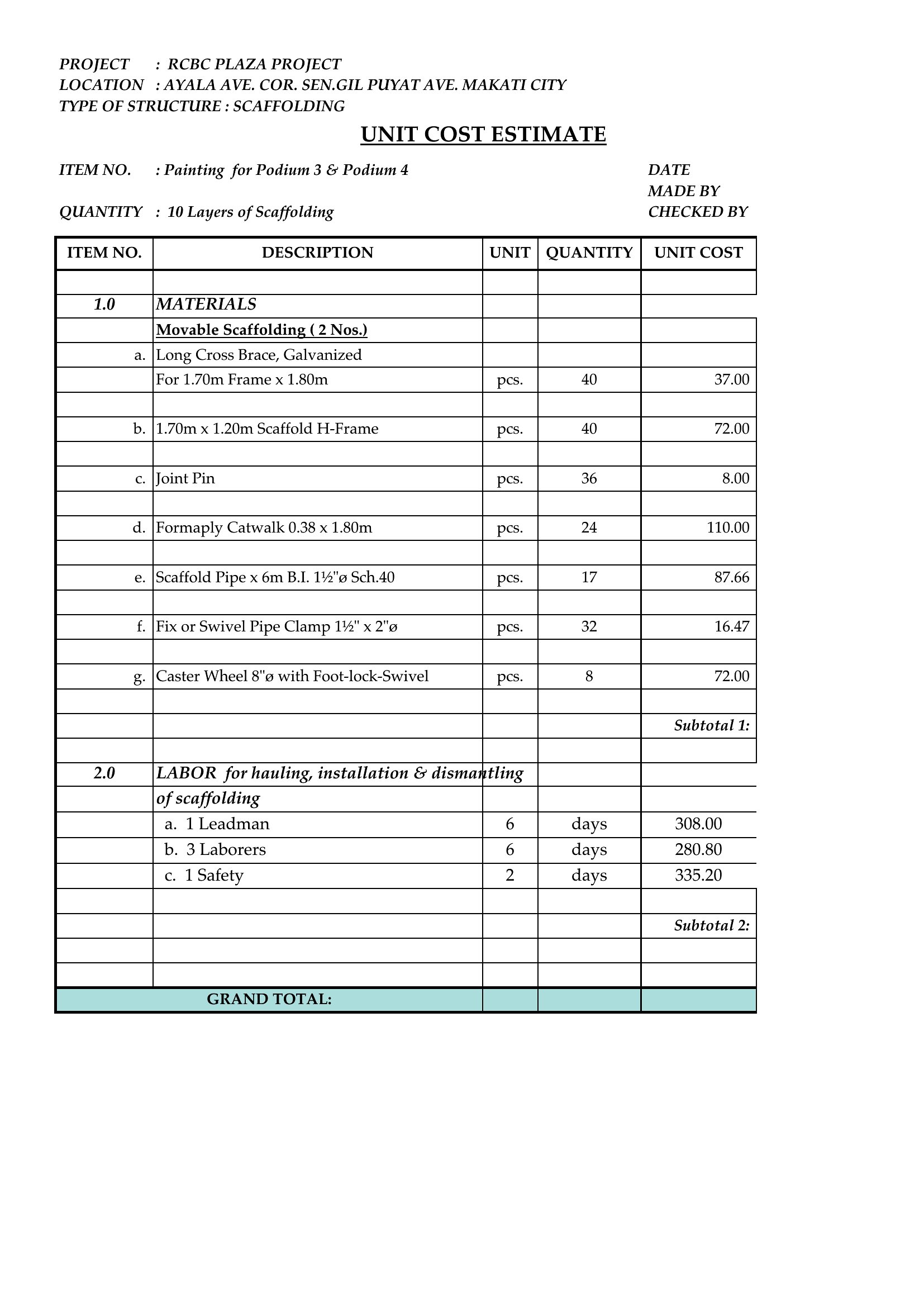
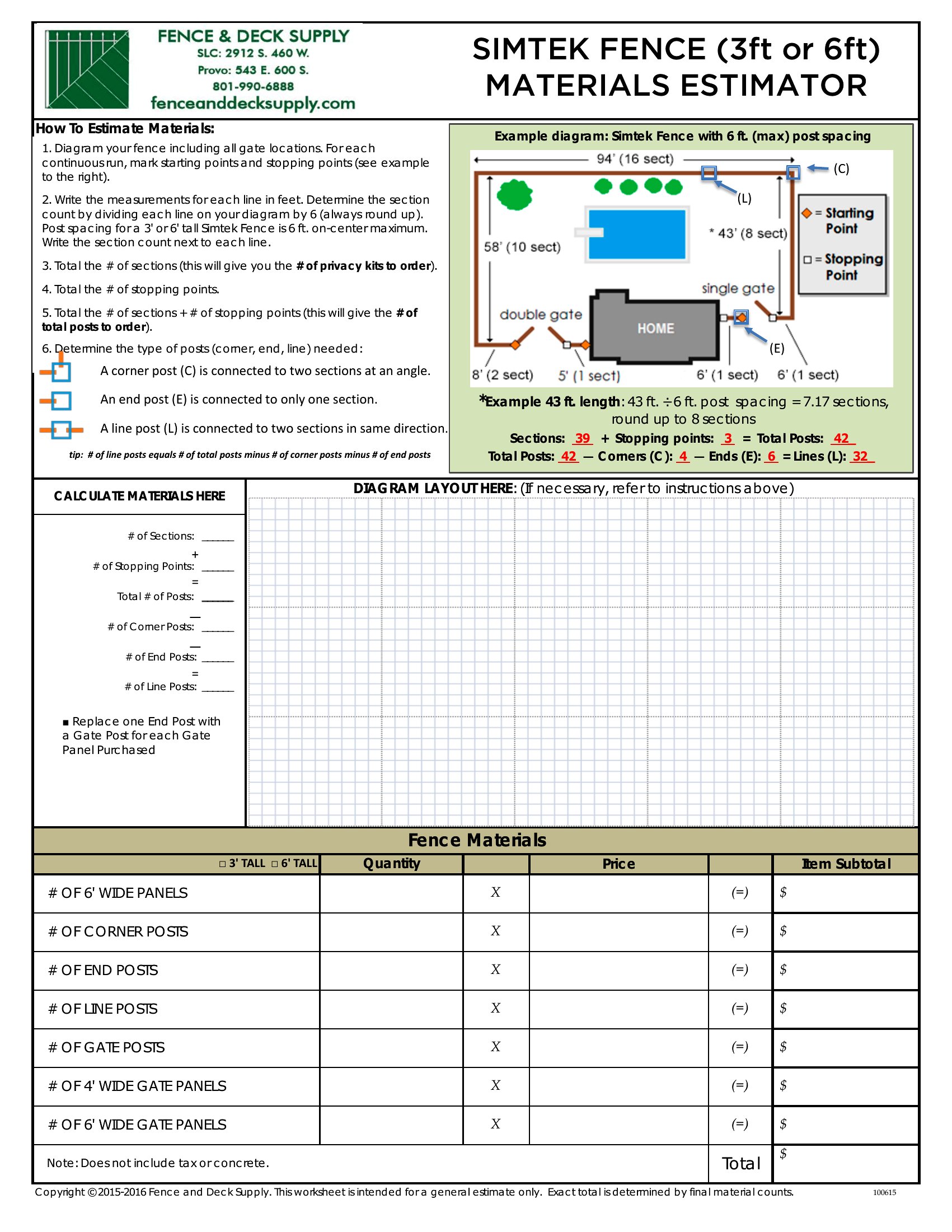
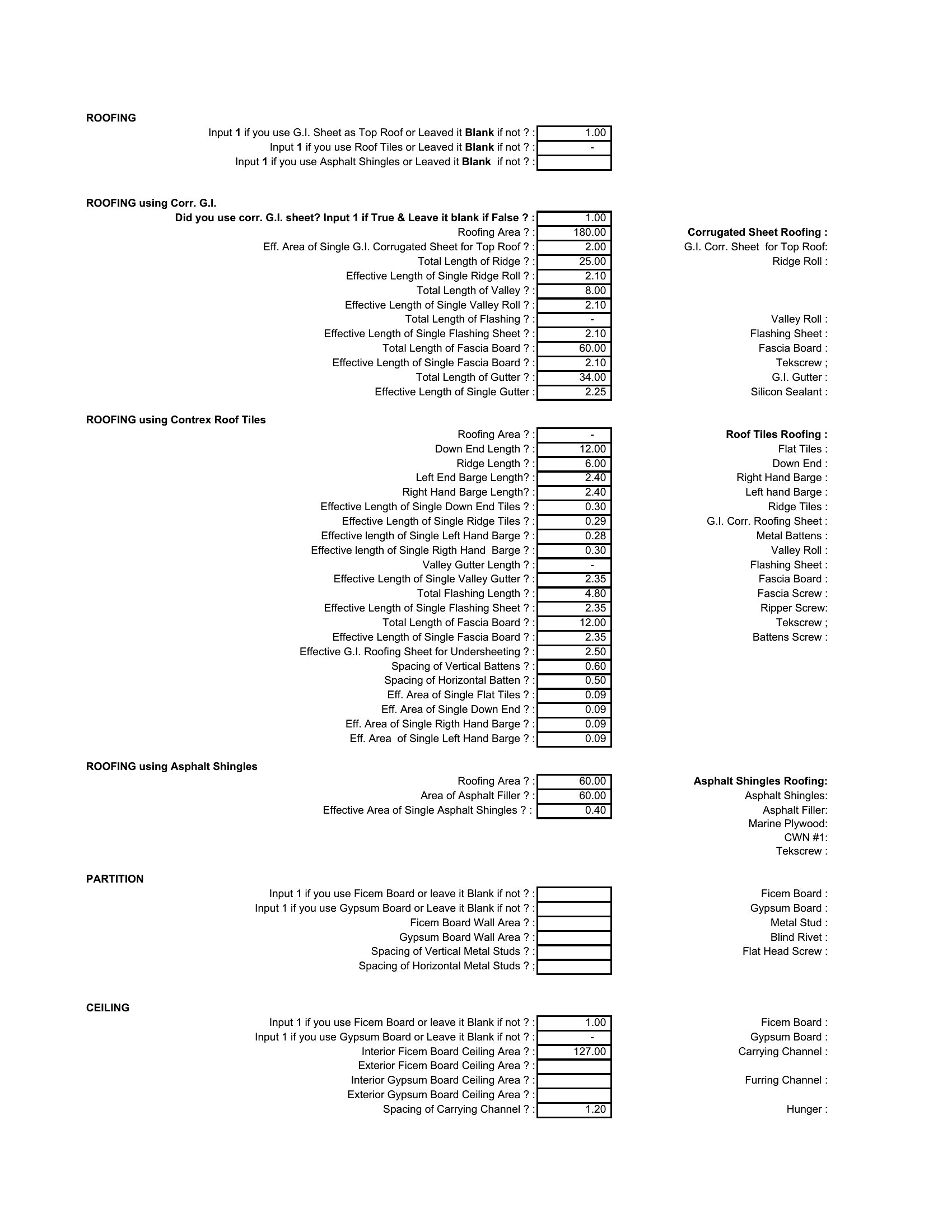
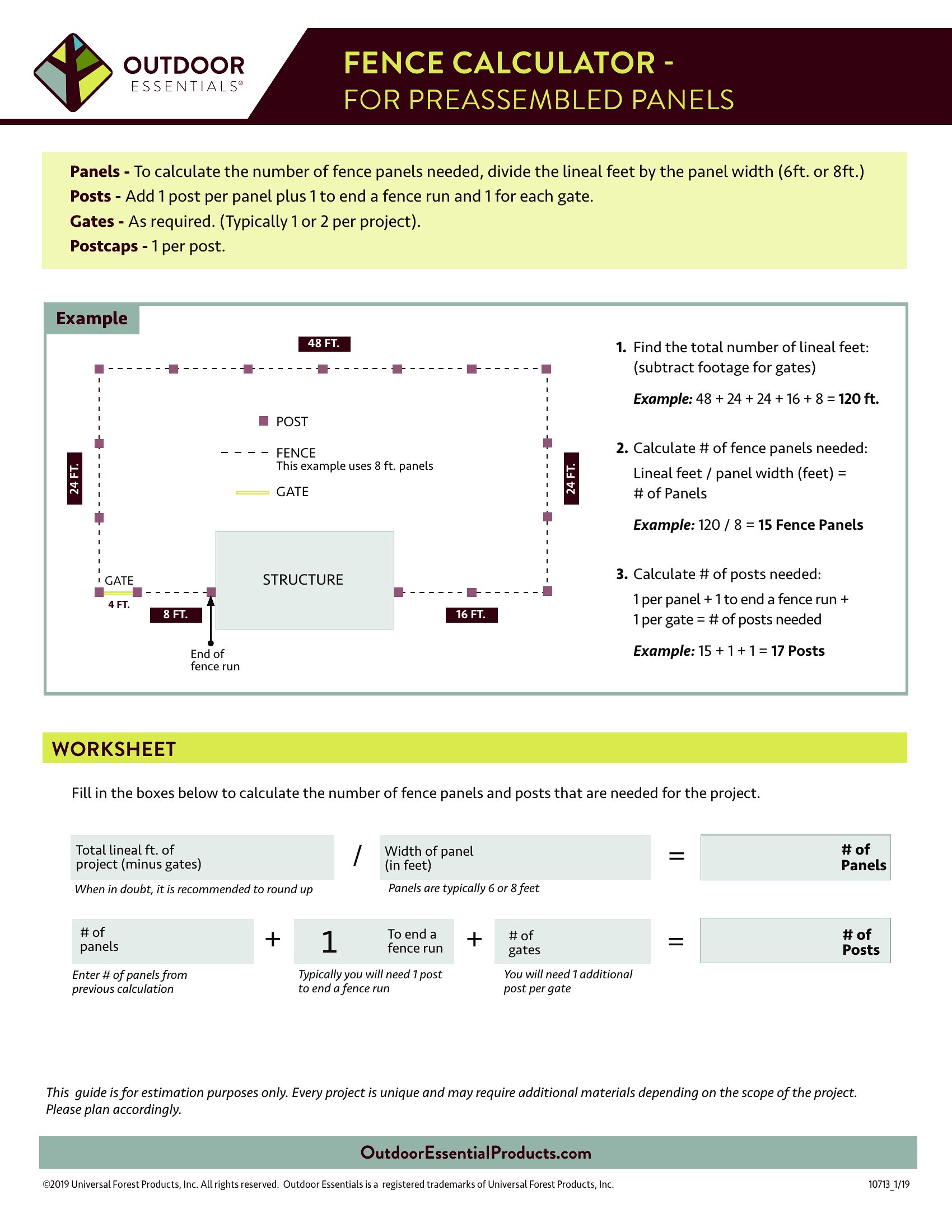
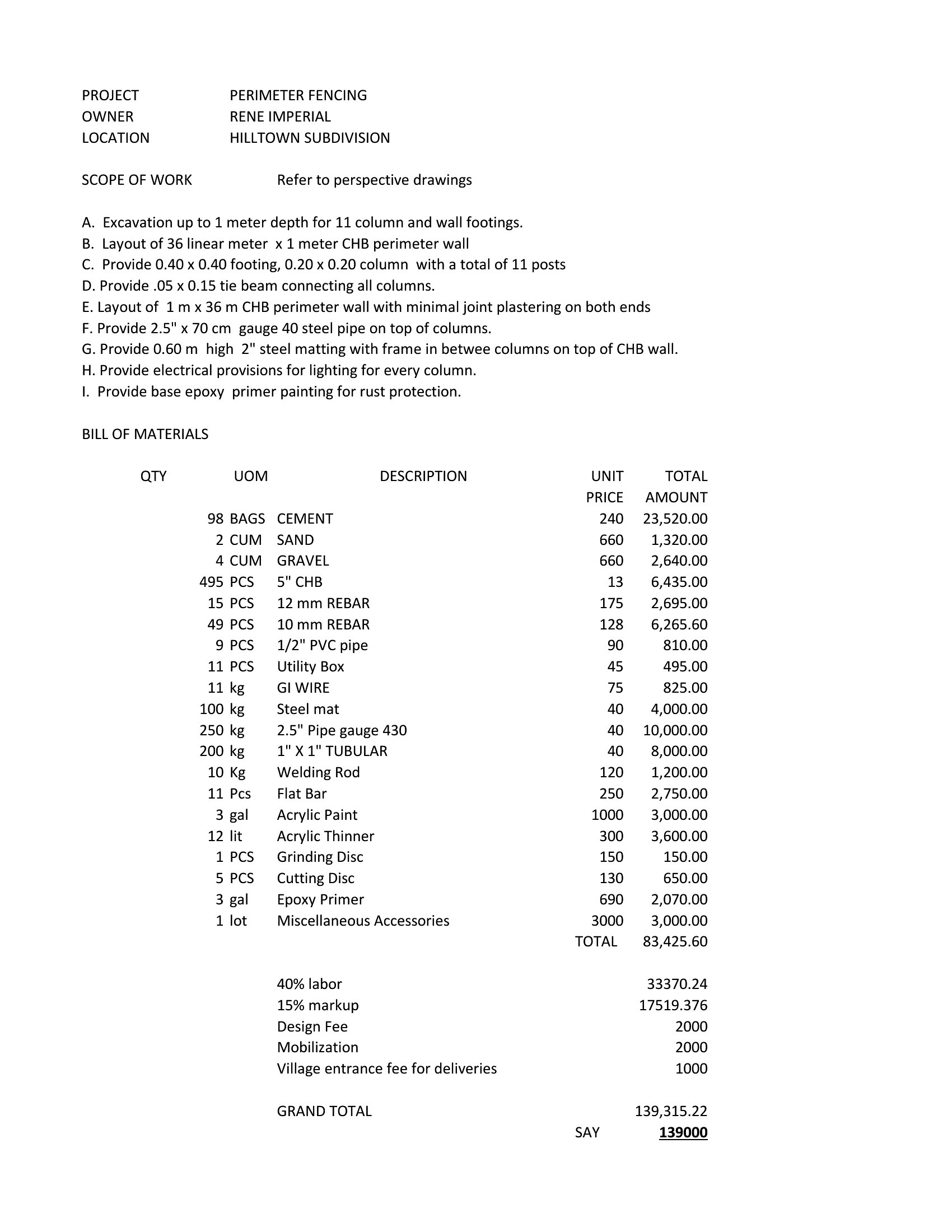
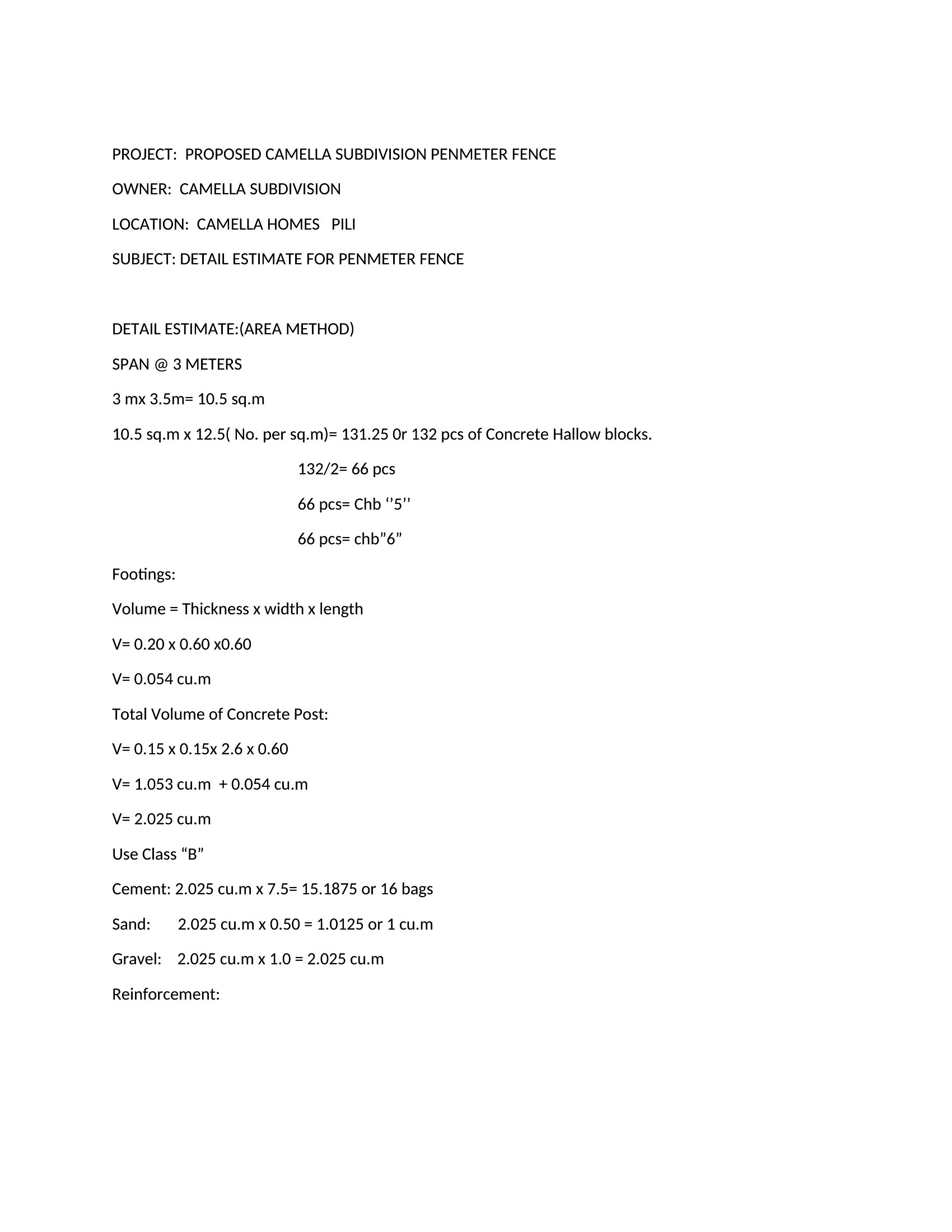
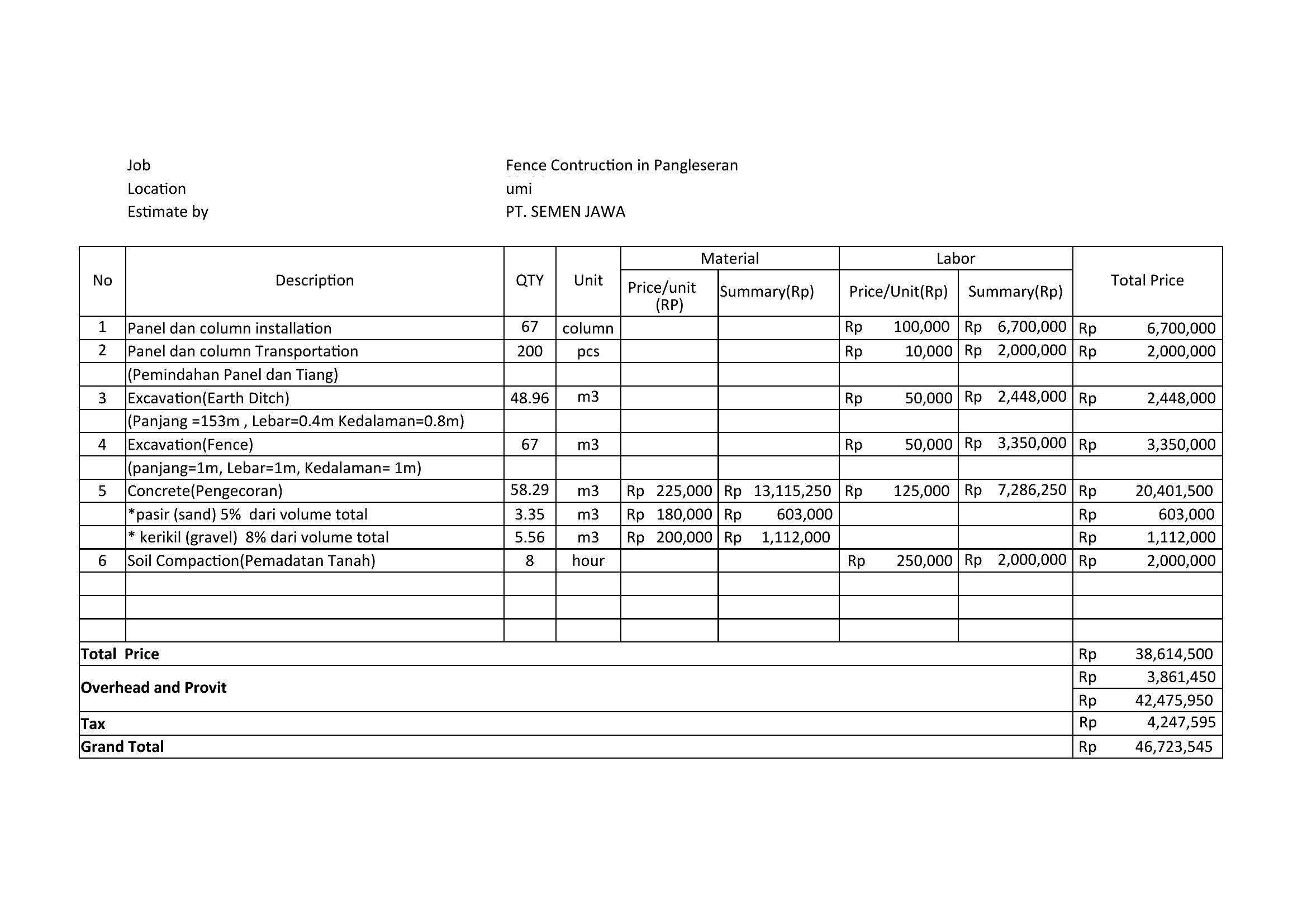
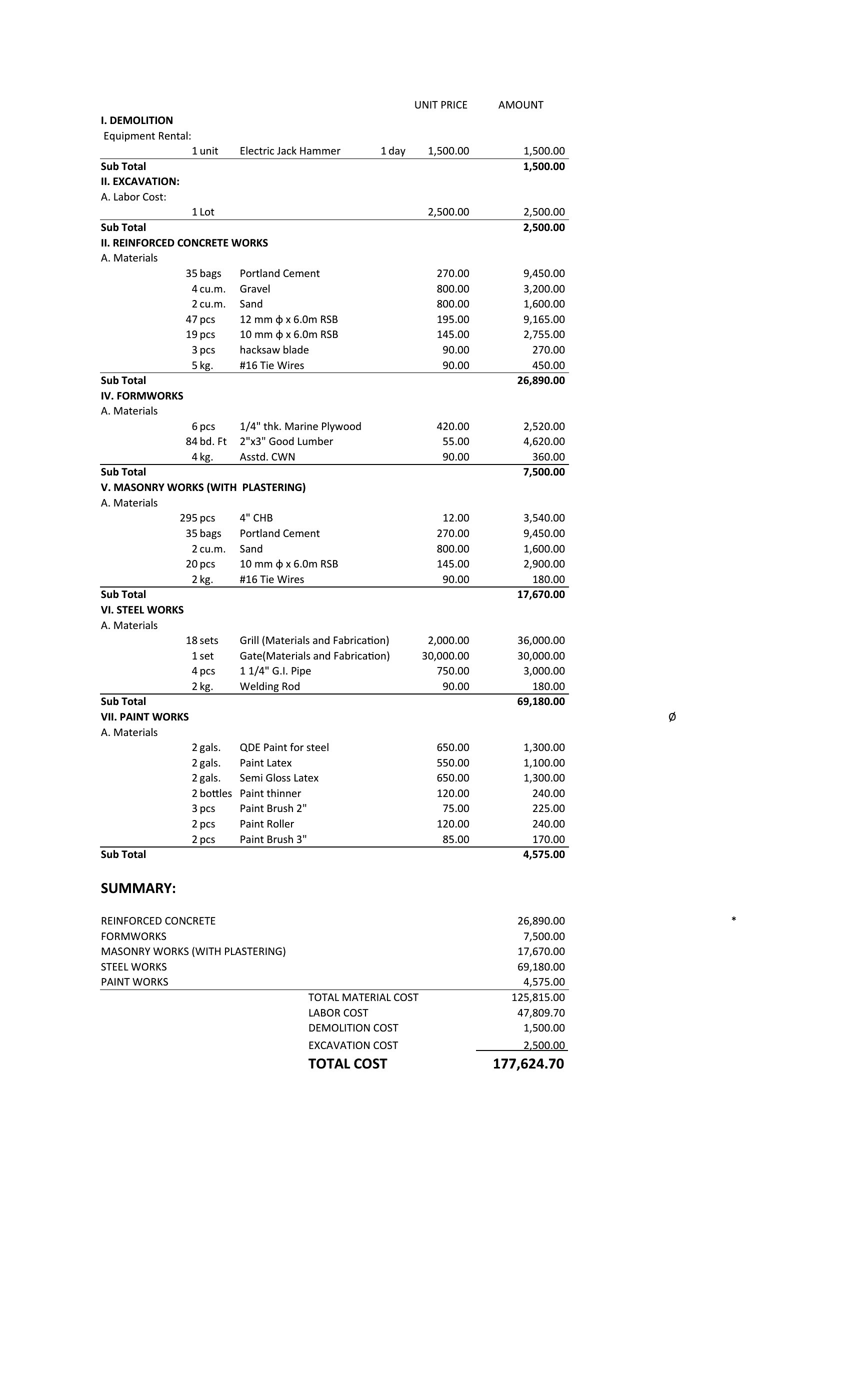
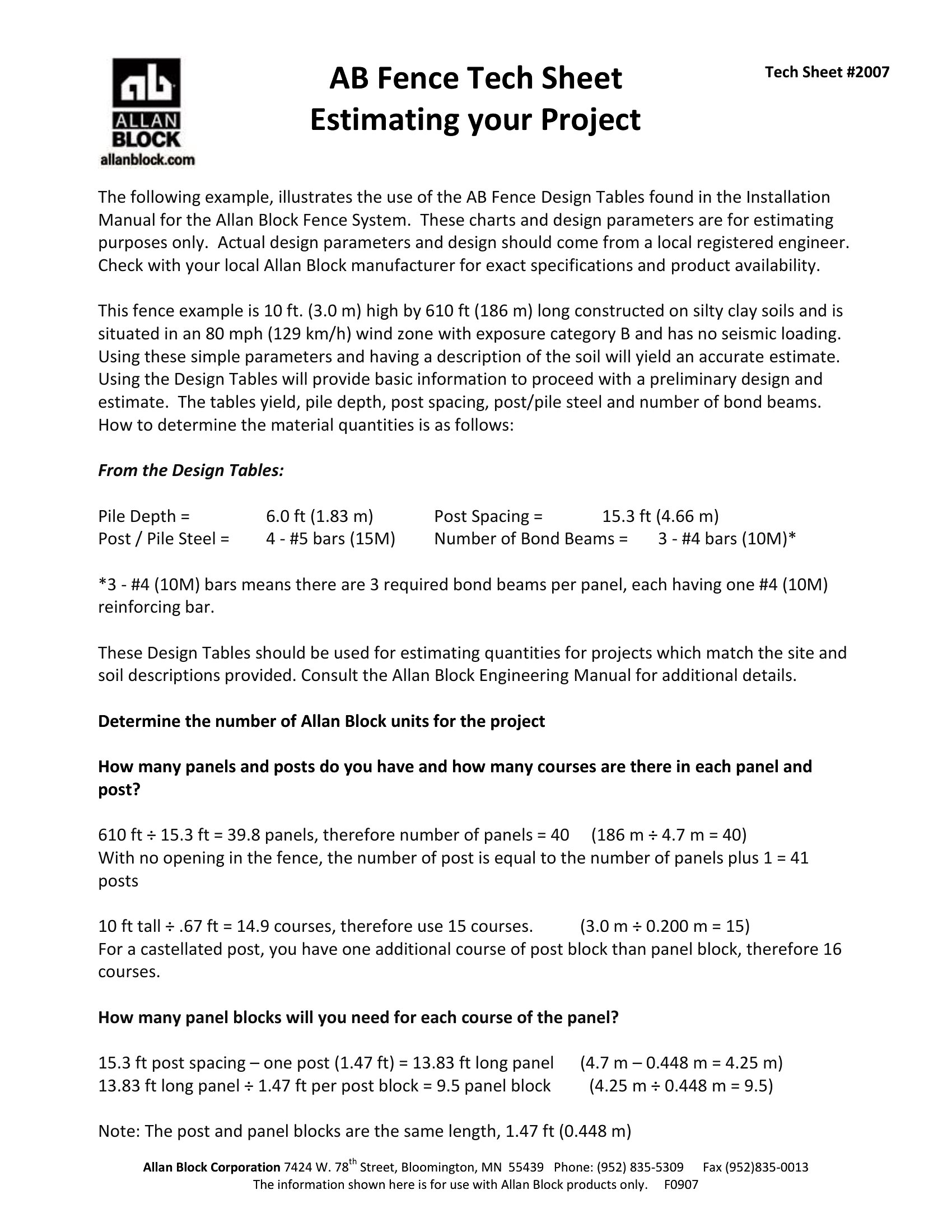
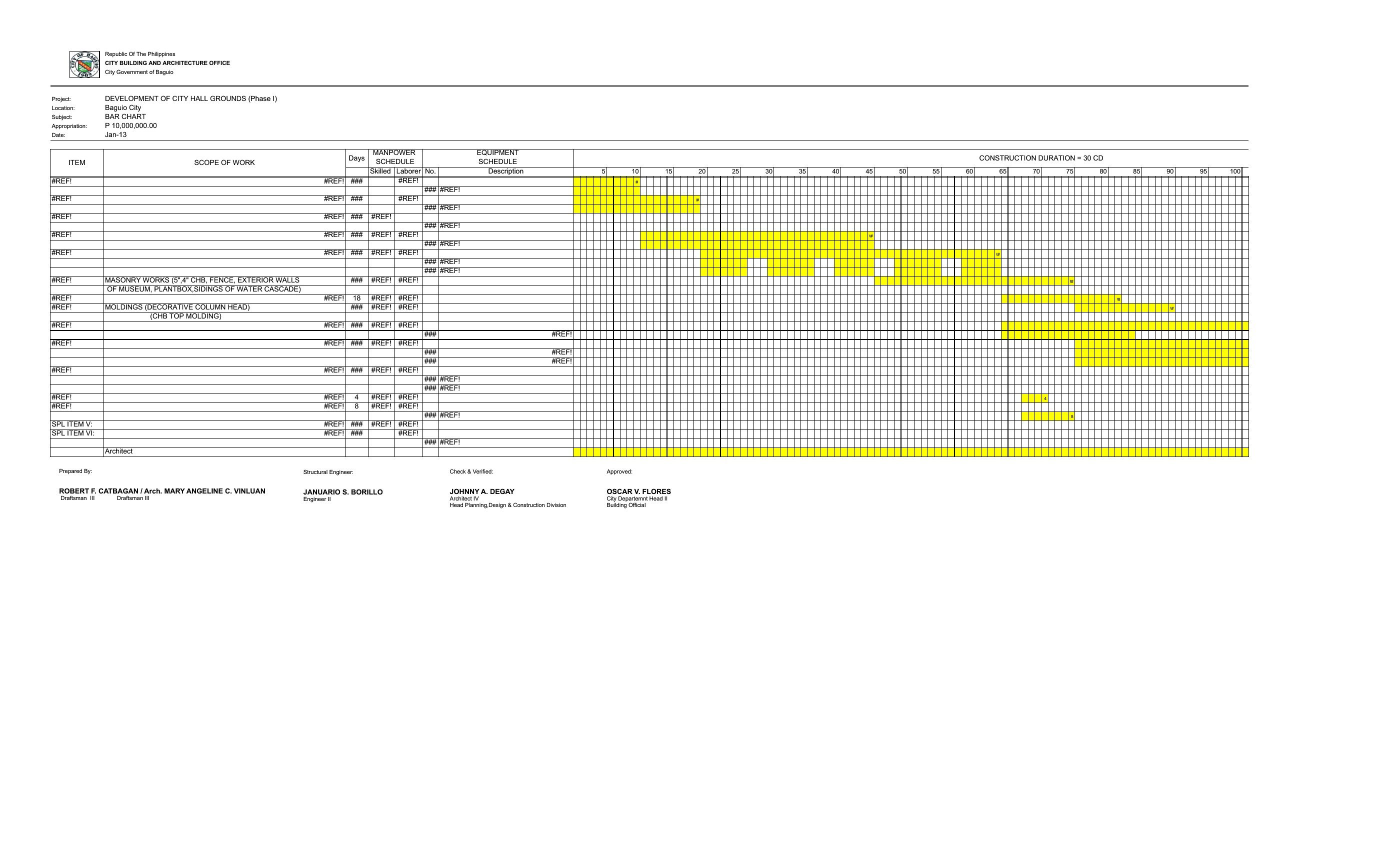
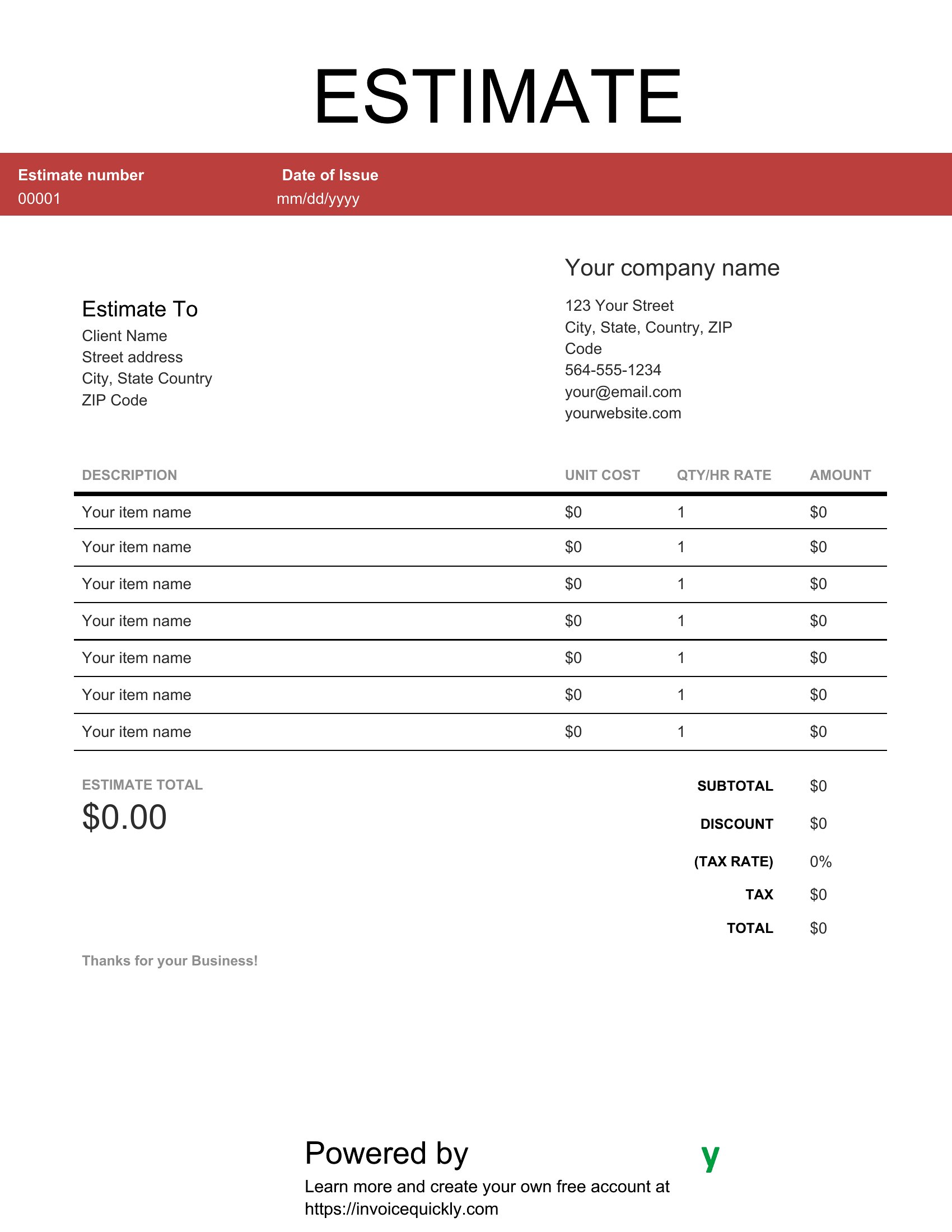
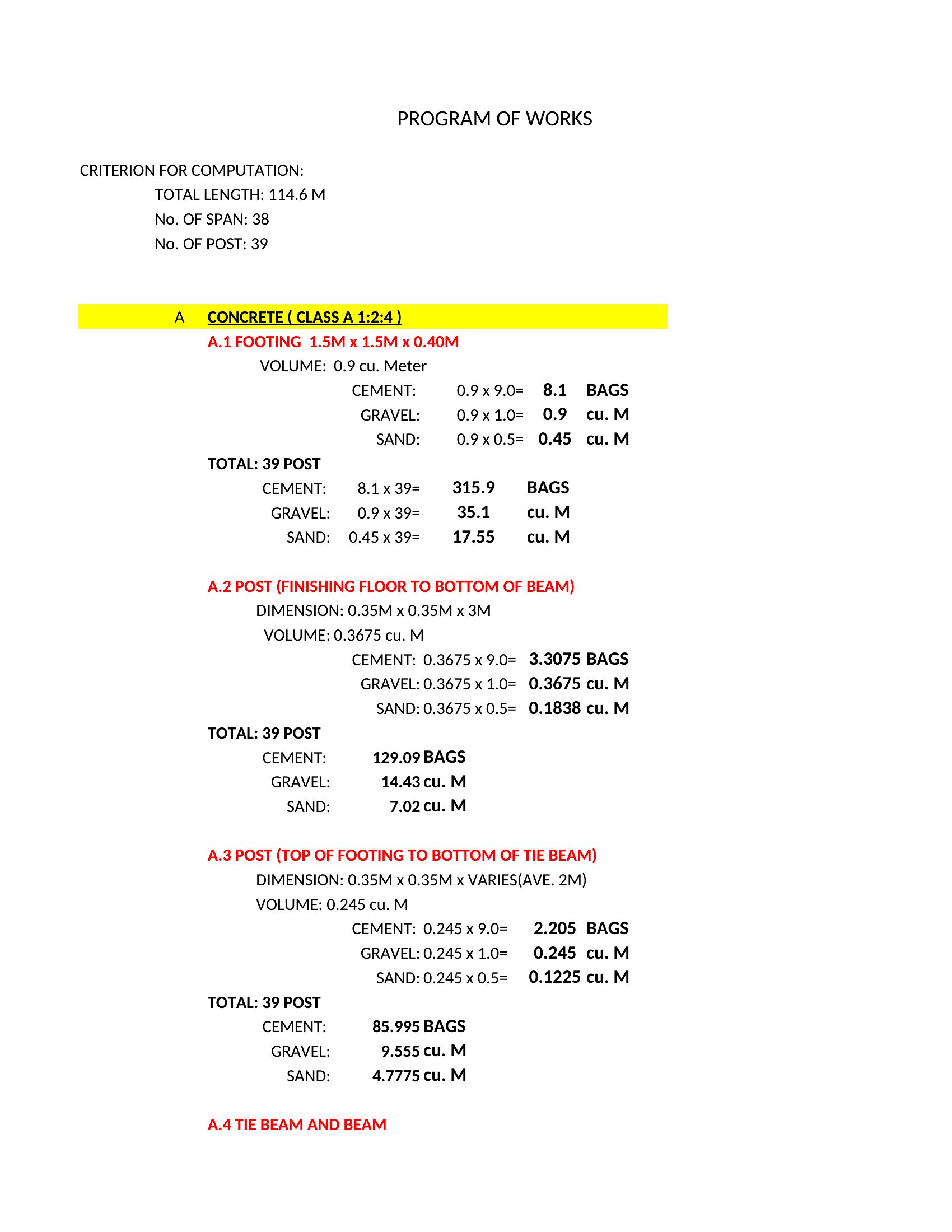
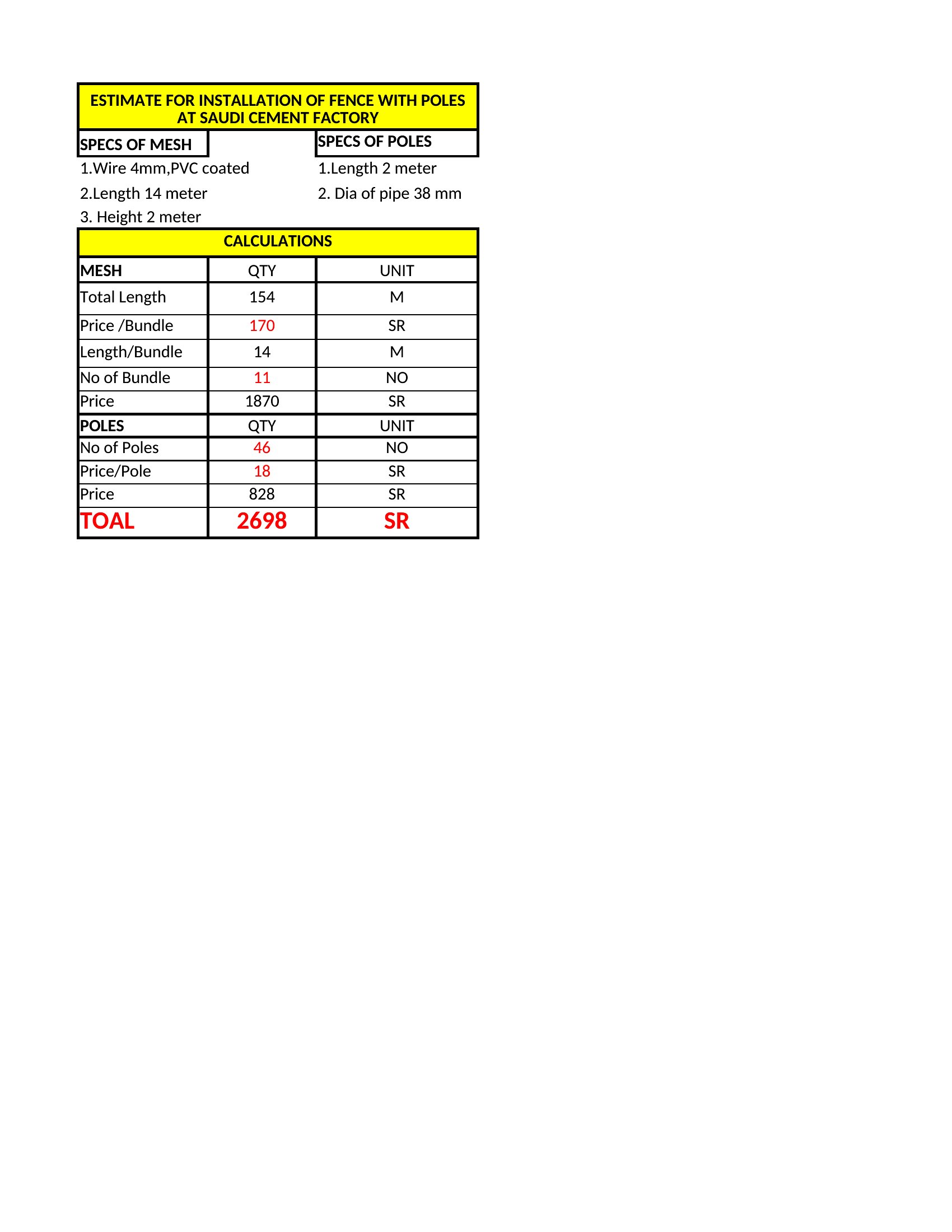
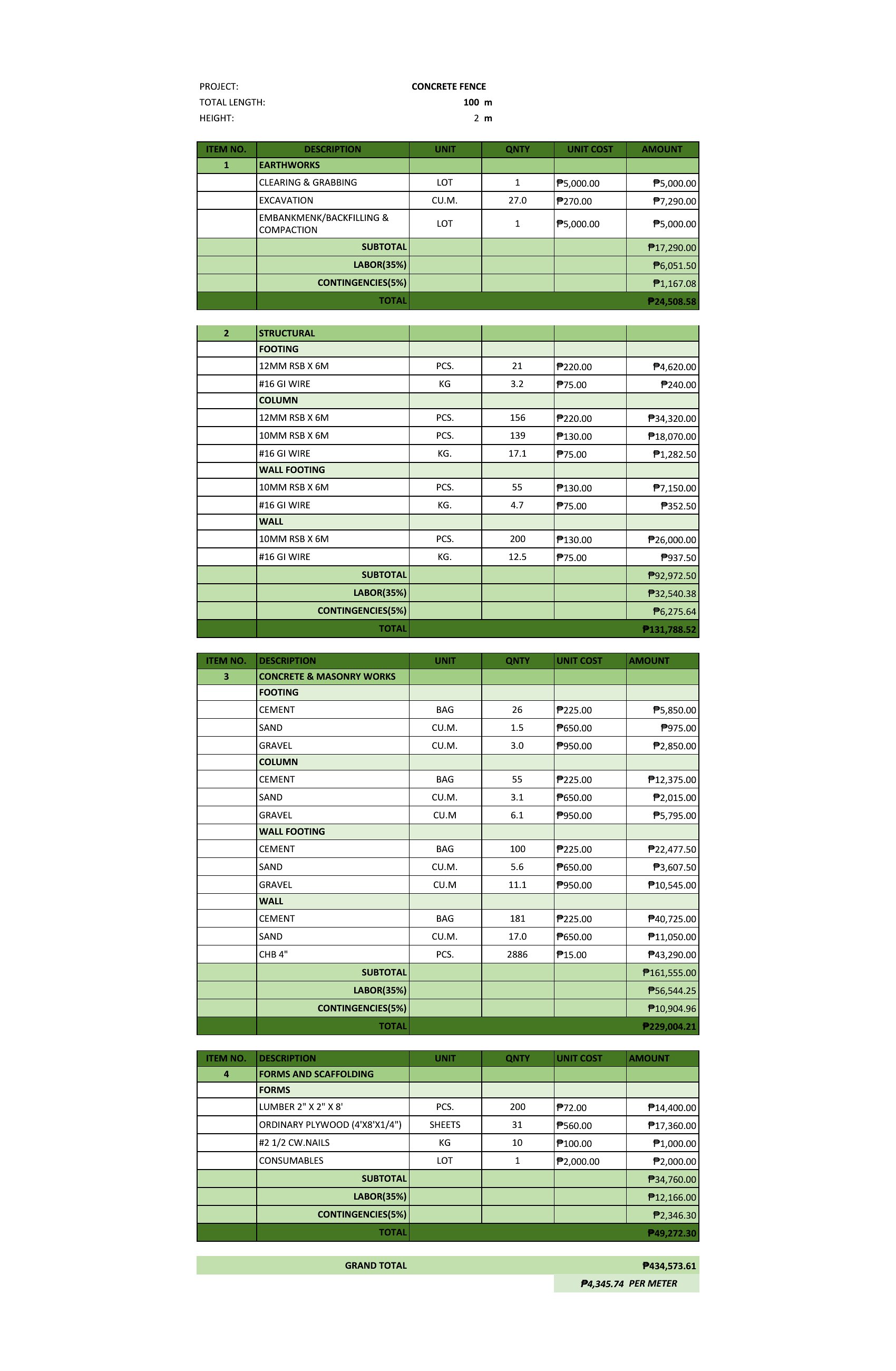
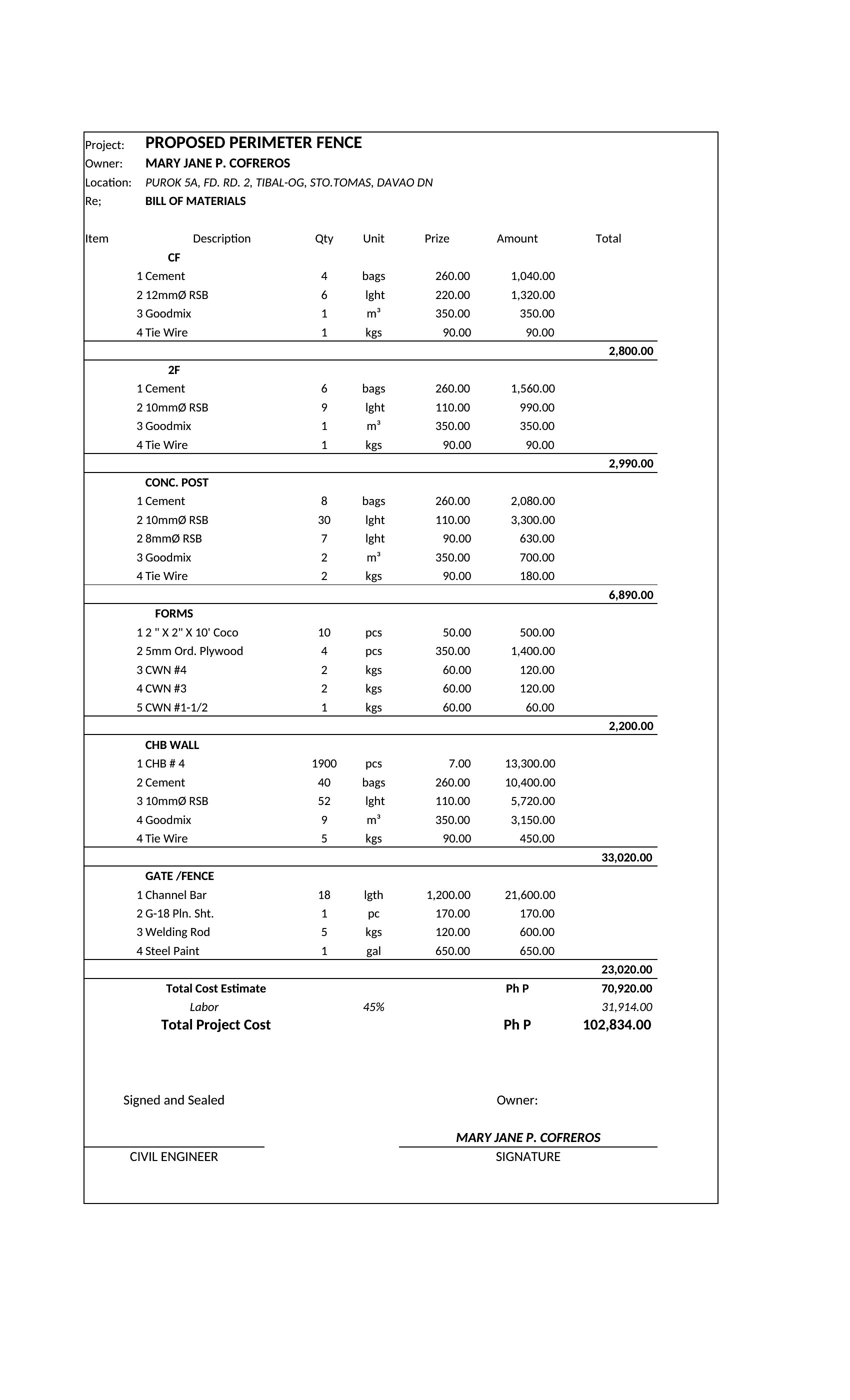
InvoicesQuoting a fence job means accounting for posts, panels, concrete, labor, and the odd surprise, and a tidy estimate keeps you from leaving money on the table. This set of 26 fence estimate templates gives contractors and DIY homeowners a clear framework for listing materials, linear footage, and labor so the final number holds up. Each version walks through the costs a typical install runs into, from gate hardware to cleanup.
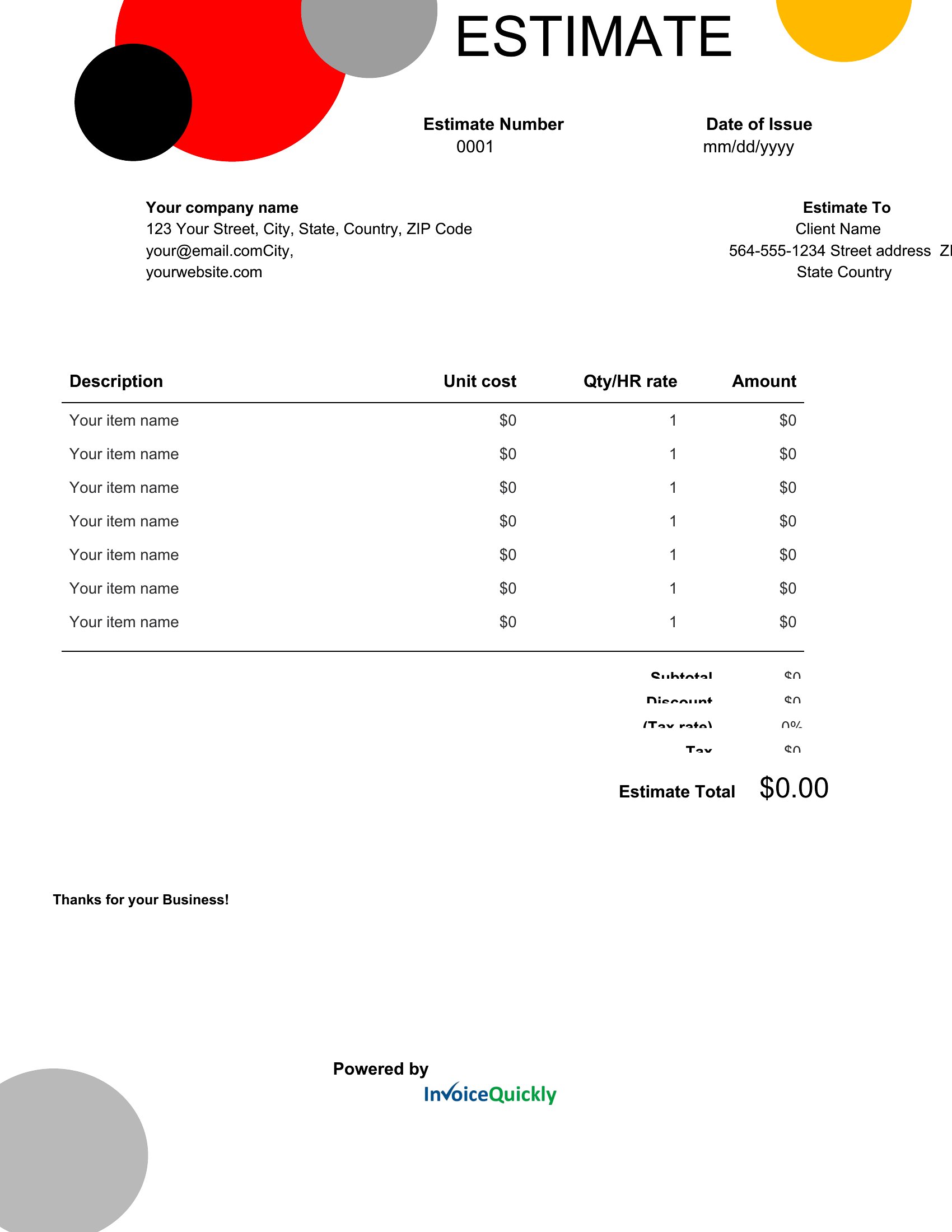
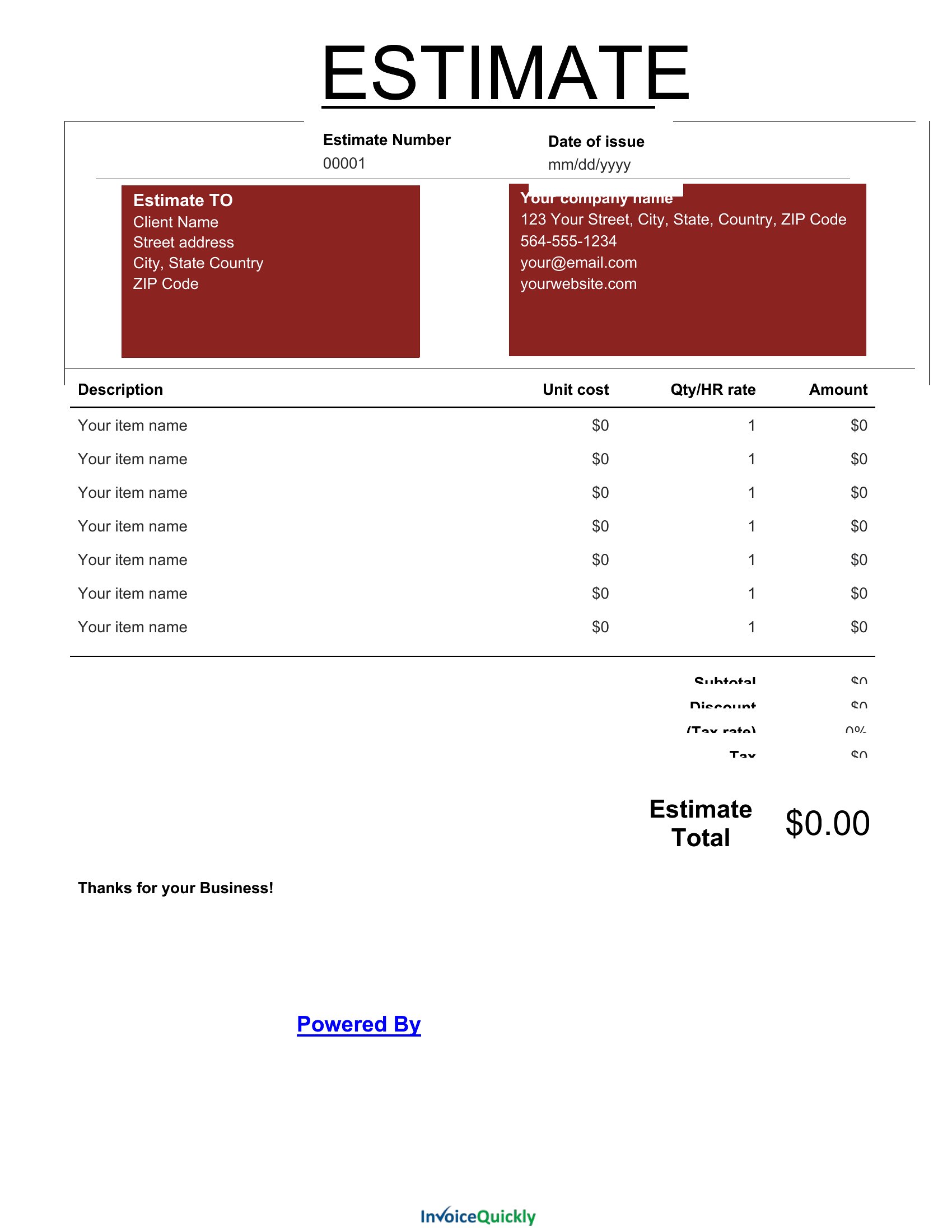
You'll find layouts in Word and PDF for clean, printable quotes plus Excel sheets that total materials and labor as you type. Swap in your own prices, adjust the line items, and hand the client a professional bid. Figures are only as good as your local rates, so confirm current material and labor costs before you send it. Download the version that fits your project and start quoting.
When to use this Fence Estimate template
- Small-town contractors preparing quotes for residential chain-link fences with varying heights and gates, needing a breakdown of post spacing, tension wire, and labor hours per linear foot to justify pricing to budget-conscious homeowners.
- Landscaping crews installing semi-custom wood fences for suburban clients, where every estimate must include material grade options (e.g., cedar vs. pine), concrete footing costs, and a surcharge for uneven terrain adjustments.
- DIY homeowners comparing quotes from multiple local fence companies, using a detailed template to track variances in material quality, markup percentages, and whether estimates include permits or cleanup fees.
- Fence subcontractors working under a general contractor’s roofing or decking project, requiring a concise but itemized estimate that aligns with the main contract’s line-item structure for material and labor reimbursement.
Which format should I download?
Use Excel when you need to adjust quantities, pricing, or labor rates on the fly during client meetings—this template lets you modify formulas for bulk discounts or regional material cost differences. Opt for Word if you’re drafting a multi-page estimate with narrative explanations (e.g., ‘Why vinyl fencing costs more in coastal areas due to corrosion risks’). Choose PDF for final client submissions where you want to lock in the design, add a logo, or ensure compatibility when emailed or printed. The PDF format is ideal for mobile-friendly sharing with homeowners who prefer reviewing estimates on tablets during site visits.
Choose from 26 Fence Estimate Templates
How to use this Fence Estimate template
How should I handle optional add-ons like decorative post caps or lighting kits in the estimate?
List add-ons as separate line items with a brief description (e.g., ‘Decorative black iron caps: $8.50 each’) and clearly mark them as ‘not included in base estimate.’ Use a subtotal row before the total to show the base cost, then add the optional items below. This avoids surprises and lets clients opt in or out intentionally.
What’s the best way to note contingencies for soil conditions or permit delays in my estimate?
Include a ‘Notes’ section at the bottom with phrases like ‘Pricing assumes typical soil conditions; additional ground preparation may apply if encountered.’ For permits, add ‘Permit fees not included; client responsible for securing and paying for all required approvals.’ This protects you legally while managing expectations upfront.
Can I use these templates to estimate gates separately if they’re a common upsell?
Yes—create a secondary section labeled ‘Gates & Accessories’ under your main materials list. Include dimensions (width x height), material type (e.g., wrought iron, wood), and hardware (hinges, latches). Assign a unit price, then multiply by quantity. For example: ‘6-ft x 6-ft wood gate with black hardware: 2 units @ $325 each.’
Comments
Join the conversation
Sign in to share your thoughts and leave a comment on this resource.