









FAQ
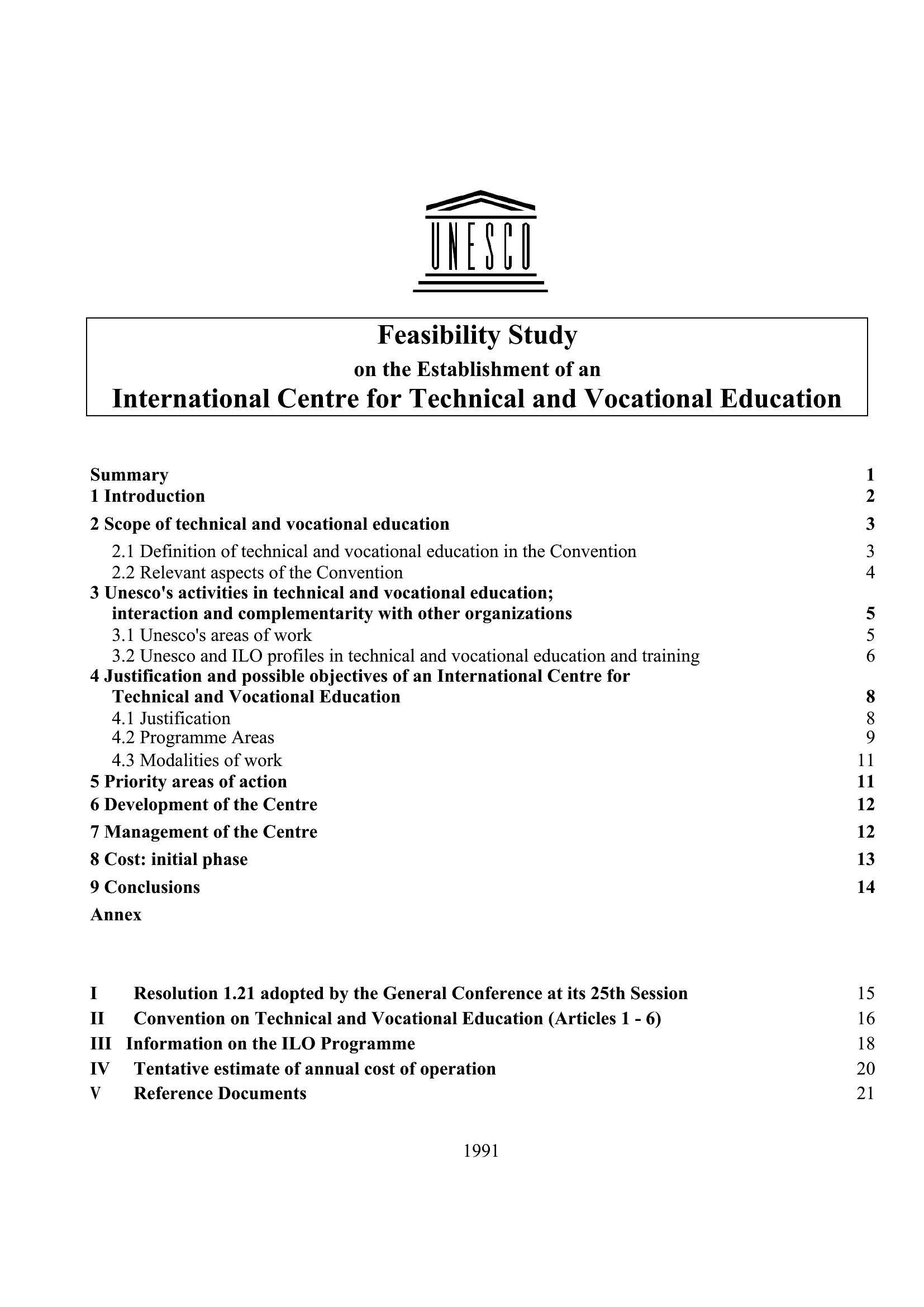
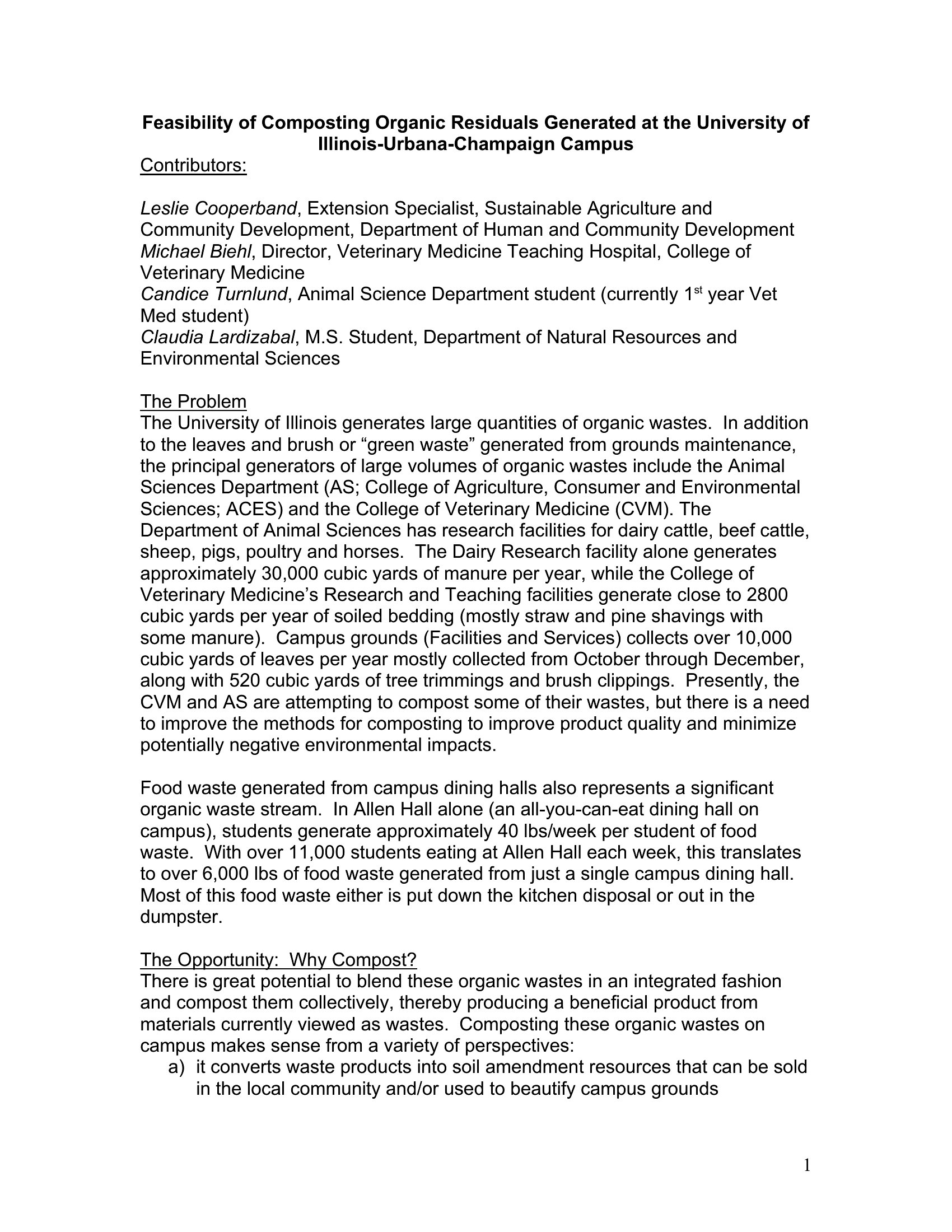
What is a feasibility study?
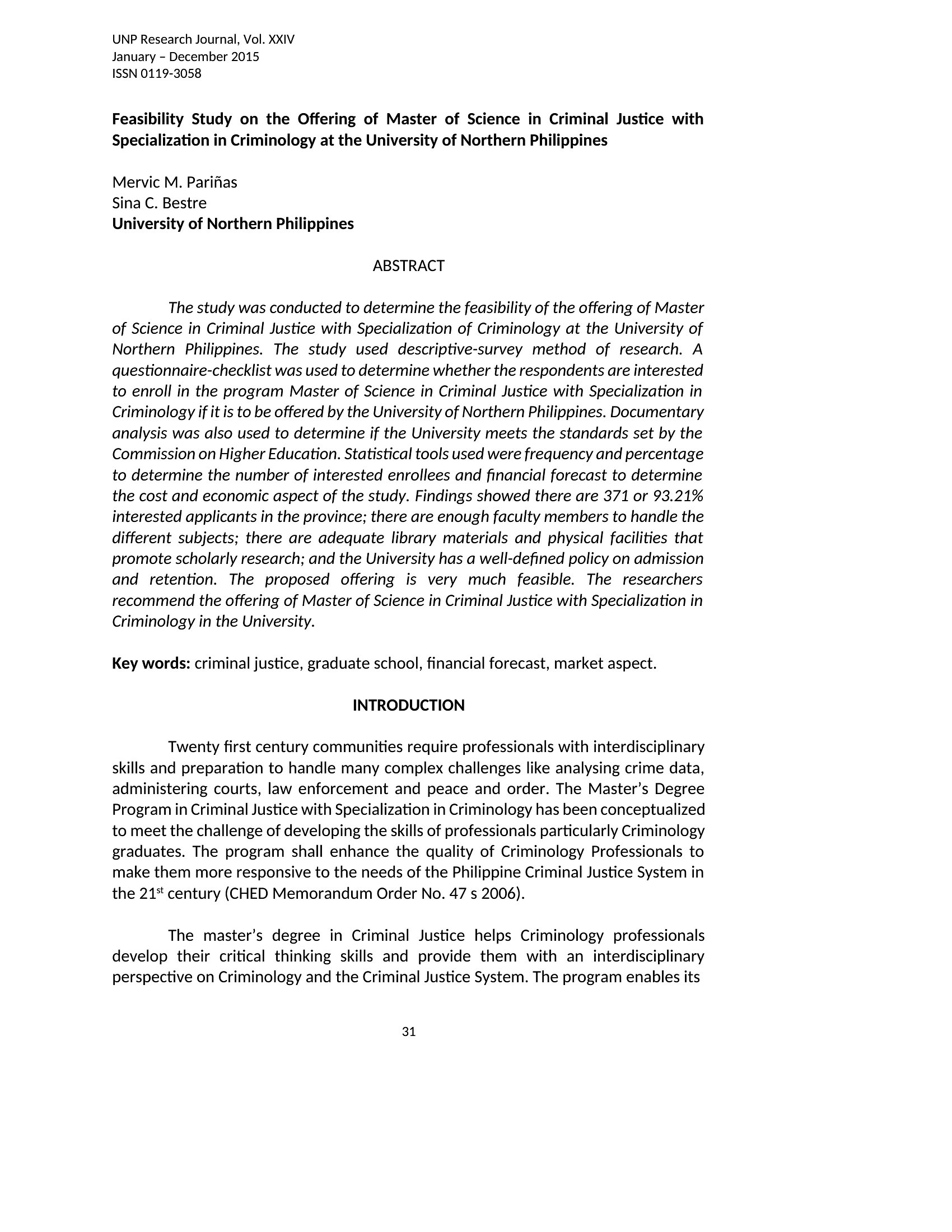
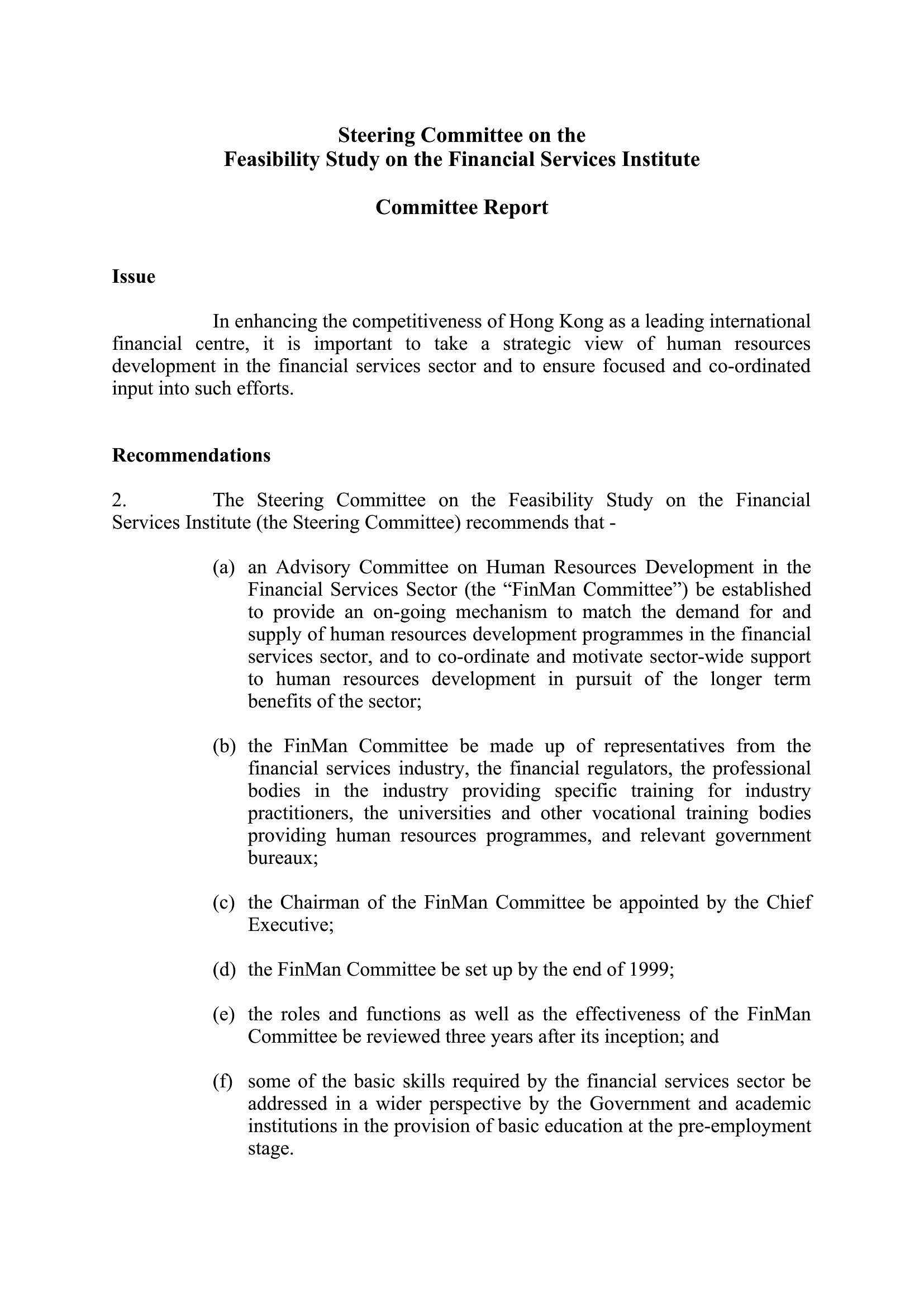
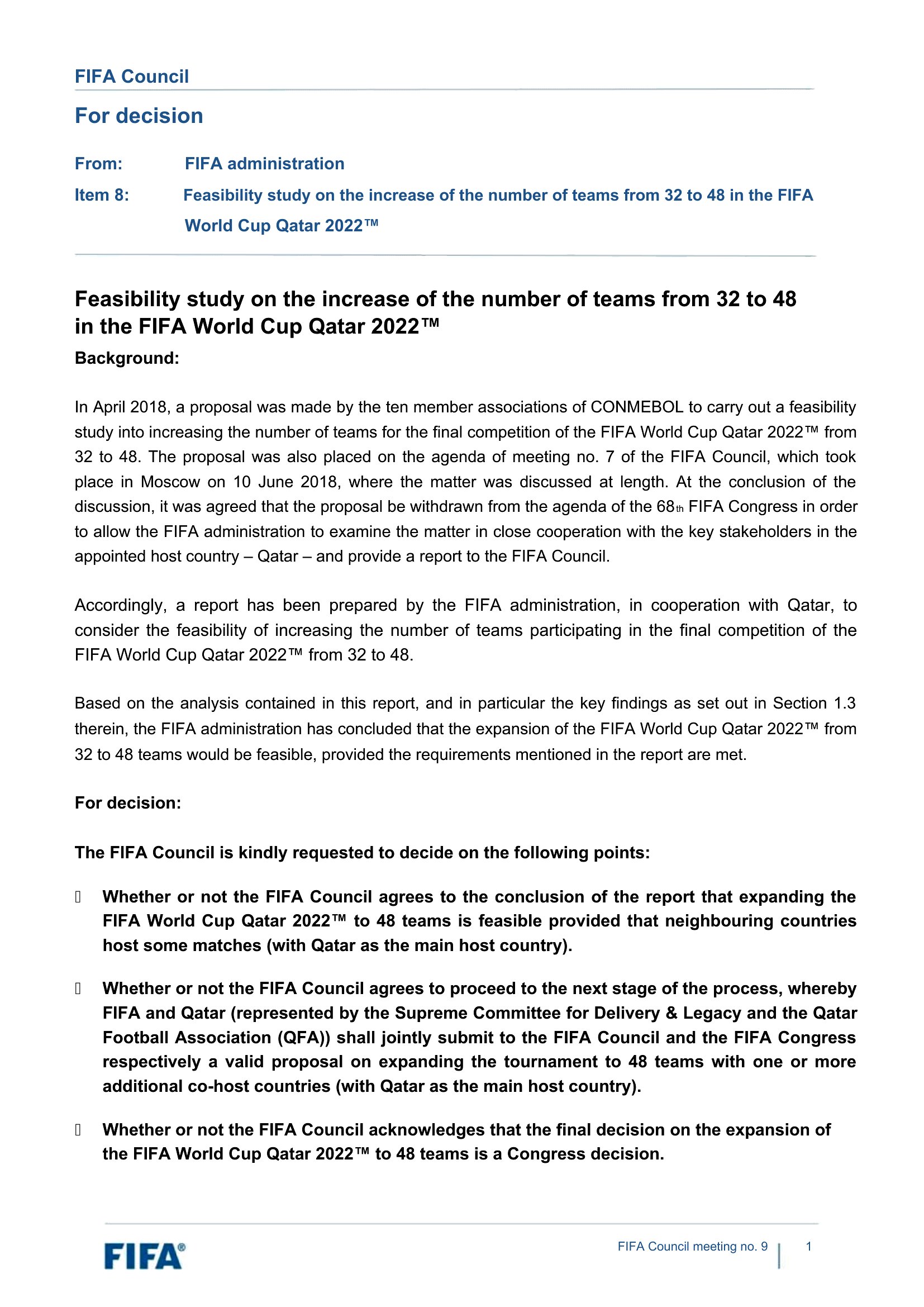
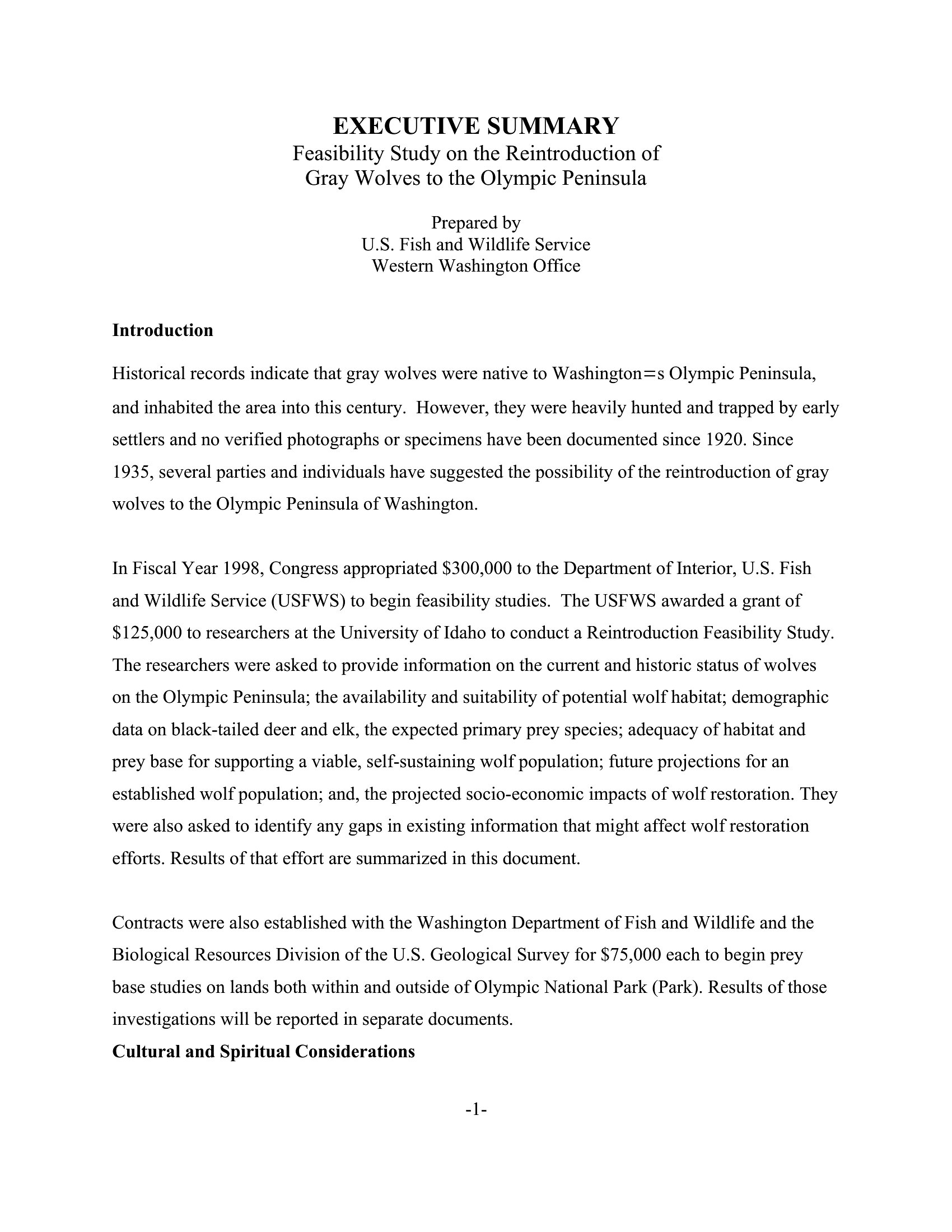
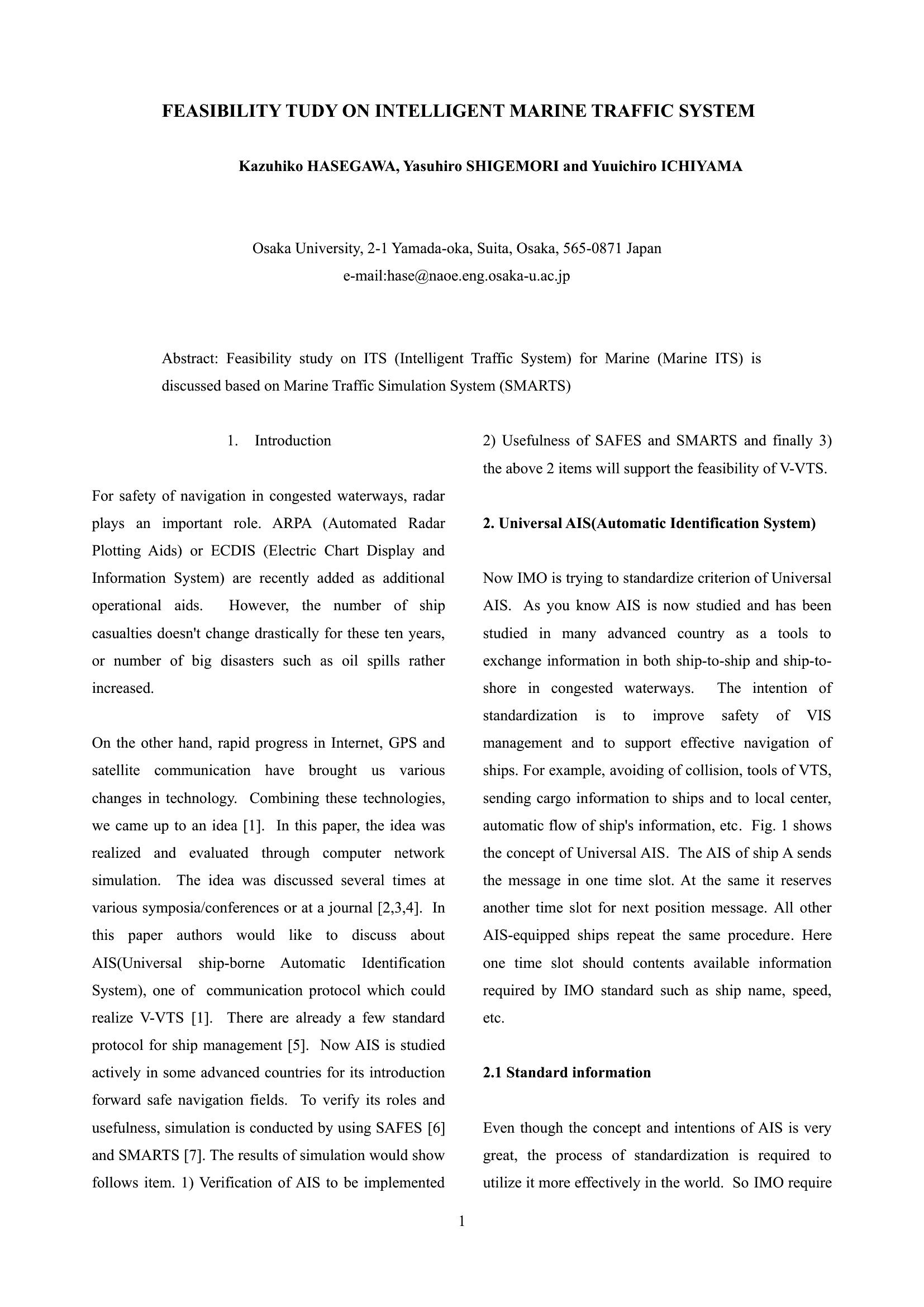
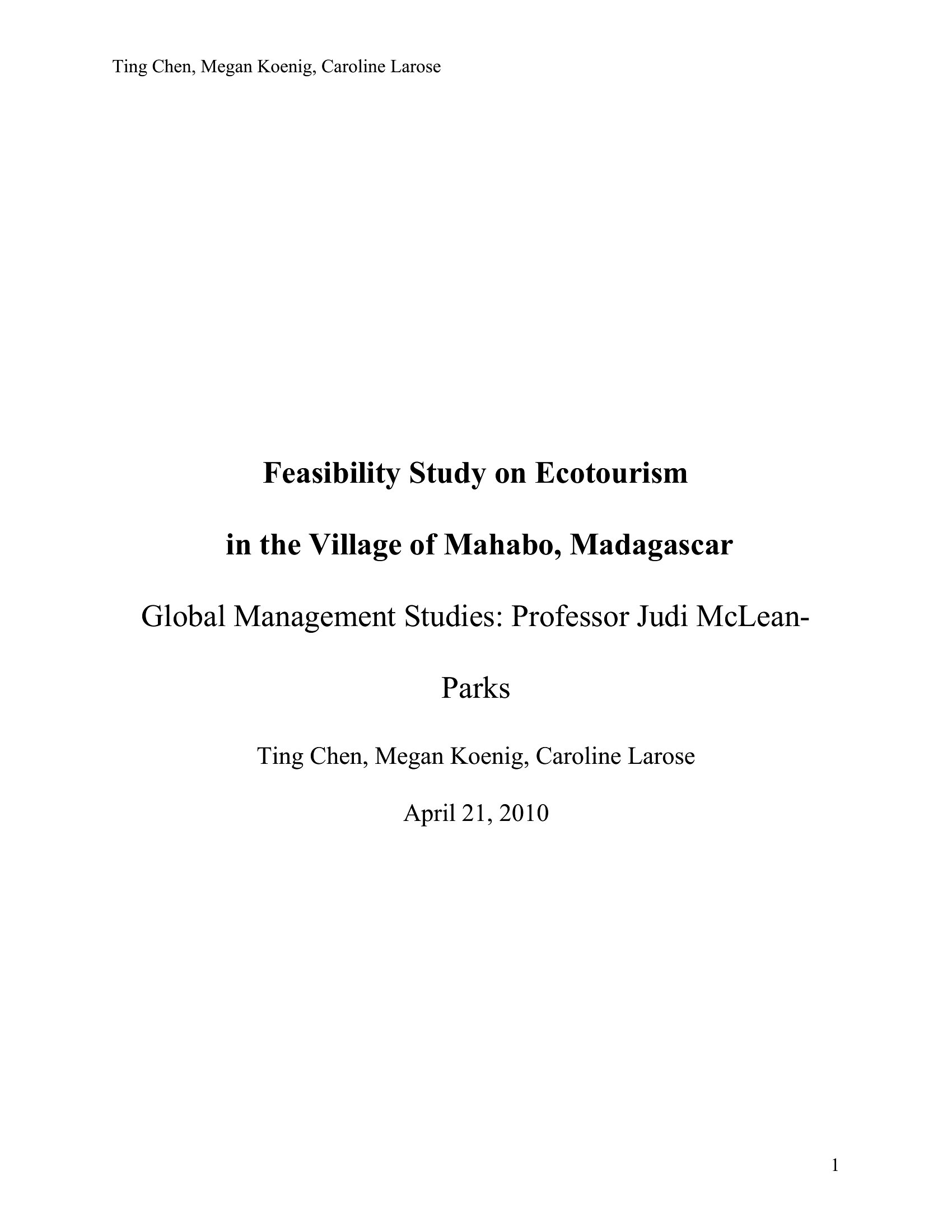
A feasibility study assesses whether a proposed project is practical and worth pursuing. It examines market demand, technical requirements, costs, and risks before money and time are committed, helping decision-makers judge if the idea can realistically succeed and is worth moving forward with.
What sections should a feasibility study include?
A feasibility study typically covers an overview, market analysis, technical requirements, operational needs, financial projections, and a risk assessment. It ends with a conclusion or recommendation on whether to proceed, giving a structured view of demand, costs, and challenges for the proposed project.
What types of feasibility are assessed in a study?
Common types include technical feasibility, economic or financial feasibility, market feasibility, operational feasibility, and legal feasibility. Each examines a different dimension, such as whether the project can be built, afforded, sold, run effectively, and carried out within legal requirements, giving a complete picture.
Comments
Join the conversation
Sign in to share your thoughts and leave a comment on this resource.