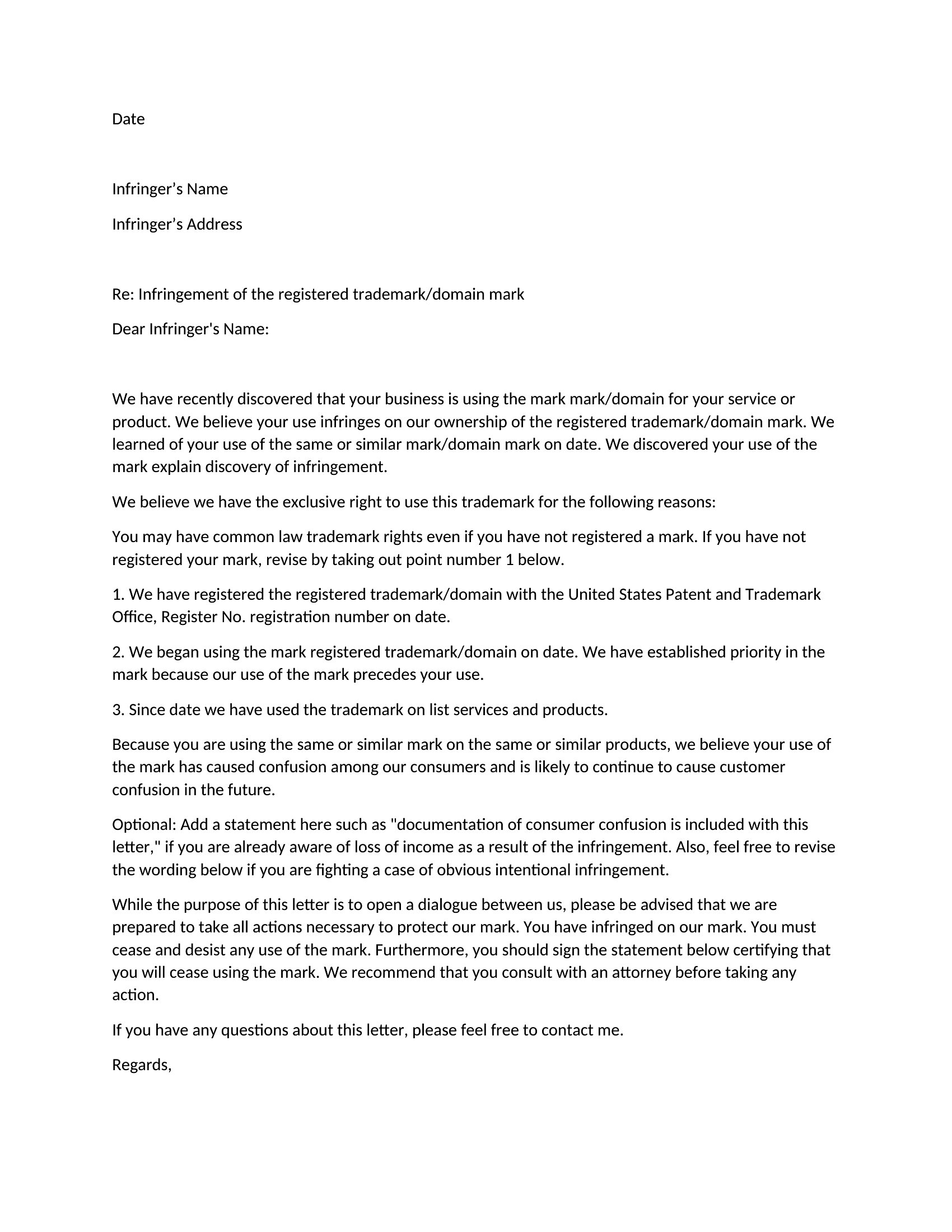
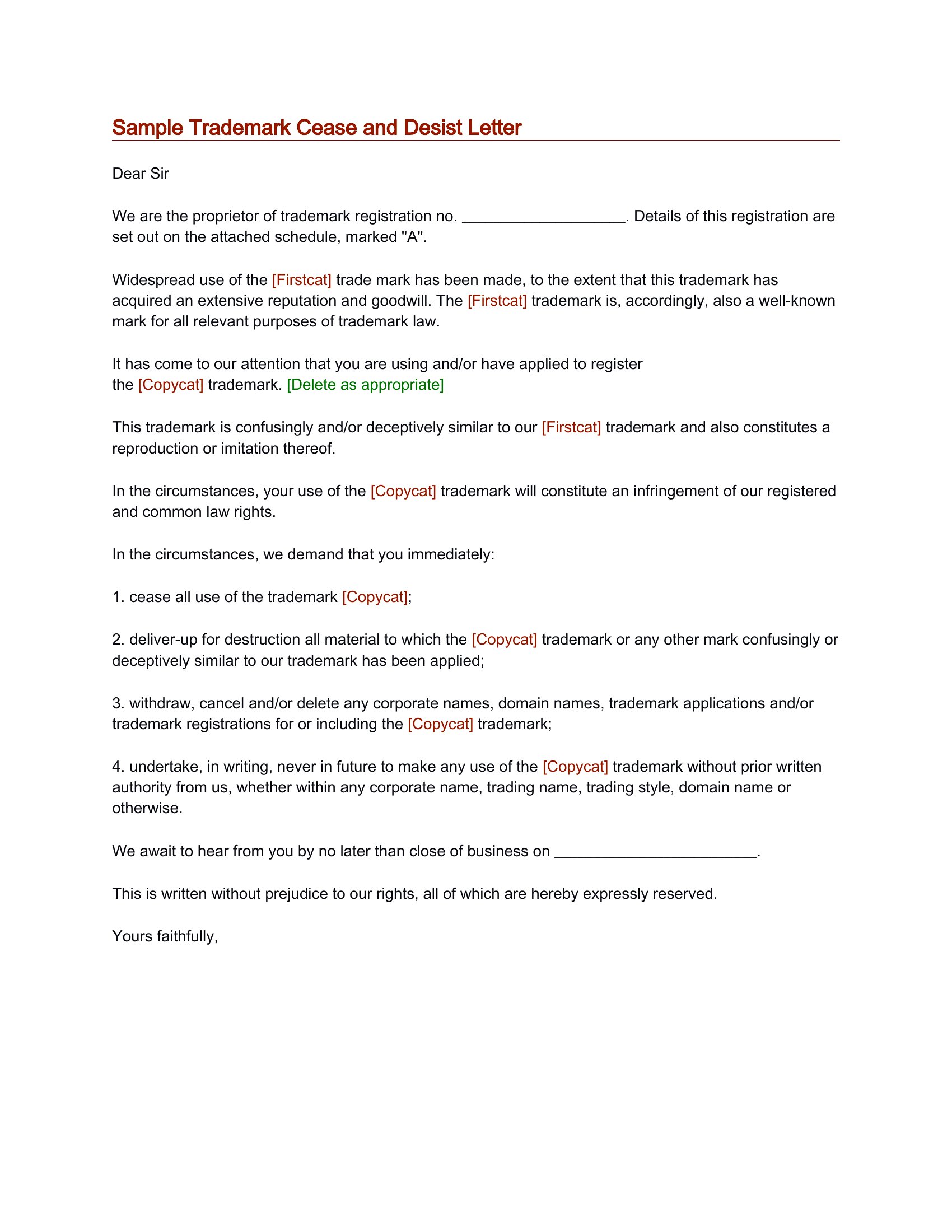
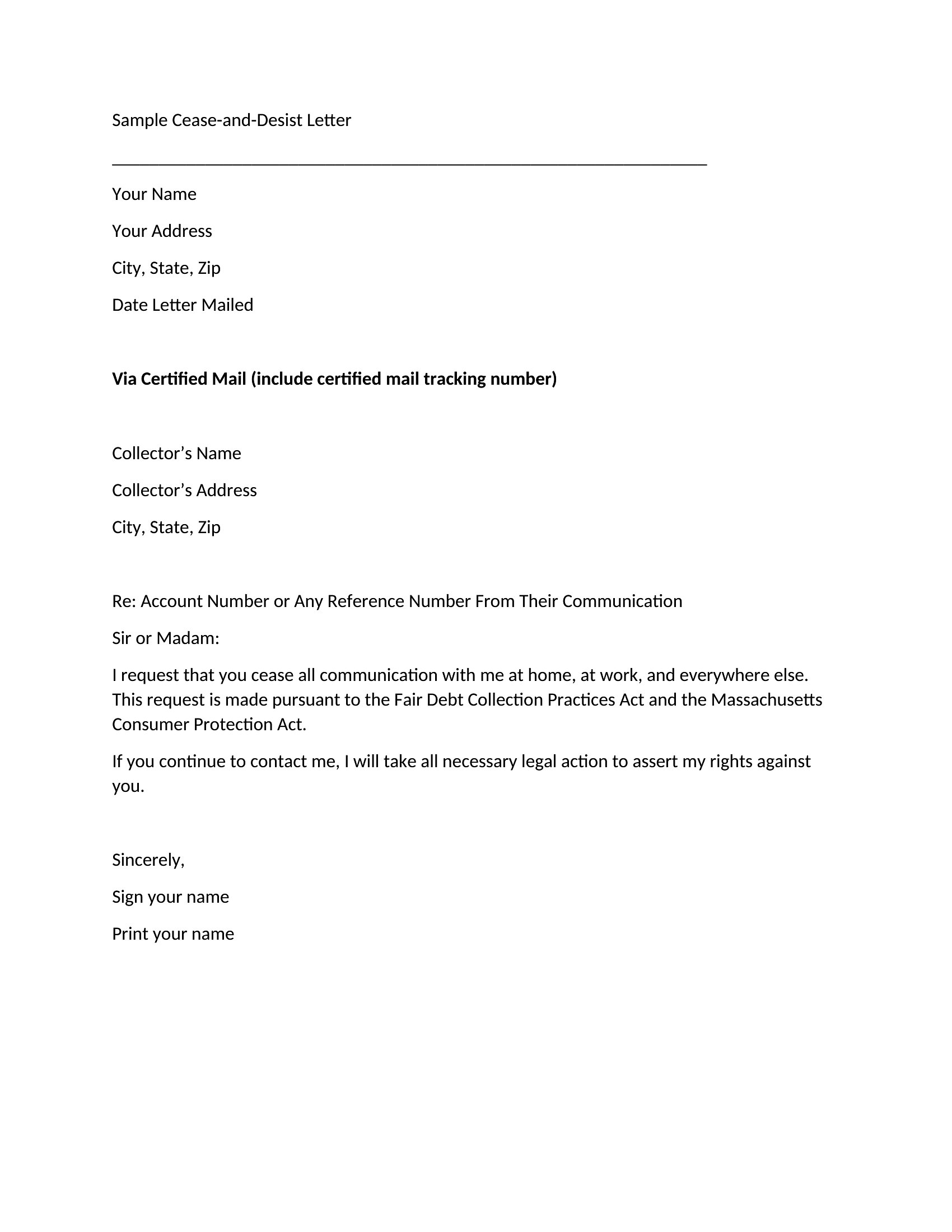
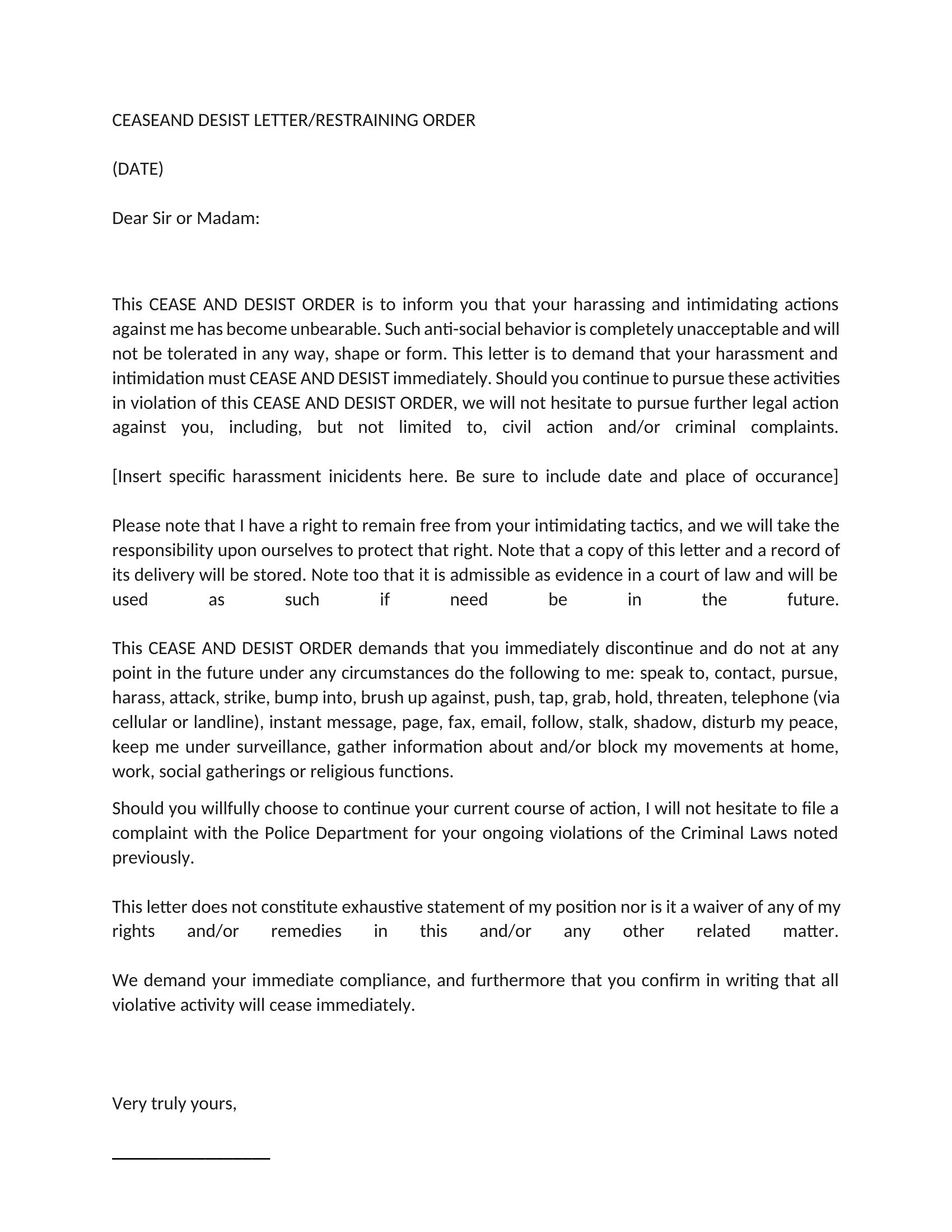
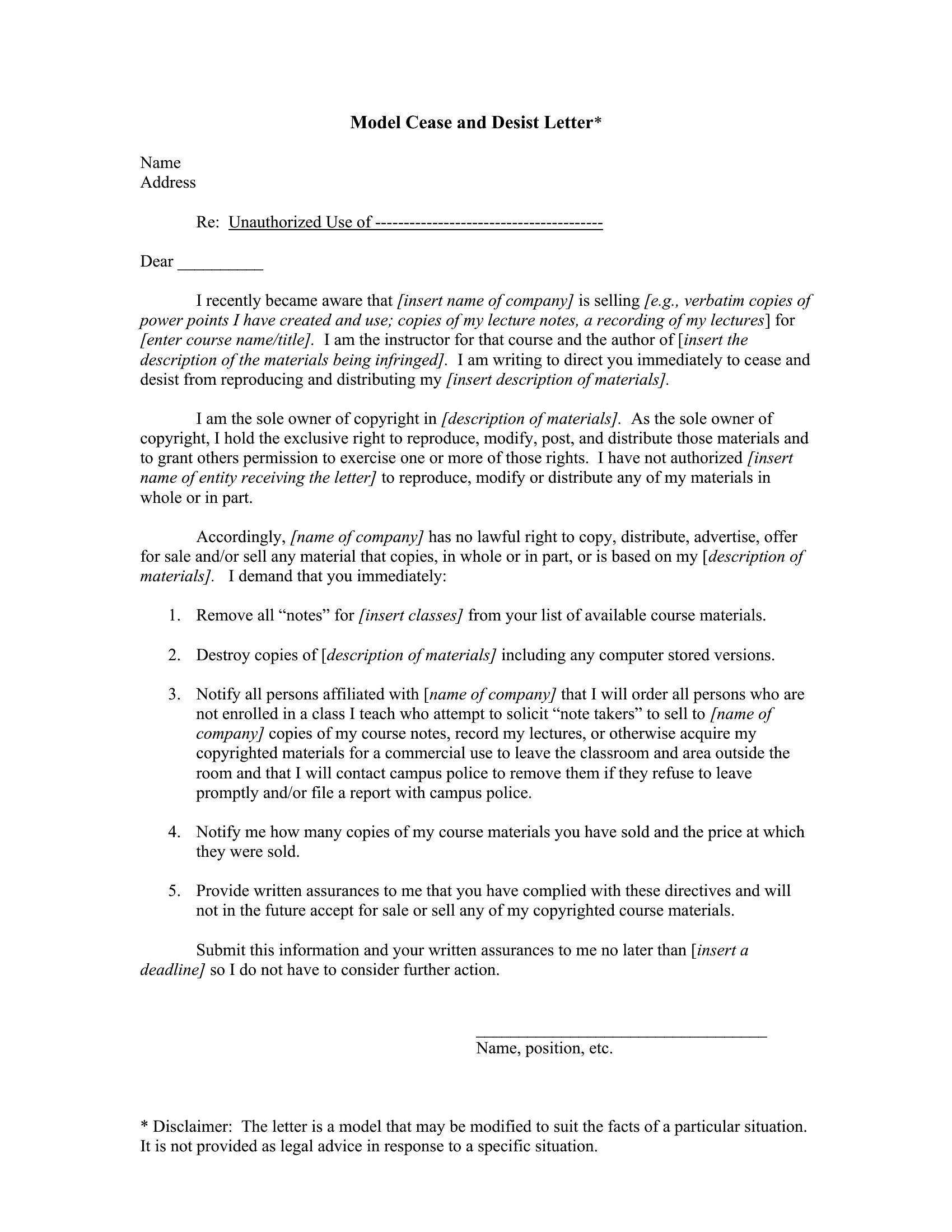
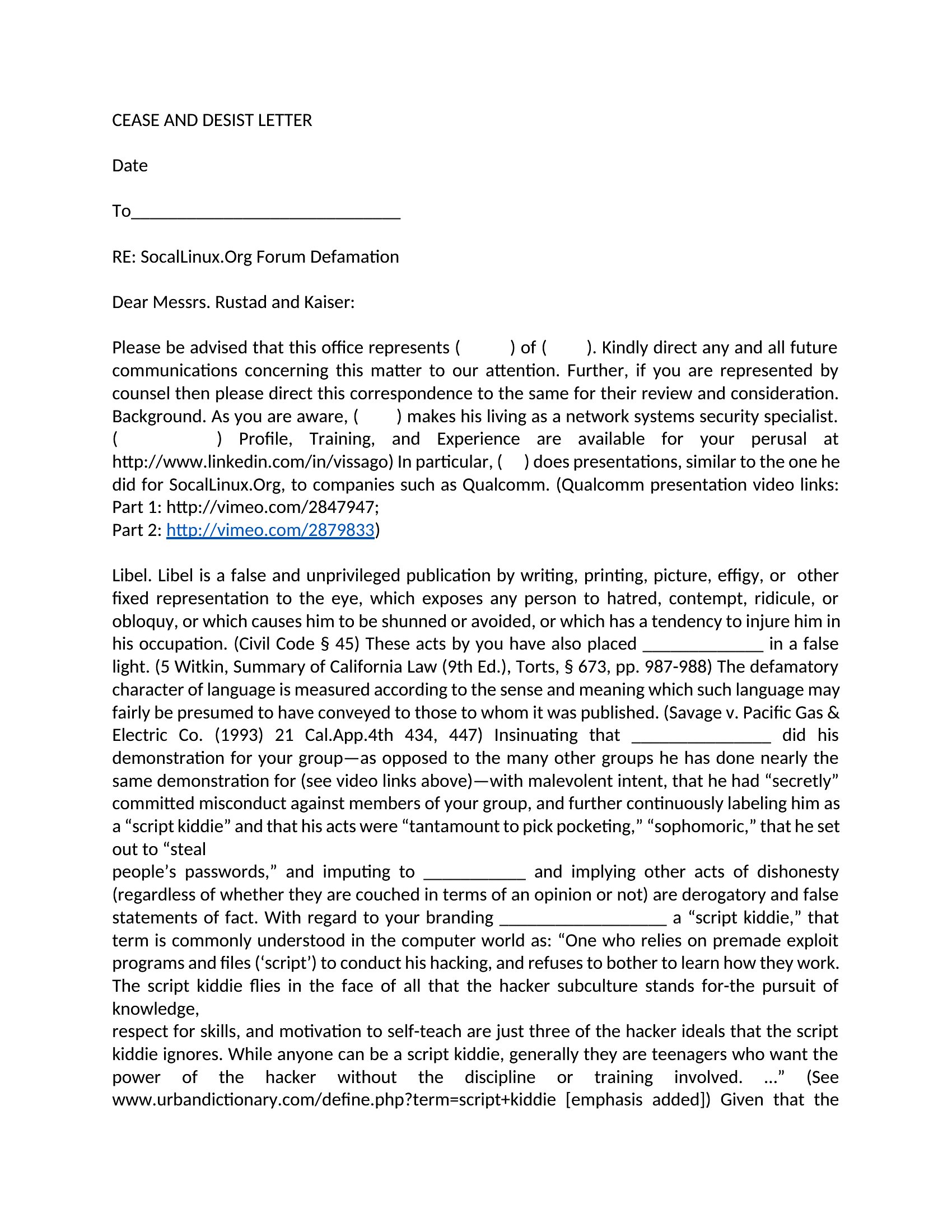
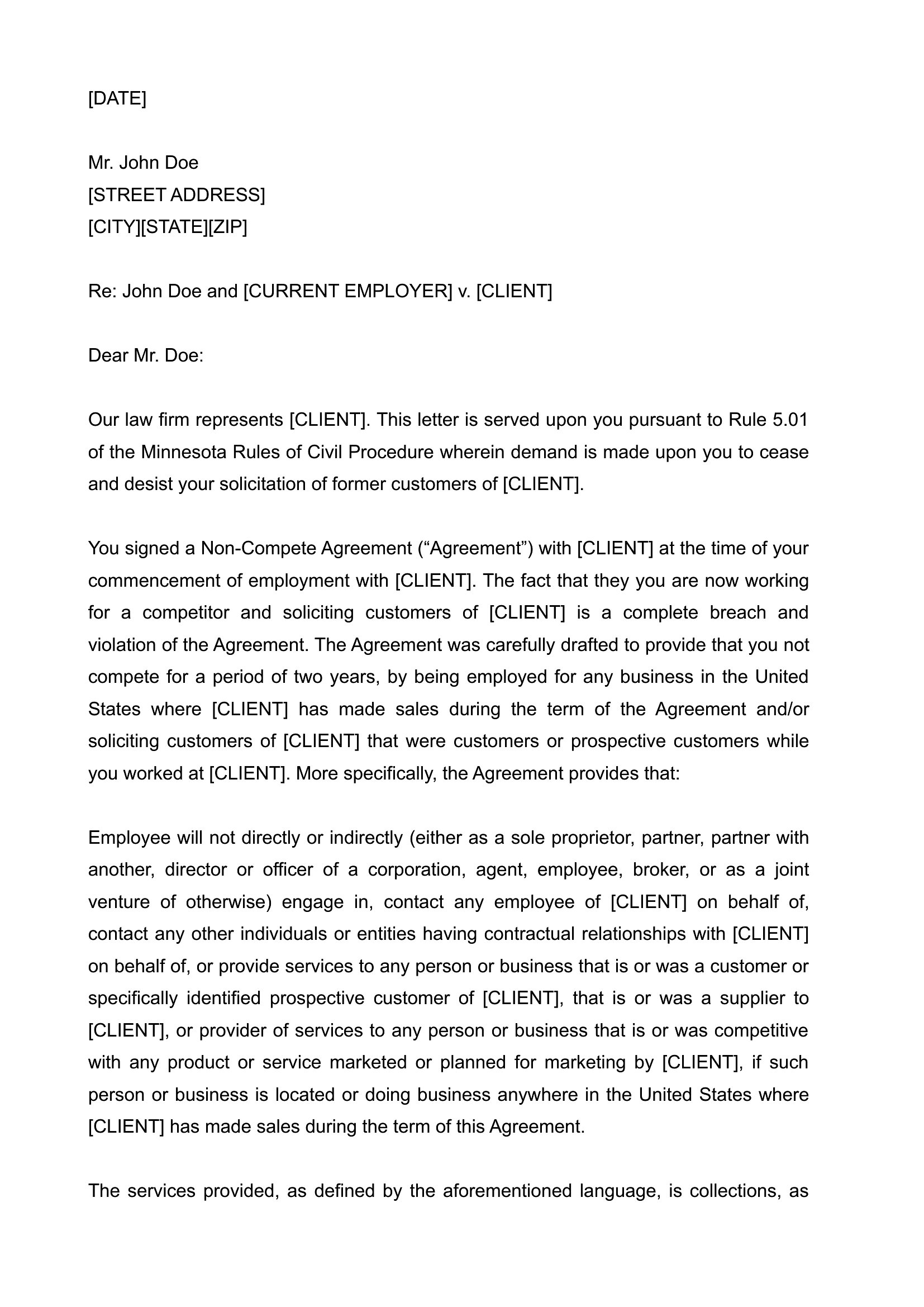
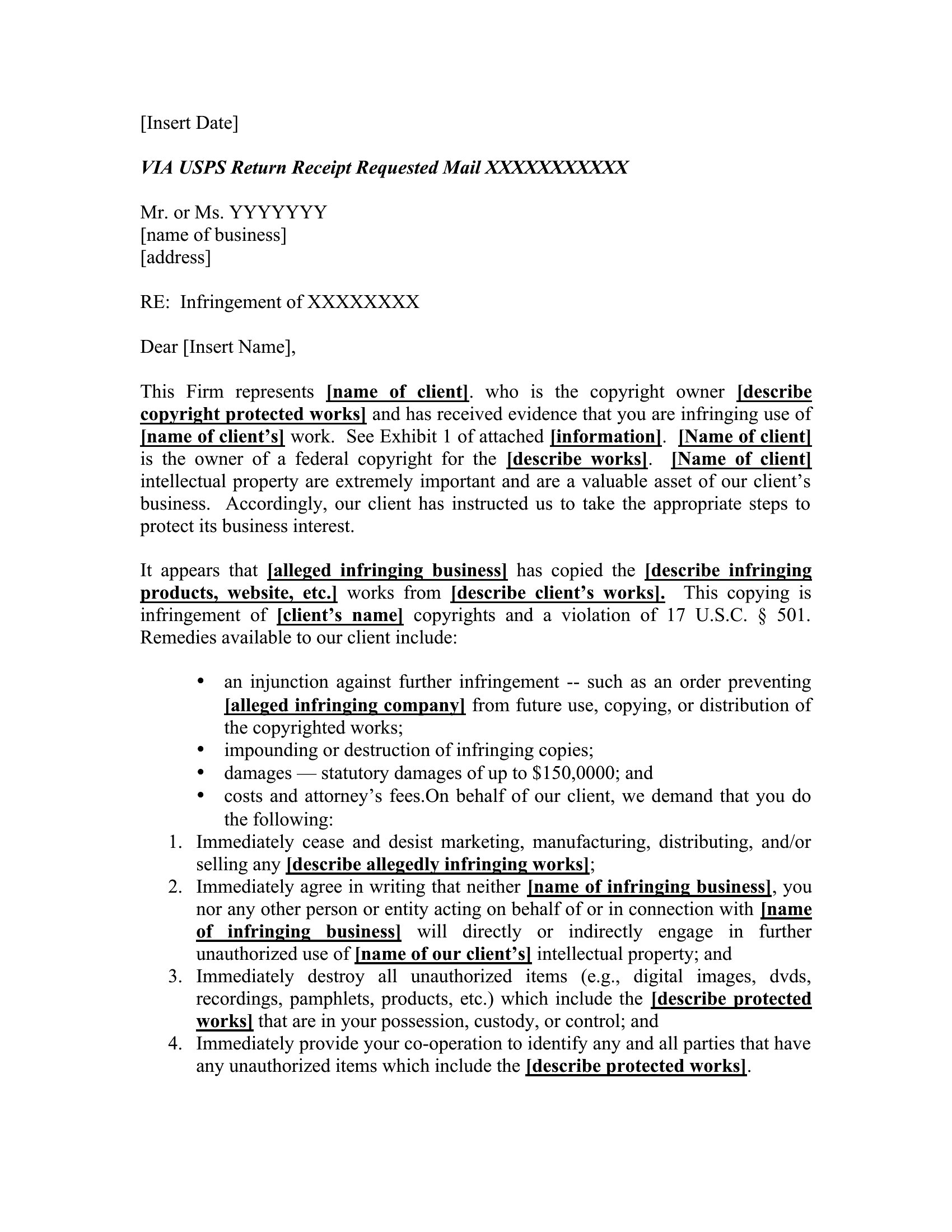
FAQ
Should I send a cease and desist letter before consulting a lawyer?
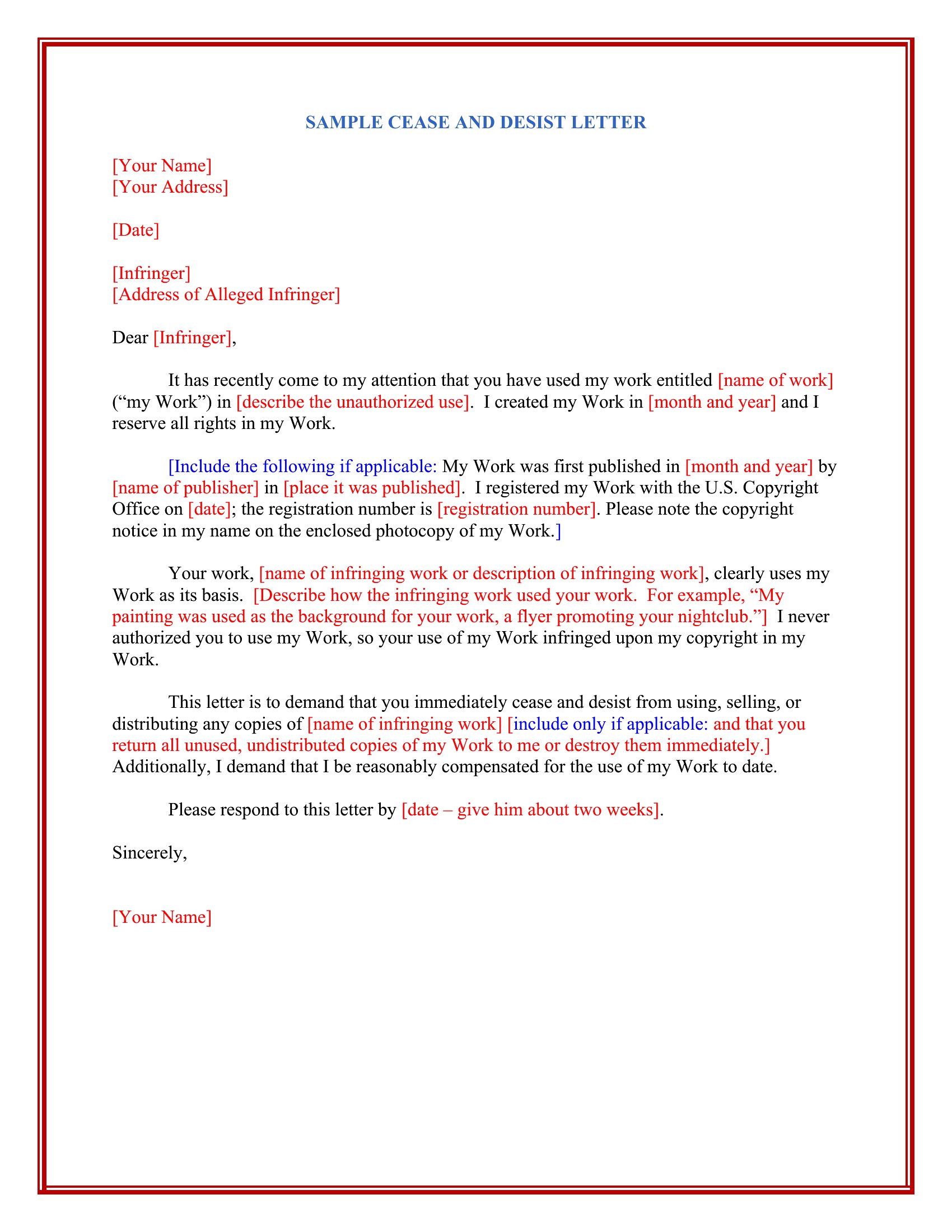
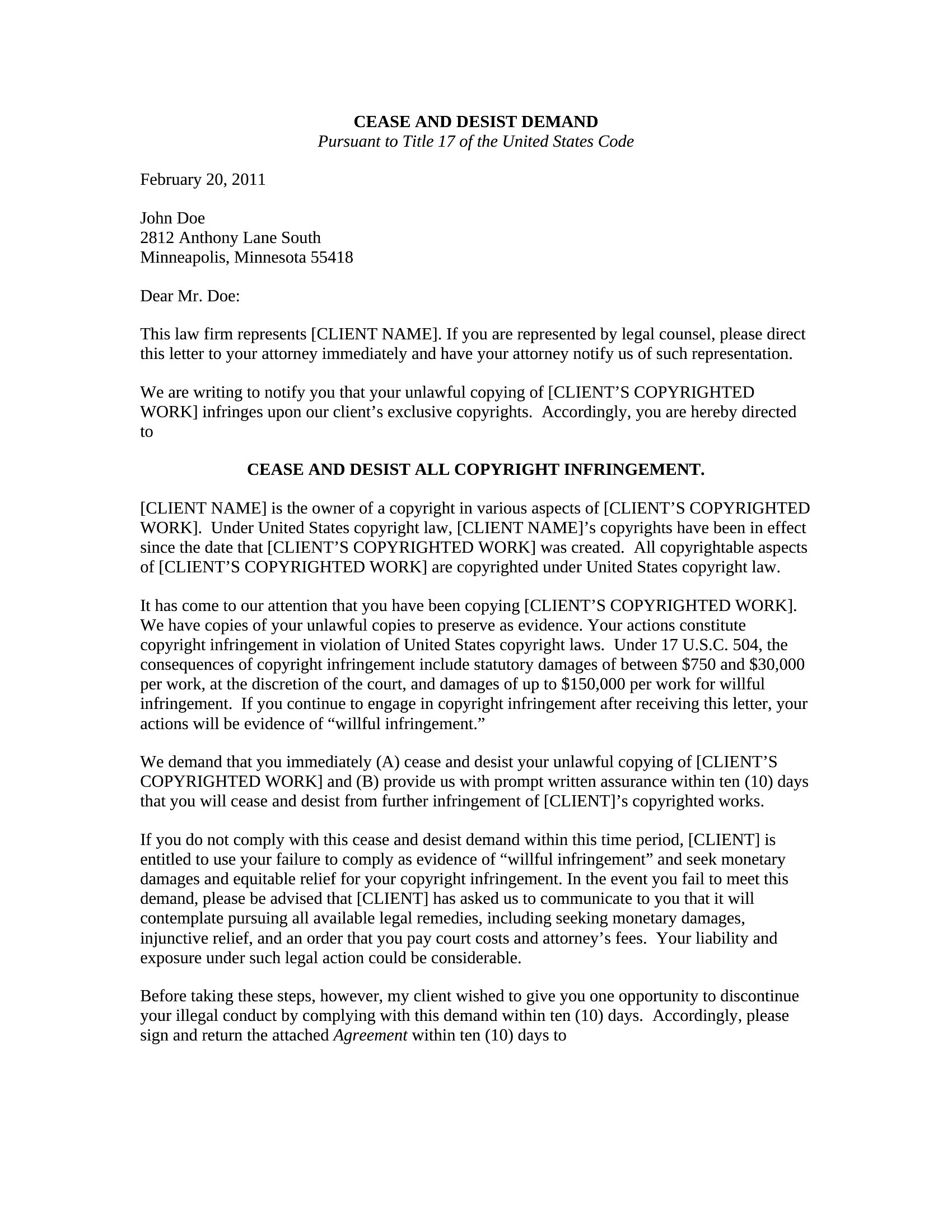
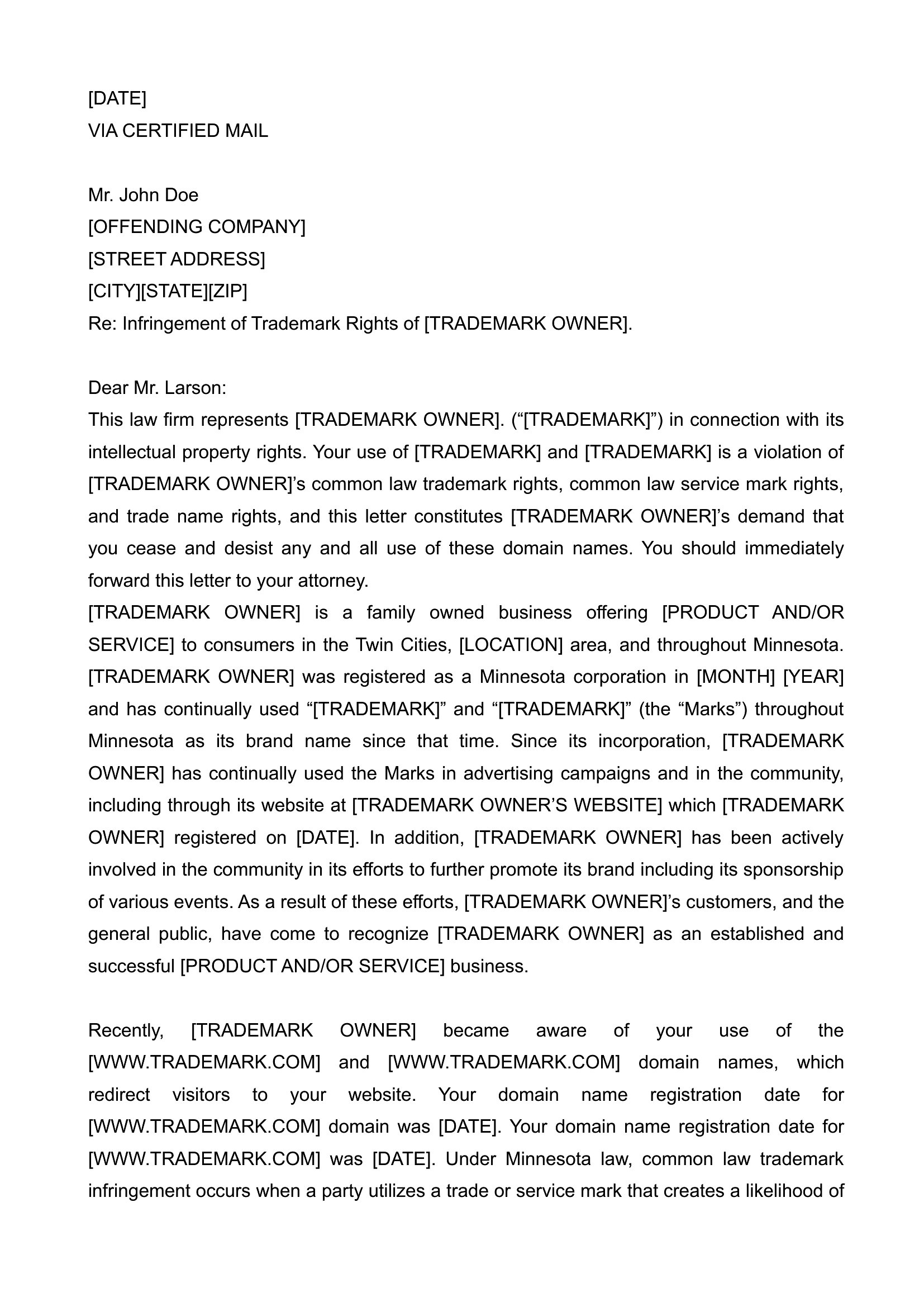
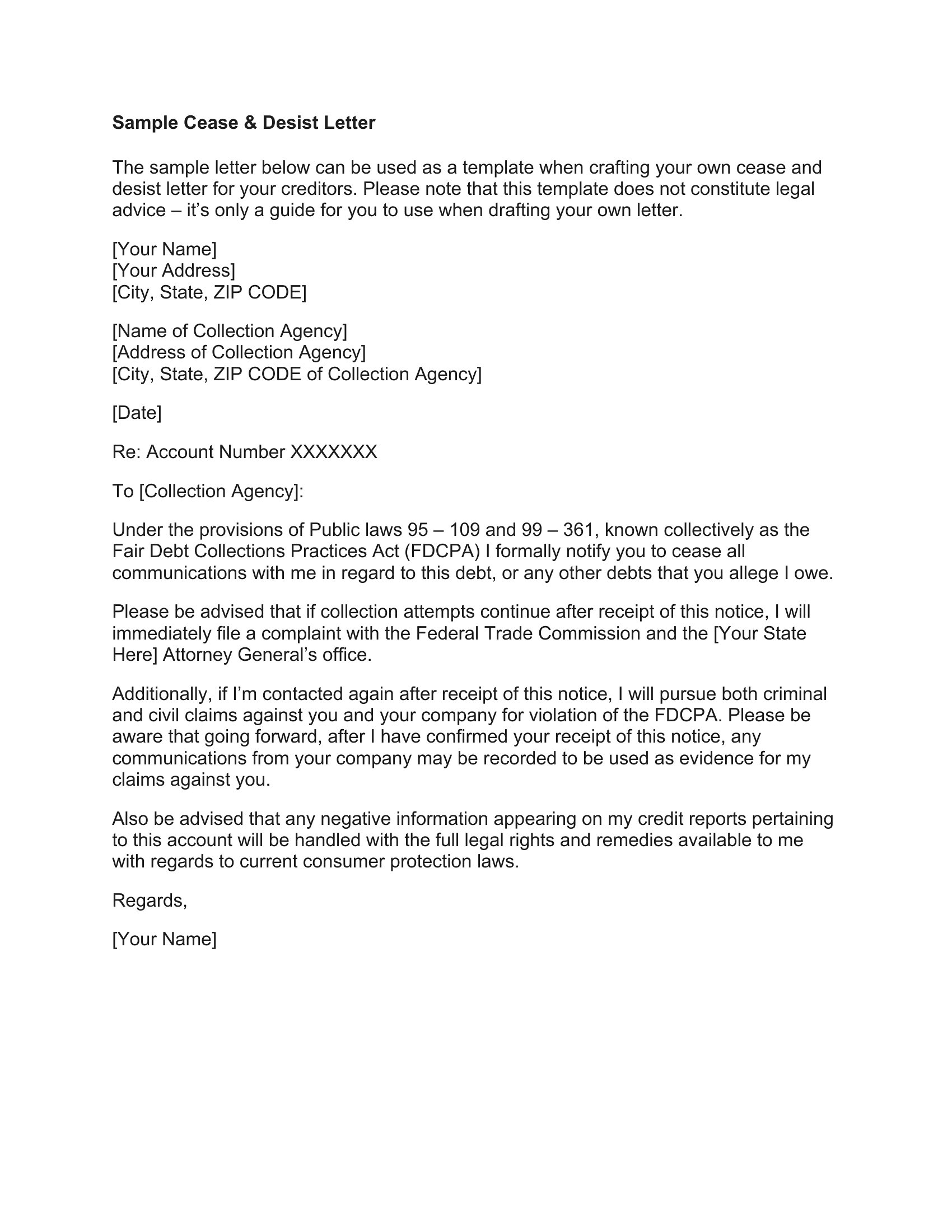
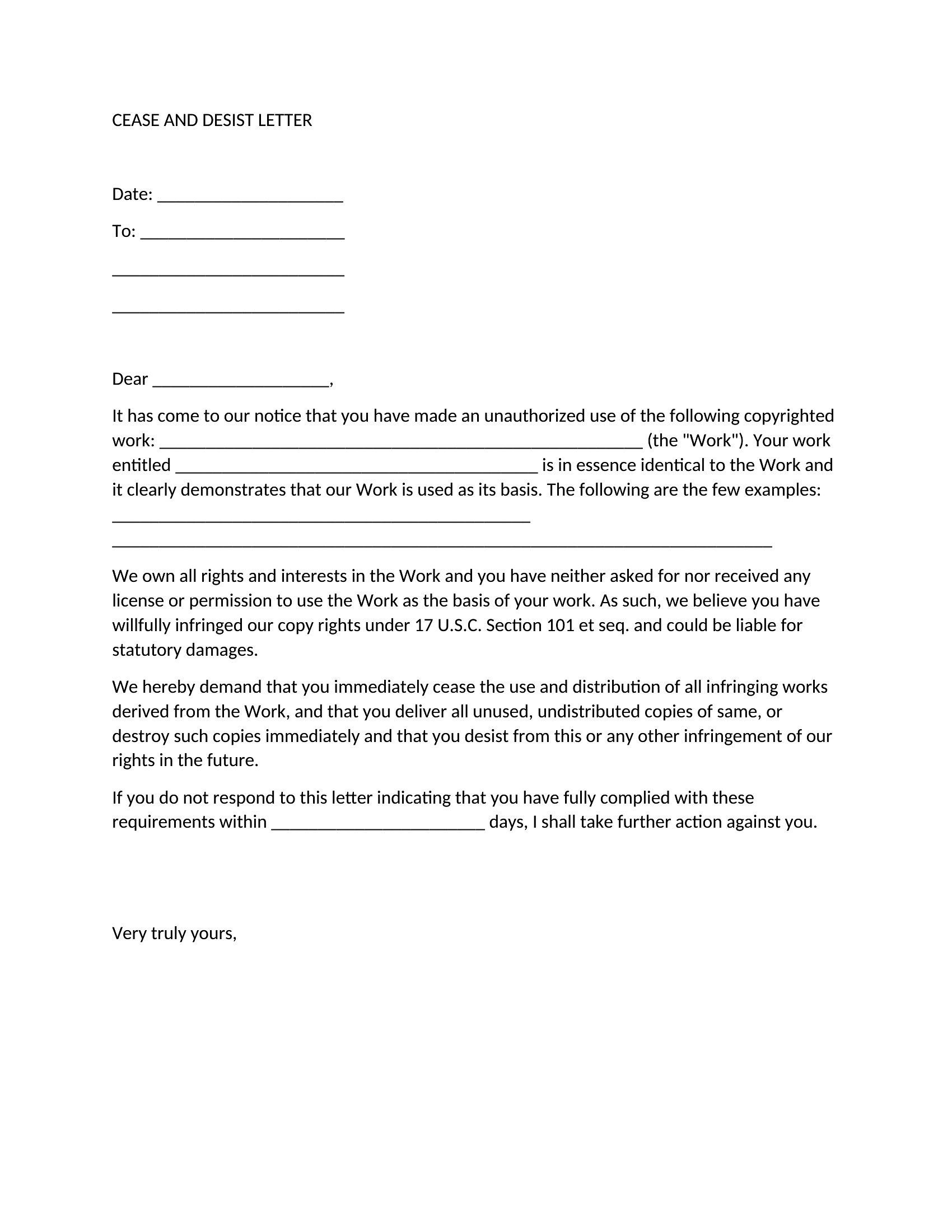
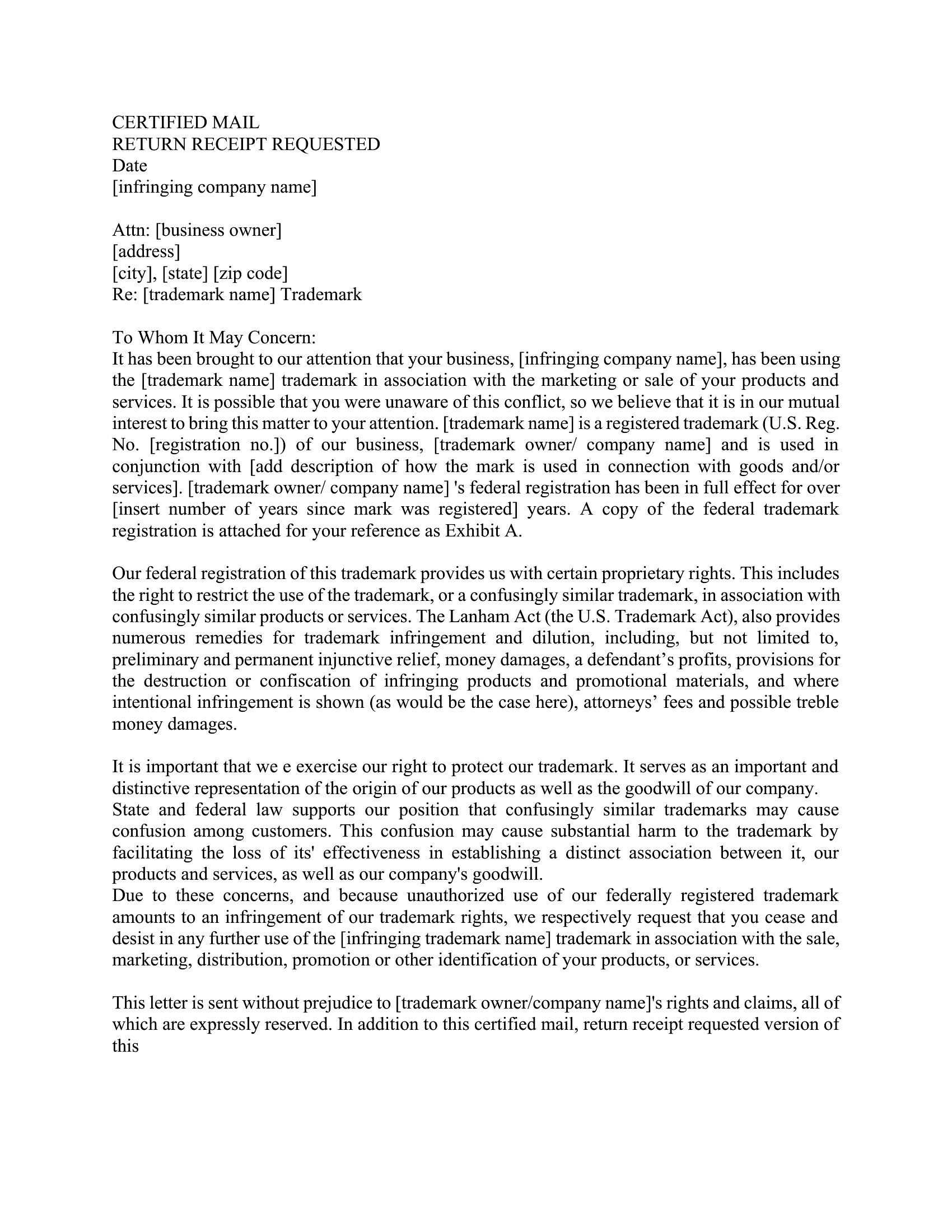
While cease and desist letters can resolve many disputes without legal action, it’s wise to review yours with an attorney first—especially in complex cases like trademark infringement or defamation. A lawyer can ensure the language is legally sound and tailored to your jurisdiction, helping you avoid unintended consequences or weakening your position. Think of the template as a starting point, not a substitute for professional advice.
What if the recipient ignores my cease and desist letter?
Ignoring a cease and desist letter doesn’t invalidate it, but it may signal the need for stronger action. If the behavior continues, you can follow up with a second letter (often labeled as a “second notice”) or escalate to small claims court or a formal legal complaint. Documenting all attempts to resolve the issue strengthens your case if litigation becomes necessary. Some templates include language for follow-up notices to make this process smoother.
Can I use a cease and desist letter to stop someone from posting negative reviews about my business?
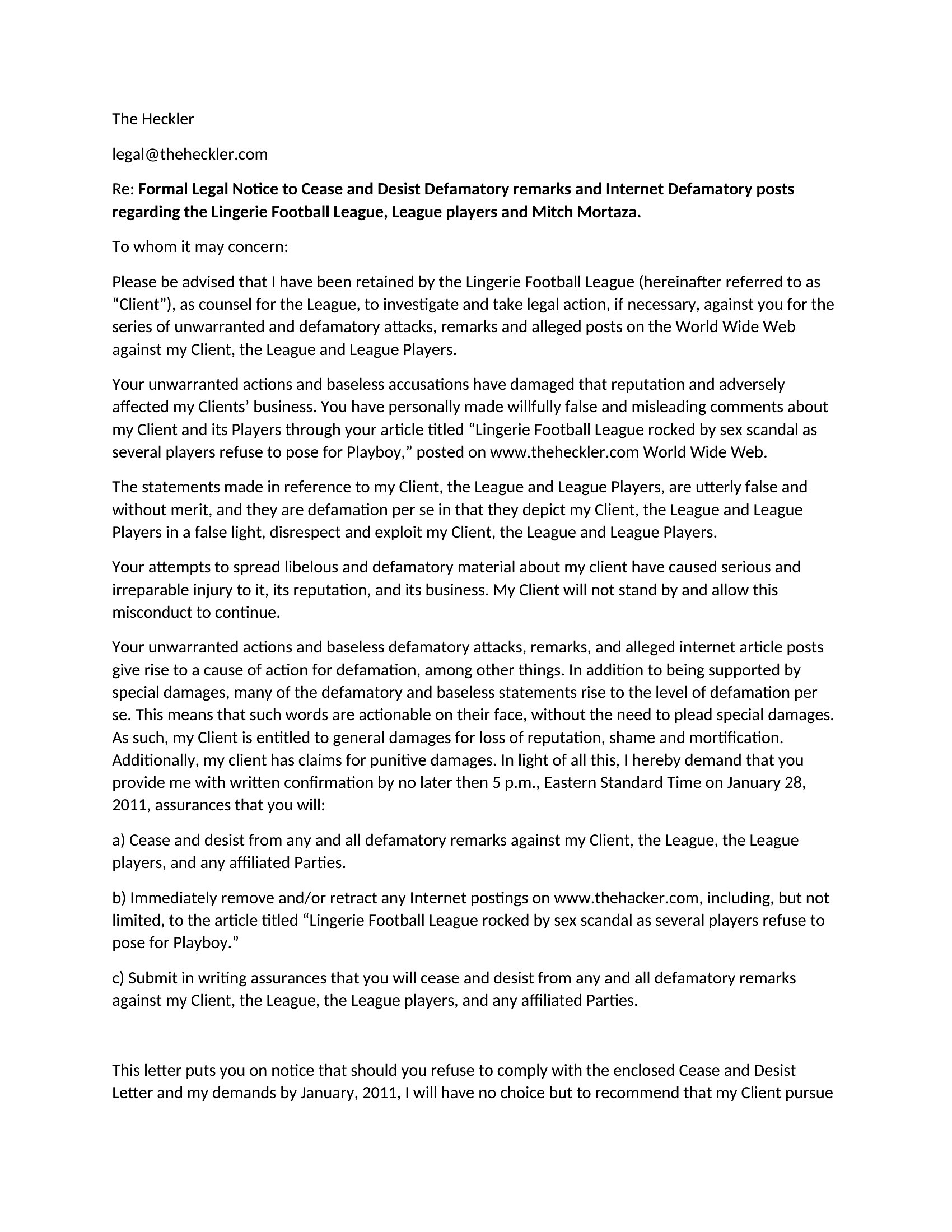
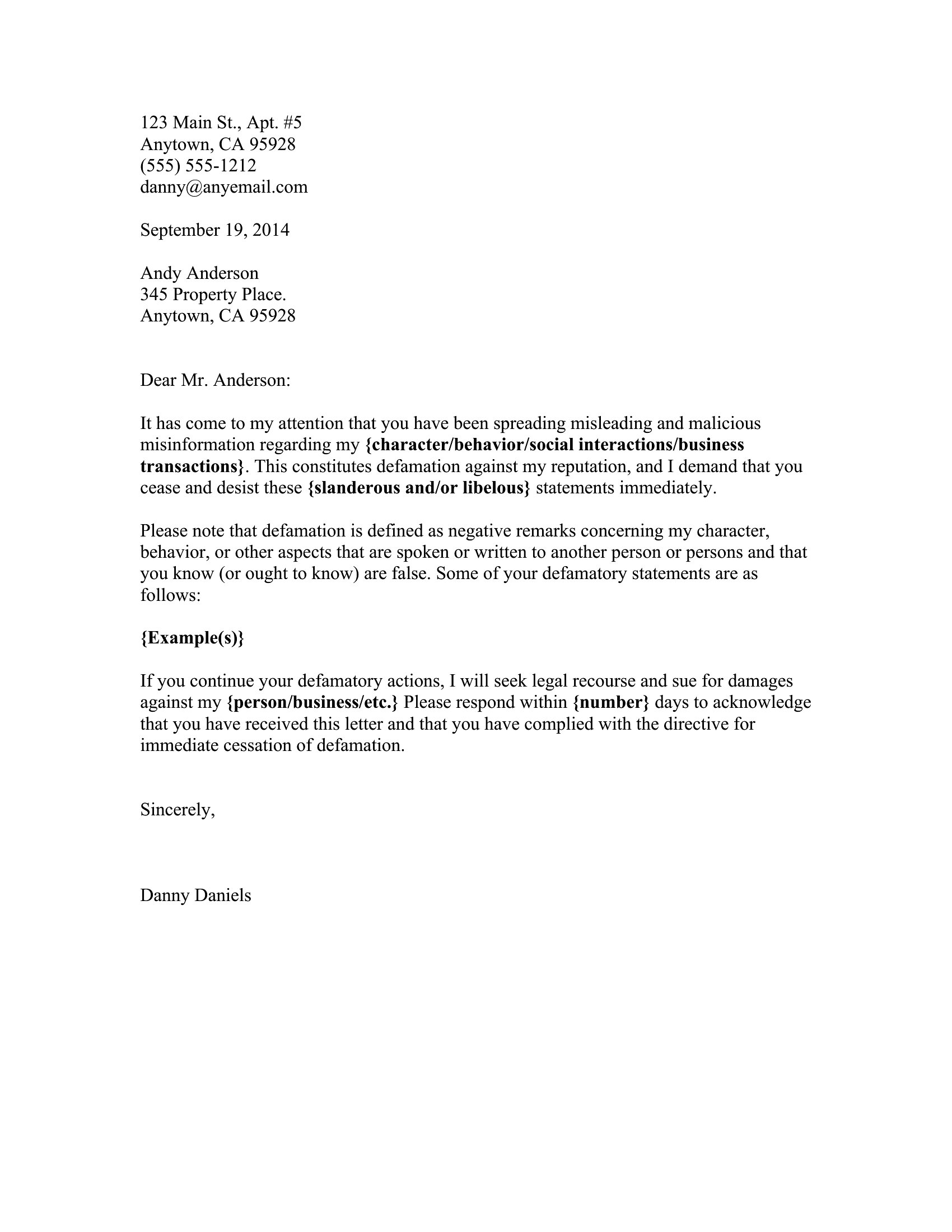
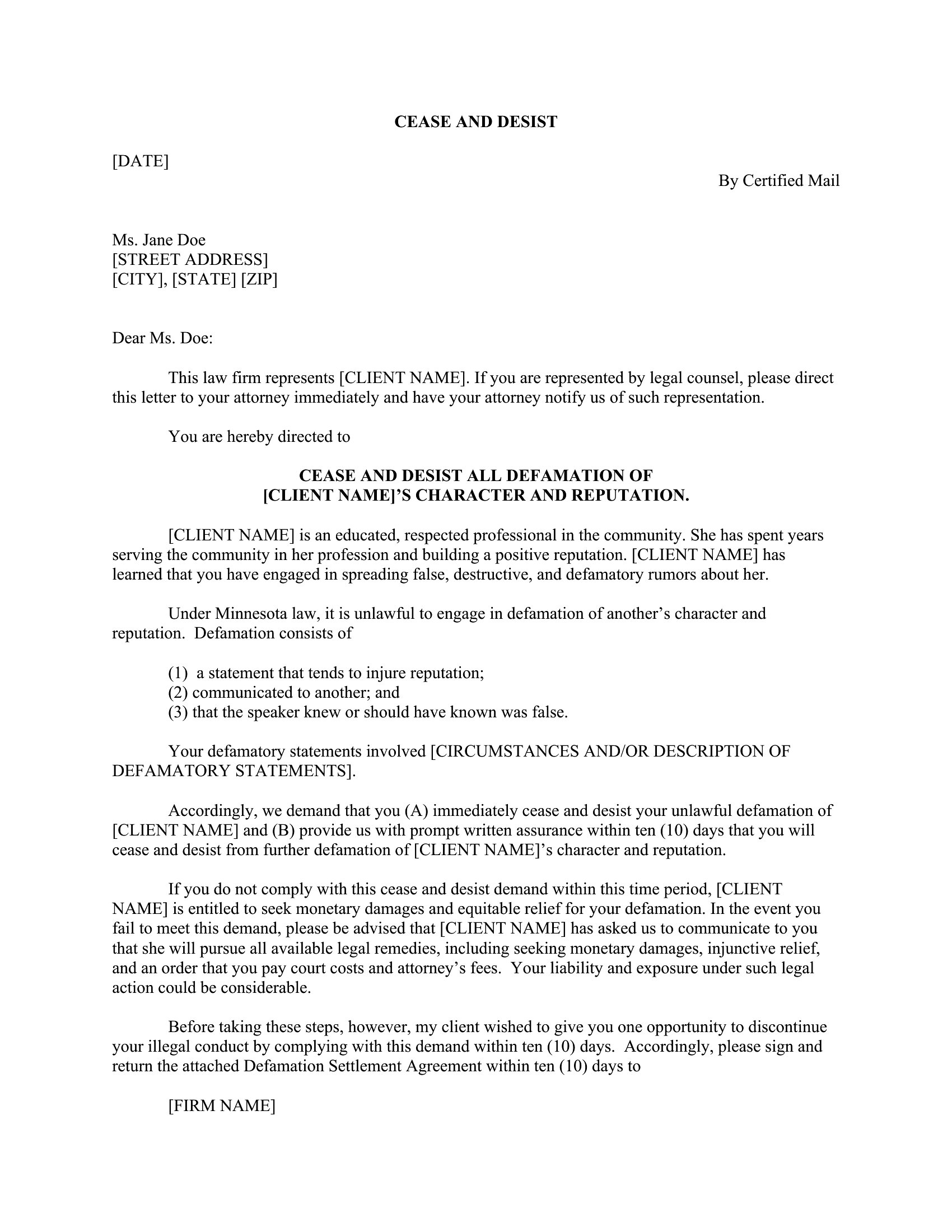
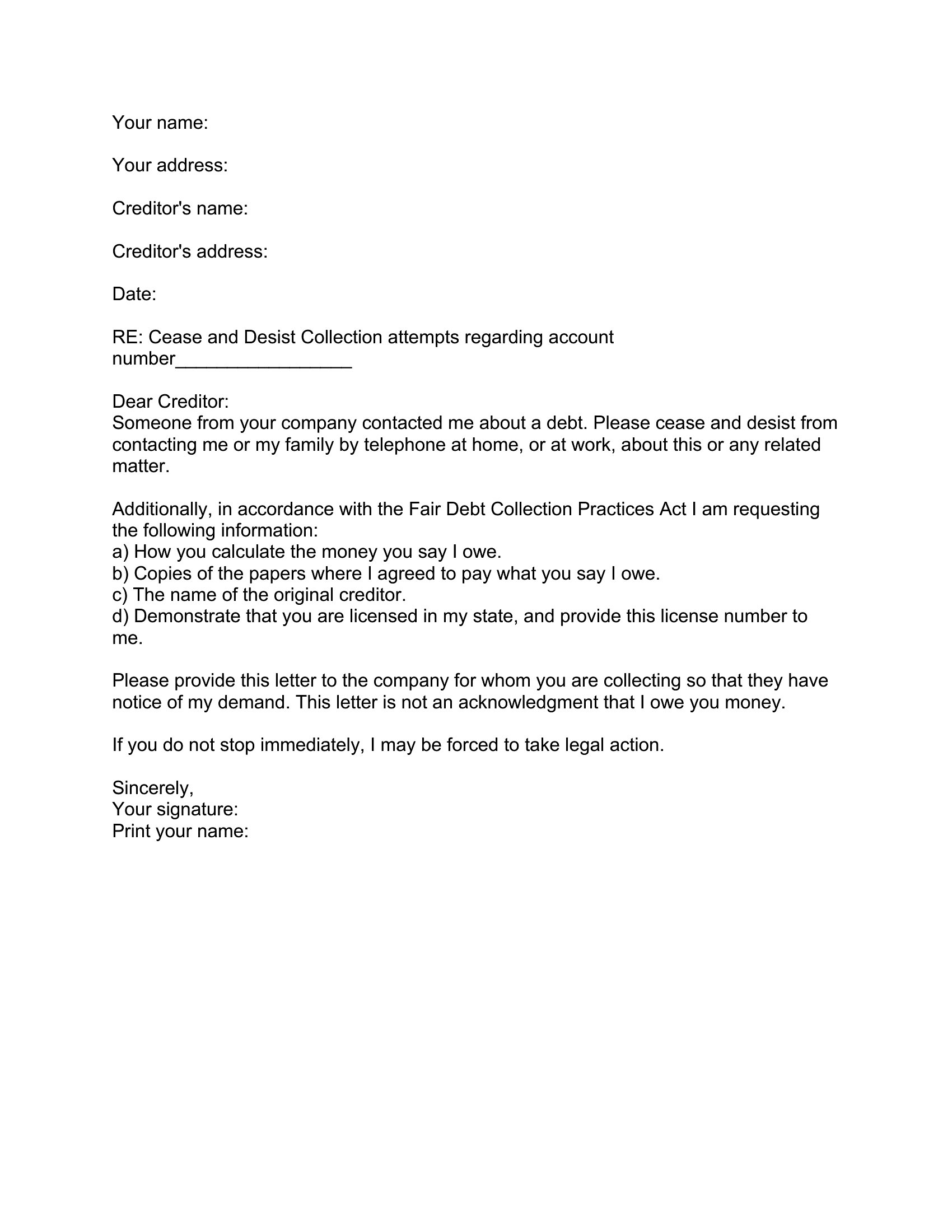
Cease and desist letters are rarely the best tool for addressing negative reviews, as they can escalate tensions or violate free speech protections. Instead, focus on responding professionally to the reviewer or consulting a lawyer about defamation claims if the statements are provably false. Some templates cover defamation, but use them cautiously—accurate legal advice is critical in these cases to avoid counterclaims or retaliation.
Comments
Join the conversation
Sign in to share your thoughts and leave a comment on this resource.