Free Business Continuity Plans (Word, PDF)
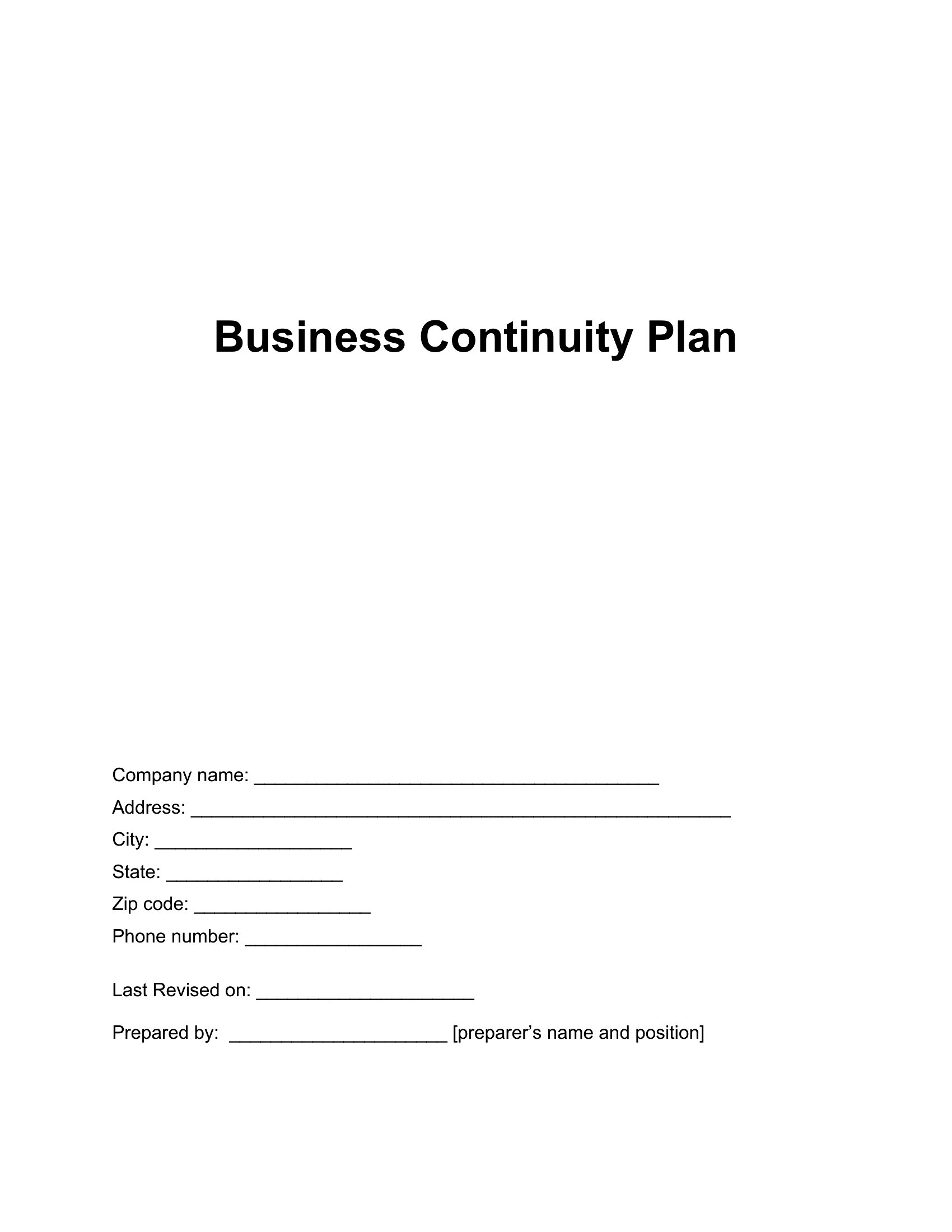
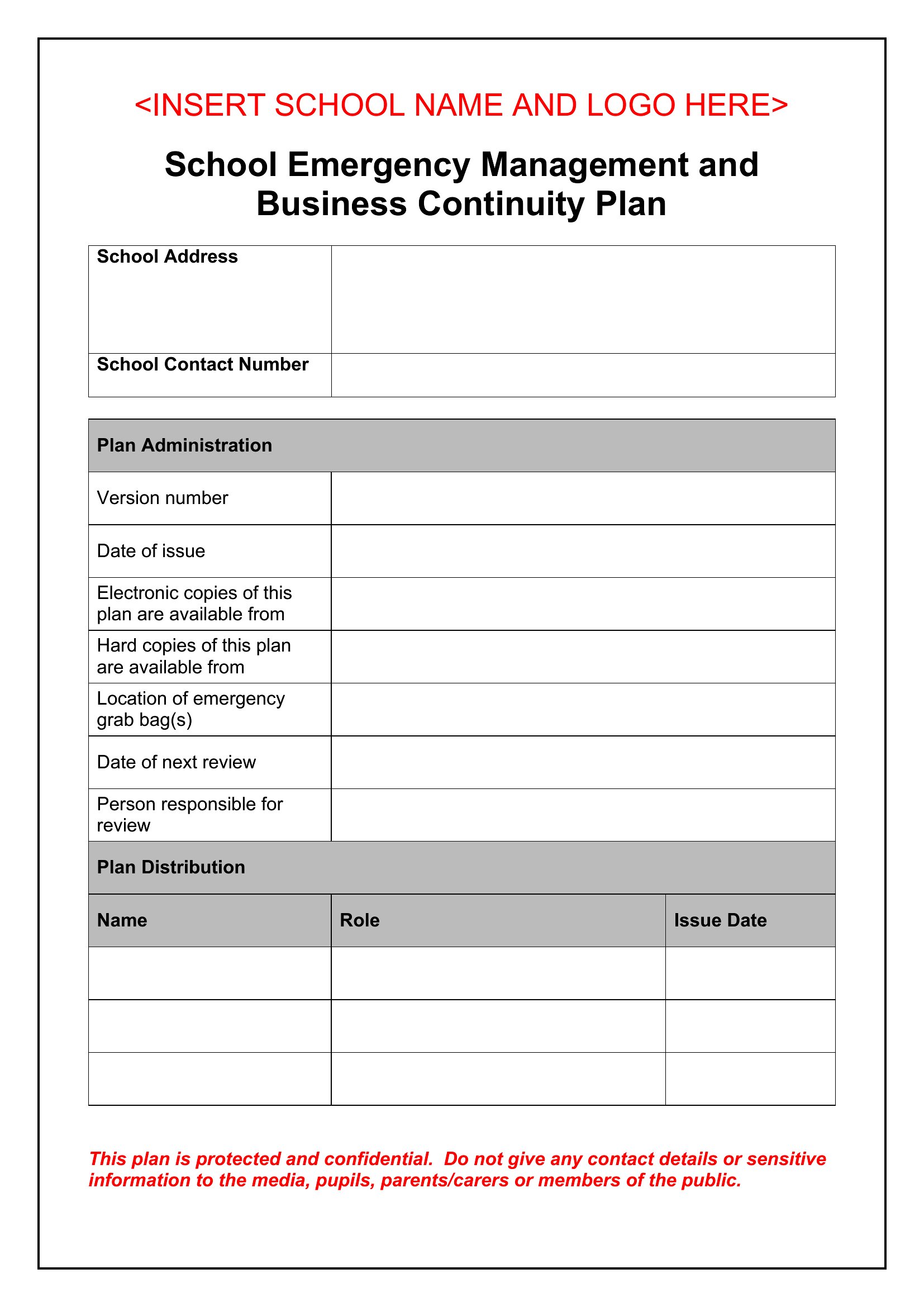
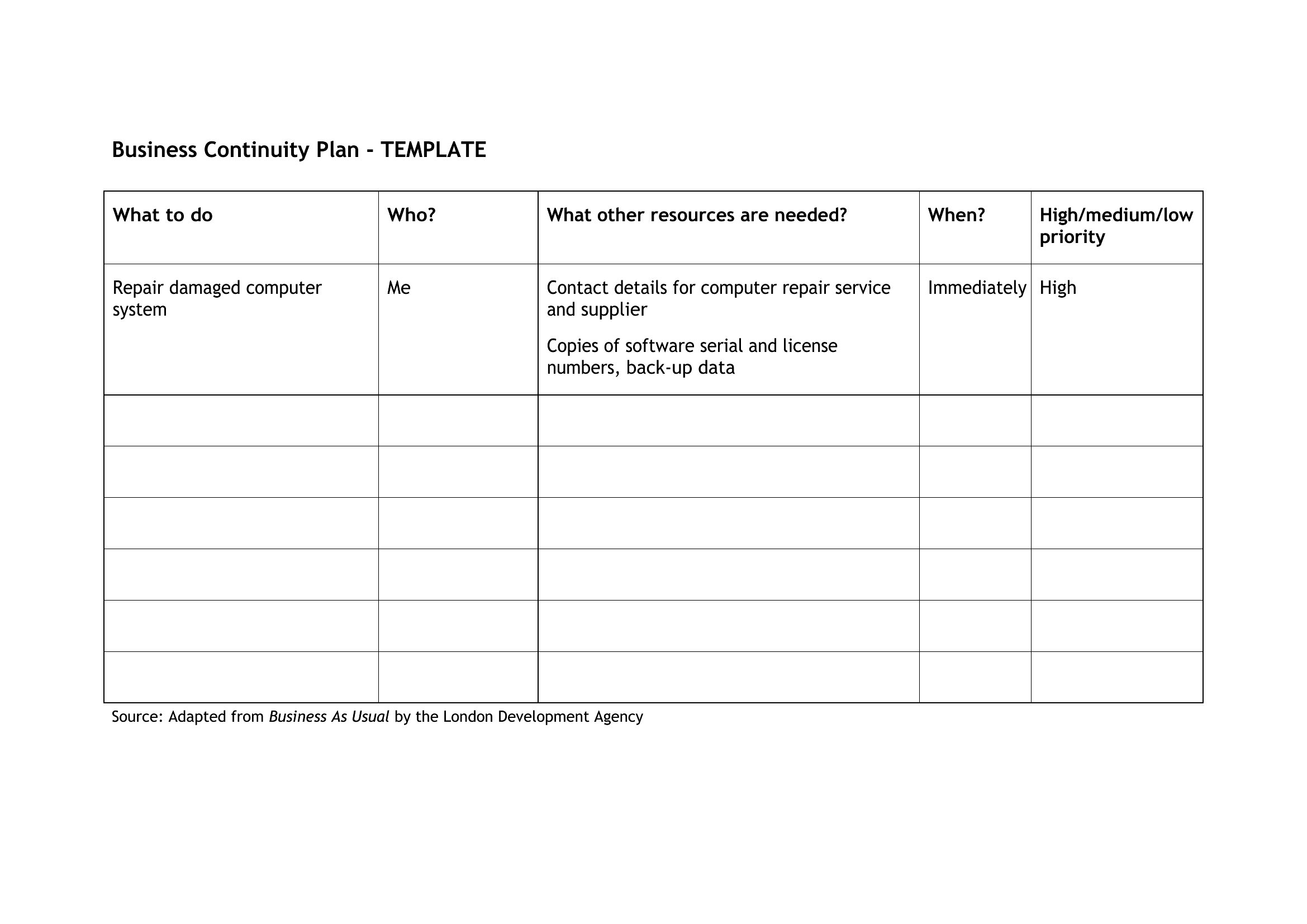
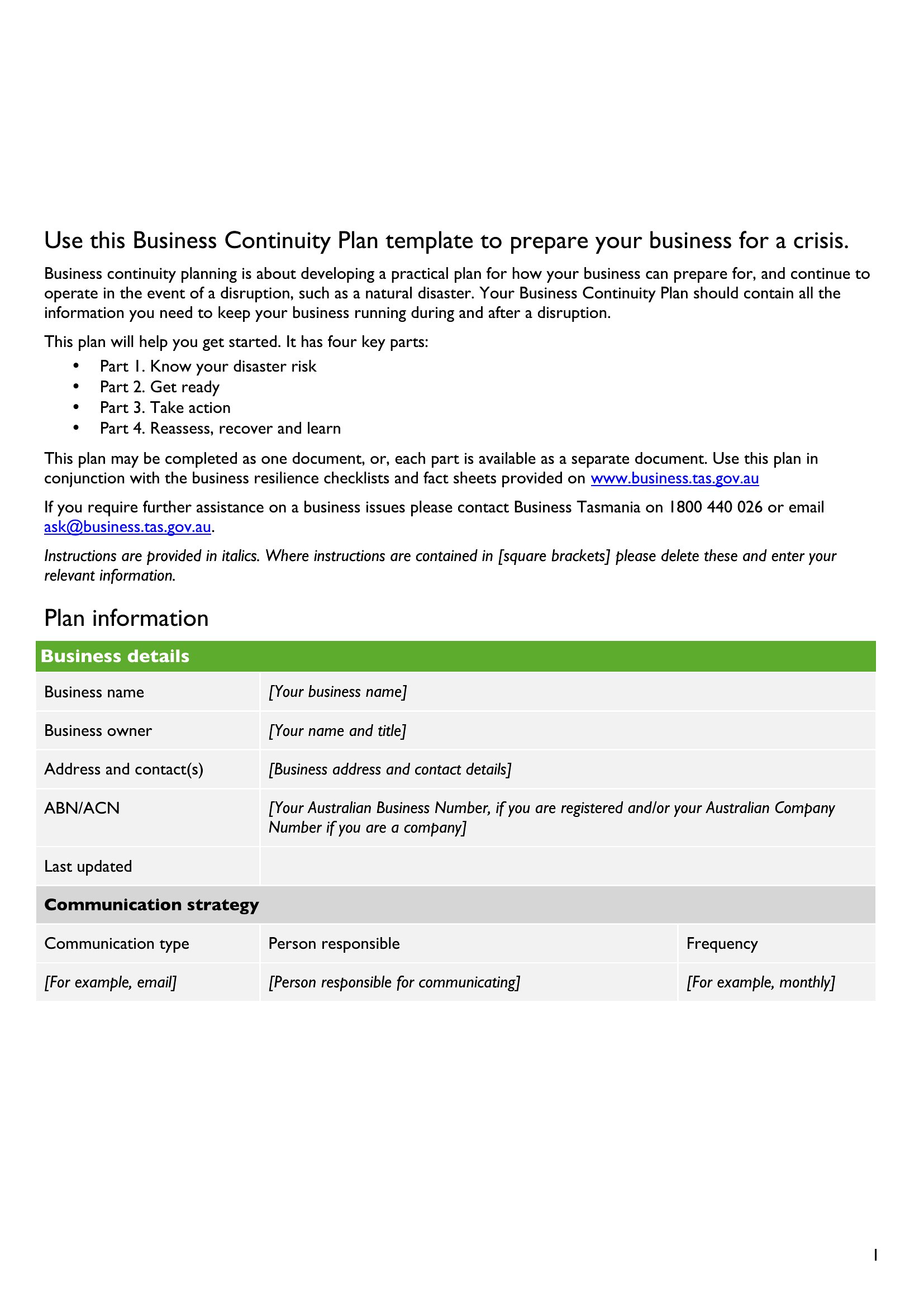
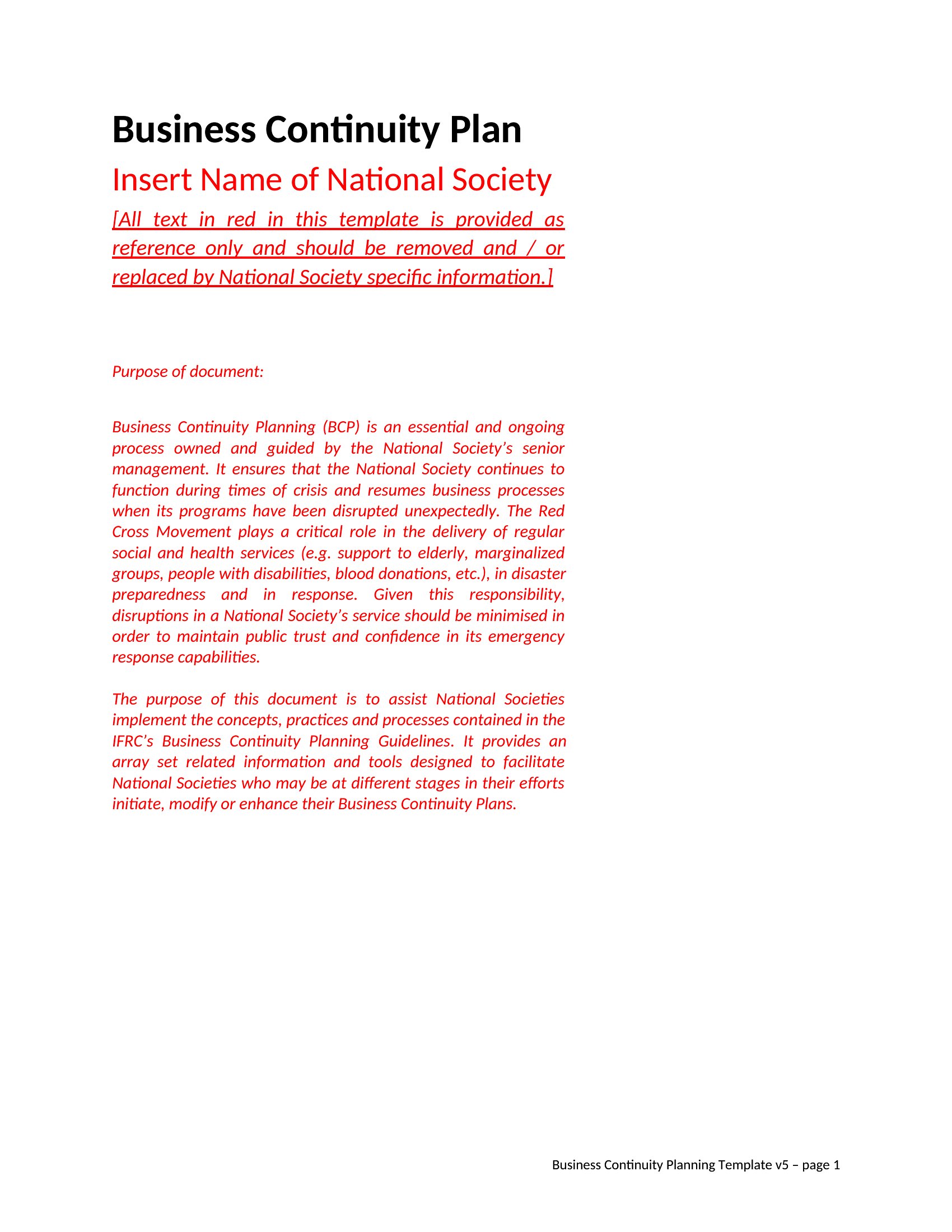
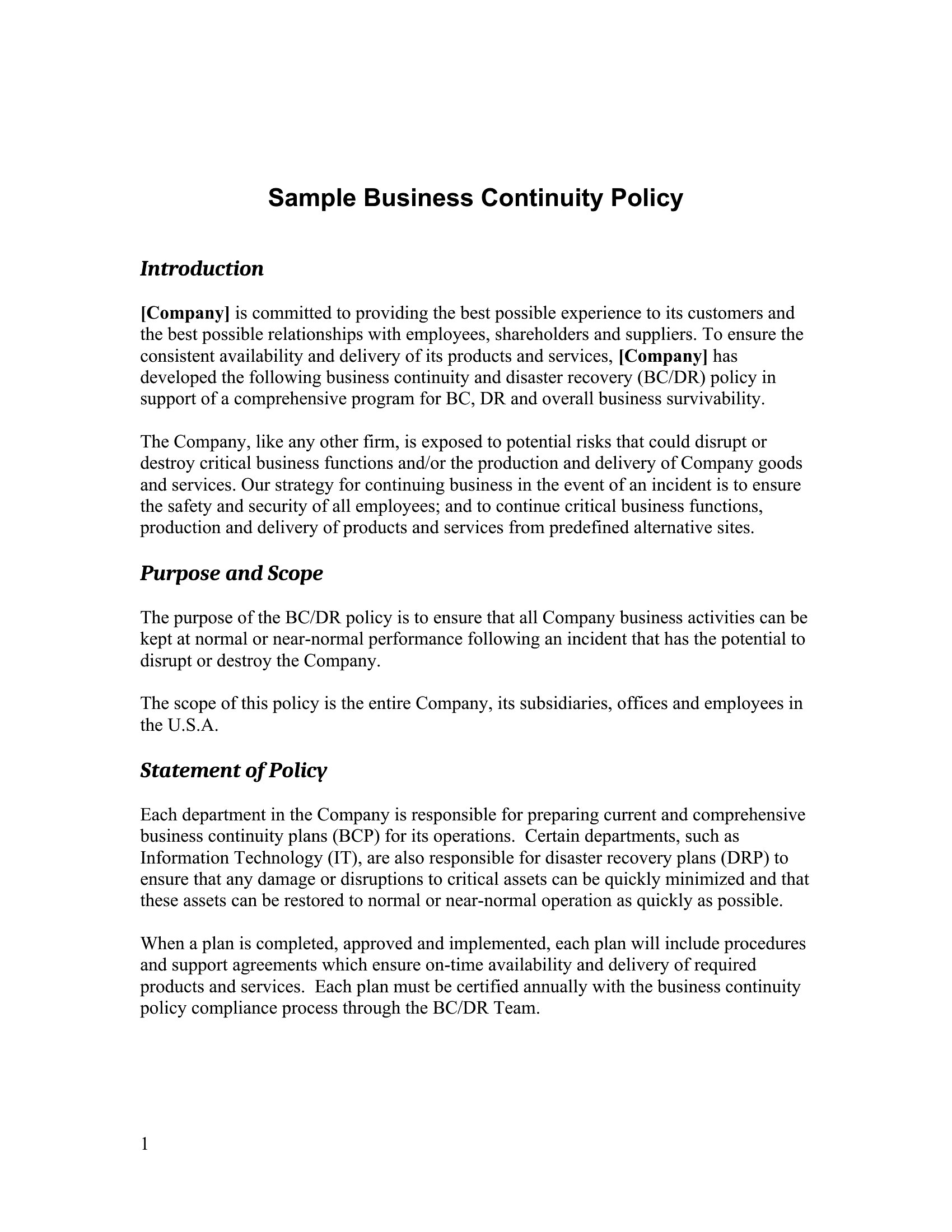
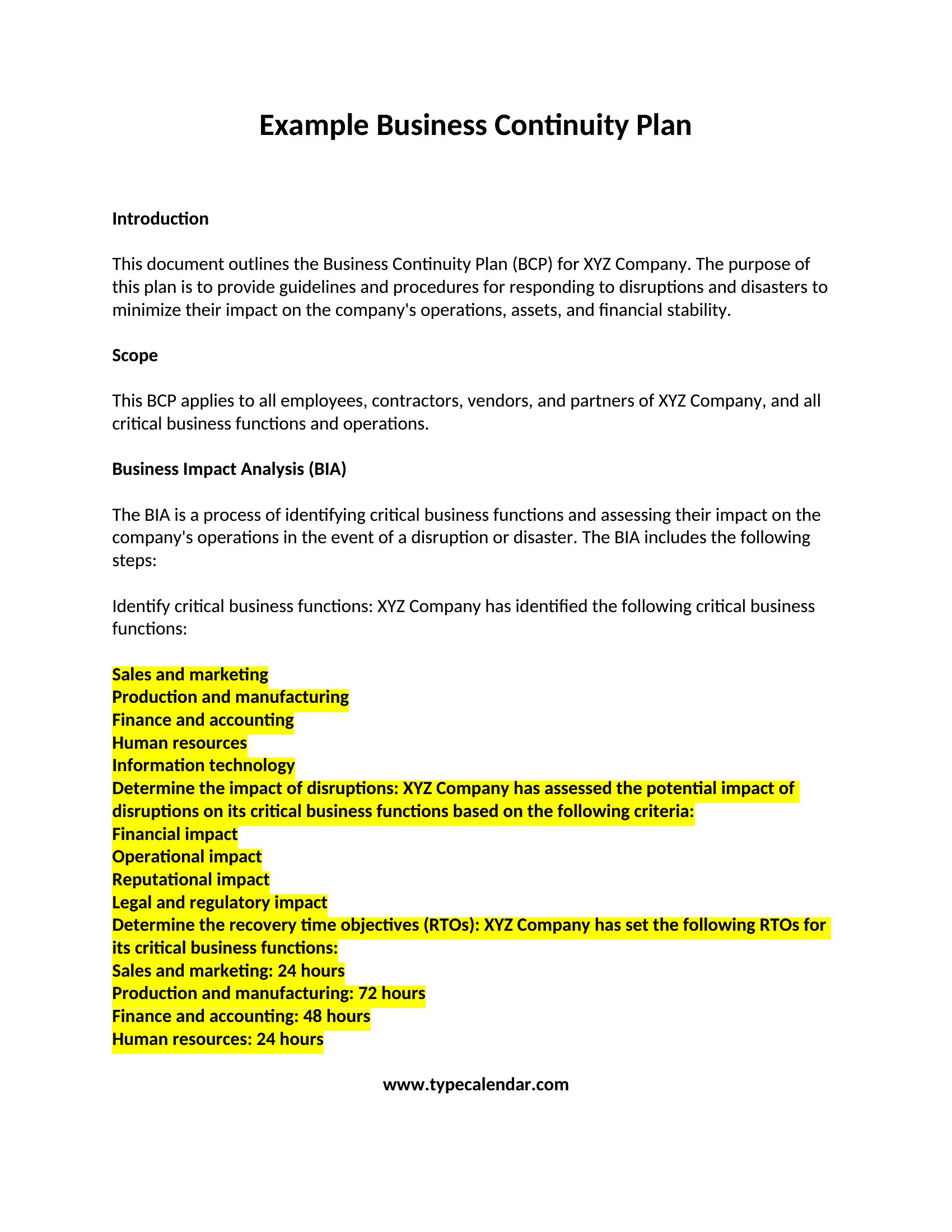
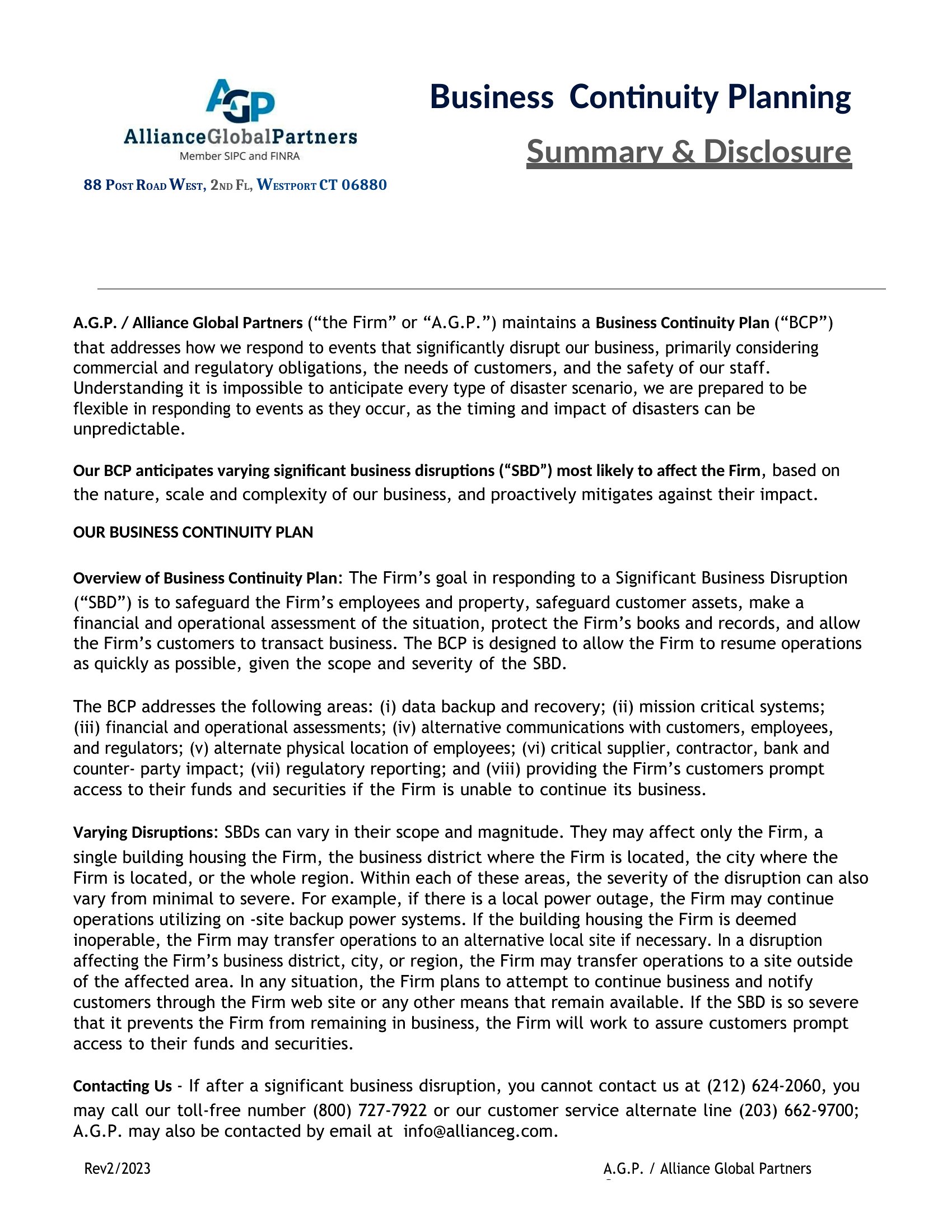
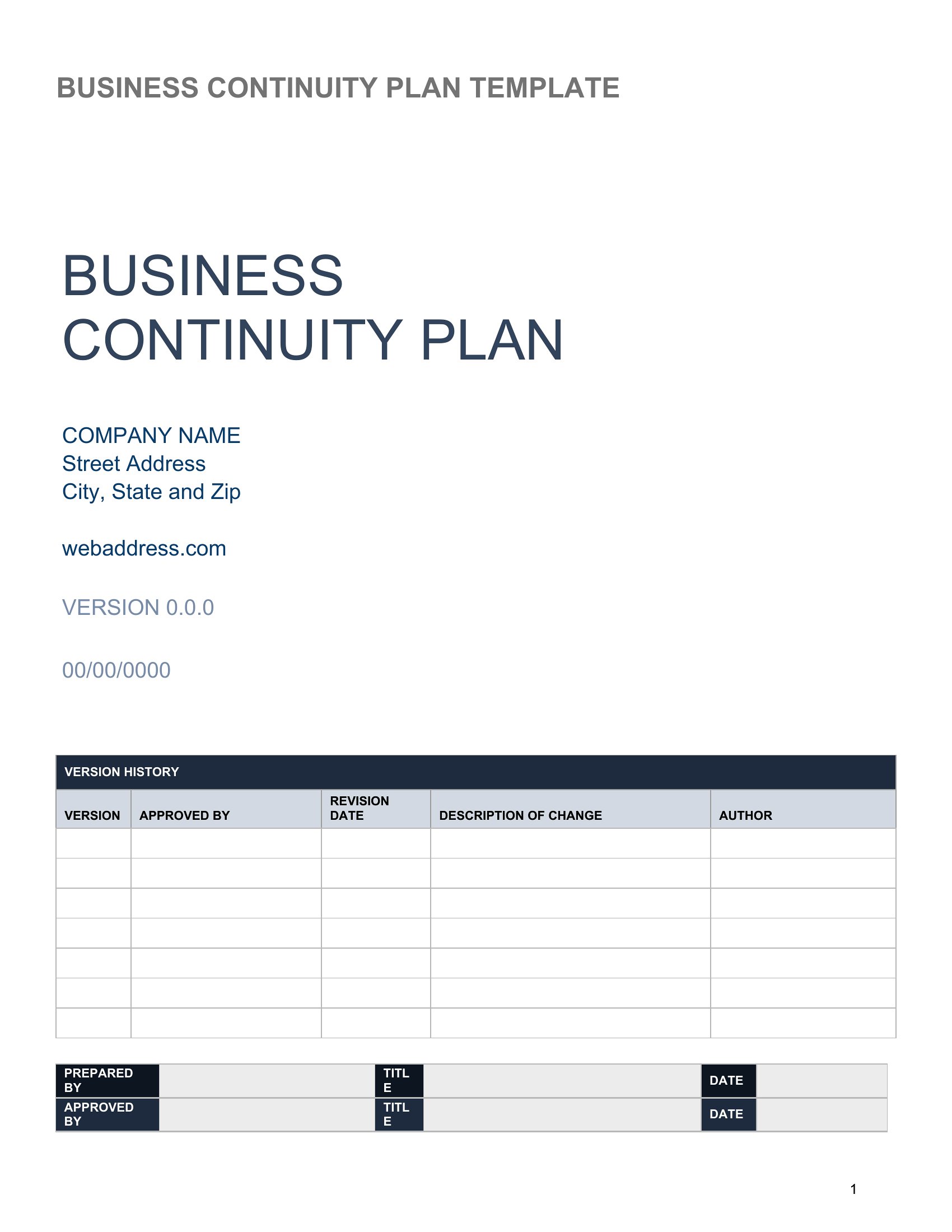
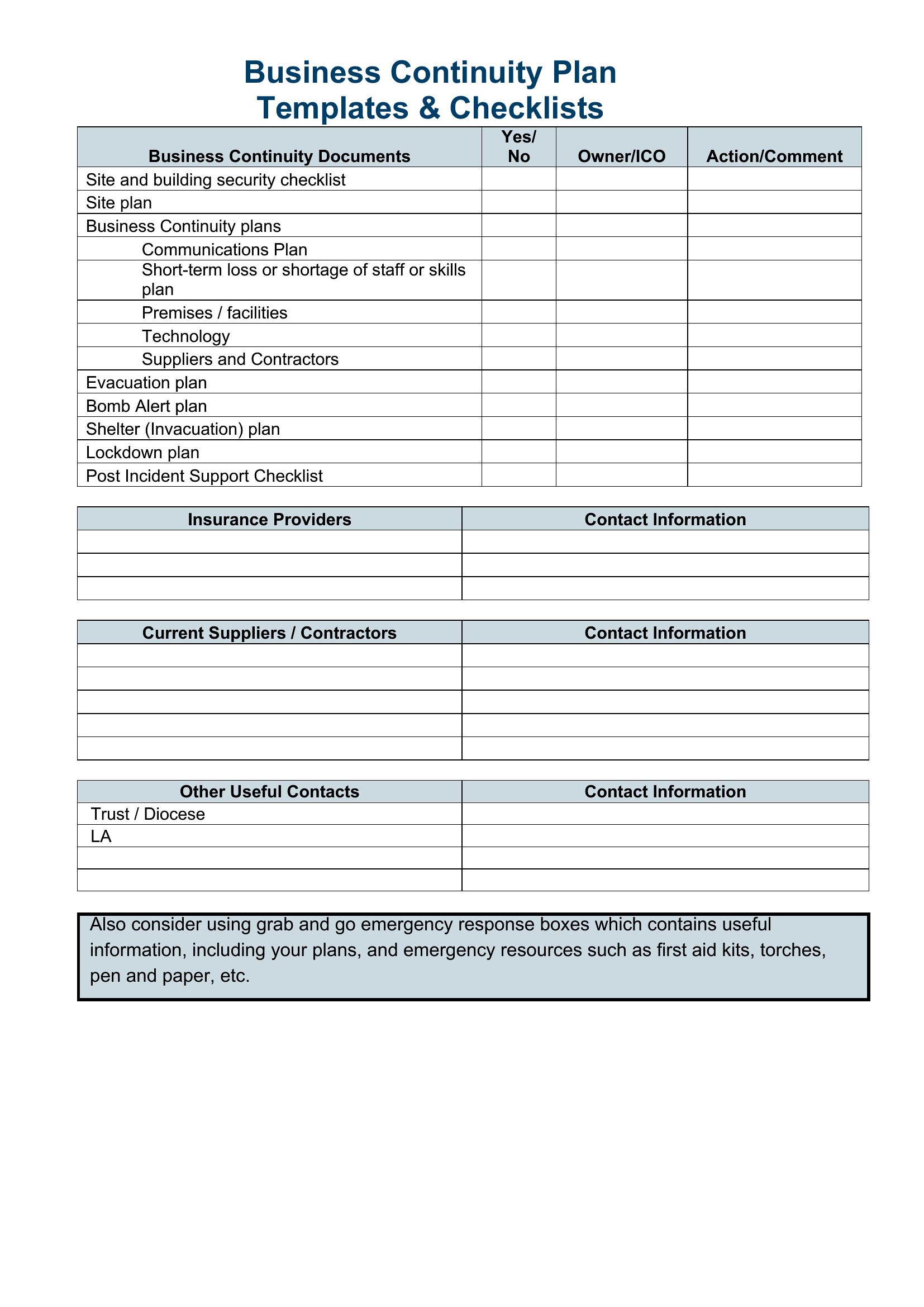
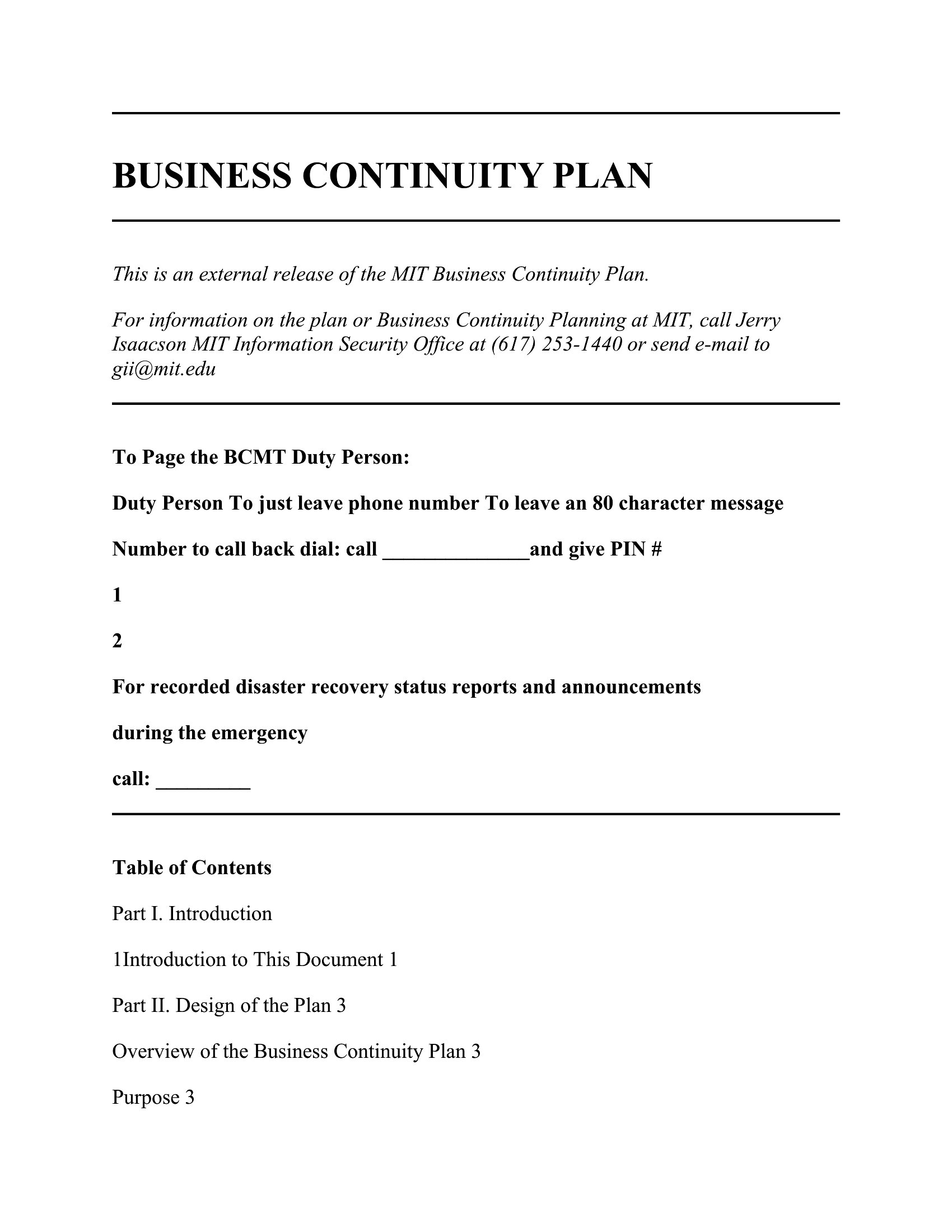
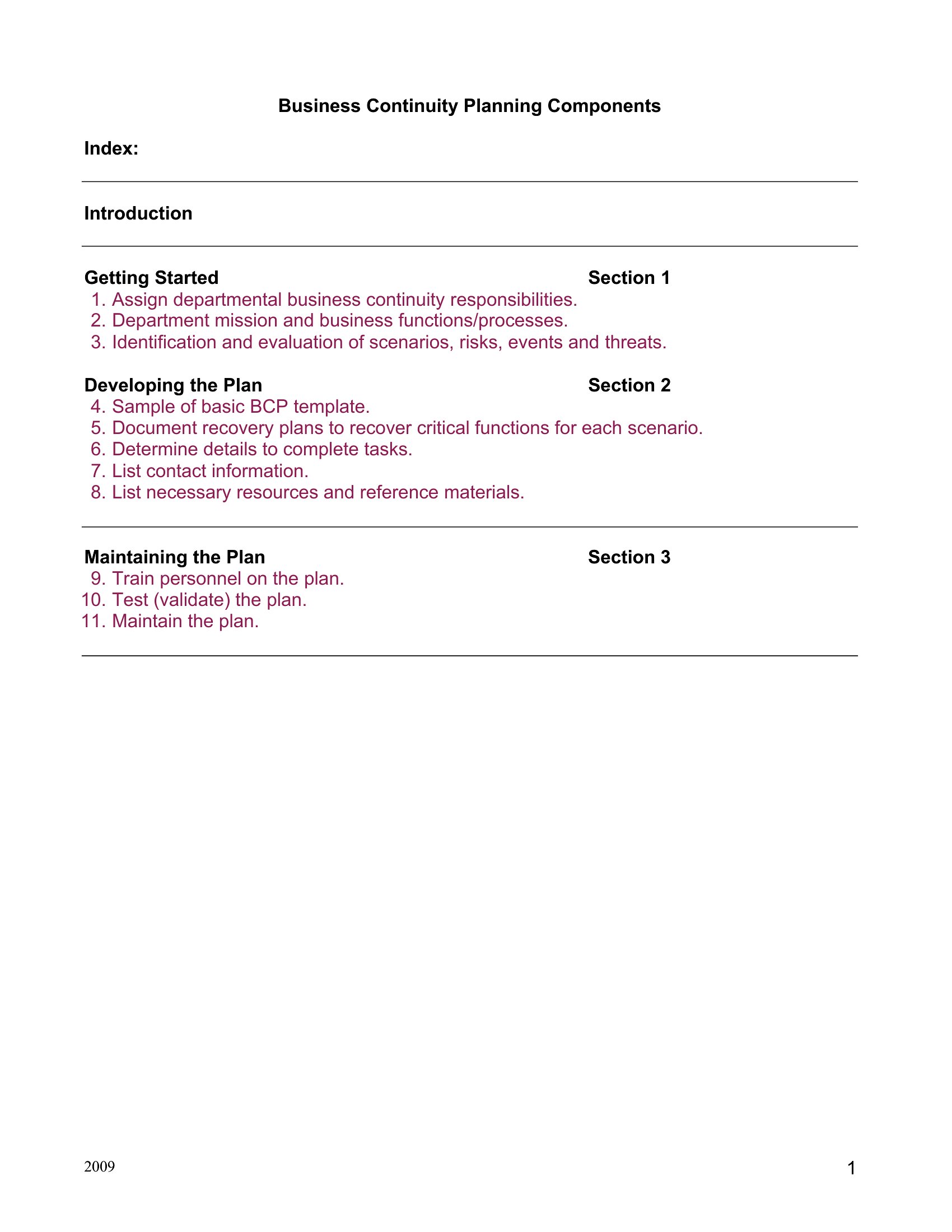
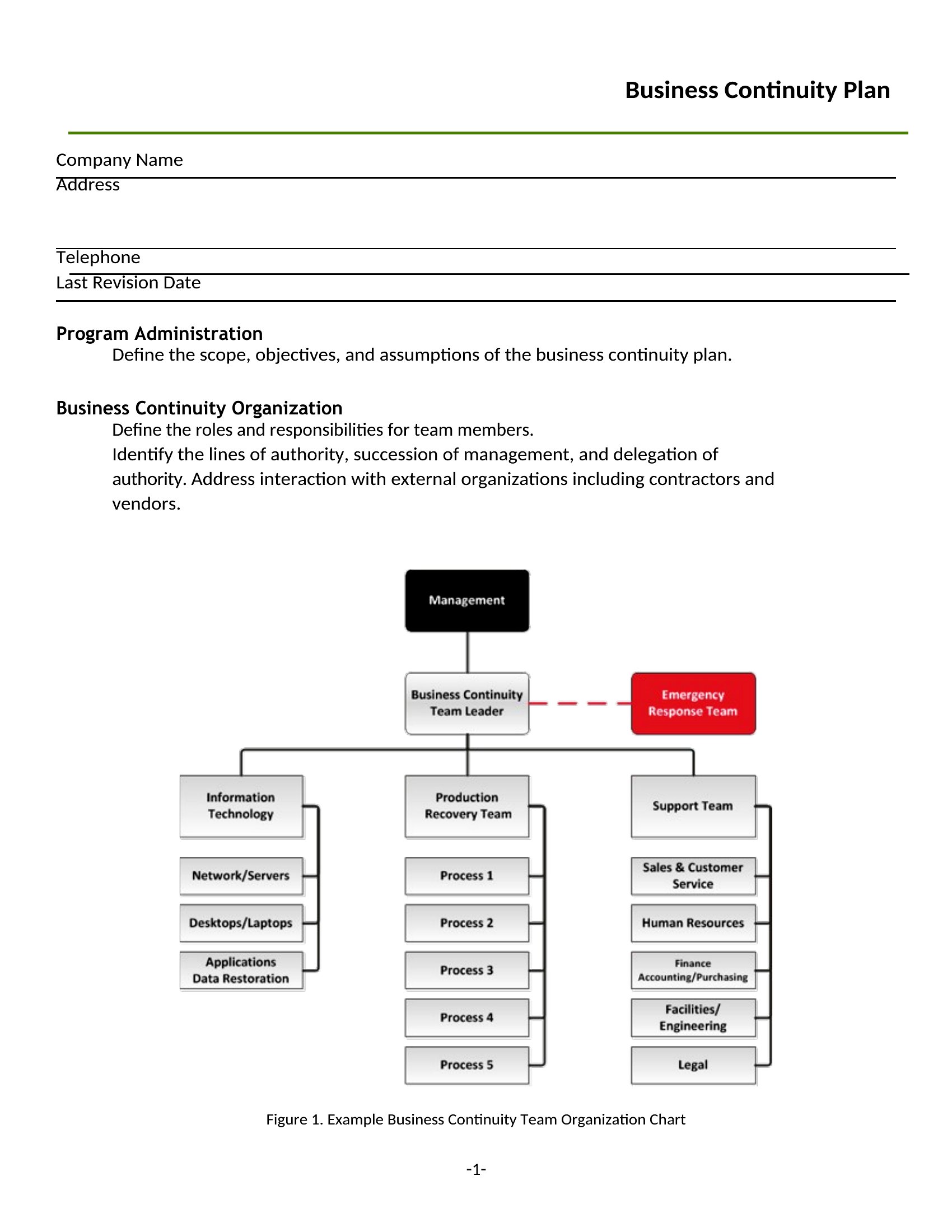
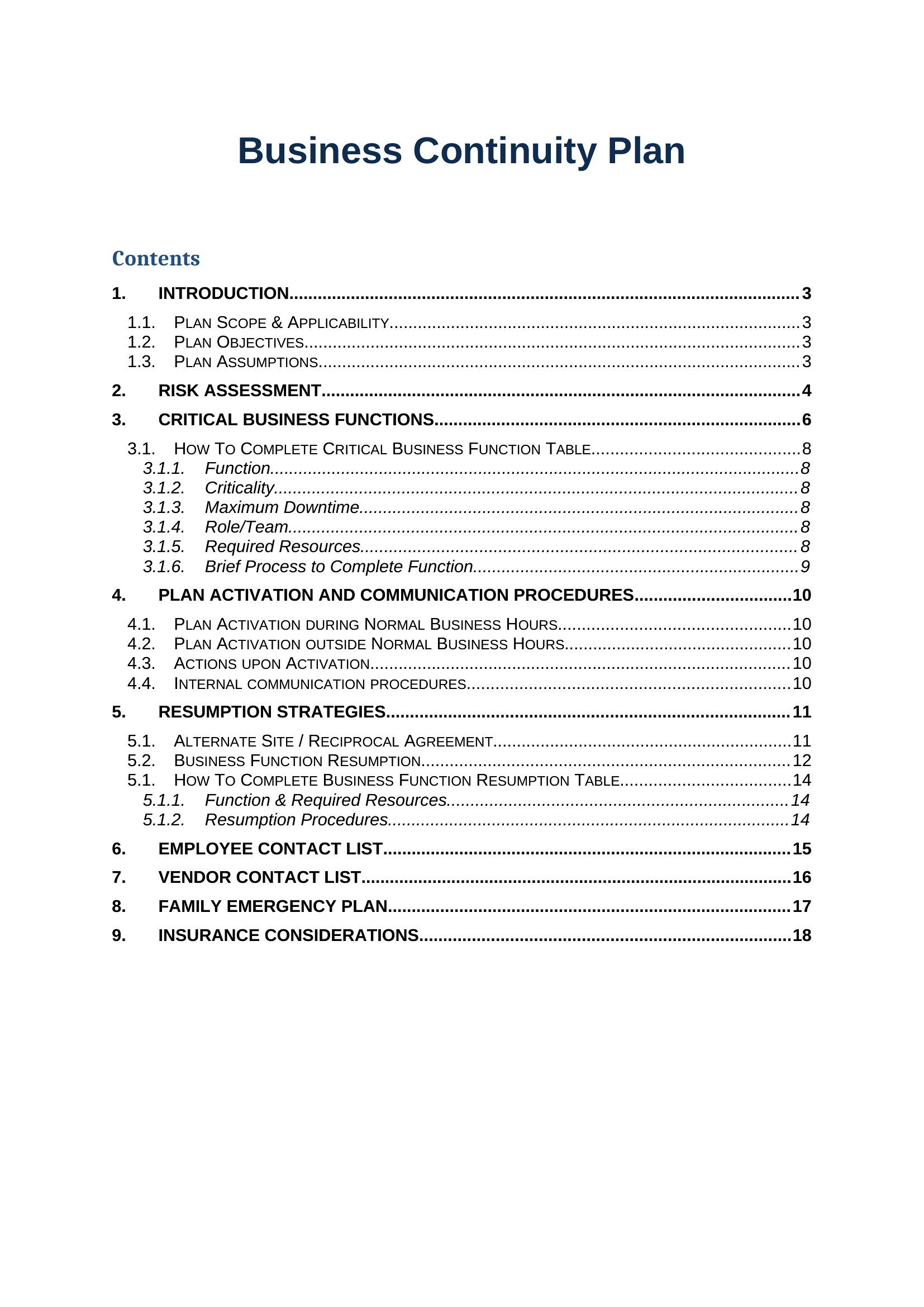
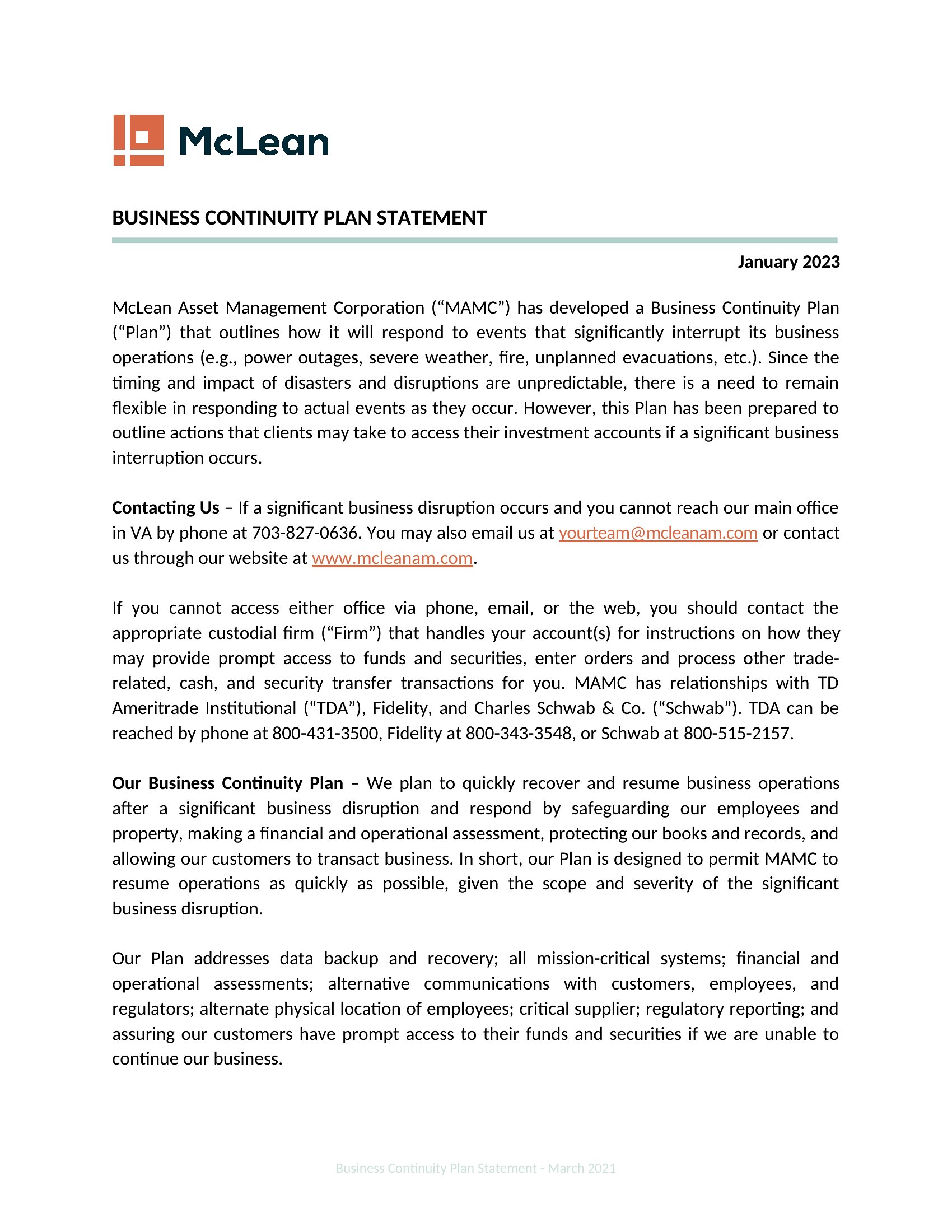
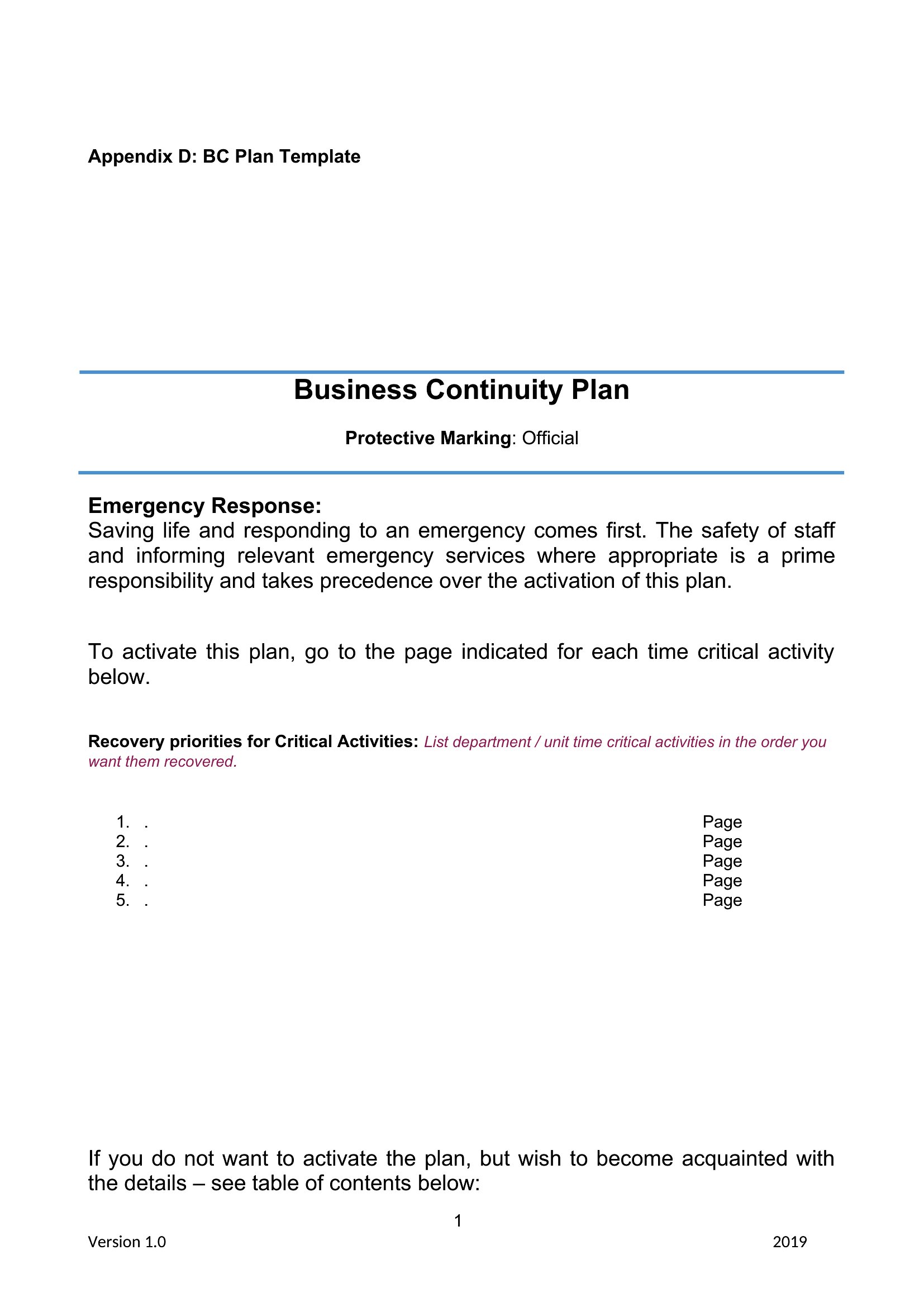
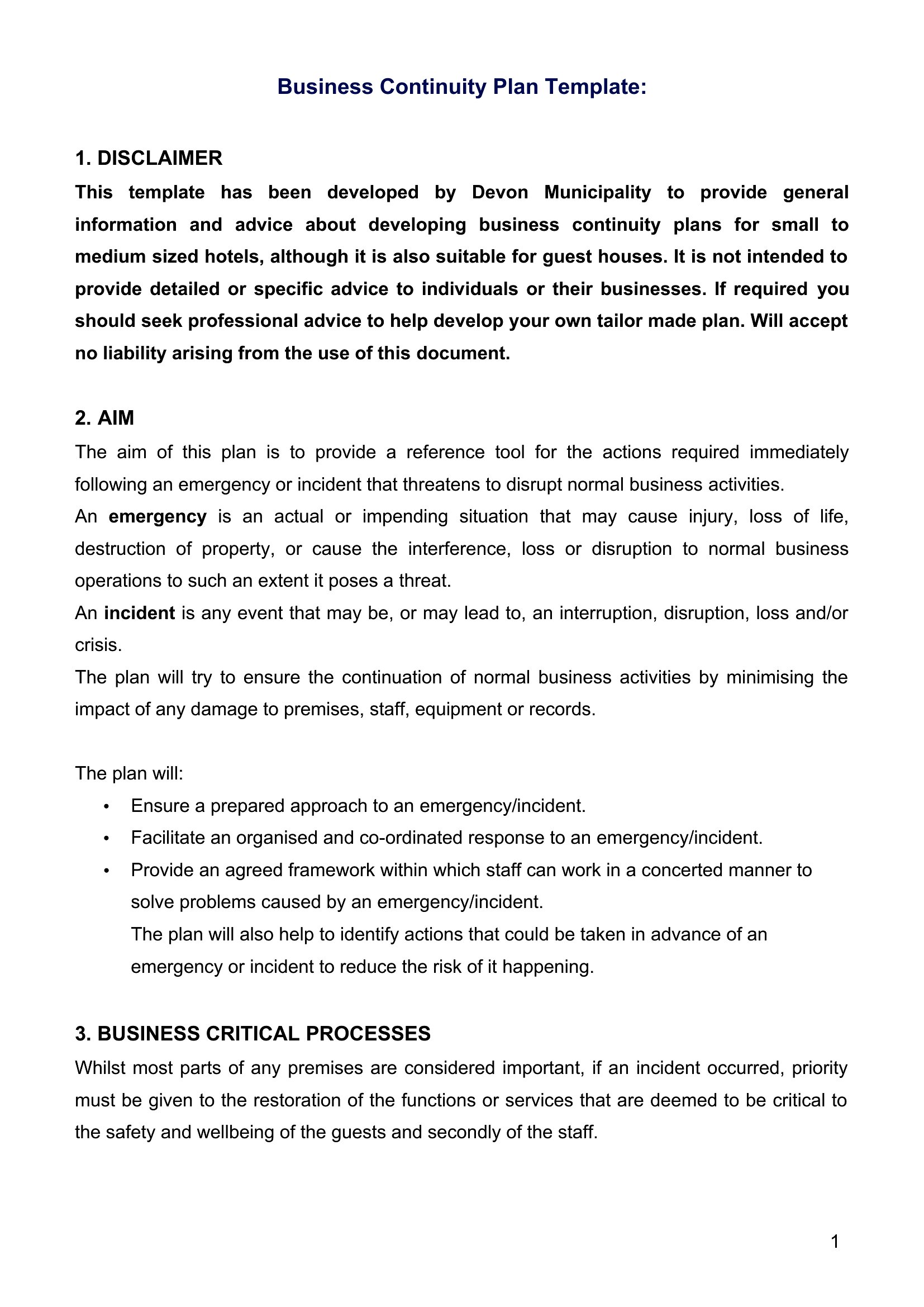
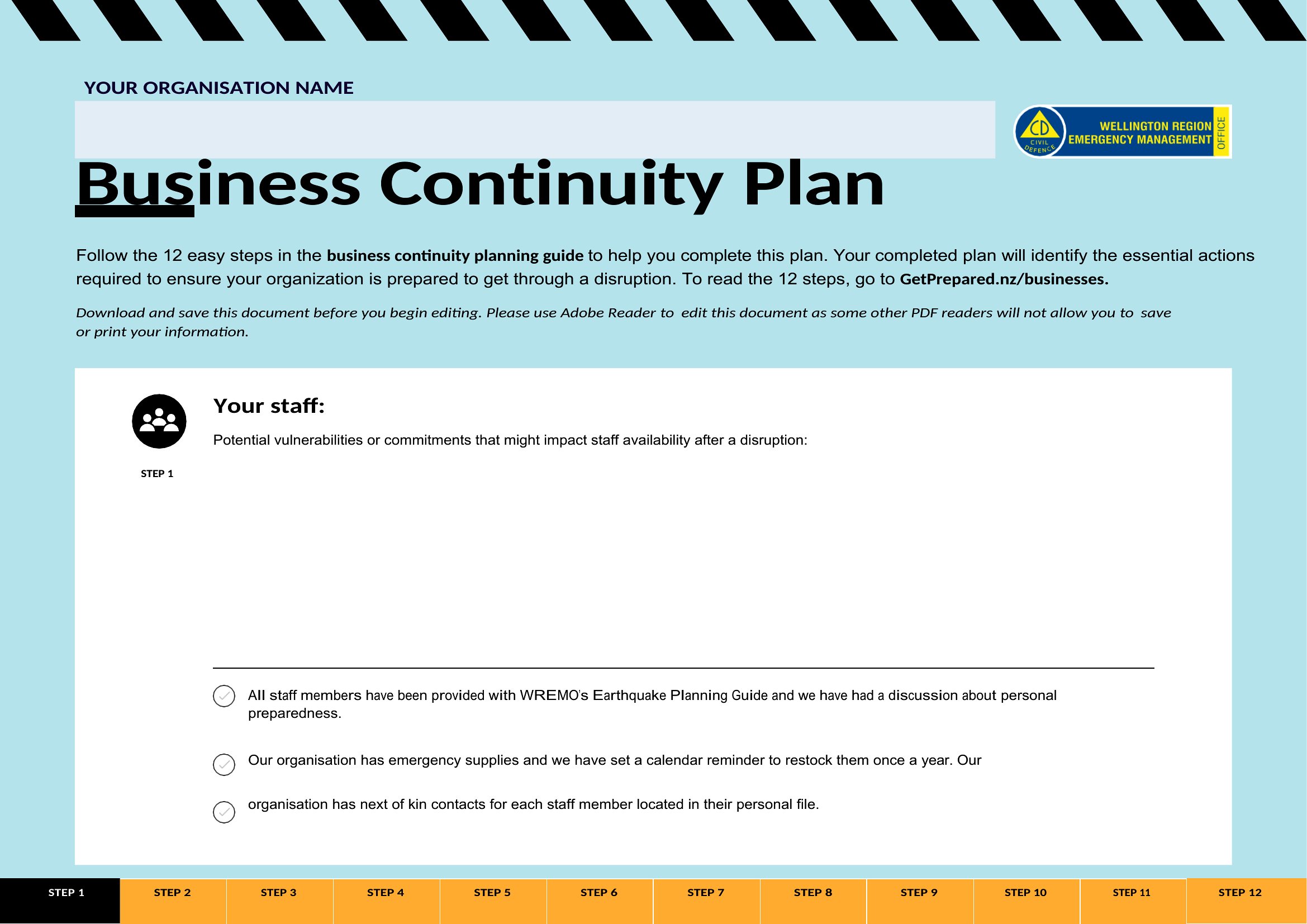
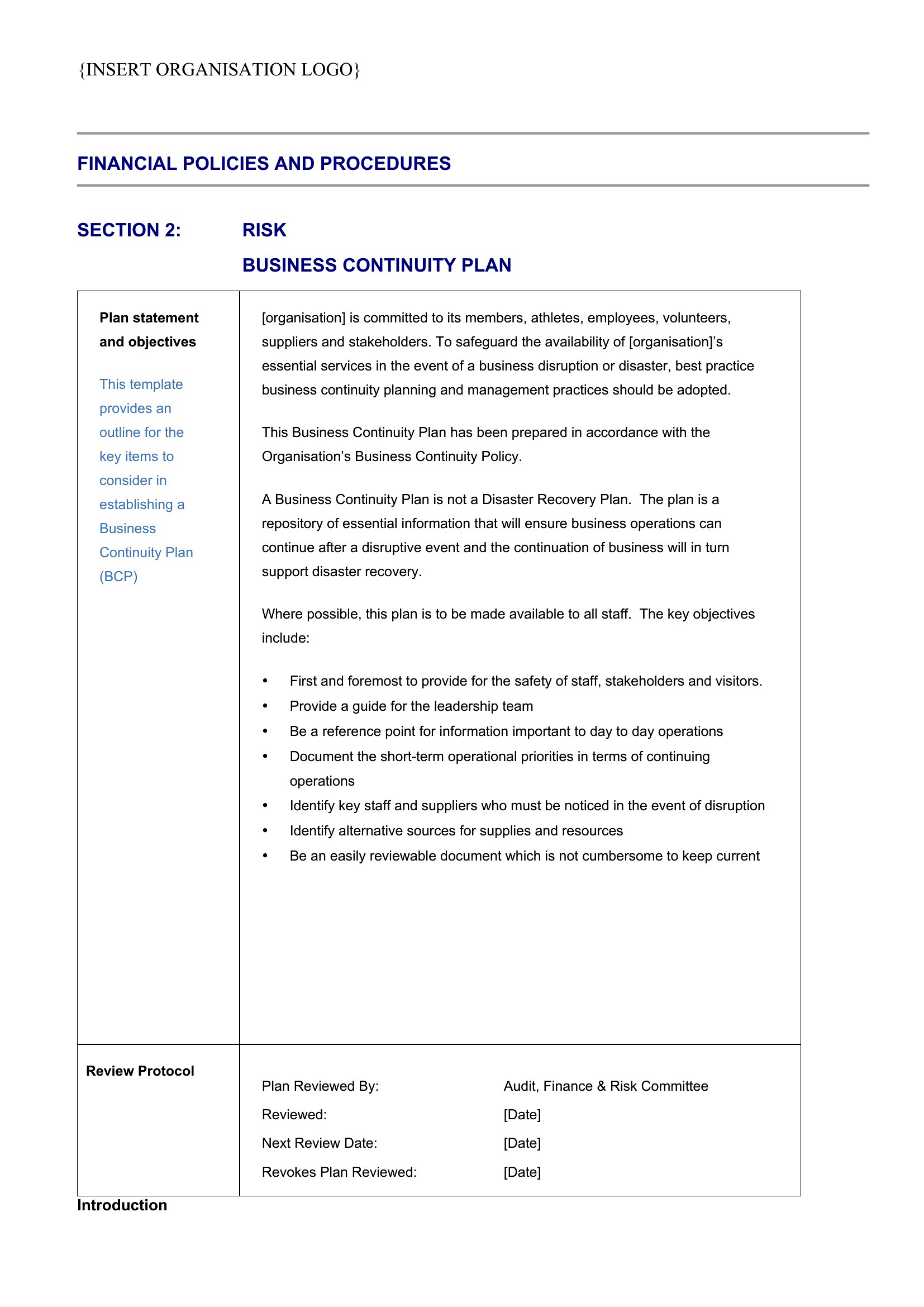
ProjectWhen a fire, outage, or cyberattack hits, the businesses that bounce back fastest are the ones with a plan already in place. This set of 57 business continuity plan templates helps owners, IT teams, and risk managers map out how to keep critical operations running when things go wrong. Identify the key functions, the risks, and the recovery steps now, so a bad day doesn't turn into a closed-for-good one.
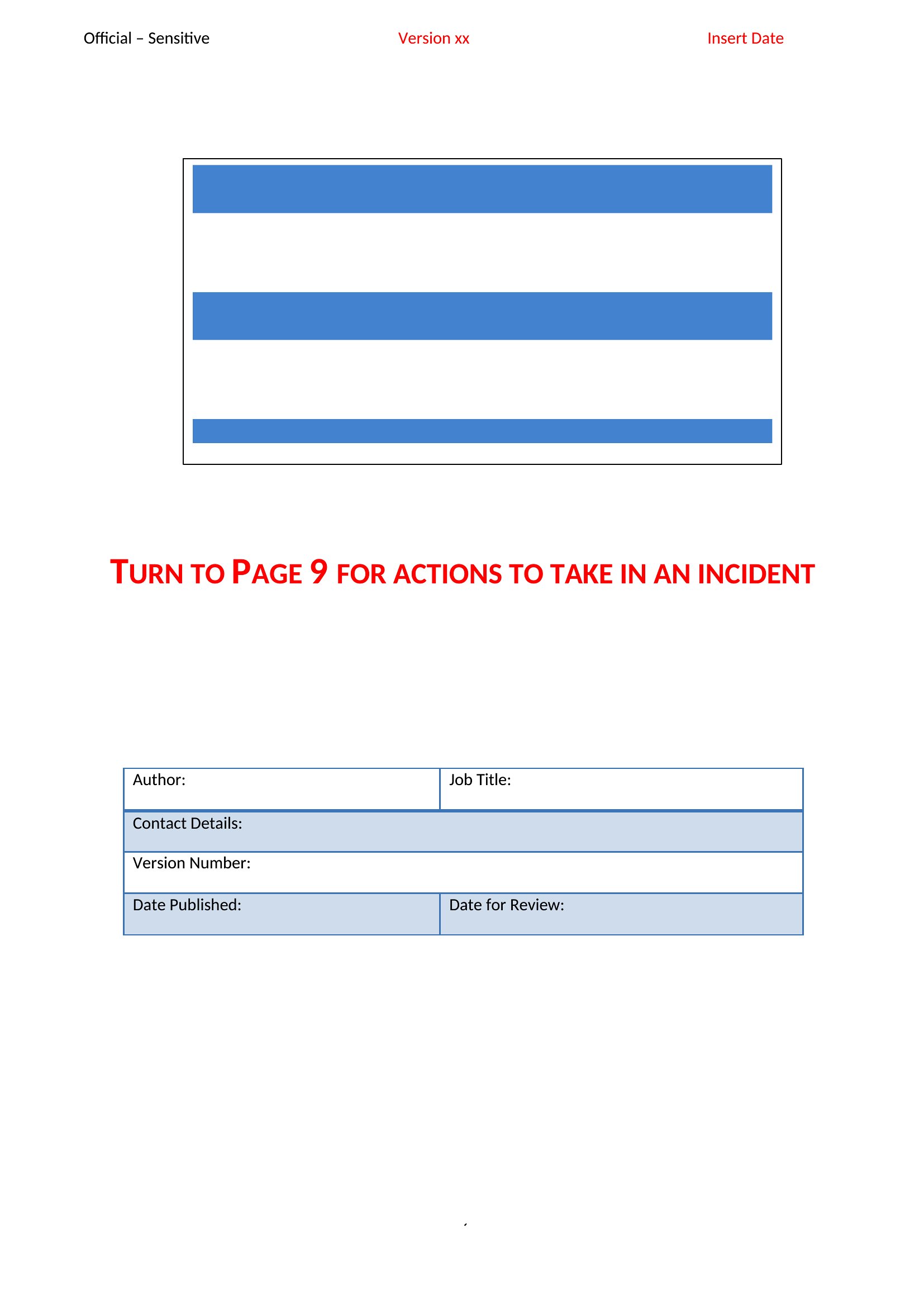
The templates come in Word for detailed planning and as PDFs for distributing to your team. Fill in your contacts, procedures, and recovery priorities, then review the plan regularly as your business changes. Download the version that fits your organization and get your continuity plan on paper.
When to use this Business Continuity Plan template
- Small business owners with no dedicated IT team need a simple way to outline backup procedures for cloud-based accounts, payment systems, and customer data during a power outage or software failure.
- Hospital administrators must document how to maintain patient care during a heating system breakdown, including backup power for medical equipment and communication protocols for staff redirection.
- Mid-sized manufacturers with just-in-time supply chains must define how to reroute production and notify suppliers if a key warehouse is inaccessible due to a local flood or strike.
- Nonprofit executive directors require a continuity plan that aligns with grant reporting requirements, detailing how to preserve donor records and continue program delivery if office staff can’t report to work.
Which format should I download?
Choose Word for editable templates that IT teams or risk managers can customize with internal policies, vendor contracts, or specific recovery timelines. Opt for PDF if you need a finalized, shareable version to distribute to leadership or third-party auditors. Word is ideal for drafting, while PDF ensures consistency when presenting to stakeholders or regulators.
Choose from 57 Business Continuity Plan Templates
How to use this Business Continuity Plan template
How do I decide which business functions are most critical to include in my continuity plan?
Start by identifying processes that directly impact revenue, customer safety, or legal compliance. For example, a retail store would prioritize point-of-sale systems and inventory tracking, while a law firm would focus on secure client data access and court filing deadlines. Use the ‘RTO’ (Recovery Time Objective) metric to rank them by how long you can afford downtime.
Should I include suppliers or vendors in my business continuity planning?
Yes, if your operations depend on third-party services. Document backup vendors (like cloud hosting providers), alternate suppliers, and communication protocols for delays. For instance, a restaurant chain should list emergency food distributors and how to notify them if a kitchen equipment failure occurs. Review contracts for continuity clauses during your planning phase.
How often should I review or update my continuity plan after implementing it?
Conduct a full review at least annually or after major changes—such as adopting new software, relocating facilities, or hiring key staff. Test the plan every 12–18 months with tabletop exercises or drills. For highly regulated industries, align updates with compliance review cycles to avoid gaps in documentation.
Comments
Join the conversation
Sign in to share your thoughts and leave a comment on this resource.