FAQ
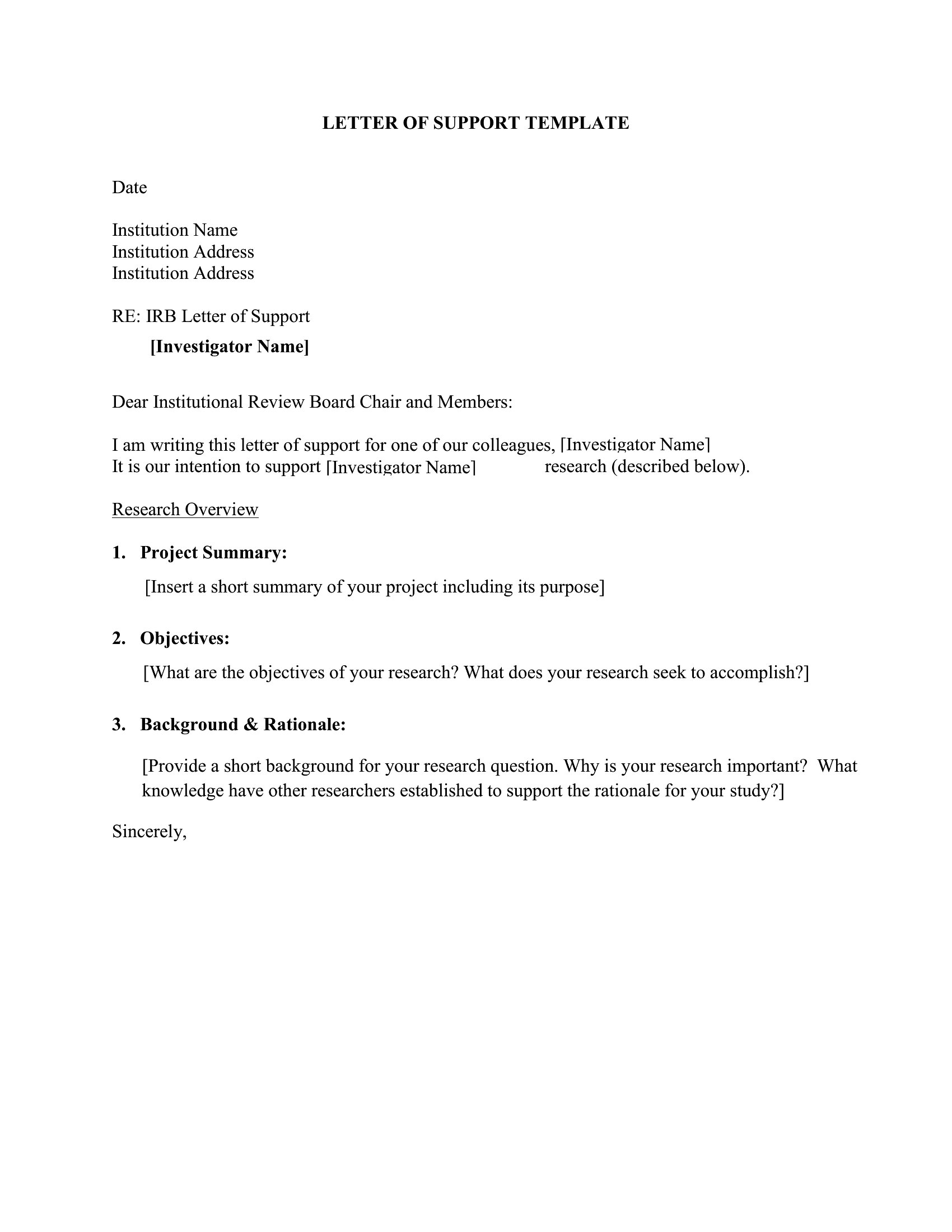
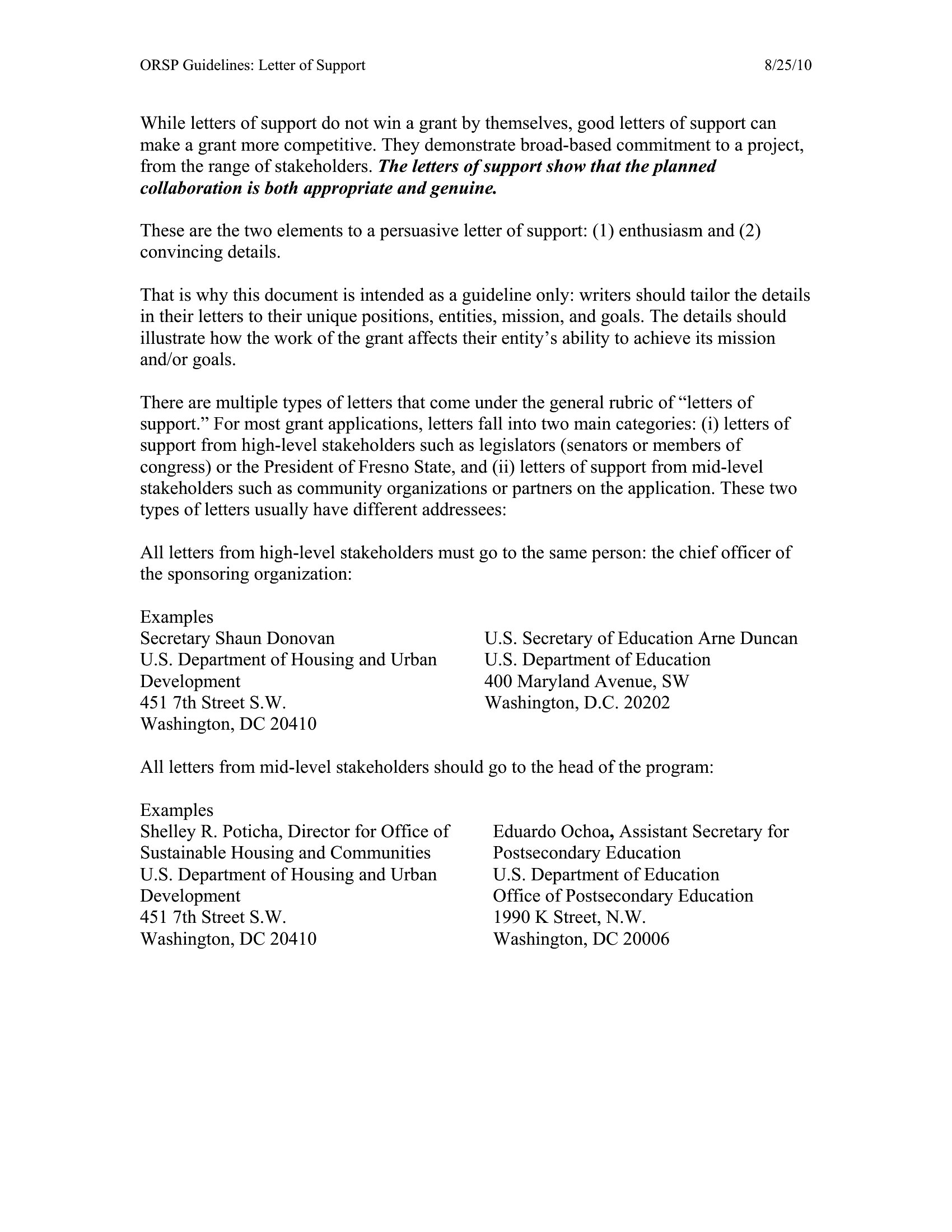
How do I make my letter of support feel personal without including unnecessary details?
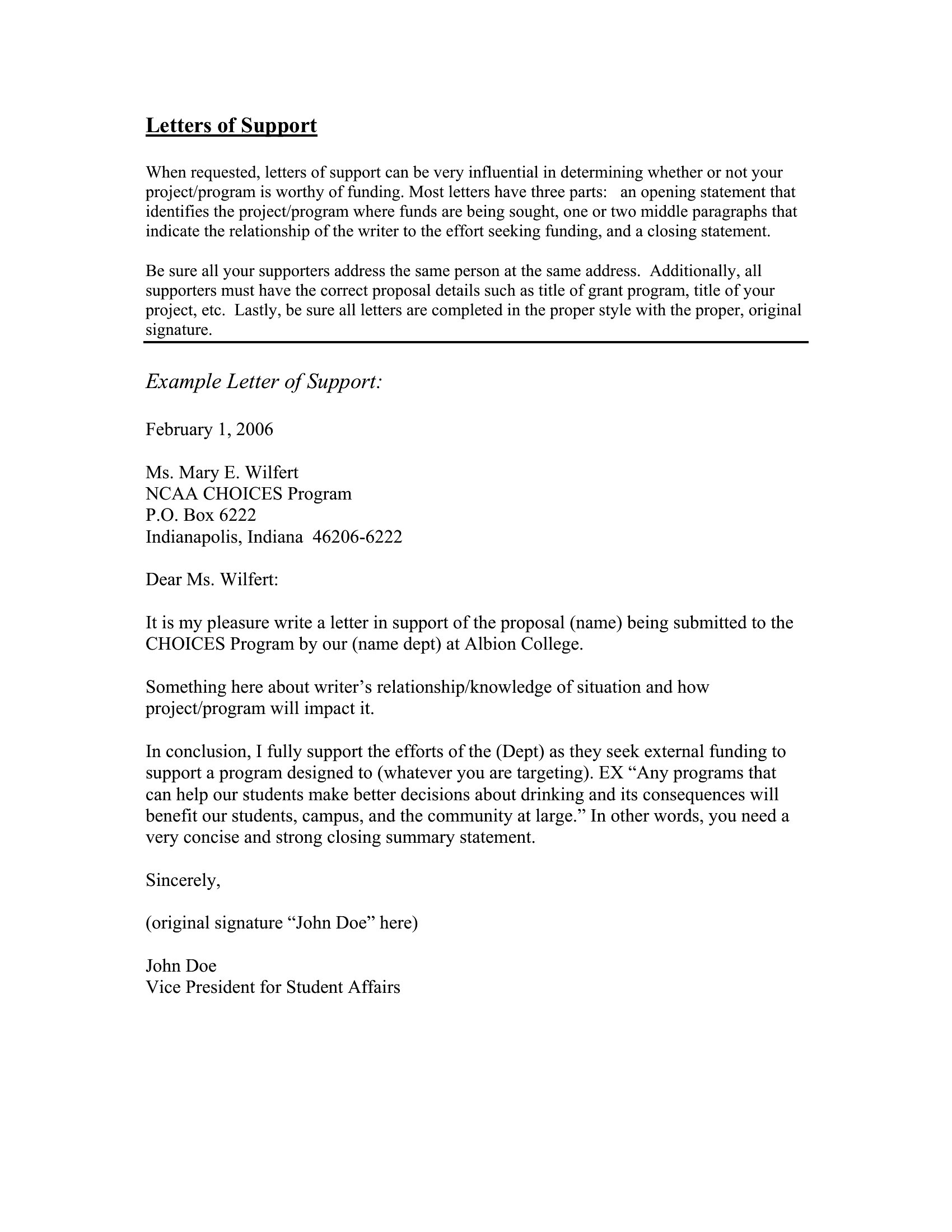
Focus on specific examples that demonstrate the person’s qualities, like a time they went above and beyond in a project or how they’ve positively impacted others. Avoid generic praise—mention names, dates, or outcomes to ground your support in real experiences. For instance, instead of saying ‘they’re a team player,’ describe a collaborative effort where their input directly improved results. This keeps the tone authentic while making your letter compelling.
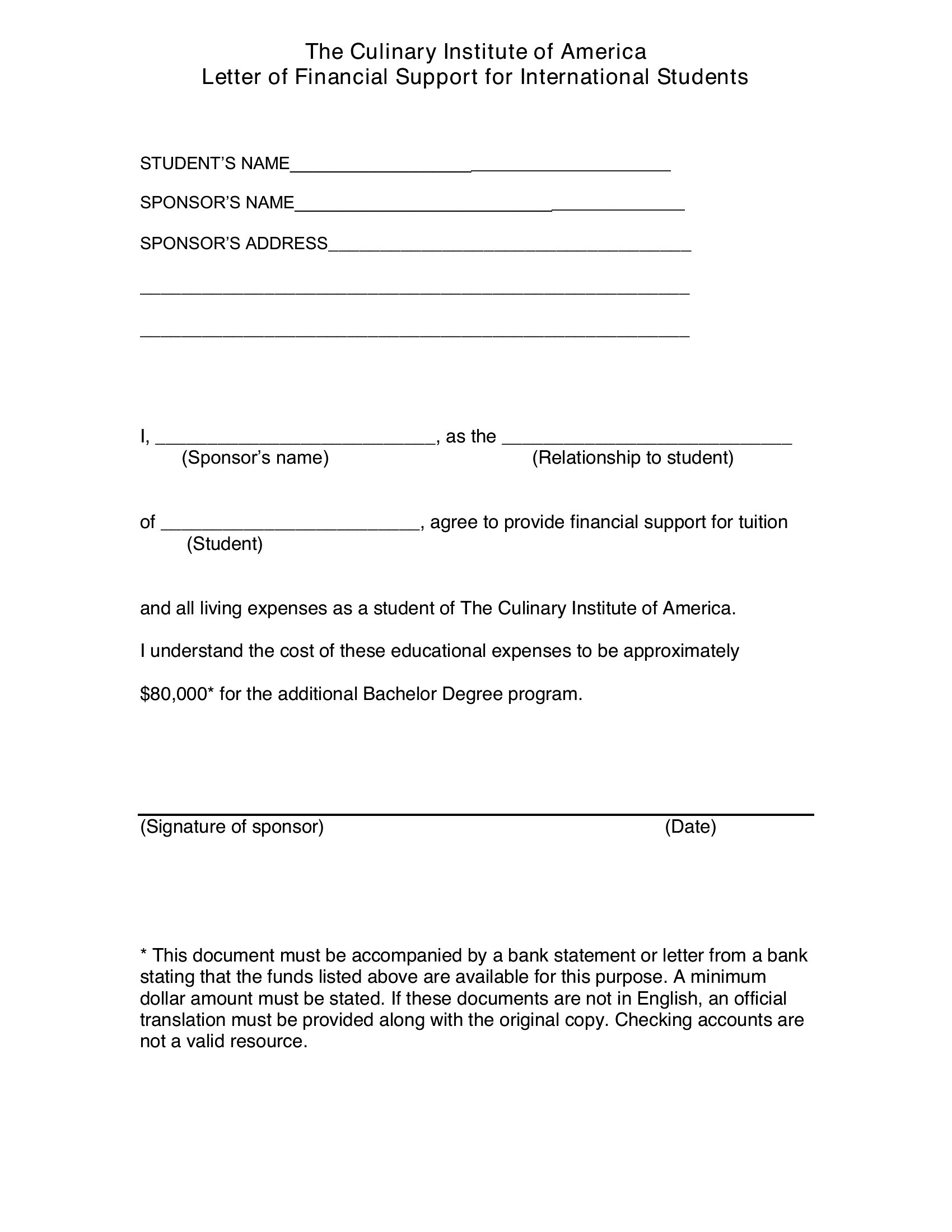
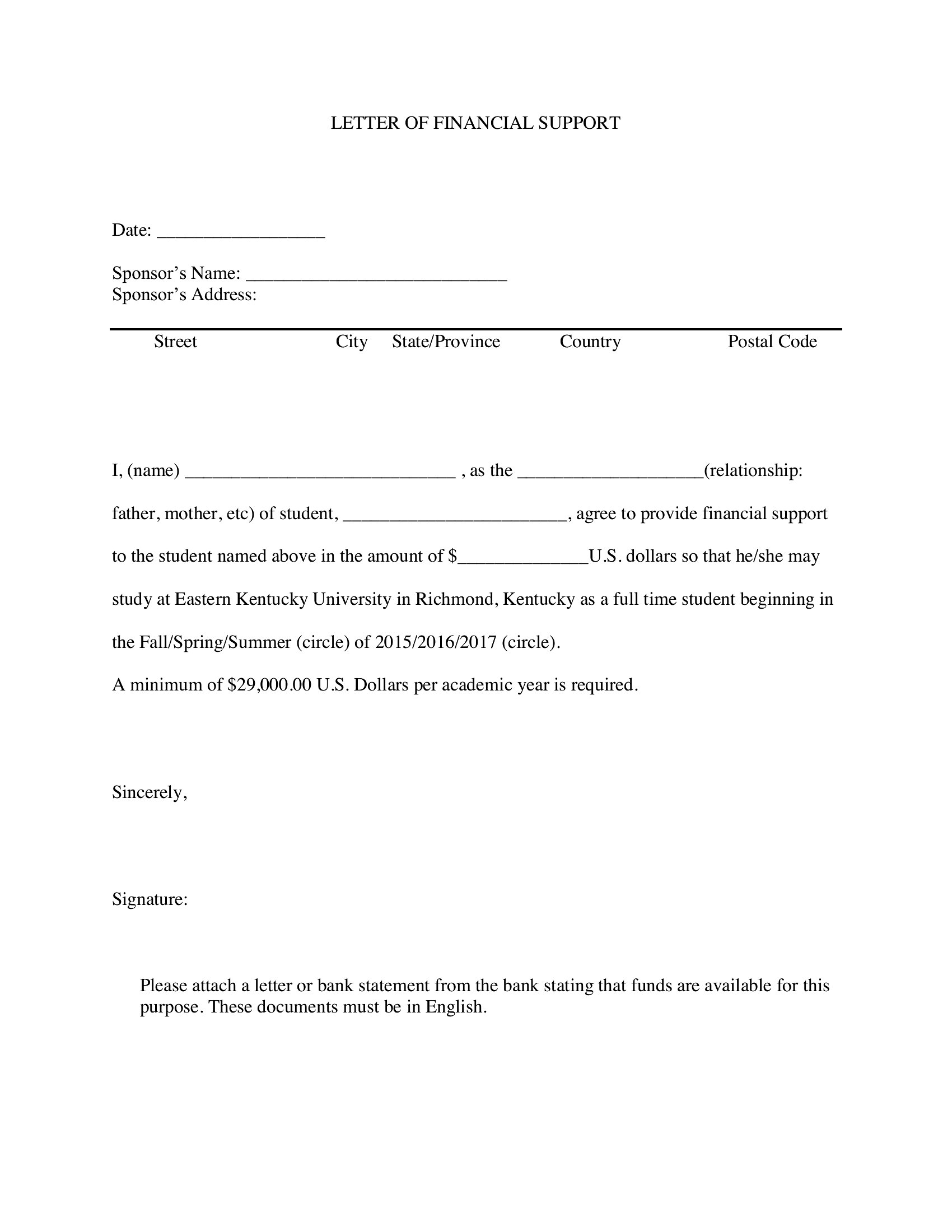
Can I use a letter of support template for a business partner, and what details should I include?
Yes, but adapt the template to highlight the business partner’s professional strengths, such as their reliability, industry expertise, or past successes in collaborations. Include specific metrics (e.g., ‘increased revenue by 20% through their strategic partnerships’) or examples of how they’ve upheld their commitments. If the letter is for a loan or investment, emphasize their financial stability and the project’s potential ROI. Keep the tone professional but confident—avoid vague statements like ‘they’re trustworthy’ without proof.
What’s the best way to structure a letter of support for someone I barely know but want to vouch for professionally?
Start by clearly stating your relationship to the person (e.g., ‘colleague of three years’ or ‘professor in their field’) to establish credibility. Focus on observable traits—like their work ethic, problem-solving skills, or contributions to shared goals—rather than personal qualities. For example, if you’ve worked together on a project, describe their role and the tangible results. Keep the letter concise and objective; avoid exaggerations or assumptions about their character. Transparency about your limited personal knowledge builds trust with the reader.
Comments
Join the conversation
Sign in to share your thoughts and leave a comment on this resource.