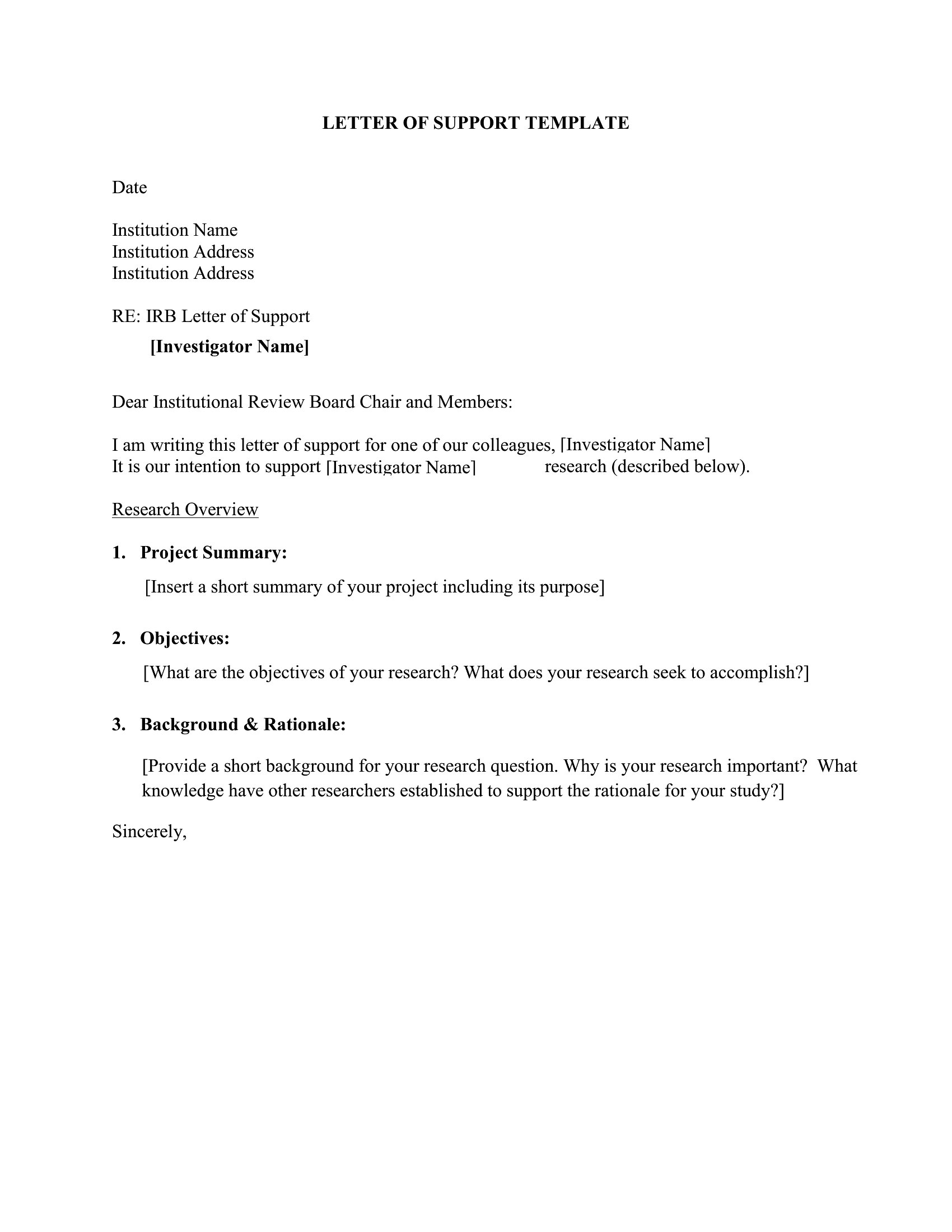
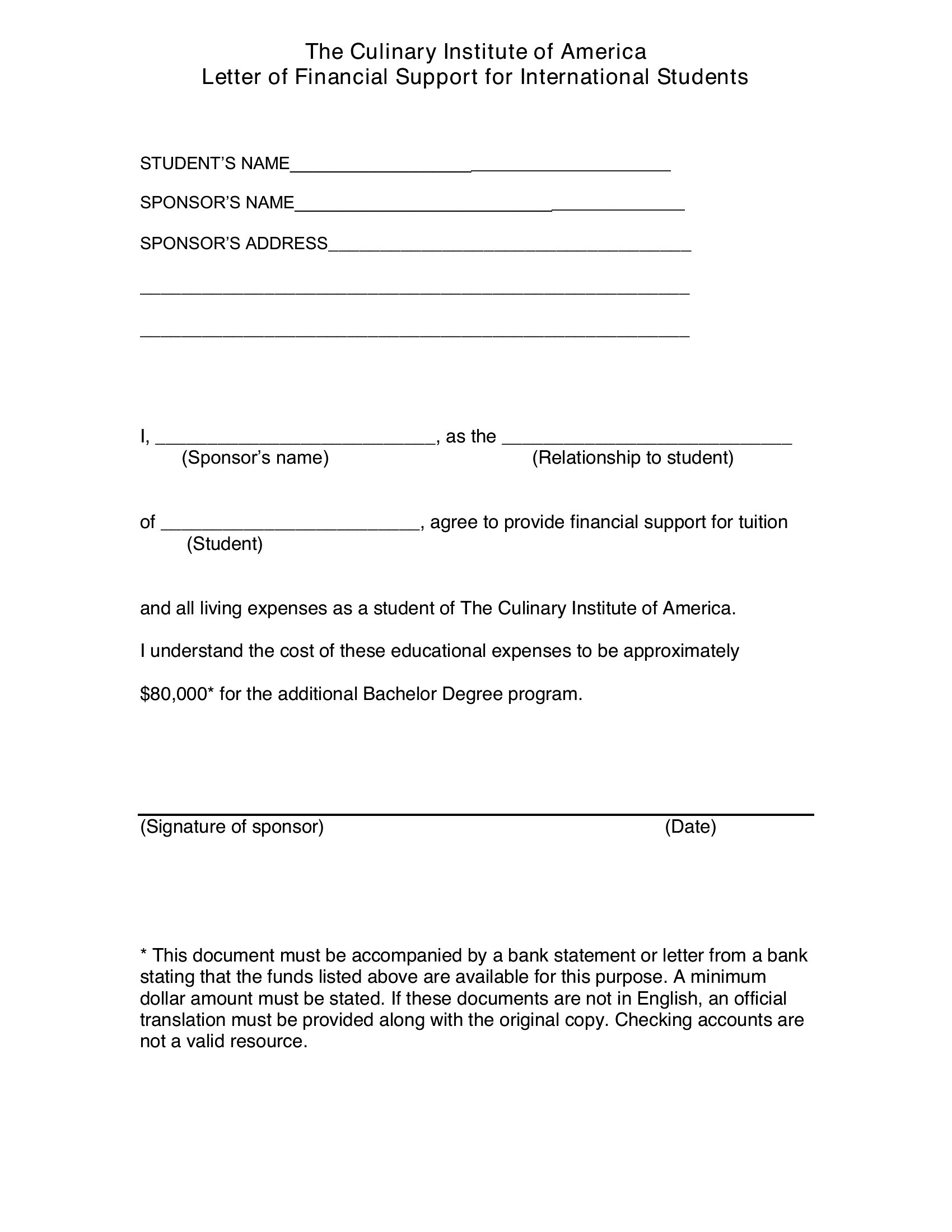
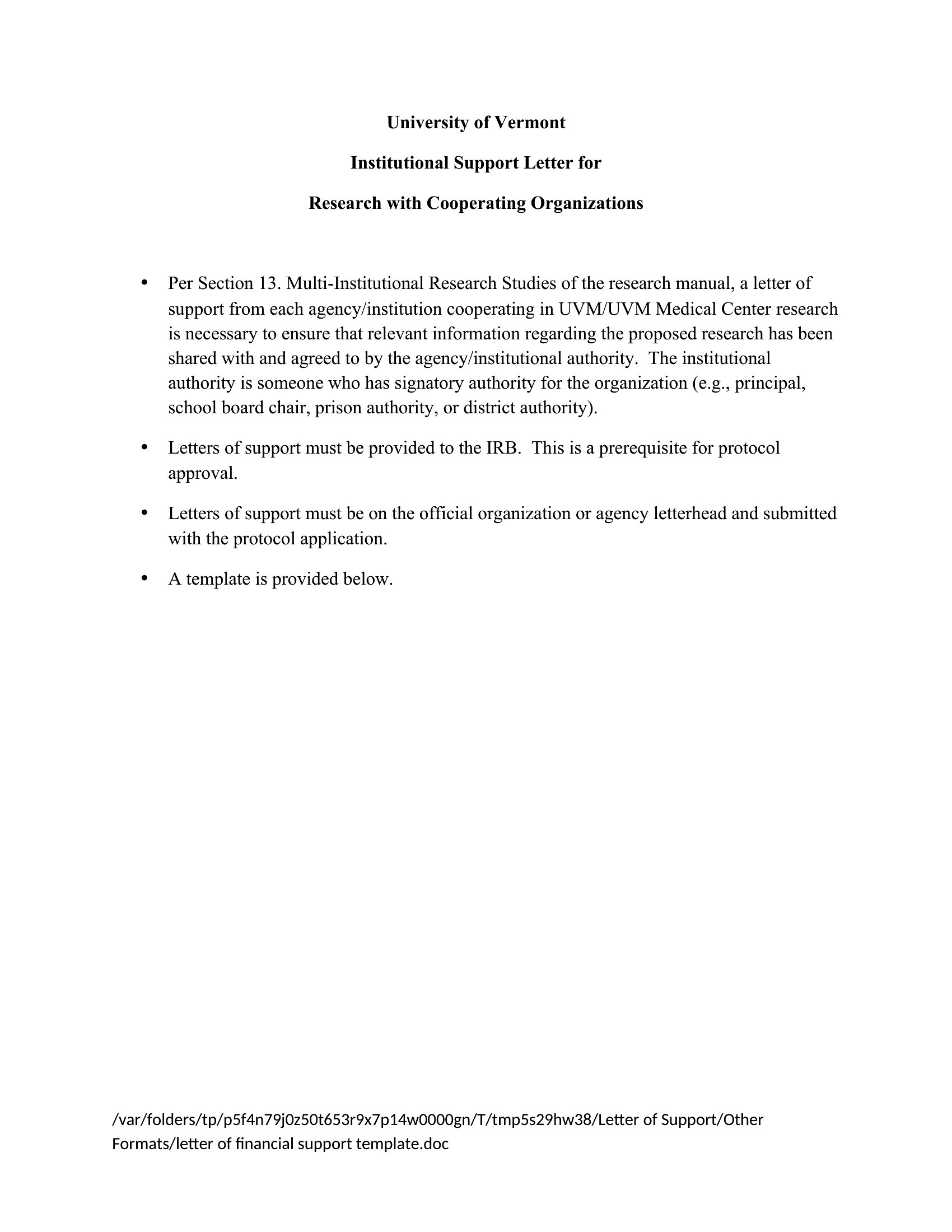
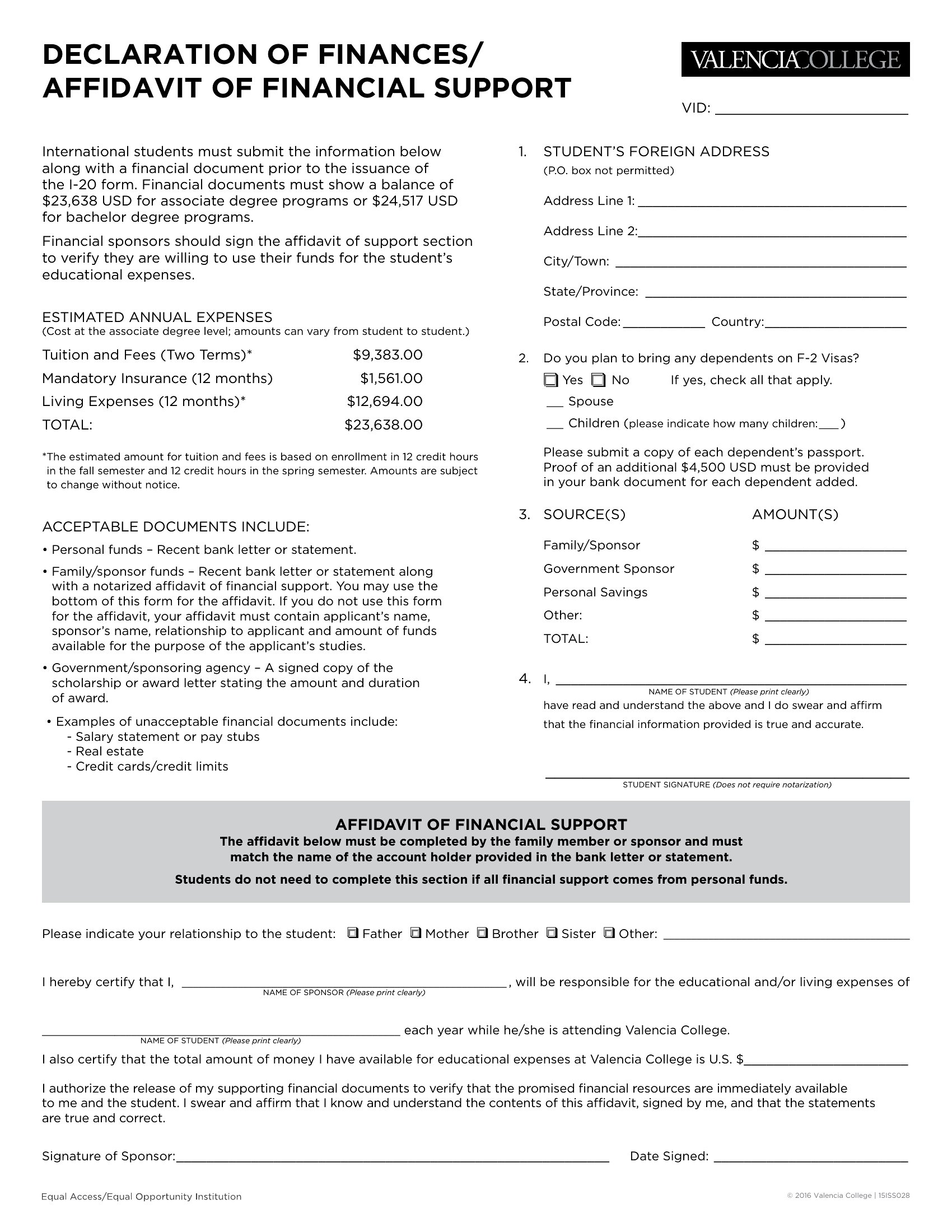
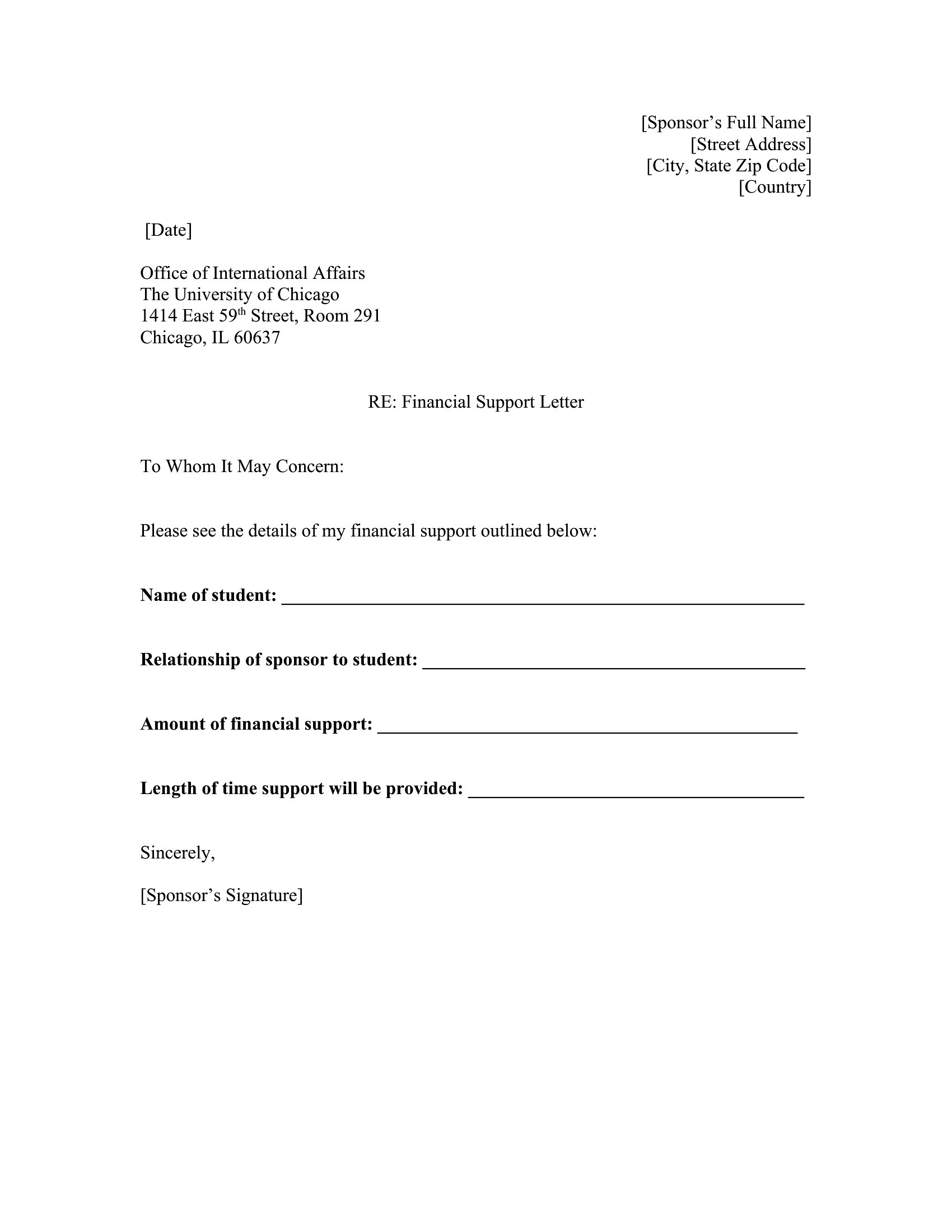
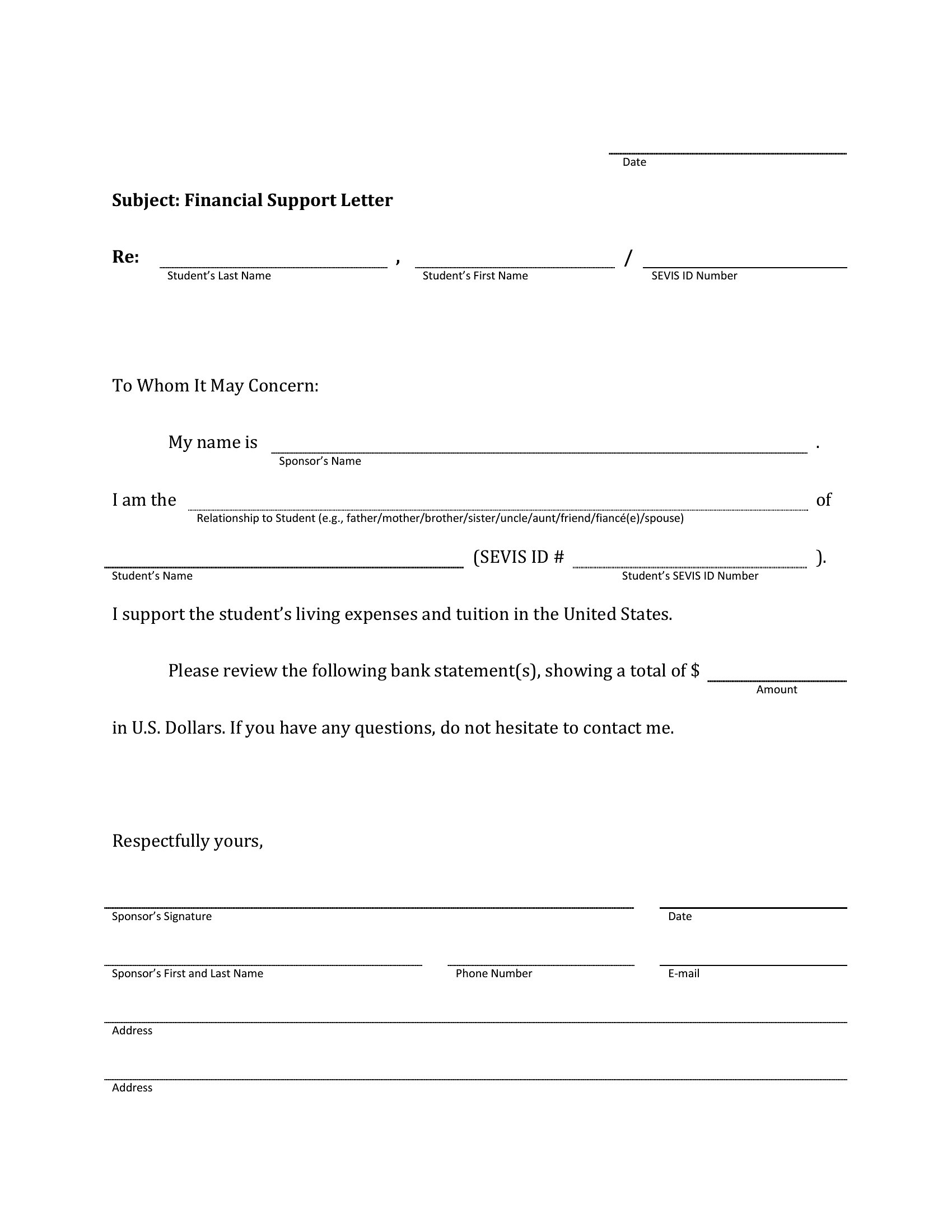
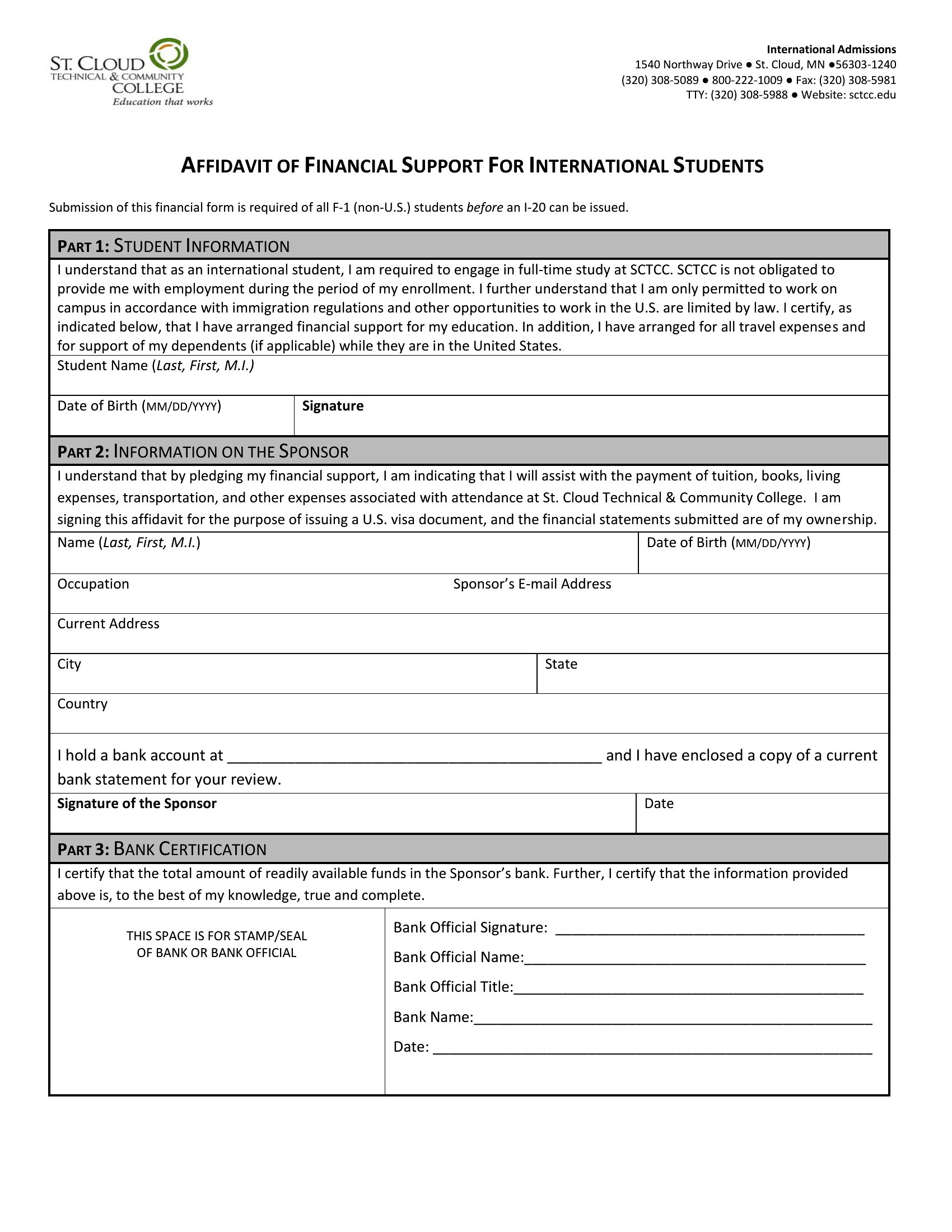
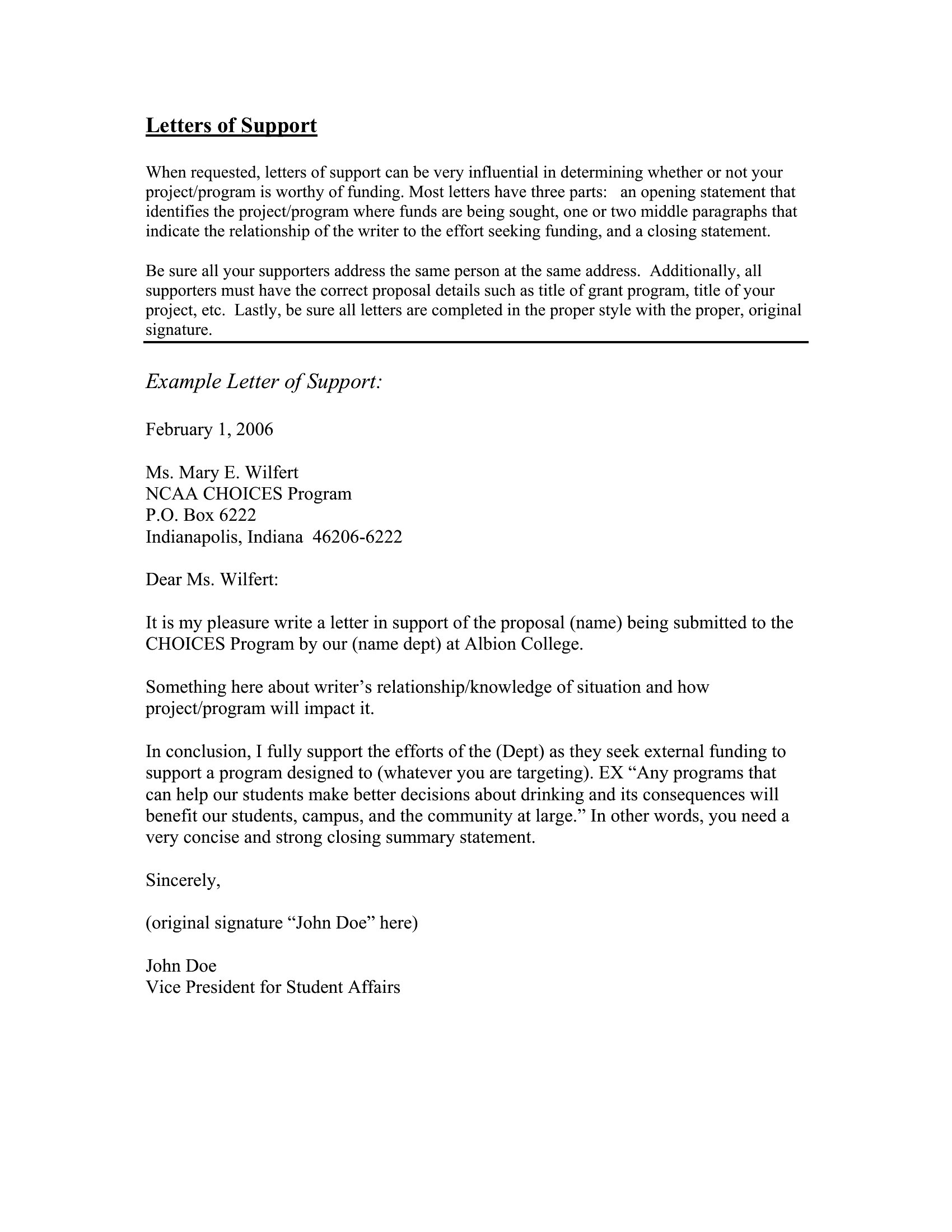
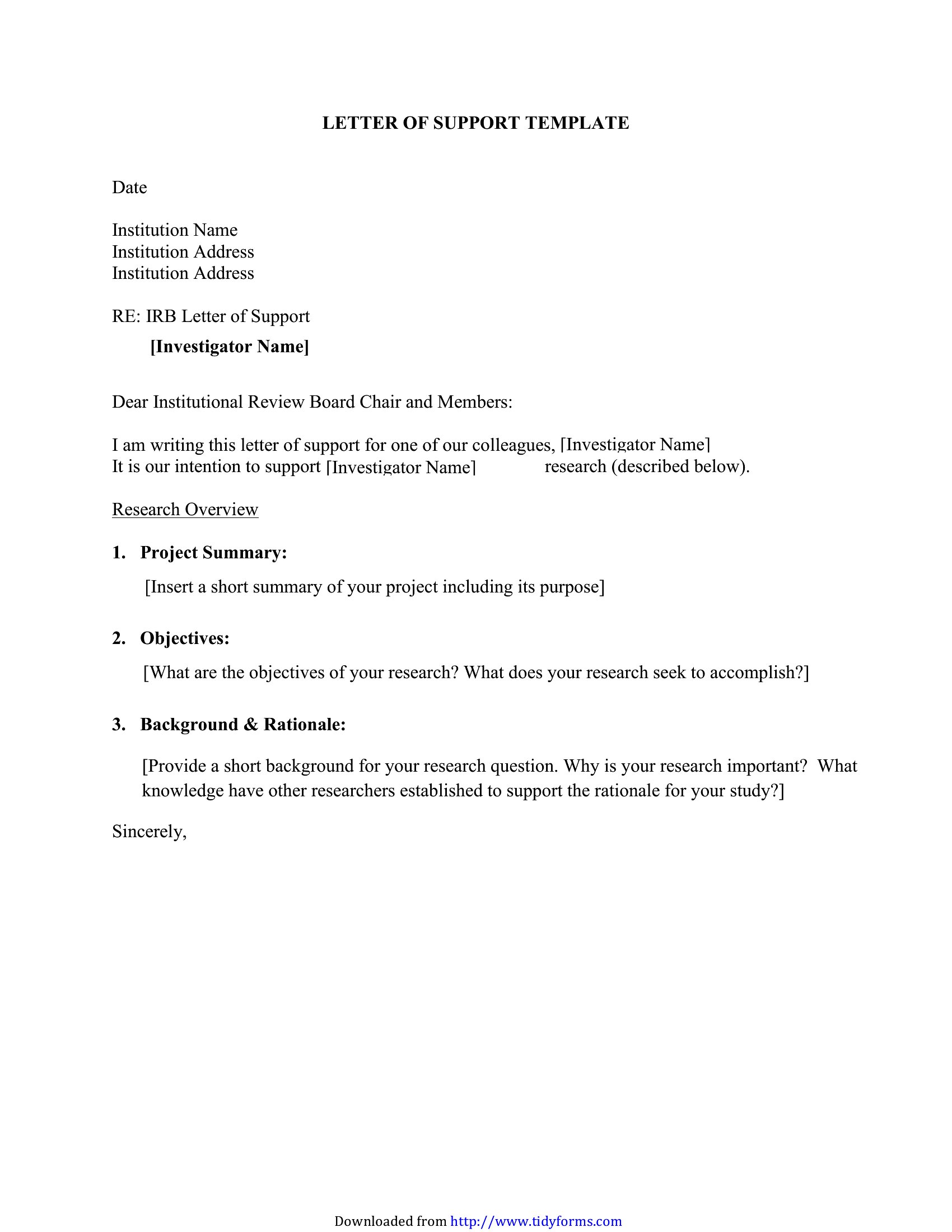
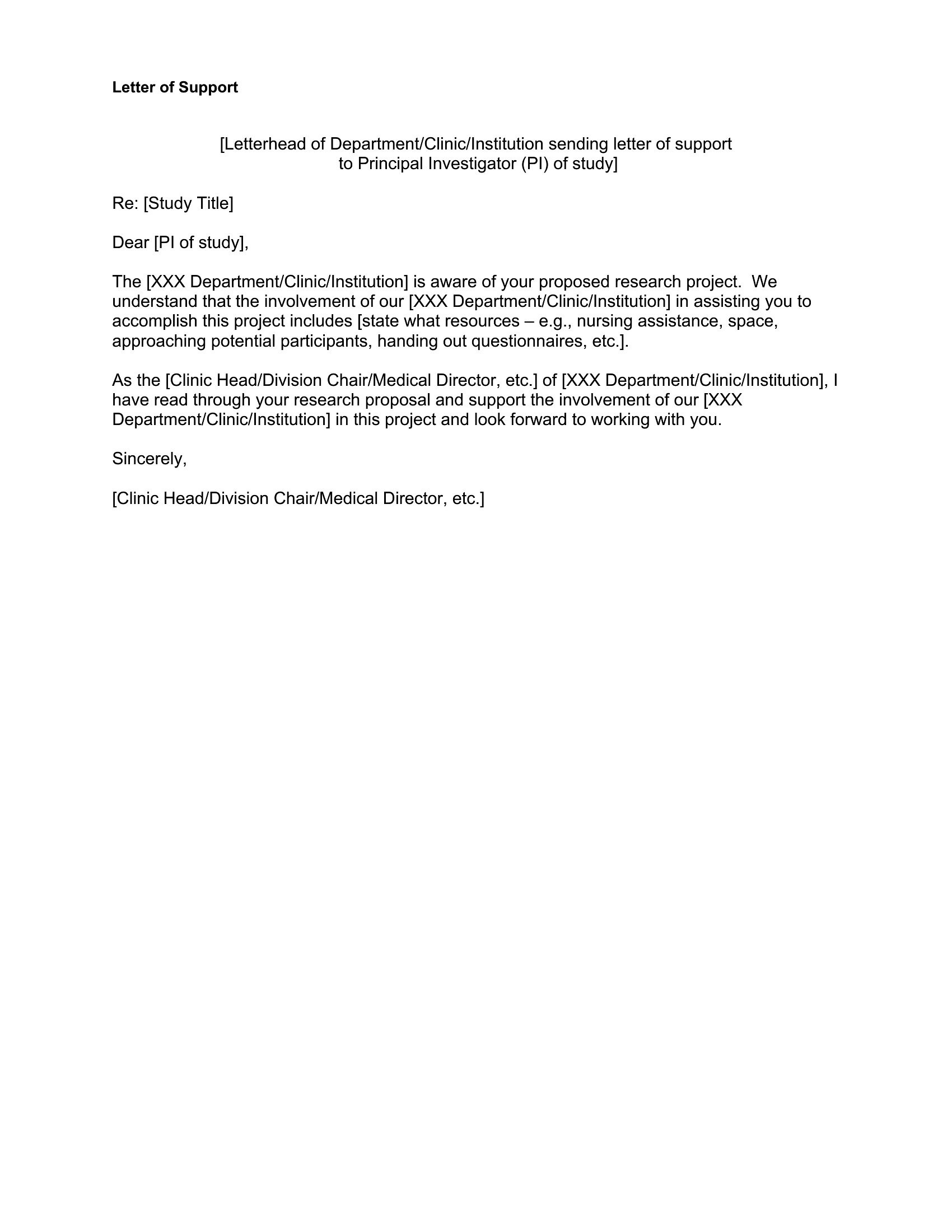
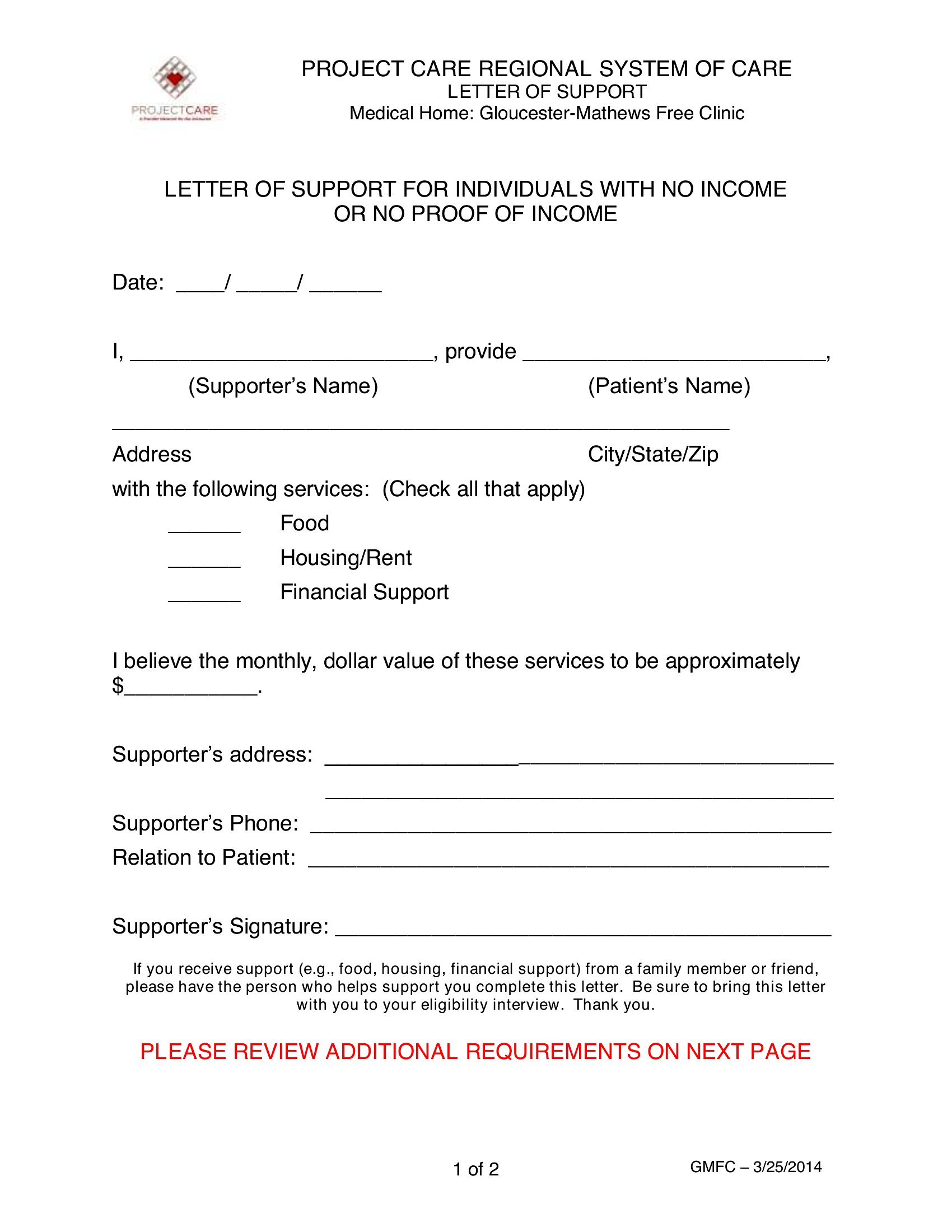
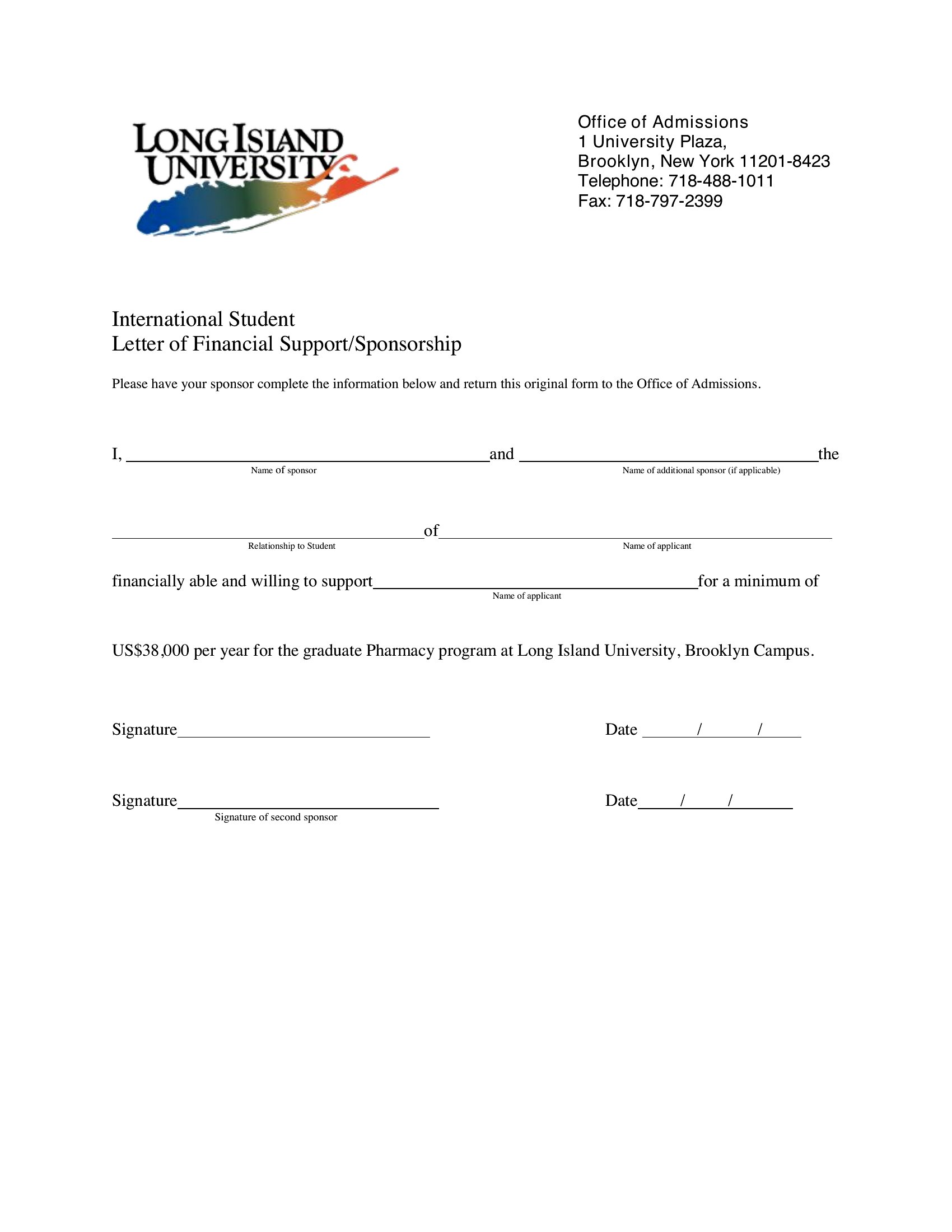
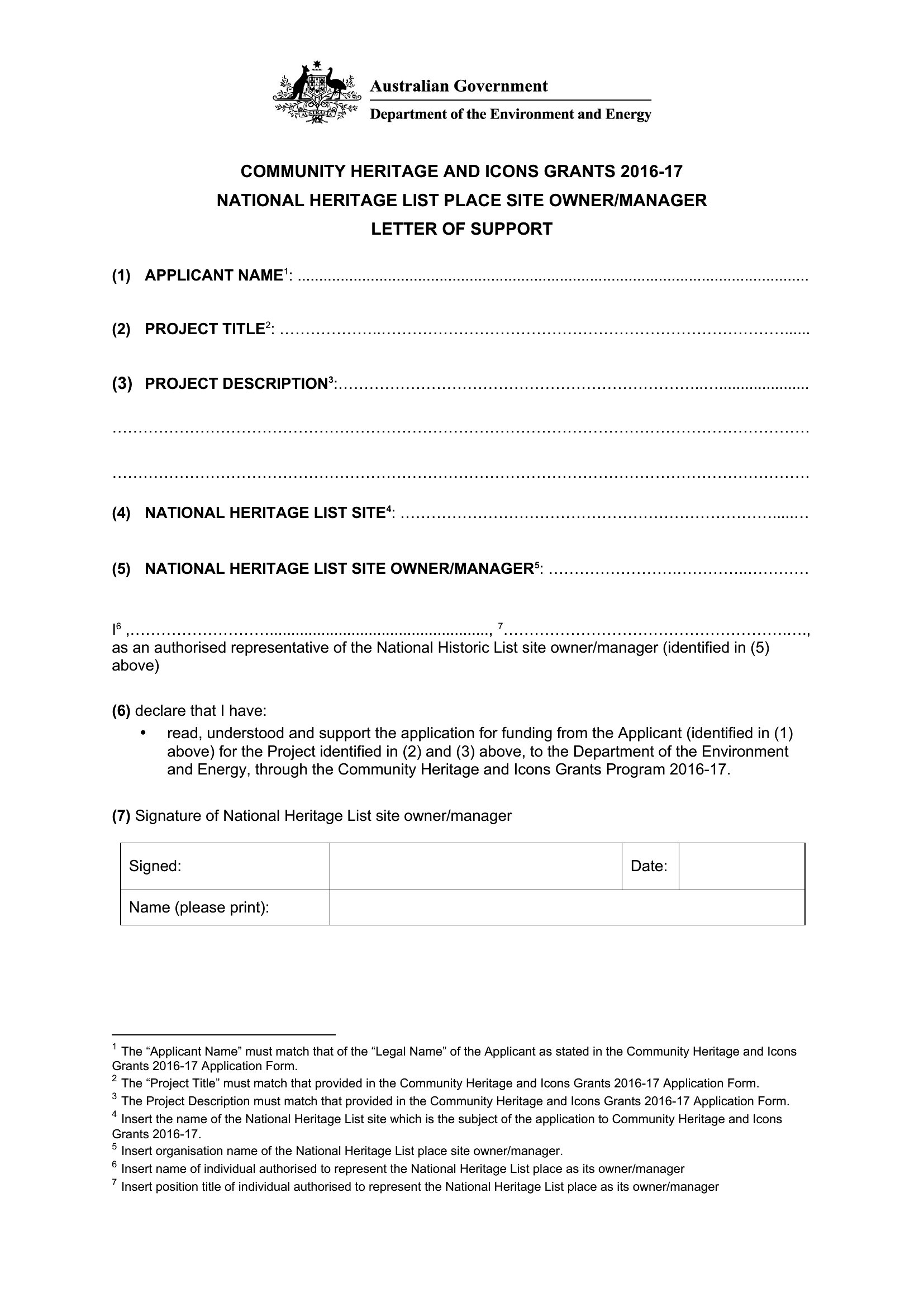
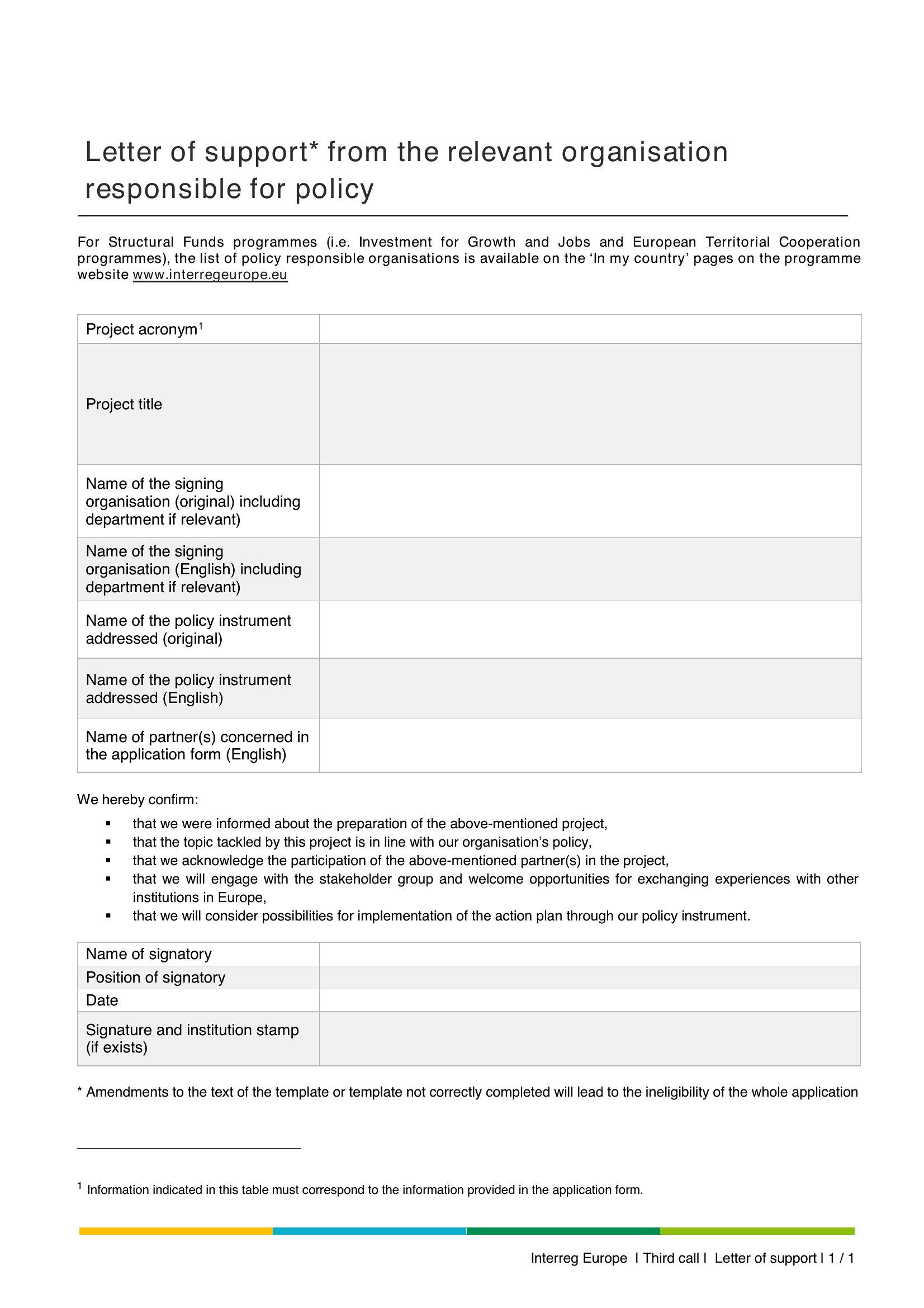
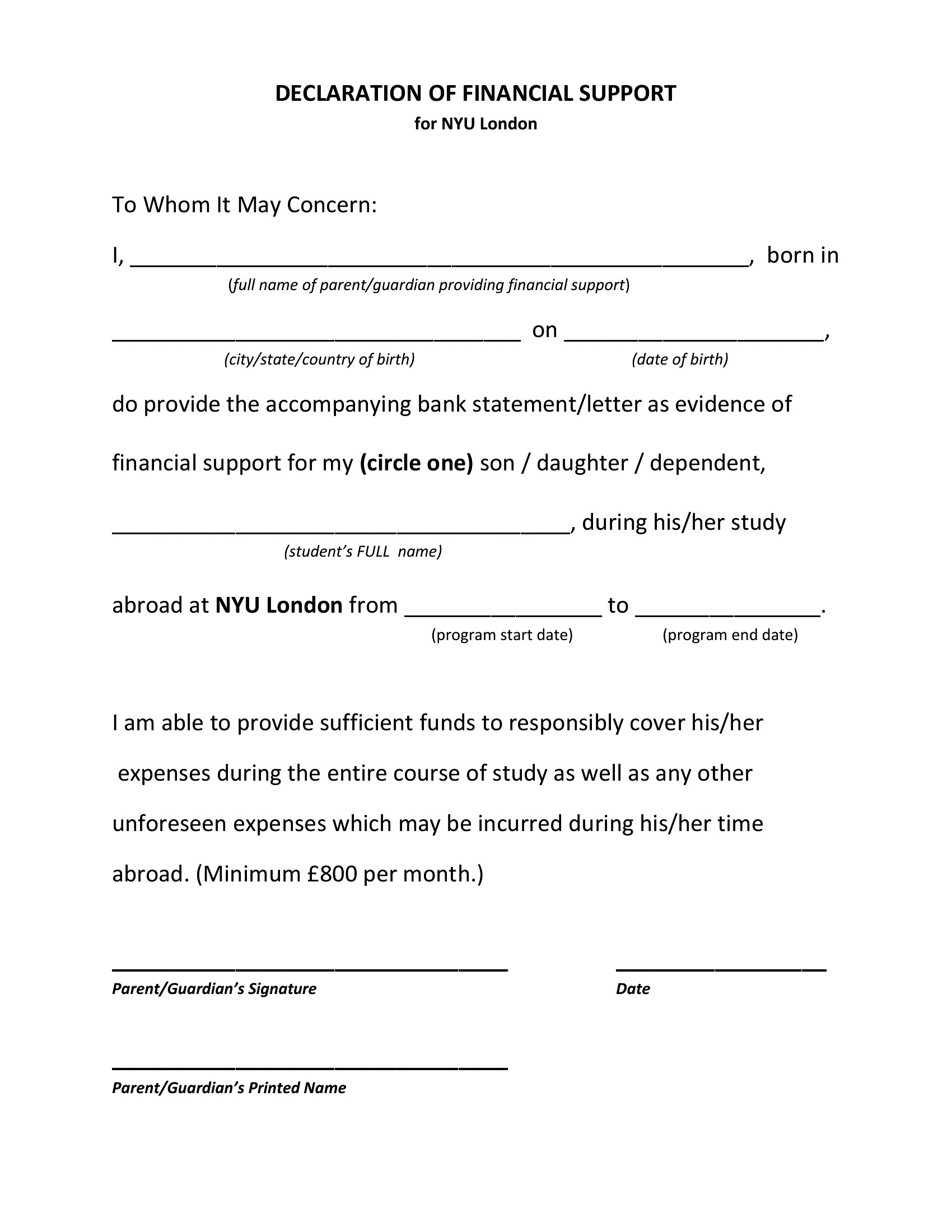
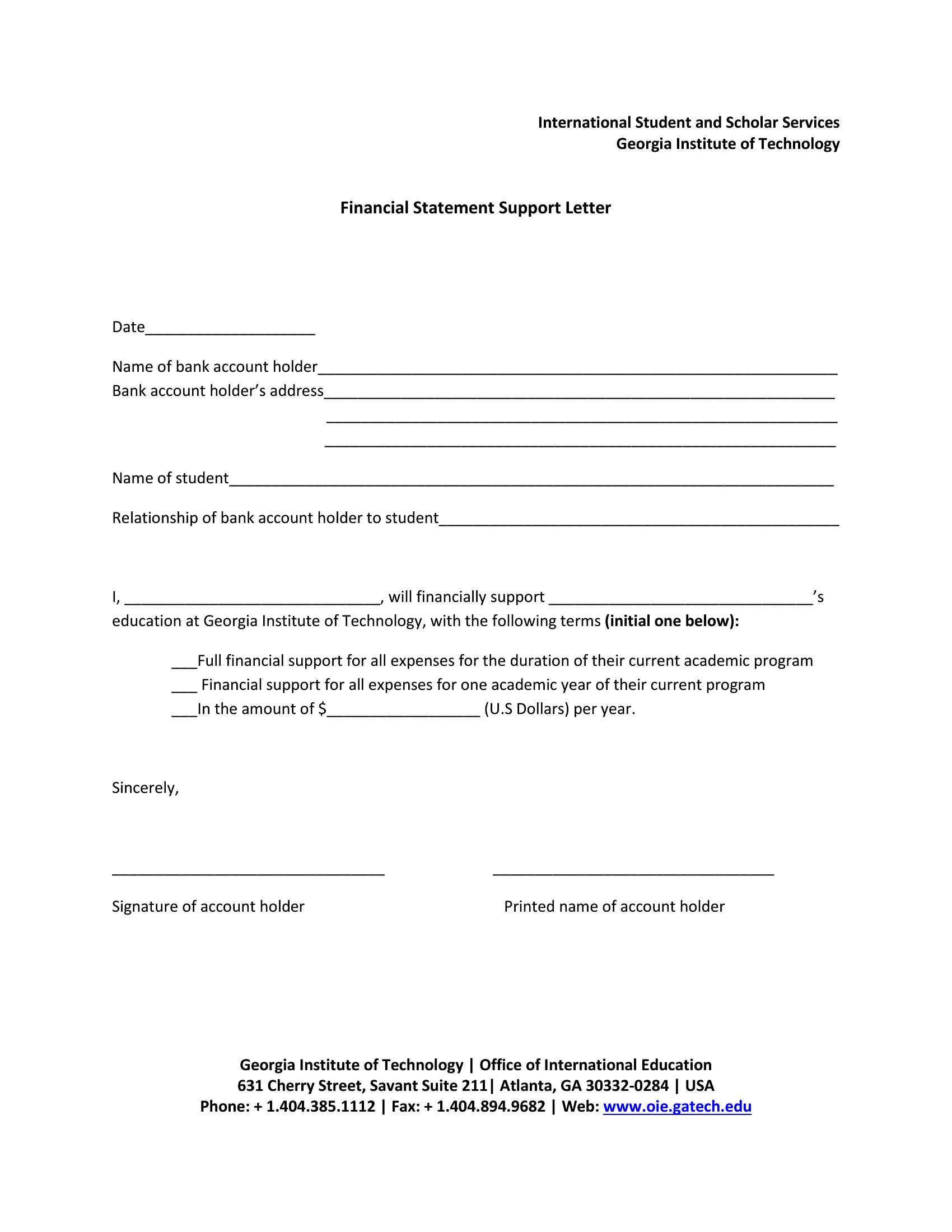
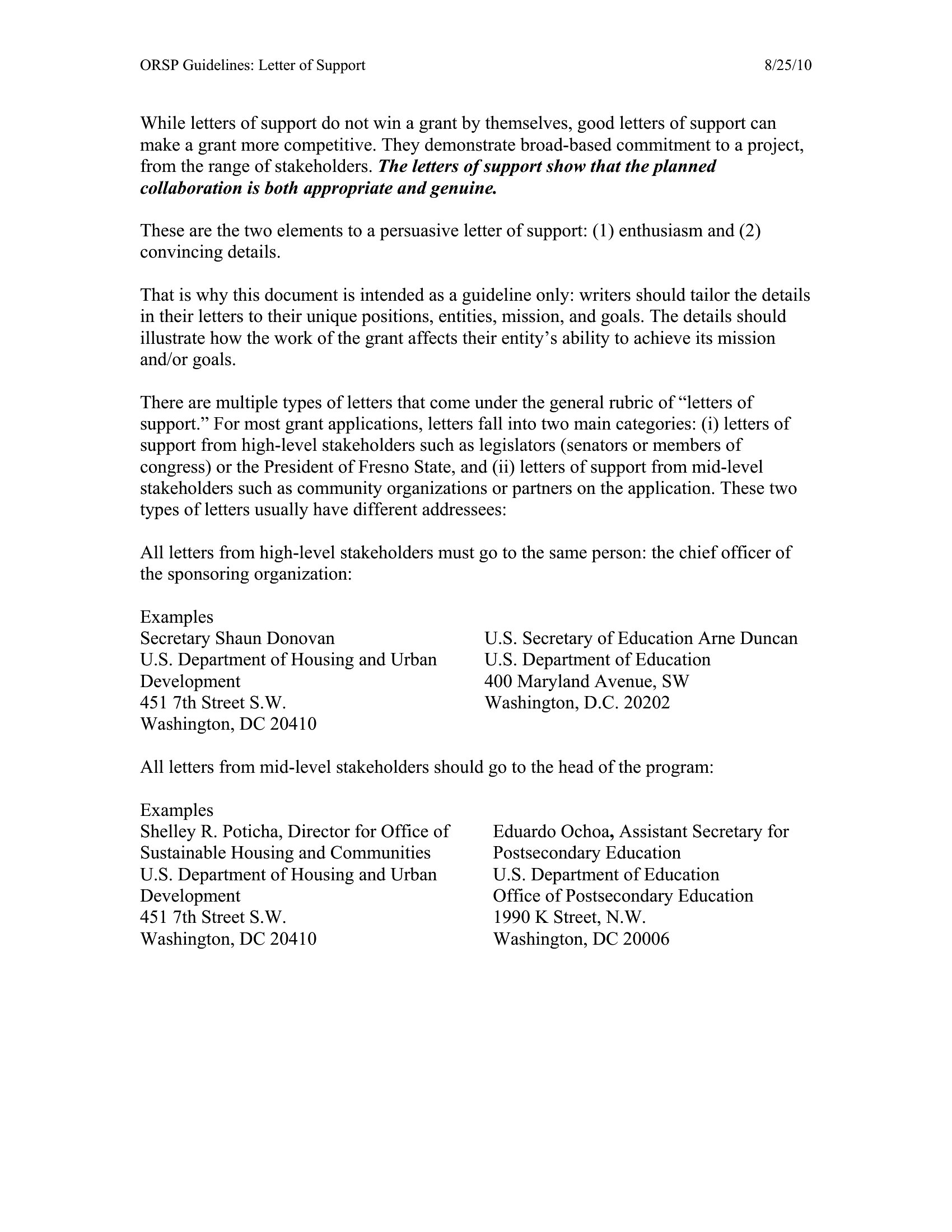
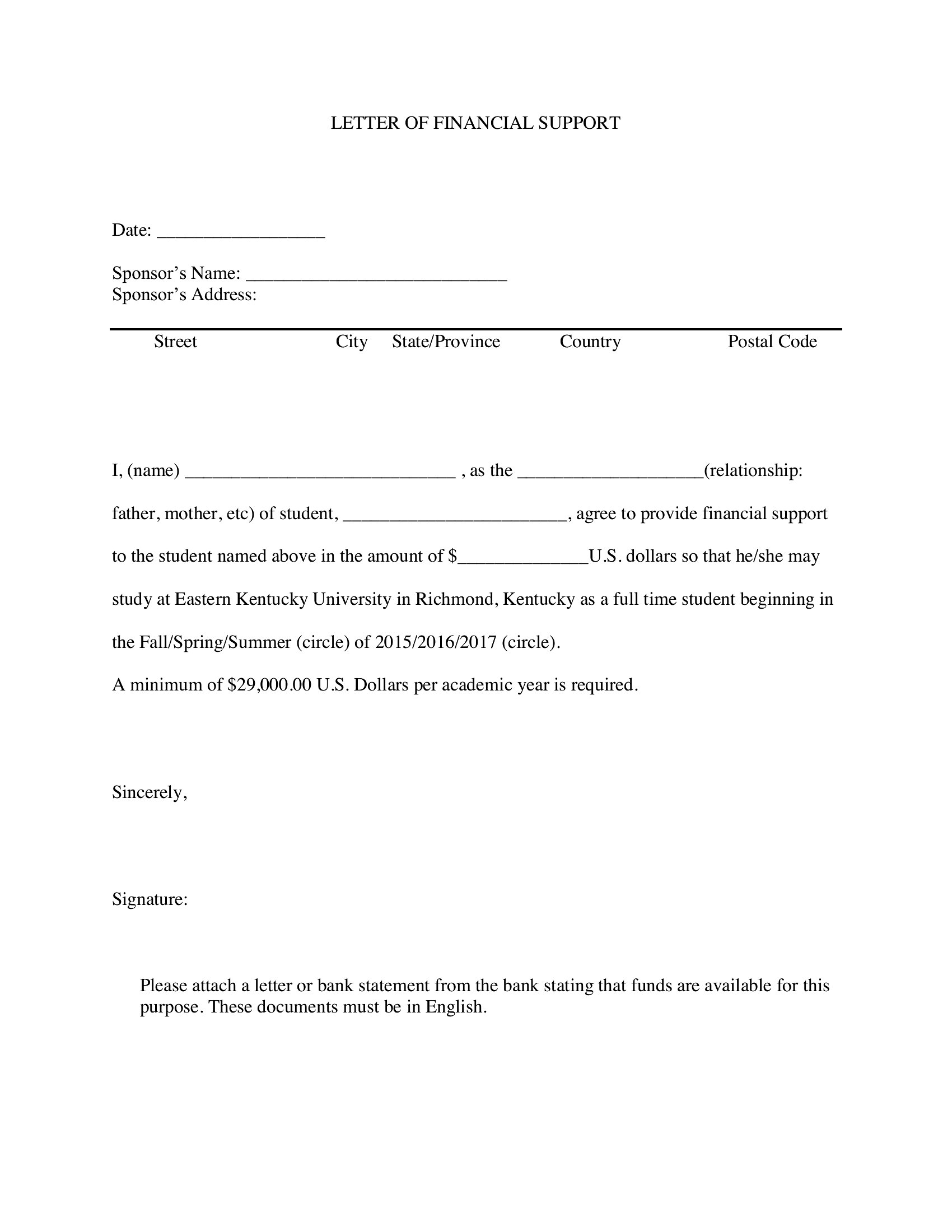
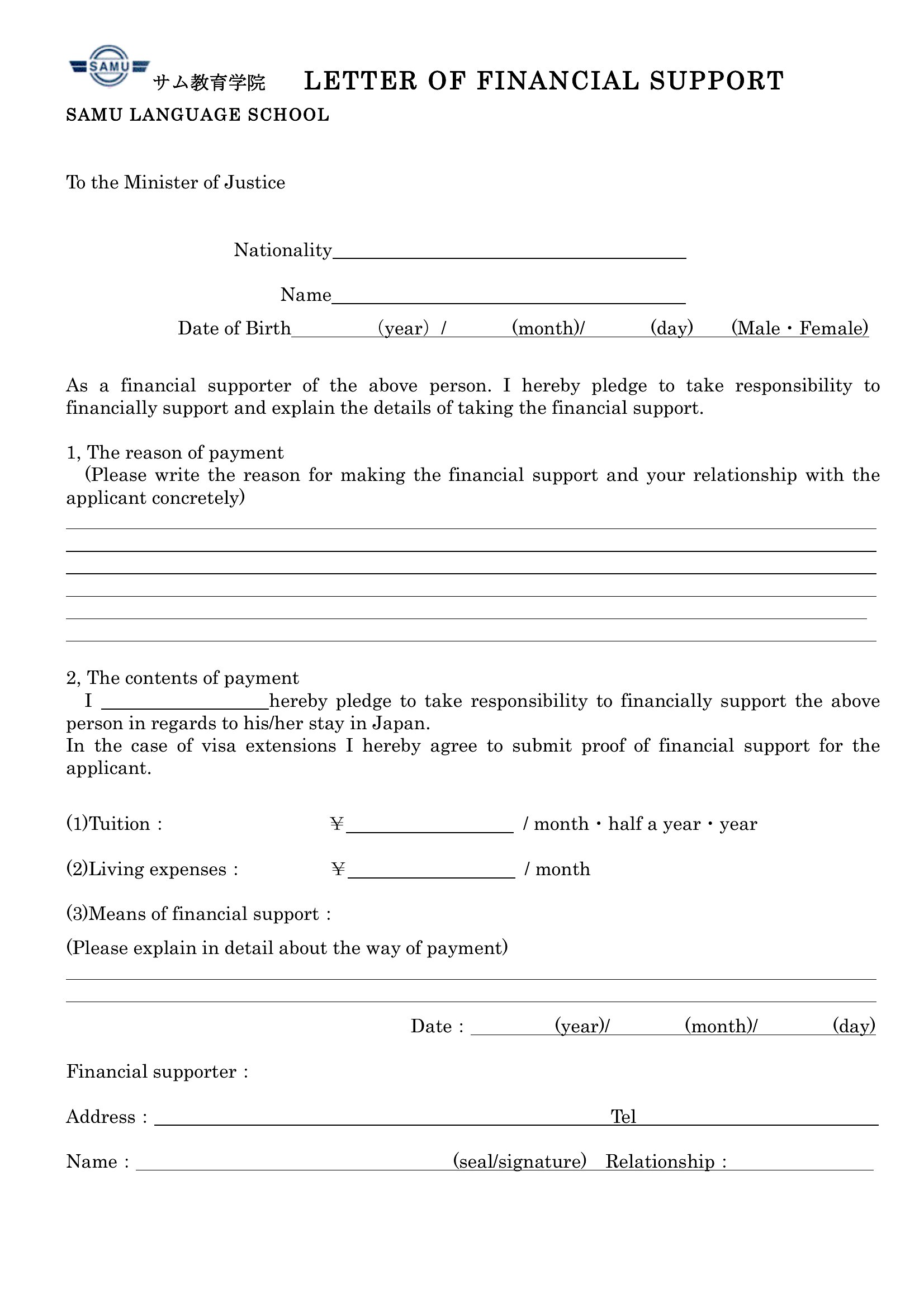
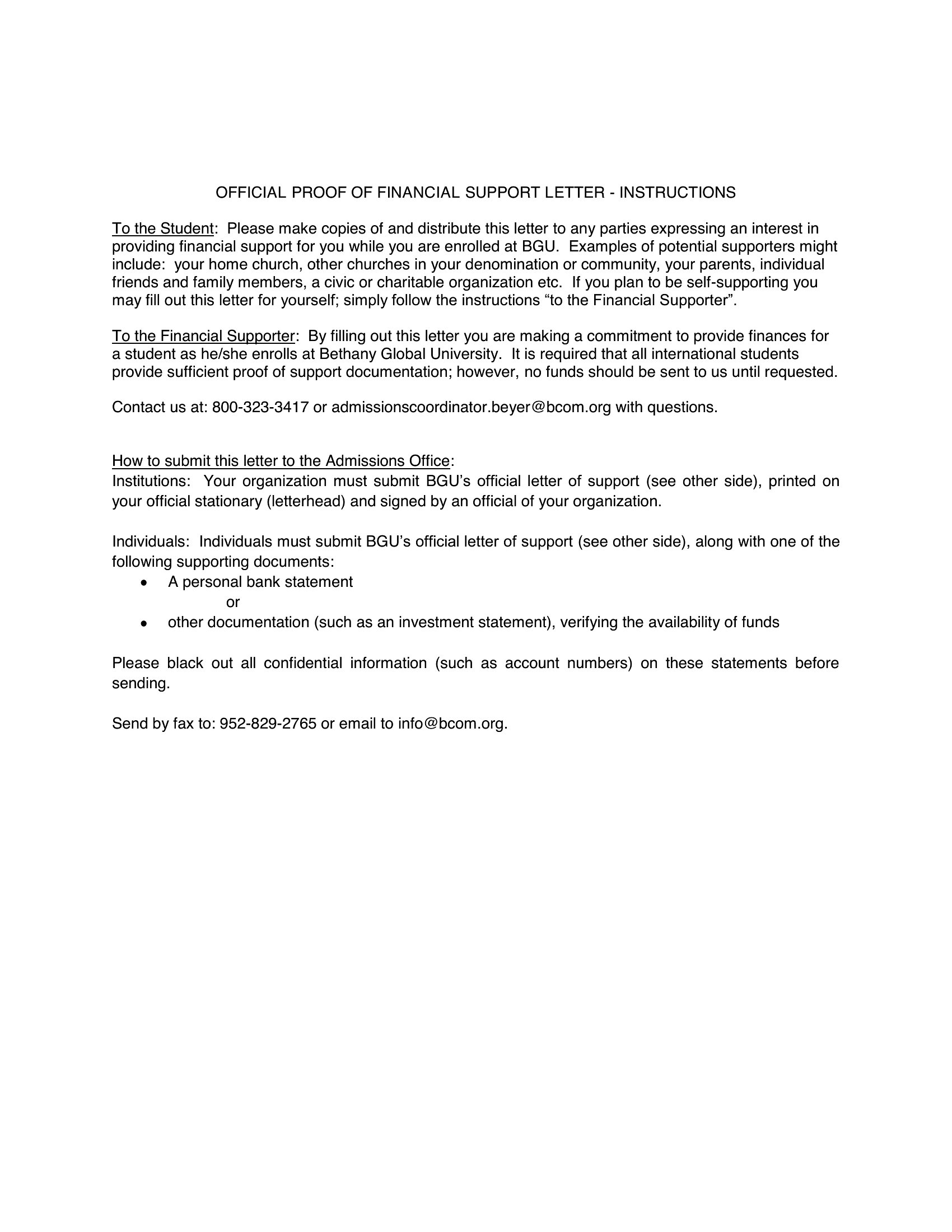
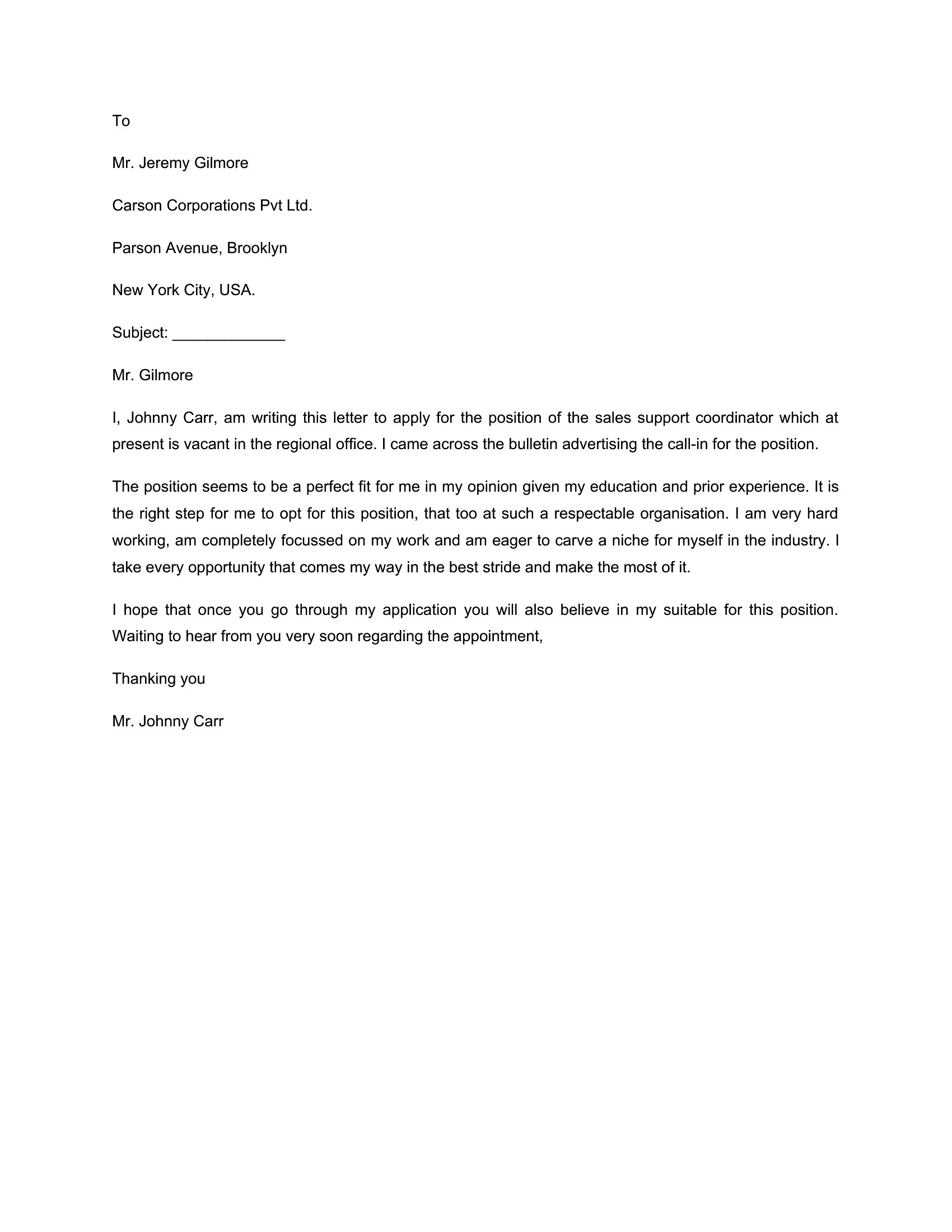
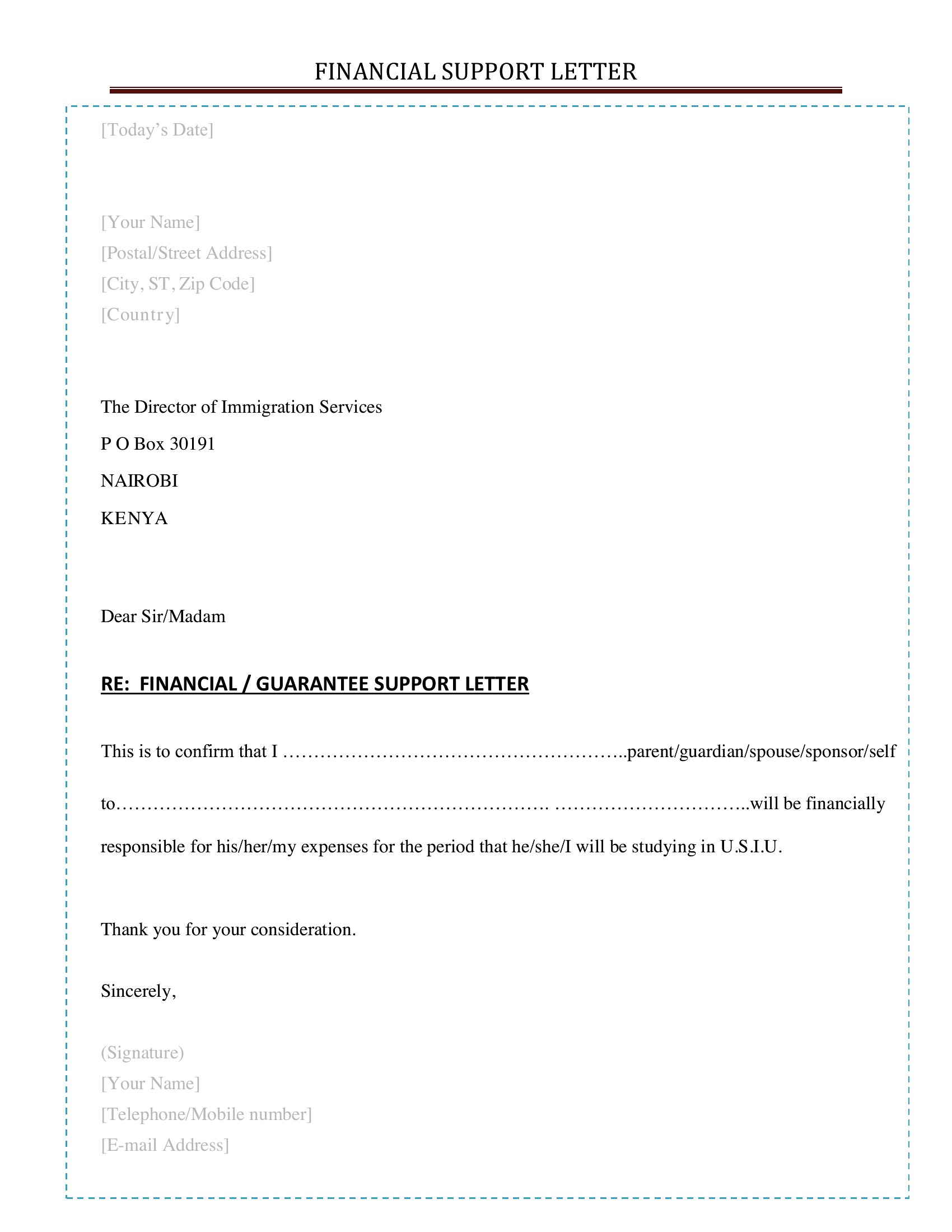
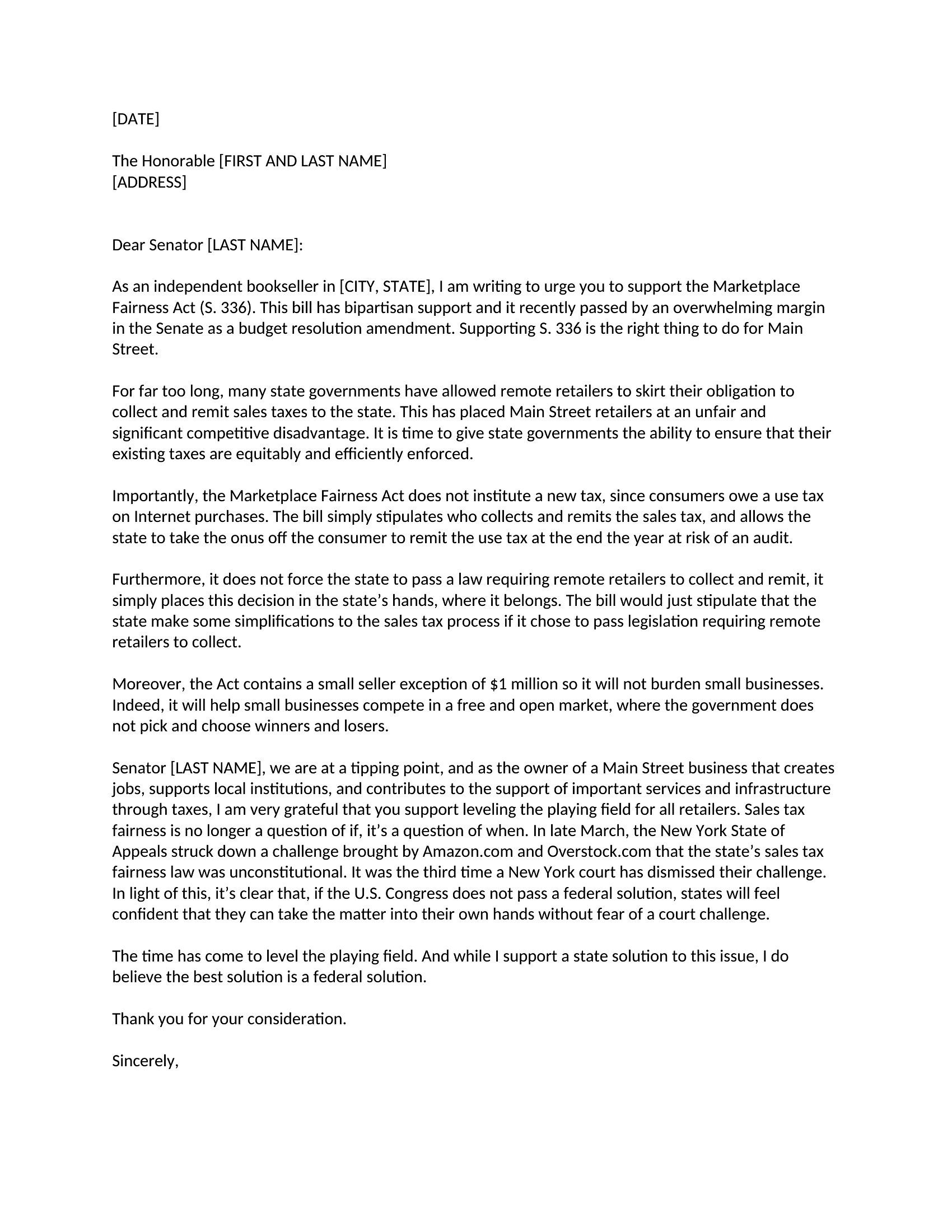
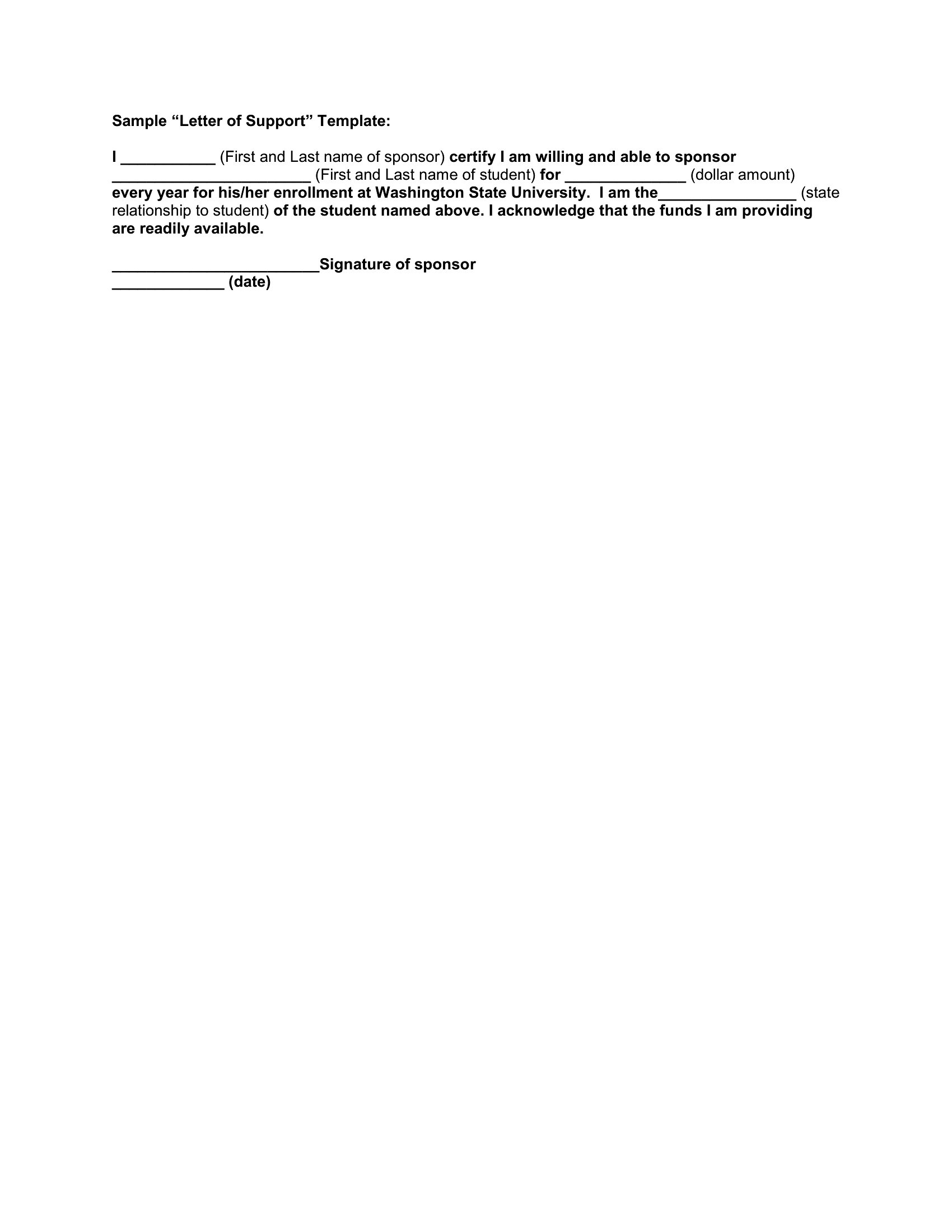
Free Letter of Support Templates (Word, PDF)
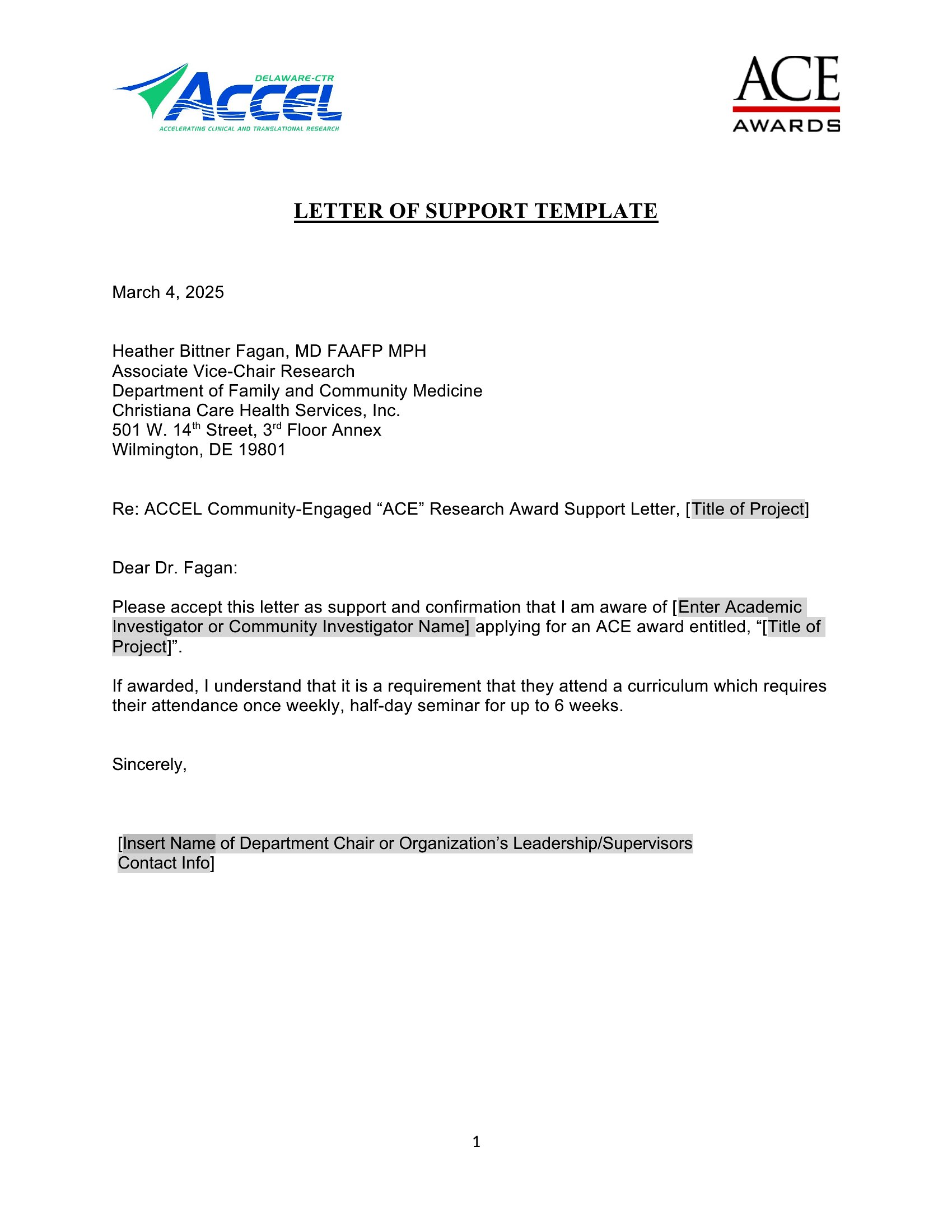
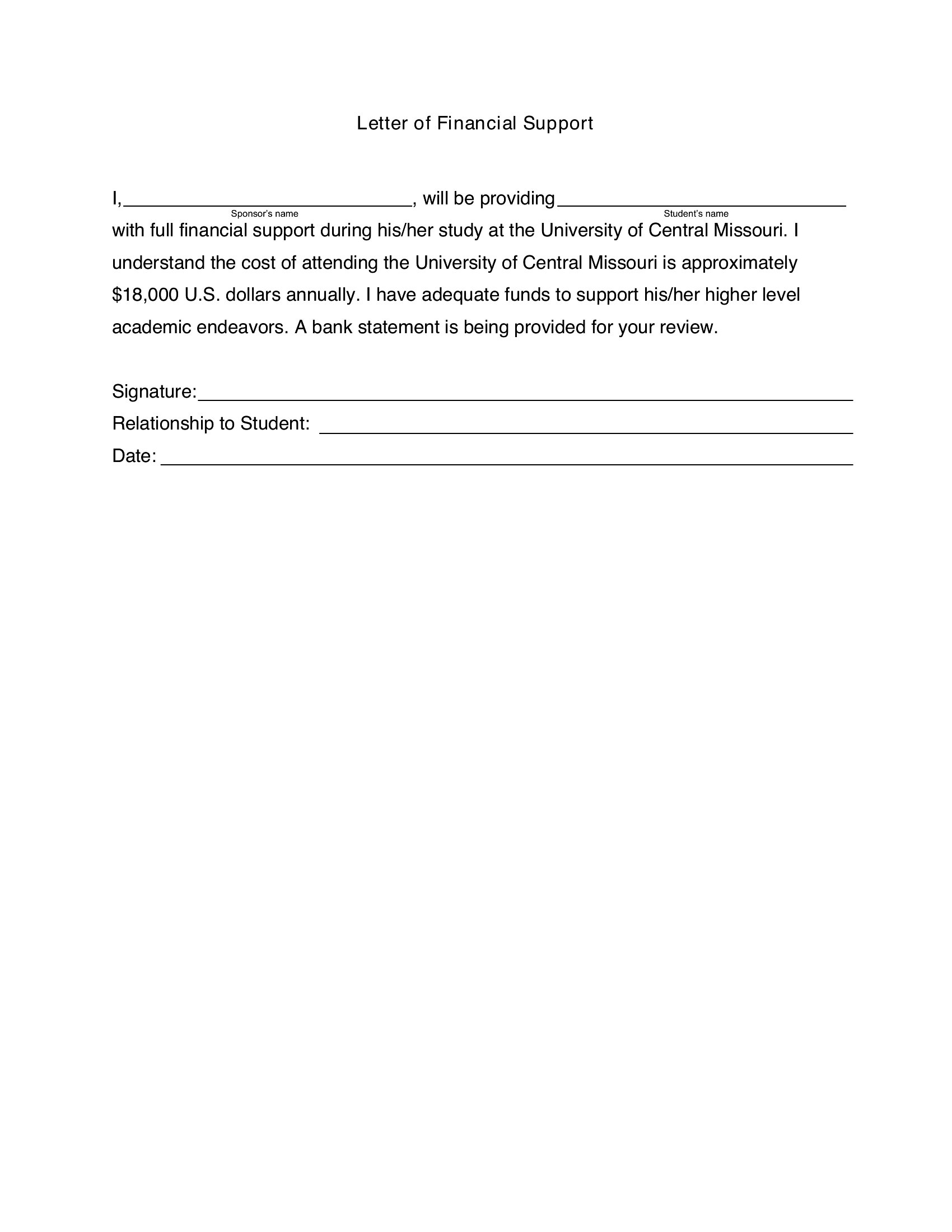
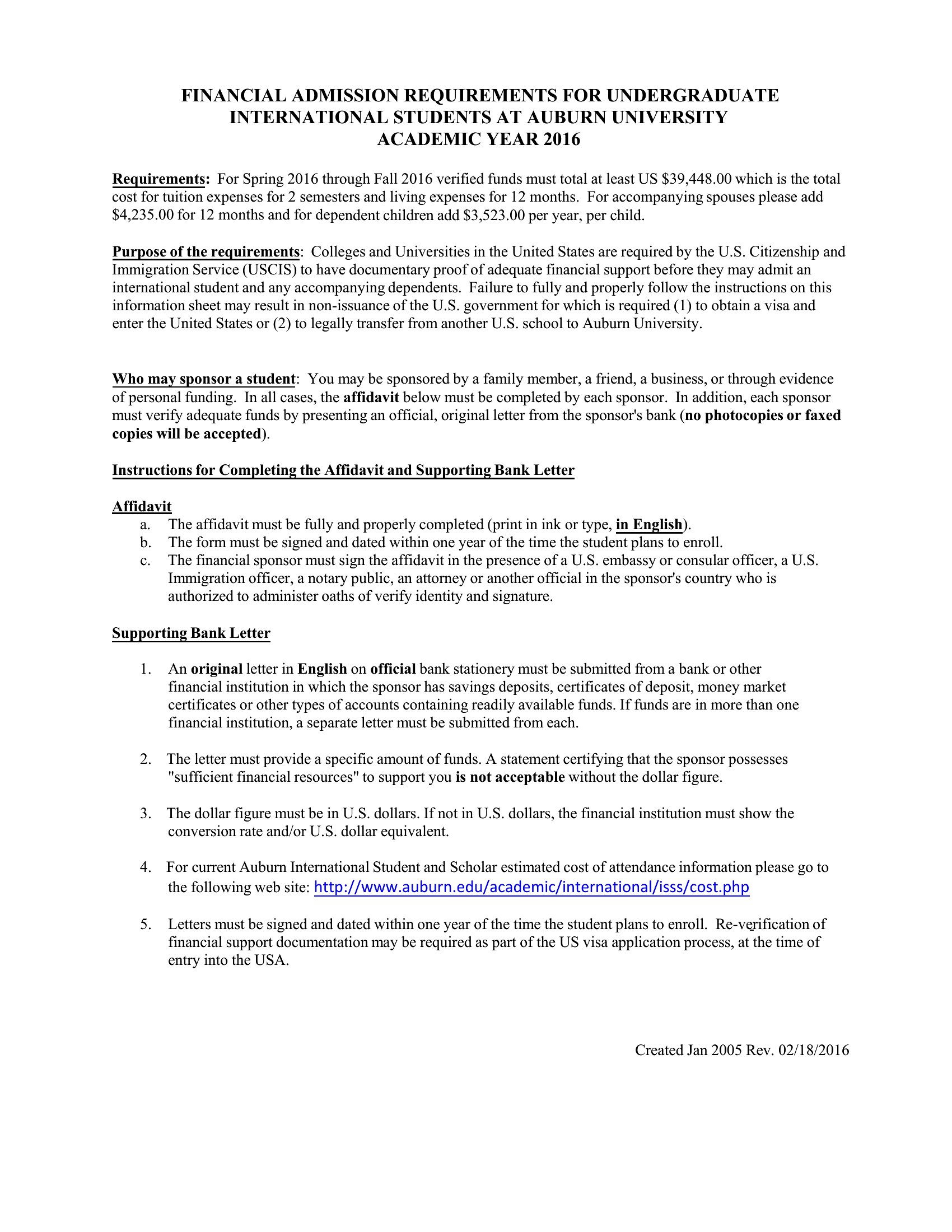
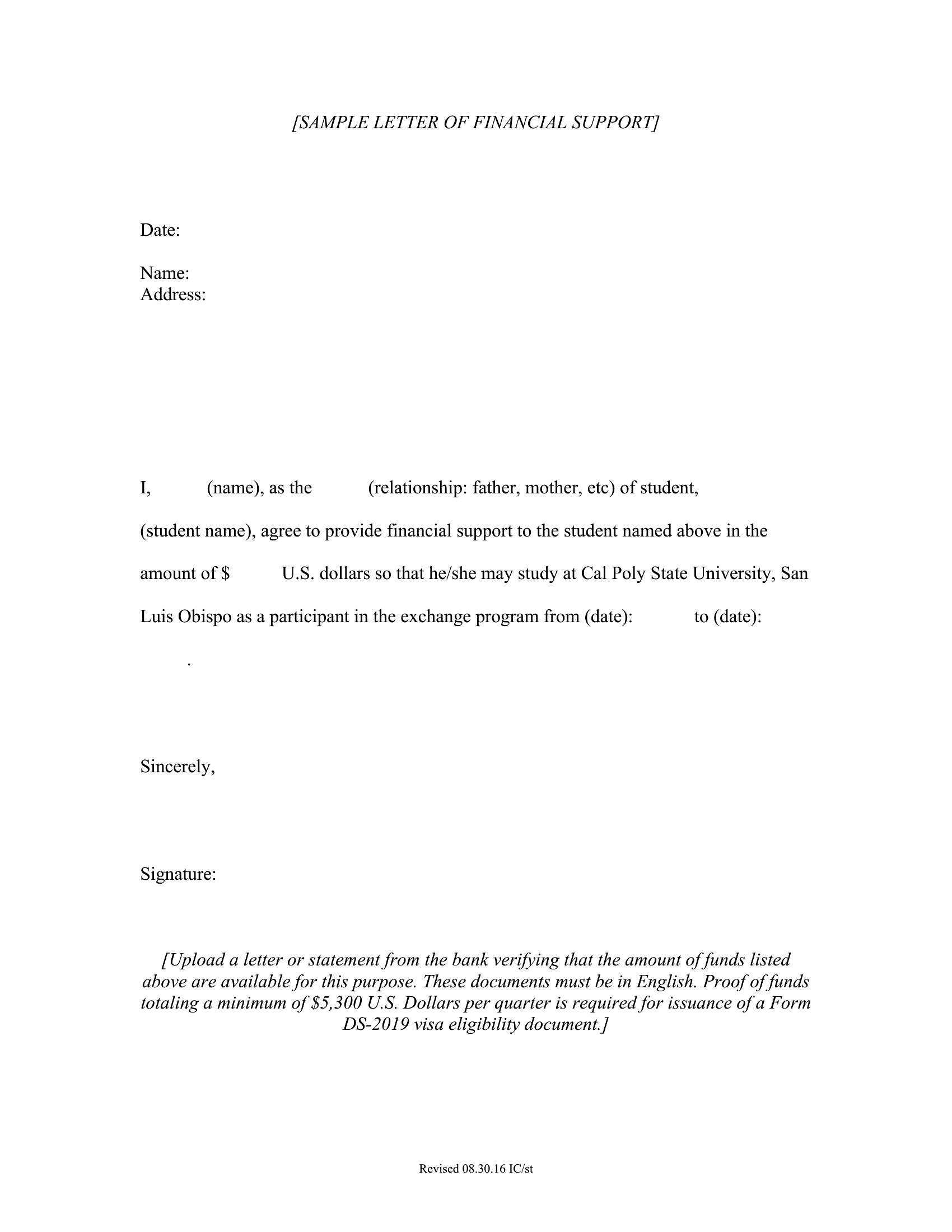
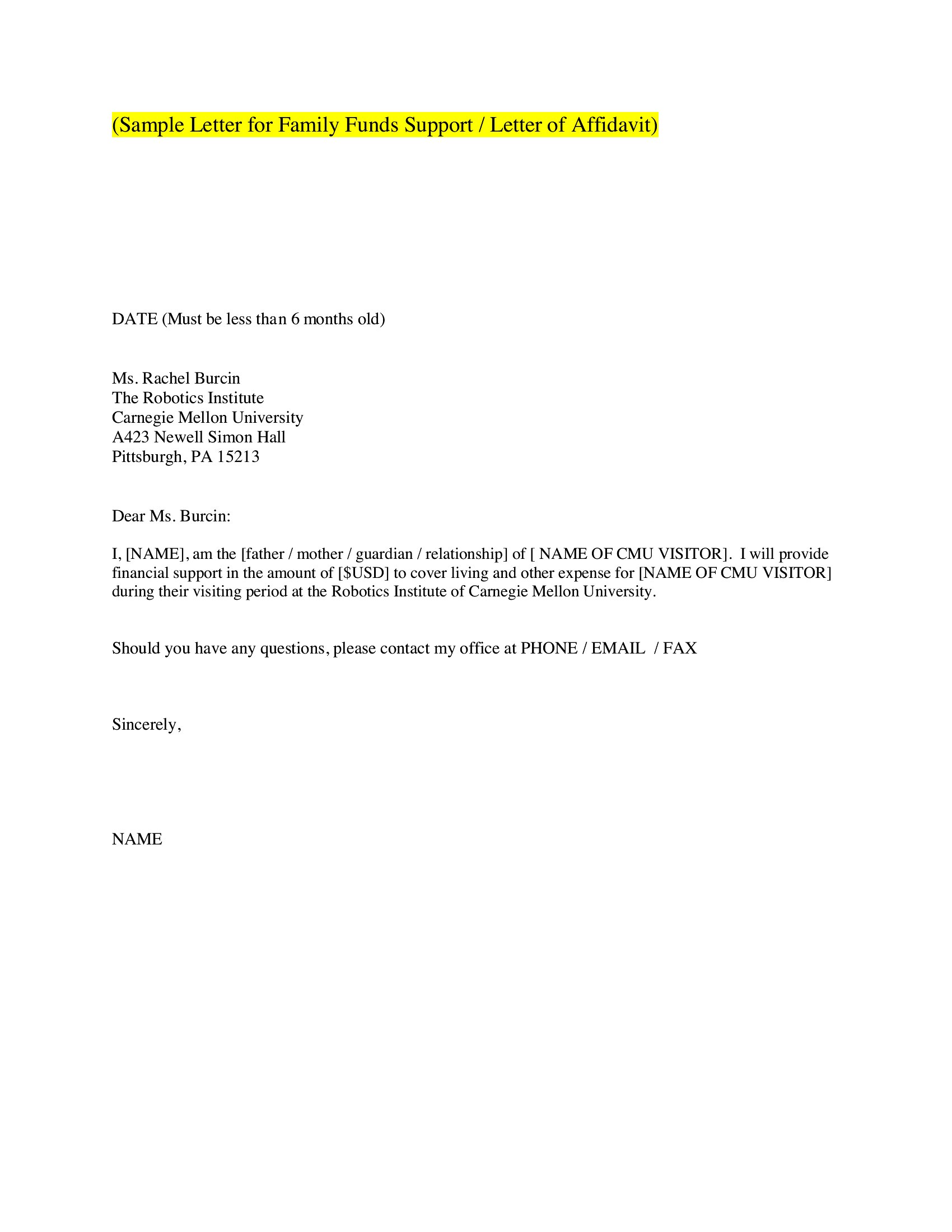
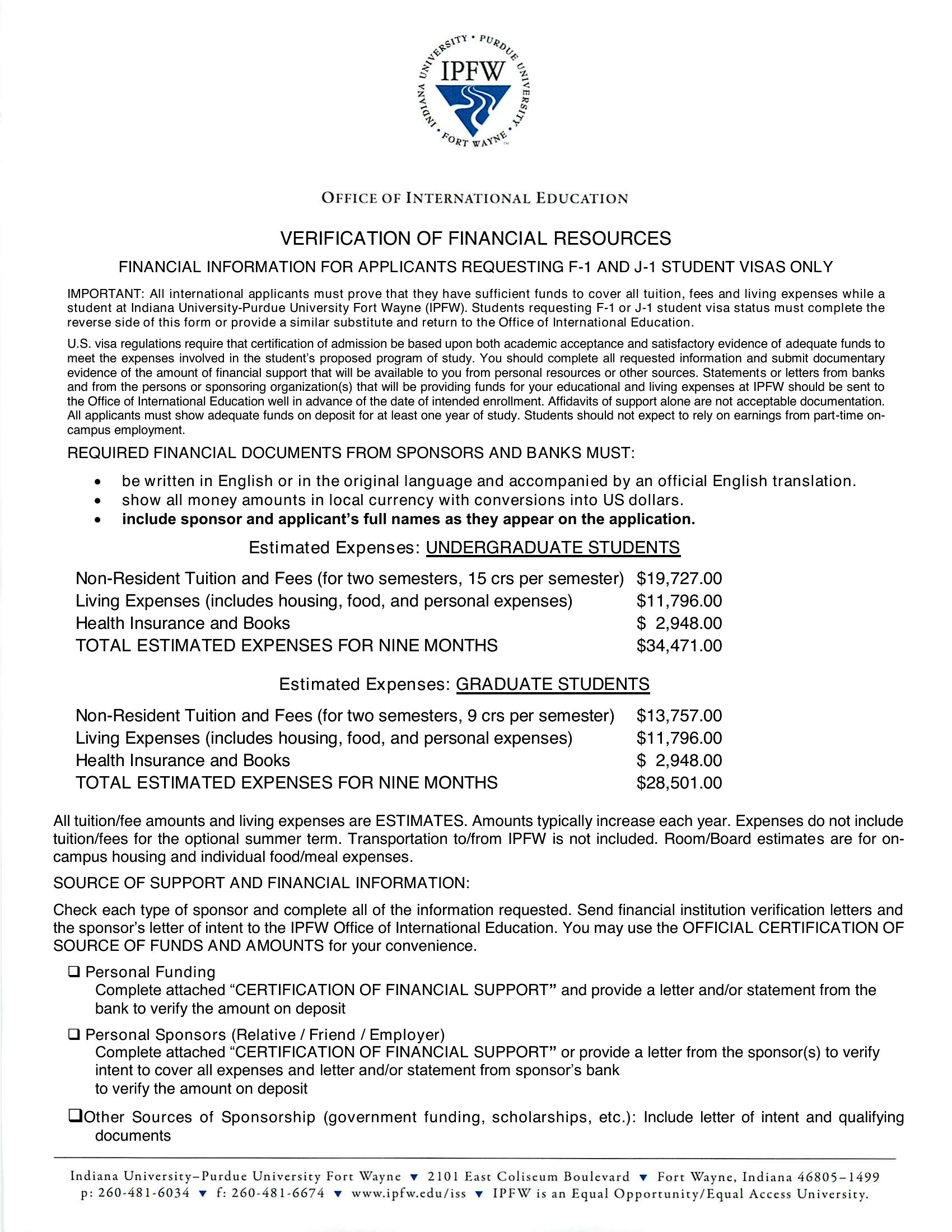
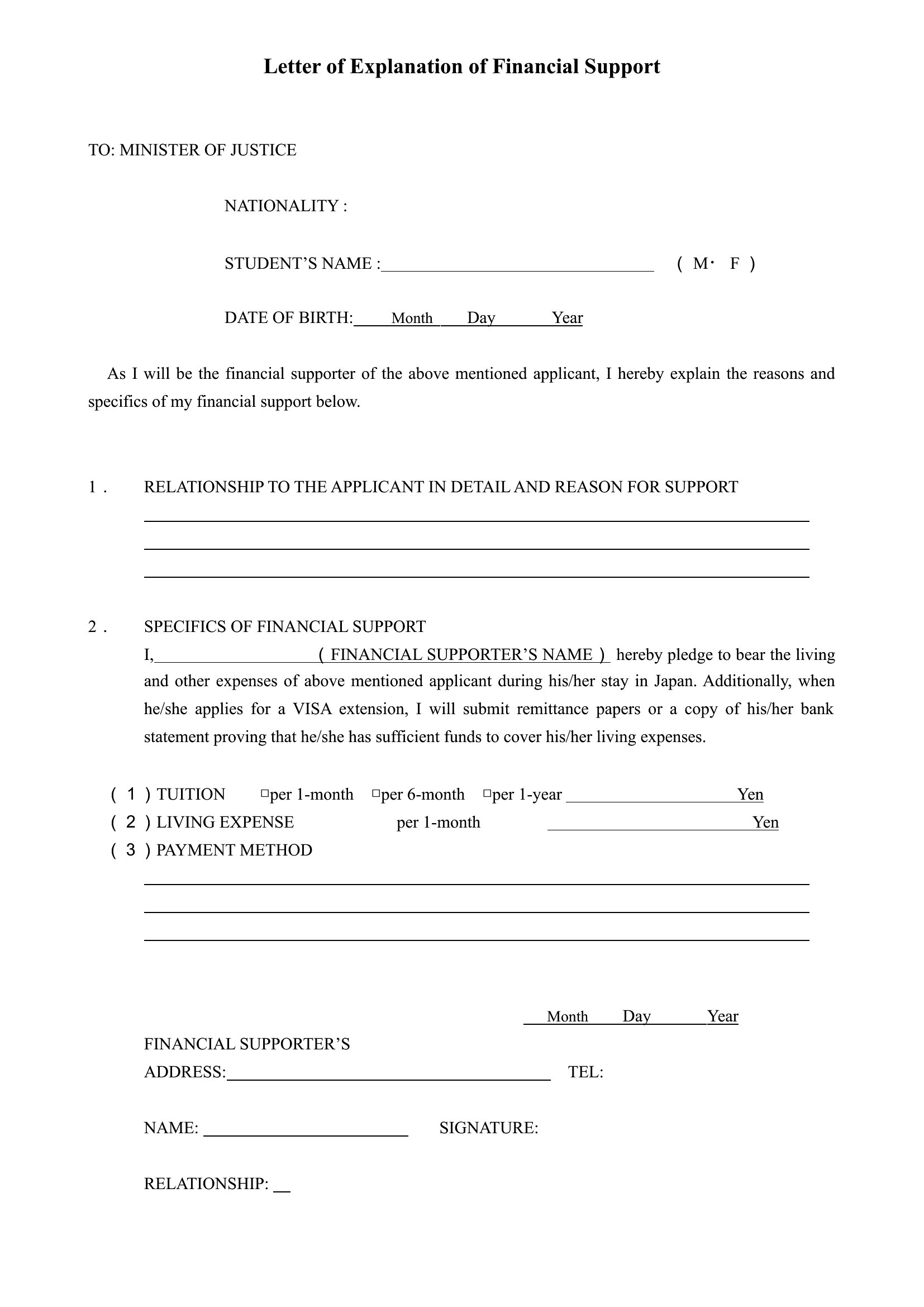
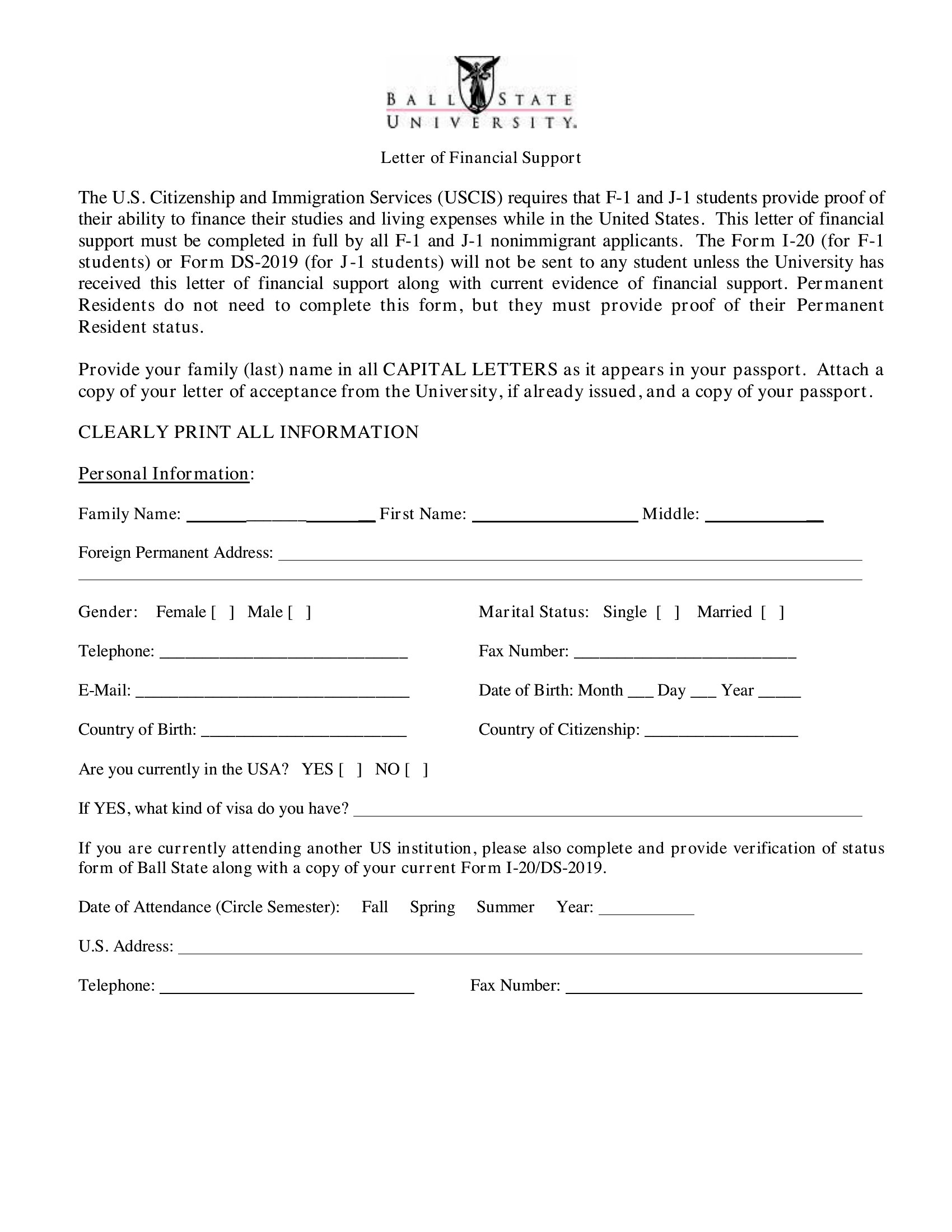
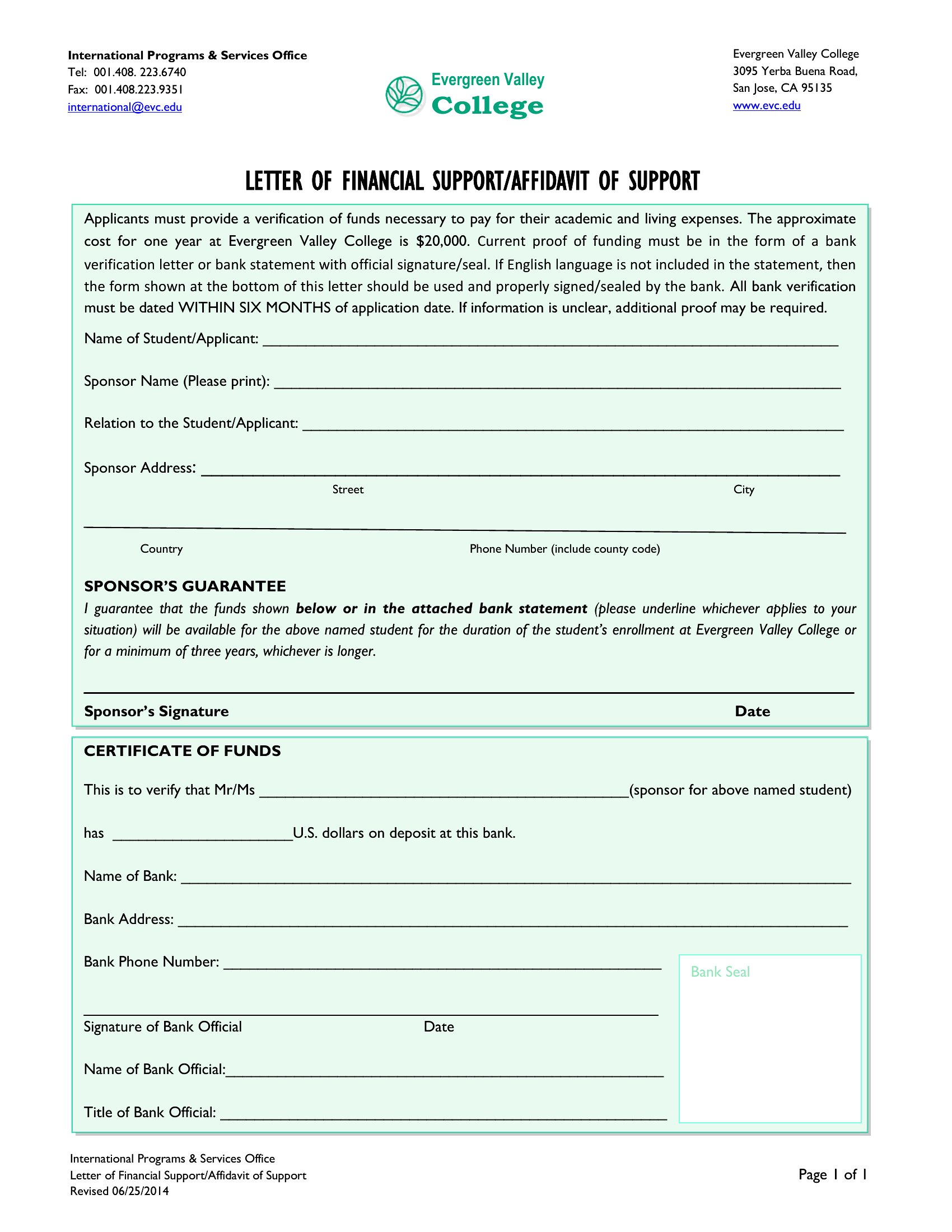
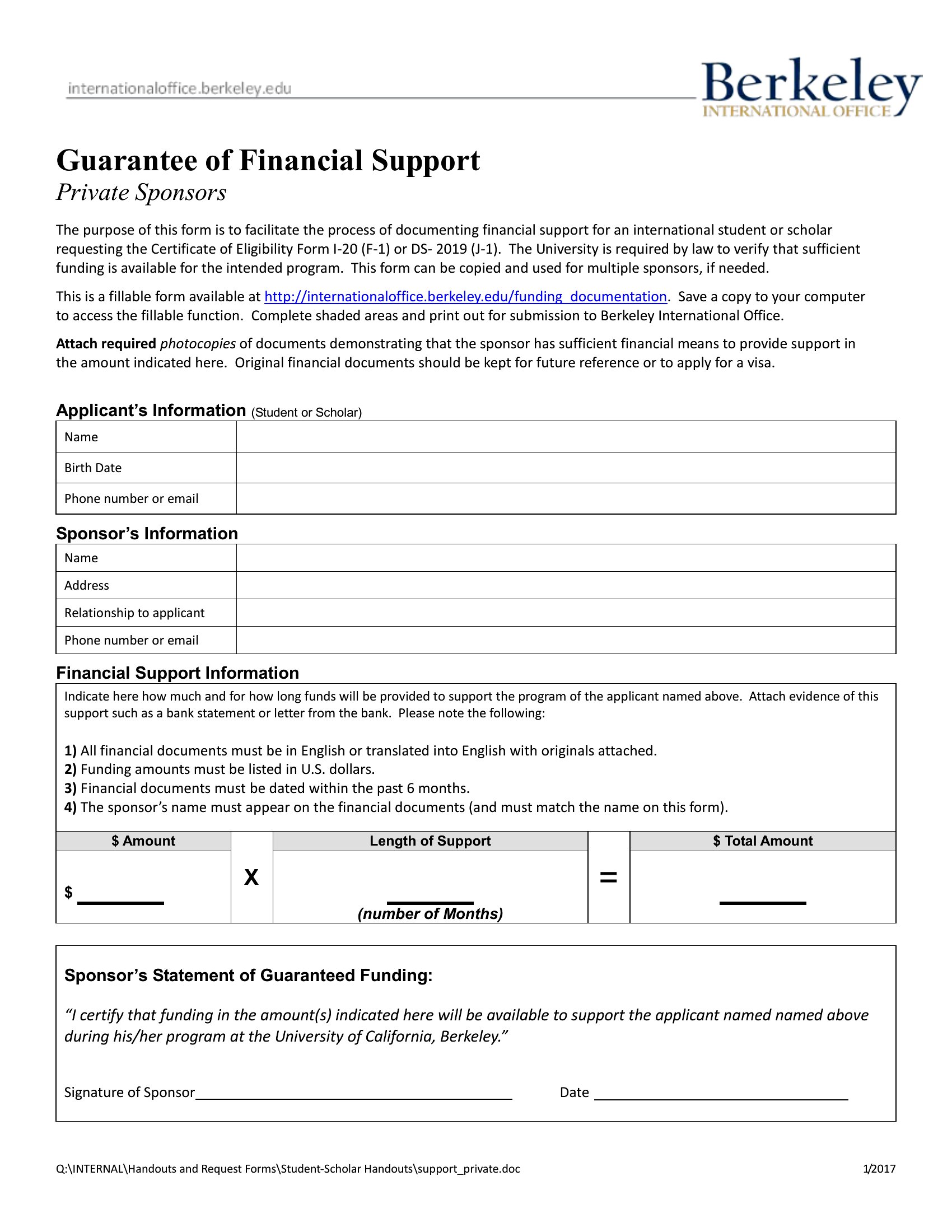
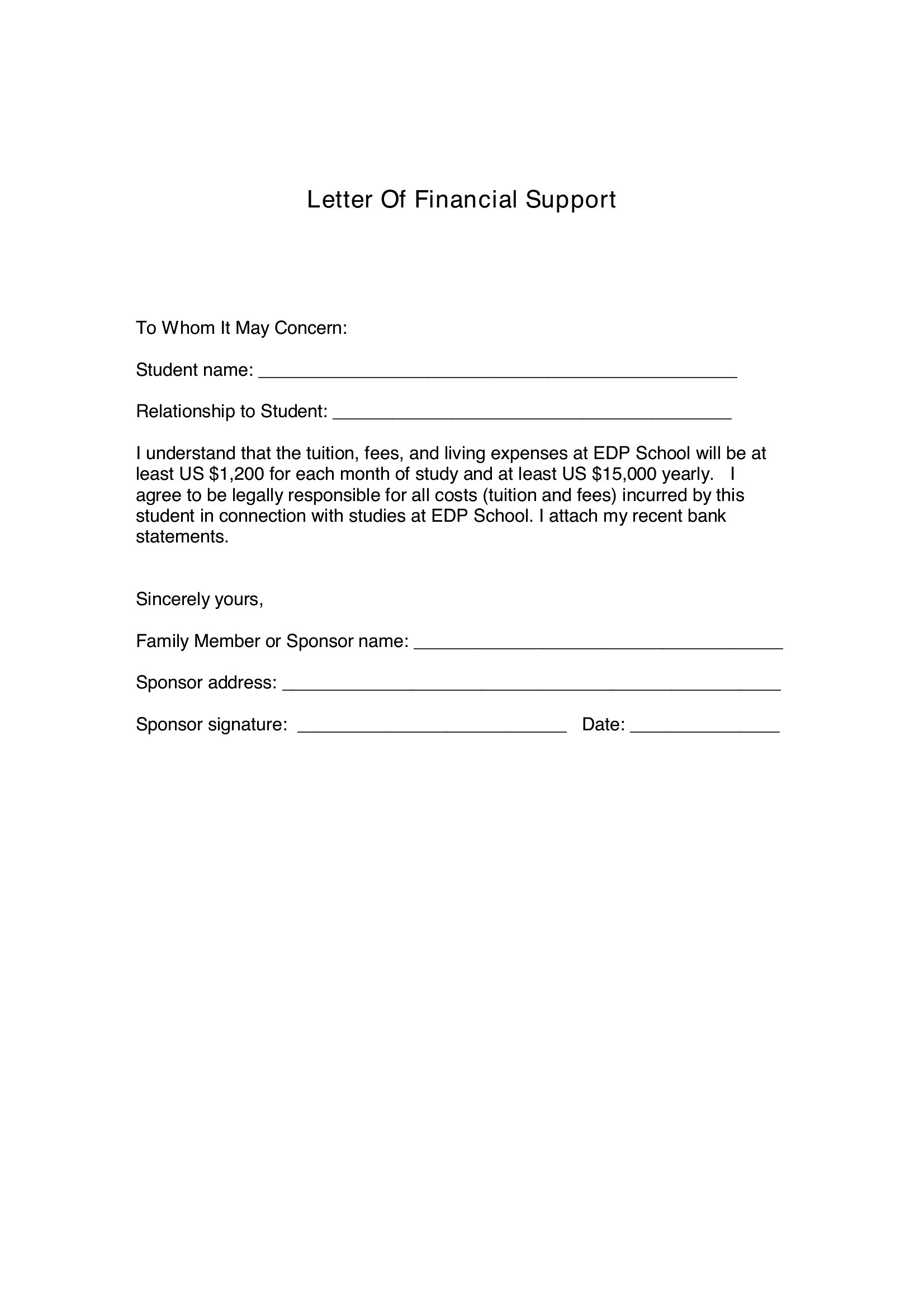
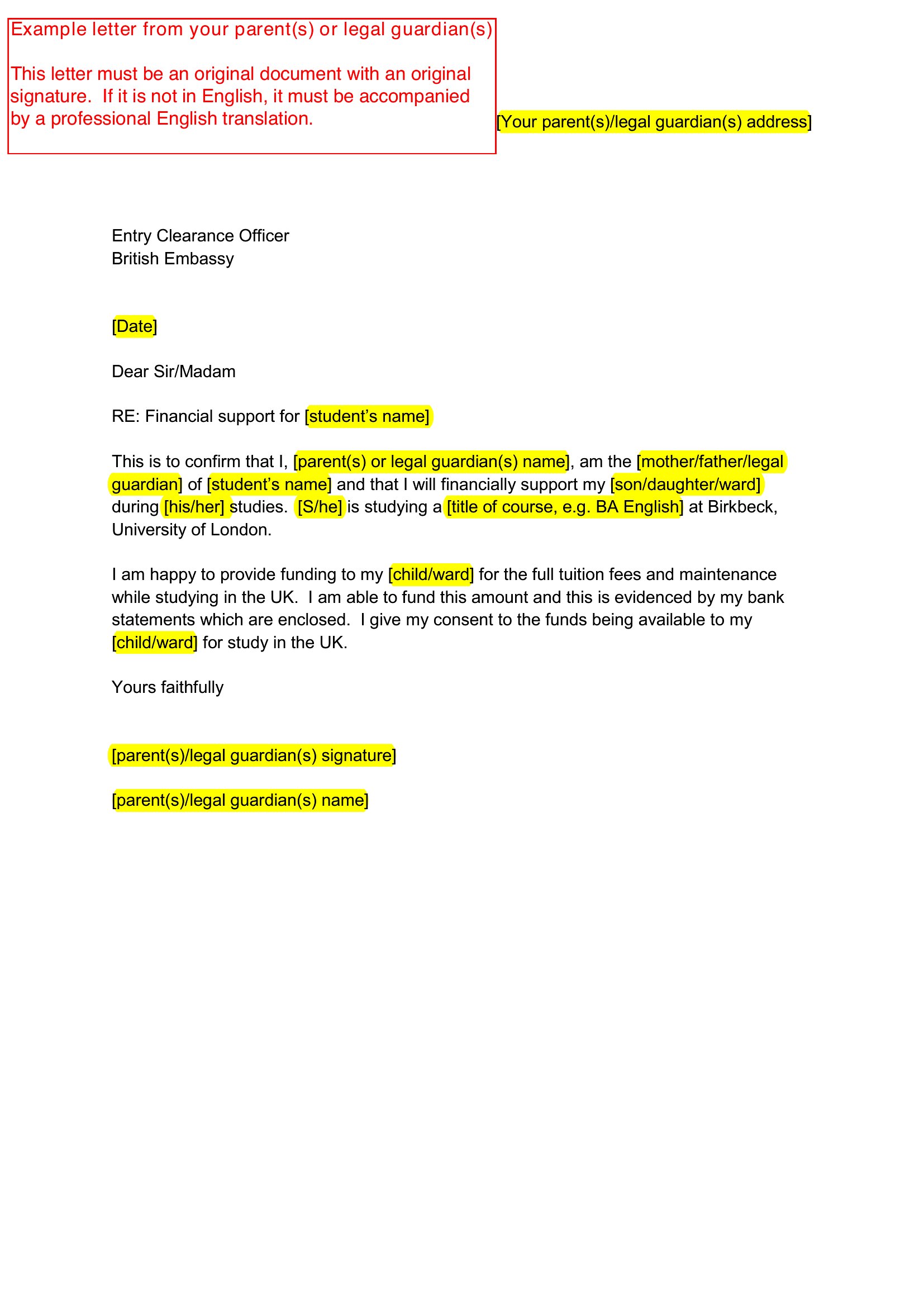
RecommendationsA strong letter of support can tip the balance on a grant application, an immigration case, or a community request. This collection of 40 templates helps you vouch for a person, project, or cause with specifics that carry weight. Nonprofit staff, supervisors, friends, and family members can find a structure that fits the situation instead of guessing at the right approach.
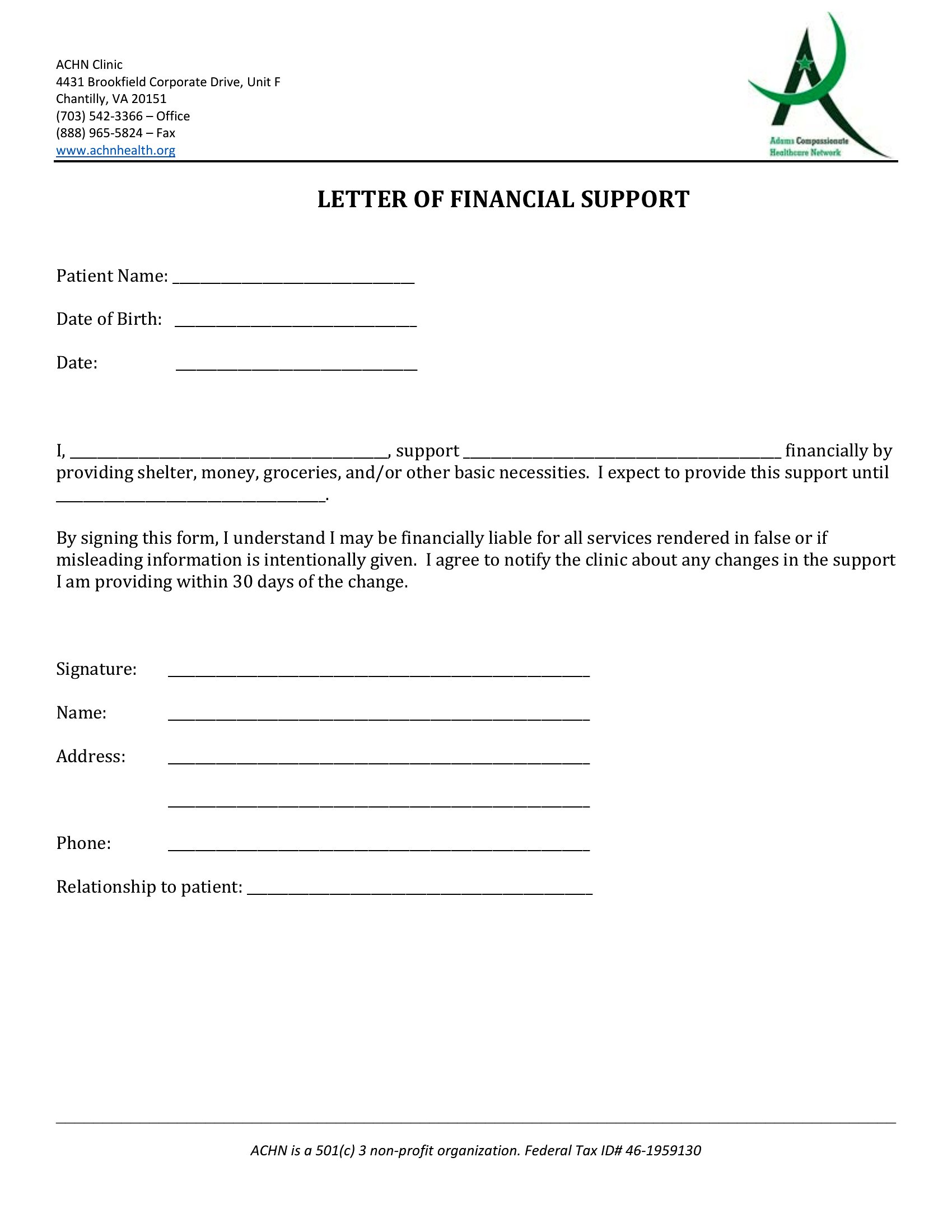
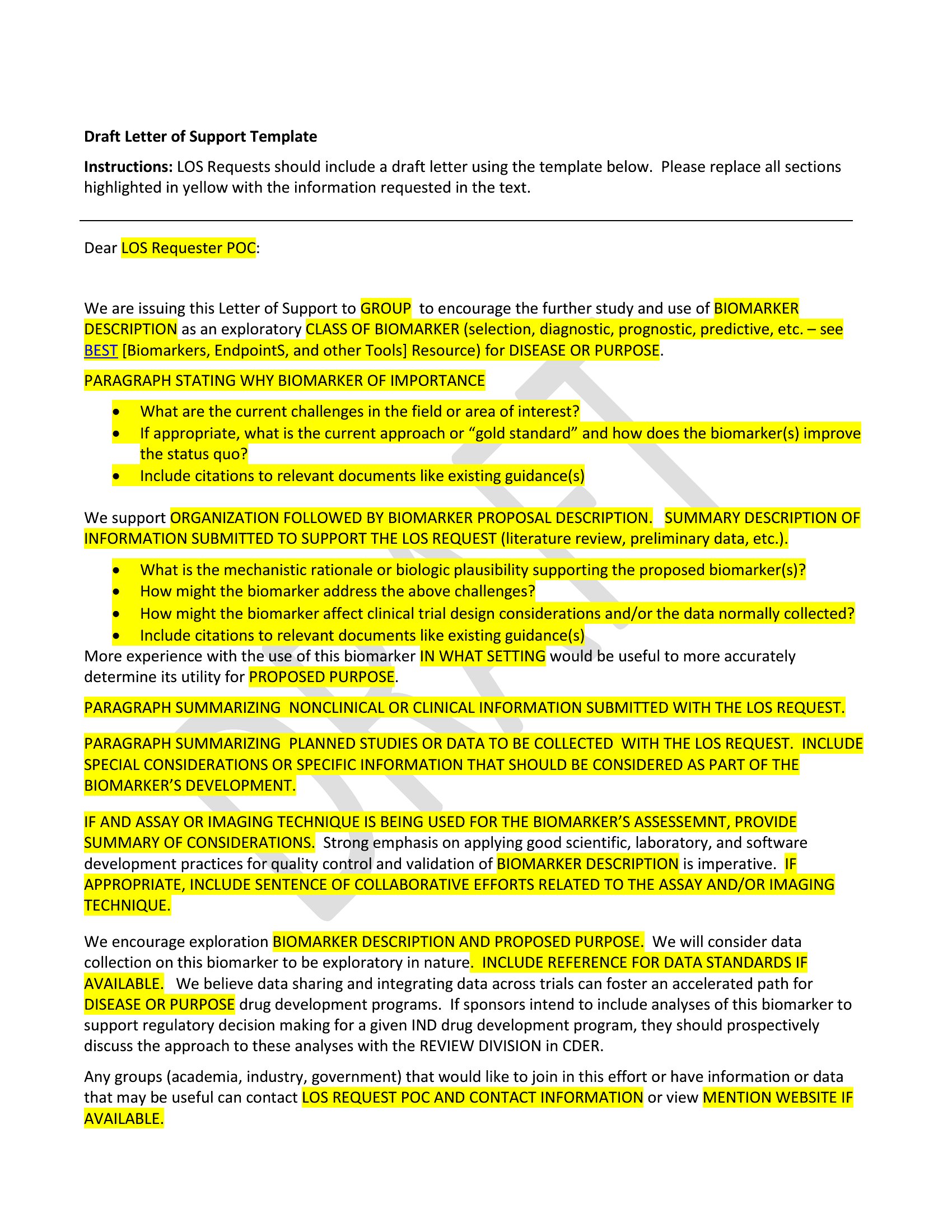
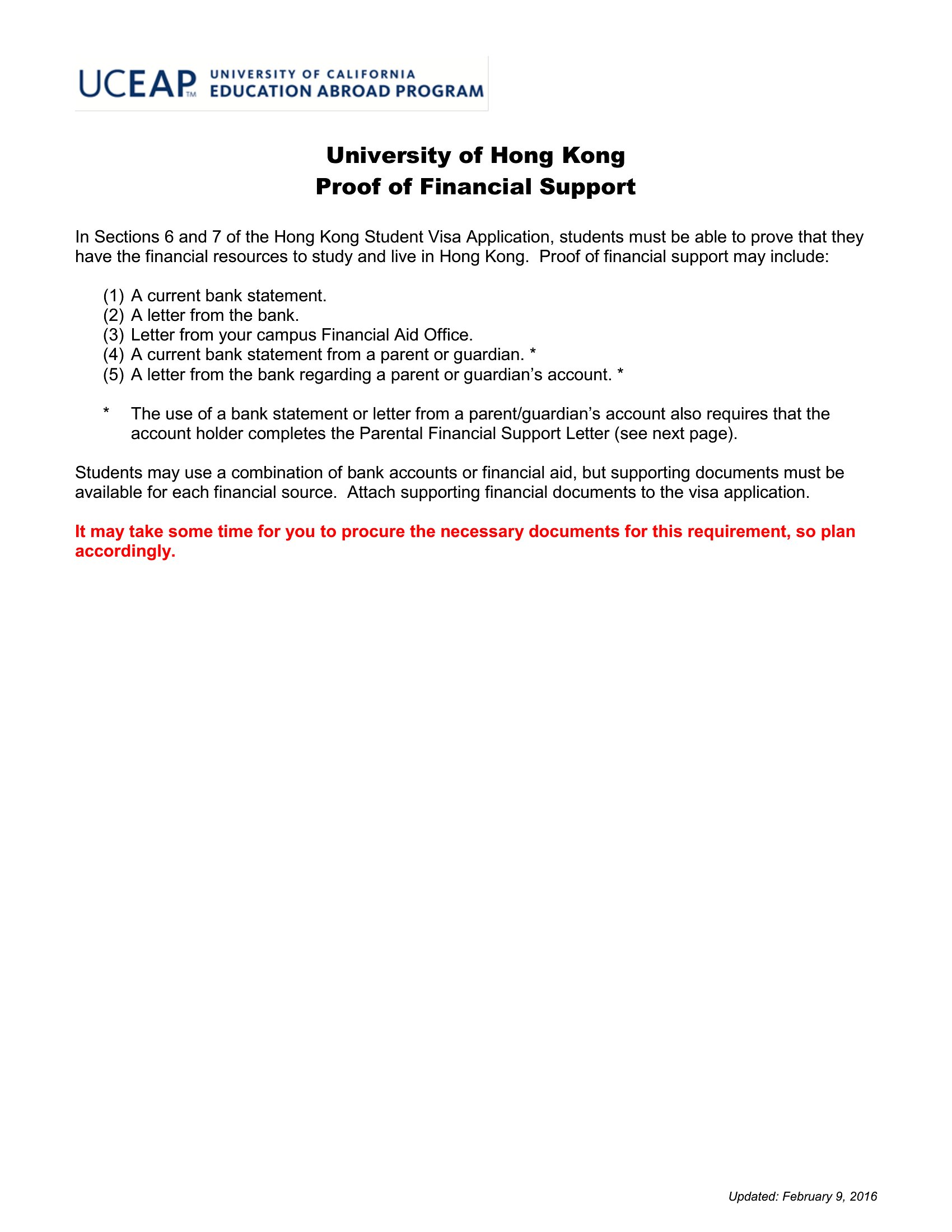
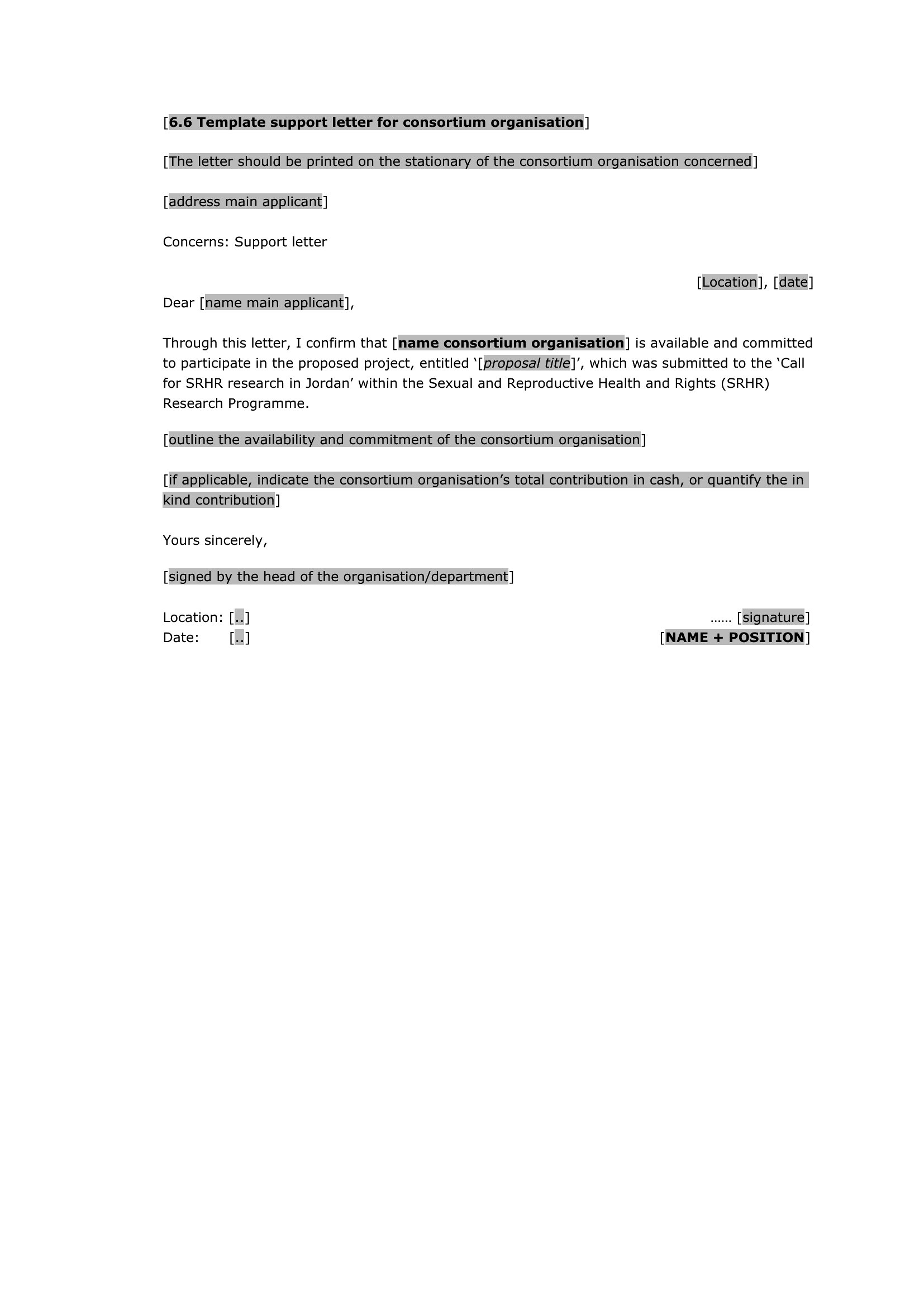
Each letter is editable in Word and available as a PDF for printing and signing. Fill in your relationship to the applicant, the reasons for your support, and concrete examples that back it up. Adjust the tone for a formal grant reviewer or a more personal appeal. Because some programs have strict format rules, check their guidelines first, then download the version that fits and write a letter that helps.
When to use this Letter of Support template
- A manager drafting a letter for a long-term employee applying for a promotion, highlighting their years of service and impact on team morale to strengthen their case internally.
- A nonprofit board member writing a letter to support a grant application for a local youth program, detailing measurable outcomes from past initiatives to persuade funders of the project’s potential.
- A close friend or family member composing a letter for a loved one seeking asylum, describing their character, circumstances, and contributions to the community to add a human touch to their legal case.
- A professor or mentor authoring a letter to recommend a student for a prestigious scholarship, emphasizing their academic achievements, research contributions, and leadership skills to stand out among other applicants.
Which format should I download?
Choose Word if you need to customize the letter repeatedly, such as tailoring multiple drafts for individual grants or scholarships—it’s editable and allows for easy revisions. Opt for PDF if you’re submitting the letter as part of a formal application or legal filing where a polished, non-editable version is required, reducing the risk of accidental changes. For letters tied to immigration or legal processes, PDF ensures the formatting remains intact if the document needs to be submitted in official capacities. Both formats are identical in design, so your choice depends on workflow needs, not aesthetics.
Choose from 40 Letter of Support Templates
How to use this Letter of Support template
How do I make my letter of support feel personal without including unnecessary details?
Focus on specific examples that demonstrate the person’s qualities, like a time they went above and beyond in a project or how they’ve positively impacted others. Avoid generic praise—mention names, dates, or outcomes to ground your support in real experiences. For instance, instead of saying ‘they’re a team player,’ describe a collaborative effort where their input directly improved results. This keeps the tone authentic while making your letter compelling.
Can I use a letter of support template for a business partner, and what details should I include?
Yes, but adapt the template to highlight the business partner’s professional strengths, such as their reliability, industry expertise, or past successes in collaborations. Include specific metrics (e.g., ‘increased revenue by 20% through their strategic partnerships’) or examples of how they’ve upheld their commitments. If the letter is for a loan or investment, emphasize their financial stability and the project’s potential ROI. Keep the tone professional but confident—avoid vague statements like ‘they’re trustworthy’ without proof.
What’s the best way to structure a letter of support for someone I barely know but want to vouch for professionally?
Start by clearly stating your relationship to the person (e.g., ‘colleague of three years’ or ‘professor in their field’) to establish credibility. Focus on observable traits—like their work ethic, problem-solving skills, or contributions to shared goals—rather than personal qualities. For example, if you’ve worked together on a project, describe their role and the tangible results. Keep the letter concise and objective; avoid exaggerations or assumptions about their character. Transparency about your limited personal knowledge builds trust with the reader.
Comments
Join the conversation
Sign in to share your thoughts and leave a comment on this resource.