Free Prime Numbers Chart Templates (Word, PDF)
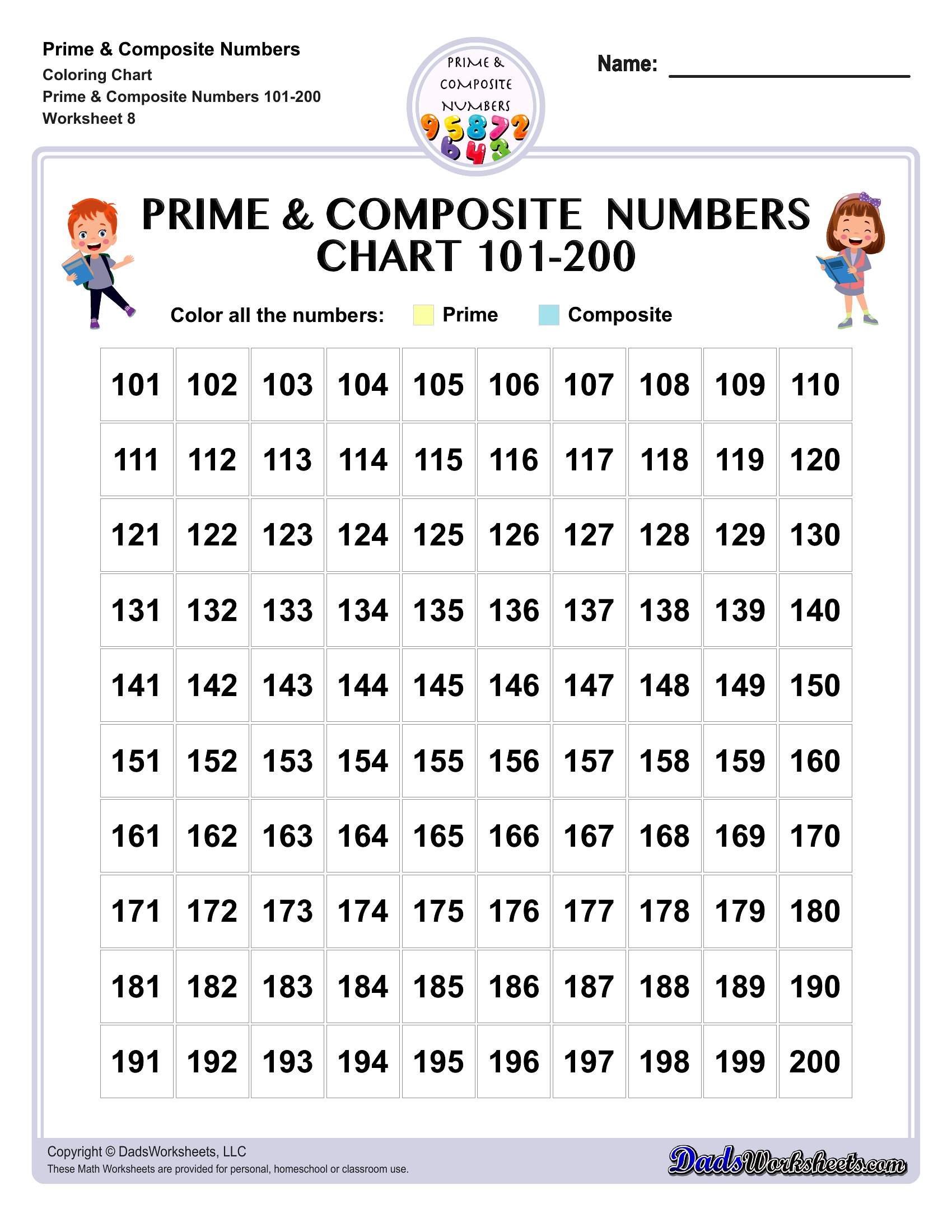
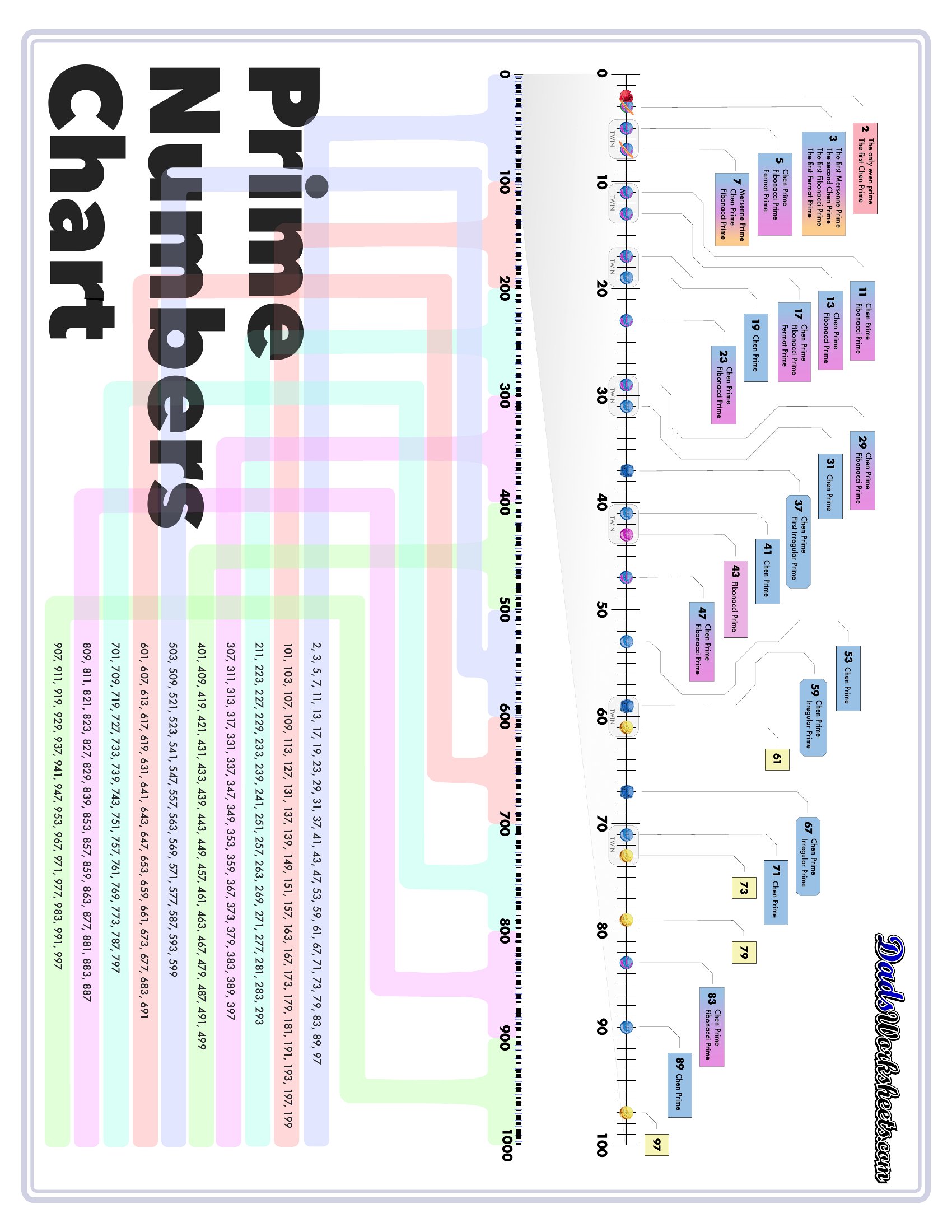
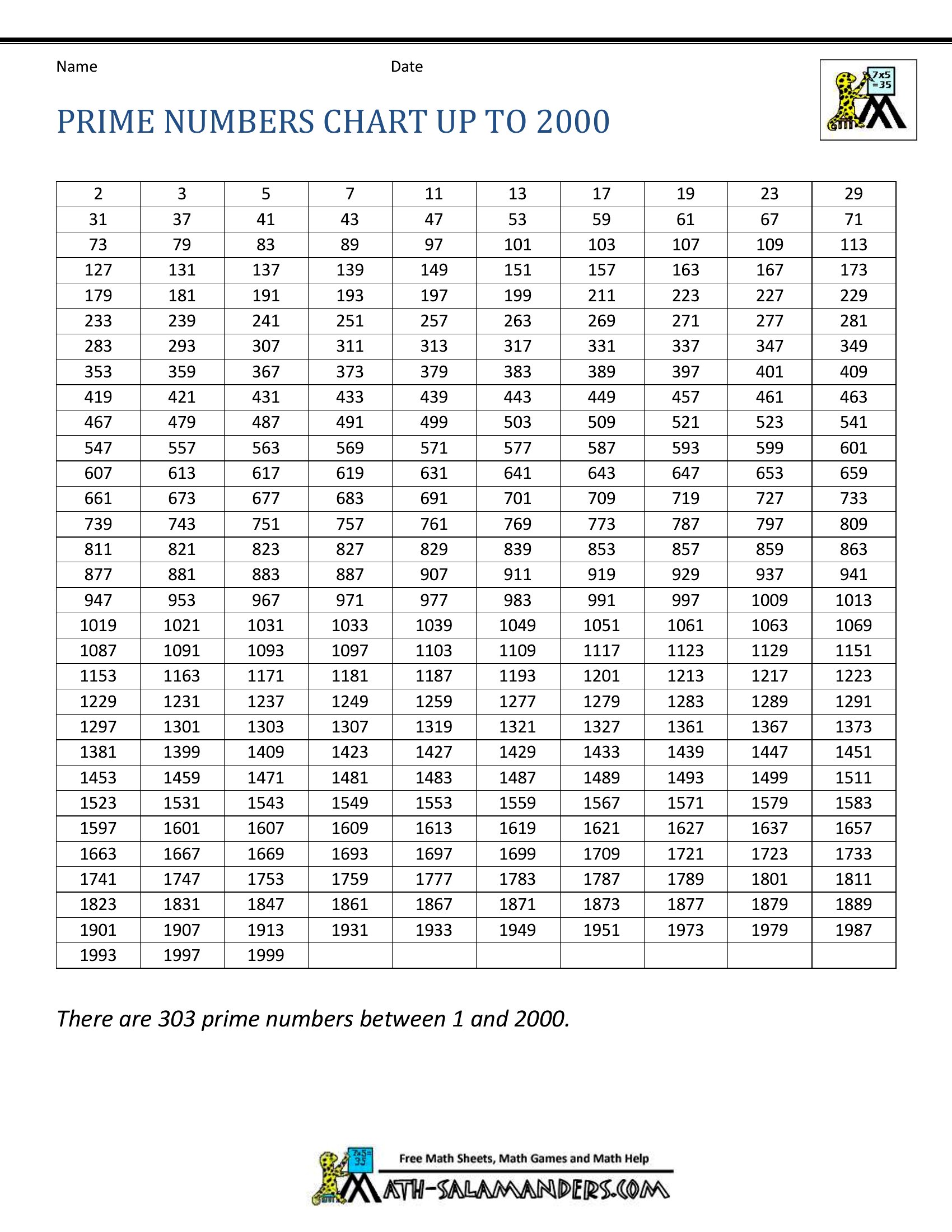
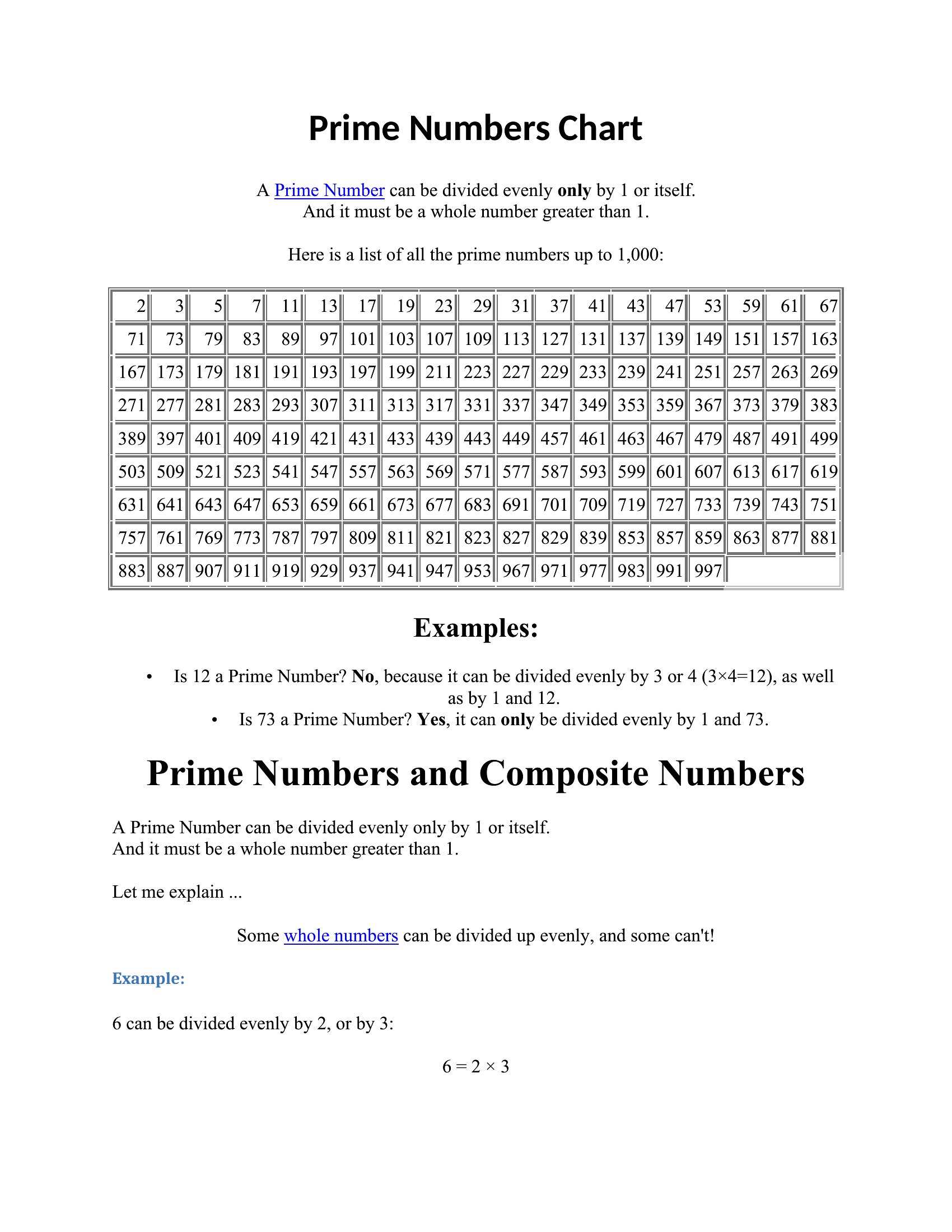
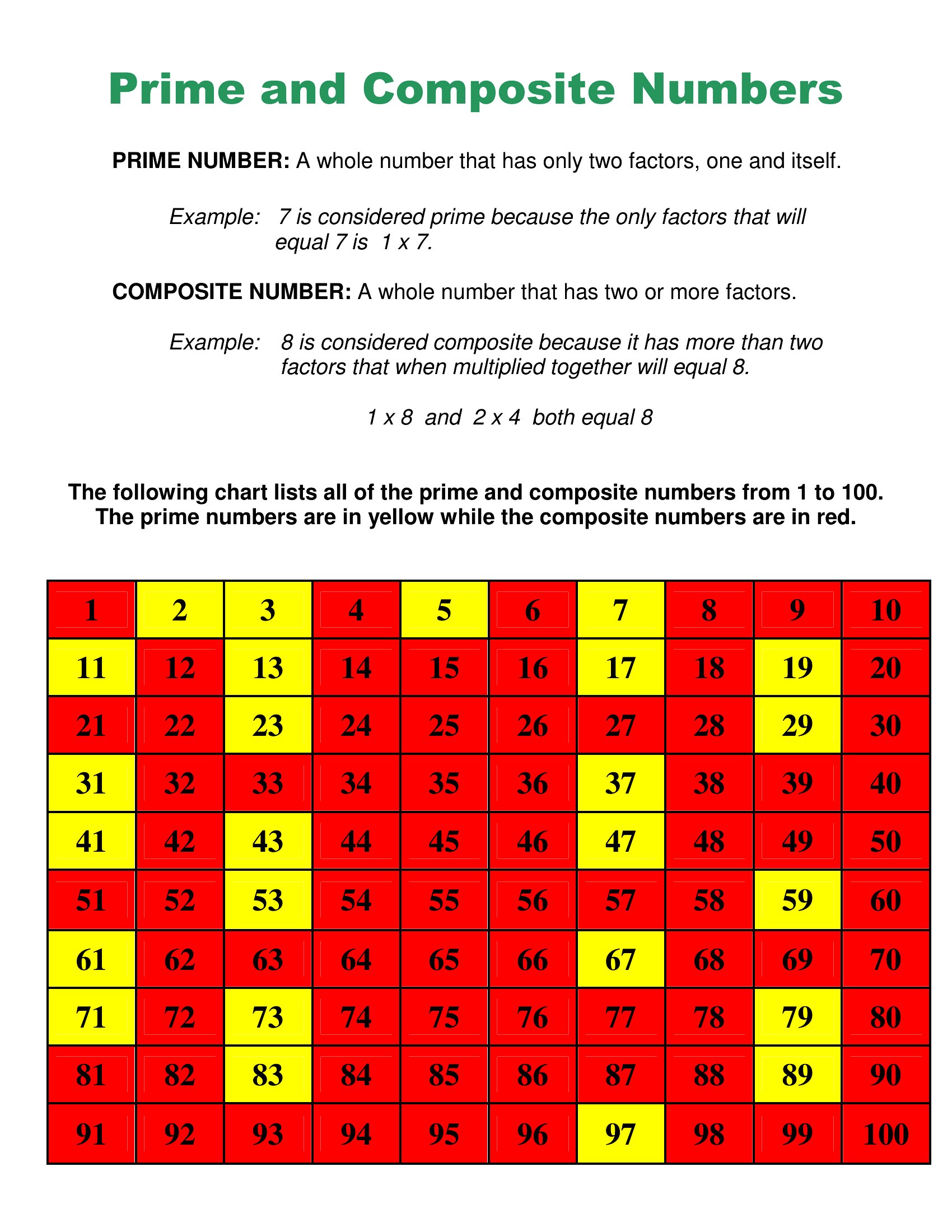
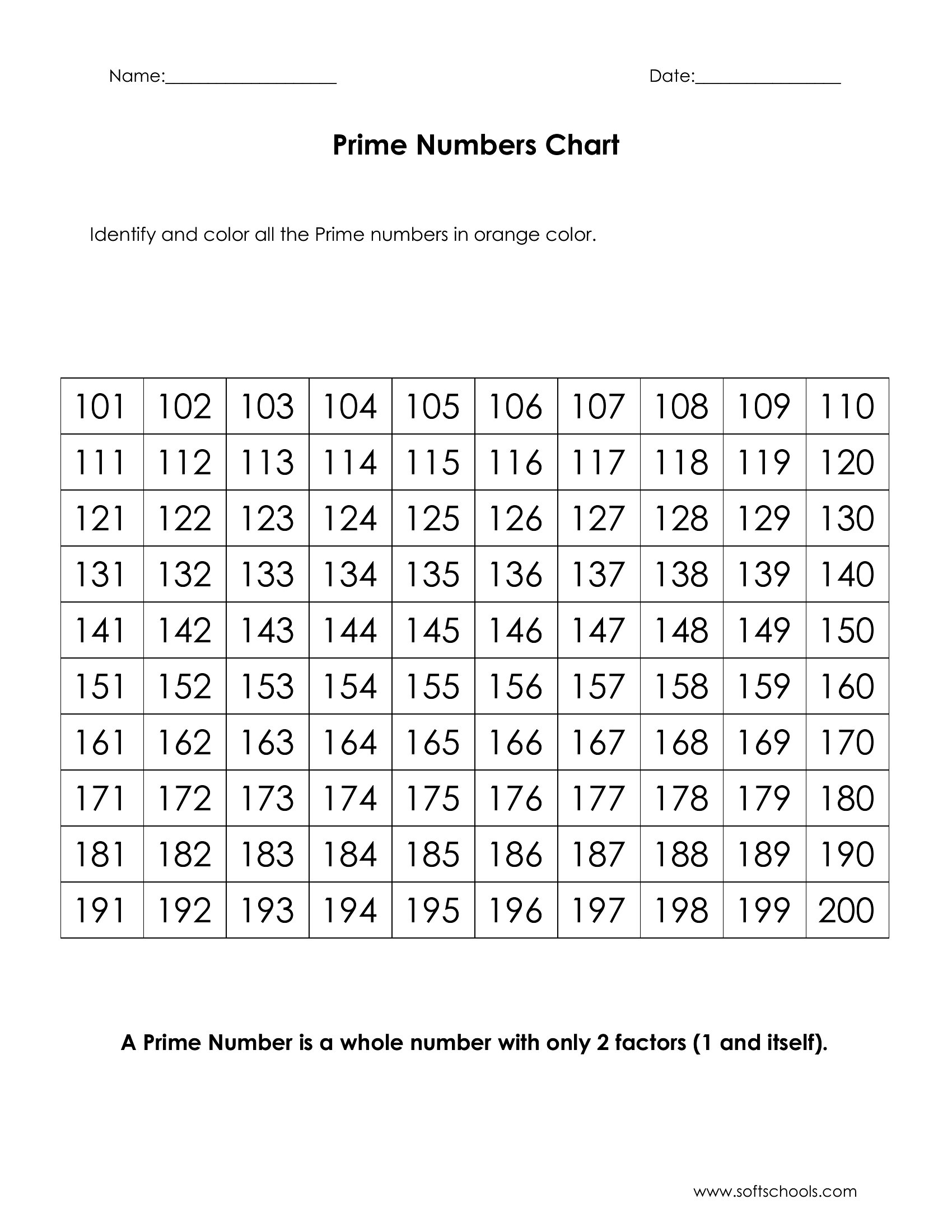
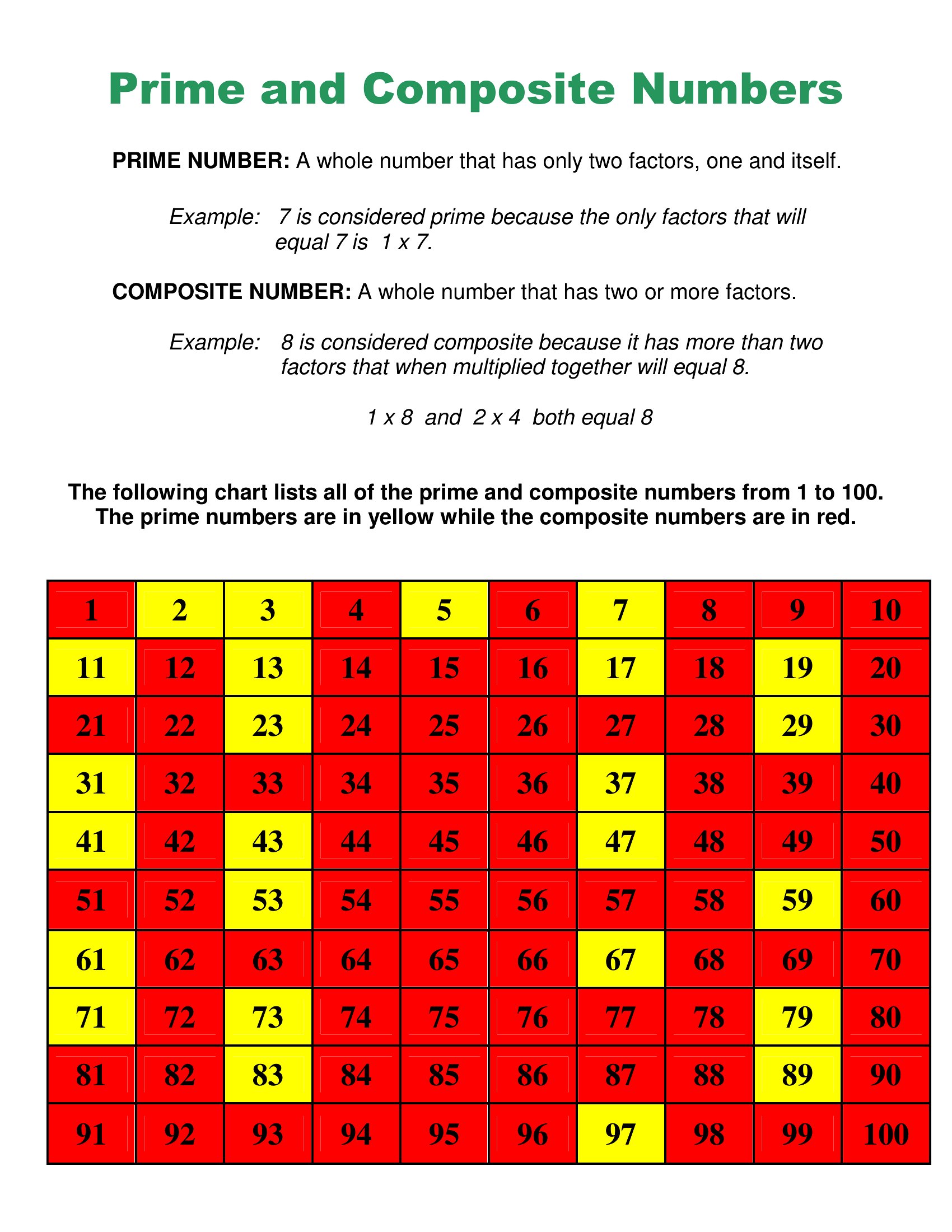
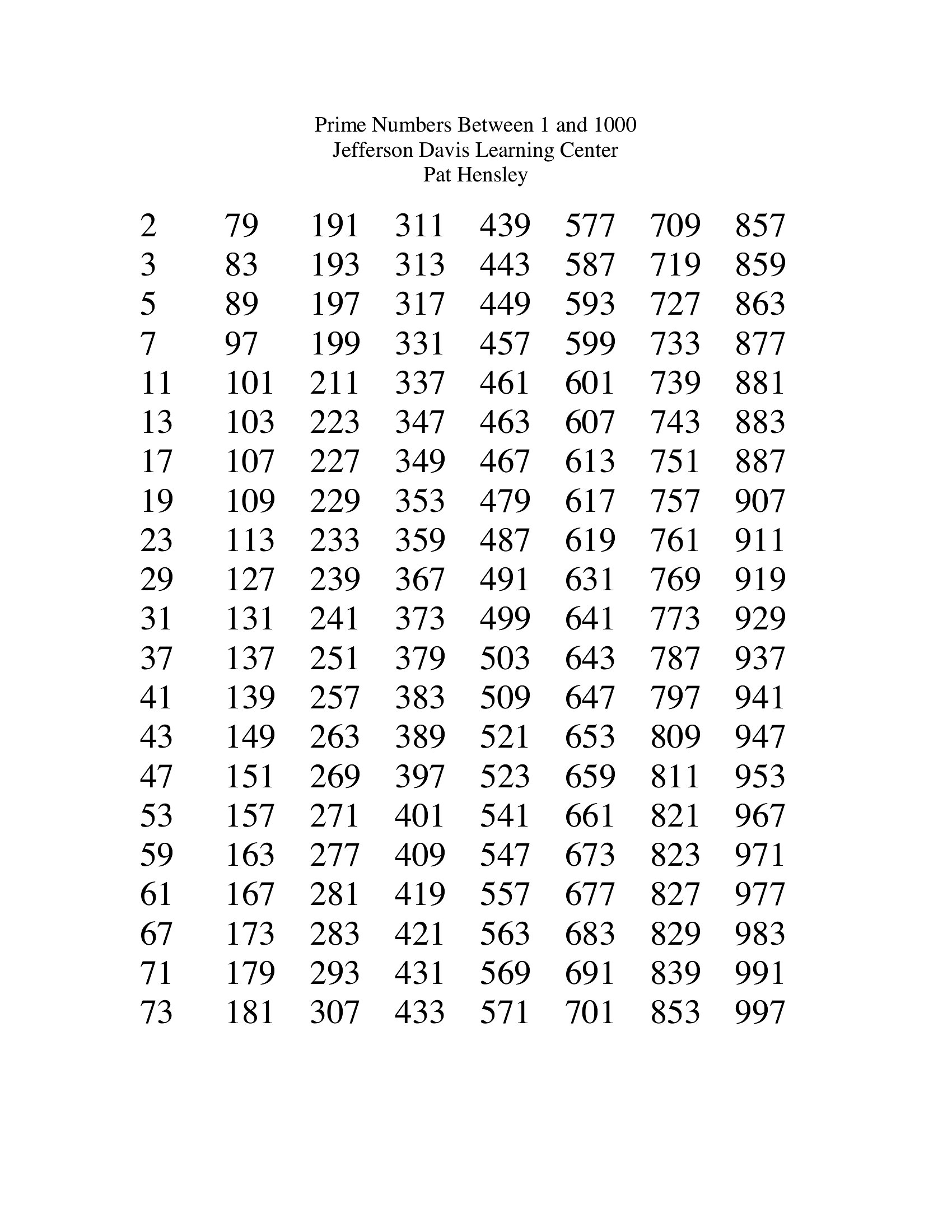
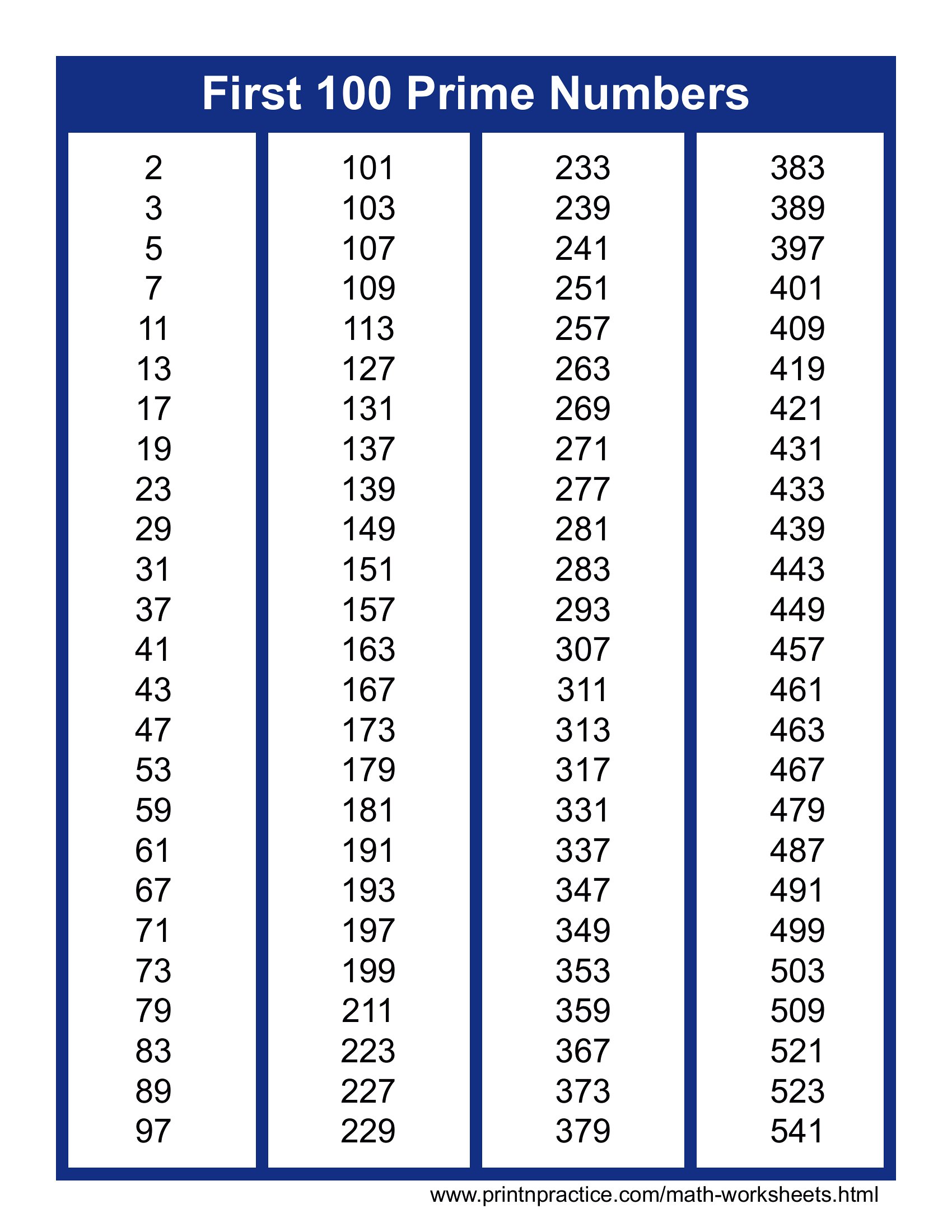
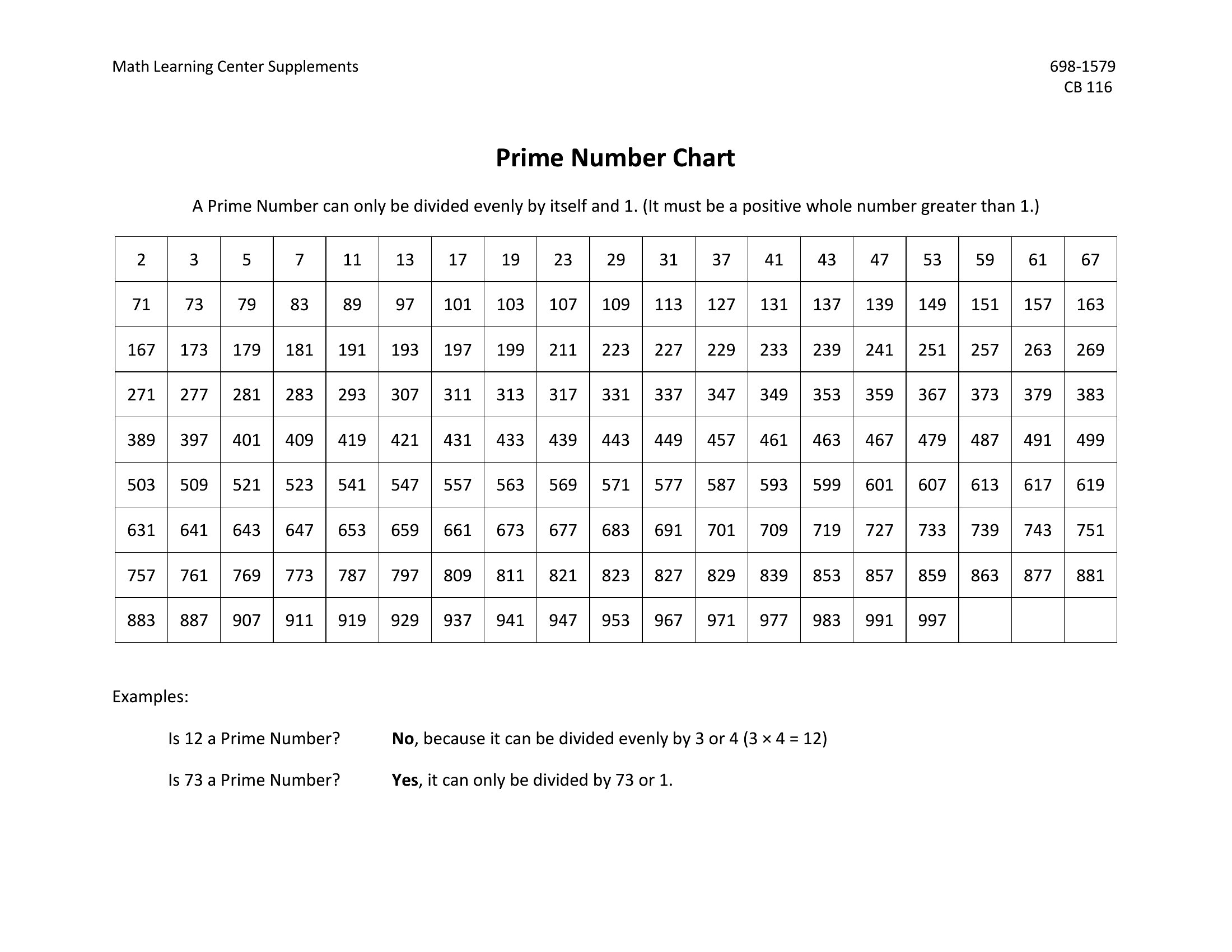
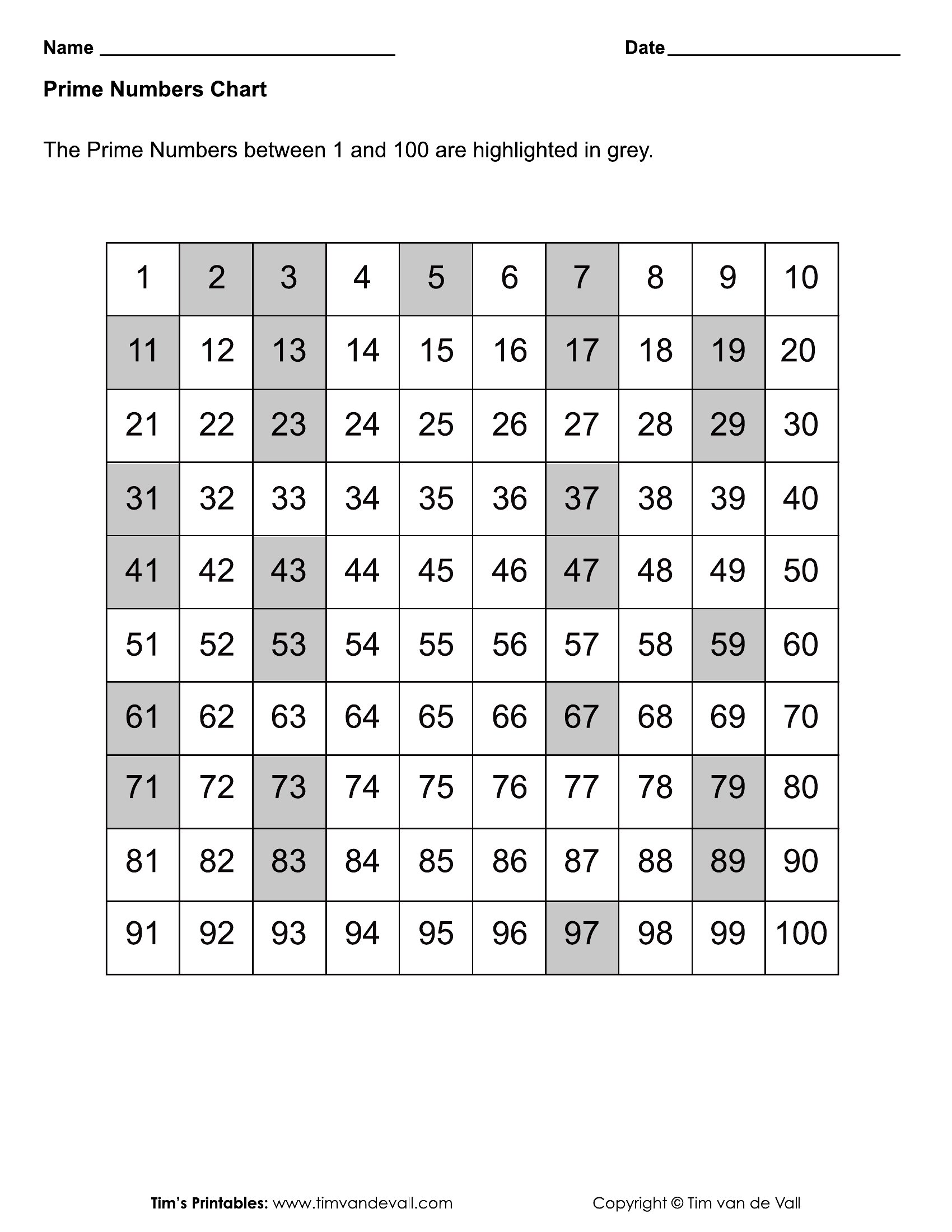
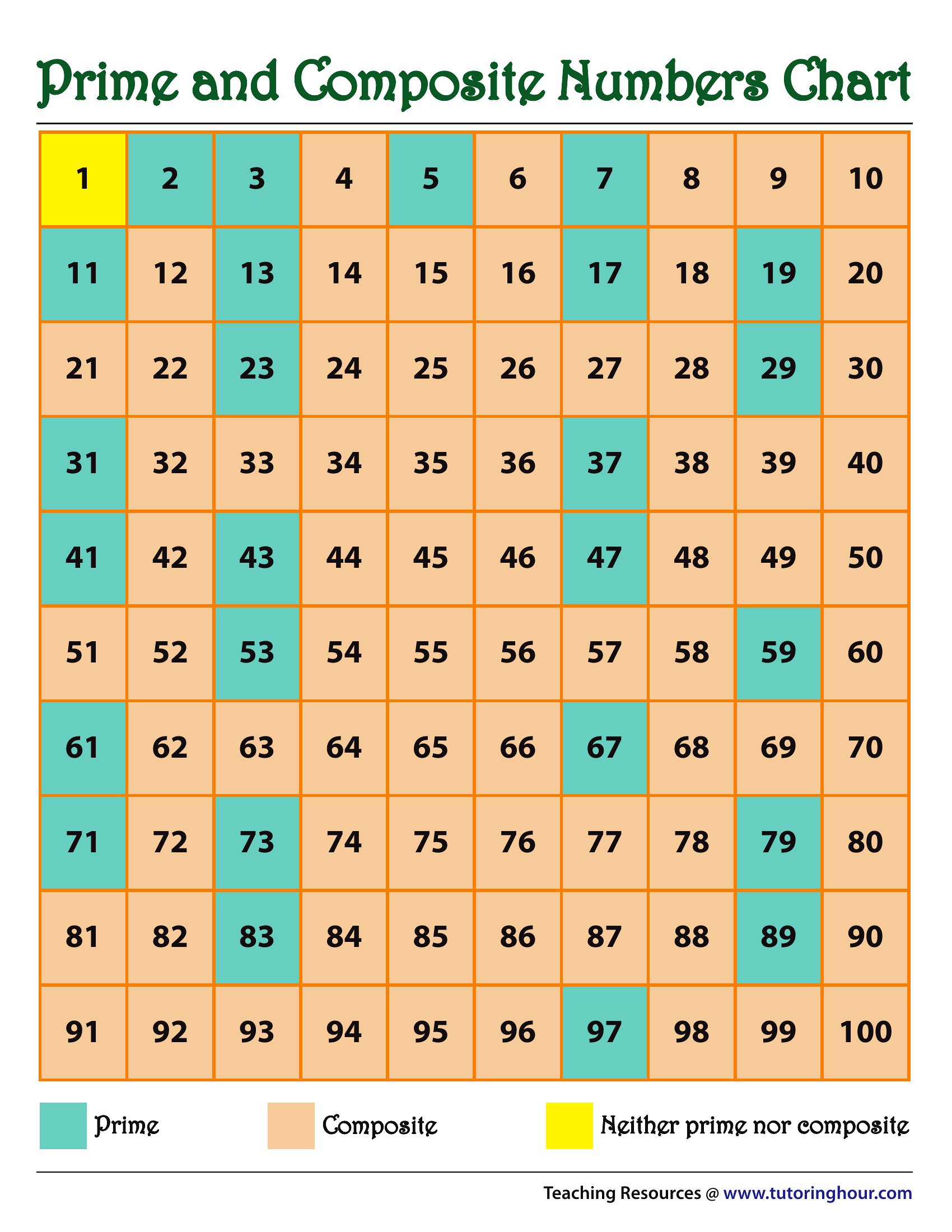
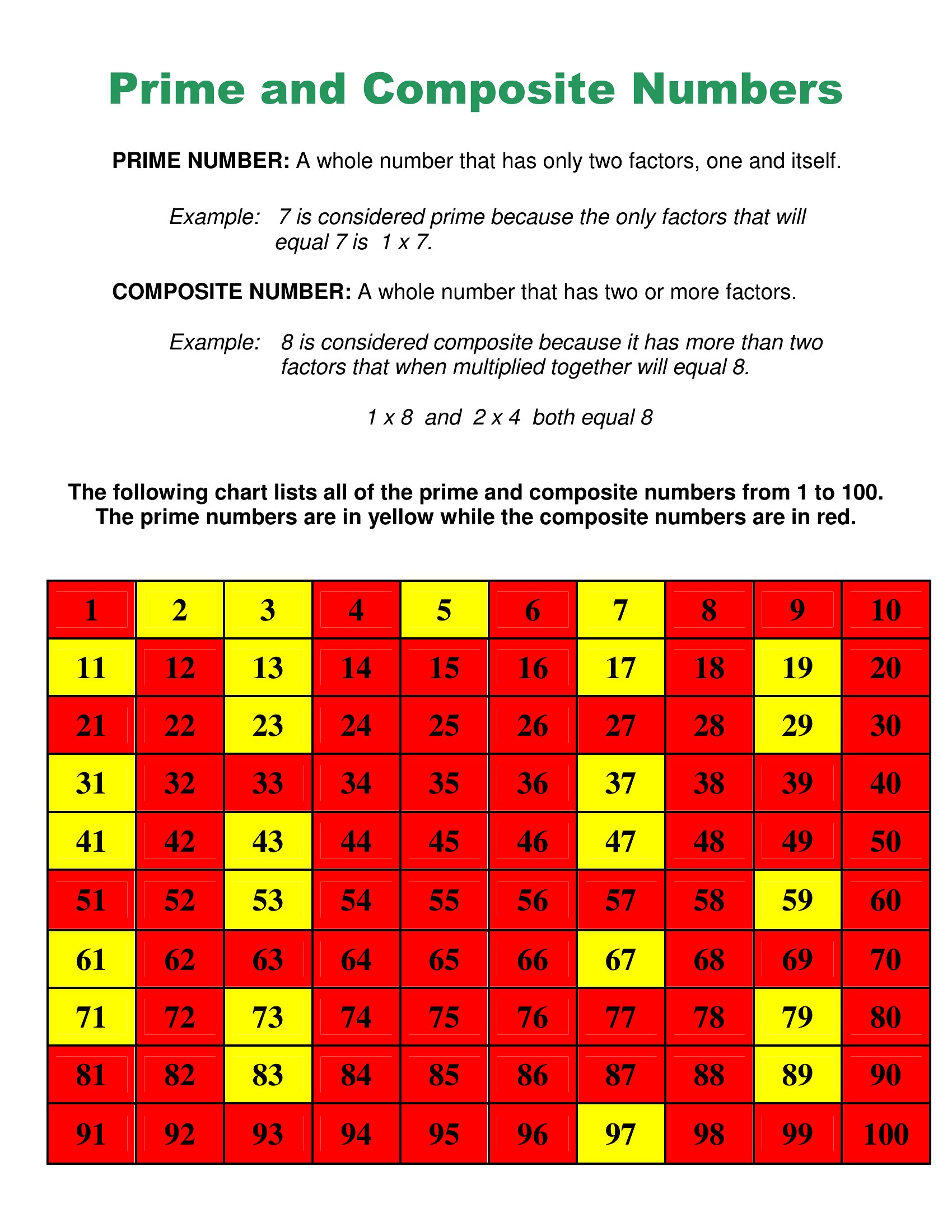
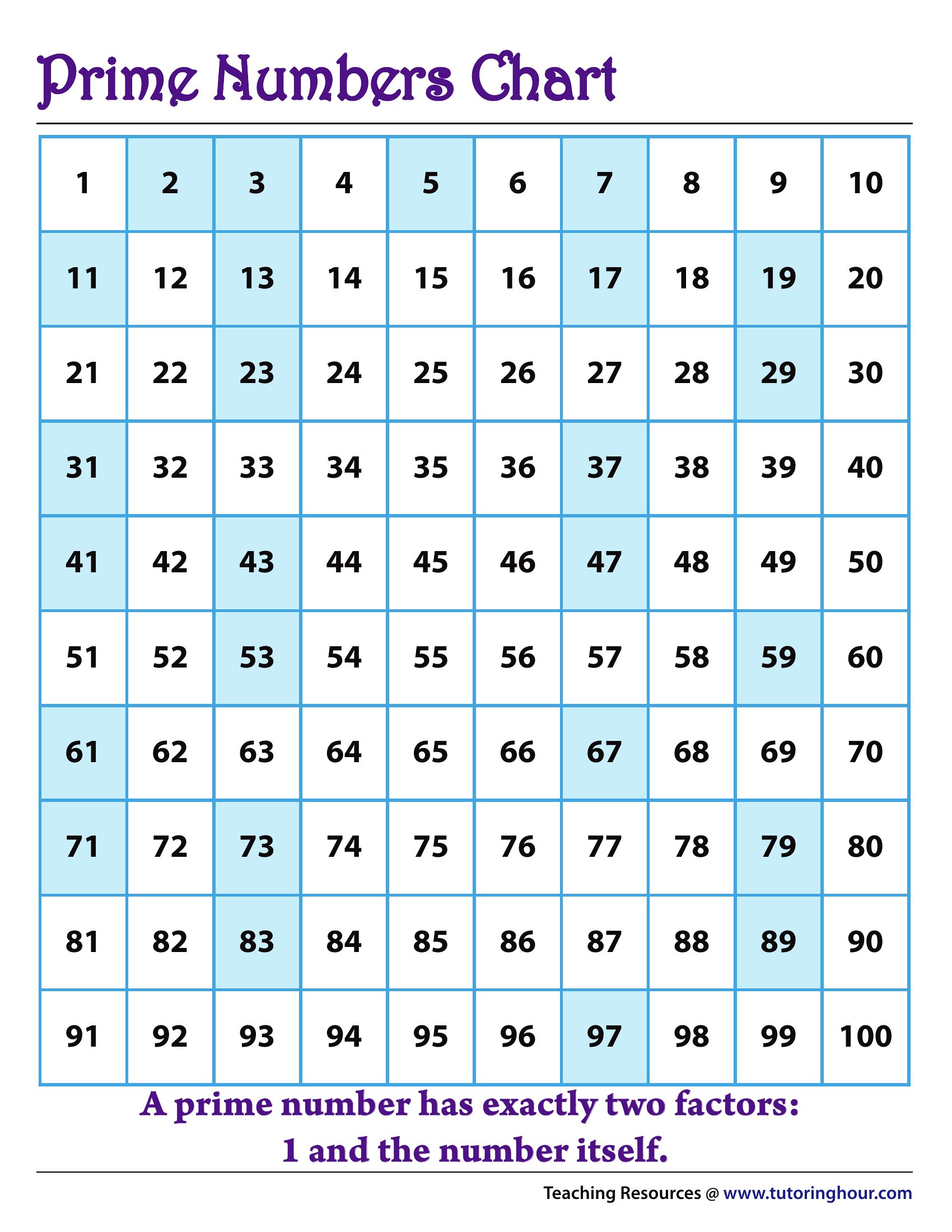
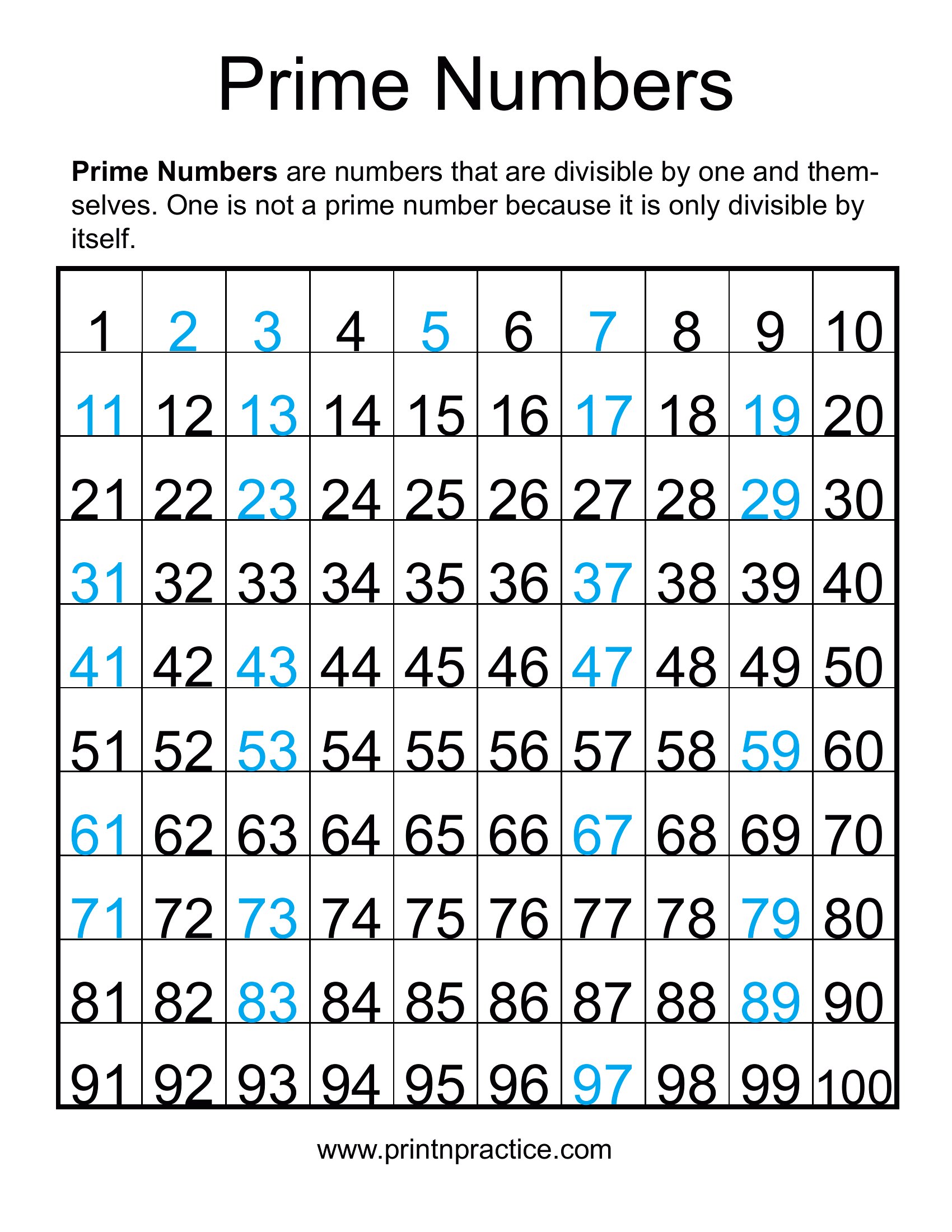
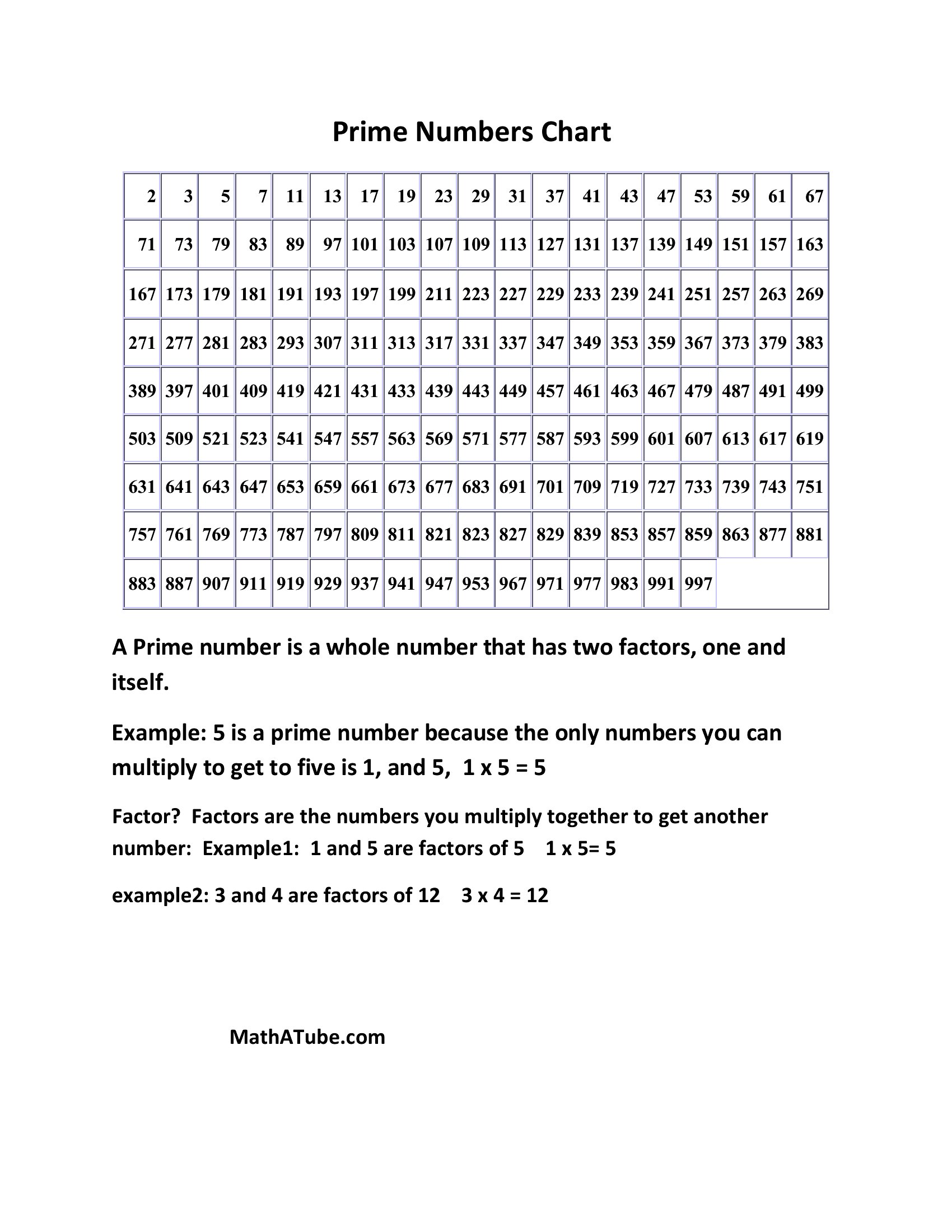
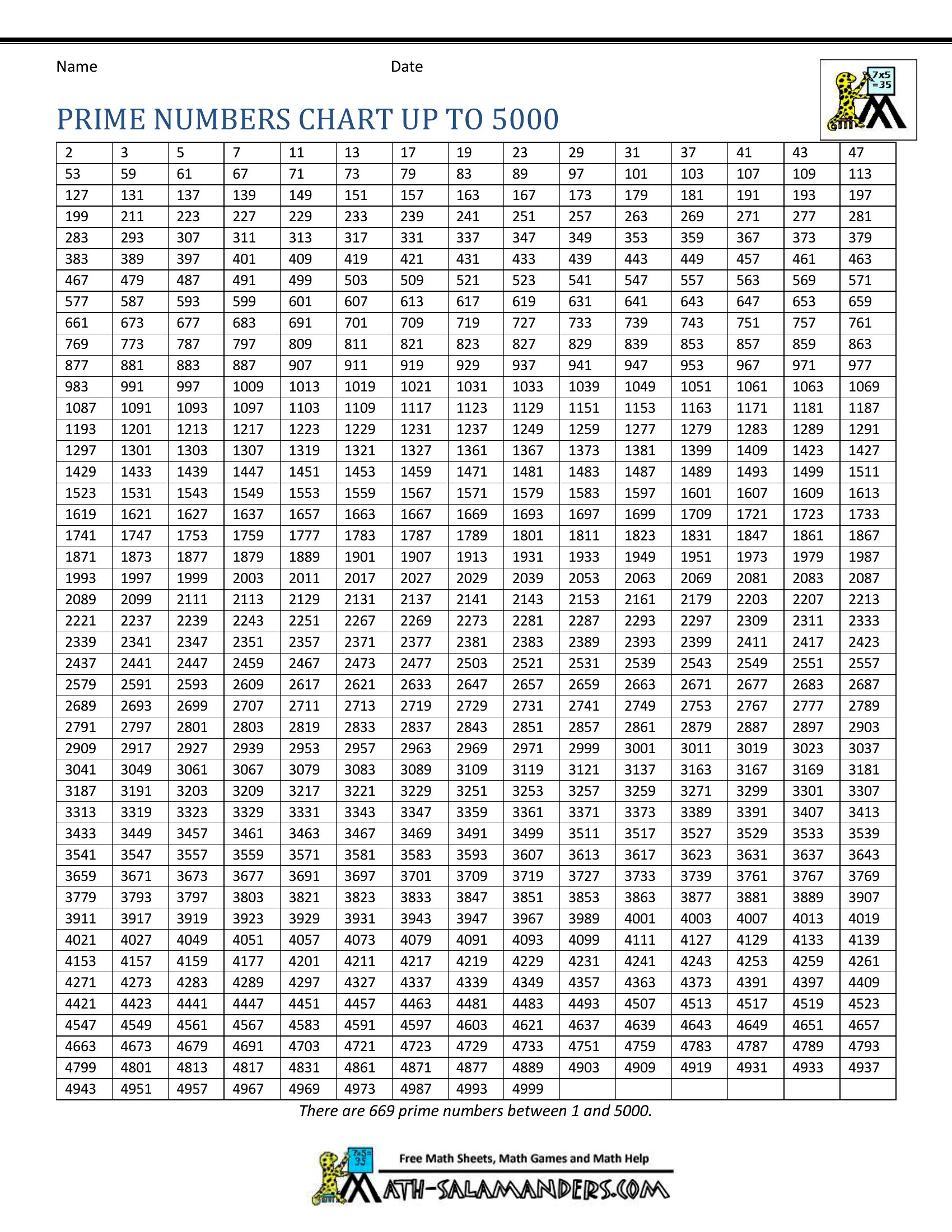
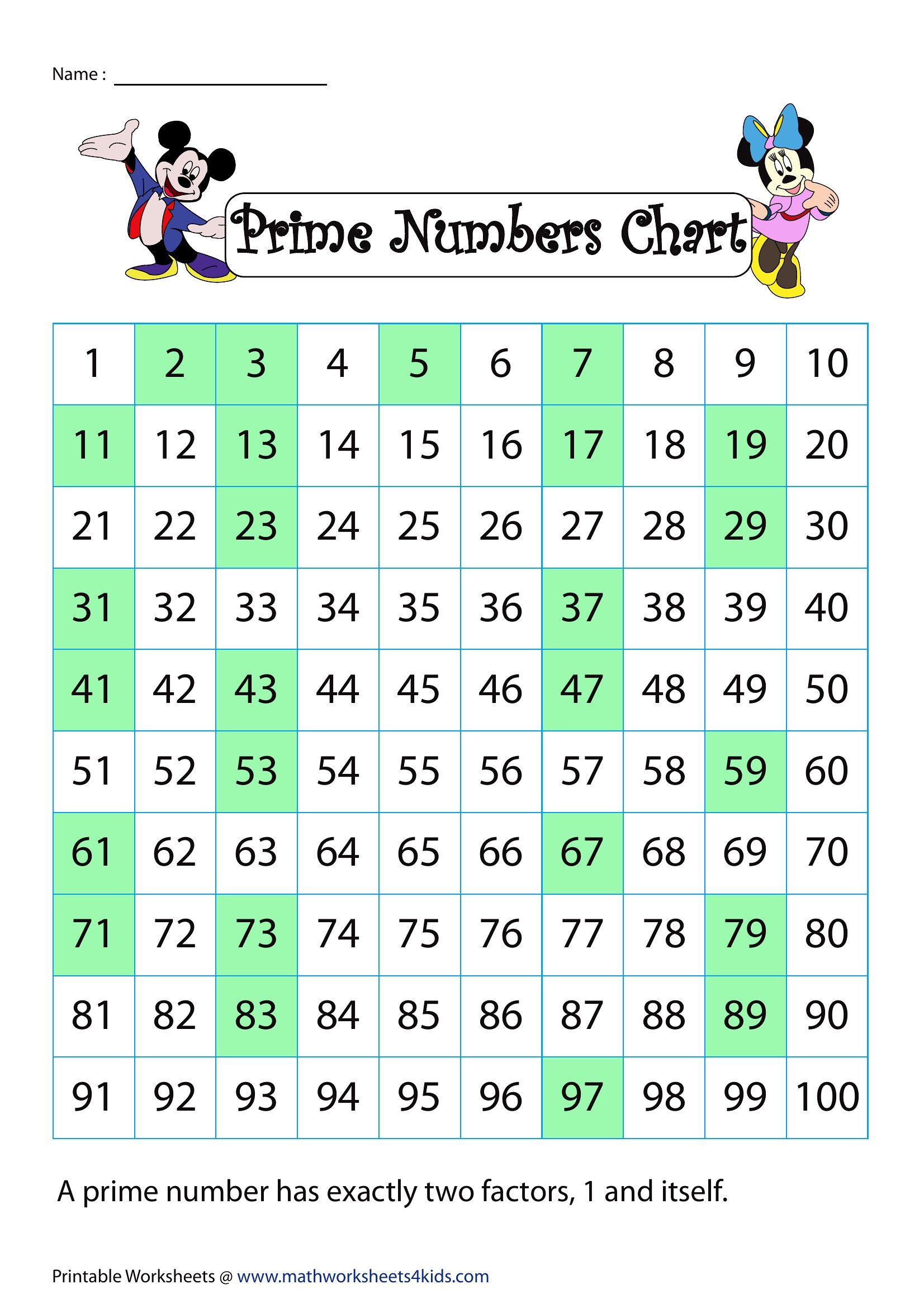
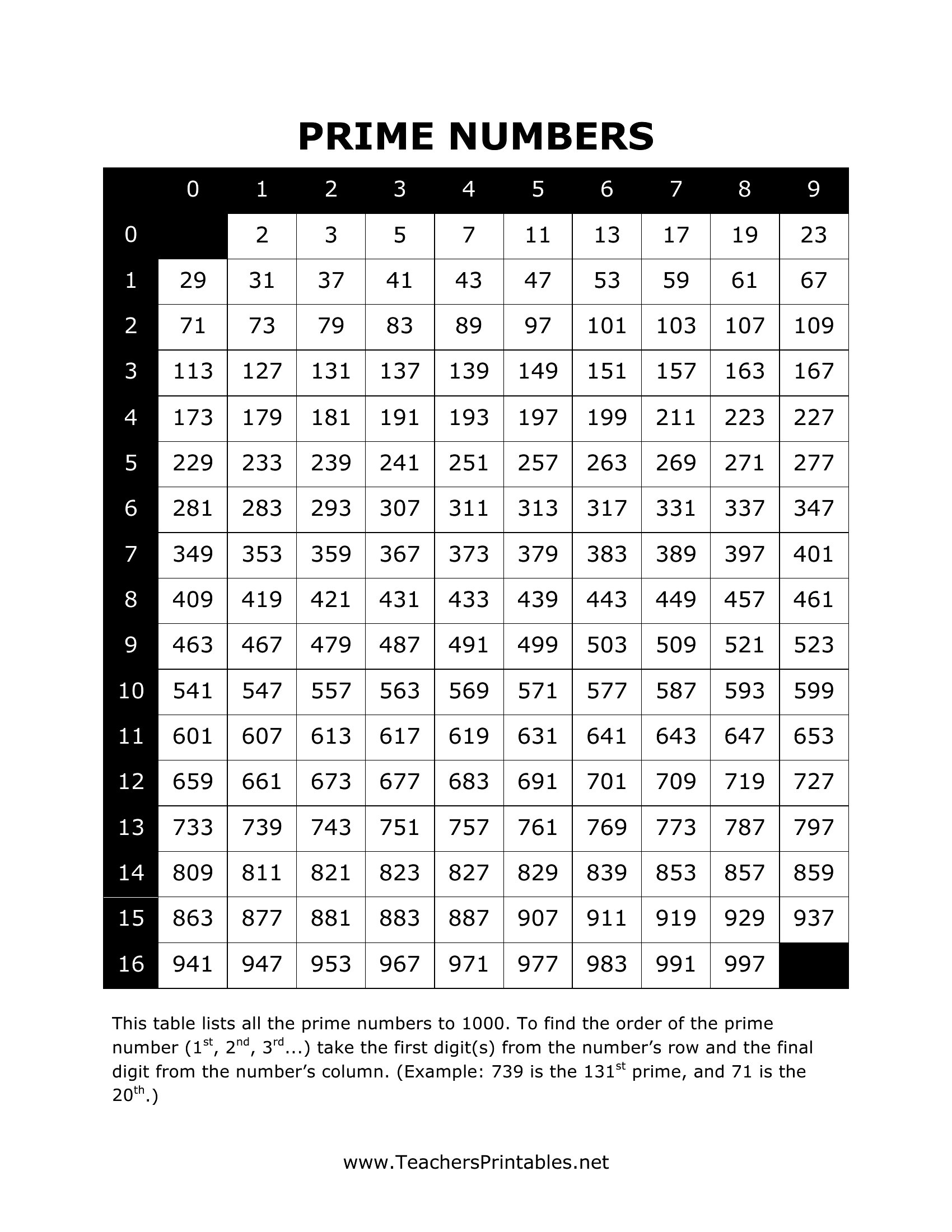
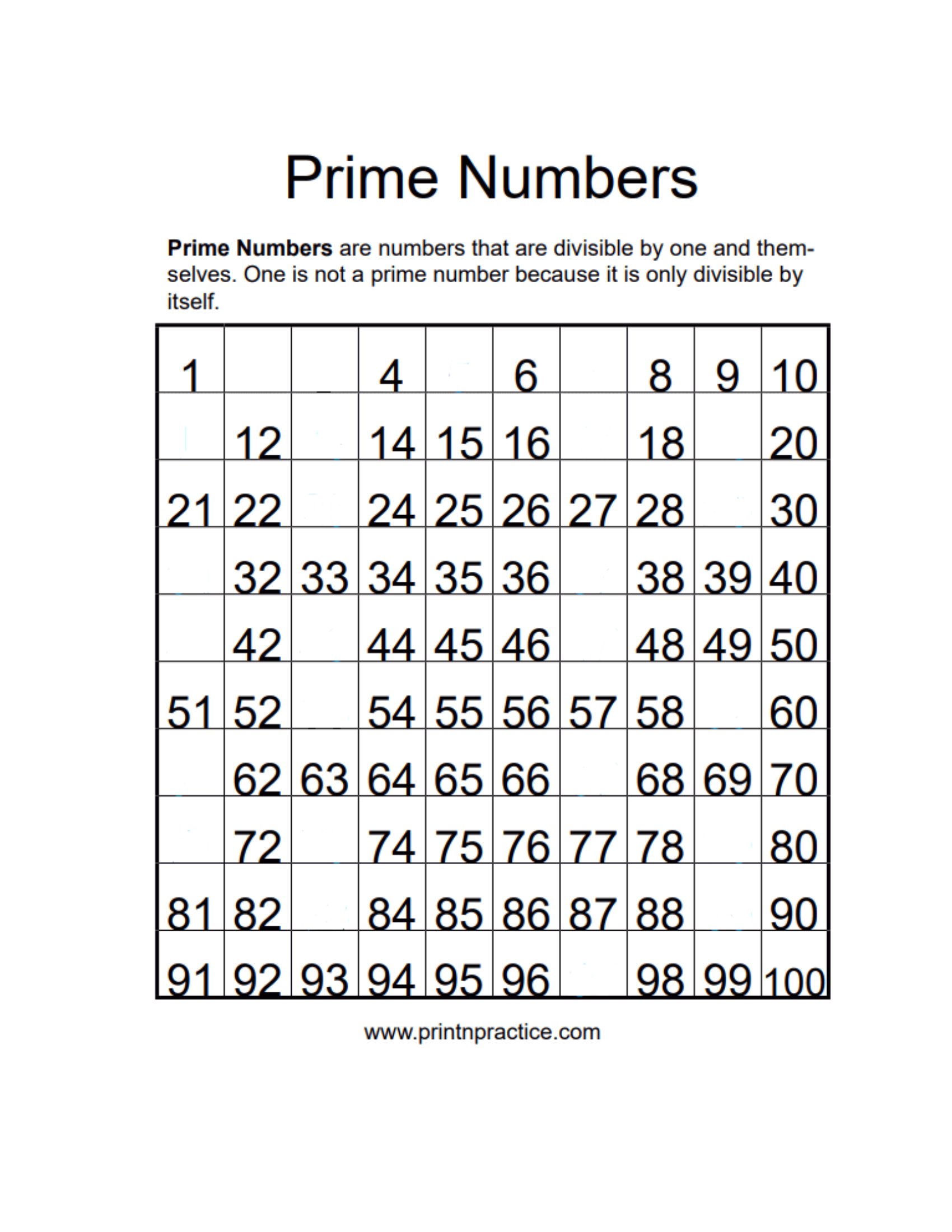
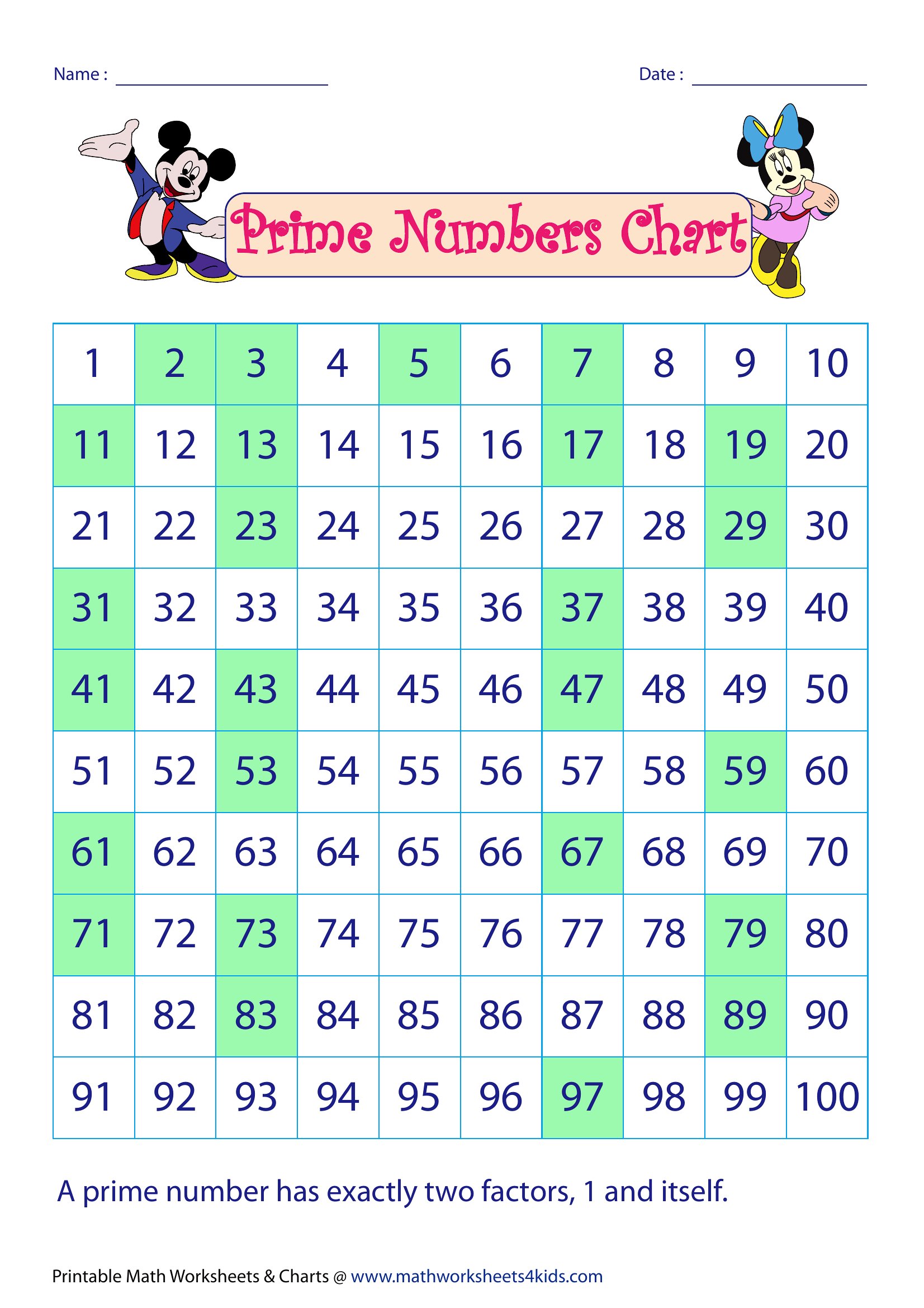
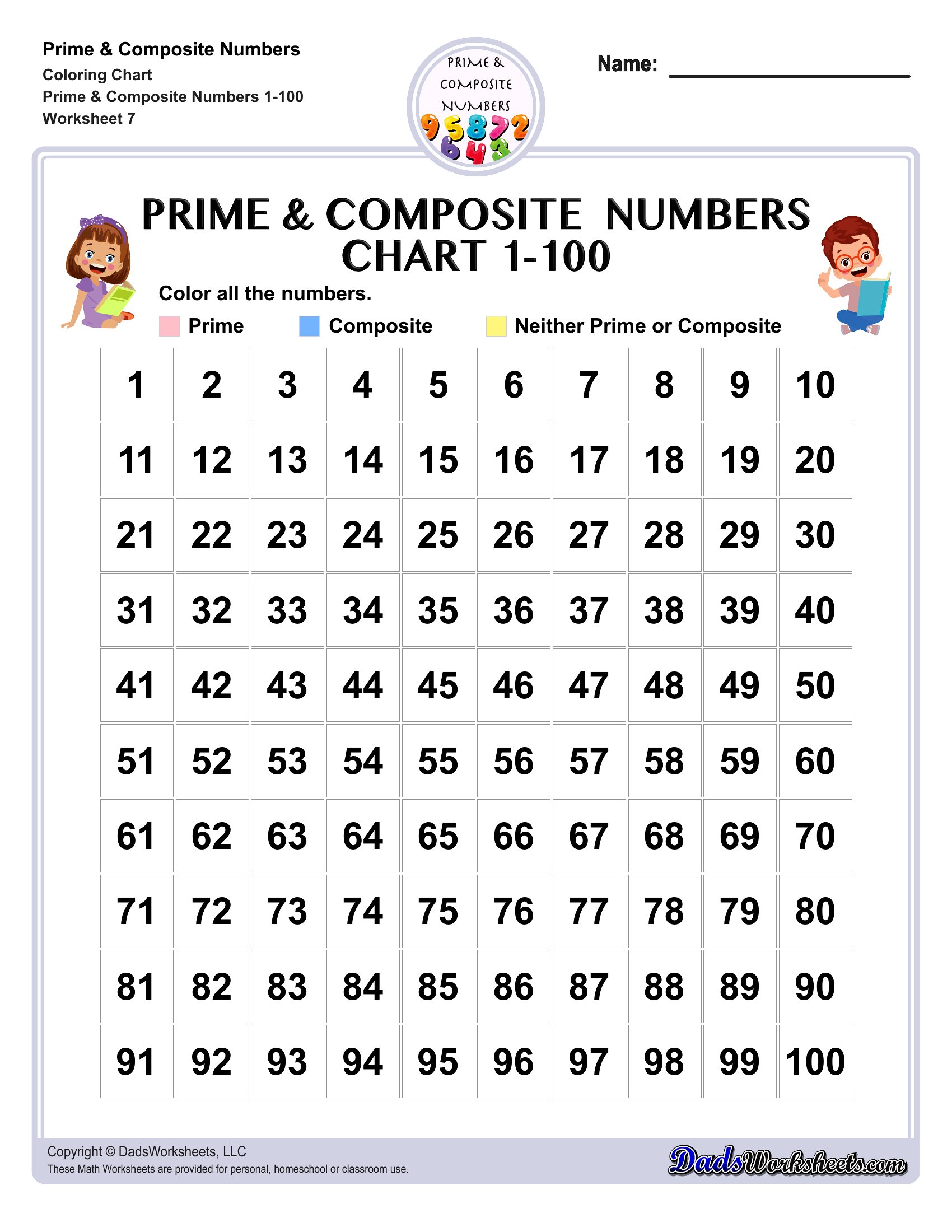
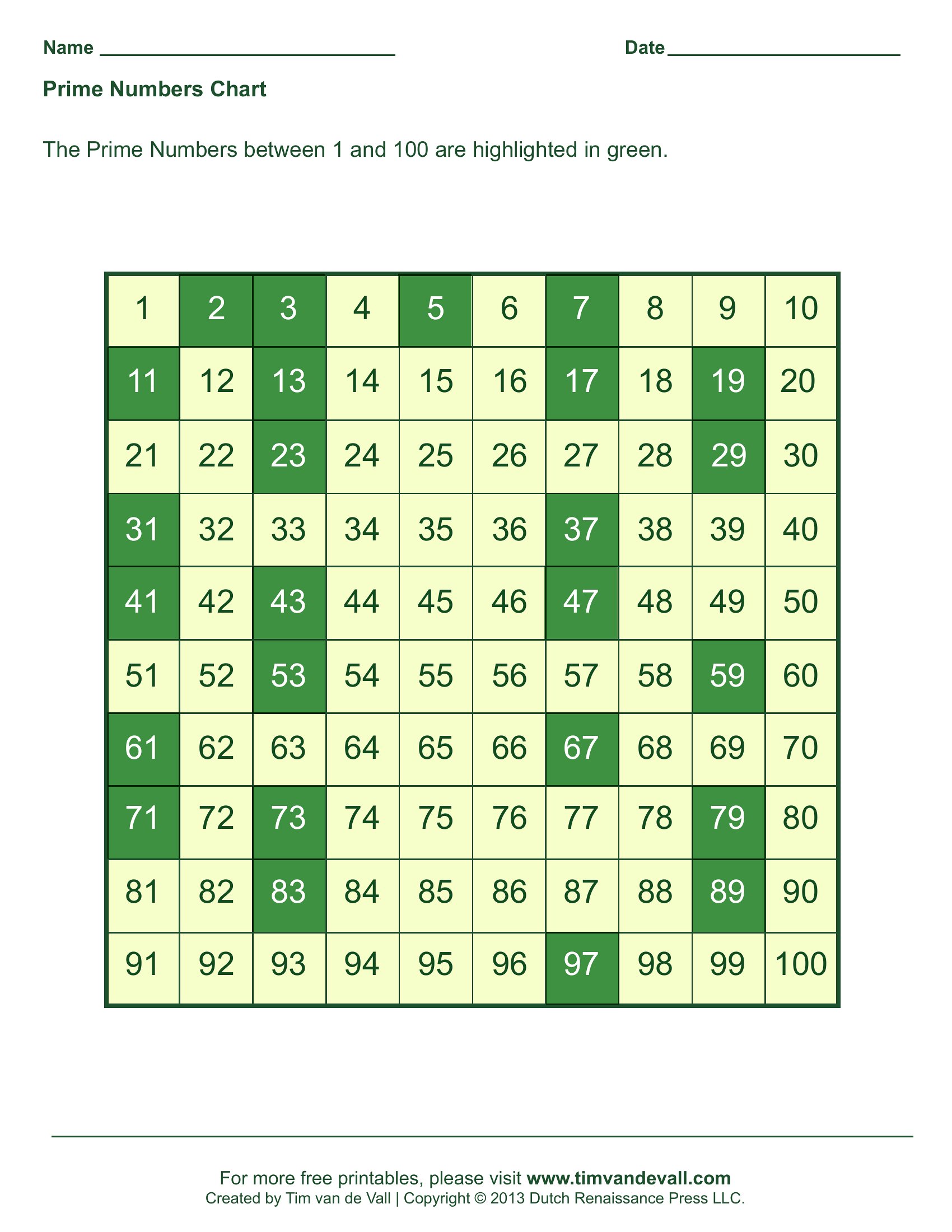
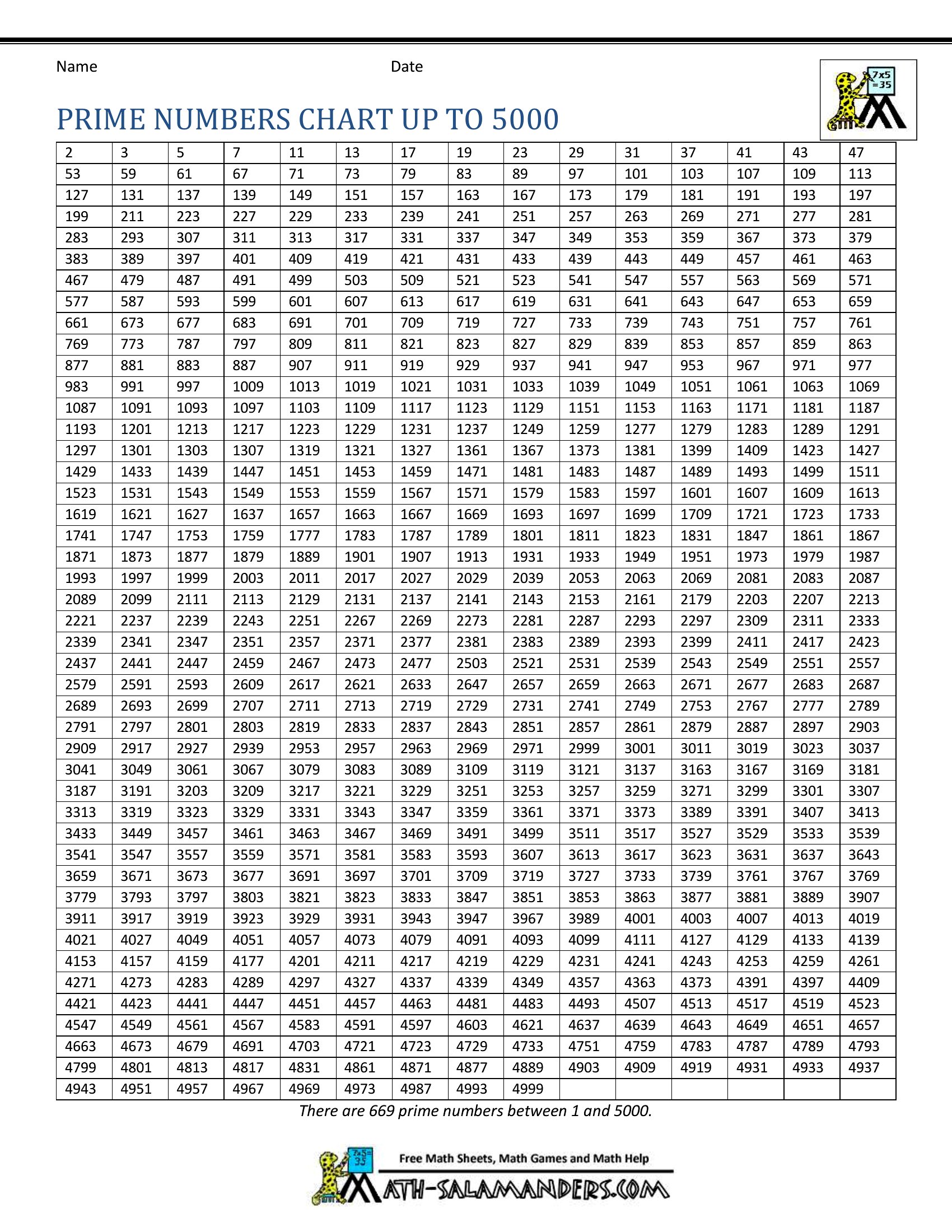
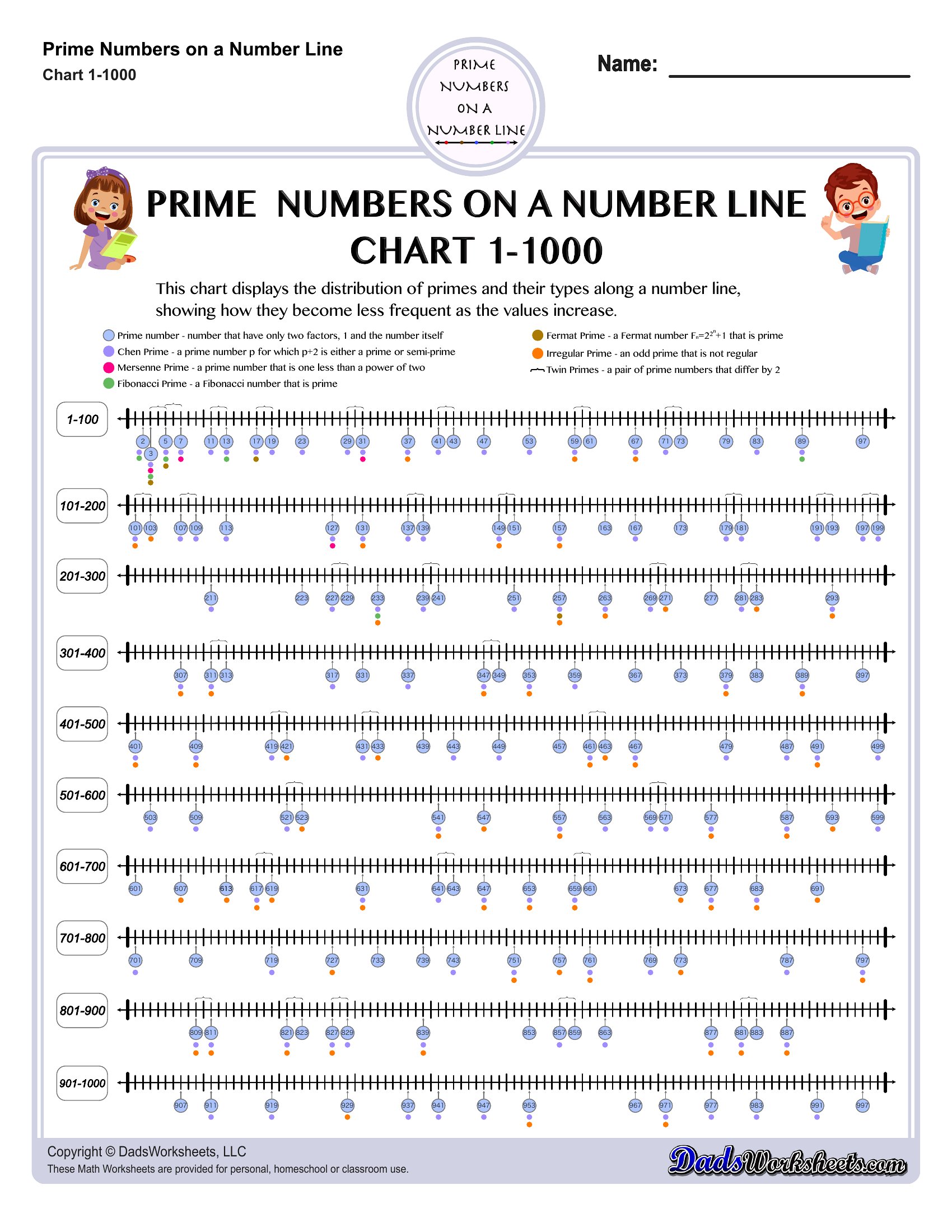
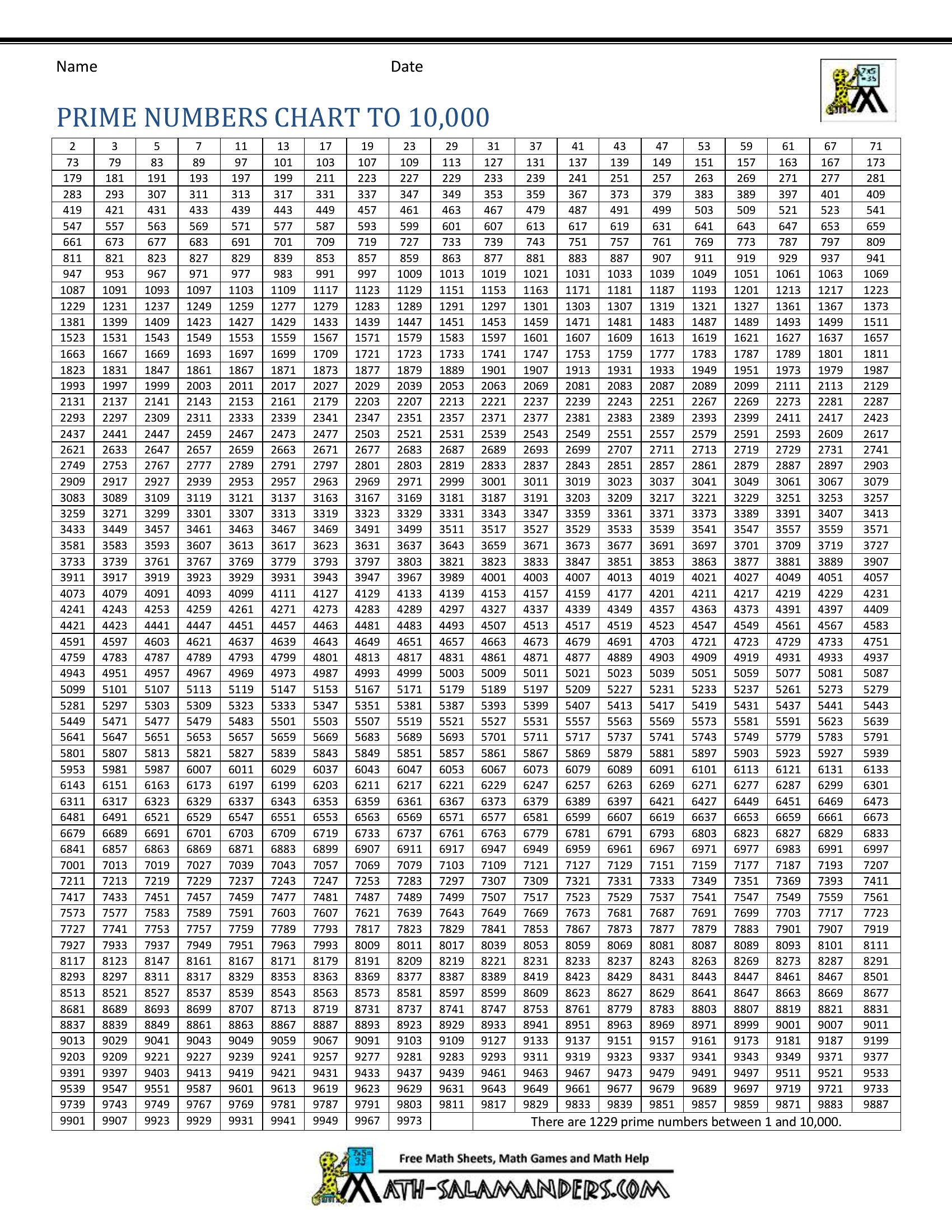
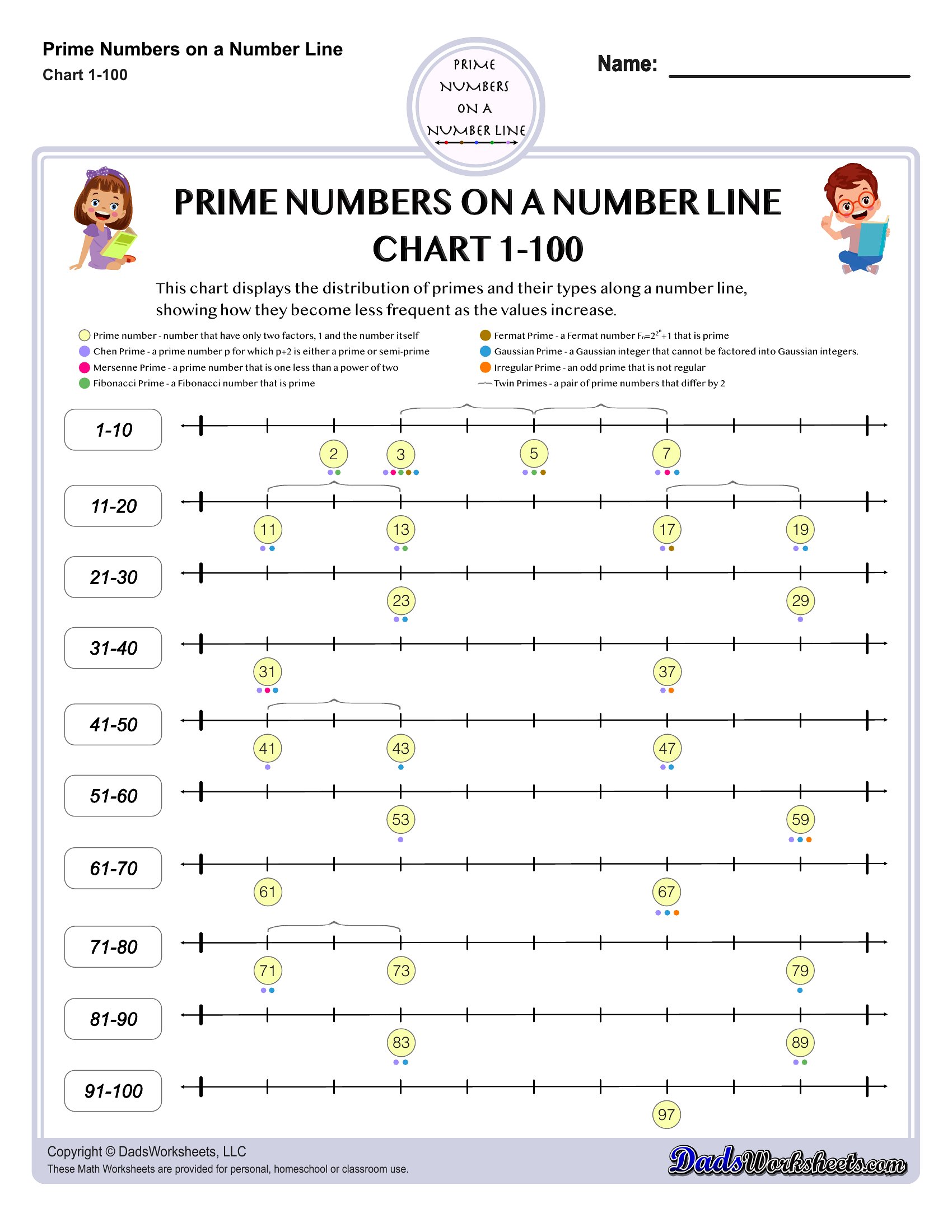
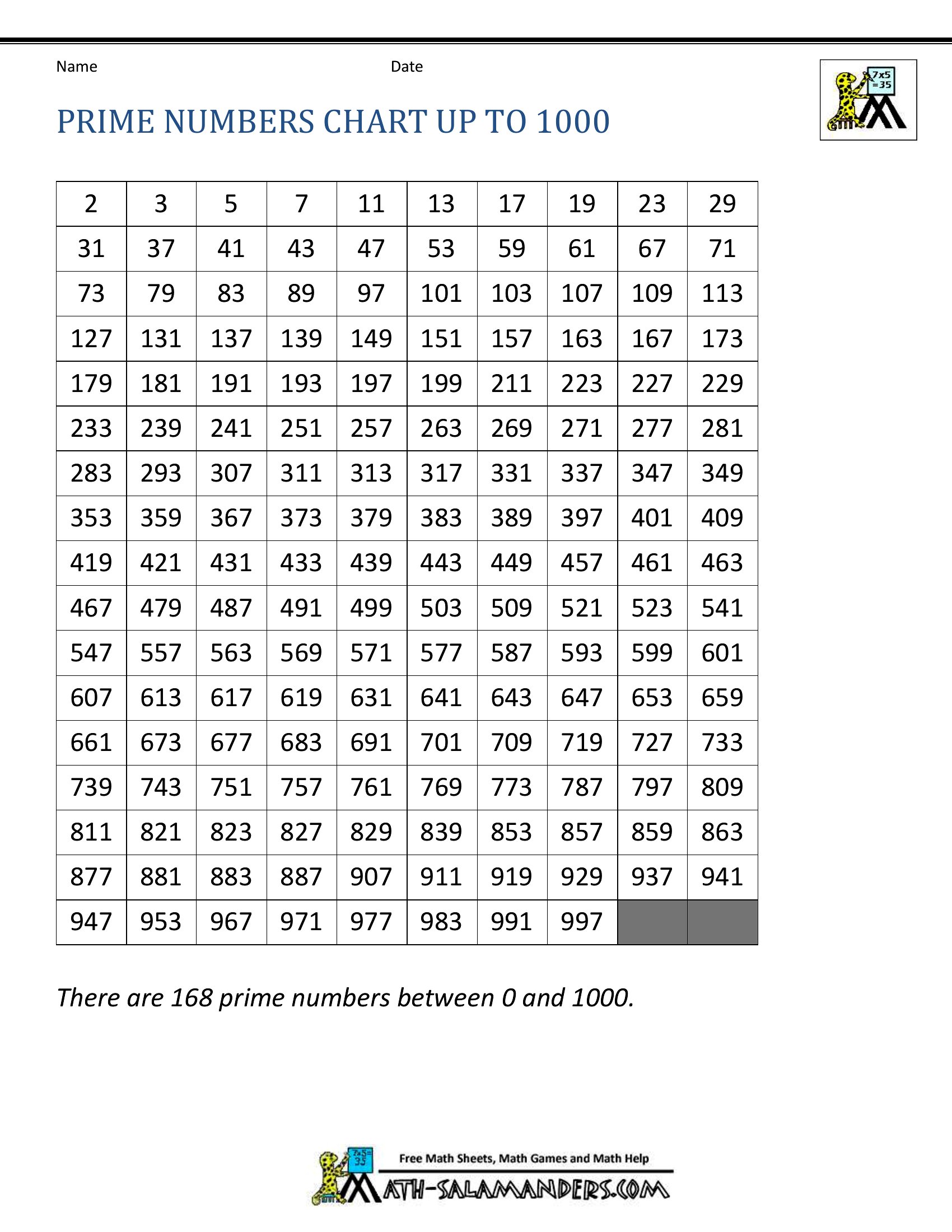
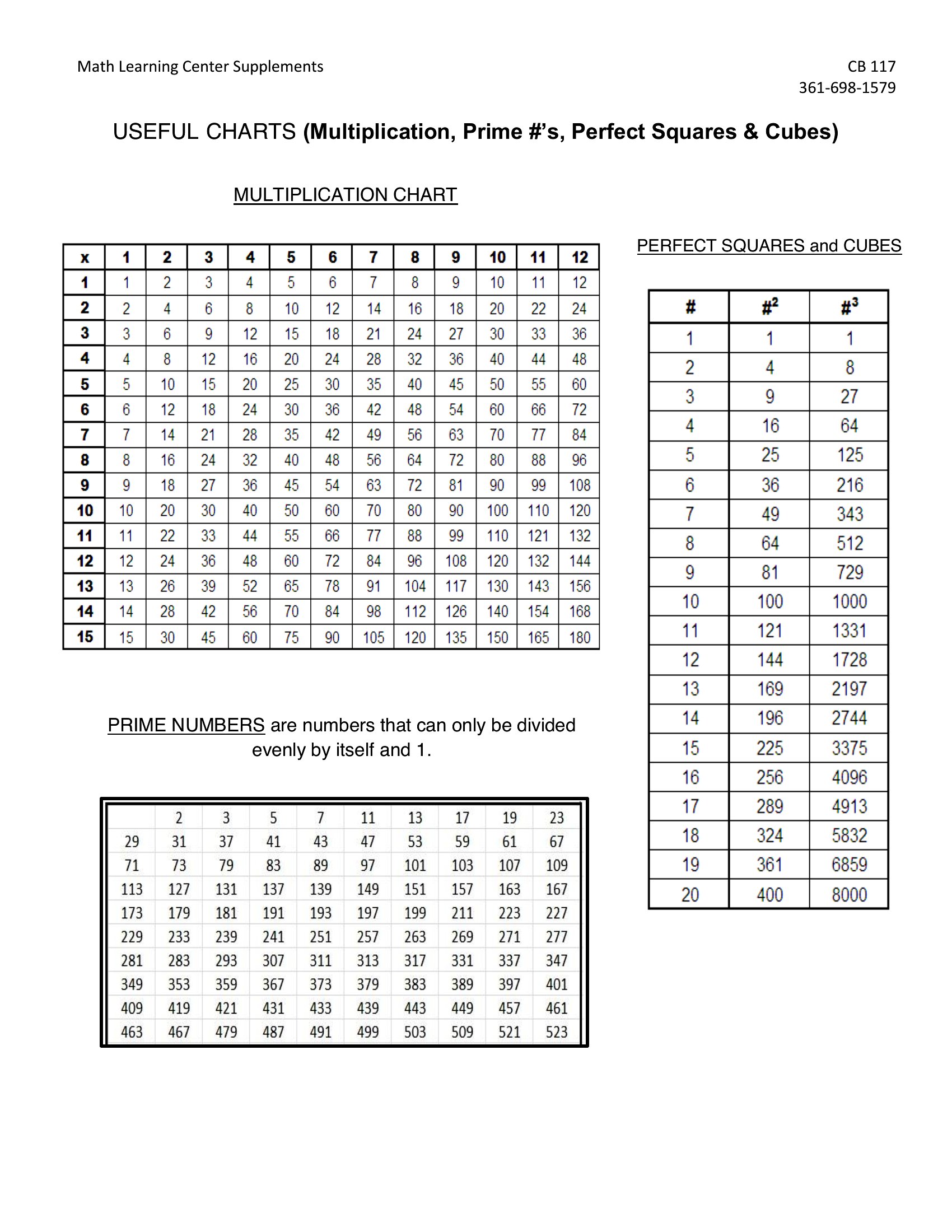
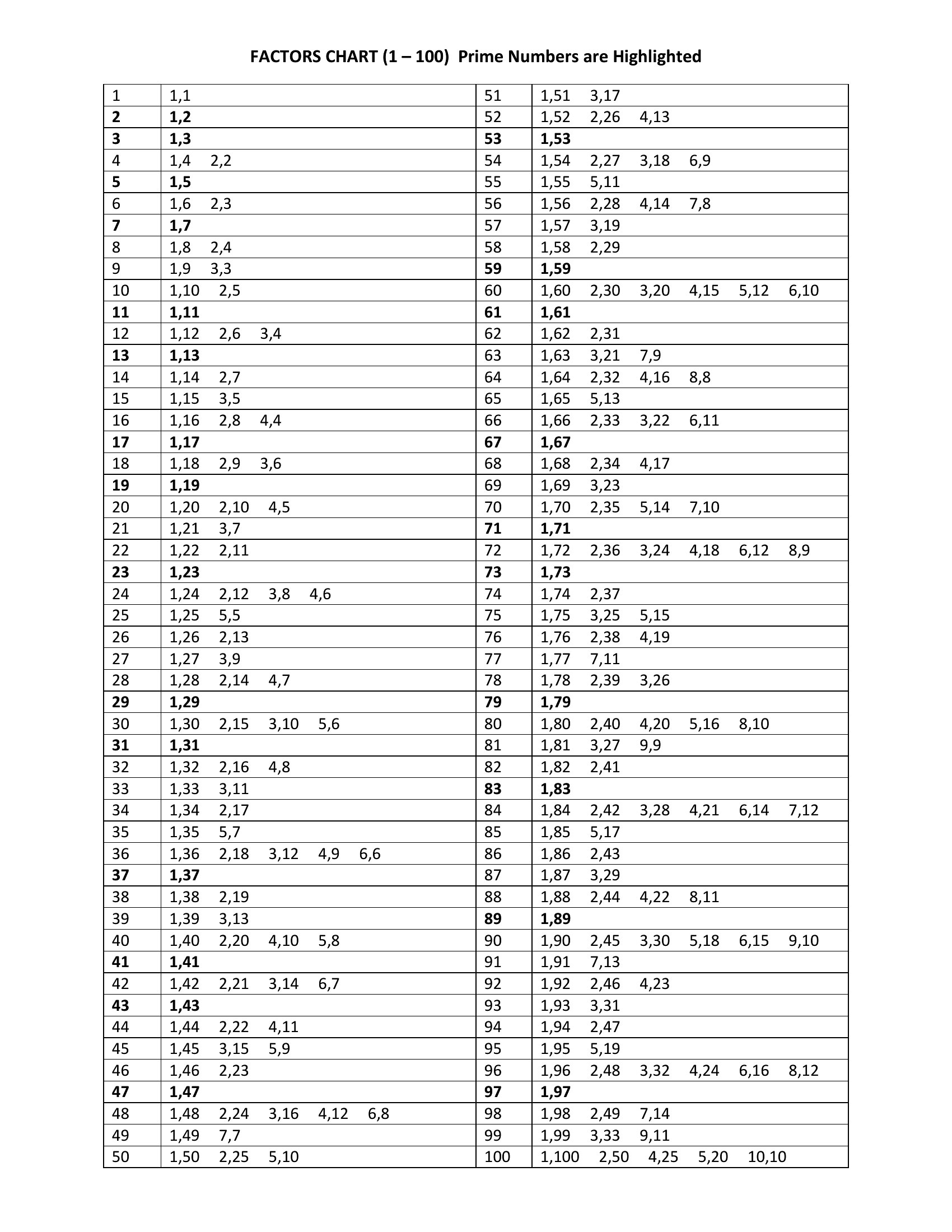
DataA prime numbers chart lays out the whole numbers that divide only by one and themselves, giving math learners a quick visual to lean on. This set of 36 charts spans small classroom references and larger grids that run well past 100, so teachers, tutors, and students can match the range to the lesson. Pin one above the desk for factoring drills or a hands-on sieve of Eratosthenes activity.
Pick the layout you want as an editable Word file or a clean PDF. The Word versions let you adjust fonts, spacing, or which primes get highlighted, while the PDFs print straight onto letter paper with no setup. Download a copy, run a few for the class, and you've got a dependable study aid in minutes.
When to use this Prime Numbers Chart template
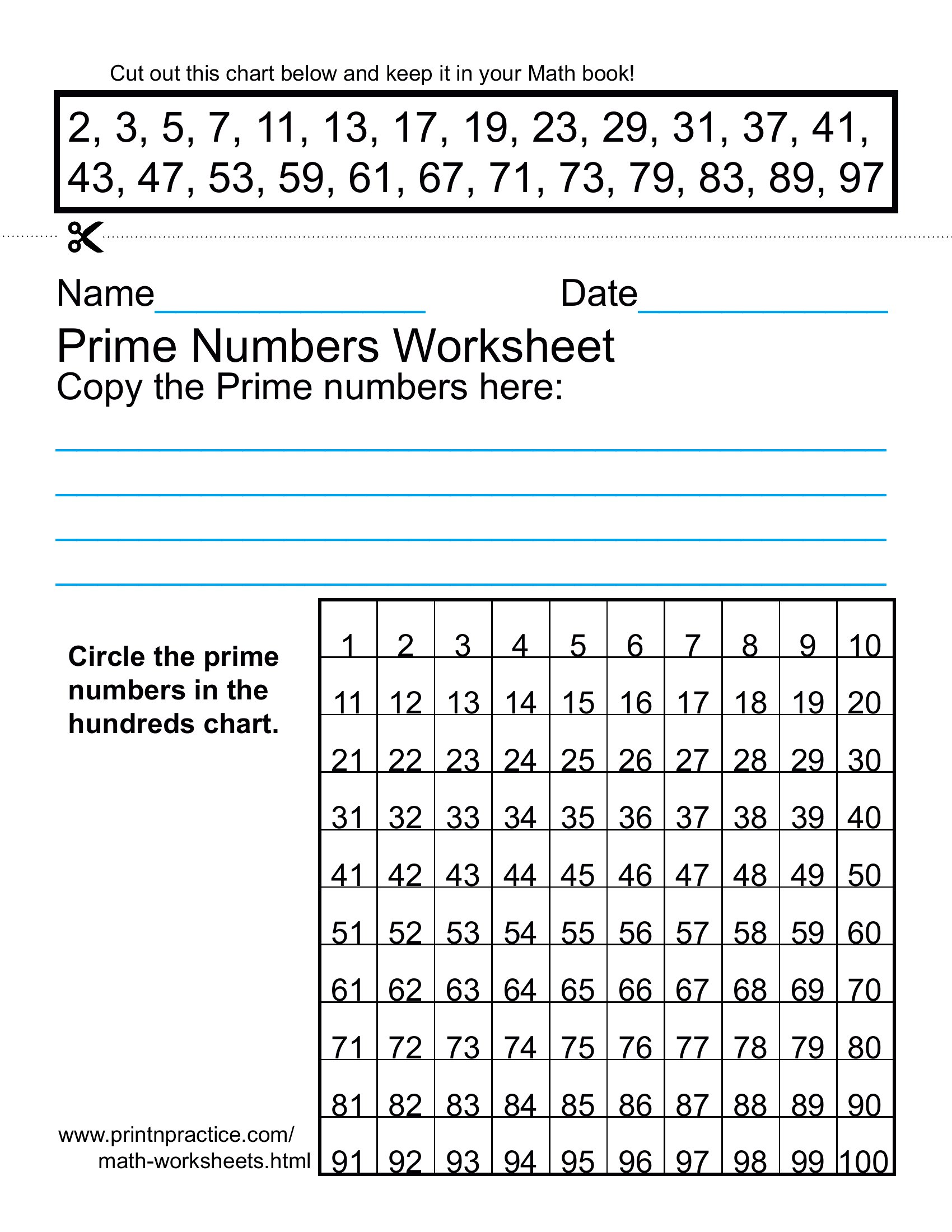
- A middle school math tutor uses a printable prime numbers chart to help 5th graders identify primes up to 50 during a small-group lesson on divisibility rules, saving time on manual calculations.
- A homeschooling parent hangs a laminated prime numbers chart in the kitchen to reference while guiding their child through factorization problems in a pre-algebra workbook, making the process more interactive.
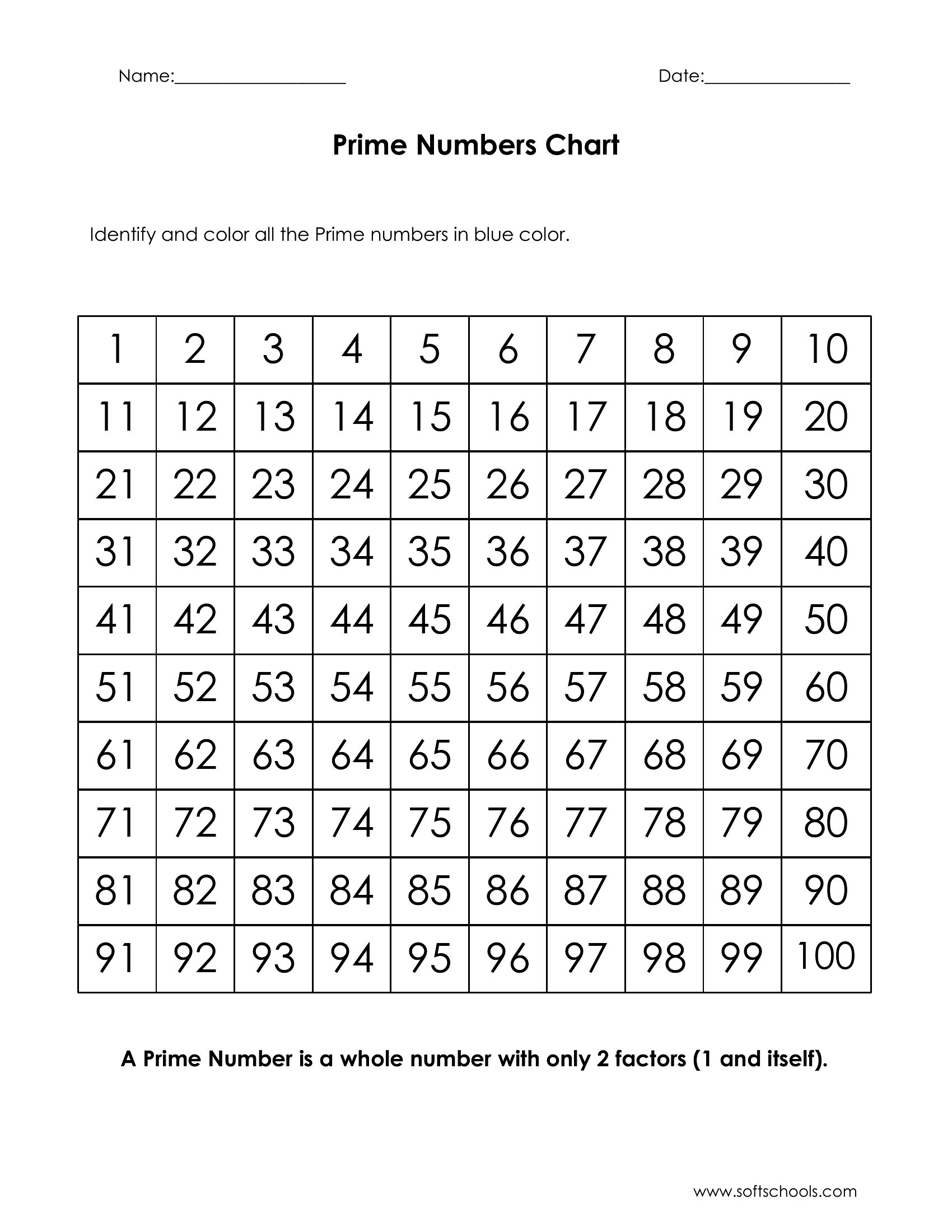
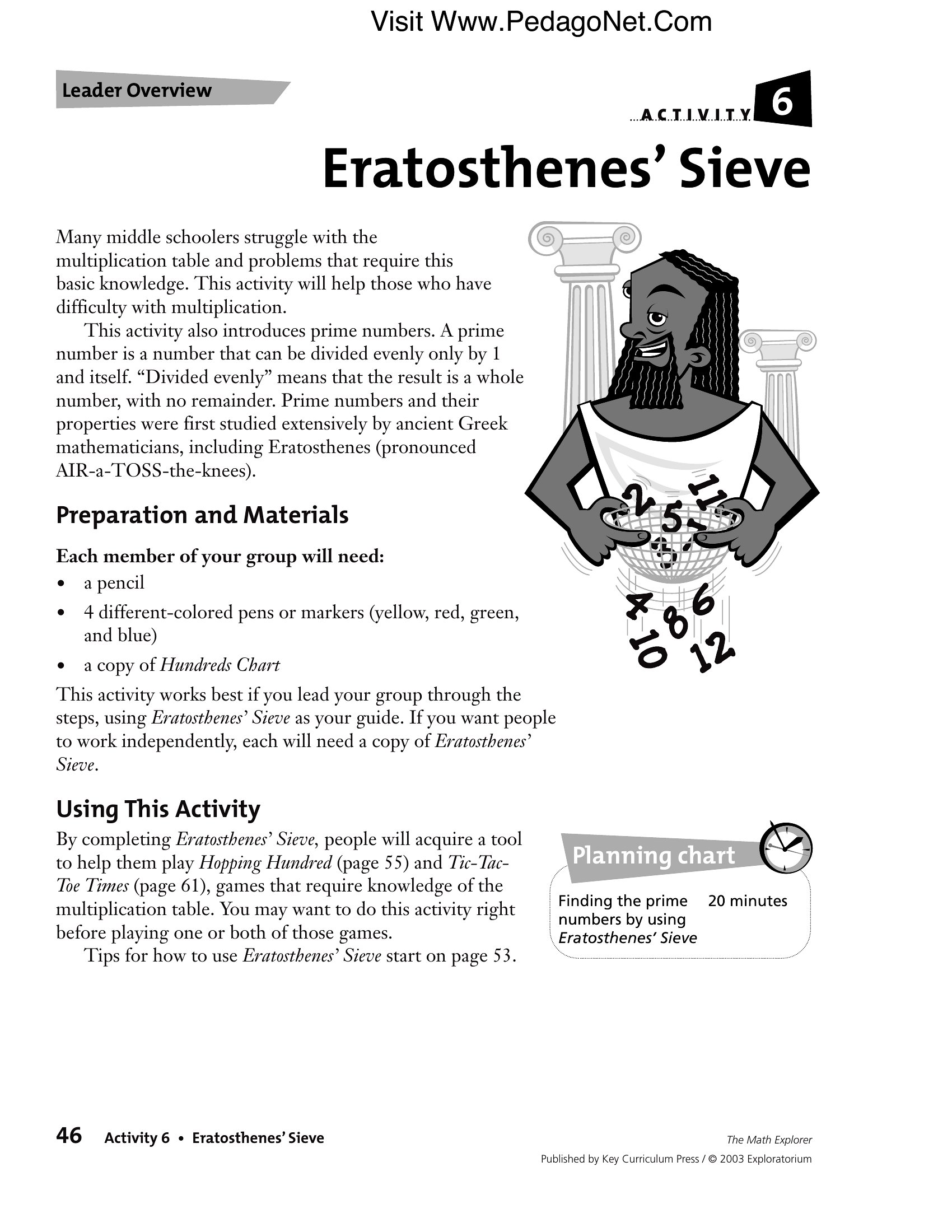
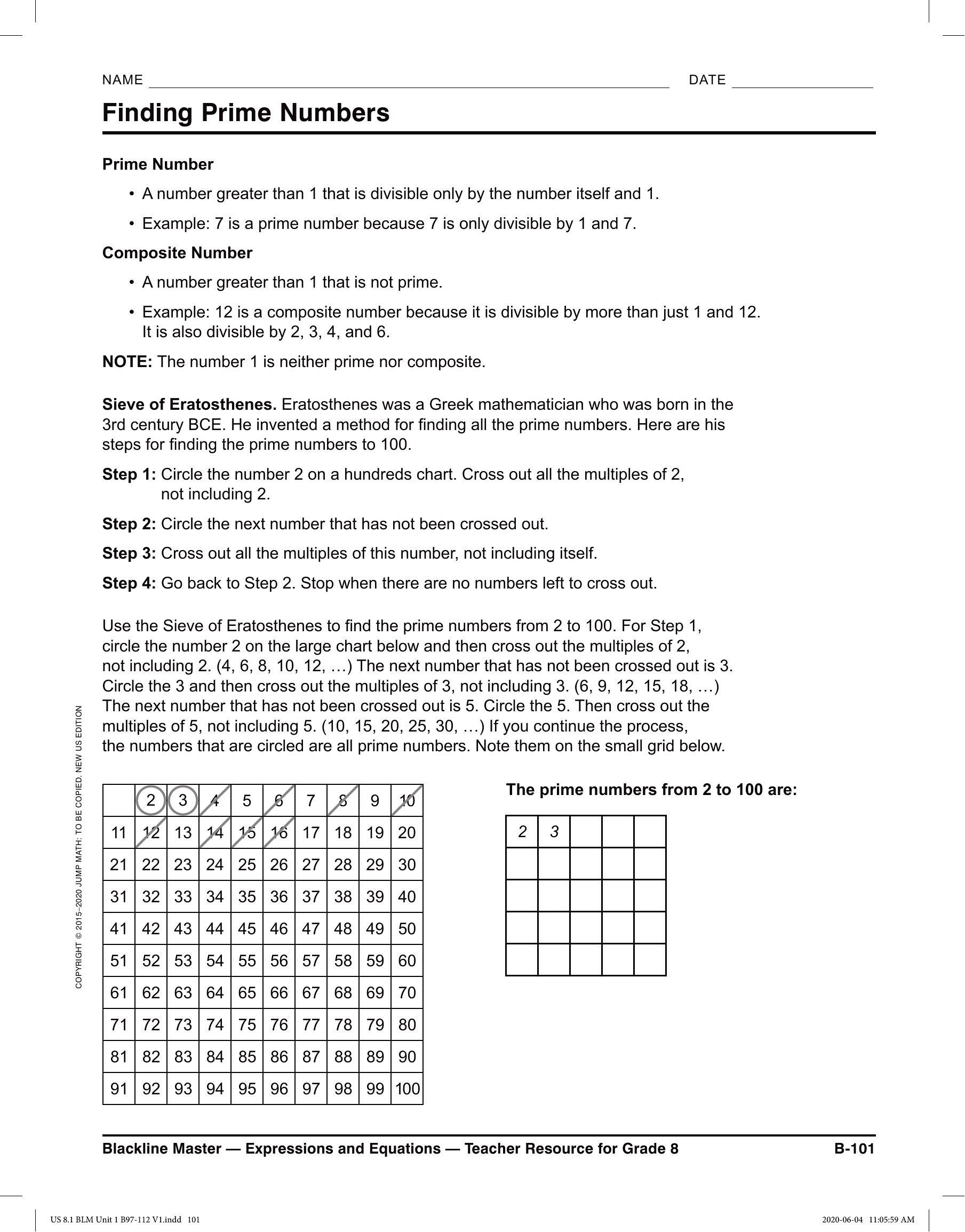
- A high school algebra teacher posts a large-format prime numbers chart in the classroom to assist students during a group activity on the Sieve of Eratosthenes, allowing them to visually track eliminated numbers.
- A coding bootcamp instructor shares a downloadable prime numbers chart with students learning basic algorithm design to quickly verify expected outputs in prime-checking functions.
Which format should I download?
Choose PDF for durable, print-ready charts that can be laminated or posted in classrooms. The static format ensures clarity for repeated reference during lessons or activities. Word is ideal if you need to customize ranges—edit the table cells to extend the chart beyond 100 or highlight specific primes for lesson focus. Use Word for collaborative planning too, like marking up a chart with teaching notes in comments.
How to use this Prime Numbers Chart template
Can I edit the ranges in these charts to focus on primes for a specific lesson?
Yes, the Word format lets you adjust the table’s cell values to highlight or extend prime numbers for targeted lessons. For example, reduce the range to 1–30 for beginners or increase it past 100 for advanced students. PDFs remain static but can still be printed at different scales to emphasize key ranges.
Are these charts suitable for visual learners who benefit from color-coding?
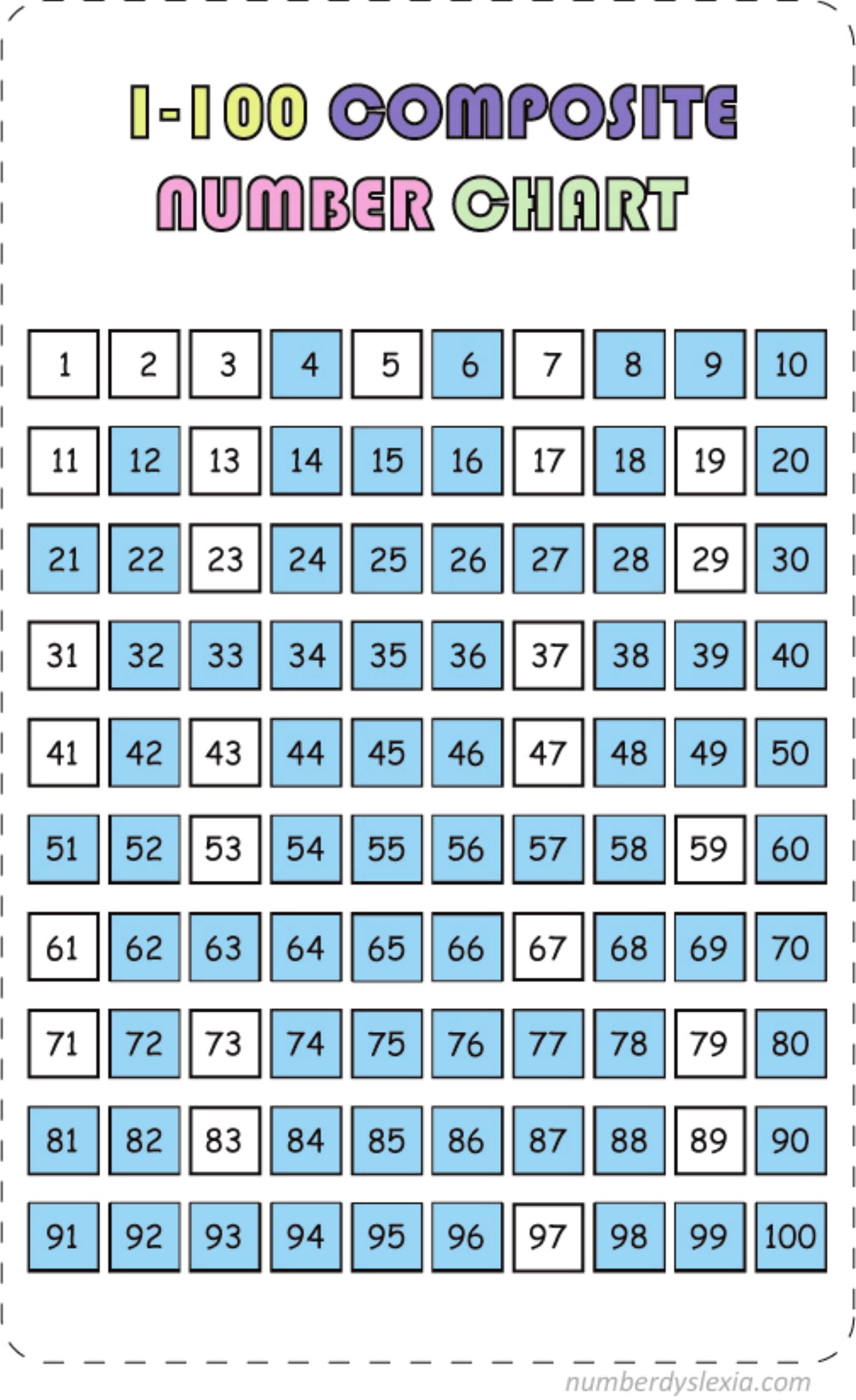
The Word templates are fully editable, so you can manually add colors to group primes by digit patterns (e.g., all primes ending in 1) or shade non-primes for contrast. PDFs won’t support edits but can be printed in grayscale or color as needed. Laminate and use dry-erase markers for interactive lessons.
How do I use this chart for teaching the Sieve of Eratosthenes activity?
Start with a printed chart (PDF or Word) and have students mark non-primes as they’re eliminated in each round. Use a highlighter or sticker dots to visually track progress. For larger groups, project the chart or post a wall-sized version. Word’s editable cells let you pre-mark multiples for guided demonstrations.
Comments
Join the conversation
Sign in to share your thoughts and leave a comment on this resource.