Free Shutter Speed Charts (PDF)
Data by svyatolyubeybozhenko
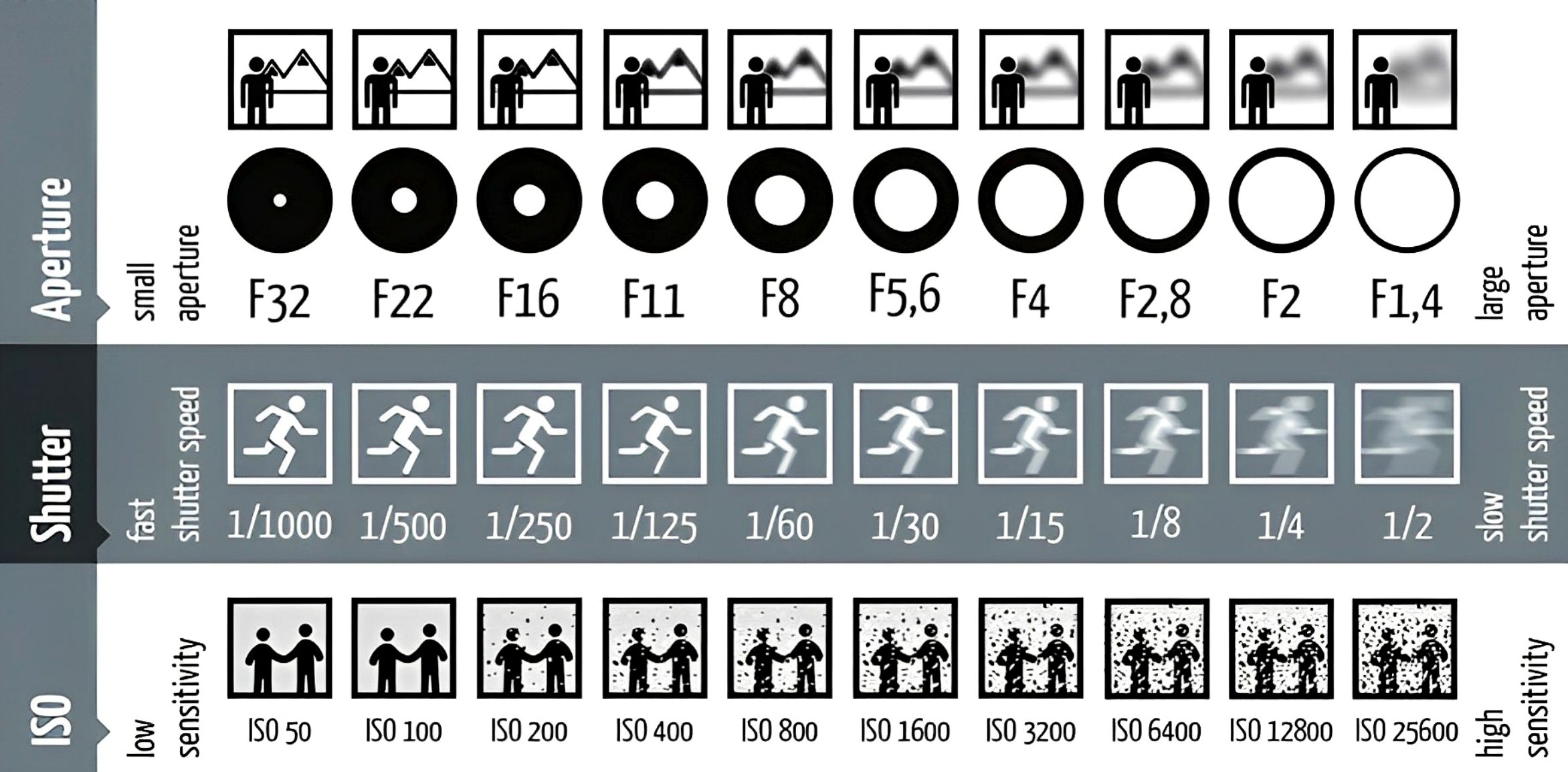
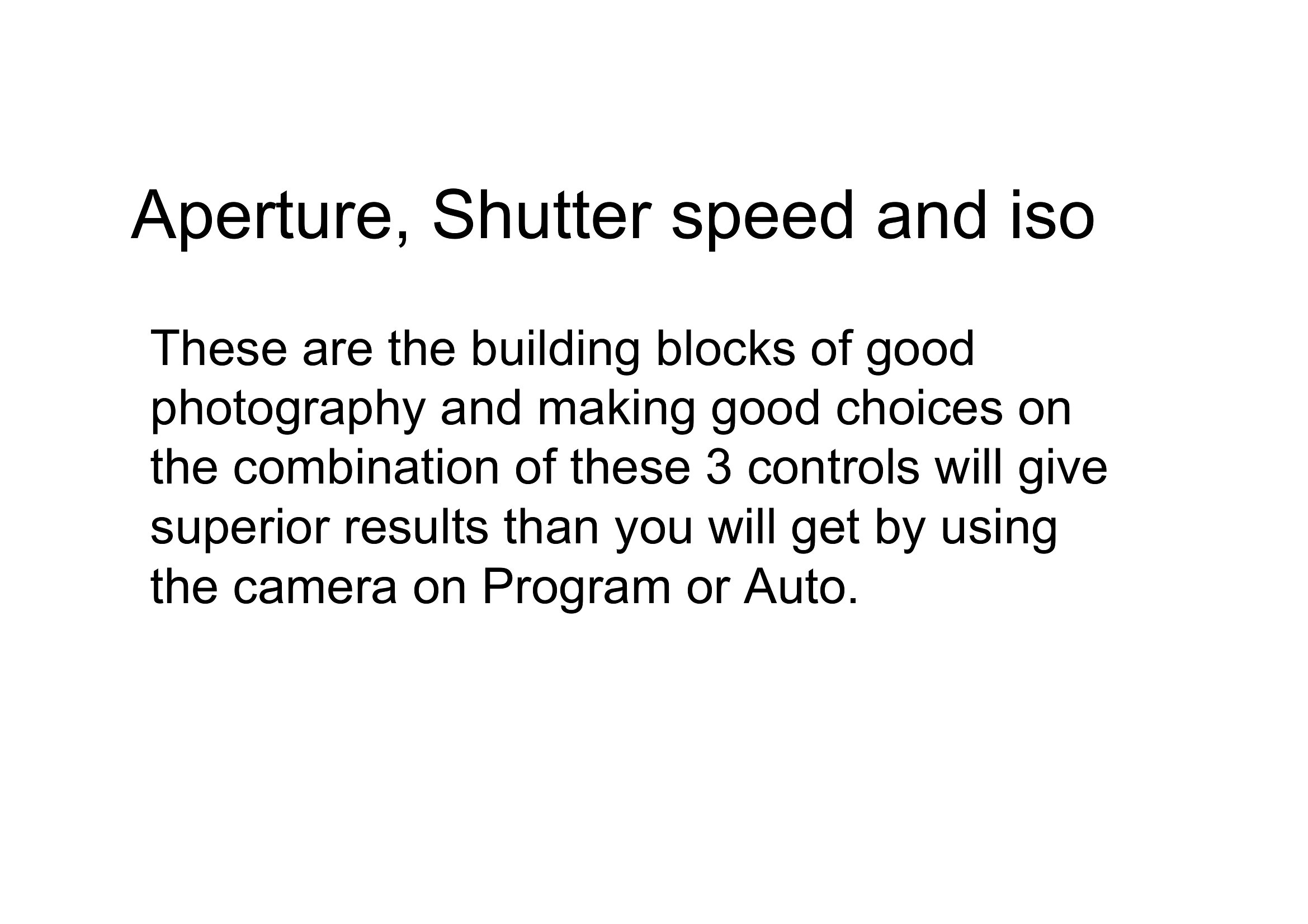
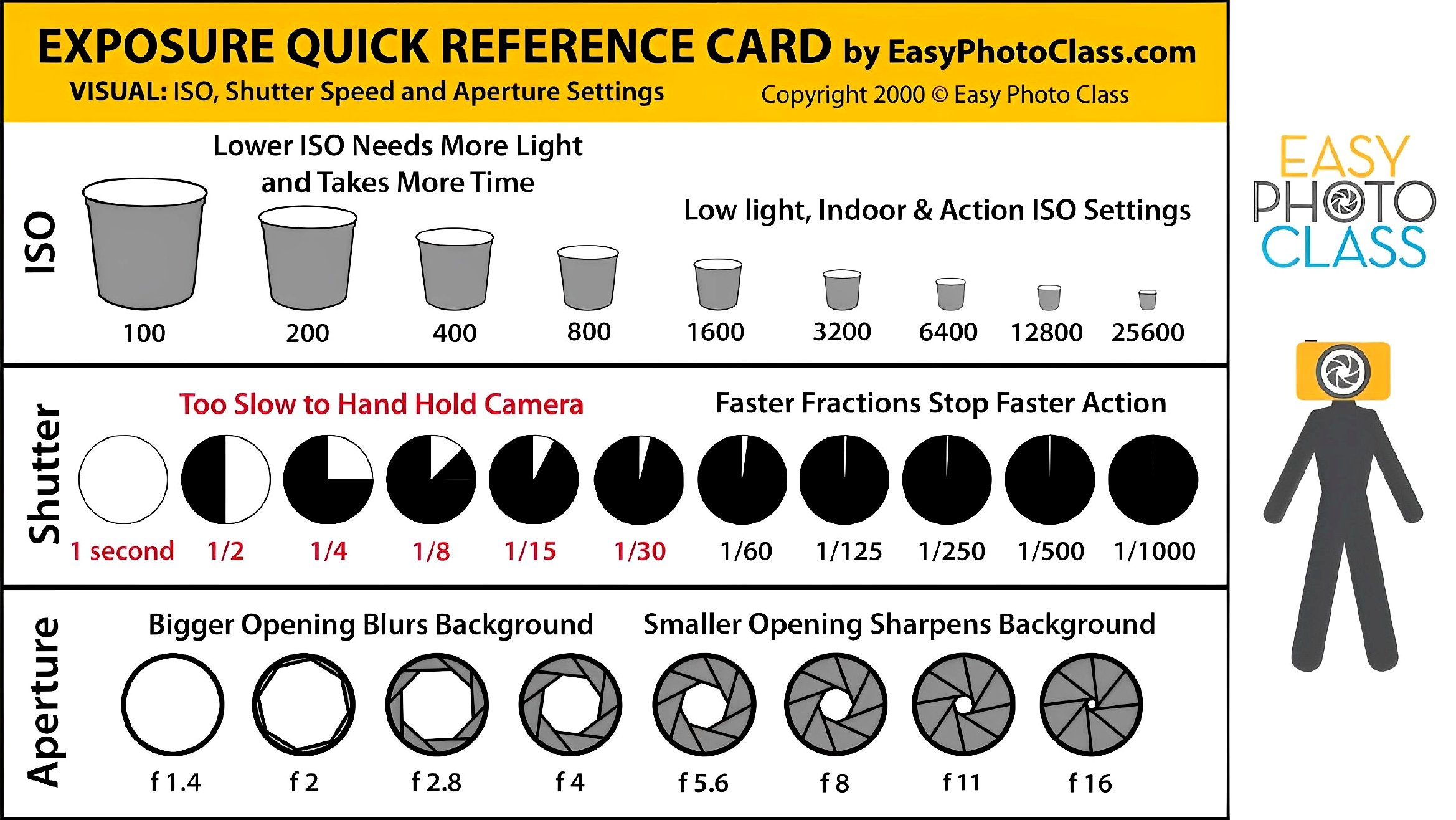
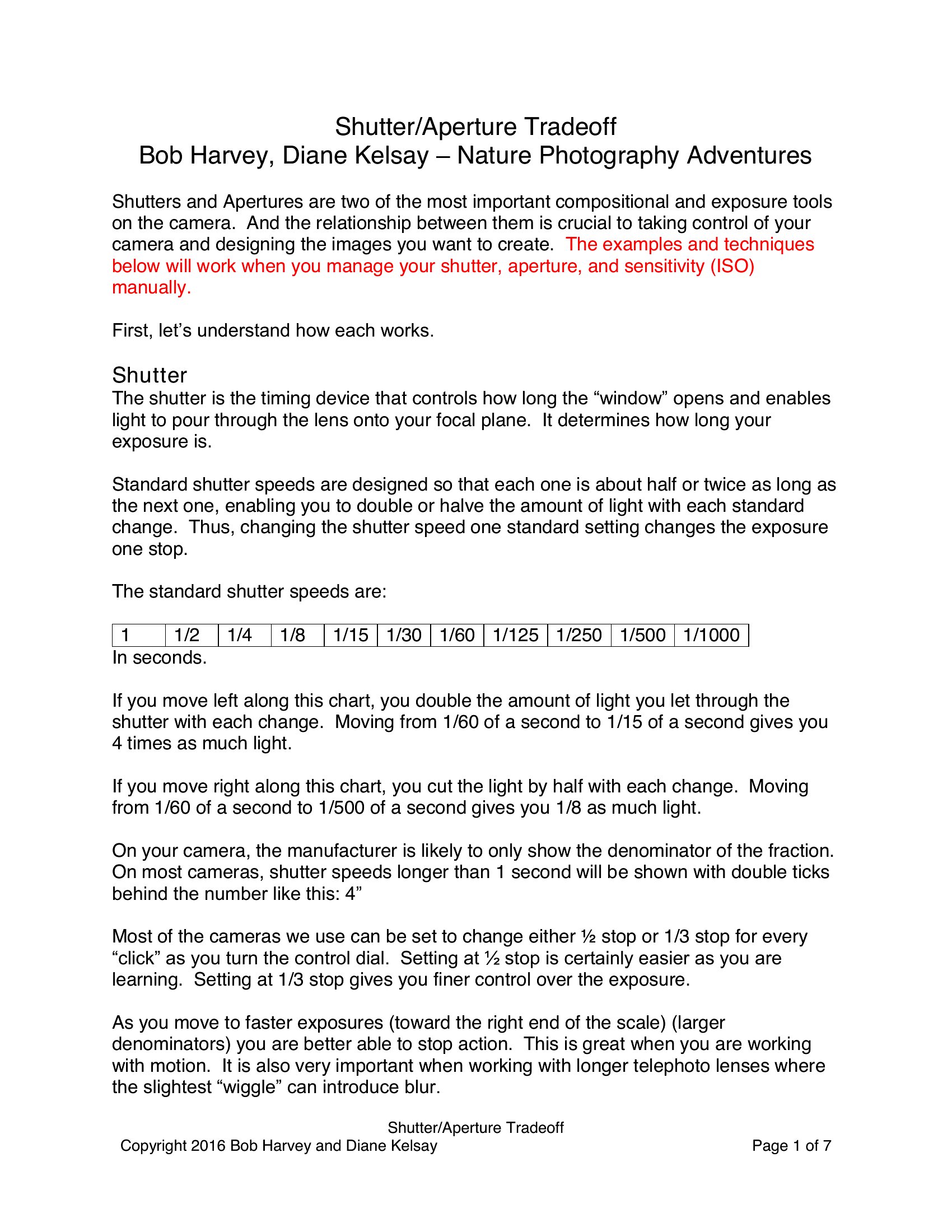
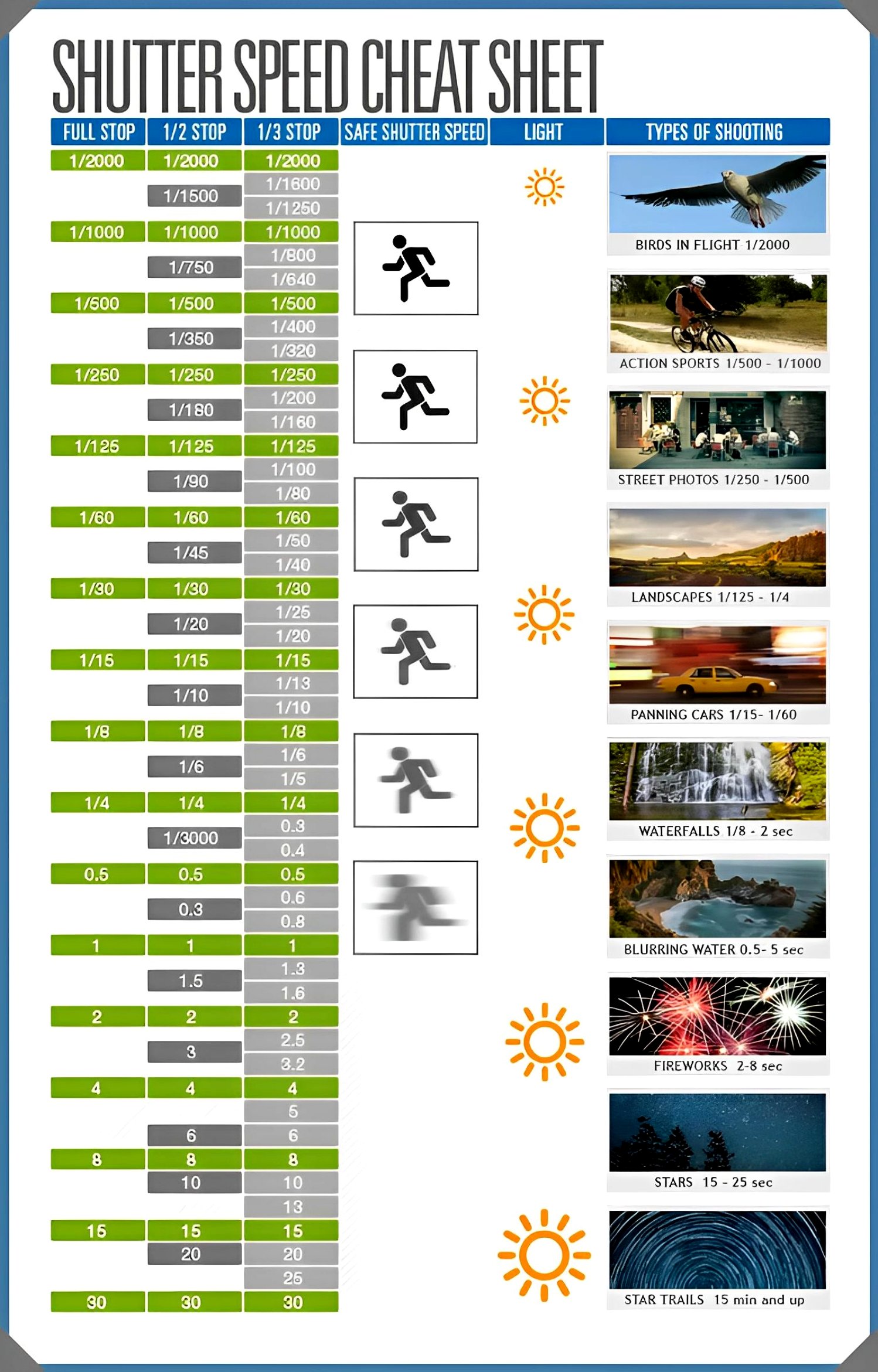
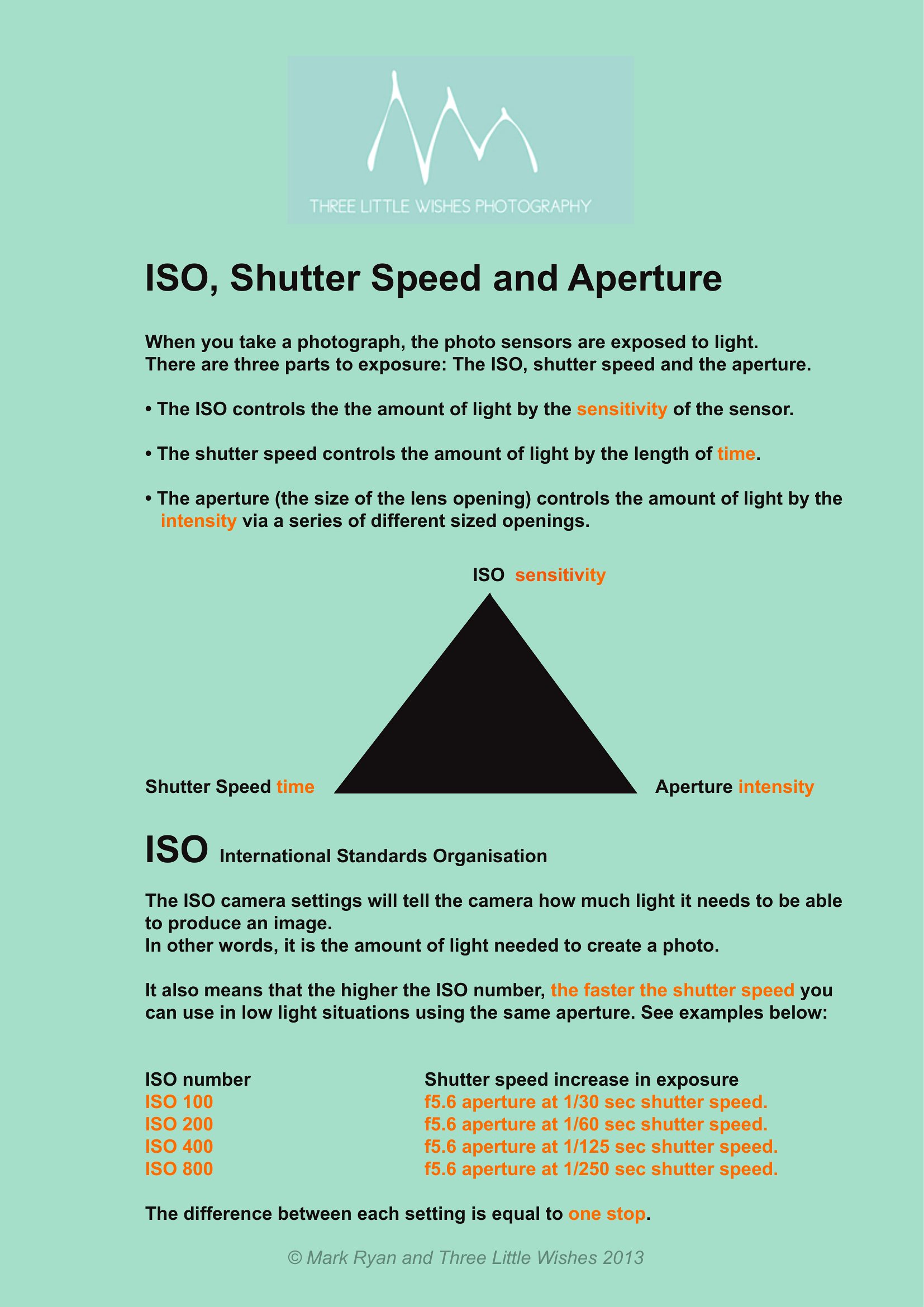
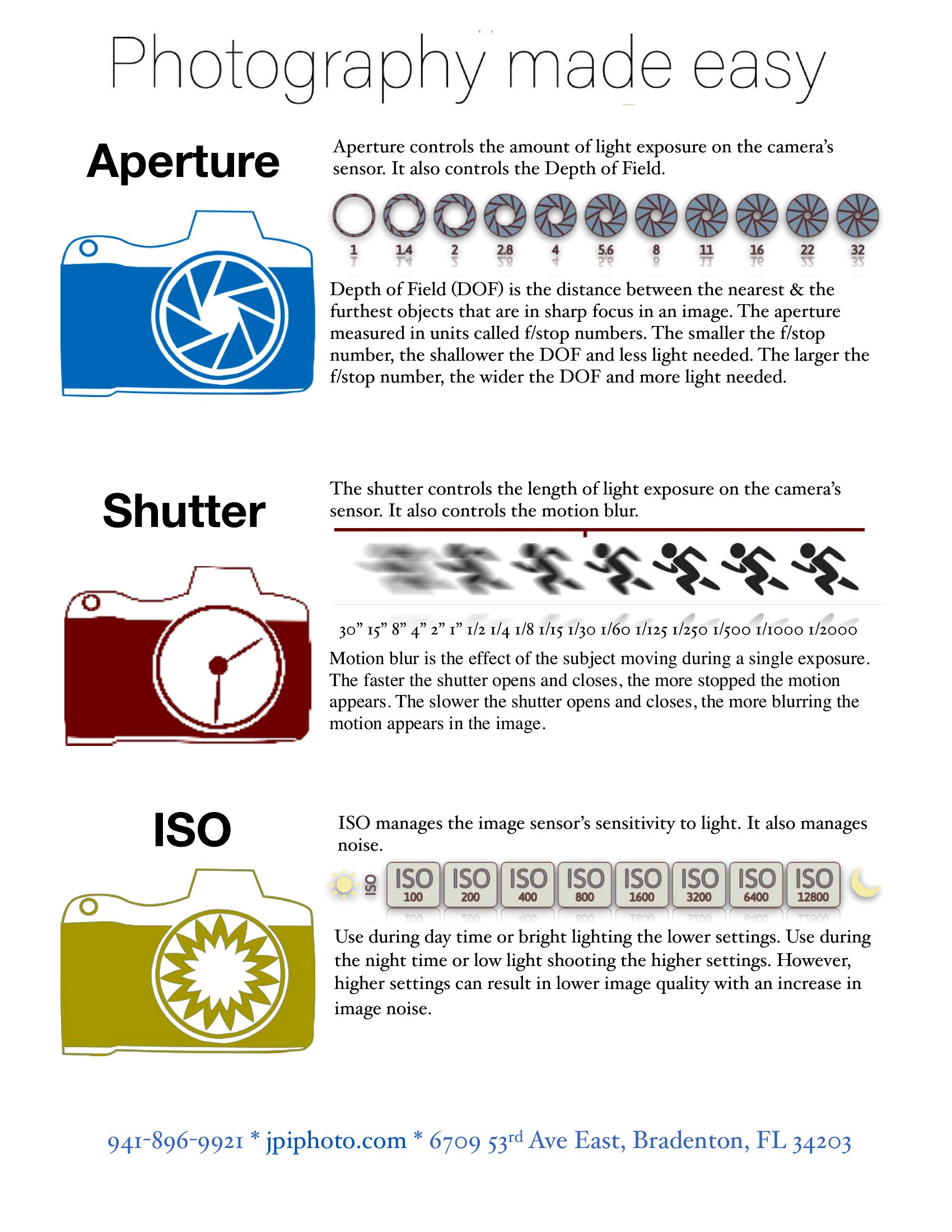
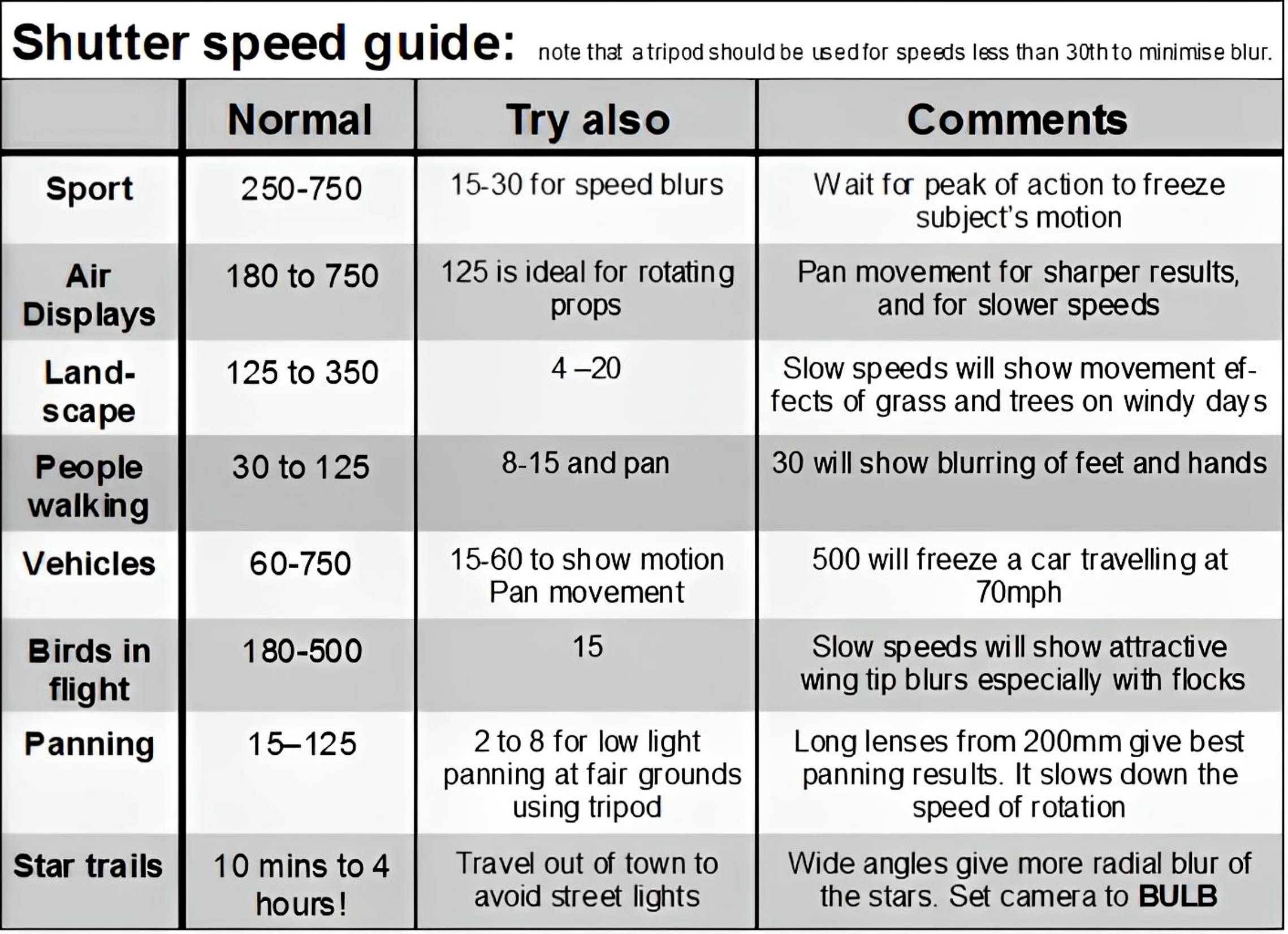
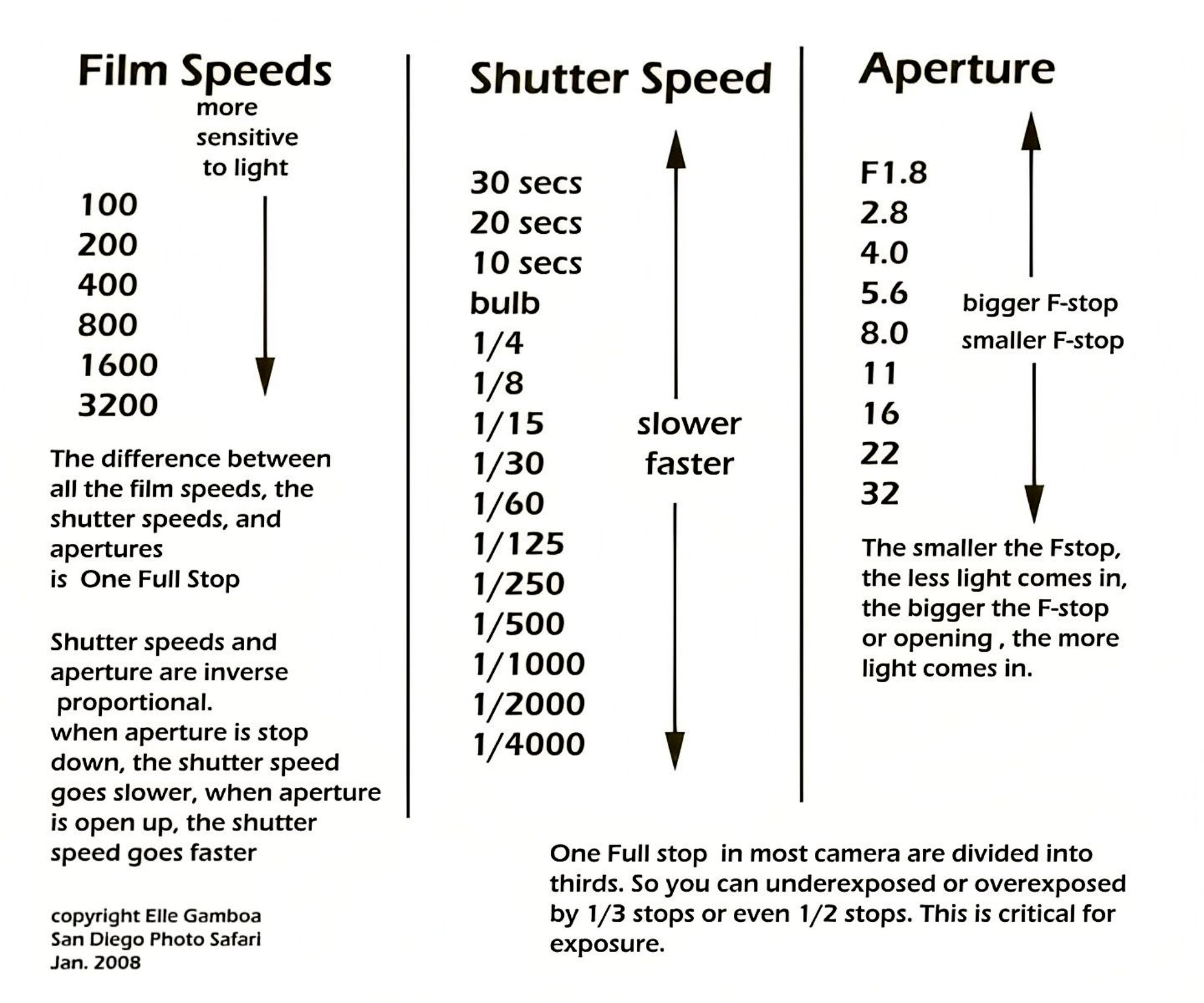
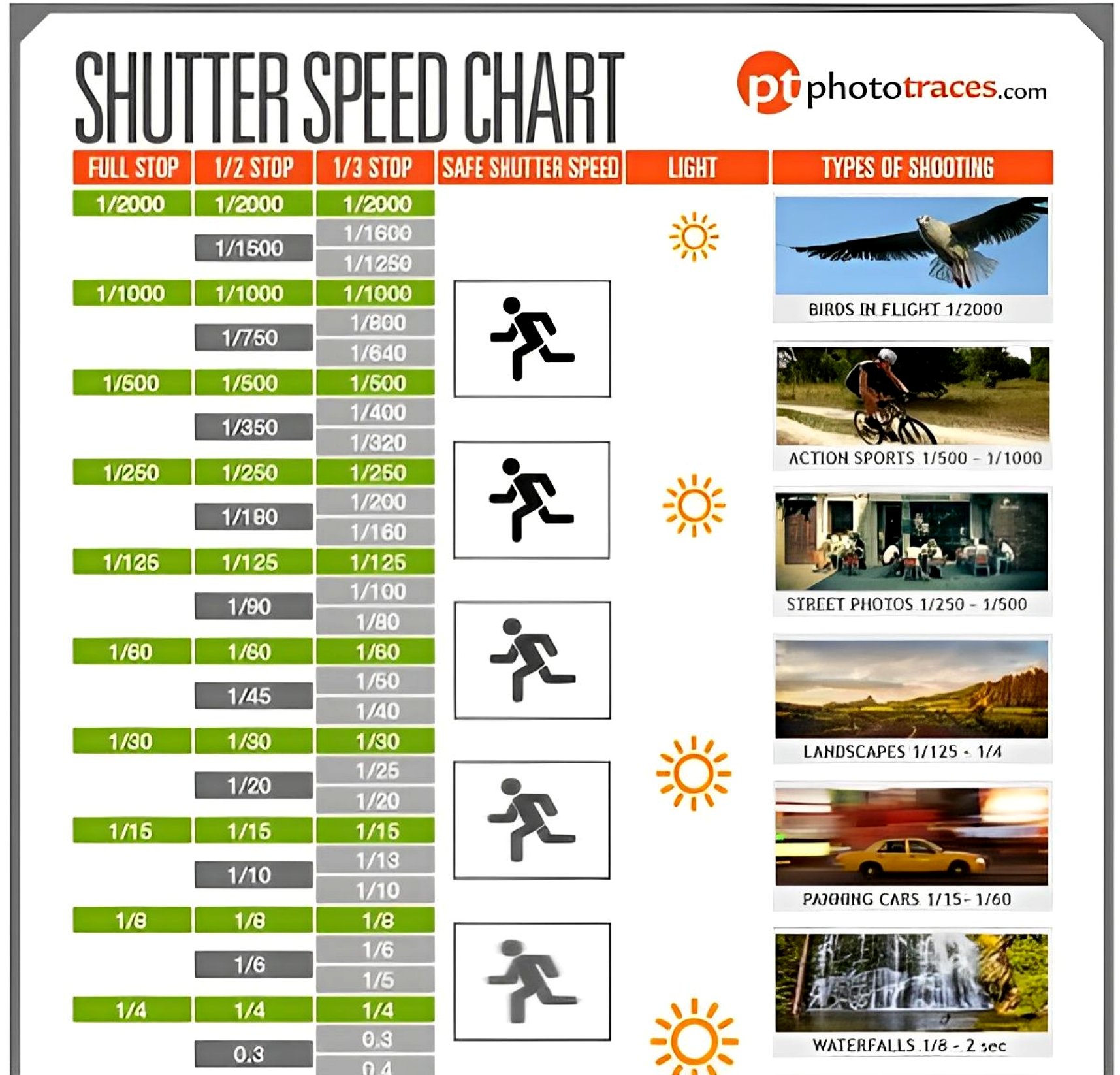
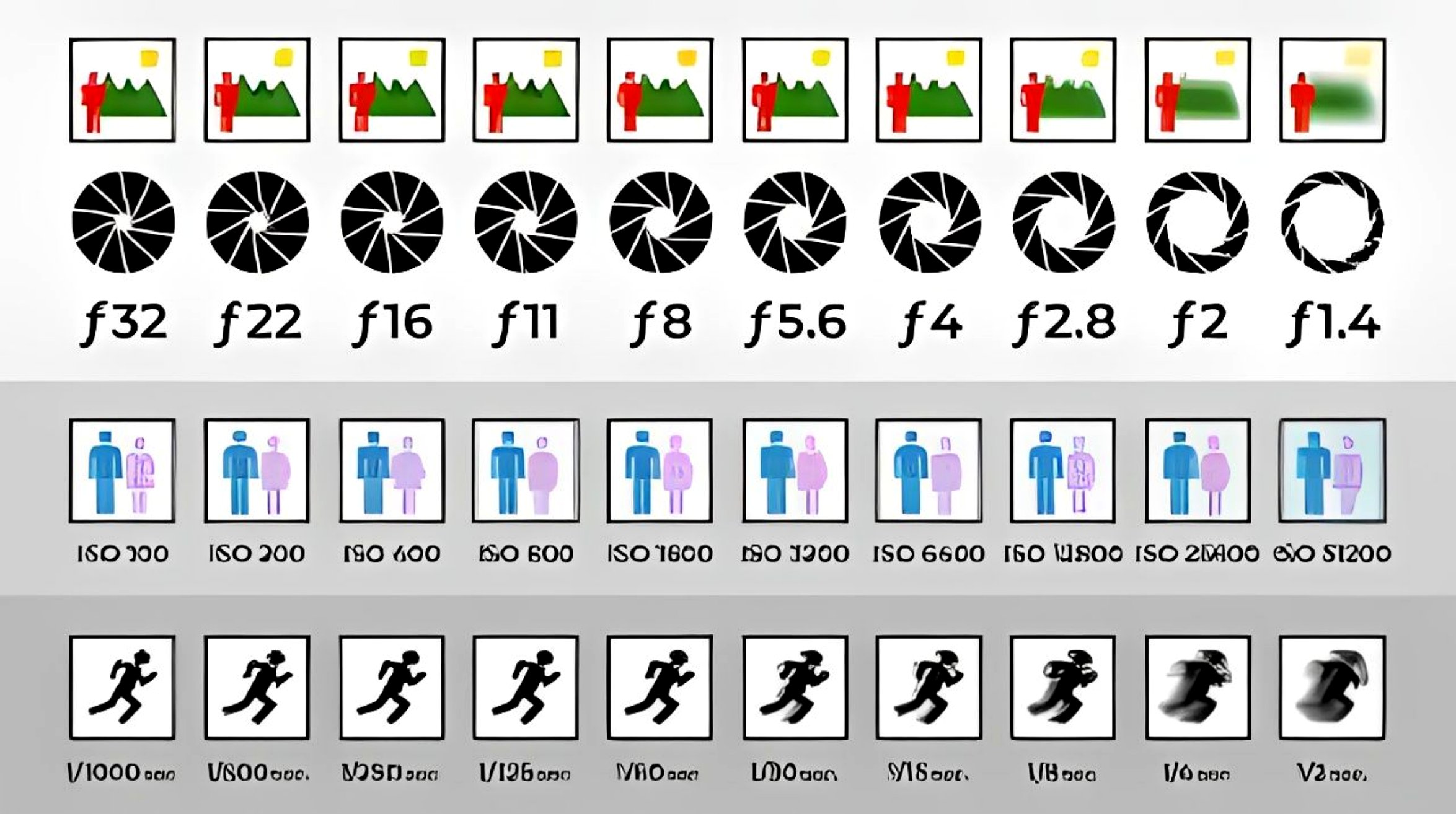
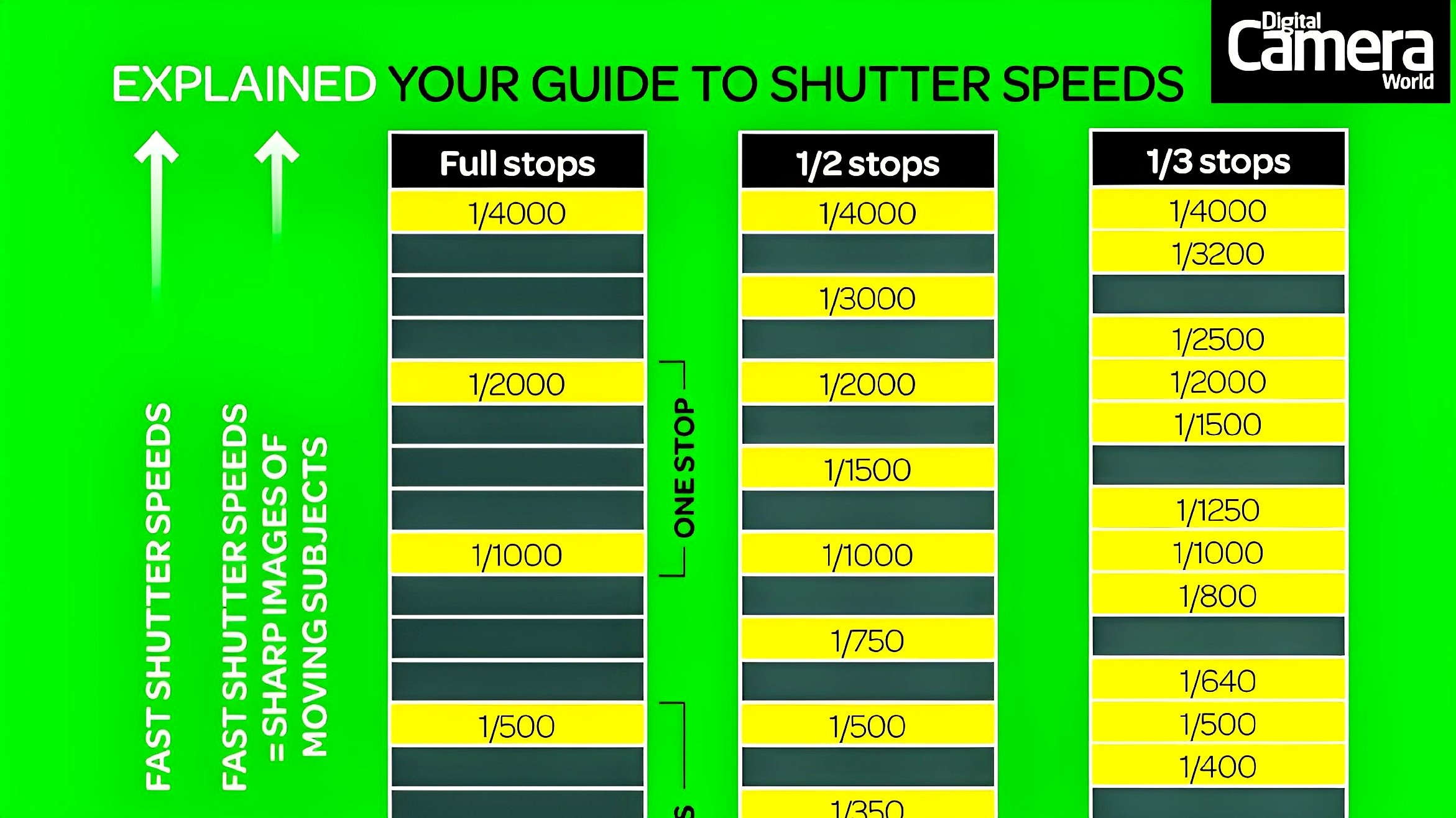
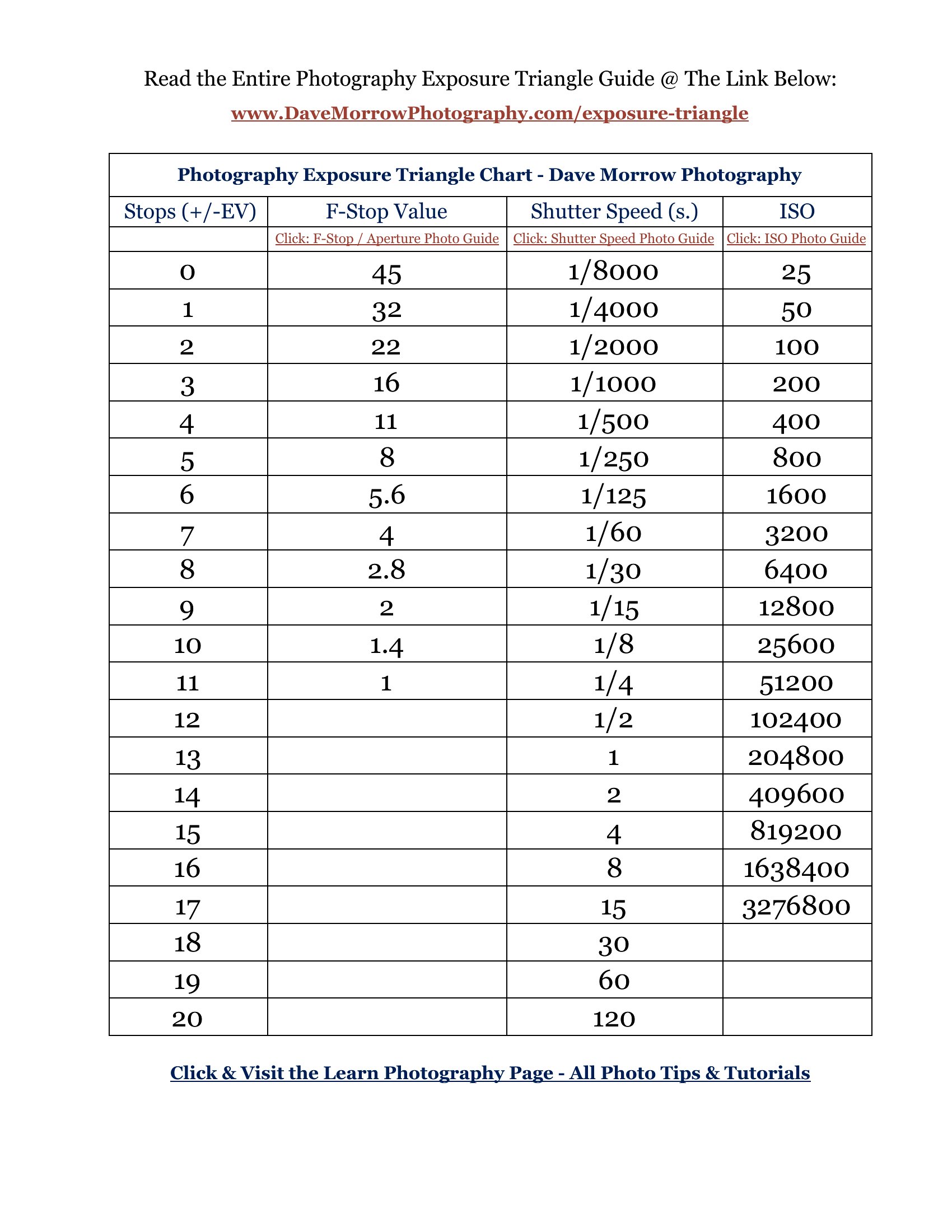
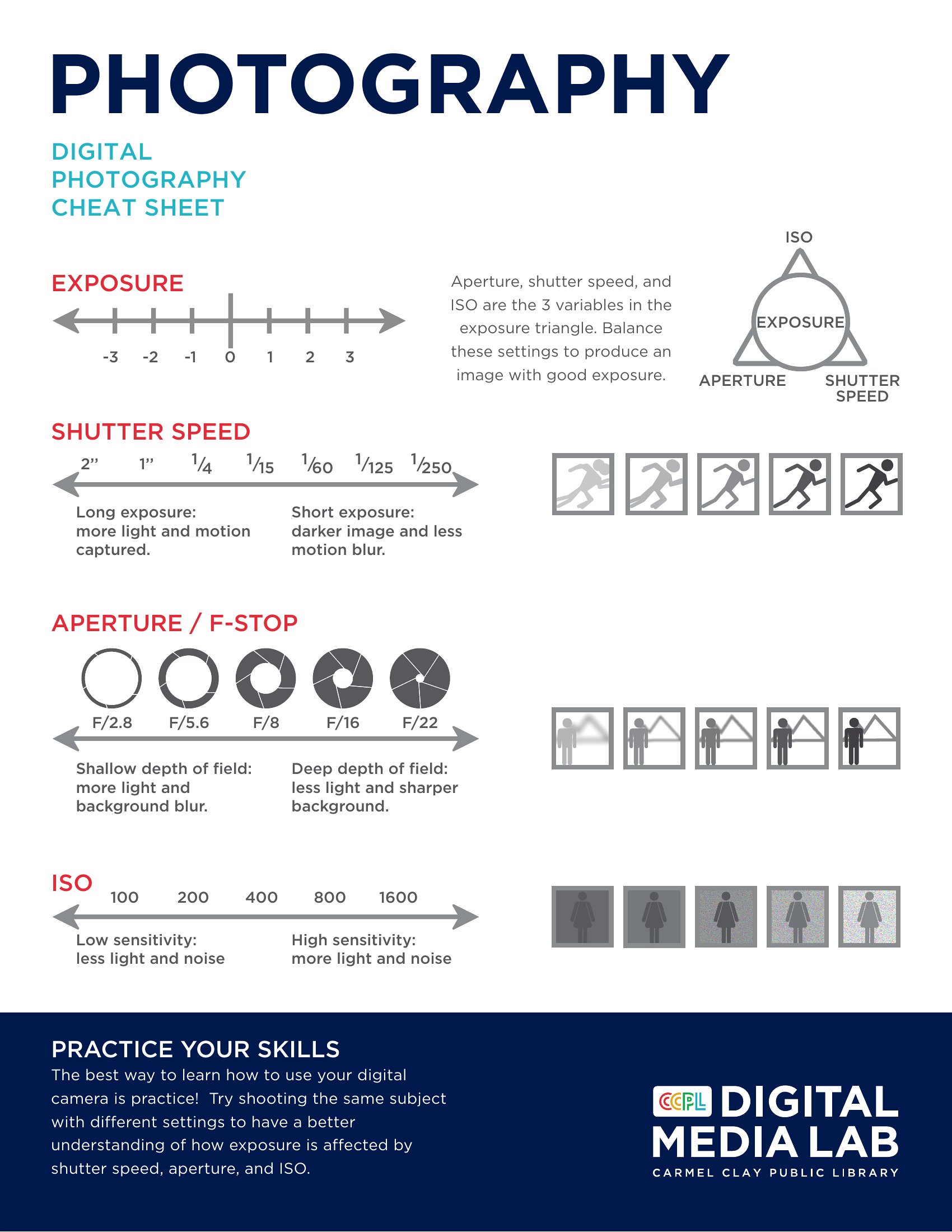
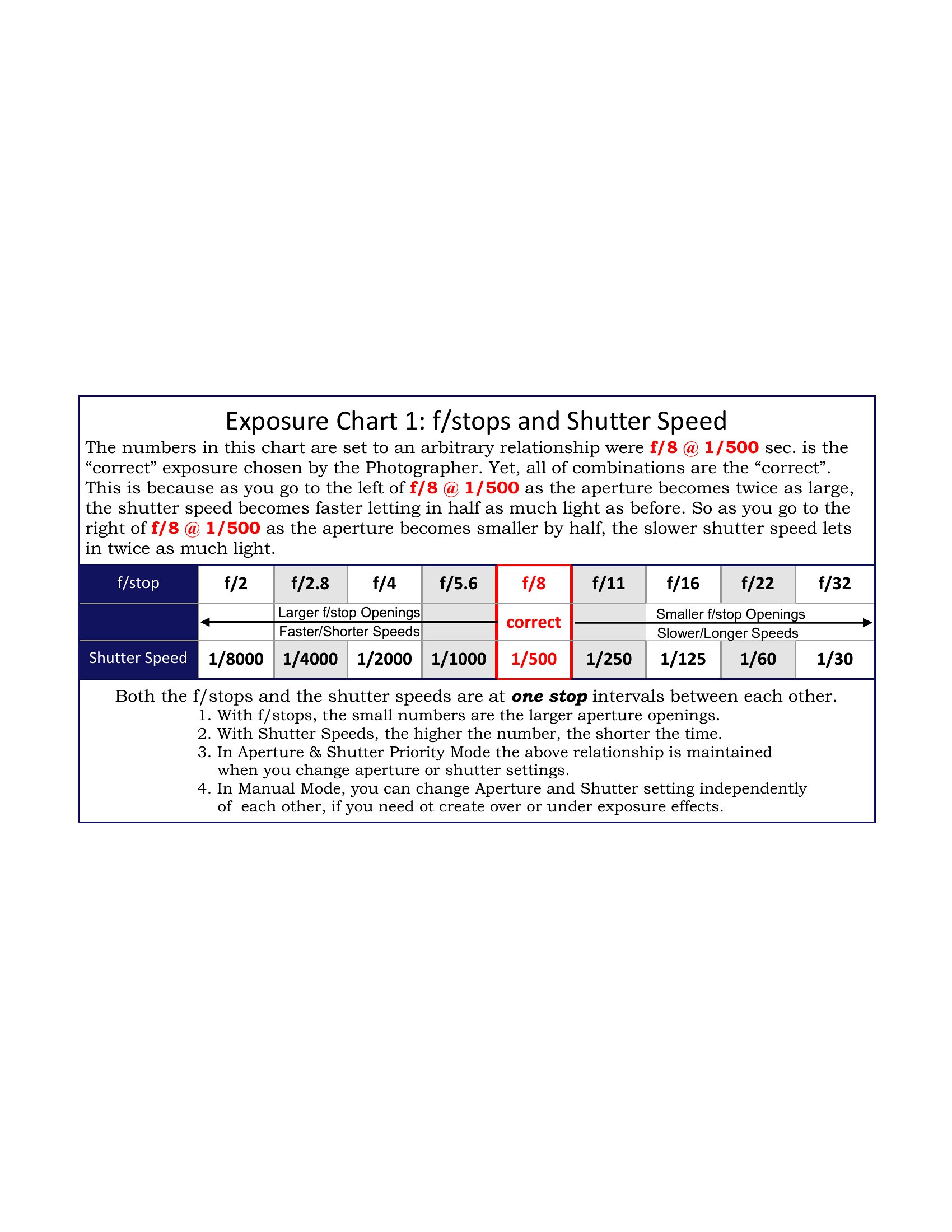
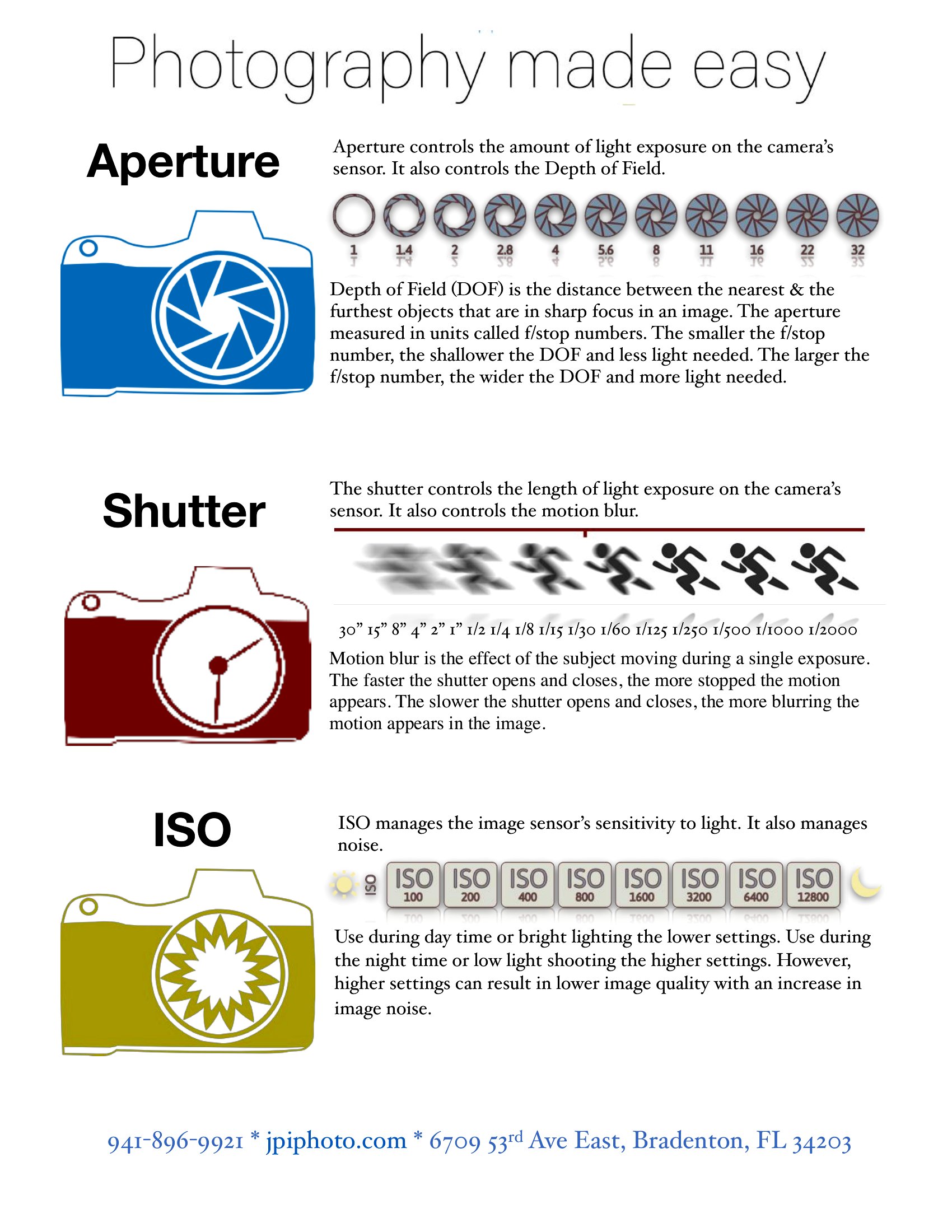
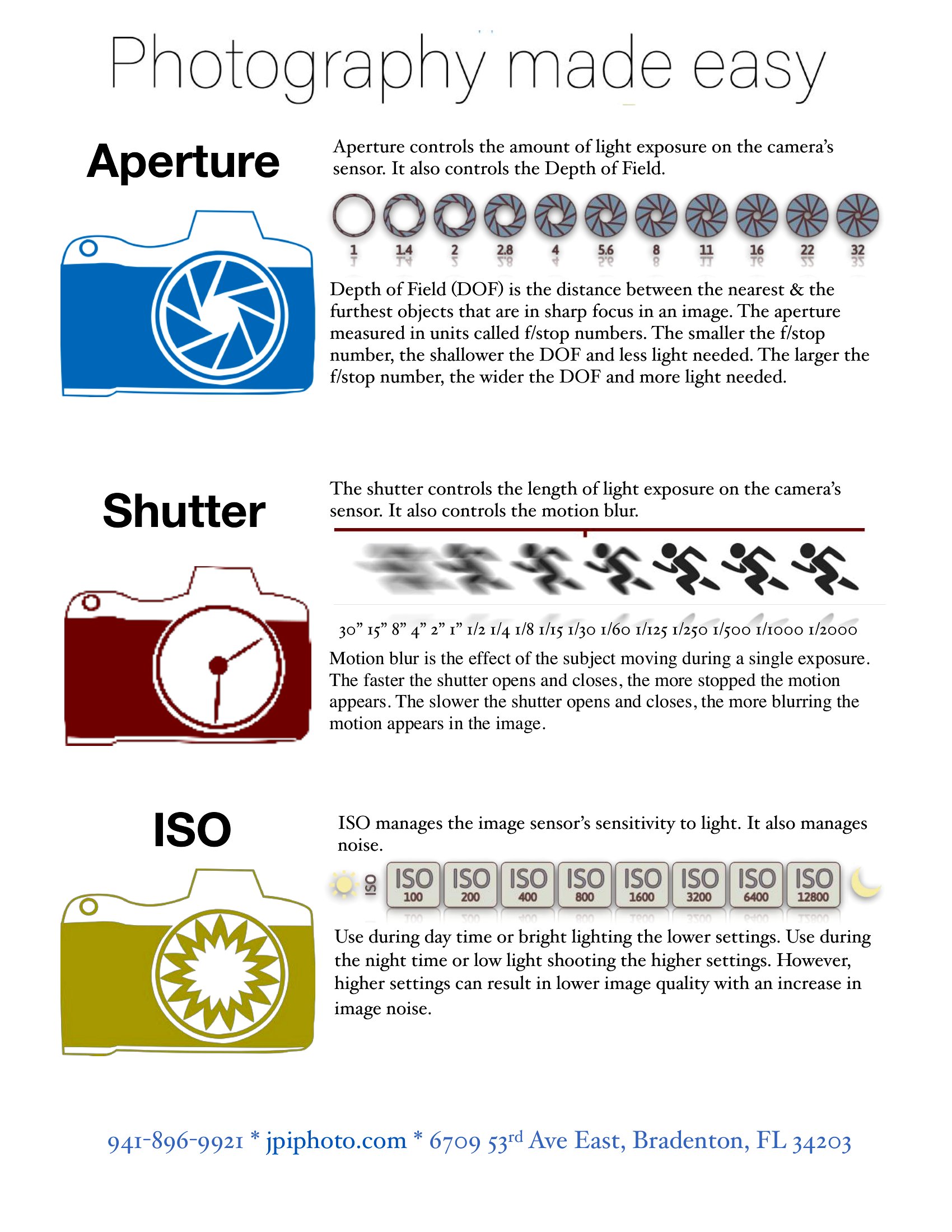
Shutter speed controls how motion shows up in a photo, from frozen action to silky water, and a quick reference takes the guesswork out of fast-changing light. These 29 charts lay out common shutter speeds alongside their effect on motion blur and exposure, with notes on pairing them with aperture and ISO. New photographers, students, and hobbyists can keep the relationships straight while they learn to shoot in manual.
The charts come as print-ready PDFs, so you can print one for your camera bag or pin a copy in the studio. Print on cardstock and laminate it, and it'll survive a few rainy shoots. There's nothing to install and nothing to buy. Download the chart that fits how you shoot and keep it handy until the settings become second nature.
Choose from 29 Shutter Speed Chart Templates
Frequently Asked Questions about Shutter Speed Chart Templates
Are these Shutter Speed Chart templates free to download?
Yes. Every Shutter Speed Chart template in this collection is free to download from TemplateSpark. Just open the template you need, download it, and start editing right away — no subscription required to get started.
What file formats are available for Shutter Speed Chart templates?
These Shutter Speed Chart templates are available in PDF. Pick the format that matches your workflow — each download keeps the original layout so it looks right whether you open, print, or share it.
Can I edit or fill in these Shutter Speed Chart PDF templates?
These Shutter Speed Chart templates are print-ready PDFs. You can fill them in with any PDF reader or print and complete them by hand — ideal when you want a clean, consistent layout without changing the original design.
How many Shutter Speed Chart templates can I choose from?
This page collects 29 Shutter Speed Chart templates so you can compare styles and layouts in one place. Browse the options, open the one that fits your purpose best, and download it in your preferred format.
Can I use Shutter Speed Chart templates for commercial purposes?
In most cases, yes — these Shutter Speed Chart templates are intended for both personal and business use. Check the license note on the template before redistributing or reselling, and avoid sharing the source files as your own product.
How does shutter speed affect motion in a photo?
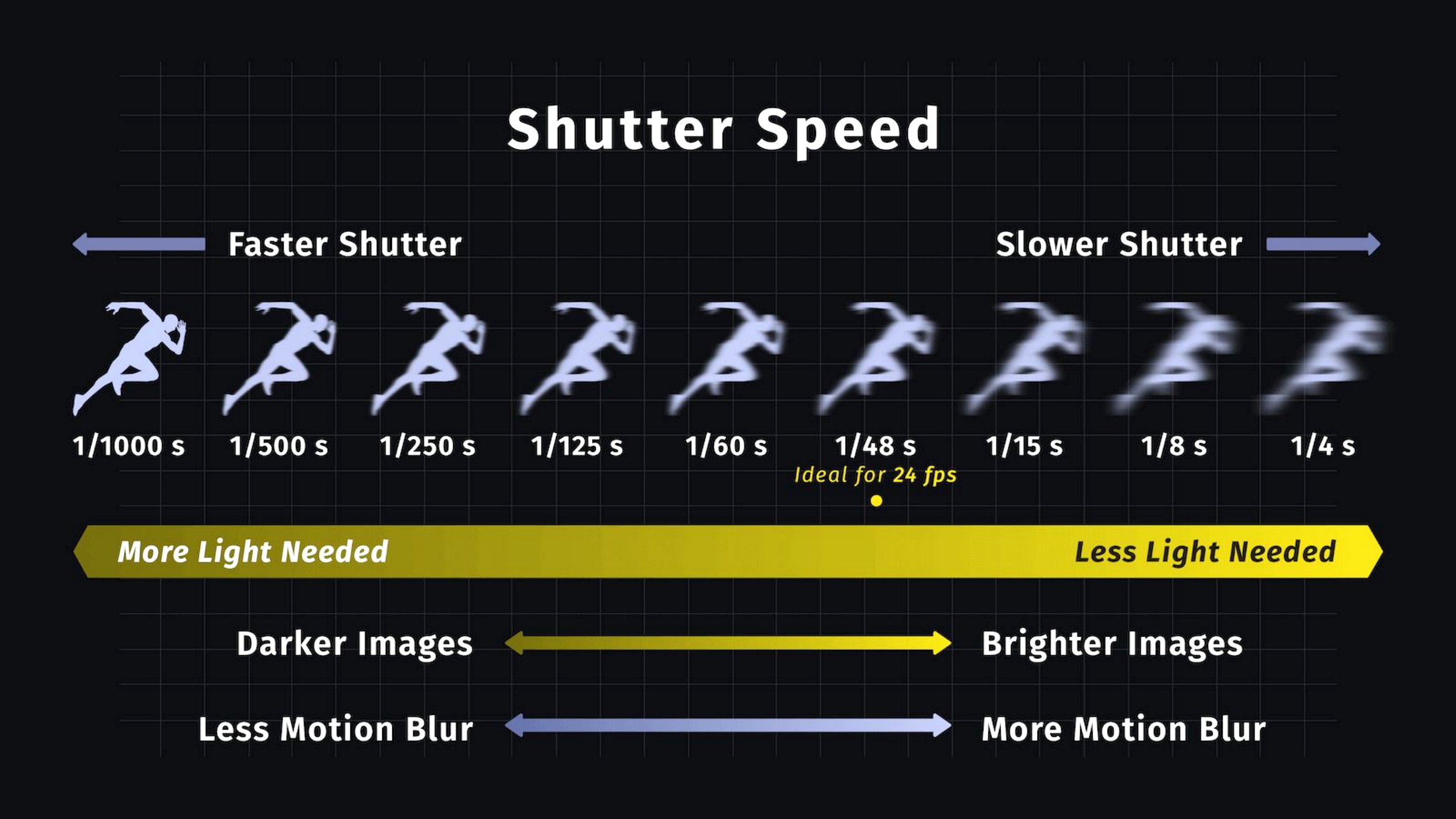
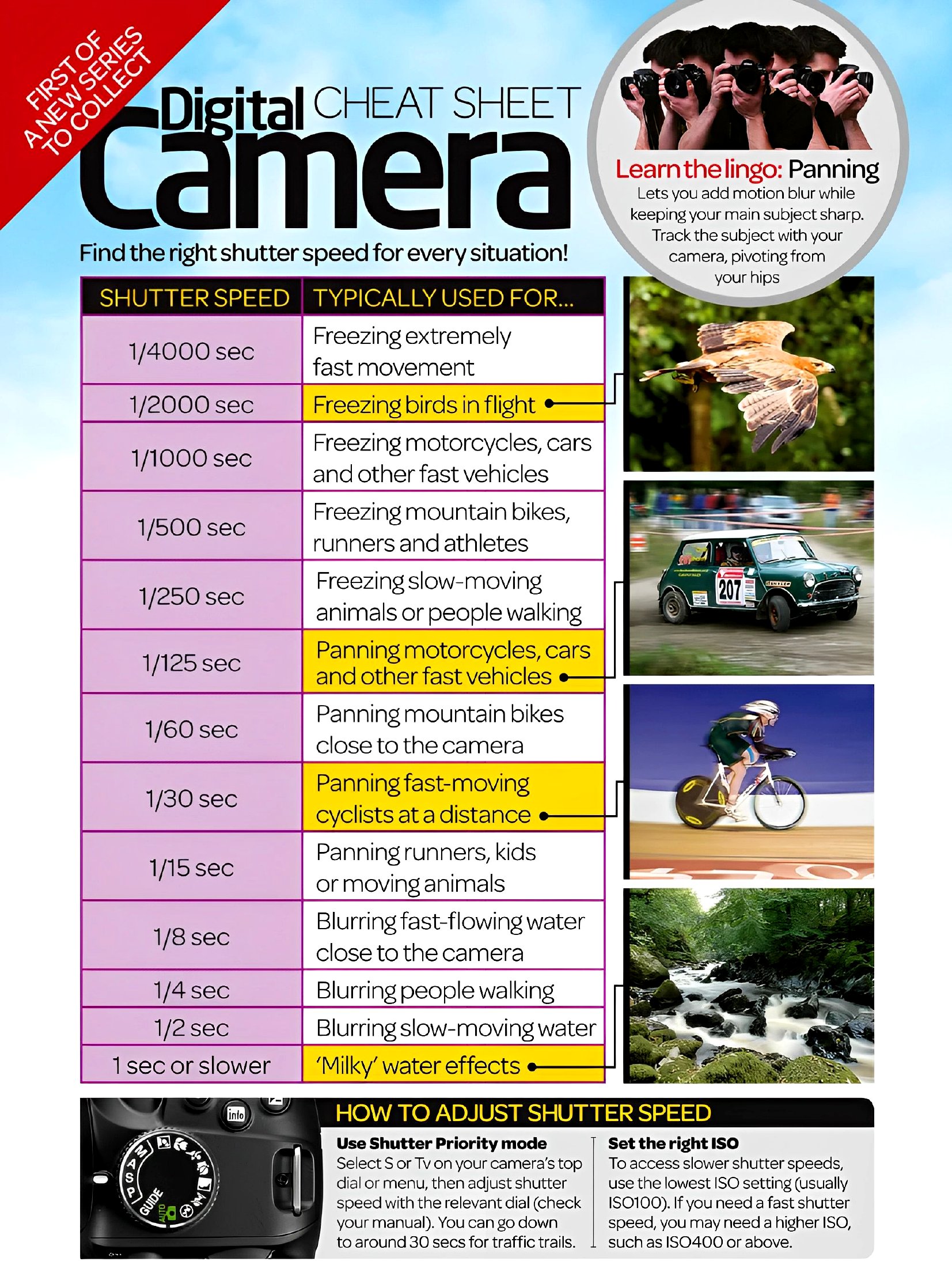
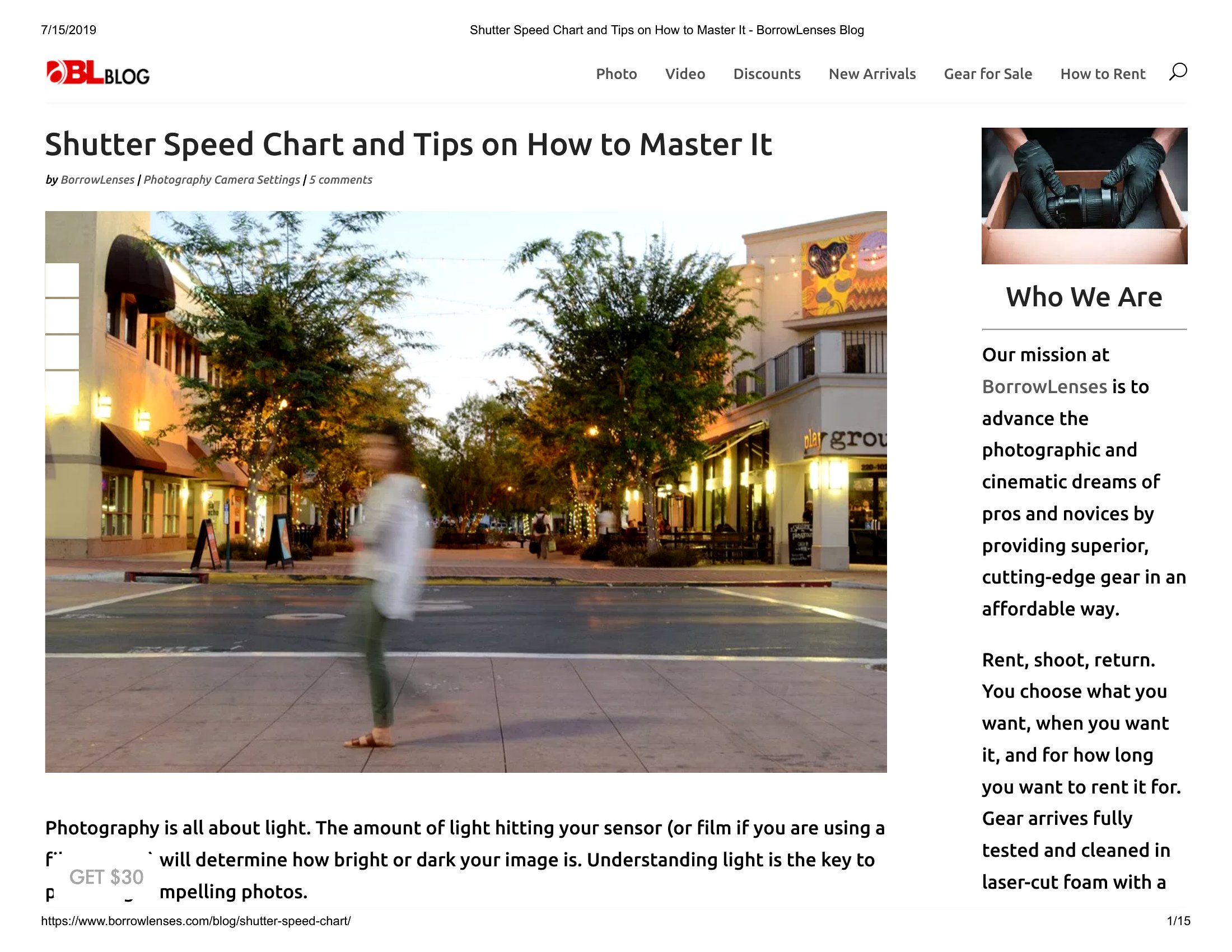
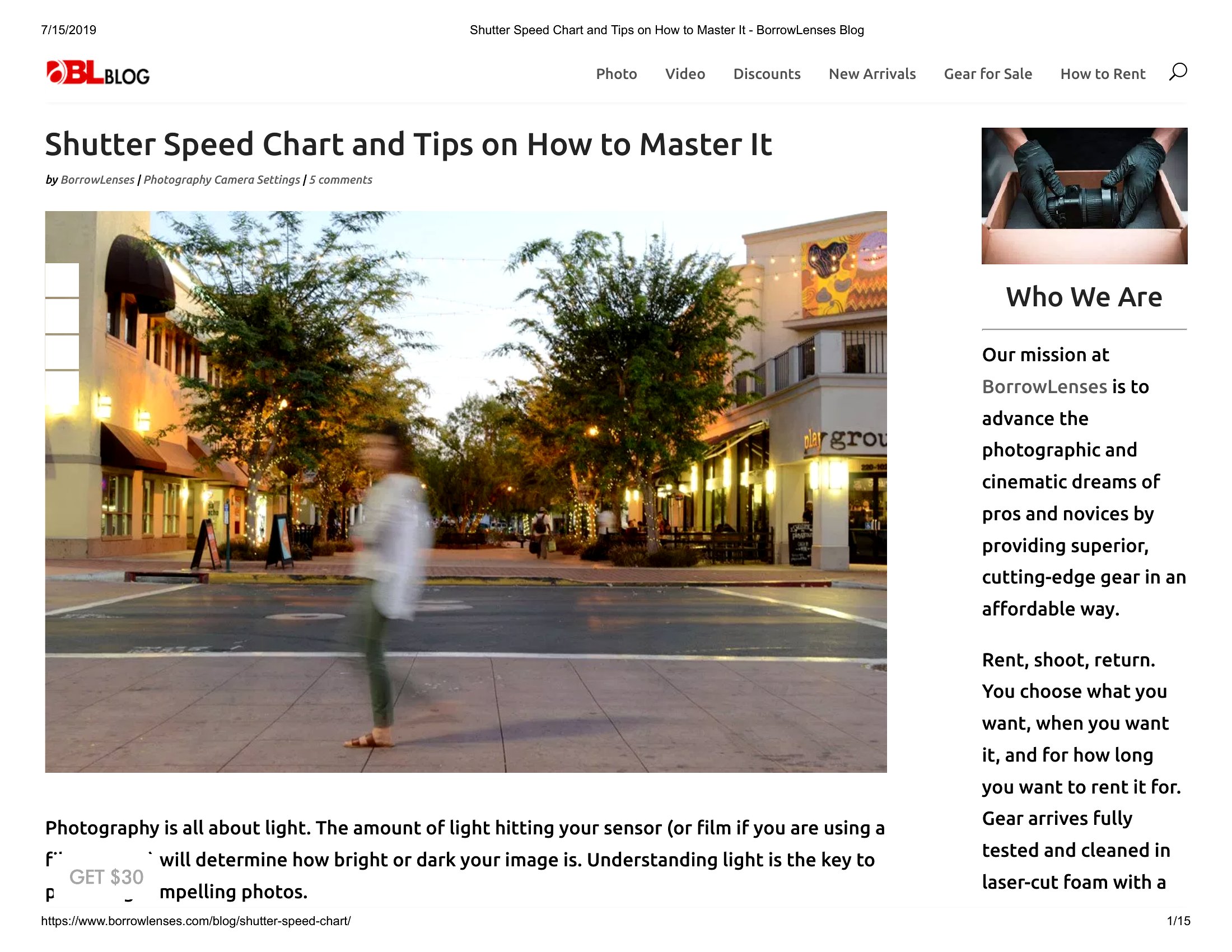
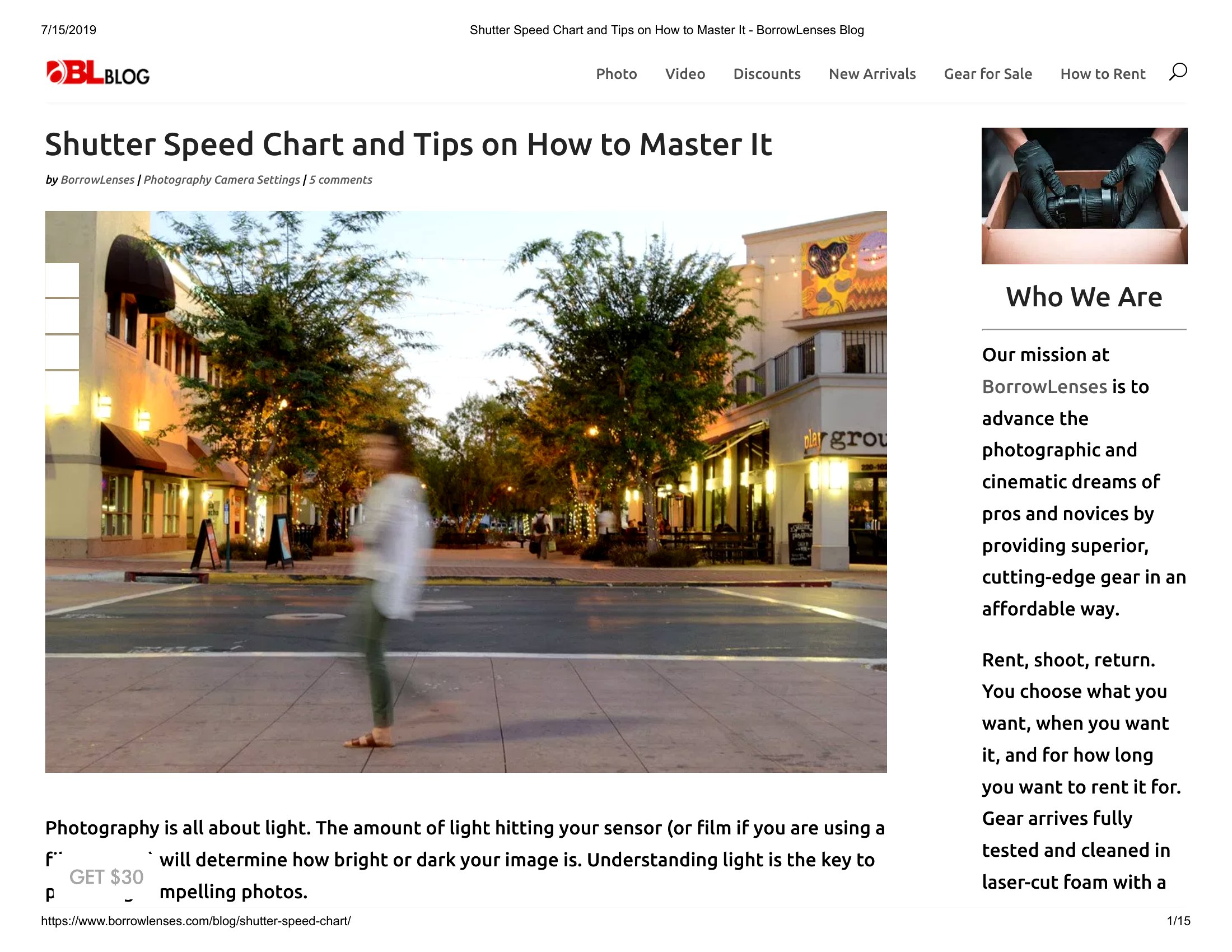
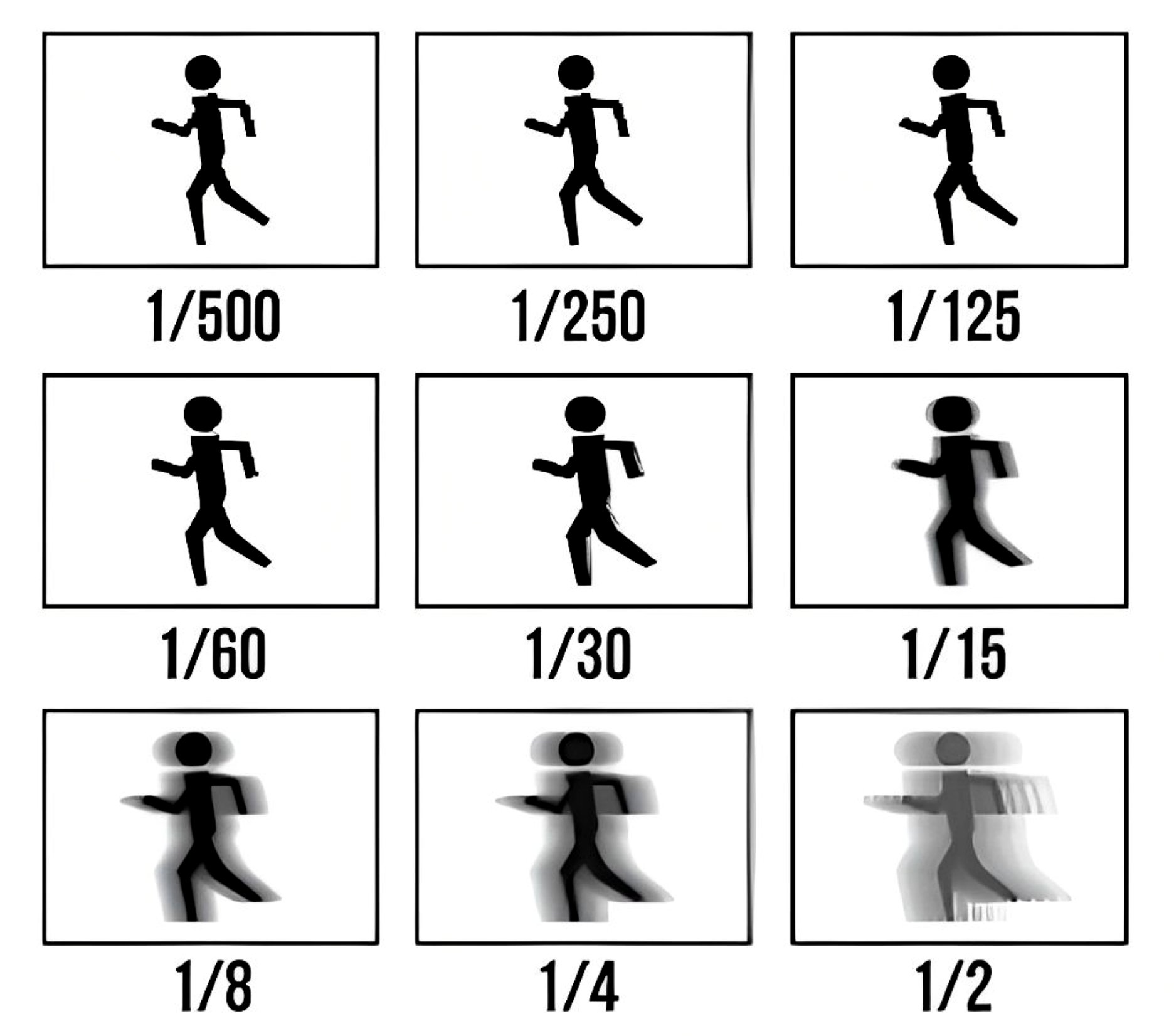
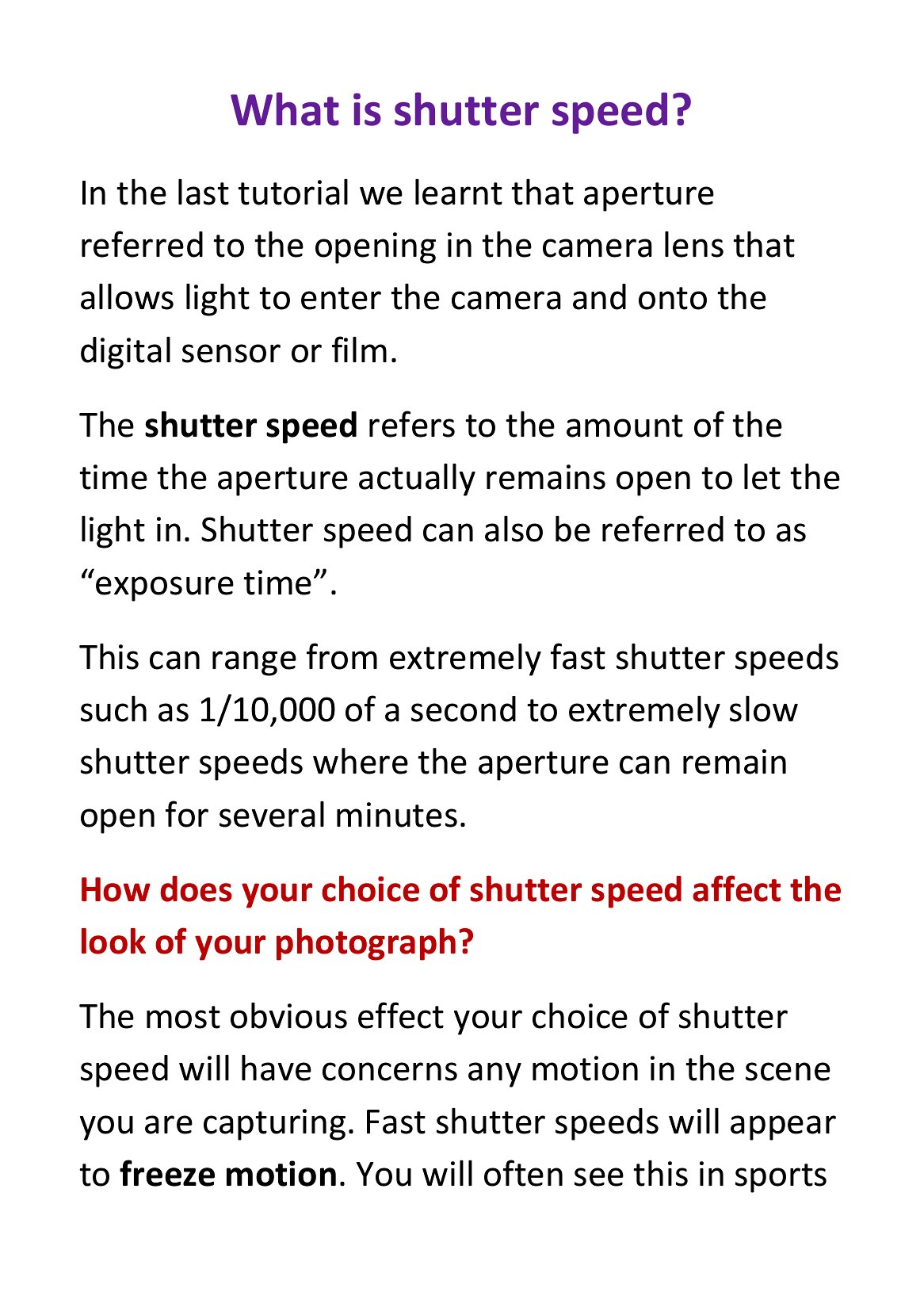
Shutter speed controls how long the sensor is exposed to light, which determines how motion appears. Fast speeds freeze action sharply, while slow speeds blur movement, creating effects like silky water or motion trails. A shutter speed chart shows common settings and their typical effect on moving subjects.
What shutter speed should you use to freeze fast action?
Freezing fast action generally requires a fast shutter speed, often 1/1000 of a second or quicker for sports and wildlife. Slower movement may freeze at 1/500. The exact speed depends on subject pace and distance, but faster settings reduce blur, with a chart offering quick starting points.
How do shutter speed and aperture work together for exposure?
Shutter speed and aperture both control how much light reaches the sensor. A faster shutter lets in less light, so you may open the aperture or raise ISO to compensate. Balancing the two lets you control motion and depth of field while keeping the exposure correct.
Comments
Join the conversation
Sign in to share your thoughts and leave a comment on this resource.