
Free Ant Identification Charts (PDF)
Data by kairavkavser
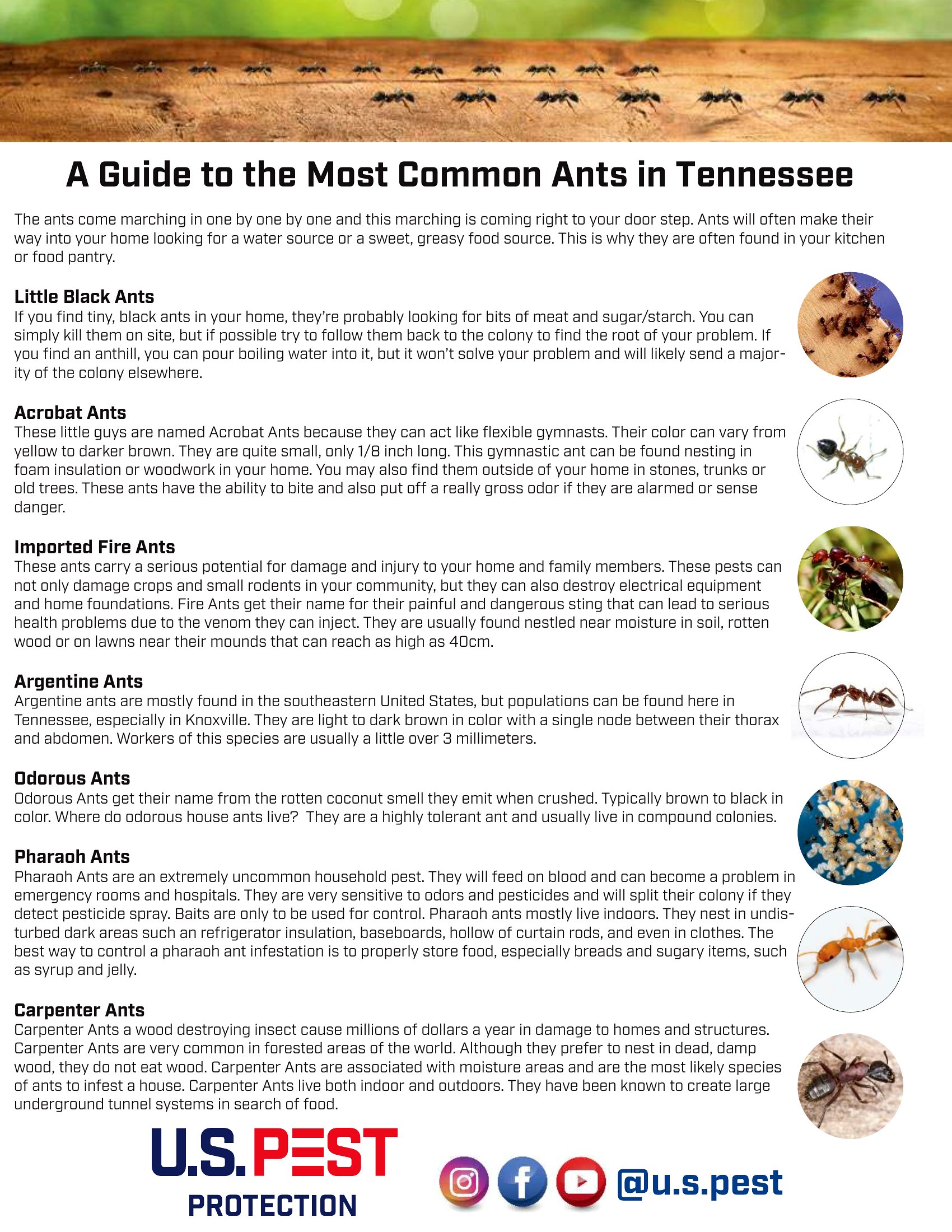
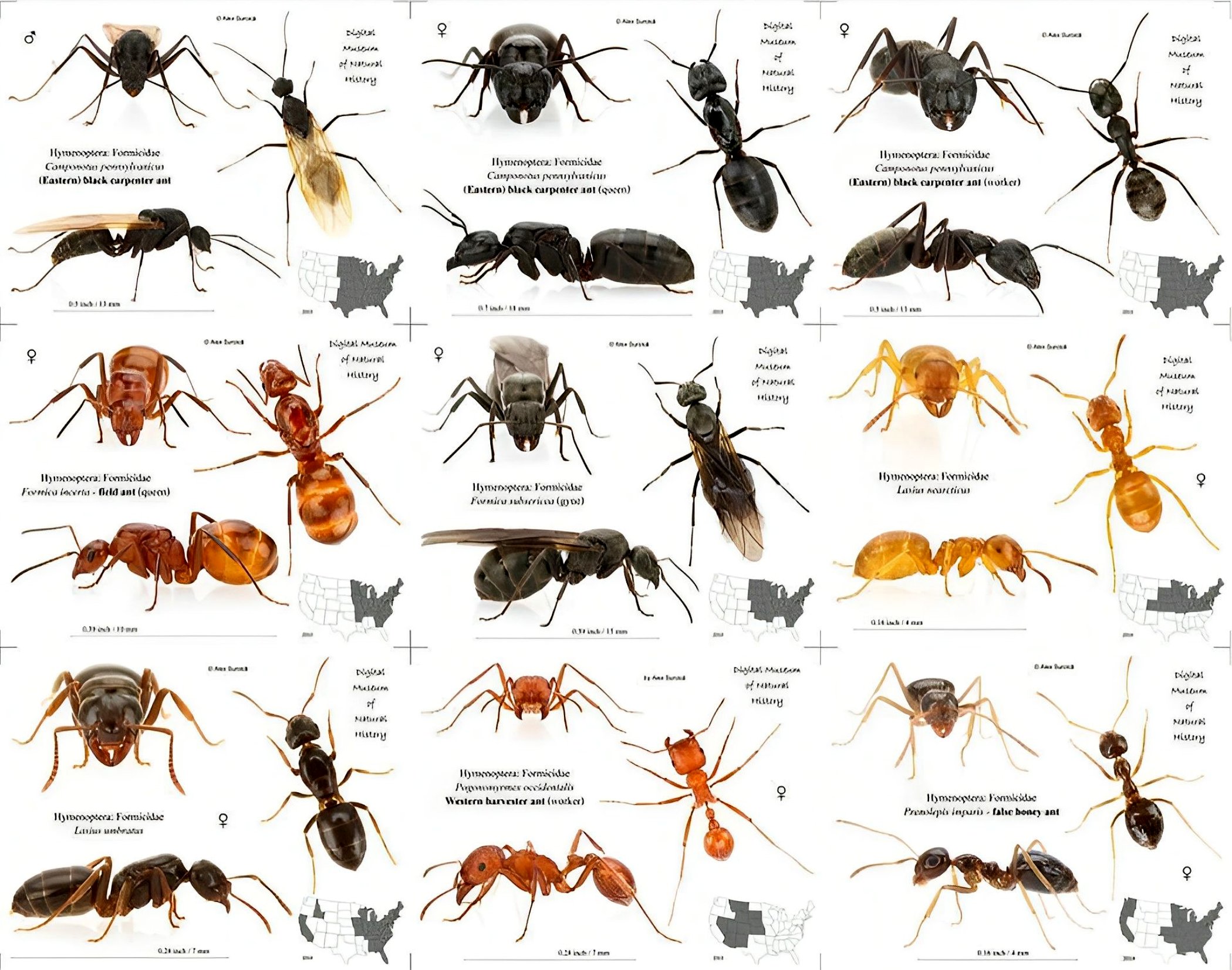
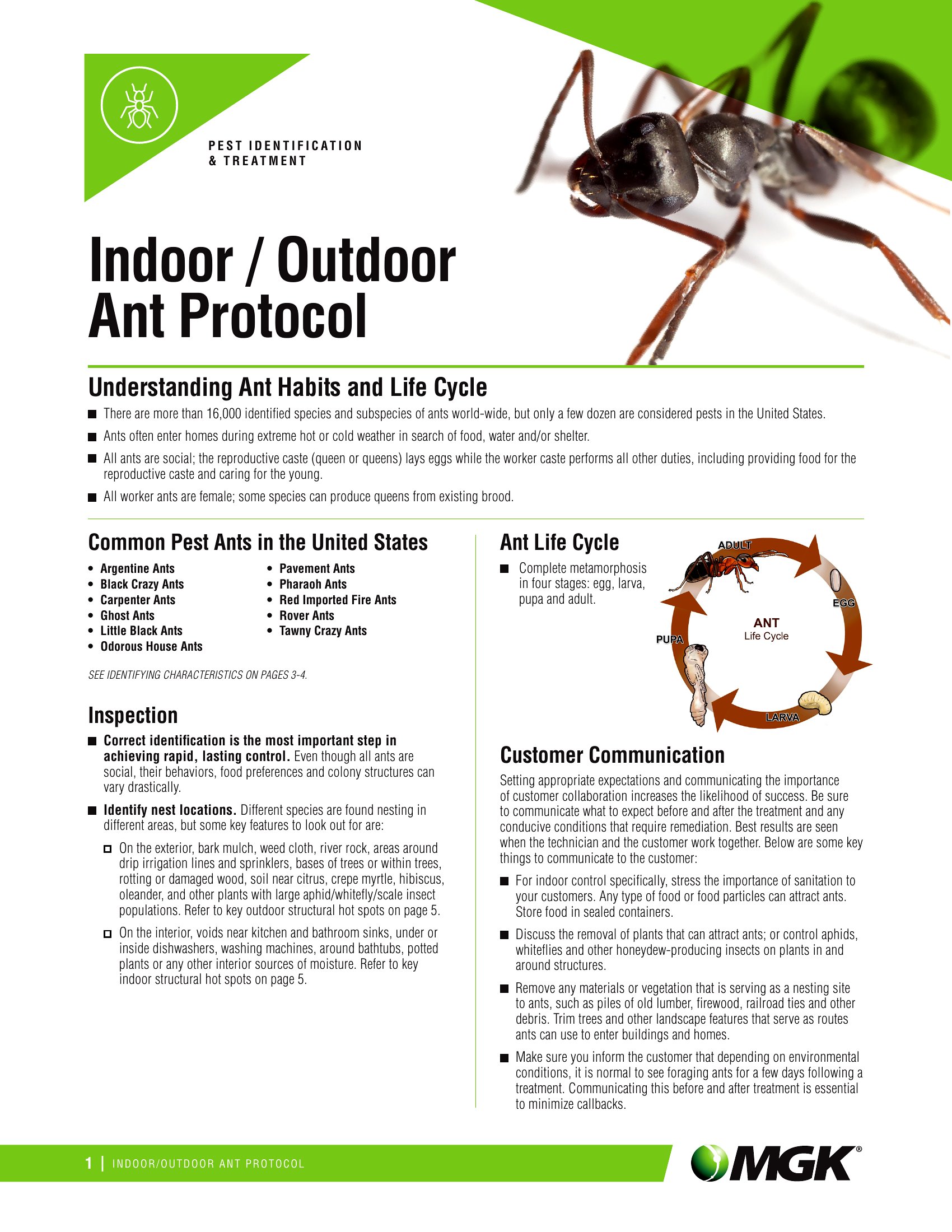
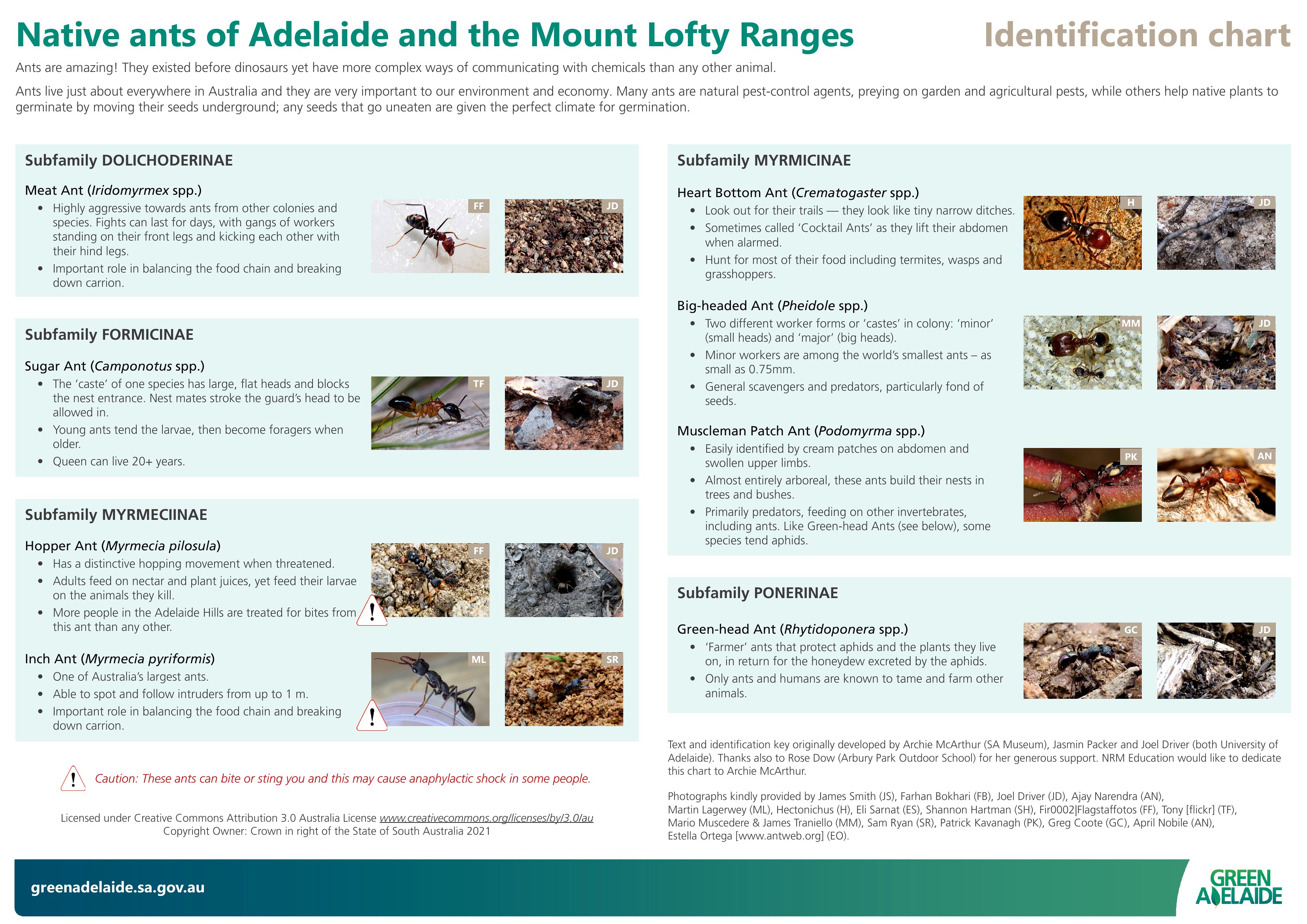
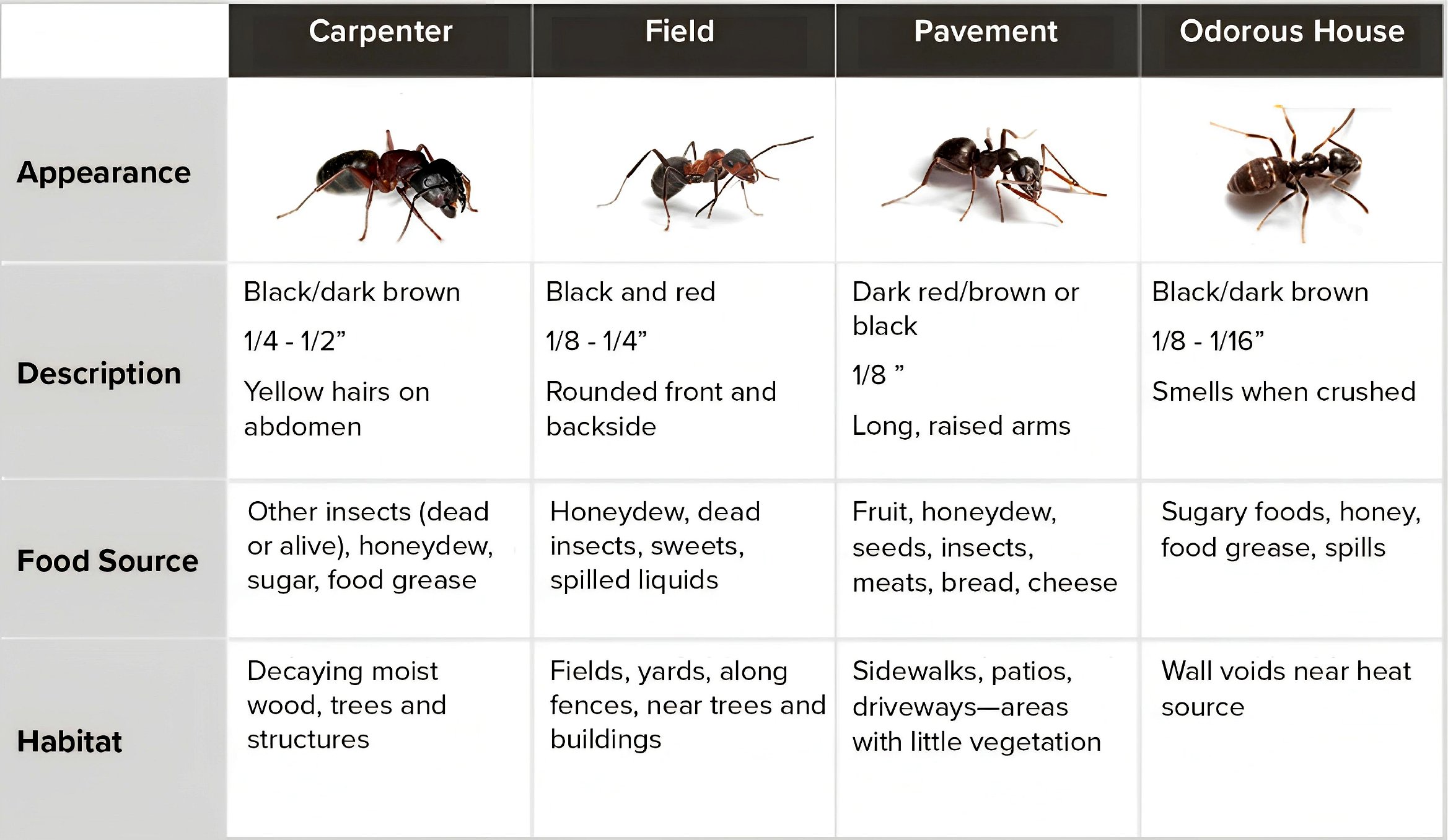
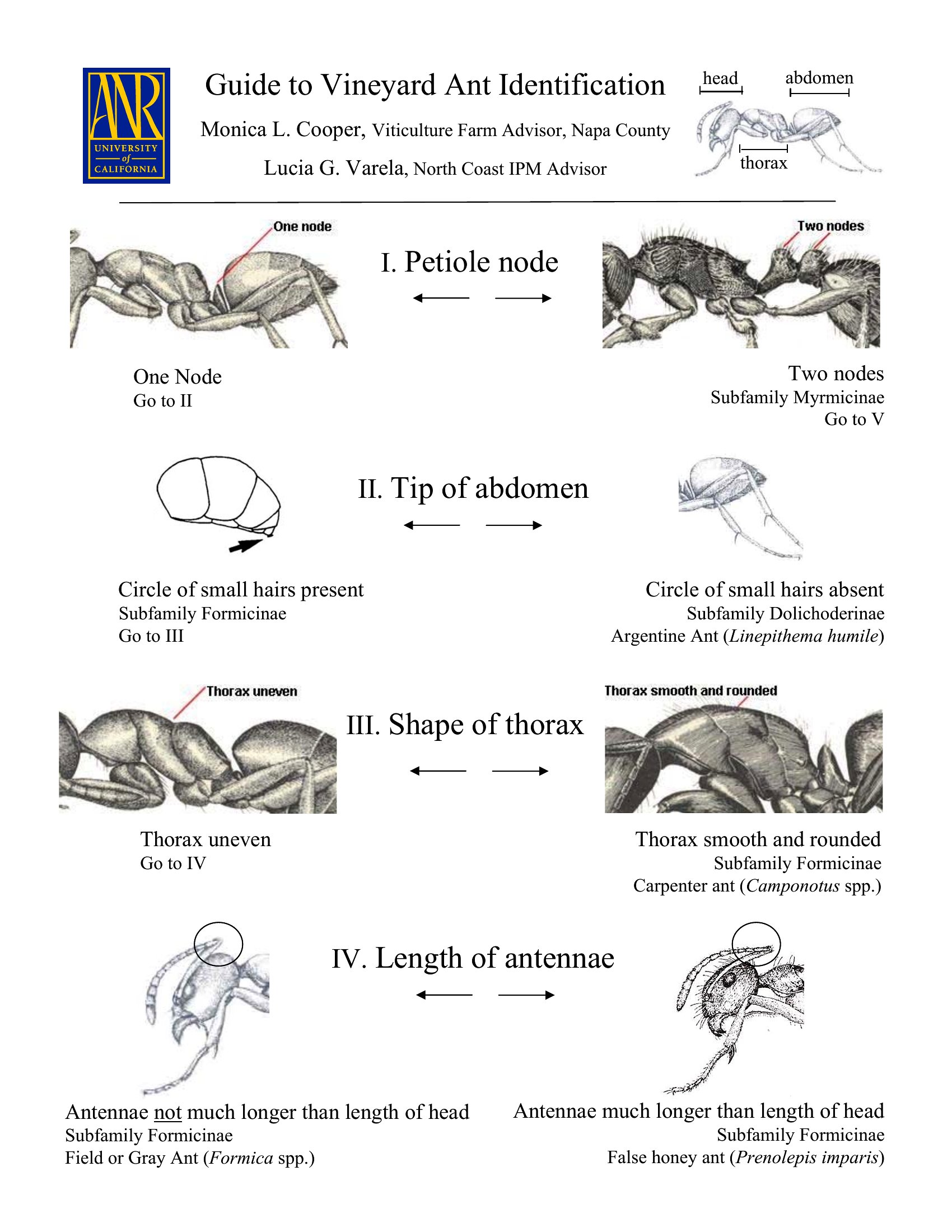
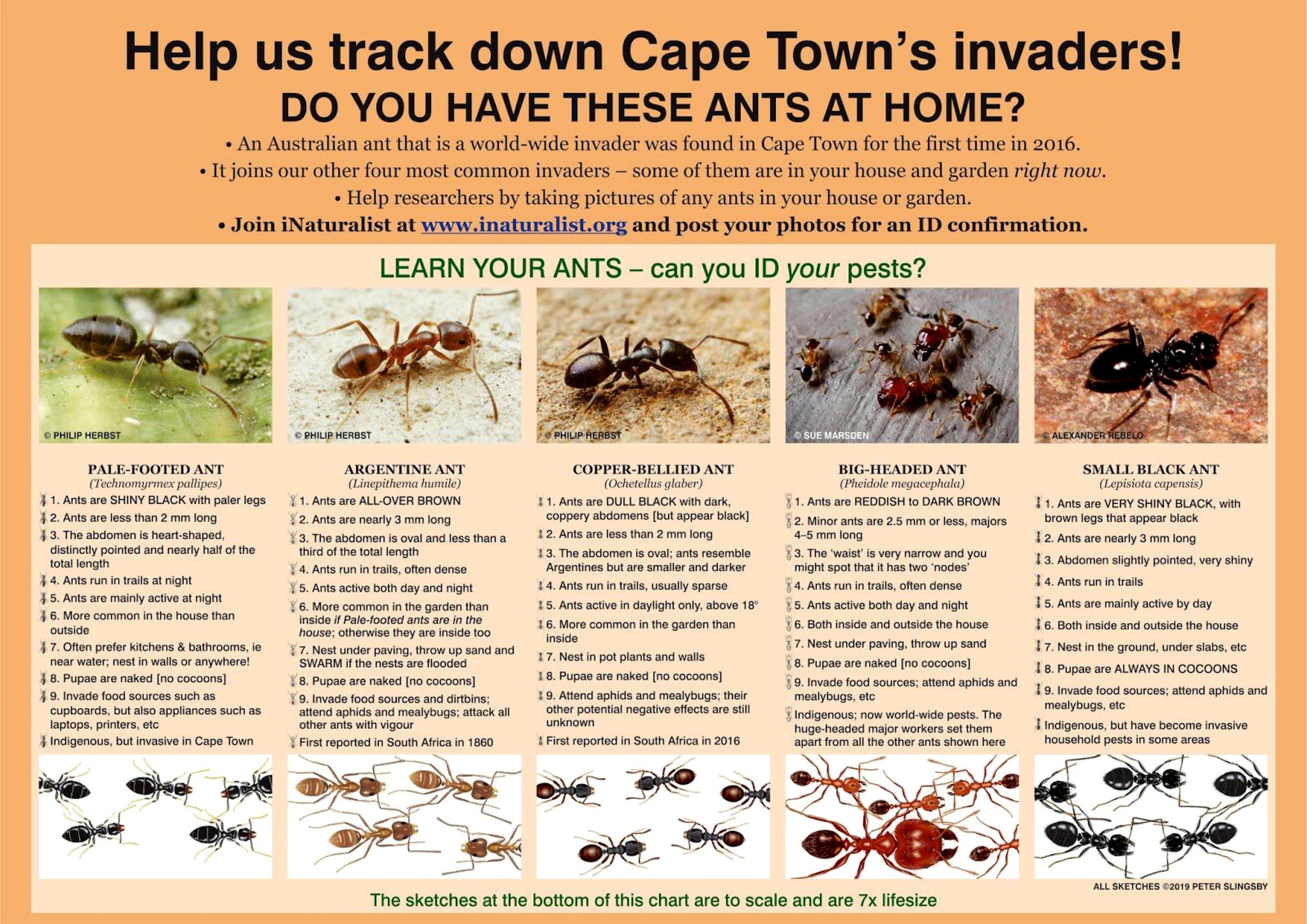
Telling a harmless sugar ant from a carpenter ant is easier with a good reference in hand. This set of 30 ant identification charts lays out common household and yard species with the features that set them apart, so homeowners, students, and pest-control beginners can make a quick, confident call. The clear visuals do the explaining for you.
The charts come as print-ready PDFs, so there's nothing to install; just download and print one for the garage or the classroom. Keep a copy near where you spot the ants and compare on the spot. Download the chart that suits your needs and stop guessing which ant you're looking at.
When to use this Ant Identification Charts template
- Homeowners in suburban neighborhoods who notice small black ants trailing indoors and want to quickly determine if they’re harmless pavement ants or a potential structural threat like carpenter ants.
- Middle-school science teachers leading a unit on local ecosystems, needing a visual reference to help students distinguish between common yard ants (like fire ants or harvester ants) during field trips.
- Rental property managers responding to tenant concerns about ant infestations, requiring a printable guide to assess whether the issue is minor (e.g., odorous house ants) or severe enough to warrant pest control intervention.
- Gardening enthusiasts troubleshooting ant mounds in their lawns, using the charts to identify whether the ants are beneficial (e.g., carpenter ants breaking down wood) or harmful (e.g., Argentine ants disrupting plant health).
Which format should I download?
Stick with PDF for these charts—it’s the only format offered, and it’s deliberately designed for print-readiness. The high-resolution visuals and layout ensure clarity when laminated or printed as a field guide. PDFs also preserve the charts’ consistency across devices, whether you’re projecting them in a classroom or referencing them on a tablet during a home inspection.
Choose from 30 Ant Identification Charts Templates
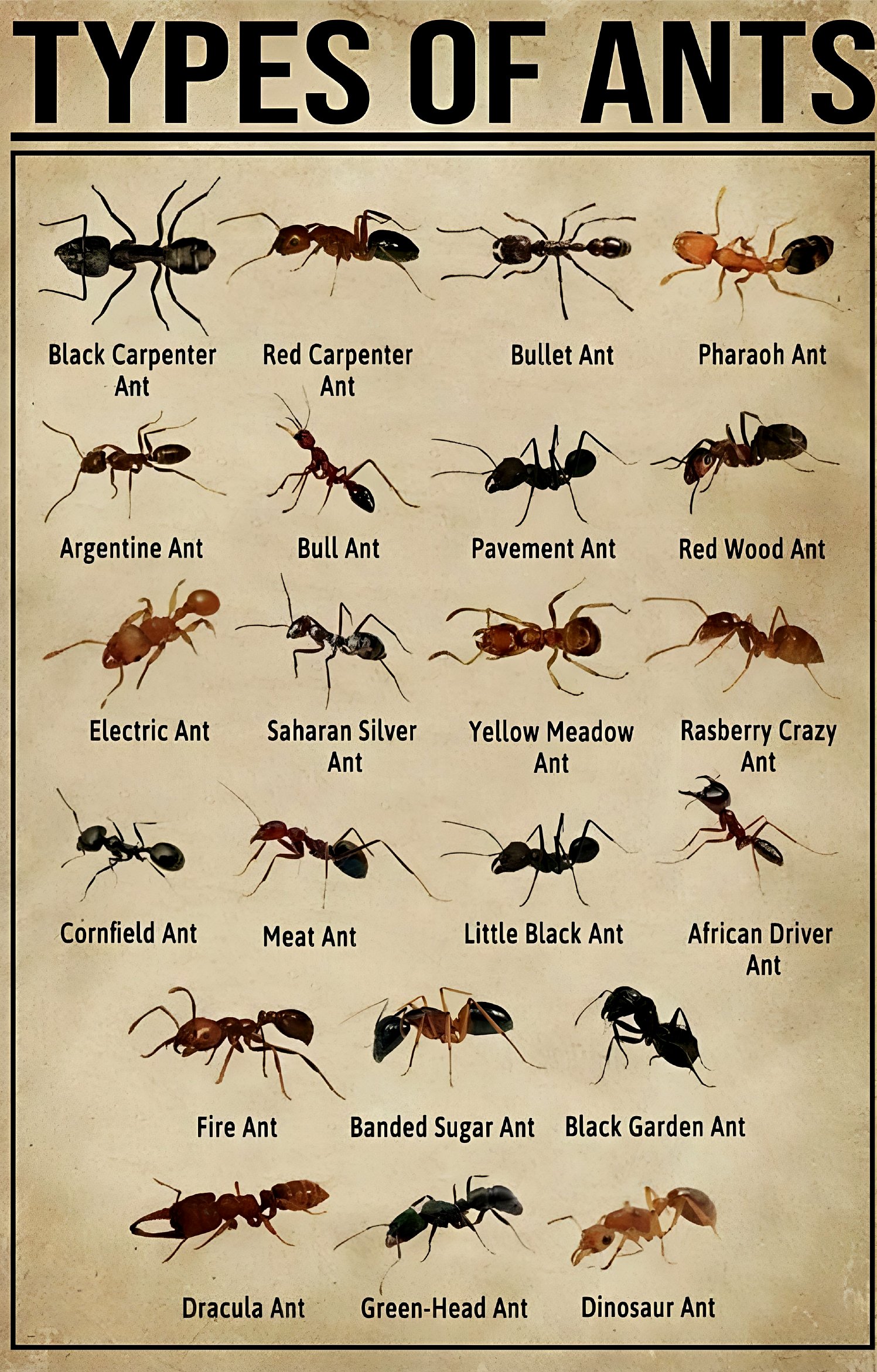
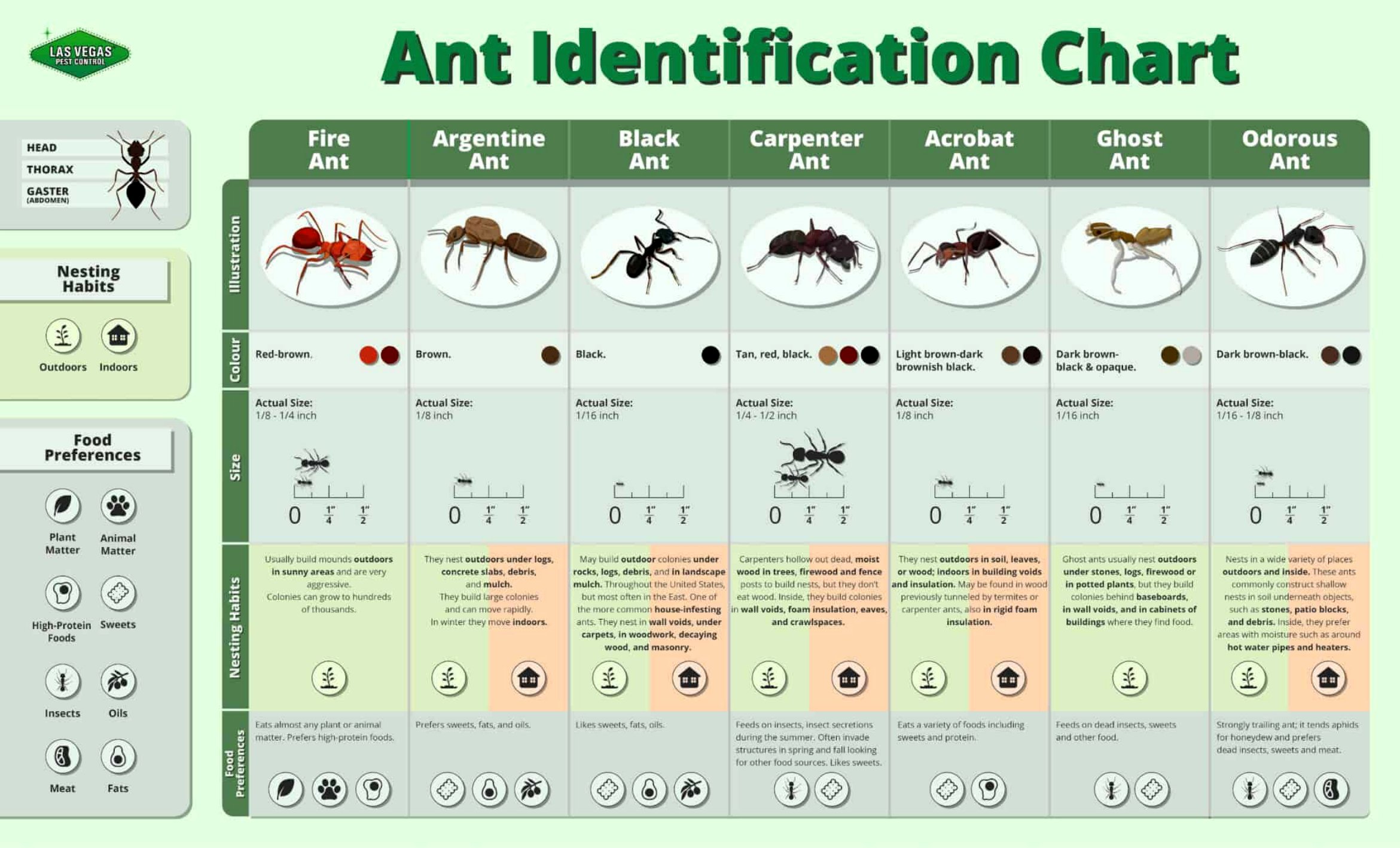
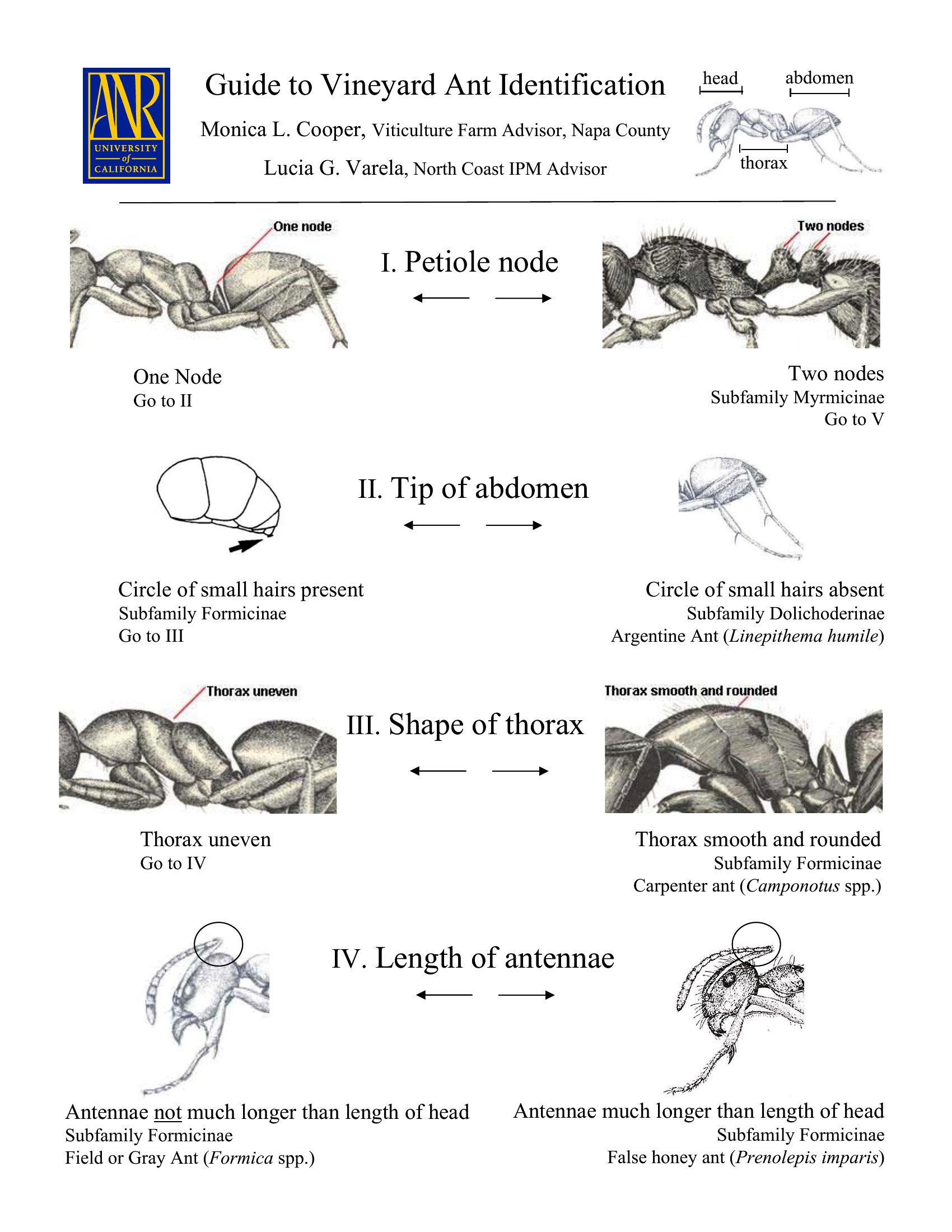
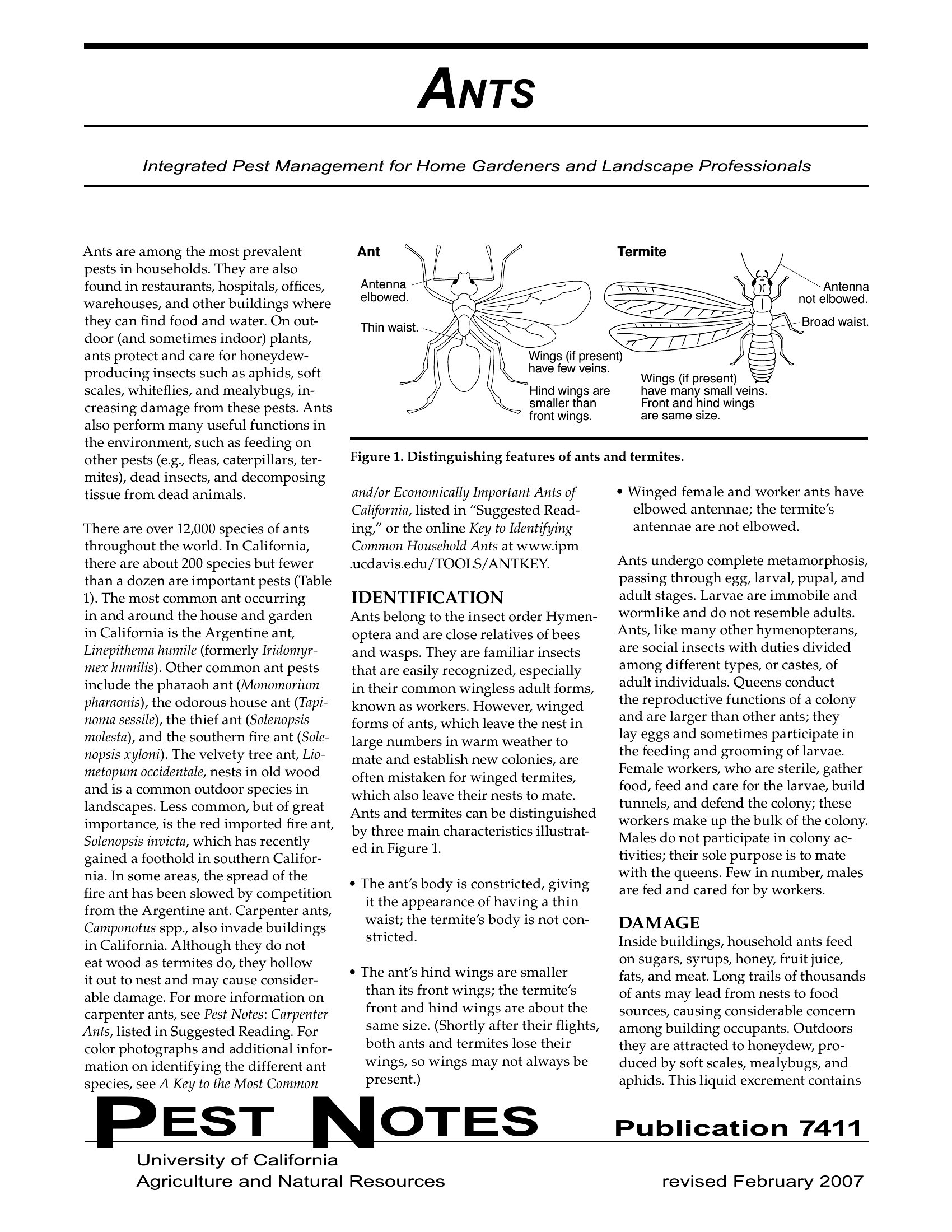
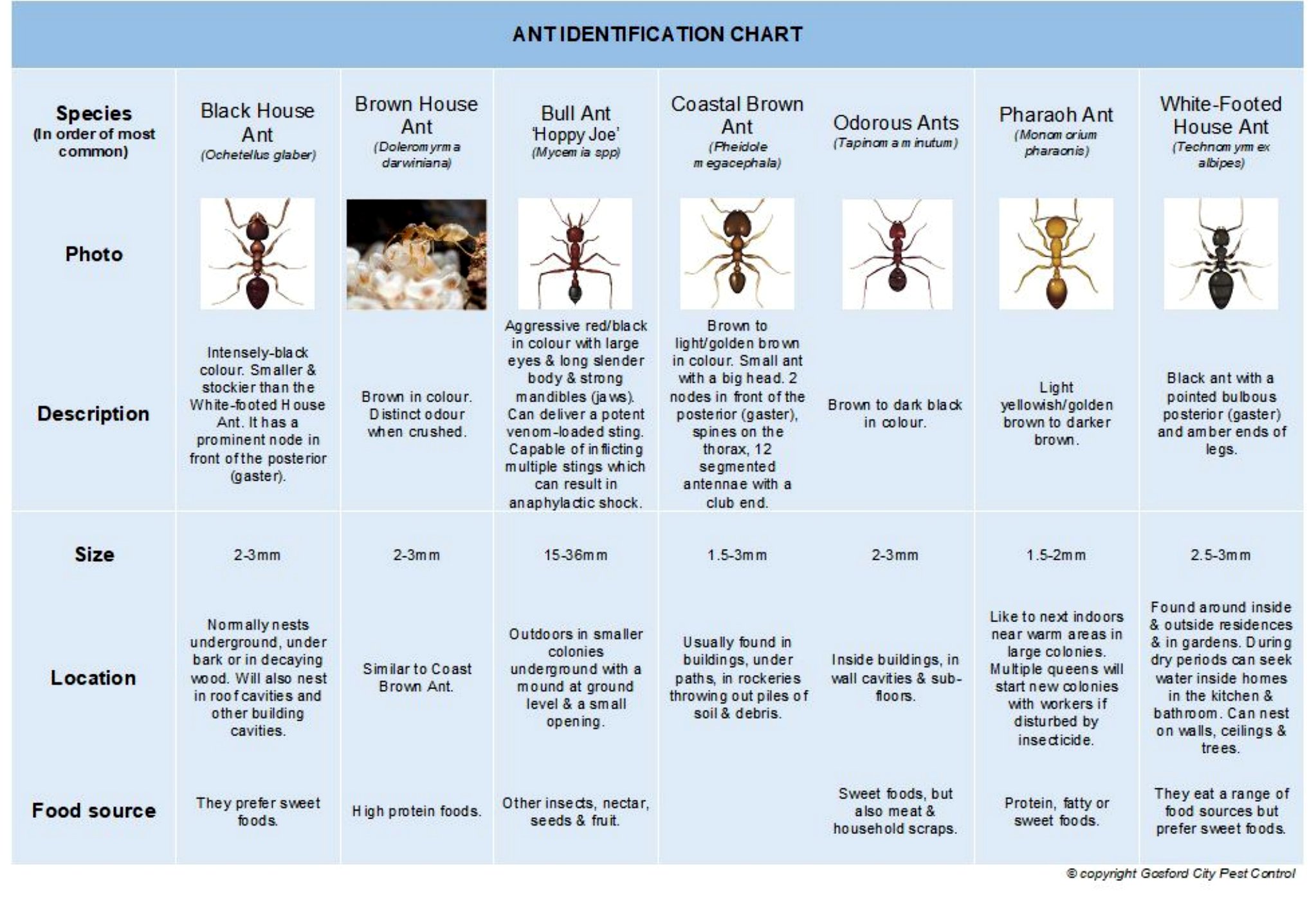
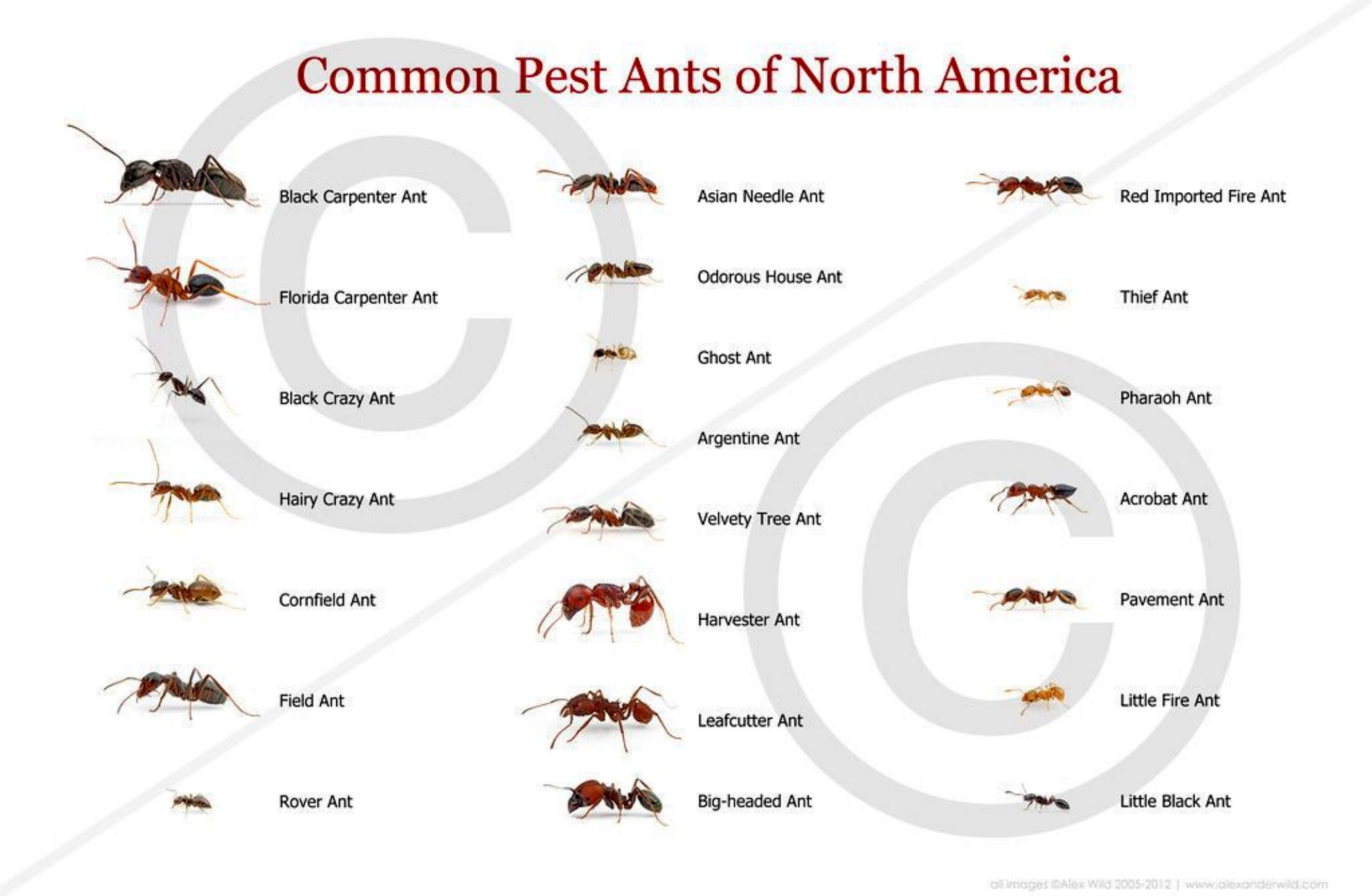
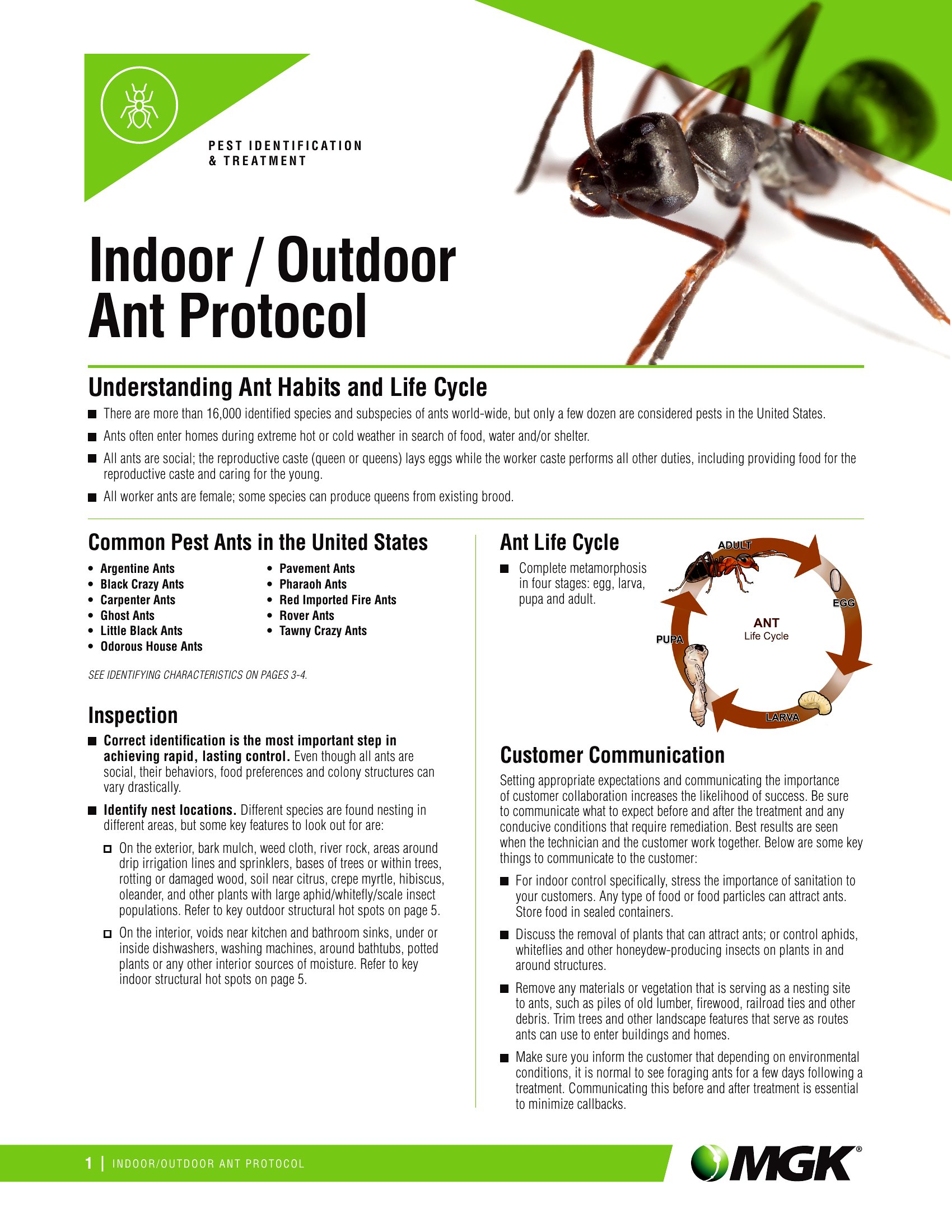
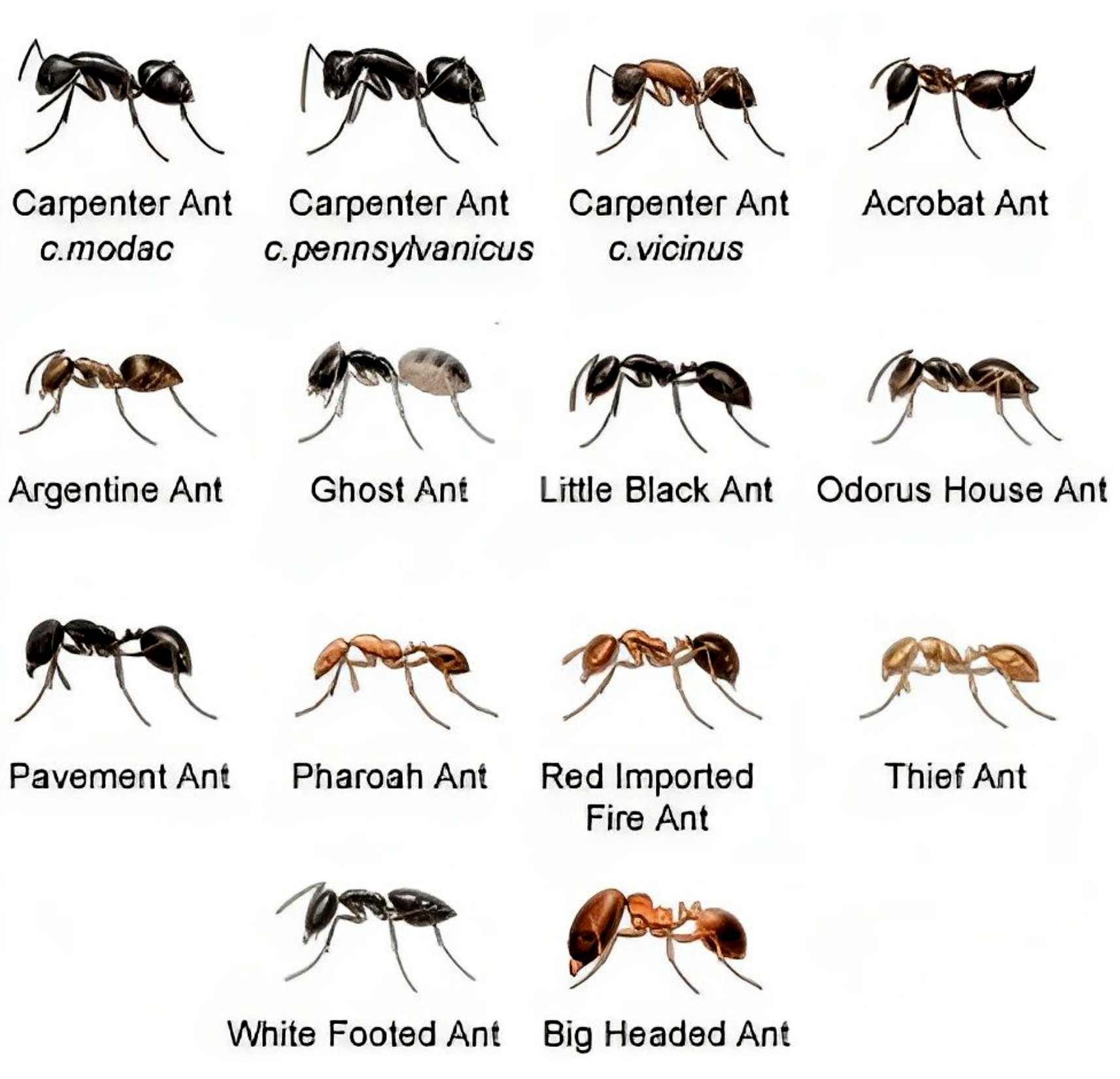
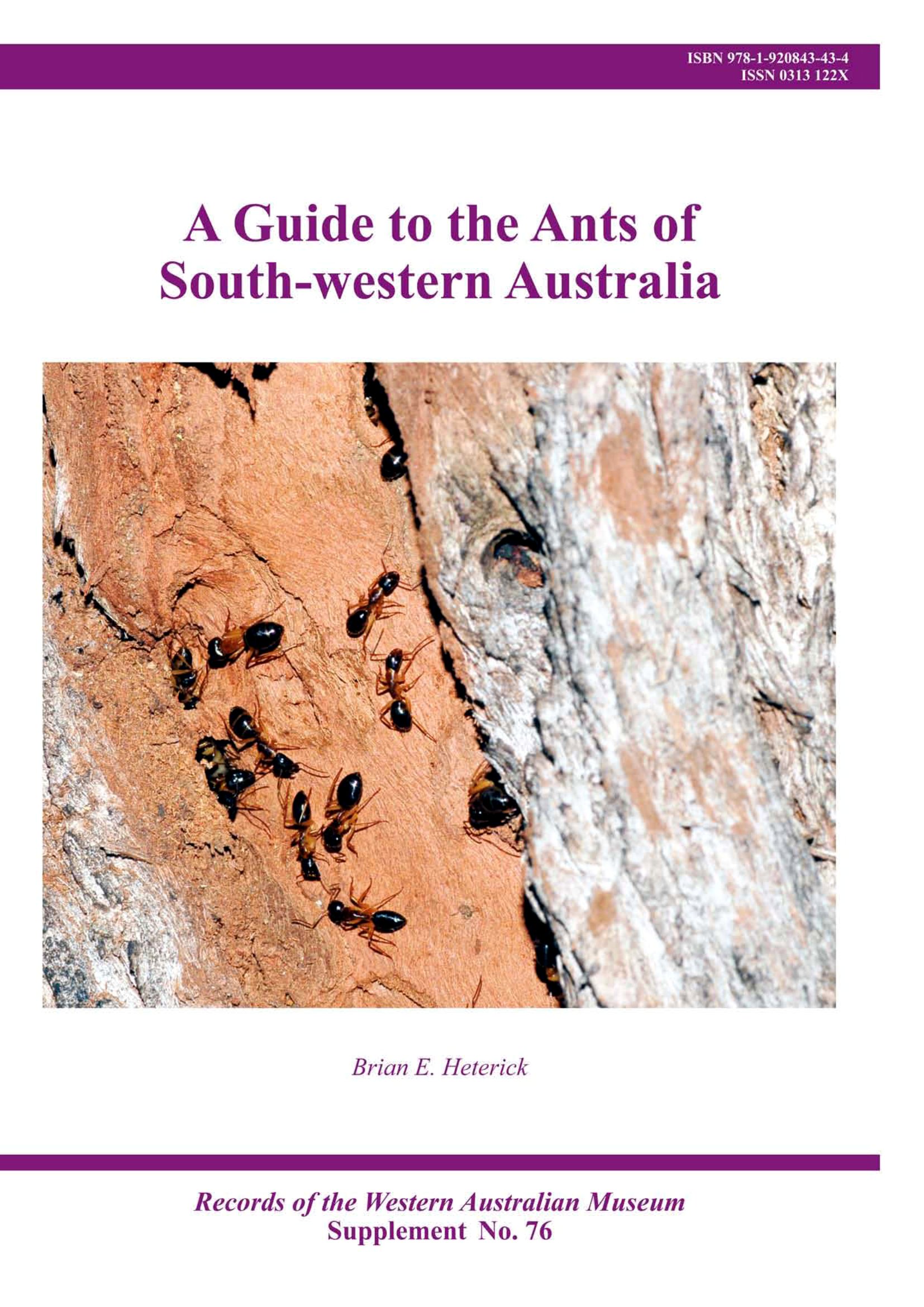
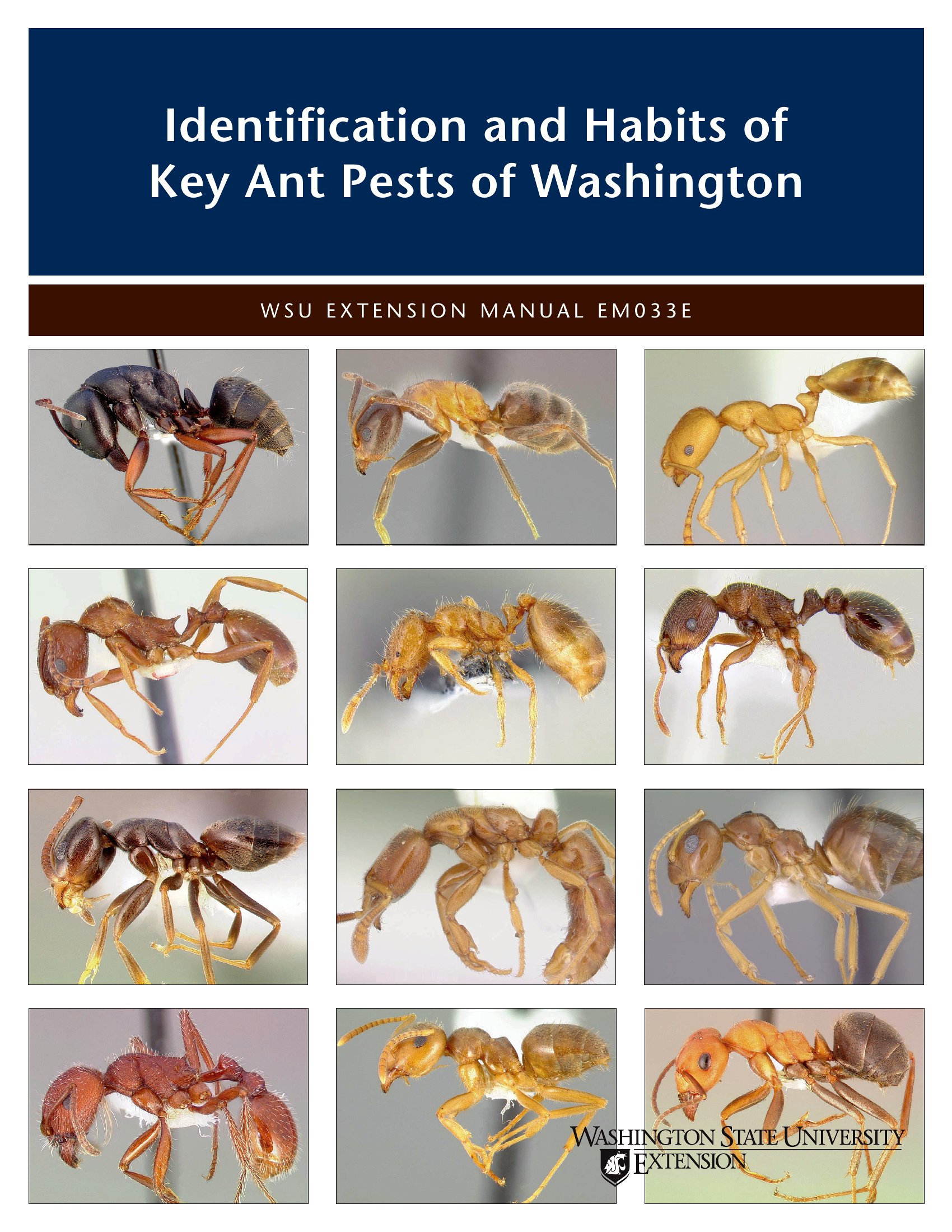

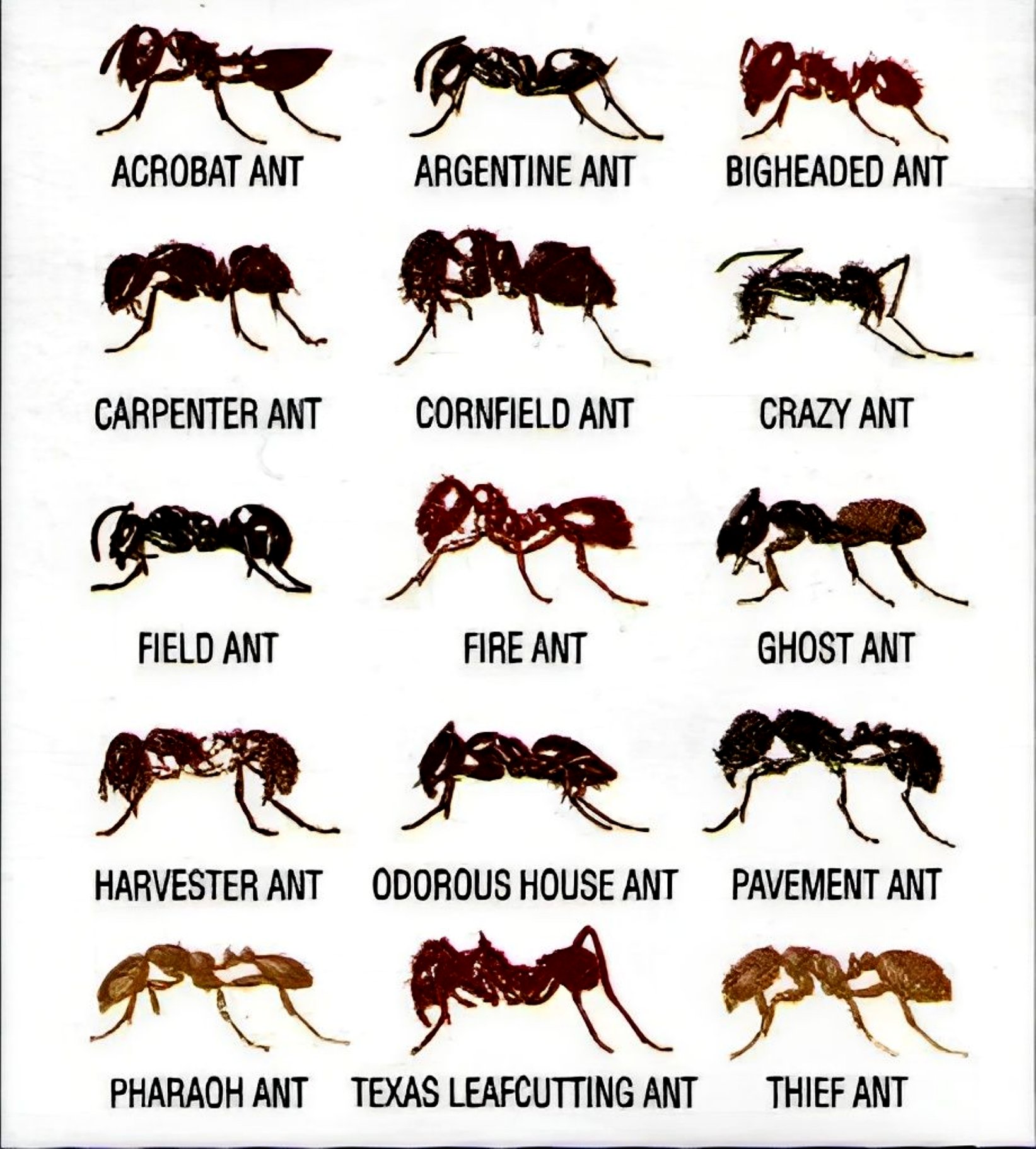
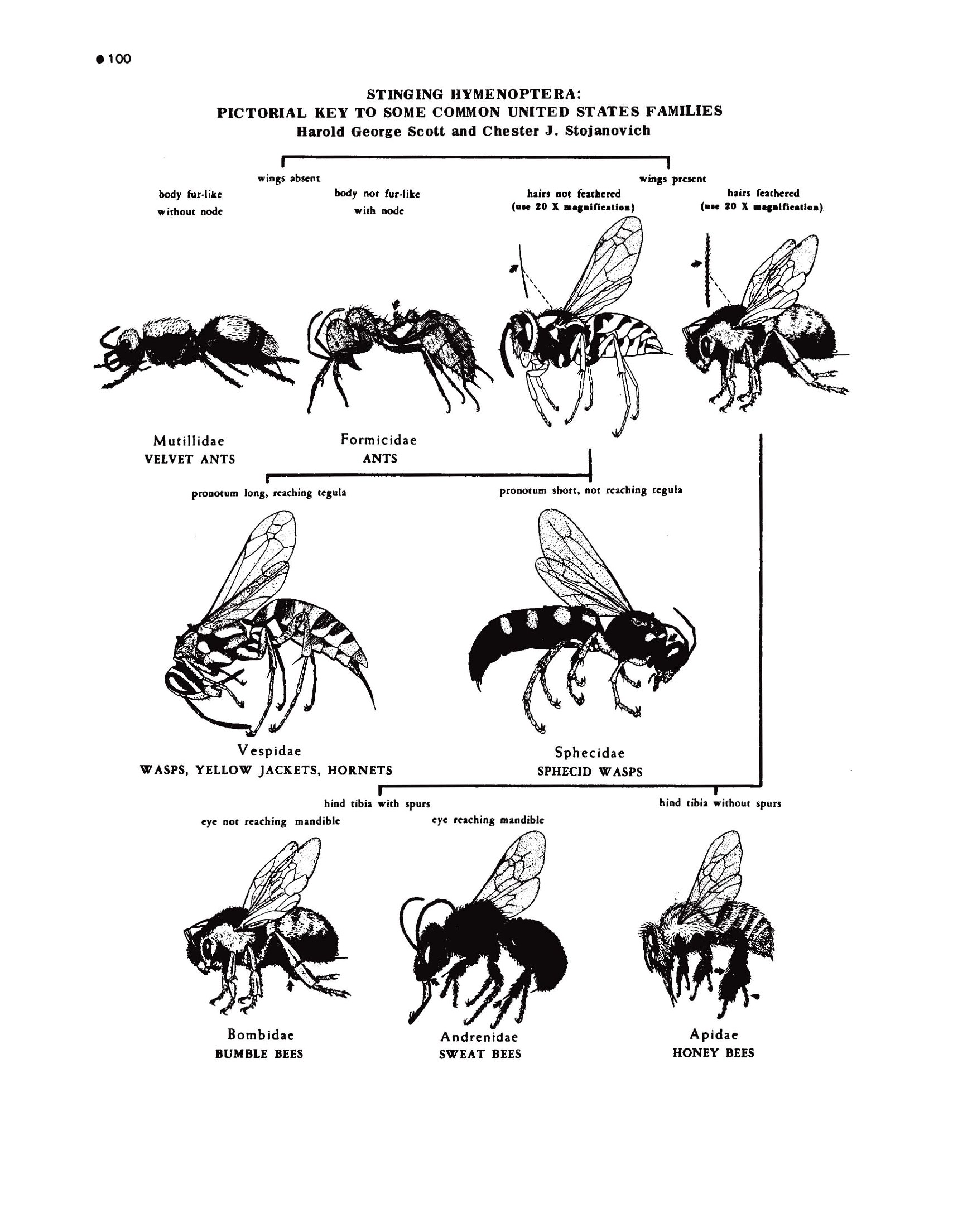
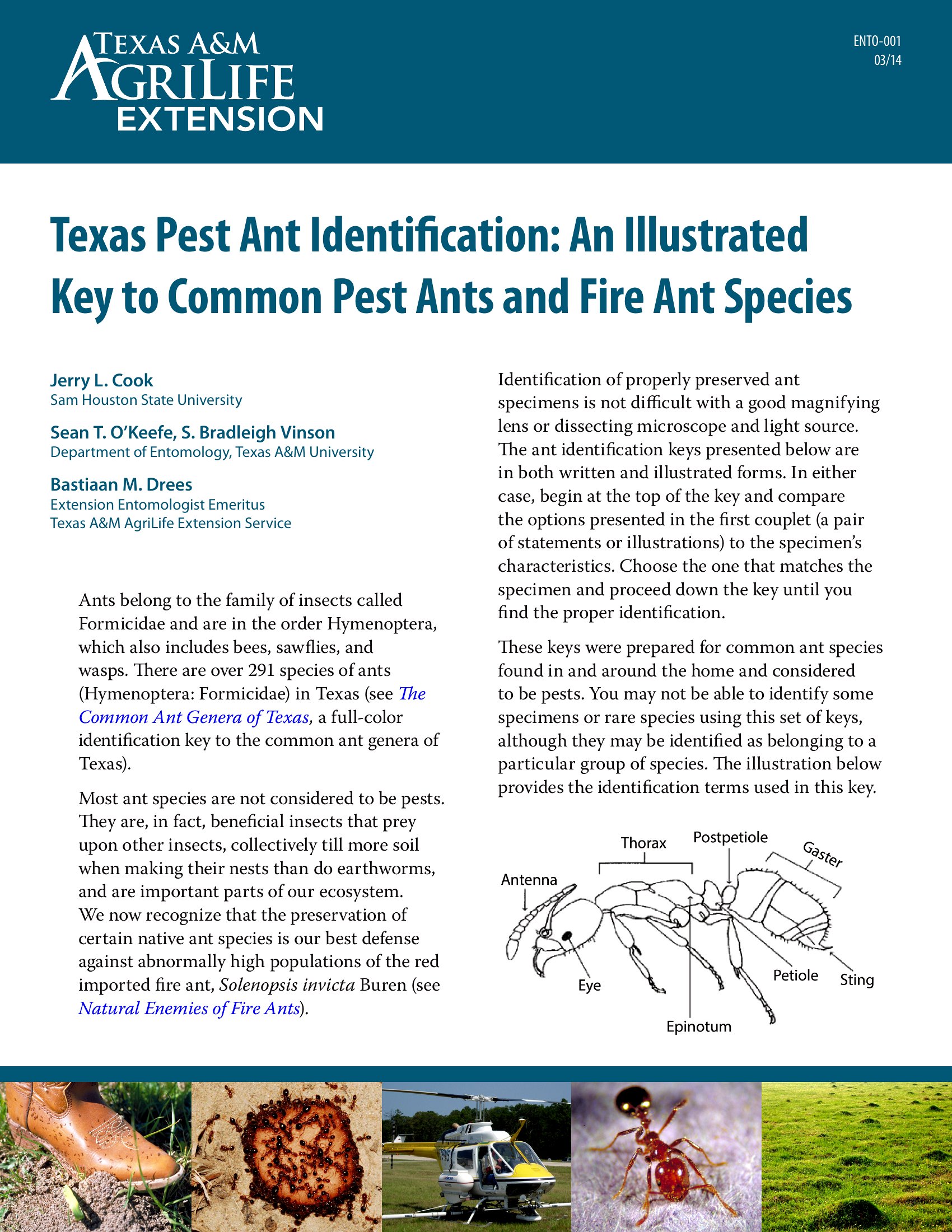
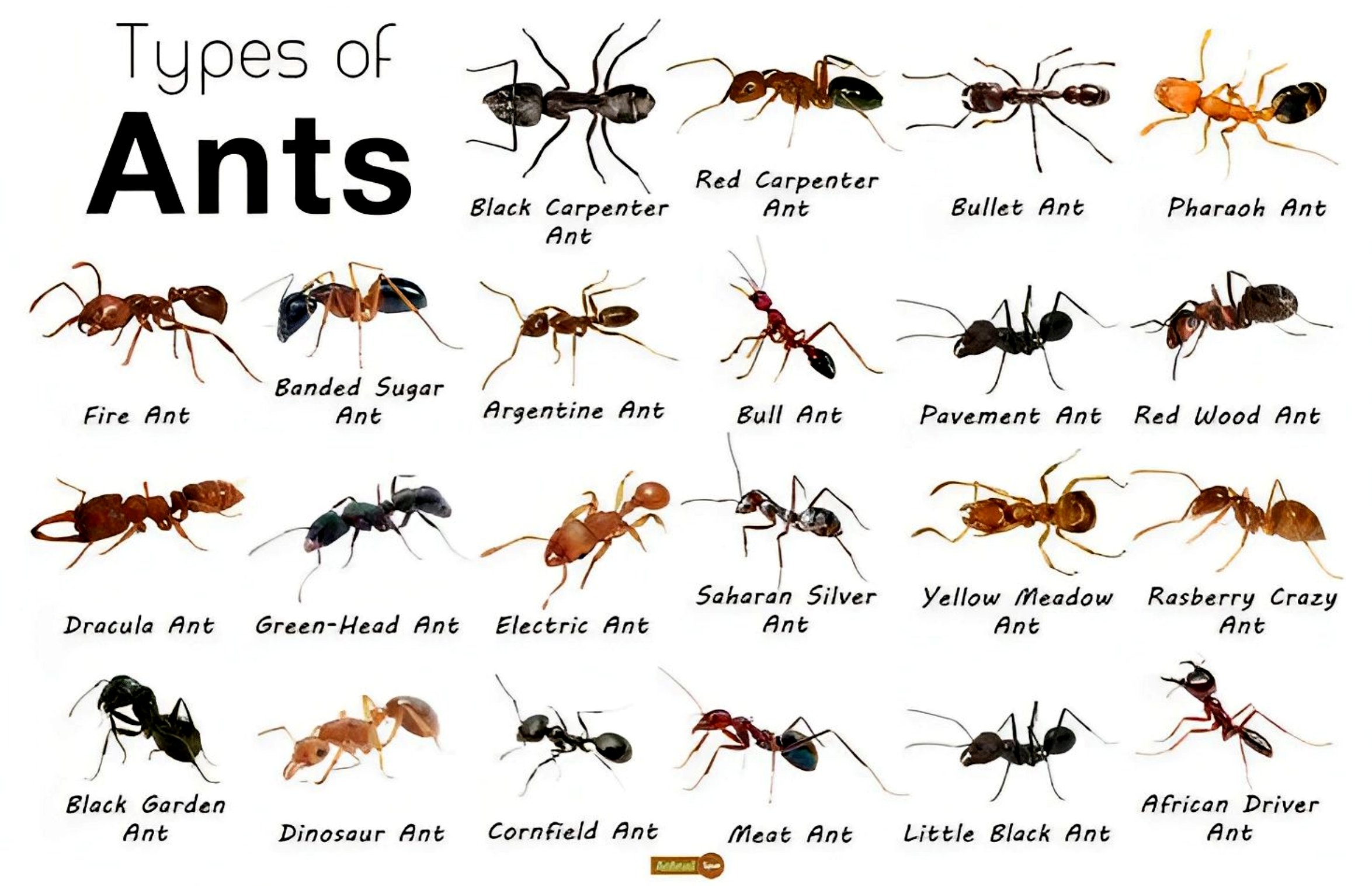
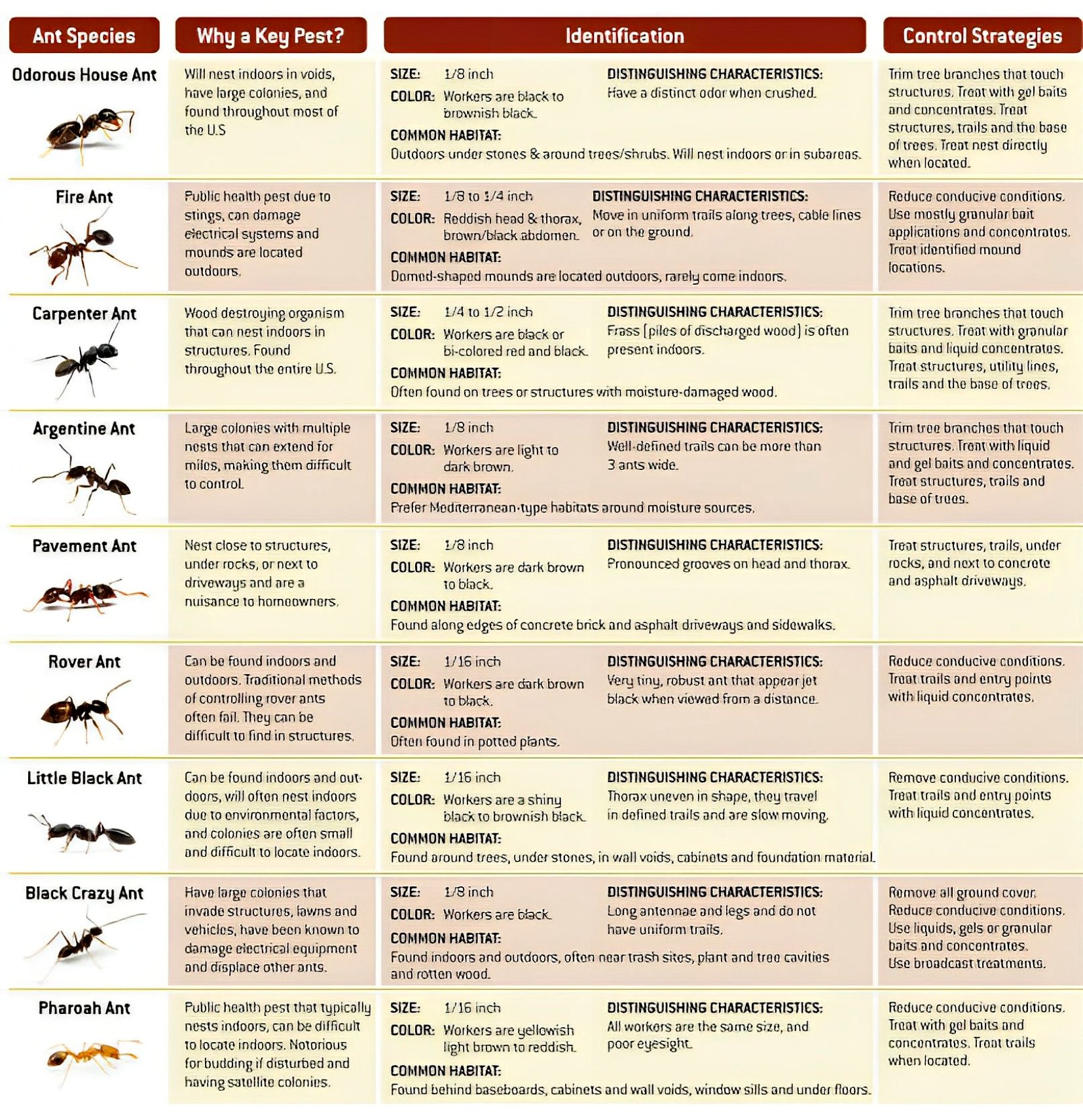
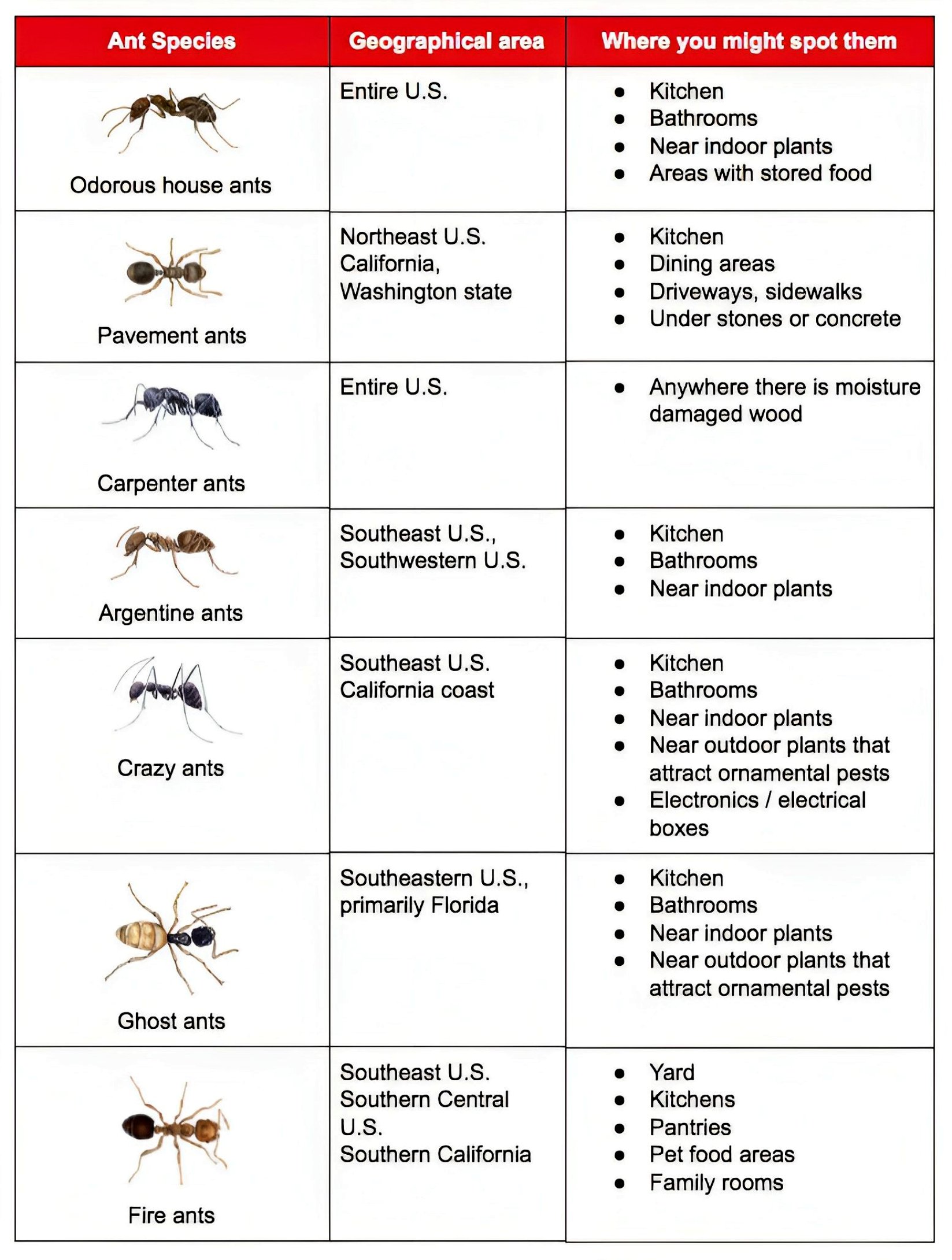
How to use this Ant Identification Charts template
How detailed are the descriptions for distinguishing similar-looking ants, like carpenter ants and termites?
The charts include side-by-side comparisons with key differences—such as waist shape, antenna structure, and wing venation—highlighted in labeled diagrams. For example, carpenter ants have a distinct node between their thorax and abdomen, while termites have straight antennae and no waist. This helps even beginners avoid misidentification.
Can these charts be used to identify ants that aren’t common in my region?
While the charts focus on widespread household and yard species, they may still help with less common ants if they share traits with included types. For regional-specific ants, supplement the guide with local extension service resources. The visual cues (e.g., color patterns, body shape) remain universally useful for narrowing down possibilities.
Are the charts organized by ant behavior (e.g., structural damage vs. nuisance) or just by appearance?
The primary organization is by visual traits—color, size, and body parts—but each chart includes a brief note on behavior (e.g., ‘aggressive when disturbed’ or ‘forages in wet wood’). This dual approach helps users confirm an ID *and* assess whether the ant is a pest or harmless. For example, the sugar ant chart notes its attraction to sweets but lack of nesting in structures.
Comments
Join the conversation
Sign in to share your thoughts and leave a comment on this resource.