
Caterpillar Identification Charts (PDF)
Diagrams by tejaswigugale
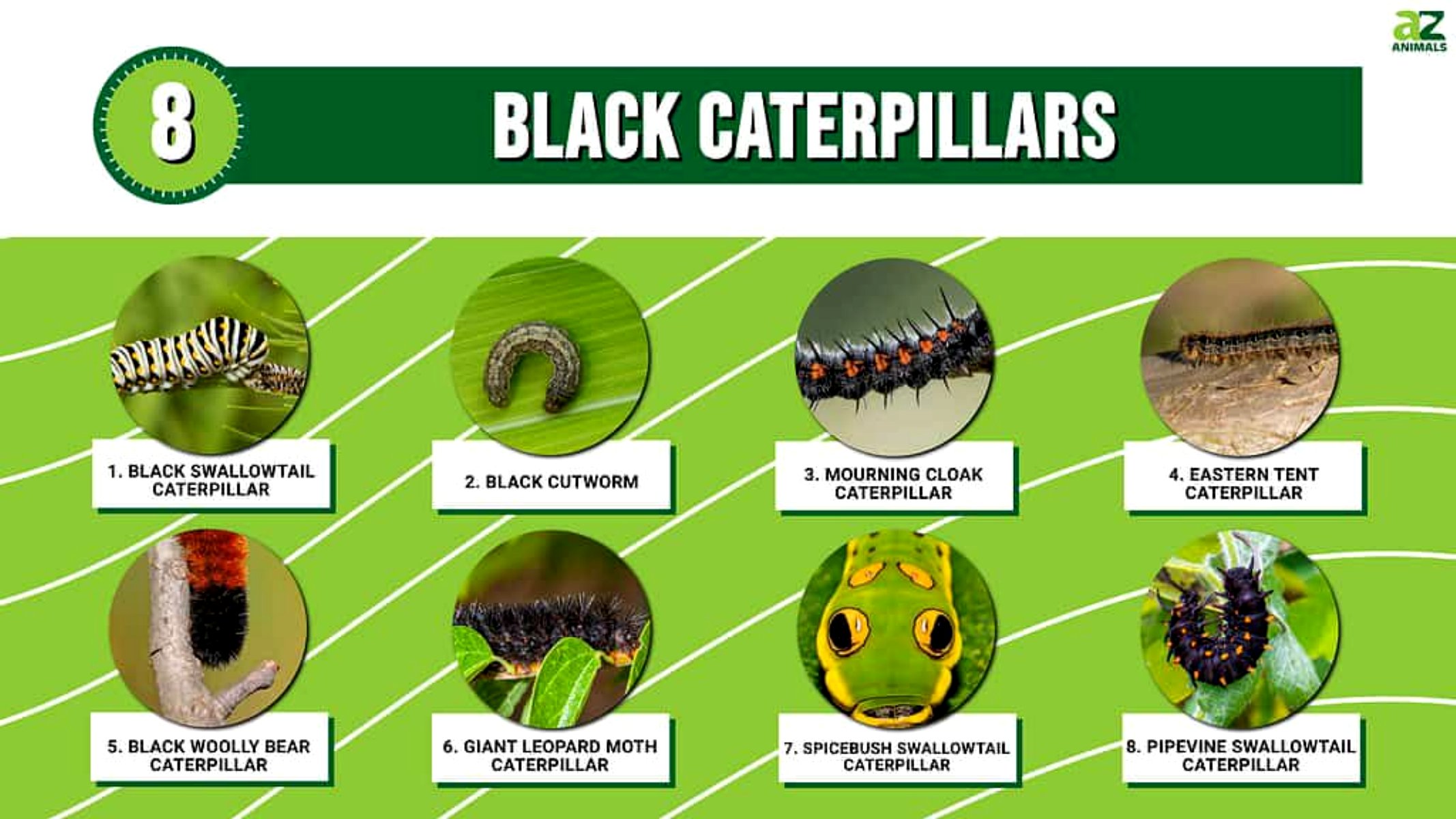
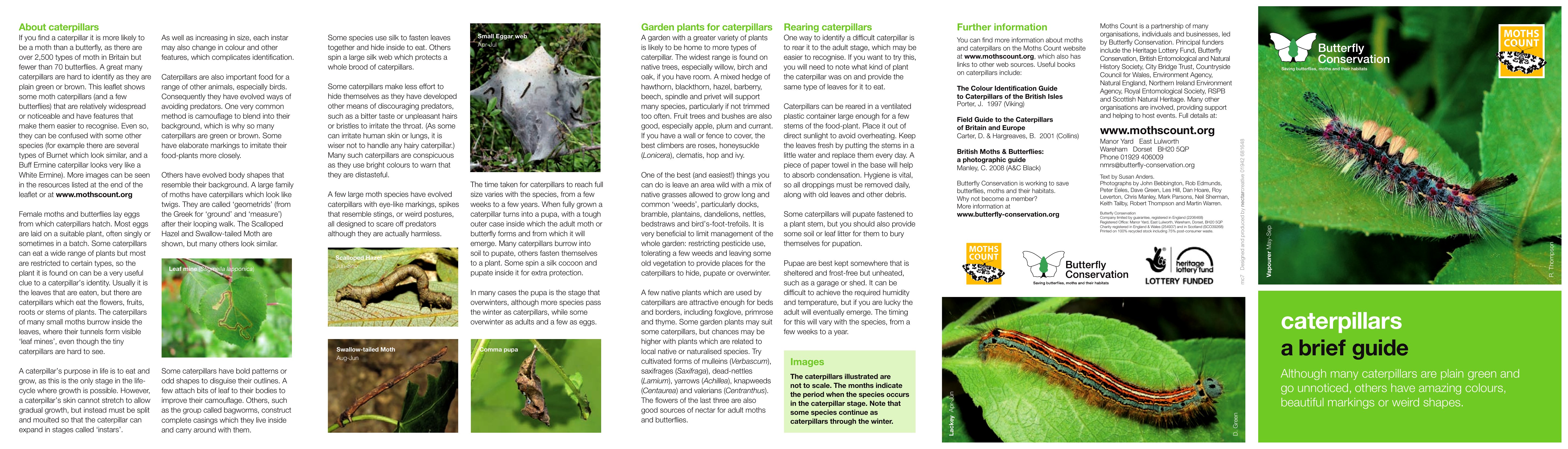
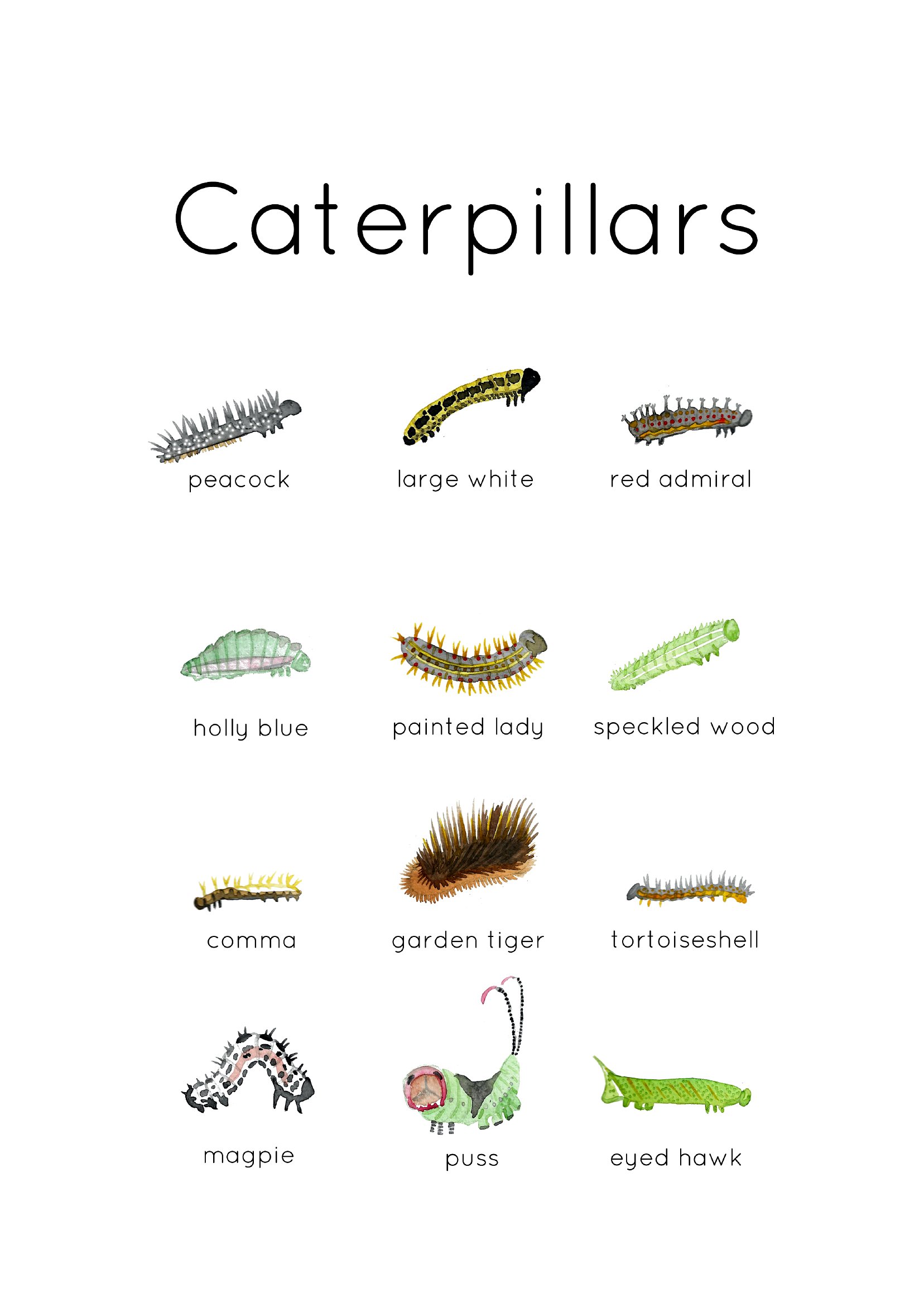
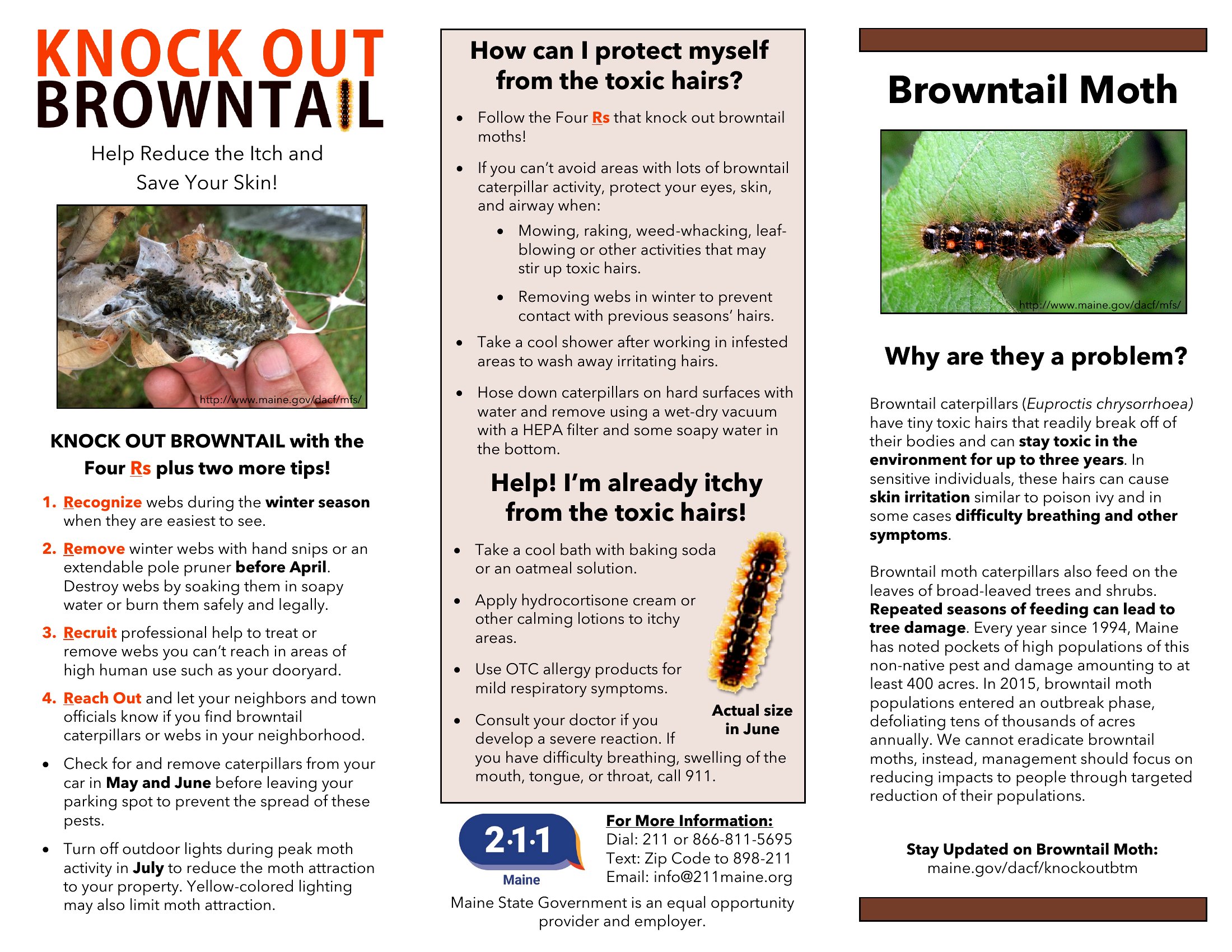
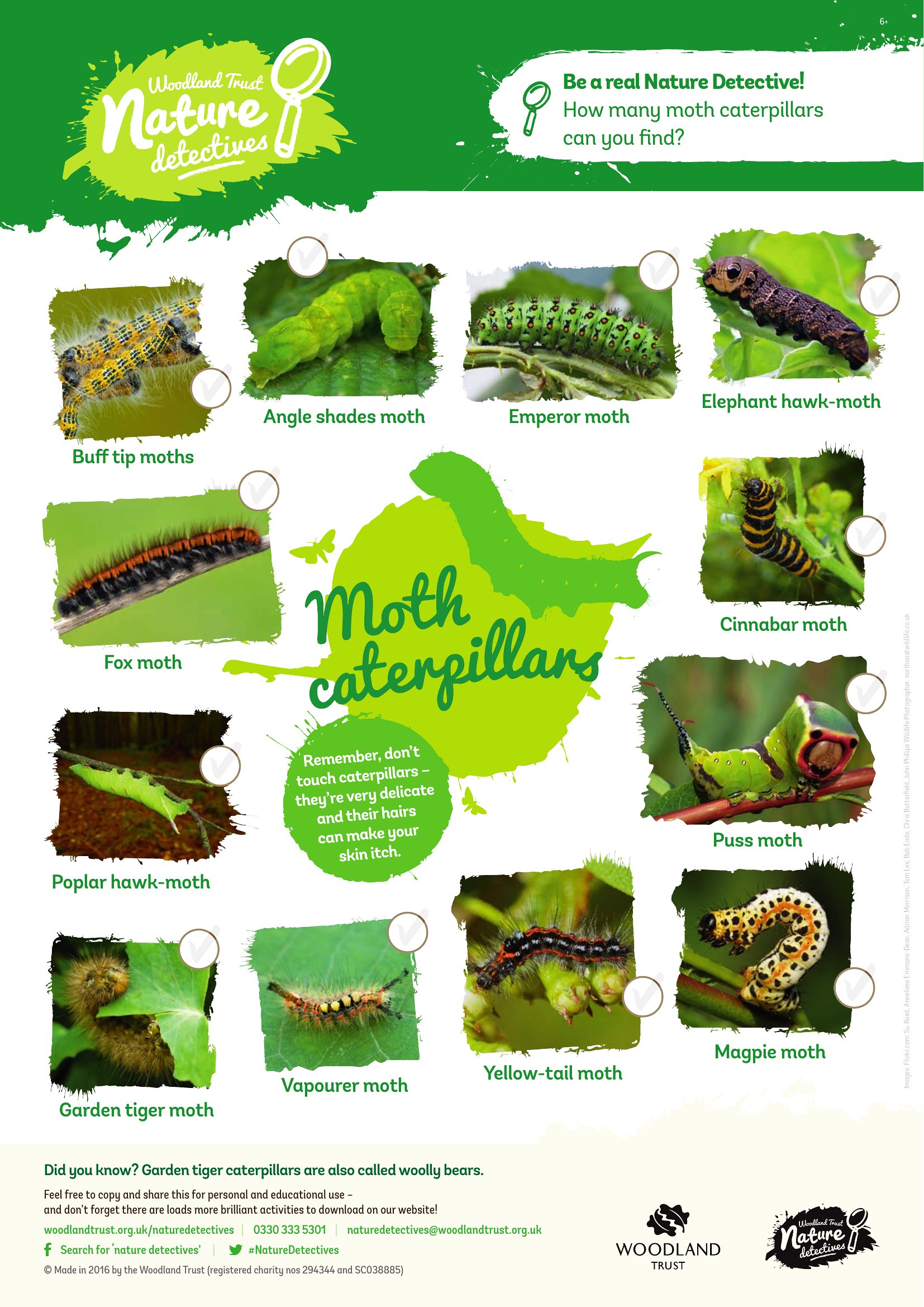
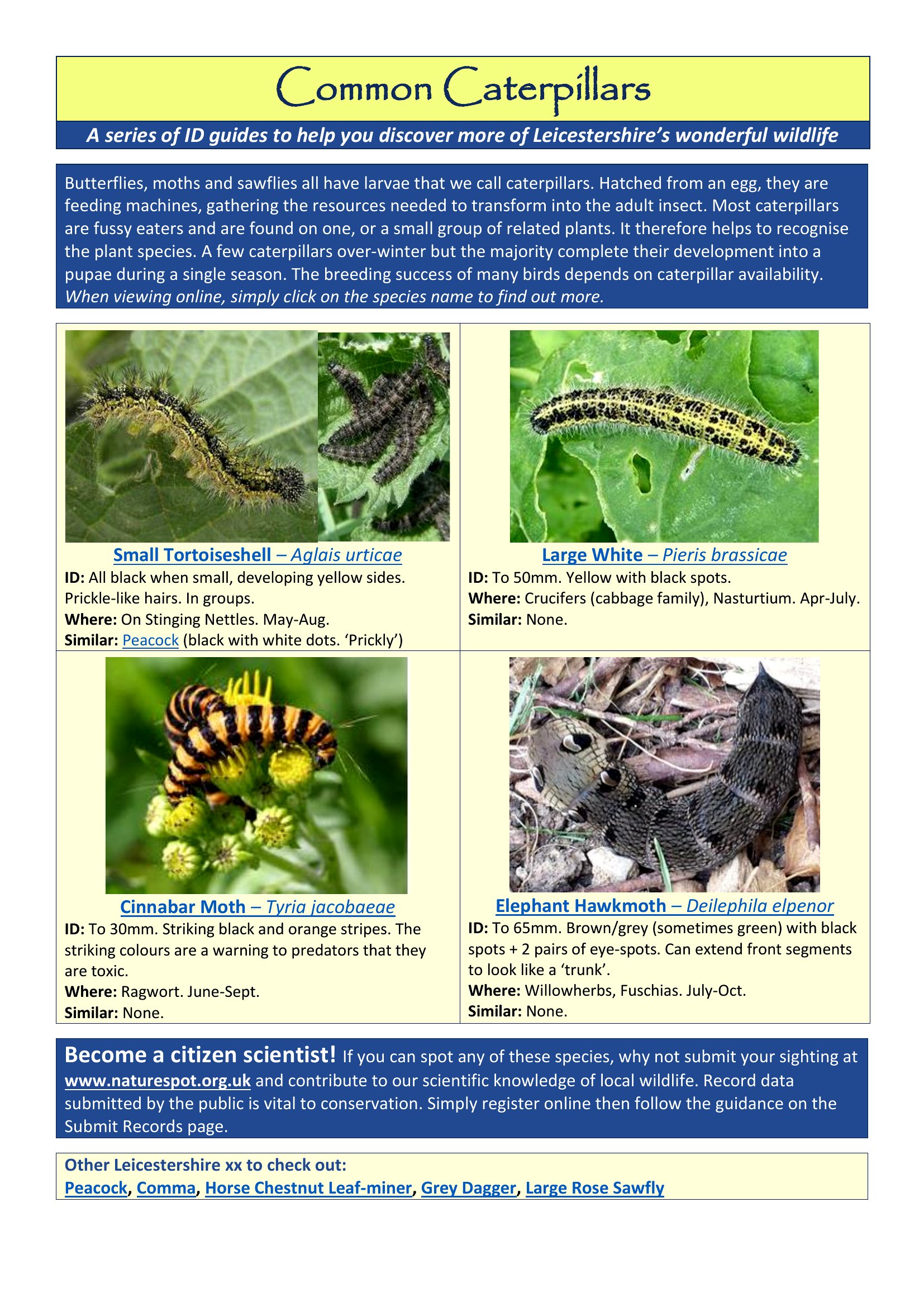
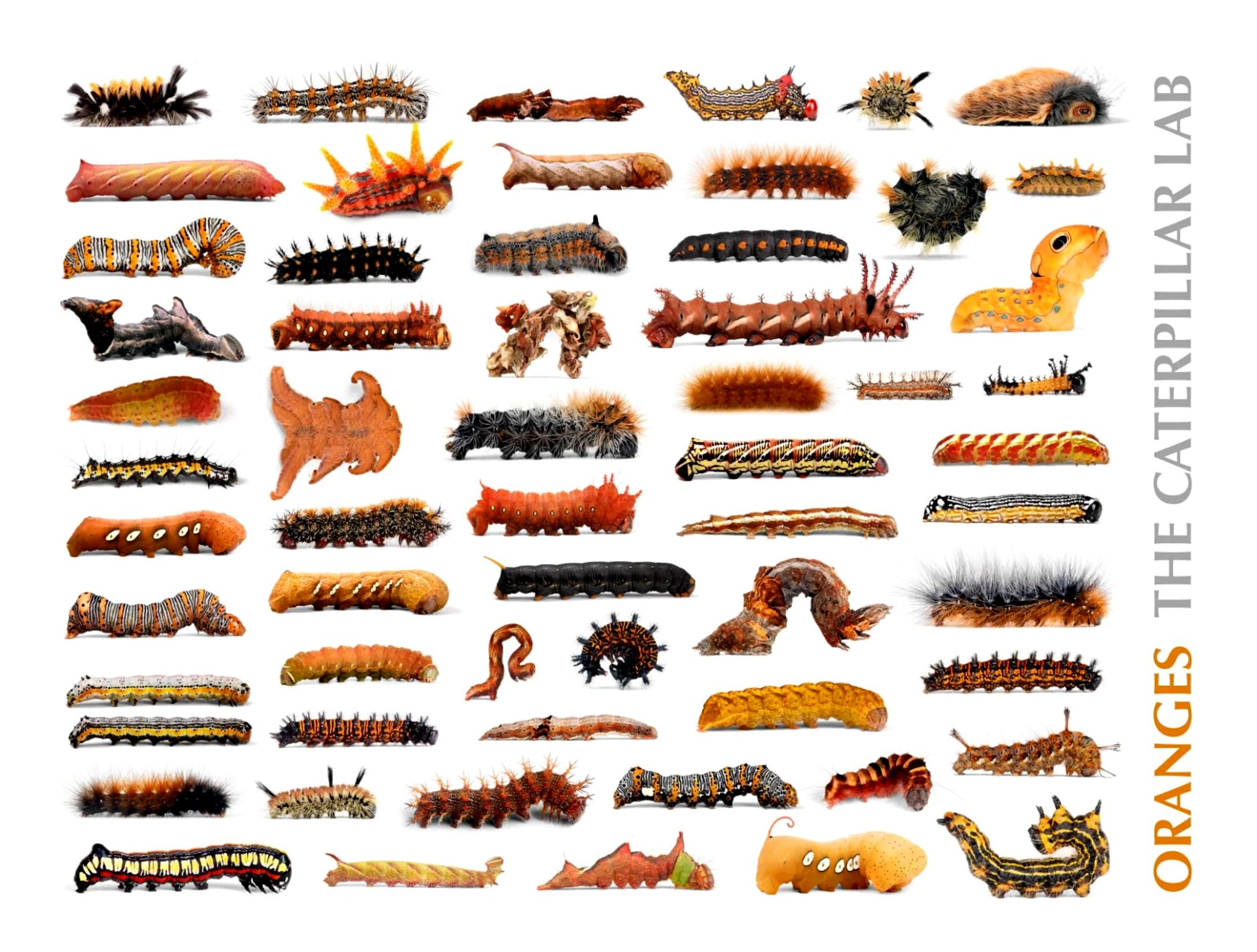
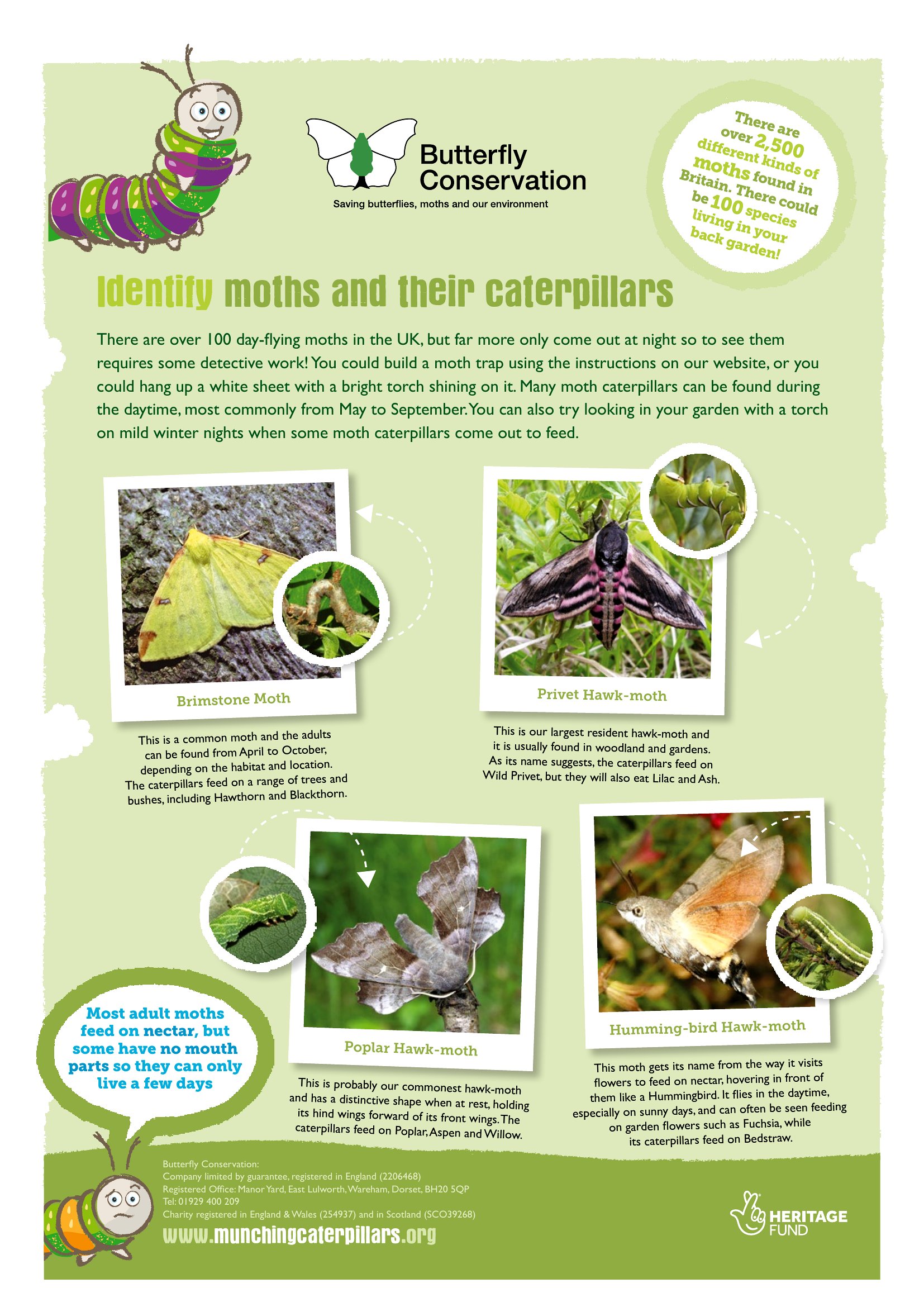
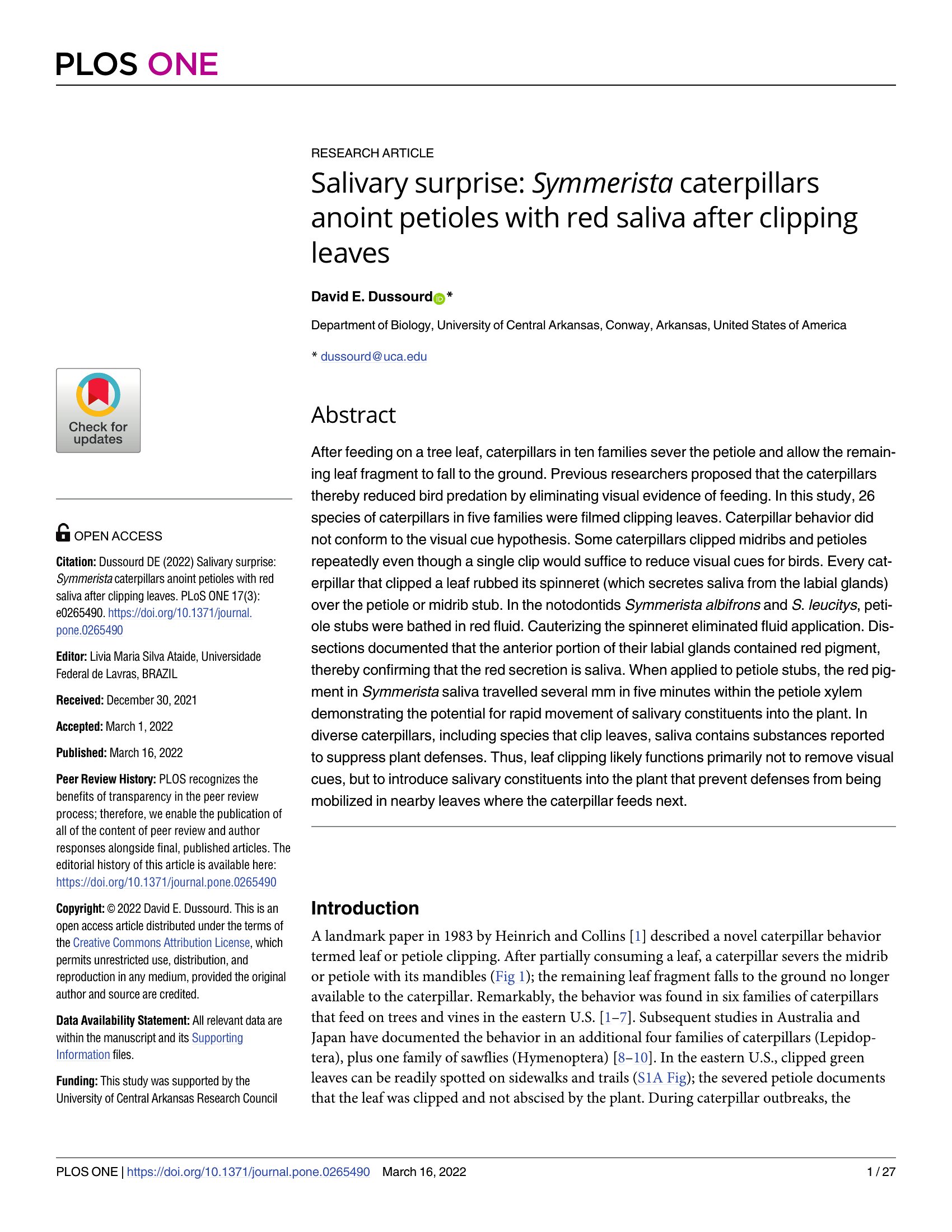
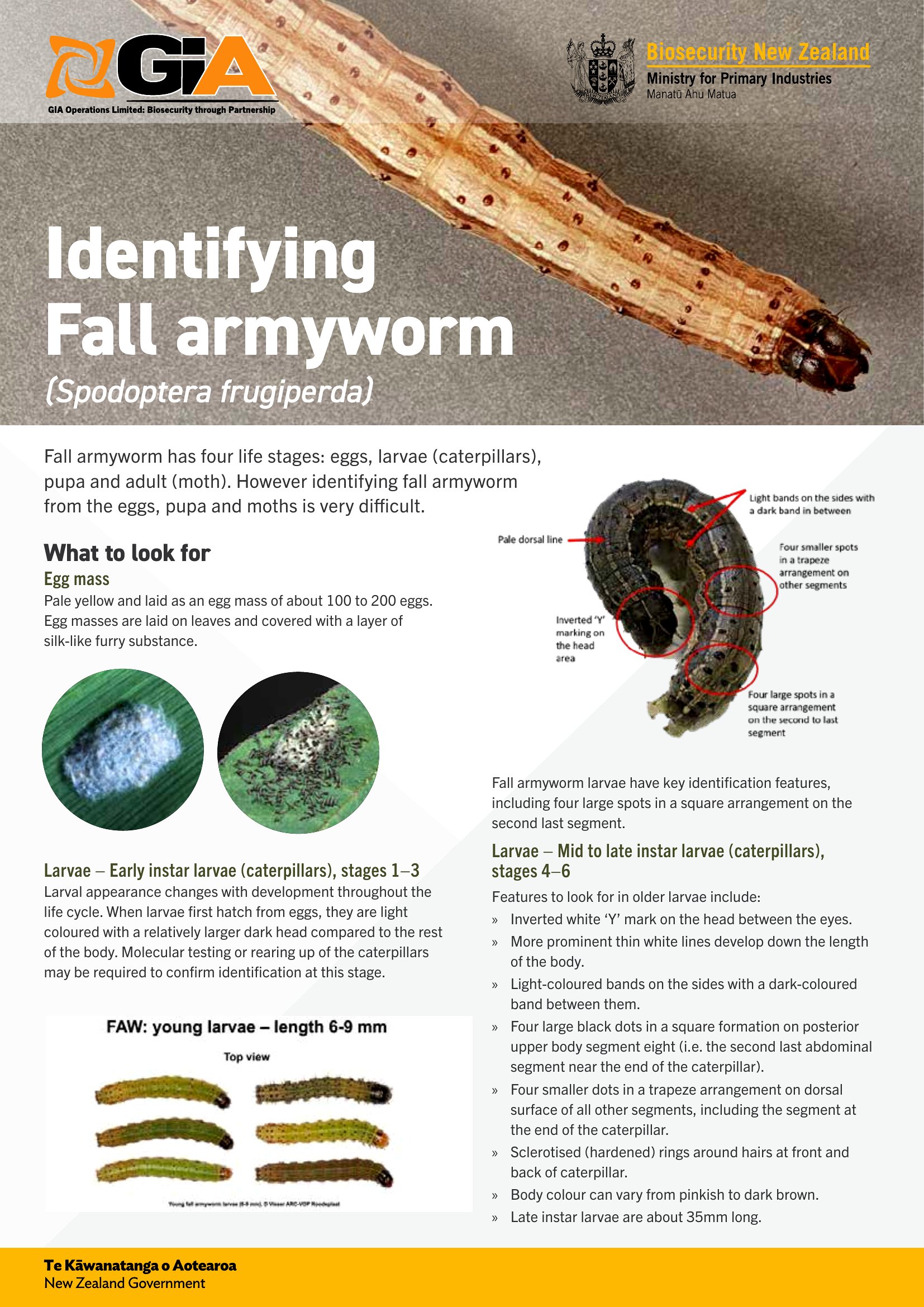
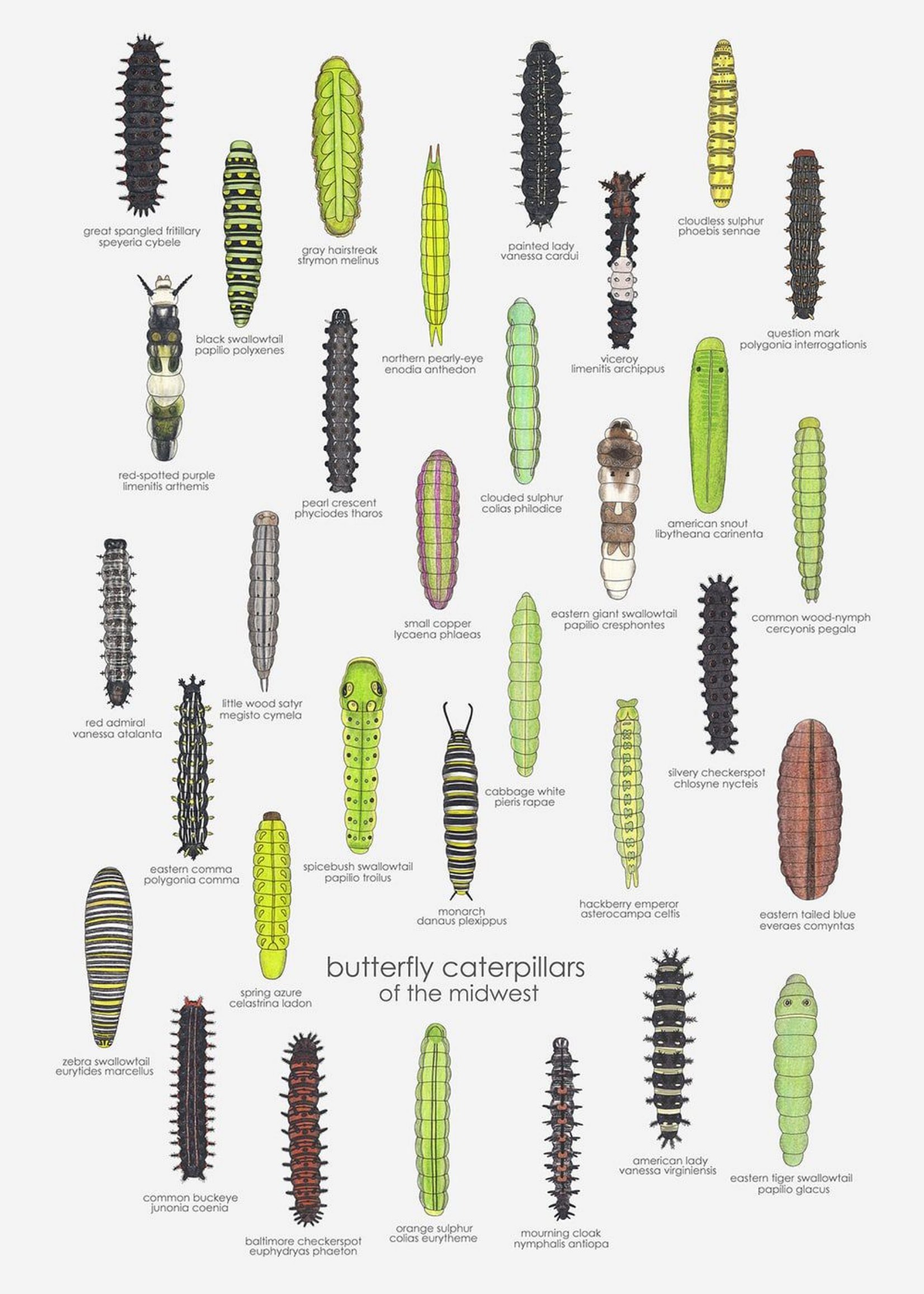
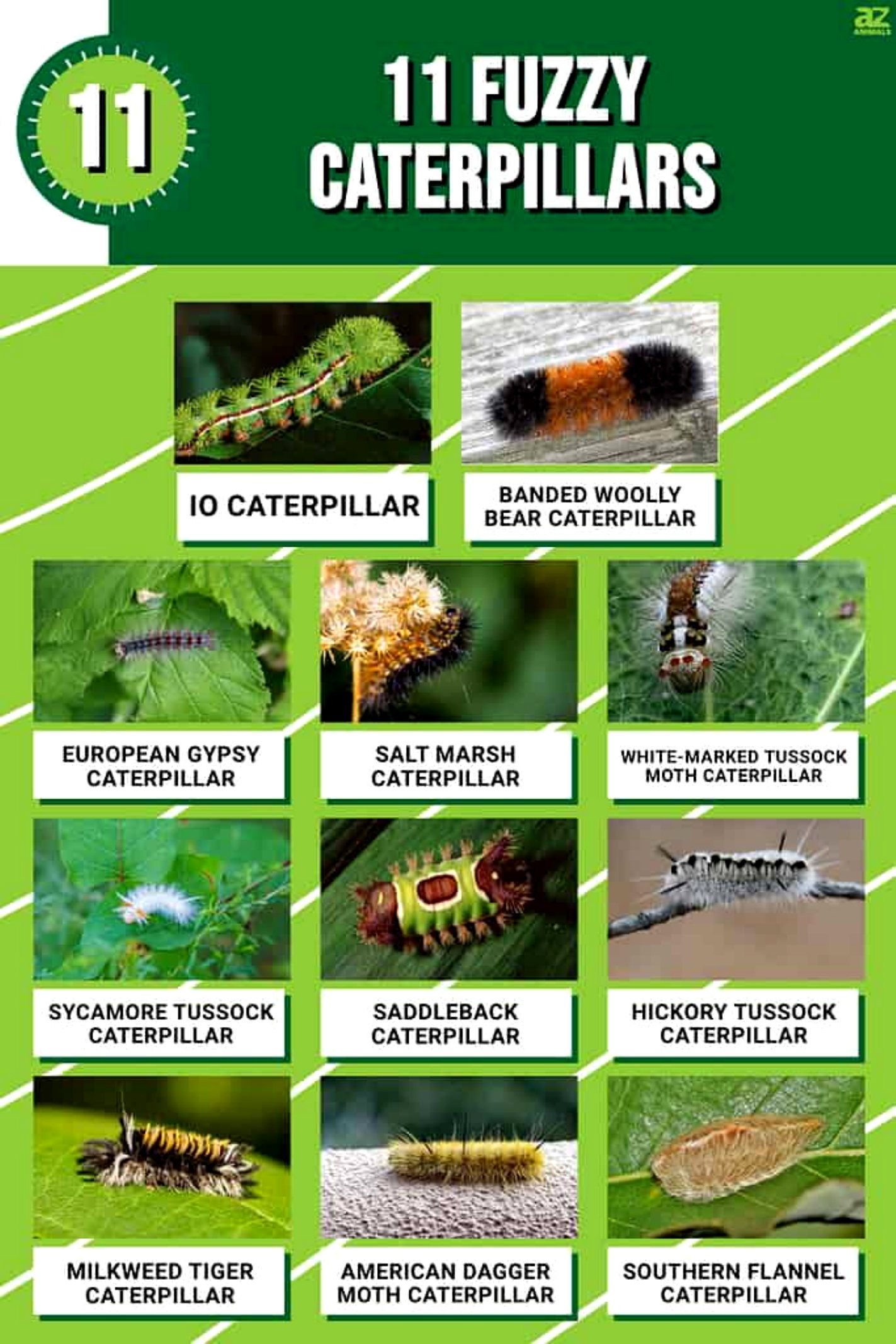
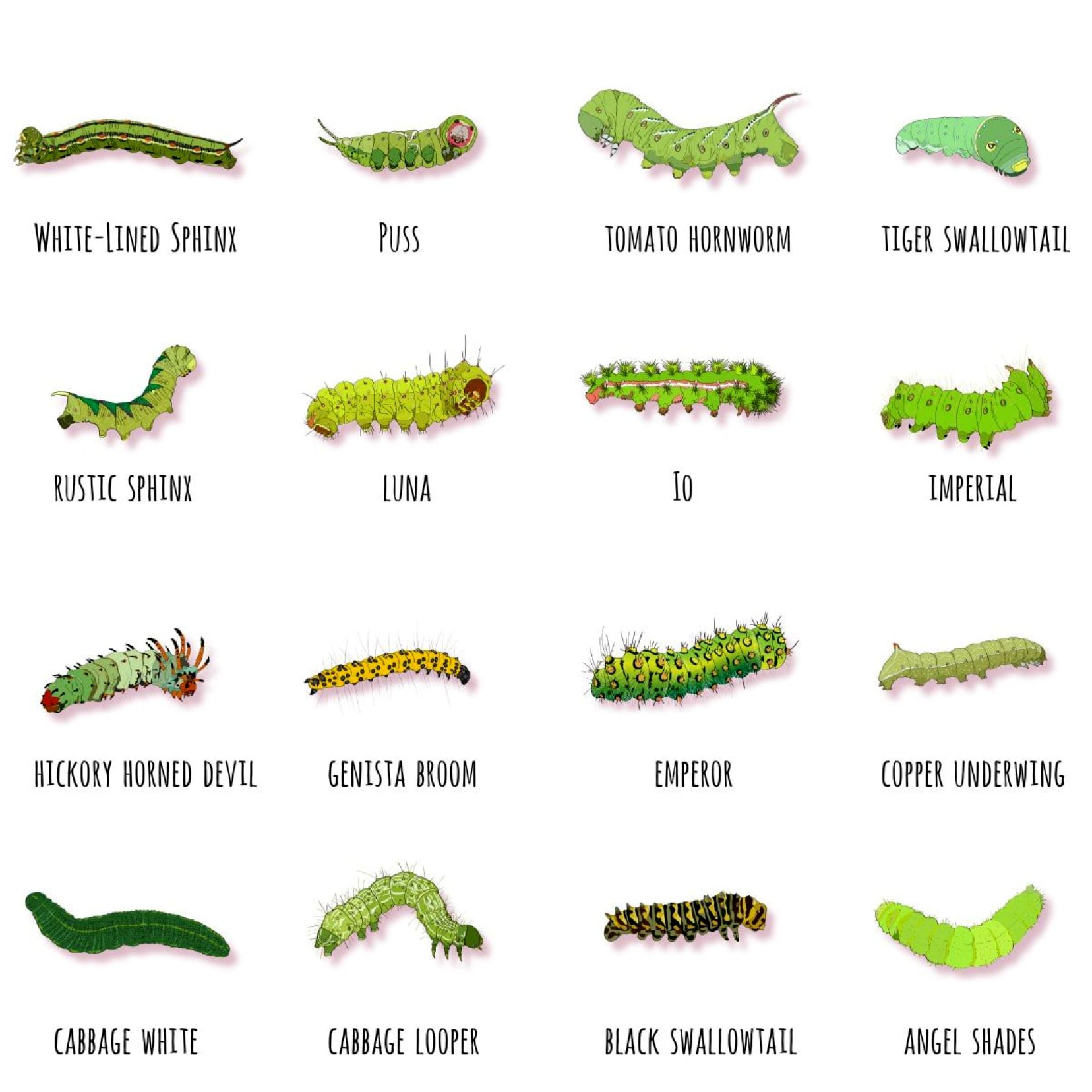
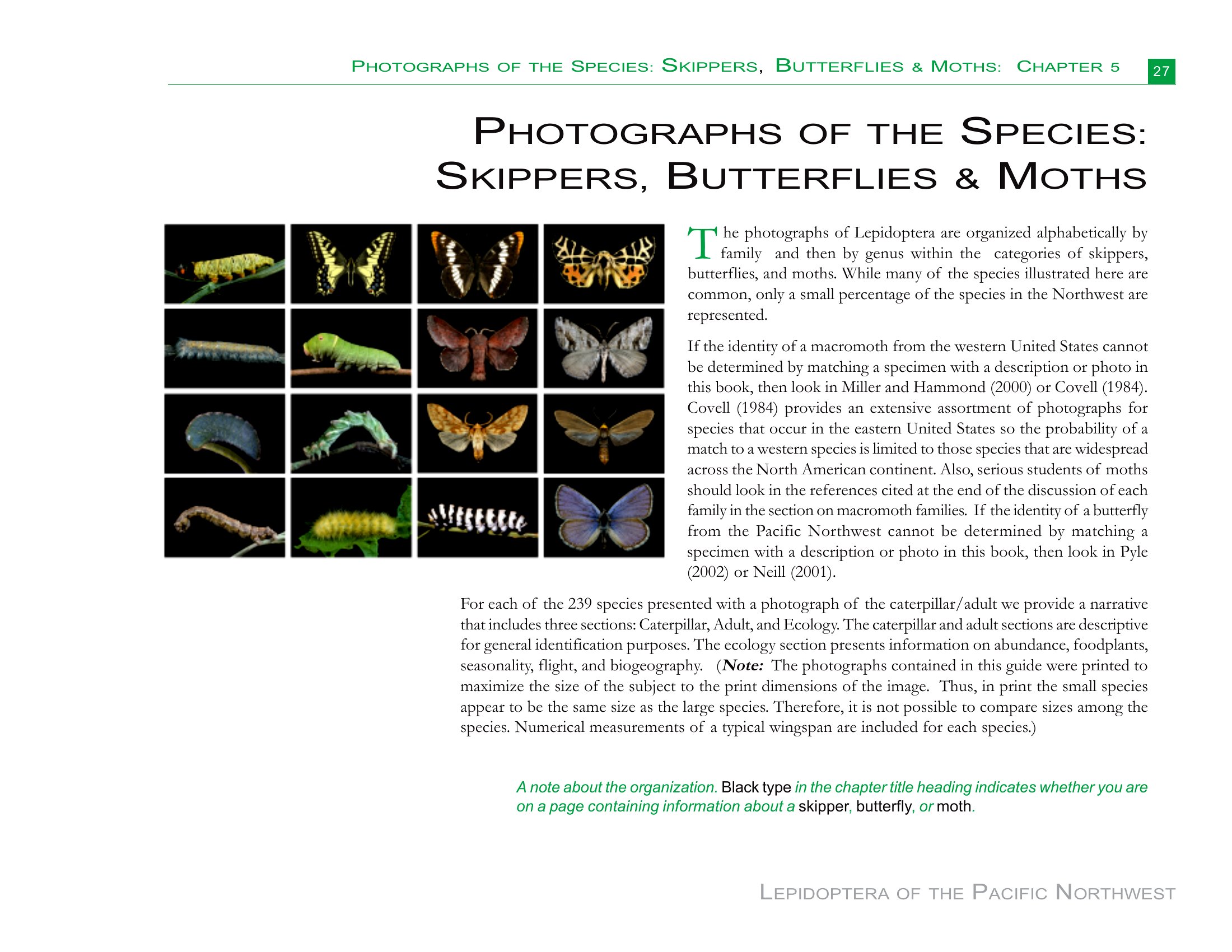
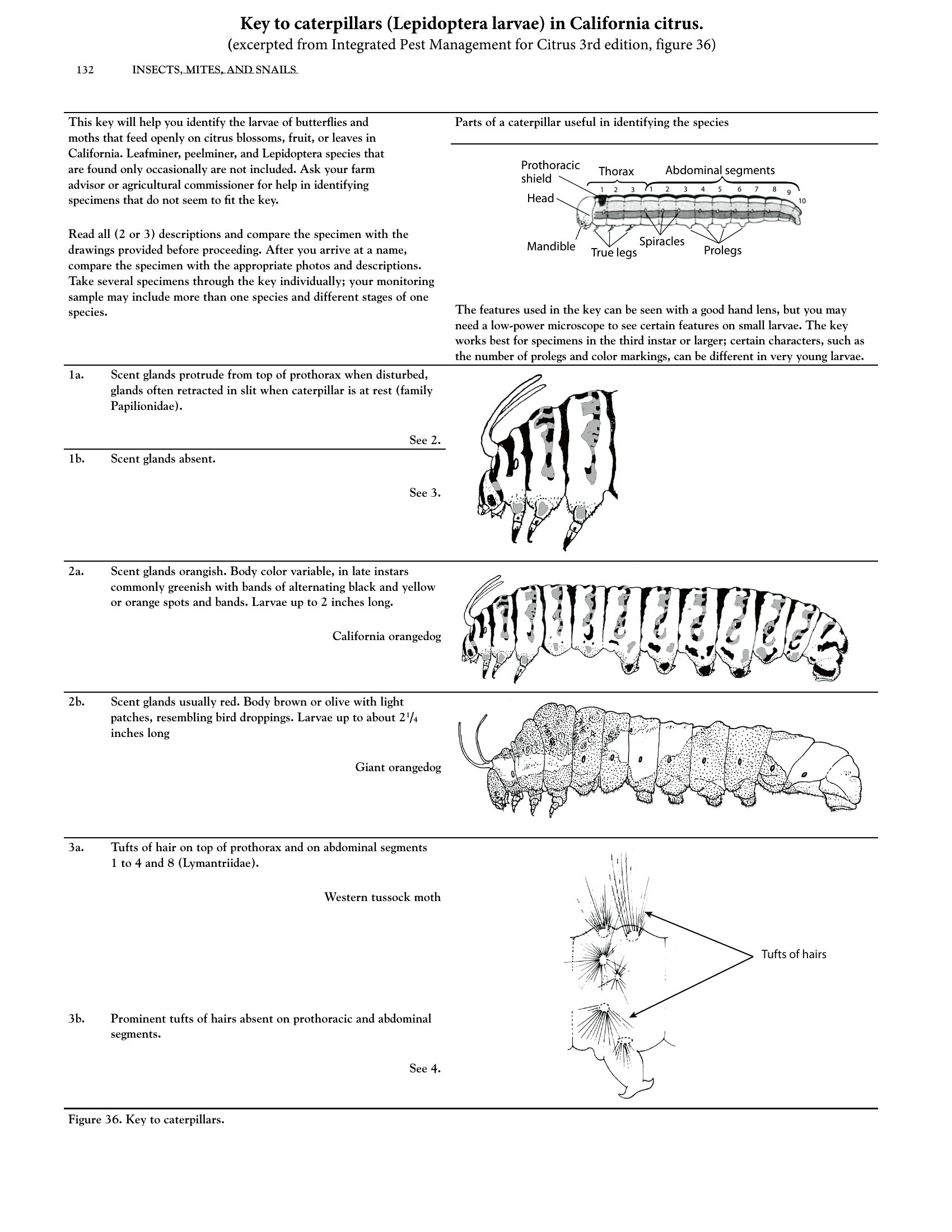
Spotting a caterpillar in the garden and wondering what it'll become is half the fun of raising or watching them, and these 31 identification charts help you name the species. Each one pairs images with key markings so you can tell a monarch from a swallowtail or a stinging variety from a harmless one. Teachers, young naturalists, and curious gardeners will get plenty of use out of them.
The charts come as print-ready PDFs that look sharp whether you print them for a classroom or keep one on your phone for the trail. Use them to match colors, patterns, and host plants to the right caterpillar. Download the chart you want and take it outside on your next bug hunt.
When to use this Caterpillar Identification Charts template
- A homeschooling parent teaching their 8–12-year-old about local ecosystems wants quick visual guides to identify caterpillars during backyard nature walks—no prior entomology knowledge needed.
- A suburban gardener notices chewed leaves on tomato plants and needs a chart to differentiate between harmless moth caterpillars and invasive pests like the tomato hornworm before deciding on action.
- A 4H club leader organizes a 'Caterpillars to Butterflies' workshop and needs printable handouts for kids to compare life stages, wing patterns, and host plants for each species.
- A nature reserve volunteer leads a guided hike and requires a laminated reference sheet to help visitors quickly spot and name caterpillars in the area, reducing misidentification of endangered species.
Which format should I download?
PDF is the only format here, and it’s ideal because these charts are designed for durability and ease of sharing. Print them at home for field use, shrink them for a pocket guide, or enlarge them for group viewing. The PDFs preserve high-resolution imagery and text clarity, whether you’re projecting them in a classroom or taping them to a tree during a garden tour.
Choose from 31 Caterpillar Identification Charts Templates
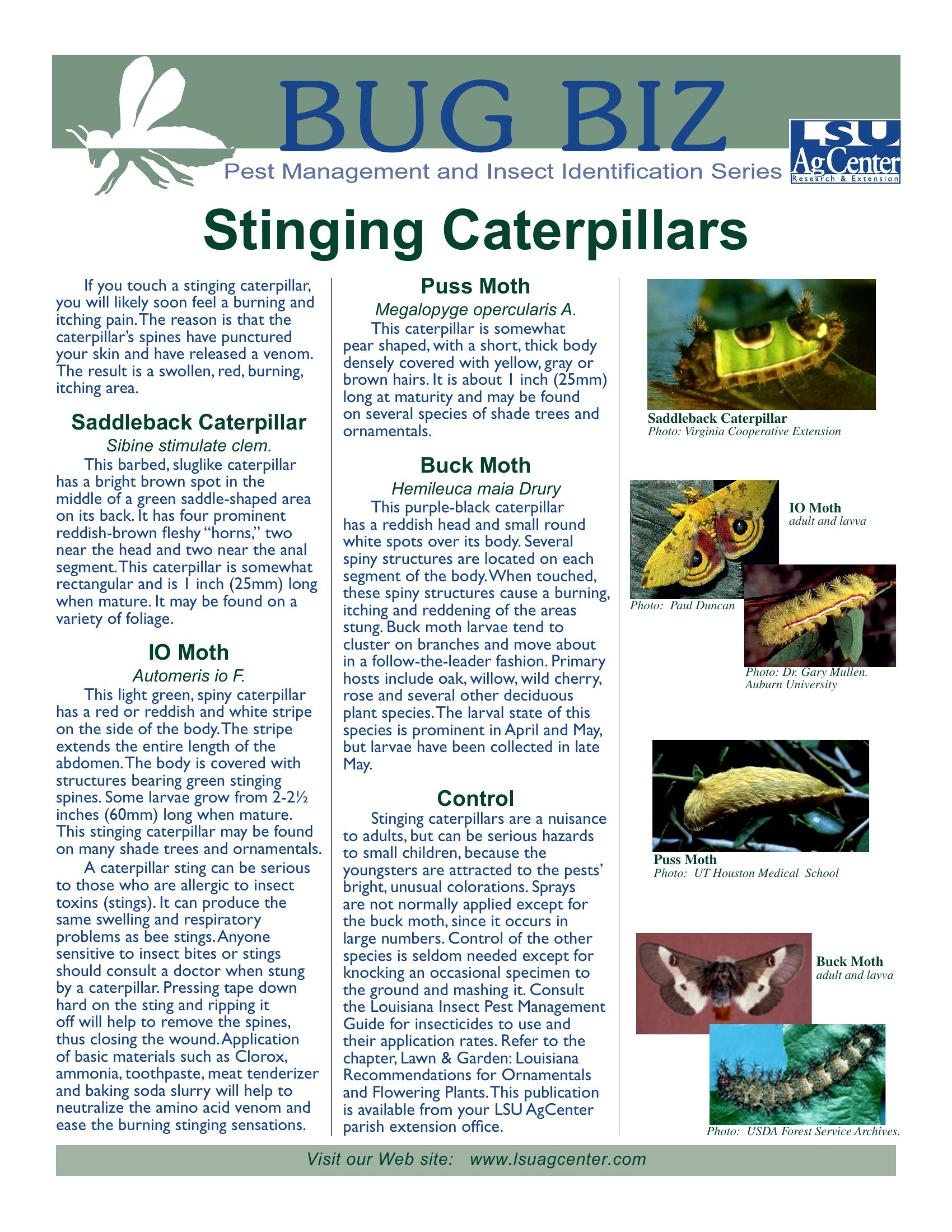
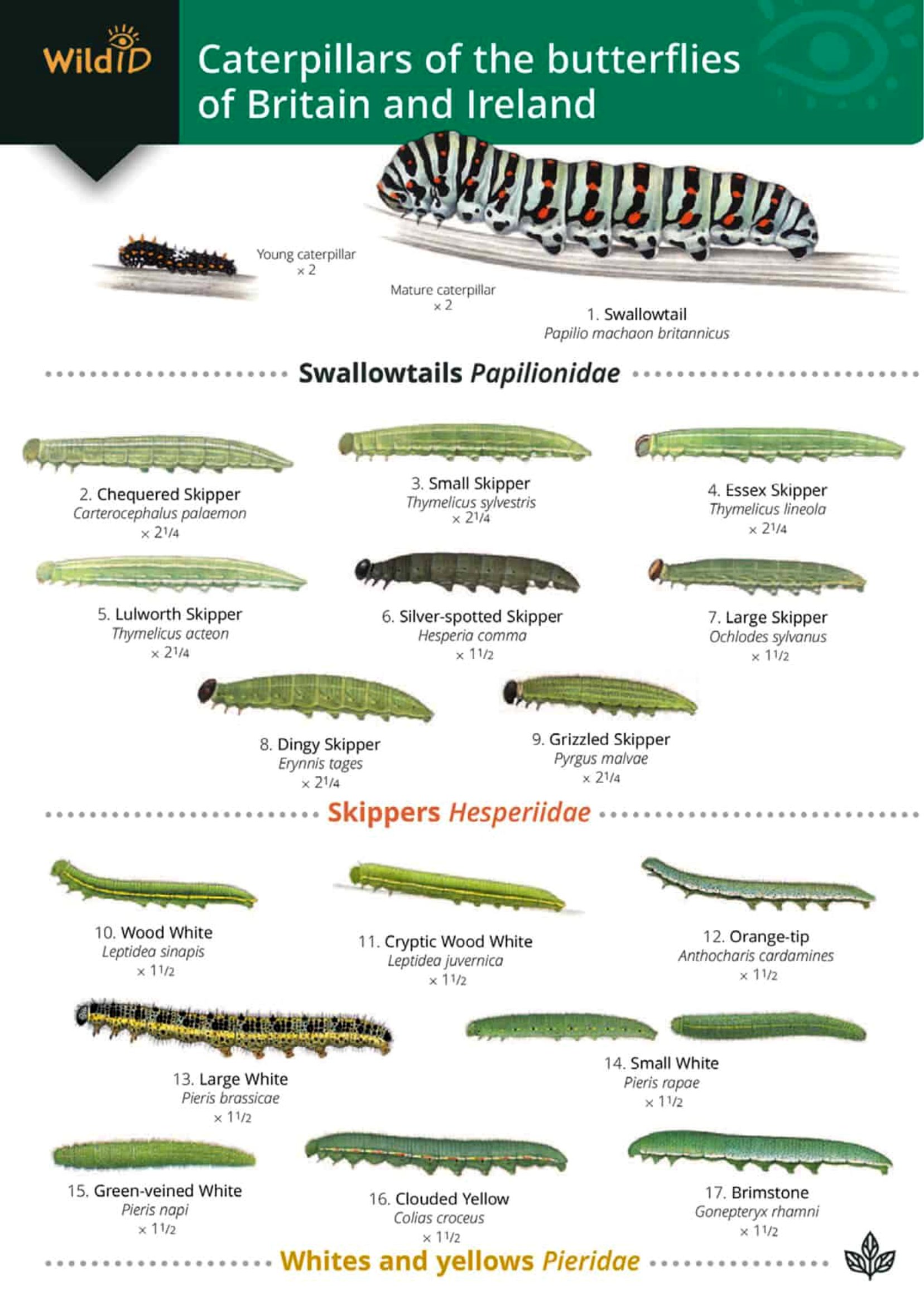
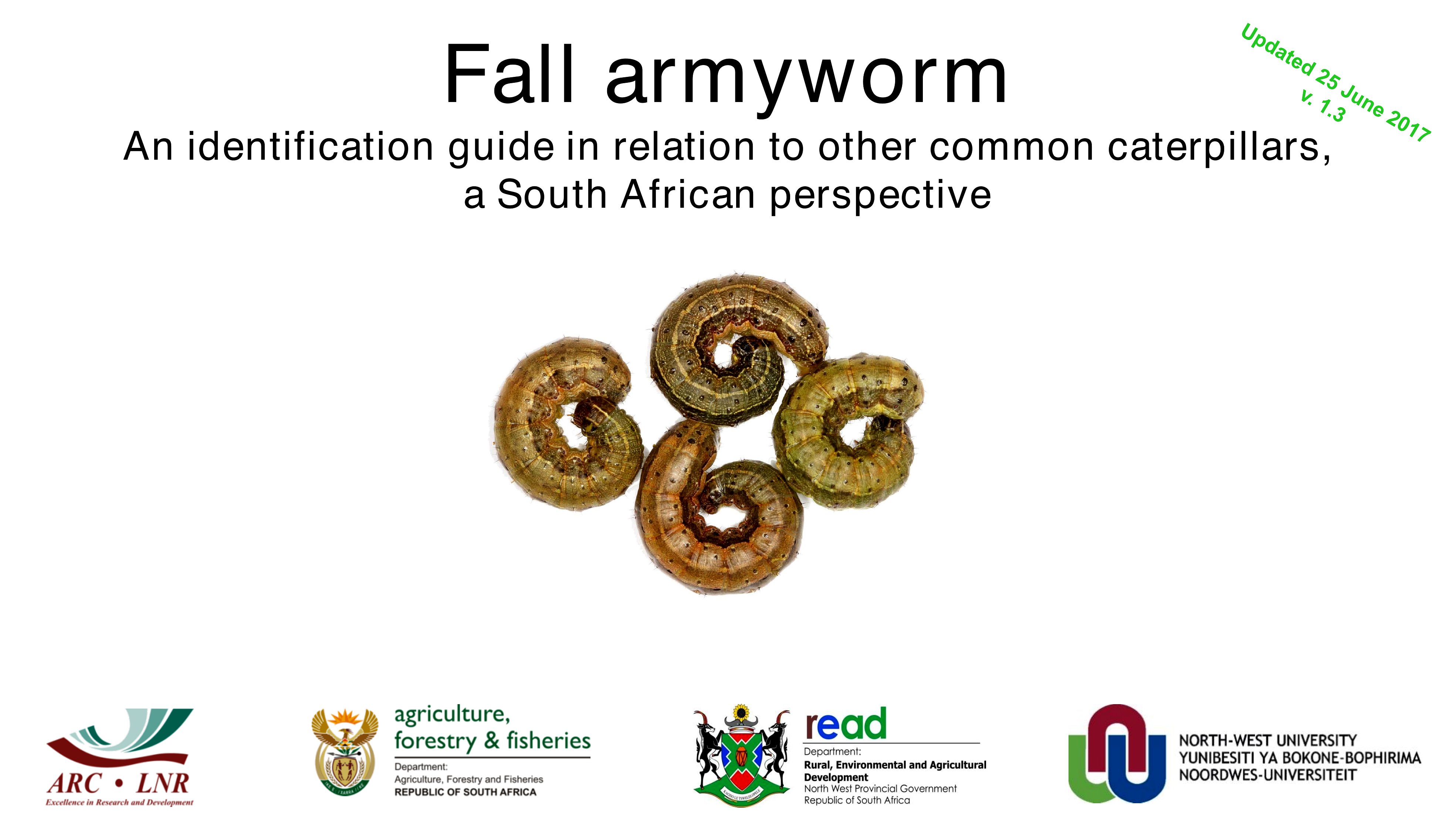
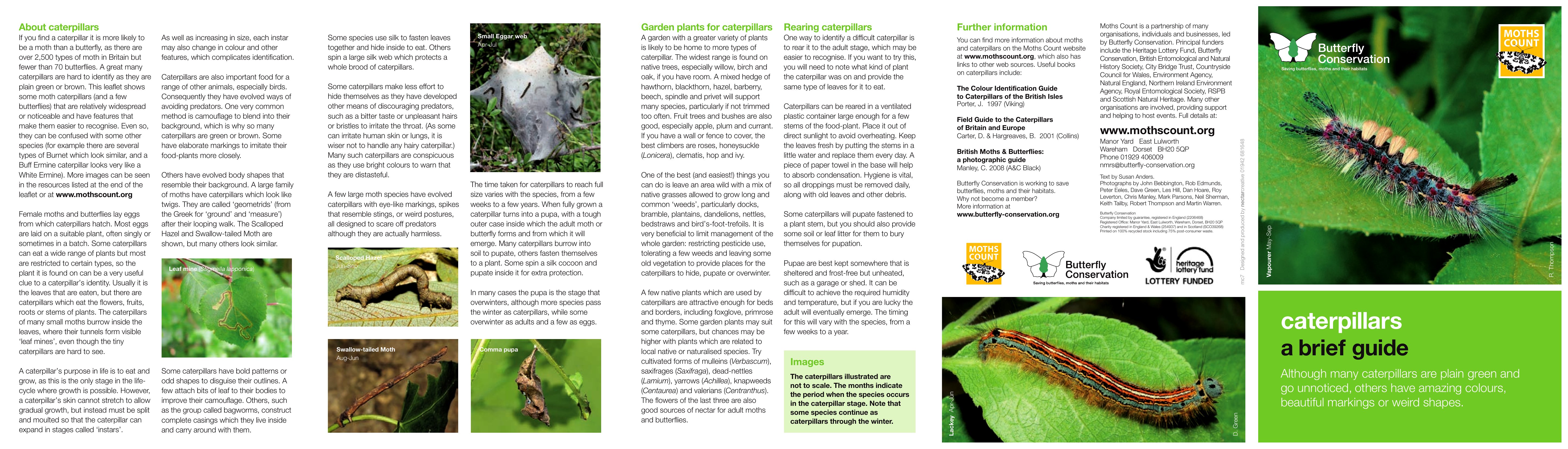
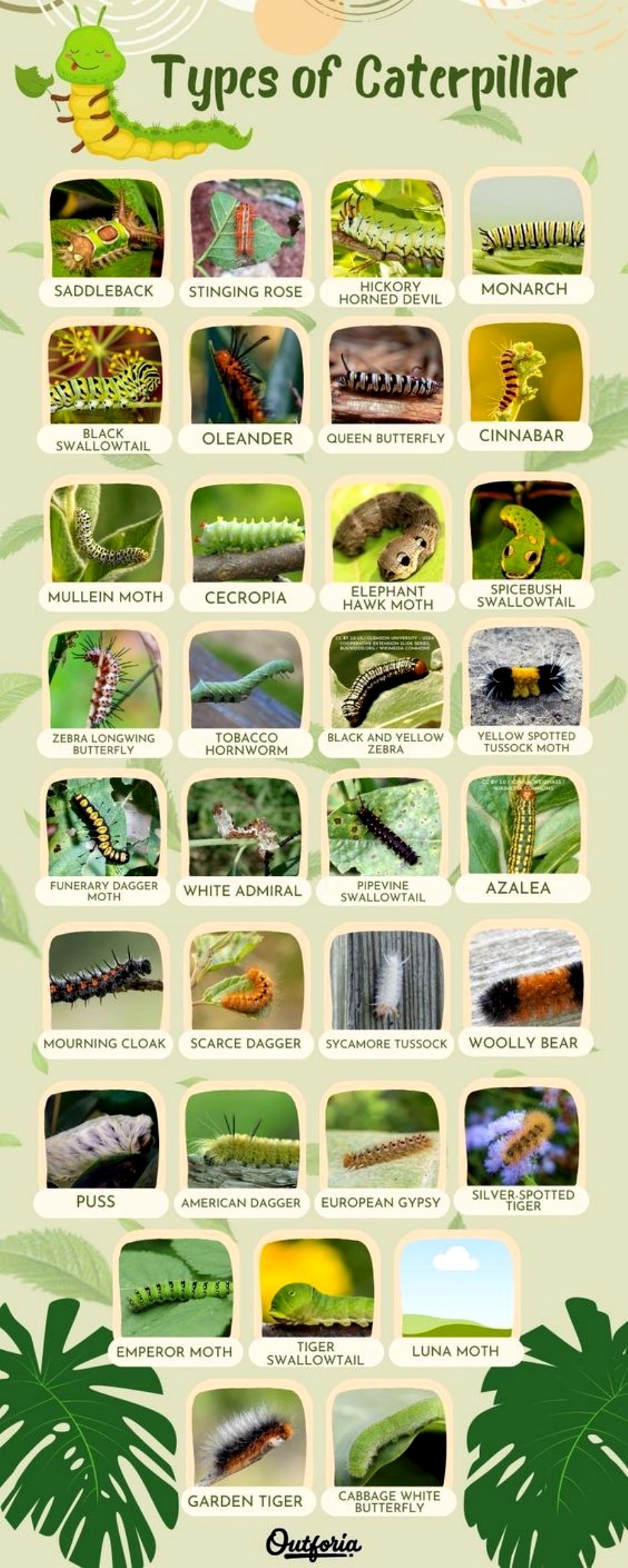
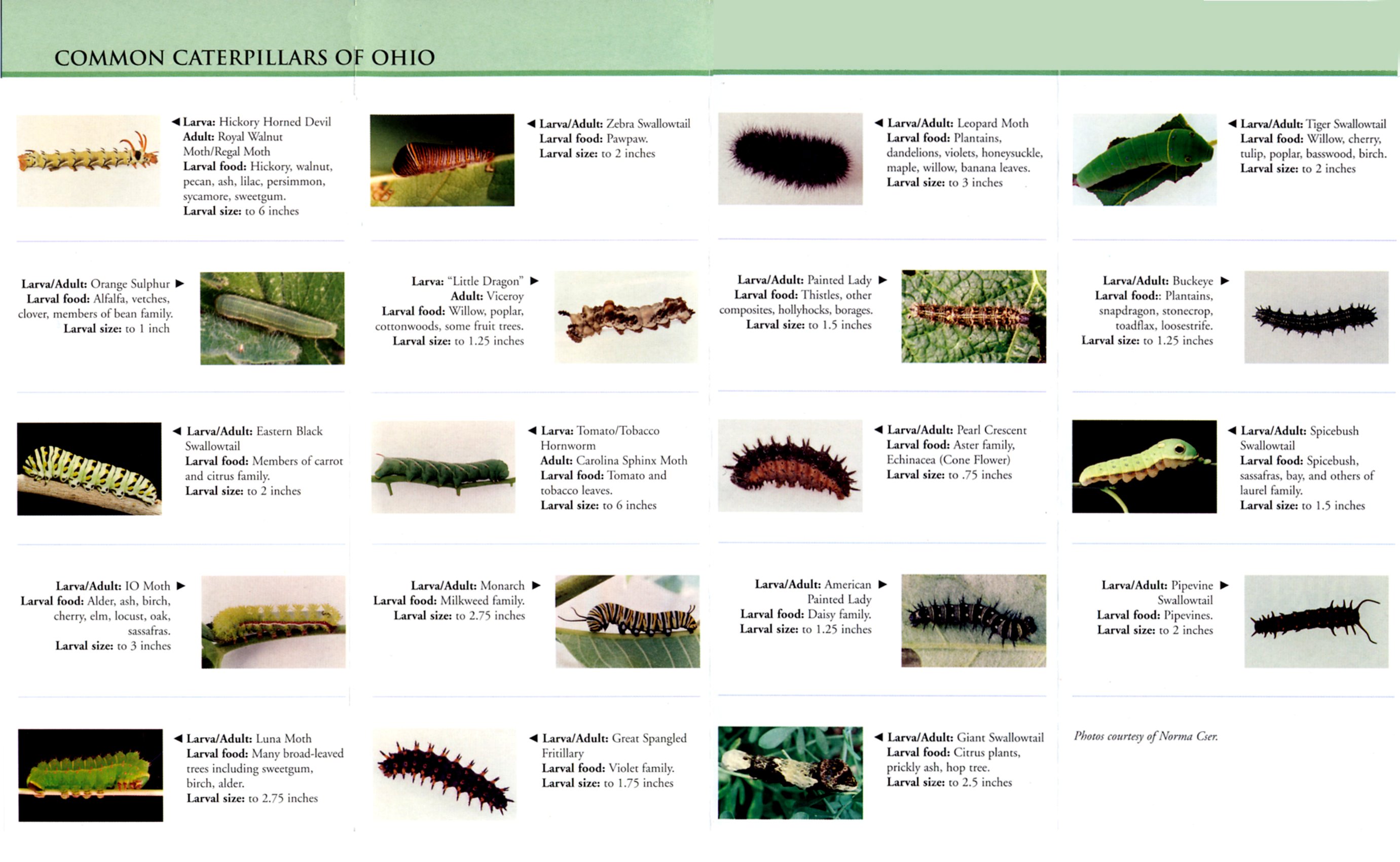

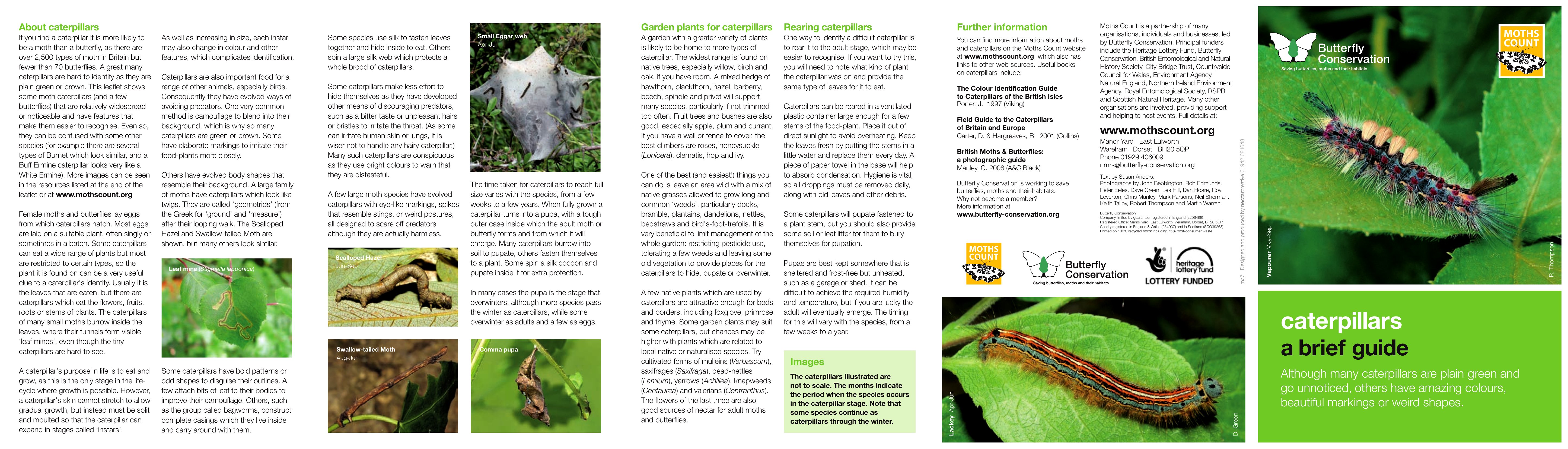
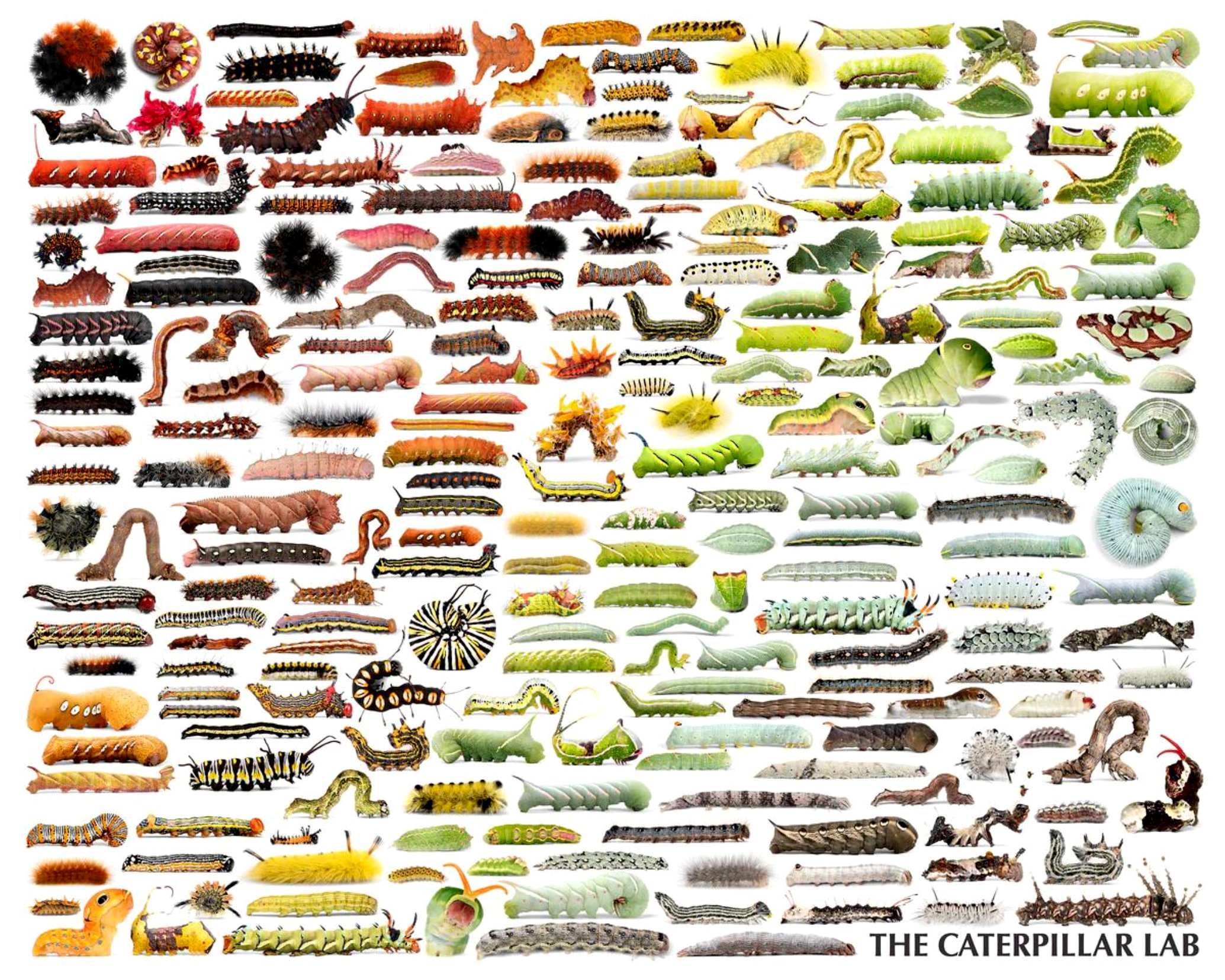
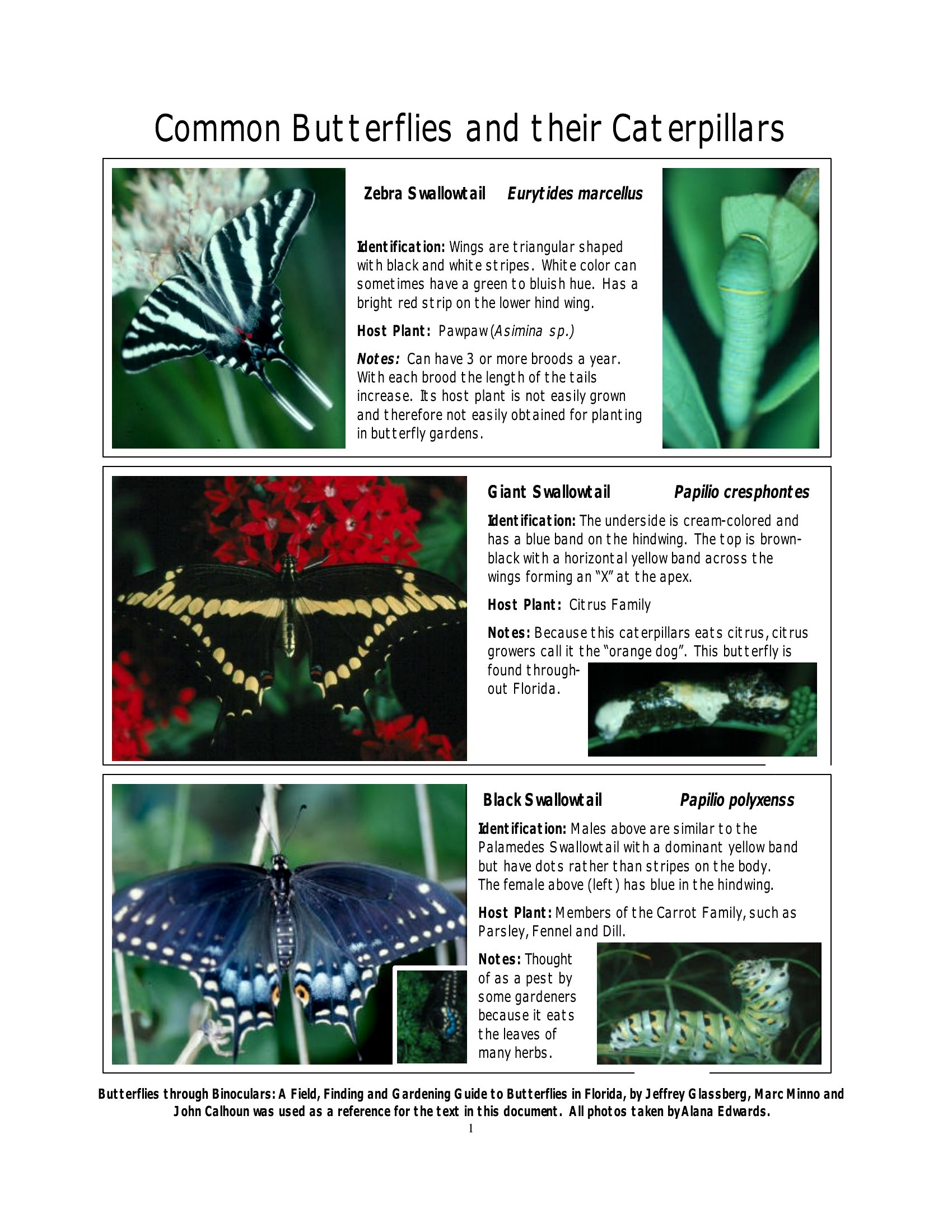
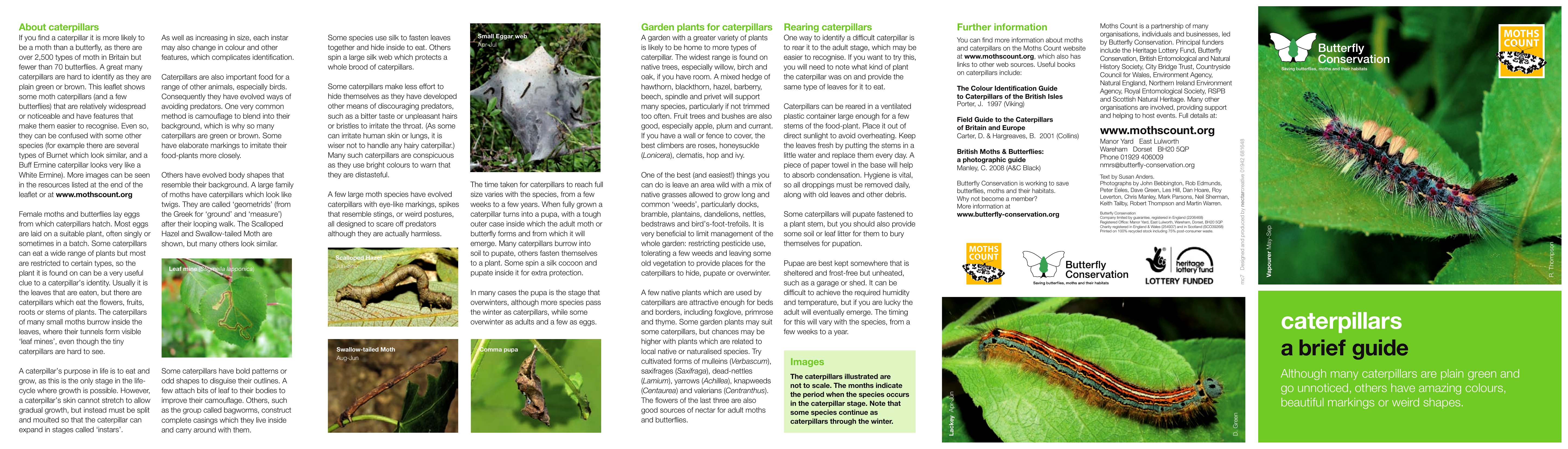
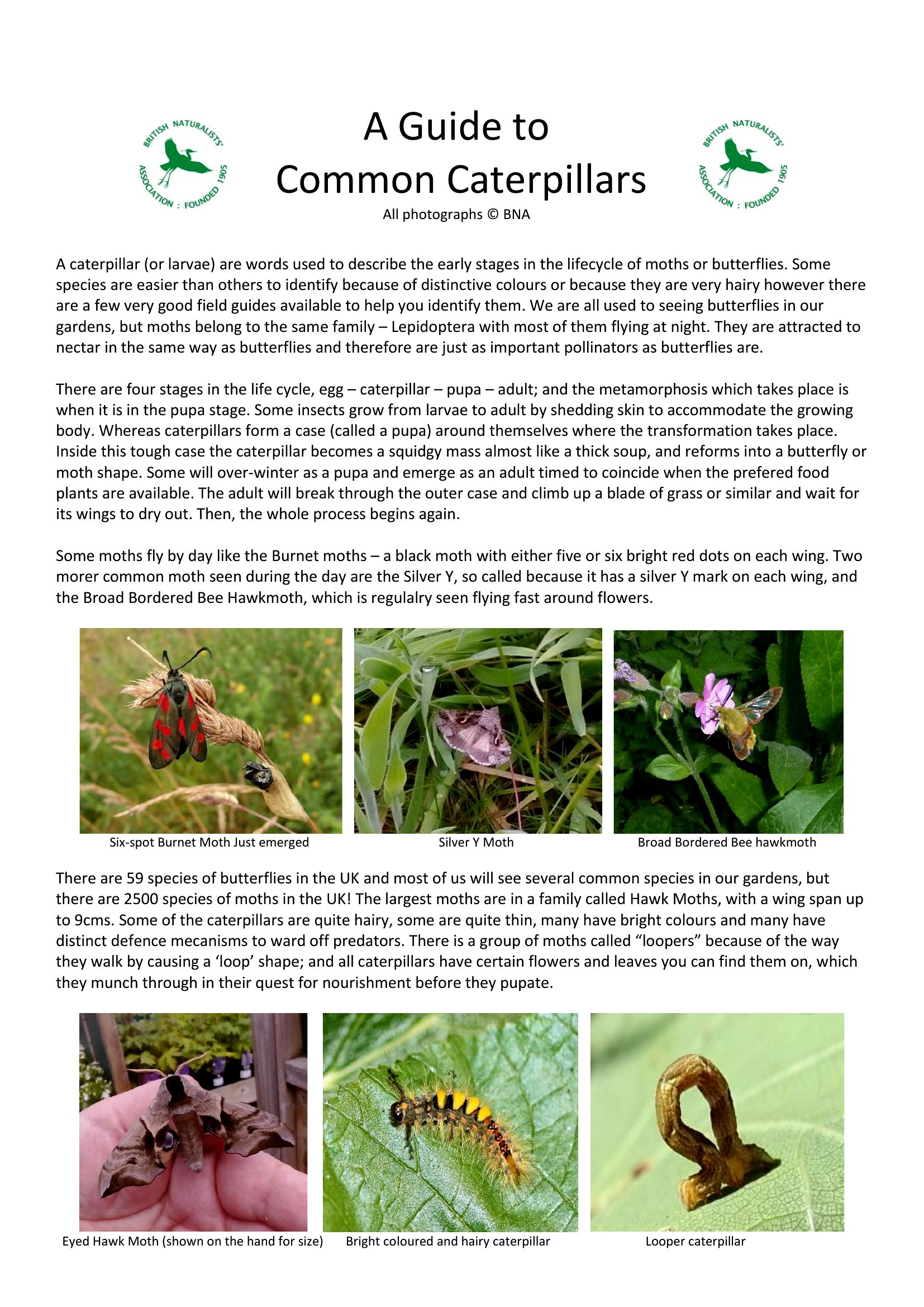
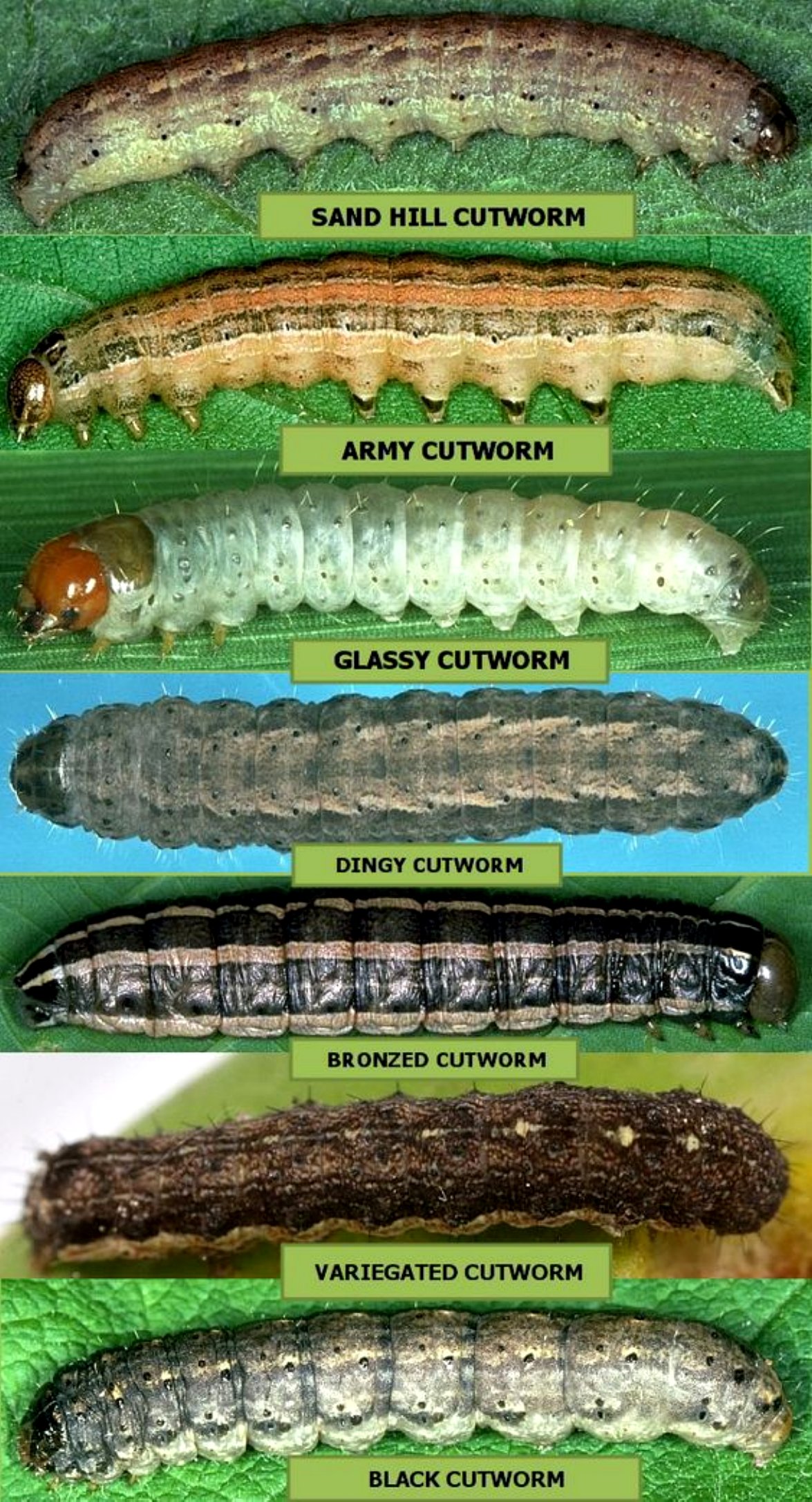
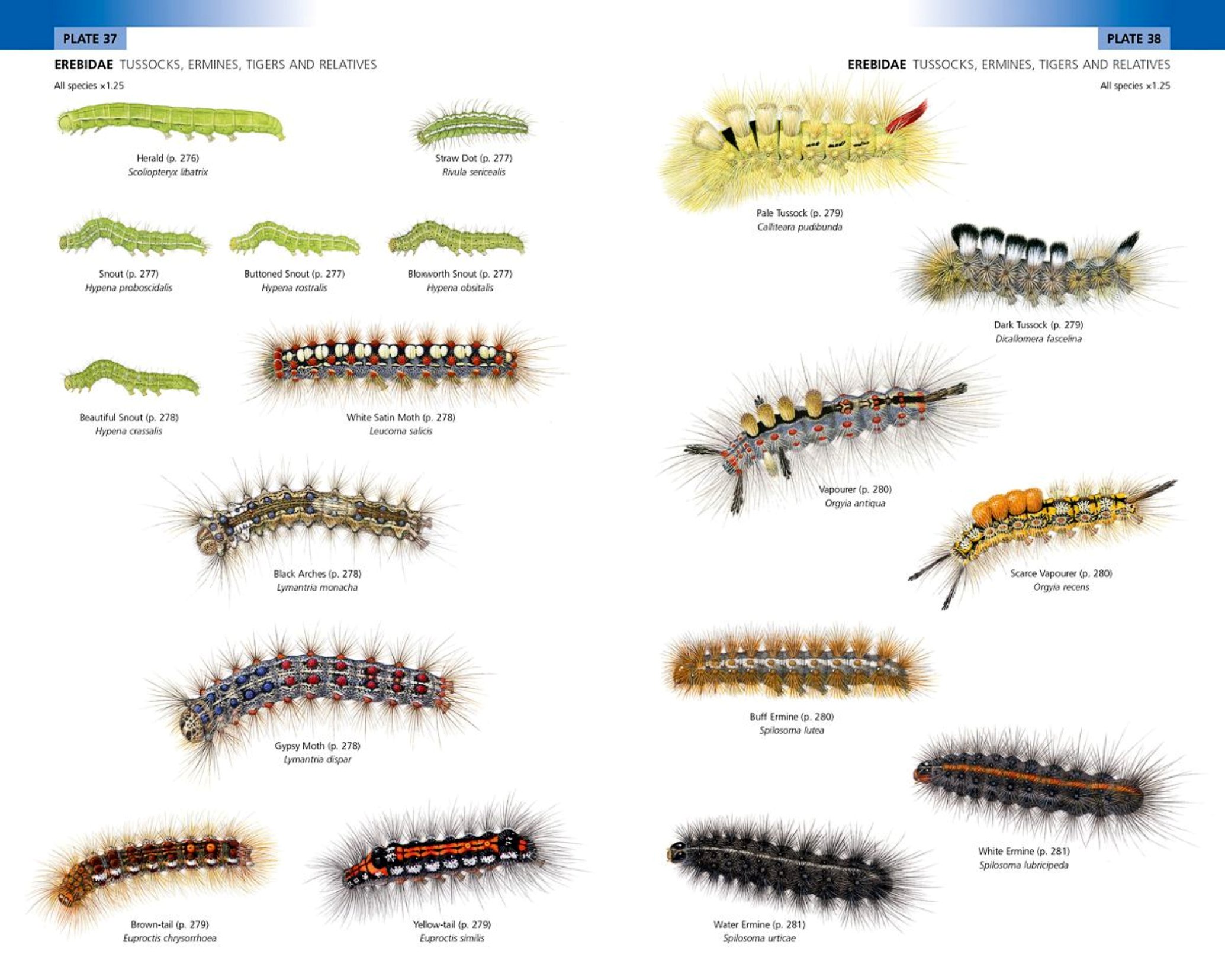
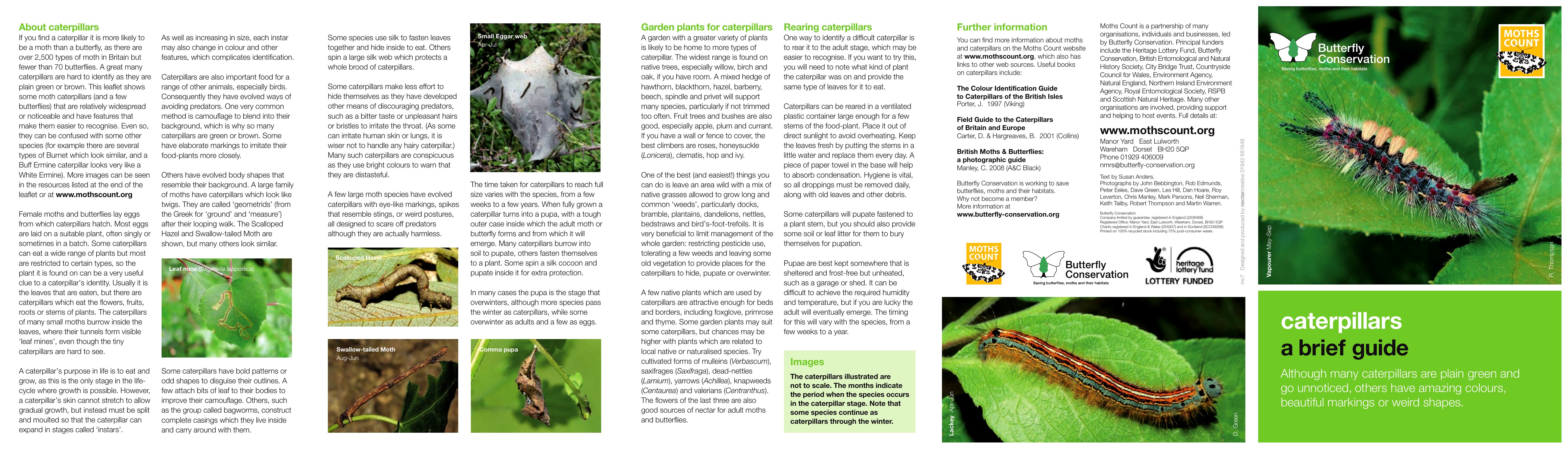
How to use this Caterpillar Identification Charts template
Can I use these charts to help distinguish between caterpillars that are pests and those that are beneficial?
Yes, these charts include key markings that highlight differences between caterpillars like the tomato hornworm (a pest) and the swallowtail (beneficial). They’re a great starting point, but confirm with a local extension office or entomologist for region-specific advice, especially before using pesticides.
Are these charts organized by region, or do they cover a broad range of species?
These charts focus on common and notable species rather than regional specificity, so they’re widely useful for North American gardeners and educators. For hyper-local identification, supplement with regional field guides or apps, as caterpillar populations vary by climate and habitat.
How can I make these charts more engaging for kids who aren’t initially interested in insects?
Turn identification into a game by adding a scavenger hunt list (e.g., 'find a caterpillar with blue markings') or pairing the charts with a 'guess the butterfly' activity. Use the blank editable templates to let kids draw their own caterpillar discoveries and compare them to the charts.
Comments
Join the conversation
Sign in to share your thoughts and leave a comment on this resource.