











FAQ
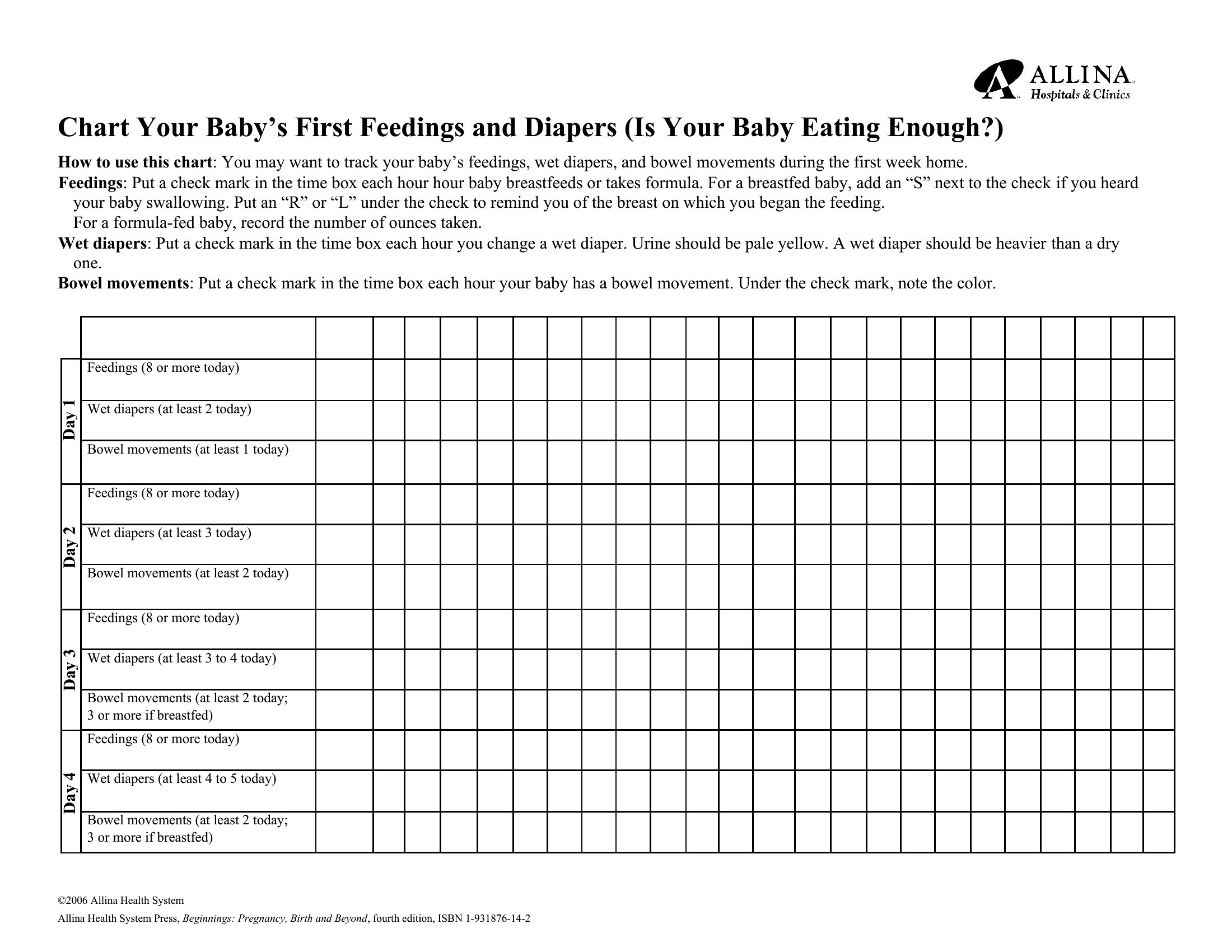
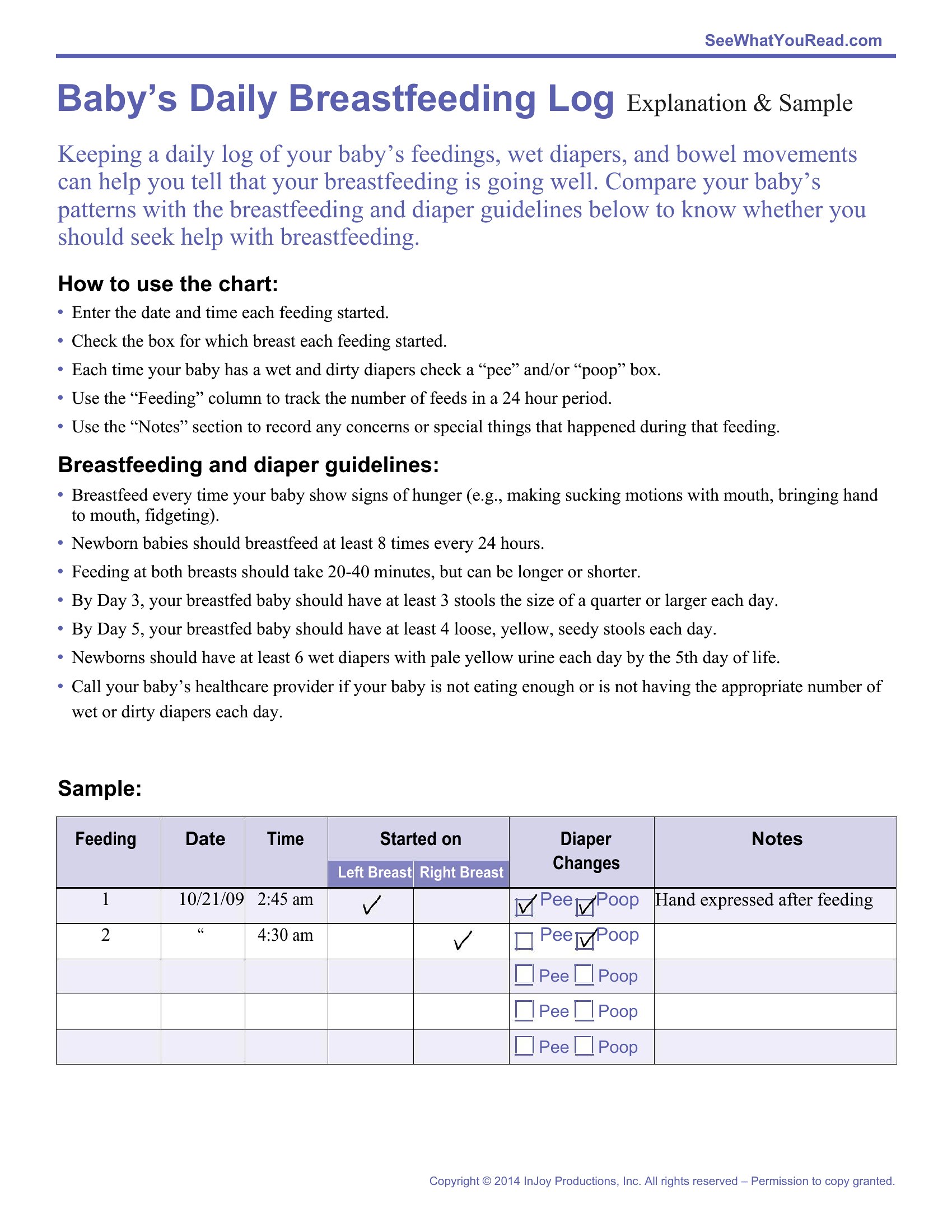
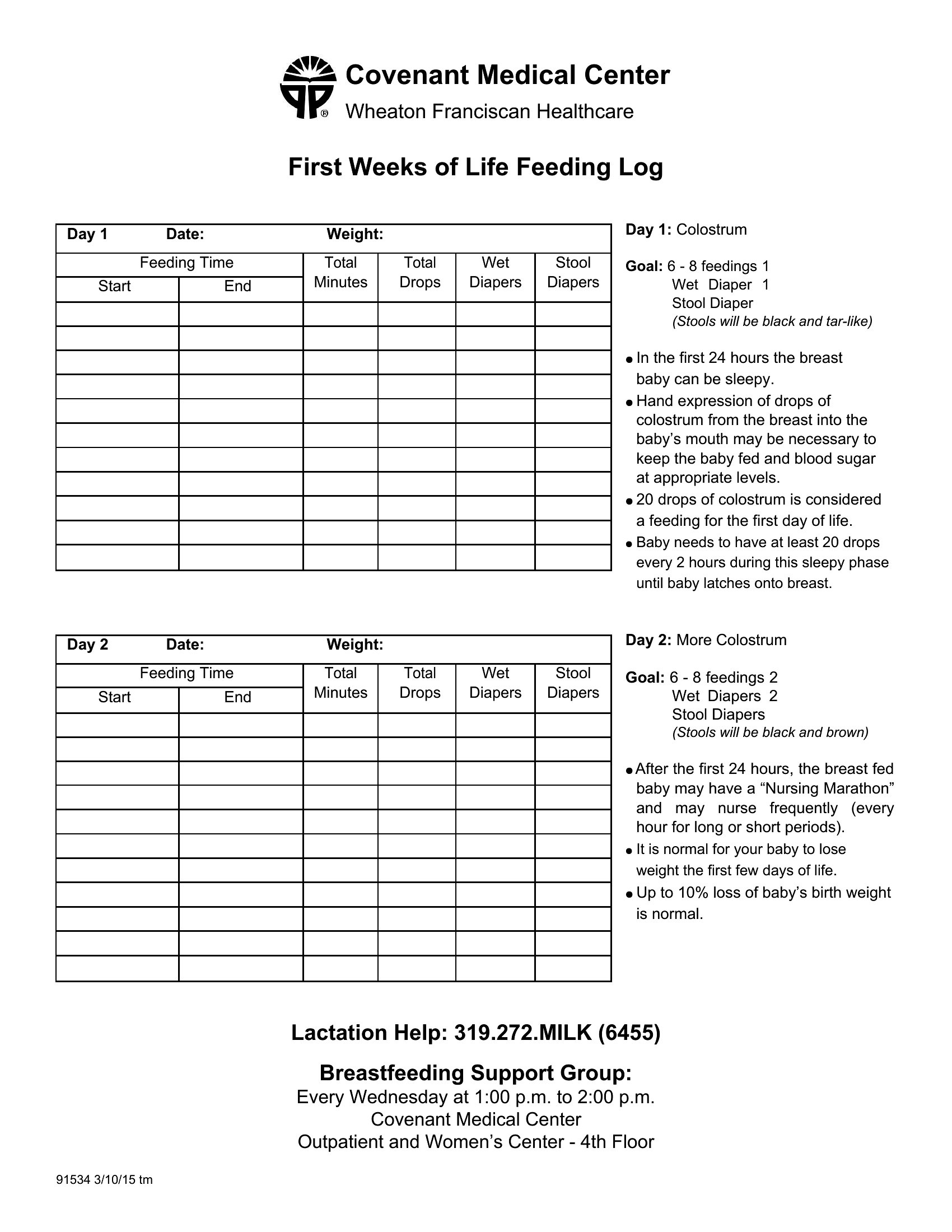
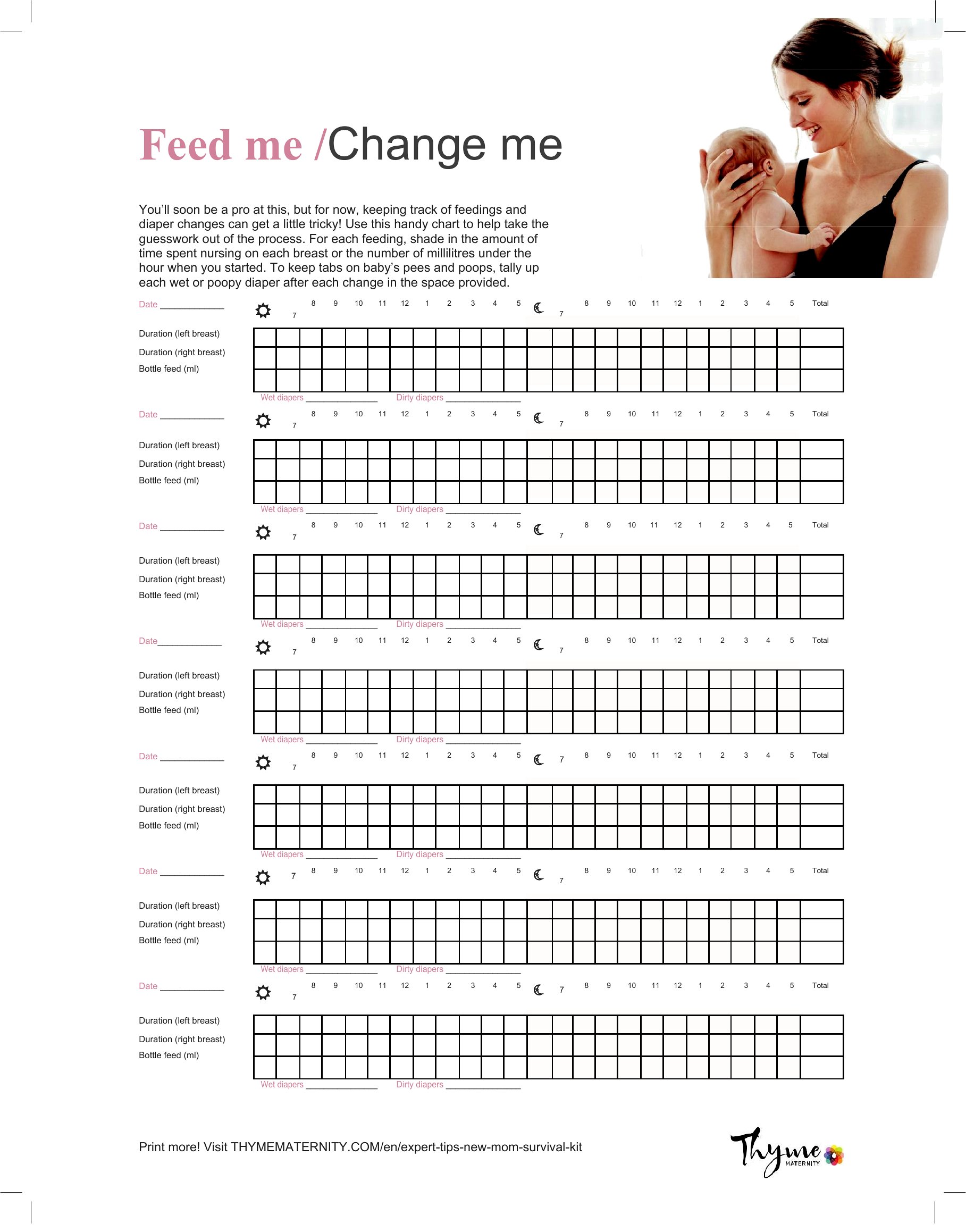
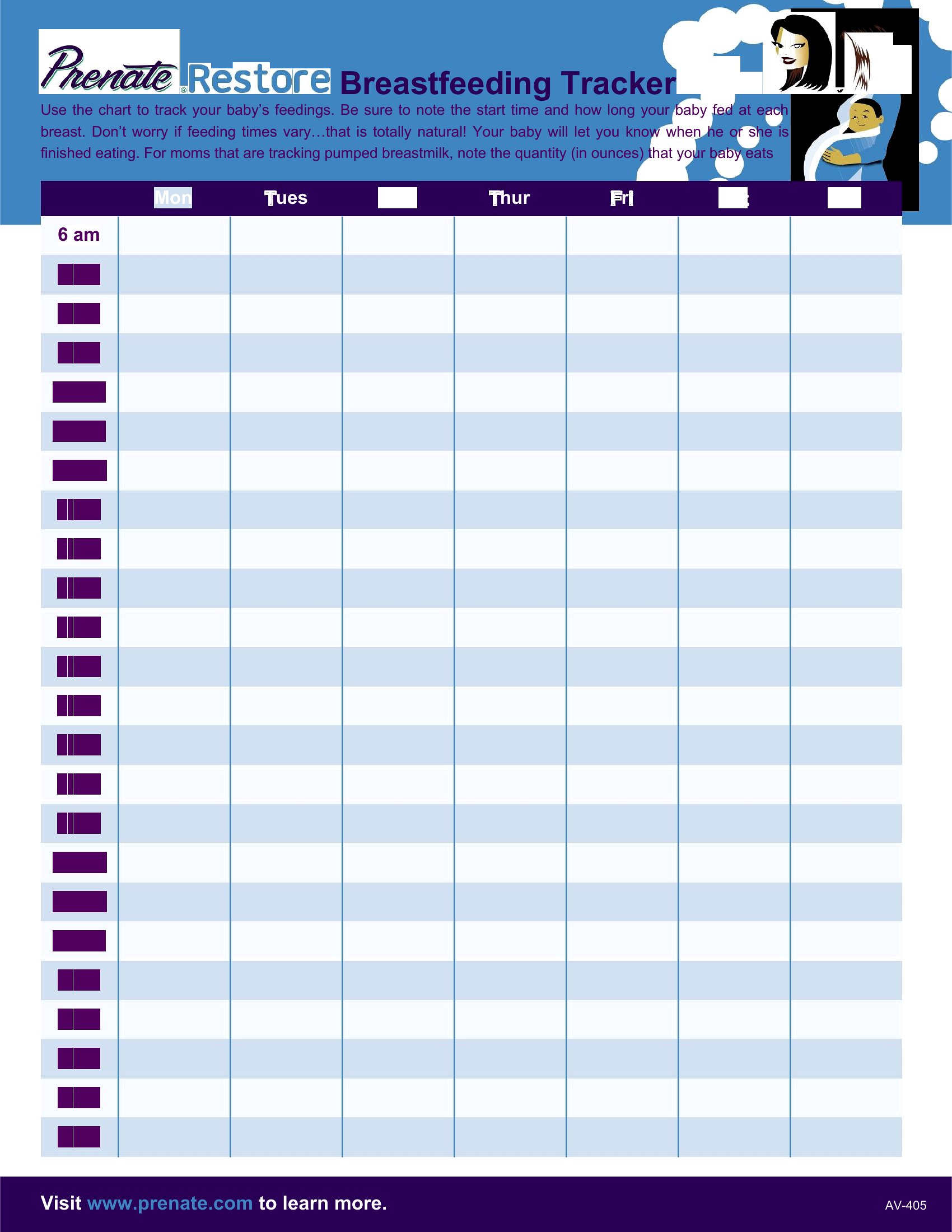
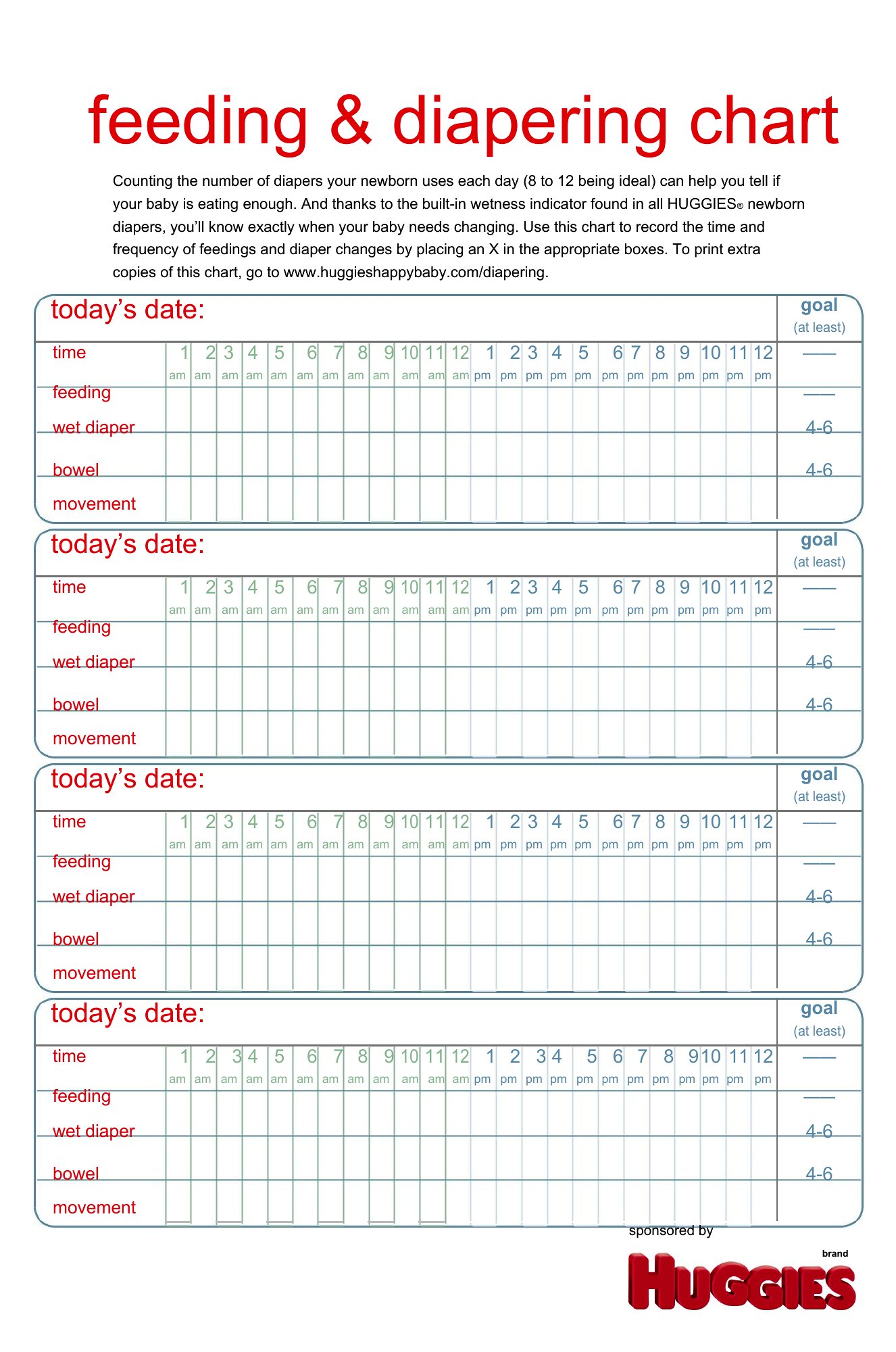
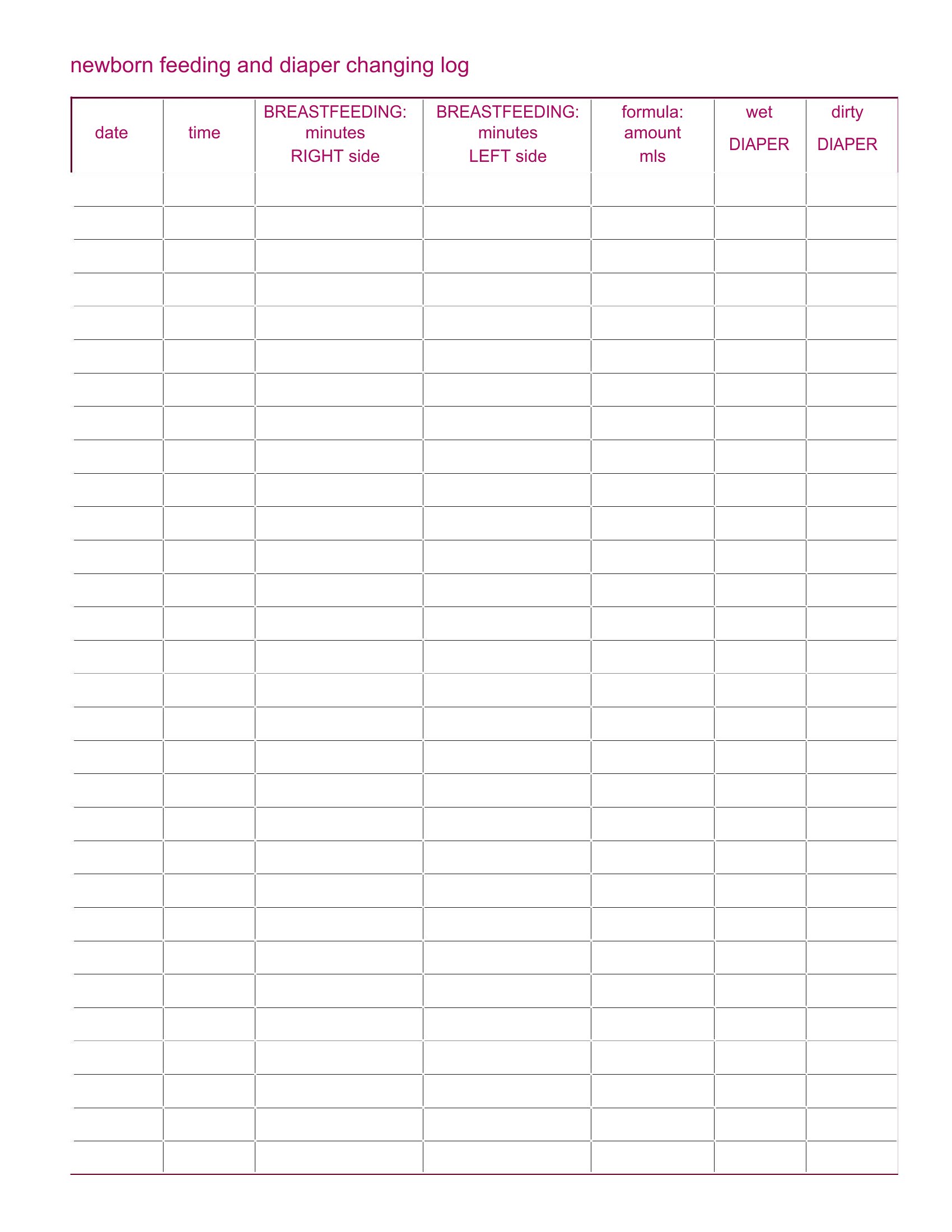
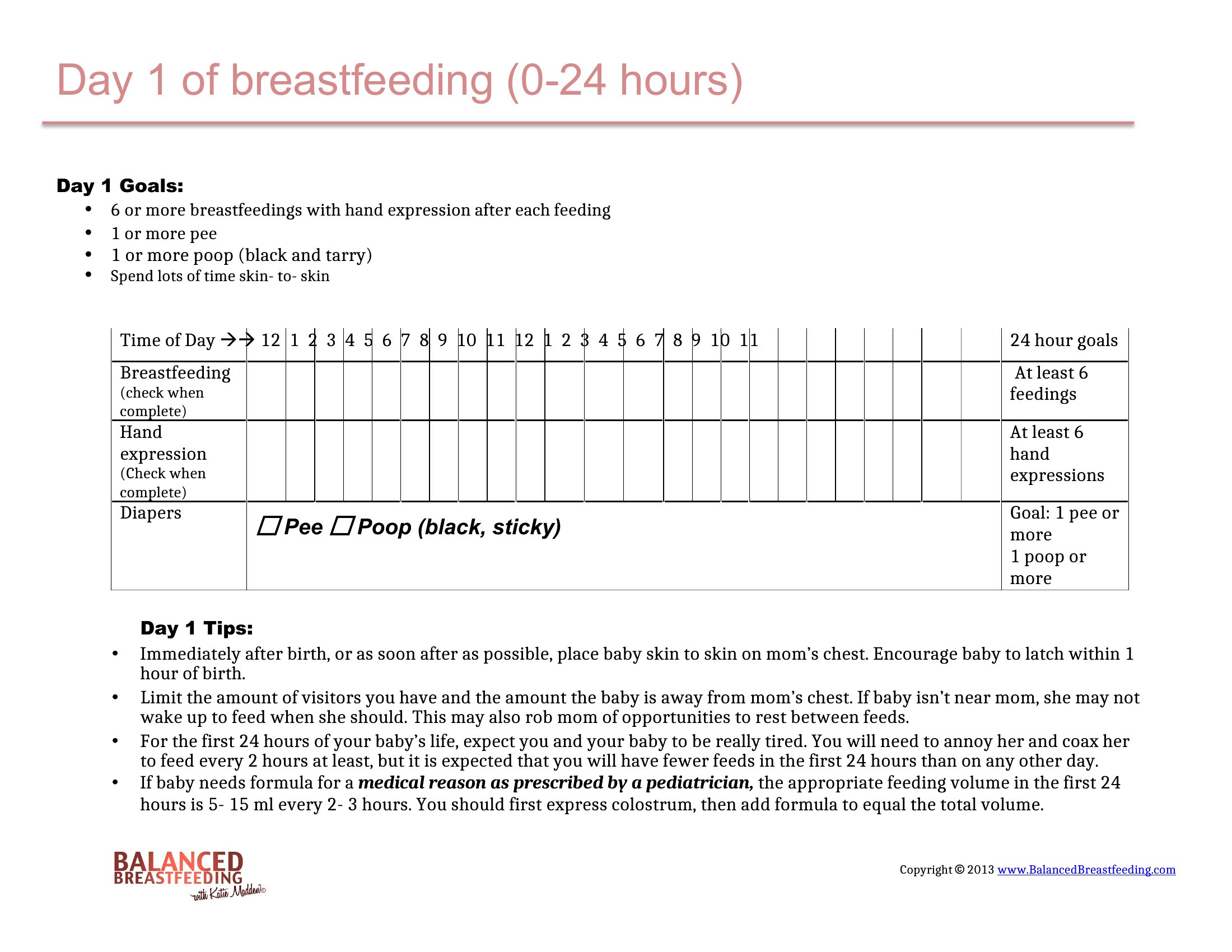
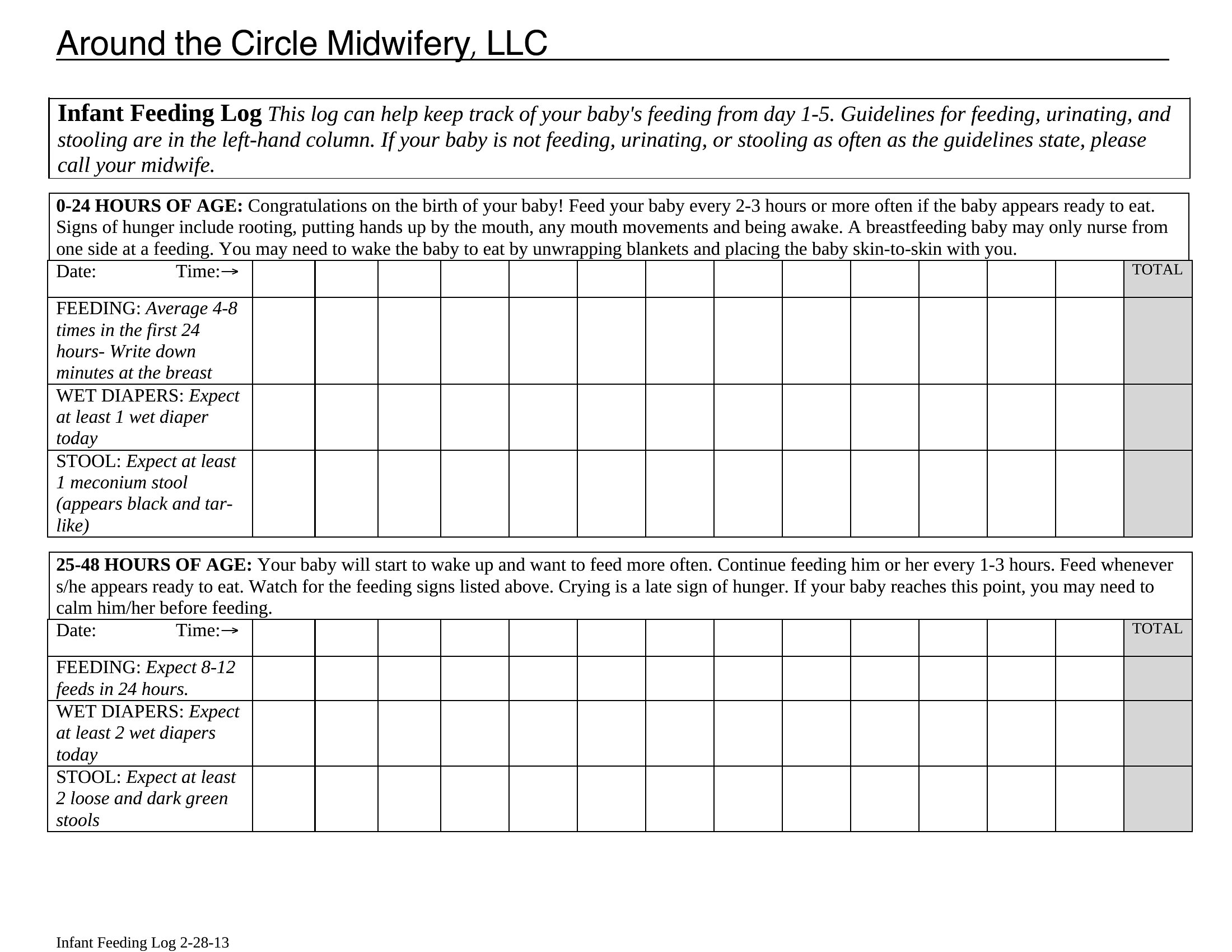
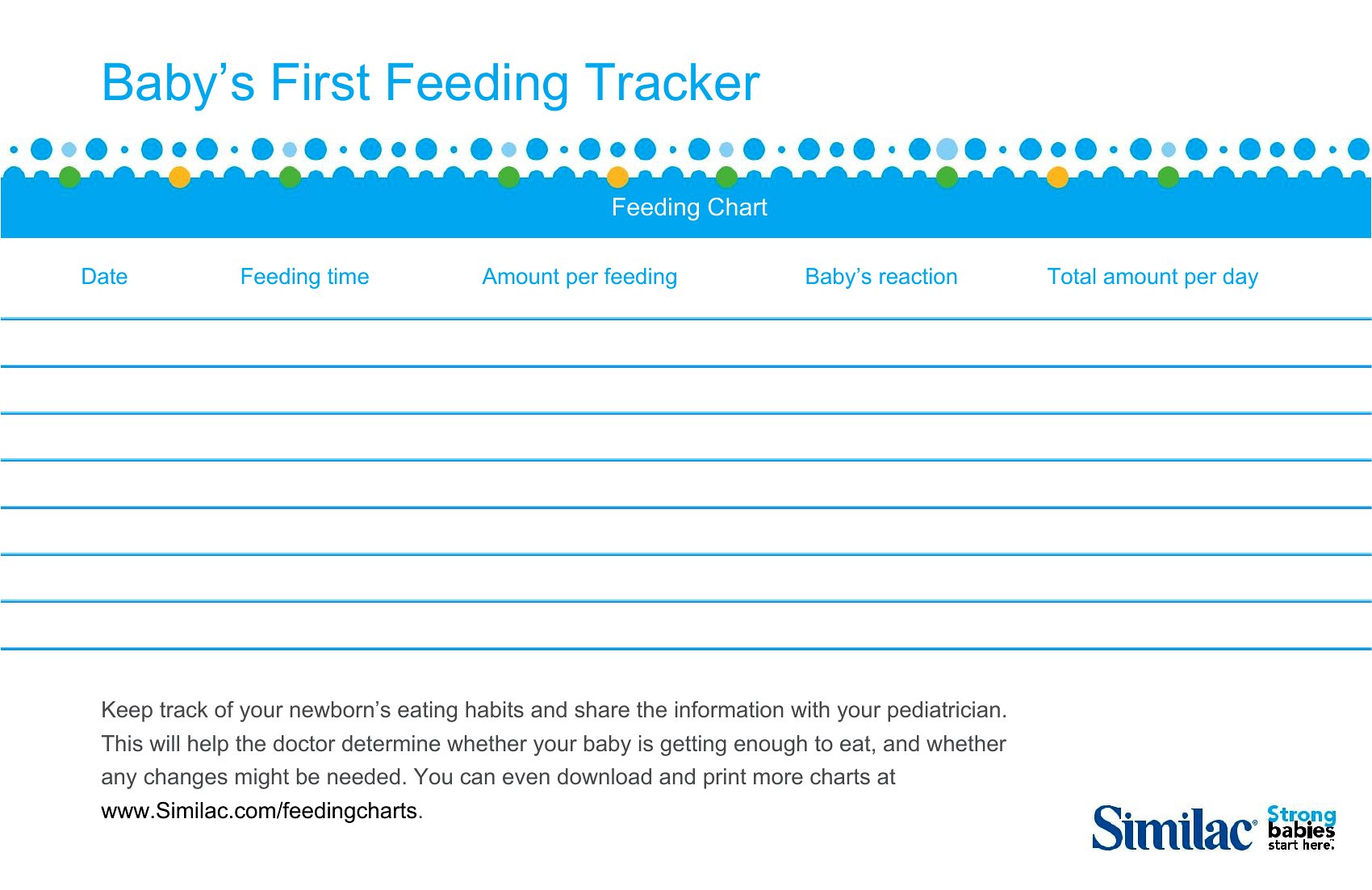
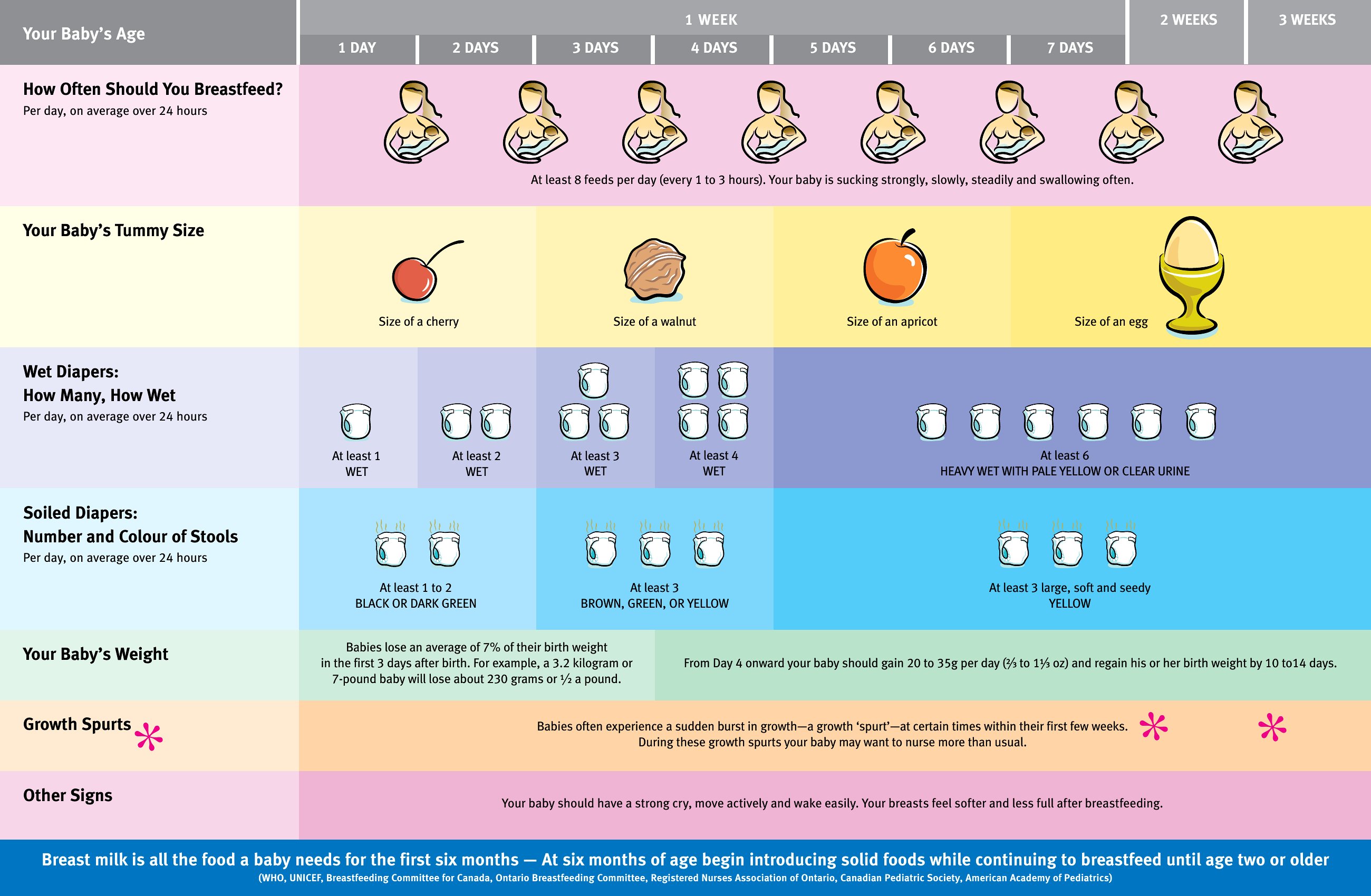
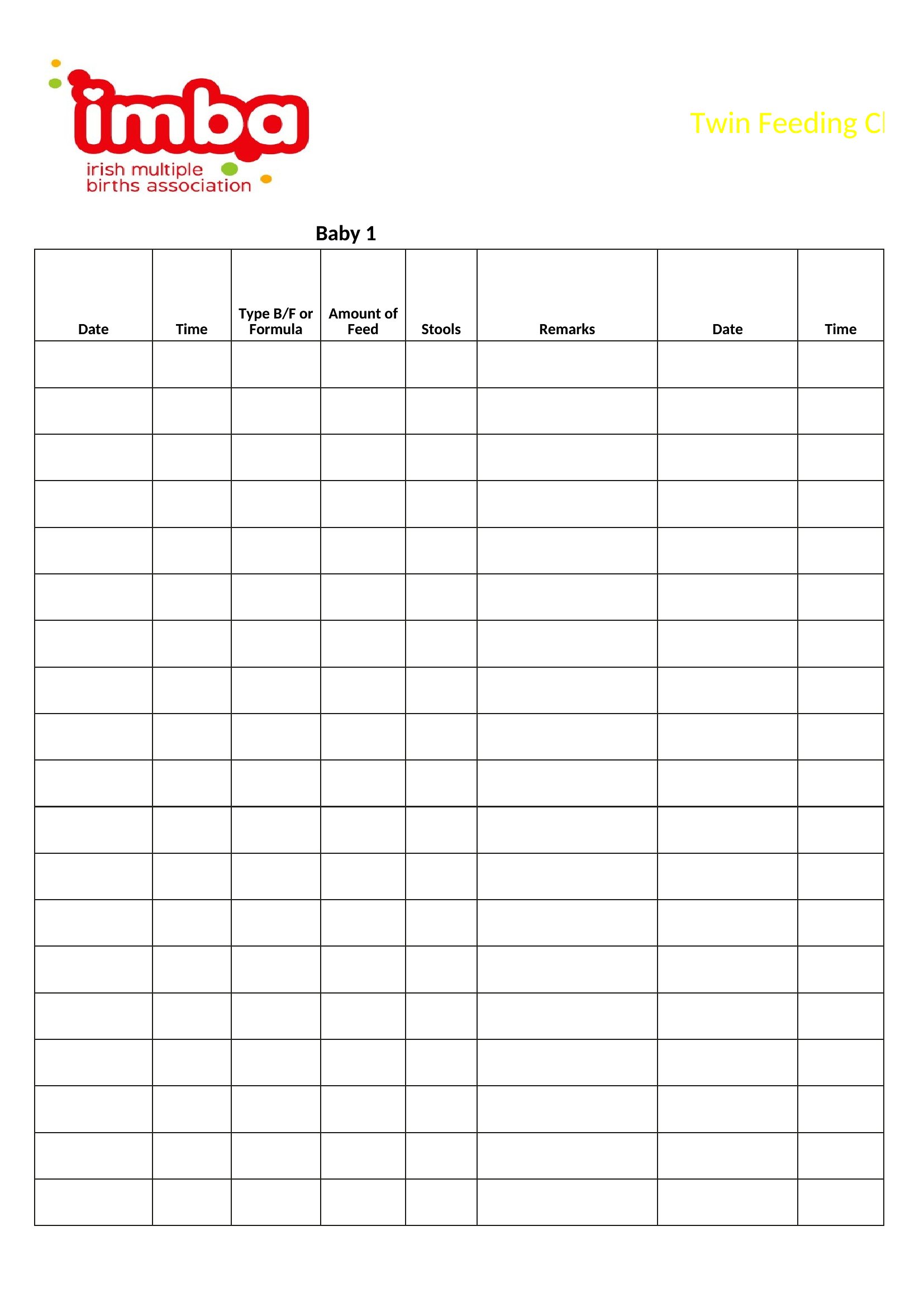
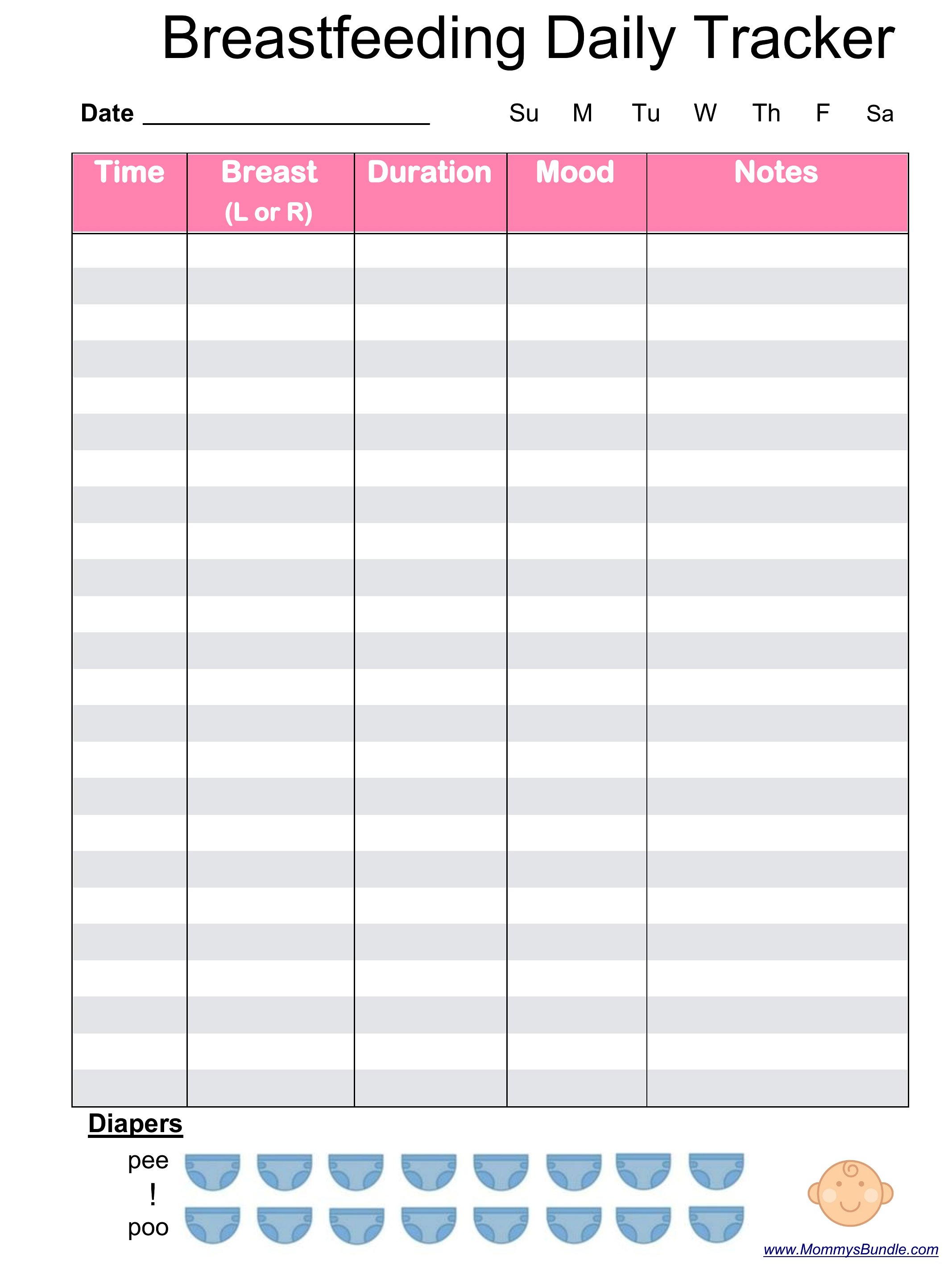
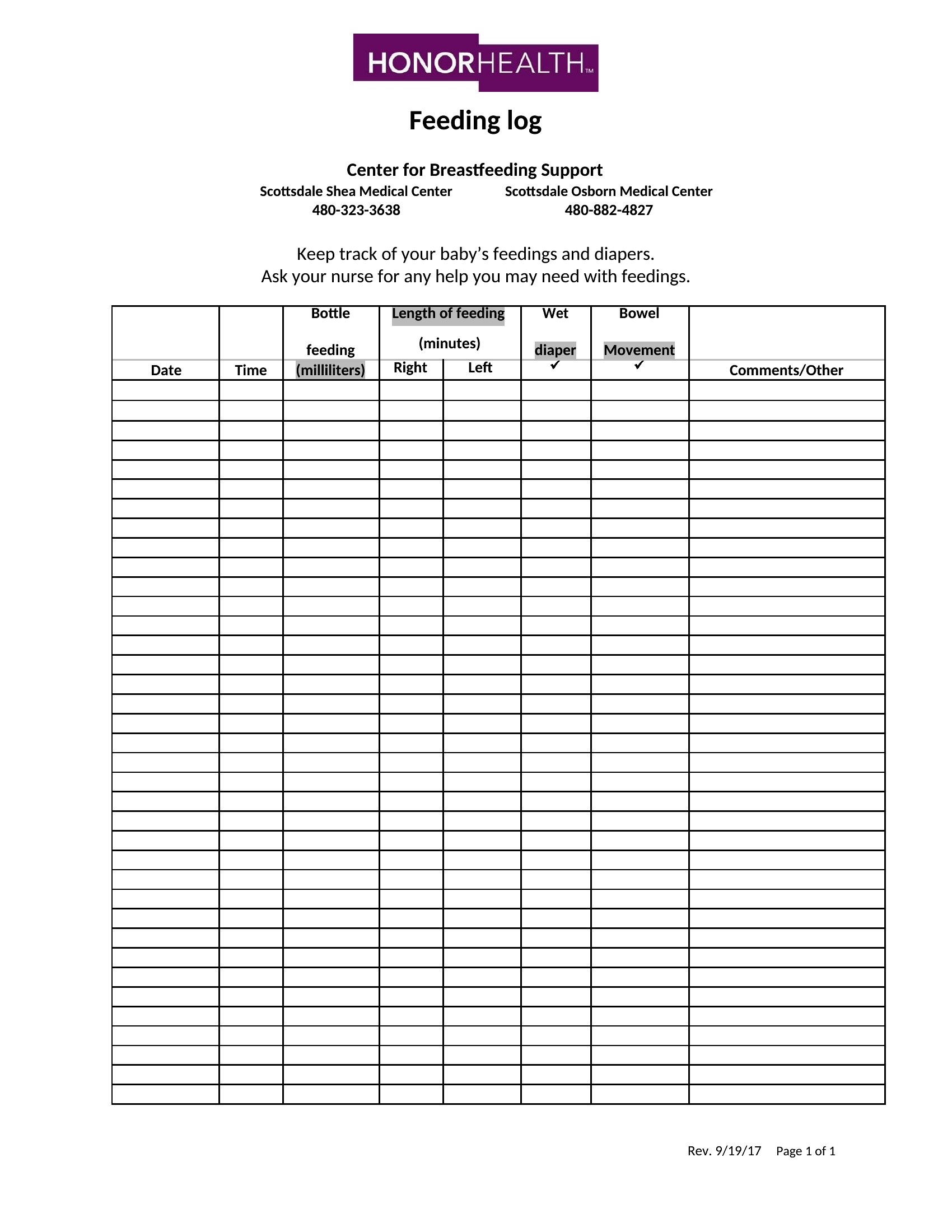
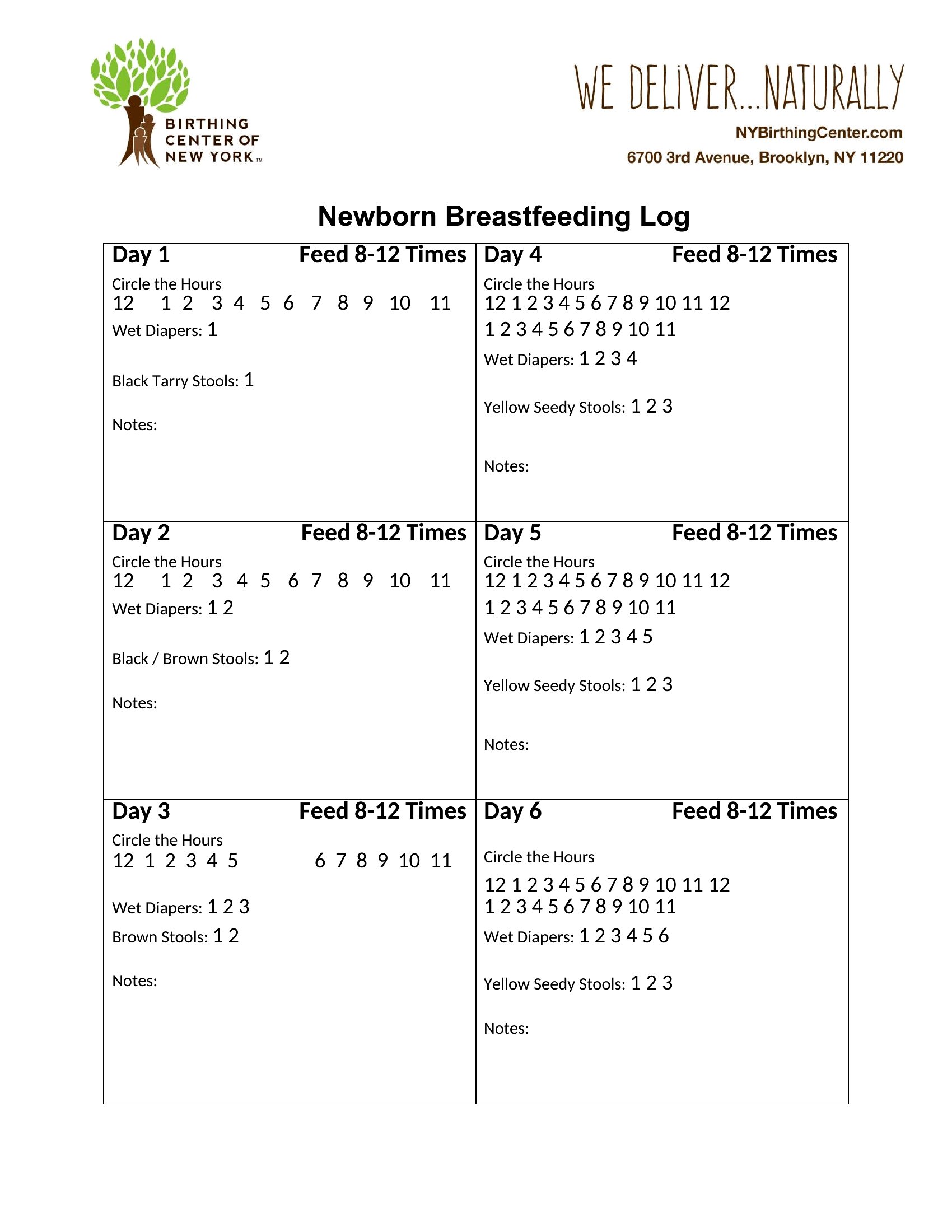
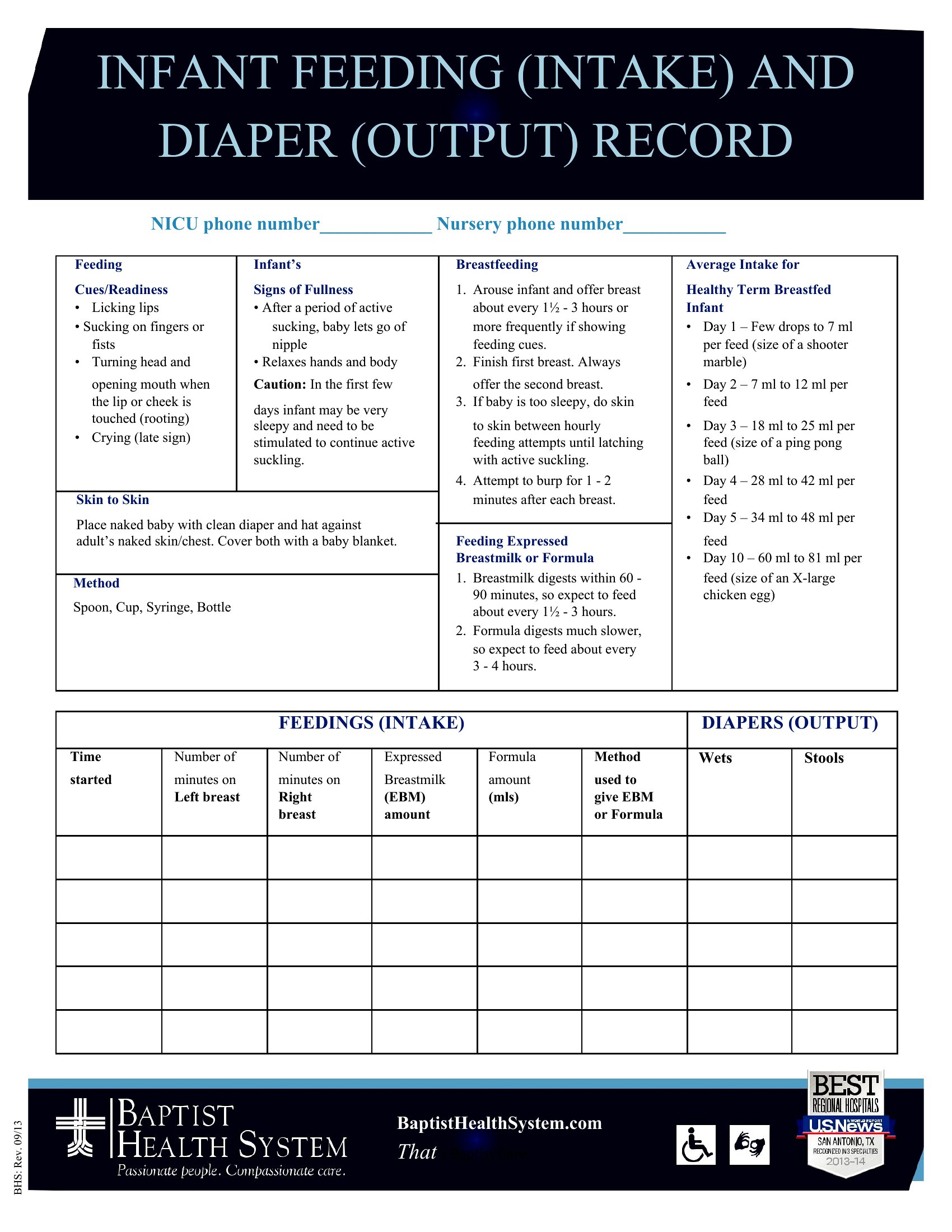
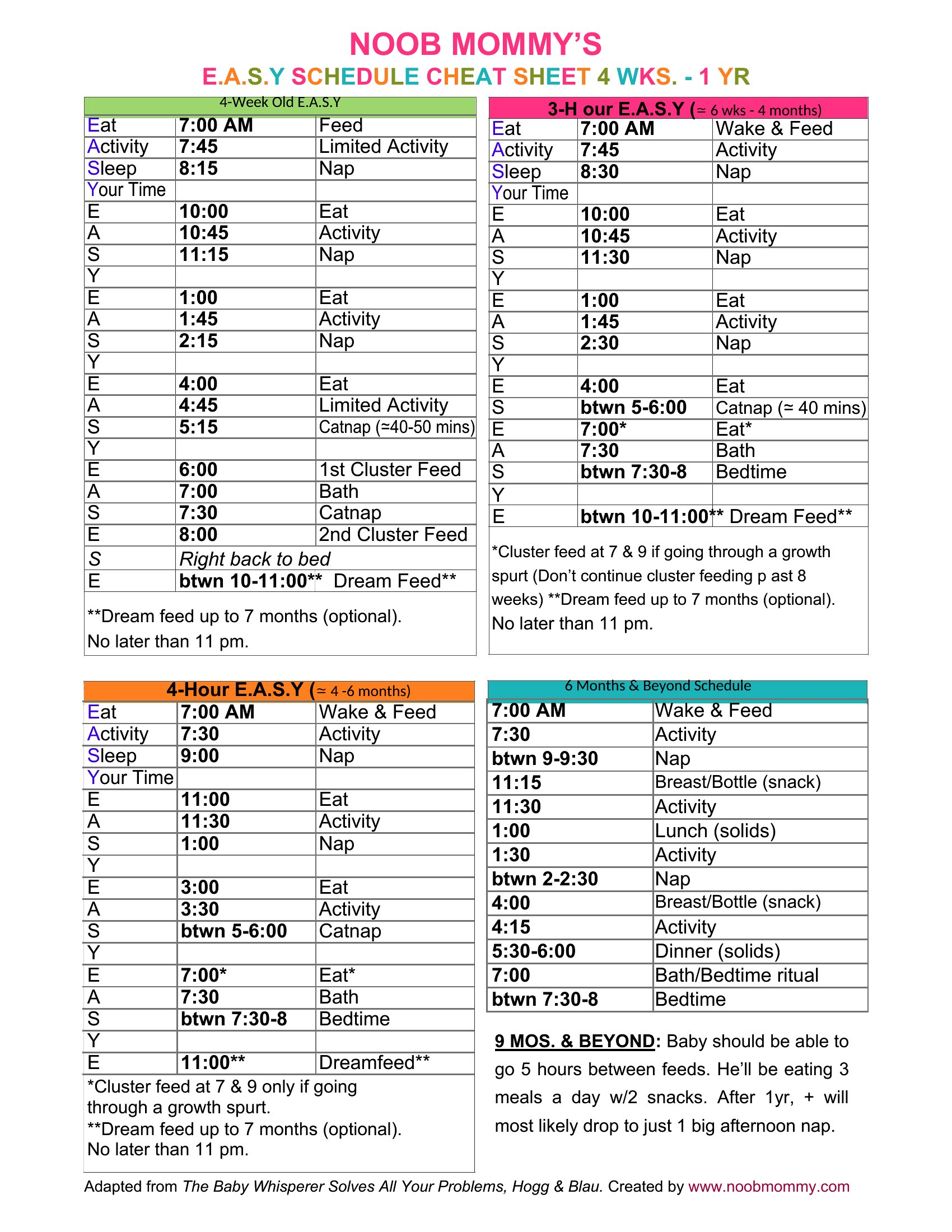
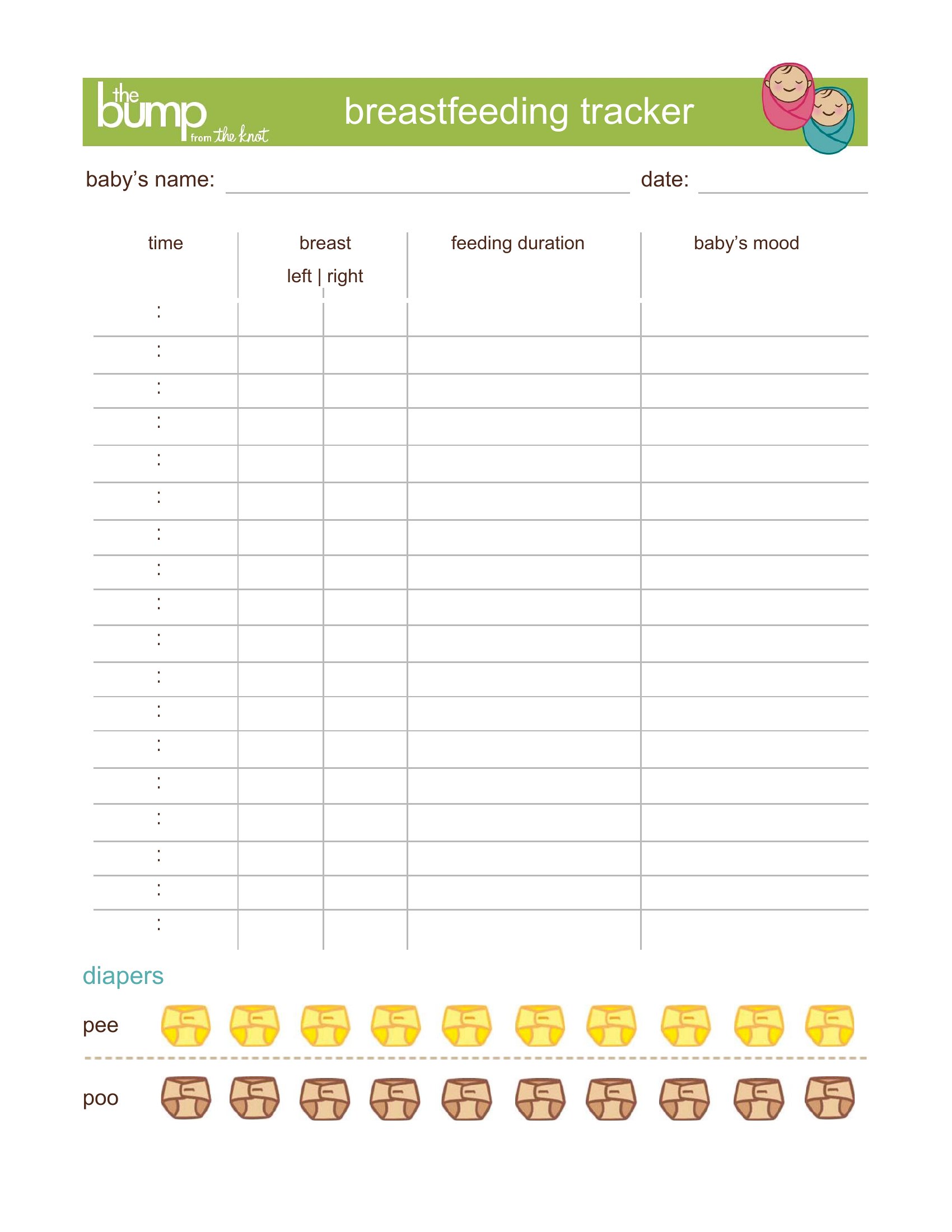
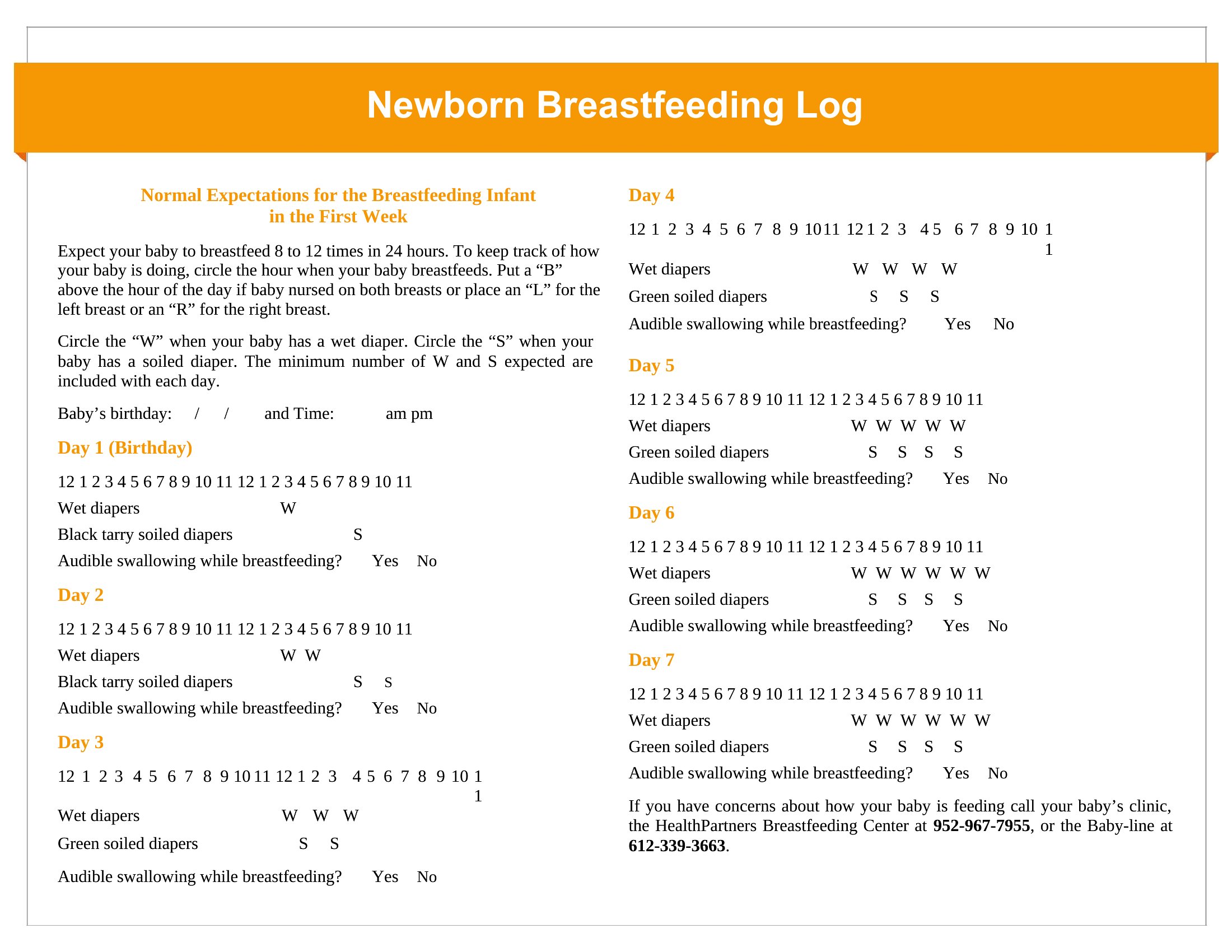
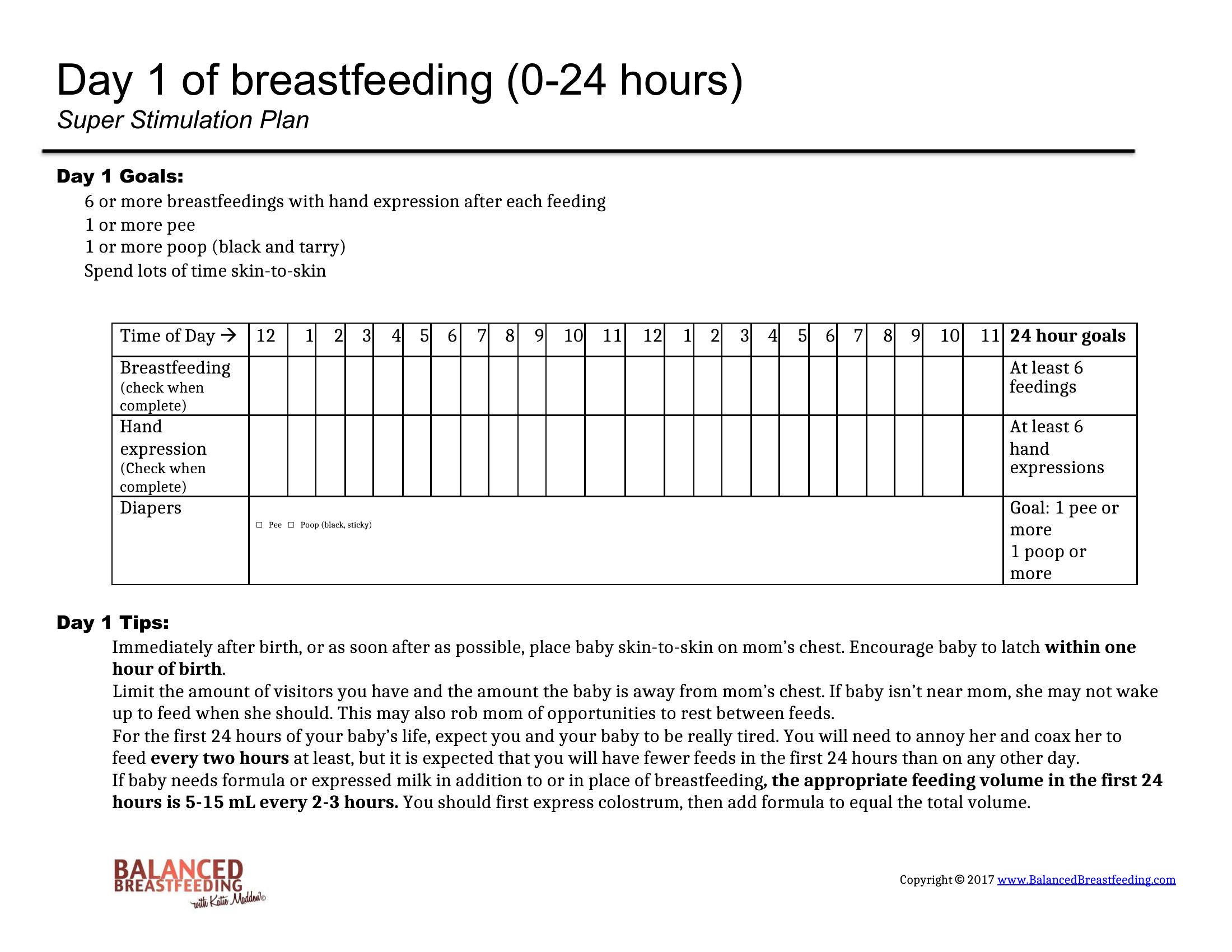
How can I use this chart to spot feeding problems in my baby?
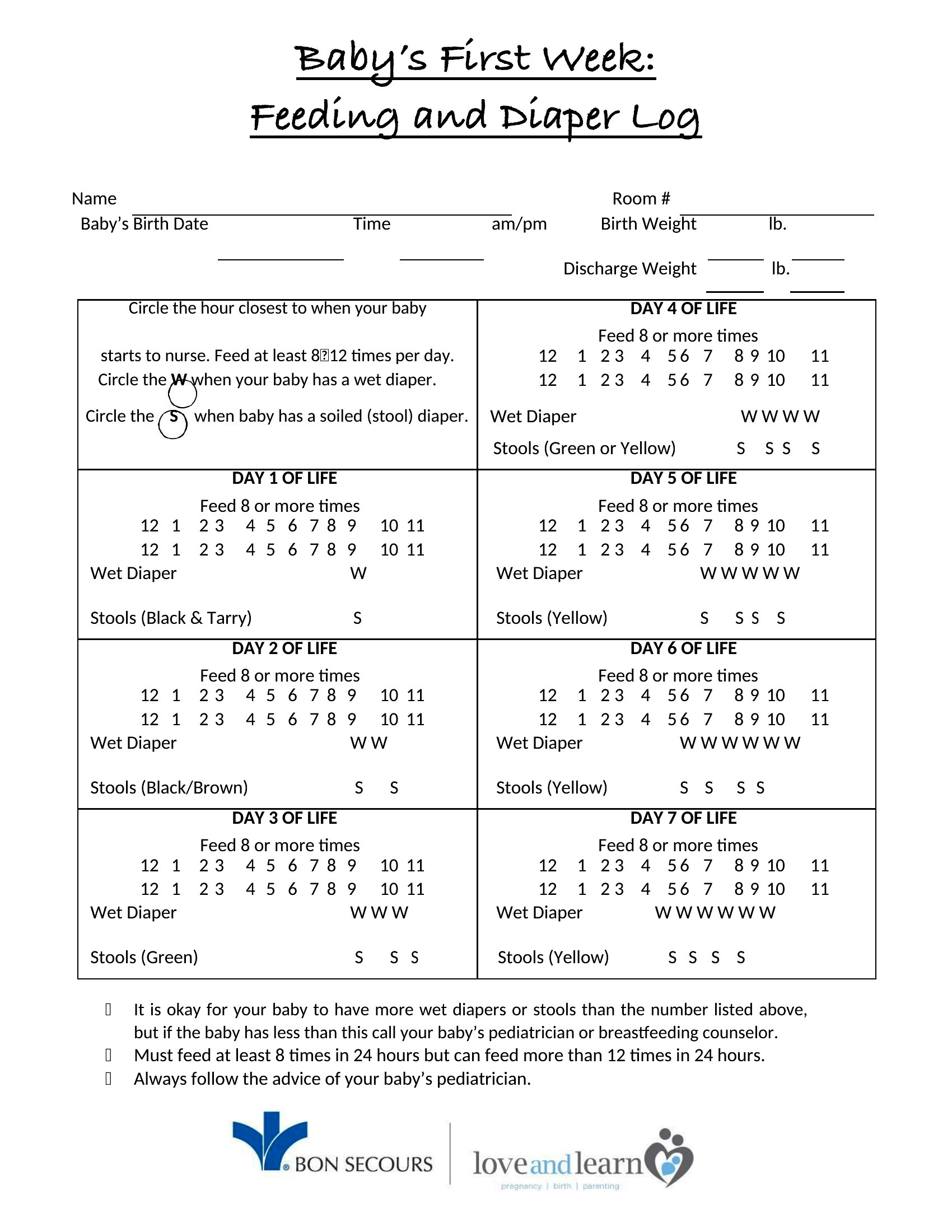
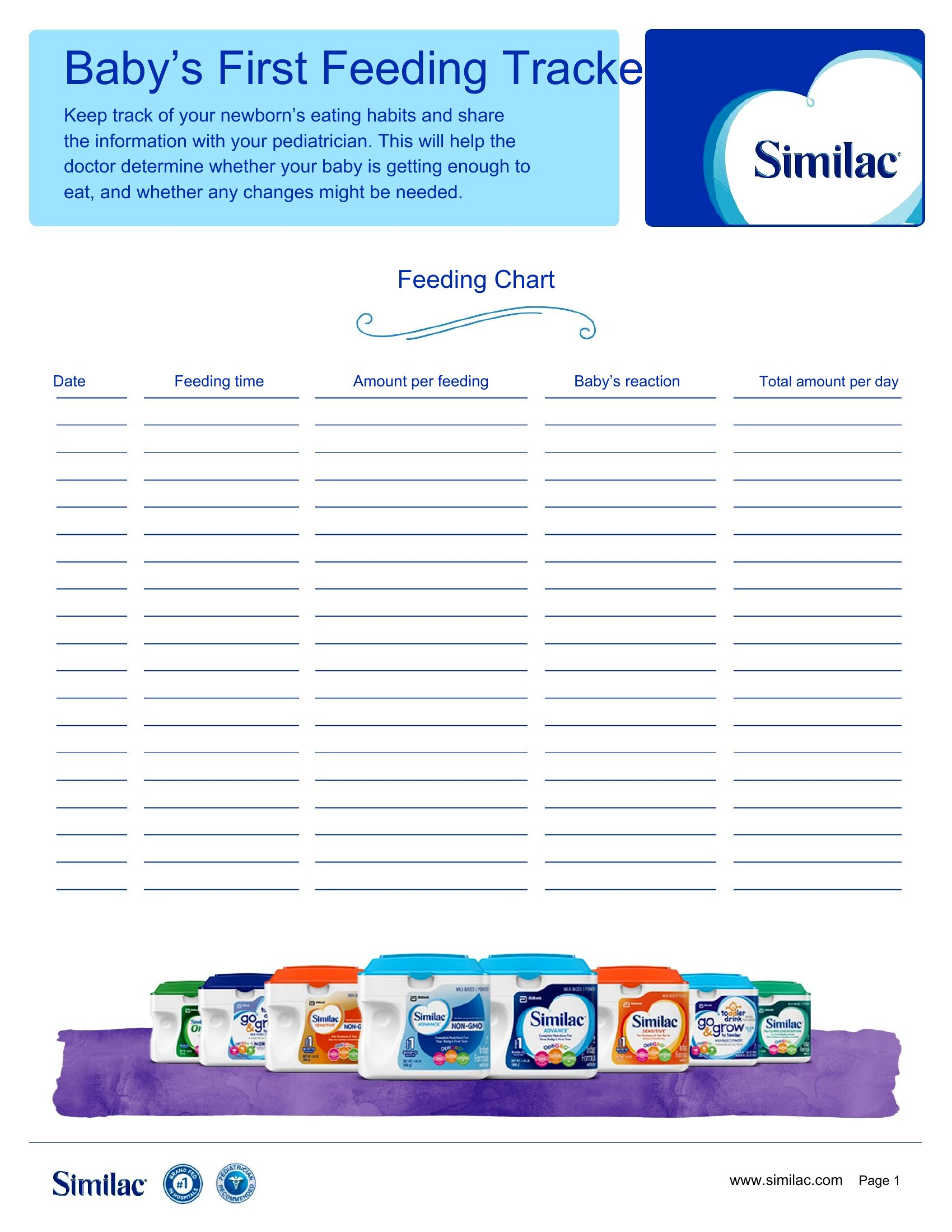
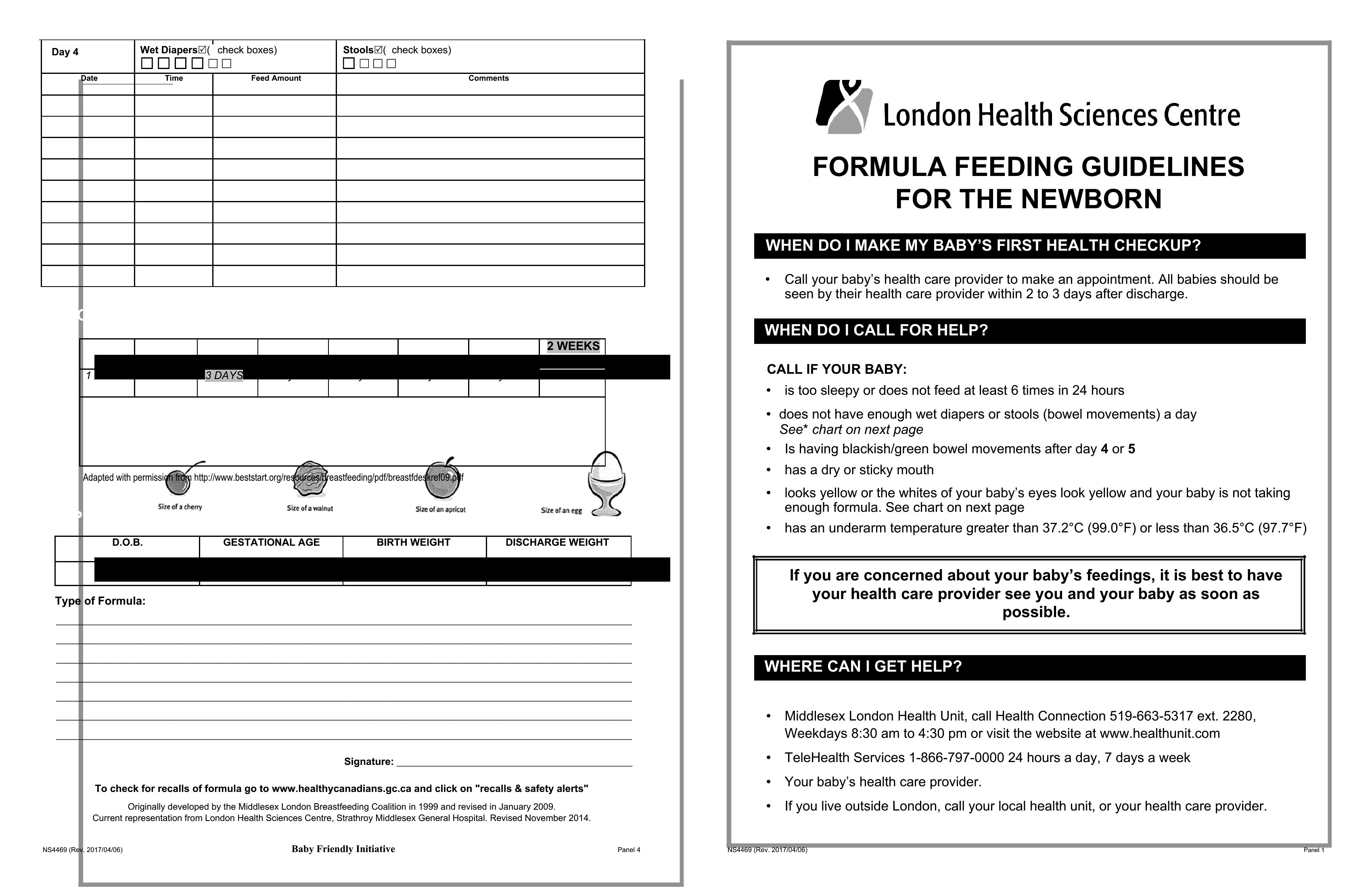
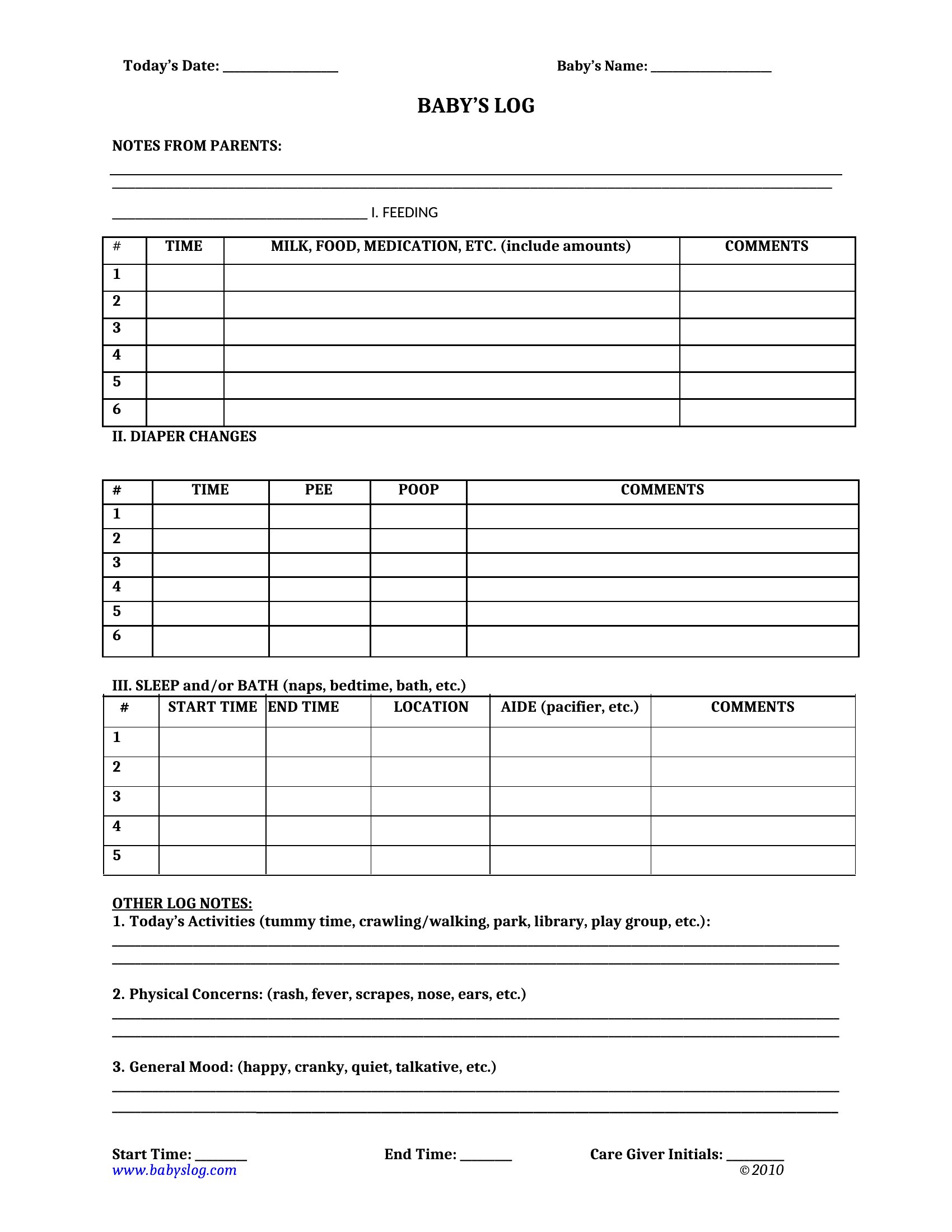
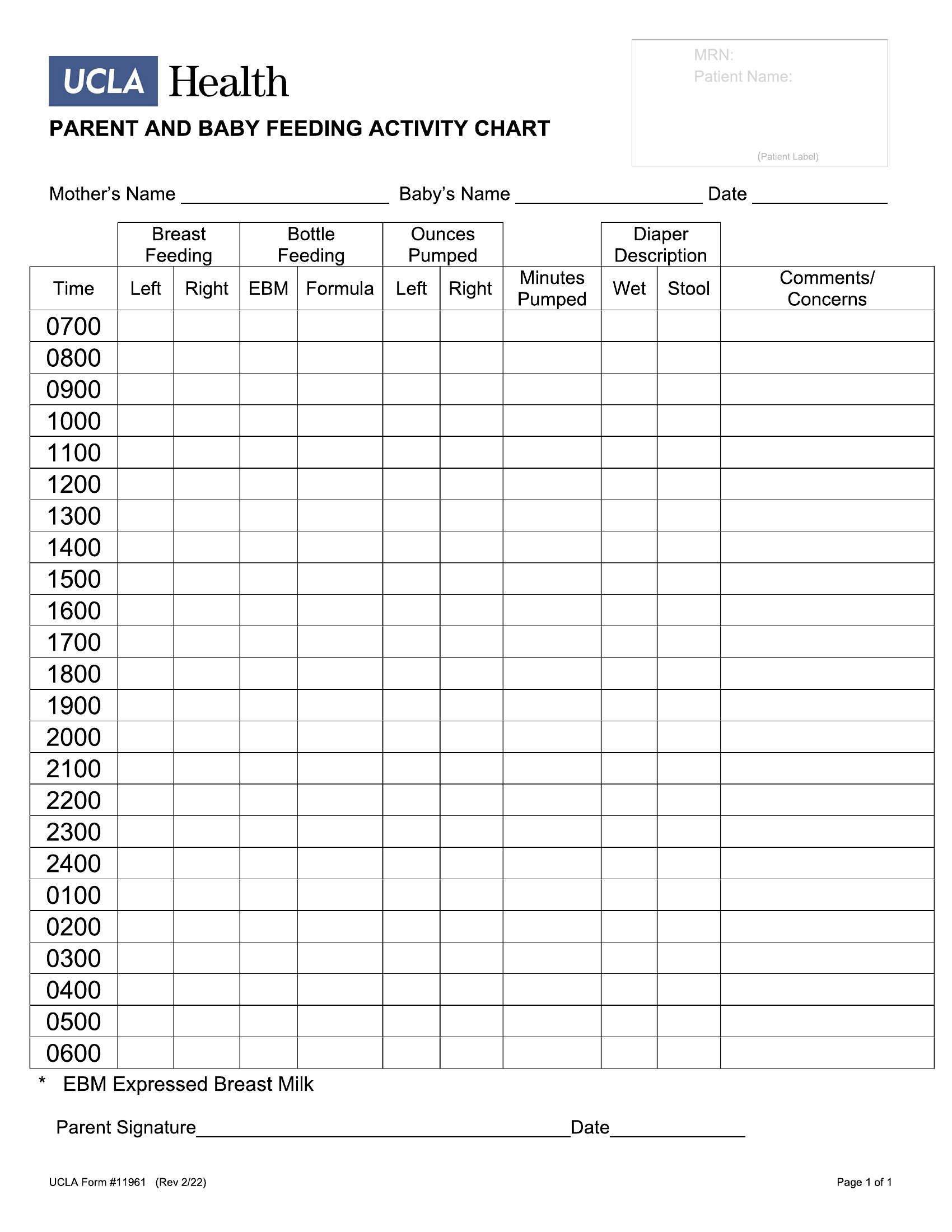
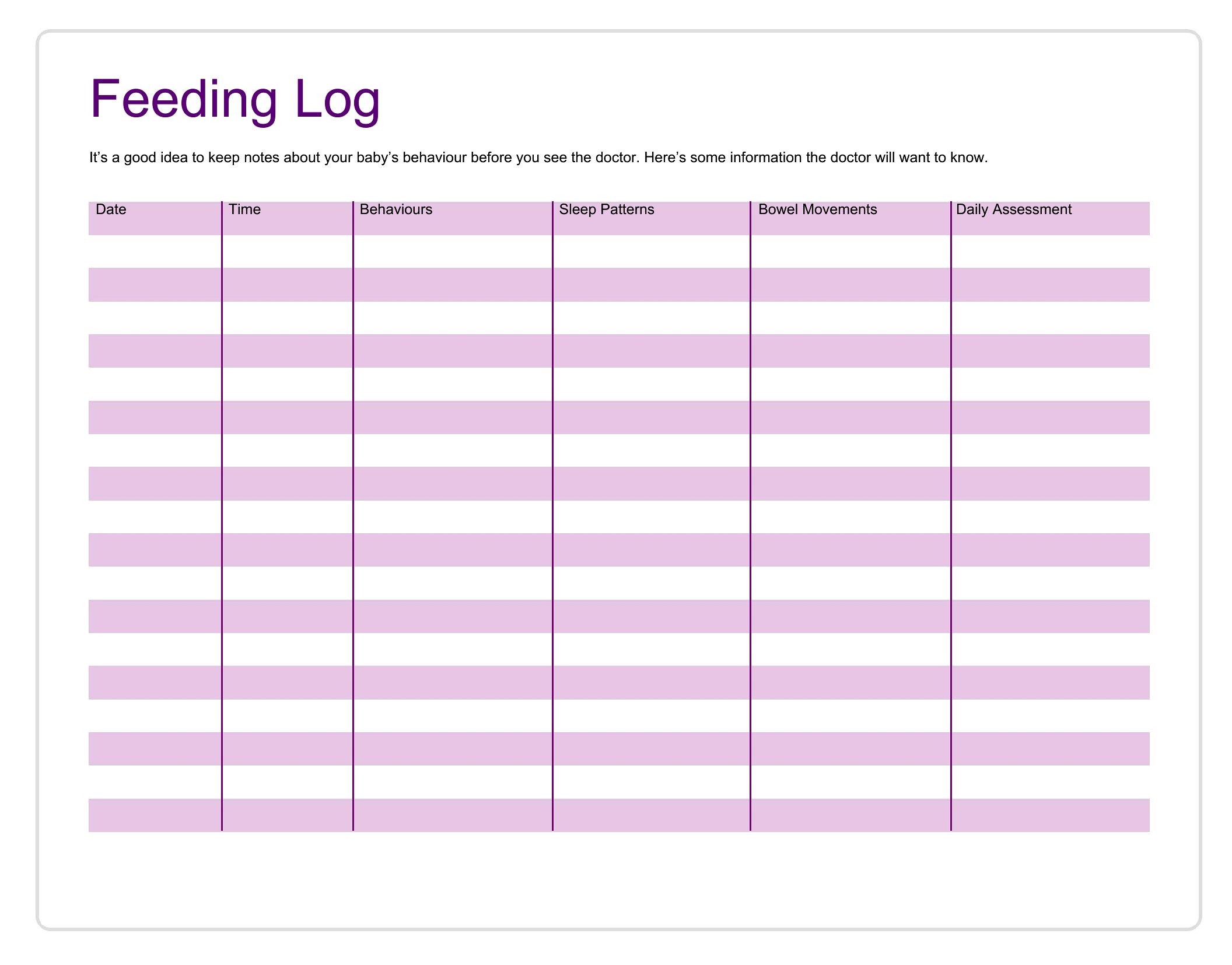
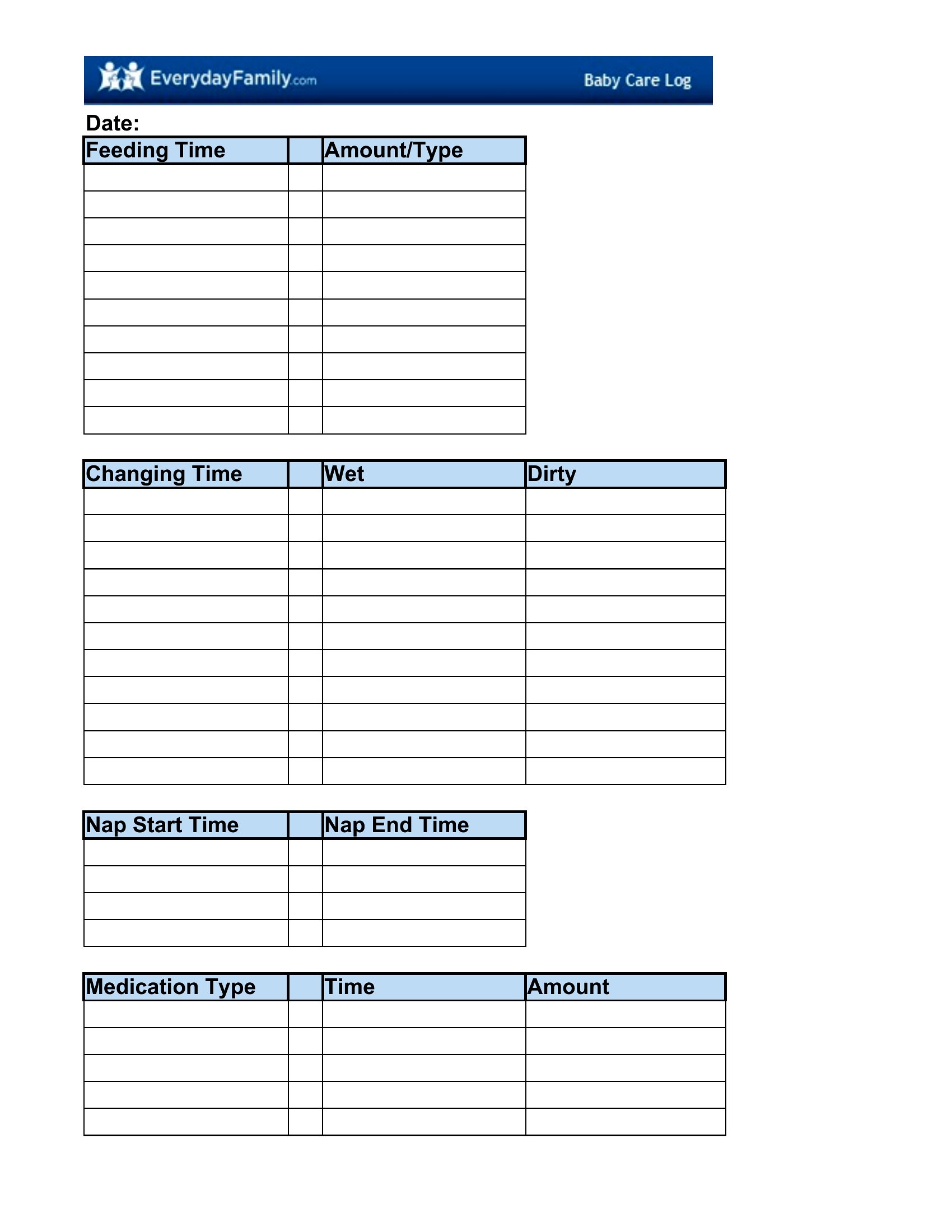
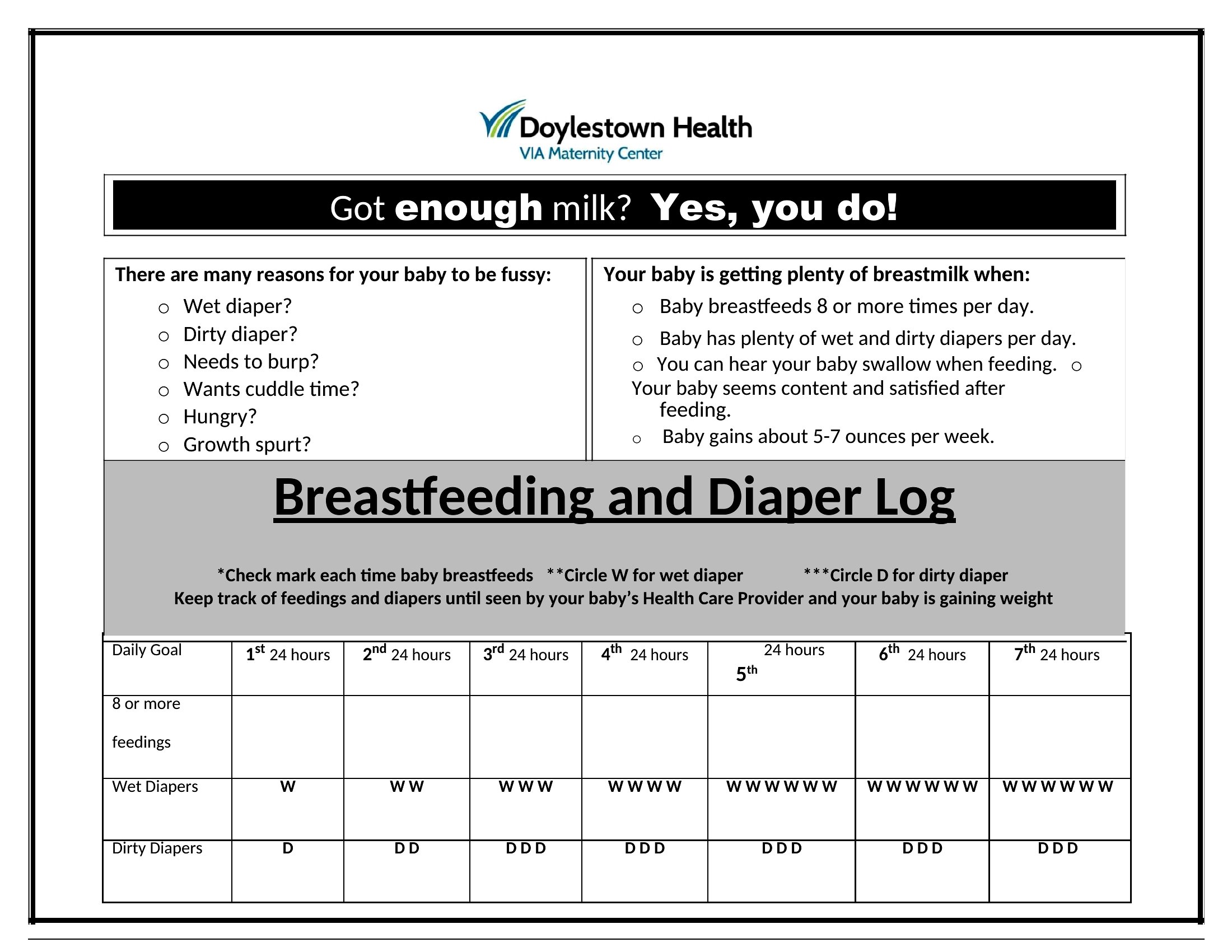
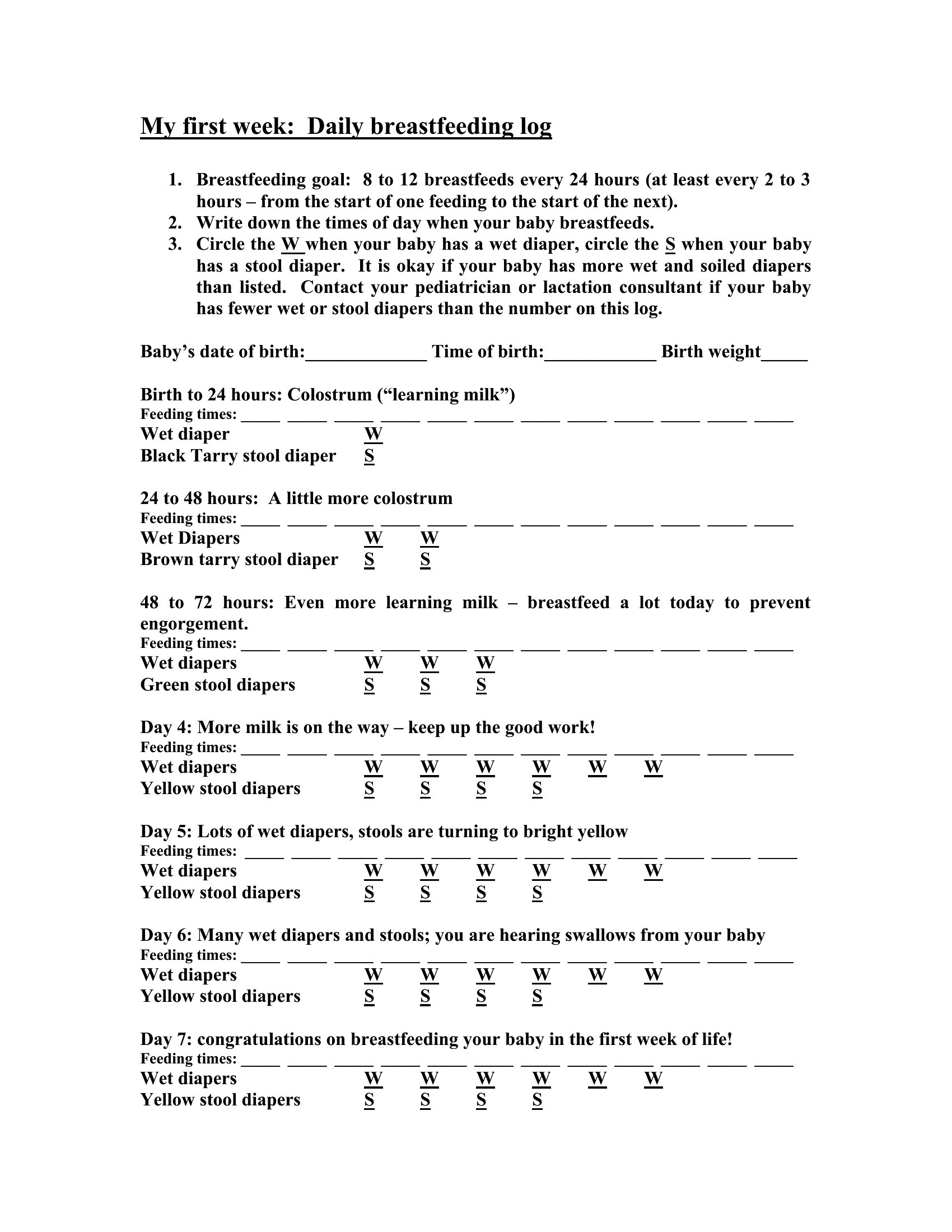
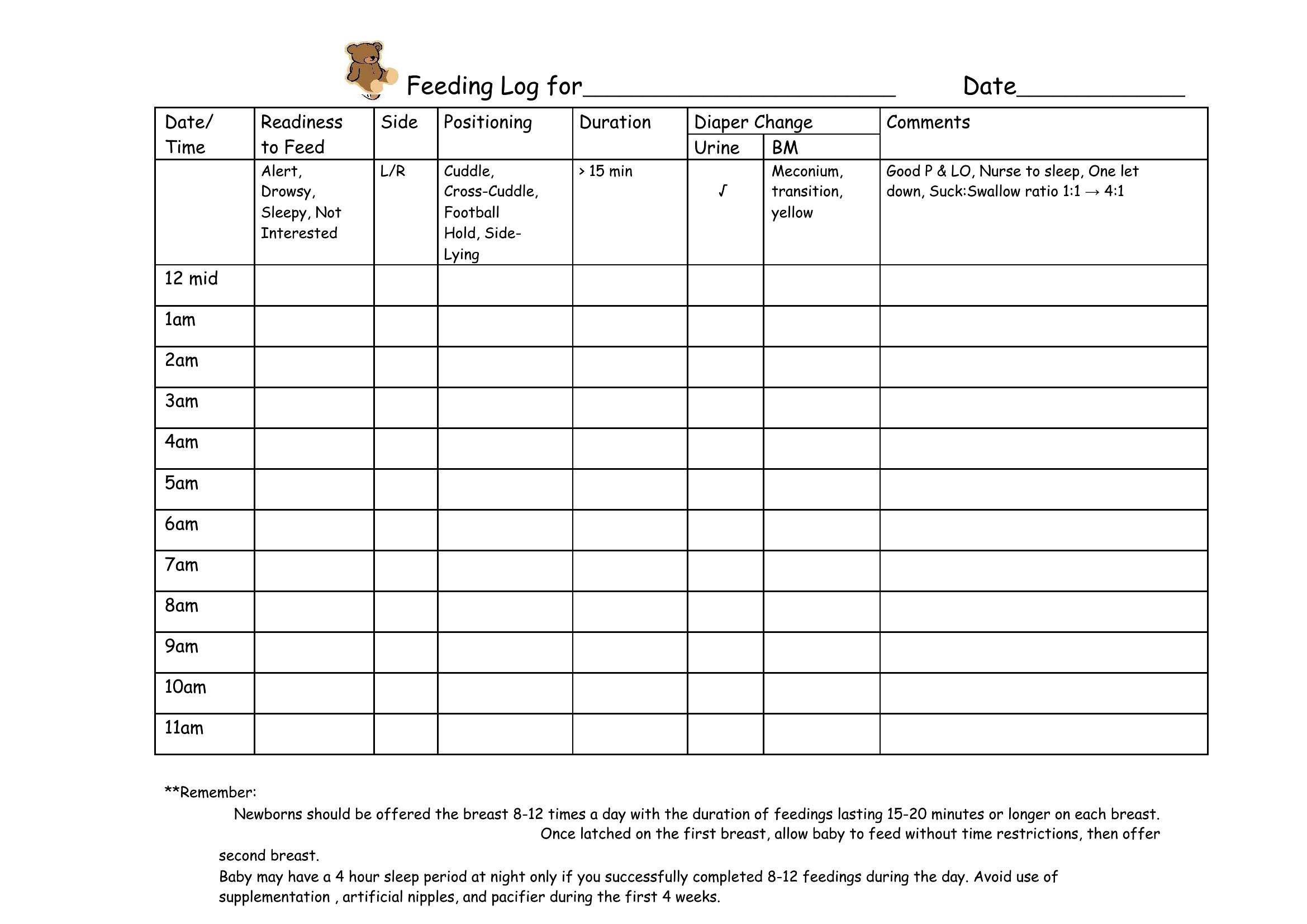
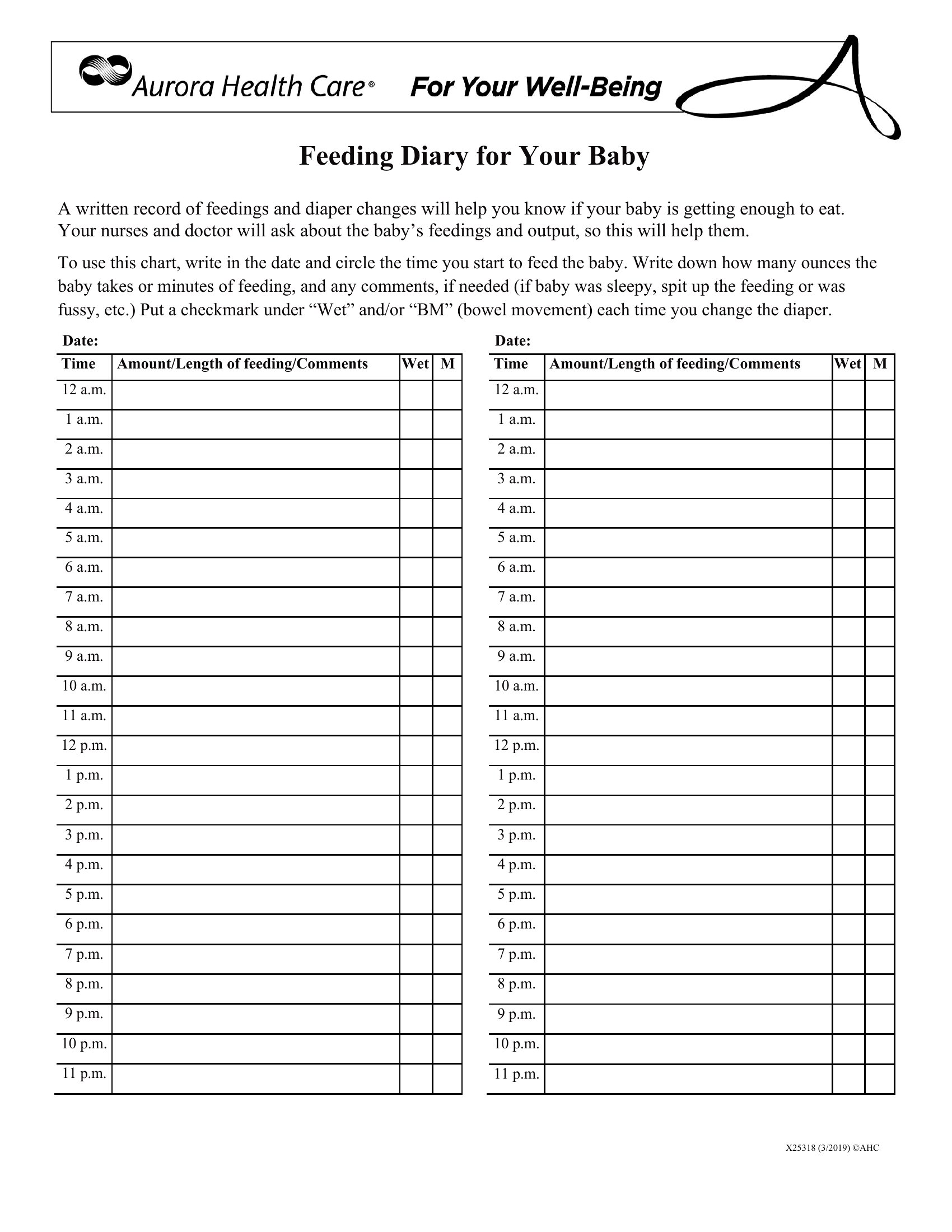
Look for irregular gaps between feedings (under 2 hours for newborns) or clusters where your baby feeds 5+ times in 4 hours. Note if output is consistently low or high—this helps pediatricians assess hydration or milk intake. Color-coding times (e.g., red for overnight) can highlight sleep disruptions. Print the Excel version to add weight/length trends for a fuller picture.
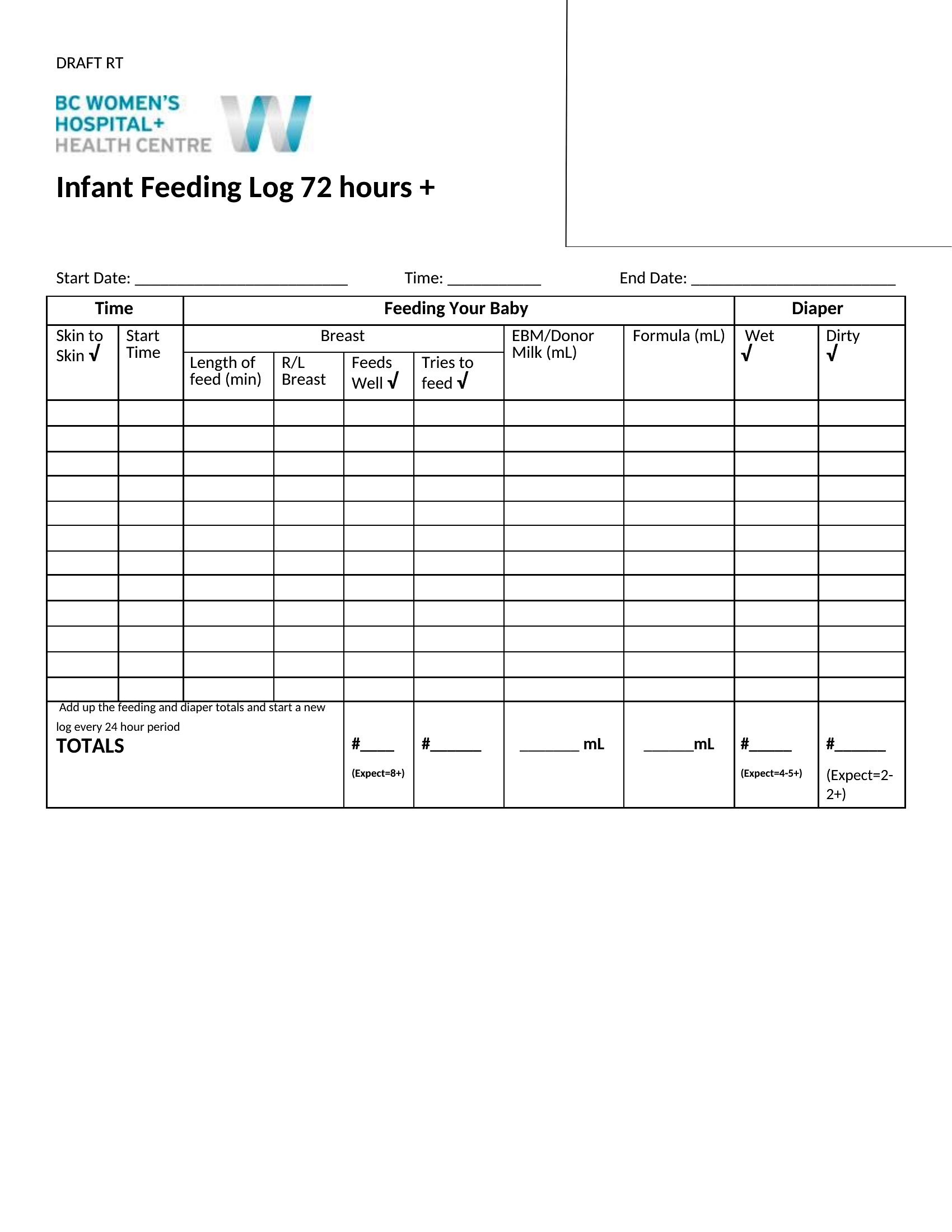
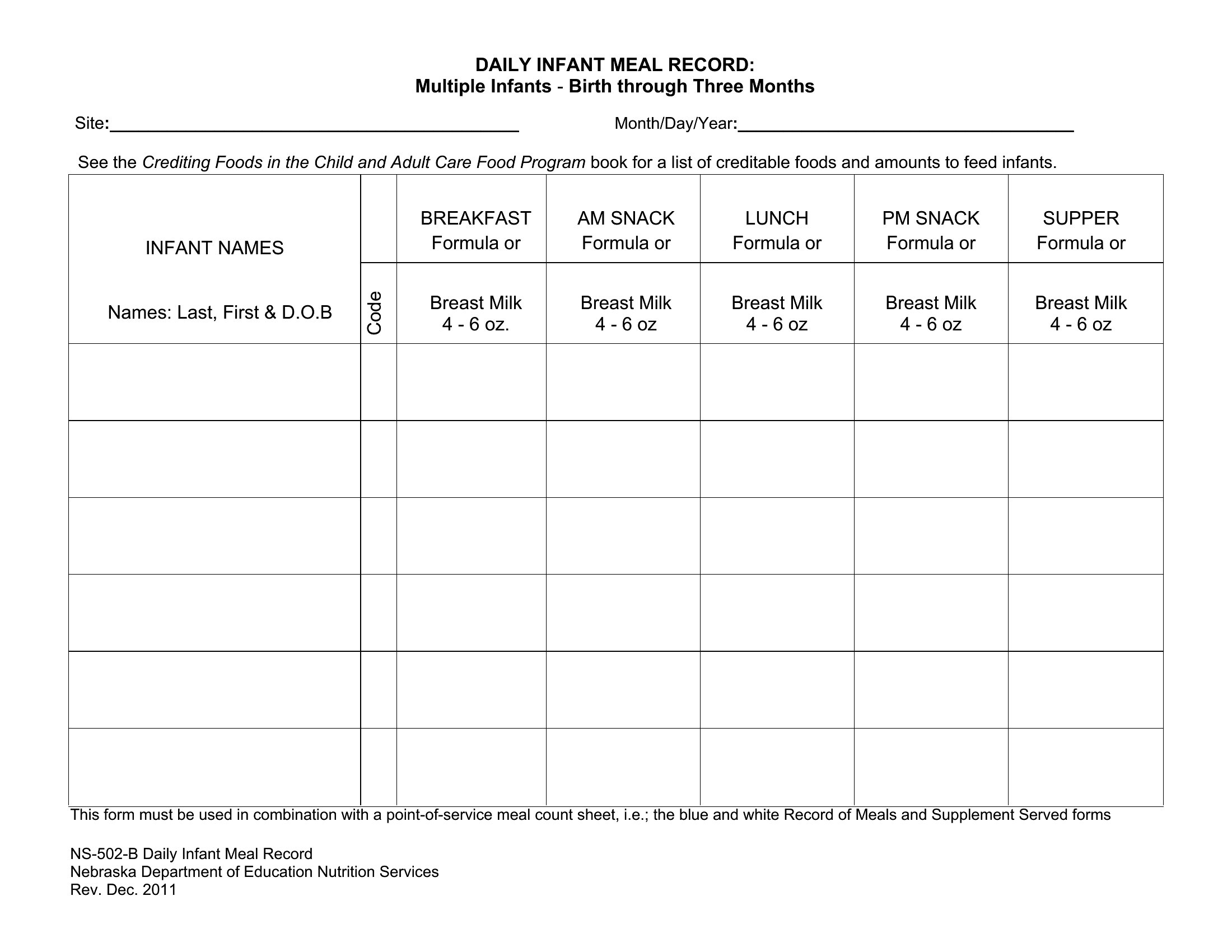
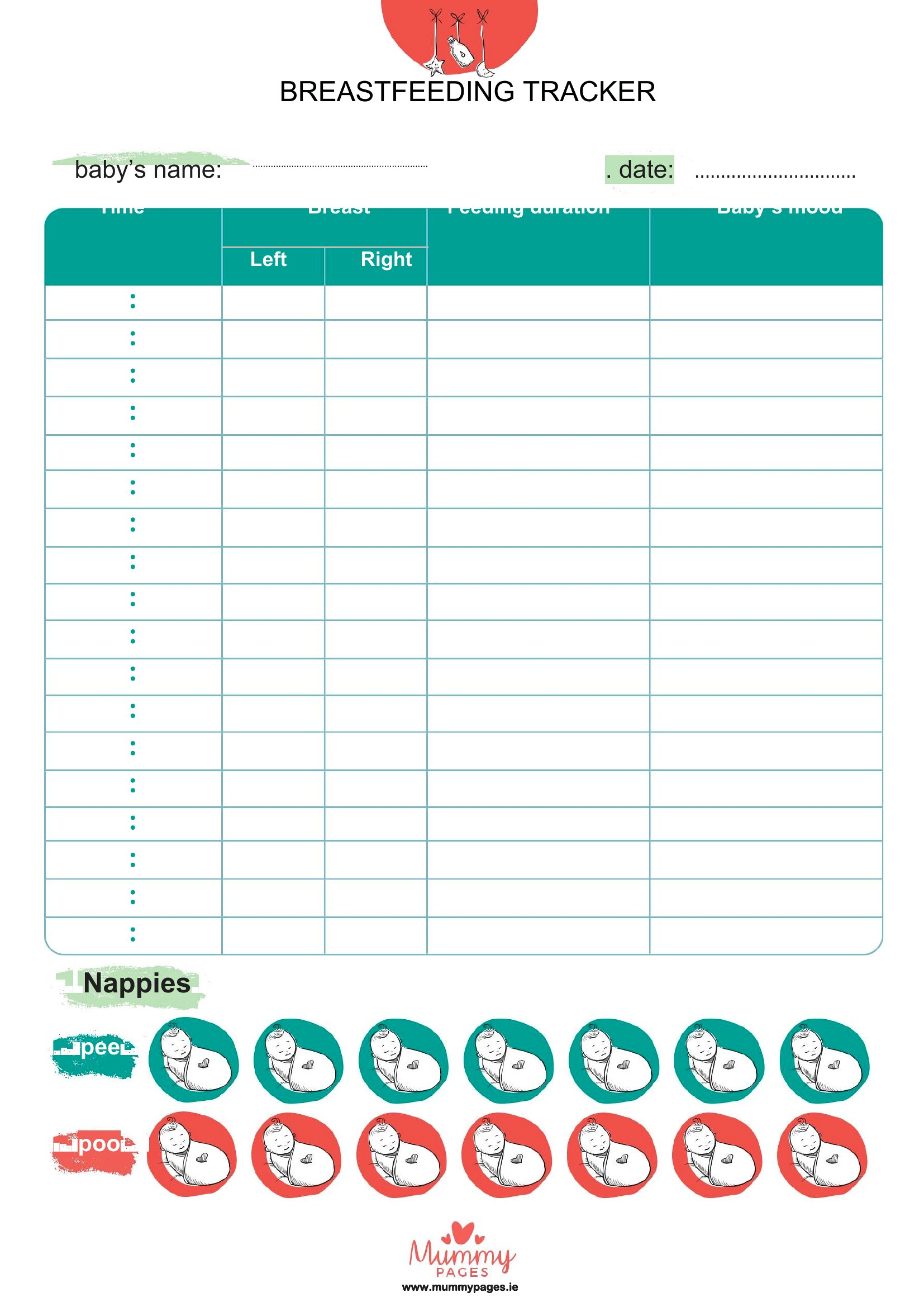
I’m tracking breast and bottle feeding—how do I merge both into one chart?
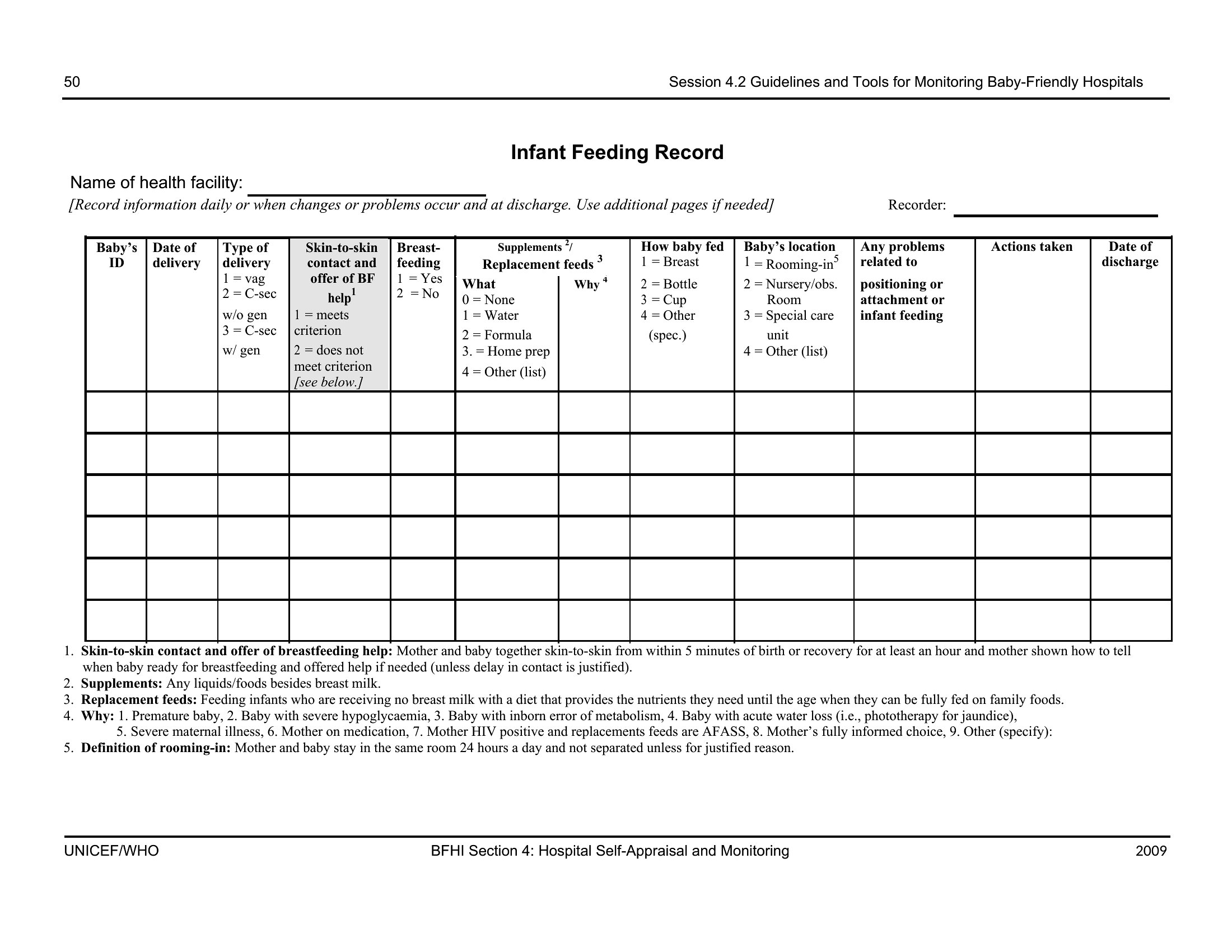
Use the Word or Excel layouts with two columns: one for ‘Breast’ (left side) and one for ‘Bottle’ (right side), labeling each with ‘B’ or ‘F’ for quick scans. Add a third column for ‘Notes’ to jot ‘Pumped’ or ‘Supplemented.’ The PDF templates have pre-labeled sections—just print two copies and tape them side by side if preferred.
Can I adjust the chart for a baby with reflux or a feeding tube?
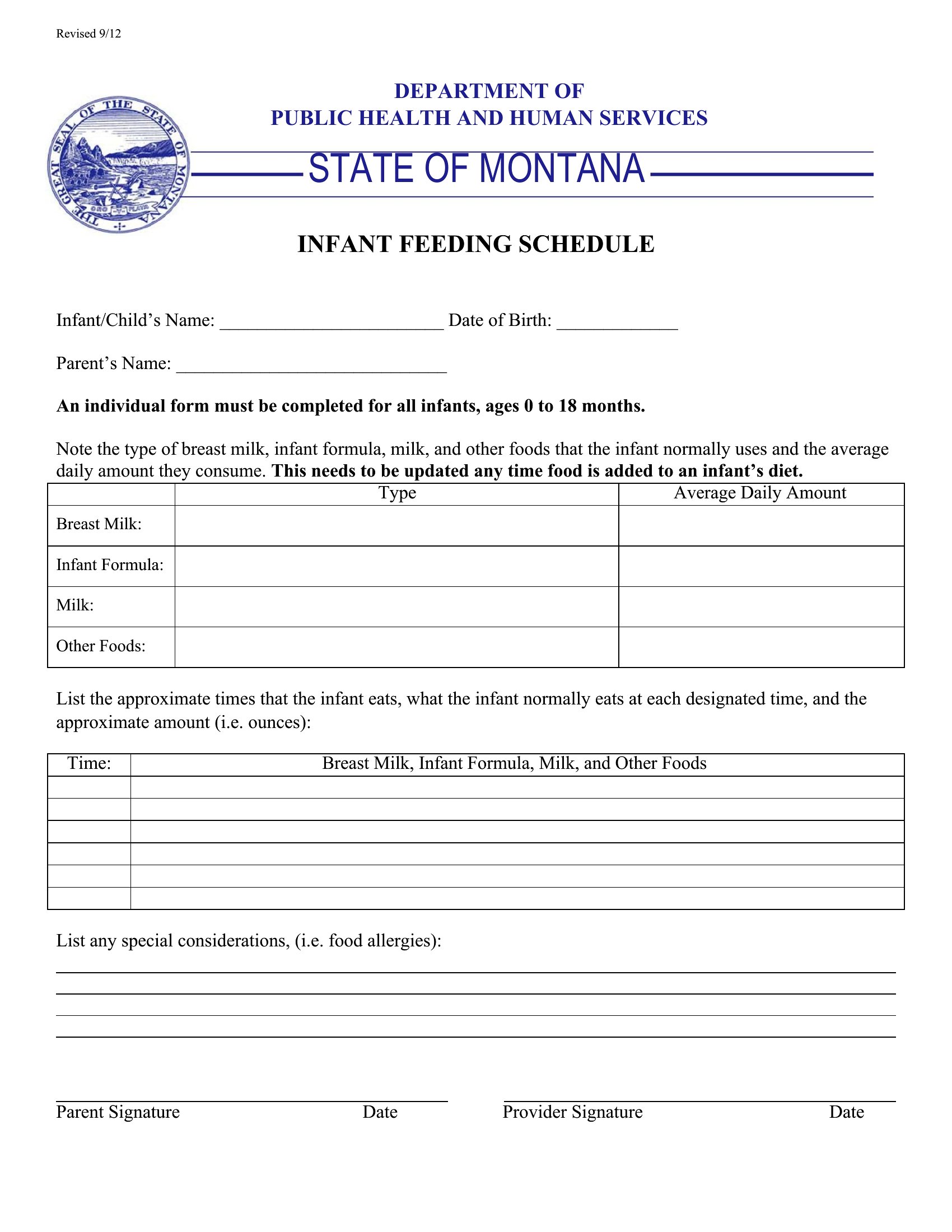
Yes, but consult a healthcare provider first. Use the Word or Excel formats to add columns for ‘Spit-up/Regurgitation’ or ‘Tube Feeding Volume.’ Highlight cells for ‘Post-Feed Upright Time’ in the notes section. Some templates include a ‘Special Needs’ section—start there, then expand as needed. Avoid PDFs if you’ll need frequent updates.
Comments
Join the conversation
Sign in to share your thoughts and leave a comment on this resource.