Free Printable KWL Charts (Word, Excel, PDF)
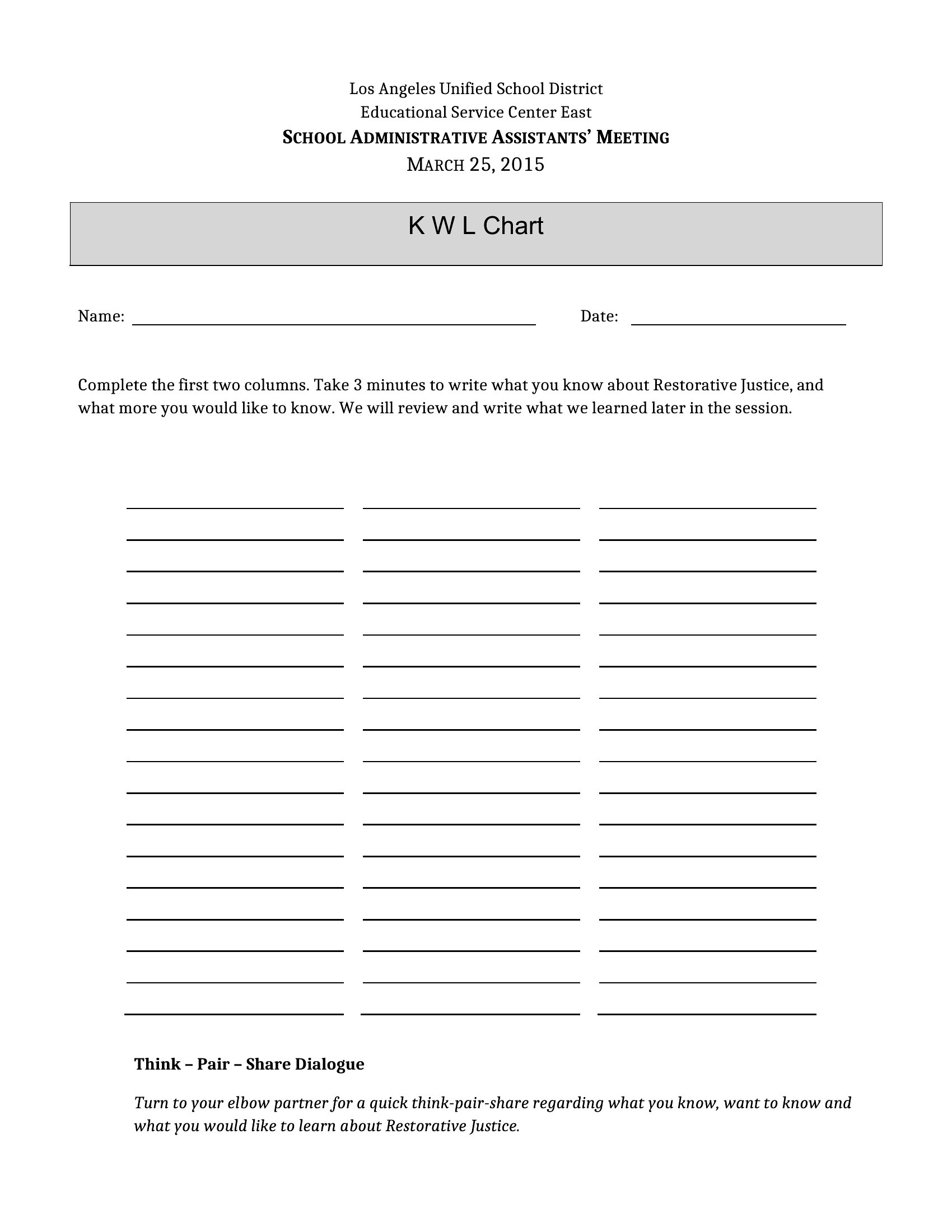
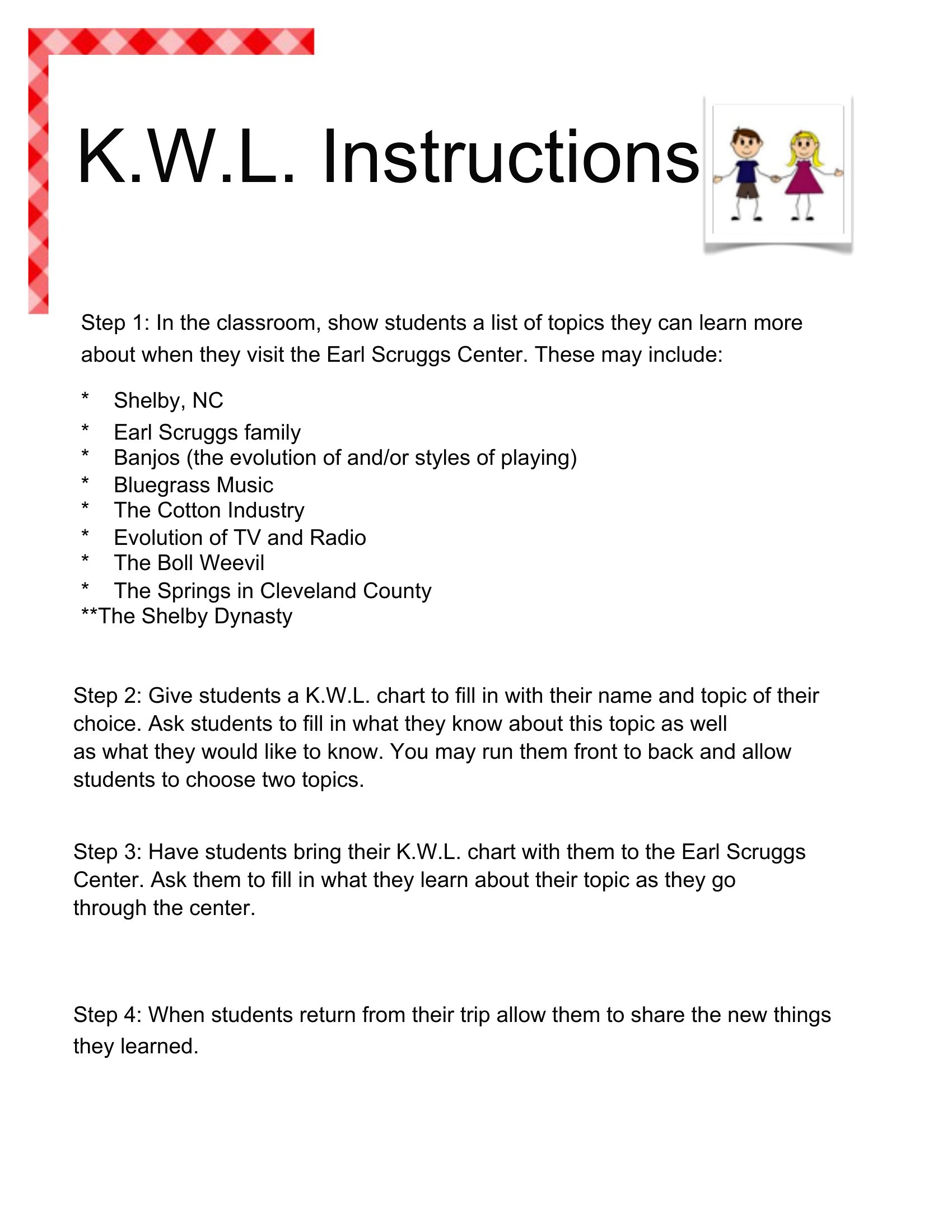
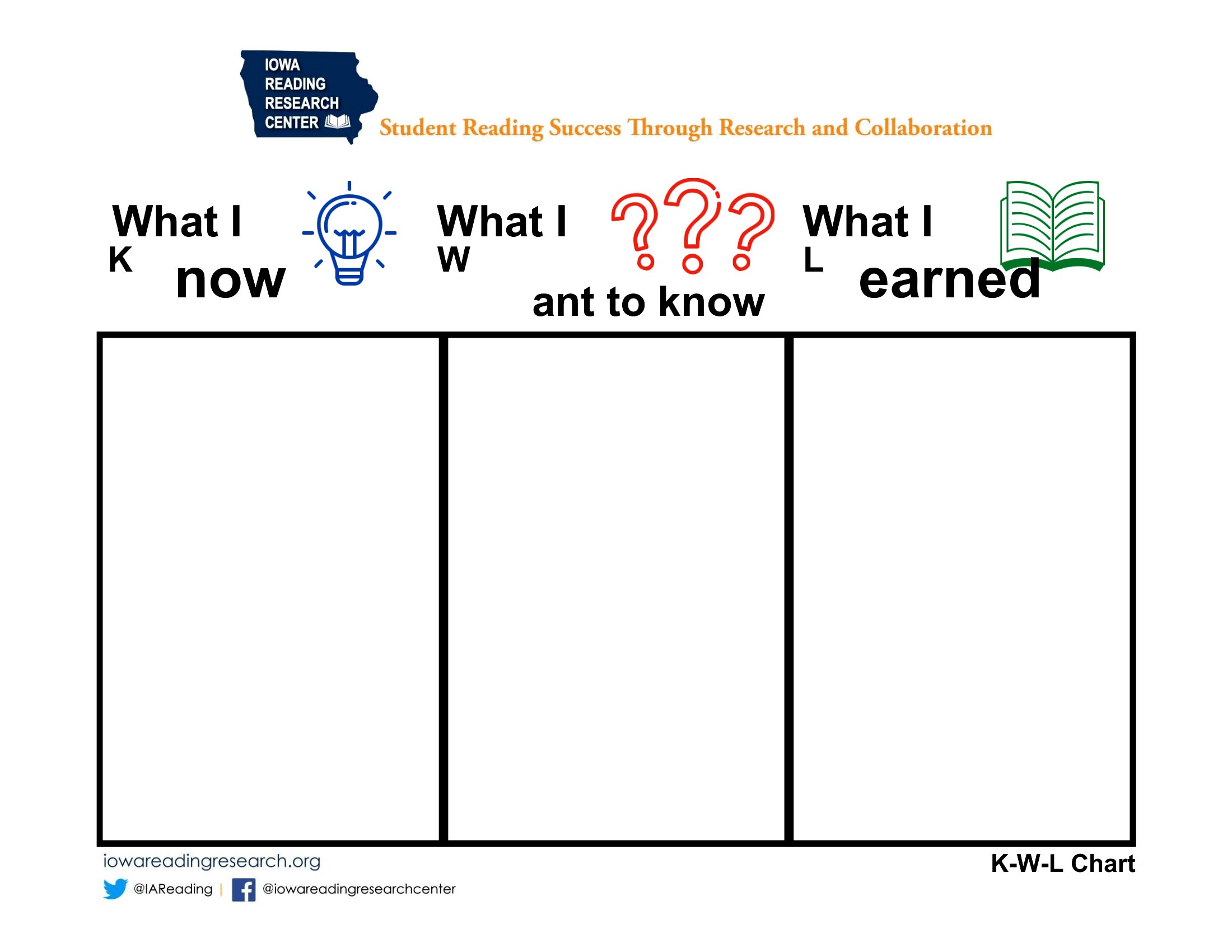
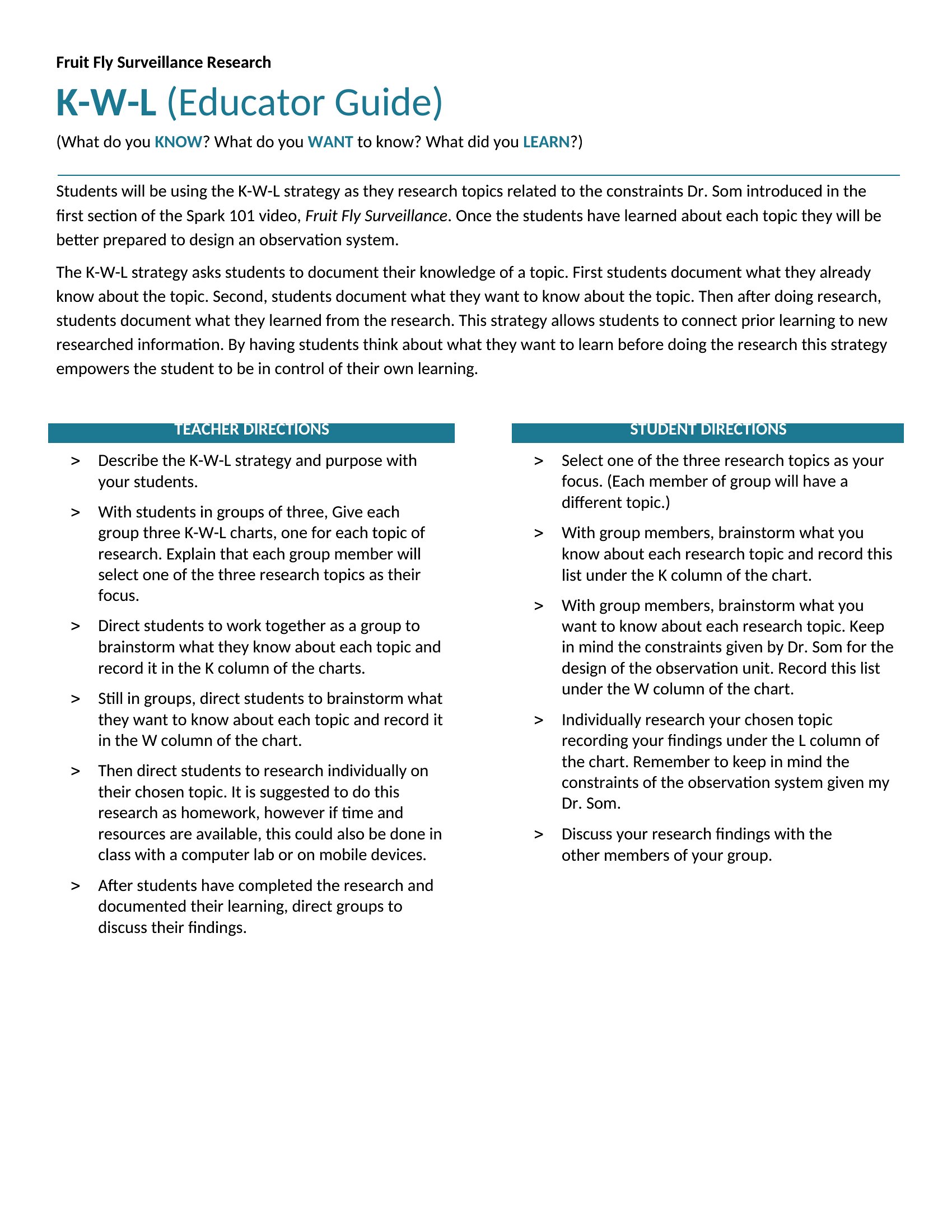
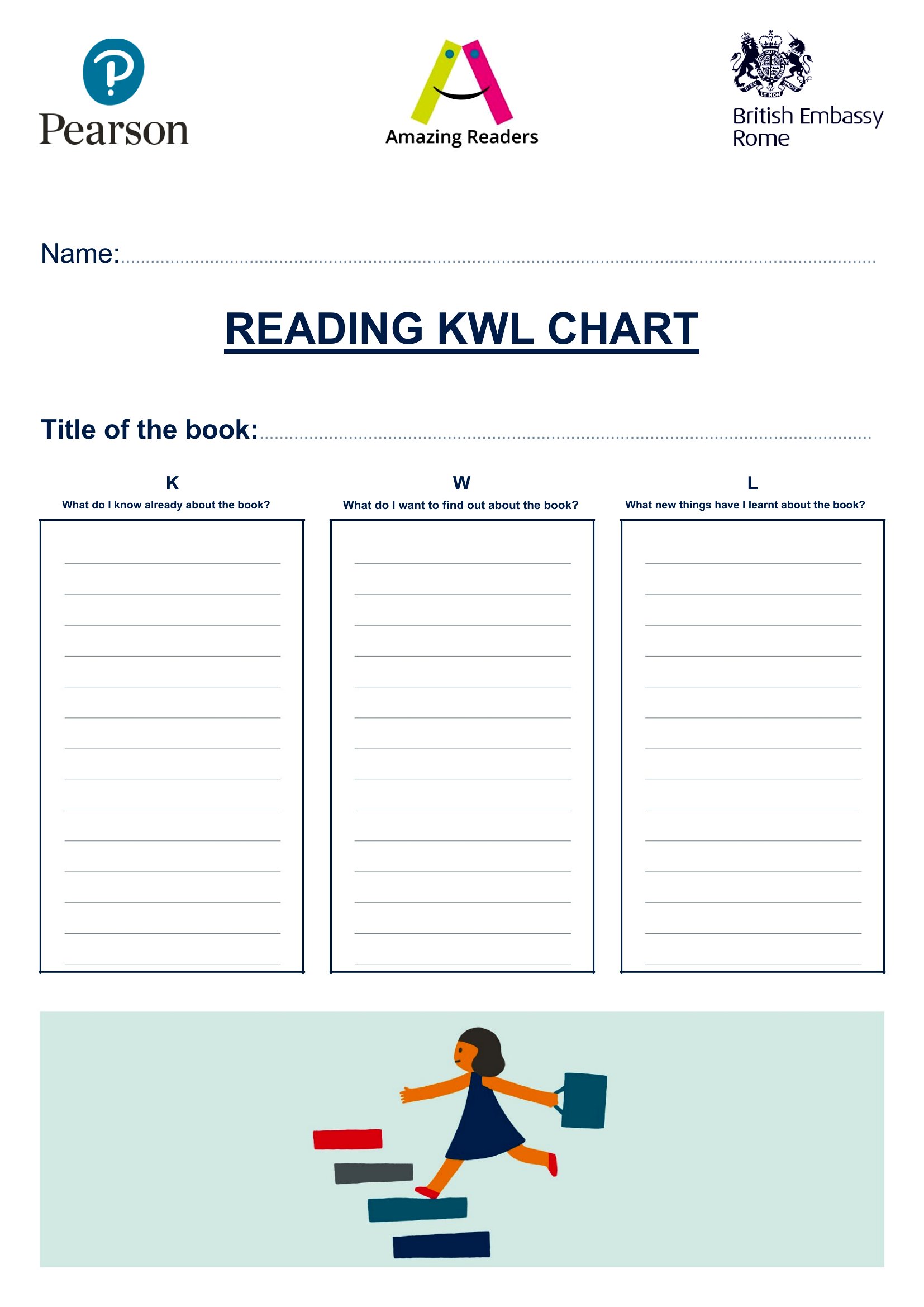
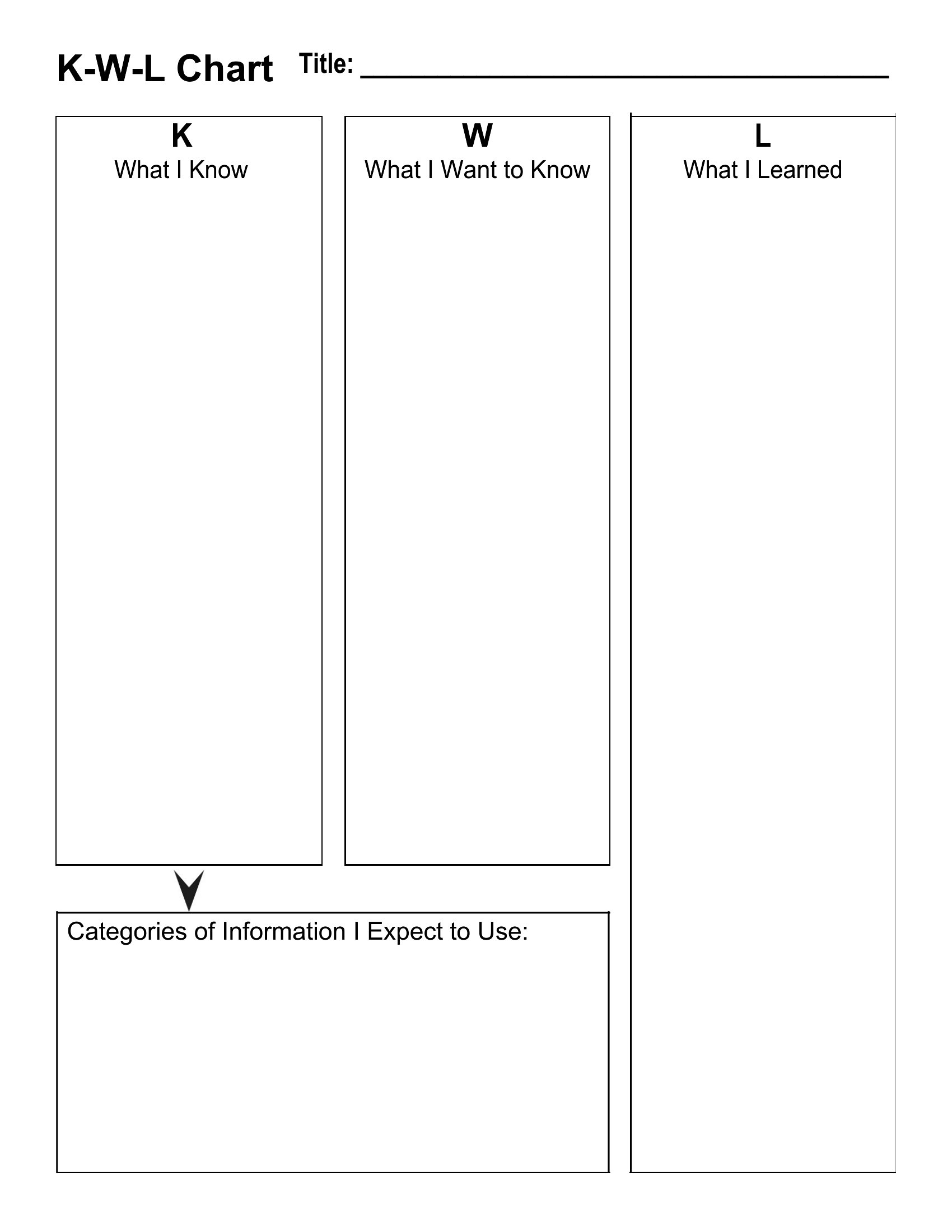
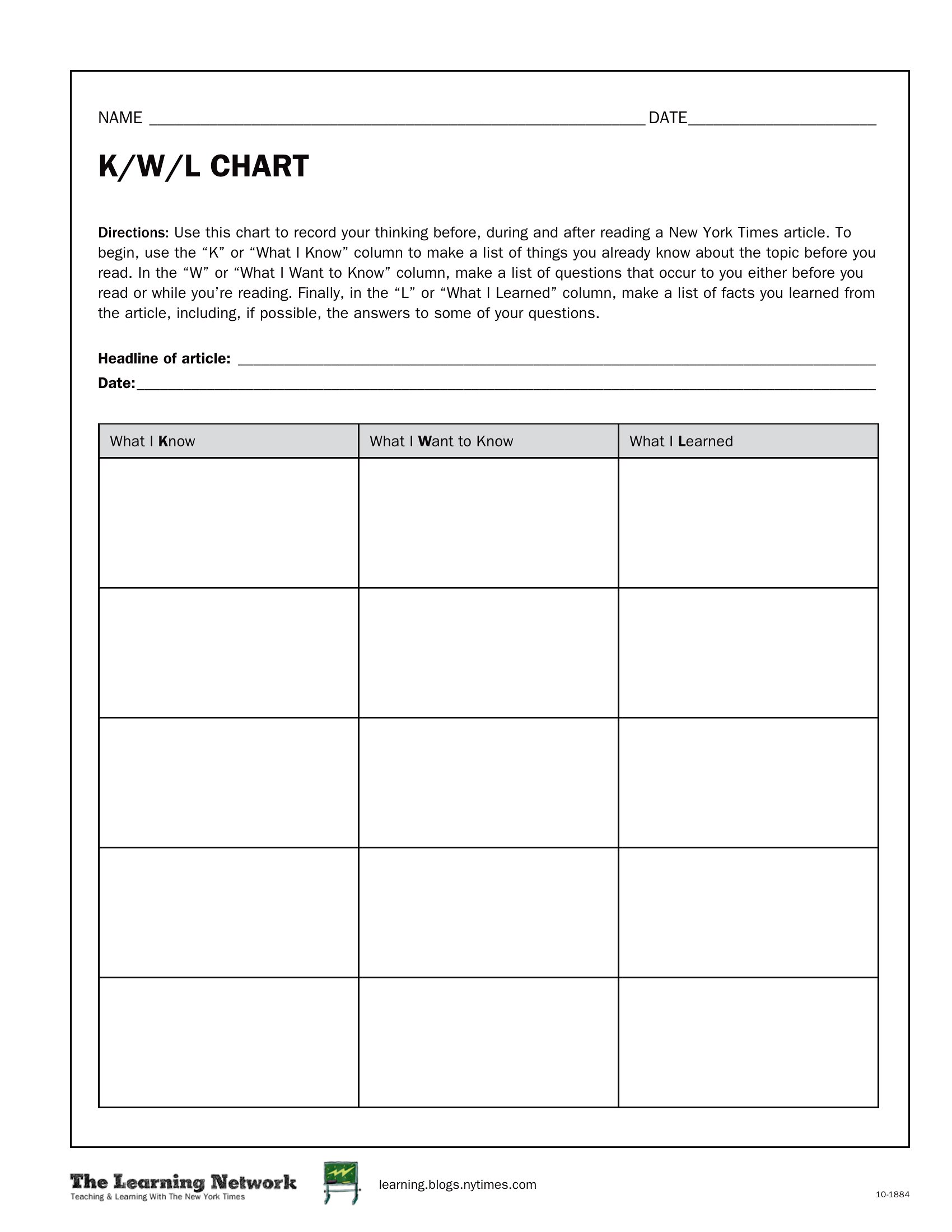
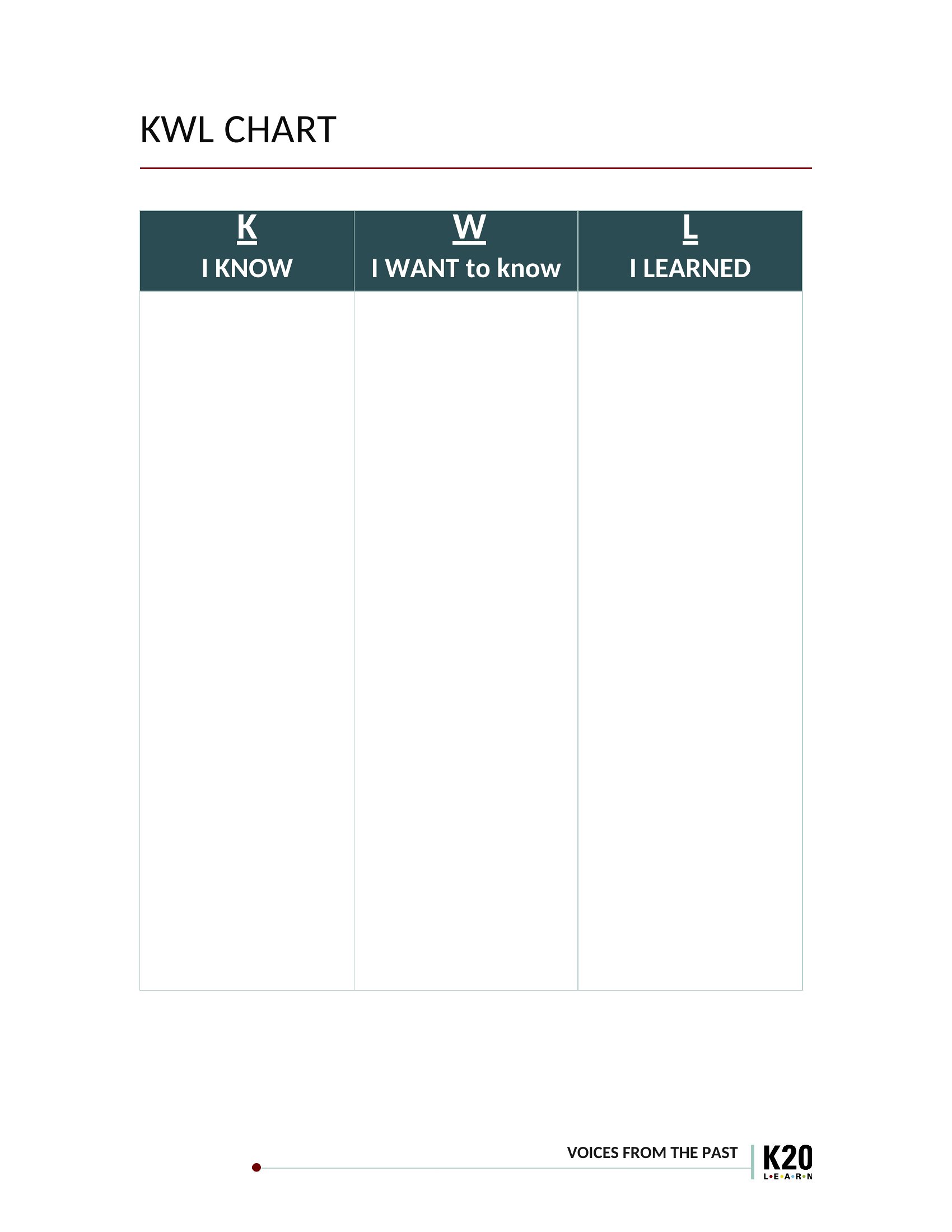
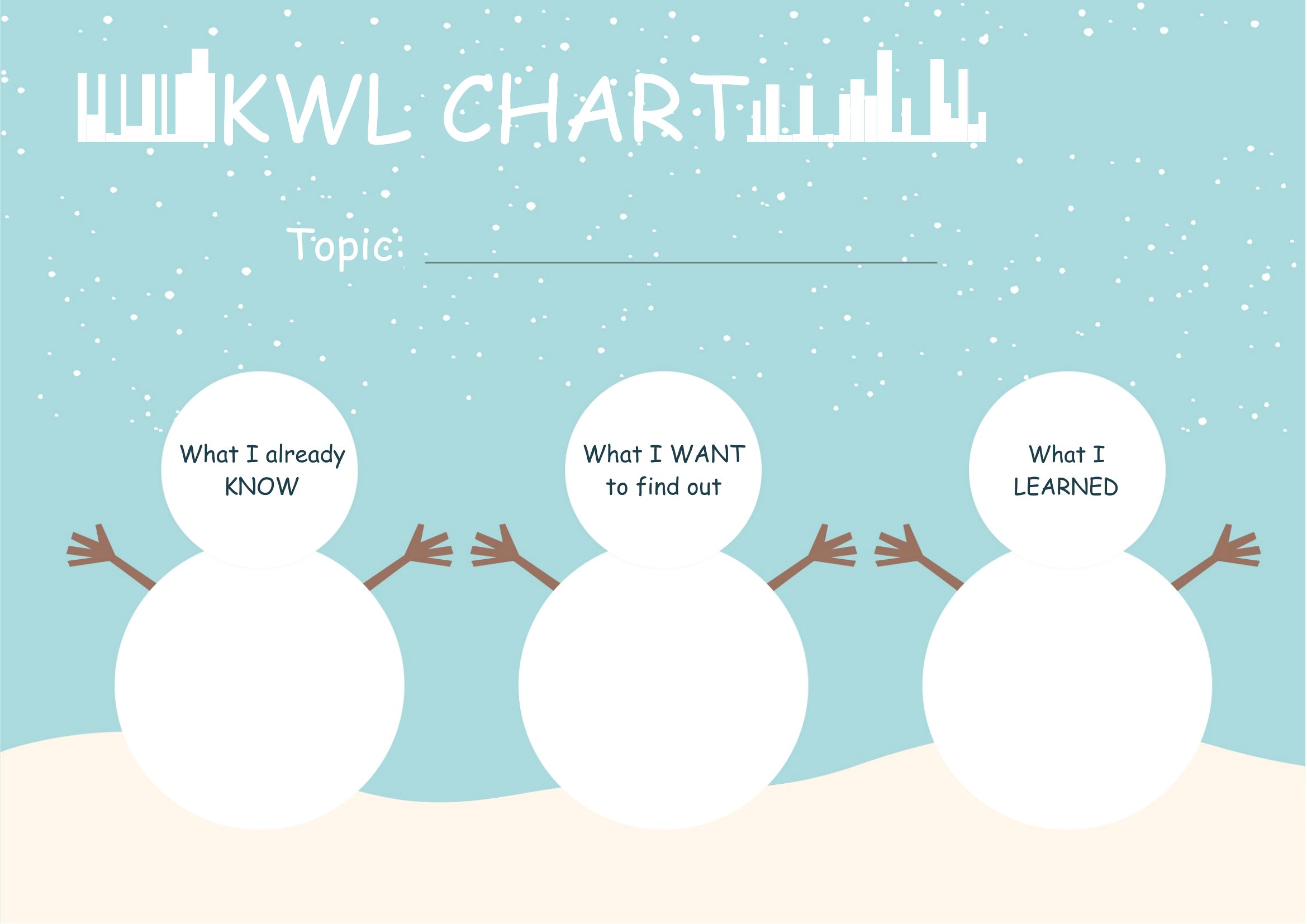
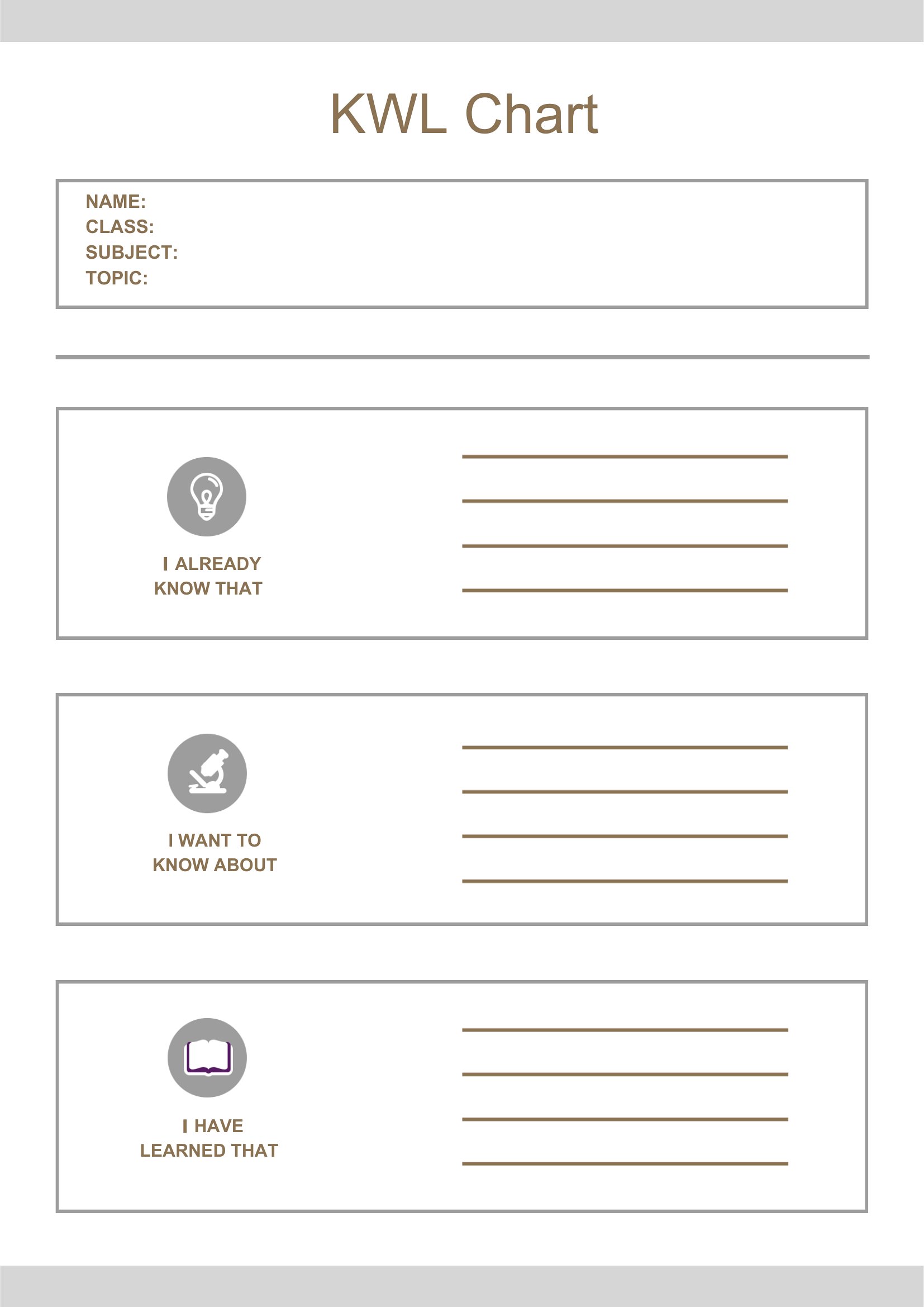
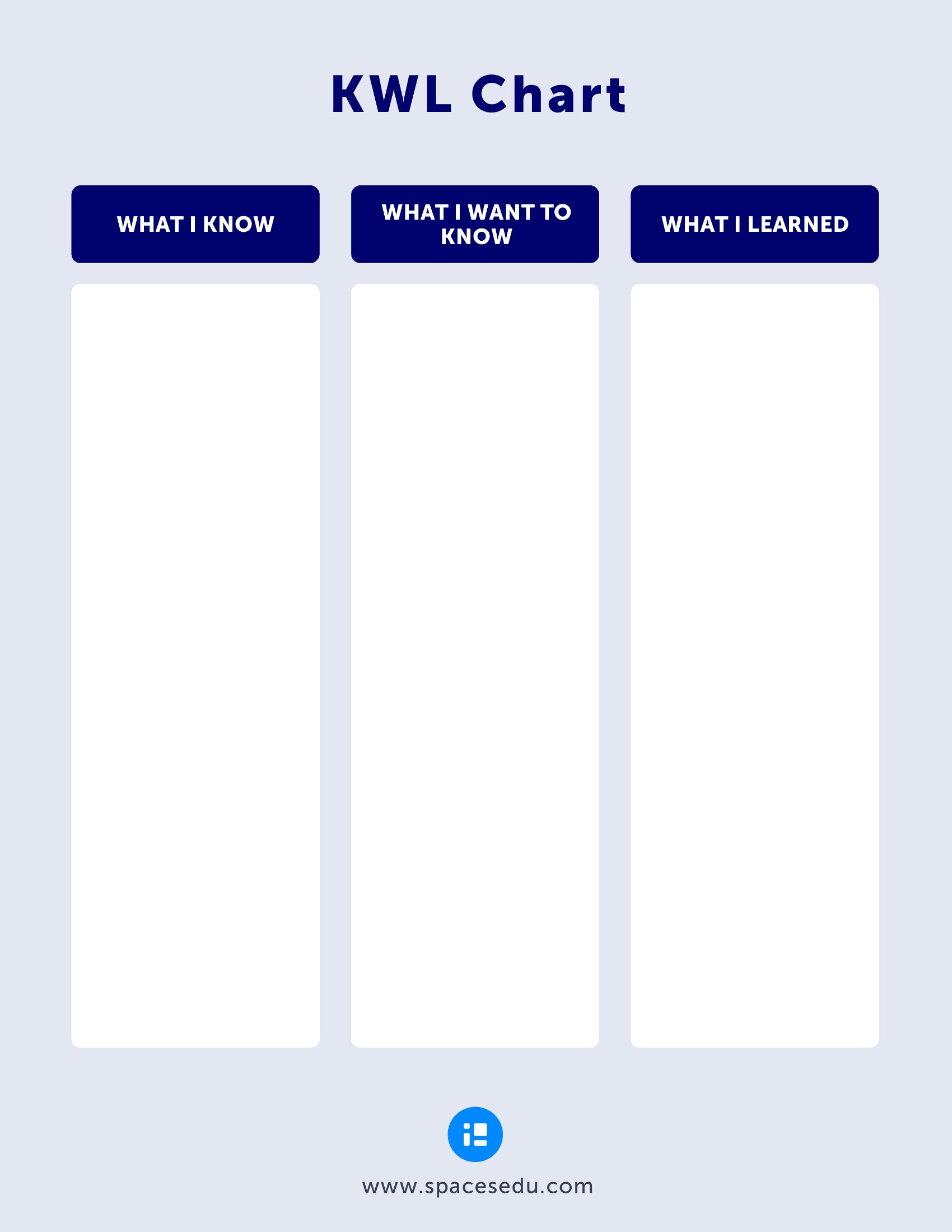
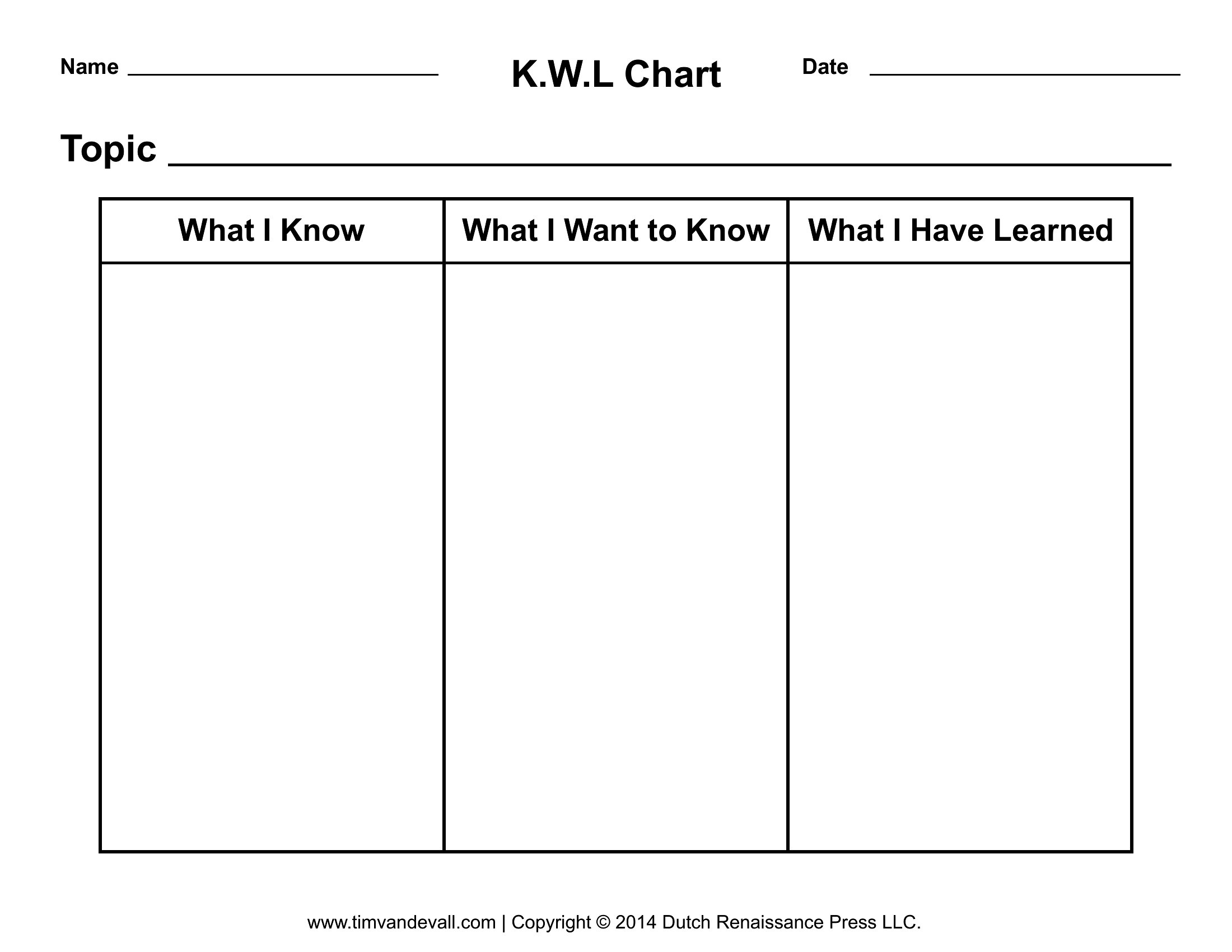
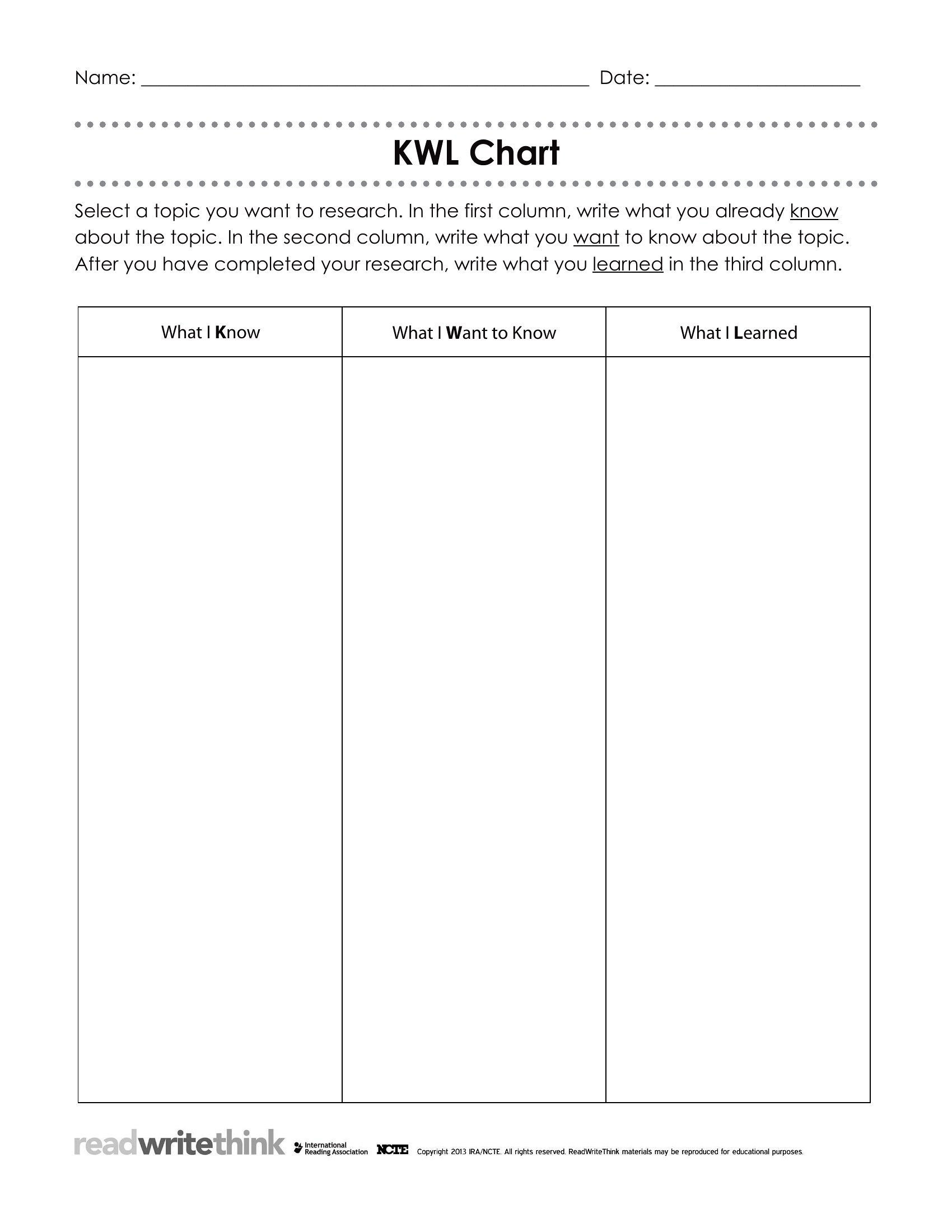
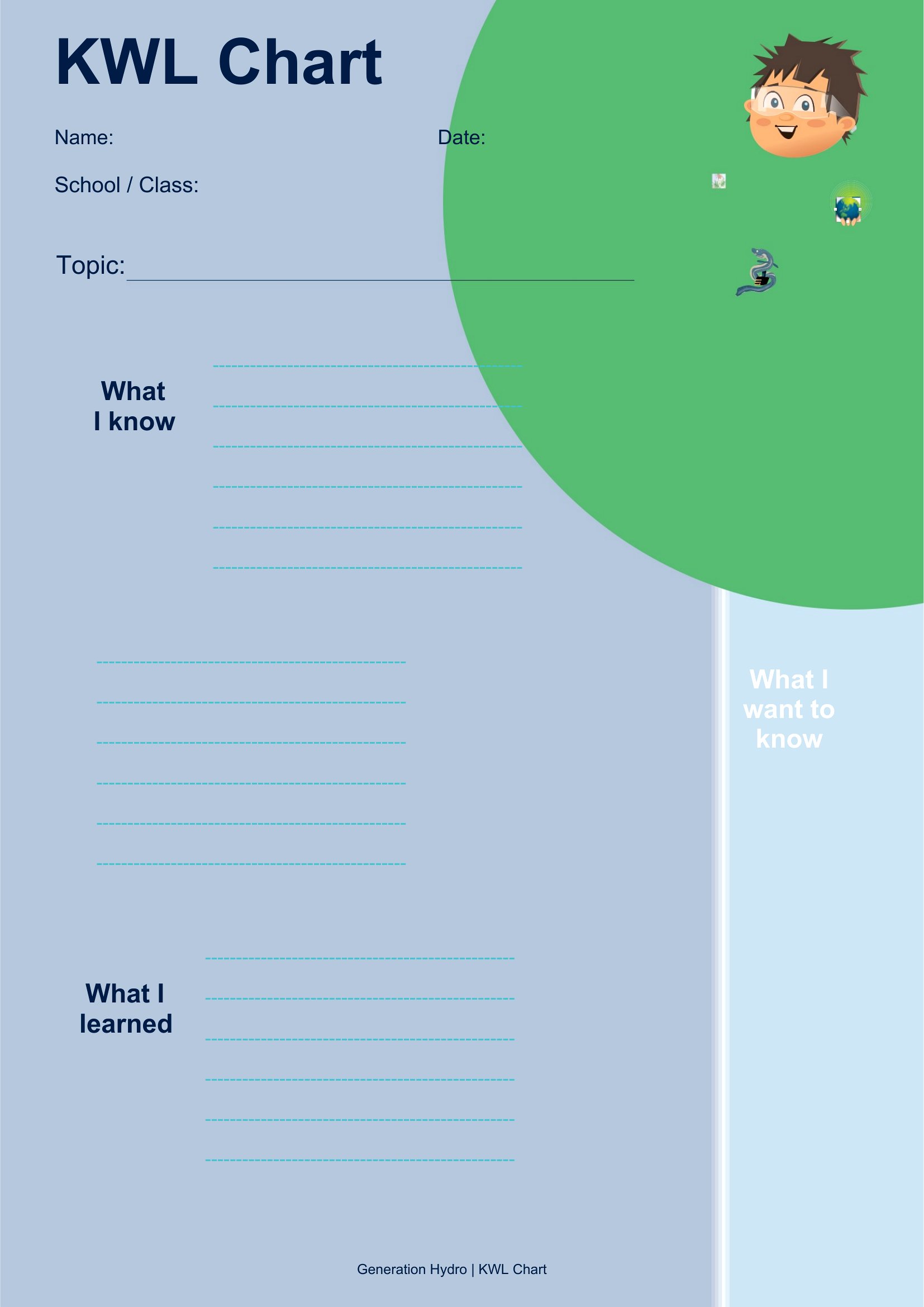
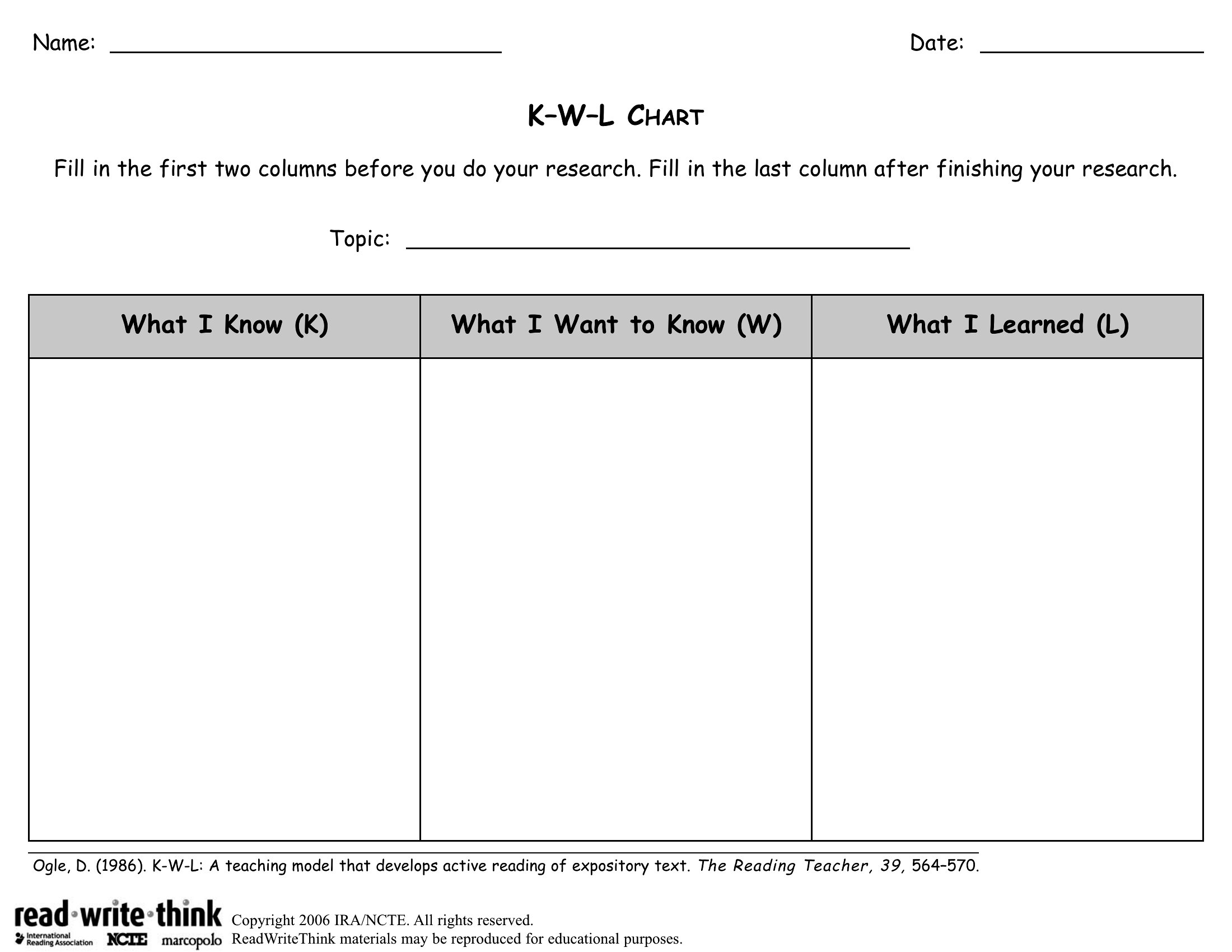
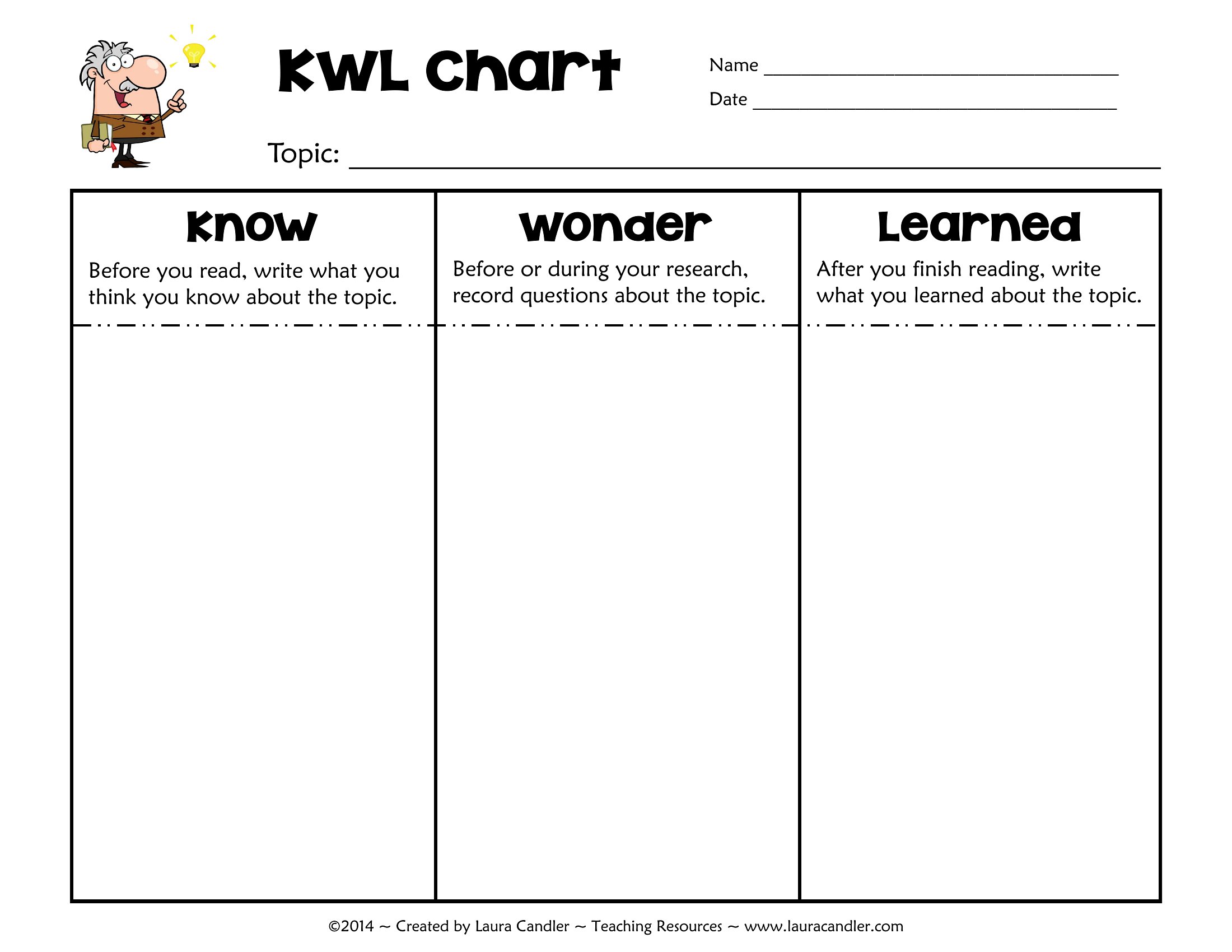
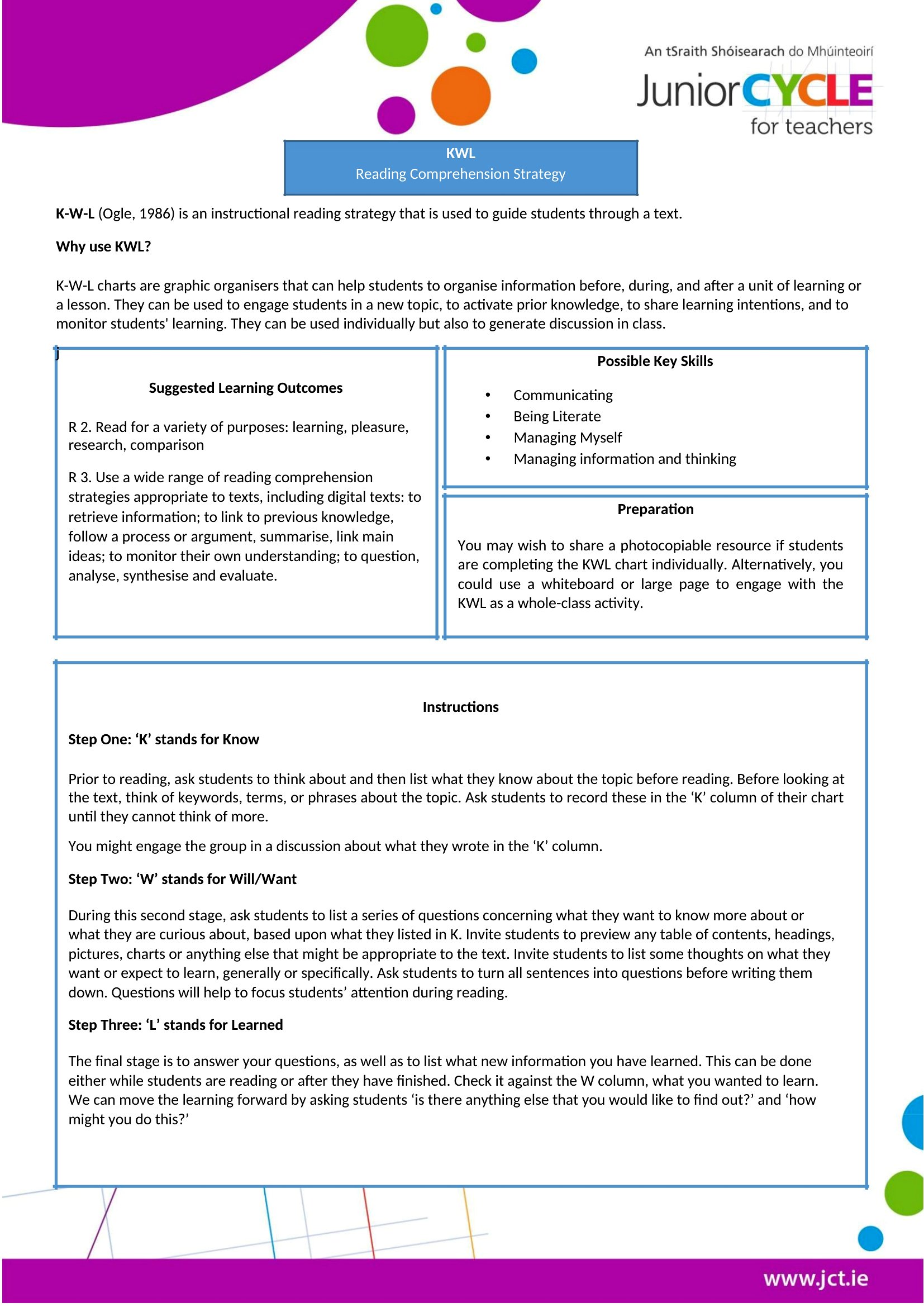
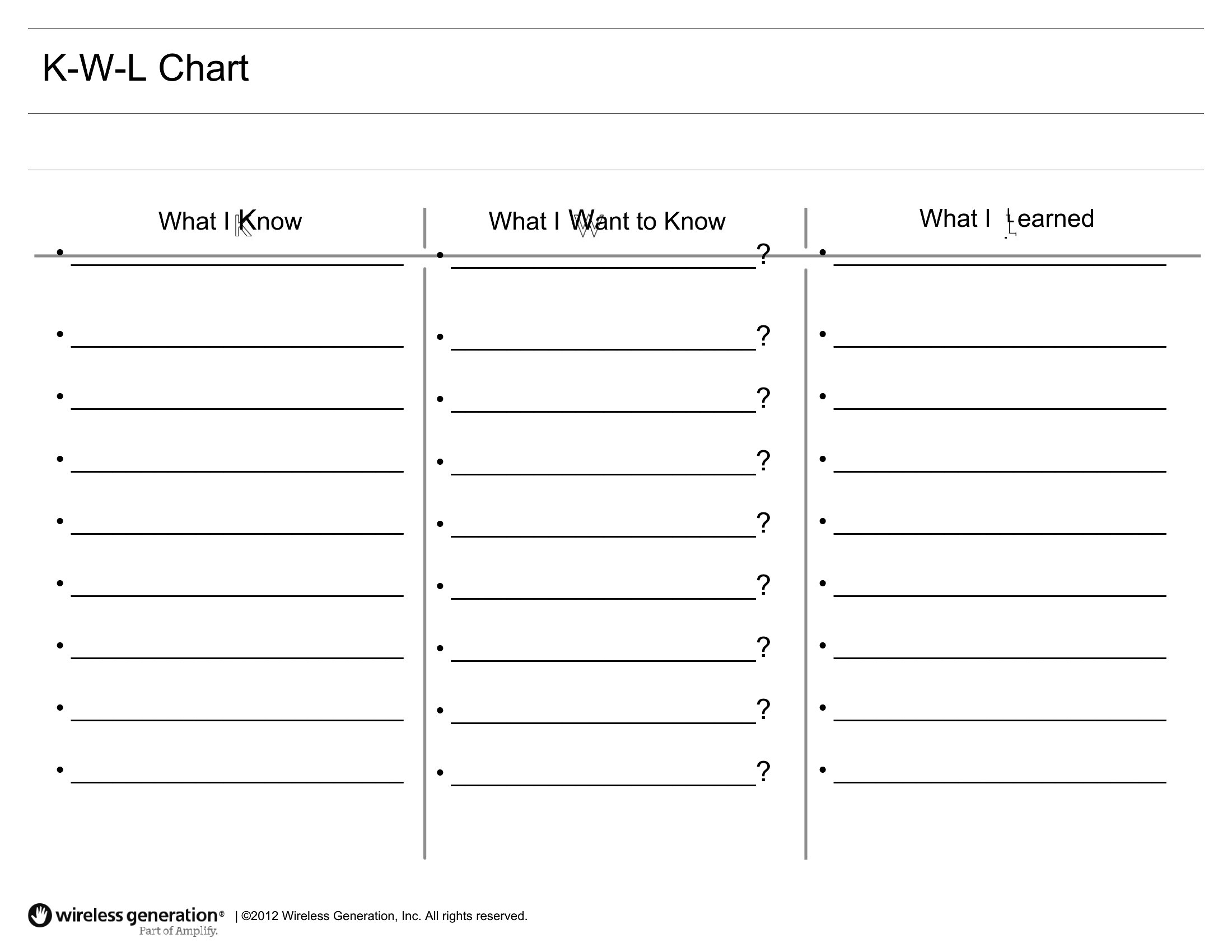
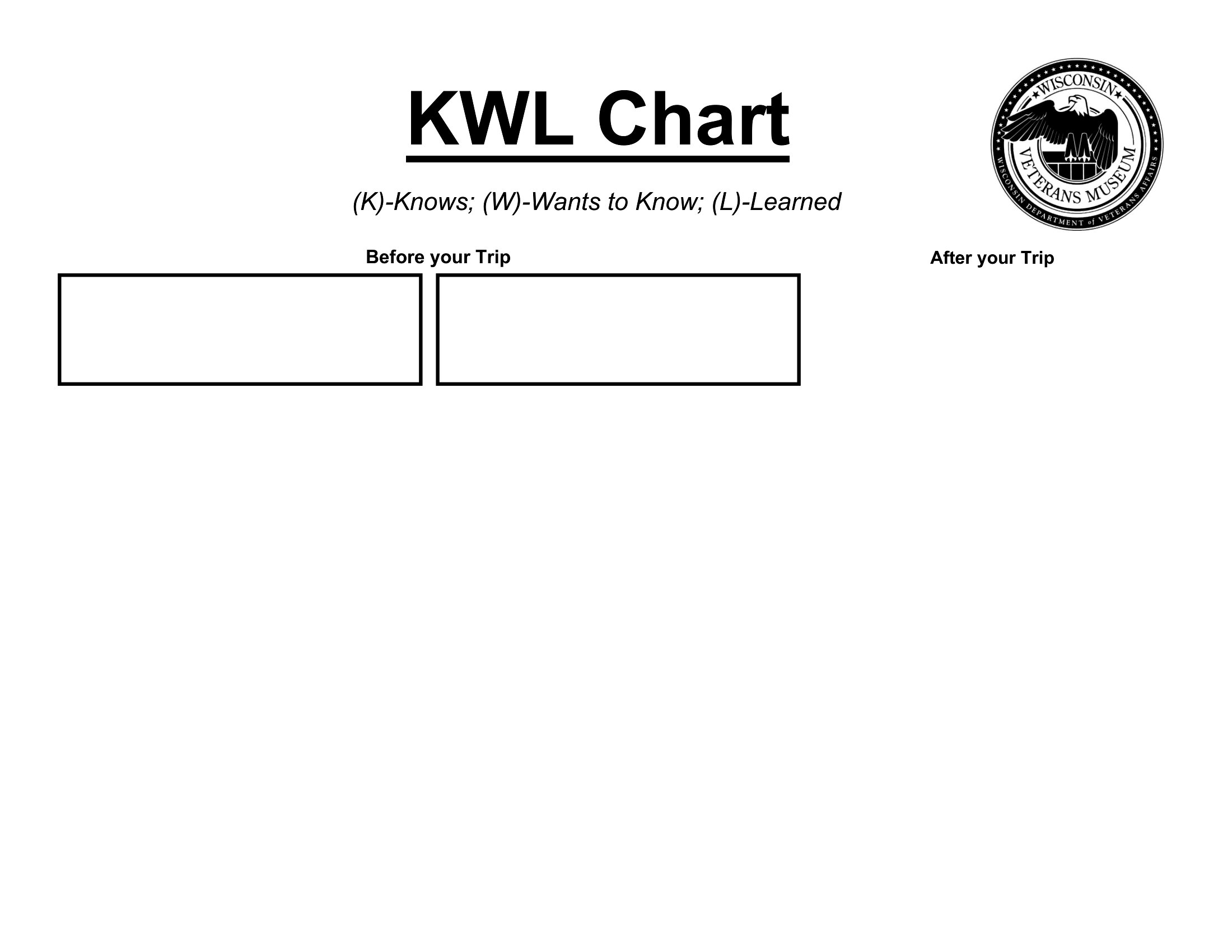
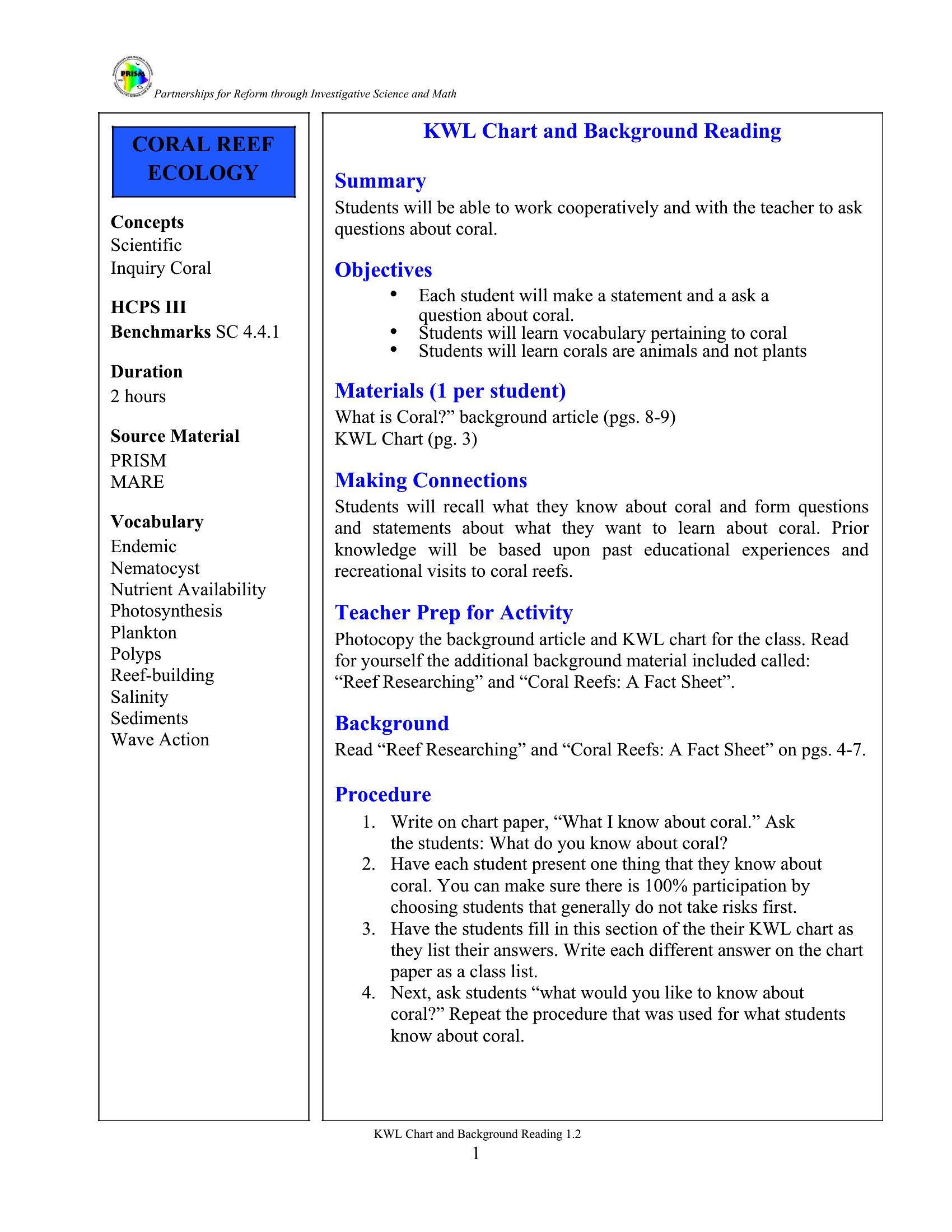
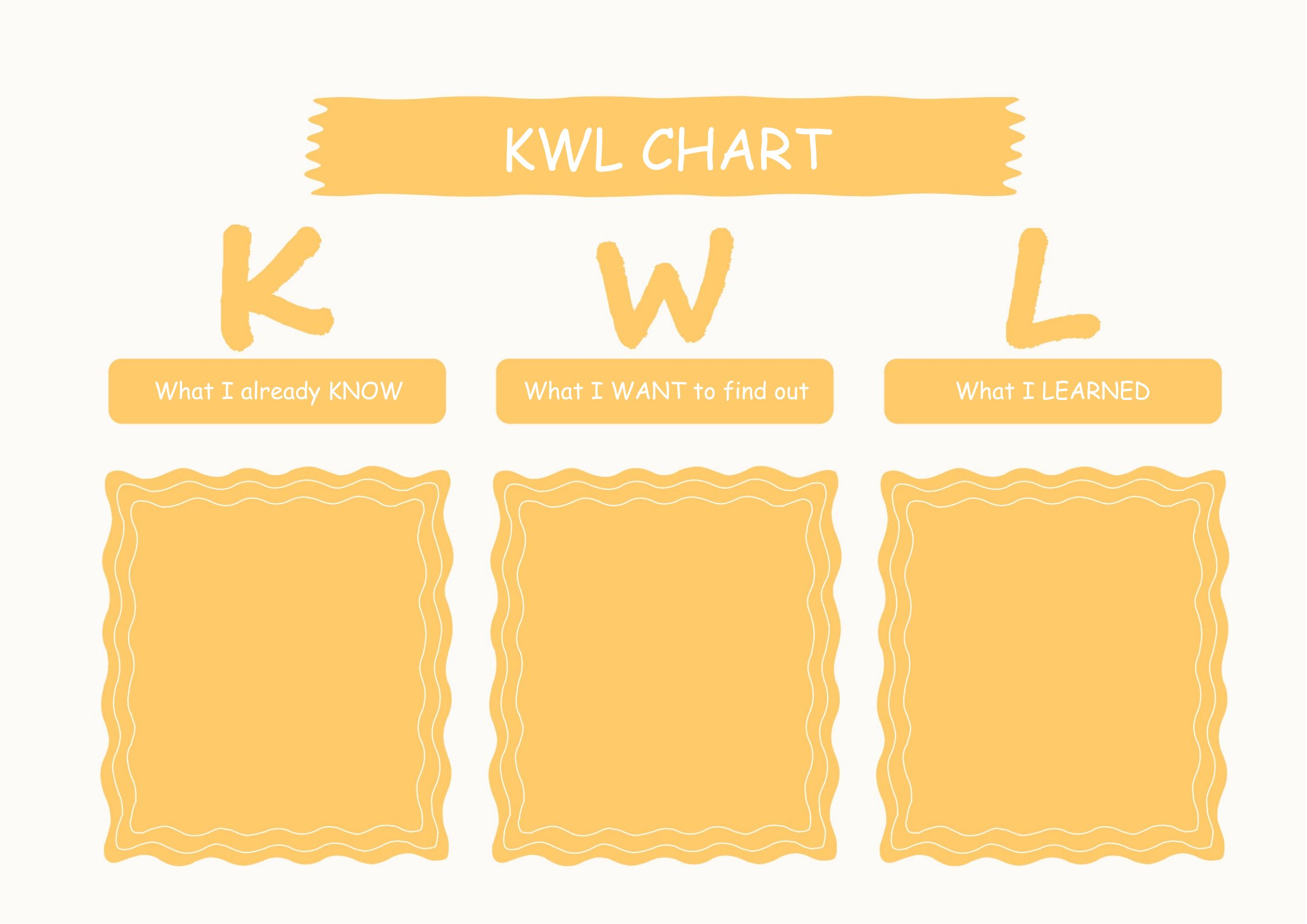
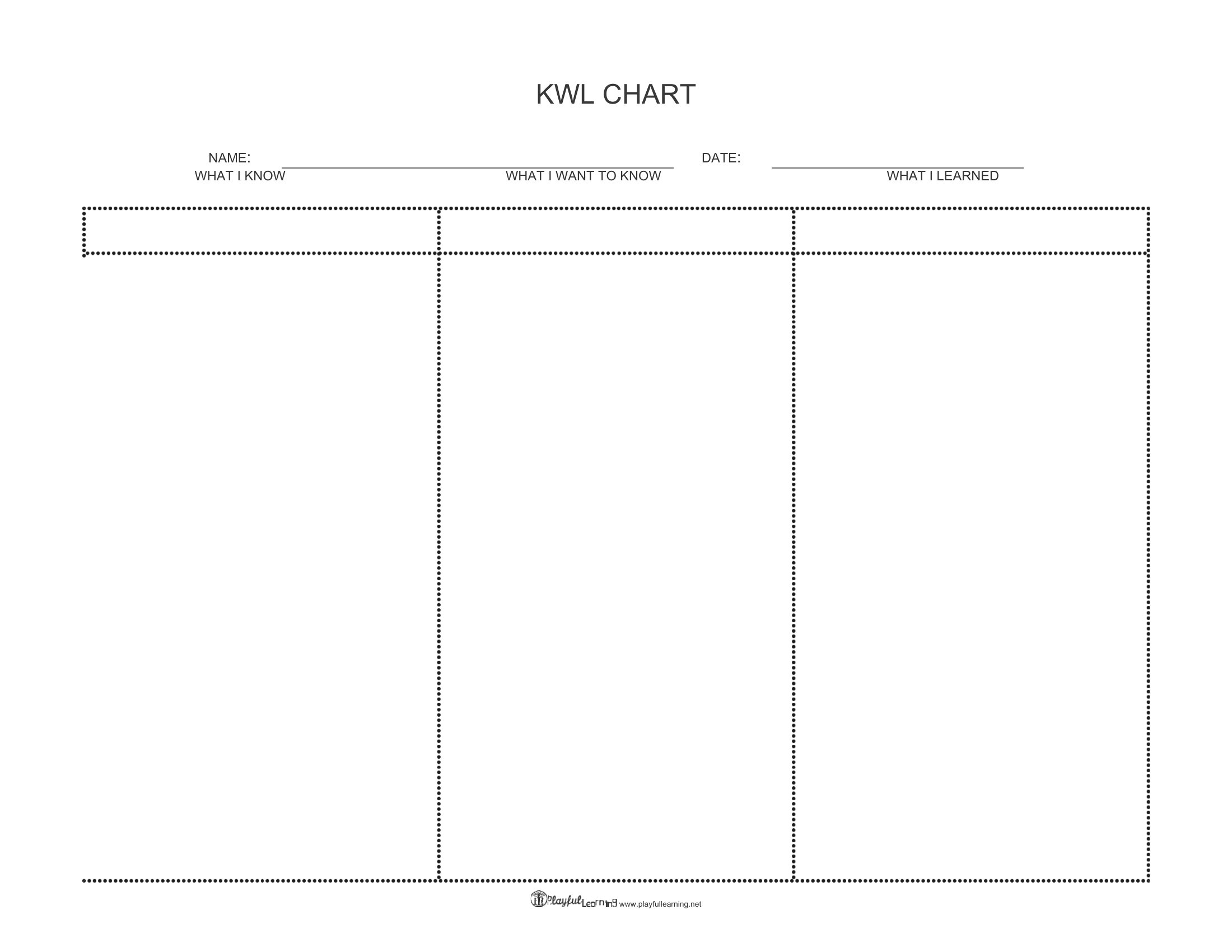
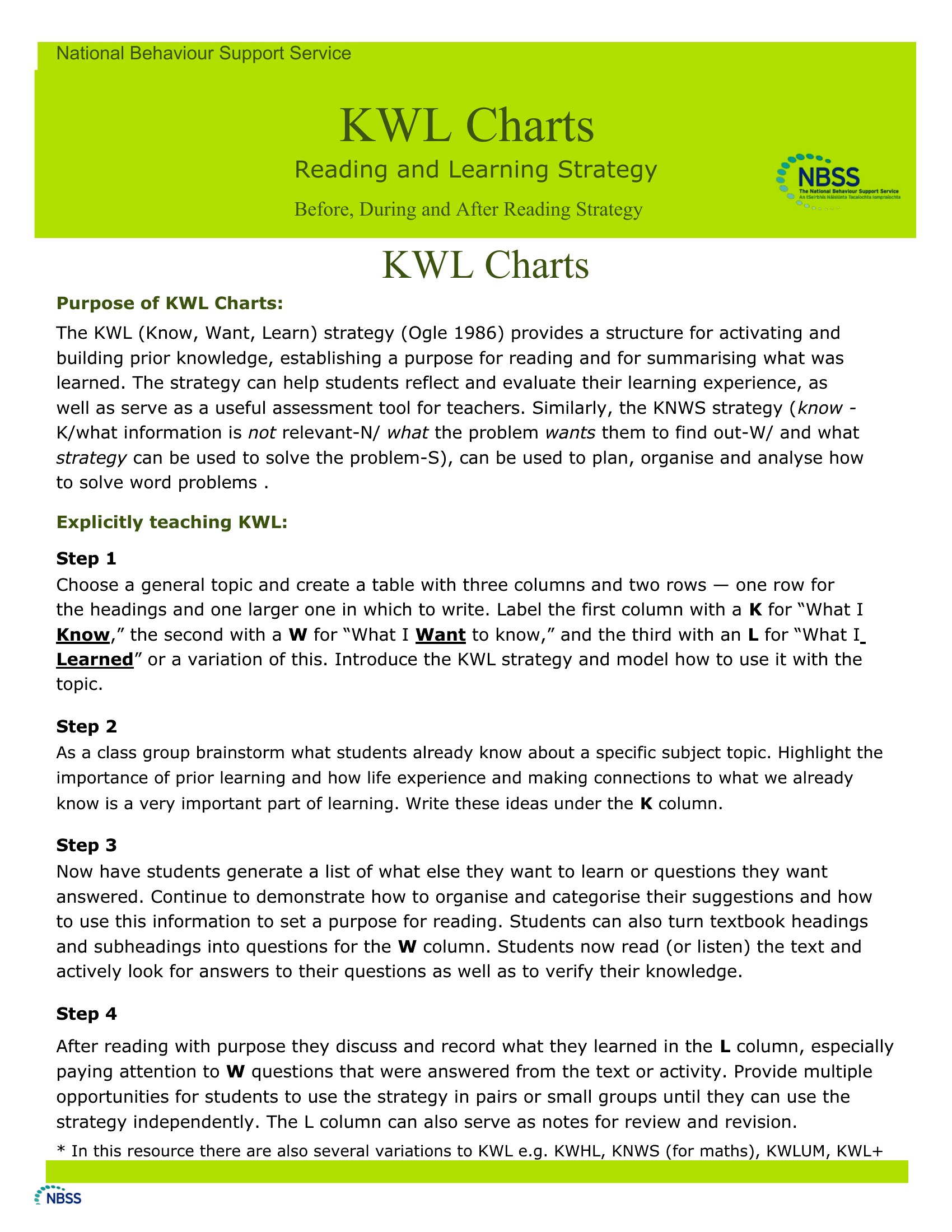
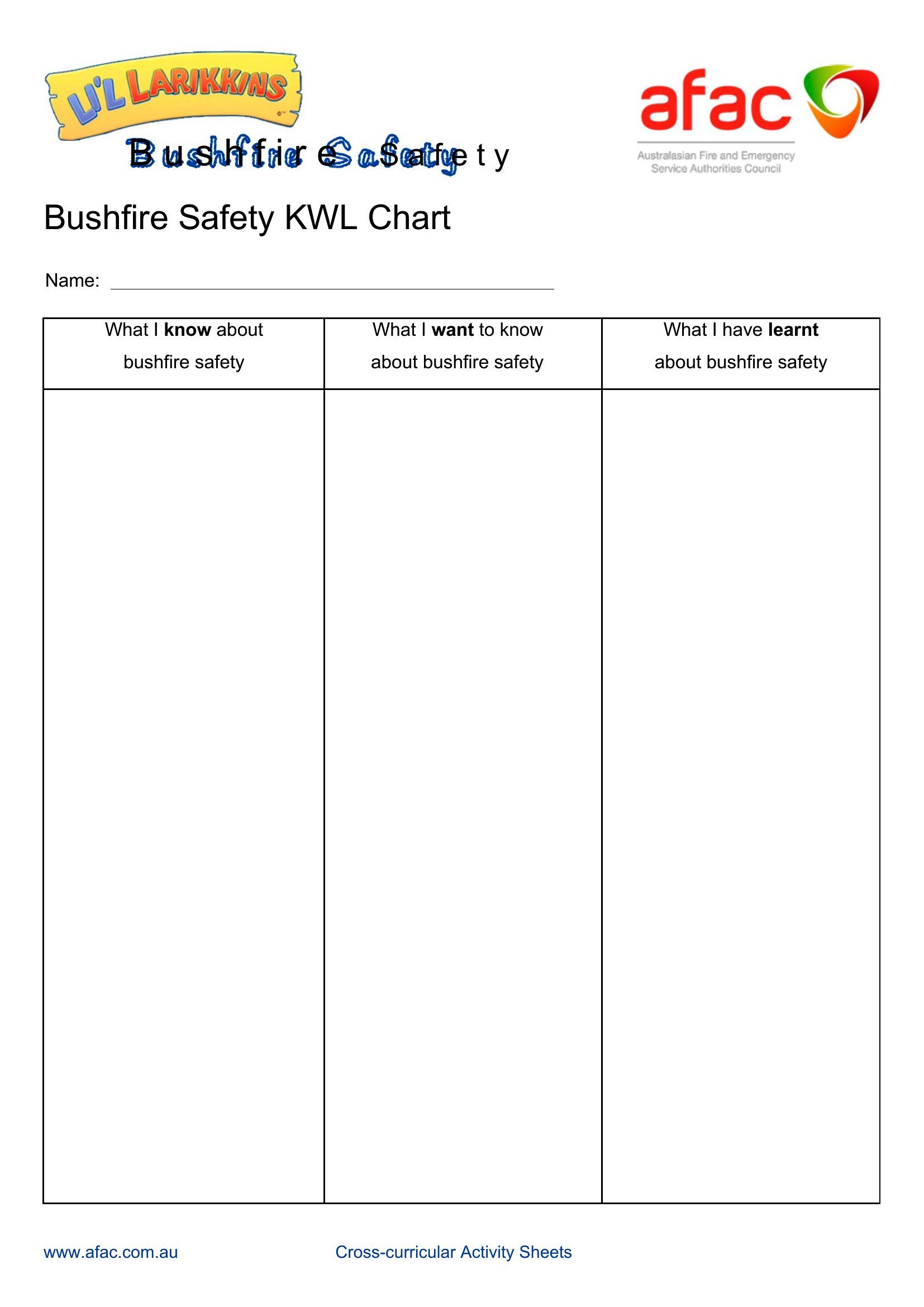
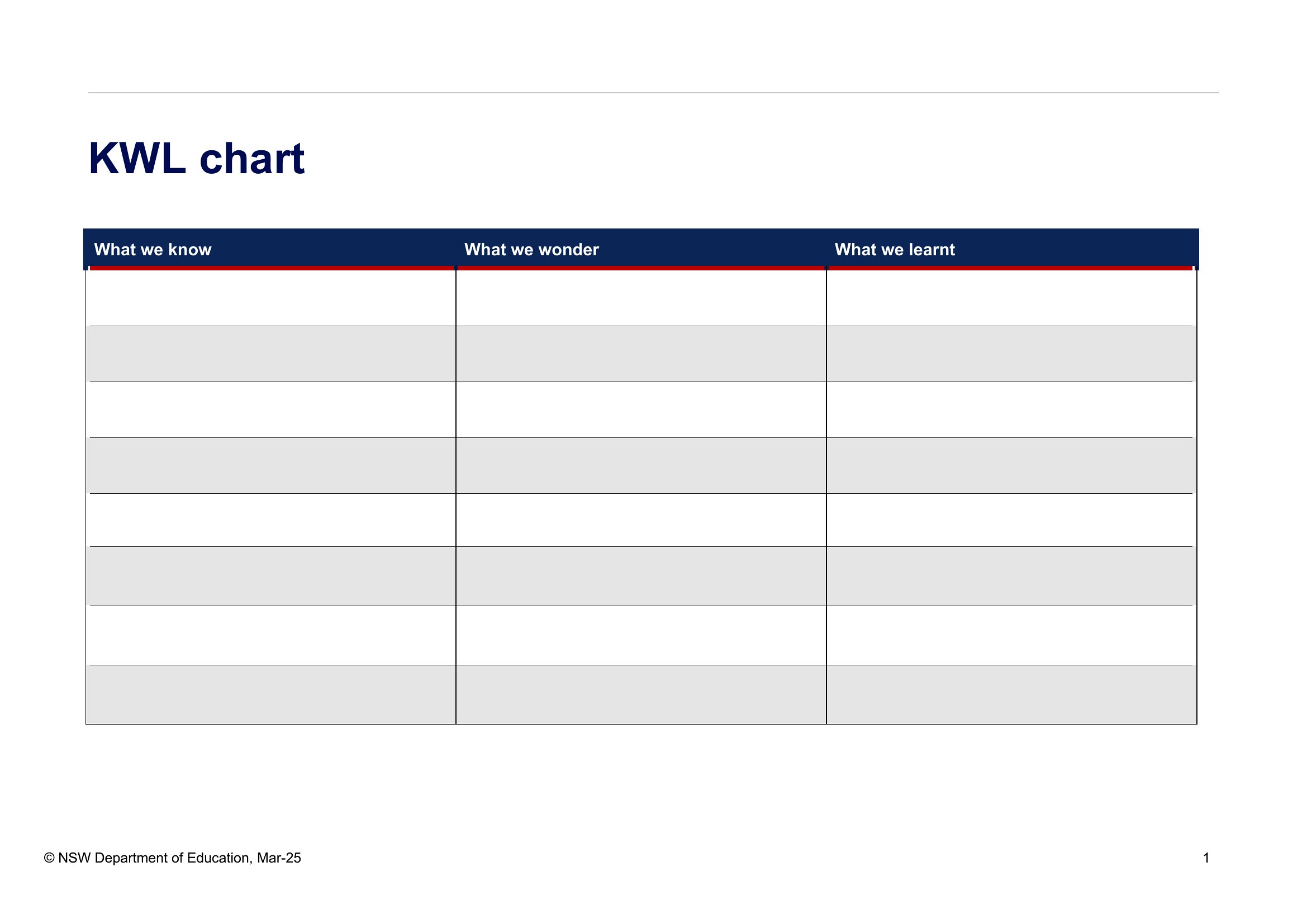
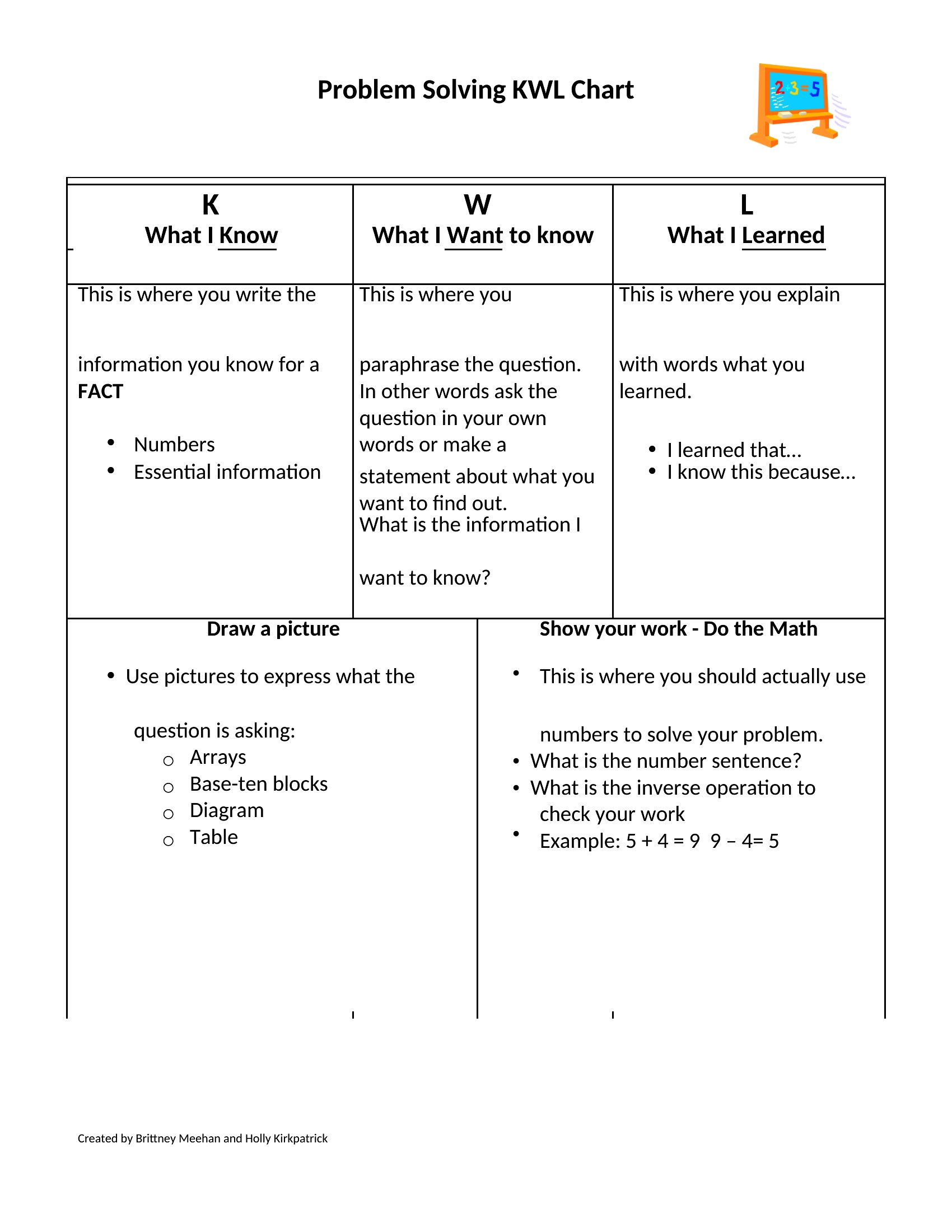
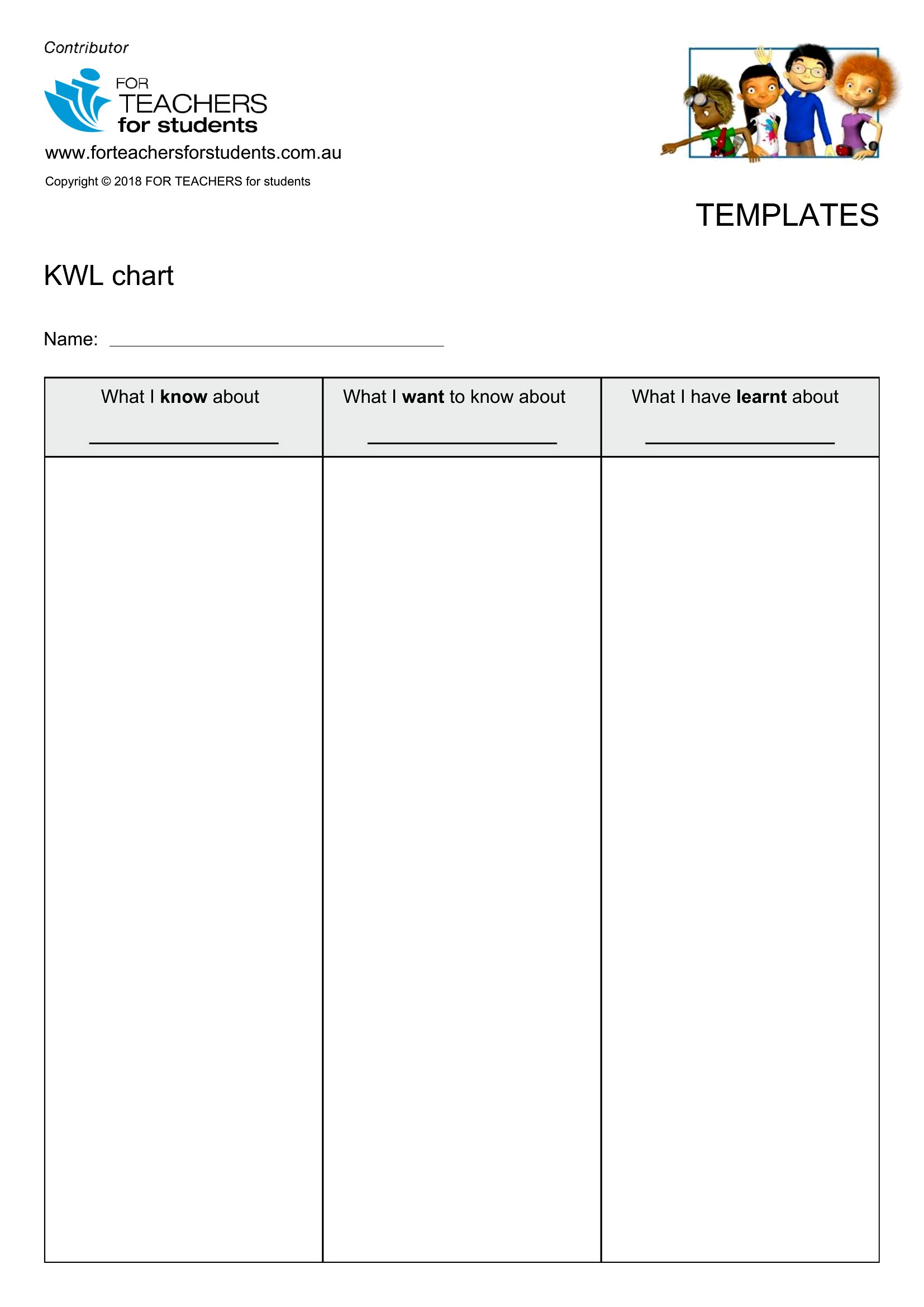
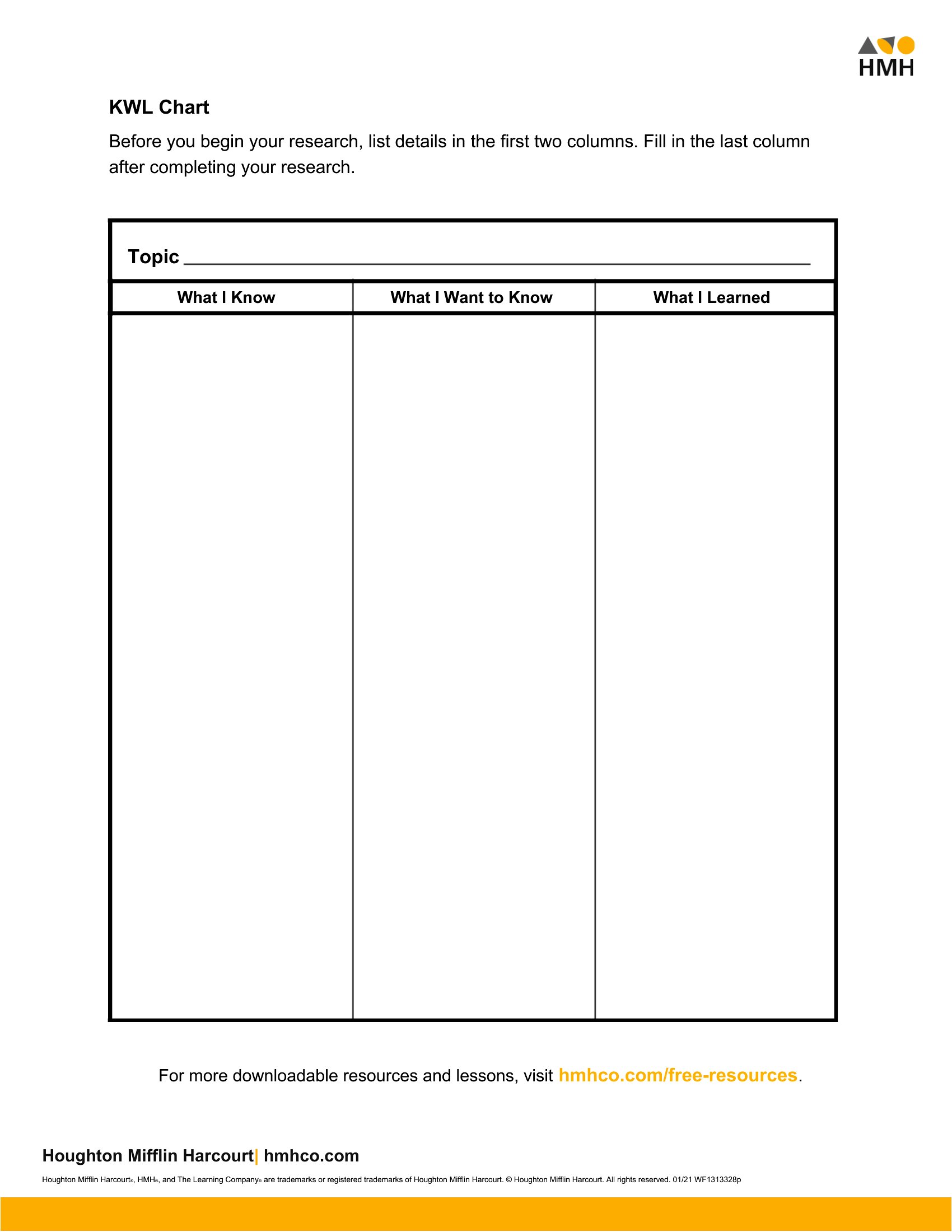
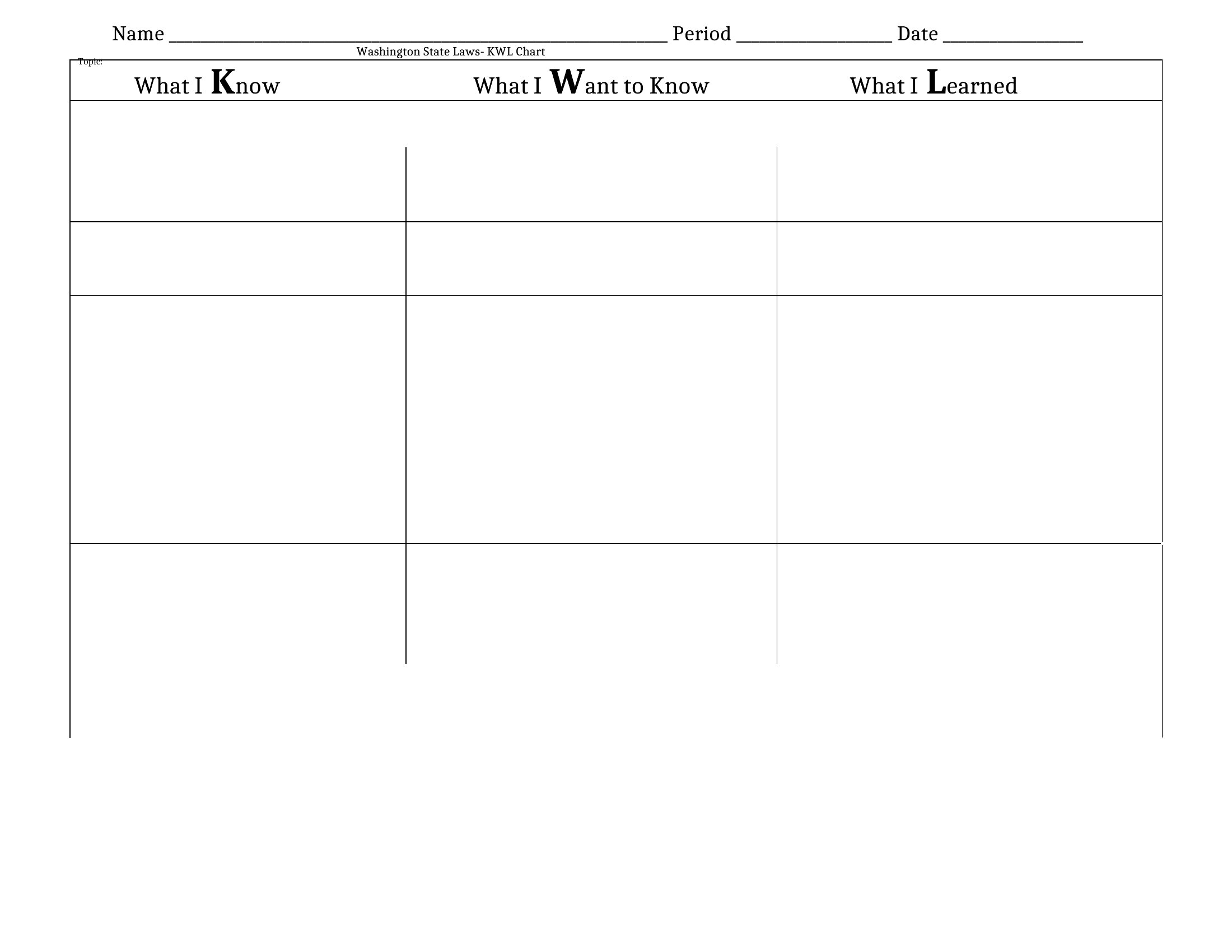
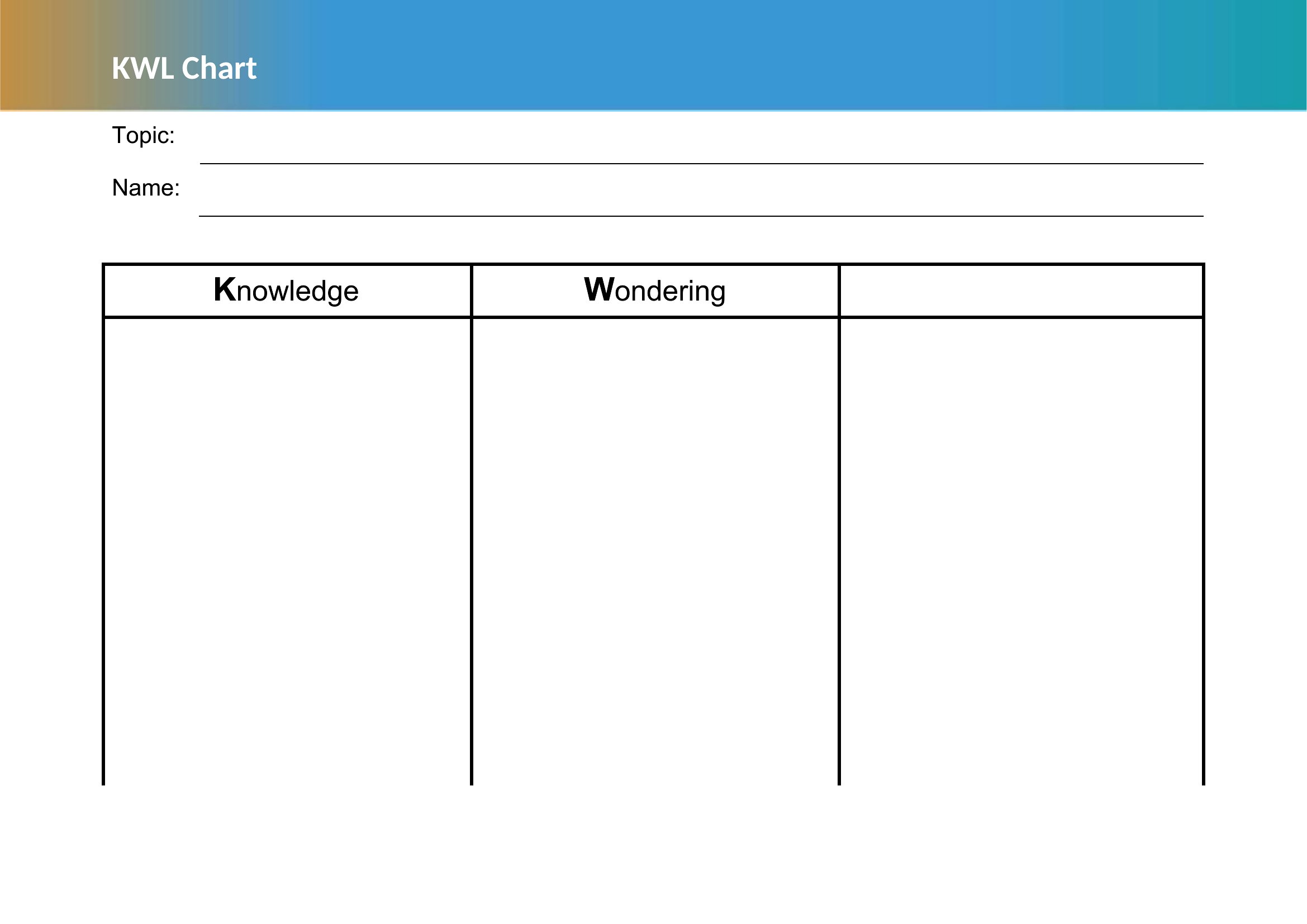
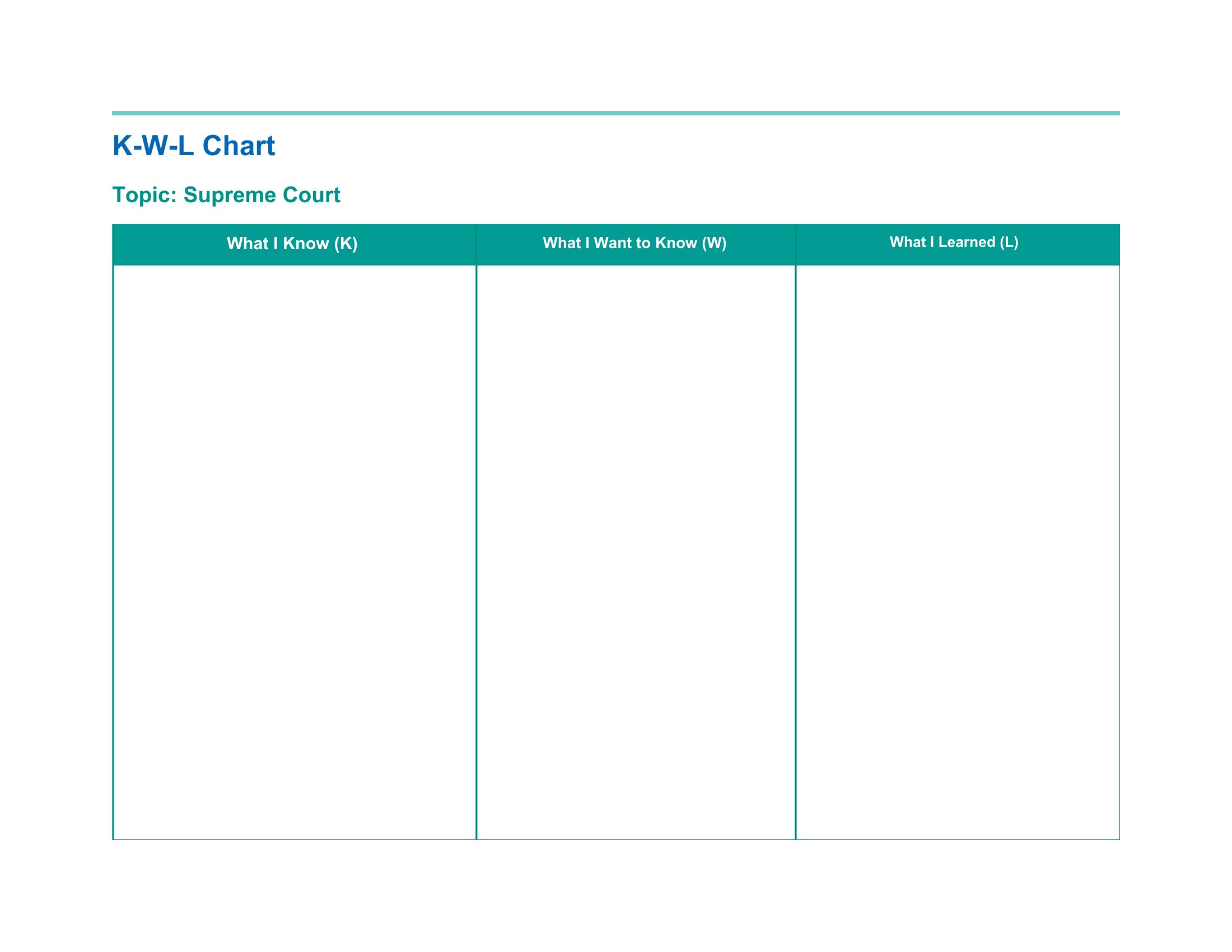
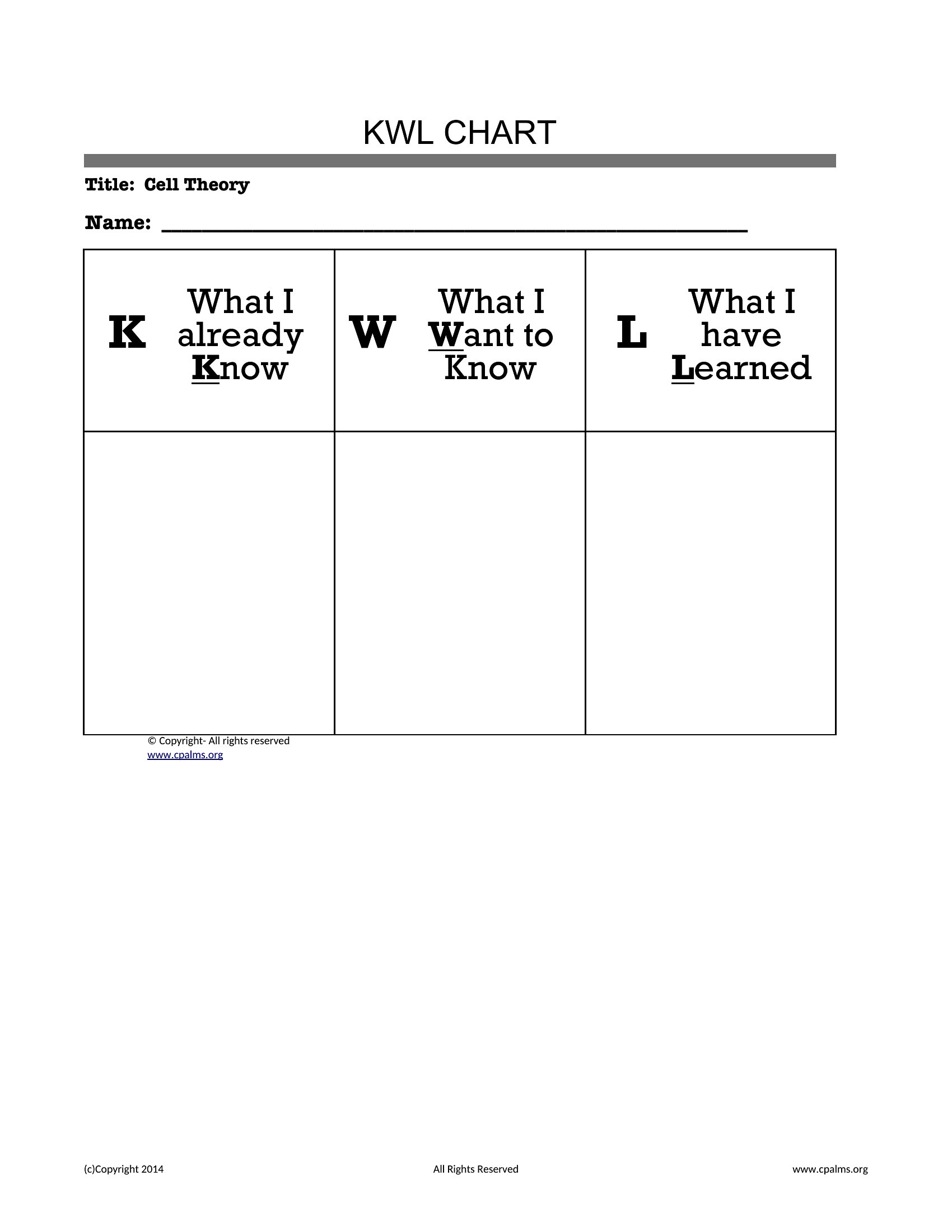
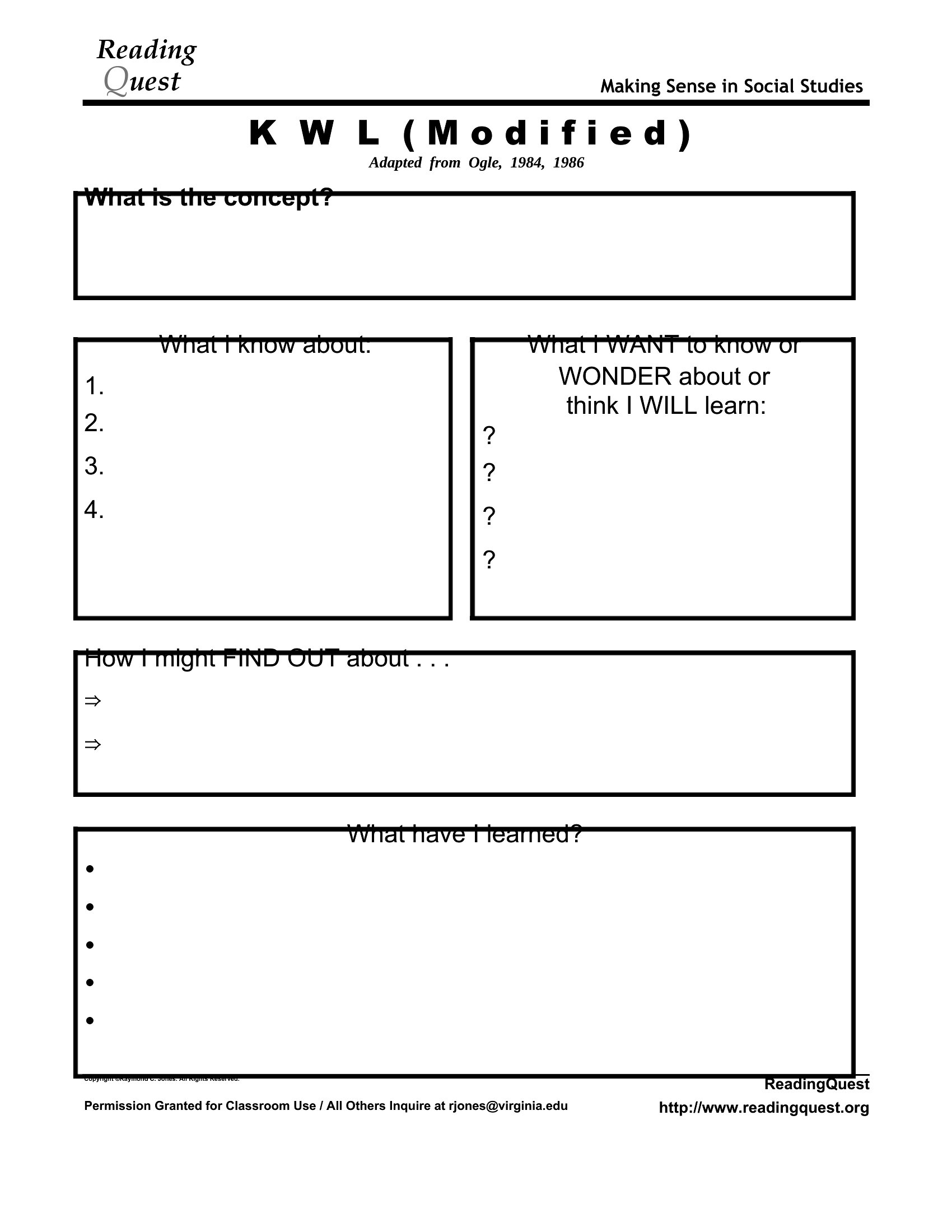
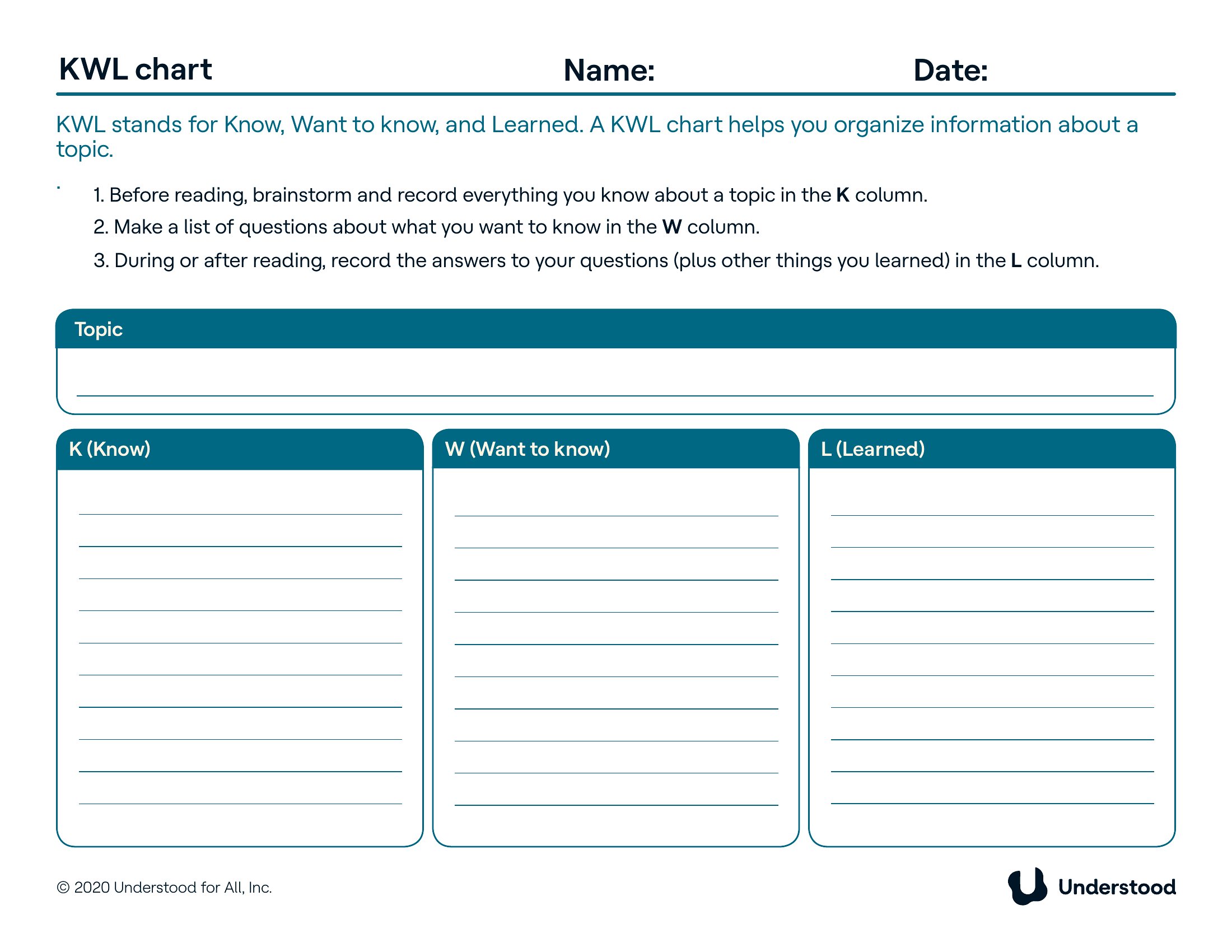
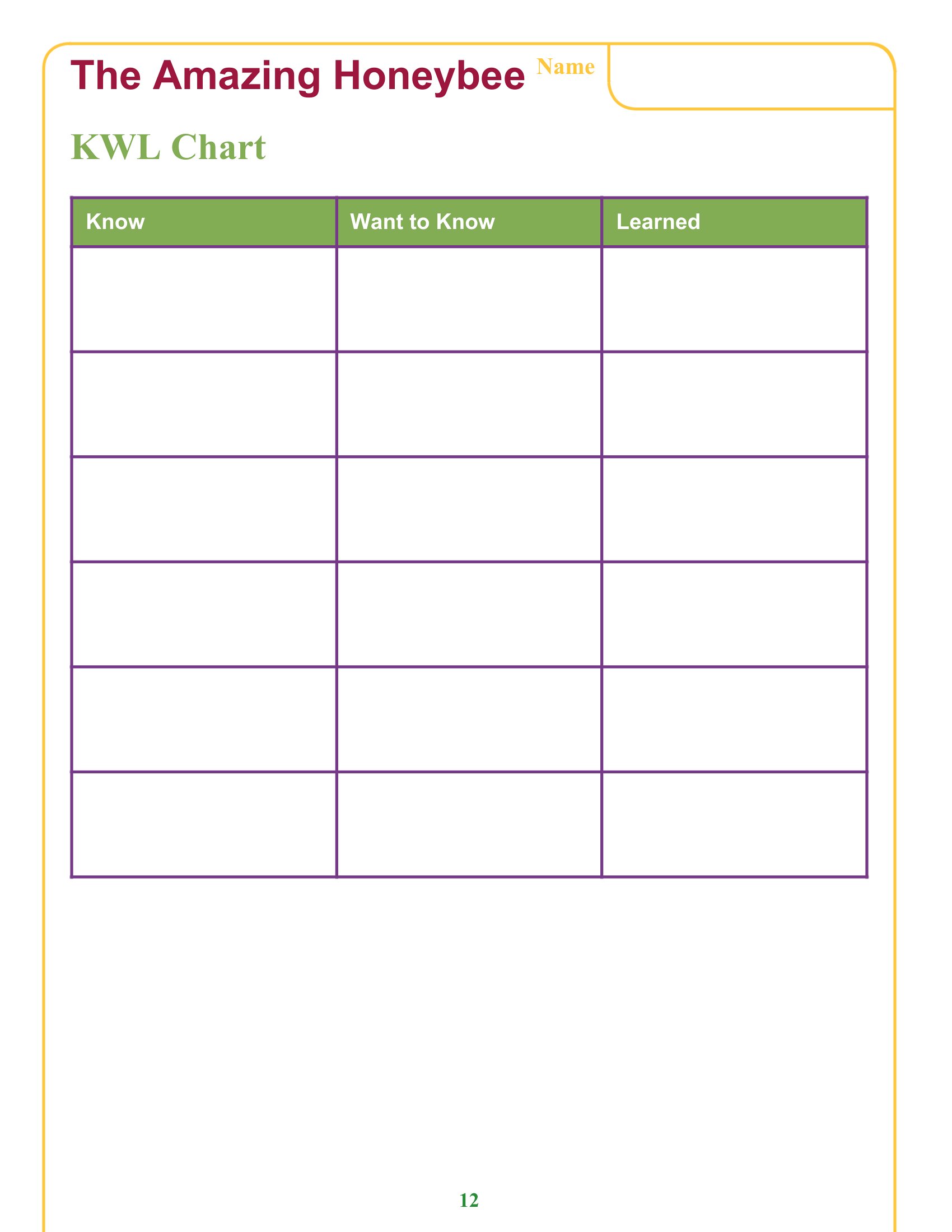
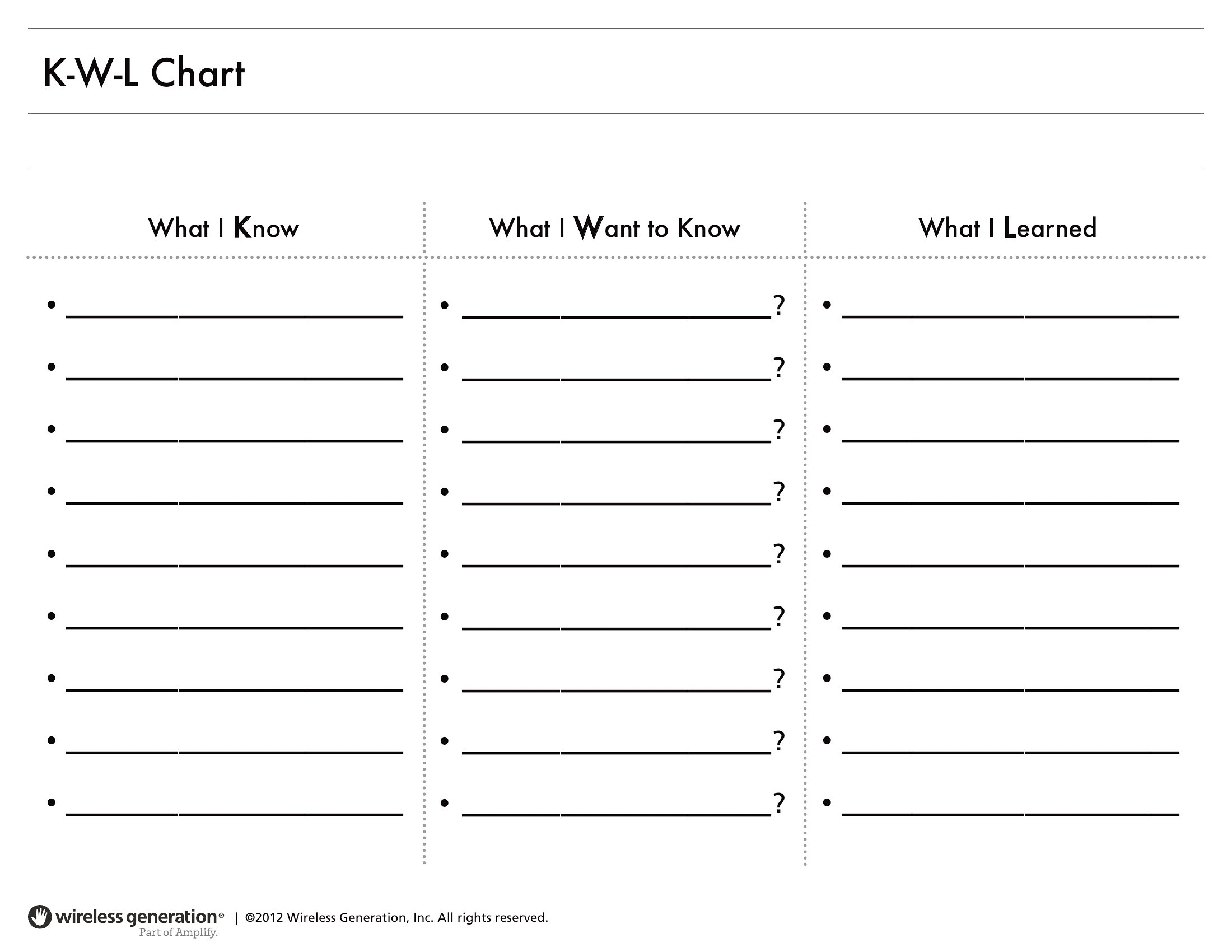
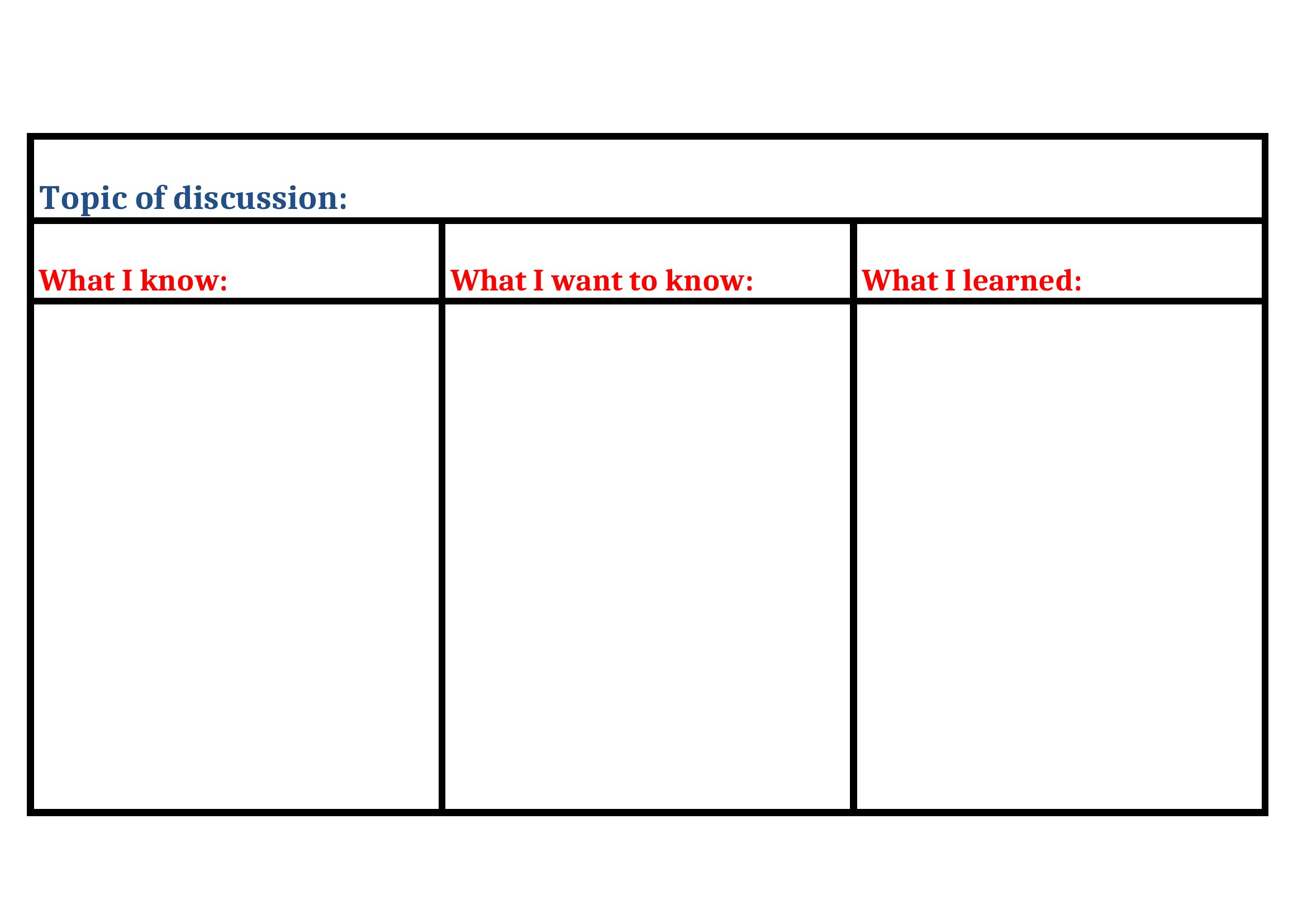
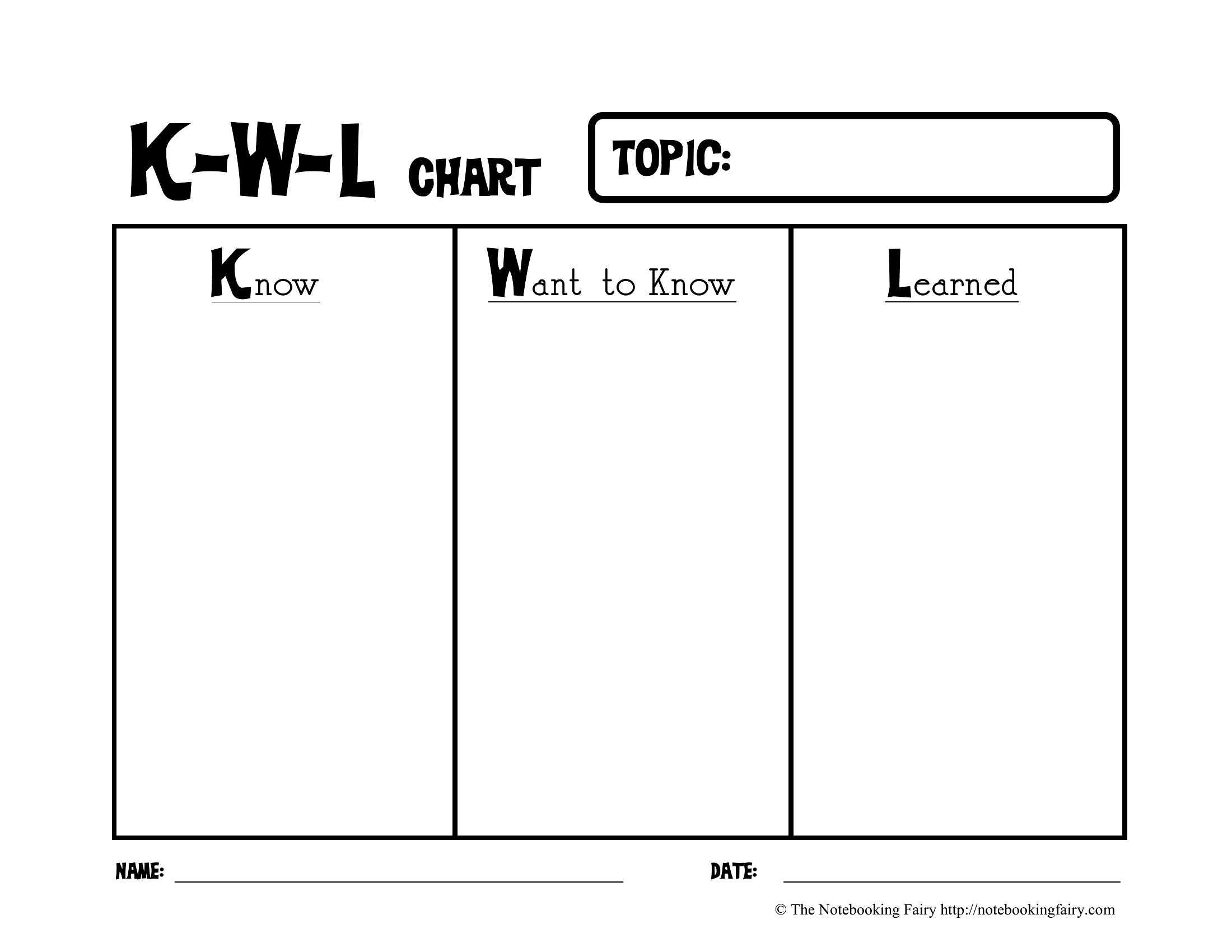
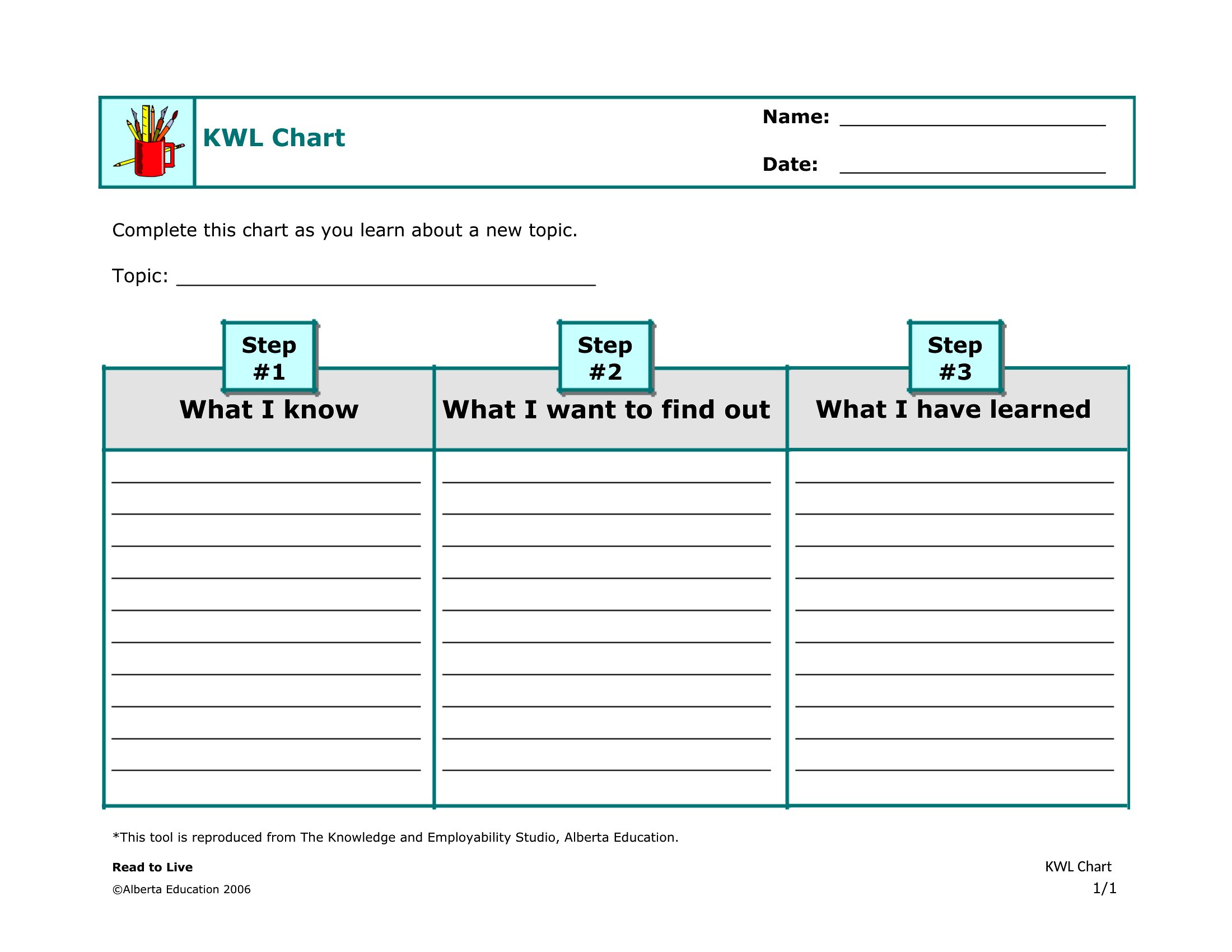
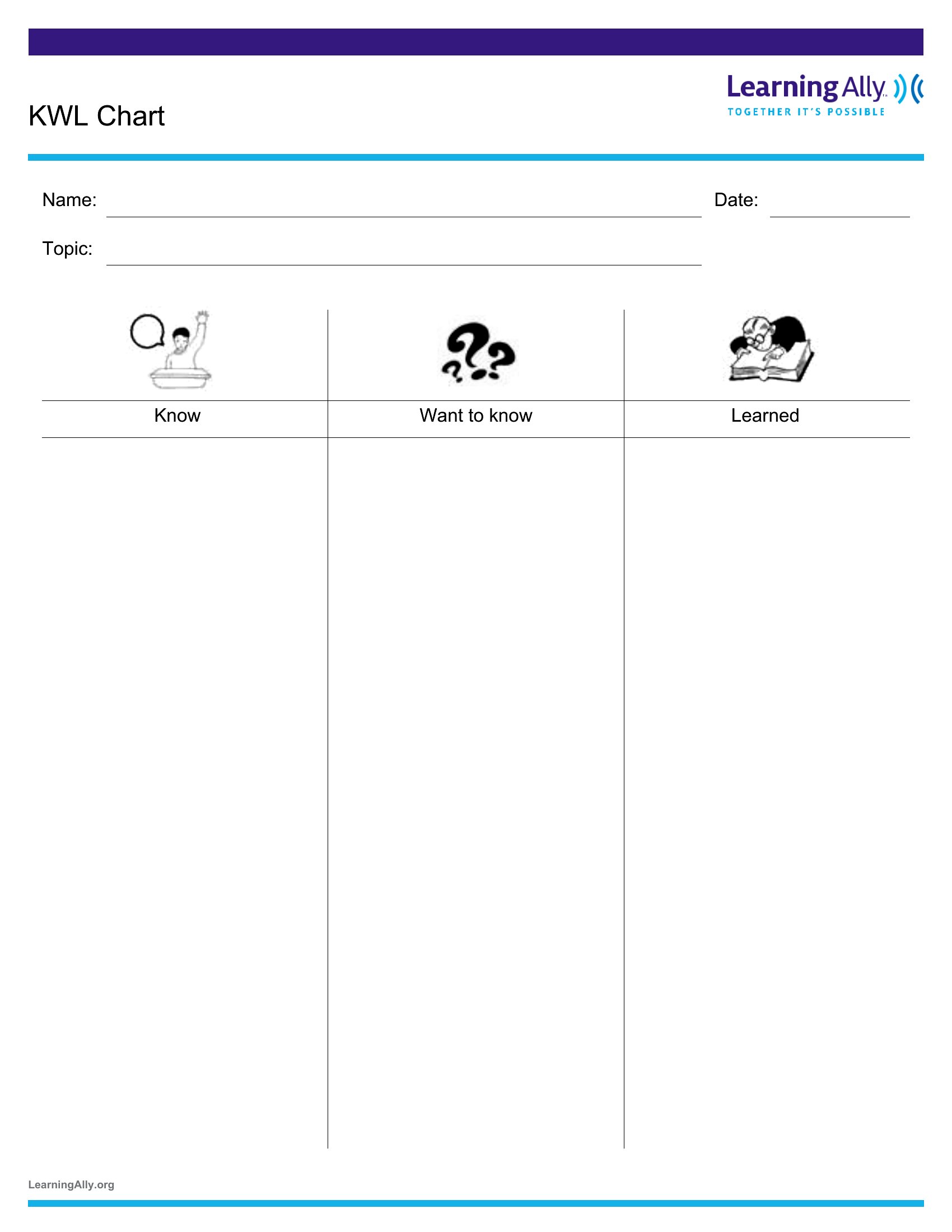
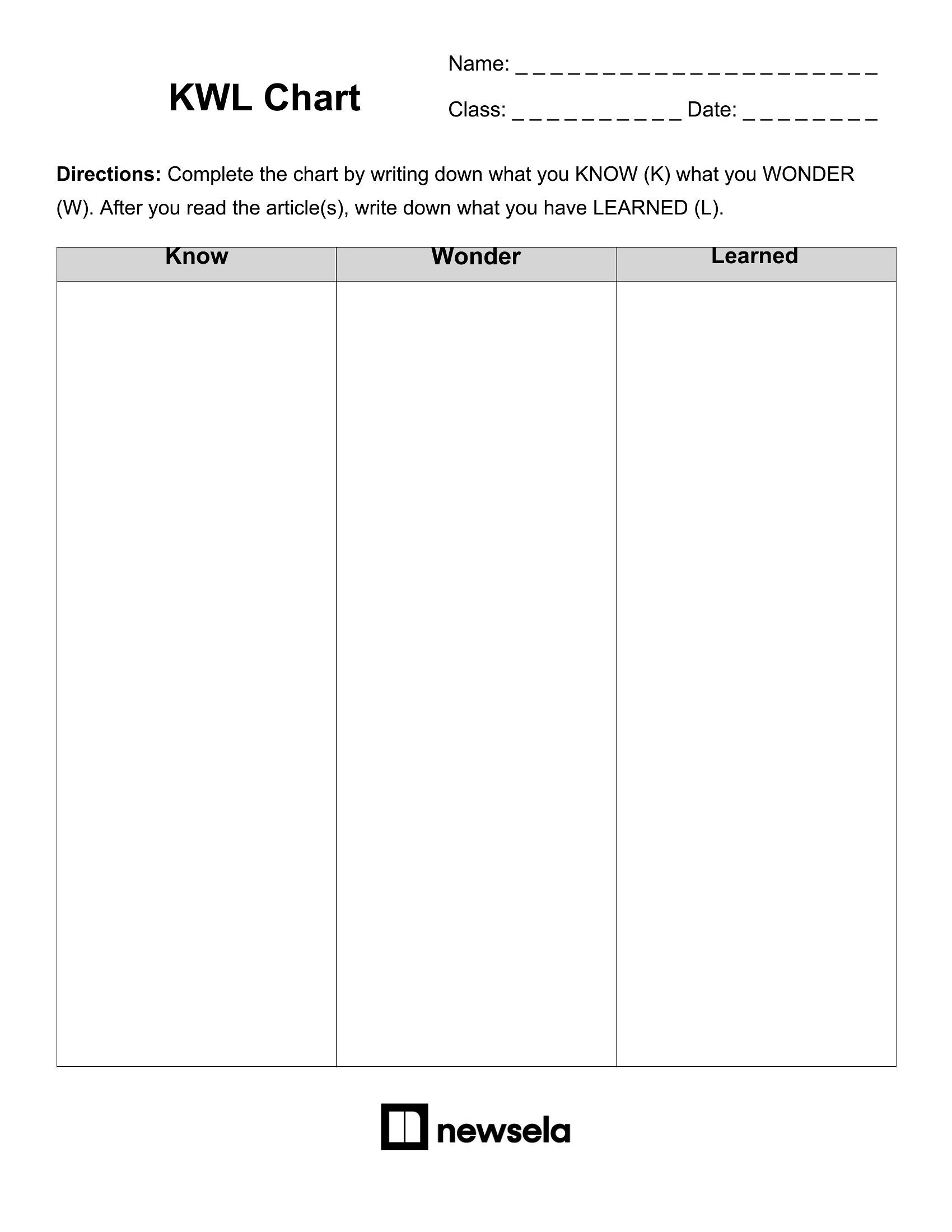
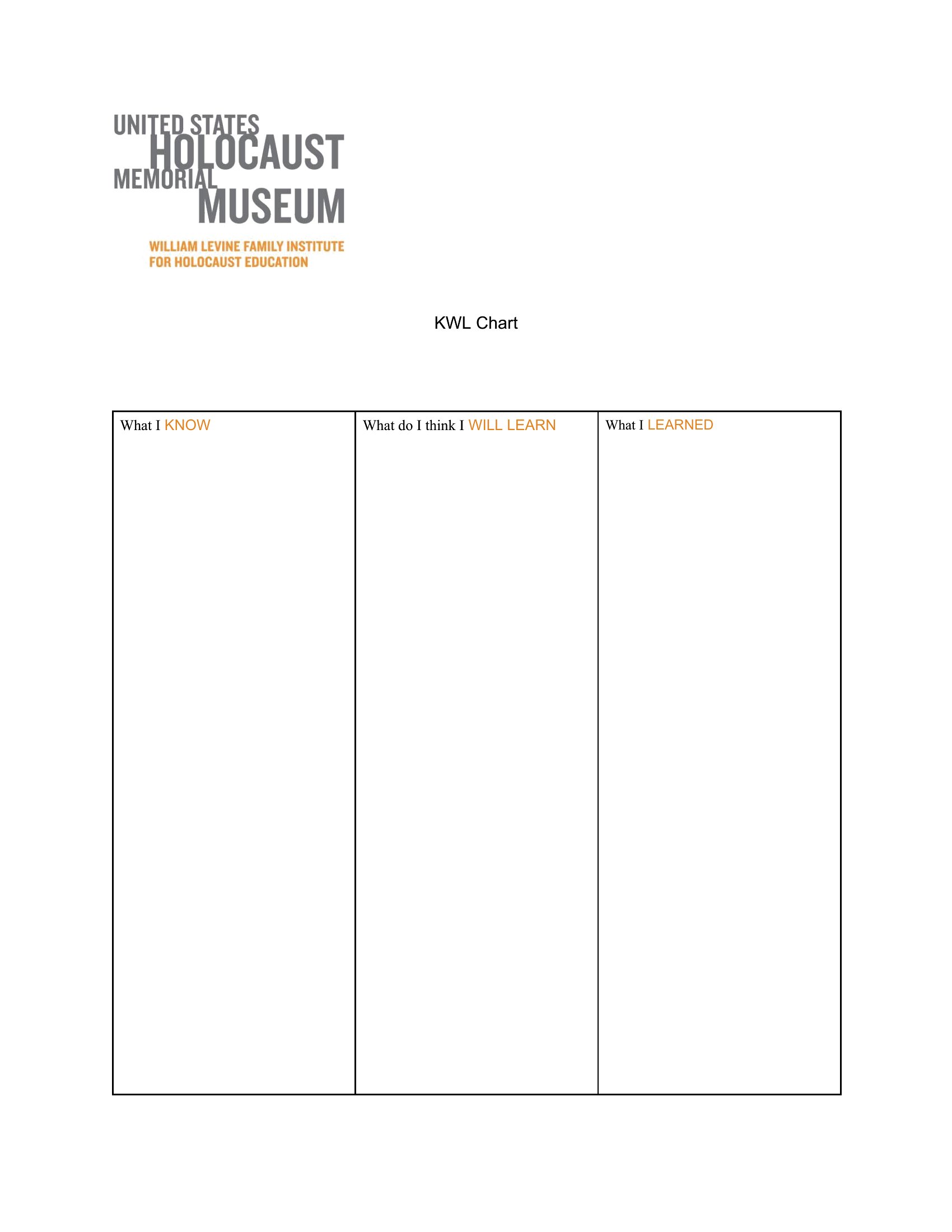
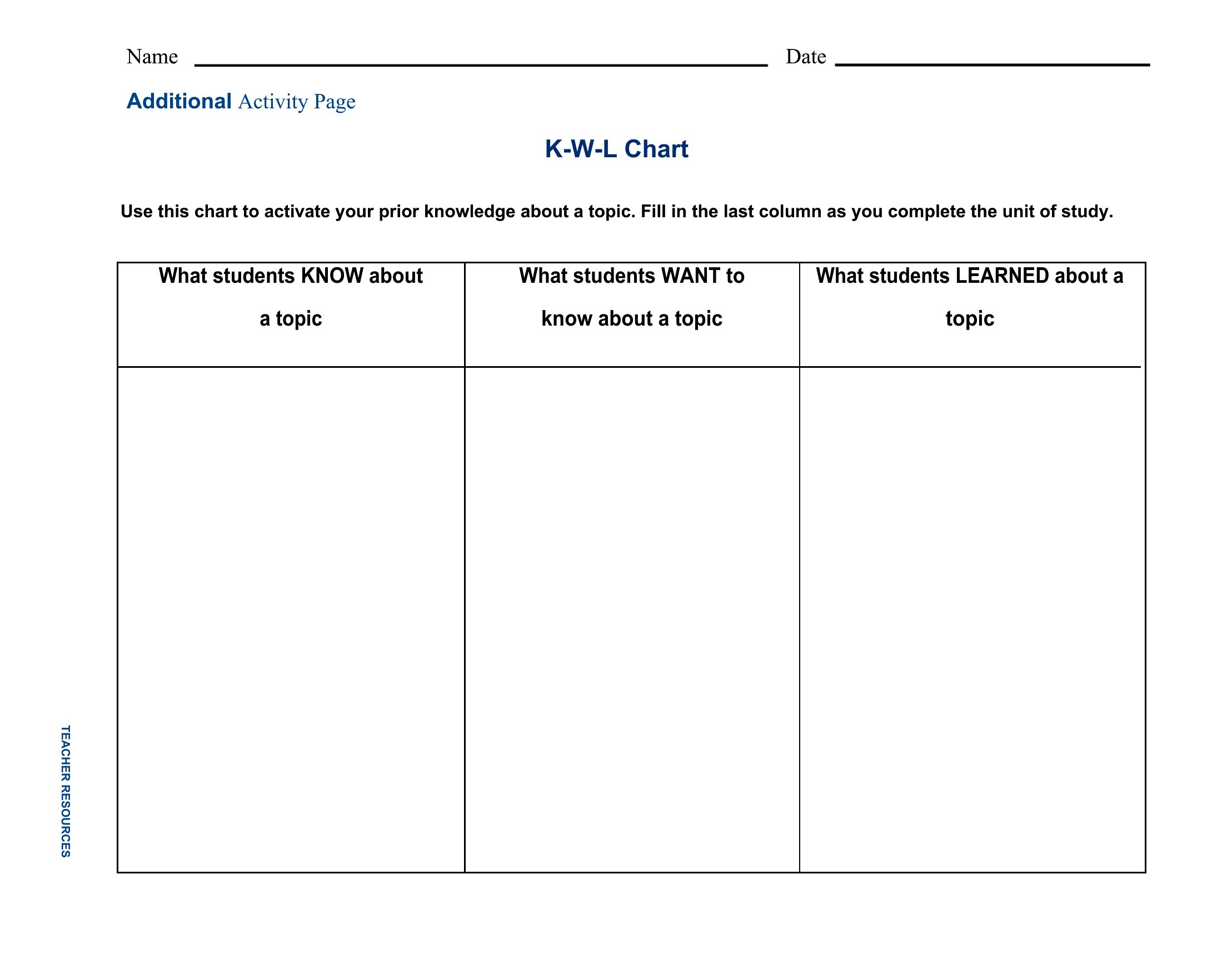
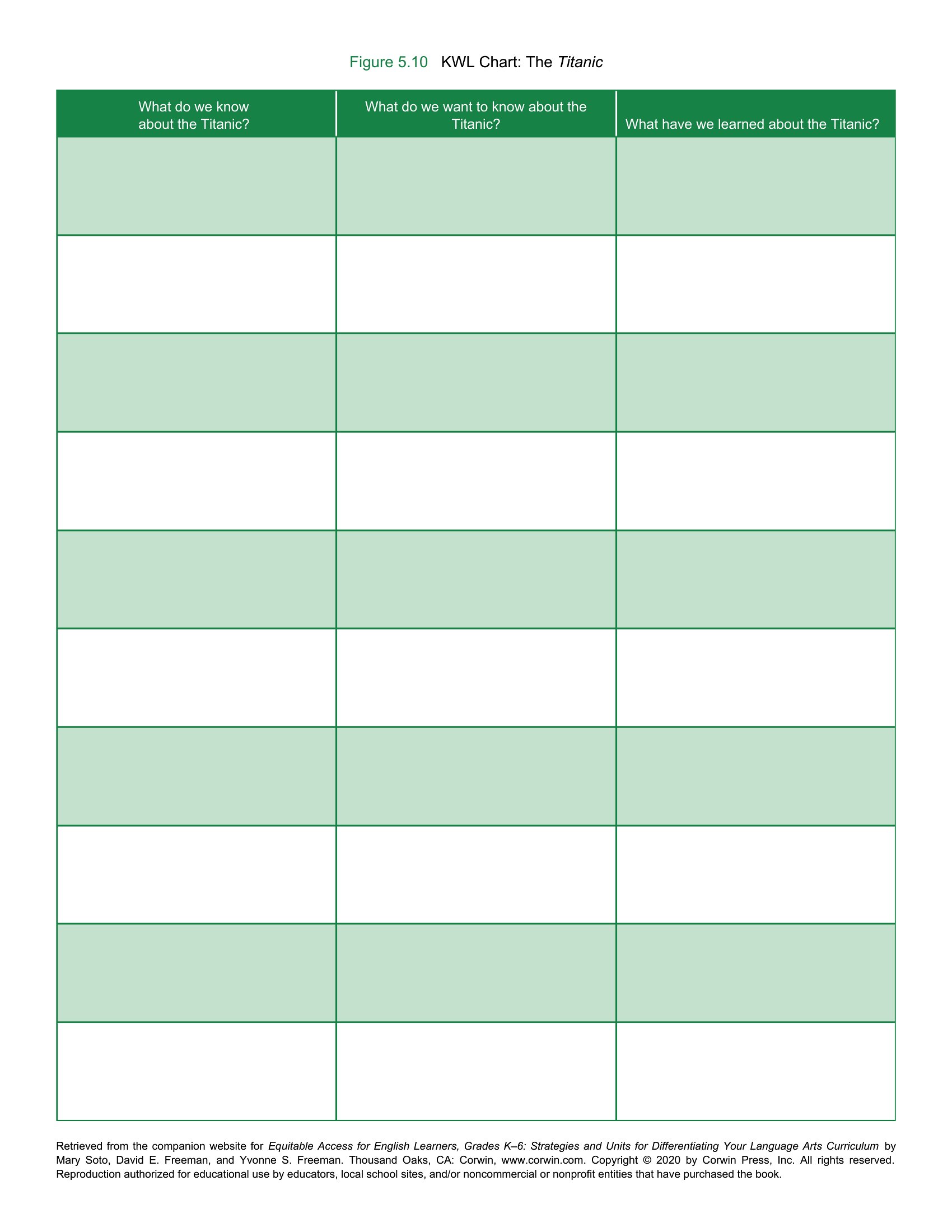
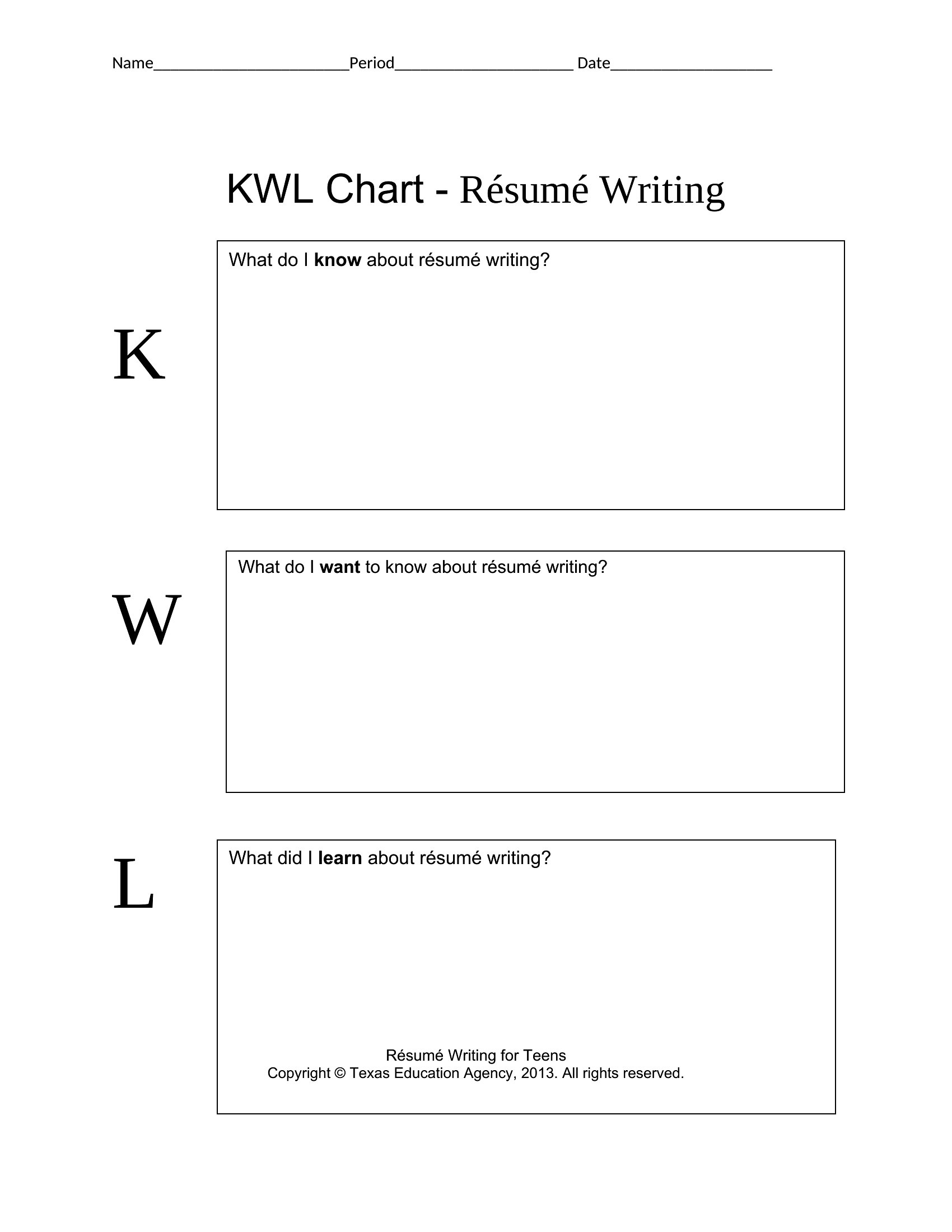
WorksheetsA KWL chart helps students organize their thinking before, during, and after a lesson by sorting what they know, want to know, and have learned. This collection of 48 KWL chart templates gives teachers, tutors, and homeschooling parents a ready graphic organizer for almost any subject. The layouts work for early readers right up through older students tackling research projects.
Print a PDF for the whole class, type into a Word version on a shared screen, or use the Excel layout to fill columns digitally. Add the topic, hand out copies, and let students track their own learning as the unit unfolds. Pick the chart that suits your lesson and put it to work this week.
When to use this KWL Chart template
- A 5th-grade science teacher uses a KWL chart before a unit on ecosystems to quickly assess prior knowledge and identify misconceptions among students with varied reading levels.
- Homeschooling parents of a 3rd grader print a fillable PDF KWL chart to track progress during a family history research project, breaking down questions into manageable categories for young learners.
- A college tutor guides graduate students through a research topic by having them complete a Word-based KWL chart to clarify their focus before drafting an essay, reducing vague queries early in the process.
- ESL instructors assign a blank KWL chart in Excel format to help non-native English speakers structure their thoughts about a new vocabulary list before and after a lesson.
Which format should I download?
Choose Word for editable KWL charts that can be customized with specific lesson details or student names before printing. Use Excel when tracking multiple students’ progress in a spreadsheet format, ideal for one-on-one tutoring or data-driven lesson planning. Opt for PDF when you need a print-ready, fillable version for classroom use—it preserves layout while allowing handwritten or typed responses. Avoid PDFs if you need to frequently update content or share editable versions.
Choose from 48 KWL Chart Templates
How to use this KWL Chart template
Can a KWL chart help students with learning disabilities focus their research?
Yes, a KWL chart breaks complex topics into three clear categories, which simplifies the research process for students with ADHD or processing delays. The visual structure helps them identify gaps in understanding and organize questions step-by-step, reducing overwhelm during lessons or independent work.
How do I adapt a KWL chart for a whole-class discussion instead of individual use?
Print a large-format KWL chart on poster paper or project a digital version for group collaboration. Assign one section (know/want to learn/learned) to small groups to fill out first, then compile responses into a master chart. This encourages participation while keeping weaker readers engaged through visual and verbal contributions.
Are these templates suitable for non-academic purposes, like personal goal-setting?
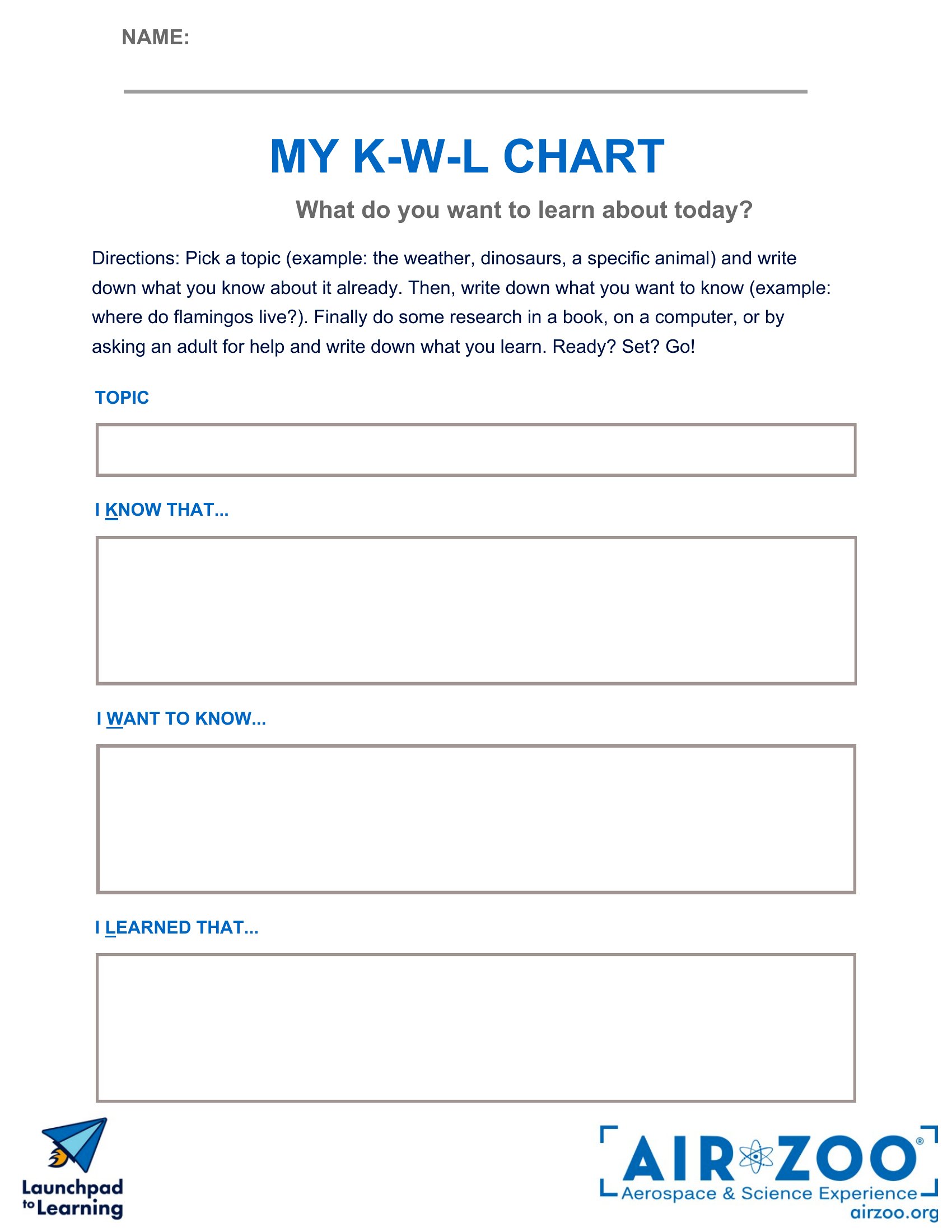
Absolutely. Replace subject-specific prompts with personal goals (e.g., “What do I know about saving money?” / “What do I want to learn?”). The three-column structure works for career planning, fitness objectives, or even travel itineraries—any scenario where organizing current knowledge and future questions clarifies next steps.
Comments
Join the conversation
Sign in to share your thoughts and leave a comment on this resource.