

FAQ
How do these templates handle variations in state franchise disclosure laws?
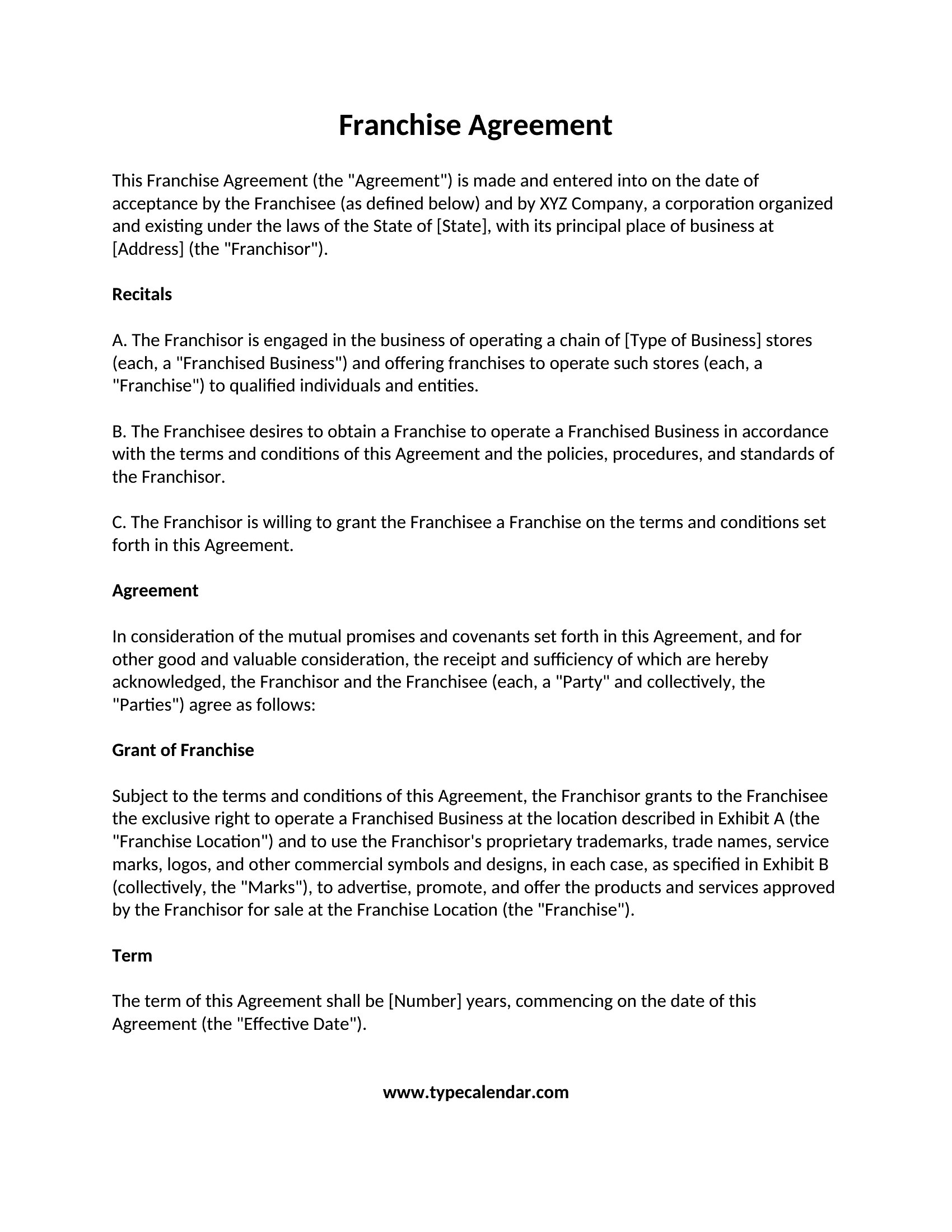
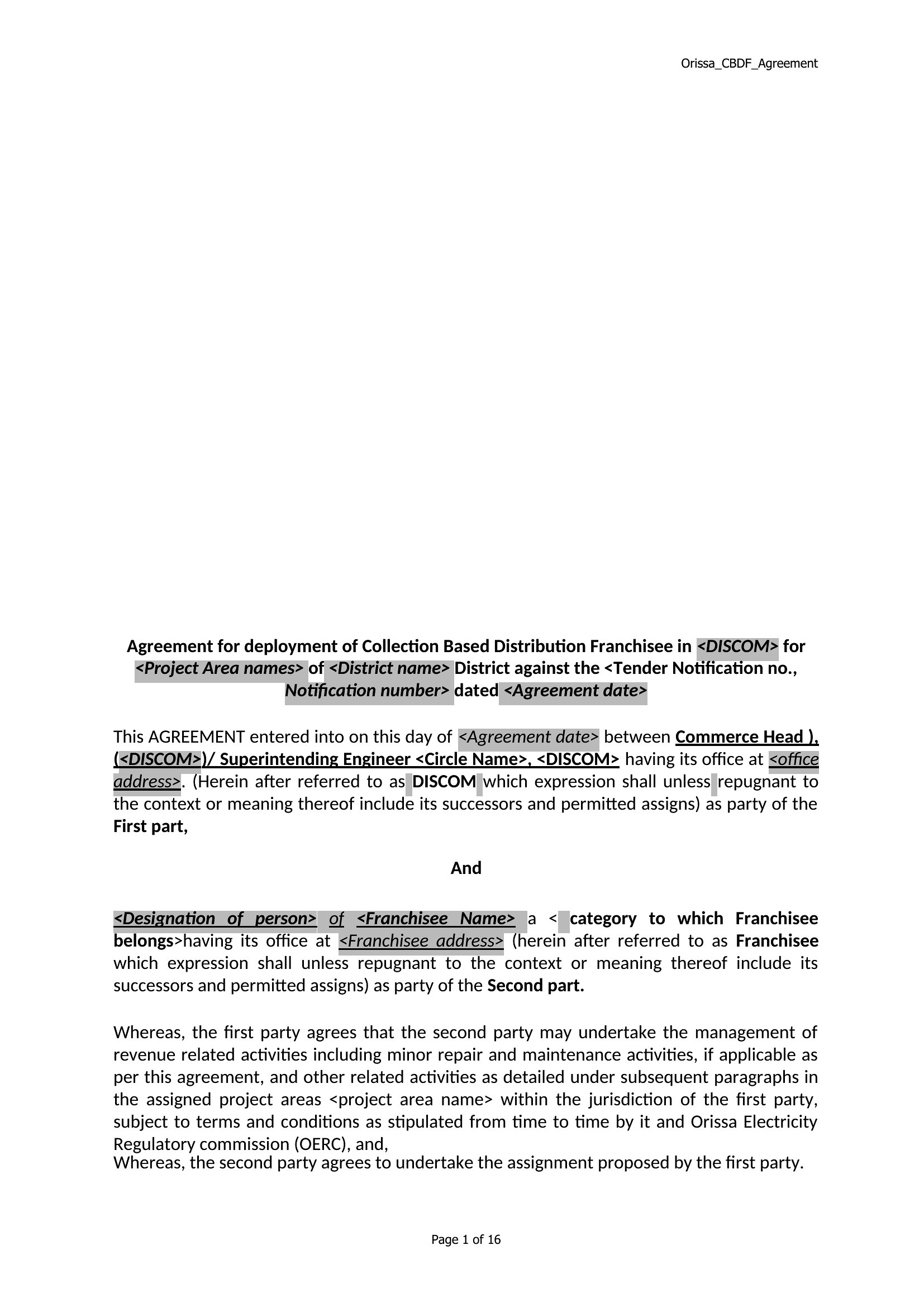
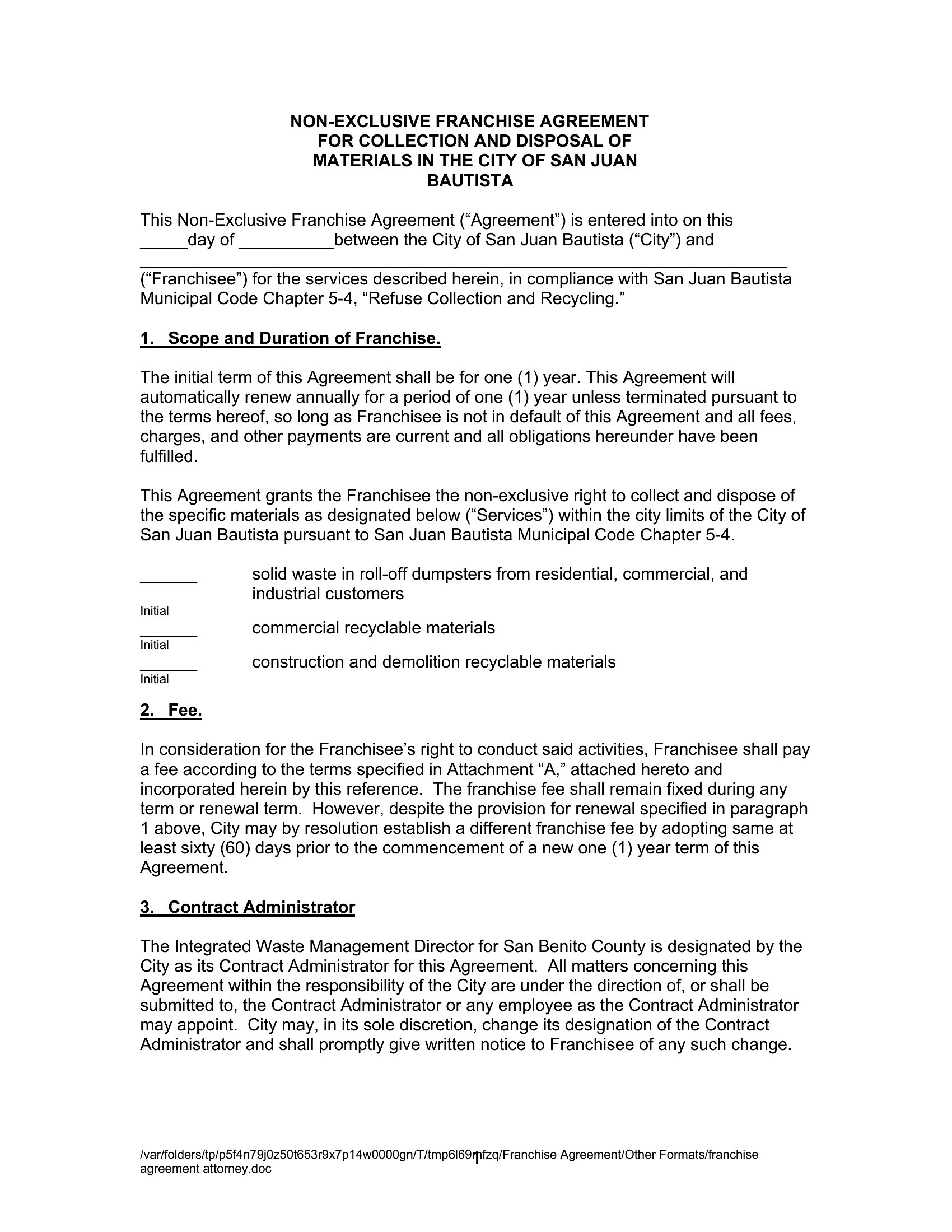
These templates provide a broad framework but should be reviewed or adapted by legal professionals familiar with your state’s specific franchise laws. For example, California’s stricter disclosure rules or New York’s franchise registration requirements may need additional clauses or disclaimers. Use them as a starting point, not a replacement for compliance checks.
Can I use these templates to include proprietary technology or software licensing terms?
Yes, but you’ll need to supplement the core agreement with specific language for technology use, like data security protocols, software ownership, or cloud access rights. These templates don’t include detailed tech clauses, so consult with an IP attorney to ensure alignment with your franchise’s tech stack and licensing agreements.
What’s the best way to address franchisee financial performance expectations in the agreement?
Avoid setting rigid sales targets or profit guarantees, as these can create legal risks. Instead, include broad benchmarks (e.g., “franchisee must maintain a 70% occupancy rate”) or reference industry standards. For concrete metrics, attach a separate performance dashboard or disclosure document—this keeps the agreement flexible while providing transparency.
Comments
Join the conversation
Sign in to share your thoughts and leave a comment on this resource.