Free Grading Rubric Templates (Word)
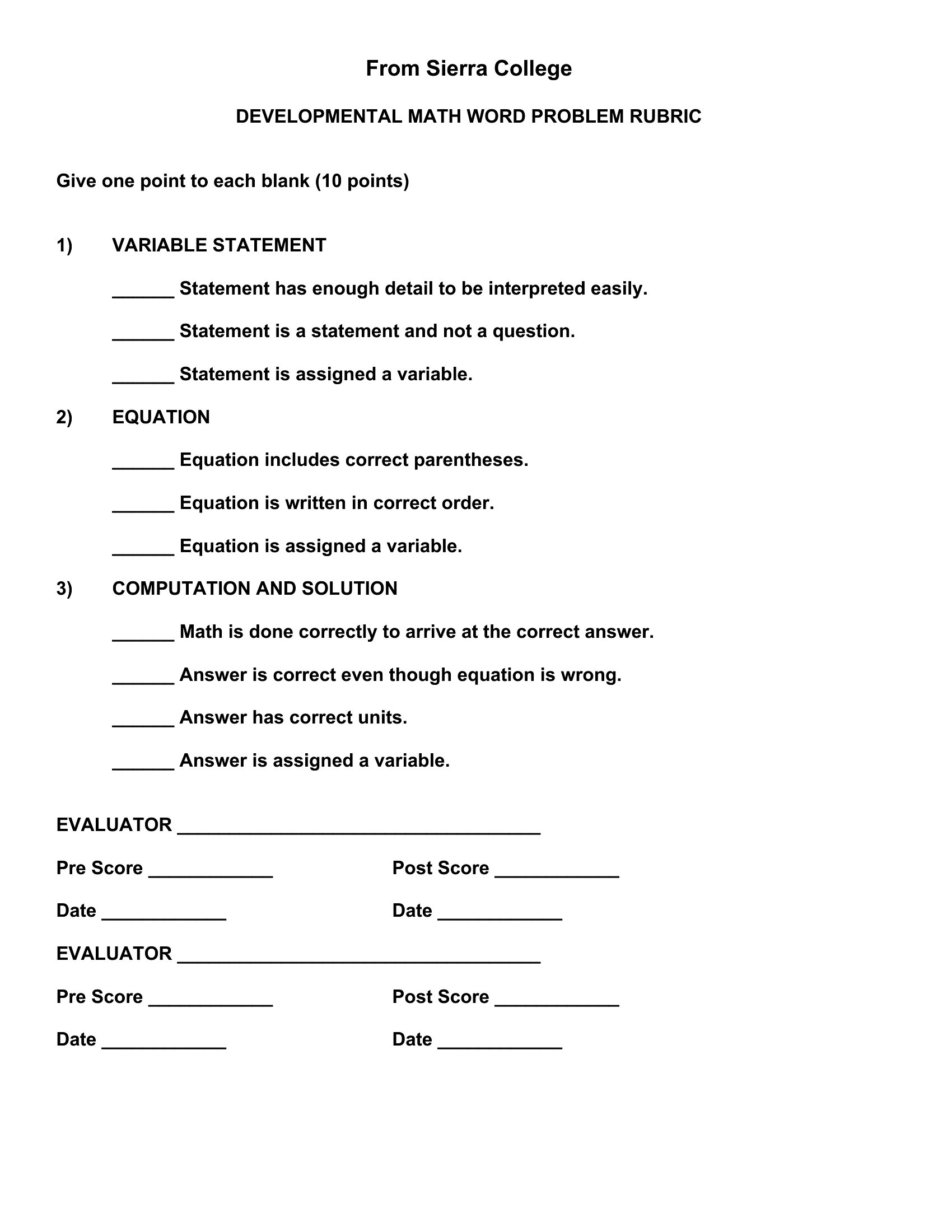
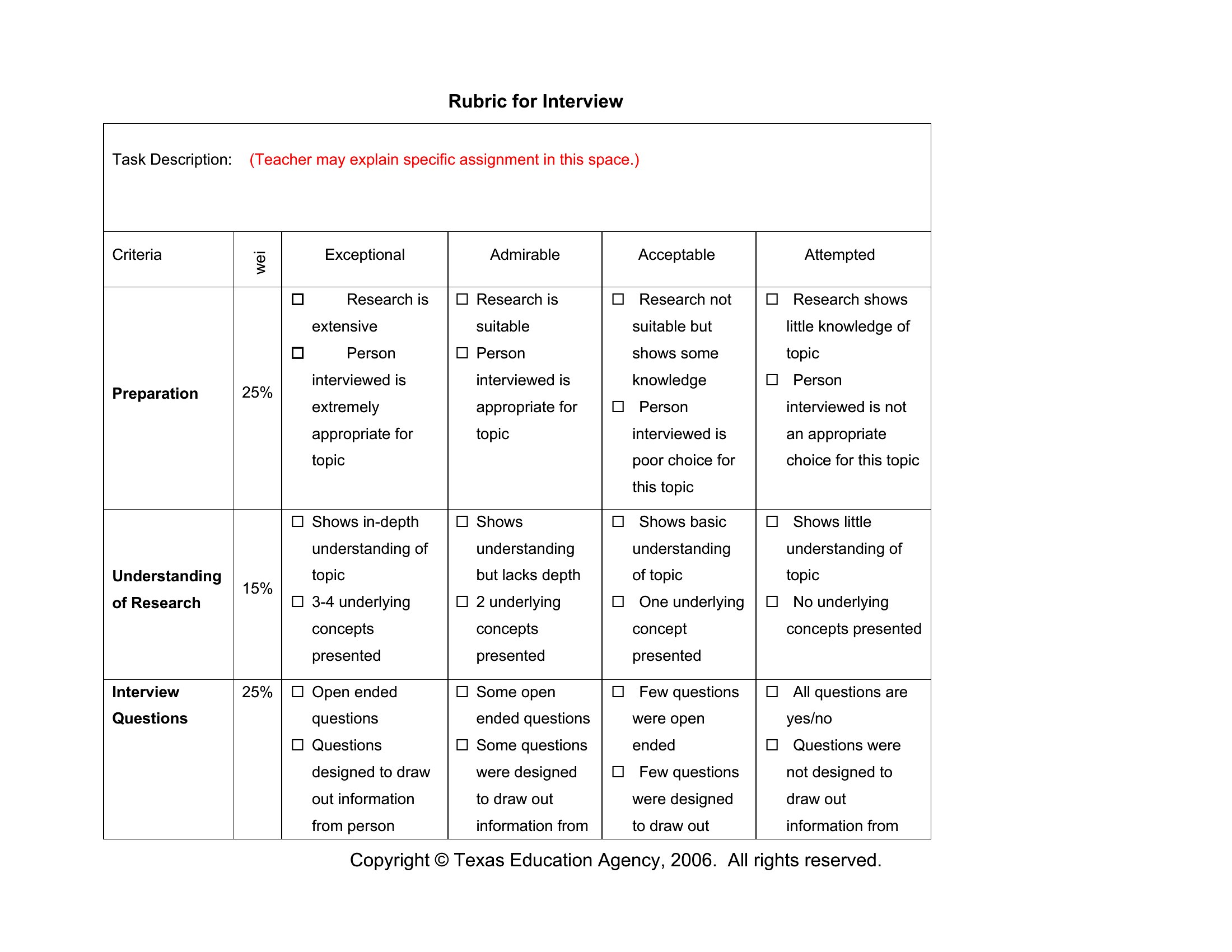
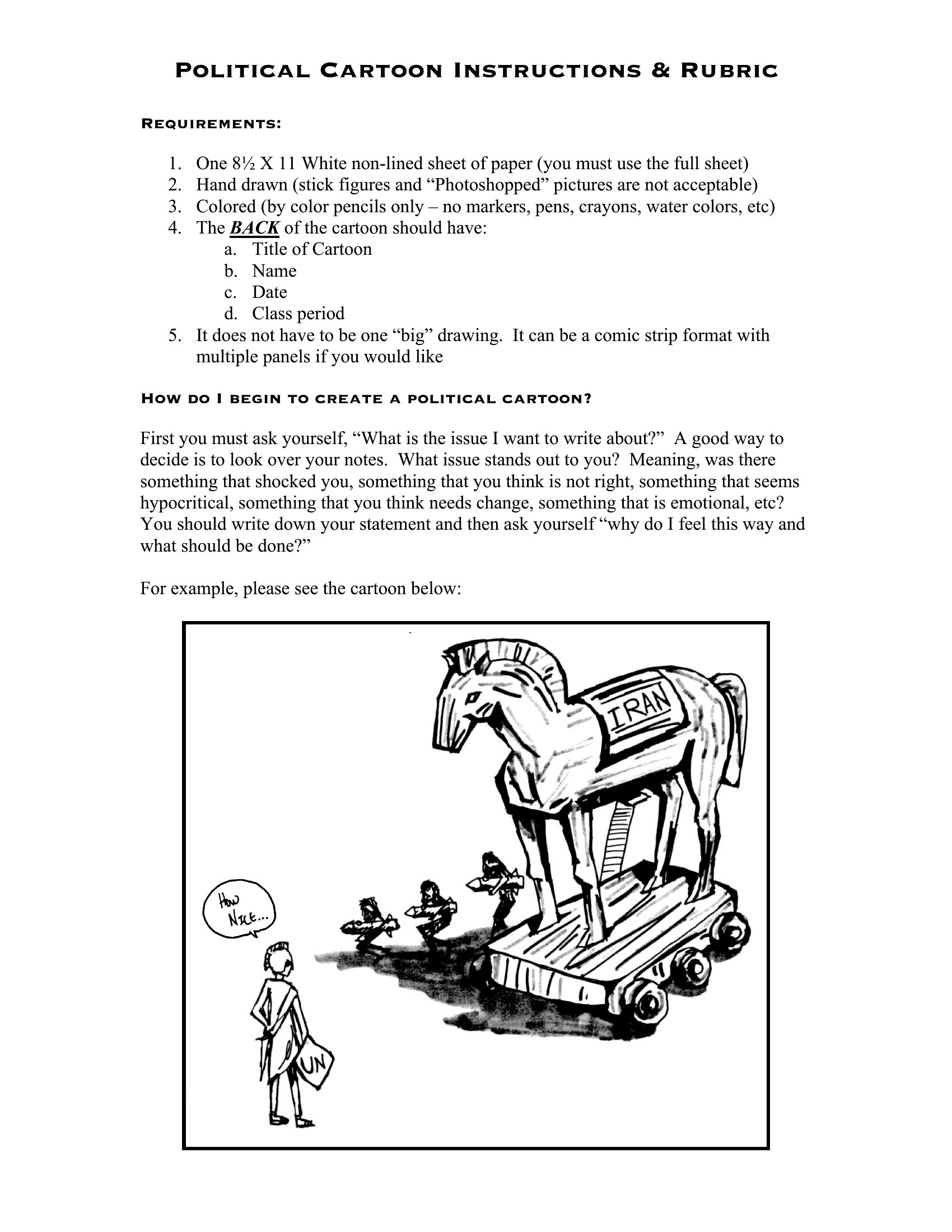
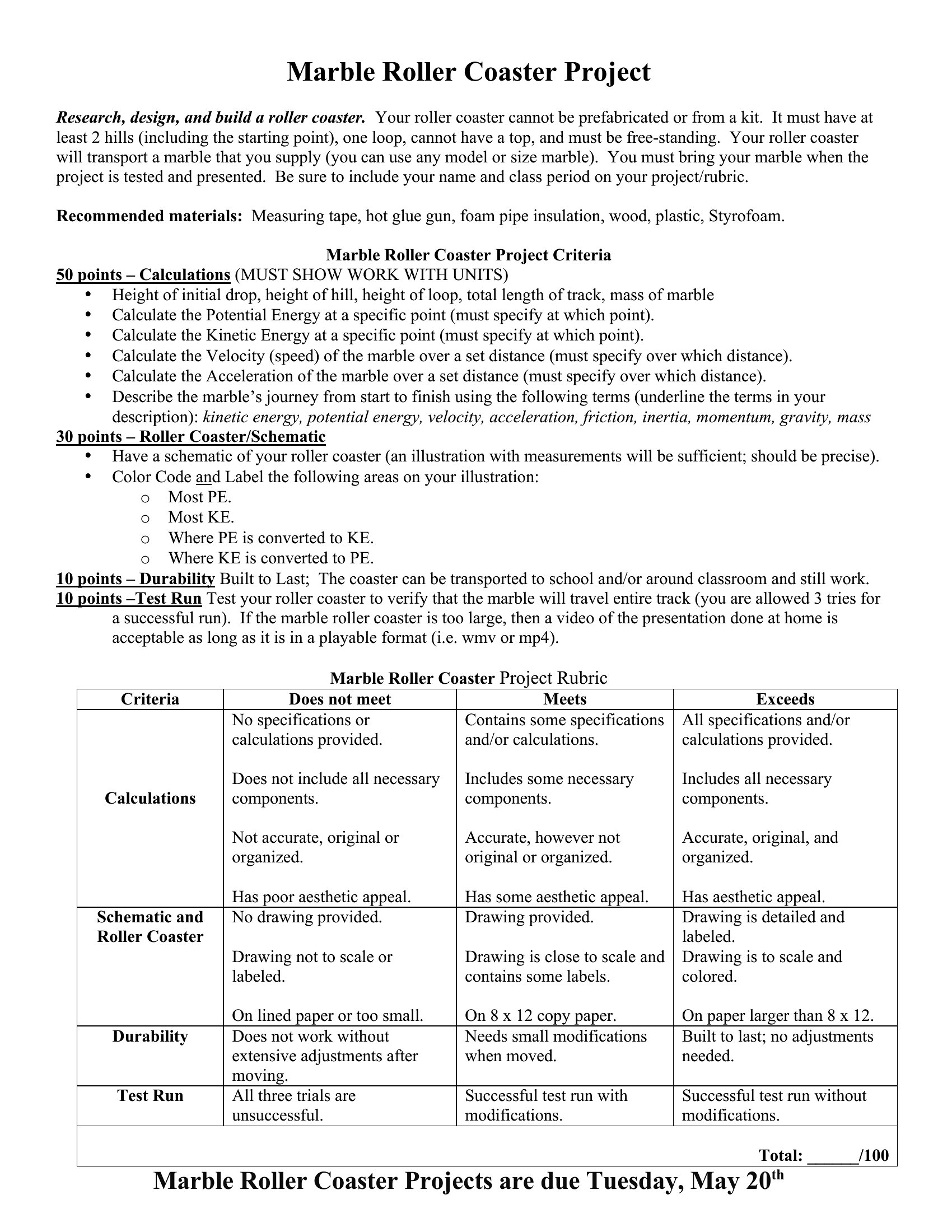
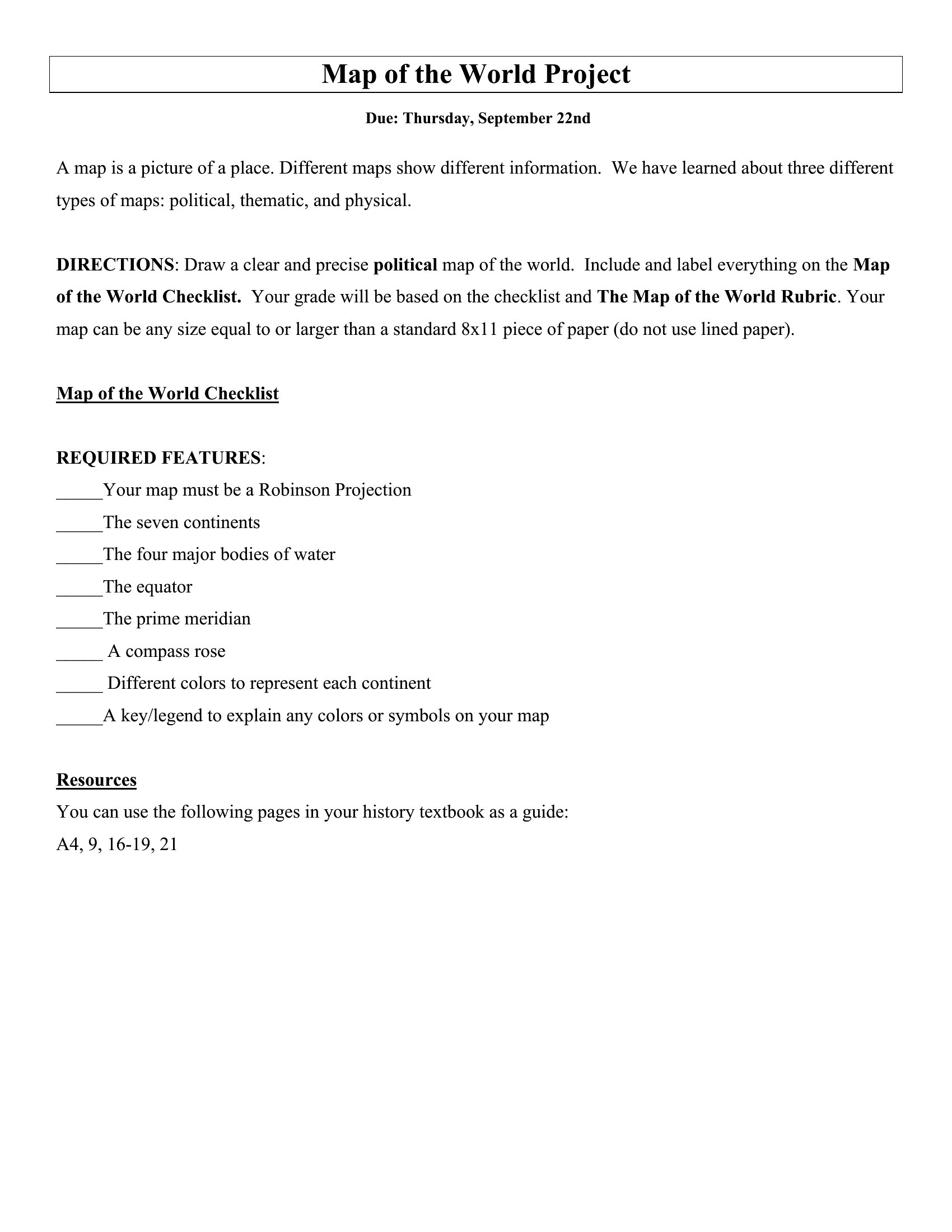
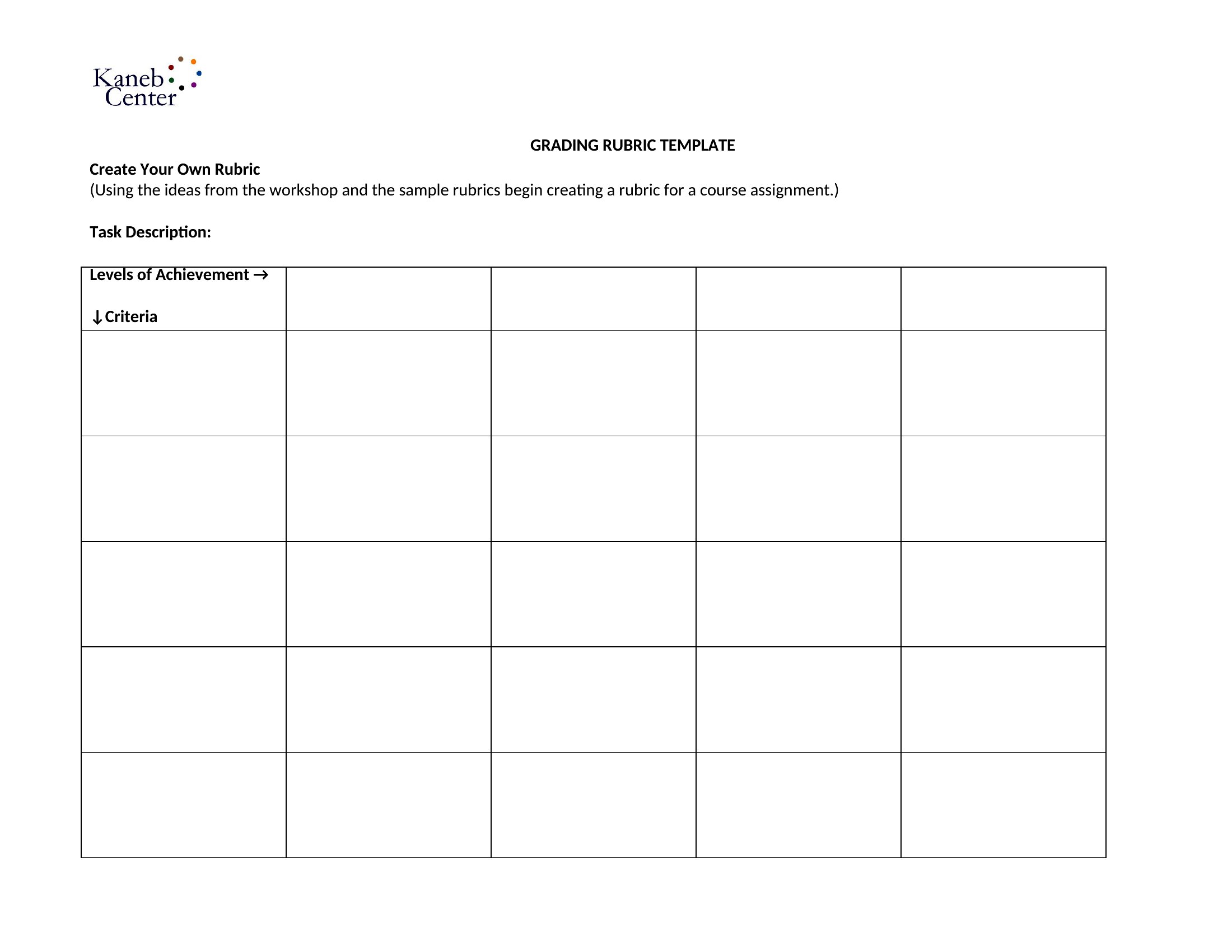
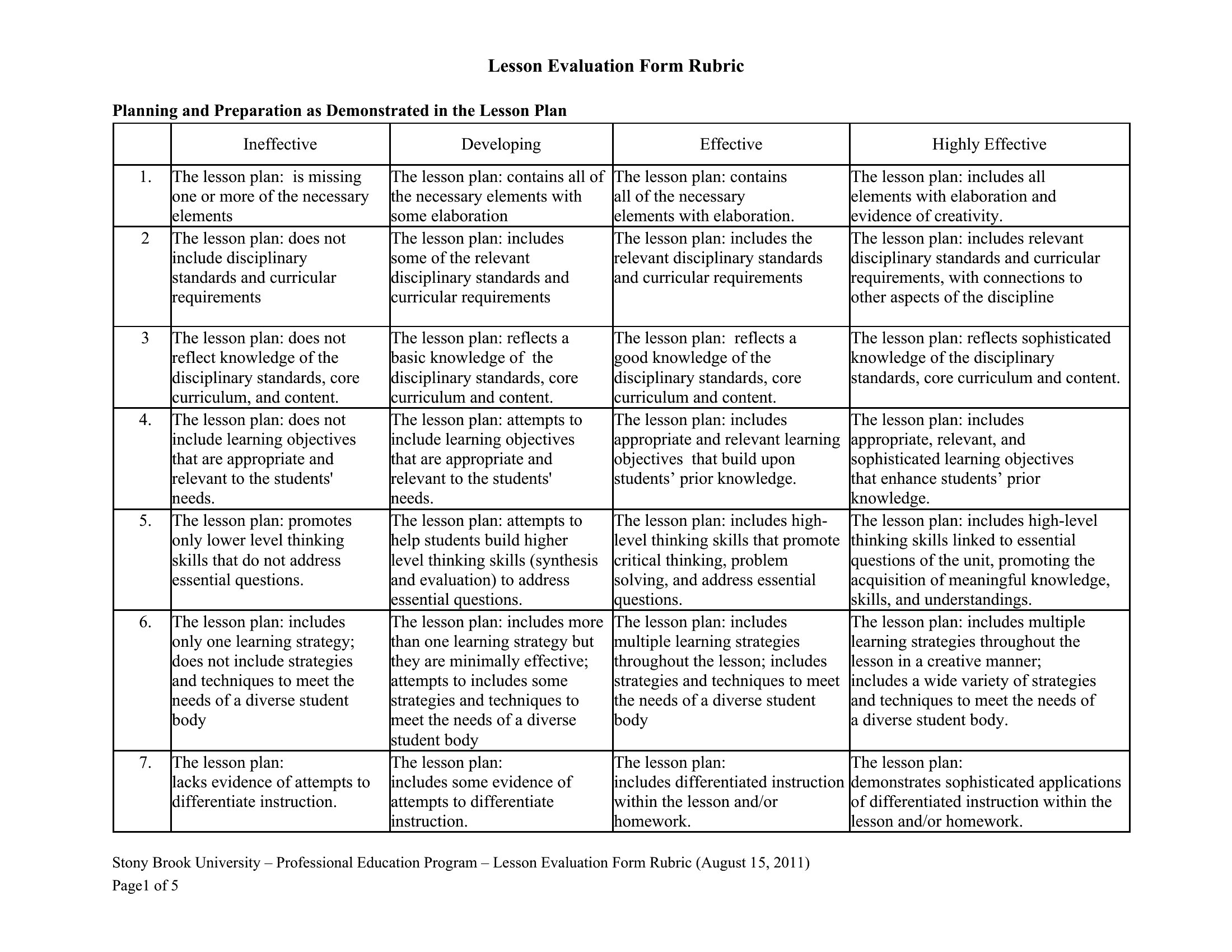
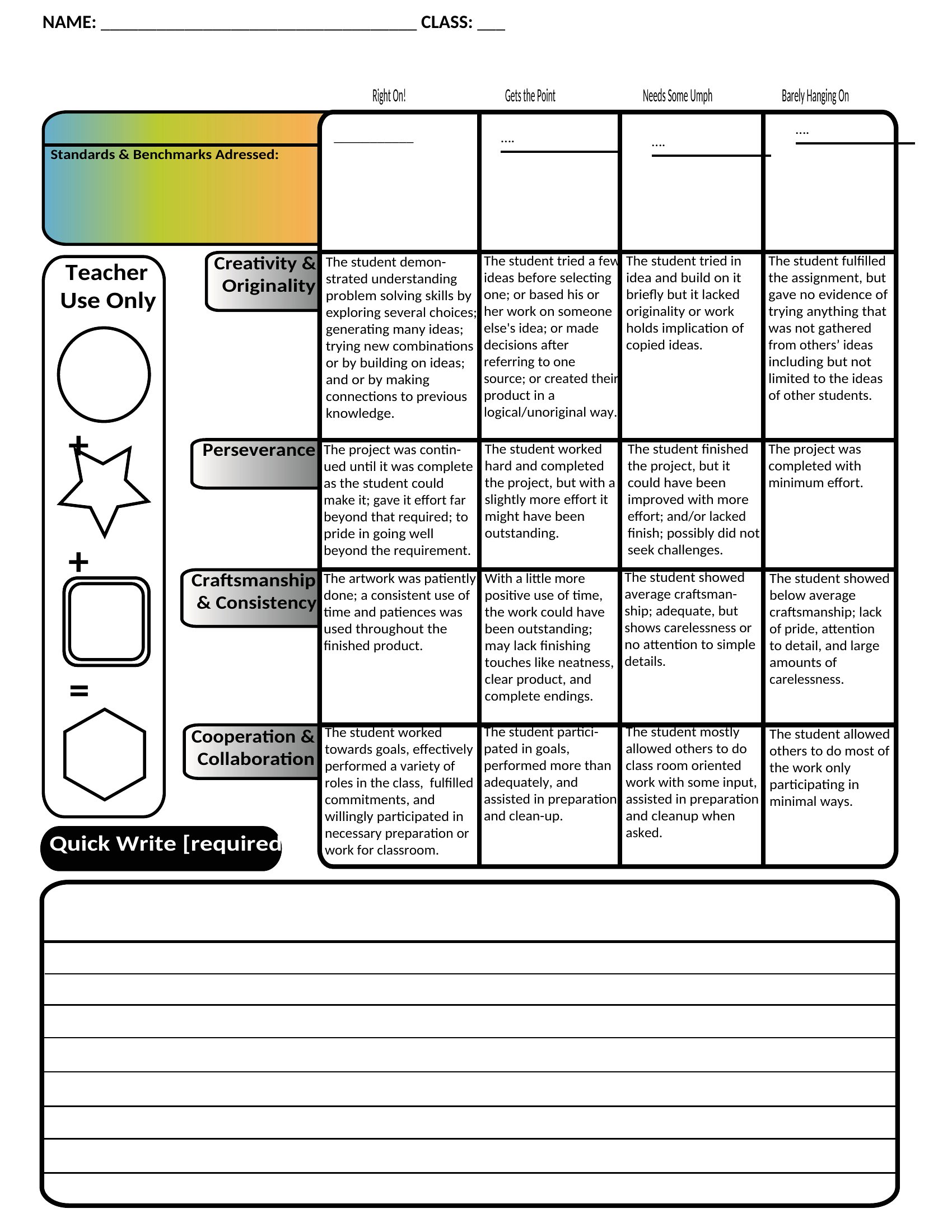
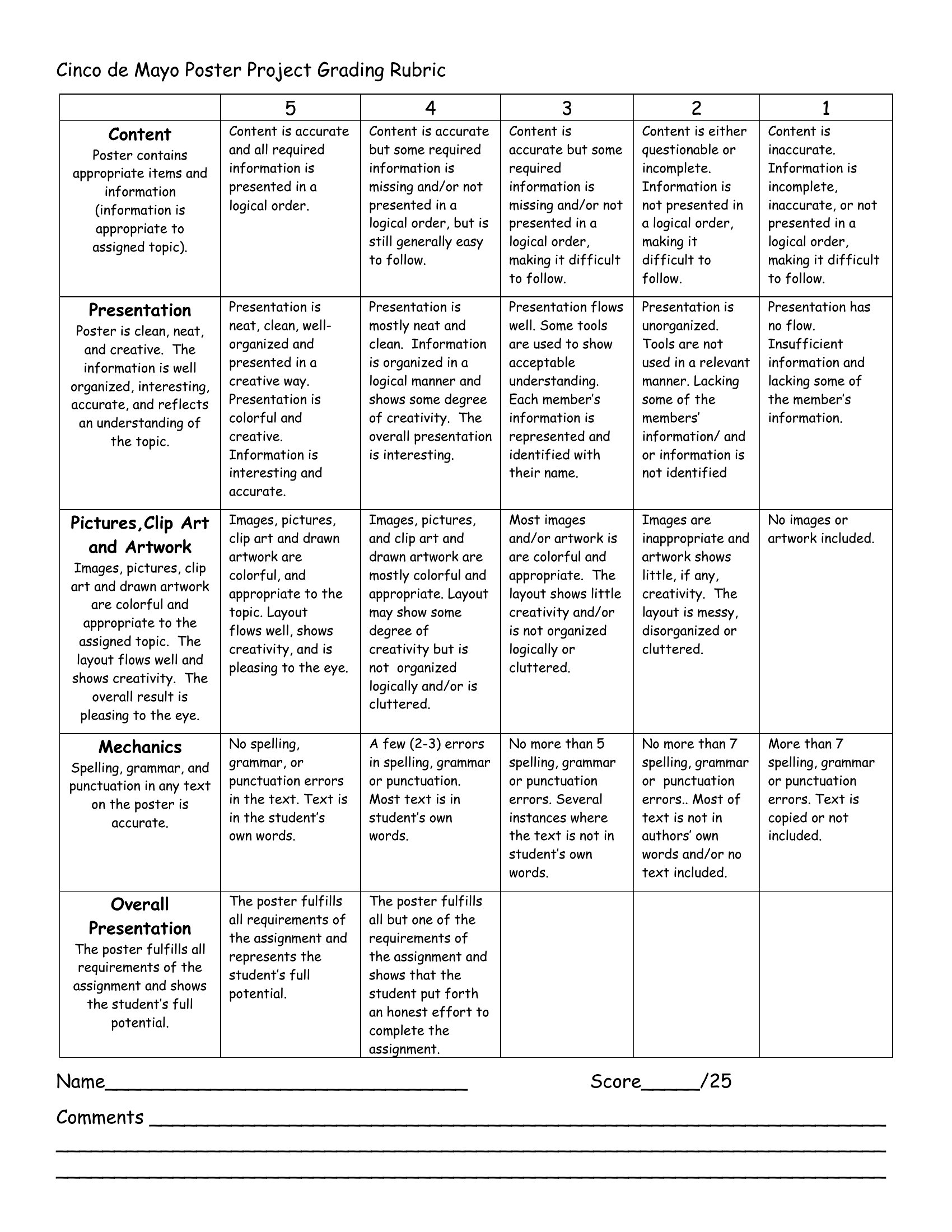
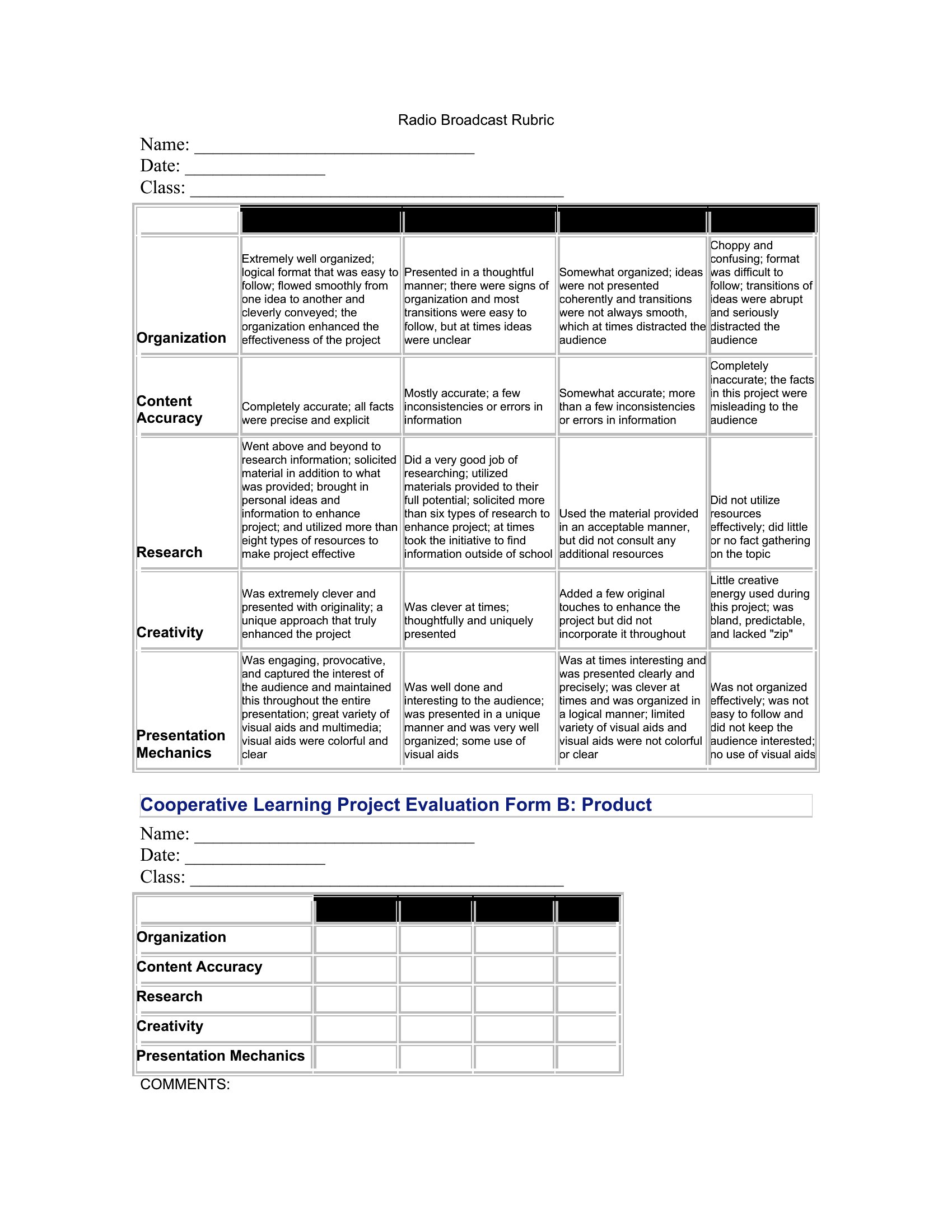
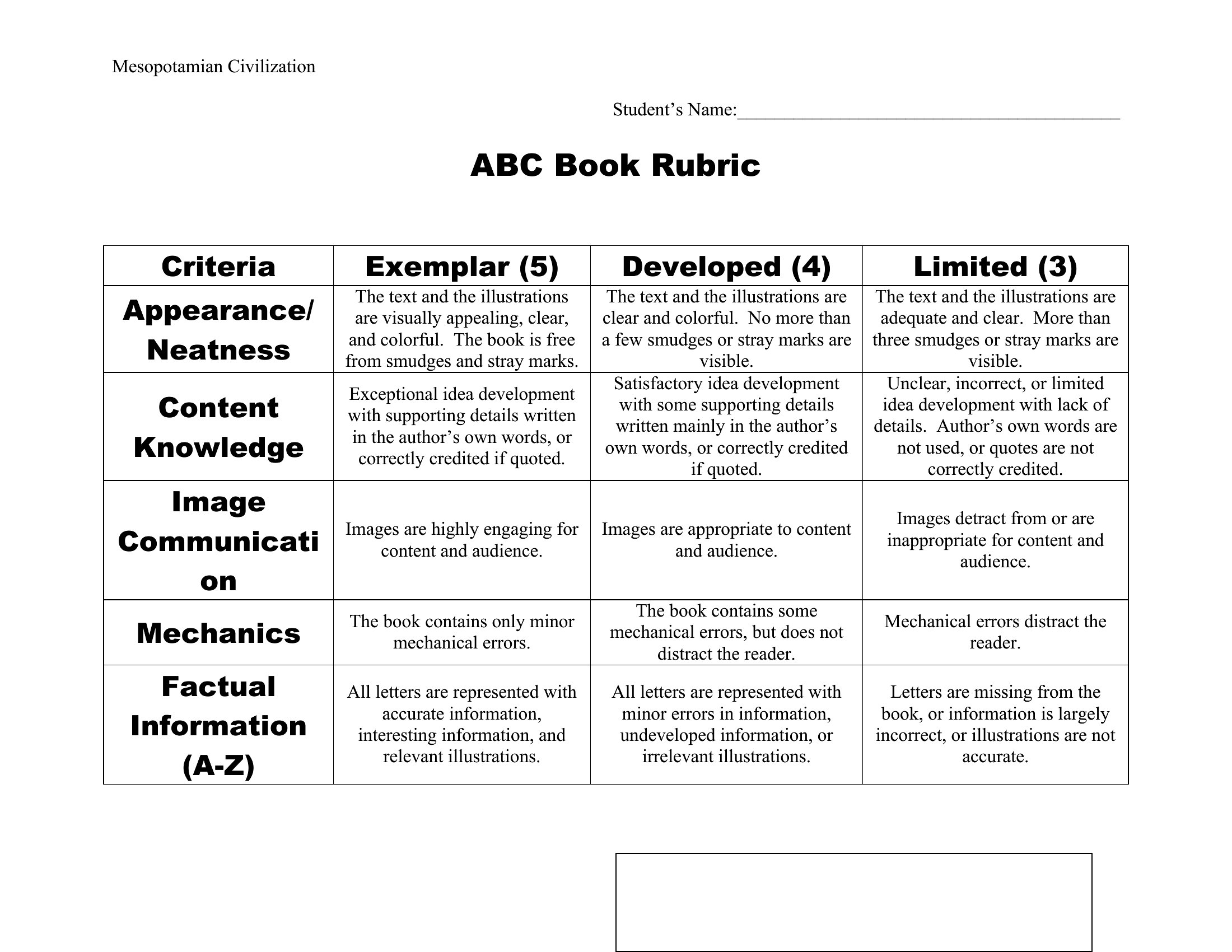
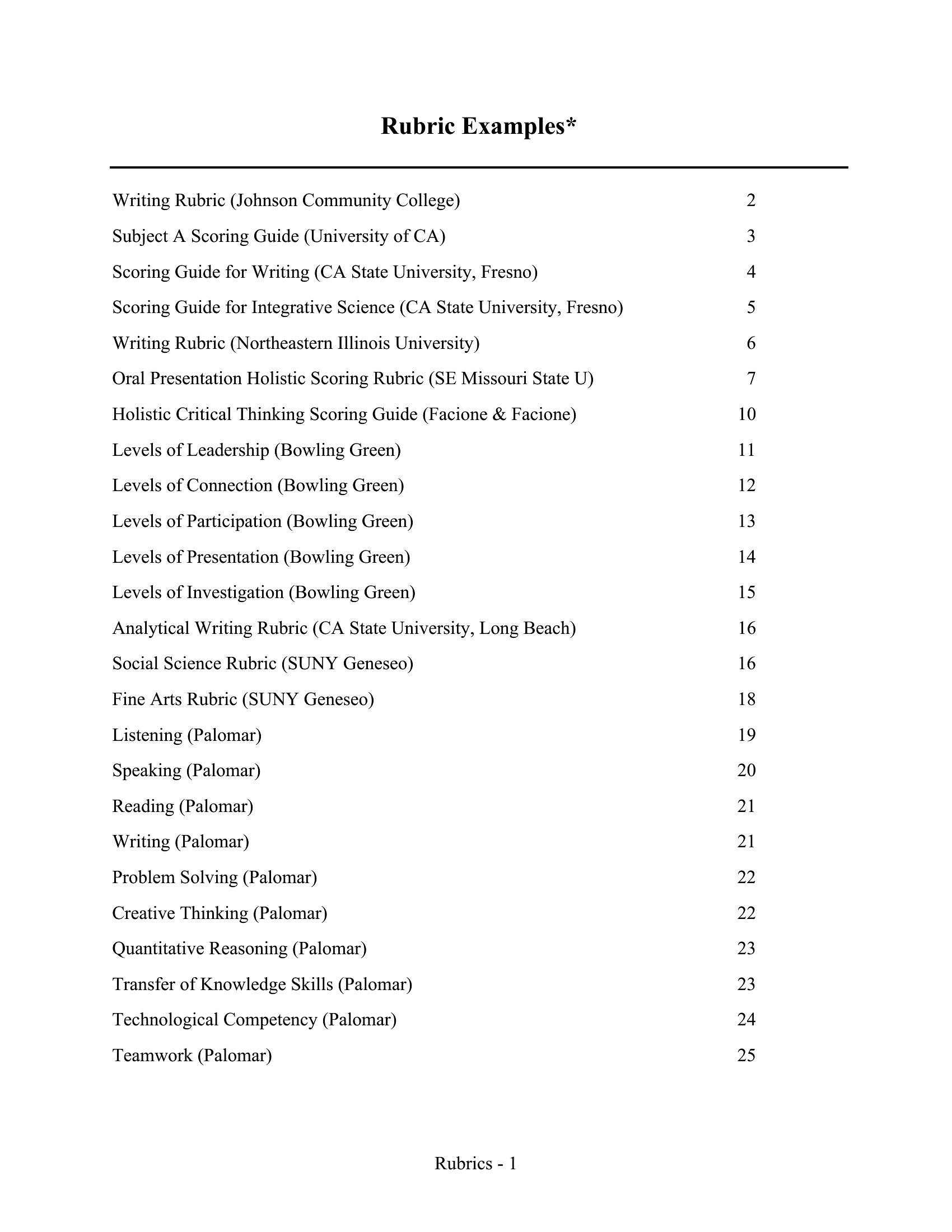
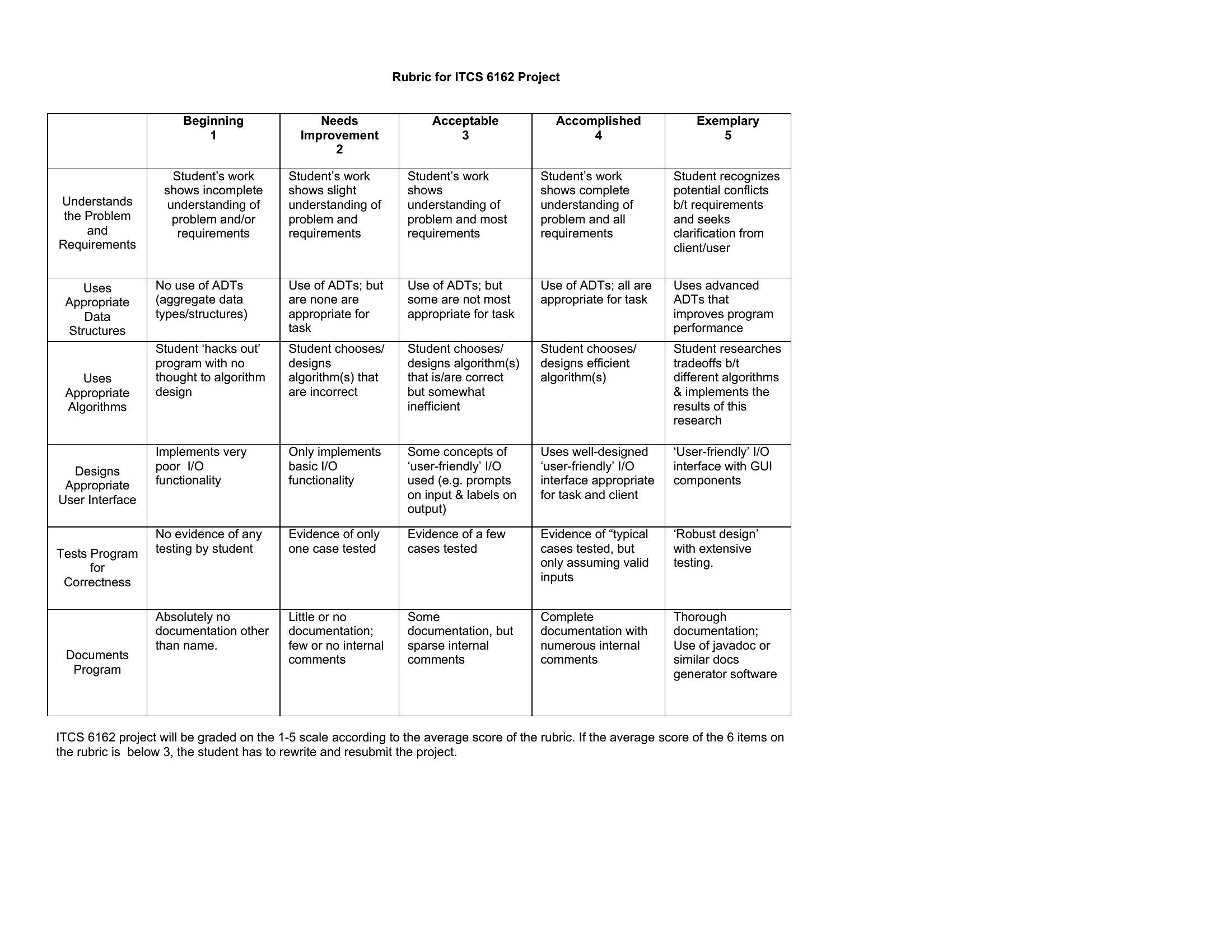
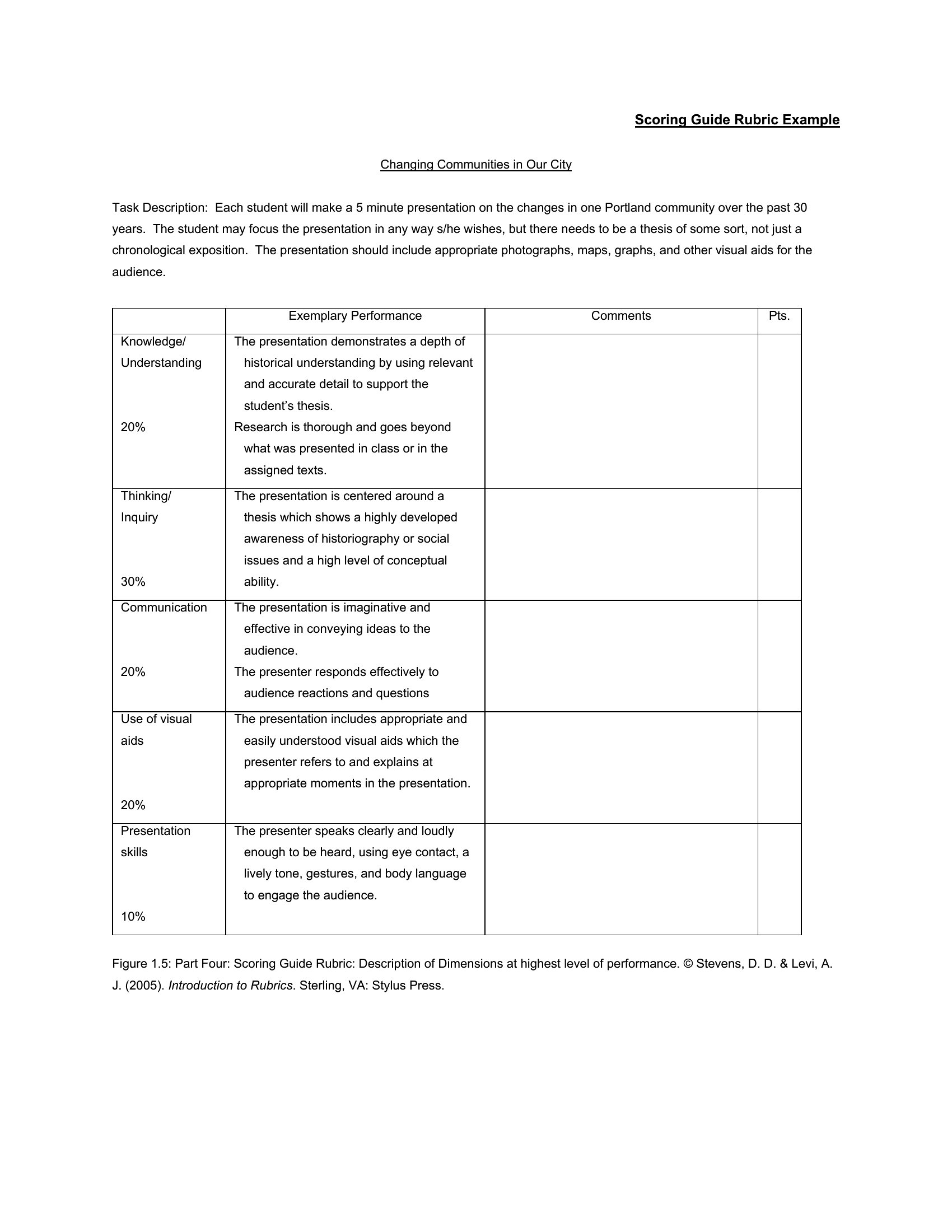
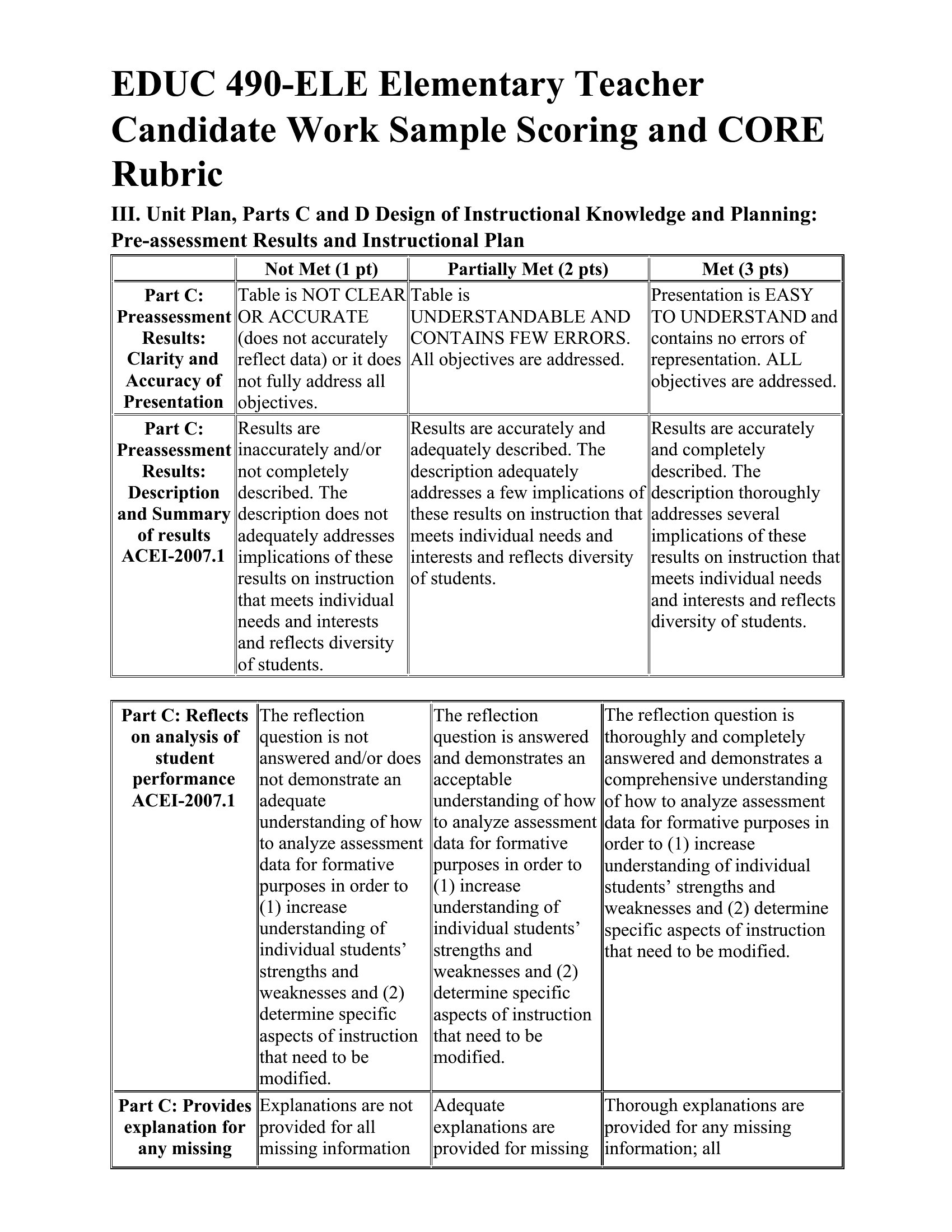
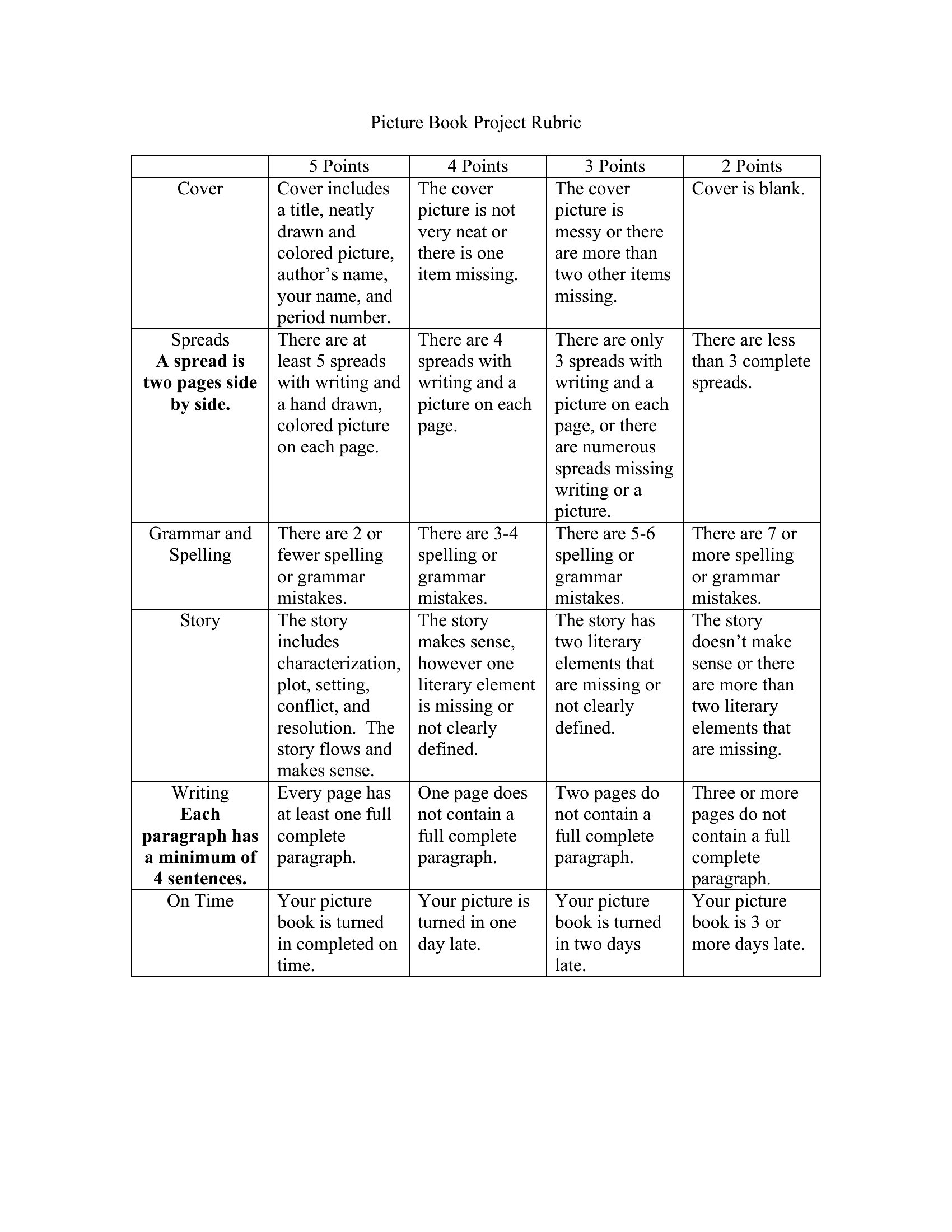
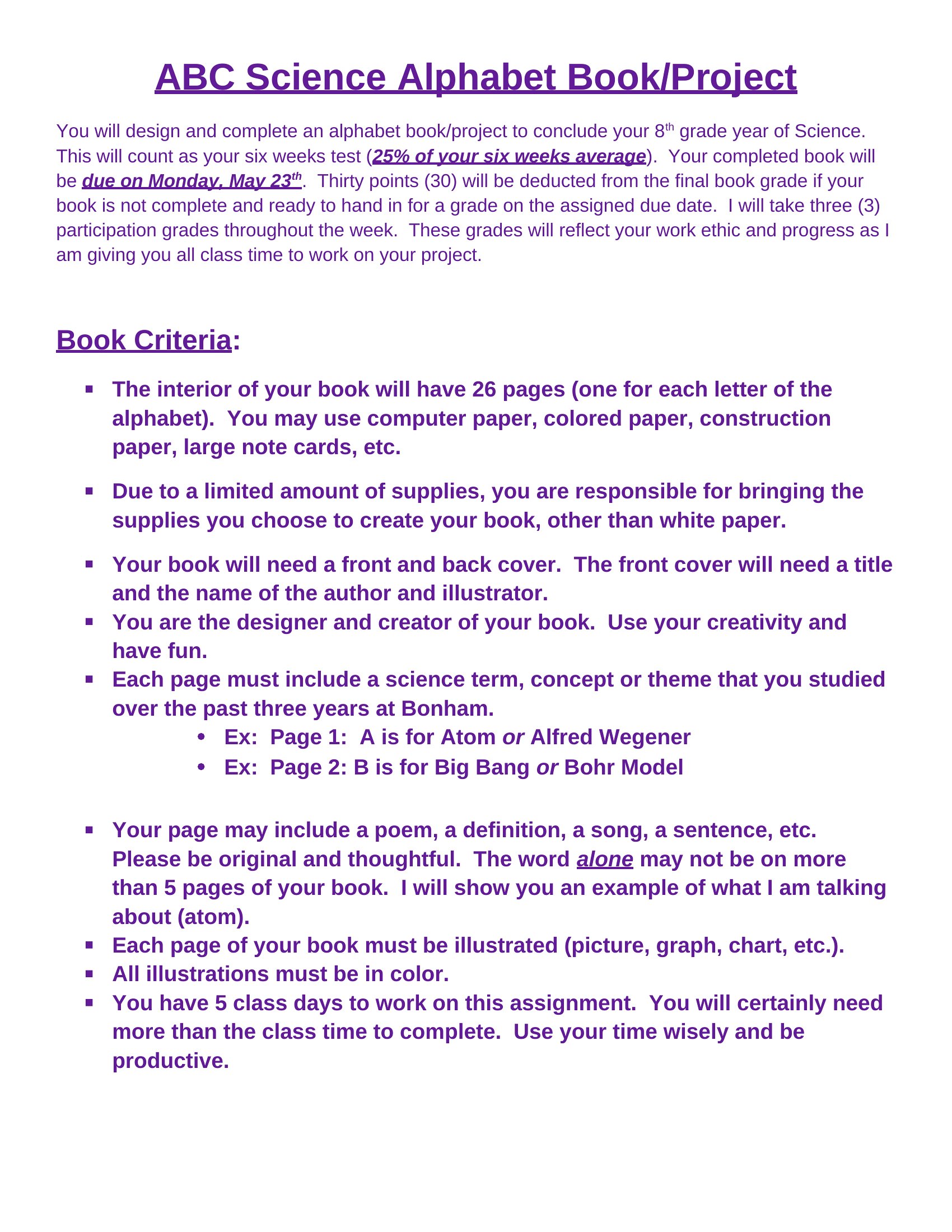
WorksheetsGrading a stack of essays or projects and want every student judged by the same yardstick? This collection of 45 grading rubric templates helps teachers and professors lay out criteria, performance levels, and point values so scoring stays fair and transparent. Each one breaks an assignment into clear categories students can understand before they start.
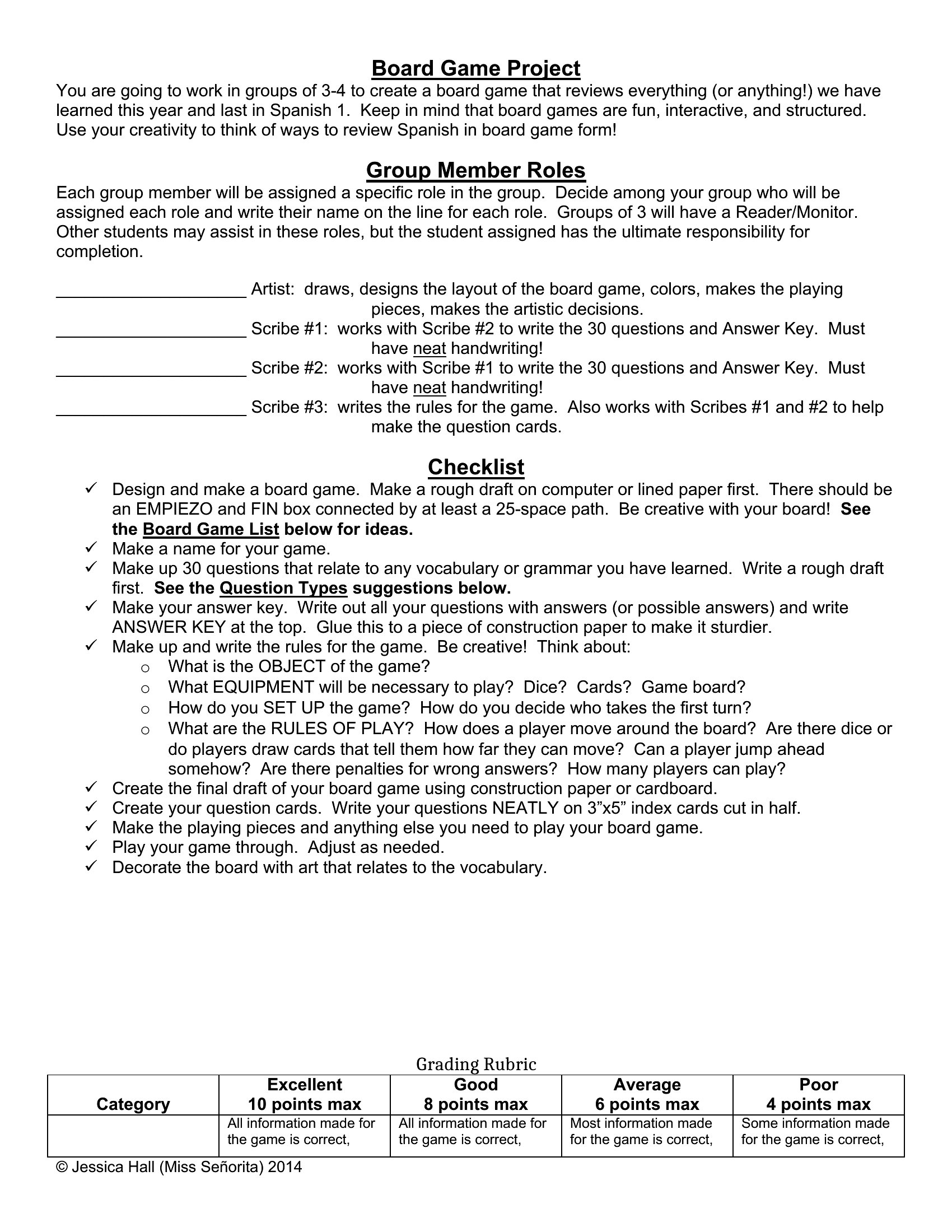
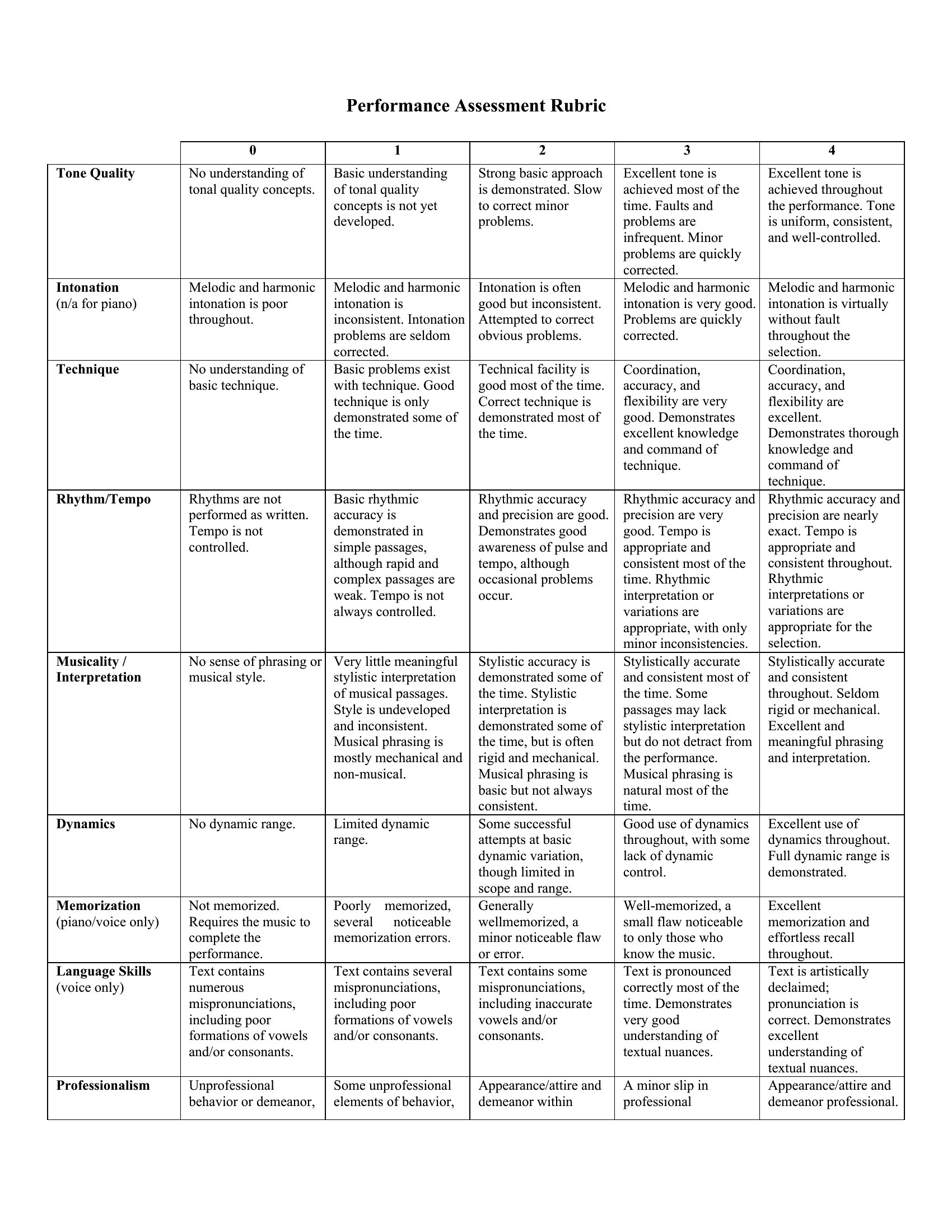
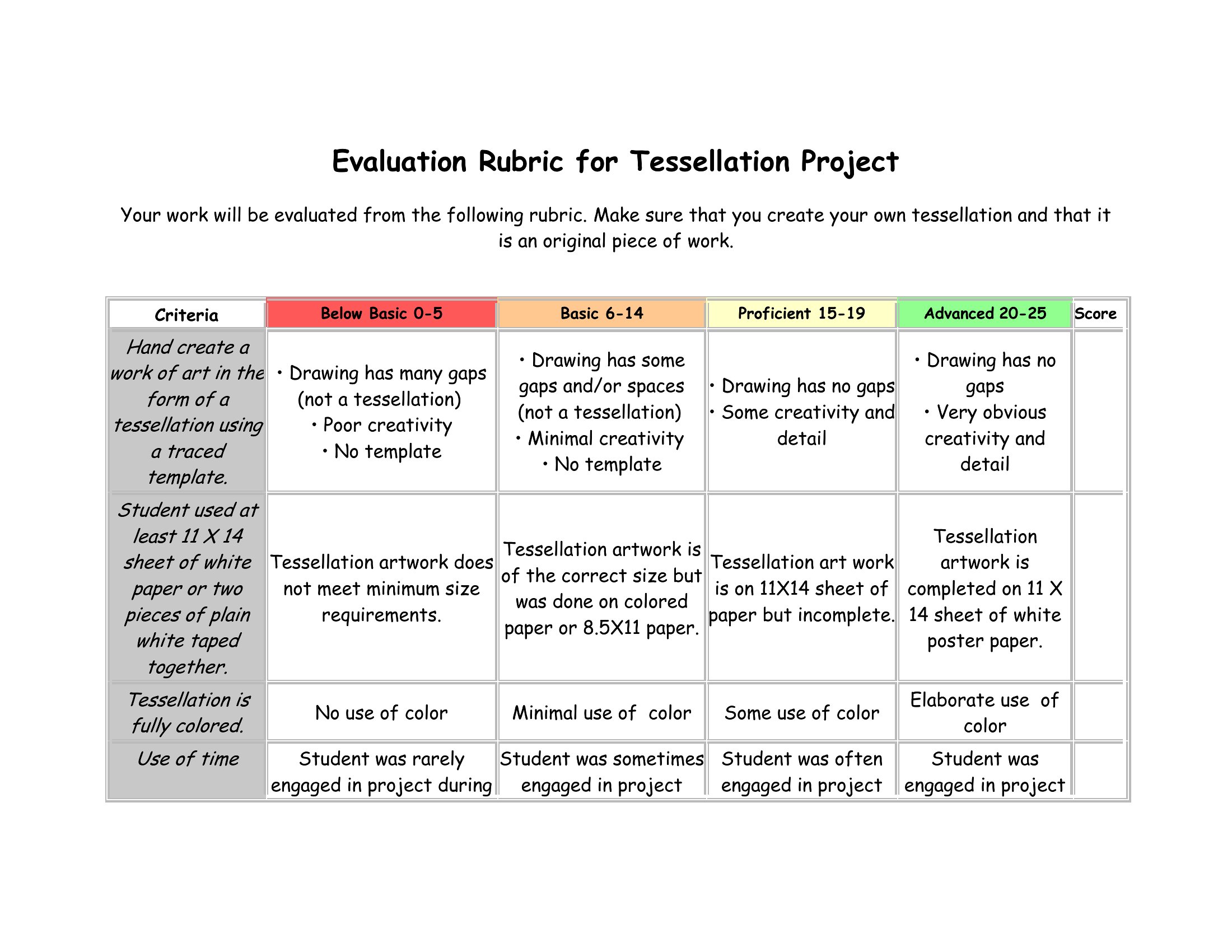
The rubrics are editable in Microsoft Word, so you can adjust the criteria, weights, and descriptions to match a presentation, an essay, or a lab. Fill in the standards, share the rubric with the class, and grade consistently from the first paper to the last. Pick the layout that fits your assignment and save it to reuse next term.
When to use this Rubric template
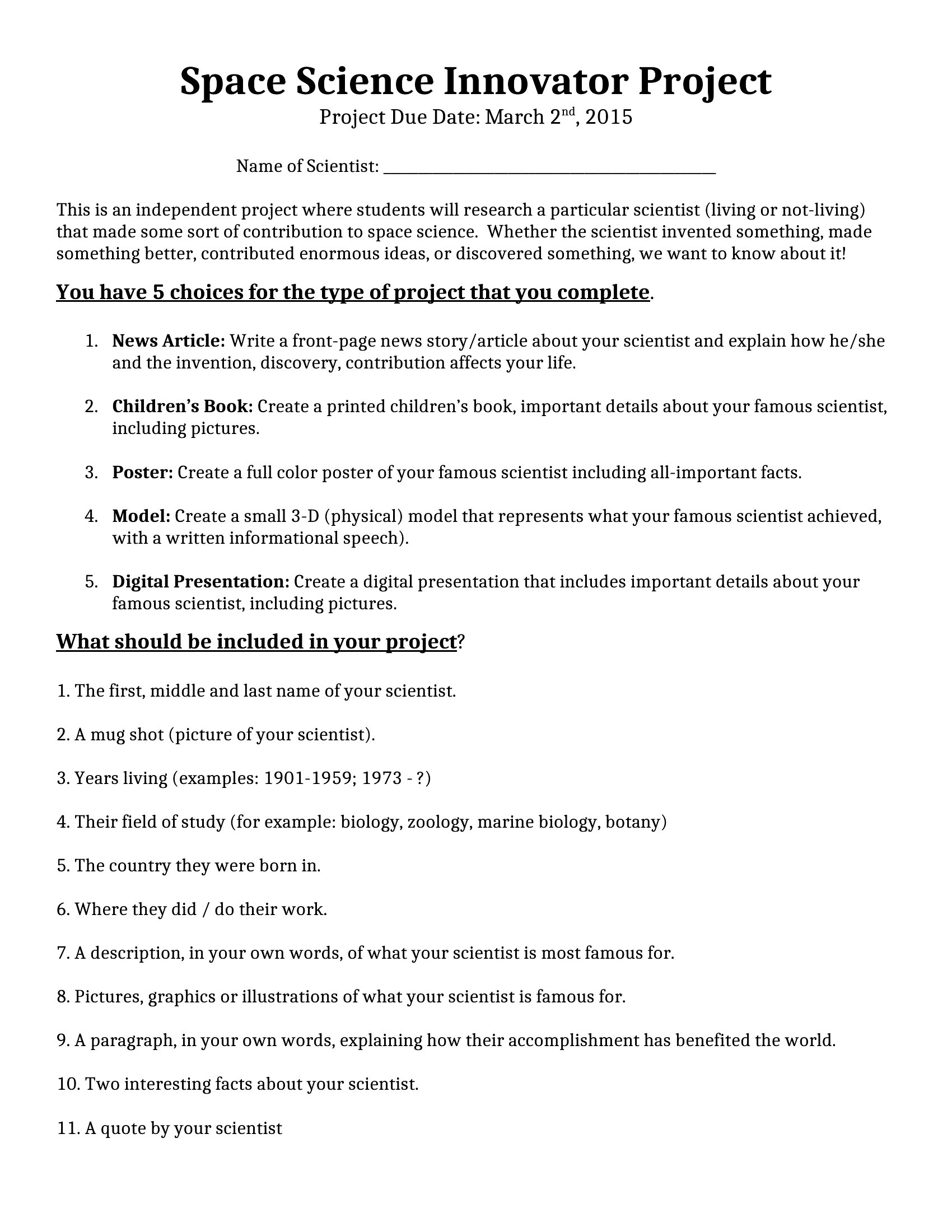
- High school AP History teachers using these DBQ rubrics to ensure students understand primary source analysis expectations before submitting their essays, reducing vague scoring later.
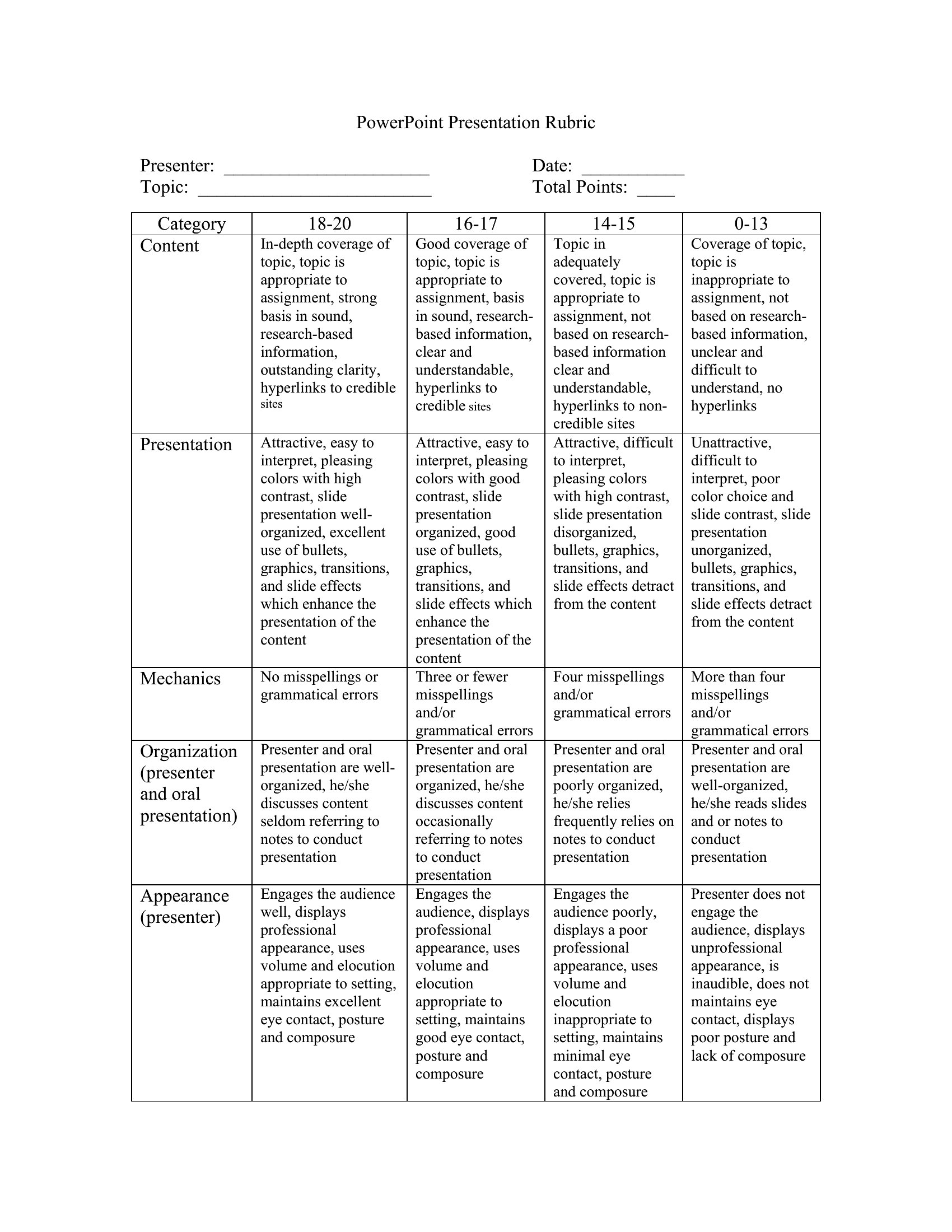
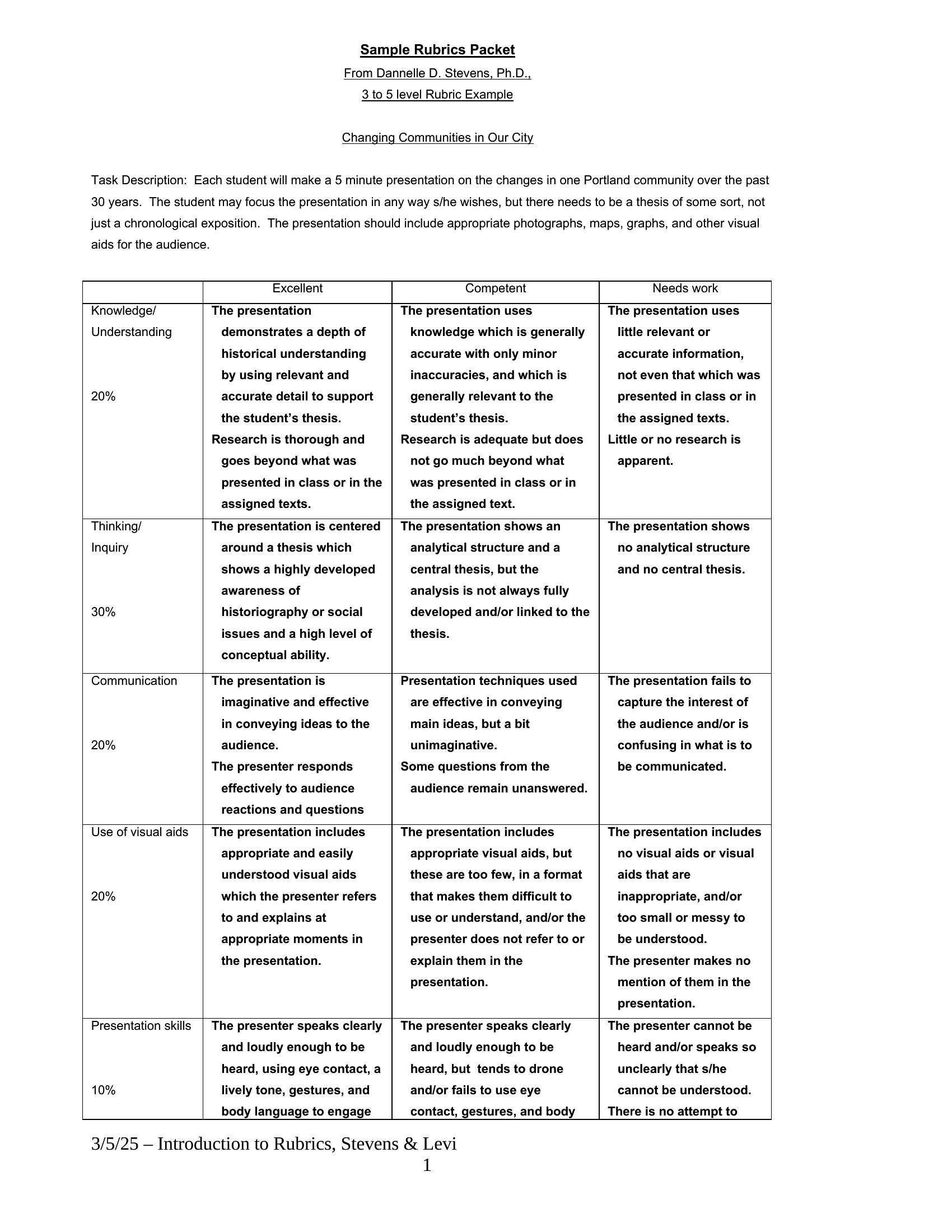
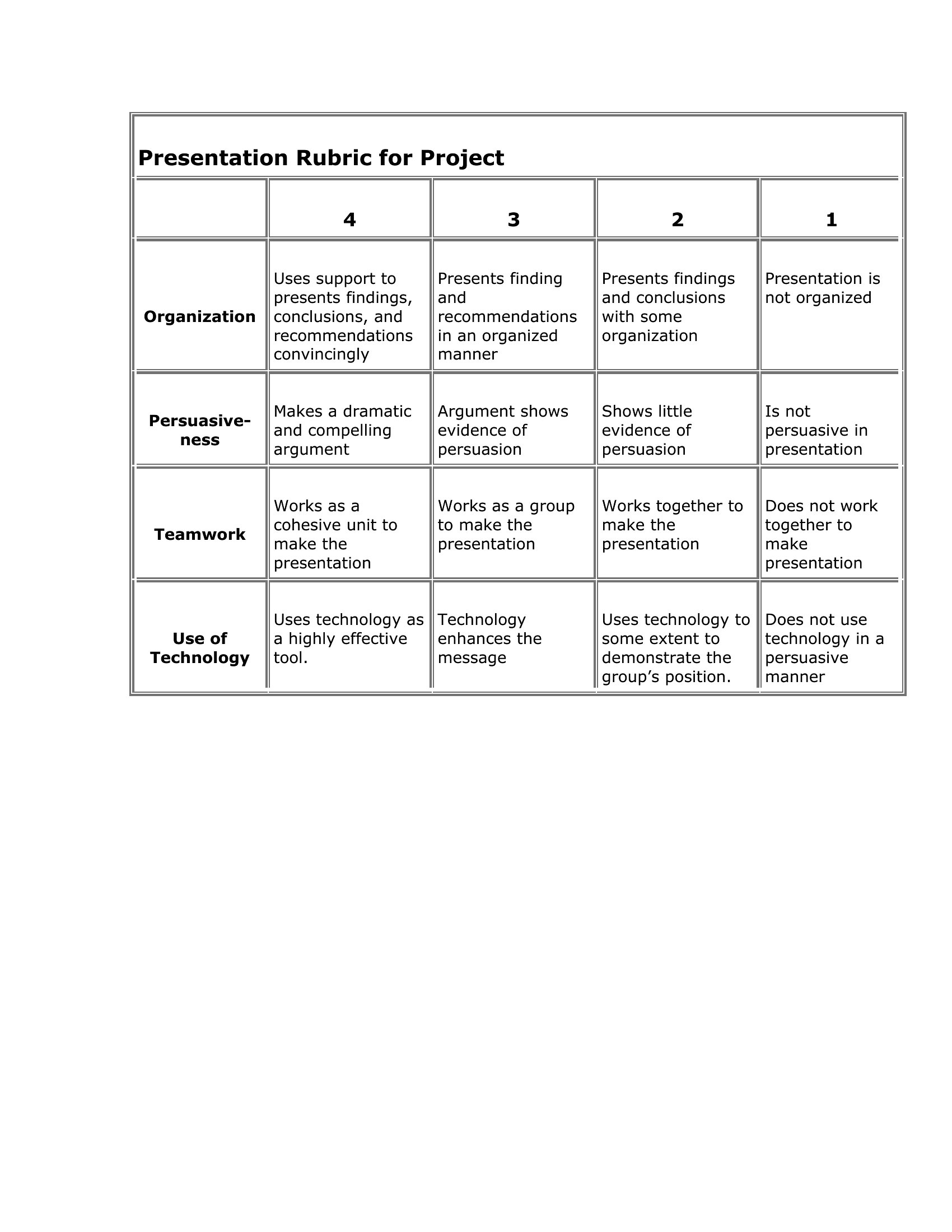
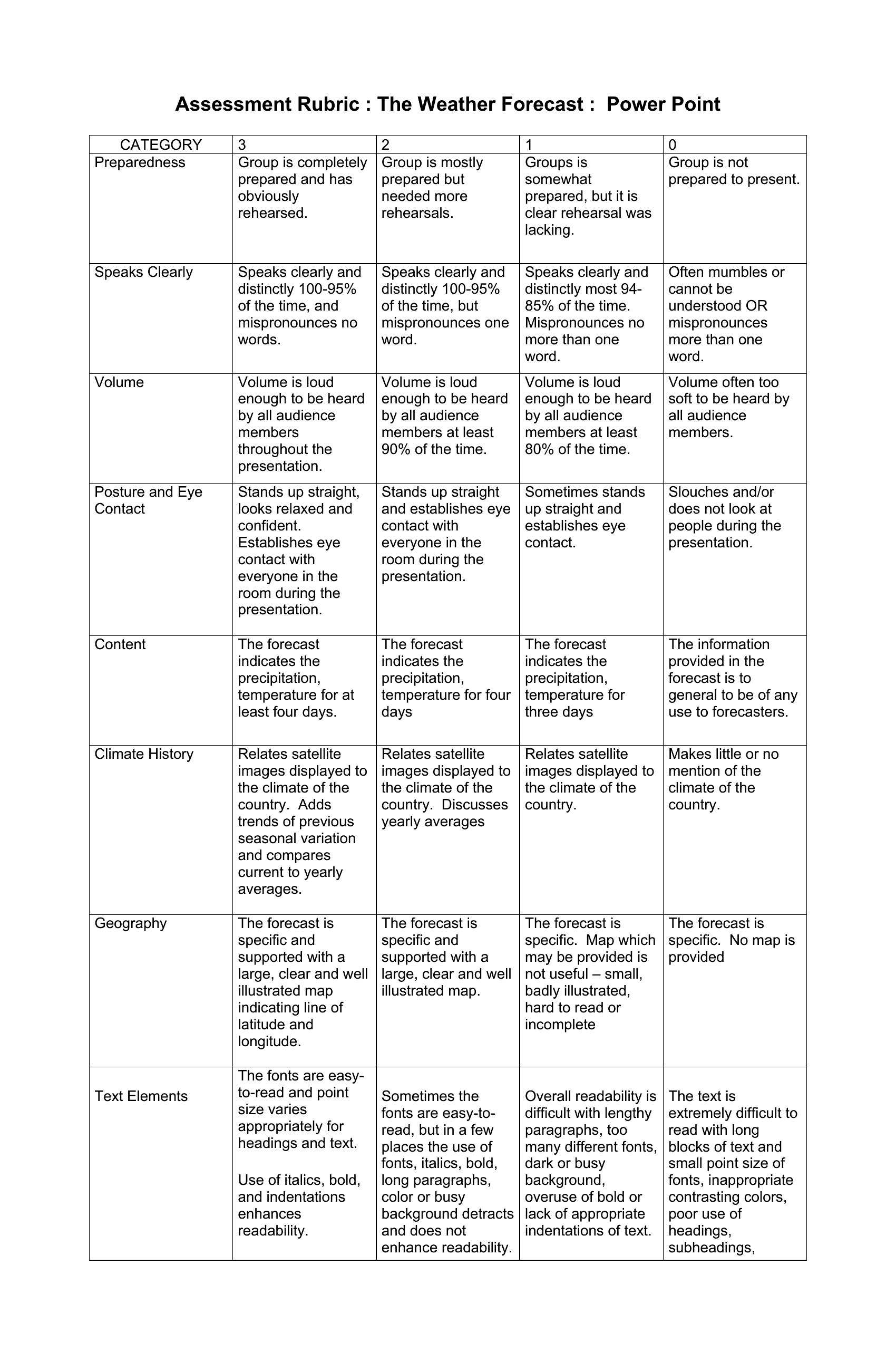
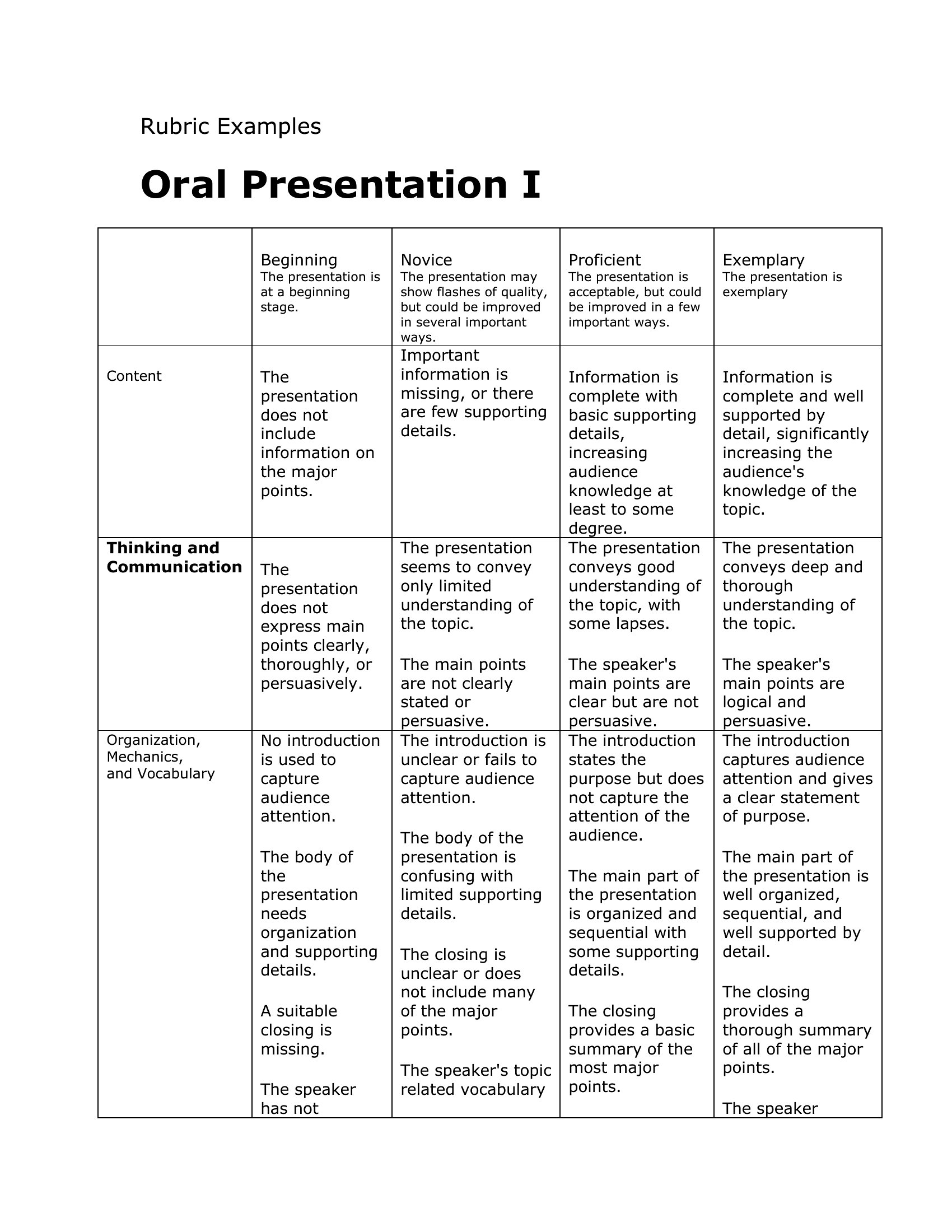
- College professors grading oral presentations need a structured rubric to weigh delivery, evidence, and clarity equally, so they select the Oral Presentation Rubric for consistent feedback.
- Middle school ELA instructors want to align rubrics with state standards for essay writing, so they pick the Essay Rubric template to define criteria like thesis clarity and evidence use upfront.
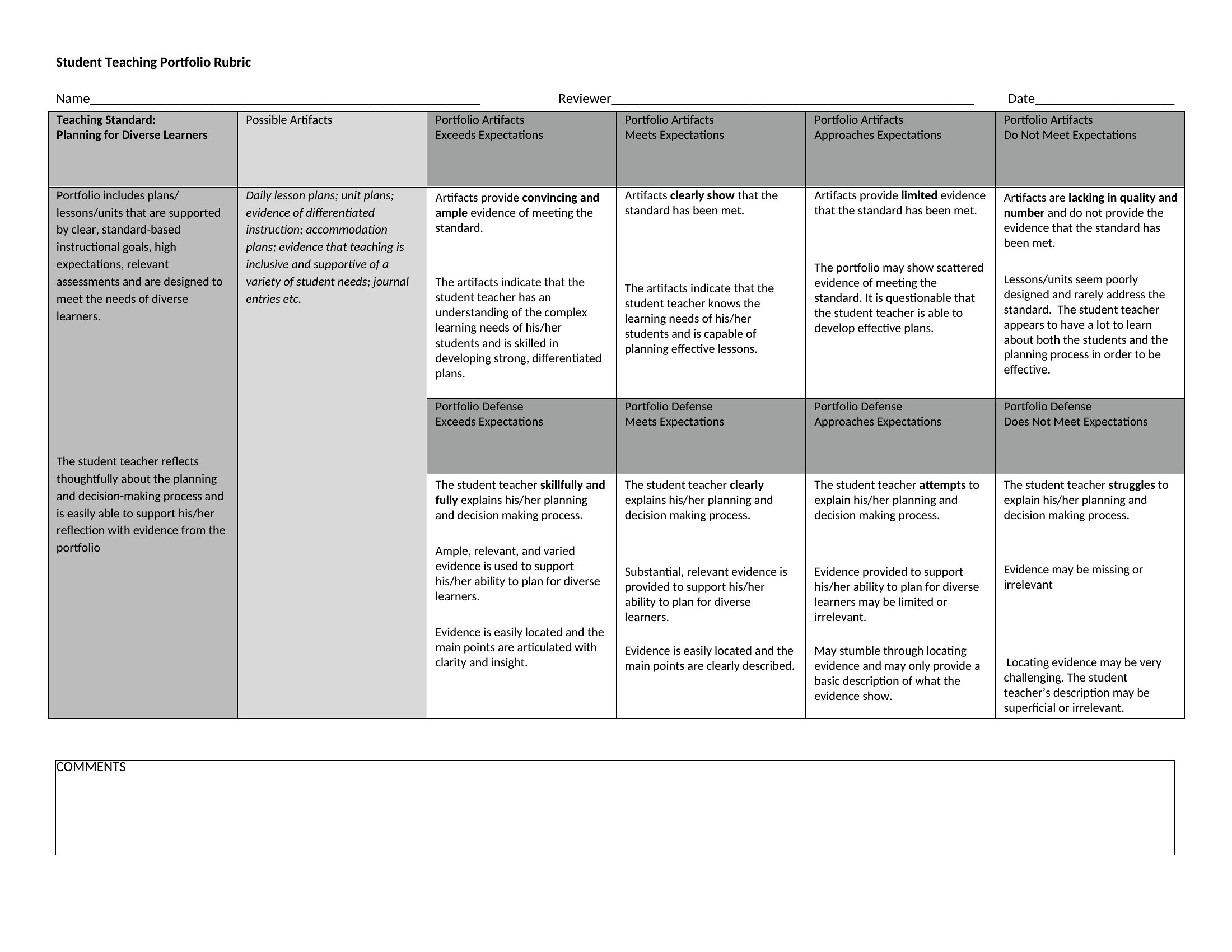
- Athletic coaches evaluating student-athlete performances in physical education classes rely on rubrics to balance skill execution, effort, and teamwork fairly—choosing the Danielson Rubric for its adaptability.
Which format should I download?
The Word format is ideal here because it lets you easily tweak criteria, scoring scales, or point values to match your assignment’s specifics without needing design skills. Use it when you need to collaborate with colleagues to refine rubrics before sharing them with students. For assignments where visual distinctions (like color-coded sections) matter, Word’s table tools help organize complex rubrics clearly. If you’re grading a large class and want to streamline scoring, save time by inserting the rubric directly into a Word document alongside student work.
Choose from 45 Rubric Templates
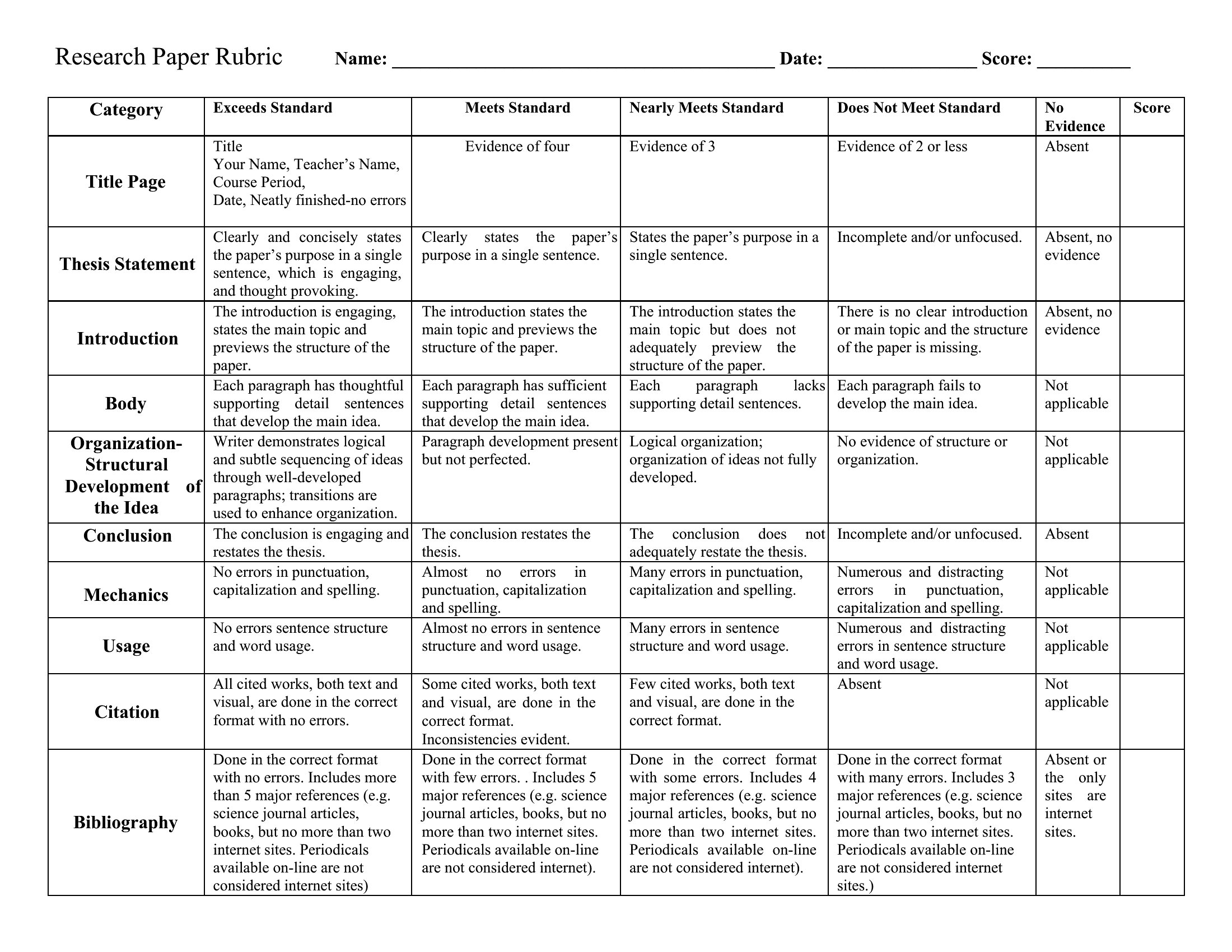
Essay Rubric
Dbq Rubric
How to use this Rubric template
What is a grading rubric and why do teachers use one?
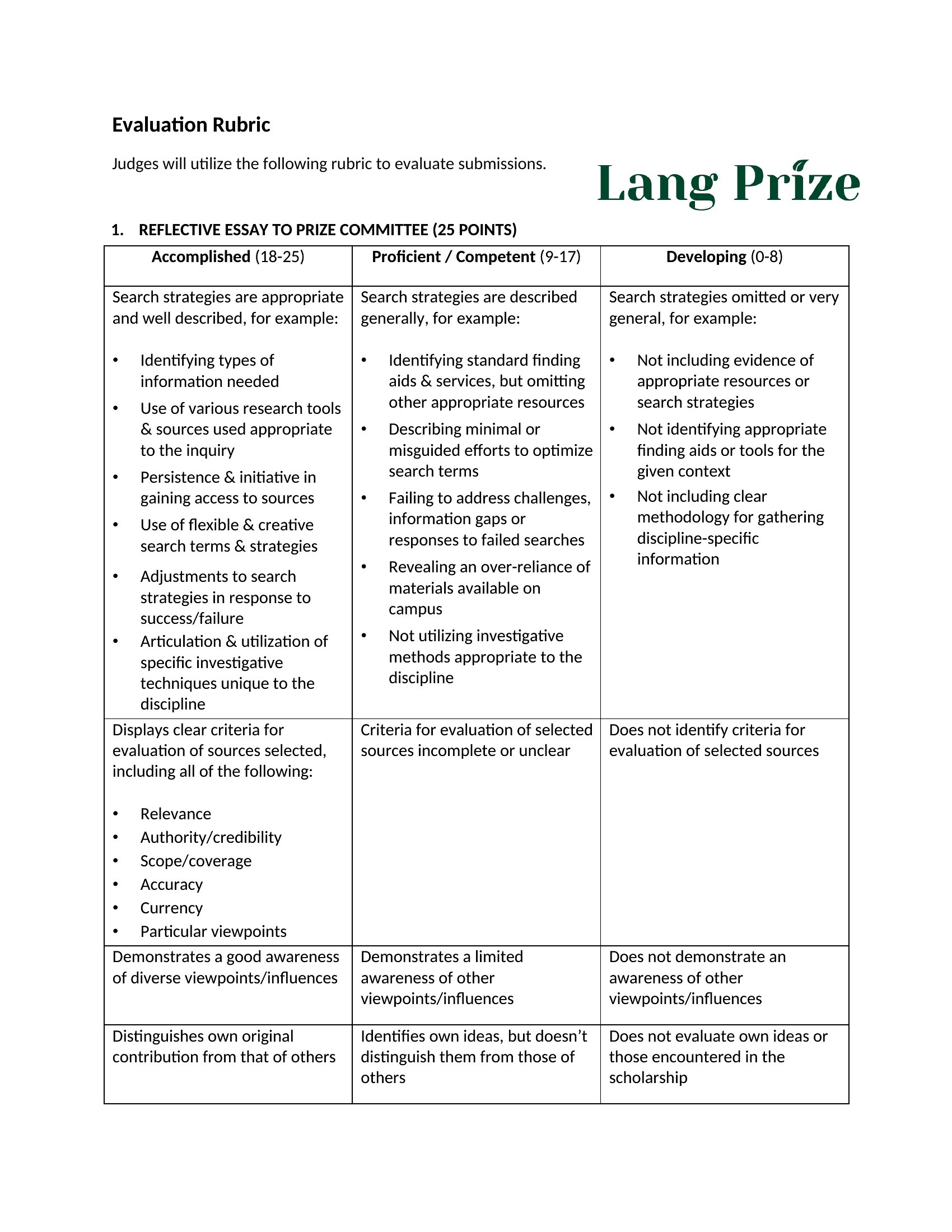
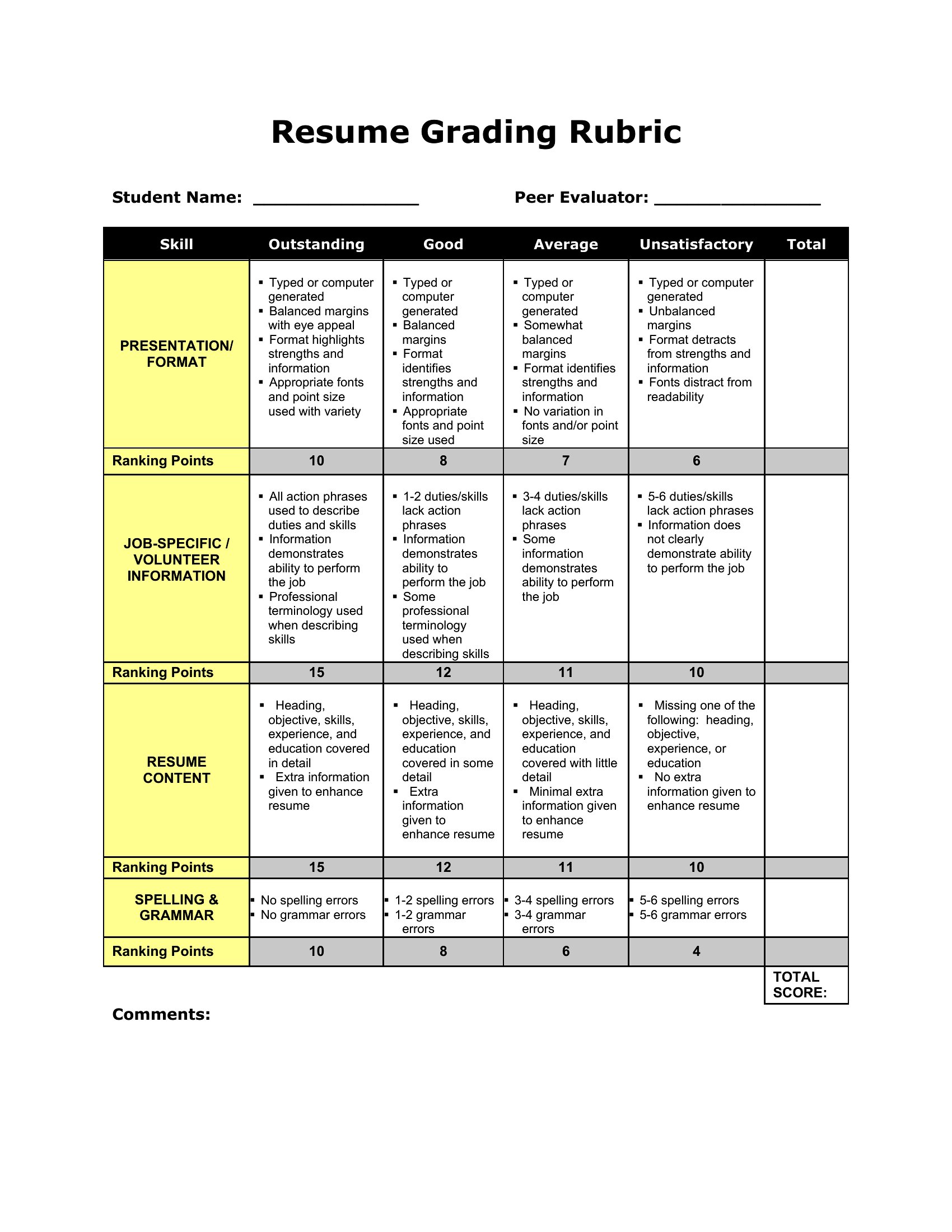
A grading rubric is a scoring guide that lists the criteria for an assignment along with performance levels and point values. Teachers use it to make grading consistent, fair, and transparent, so every student is judged by the same standards and understands exactly how their work is evaluated.
What are the main components of a grading rubric?
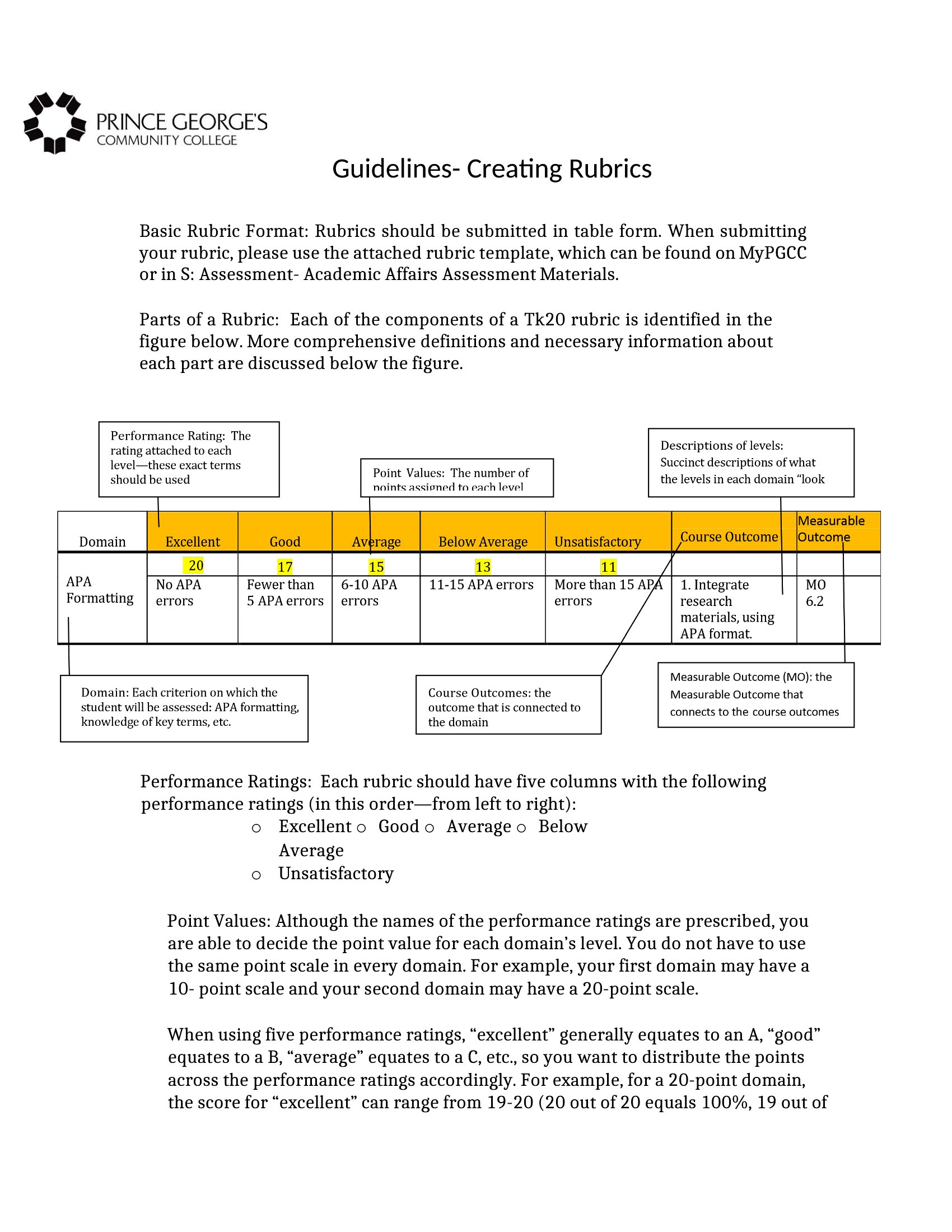
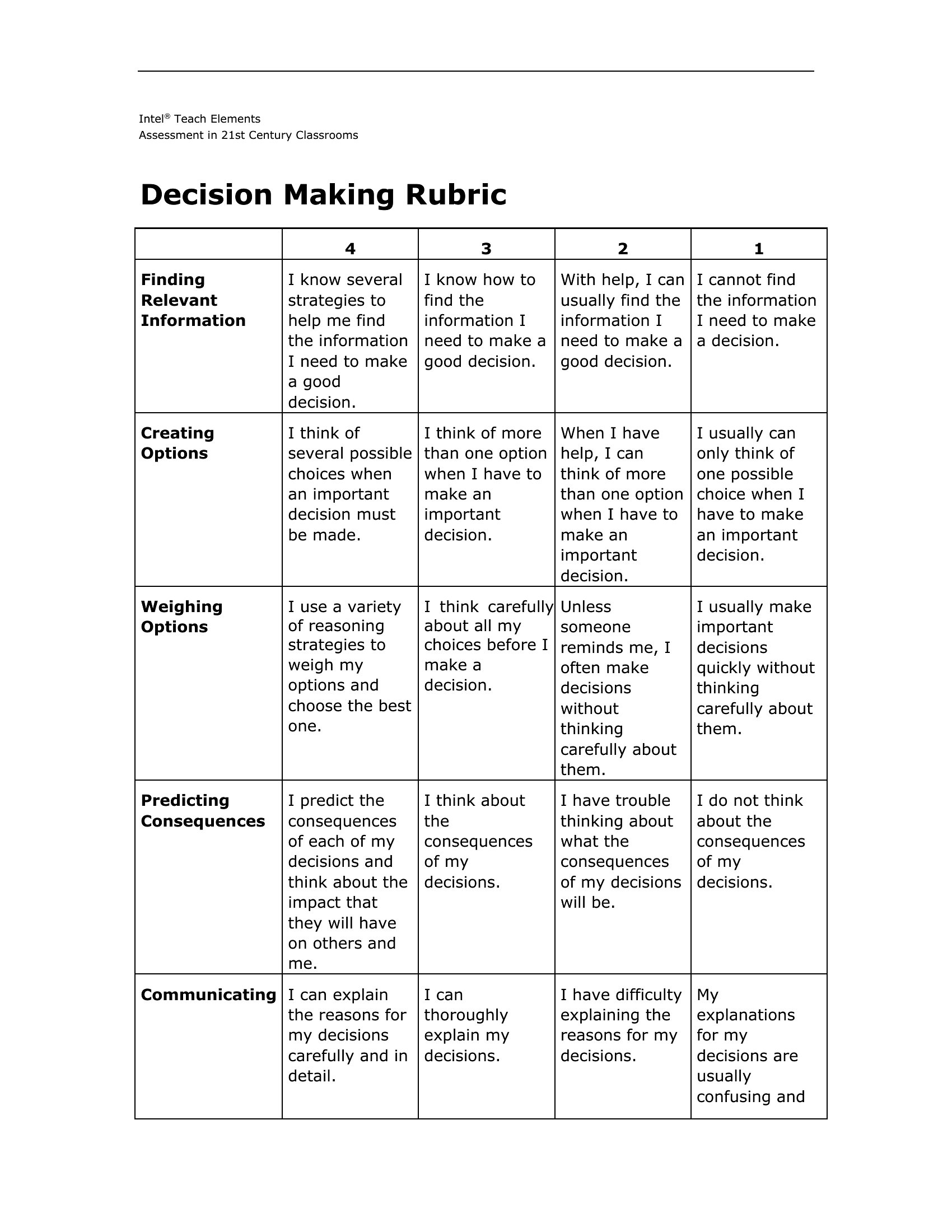
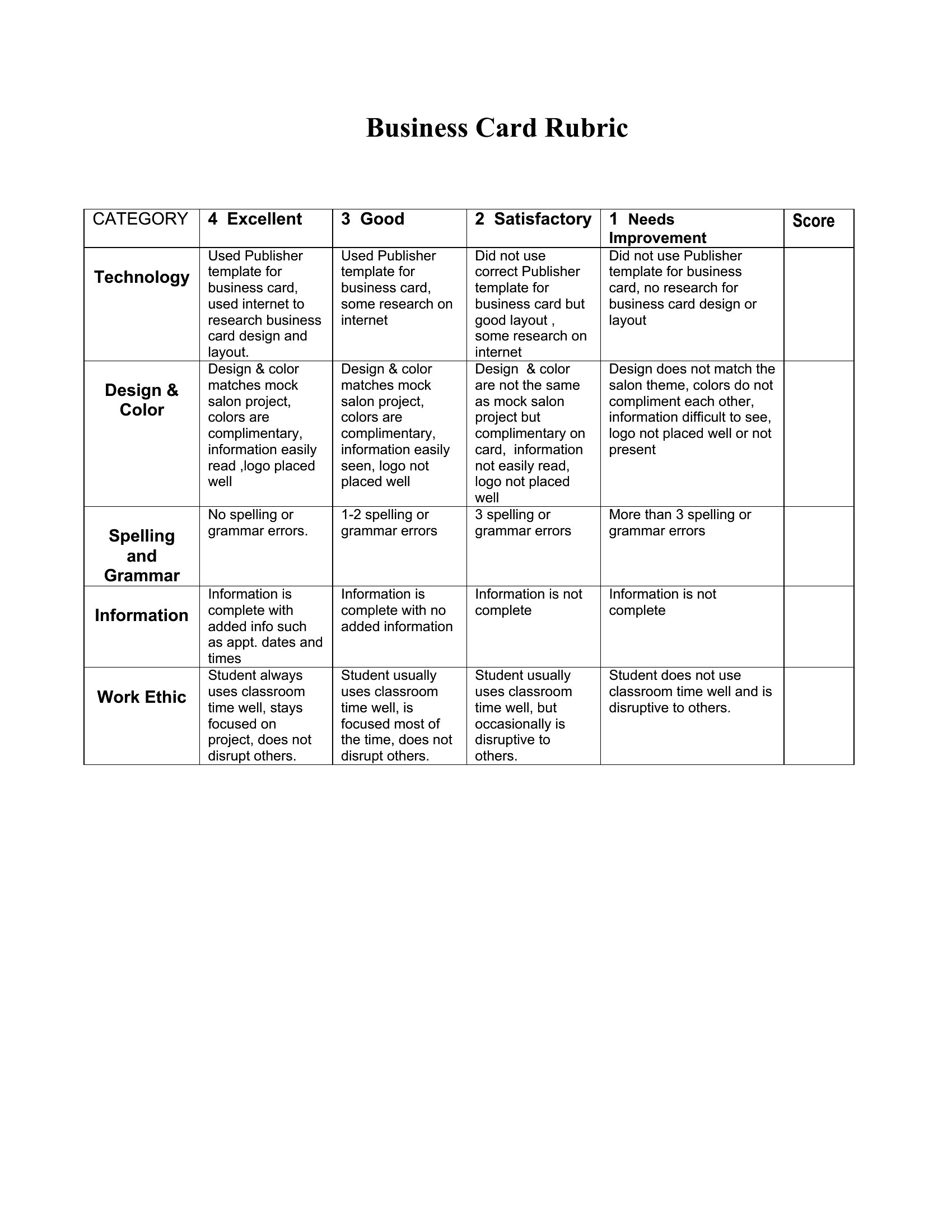
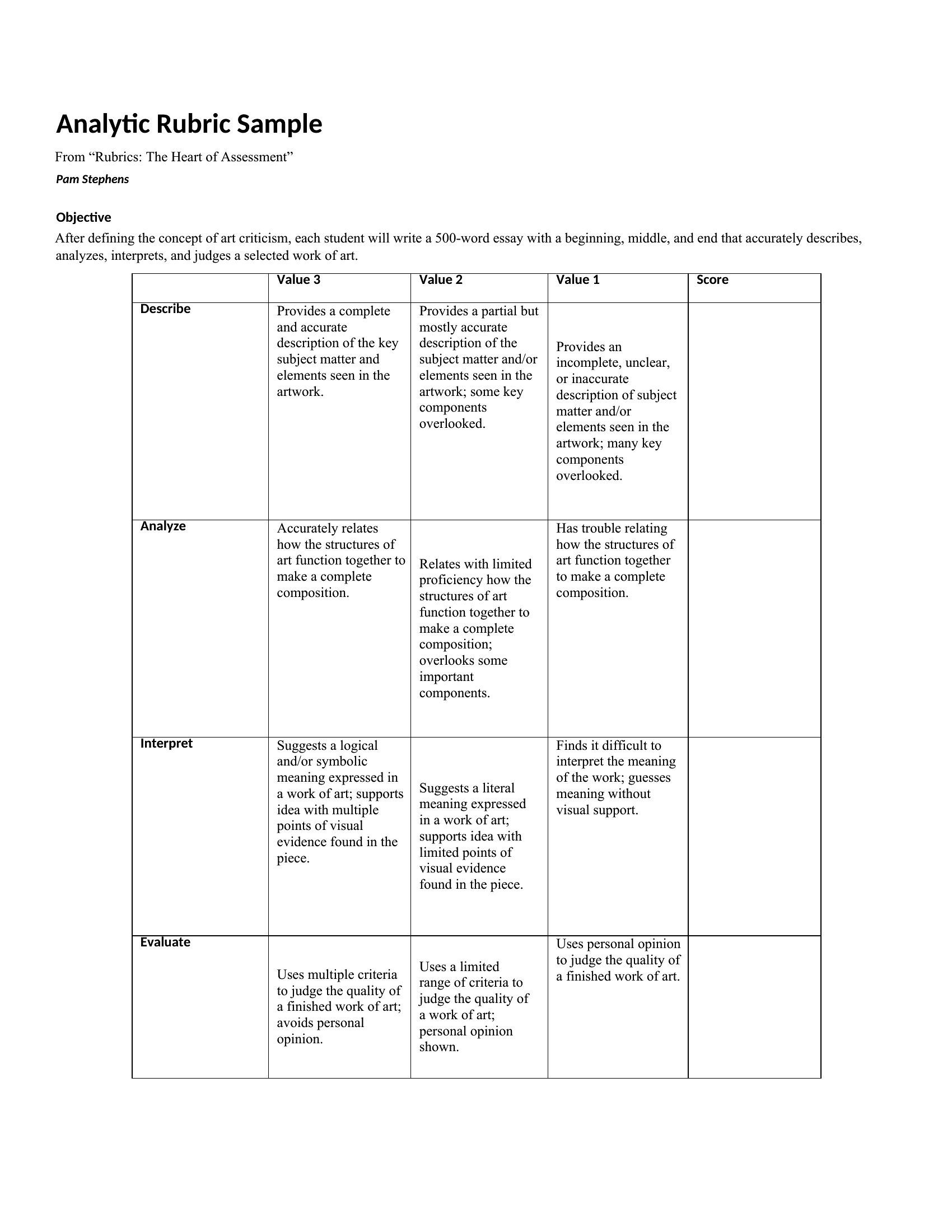
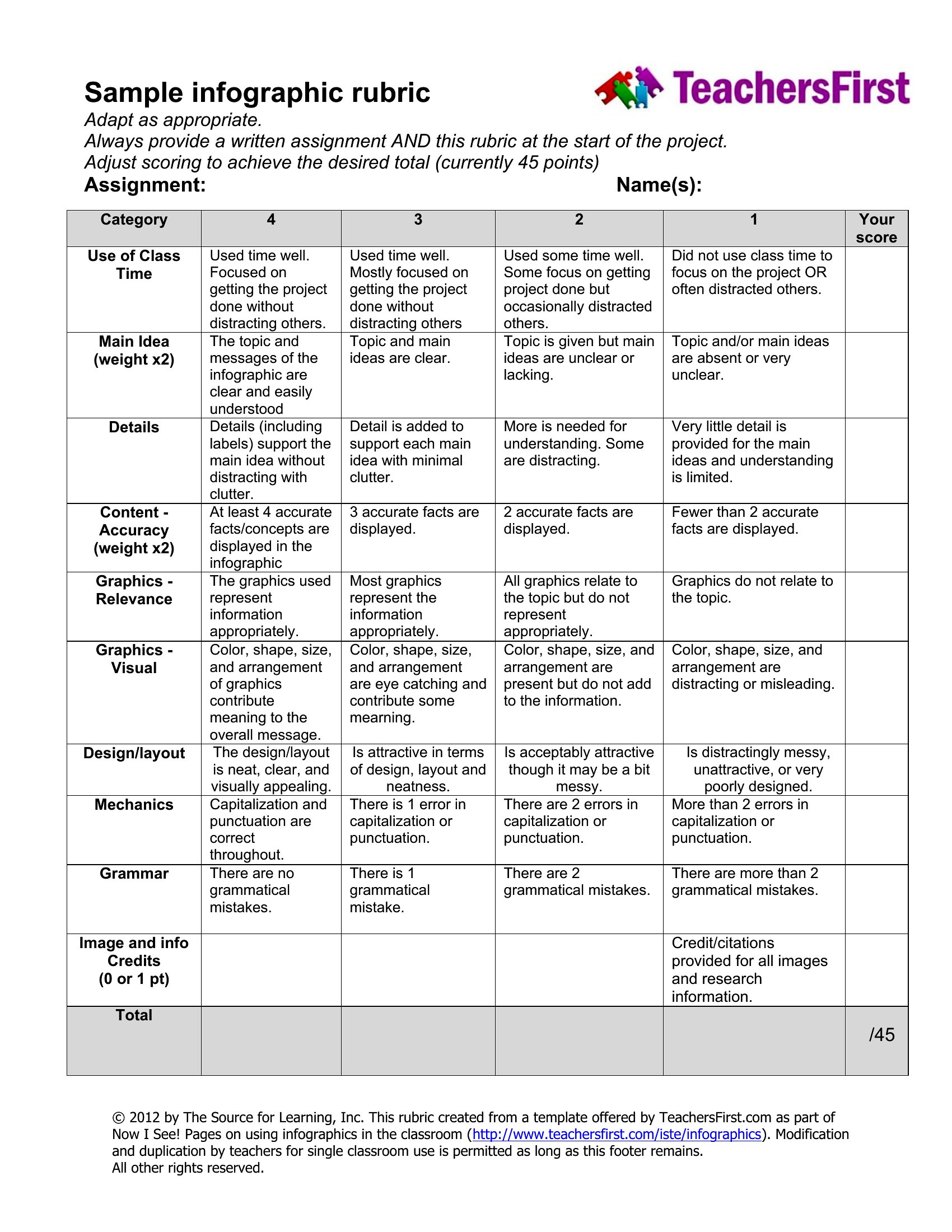
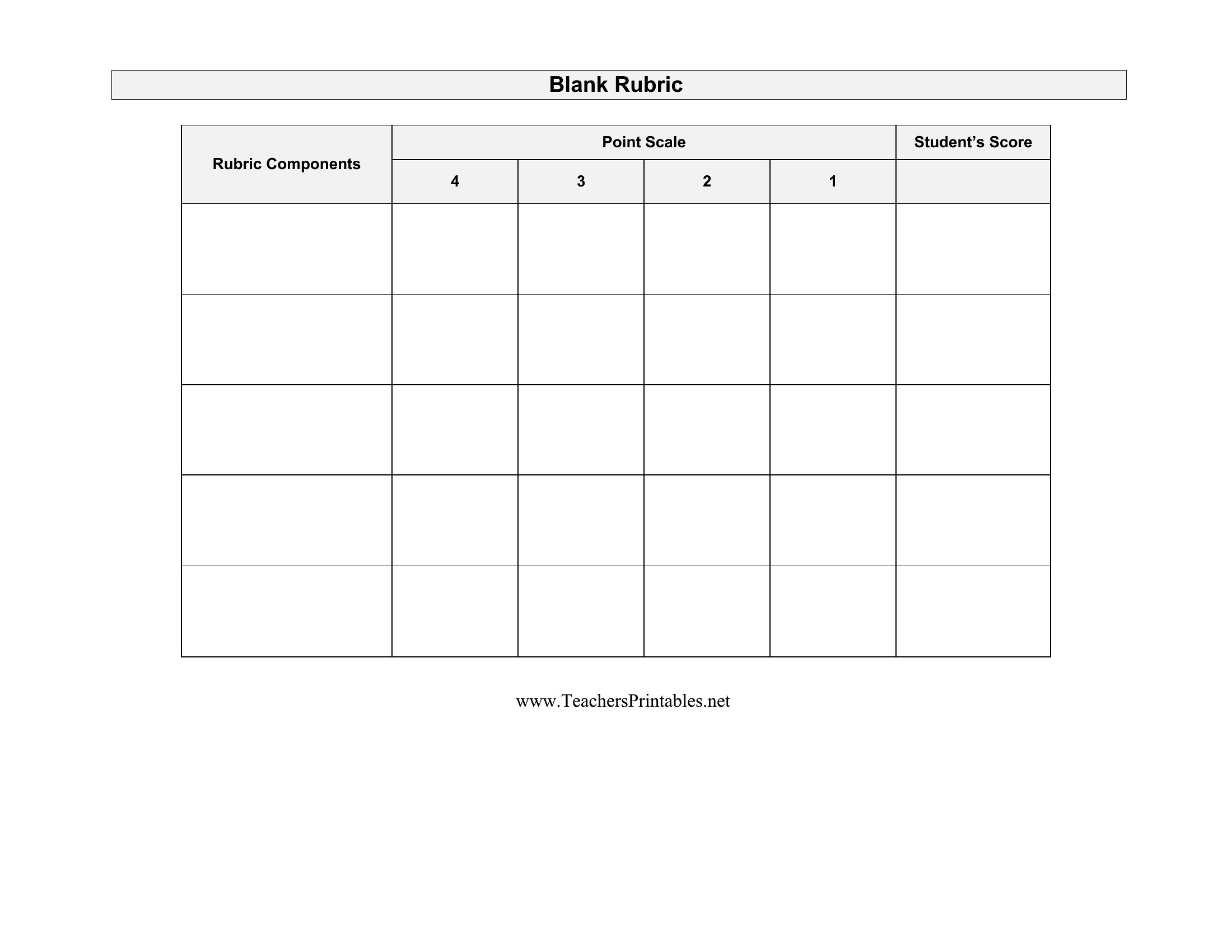
A rubric typically includes the criteria being assessed, descriptions of performance levels such as excellent to poor, and the points or weight assigned to each level. Clear, specific descriptions for every level help students understand expectations and let graders apply scores objectively across many submissions.
What is the difference between an analytic and a holistic rubric?
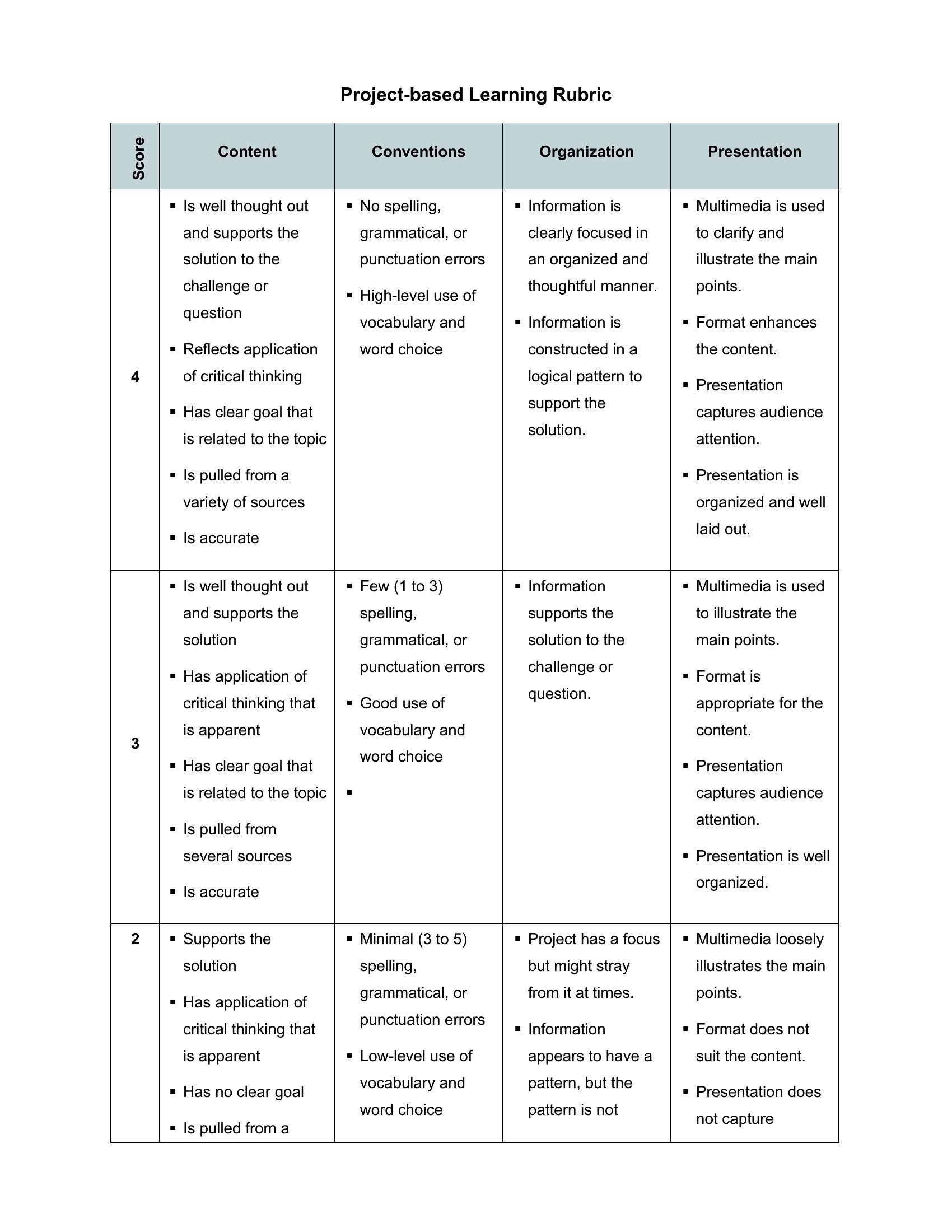
An analytic rubric scores each criterion separately, giving detailed feedback on individual strengths and weaknesses. A holistic rubric assigns a single overall score based on general impression. Analytic rubrics suit detailed feedback and complex tasks, while holistic rubrics work well for quick, big-picture evaluation.
Comments
Join the conversation
Sign in to share your thoughts and leave a comment on this resource.