





FAQ
How does a zero-based budget help with debt payoff beyond just tracking monthly payments?
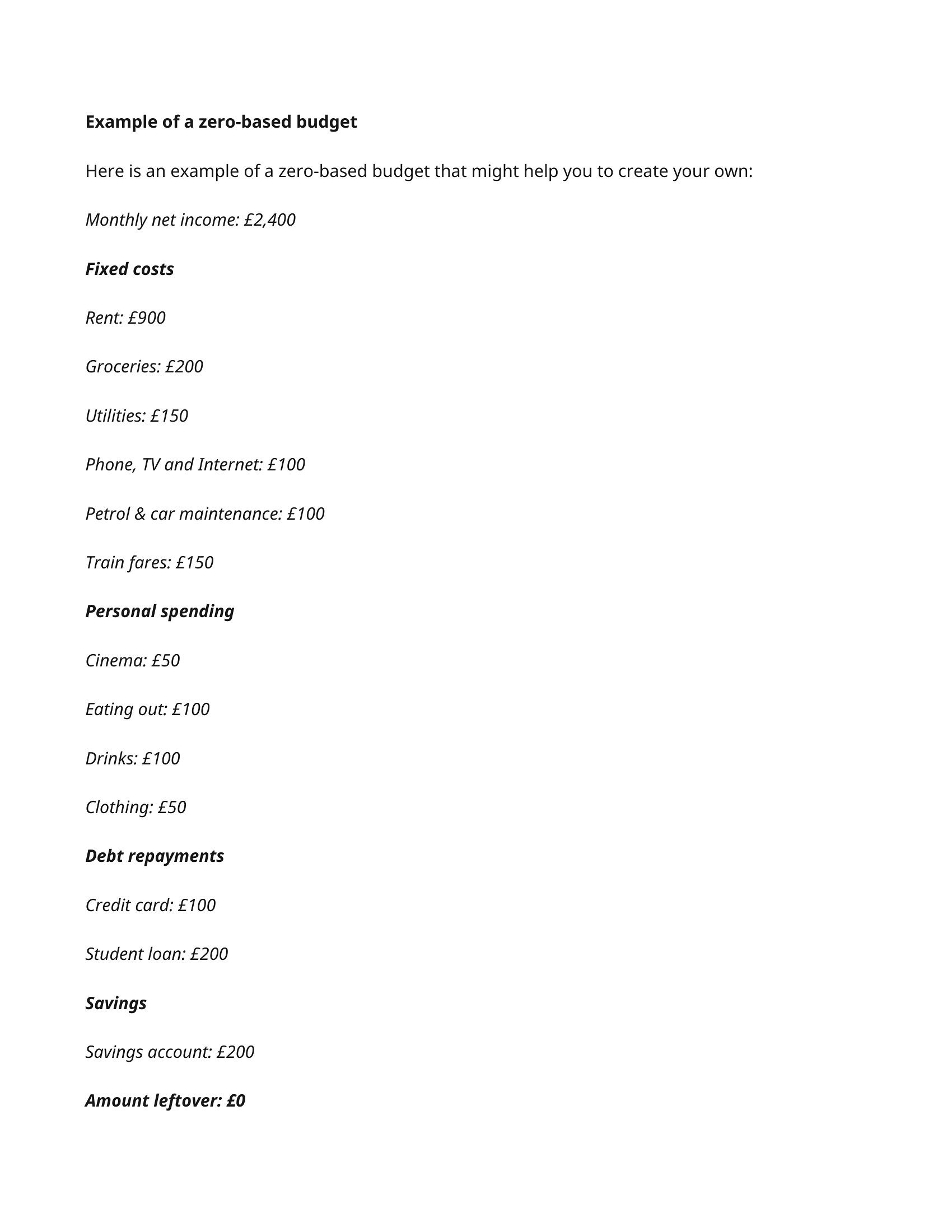
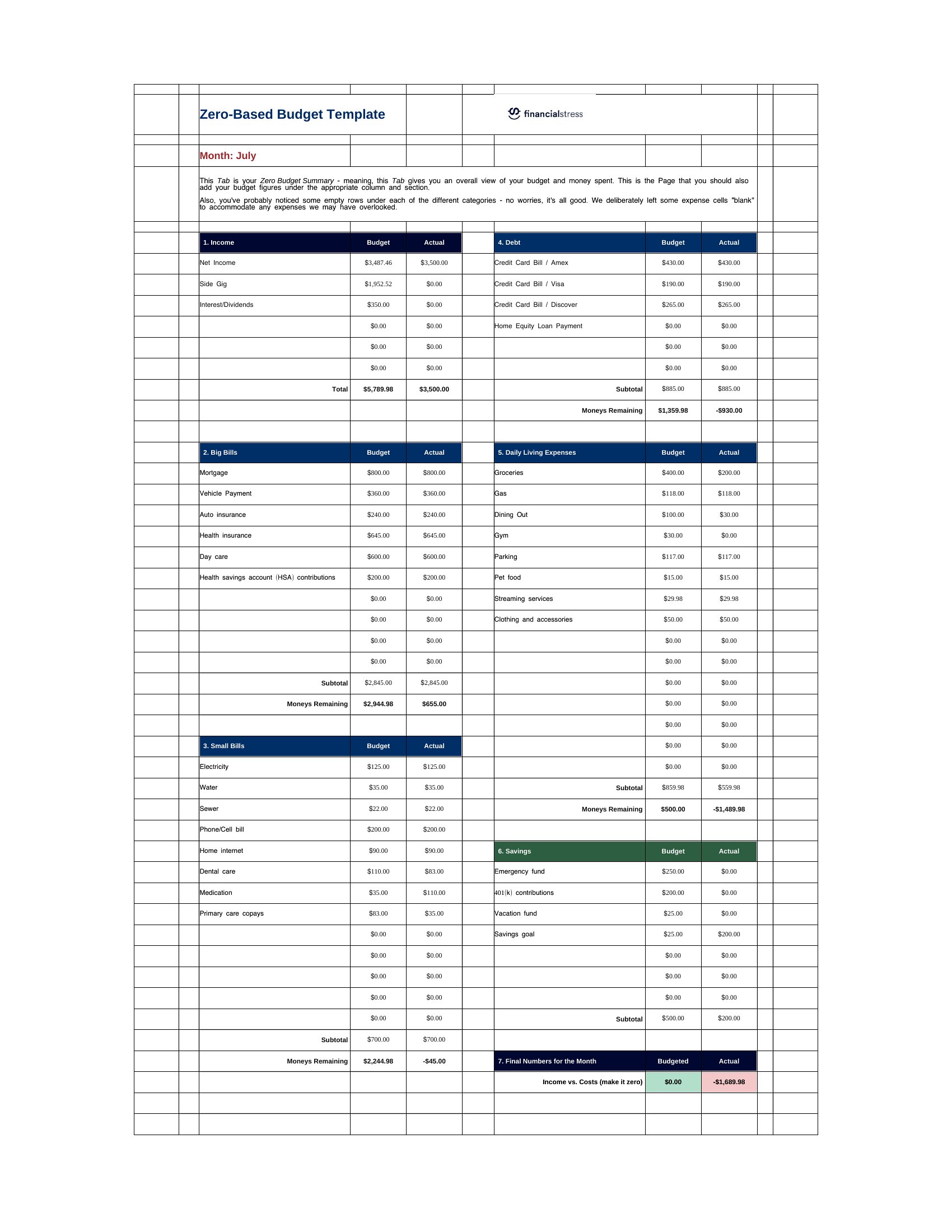
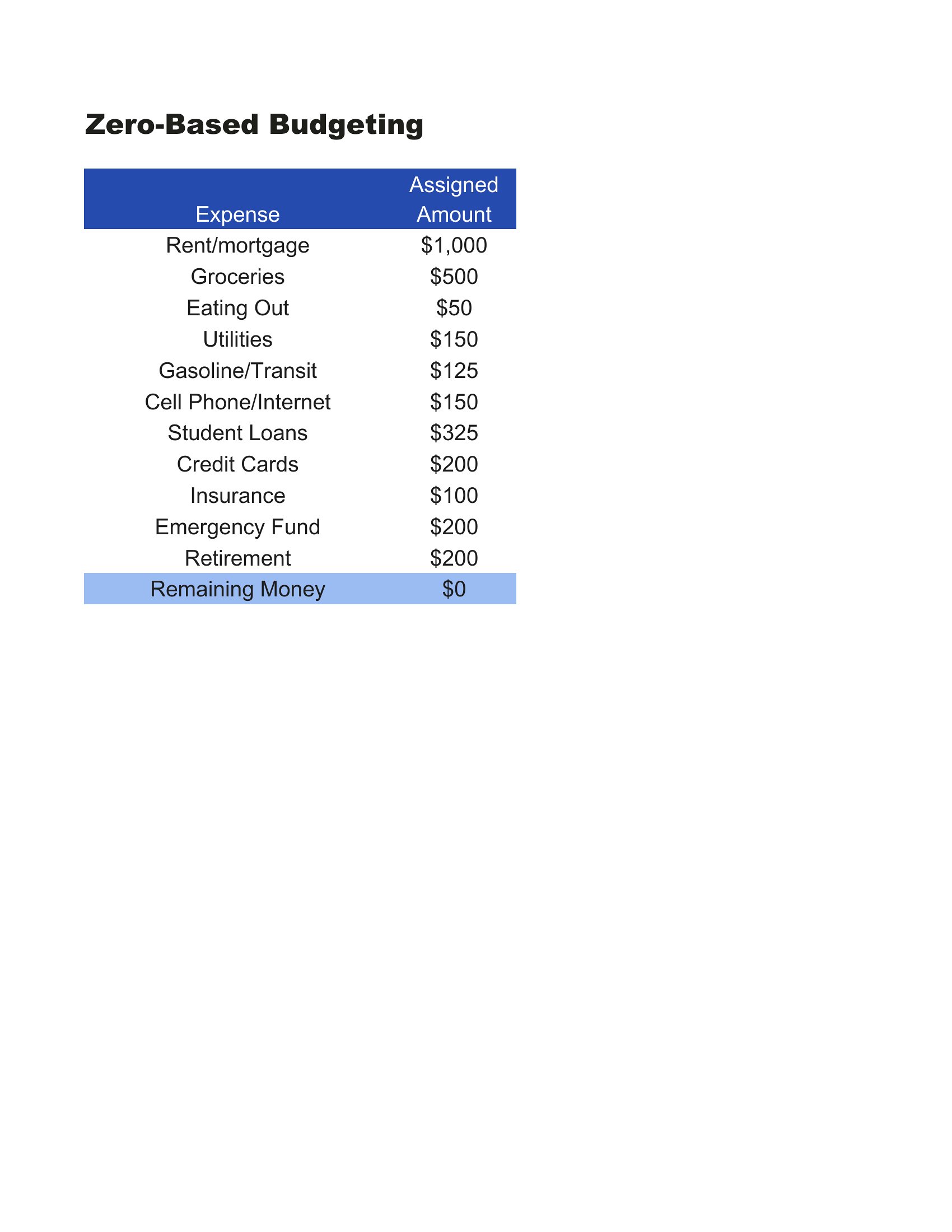
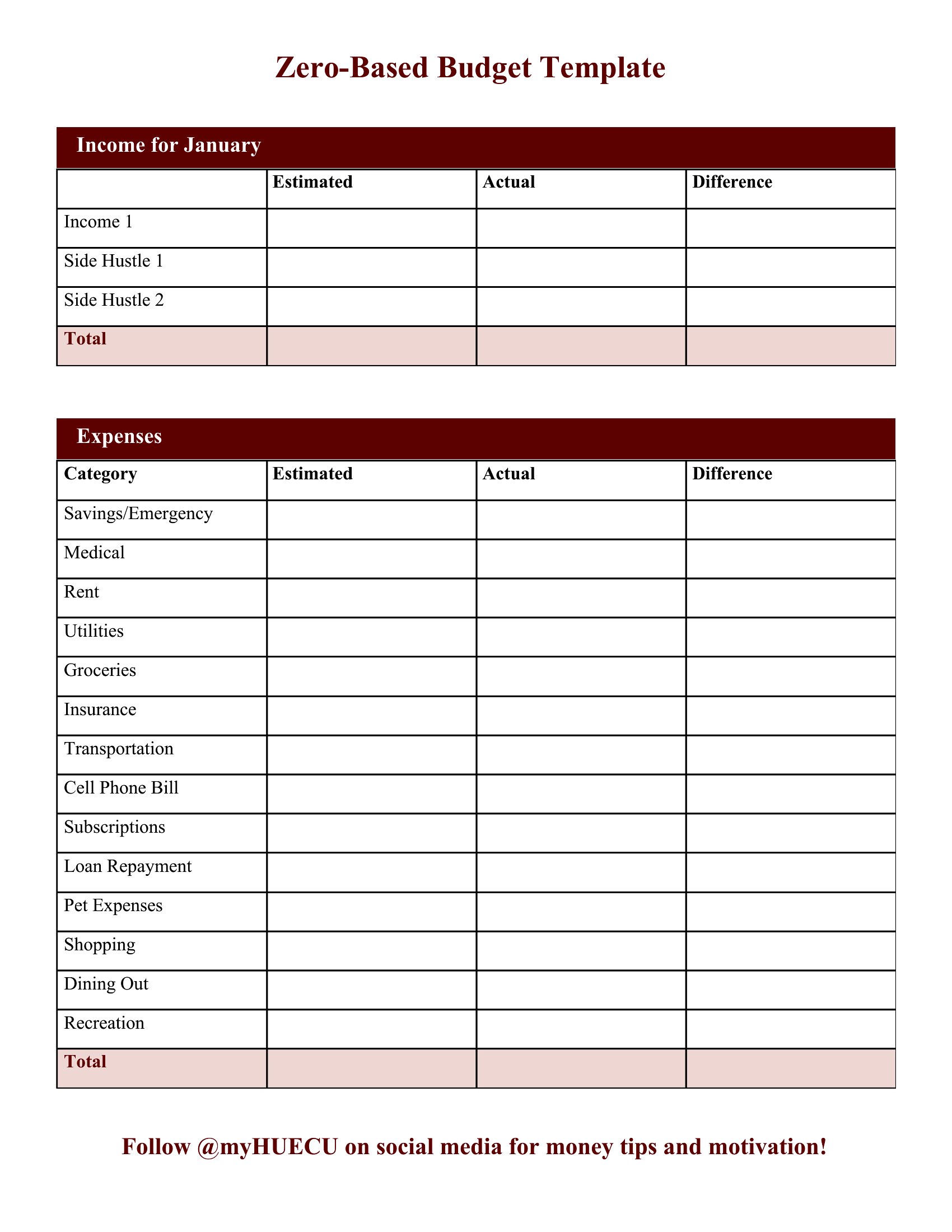
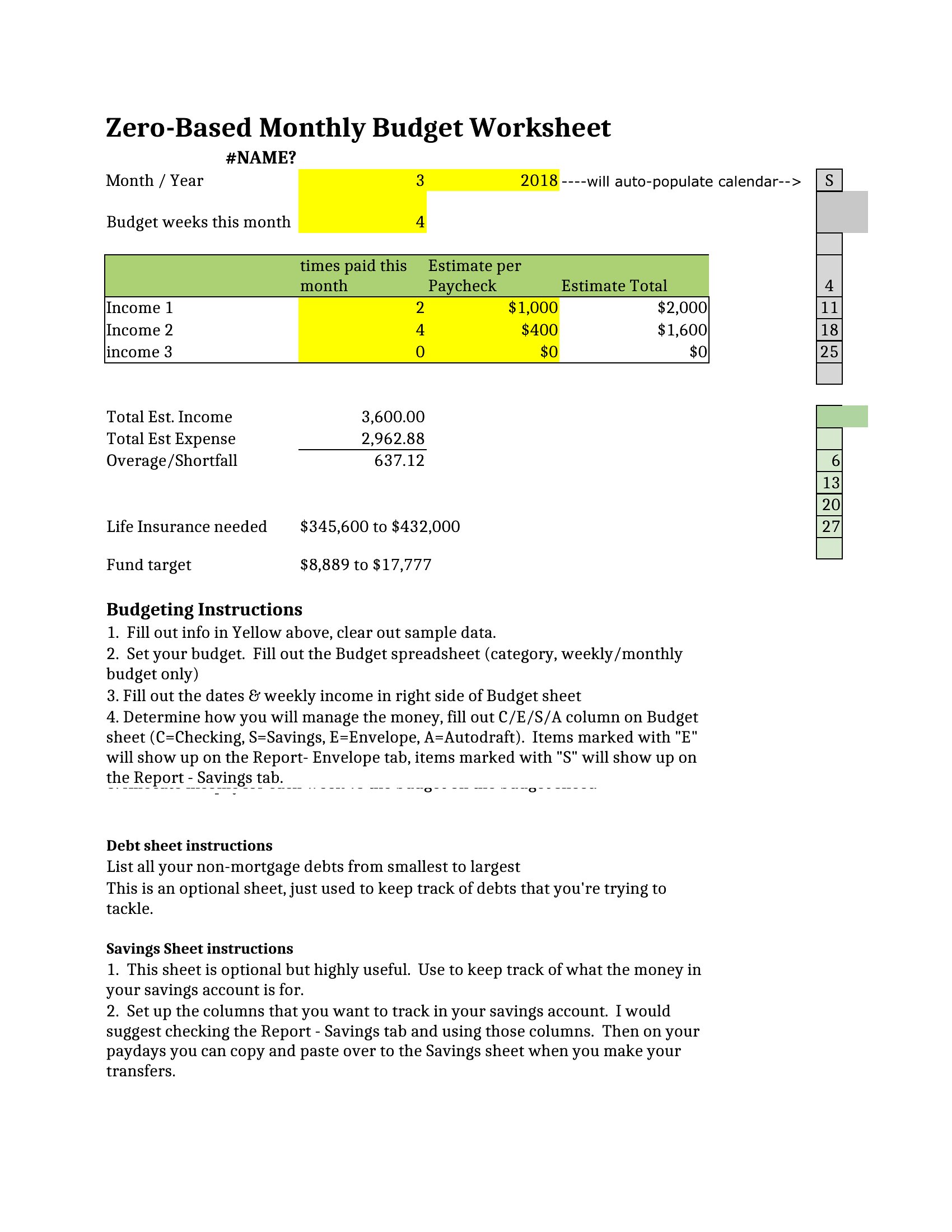
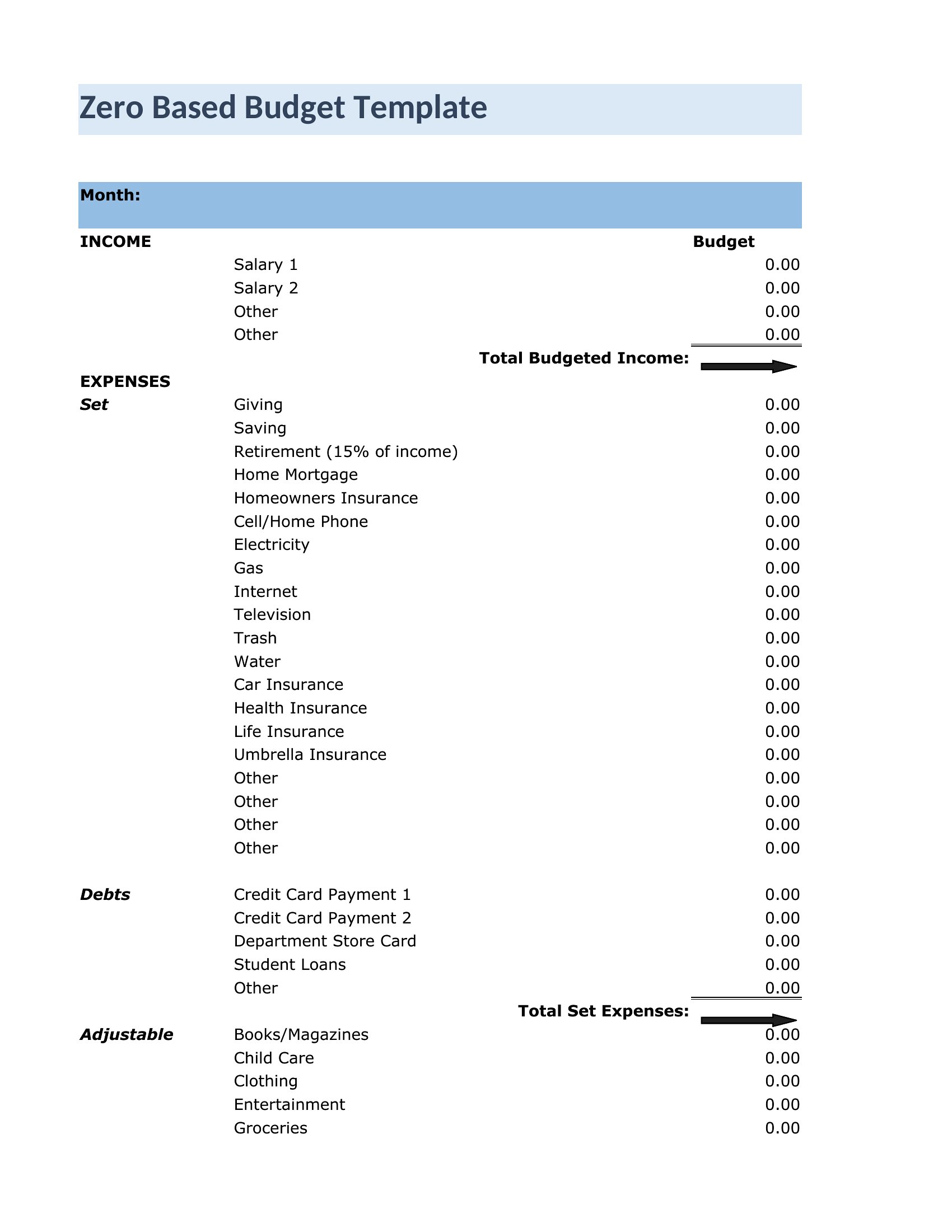
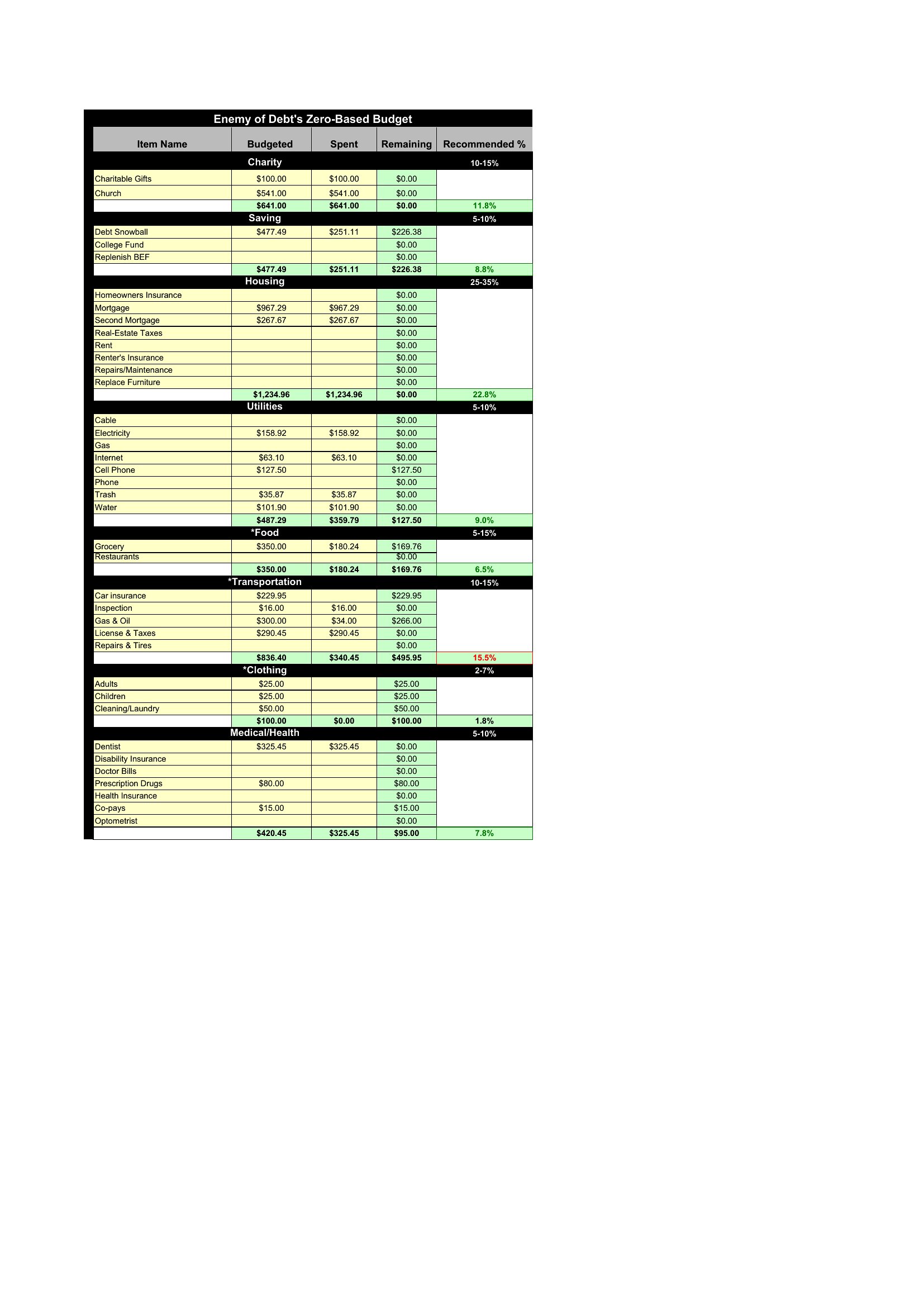
It assigns every dollar to a specific debt or savings goal first, like marking $300 monthly toward a credit card. This forces tough choices, such as cutting discretionary spending, ensuring extra income covers debt faster than traditional budgets that let leftover money disappear. It’s ideal for those with multiple debts or high-interest loans who need a structured payoff timeline.
Can a zero-based budget work for someone whose income varies significantly, like a rideshare driver?
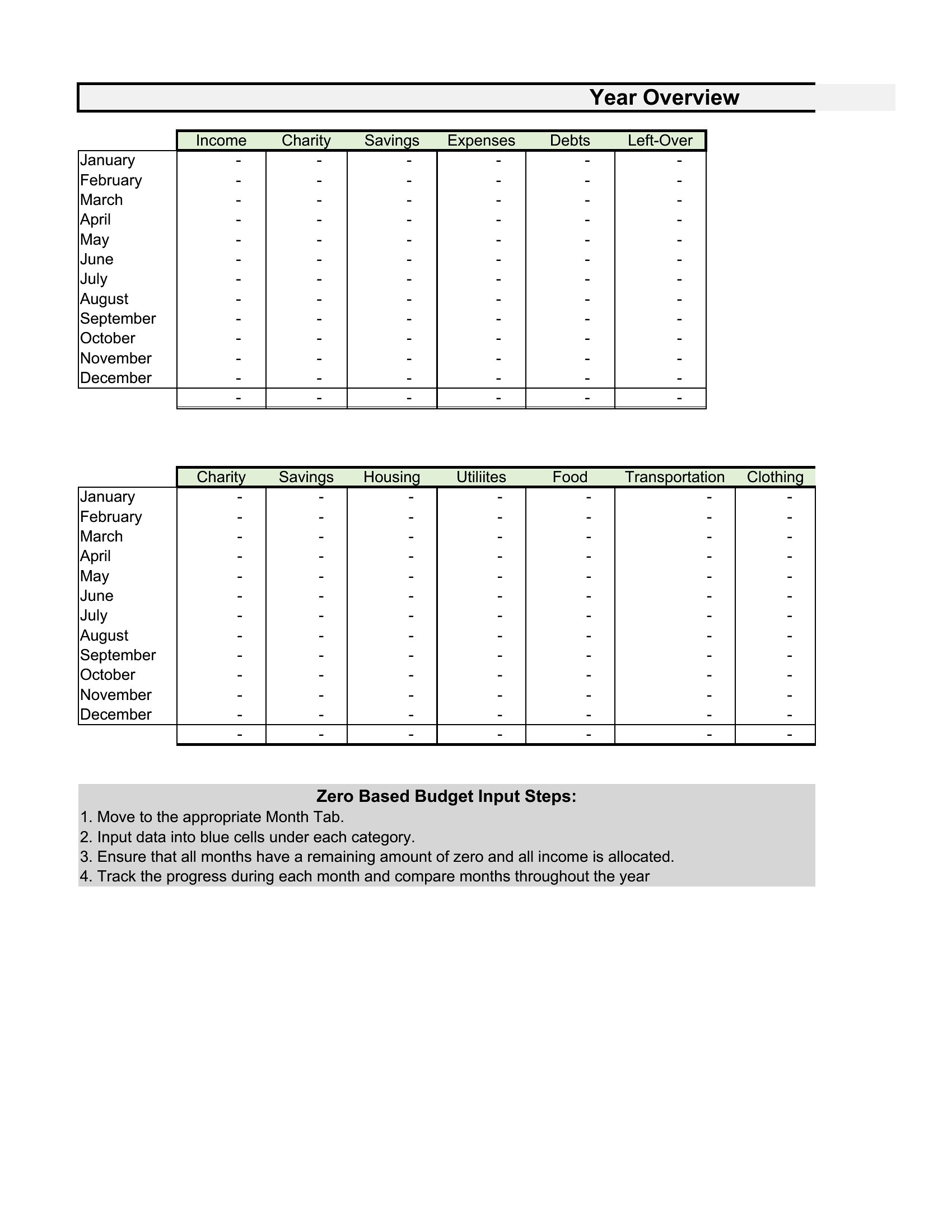
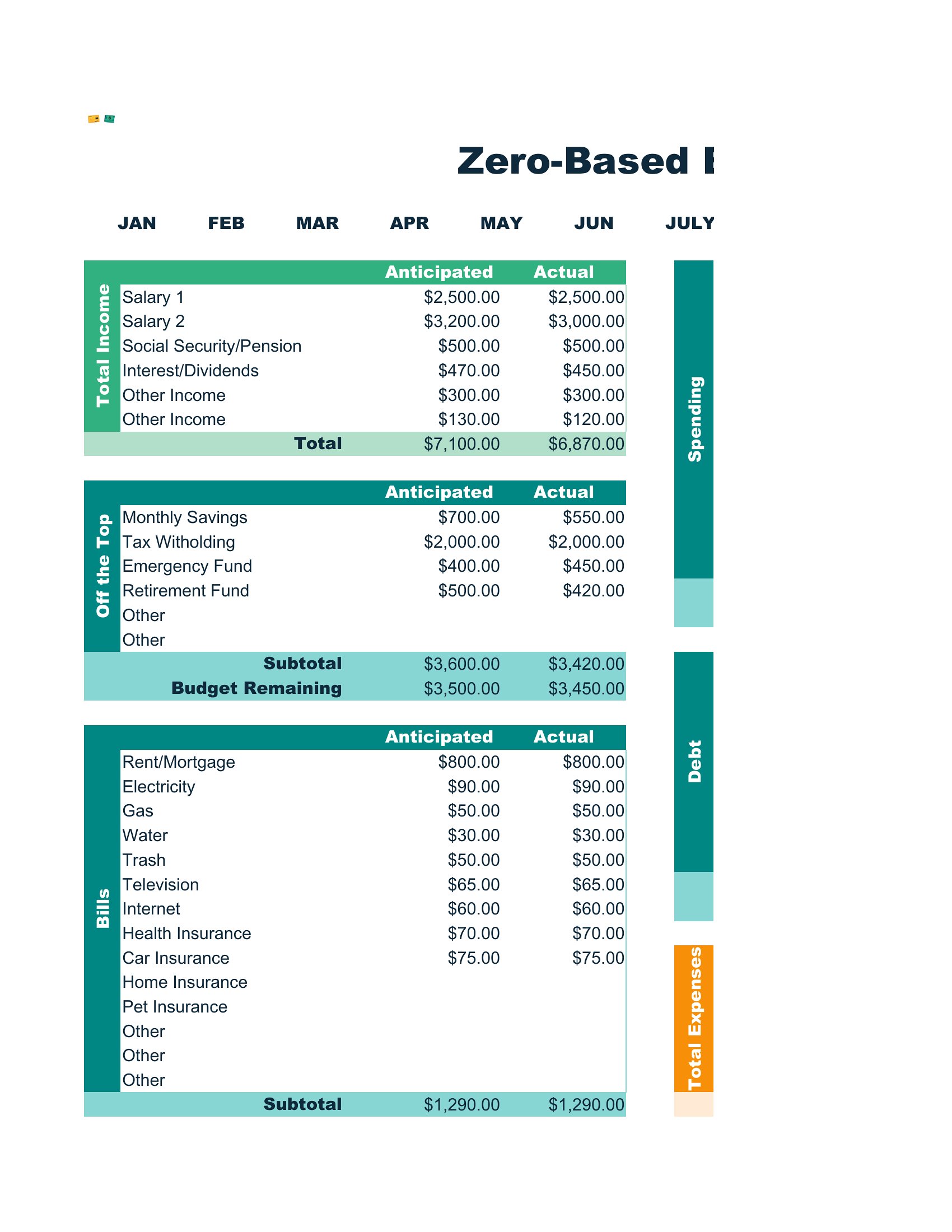
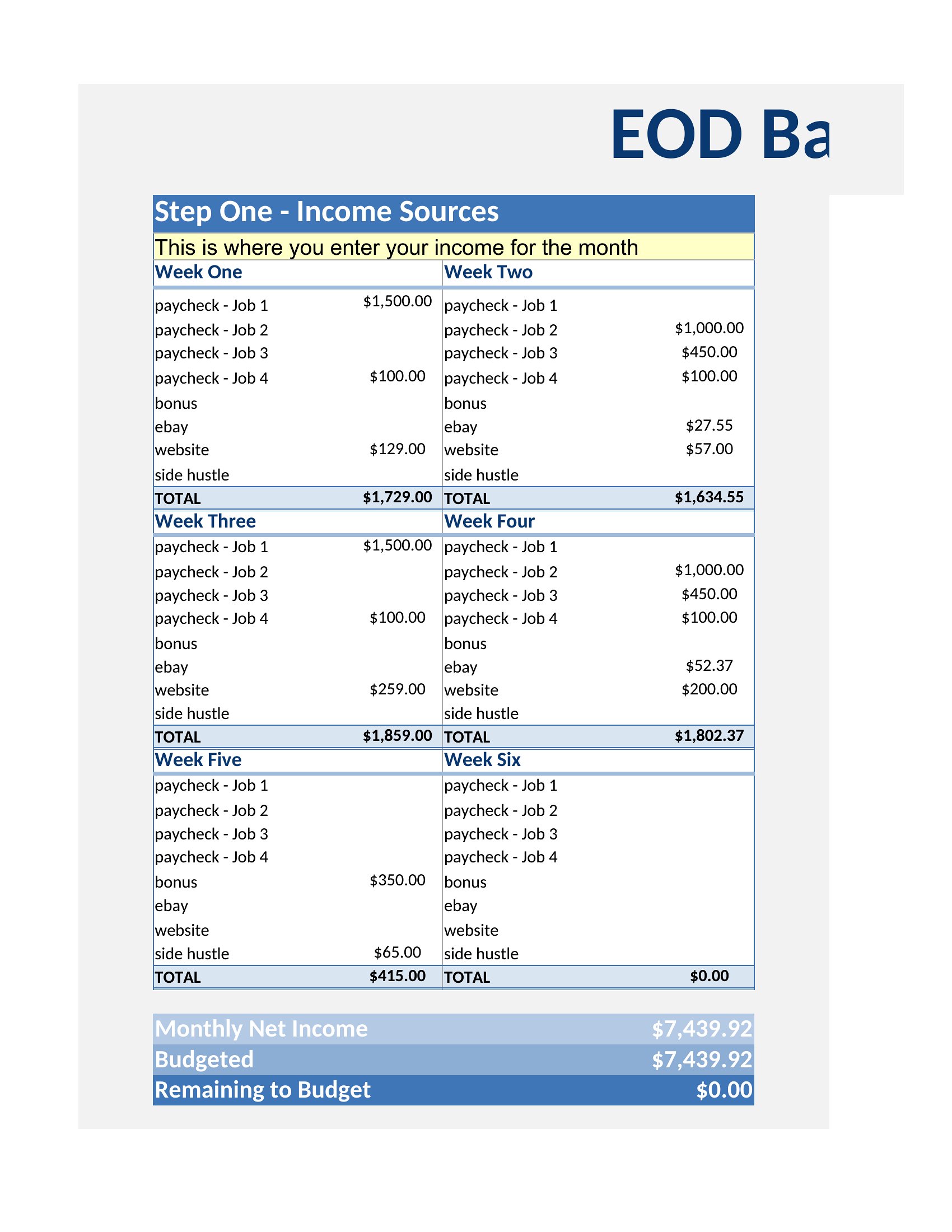
Yes, but it requires tracking income trends over 3–6 months first to set realistic averages. Assign categories like ‘Gas/Expenses Reserve’ and ‘Variable Income Buffer’ before dividing the rest. Adjust allocations monthly as earnings fluctuate, using the buffer to cover shortfalls. Templates with conditional formatting in Excel help highlight when categories need reallocation.
What if my expenses exceed income even after assigning every dollar a category?
This signals a need for cuts or income adjustments—zero-based budgeting exposes overspending immediately. Start by reviewing fixed expenses (e.g., subscriptions, housing) for reductions, then prioritize non-essentials. If cuts aren’t possible, explore side income or a temporary ‘survival budget’ to bridge the gap while reassessing long-term financial goals. It’s a tool to highlight unsustainable habits, not a failure.
Comments
Join the conversation
Sign in to share your thoughts and leave a comment on this resource.