
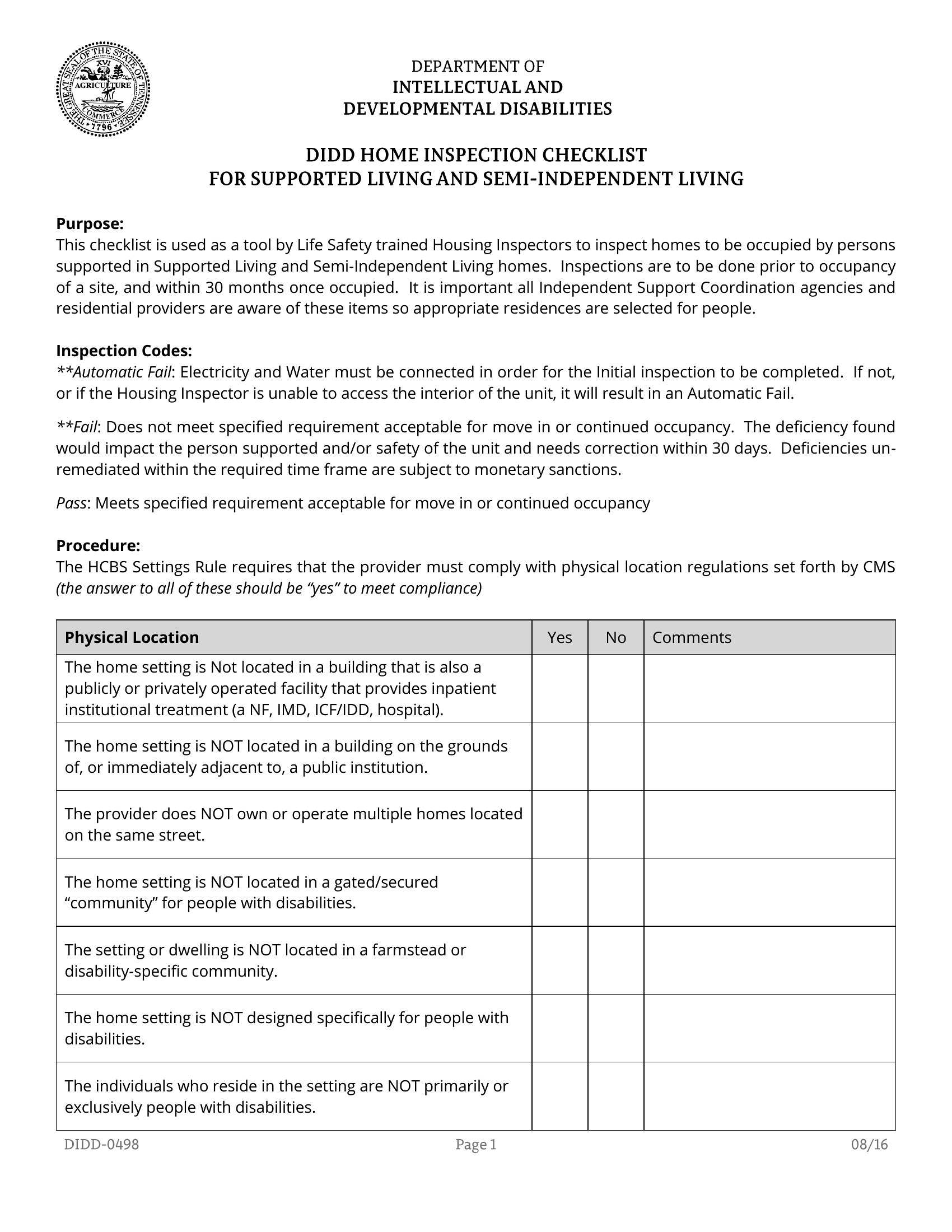
Free Home Inspection Checklists (Word, PDF)
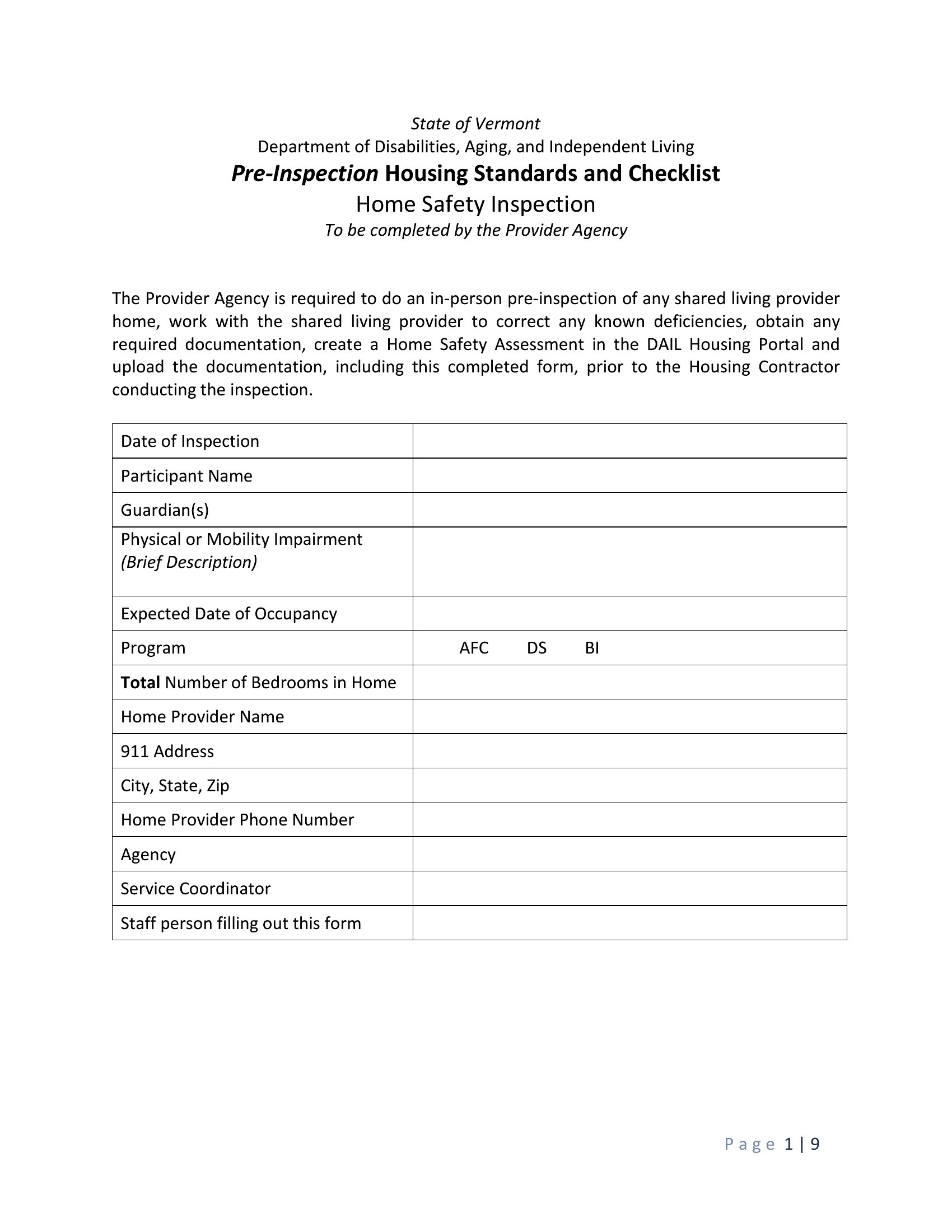
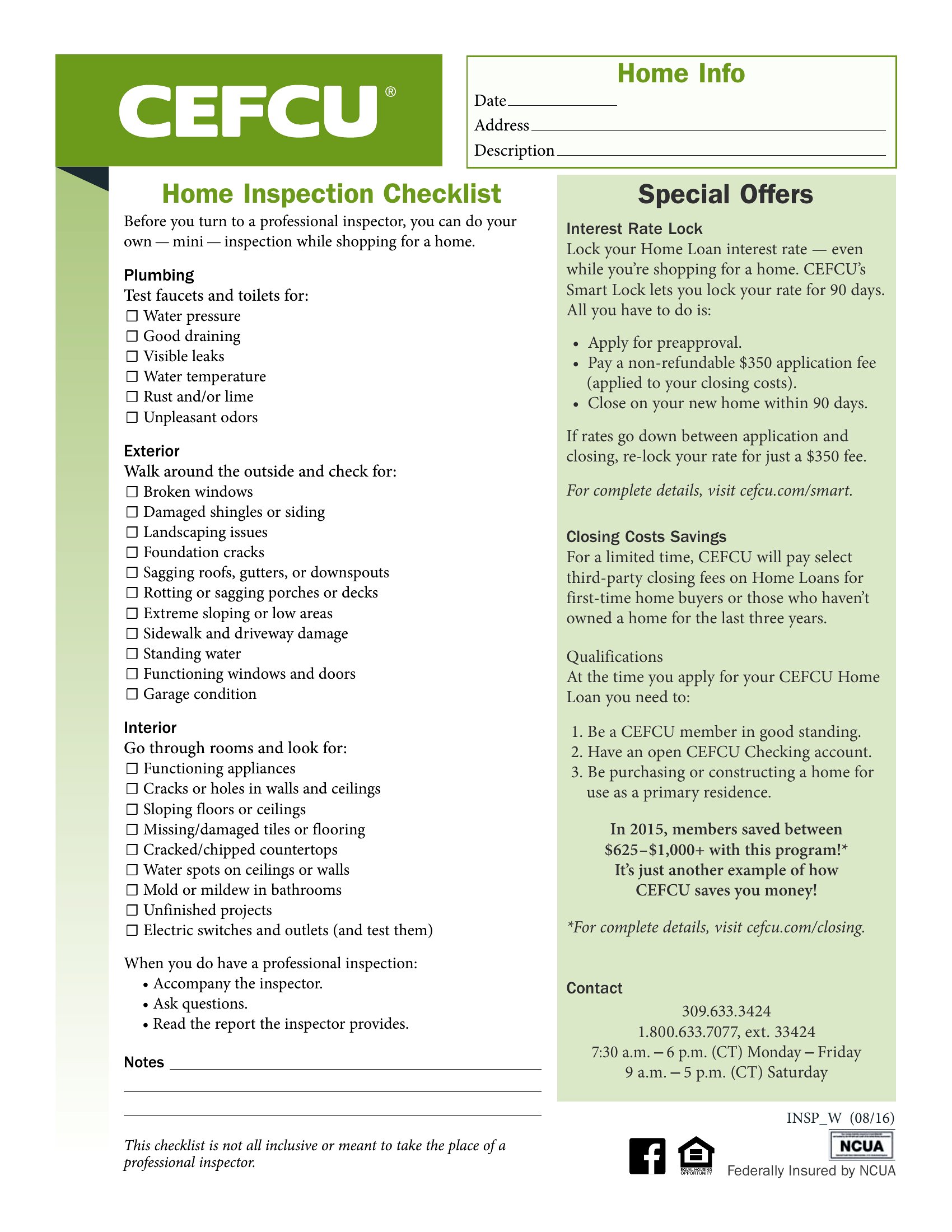
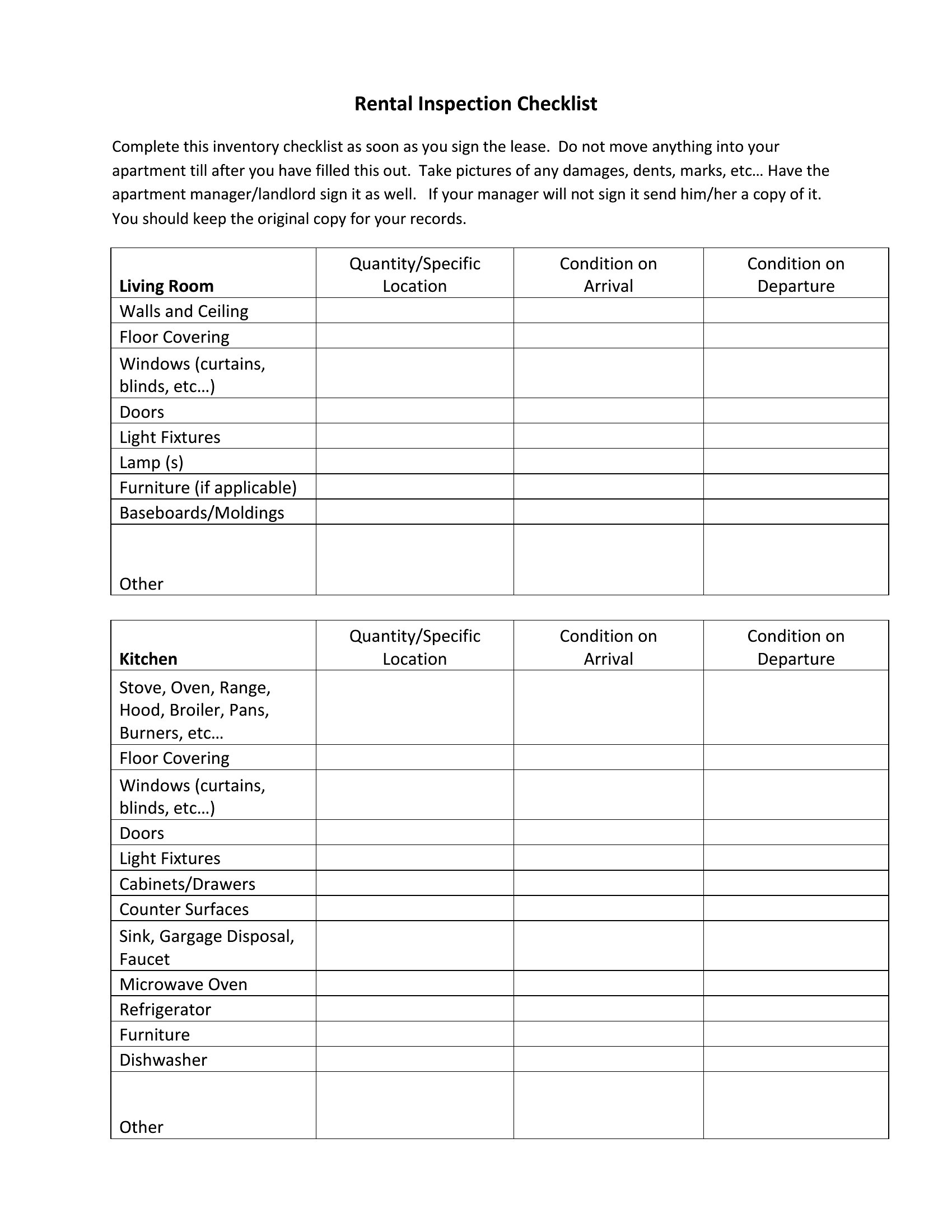
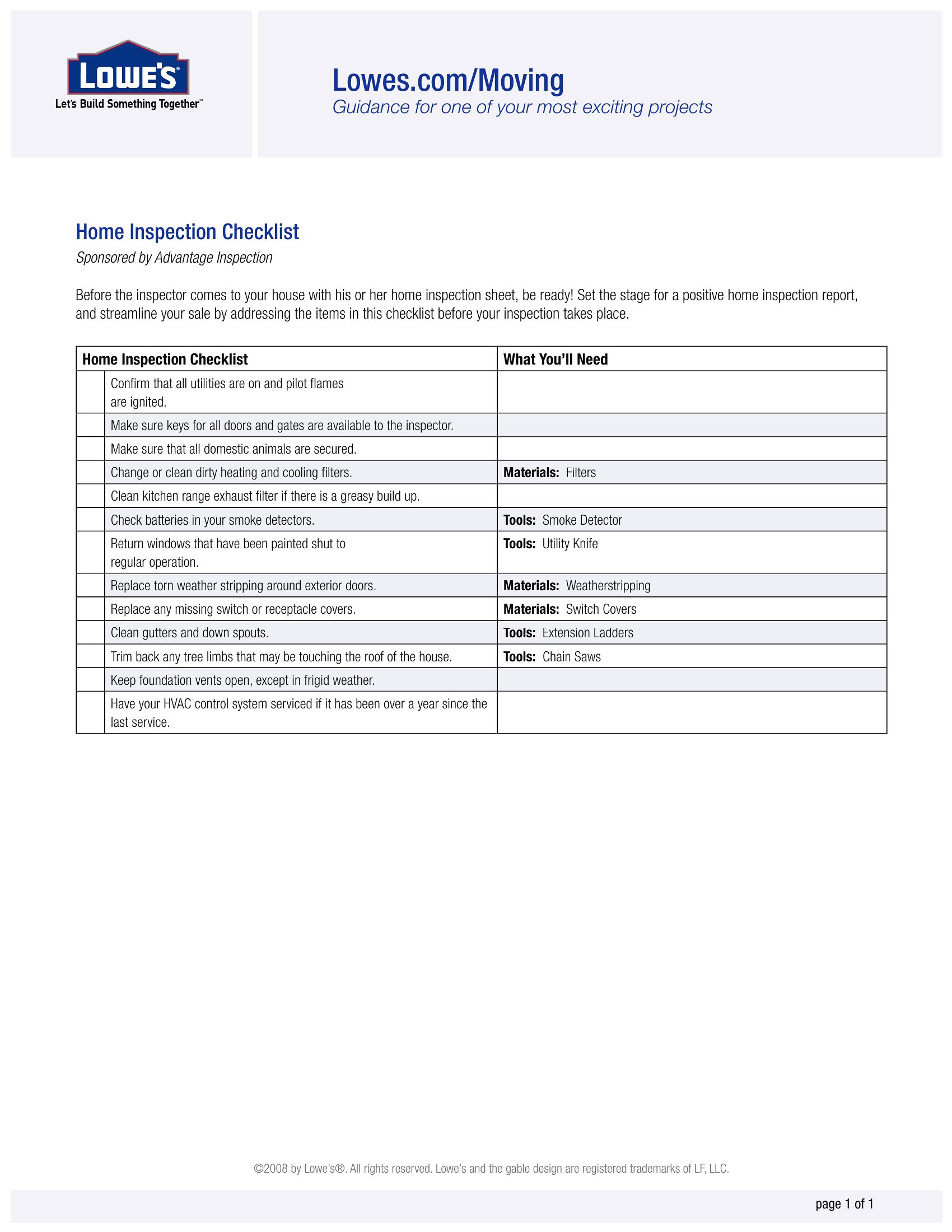
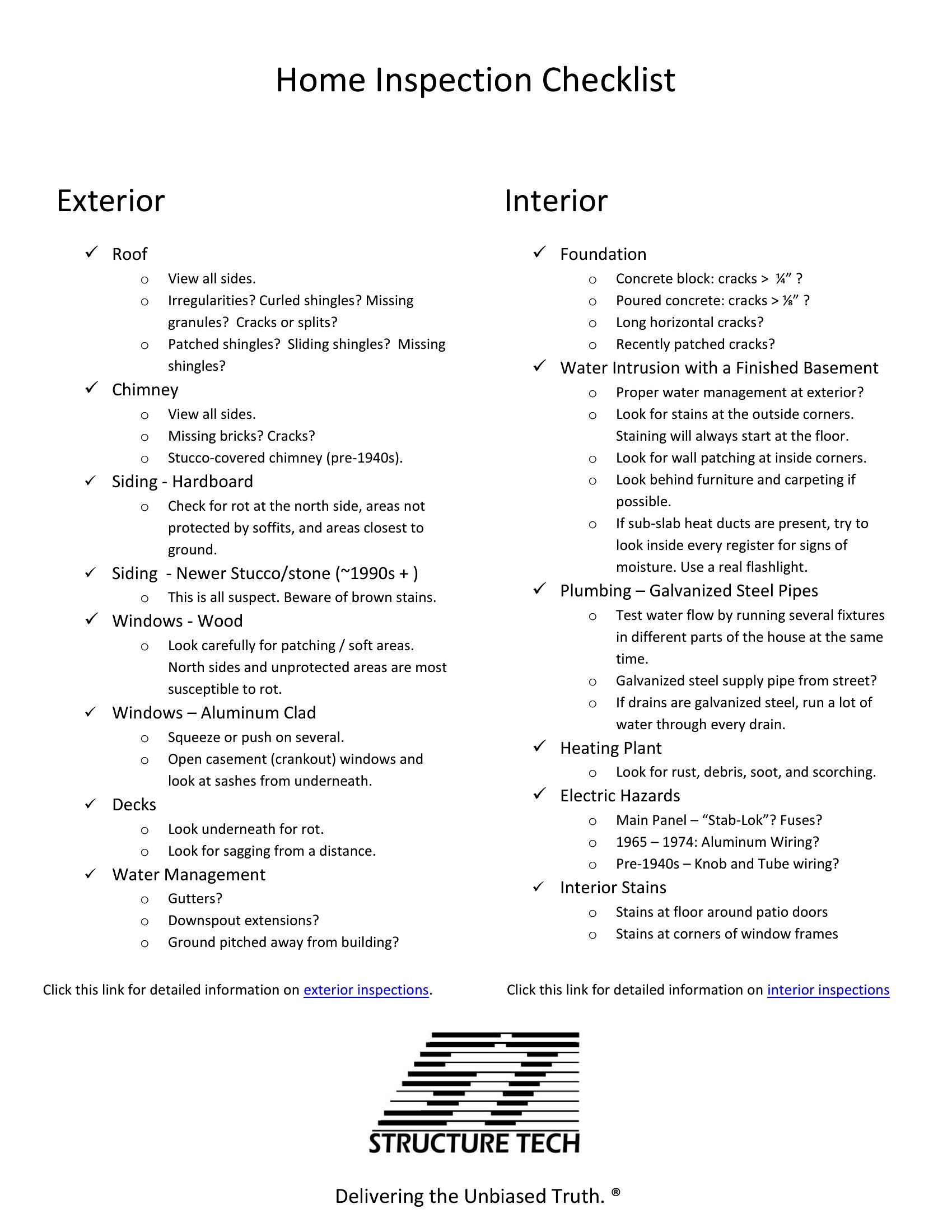
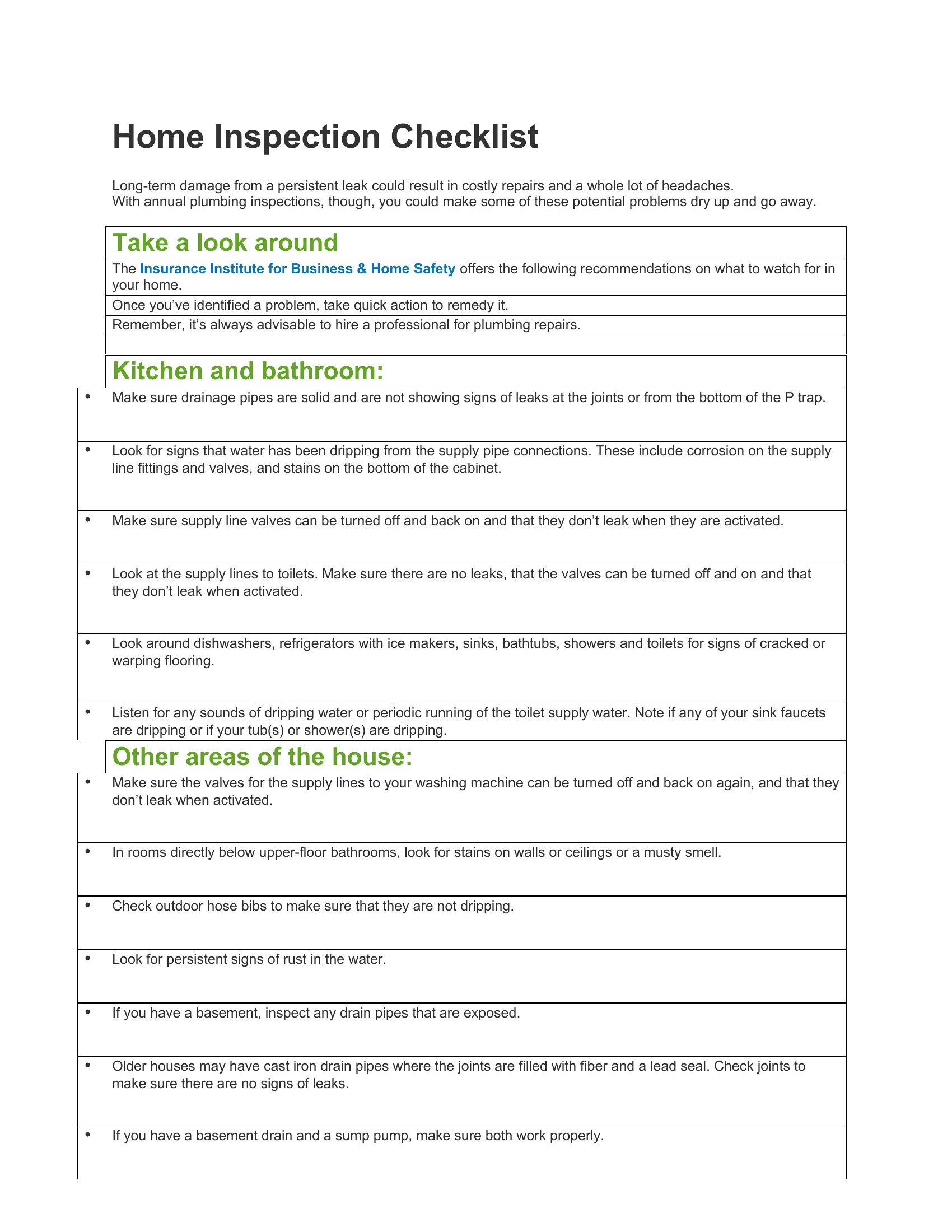
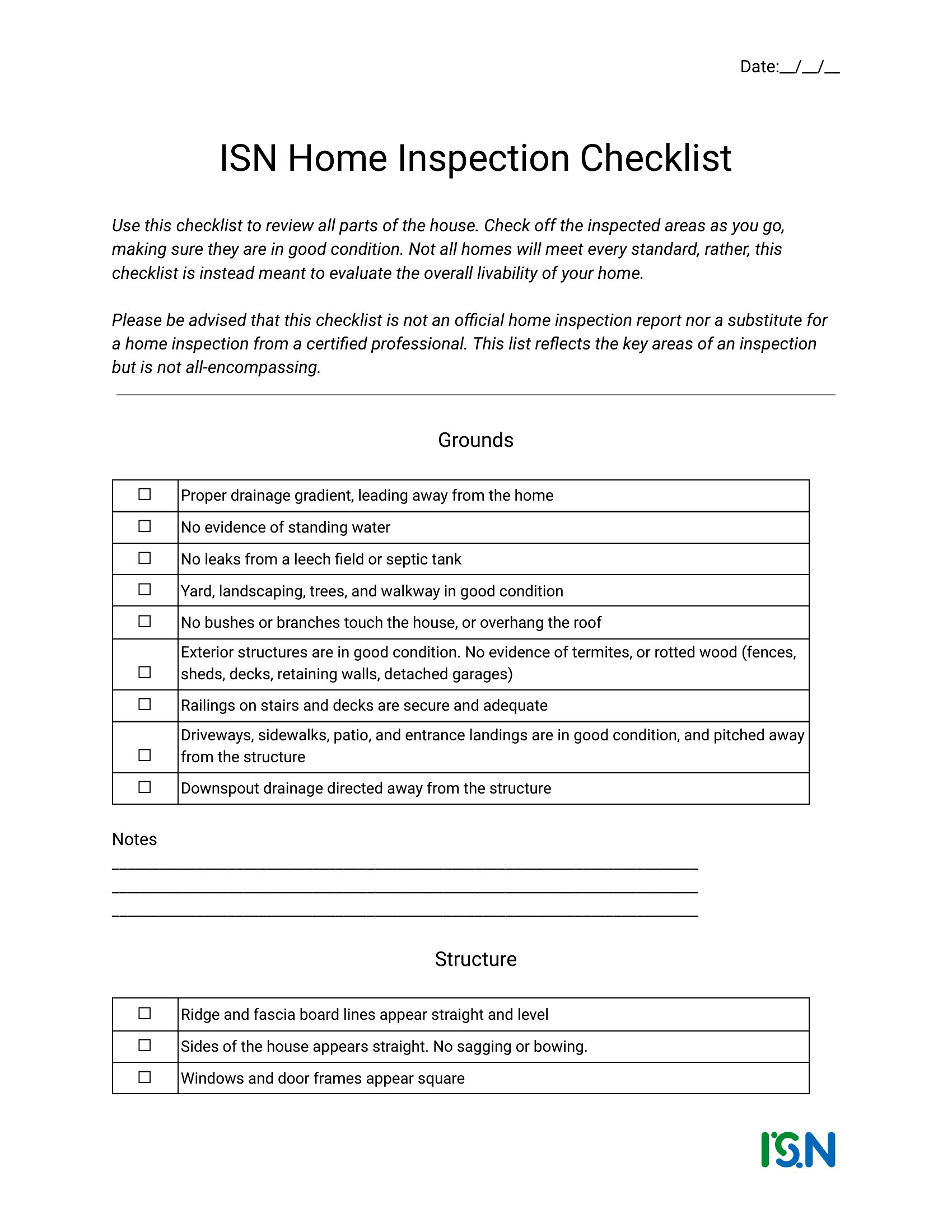
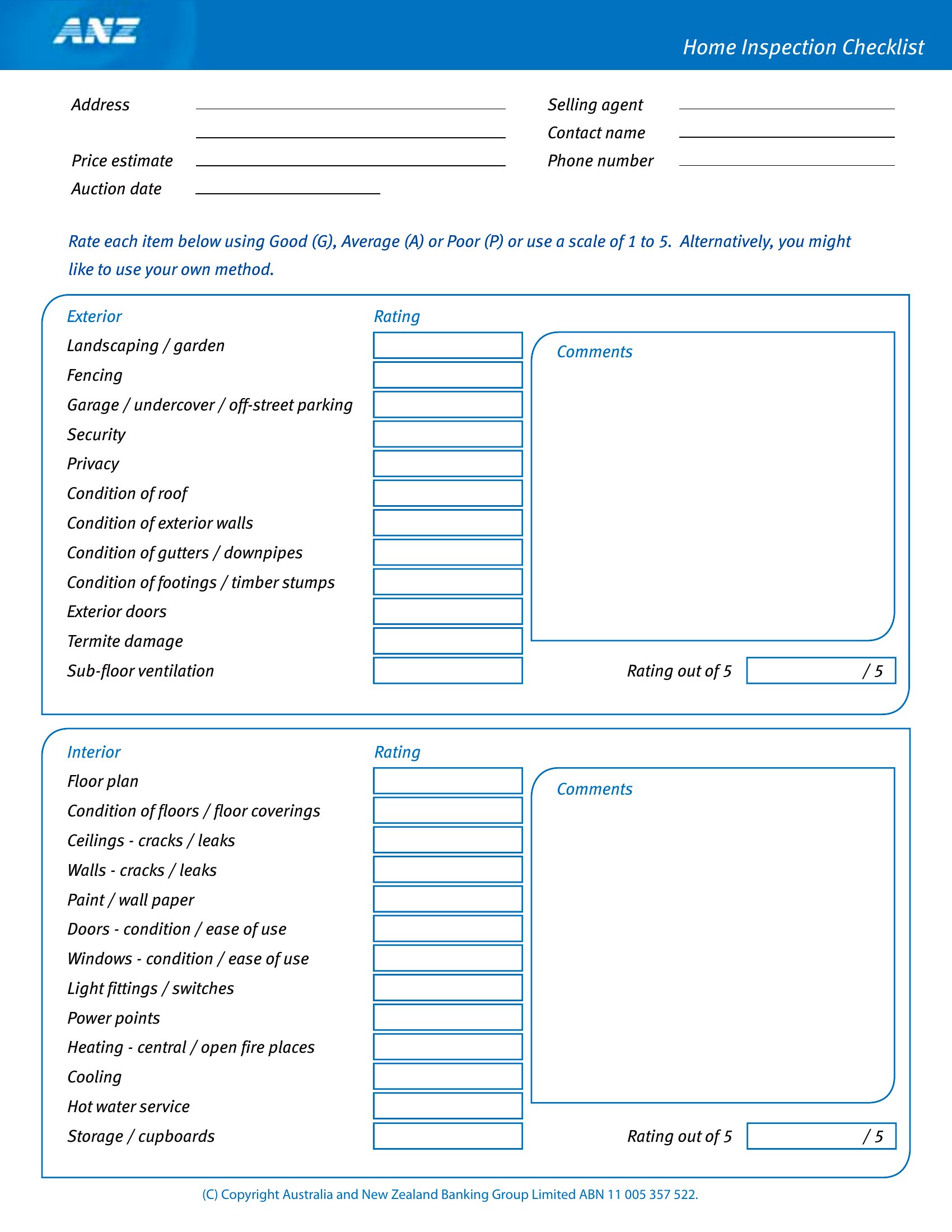
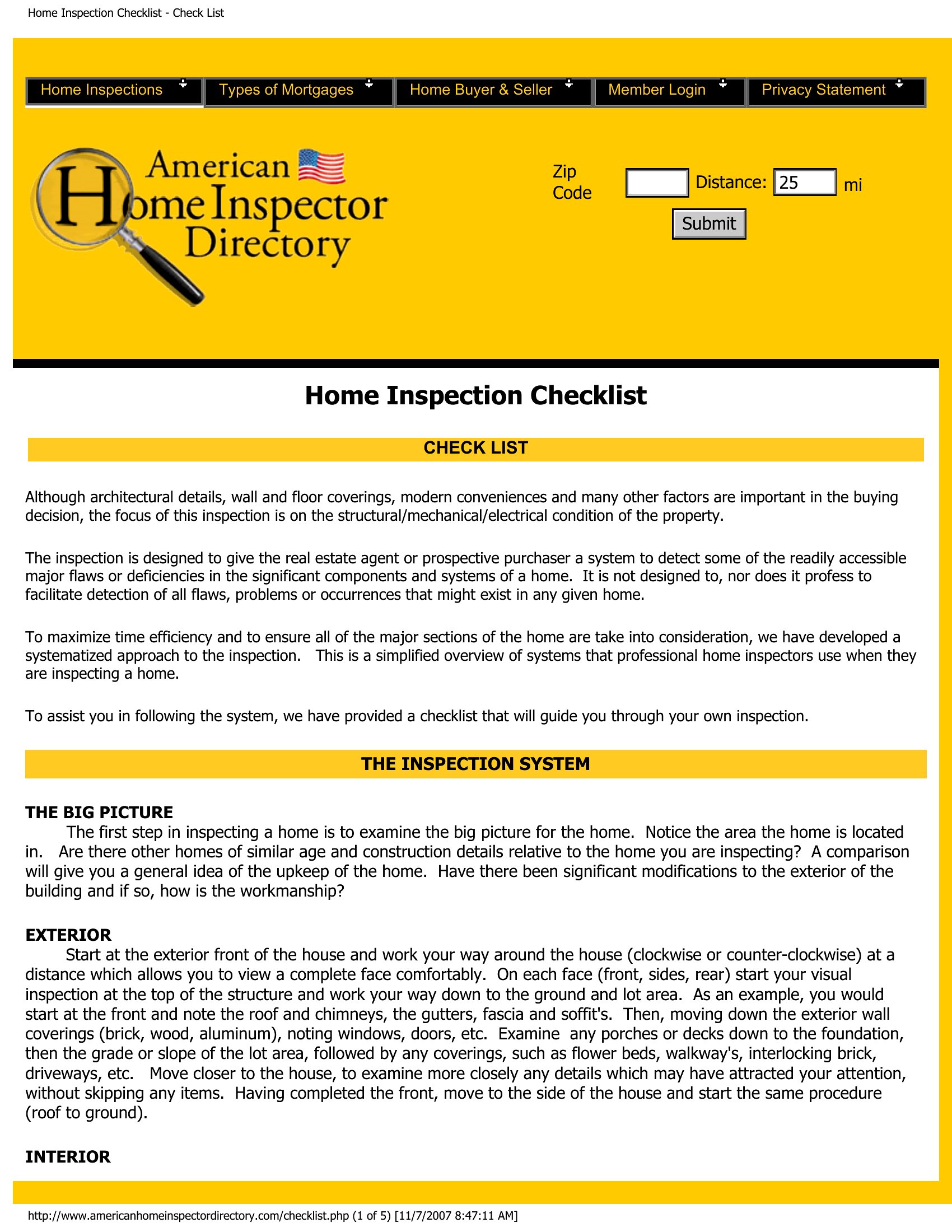
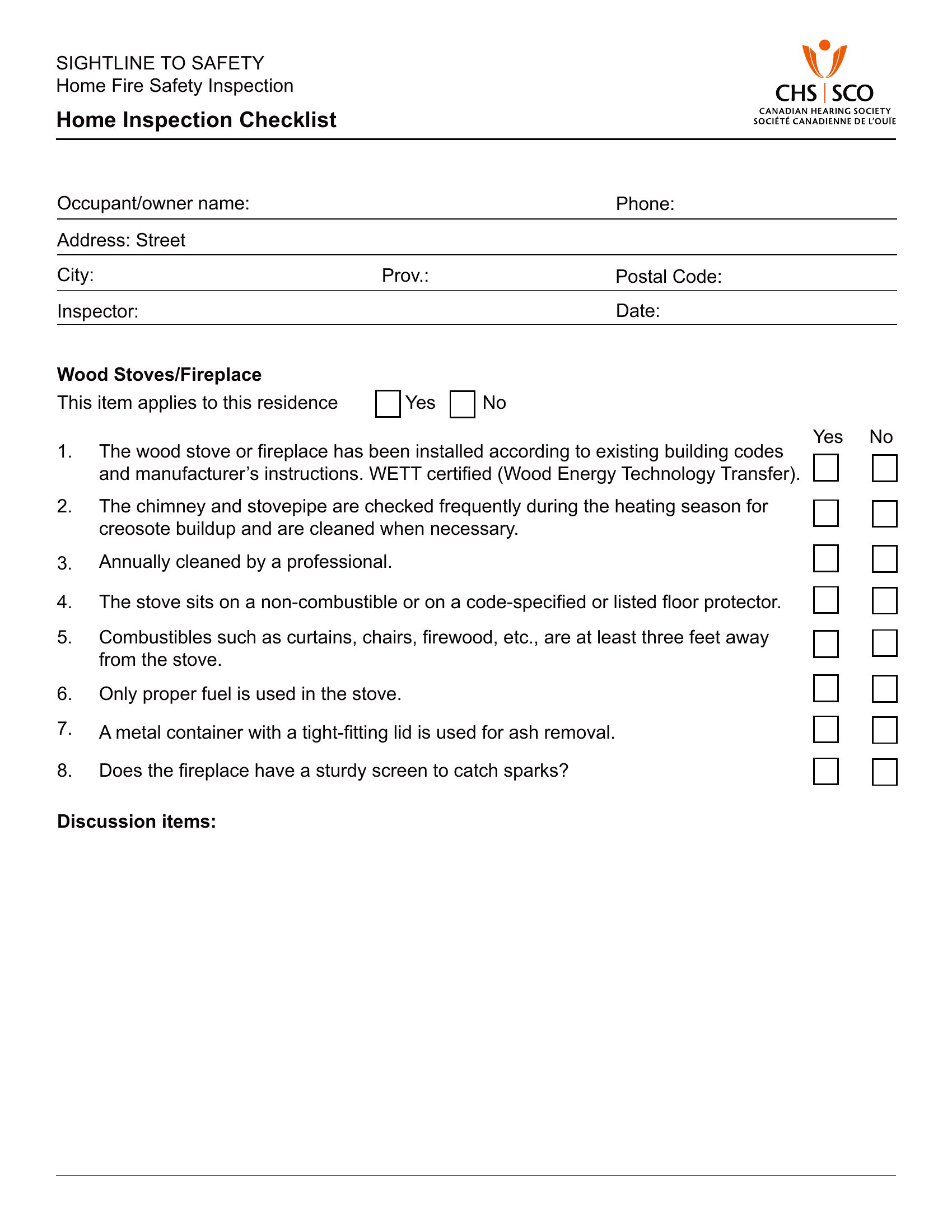
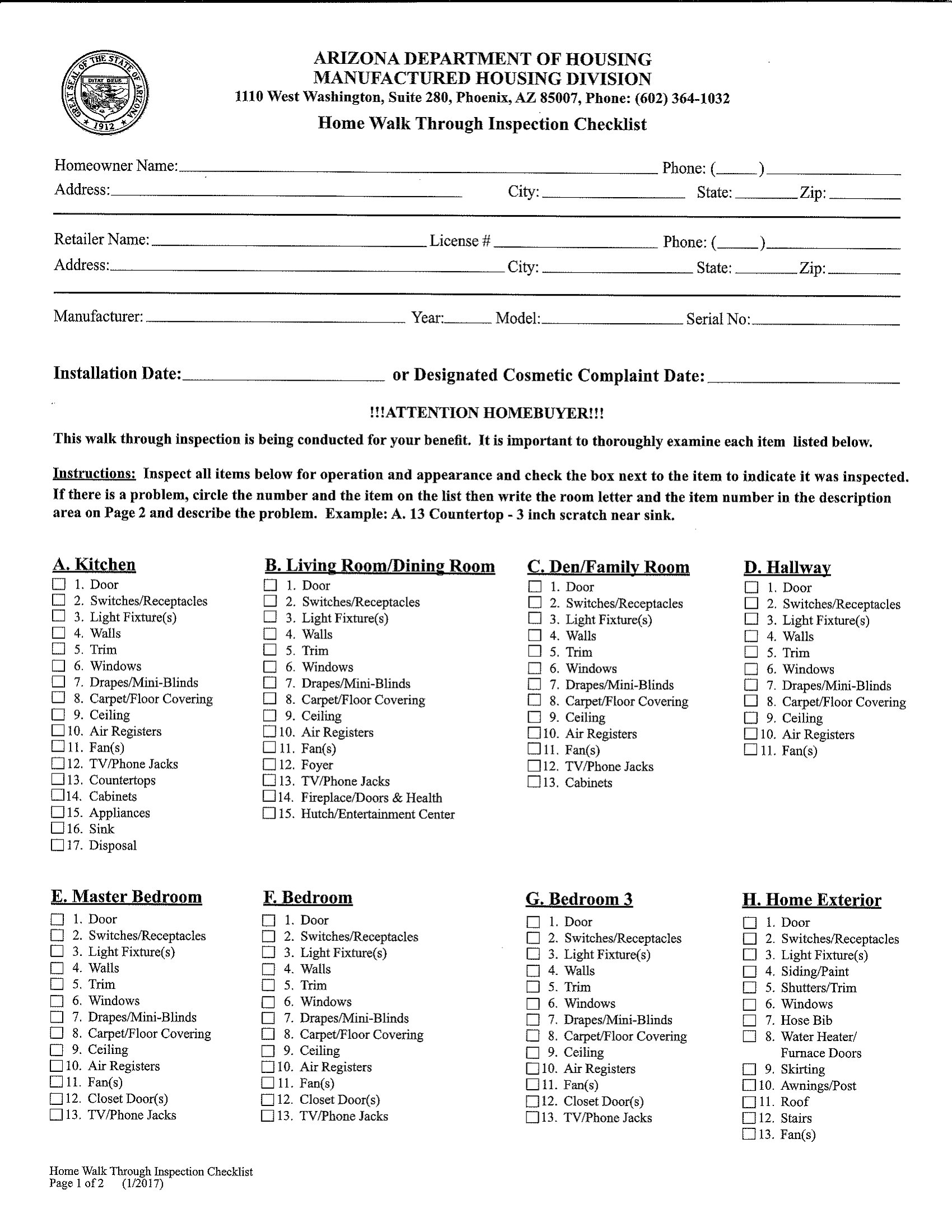
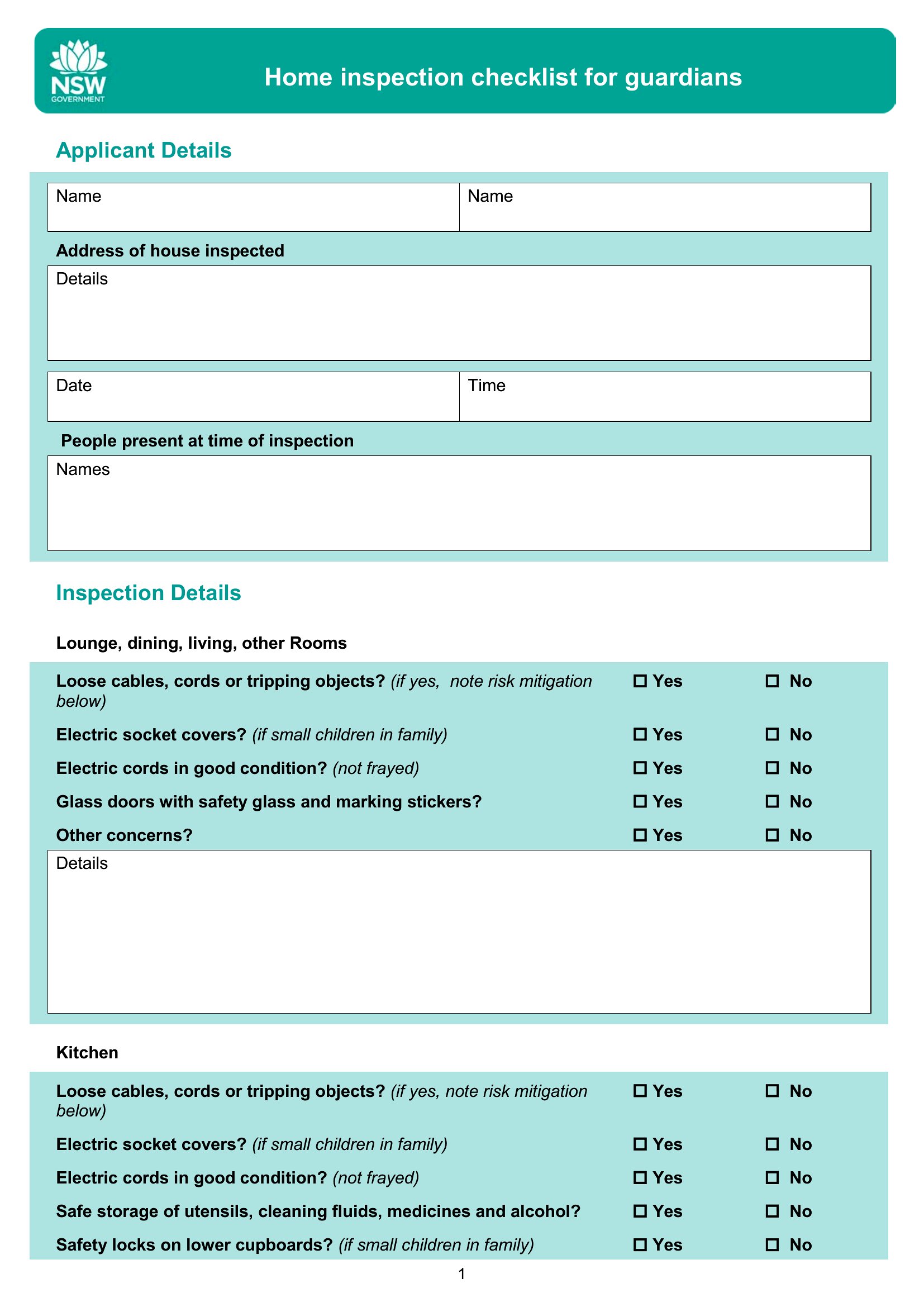
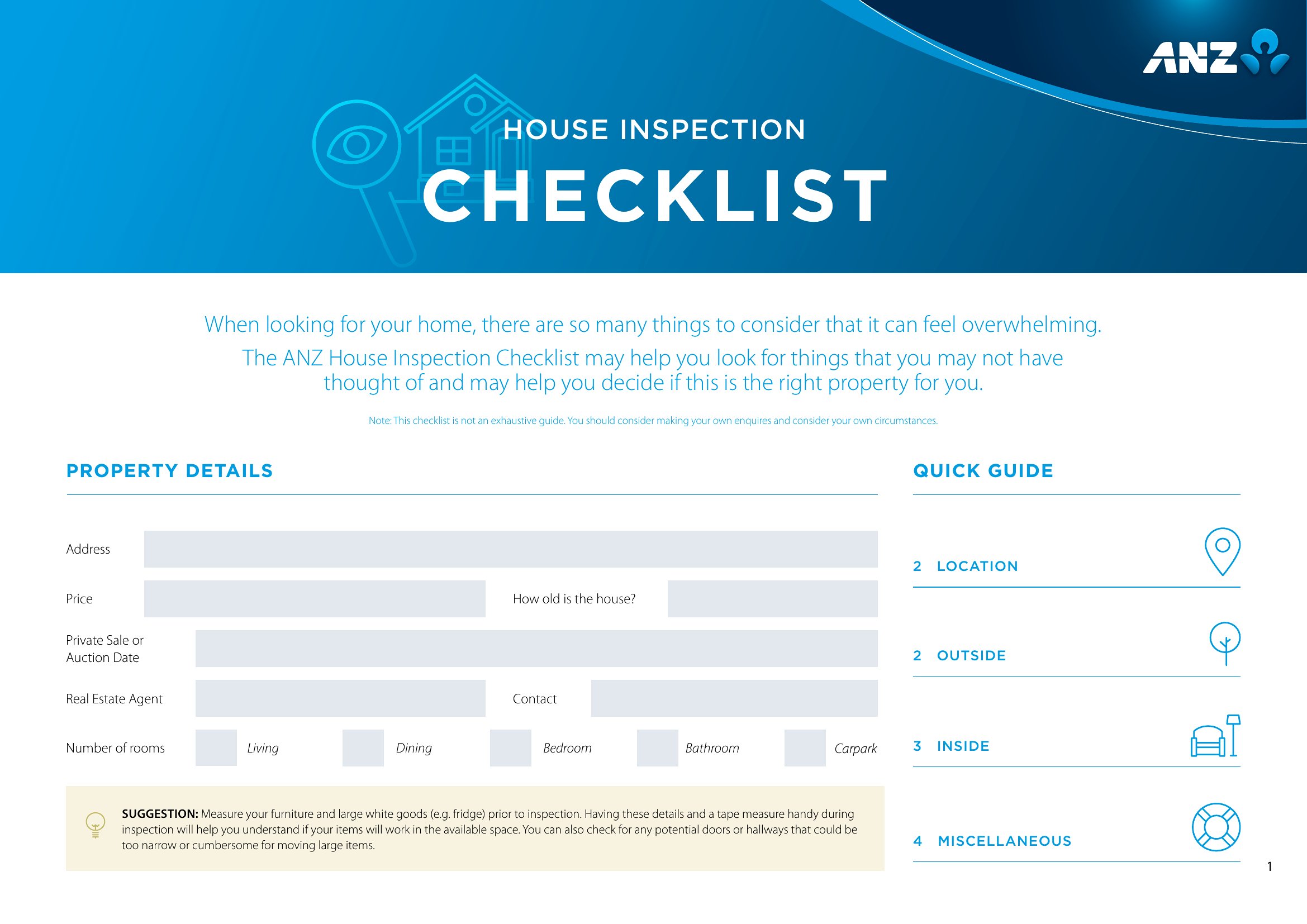
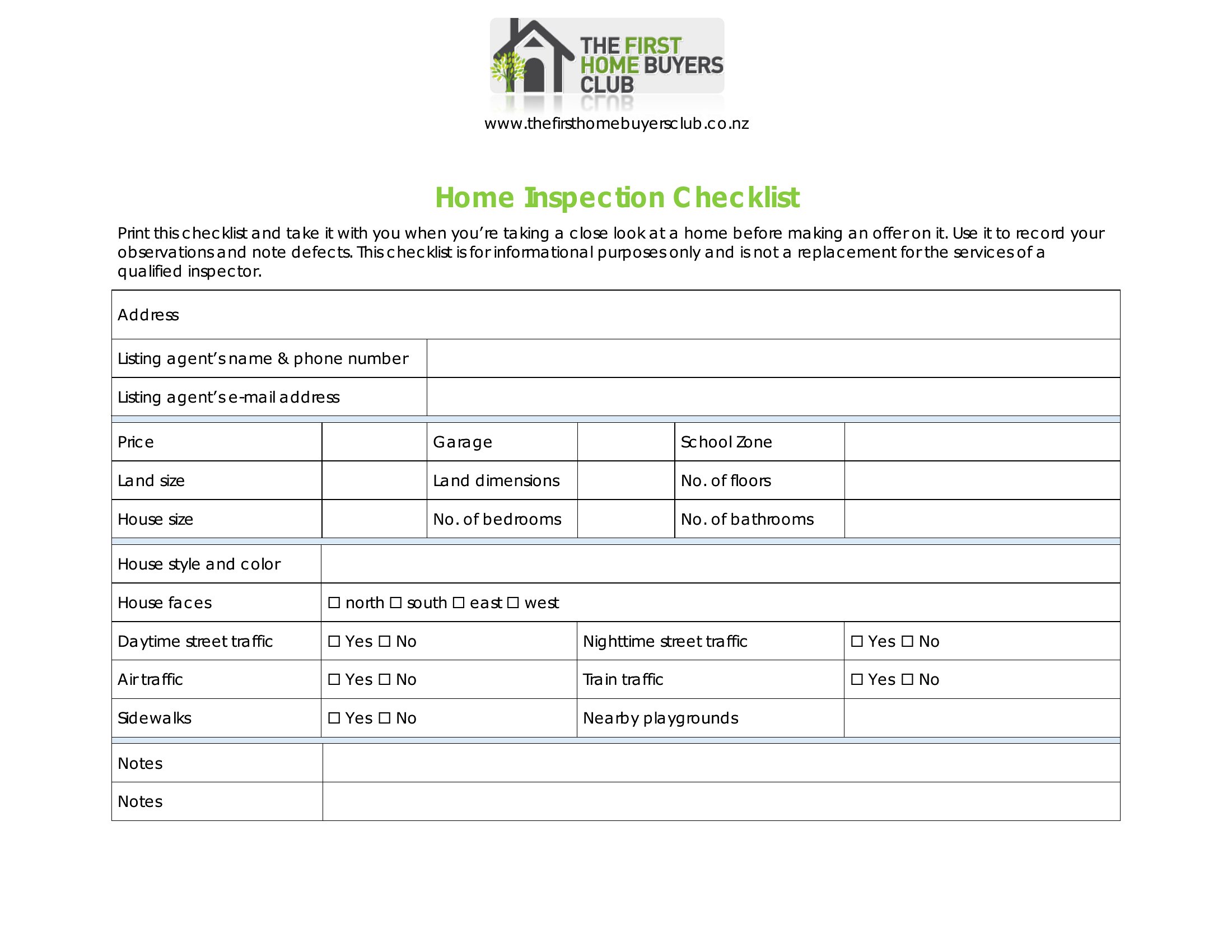
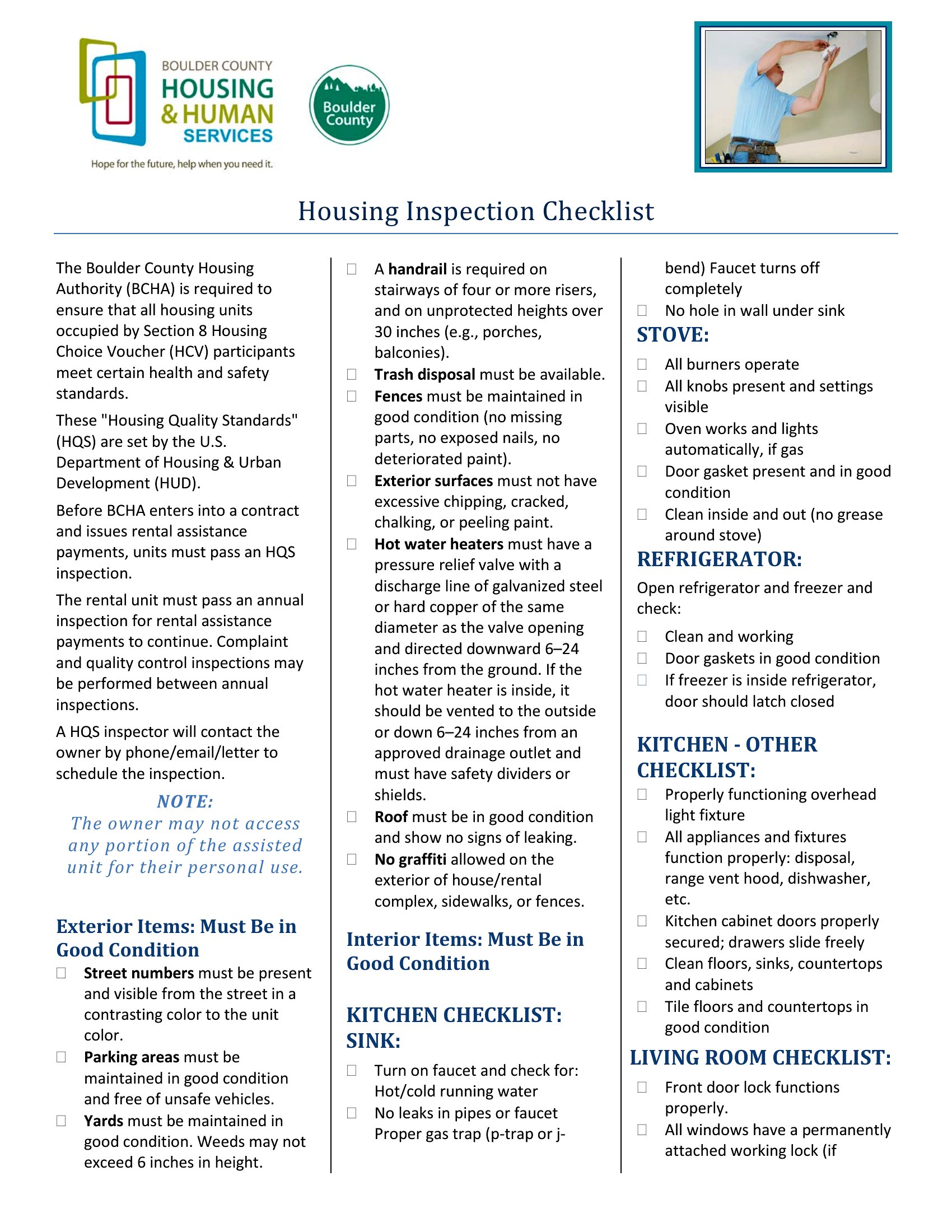
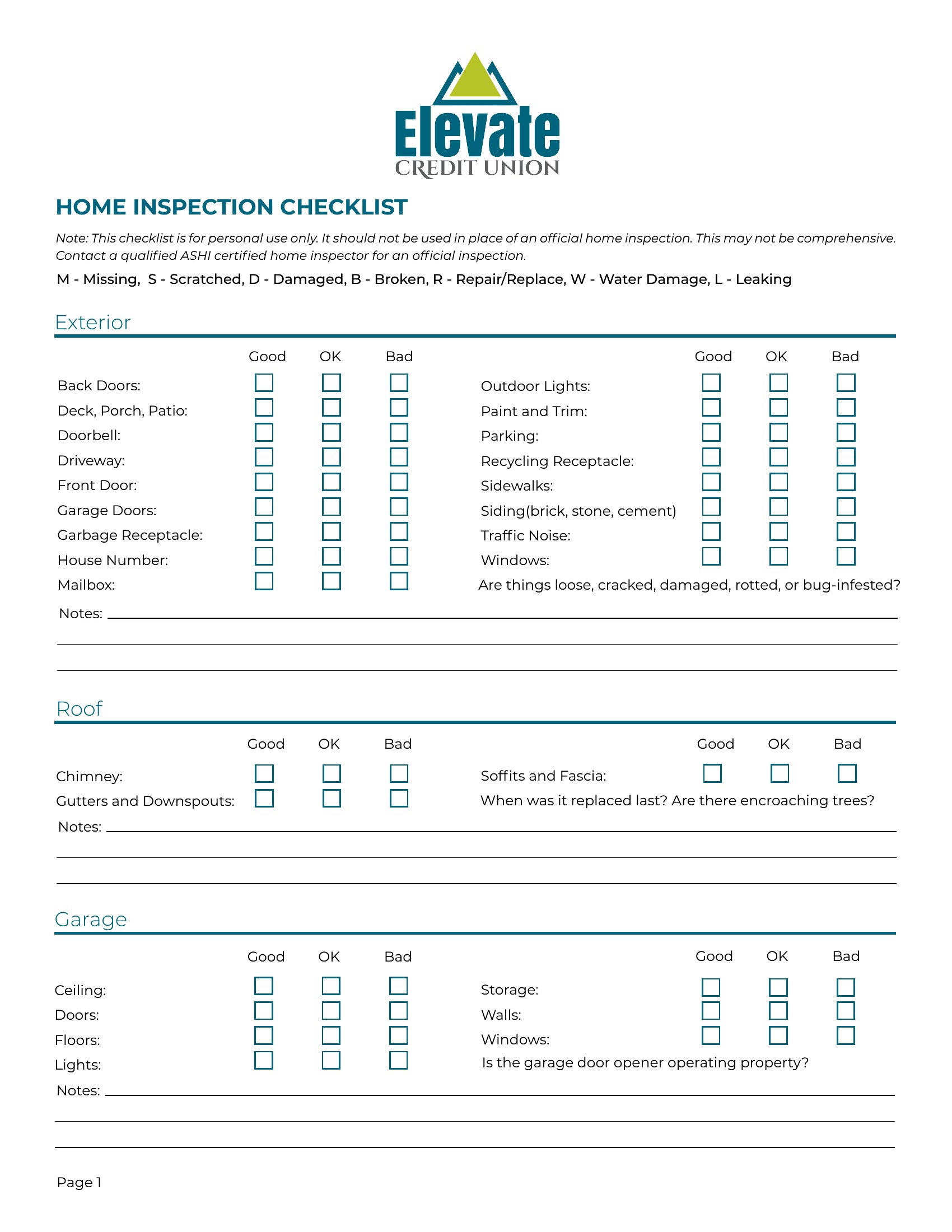
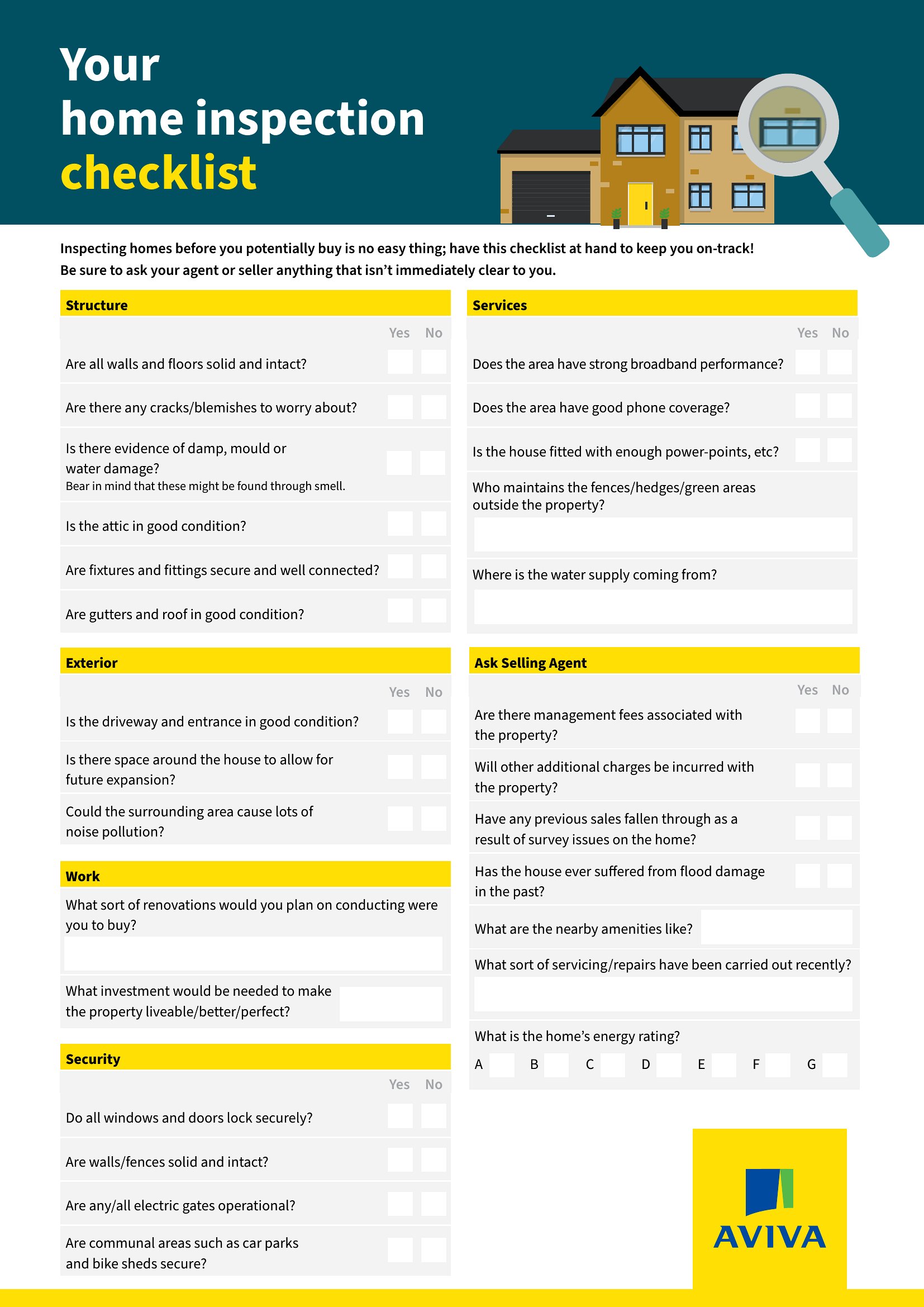
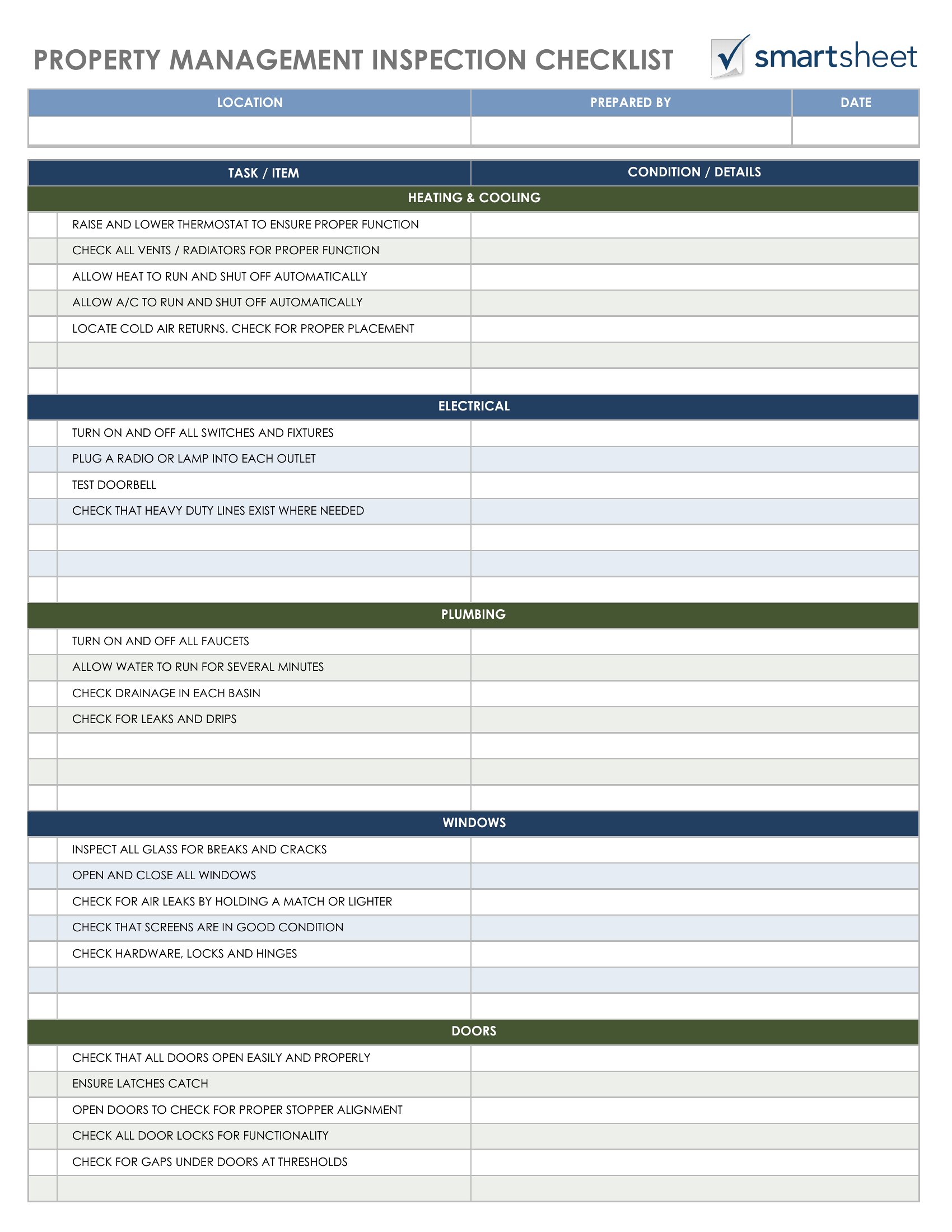
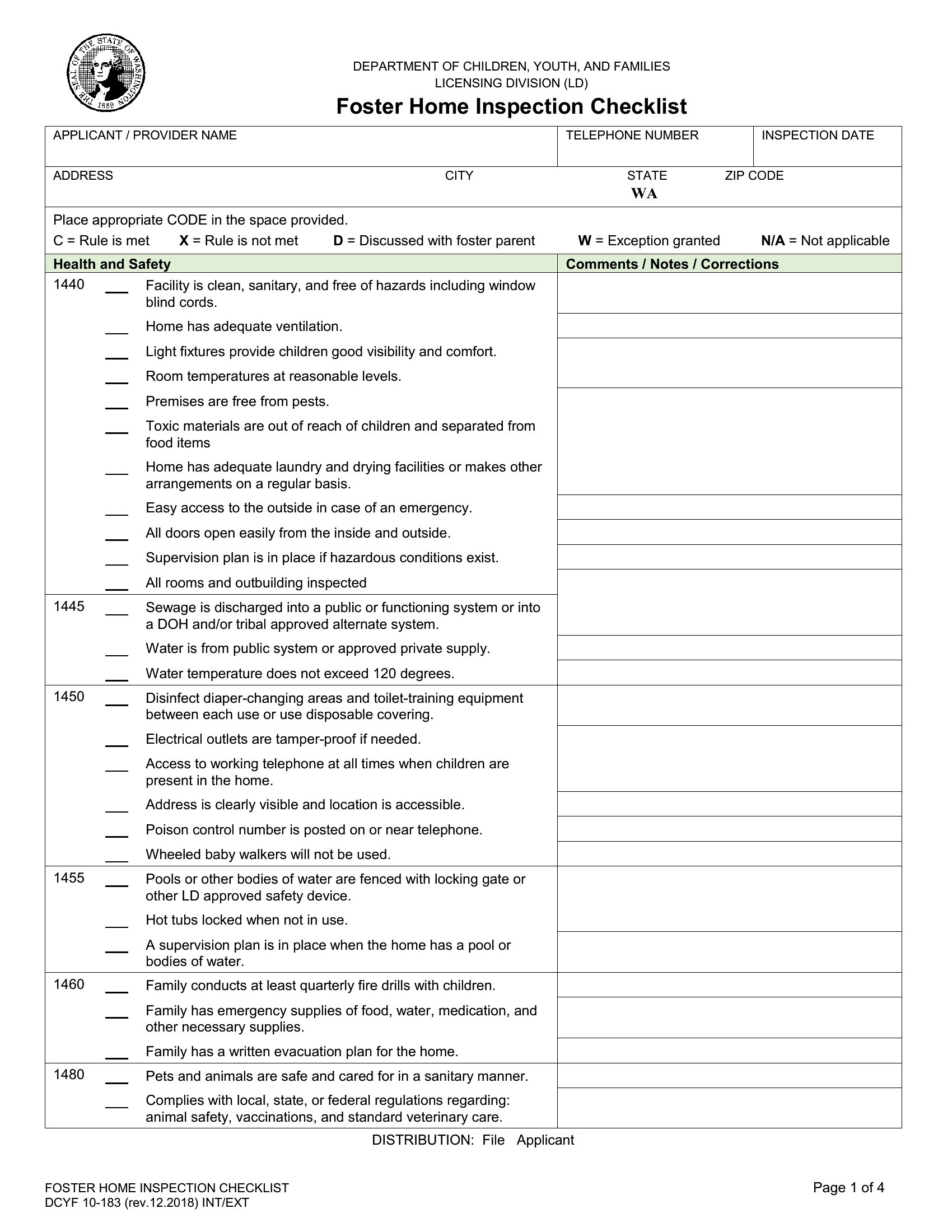
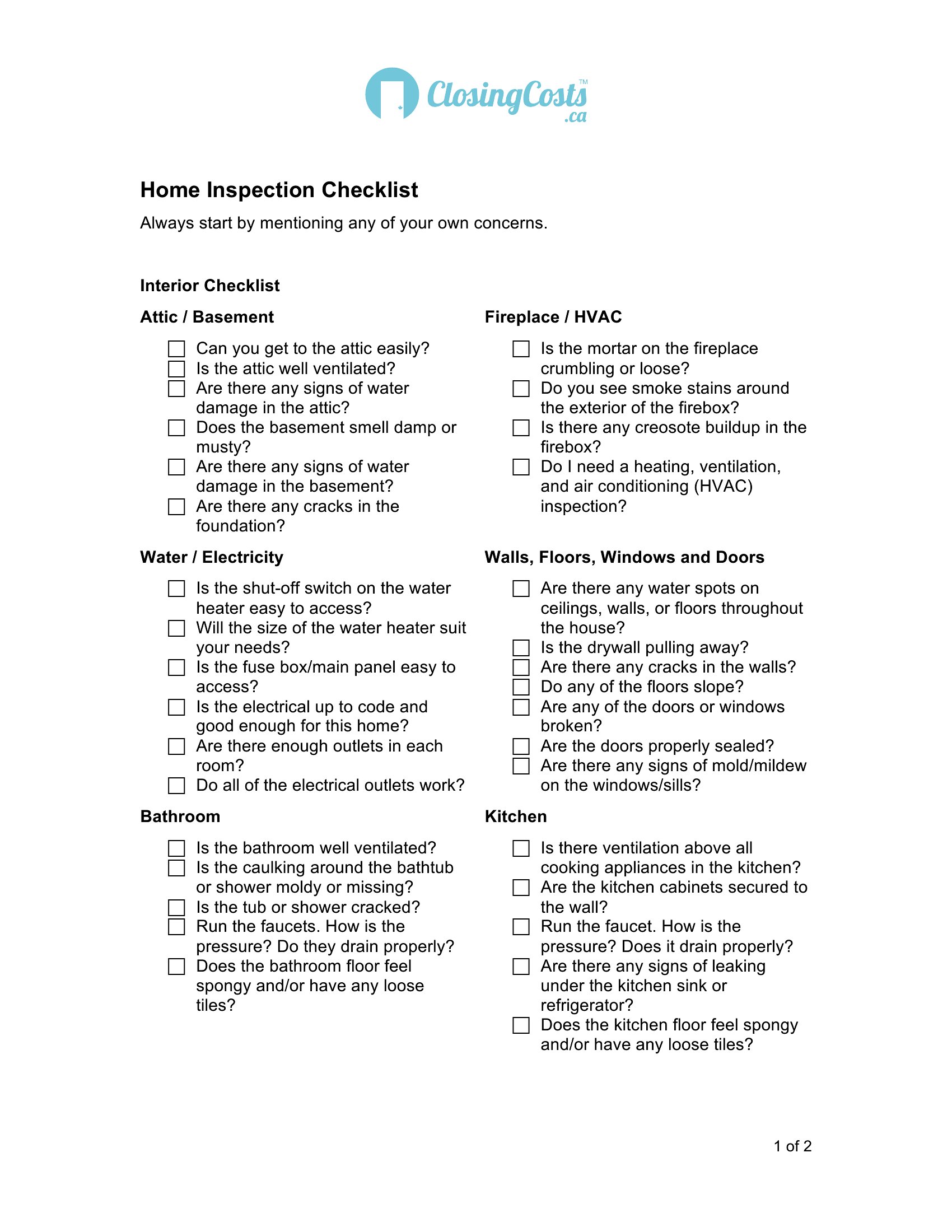
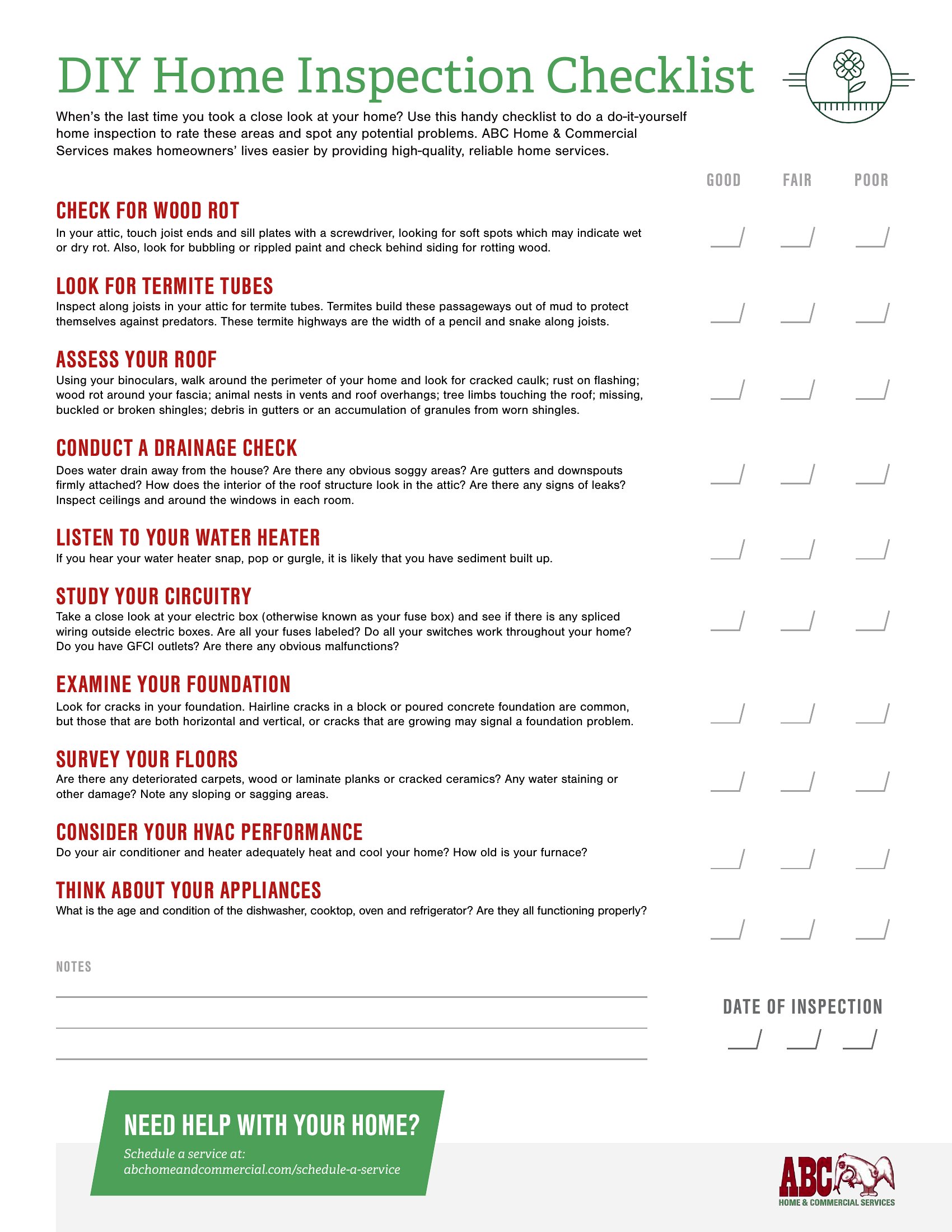
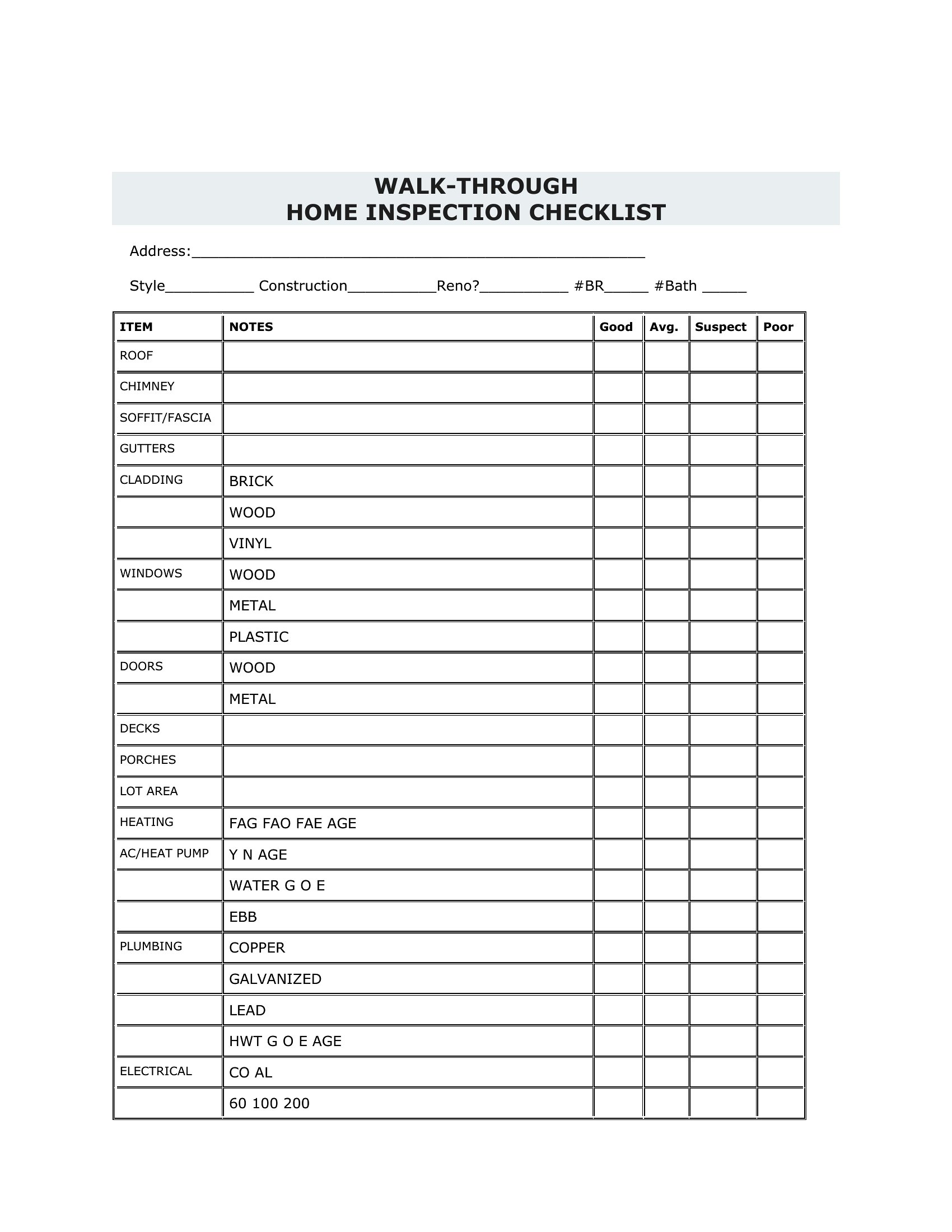
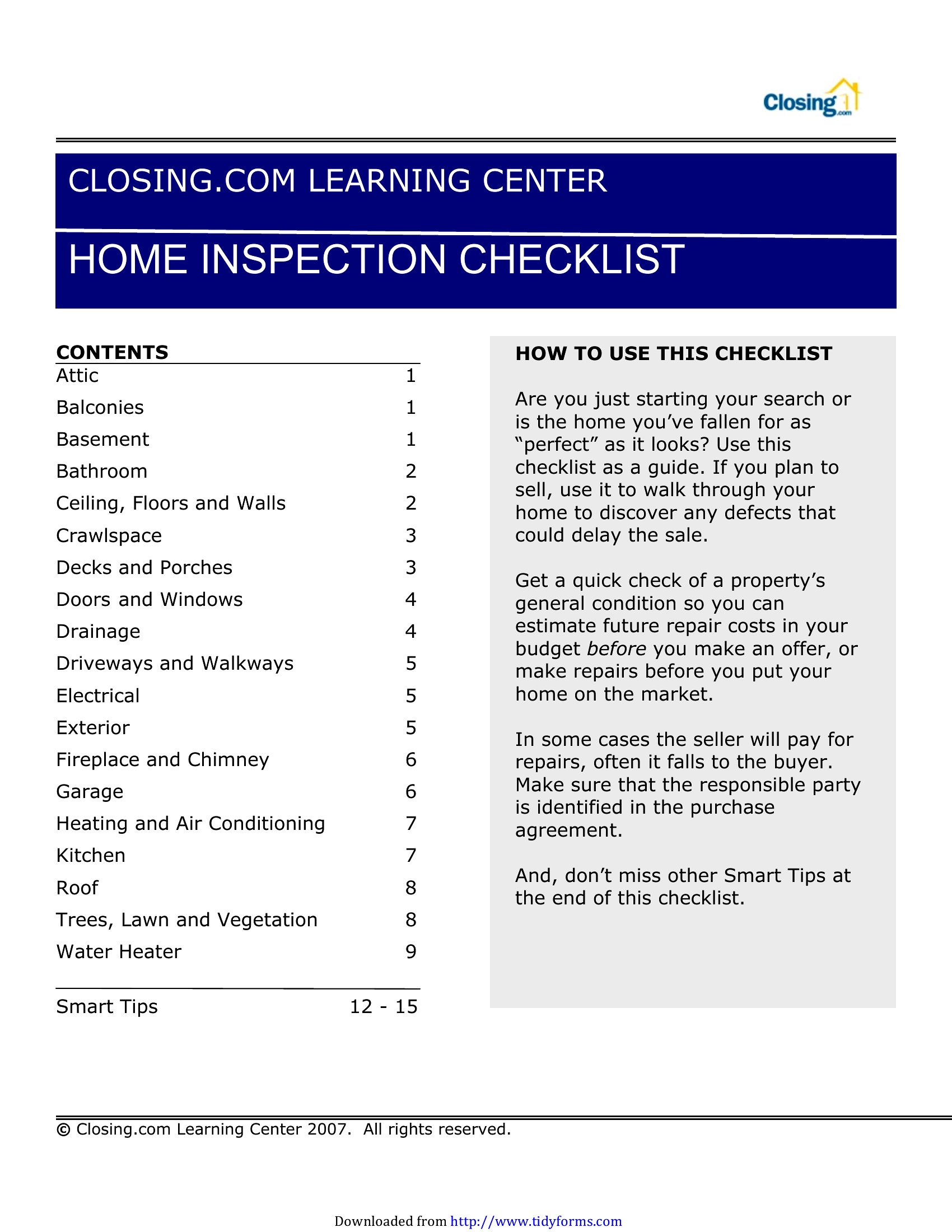
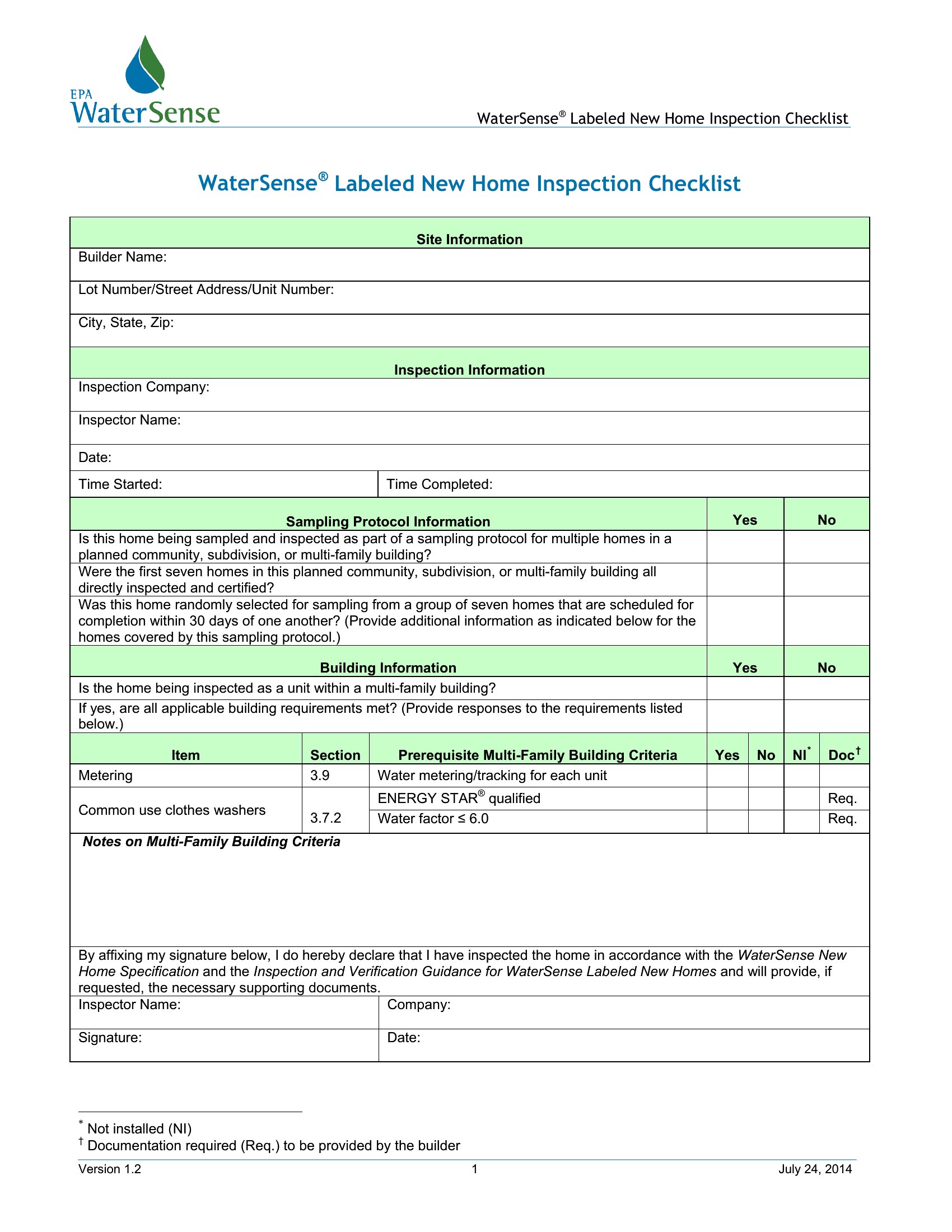
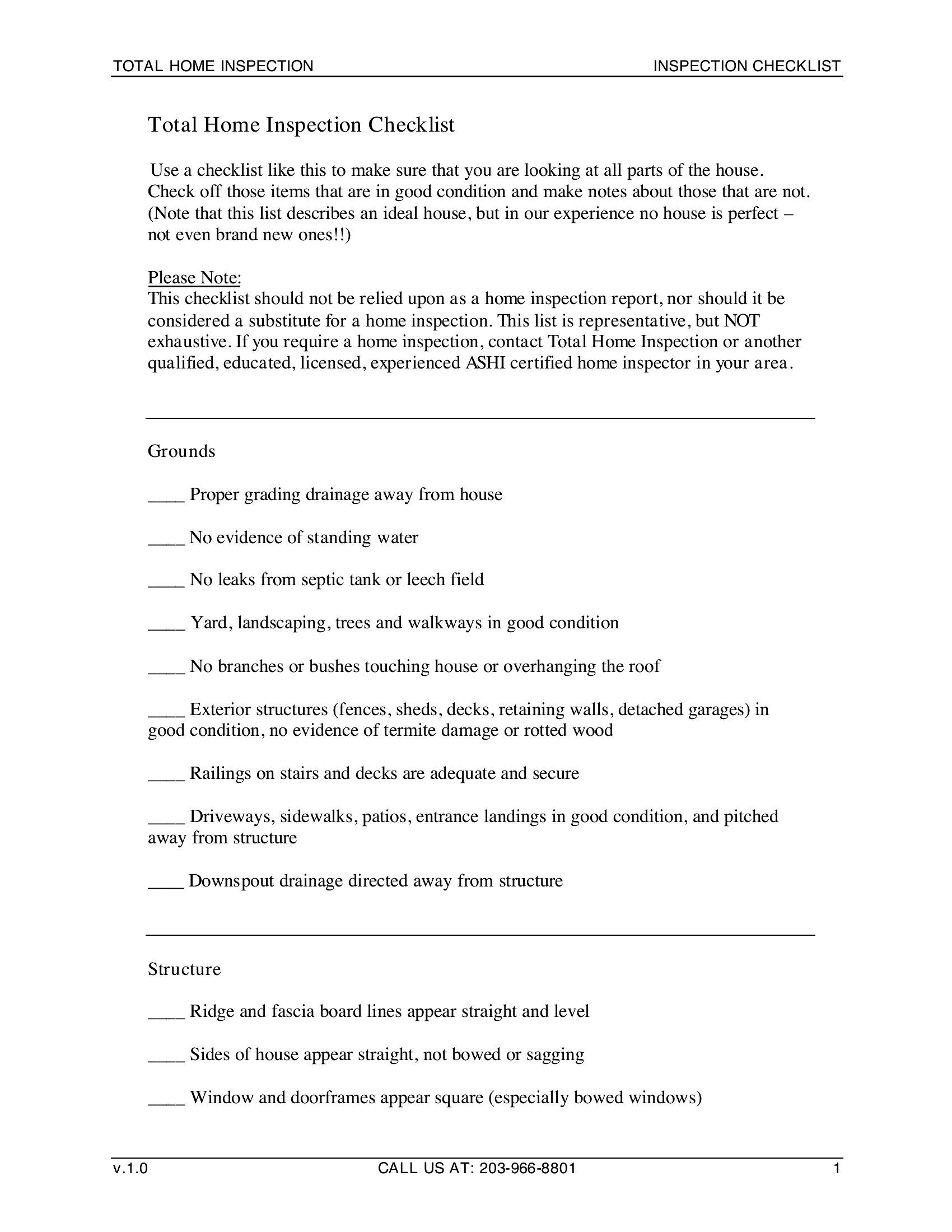
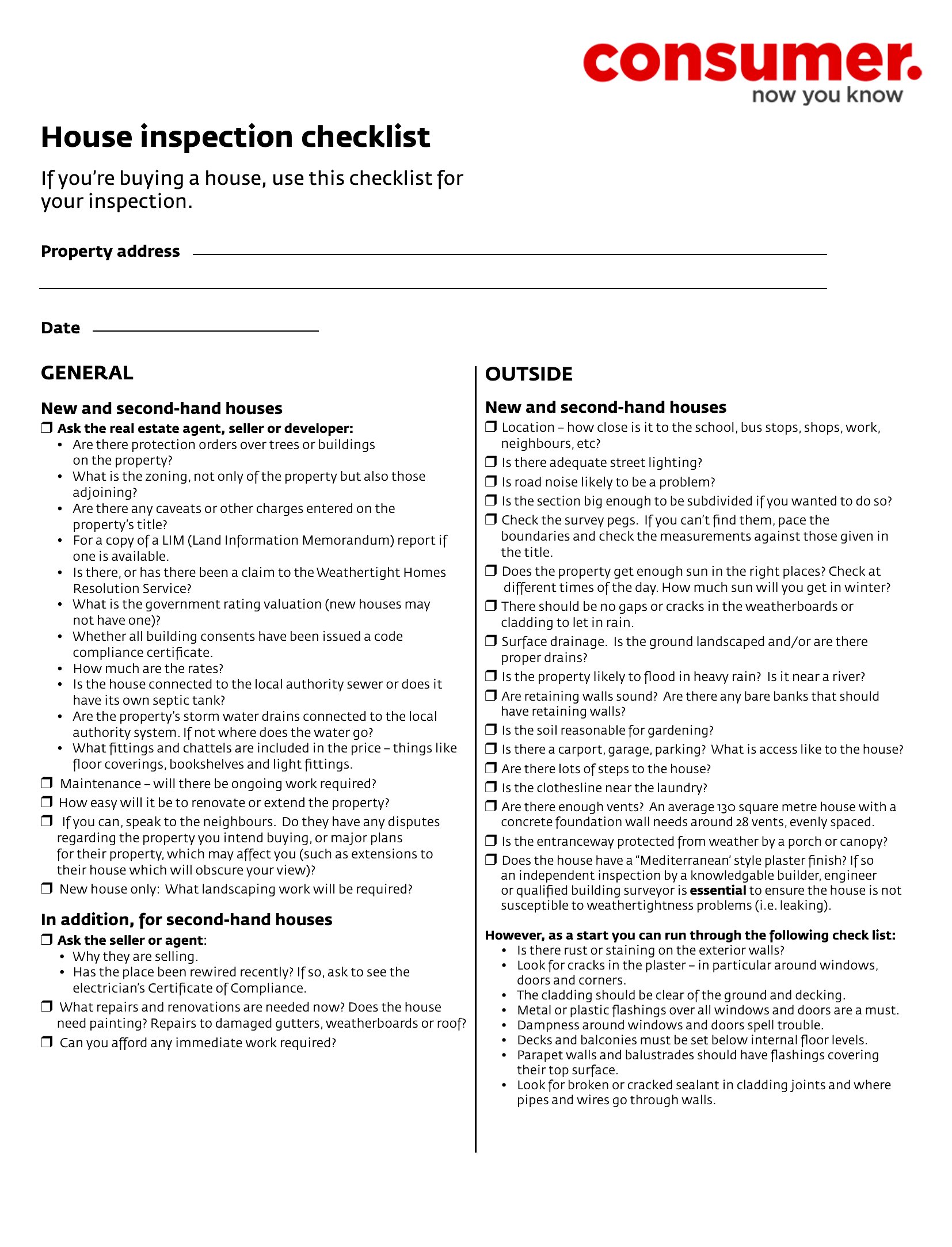
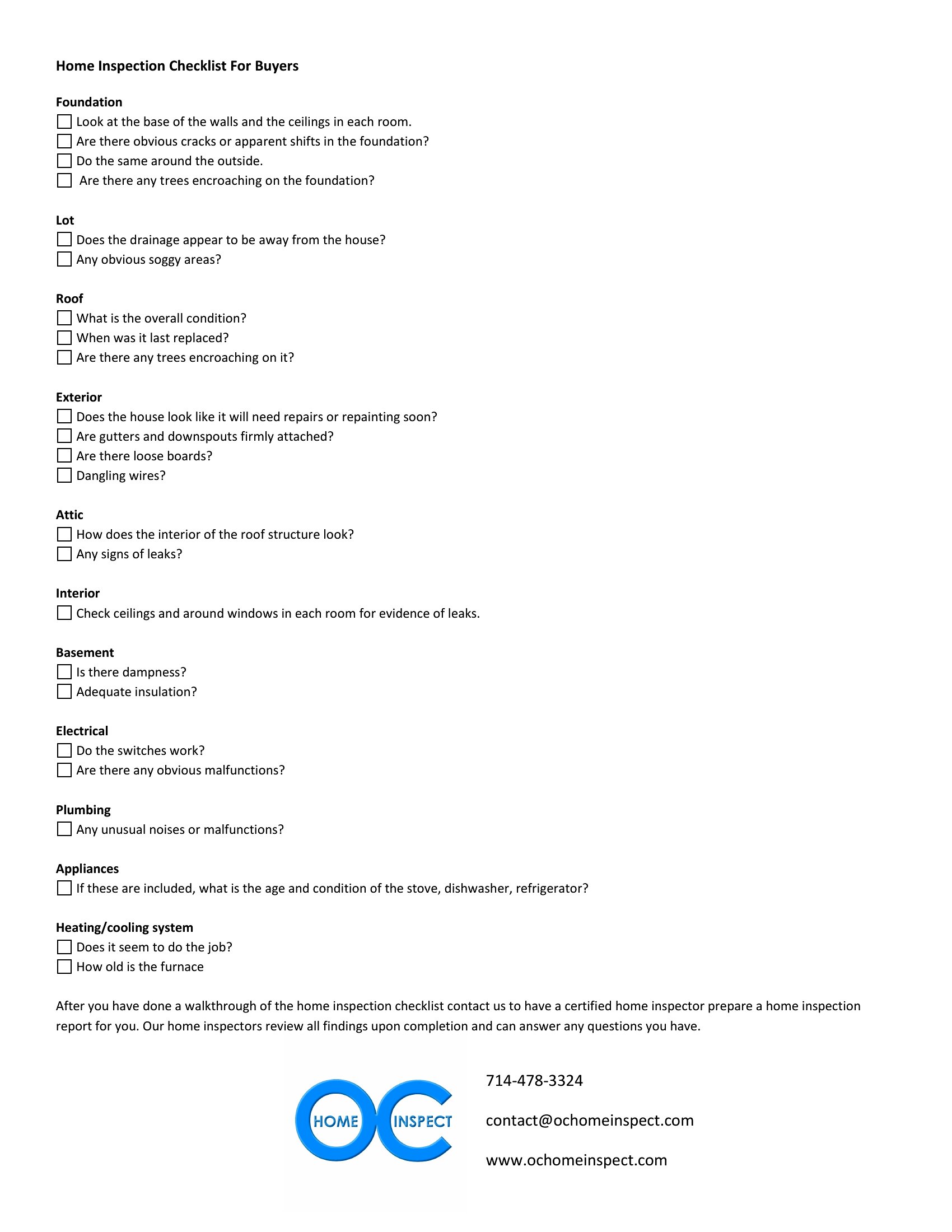
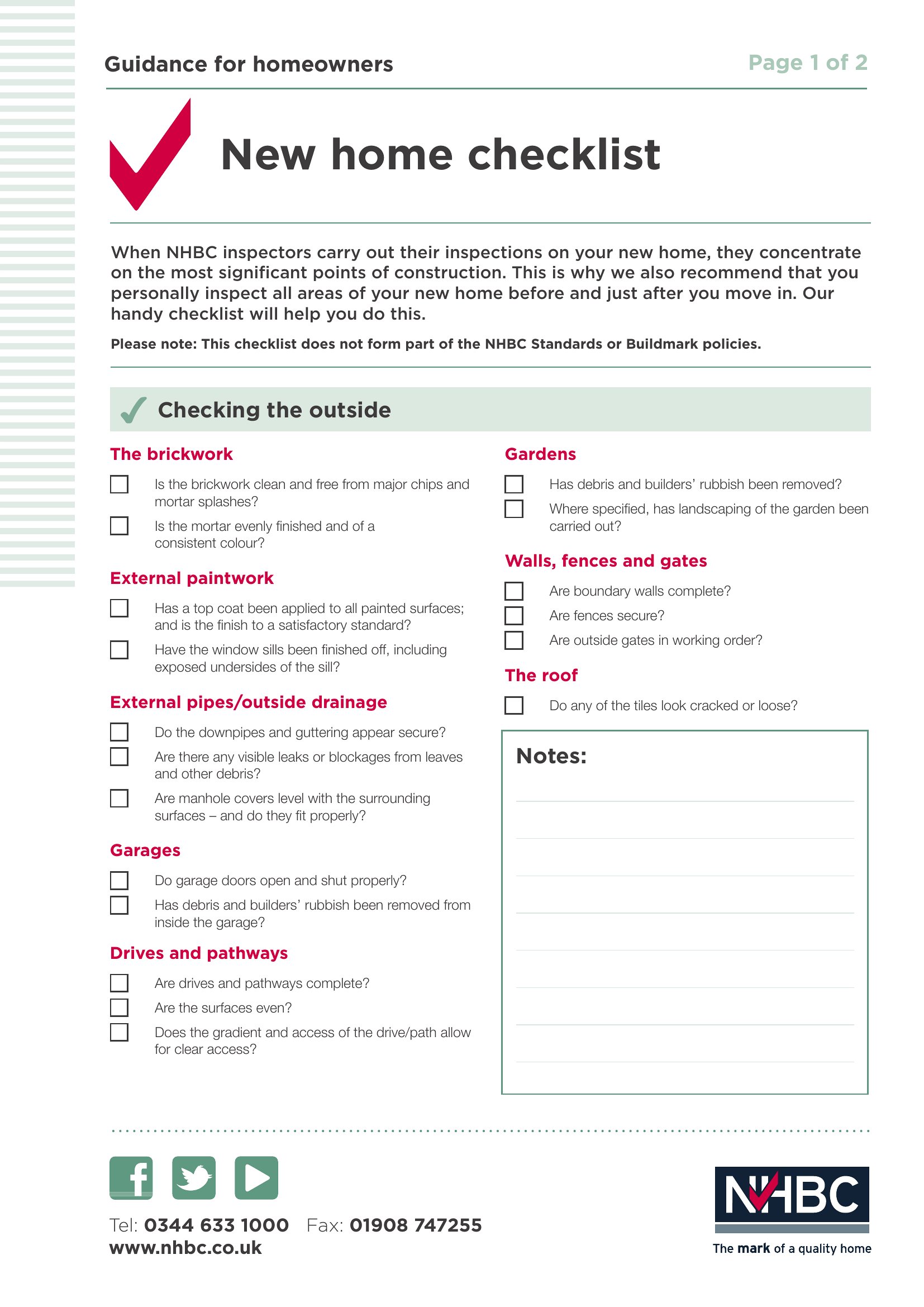
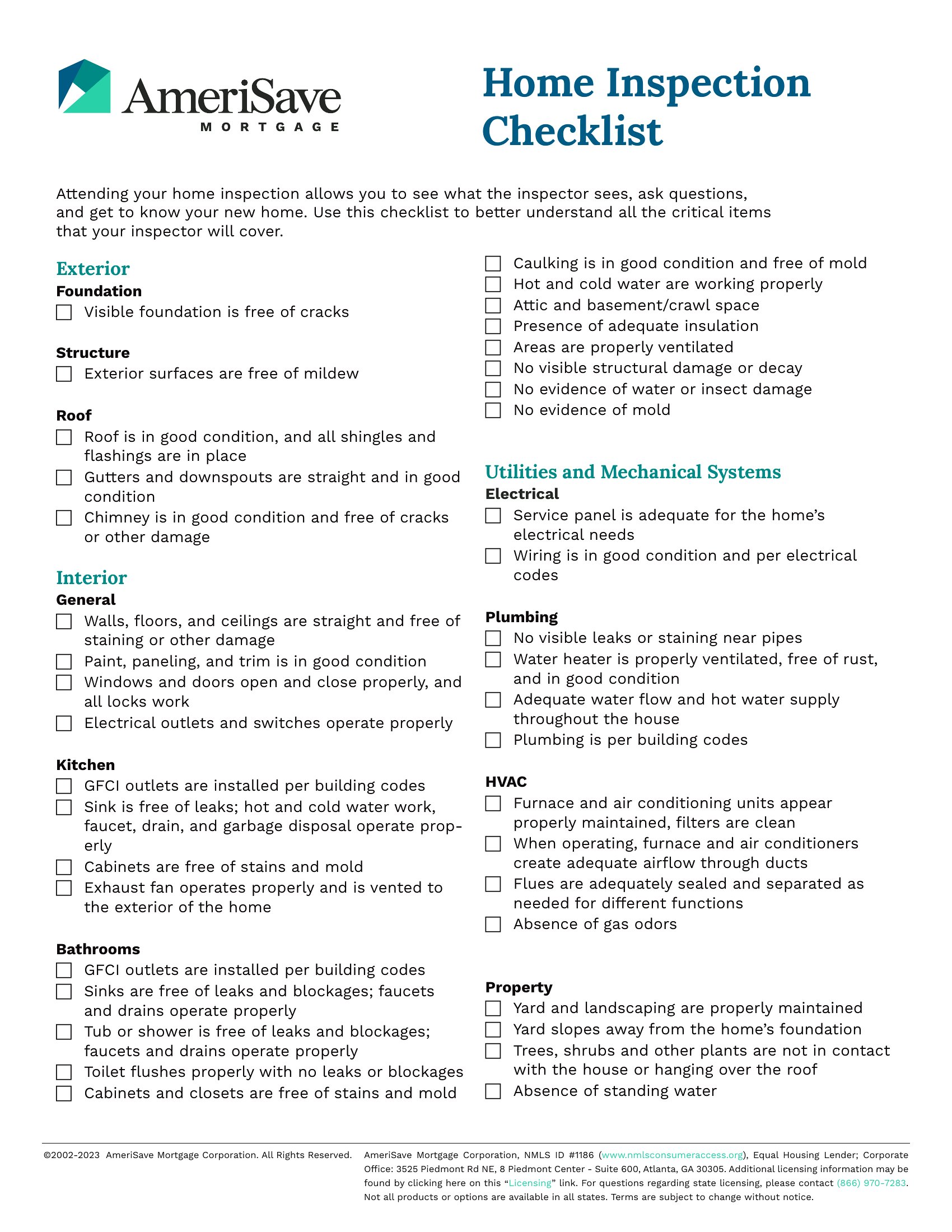
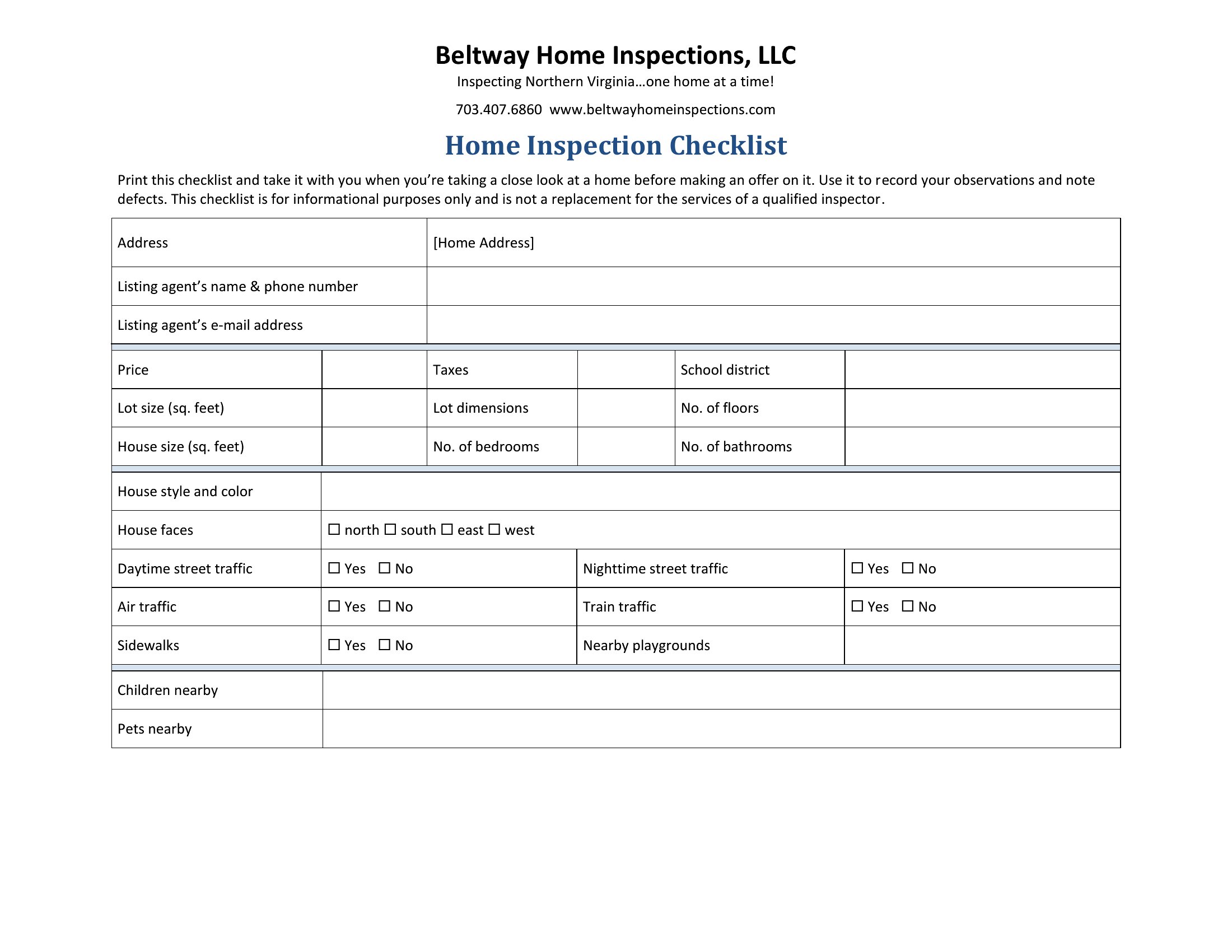
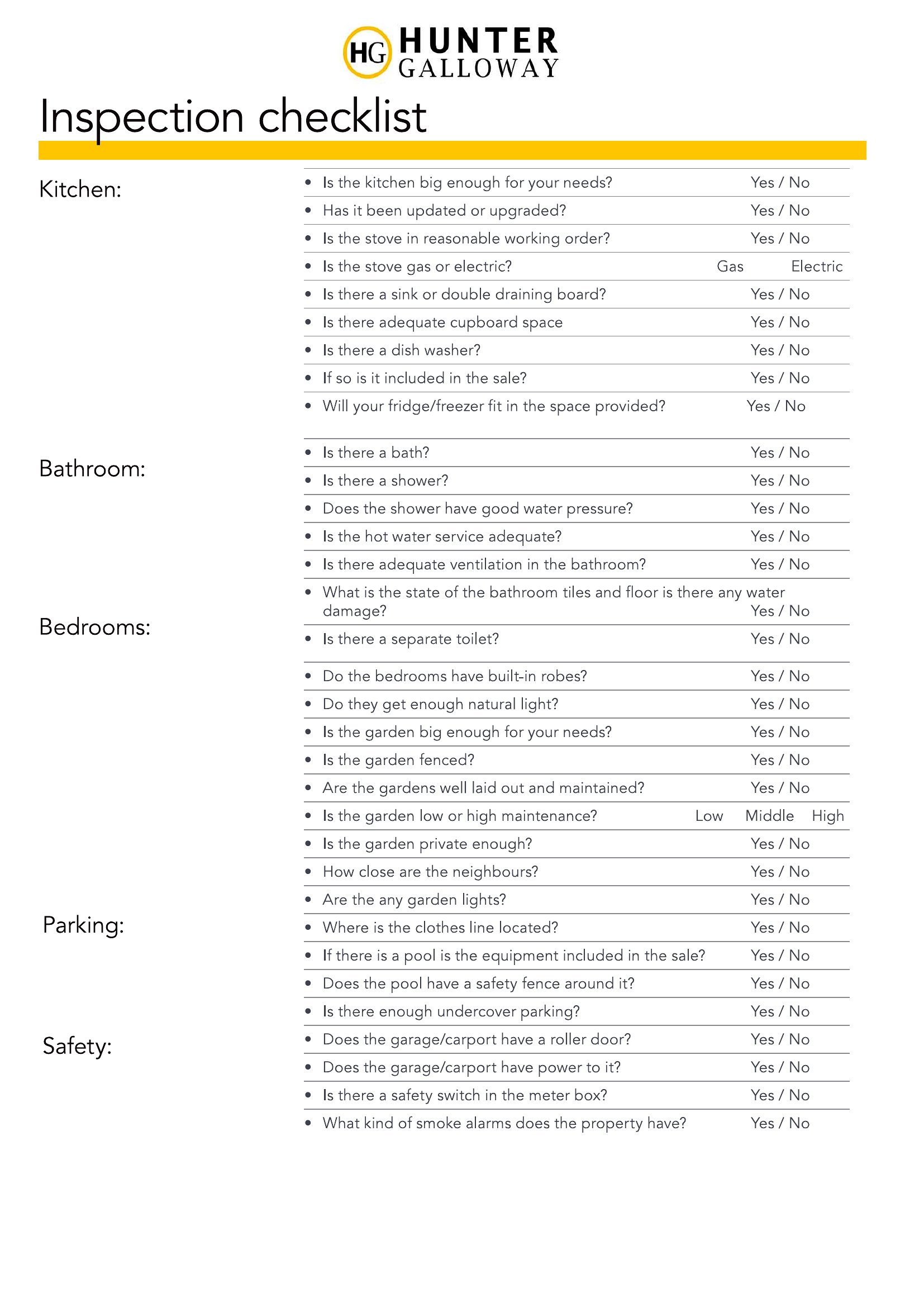
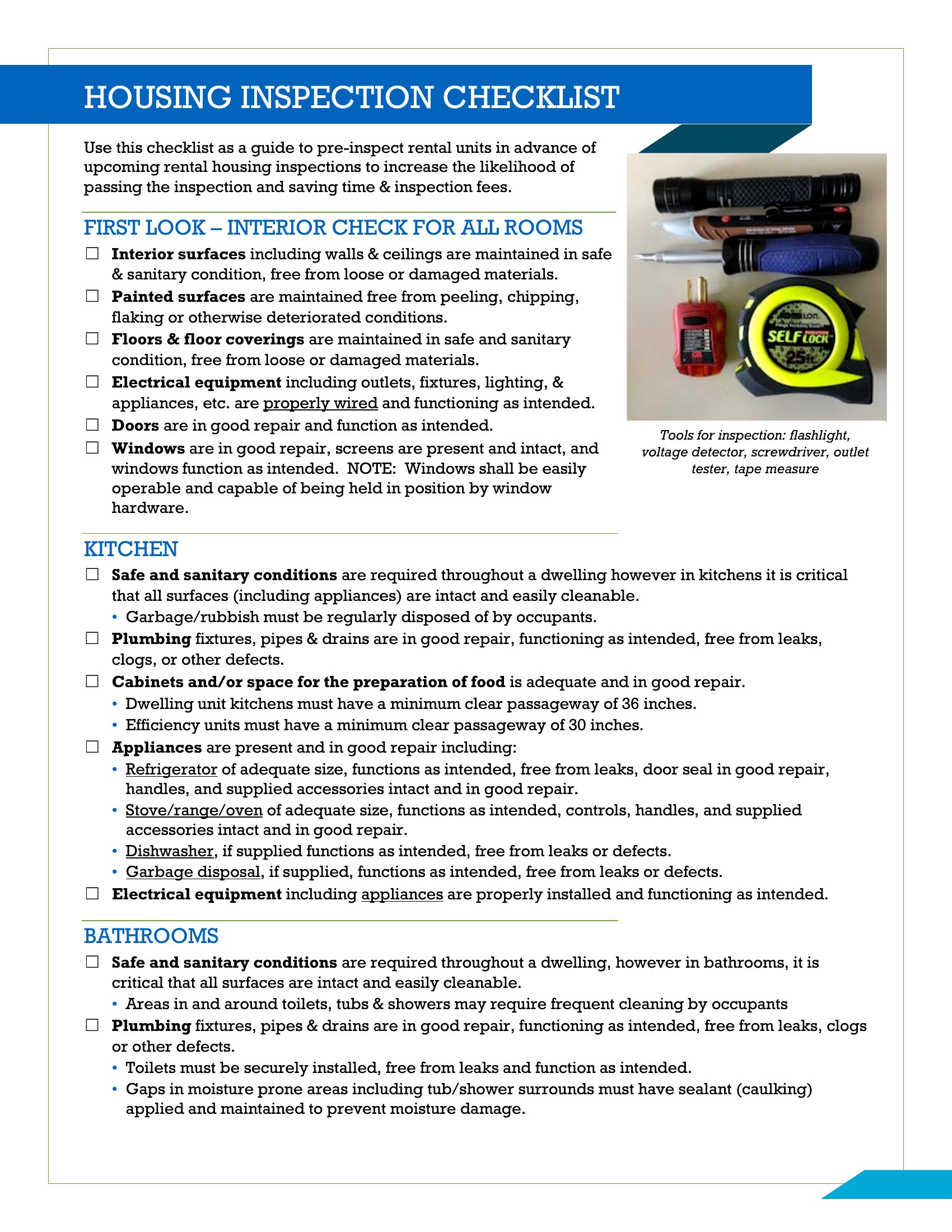
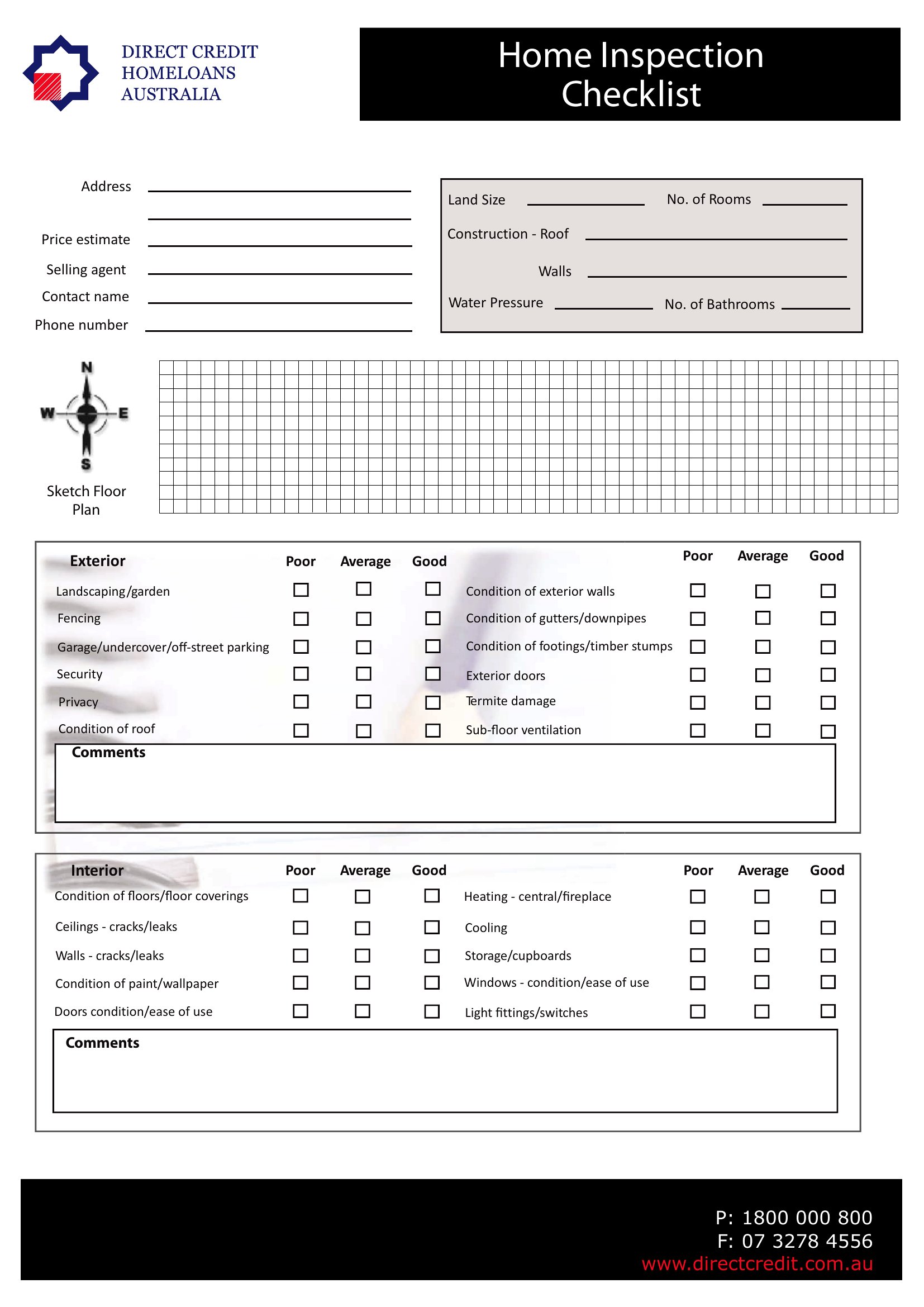
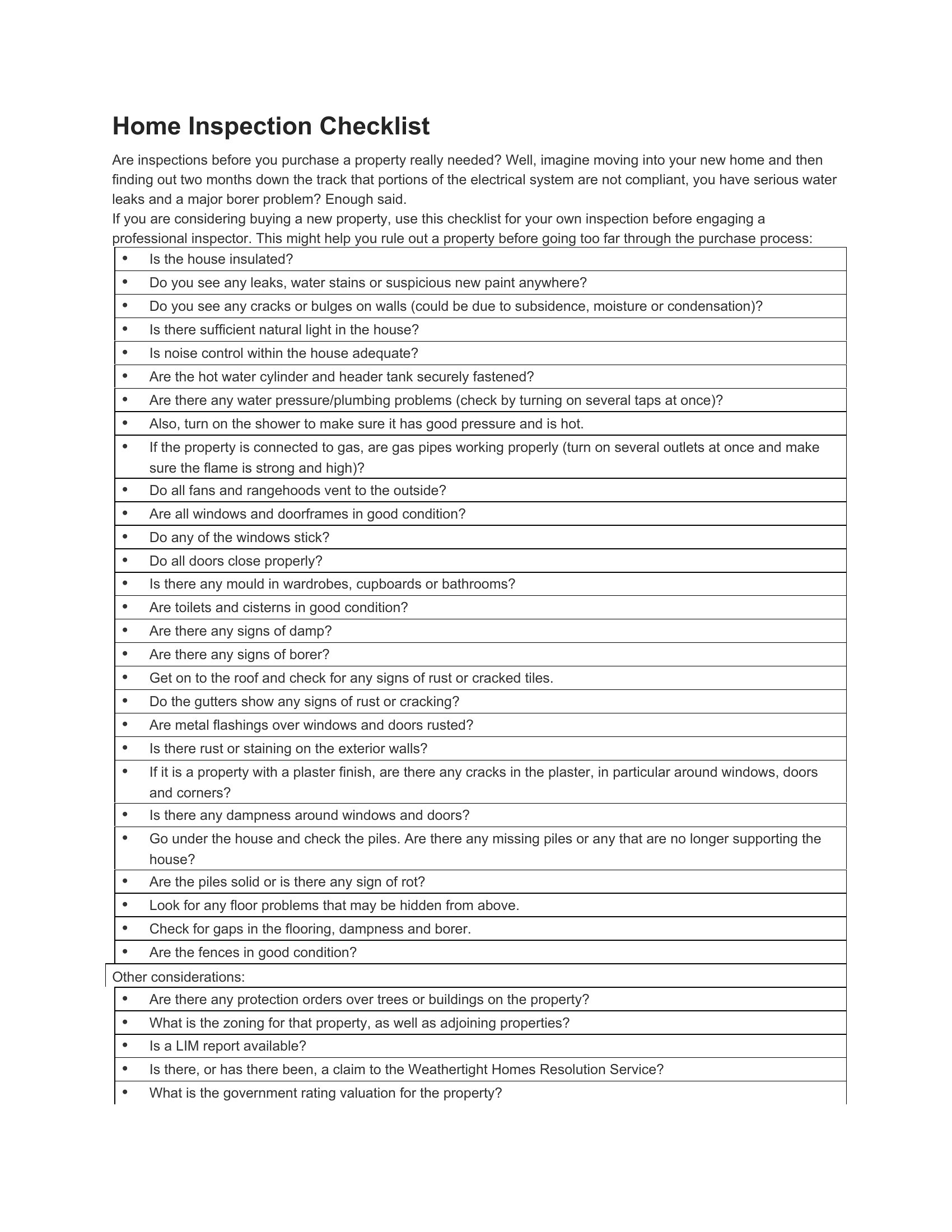
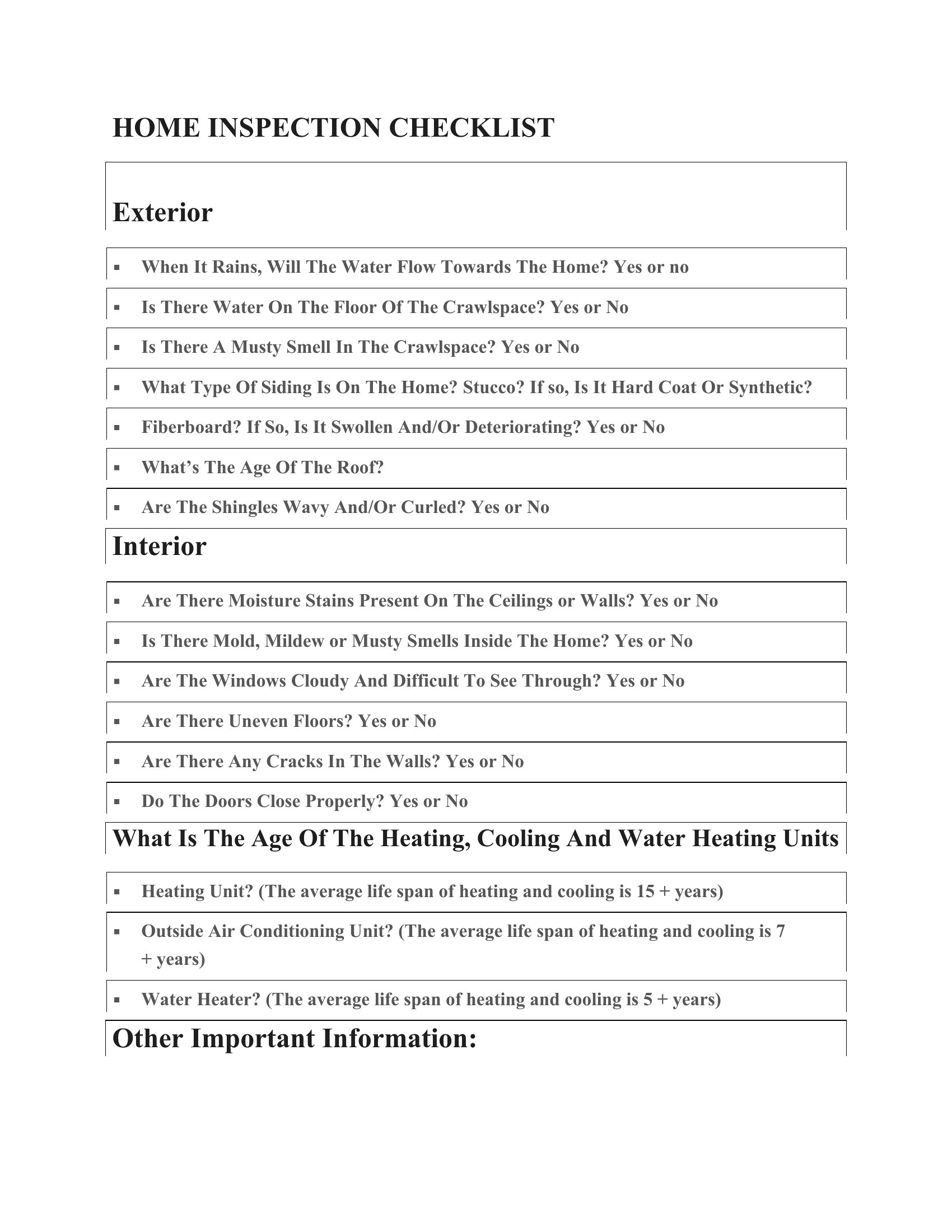
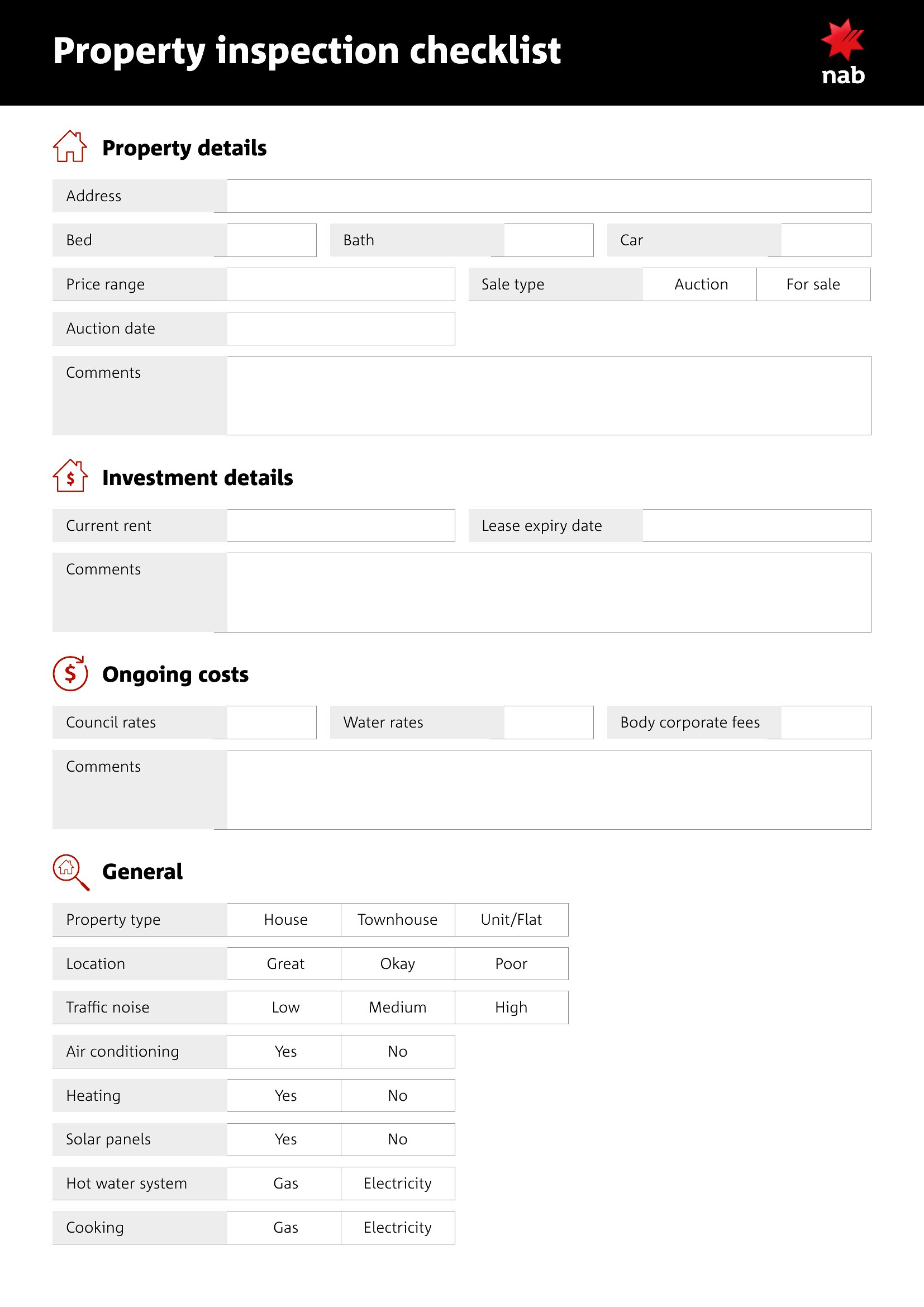
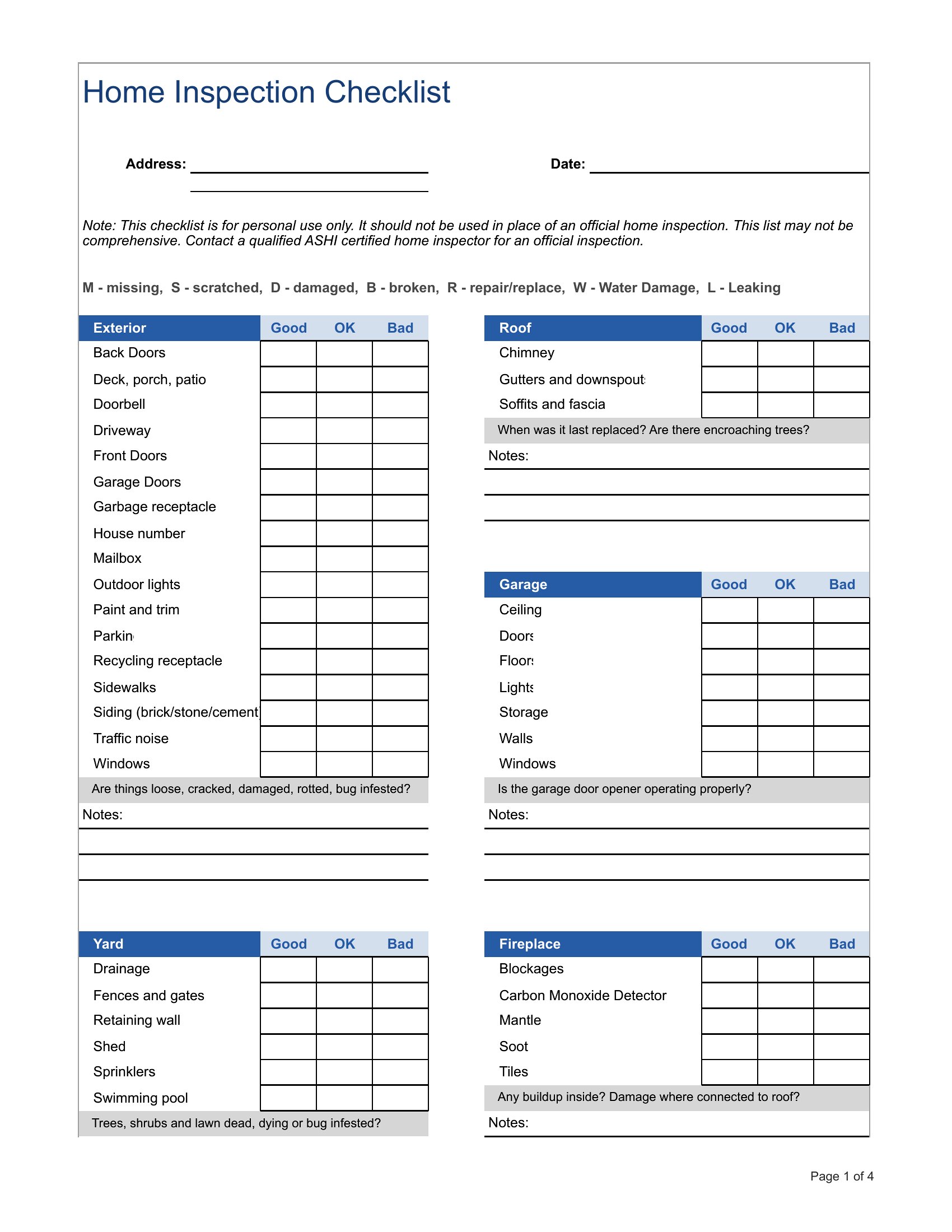
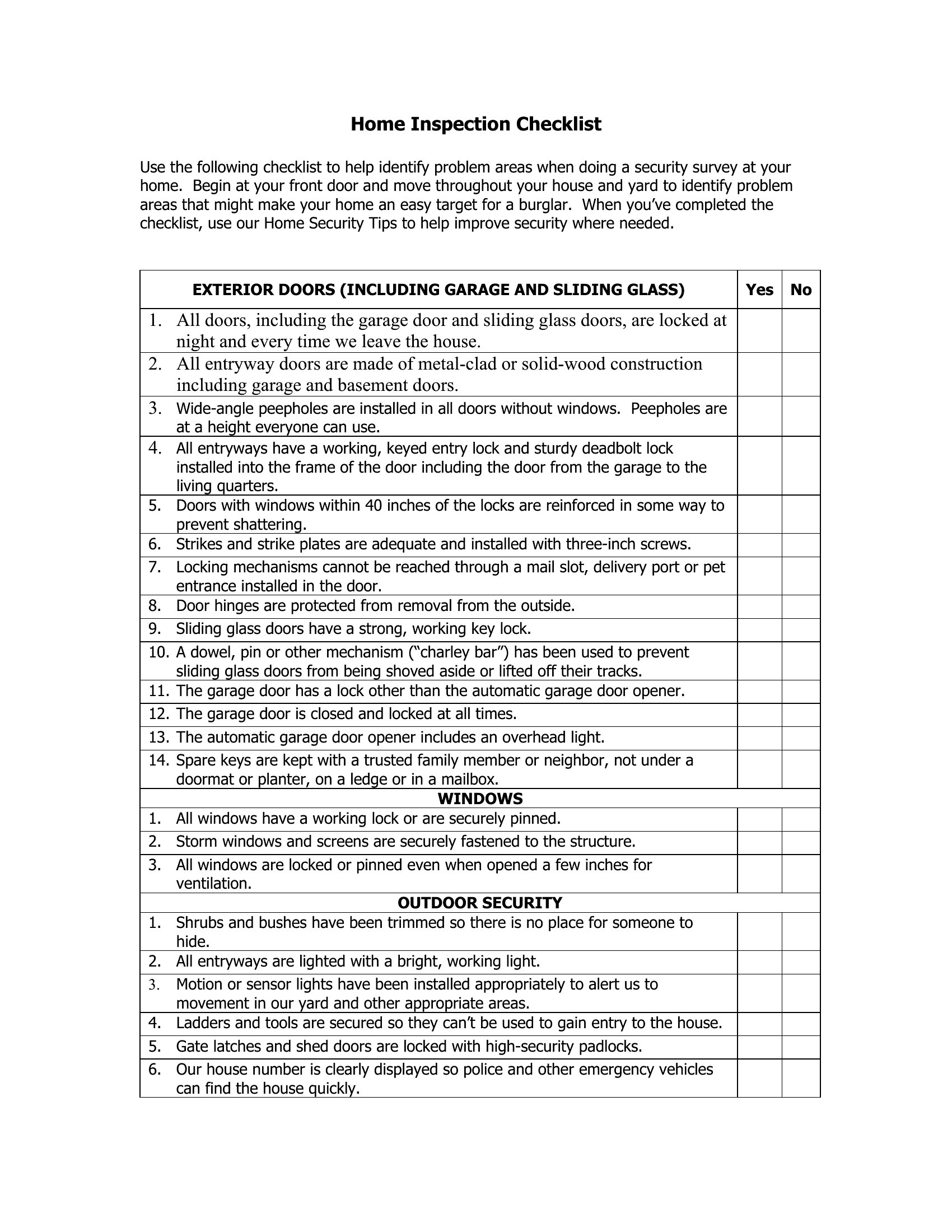
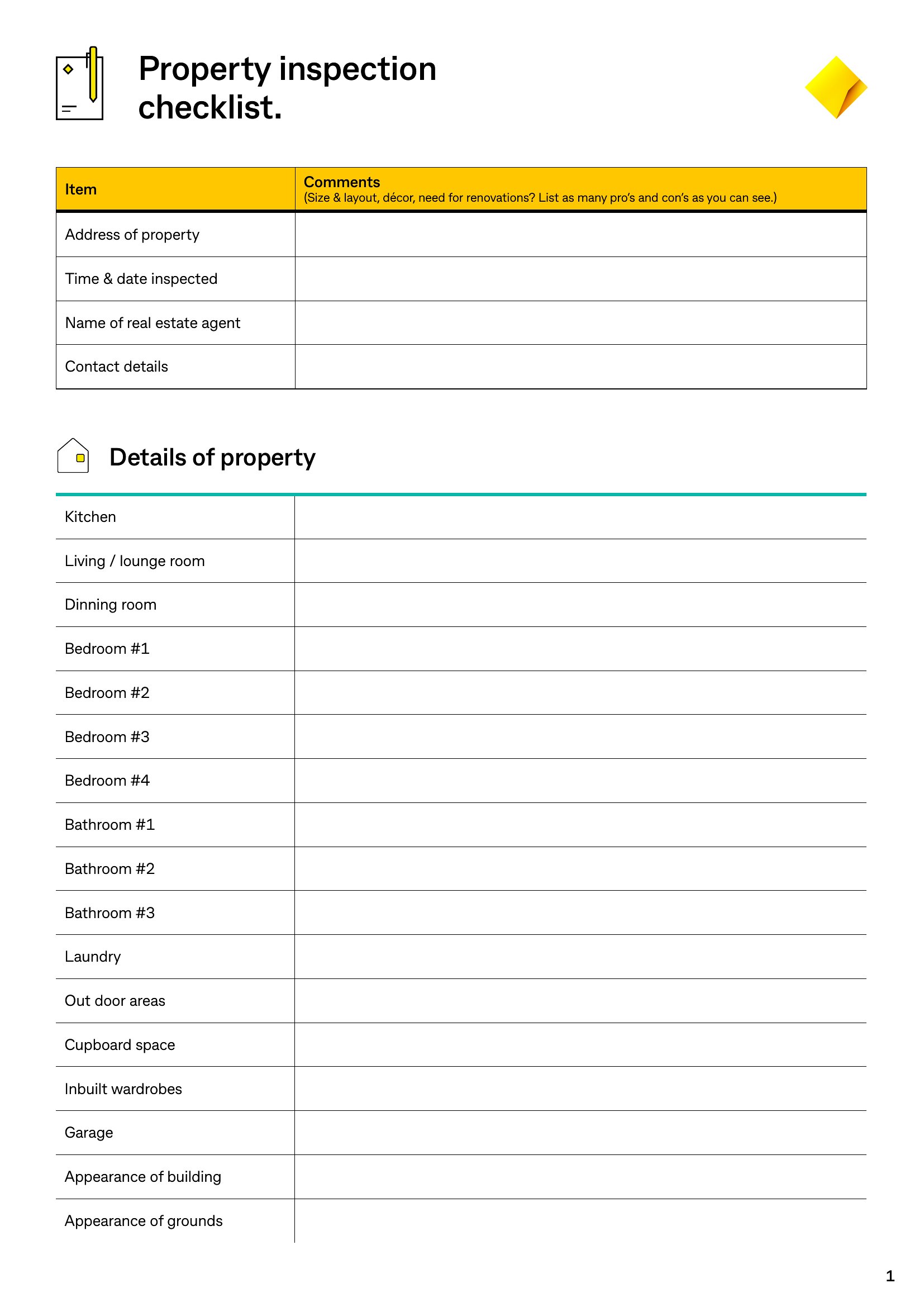
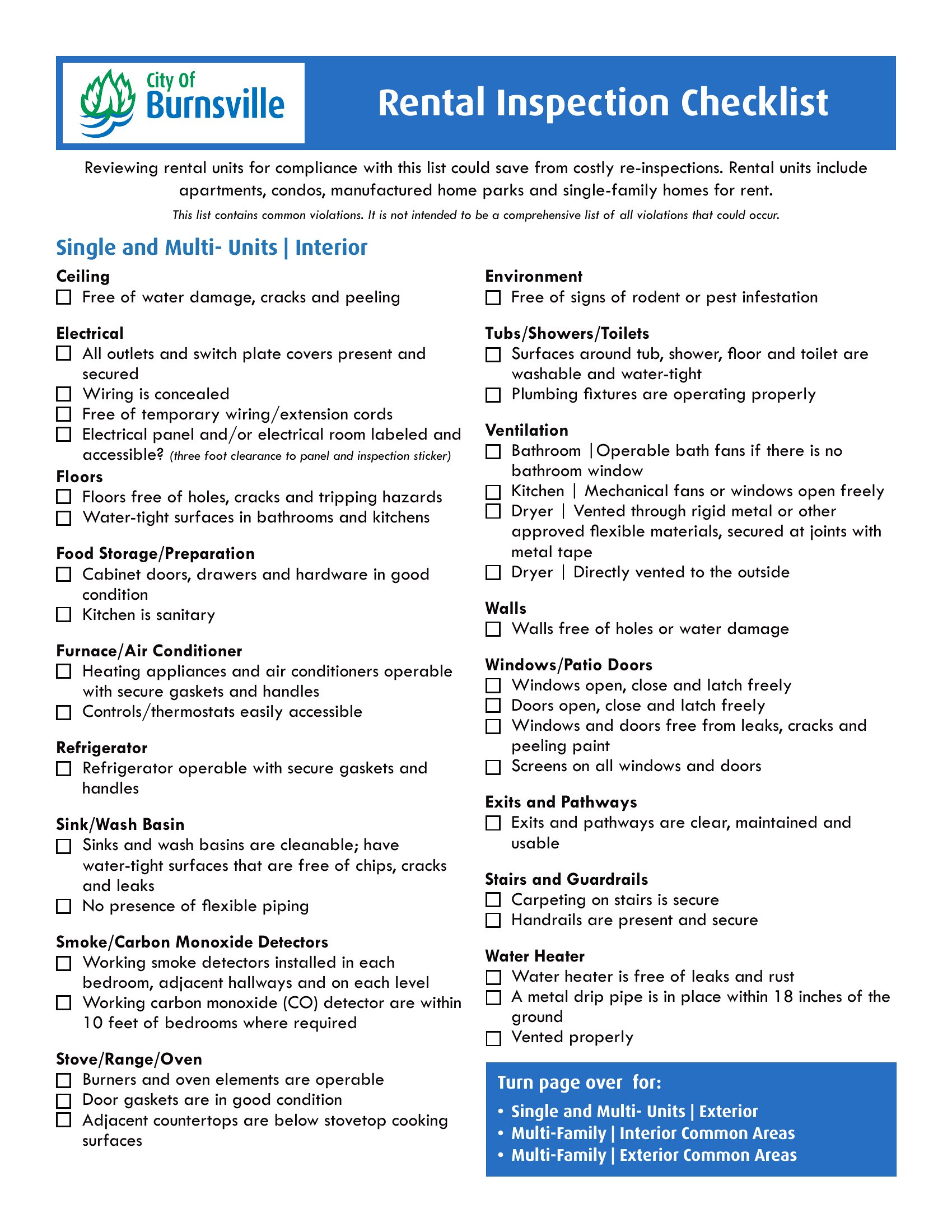
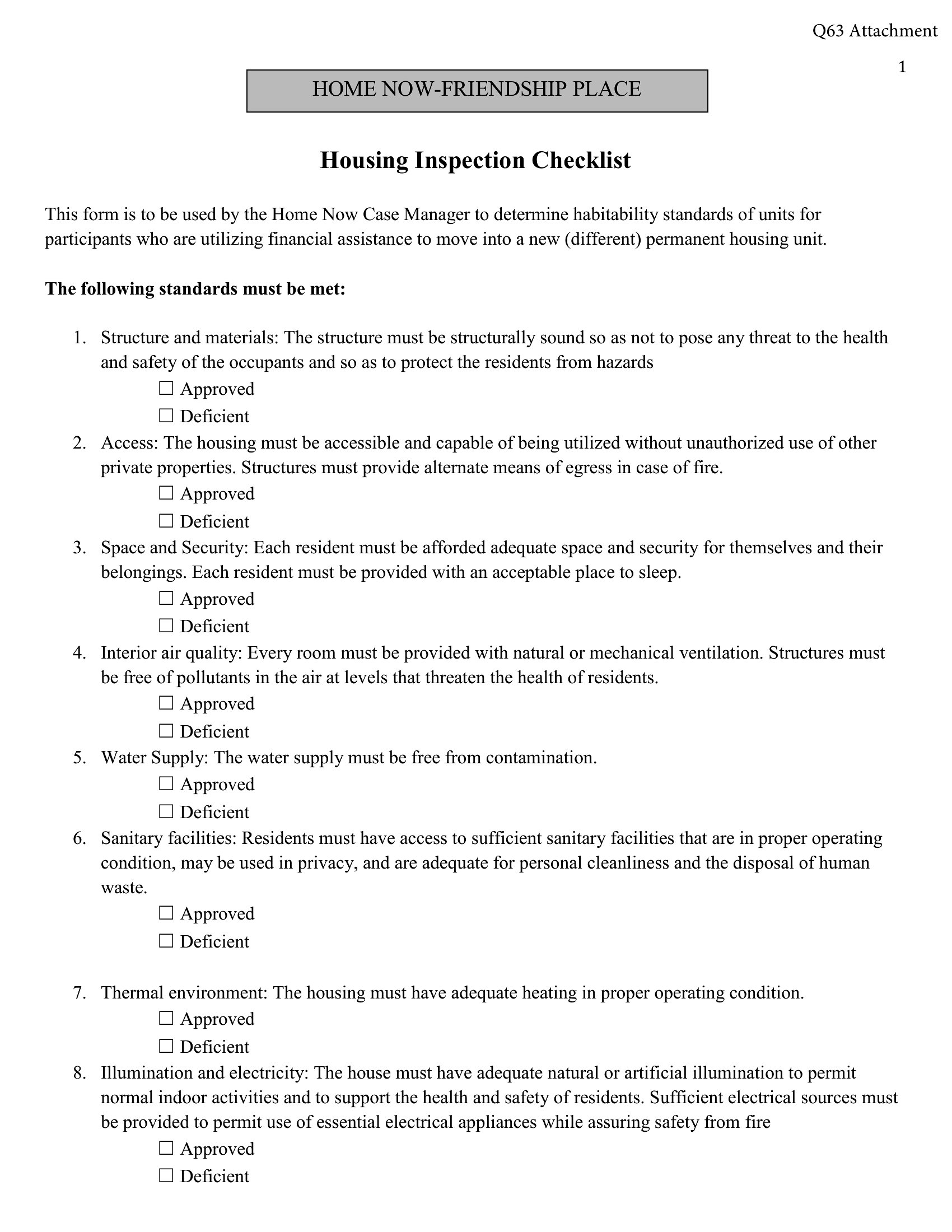
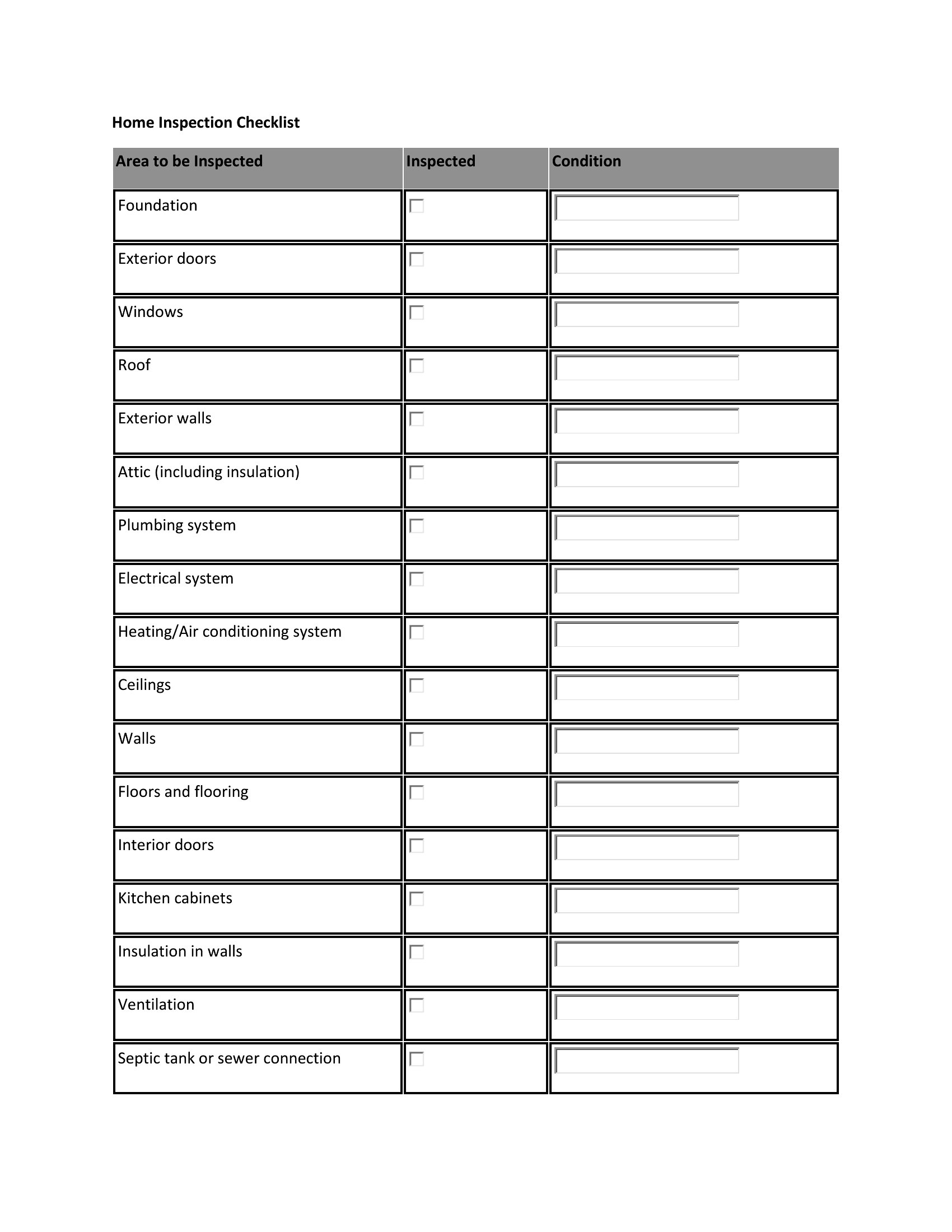
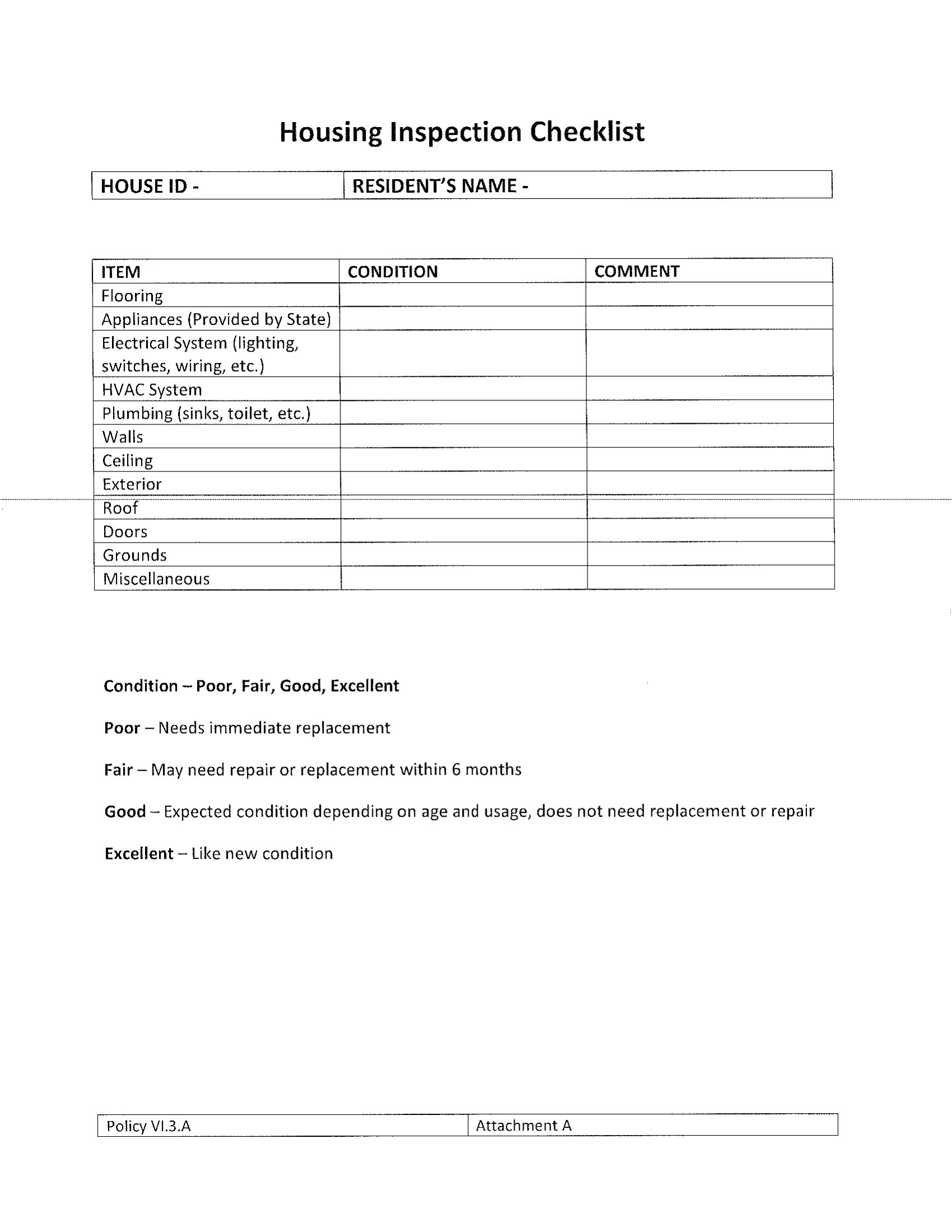
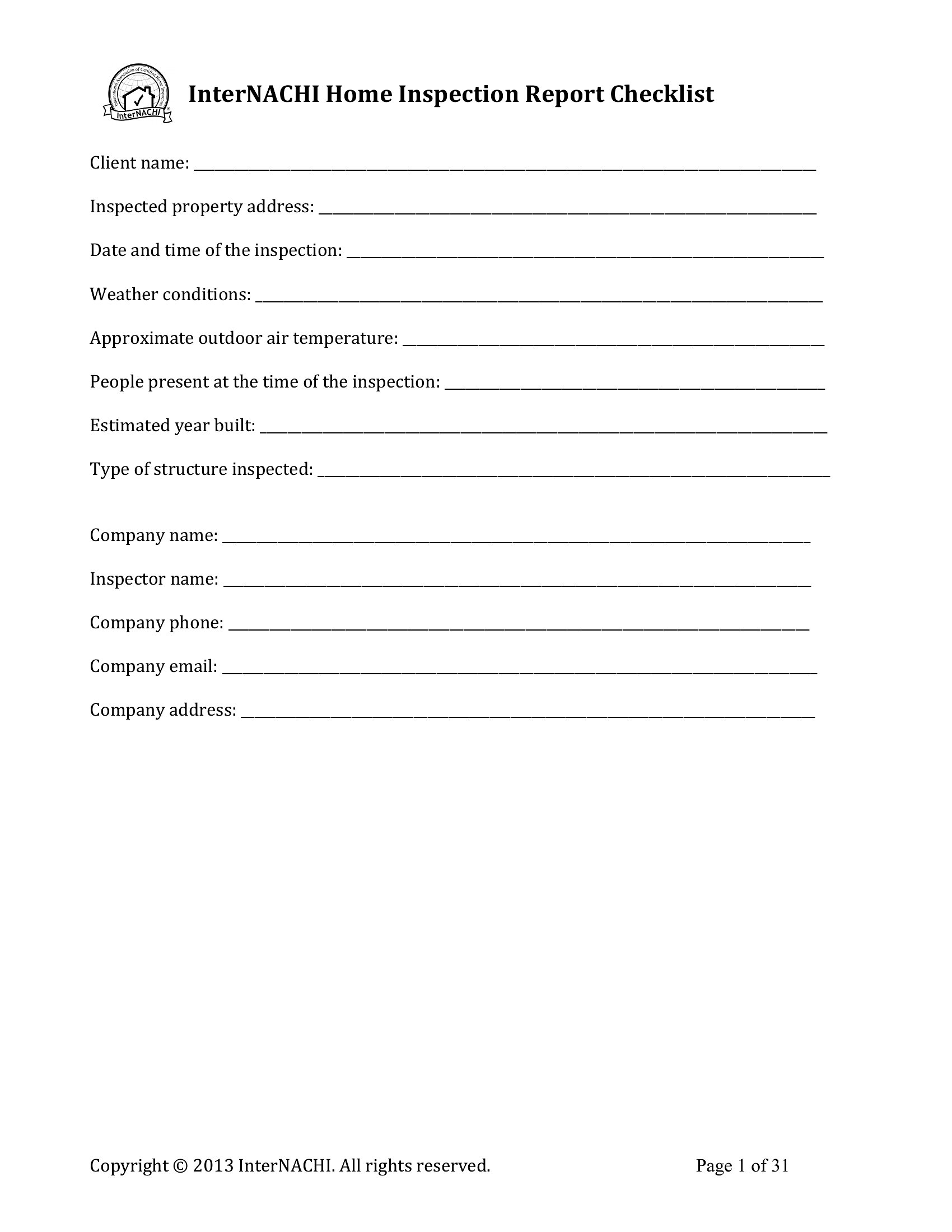
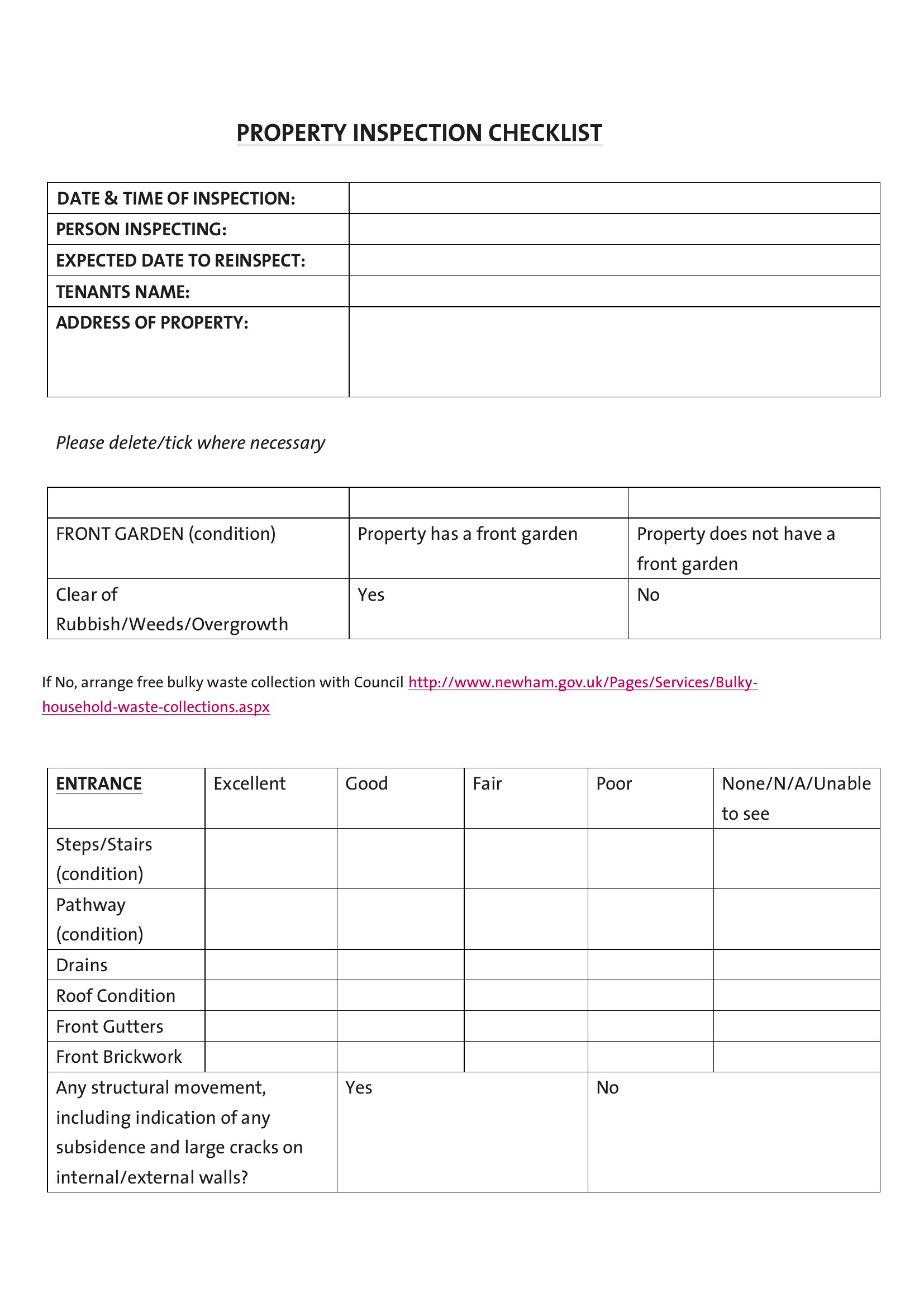
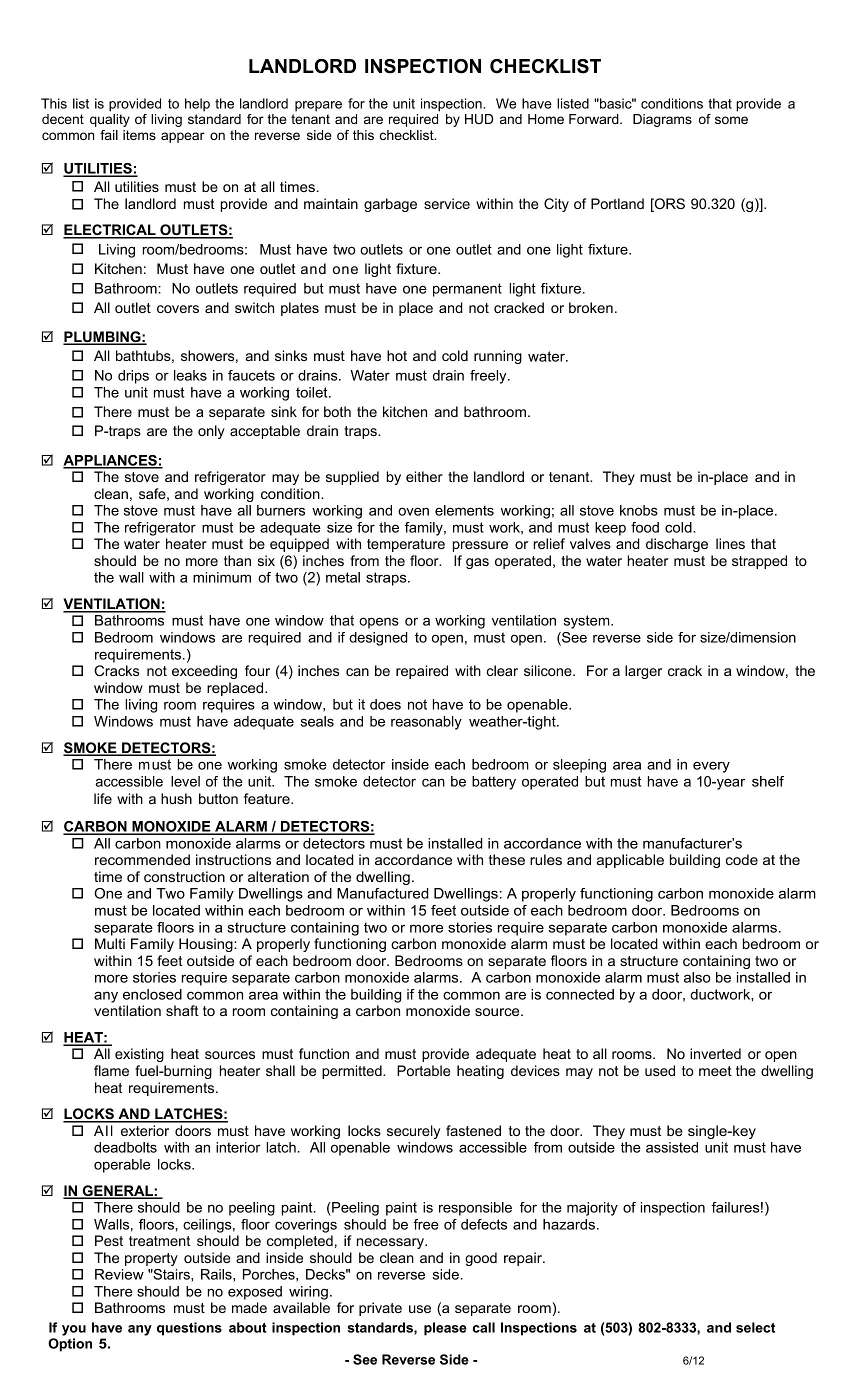
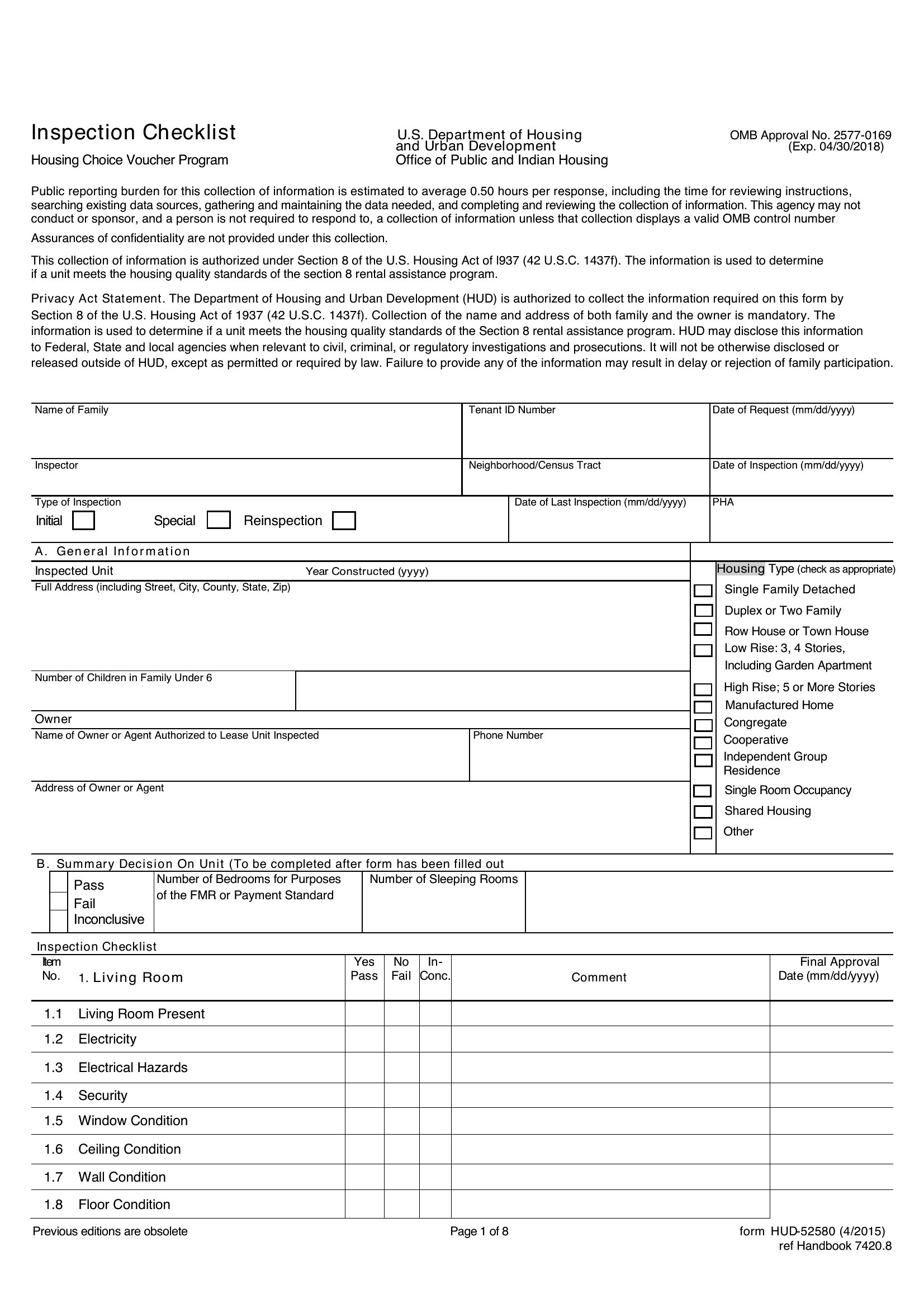
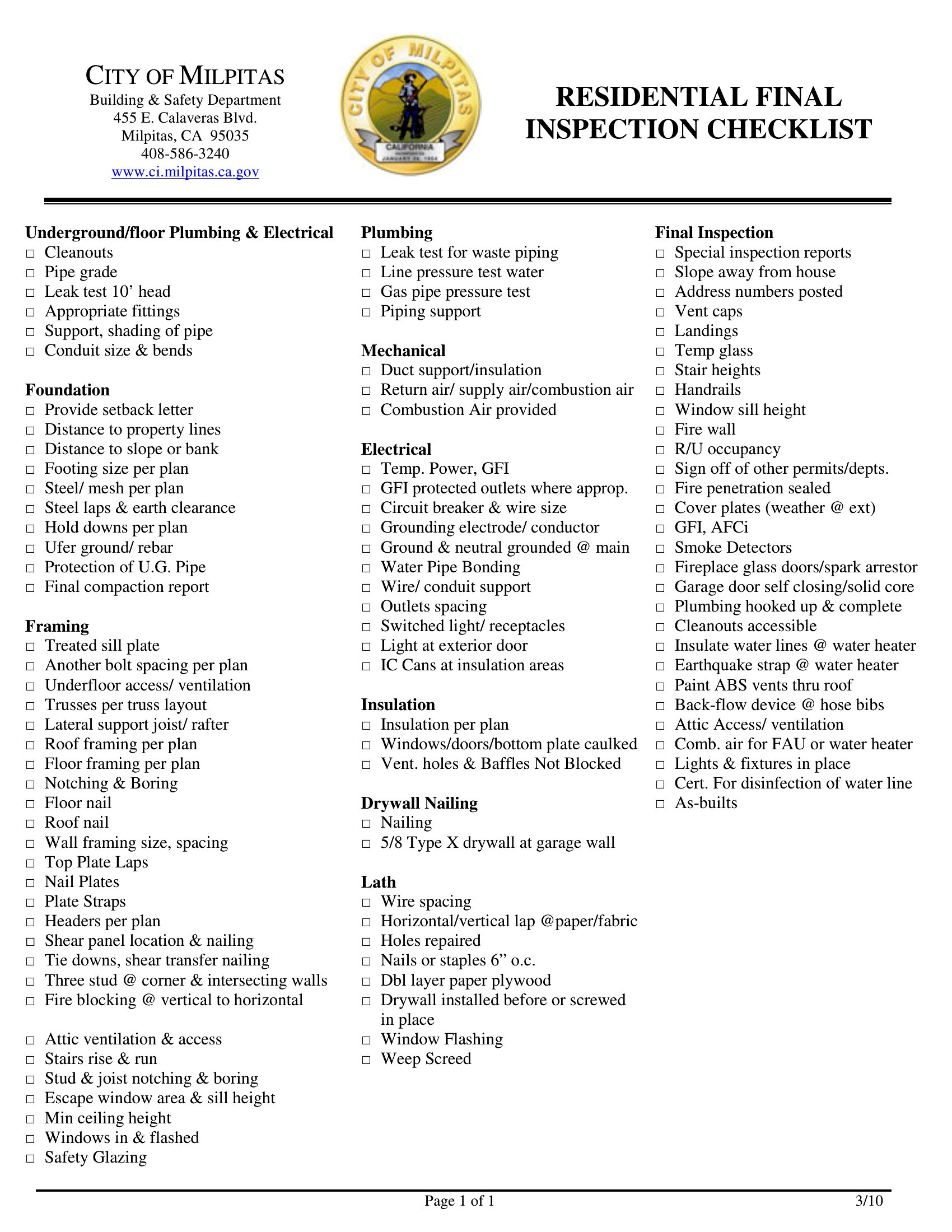
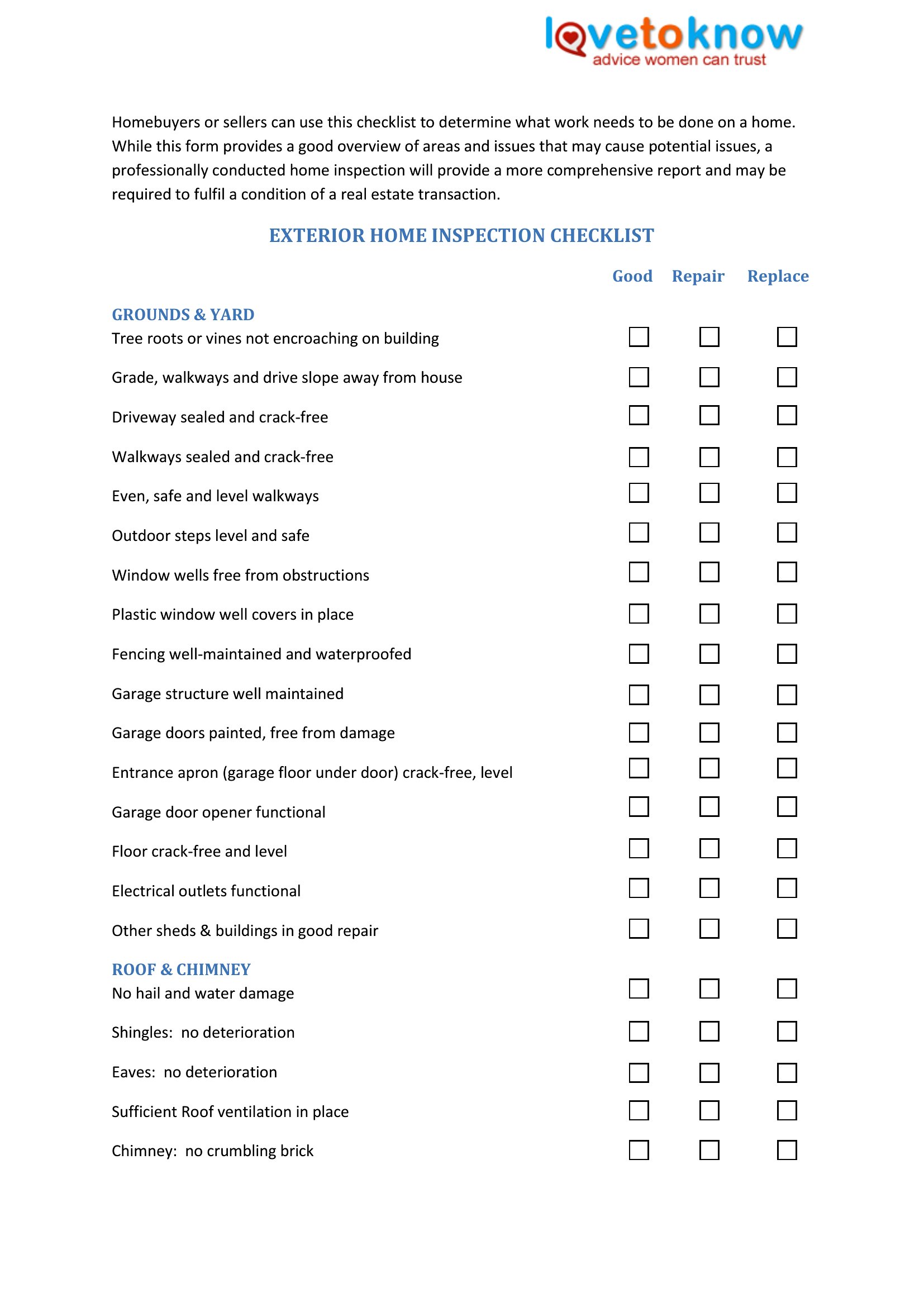
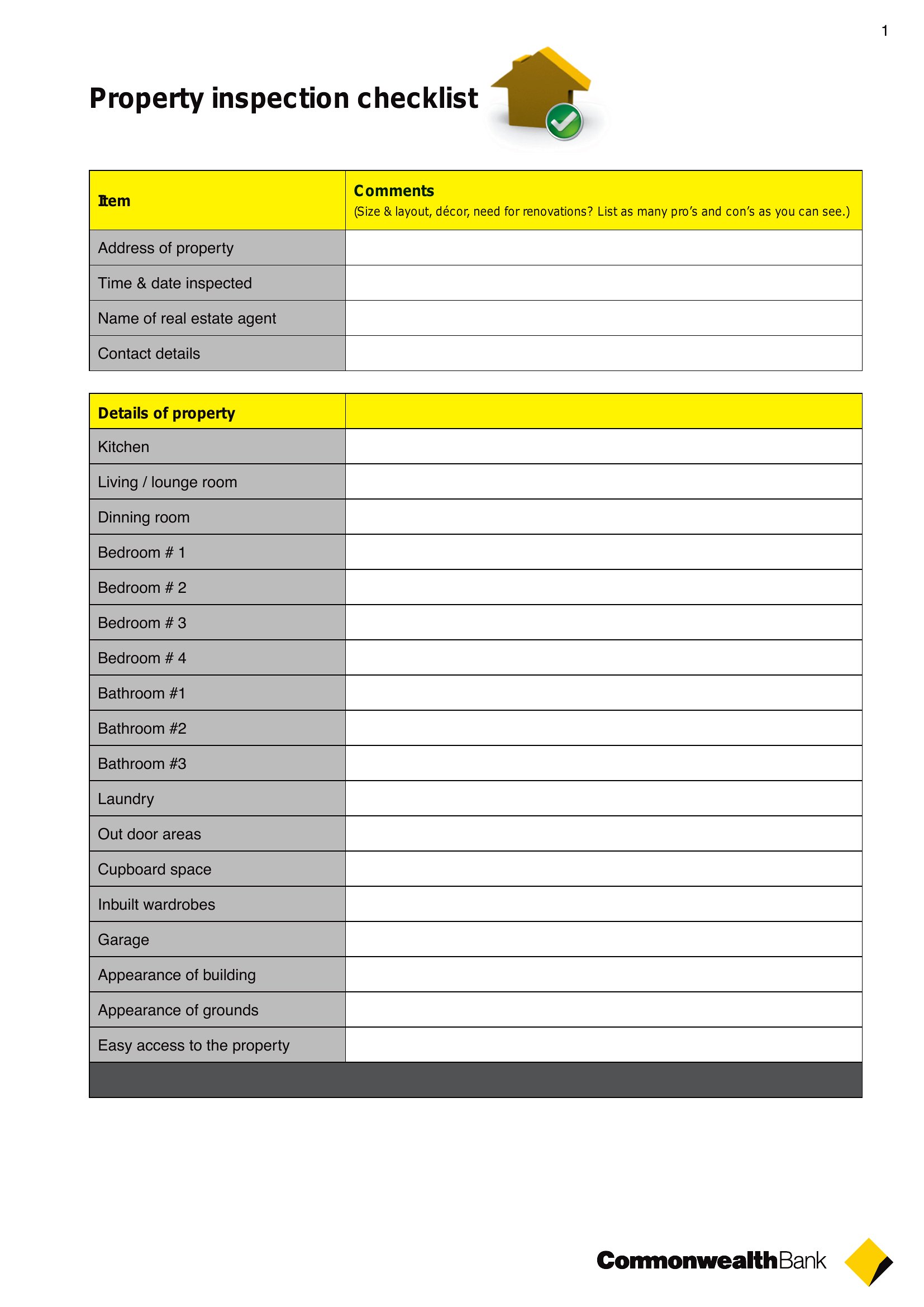
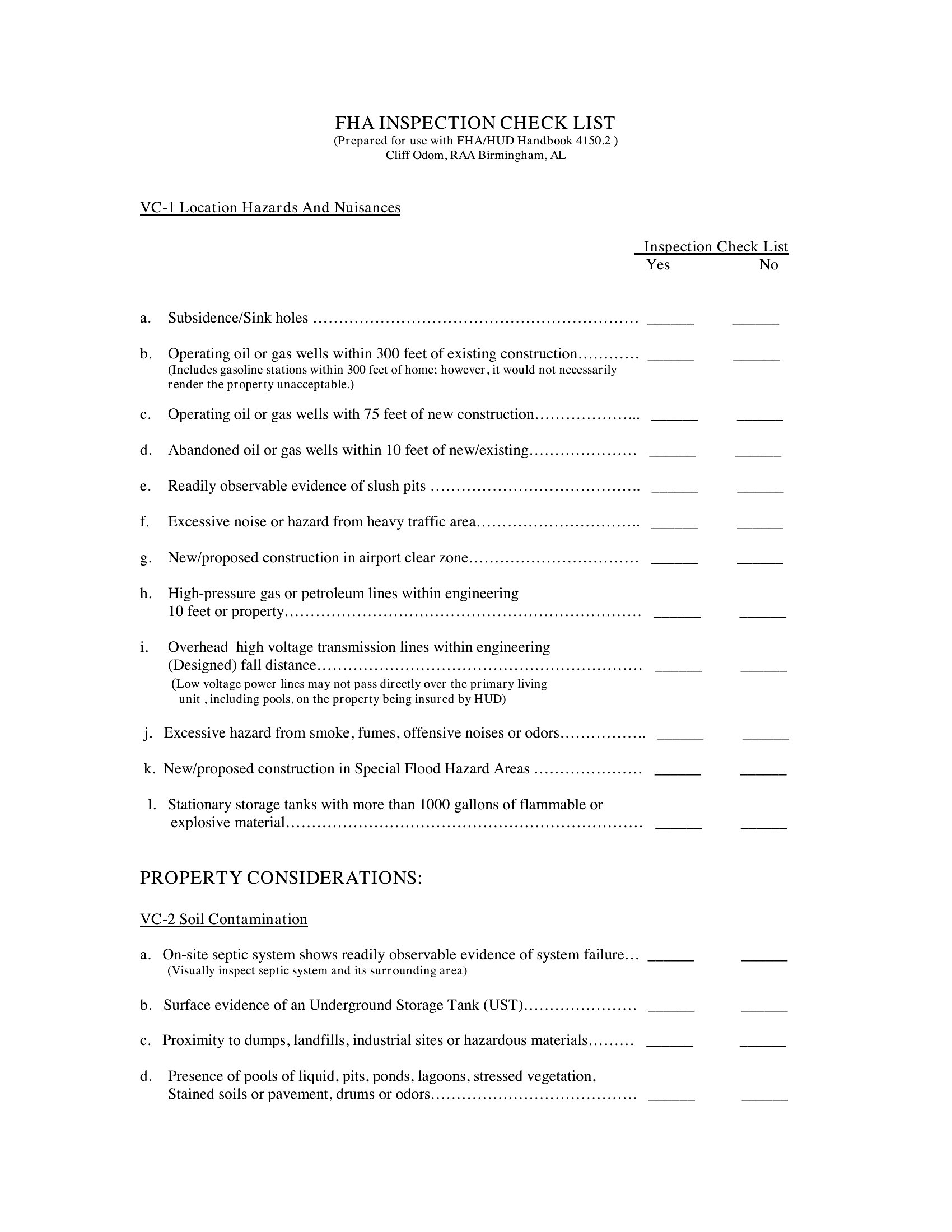
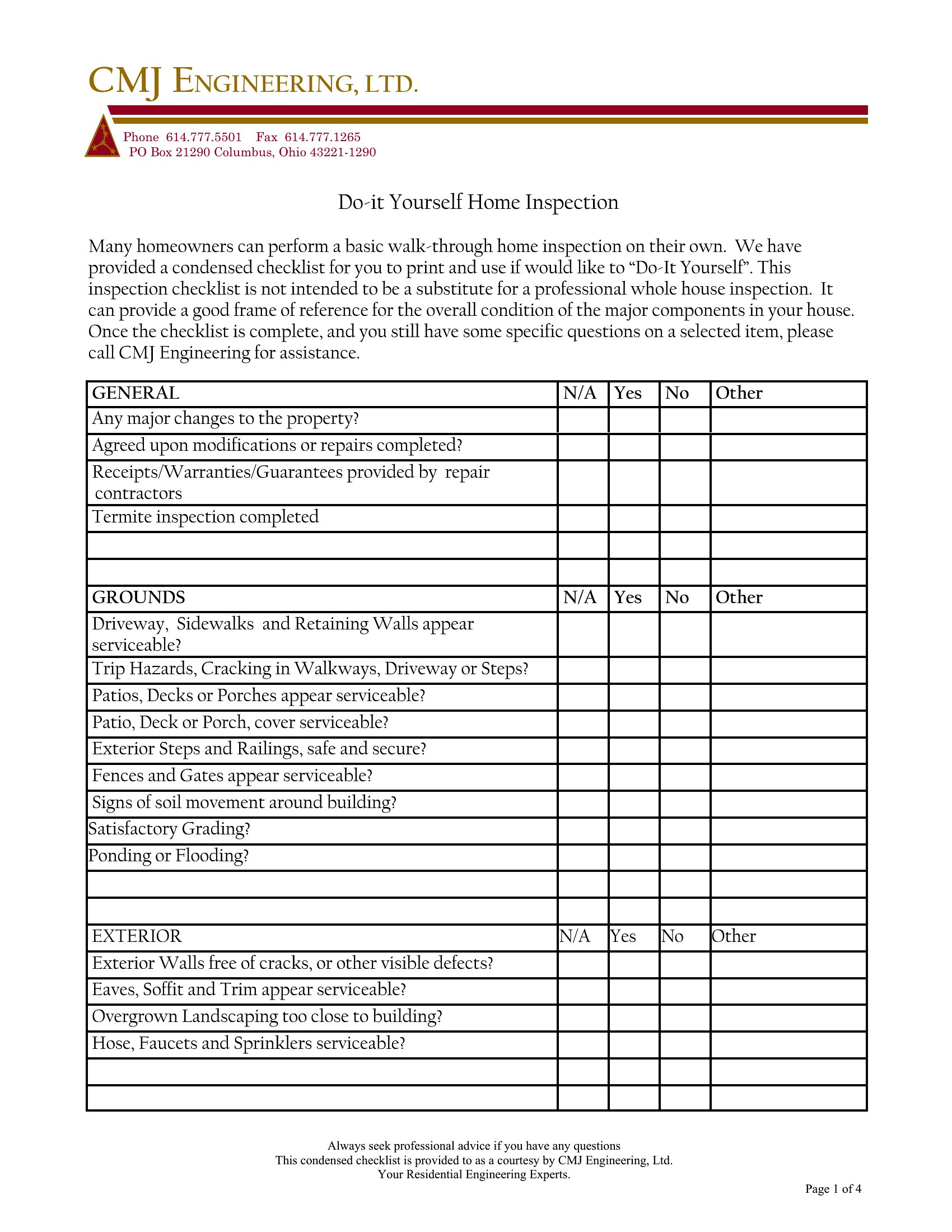
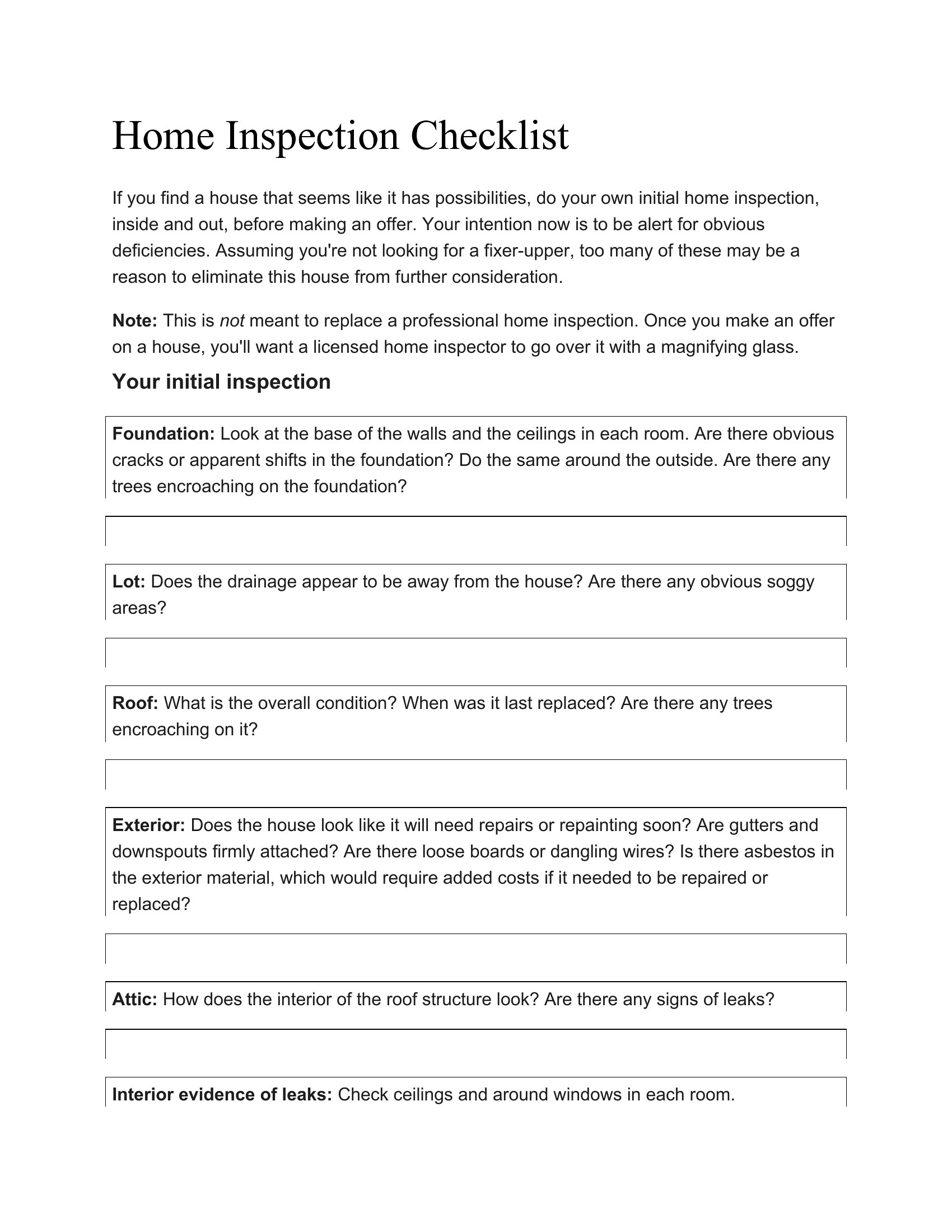
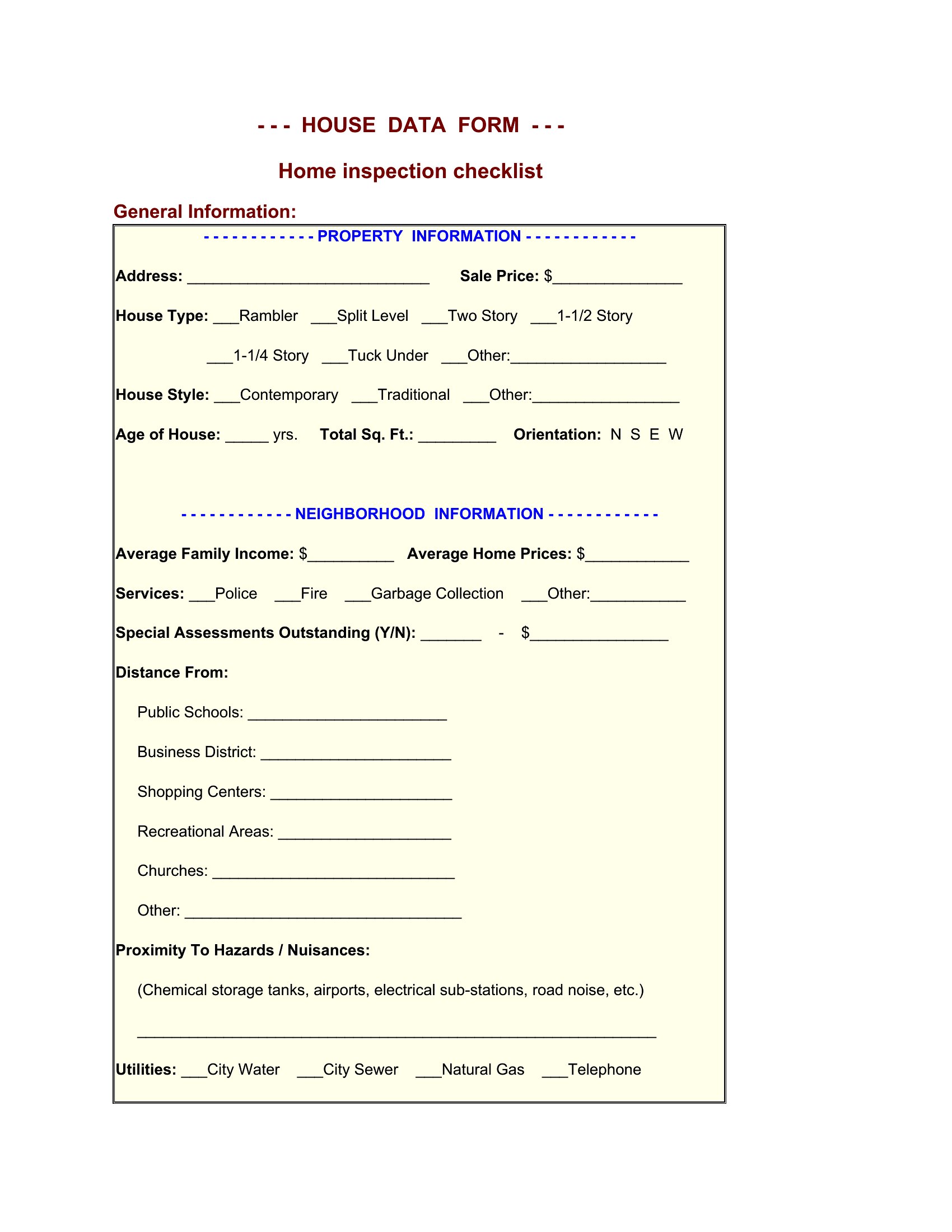
WorksheetsWalking through a house without a checklist means missing the details that matter most, from the roof to the wiring to the foundation. This set of 58 home inspection checklists gives buyers, inspectors, and landlords a room-by-room guide for spotting problems before money changes hands, covering structure, systems, and the small stuff that adds up.
Print the PDF copies to carry through the property, or open the Word versions to tailor the checklist to a specific home. Check off each item, jot notes on anything that needs a closer look, and keep the completed sheet for your records. Download the checklist that fits your inspection and walk through with a sharp eye.
When to use this Home Inspection Checklist template
- A first-time homebuyer reviewing a property before making an offer, needing a clear, step-by-step guide to evaluate the home’s condition independently before hiring an inspector.
- A licensed home inspector preparing for an appointment, requiring a comprehensive checklist to ensure no critical system (electrical, plumbing, HVAC) is overlooked during the walkthrough.
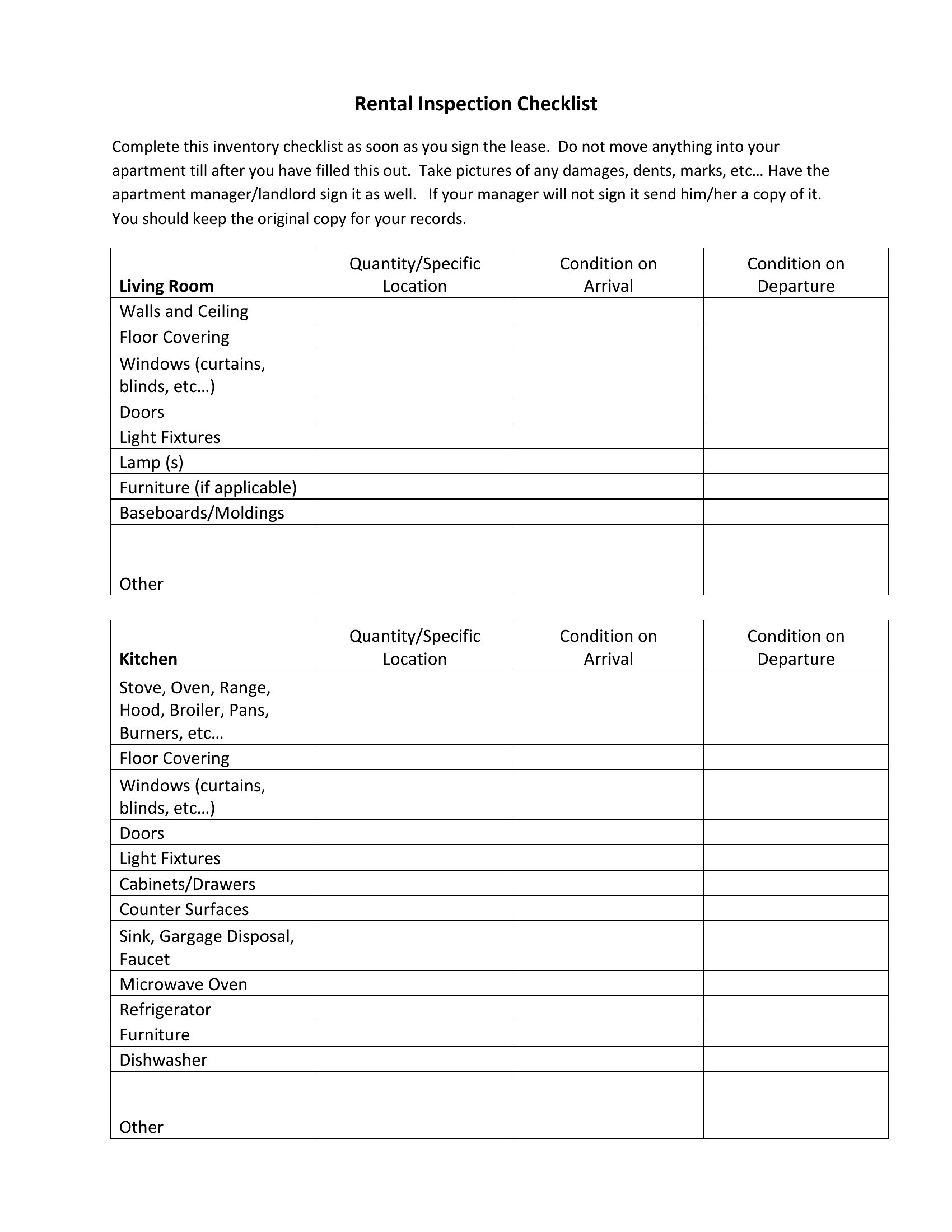
- A landlord screening rental properties, wanting to document existing damage or maintenance needs before listing the property or finalizing a tenant lease agreement.
- A DIY renovator assessing a fixer-upper, using the checklist to prioritize structural repairs (foundation cracks, roof leaks) versus cosmetic upgrades (paint, fixtures).
Which format should I download?
Choose Word if you plan to customize the checklist later—for example, adding personal notes, adjusting sections, or saving updates for future reference. Opt for PDF if you need an immediately printable, shareable version to use during the inspection itself, especially for on-site use where digital access is limited. Both formats cover the same thorough room-by-room breakdown, so pick based on workflow needs: editable flexibility vs. portable convenience.
How to use this Home Inspection Checklist template
Can I use this checklist to spot issues like mold or asbestos without professional testing?
This checklist helps identify visible signs of mold (stains, musty odors) or asbestos (insulation around pipes, textured ceilings), but it’s not a substitute for lab testing. If you suspect hazardous materials, note the areas for inspection and consult a certified professional before proceeding with repairs.
Are these templates designed for single-family homes only, or do they work for apartments or multi-unit properties?
While the templates focus on structure and systems common in single-family homes, they adapt well to apartments or condos by skipping sections like roof inspection and emphasizing shared walls, plumbing stops, and unit-specific systems (e.g., HVAC zoning). Landlords can cross-reference with building-wide inspections for shared spaces.
How detailed should I be when documenting minor issues like loose cabinet handles or cracked caulking?
Note every functional or cosmetic issue in the ‘minor’ section, but prioritize items that could worsen (e.g., caulk gaps around windows may lead to drafts or moisture). For buyers, use photos to clarify notes; for landlords, these details help set fair security deposit deductions or tenant expectations for maintenance.
Comments
Join the conversation
Sign in to share your thoughts and leave a comment on this resource.