FAQ
How do these worksheets help students transition from simple shapes to compound shapes?
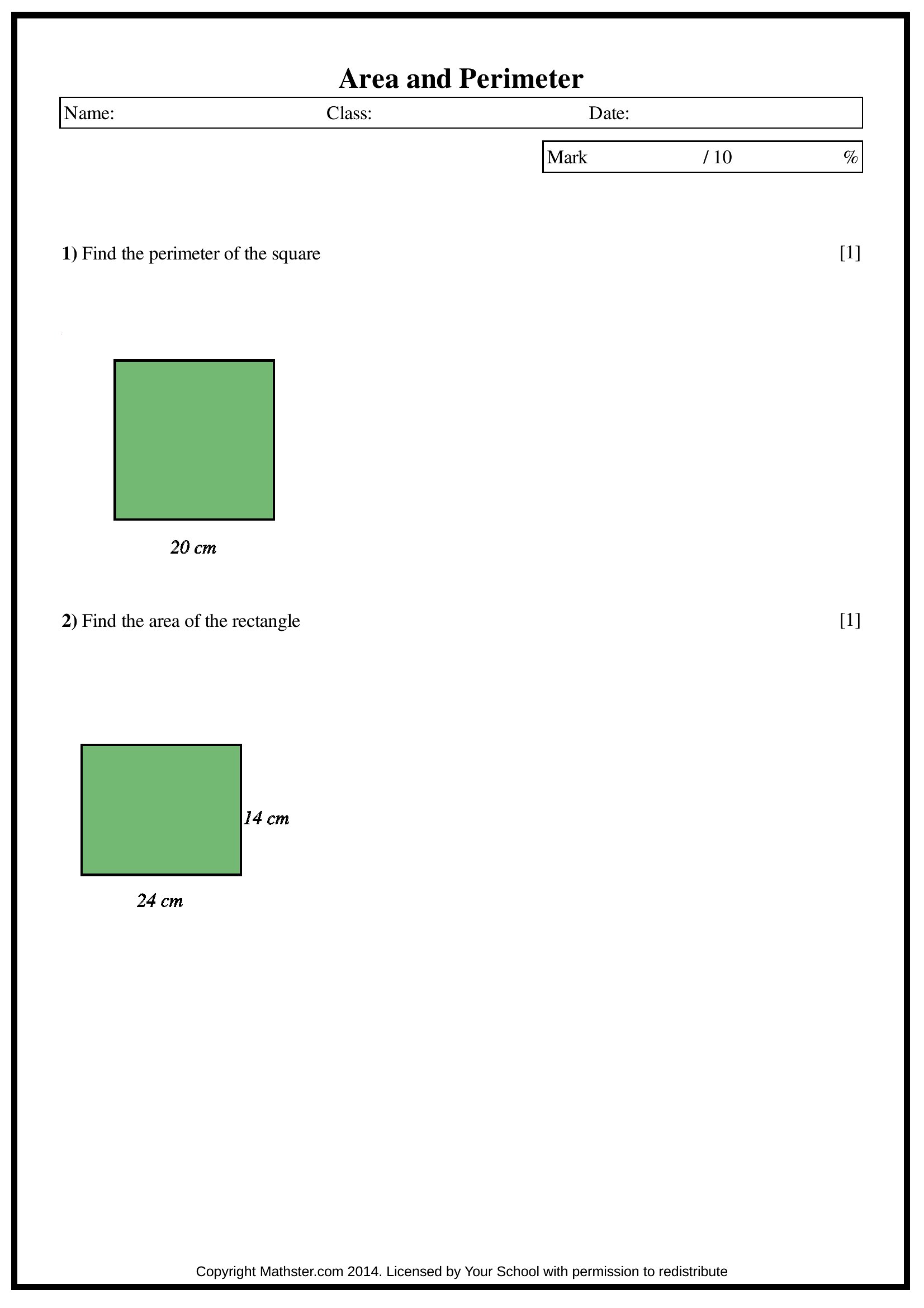
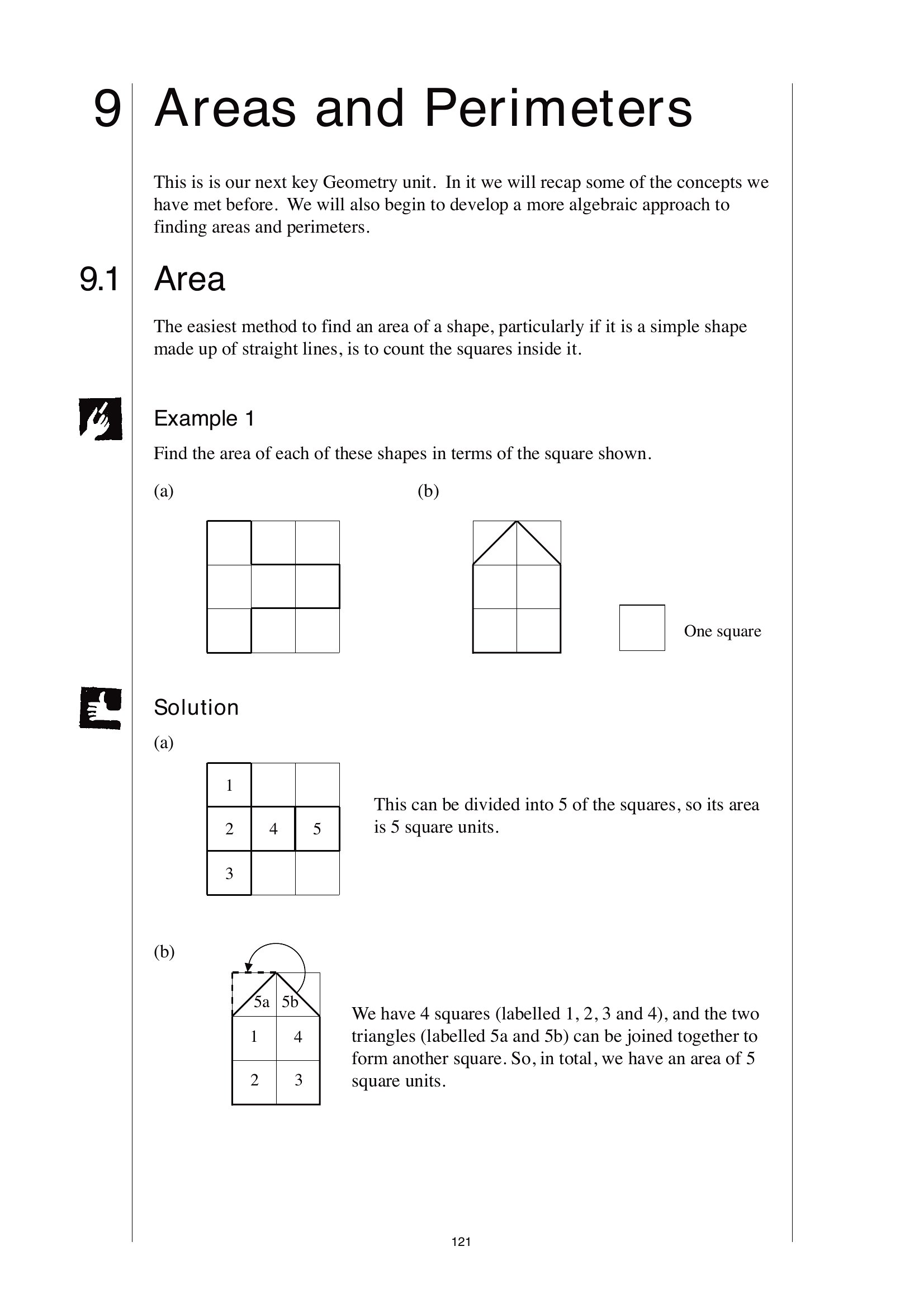
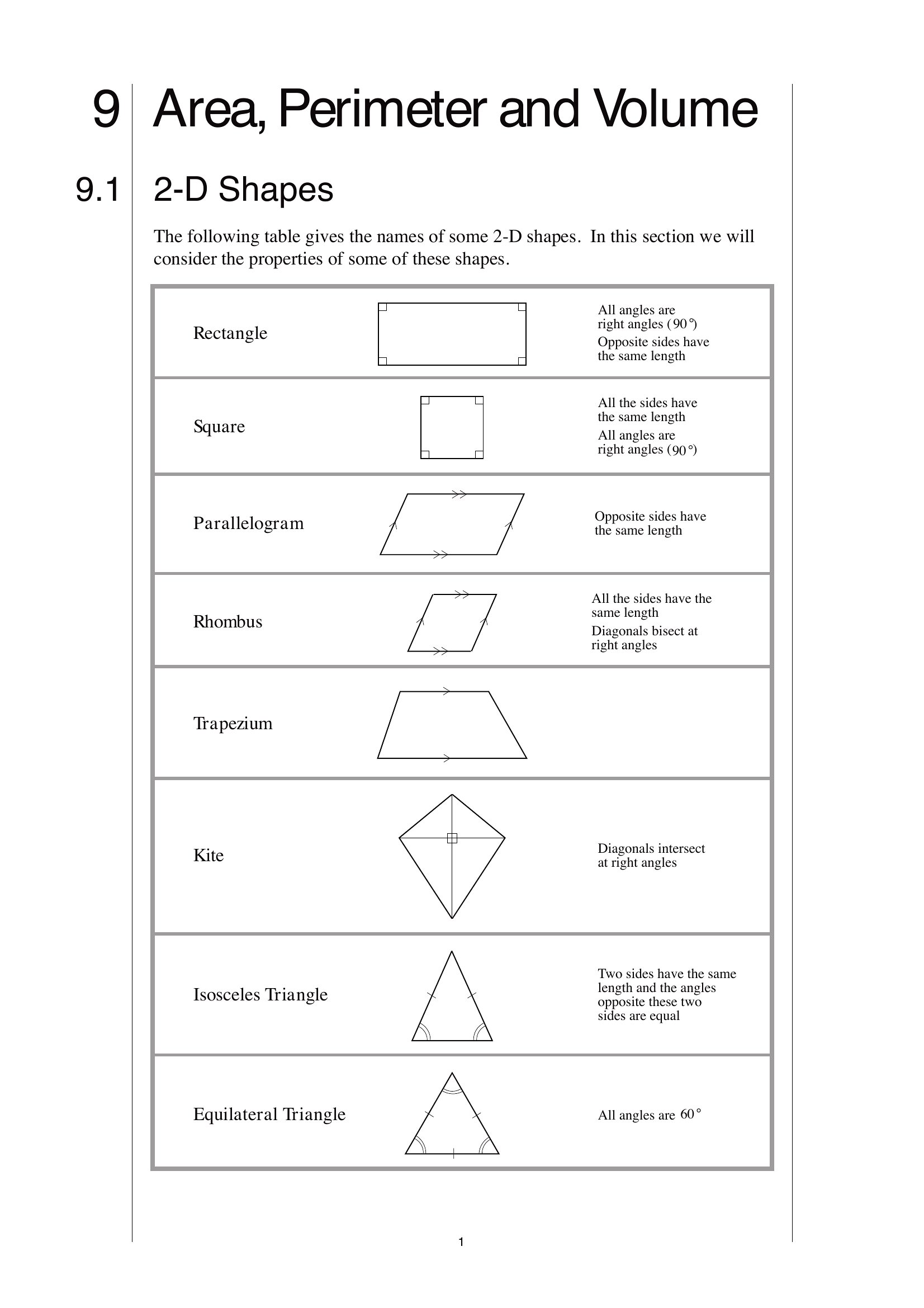
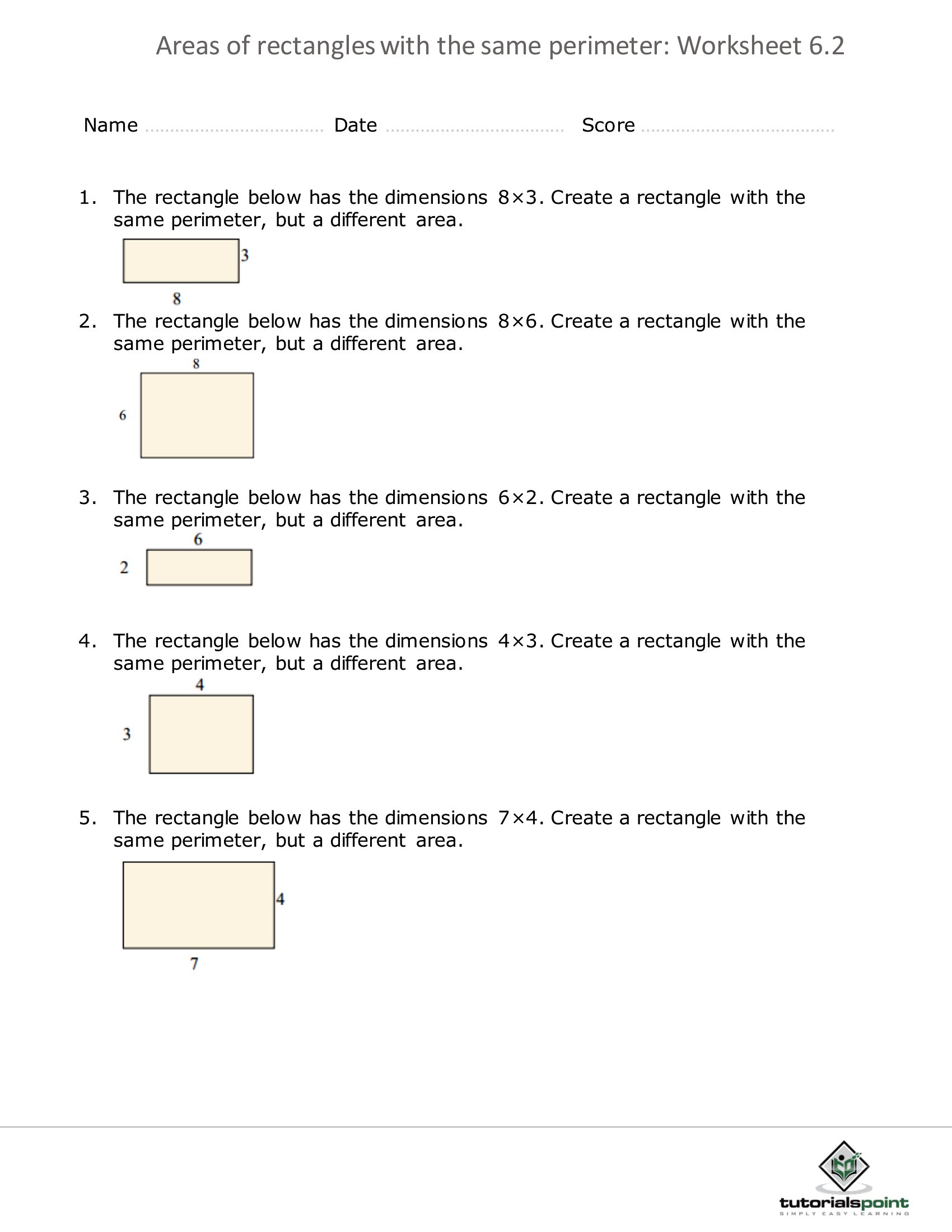
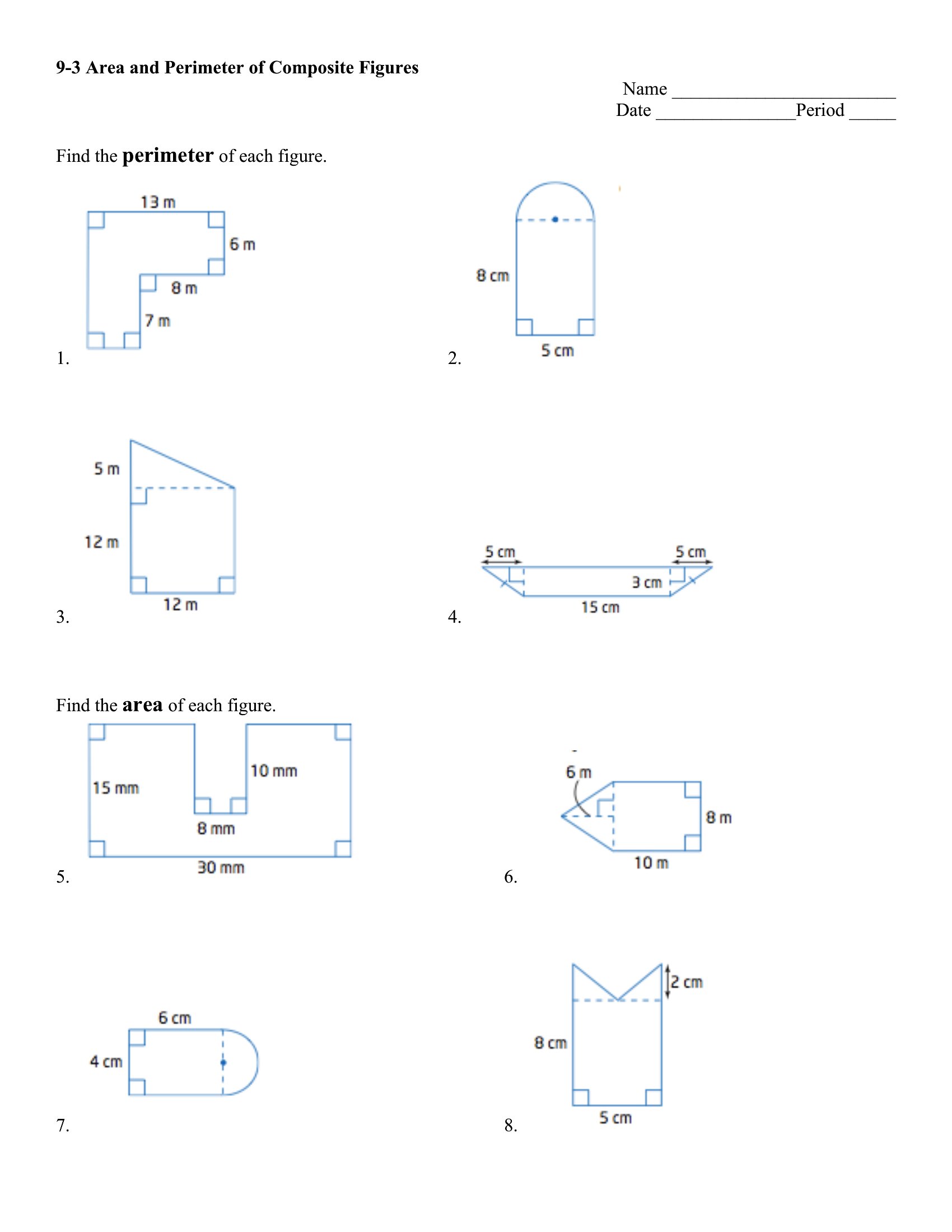
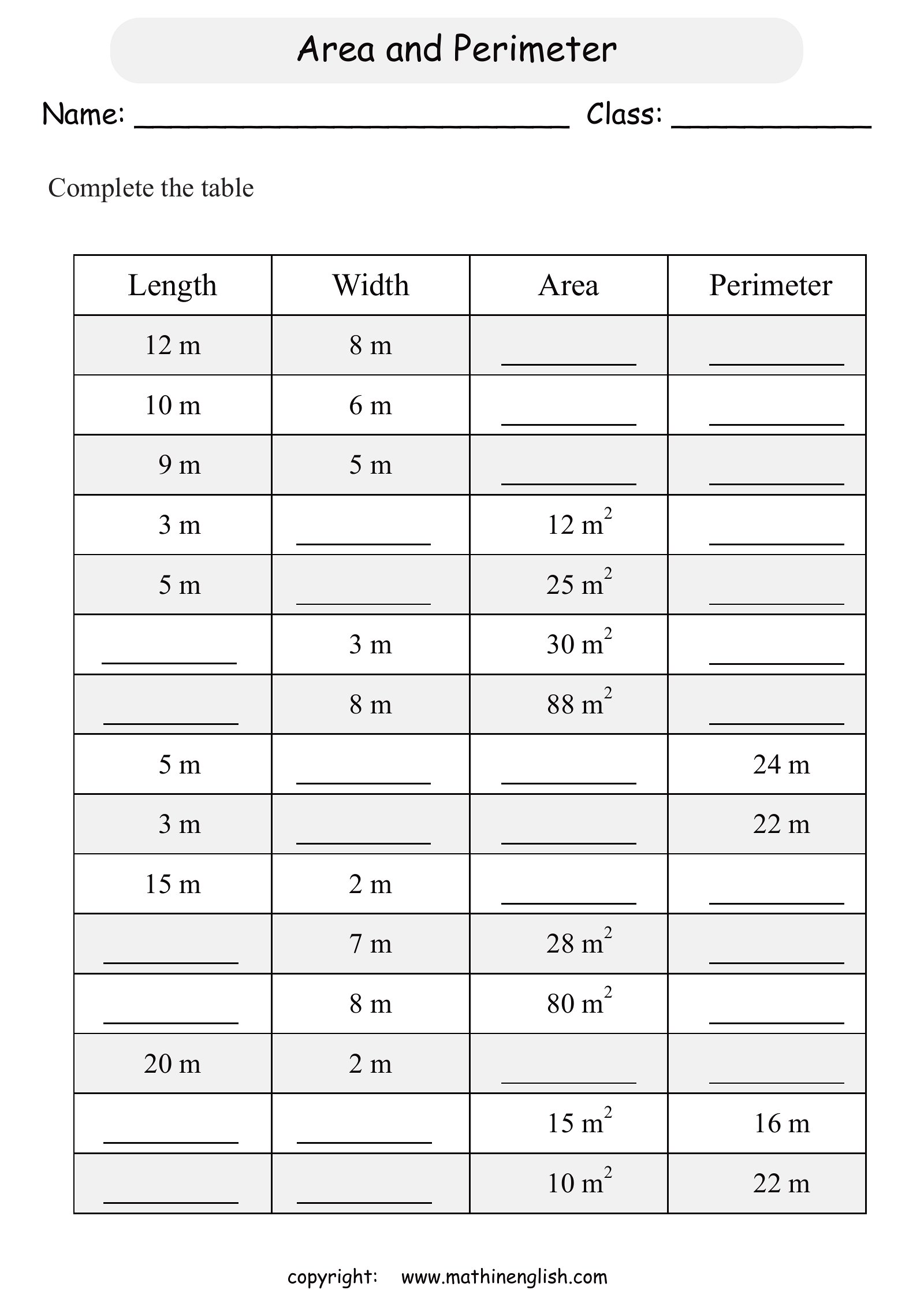
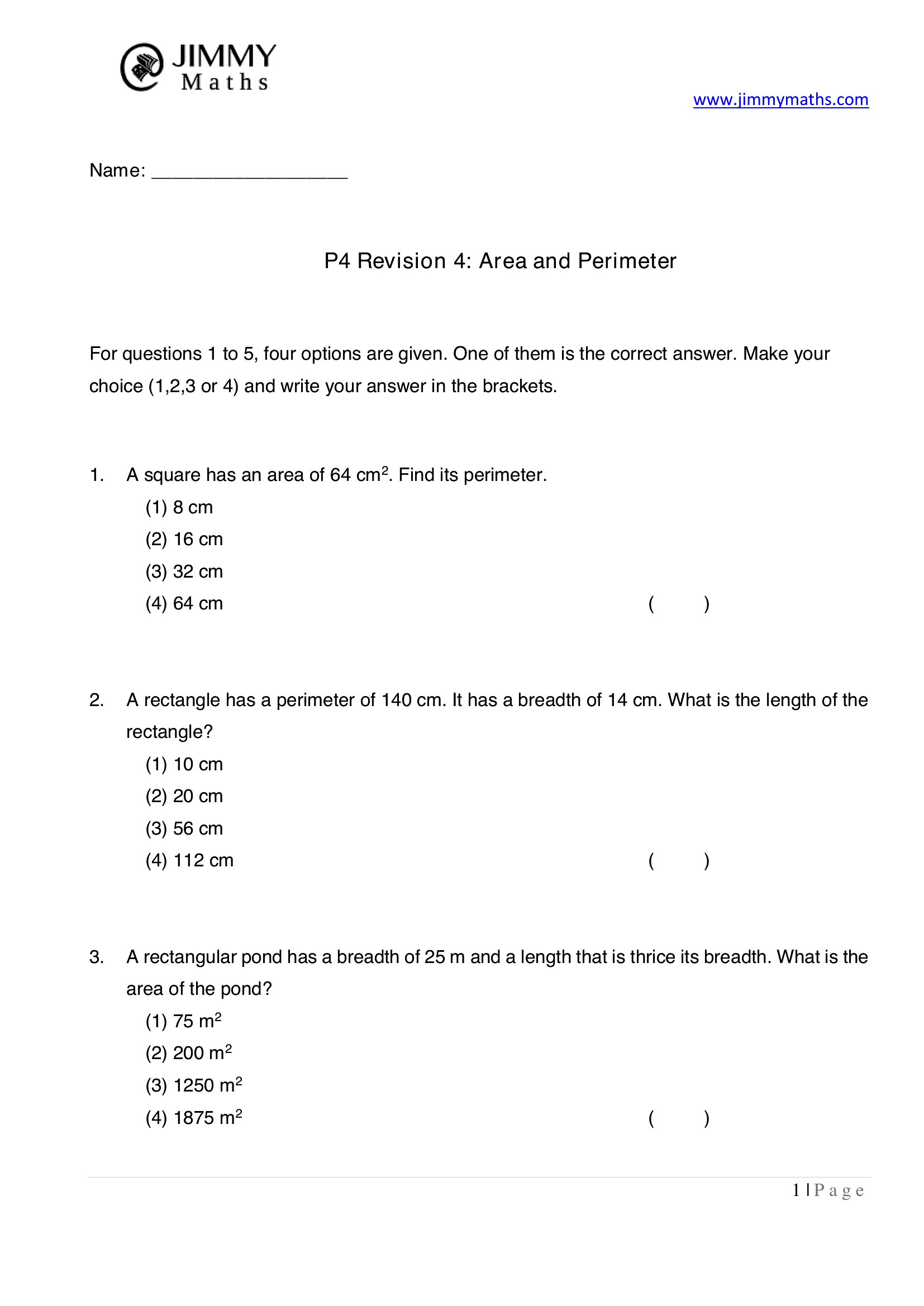
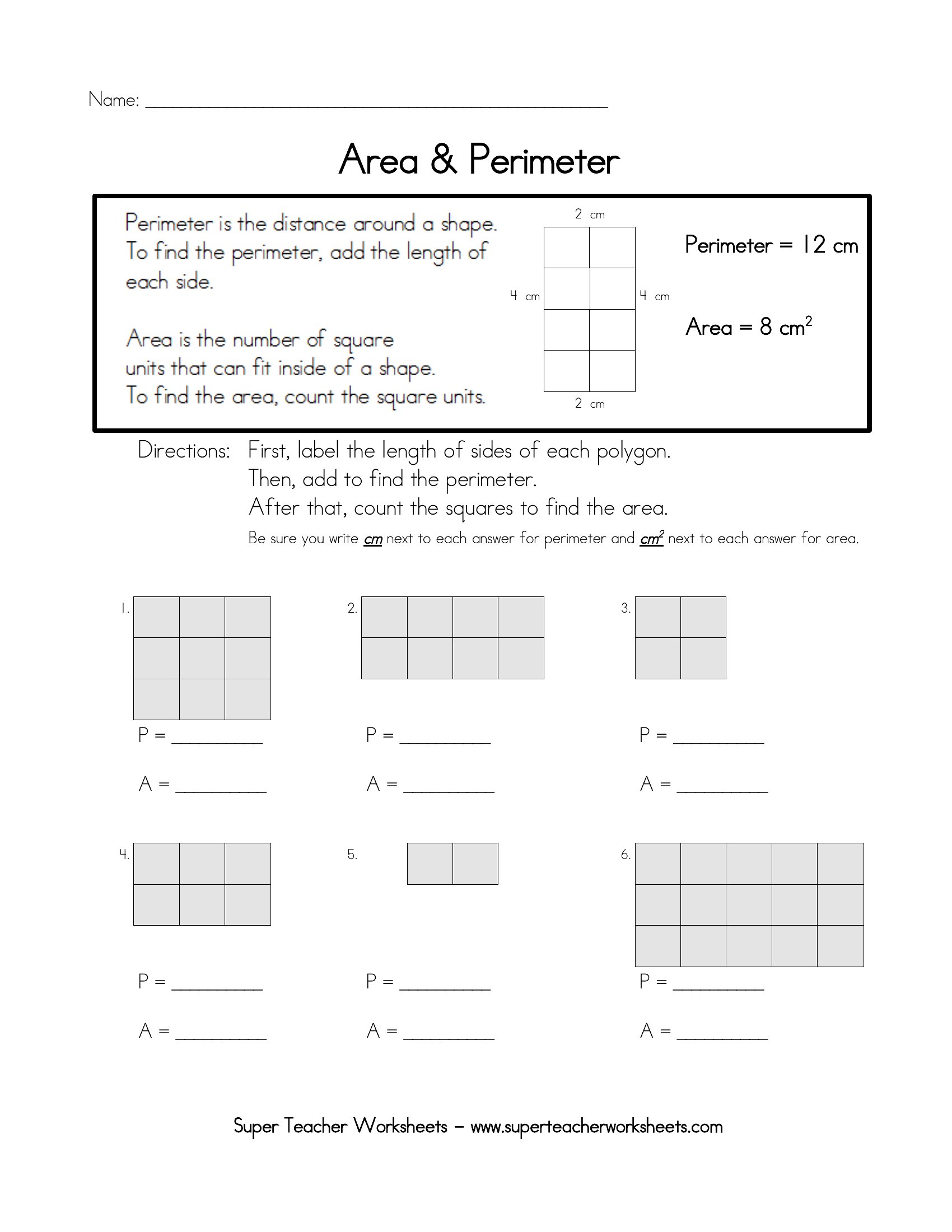
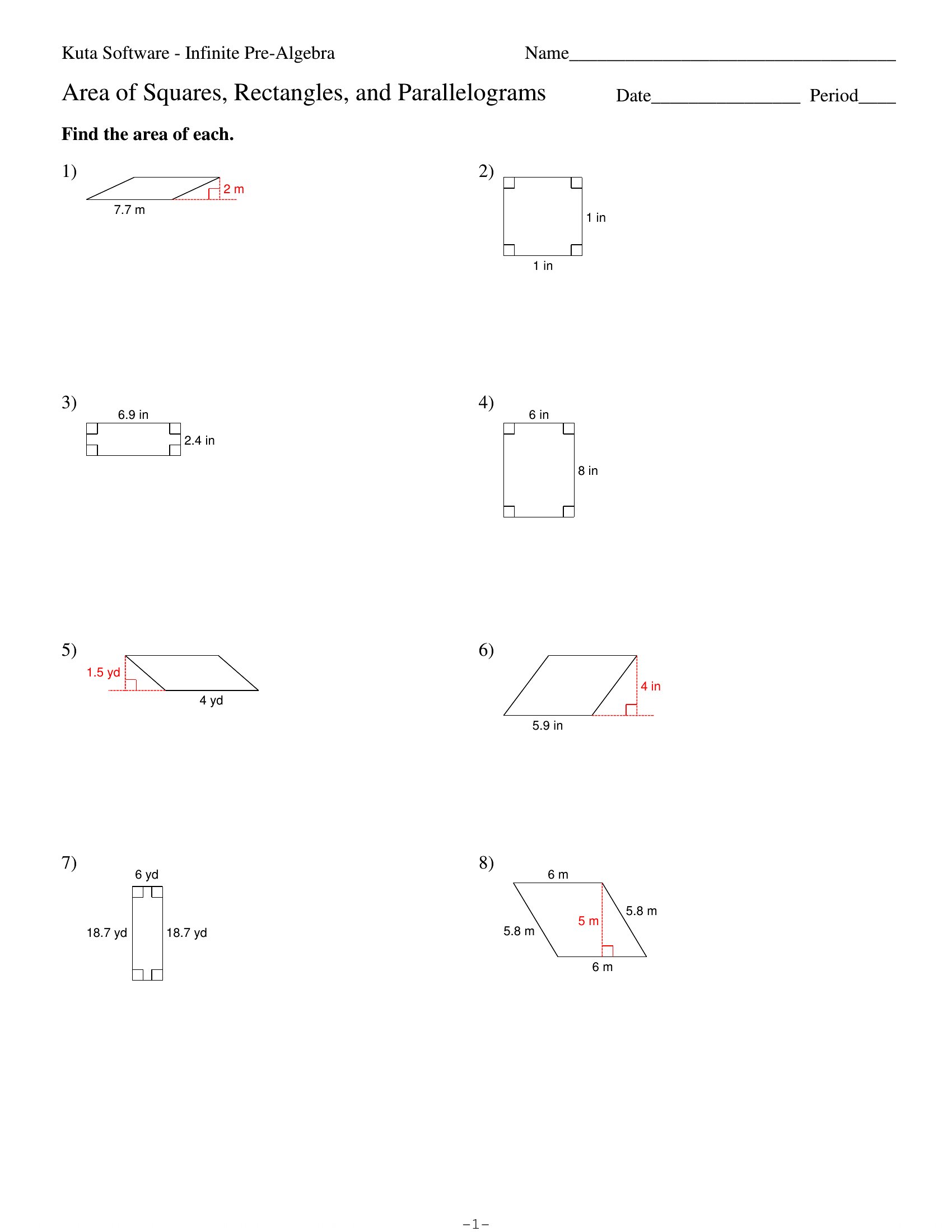
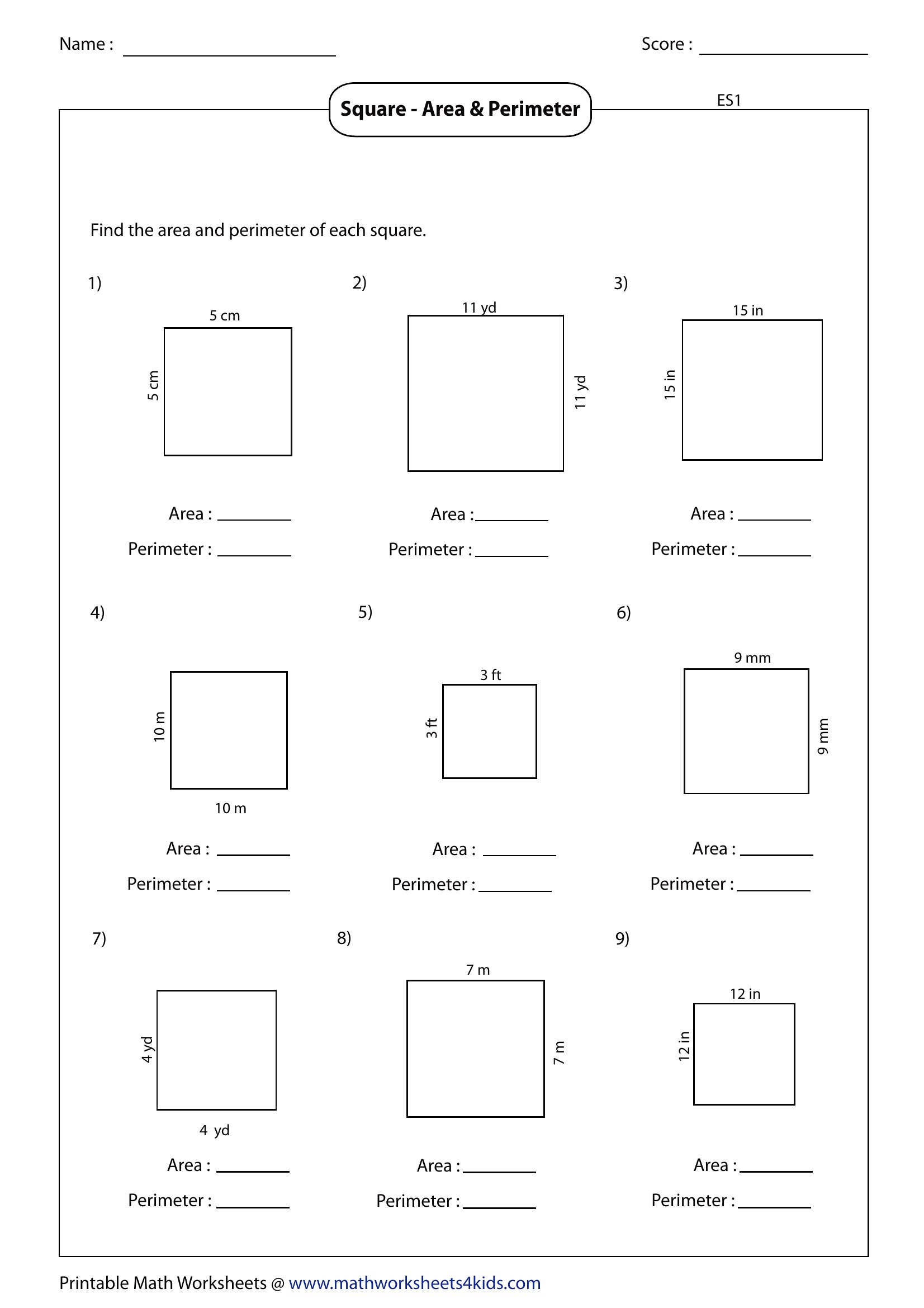
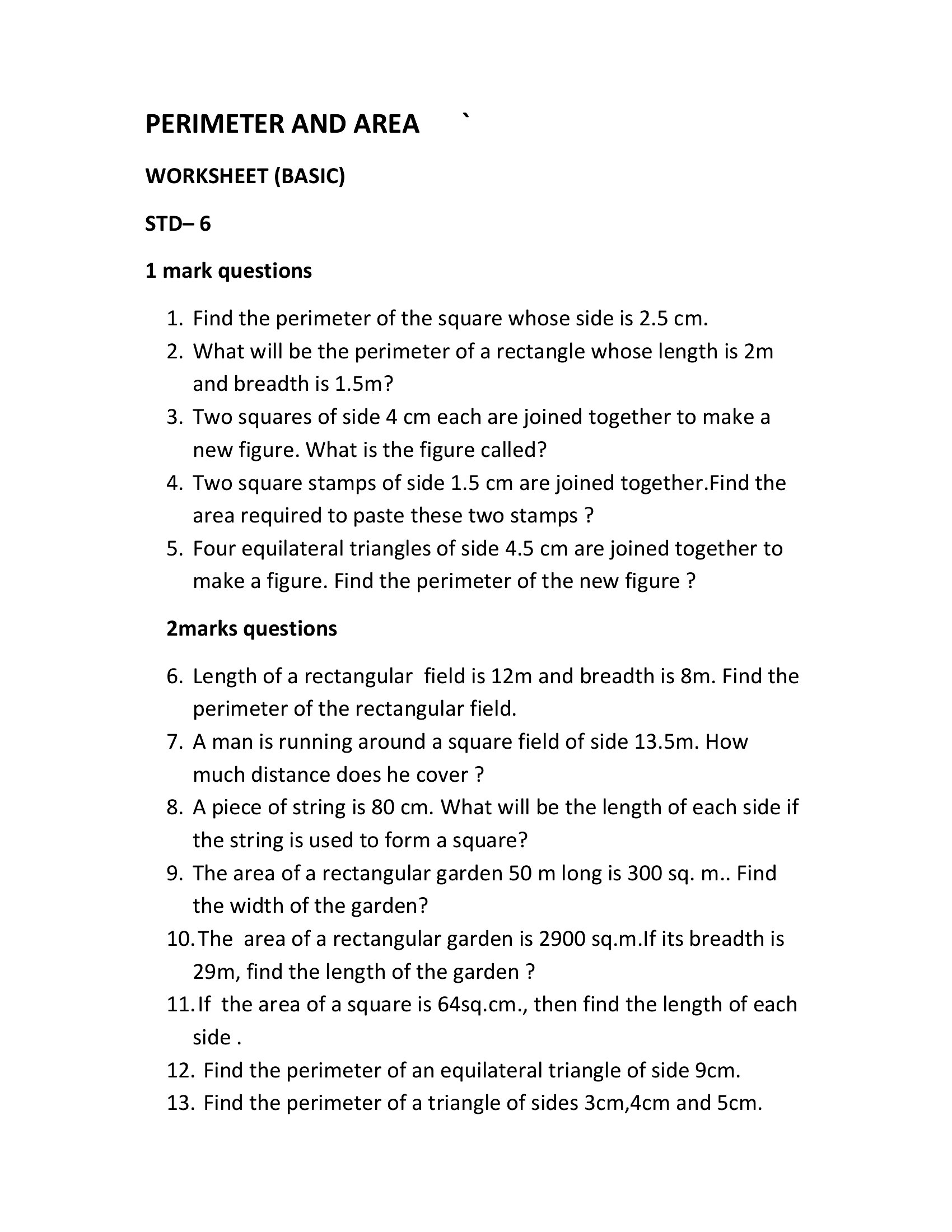
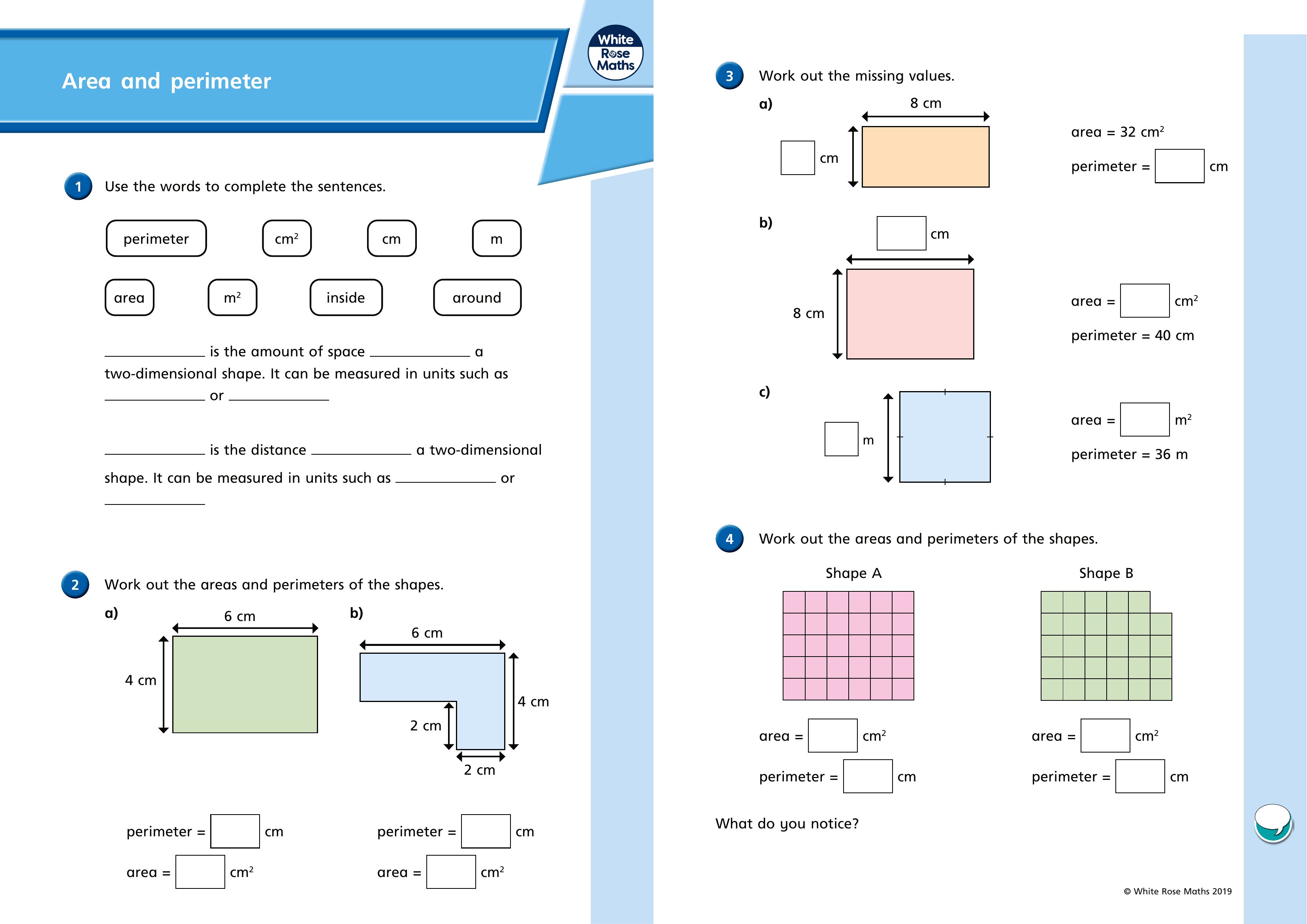
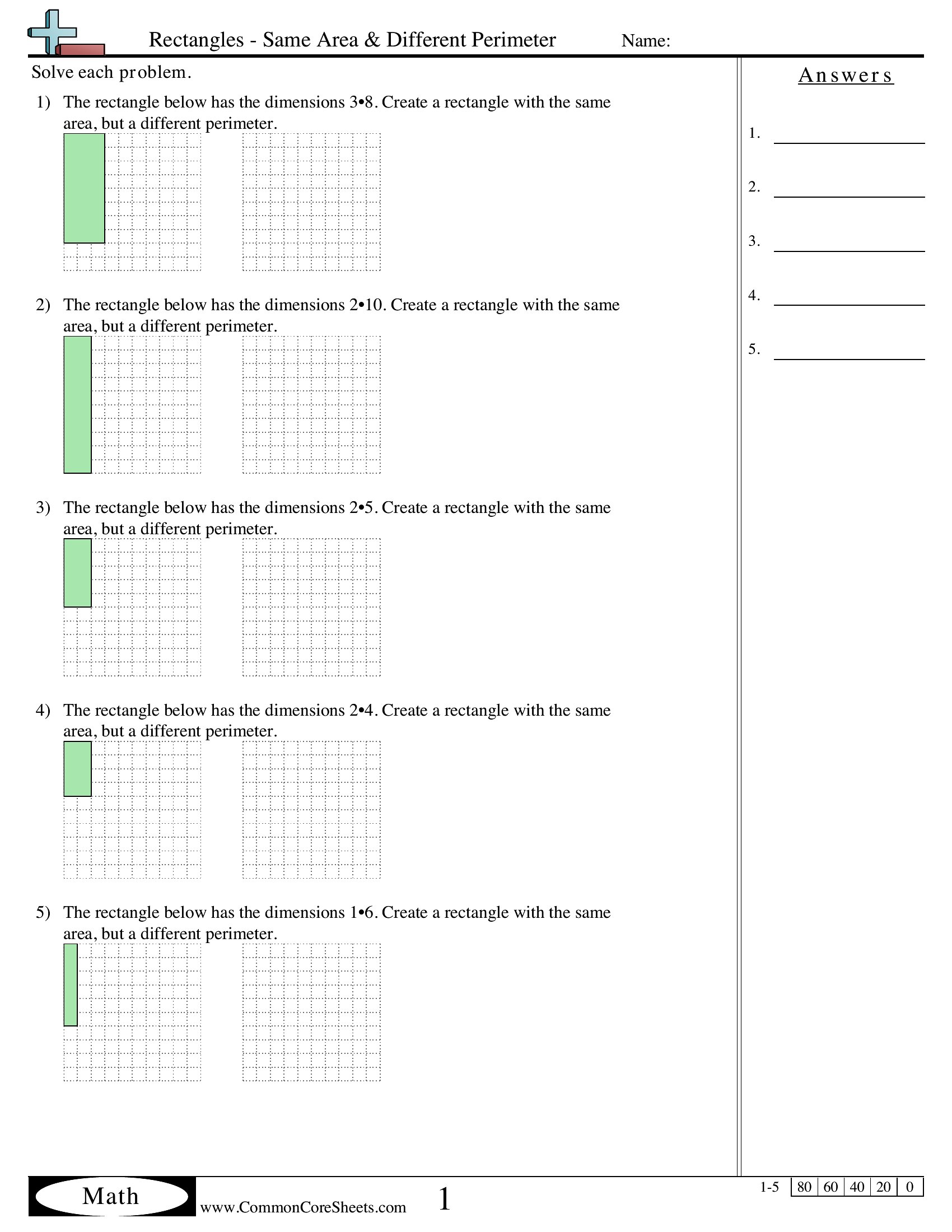
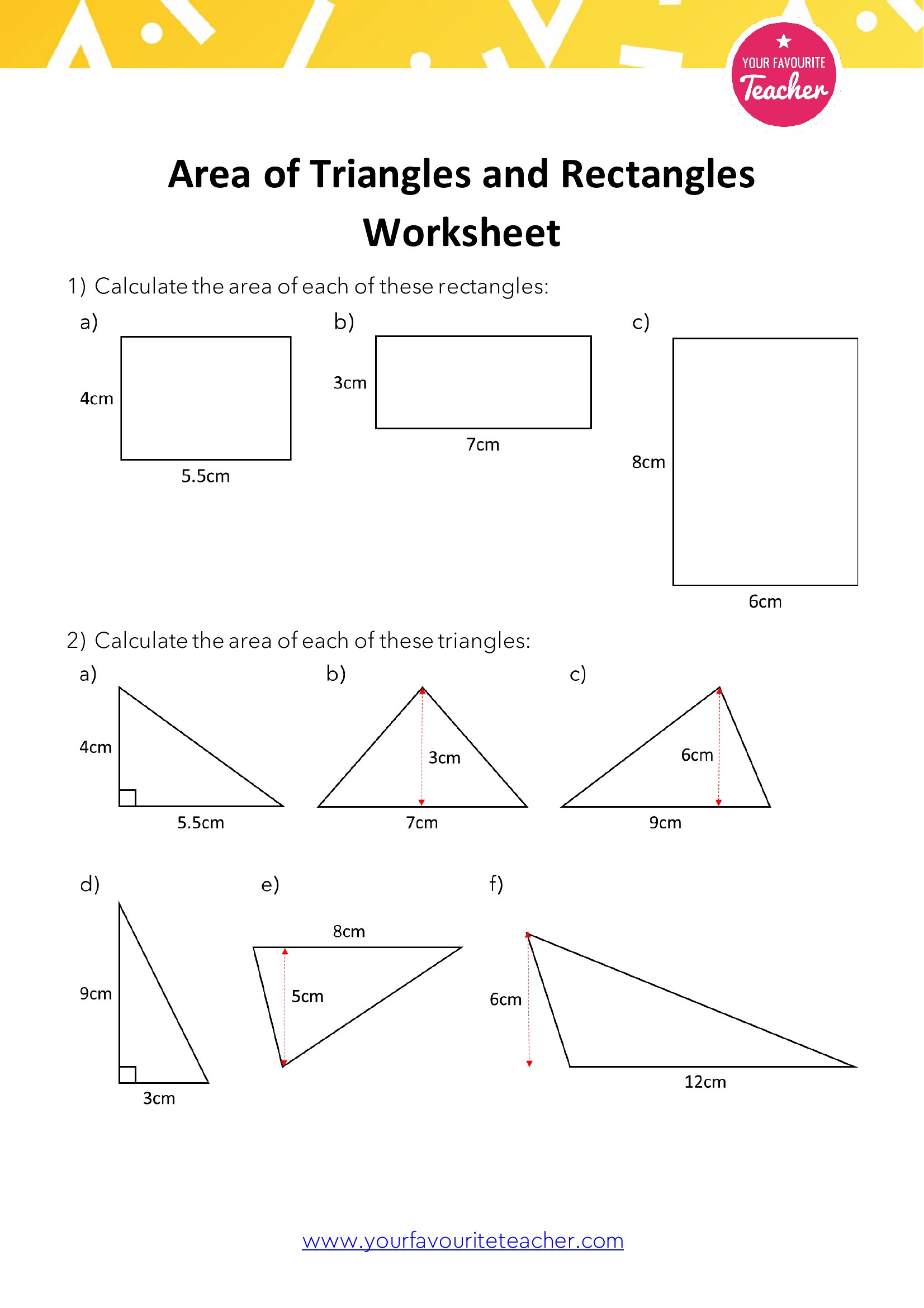
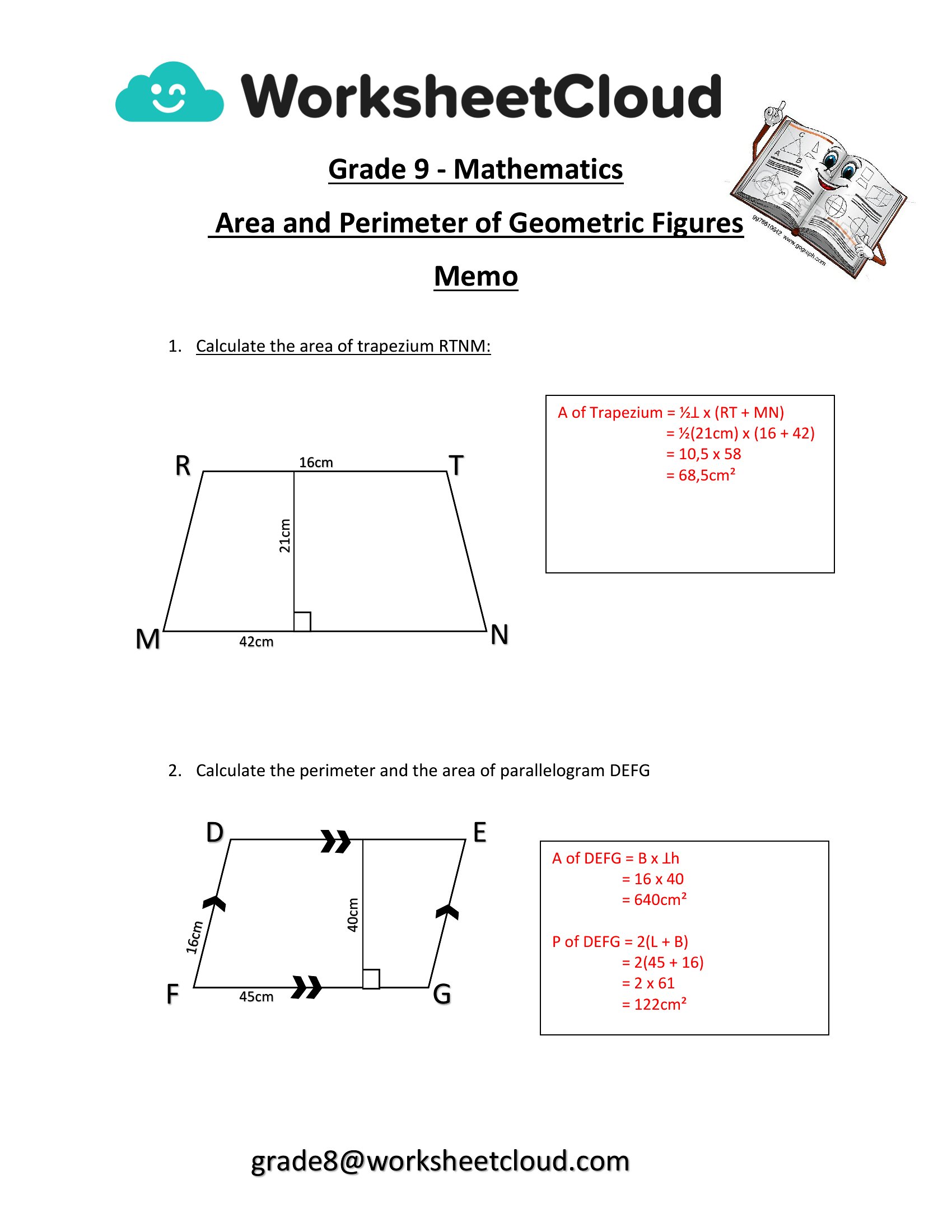
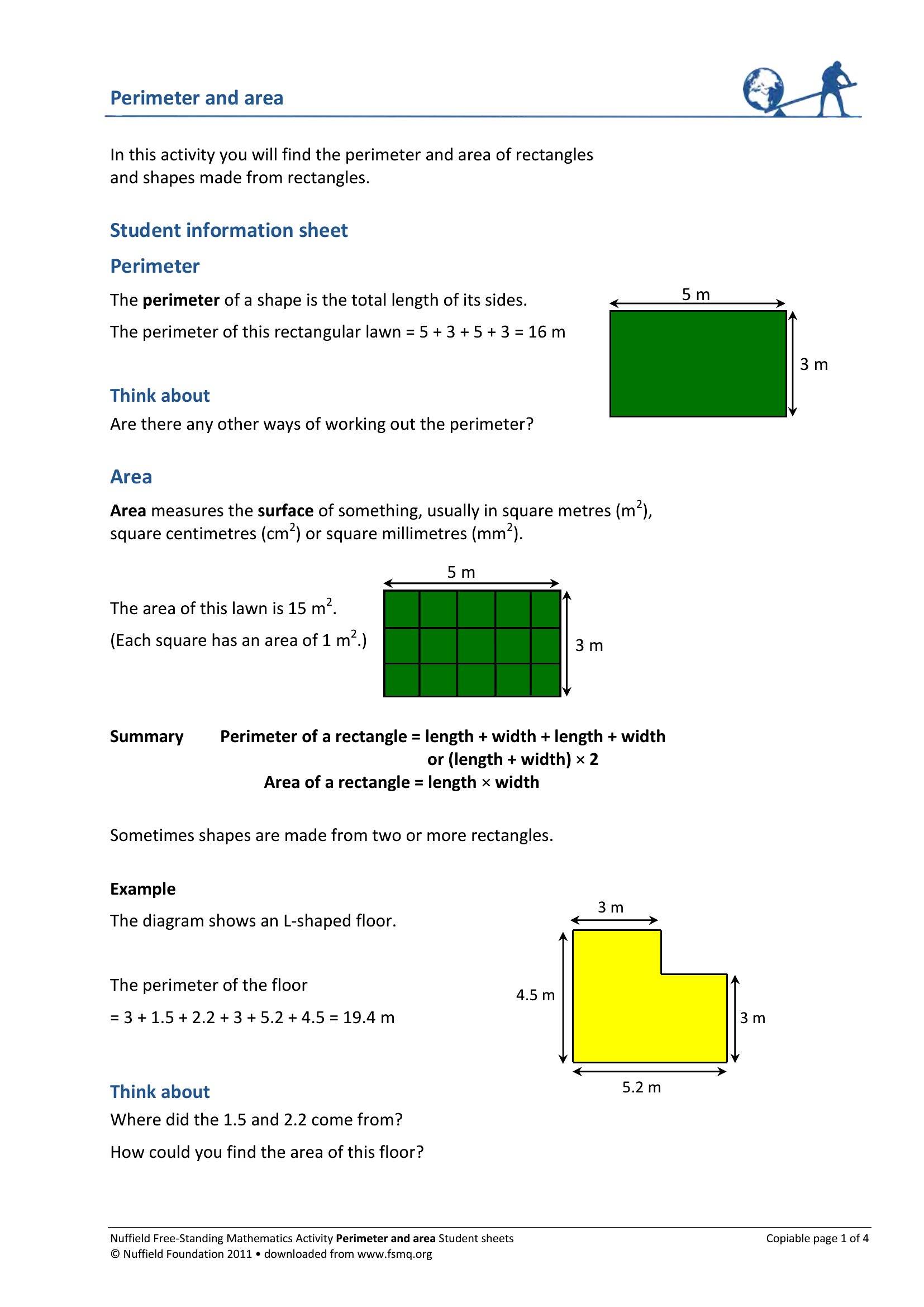
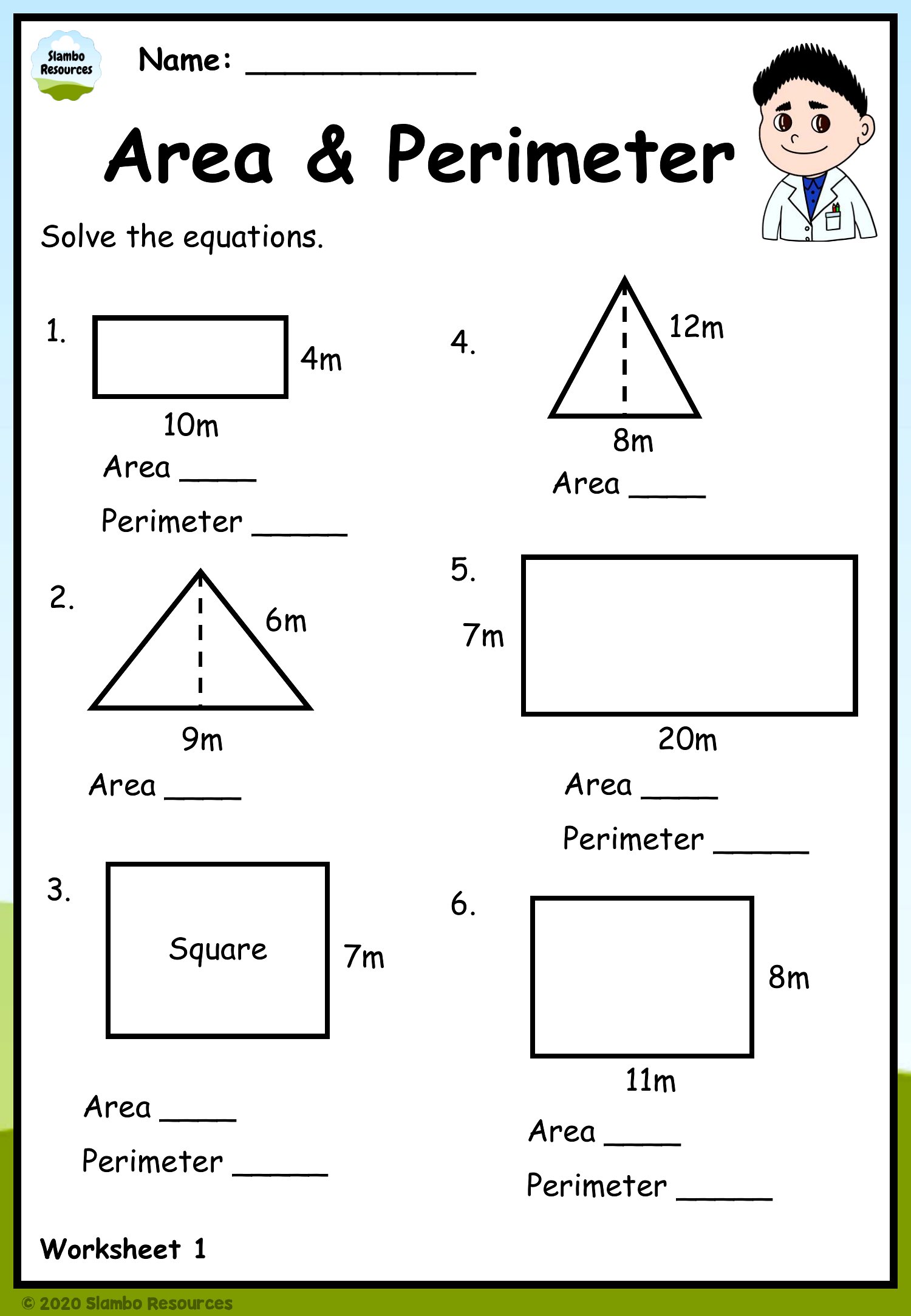
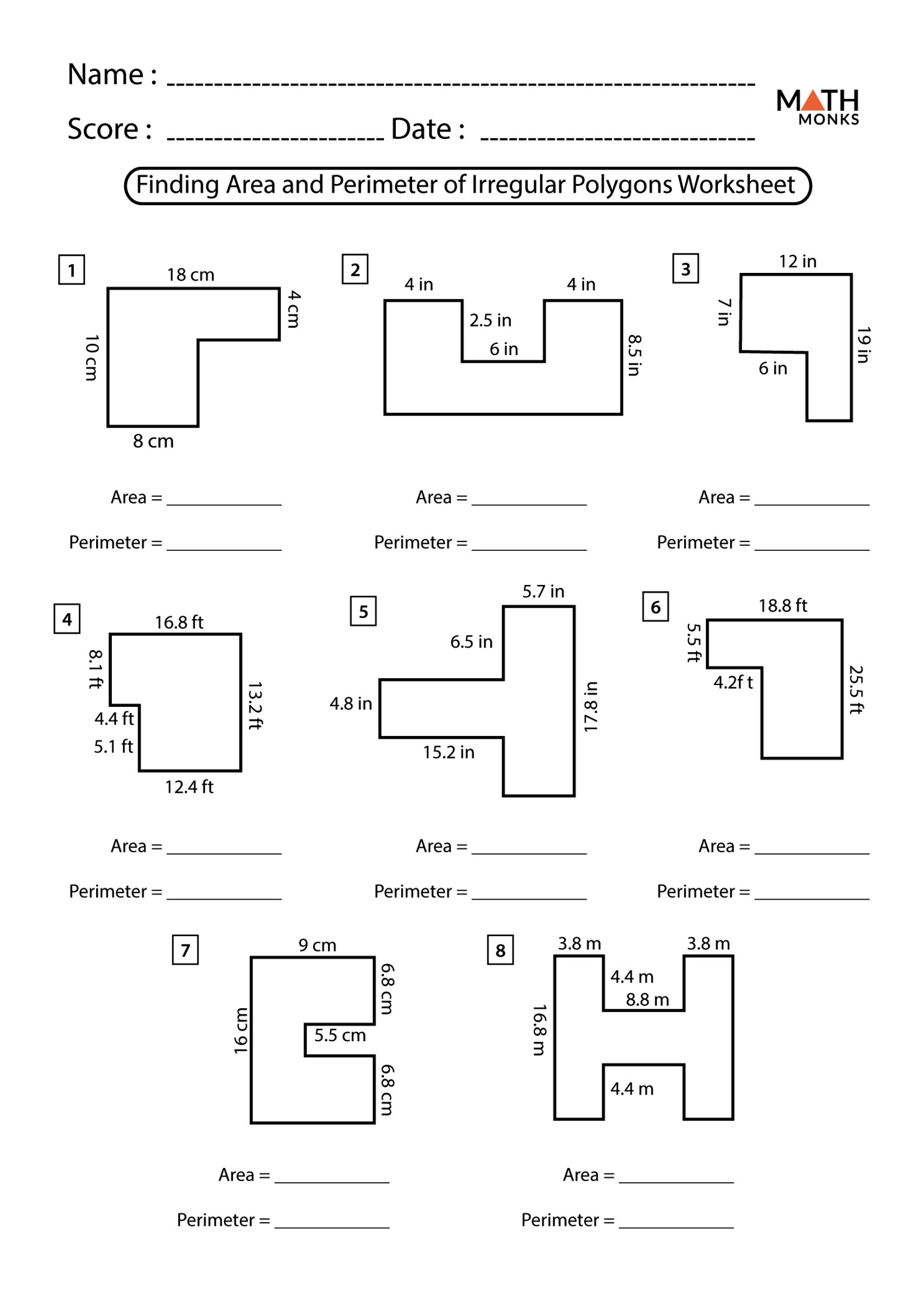
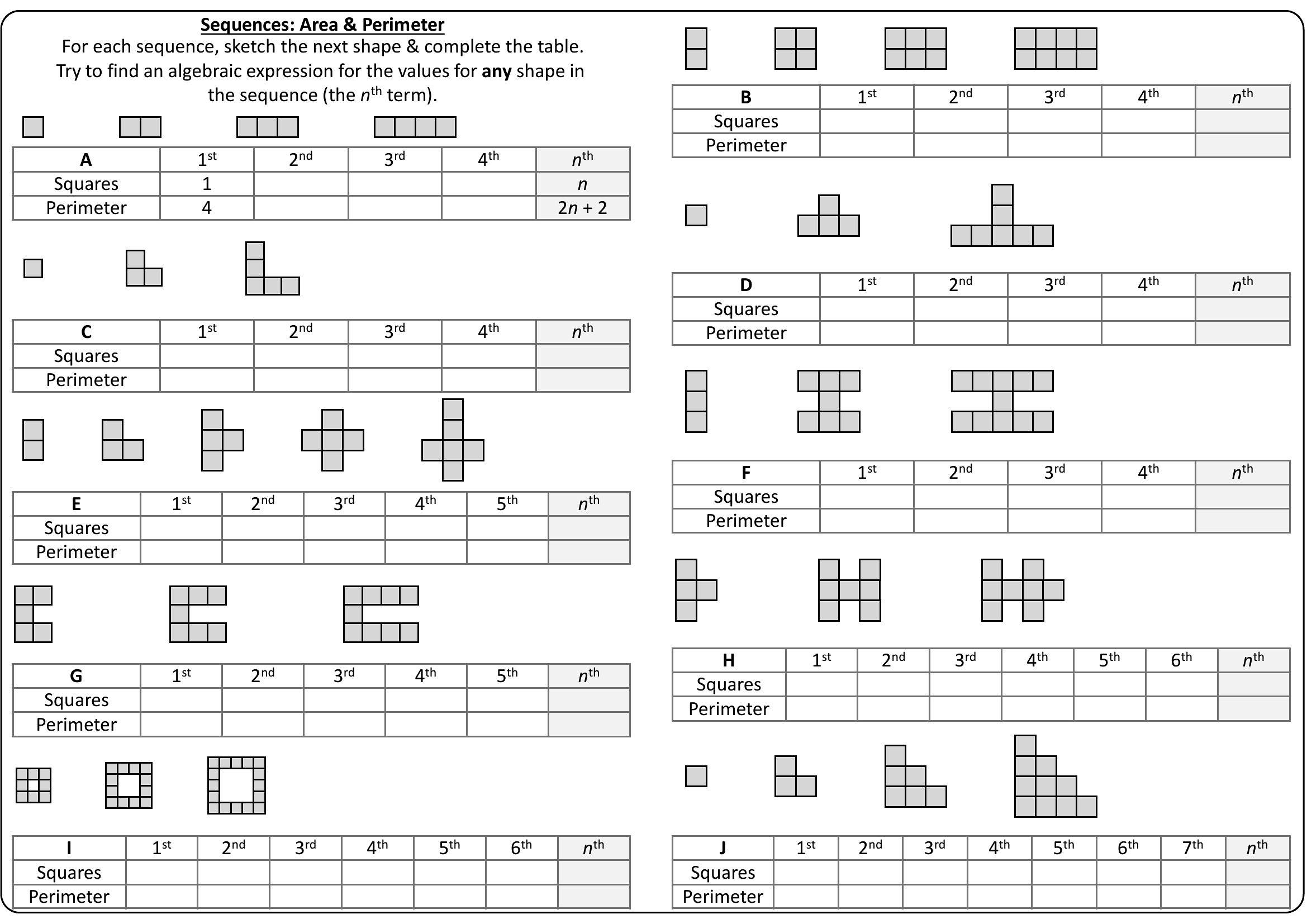
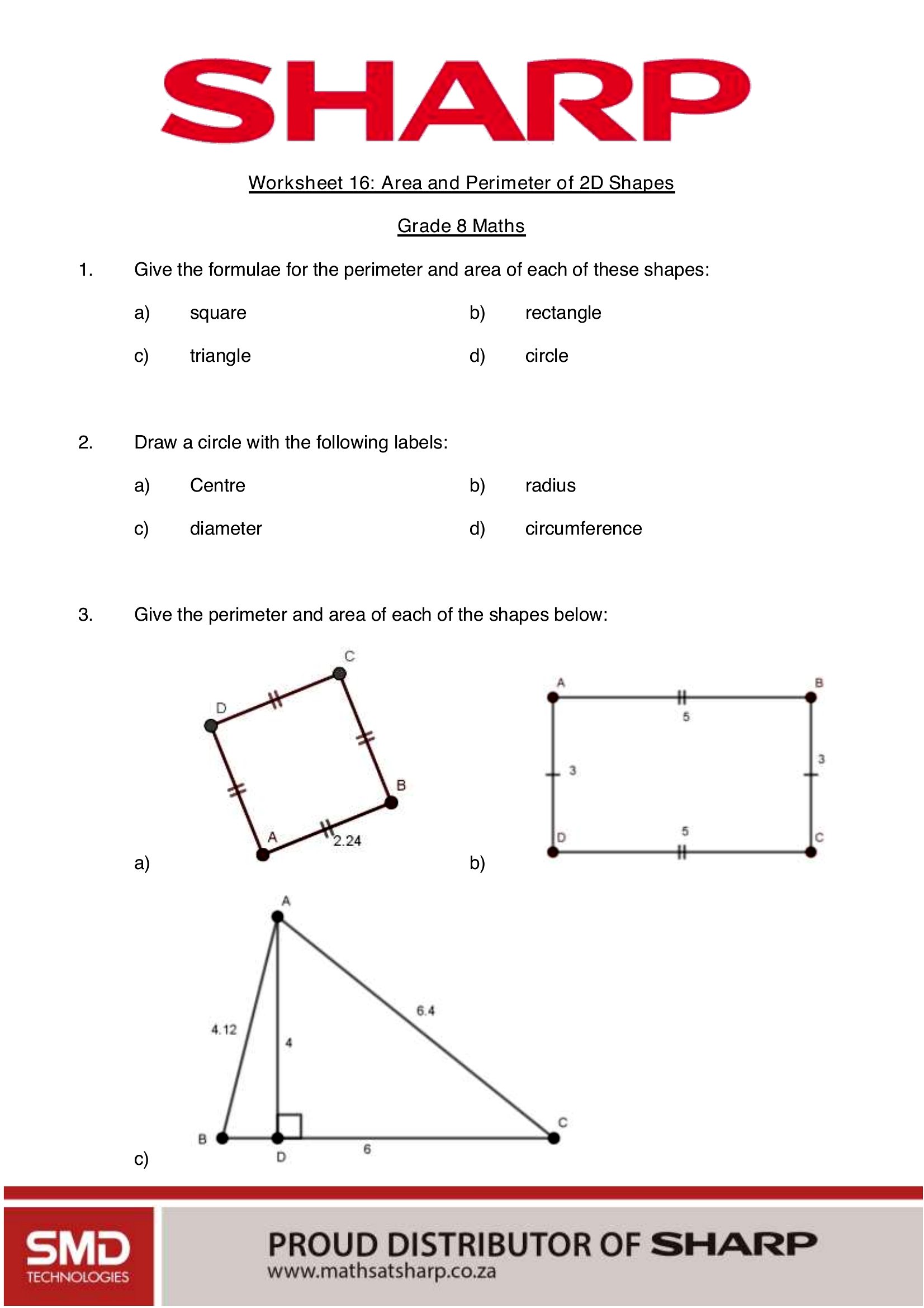
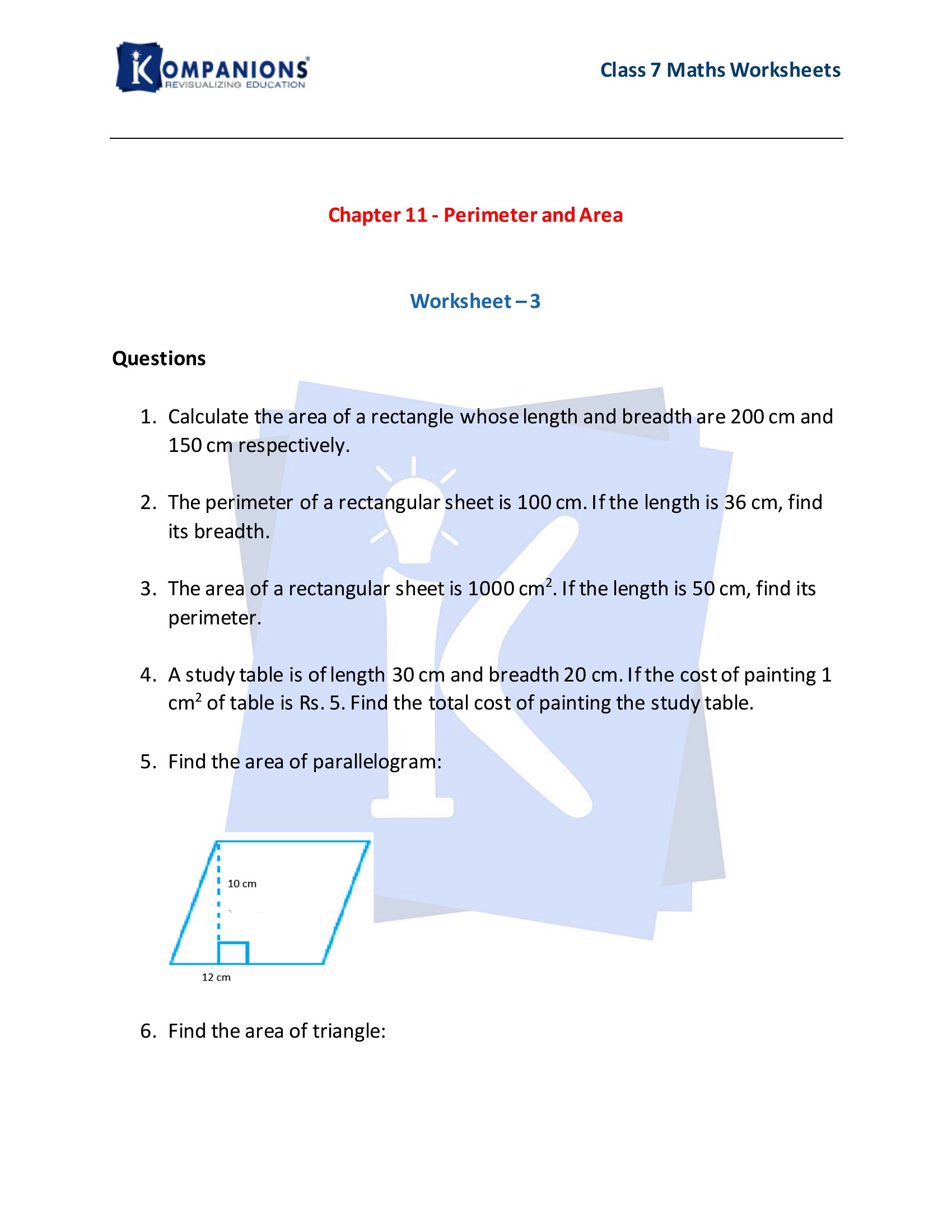
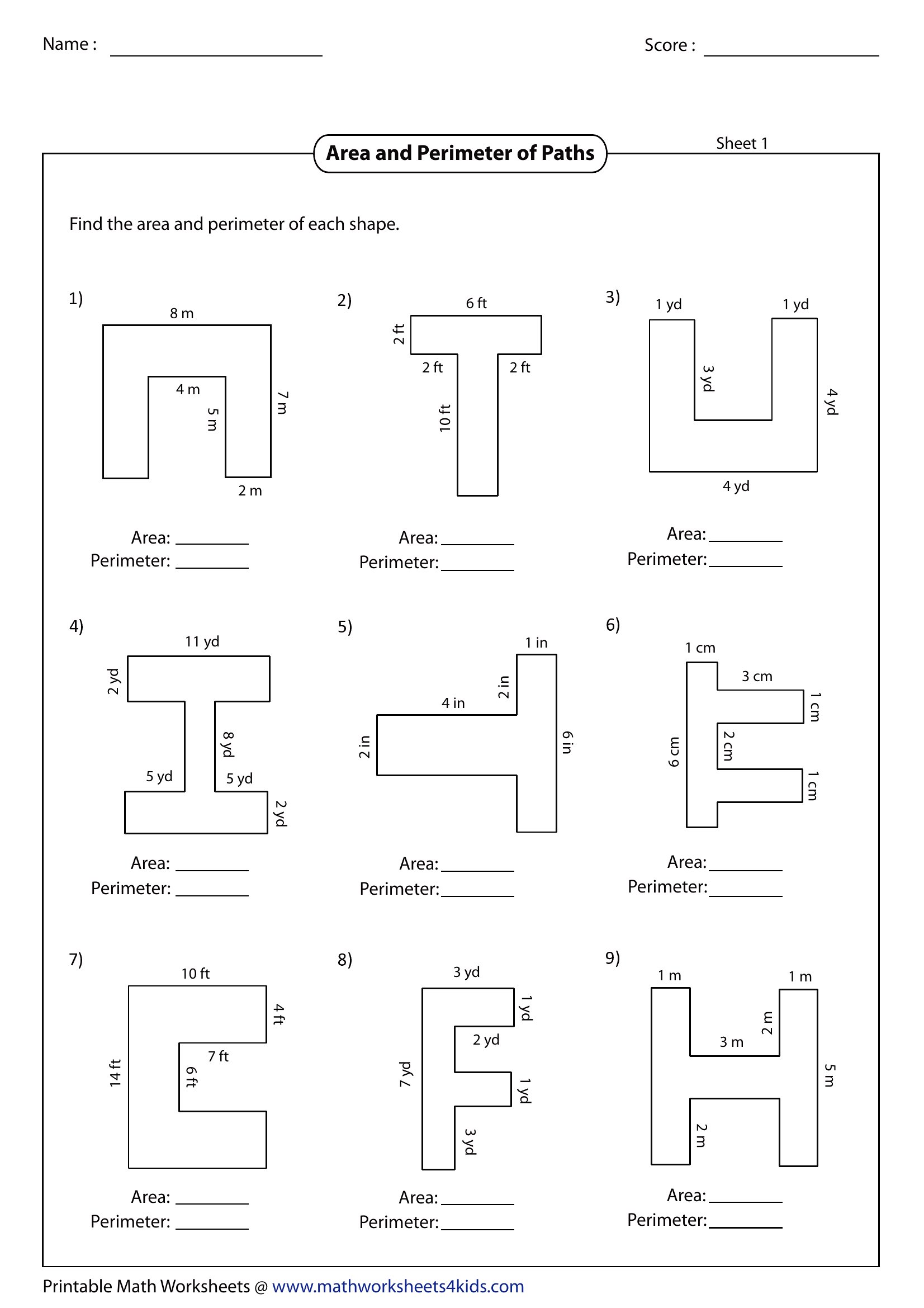
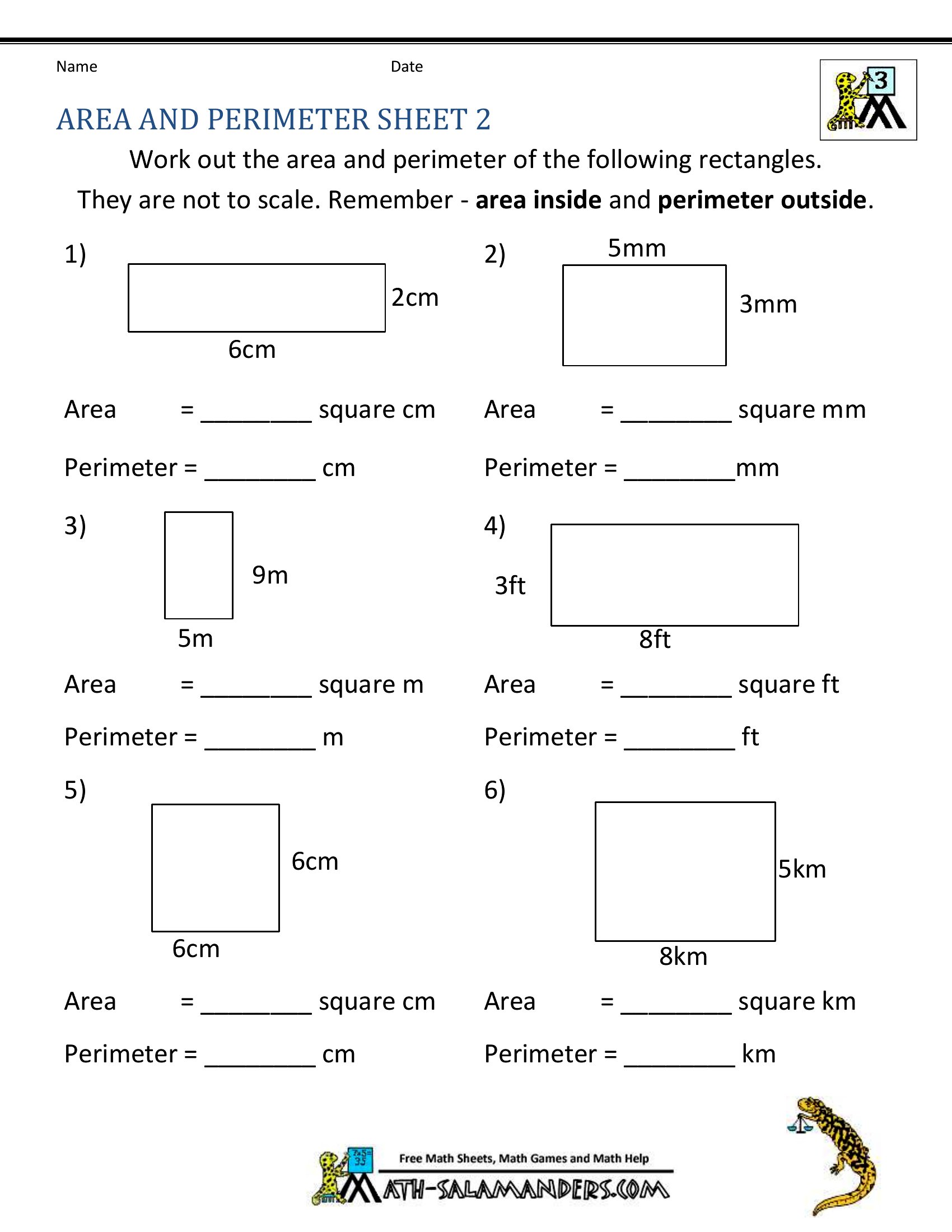
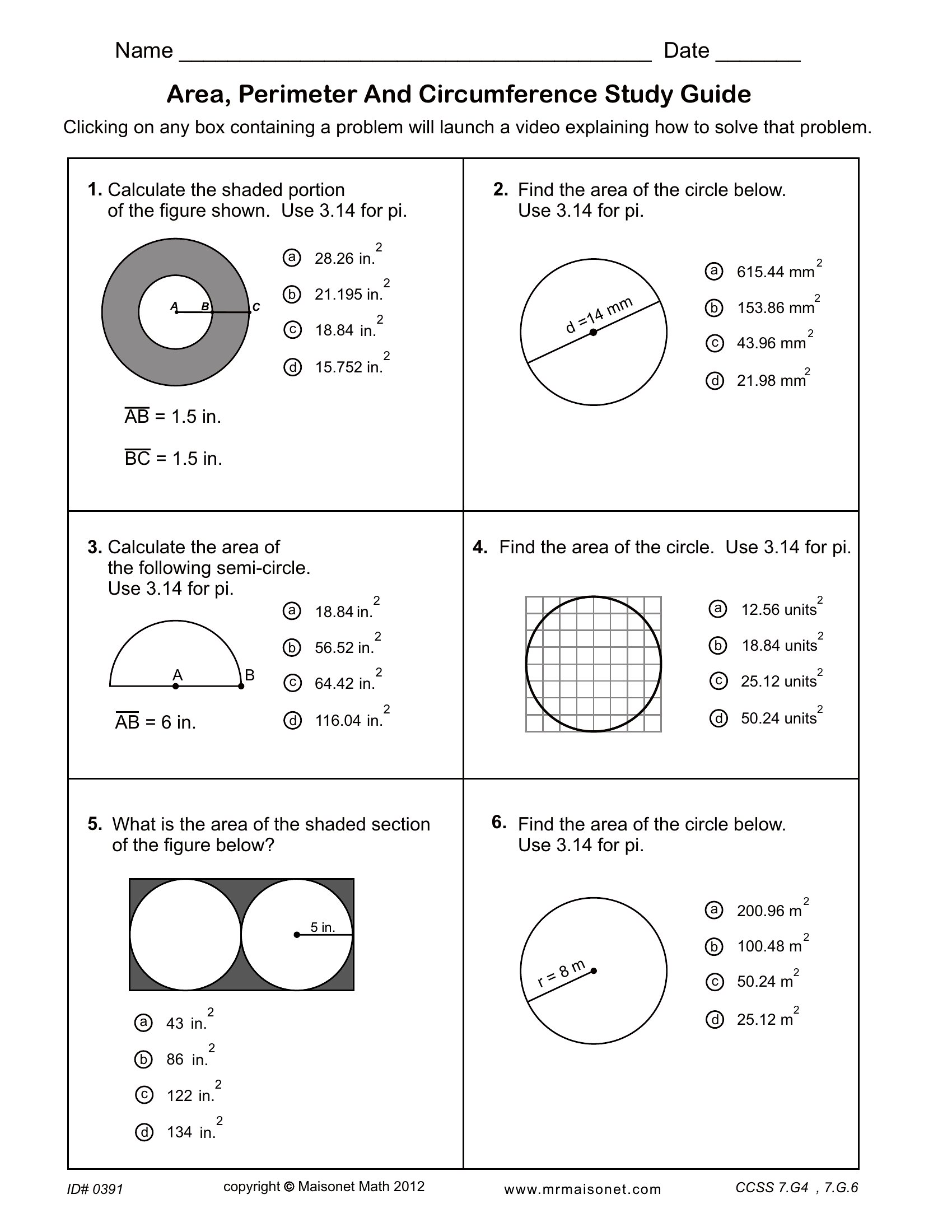
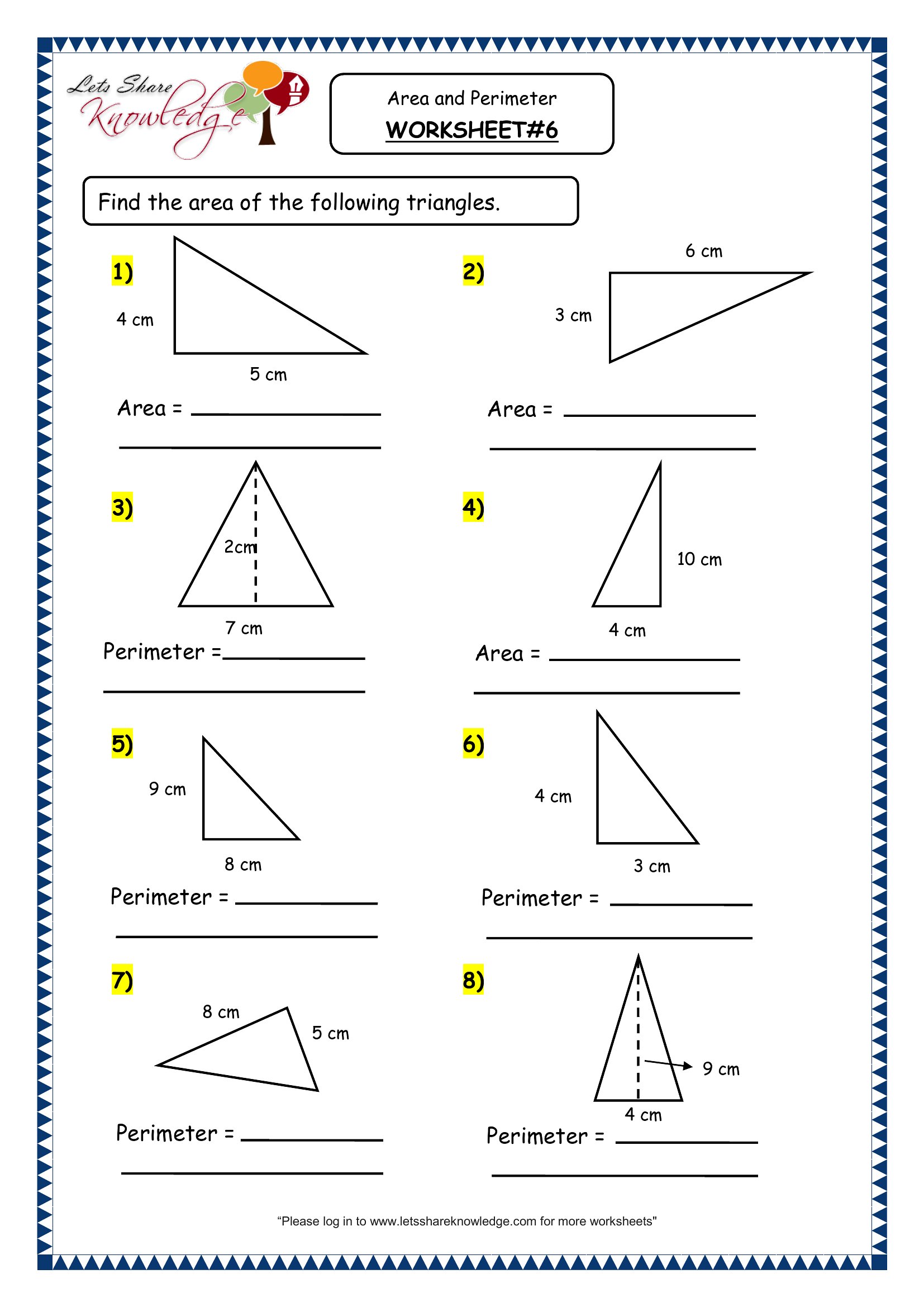
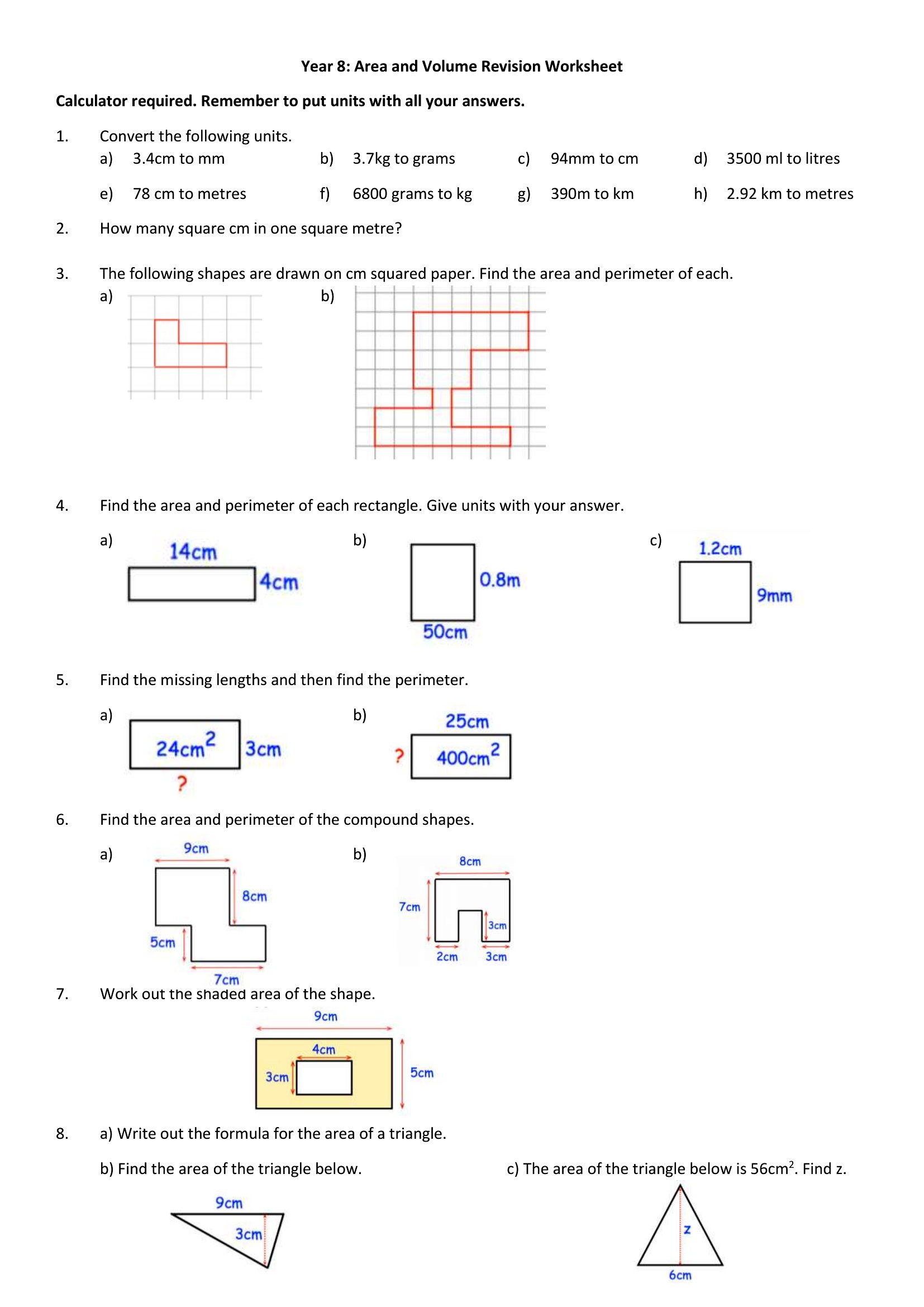
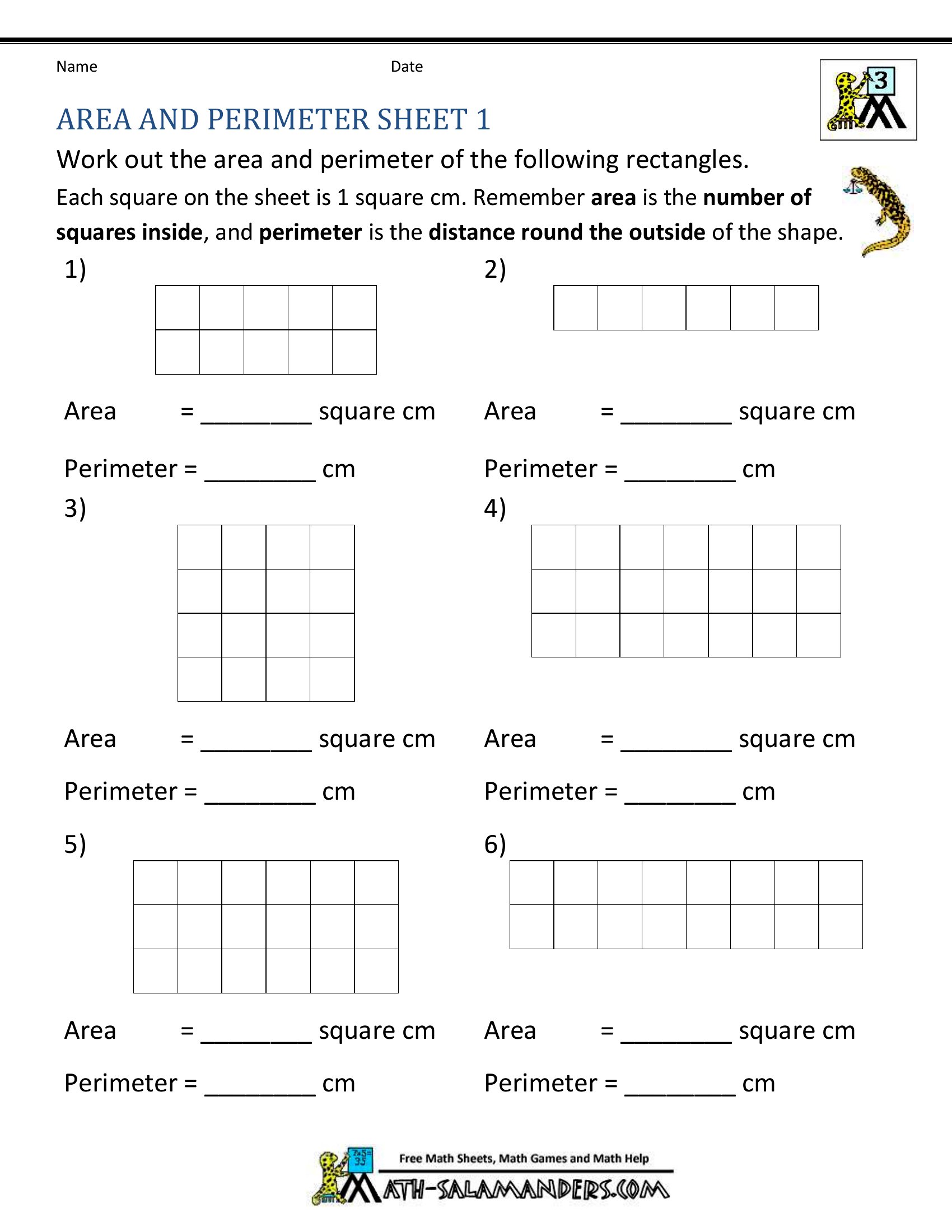
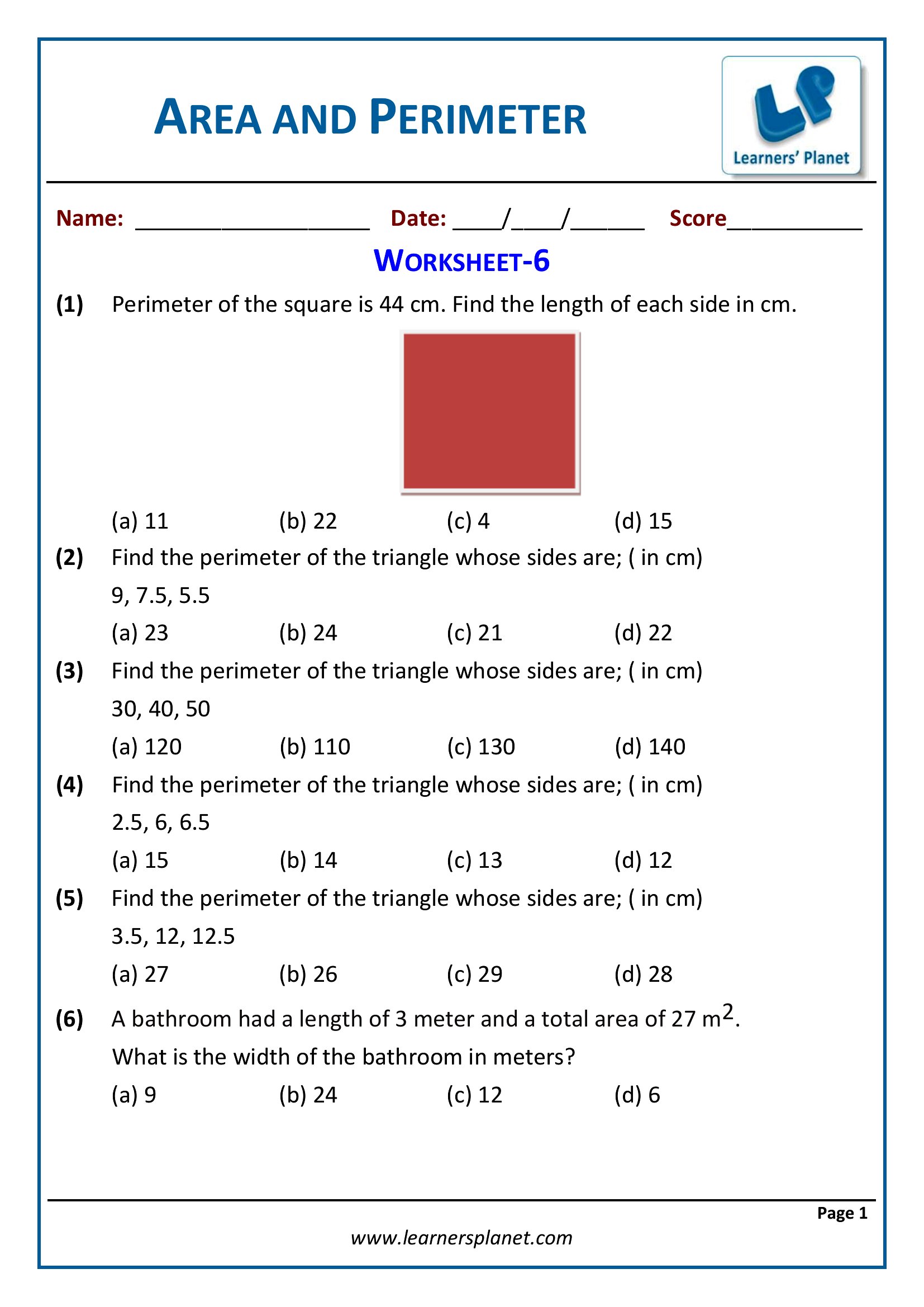
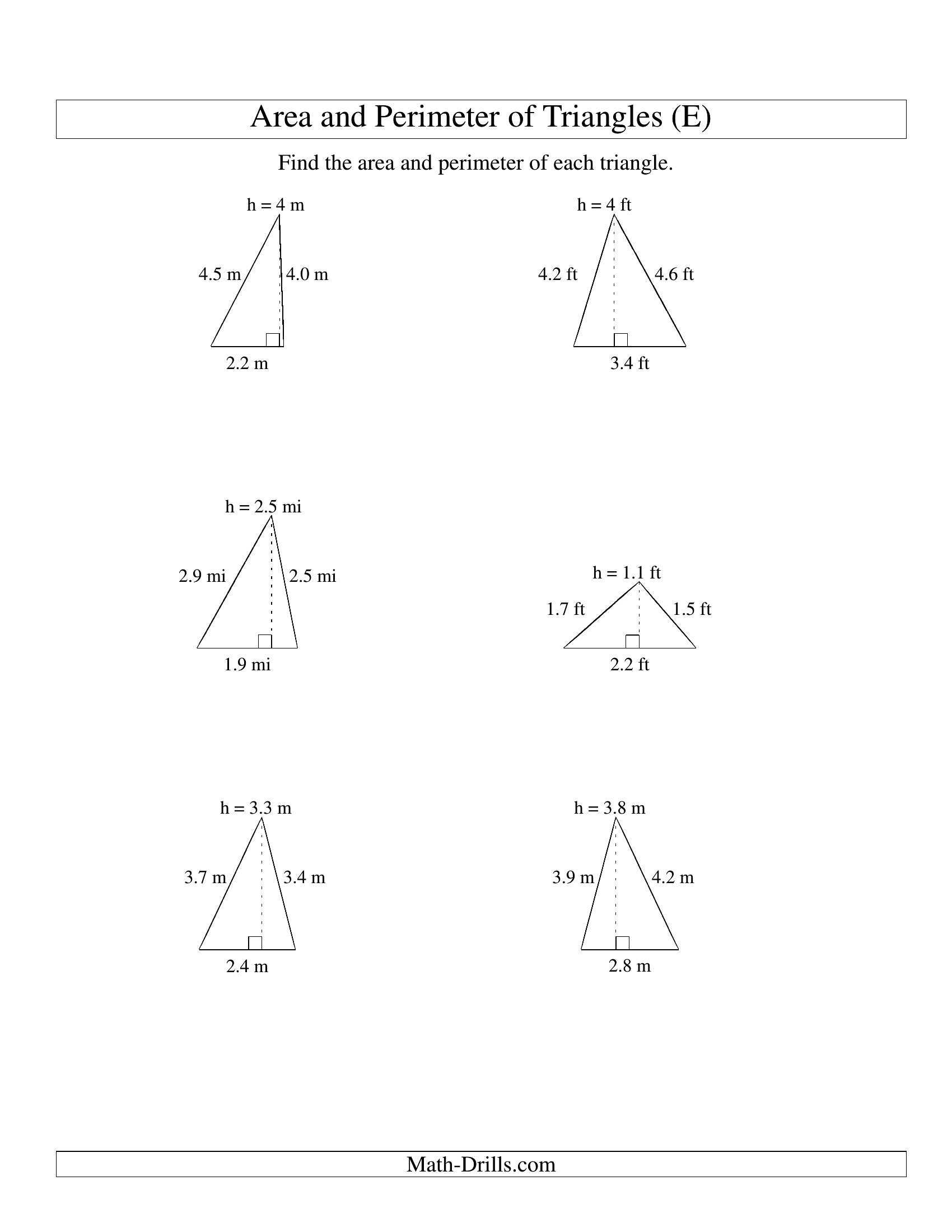
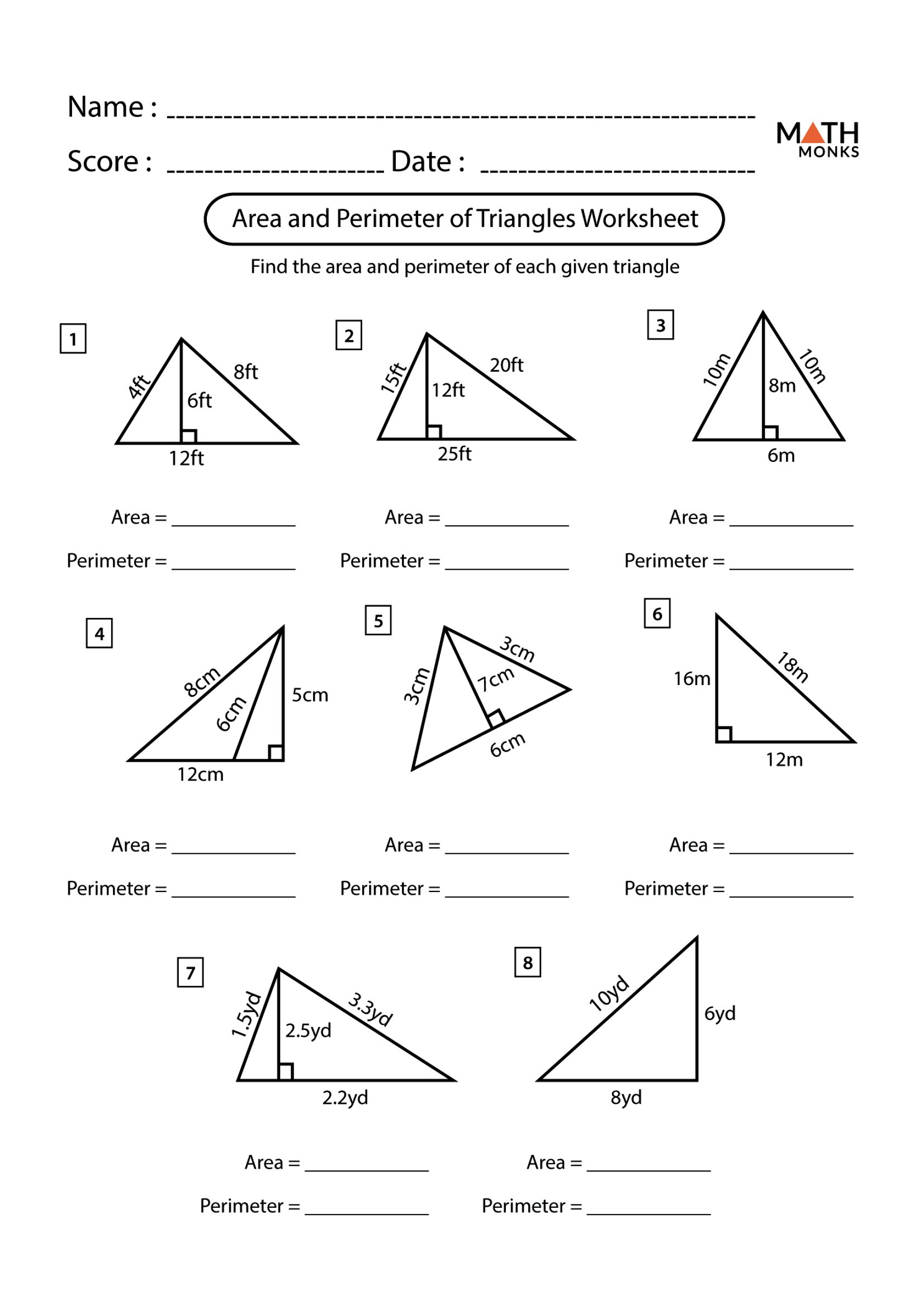
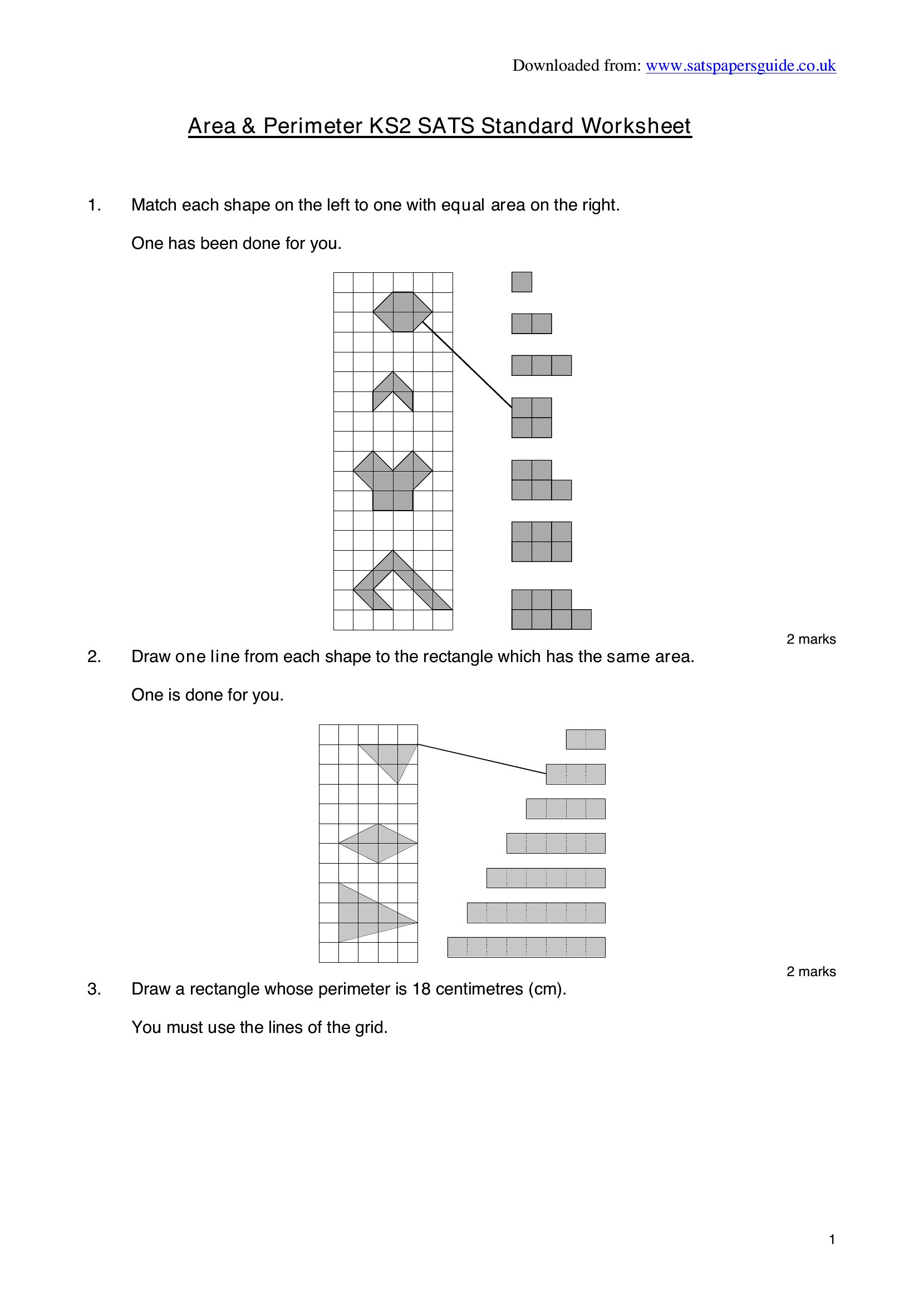
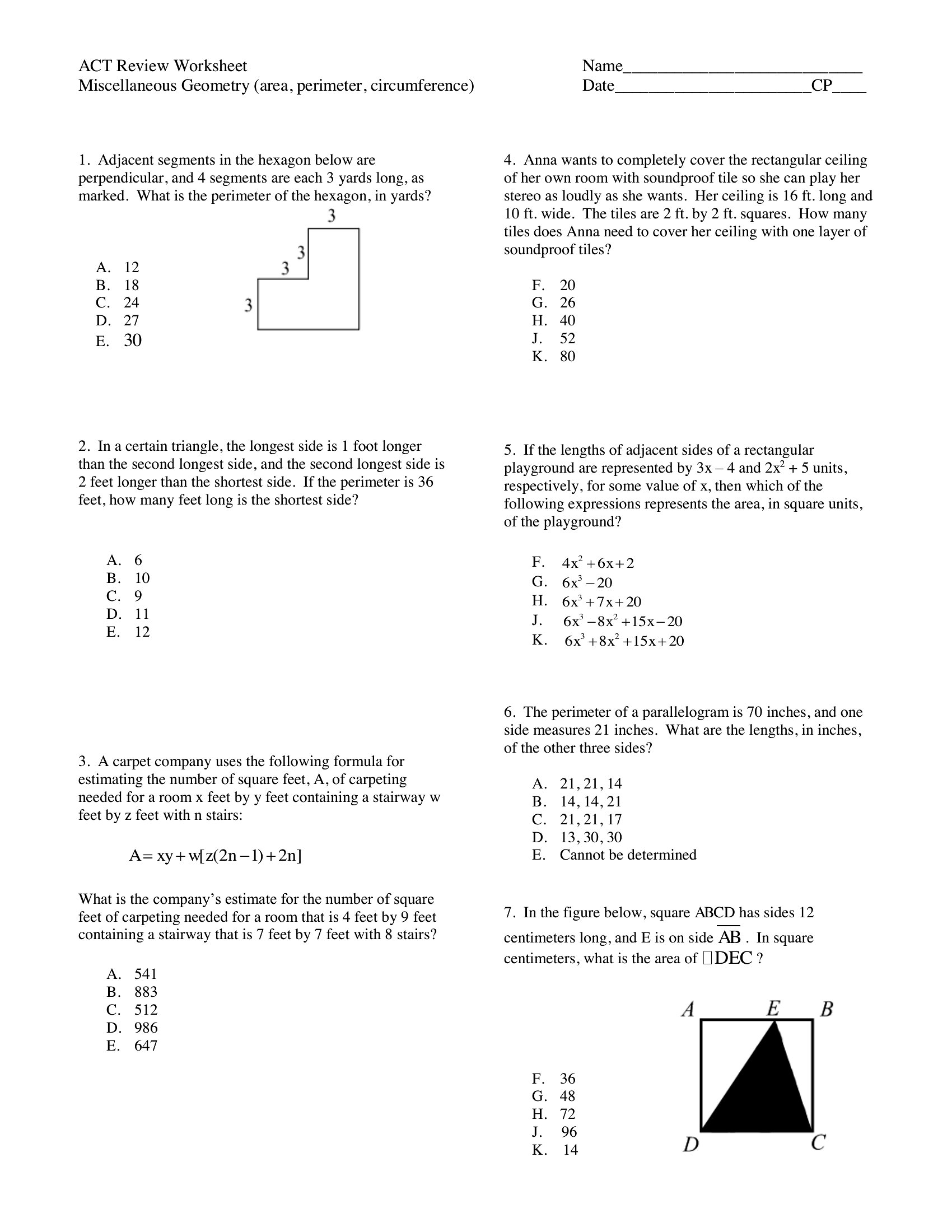
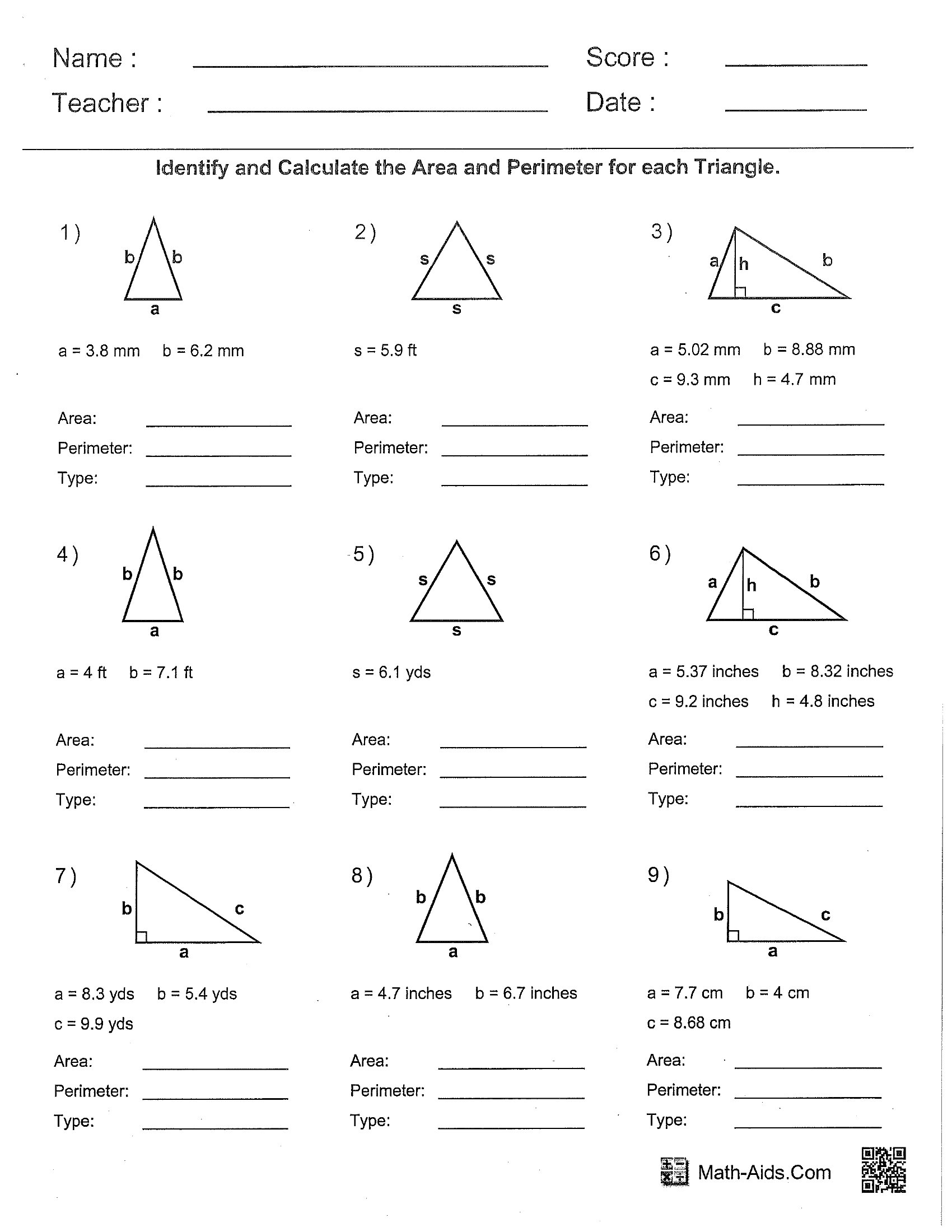
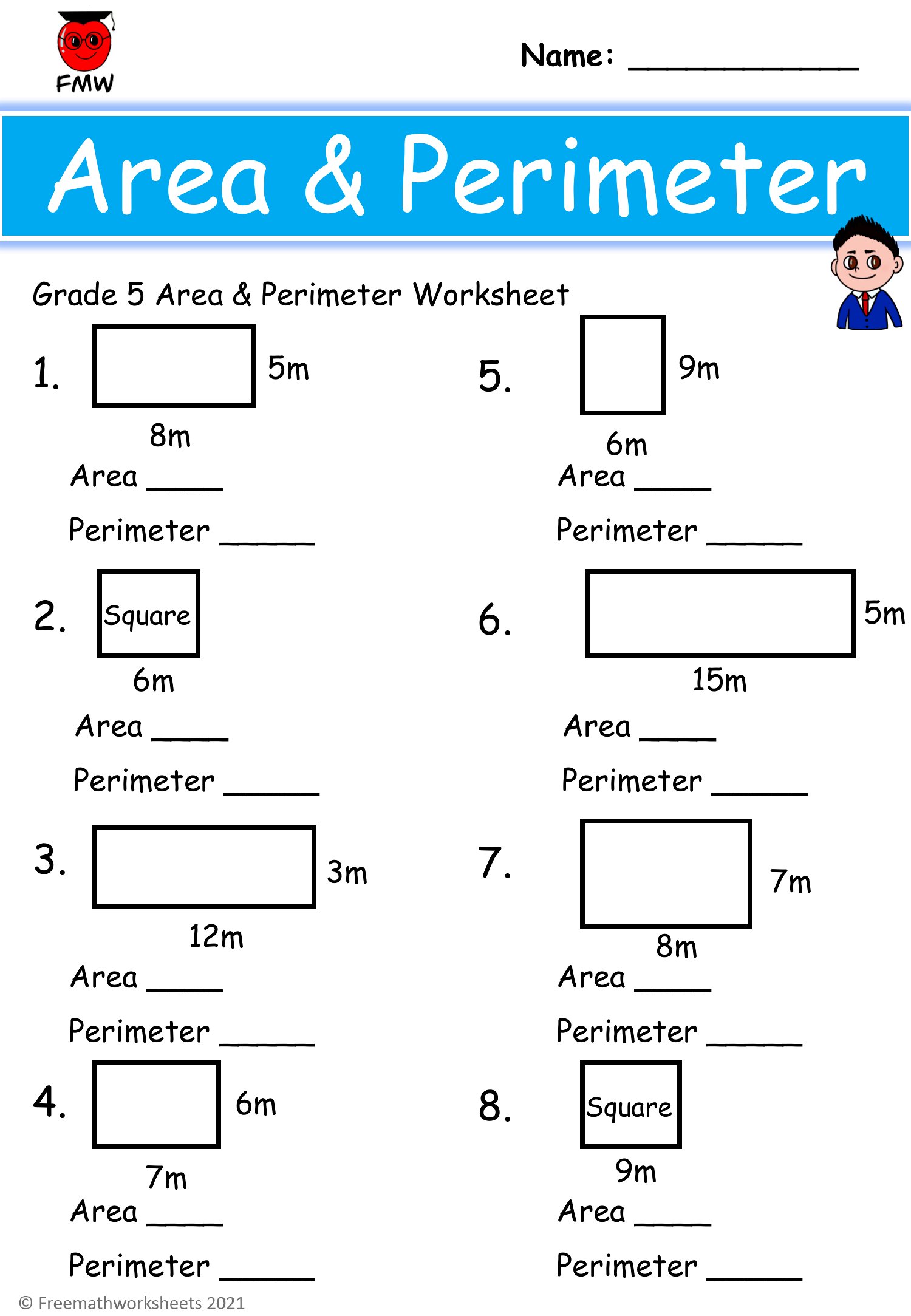
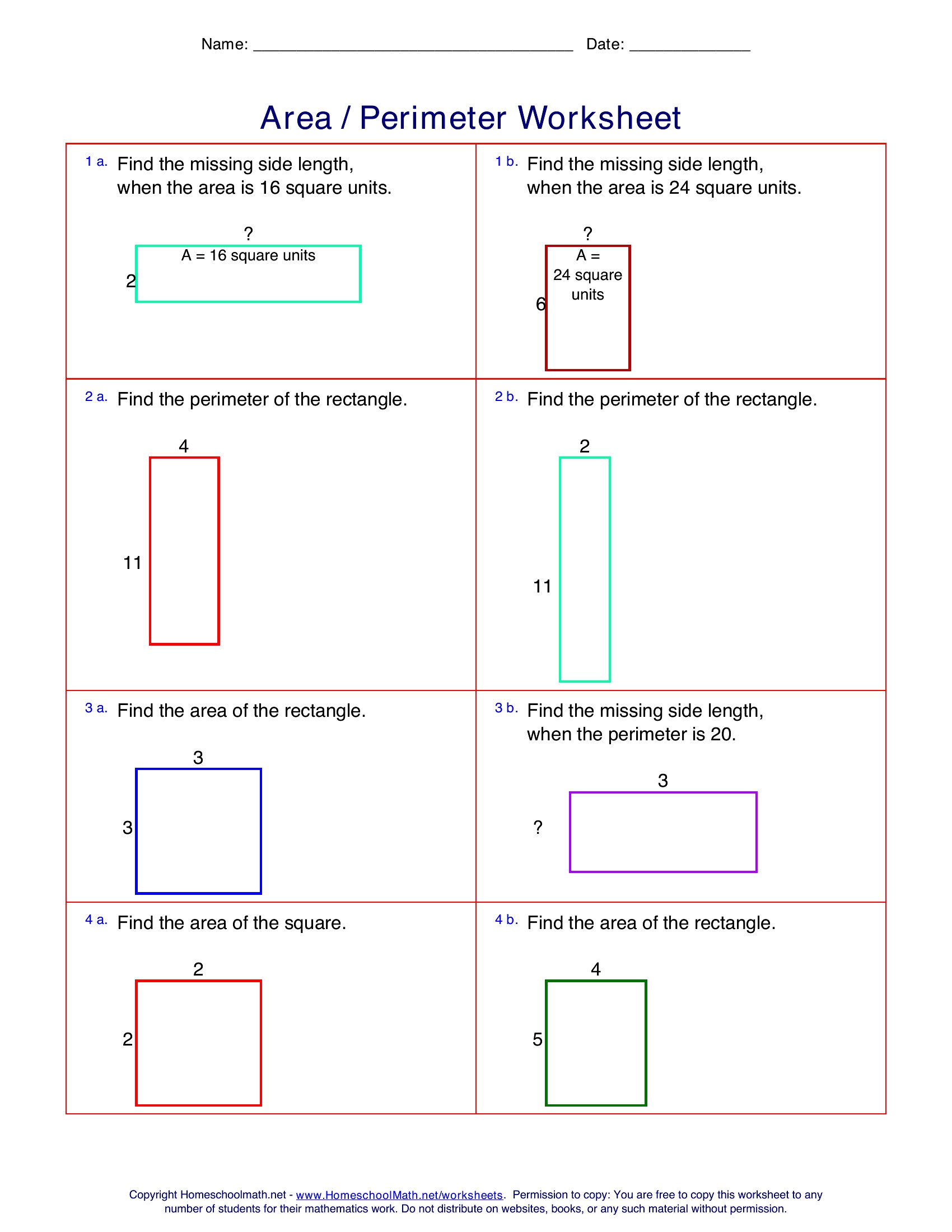
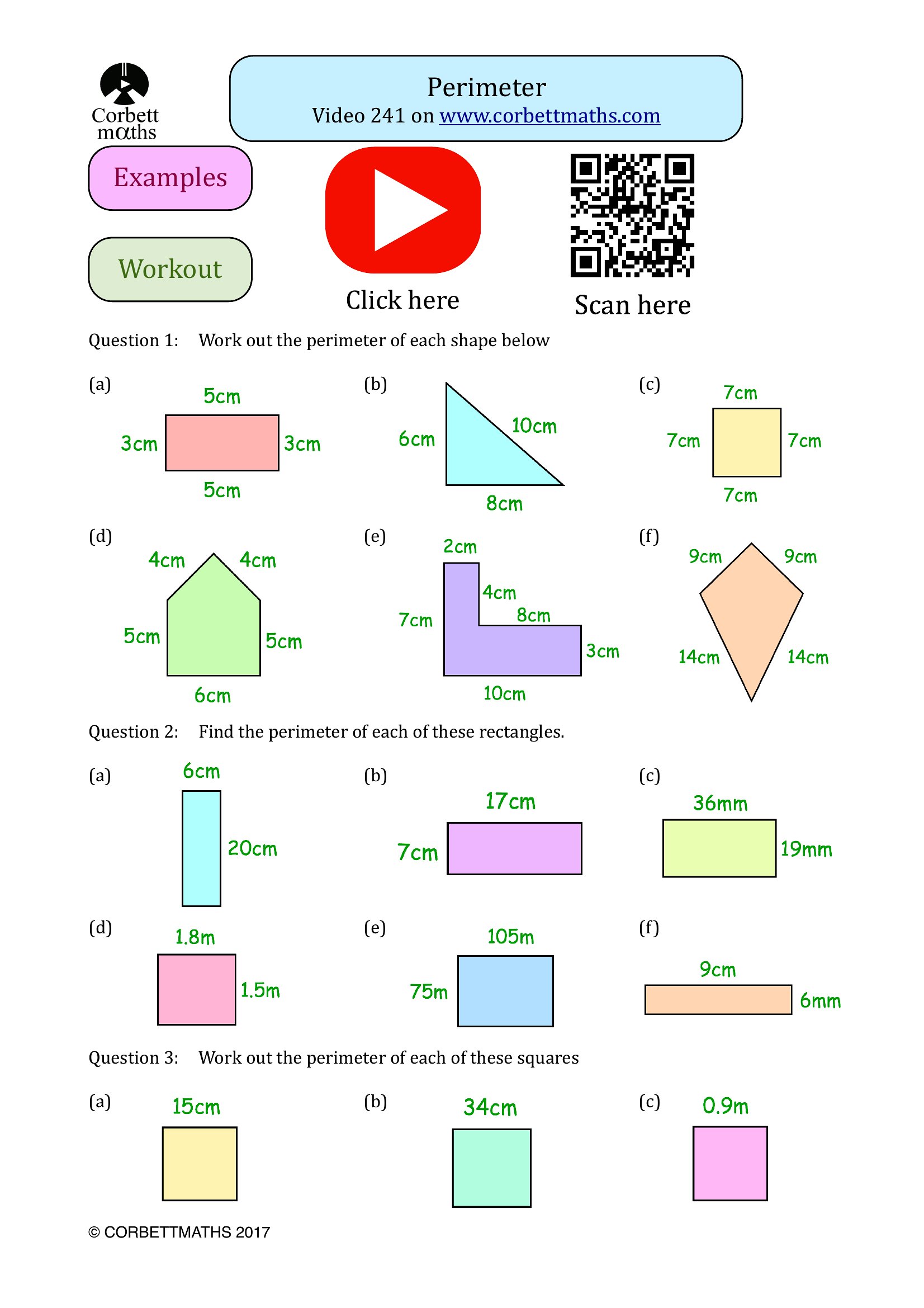
The collection progresses from rectangles and triangles to composite shapes by grouping problems thematically. For example, early worksheets focus on single-shape calculations, while later sheets combine rectangles and triangles to build confidence in breaking down complex figures. Teachers can spot gaps when students struggle with the transition points.
Can these worksheets be used for interactive lessons beyond traditional pencil-and-paper practice?
Yes, the PDFs can be projected in class for group problem-solving or used with digital annotation tools (like PDF editors) for collaborative work. Some worksheets include word problems that lend themselves well to discussion-based learning, where students explain their reasoning aloud before writing answers.
Are the word problems aligned with real-world applications, or are they purely abstract?
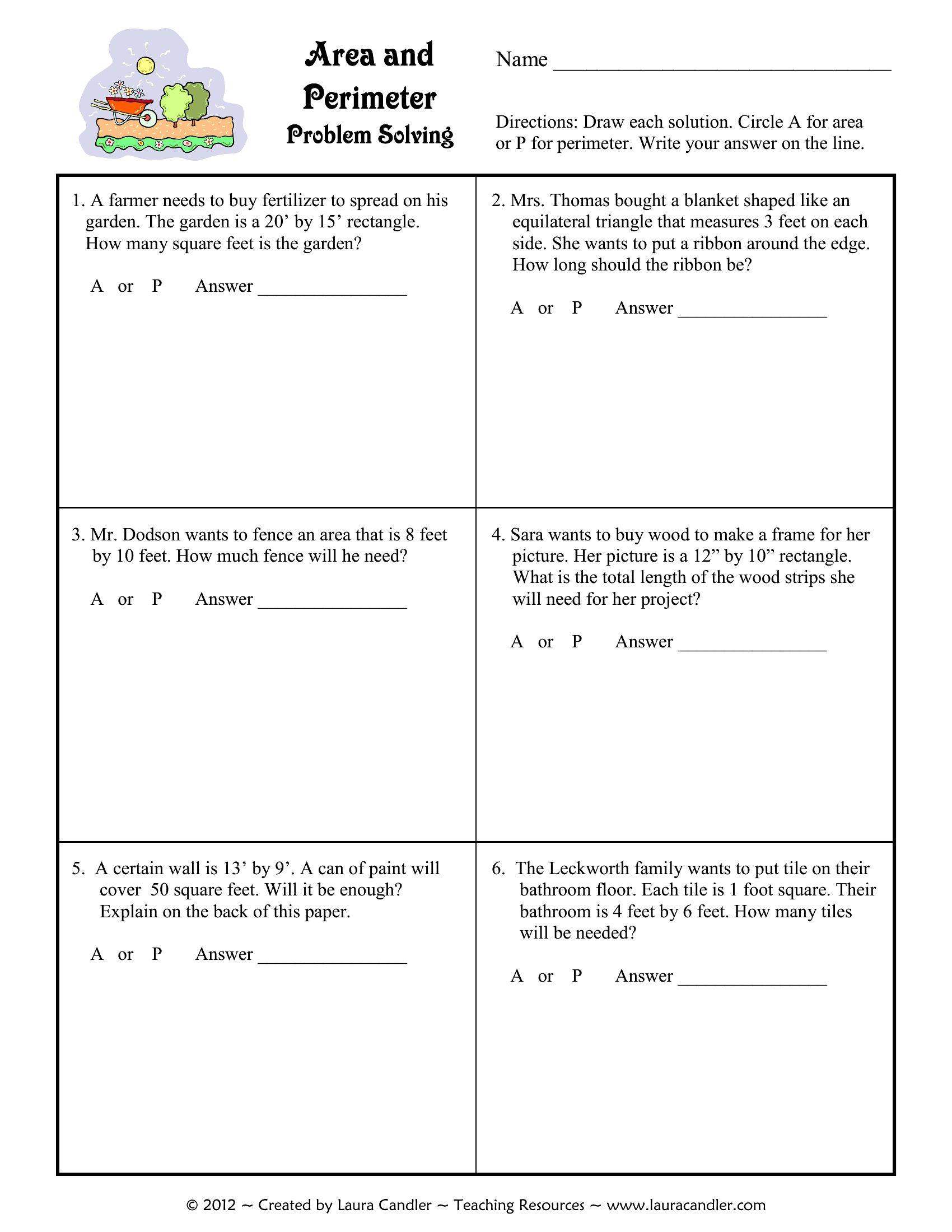
The word problems blend abstract scenarios (e.g., ‘fencing a rectangular garden’) with practical applications like calculating materials for crafts or room dimensions. This mix helps students see geometry’s relevance while reinforcing measurement skills. Teachers can supplement with local examples to deepen engagement.
Comments
Join the conversation
Sign in to share your thoughts and leave a comment on this resource.