Free White Paper Templates (Word, PDF)
ResearchTemplates

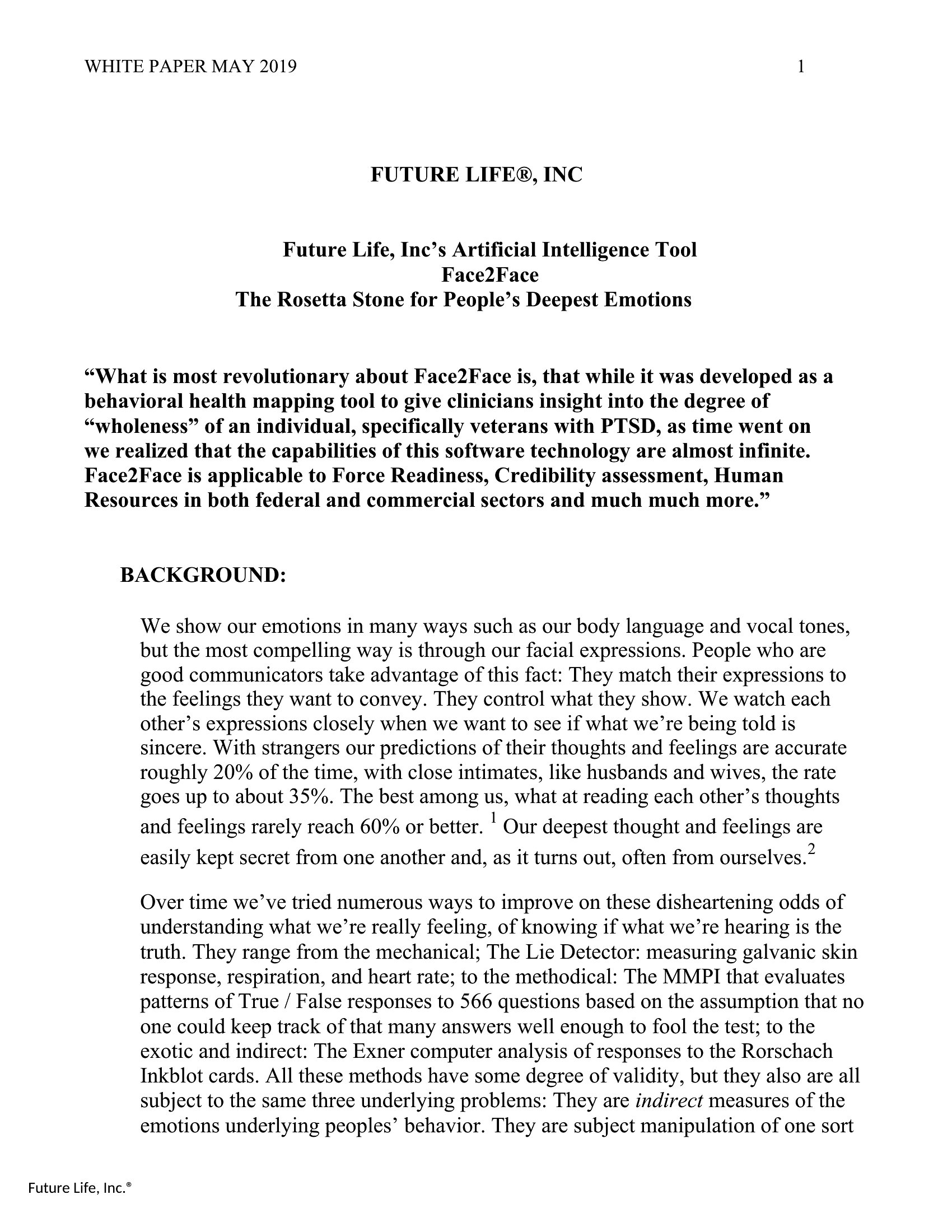
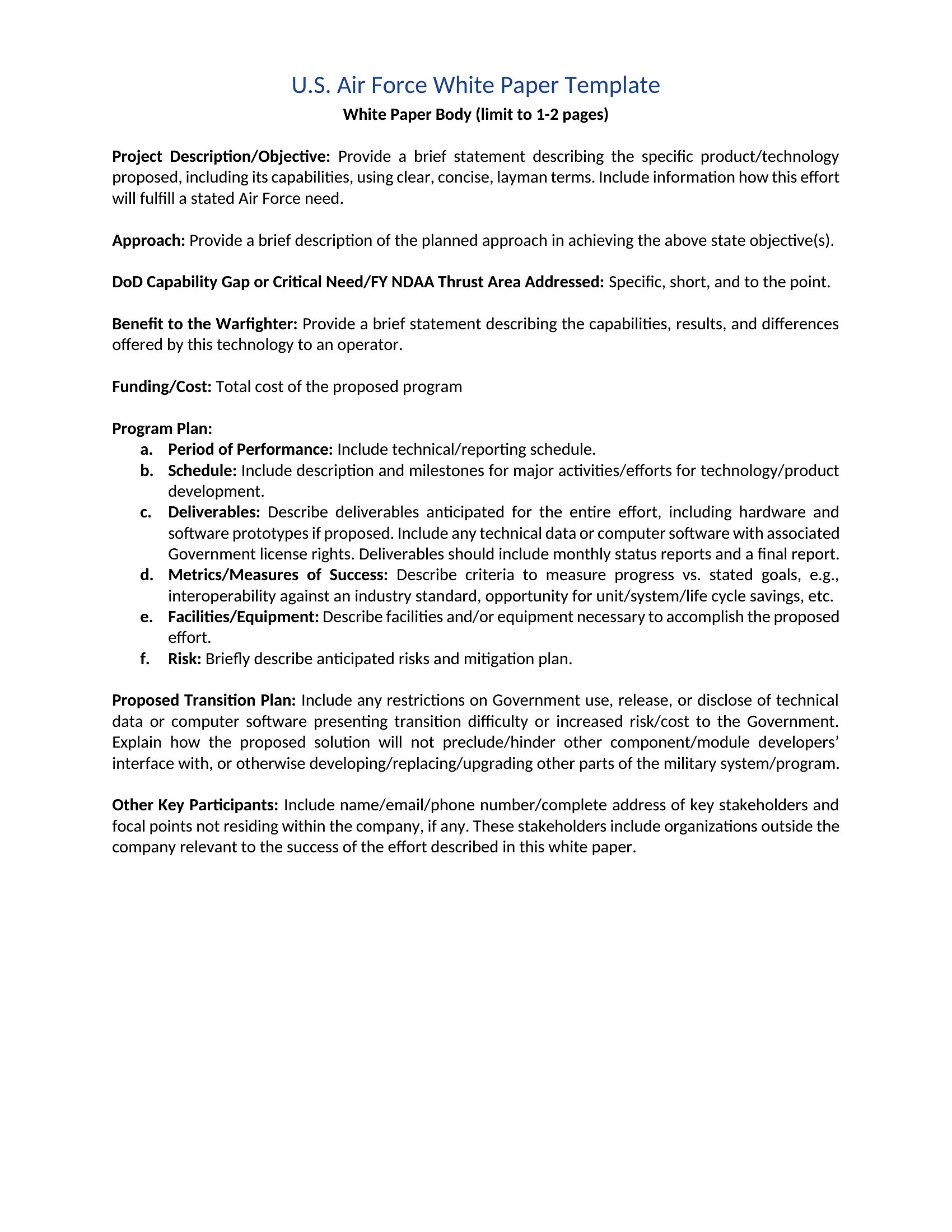
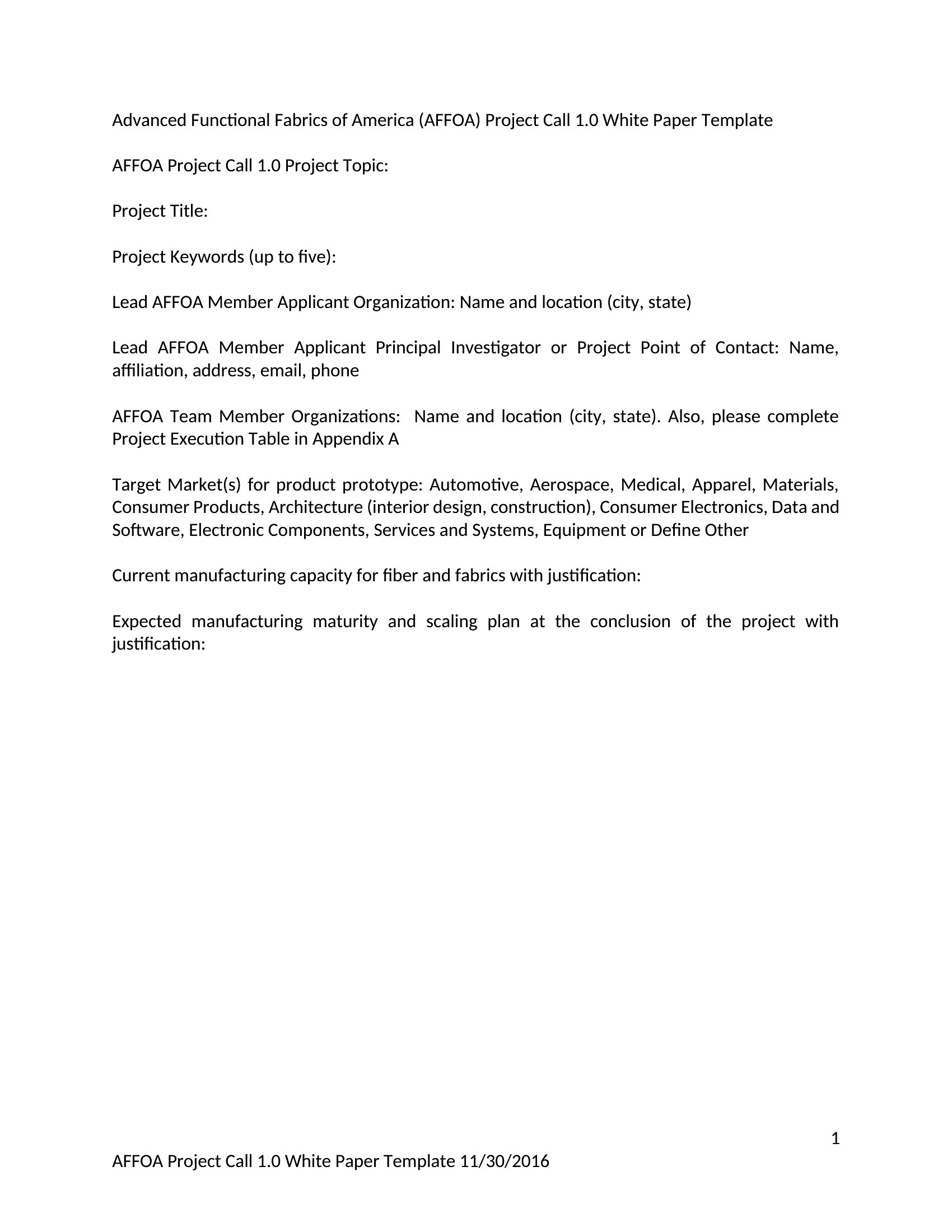
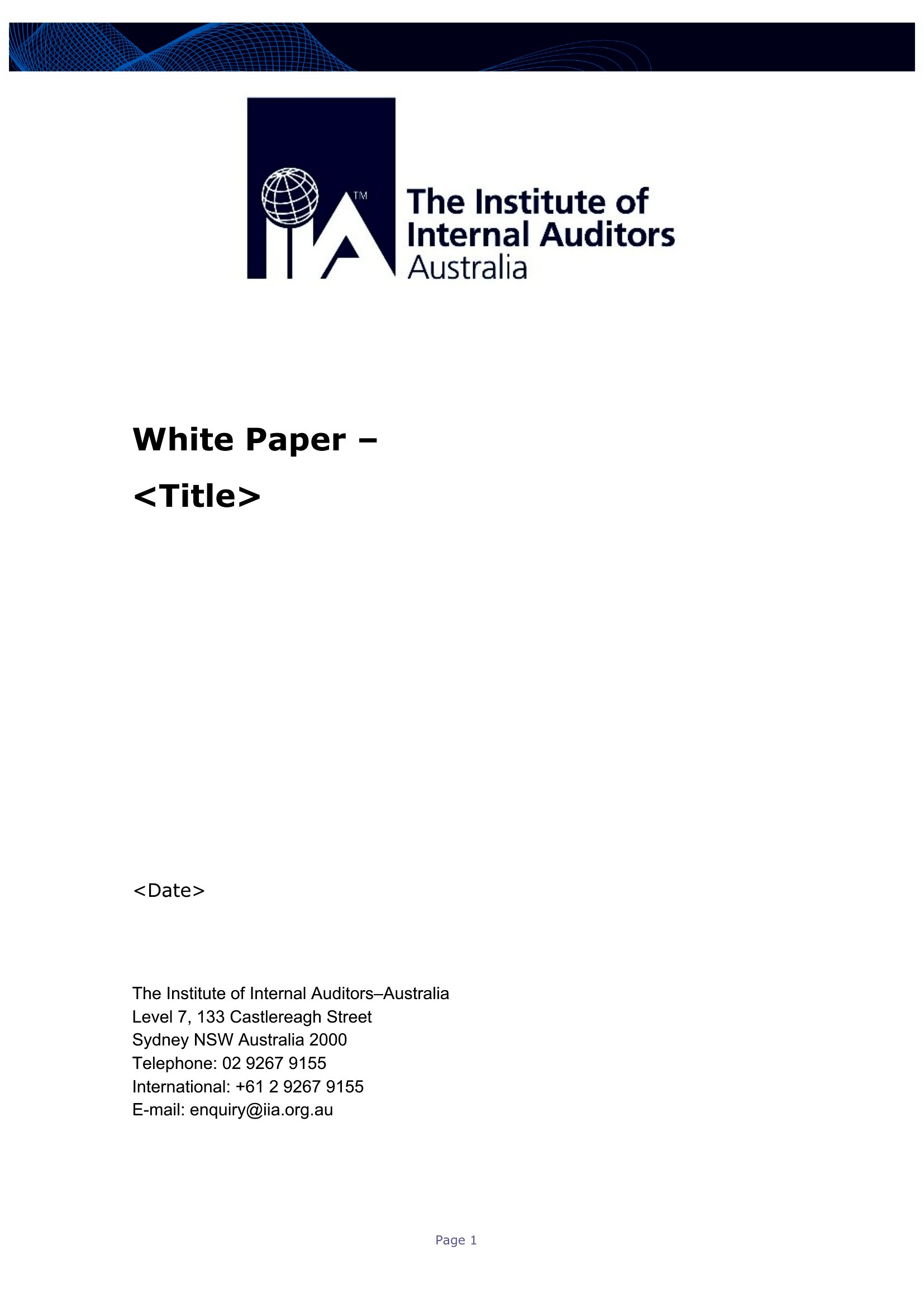
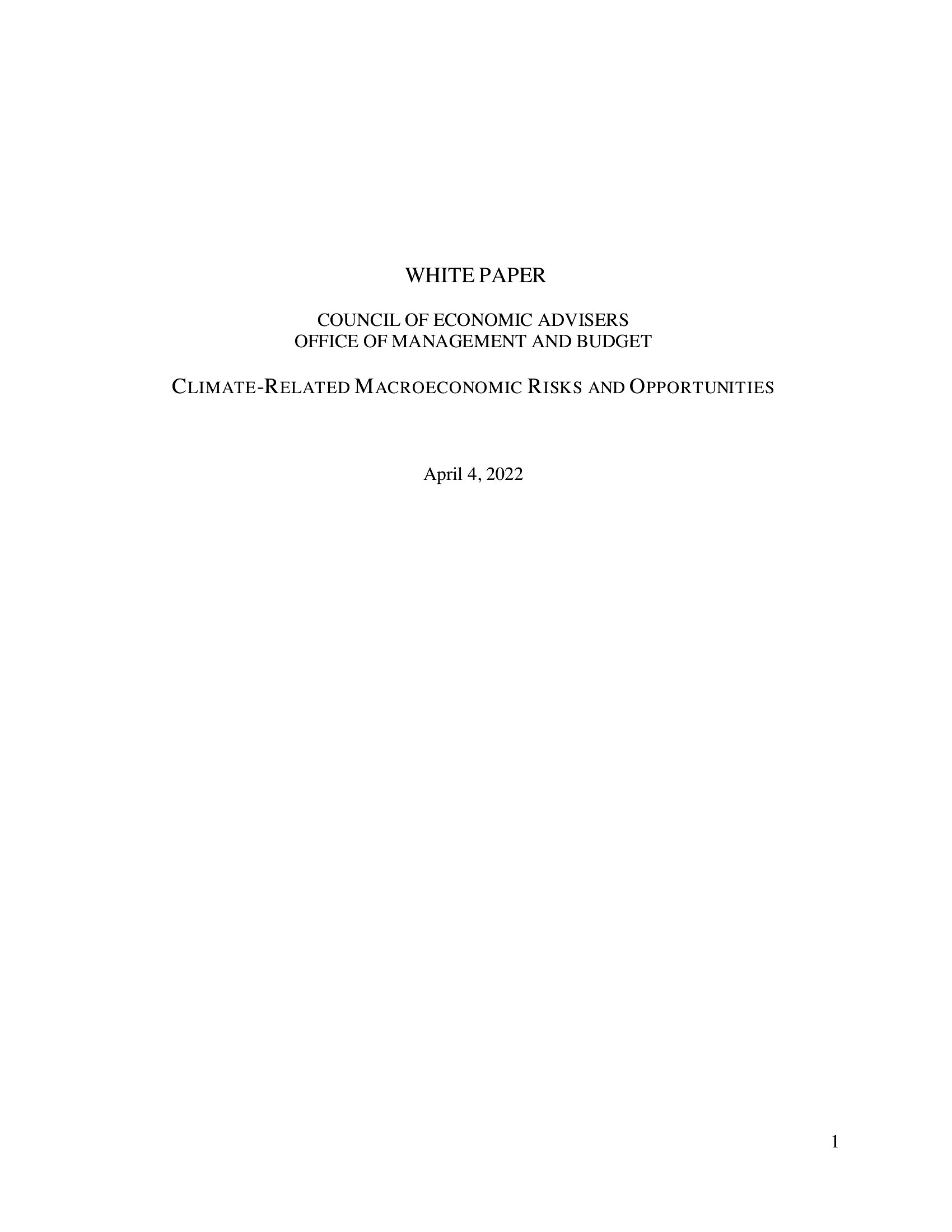
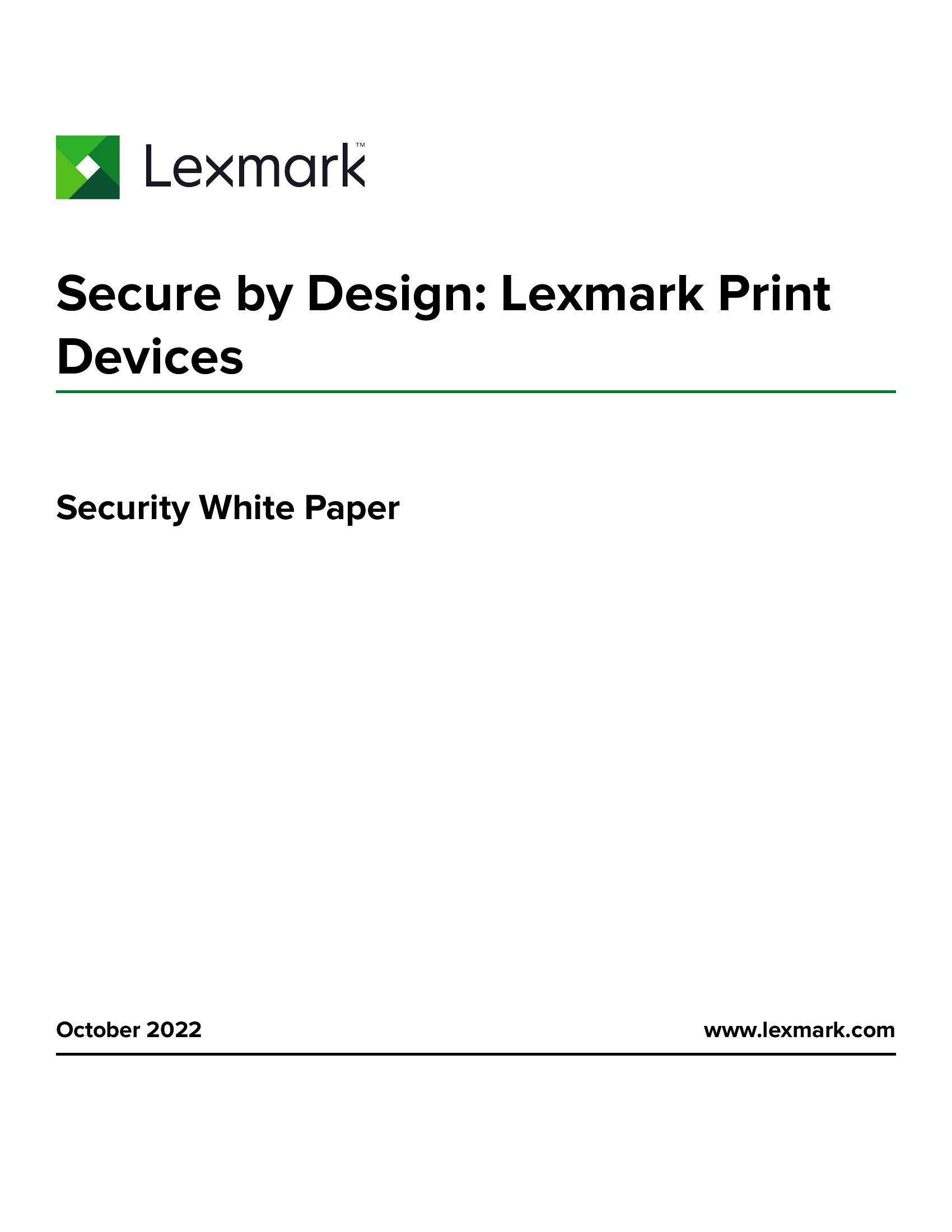
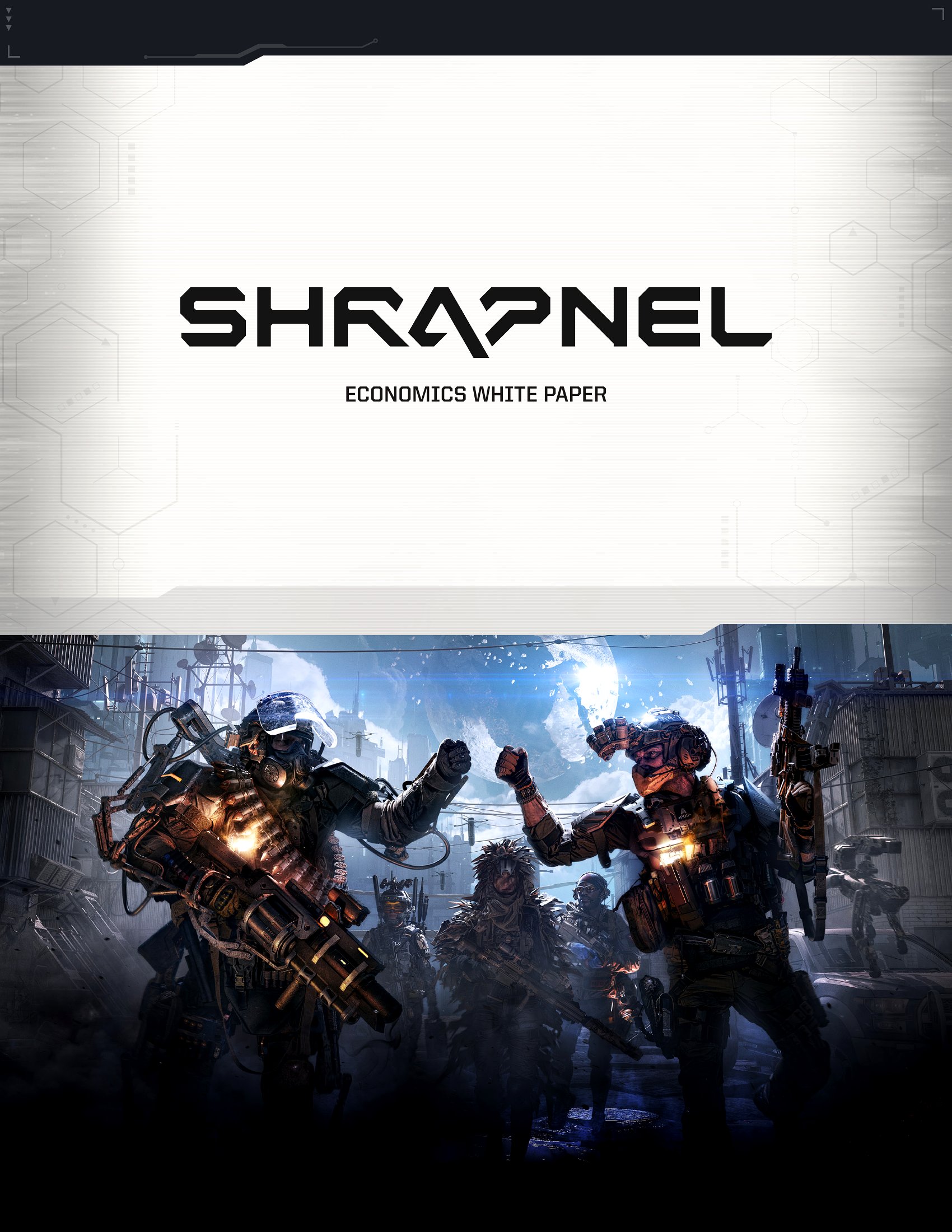

Paper White






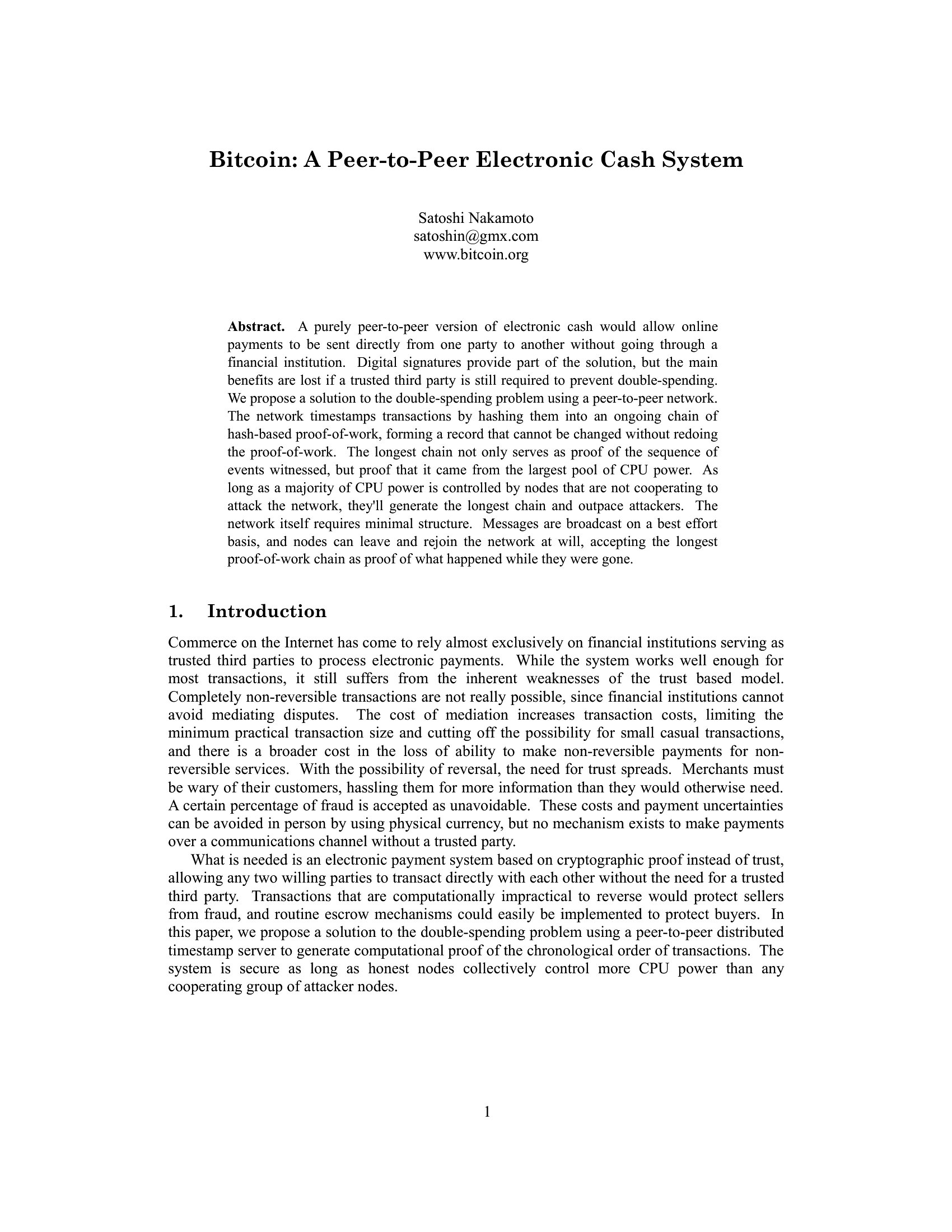

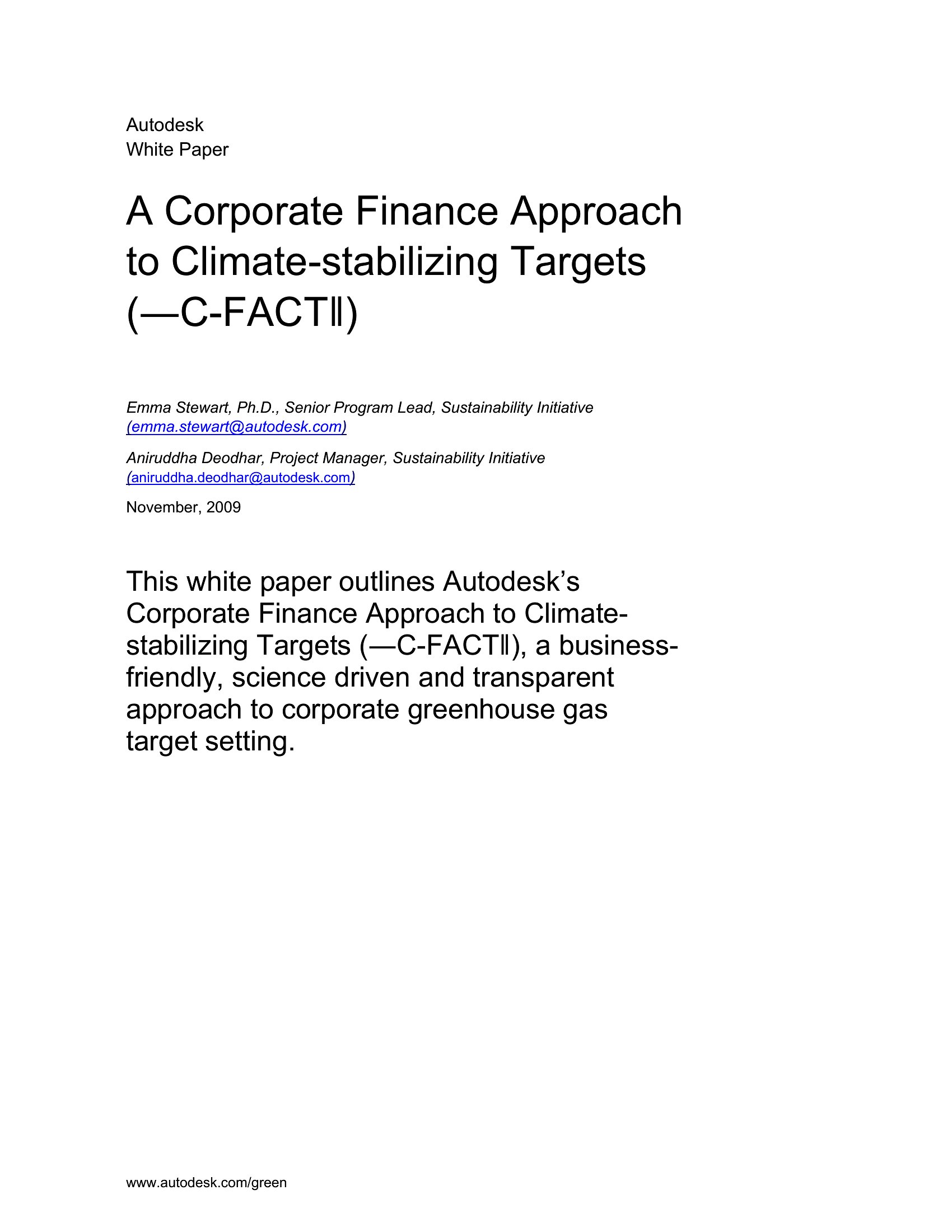
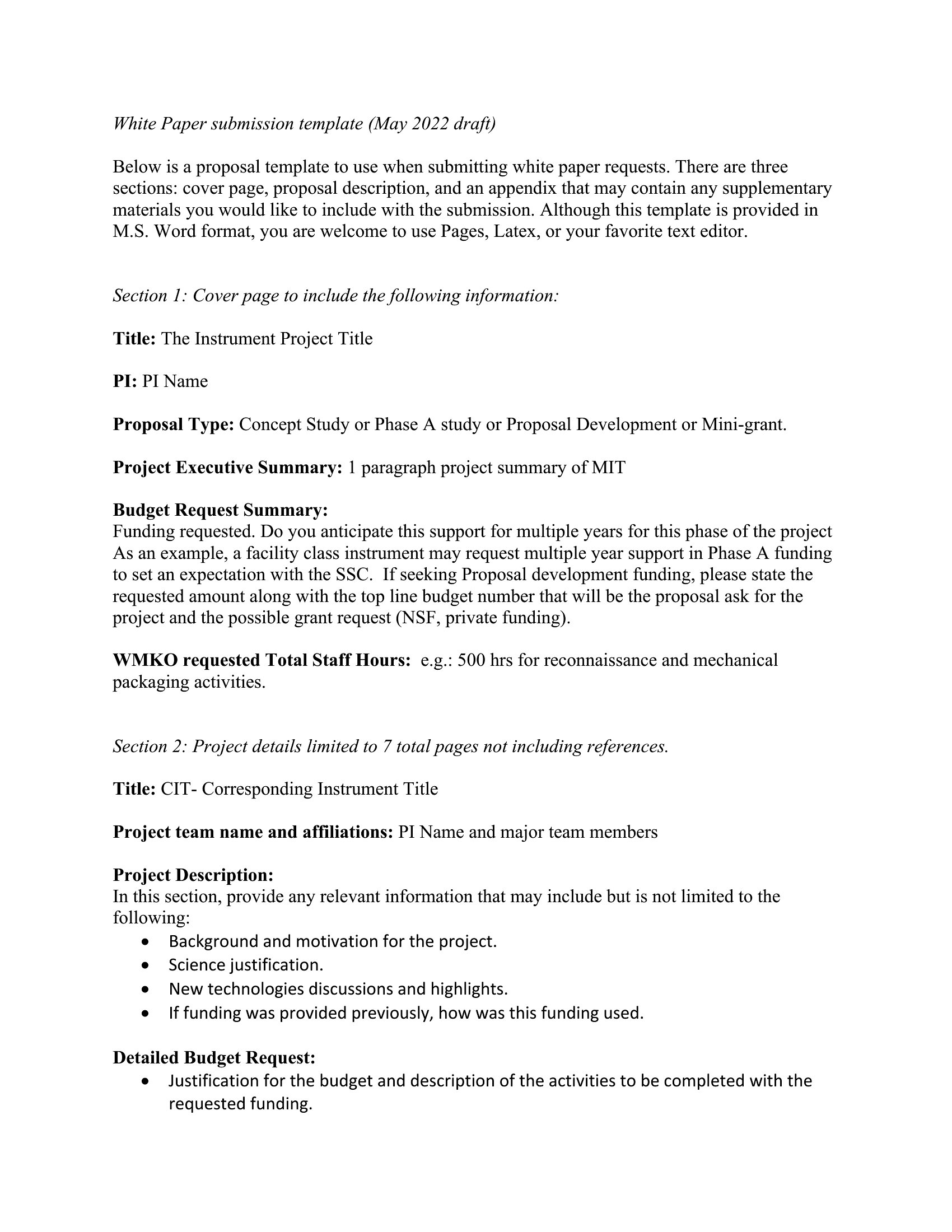
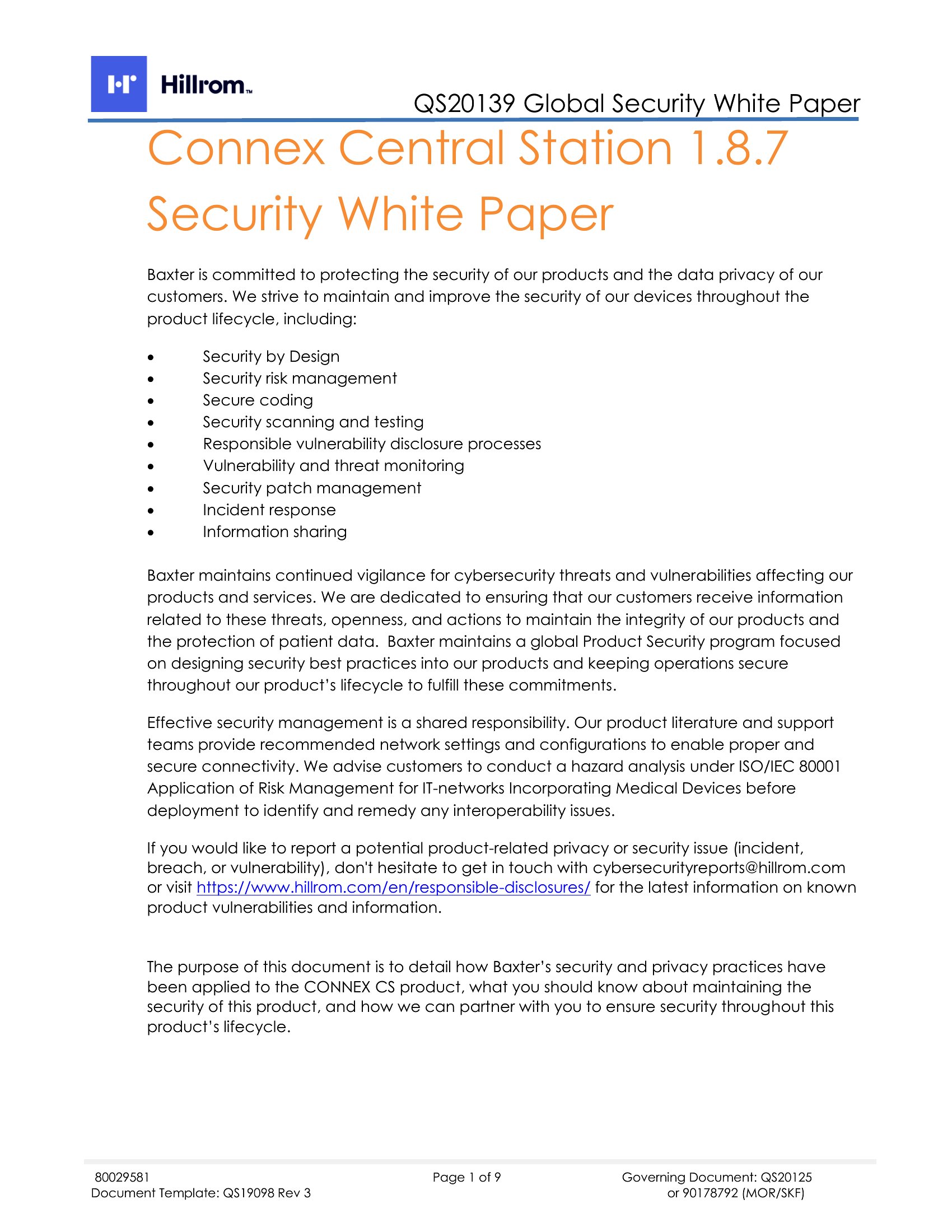
Paper Whites
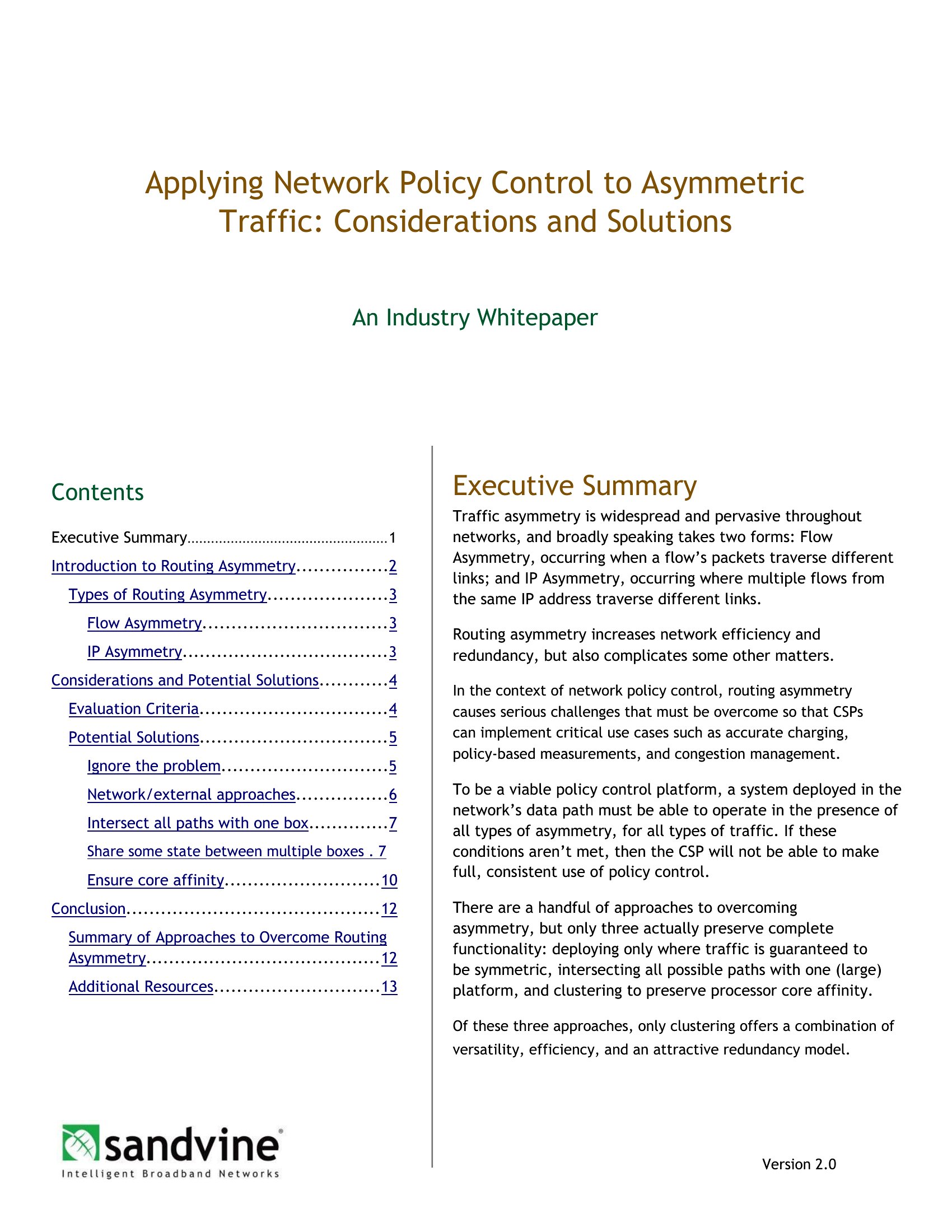


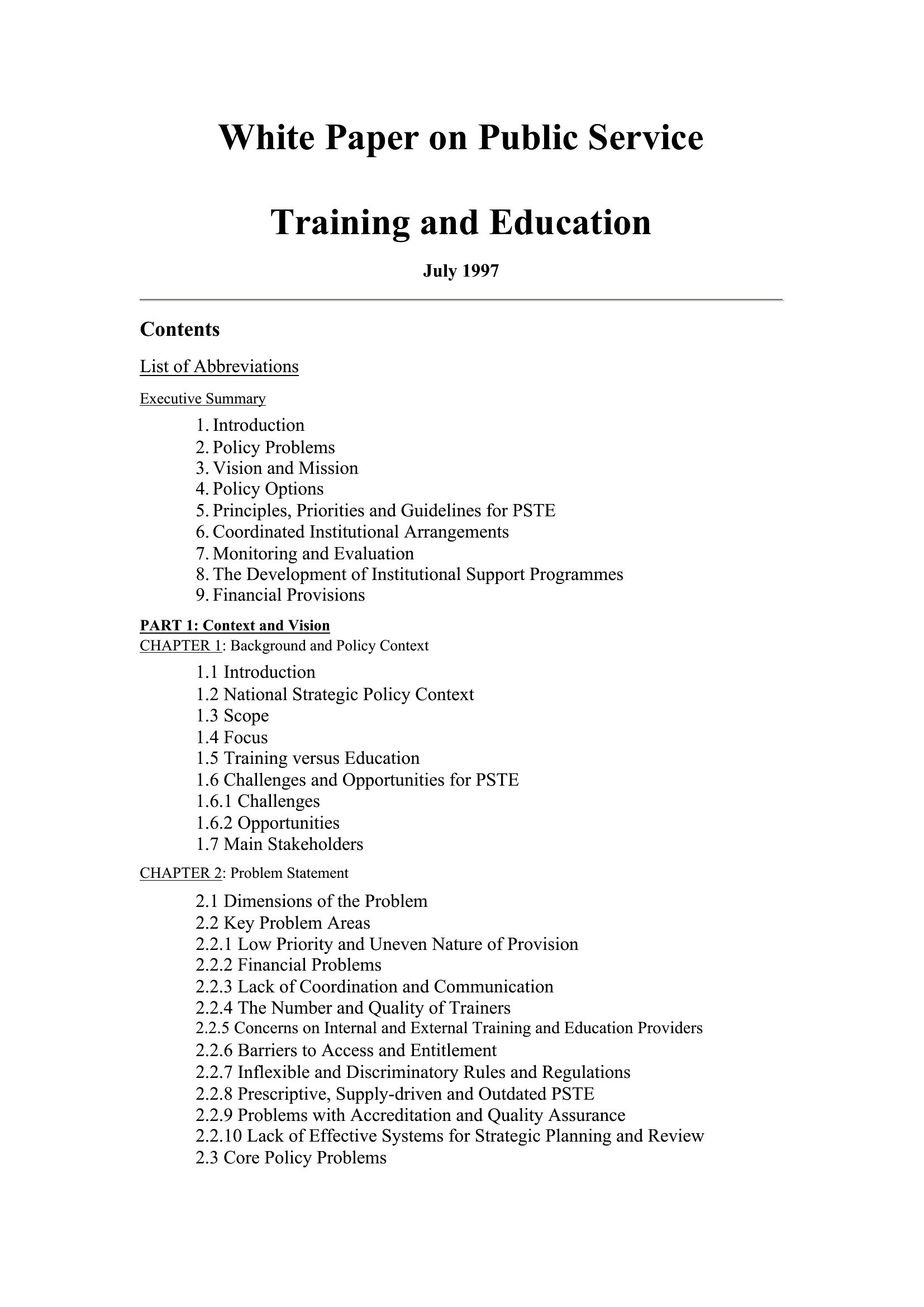
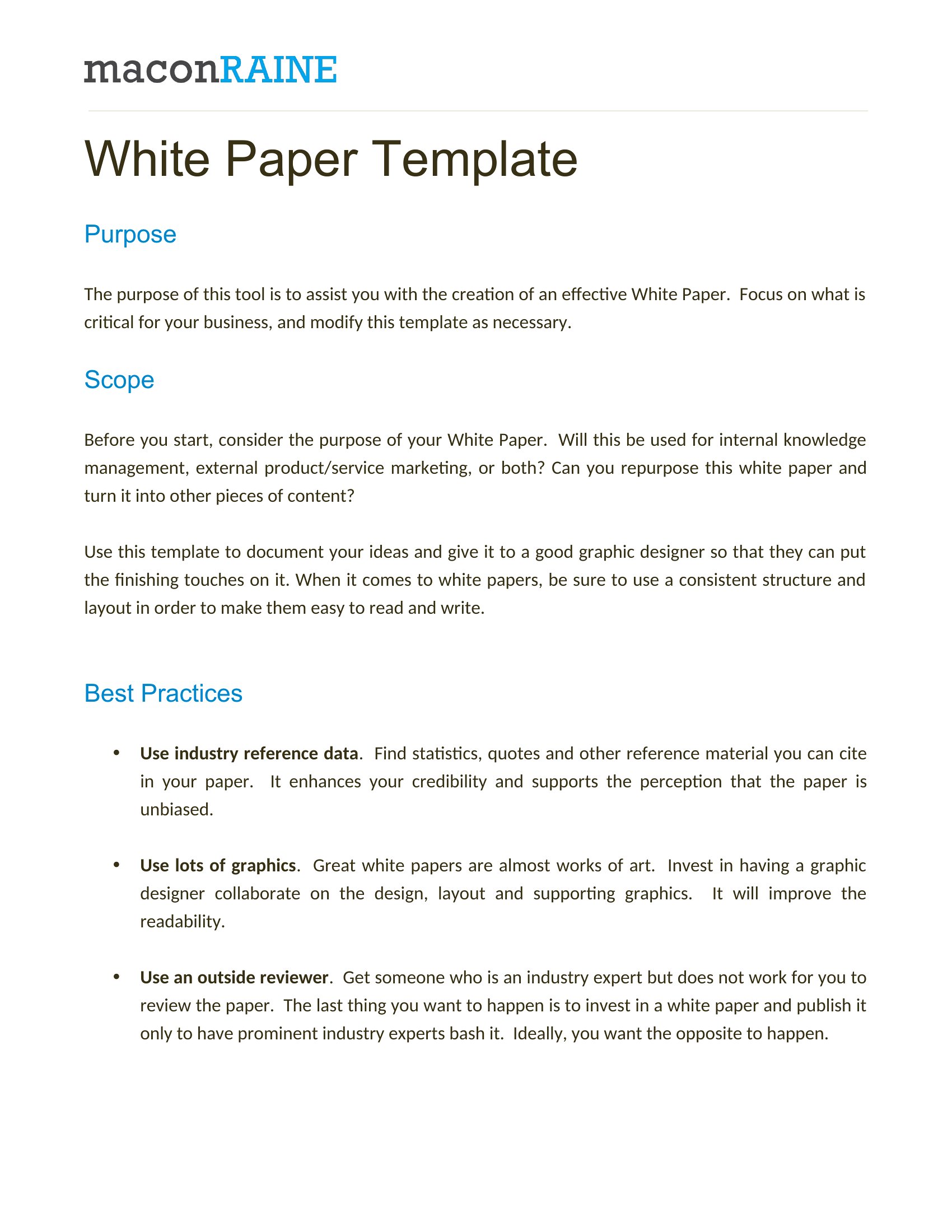
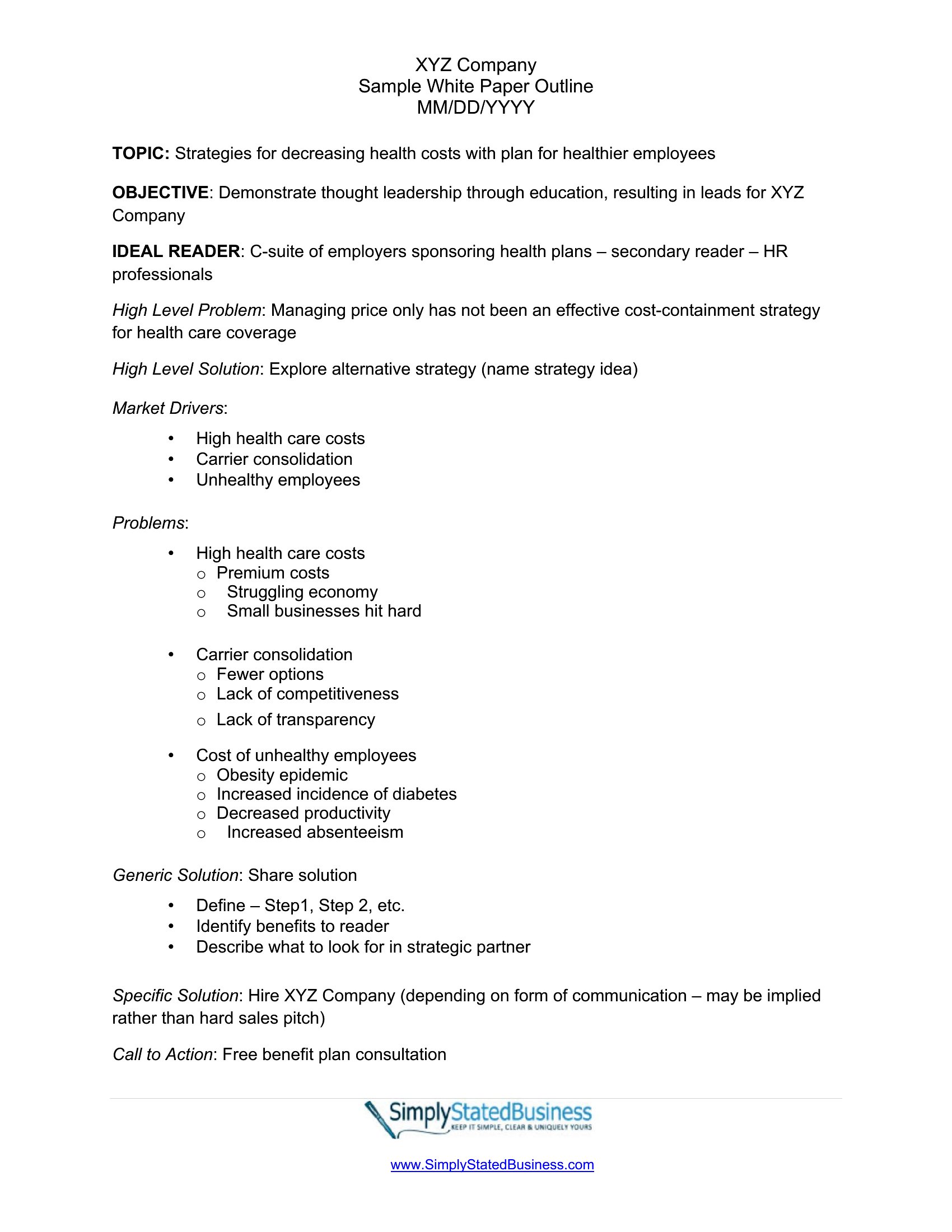
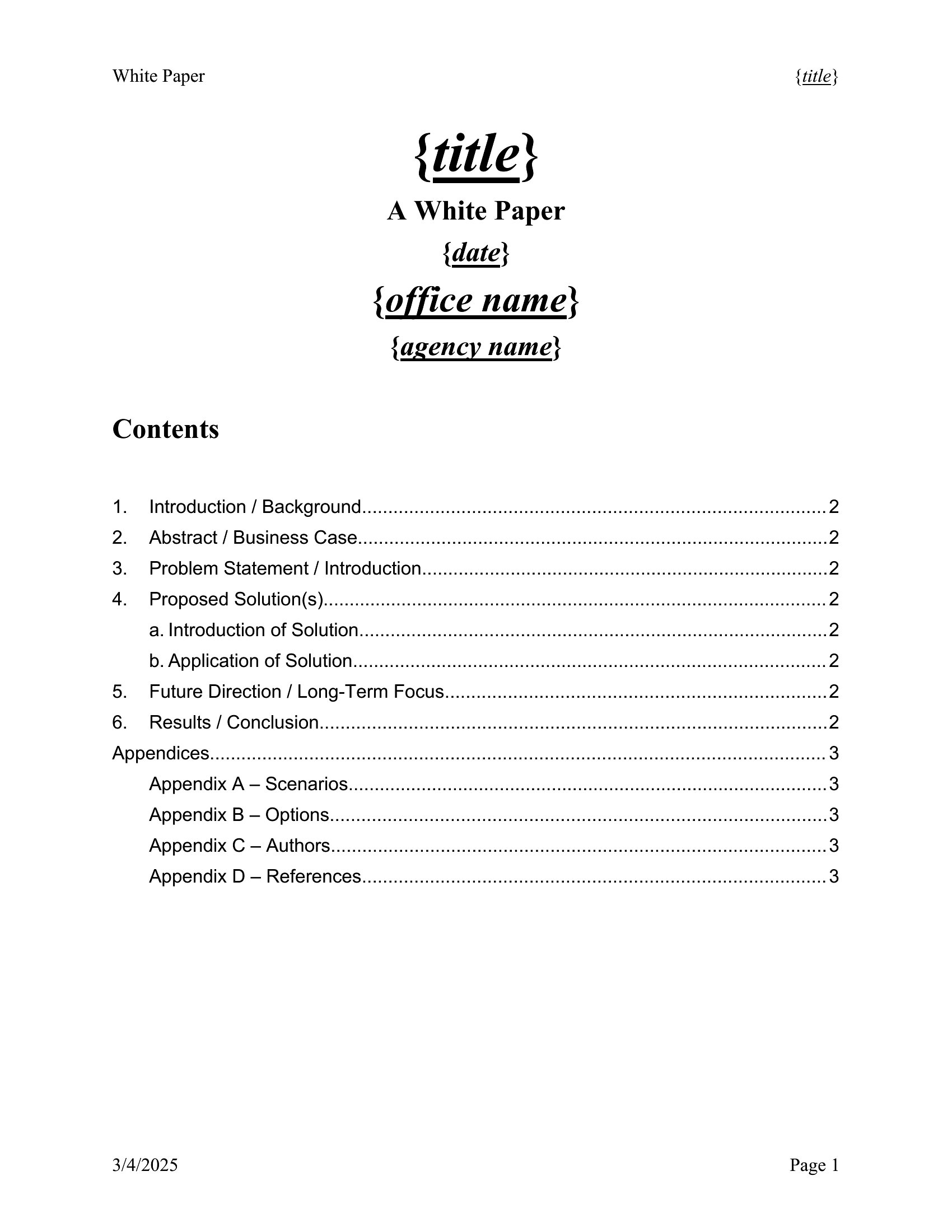
White Paper







FAQ
How should I structure the ‘problem’ section to avoid sounding like a sales pitch?
Focus on the reader’s pain points first. Start with a specific, quantifiable challenge (e.g., ‘68% of survey respondents cite X as their top obstacle’), then describe the ripple effects. Avoid jargon—this section should feel like a conversation, not a product rollout. Use the ‘background’ section later to introduce your solution, but only after proving you understand the stakes.
My white paper relies on proprietary data—how can I include it without breaking confidentiality?
Use anonymized snapshots or aggregated trends instead of raw numbers. For example, instead of ‘Company X saw a 30% uptick,’ try ‘Our analysis of 12 similar firms showed an average improvement of 28% in Y metric.’ If visuals are needed, use simplified diagrams or process flows that don’t reveal proprietary details. Always consult legal or compliance teams before finalizing.
What’s the best way to handle counterarguments in a technical white paper without undermining my position?
Address opposing views early in the ‘findings’ section, but frame them as outdated or incomplete. For example: ‘While Method A is widely used, it fails in Scenario B due to [specific limitation].’ Then pivot to your solution with a clear contrast. Avoid dismissing critics outright—acknowledge their valid points before explaining why your approach overcomes them. This builds trust with skeptical audiences.
Comments
Join the conversation
Sign in to share your thoughts and leave a comment on this resource.