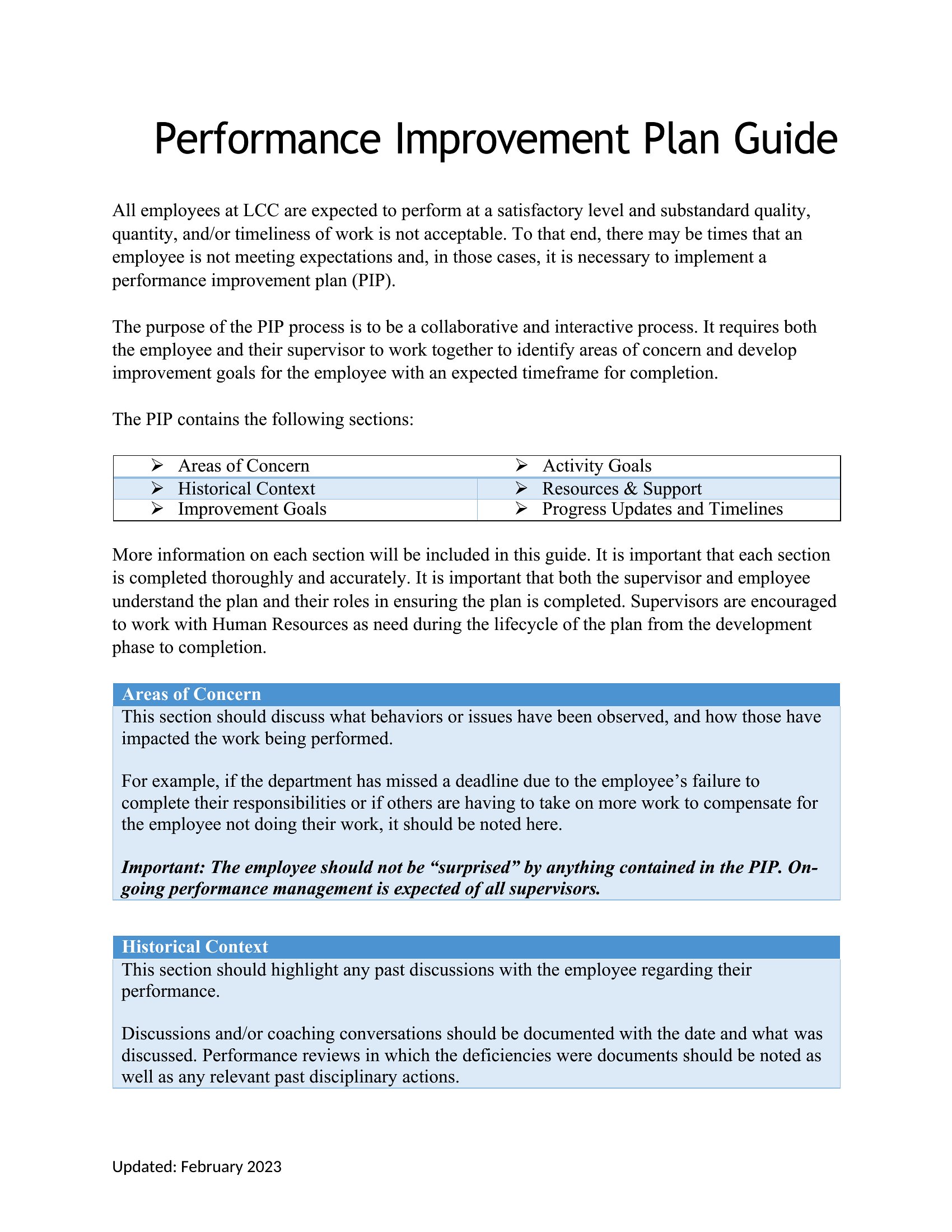
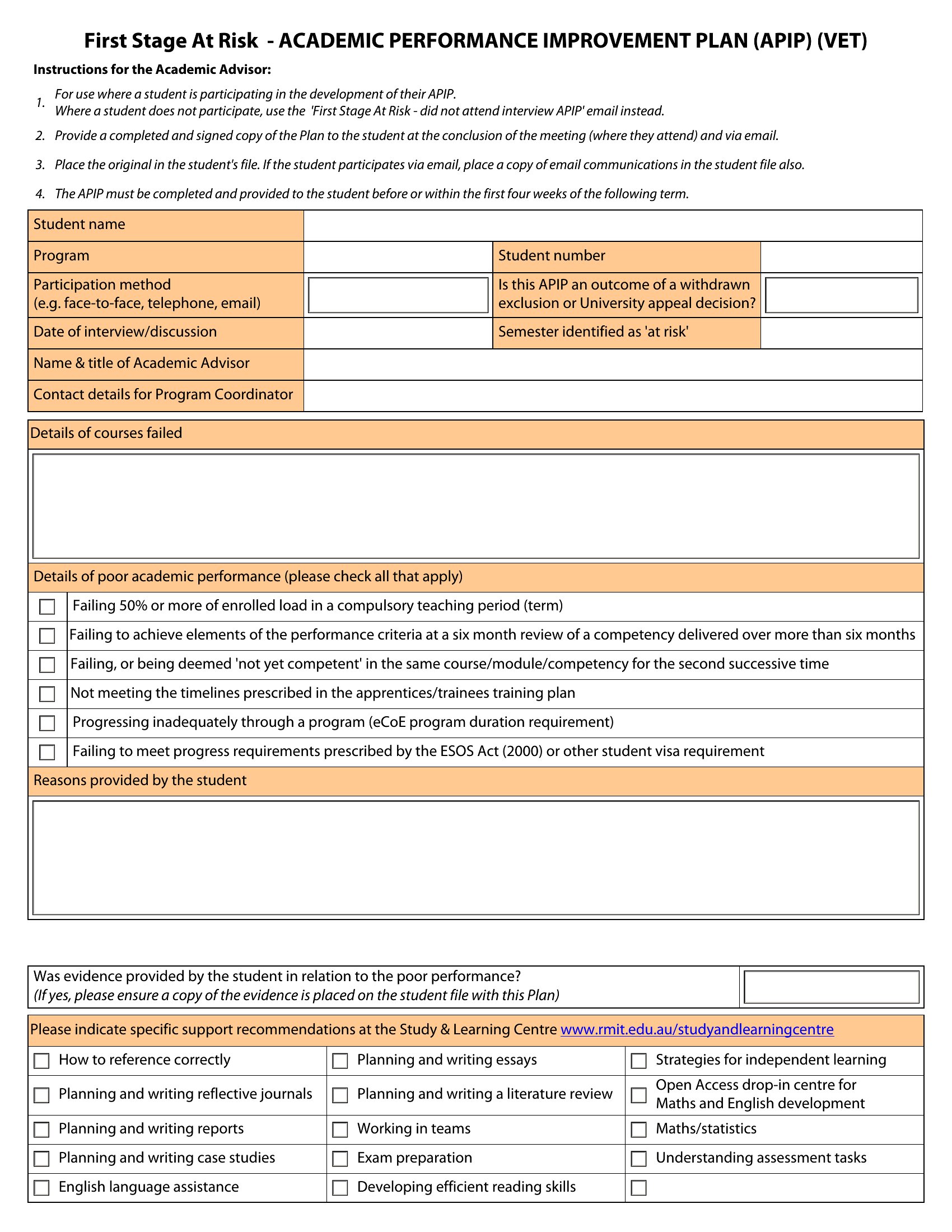
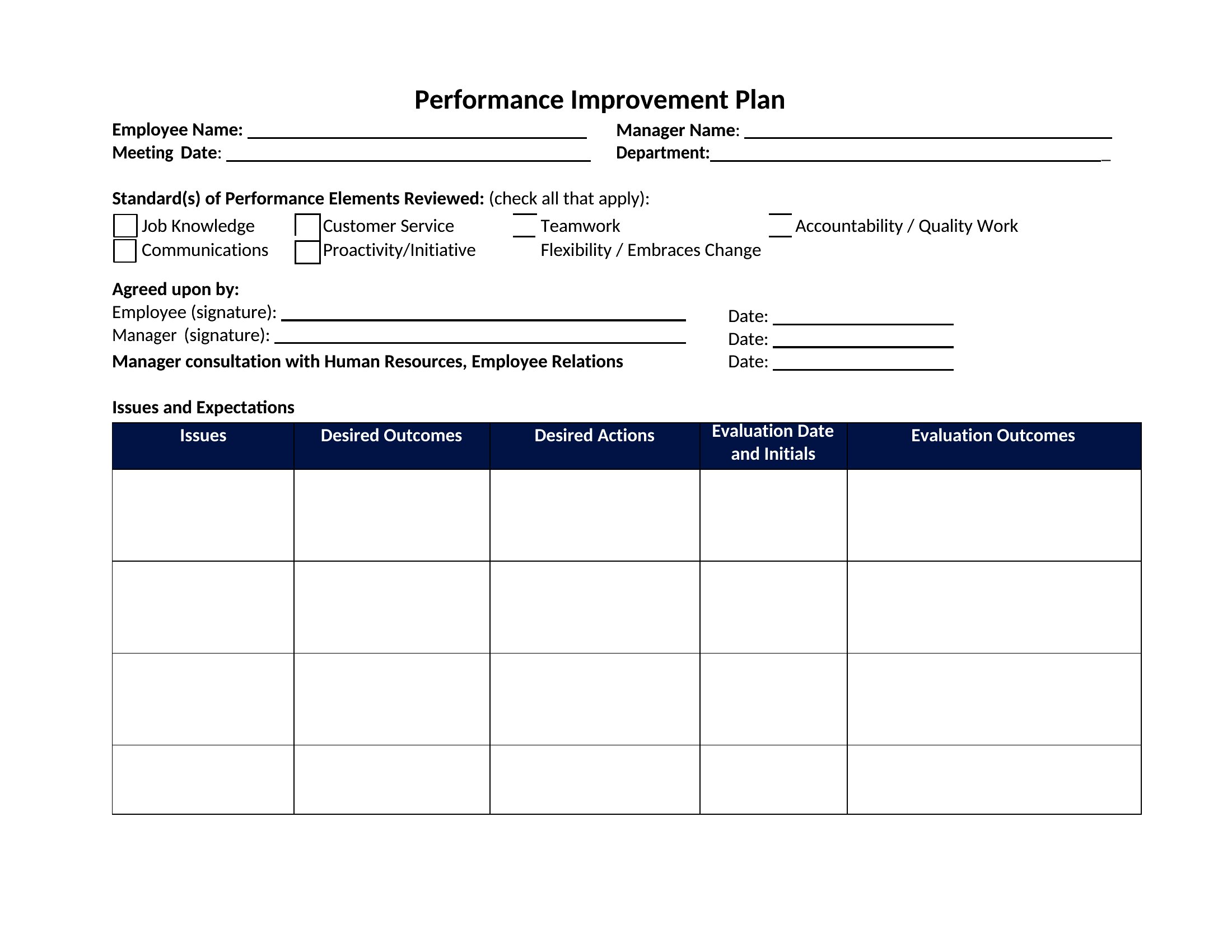
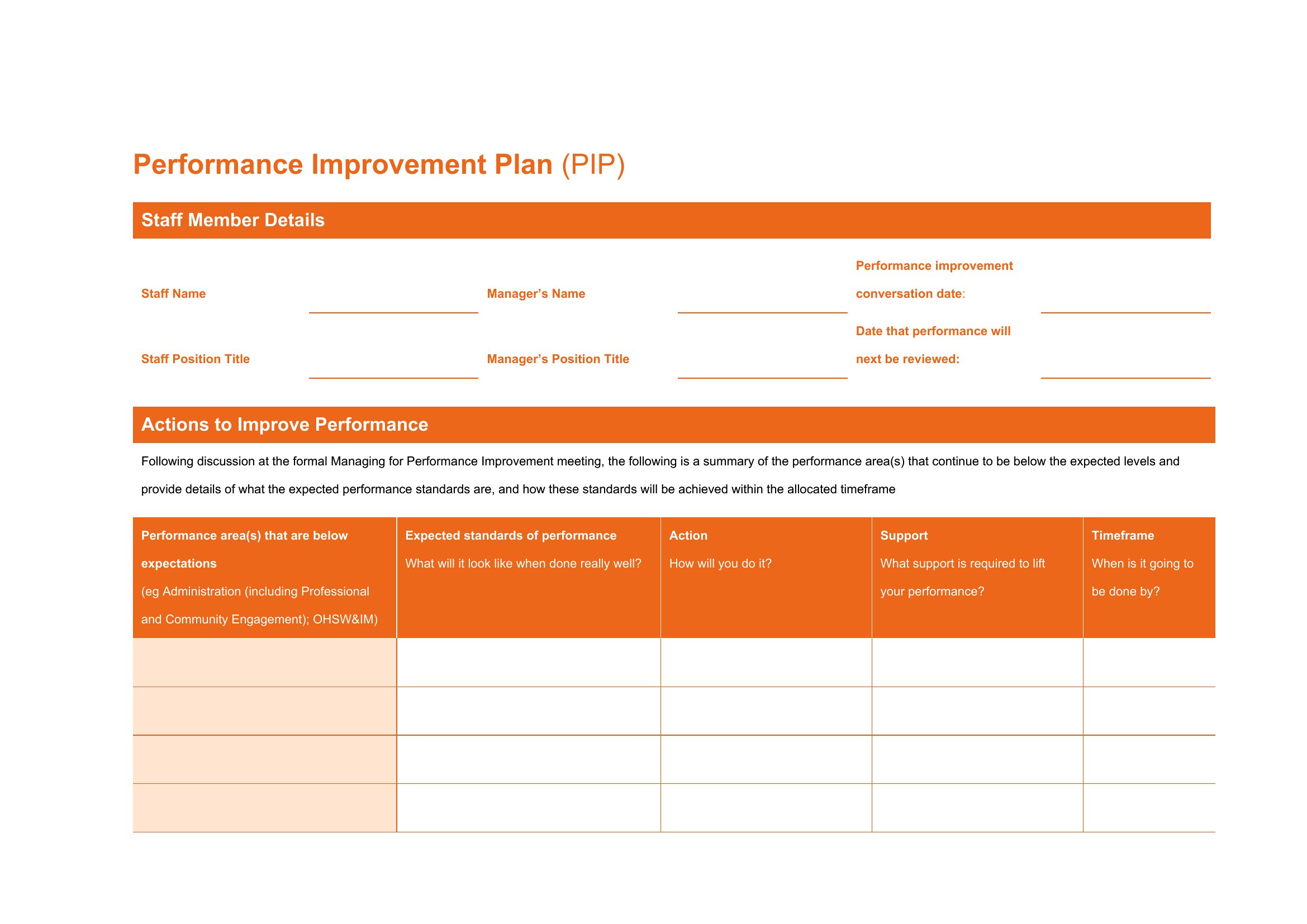
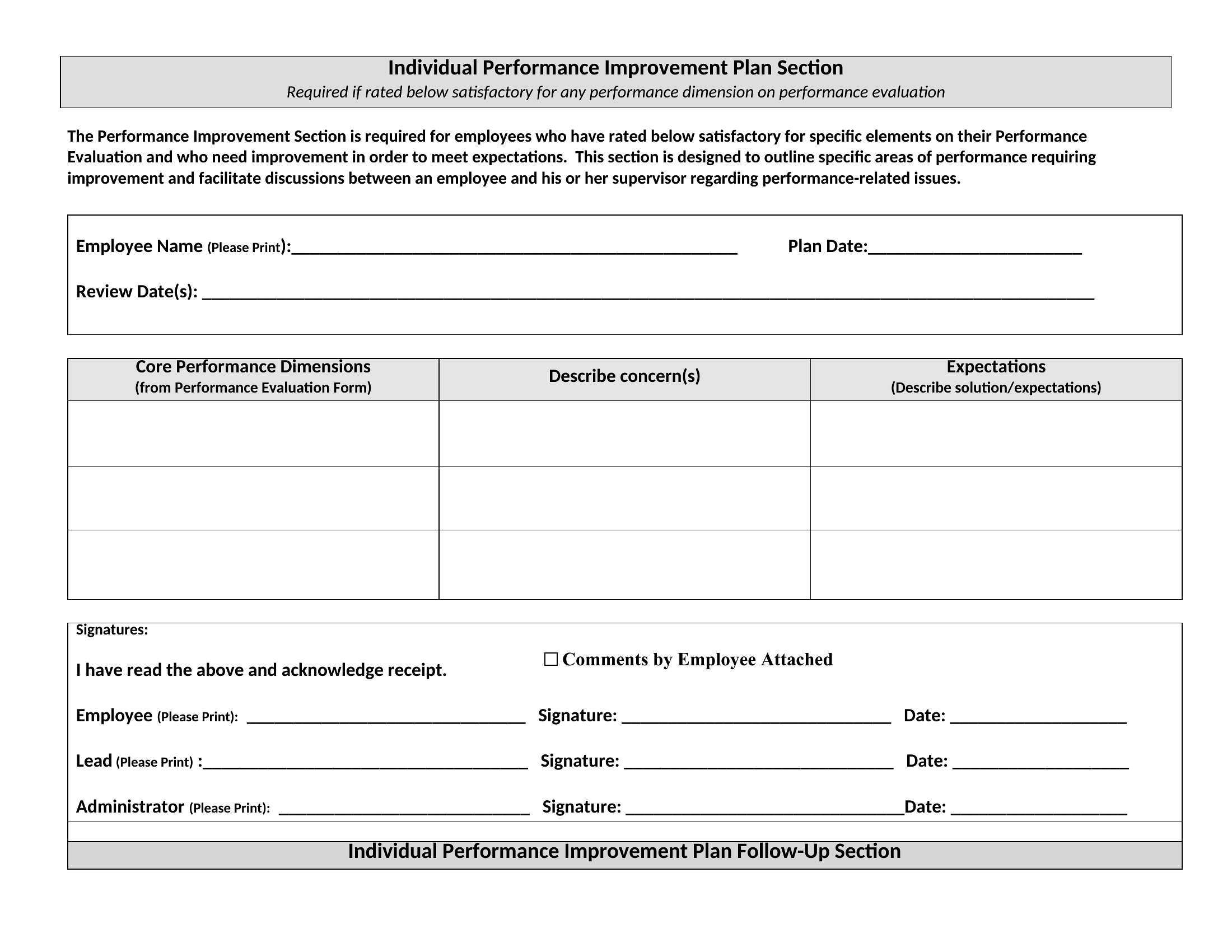
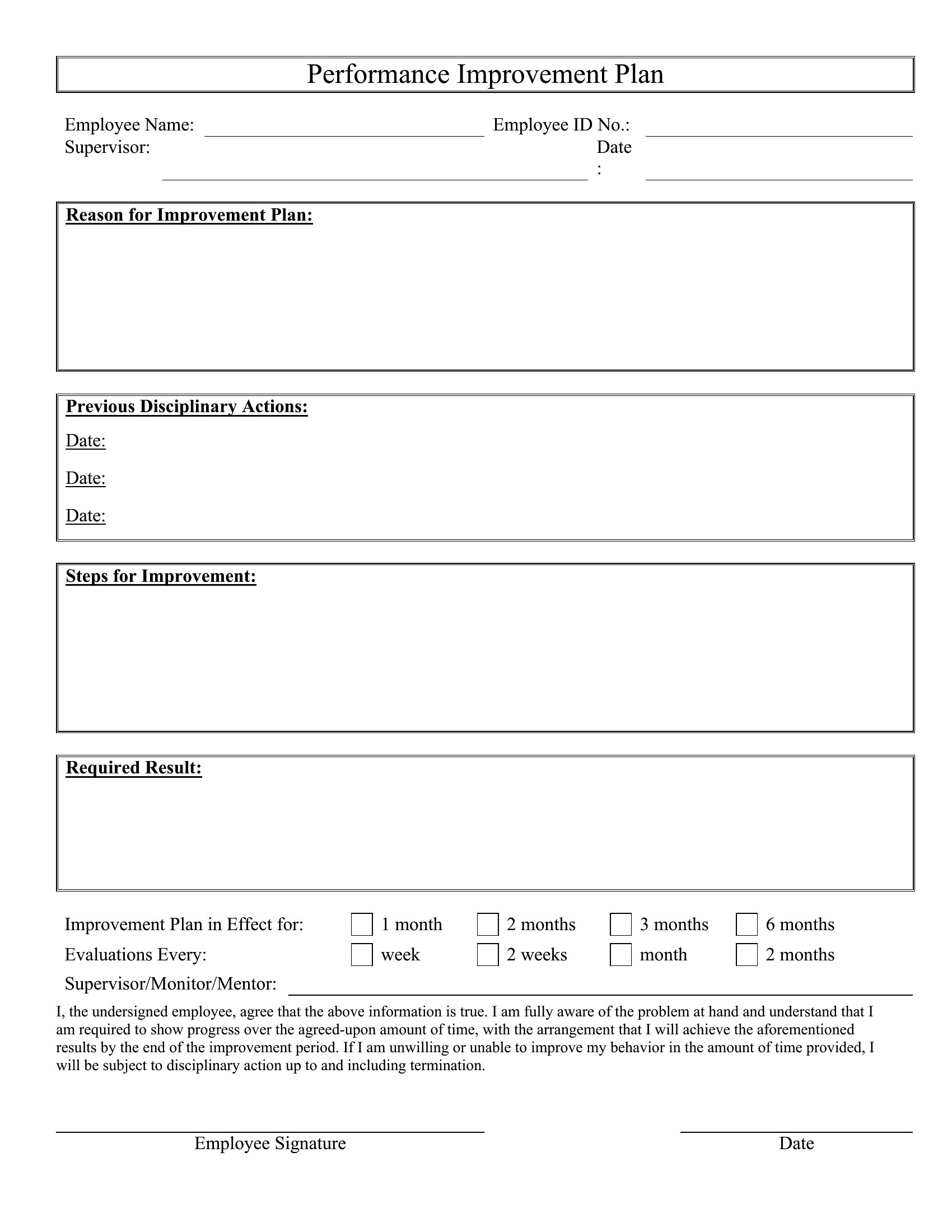
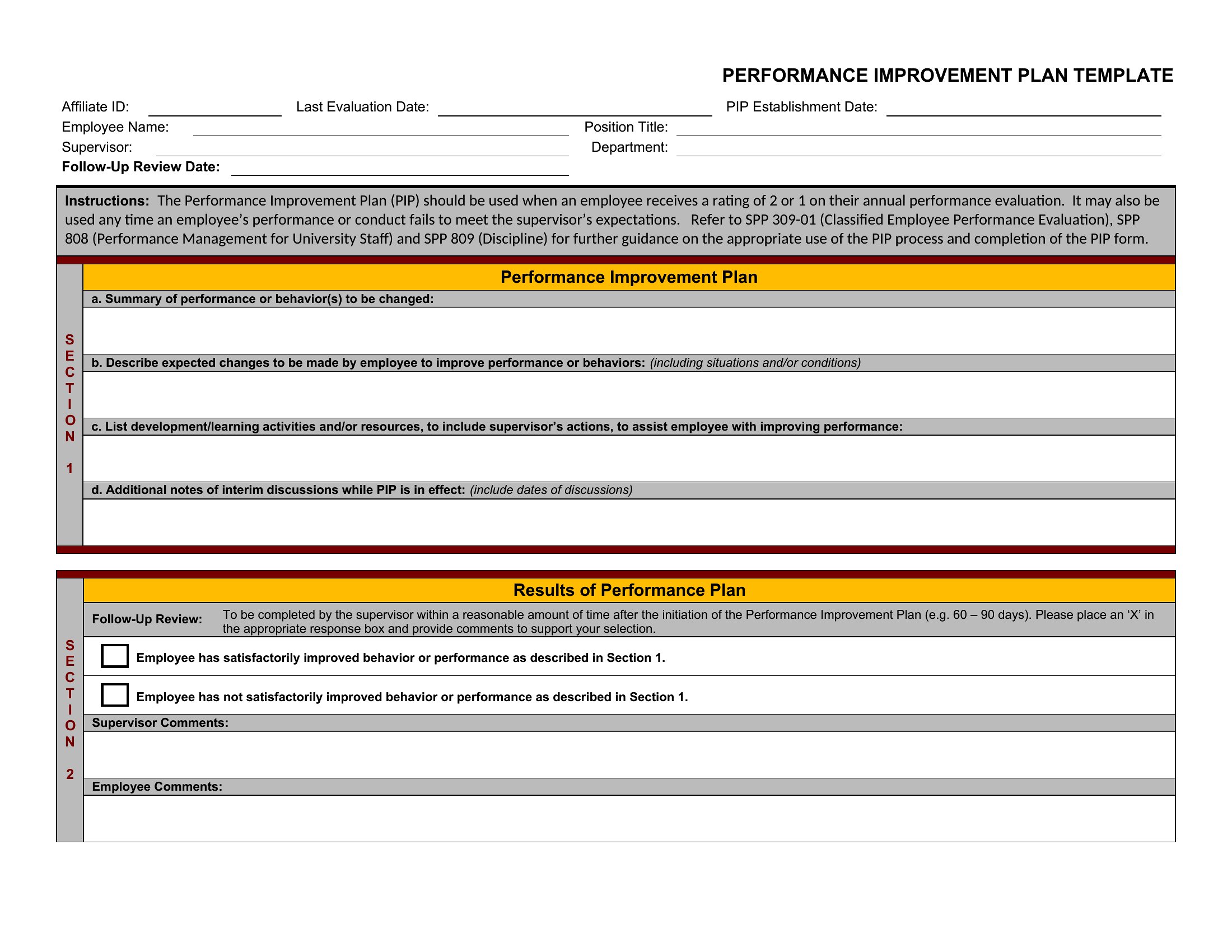
Free Performance Improvement Plans (Word, Excel, PDF)
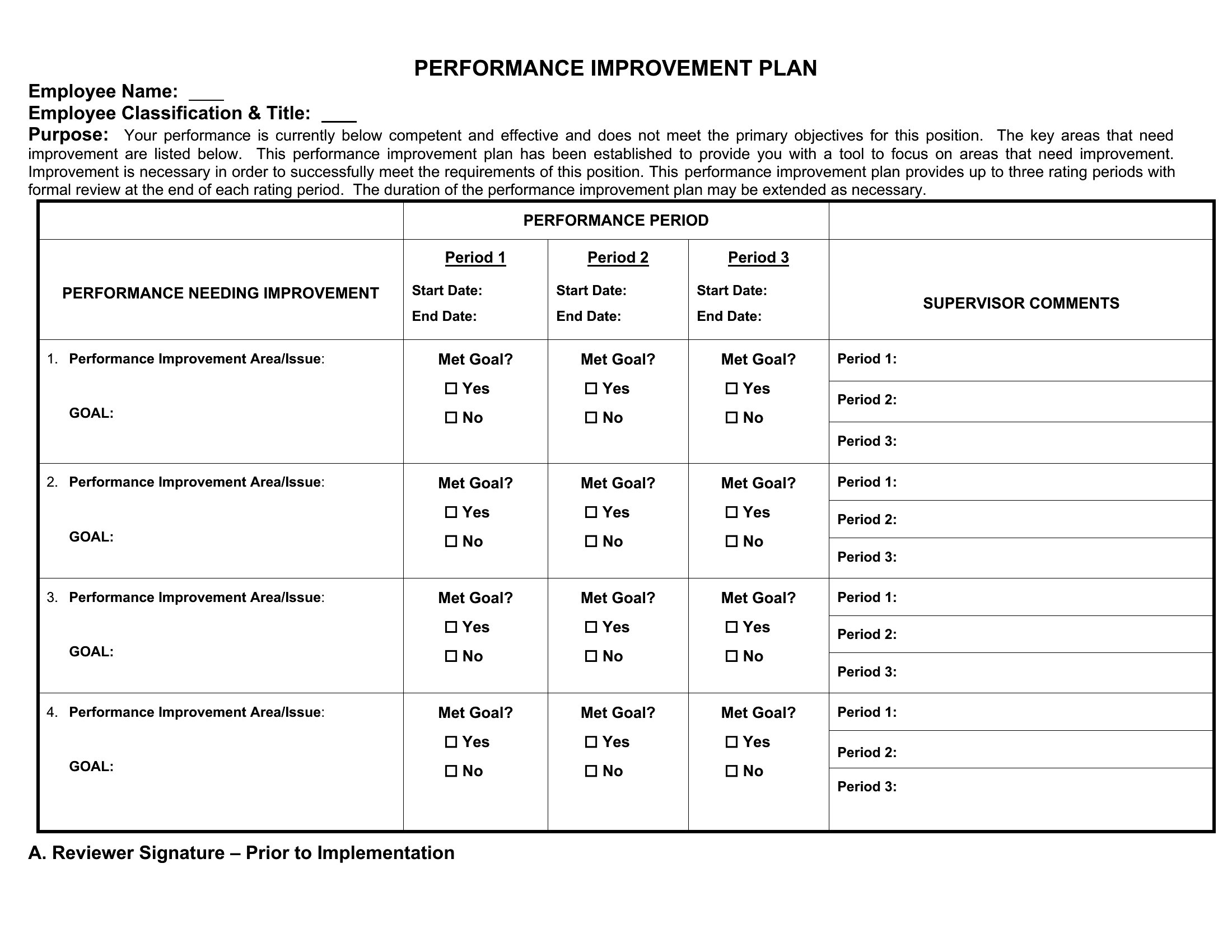
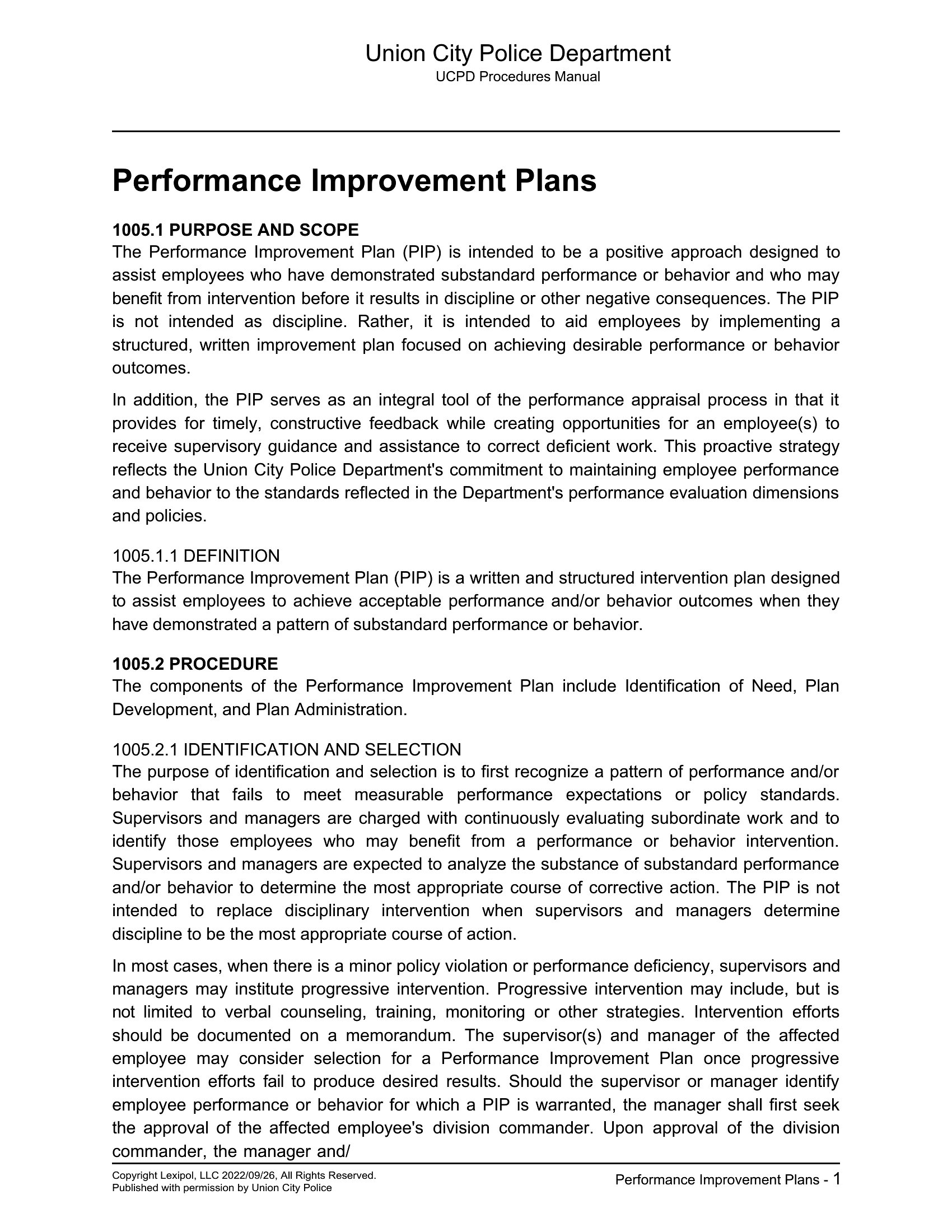
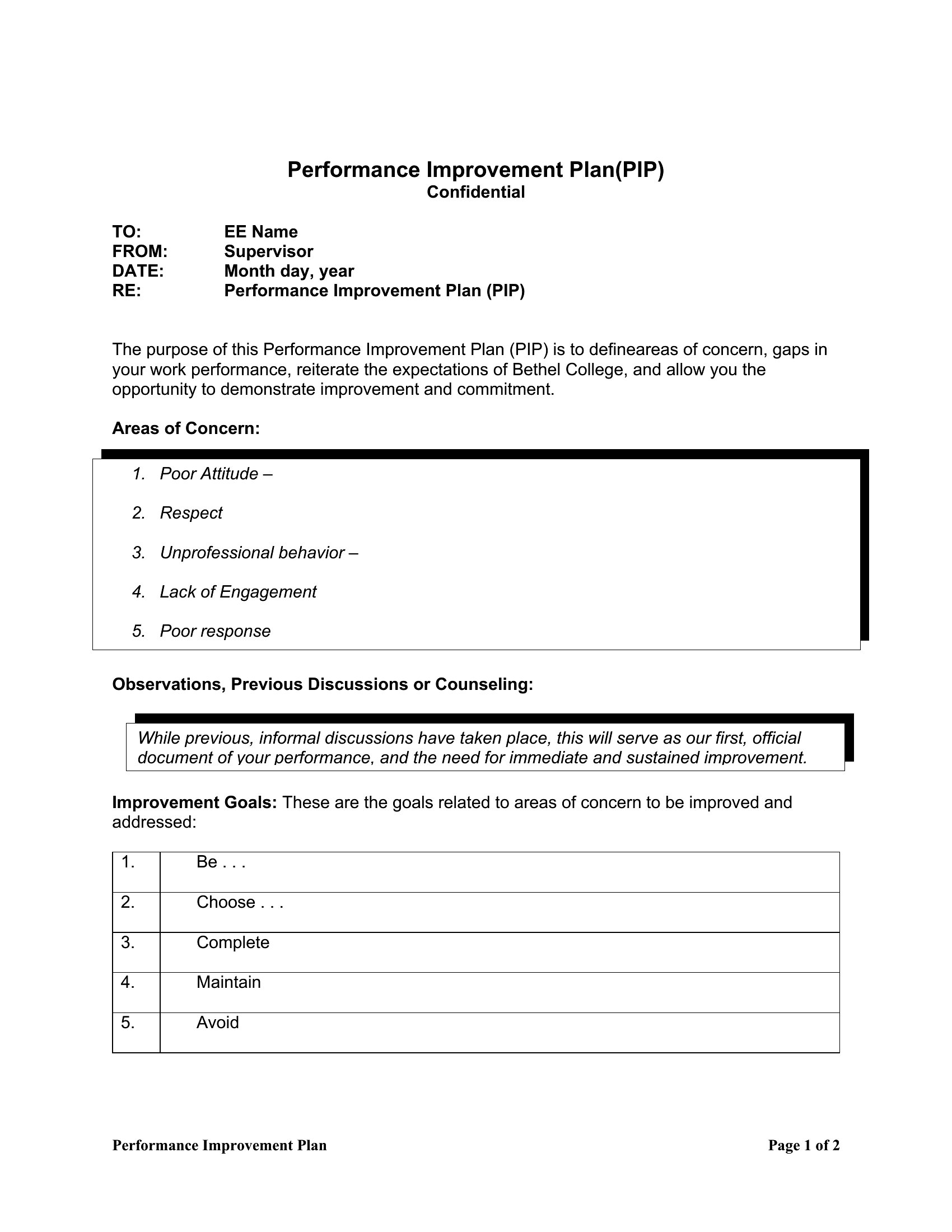
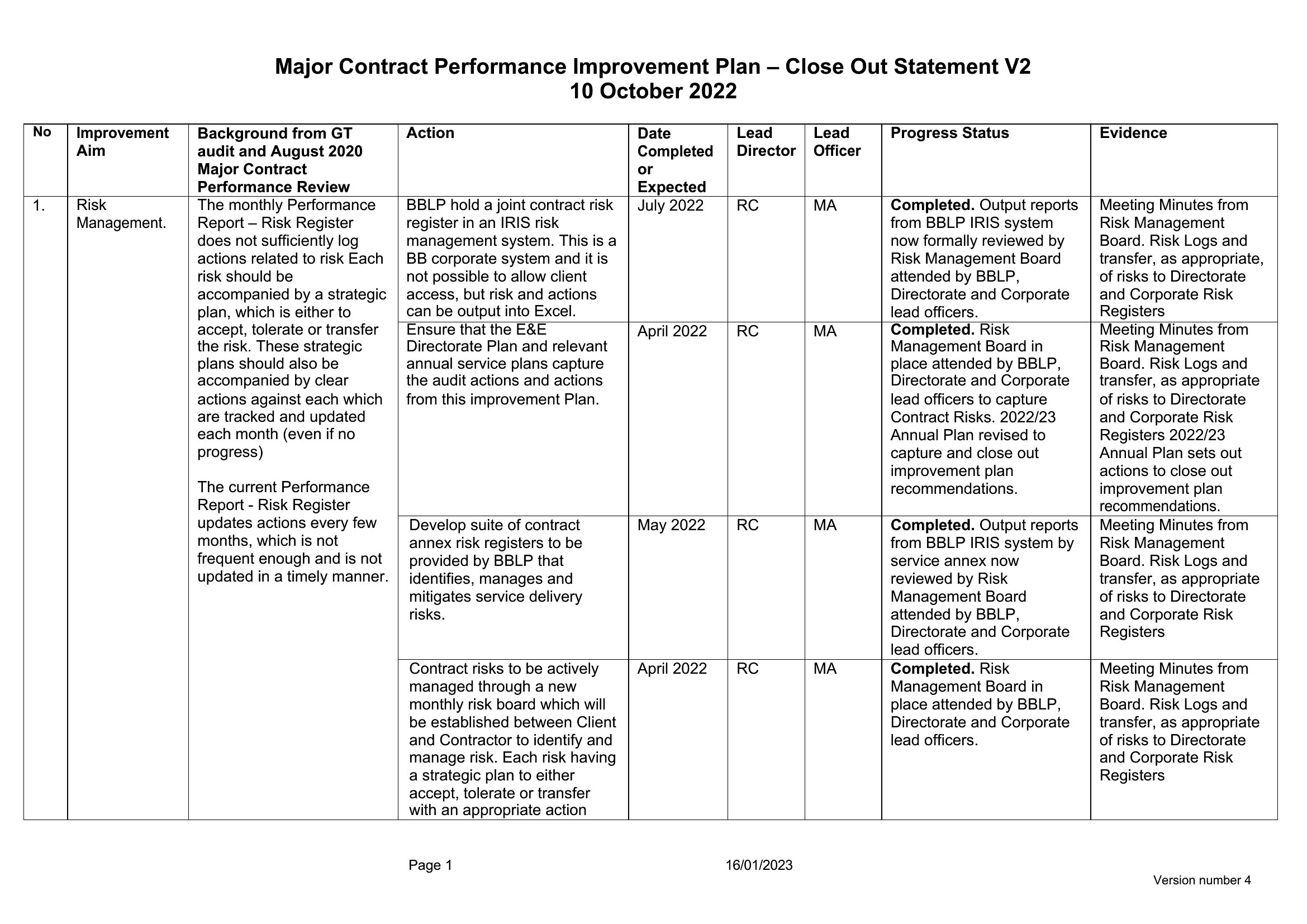
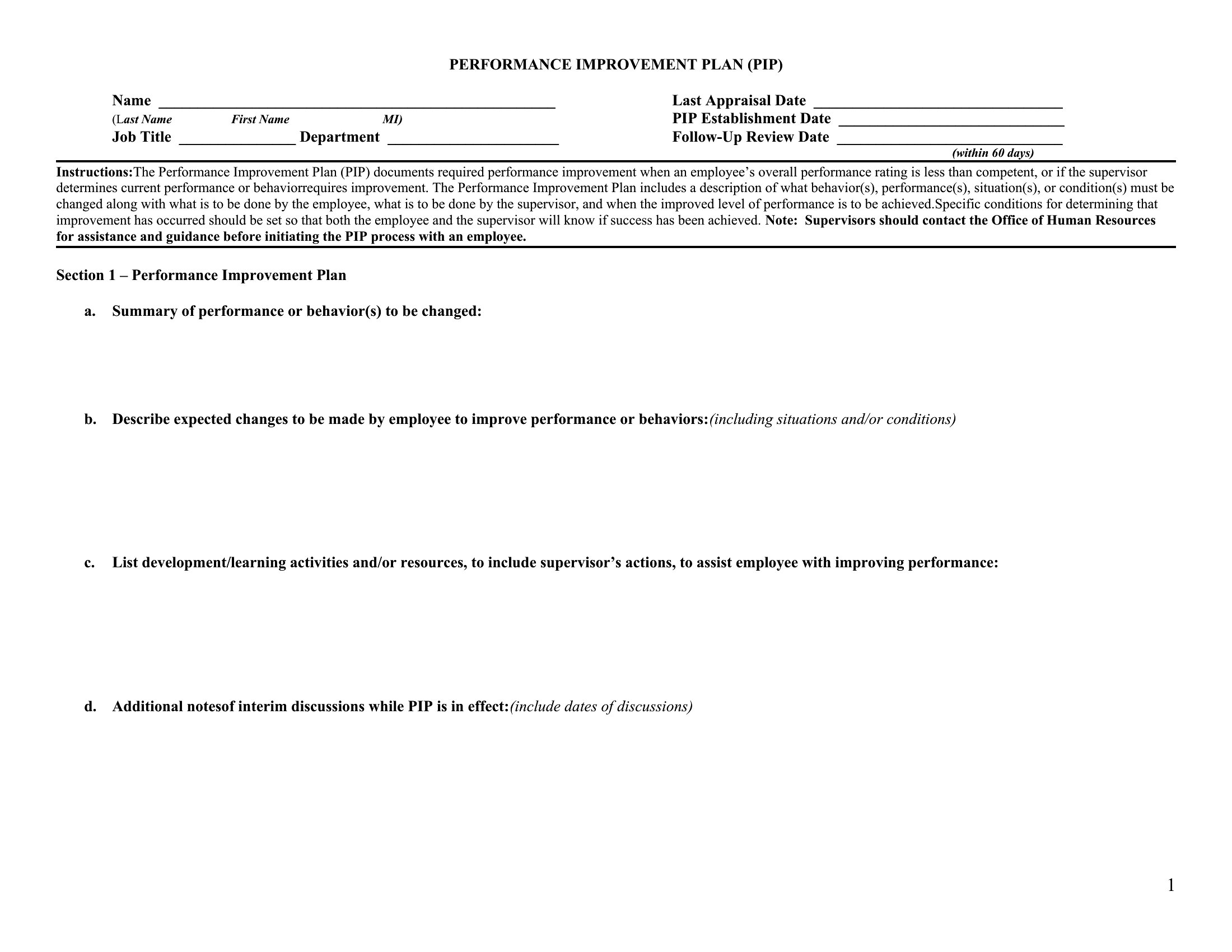
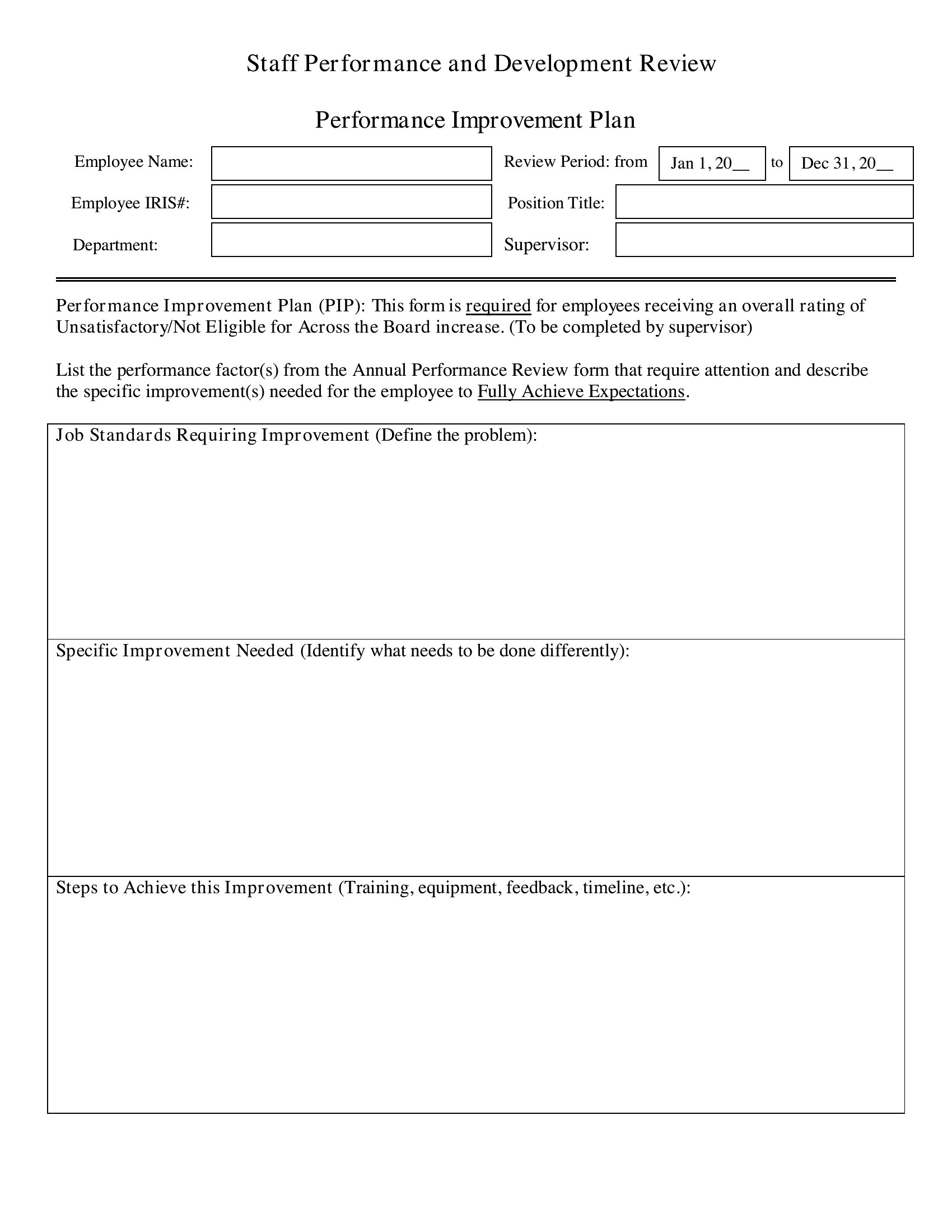
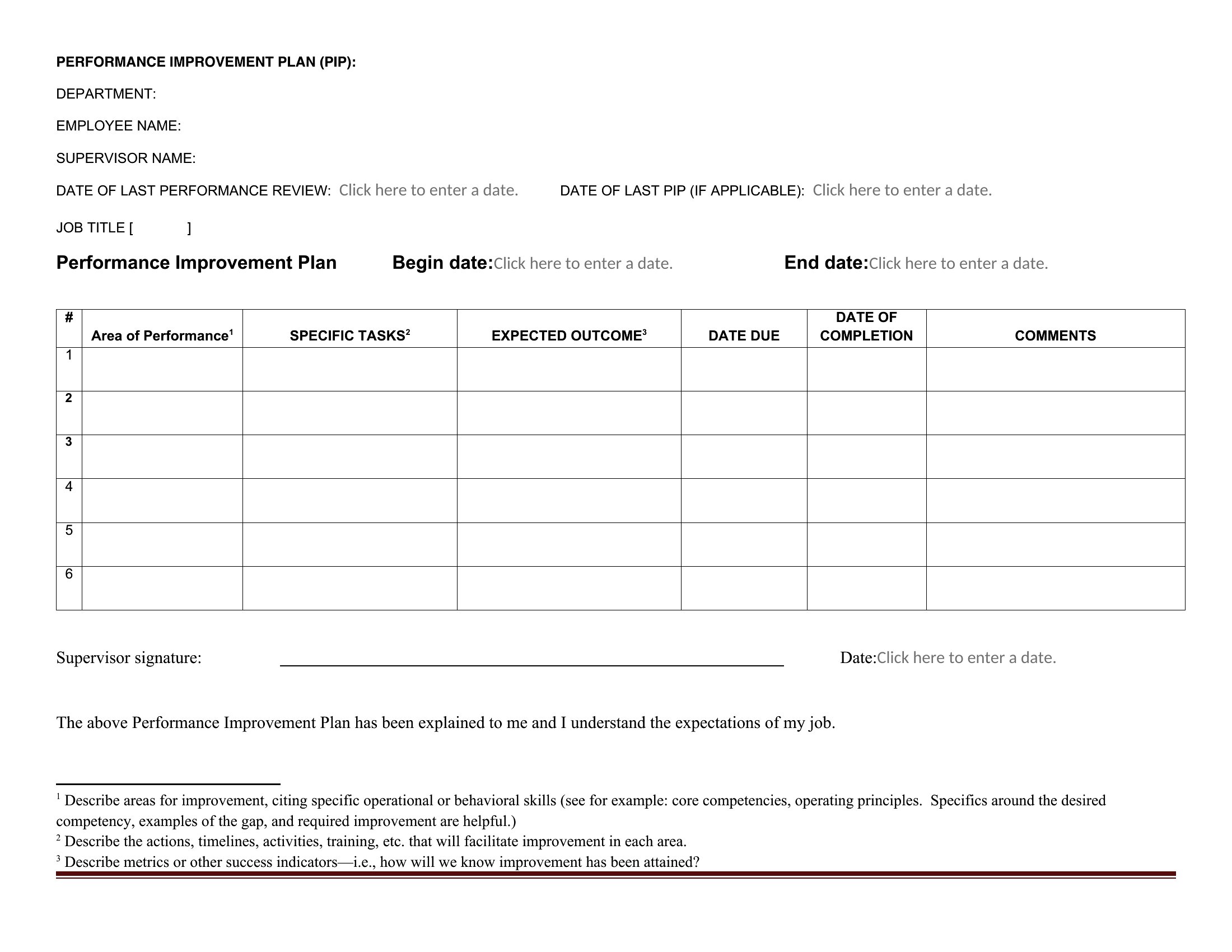
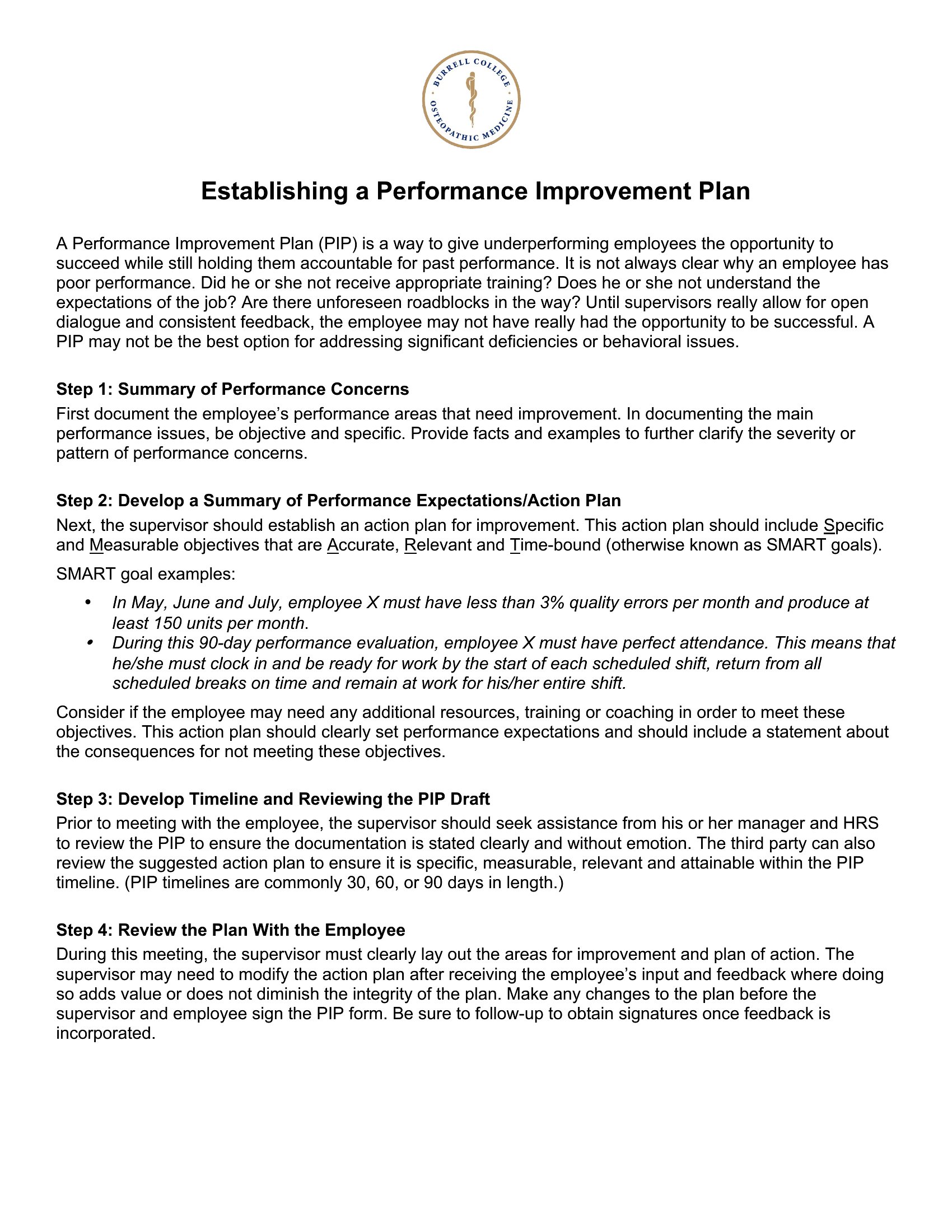
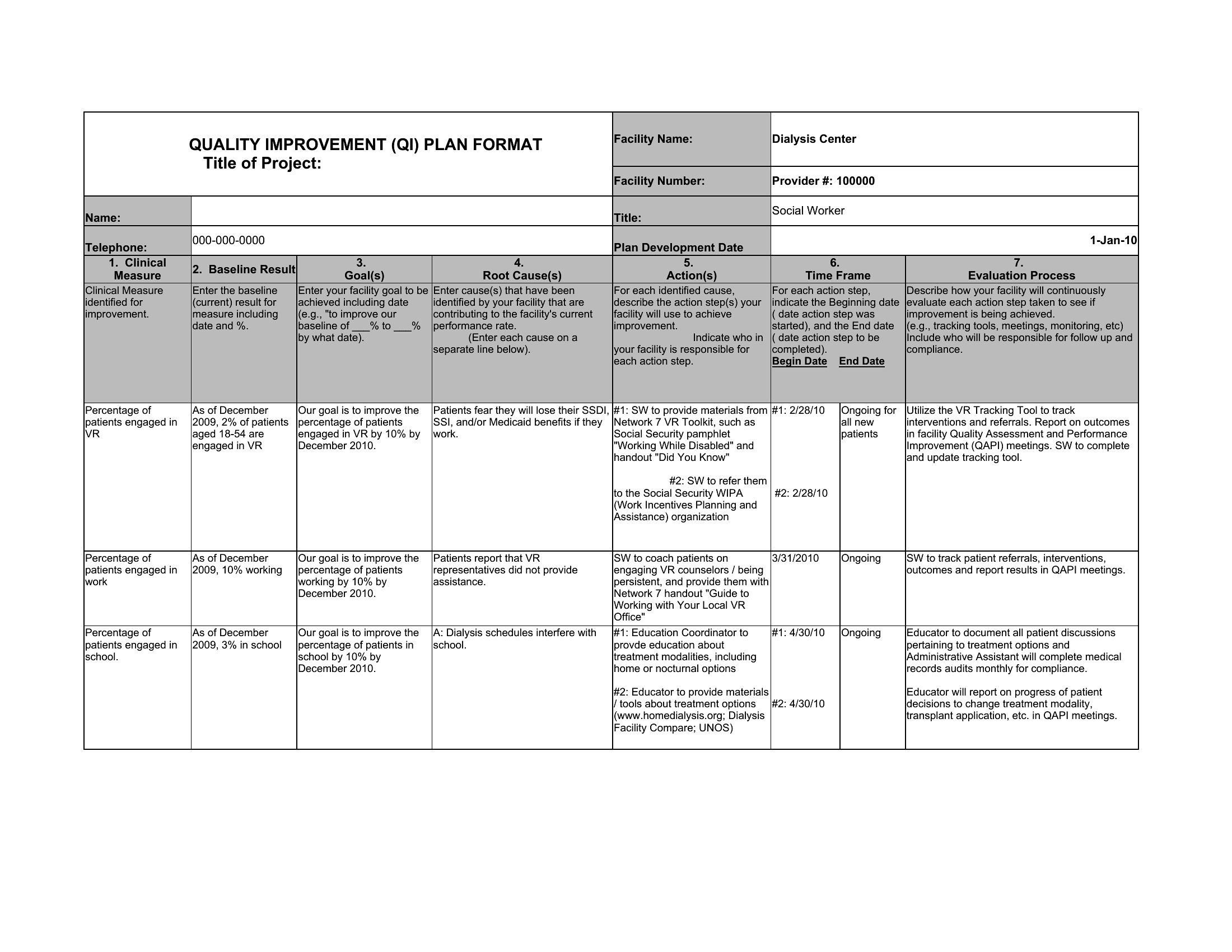
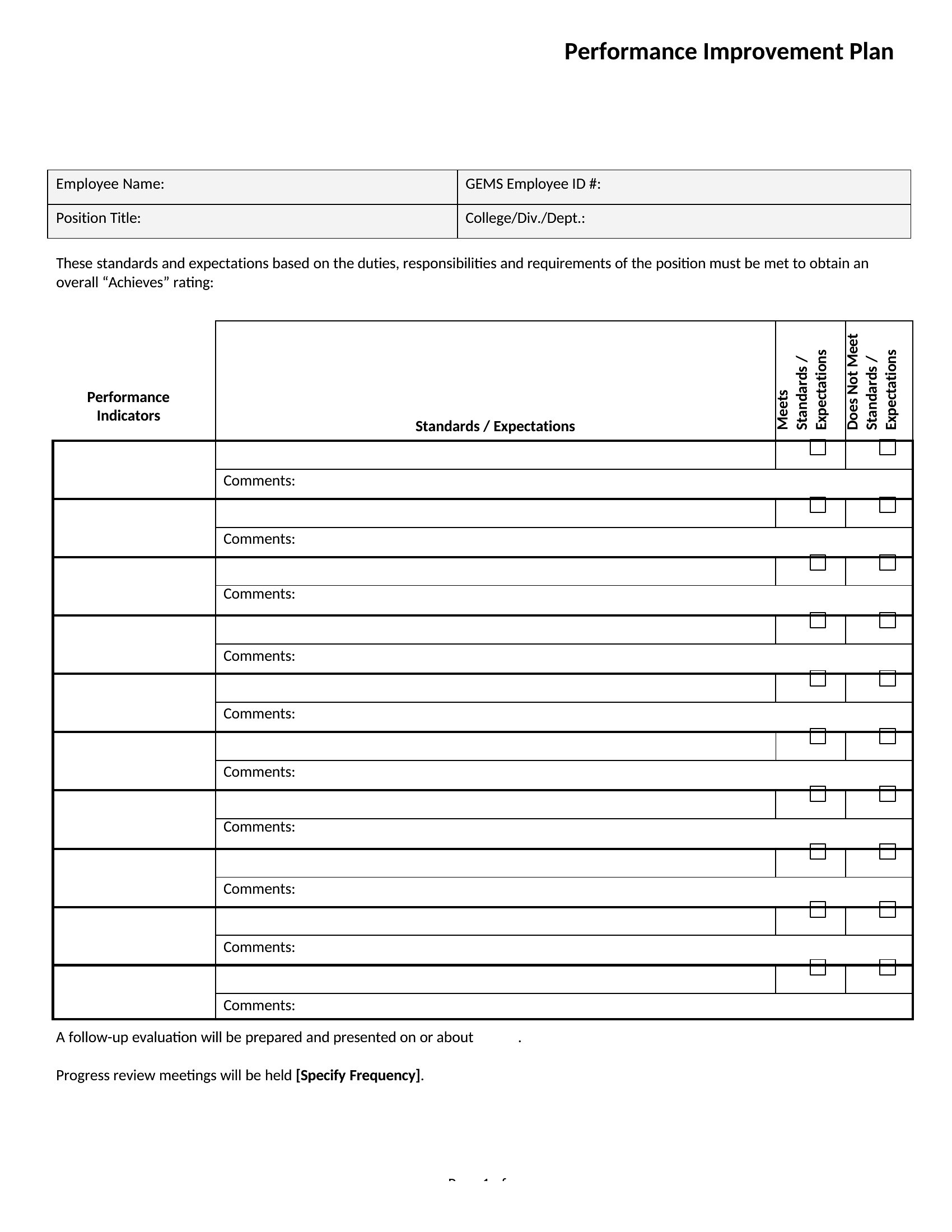
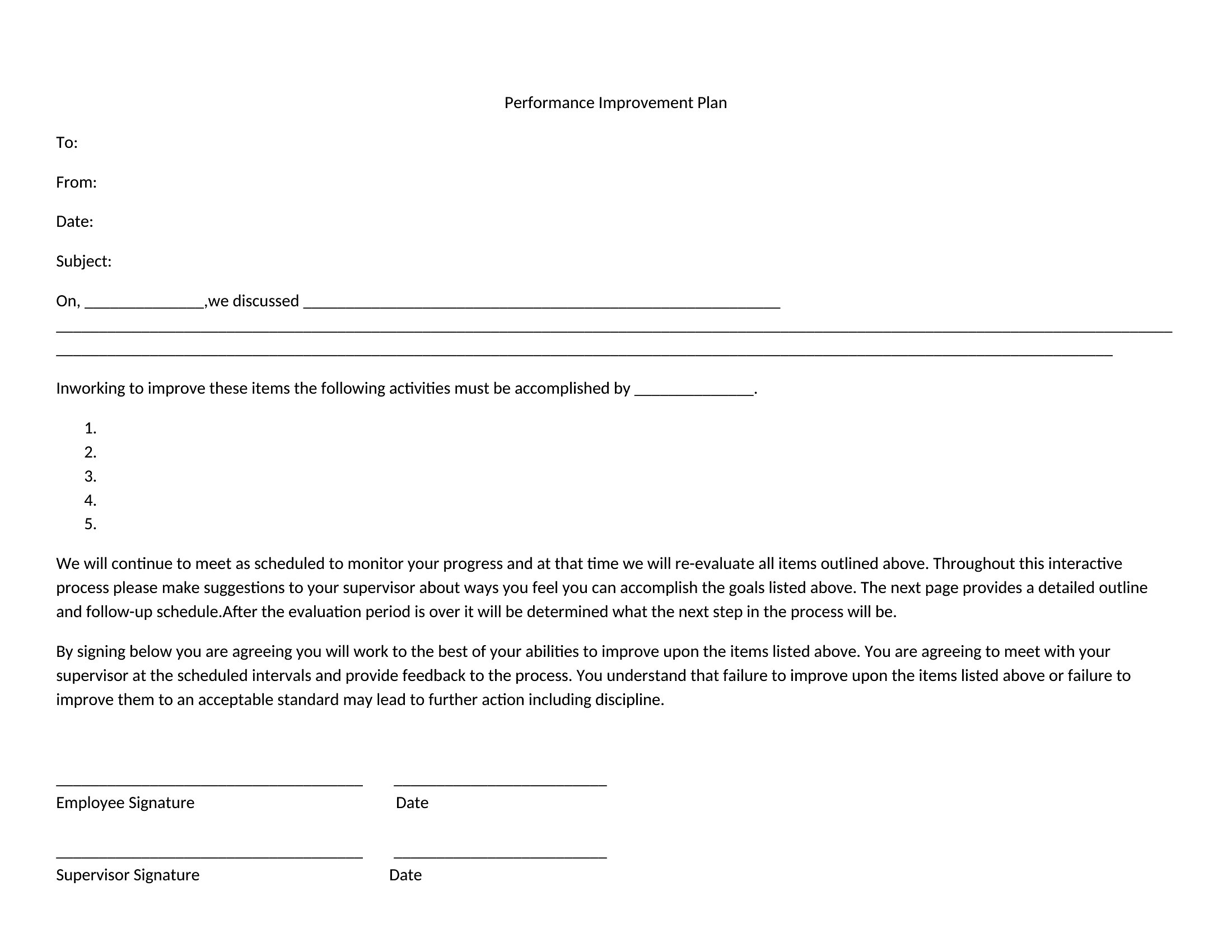
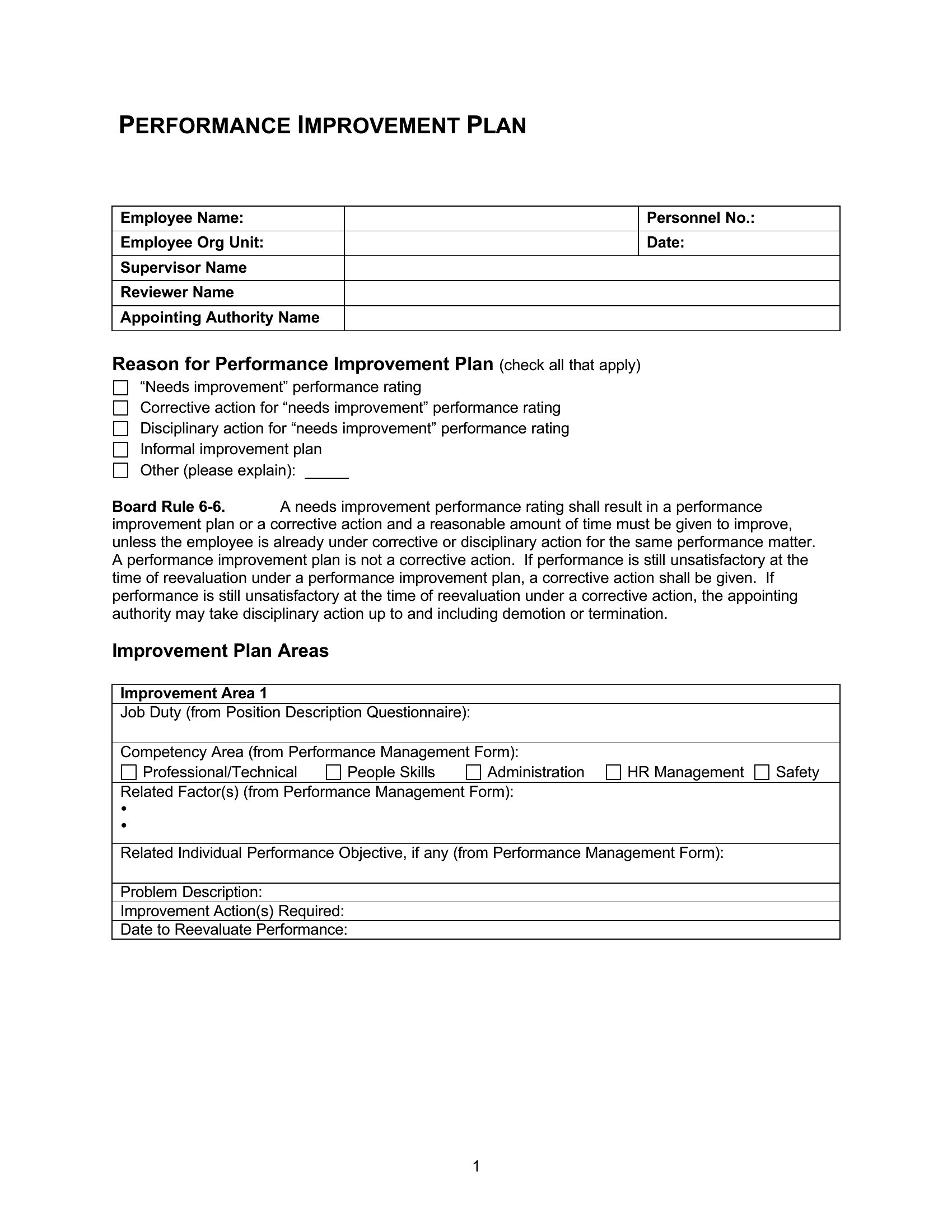
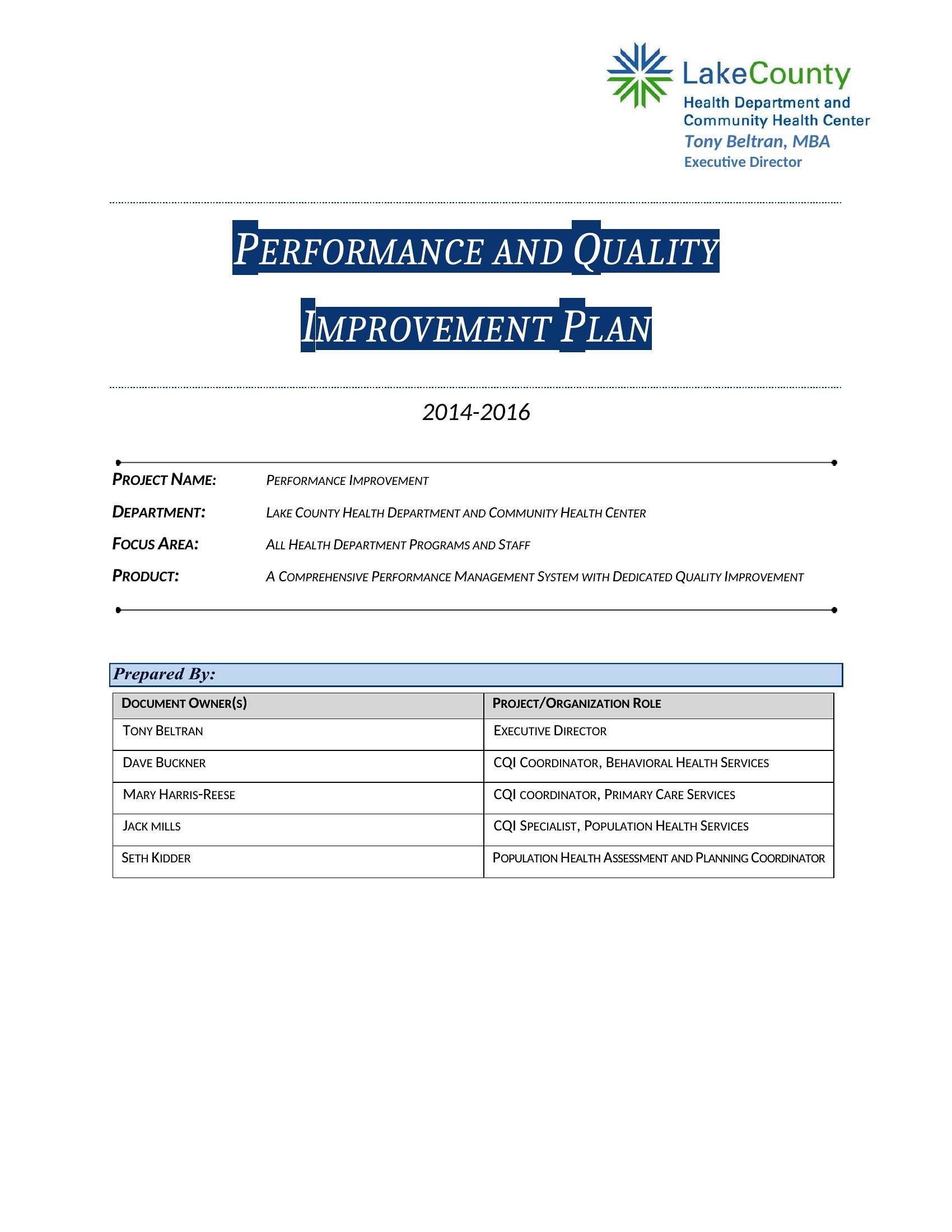
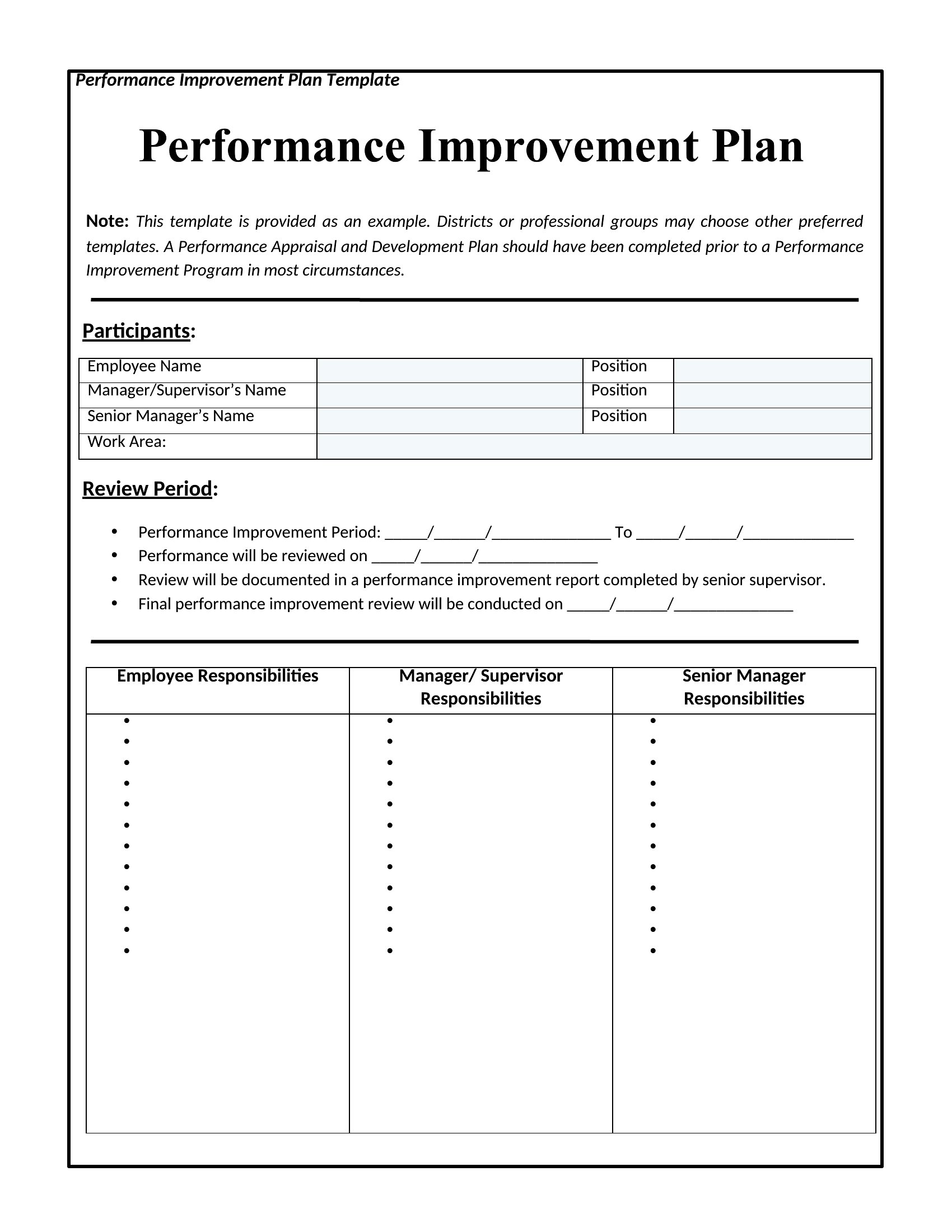
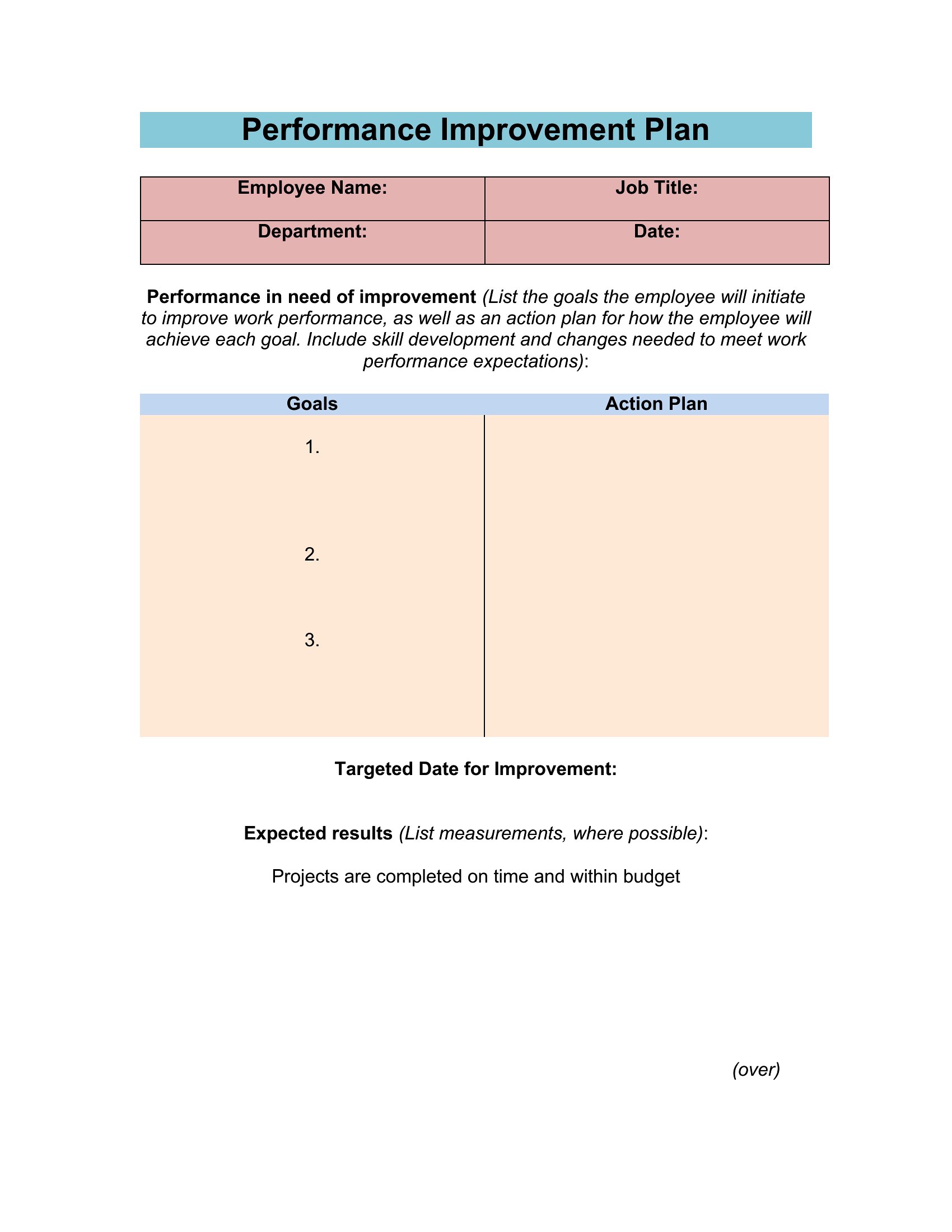
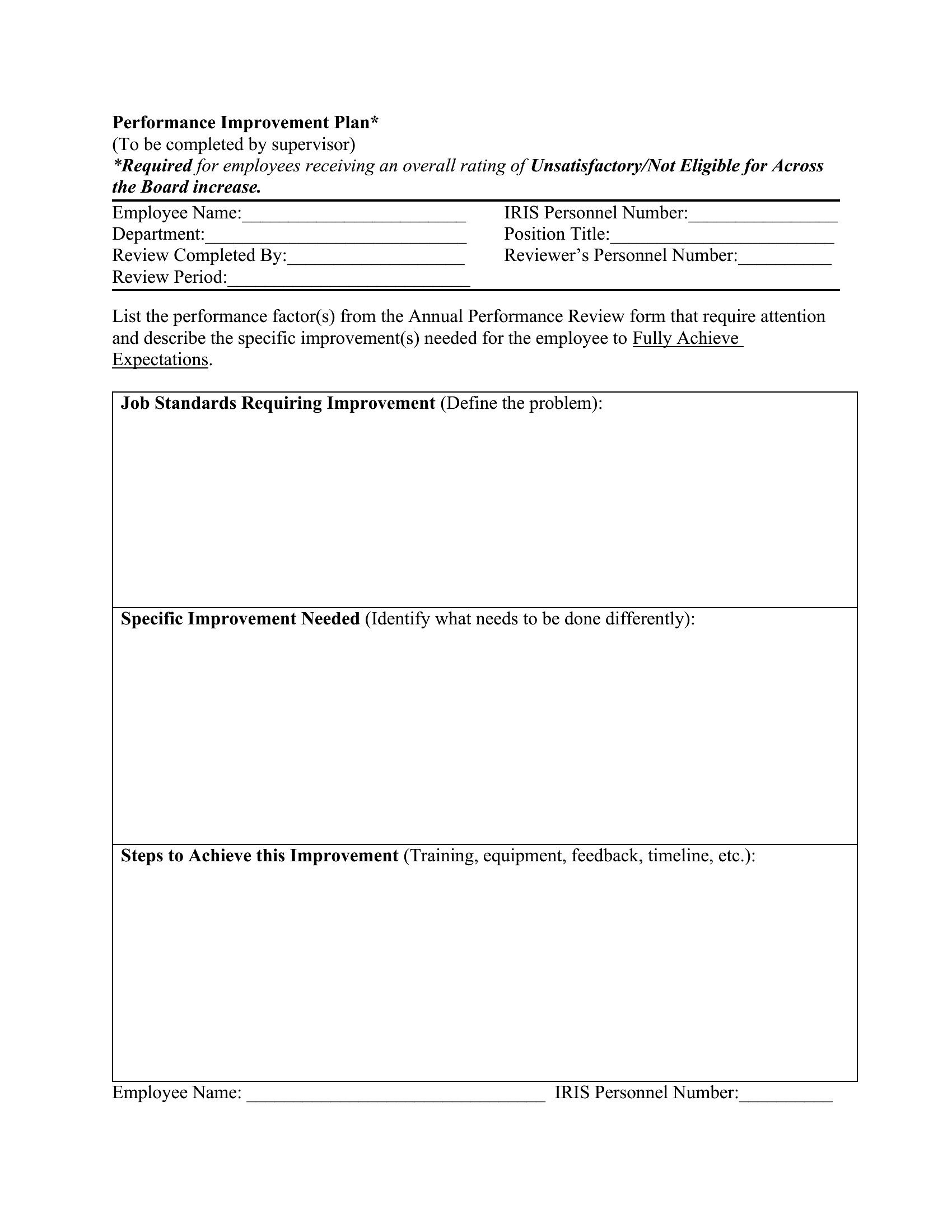
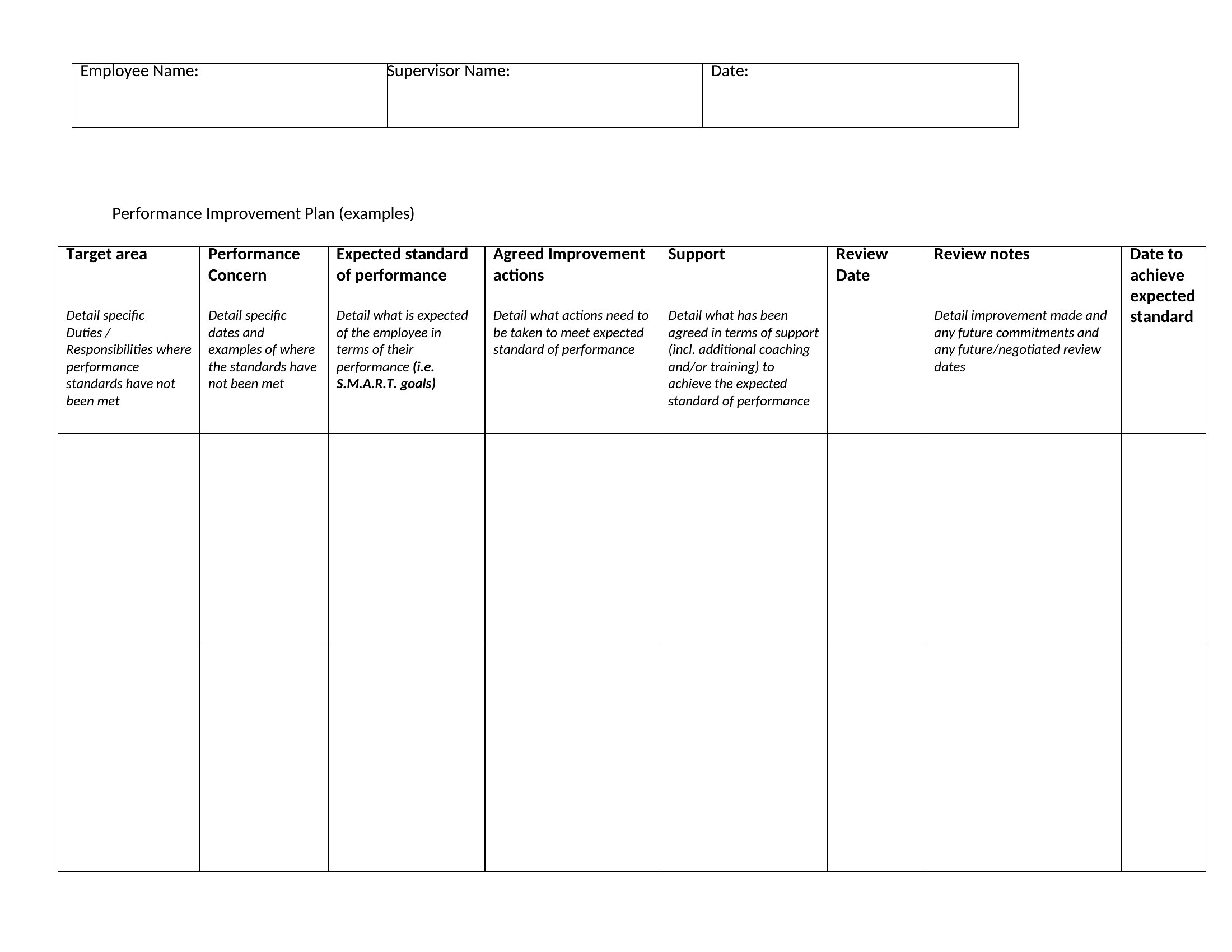
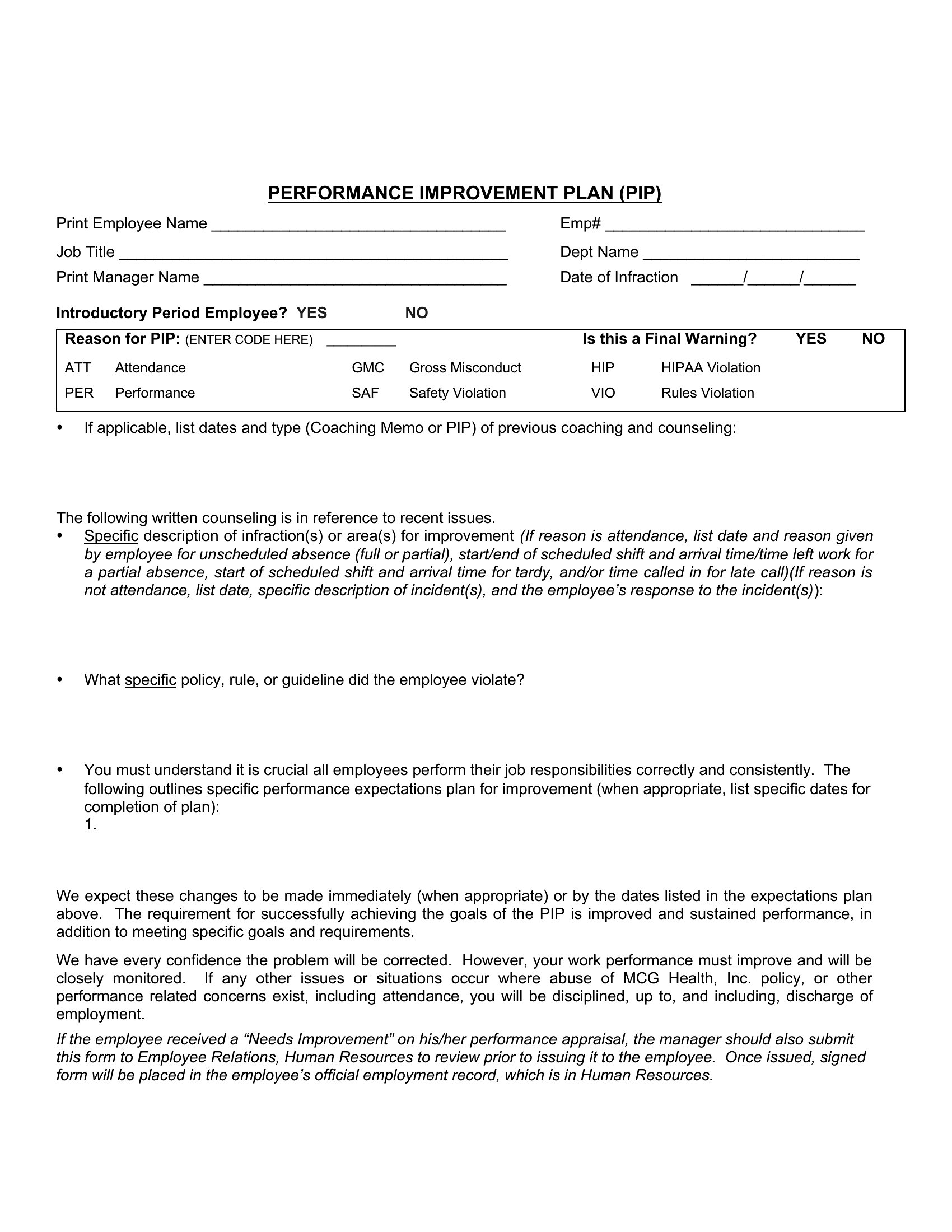
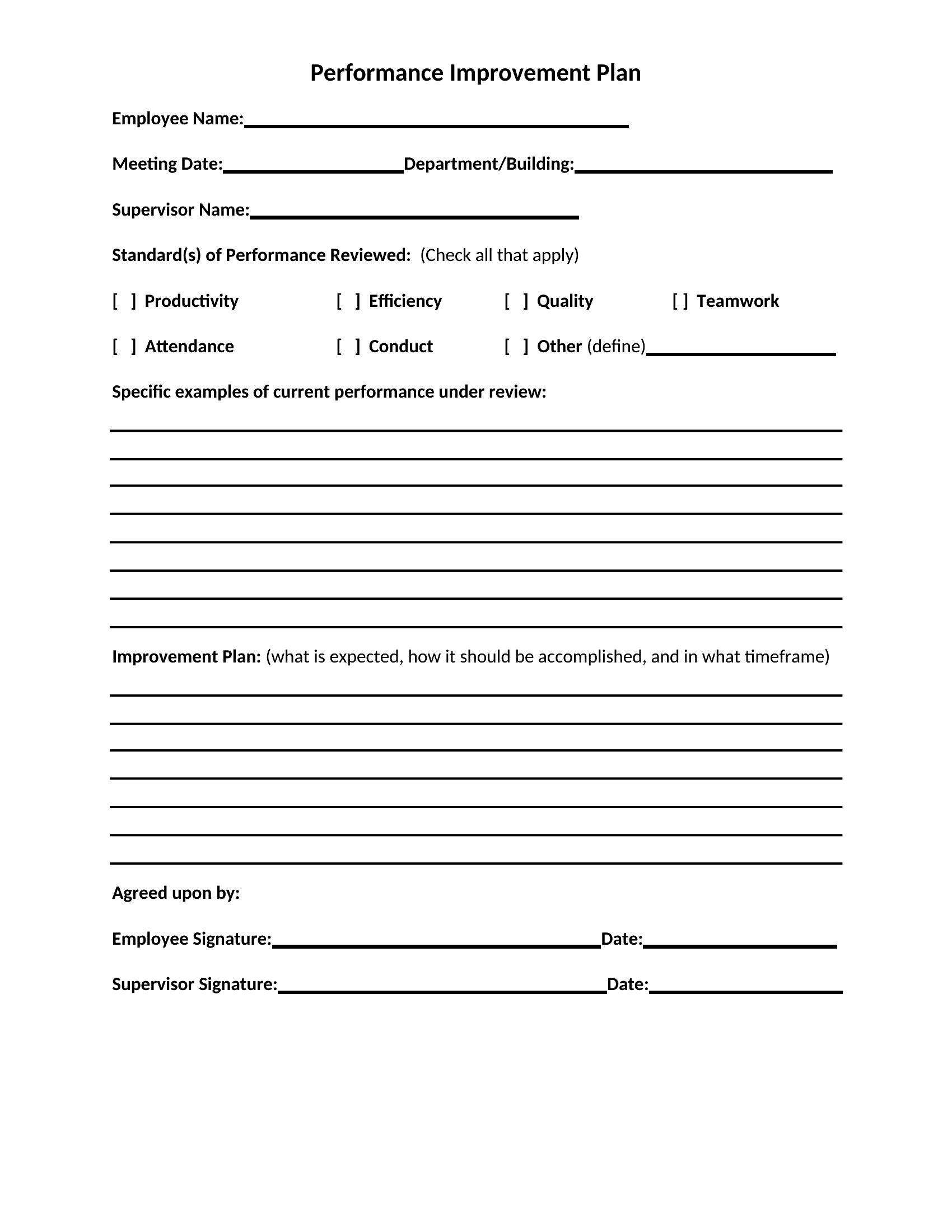
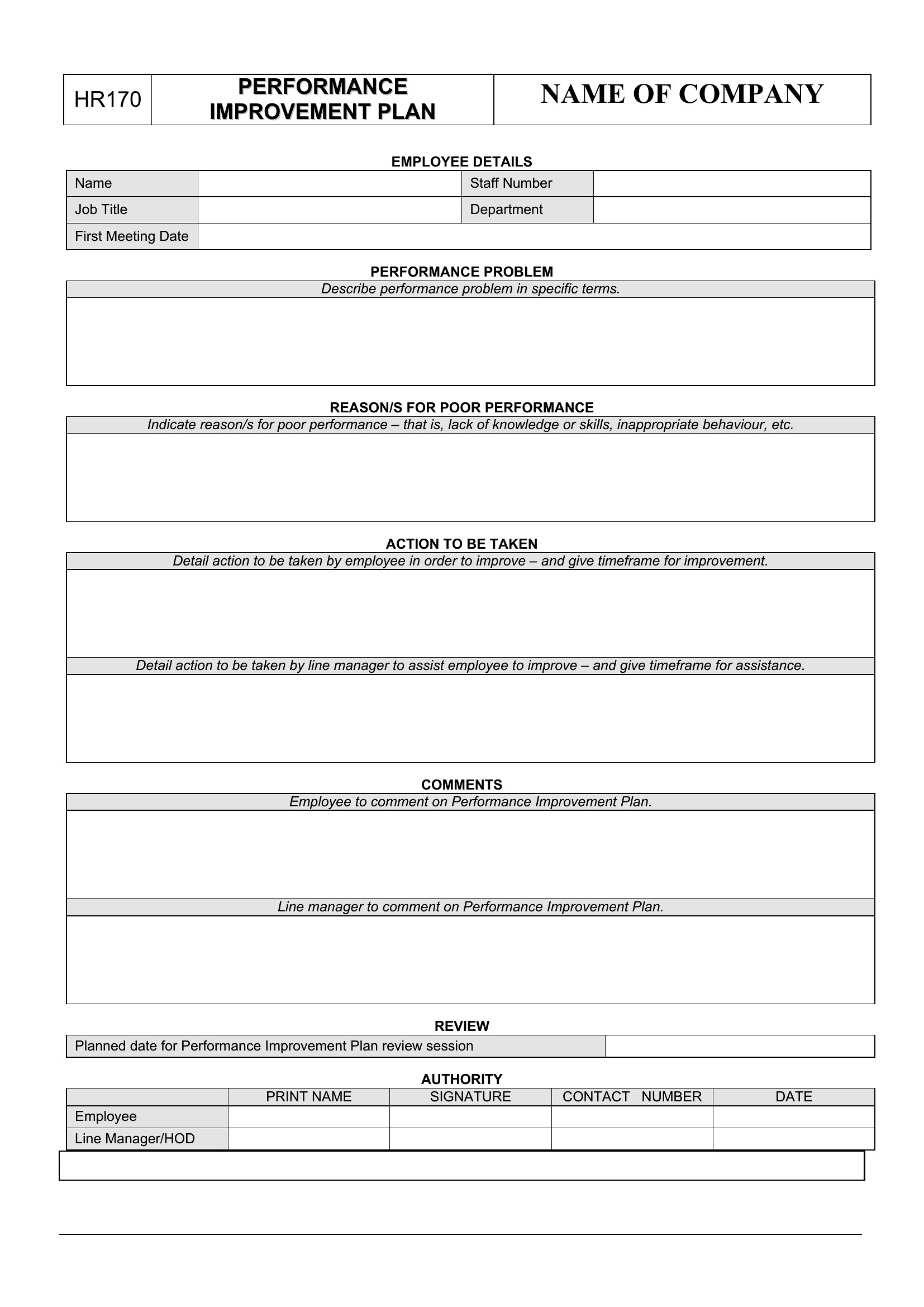
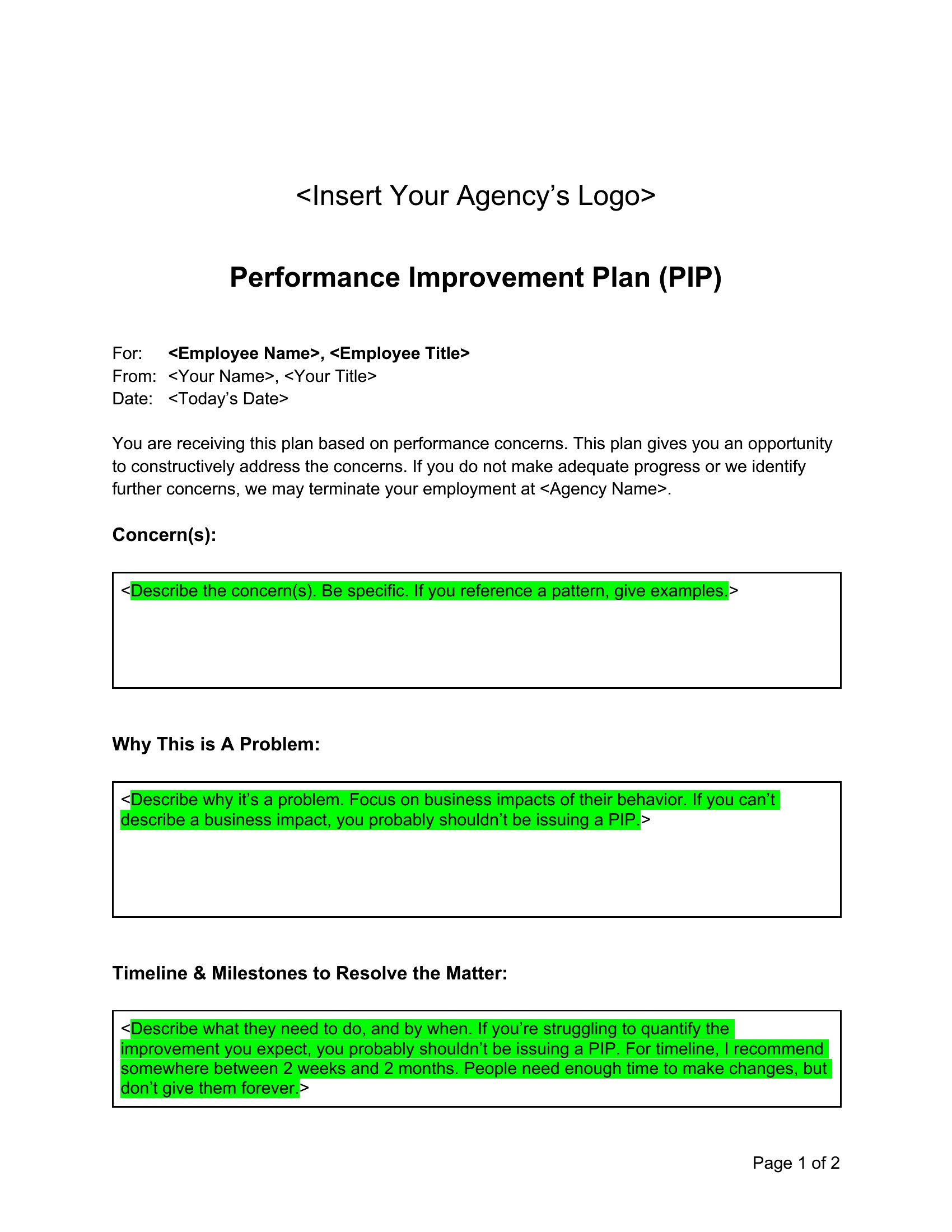
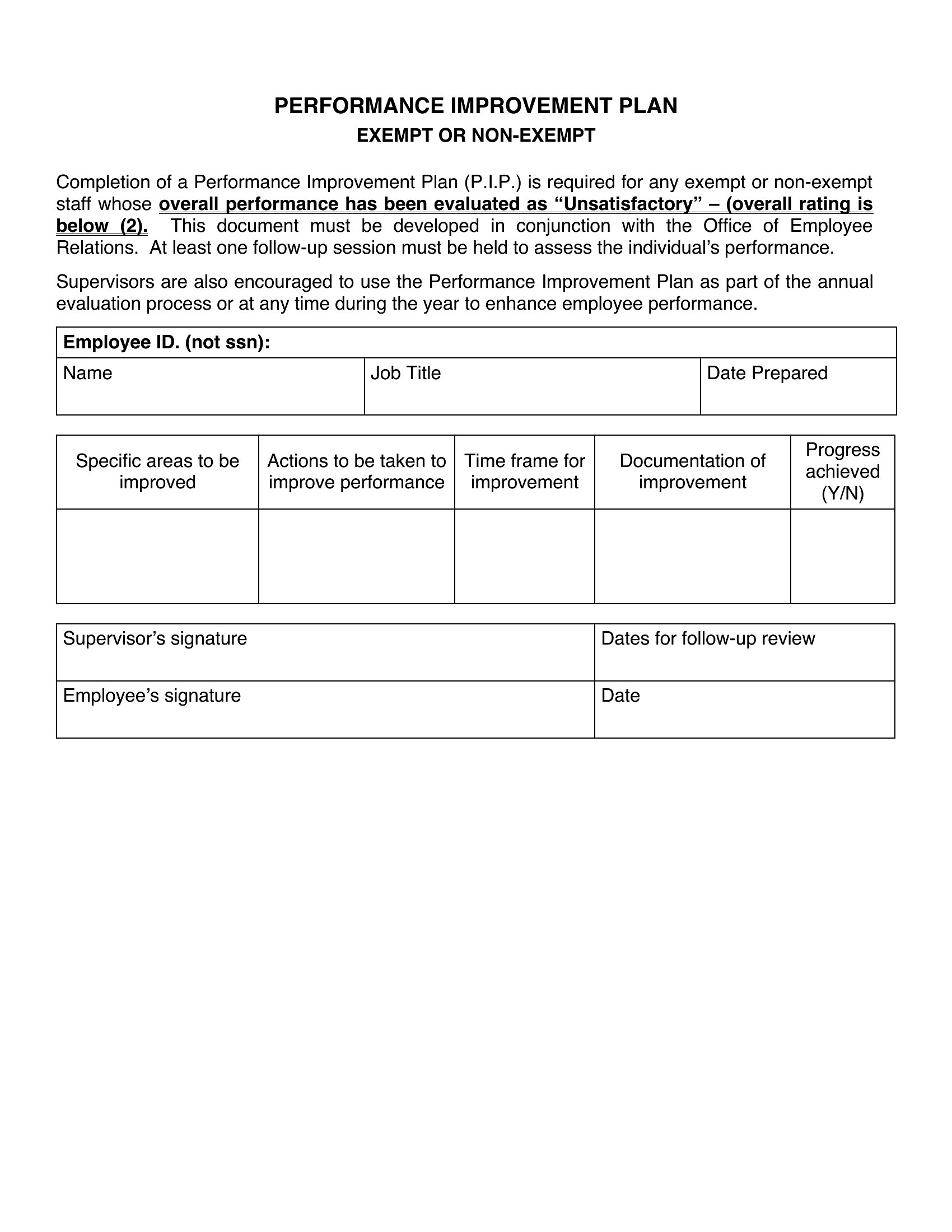
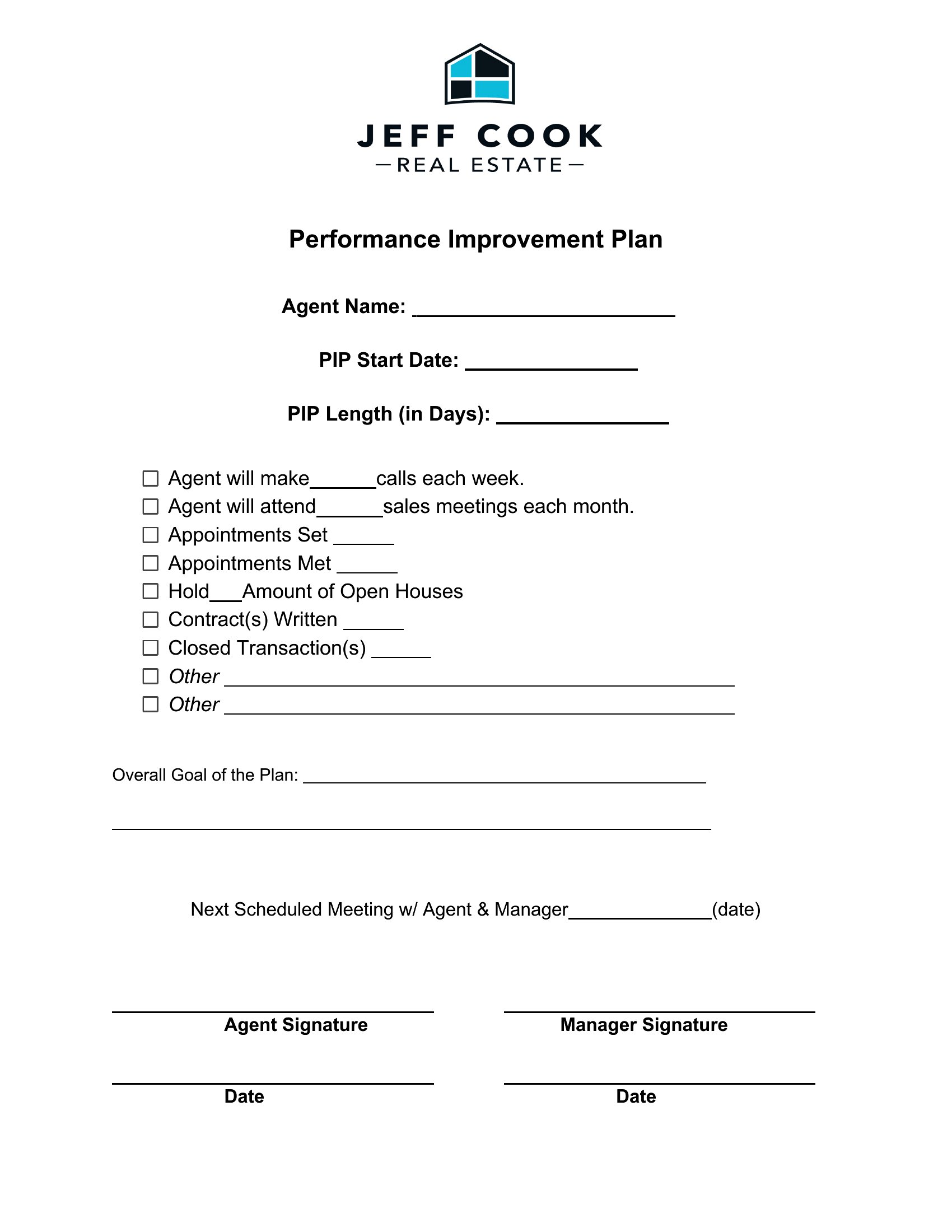
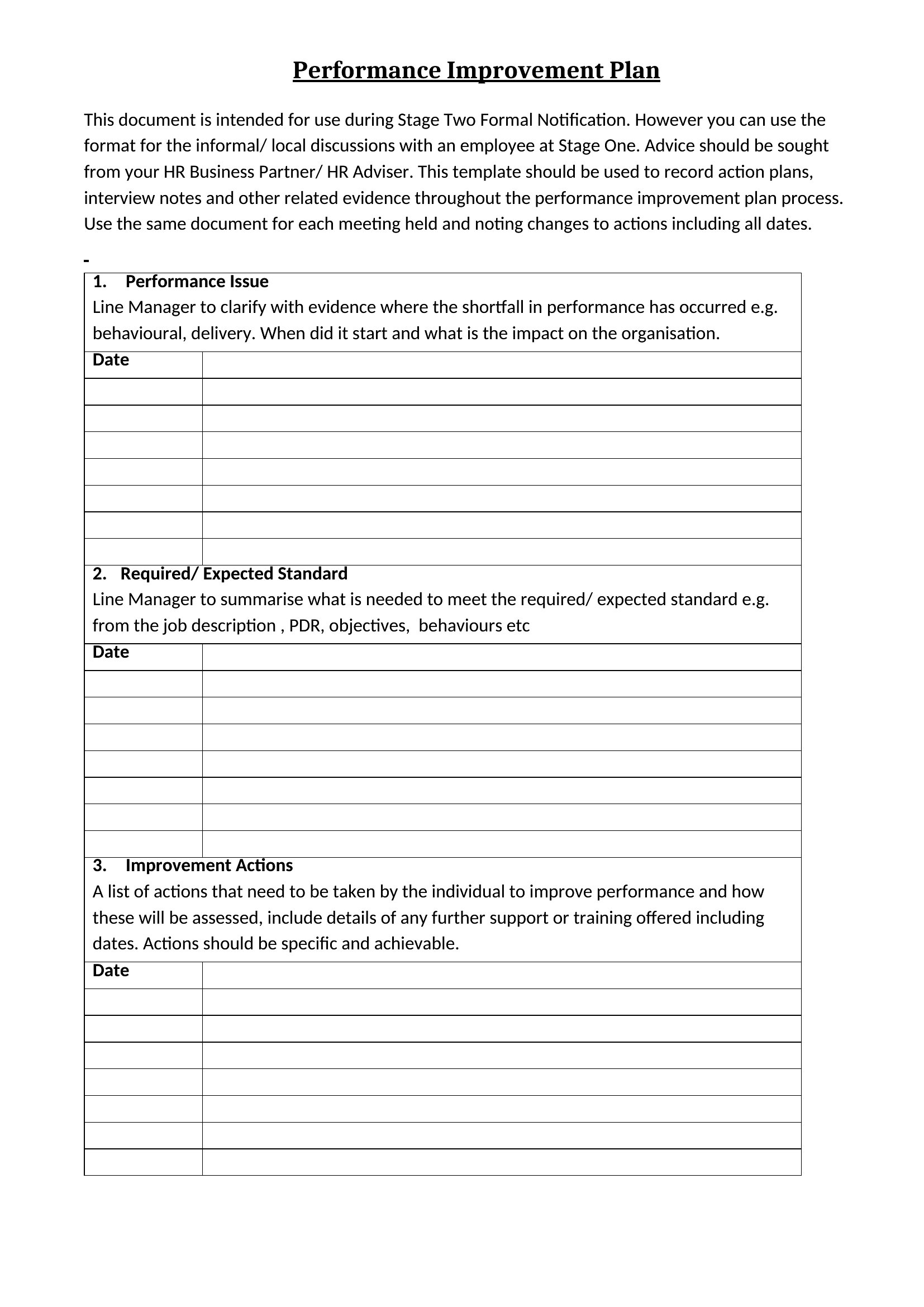
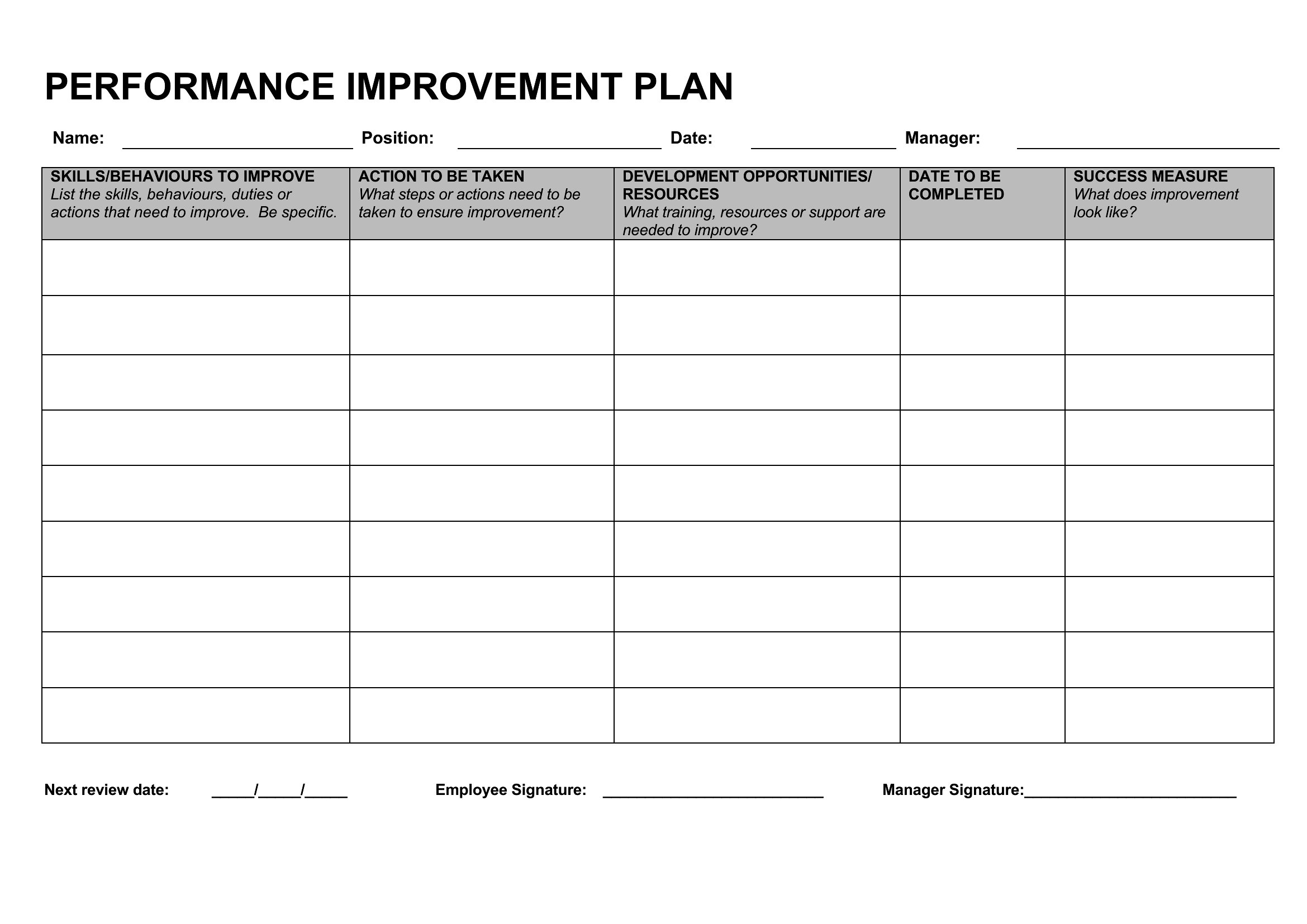
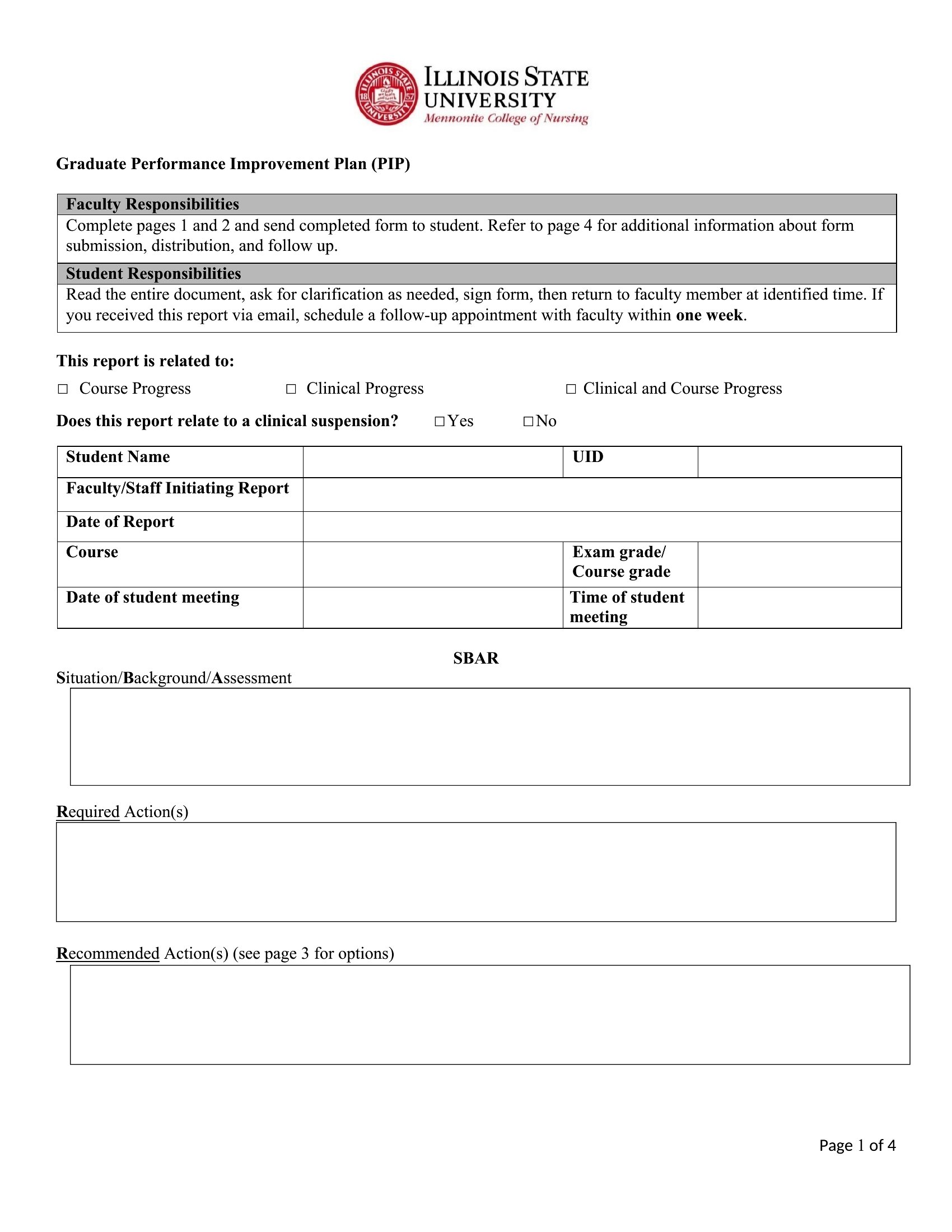
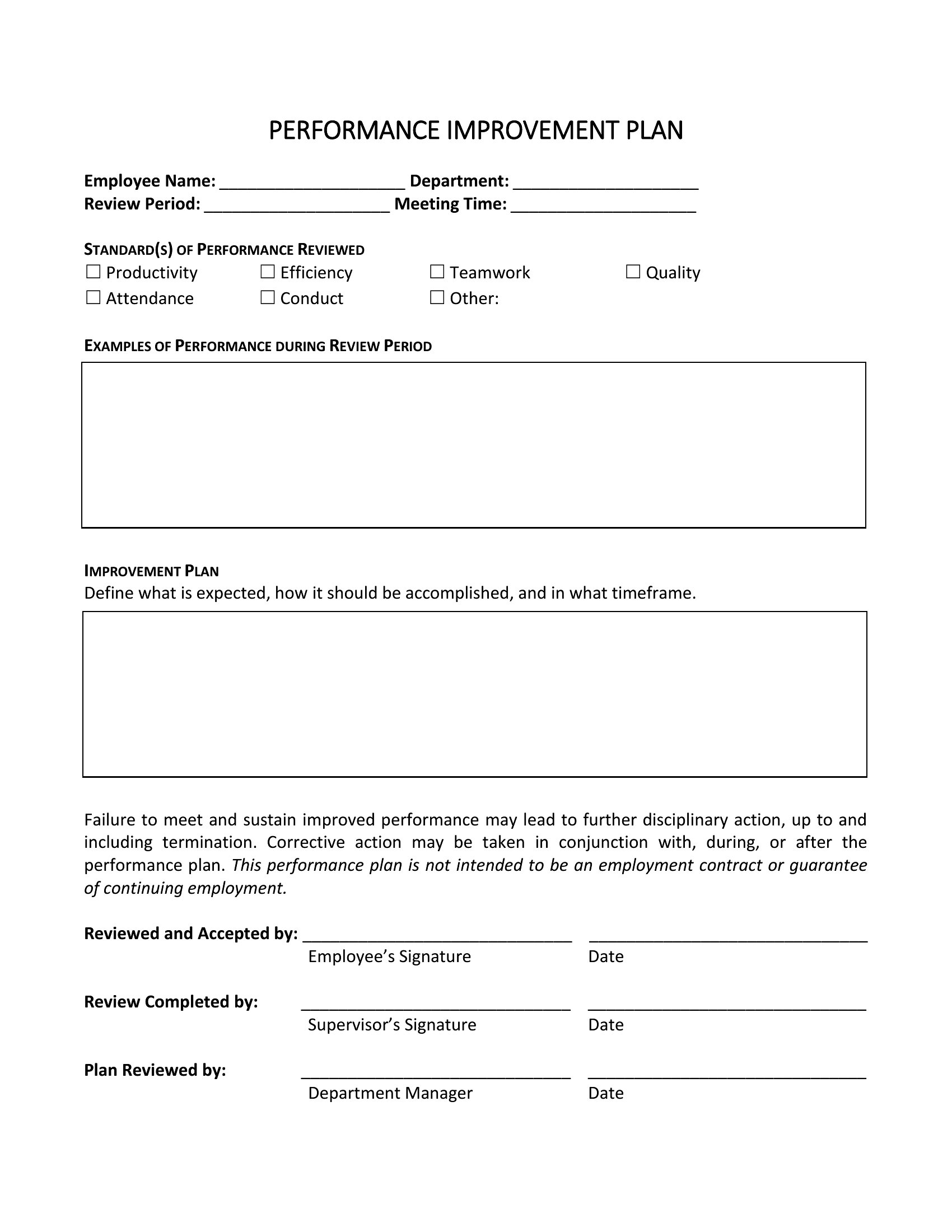
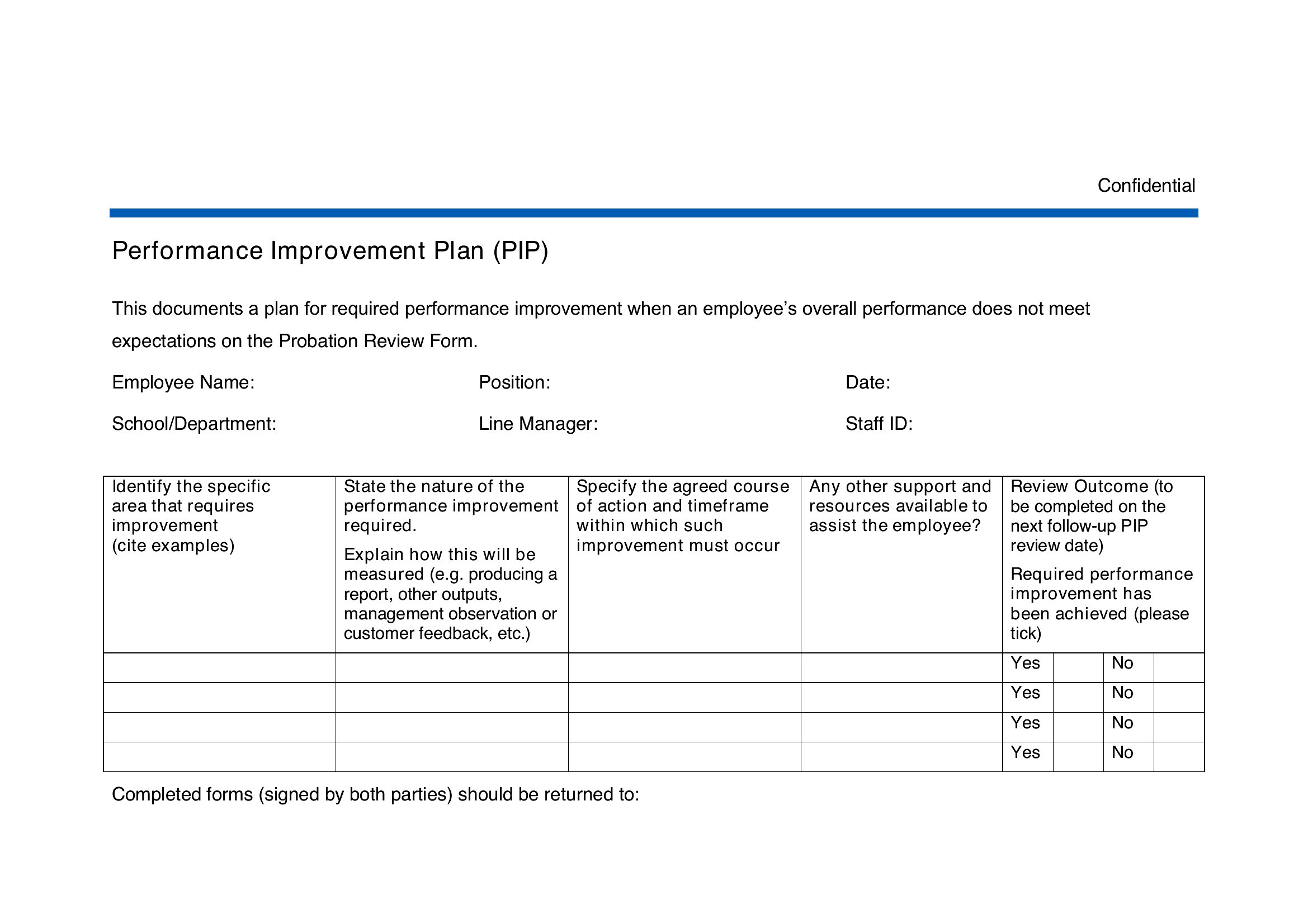
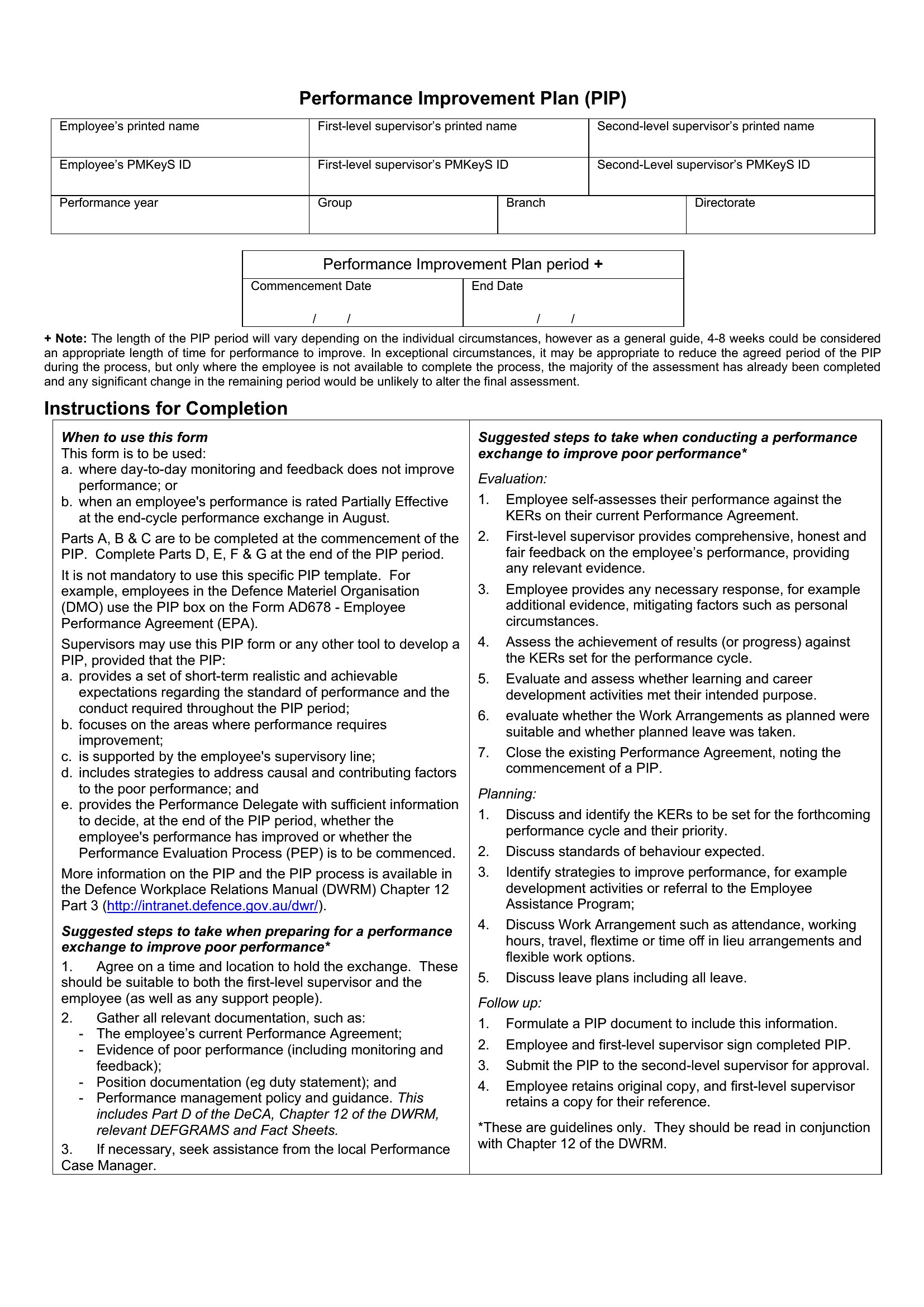
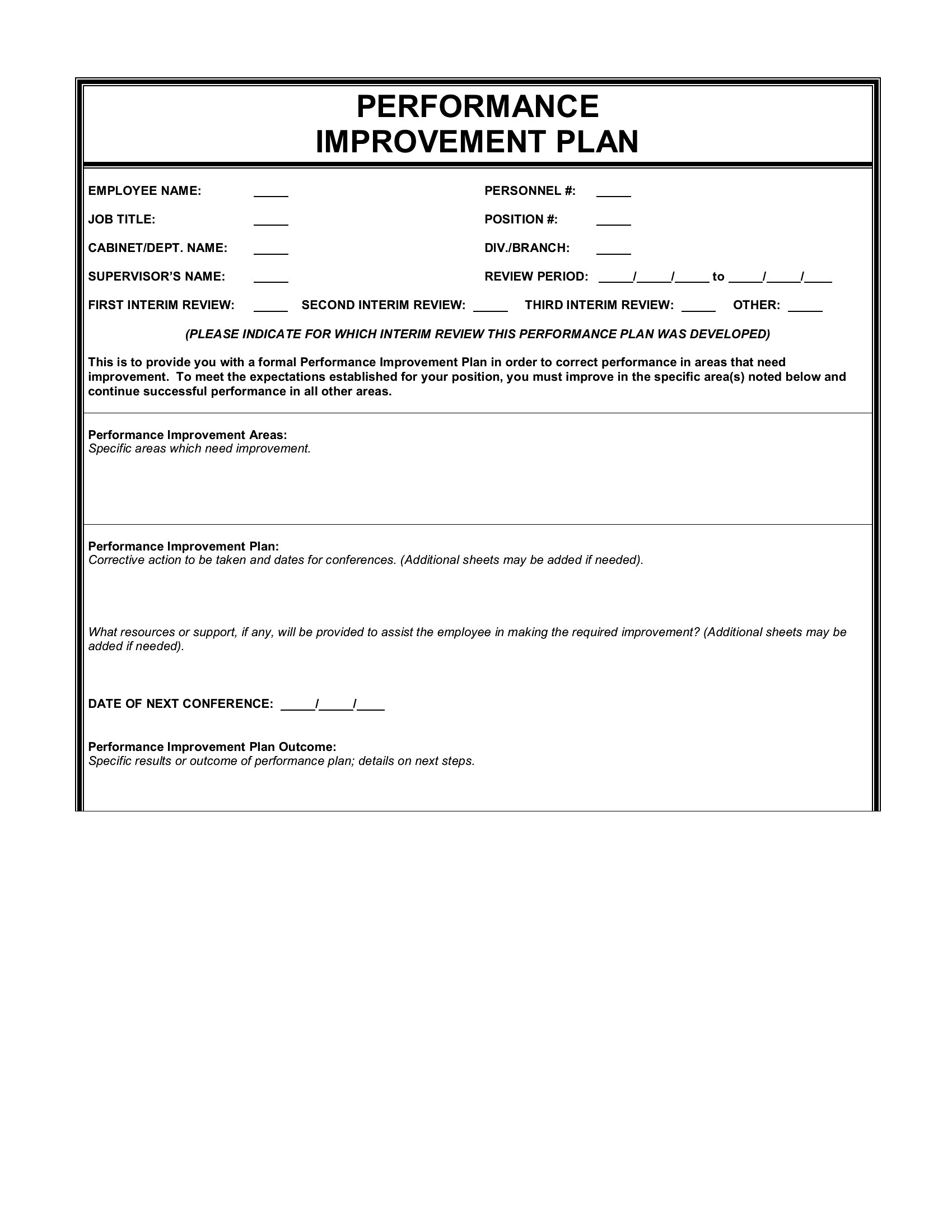
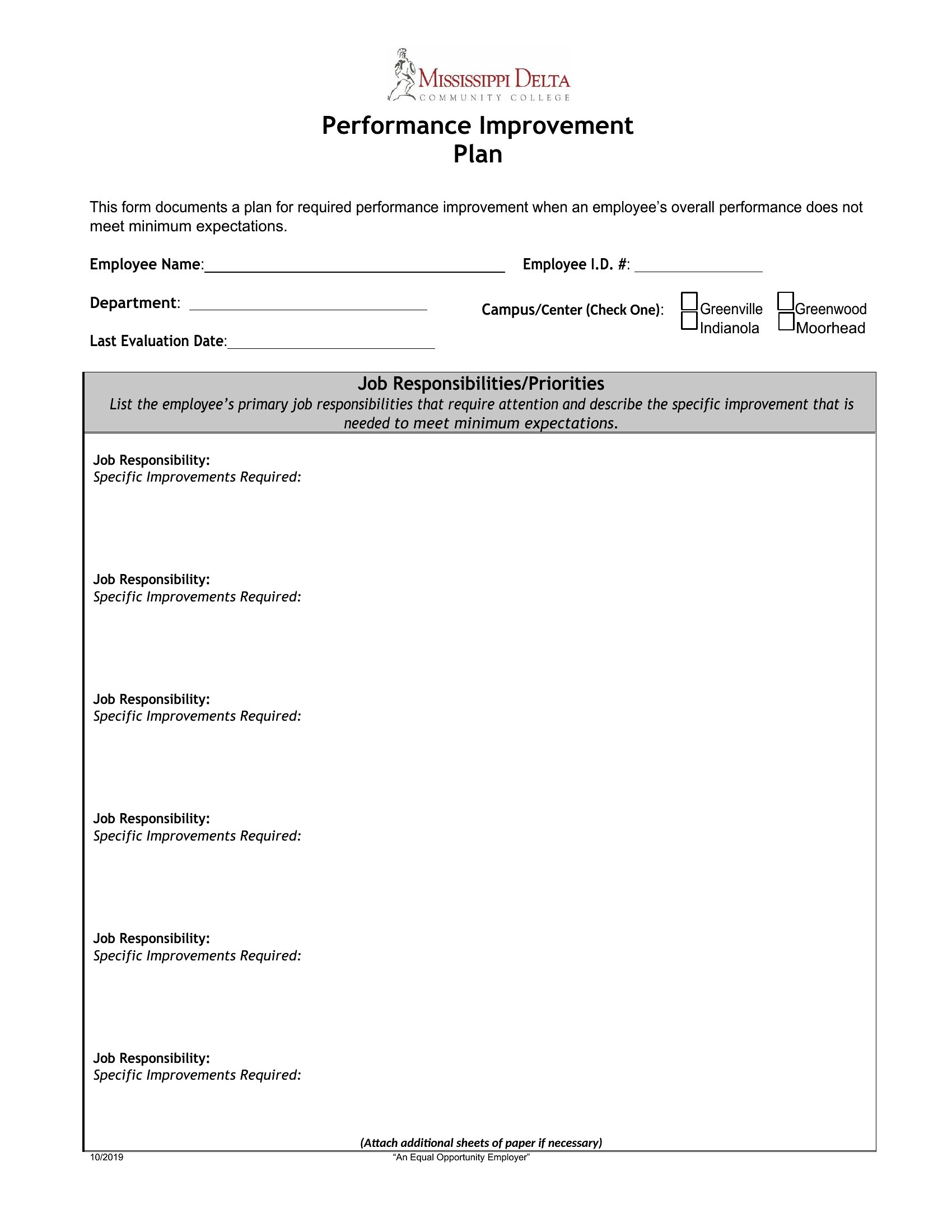
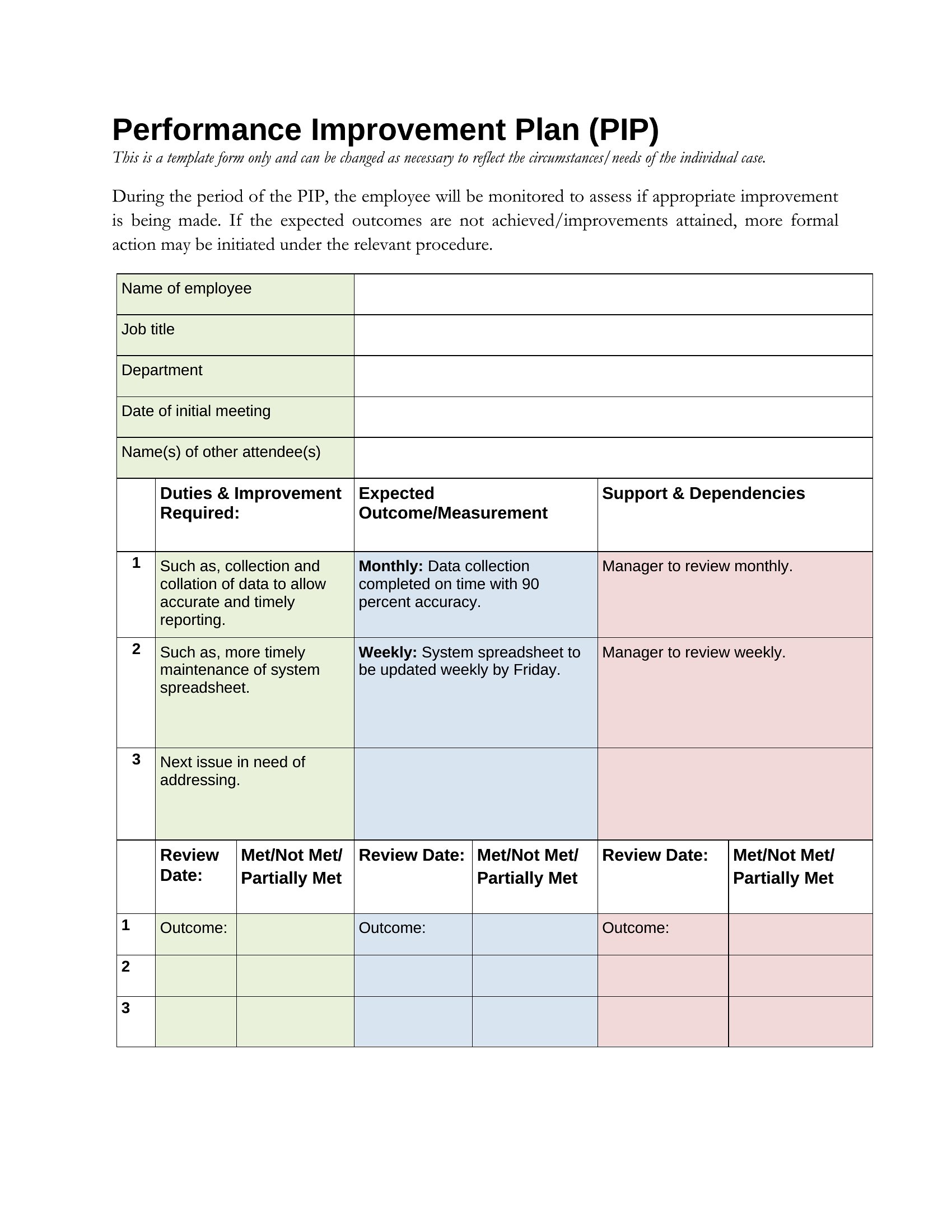
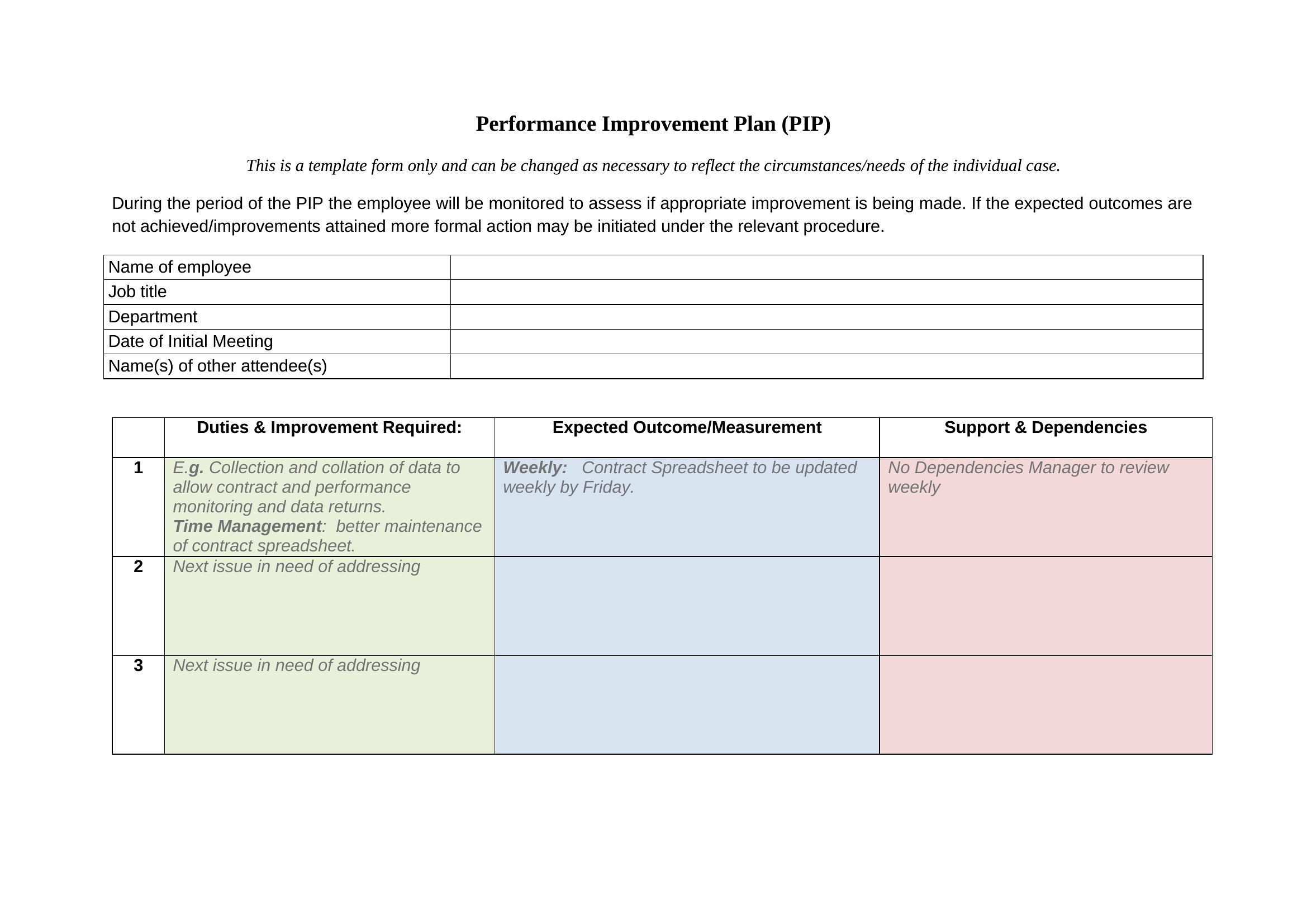
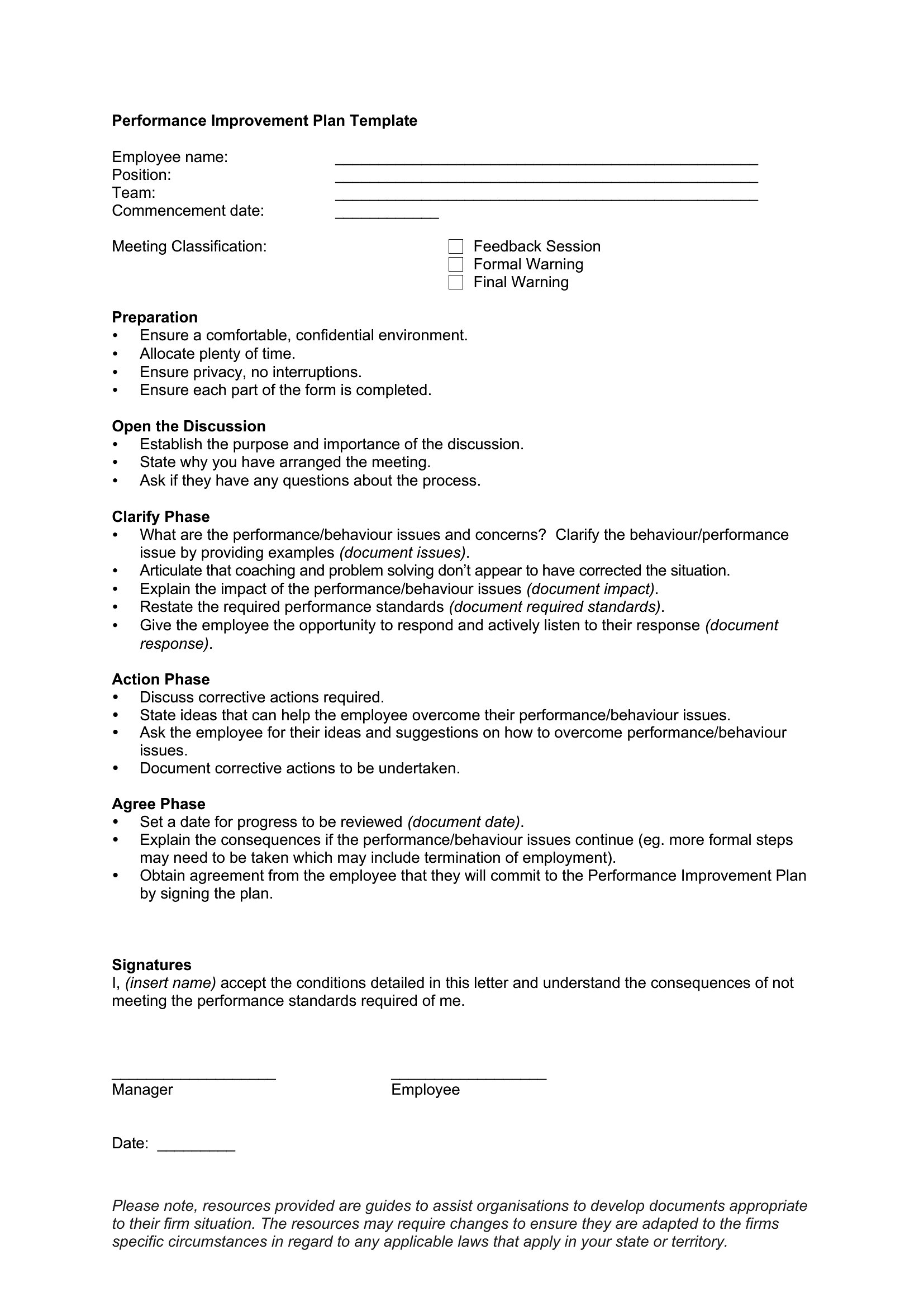
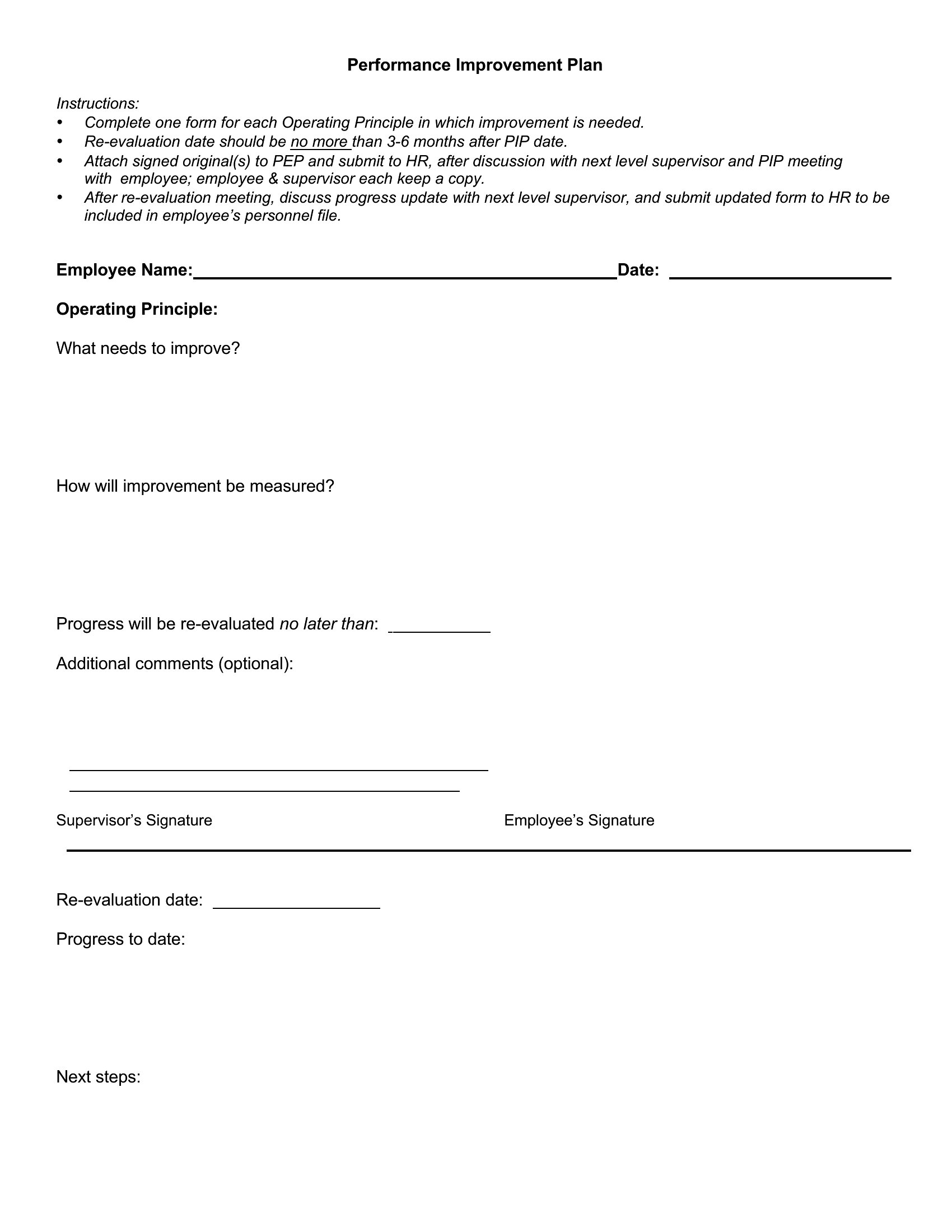
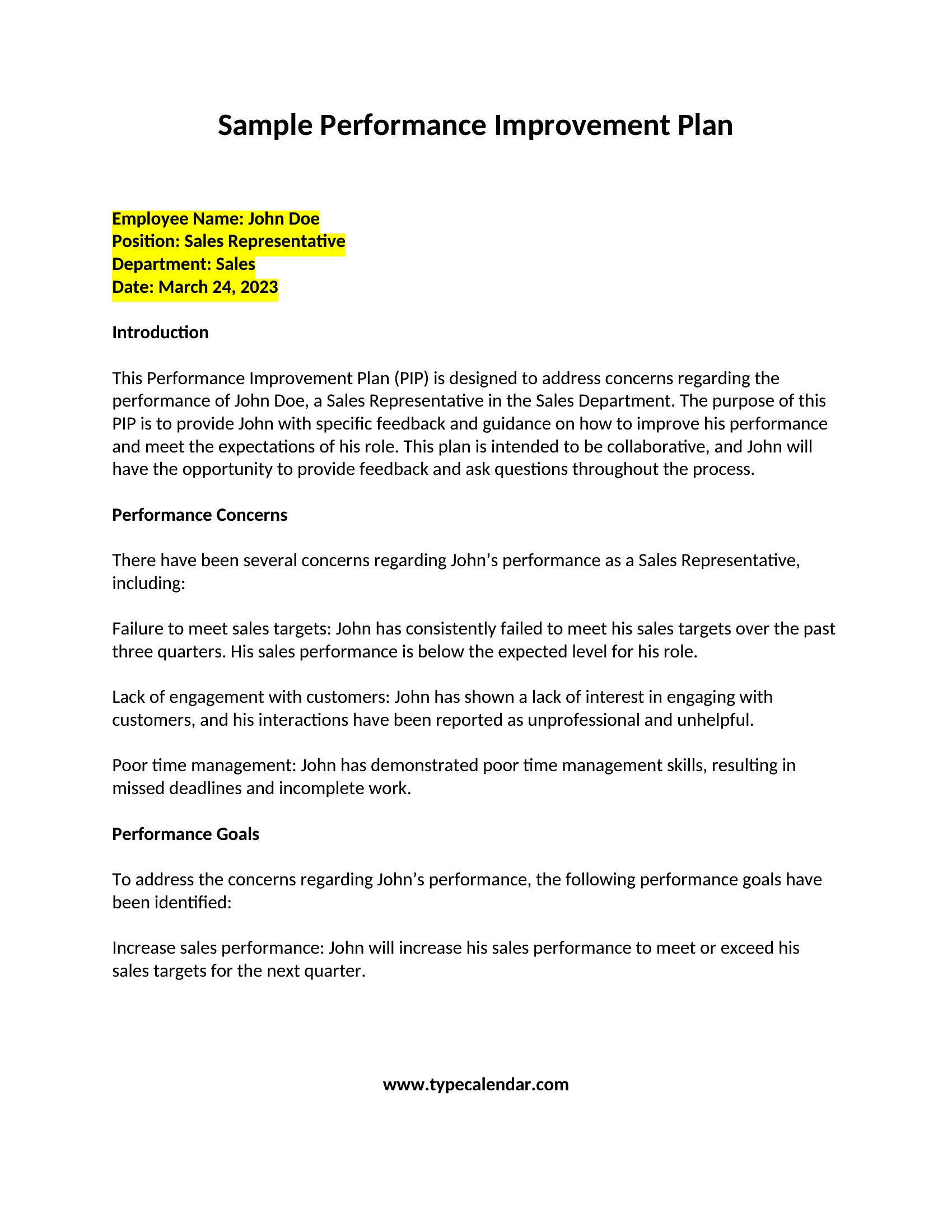
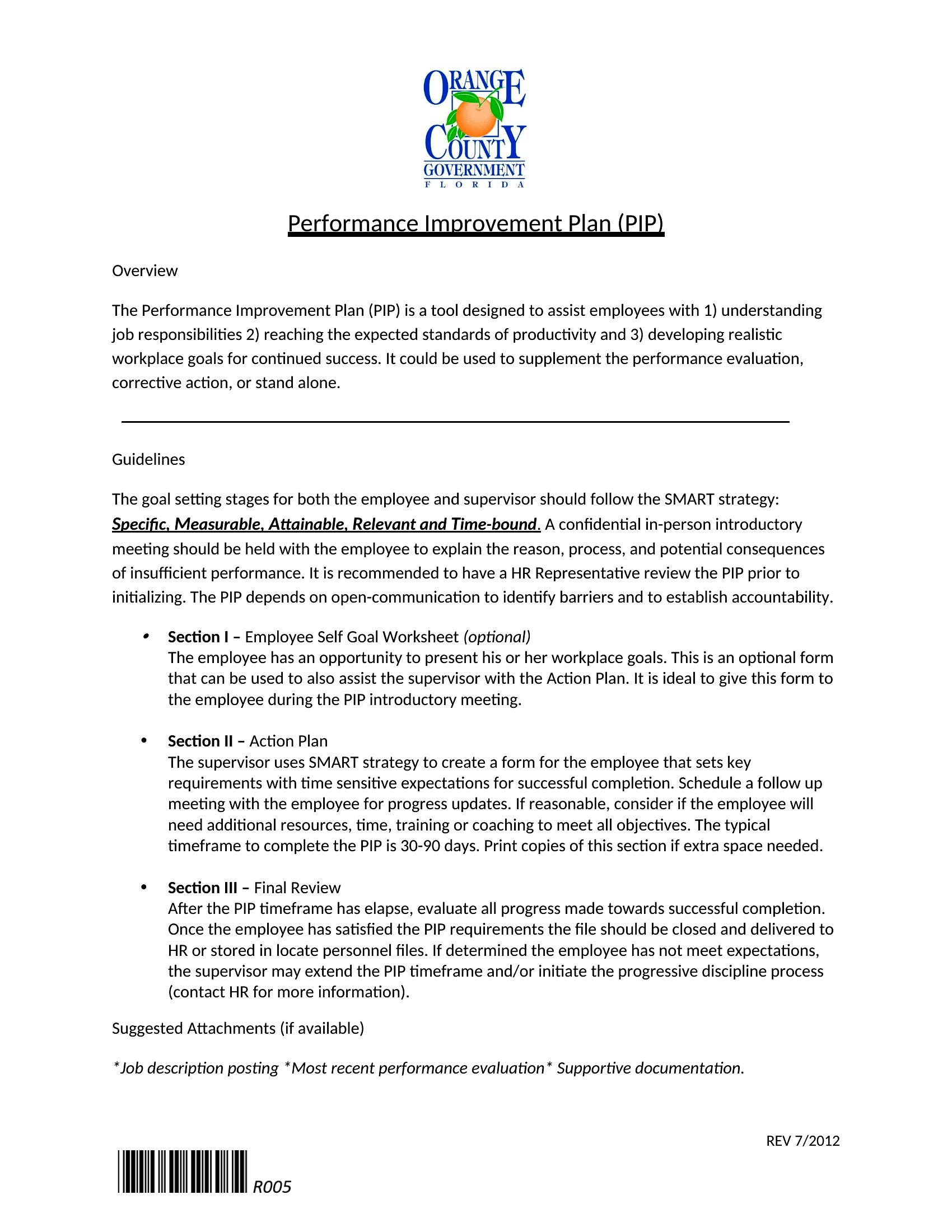
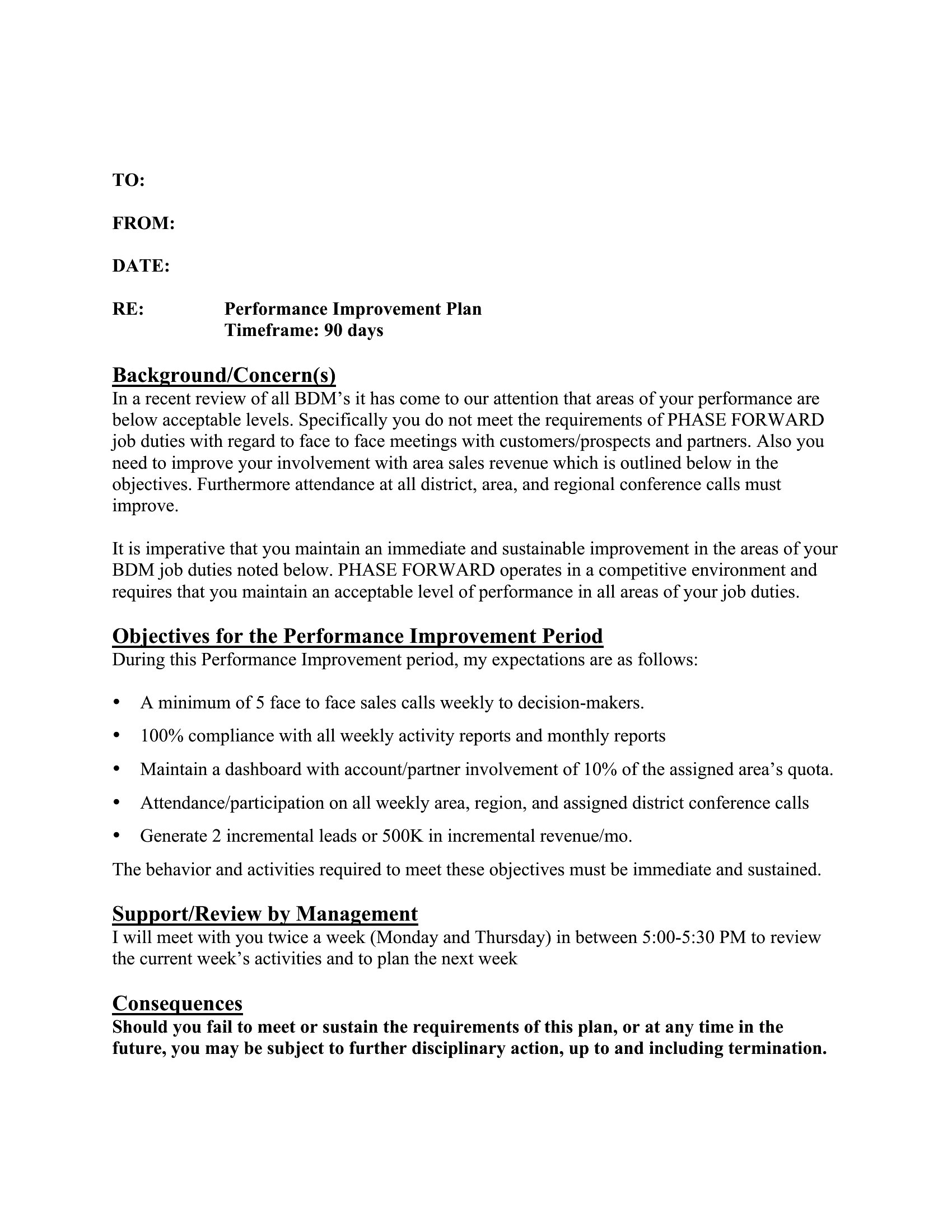
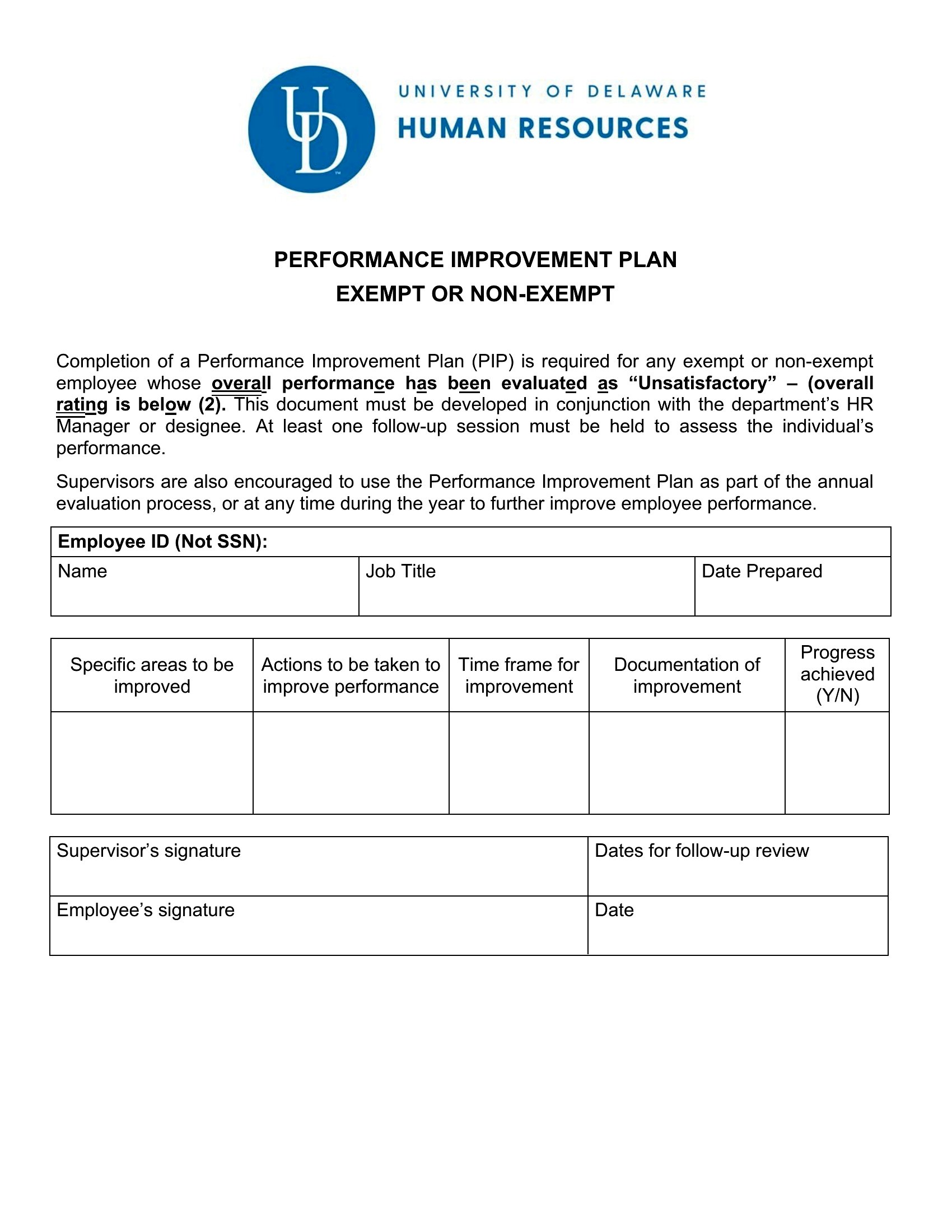
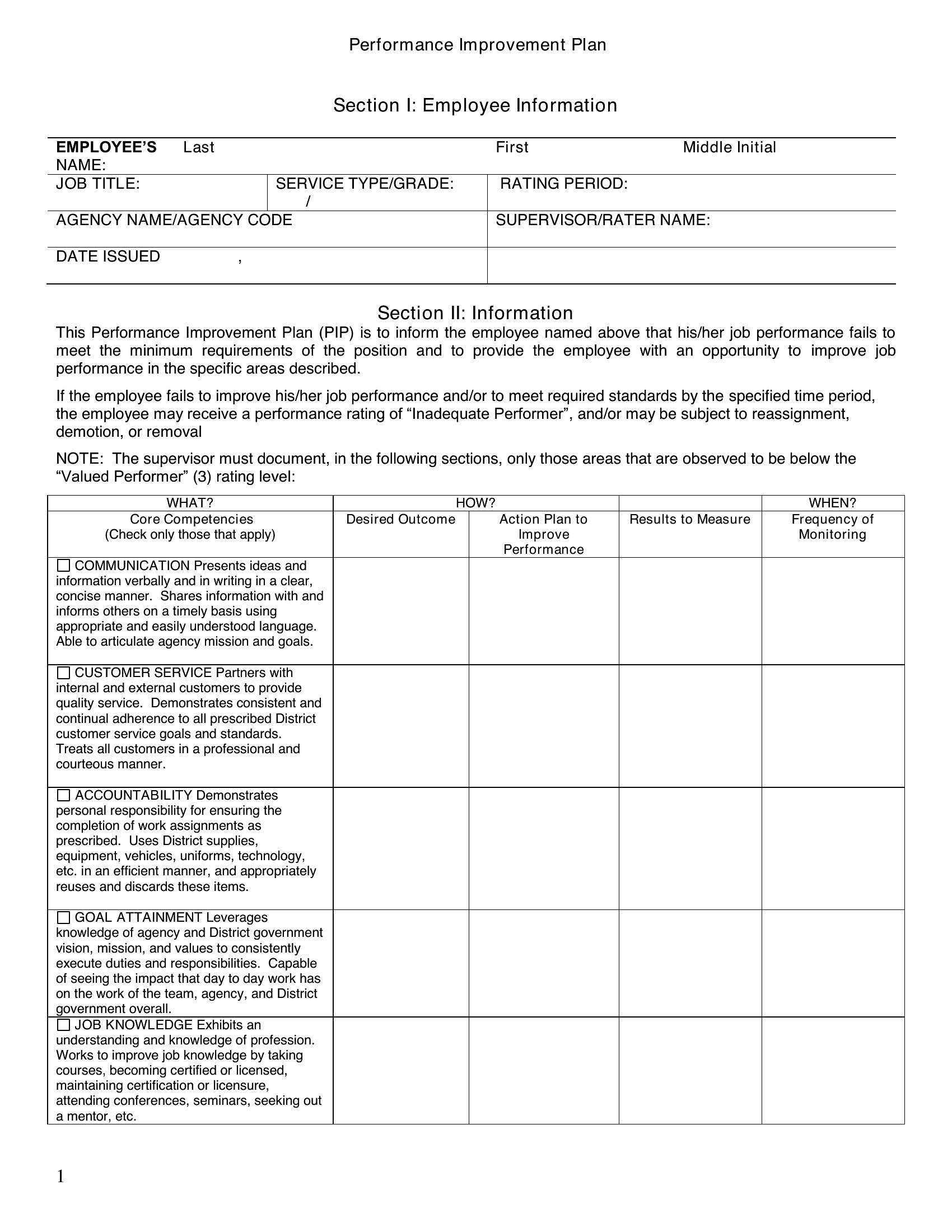
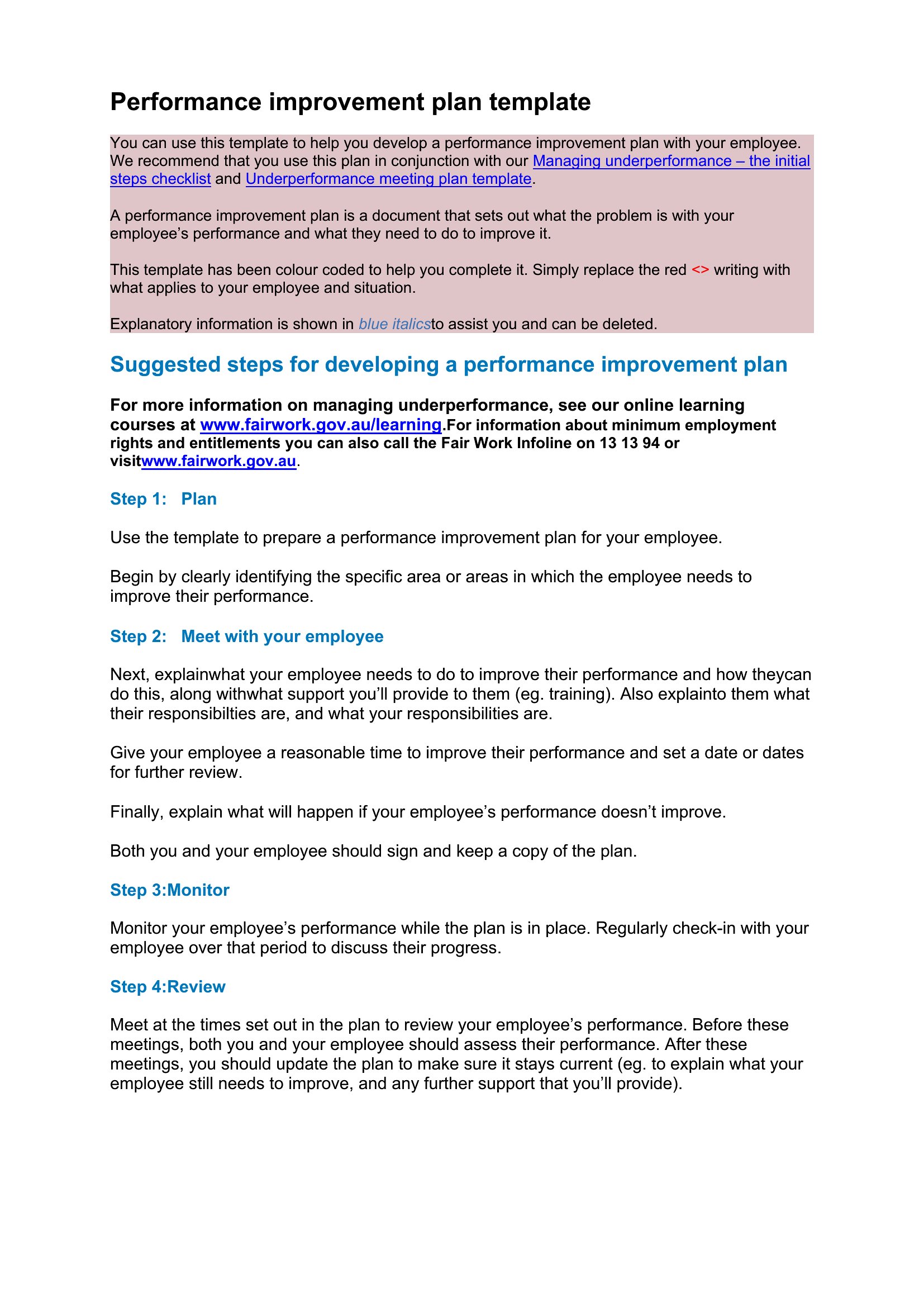
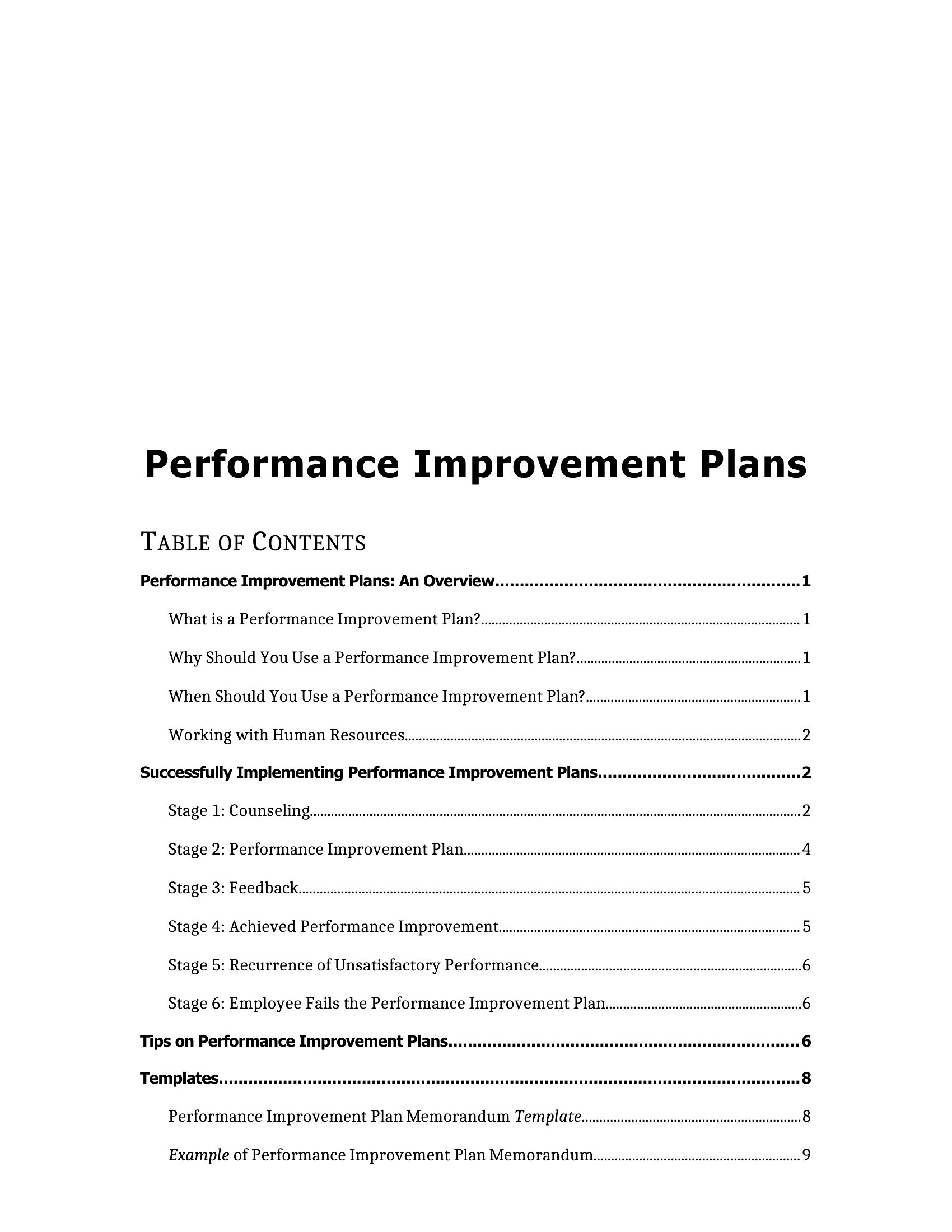
BusinessWhen an employee's work falls short, a performance improvement plan turns a difficult conversation into a clear path forward with goals and timelines. These 65 templates help managers and HR teams set expectations, document the support offered, and track progress over a defined review period.
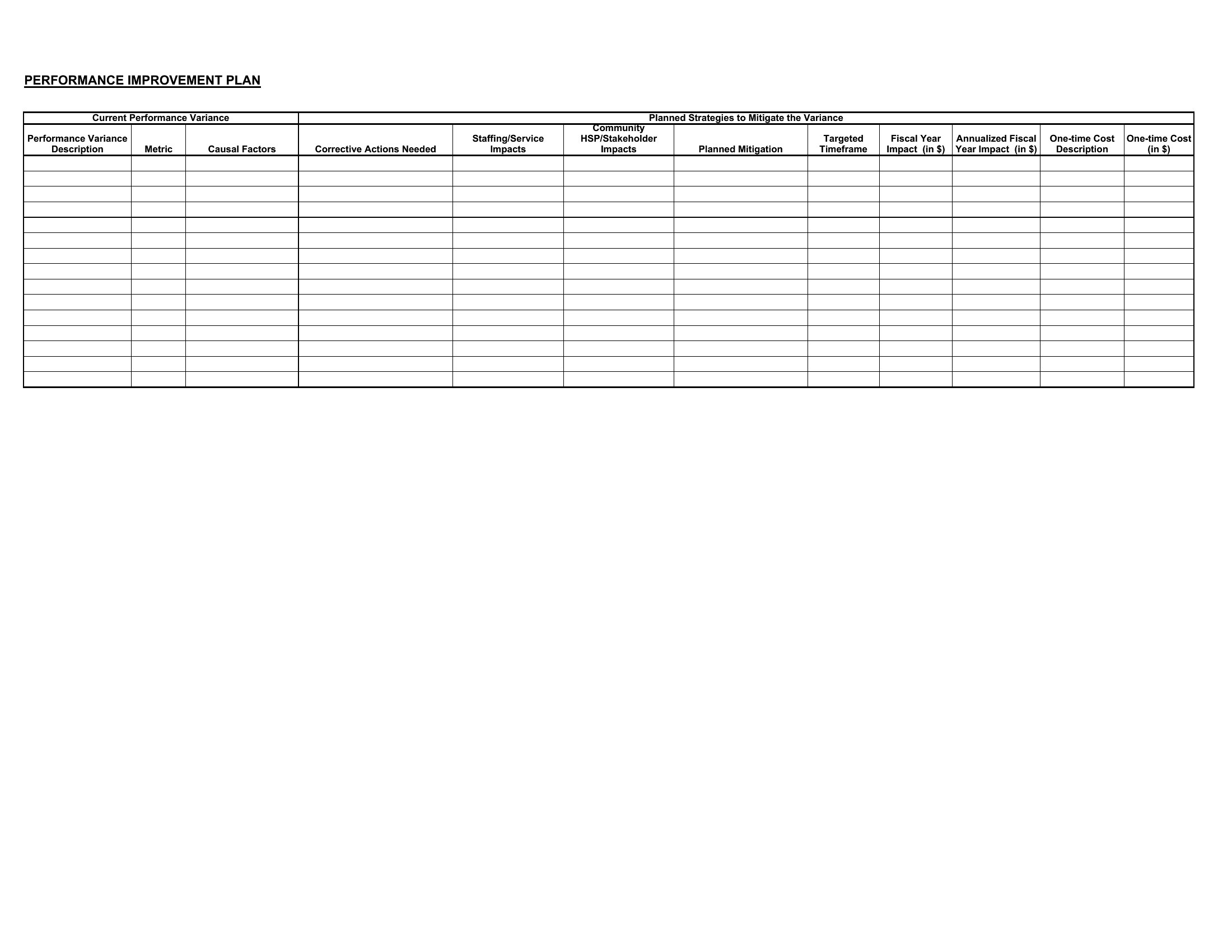
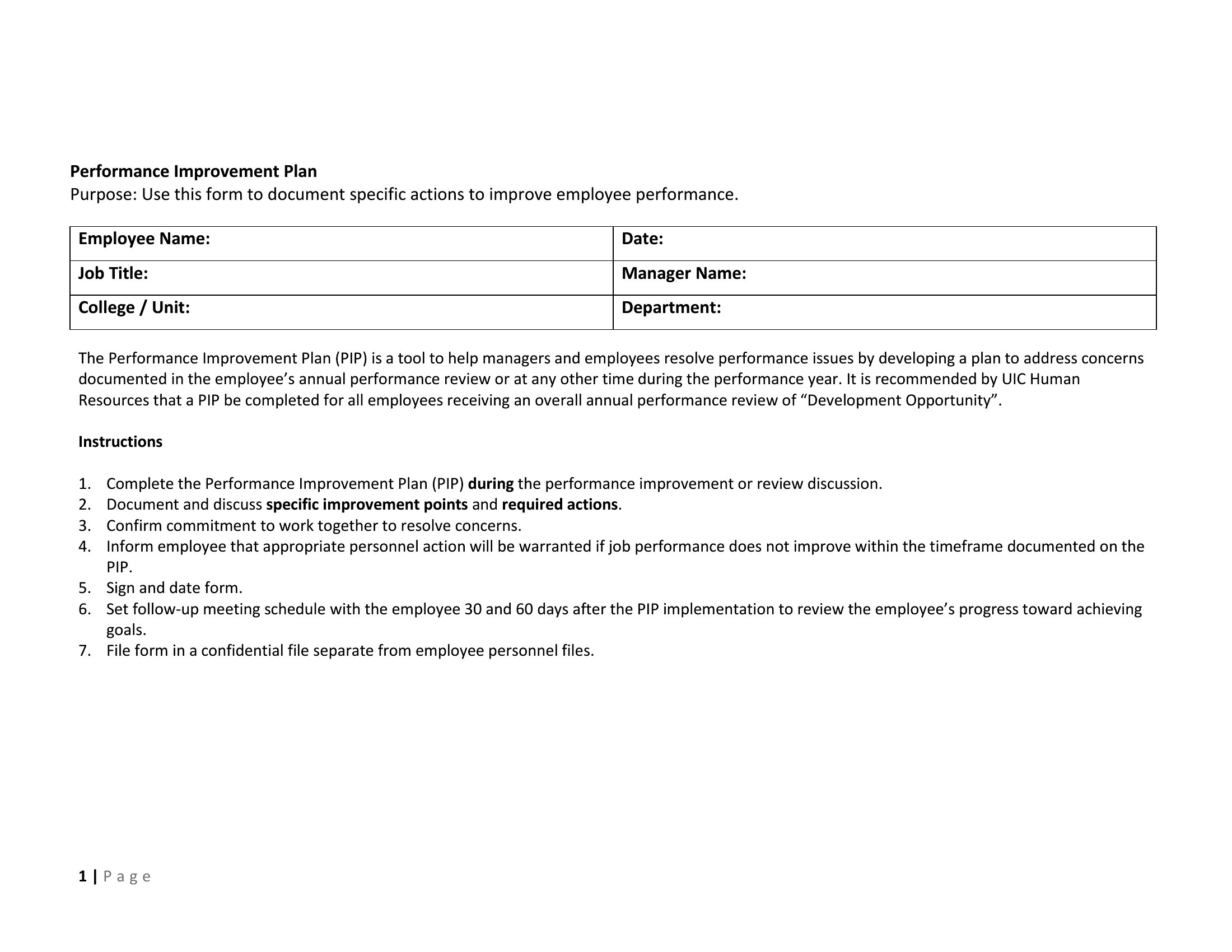
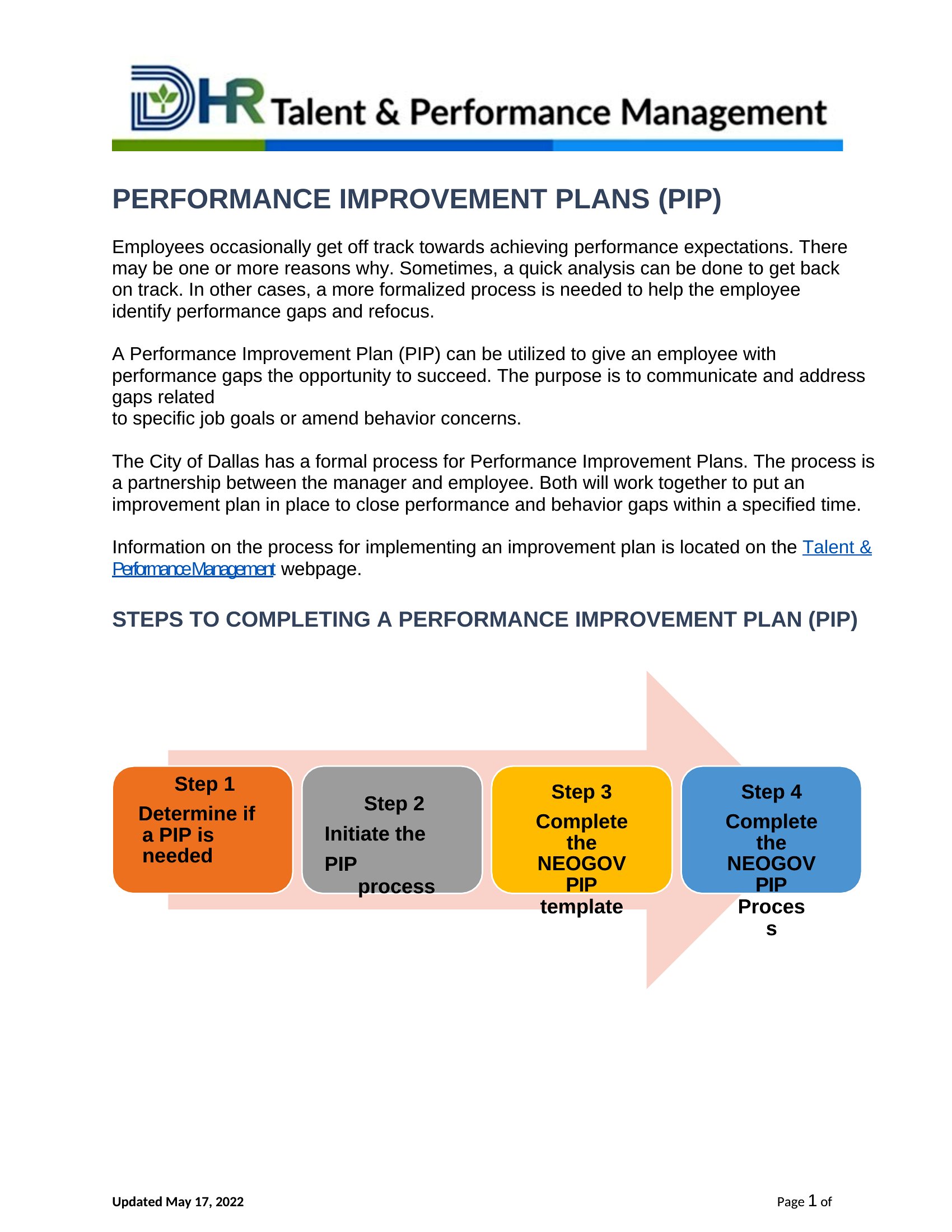
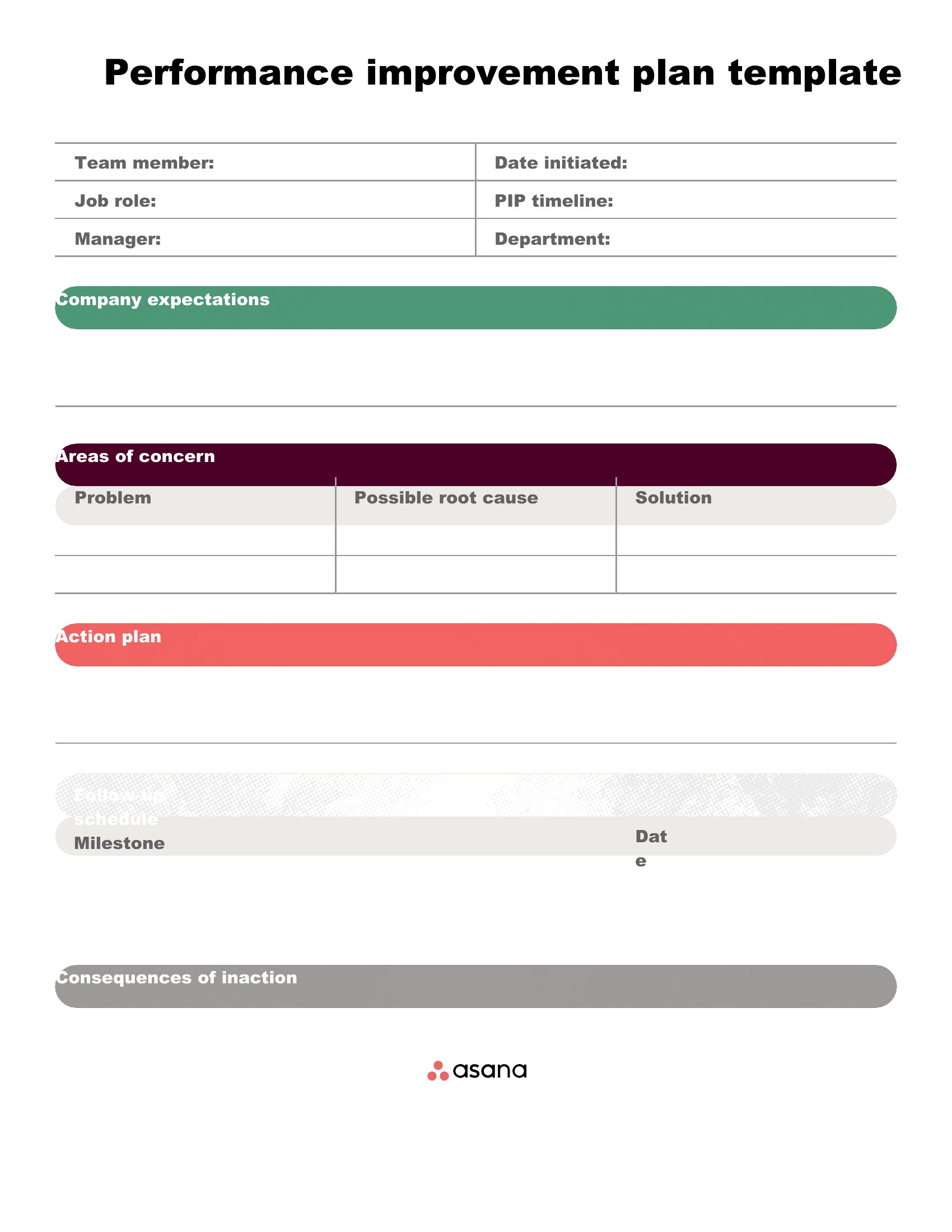
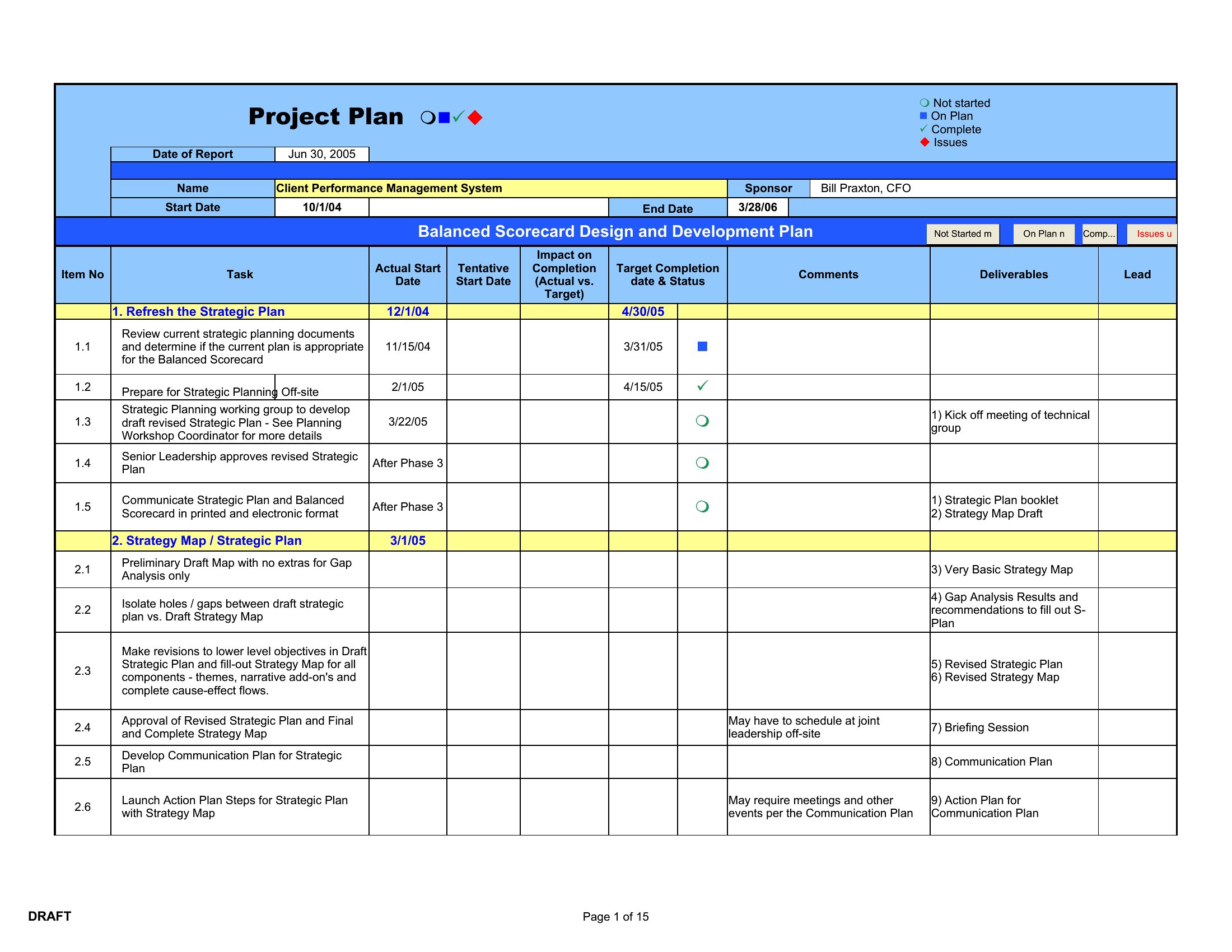
You'll find Word and PDF versions for writing and sharing the plan, plus Excel sheets for tracking milestones and check-ins. Spell out measurable goals and keep records, since these documents can carry weight in HR matters, so follow your company's policies. Pick the format that fits your situation, customize the goals, and give the process a fair, documented structure.
When to use this Performance Improvement Plan template
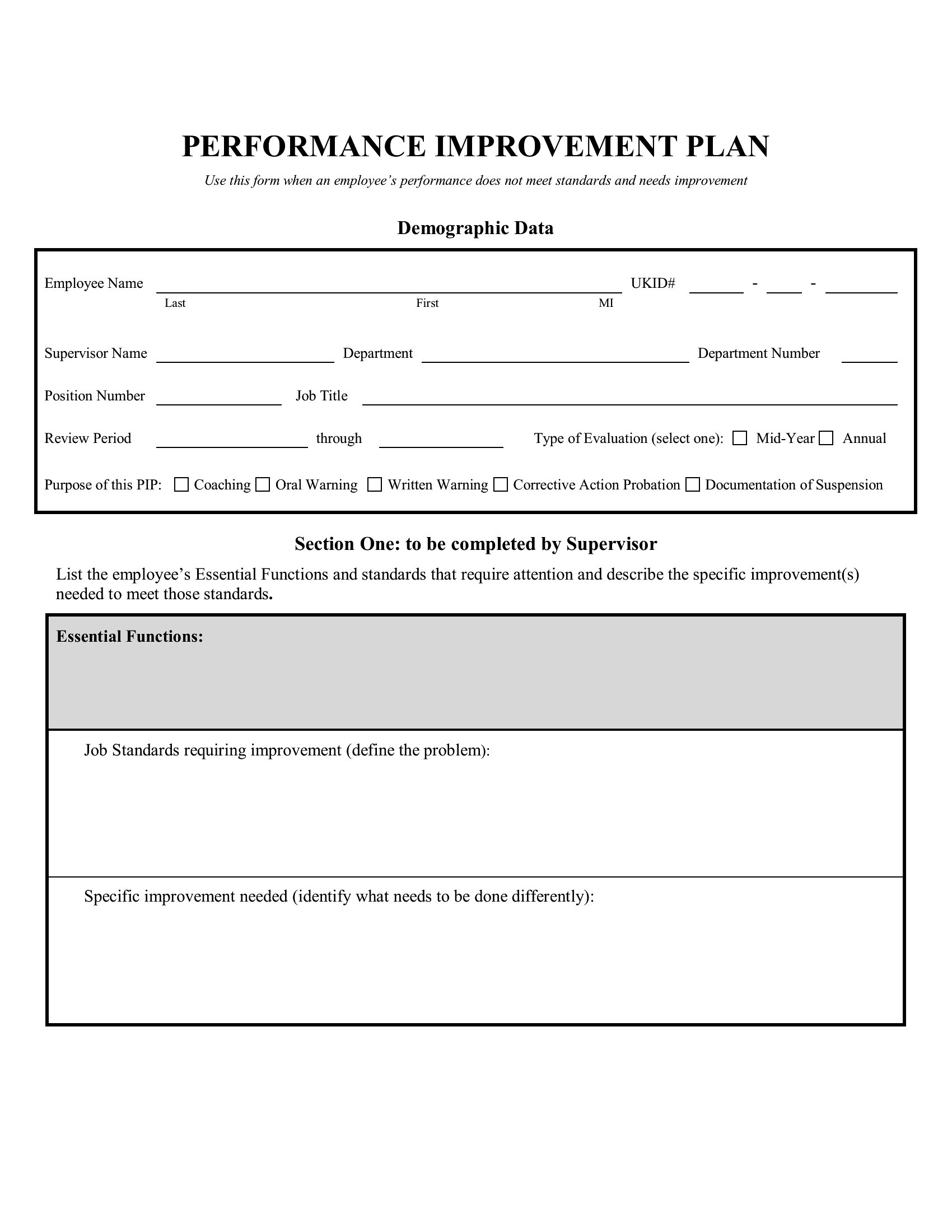
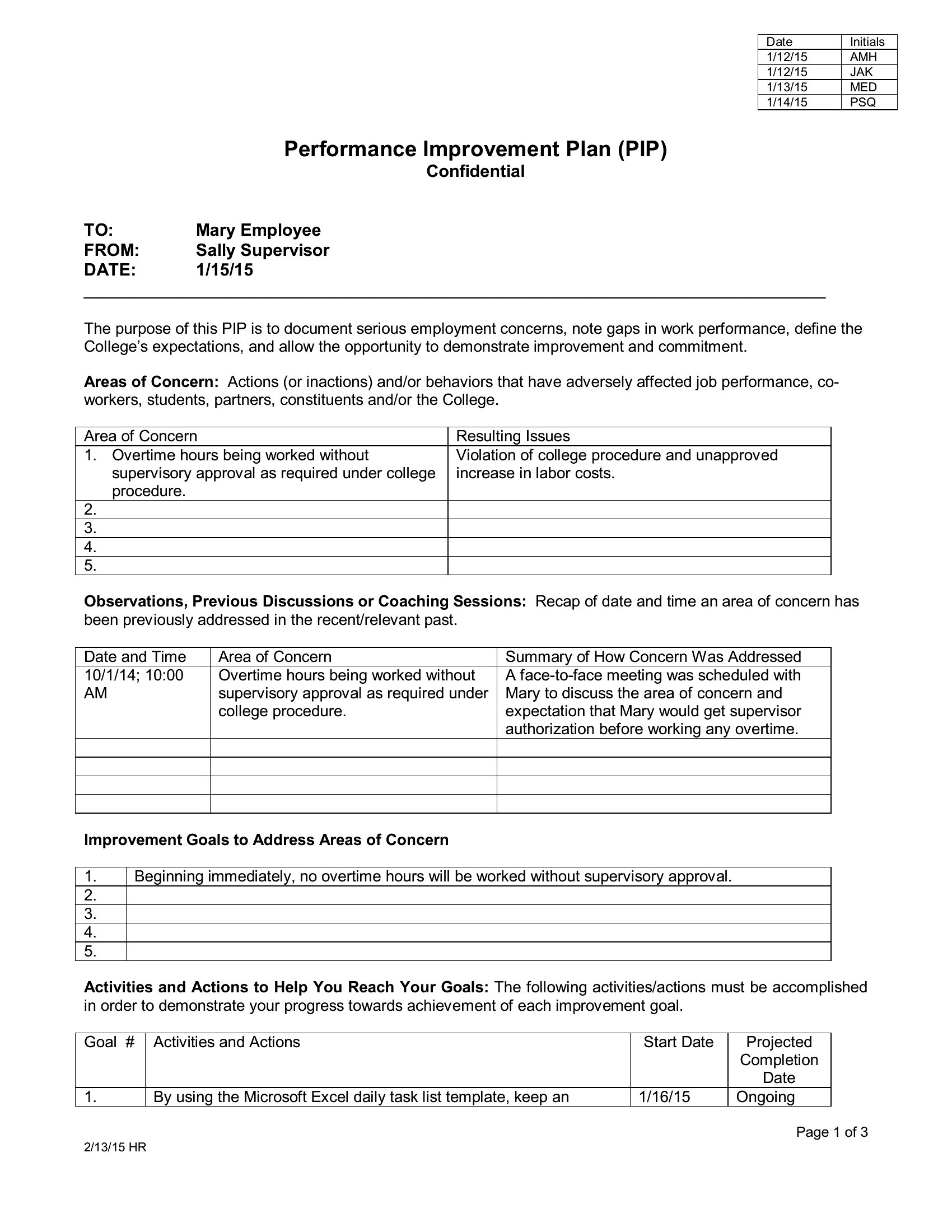
- A mid-level manager notices a top performer missing deadlines and needs a structured Word document to document concerns, outline specific skill gaps, and set measurable goals before escalating to HR.
- The HR director at a healthcare practice requires a clear, printable PDF template for a nurse whose patient care documentation is inconsistent, linking corrective steps to state licensing requirements.
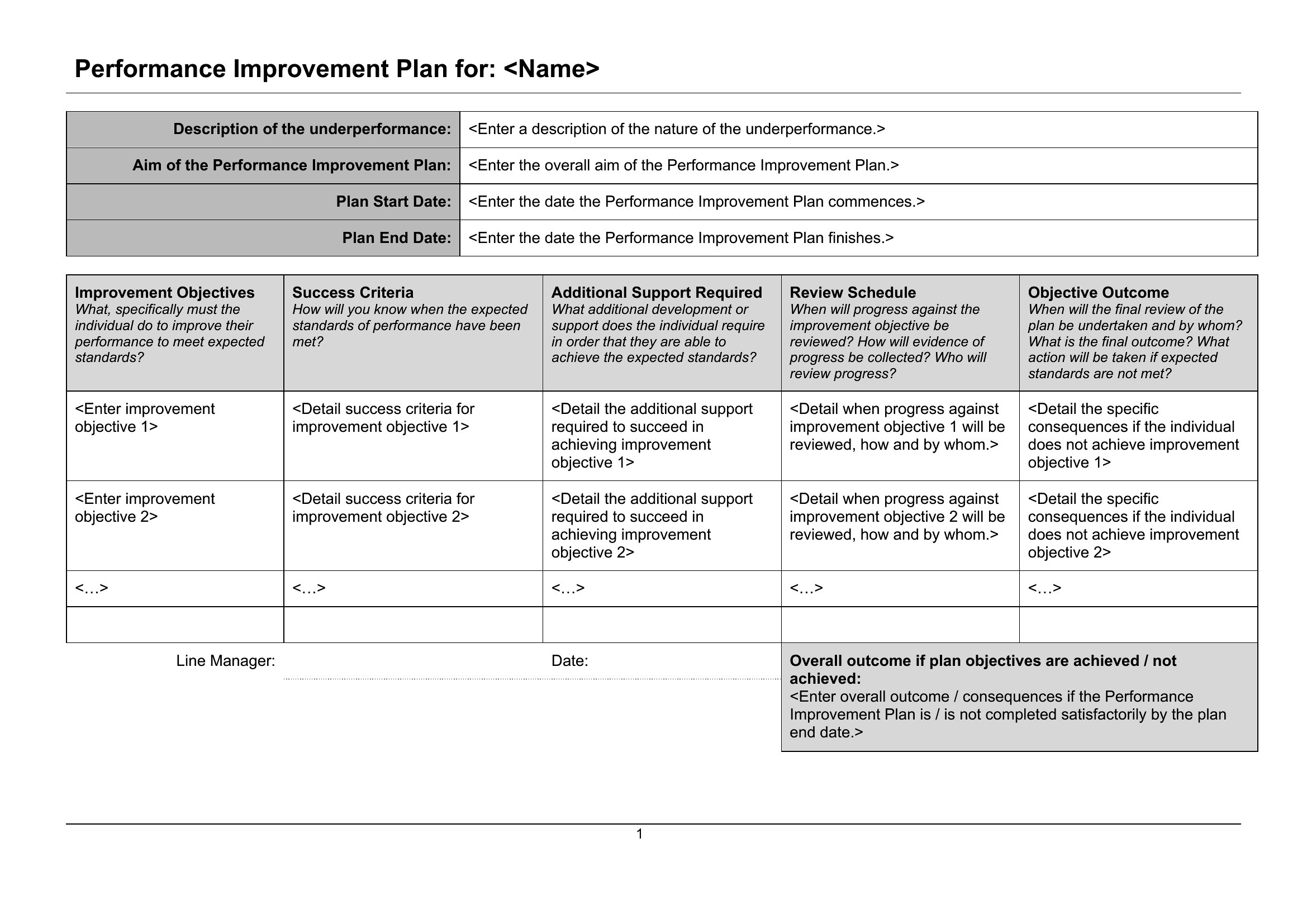
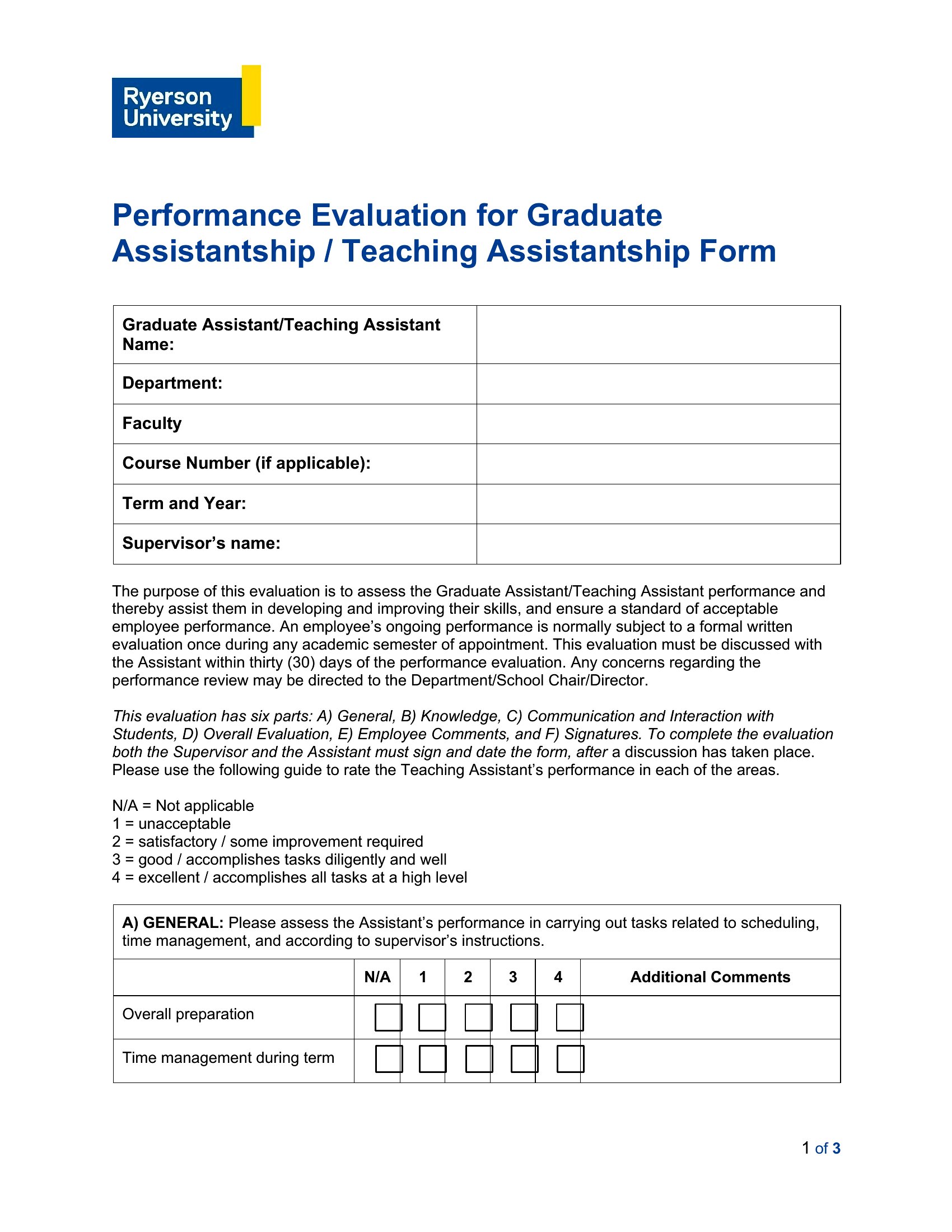
- A retail store manager uses an Excel tracker to monitor a cashier’s progress after a performance improvement plan, updating daily logs of accuracy, speed, and customer feedback to present in a team review.
- A small business owner drafts a concise PDF plan for a remote employee whose client communication has declined, including weekly check-ins and a 30-day timeline before reassessing their role.
Which format should I download?
Choose Word if you need to customize the plan with company policies or employee-specific details before finalizing. The editable format works best for managers drafting multiple versions or referencing HR guidelines. Select PDF when you must share a professional, non-editable version with employees or external stakeholders, such as during formal reviews. Use Excel only if you require data-driven tracking—like progress metrics, supervisor notes, or milestone deadlines—to present trends or justify decisions later. The spreadsheet format is ideal for high-stakes or compliance-heavy situations where documentation evolves over time.
How to use this Performance Improvement Plan template
How detailed should the performance expectations be in the plan?
Expectations should be specific, measurable, and directly tied to the employee’s job description. For example, instead of ‘improve customer service,’ use ‘reduce complaint tickets by 50% in 30 days by implementing the script provided.’ Avoid vague language to ensure the plan is actionable and defensible if disputes arise. Focus on behaviors or outcomes the employee can control.
Can we include a probationary period in the template, and how long should it typically last?
Yes, the template can outline a probationary period, but the duration depends on company policy, the severity of the issues, and local labor laws. Common lengths range from 30 to 90 days, with check-ins every 1–2 weeks. Always align the timeline with your HR department’s standard practices and document any extensions or adjustments clearly to maintain fairness and transparency.
What’s the best way to handle an employee who refuses to sign the performance improvement plan?
If an employee refuses to sign, note this in the document and have a witness (like a supervisor or HR representative) sign to acknowledge the discussion. The plan should still be provided to them in writing, and you may need to schedule a follow-up meeting to address their concerns. Consult your HR team or legal advisor to ensure compliance with employment laws, as refusal to sign doesn’t invalidate the process if documented properly.
Comments
Join the conversation
Sign in to share your thoughts and leave a comment on this resource.