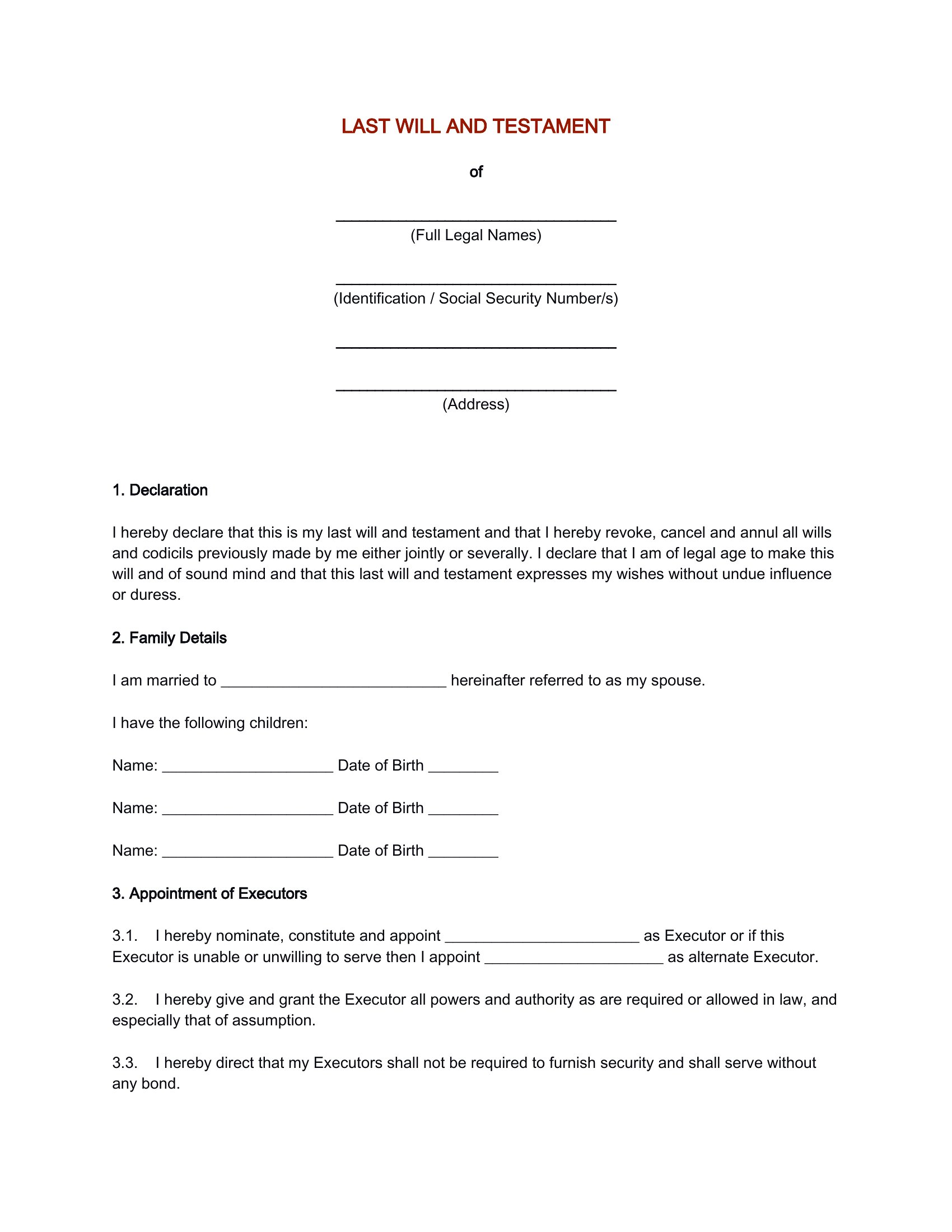
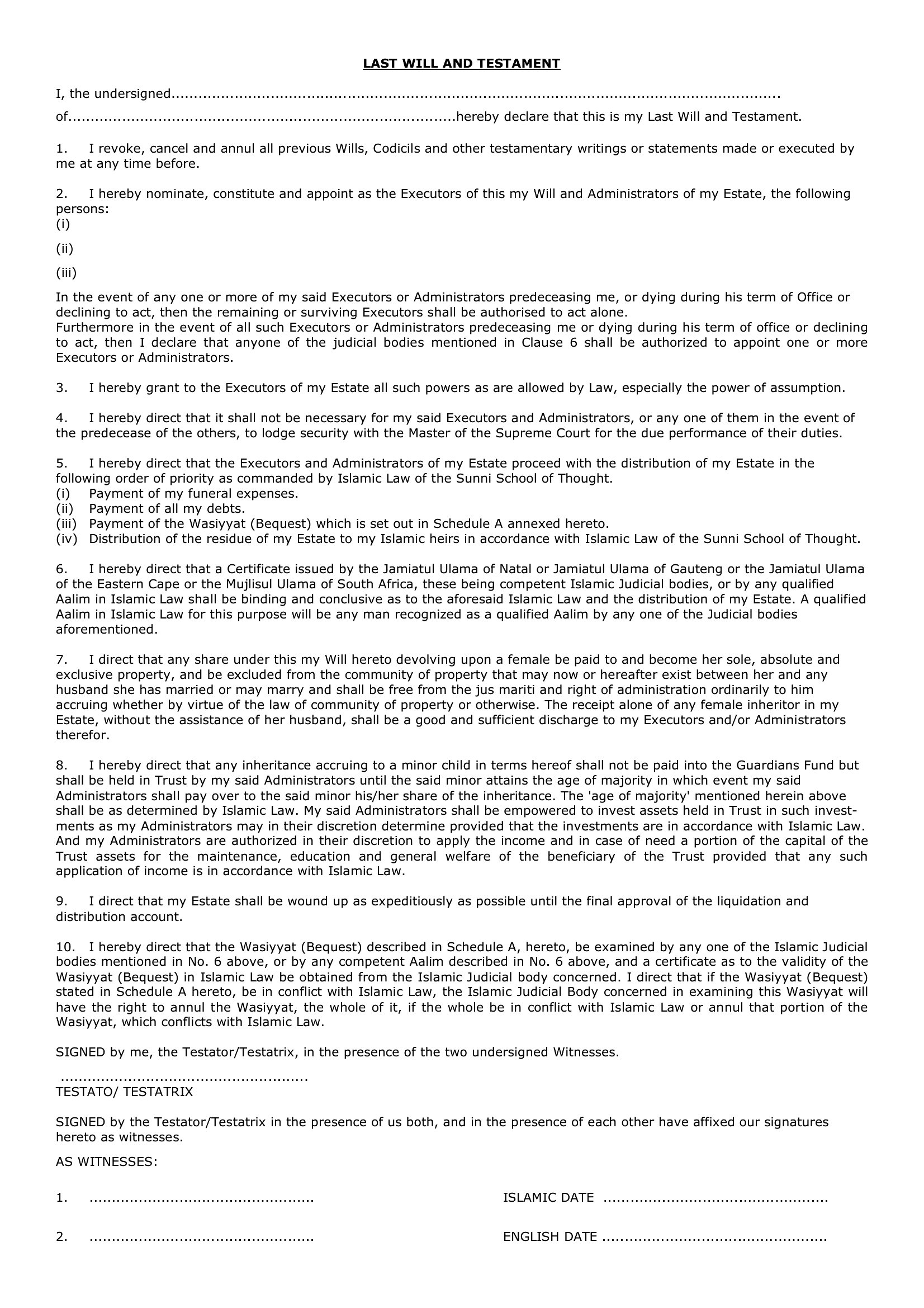
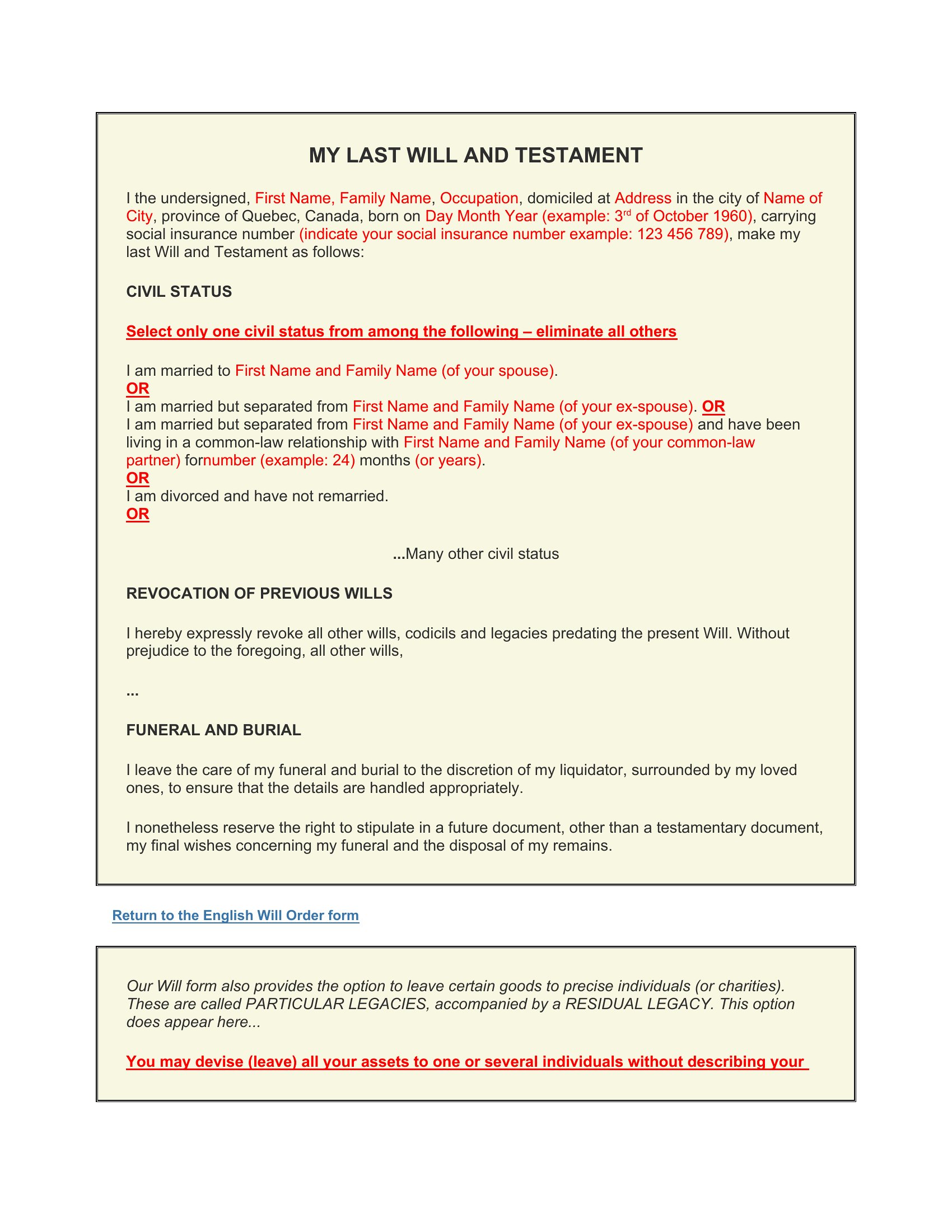
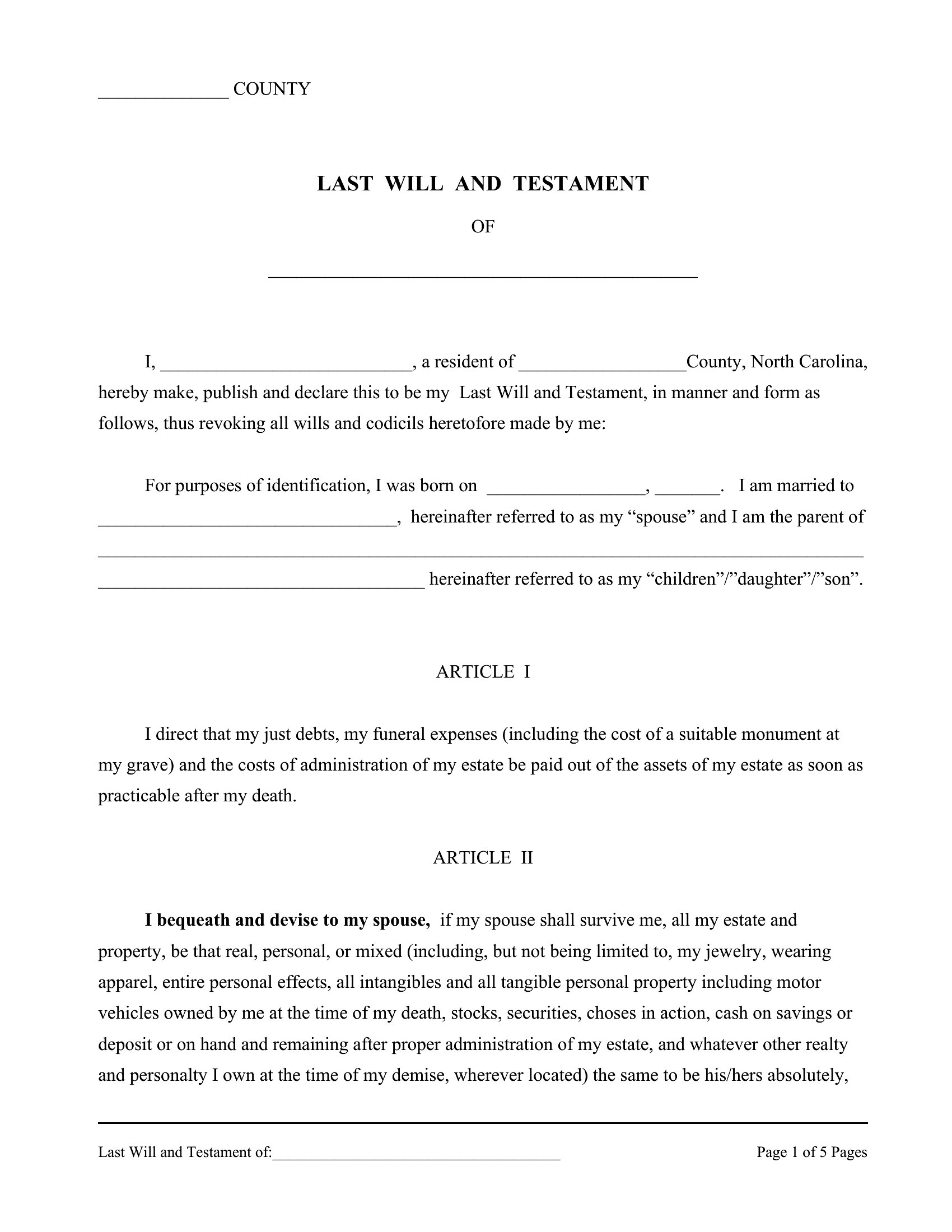
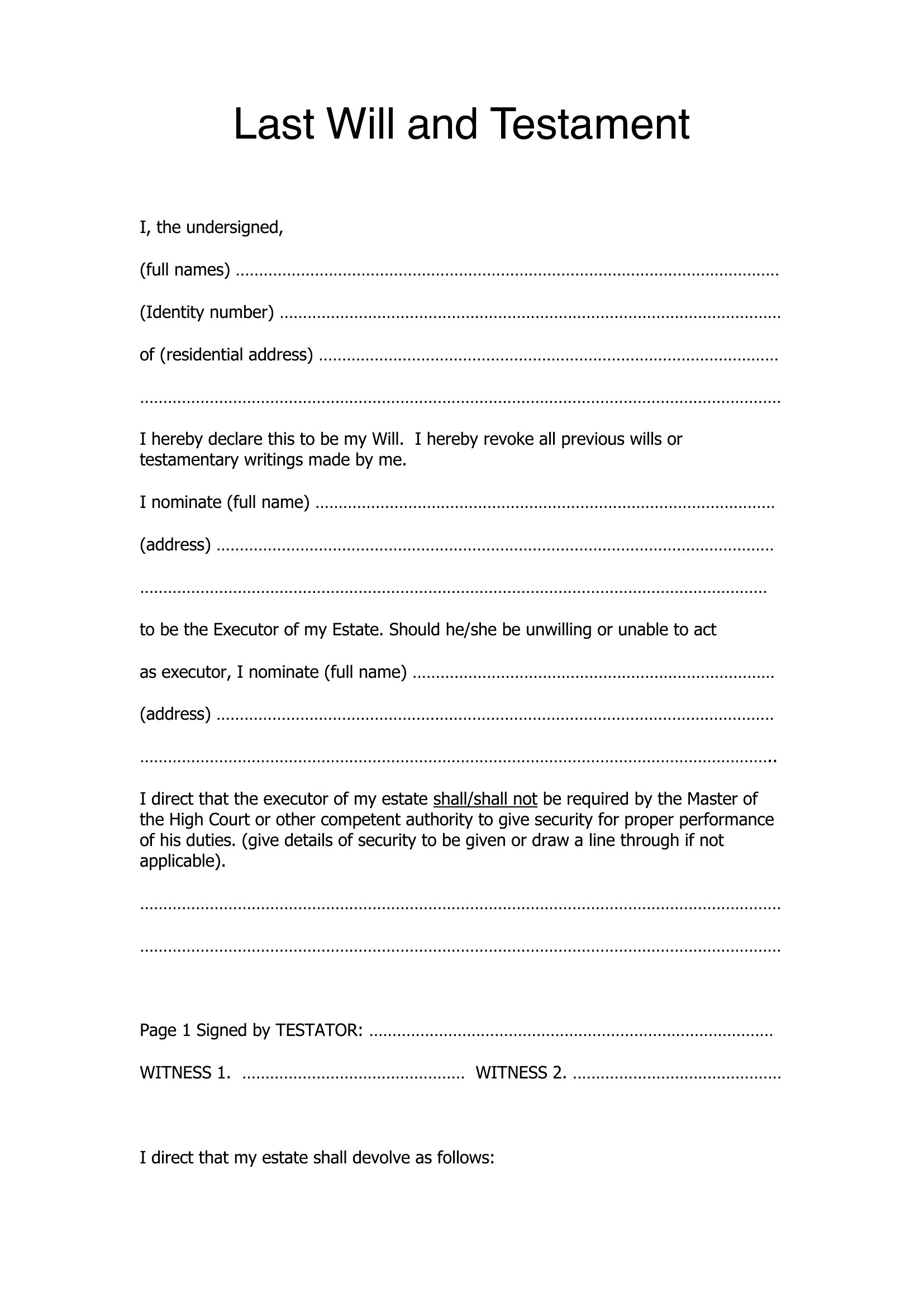
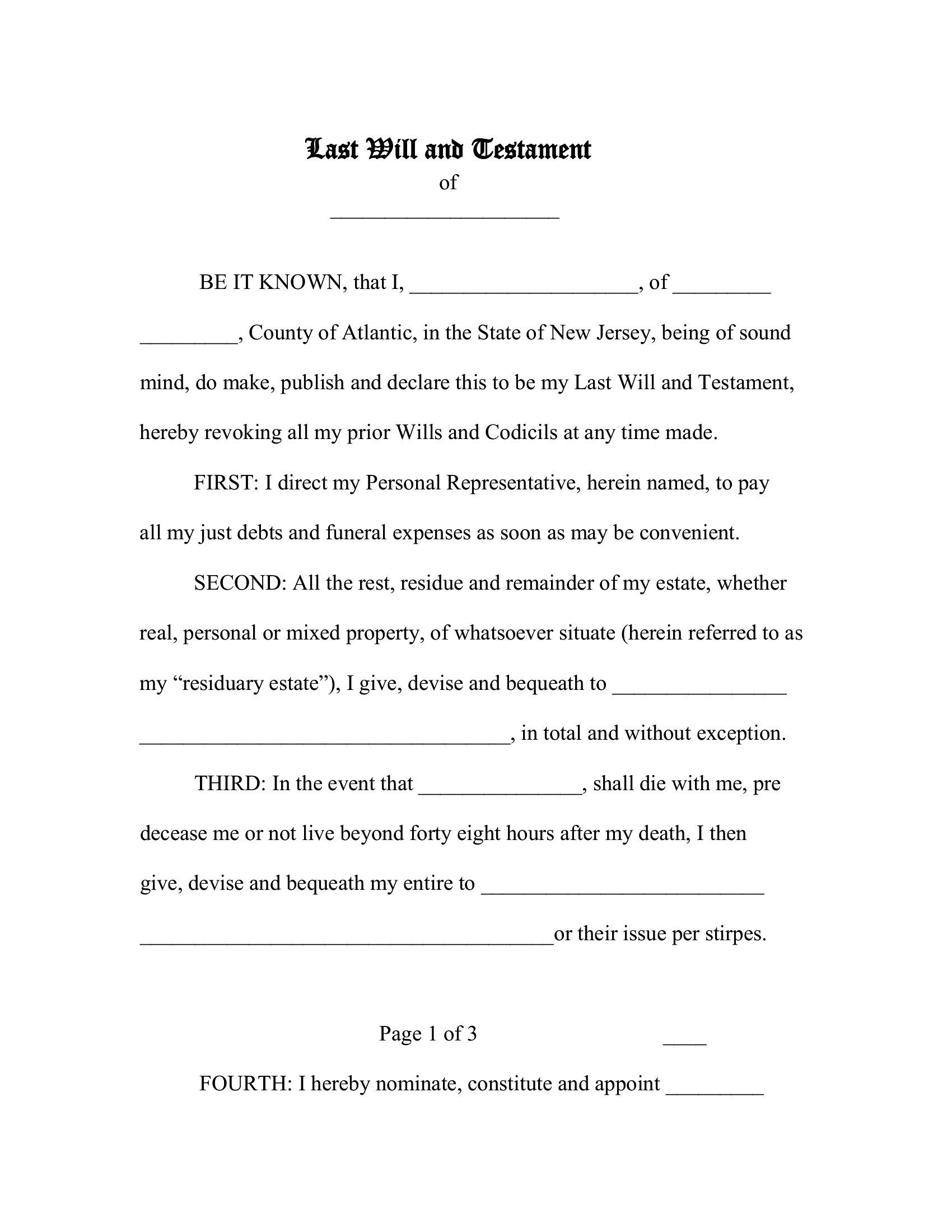
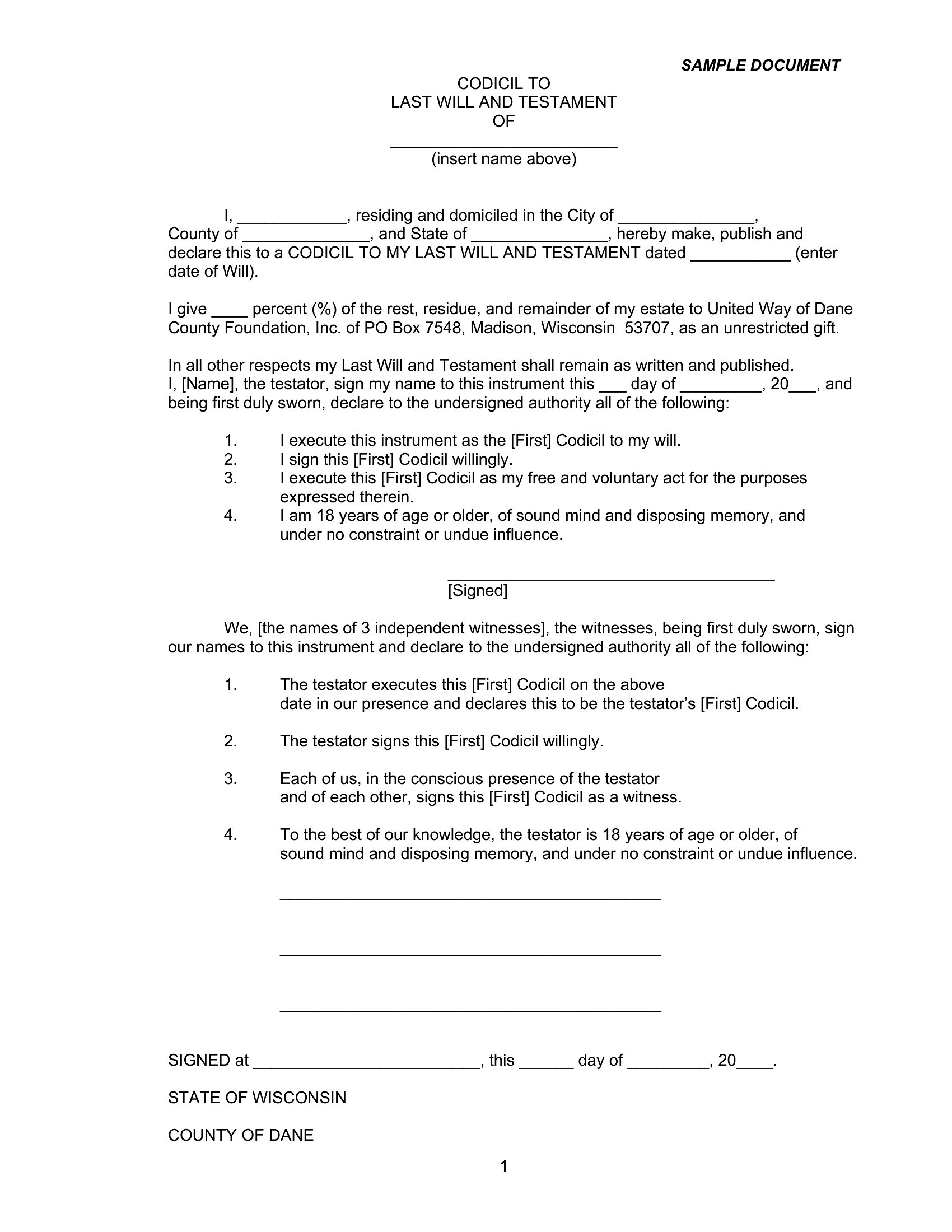
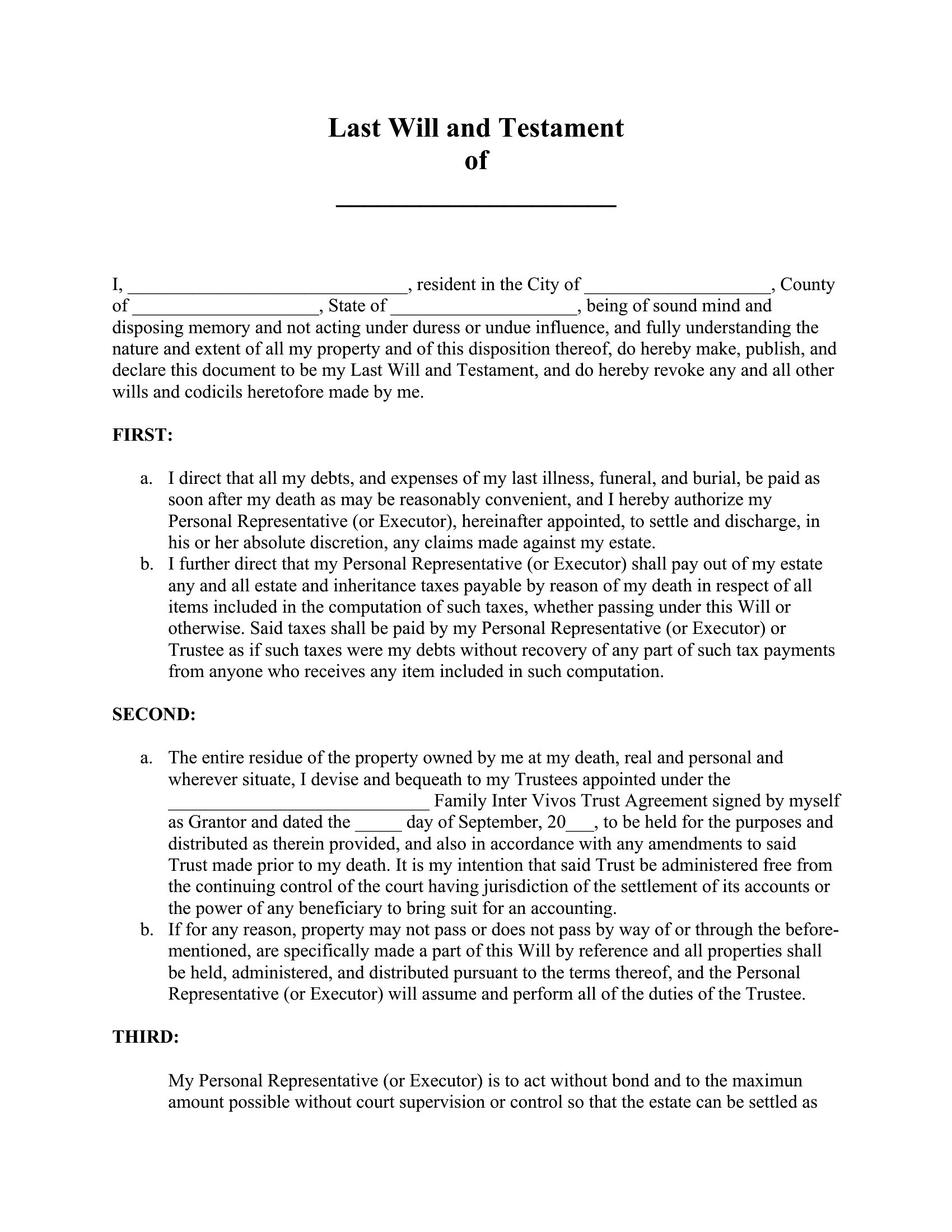
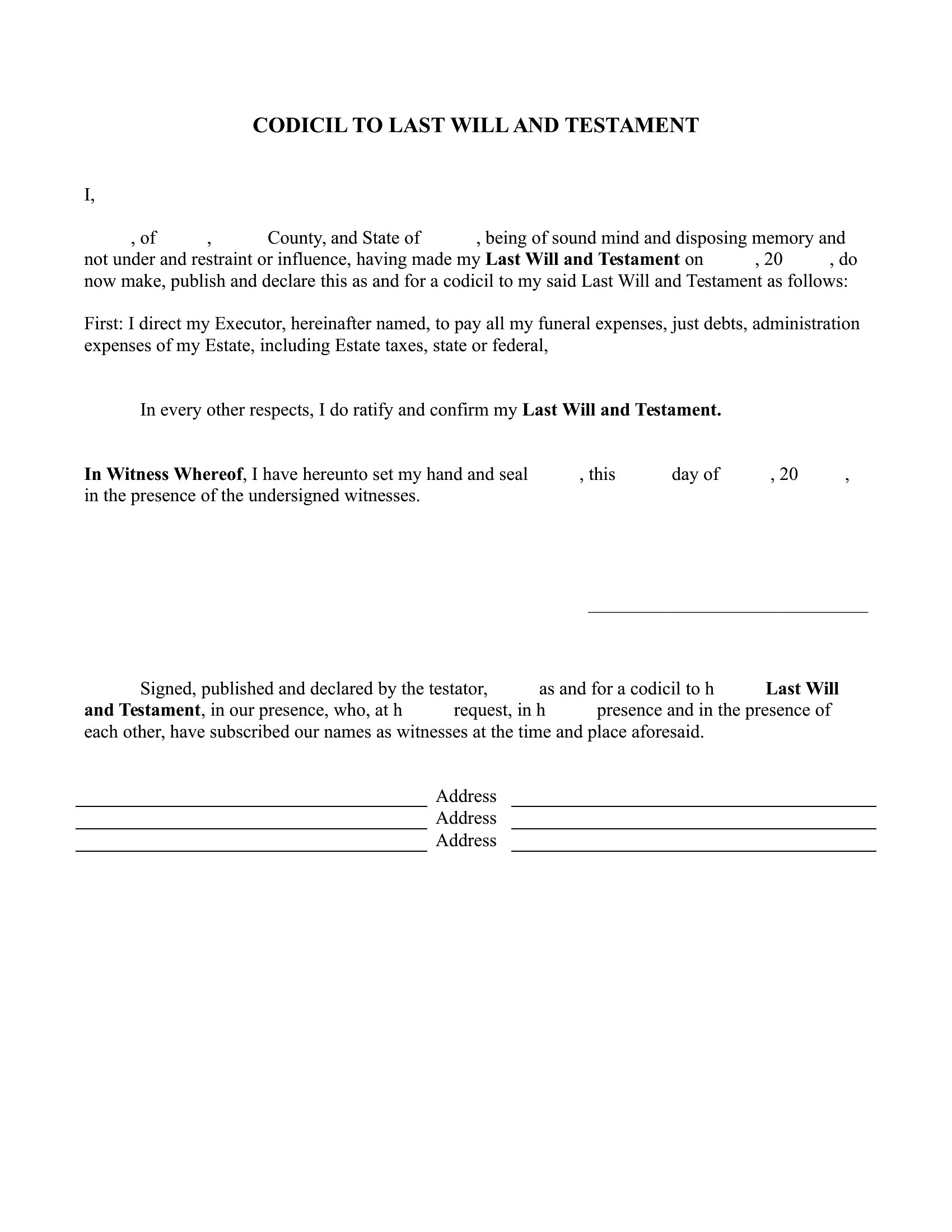
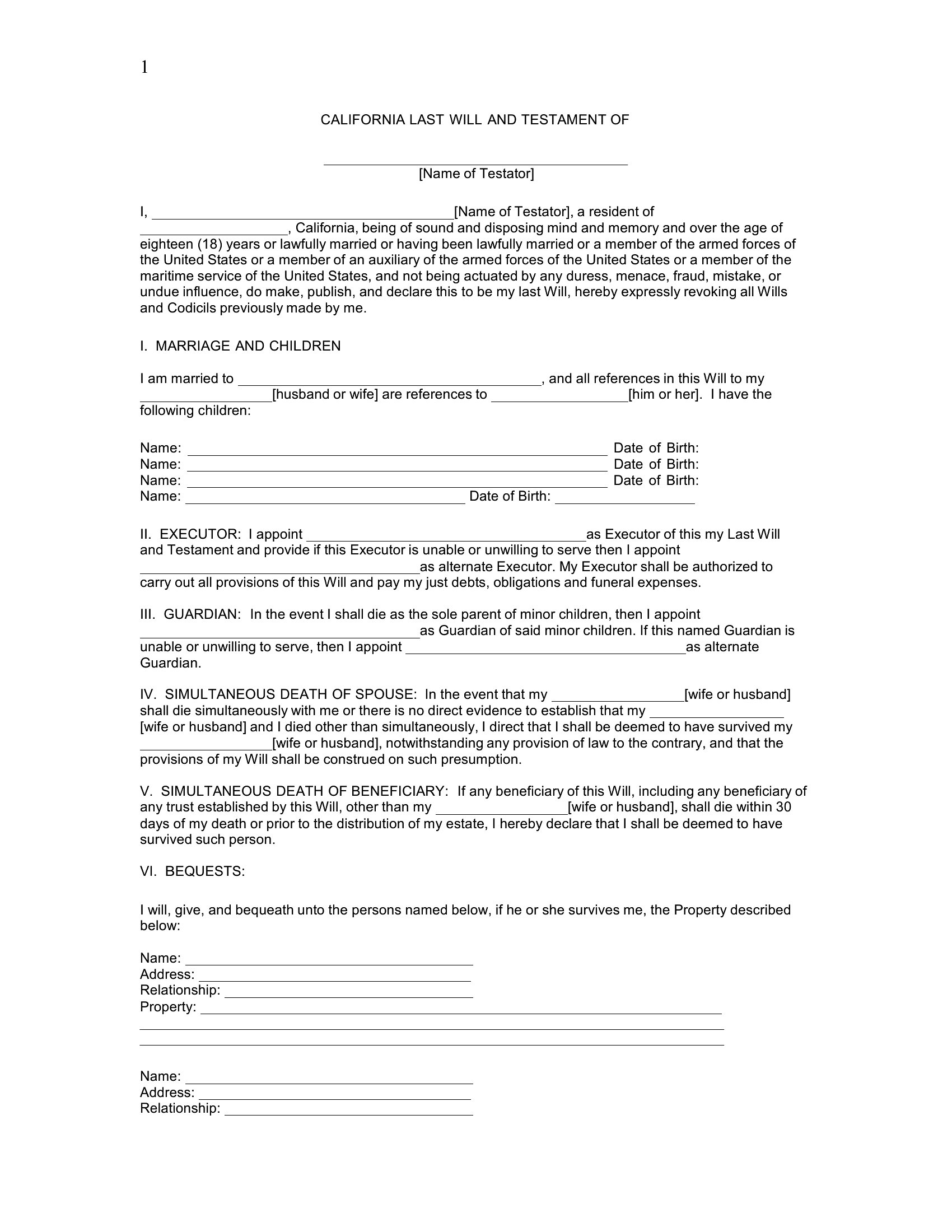
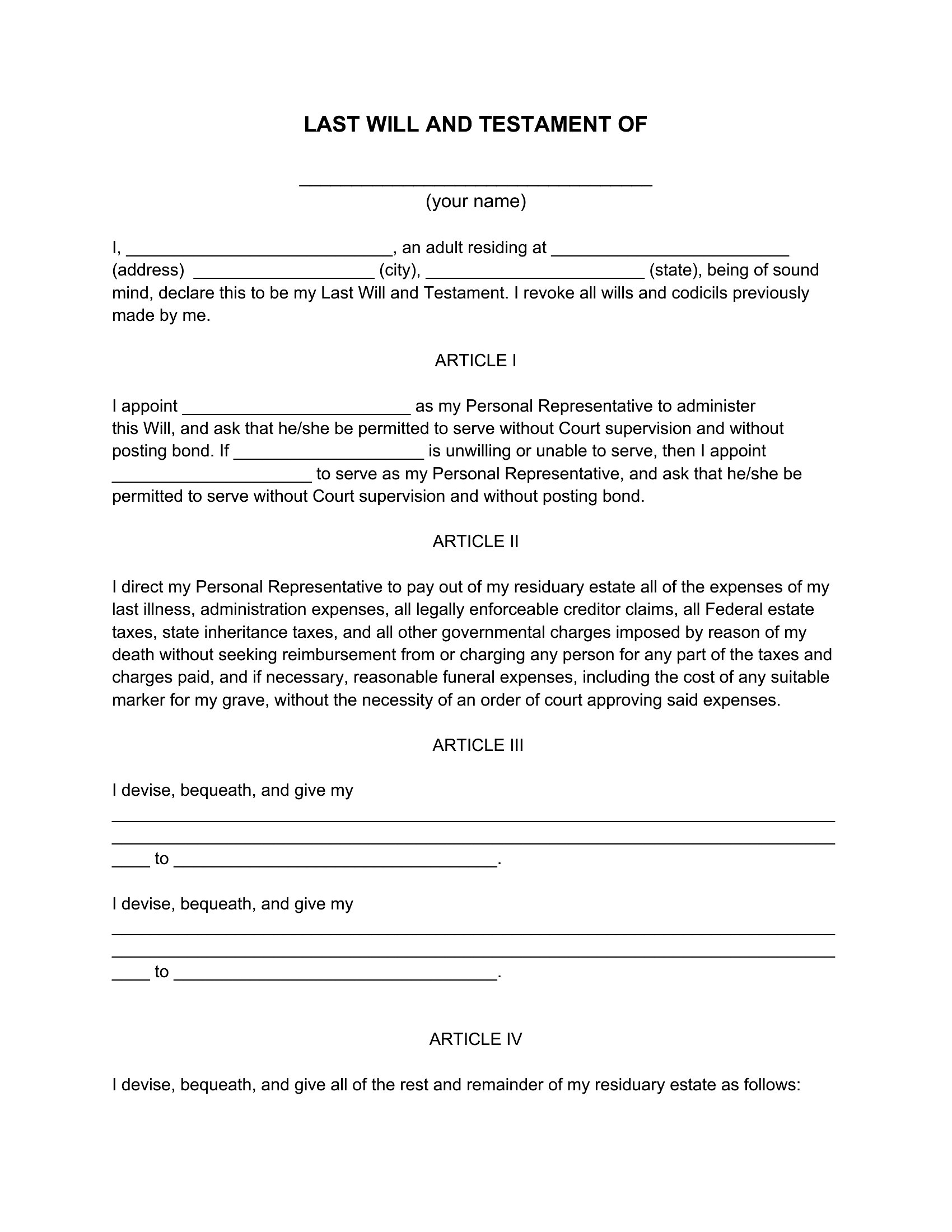
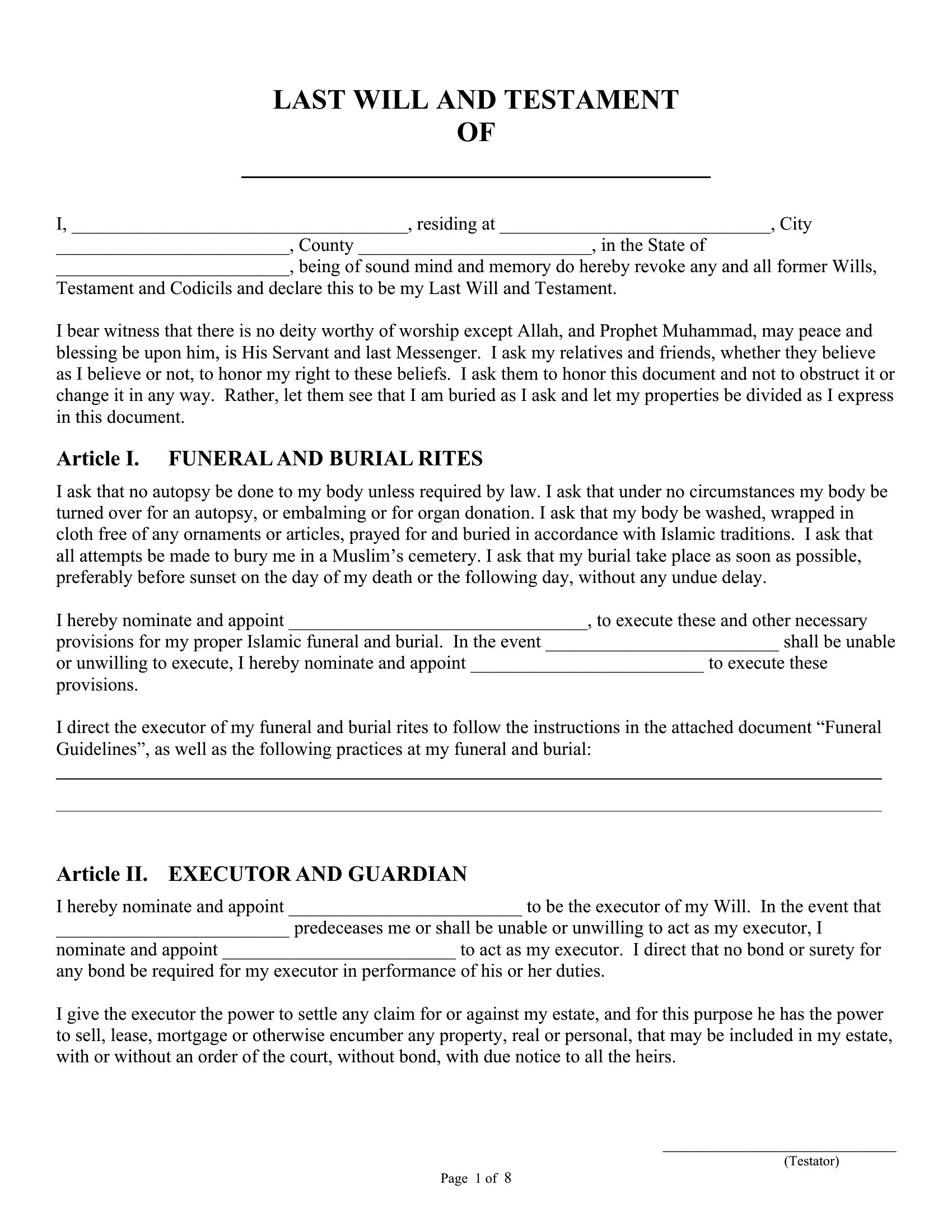
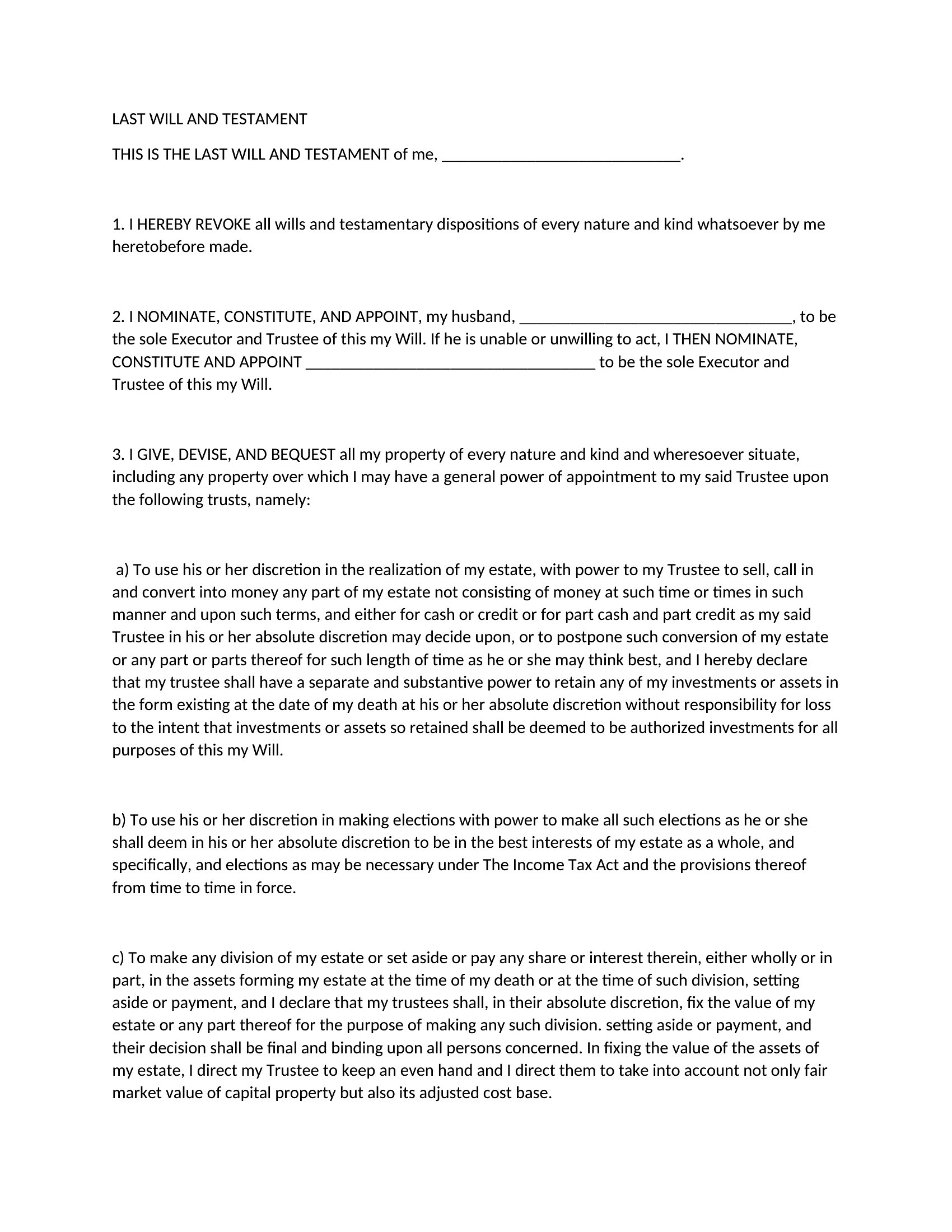
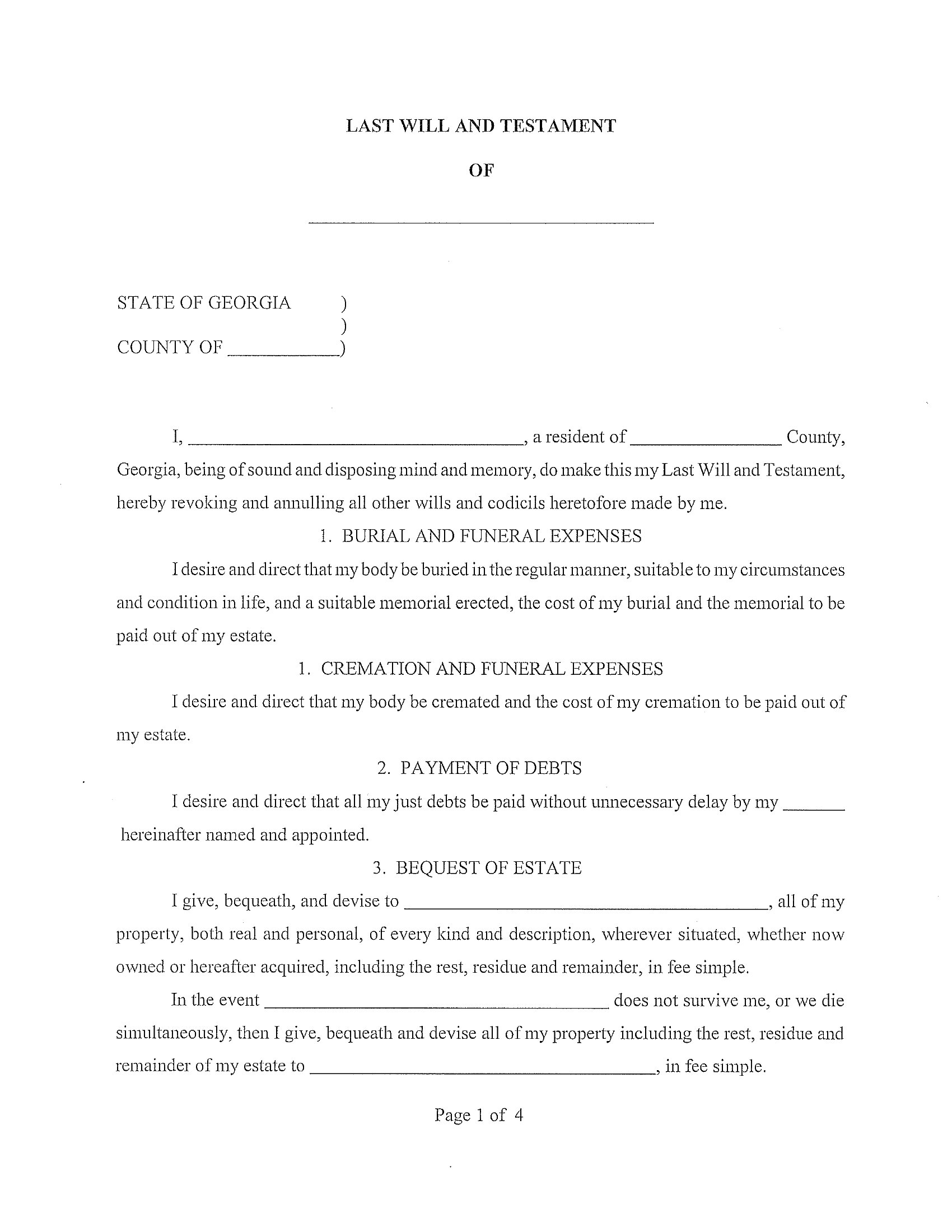
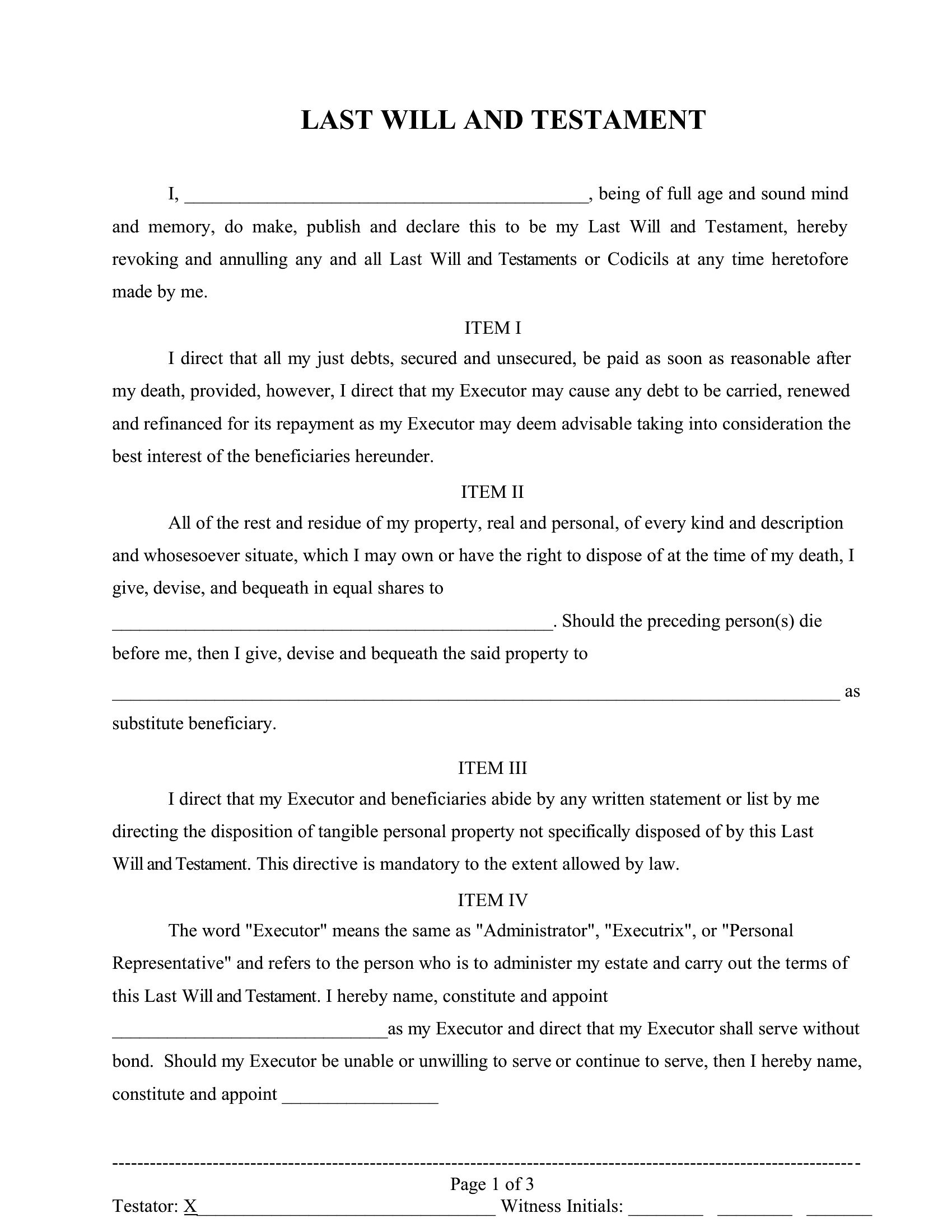
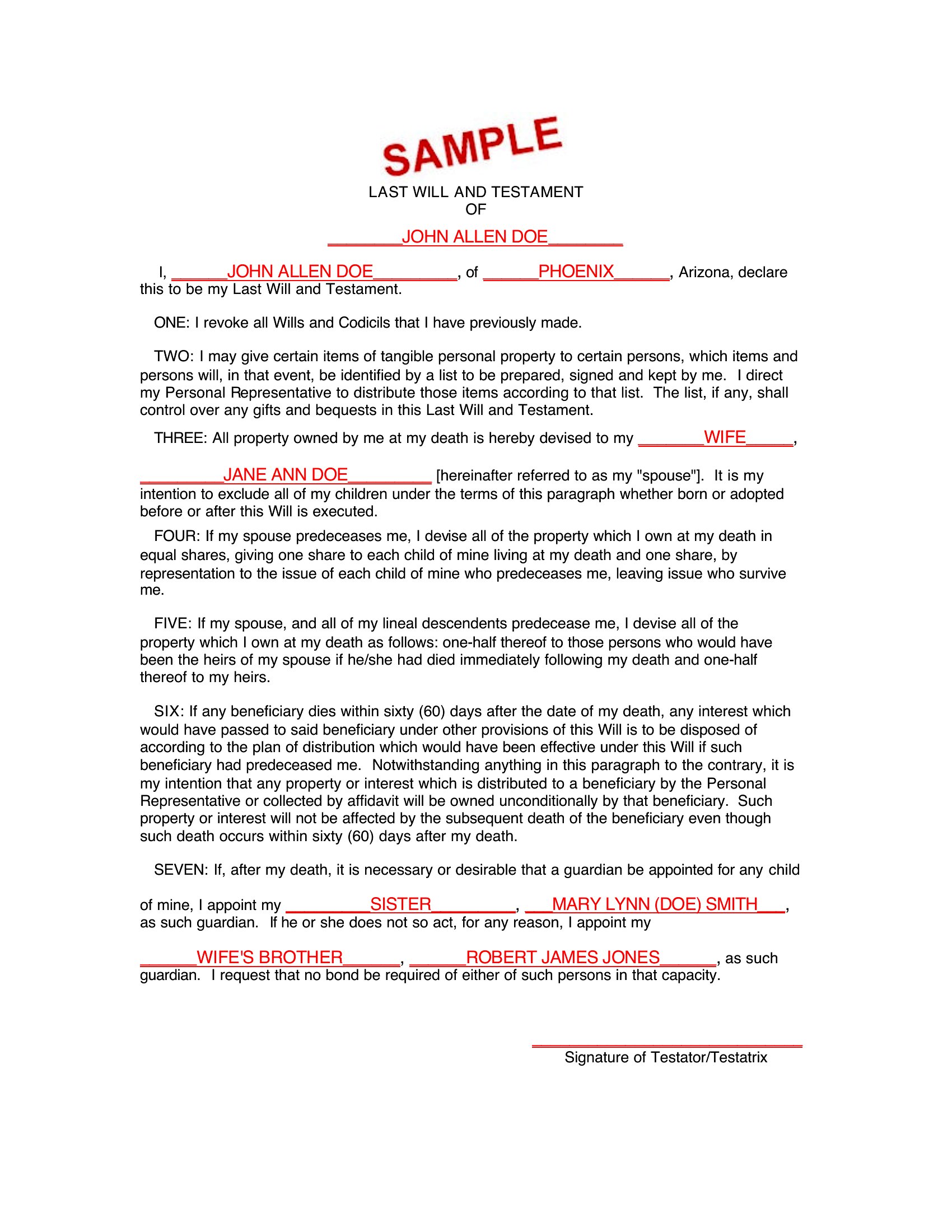
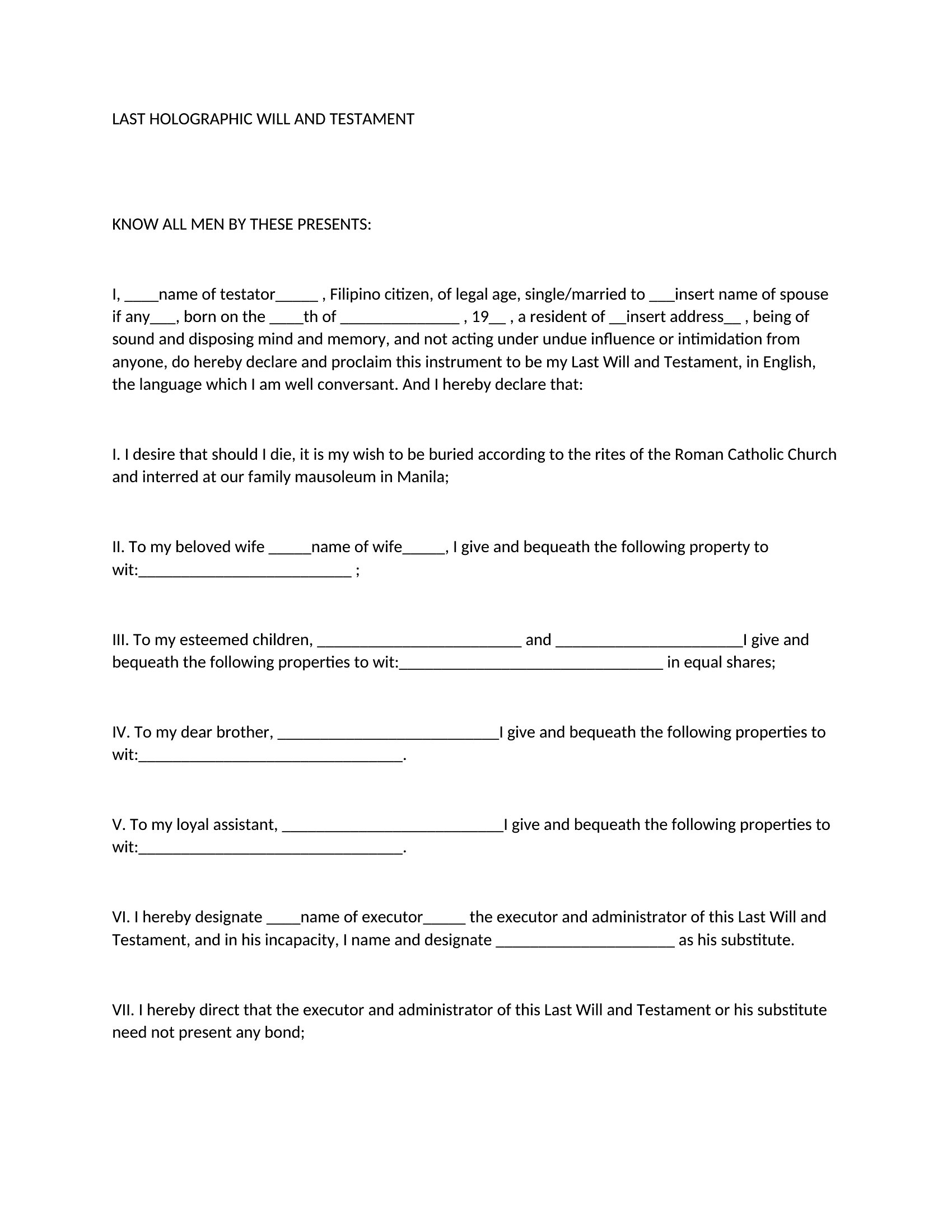
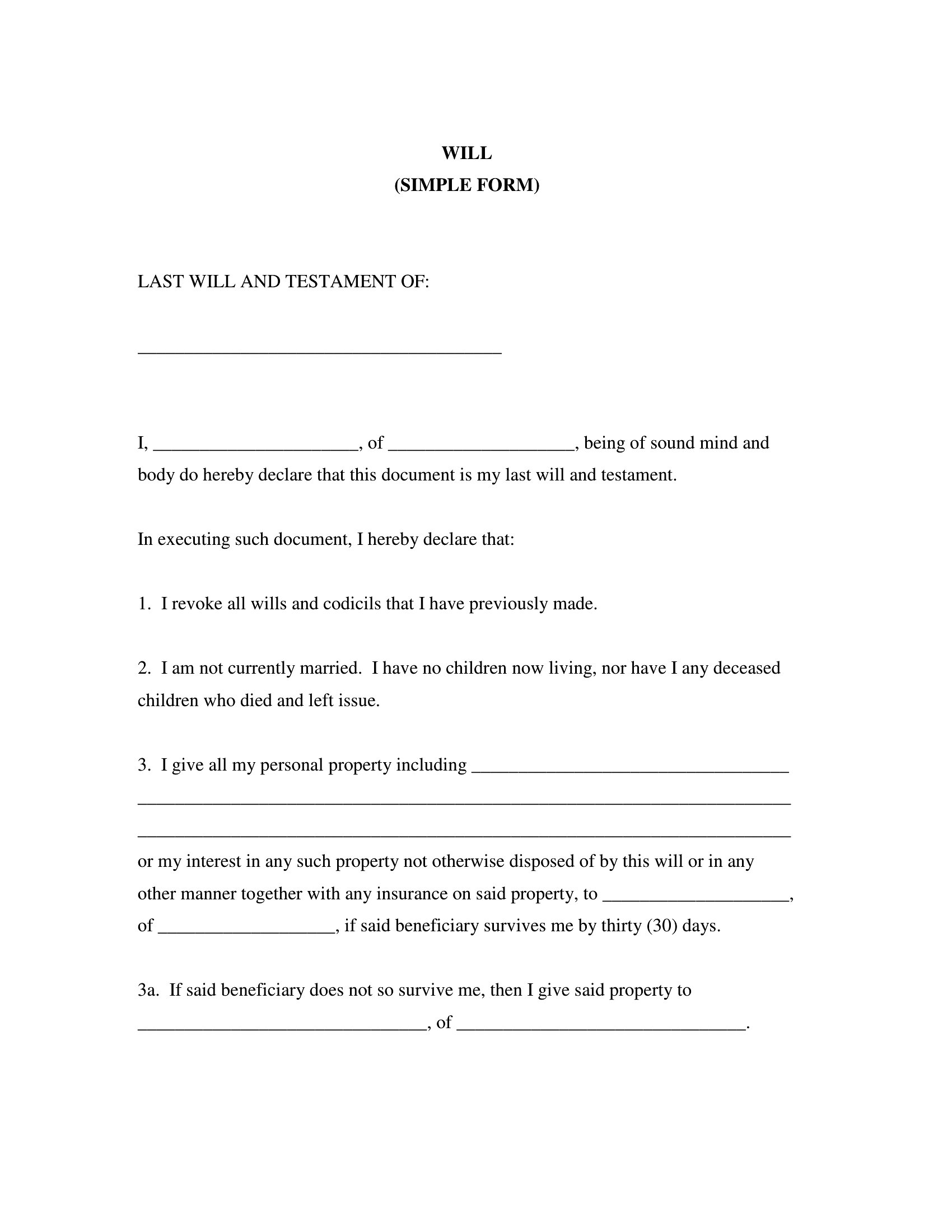
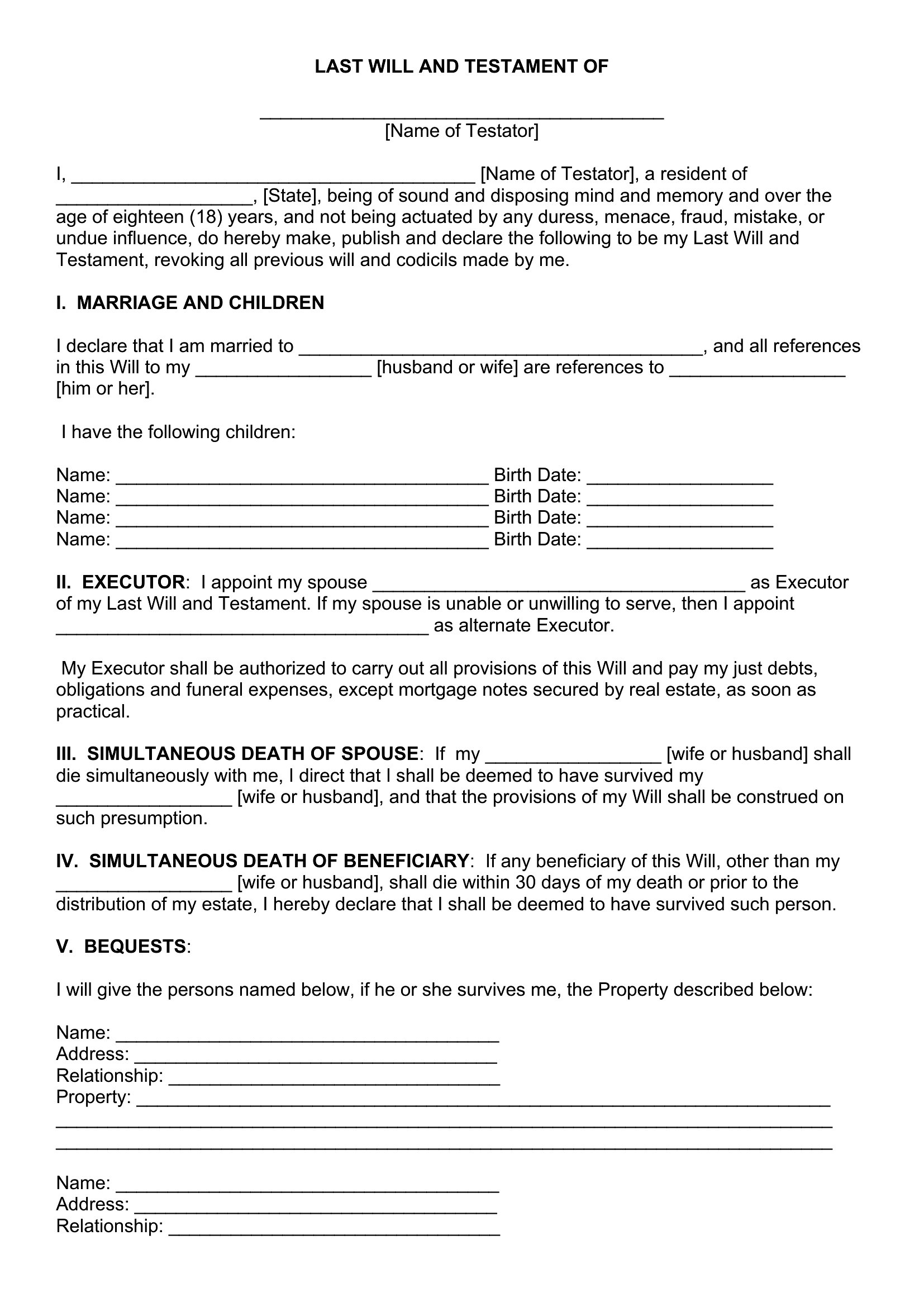
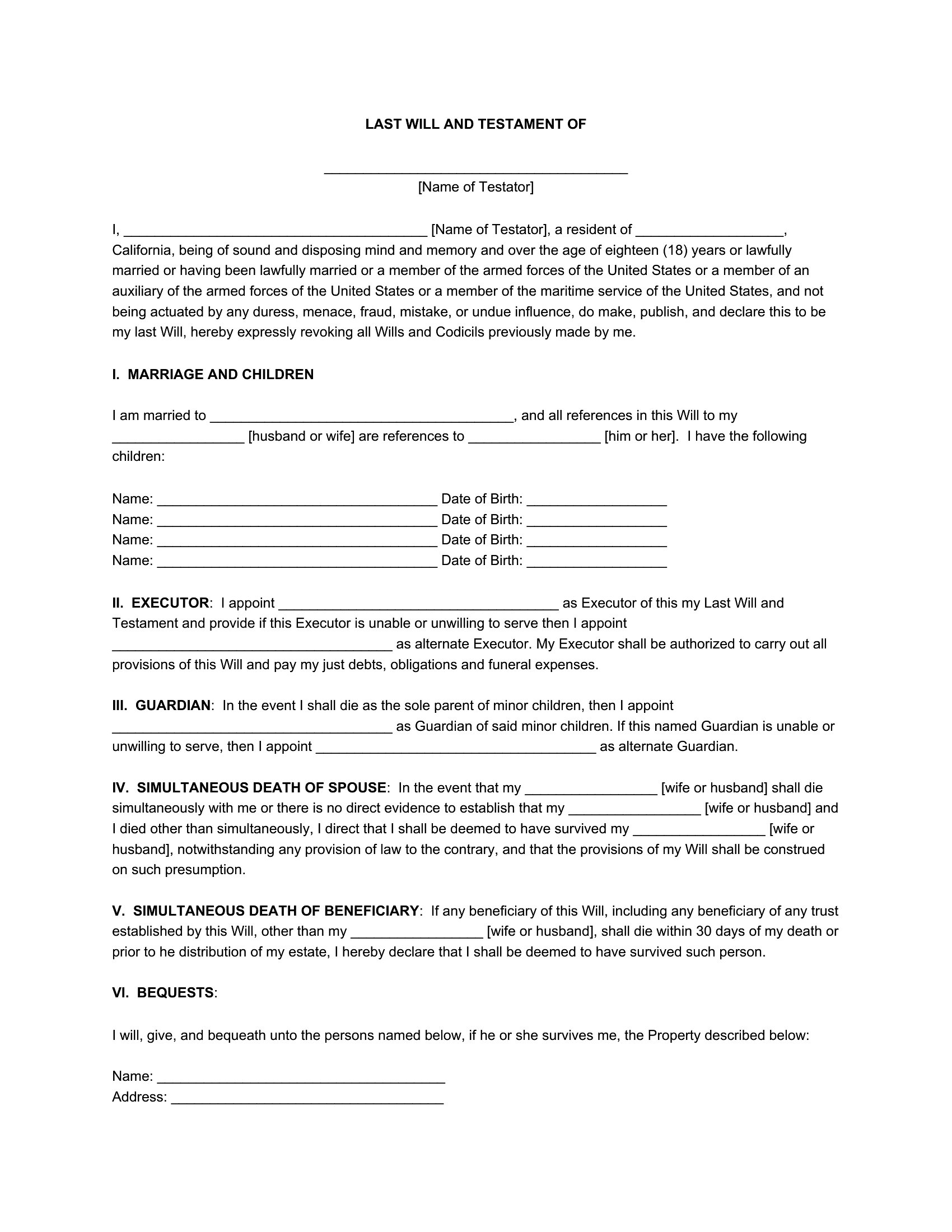
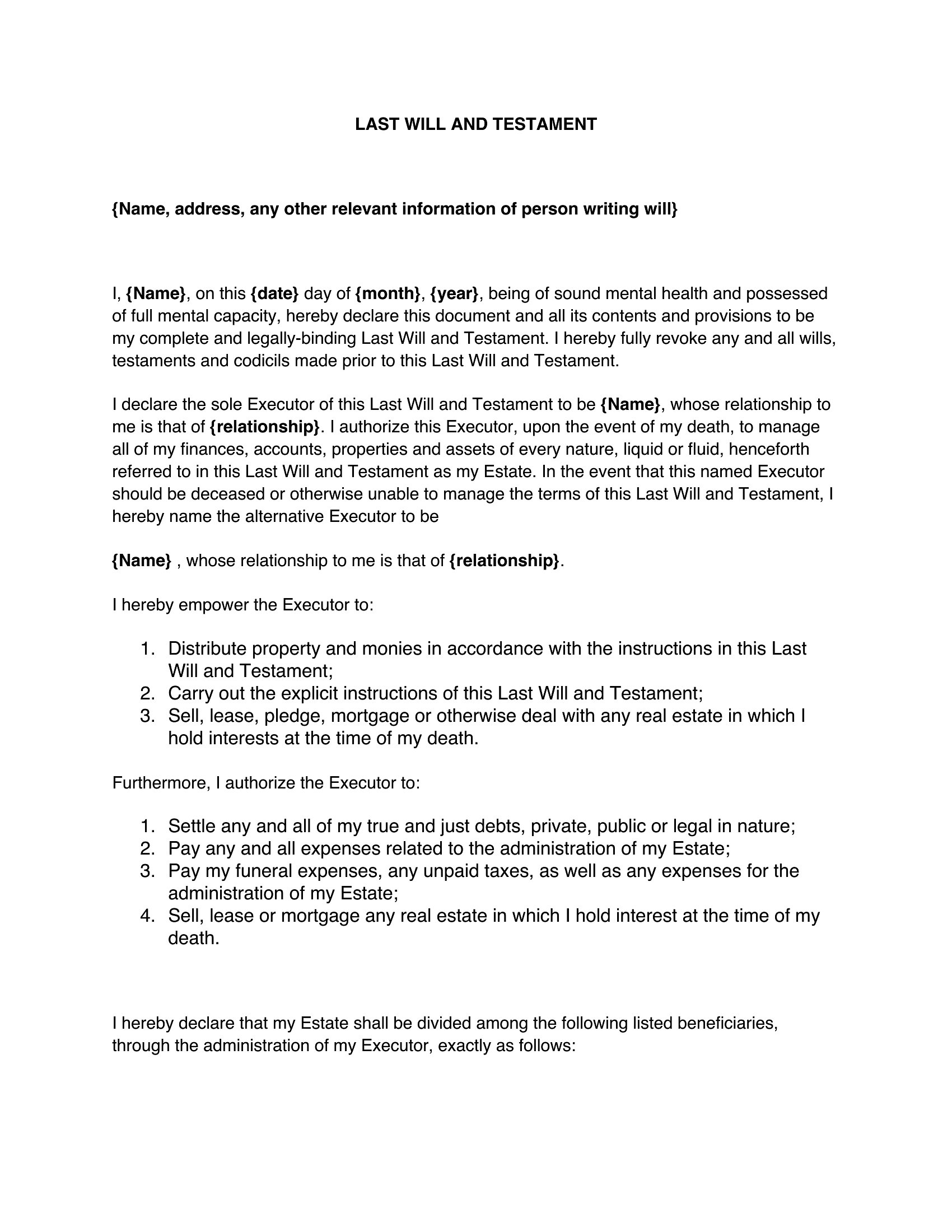
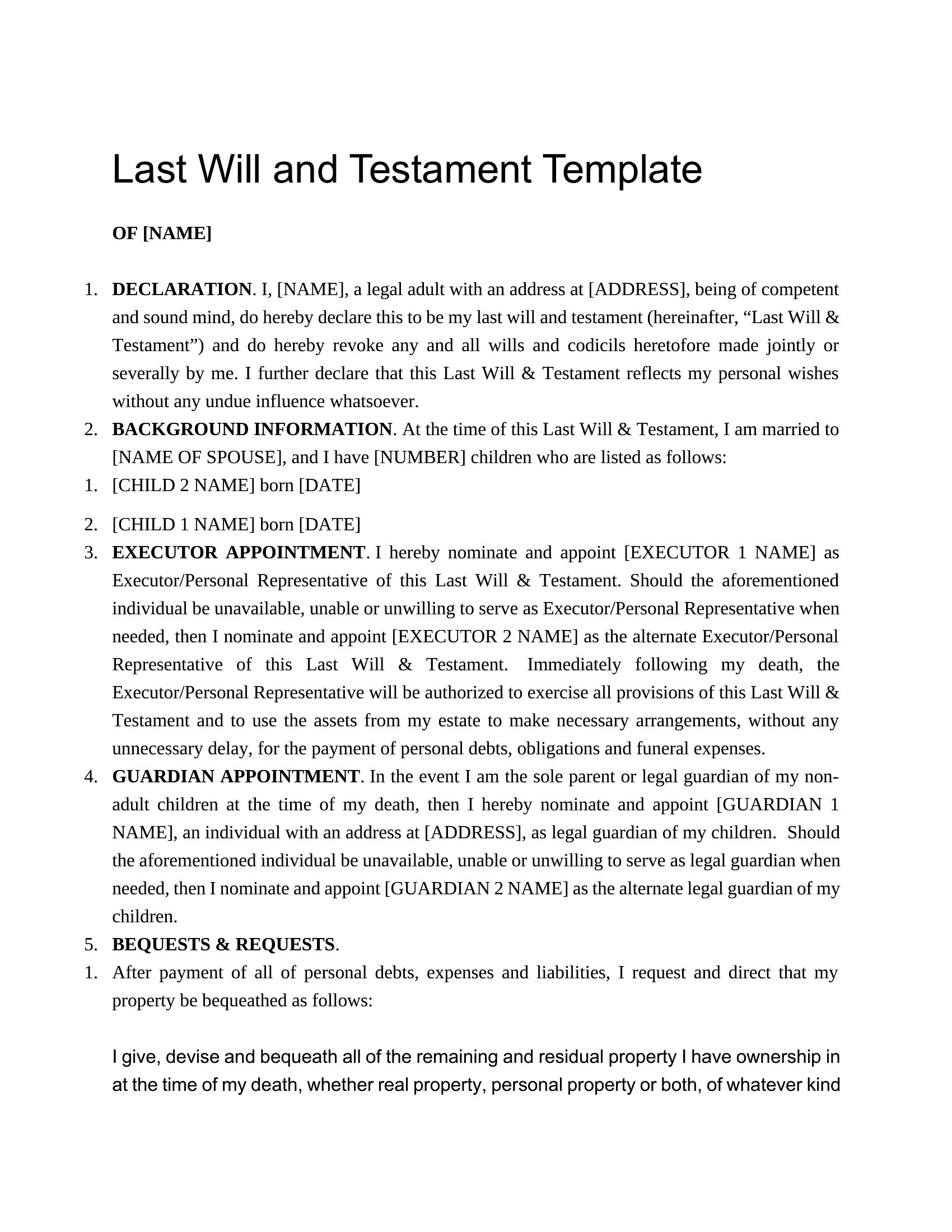
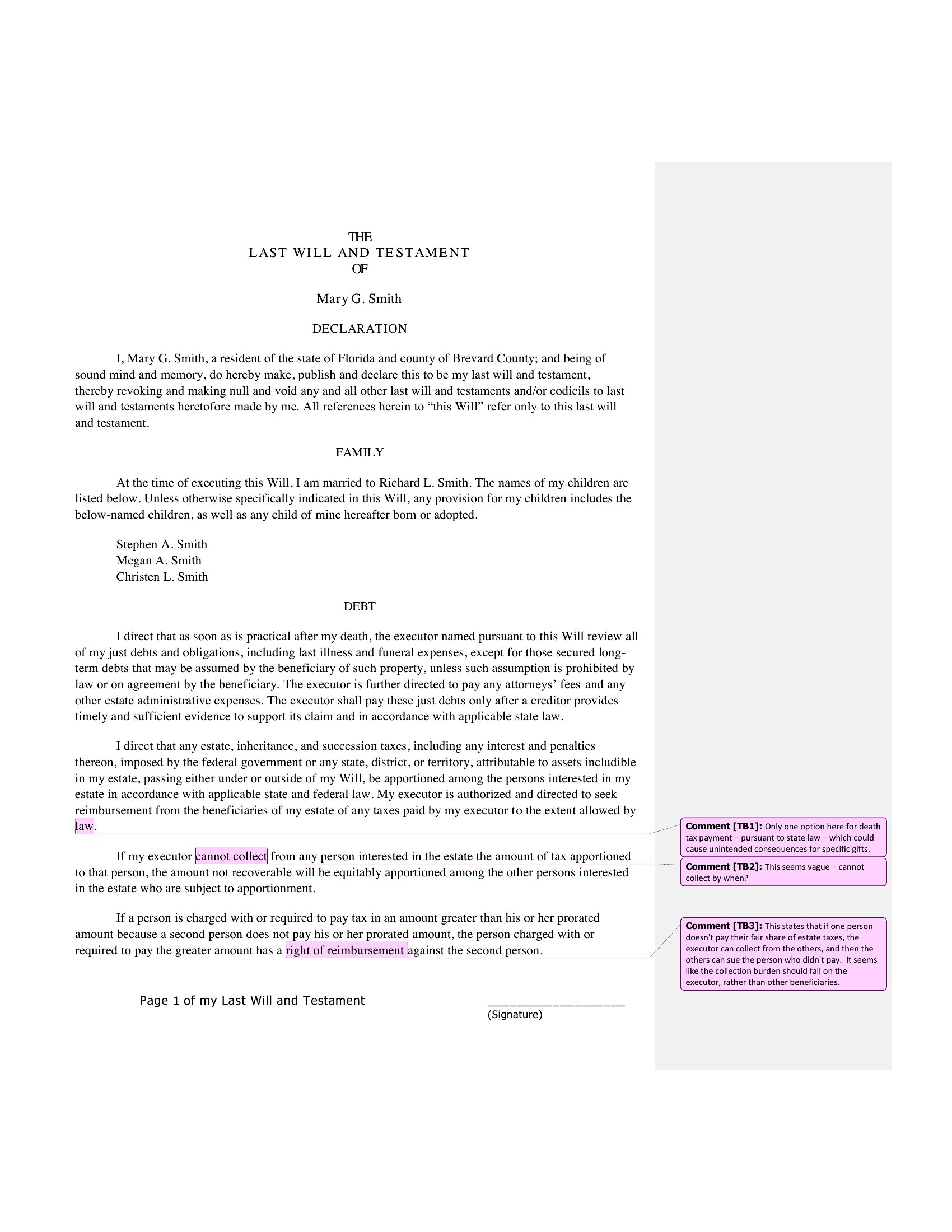
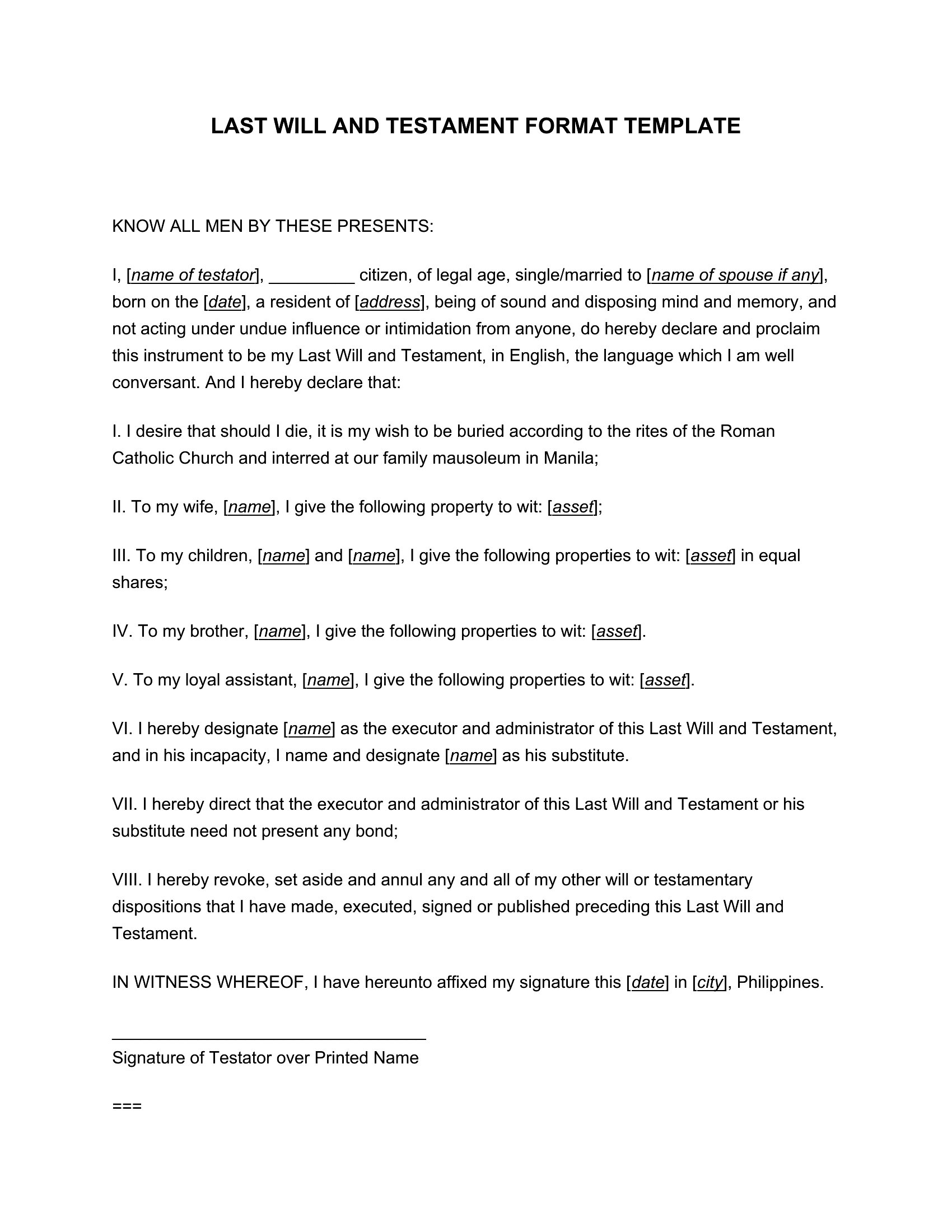
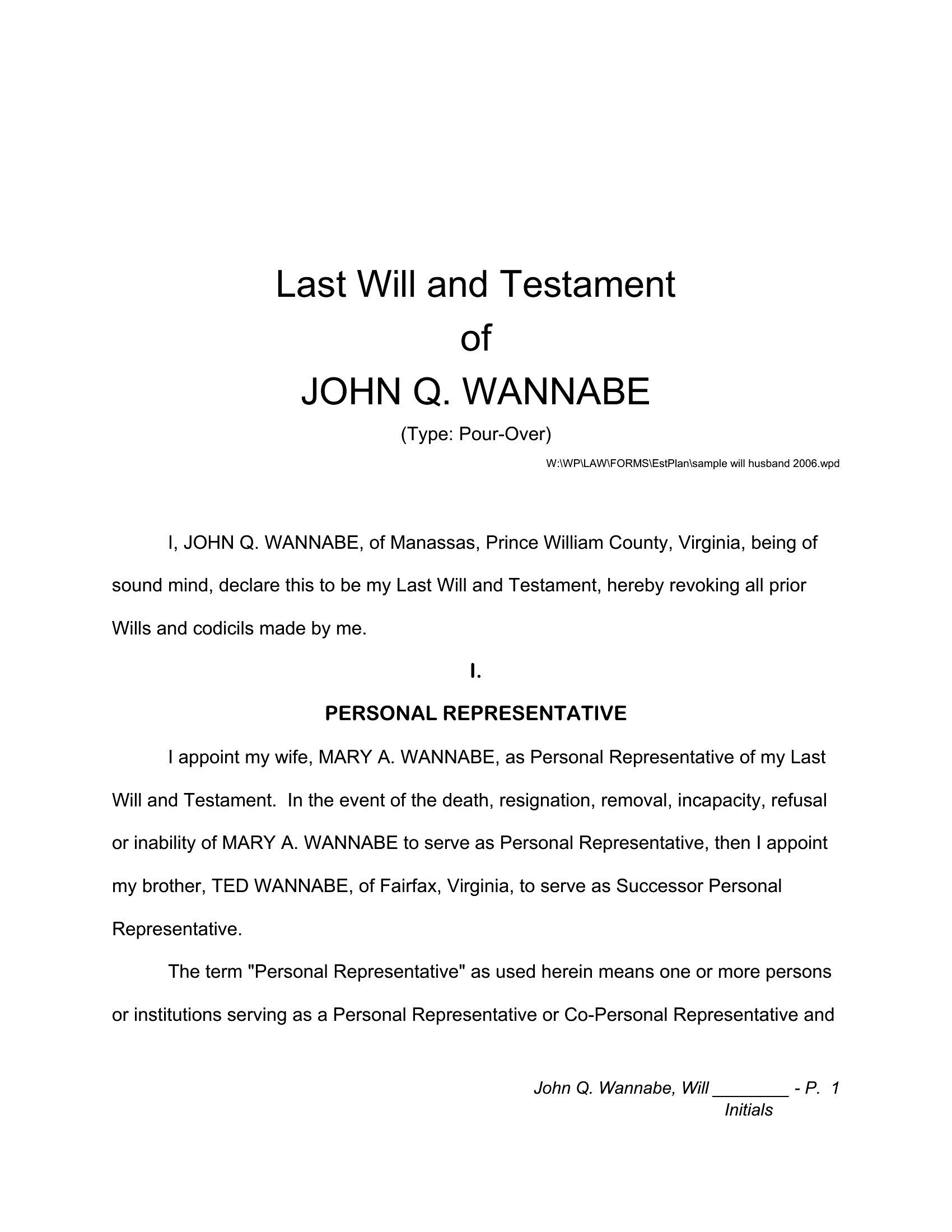
Free Last Will & Testament Forms (Word, PDF)
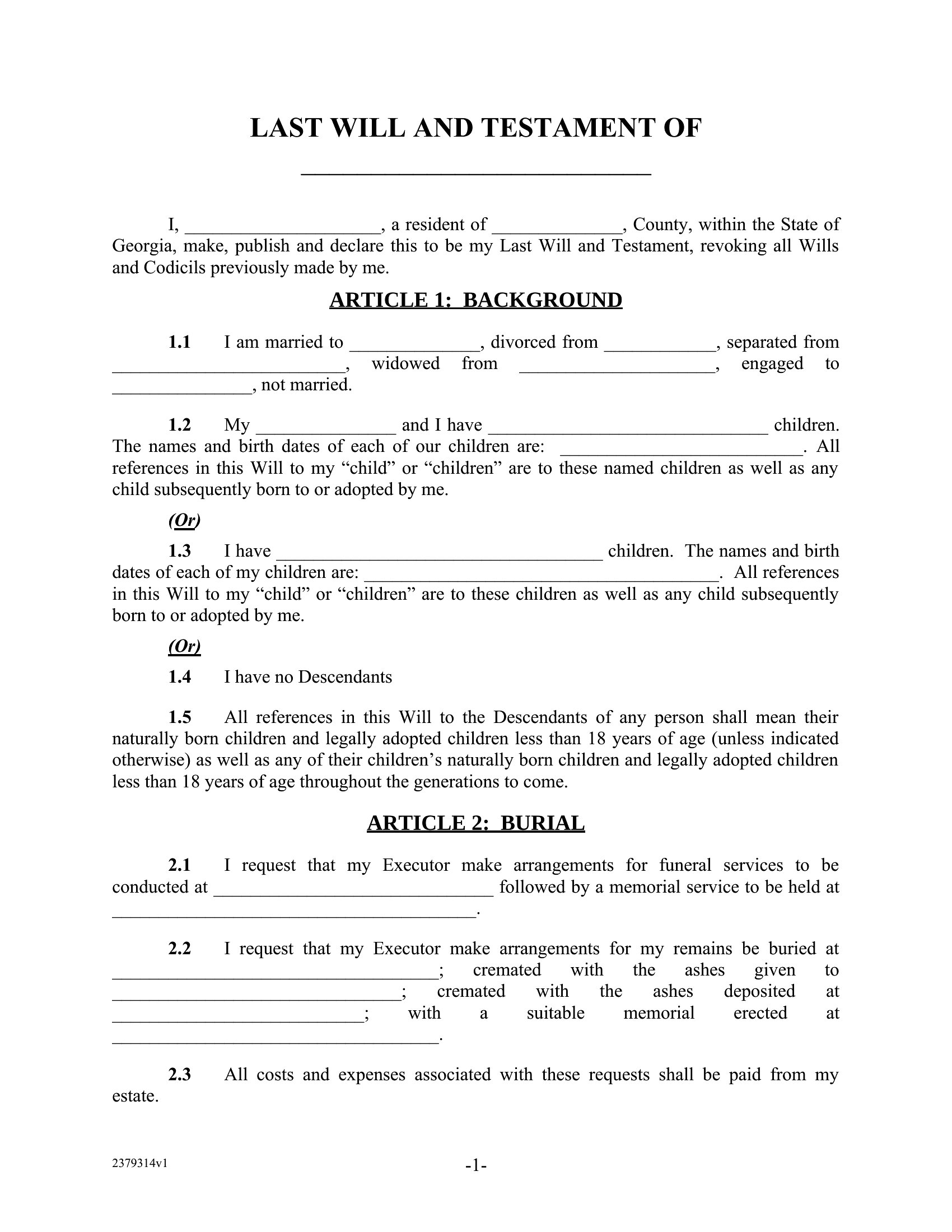
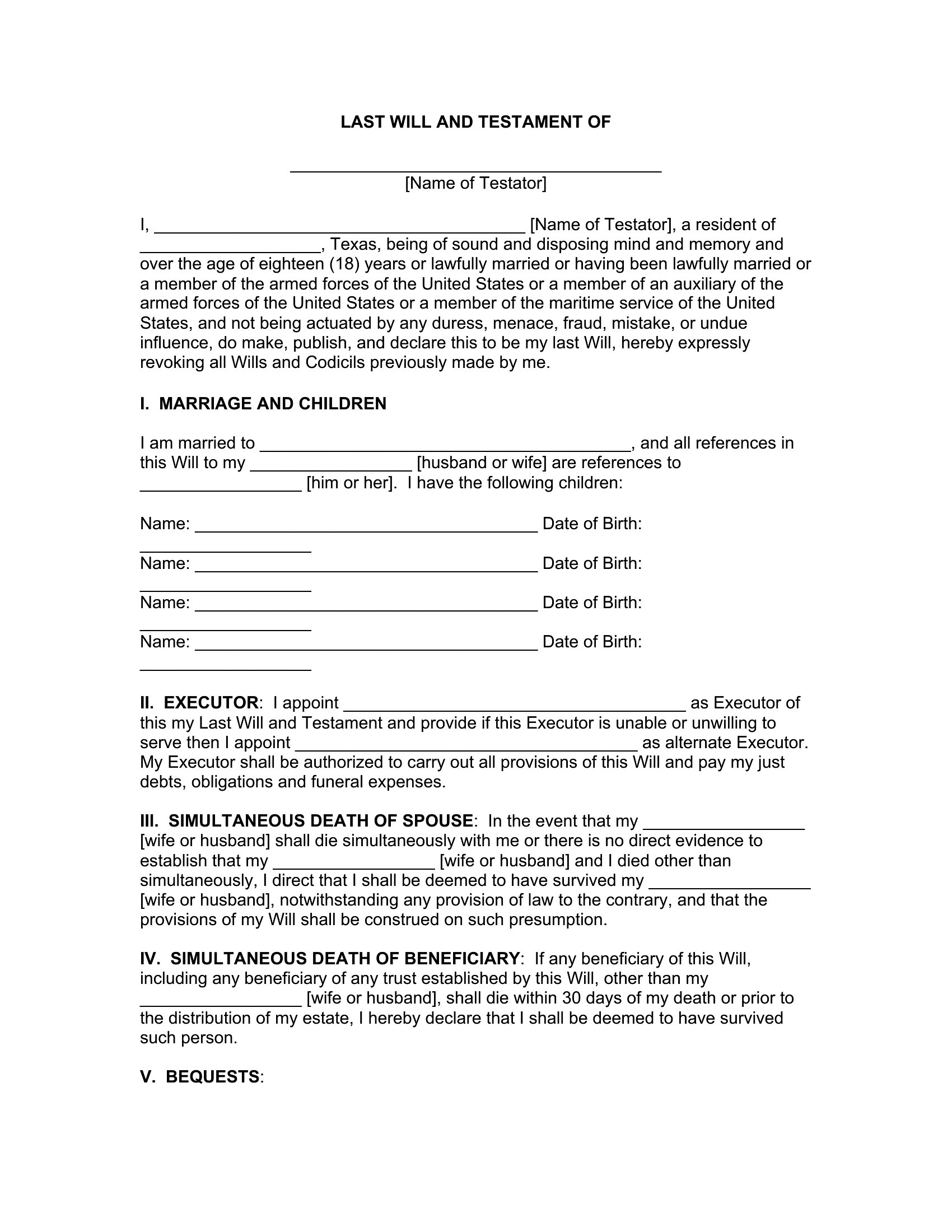
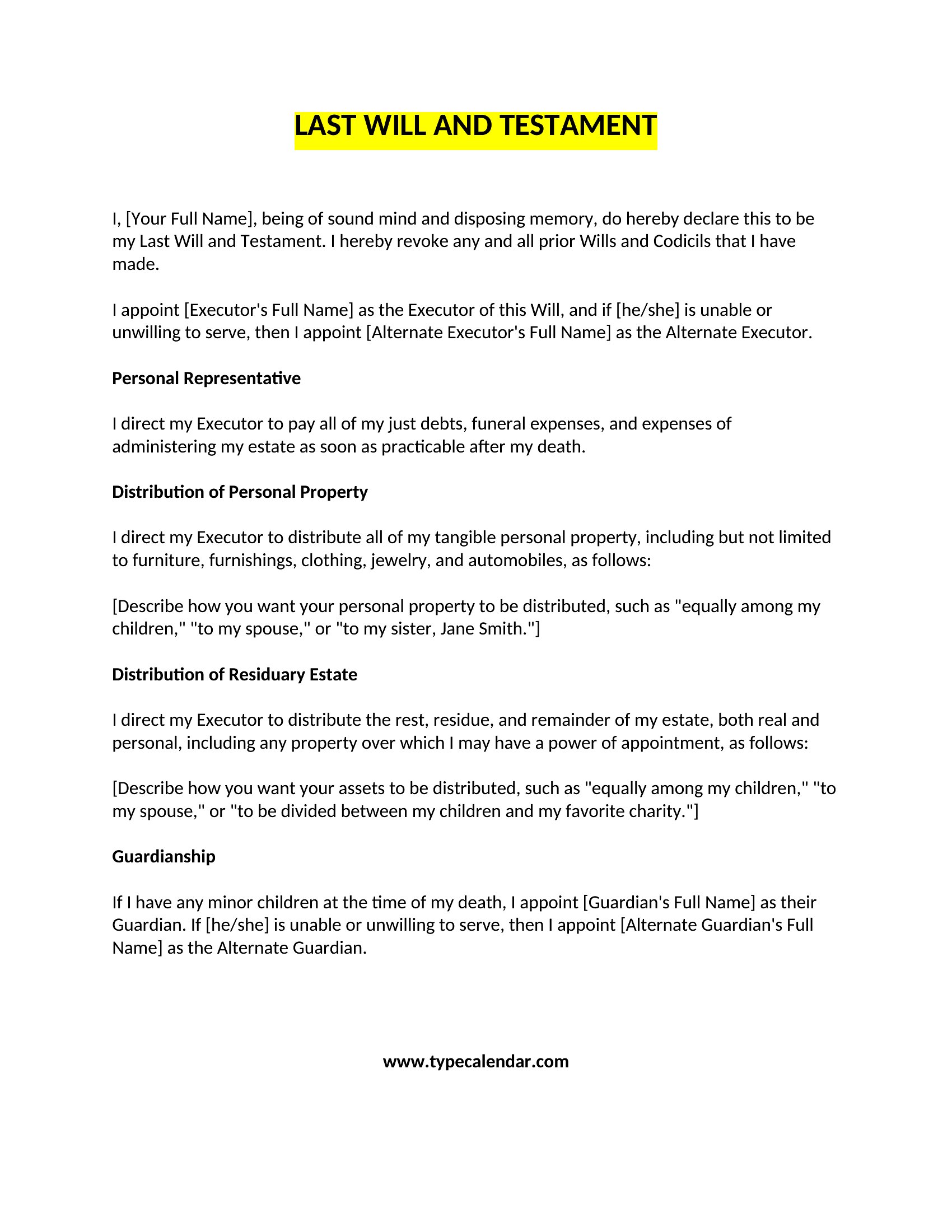
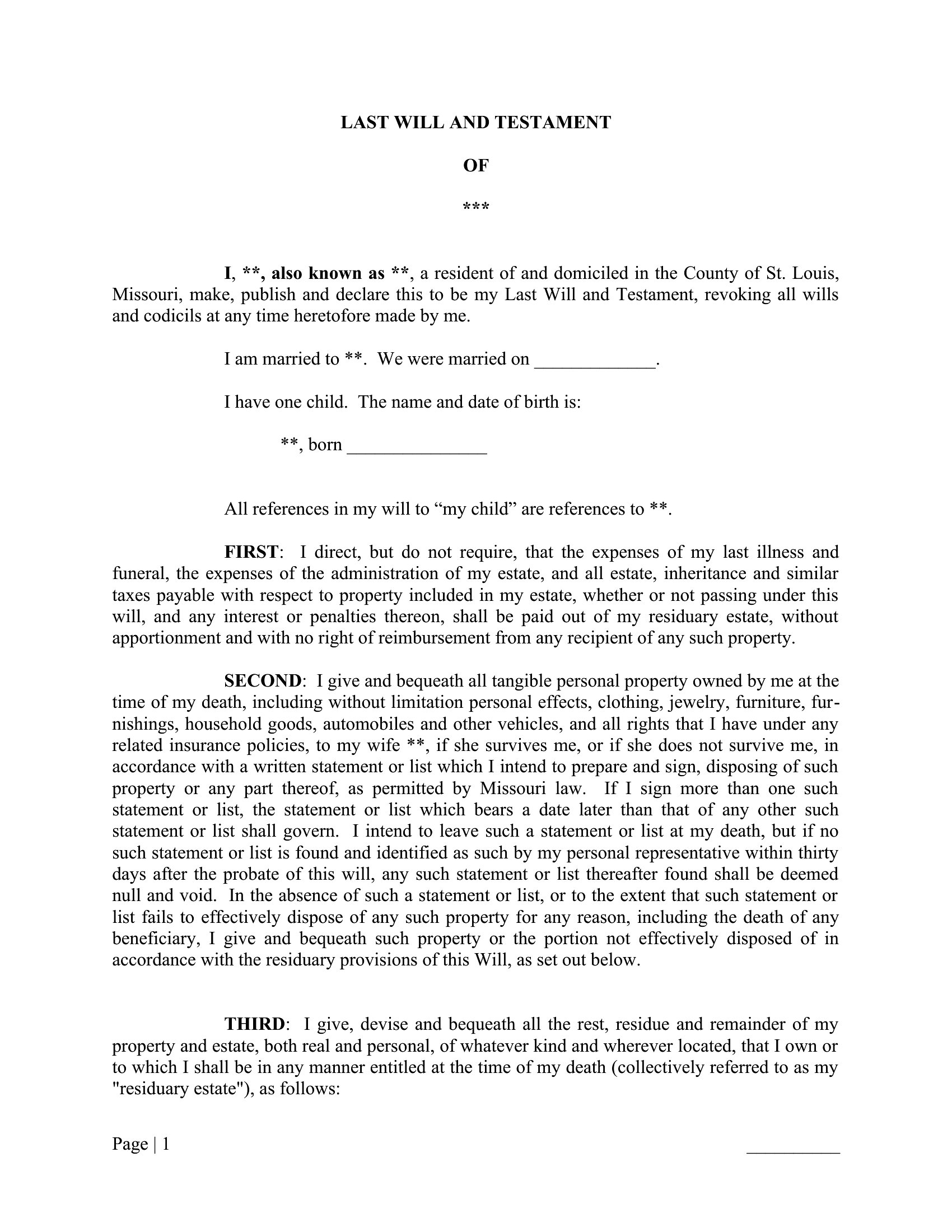
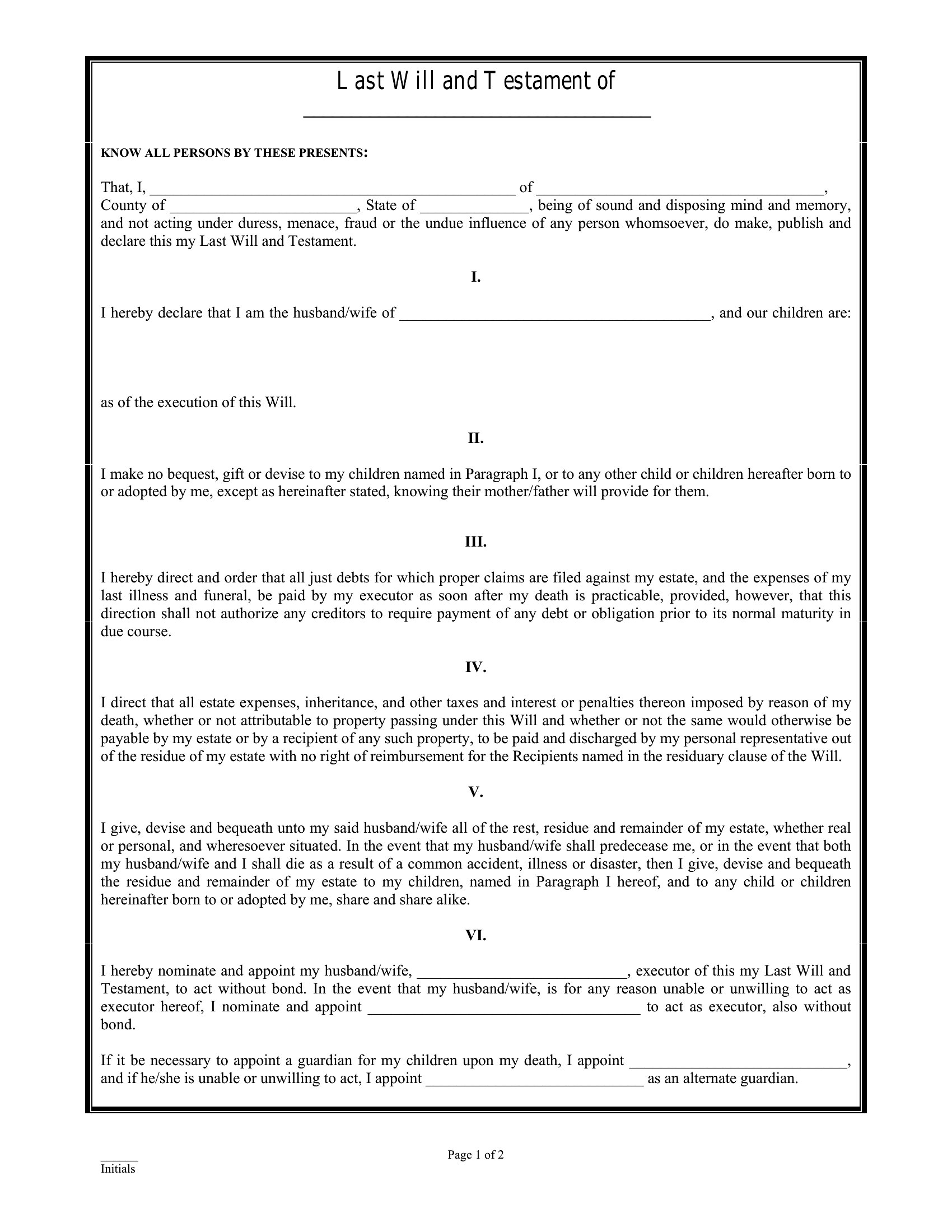
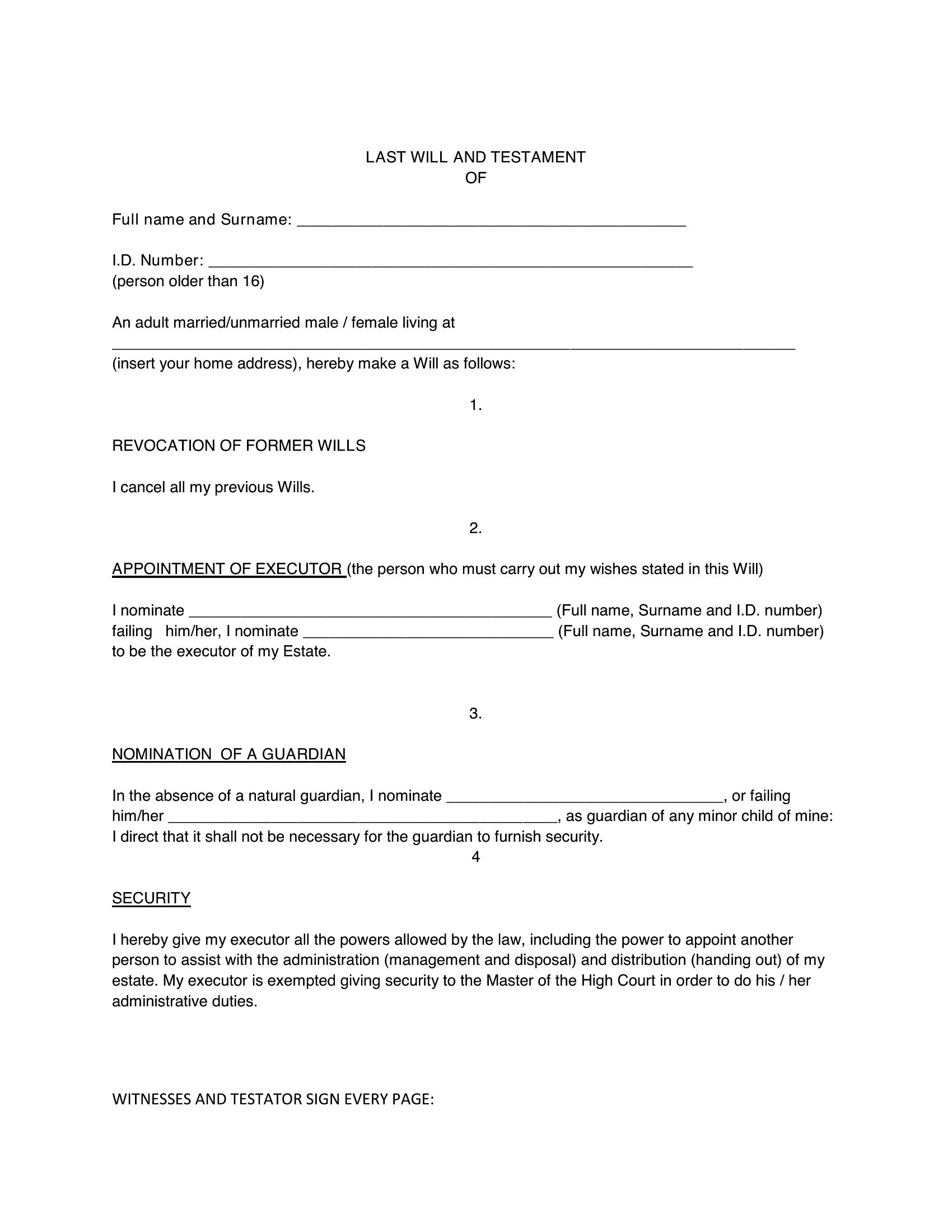
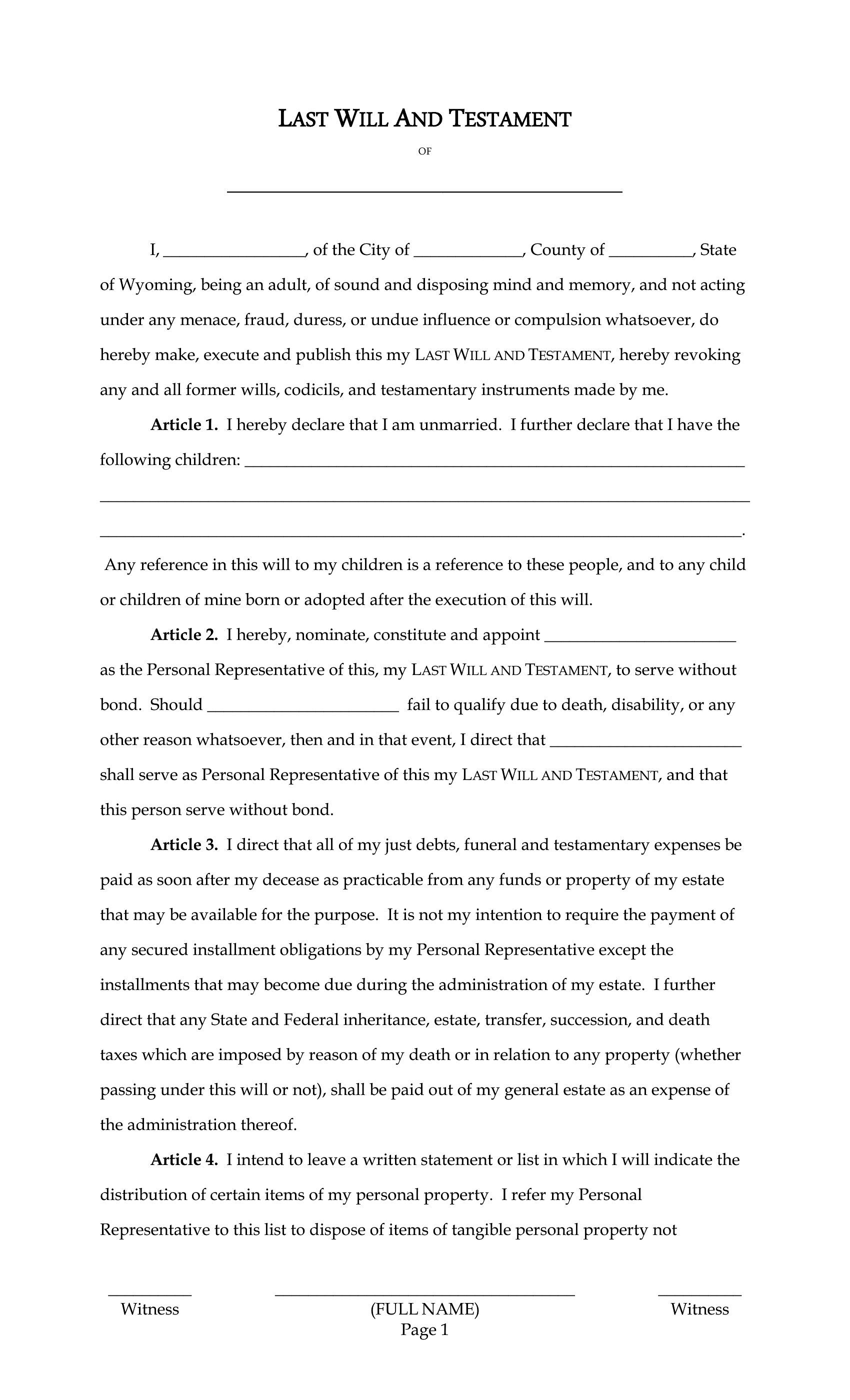
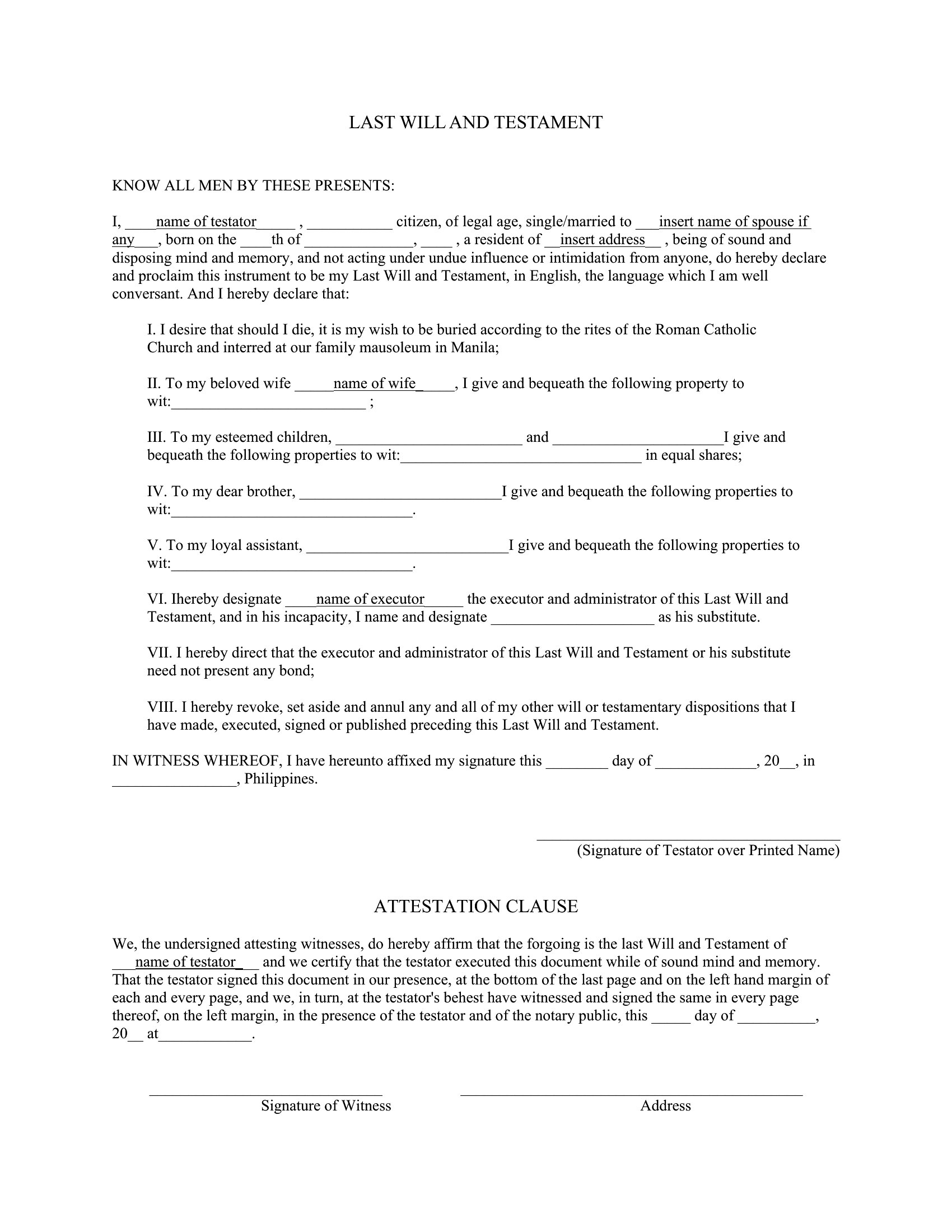
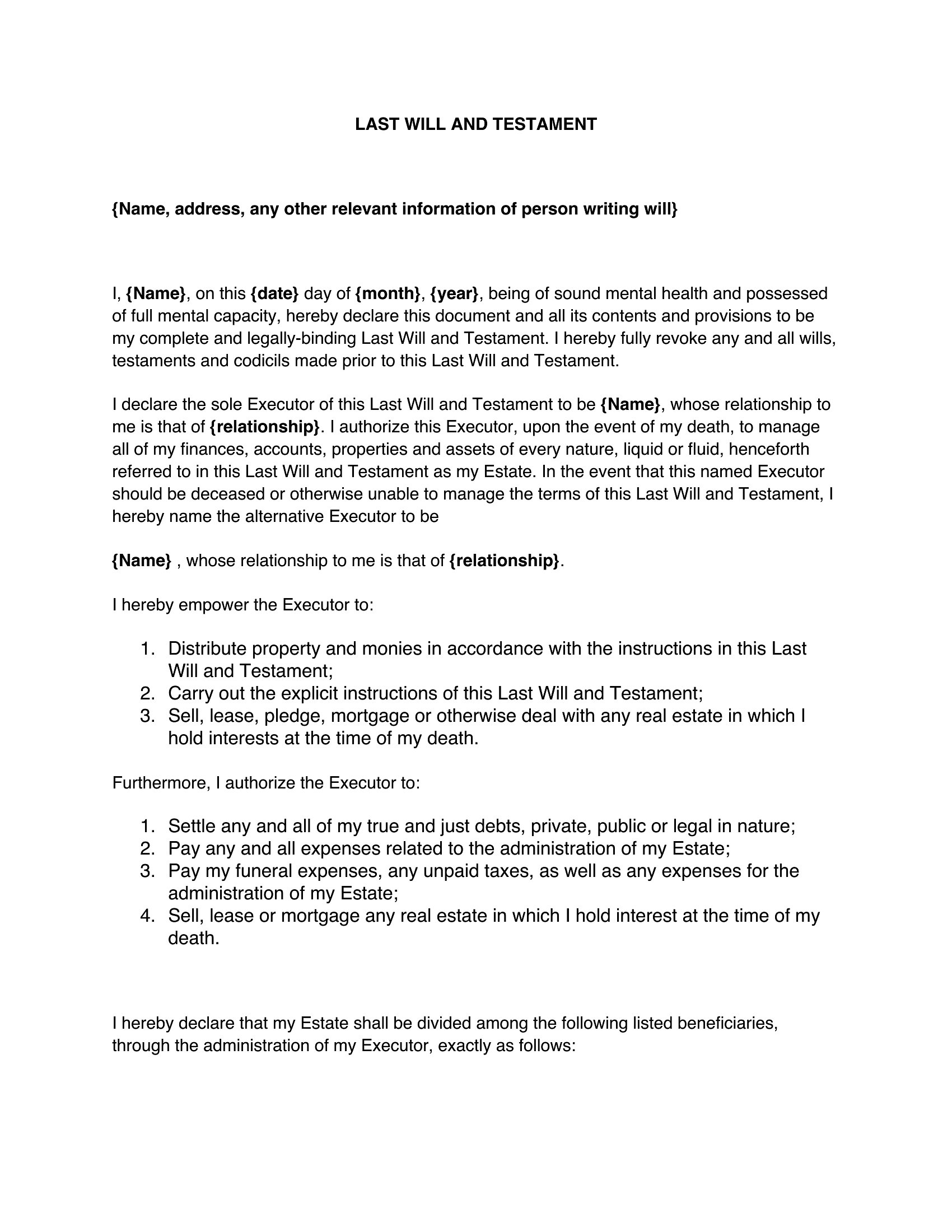
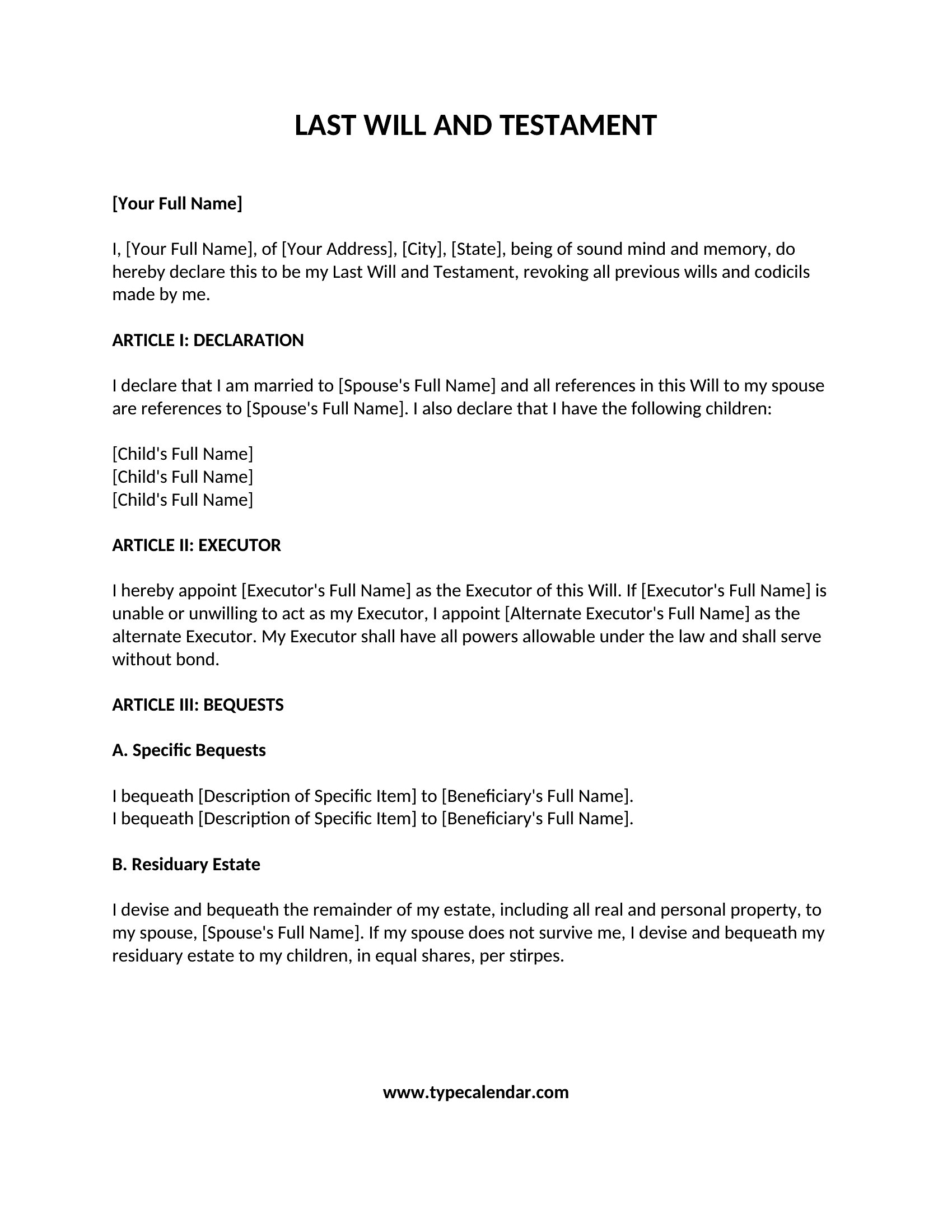
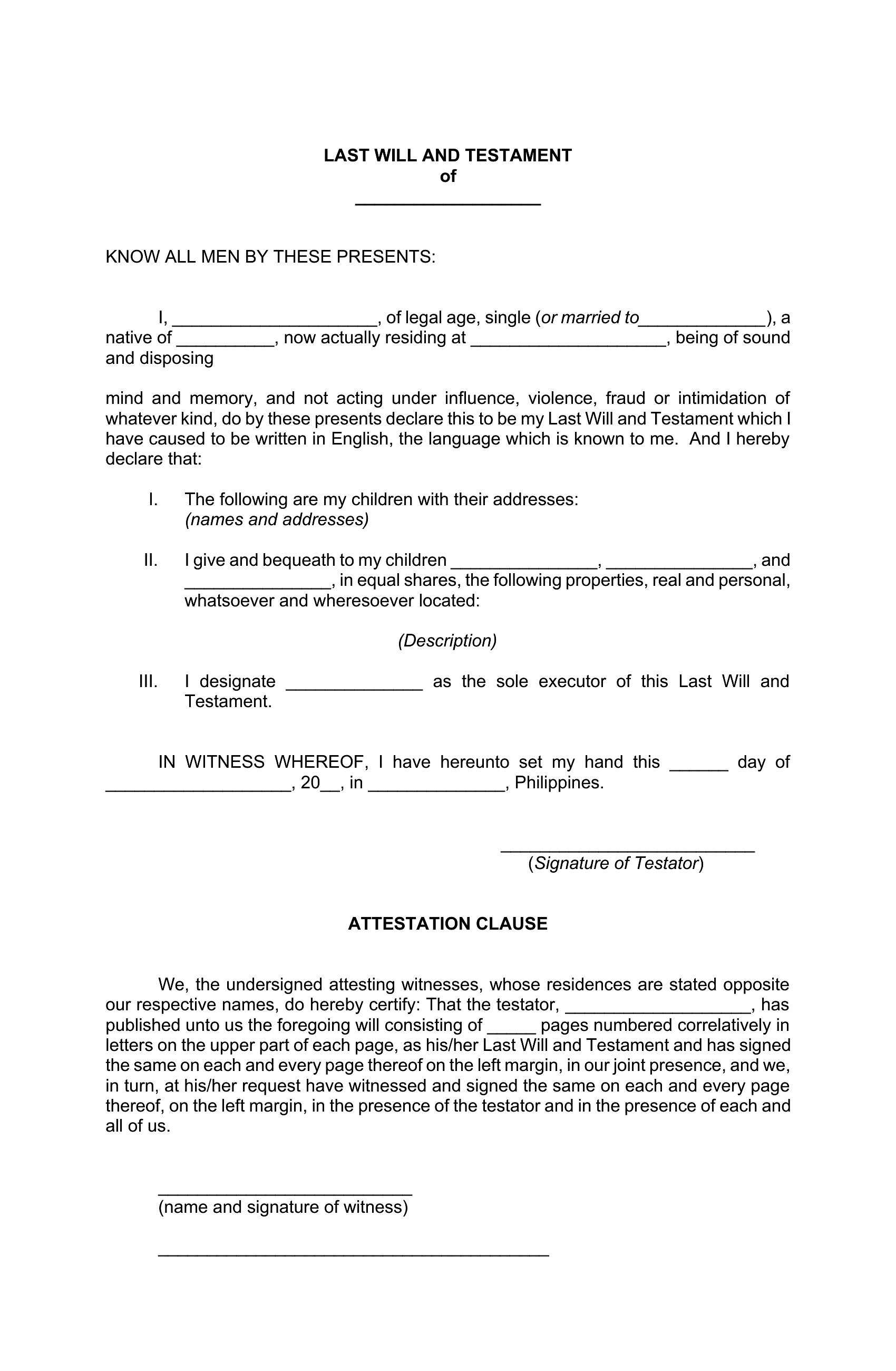
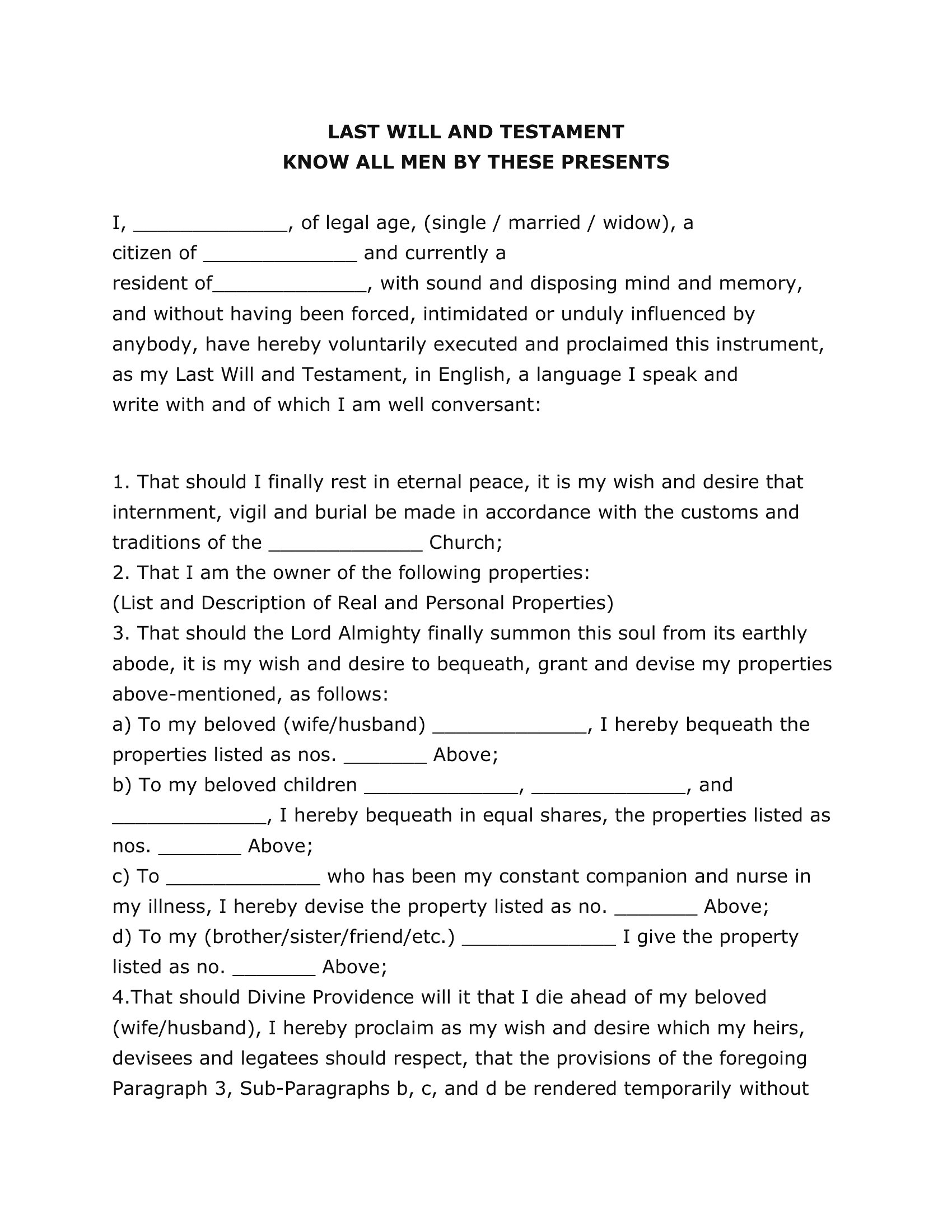
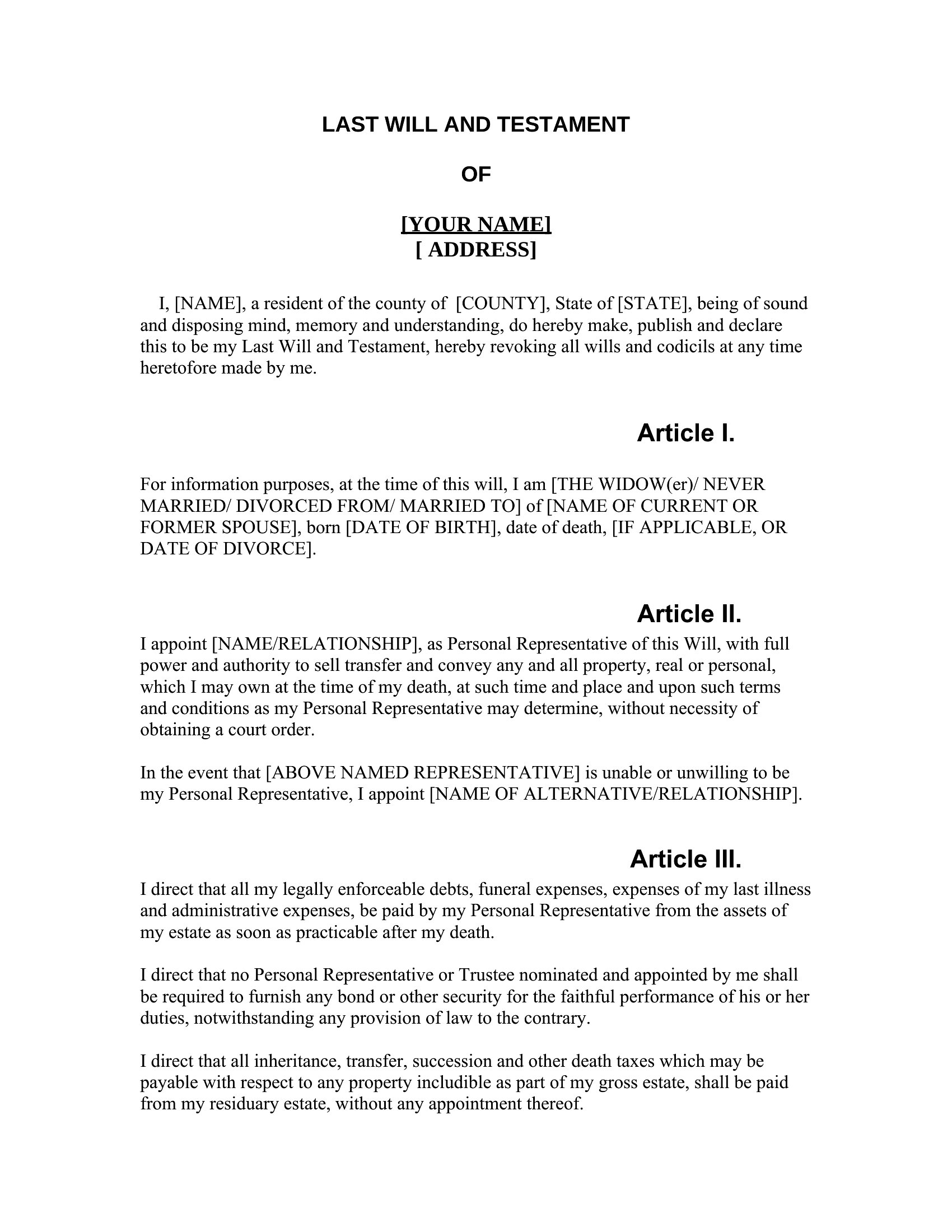
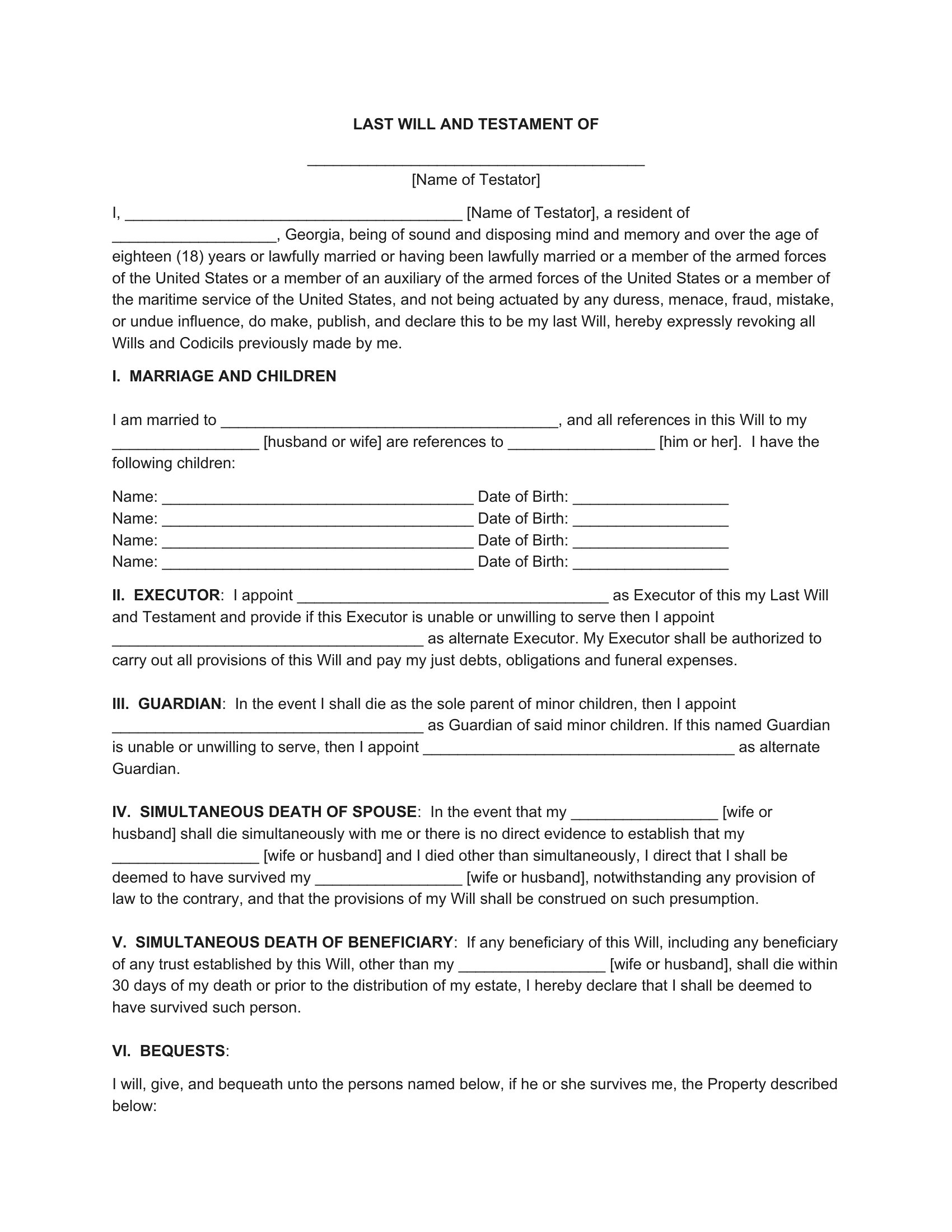
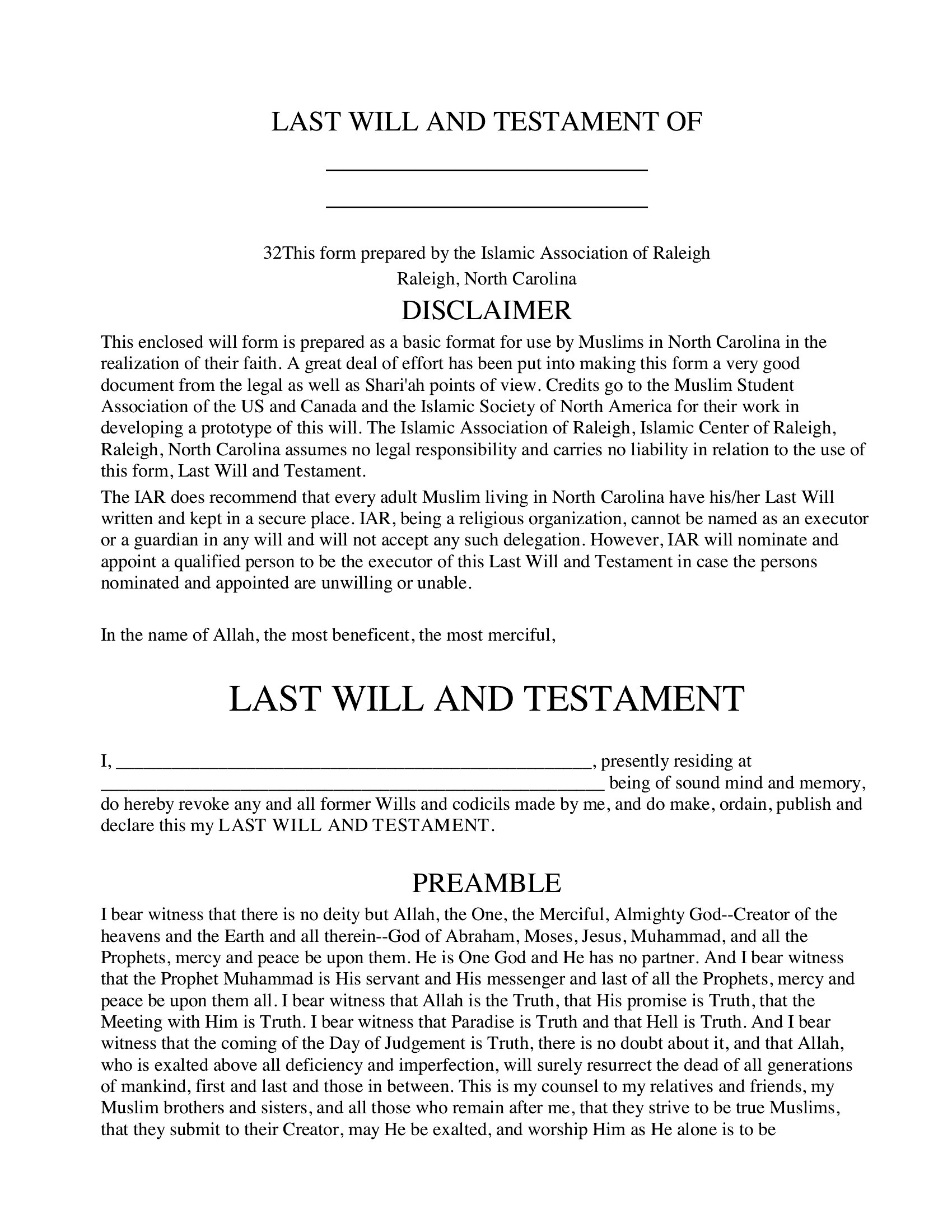
LegalPutting your wishes in writing spares your family guesswork during an already hard time, and a last will and testament is the document that does it. This collection of 42 templates covers naming beneficiaries, appointing an executor, and dividing assets, giving individuals and families a plain starting point for estate planning.
You can edit each one in Word and print a clean PDF for signing and witnessing. Will requirements differ from state to state, including witnessing and notarization, so confirm the specifics with your local court or an attorney before you finalize anything. Download the form that fits your situation, fill in your details, and keep the signed original somewhere safe.
When to use this Last Will and Testament template
- A single parent with minor children needs to name a guardian and outline financial support instructions for their care after passing away.
- A retiree with a blended family wants to ensure specific assets go to their spouse while leaving sentimental items to their adult children from a previous marriage.
- A small business owner without a will needs to designate how their company shares will be distributed among heirs and key employees.
- A couple with significant savings and property wants to minimize estate taxes by structuring their will to take advantage of state-specific exemptions.
Which format should I download?
Choose Word if you need to customize clauses, add personal details, or collaborate with an attorney before finalizing your will. This format allows easy edits and revisions. Opt for PDF if you’re ready to finalize your will and want a clean, printable version for signatures and notarization. PDFs also lock in formatting to prevent accidental changes after review. Since these templates are starting points, use Word first to refine, then convert to PDF for the official document.
Choose from 42 Last Will and Testament Templates
How to use this Last Will and Testament template
Can I use one of these templates if I have assets in multiple states?
These templates provide a framework, but laws vary by state, especially regarding property, taxes, and guardianship. Consult an estate planning attorney to ensure compliance, as some states require specific language or additional documents like a trust. The templates can still guide your discussions with a professional.
What if I want to exclude a family member but don’t want to cause conflict?
While templates include spaces to name beneficiaries, excluding someone—especially a family member—can lead to legal challenges. Clearly document your reasons in a separate letter or consult an attorney to explore alternatives like a no-contest clause. Templates alone don’t address the emotional or legal risks of disinheritance.
Do I need to update my will after major life events like marriage, divorce, or having a child?
Yes, major life changes often require updates to your will to reflect new circumstances, such as adding a spouse, removing an ex, or including a child. These templates don’t automatically adjust for life events, so review and revise them annually or after significant changes. Consider storing a copy with your attorney for easier updates.
Comments
Join the conversation
Sign in to share your thoughts and leave a comment on this resource.