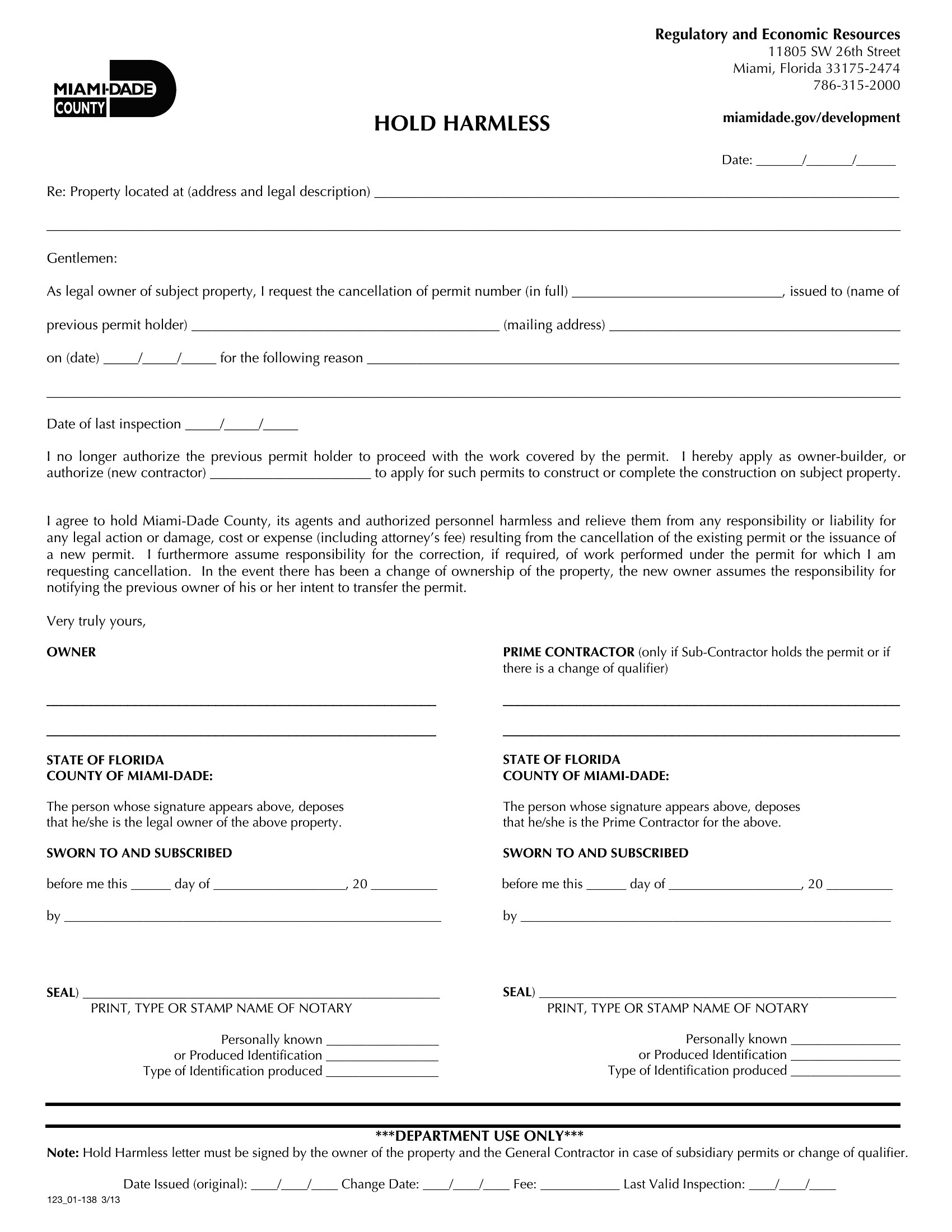
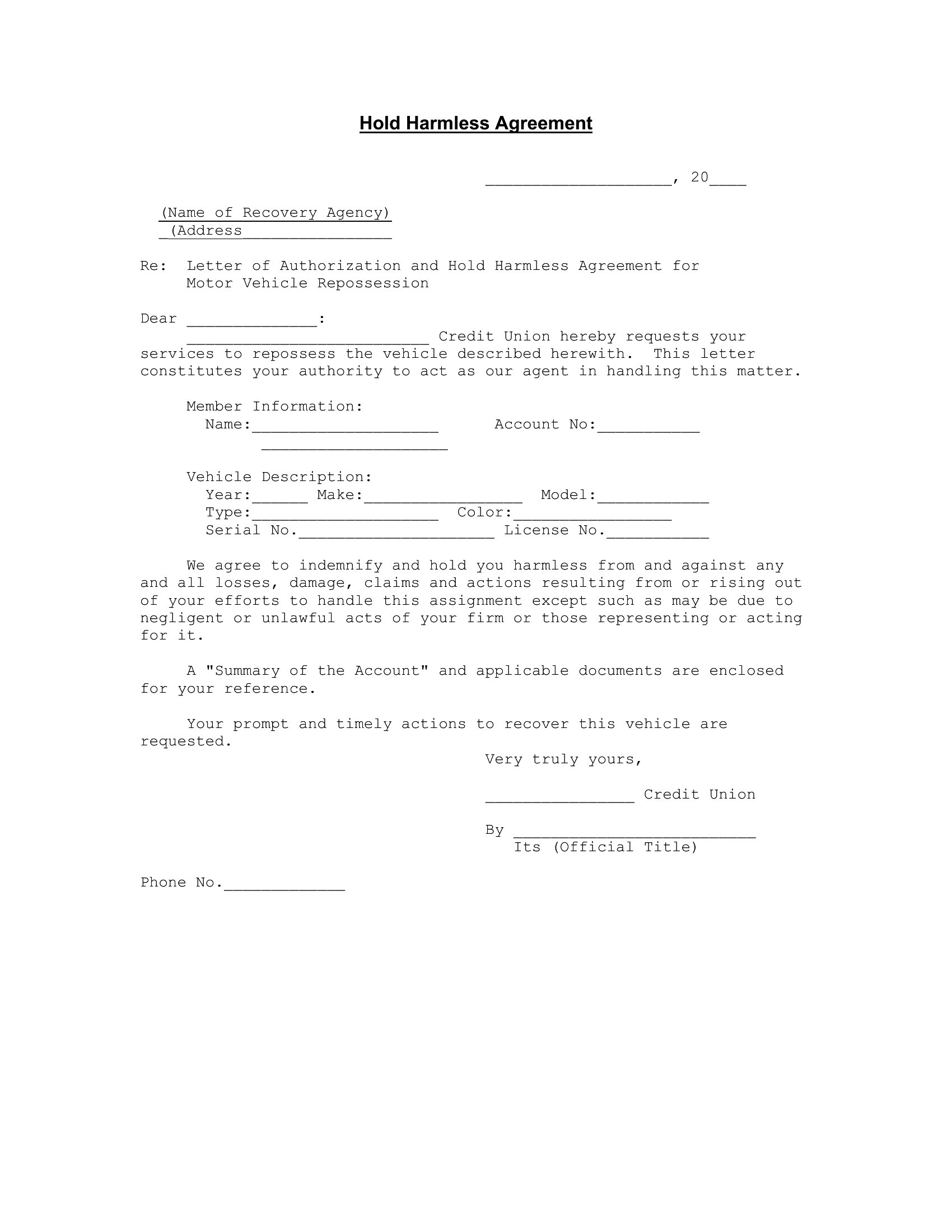
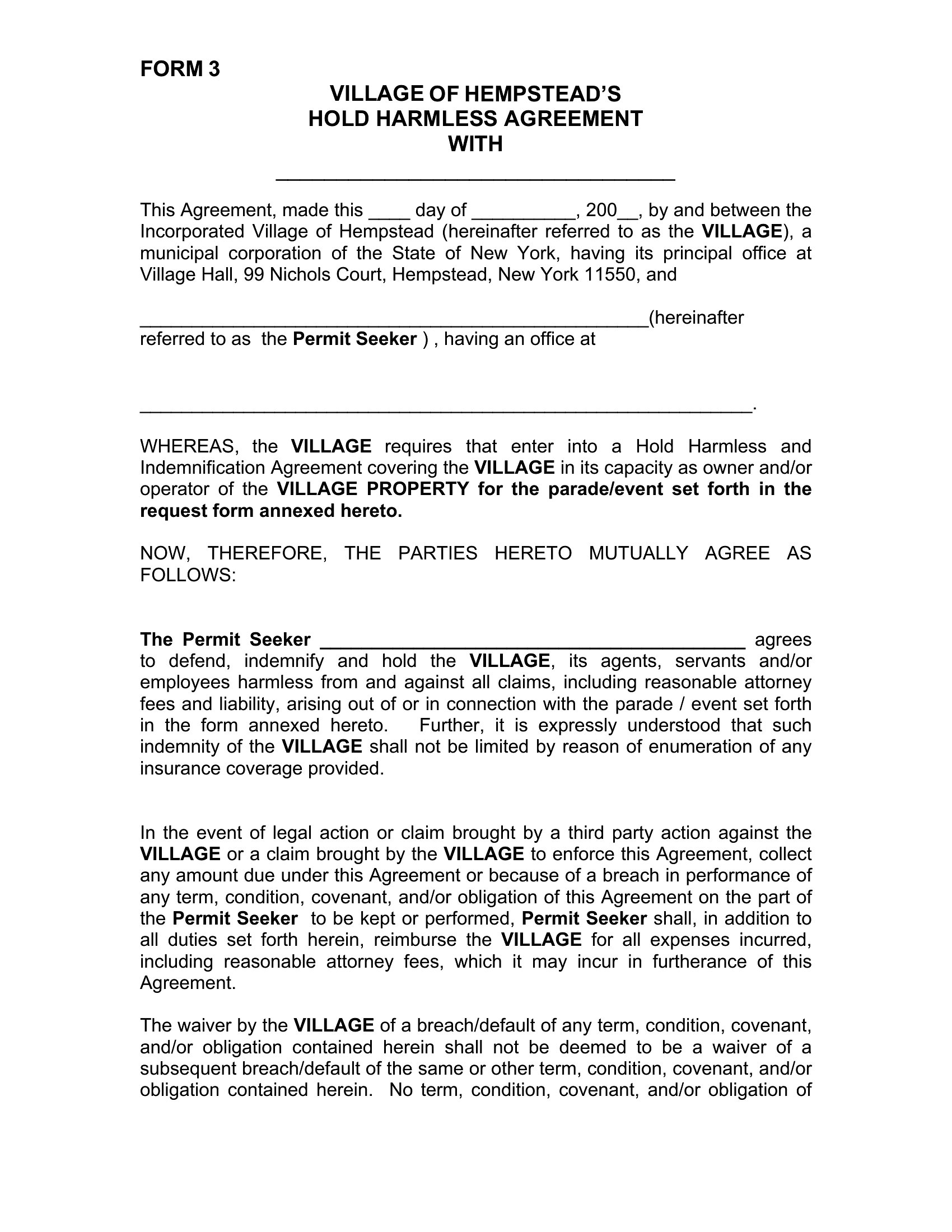
Free Hold Harmless Agreements (Word, PDF)
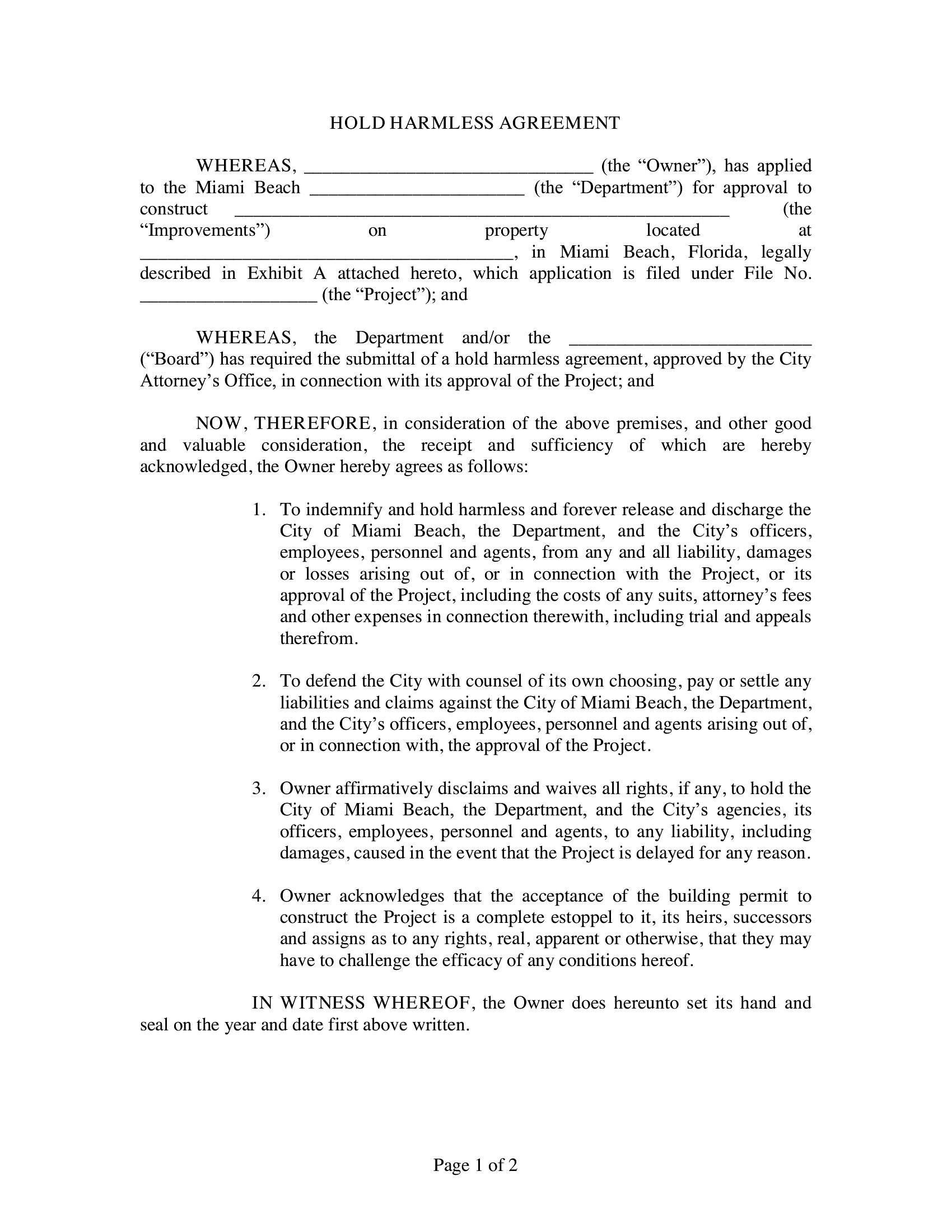
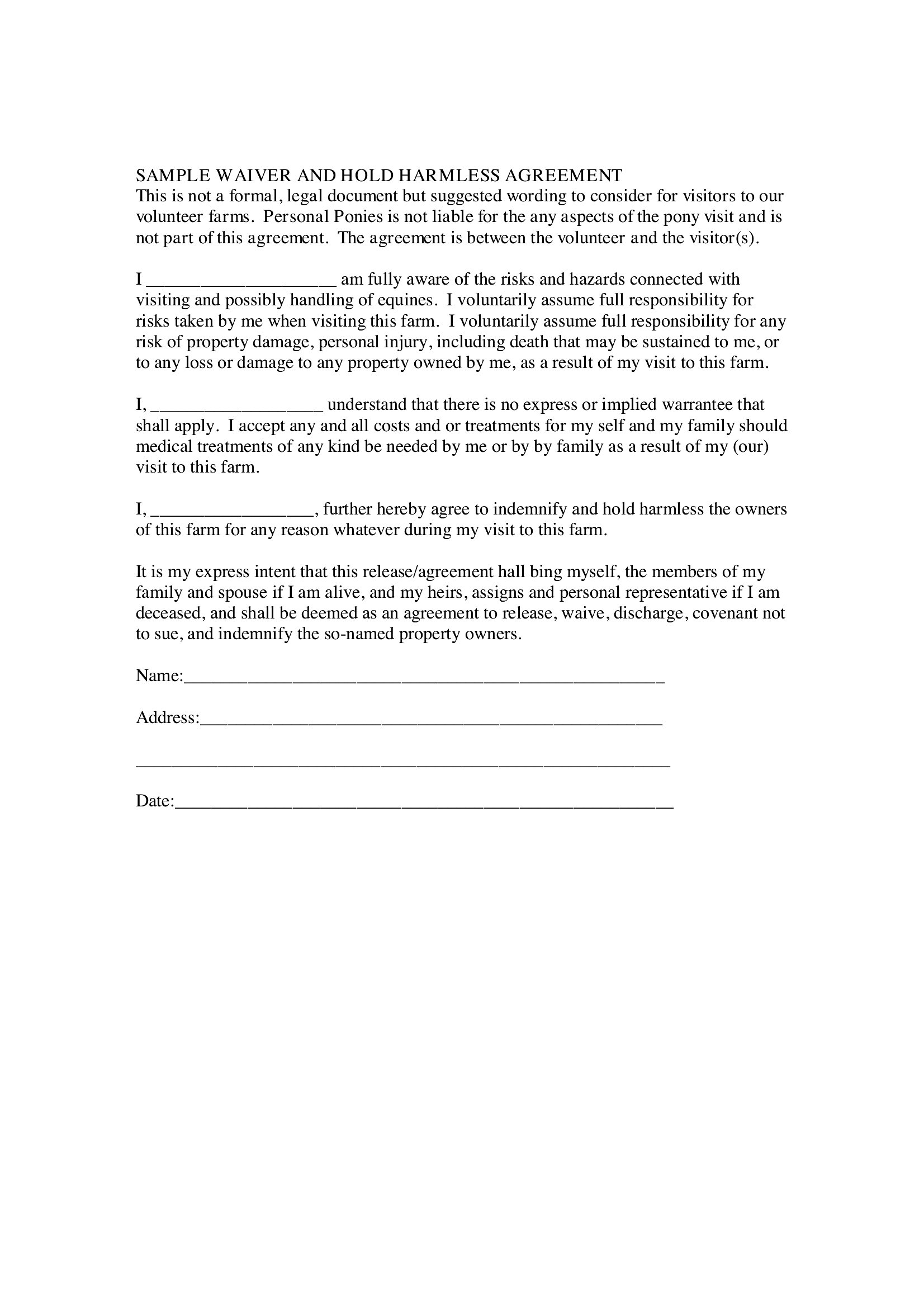
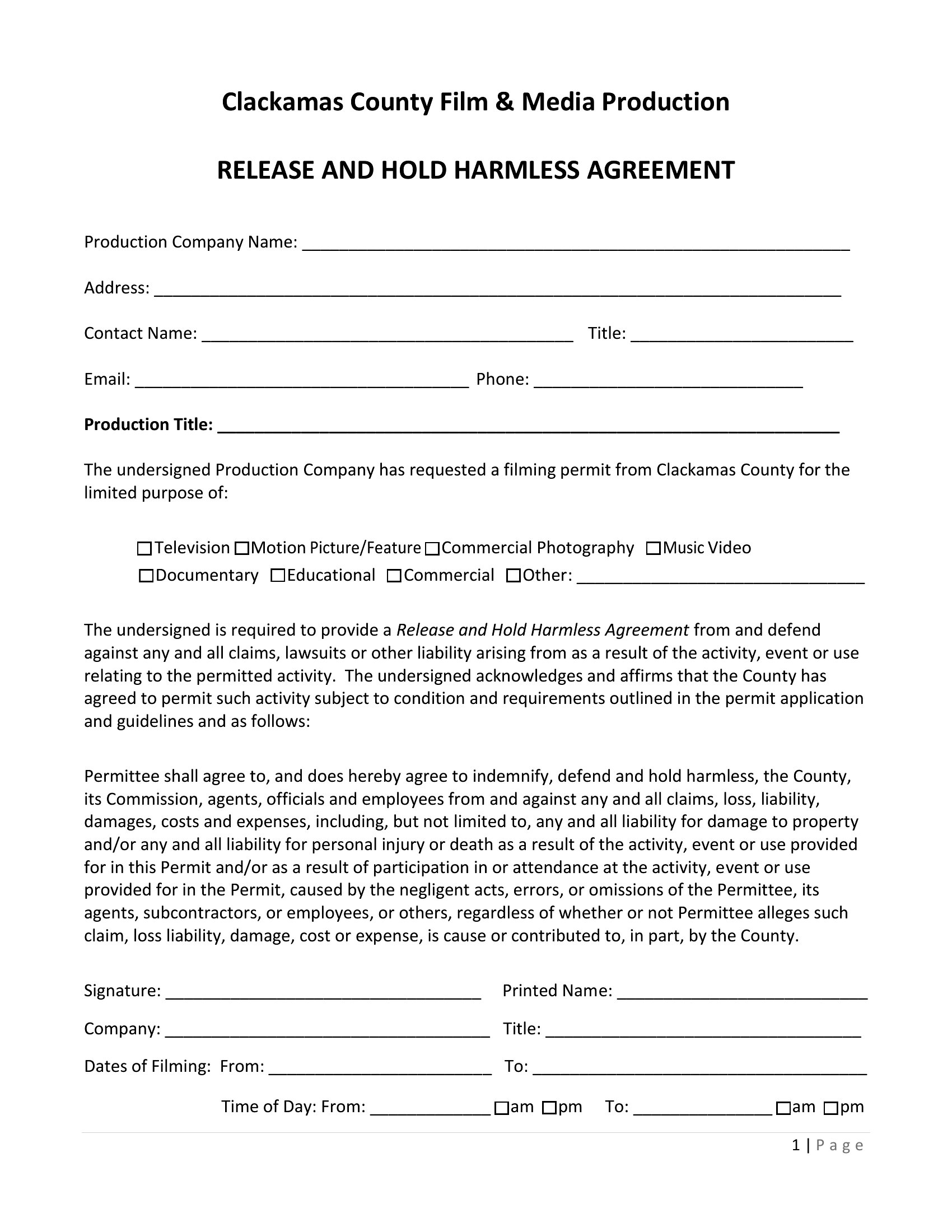
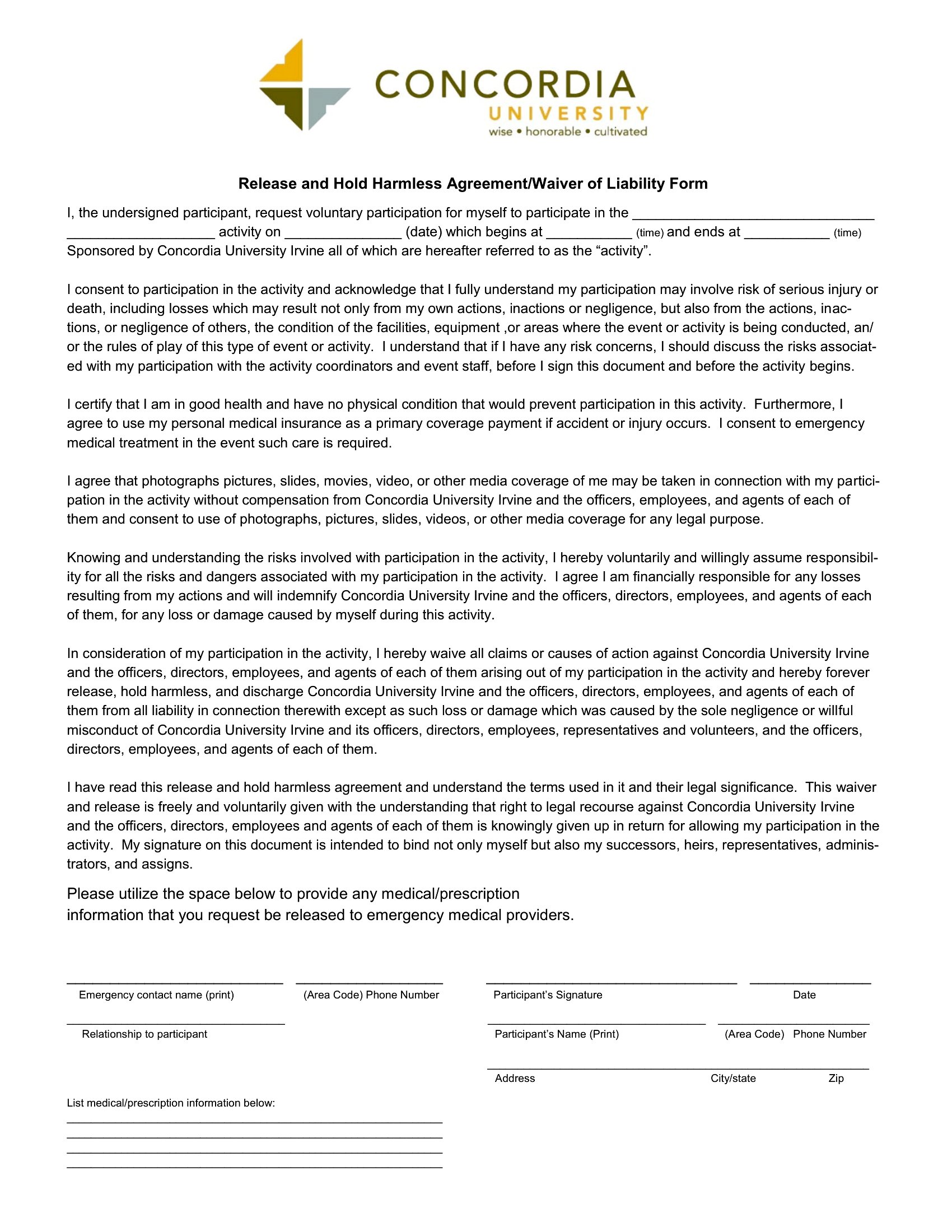
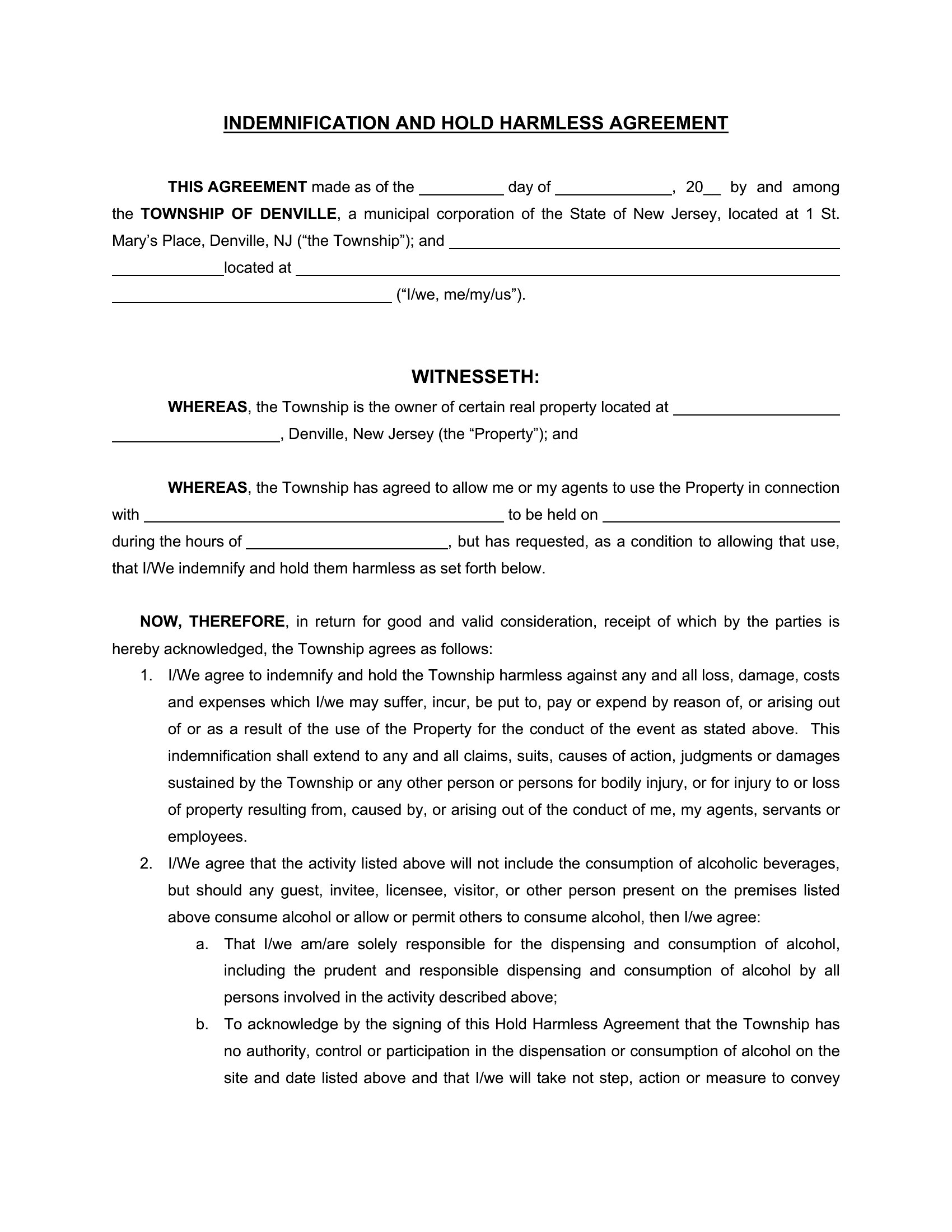
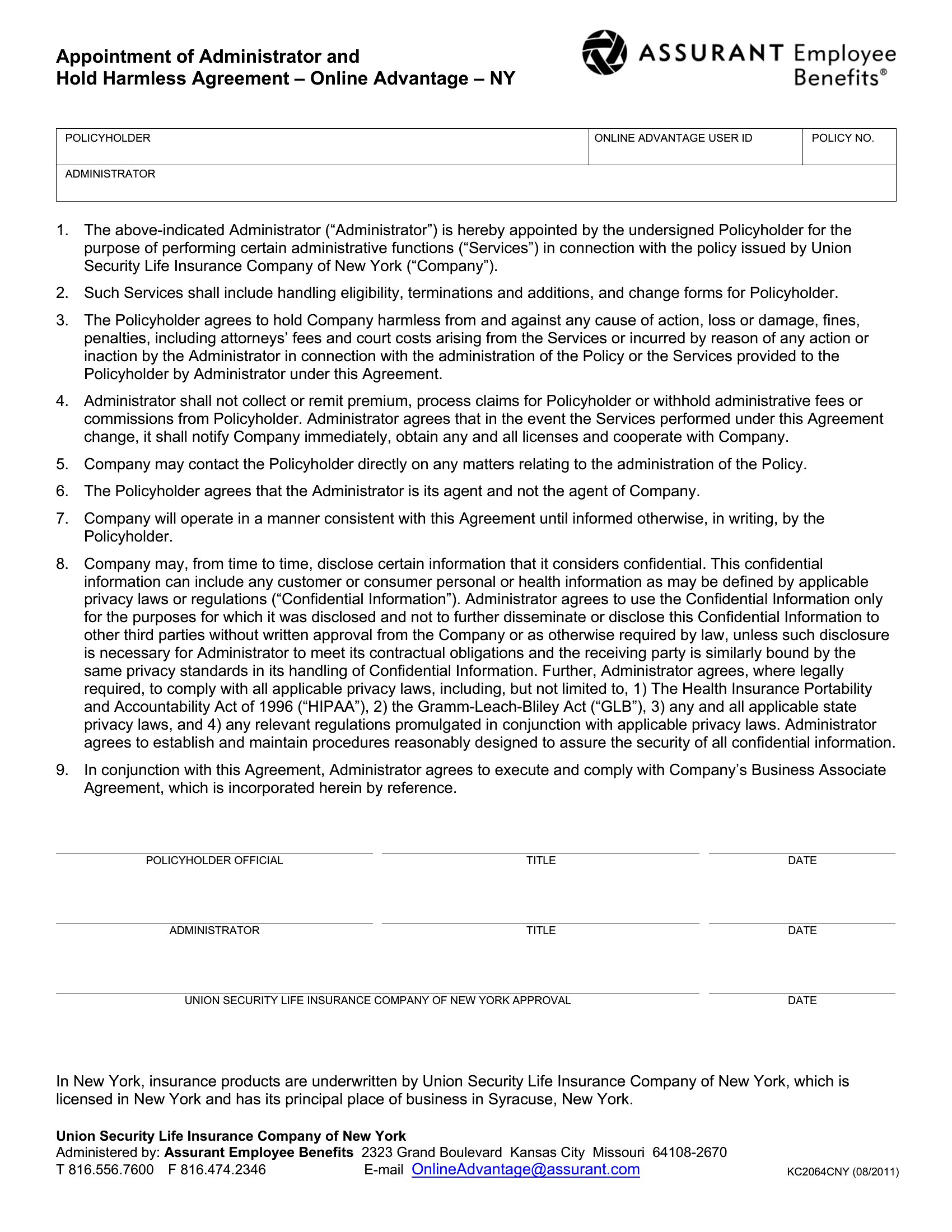
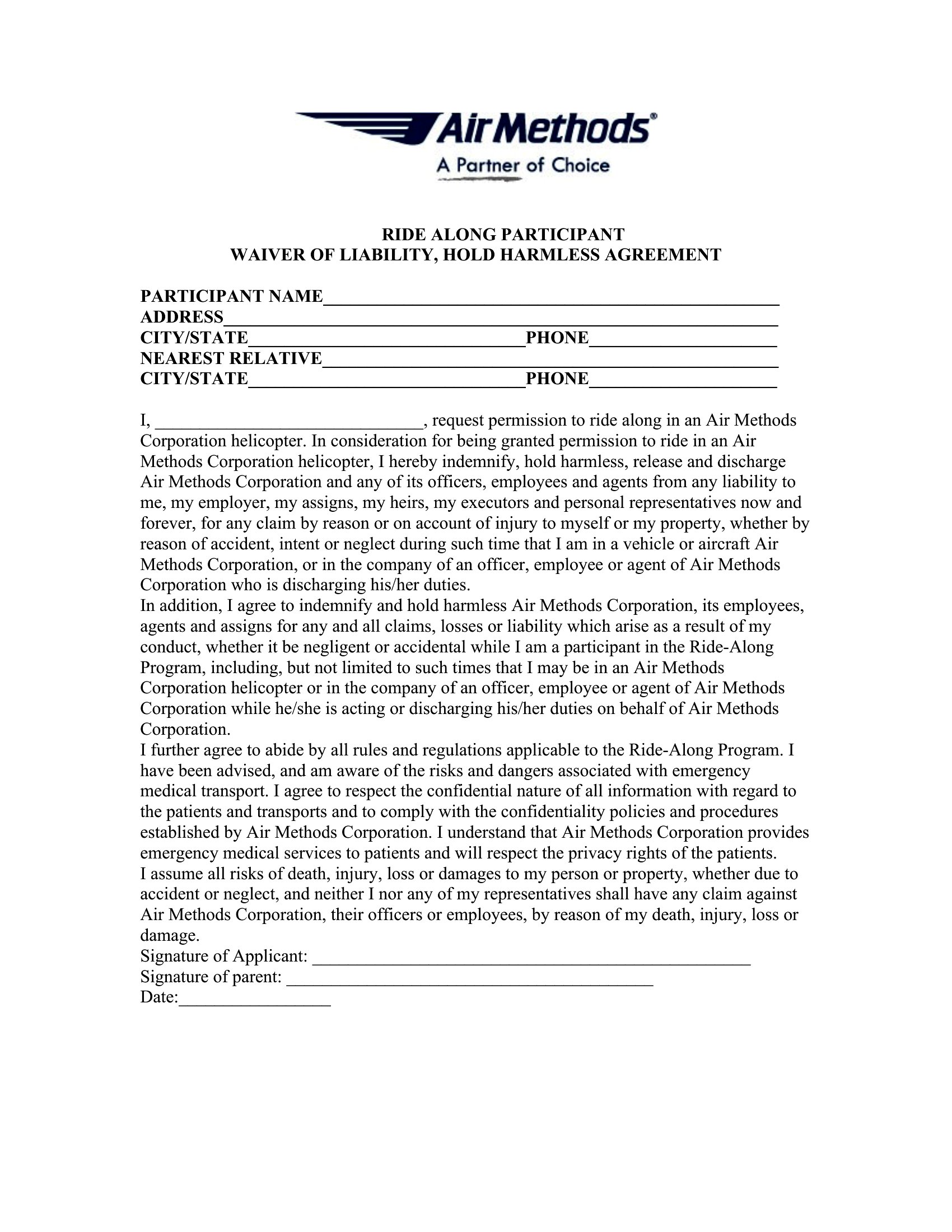
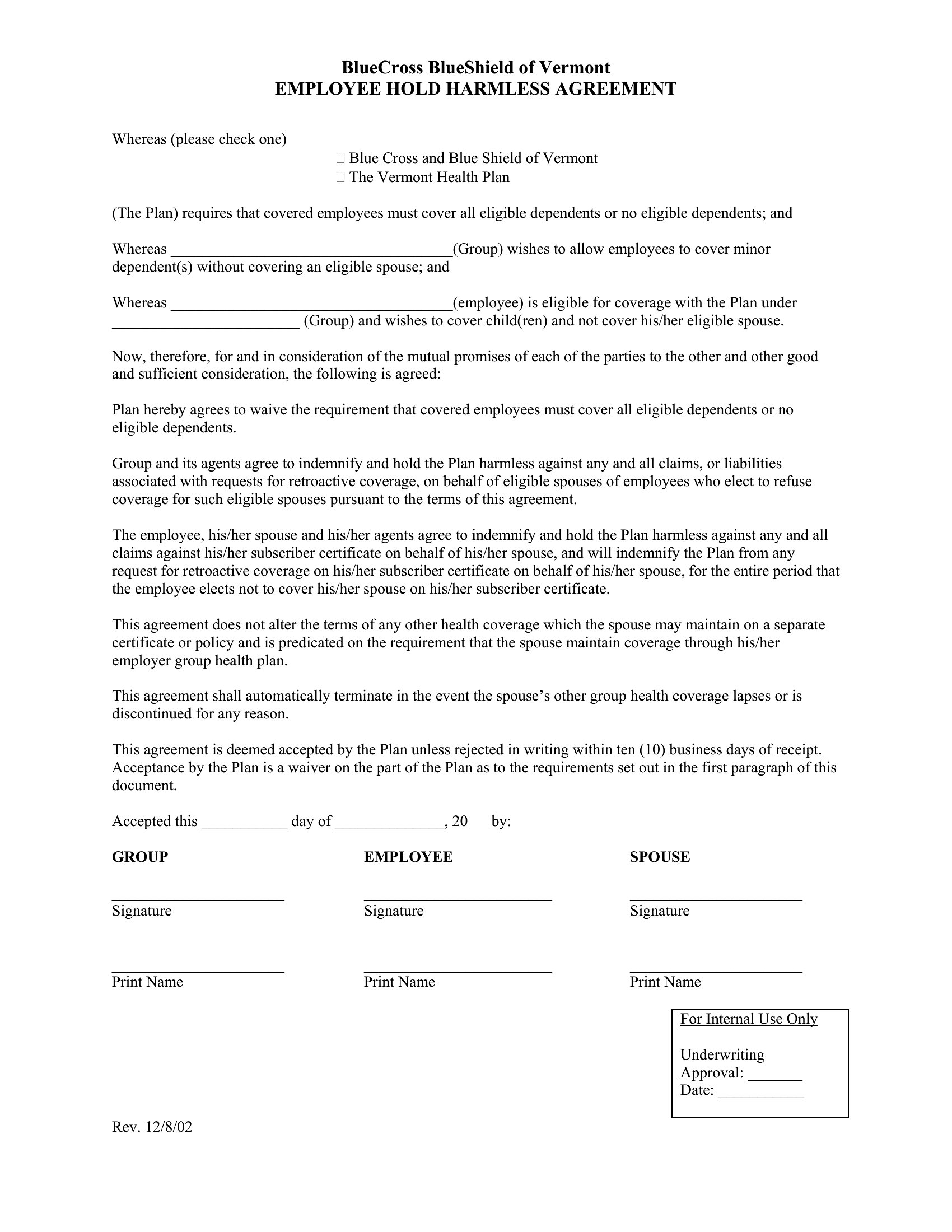
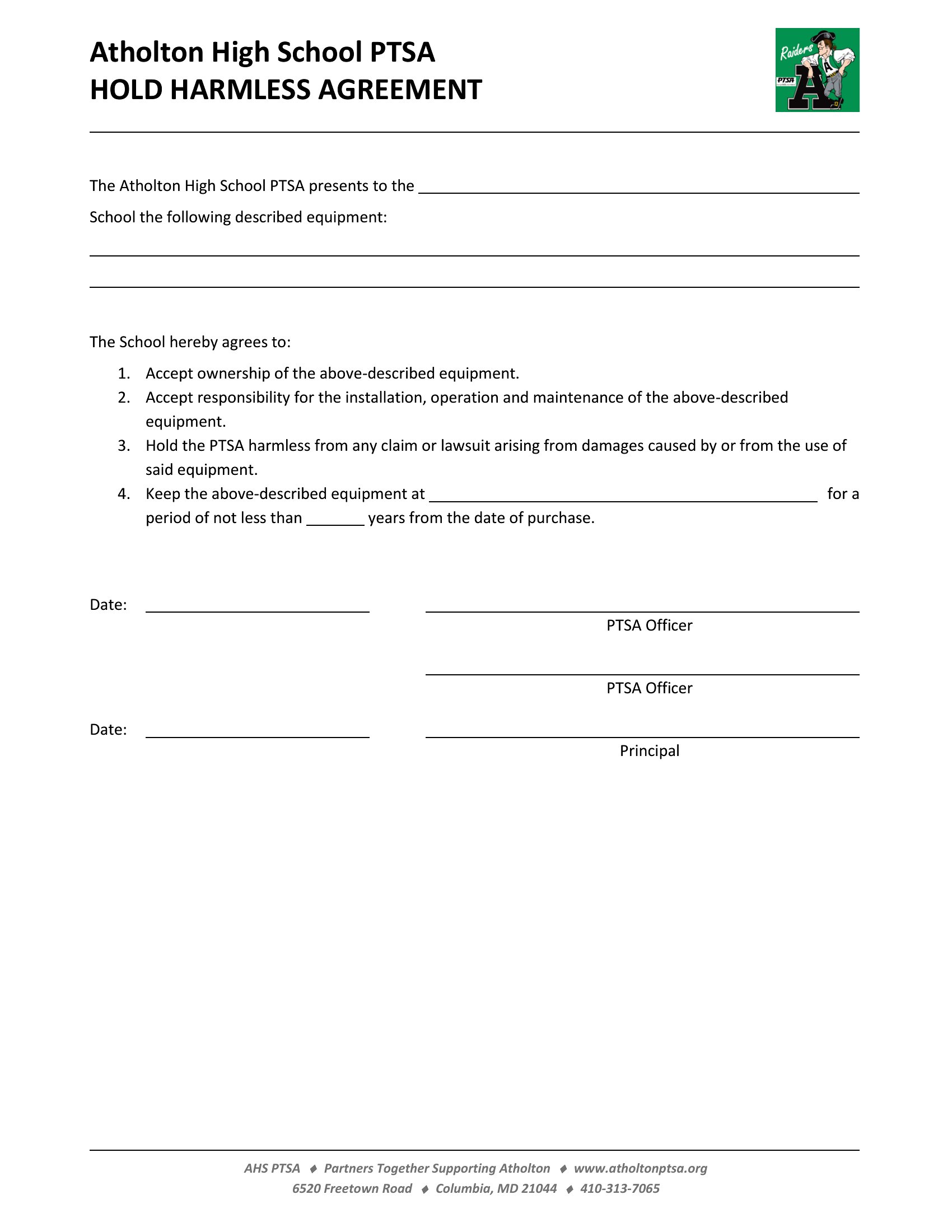
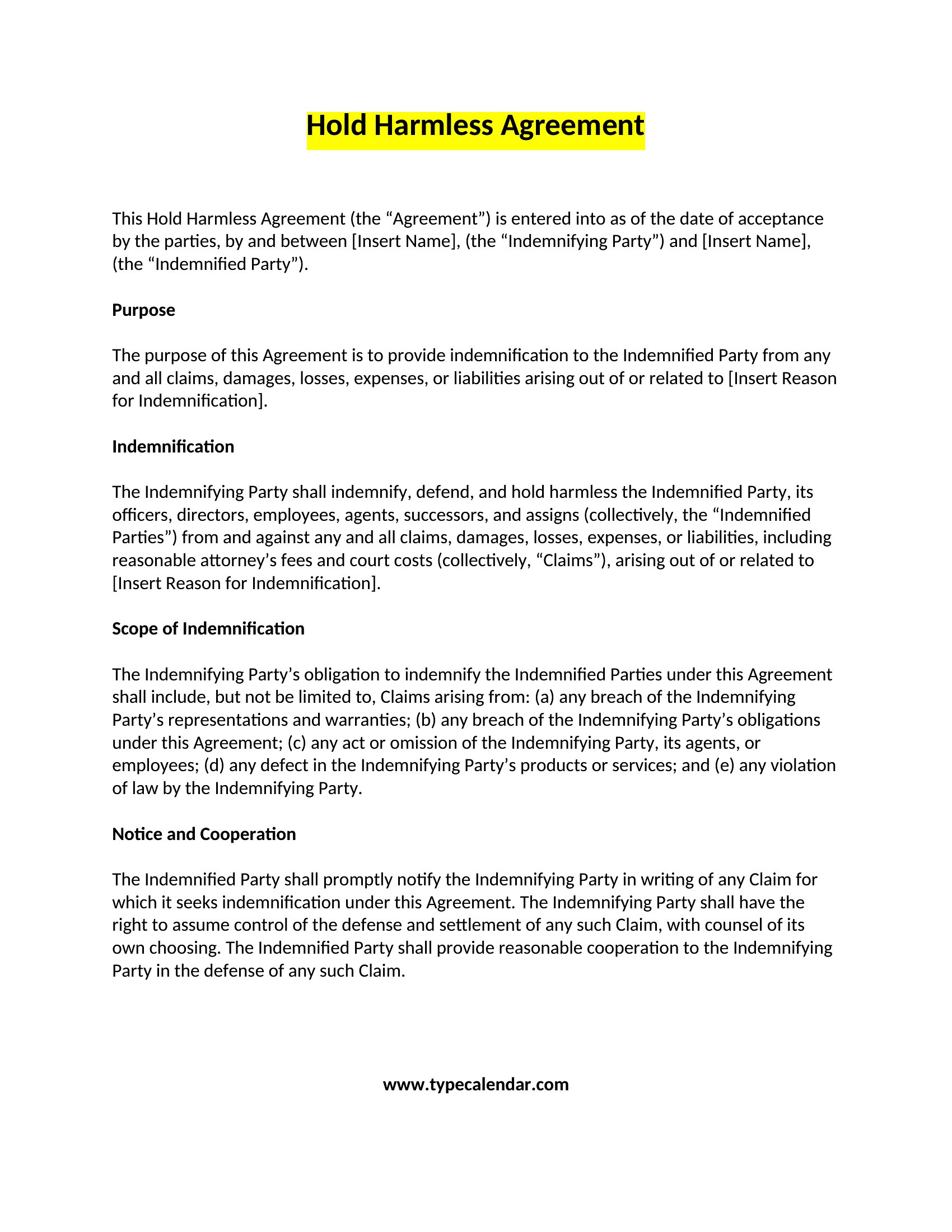
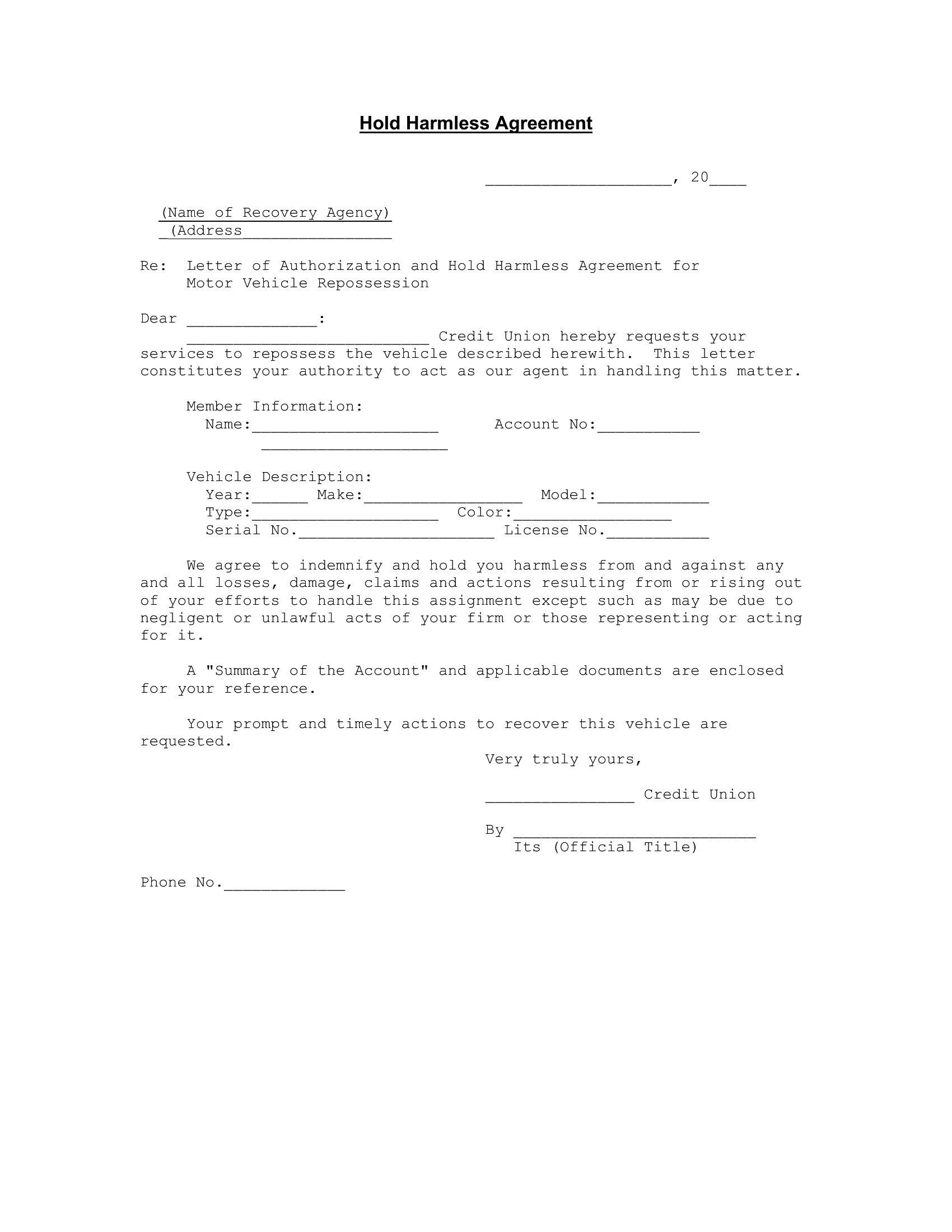
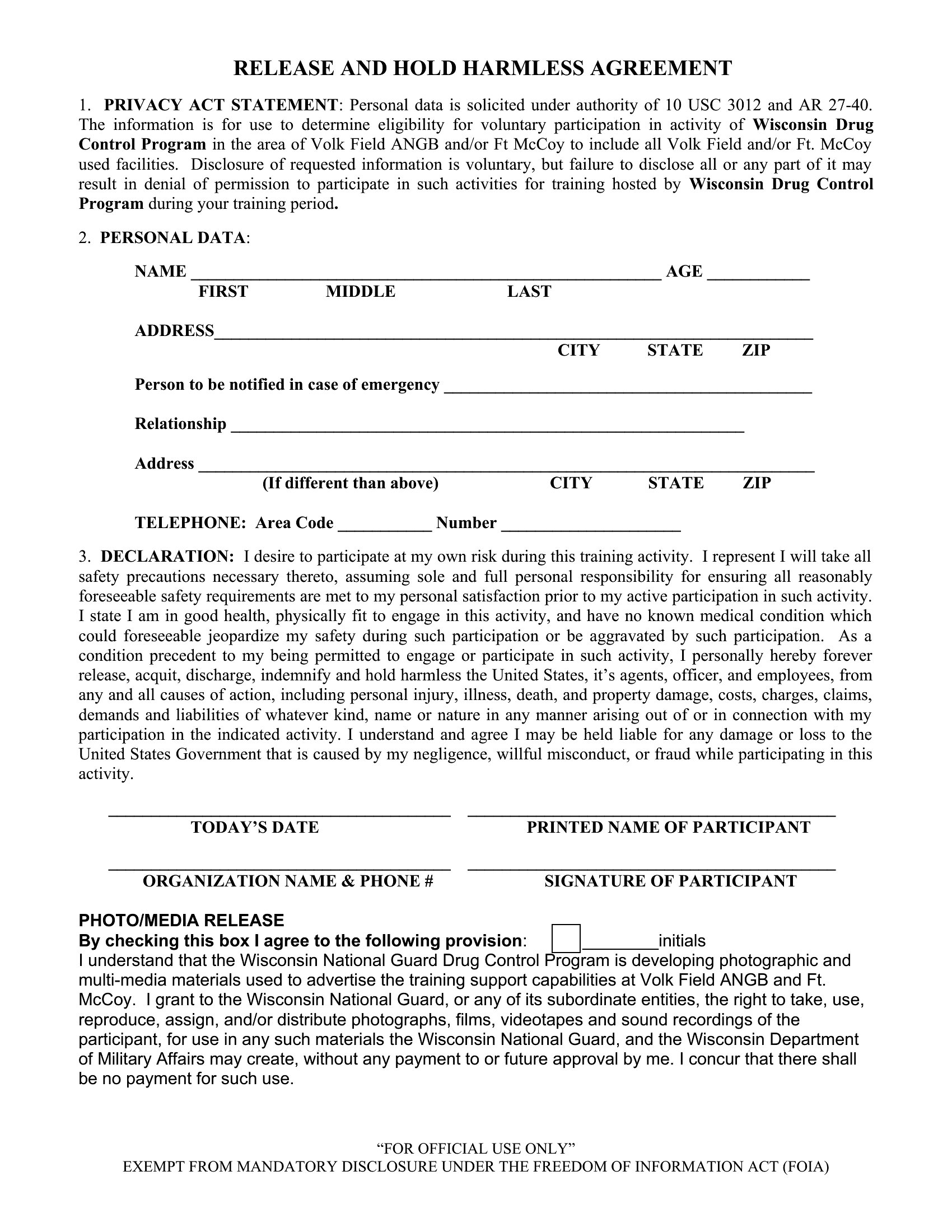
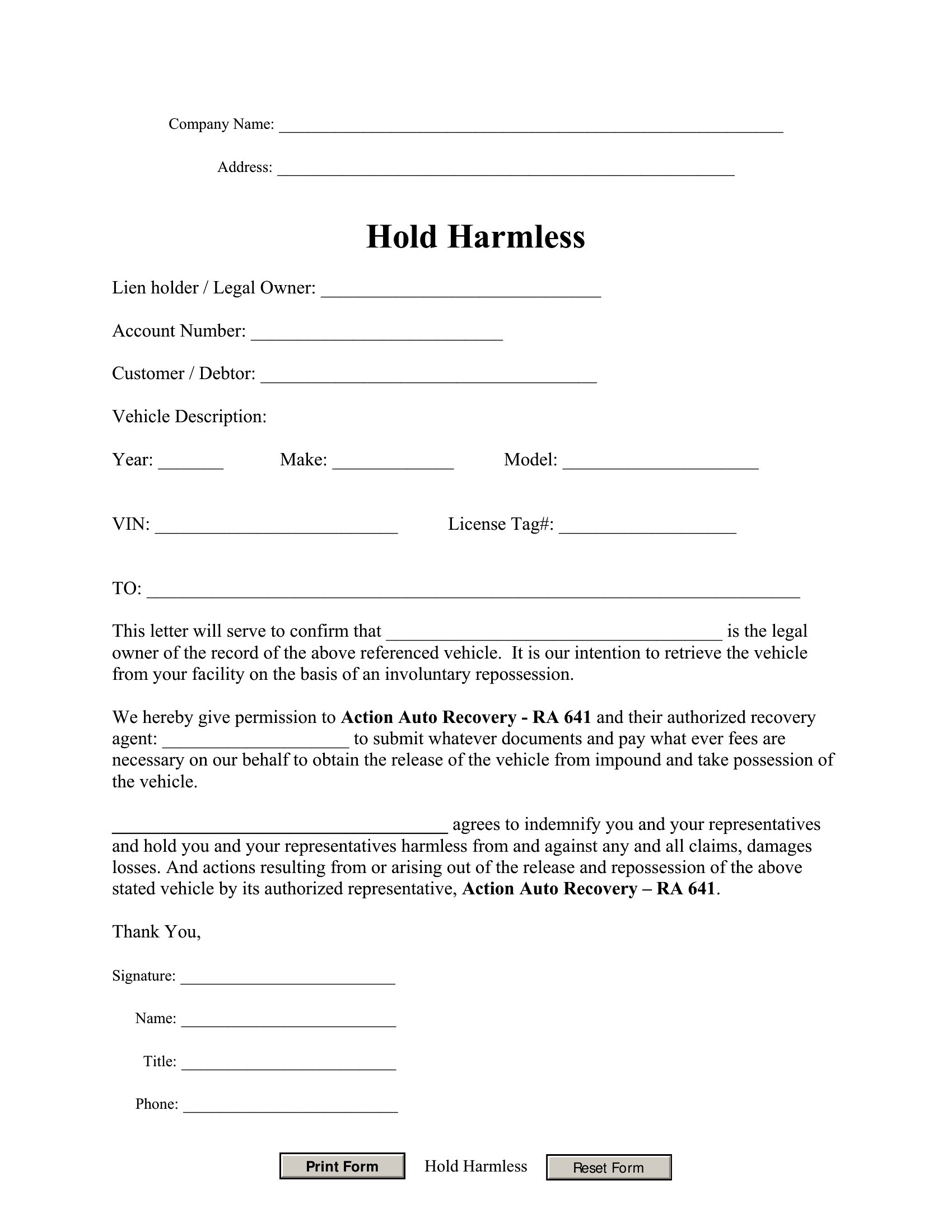
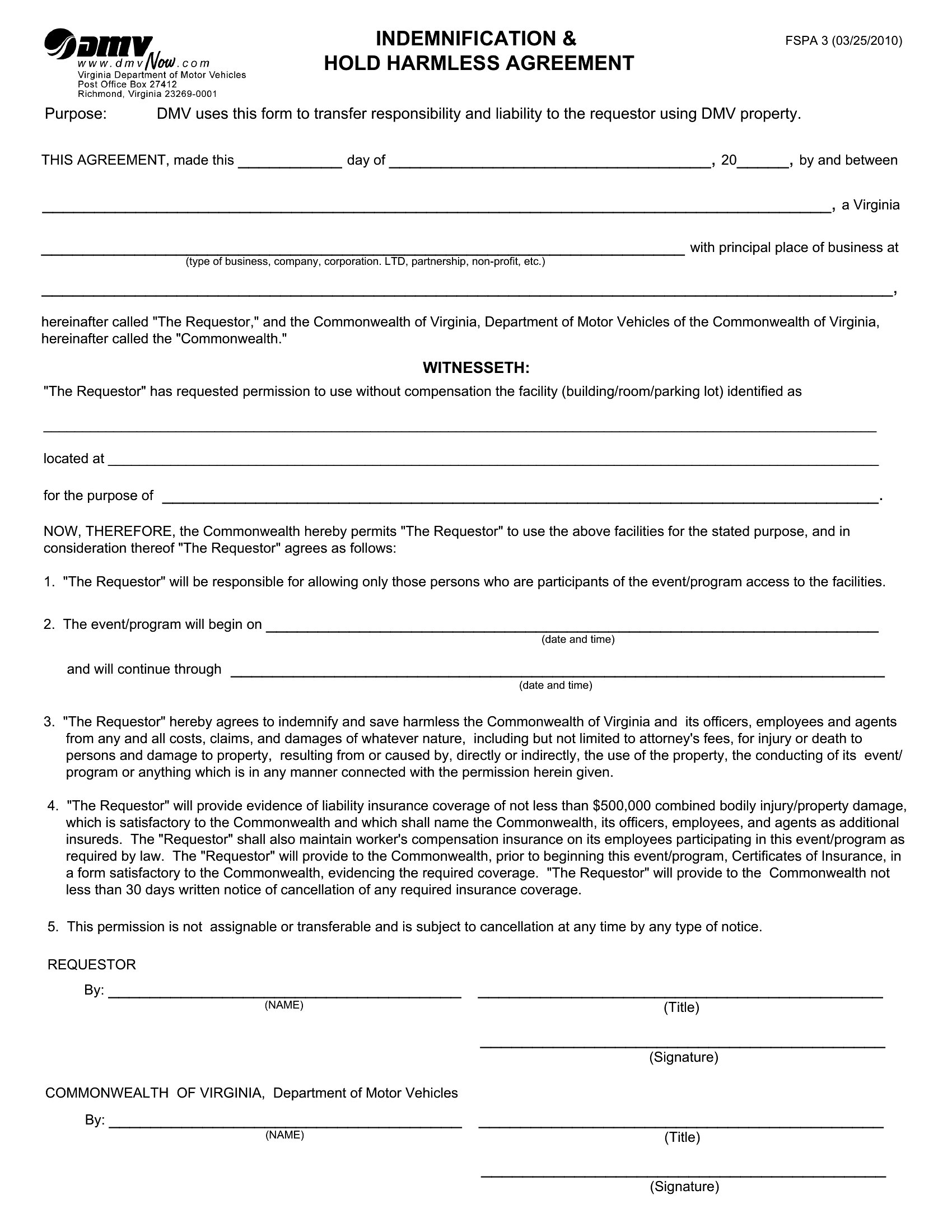
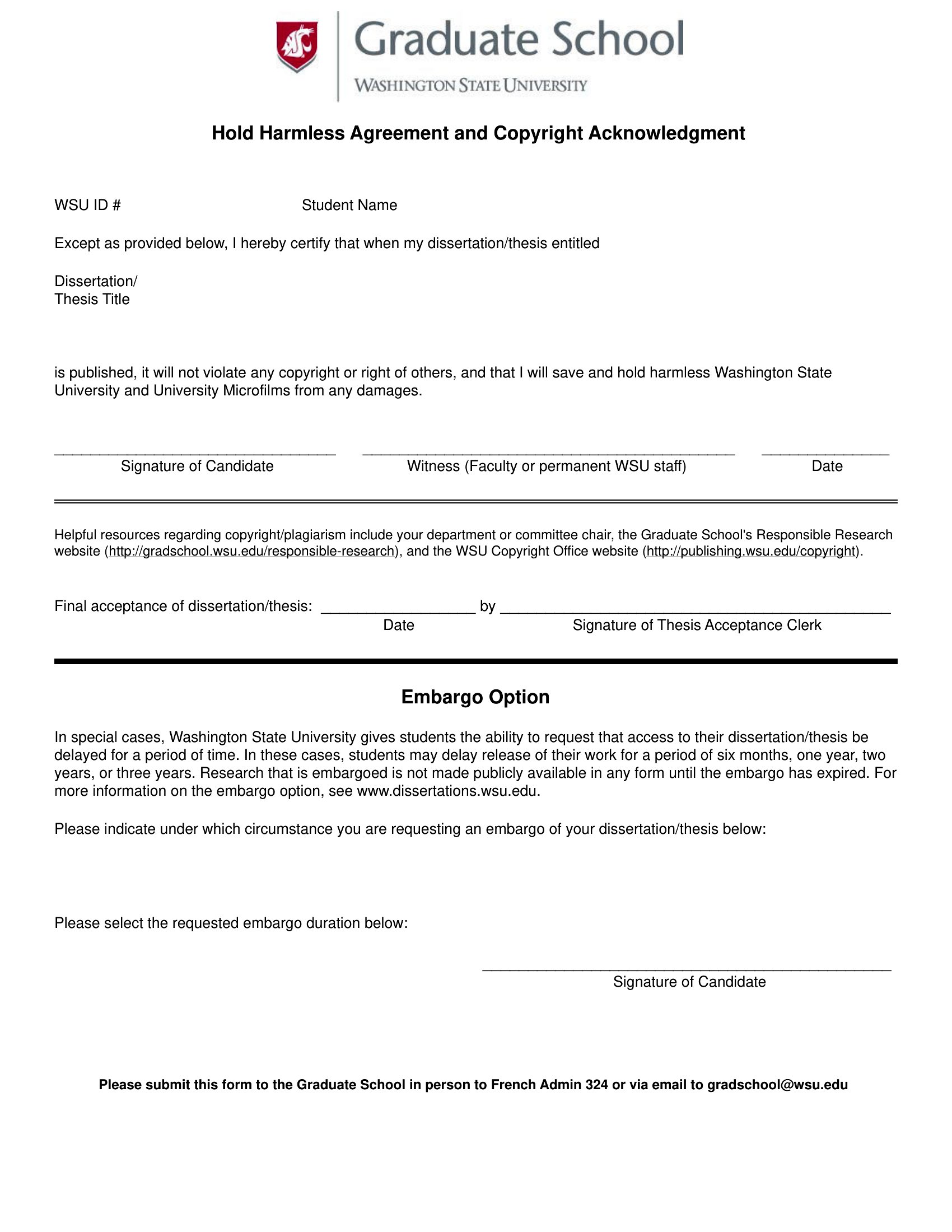
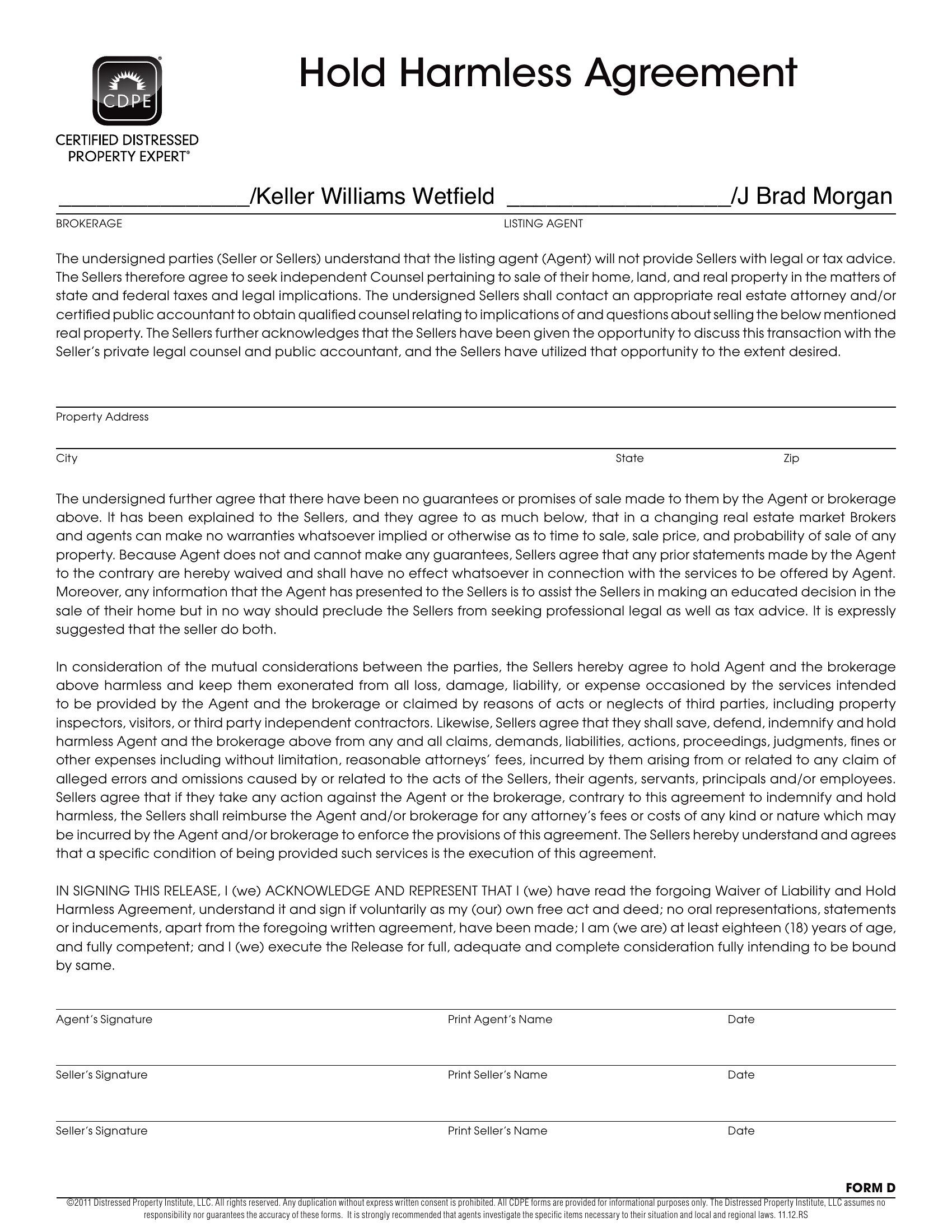
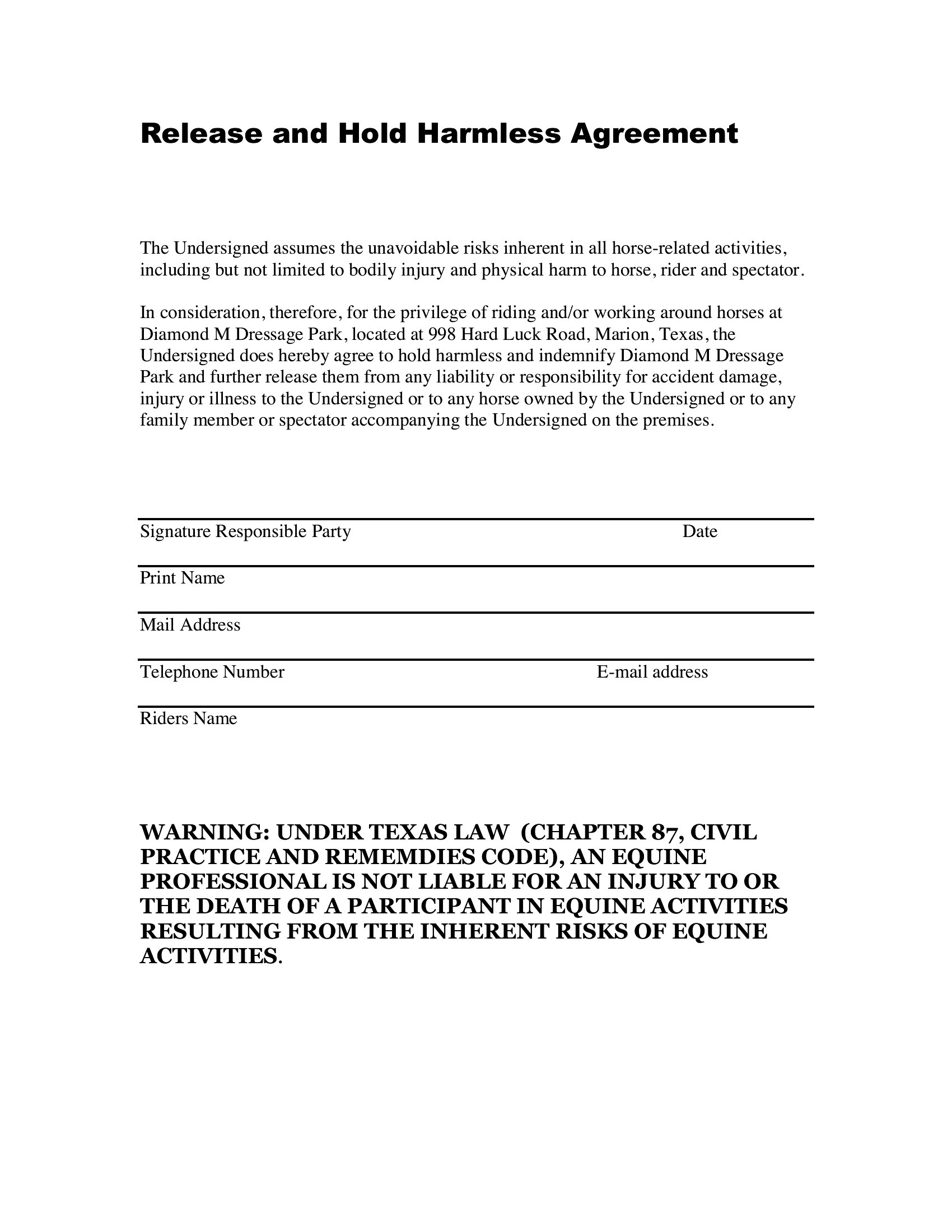
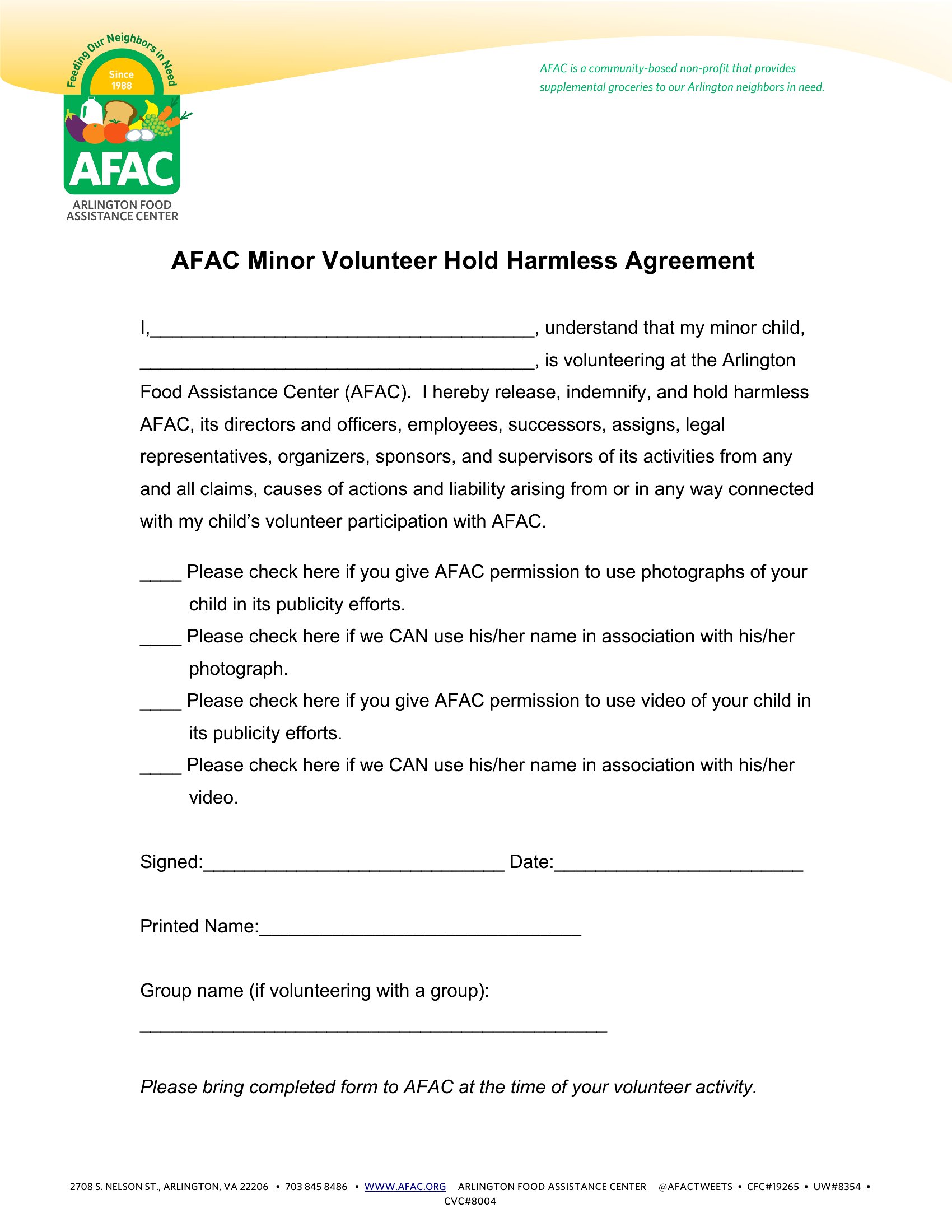
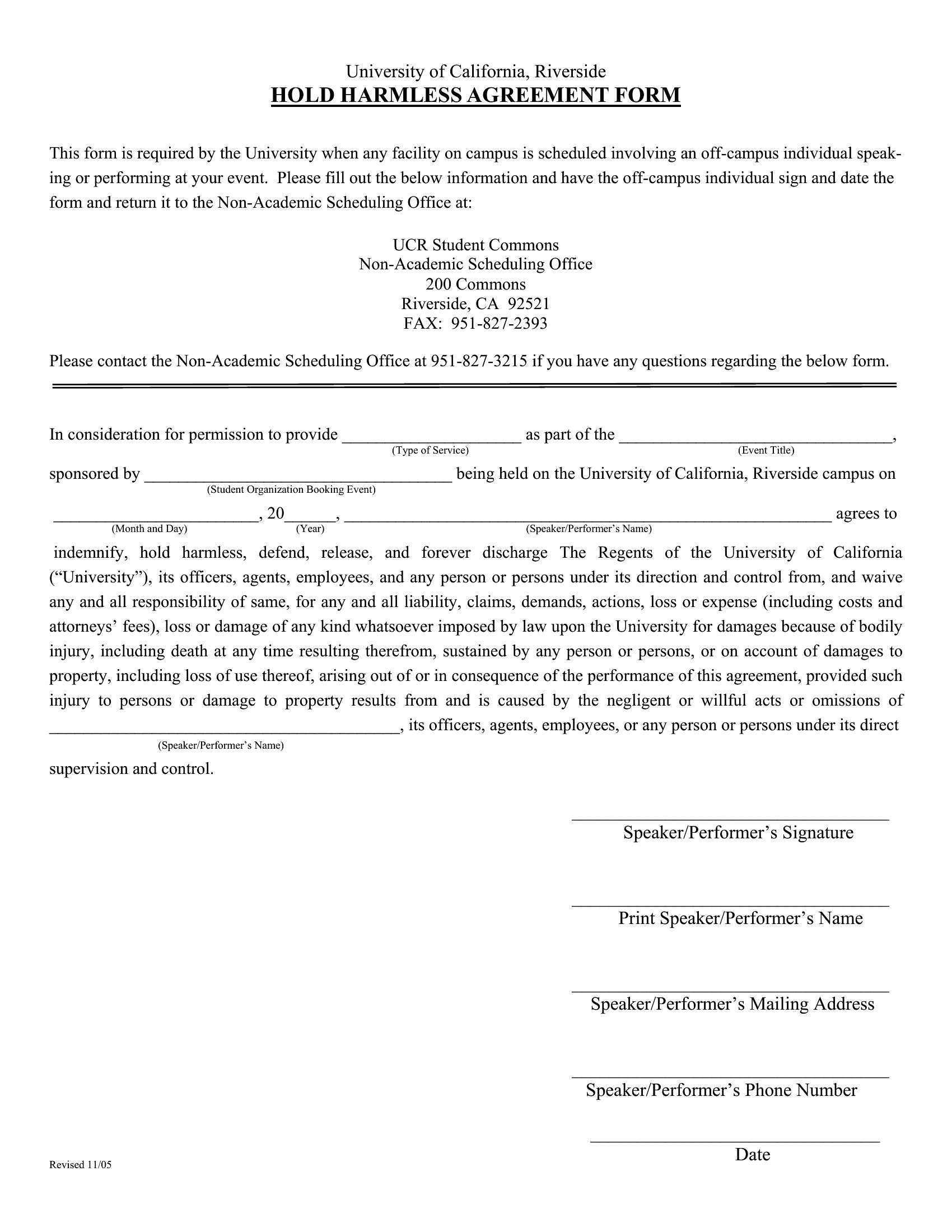
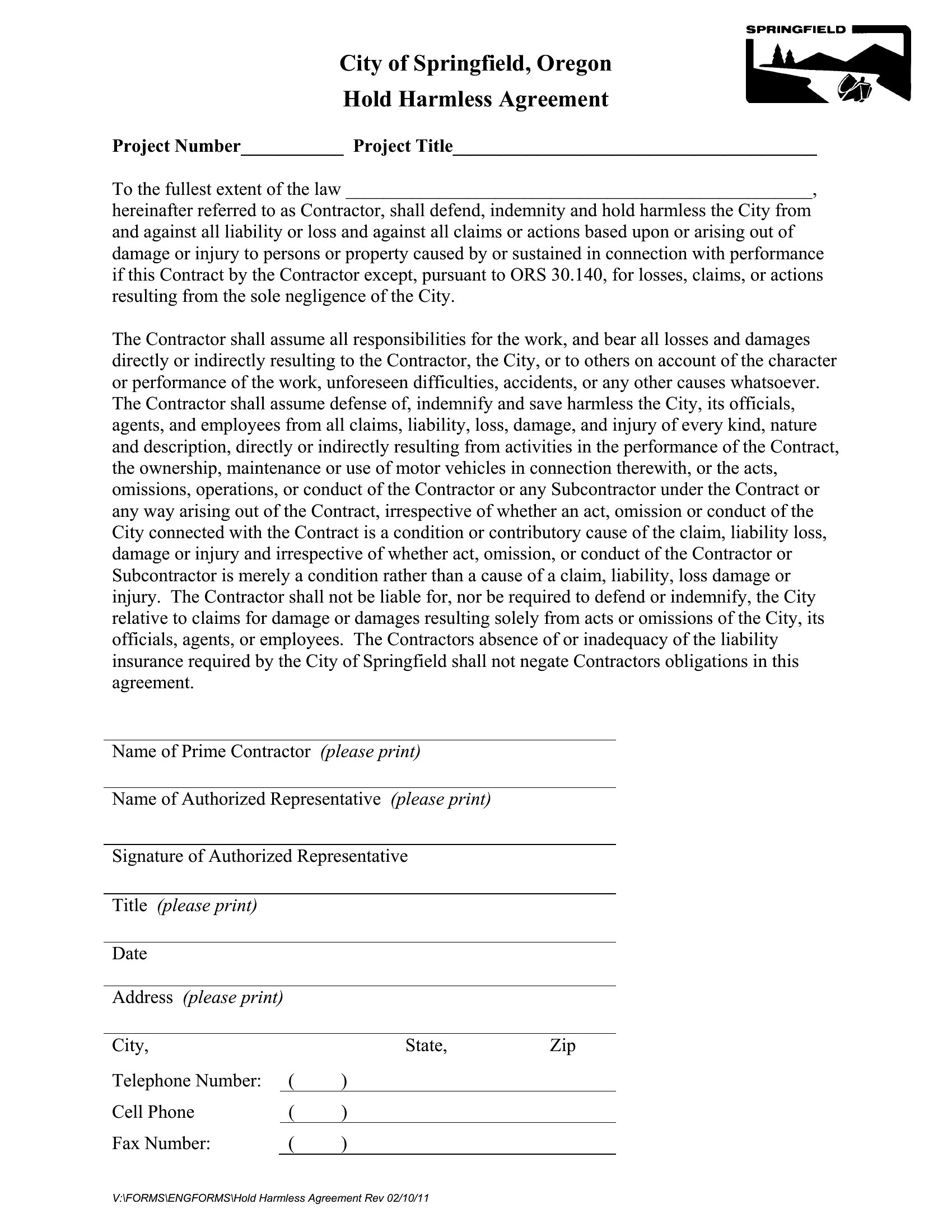
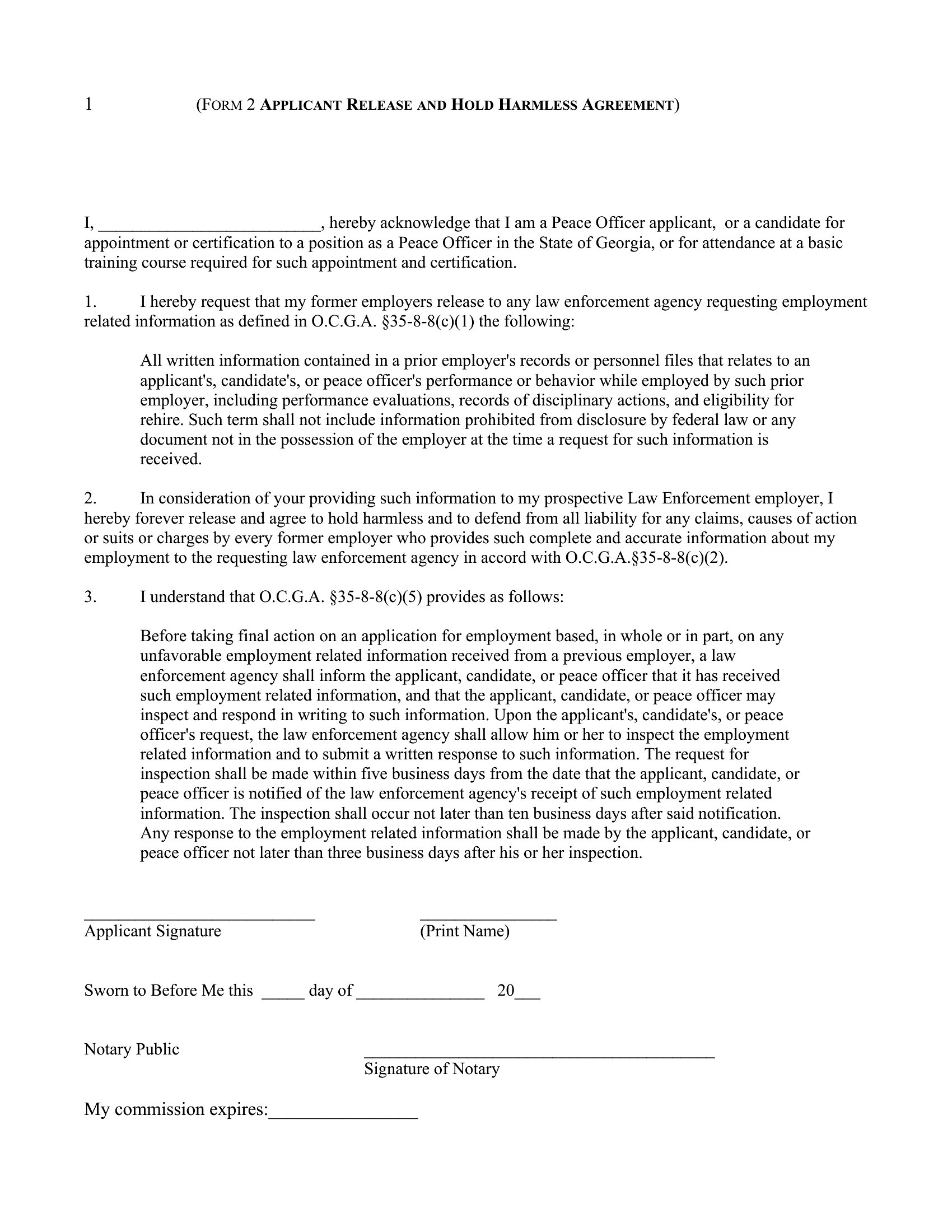
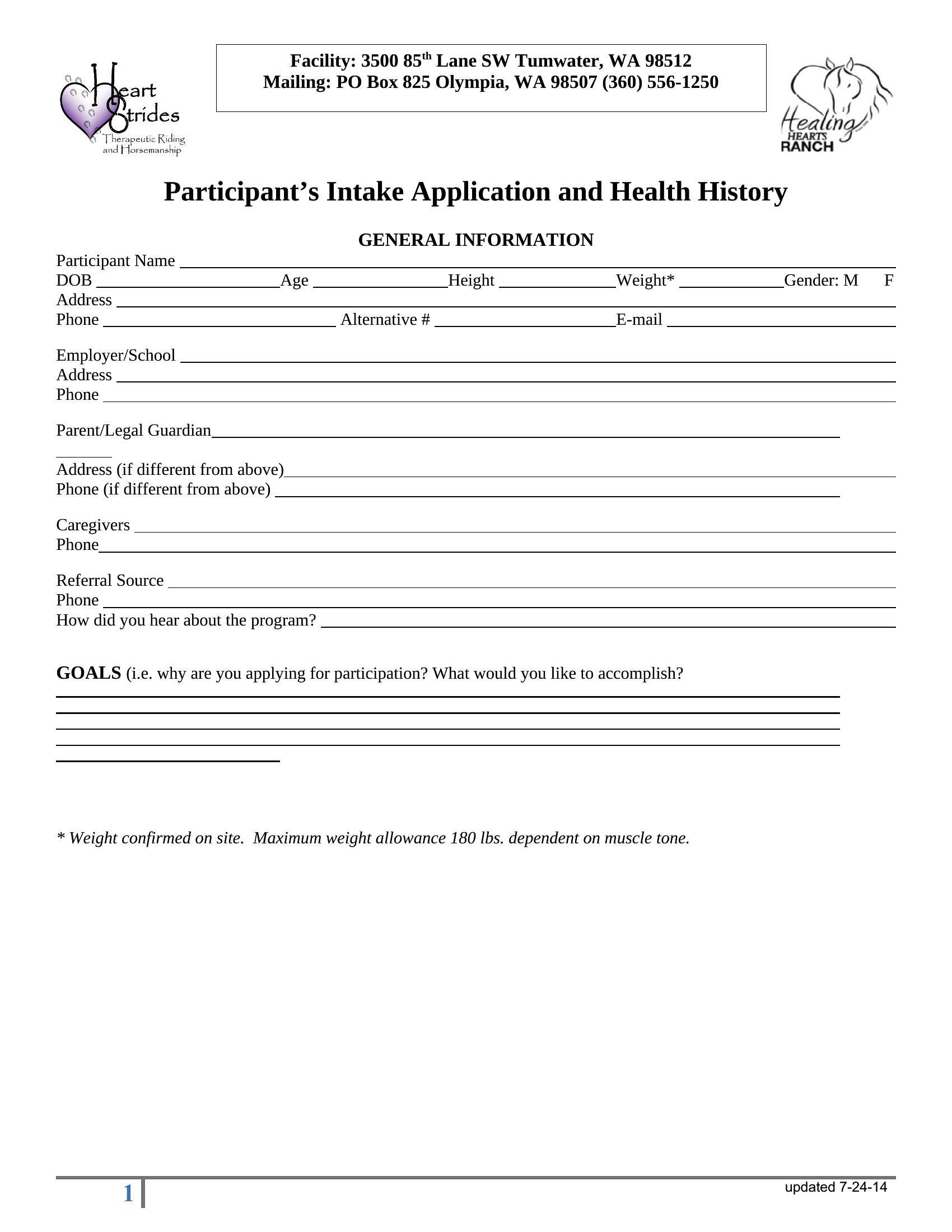
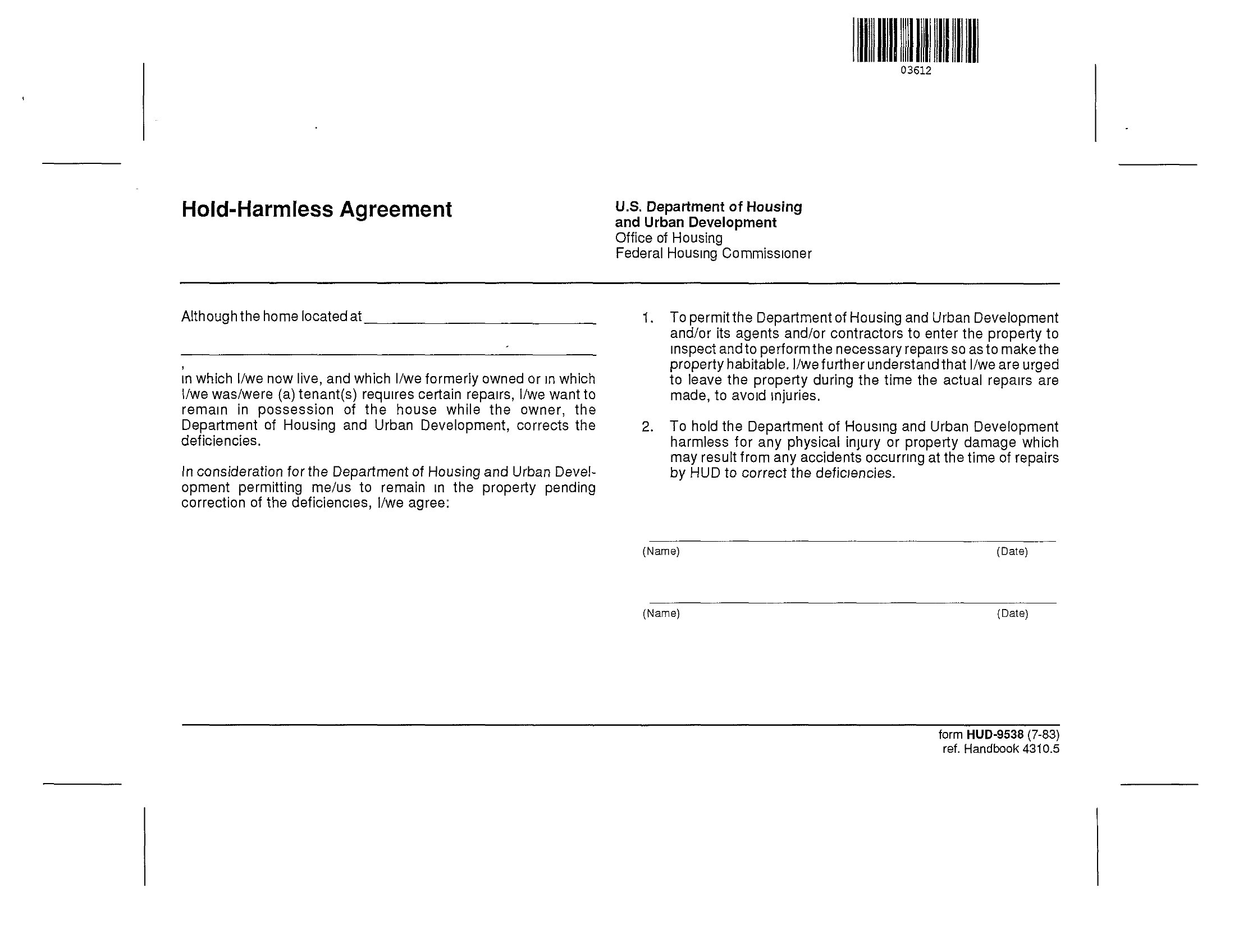
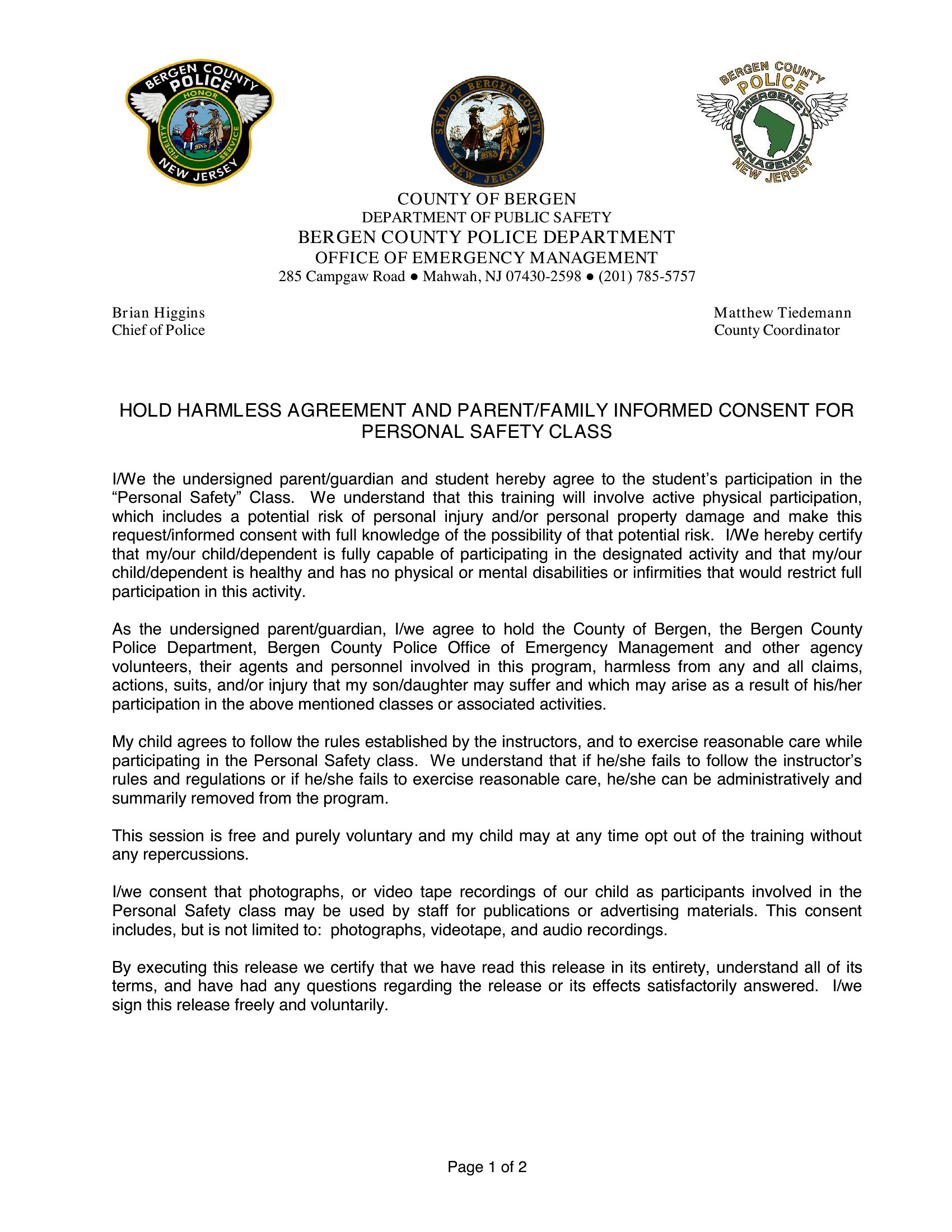
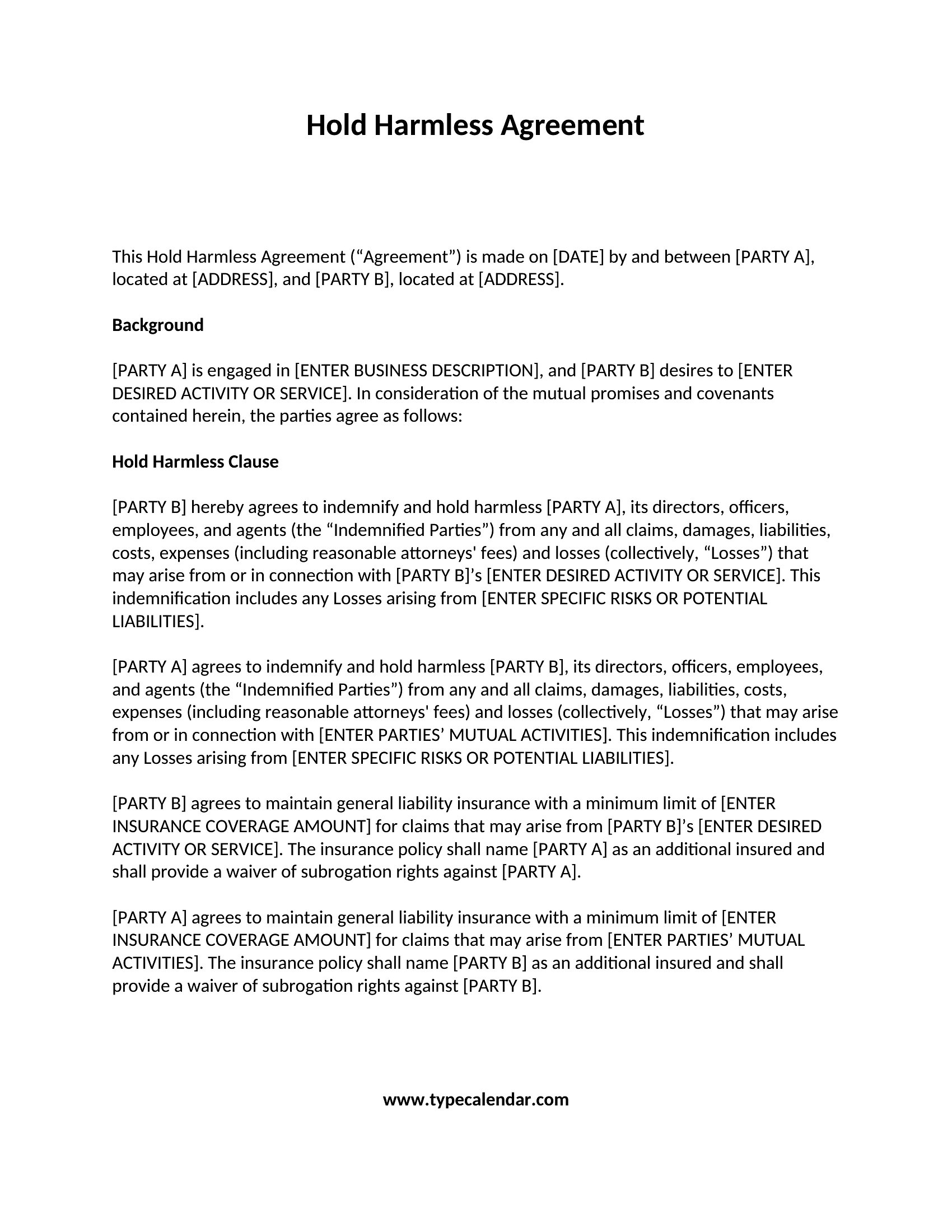
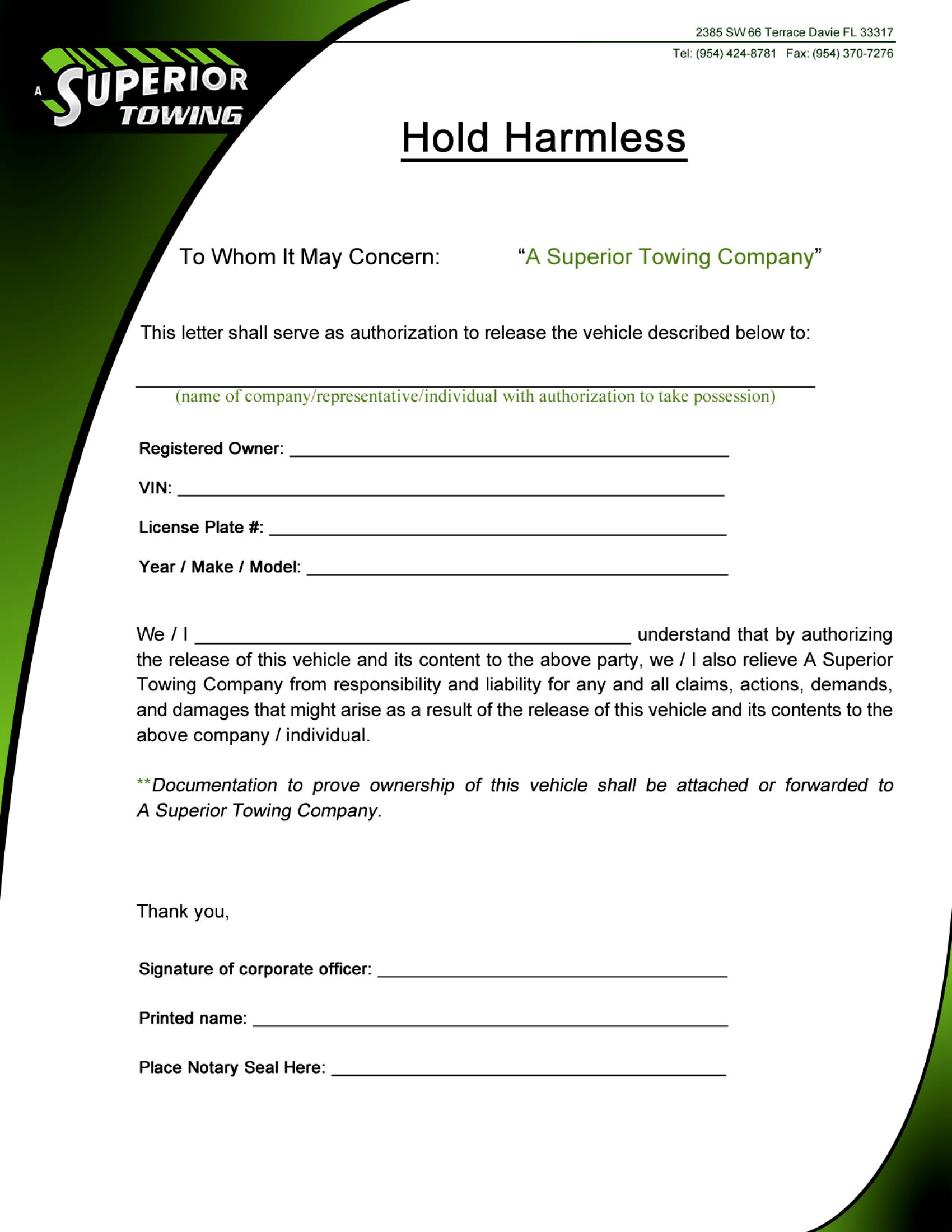
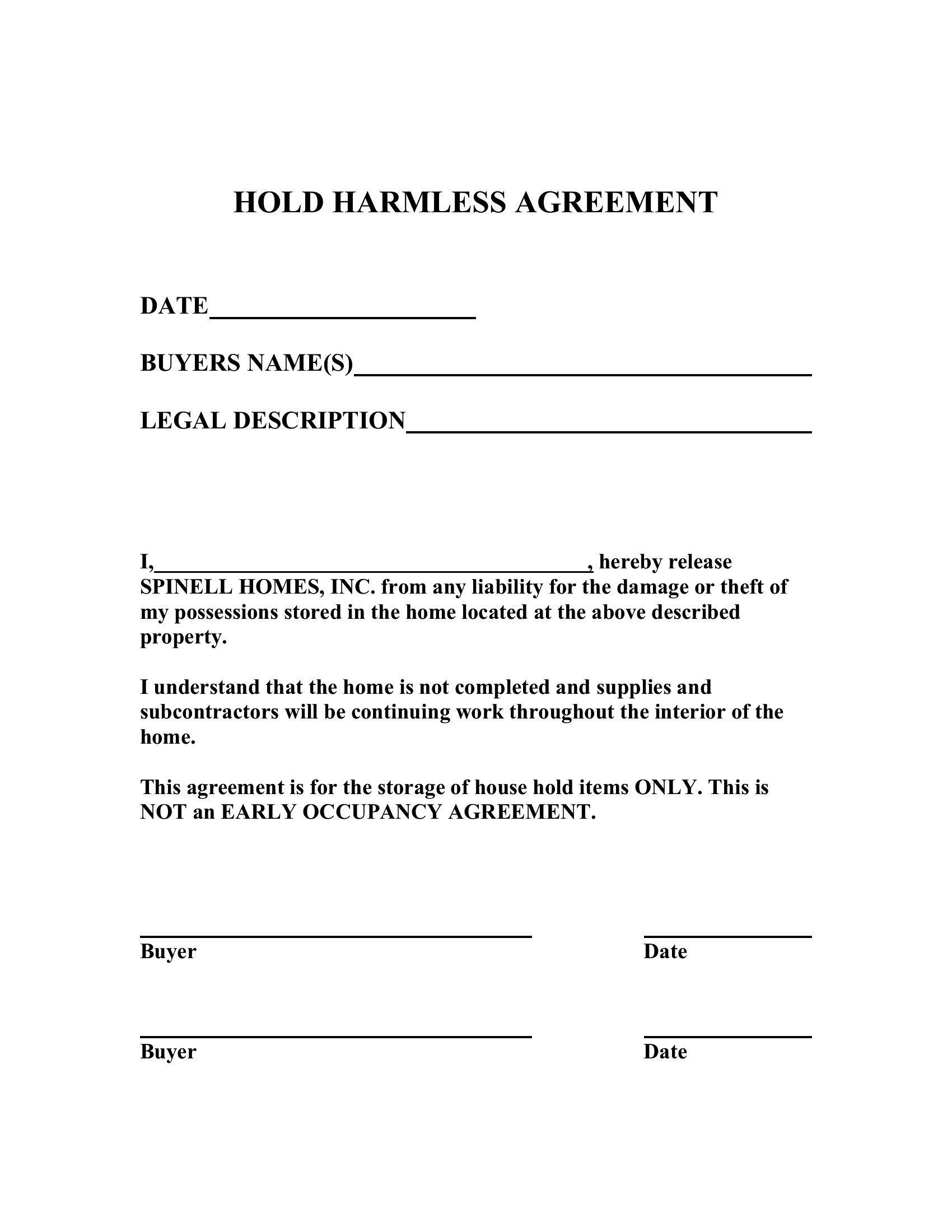
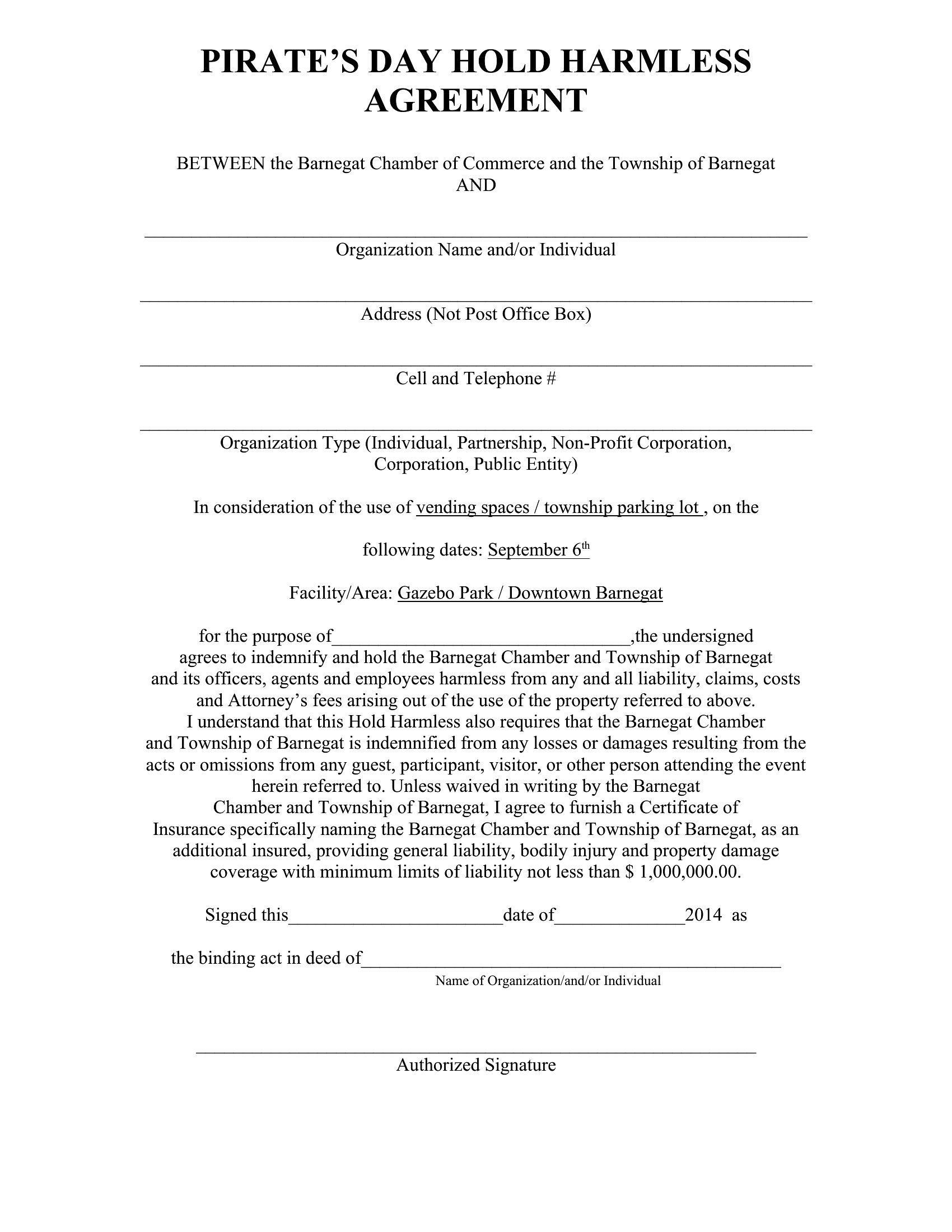
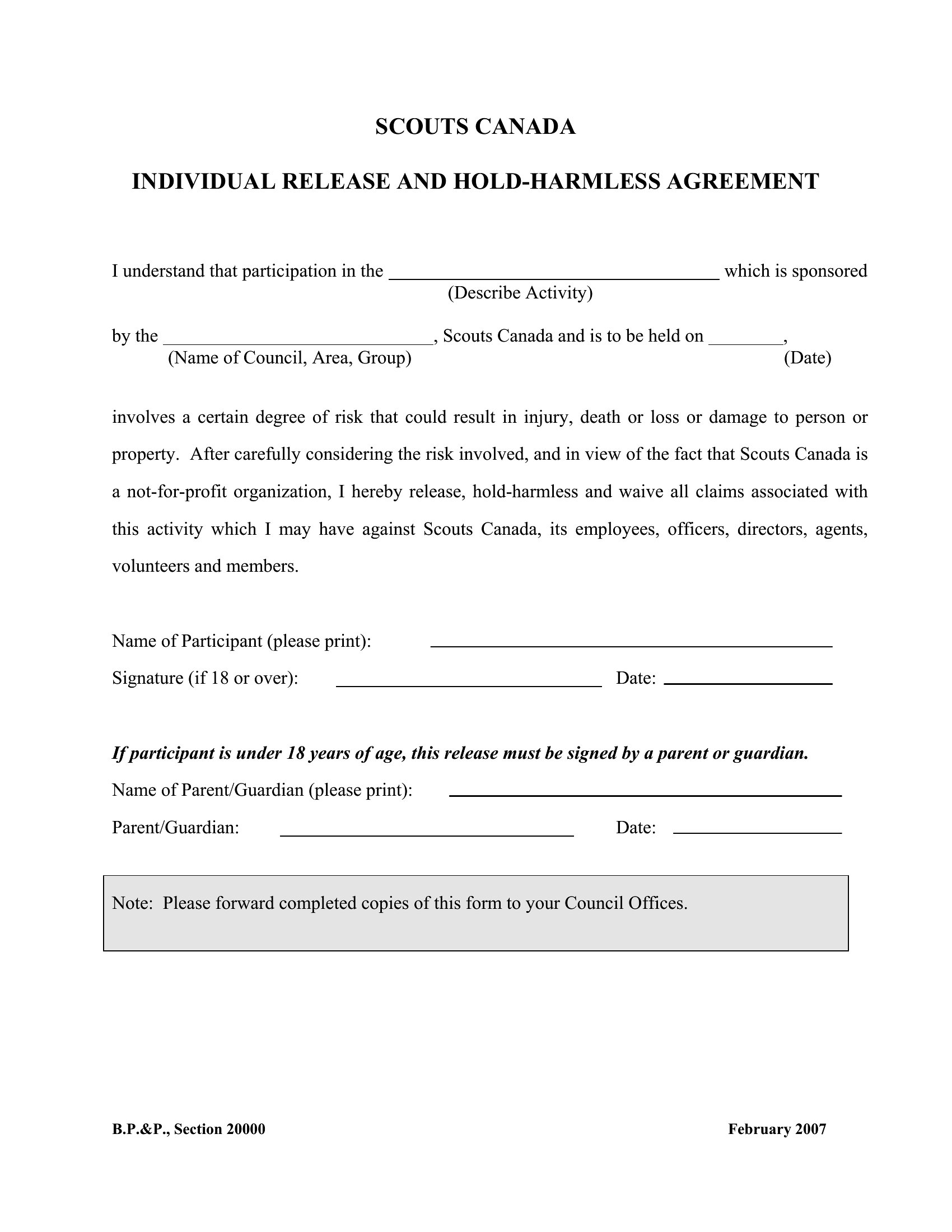
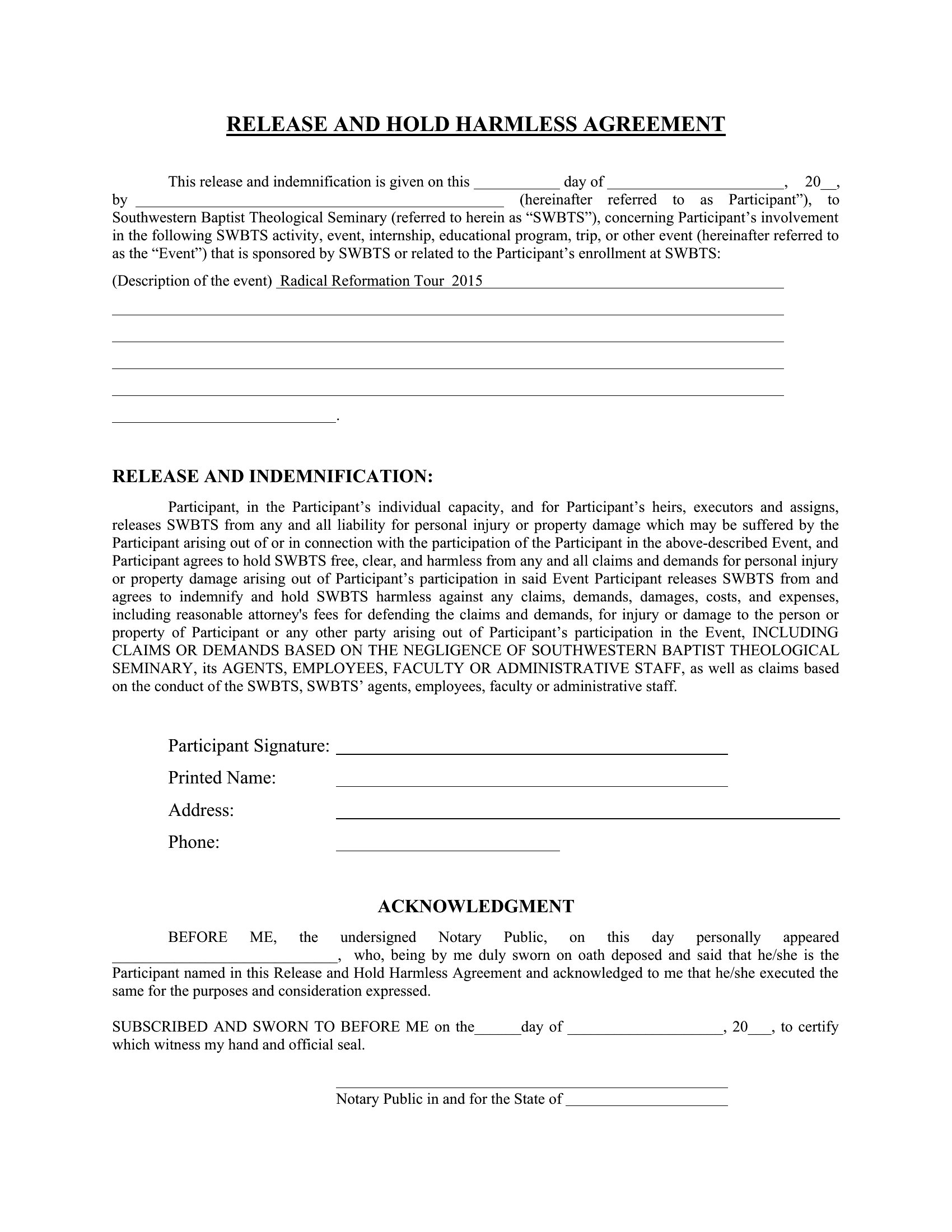
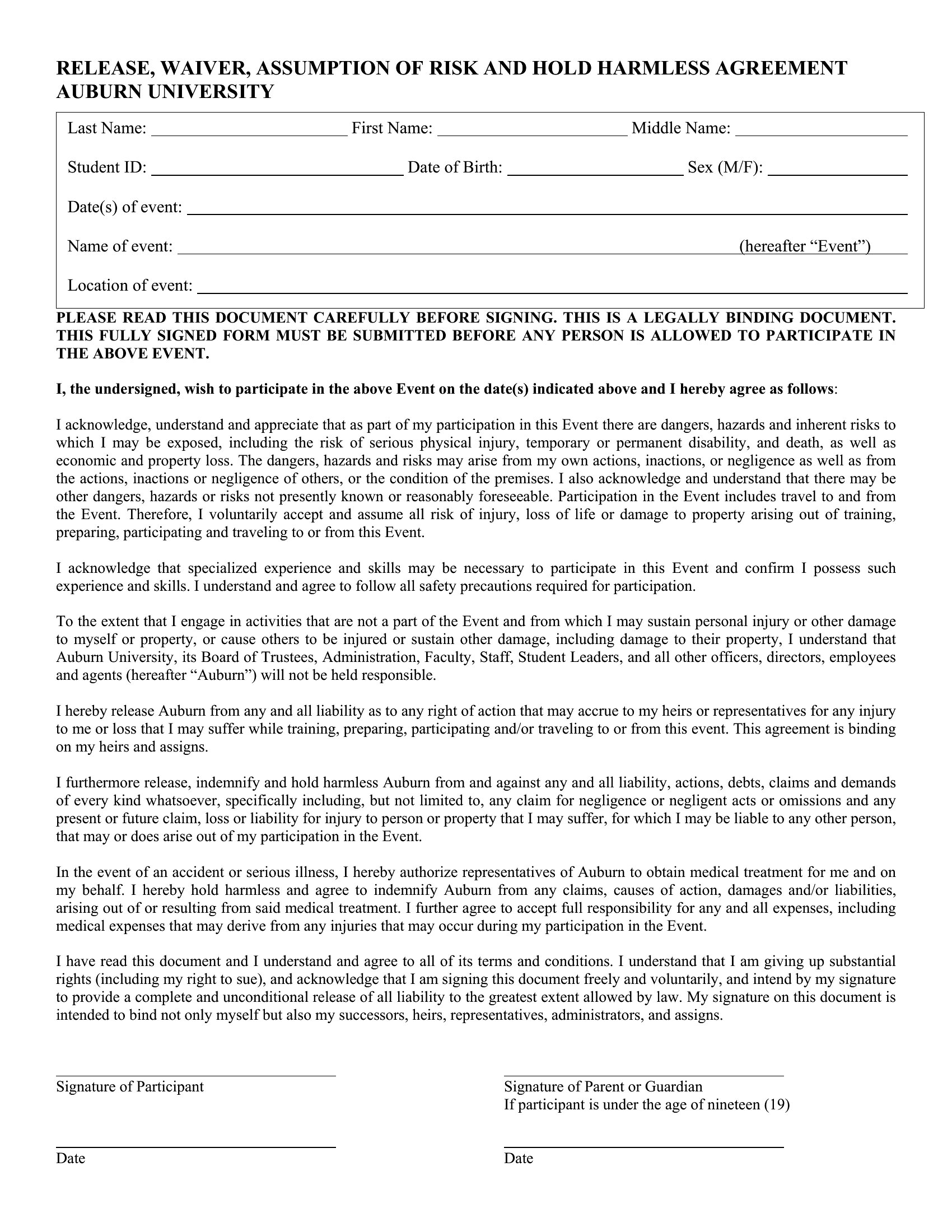
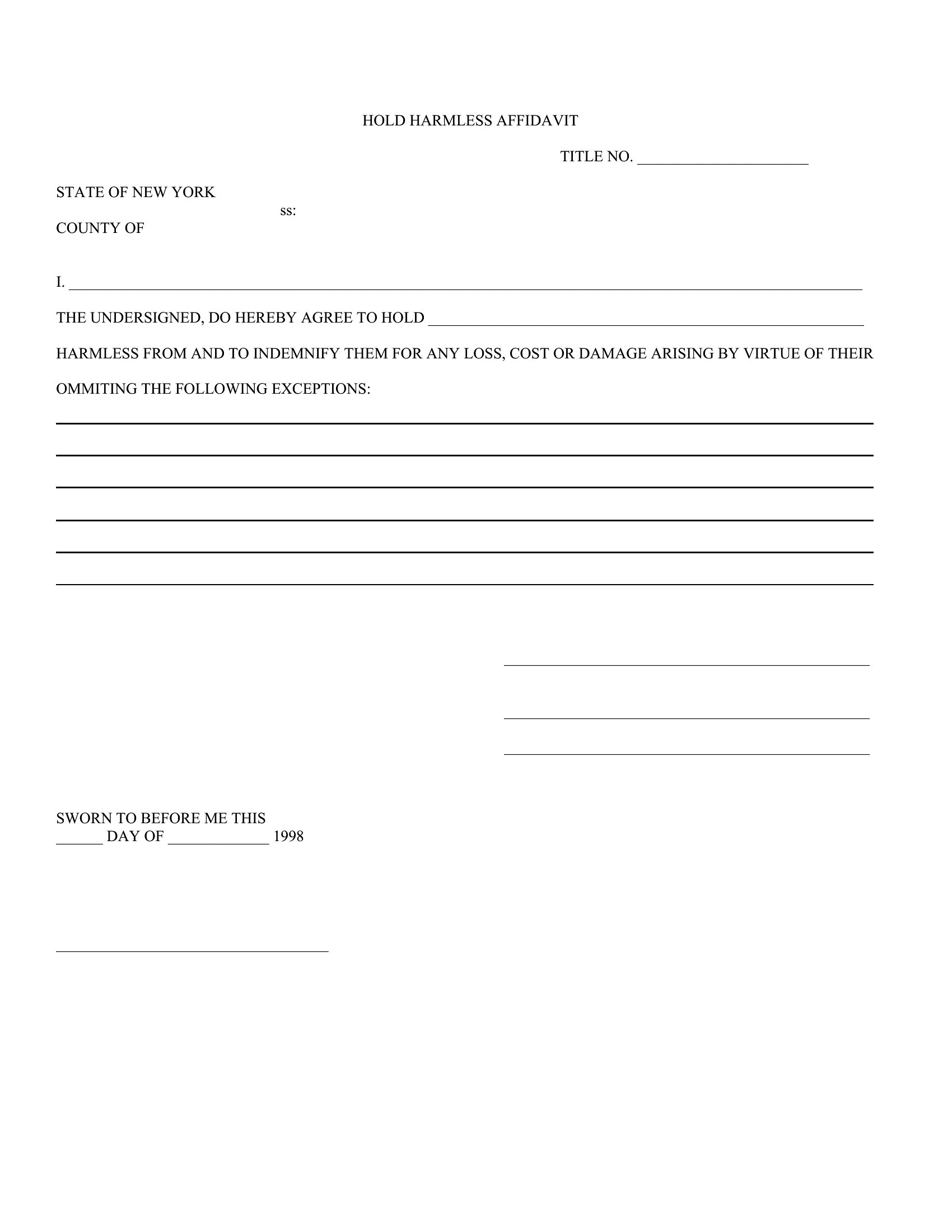
LegalA hold harmless agreement shifts the risk of a given activity onto one party, which is why they show up around rentals, events, contractors, and recreational waivers. This set of 43 templates covers one-way and mutual clauses, plus indemnification wording for common situations. Business owners, landlords, and event organizers can spell out who's responsible if something goes wrong.
You'll find versions editable in Word for adjusting the terms plus clean PDFs for printing and signatures. Fill in the parties, the activity, and the scope, then produce a copy to sign. Enforceability varies by state and circumstance, so treat these as drafts and have a lawyer review anything significant. Download the version that fits your situation and get the protection in writing.
When to use this Hold Harmless Agreement template
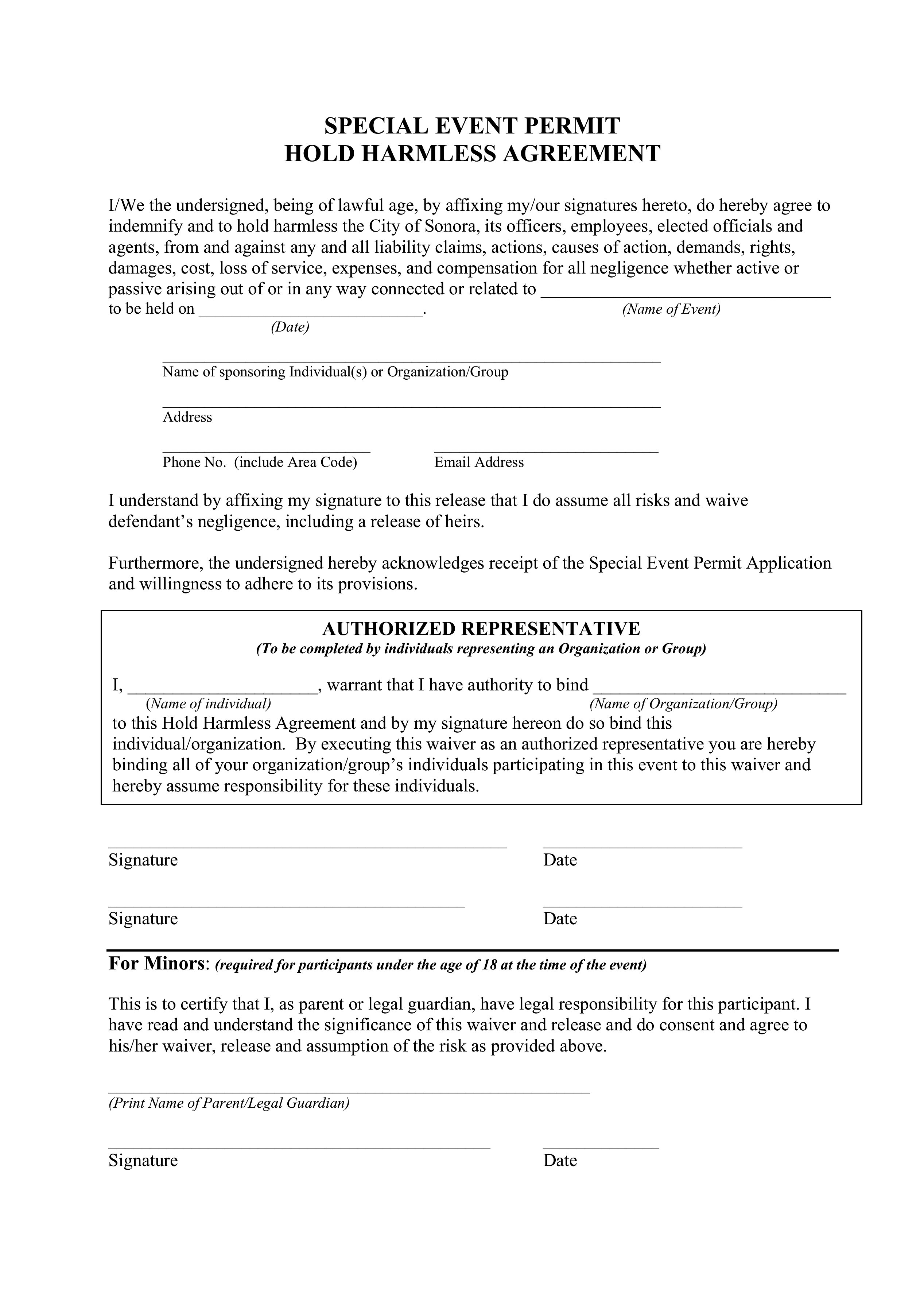
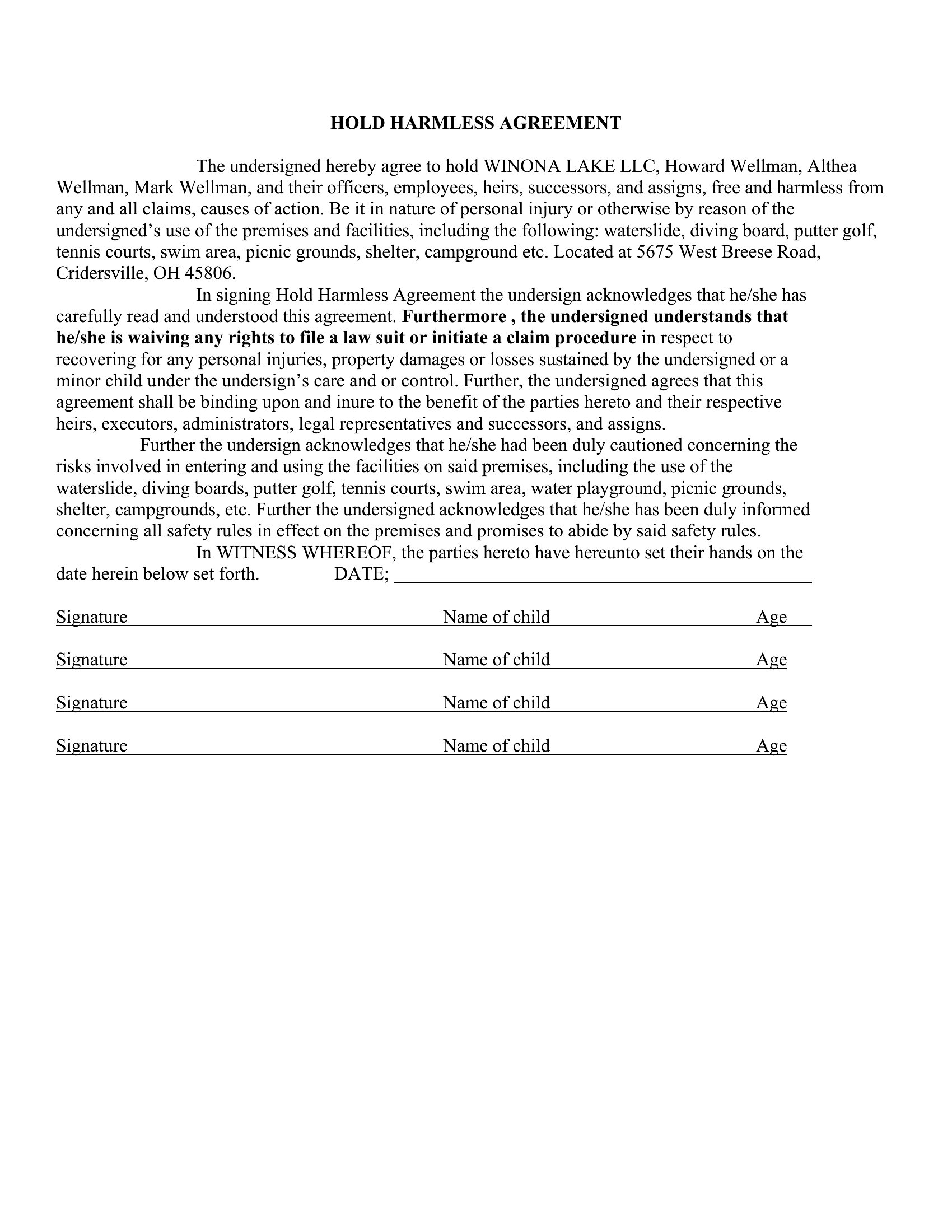
- A property manager renting out a vacation cabin needs to protect themselves from liability if a guest breaks a rule or damages the home.
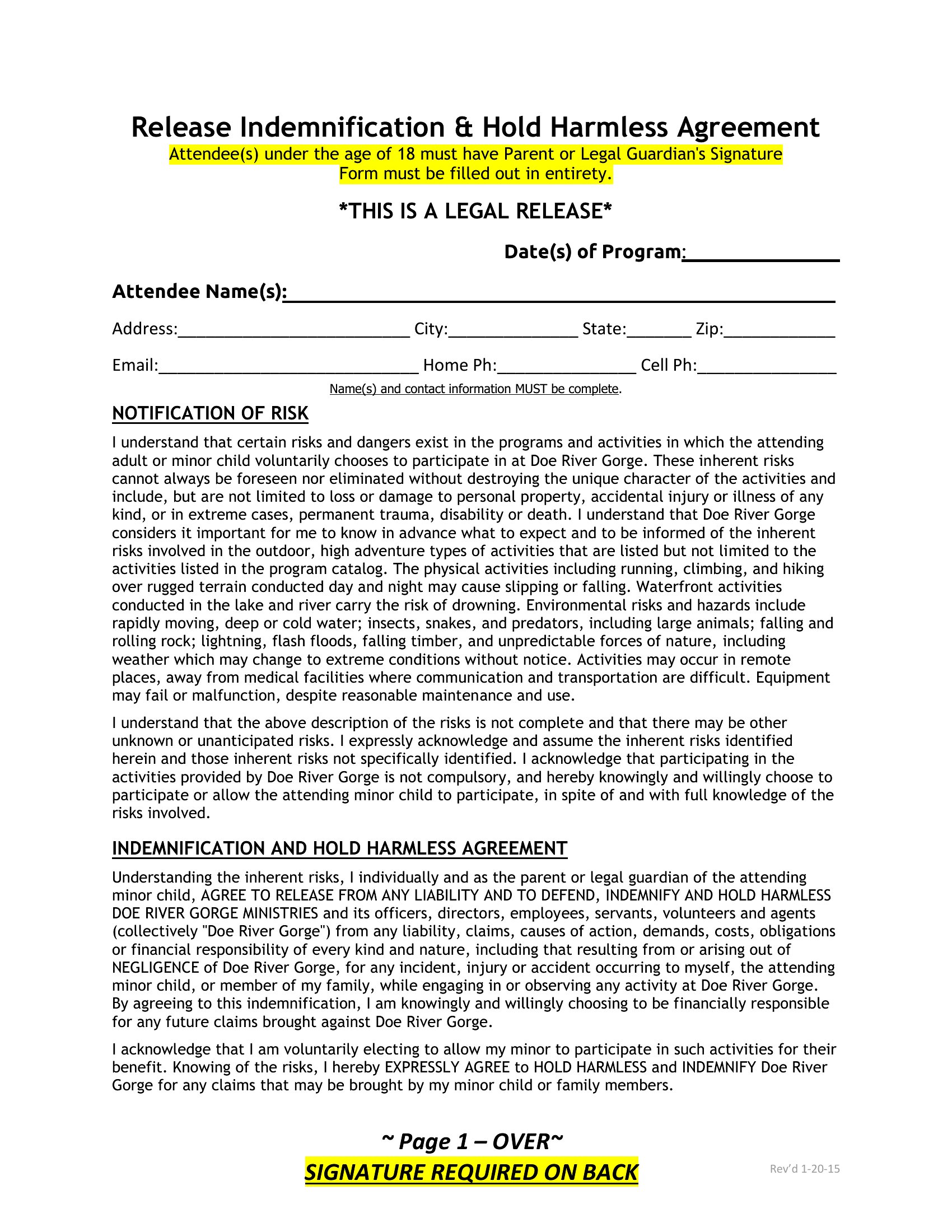
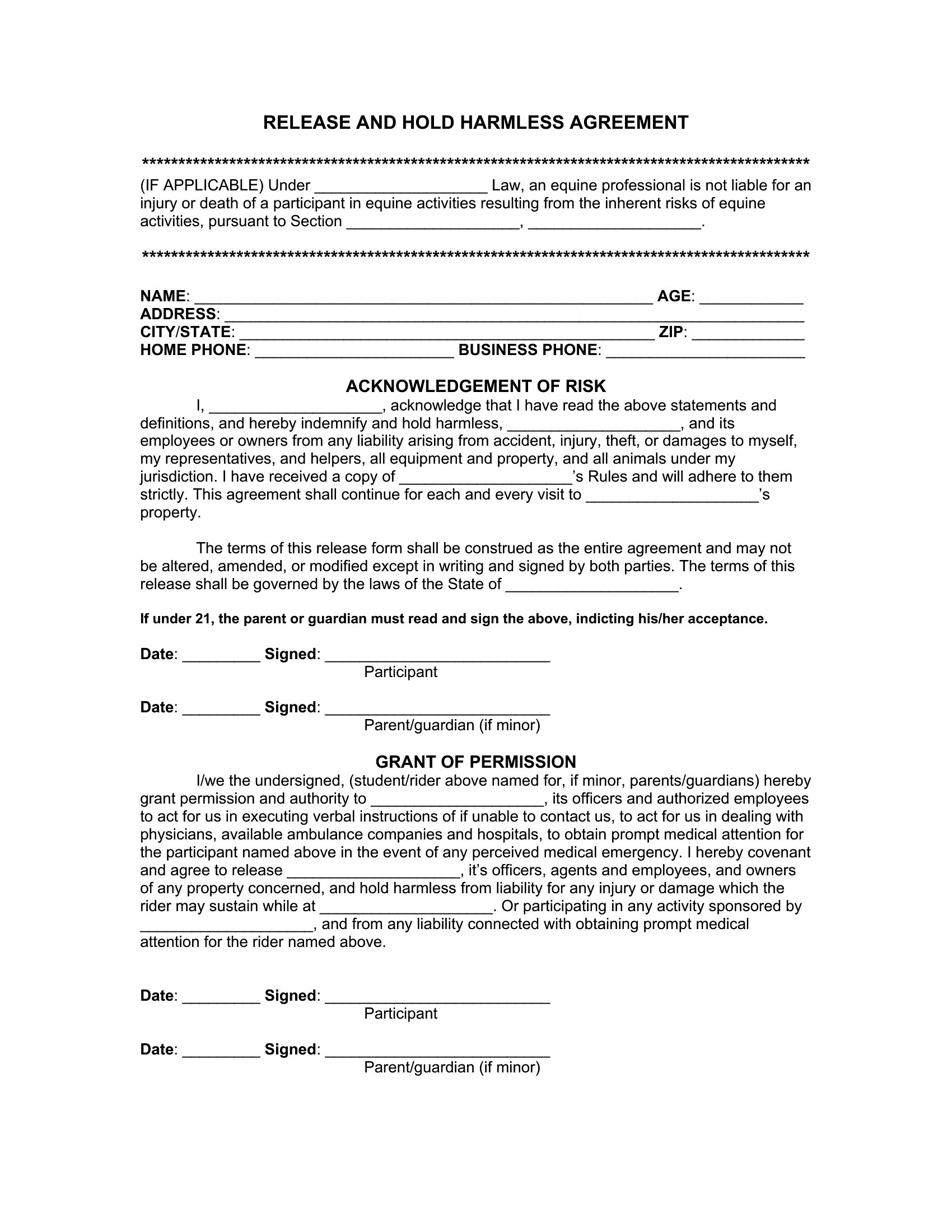
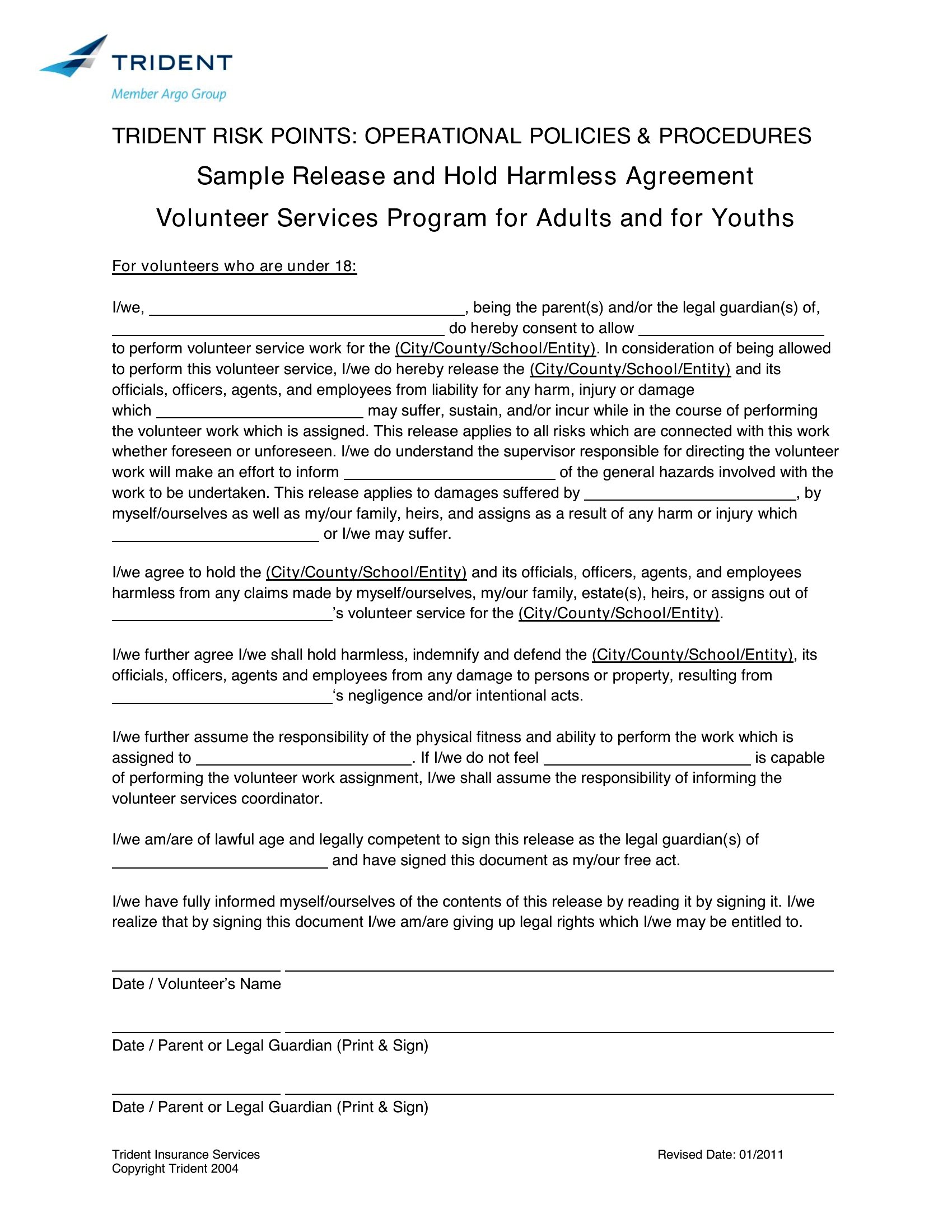
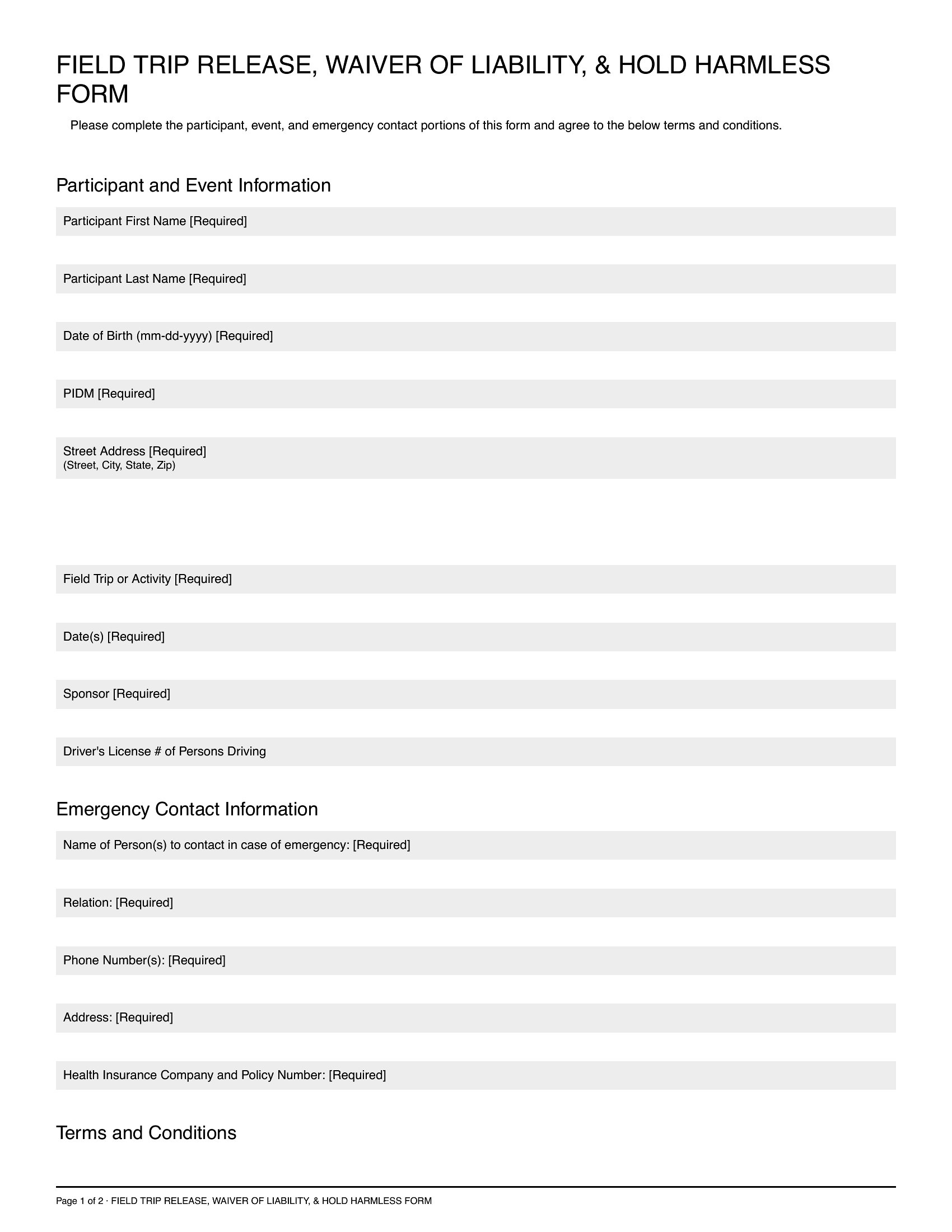
- A local gym wants to clarify that members release them from responsibility for injuries sustained during routine workouts, not just extreme activities.
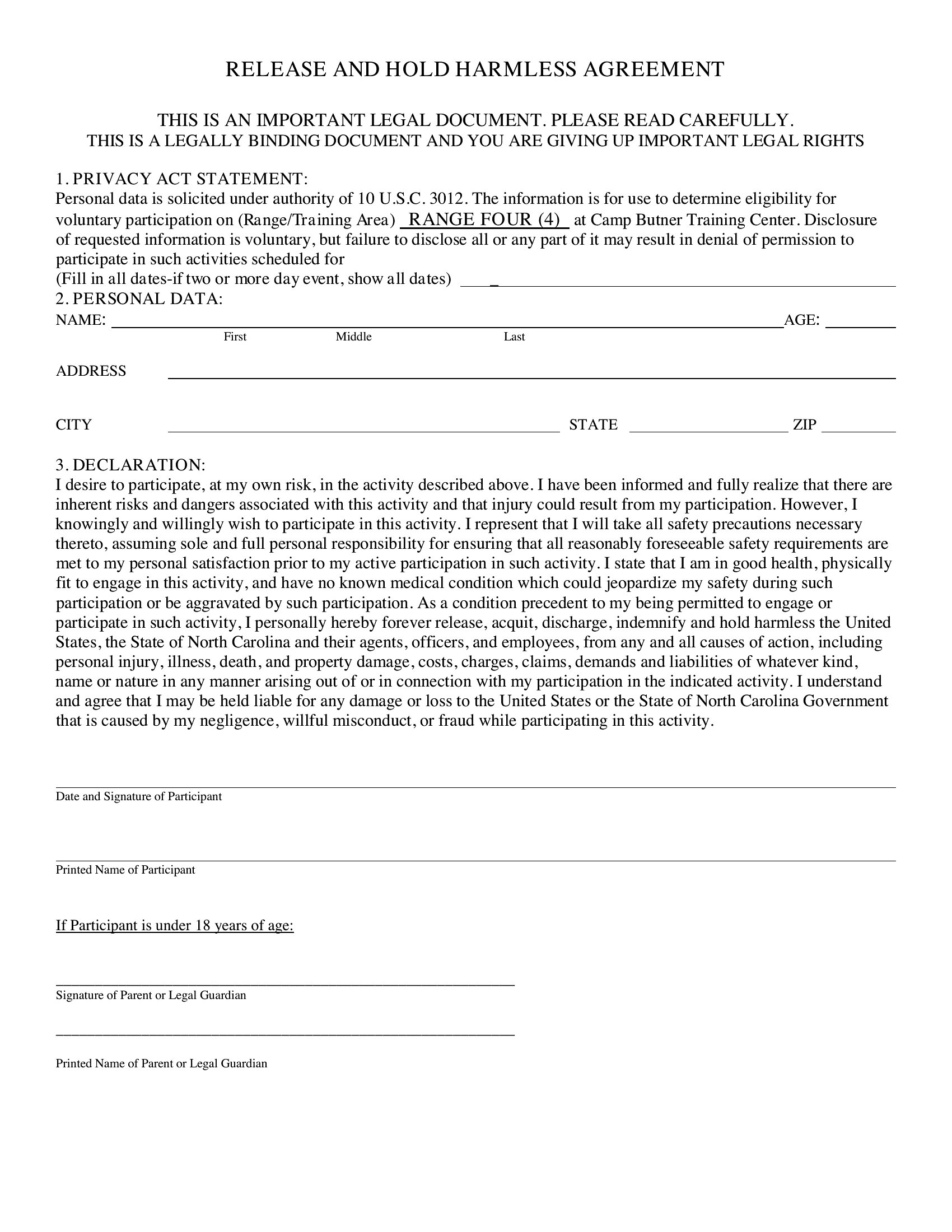
- An event organizer hosting a charity 5K race needs a hold harmless agreement for participants, volunteers, and vendors to specify liability limits.
- A handyman contracting with homeowners to install a new deck must ensure his agreement shifts risk to clients for DIY repairs they attempt post-installation.
Which format should I download?
Use PDF for finalized documents shared with clients or partners, as it maintains formatting and prevents edits. Word is ideal for customizing templates—especially if you need to adjust clauses, add specific details, or collaborate with a lawyer before finalizing. The mutual hold harmless agreements often work better in Word first for balancing liability between parties. For one-way agreements (like landlord-tenant), PDF is usually sufficient after drafting in Word.
How to use this Hold Harmless Agreement template
Can I use a hold harmless agreement to completely waive all liability?
No, these agreements don’t eliminate all liability. Courts typically enforce them only if they’re clear, reasonable, and don’t violate public policy. They usually shift risk for foreseeable events, not gross negligence or intentional harm. Always review with a legal professional to ensure fairness.
What’s the difference between a one-way and mutual hold harmless agreement?
A one-way agreement protects only the stronger party (e.g., a landlord protecting themselves from tenant damage). A mutual agreement splits liability between parties (e.g., two contractors sharing risk for a shared project). Choose based on who controls the activity and whose assets are at risk.
Do I need an indemnification clause with every hold harmless agreement?
Not always. Indemnification clauses require one party to compensate the other for losses, which is critical for high-risk activities (e.g., construction, events). For low-risk scenarios (e.g., gym memberships), a hold harmless alone may suffice. Prioritize indemnification when financial exposure is significant.
Comments
Join the conversation
Sign in to share your thoughts and leave a comment on this resource.