Free Indemnification Agreements (Word)
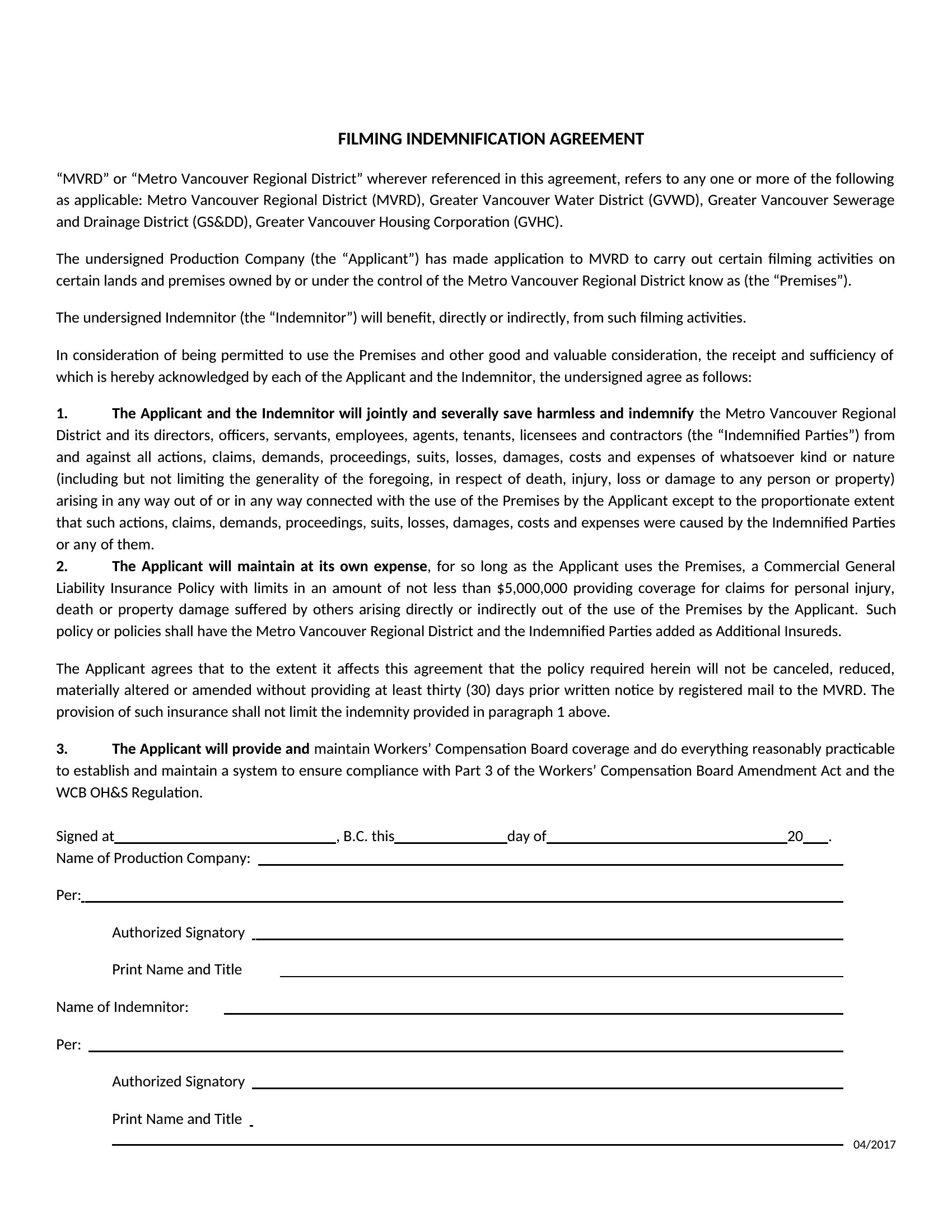
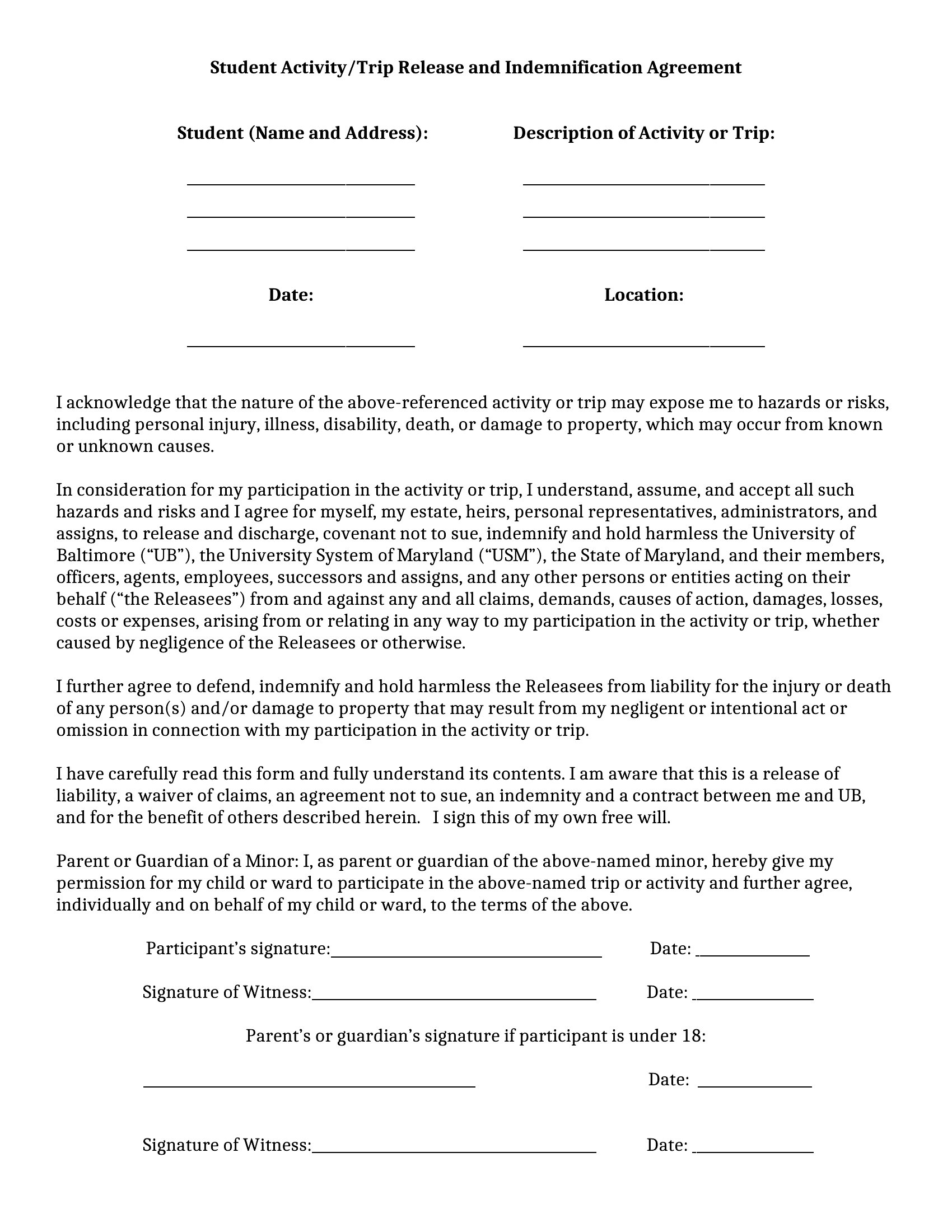
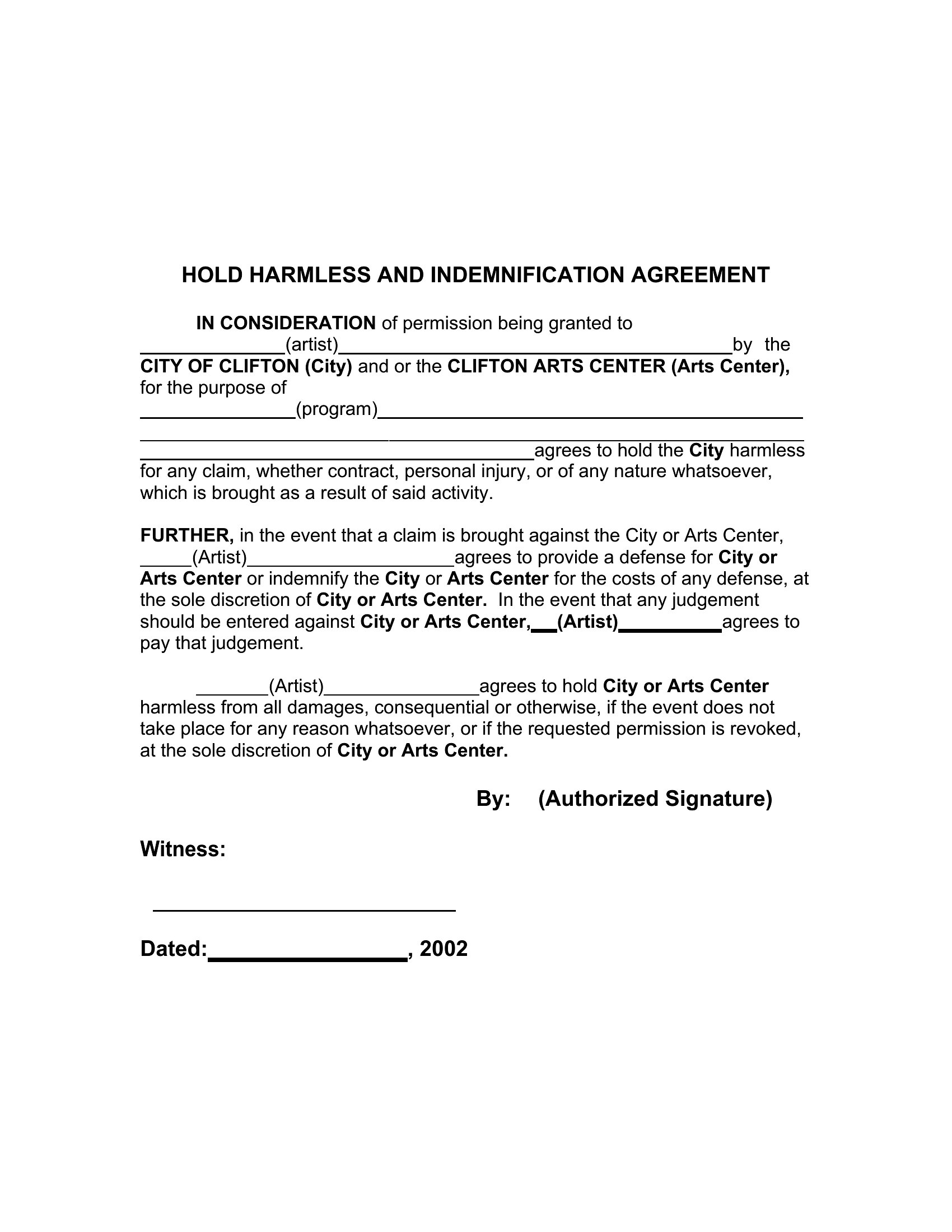
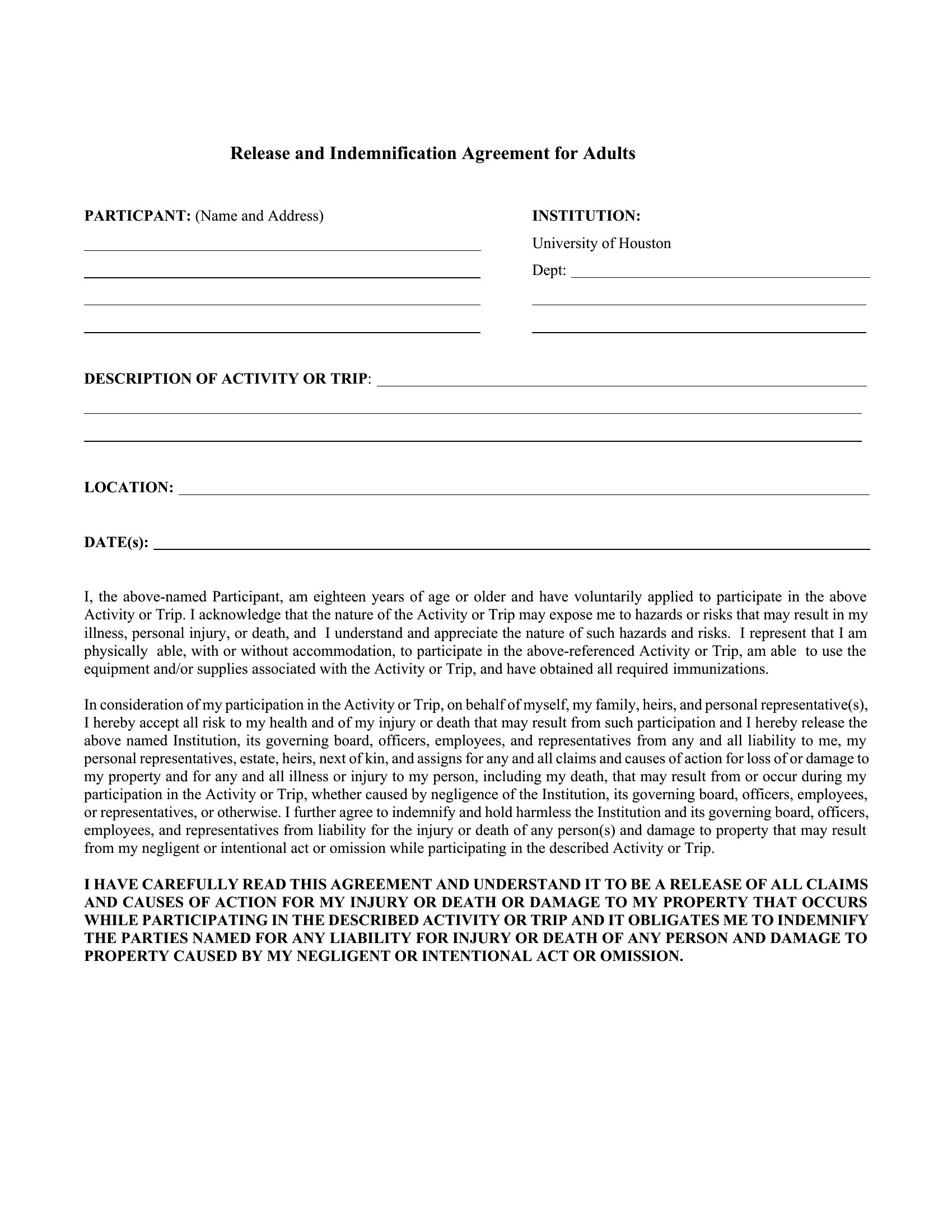
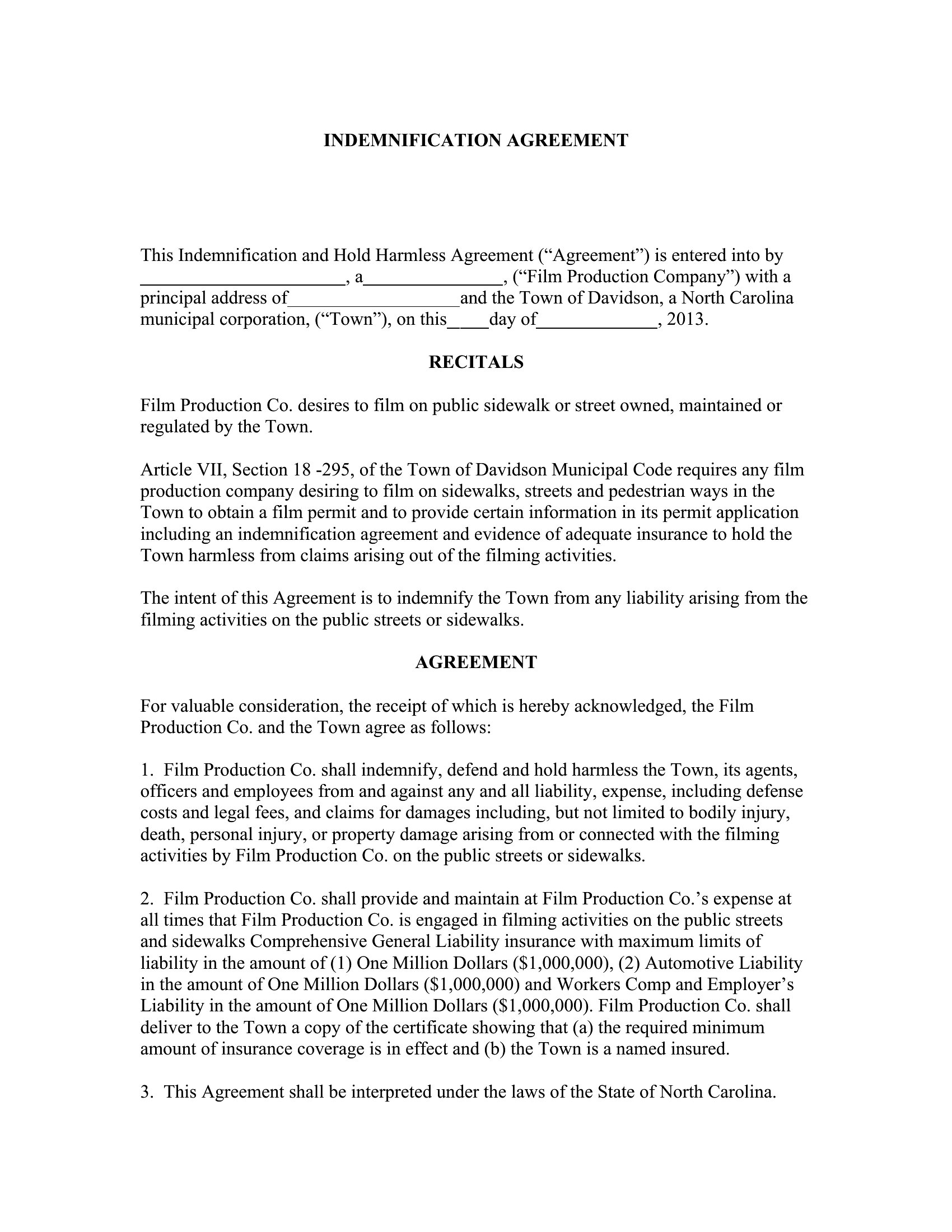
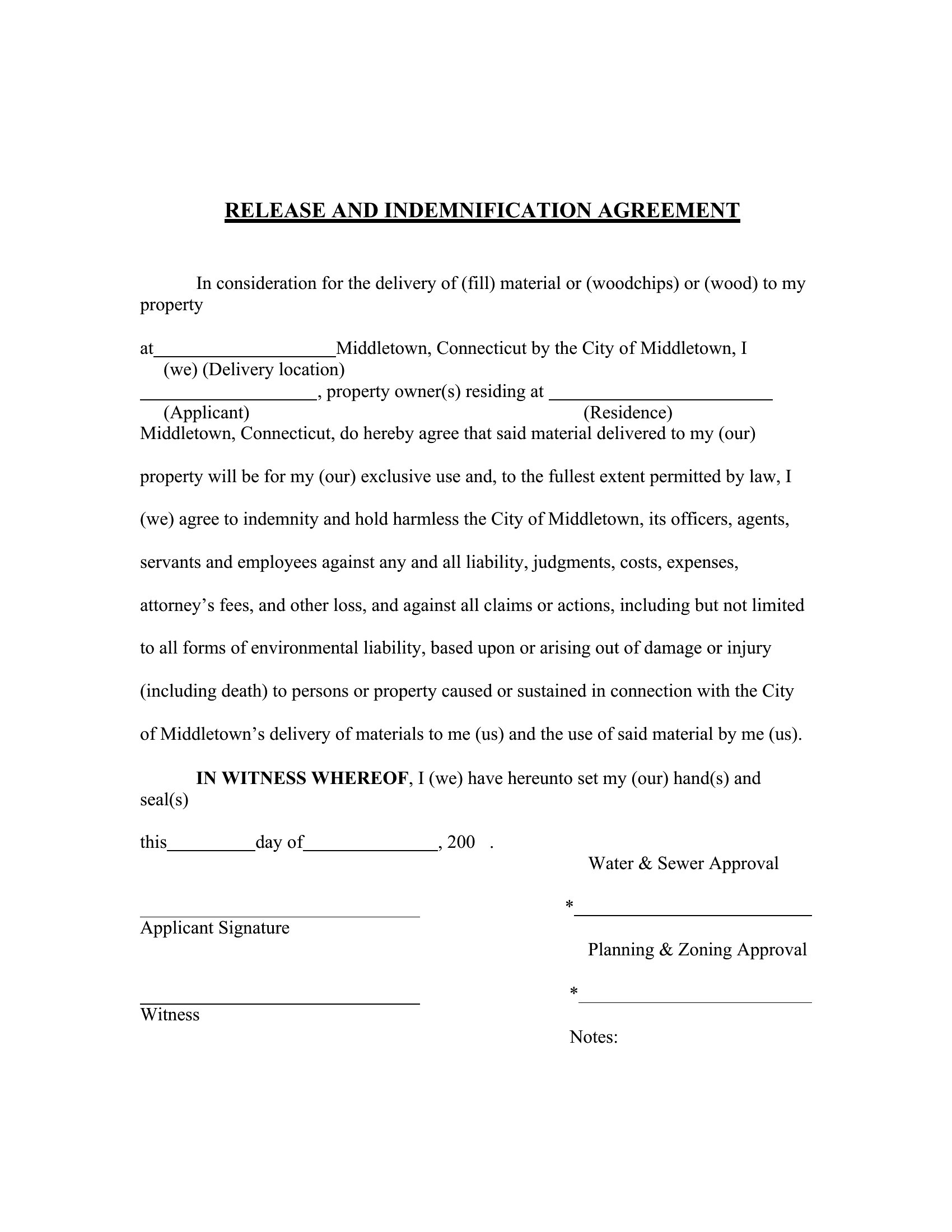
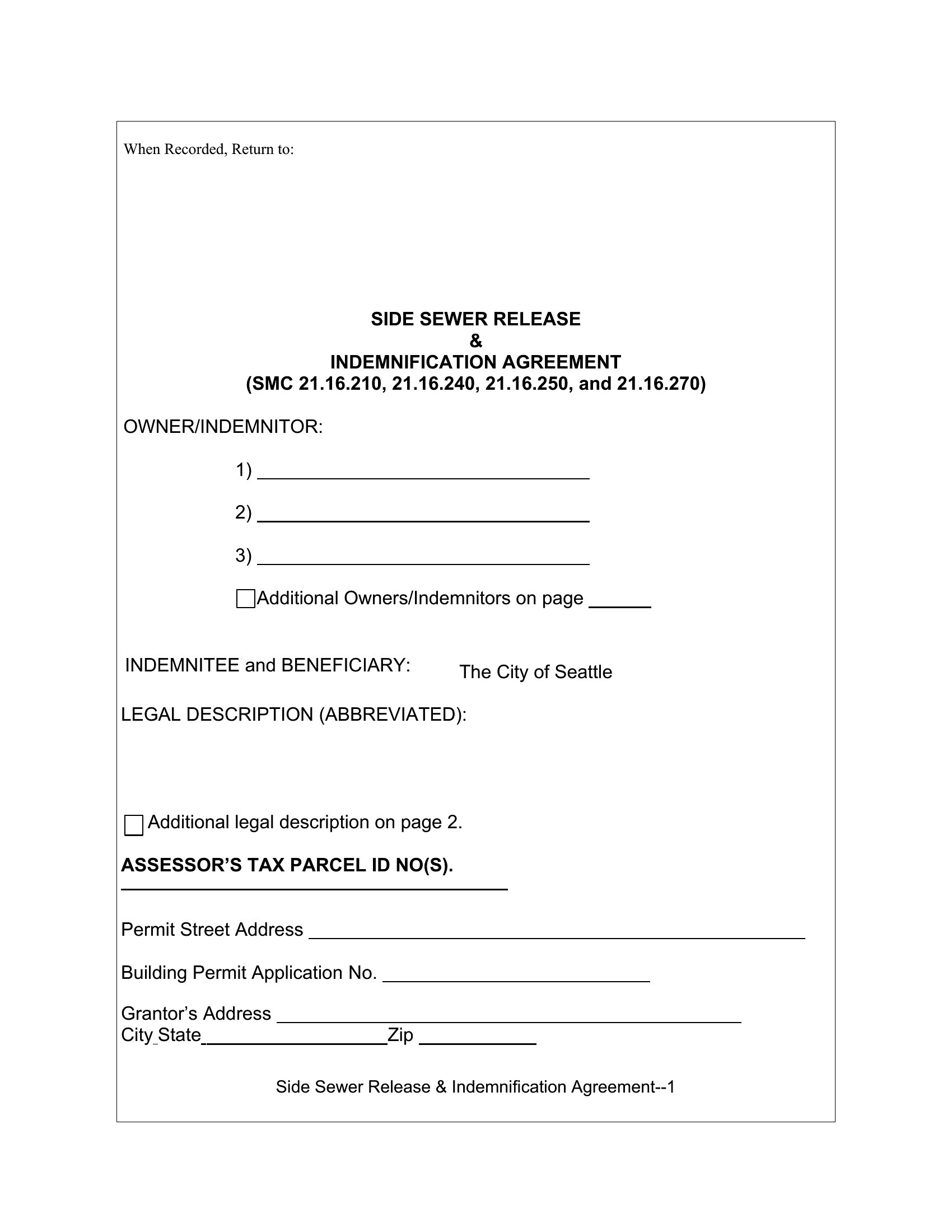
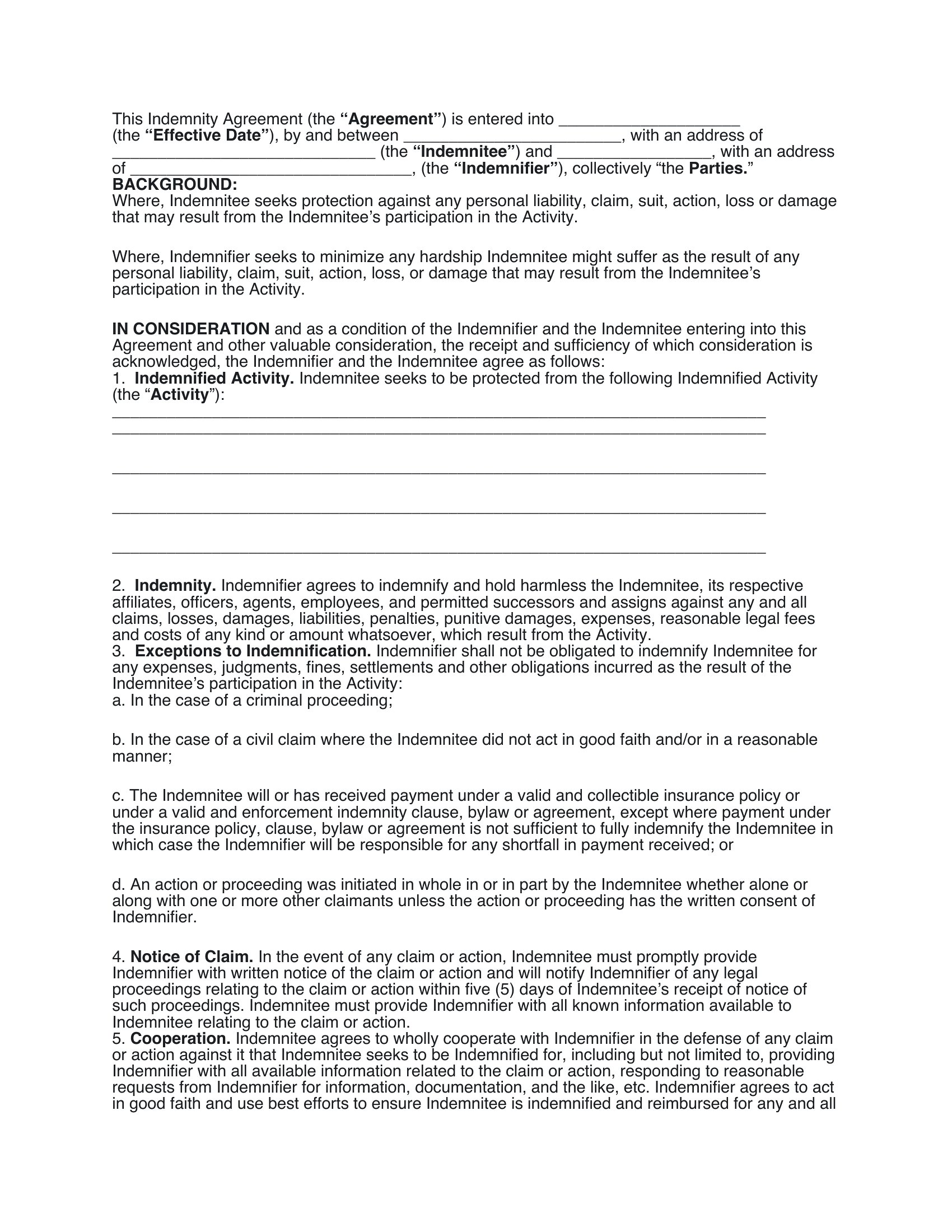
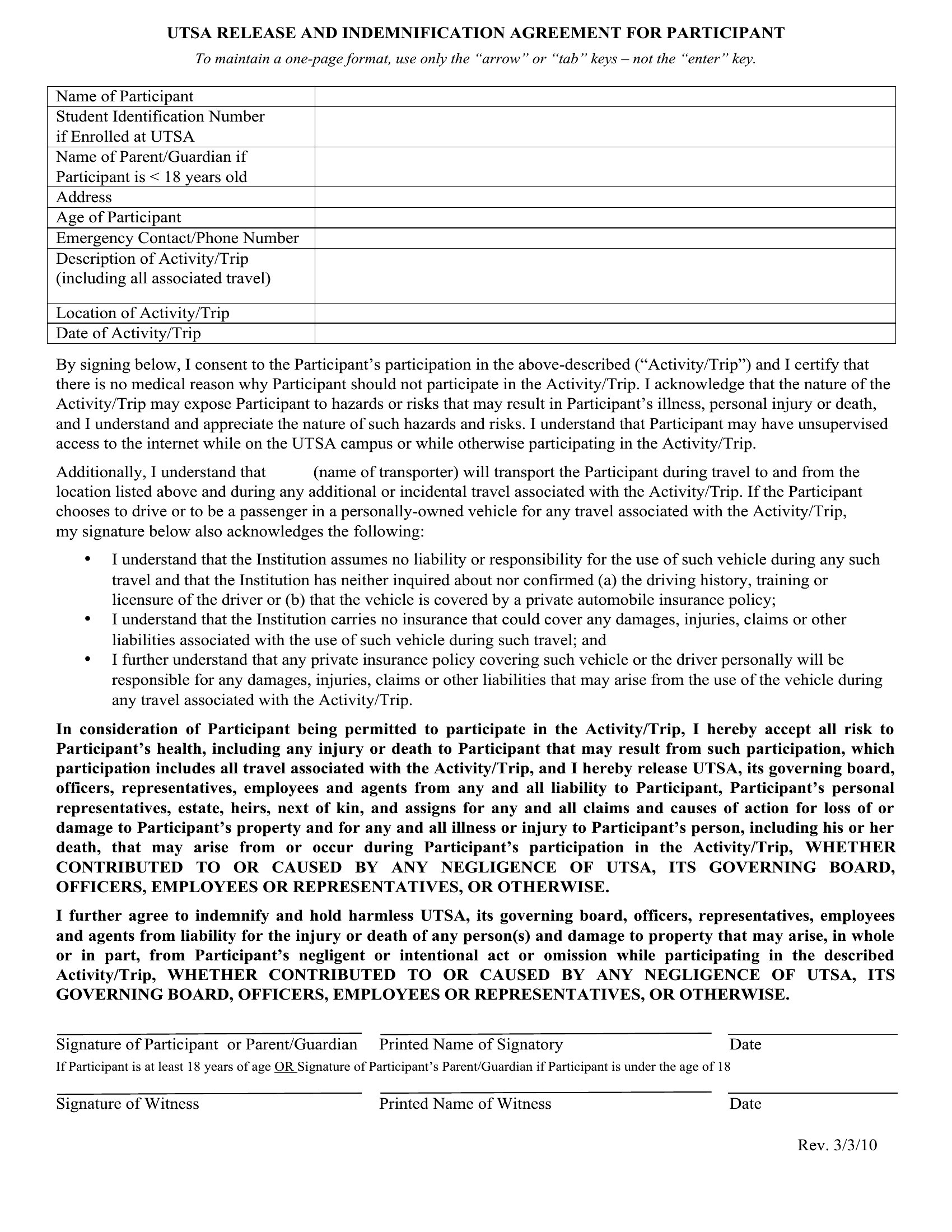
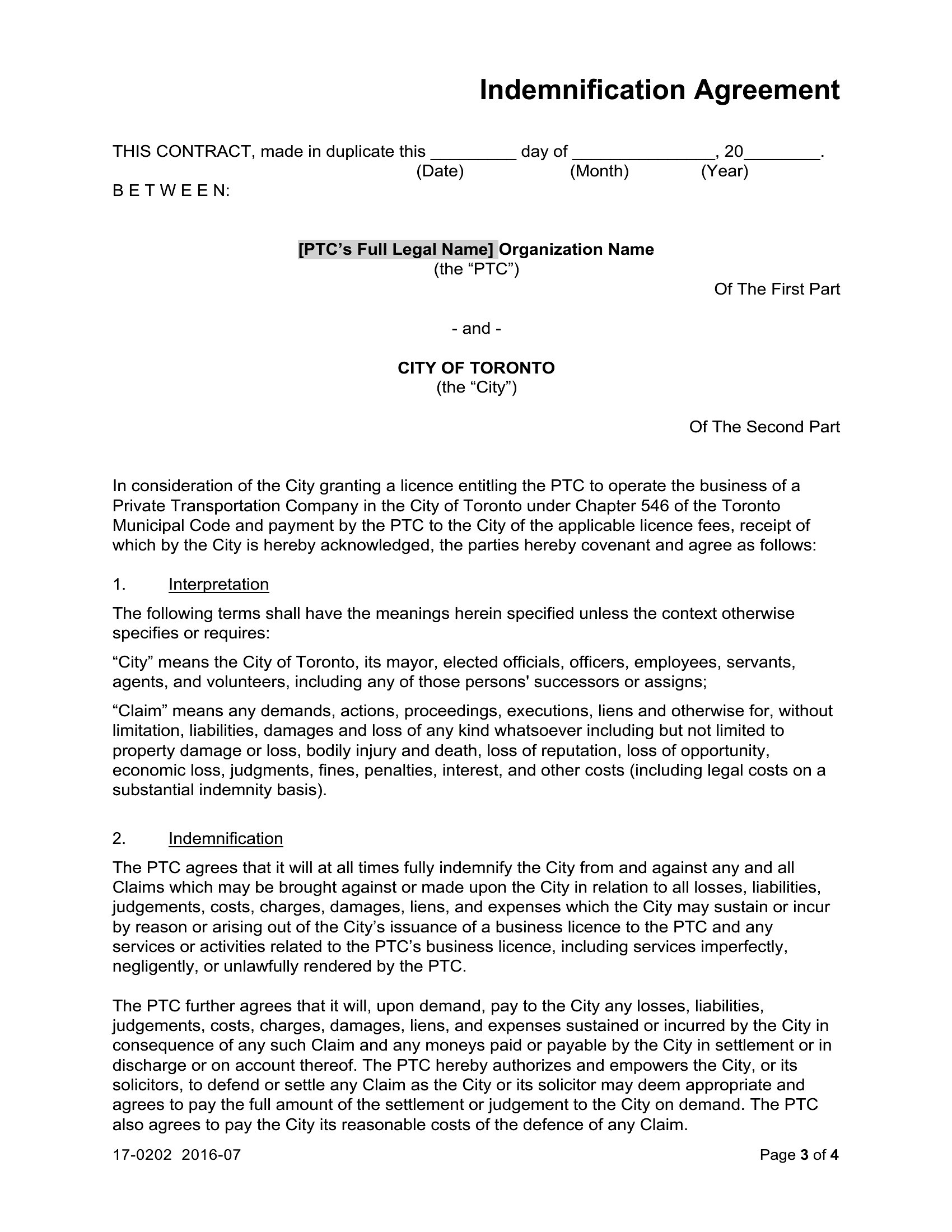
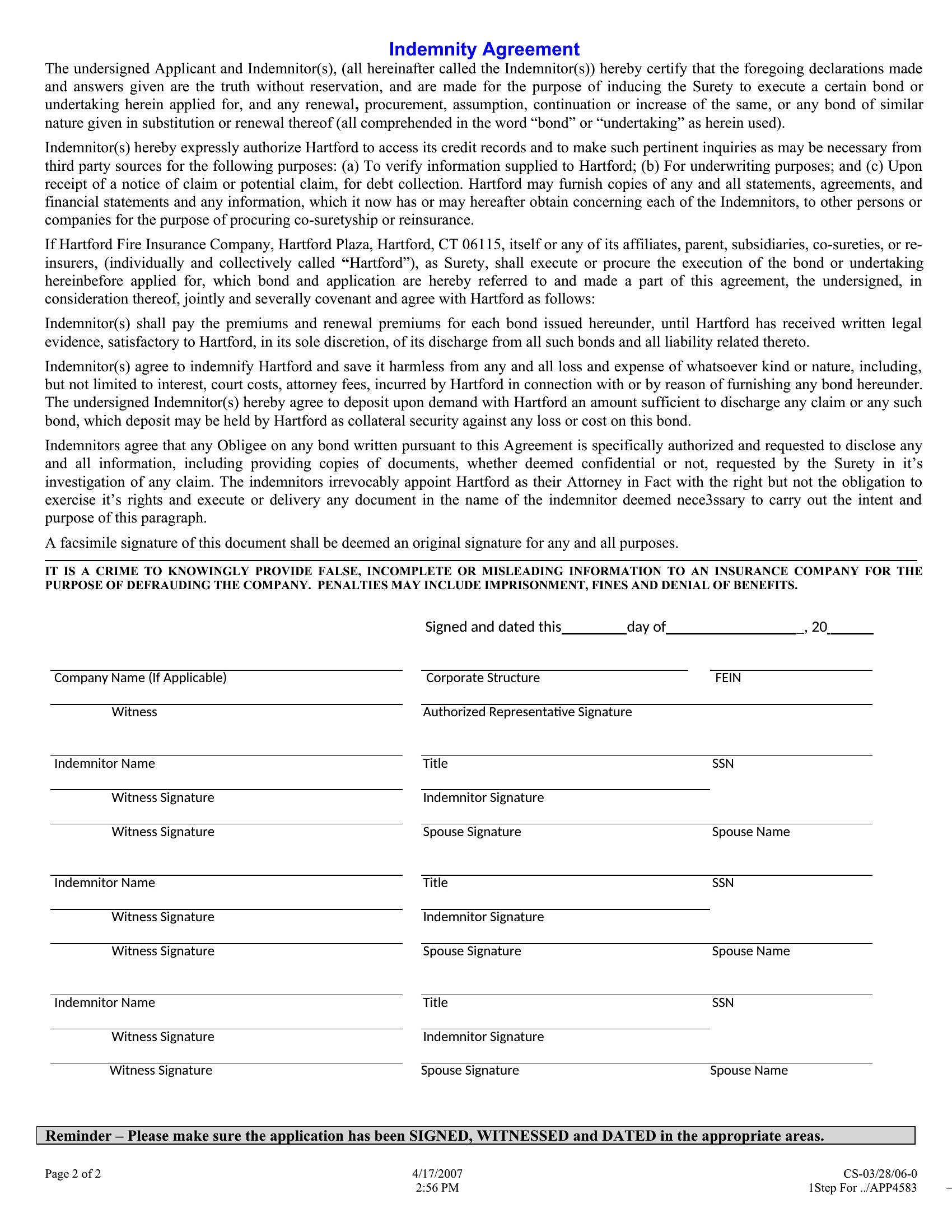
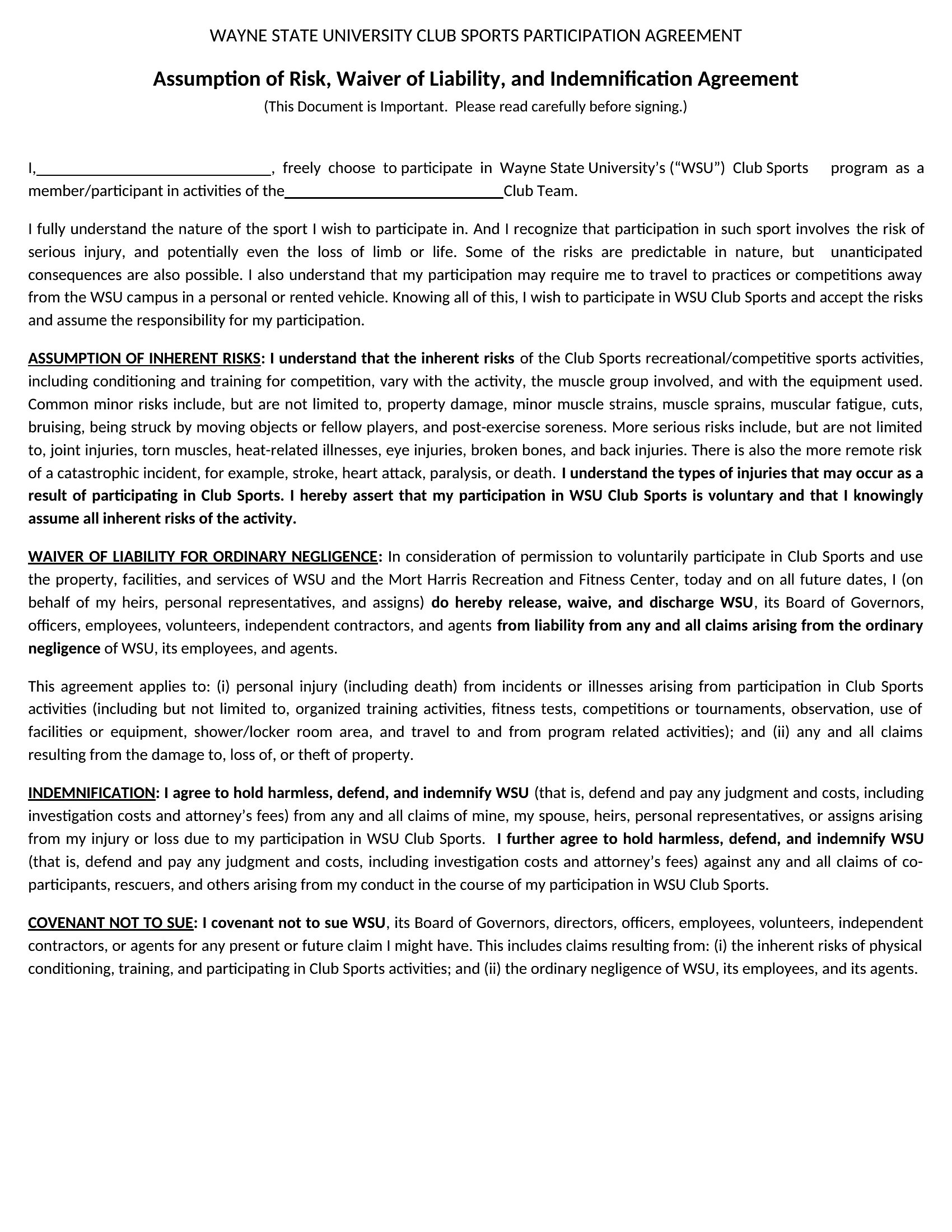
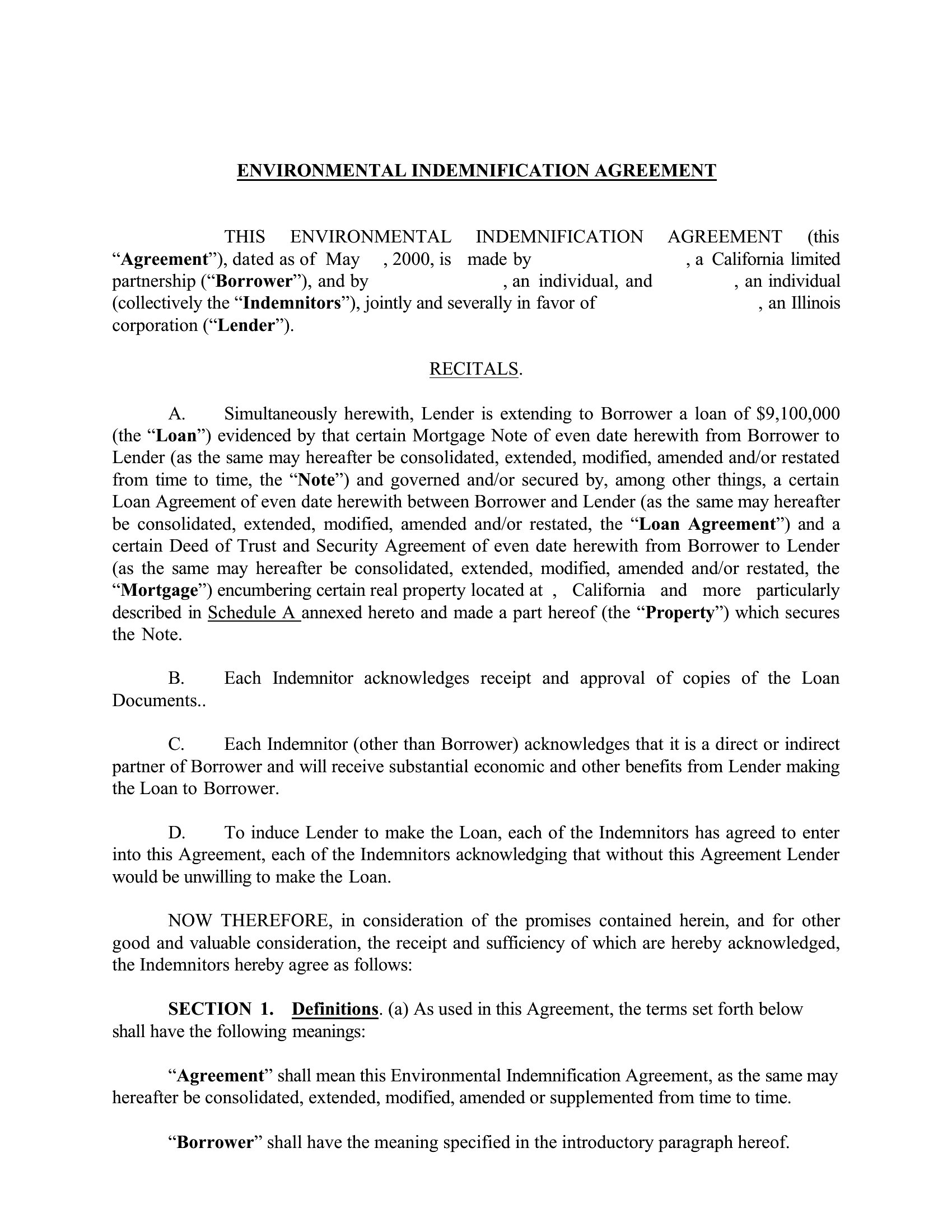
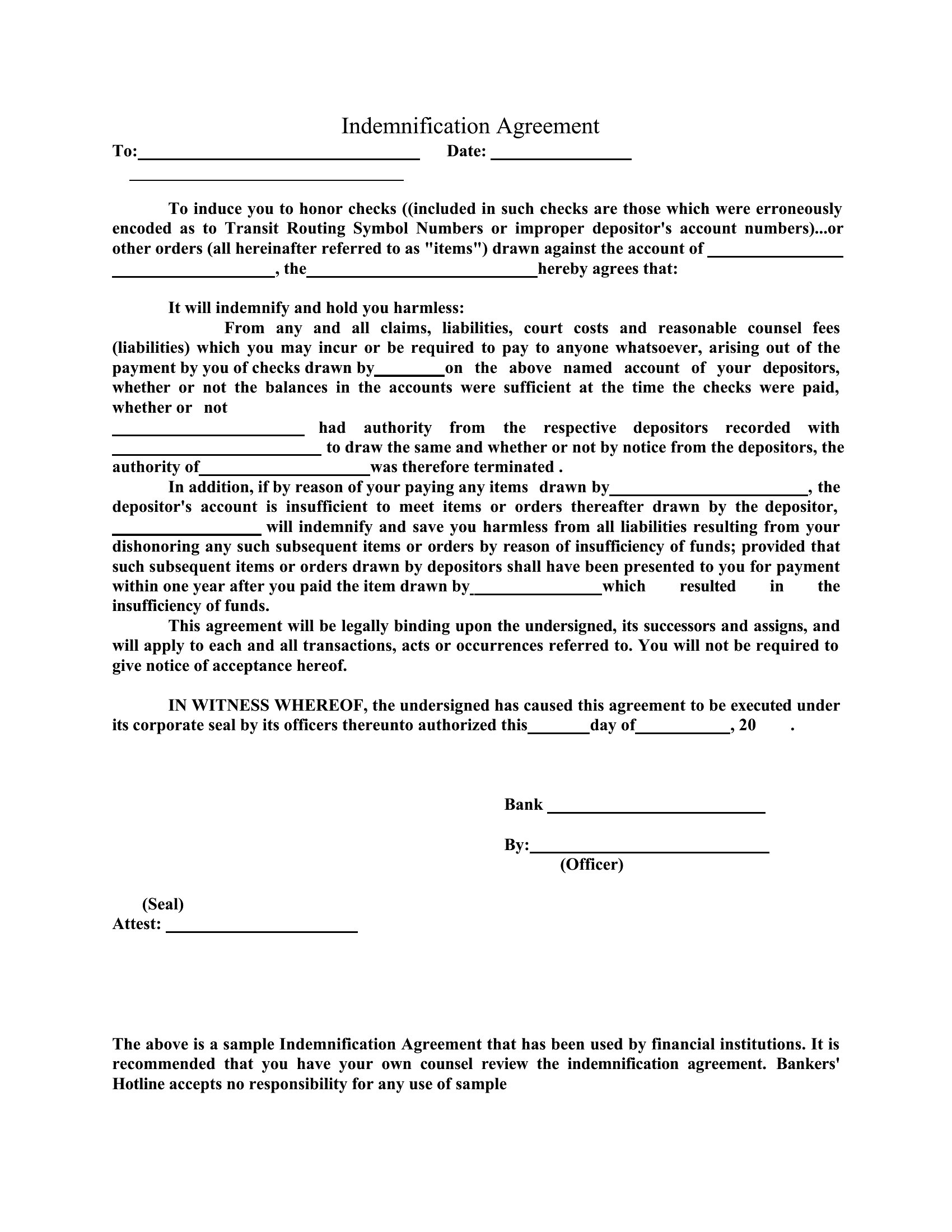
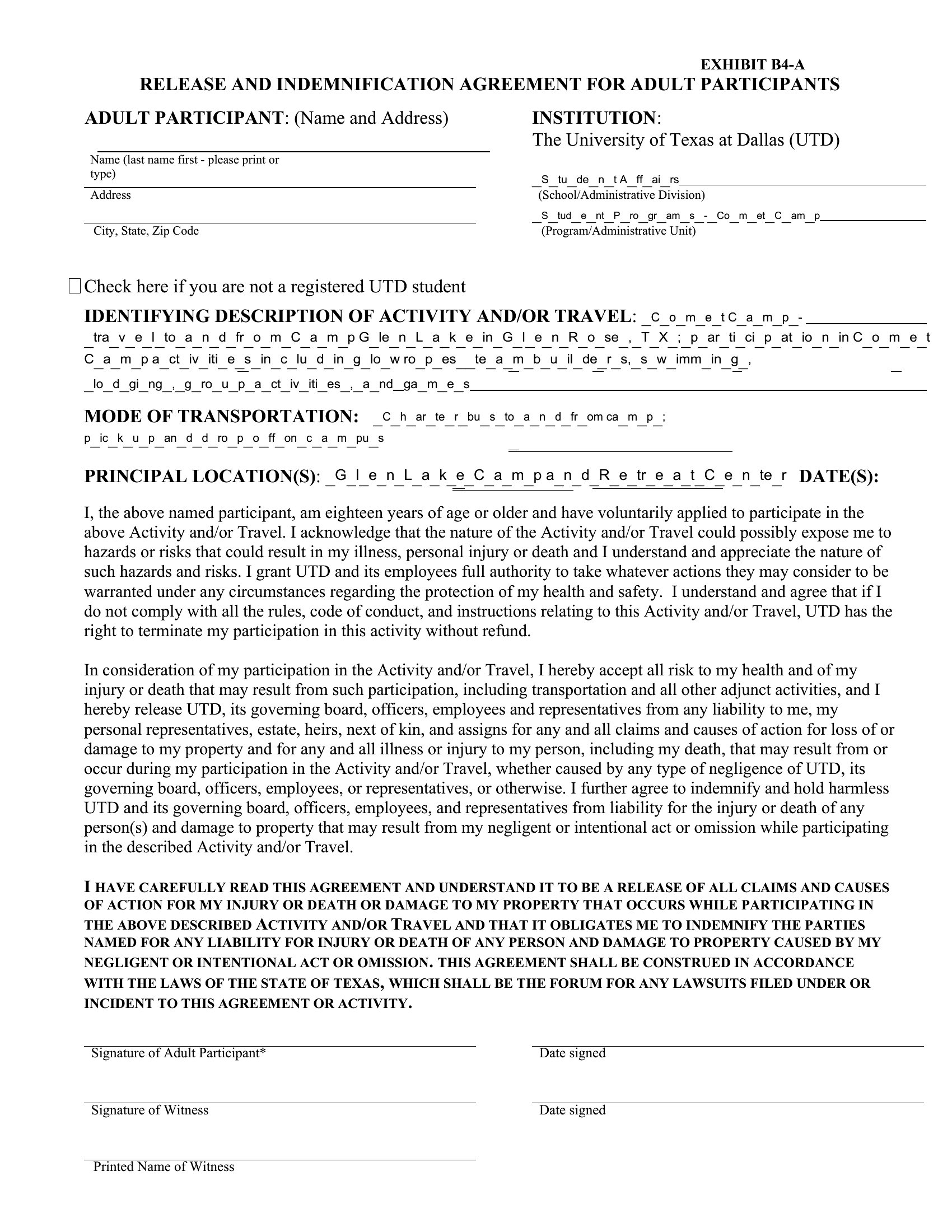
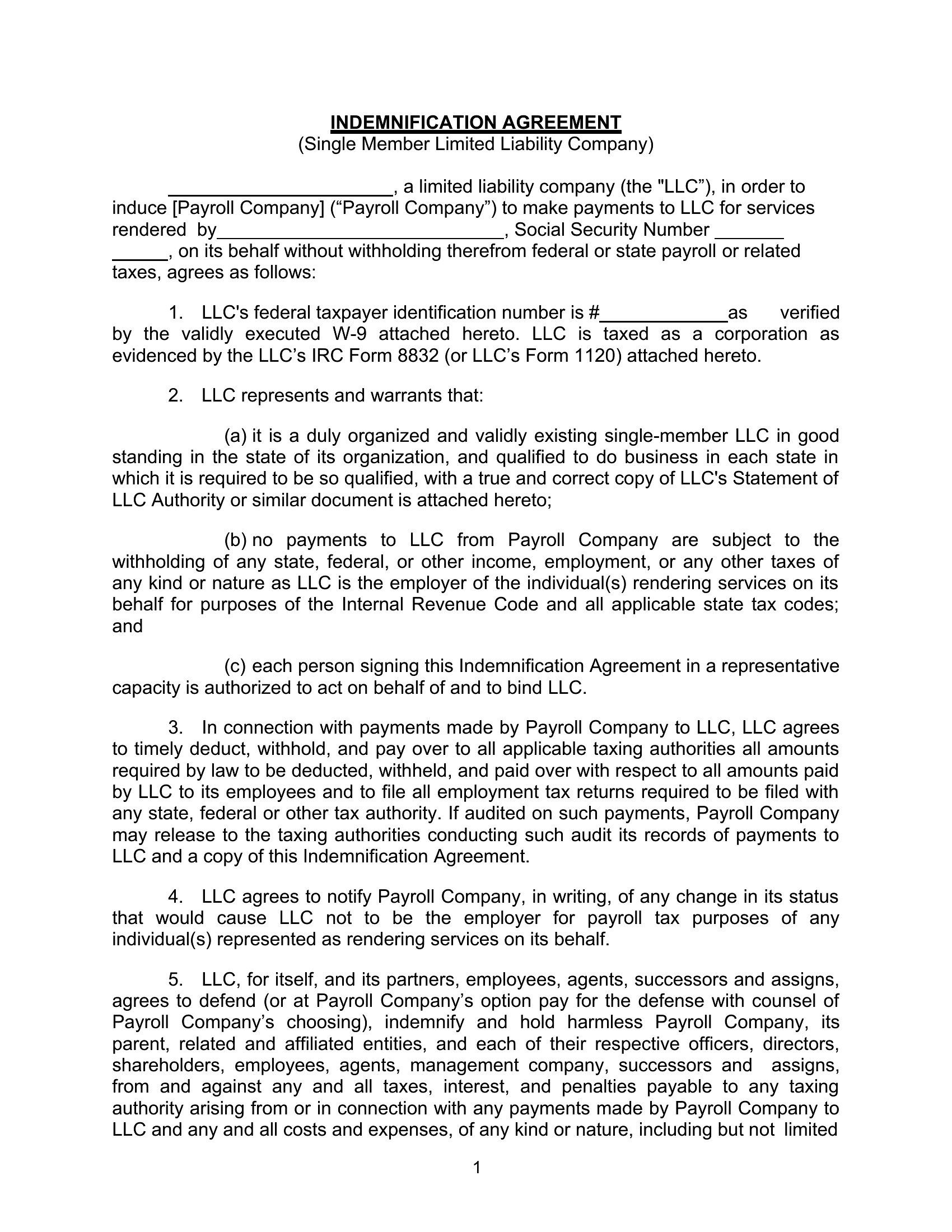
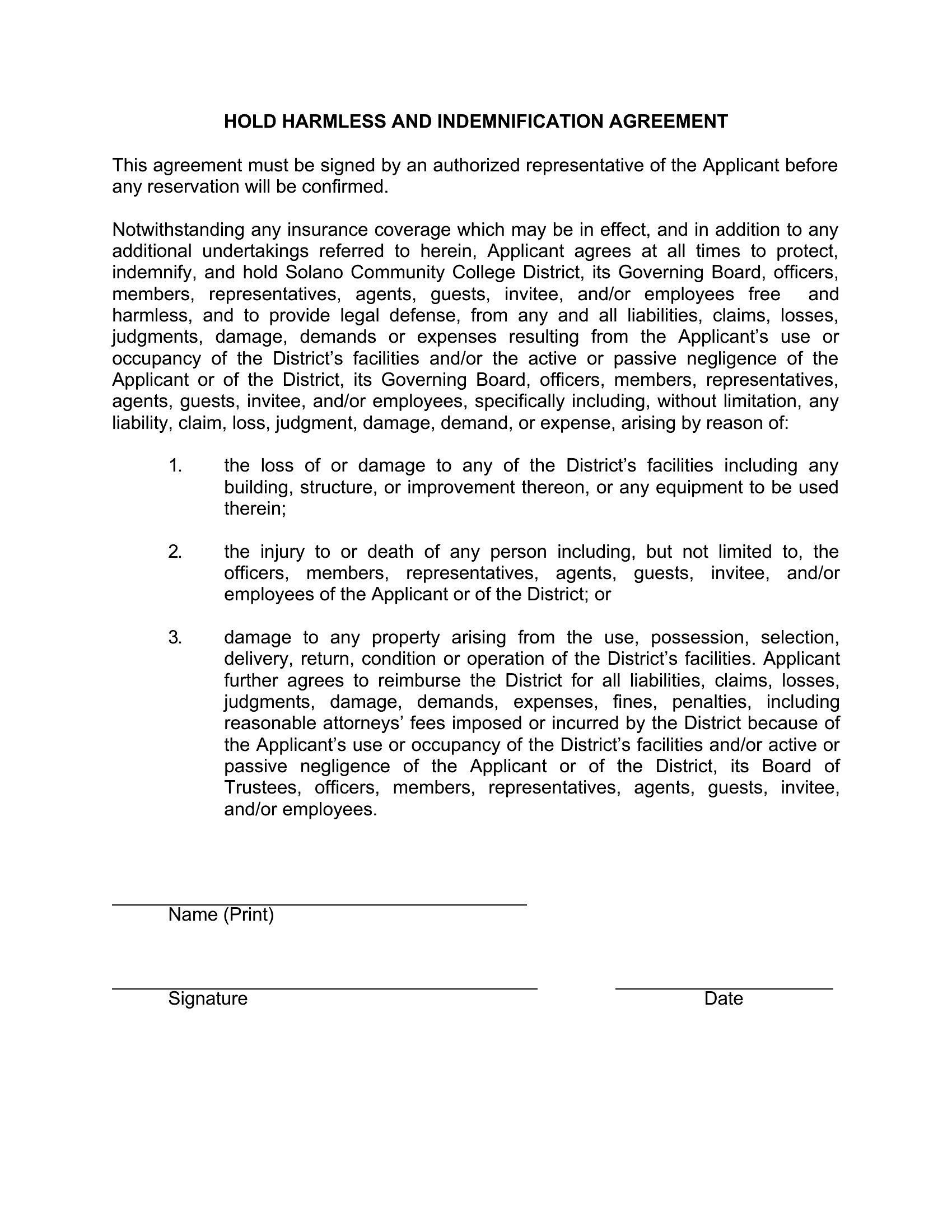
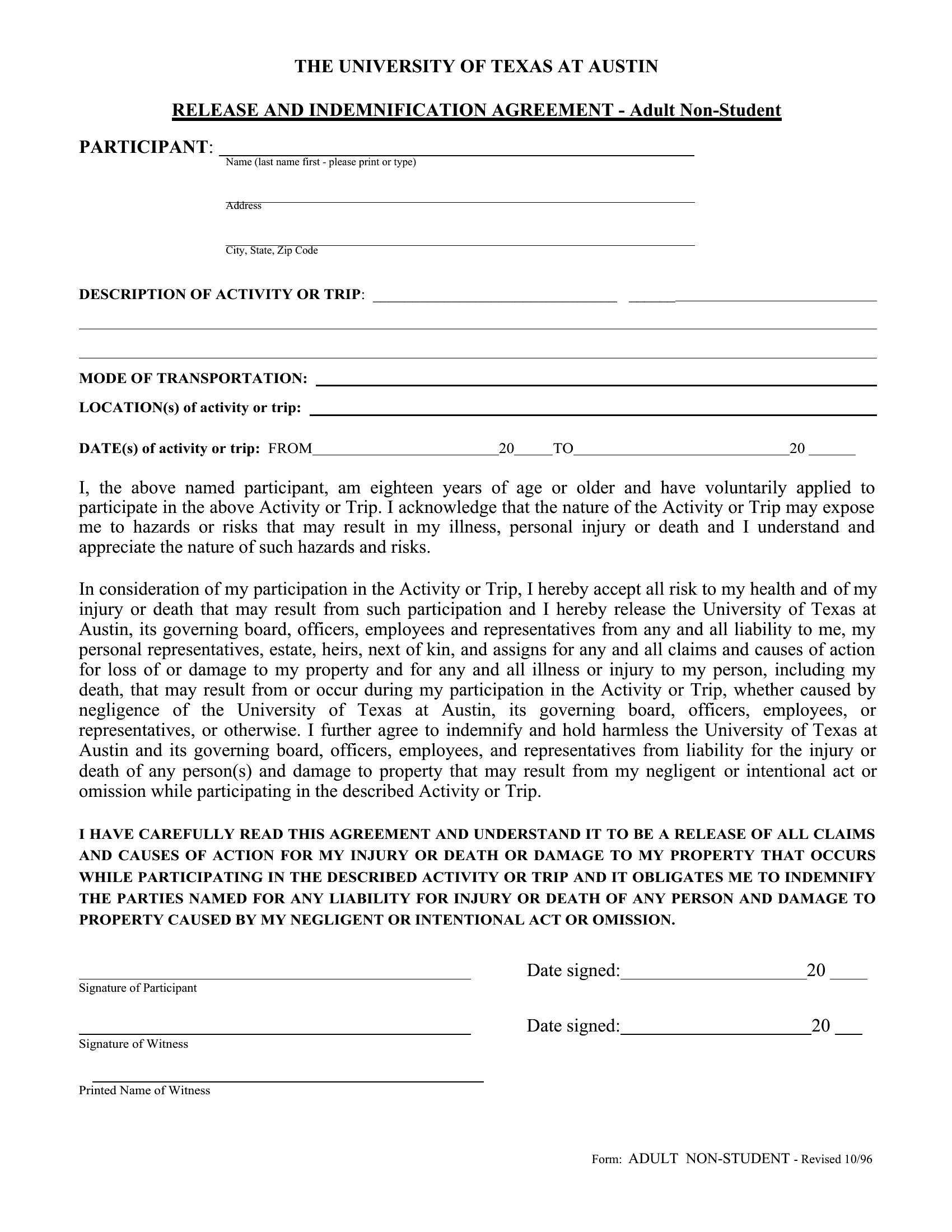
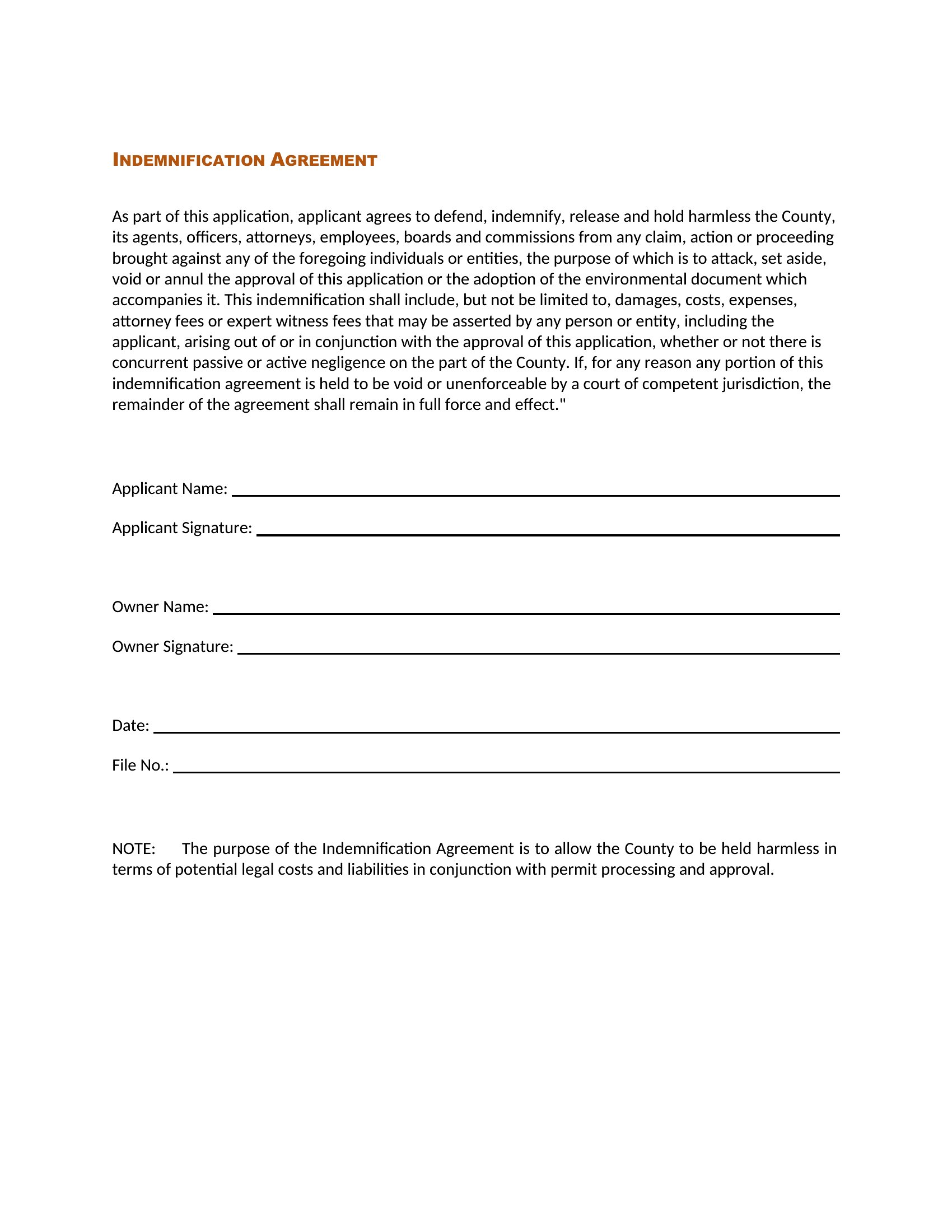
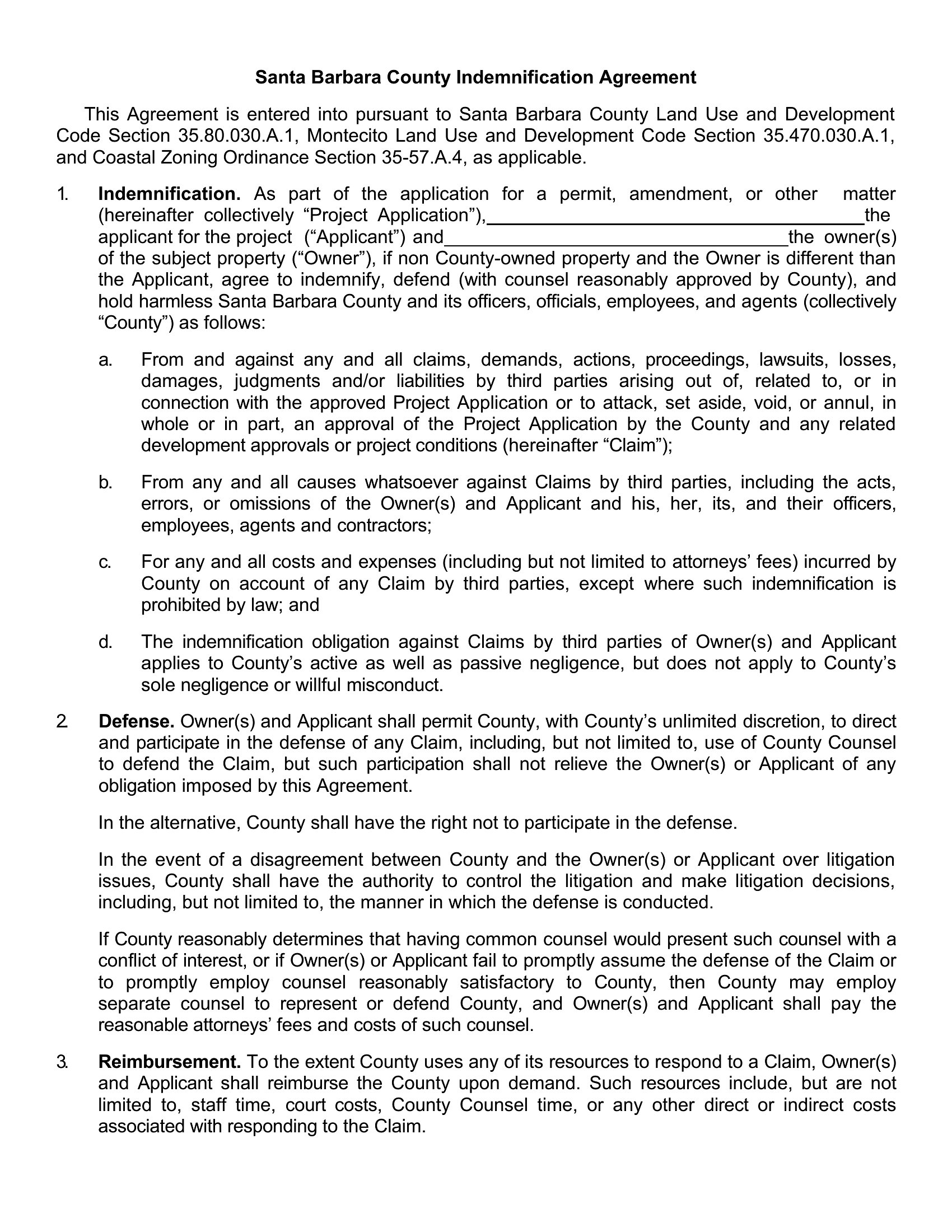
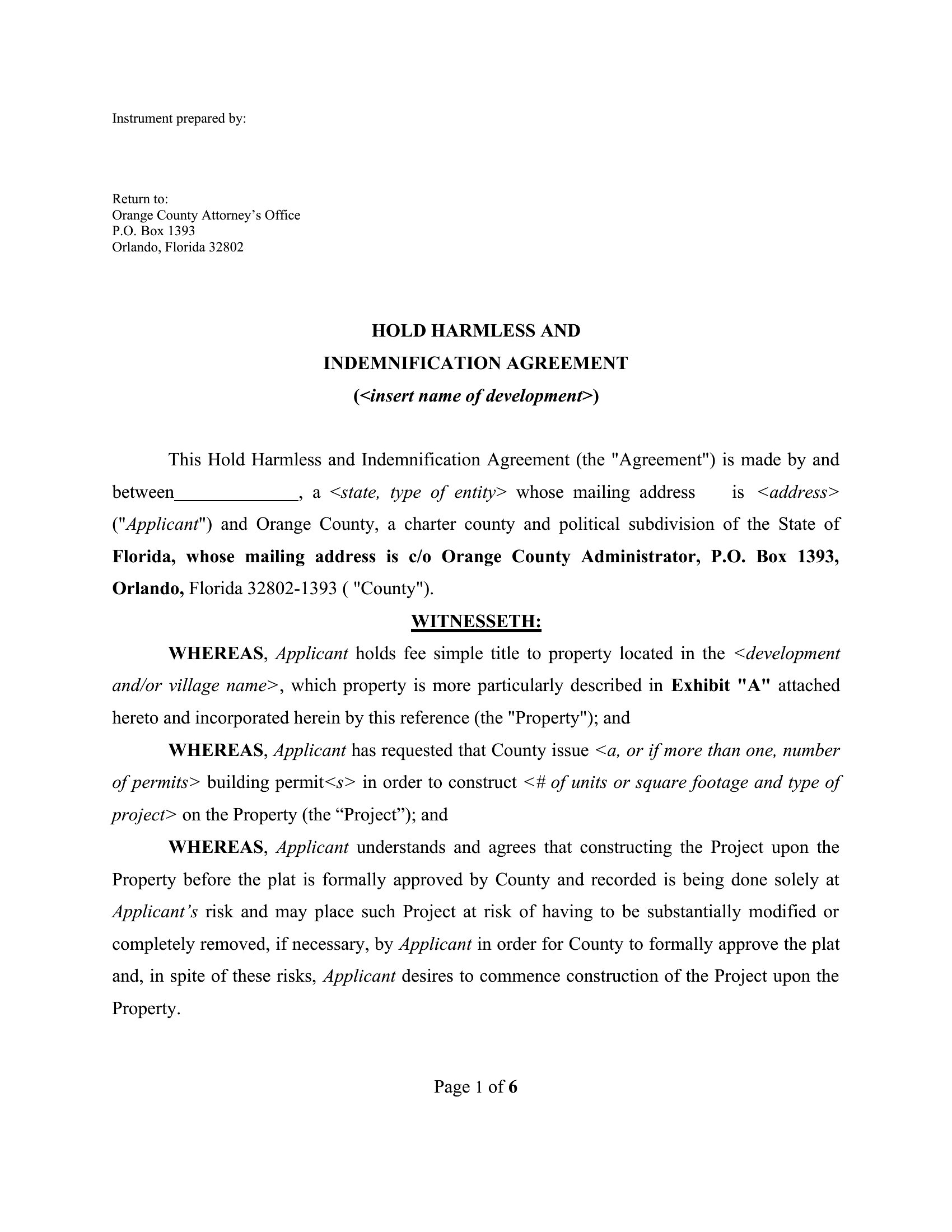
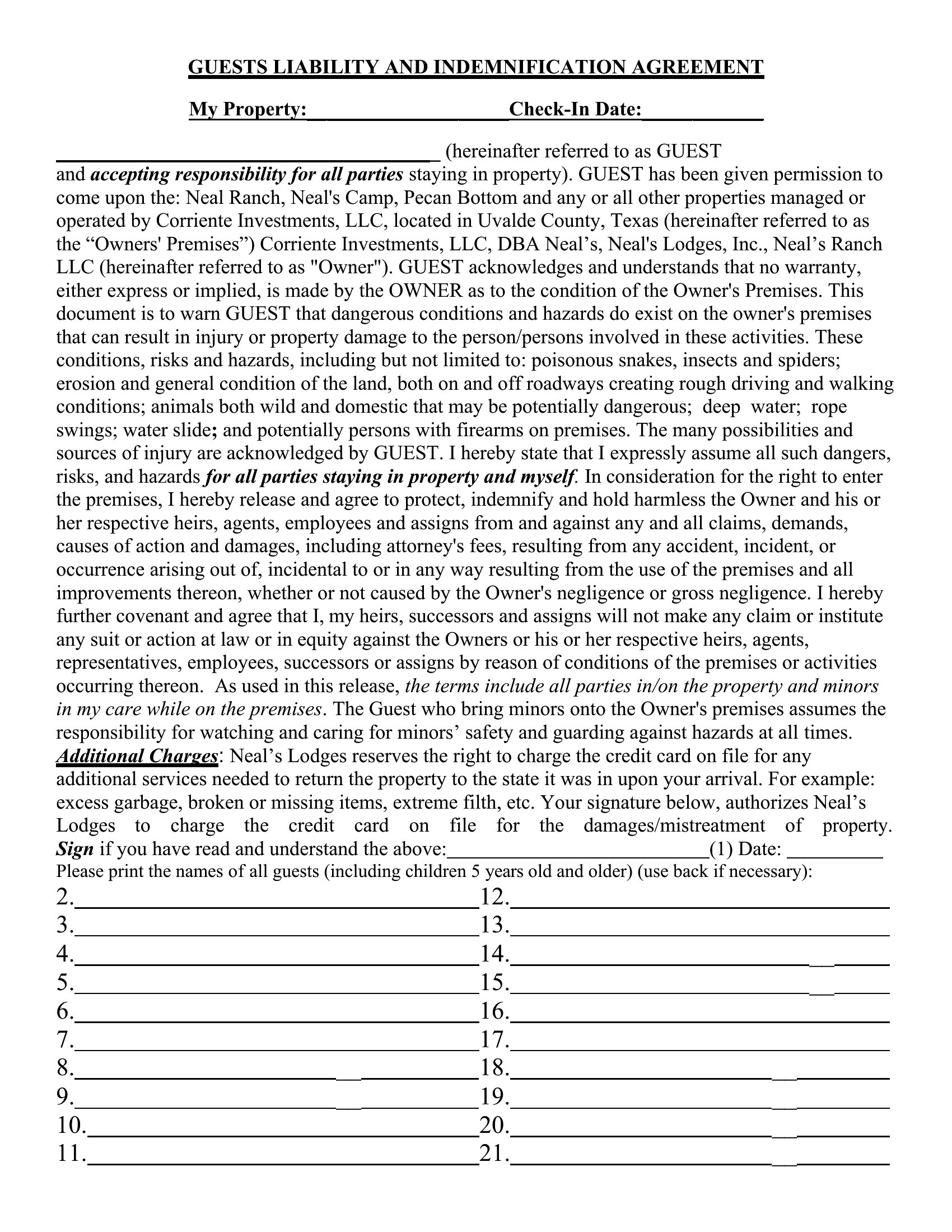
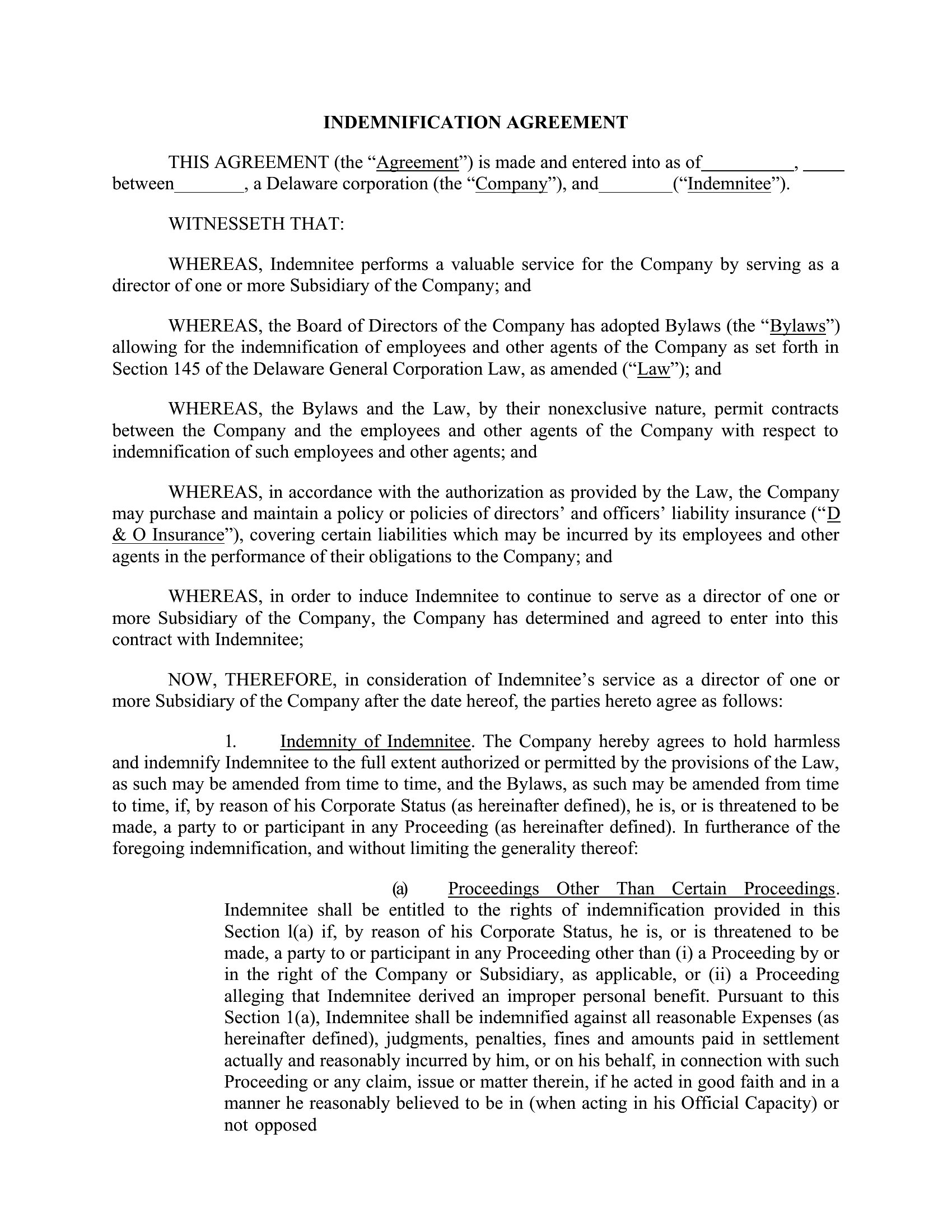
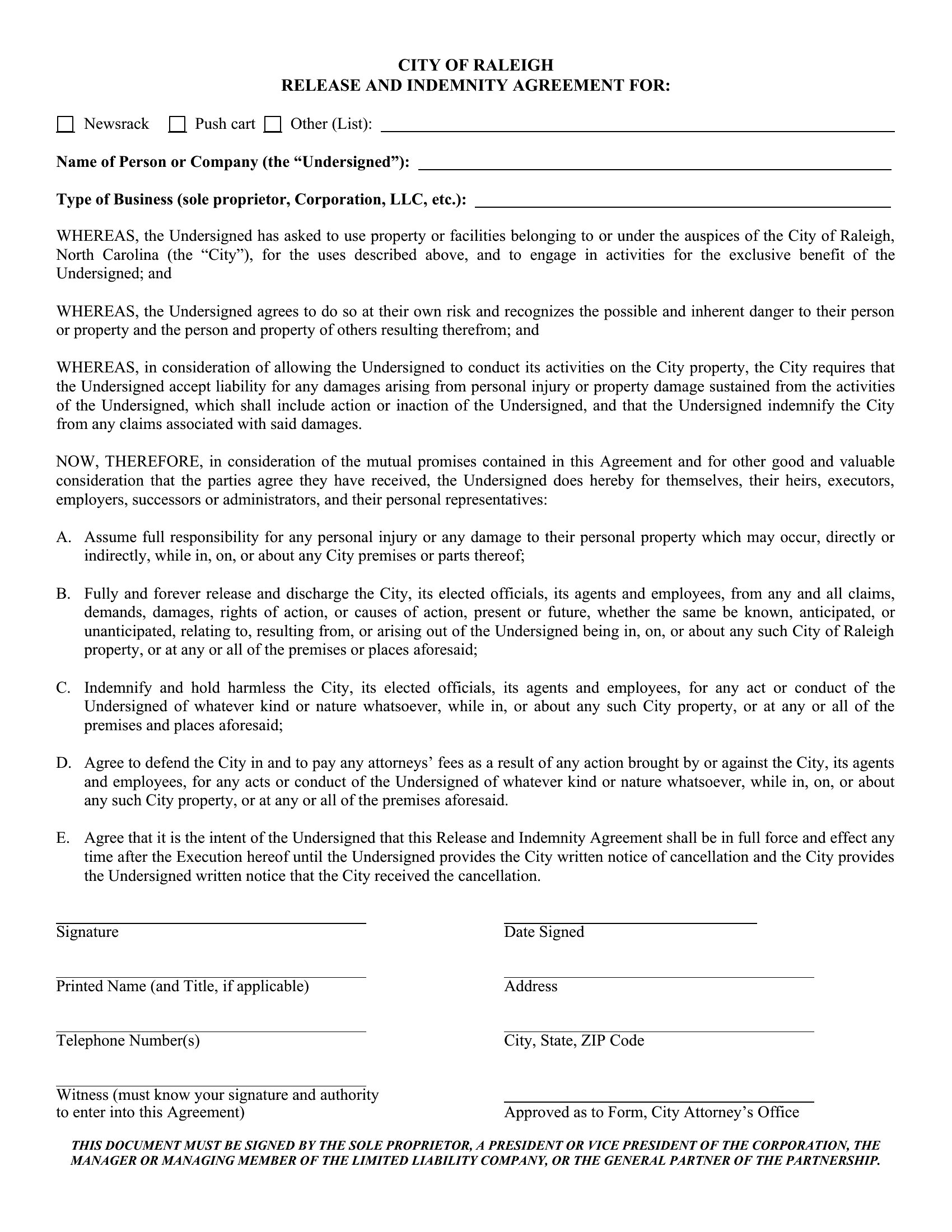
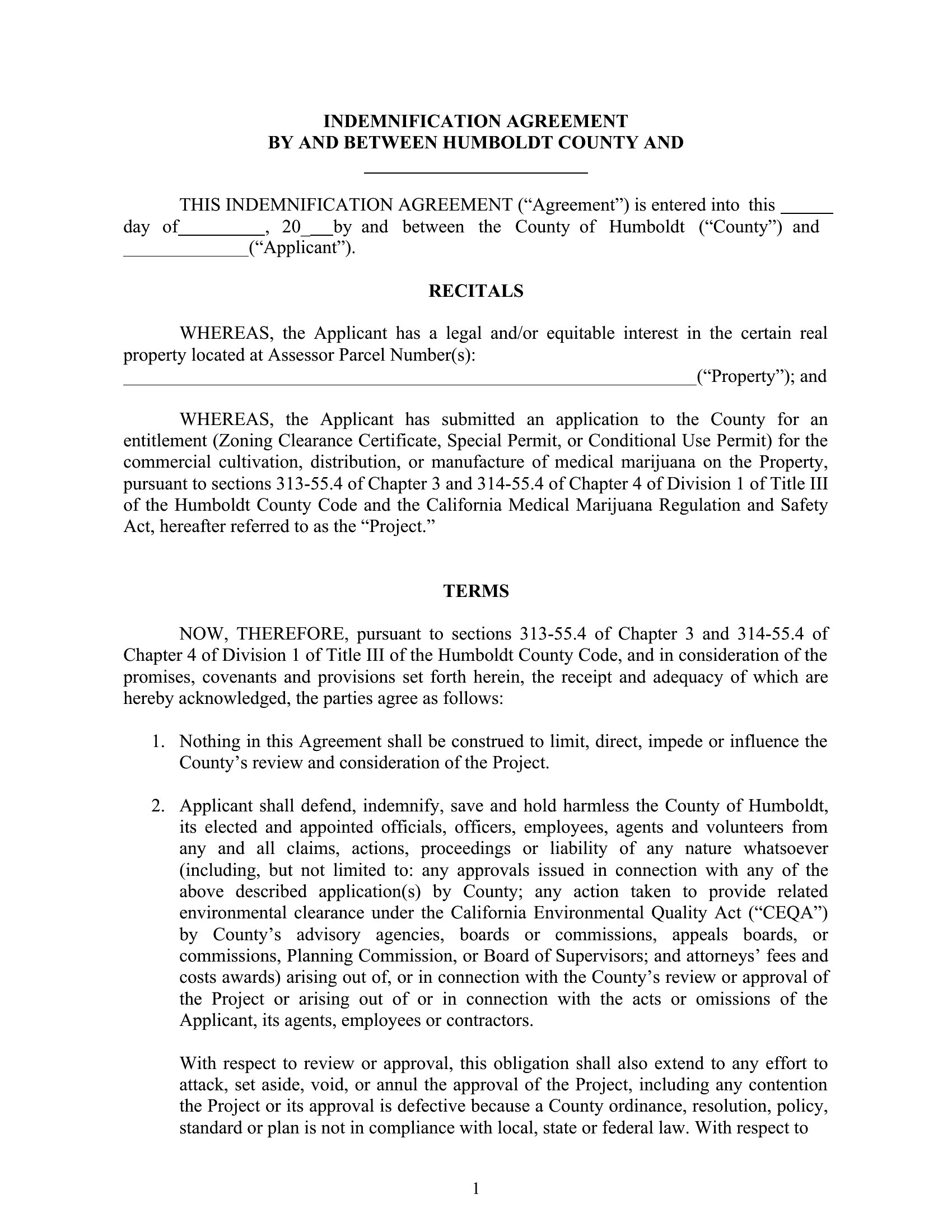
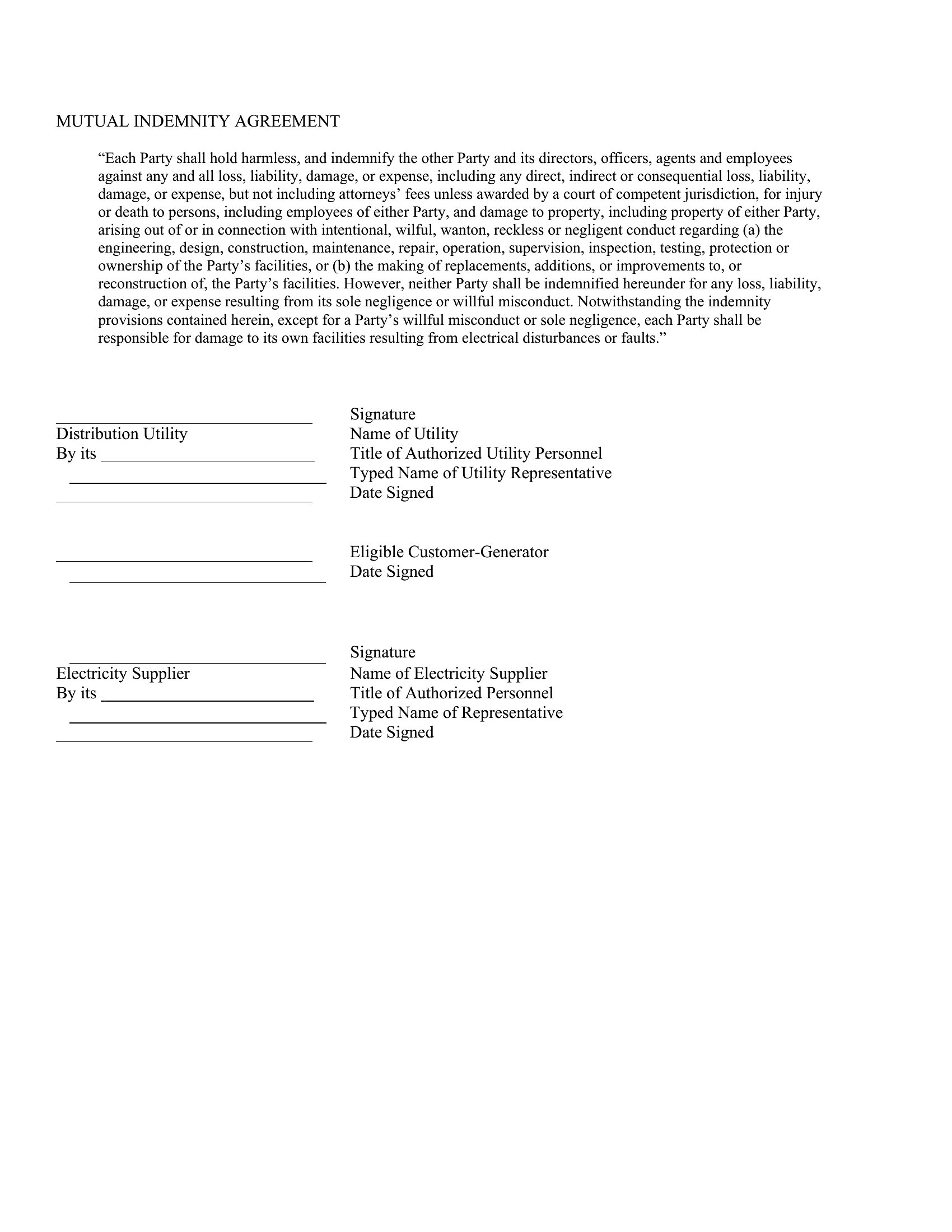
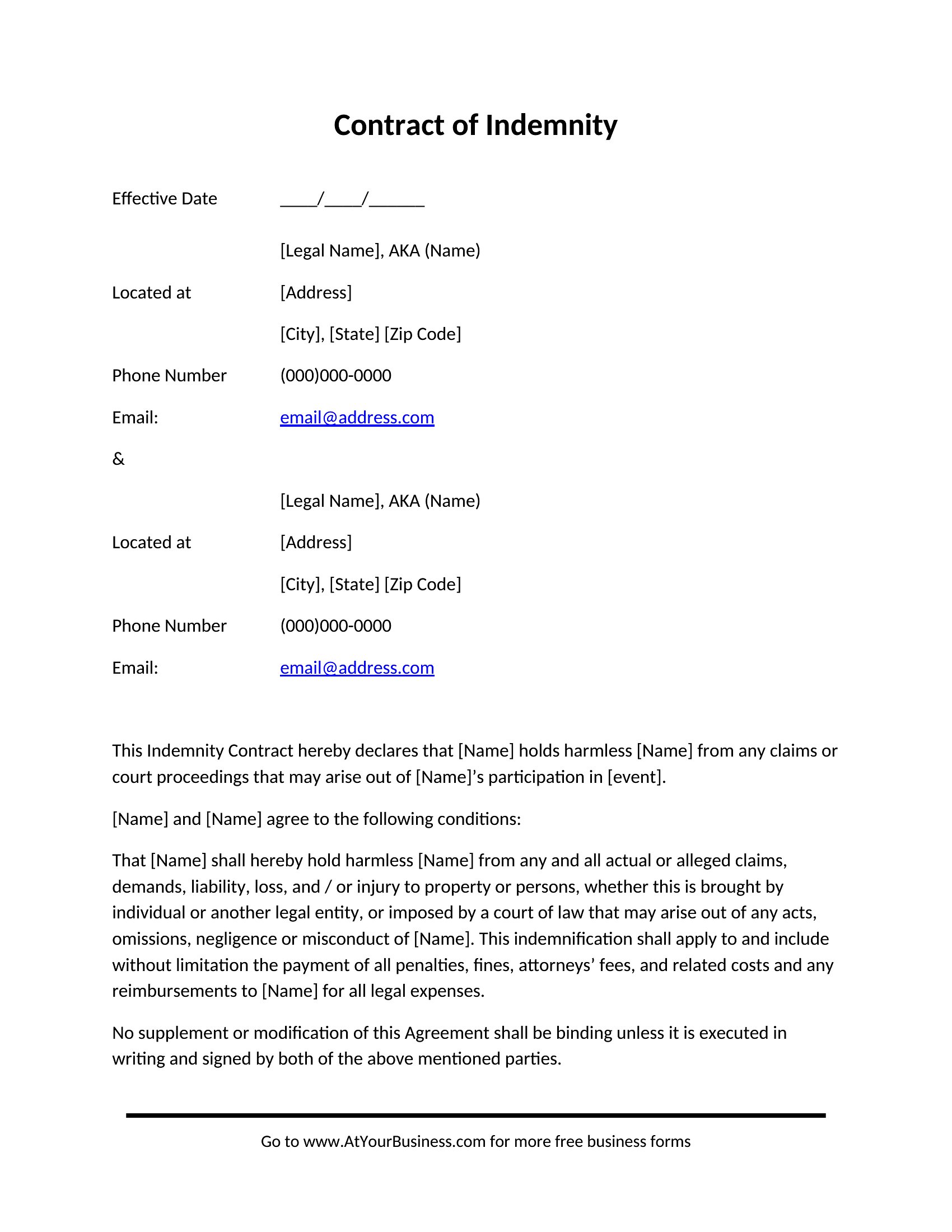
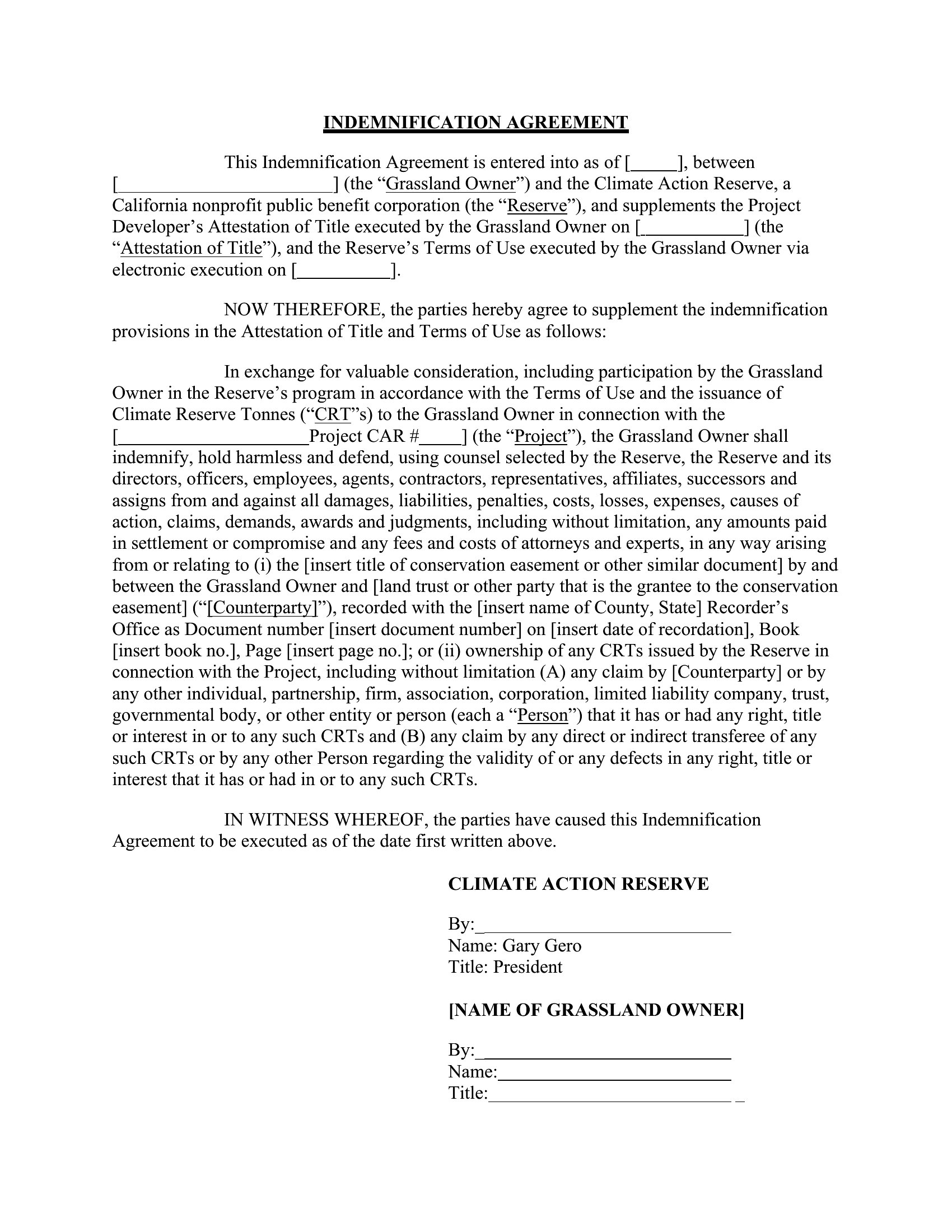
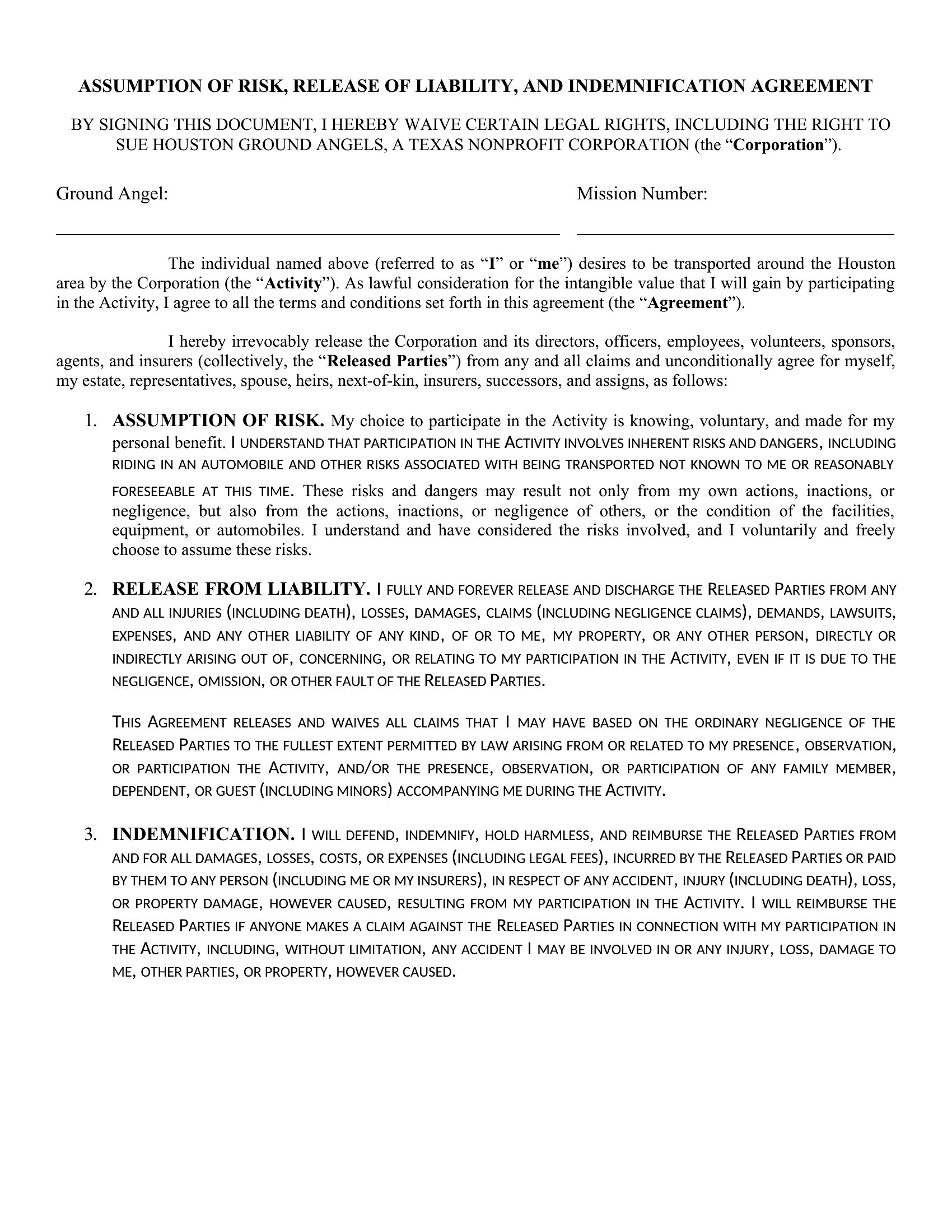
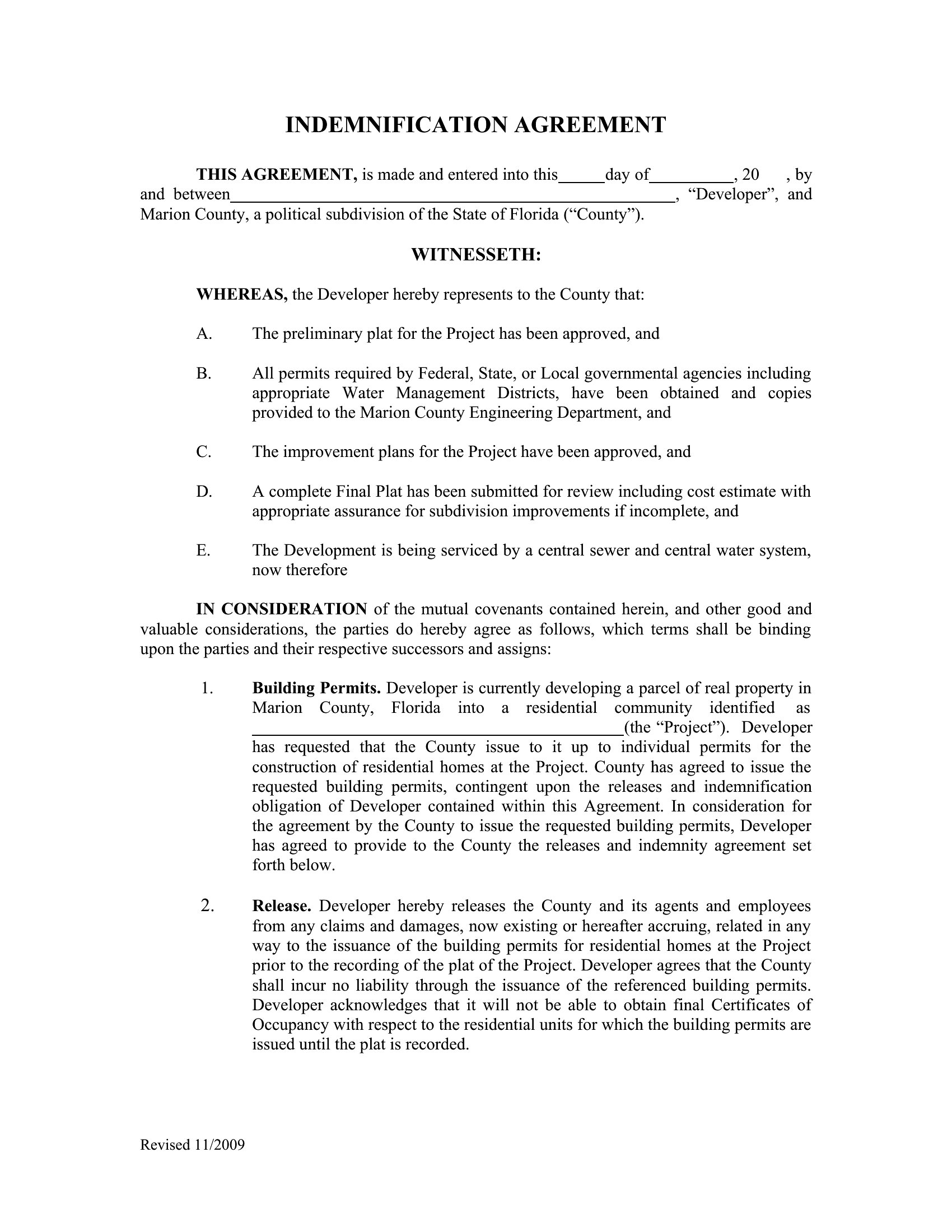
LegalAn indemnification agreement shifts certain risks from one party to another, spelling out who covers losses if a claim or liability arises. These 41 templates give business owners, contractors, and event organizers a starting point for hold-harmless and indemnity clauses covering activities, services, or transactions. Layouts range from general mutual indemnities to one-way agreements for a specific event or project.
Each template is editable in Microsoft Word, so you can name the parties, define the covered risks, and adjust the terms to your arrangement. Because indemnity language carries real legal weight and enforceability varies by state, have a qualified attorney review anything important before you sign. Download the version that fits your situation and start from a solid, organized draft.
When to use this Indemnification Agreement template
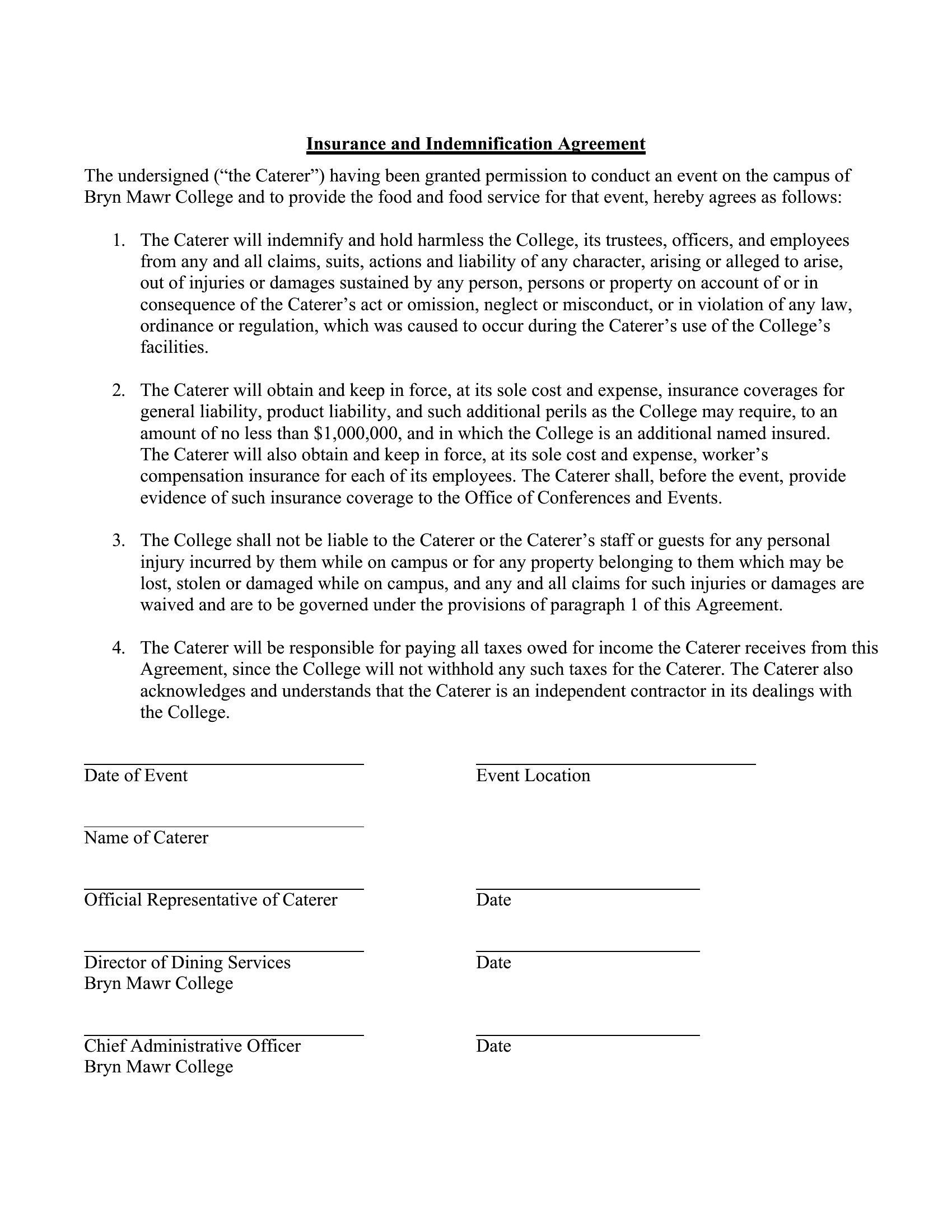
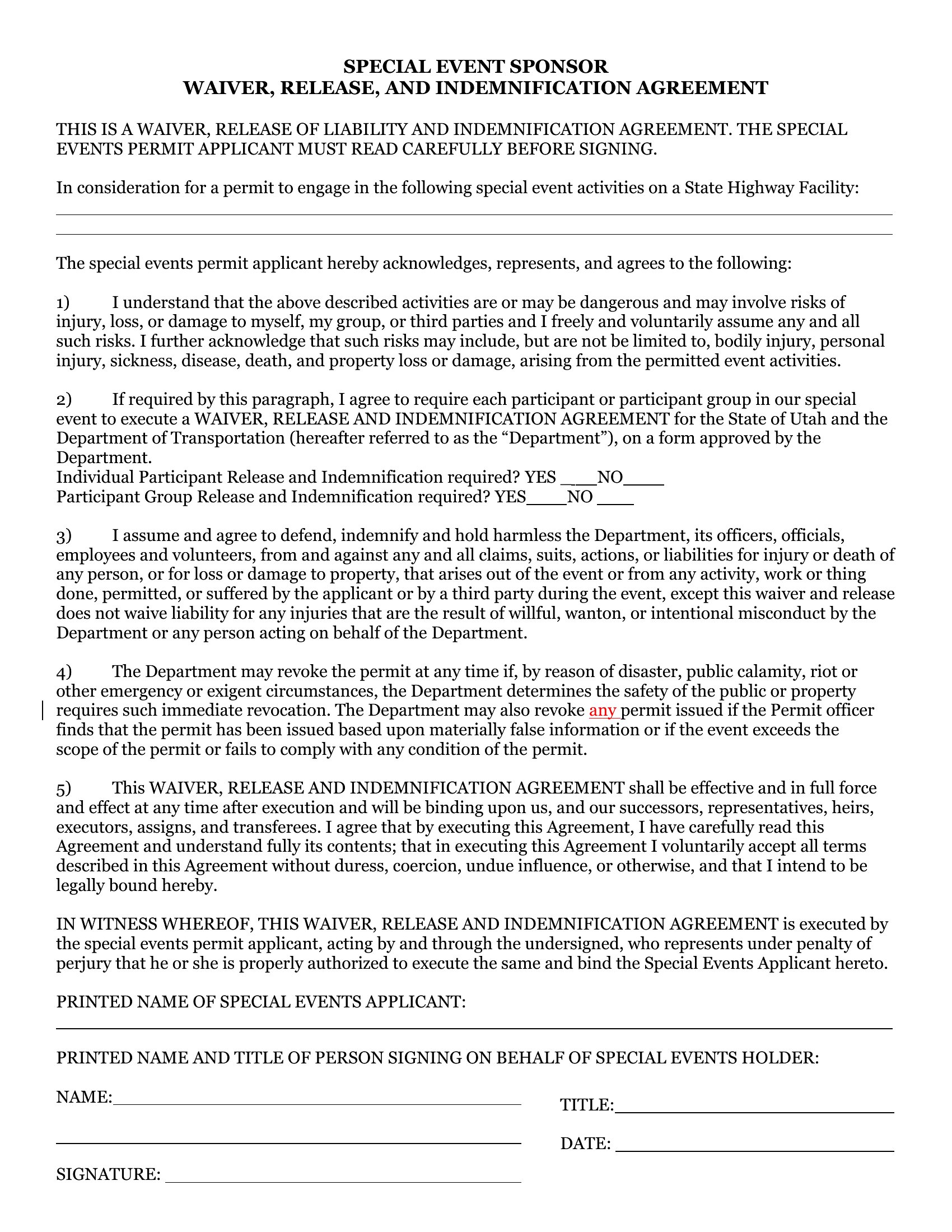
- A wedding planner hosting vendors at an outdoor venue needs to protect their business from liability if a guest gets injured during a setup or event—this template ensures vendors and clients agree on risk allocation.
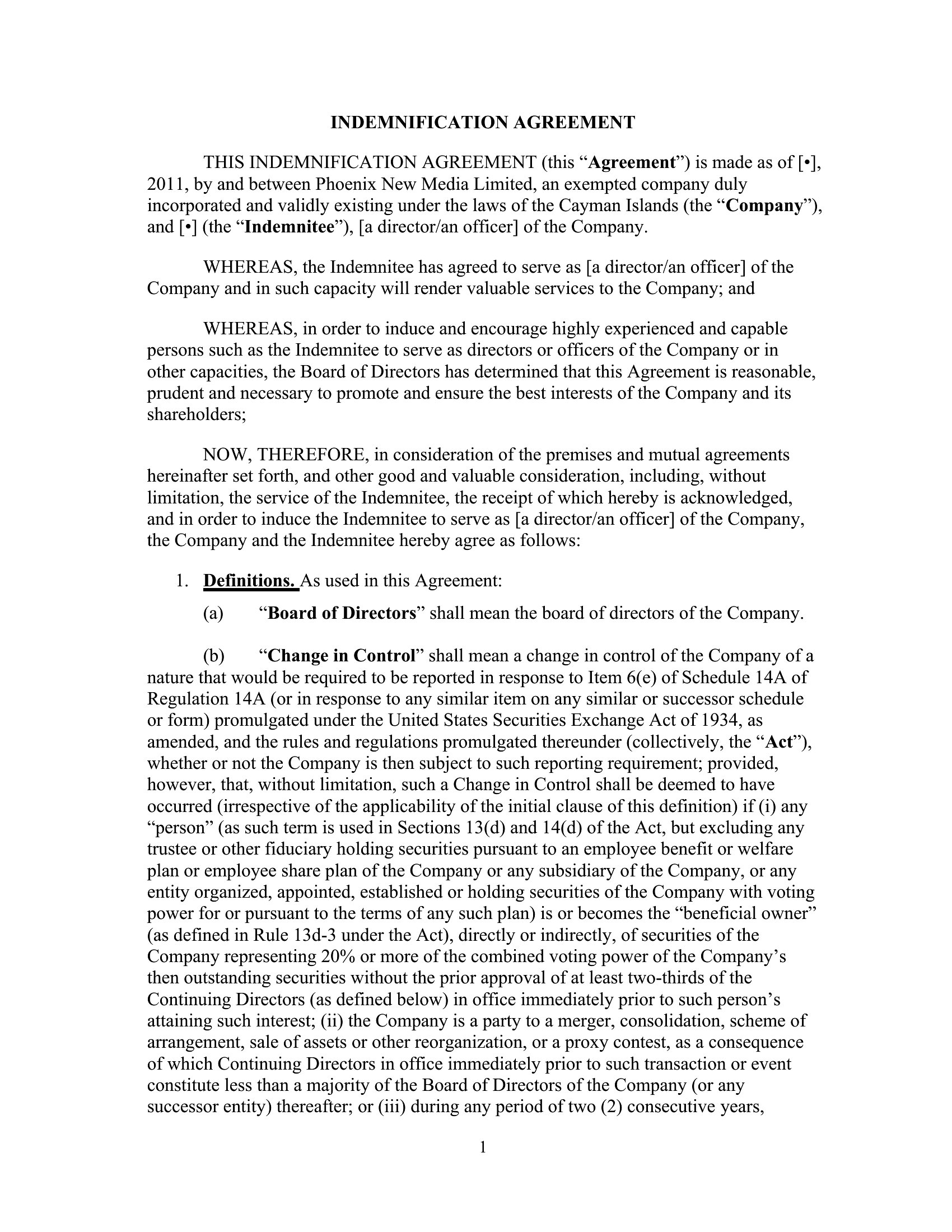
- A tech startup collaborating with third-party developers on proprietary software must clarify who covers legal costs if the developer’s code causes a breach—these agreements allocate liability before disputes arise.
- A gym owner renting out space to fitness instructors wants to limit personal liability for injuries during classes—standardized indemnity clauses help shift risk to instructors while keeping memberships protected.
- A real estate agent listing a property with a tenant-occupied unit needs to confirm the seller won’t face liability if the tenant causes damage during showings—templates help structure clear protections for all parties involved.
Which format should I download?
The Word format is ideal here because indemnification agreements often require precise legal language that may need edits, such as adjusting monetary caps or specific liability exclusions. This format allows non-lawyers to tweak clauses (e.g., shifting risk from one party to another) while preserving clarity. For simple, unmodified agreements (like general contractor hold-harmless forms), the pre-filled Word templates are efficient. However, if you’re handling high-stakes litigation risks or complex regulatory compliance (e.g., healthcare or finance), consult a lawyer to review or draft the agreement—these templates are starting points, not substitutes for legal advice.
Choose from 41 Indemnification Agreement Templates
How to use this Indemnification Agreement template
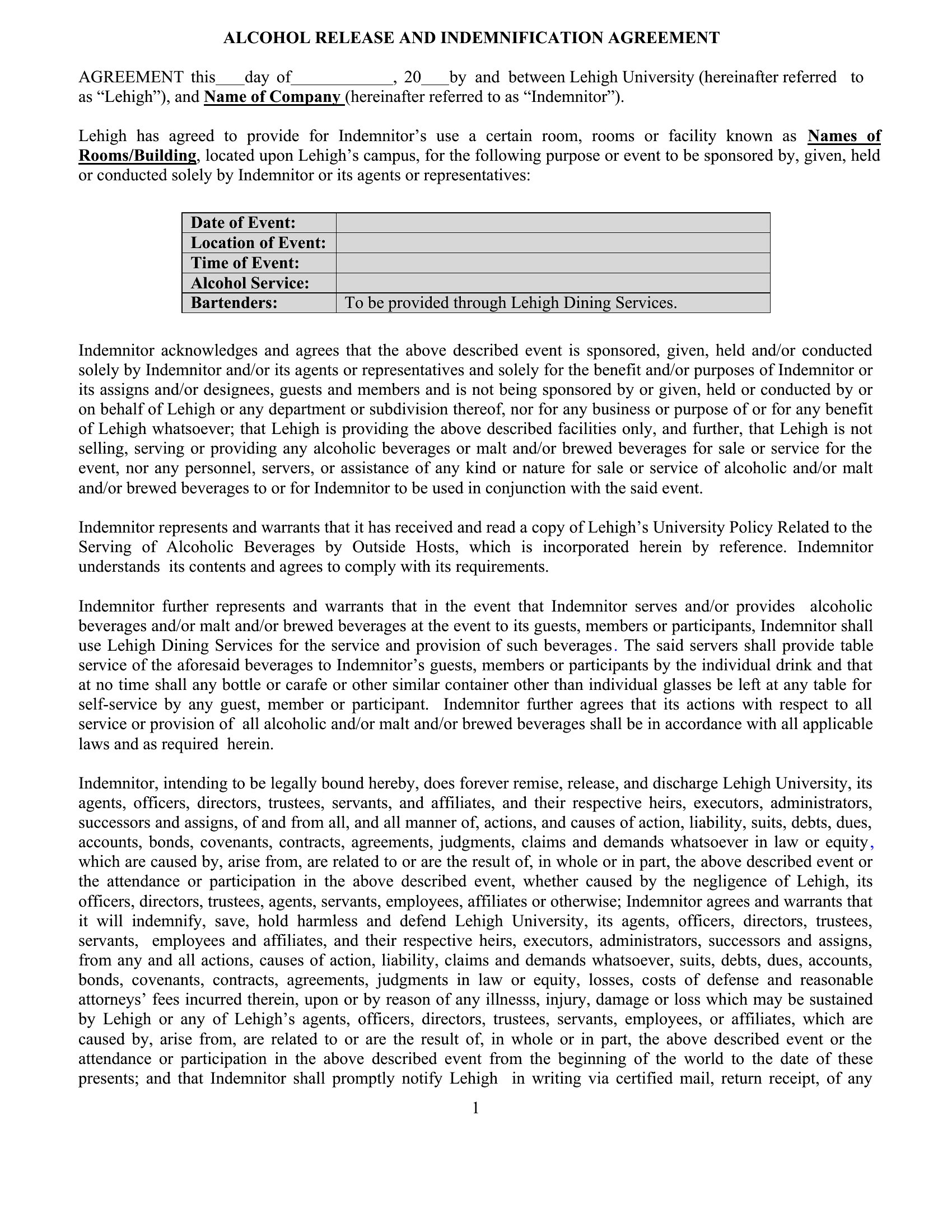
Can I use one of these templates if I’m indemnifying someone for an activity that involves alcohol, like a brewery tour or tasting event?
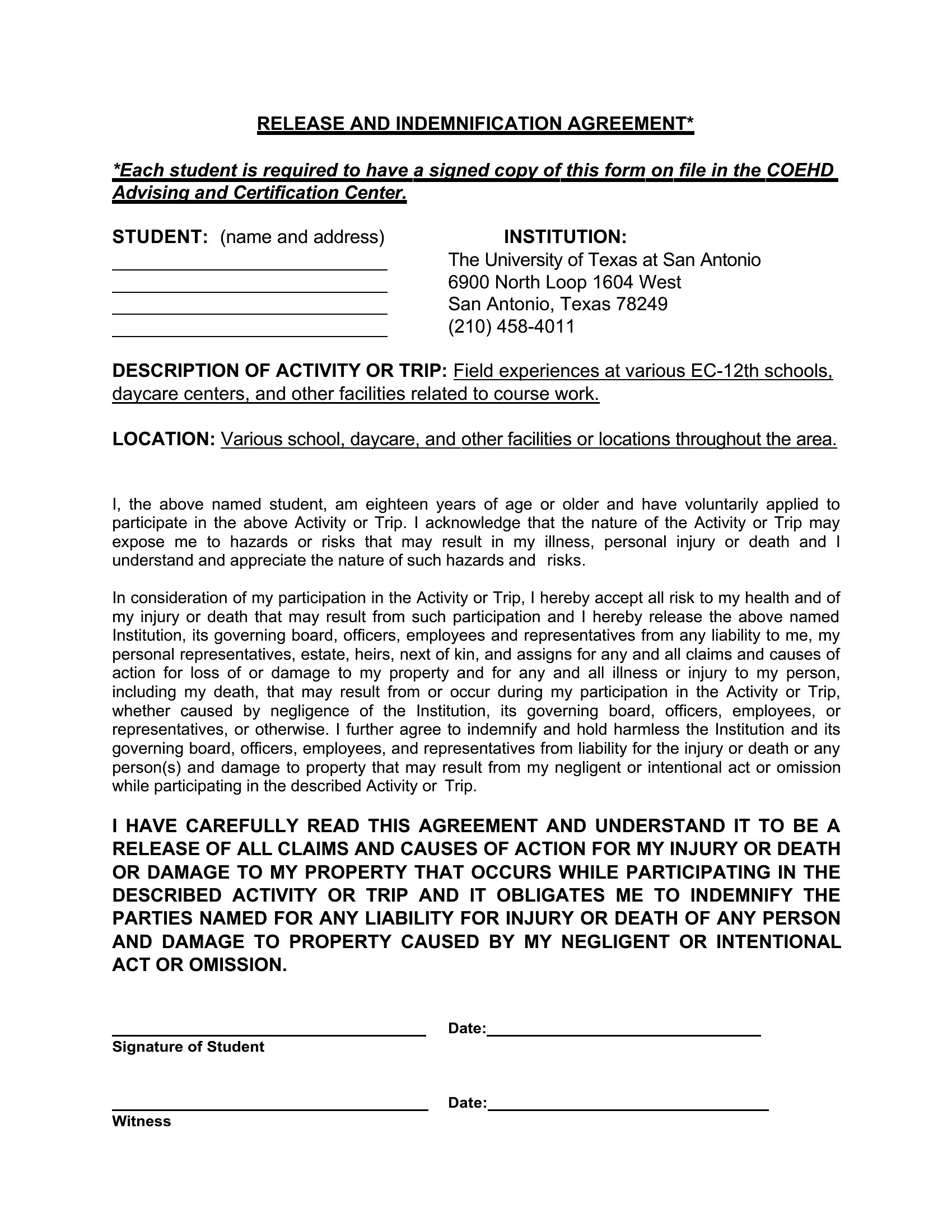
Some templates may include language about alcohol-related risks, but this area often carries stricter liability rules depending on your location. Look for templates labeled ‘hold-harmless’ or ‘event indemnity’ and review local laws—some states limit how much liability you can shift for alcohol-related incidents. If in doubt, add a disclaimer noting participation is at the attendee’s own risk and consult a lawyer to ensure compliance.
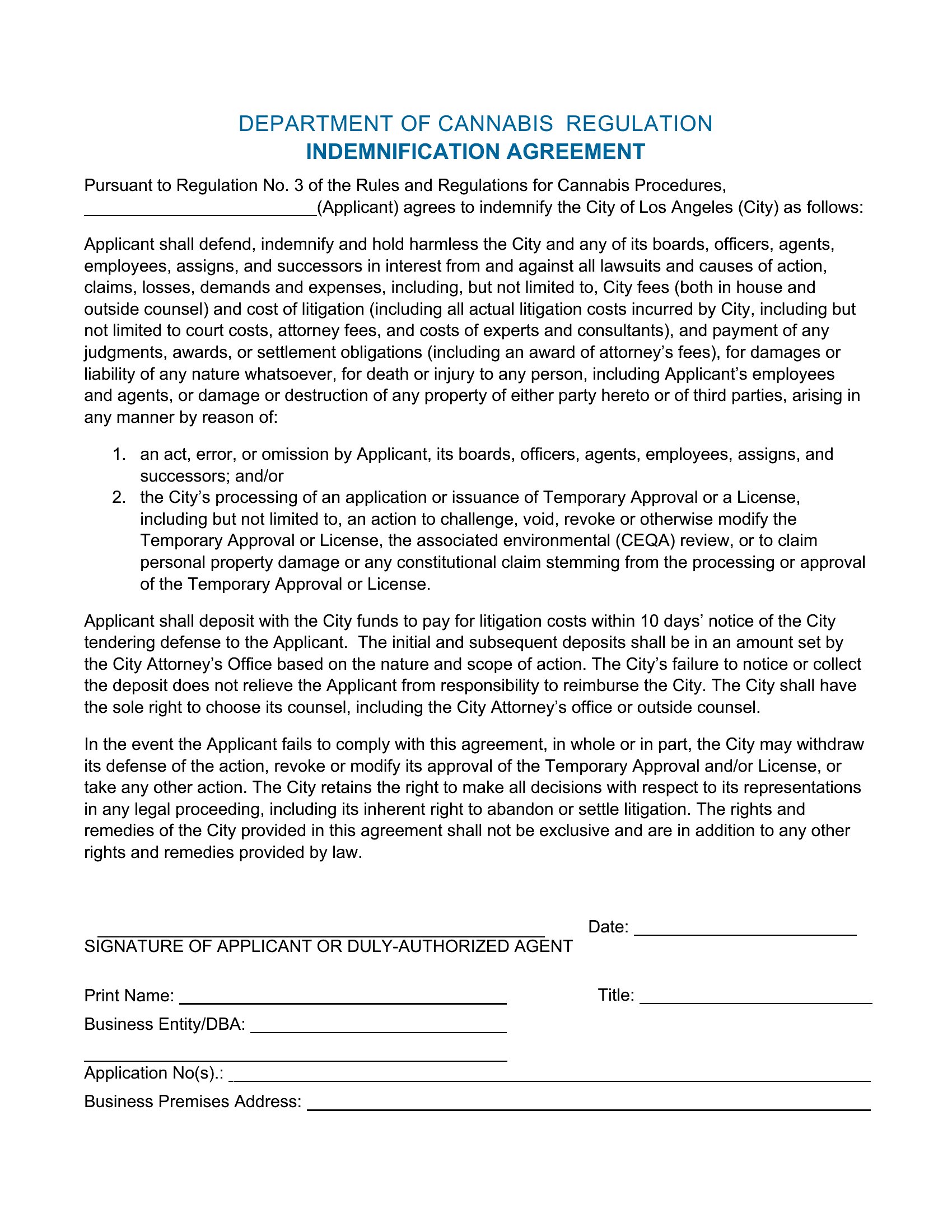
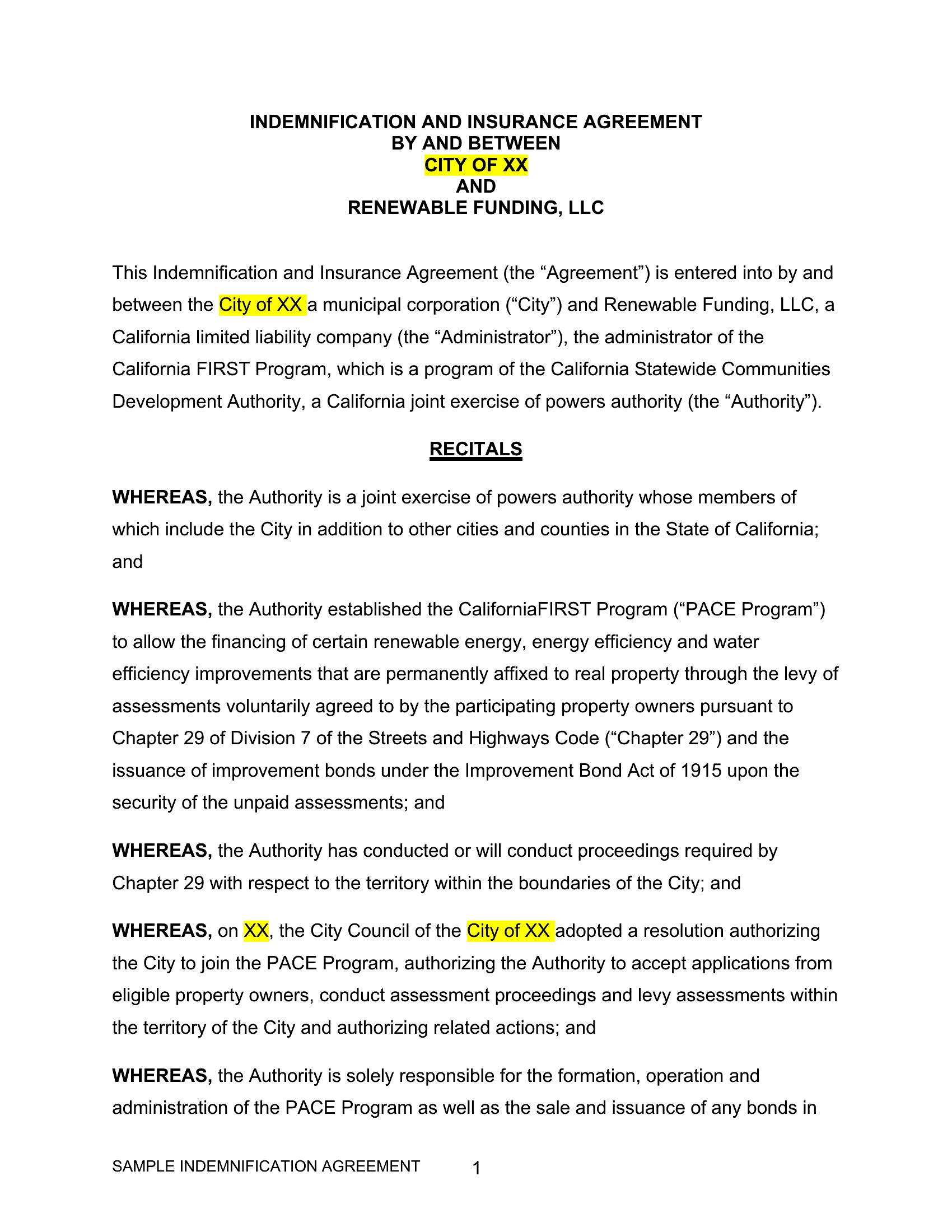
What’s the difference between a mutual indemnity agreement and a one-way indemnity clause, and how do I choose between them?
A mutual indemnity means both parties agree to cover each other’s losses (e.g., if Party A sues Party B for negligence, both agree to reimburse the other for legal fees). A one-way clause (e.g., ‘Party B indemnifies Party A’) shifts all risk to one side. Use mutual if the relationship is equal (e.g., vendor-client collaborations) or one-way if you’re protecting your business from a higher-risk party (e.g., contractors or event attendees). Always match the clause to who has more control over the risk.
Do these templates include caps on liability, or can I add limits to how much one party has to pay if sued?
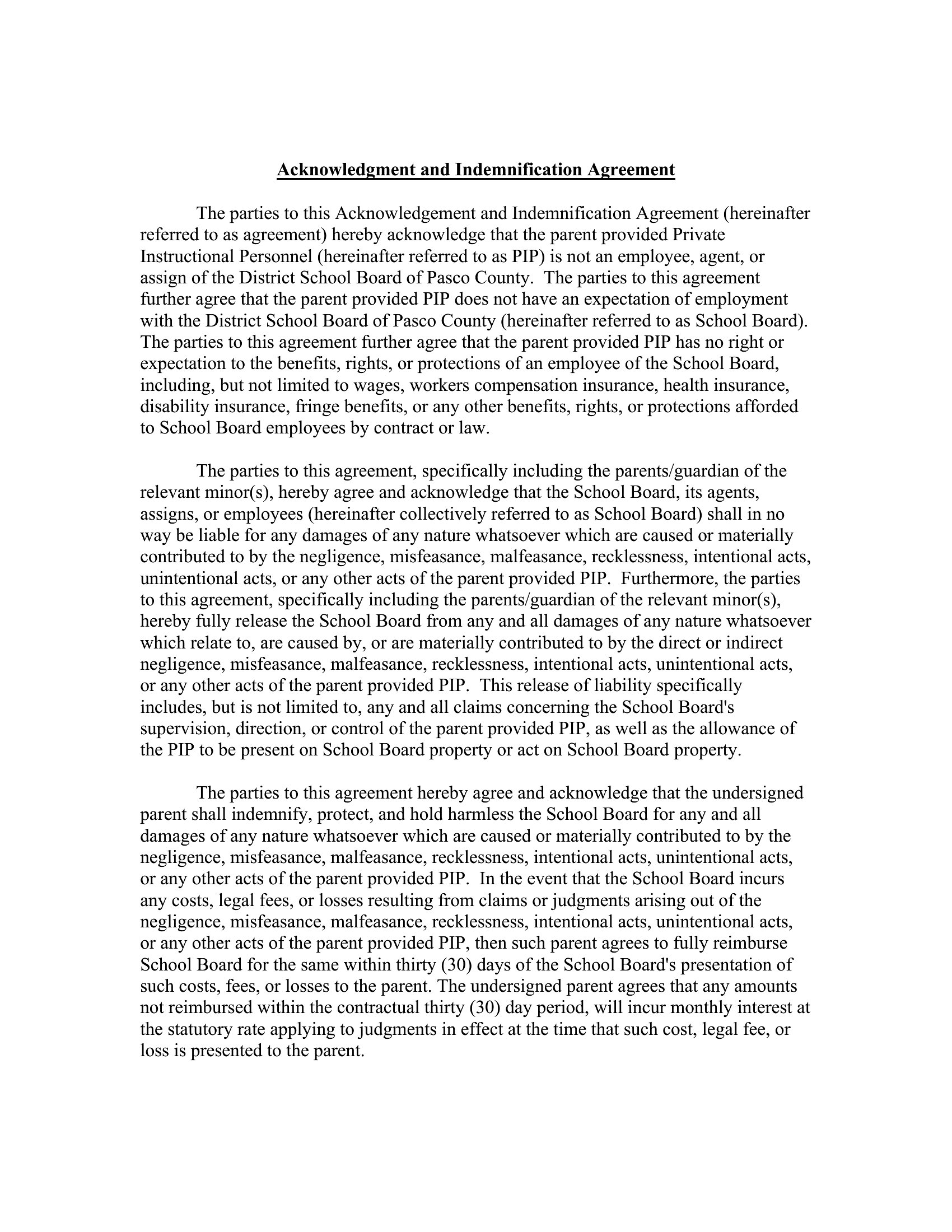
Most templates provide a section for liability limits, but the exact wording varies. For example, some cap damages at the contract amount or exclude ‘indirect’ losses like lost profits. If you need strict limits (e.g., ‘not to exceed $50,000’), edit the ‘liability’ or ‘damages’ clause in Word—but avoid vague language like ‘reasonable attorney’s fees,’ which can lead to disputes. For critical agreements, a lawyer can help tailor these caps to your industry’s standards.
Comments
Join the conversation
Sign in to share your thoughts and leave a comment on this resource.