FAQ
Why does this collection include both ‘Founders Agreement’ and ‘Founders Stock Purchase Agreement’ templates? Shouldn’t we just use one?
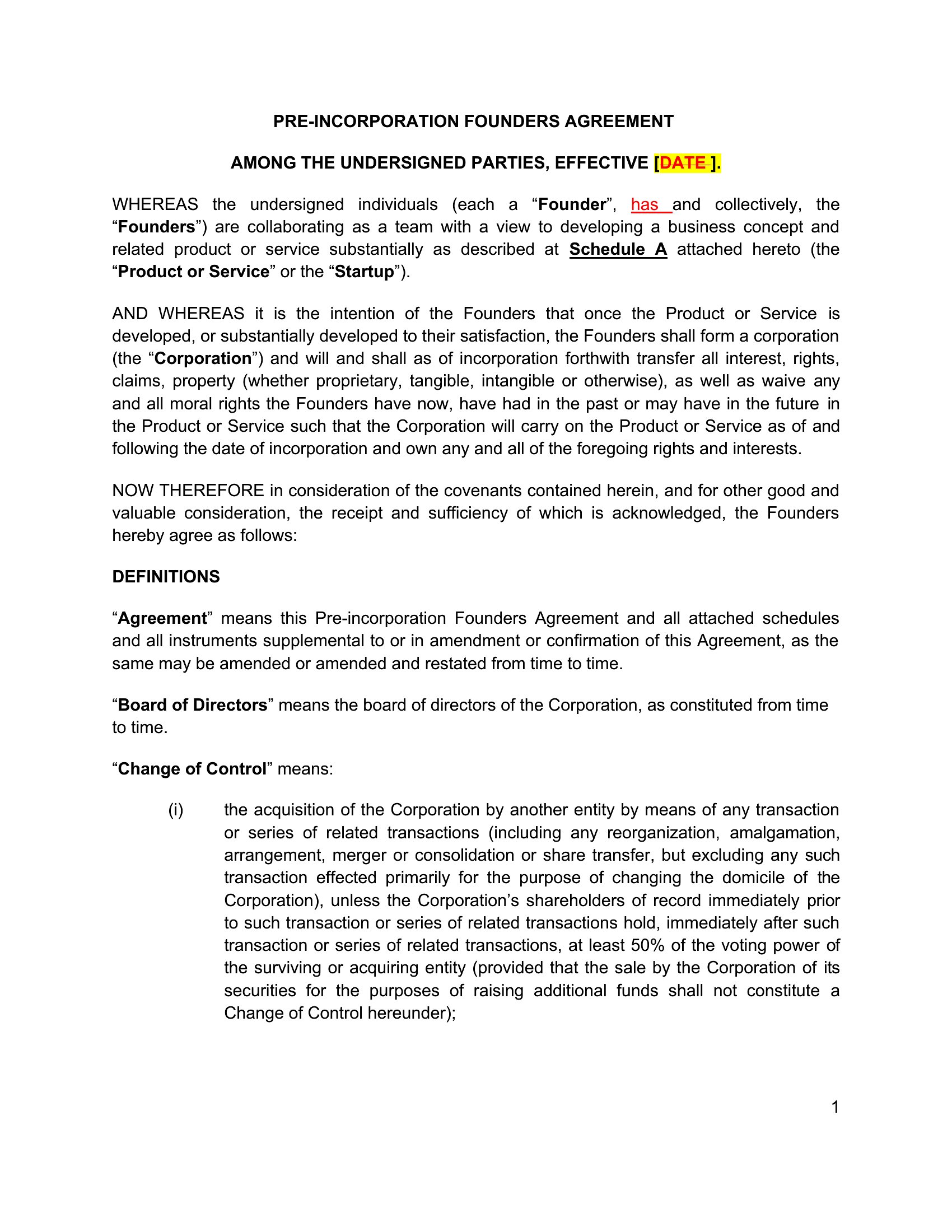
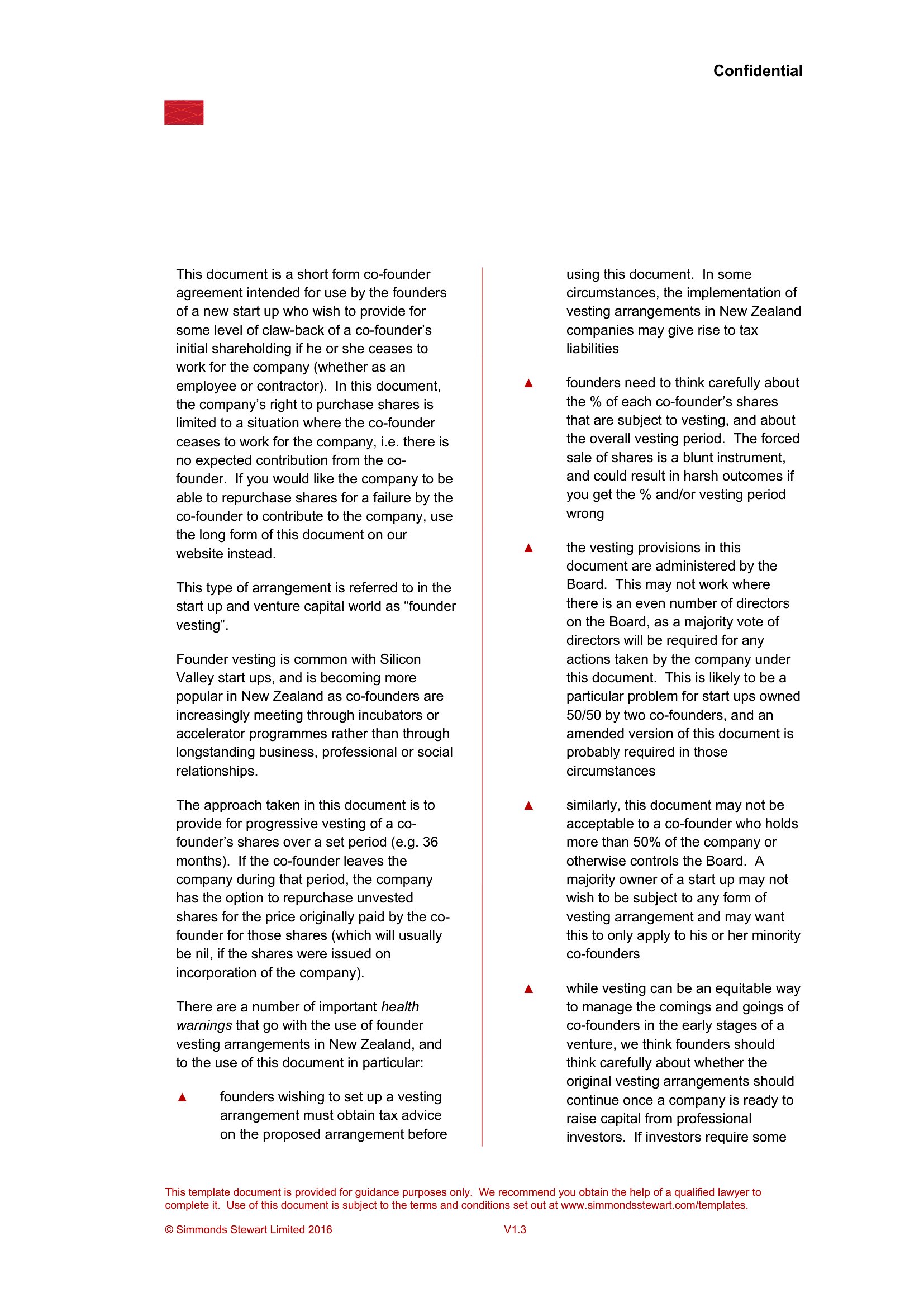
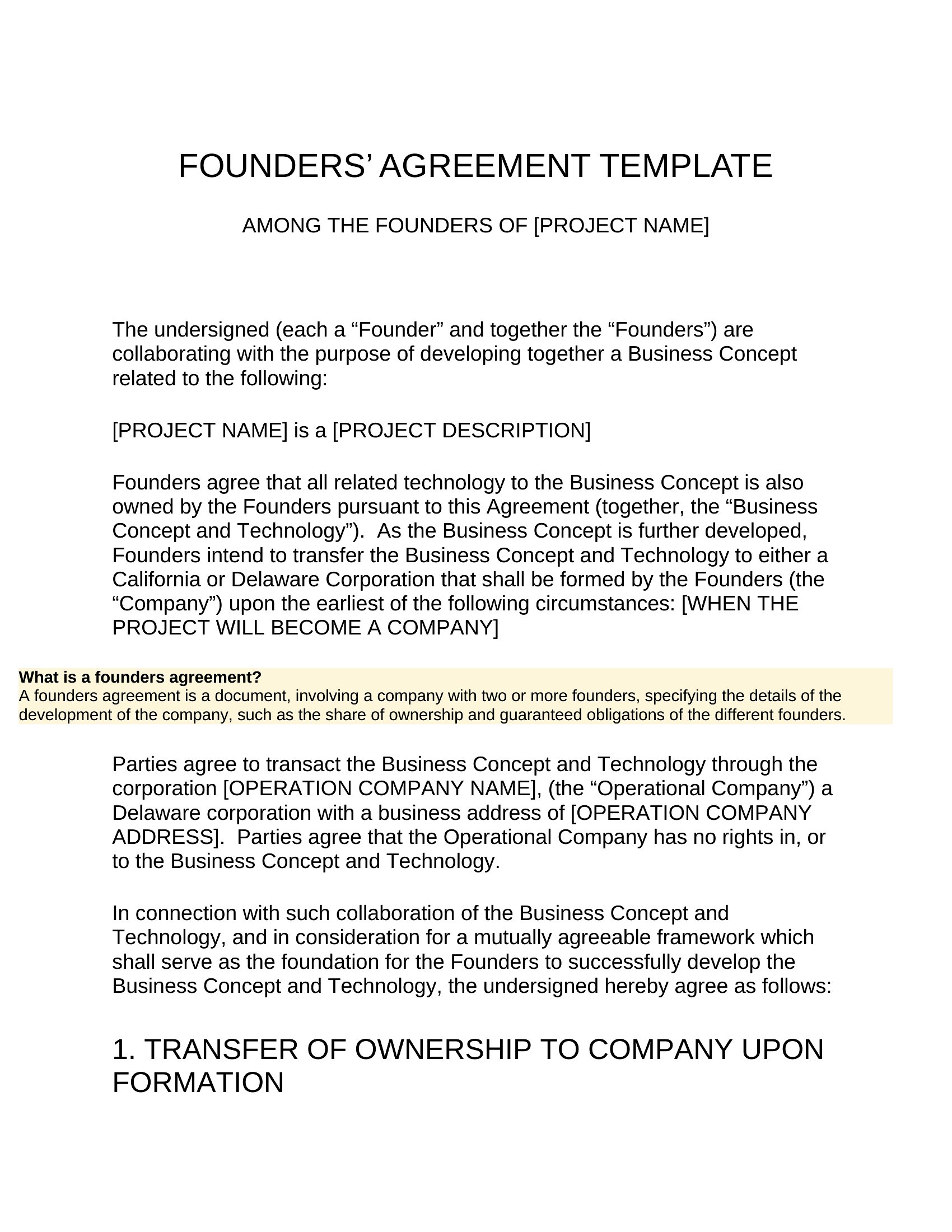
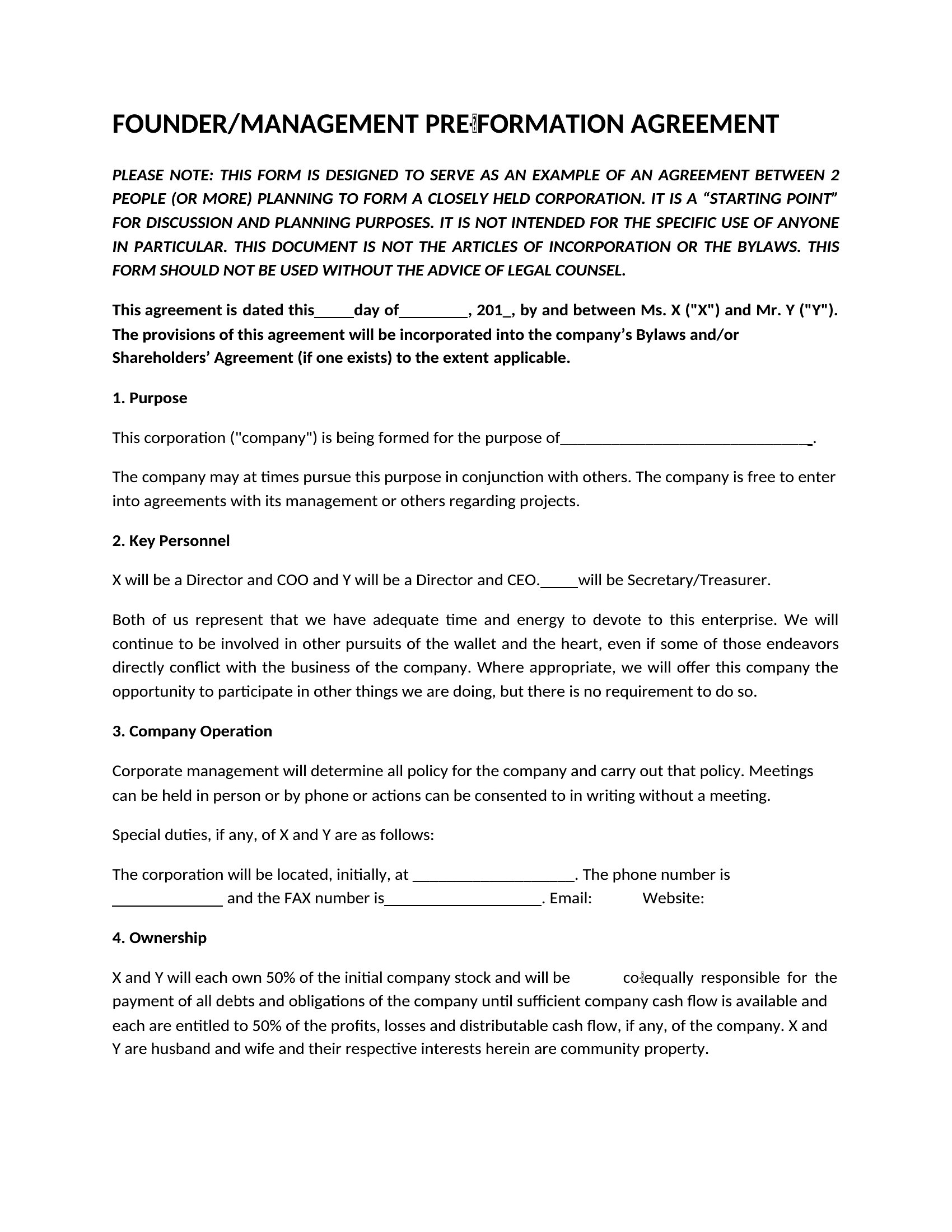
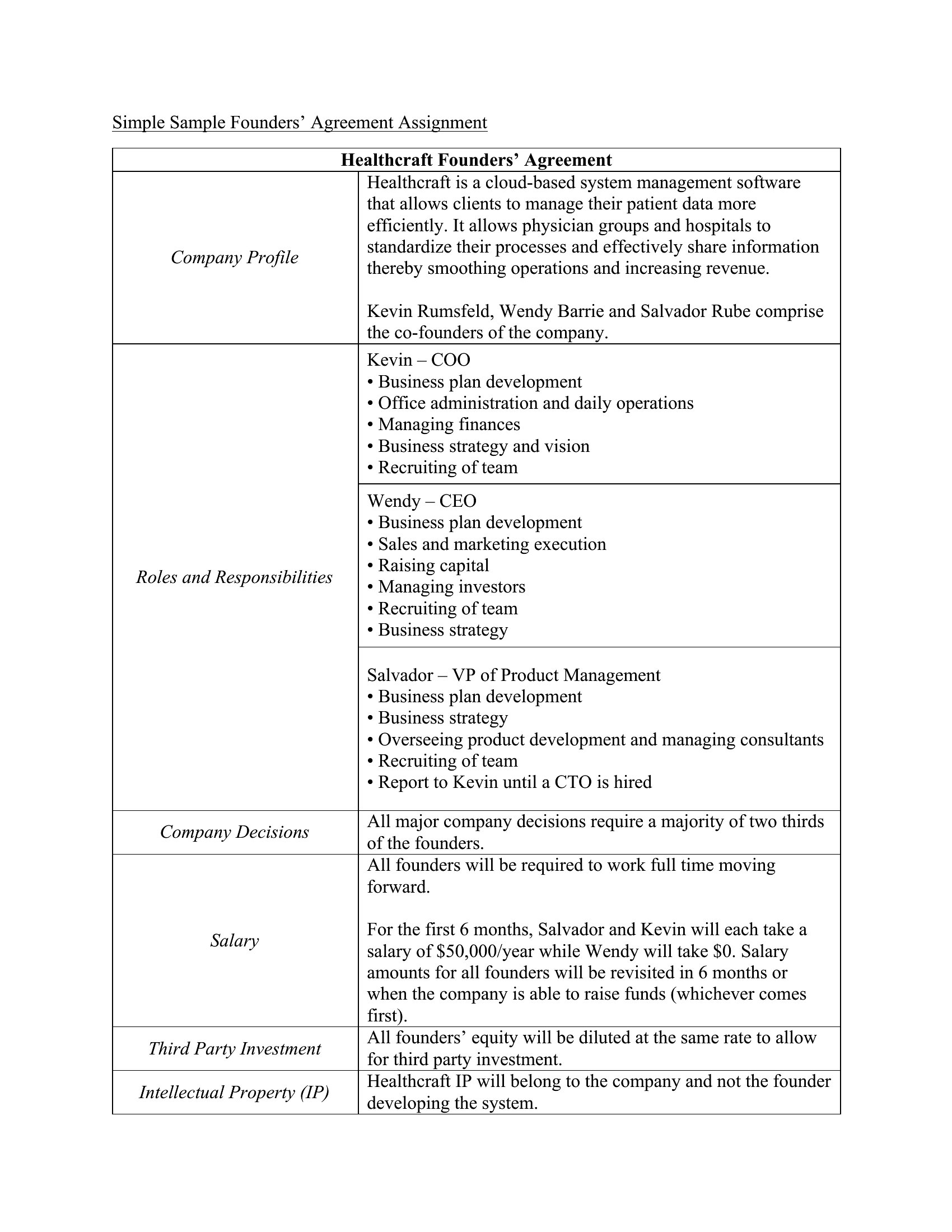
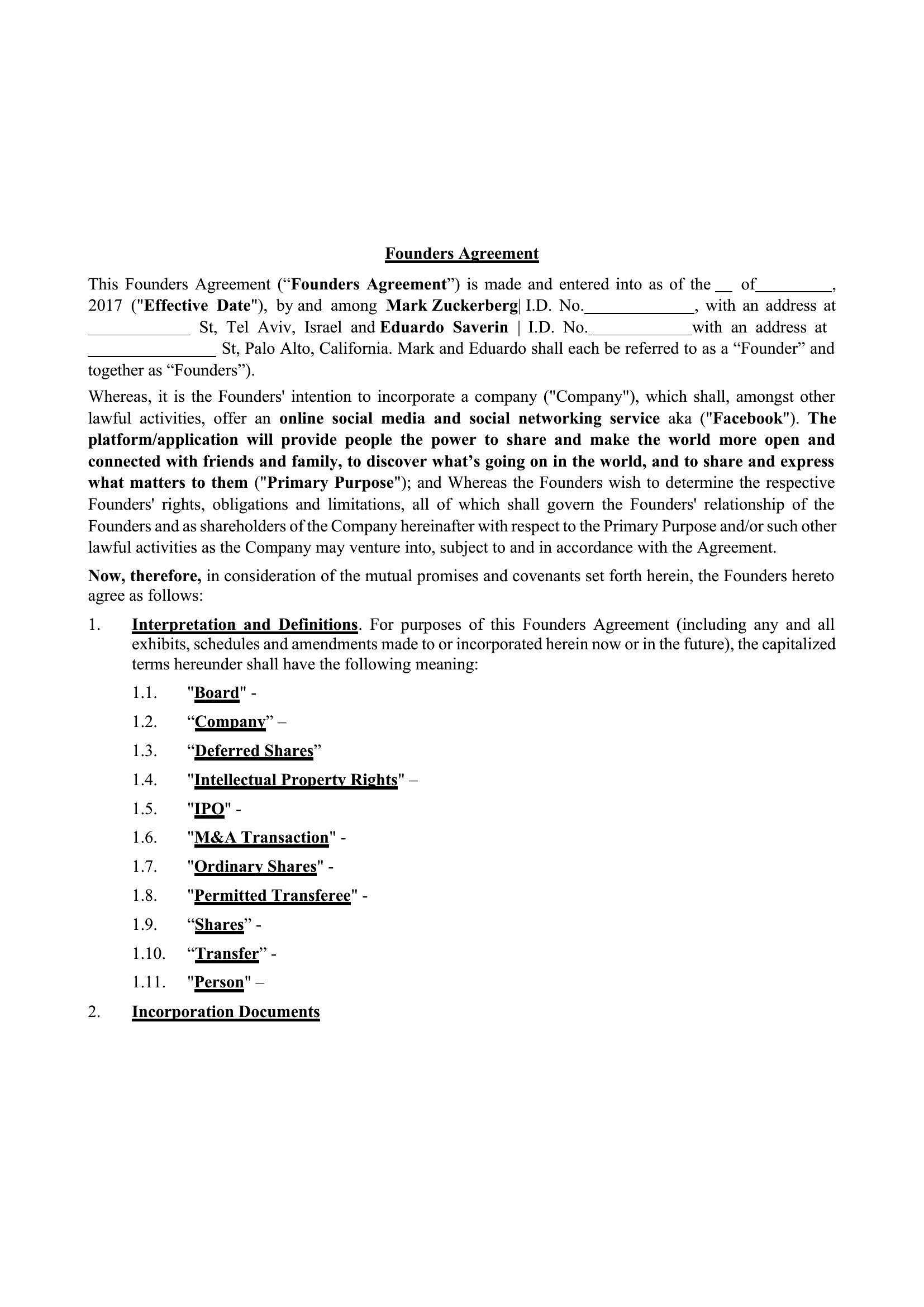
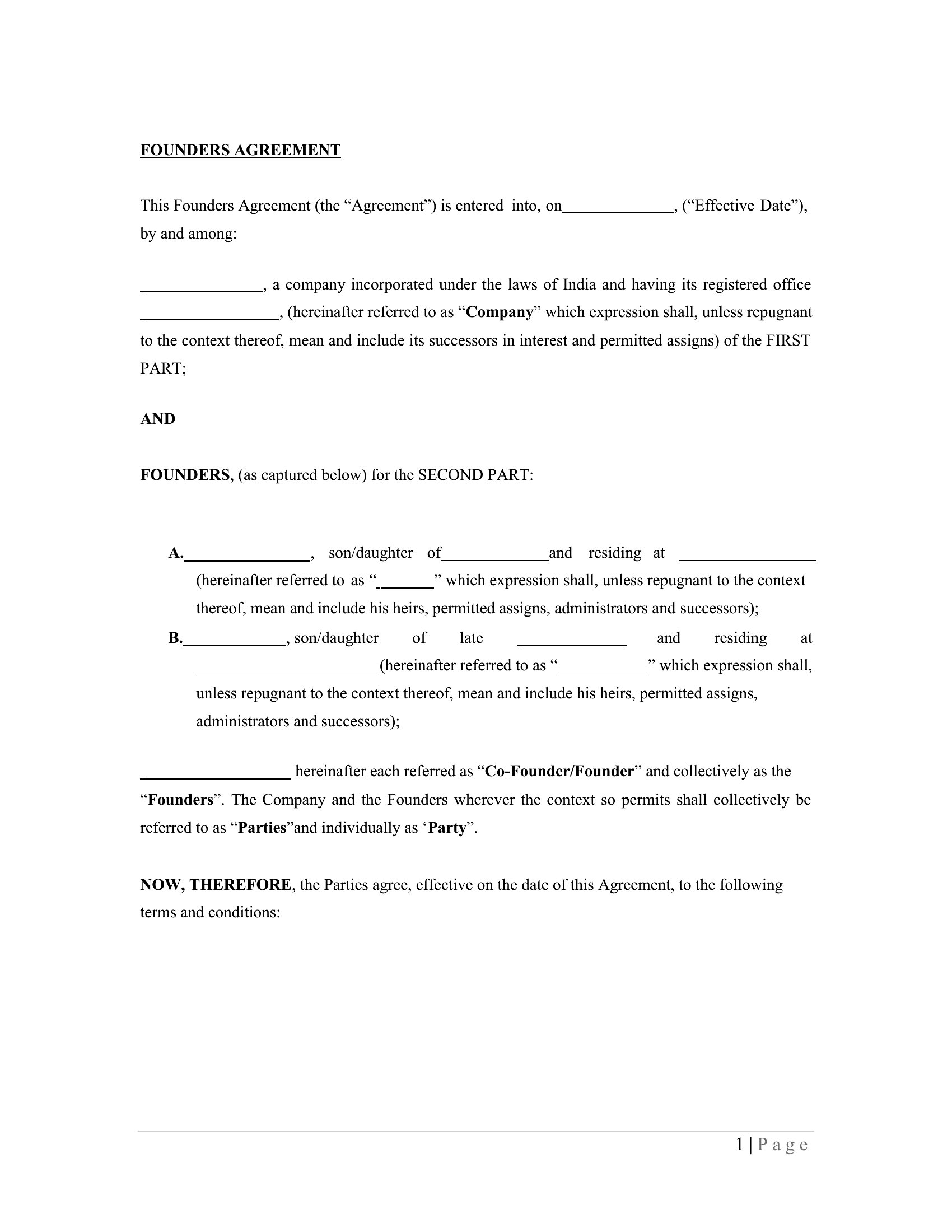
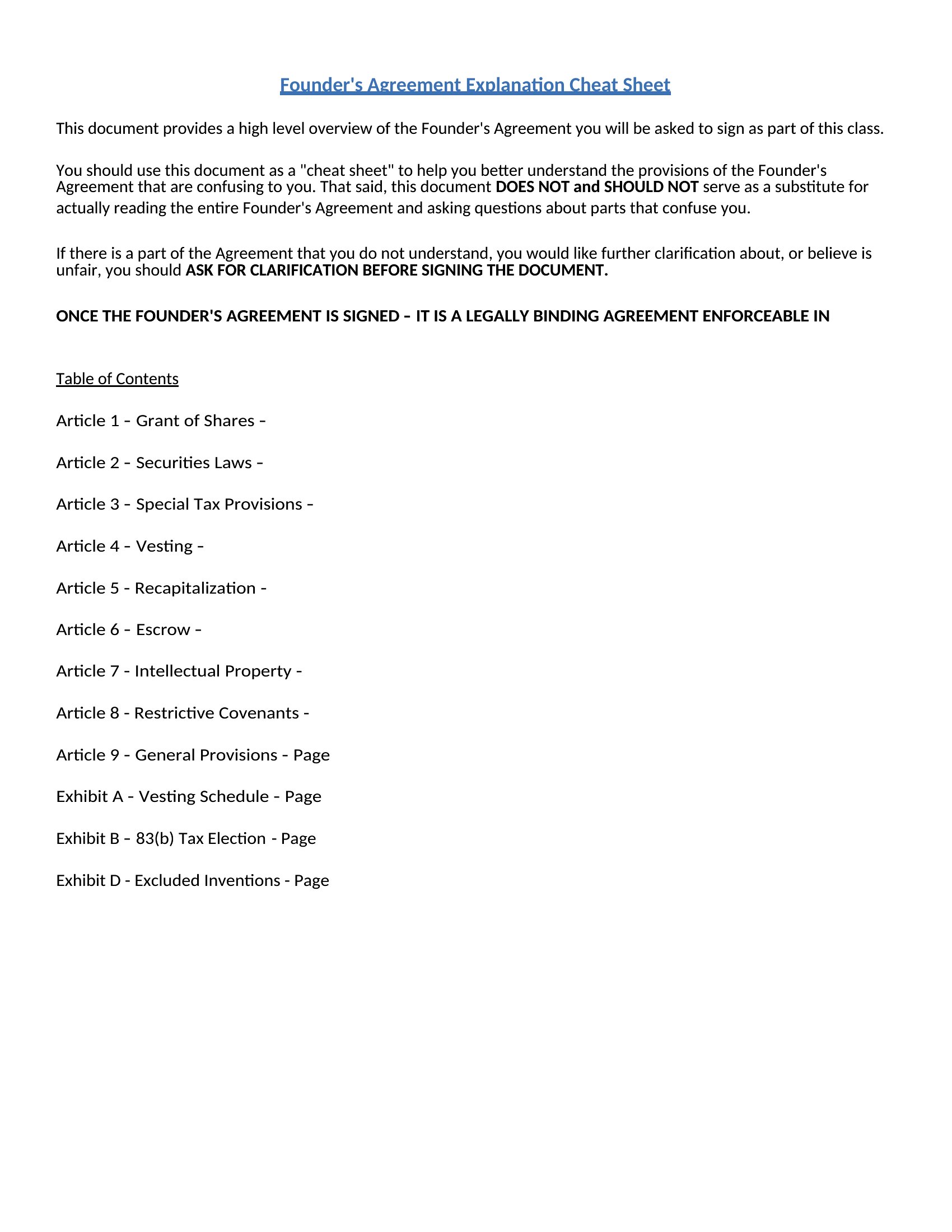
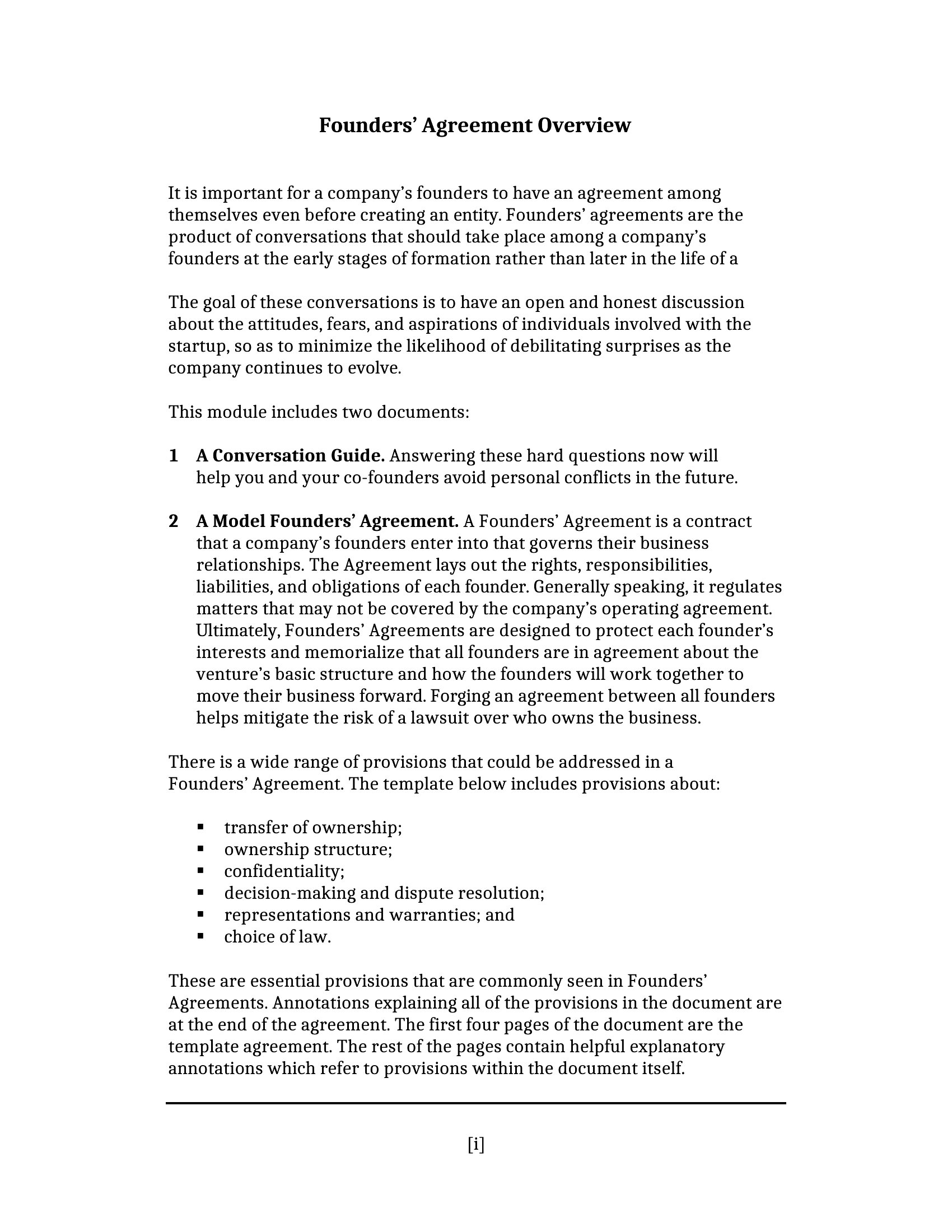
A Founders Agreement covers governance, equity splits, and roles among co-founders who’re already part of the company. A Founders Stock Purchase Agreement is for when you’re bringing in an early investor or advisor as a founder—it formalizes how they earn equity (e.g., via future funding rounds). Use both if your team is growing and you’re issuing stock to new members.
The template mentions ‘vesting schedules.’ What happens if the document doesn’t specify one, and a co-founder leaves after six months?
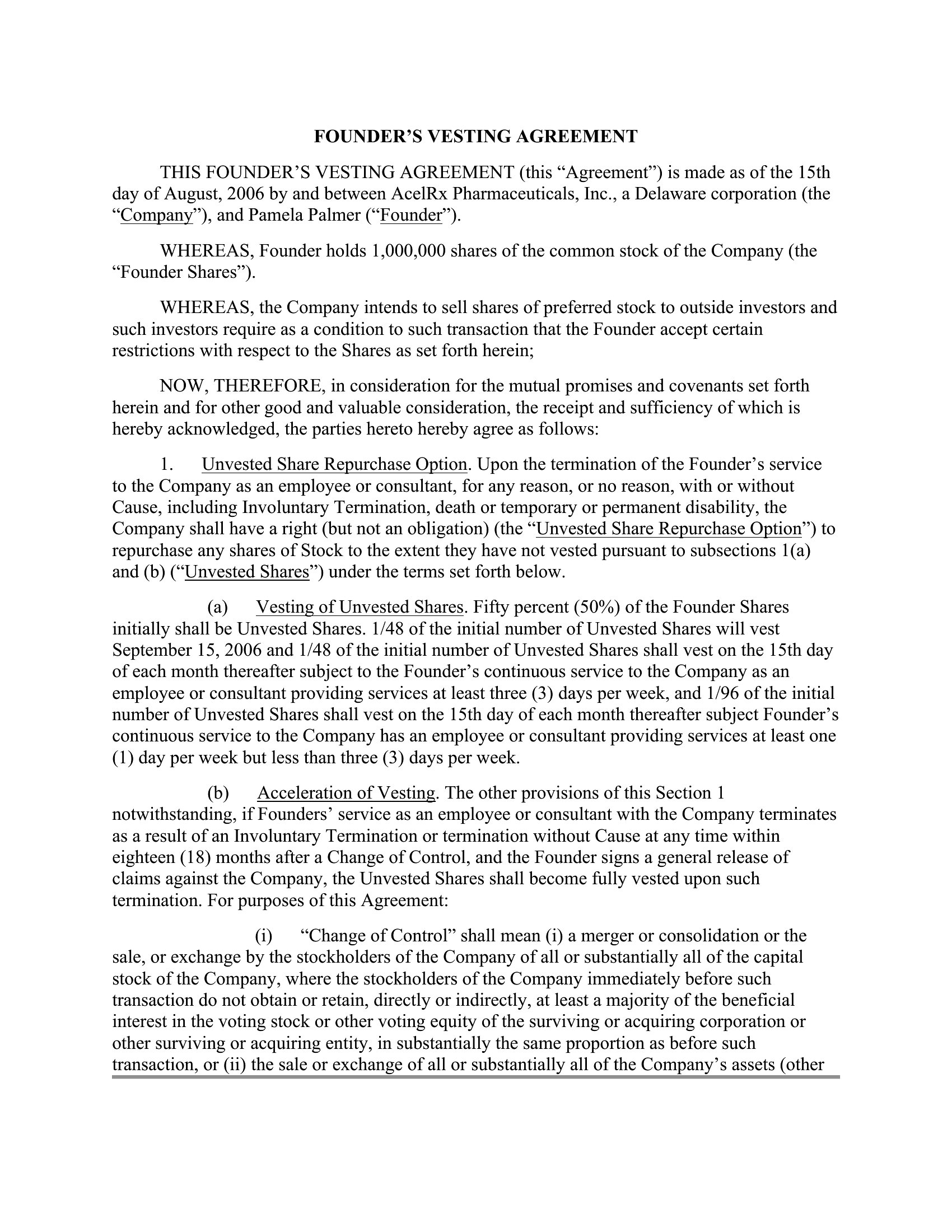
Without a vesting schedule, a departing co-founder could walk away with 100% of their promised equity immediately, diluting your remaining founders. Vesting (e.g., 4-year cliff with monthly vesting) ensures founders earn equity over time, tying their compensation to long-term commitment. Always include this—even if it feels like overkill early on.
Can we use one of these templates if we’re a non-profit or social enterprise with founders who aren’t taking salaries?
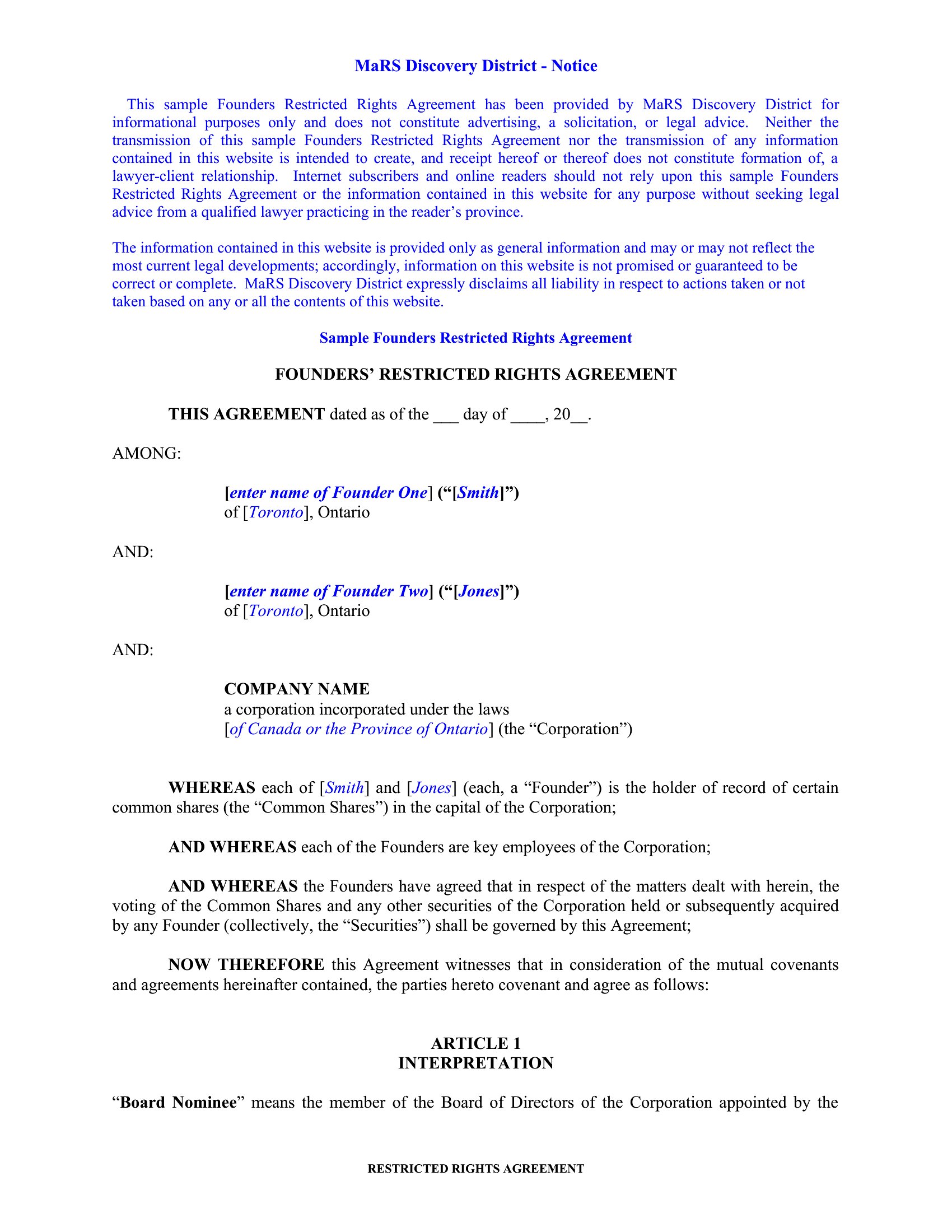
These templates assume equity is tied to ownership and financial stakes, which may not fit a non-profit. However, you can adapt clauses like ‘IP ownership,’ ‘decision-making authority,’ and ‘exit terms’ to your structure. Focus on defining how unpaid founders contribute (e.g., time, skills) and how disputes over mission or operations will be resolved—these are the critical protections for mission-driven teams.
Comments
Join the conversation
Sign in to share your thoughts and leave a comment on this resource.