FAQ
How do I adjust the difficulty for a student who’s struggling with regrouping?
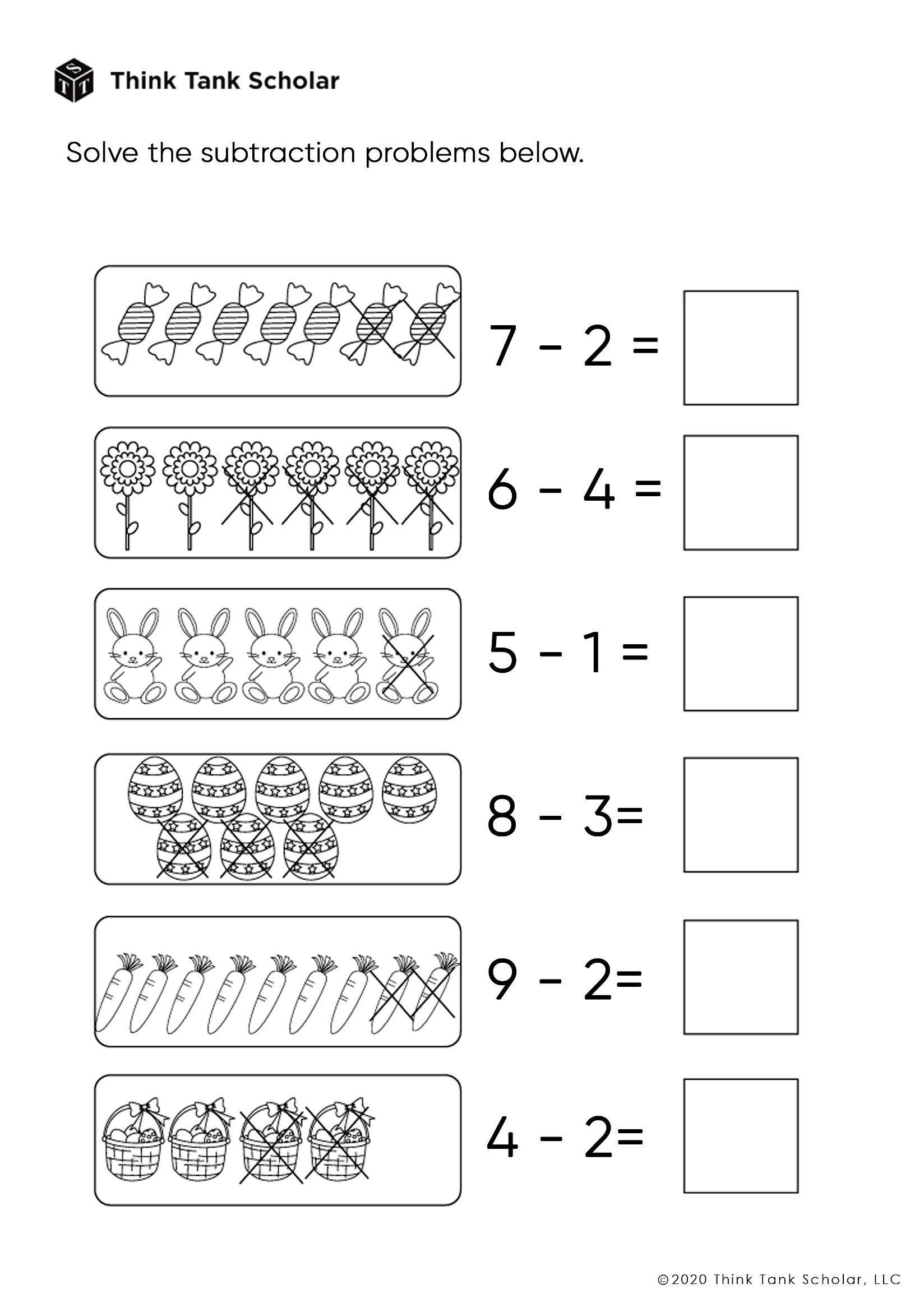
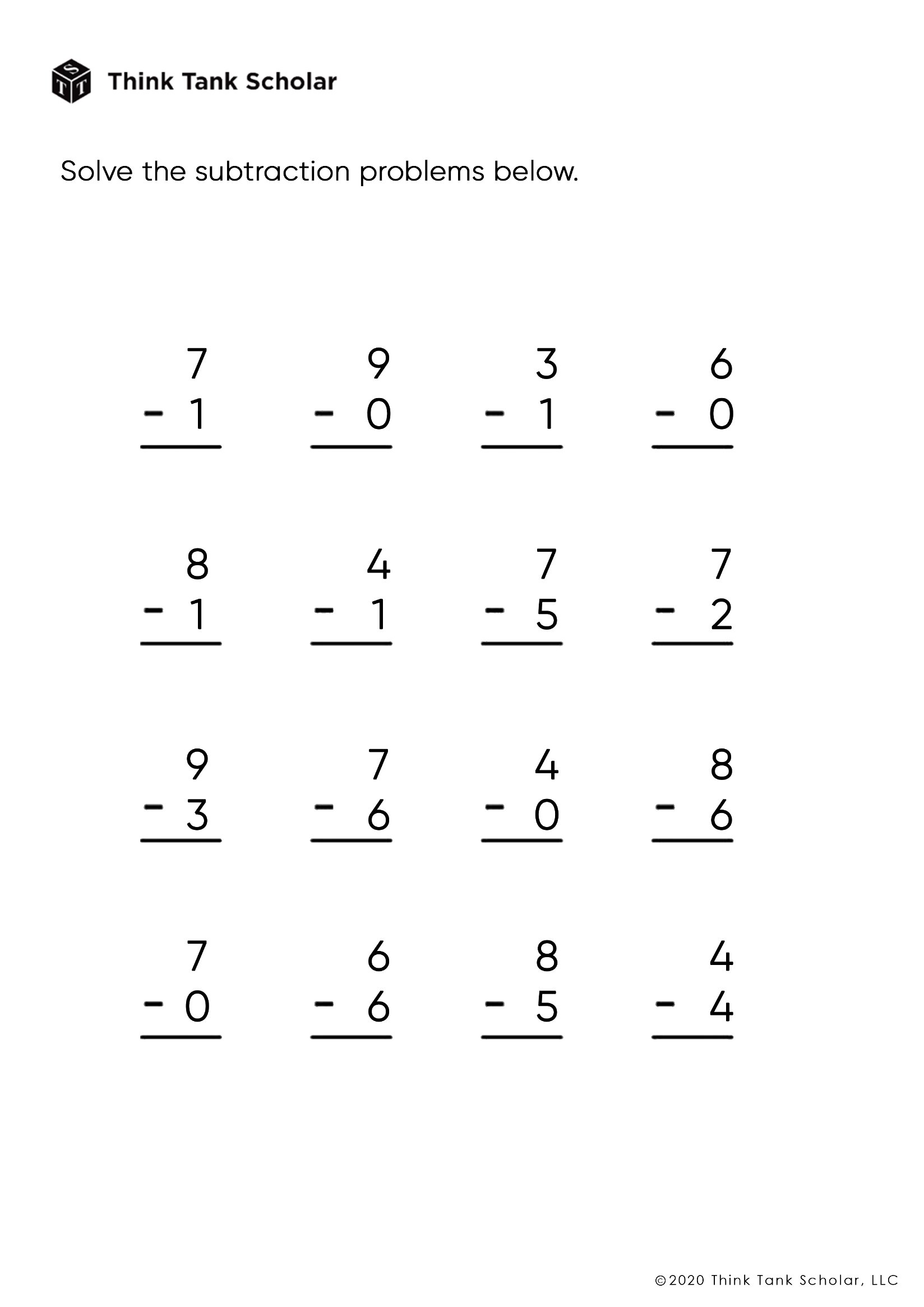
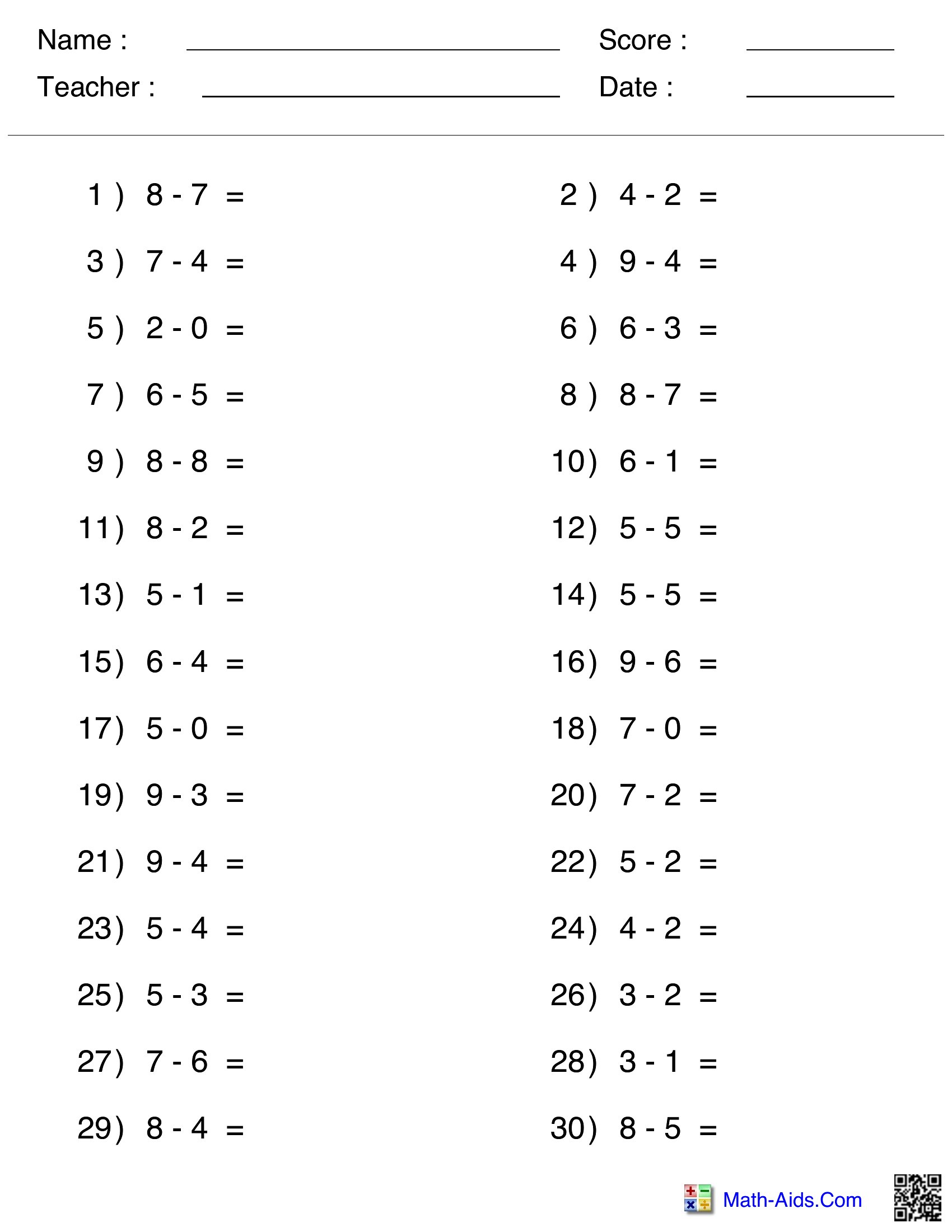
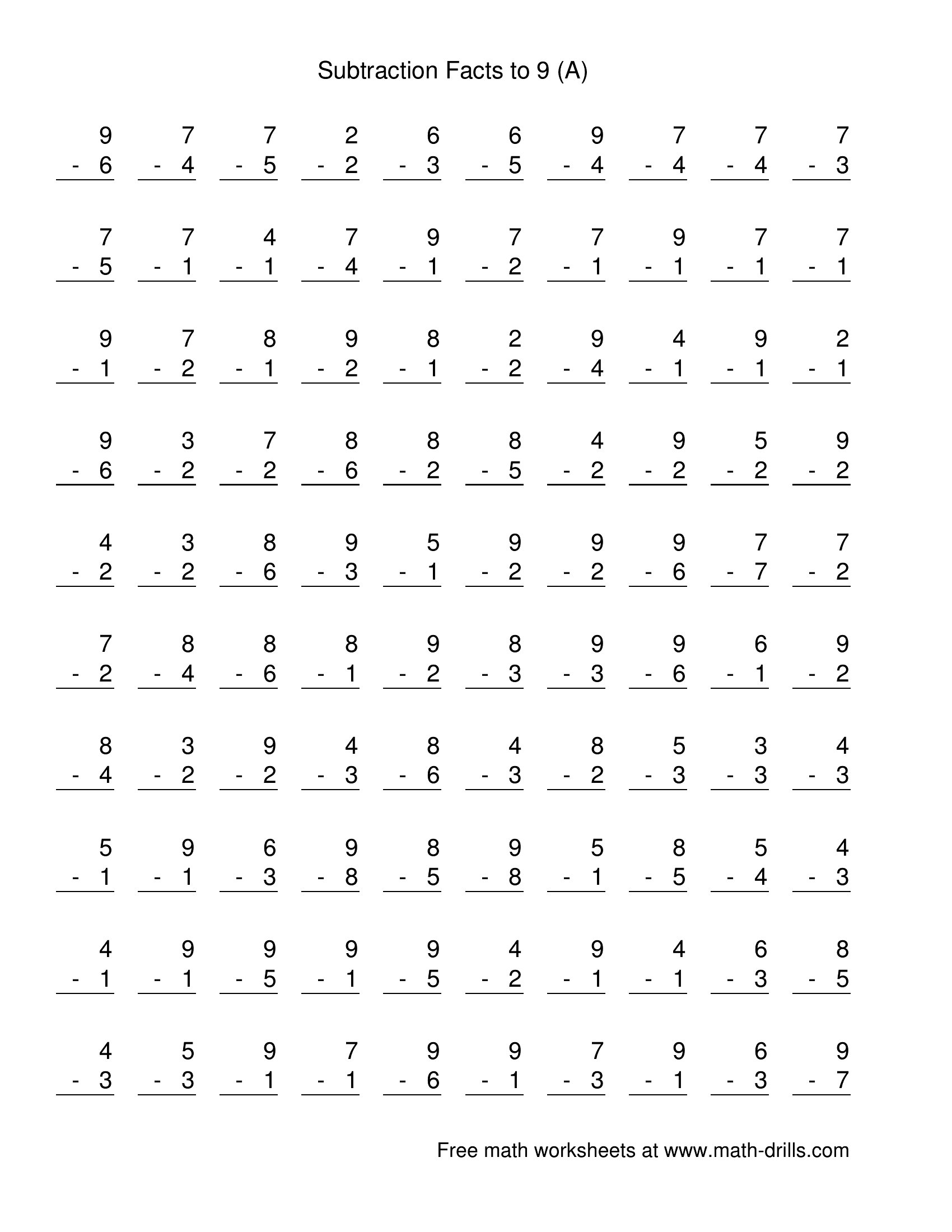
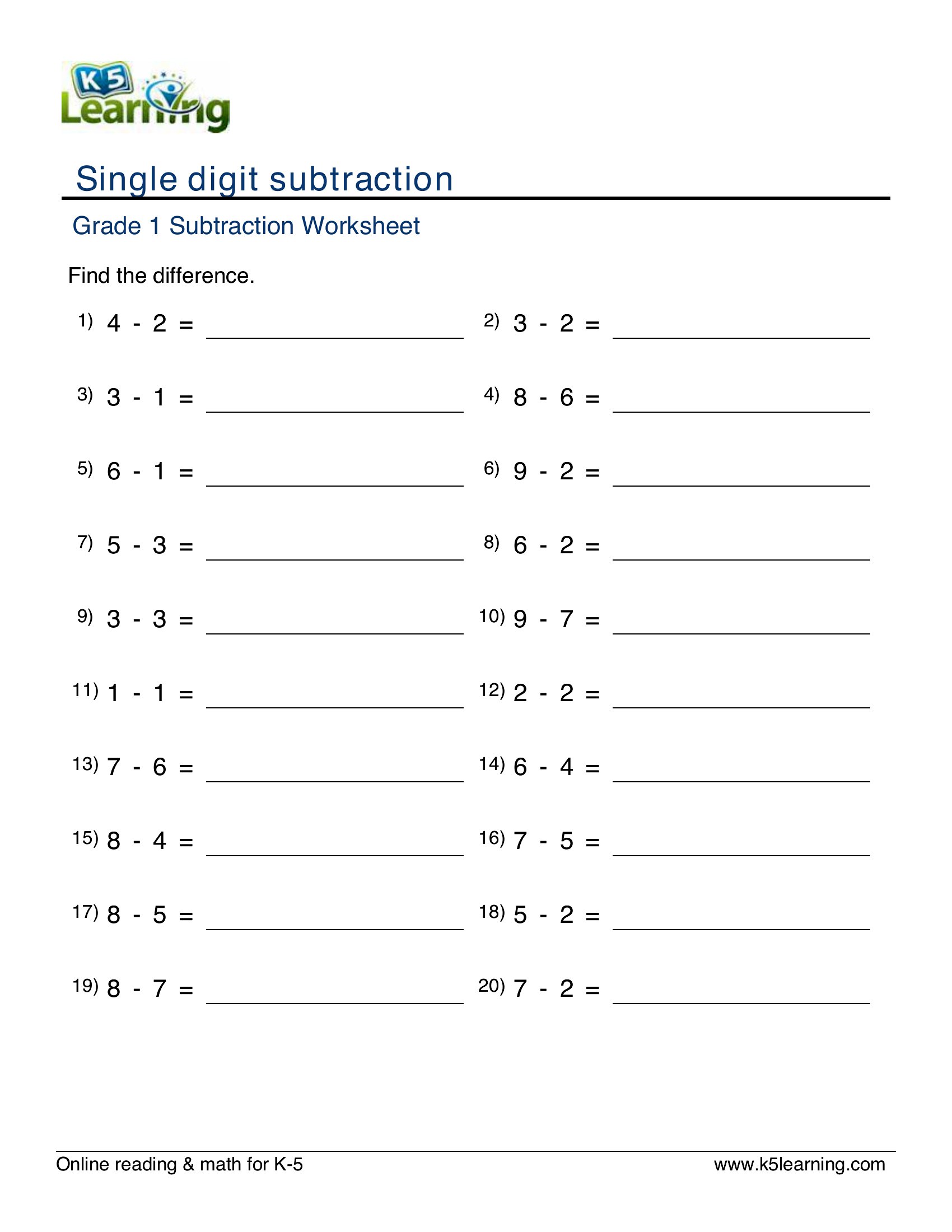
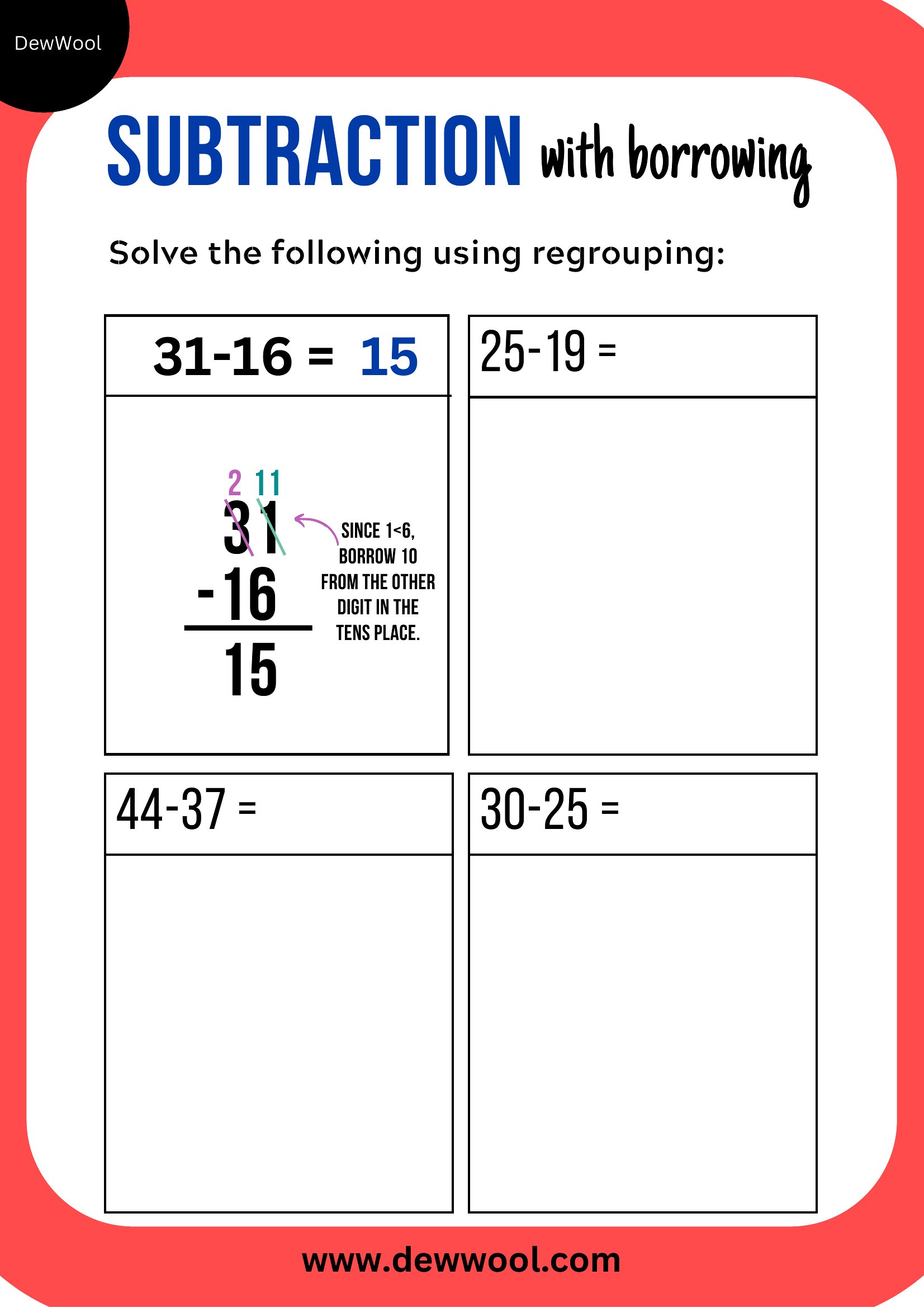
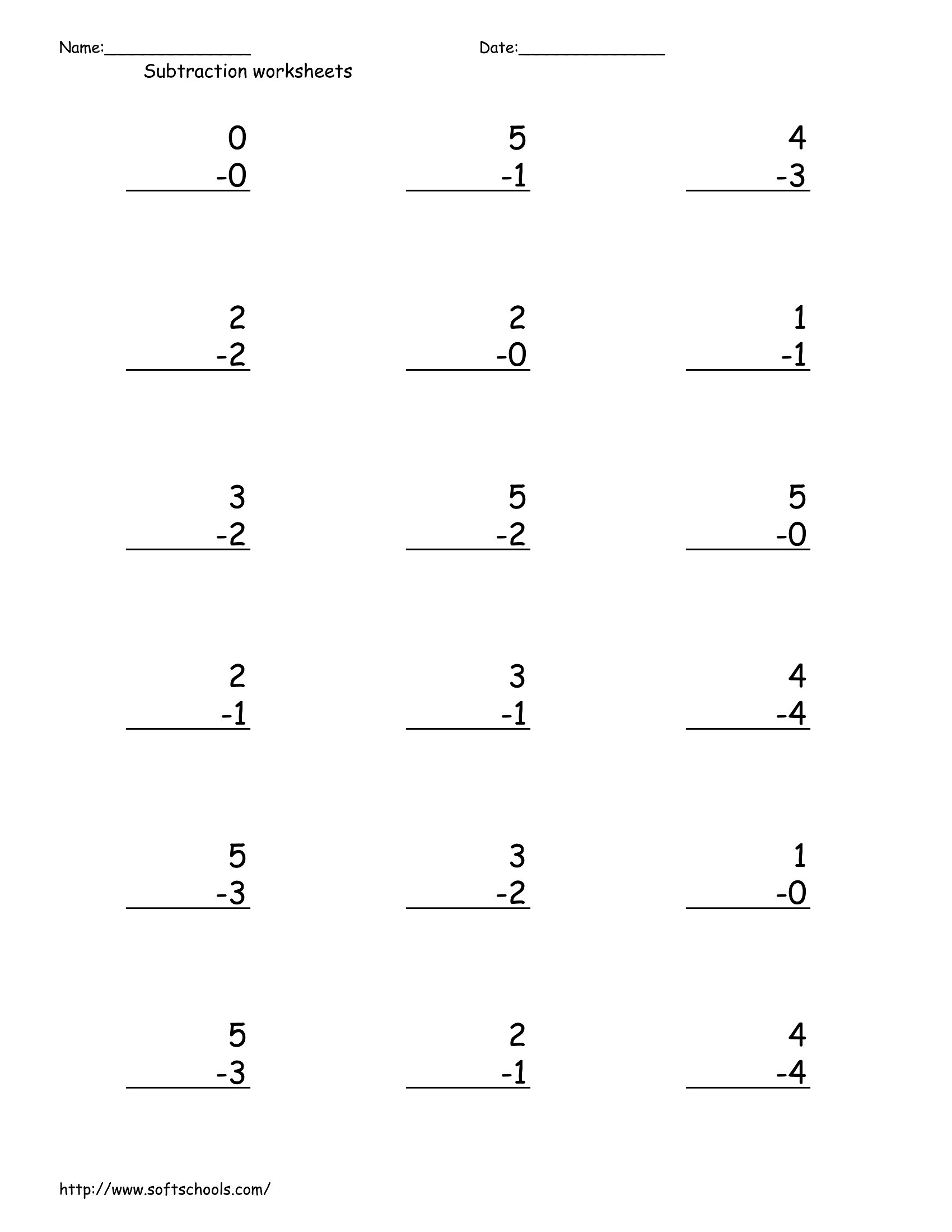
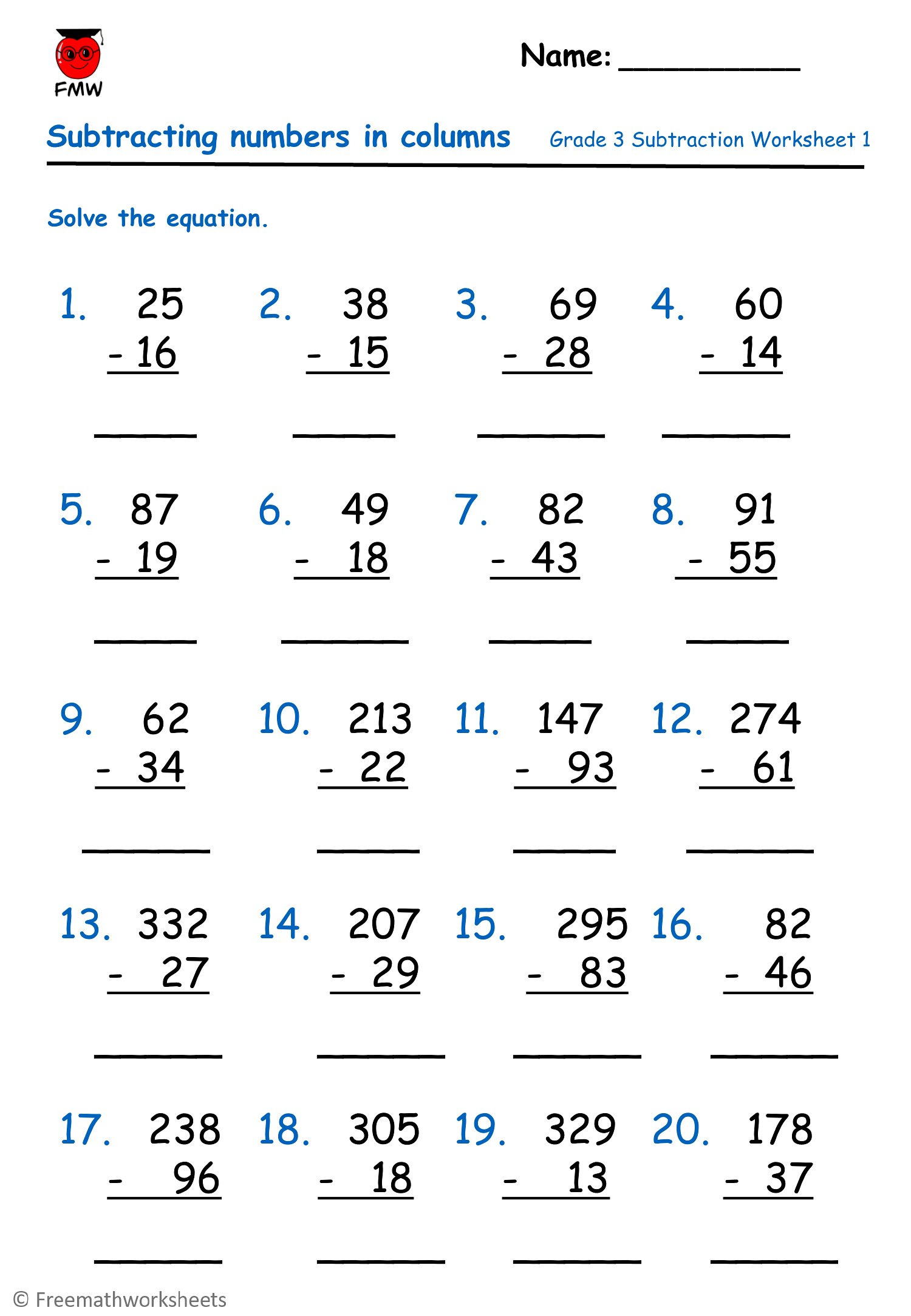
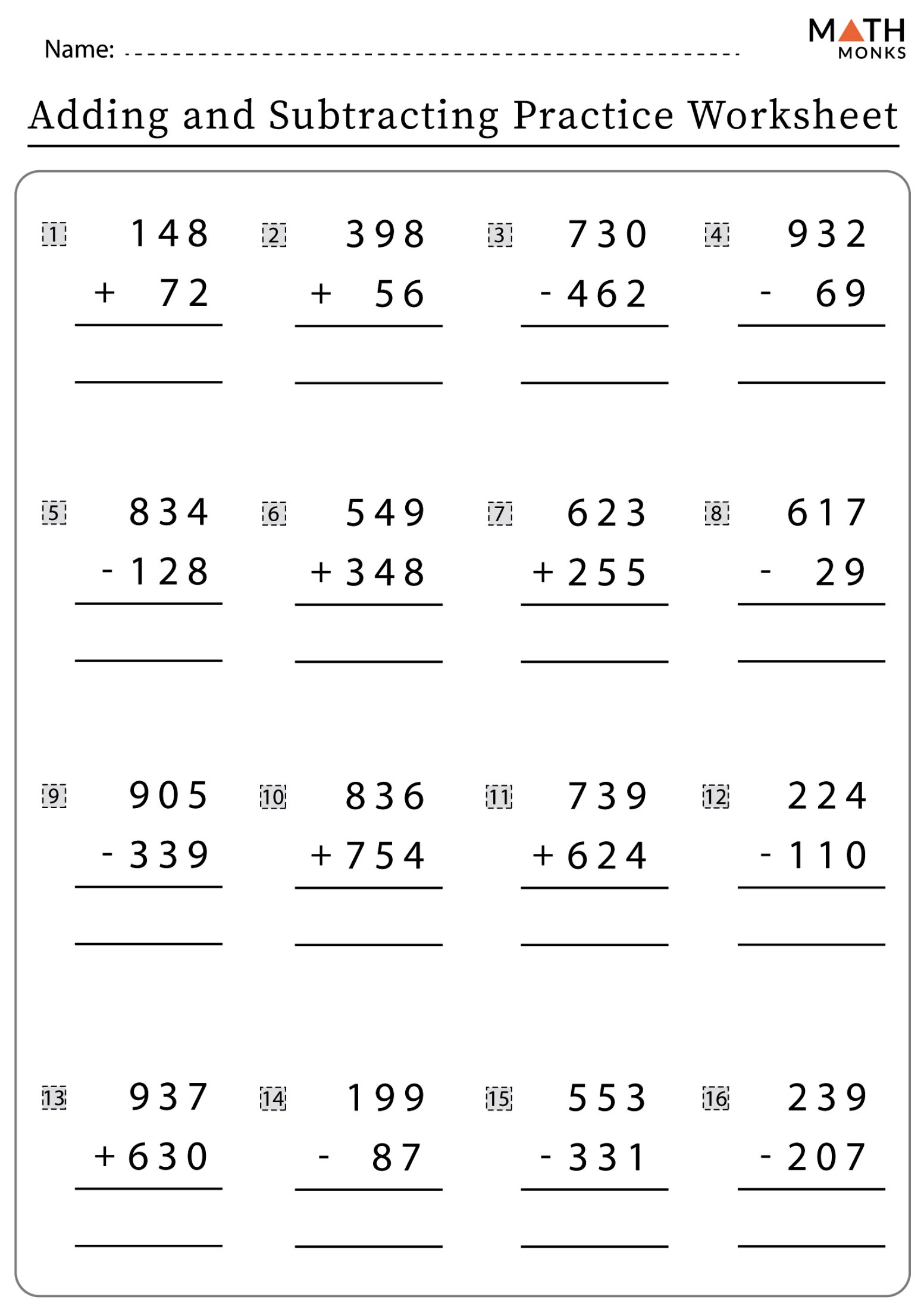
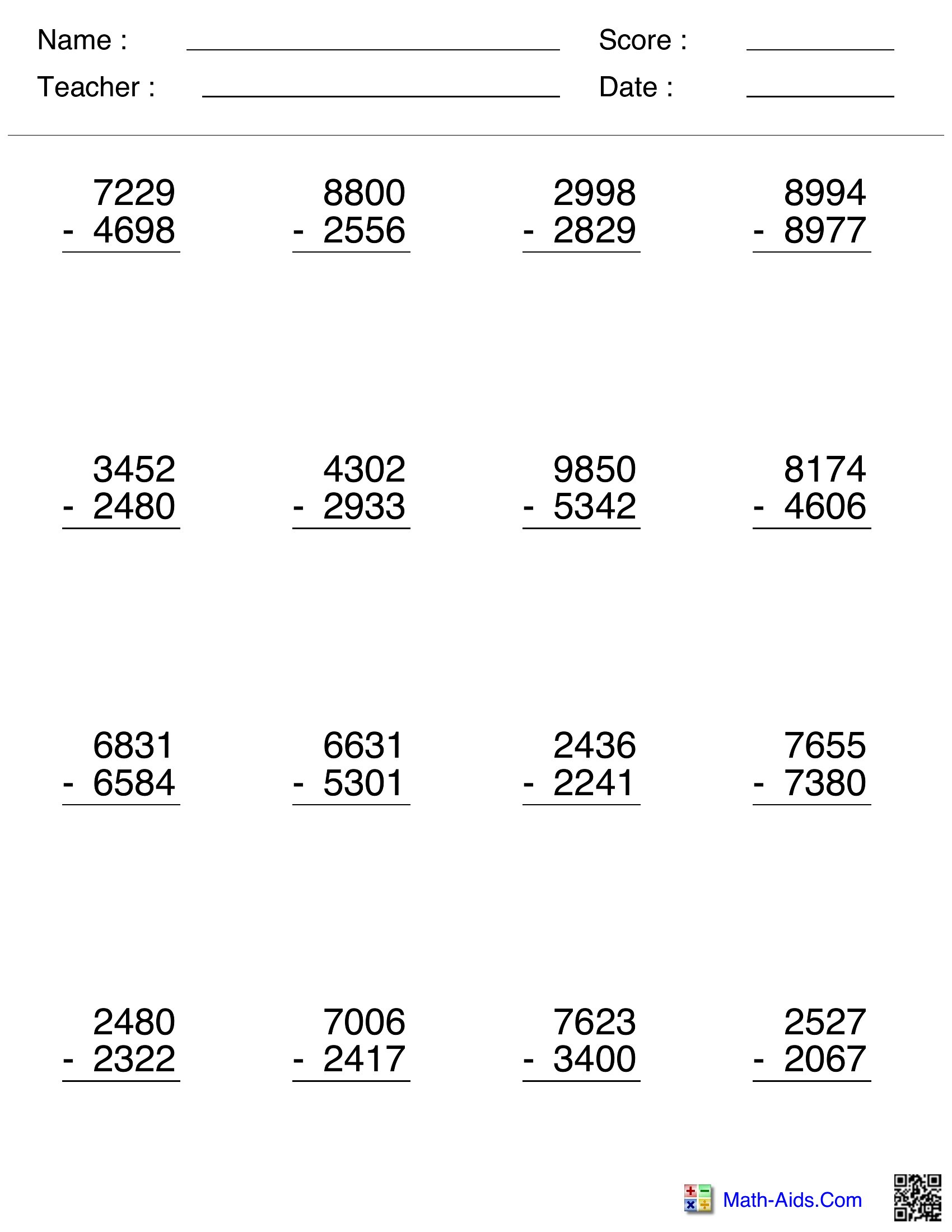
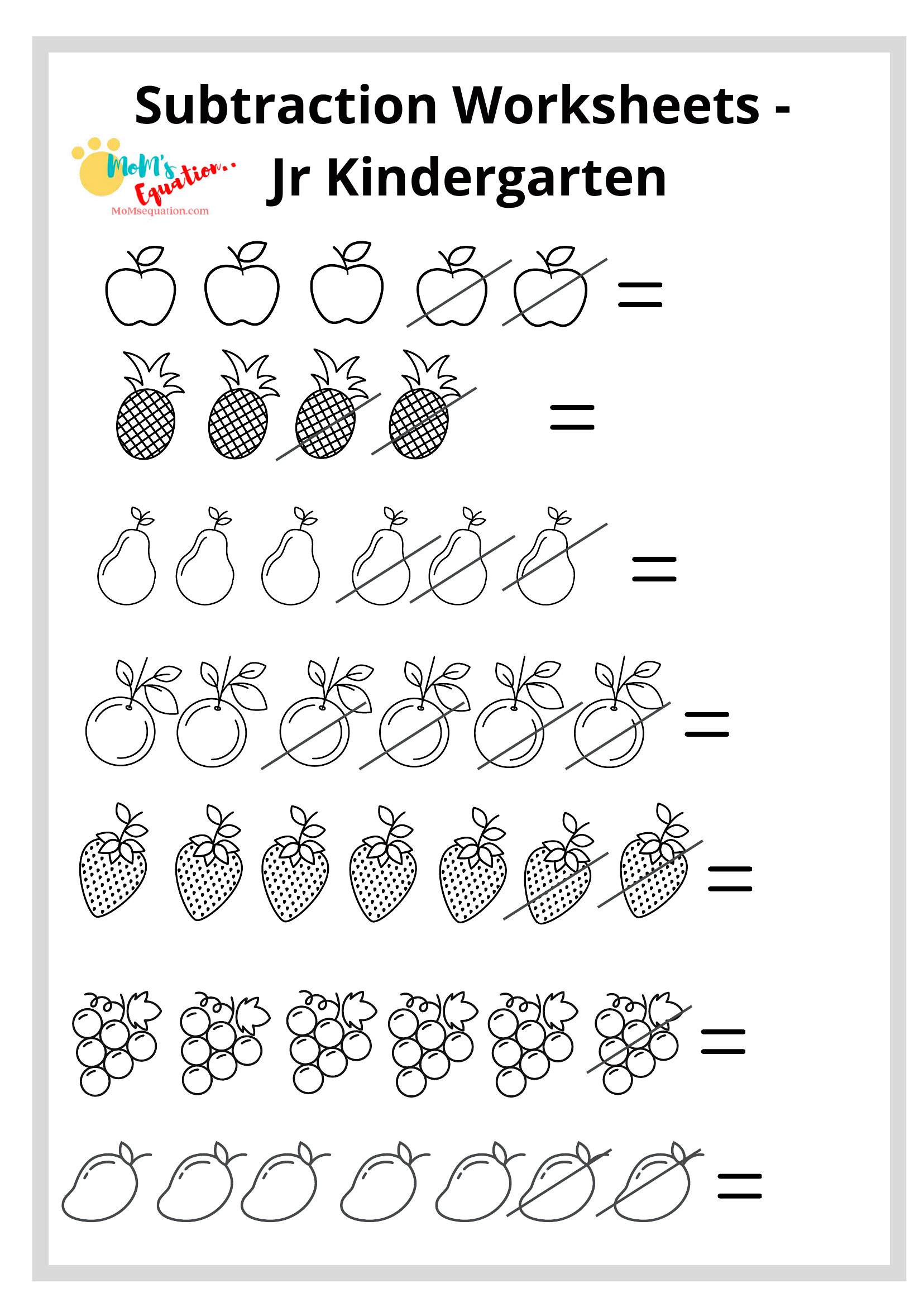
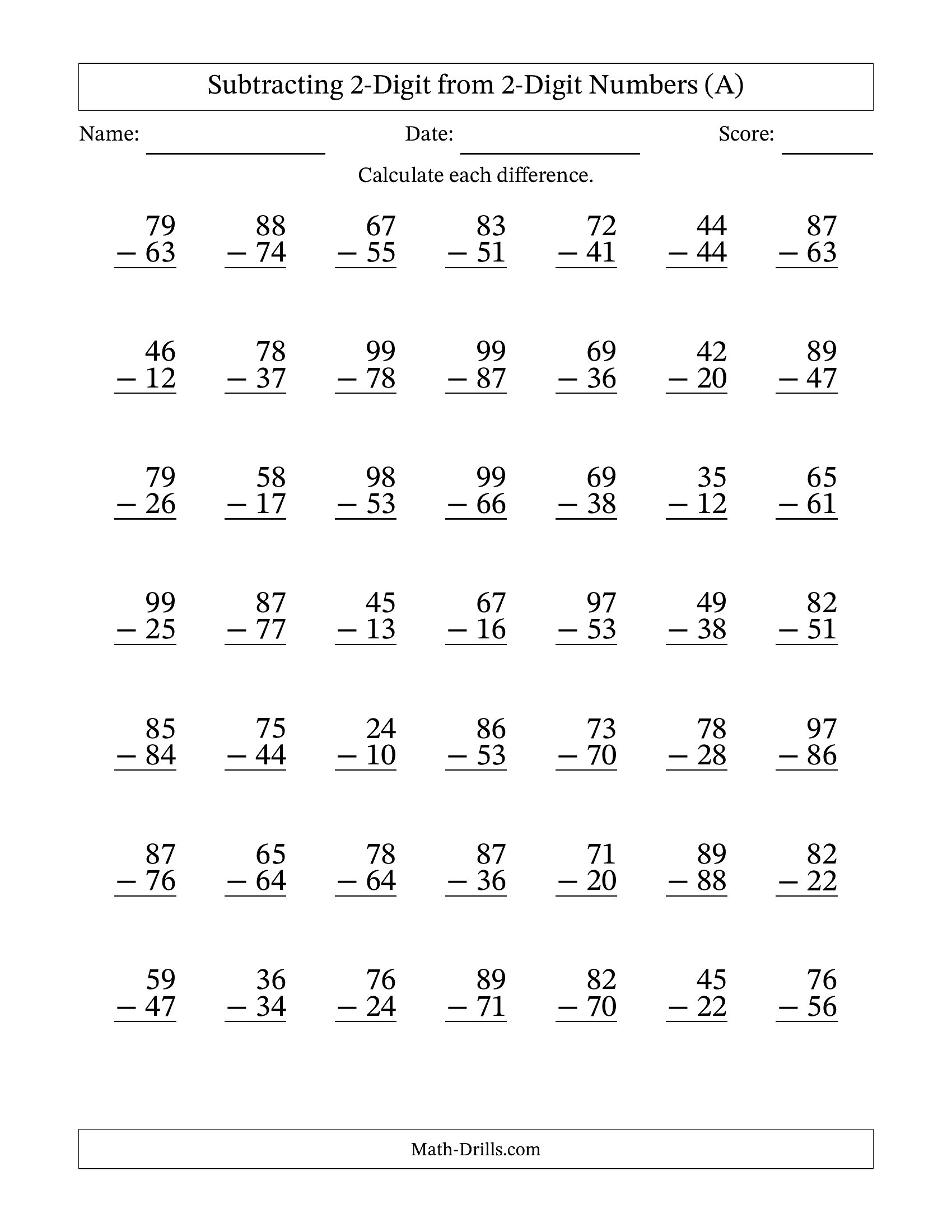
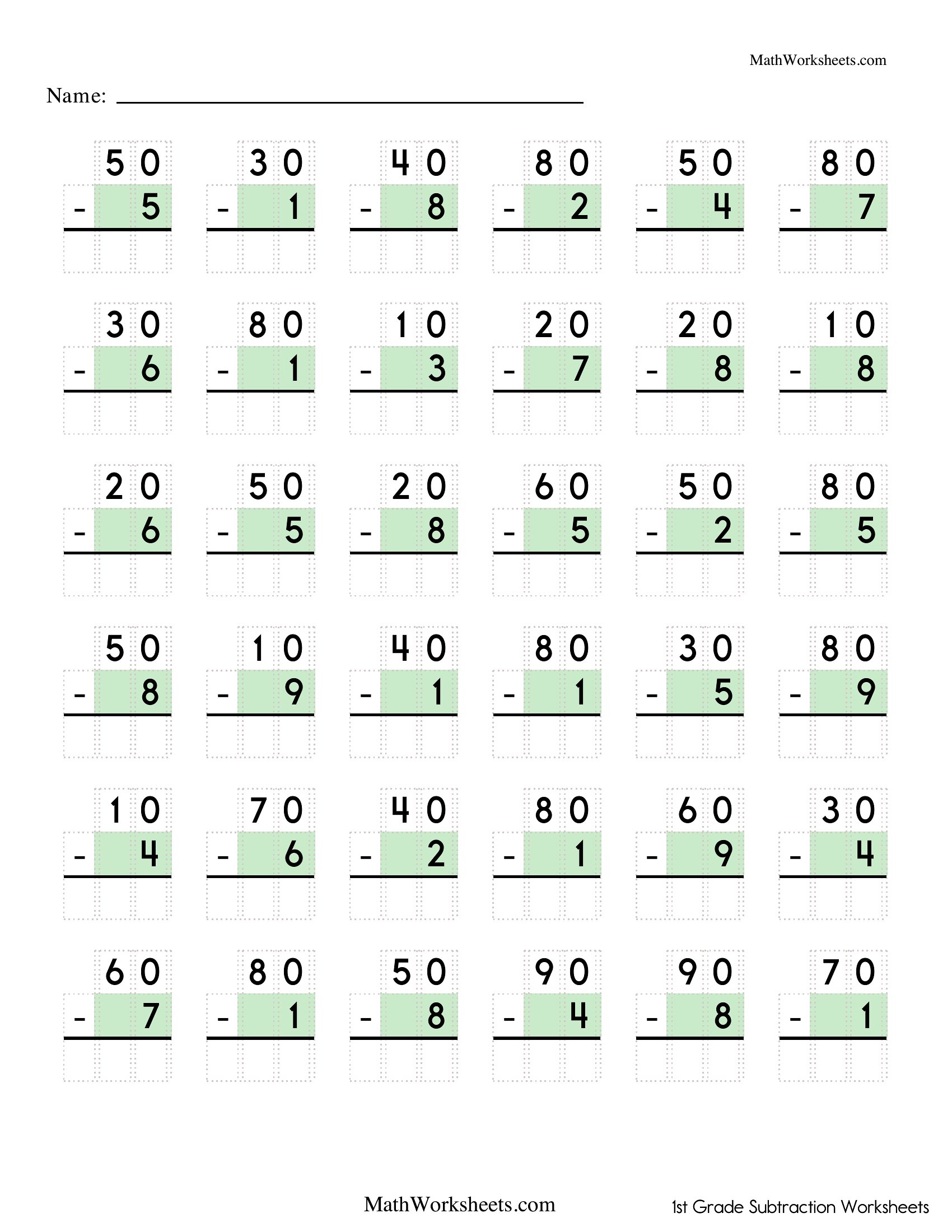
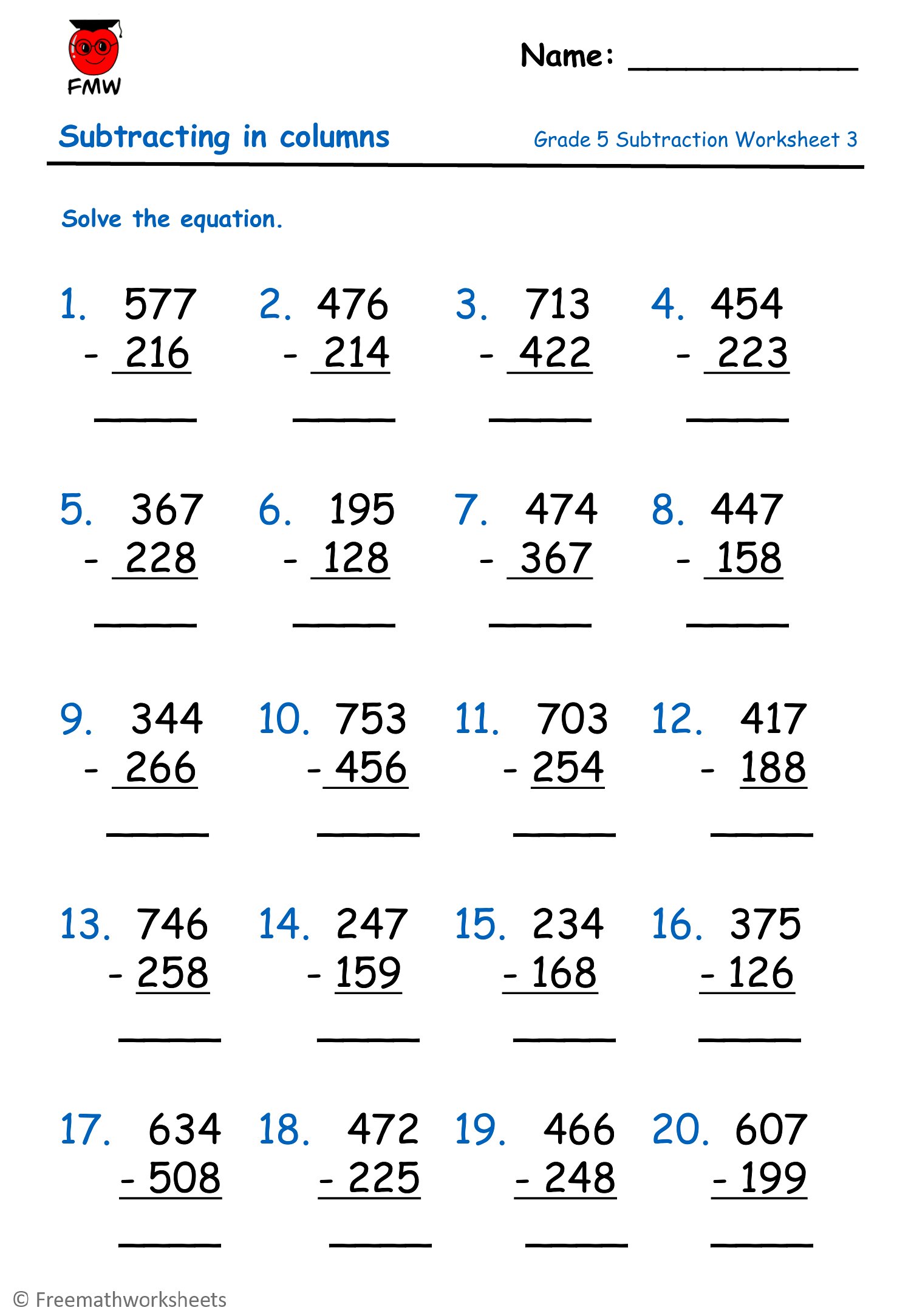
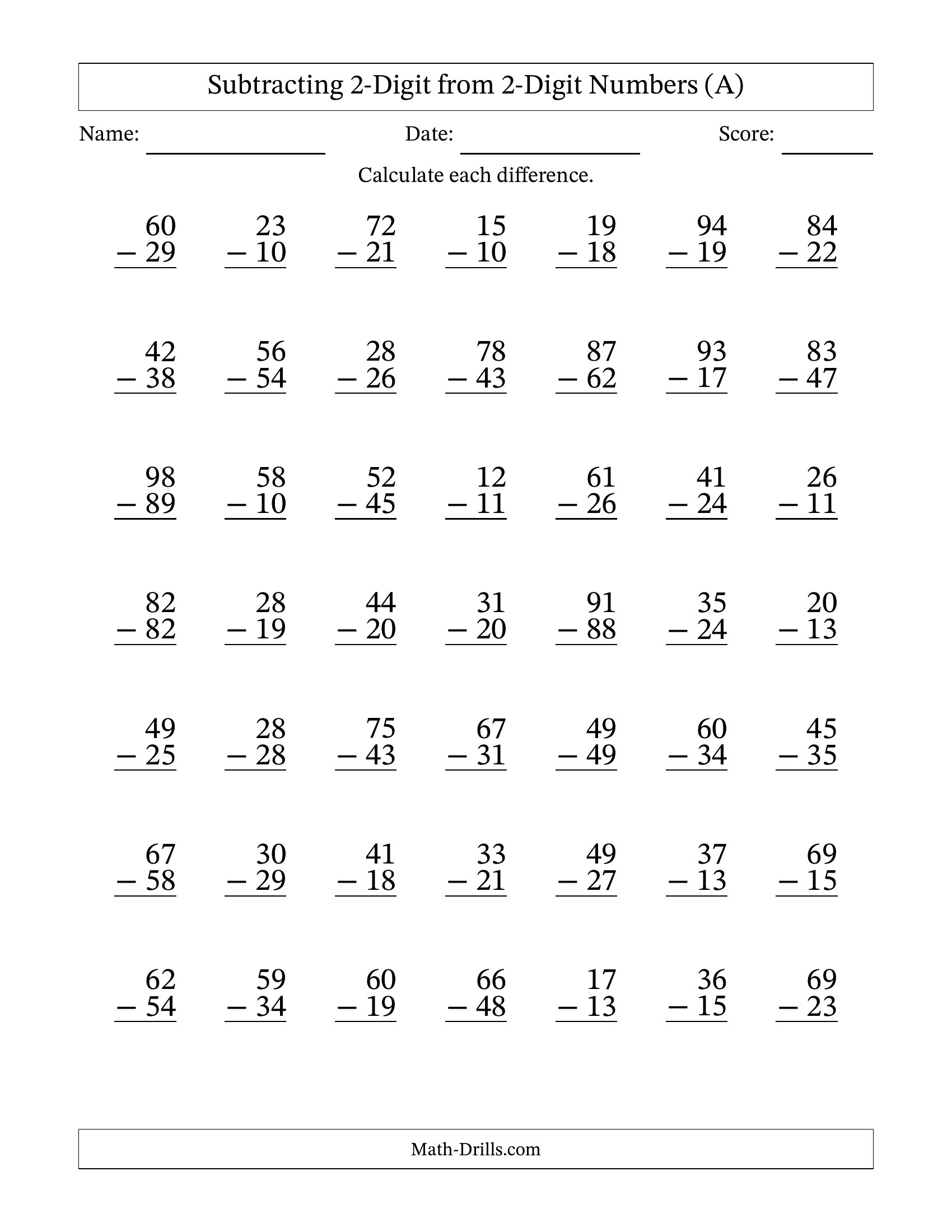
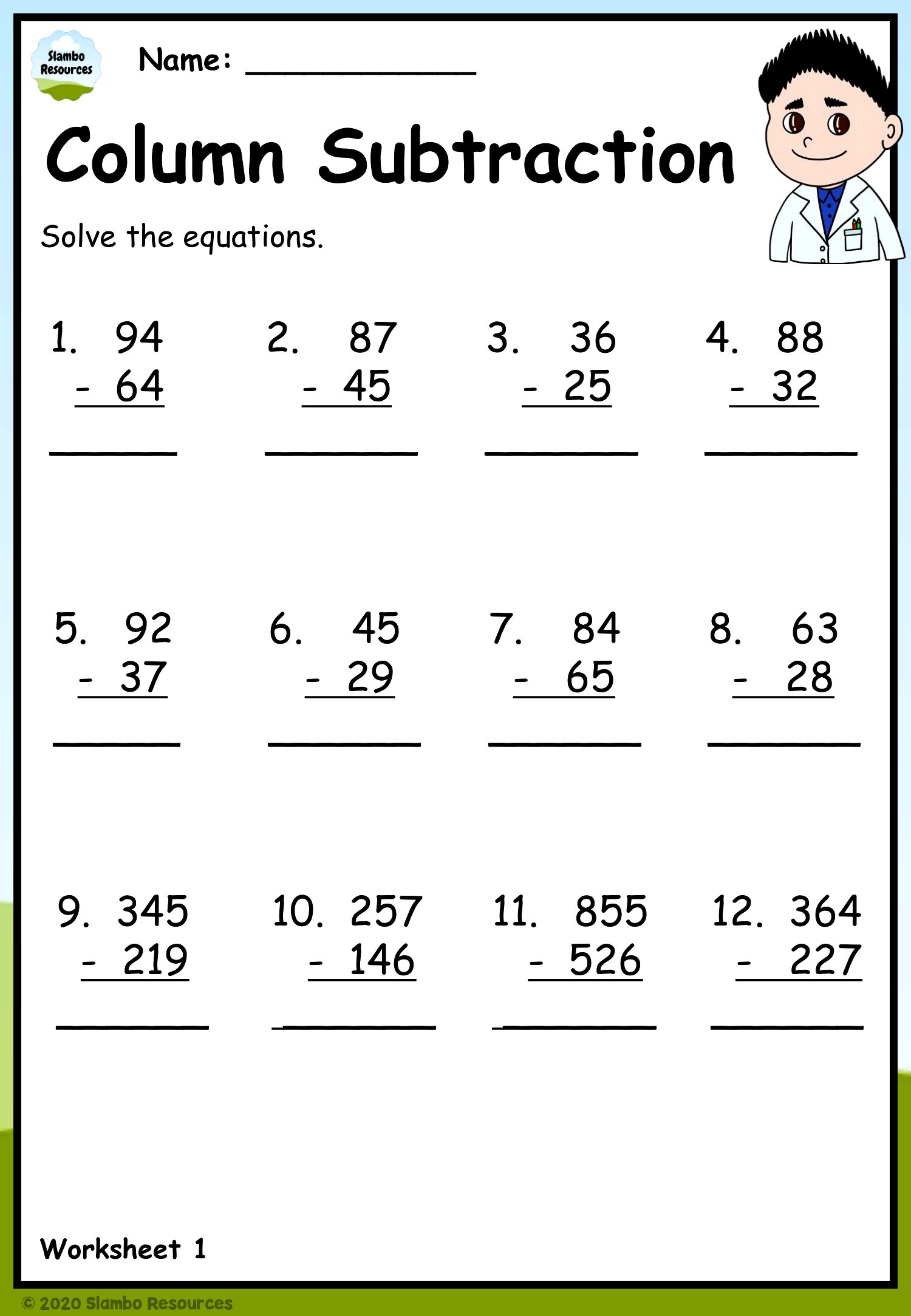
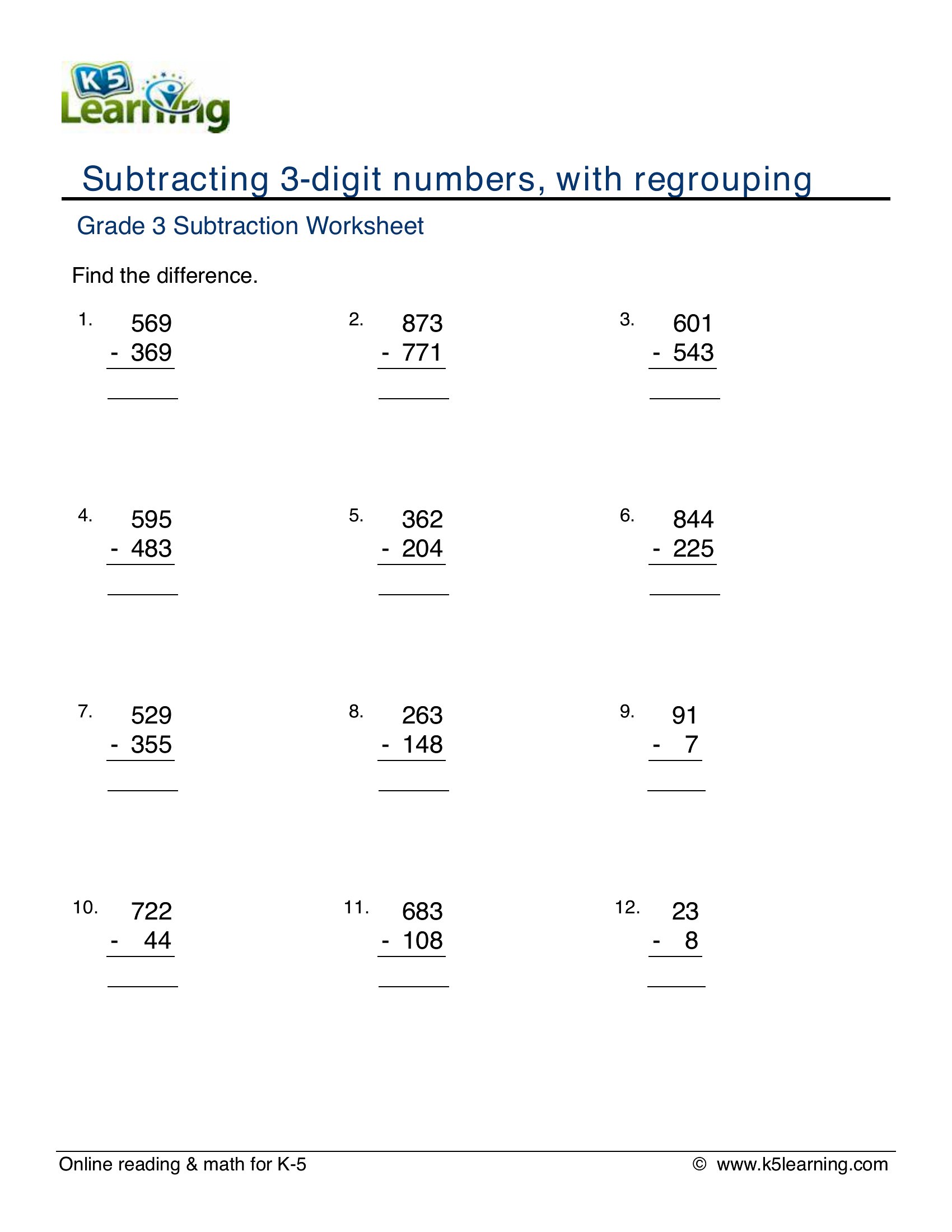
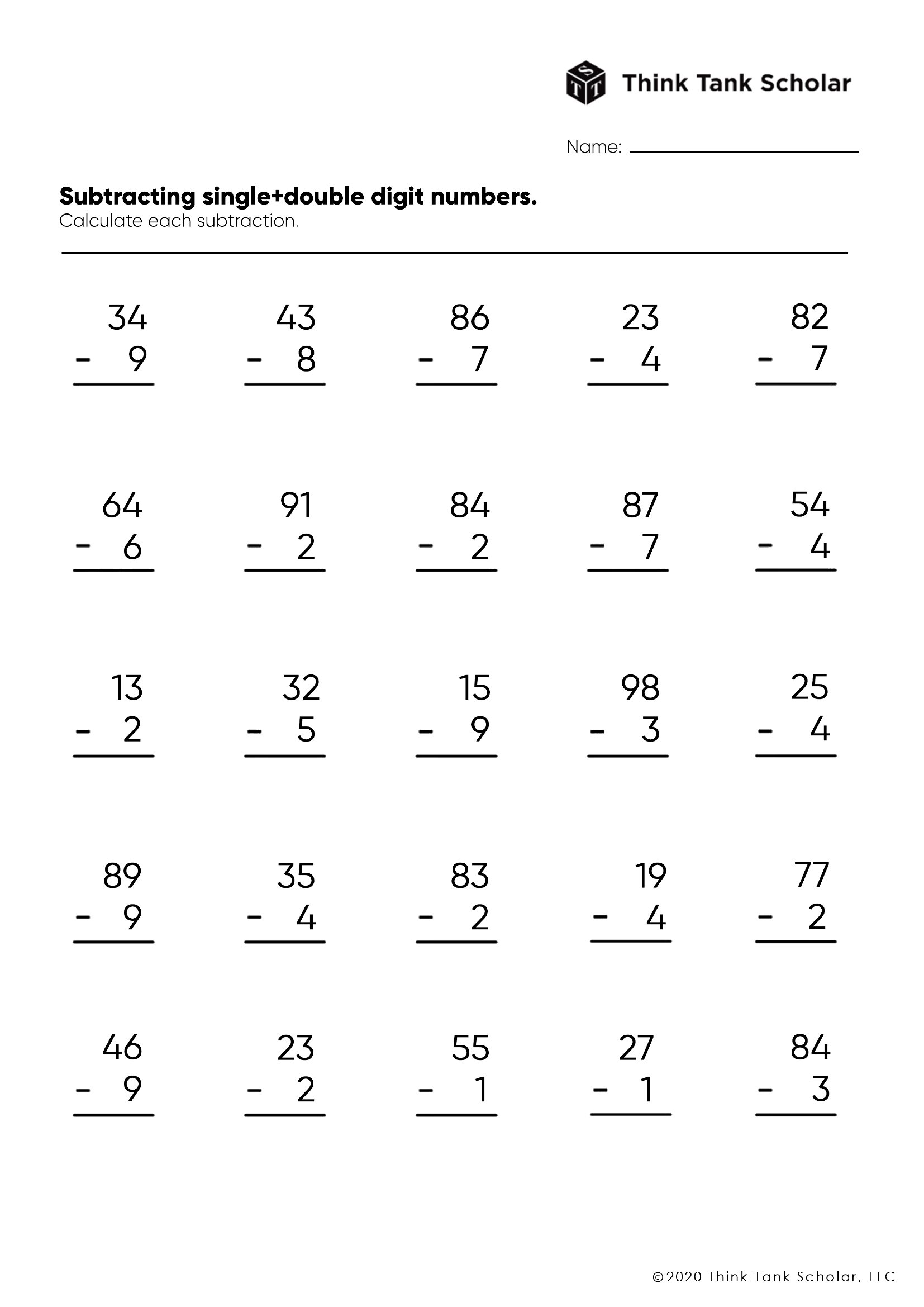
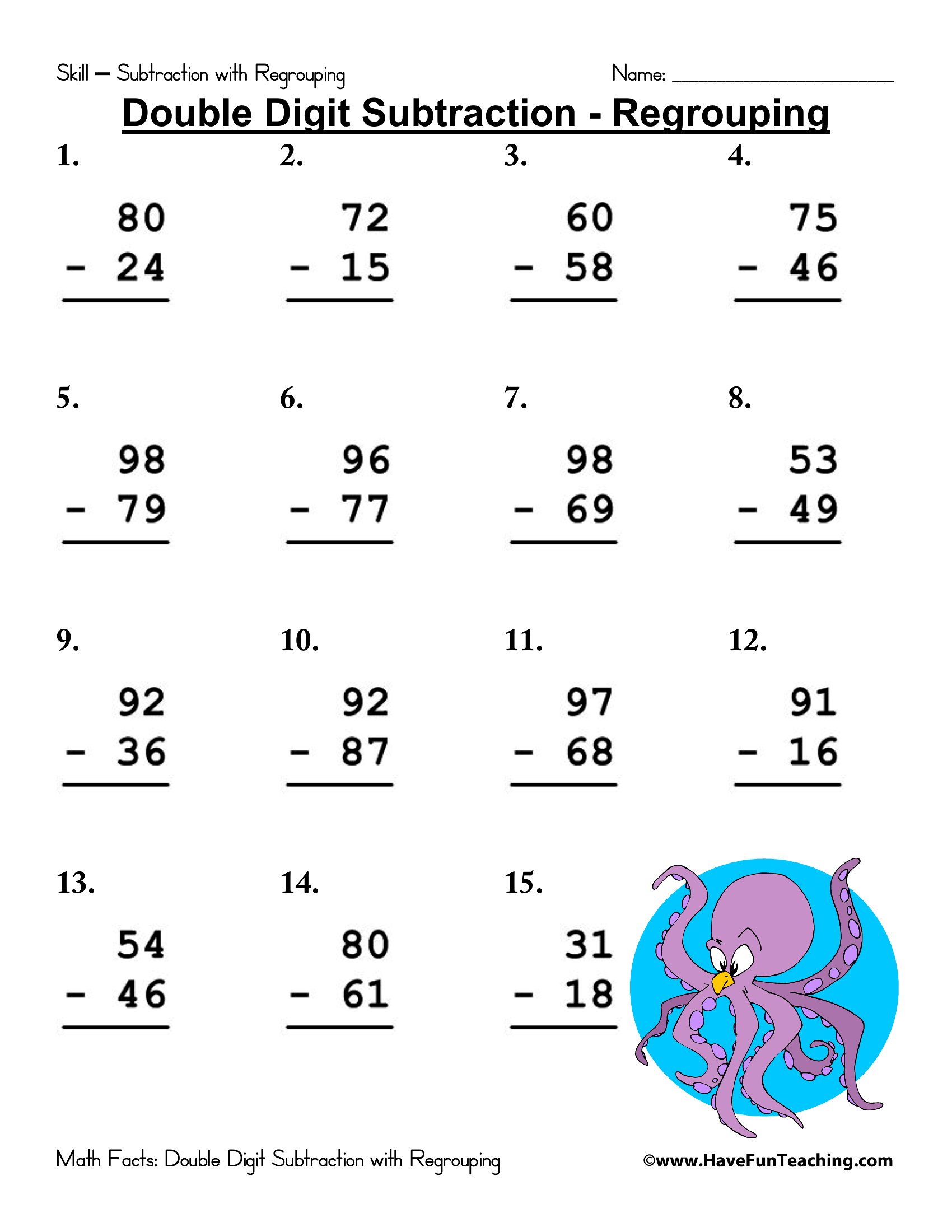
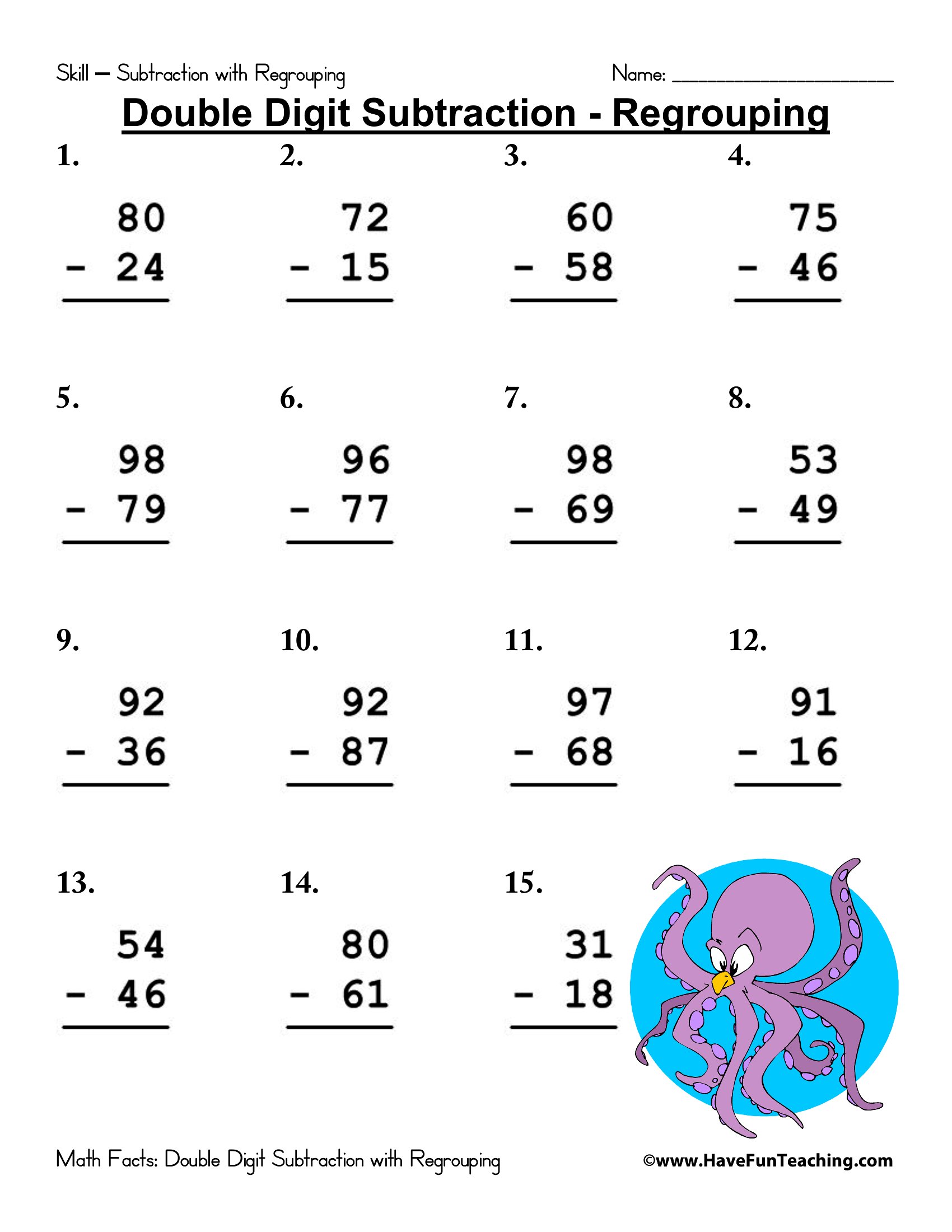
Start with worksheets labeled ‘no regrouping’ to build confidence, then gradually introduce problems requiring borrowing. For example, use sheets with two-digit subtractions like 42 – 15 before moving to 503 – 289. Highlight the regrouping steps in pencil first to model the process. If a student is still confused, pair the worksheet with physical tools like counters or a hundreds chart to visualize the exchange.
Can I use these worksheets for mixed-age classrooms where some students are ahead?
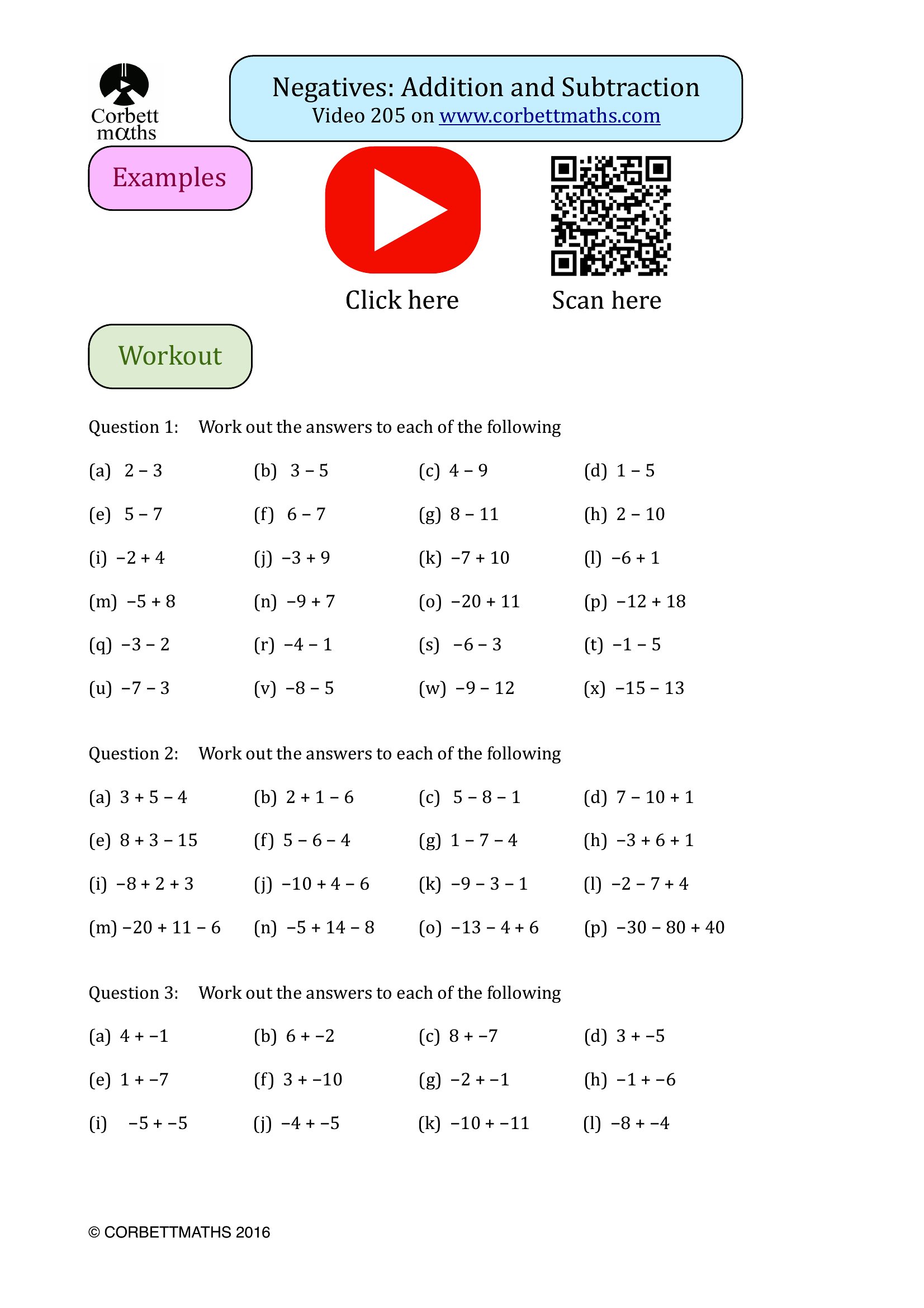
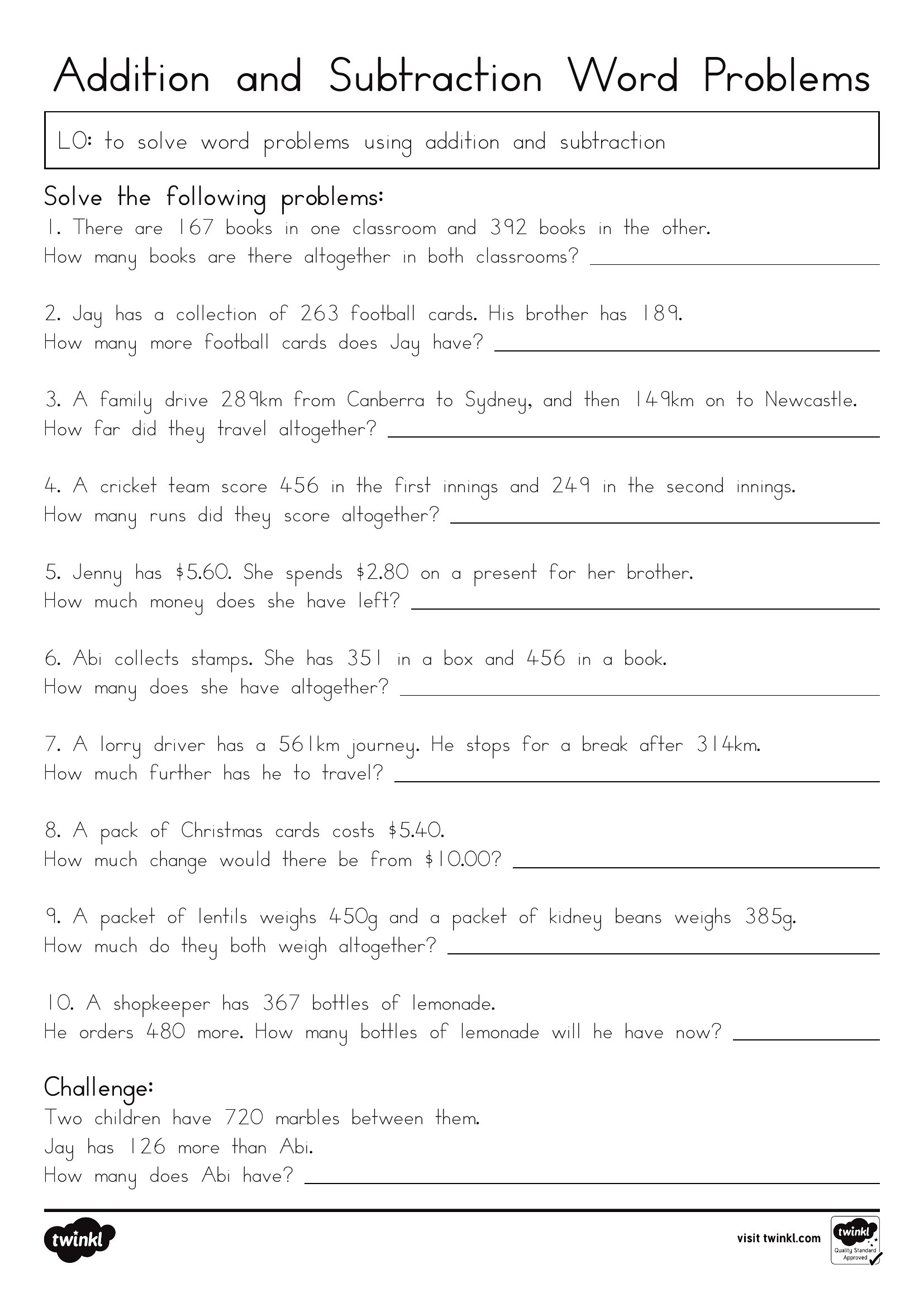
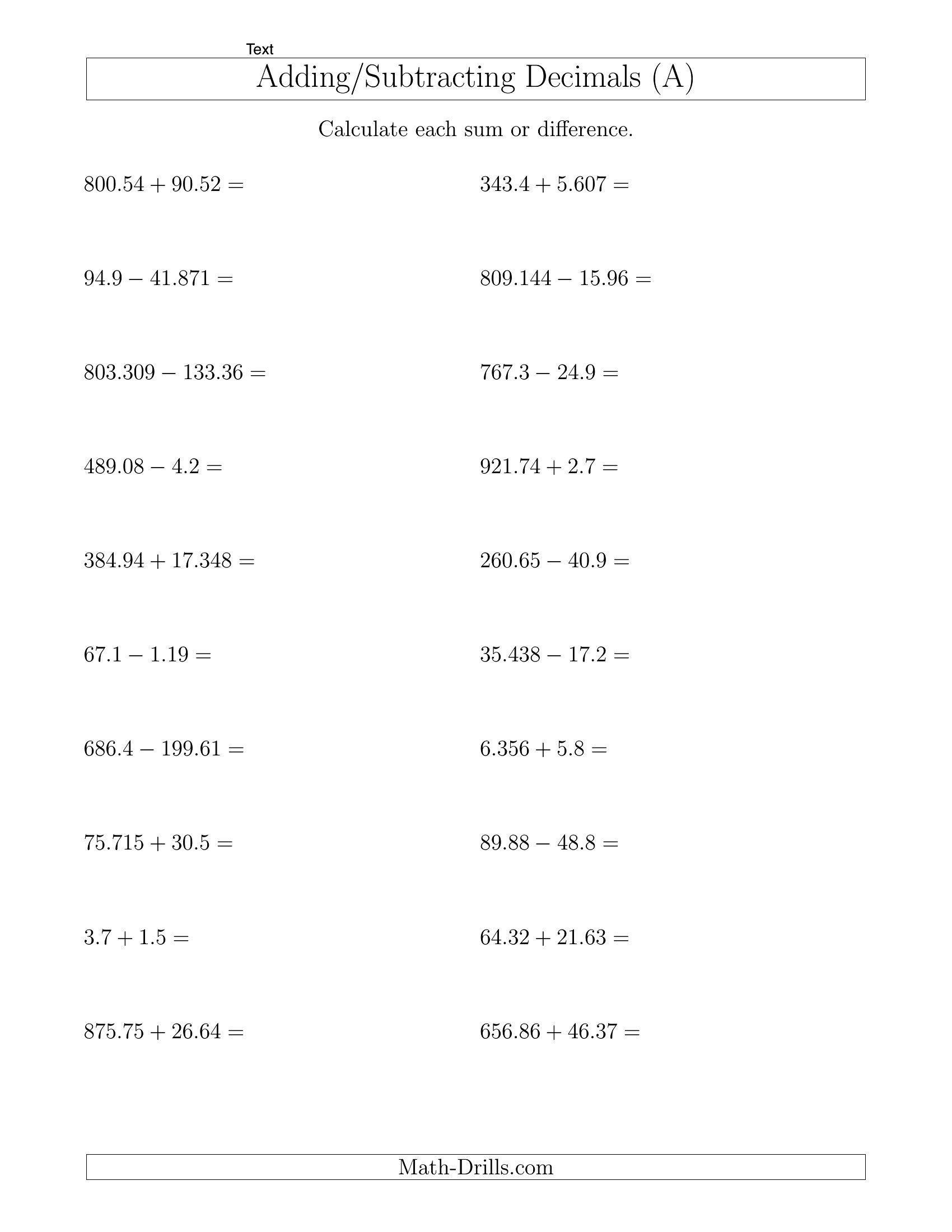
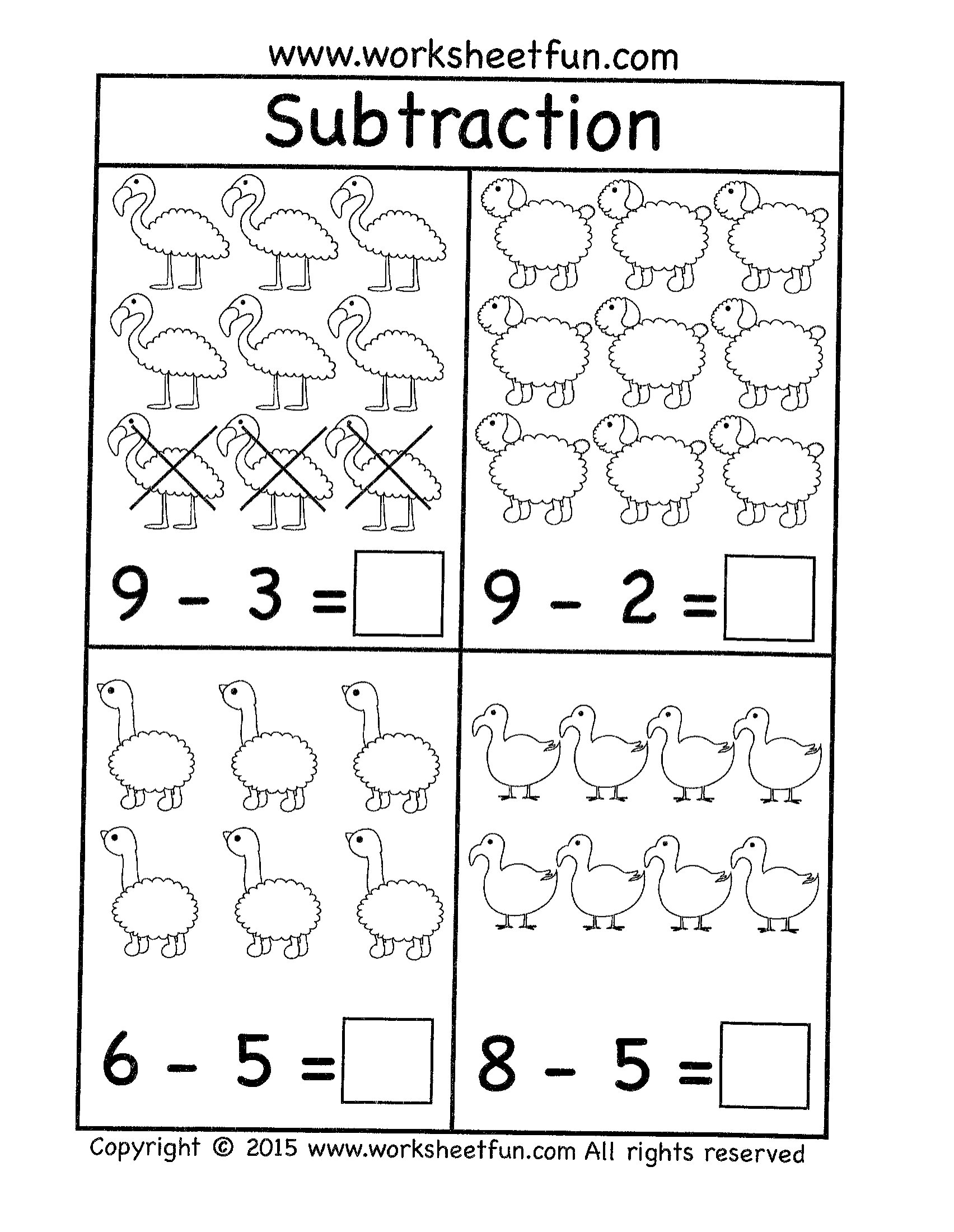
Yes, the collection includes a range of difficulties, so you can assign sheets based on individual skill levels. For advanced students, focus on word problems or multi-step subtractions (e.g., ‘If Jake had $25 and spent $7.50, then bought a $3.25 snack, how much does he have left?’). For struggling students, repeat foundational sheets with scaffolding, like circling the minuend (top number) or providing a hundreds chart for reference.
What’s the best way to turn these into a game to keep kids engaged?
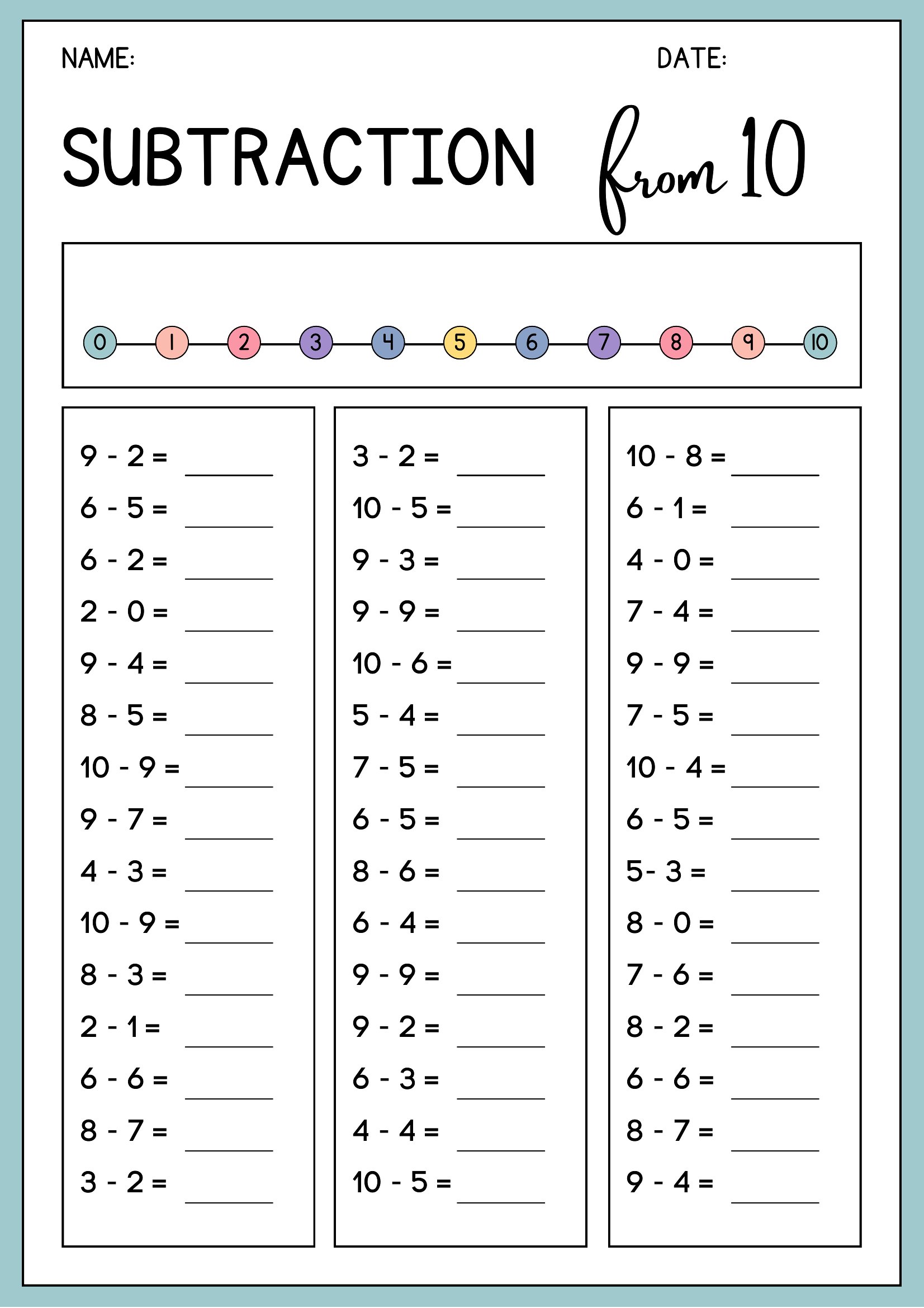
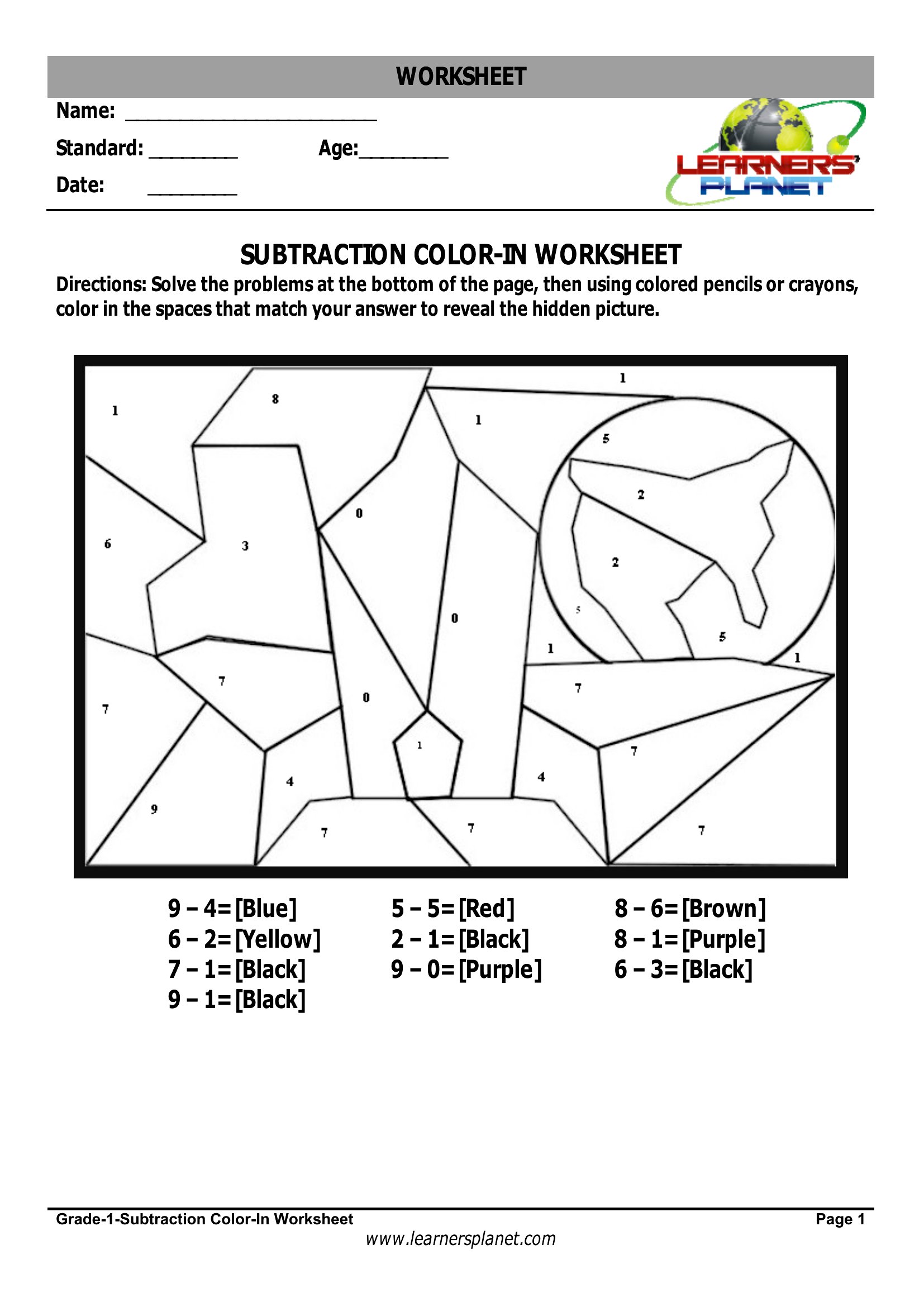
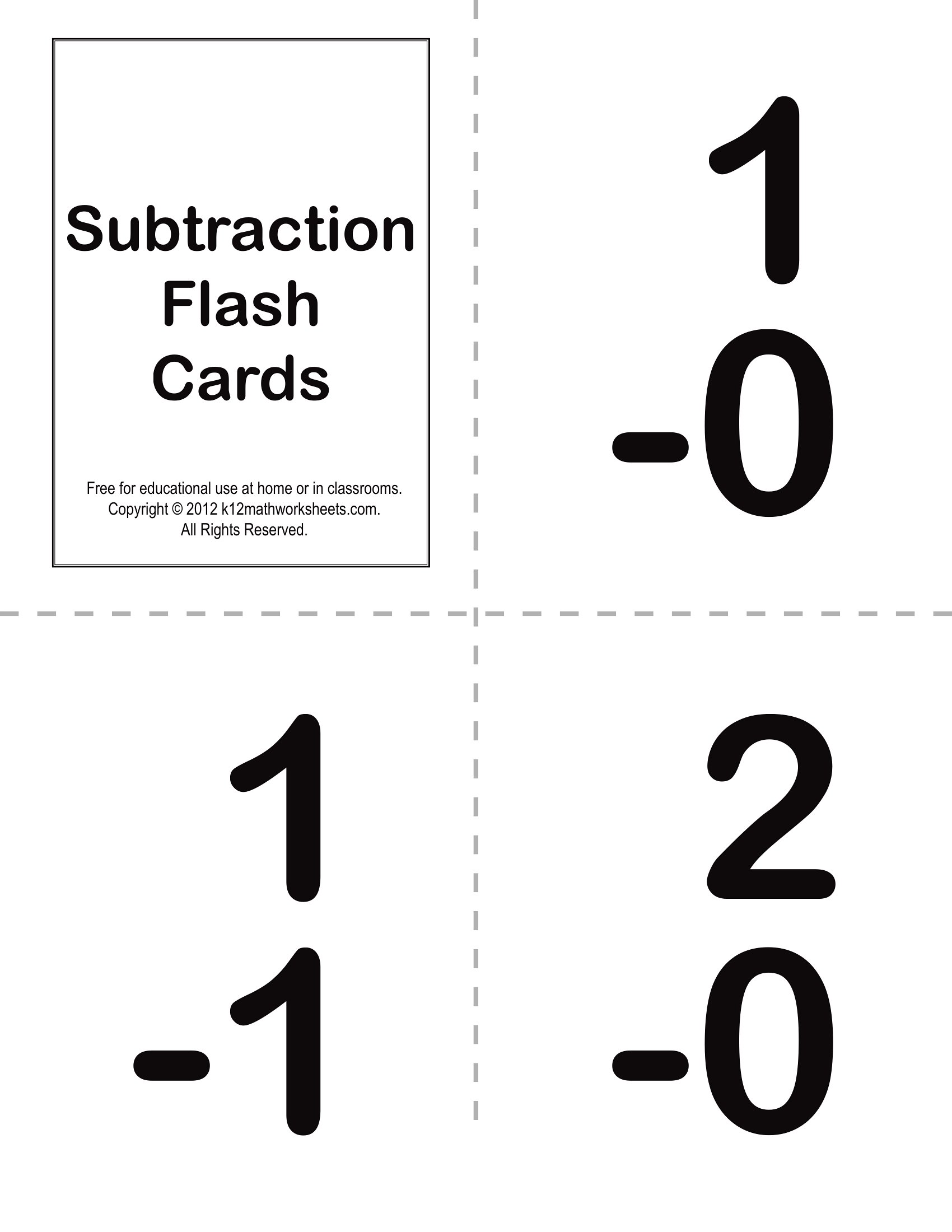
Turn worksheets into a race by timing students as they solve 10 problems correctly, or use a ‘bingo’ approach where they mark answers on a separate grid. For a collaborative twist, pair students and have them check each other’s work with answer keys. You can also turn subtraction into a story—like ‘You’re a pirate dividing treasure’—to make the context more exciting. Avoid turning it into a competition for students who struggle, as it may increase anxiety.
Comments
Join the conversation
Sign in to share your thoughts and leave a comment on this resource.