FAQ
When should I use a short confidentiality statement instead of a full nondisclosure agreement?
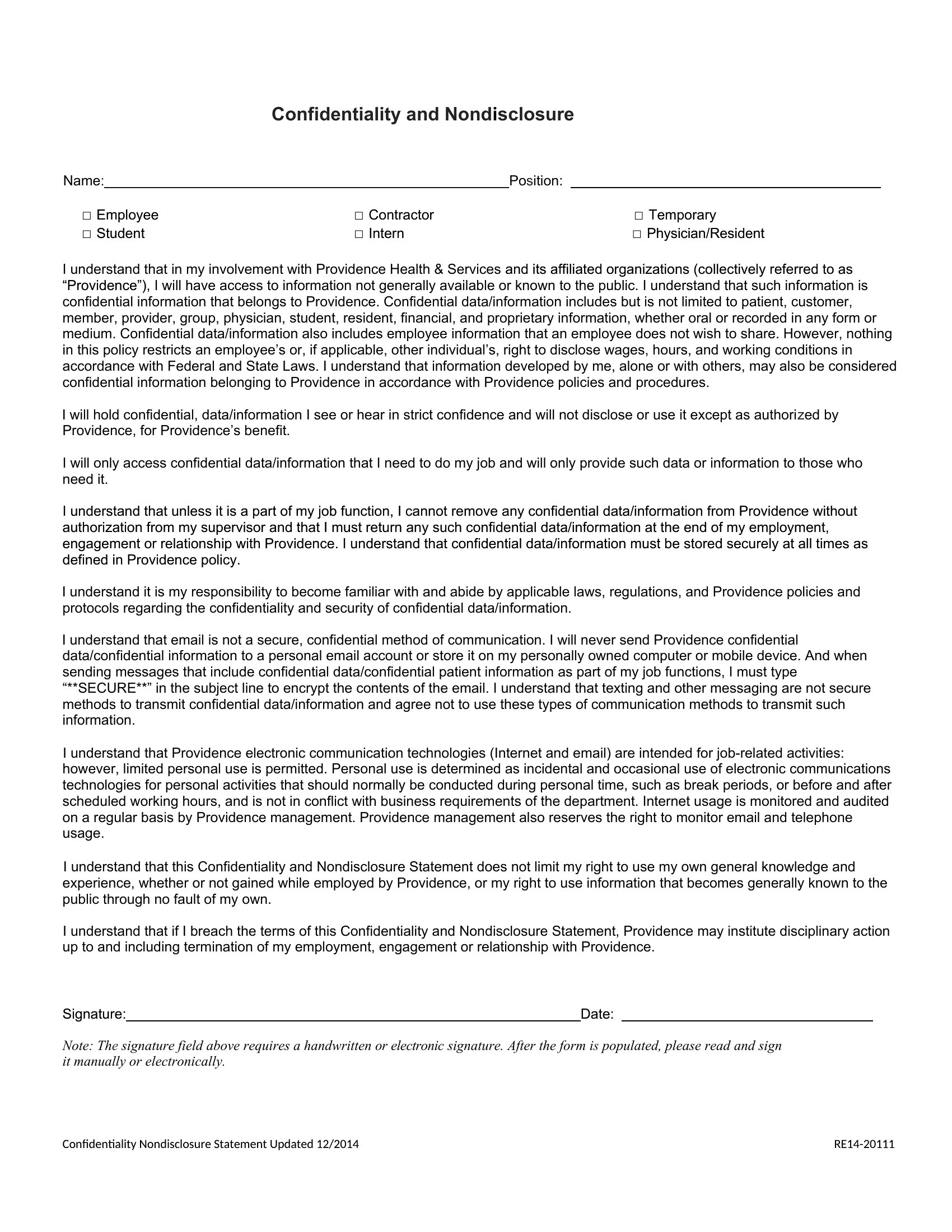
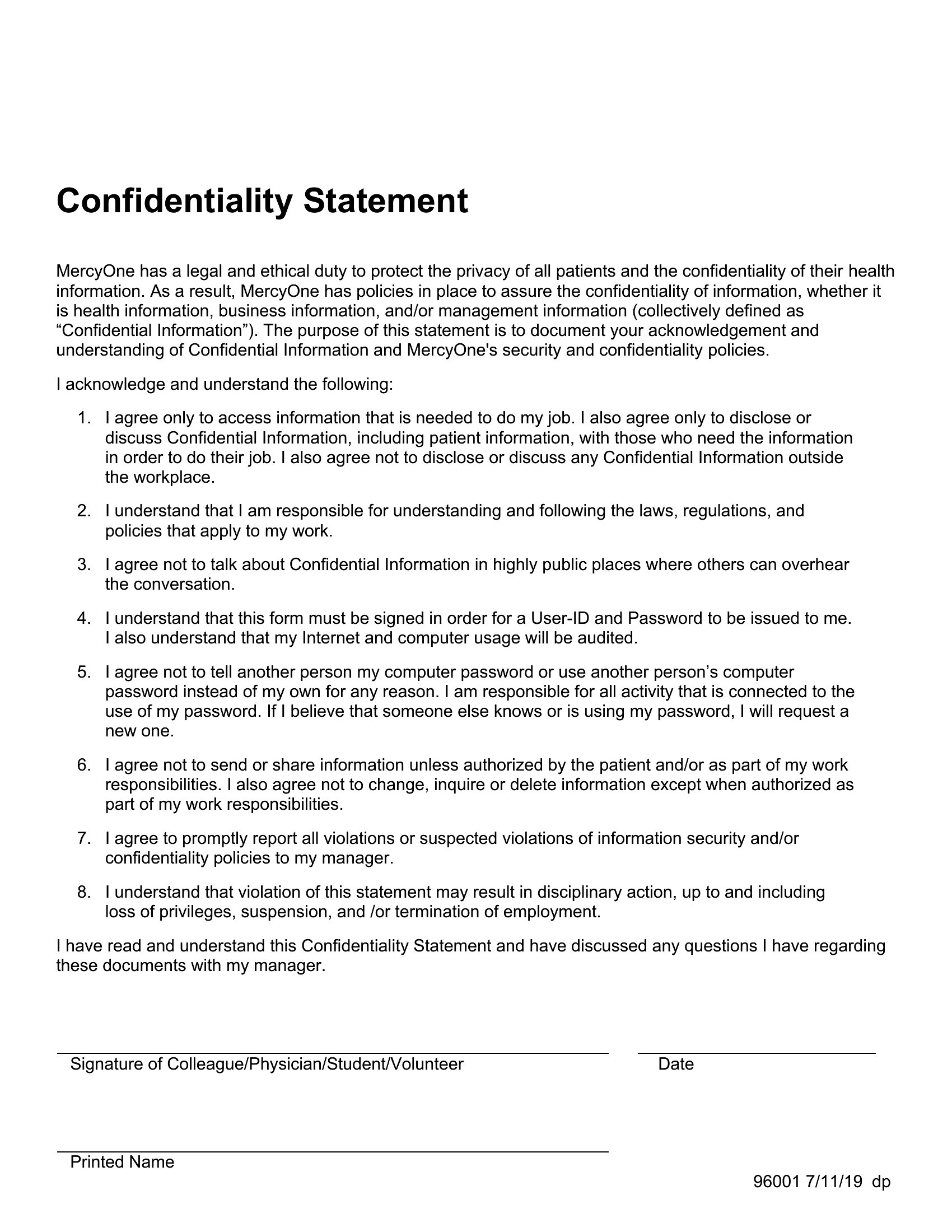
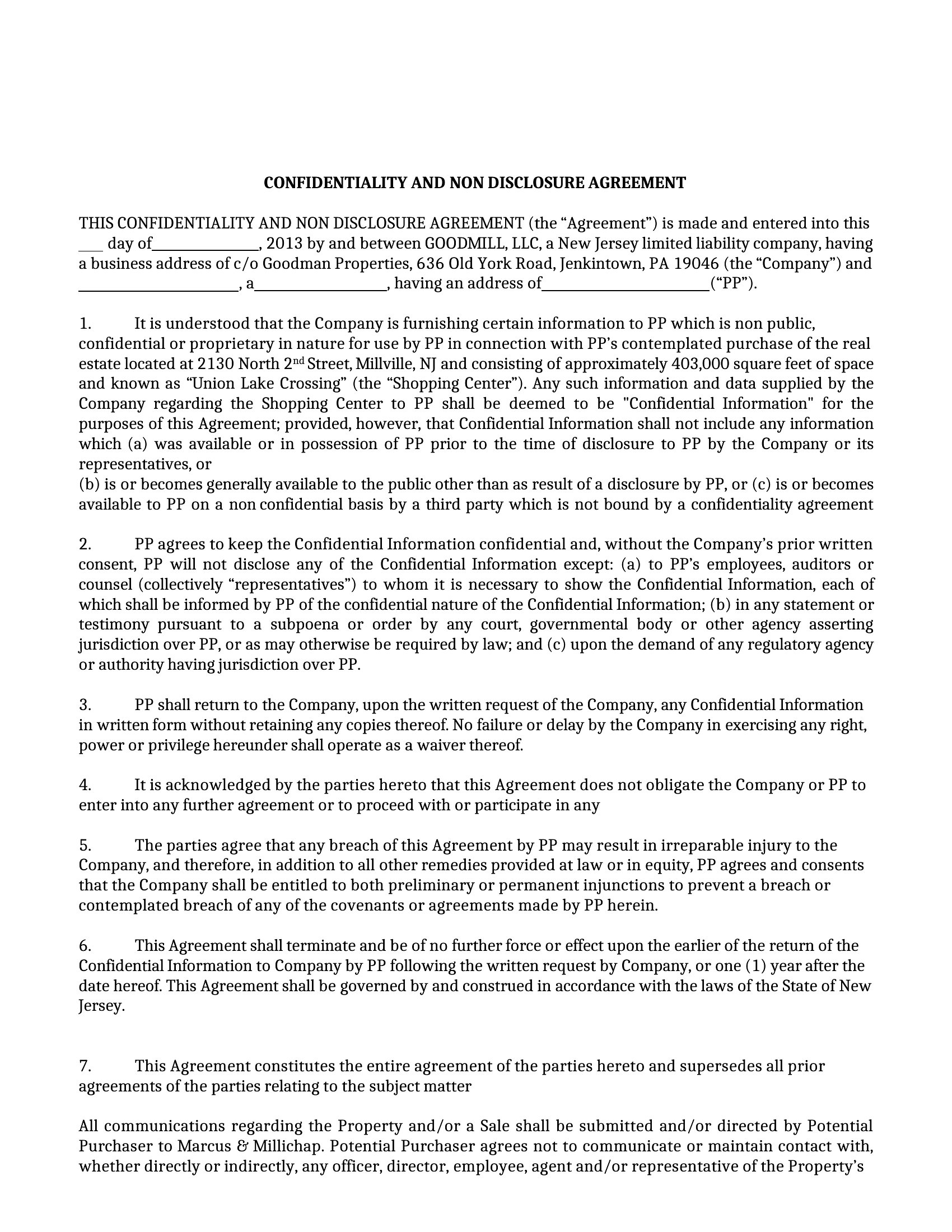
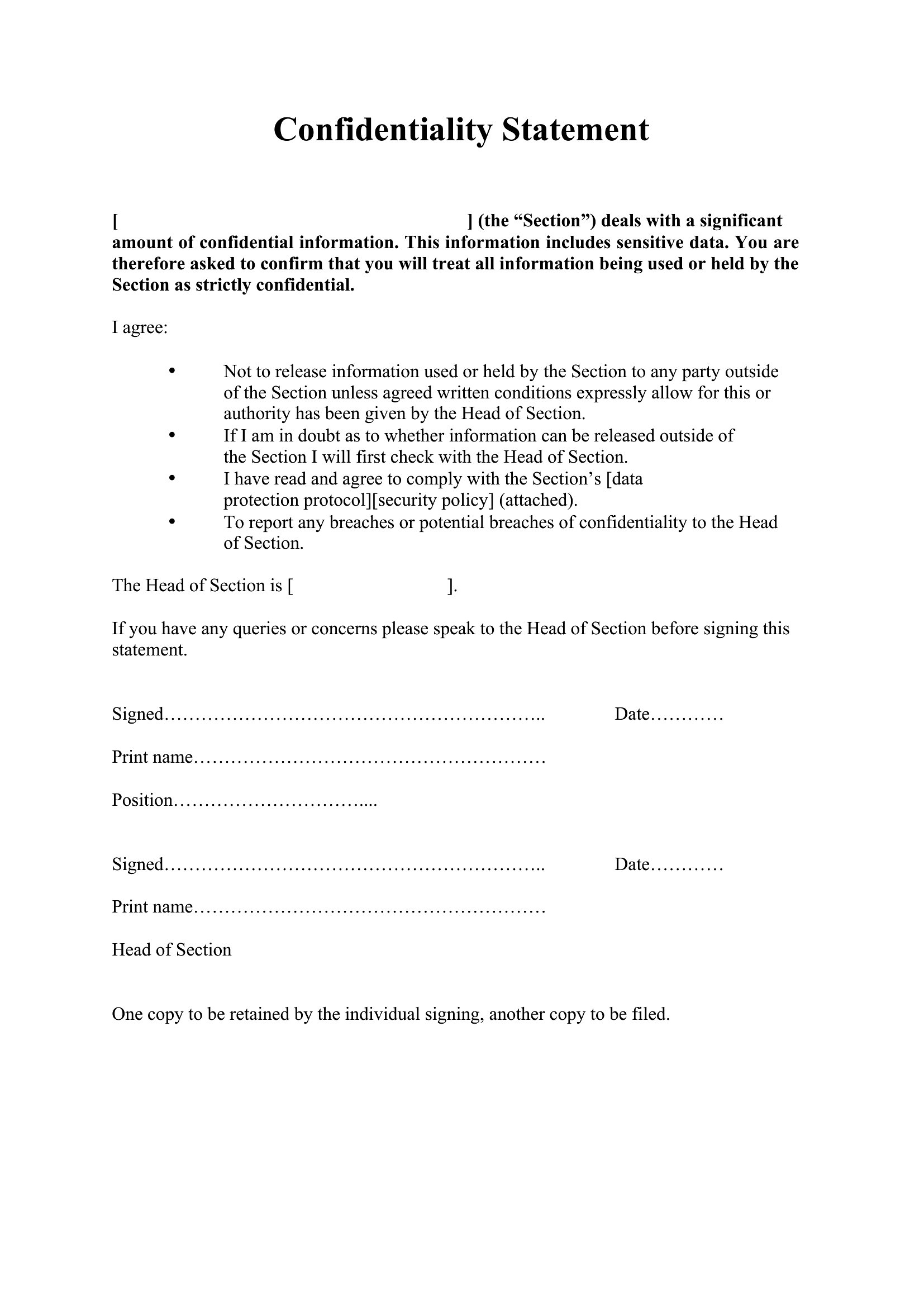
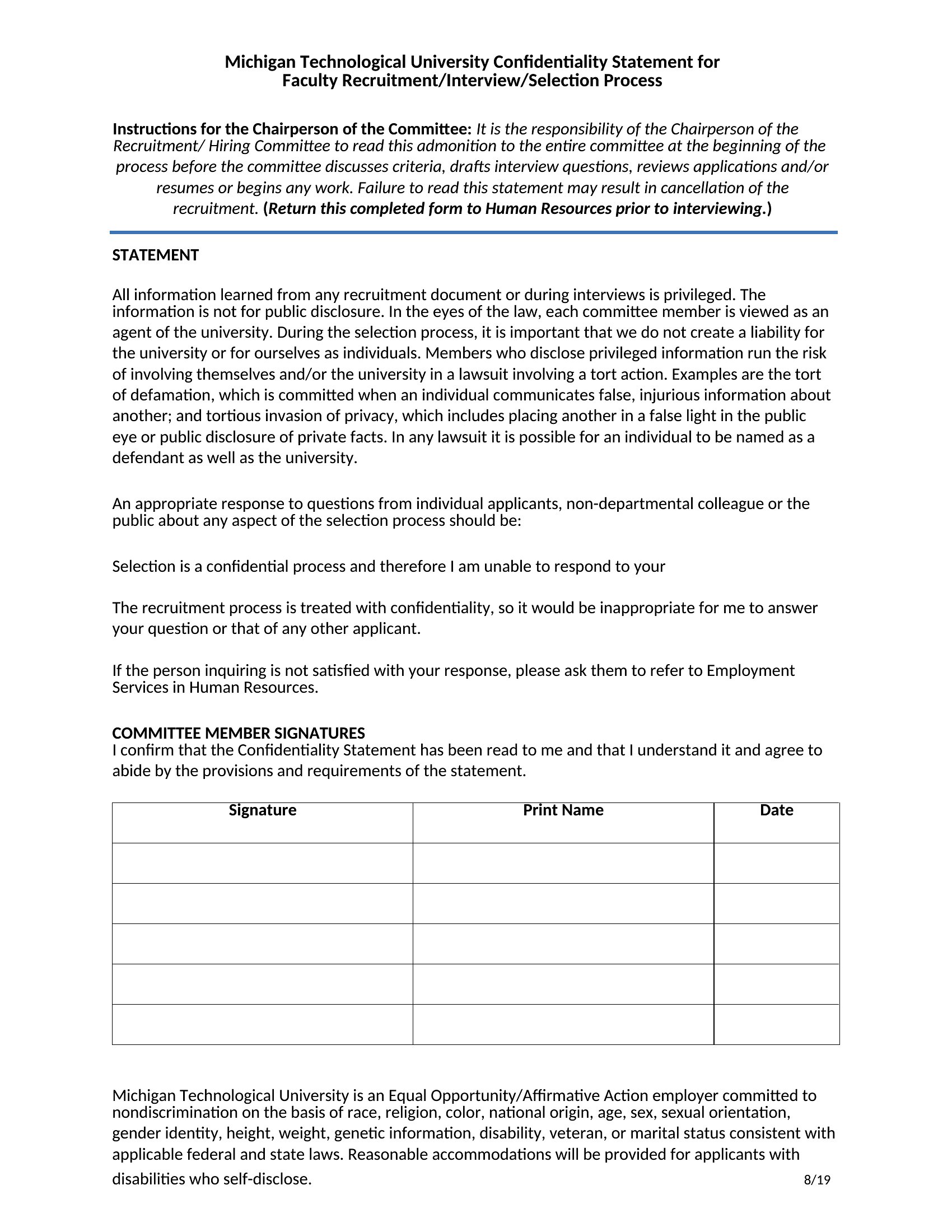
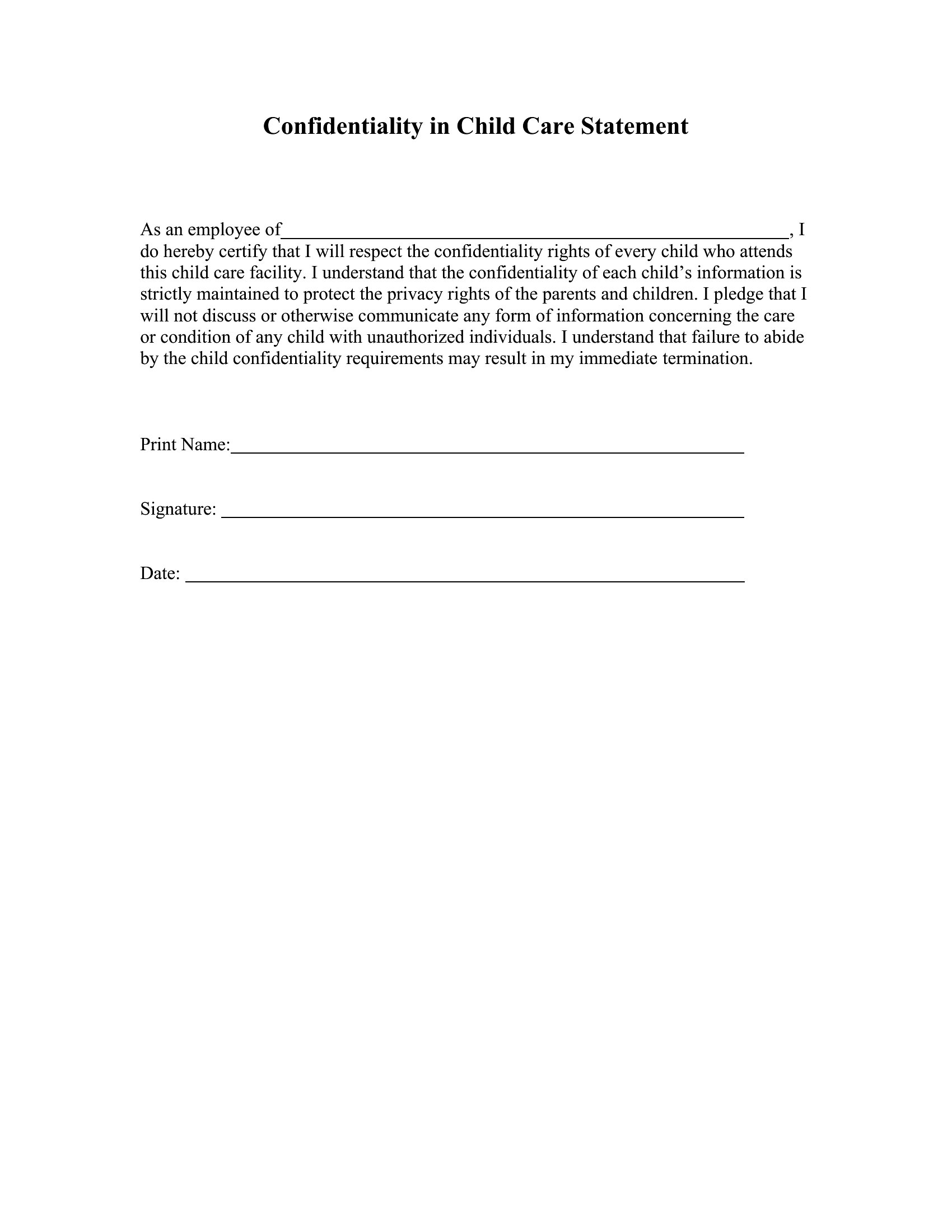
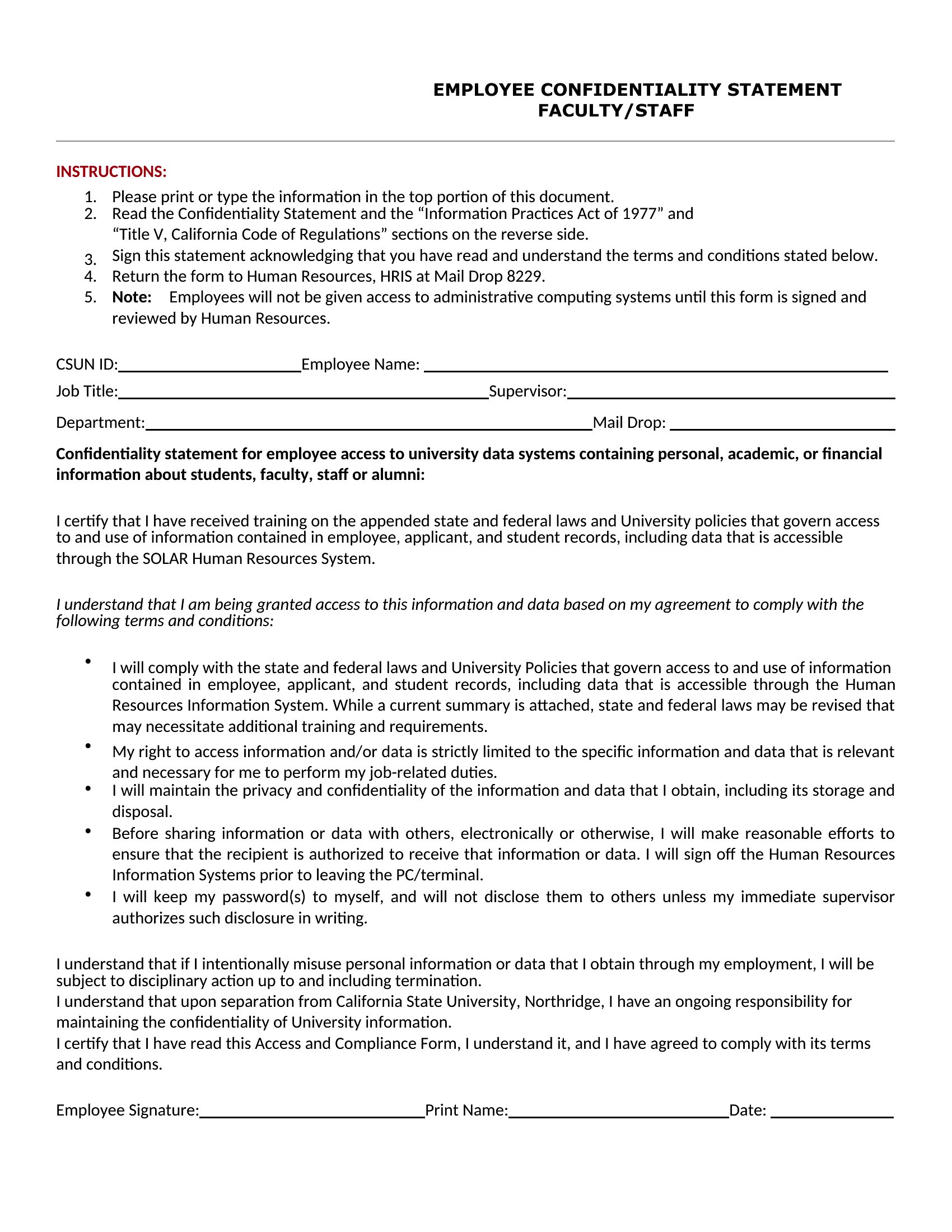
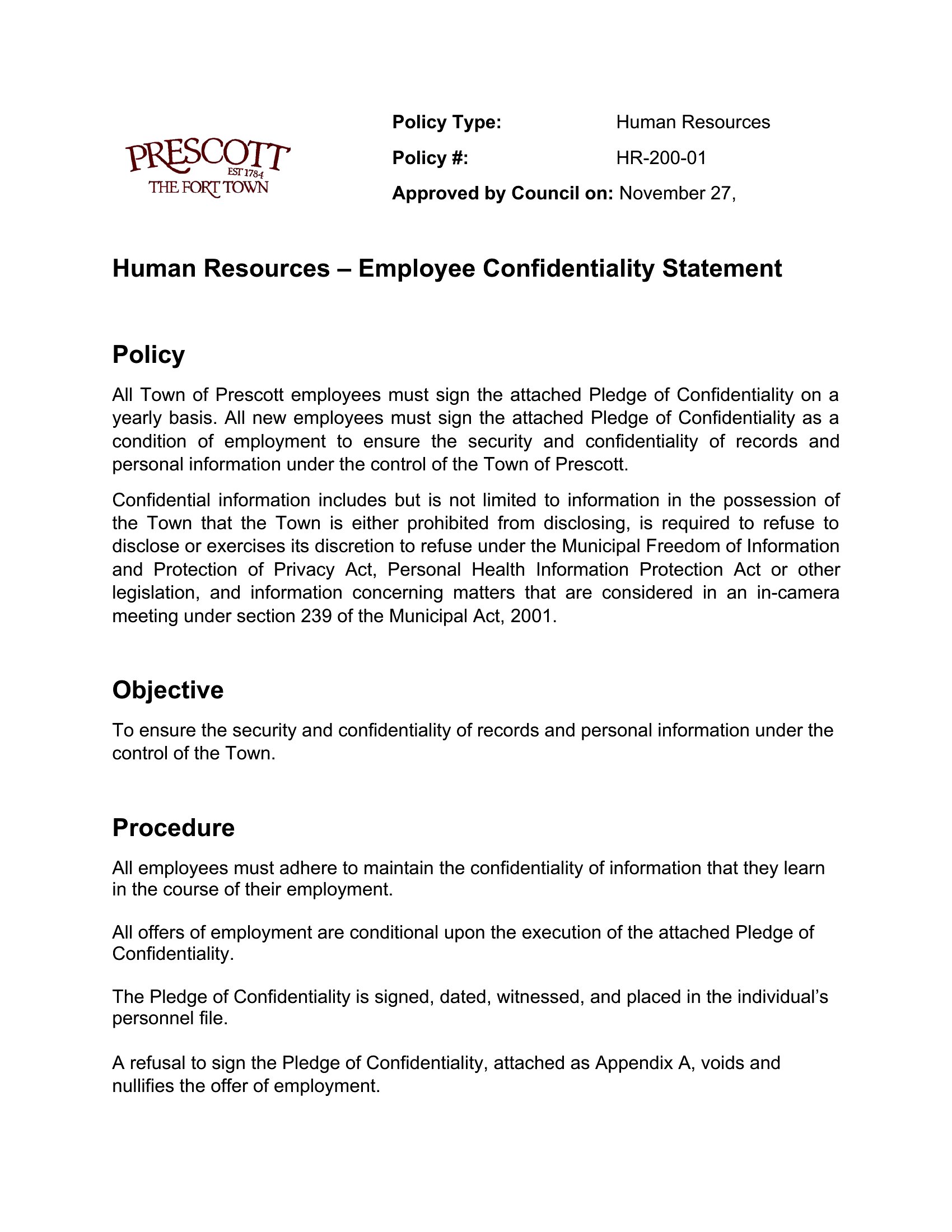
Use a short confidentiality statement for informal or one-time exchanges of sensitive information, like emails, faxes, or verbal discussions. A full NDA is better for formal partnerships, hiring processes, or long-term collaborations where detailed protection of trade secrets is critical. The shorter versions are designed to be signed quickly without legal review, while NDAs may need a lawyer’s input.
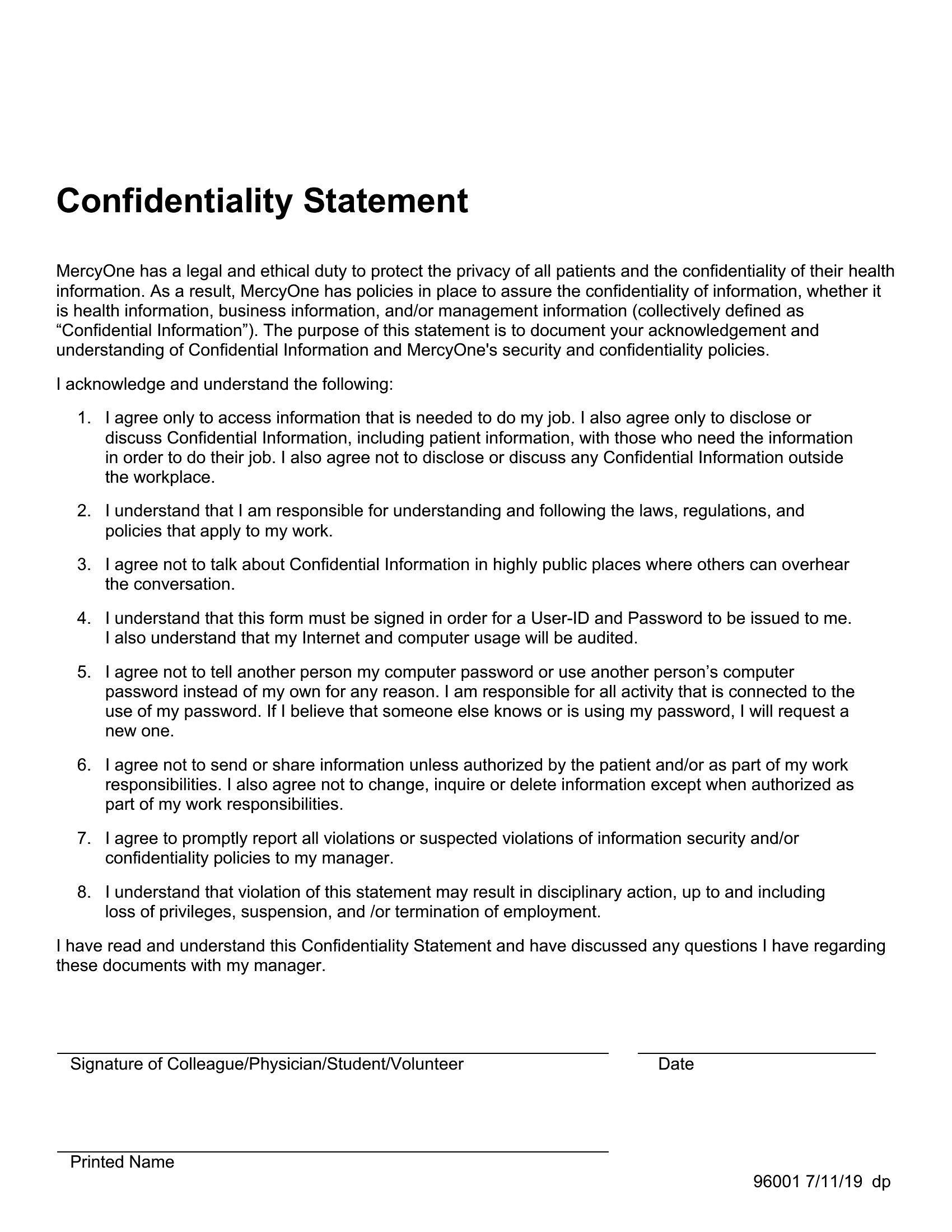
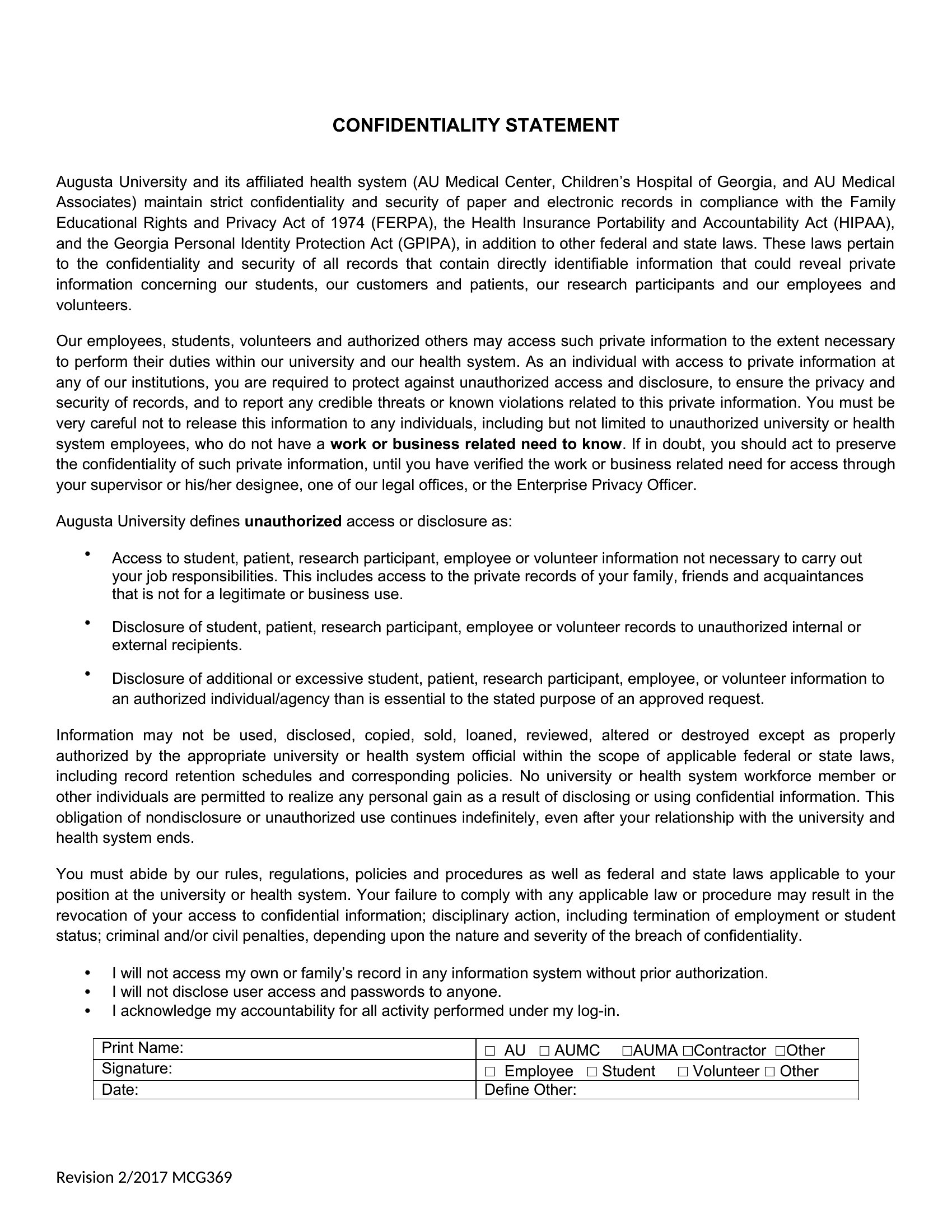
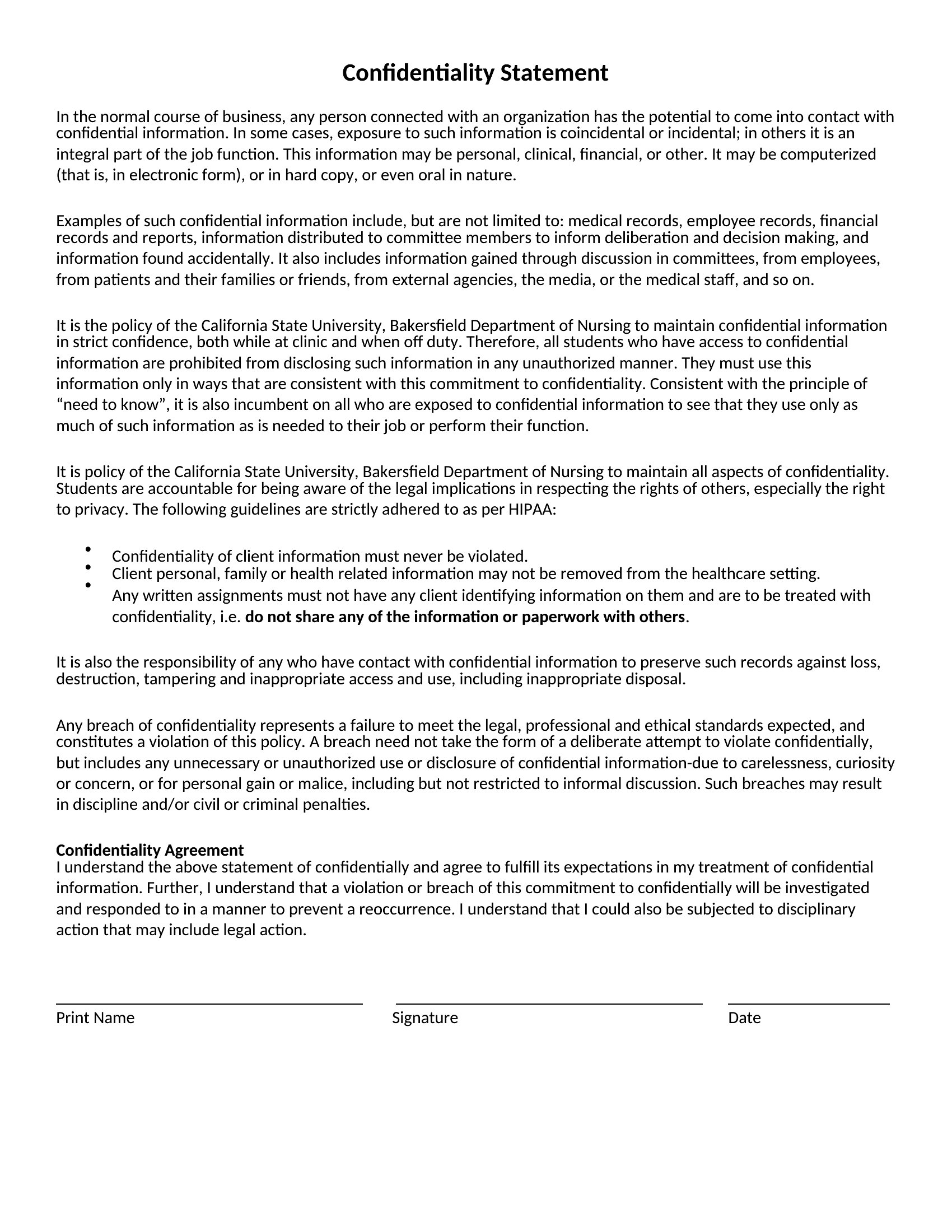
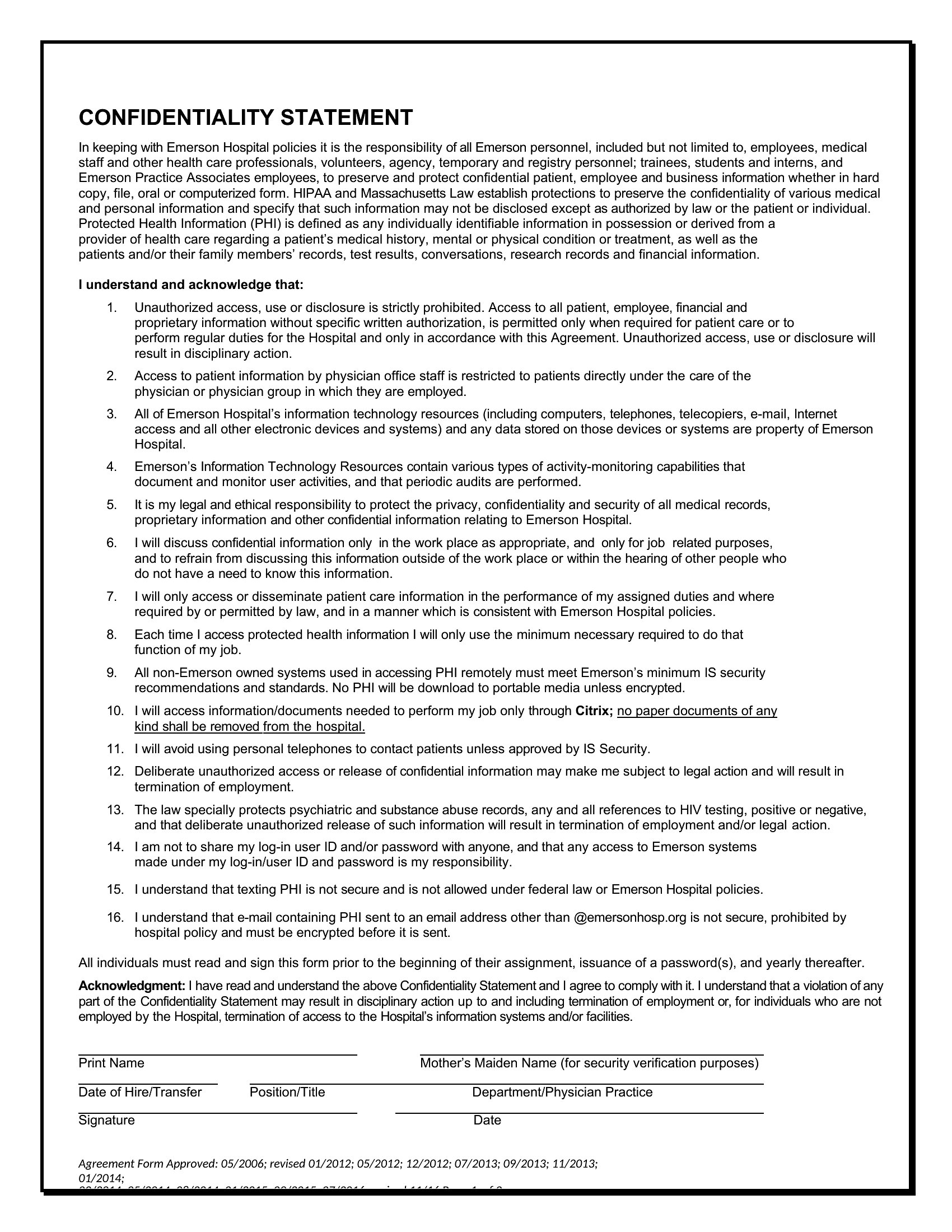
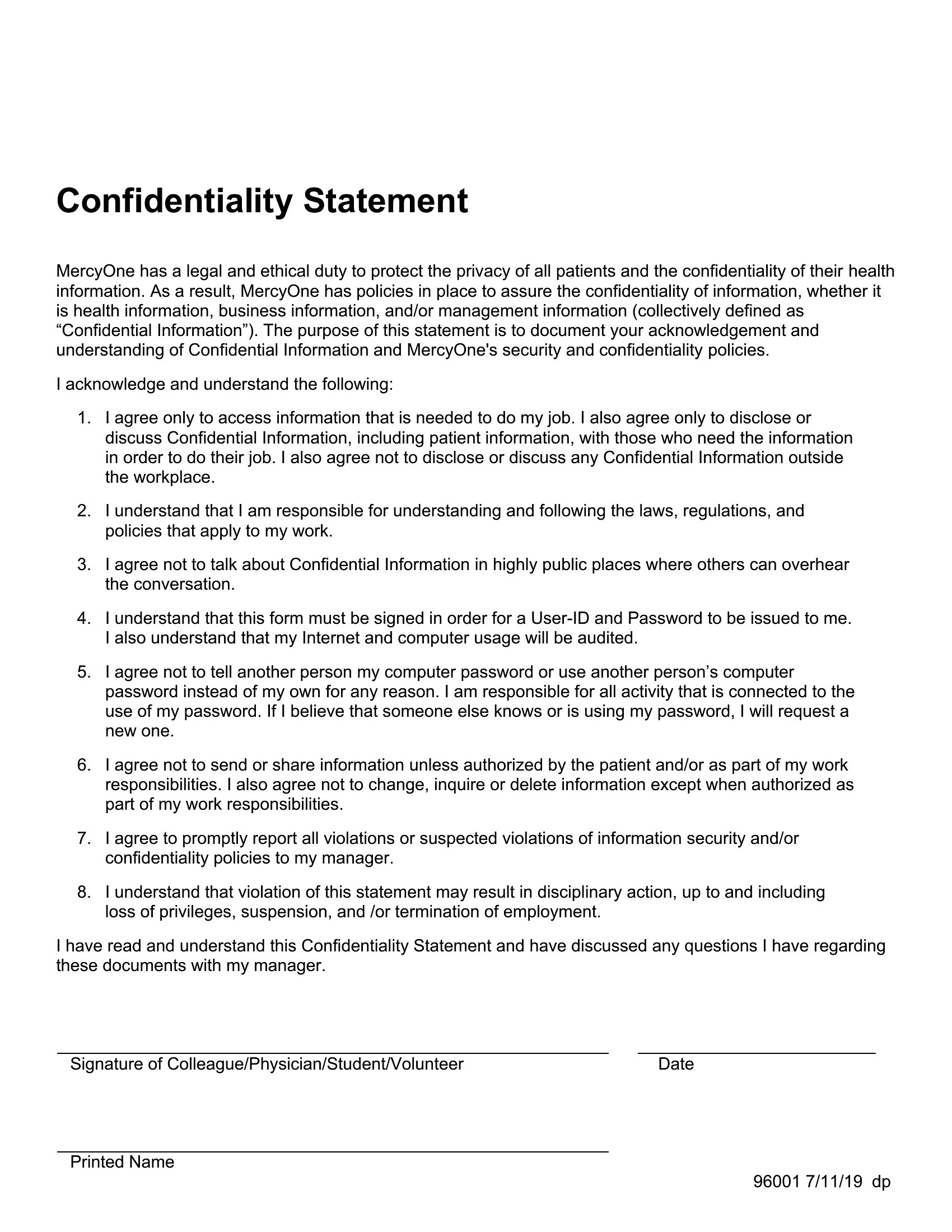
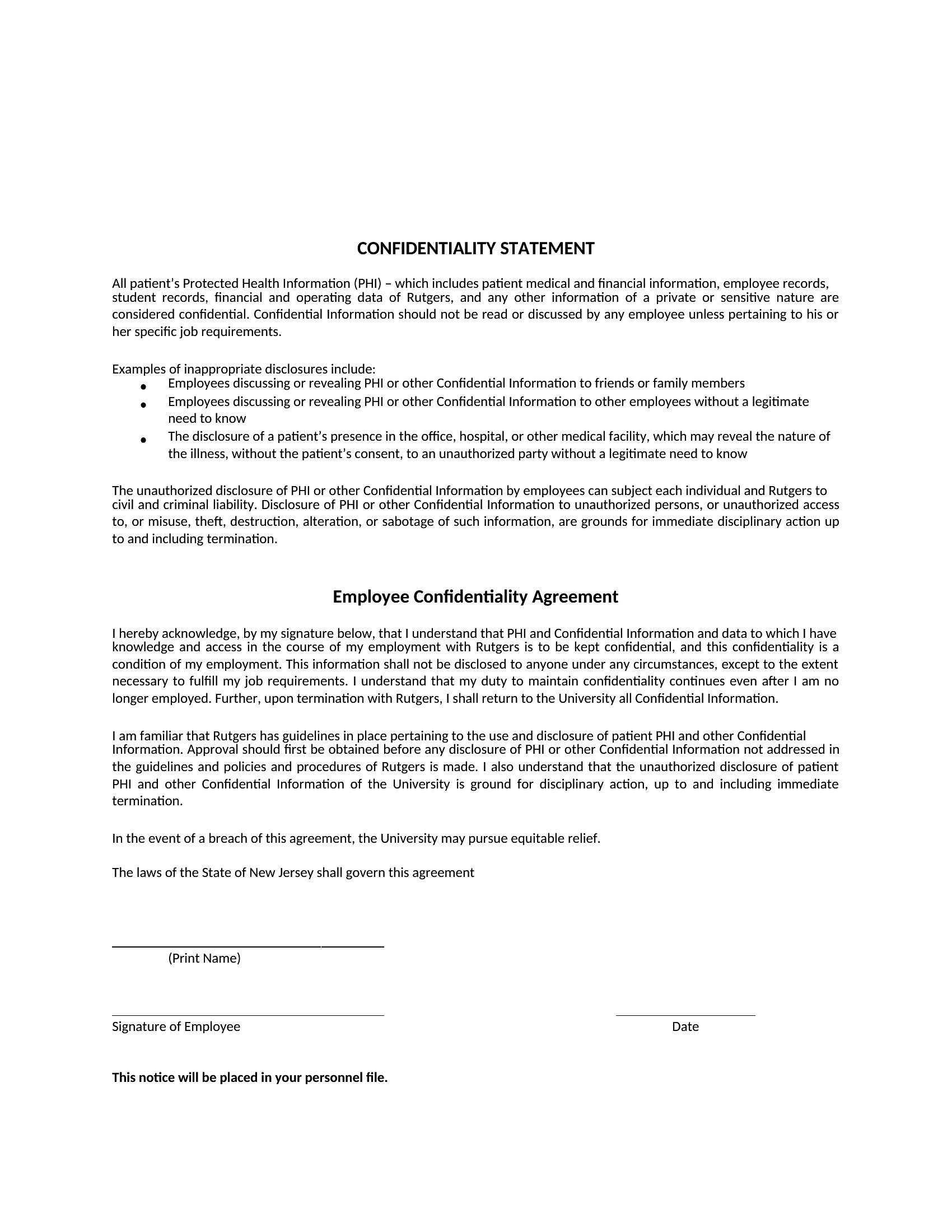
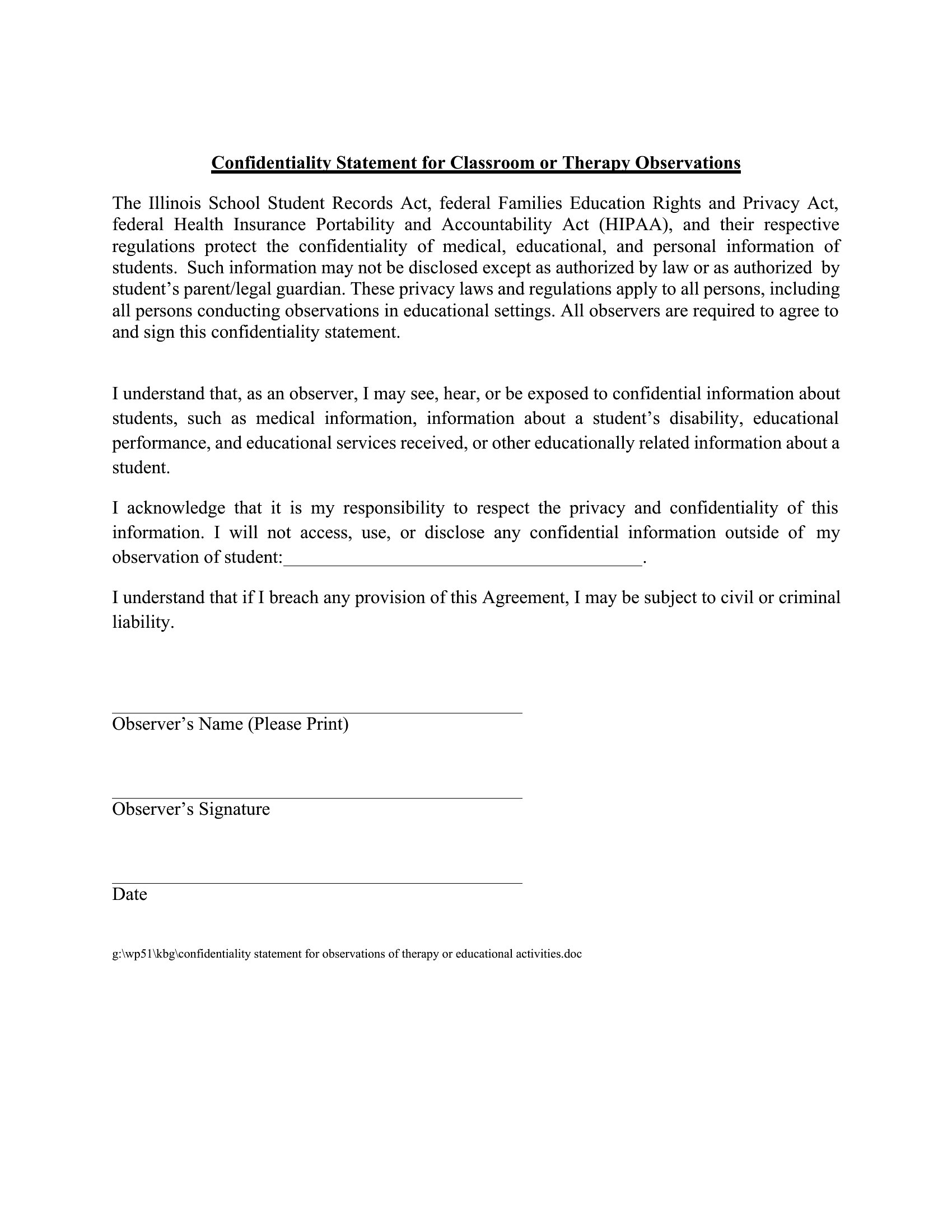
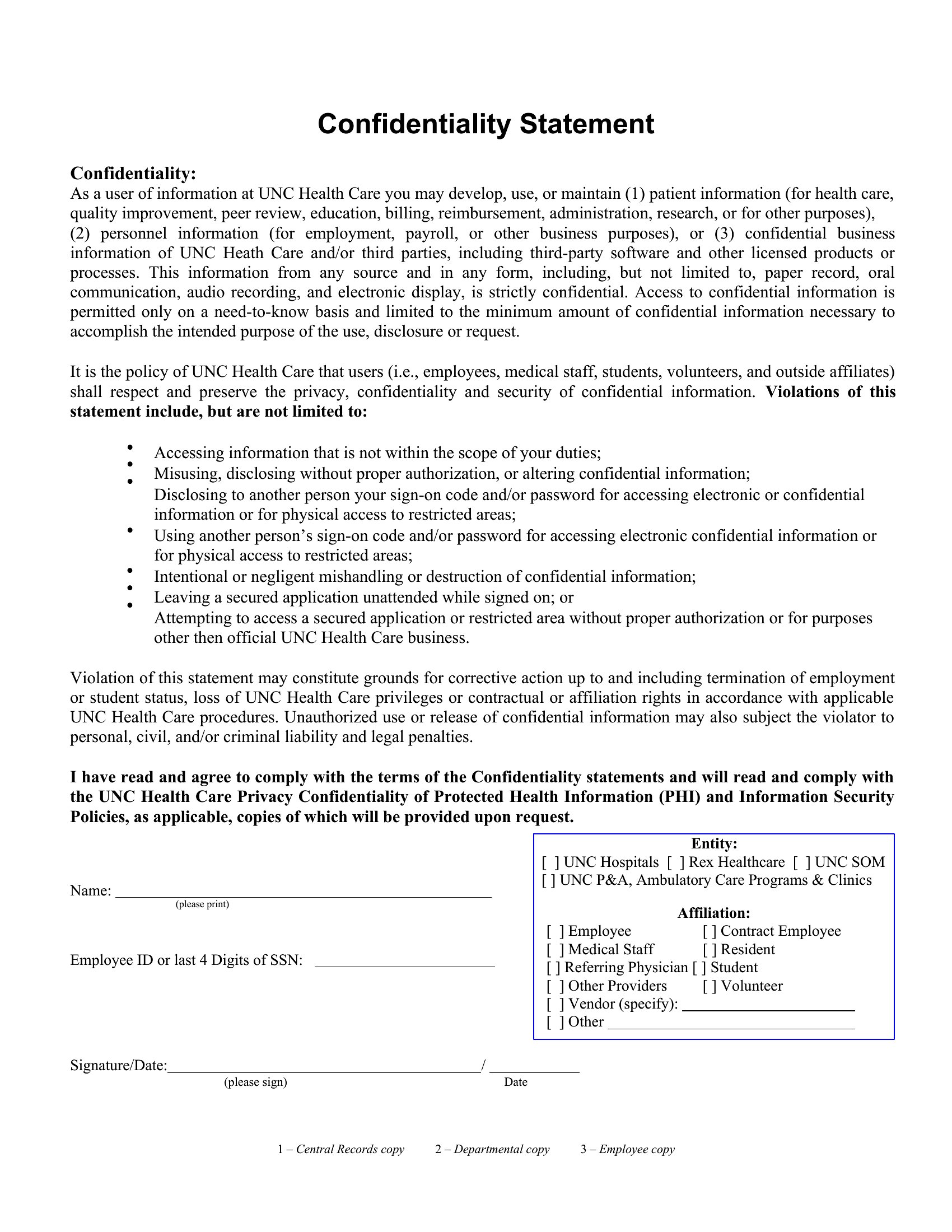
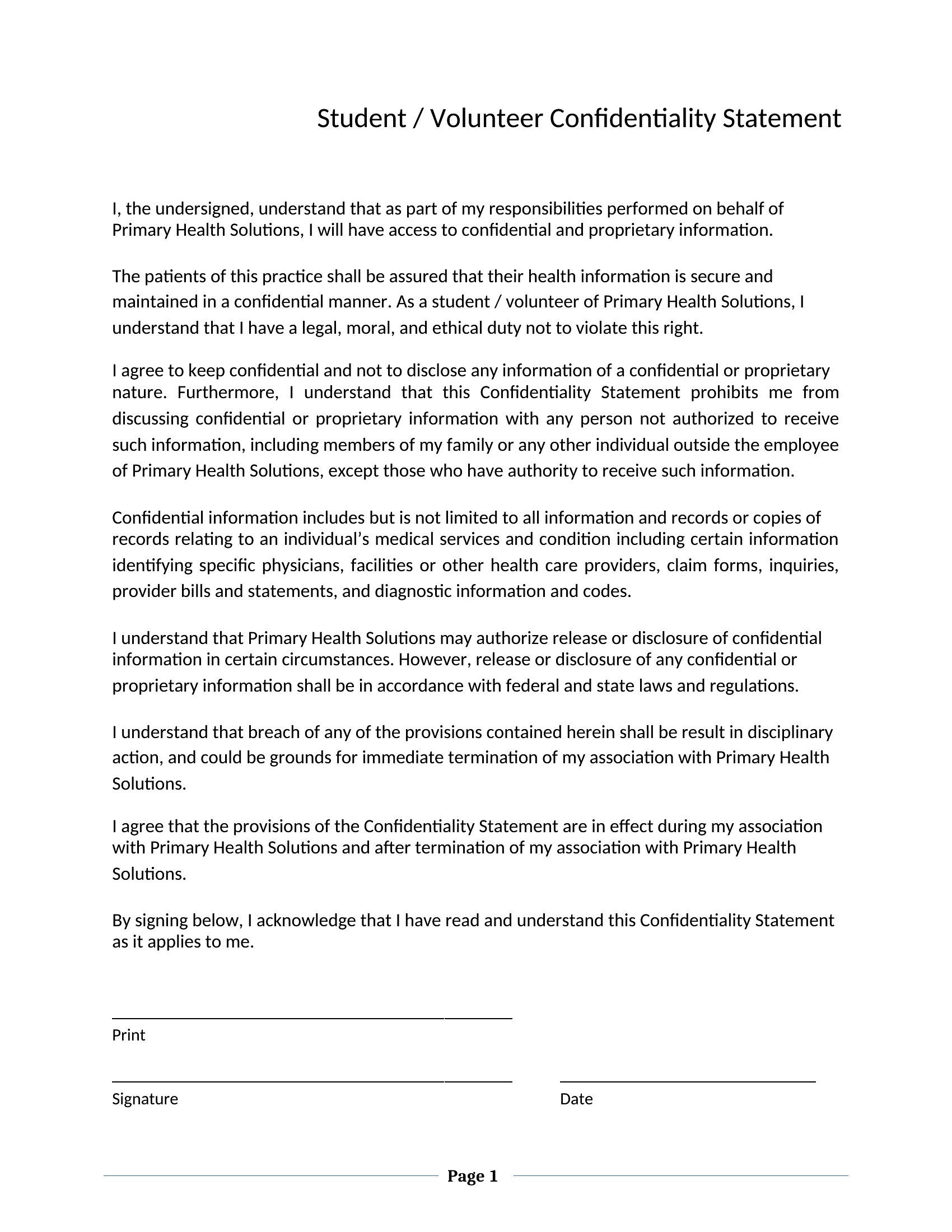
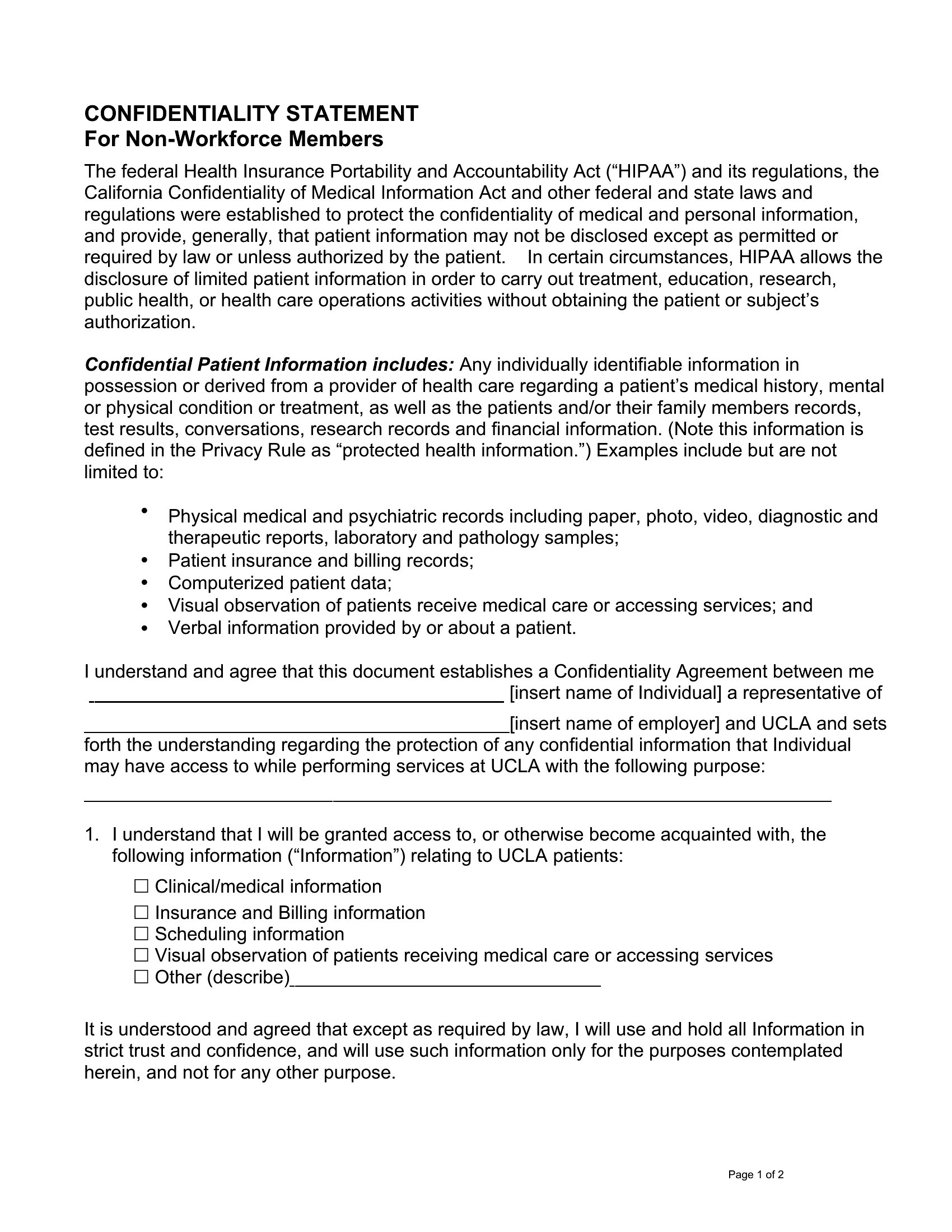
Do these templates include HIPAA-compliant language for healthcare professionals?
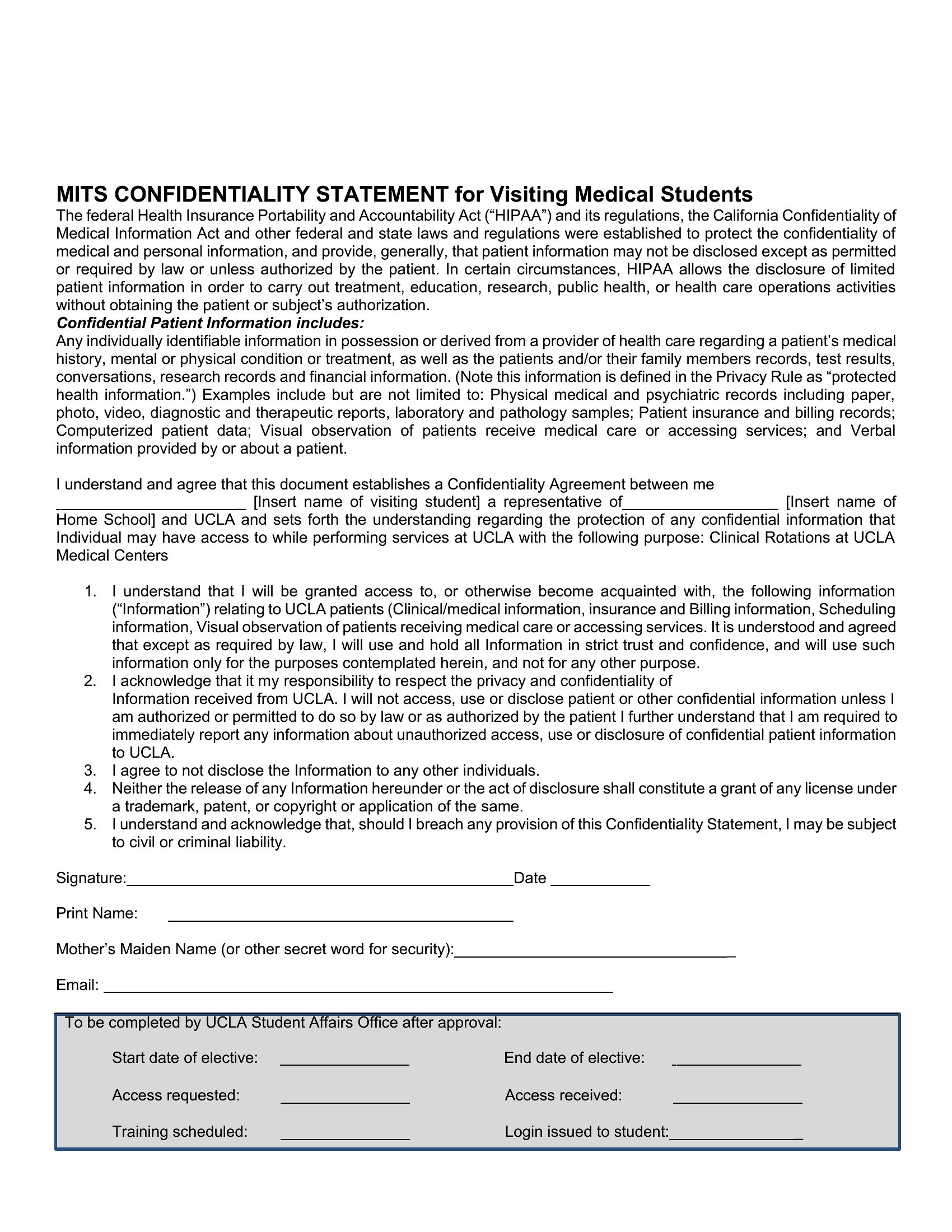
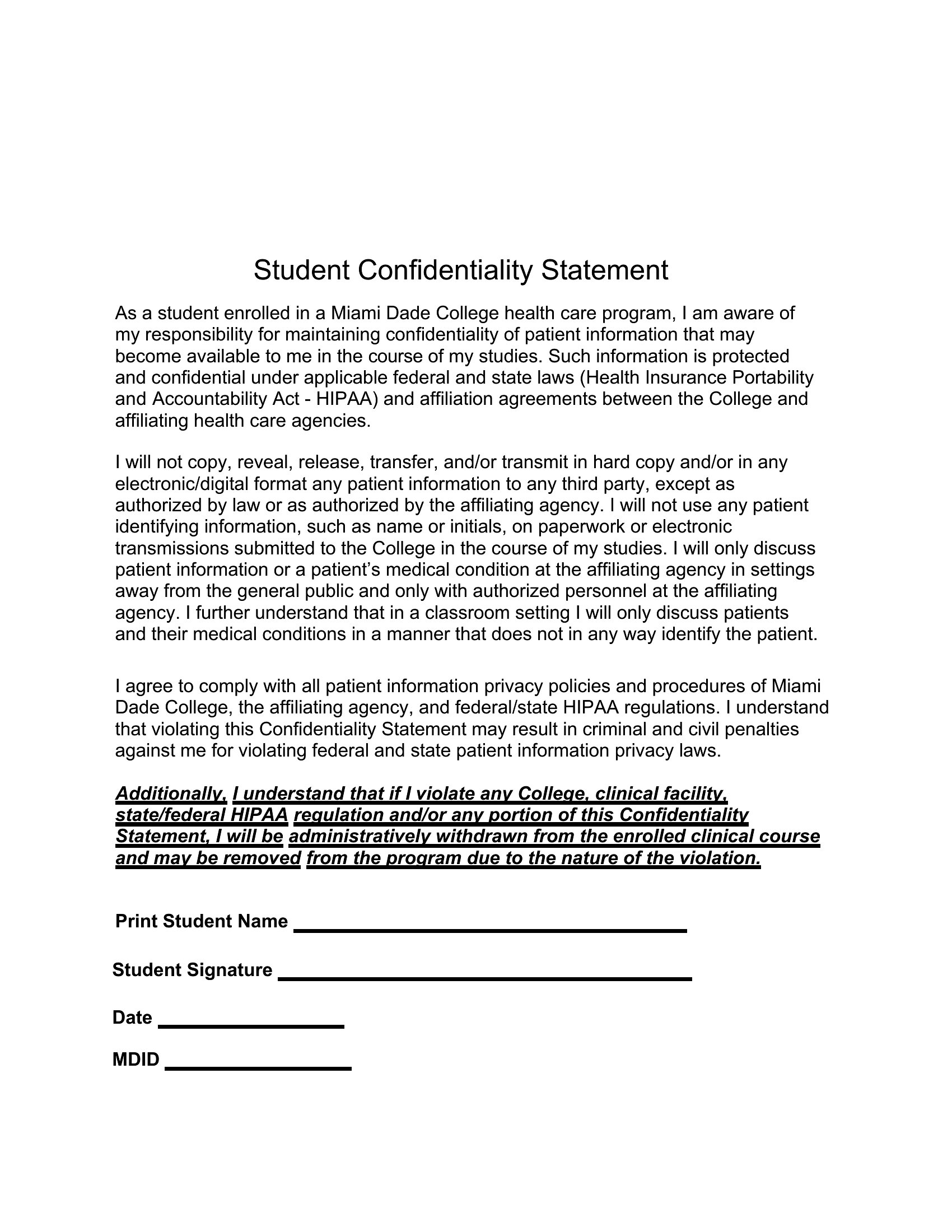
Yes, several templates—such as the ‘Confidential Mediation Statement Example’ and ‘HIPAA-related confidentiality statements’—include HIPAA-specific language to protect patient information during communications. However, these are starting points, not substitutes for legal or compliance advice. Always consult a healthcare attorney to ensure full adherence to regulations when handling protected health information.
Can I use one of these templates for international business deals?
While these templates provide a foundation, international agreements often require additional clauses (like governing law or jurisdiction sections) to account for cross-border legal differences. Start with the most comprehensive NDA template, then work with a lawyer to add provisions specific to the countries involved. Never assume a U.S.-based template automatically applies abroad without professional review.
Comments
Join the conversation
Sign in to share your thoughts and leave a comment on this resource.