FAQ
How do I handle clawback clauses without scaring off sales reps?
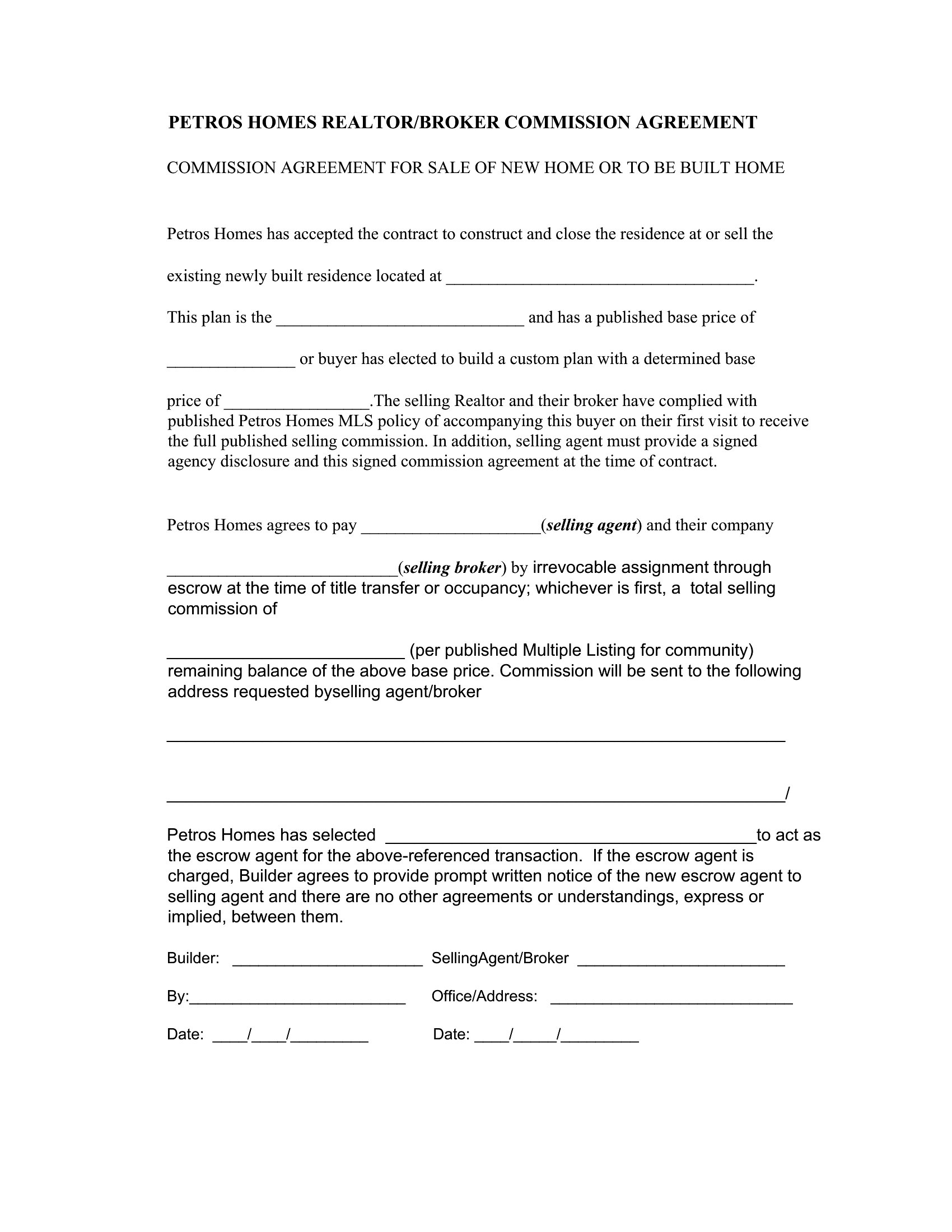
Frame clawbacks as a shared protection—e.g., ‘If you leave before recouping a $5K advance, we’ll deduct unearned commissions from future sales to cover the shortfall.’ Use clear examples of how repayment works (e.g., 10% of monthly sales until the advance is repaid) to show fairness. Always include a cap on clawbacks to avoid punitive outcomes.
Can I use a referral commission template for B2B partnerships if the payouts are based on revenue, not leads?
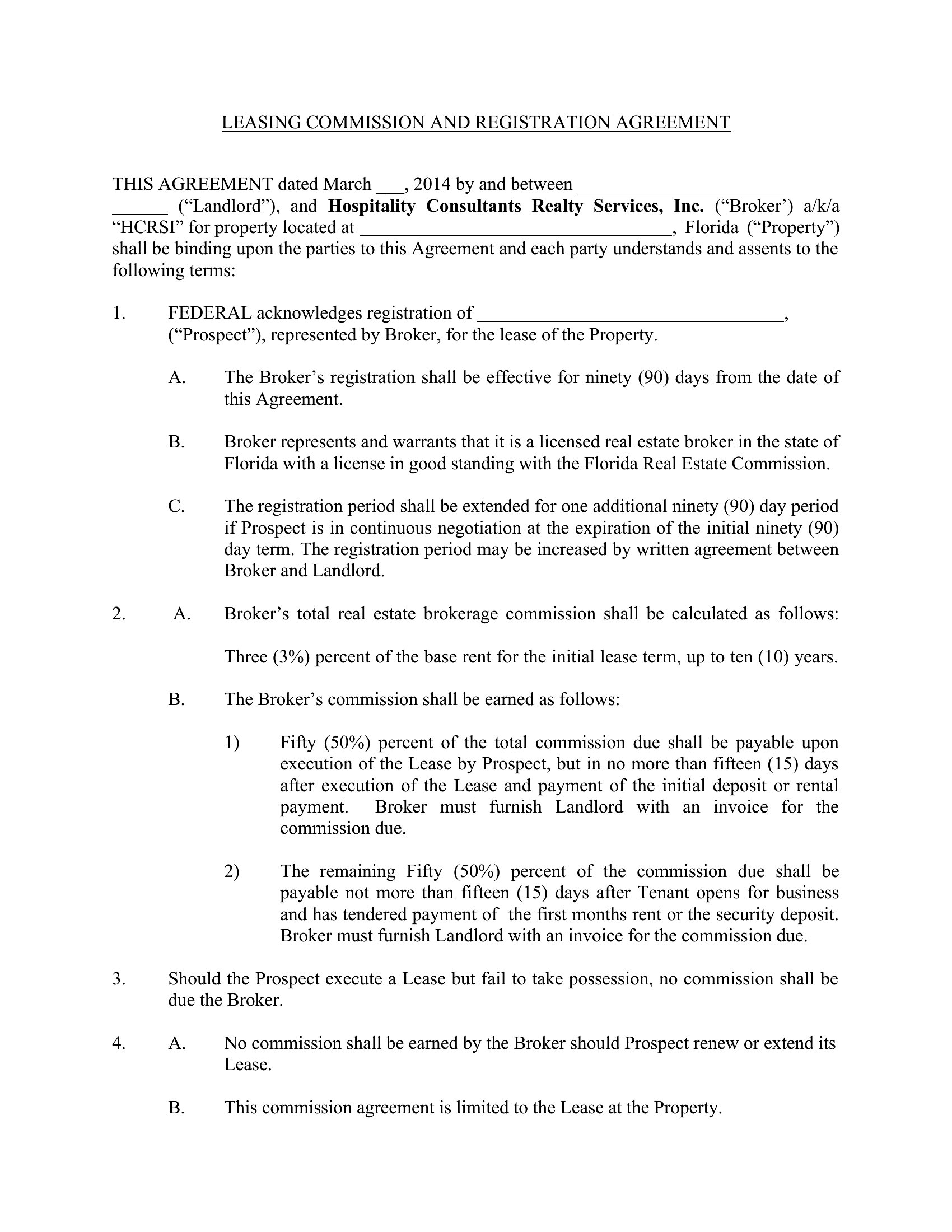
Yes, but modify the template to specify revenue thresholds (e.g., ‘Commission earned only after the referred client generates $10K in annual revenue’) and define attribution periods (e.g., 12 months). Add a ‘revenue verification’ clause requiring signed contracts or invoices to prove the referral’s impact. Avoid vague ‘lead-based’ language if revenue is the metric.
What’s the best way to test if a commission structure is fair before signing reps?
Run a 3-month pilot with a small group of reps using the proposed structure, then track their earnings against industry benchmarks. Compare their take-home pay to peers in similar roles (check platforms like Glassdoor or Paysa for commission data). Adjust tiers or caps based on whether reps hit targets—aim for structures where 70–80% of reps earn *above* their base pay to maintain motivation.
Comments
Join the conversation
Sign in to share your thoughts and leave a comment on this resource.