Free Rent Roll Templates (Word, Excel)
DataTemplates

FAQ
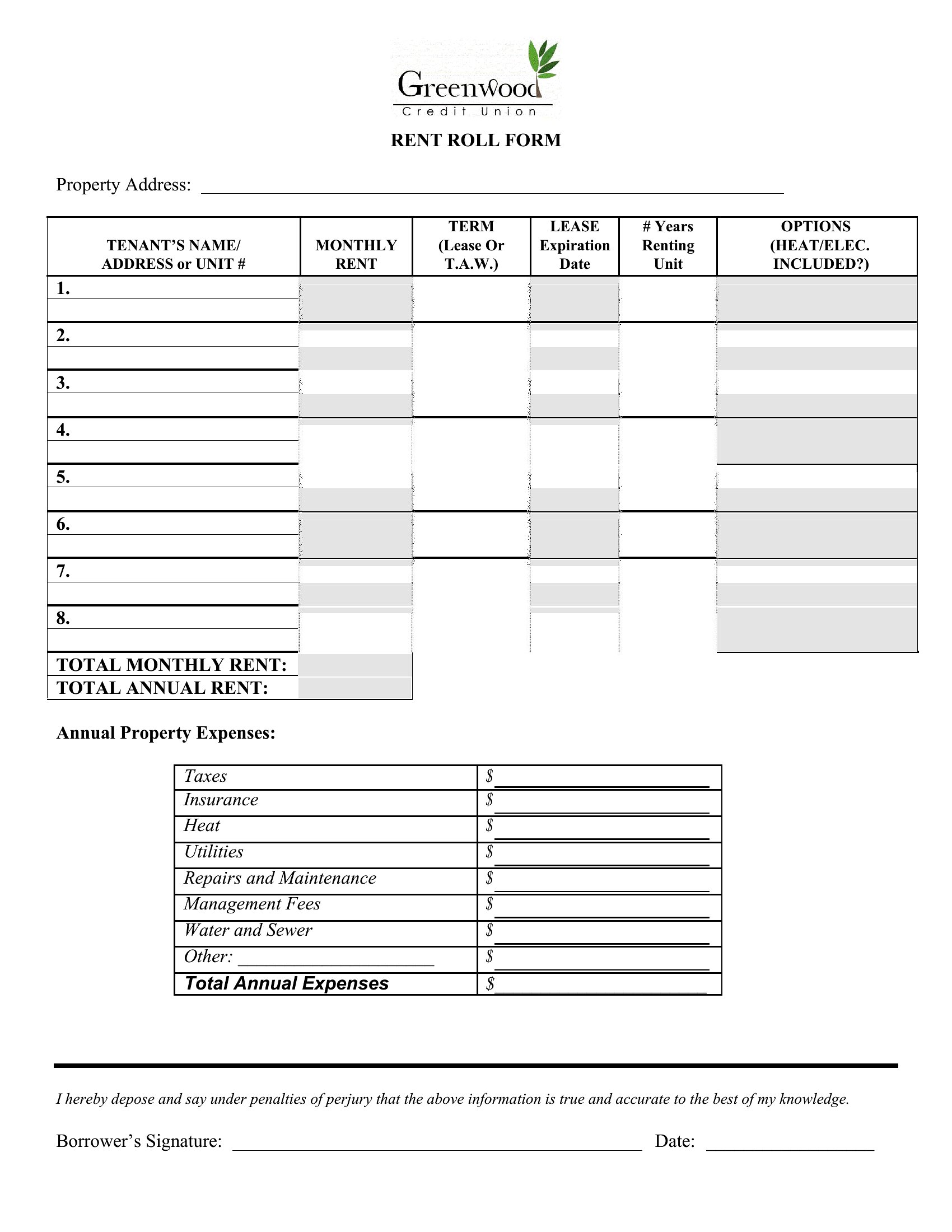
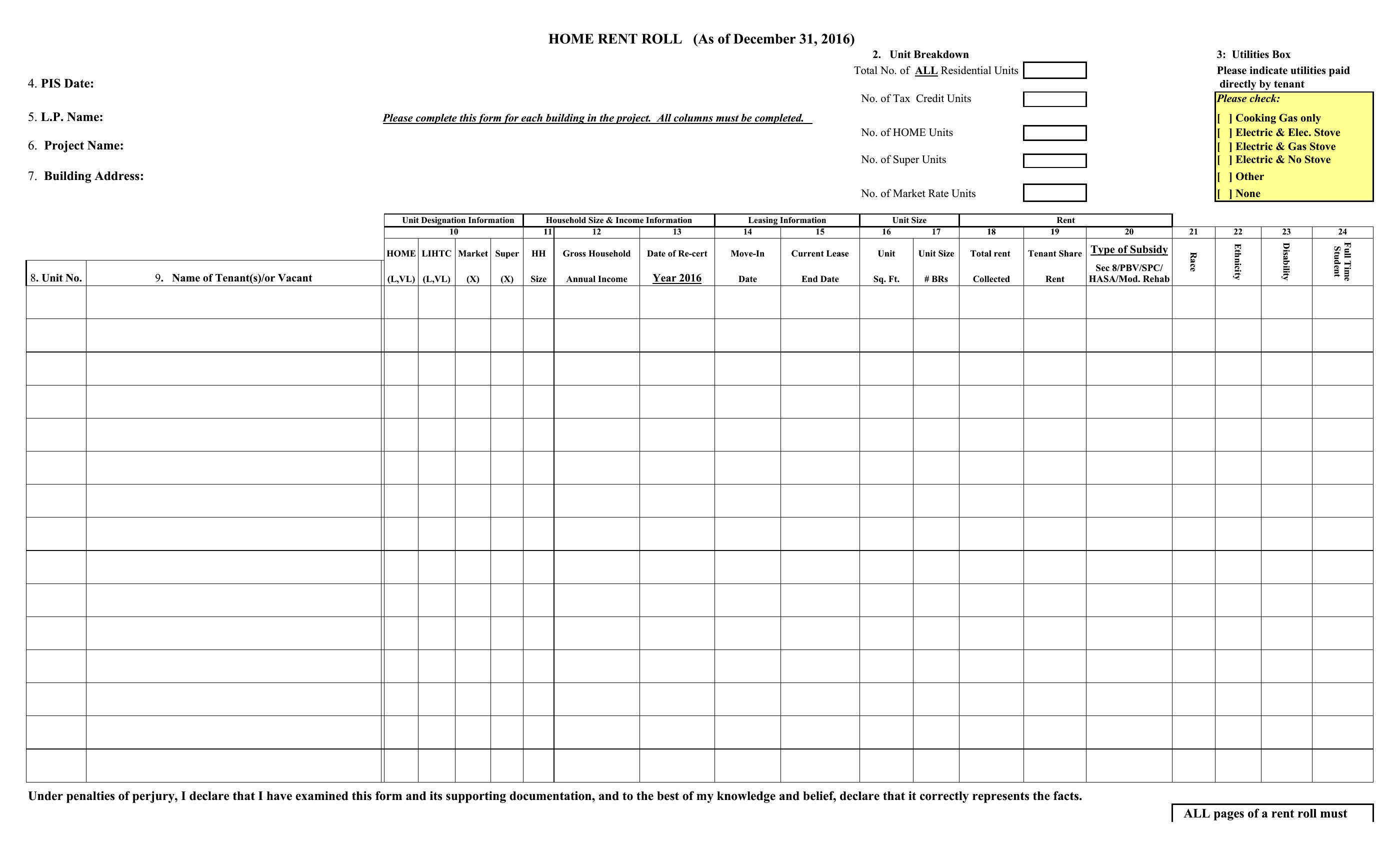
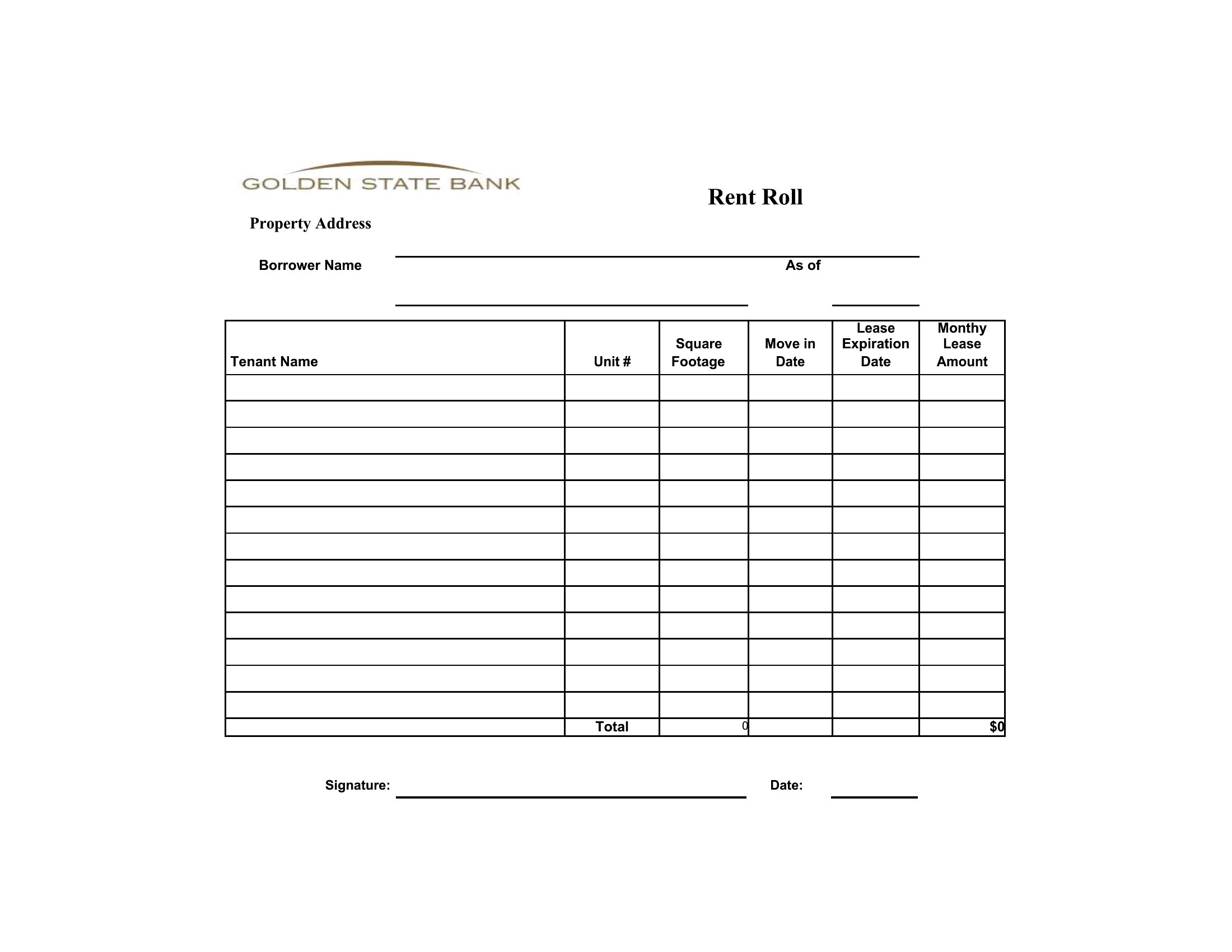
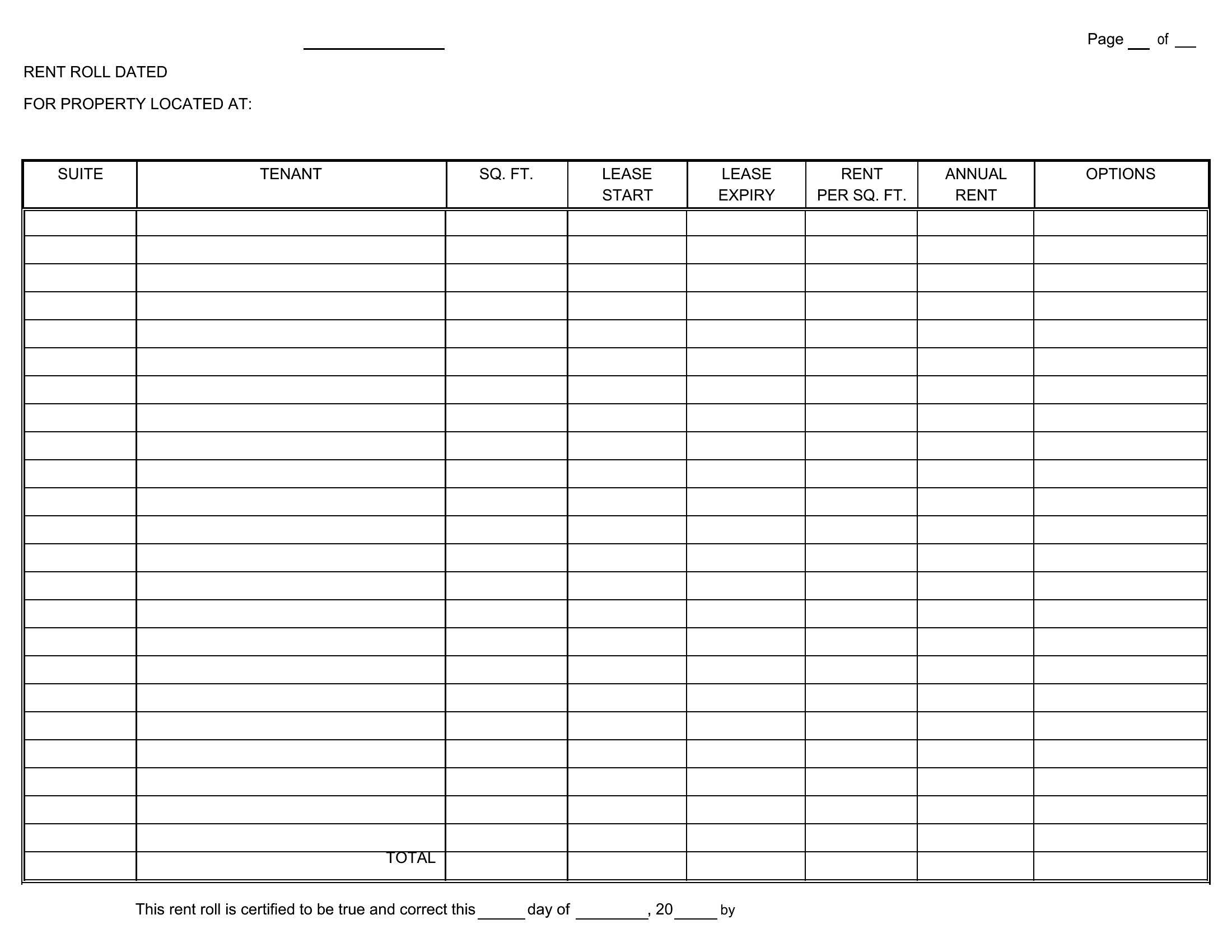
How can a rent roll help during lease renewals?
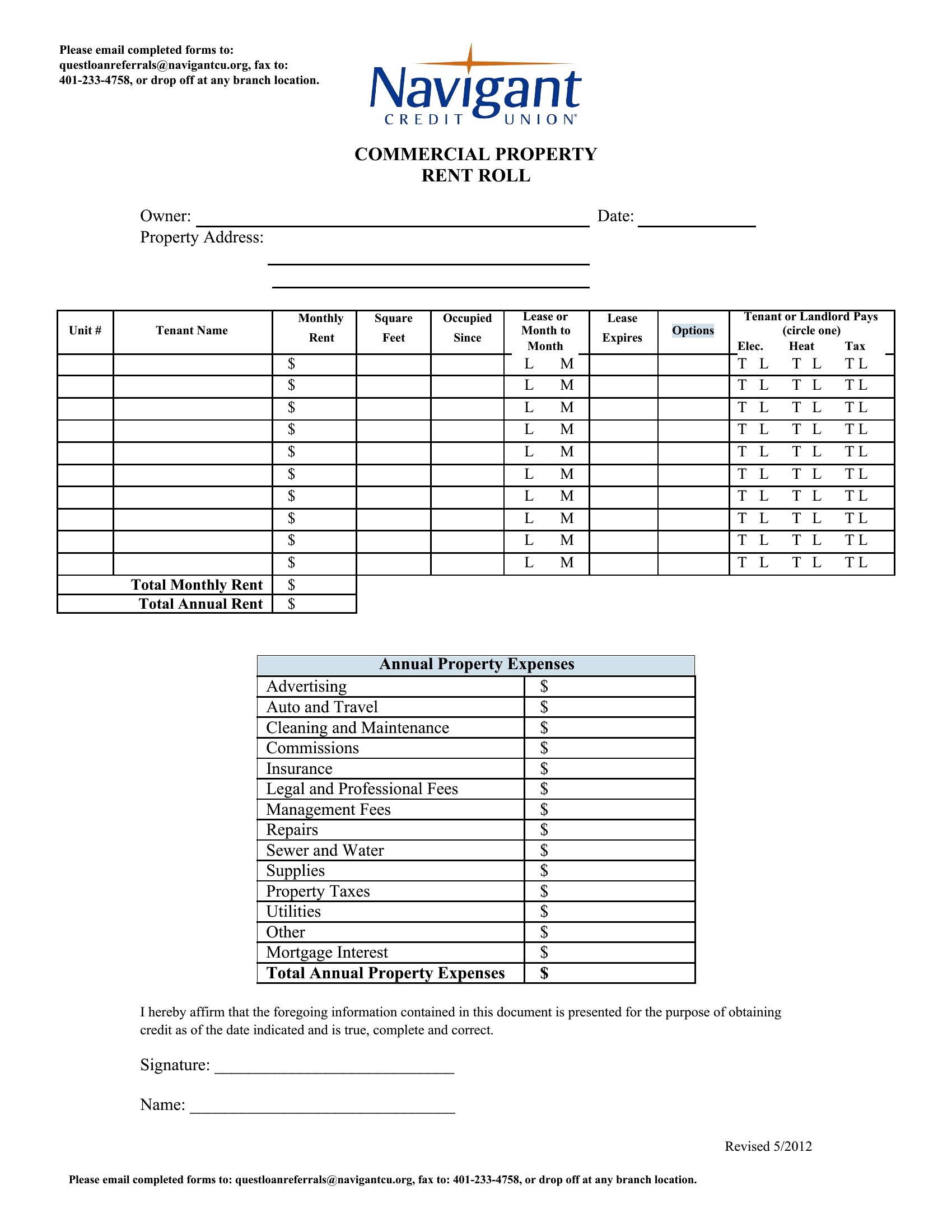
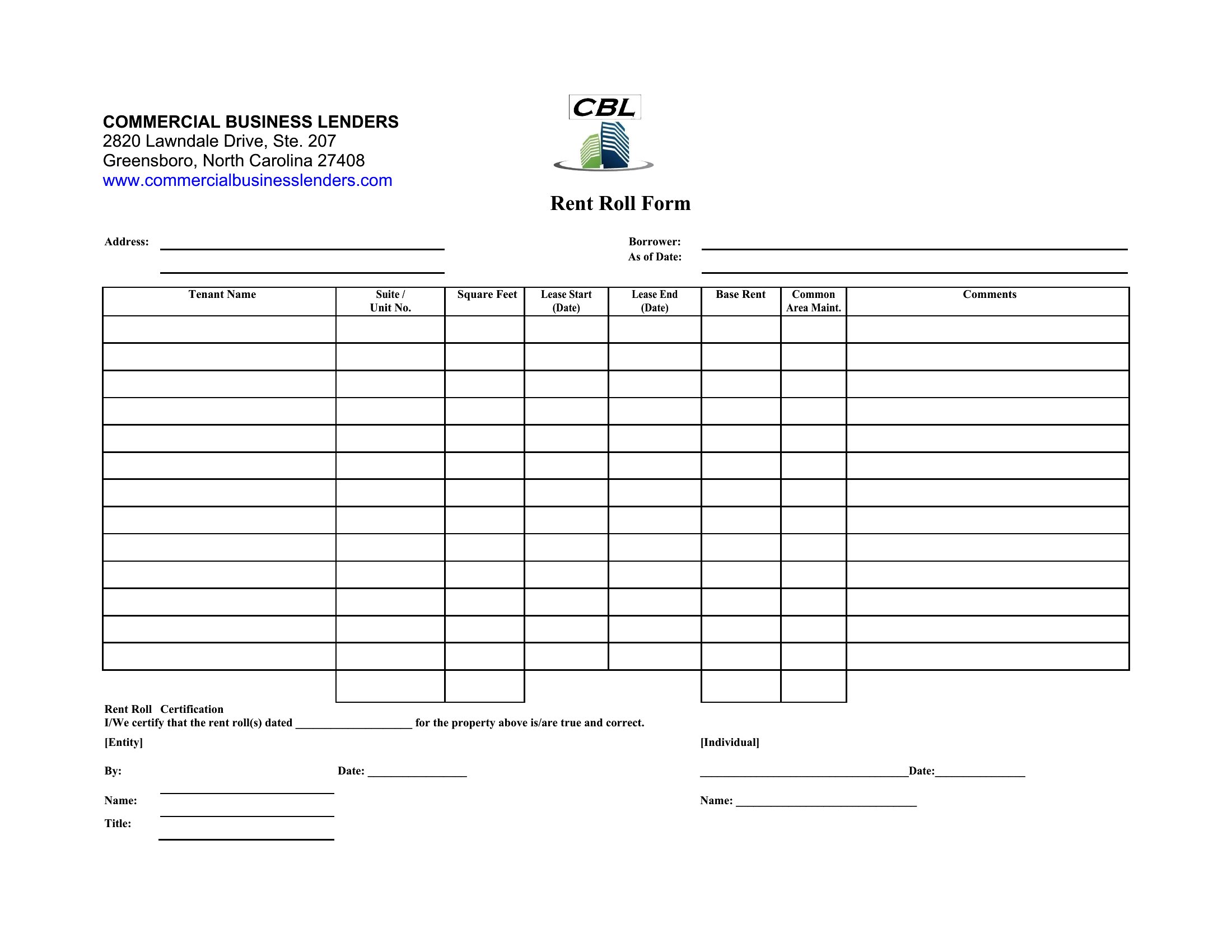
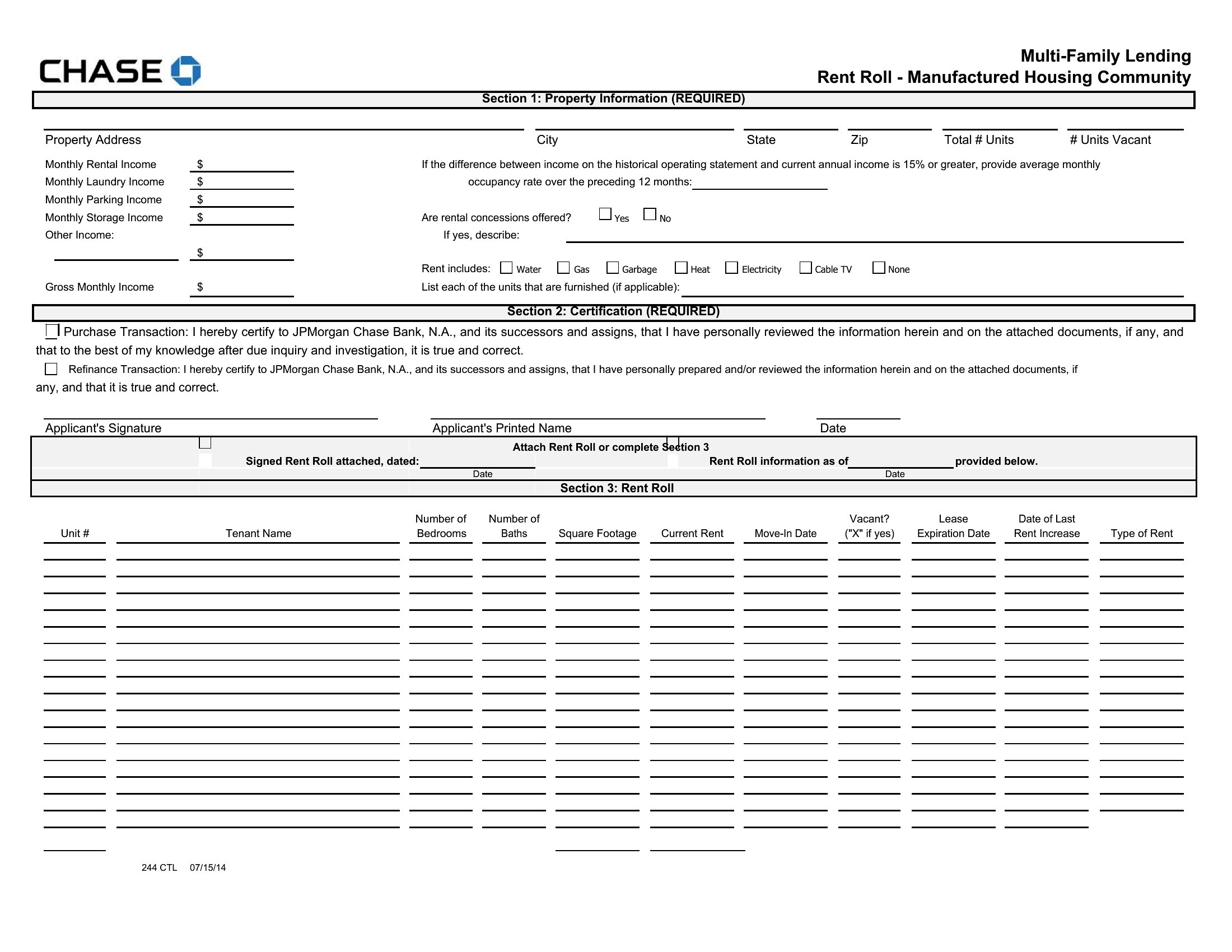
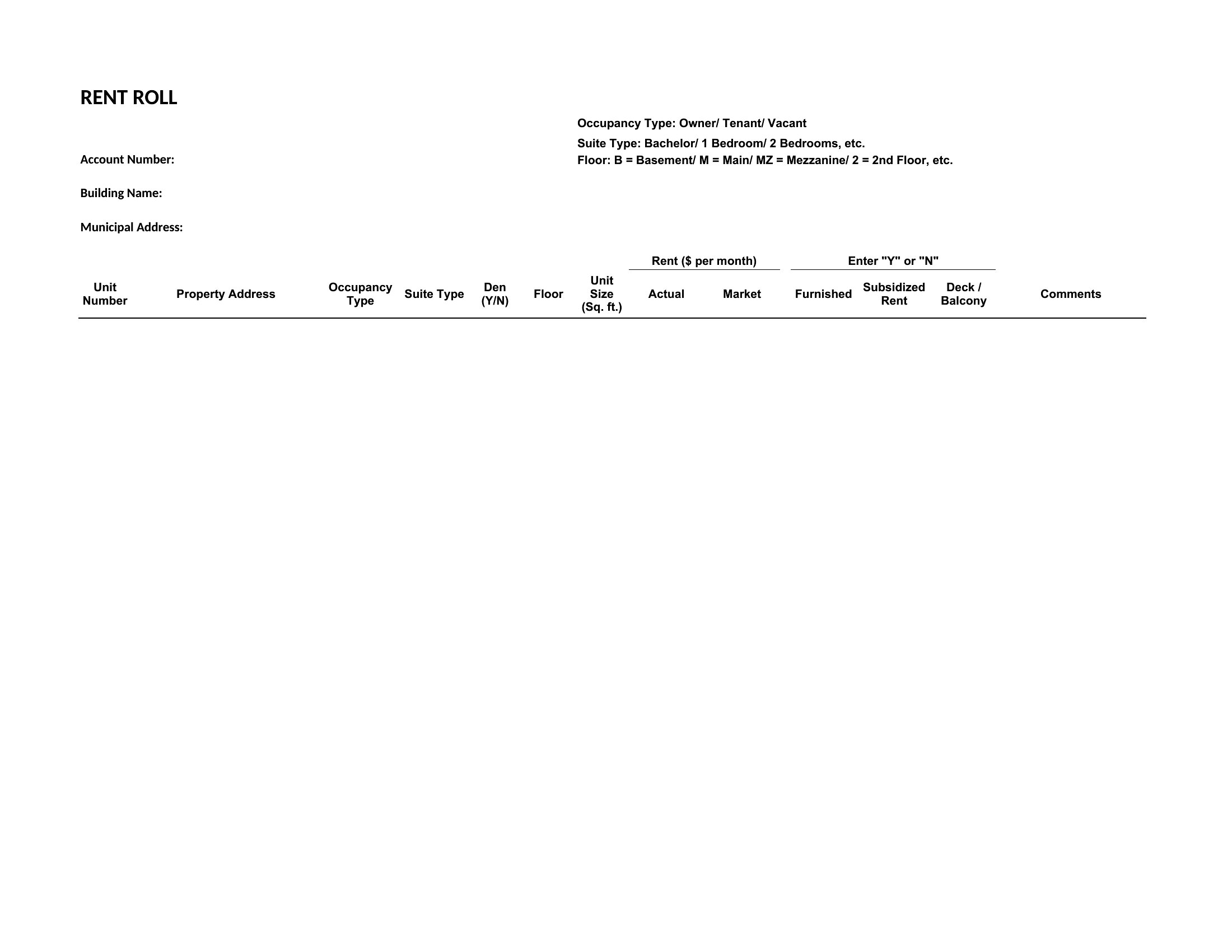
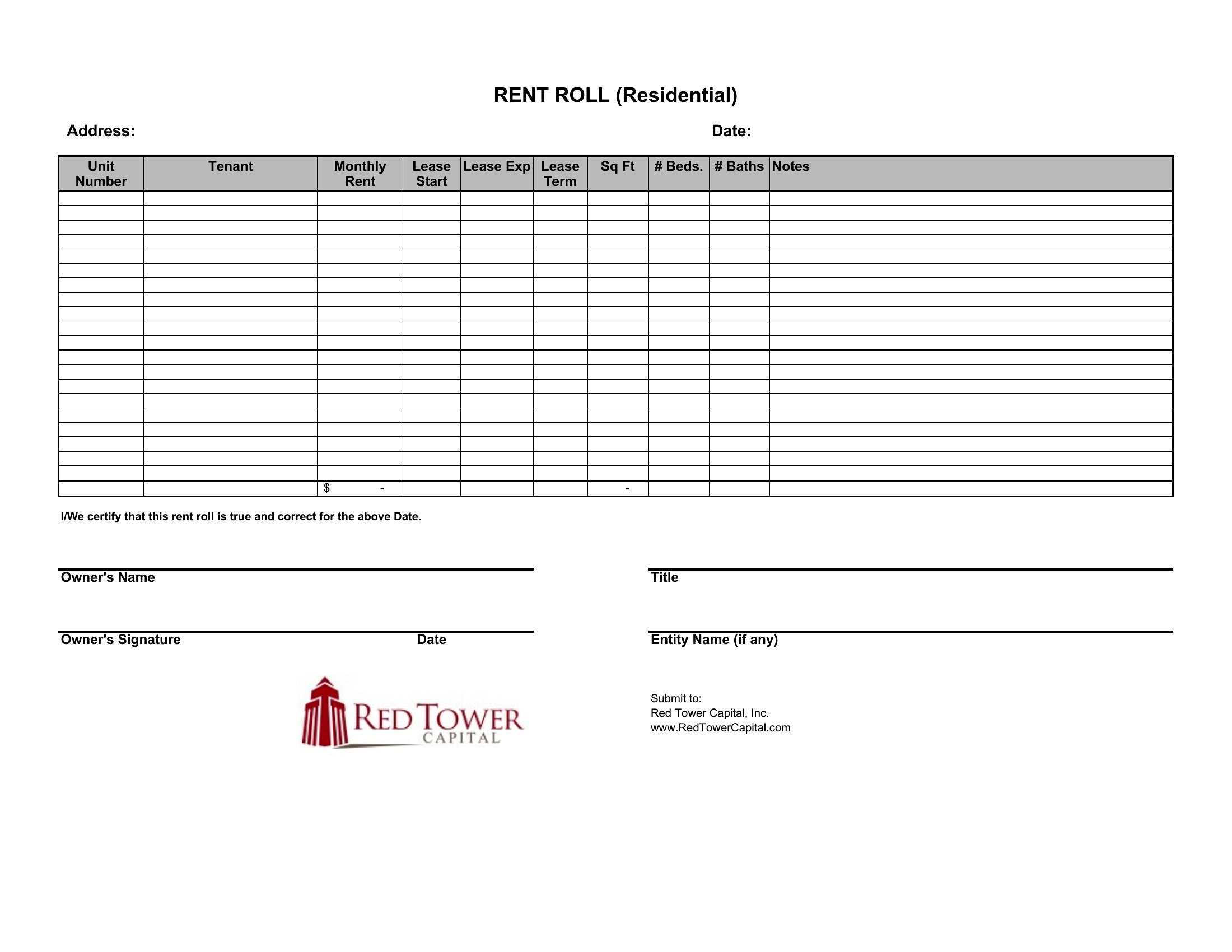
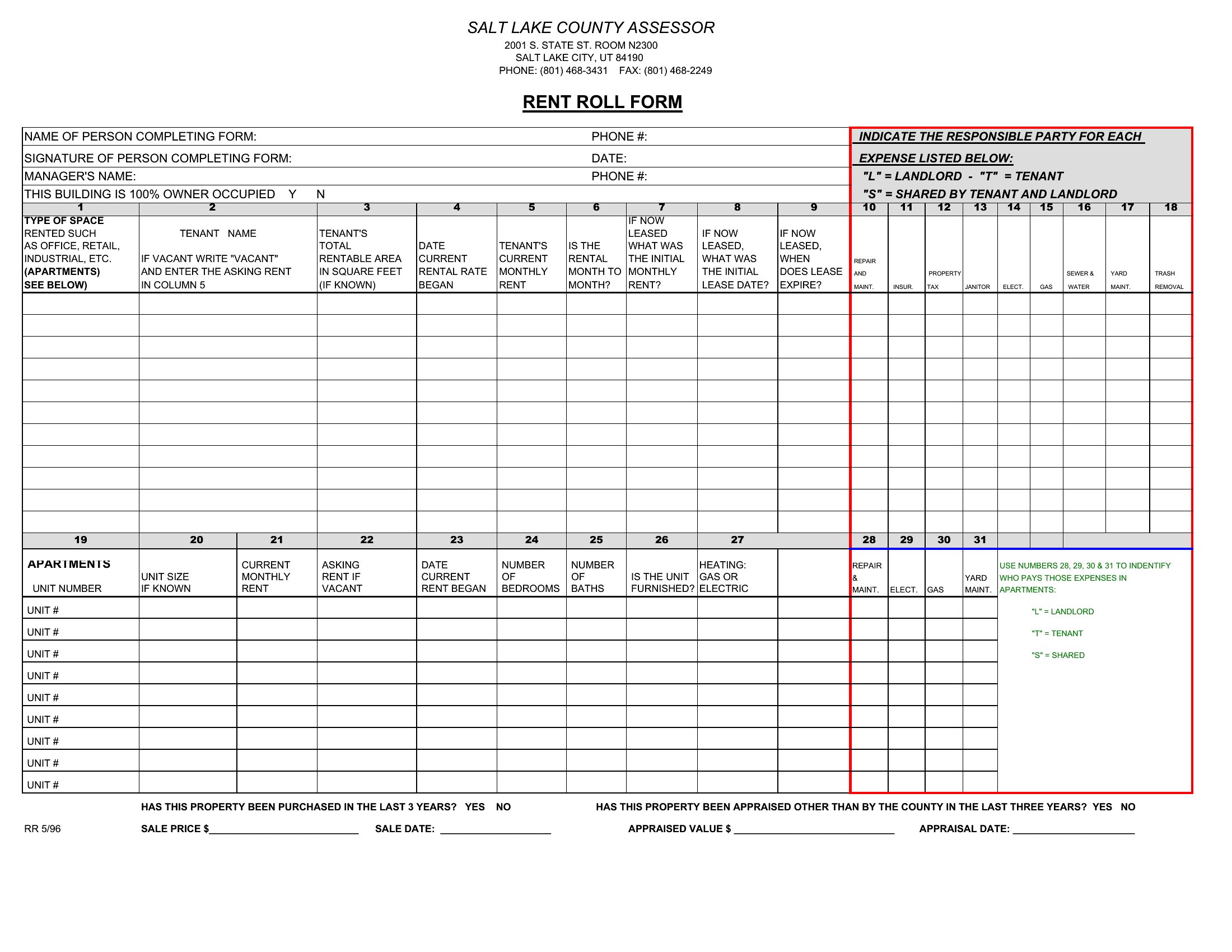
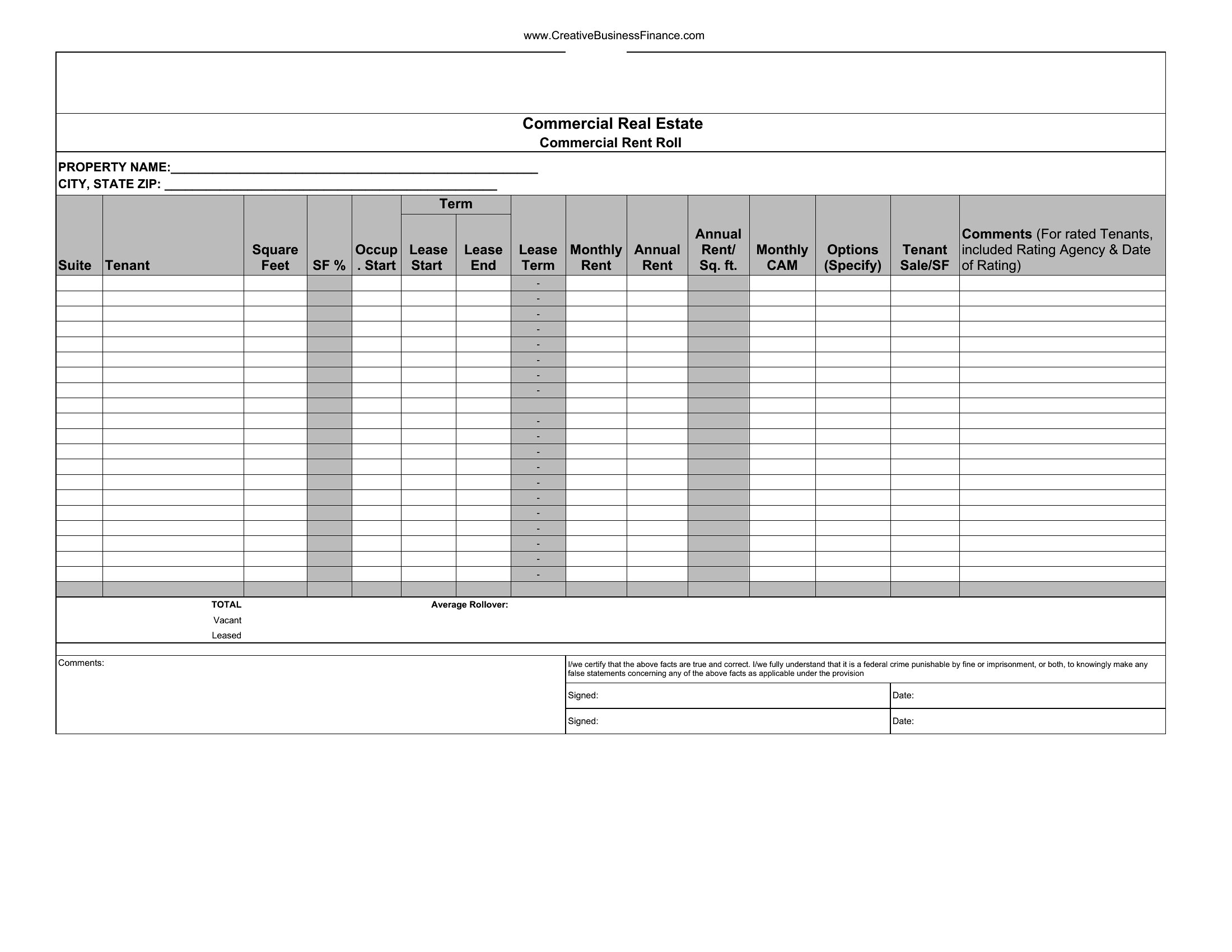
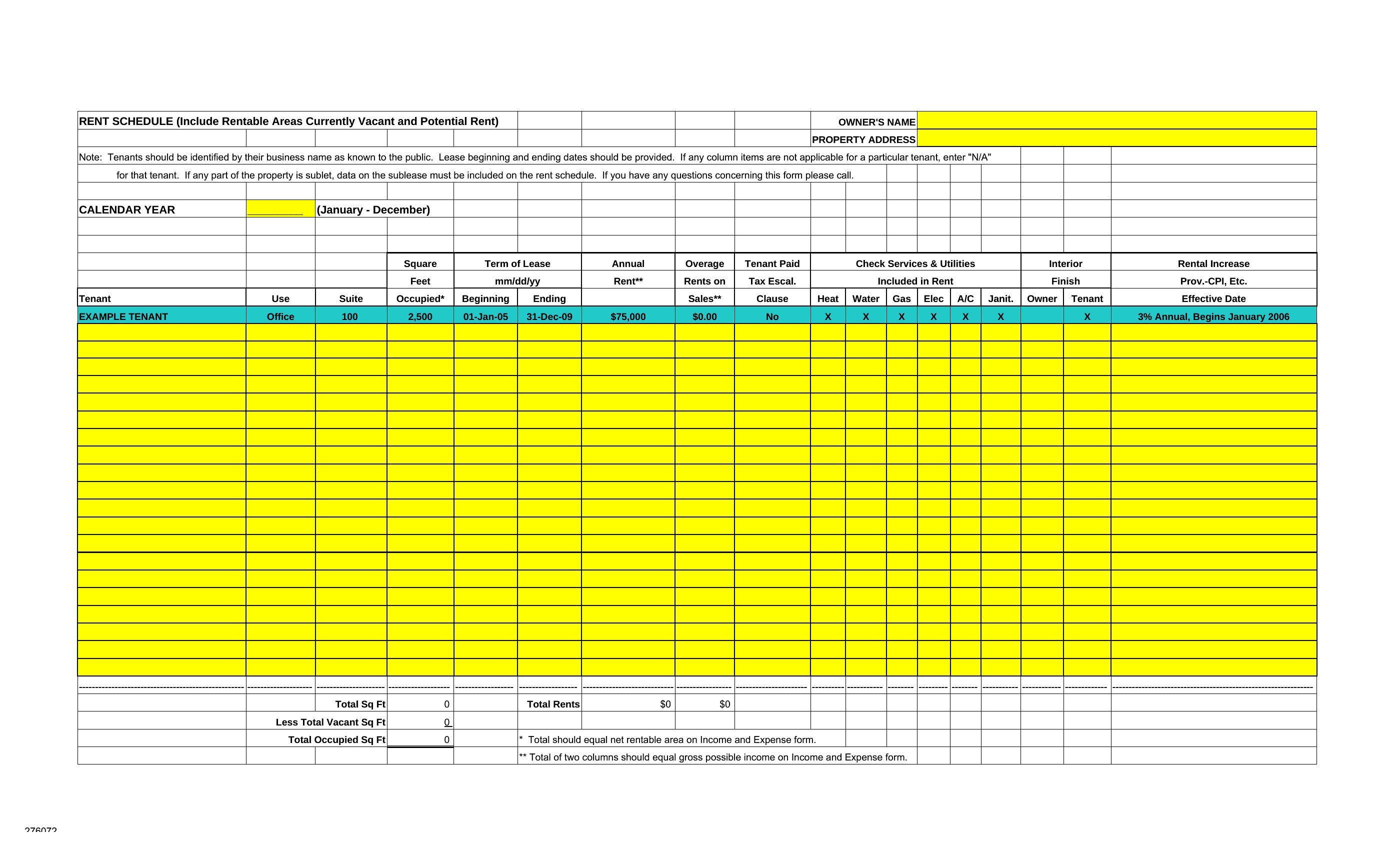
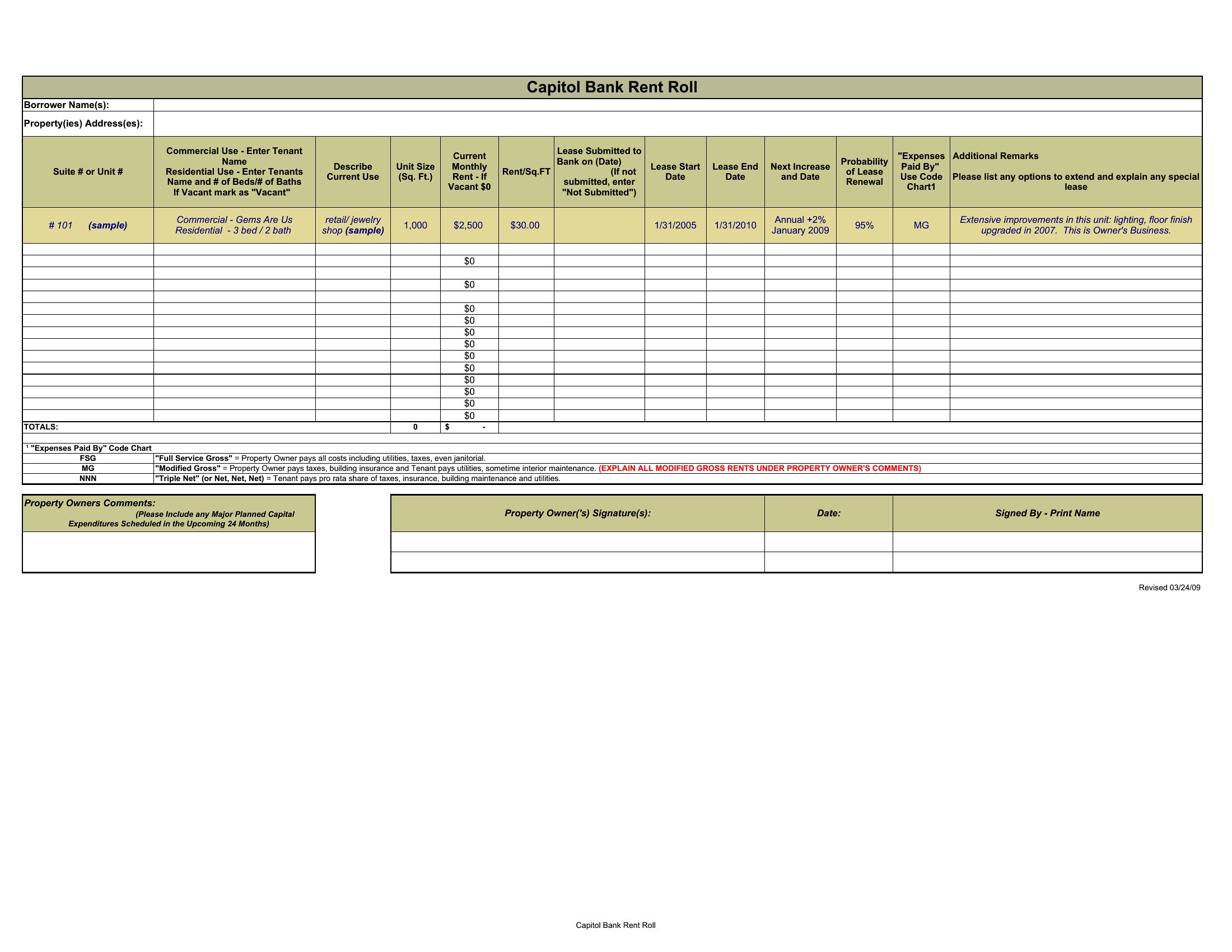
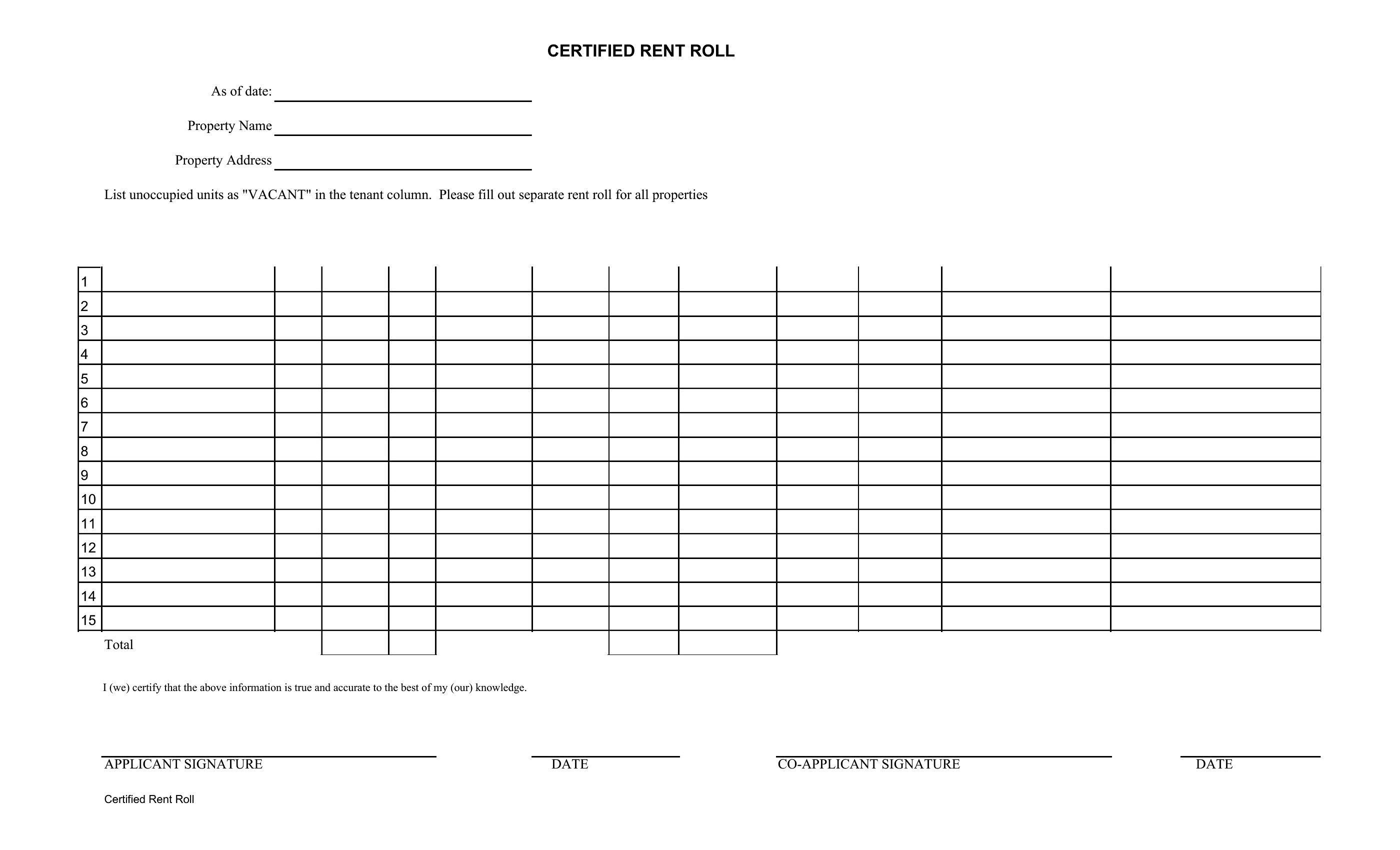
A rent roll provides a side-by-side comparison of current rents, lease expiration dates, and tenant history. For example, you can quickly identify tenants paying below market rate and use the data to negotiate higher renewals—while noting which units have been vacant longer to adjust pricing competitively. It also flags tenants with payment issues or frequent late fees as candidates for lease review or replacement.
Can I use a rent roll to justify rent increases to tenants?
A rent roll alone isn’t a legal or ethical tool for rent increases, but it can support a transparent conversation by showing market trends (e.g., comparable rents in the area) and property-wide expenses (like maintenance or insurance hikes). Always comply with local rent control laws and tenant rights. Use the data to explain how increases align with fair market value and property needs, rather than presenting it as the sole reason.
What details should I include beyond rent amounts in a rent roll?
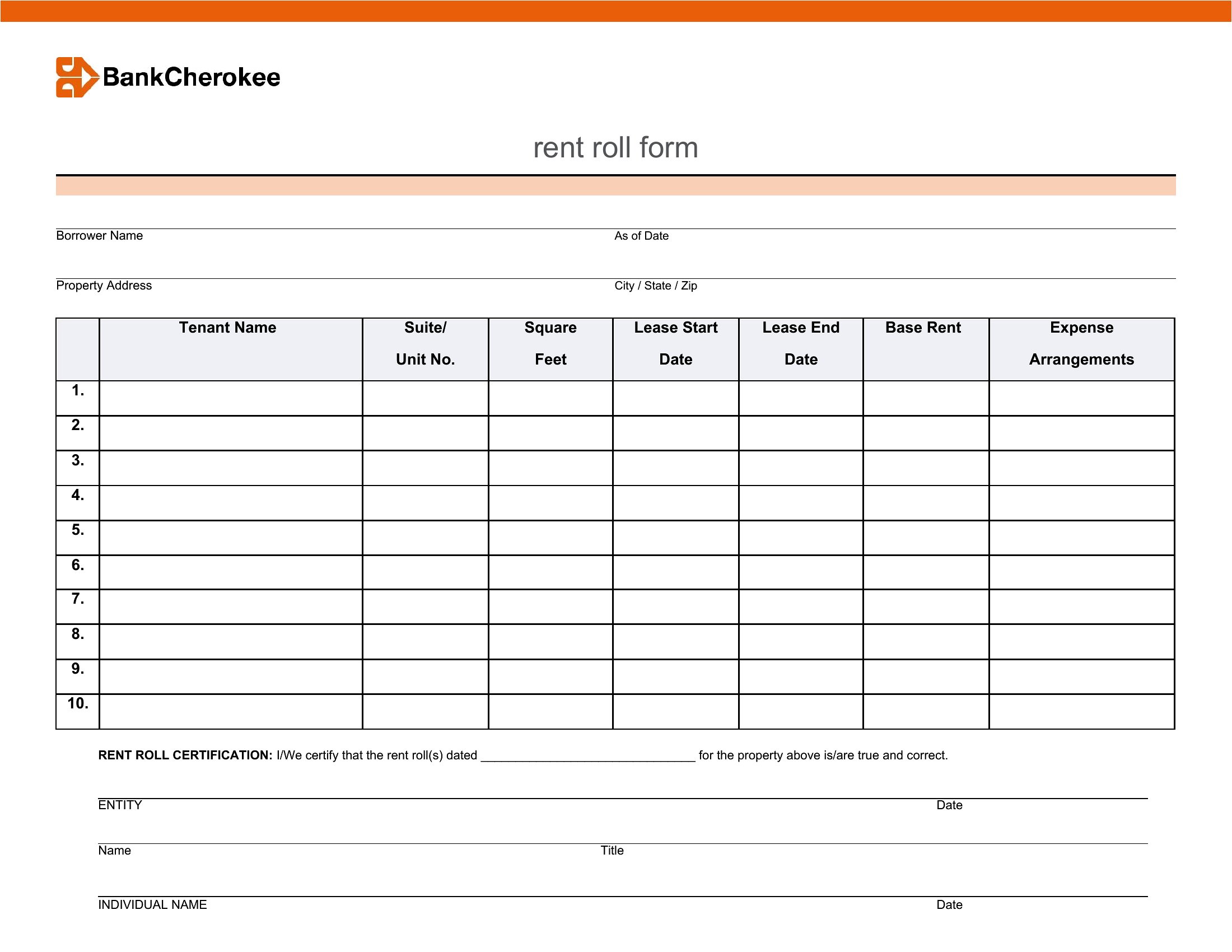
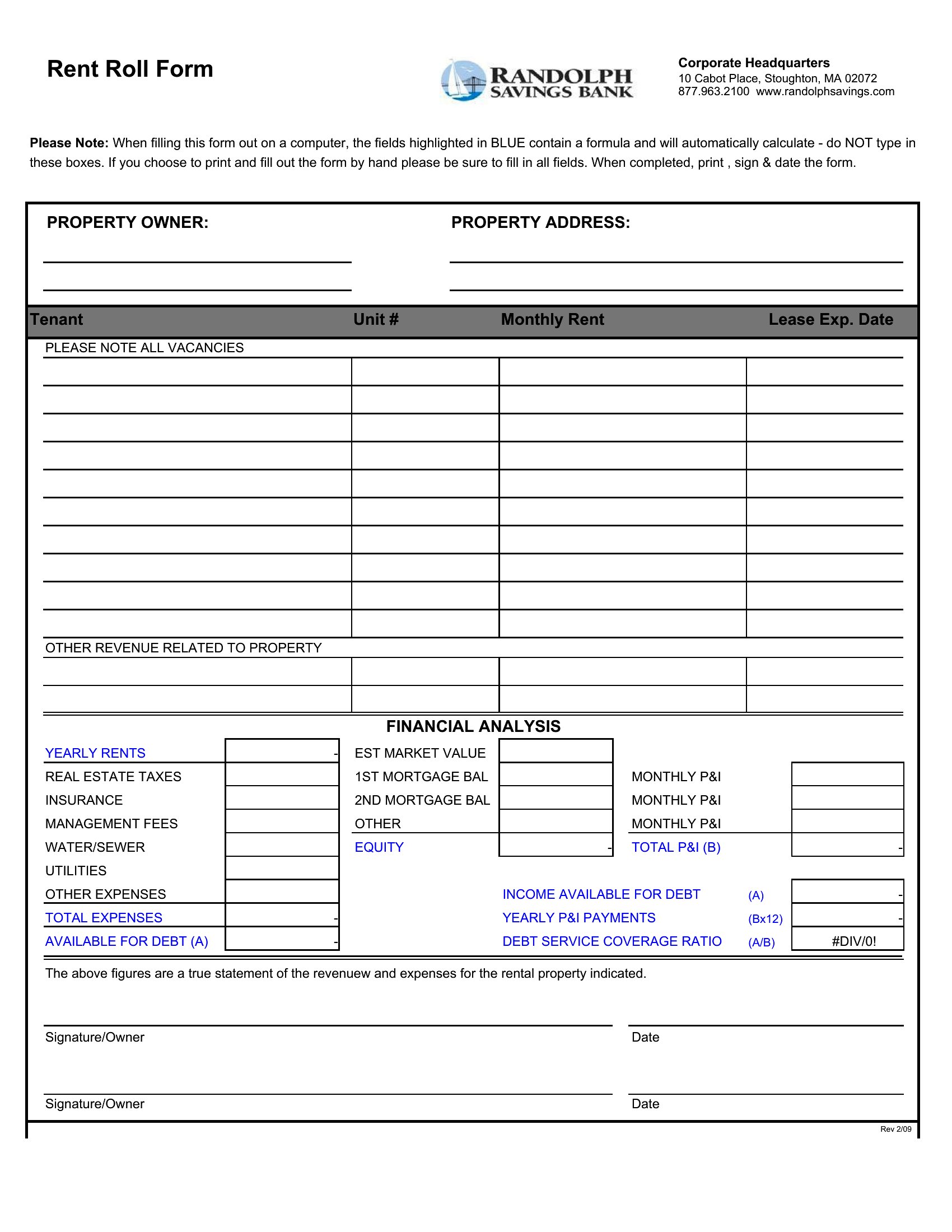
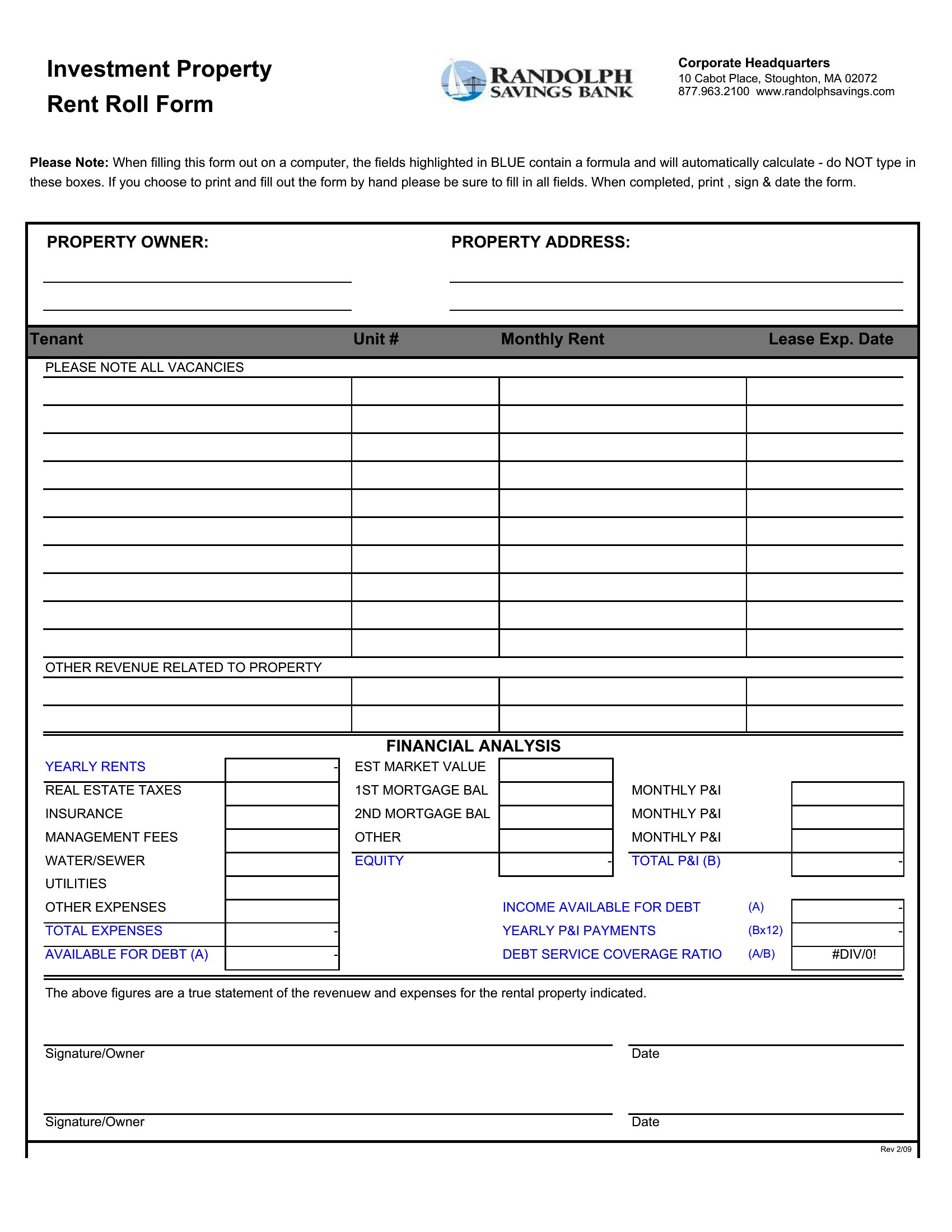
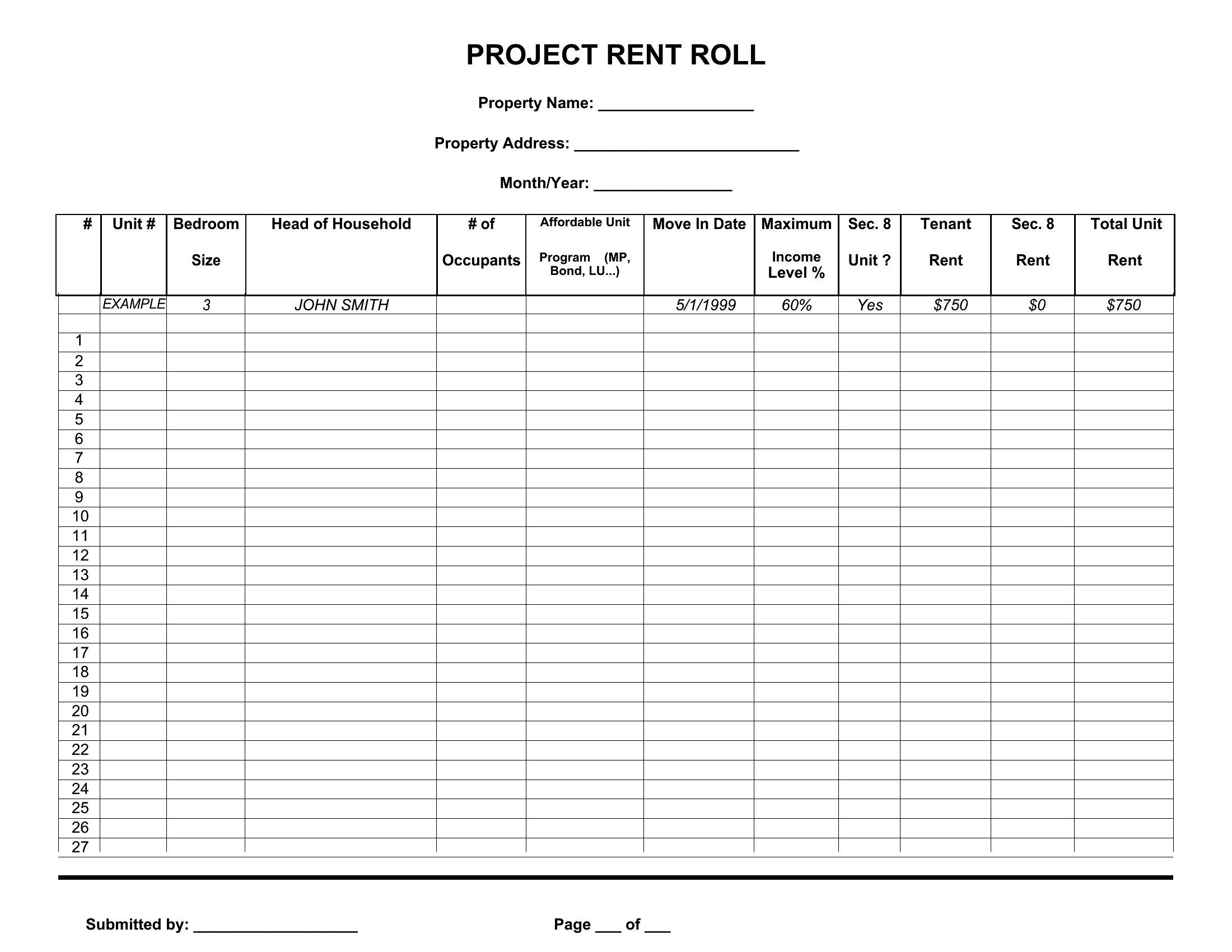
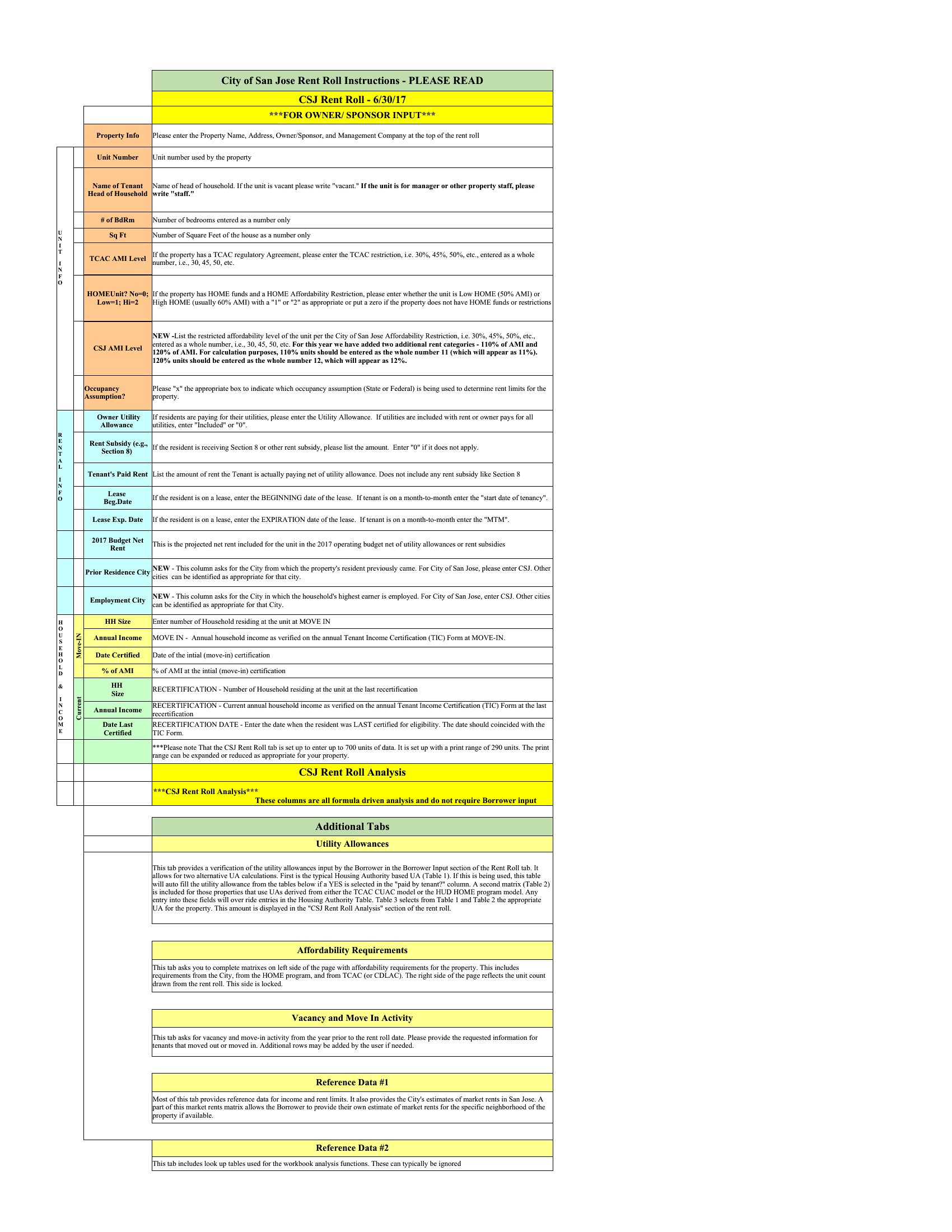
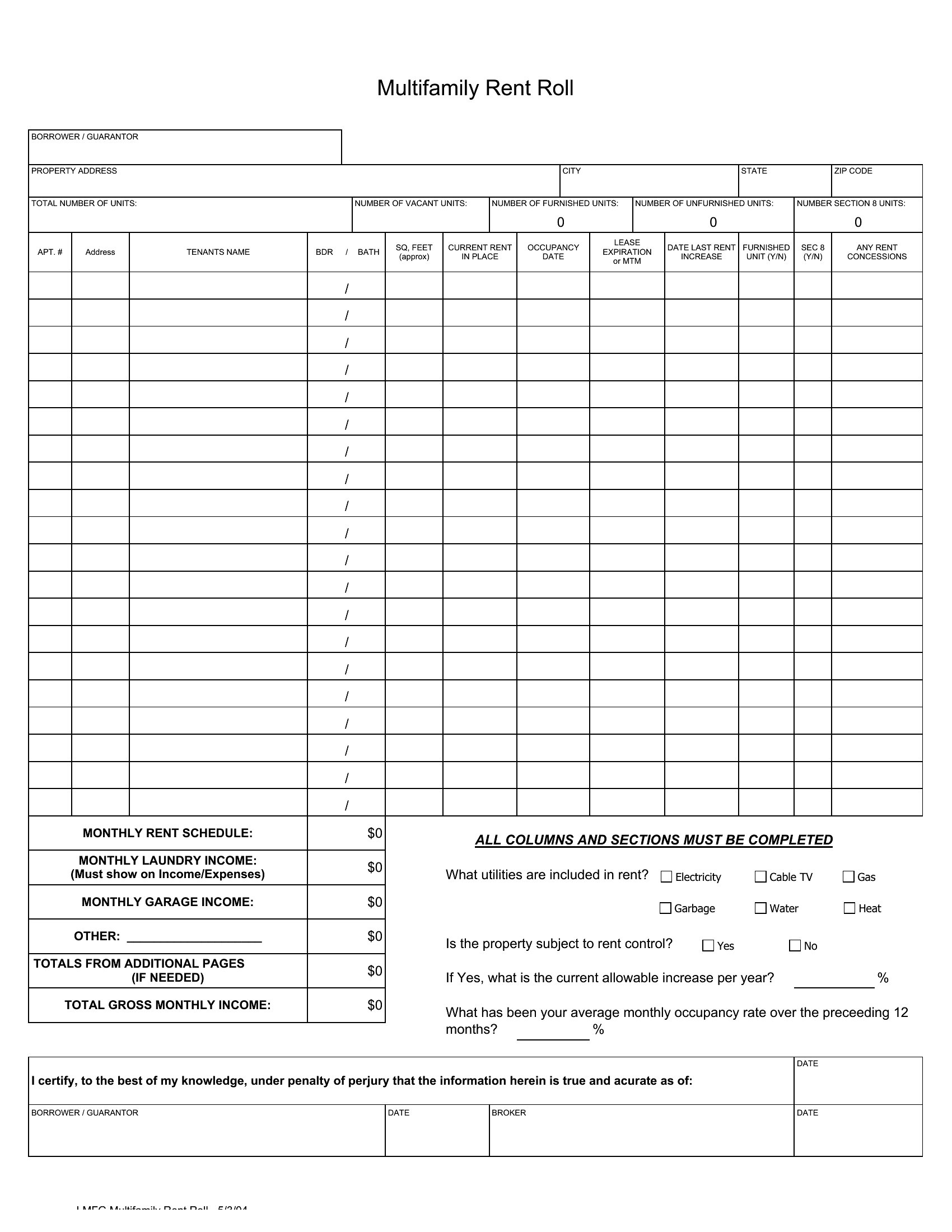
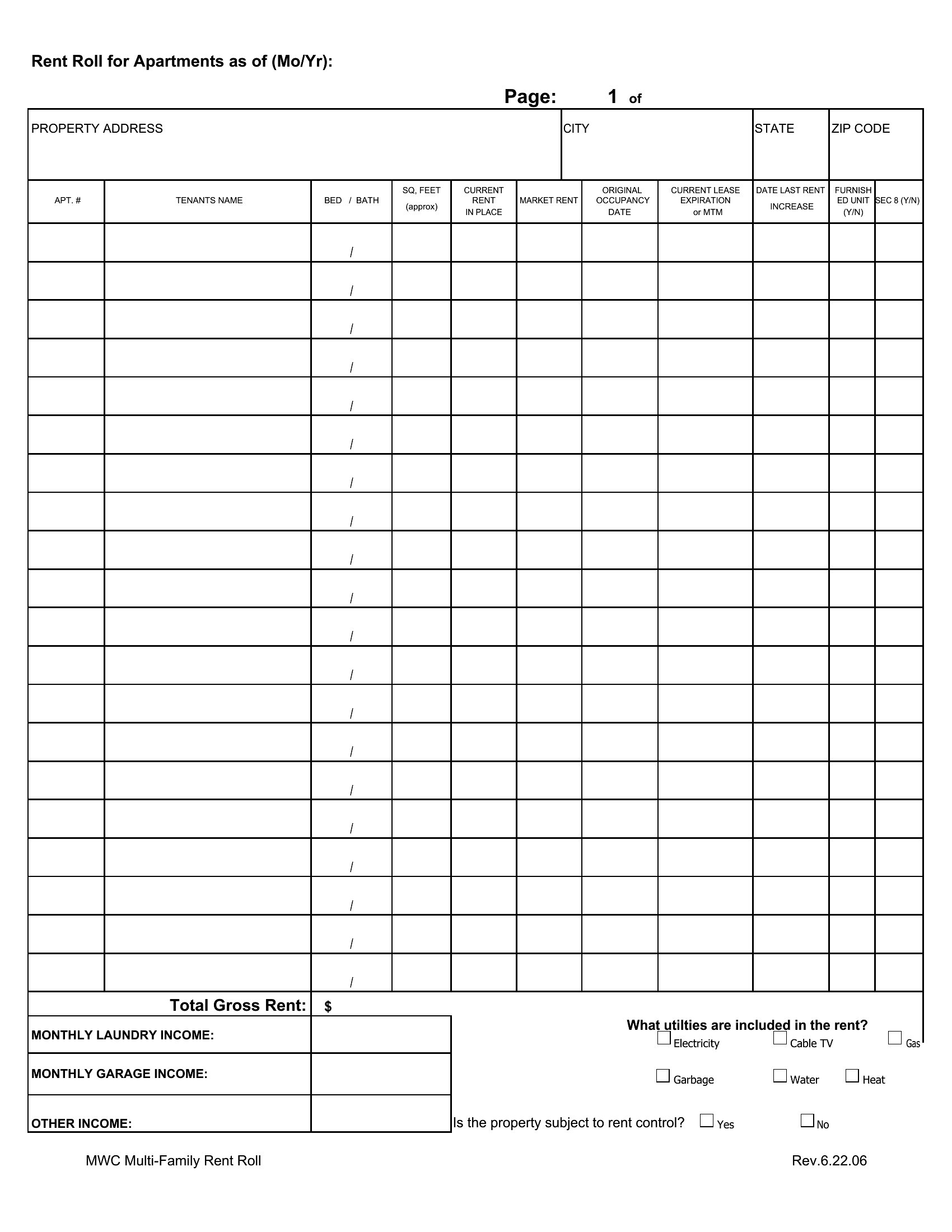
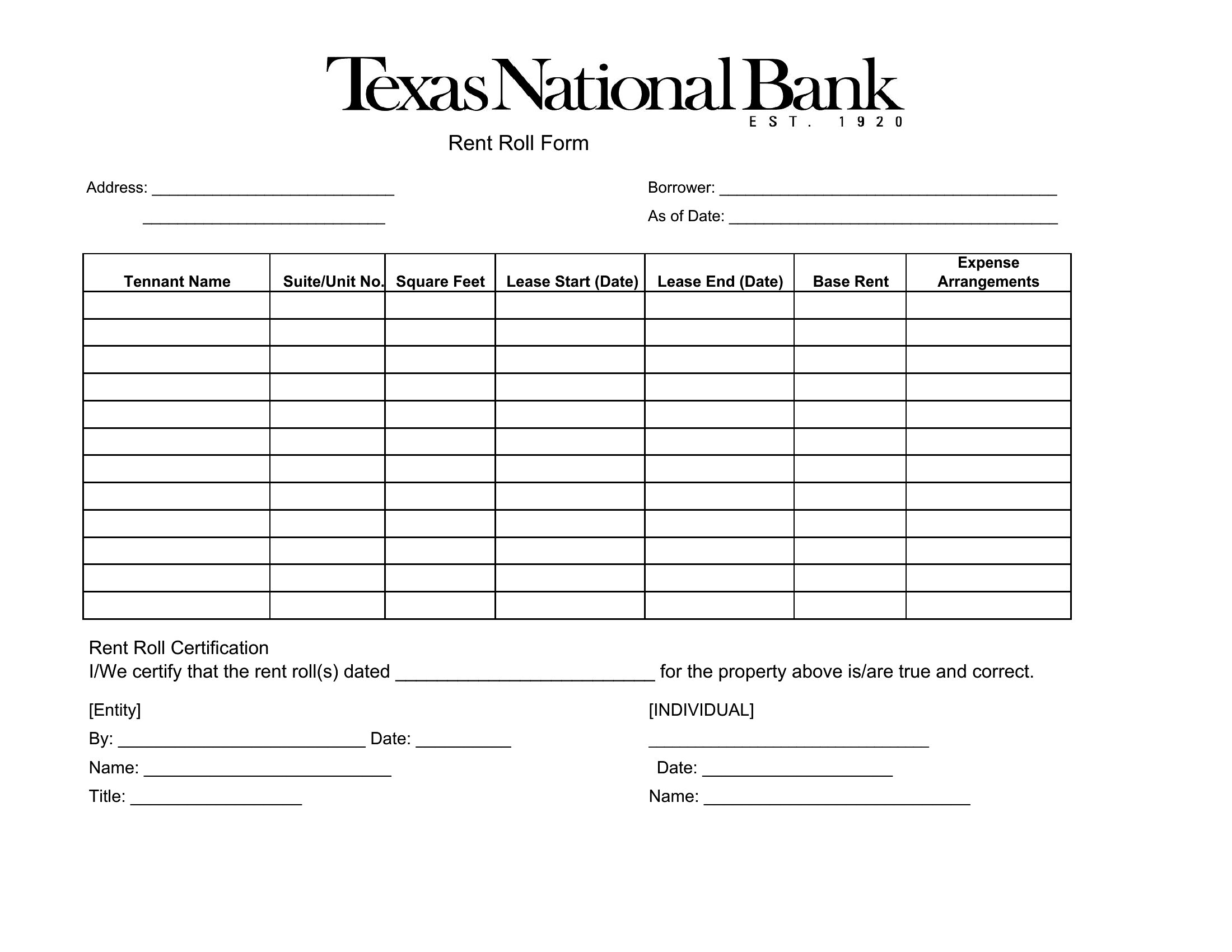
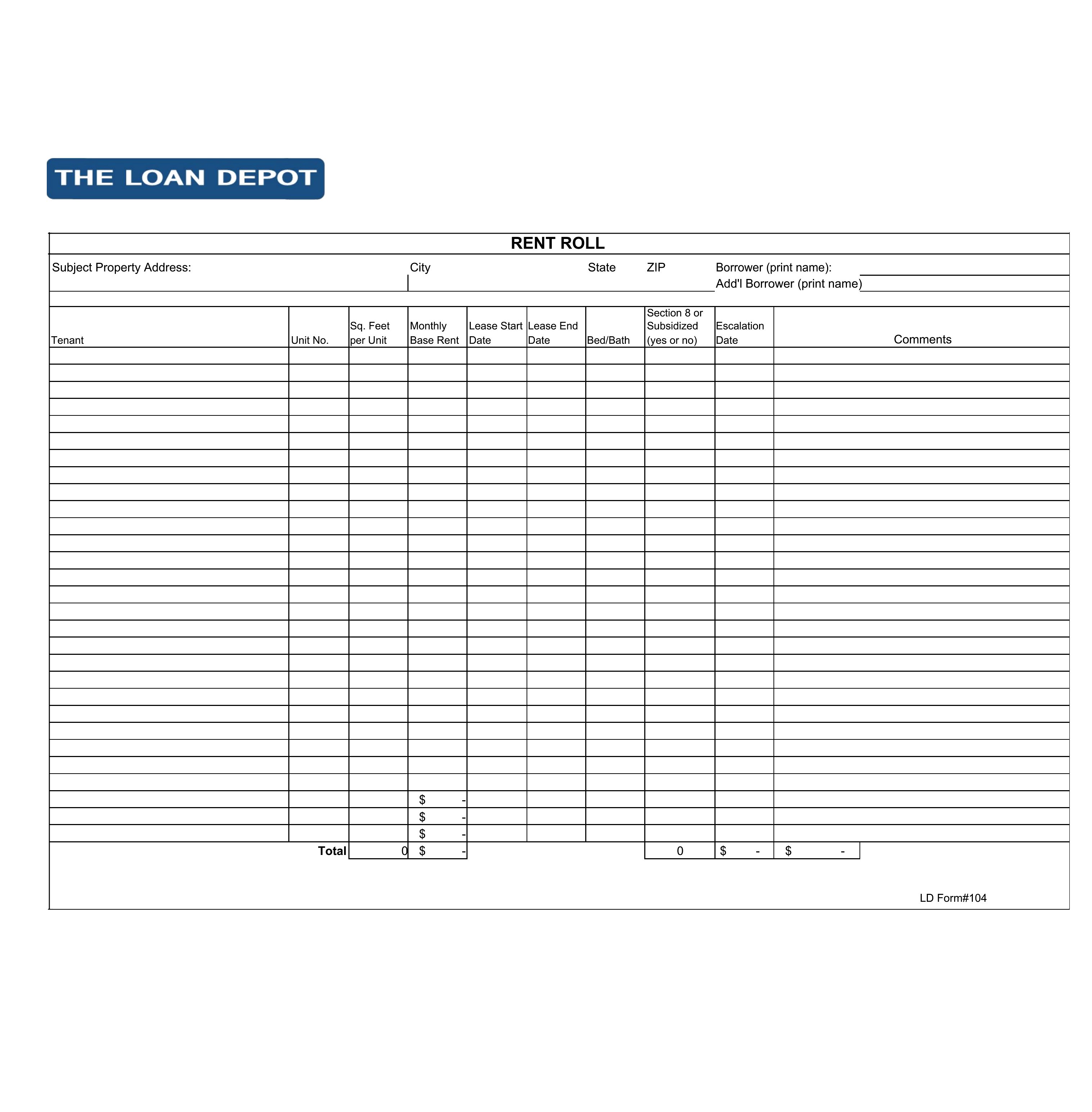
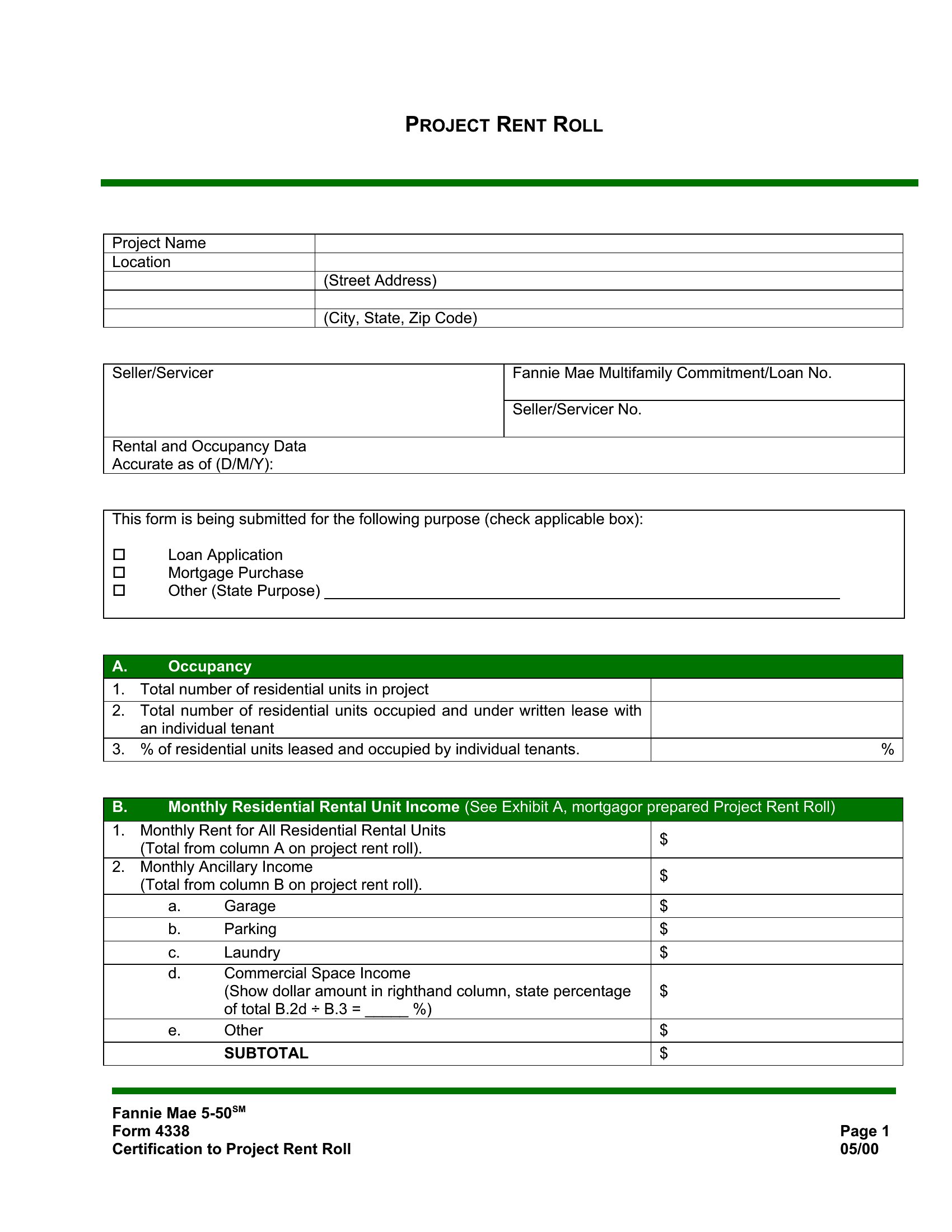
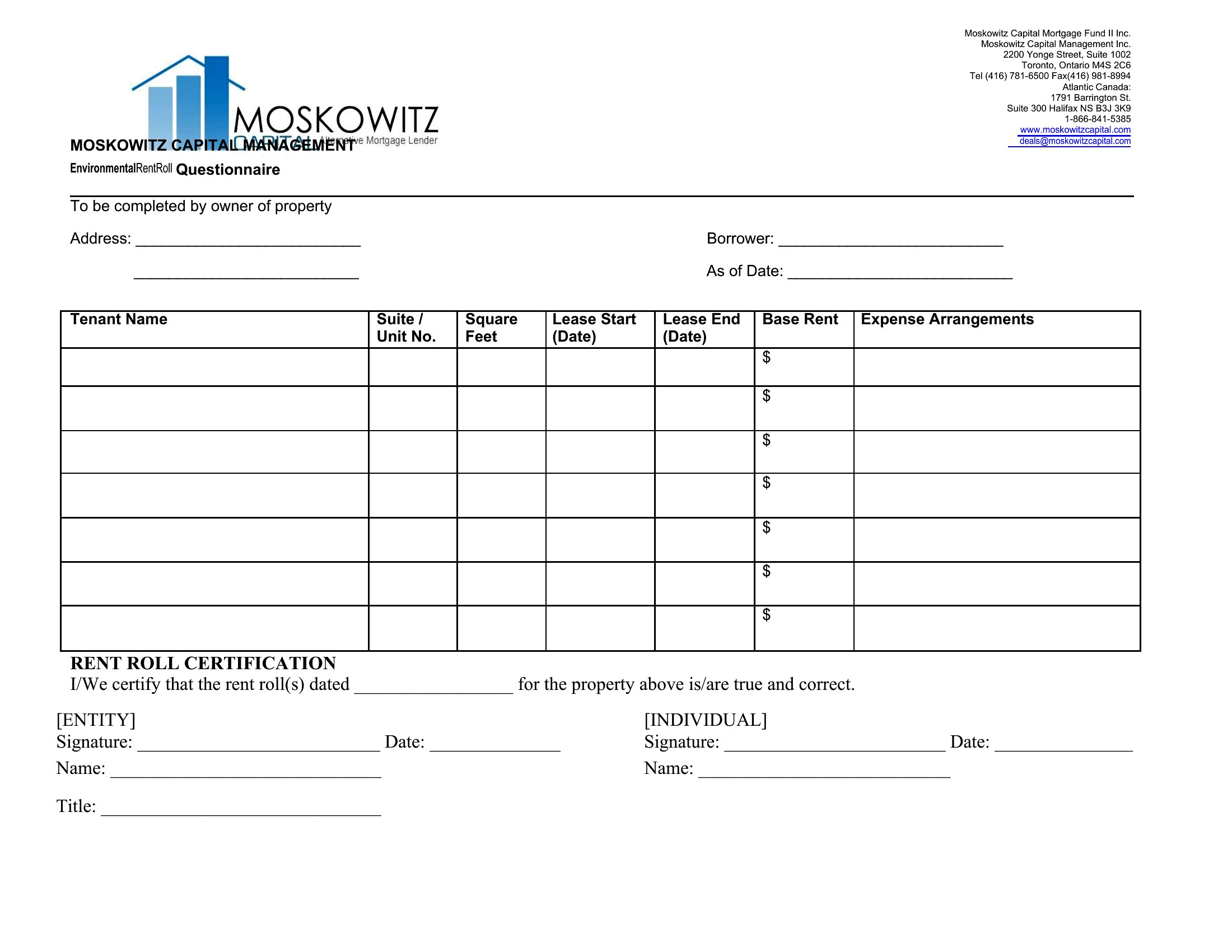
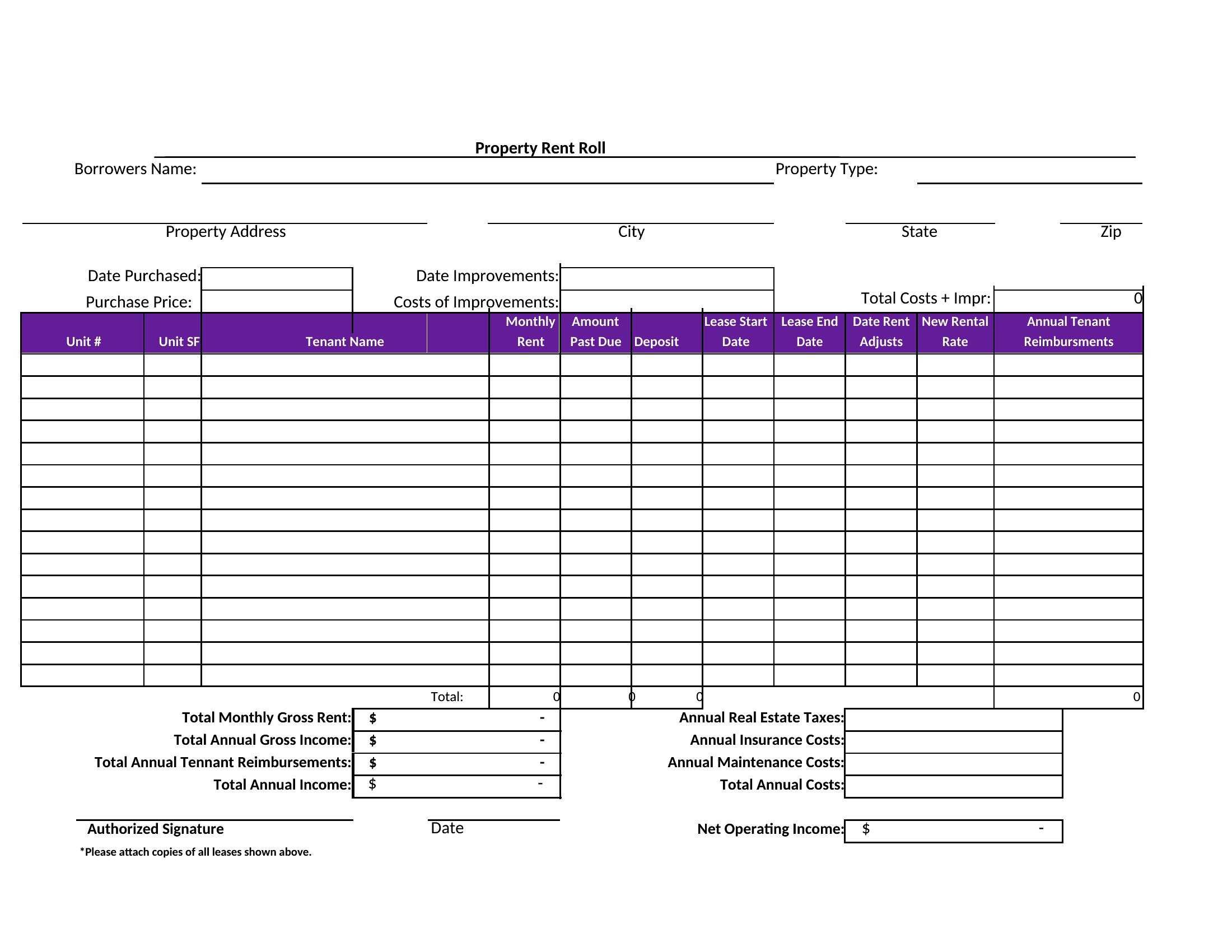
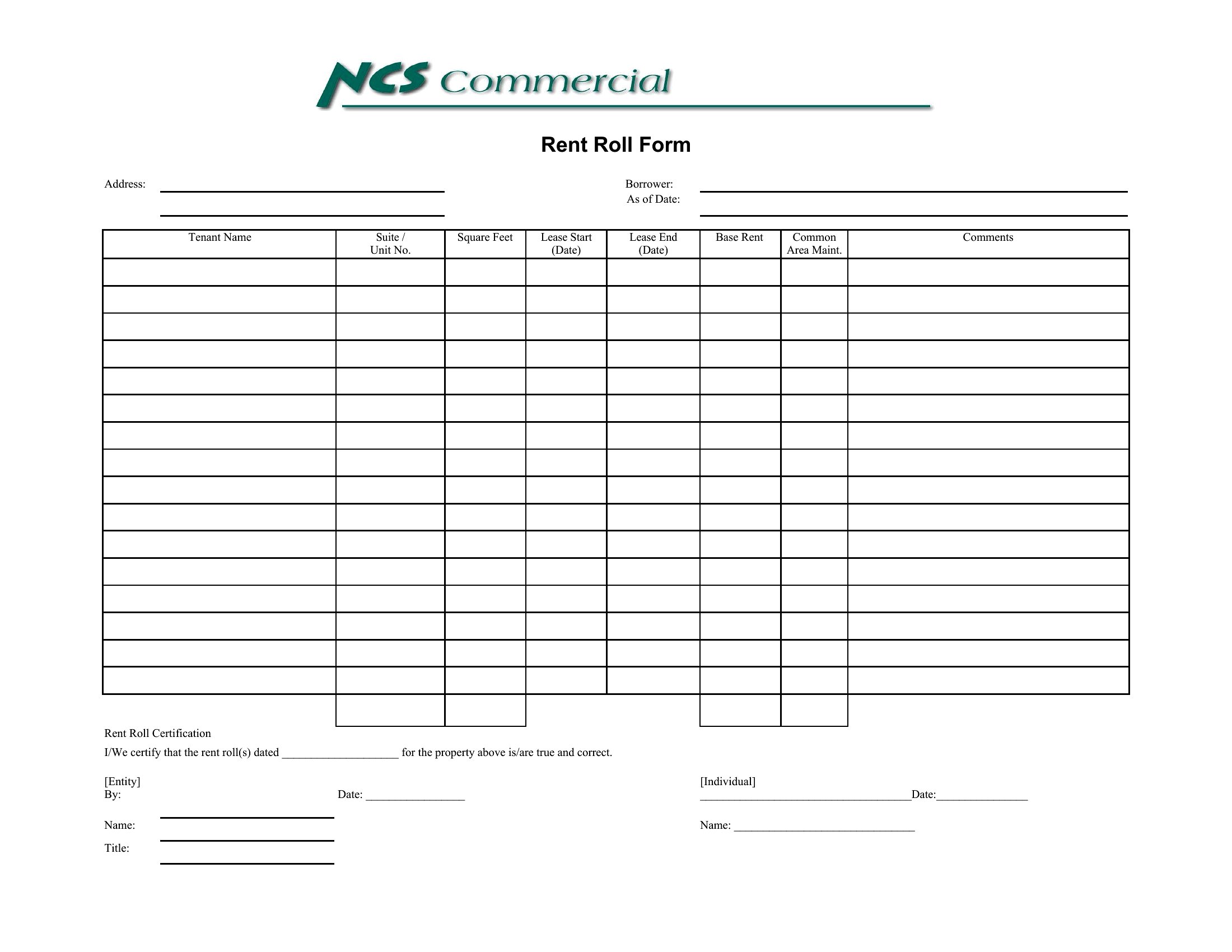
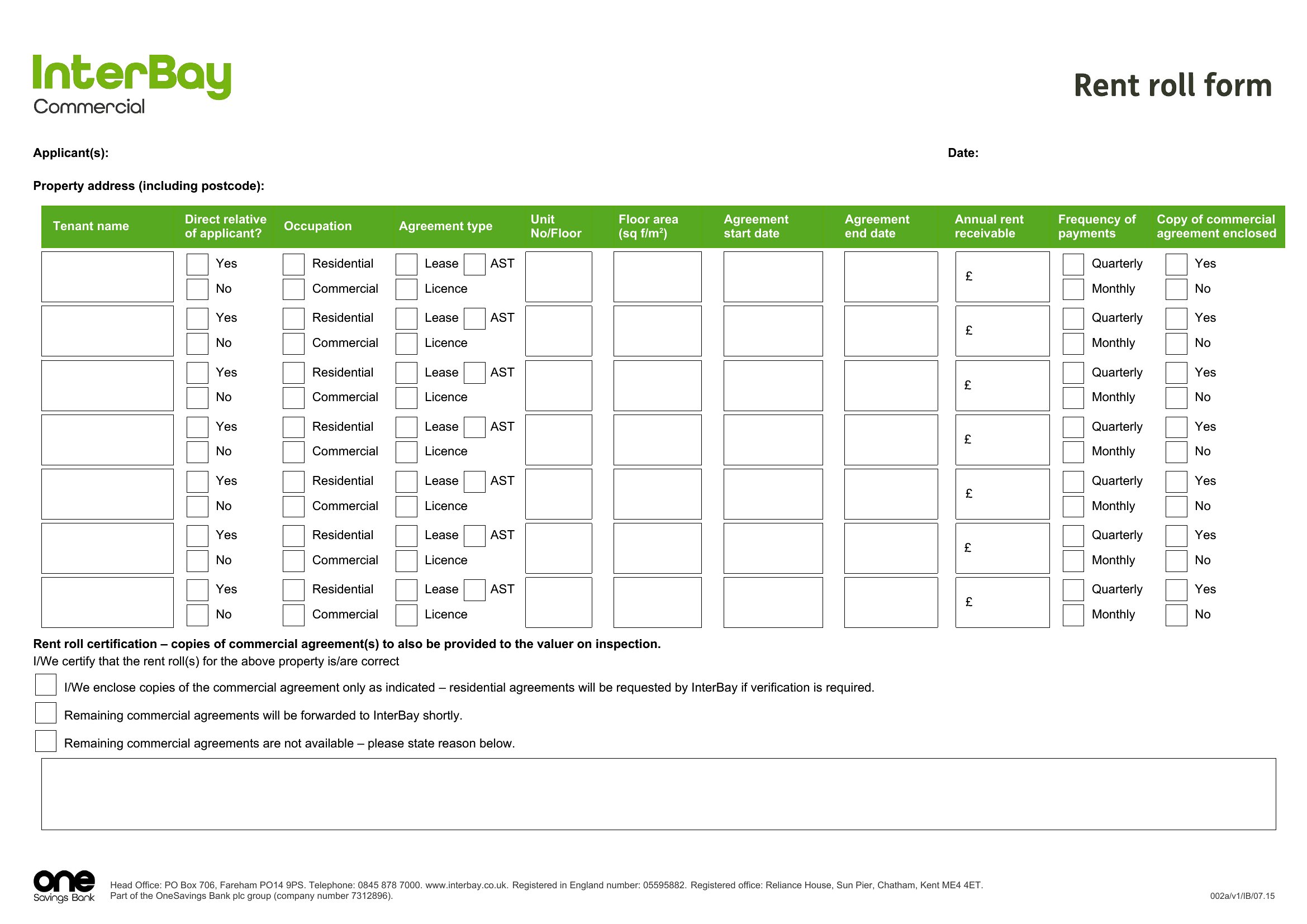
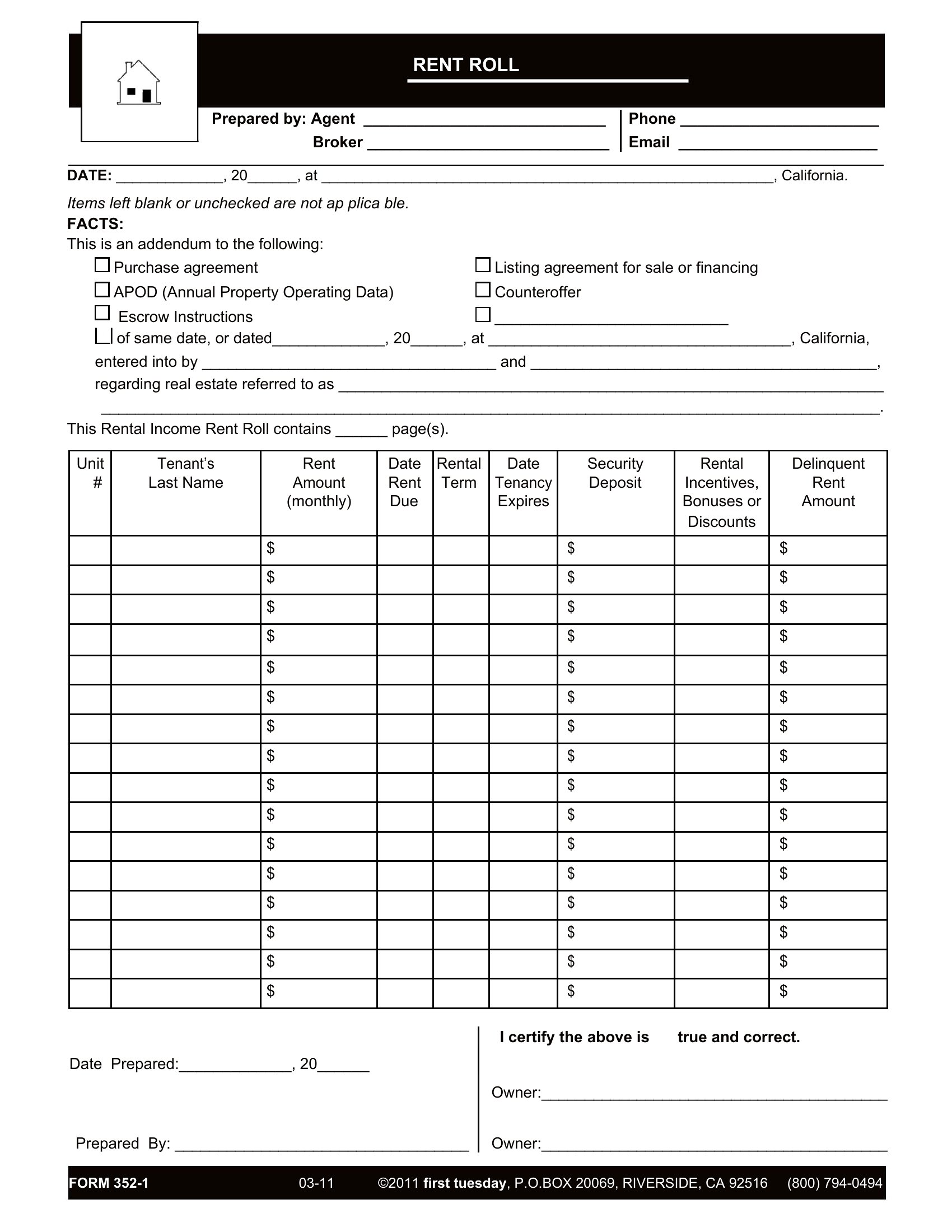
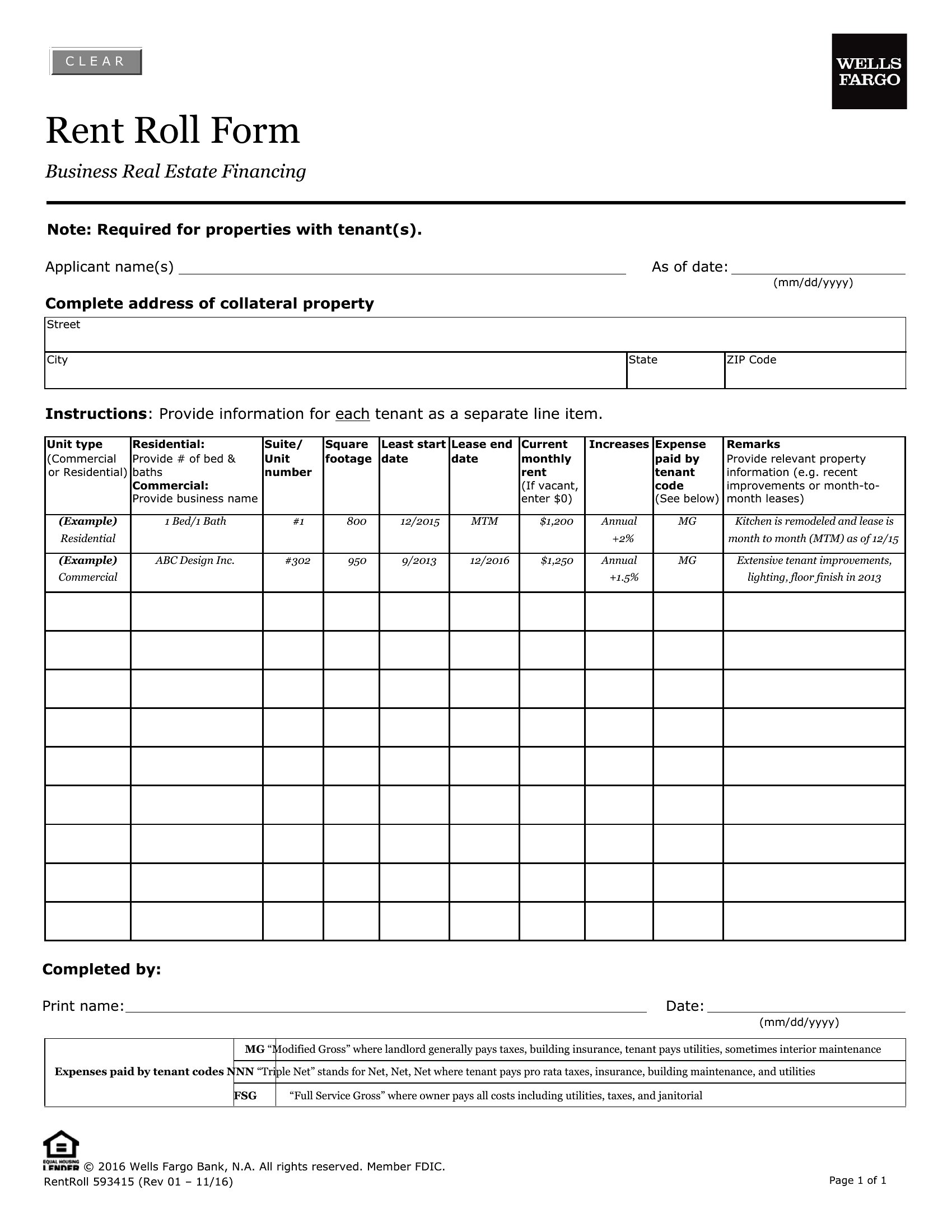
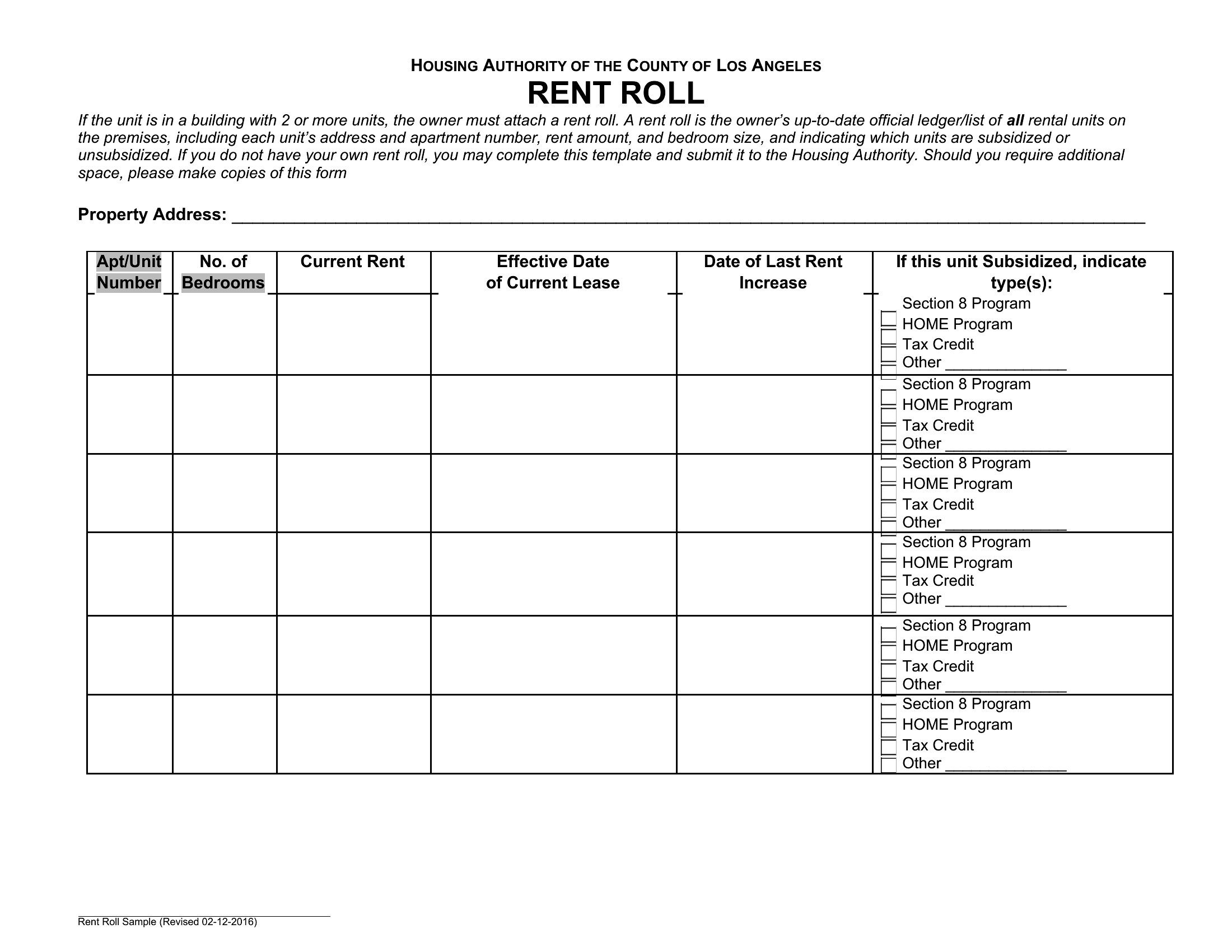
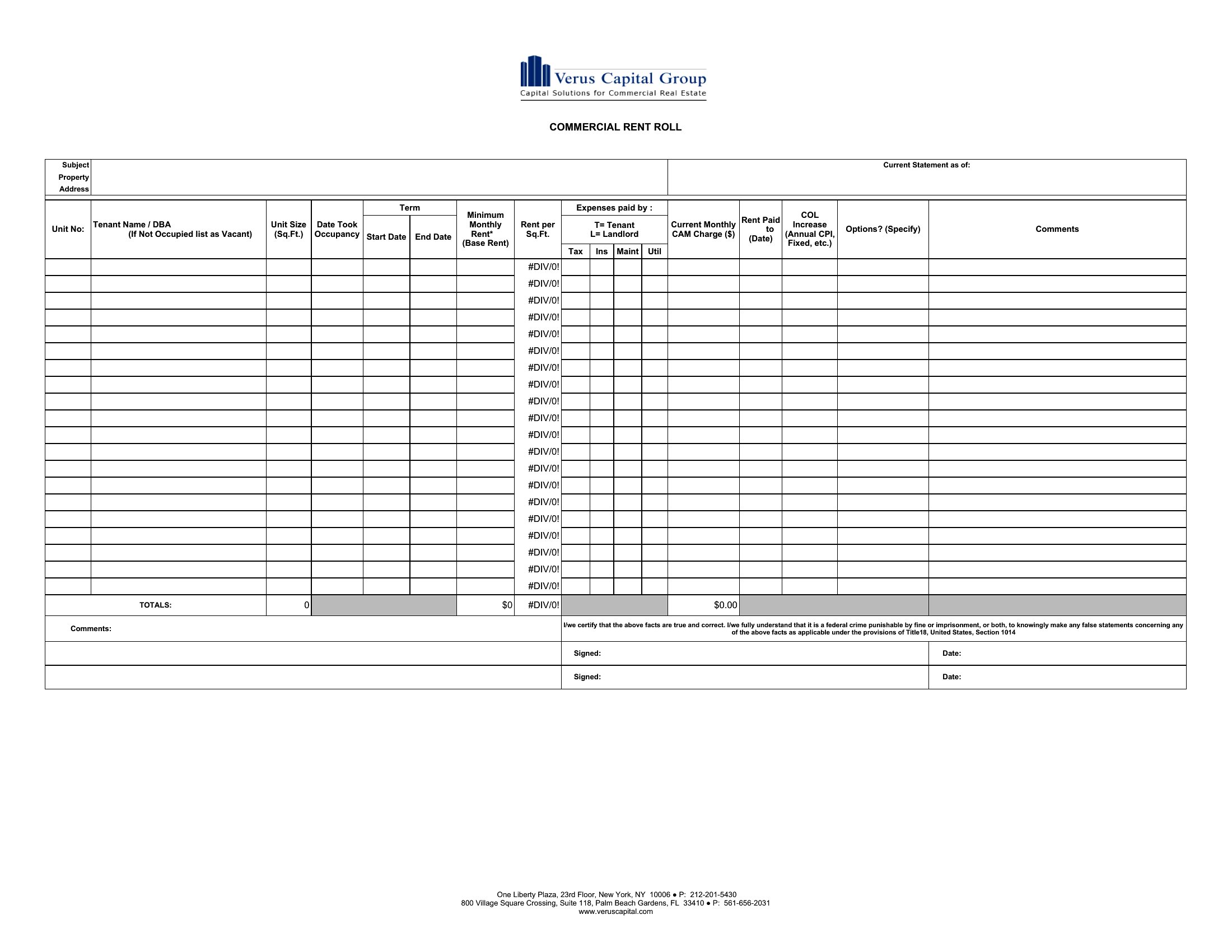
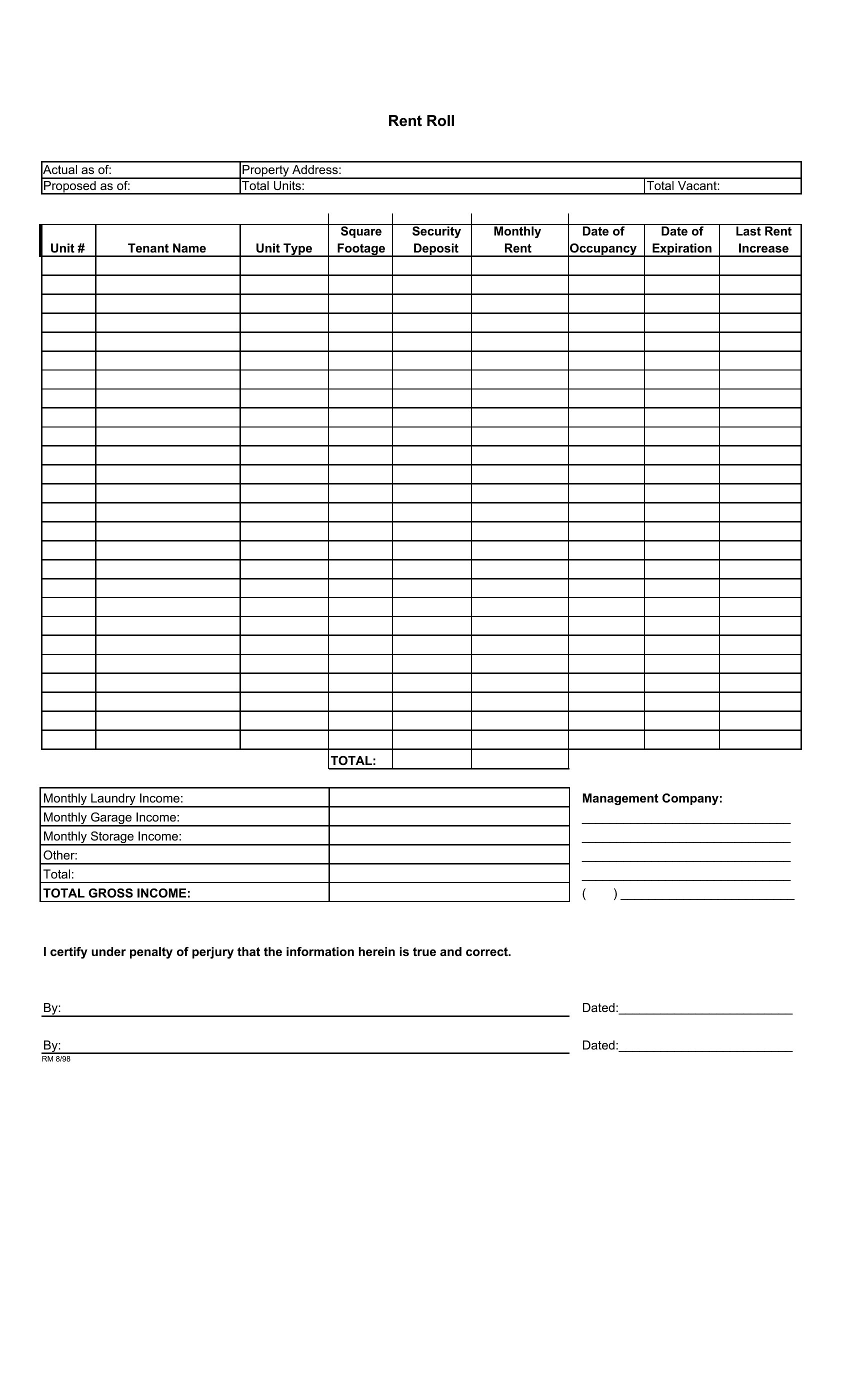
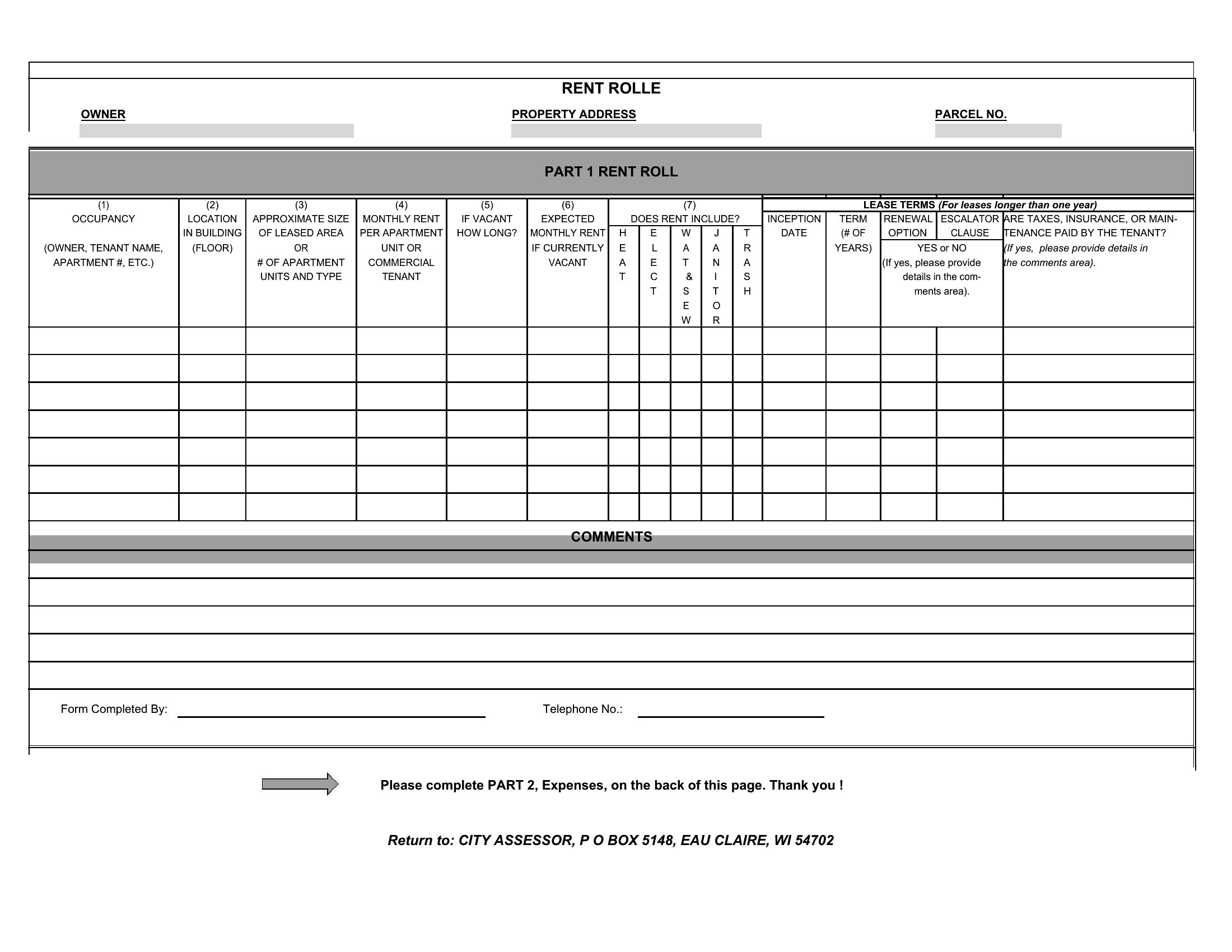
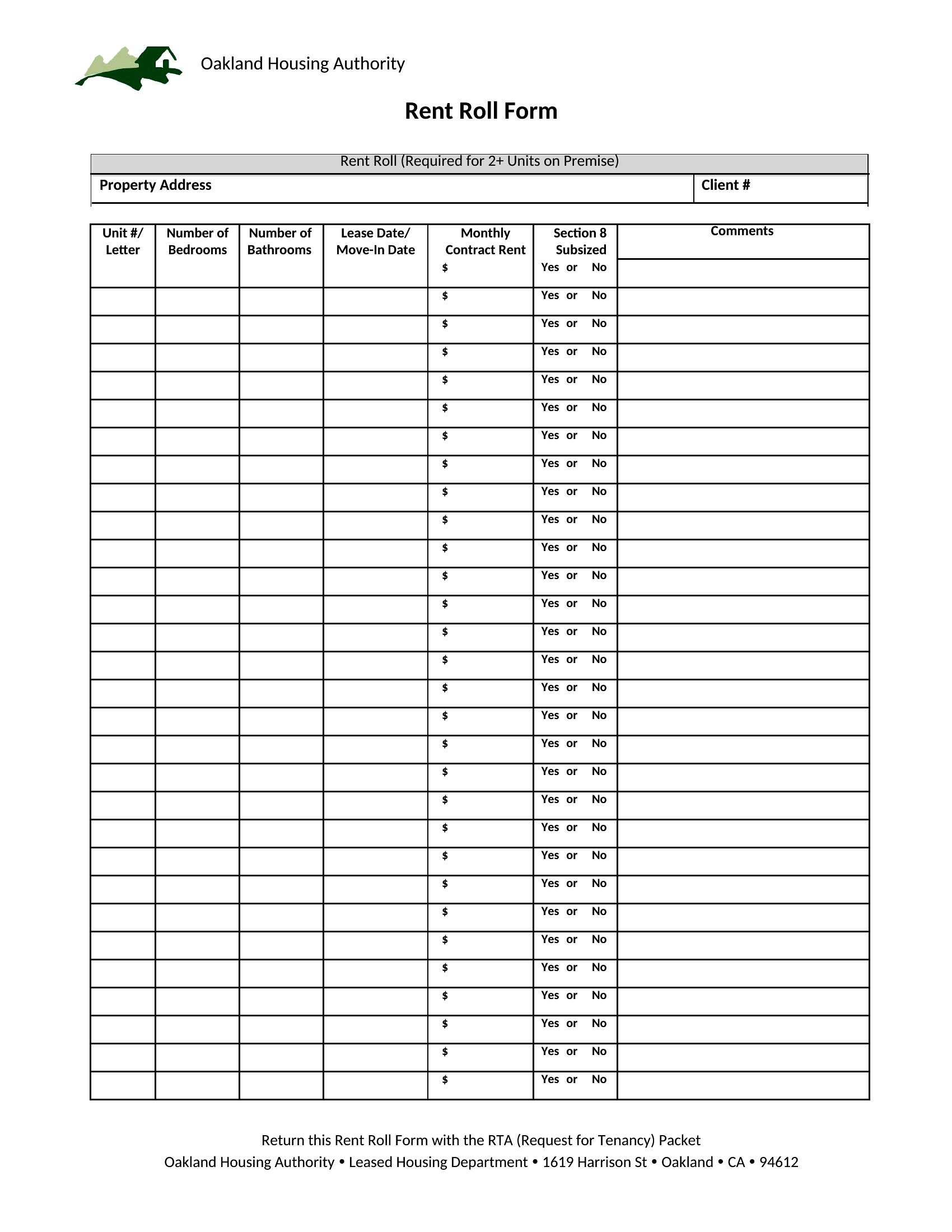
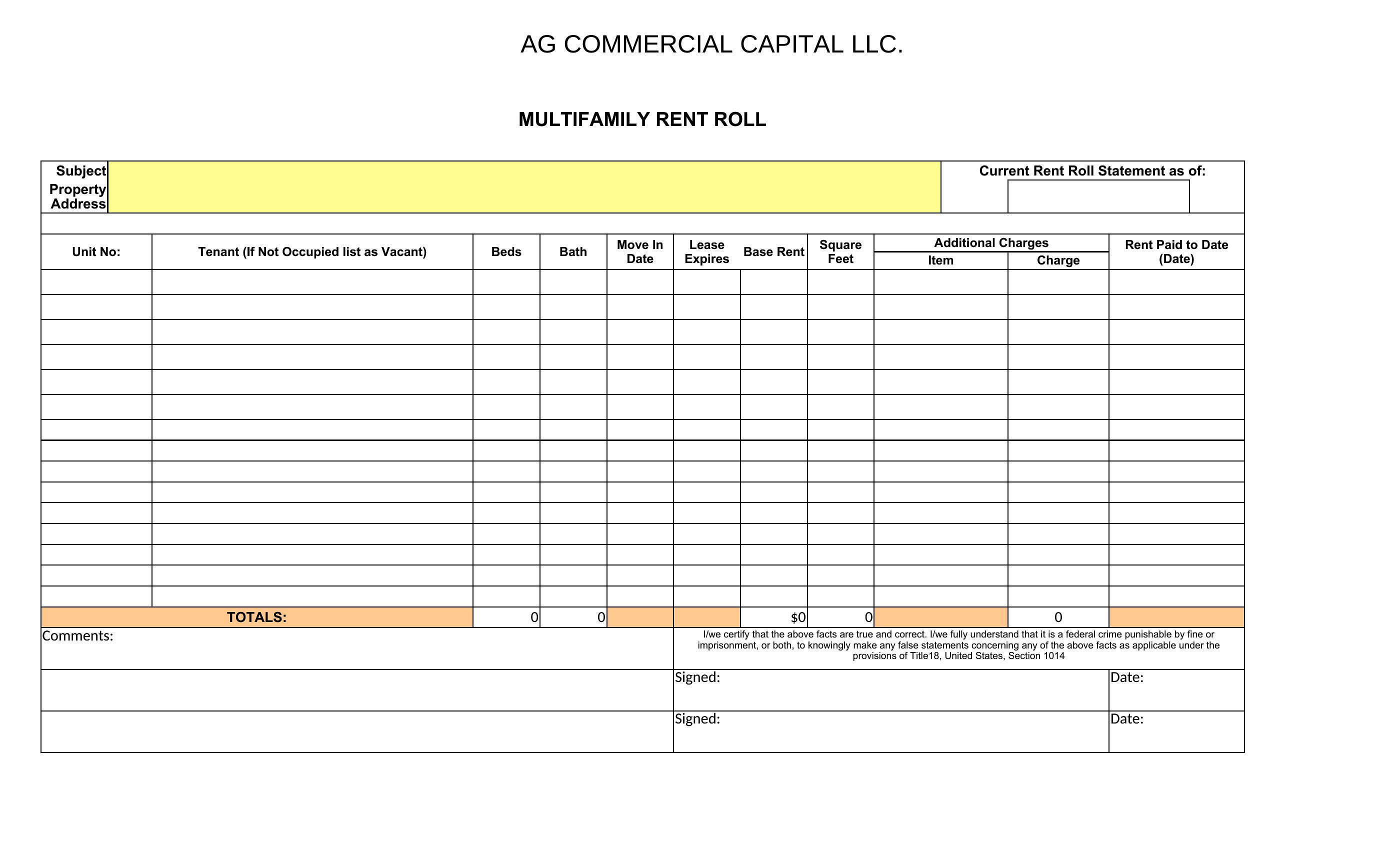
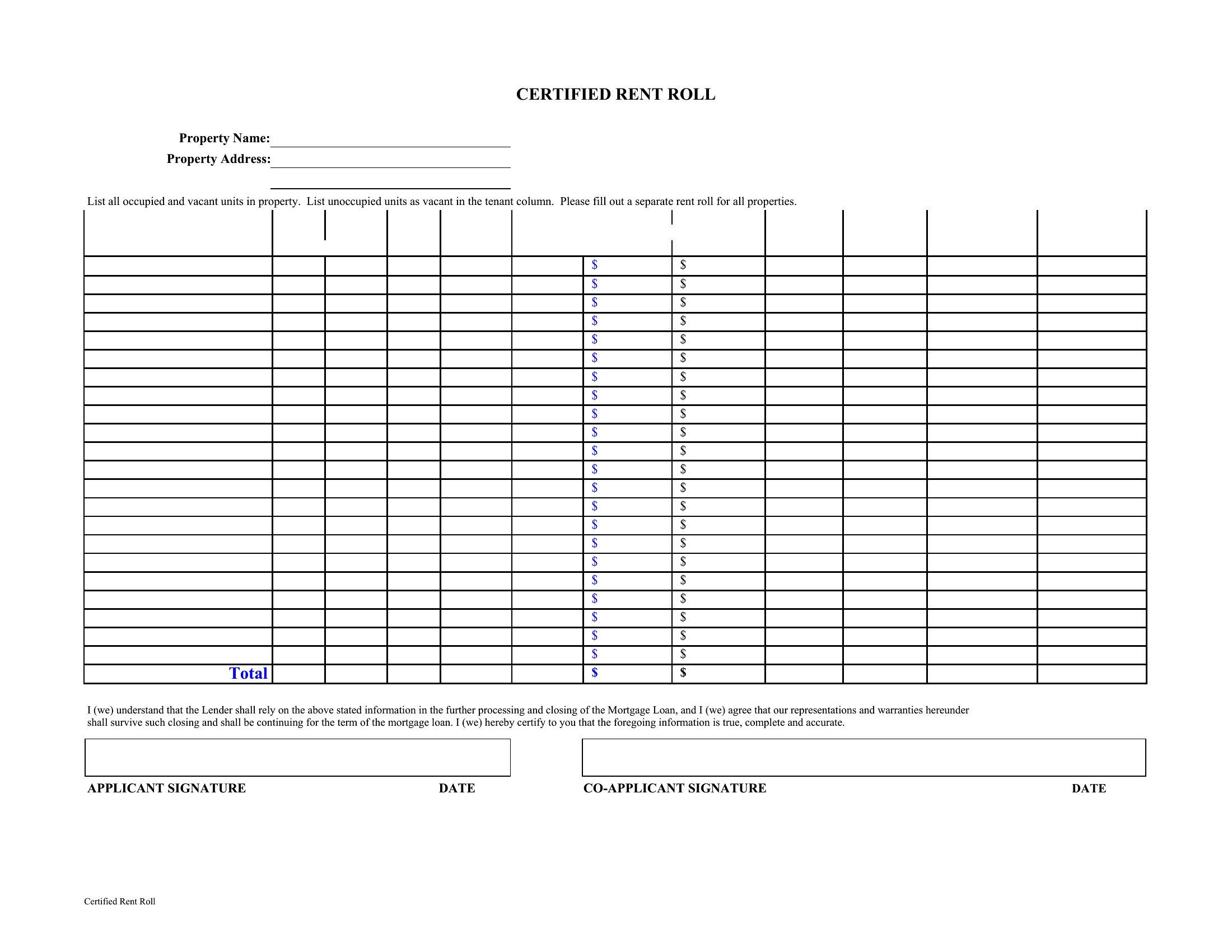
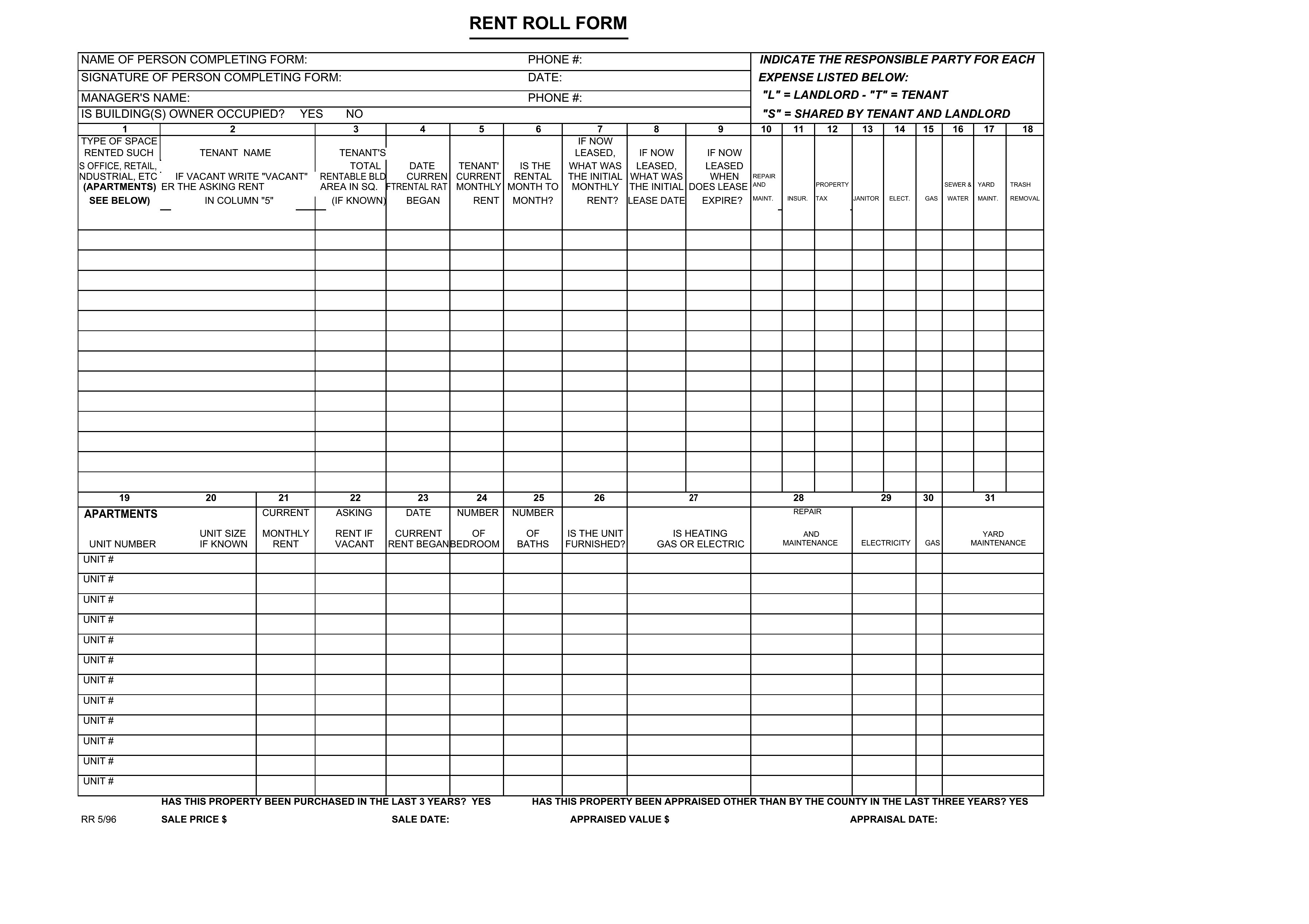
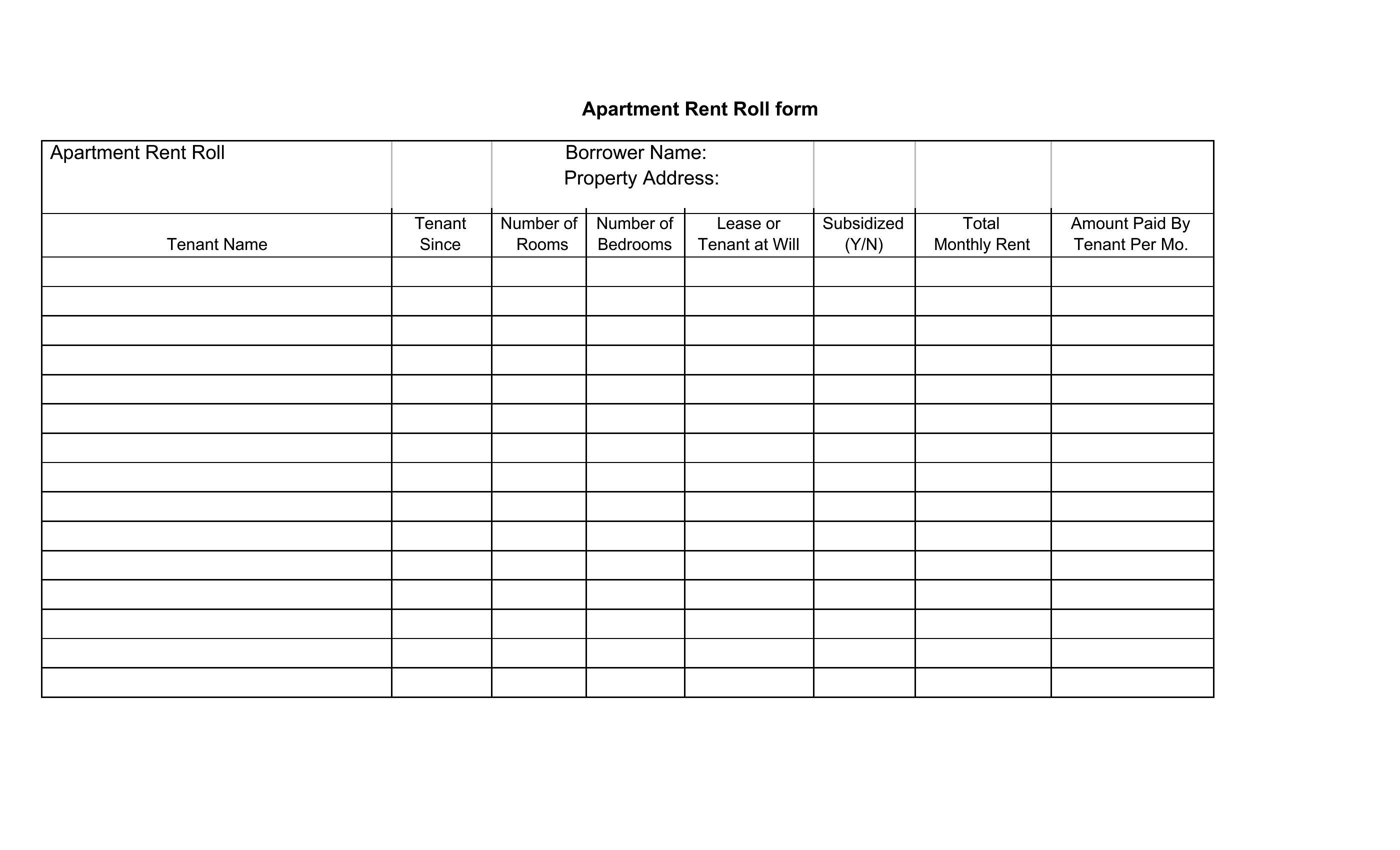
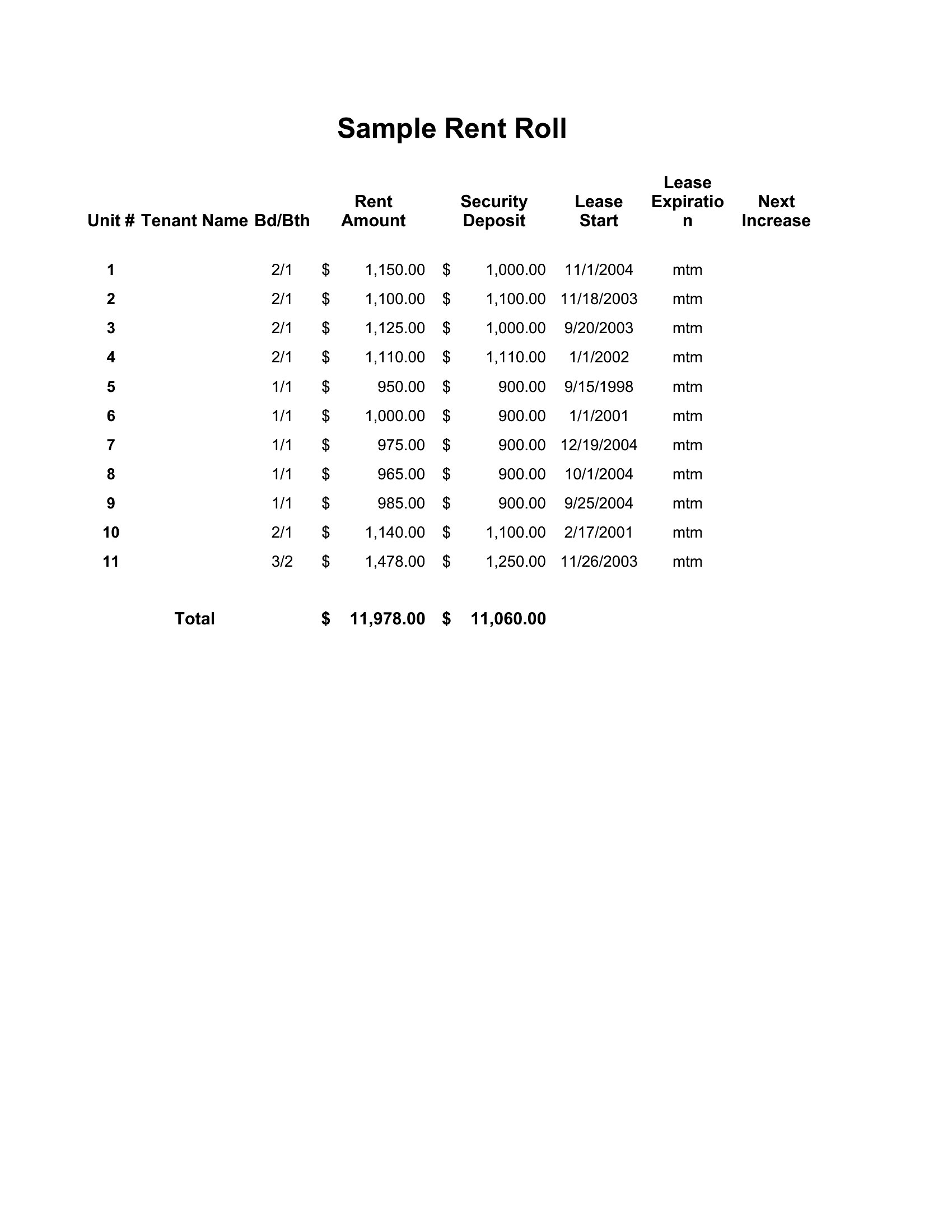
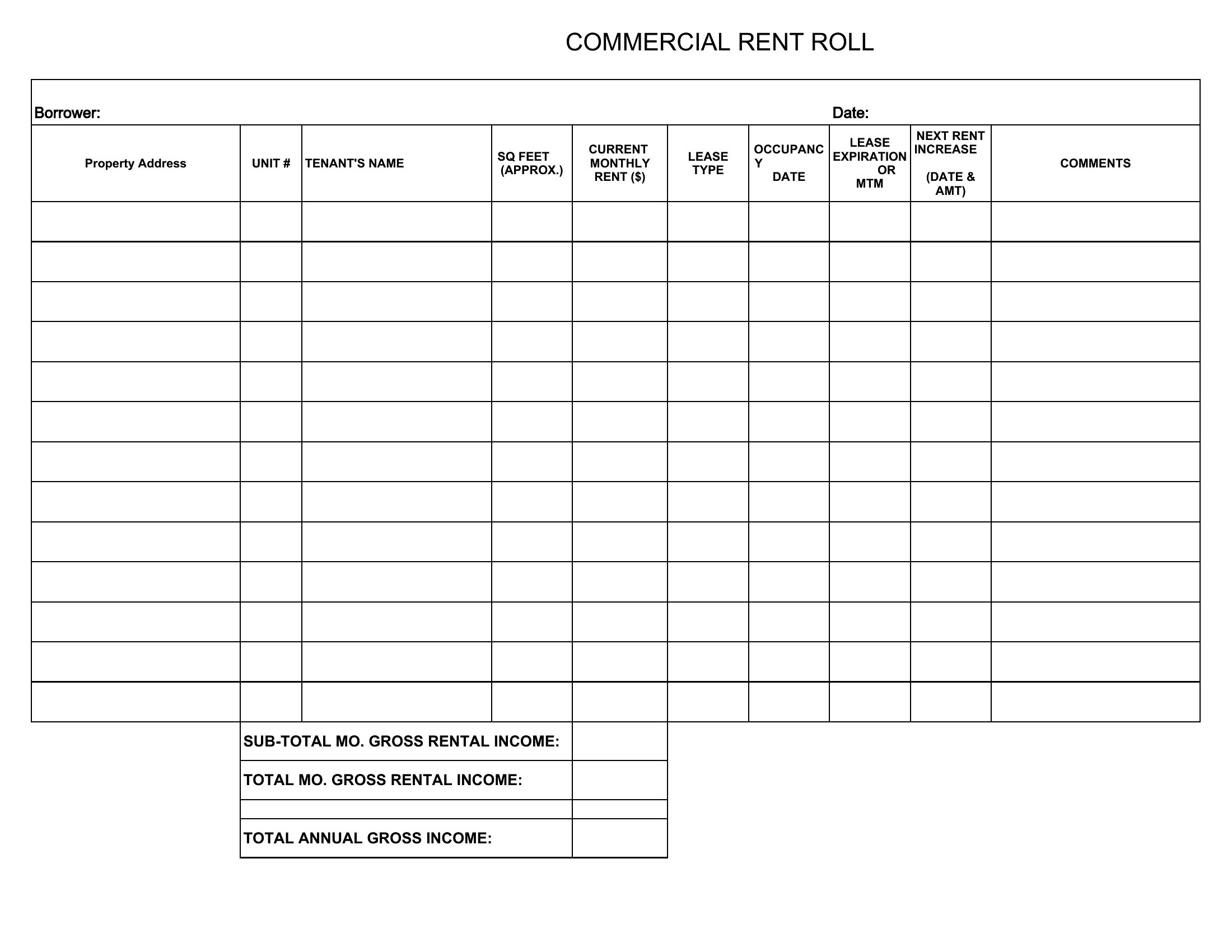
Include unit numbers, tenant names/contact info, lease start/end dates, security deposit amounts, utility responsibility (if applicable), and any concessions (like free months or tenant improvements). For commercial leases, add CAM (common area maintenance) charges, personal guarantees, or sublease clauses. This level of detail helps with financial forecasting, tenant communications, and compliance during property inspections or sales.
Comments
Join the conversation
Sign in to share your thoughts and leave a comment on this resource.