

FAQ
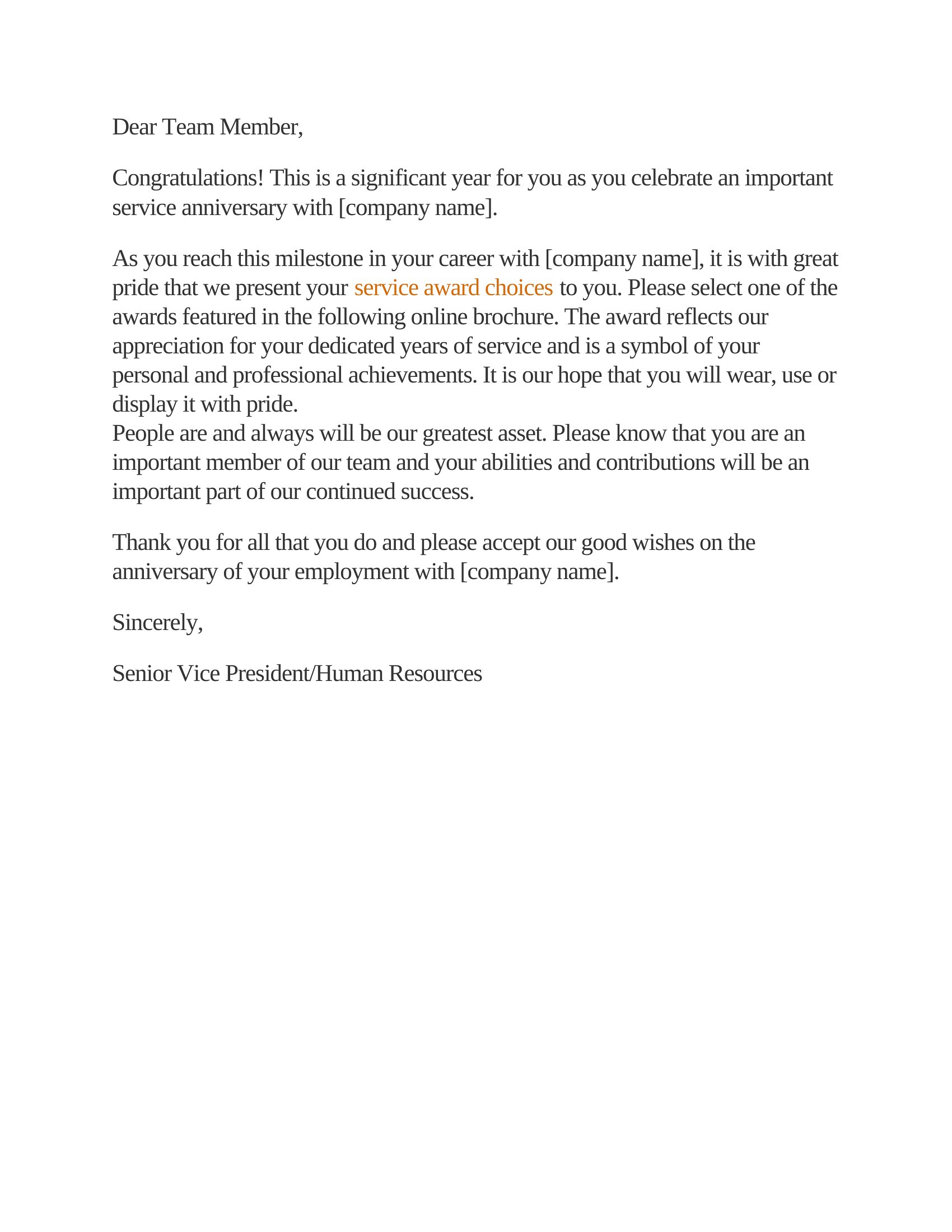
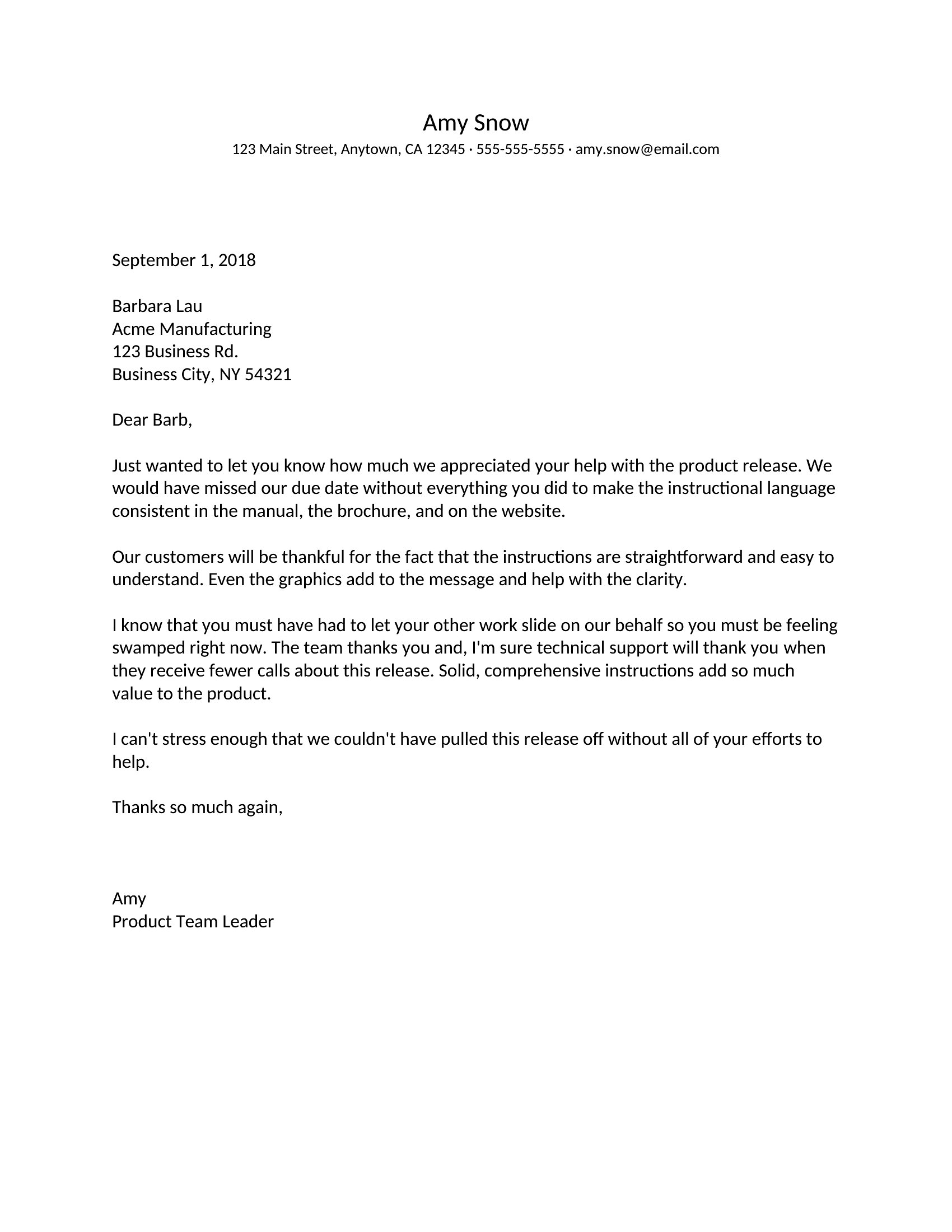
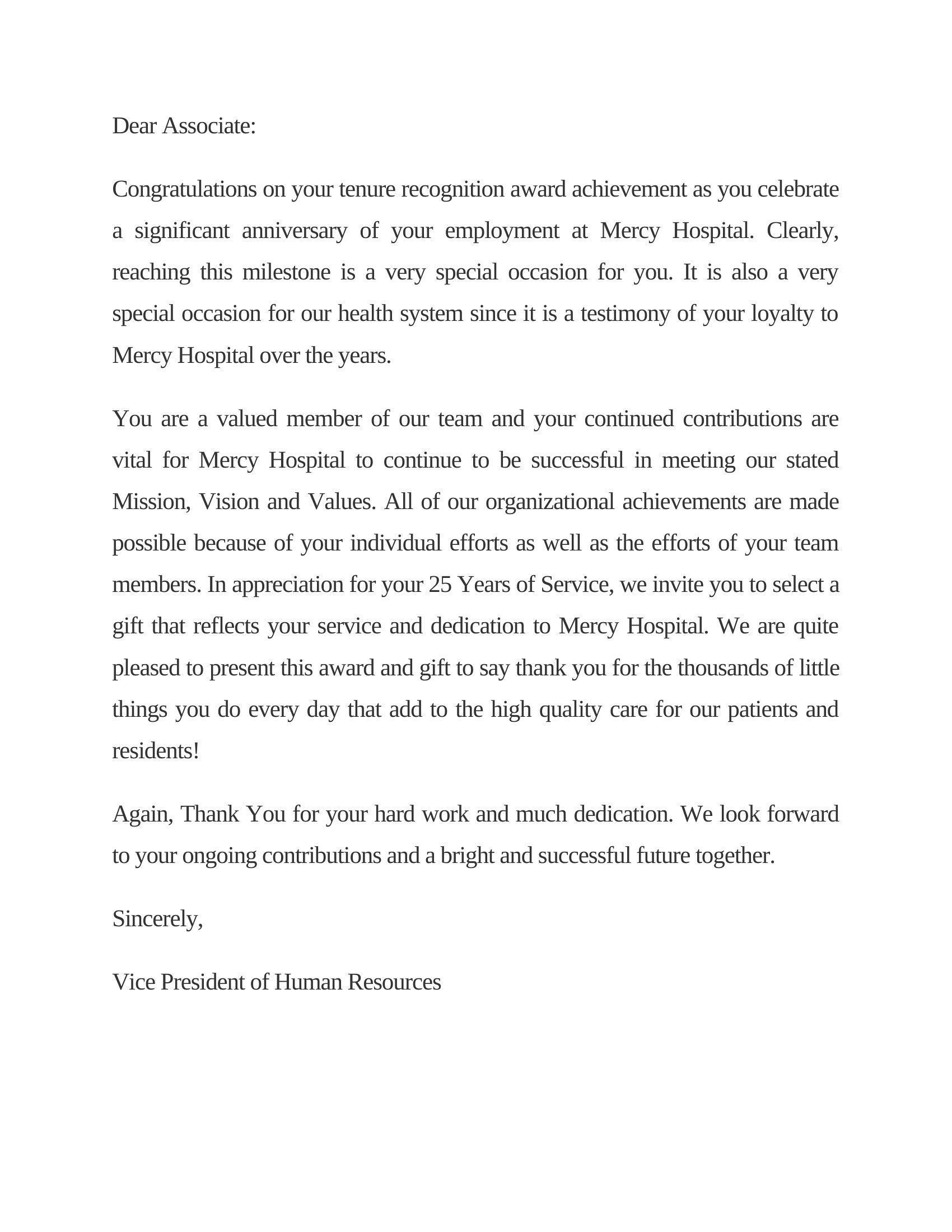
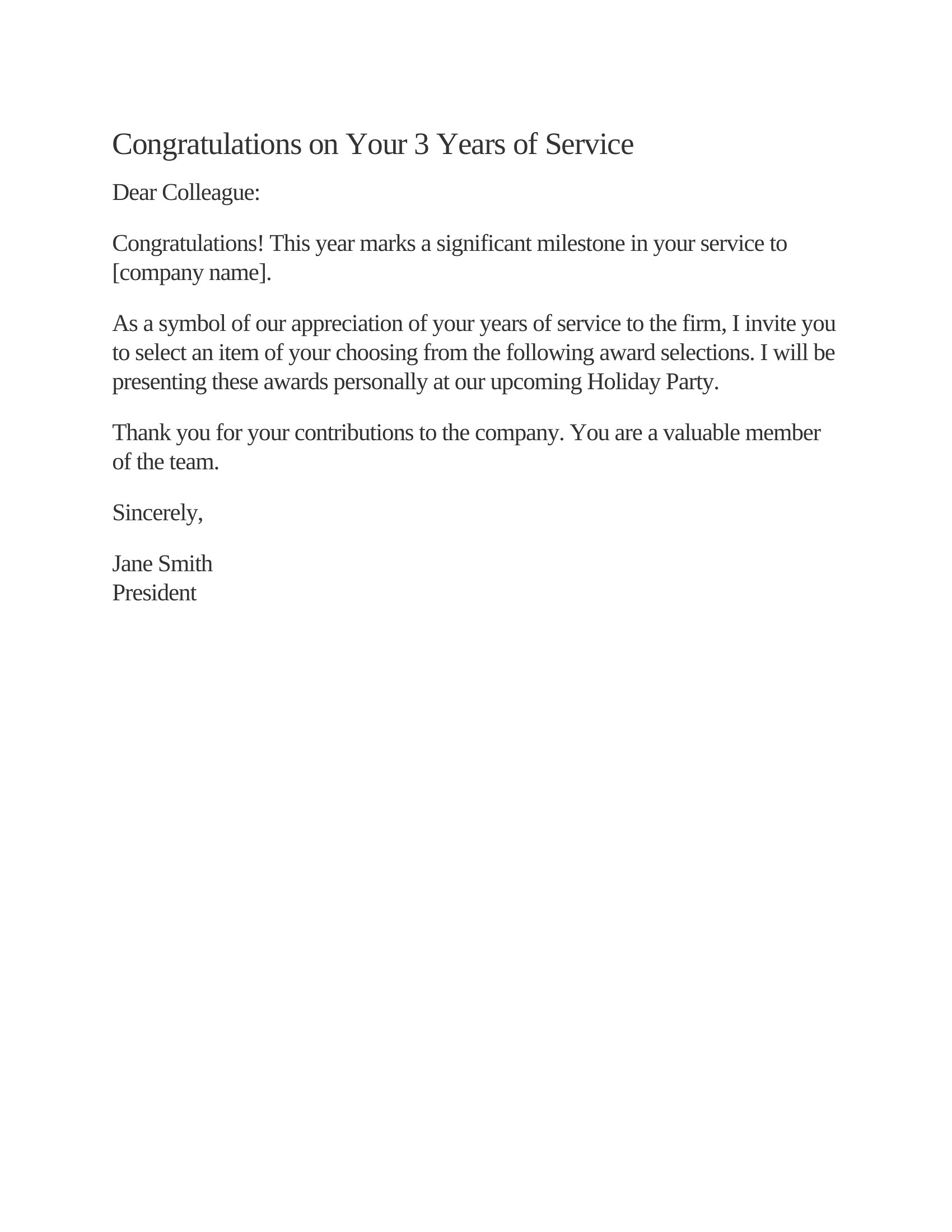
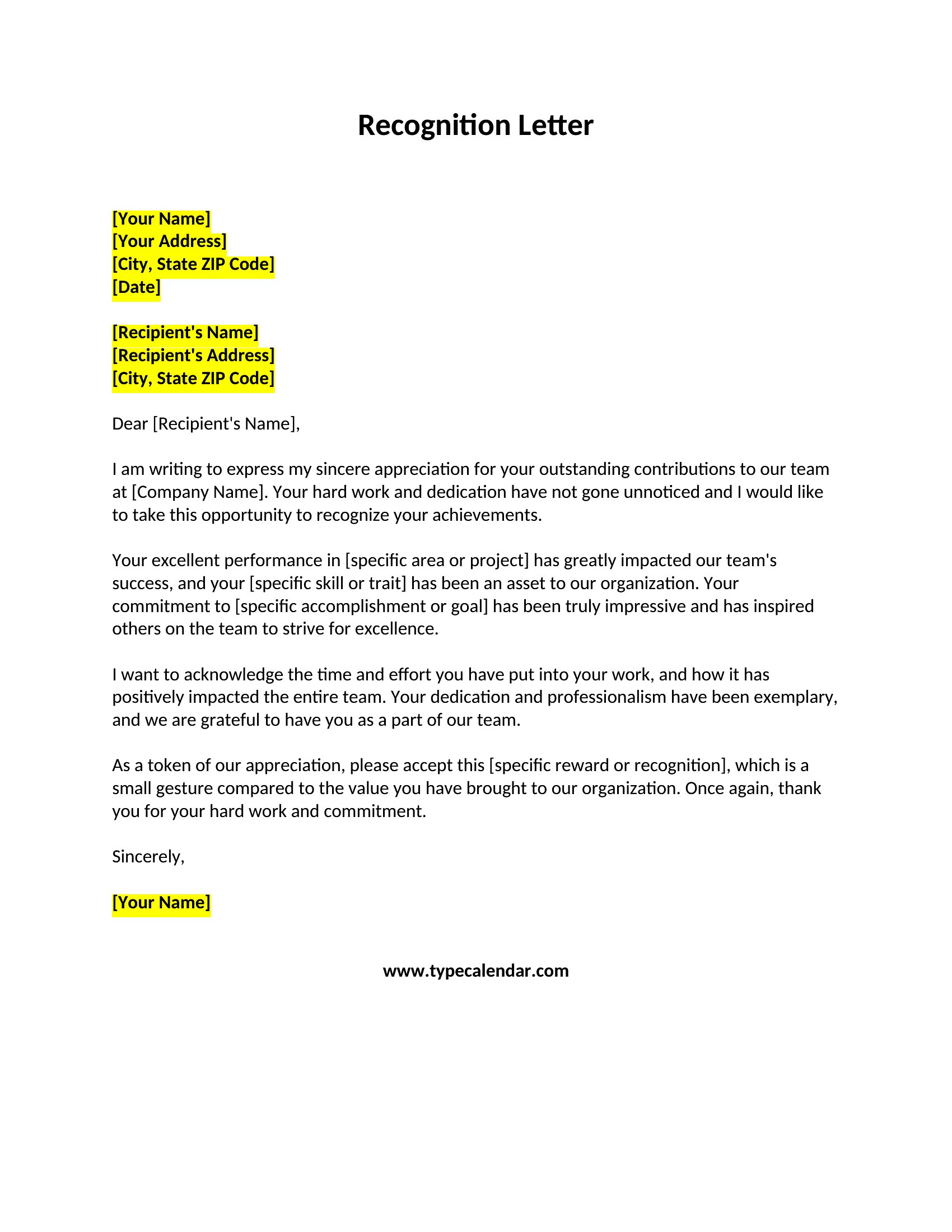
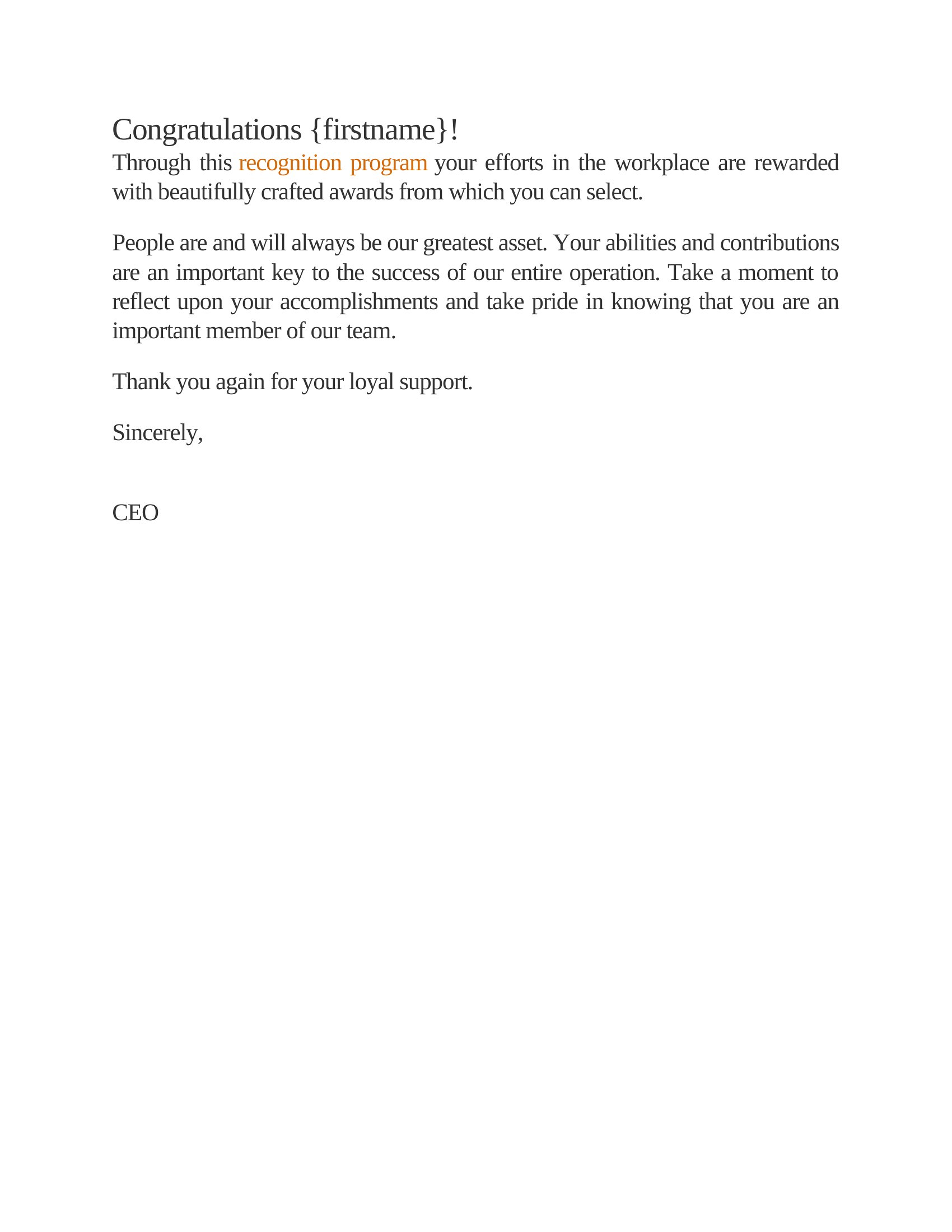
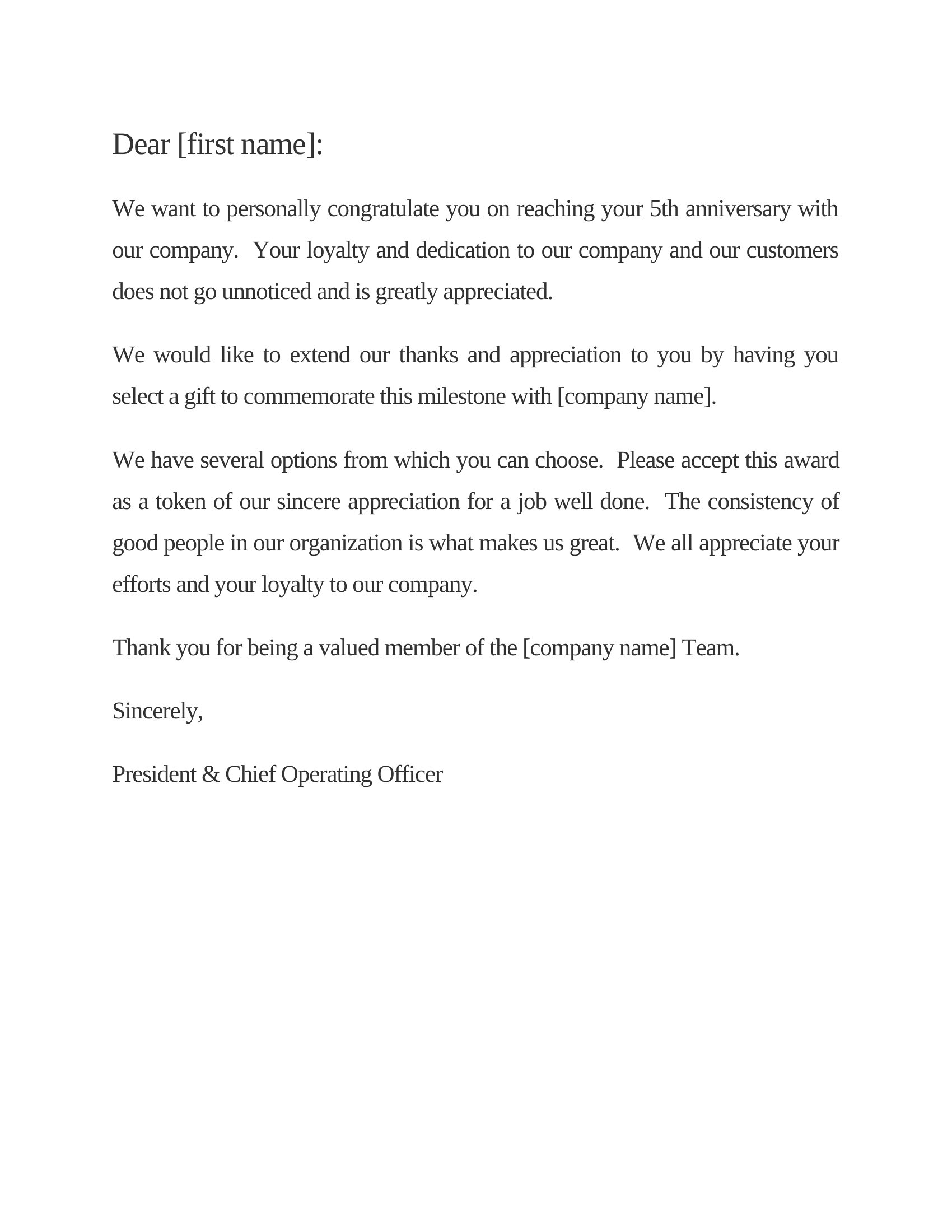
How do I make a recognition letter feel sincere when it’s coming from a company rather than a direct manager?
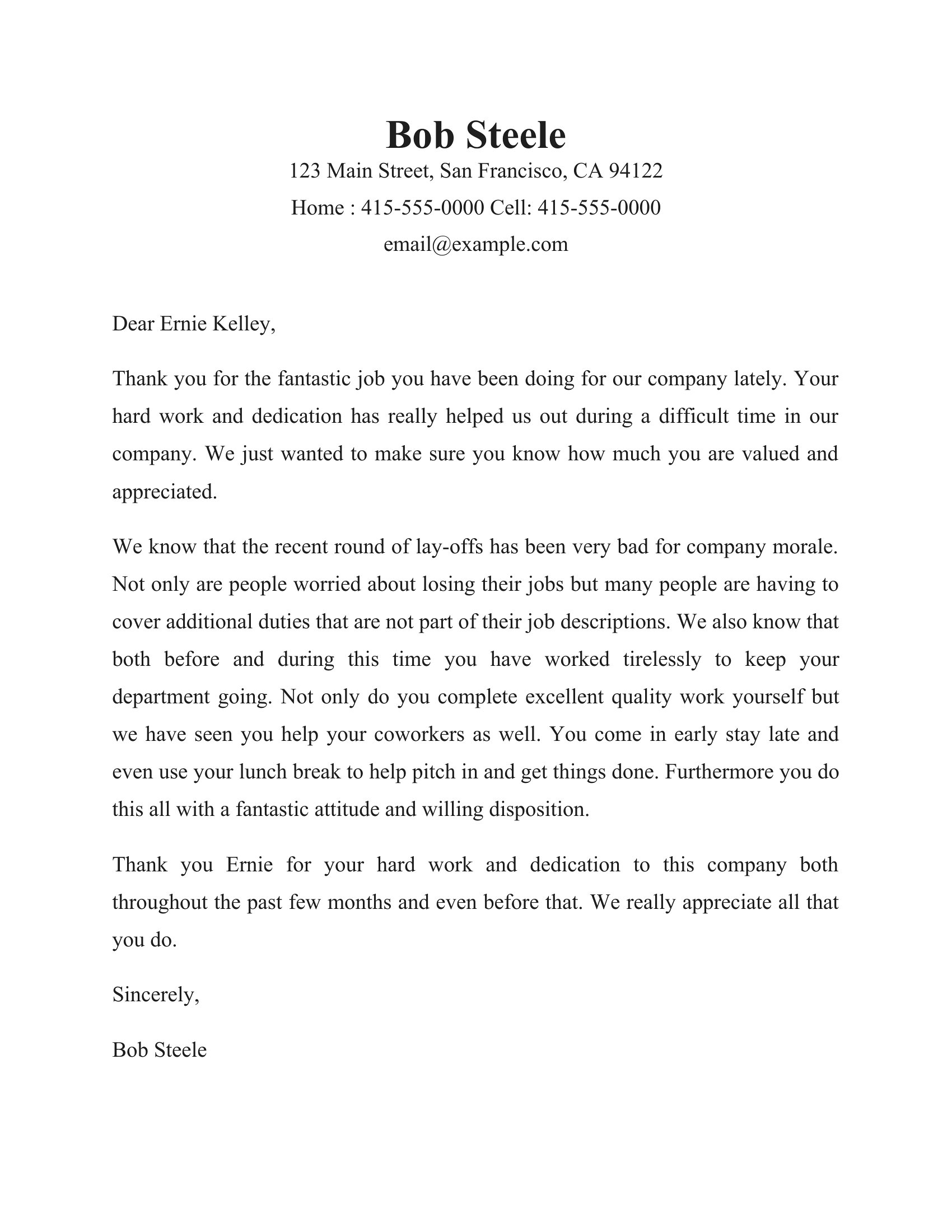
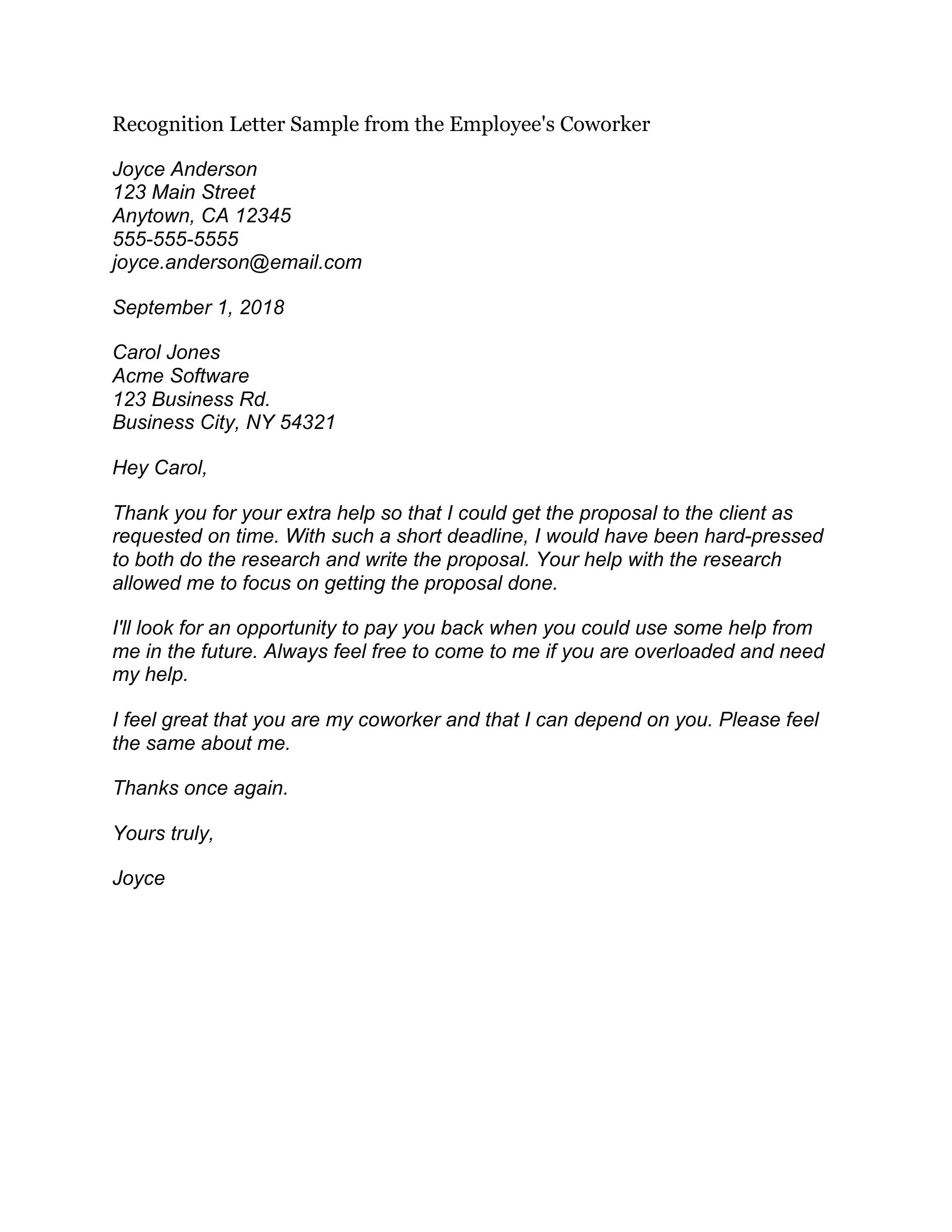
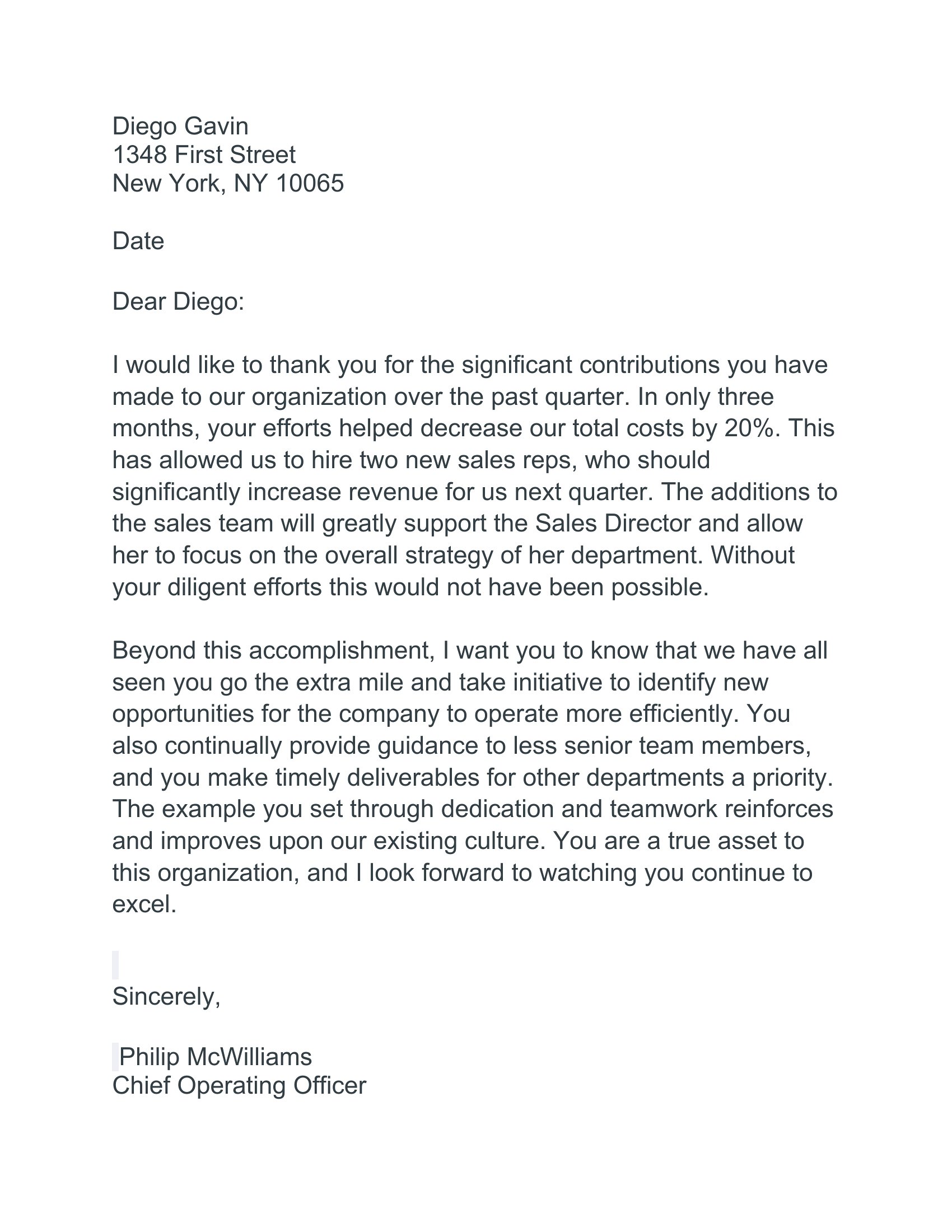
Focus on concrete outcomes tied to the employee’s role. Instead of ‘You’re a great team player,’ try ‘Your collaboration on the Y project reduced client onboarding time by 30%, which directly helped us retain 15% more customers.’ Use the employee’s name and a specific incident or skill—this shows thoughtful preparation, not a template. A handwritten signature or team endorsement (e.g., ‘Sincerely, The Marketing Team’) adds warmth.
Should I include metrics or praise in a letter for an employee who’s been quietly improving processes but hasn’t received public recognition?
Yes, but frame it as a celebration of their contribution to the team’s success. For example, ‘Your work optimizing the Z workflow has cut monthly reporting time by 20 hours—this lets the team focus on higher-impact tasks.’ Quantifiable results validate their efforts, while keeping the focus on how their work benefits others. Avoid overusing jargon; clarity matters more than industry-specific language.
What’s the best way to handle a recognition letter for an employee who’s leaving the company?
Balance gratitude with warmth—acknowledge their contributions, highlight what you’ll miss, and leave the door open for future connections. For example, ‘Your expertise in X will be hard to replace, but we’re confident your skills will take you far. We’d love to stay in touch and hear how you’re applying your experience at your next opportunity.’ Keep it professional yet personal, avoiding anything that might sound like a farewell speech.
Comments
Join the conversation
Sign in to share your thoughts and leave a comment on this resource.