FAQ
How should I structure the supporting evidence in a salary increase request letter?
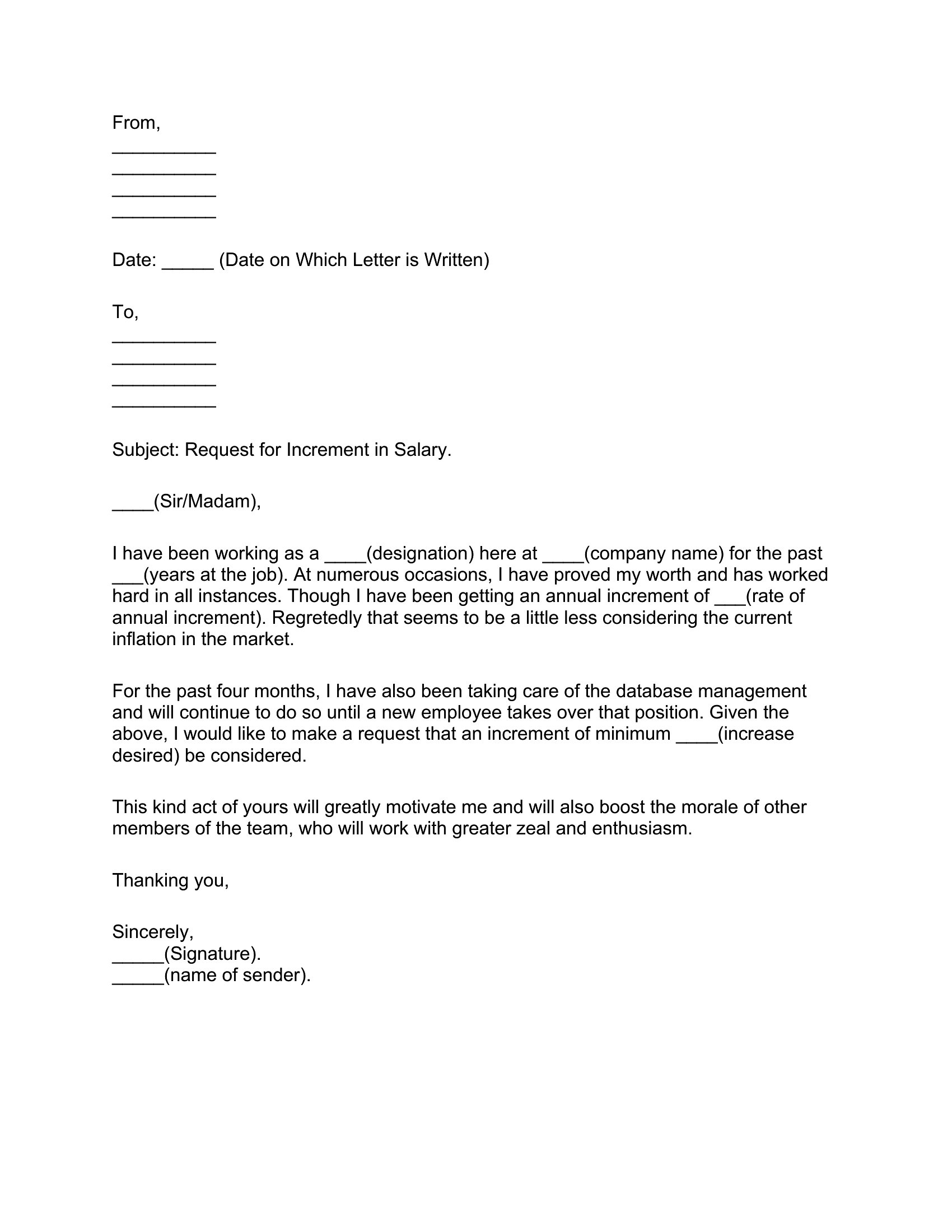
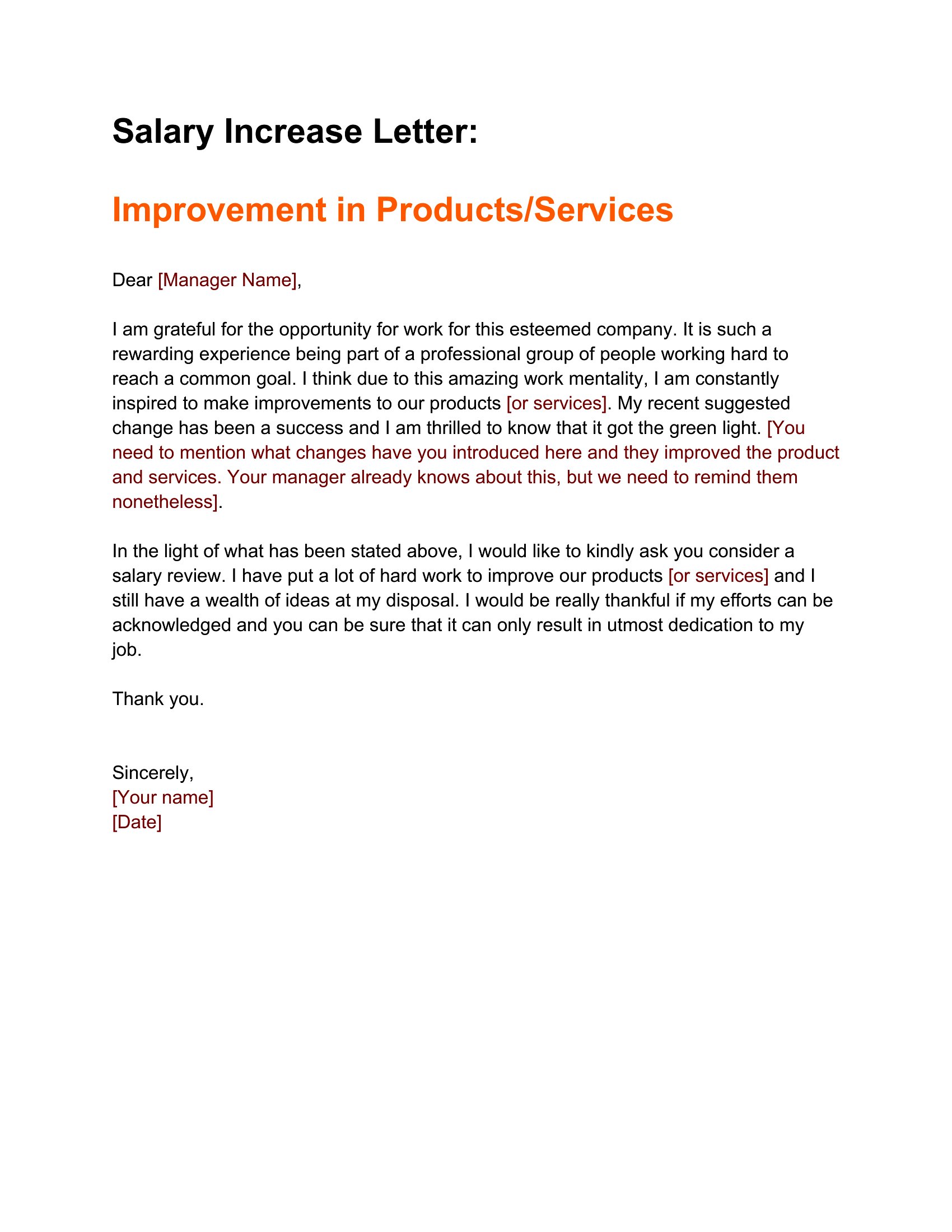
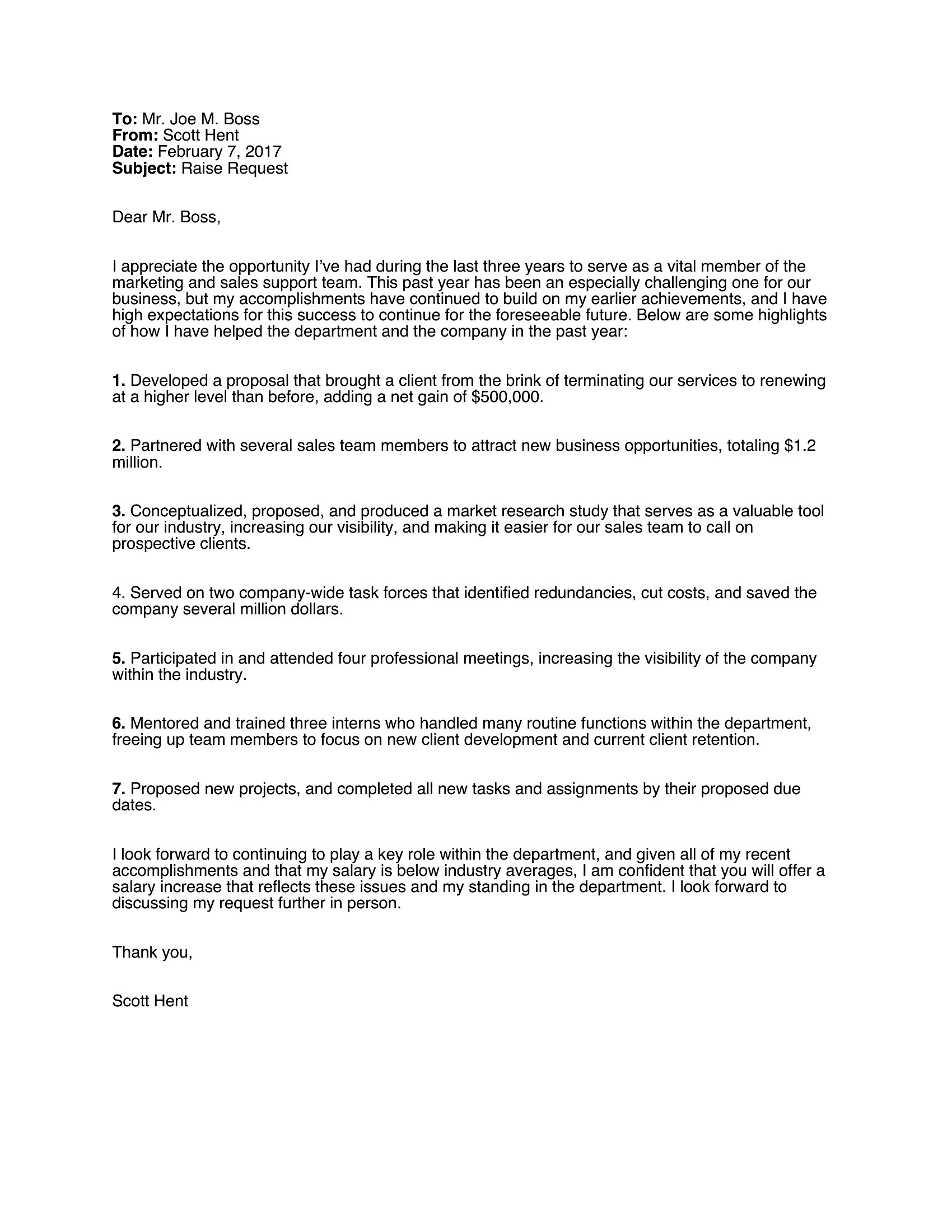
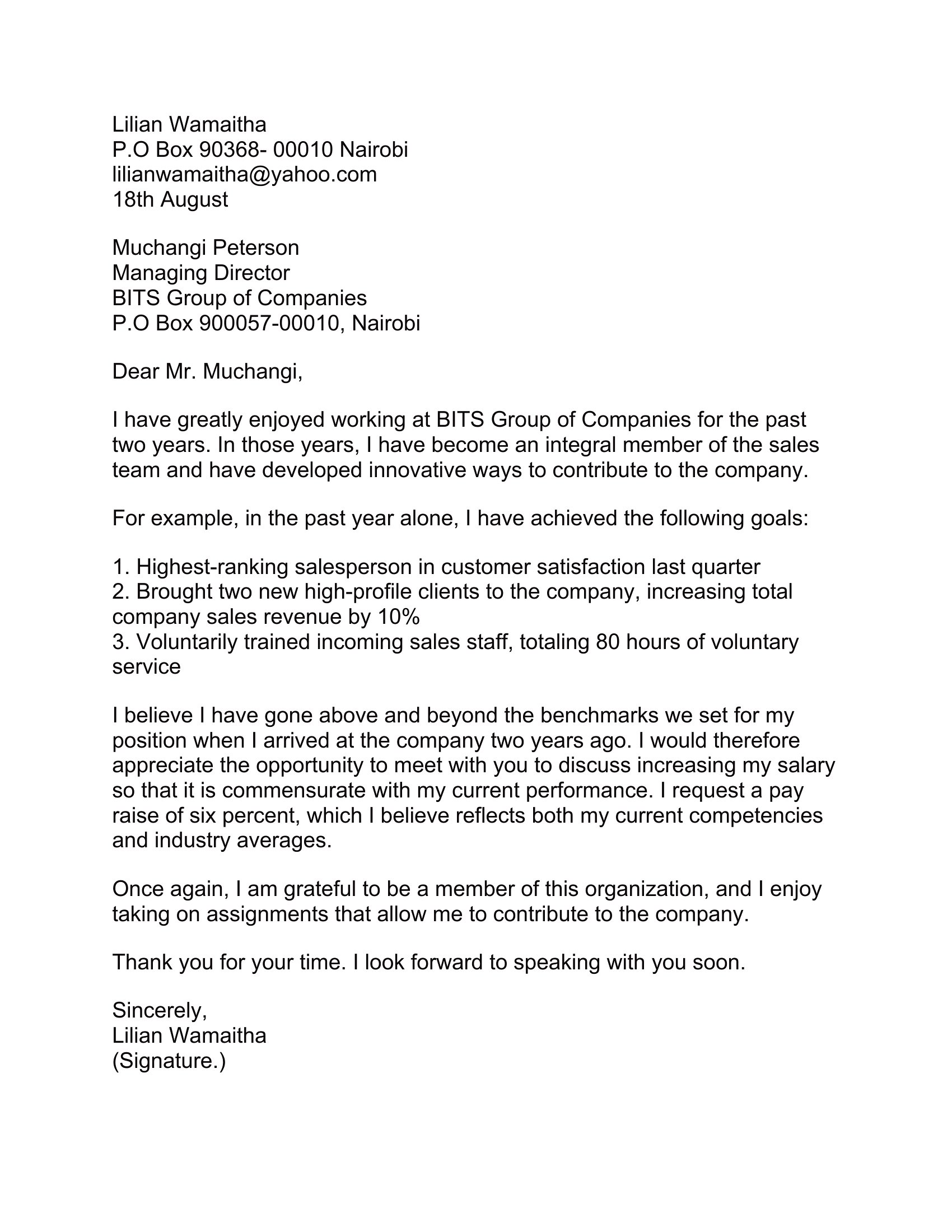
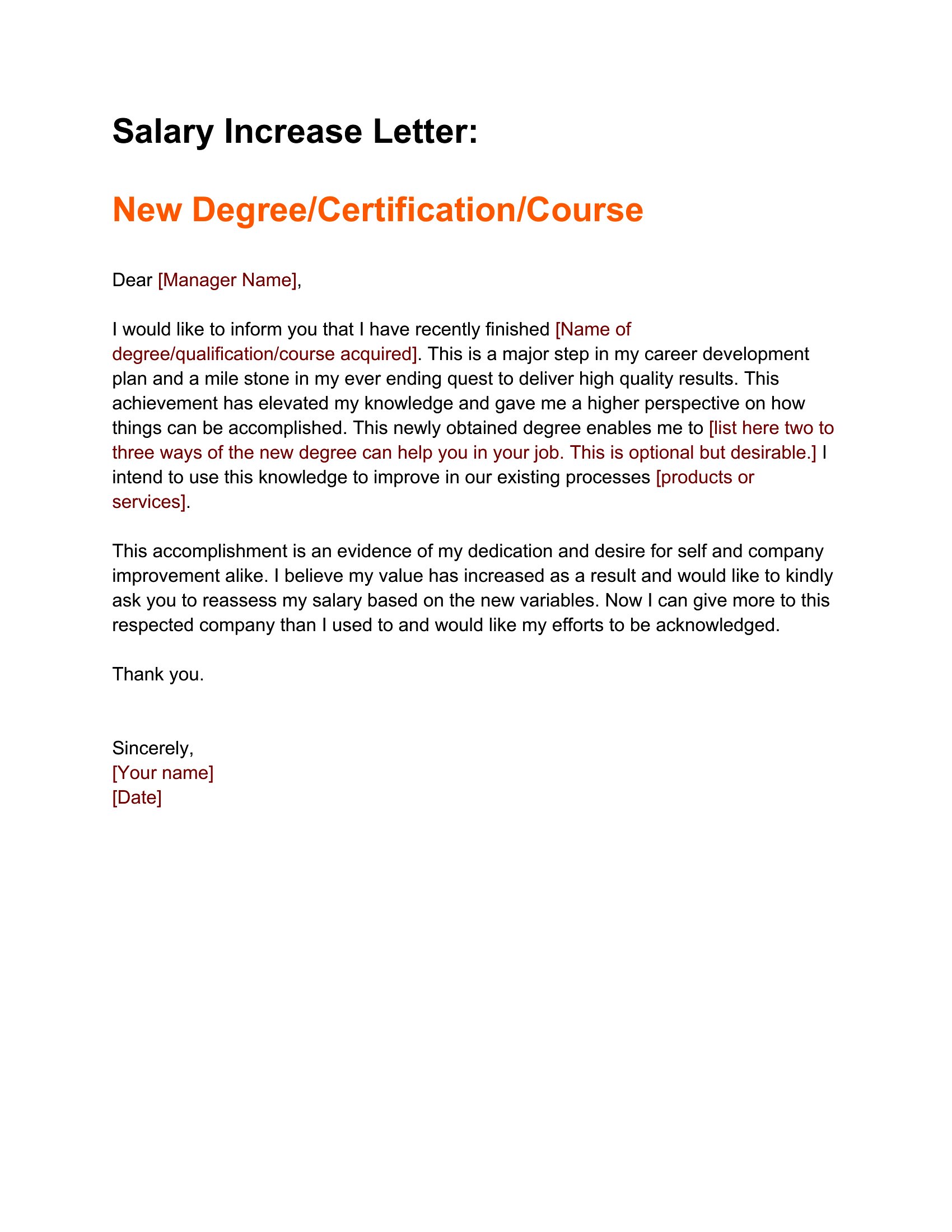
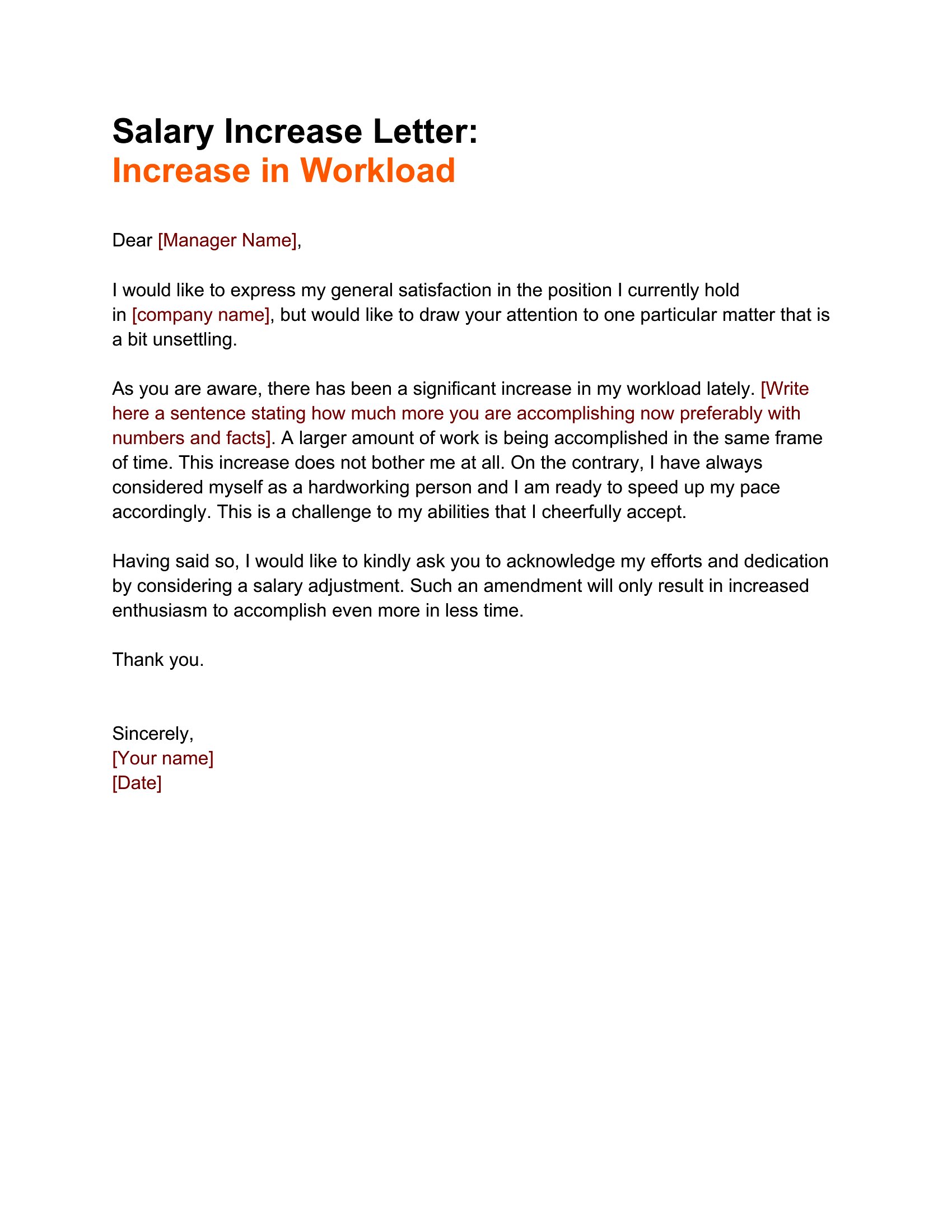
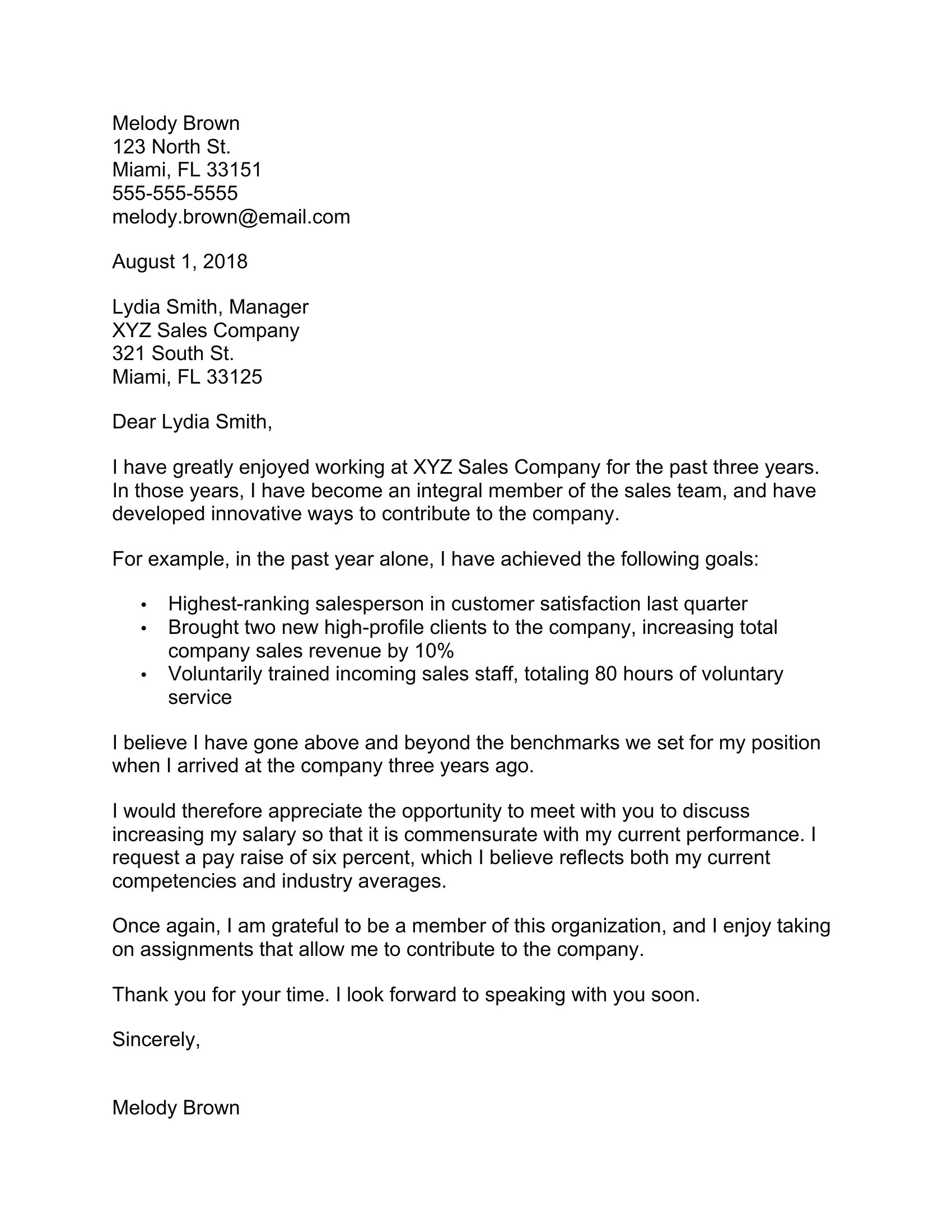
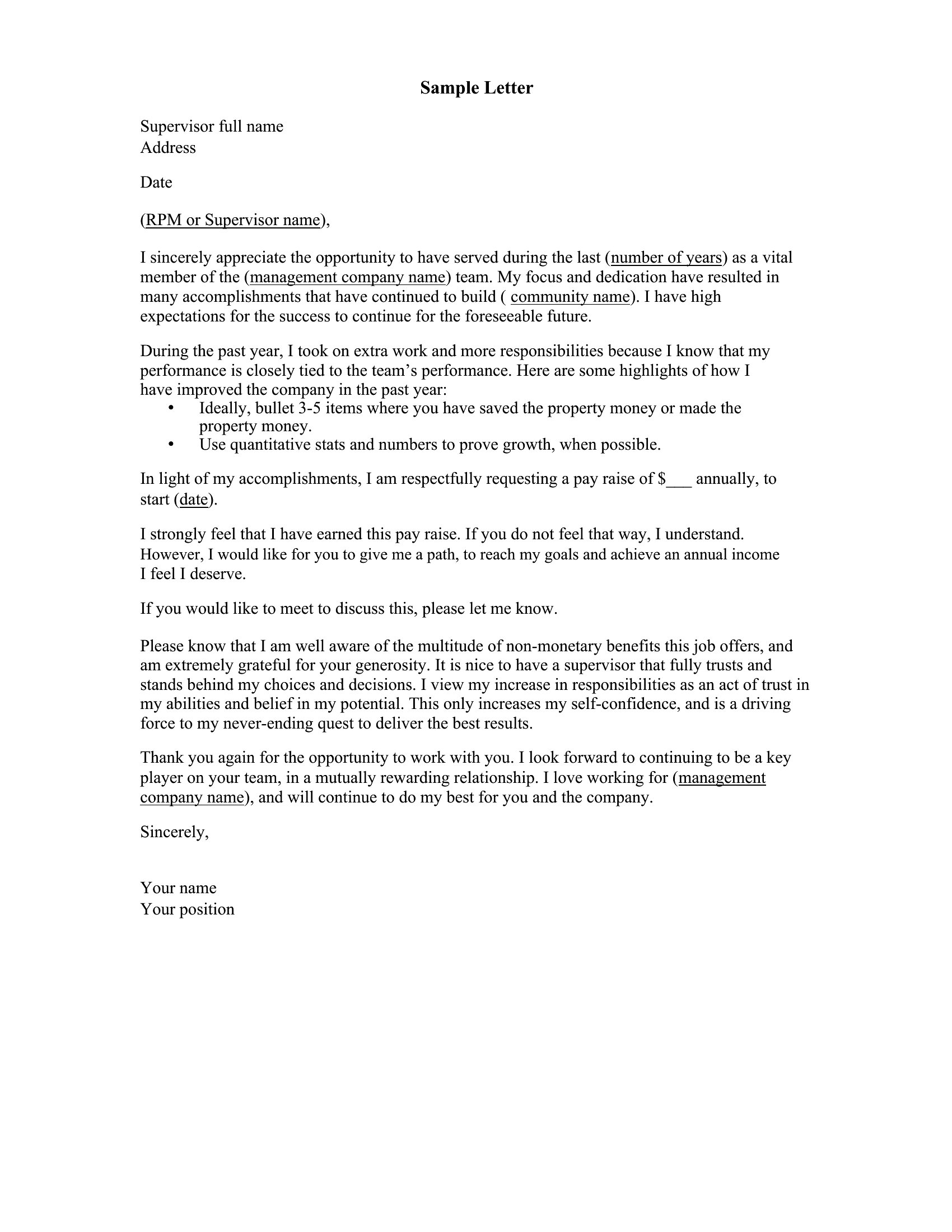
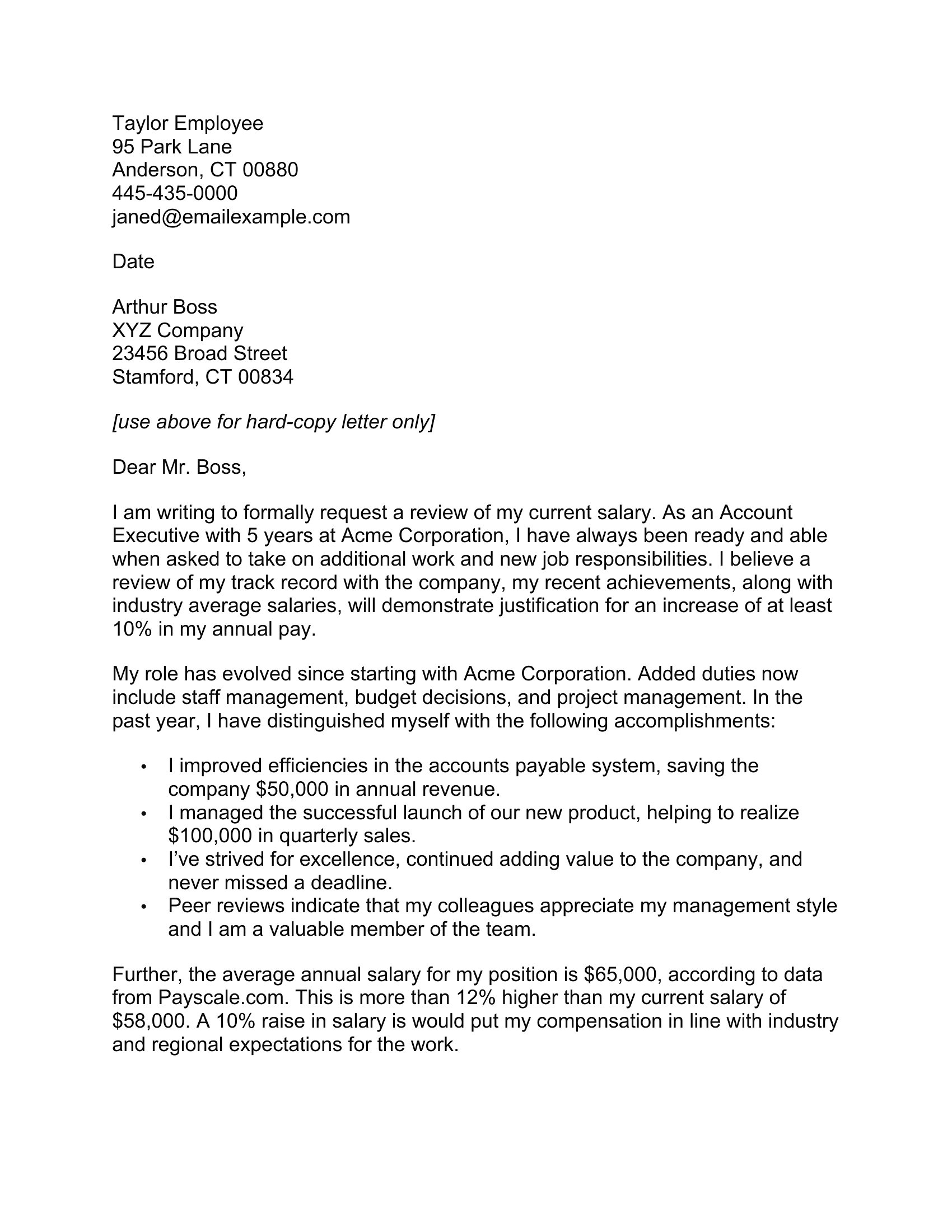
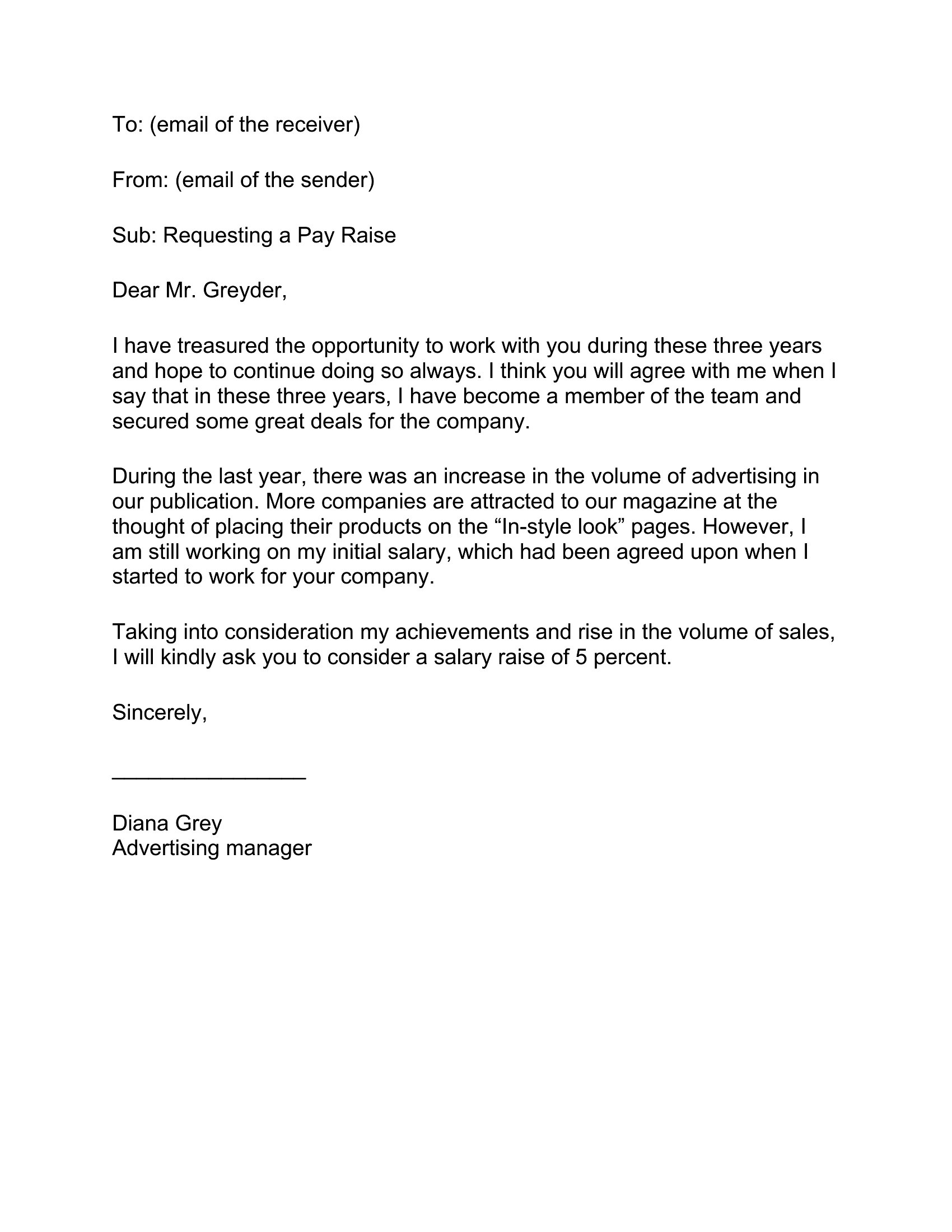
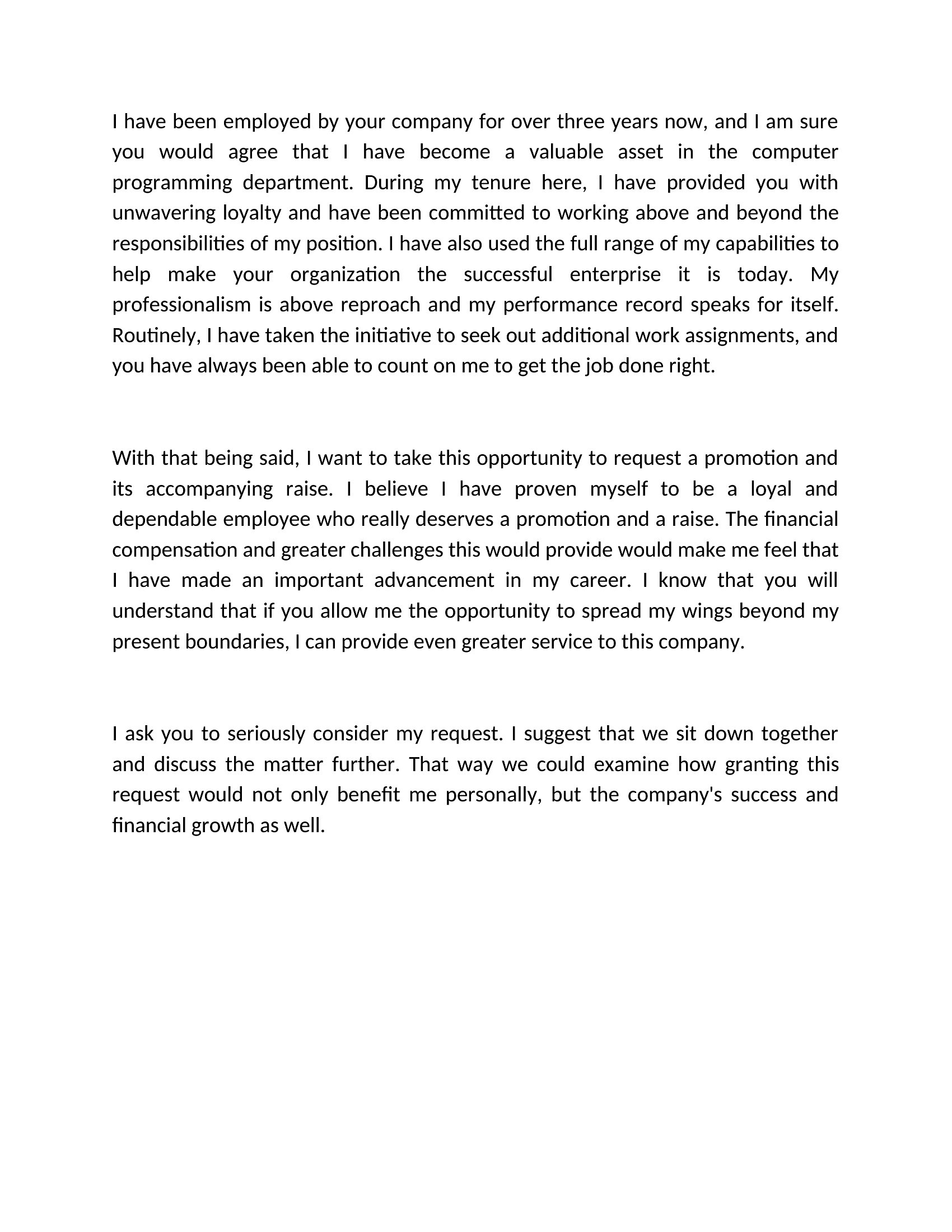
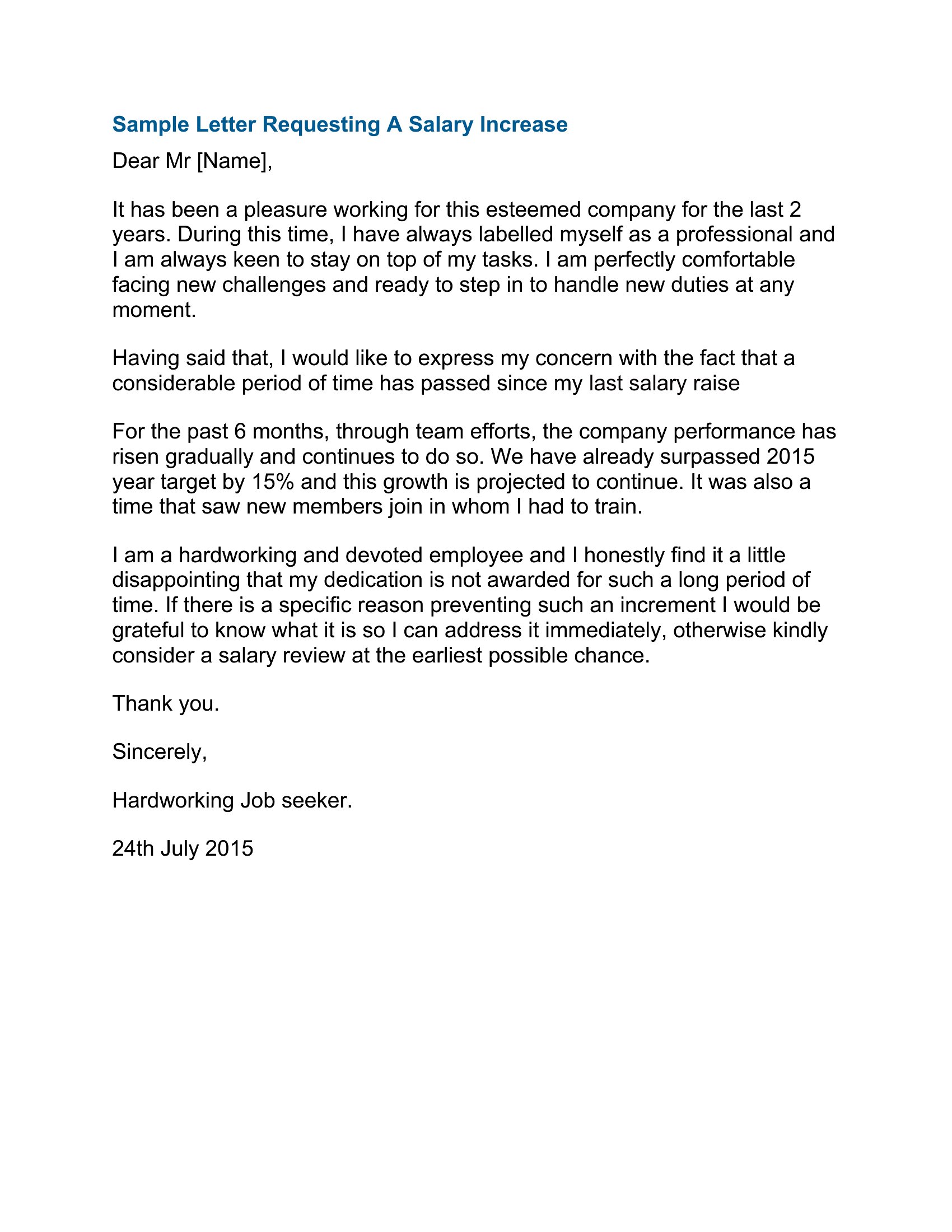
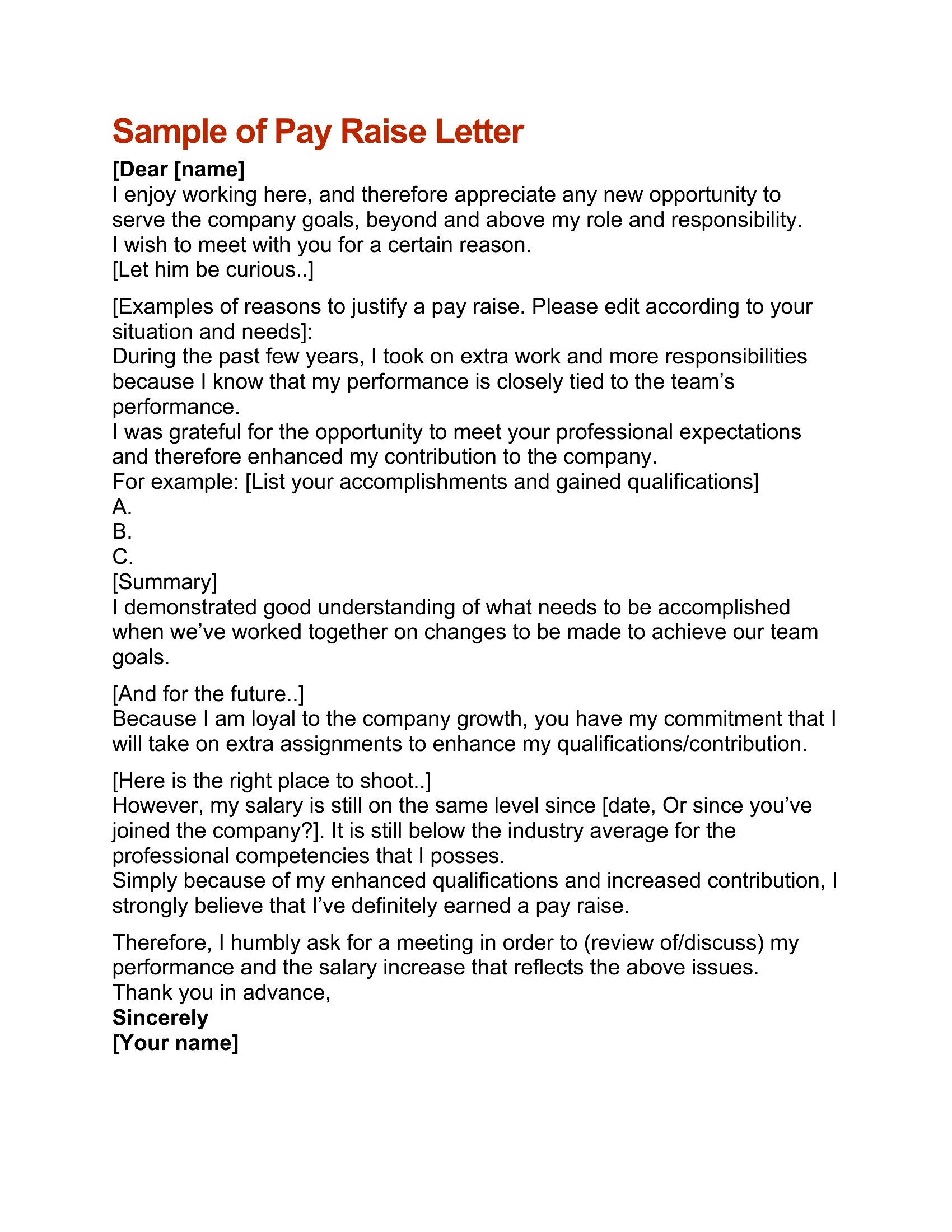
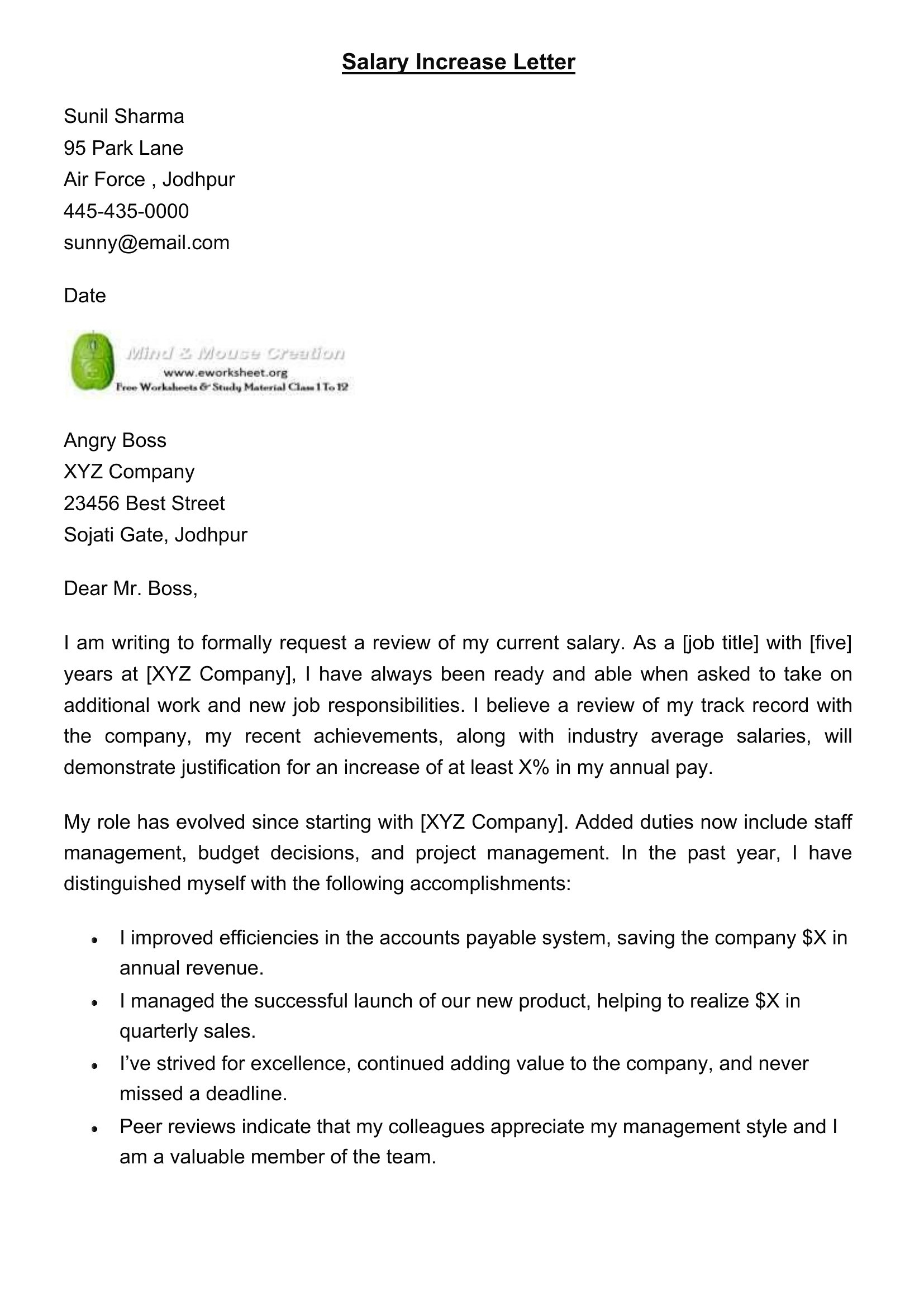
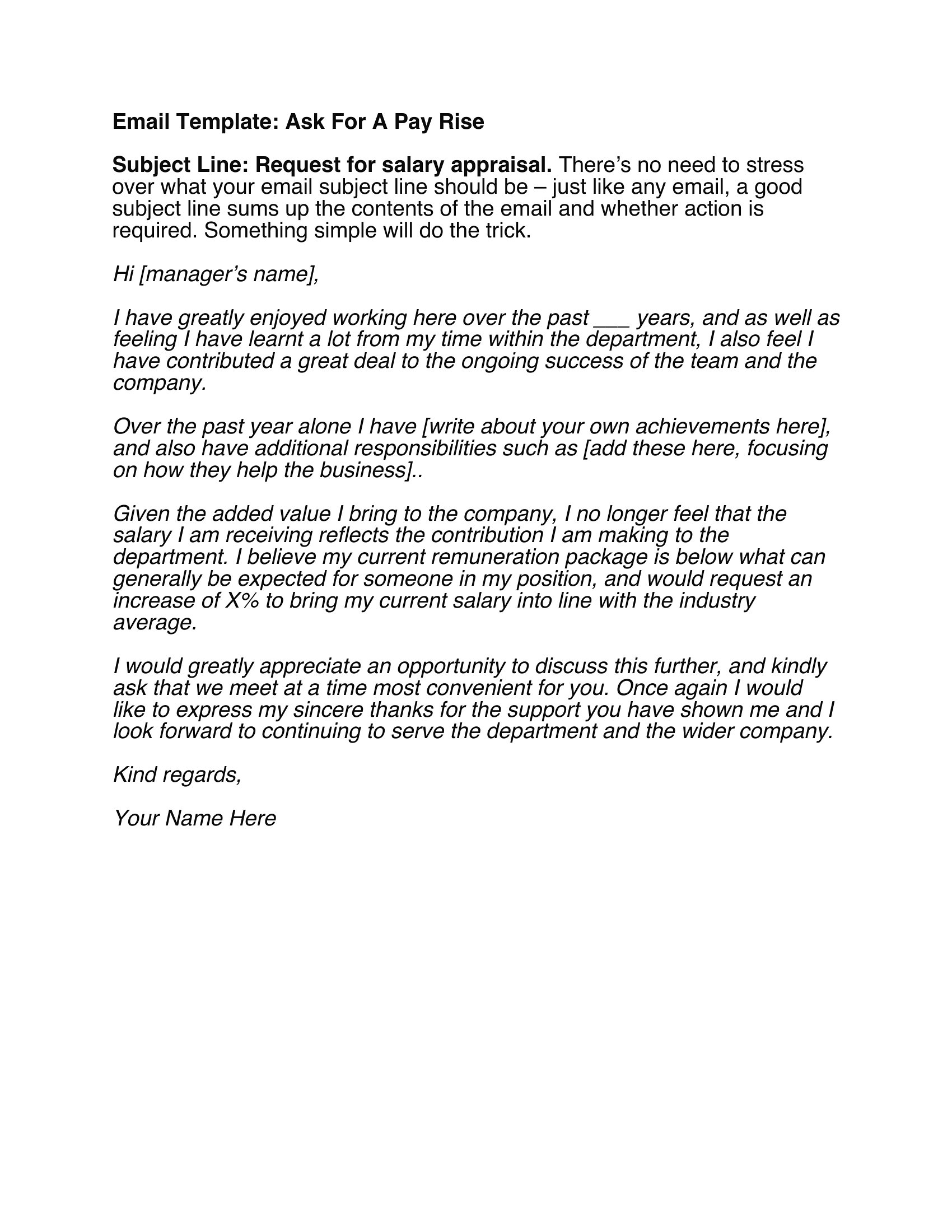
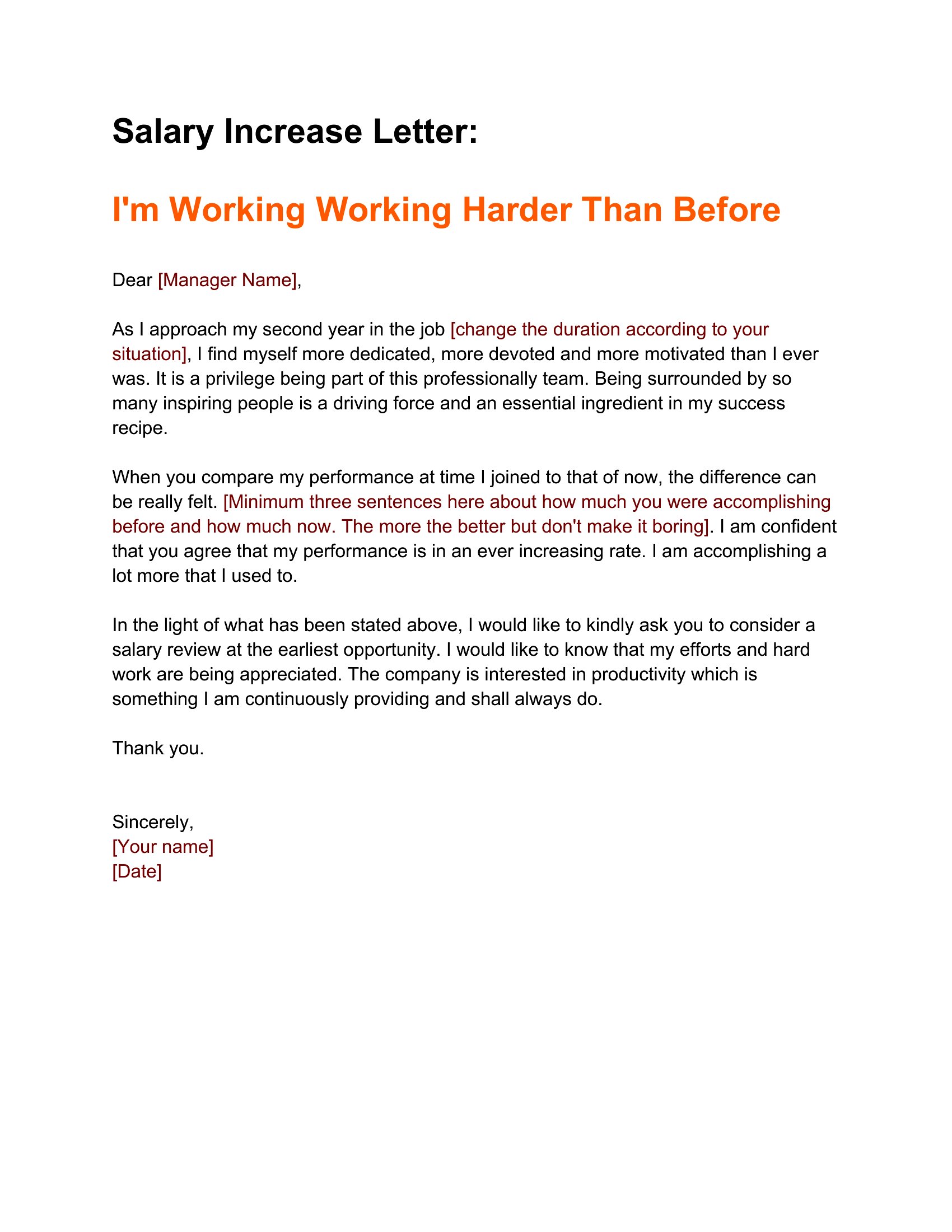
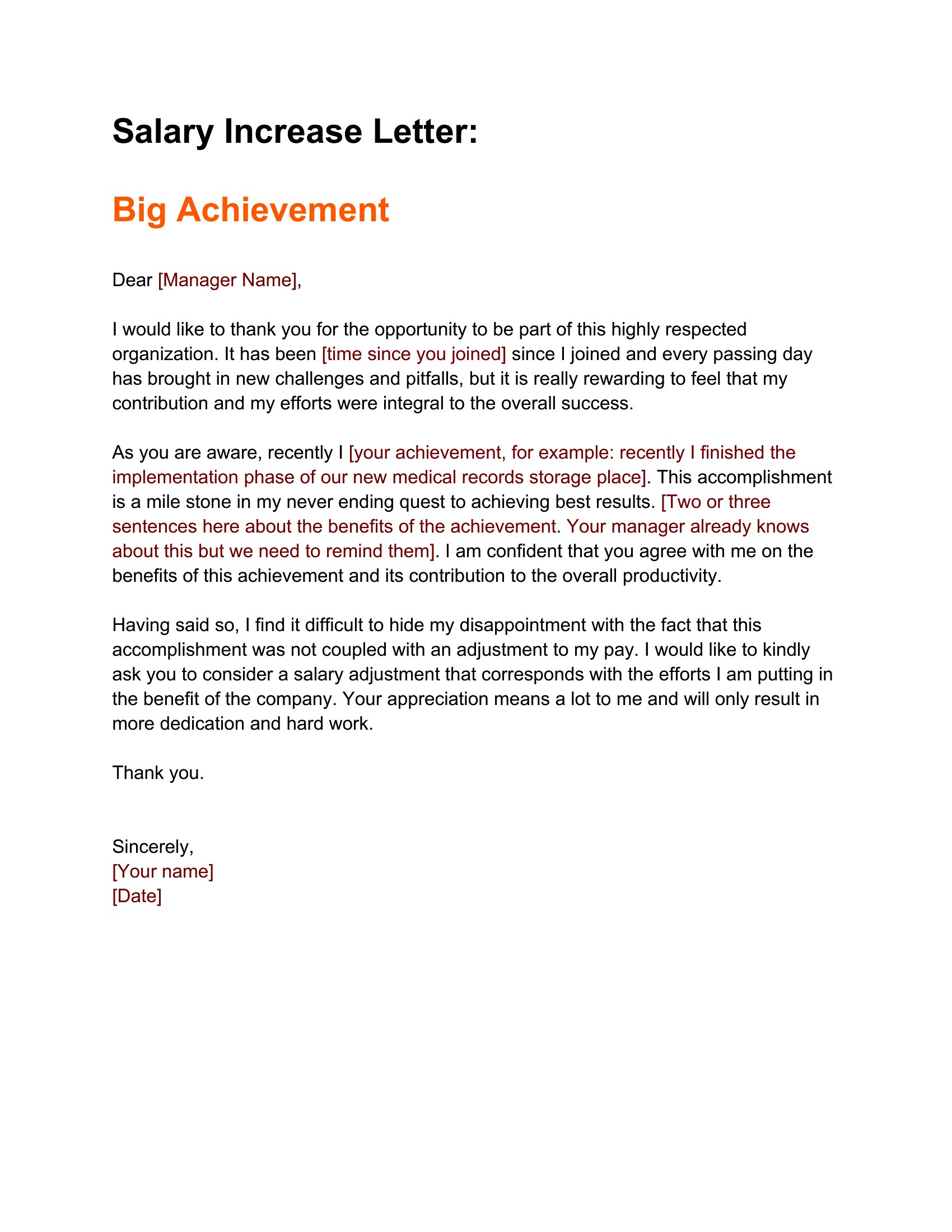
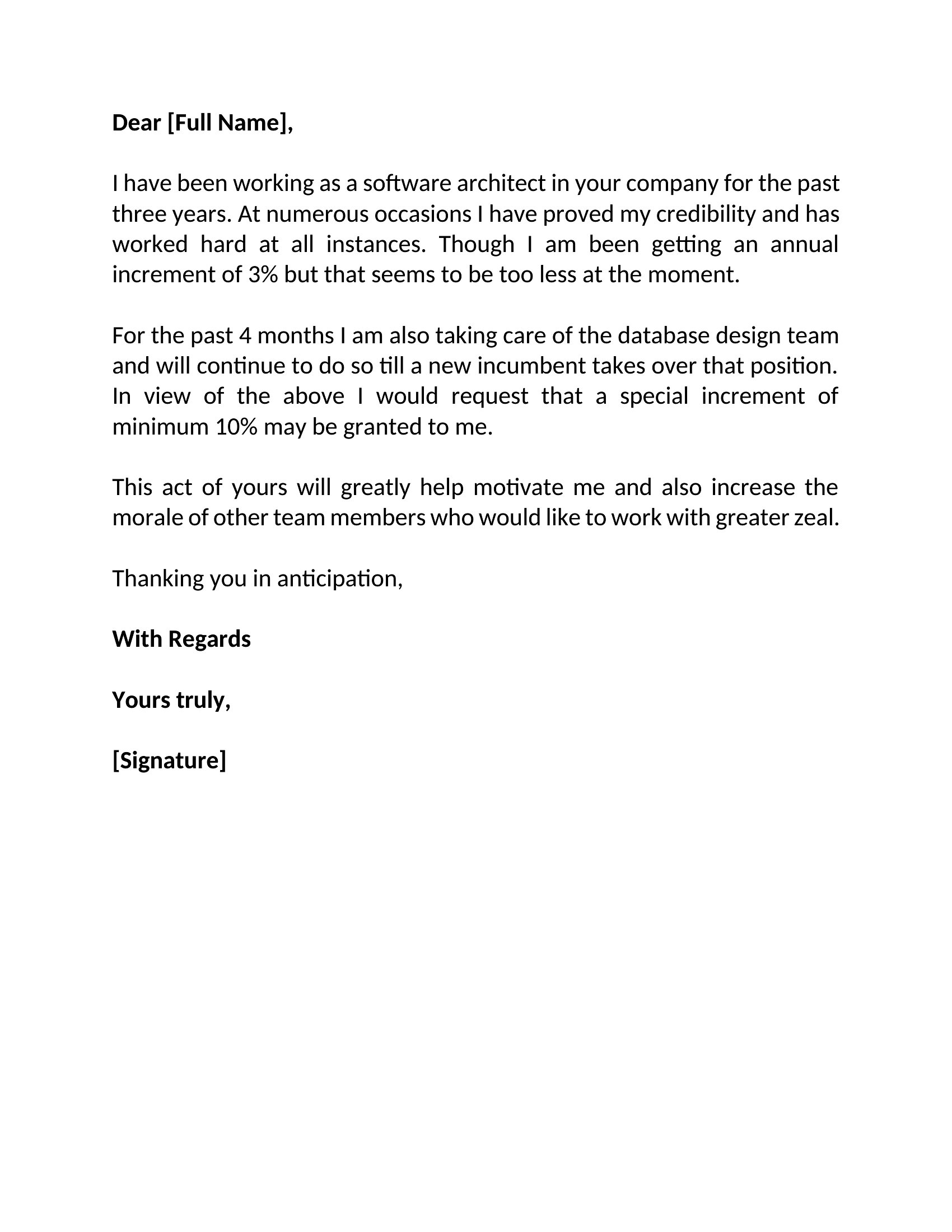
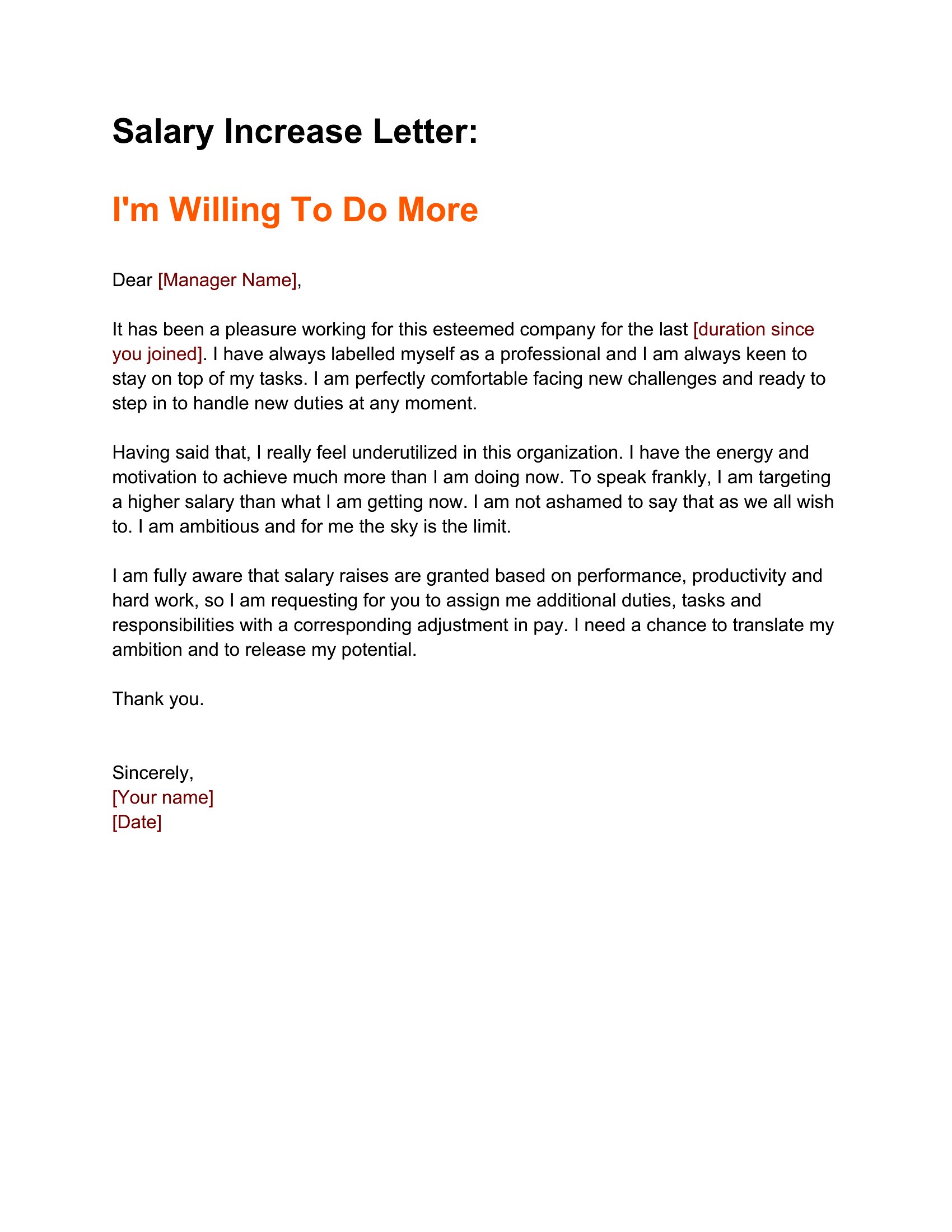
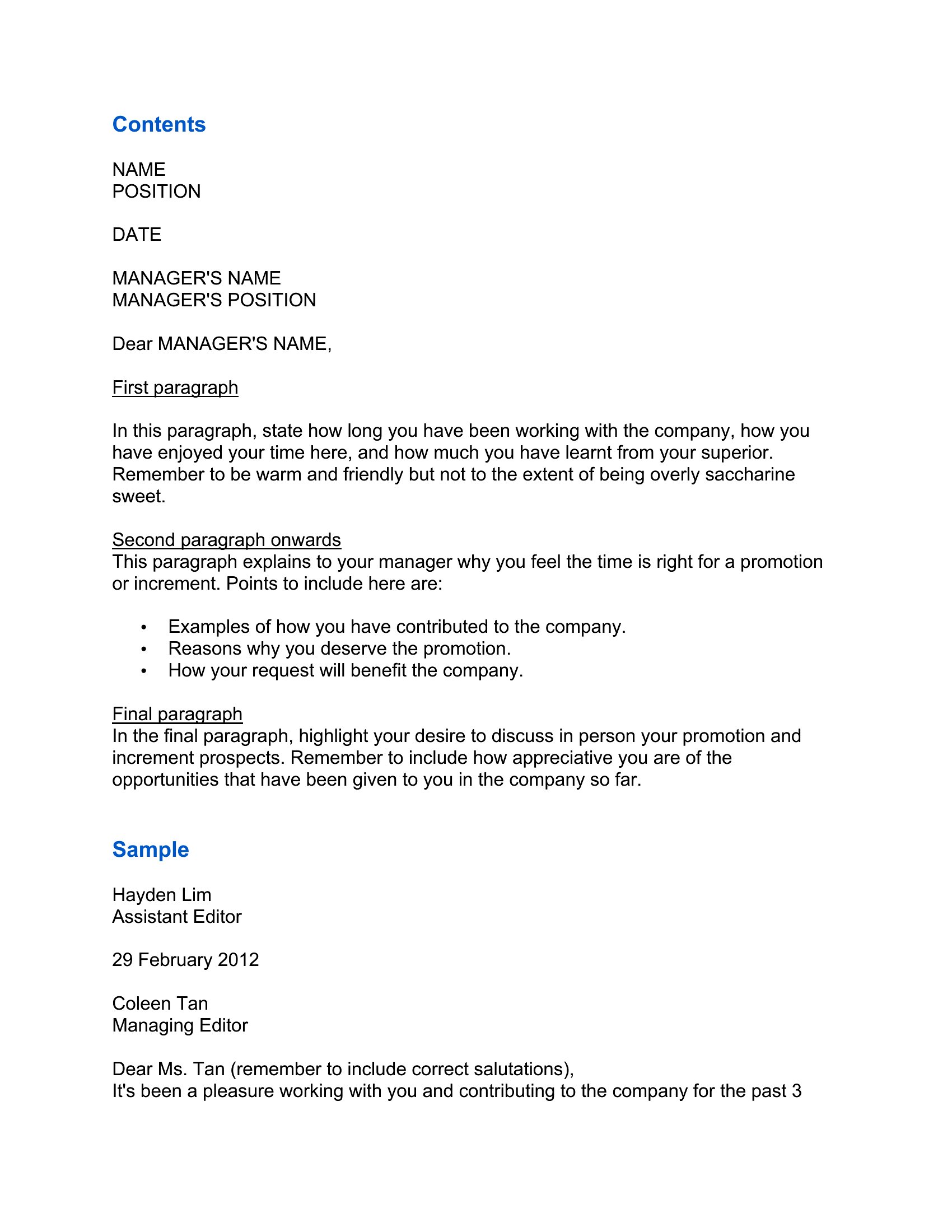
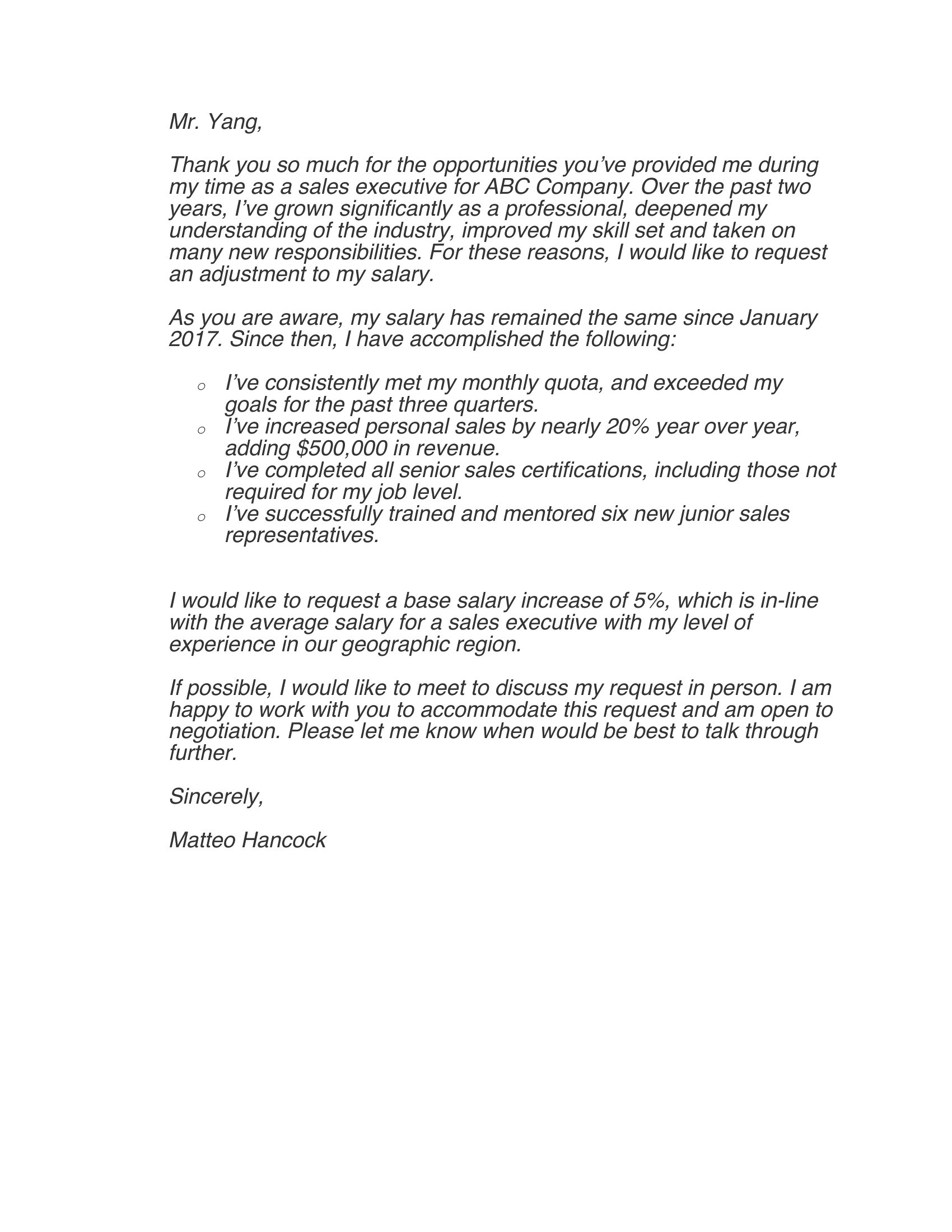
Each template includes a dedicated section for accomplishments—focus on quantifiable results like revenue generated, projects delivered, or efficiency improvements. For example, instead of ‘led a team,’ specify ‘reduced customer response time by 30%.’ Pair metrics with soft skills (e.g., ‘mentored two junior hires who now handle X tasks’) to create a balanced case. Avoid listing generic responsibilities unless they directly tie to your ask.
Can I use these templates to decline a salary increase request professionally?
Yes, several templates are designed for managers to communicate declines with transparency. Frame the response around company-wide budget constraints, market benchmarks, or performance expectations rather than personalizing the rejection. Always include a timeline for revisiting the discussion (e.g., ‘Let’s schedule a check-in in 6 months’) to maintain trust. For sensitive cases, consider pairing the letter with a private conversation.
What’s the best way to reference external salary data in my request?
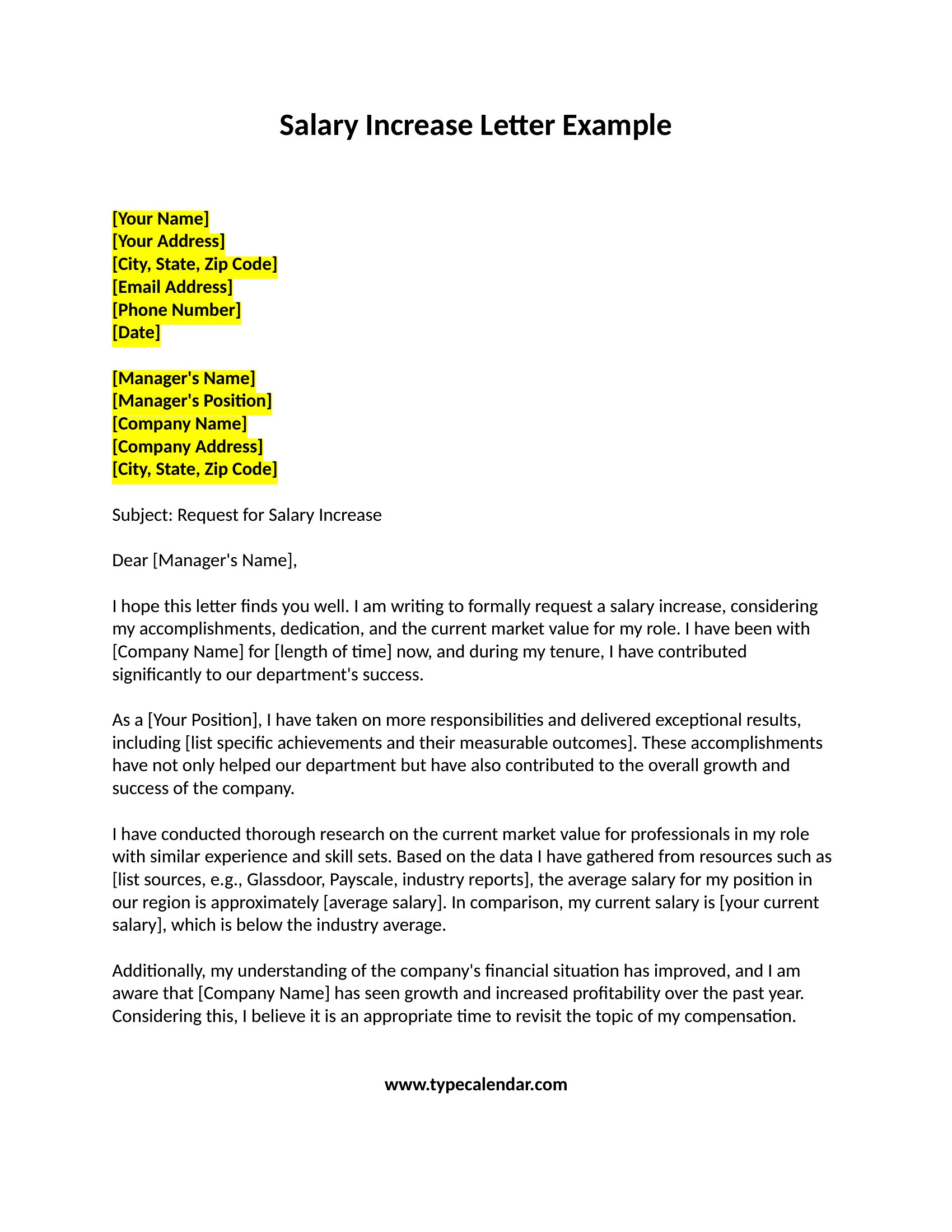
Cite specific, recent sources like Glassdoor, Payscale, or industry reports (e.g., ‘According to the 2024 Tech Salary Survey, the median for [your role] in [location] is $X’). Avoid vague claims like ‘the market rate.’ If your company conducts internal salary benchmarks, reference those instead. Attach the data as an appendix if the letter has space—this adds credibility without overwhelming the reader.
Comments
Join the conversation
Sign in to share your thoughts and leave a comment on this resource.