

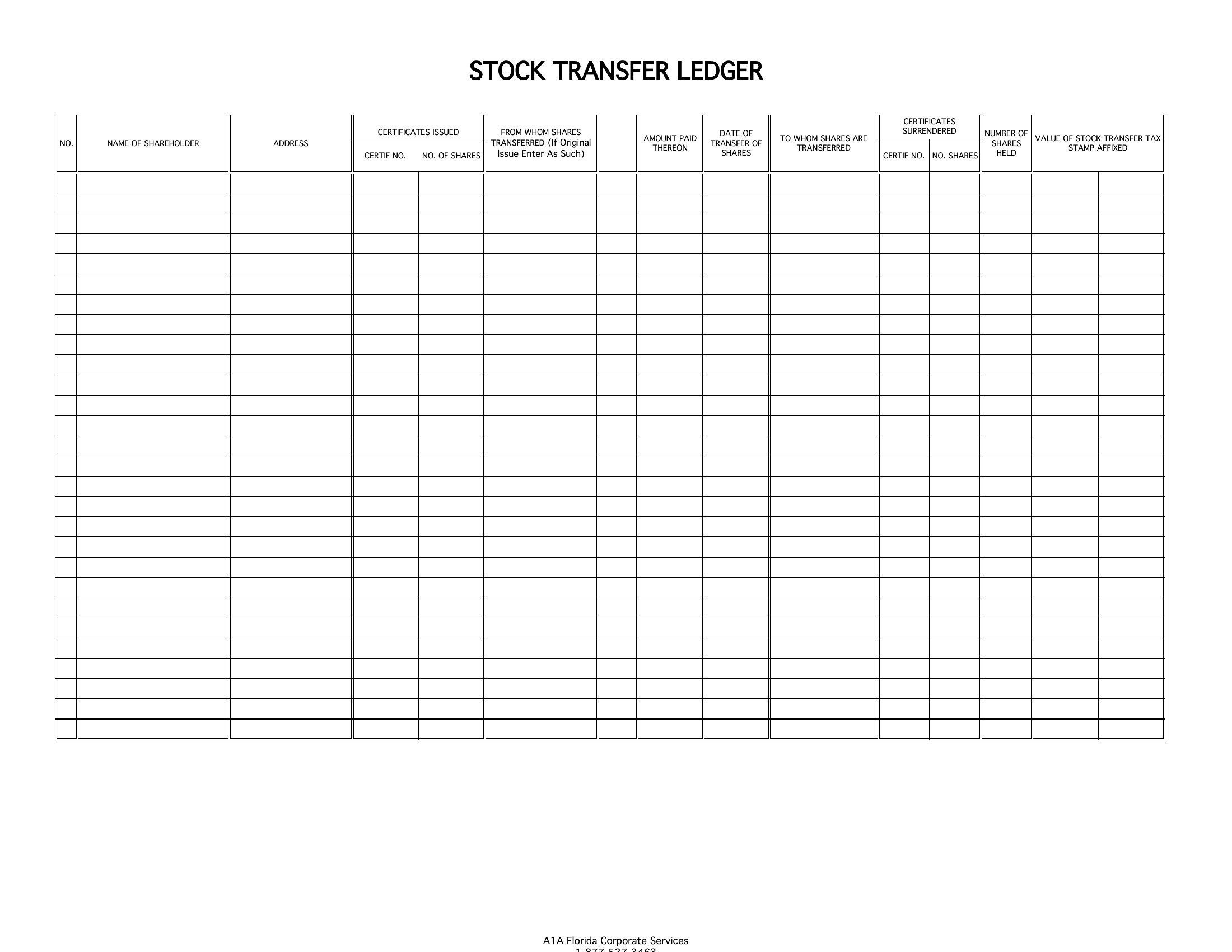




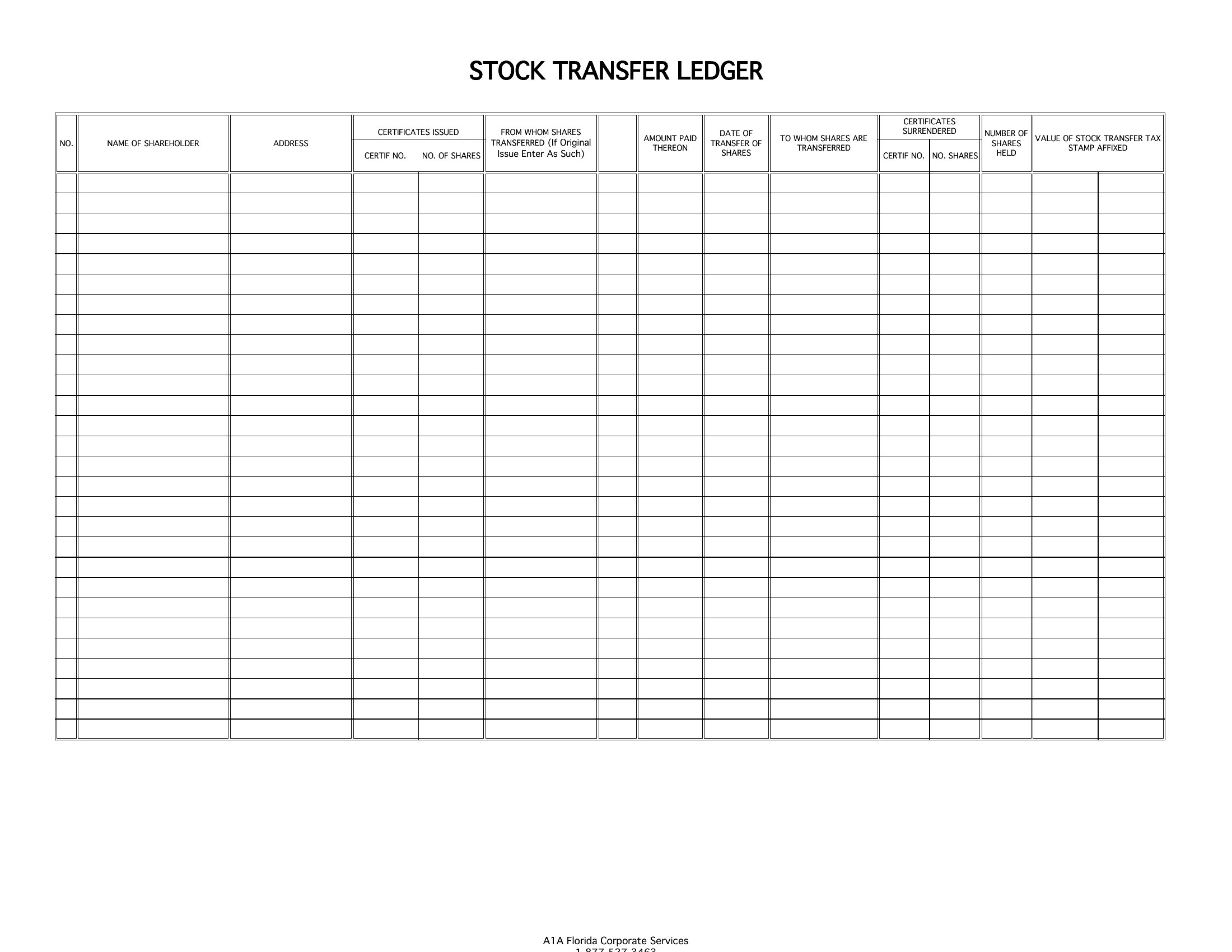


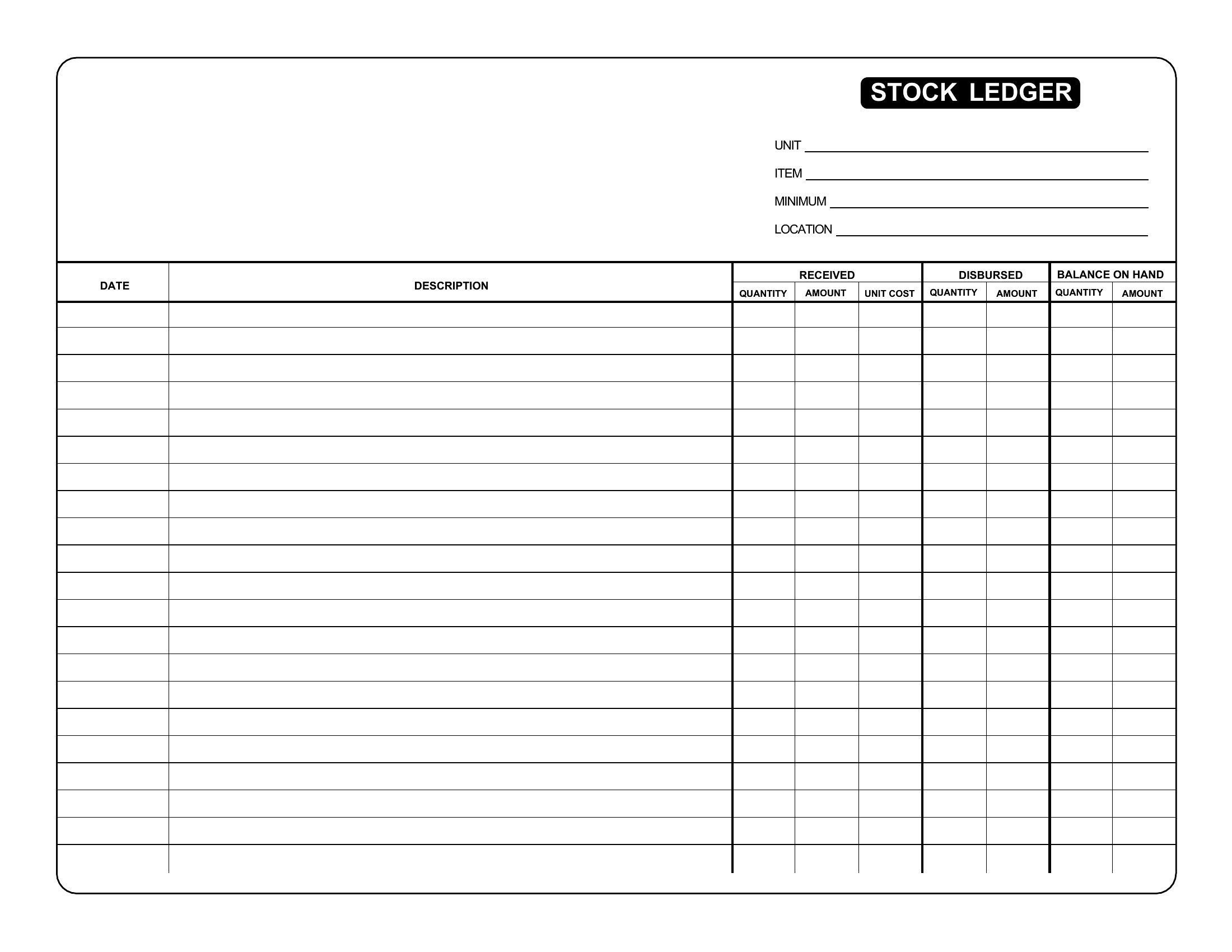
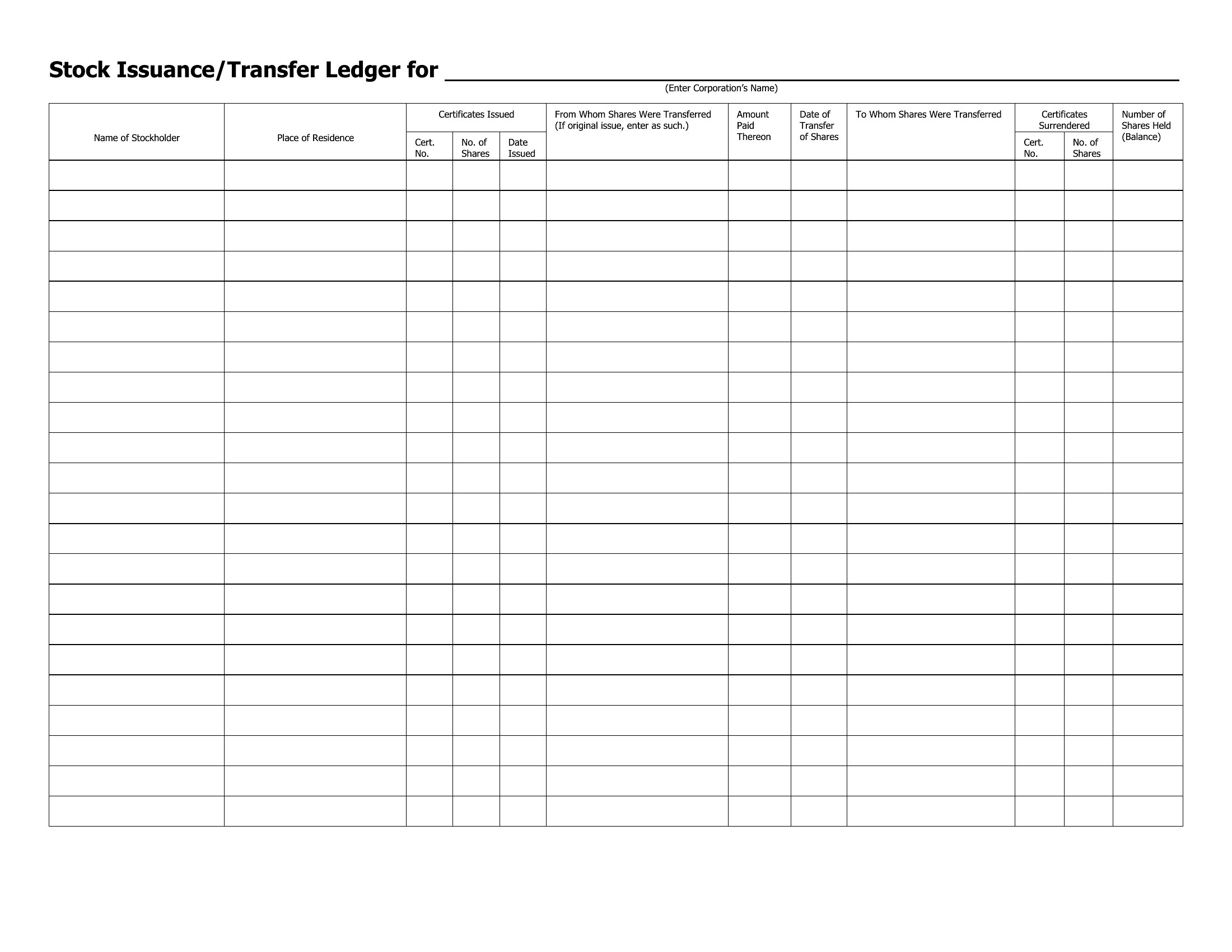

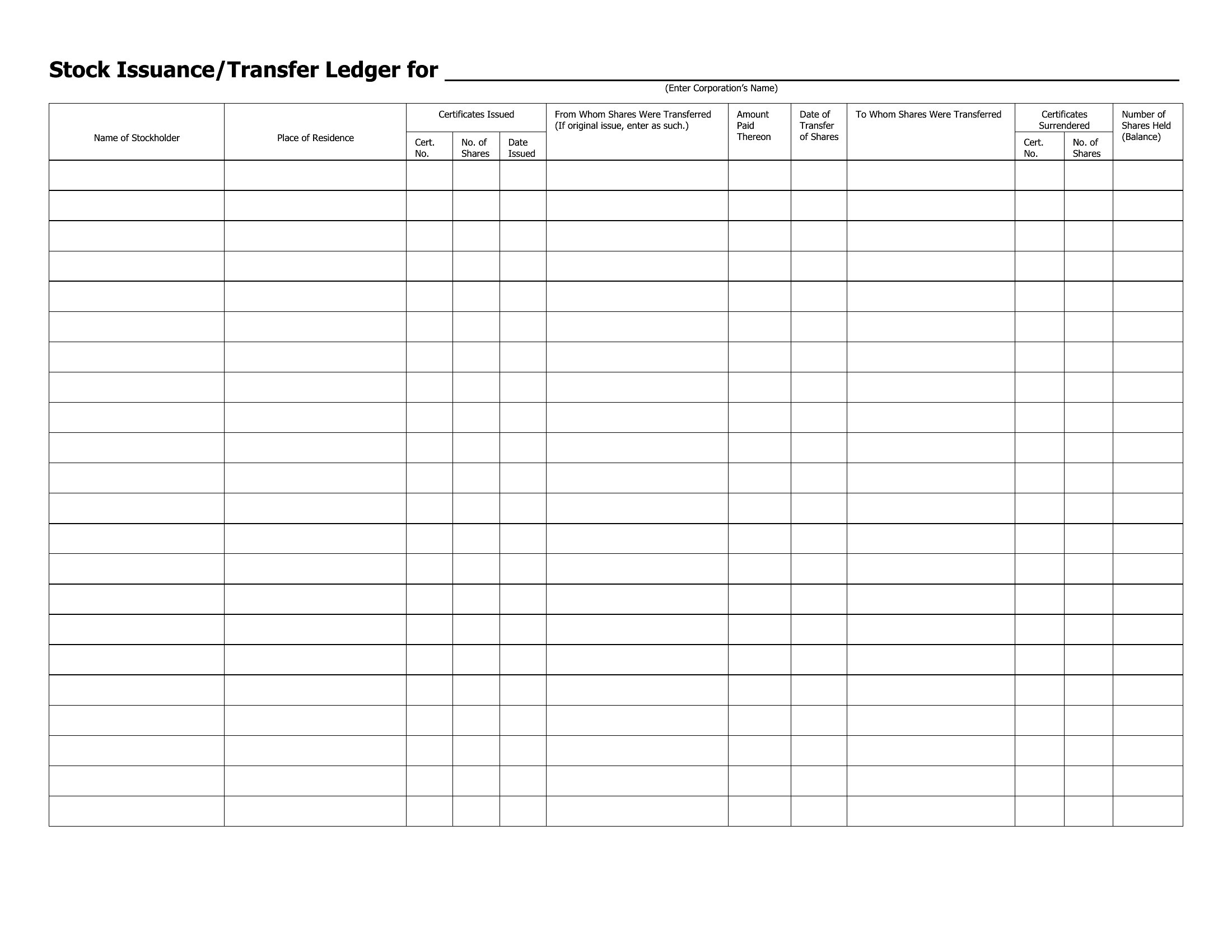
Free Stock Ledger Templates (Word, Excel)
StatementsA corporation needs a clean record of who owns its shares, and a stock ledger keeps that history straight. This set of 16 templates tracks shareholders, certificate numbers, share classes, issue dates, and transfers in one organized place. Startup founders, small-business owners, and corporate secretaries can use one to keep the cap table accurate without expensive software.
You'll find Word versions for simple records and Excel sheets that handle running totals as ownership changes. Enter each issuance or transfer, and the ledger stays current for board meetings and audits. Since corporate recordkeeping rules vary by state and entity type, confirm what your bylaws and local law require. Download the format that fits your company and keep your ownership records in order.
When to use this Stock Ledger template
- A startup founder issuing Series A shares needs a detailed record of investor allocations and ownership percentages to prepare for investor meetings and compliance filings. The stock ledger ensures accurate tracking of share classes, issue dates, and transfer history in one place.
- A corporate secretary at a private company must maintain an up-to-date cap table for annual audits and board reporting, and these templates simplify manual tracking of shareholder names, certificate numbers, and transfer events without relying on costly financial software.
- A small business owner who recently issued restricted stock units (RSUs) to employees wants to document vesting schedules and ownership changes while keeping the process transparent and audit-ready for tax or regulatory requests.
- A venture capital firm managing multiple portfolio companies needs a standardized way to reconcile shareholder data across investments, and these templates provide a consistent framework for comparing cap tables and tracking share transfers between entities.
Which format should I download?
Choose Word if your stock ledger requires frequent updates with detailed notes, comments, or explanations tied to specific shareholder entries—for example, documenting restrictions or transfer conditions. Word’s formatting tools let you highlight clauses or add internal memos directly to the record. Excel is better when you need to perform calculations, filter data by share class or issue date, or generate summaries like total outstanding shares or ownership percentages. If your primary goal is dynamic reporting (e.g., sorting shareholders by holding size), Excel’s pivot tables and formulas will streamline the process.
How to use this Stock Ledger template
Can I use this stock ledger to track fractional shares or corporate actions like stock splits?
These templates are designed for whole-share tracking and basic corporate actions like transfers or cancellations. For fractional shares or complex events like splits or dividends, you’ll need to manually input adjustments or supplement the ledger with additional spreadsheets. Consult a financial advisor or legal professional to ensure compliance with securities regulations when handling these scenarios.
How do I handle multiple share classes (e.g., common, preferred, restricted) in the same ledger?
Most templates include columns for share class identifiers, allowing you to categorize entries by type. Use conditional formatting in Excel or section breaks in Word to visually separate share classes. For example, color-code rows or group them by class to quickly identify ownership structure during board meetings or investor reporting.
What should I do if a shareholder’s information changes (e.g., name, address, or tax ID) after the initial entry?
Update the record promptly by adding a new row with the corrected details and note the change in a comments column or adjacent cell. Include the original certificate number and a timestamp to maintain an audit trail. For critical changes, cross-reference the update with internal communications or legal documentation to preserve transparency.
Comments
Join the conversation
Sign in to share your thoughts and leave a comment on this resource.