

FAQ
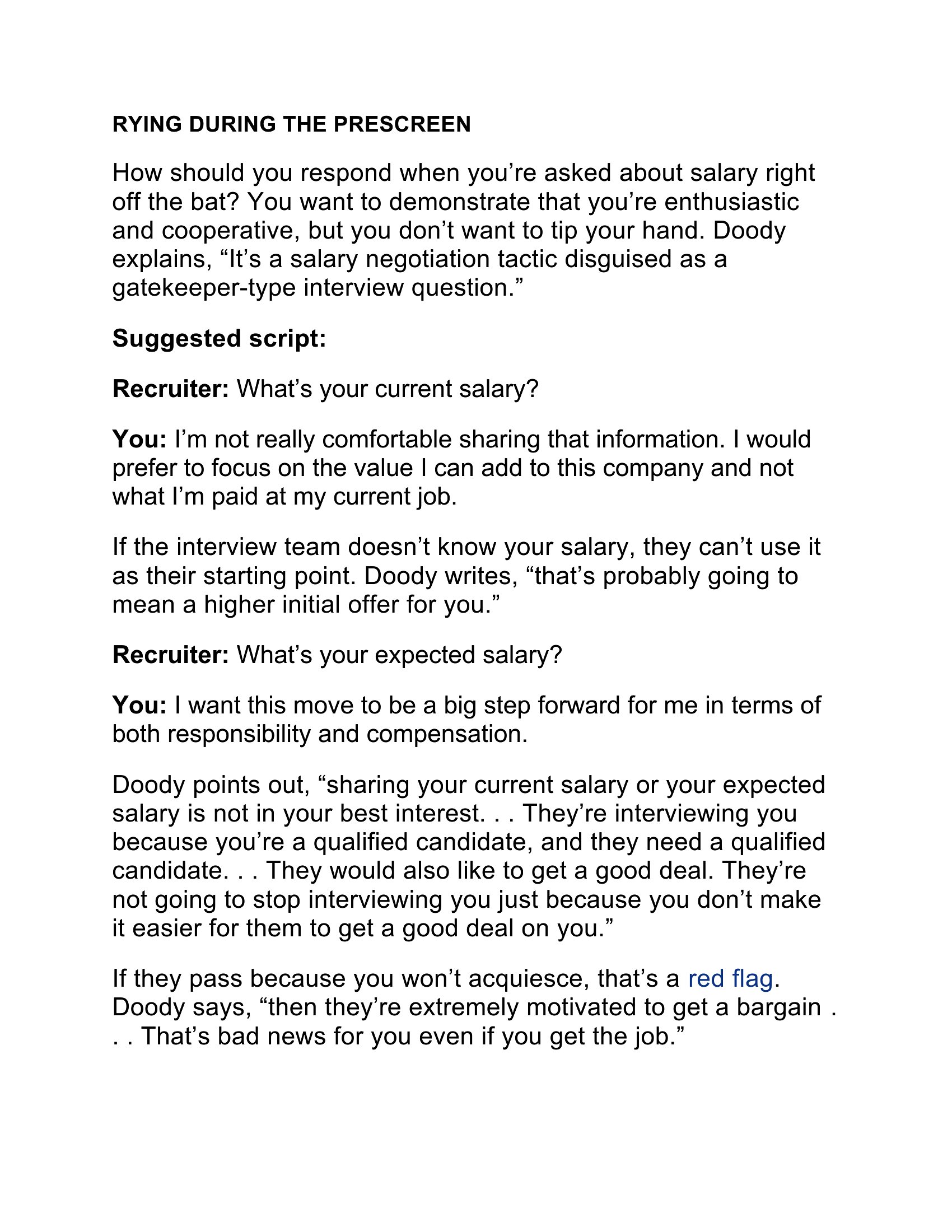
Should I include my current salary in the negotiation letter?
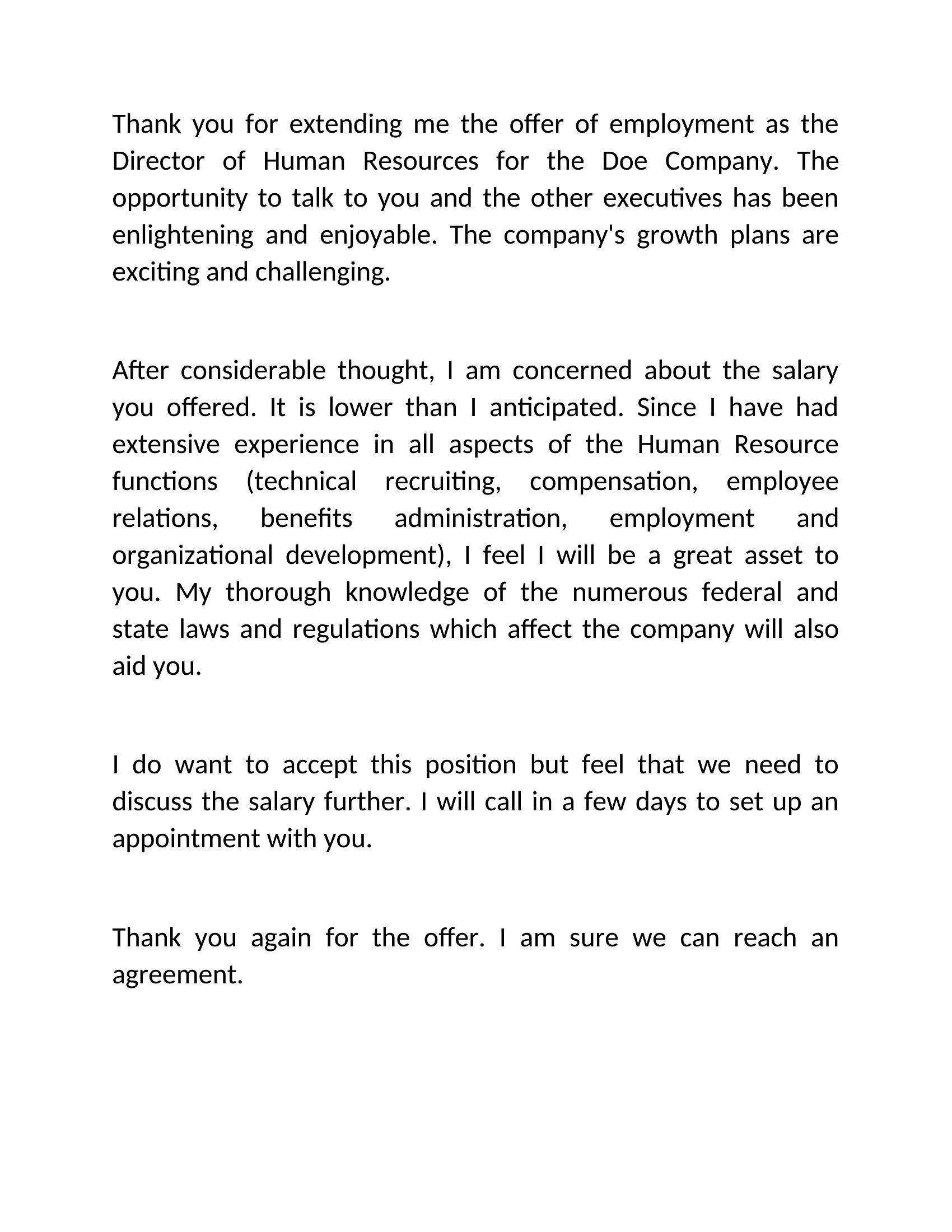
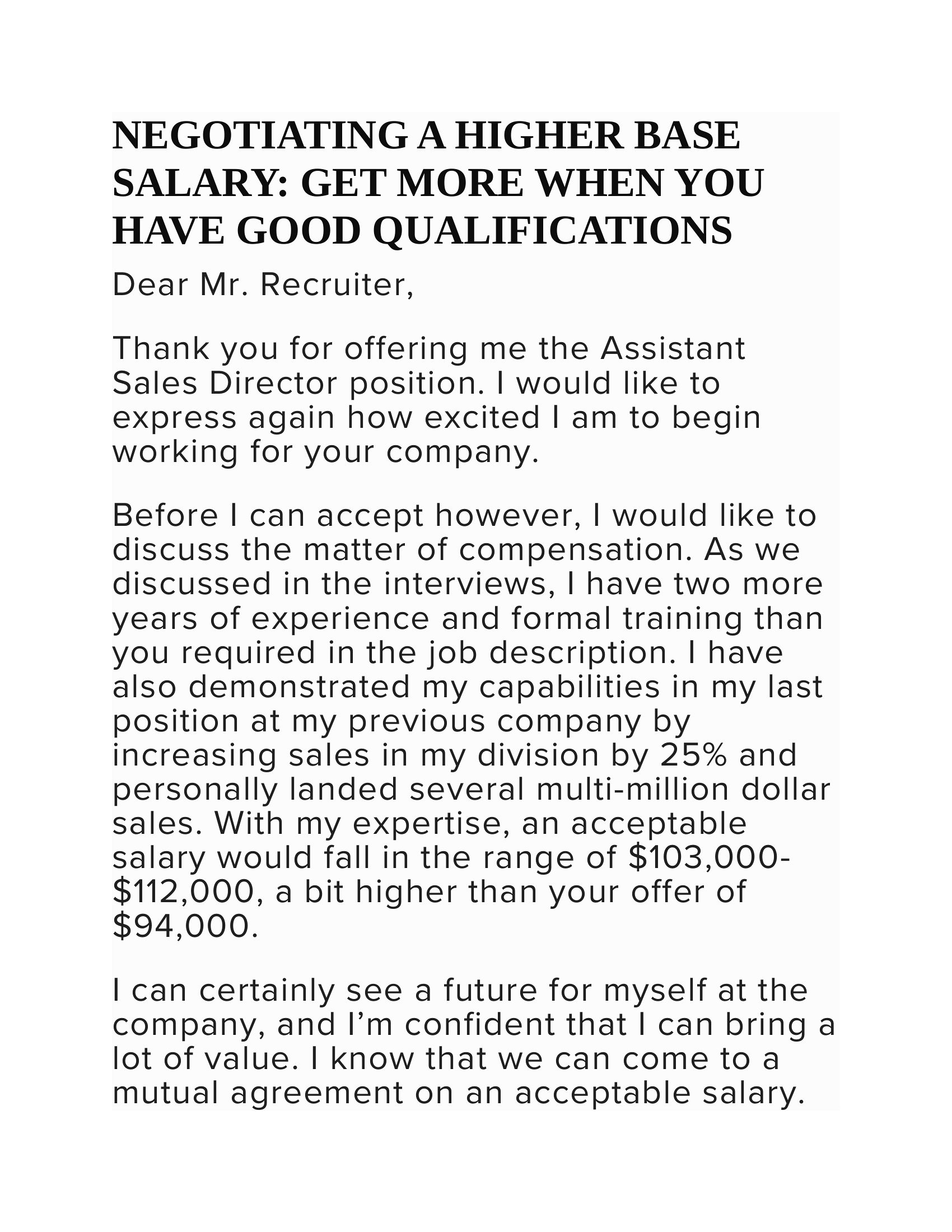
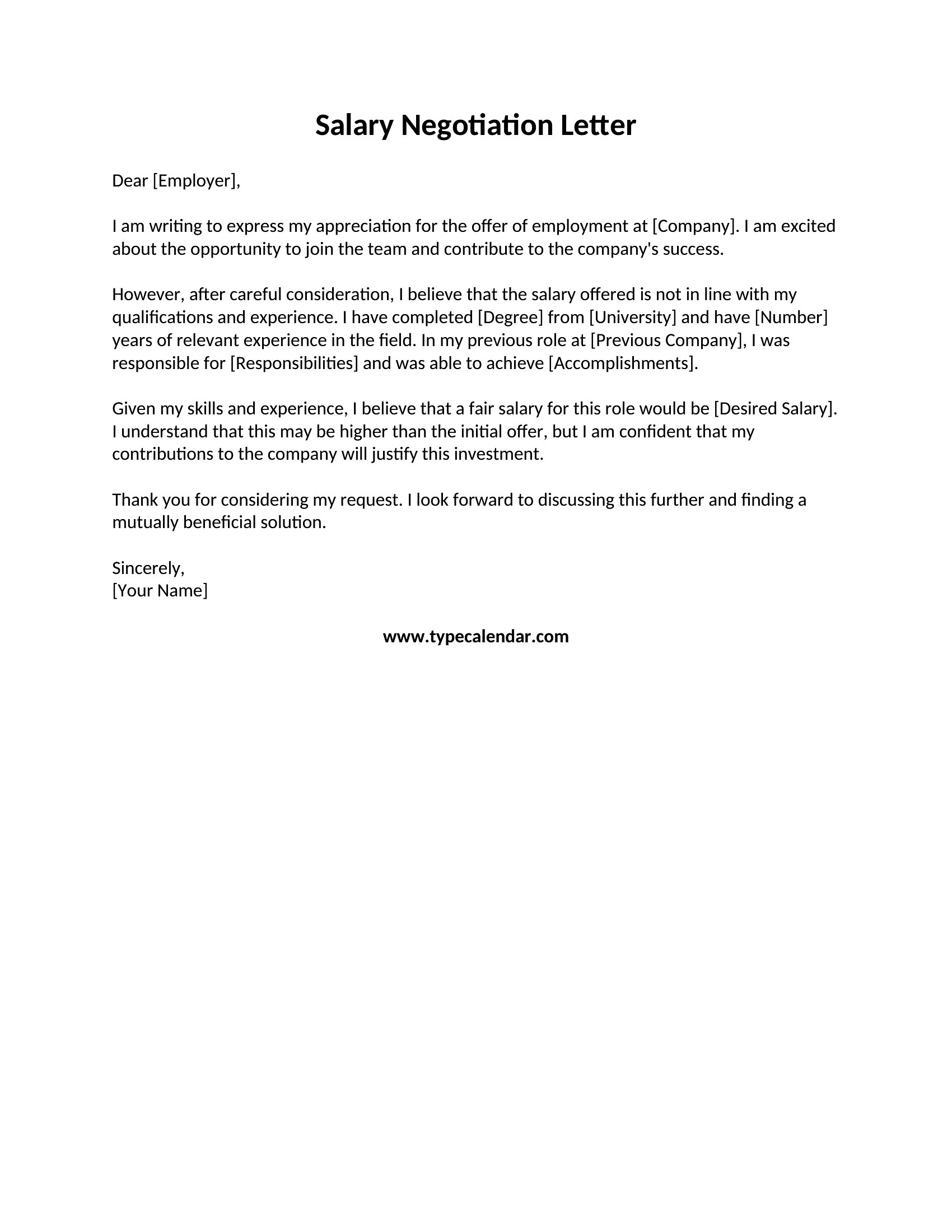
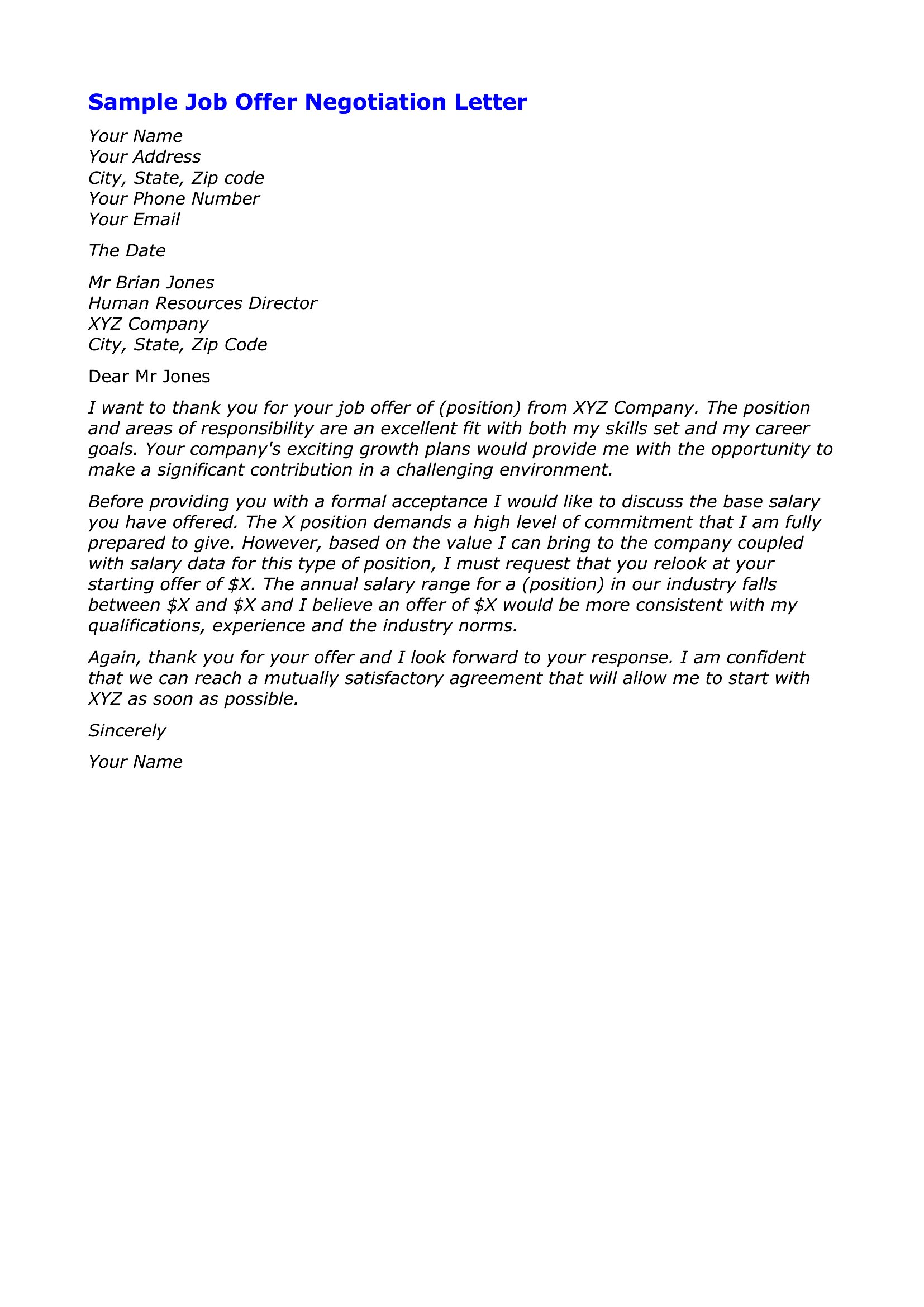
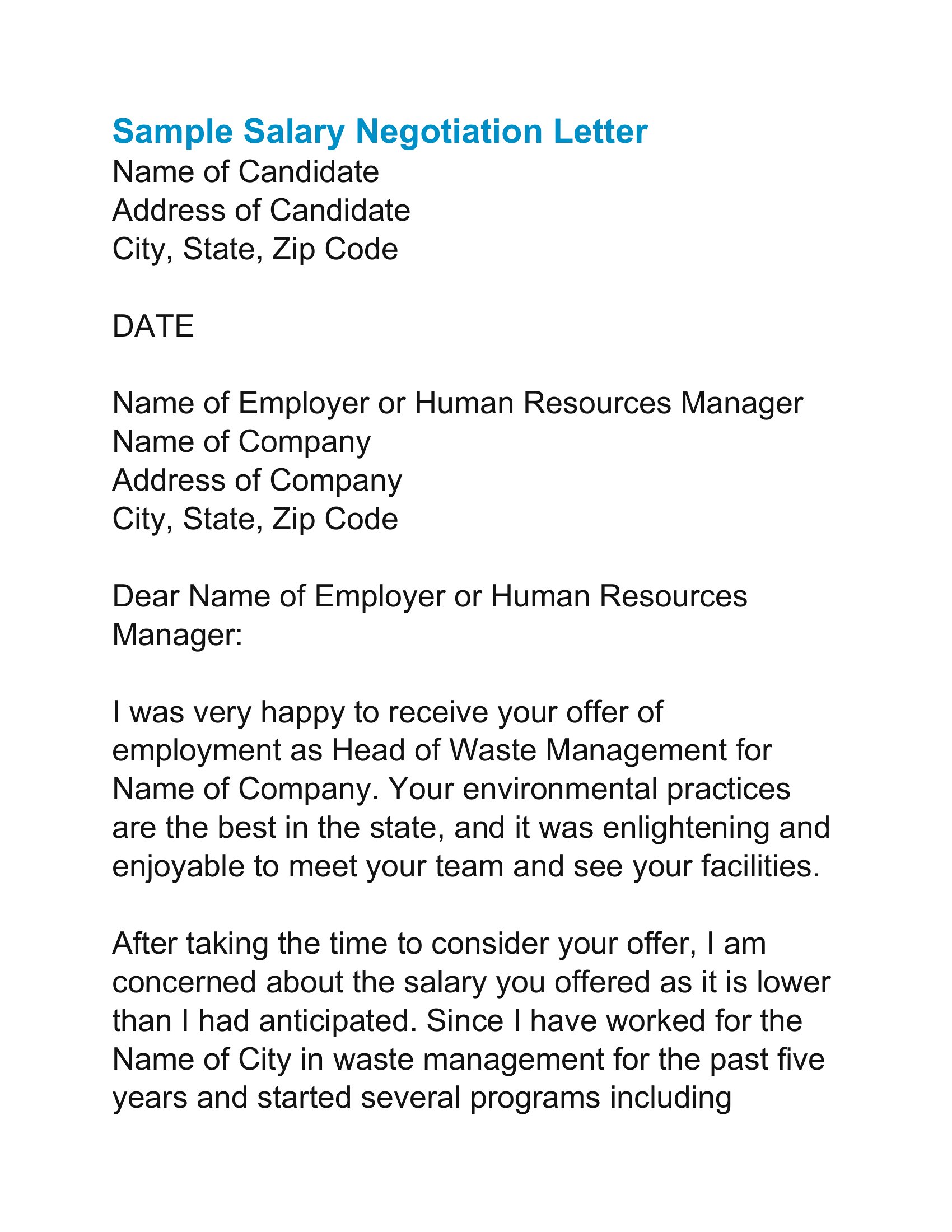
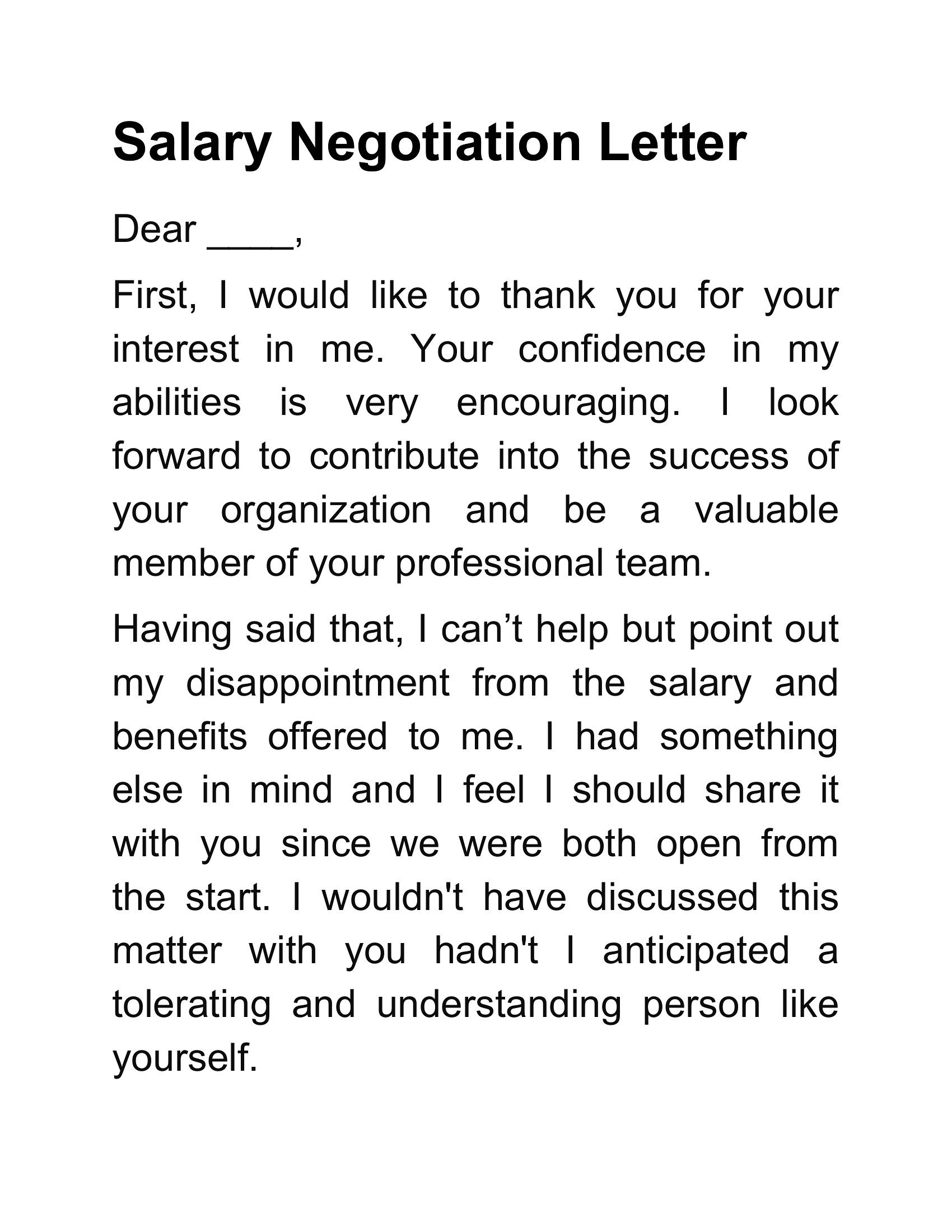
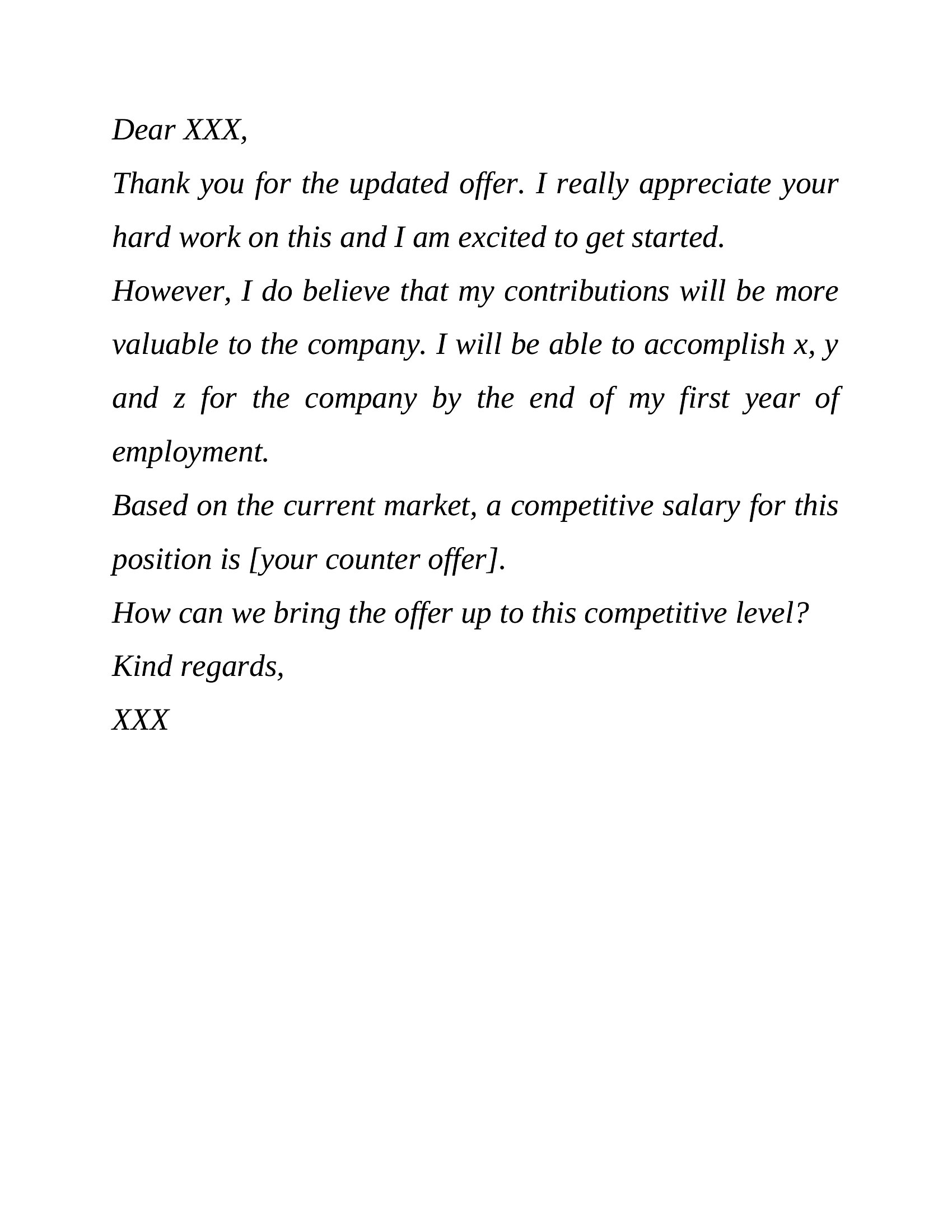
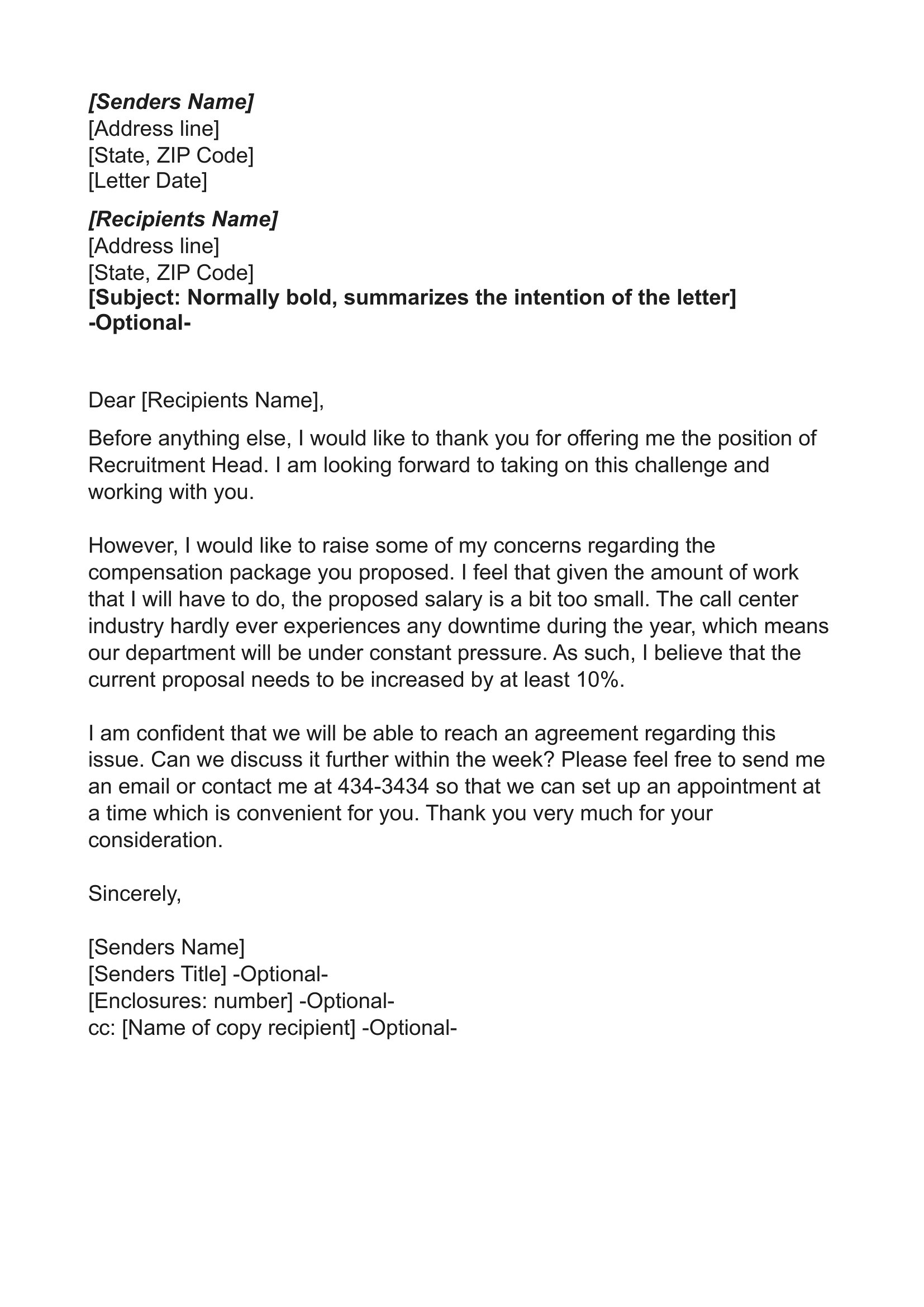
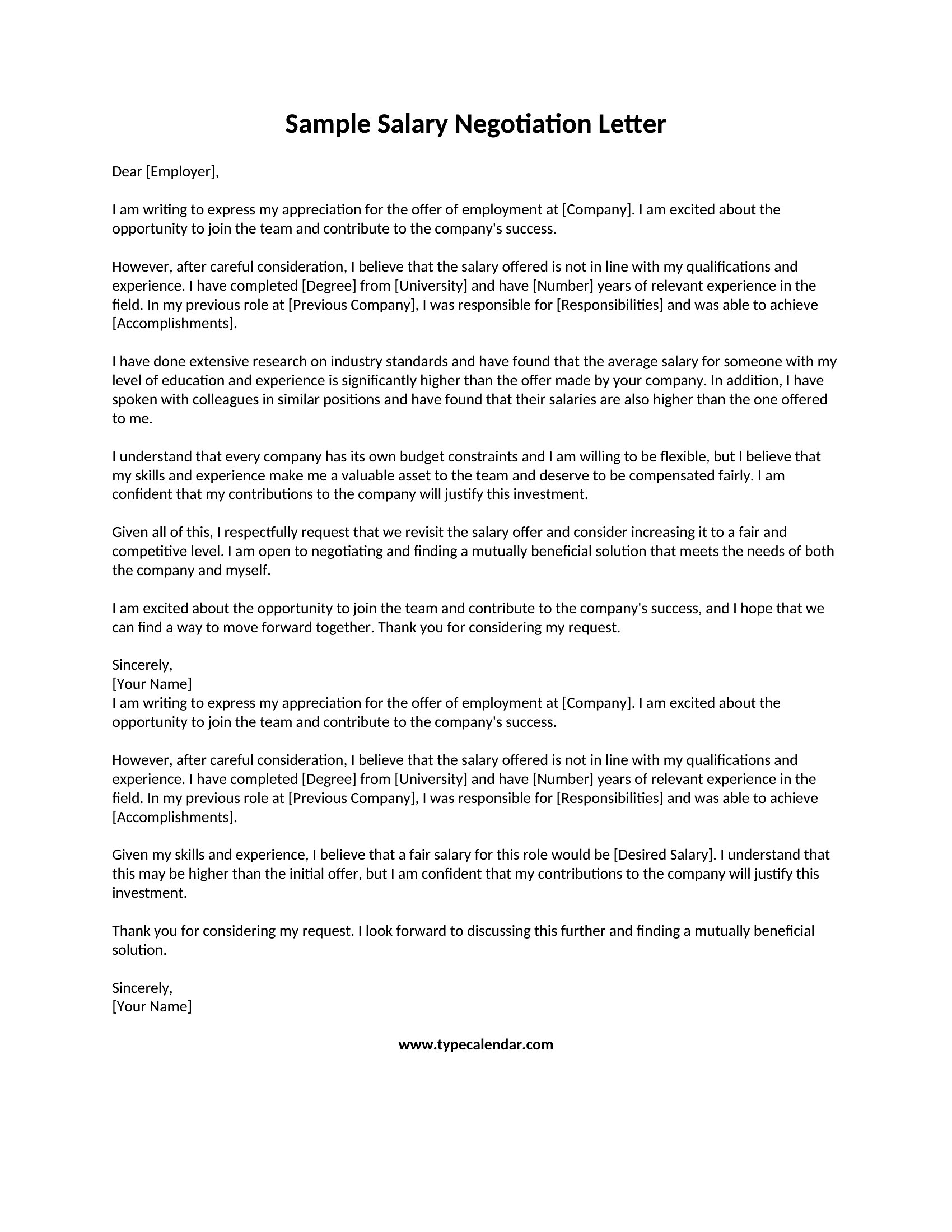
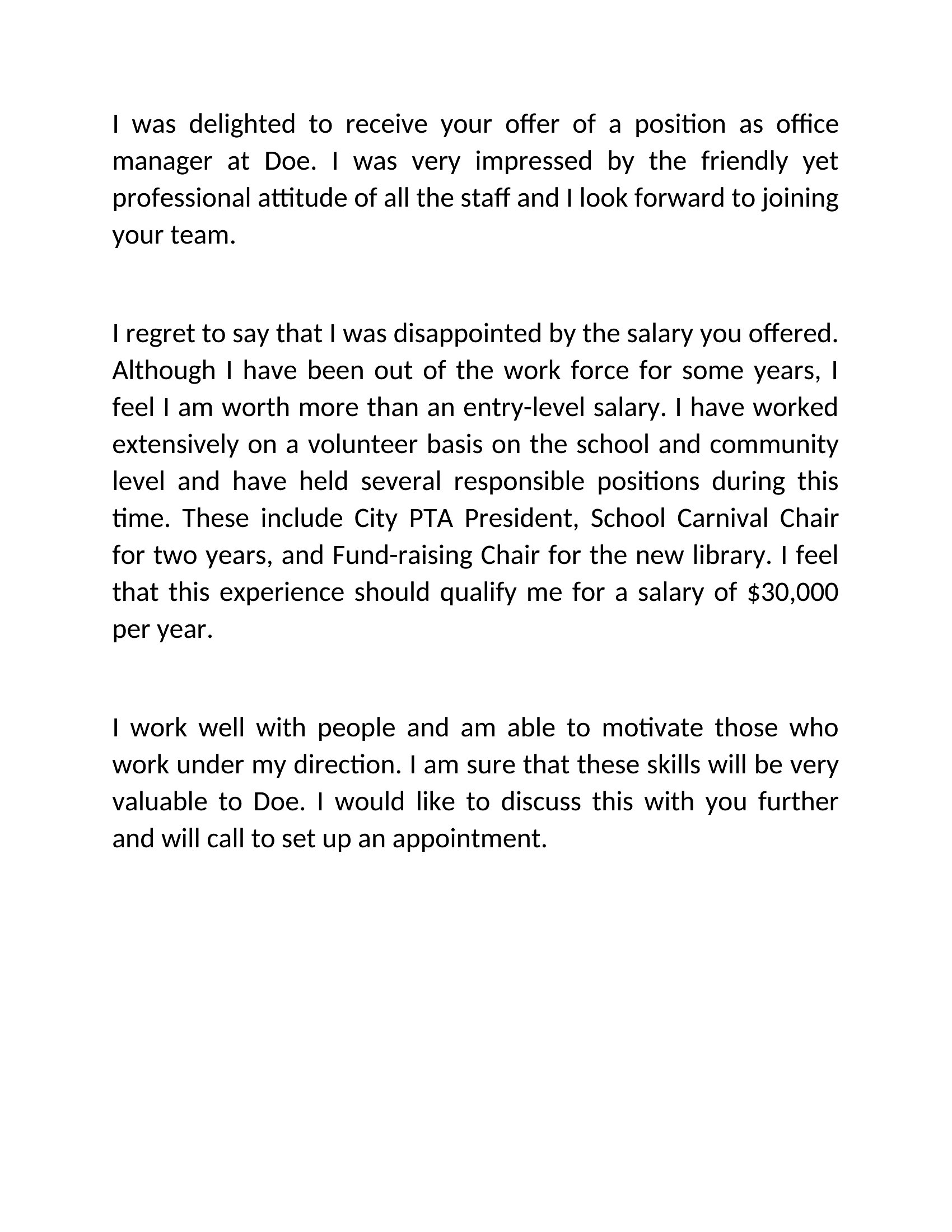
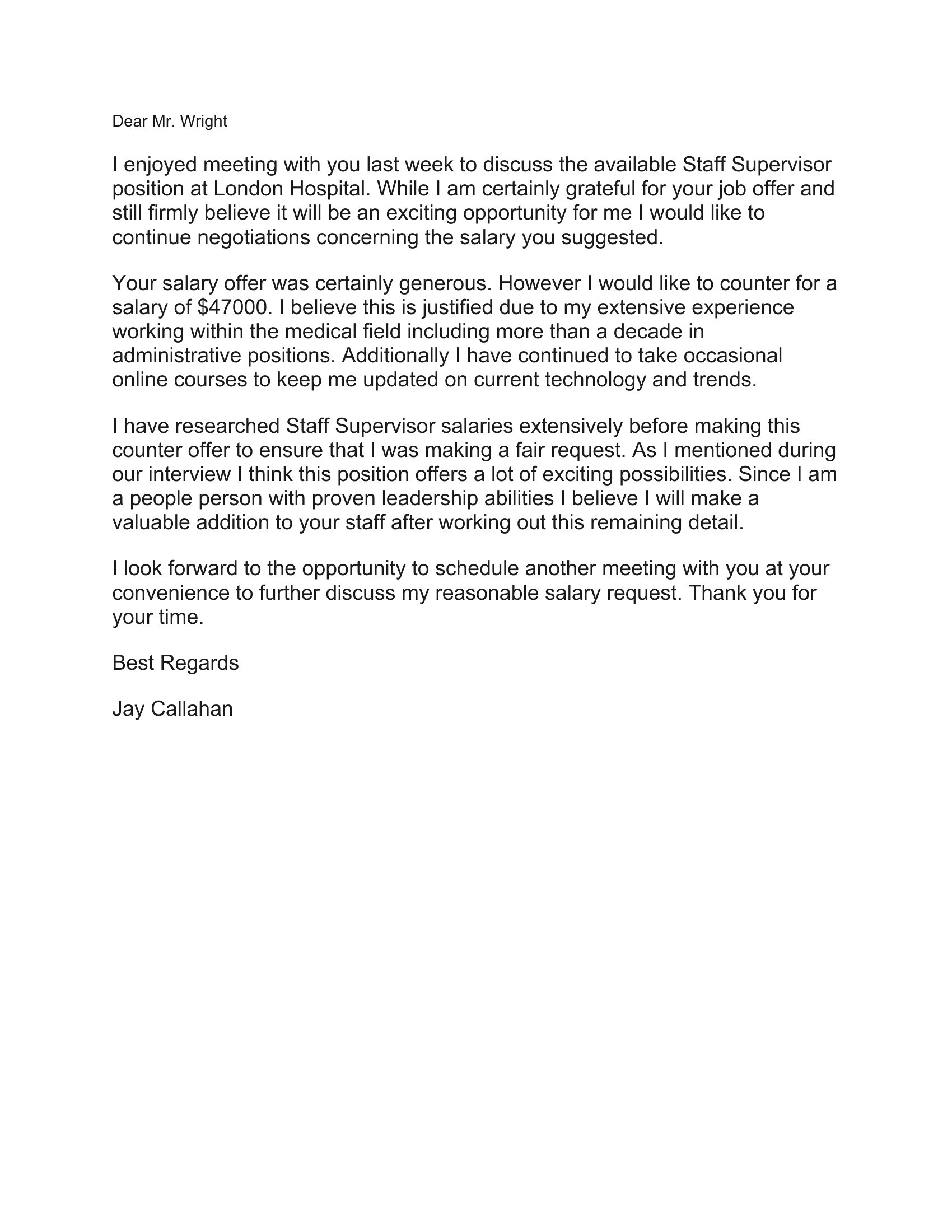
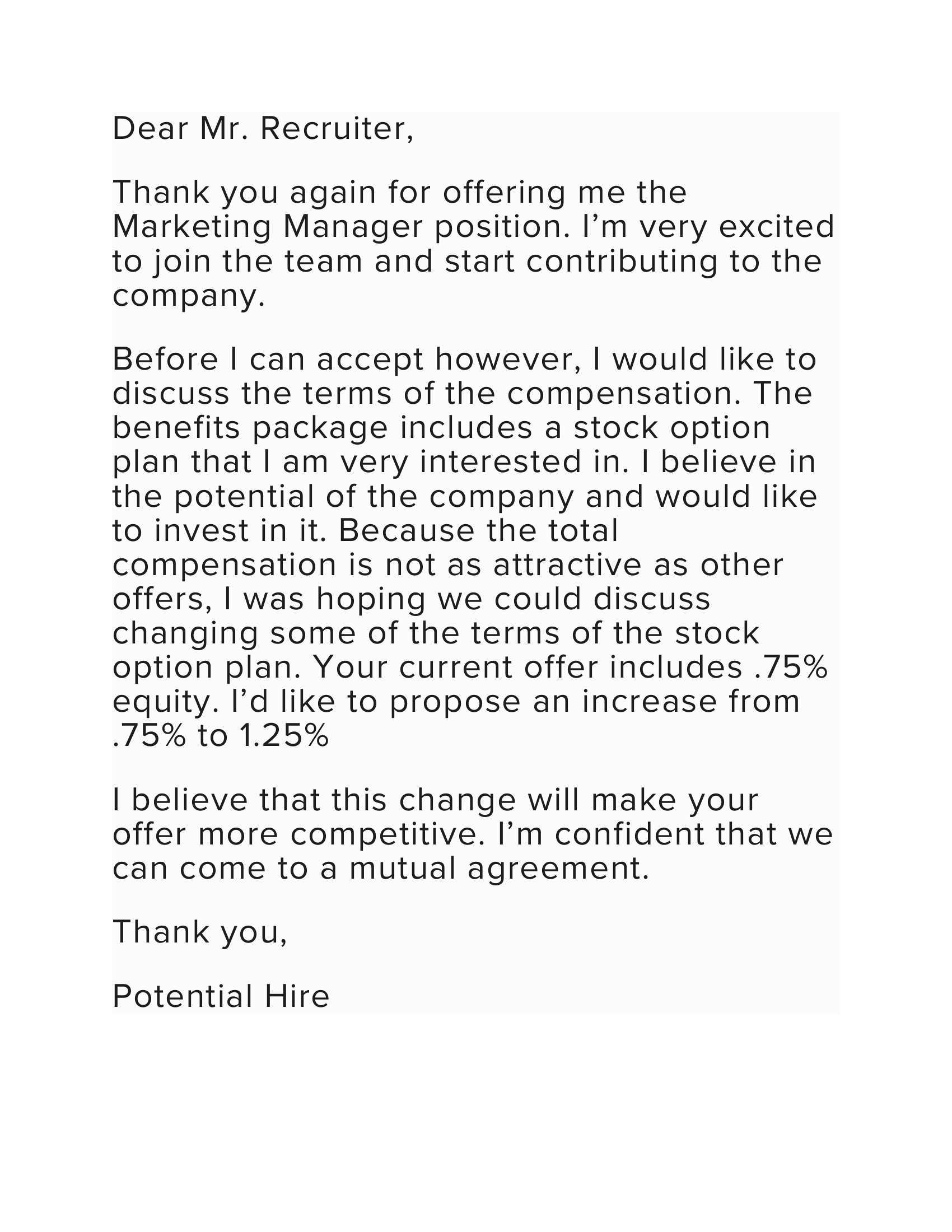
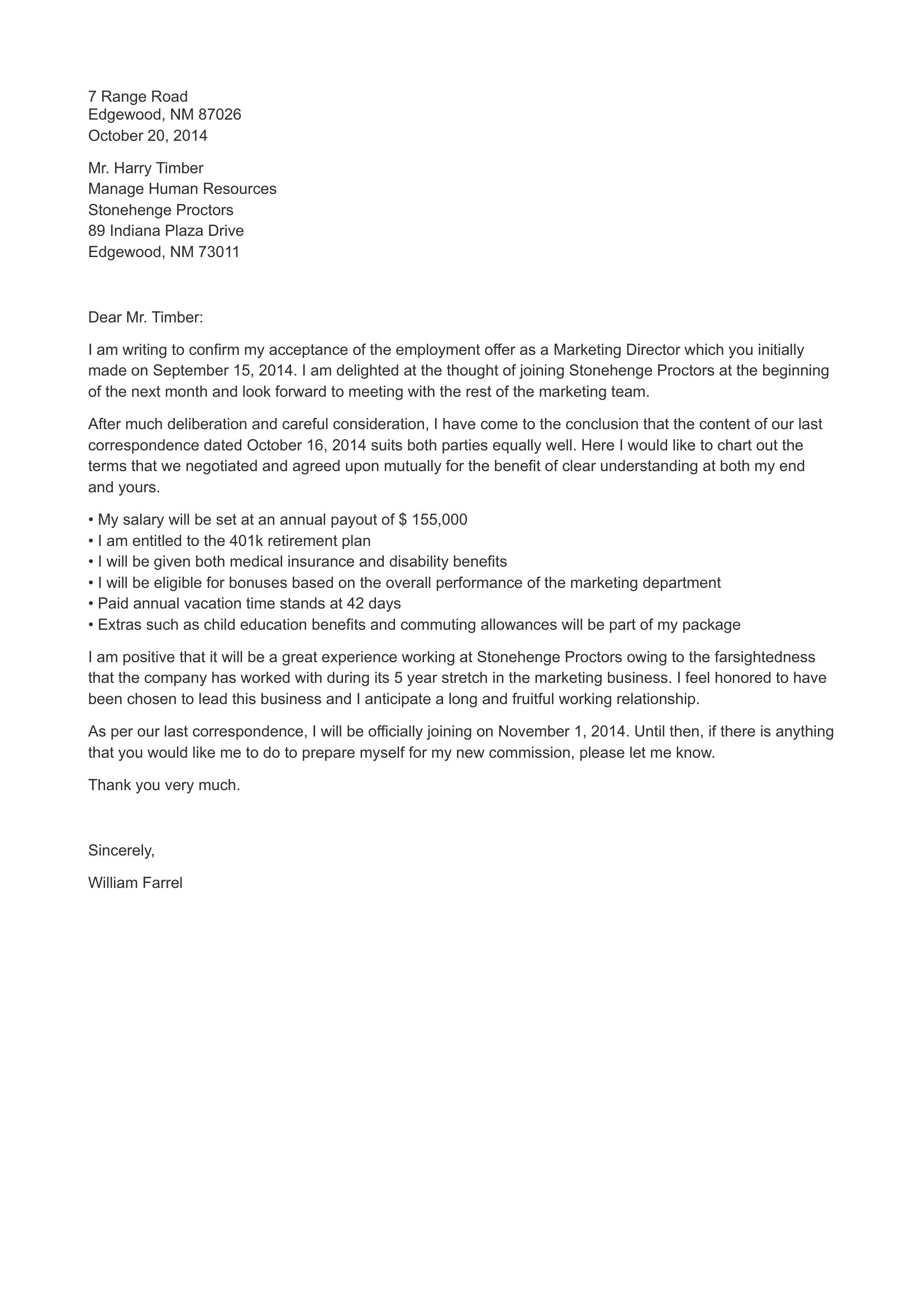
Generally, avoid sharing your current salary unless asked, as it can limit your leverage. Instead, focus on market data, your qualifications, and the value you bring to the role. These templates prioritize forward-looking justification over past figures, keeping the conversation productive.
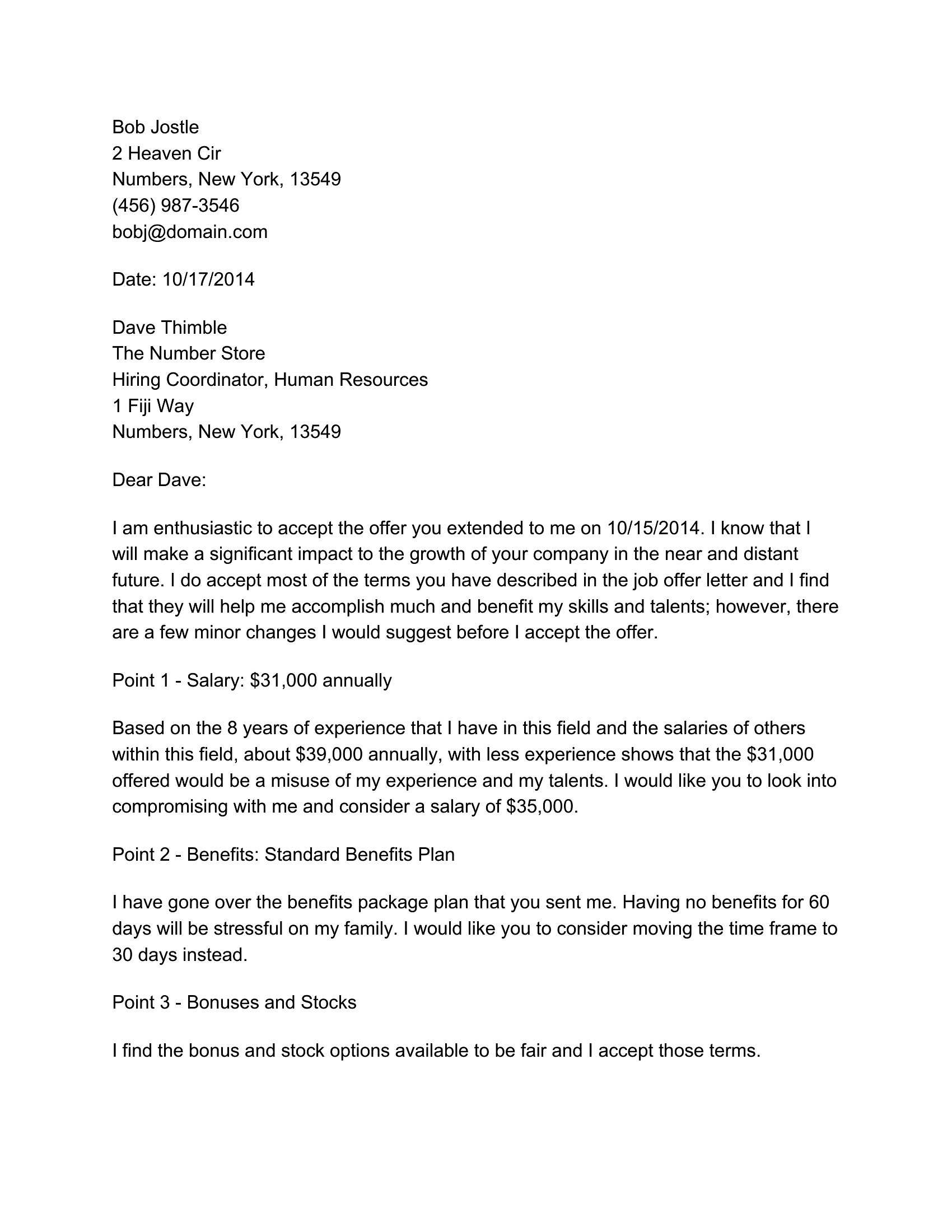
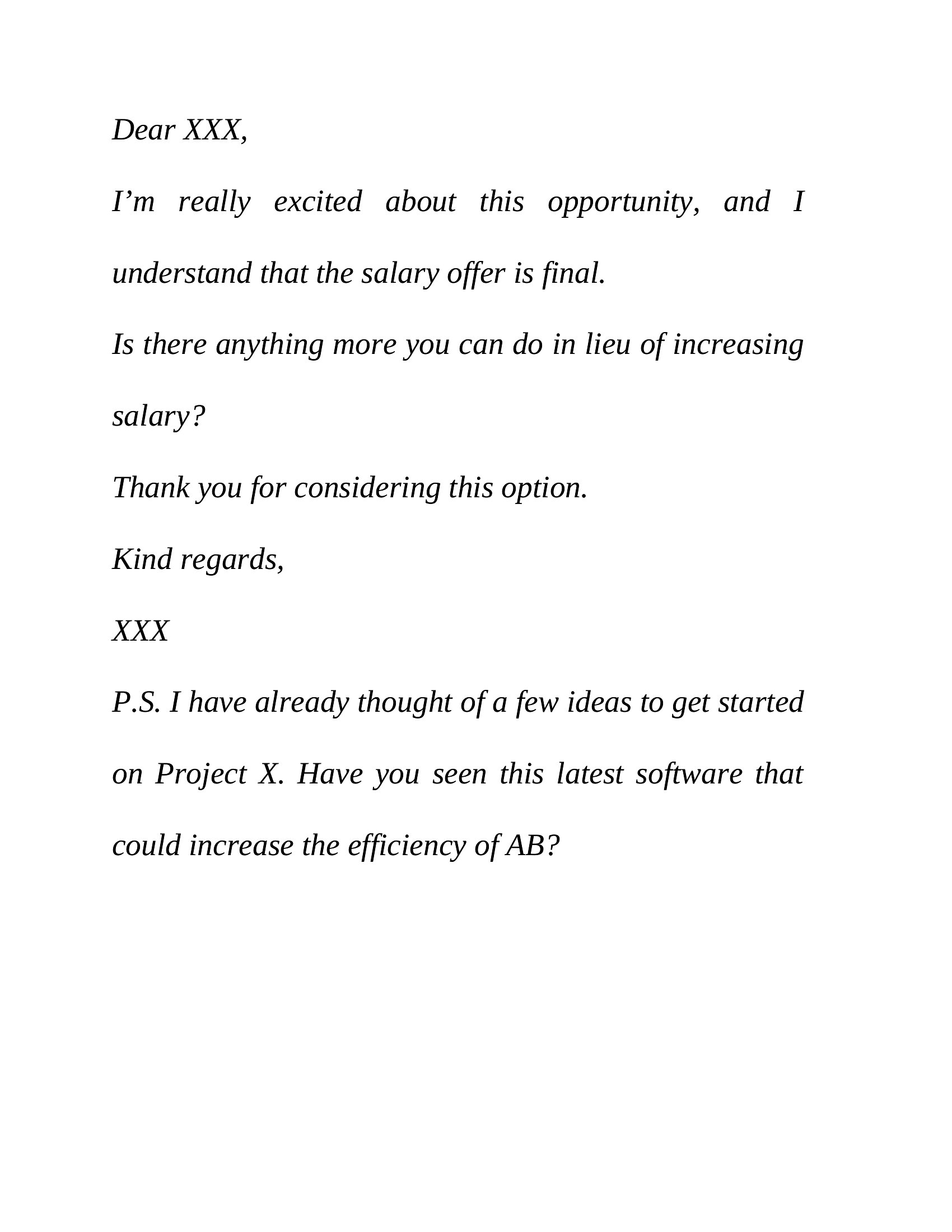
What if my counteroffer is rejected? How can the letter prepare me for that?
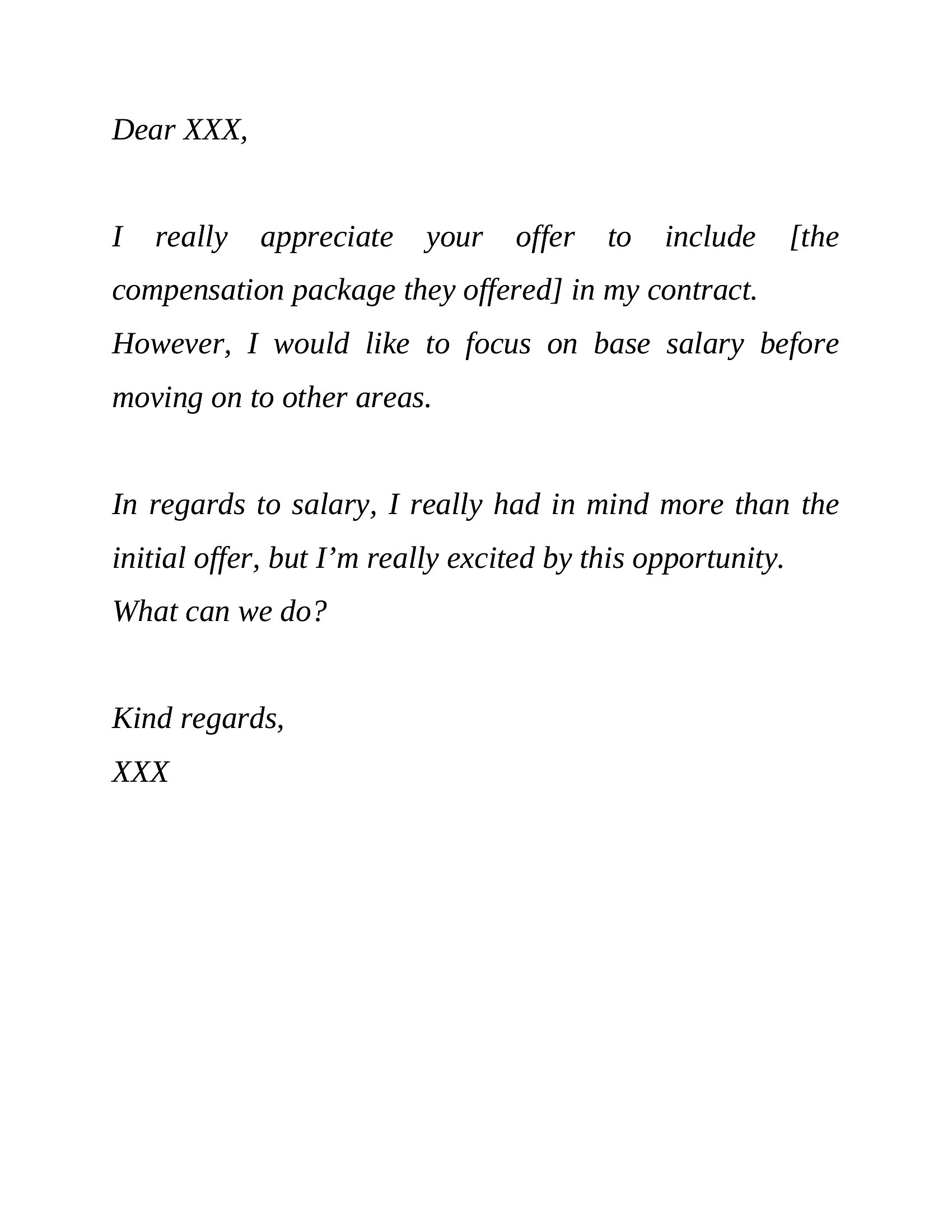
A strong negotiation letter leaves room for dialogue by framing your ask as collaborative. Phrases like *“I’d love to discuss how we can align on a figure that reflects the role’s demands”* soften the request. If rejected, you can pivot to other benefits or revisit the conversation later—these templates include optional follow-up language for that scenario.
Can I use these templates to negotiate a raise with my current employer instead of a new job?
Yes, but adjust the tone to emphasize loyalty and future contributions rather than external offers. Templates like *“Salary Adjustment for Long-Term Employees”* work well here, as they focus on your track record and the company’s investment in you. Avoid language that implies dissatisfaction with your current role.
Comments
Join the conversation
Sign in to share your thoughts and leave a comment on this resource.