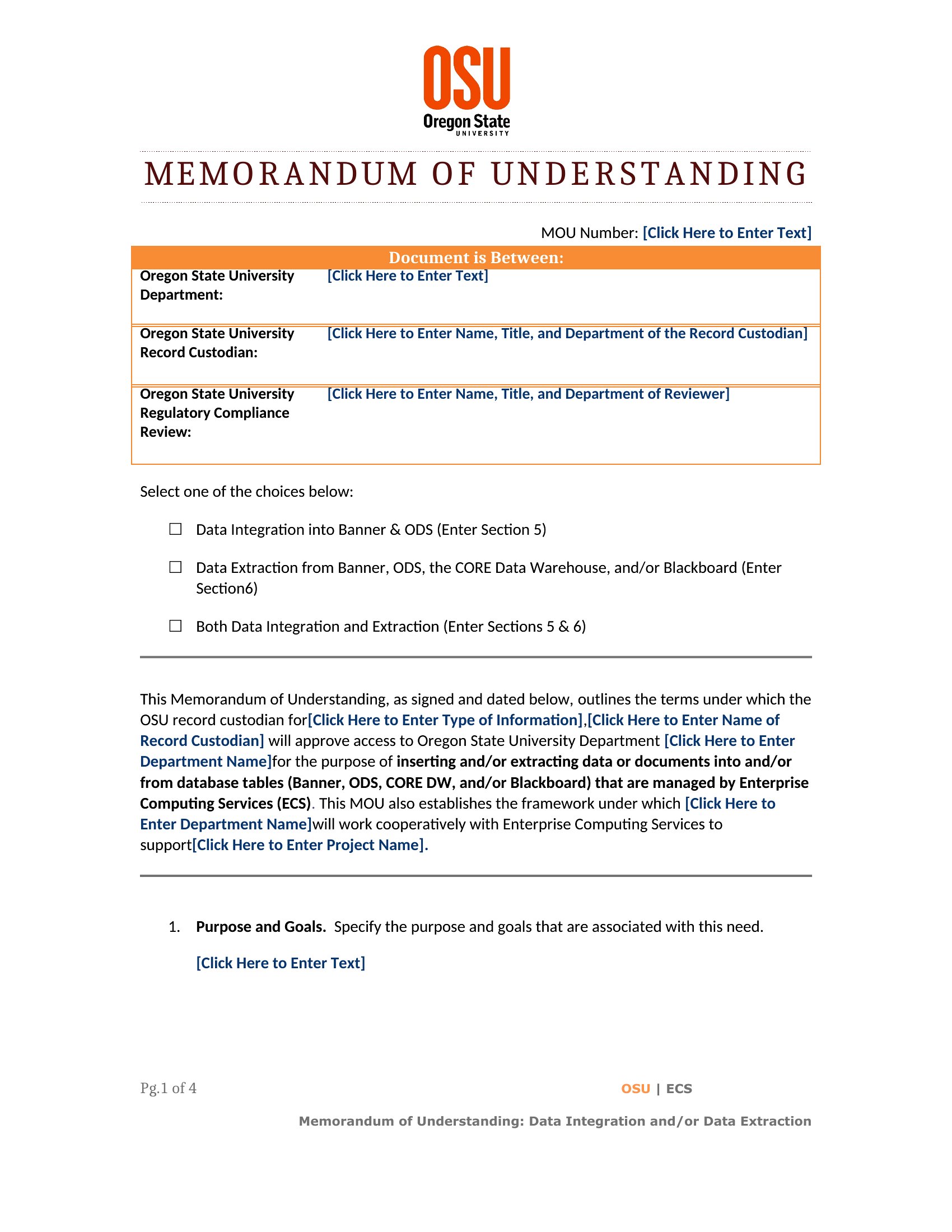
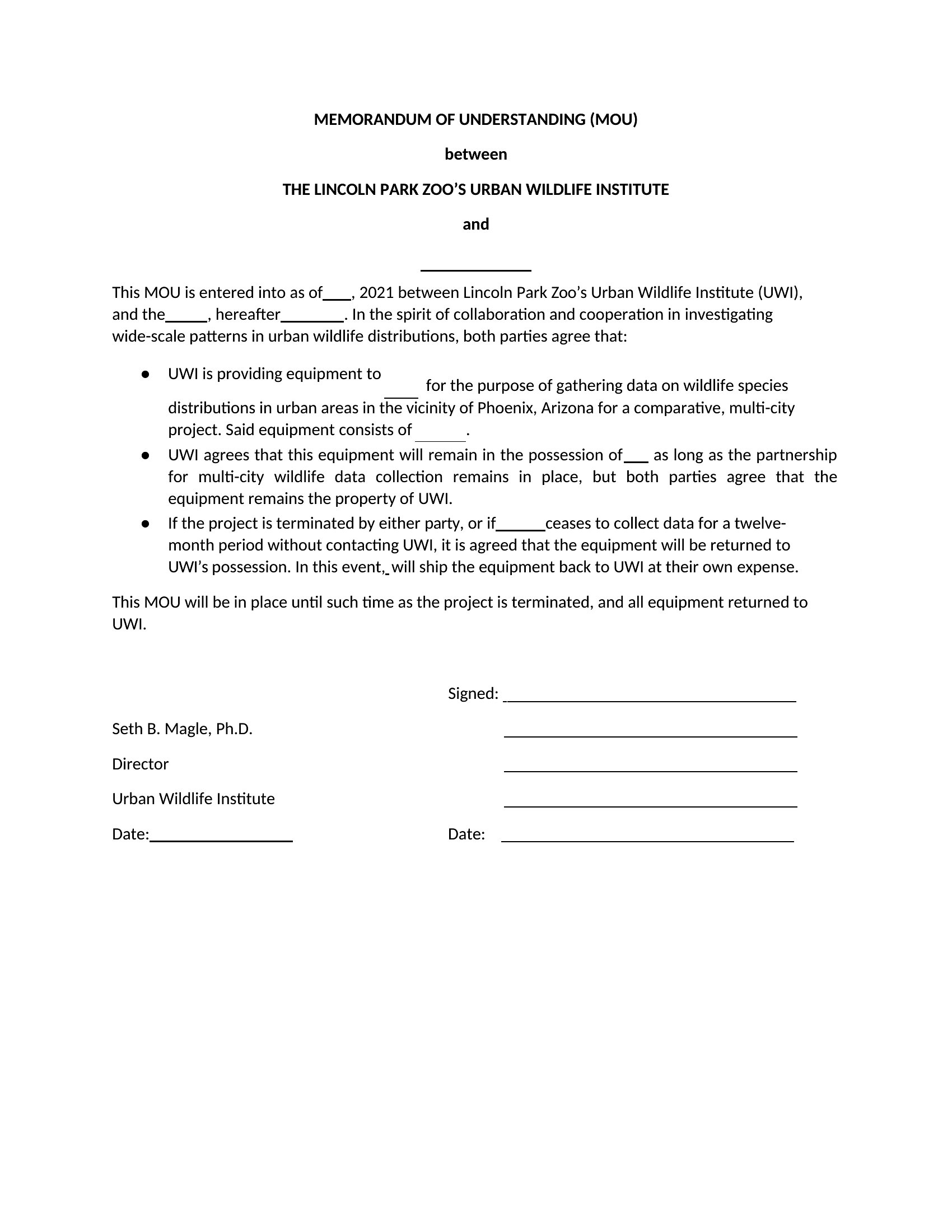
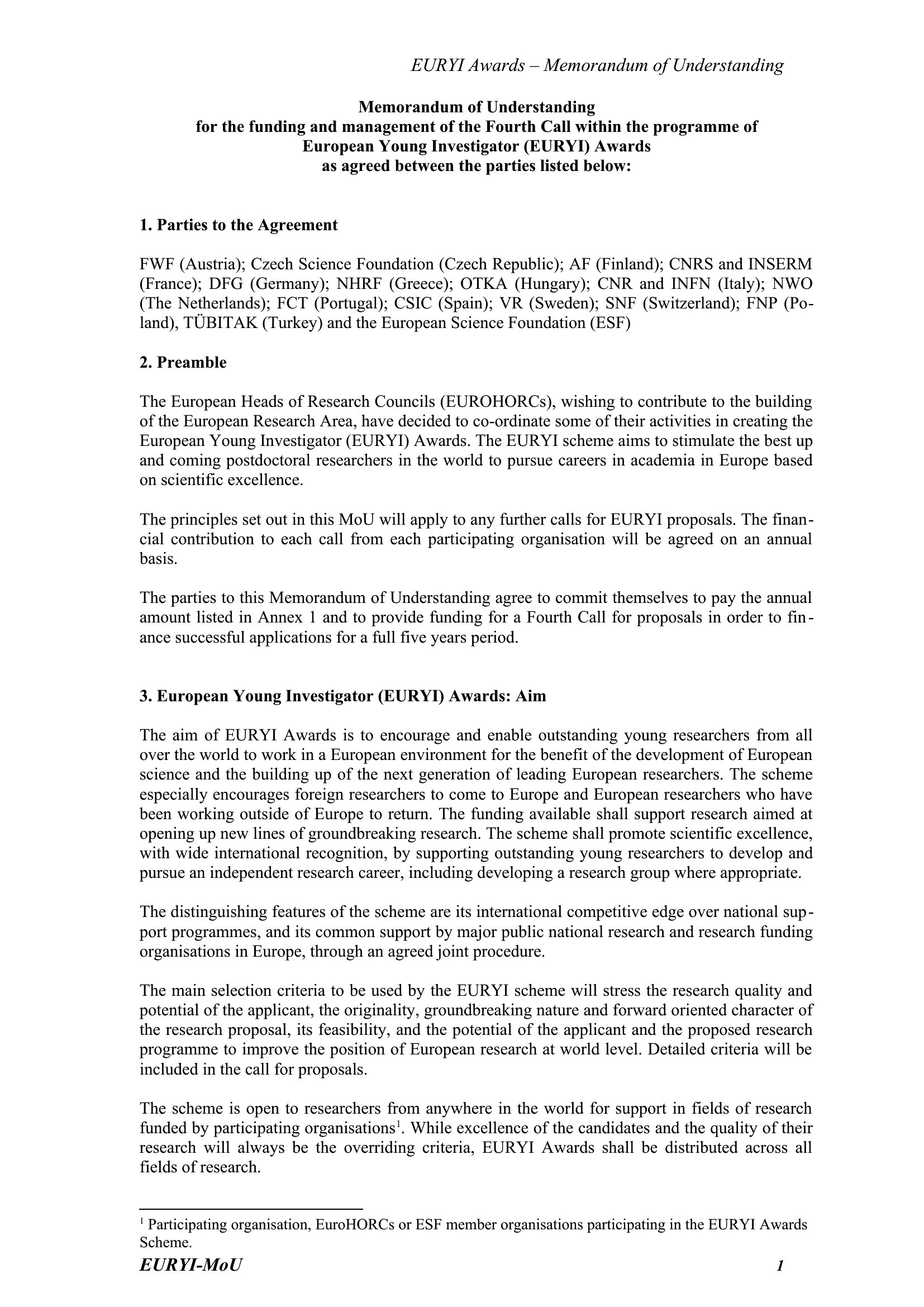
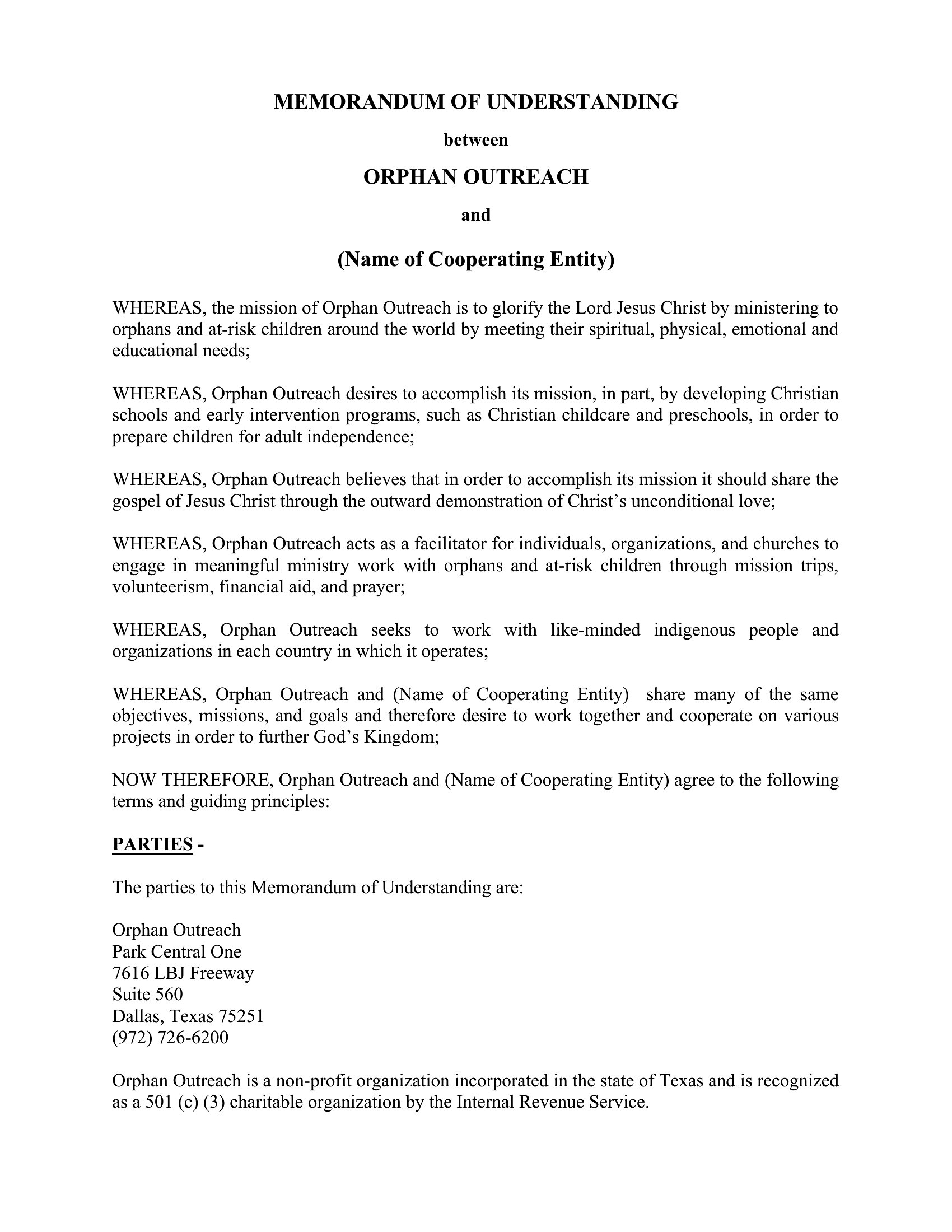
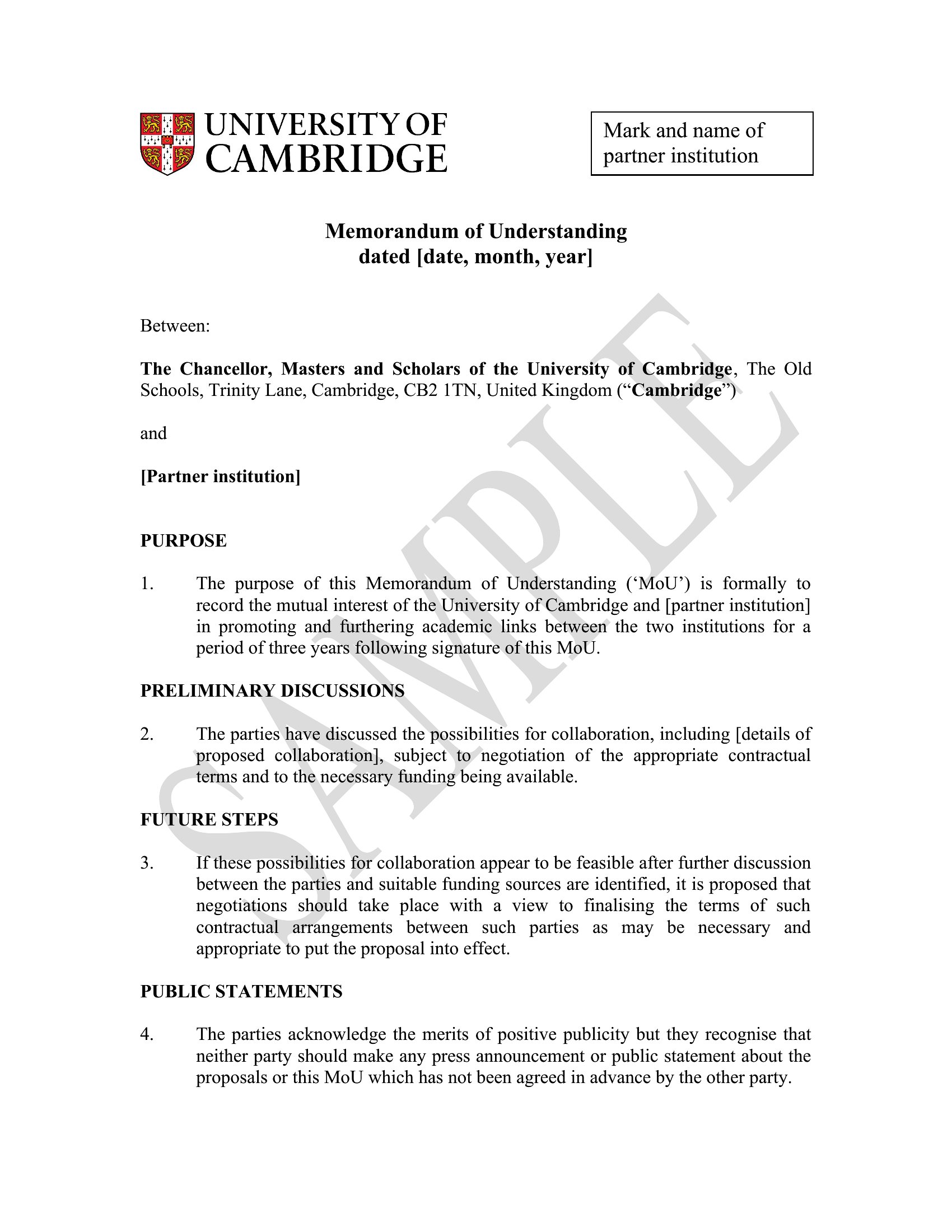
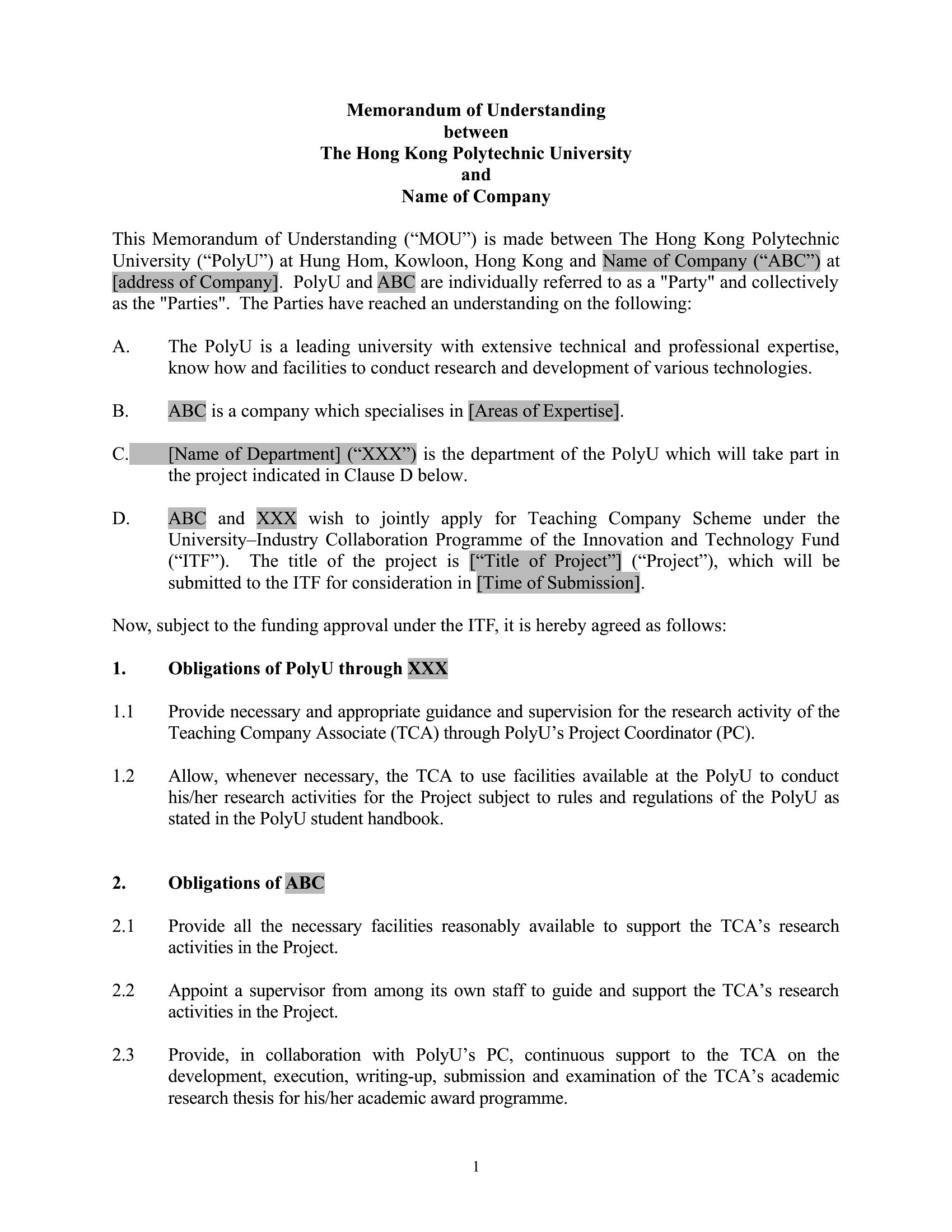
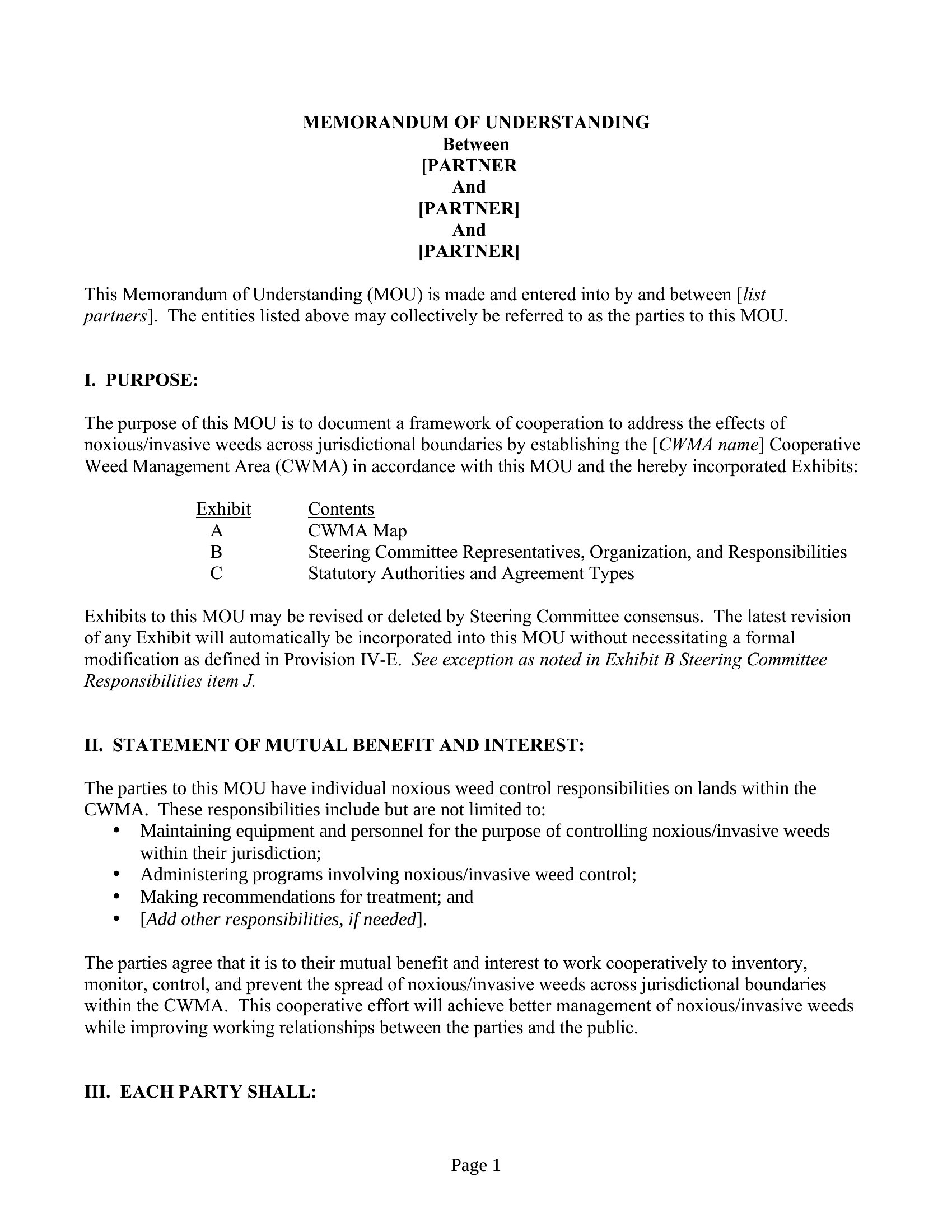
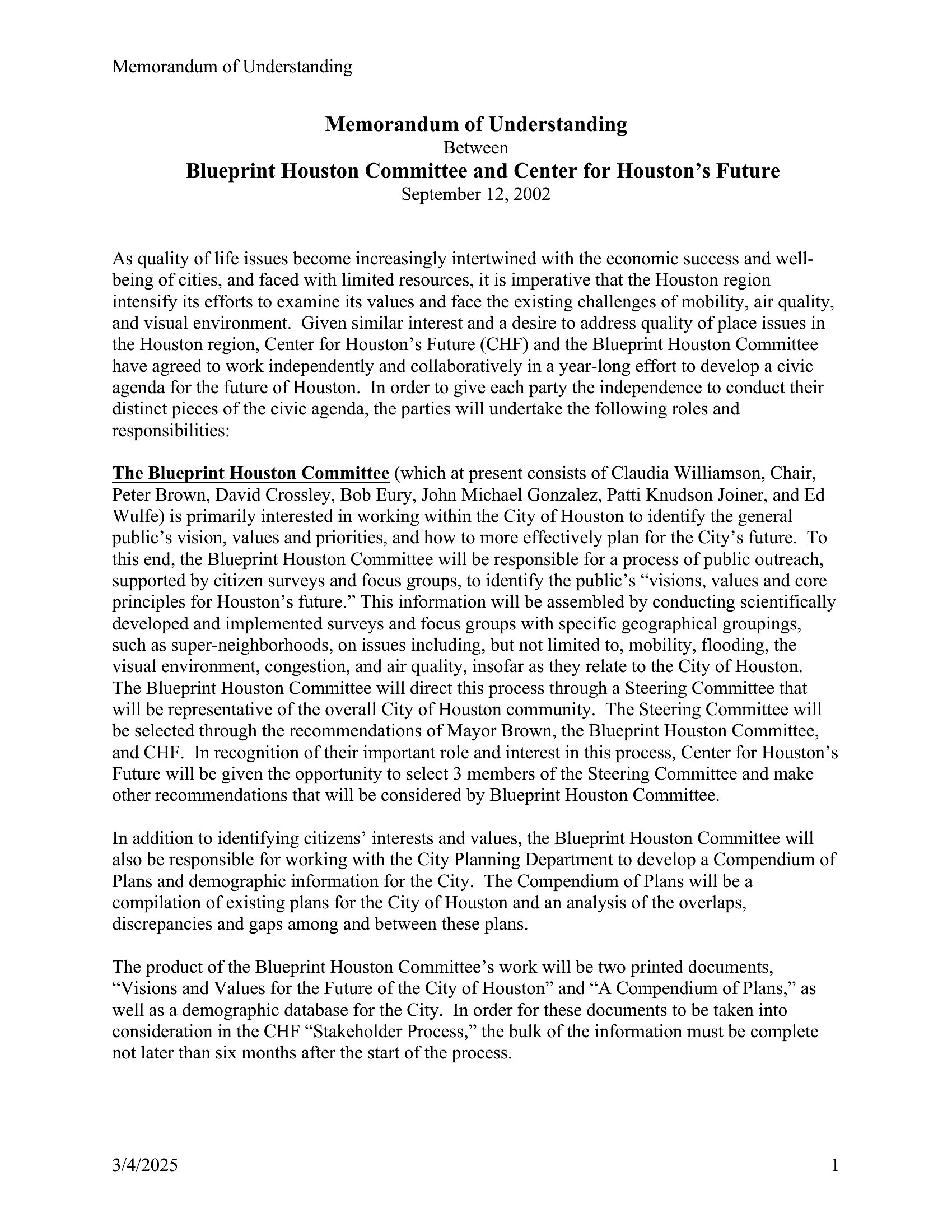
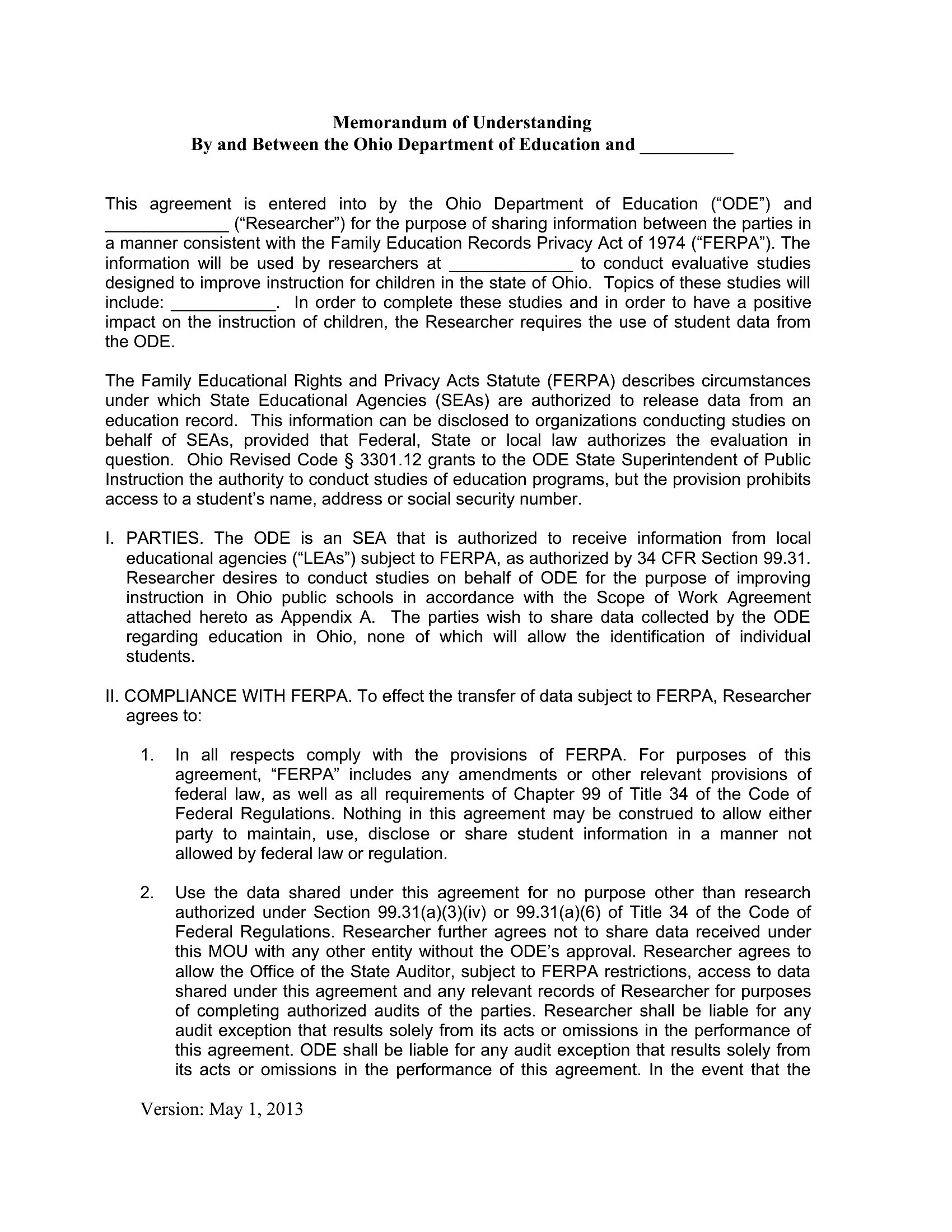
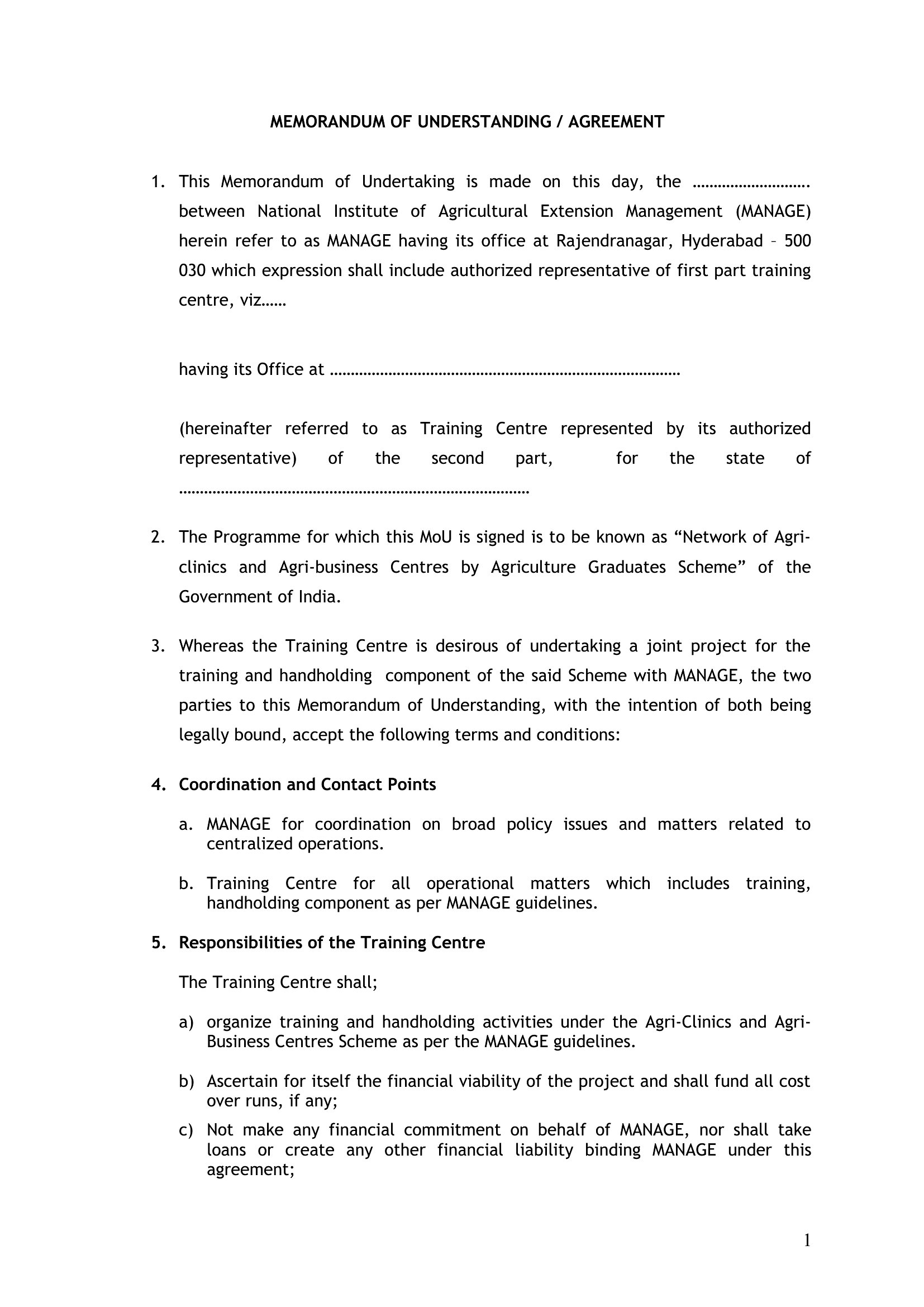
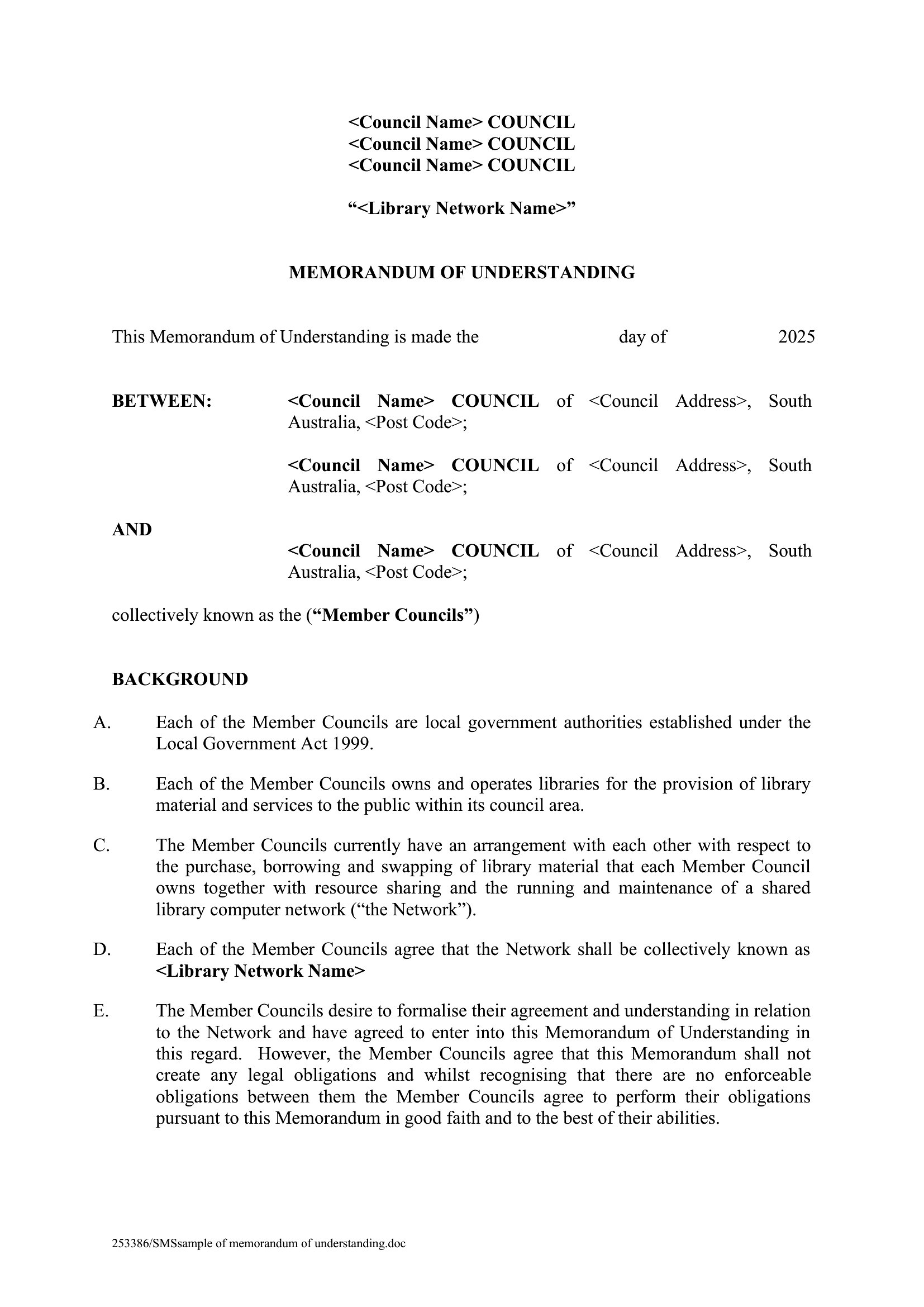
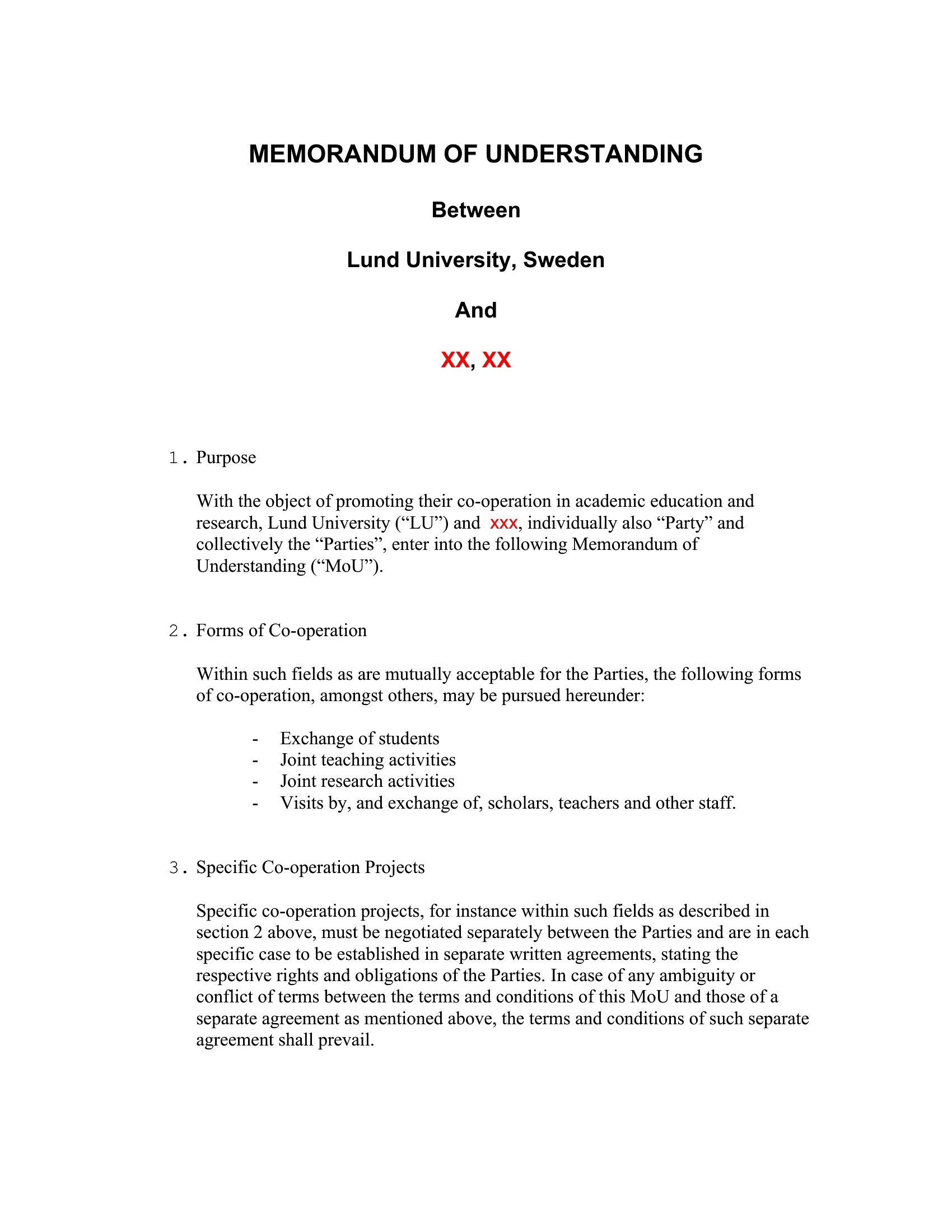
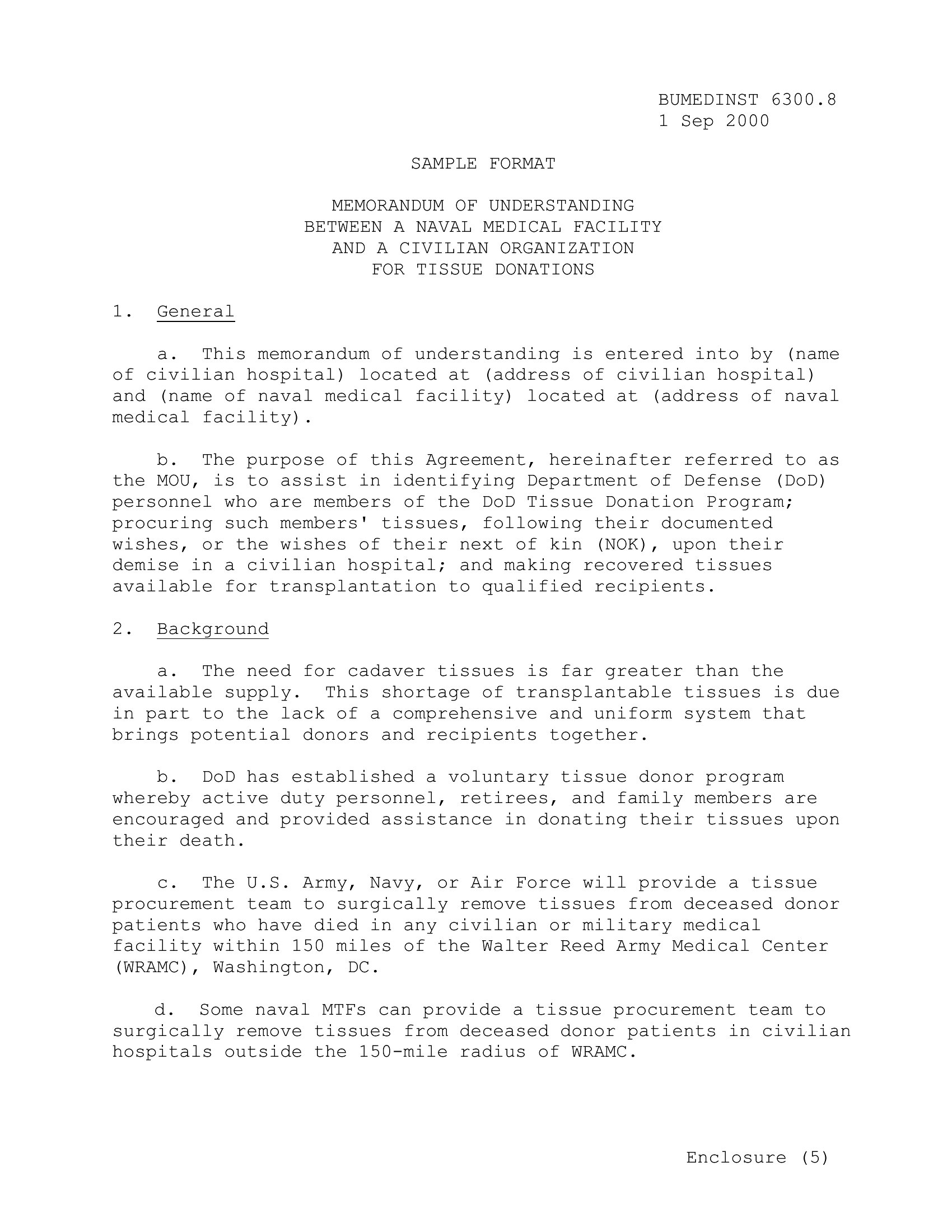
Free Memorandum of Understanding Templates (Word)
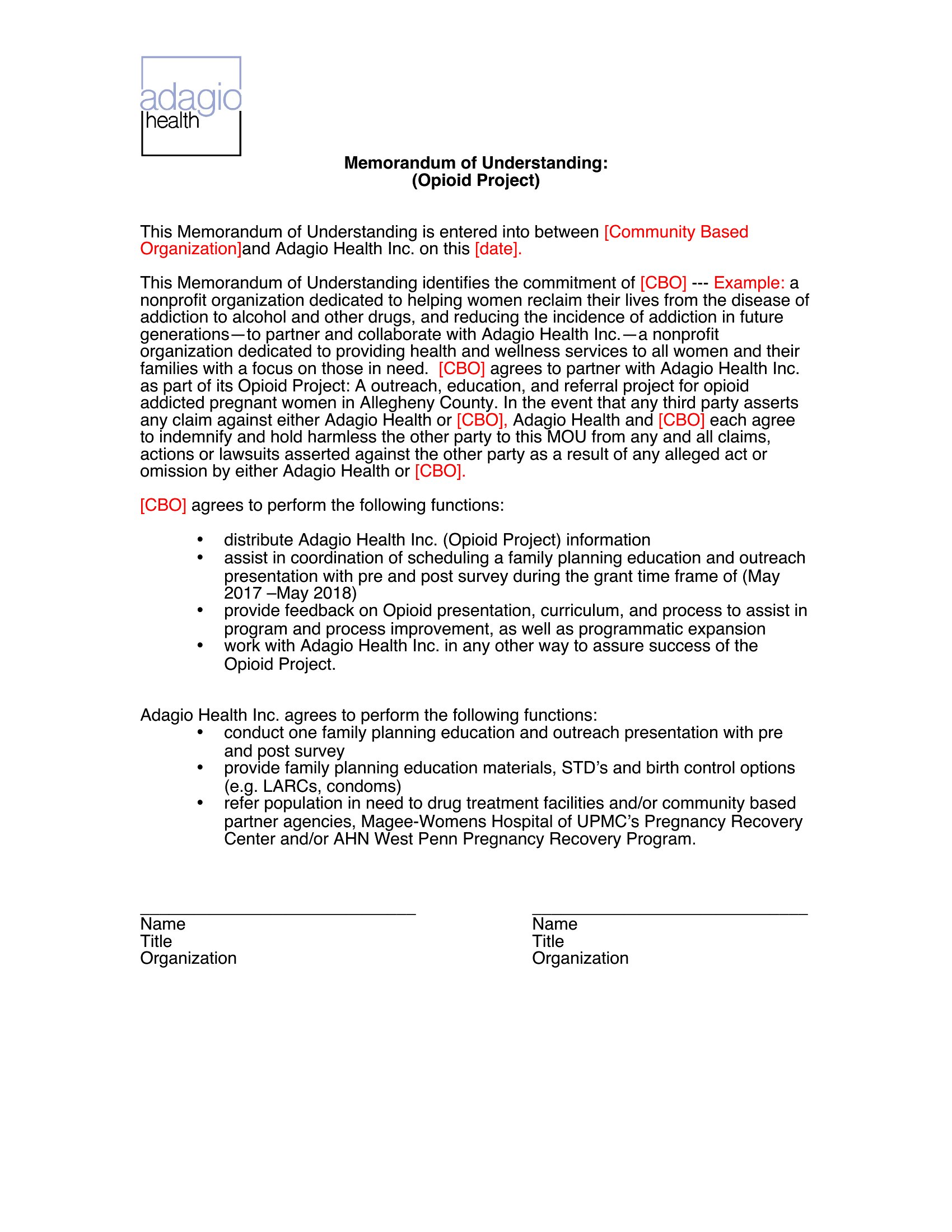
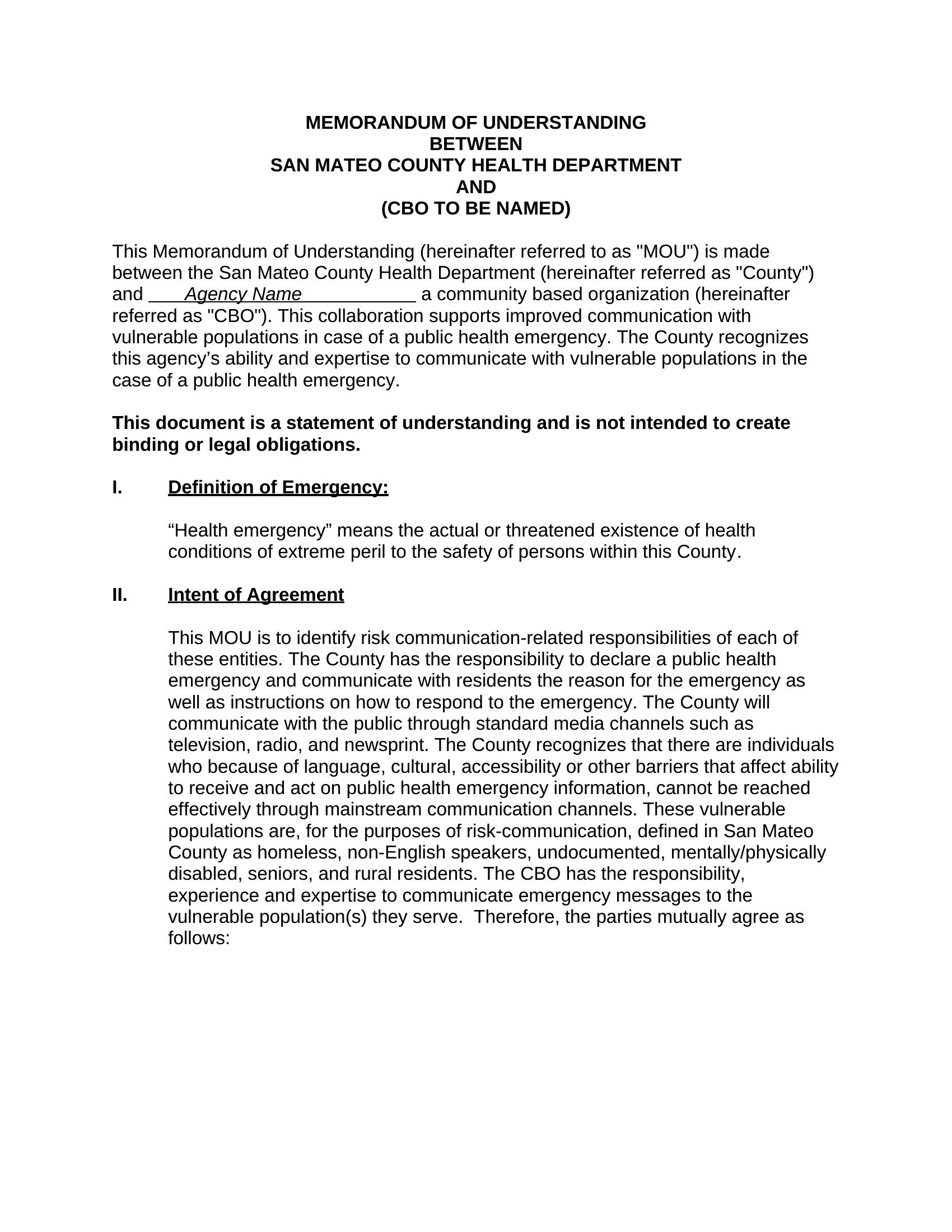
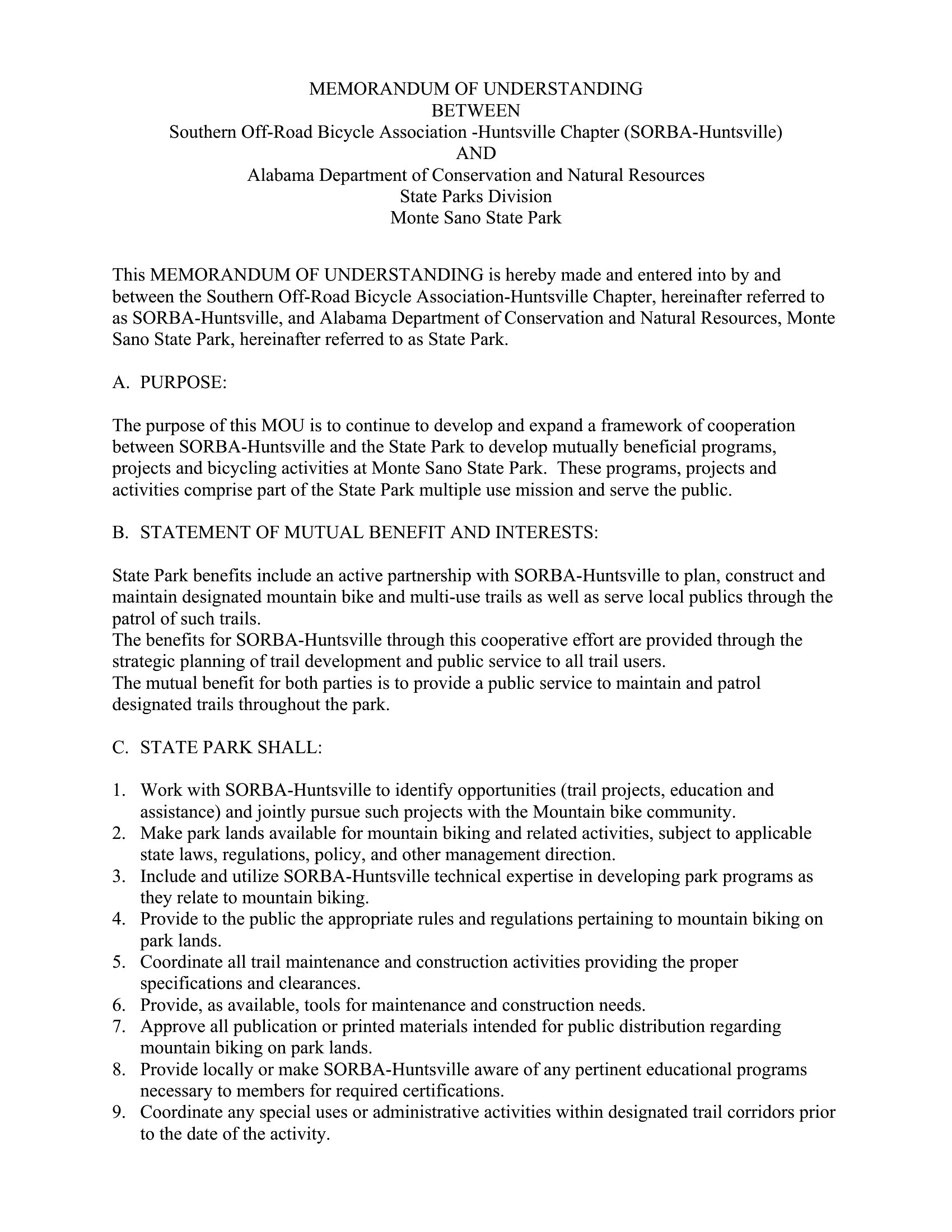
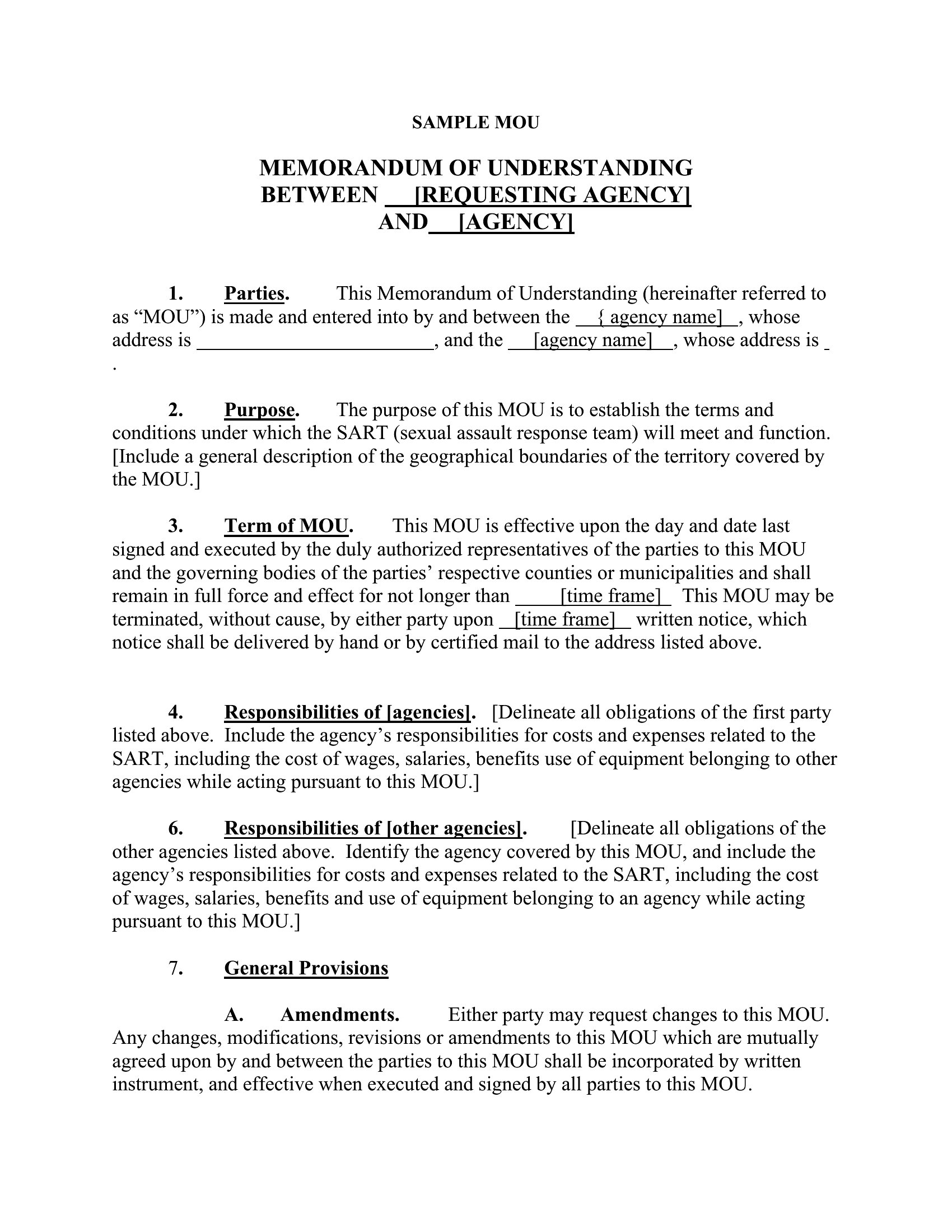
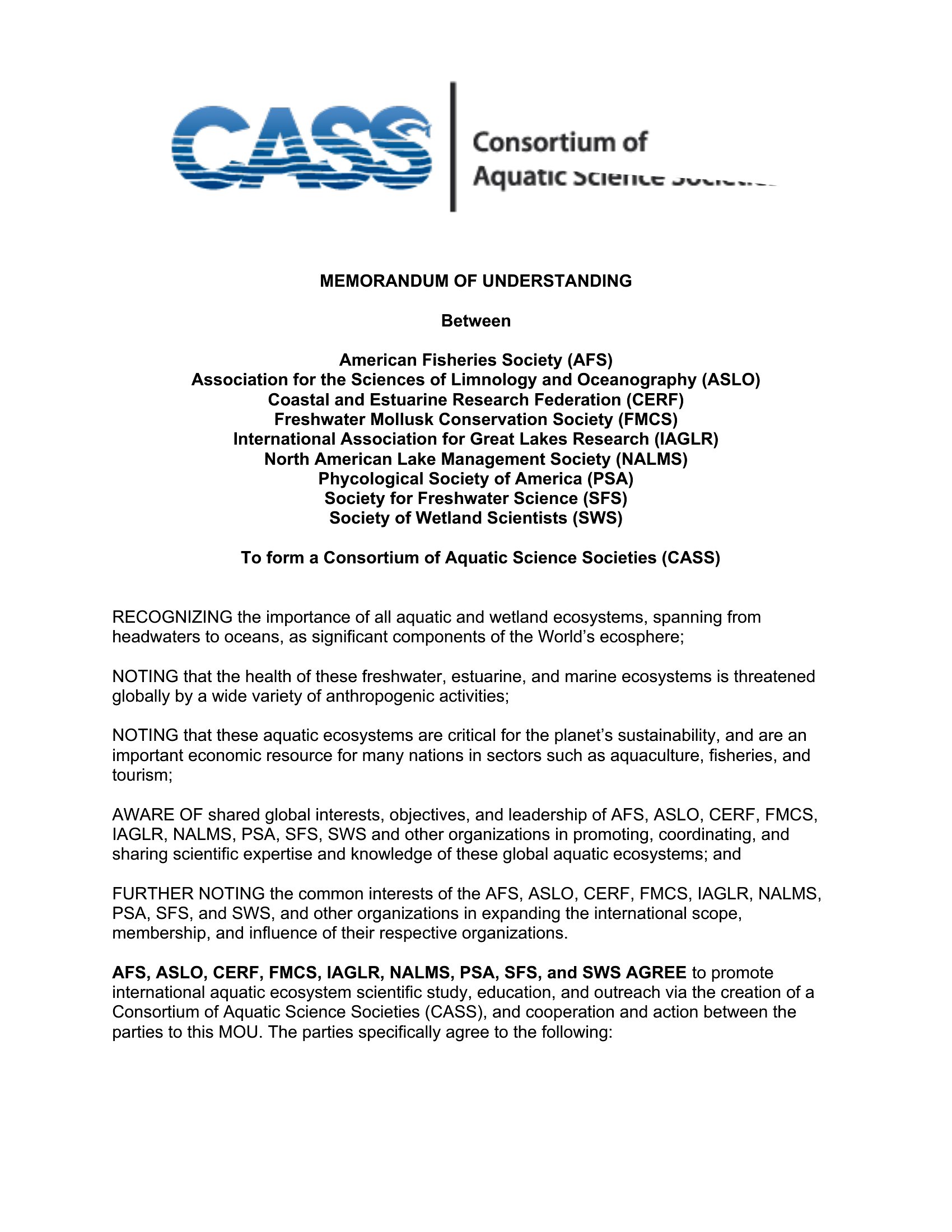
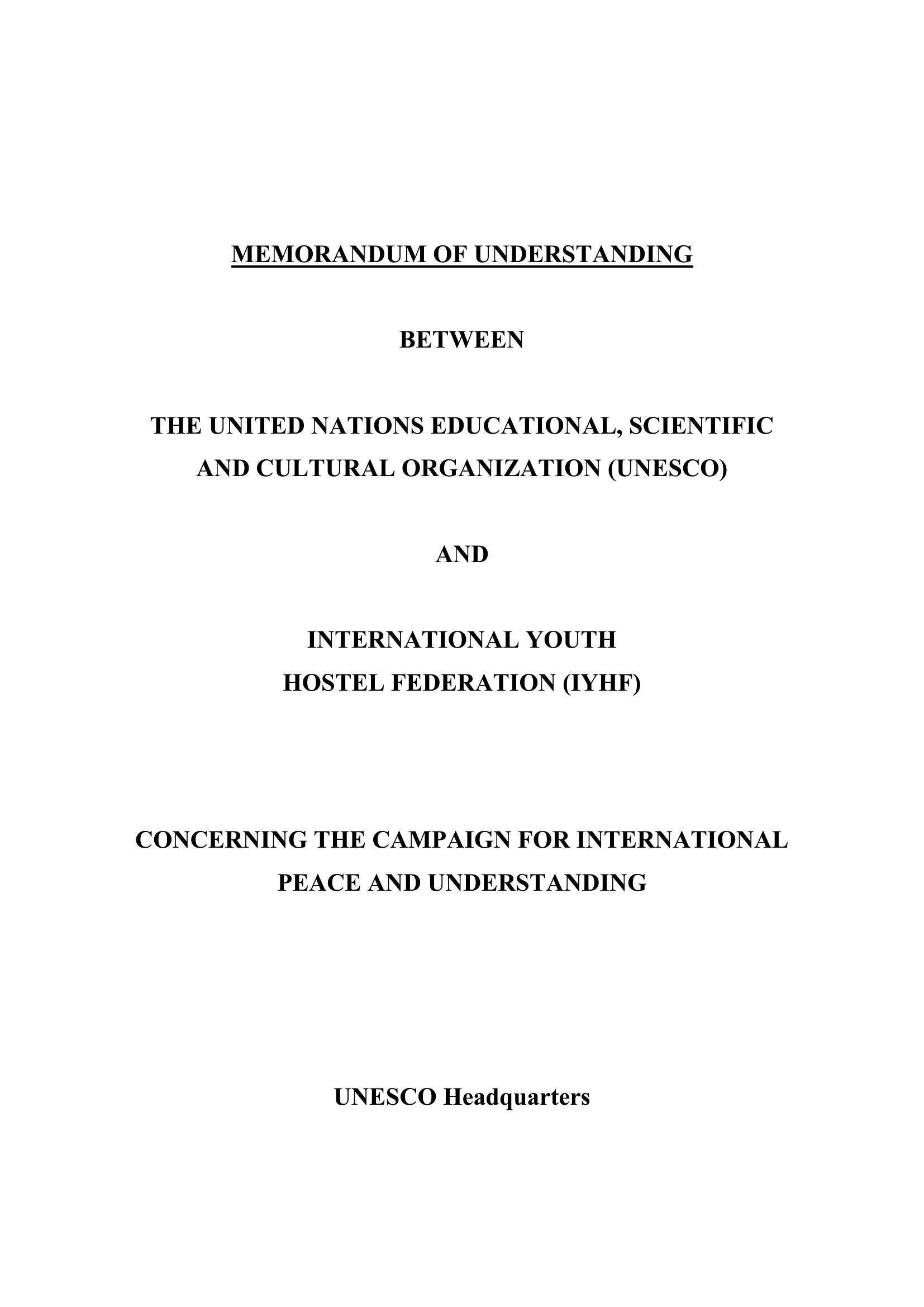
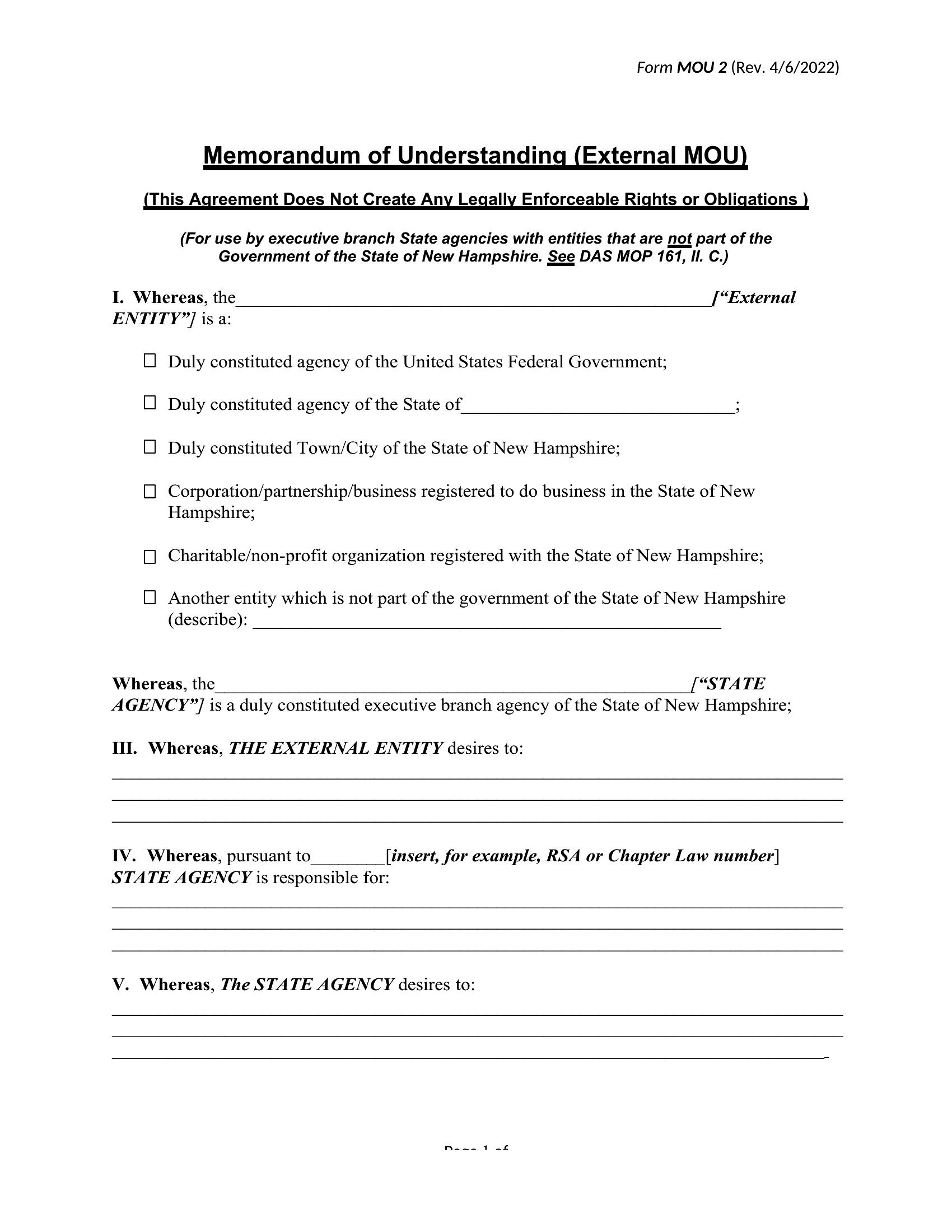
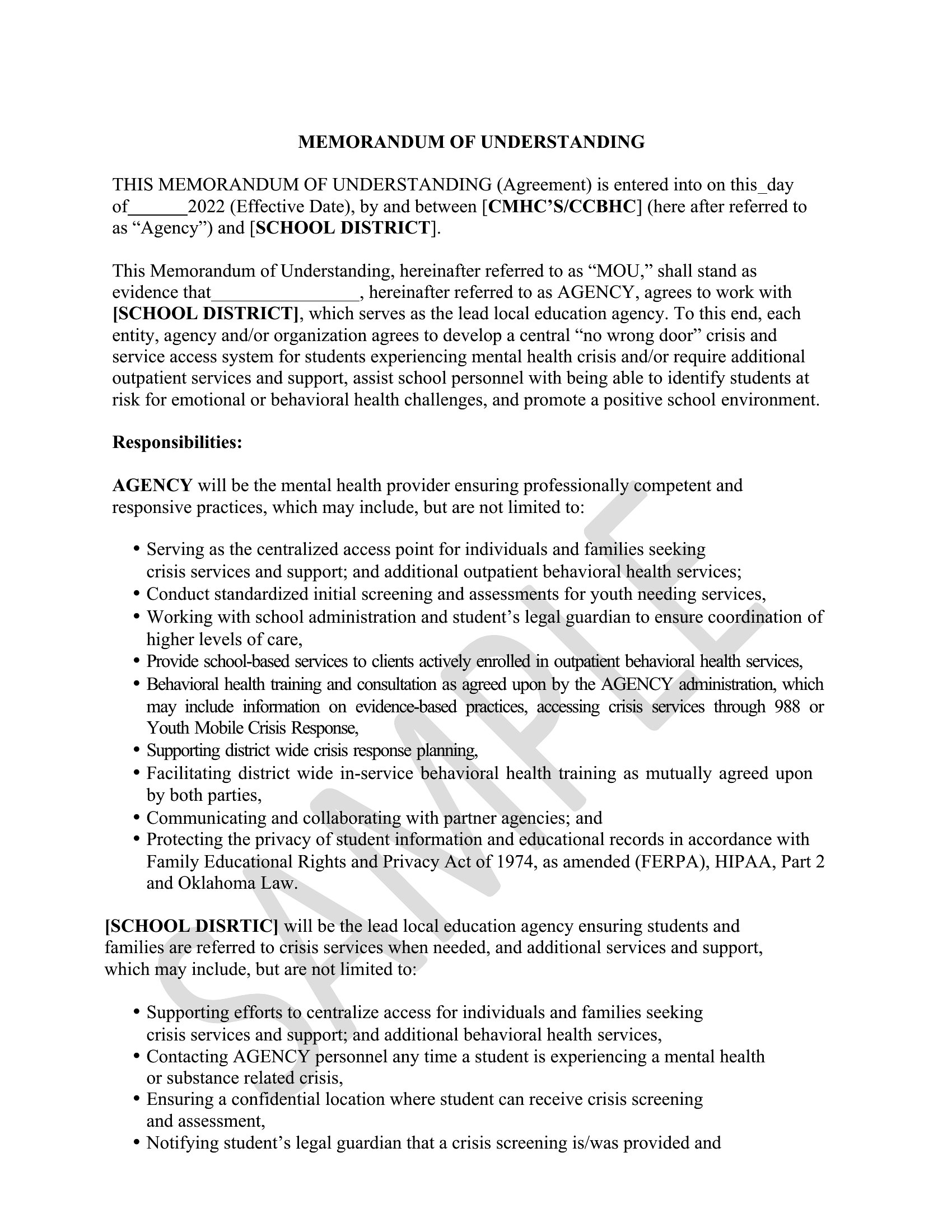
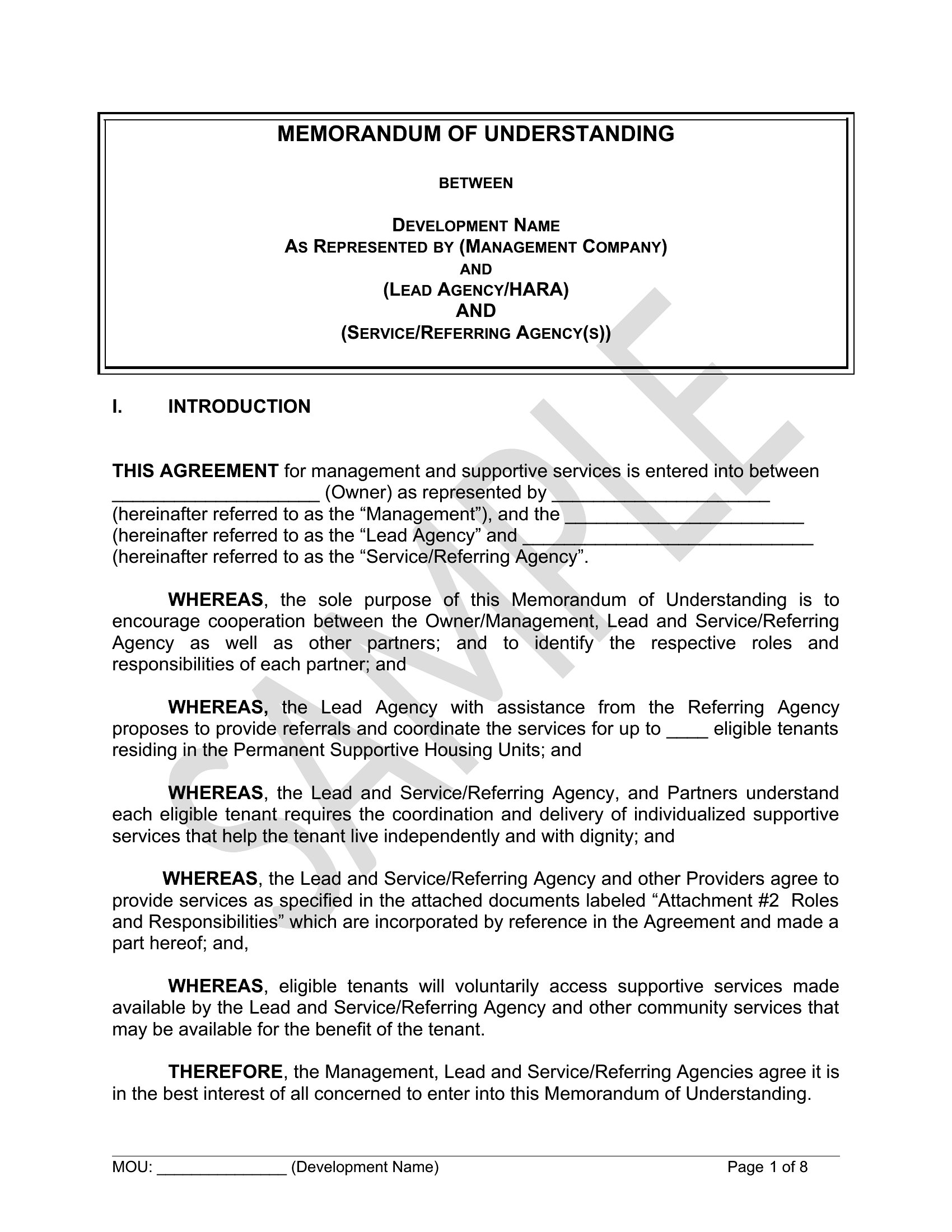
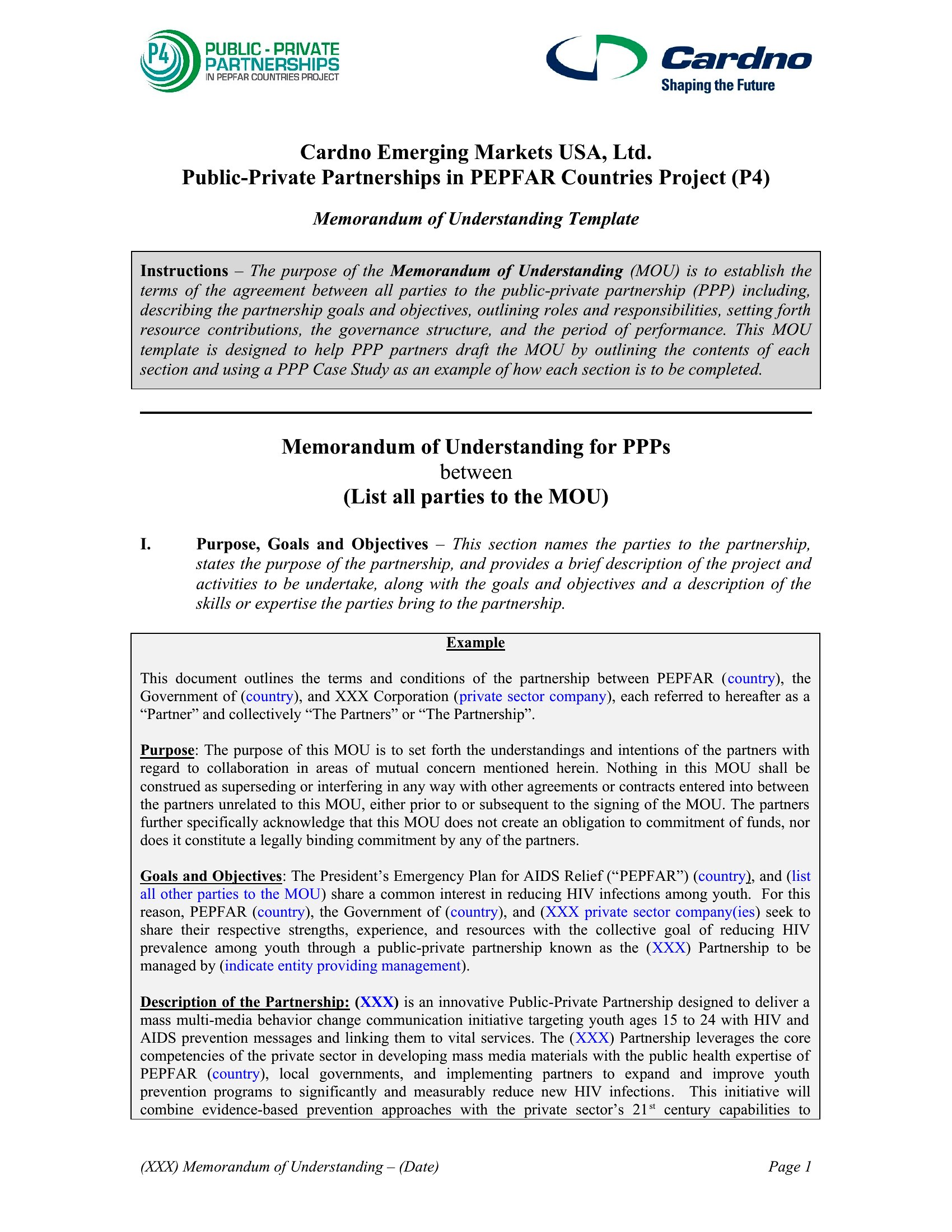
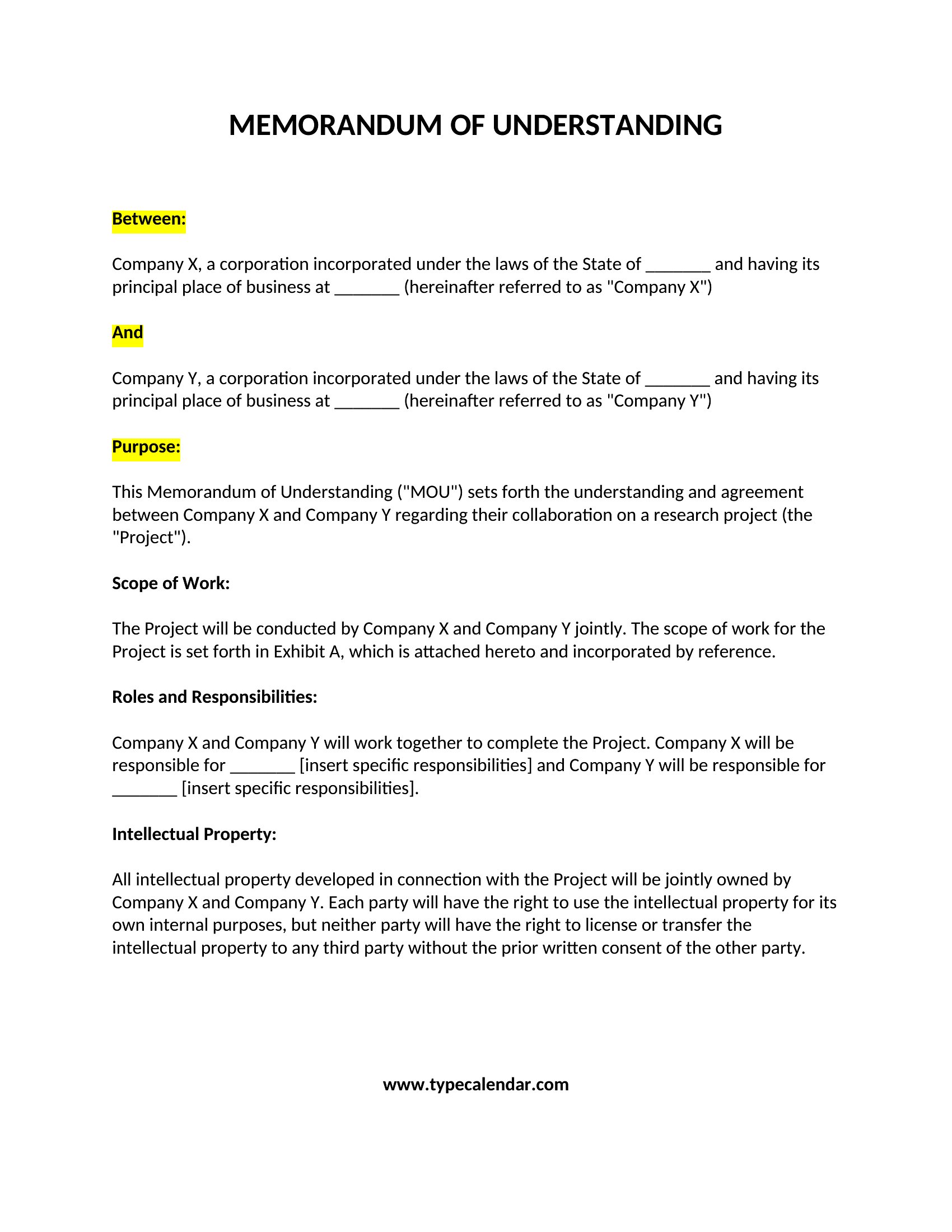
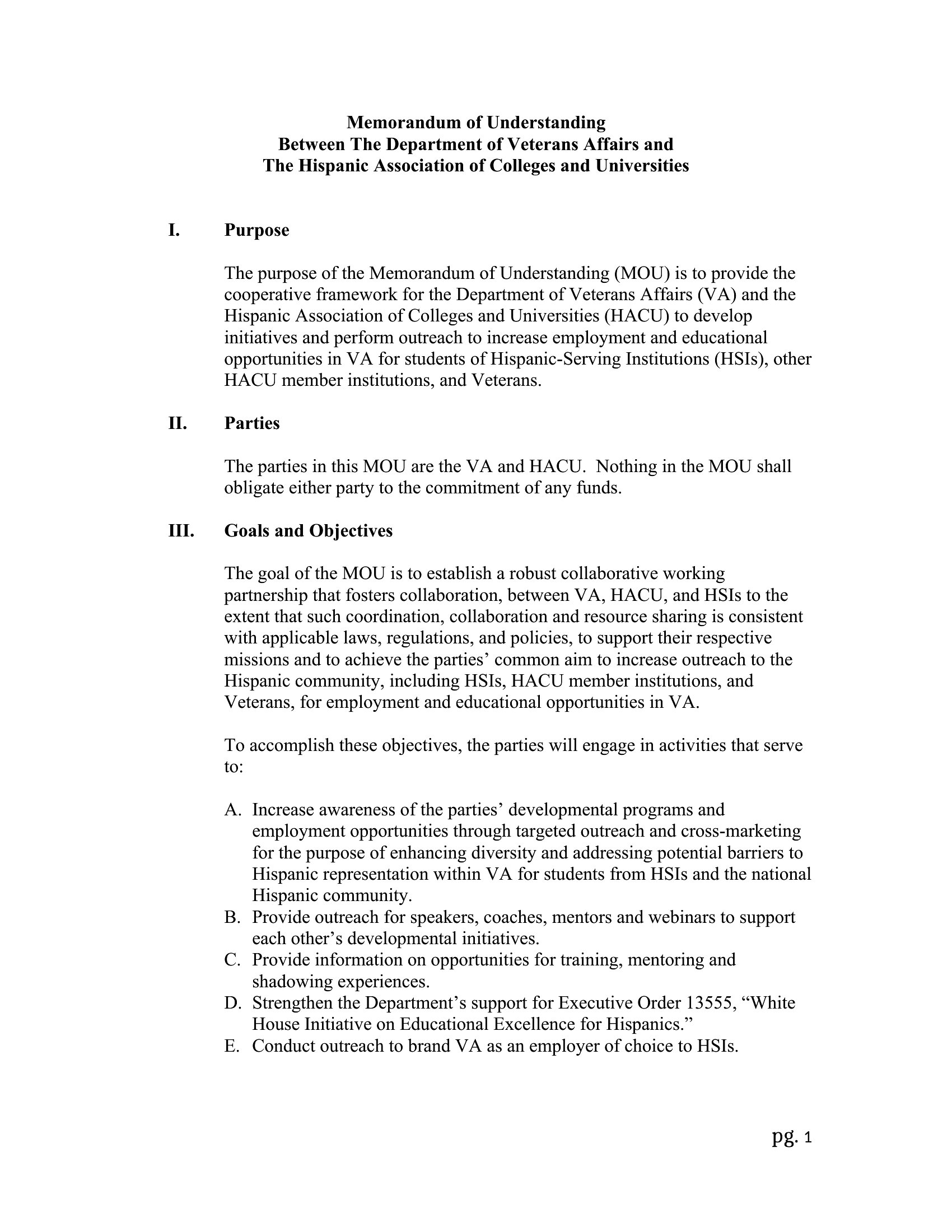
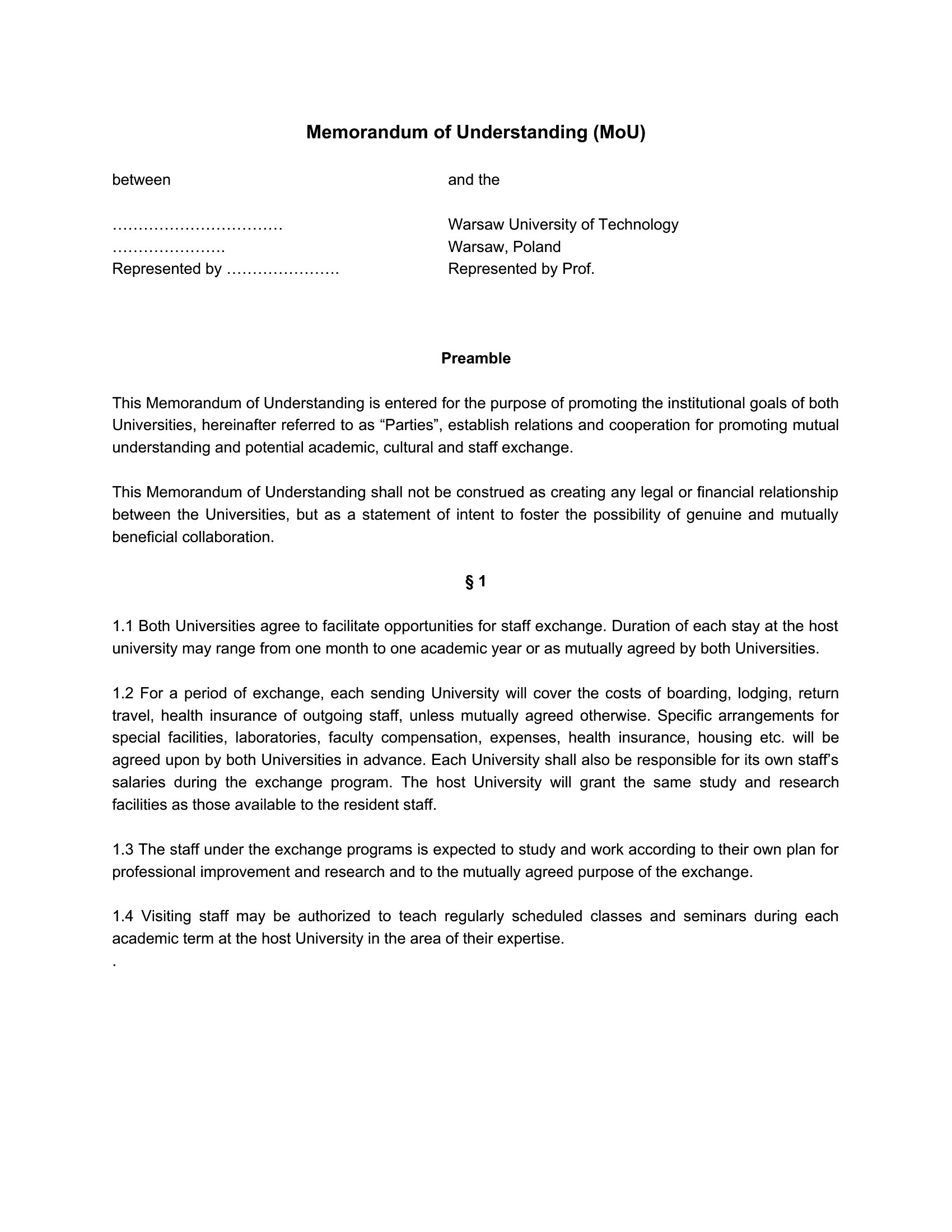
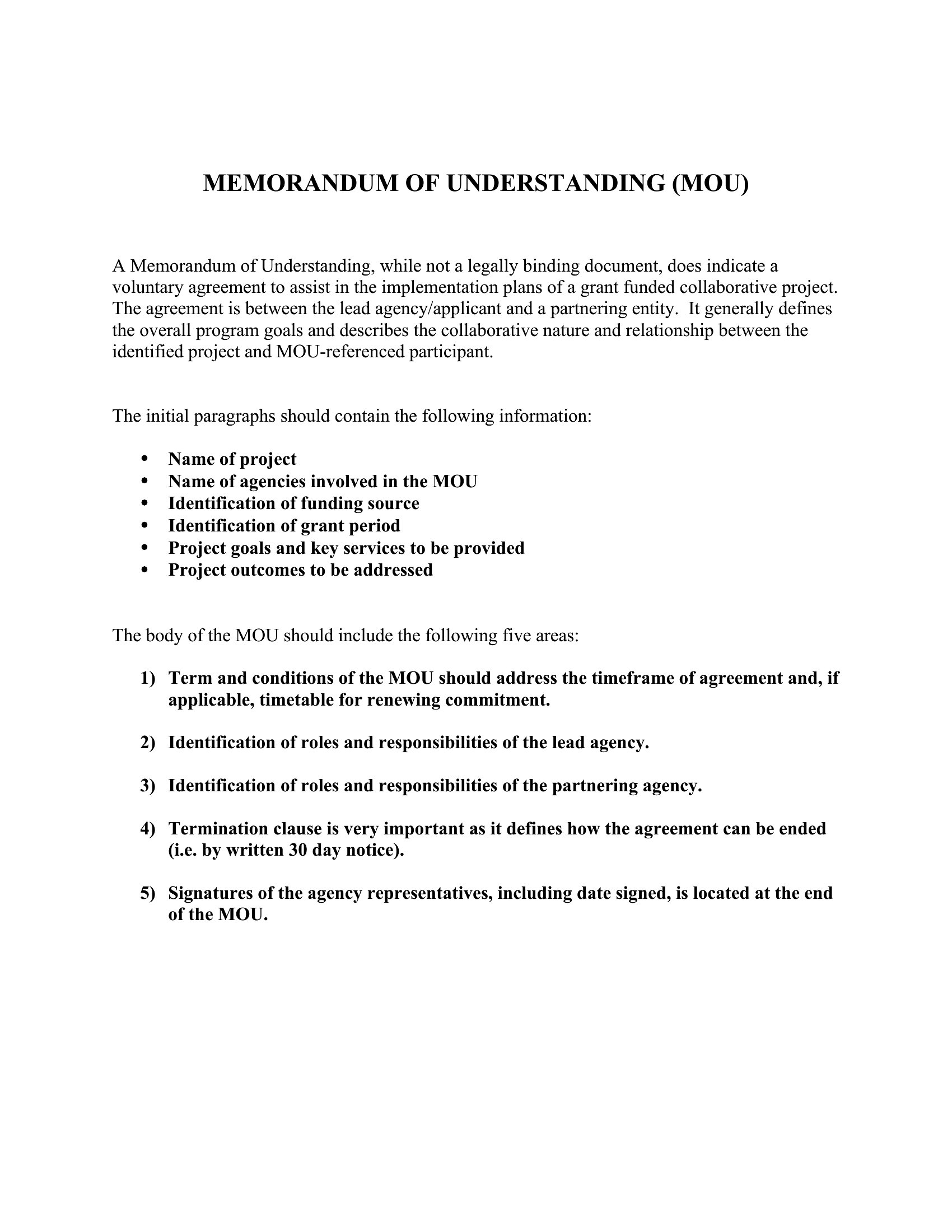
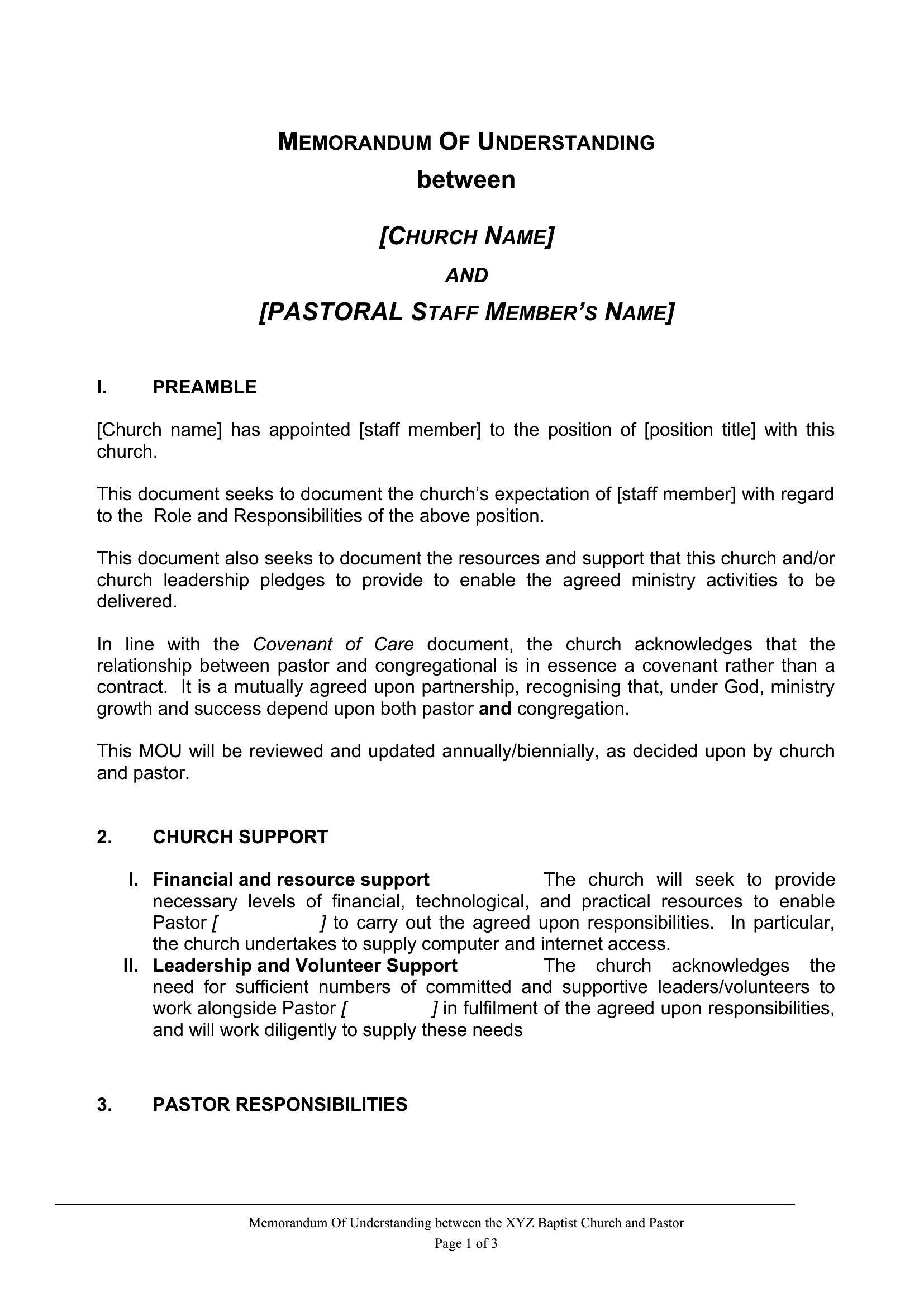
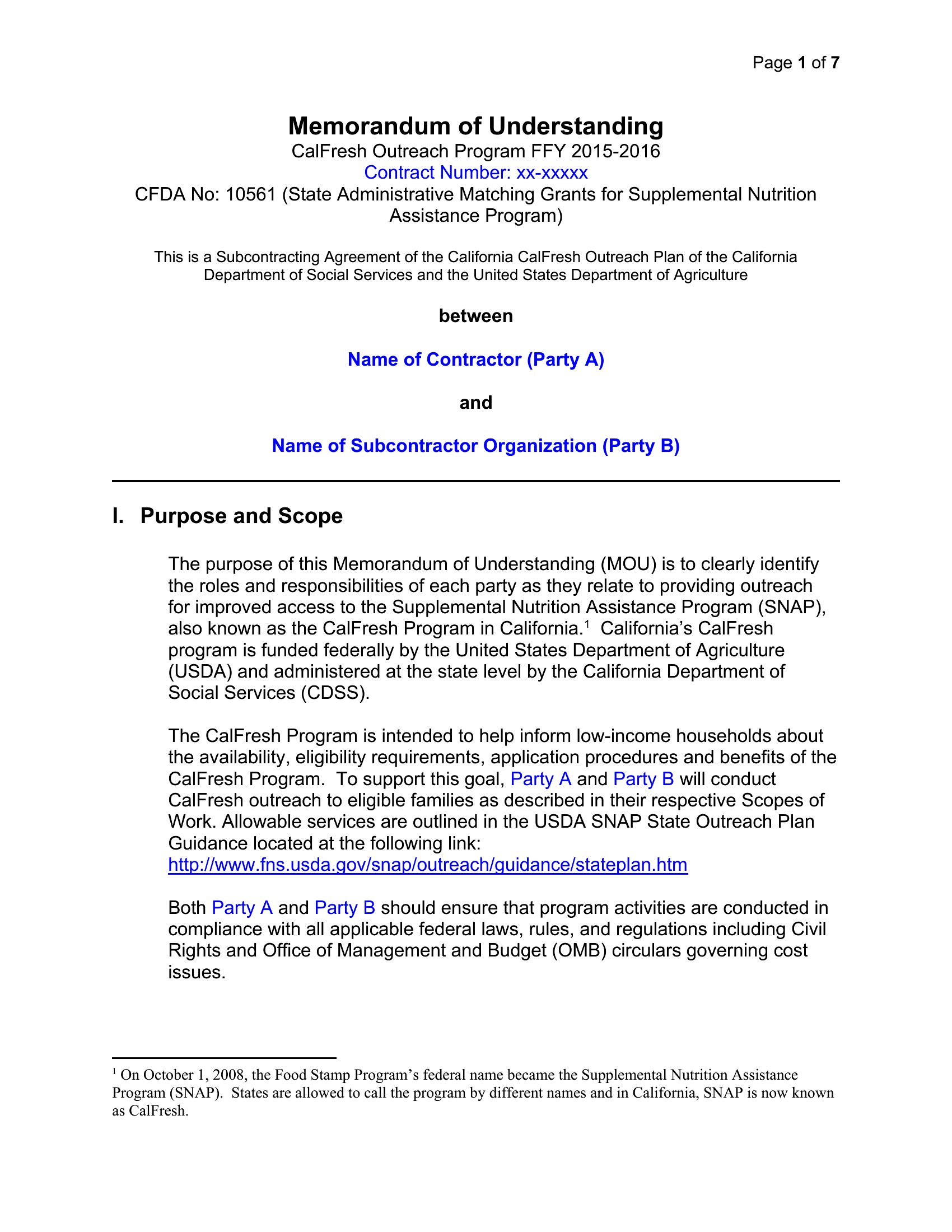
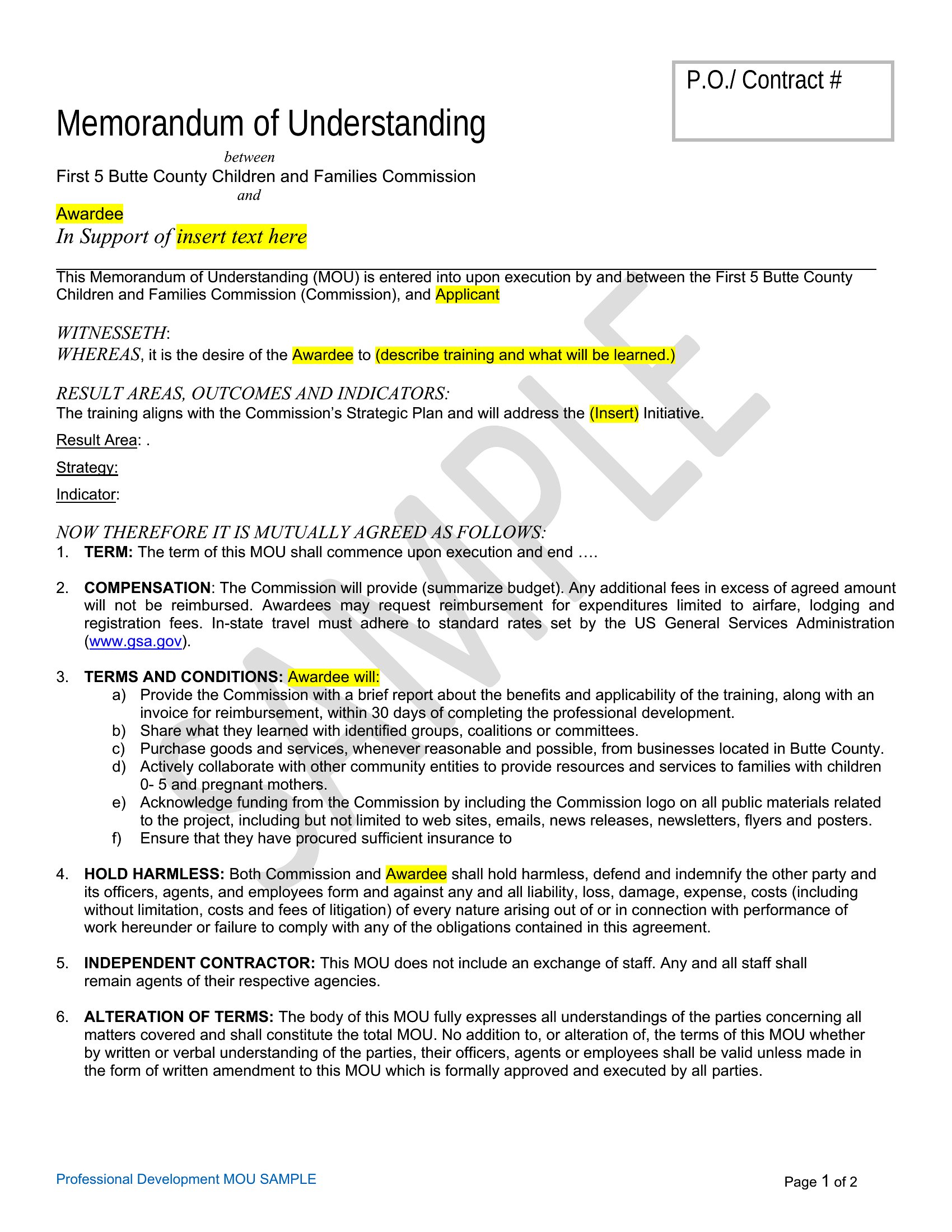
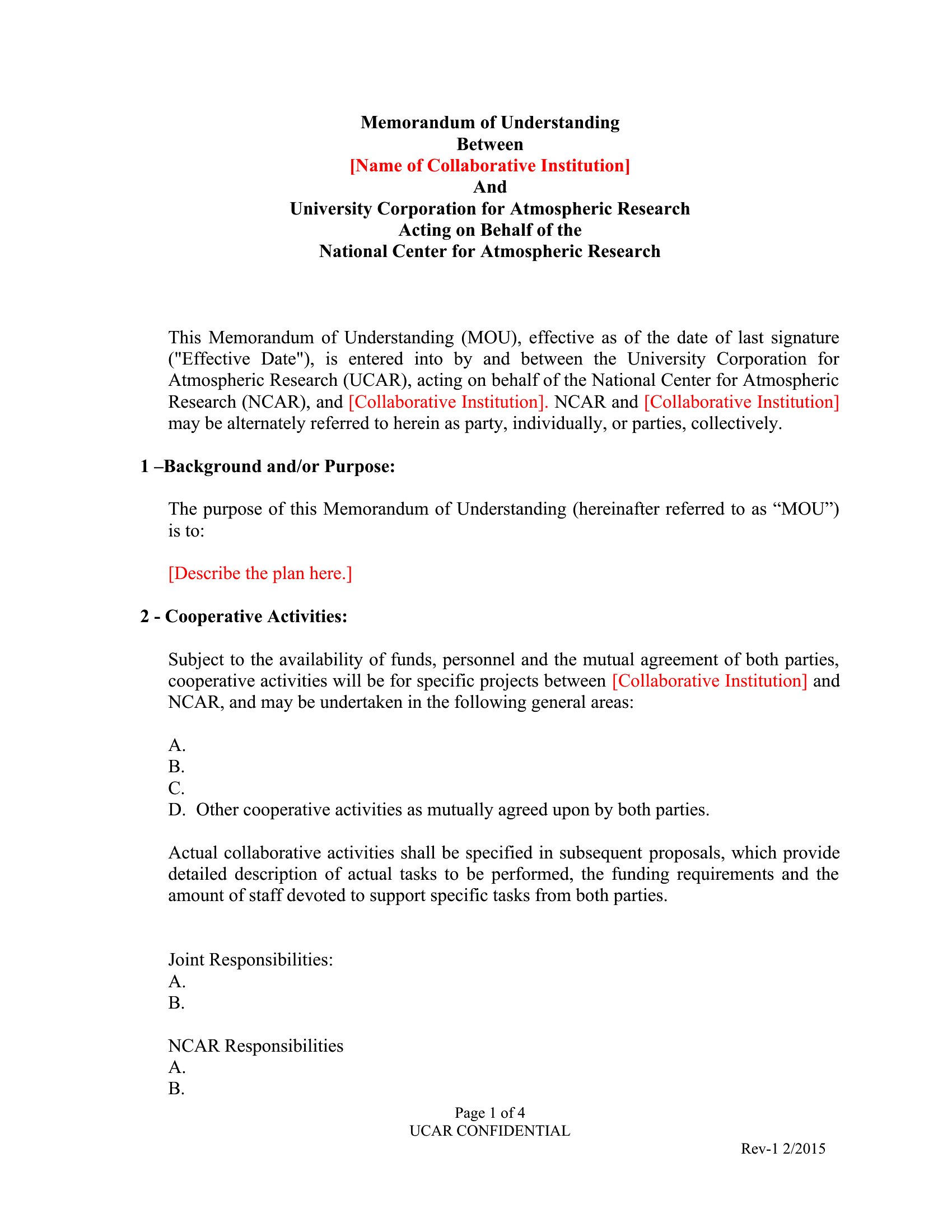
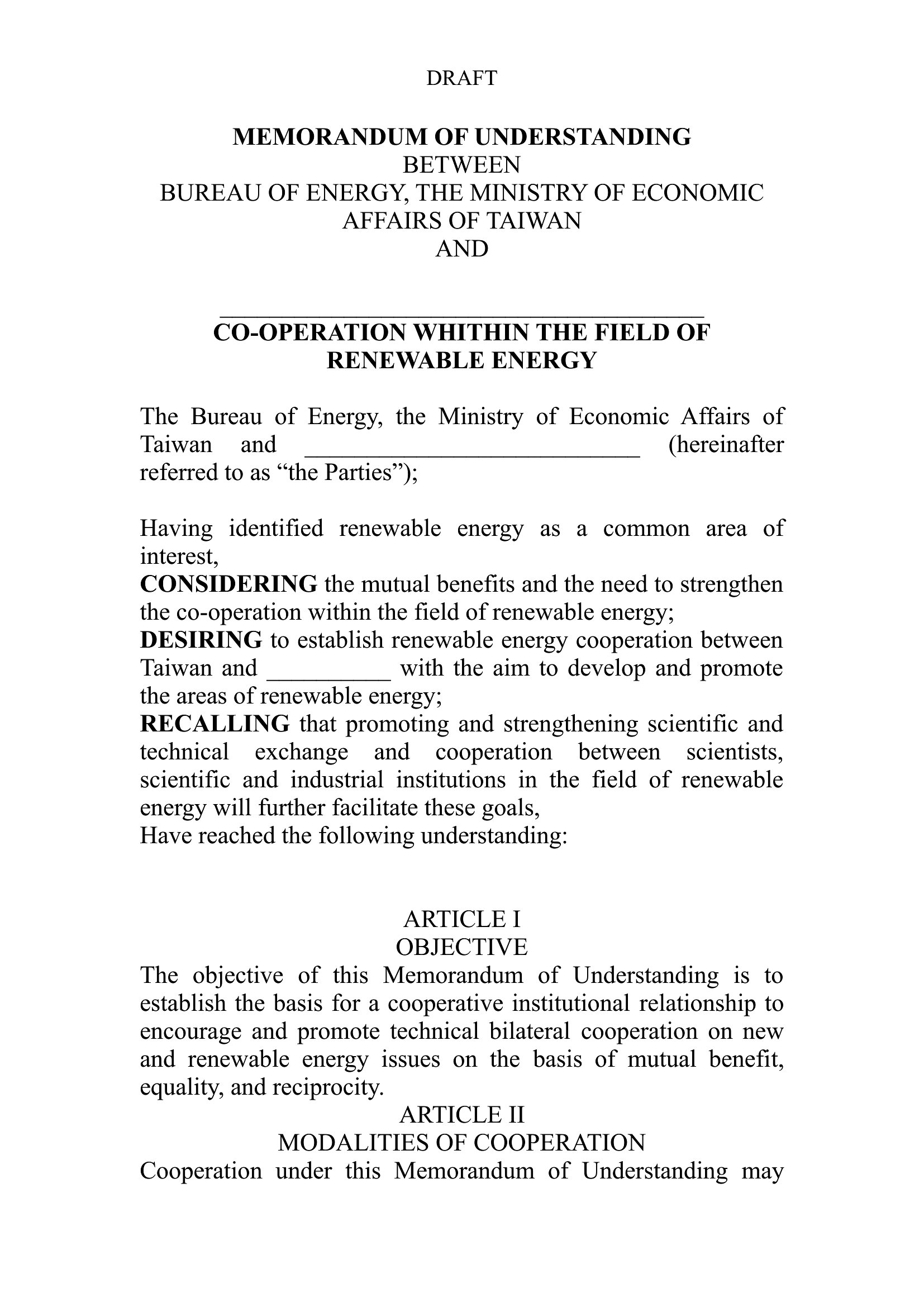
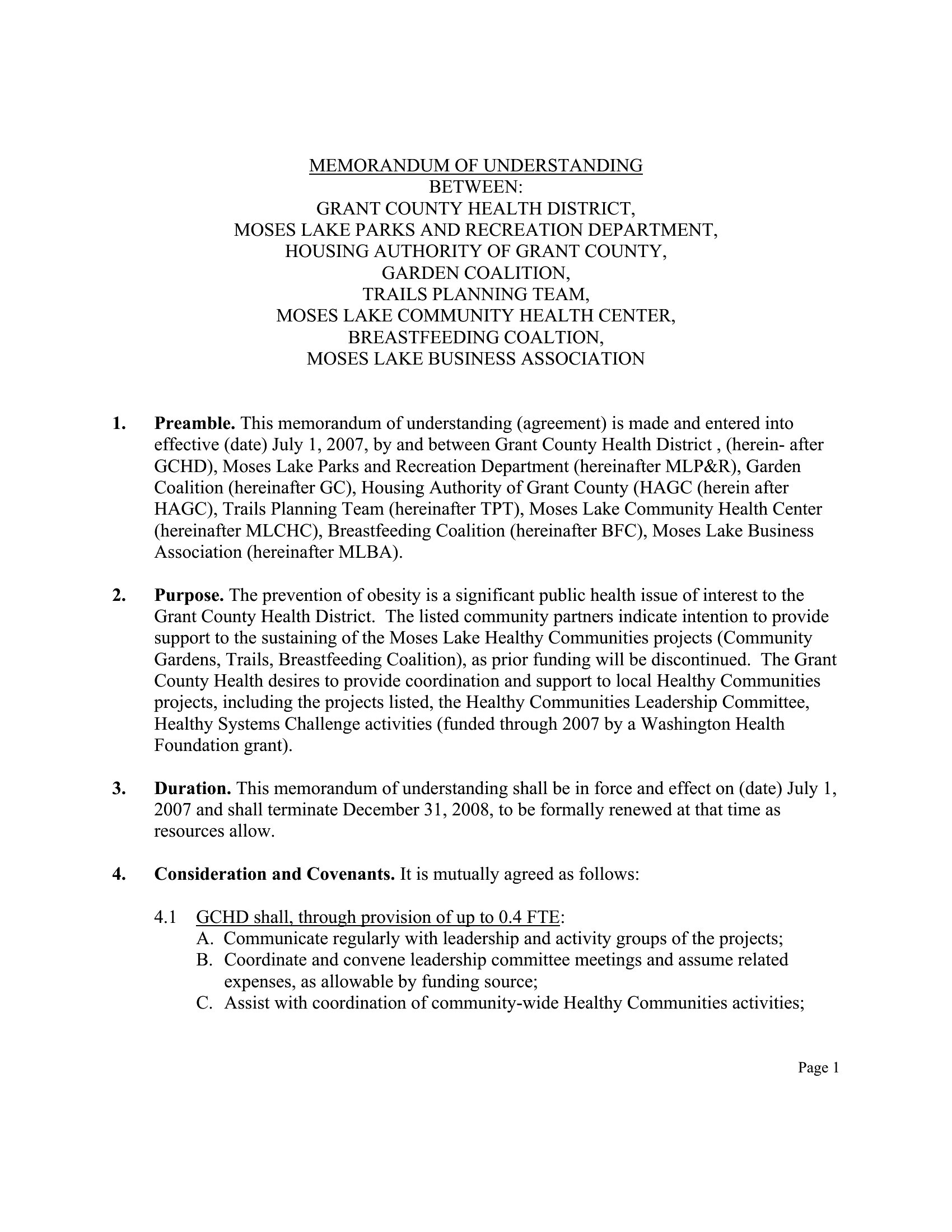
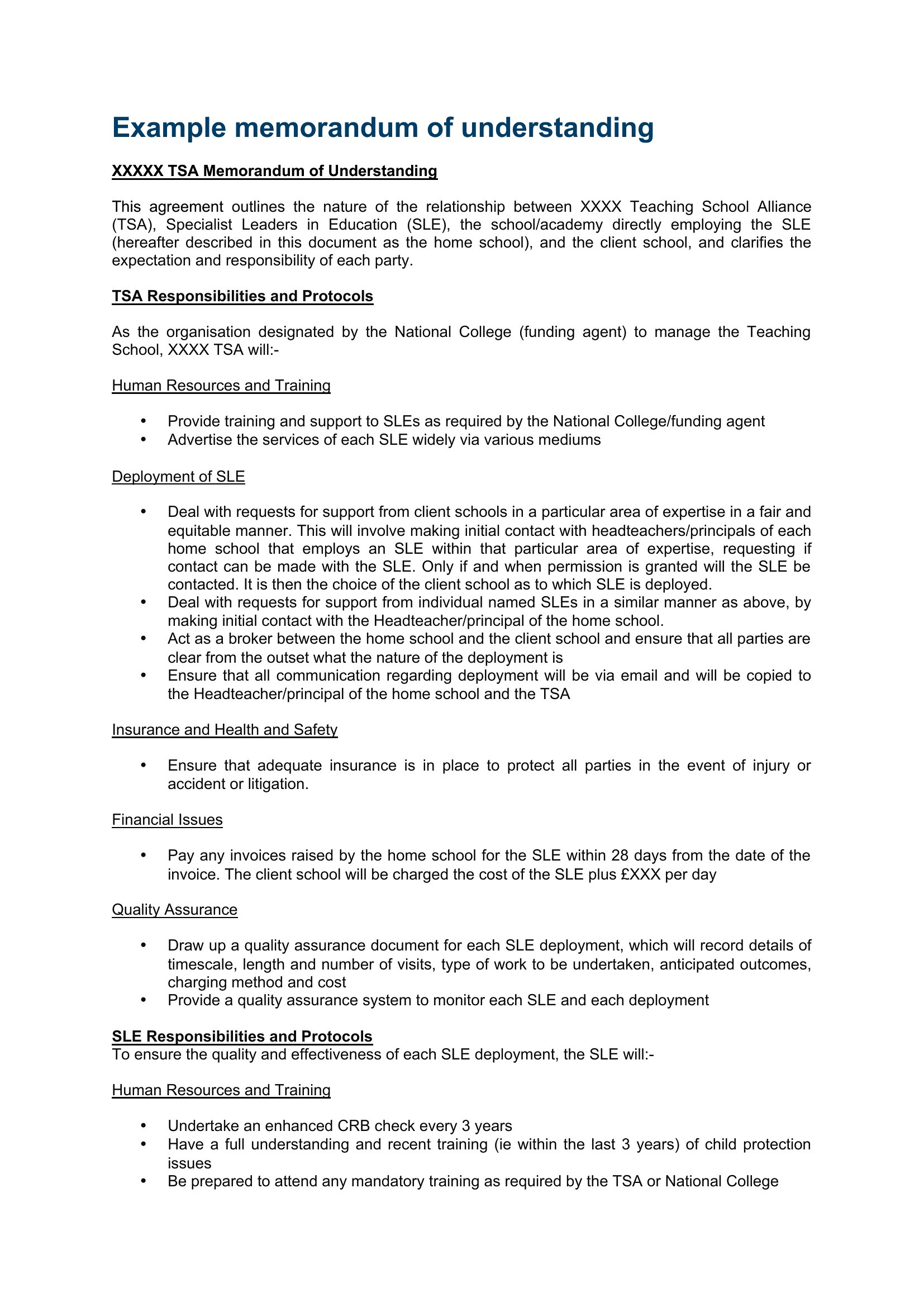
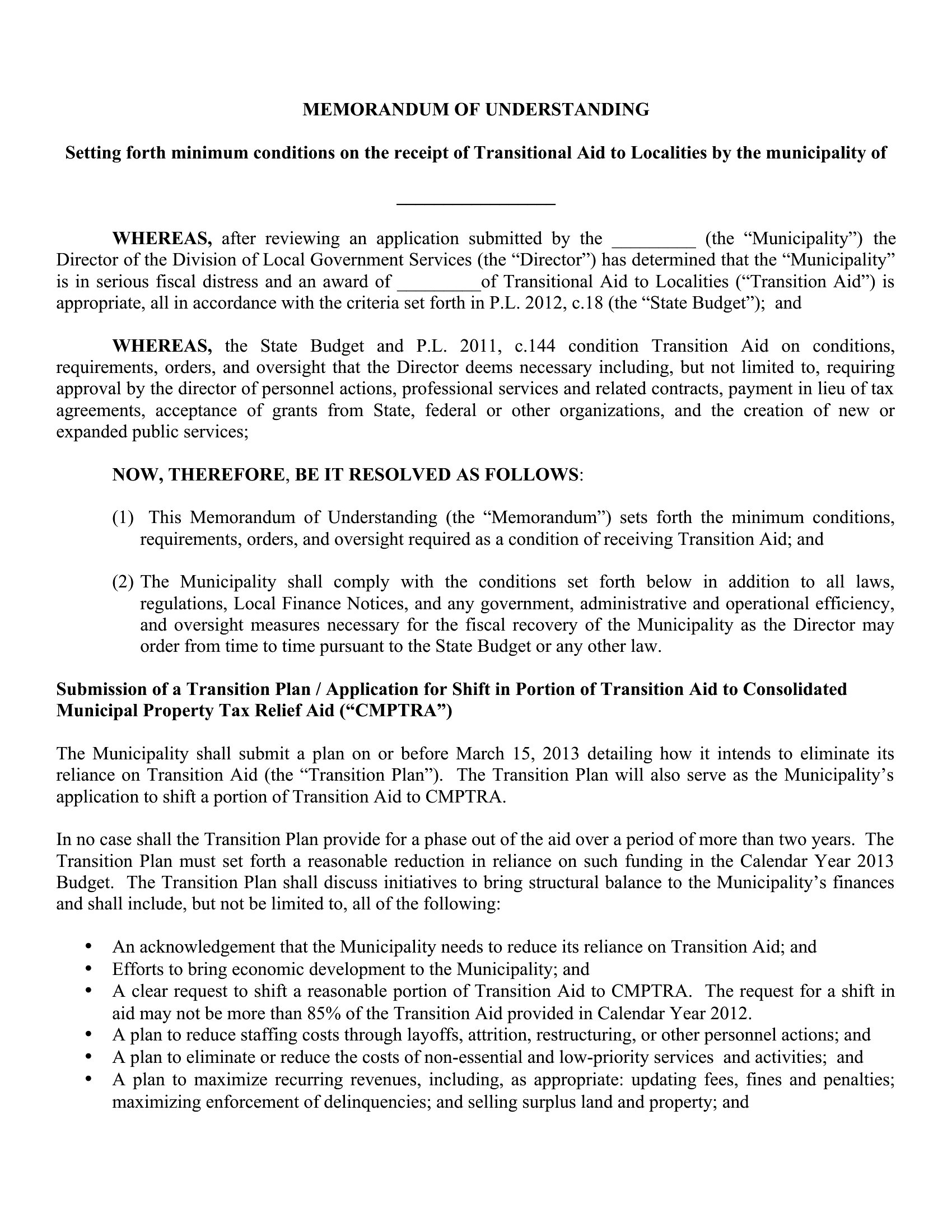
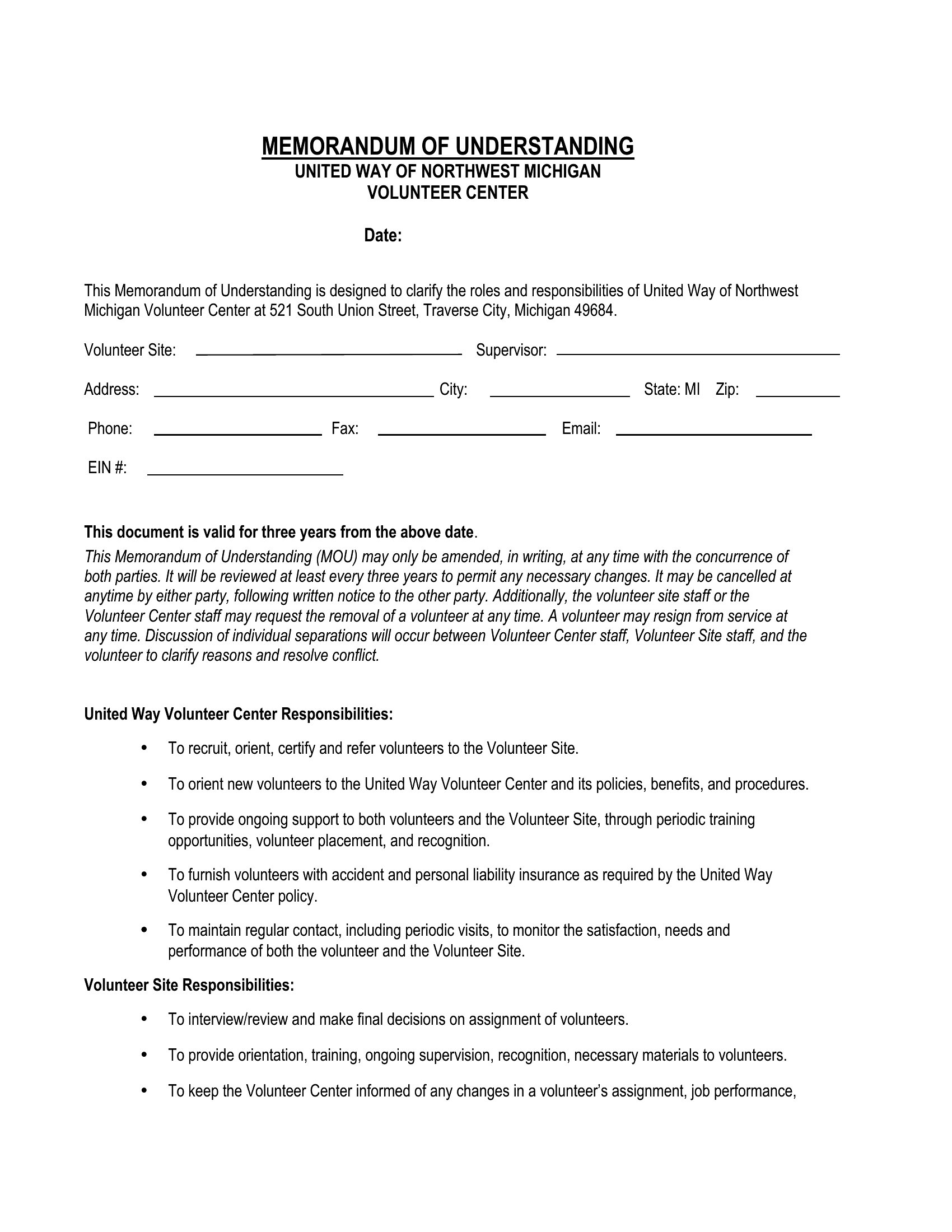
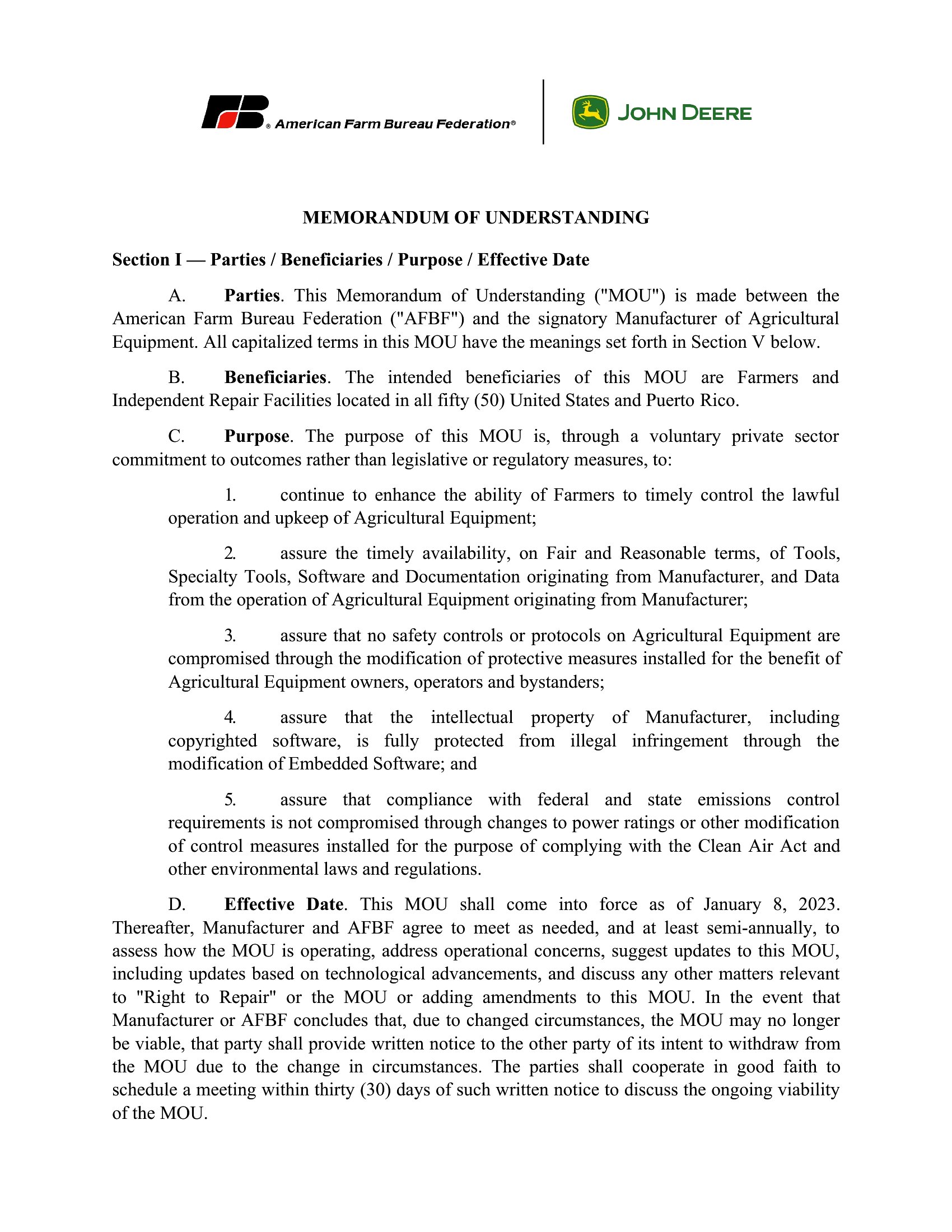
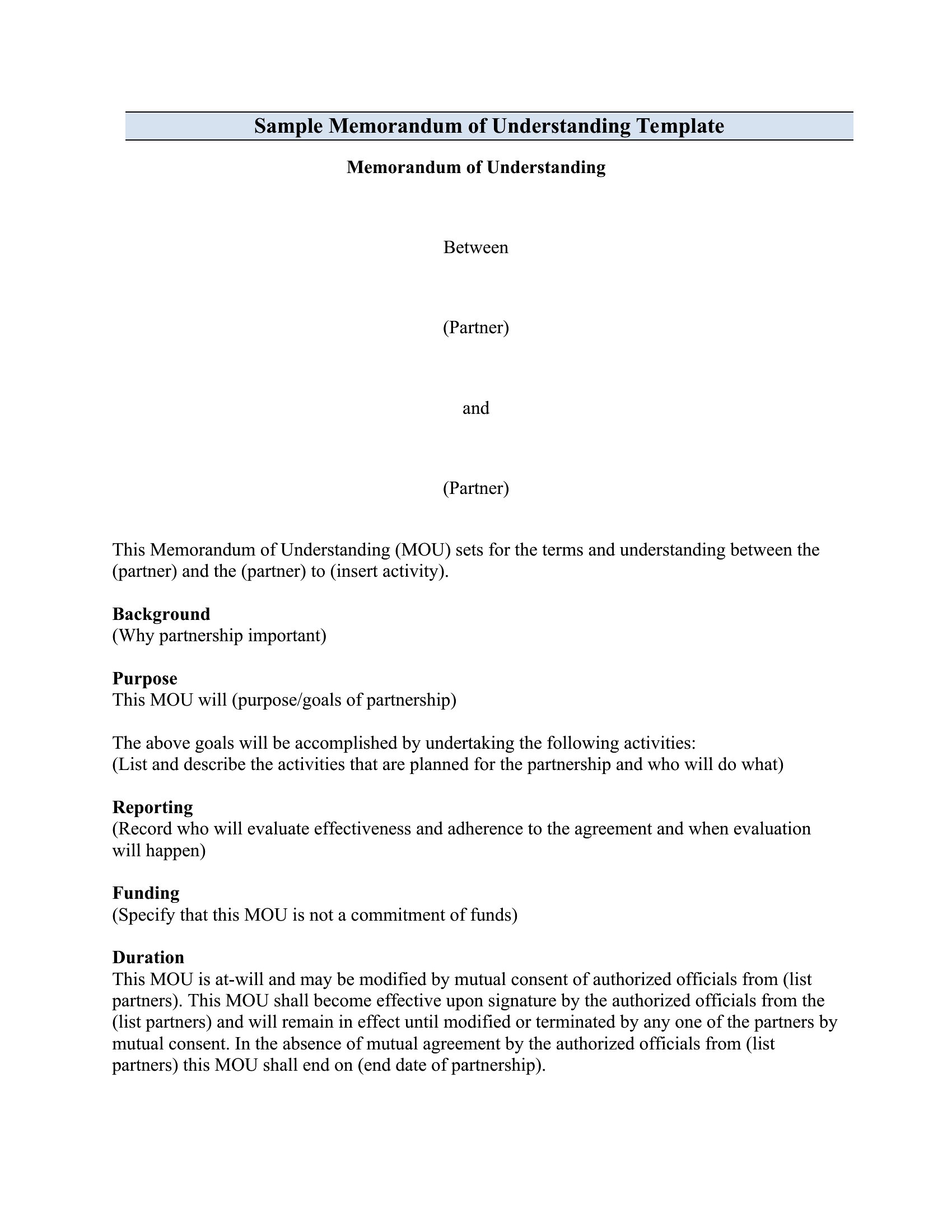
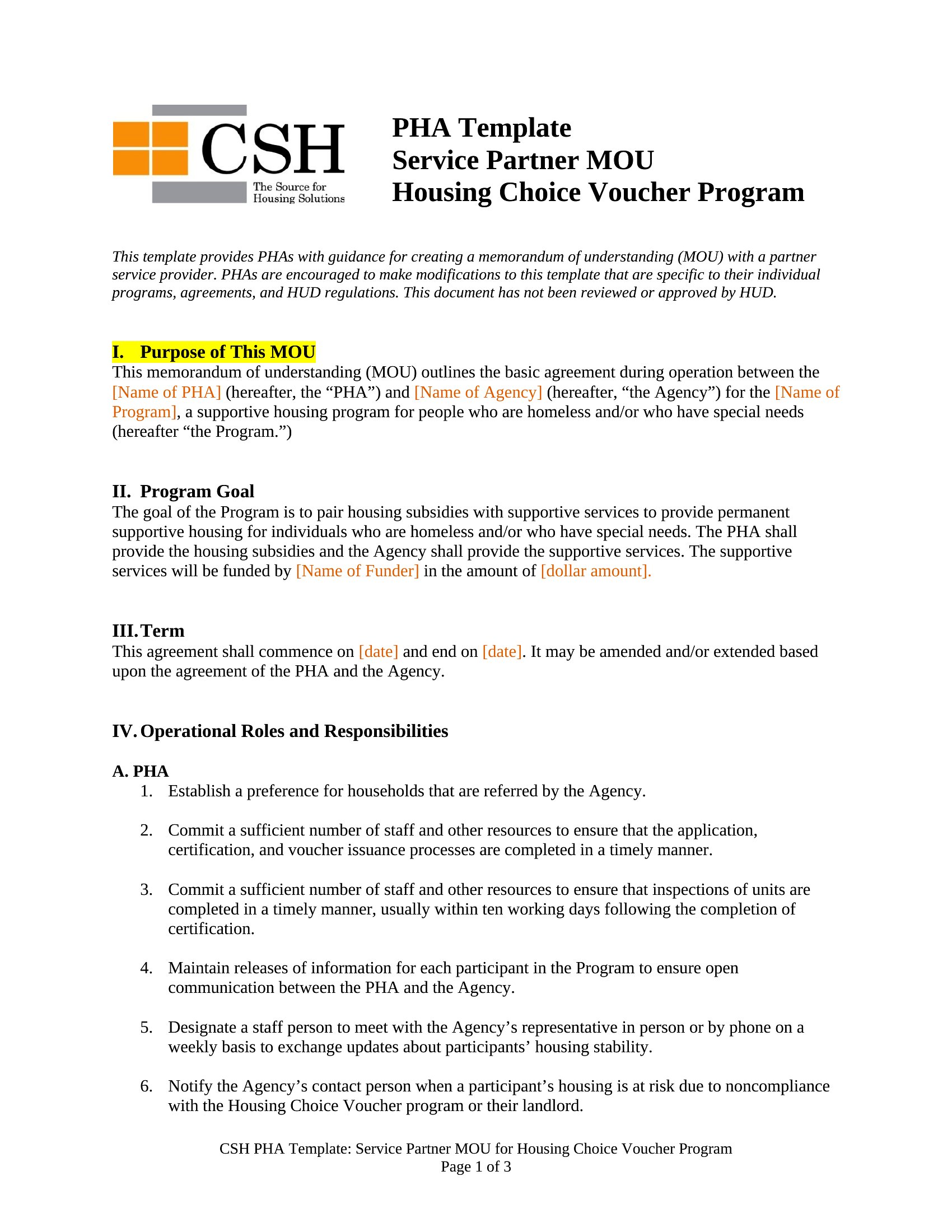
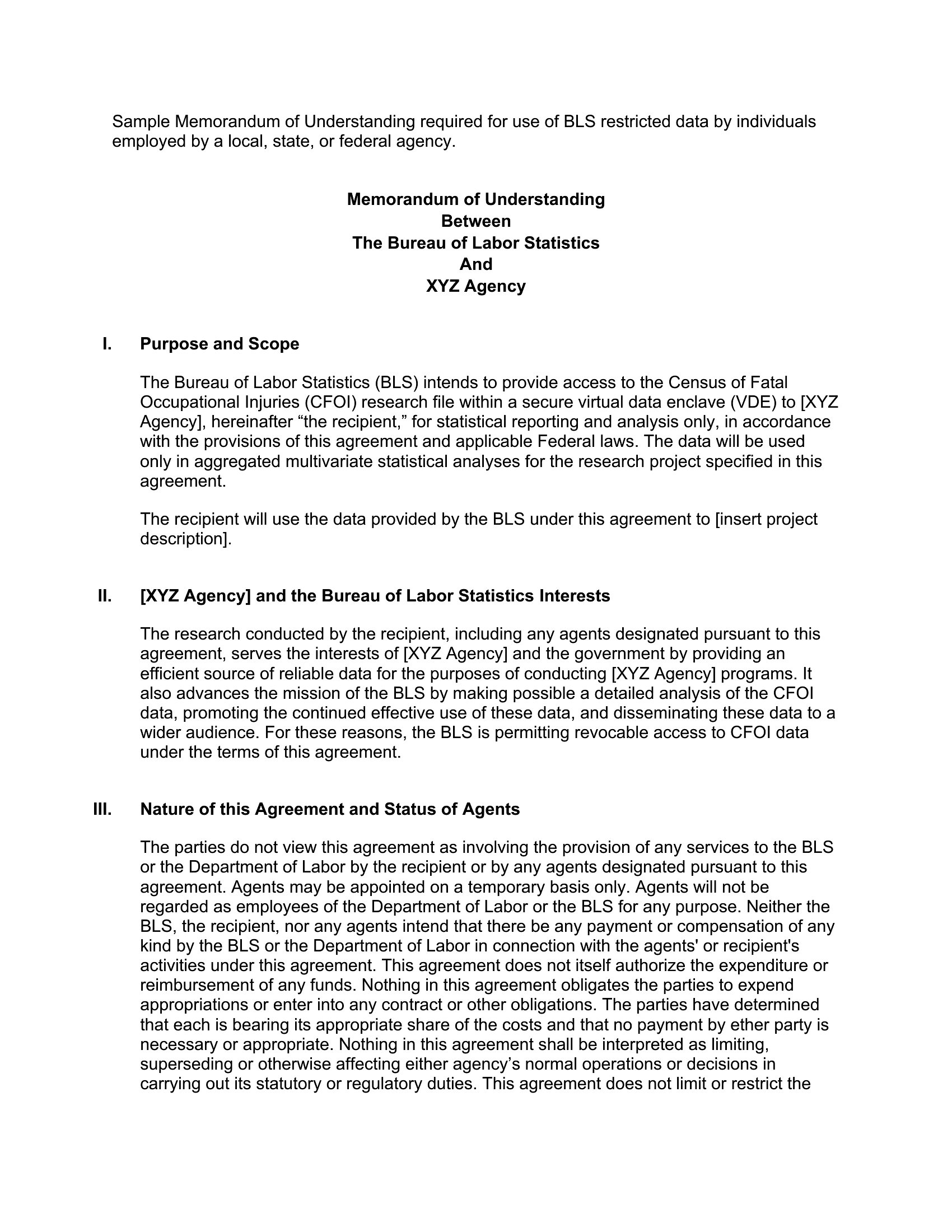
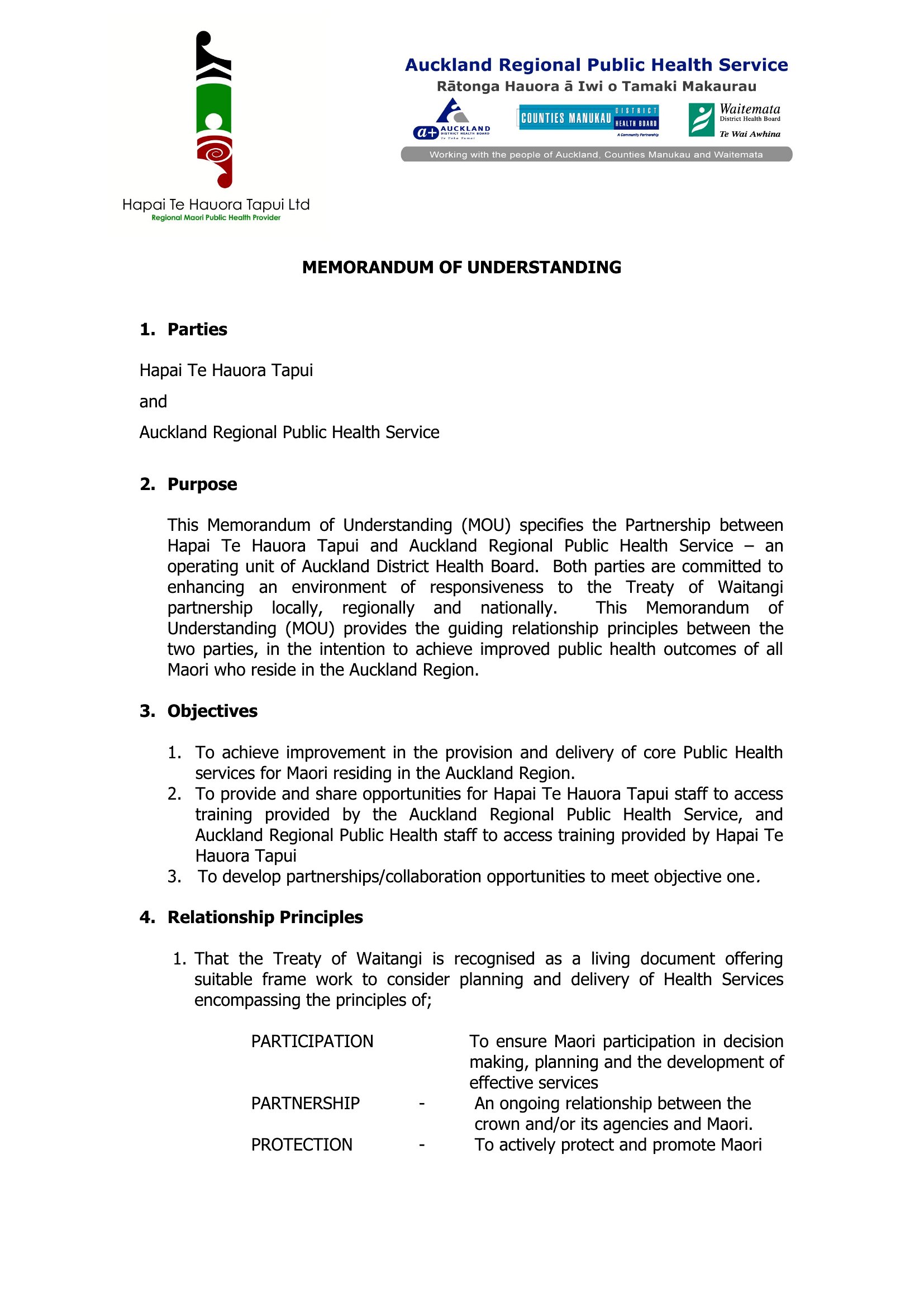
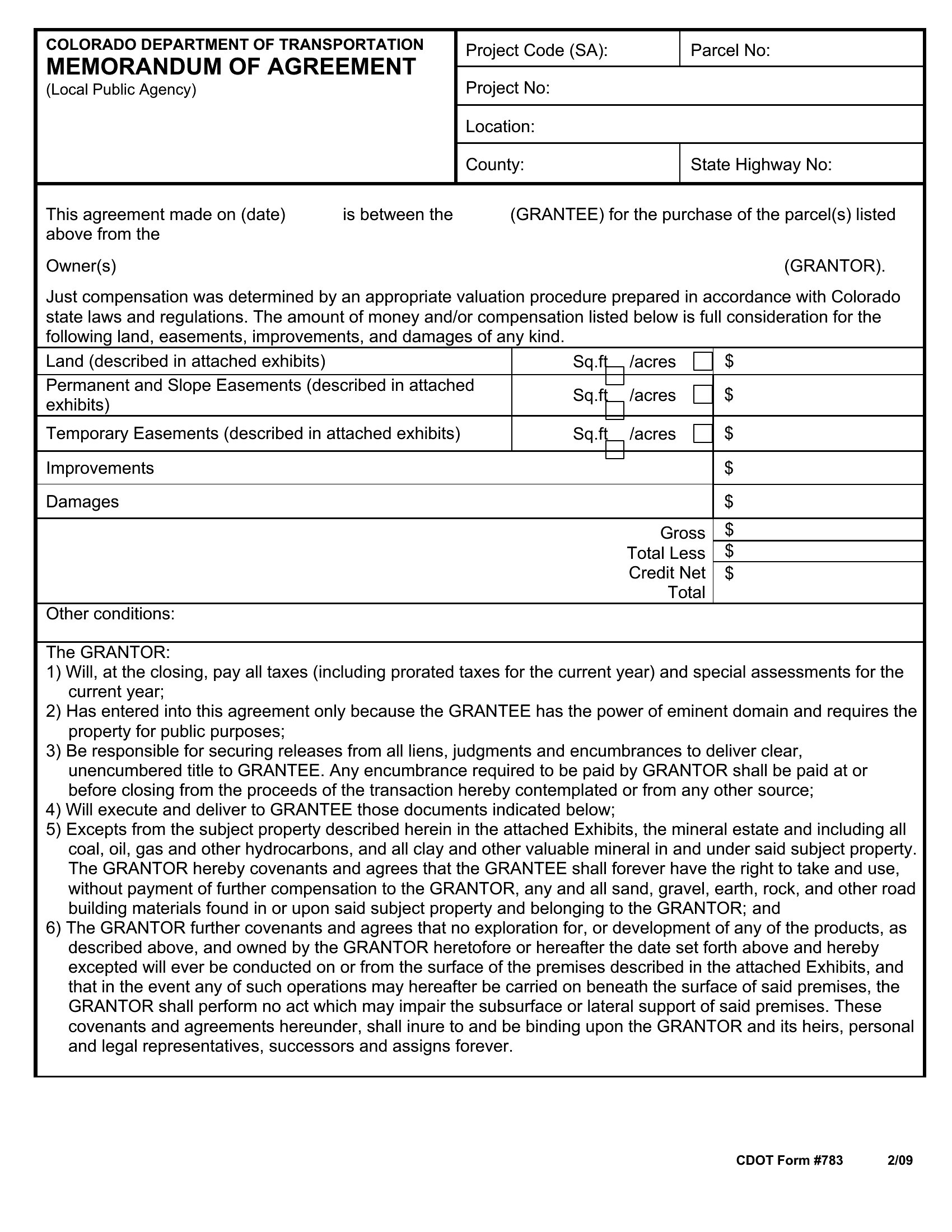
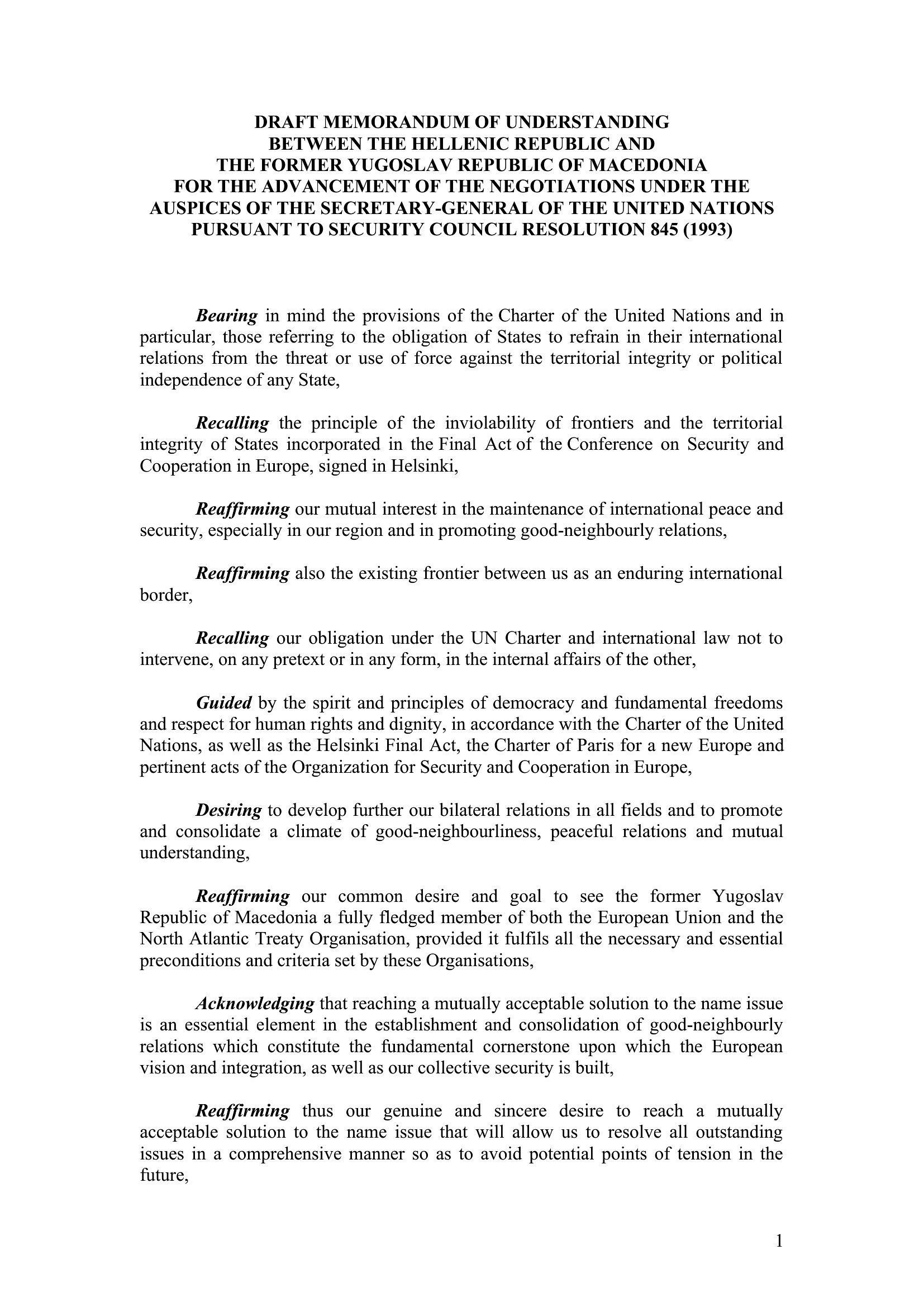
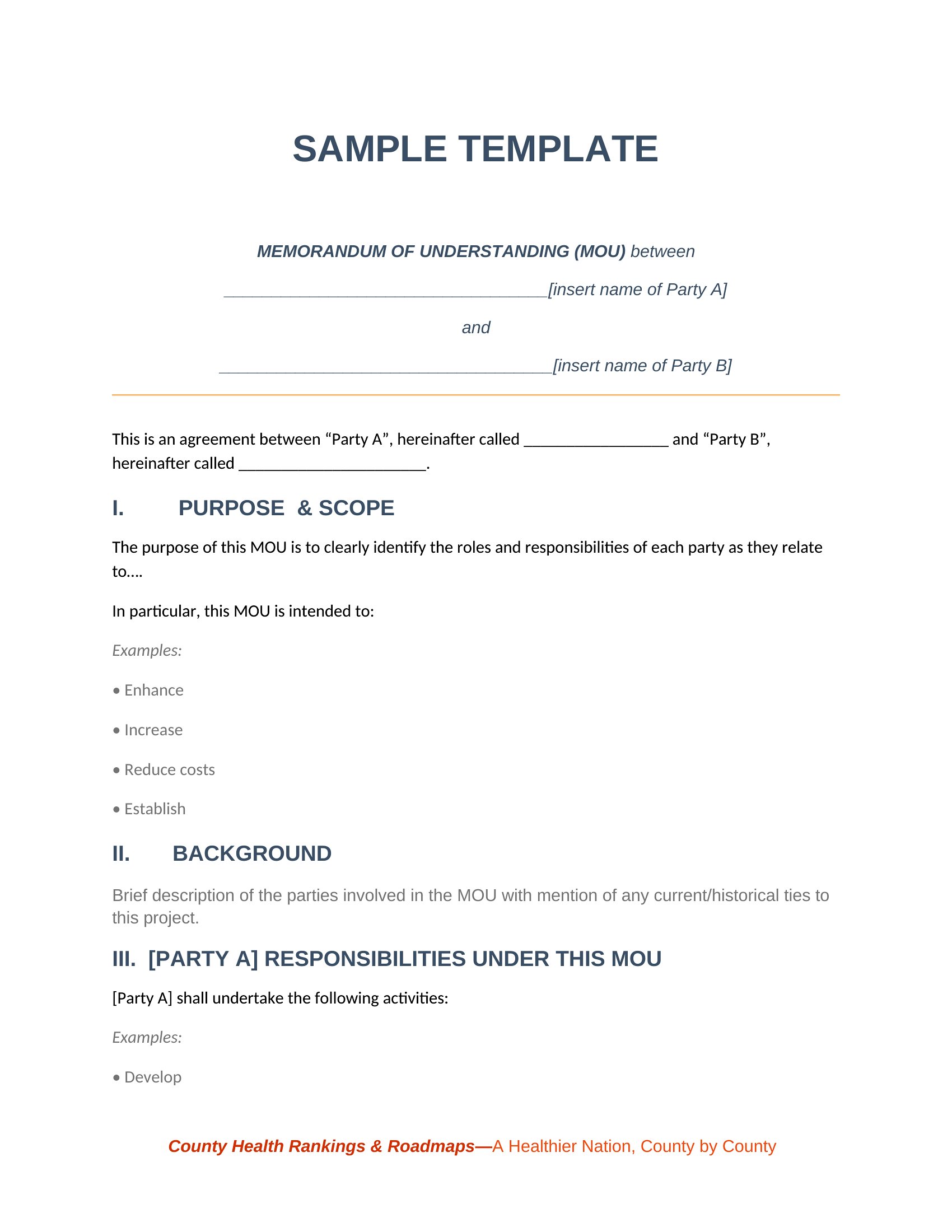
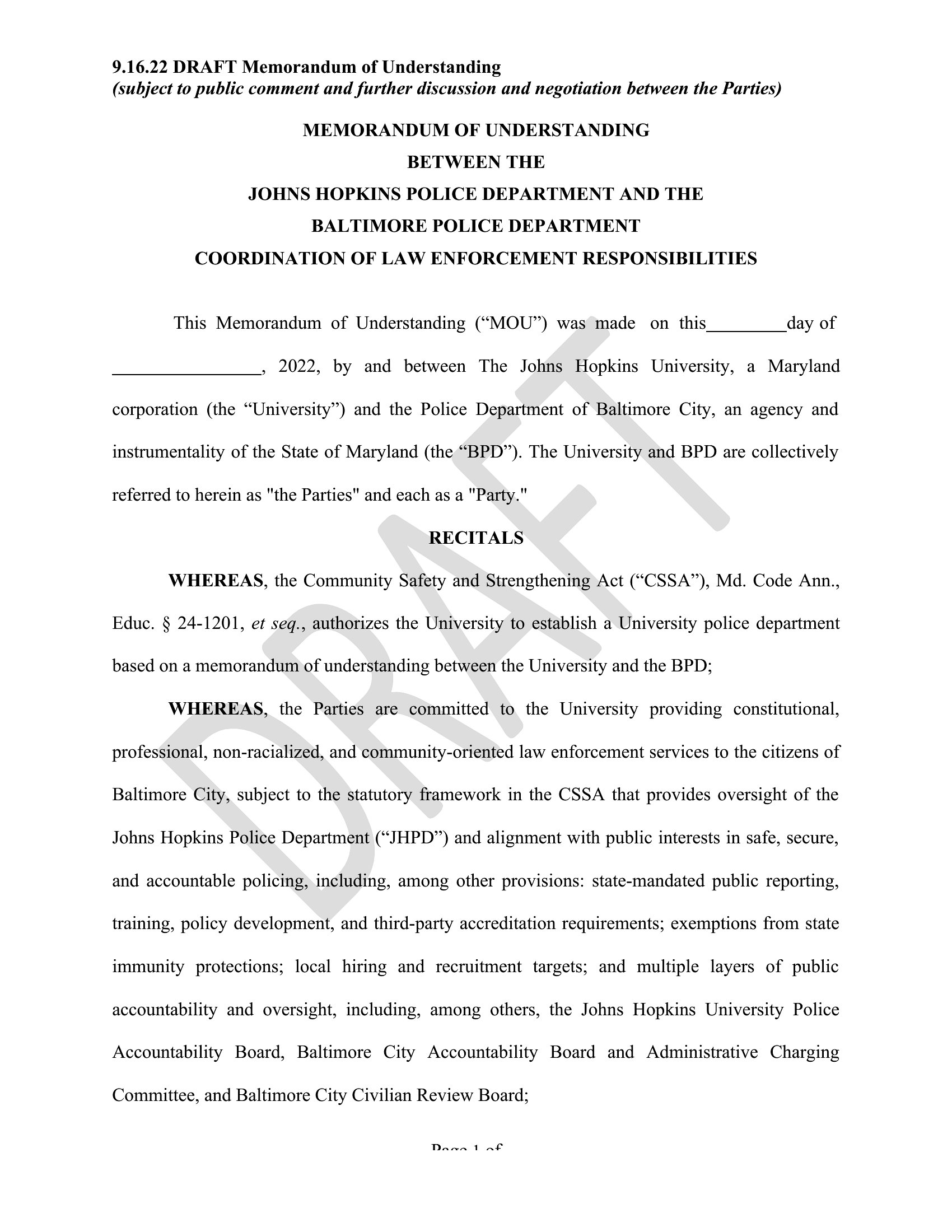
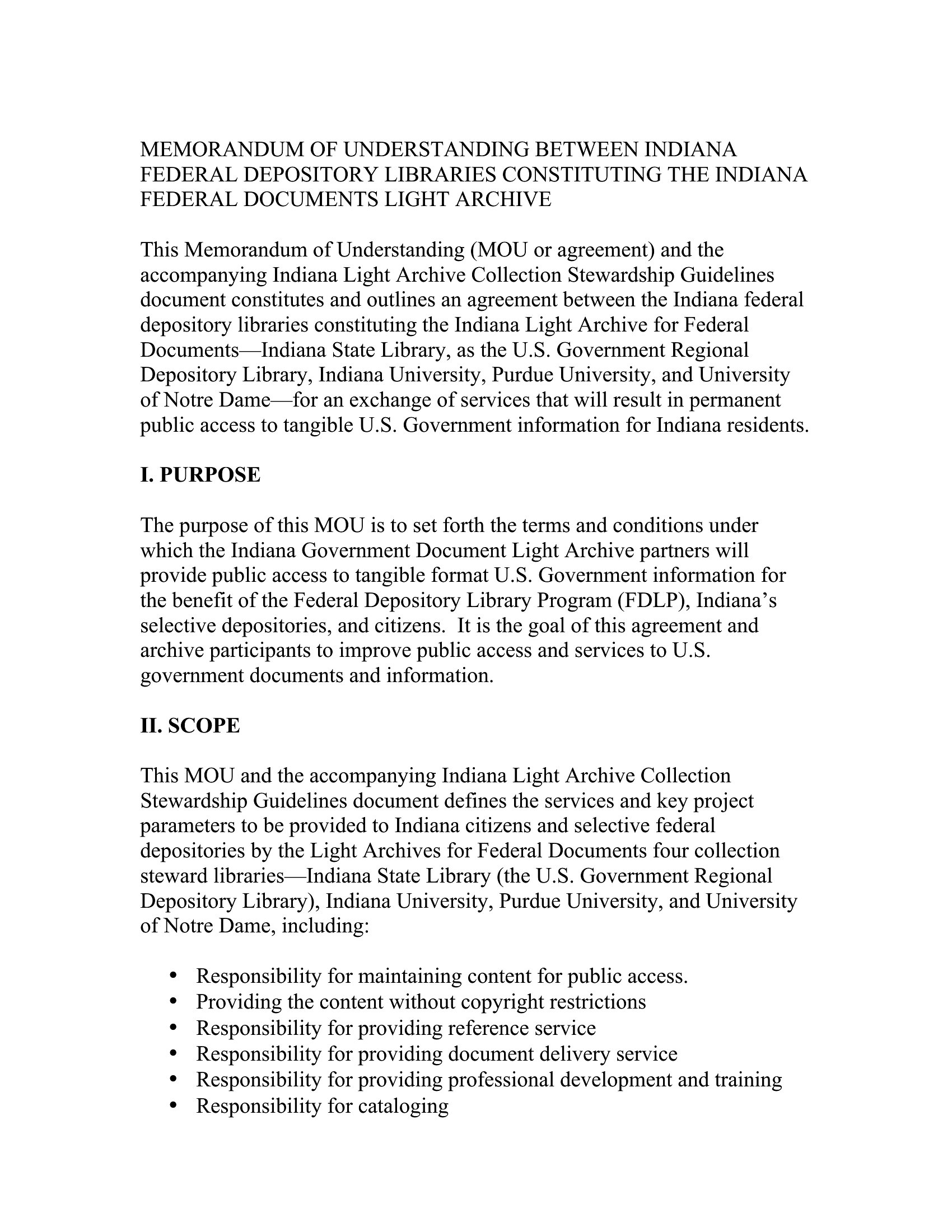
LegalA memorandum of understanding puts a shared intention in writing before anyone drafts a binding contract, spelling out what each side expects to bring to the table. This set of 63 MOU templates helps business partners, nonprofits, and project teams record the basics of a collaboration so there's a clear reference point as talks move forward. Each one covers the parties, the purpose, responsibilities, and timelines.
The templates are editable in Microsoft Word, so you can adjust the scope and terms to match your arrangement. An MOU isn't always legally binding and the rules vary by situation, so have a lawyer review anything significant before you rely on it. Download the version closest to your deal and shape it from there.
When to use this Memorandum of Understanding template
- A startup and a potential investor discussing a non-binding partnership to explore market opportunities before formal agreements are signed, needing to outline high-level commitments without legal obligations.
- Two nonprofits planning a joint fundraising campaign want to document their shared goals, resource contributions, and expectations before signing a legally enforceable agreement.
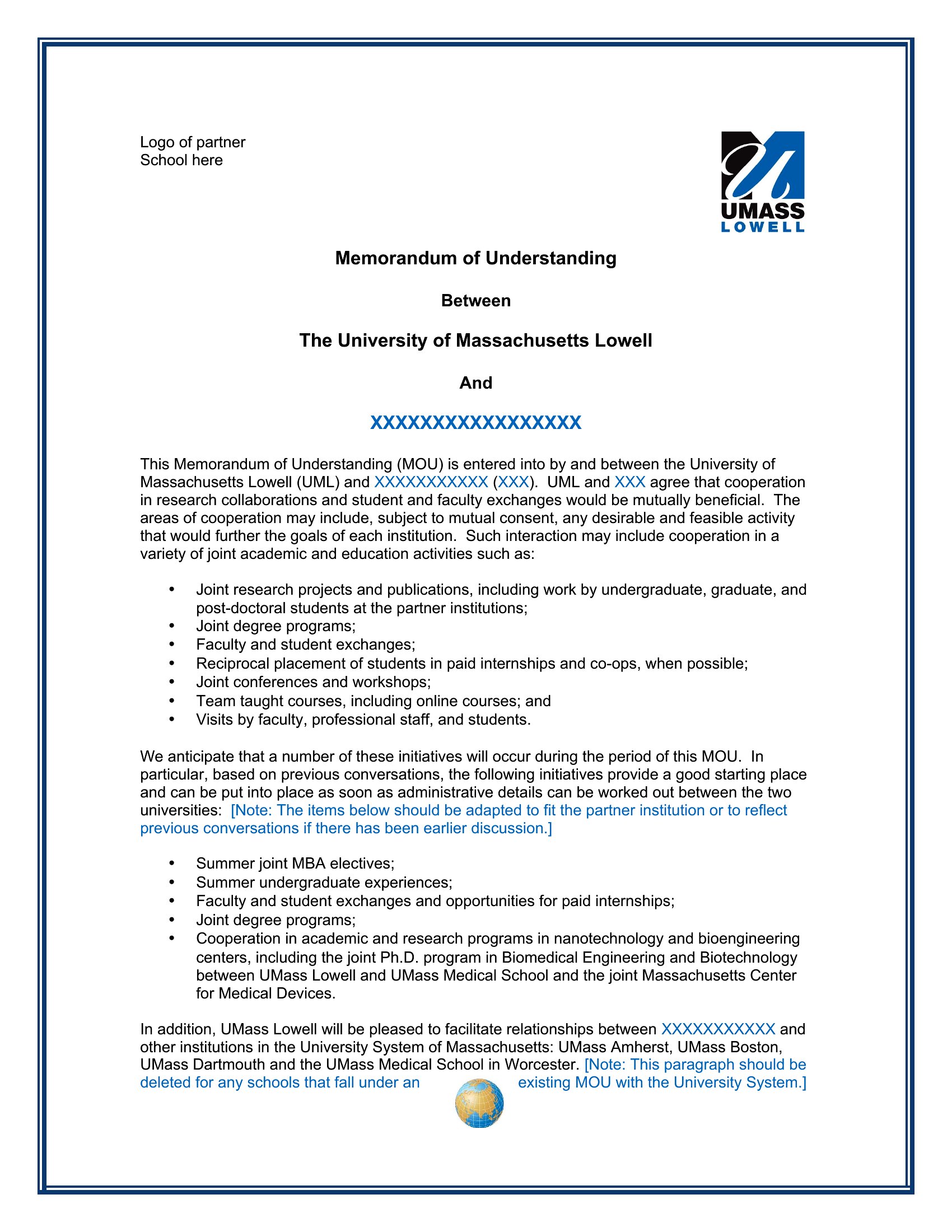
- A research team from two universities needs to define preliminary roles, timelines, and deliverables for a collaborative grant proposal before drafting a full contract.
- A freelancer and a client want to clarify project scope, milestones, and payment terms for a pilot project to ensure alignment before moving to a detailed contract.
Which format should I download?
The Word format is ideal here because it allows for easy editing of legal and operational terms specific to your collaboration. Choose this format if you need to tailor clauses like party roles, timelines, or responsibilities to match your exact situation. Word’s flexibility makes it the best starting point for drafting an MOU before consulting with legal counsel for review.
Choose from 63 Memorandum of Understanding Templates
How to use this Memorandum of Understanding template
Can an MOU be used as a substitute for a formal contract?
No, an MOU is not legally binding and should never replace a formal contract. It serves as a preliminary agreement to outline intentions, expectations, and next steps. Always consult a lawyer to convert it into a binding contract when both parties are ready.
What details should we include in an MOU if we’re collaborating on a project with unclear timelines?
Focus on defining the project’s purpose, high-level milestones, and each party’s responsibilities. Avoid rigid deadlines—use phrases like ‘target completion dates’ instead. Clearly state that further agreements will be negotiated as specifics become clearer.
How specific should we be about financial contributions in an MOU?
Be clear about who is committing what (e.g., ‘Party A will provide 50% of the operational budget’) but avoid locking in exact dollar amounts if they’re still under discussion. Use placeholders like ‘as mutually agreed upon’ for flexible terms.
Comments
Join the conversation
Sign in to share your thoughts and leave a comment on this resource.