Free Painting Invoice Templates (Word, Excel, PDF)
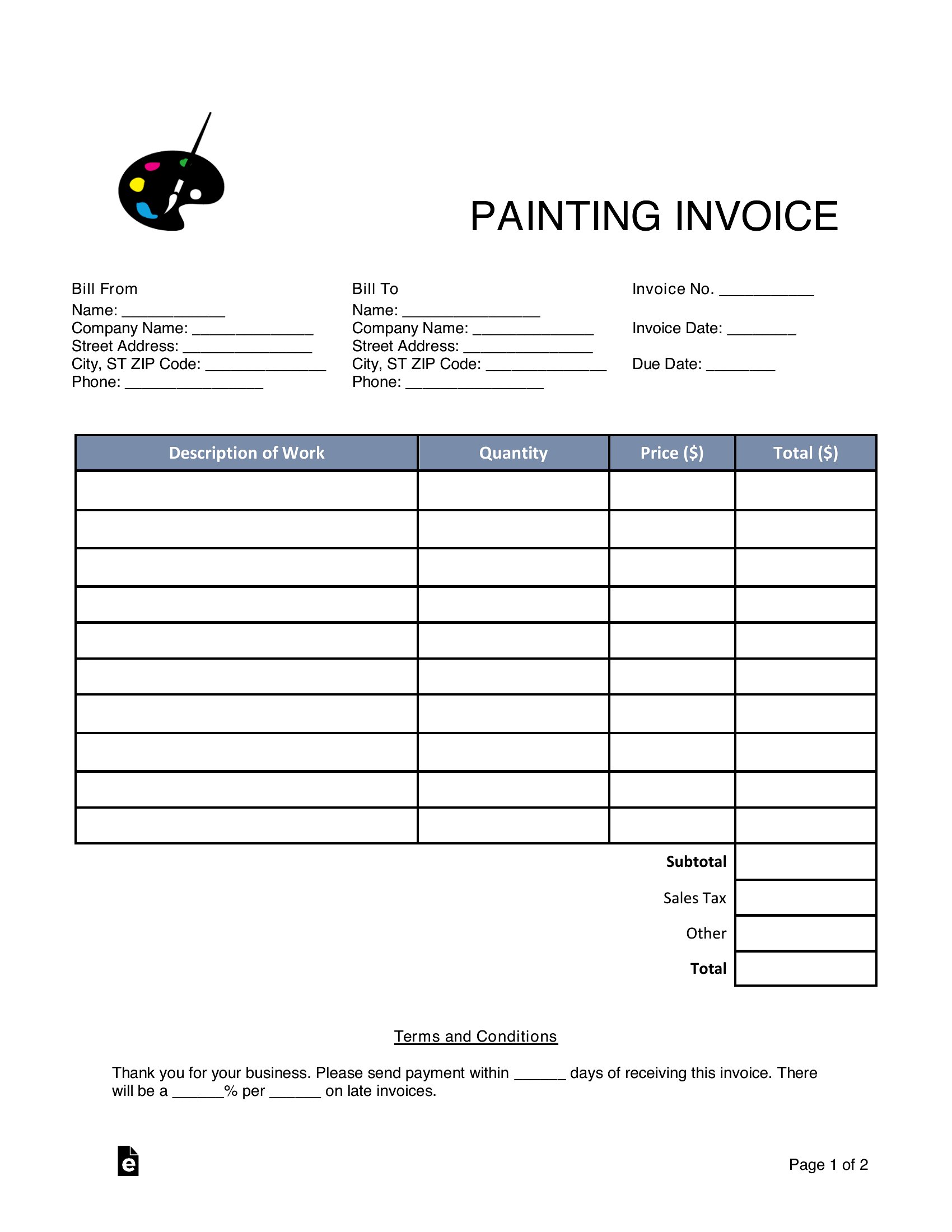
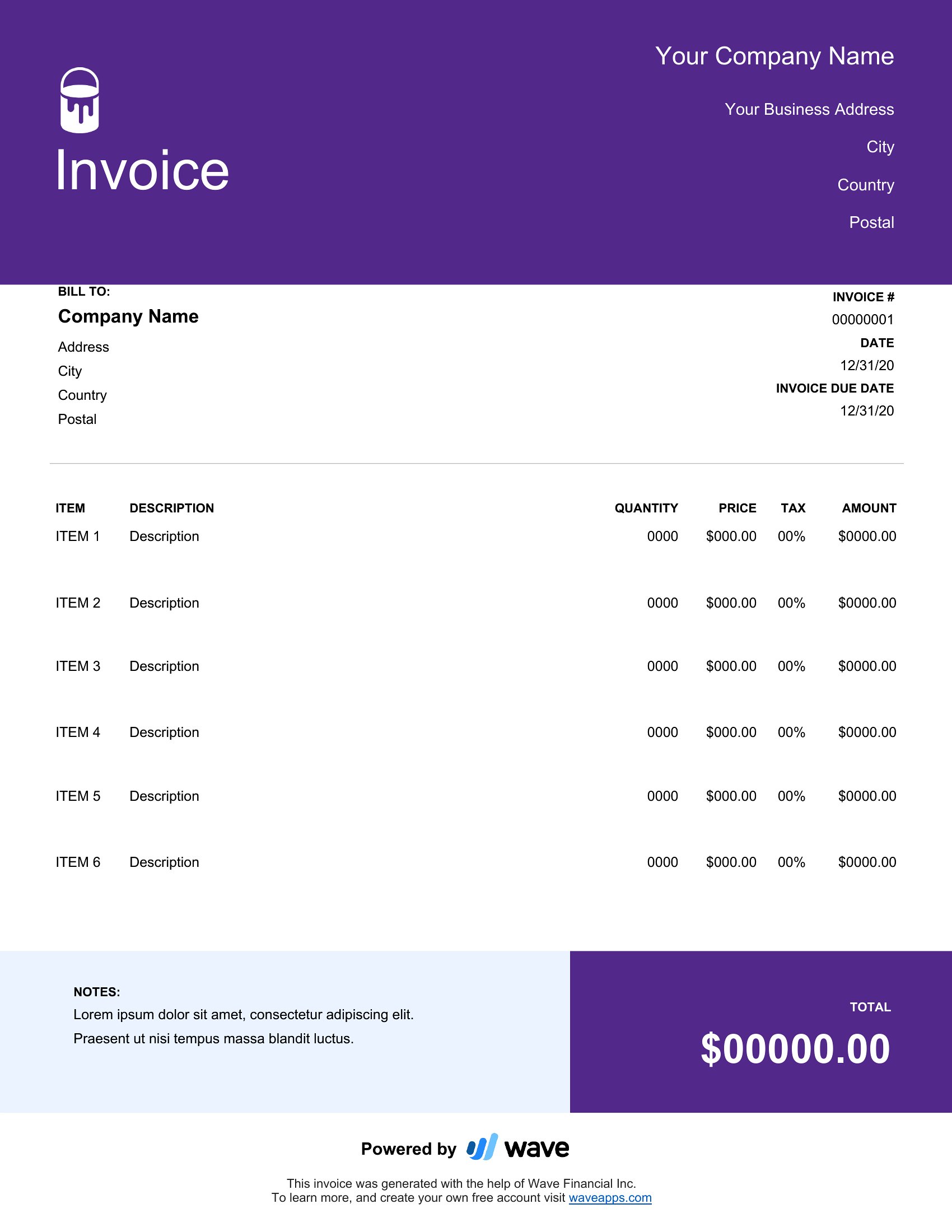
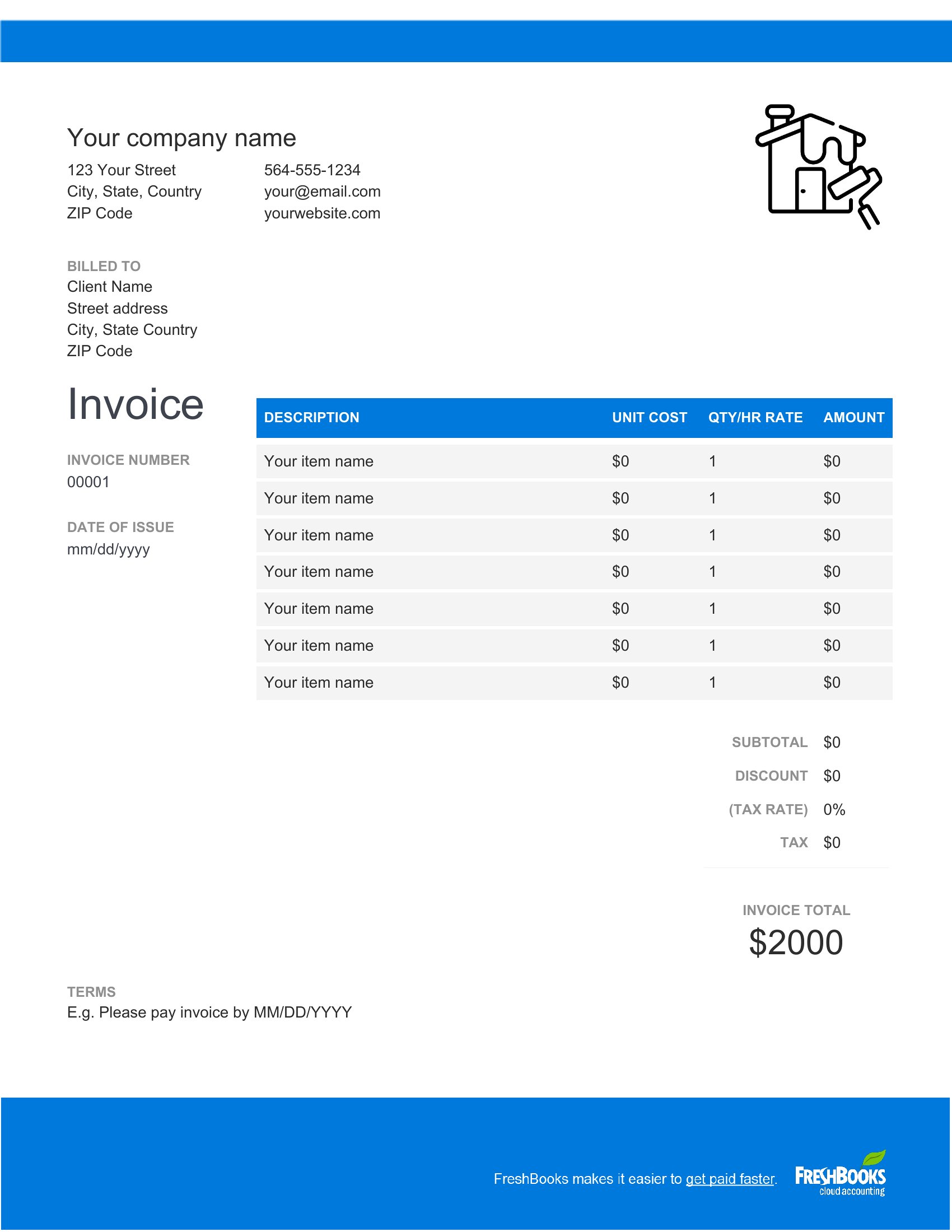
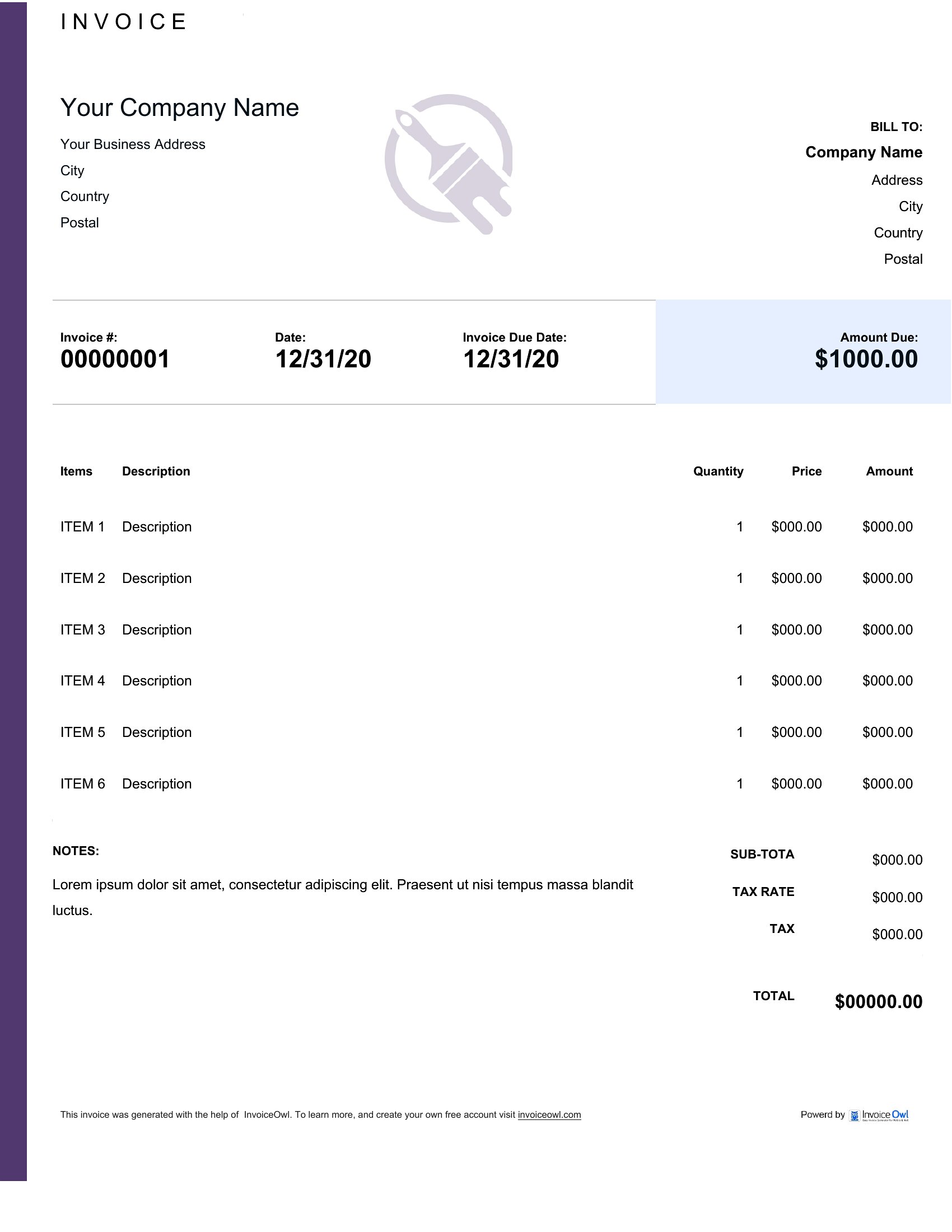
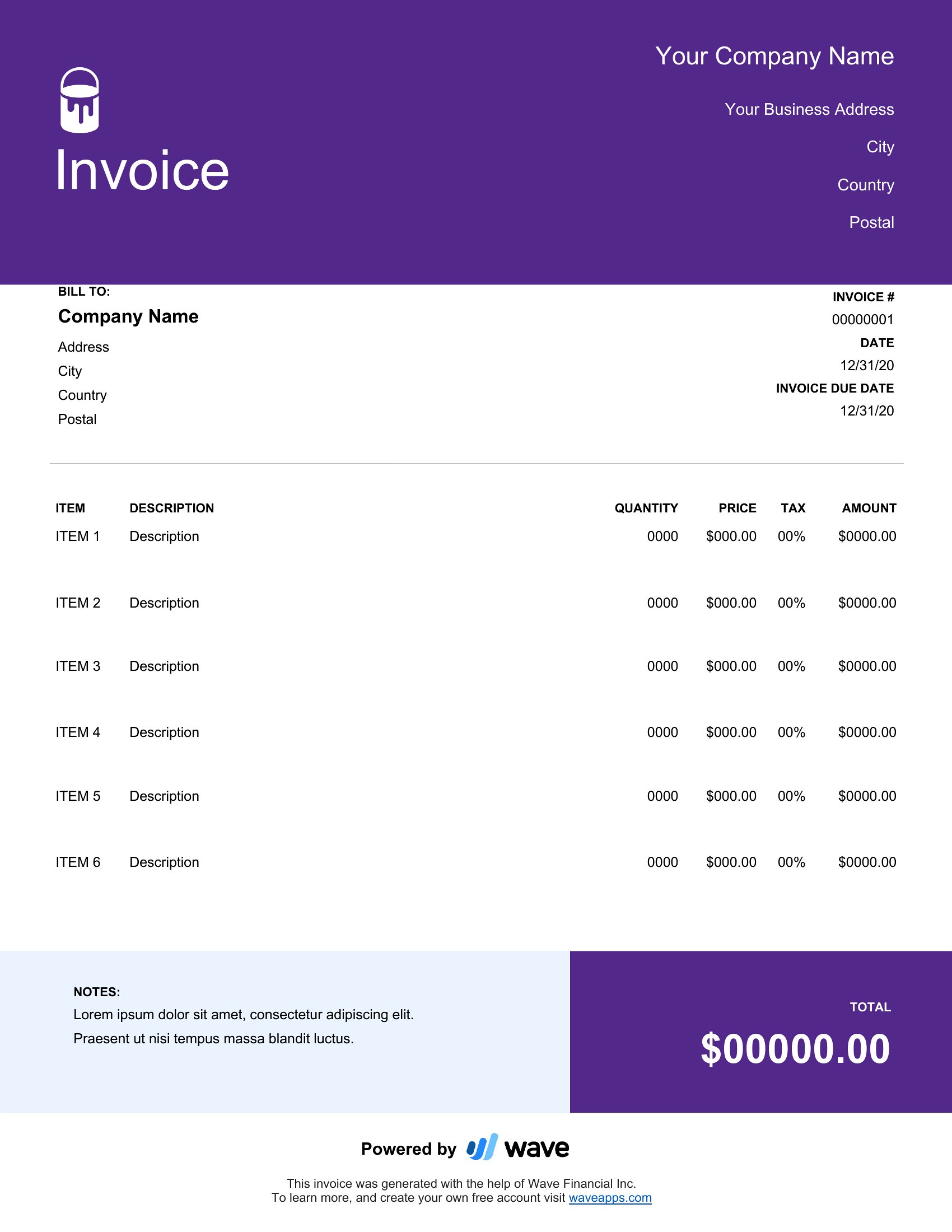
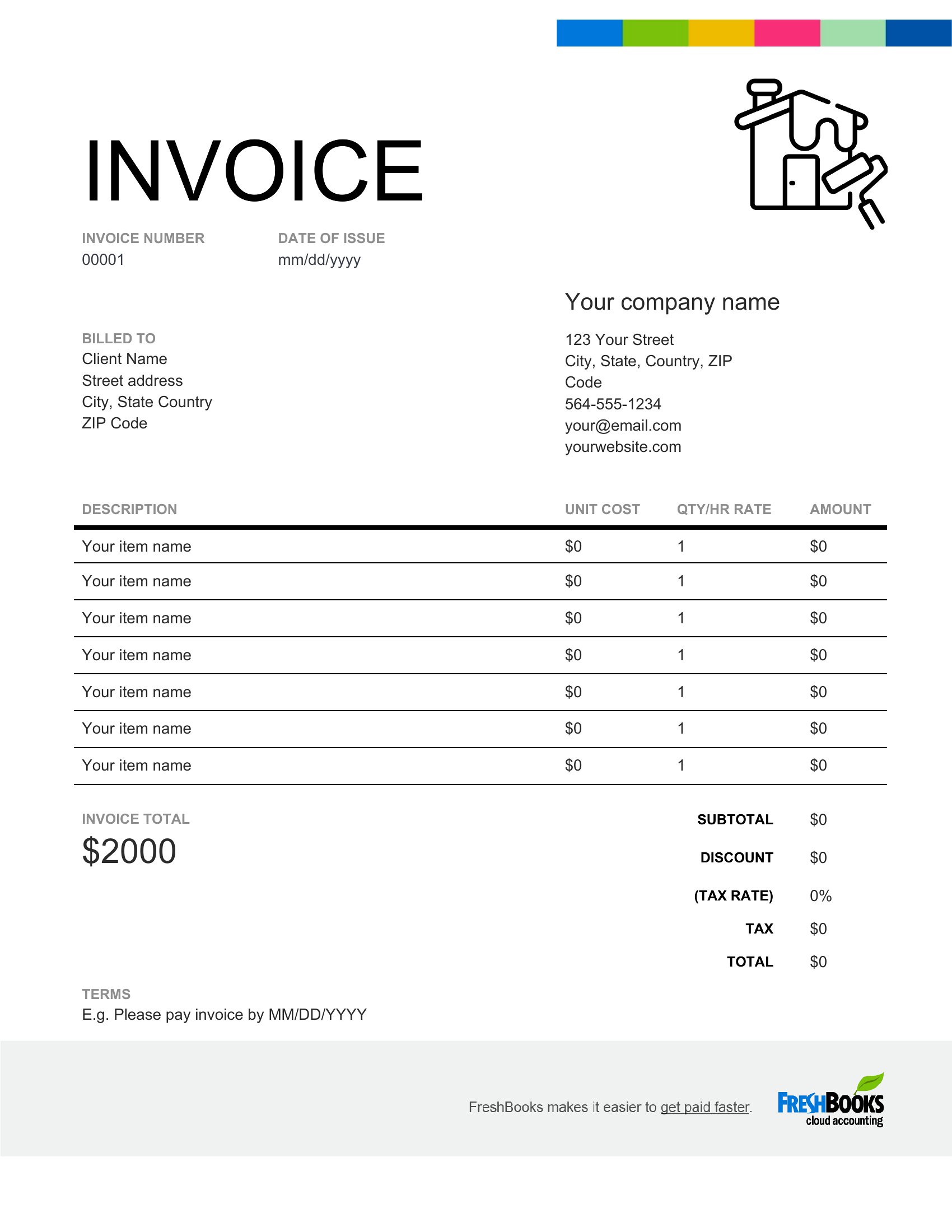
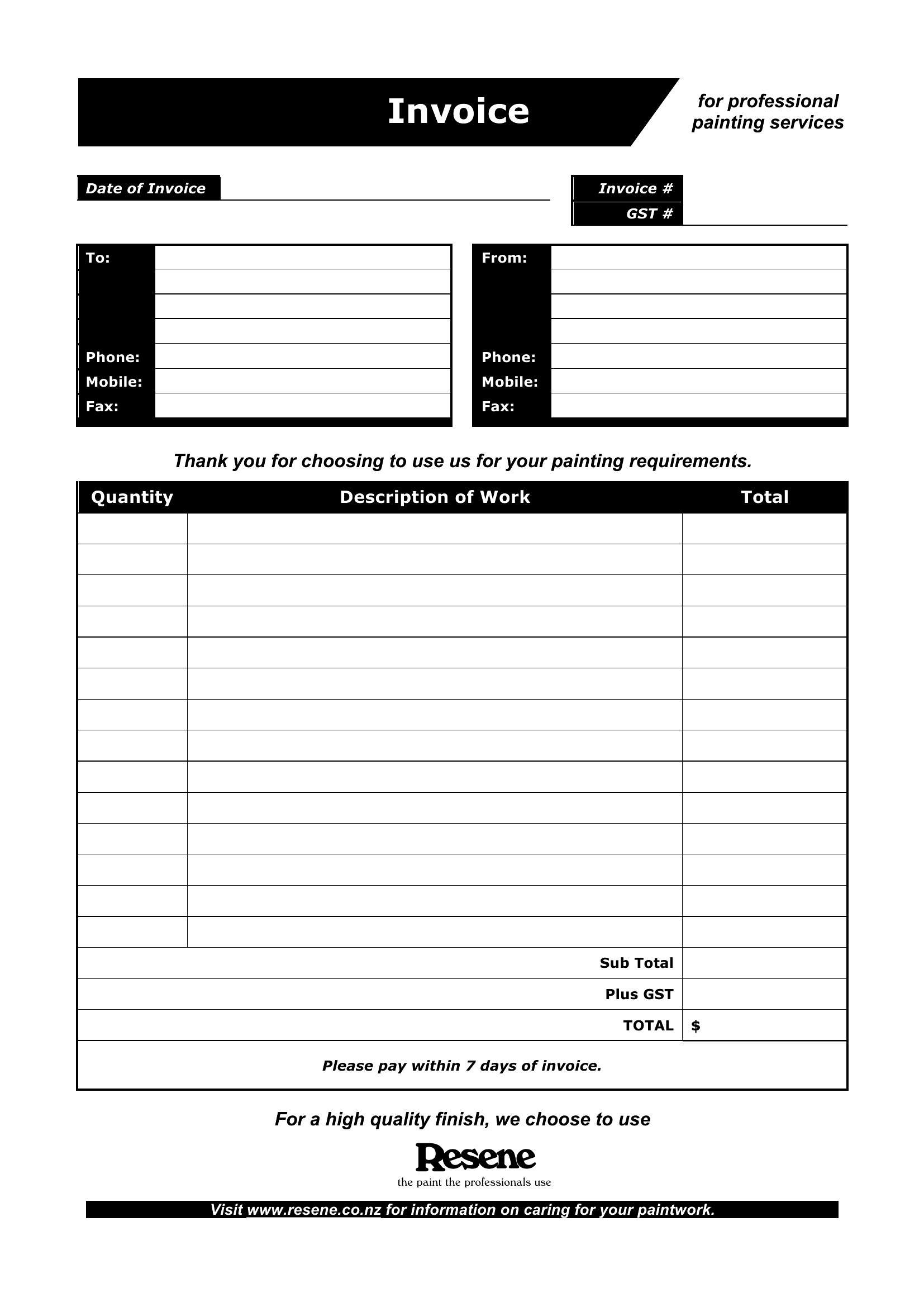
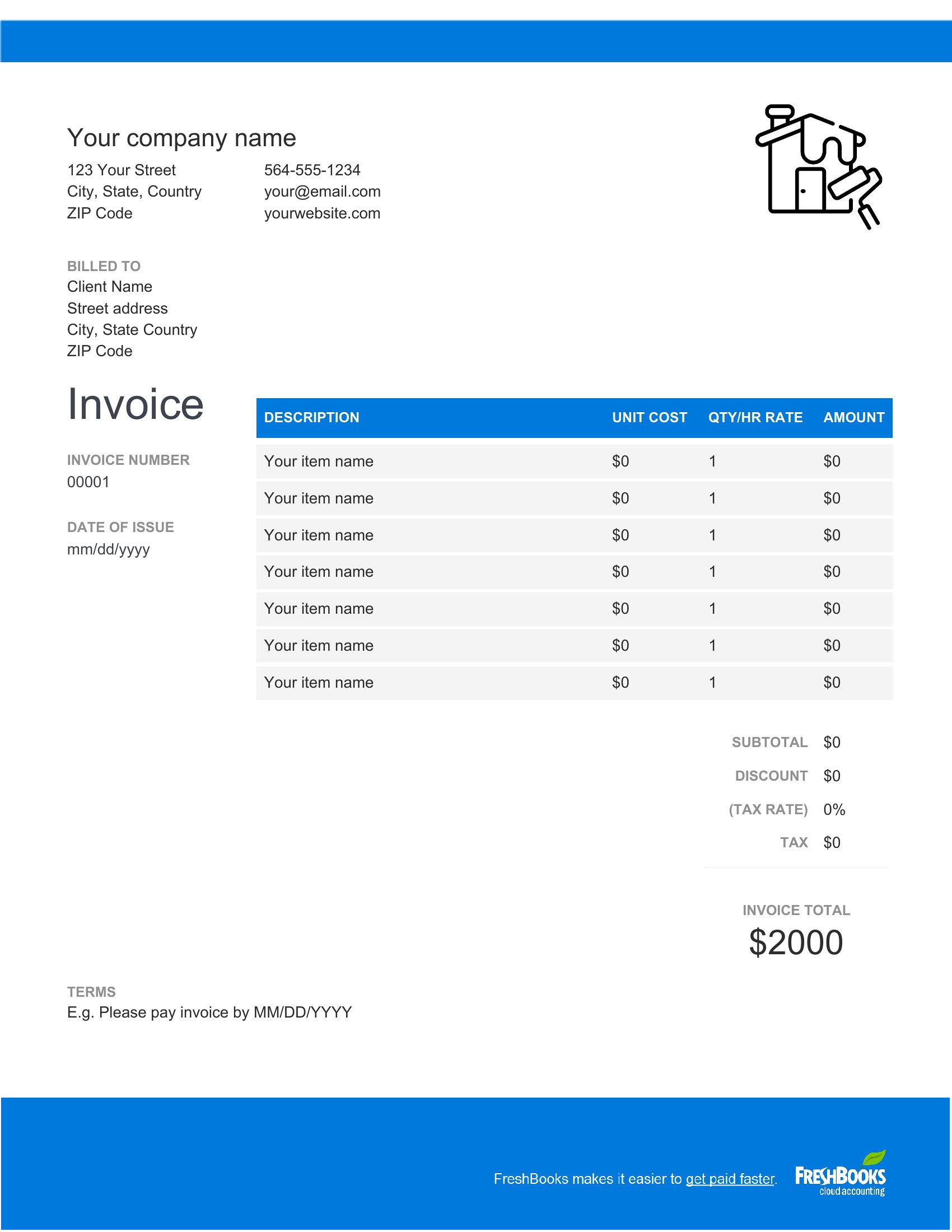
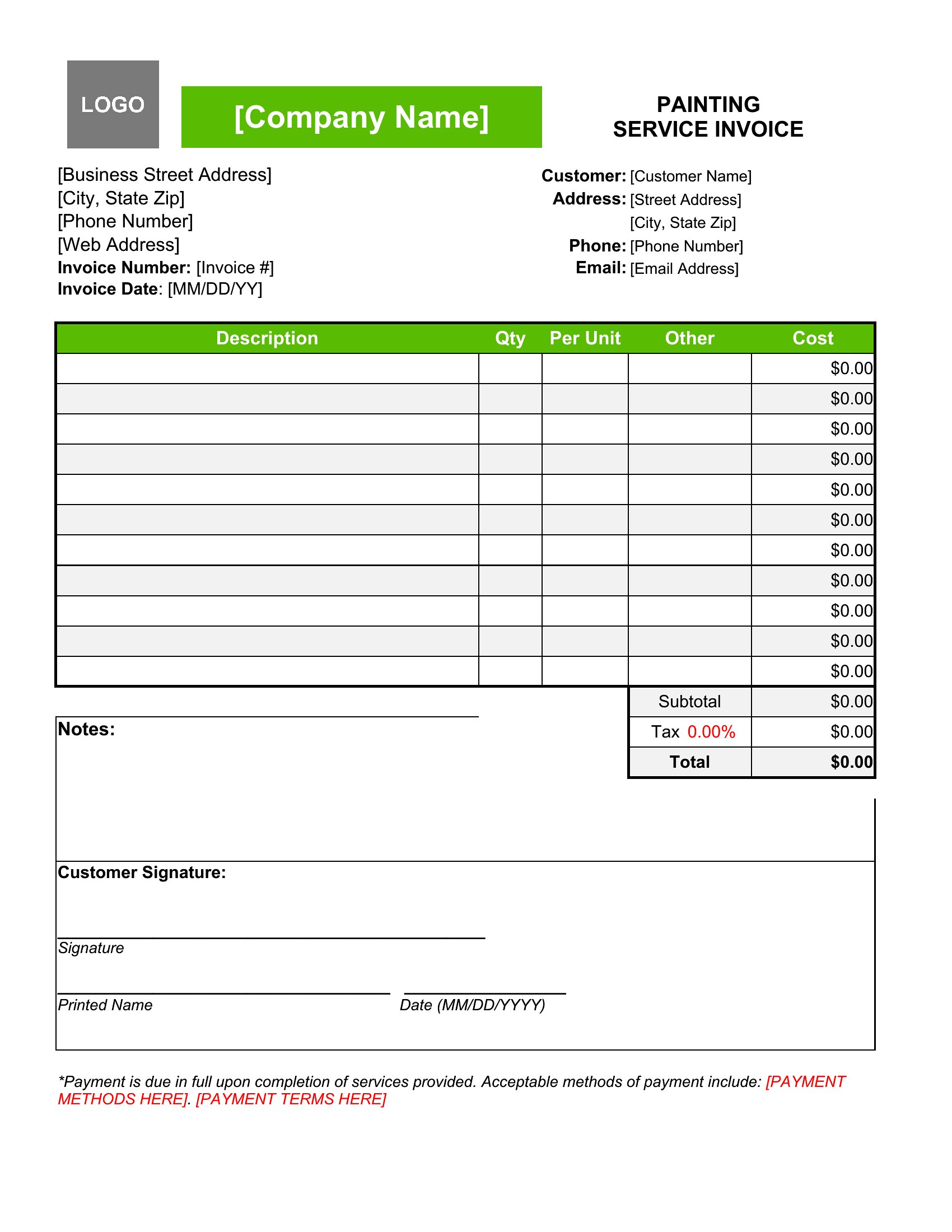
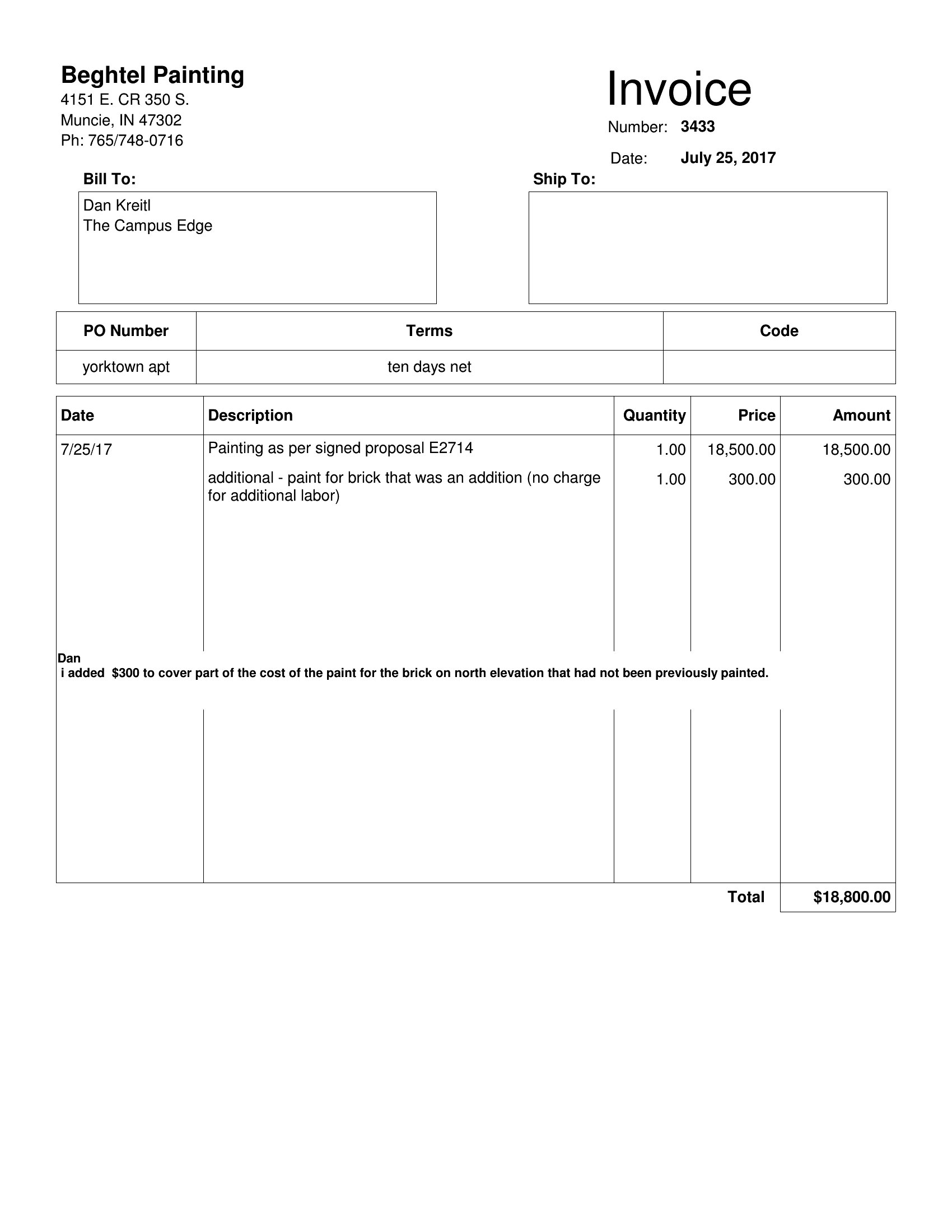
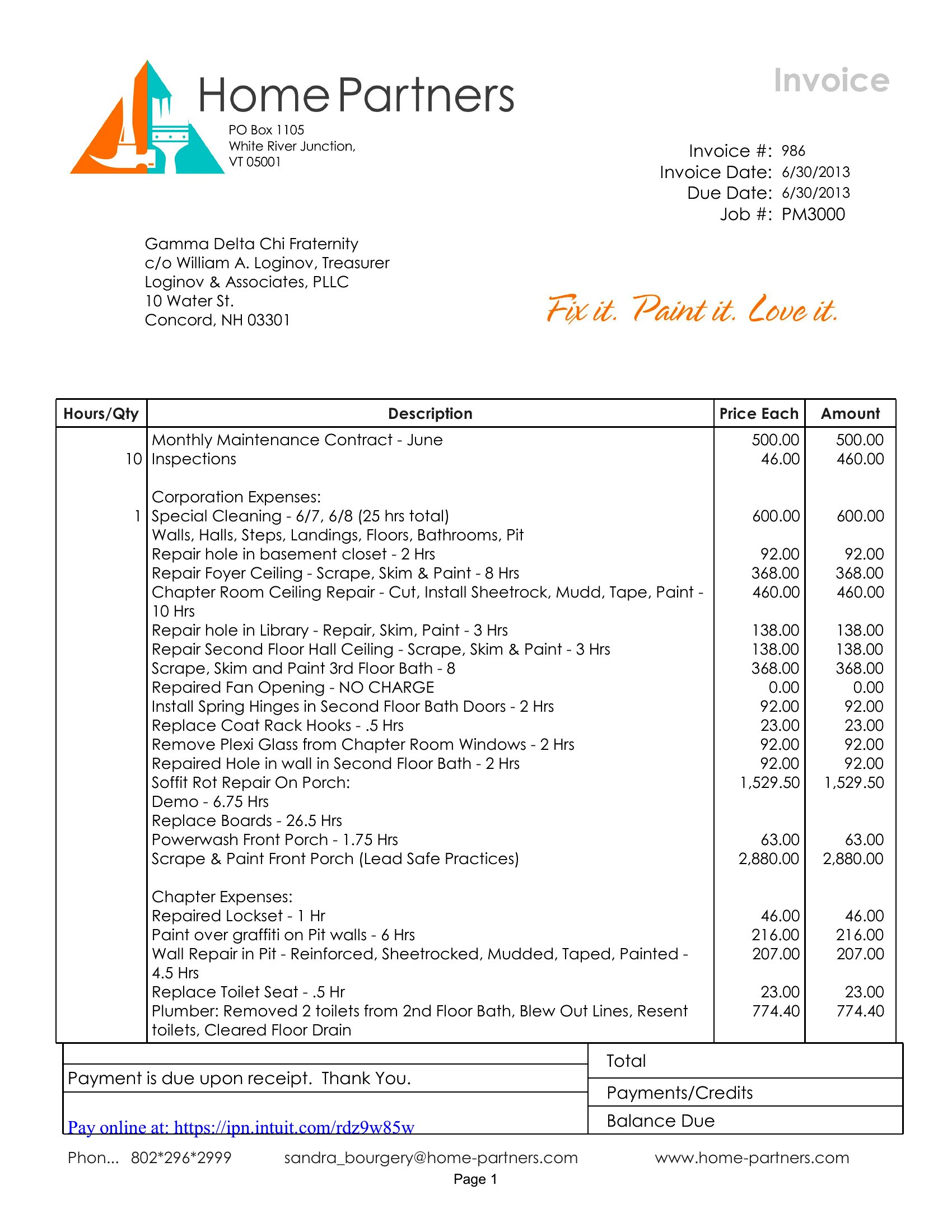
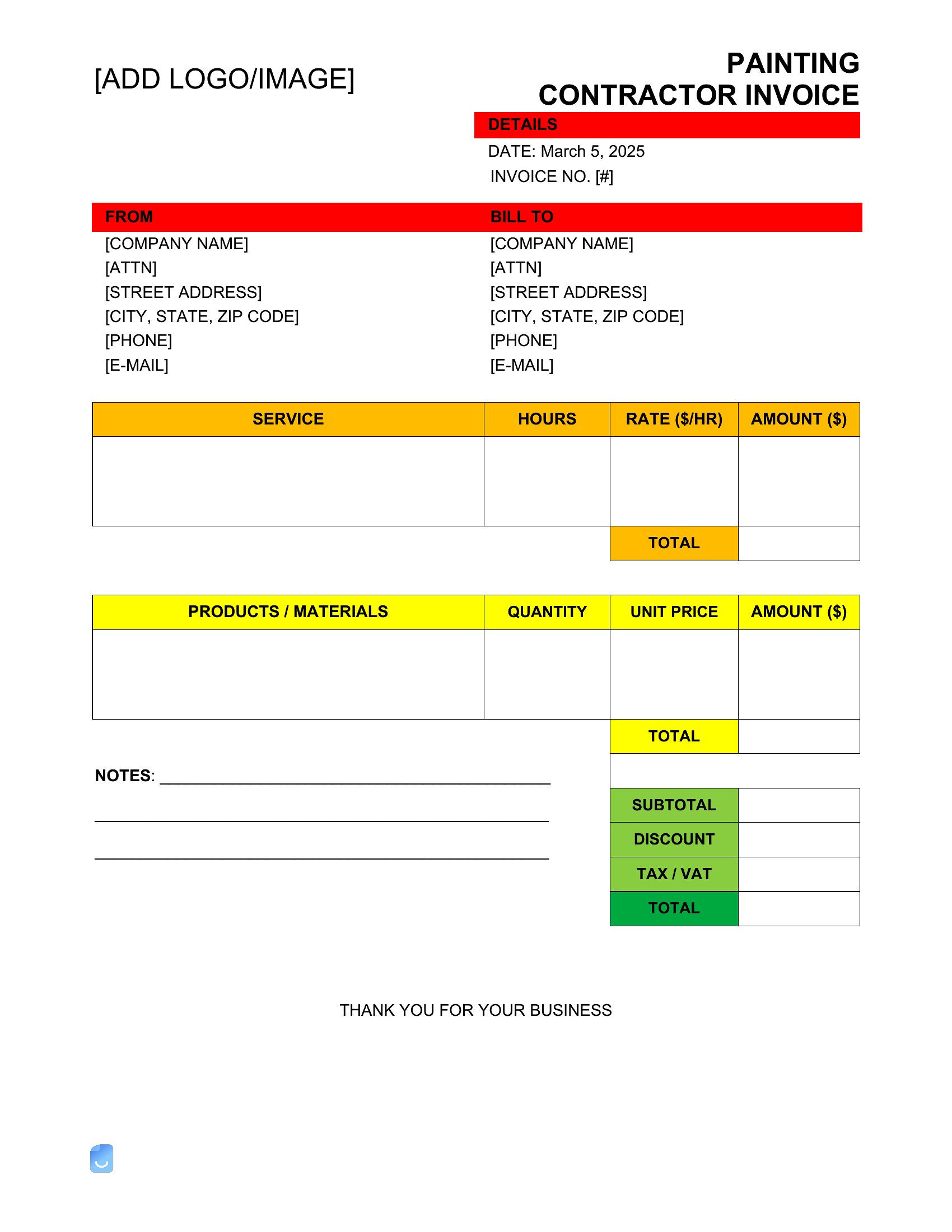
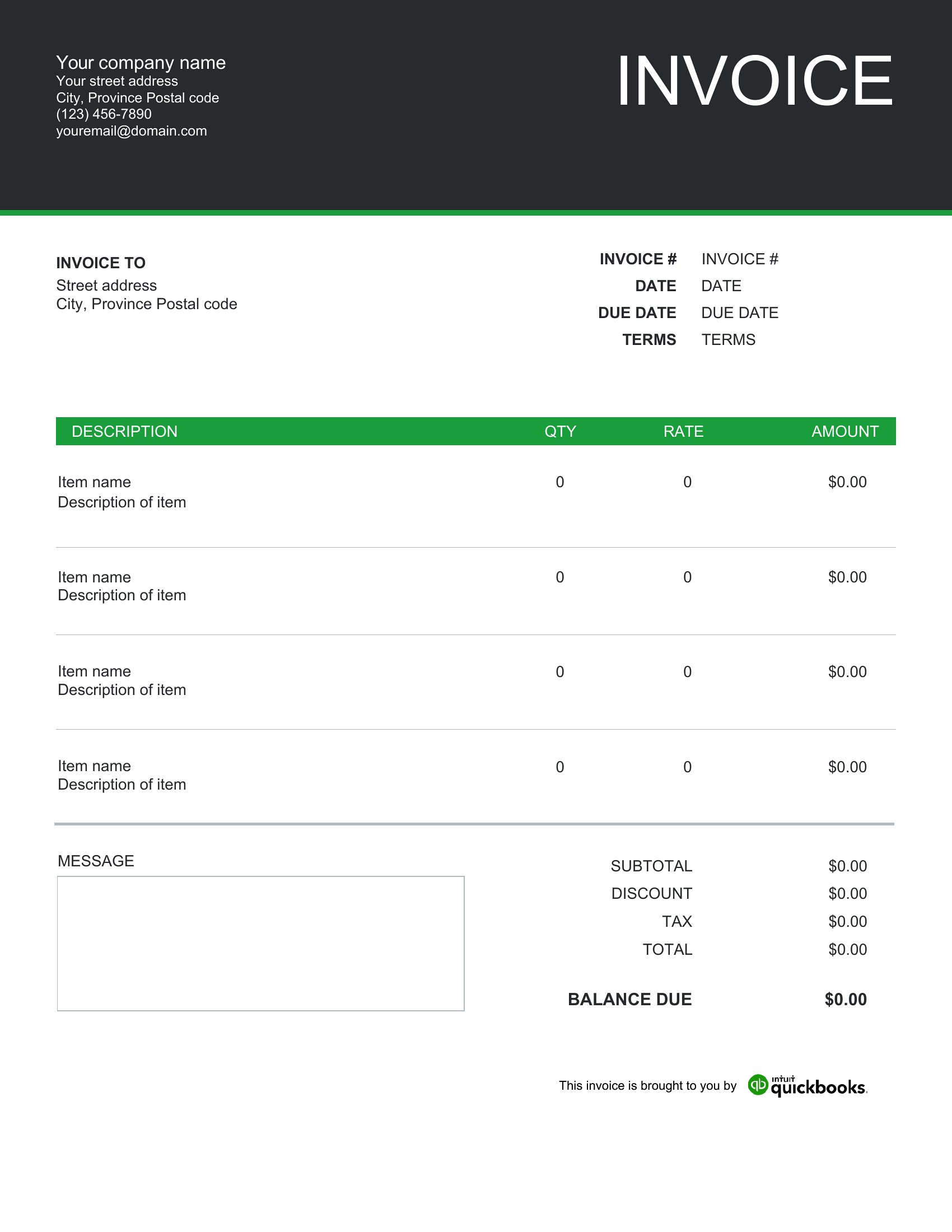
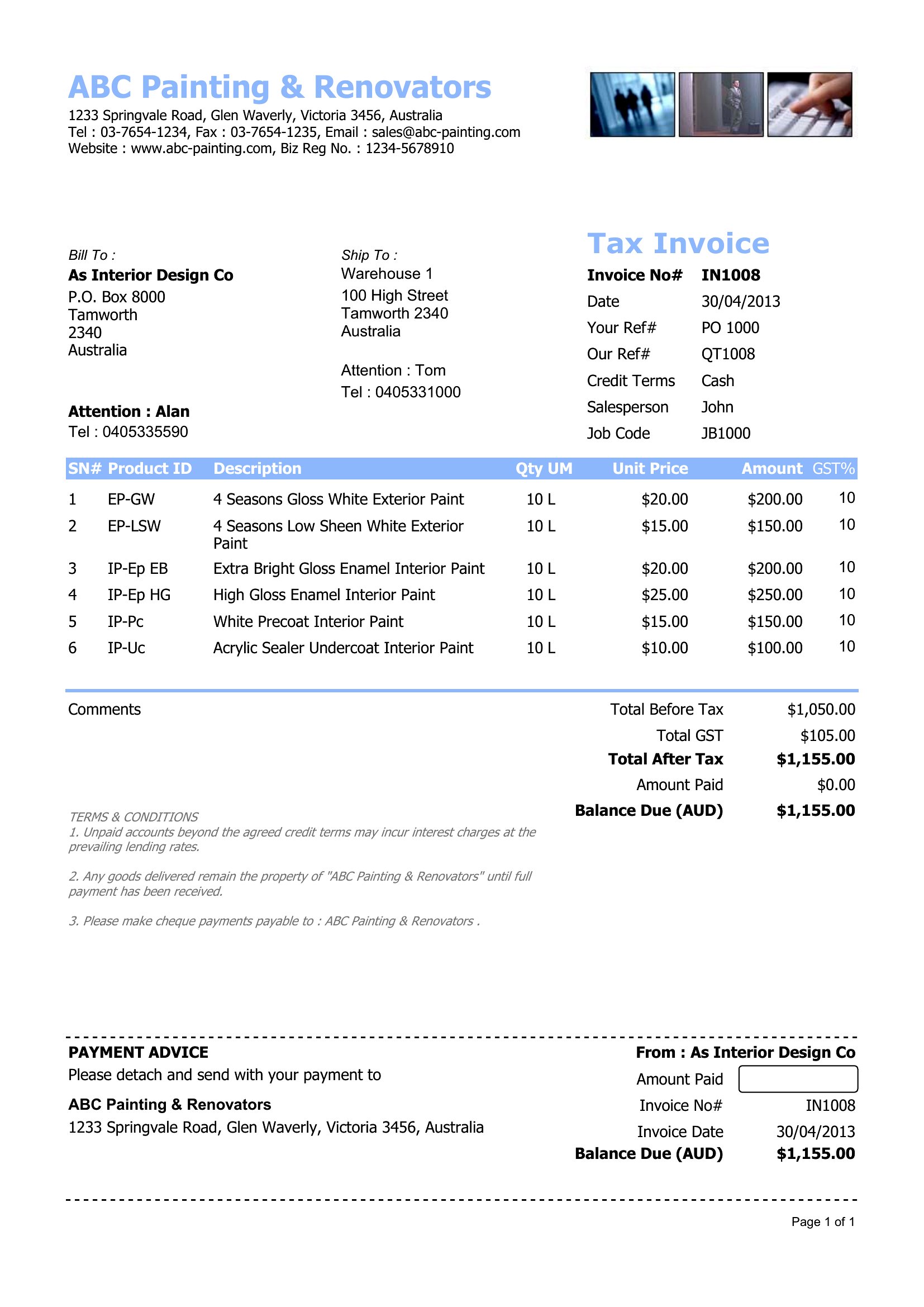
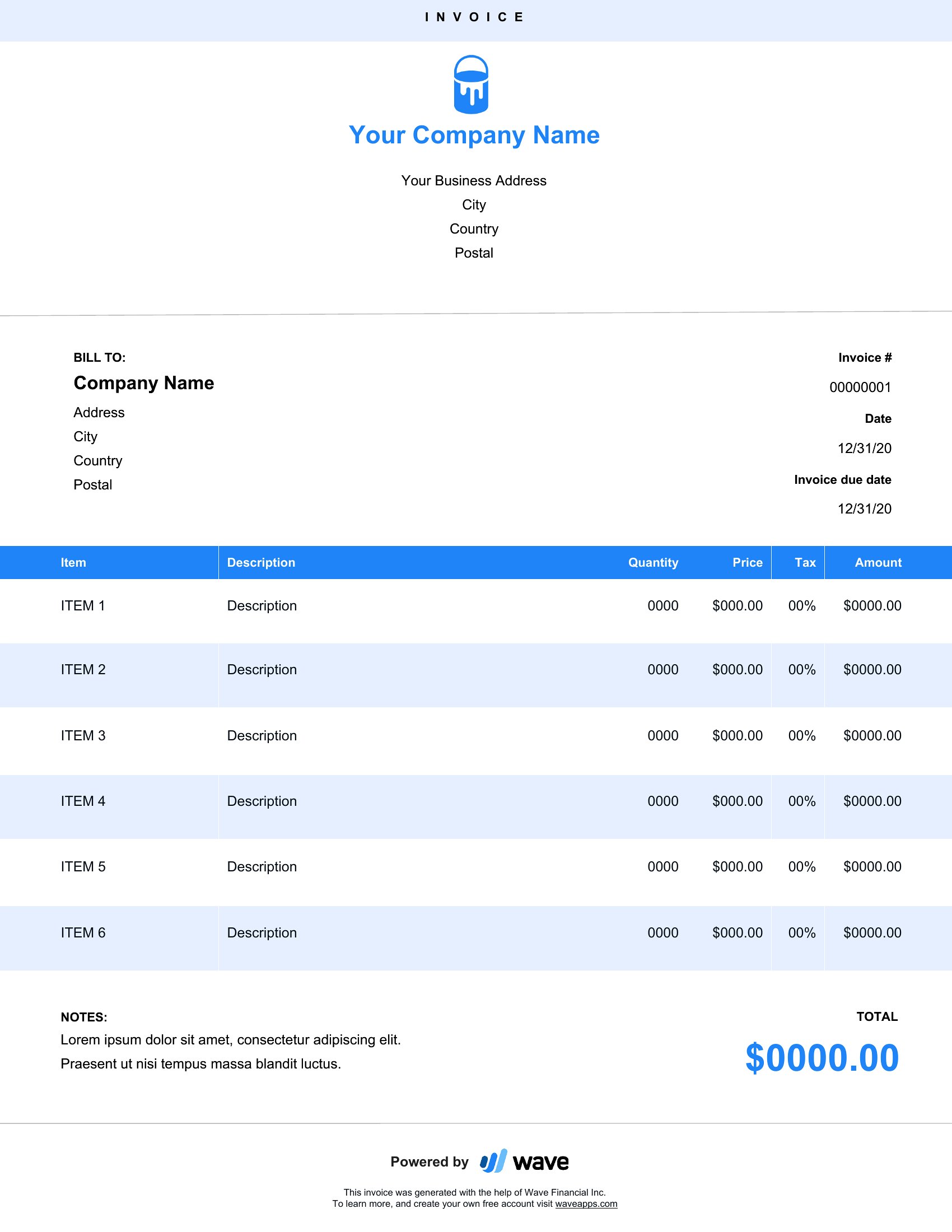
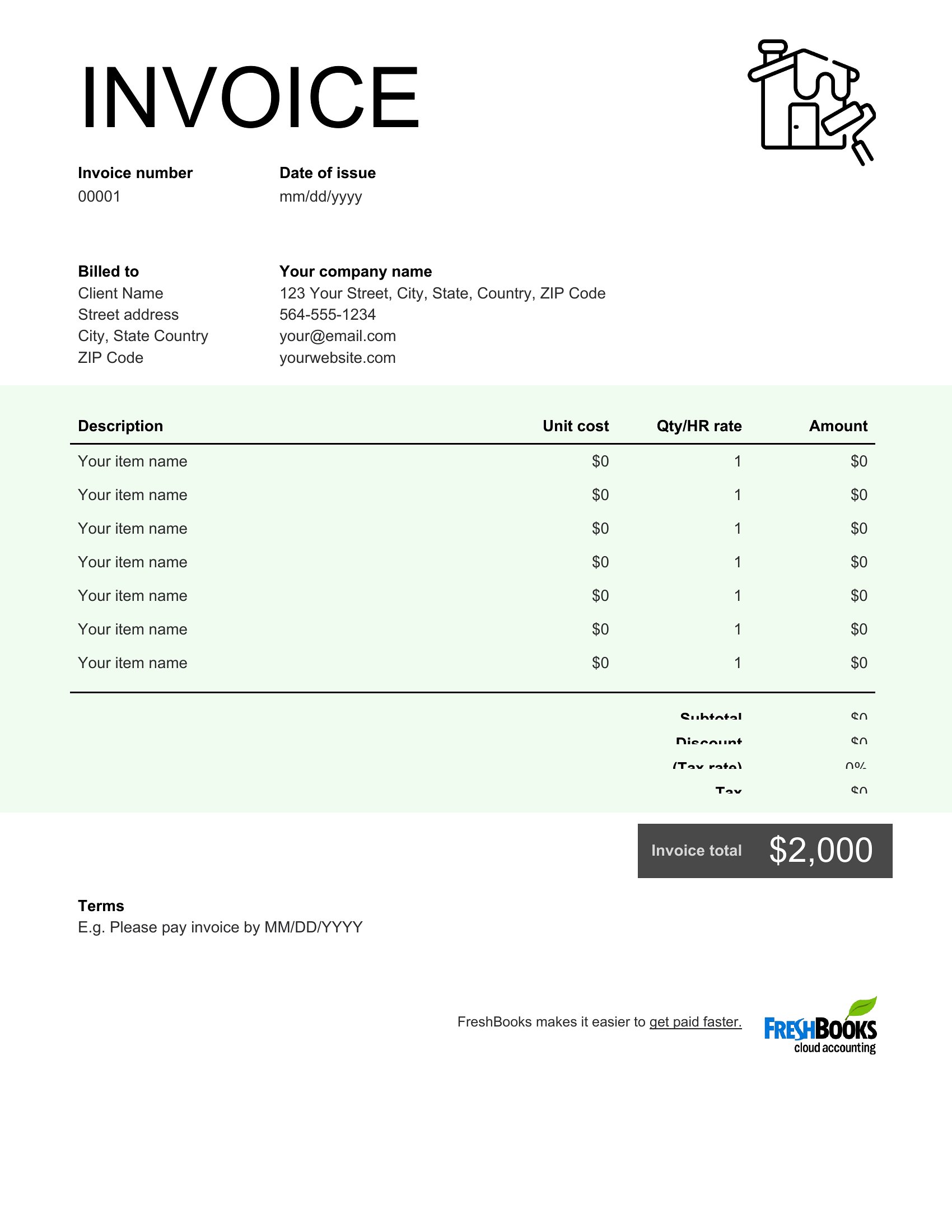
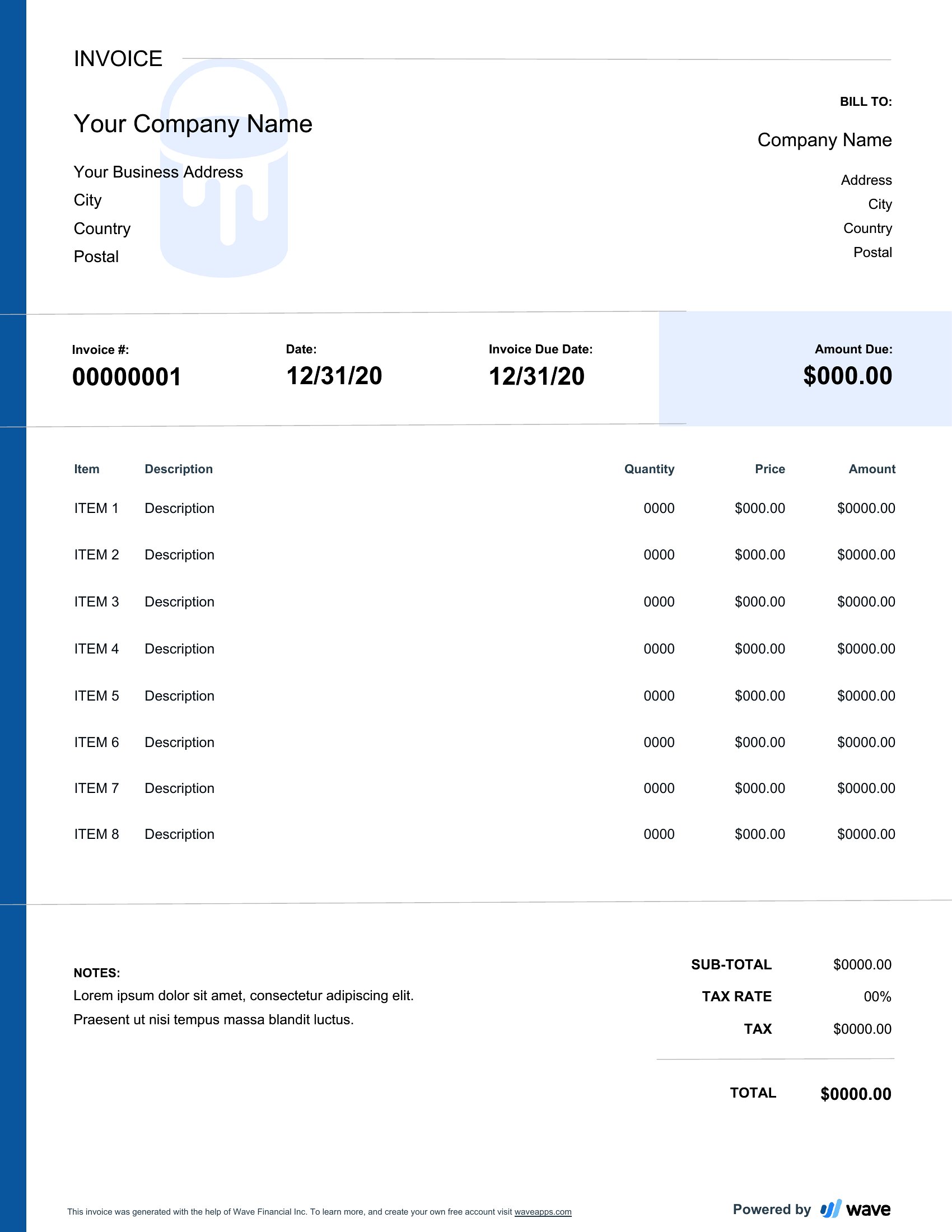
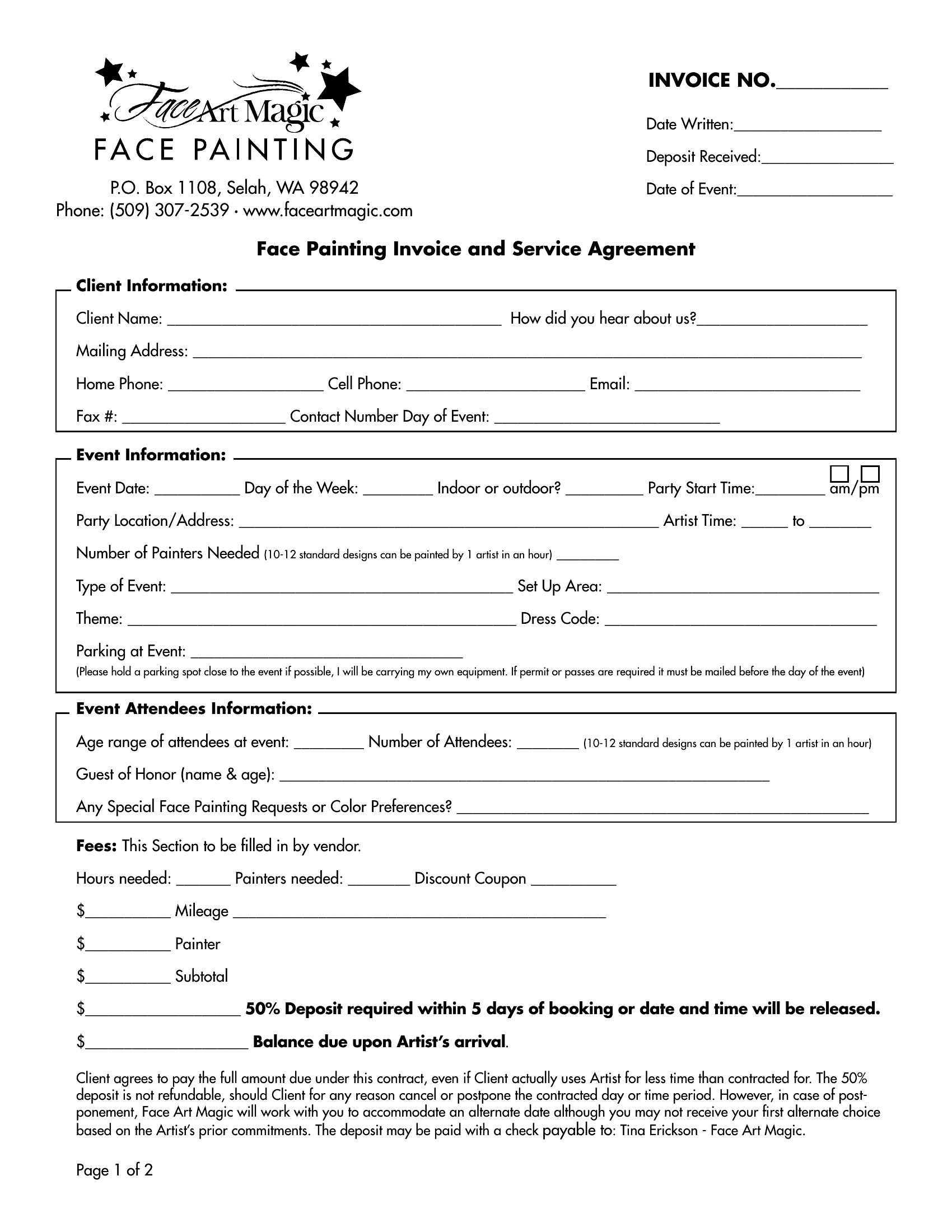
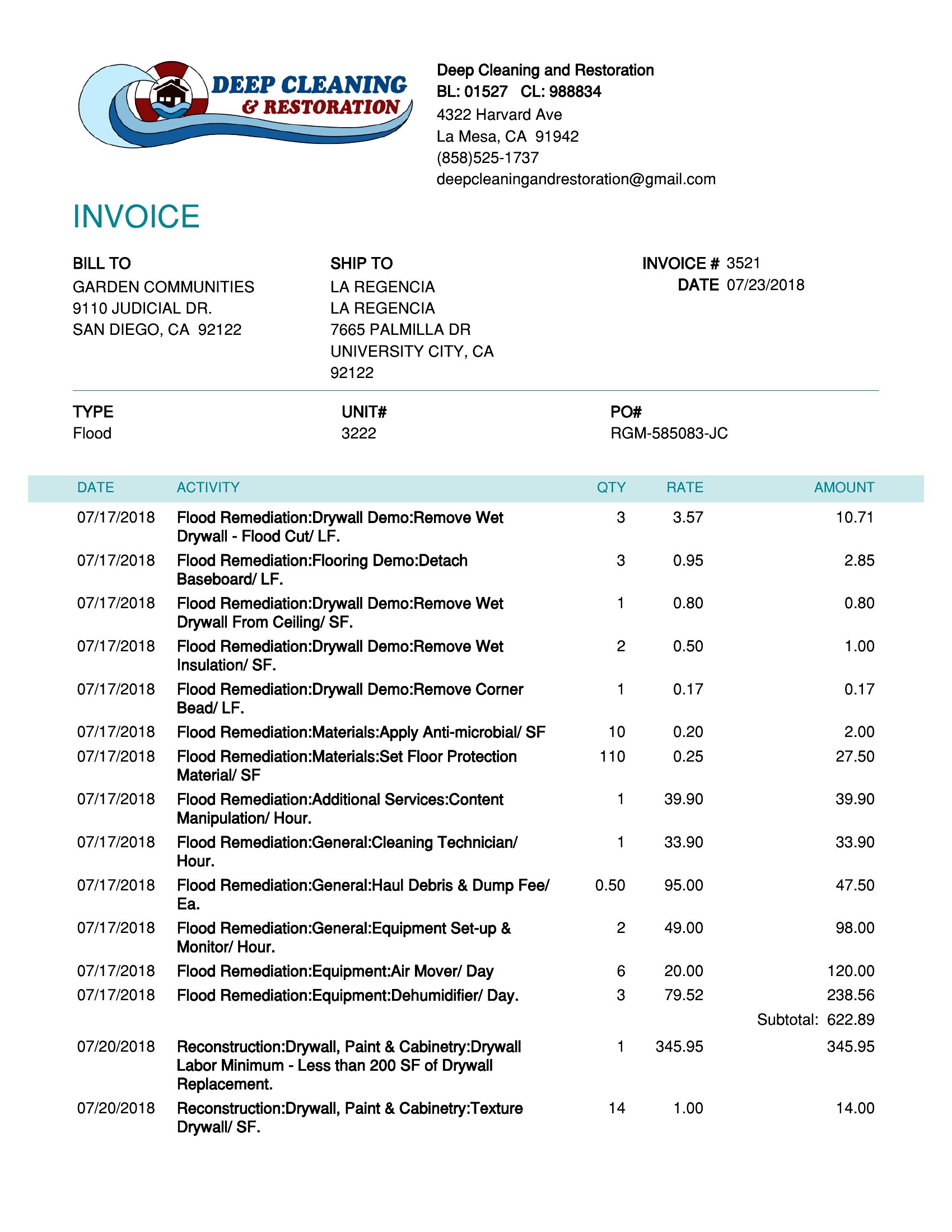
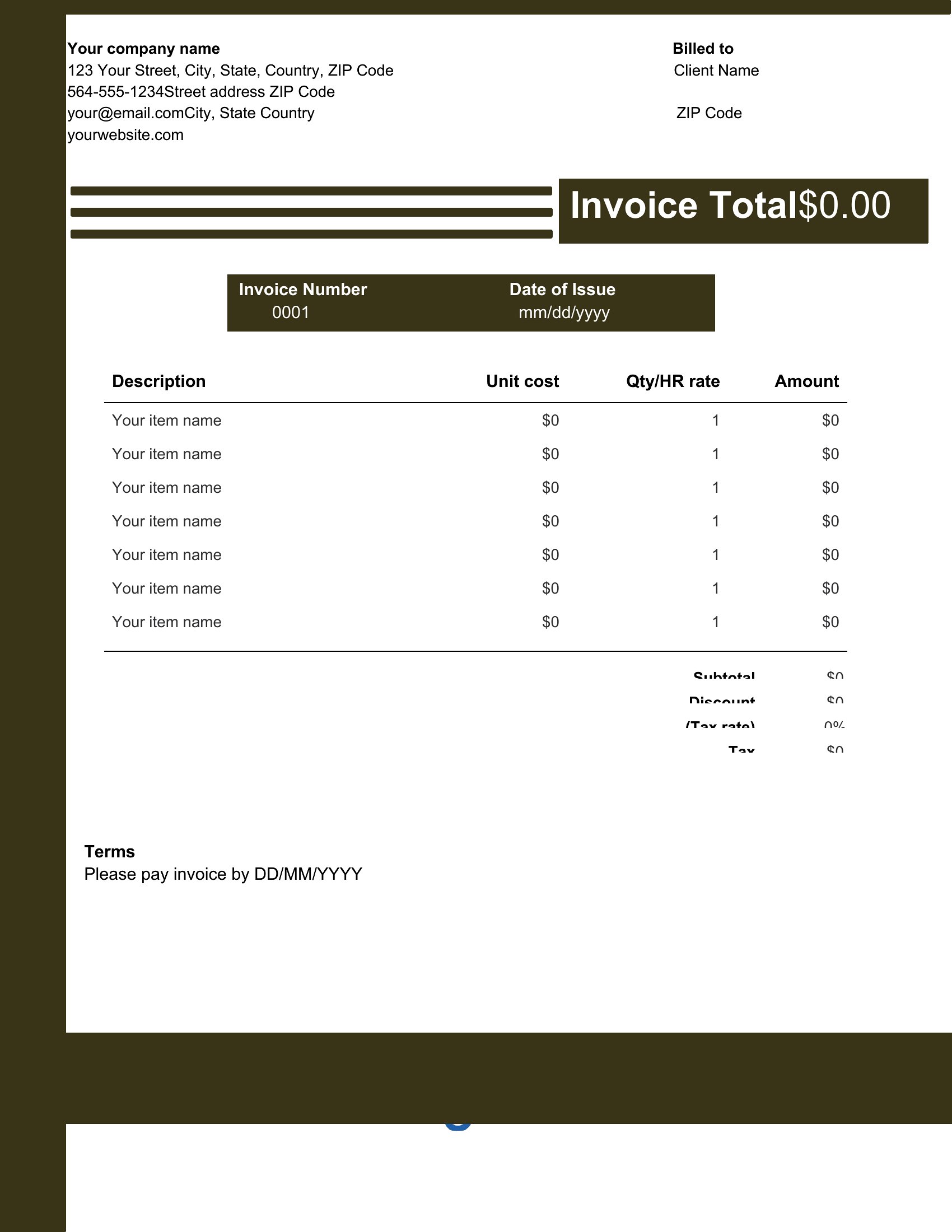
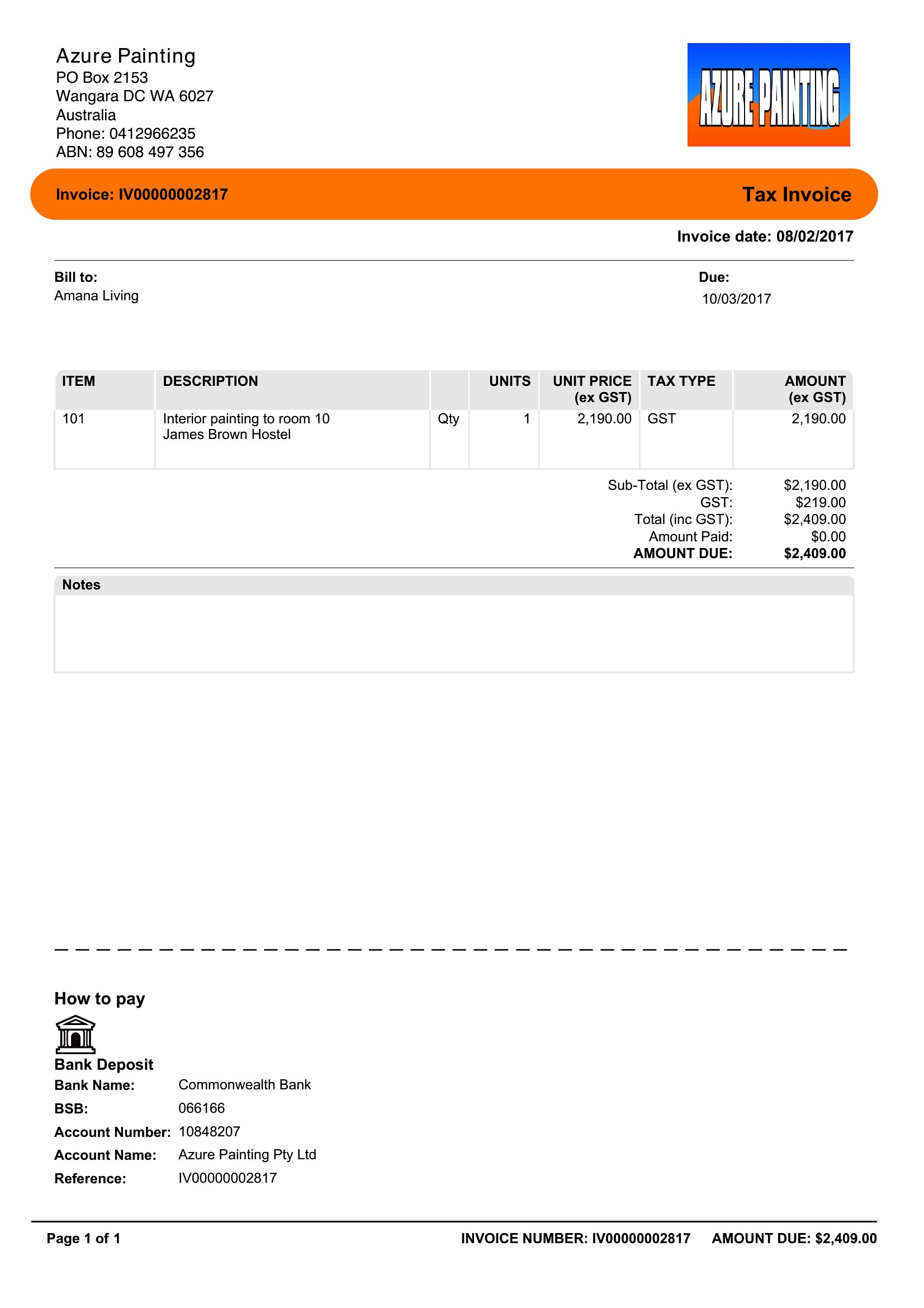
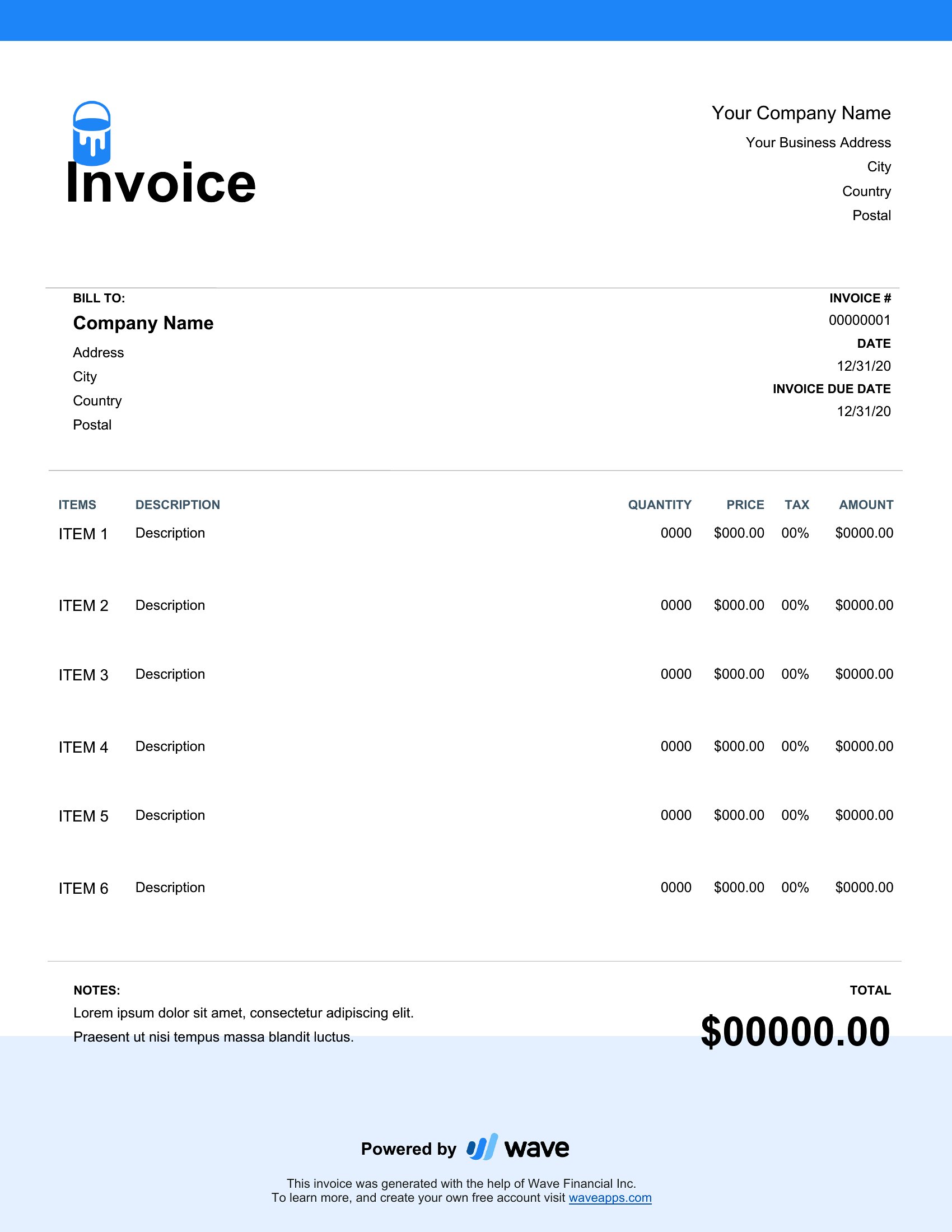
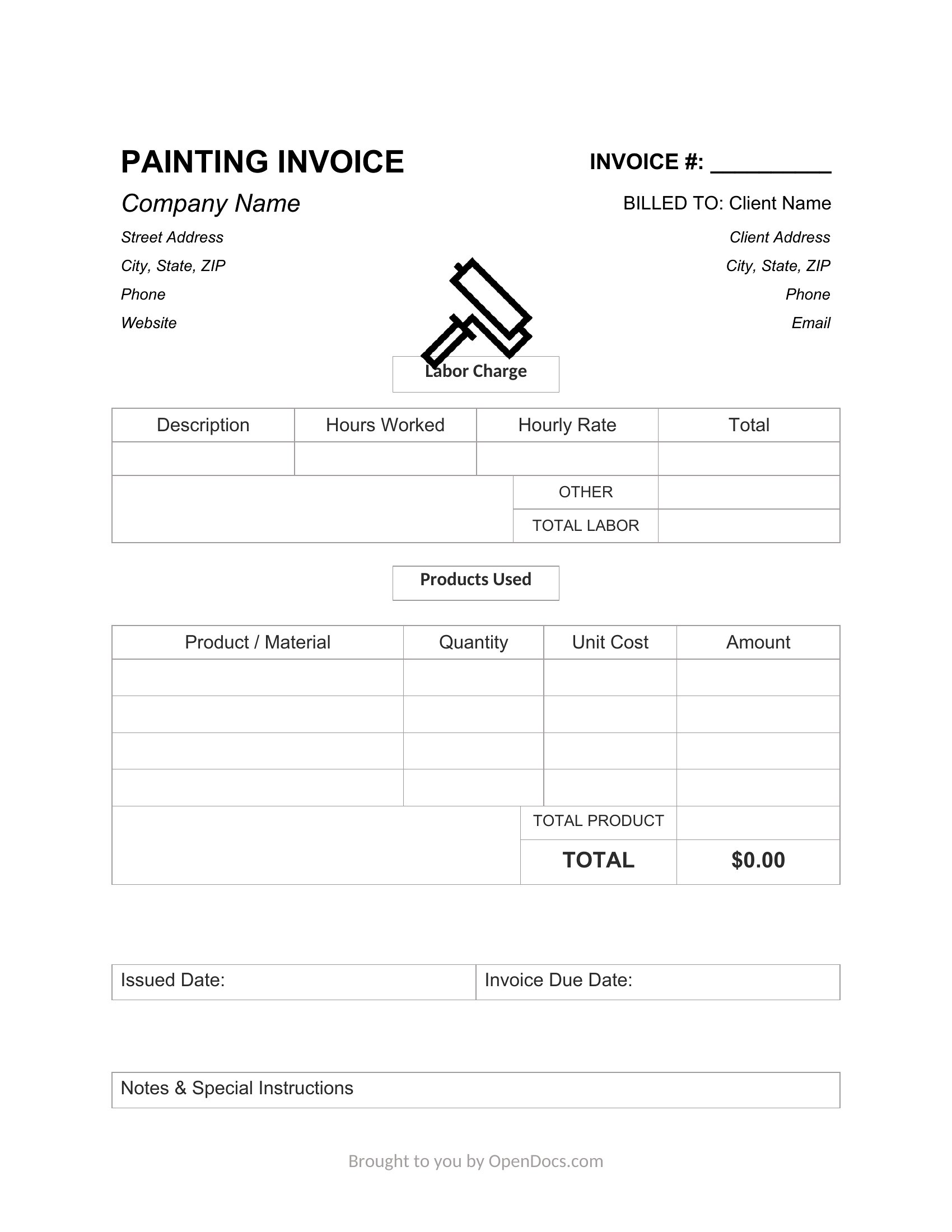
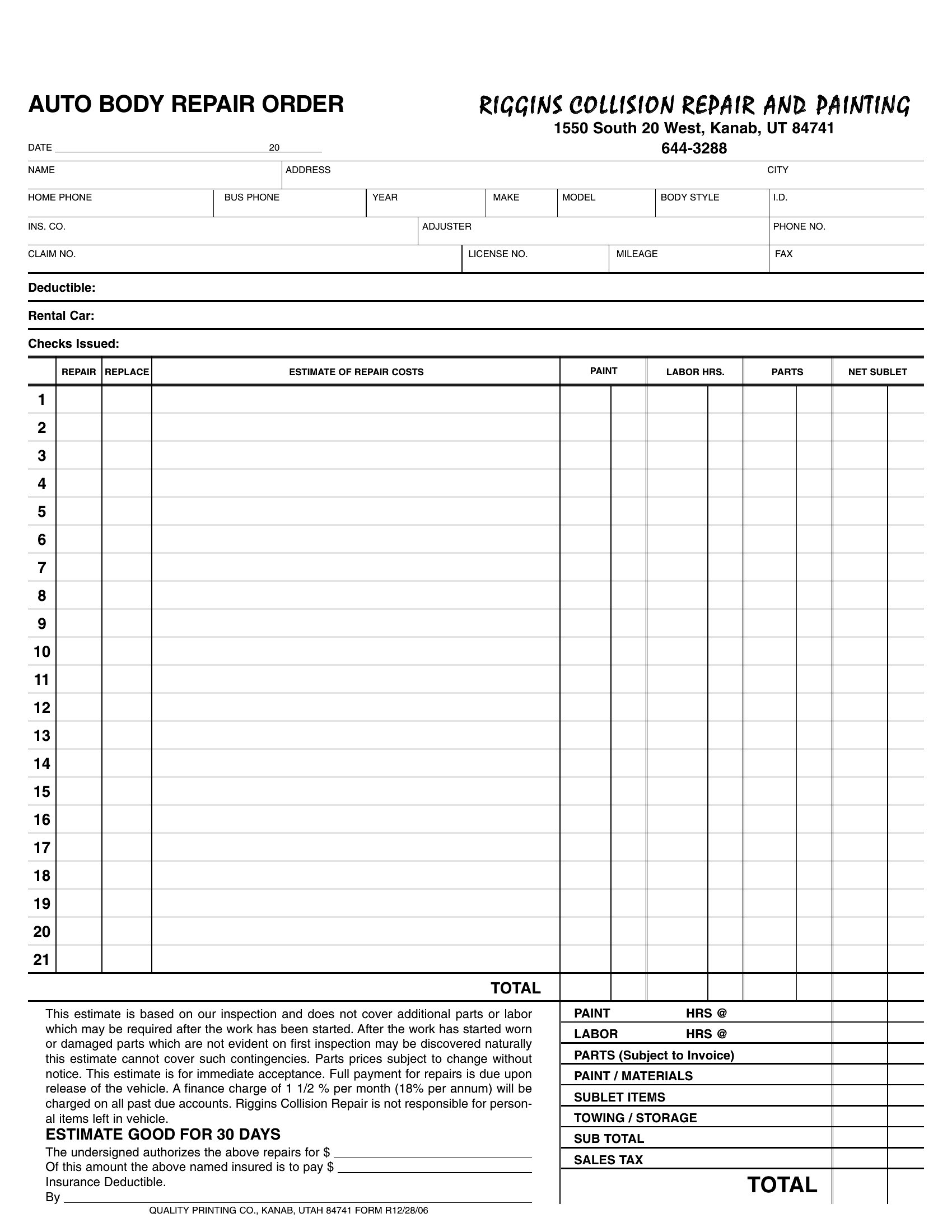
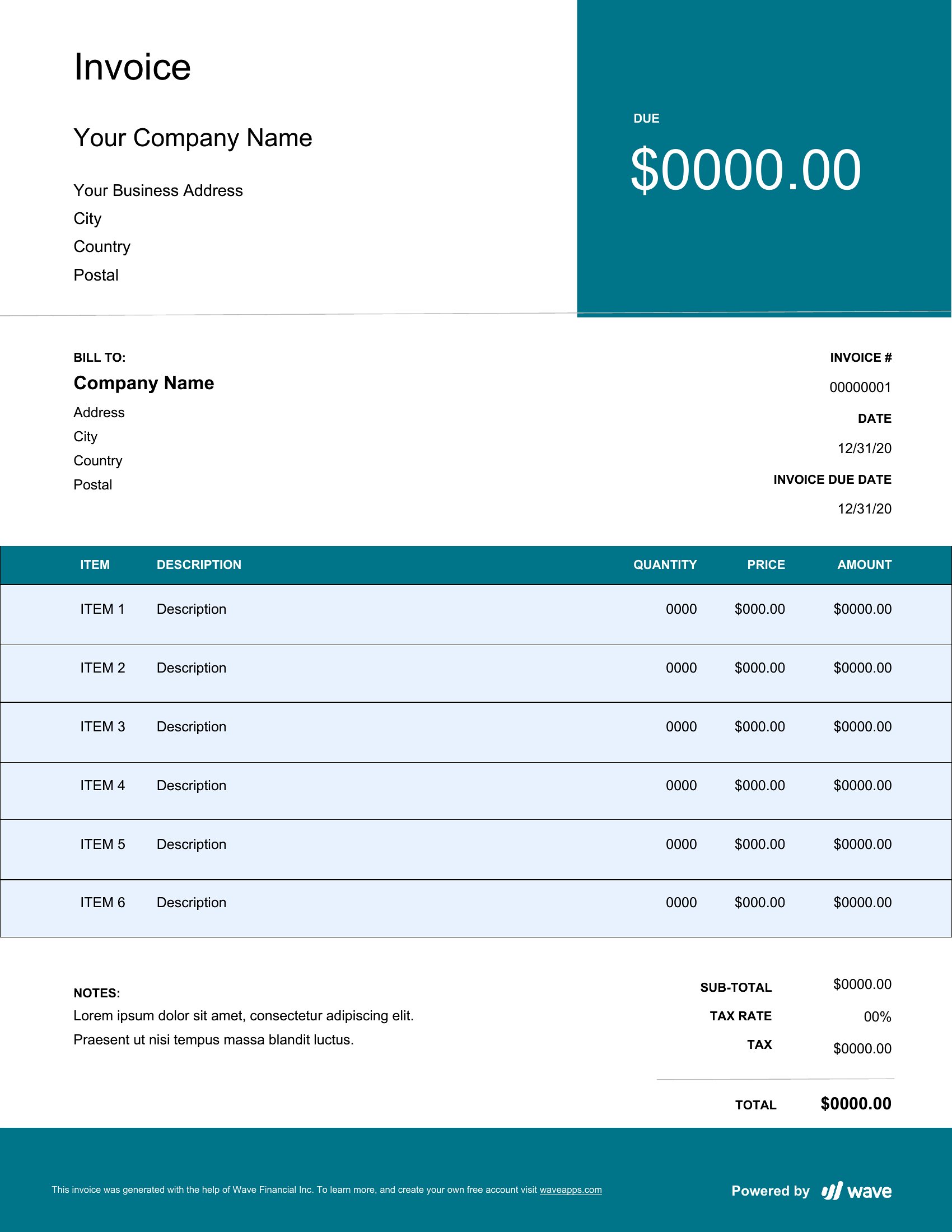
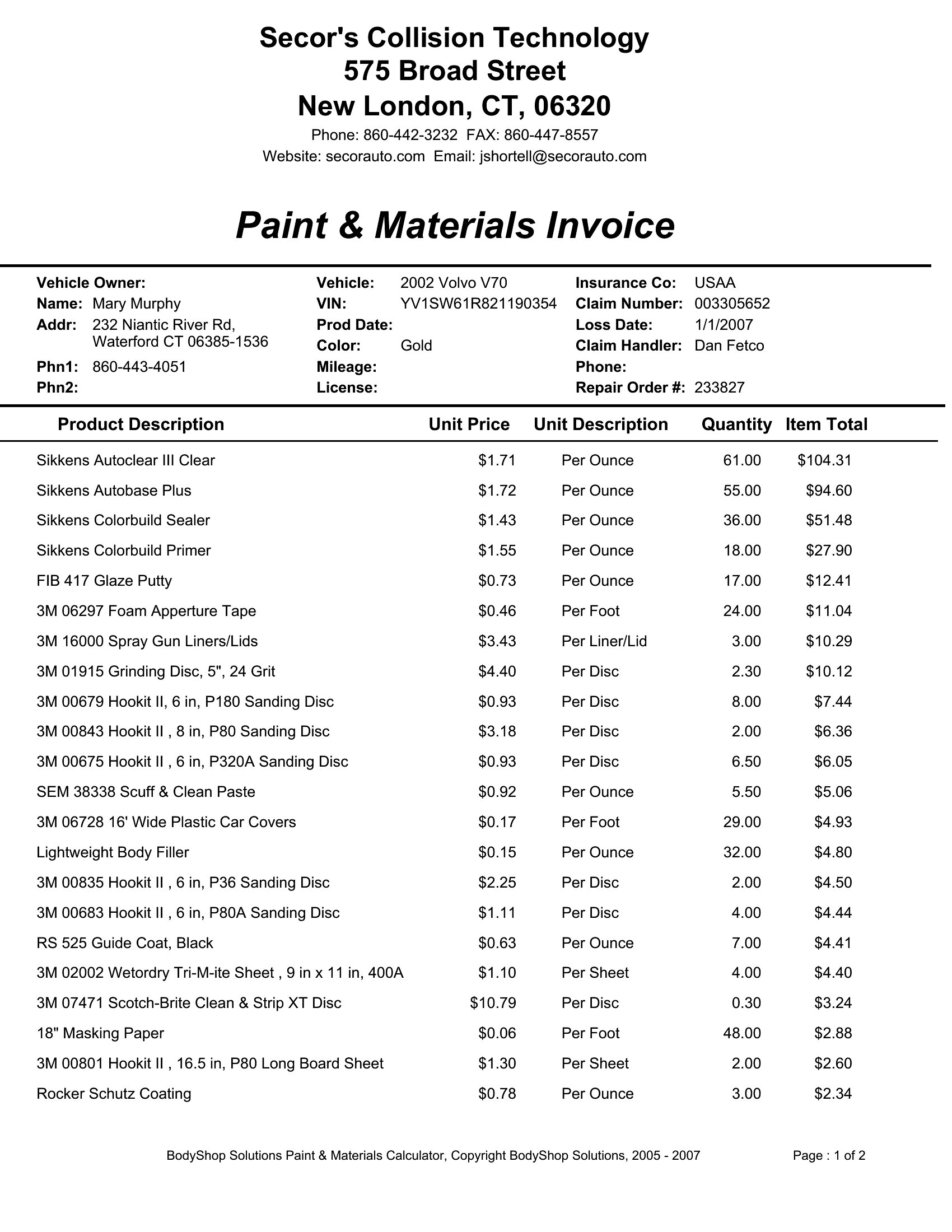
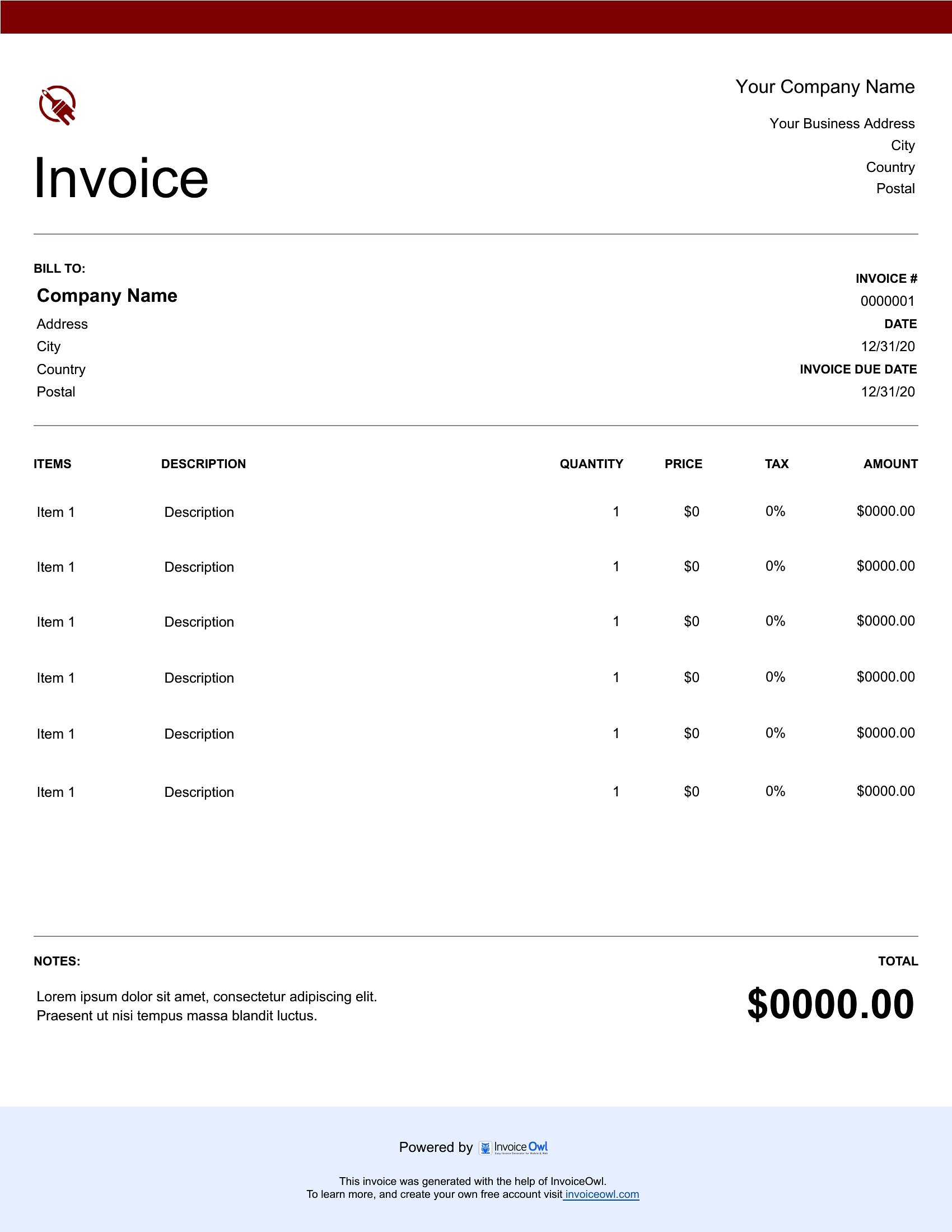
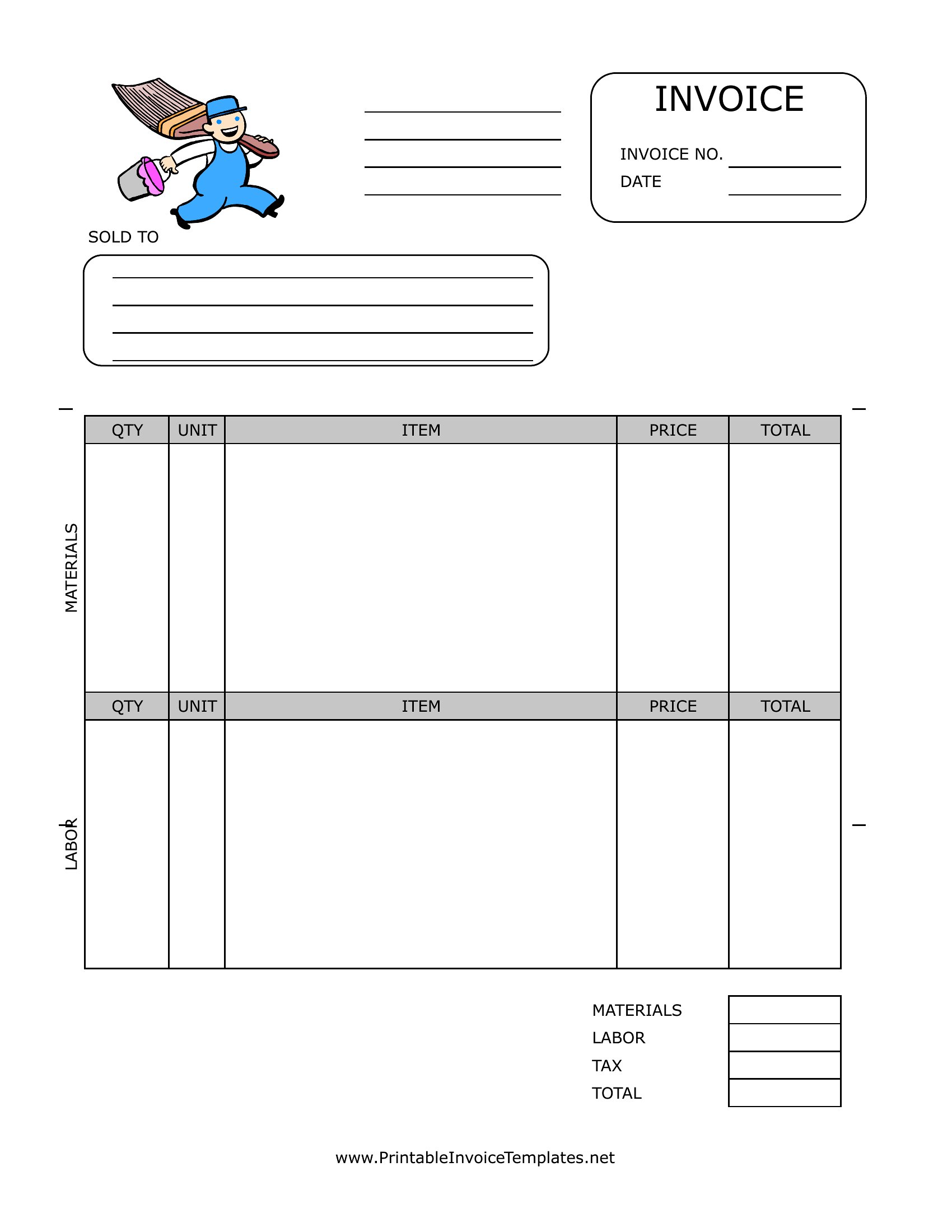
InvoicesOnce the last coat dries, a clear invoice gets a painter paid without back-and-forth. This set of 29 templates gives interior and exterior painters room to list labor, paint and materials, square footage, and prep work, so clients see exactly what went into the job.
Choose editable Word files, Excel sheets that total the line items for you, or print-ready PDFs for clean delivery. Drop in your rates, itemize the work, and send it the day you finish. Download the layout that fits your painting business and turn a wrapped-up job into a paid one.
When to use this Painting Invoice template
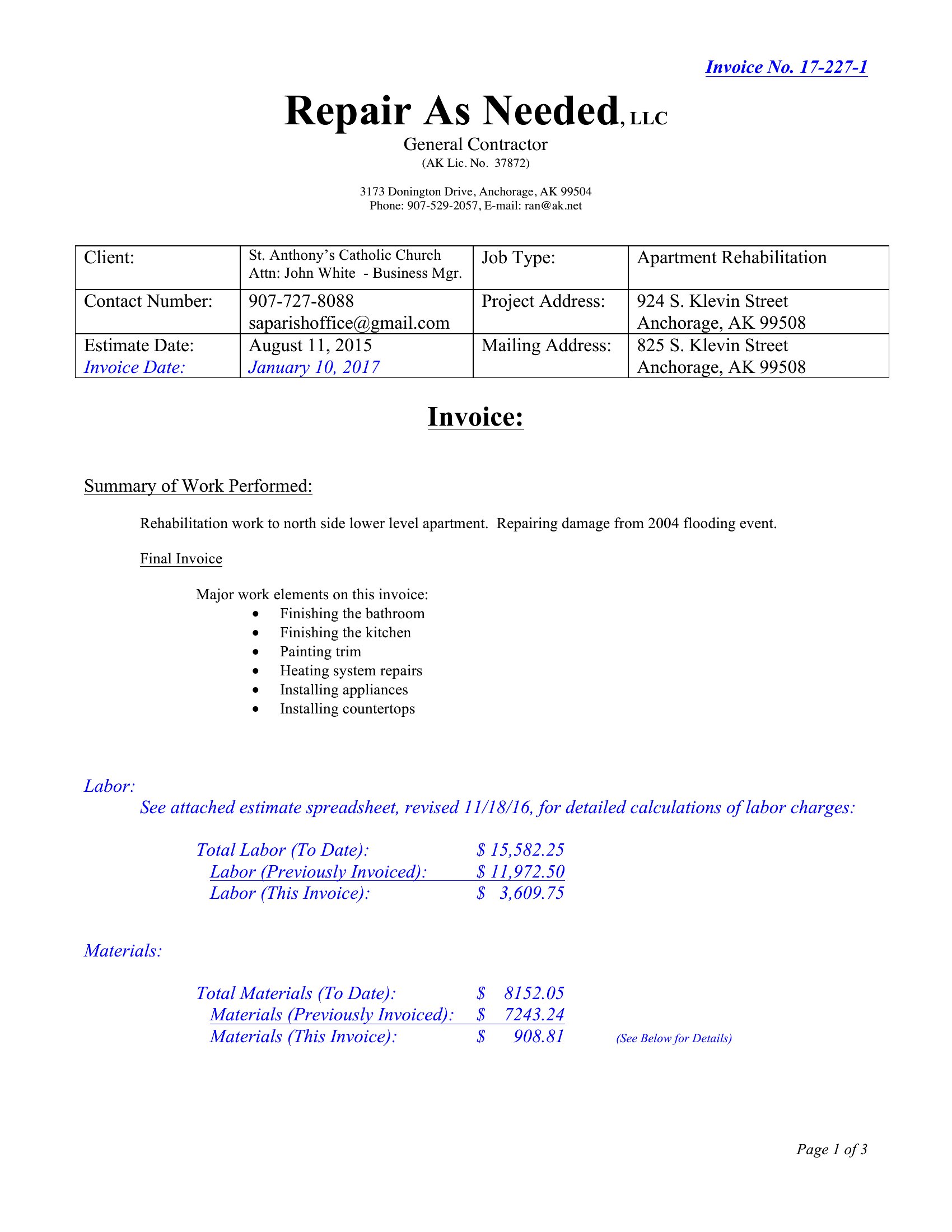
- A residential painter completing a bathroom refresh needs to itemize paint costs, hours spent sanding, and primer rolls so homeowners understand labor versus material expenses before signing off.
- Commercial painters tackling large office suites require a detailed invoice that tracks multiple rooms, specialized paint types, and equipment rental costs to avoid disputes with facility managers.
- A handyman adding trim painting to a kitchen remodel must clearly separate the labor rate from the cost of latex paint and brushes to justify the markup in their bid.
- Specialty painters offering faux finishes or murals need to include custom material costs and time spent on design consultation to communicate perceived value to discerning clients.
Which format should I download?
For painters who need to adjust line items or add client notes after the job, editable Word files are best—they let you tweak labor rates or add prep work details before finalizing. If you prefer automatic calculations for materials and hours, choose Excel to avoid manual math errors. For client handouts or printed quotes, pick PDFs—they’re polished and prevent accidental edits, ensuring consistency when presenting the invoice in person.
Choose from 29 Painting Invoice Templates
How to use this Painting Invoice template
How do I handle partial payments or deposits for painting jobs in these templates?
Most templates include a section for deposit amounts or progress payments, often labeled under 'Payment Terms.' Adjust the line items to reflect a percentage of the total (e.g., 30% deposit) and subtract that from the final balance. For custom schedules, note the due dates in the 'Notes' section to avoid confusion.
Should I include a breakdown of paint coverage costs in the invoice?
Yes, especially for larger projects. List square footage, paint type, and estimated coverage per gallon to show clients how material costs were calculated. For example, ‘1 gallon covers 350 sq. ft. at $45/gallon = $126 for walls’ adds transparency. This helps justify pricing for clients who question paint expenses.
What’s the best way to document extra charges like paint touch-ups or redoing missed spots?
Use the ‘Additional Services’ or ‘Miscellaneous’ section to detail extra work with brief descriptions and costs. For instance, ‘Touch-up paint for 2 walls at $15/hour (1.5 hours) = $22.50.’ Keep it concise but specific—this protects you if the client later disputes the original scope. Avoid vague terms like ‘extras.’
Comments
Join the conversation
Sign in to share your thoughts and leave a comment on this resource.