
FAQ
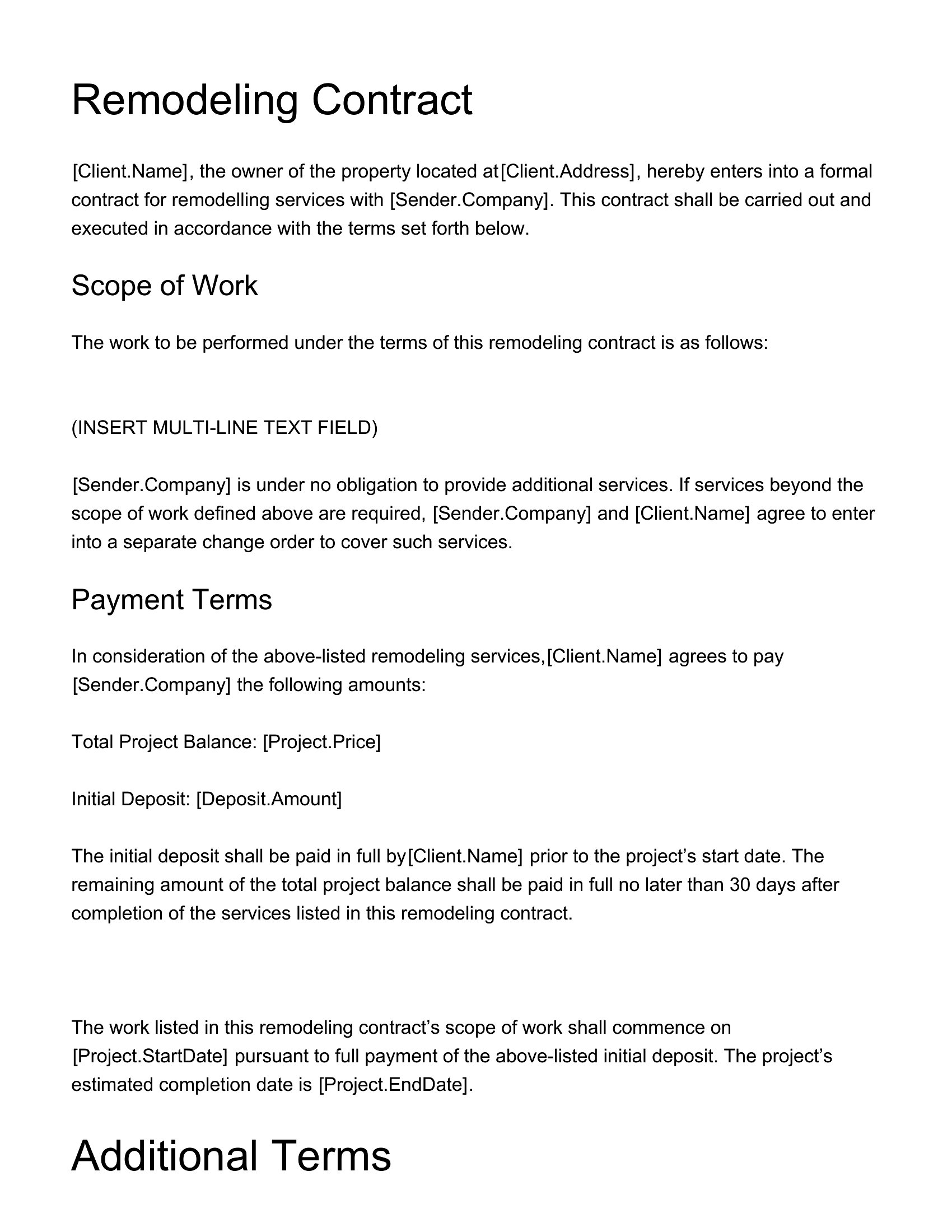
Should I include a change-order clause in my remodeling contract even if the project seems straightforward?
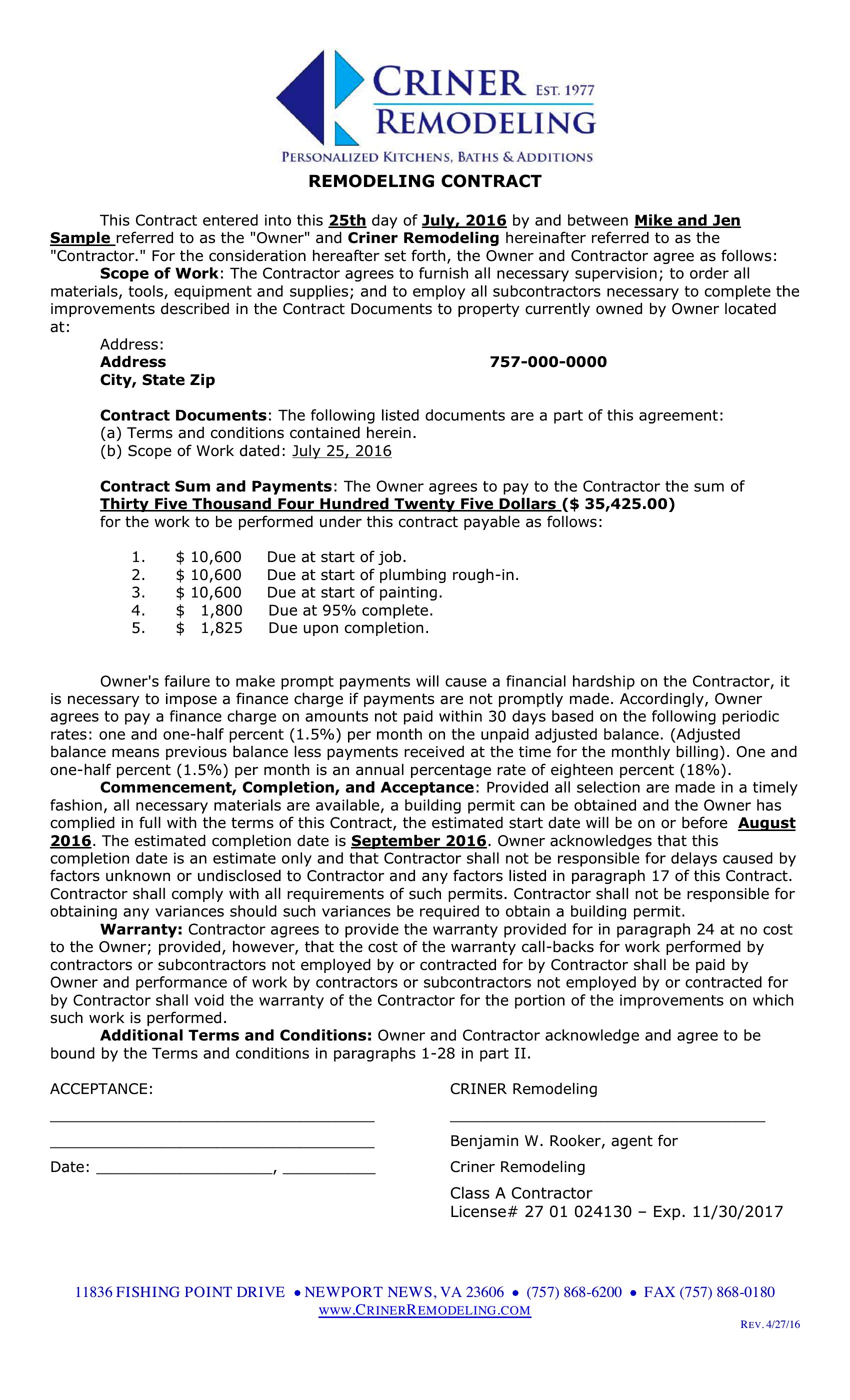
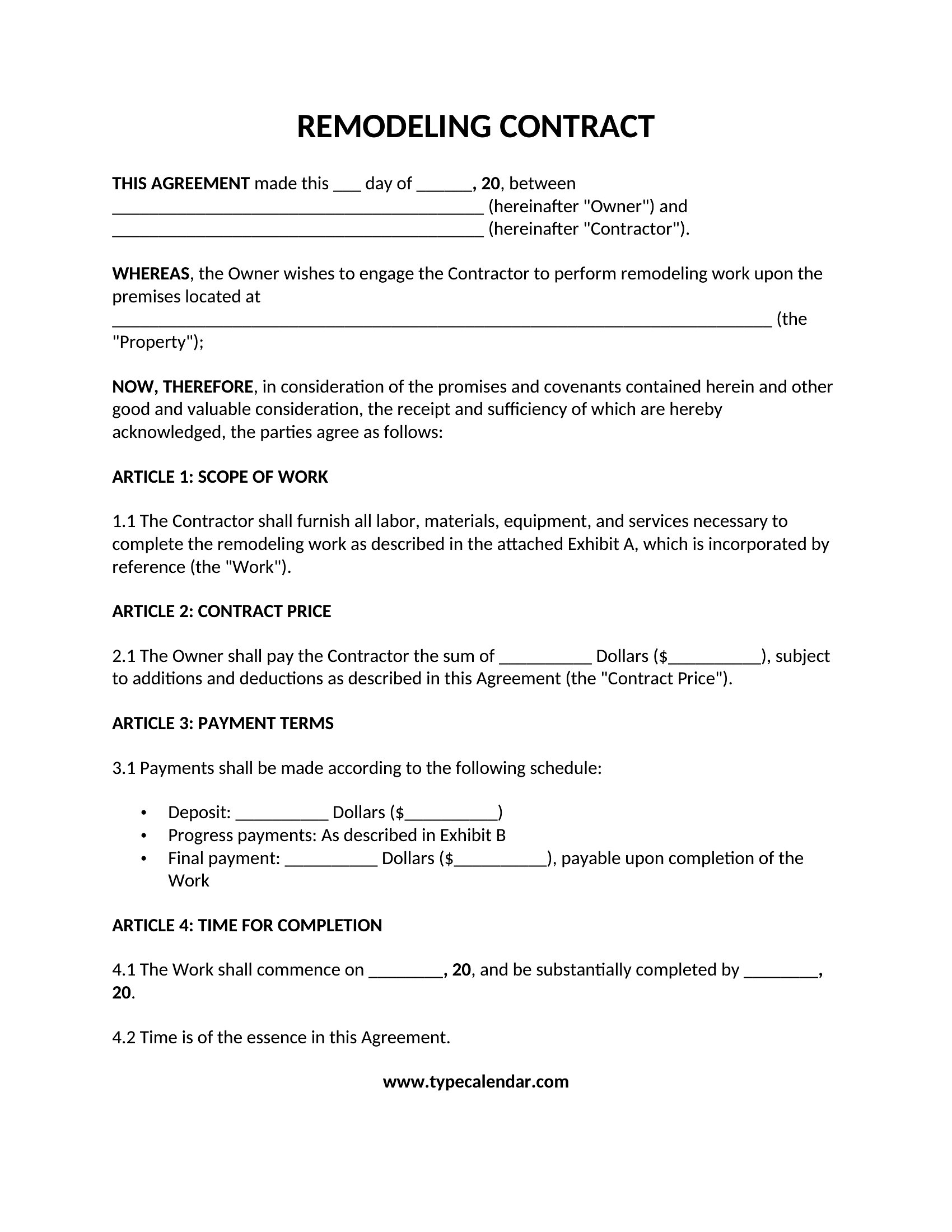
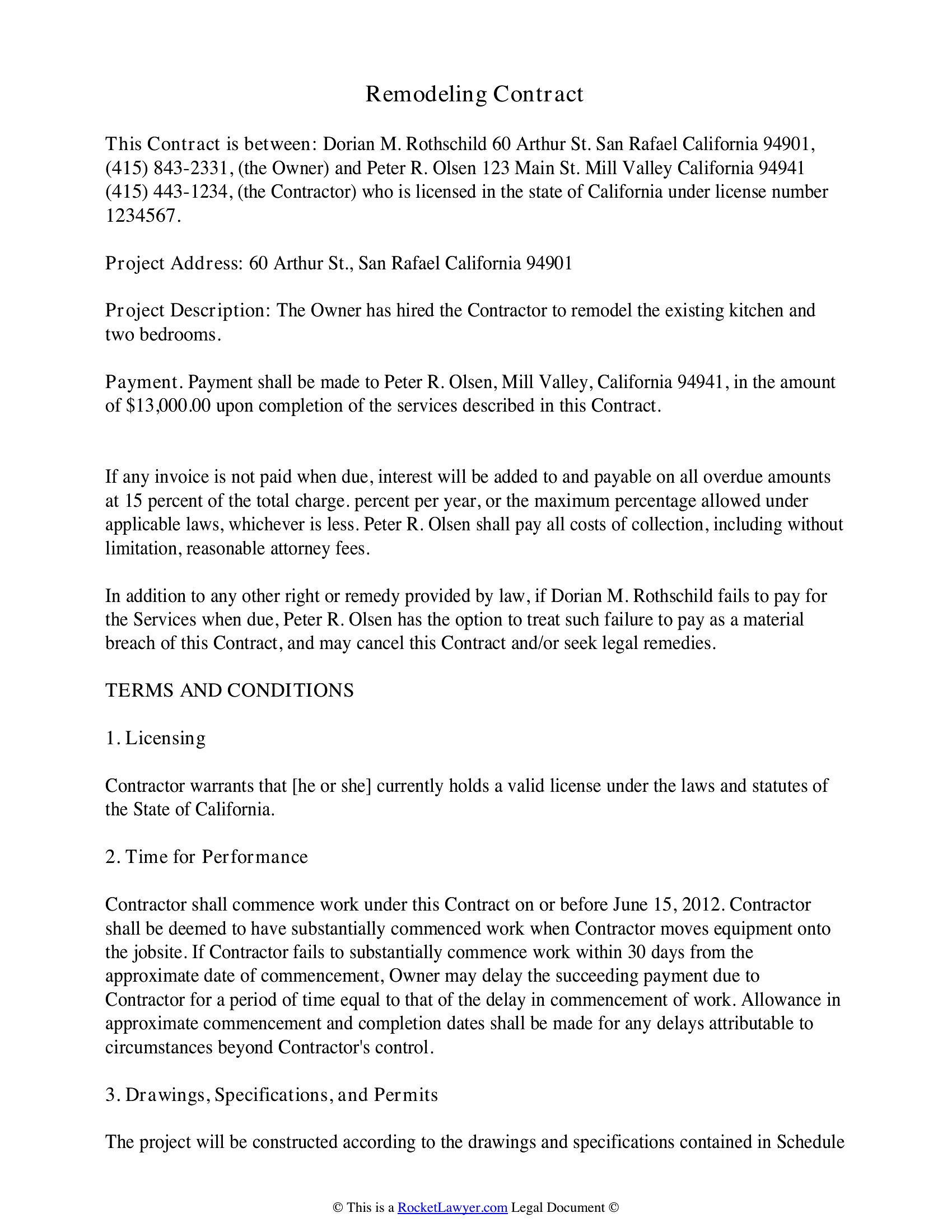
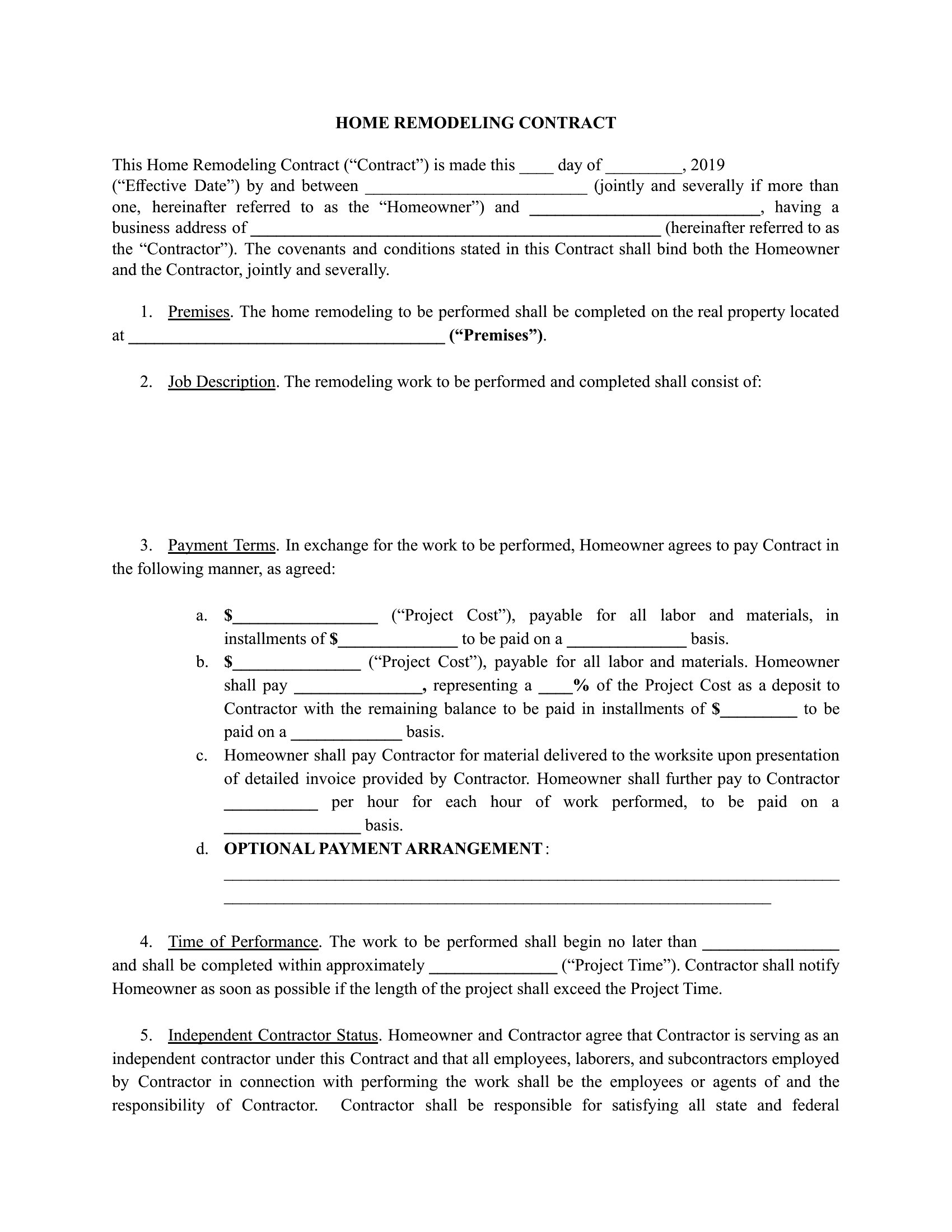
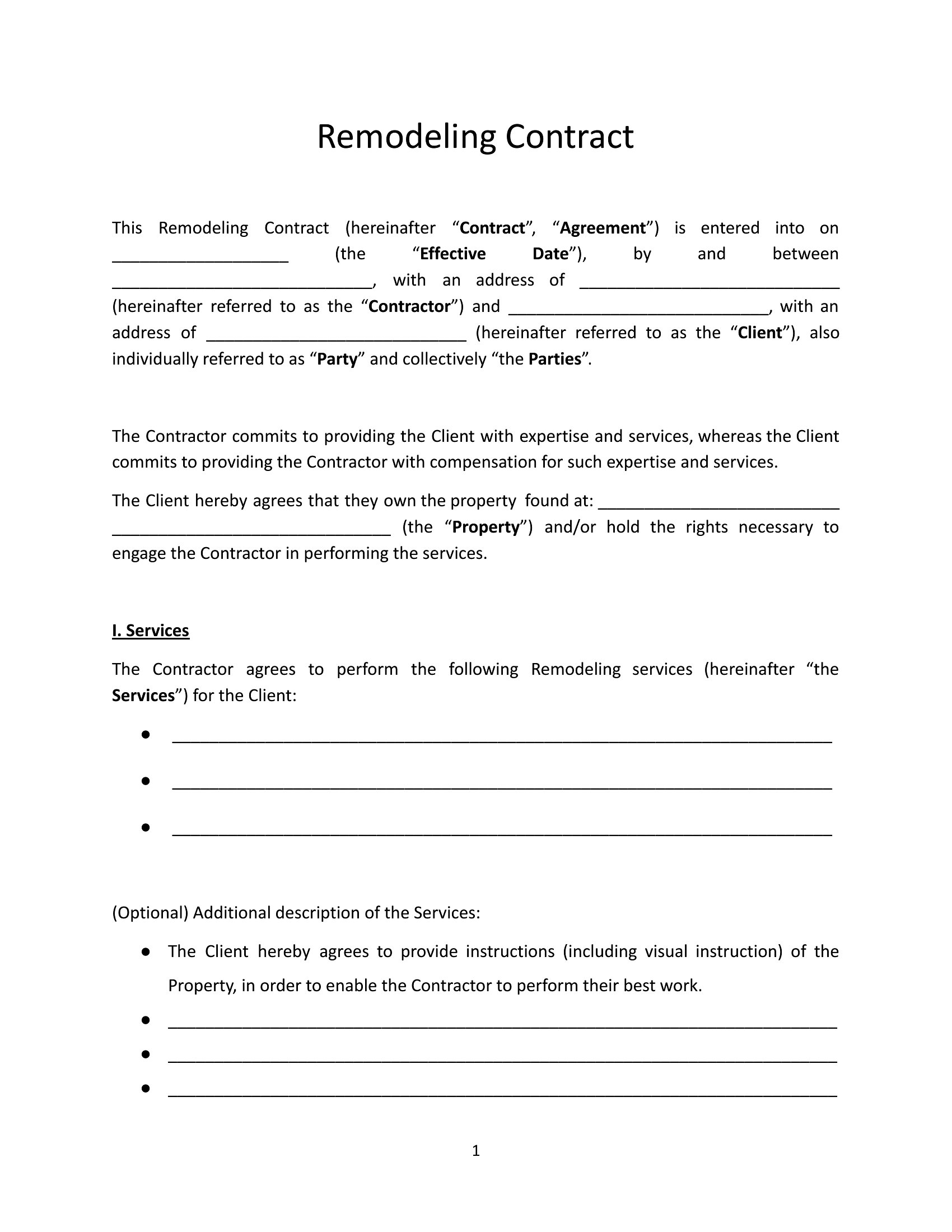
Yes, always. Change-order clauses define how additional work (like unexpected structural repairs or upgraded materials) will be priced and approved. Without one, disputes over costs or scope can arise later. Specify that changes require written agreement to protect both parties from misunderstandings.
What’s the best way to handle deposits in a remodeling contract to avoid losing money if the contractor cancels?
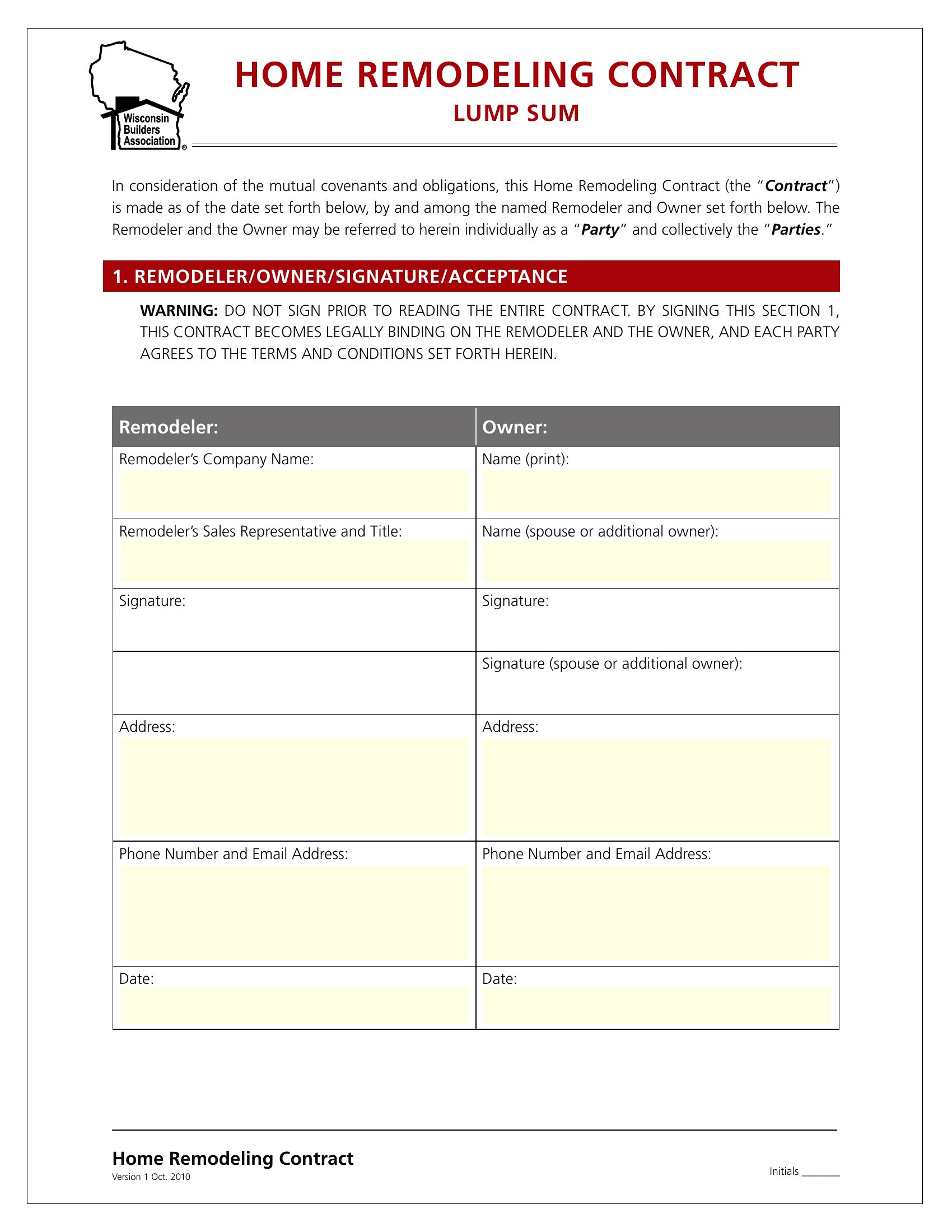
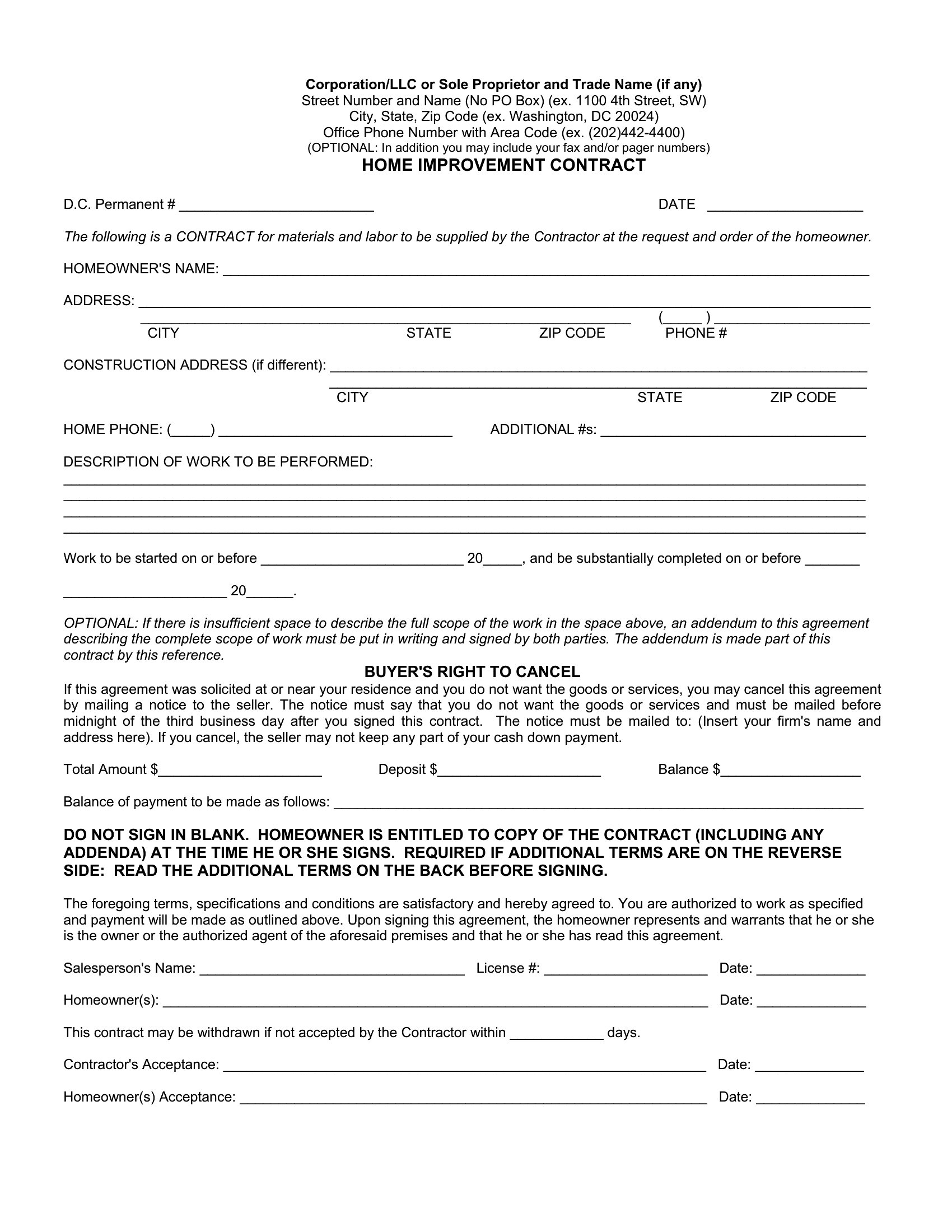
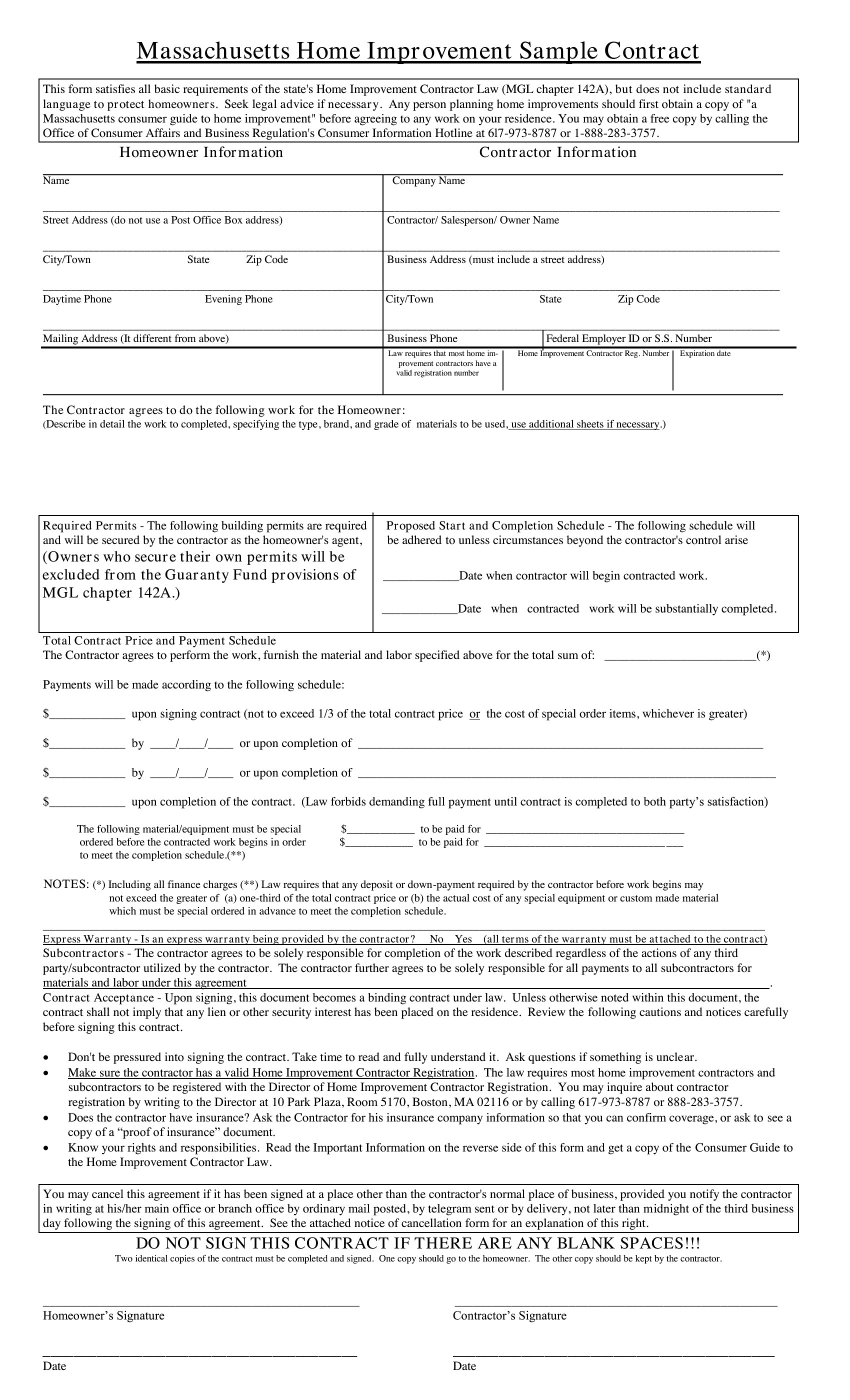
Clearly state the deposit amount as a percentage of the total cost (e.g., 30%) and specify refund conditions if the contractor backs out without cause. Some contracts include a clause allowing the homeowner to withhold half the deposit if the contractor fails to start within a set timeframe, like 30 days after signing.
Do these templates cover liability for delays caused by things like permit issues or material shortages?
Some templates include delay clauses, but these are starting points—not legal guarantees. You may want to add language specifying that delays due to permits or supply chain issues extend the timeline but not the total cost, unless mutually agreed. Consult a local attorney to tailor this to your state’s laws, as some jurisdictions have specific protections for homeowners.
Comments
Join the conversation
Sign in to share your thoughts and leave a comment on this resource.