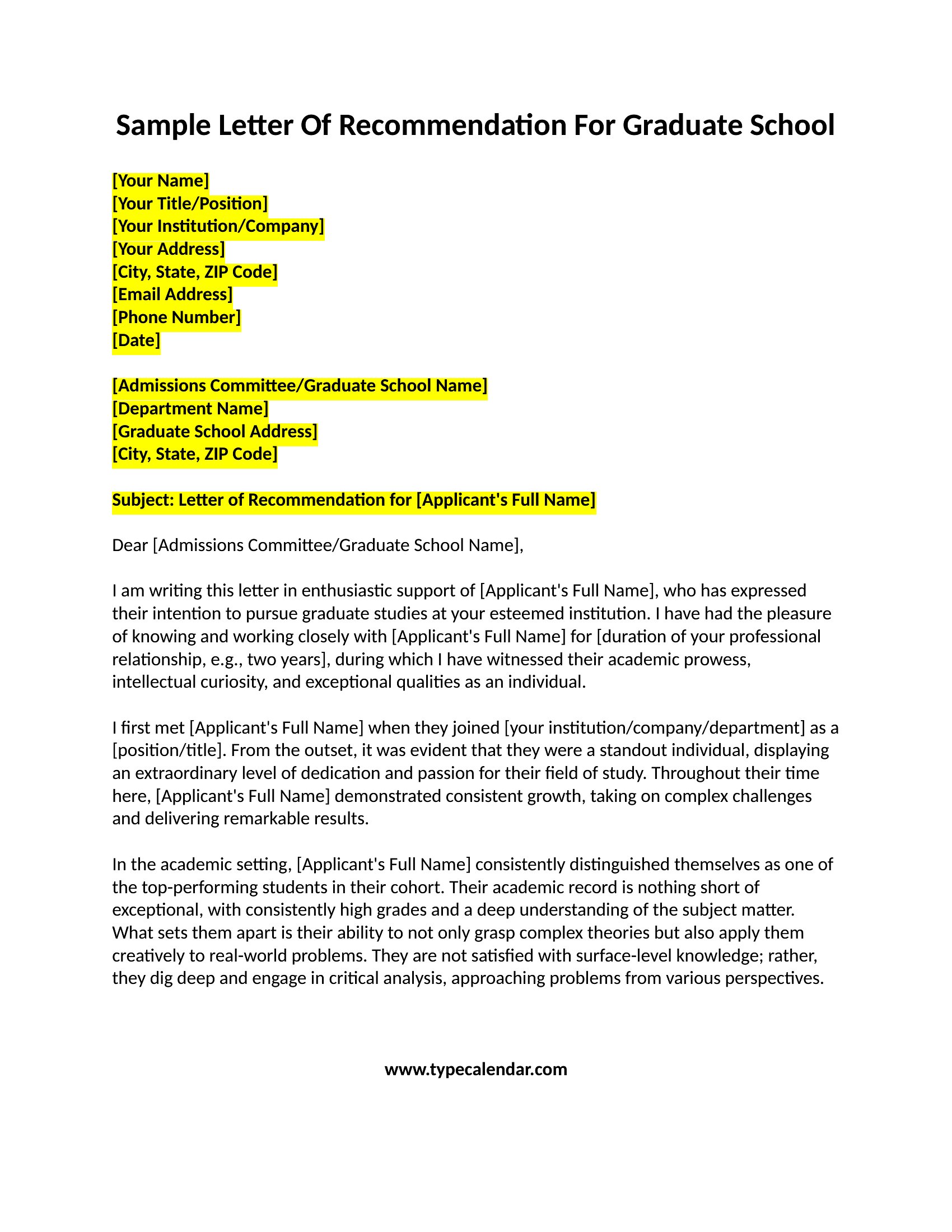
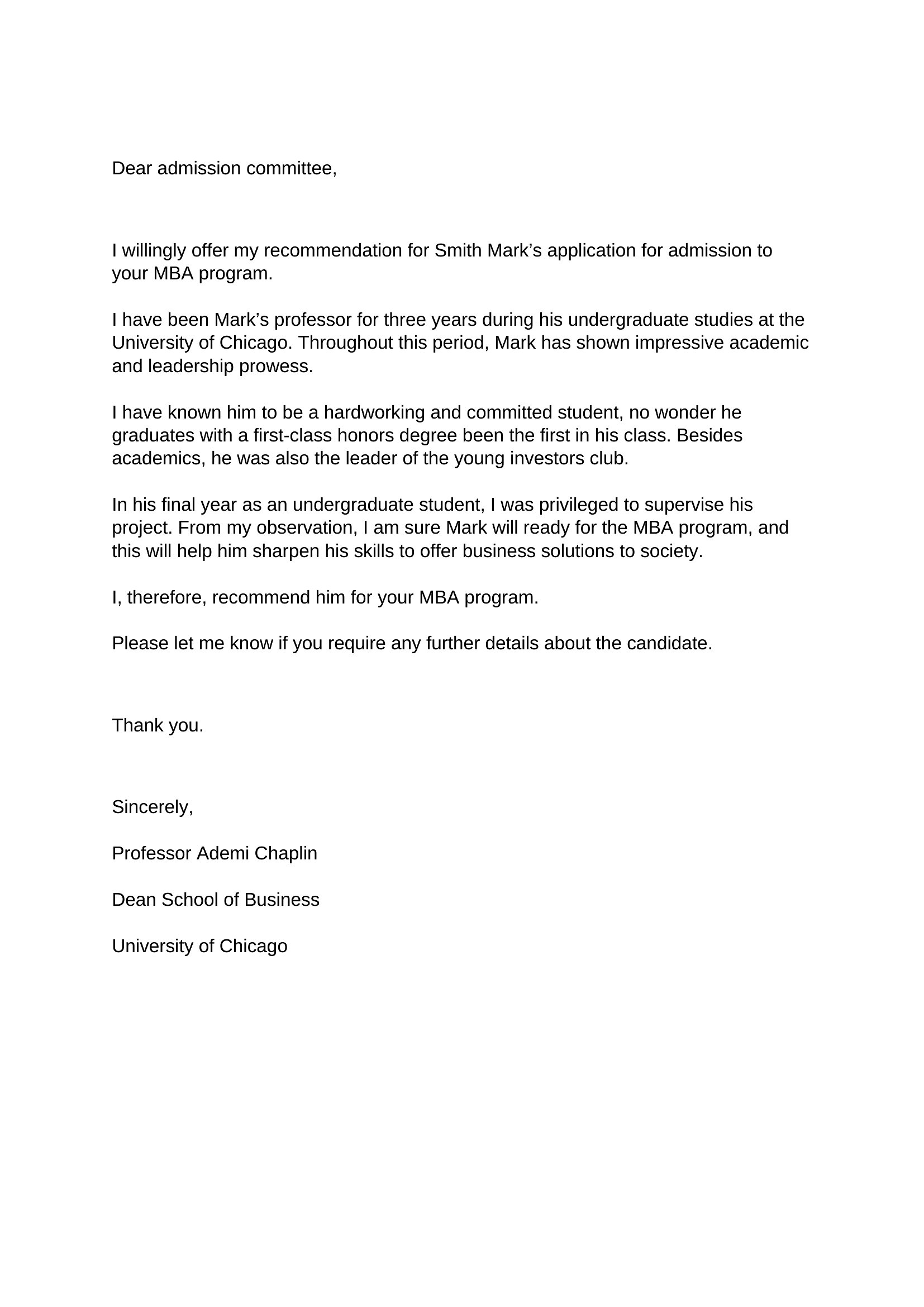
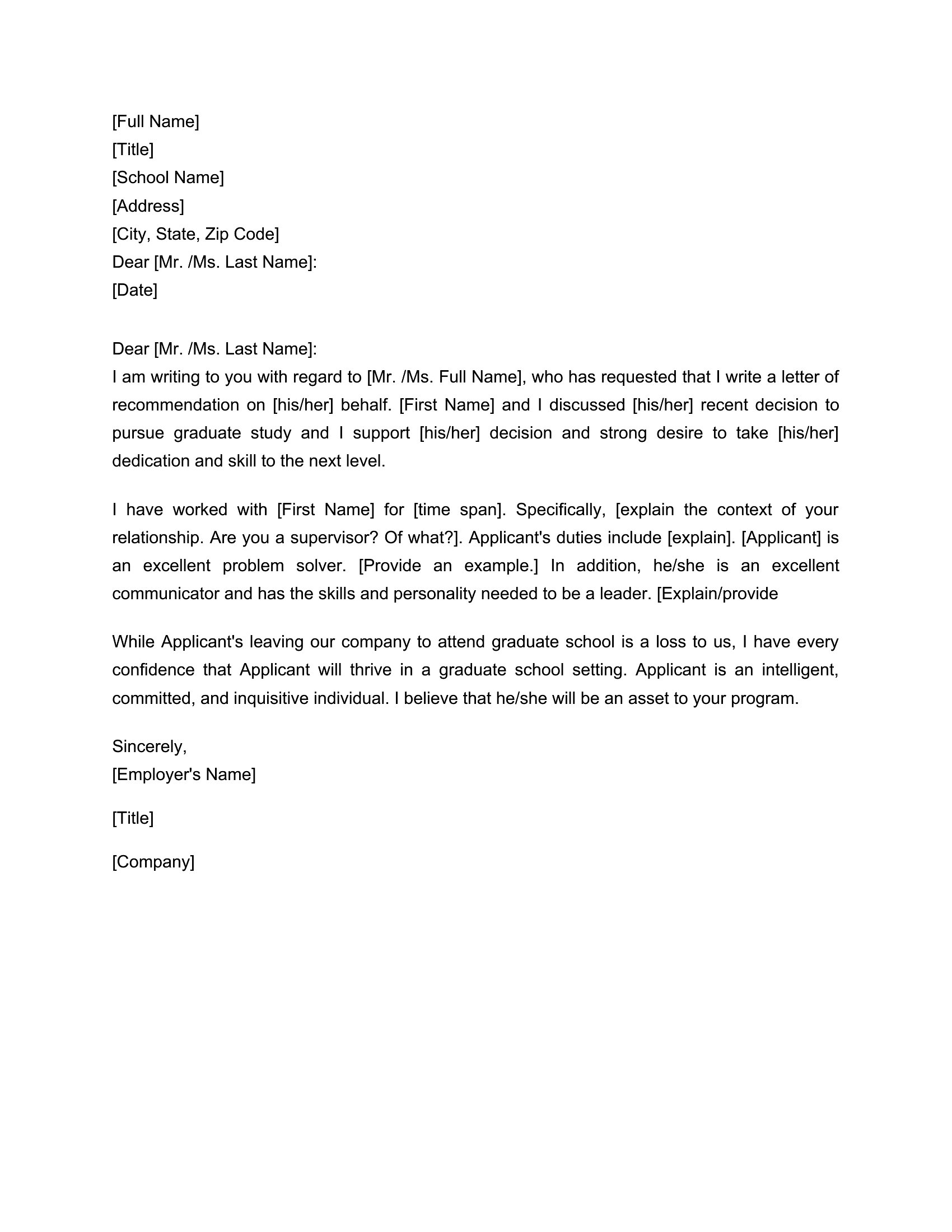
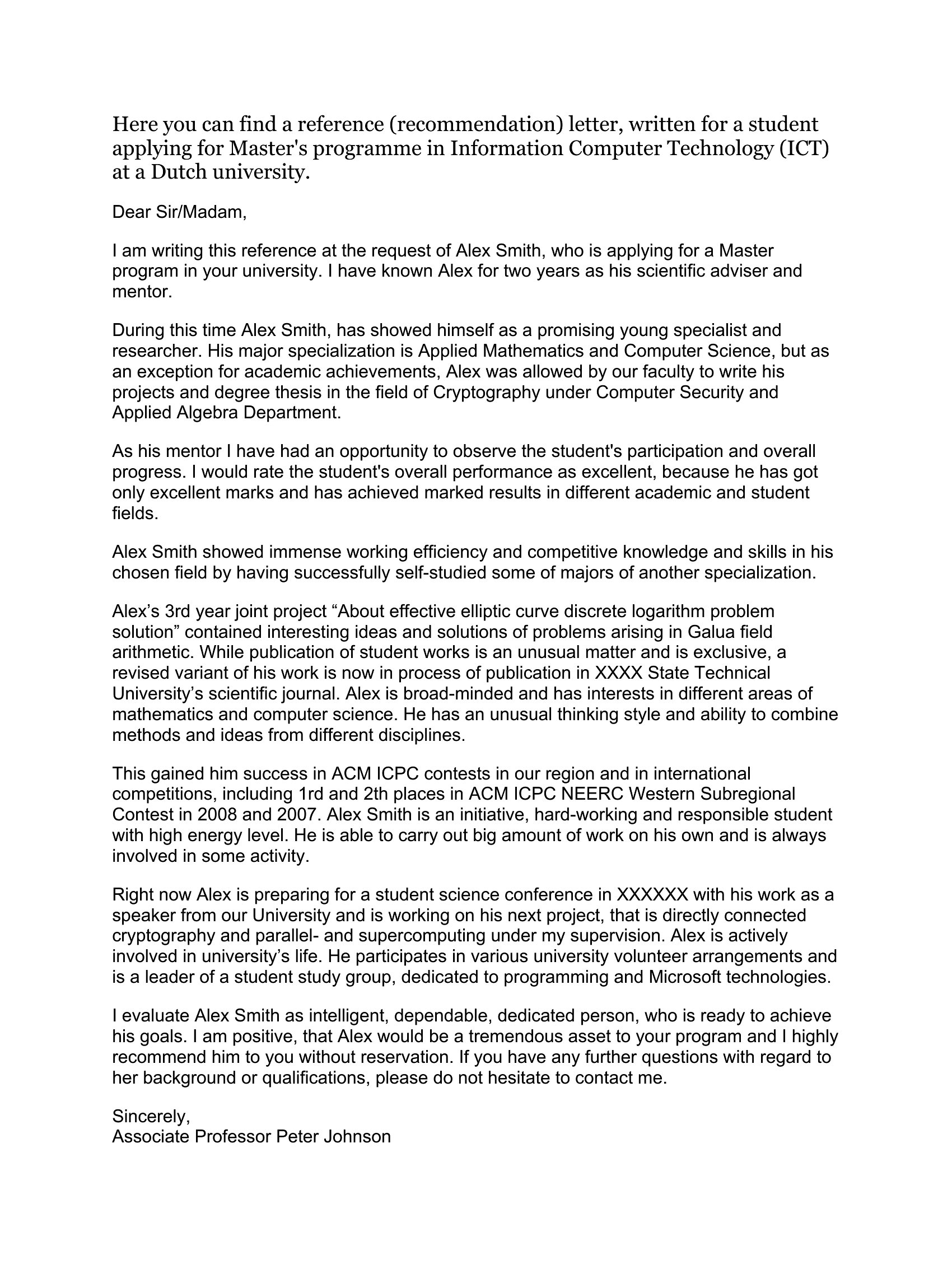
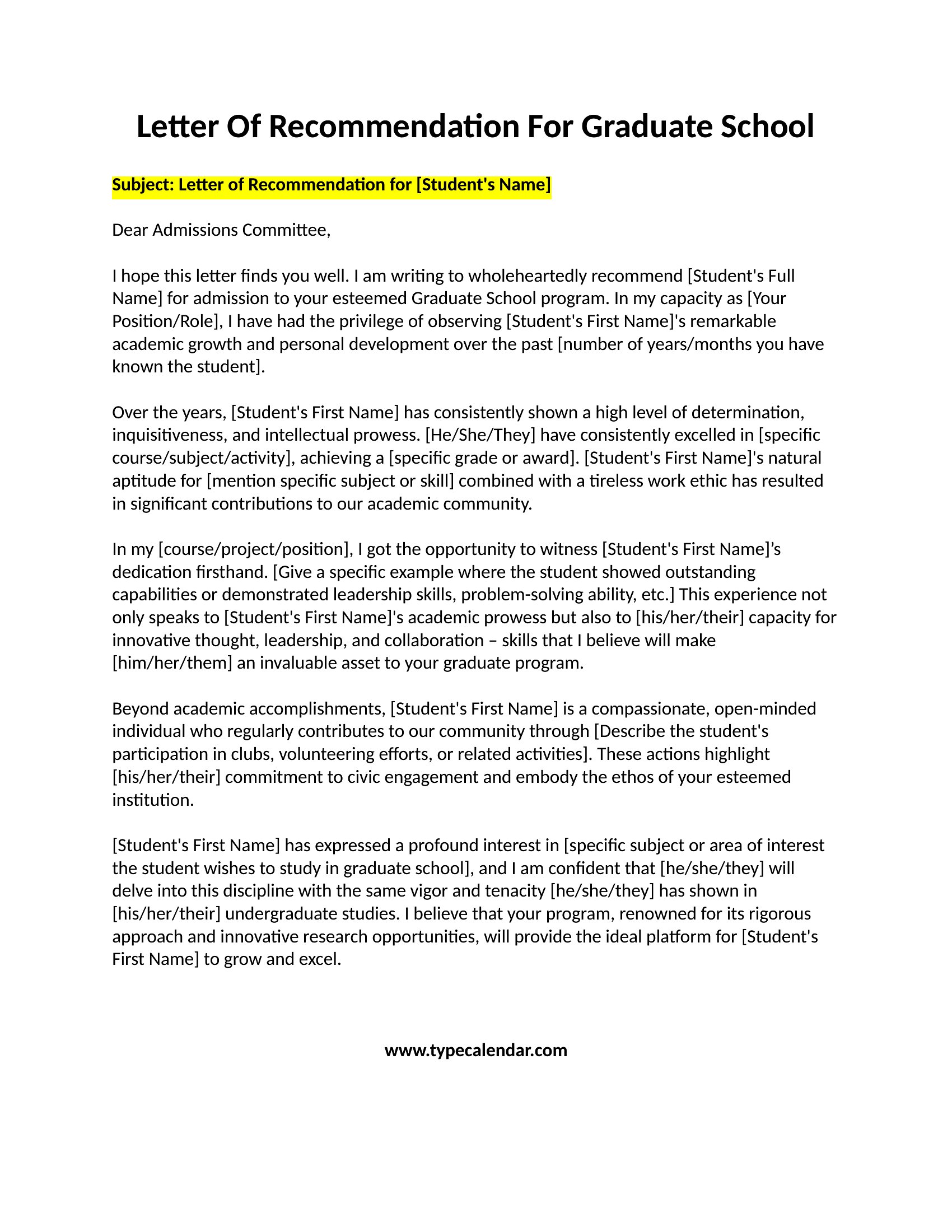
Free Graduate School Recommendation Letters (Word)
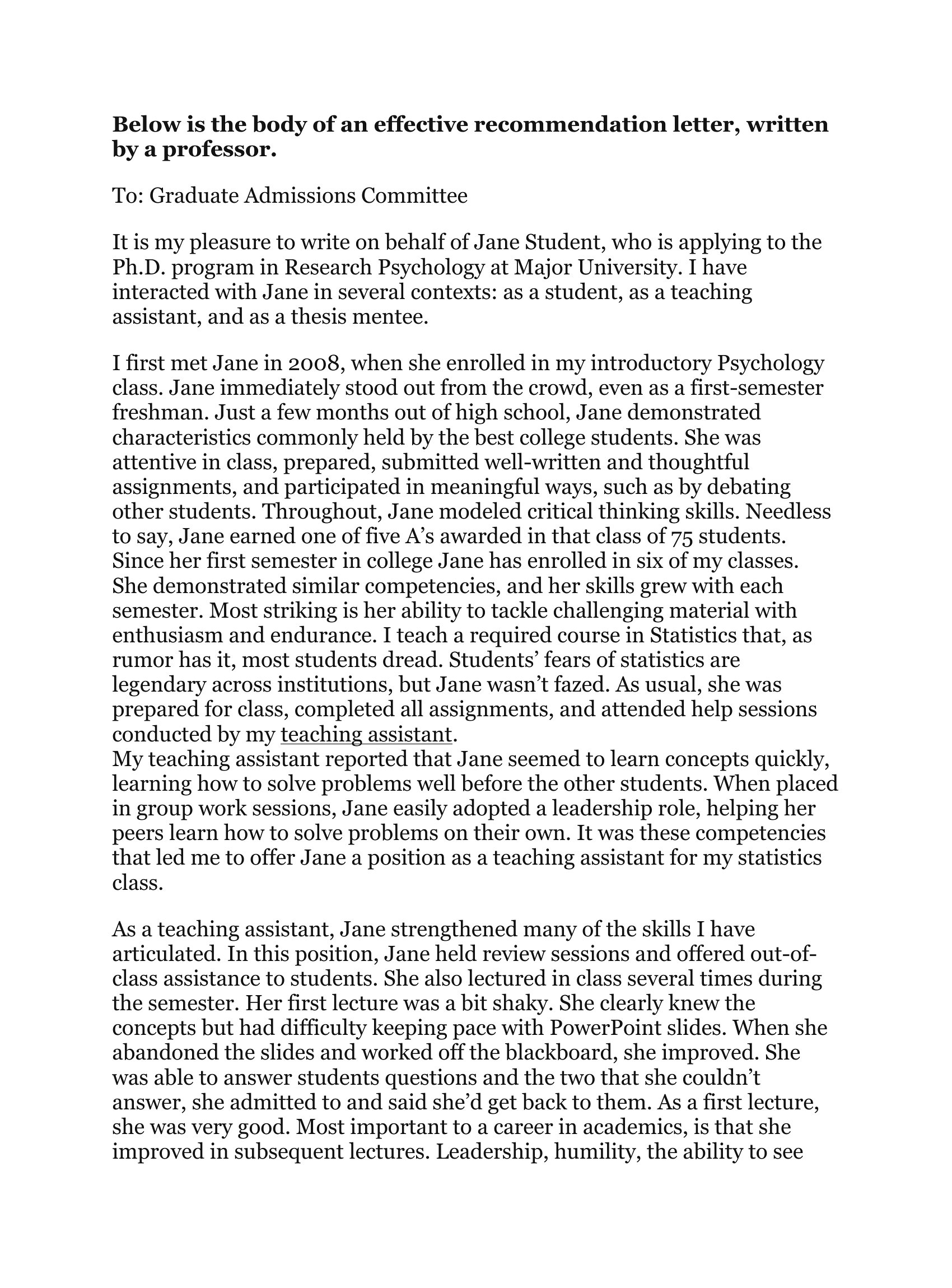
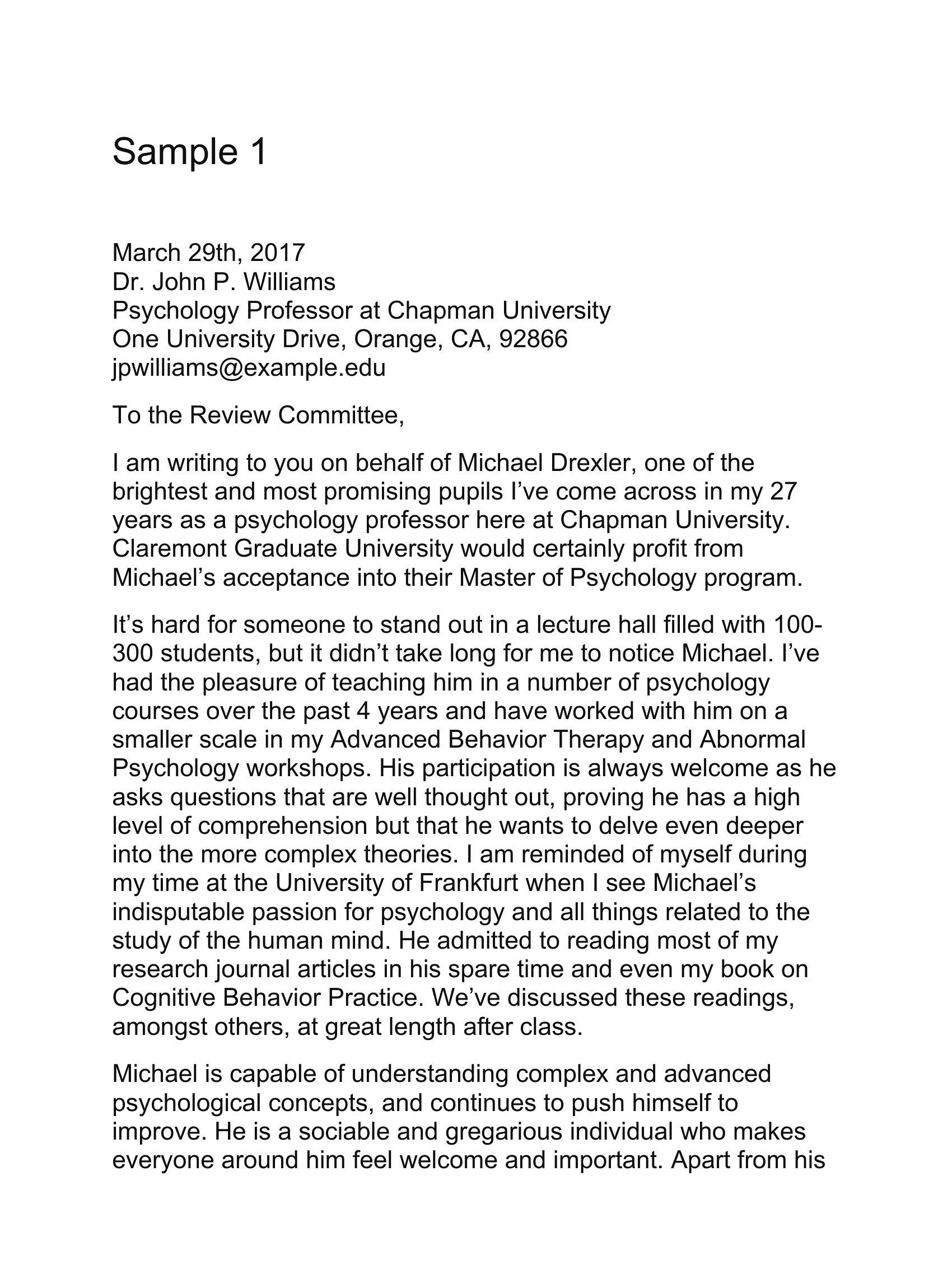
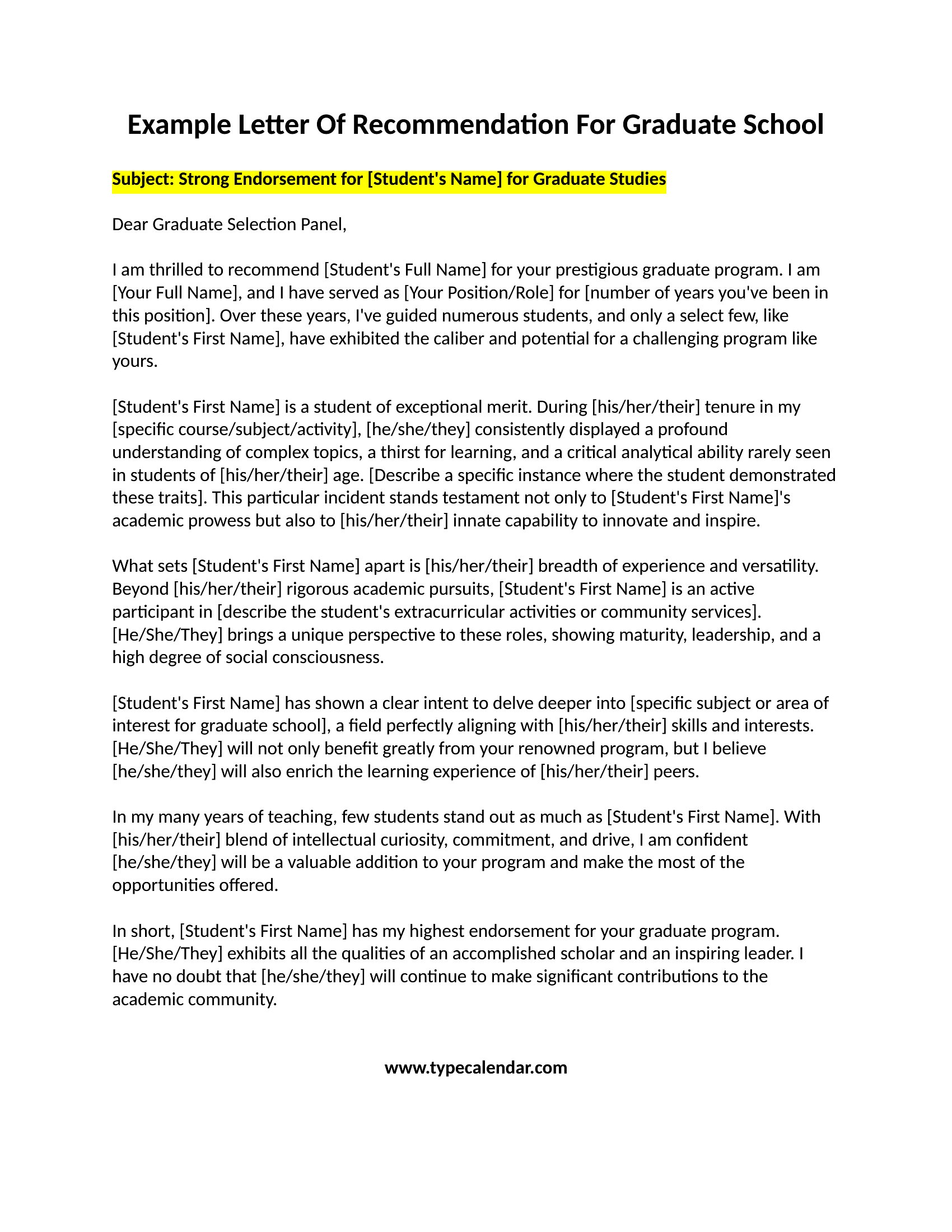
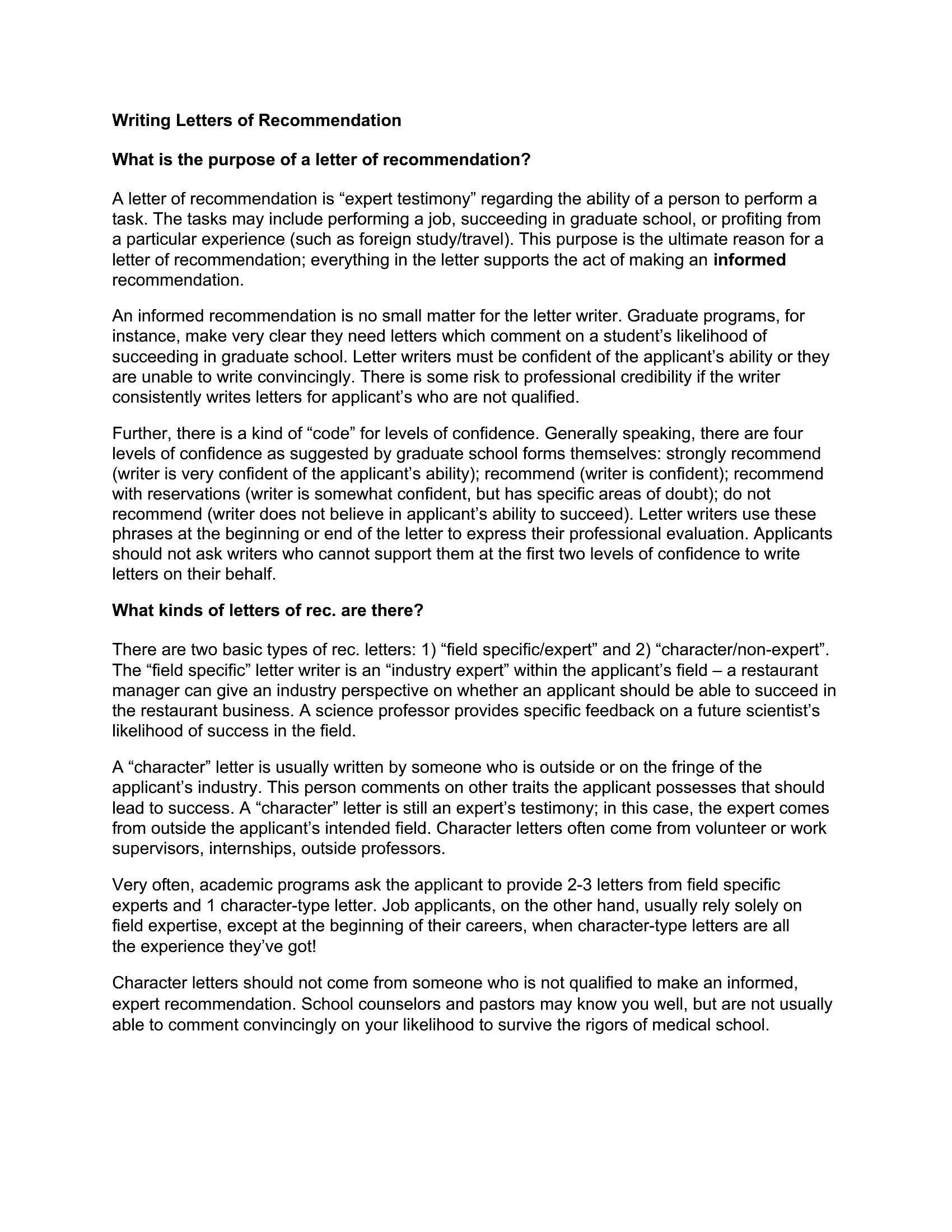
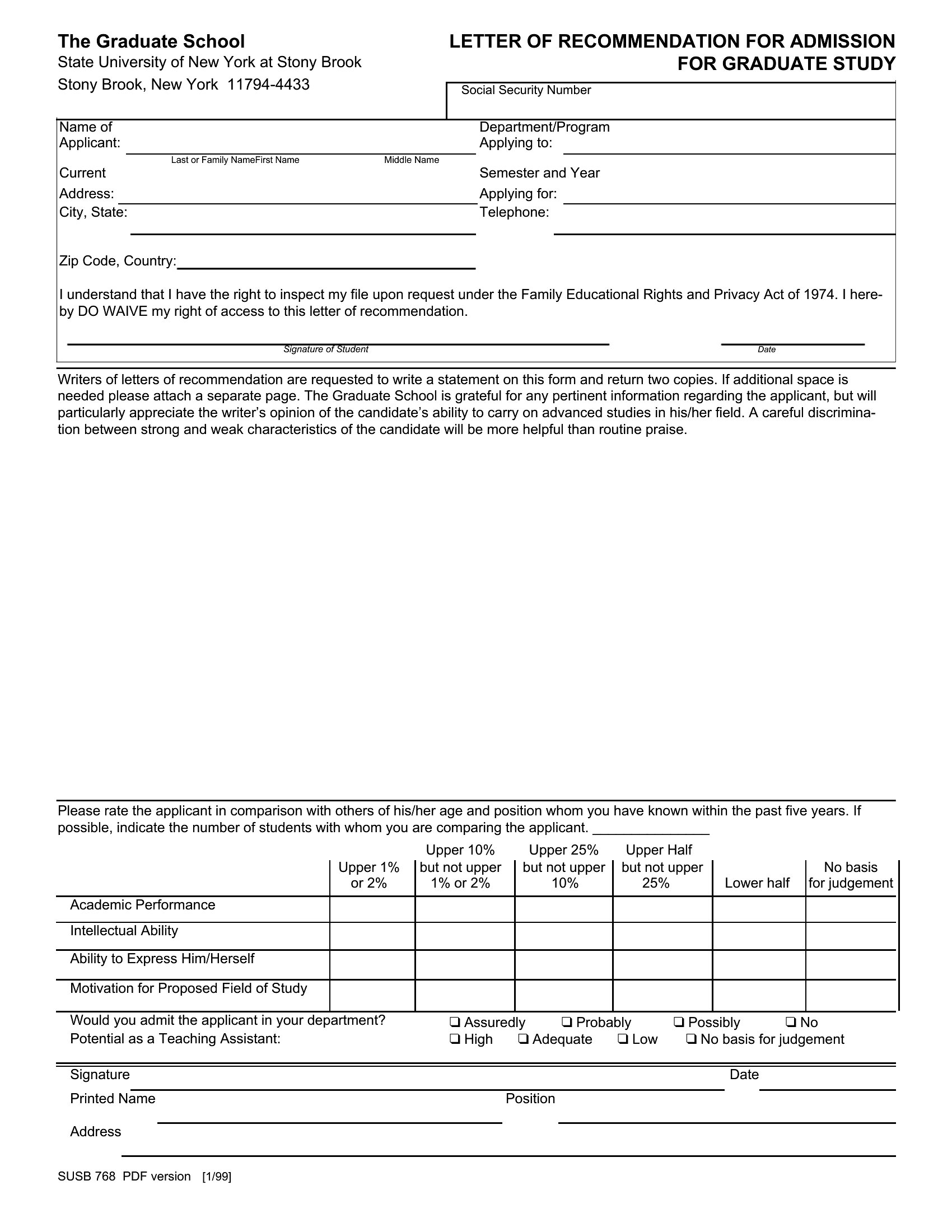
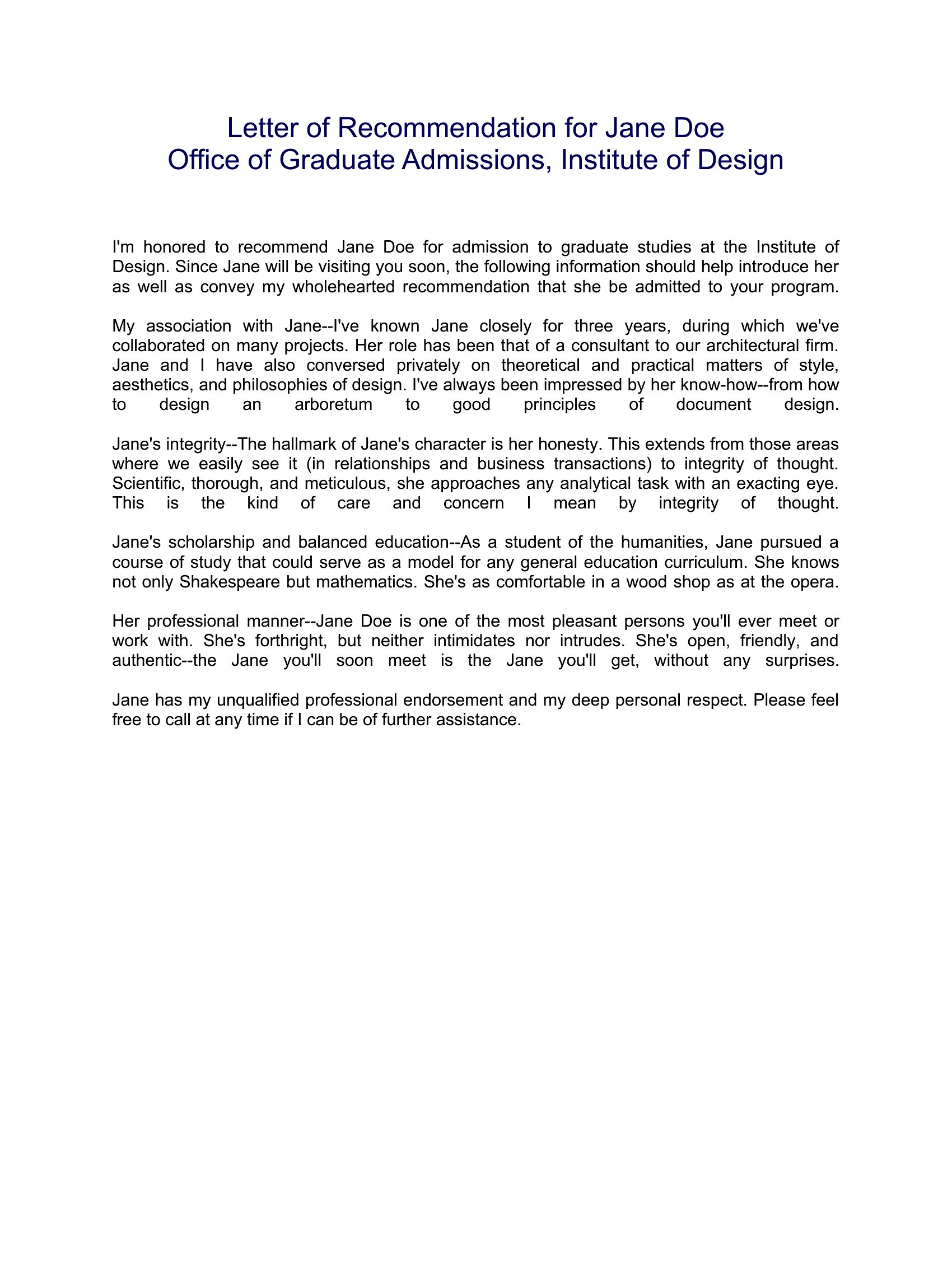
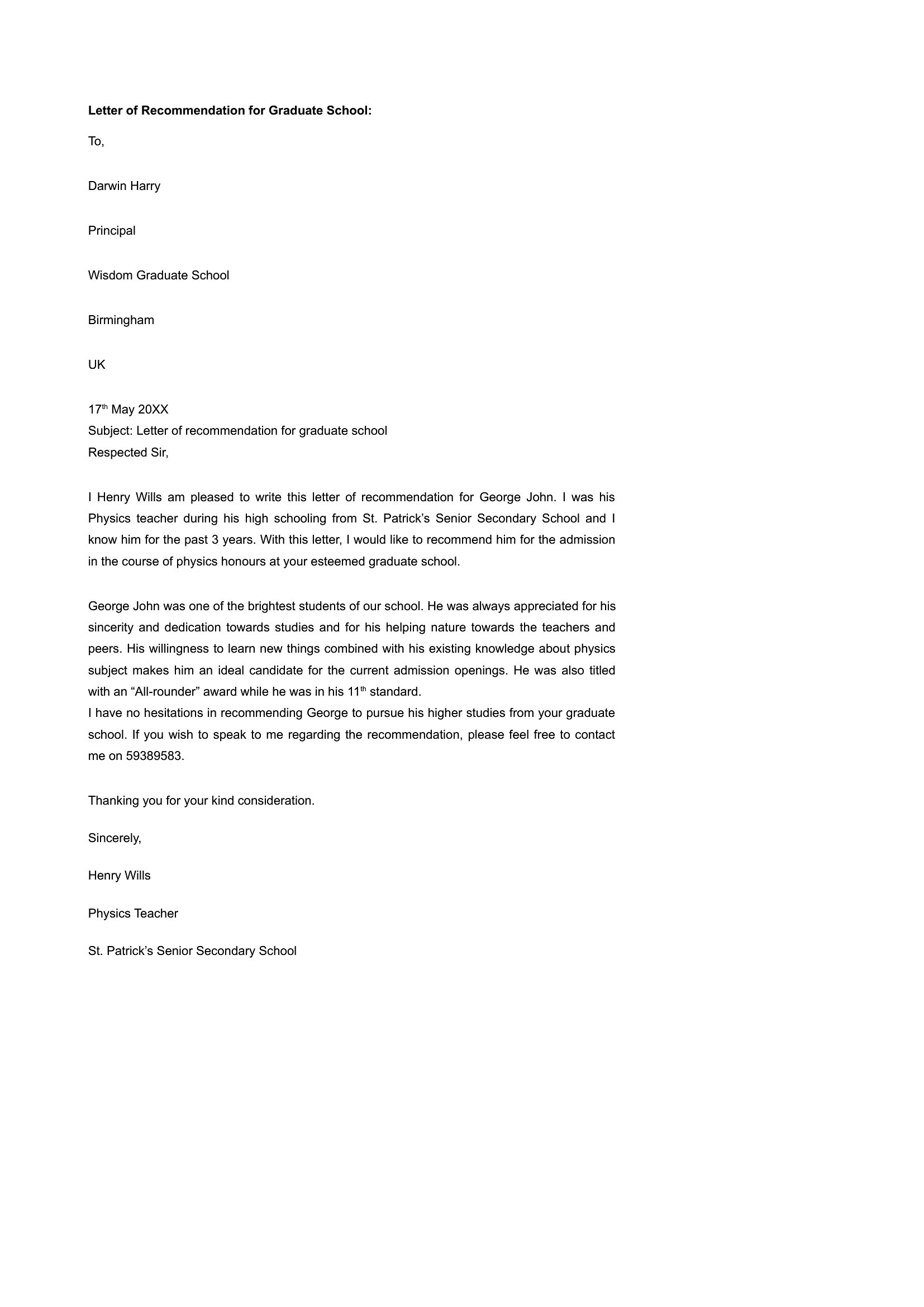
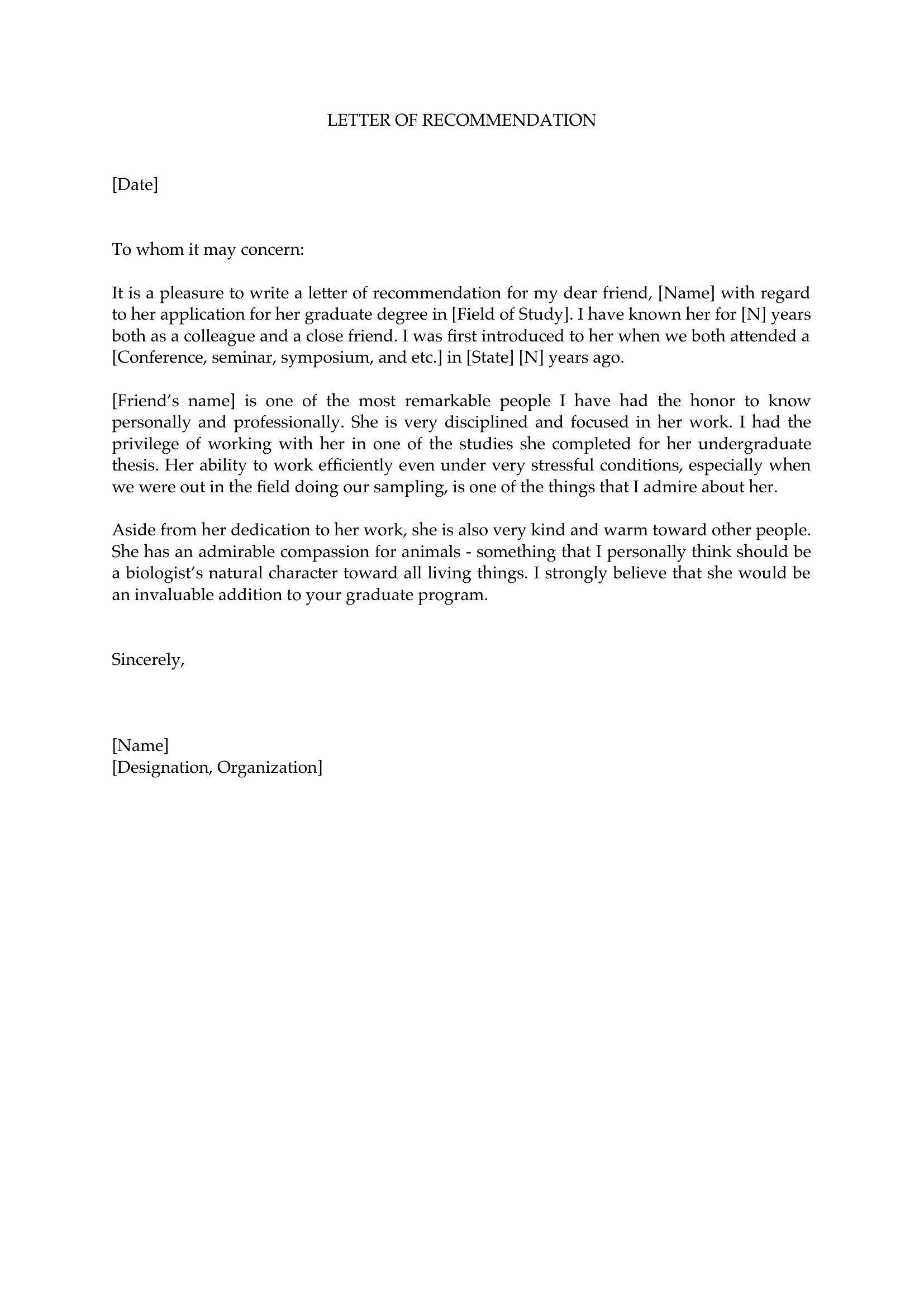
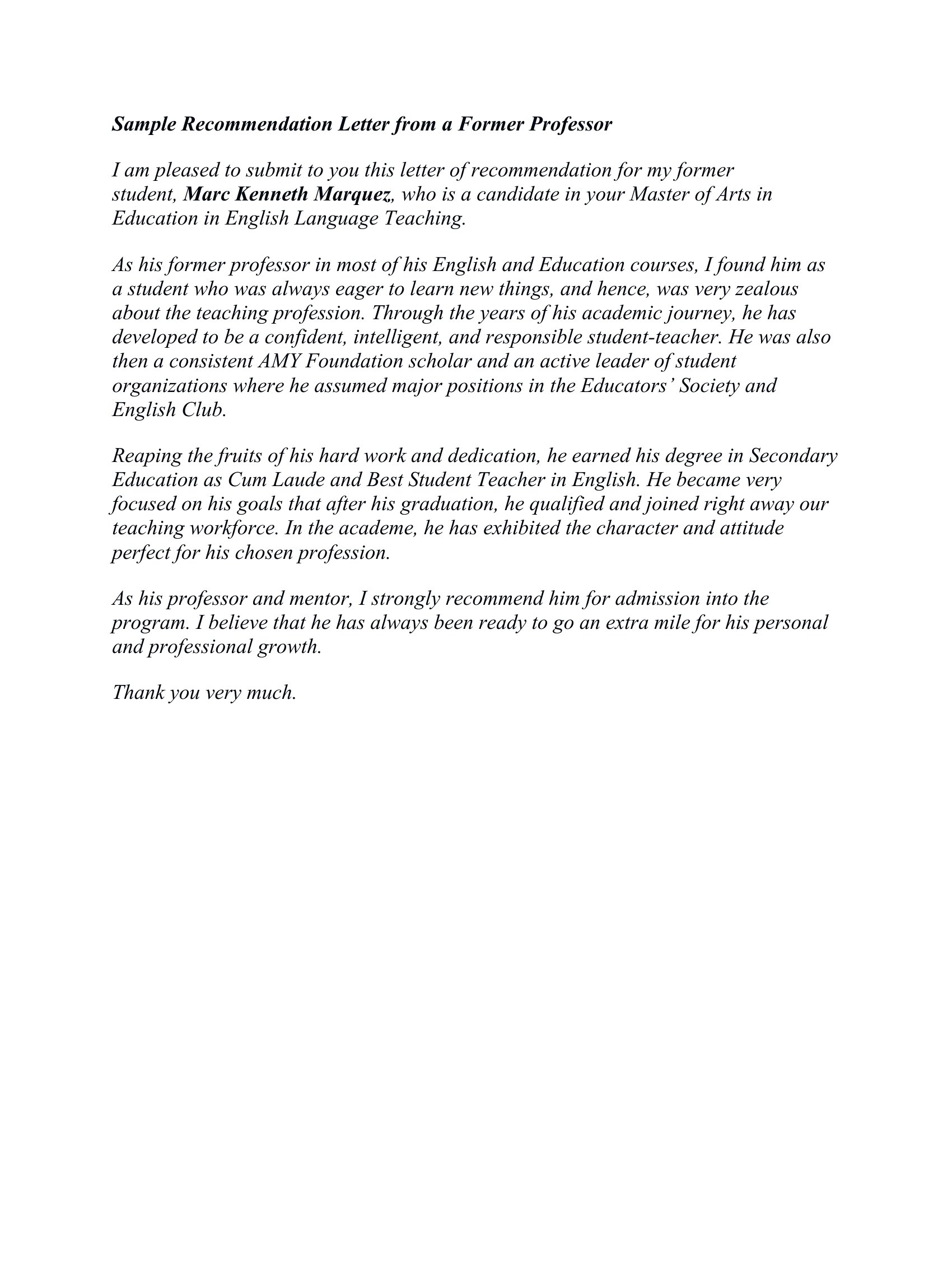
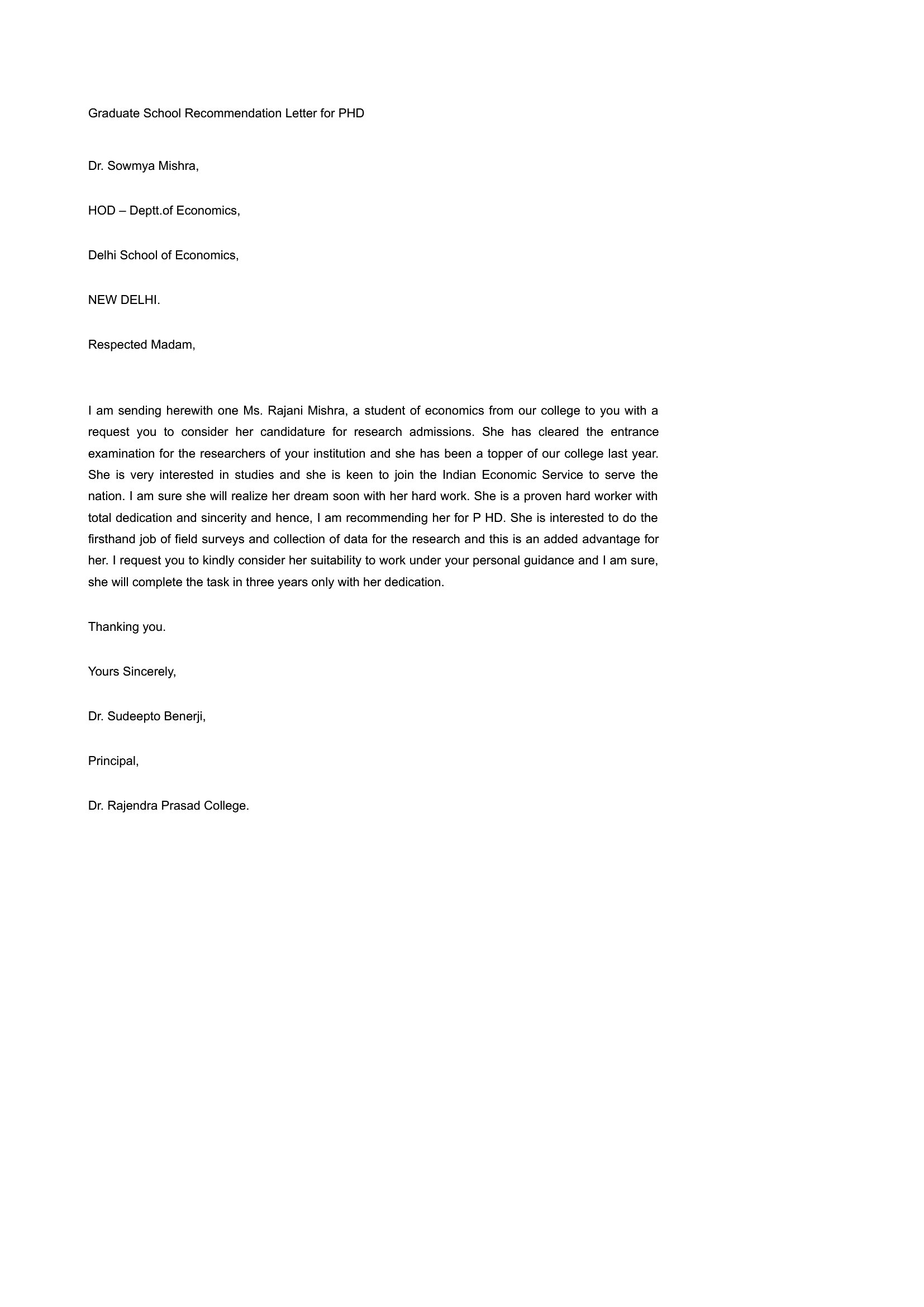
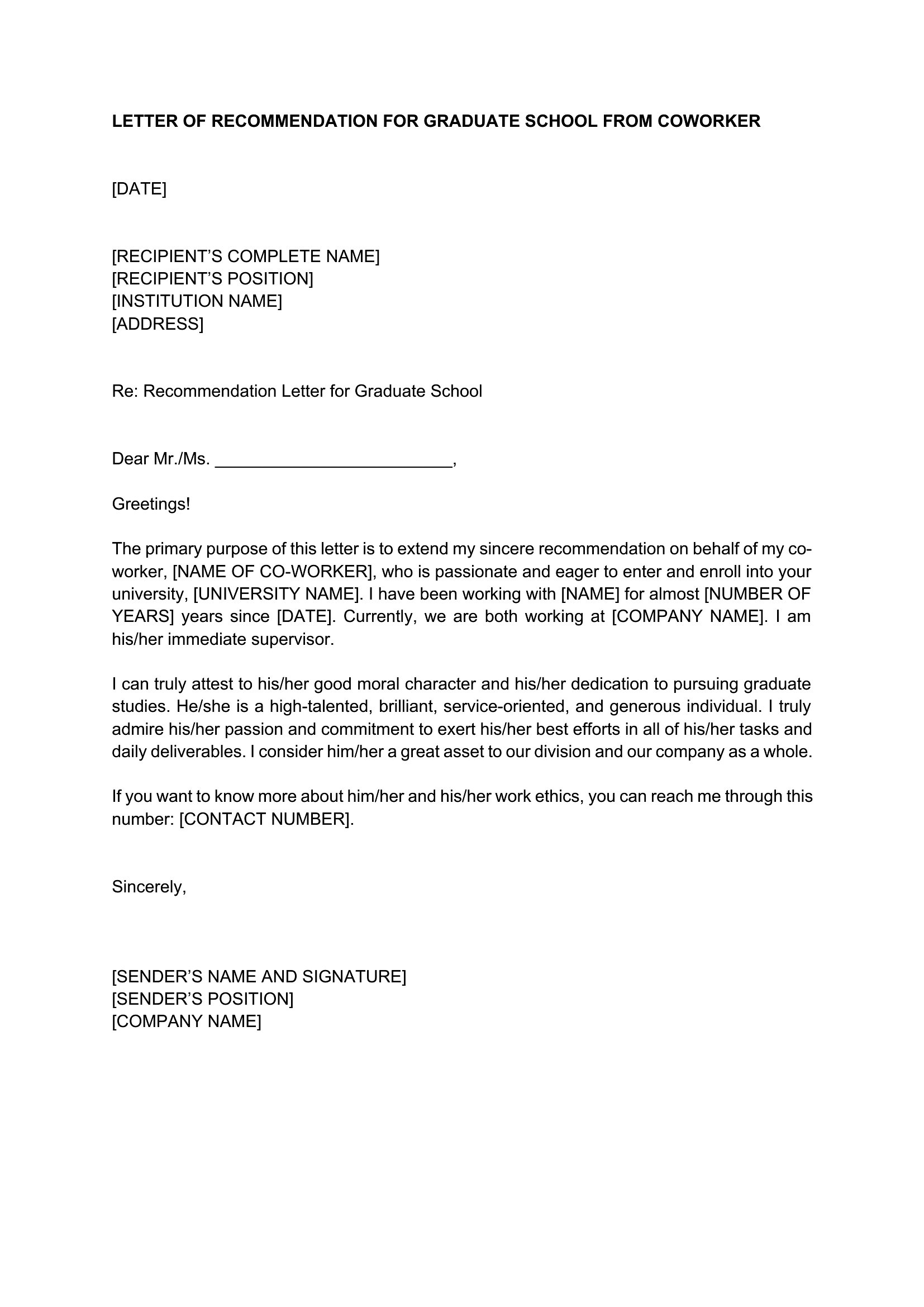
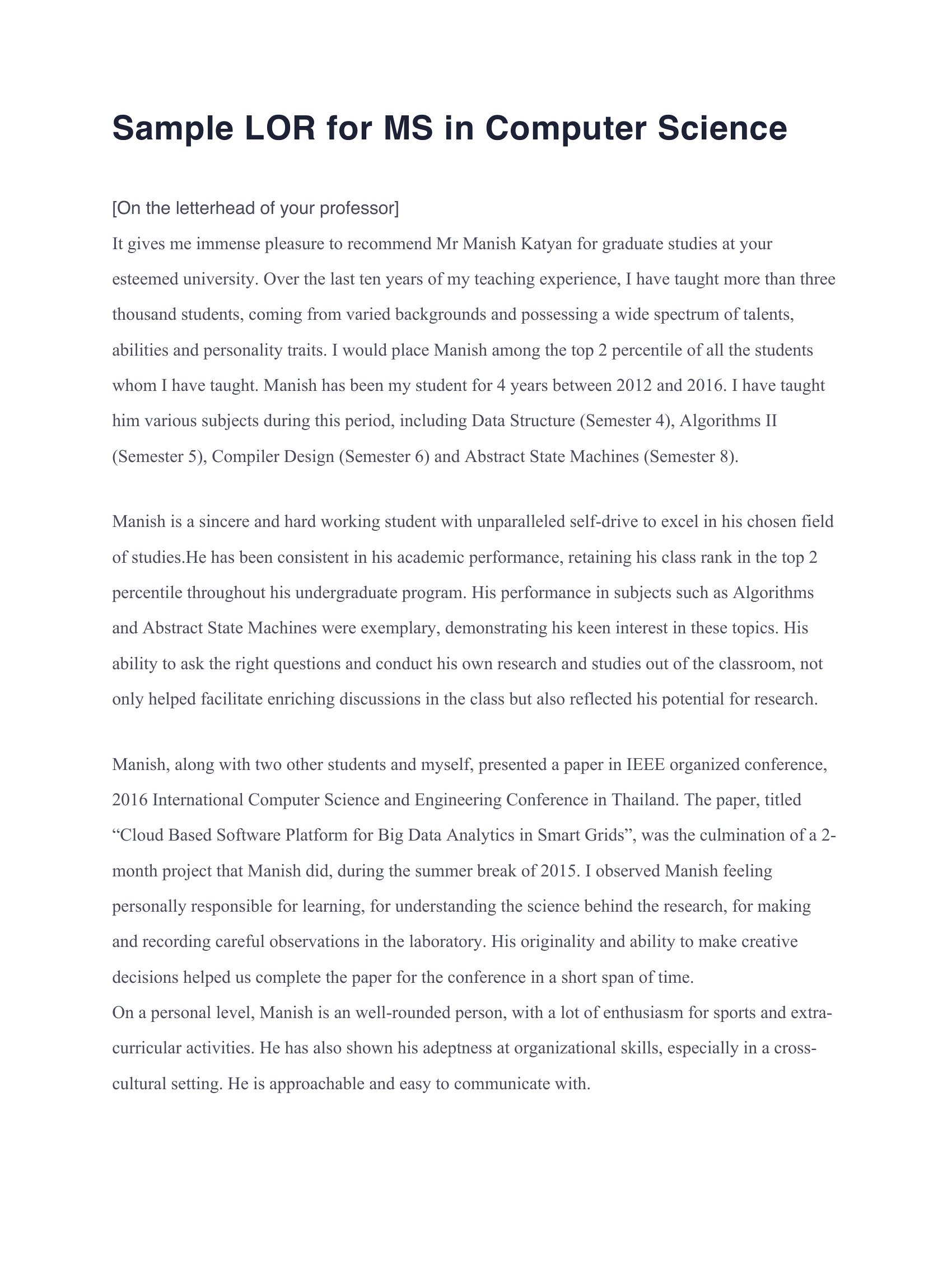
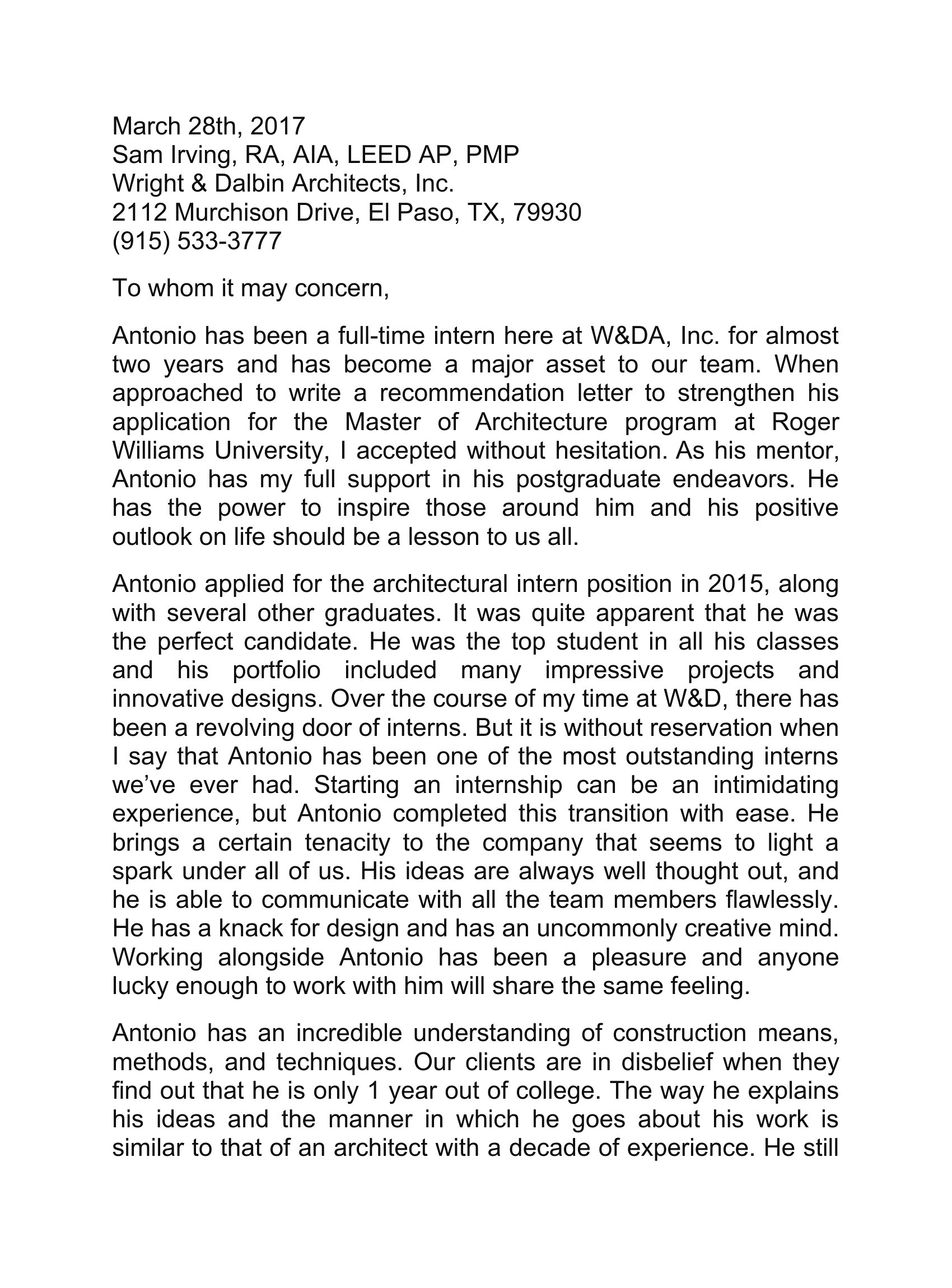
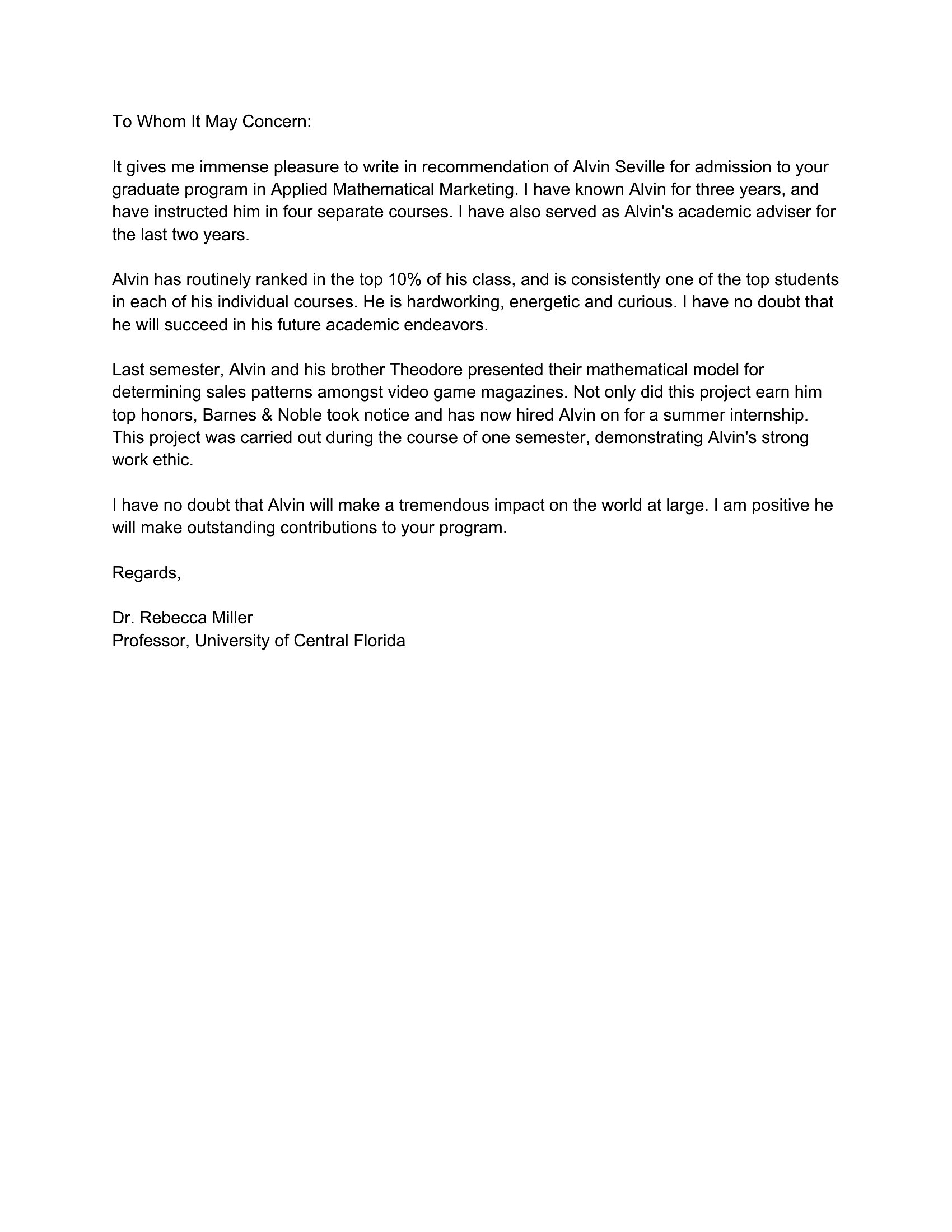
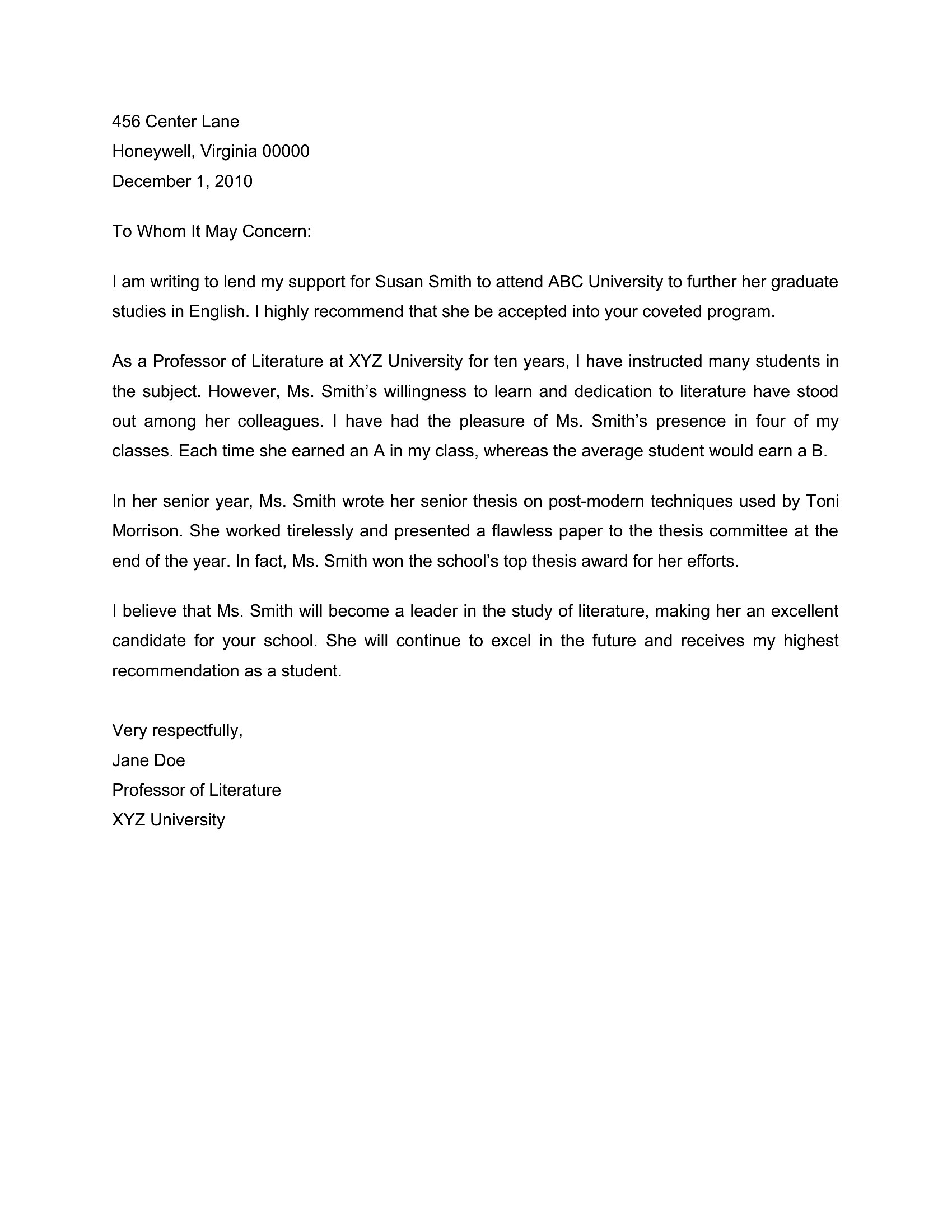
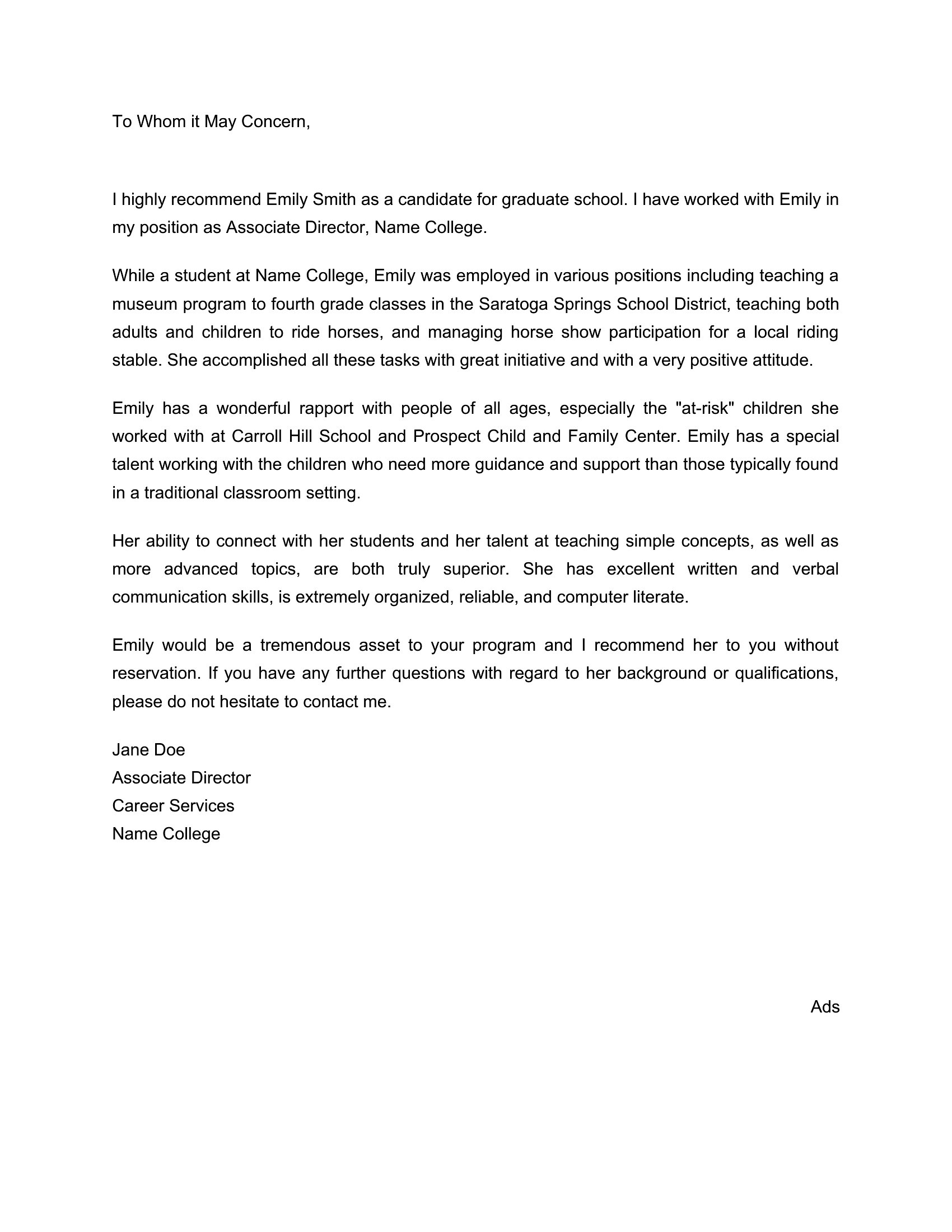
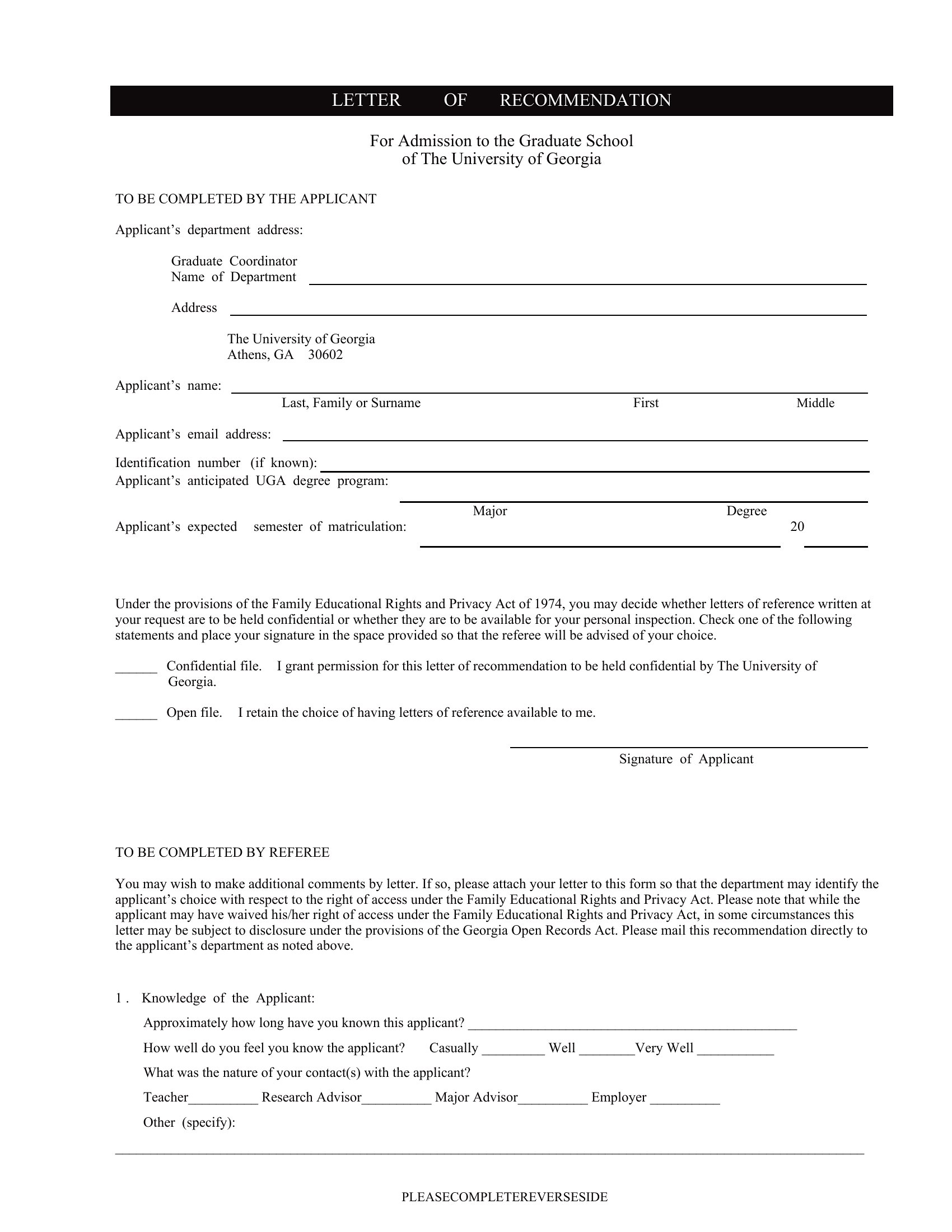
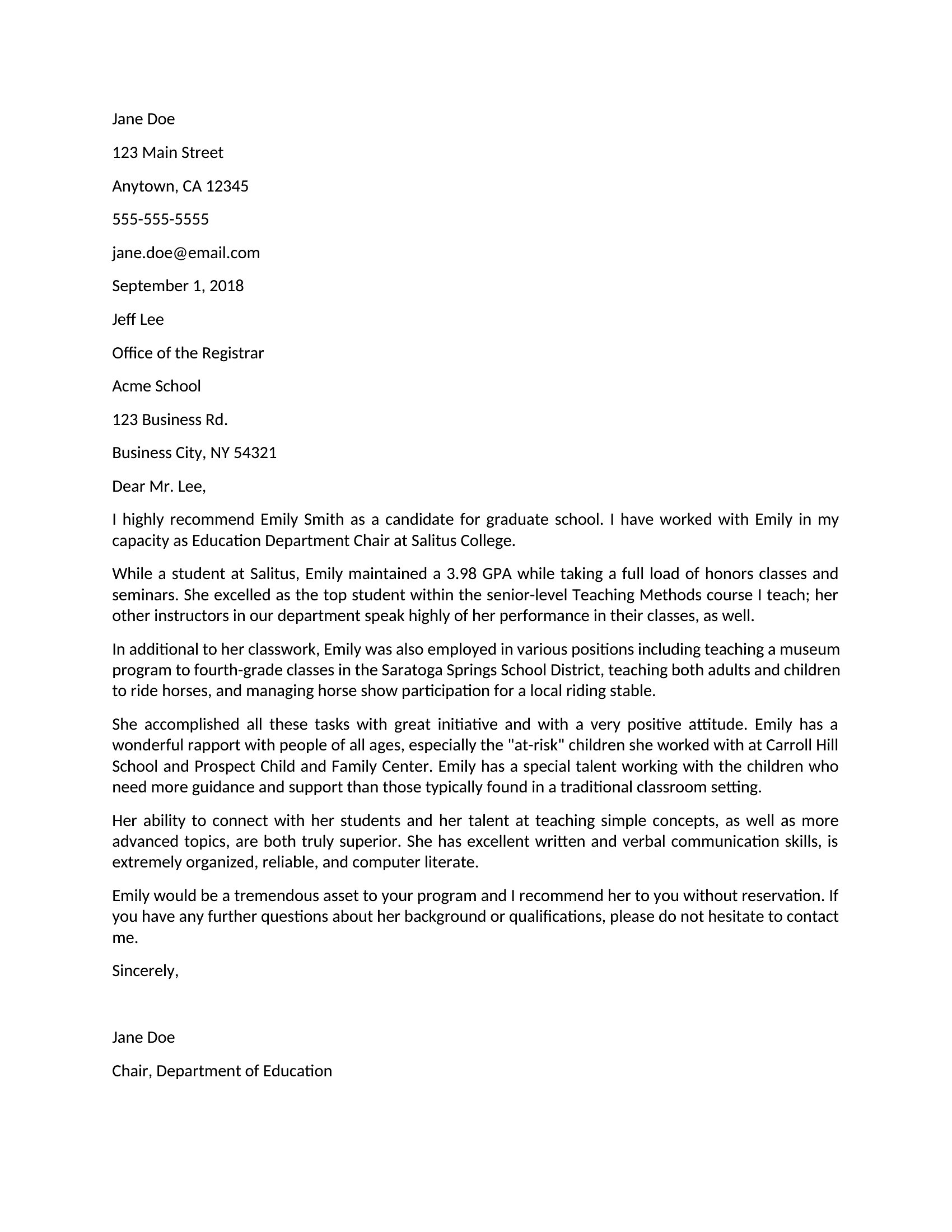
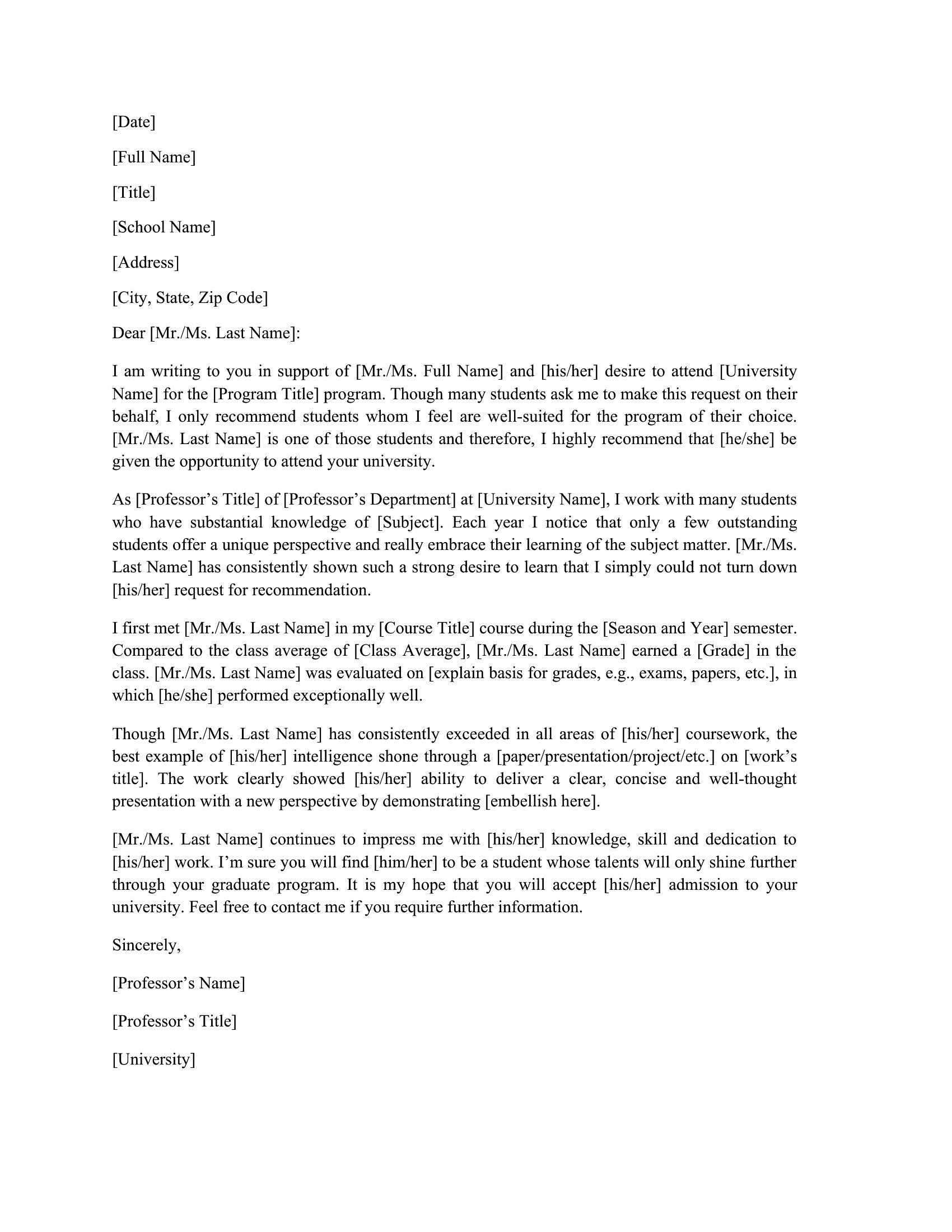
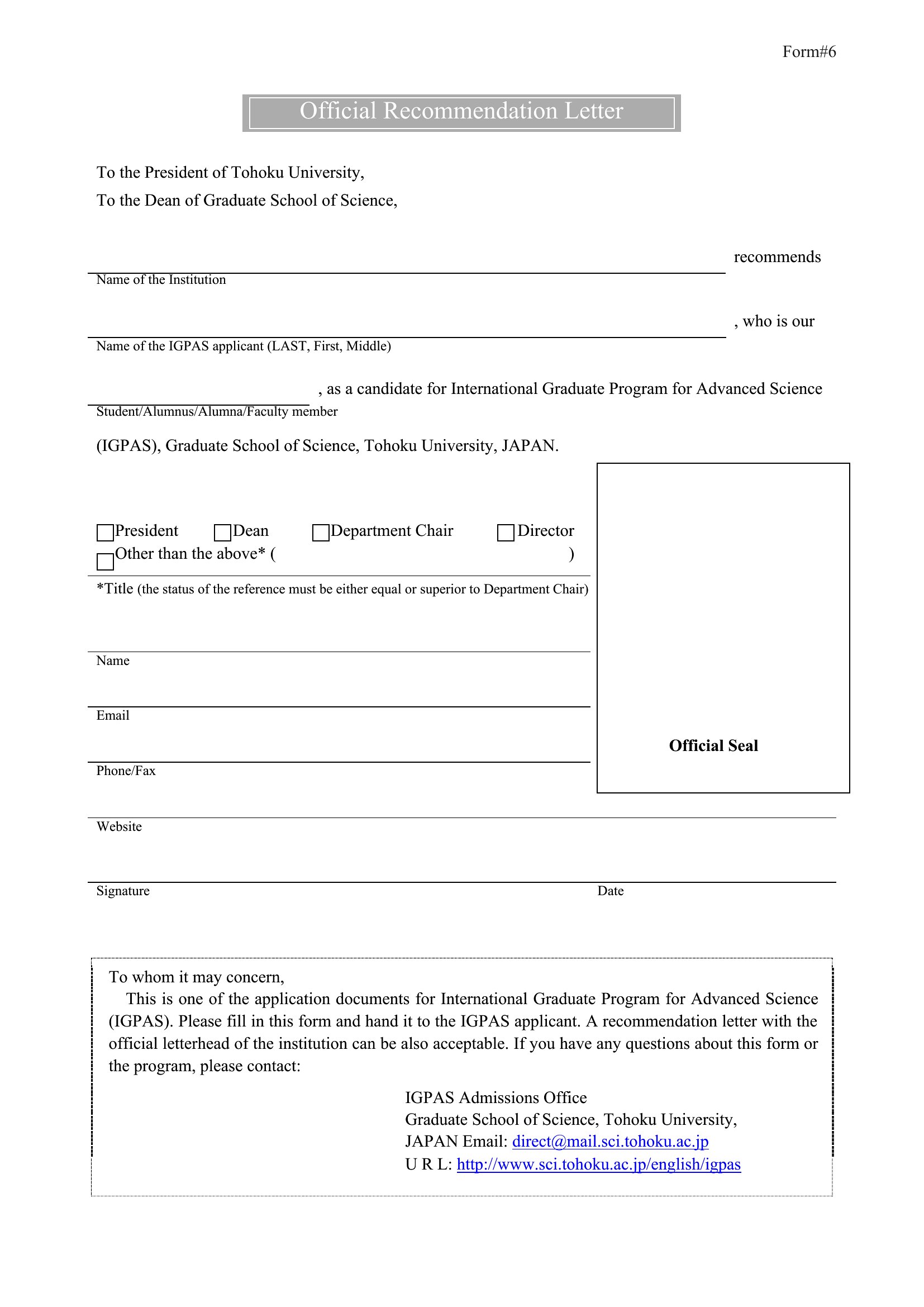
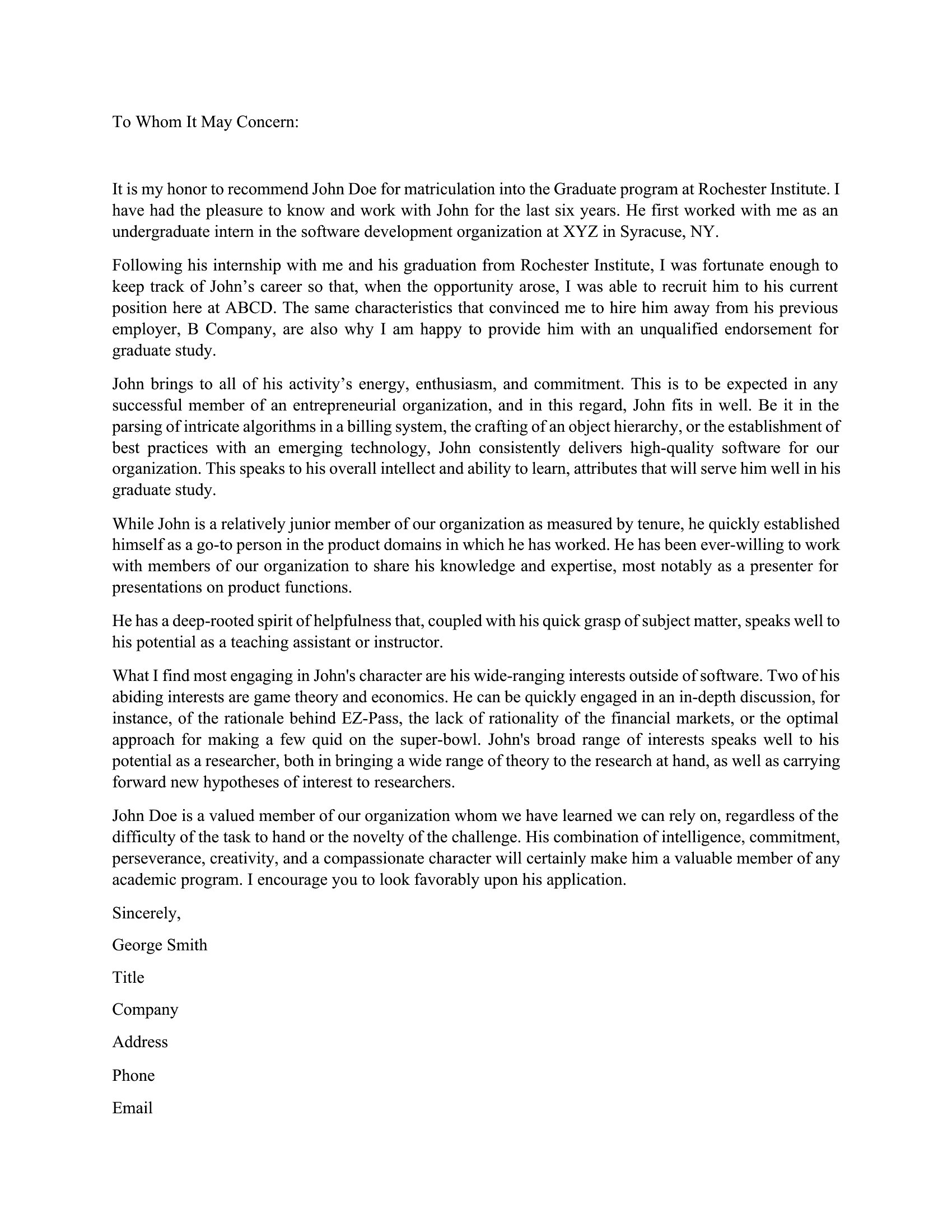
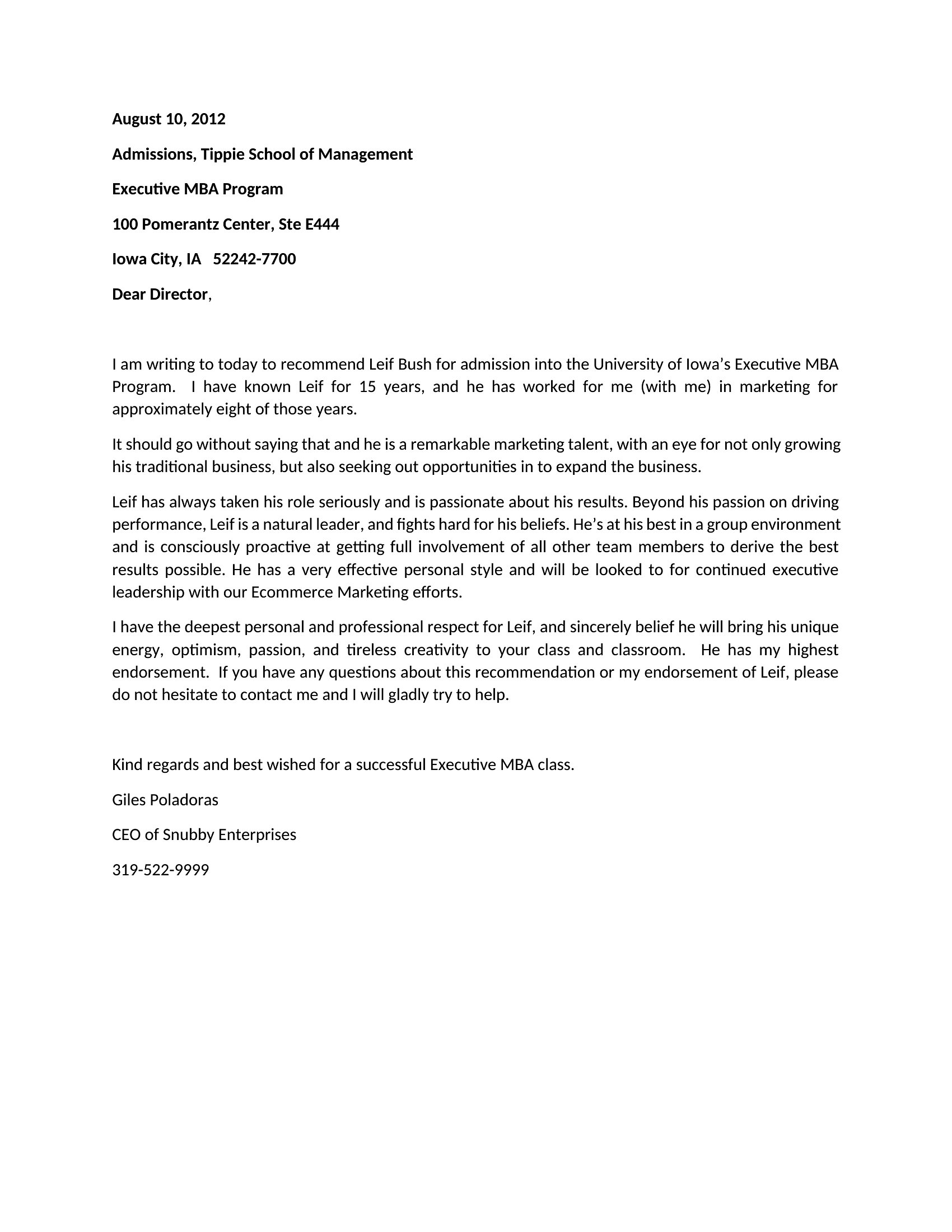
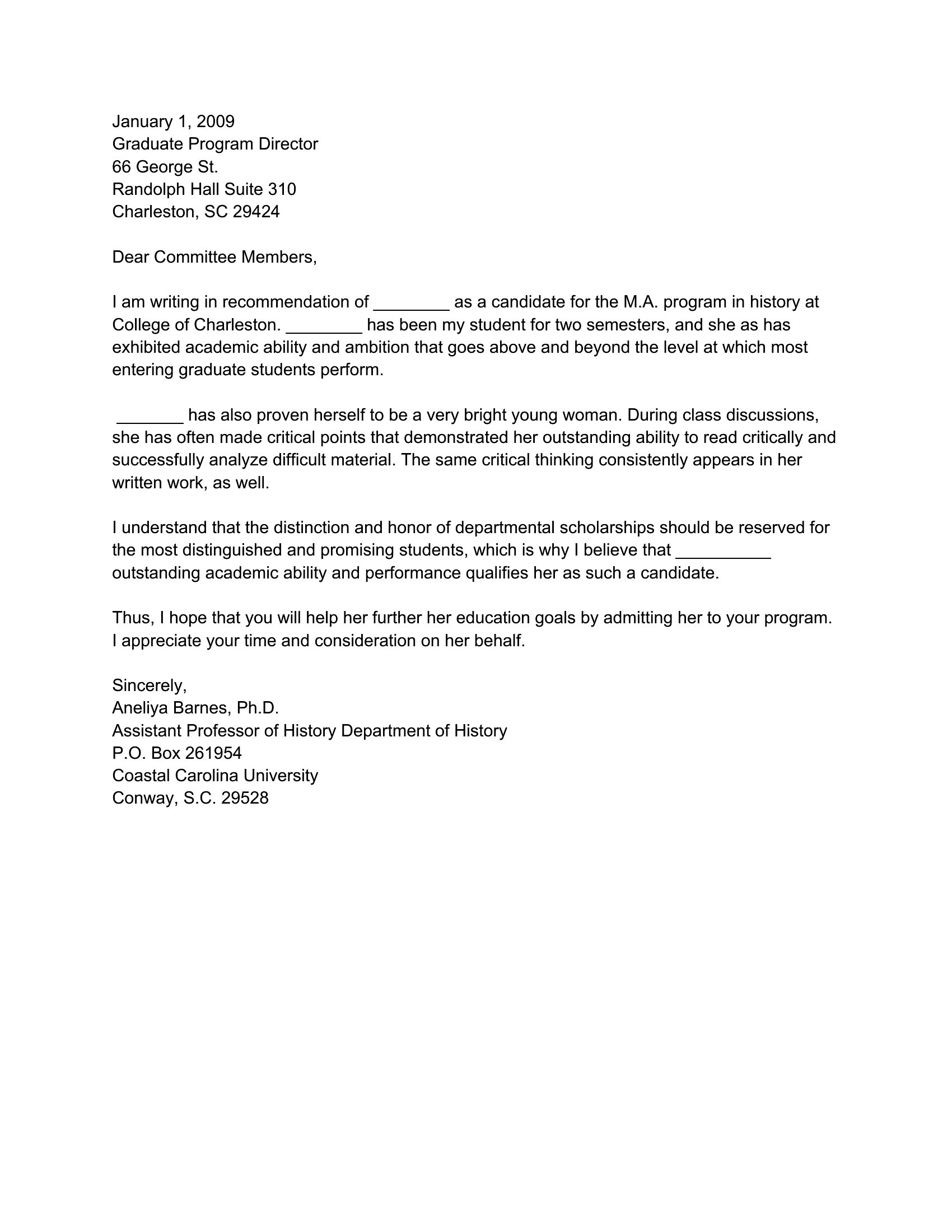
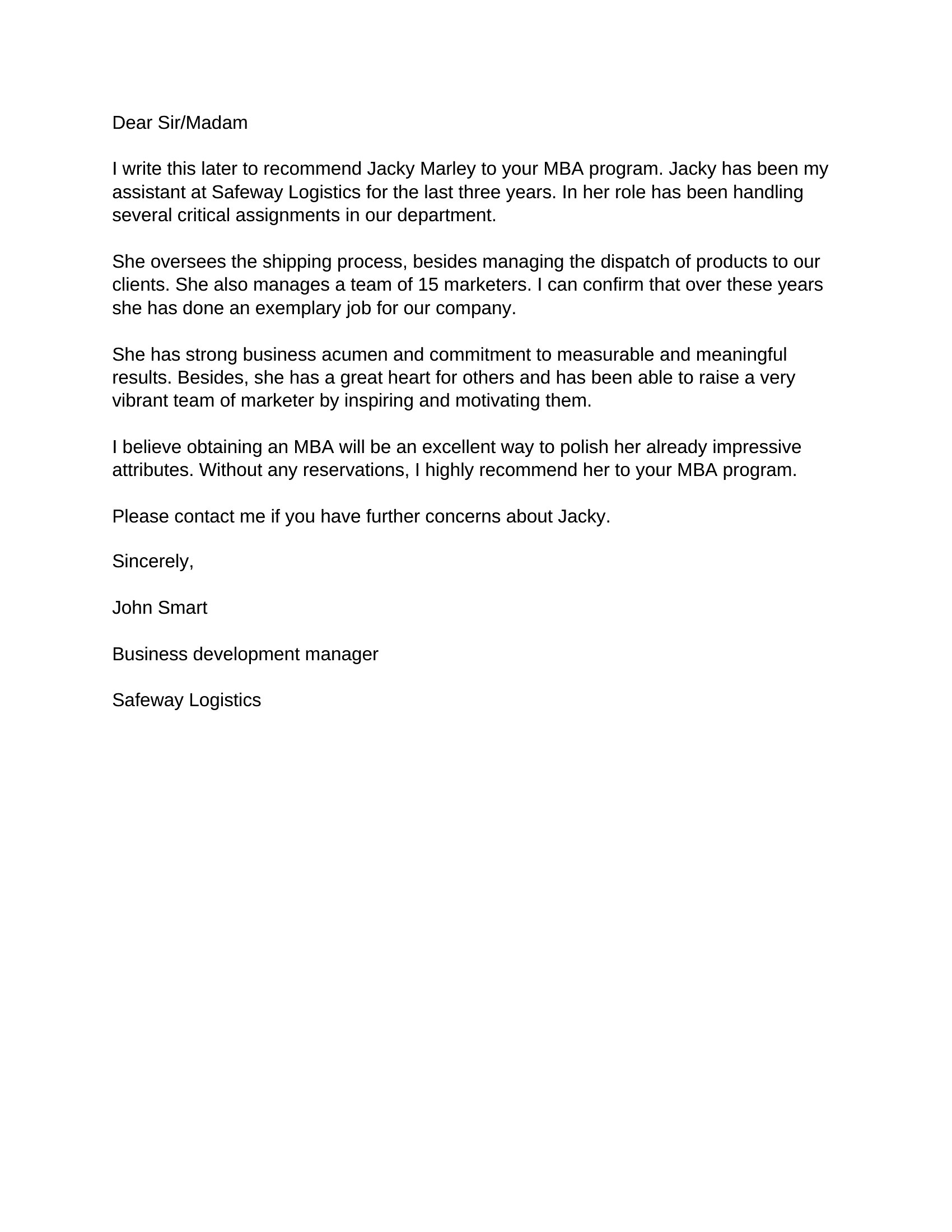
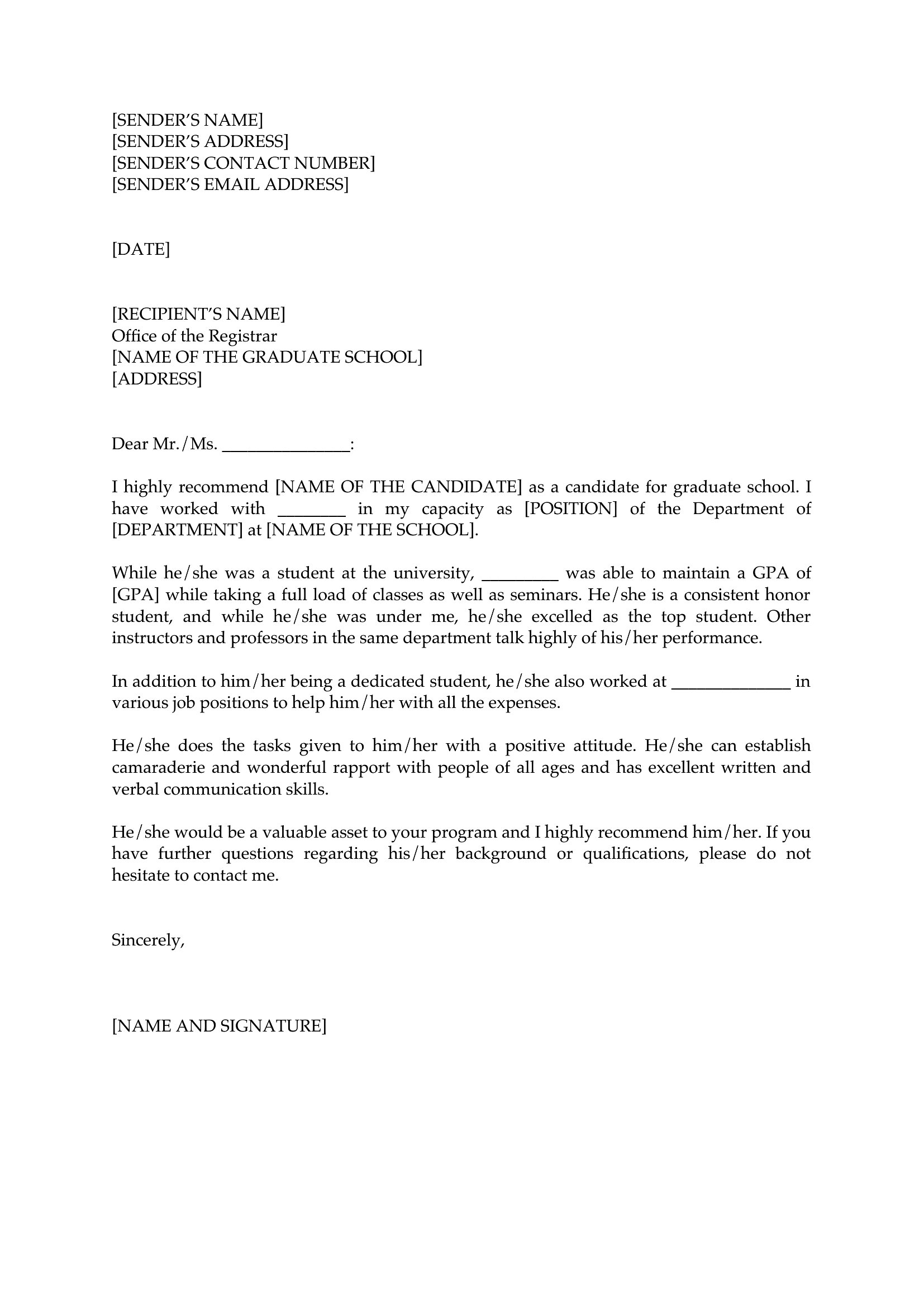
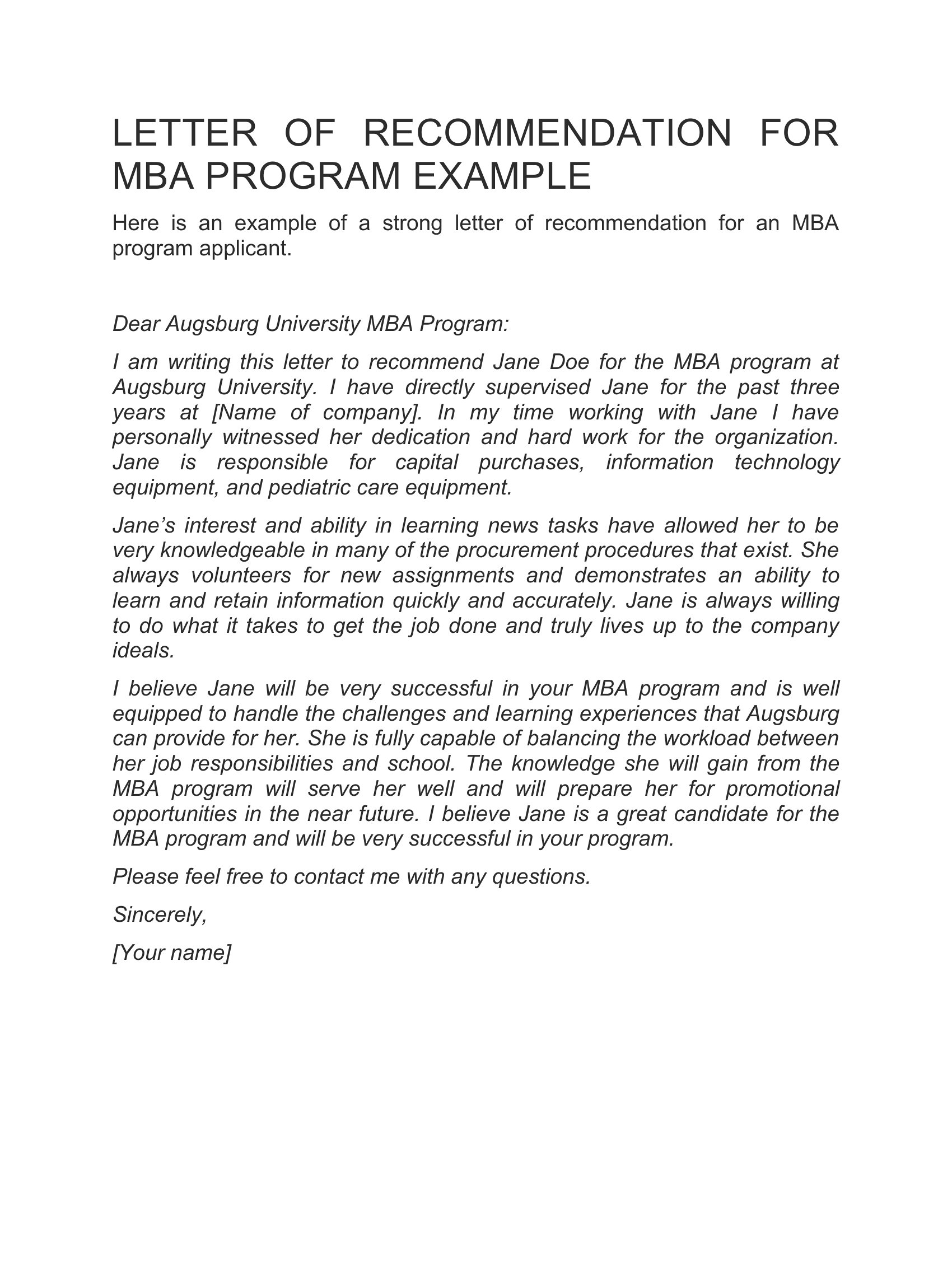
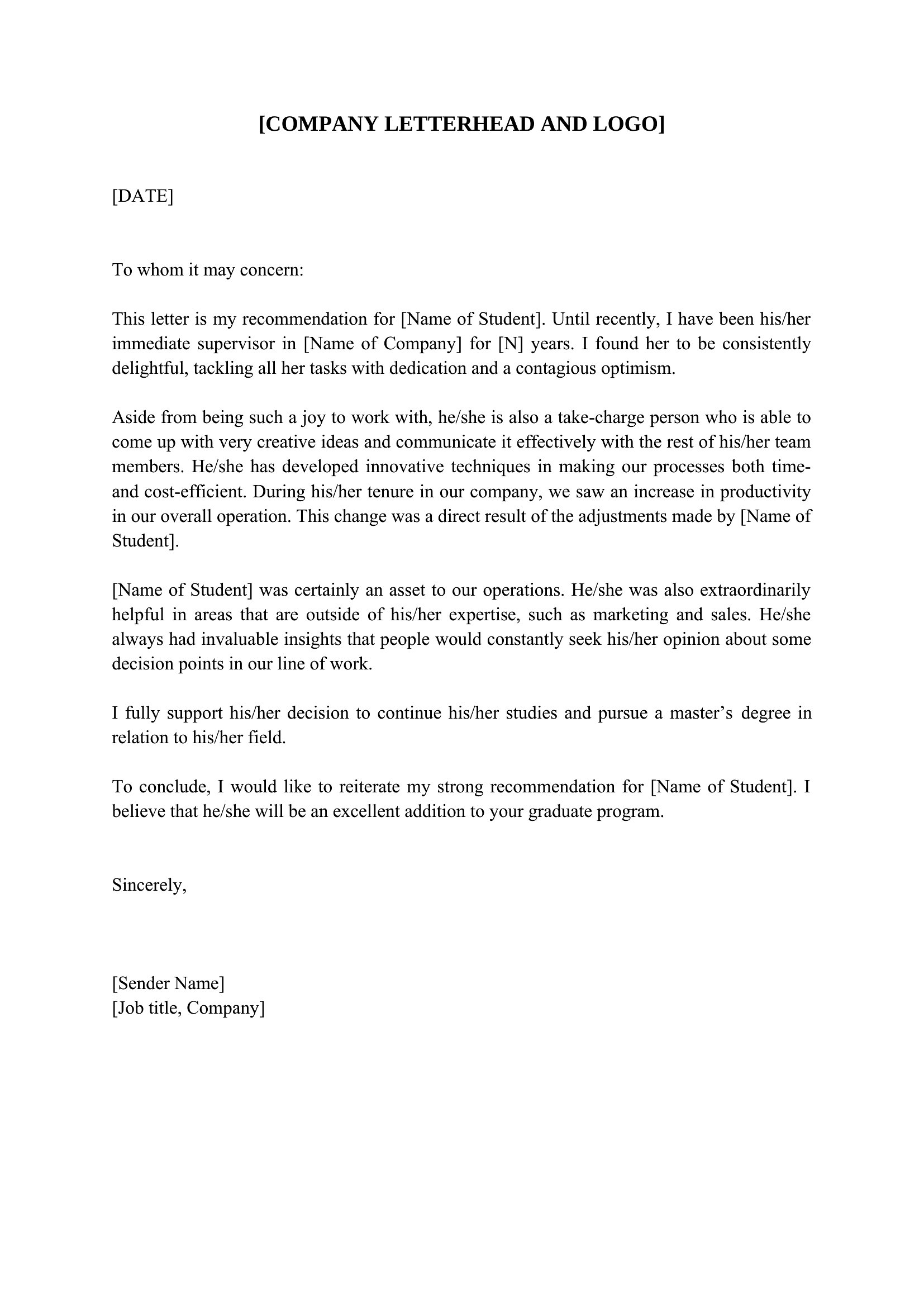
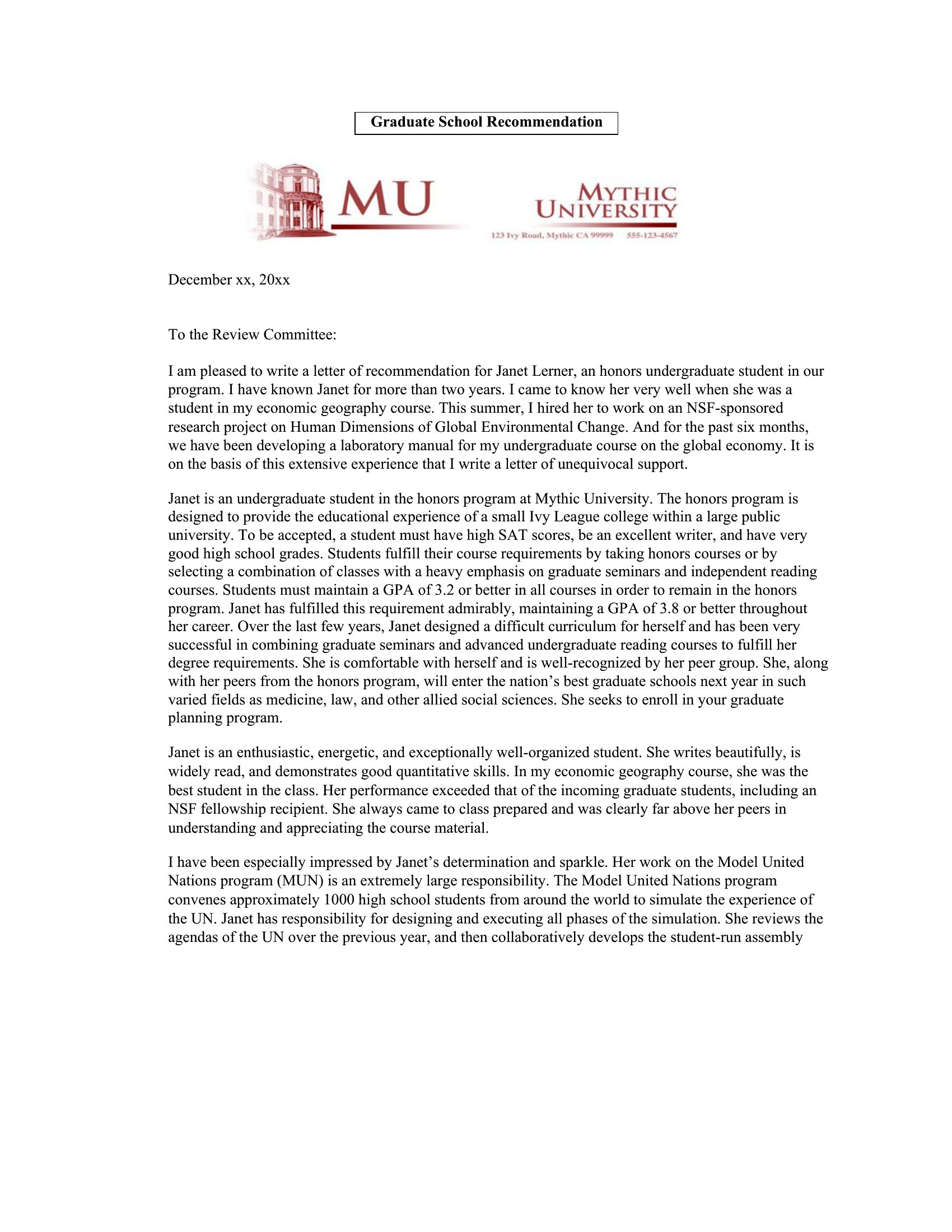
RecommendationsGraduate programs lean heavily on recommendation letters to judge whether an applicant can handle advanced study. This collection of 33 graduate school recommendation letters helps professors and supervisors describe a candidate's research skills, work habits, and readiness for the next level.
Each template is editable in Word, so you can name the program, cite specific coursework or projects, and adjust the tone for a master's or doctoral application. The built-in structure saves you from staring at a blank page while still sounding personal. Pick the version that fits the field and write a letter that strengthens the application.
When to use this Letter Of Recommendation For Graduate School template
- A PhD supervisor at a university needs to highlight a student’s independent research skills and potential for original contributions in a competitive biomedical program, using concrete examples from their thesis work.
- A research lab manager wants to emphasize an applicant’s problem-solving ability and collaboration in a data science master’s program, referencing specific projects where they led analysis or mentored junior team members.
- A high school science teacher must articulate how a student’s academic performance, extracurricular robotics projects, and passion for synthetic biology make them a strong fit for an engineering graduate program.
- A university career advisor assists a former student applying to a policy graduate school, needing to underscore their fieldwork experience, analytical writing, and ability to synthesize complex data into actionable insights.
Which format should I download?
All templates in this collection are available in Word format, which is ideal for this purpose. Word allows you to easily edit text, adjust formatting, and insert or remove sections while maintaining a professional layout. Since graduate school recommendation letters often require personalization—such as specific academic achievements, research projects, or program names—Word’s flexibility ensures you can tailor each letter to the applicant’s unique qualifications without sacrificing structure or readability. Choose Word here for its balance of customization and polish, perfect for letters that must stand out in a competitive admissions process.
Choose from 33 Letter Of Recommendation For Graduate School Templates
How to use this Letter Of Recommendation For Graduate School template
How do I structure the letter to emphasize academic research potential over general work ethic?
Focus on two to three specific examples of the applicant’s research, such as papers published, lab techniques mastered, or innovative project outcomes. Briefly describe their methodology and the impact of their contributions, then tie these directly to the graduate program’s focus. Avoid vague praise; use metrics like ‘led a team analyzing X dataset’ or ‘designed an experiment that reduced error rates by Y%’ to demonstrate readiness for advanced study.
Should I include details about the applicant’s personal qualities, like perseverance or creativity, in a technical field recommendation?
Yes, but frame these traits in the context of technical work. For example, instead of saying ‘Sarah is highly creative,’ write ‘Sarah developed a novel algorithm to address Z challenge, combining her background in machine learning with an unconventional approach to feature selection.’ This keeps the focus on academic and professional strengths while subtly highlighting adaptability or innovation. Limit personal qualities to one concise paragraph if they directly support the applicant’s technical contributions.
What’s the best way to close the letter if I don’t know the admissions committee members personally?
Use a professional yet warm sign-off like ‘I have no doubt [Applicant’s Name] will thrive in your program and contribute meaningfully to the field. Please feel free to contact me at [email] or [phone] if you require any further information.’ This invites follow-up without overstepping, and it reassures the committee of your confidence in the candidate. Avoid generic closings like ‘Sincerely’—instead, tie the closing back to the applicant’s potential and your willingness to support their application further.
Comments
Join the conversation
Sign in to share your thoughts and leave a comment on this resource.