
Free Flute Fingering Charts (PDF)
Diagrams by margiecox
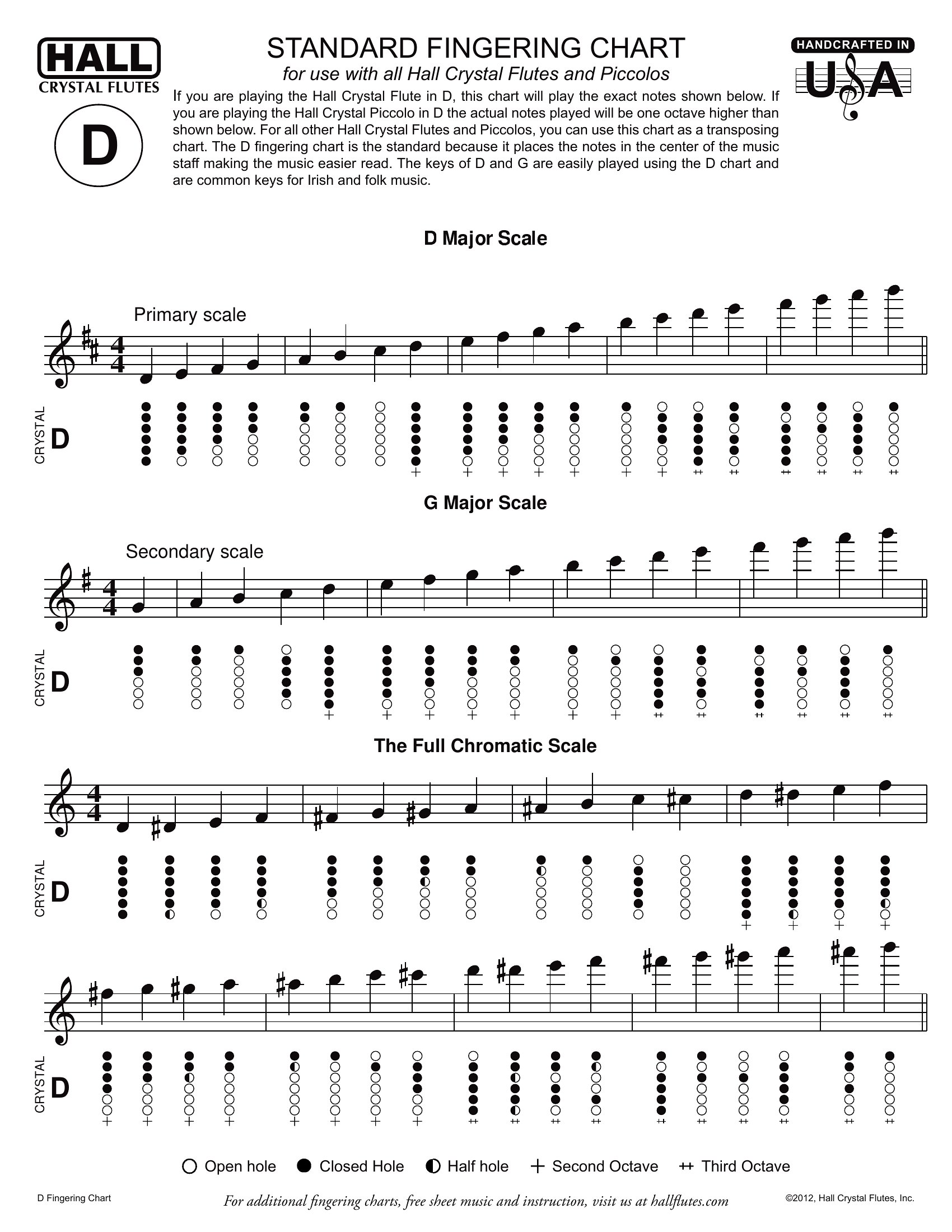
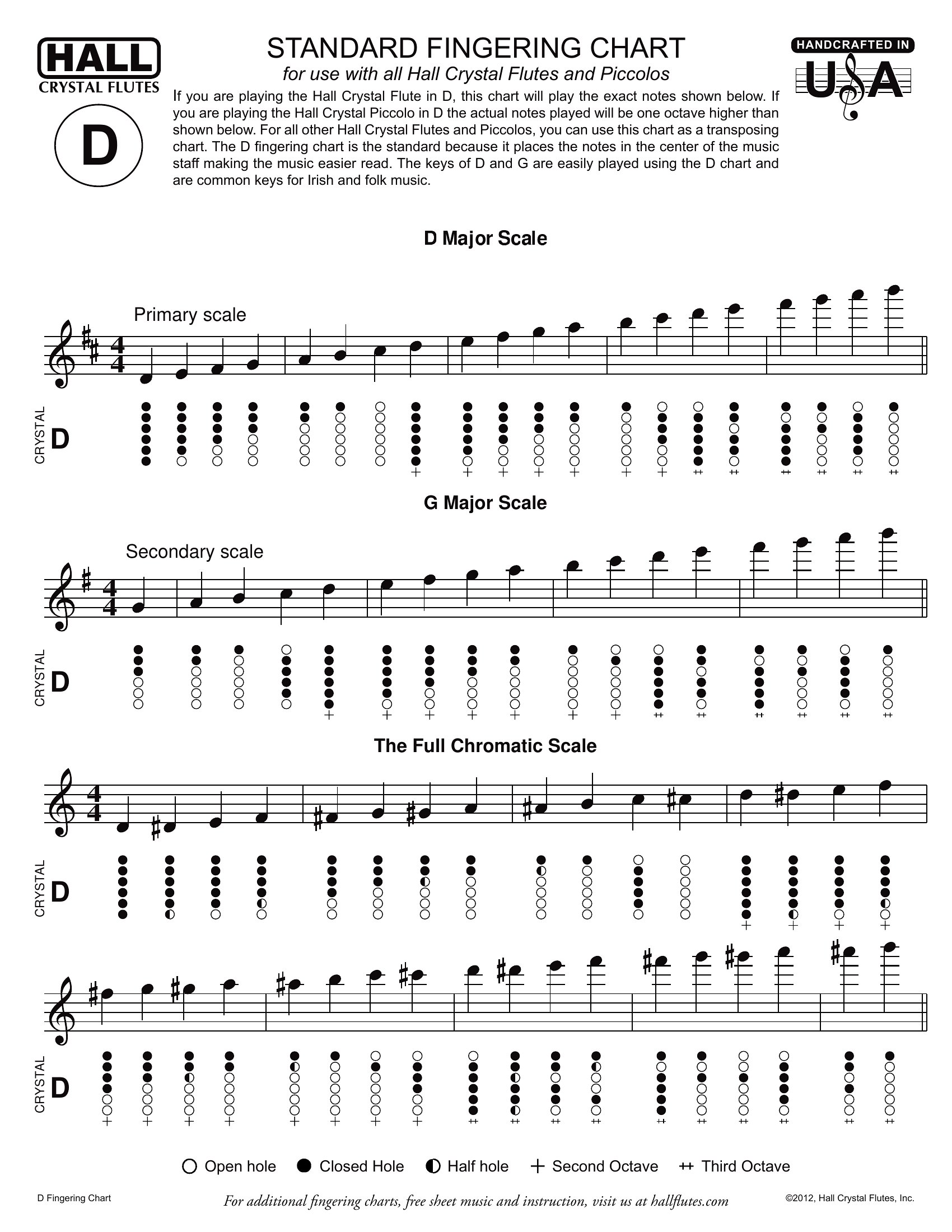
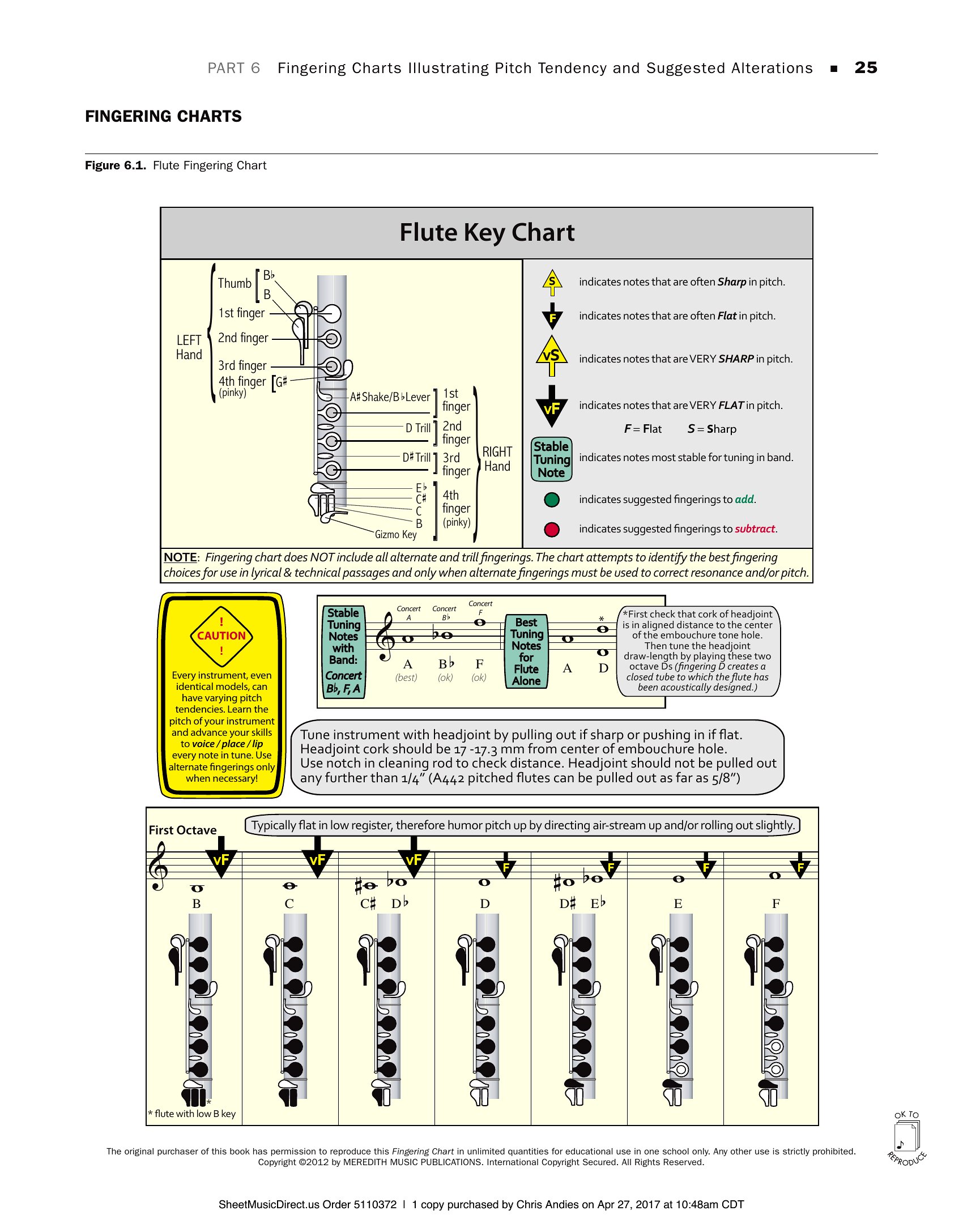
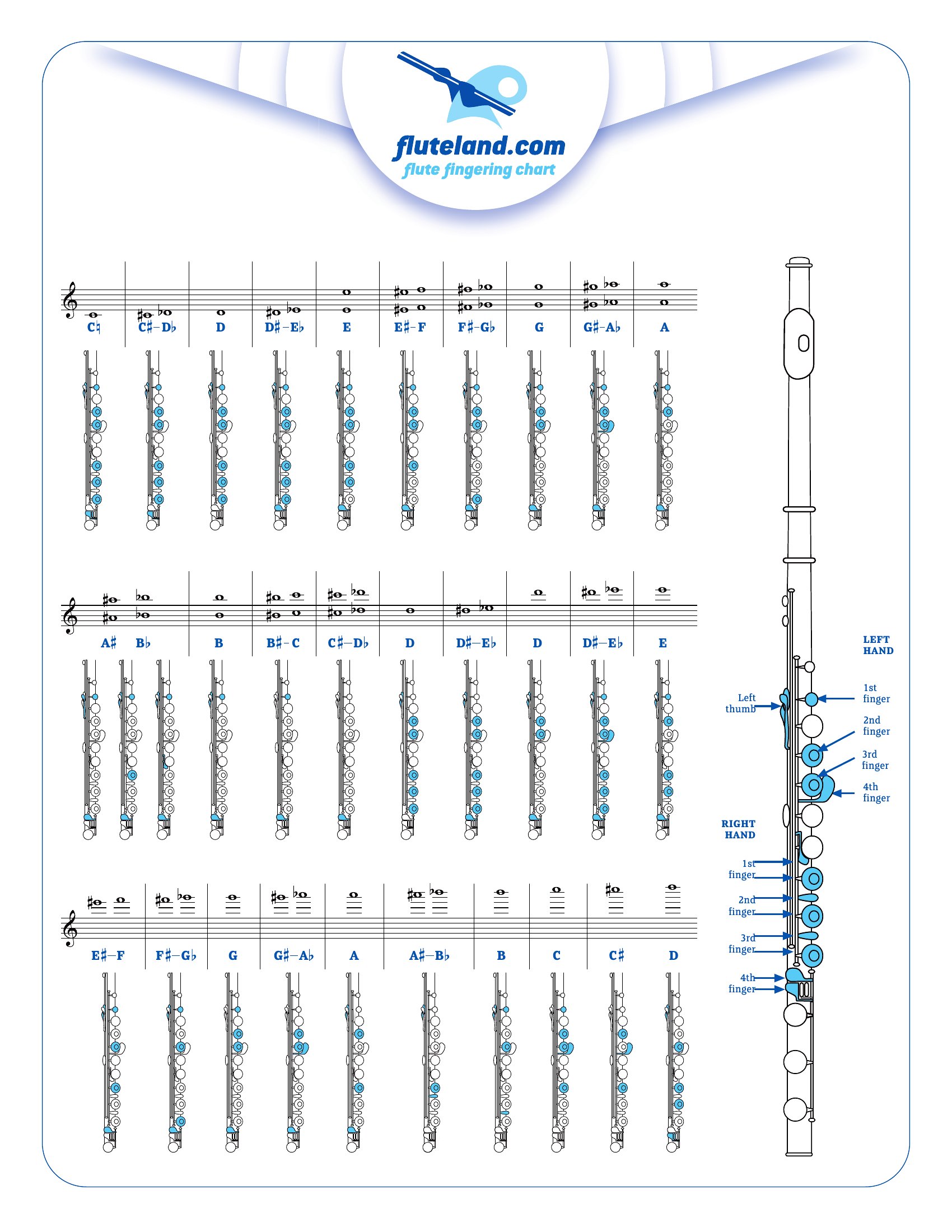
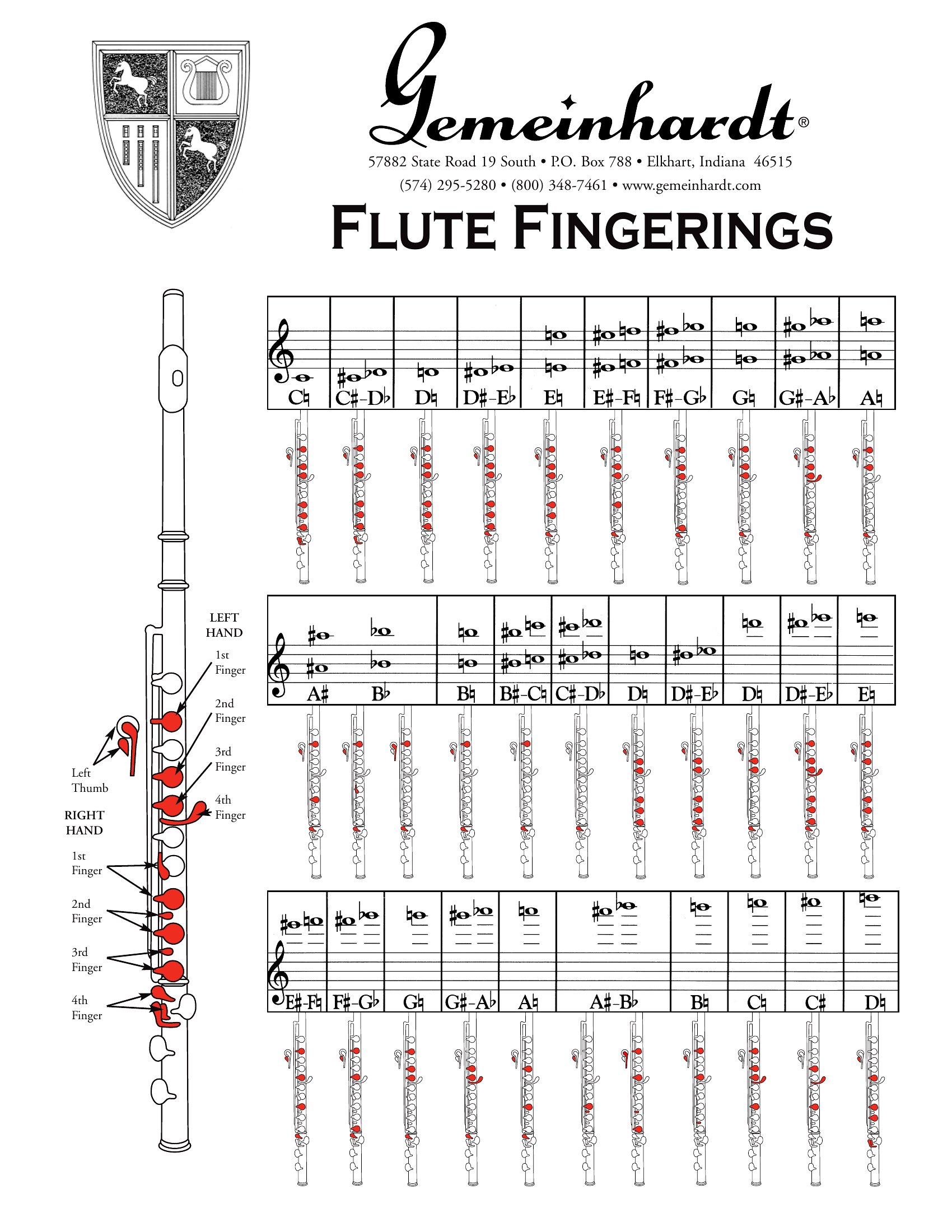
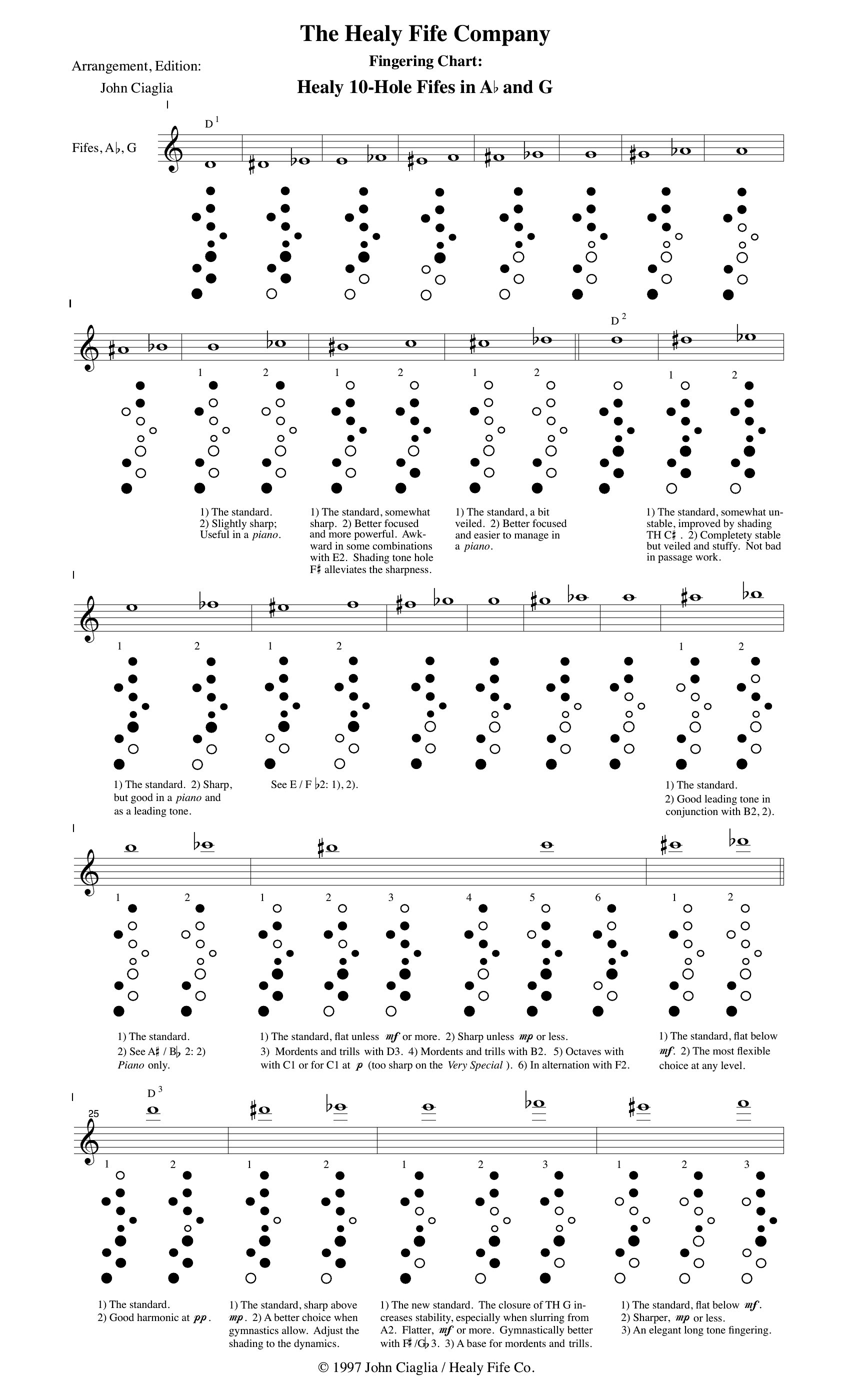
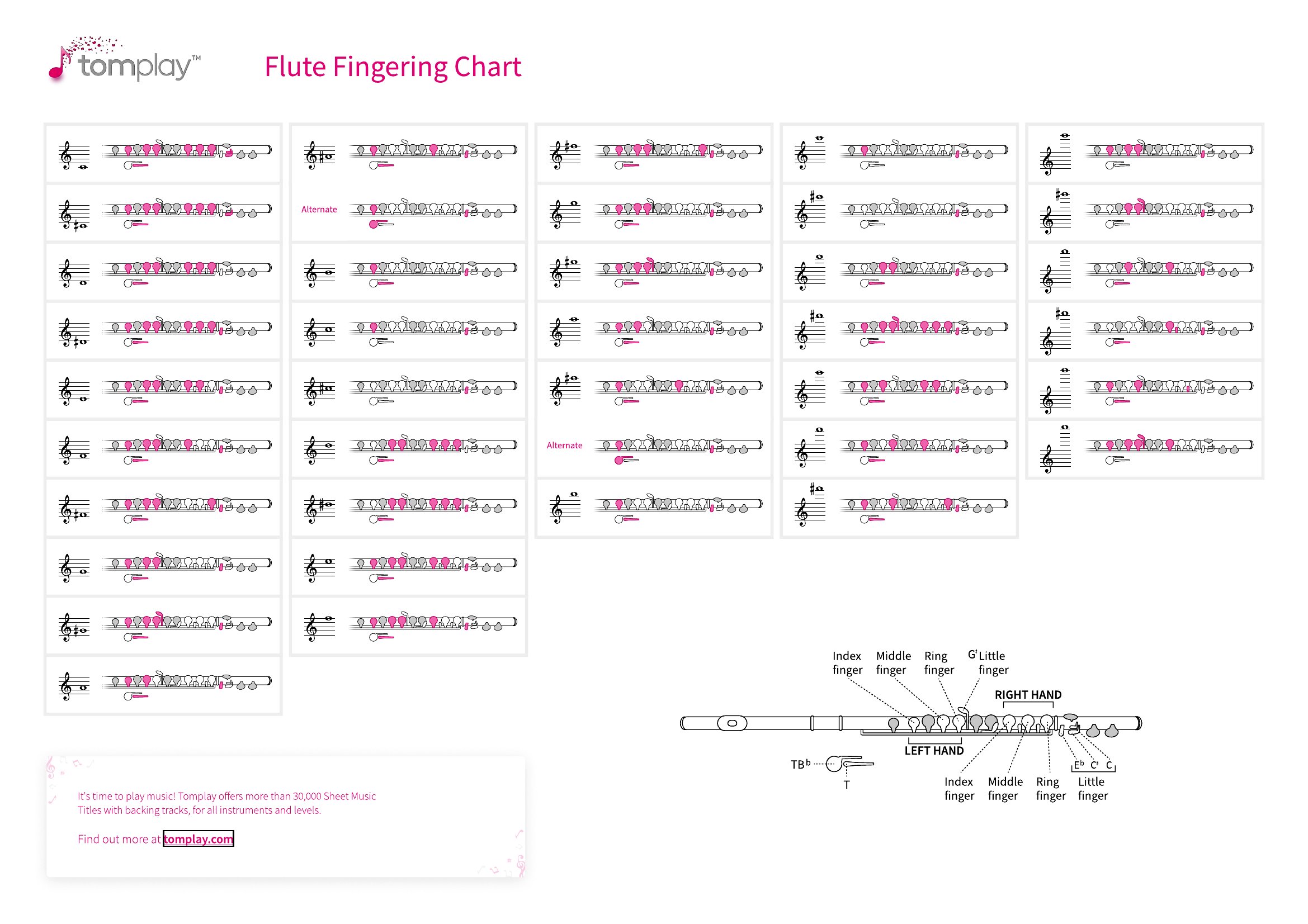
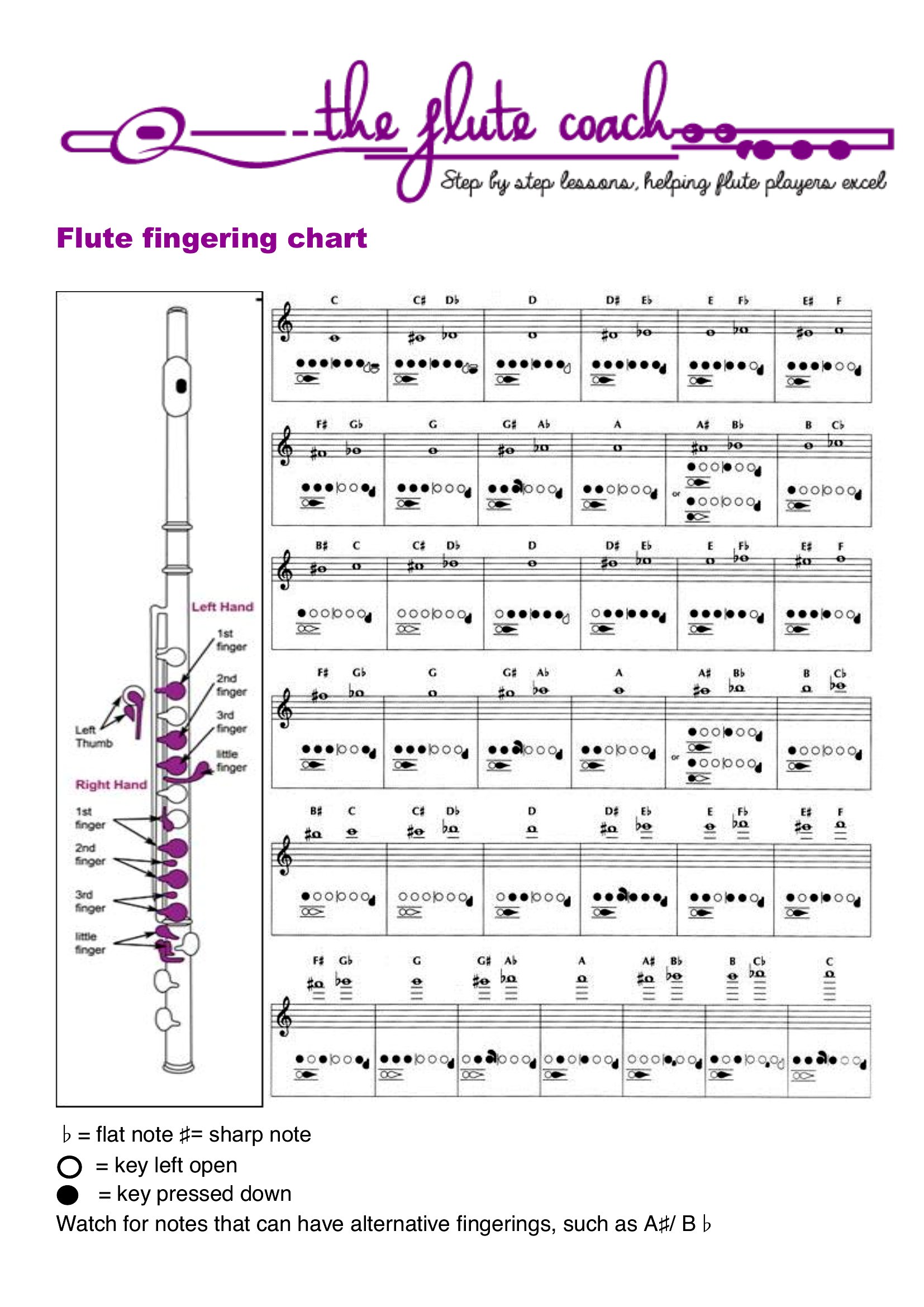
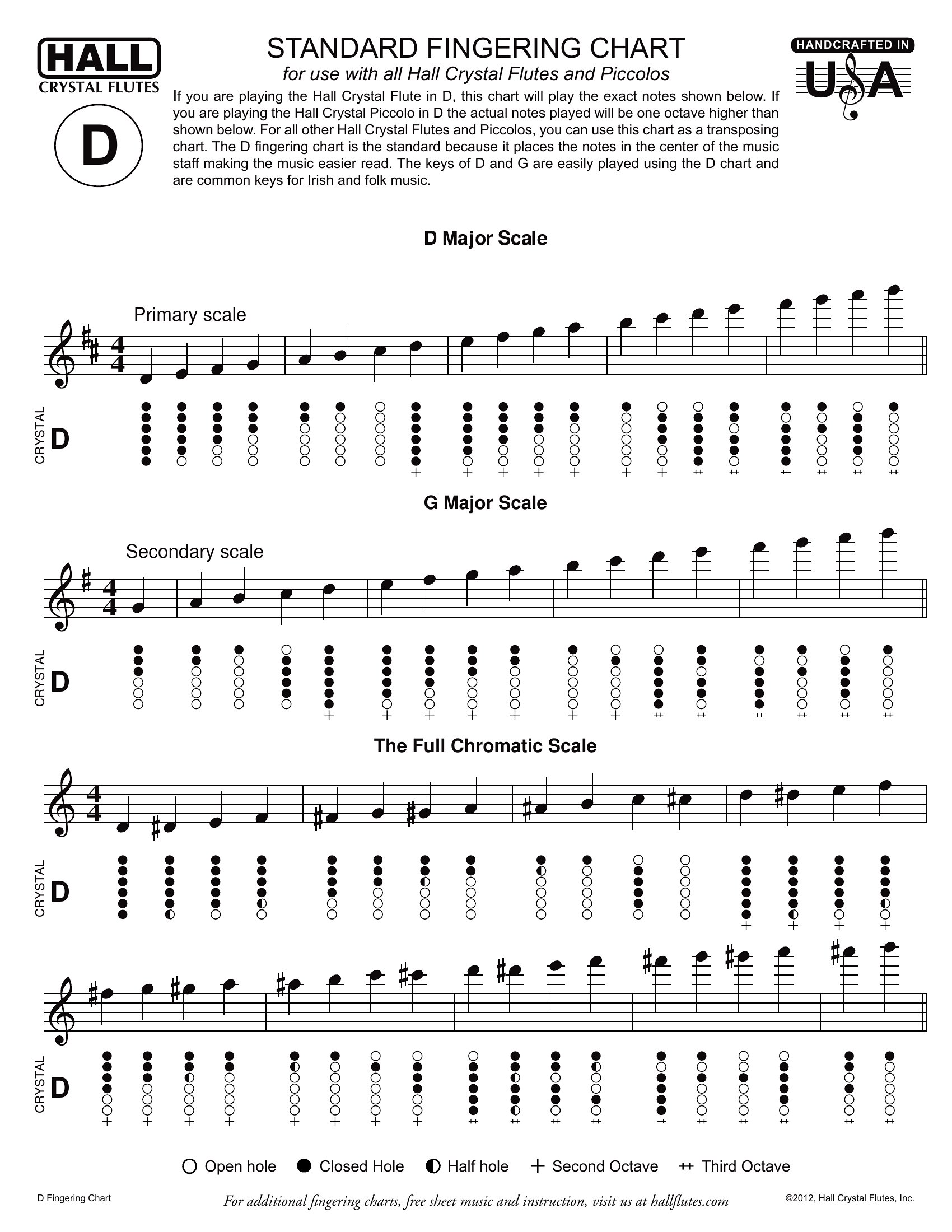
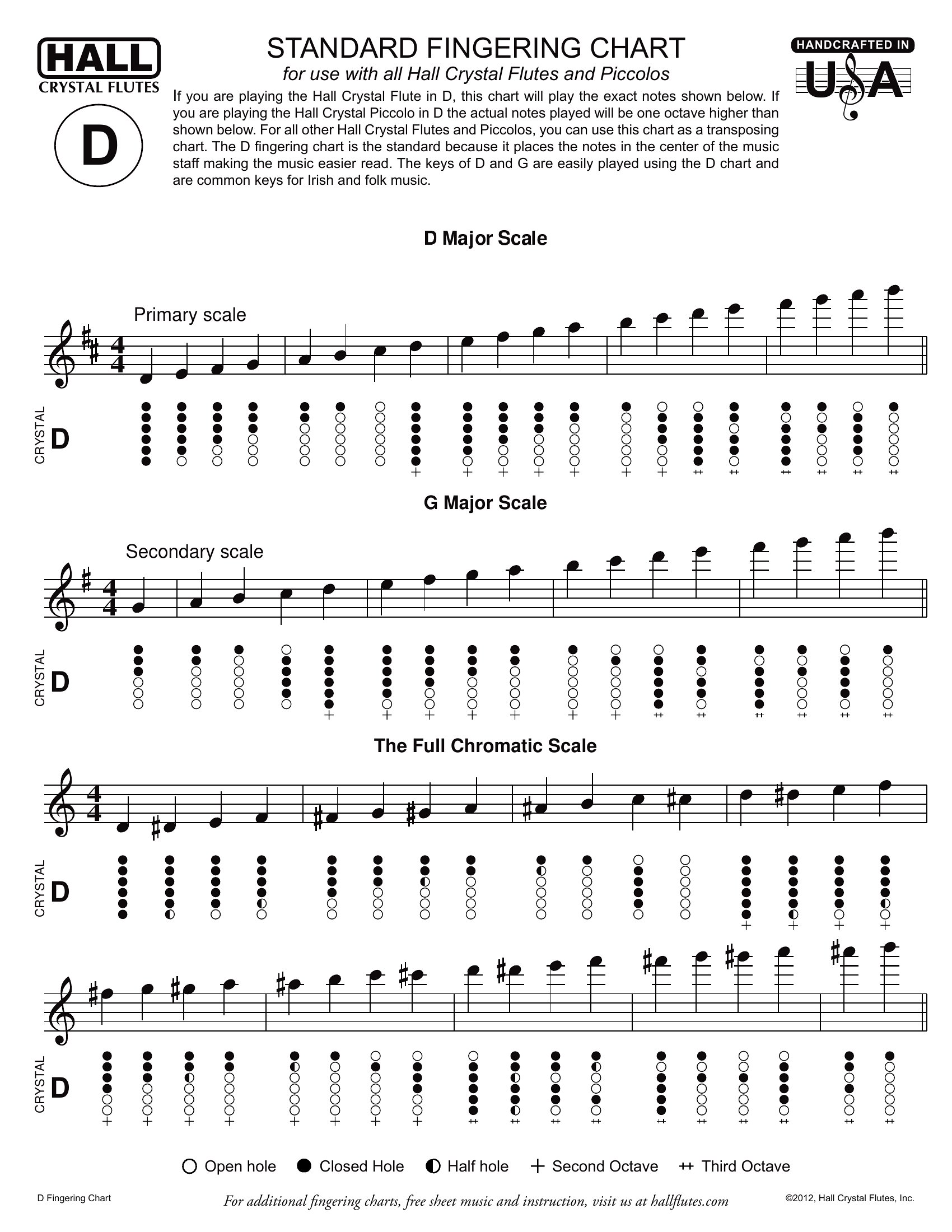
New flute players spend a lot of early practice just figuring out which keys make which notes, and a fingering chart shortens that learning curve. This set of 39 charts maps the standard range, including the trickier high register and useful alternate fingerings. Beginners, band students, and teachers preparing handouts can keep one nearby as a fast, reliable reference.
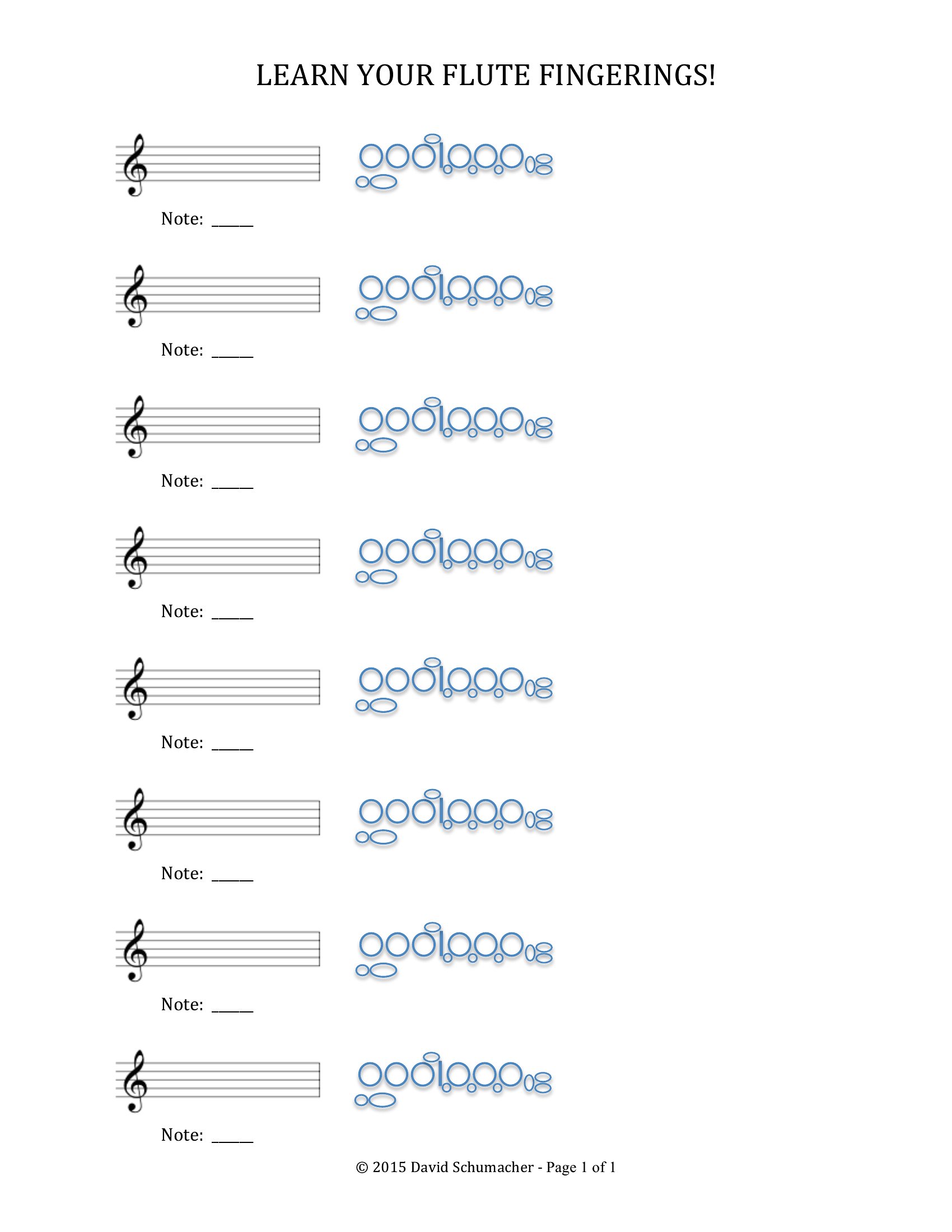
The charts come as print-ready PDFs that look sharp on regular letter paper. Some layouts include blank diagrams so you can note trill fingerings or marks for a specific piece. Tuck one into your music folder or tape it where you practice at home. Choose the chart that fits your level and keep it close as you learn new songs.
When to use this Flute Fingering Charts template
- A 10-year-old band student struggling to remember which fingers go where when playing a new piece in the high register will use a clear fingering chart to avoid frustration during practice sessions.
- Flute teachers searching for a quick, printable reference to share with multiple students in a group lesson can download and distribute these charts to save time explaining basic and advanced fingerings.
- A high school jazz ensemble director assigning a complex flute solo needs a chart with alternate fingerings highlighted to help players explore expressive techniques without trial-and-error mistakes.
- A college music student preparing for an audition with limited rehearsal time will rely on a detailed fingering chart to efficiently memorize the notes and finger placements for tricky passages.
Which format should I download?
The PDF format is ideal for these flute fingering charts because it ensures crisp, distortion-free printing at any size—whether you need a compact reference for a music stand or a larger wall chart for group visibility. PDFs also preserve the formatting perfectly across devices, making it easy to preview on a tablet or share digitally with students before printing. No other format here matches this practicality for musicians who prioritize accuracy and portability.
How to use this Flute Fingering Charts template
Are these charts designed to cover different flute keys like C flute, alto flute, or bass flute?
These fingering charts are specifically tailored for the standard concert C flute, which is the most common flute for beginners and intermediate players. They include the full range of notes and alternate fingerings typical for this instrument. If you play a different key, you may need to adjust the chart or seek a specialized version.
Can I use these charts to teach fingerings for advanced flute techniques like multiphonics or circular breathing?
While these charts focus on standard fingerings and note production, they do include some useful alternate fingerings that can serve as a starting point for exploring advanced techniques. For multiphonics or circular breathing, you may need to supplement with additional resources, as these require specific finger placements not fully covered in basic fingering charts.
How do I decide which of these 39 charts to use for my beginner students?
For beginners, start with a chart that includes only the fundamentals—such as the basic range of notes and the simplest fingerings—without overwhelming them with alternate fingerings or advanced techniques. Look for a sample labeled 'Flute Fingering Chart Example' or 'Printable Flute Fingering Chart' to keep it straightforward and easy to follow.
Comments
Join the conversation
Sign in to share your thoughts and leave a comment on this resource.