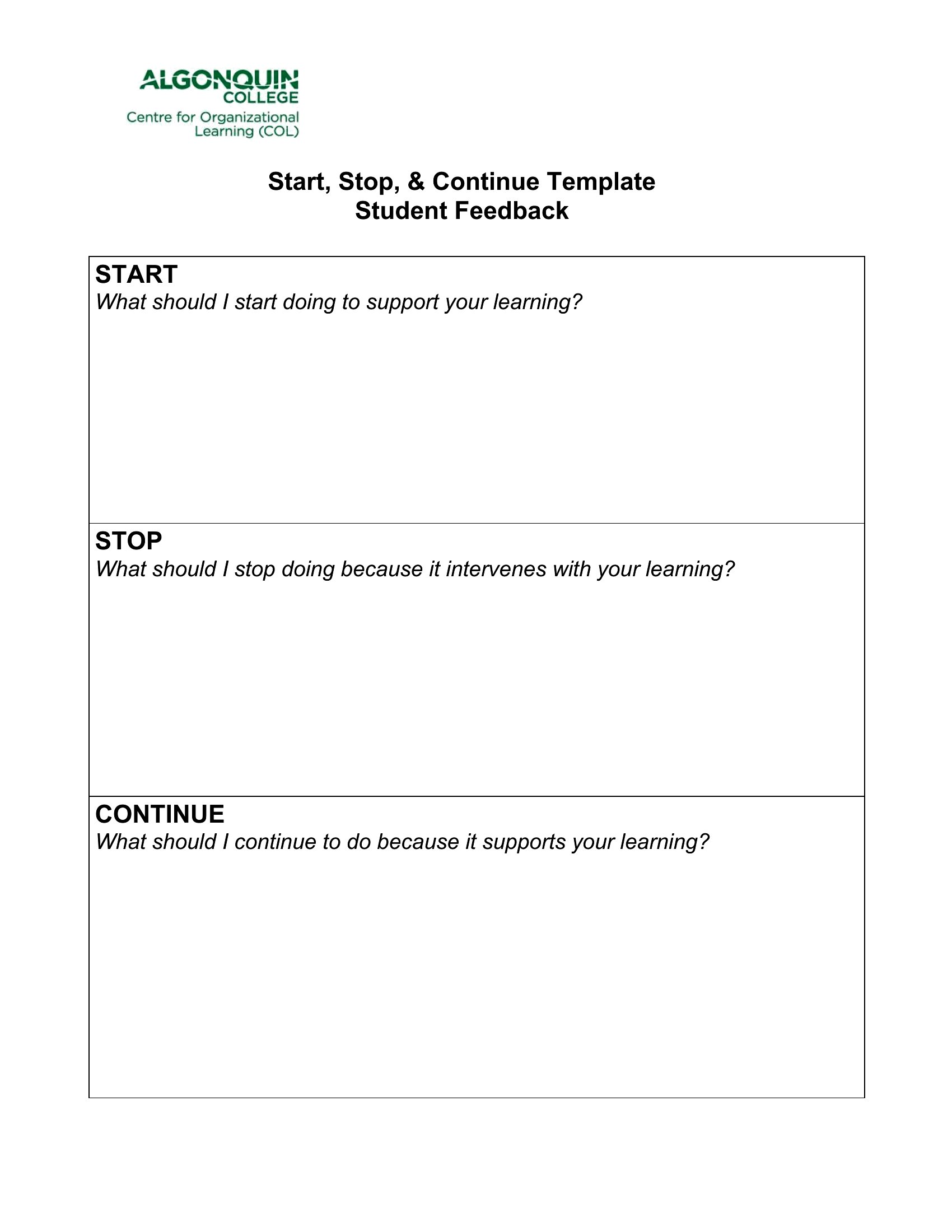
Free Start-Stop-Continue Templates (Word, PDF)
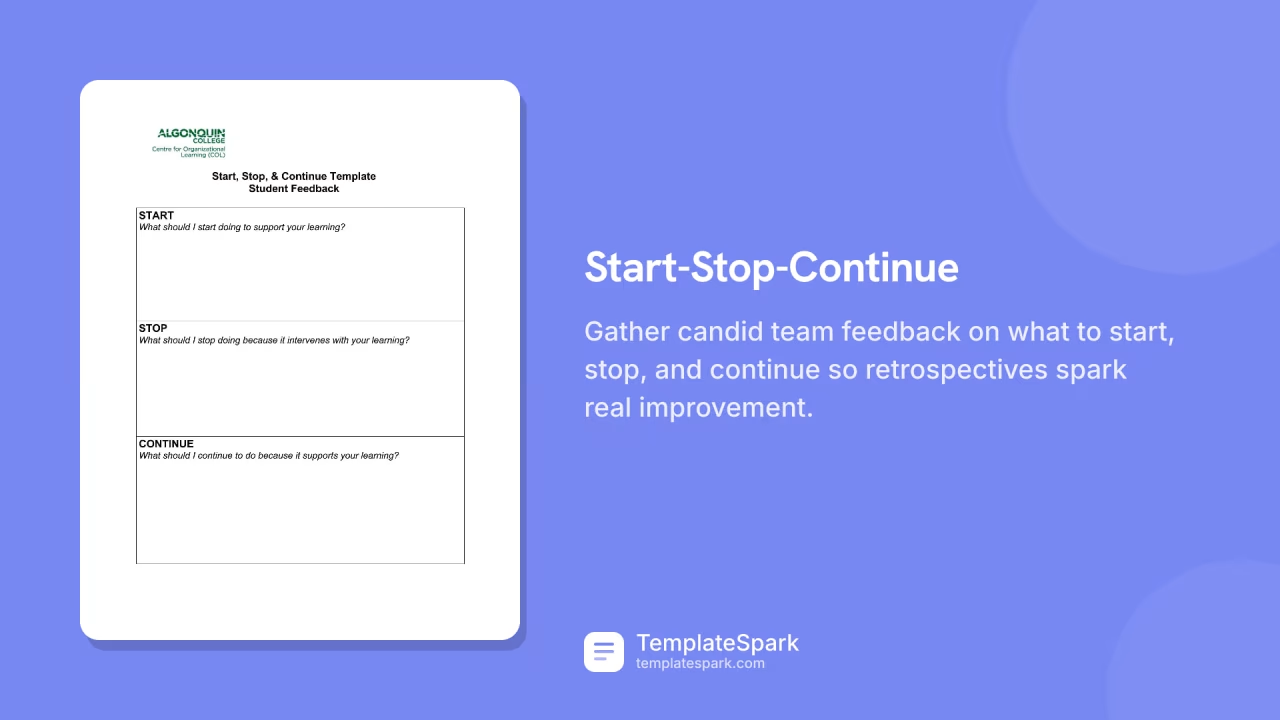
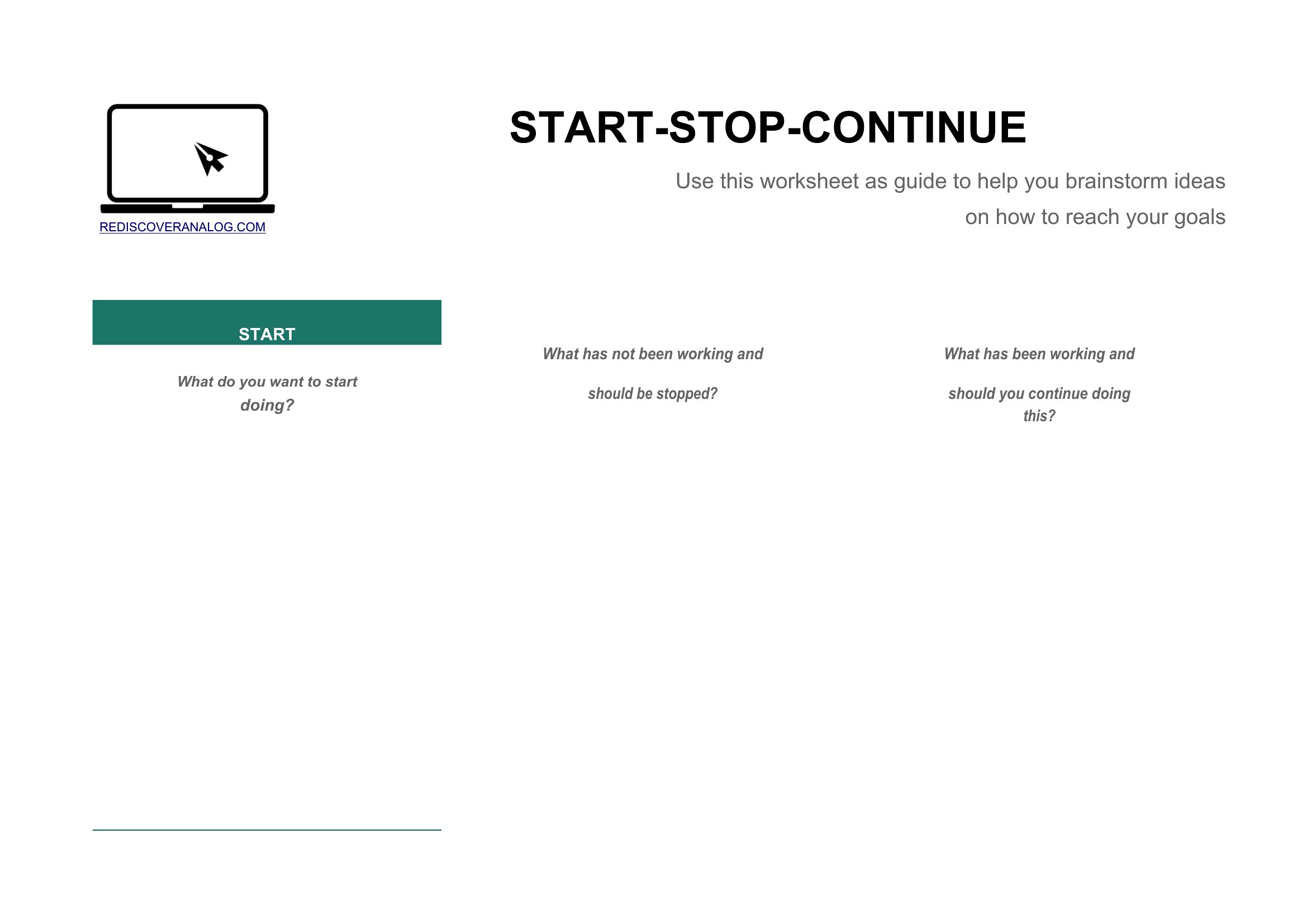
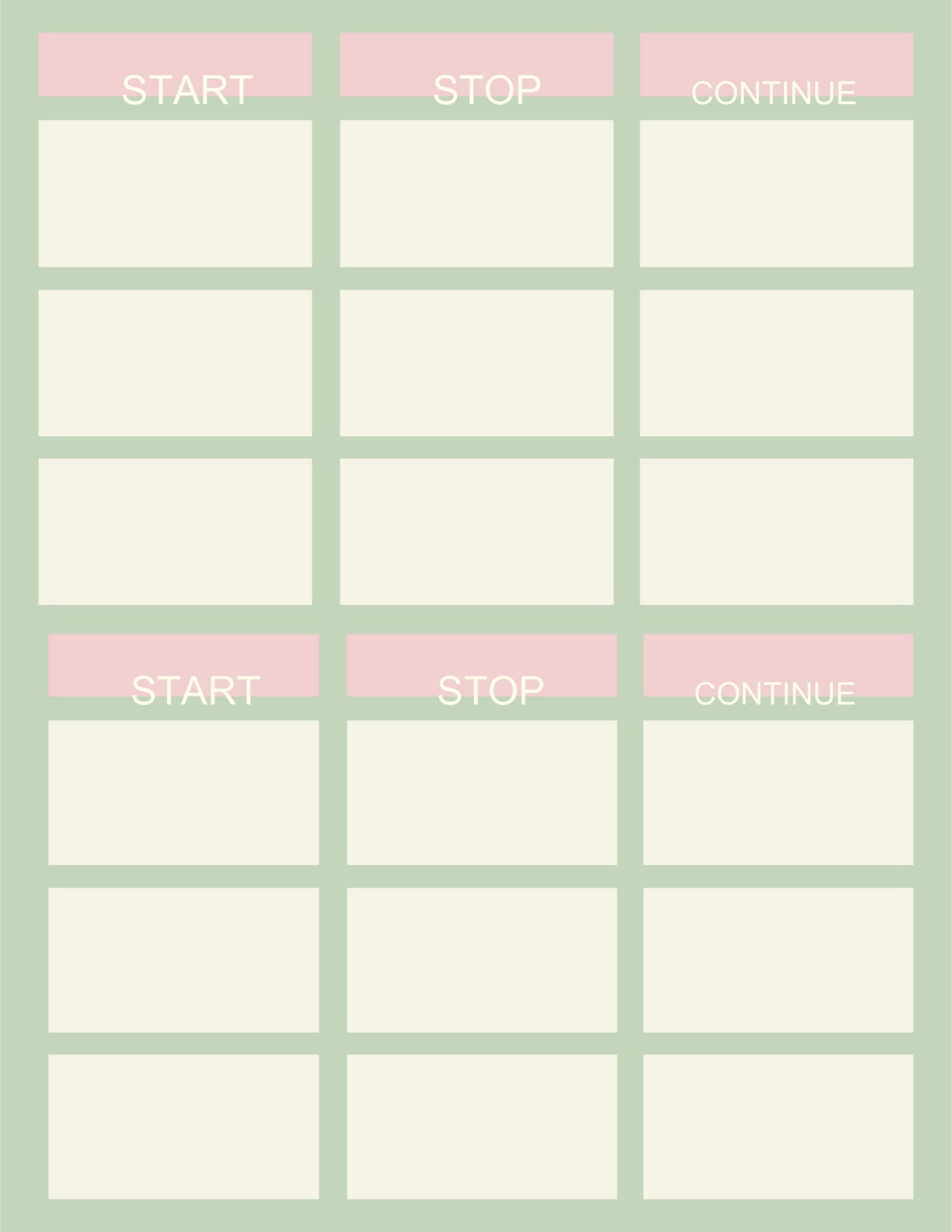
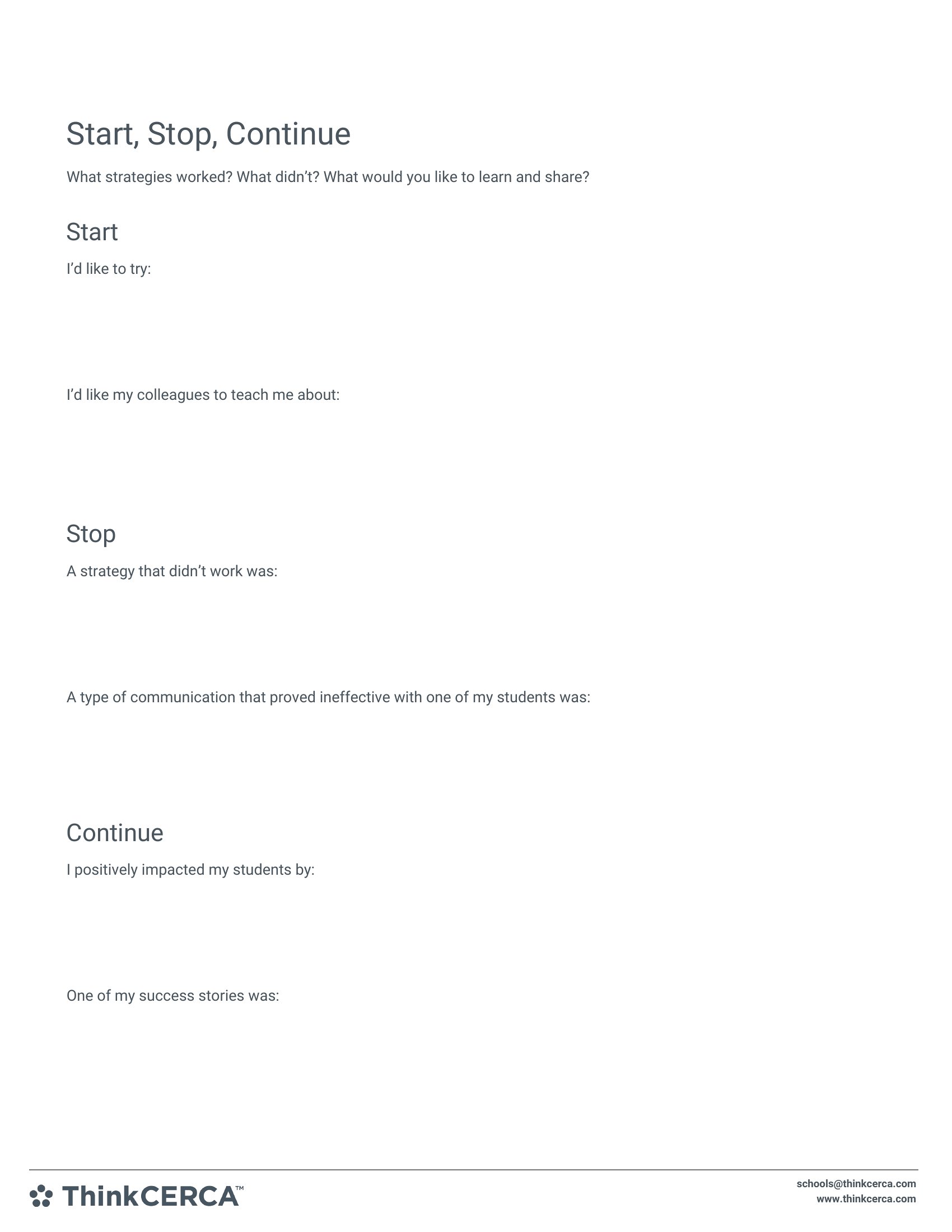
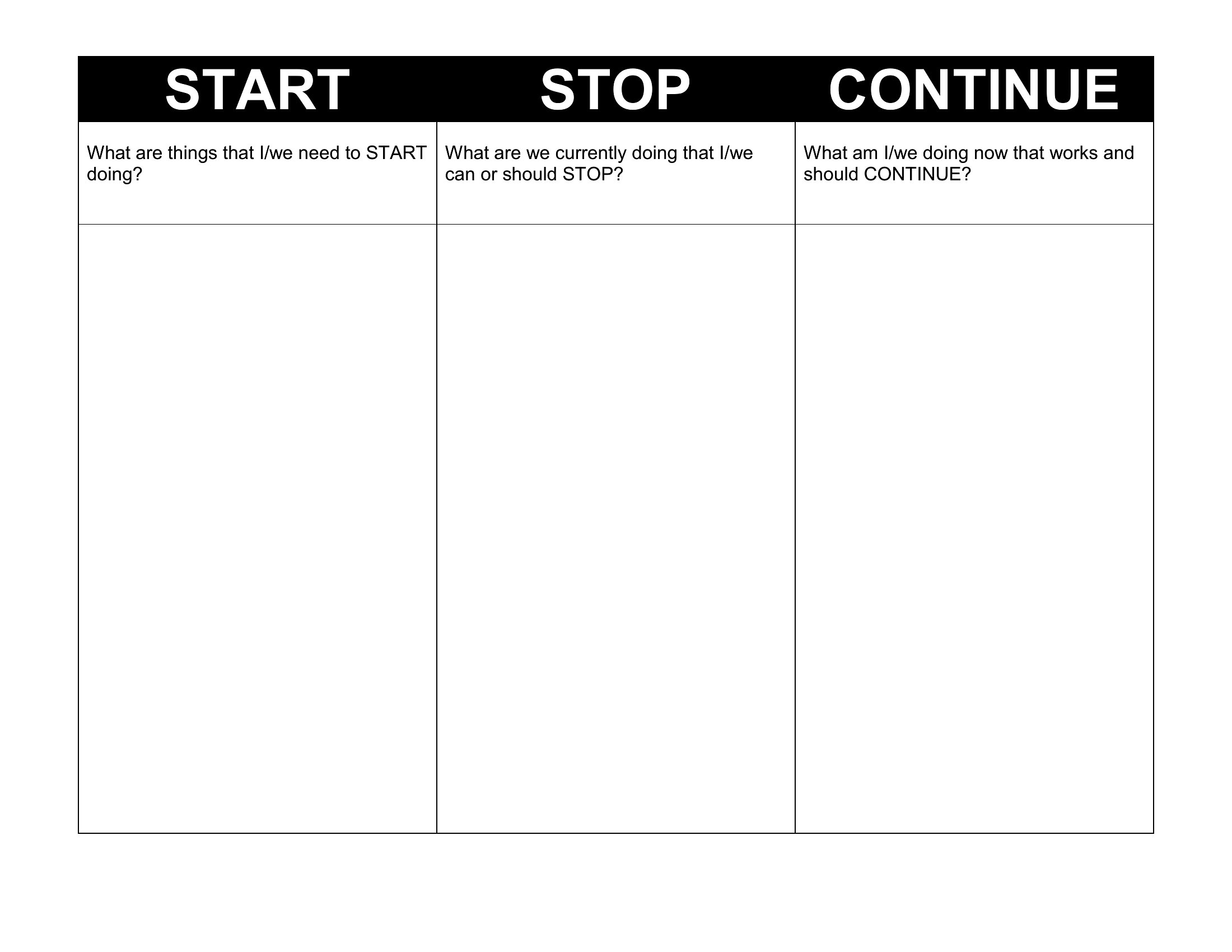
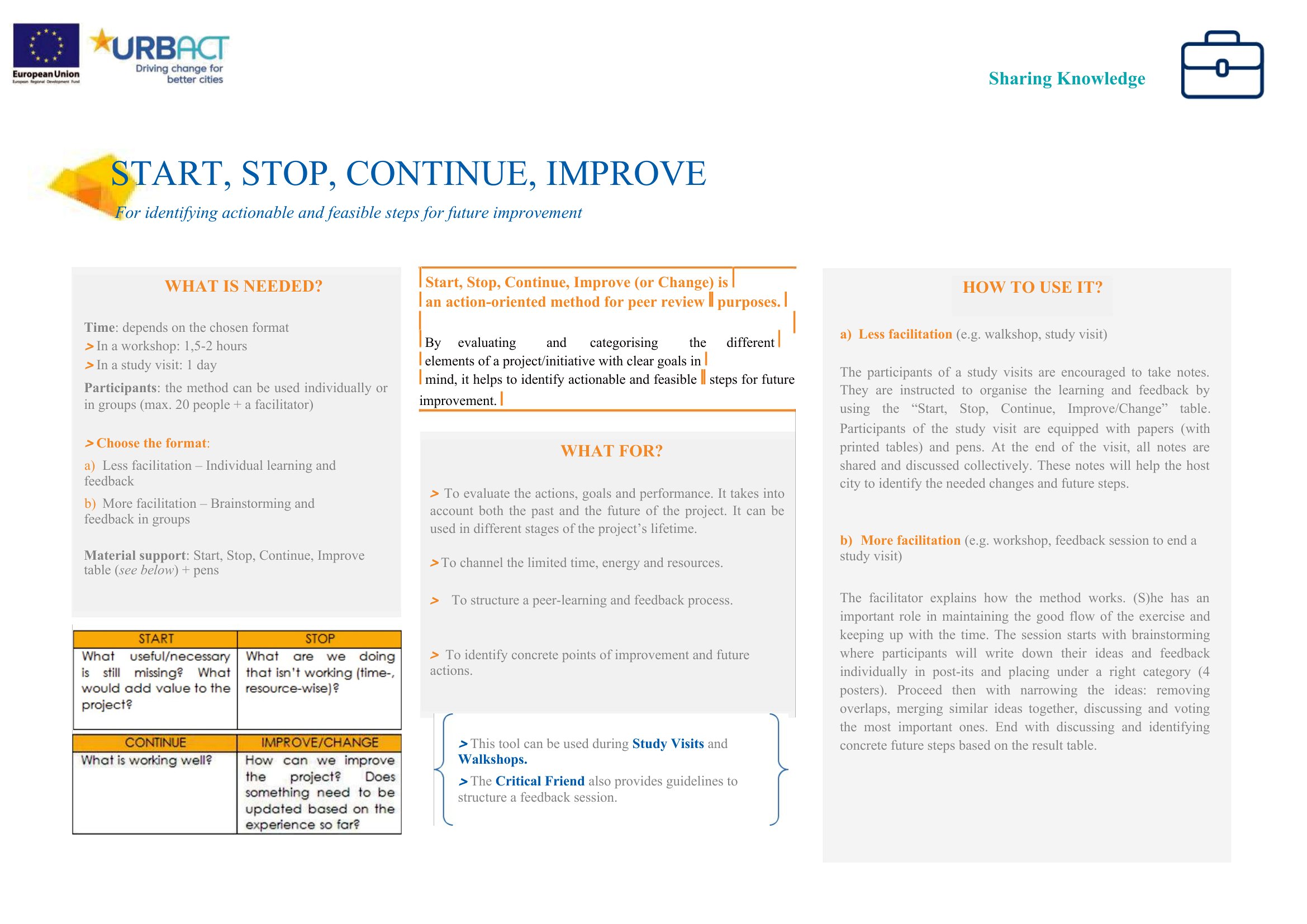
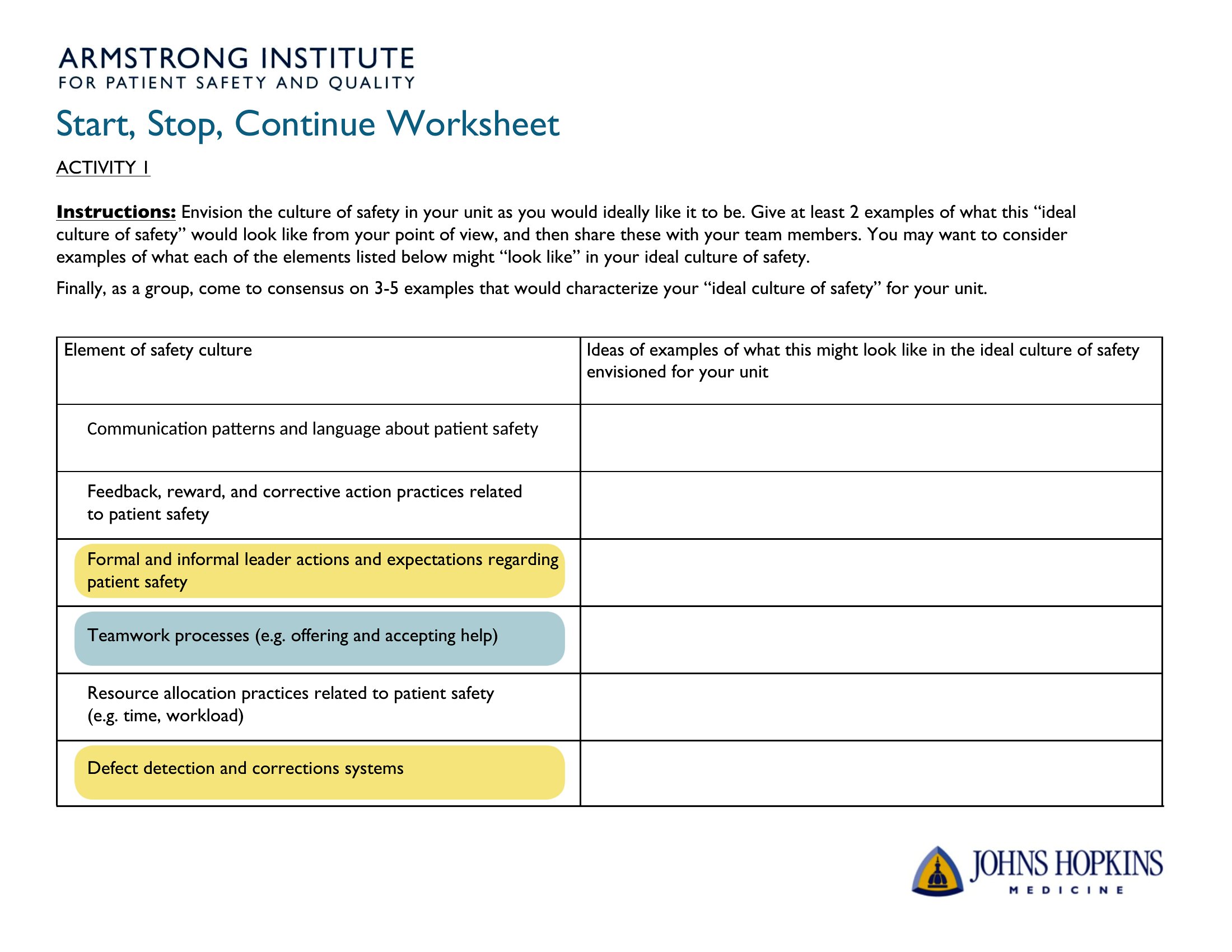
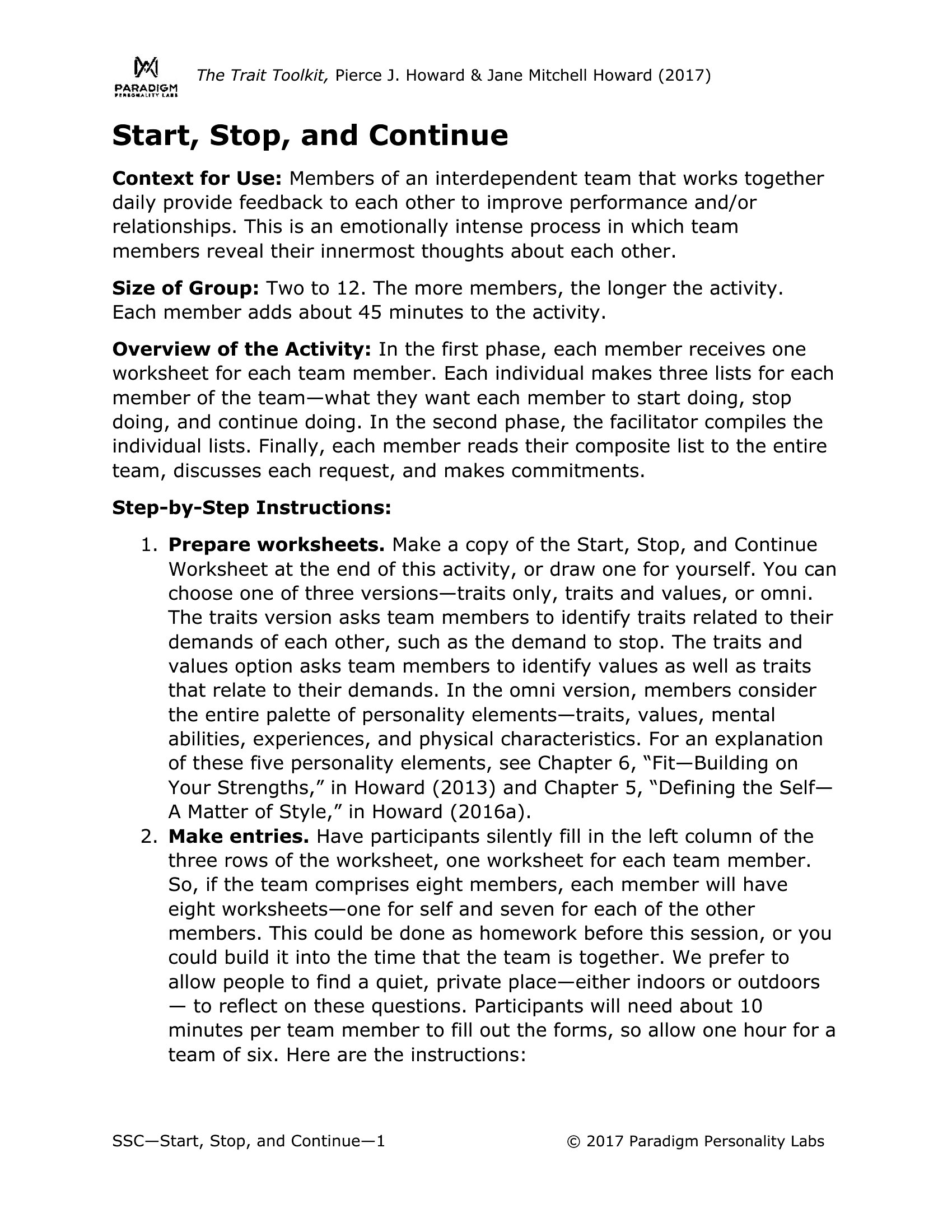
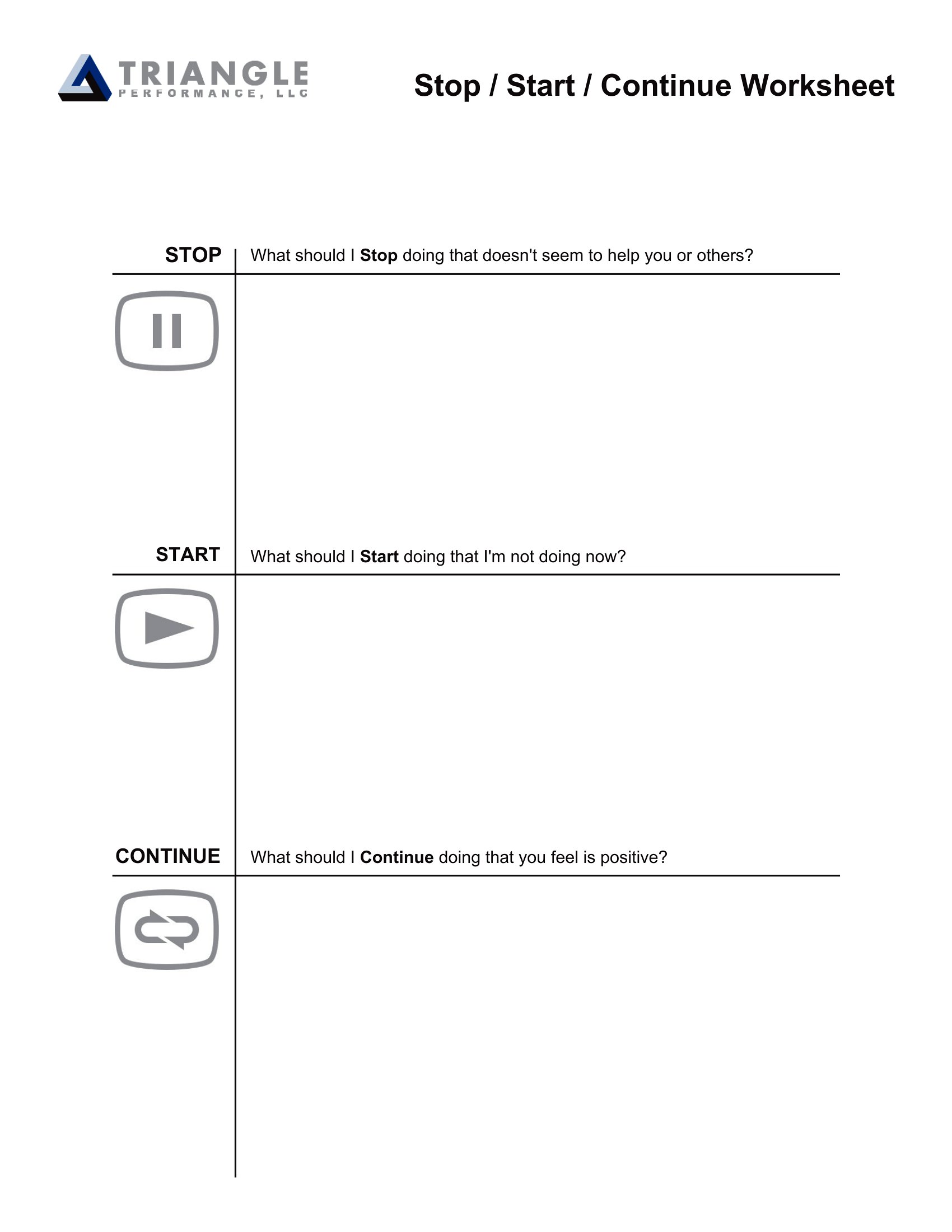
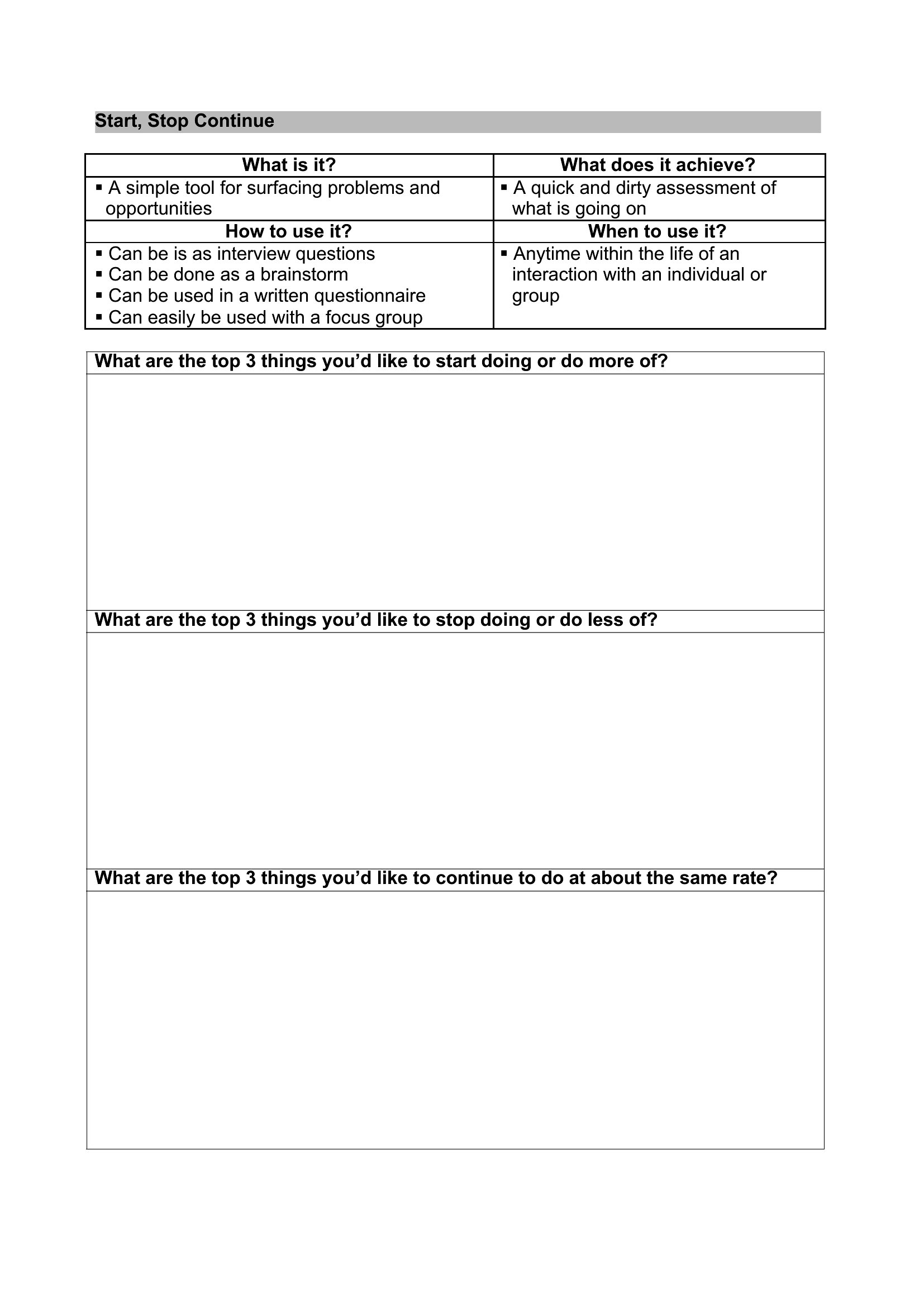
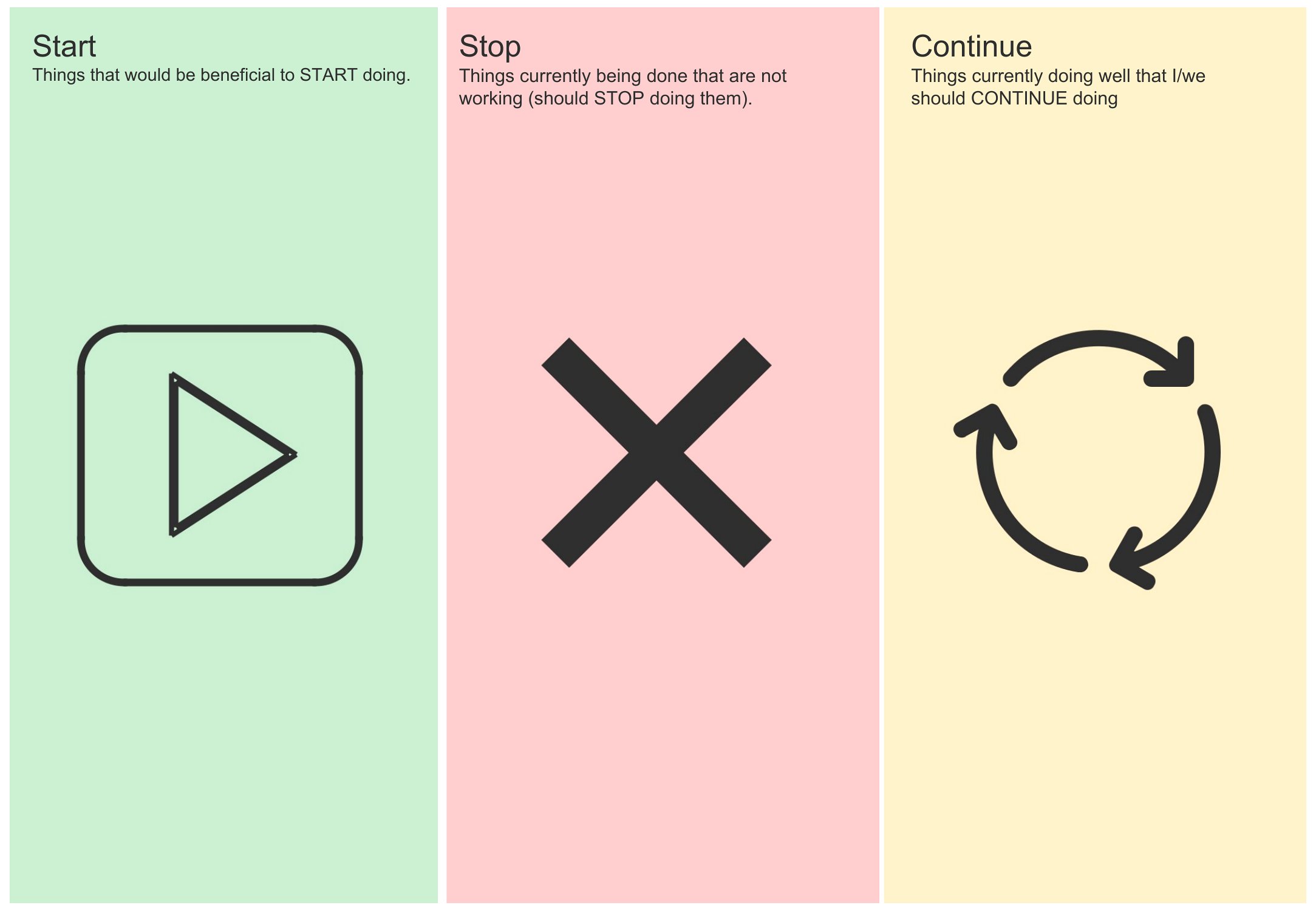
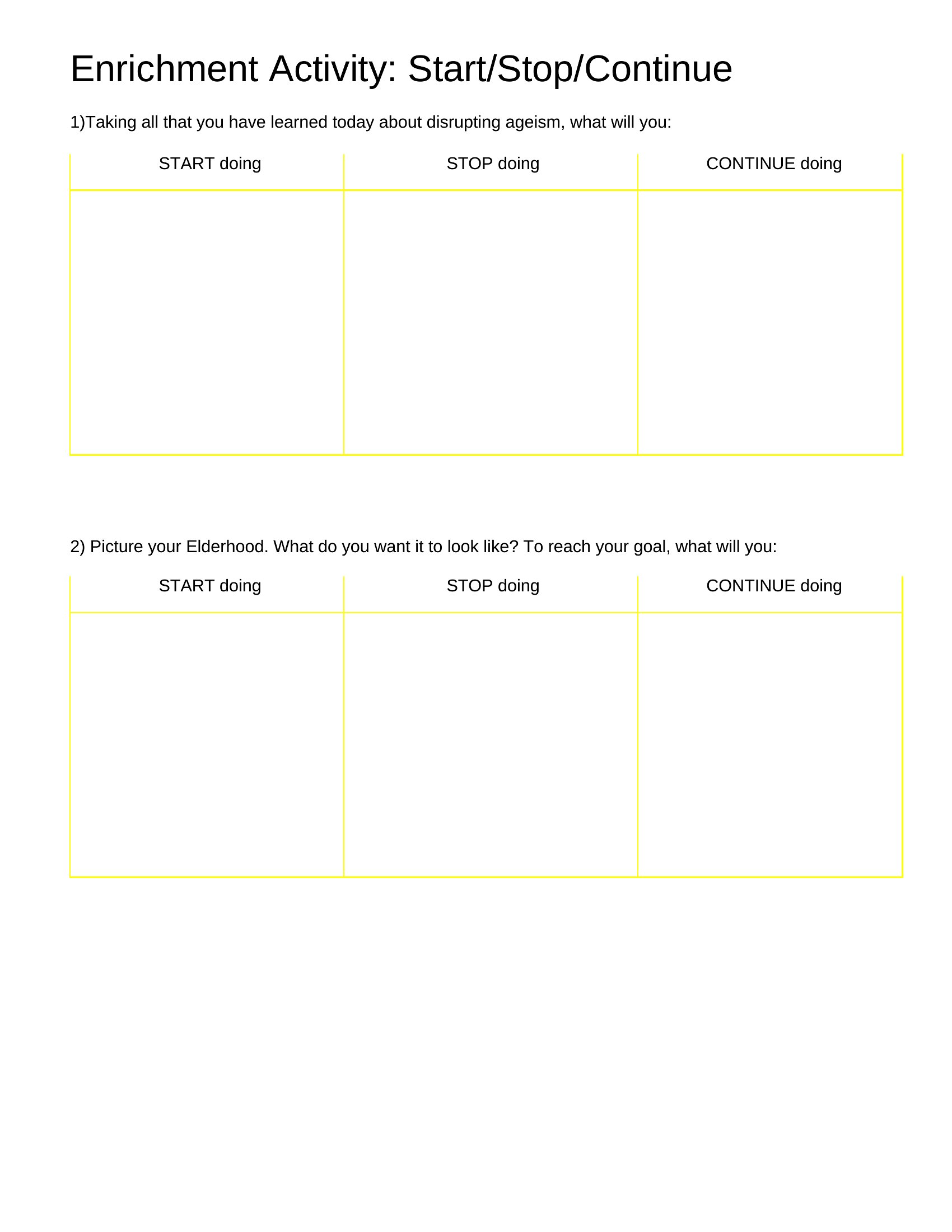
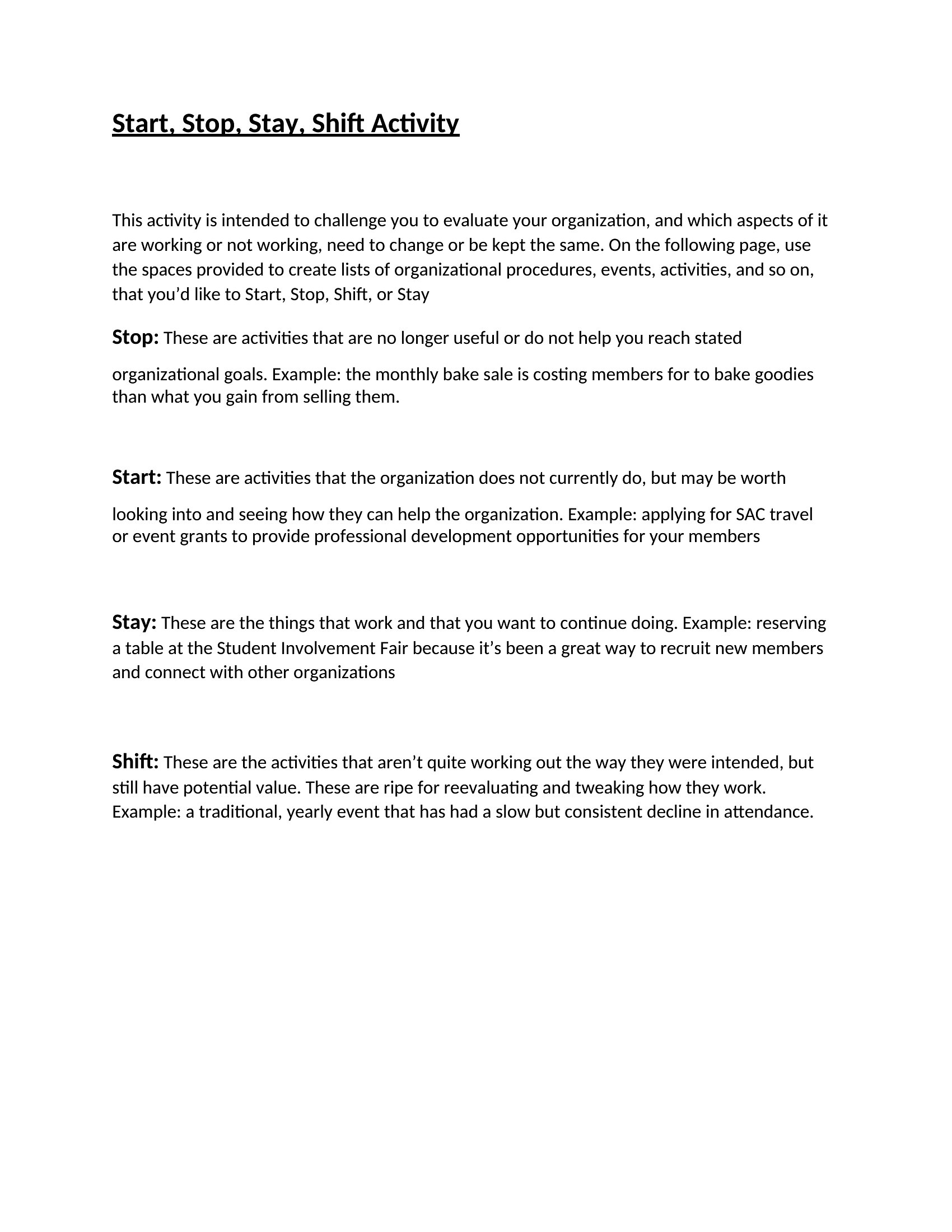
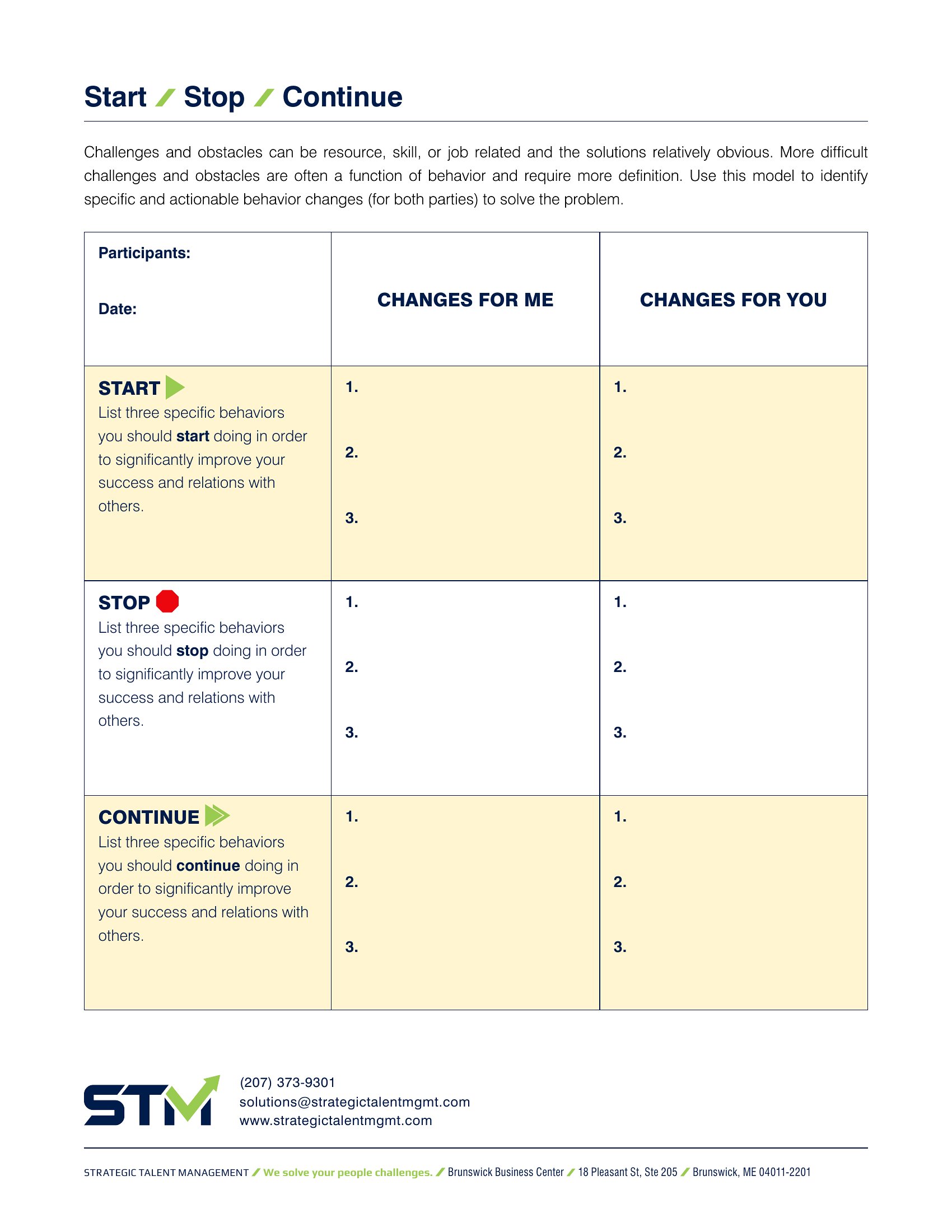
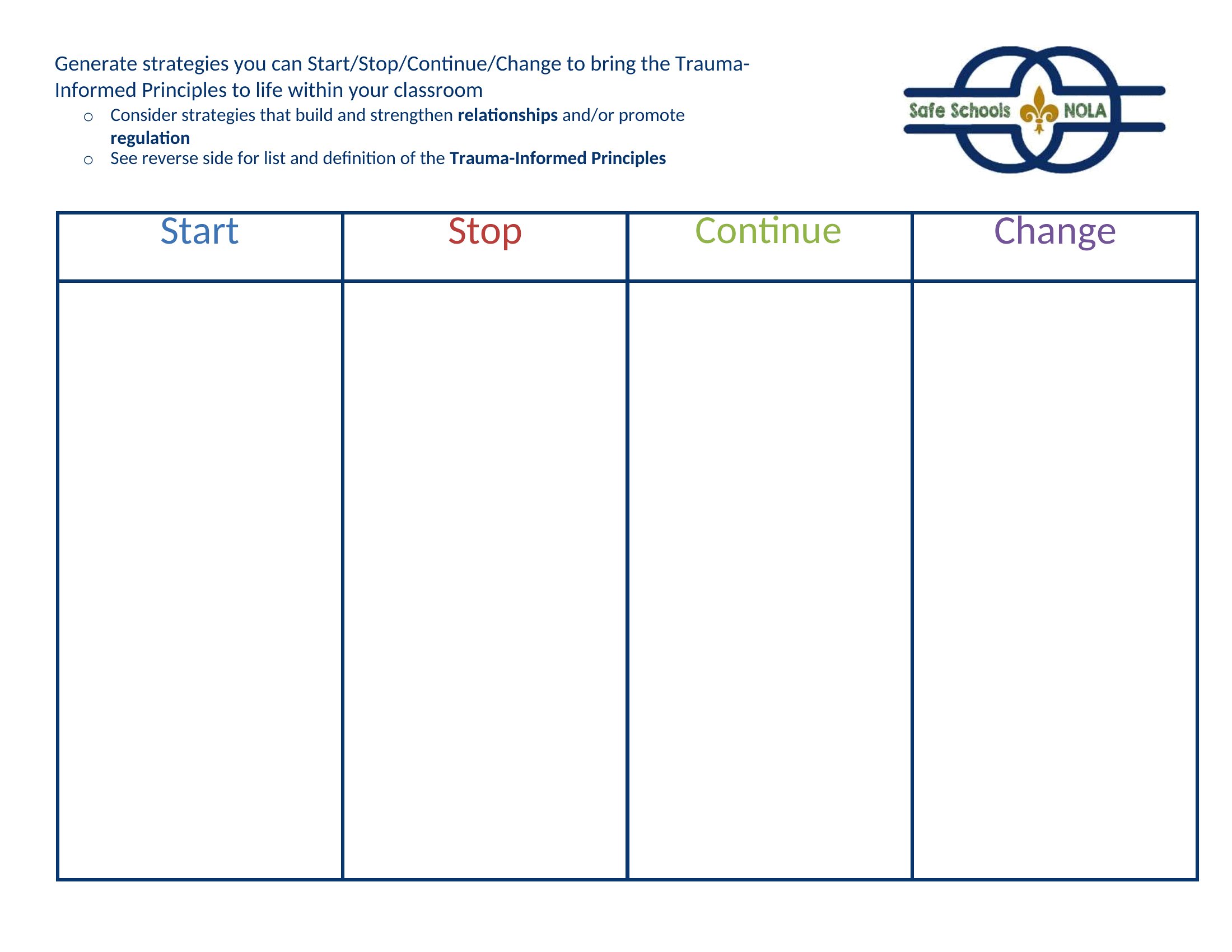
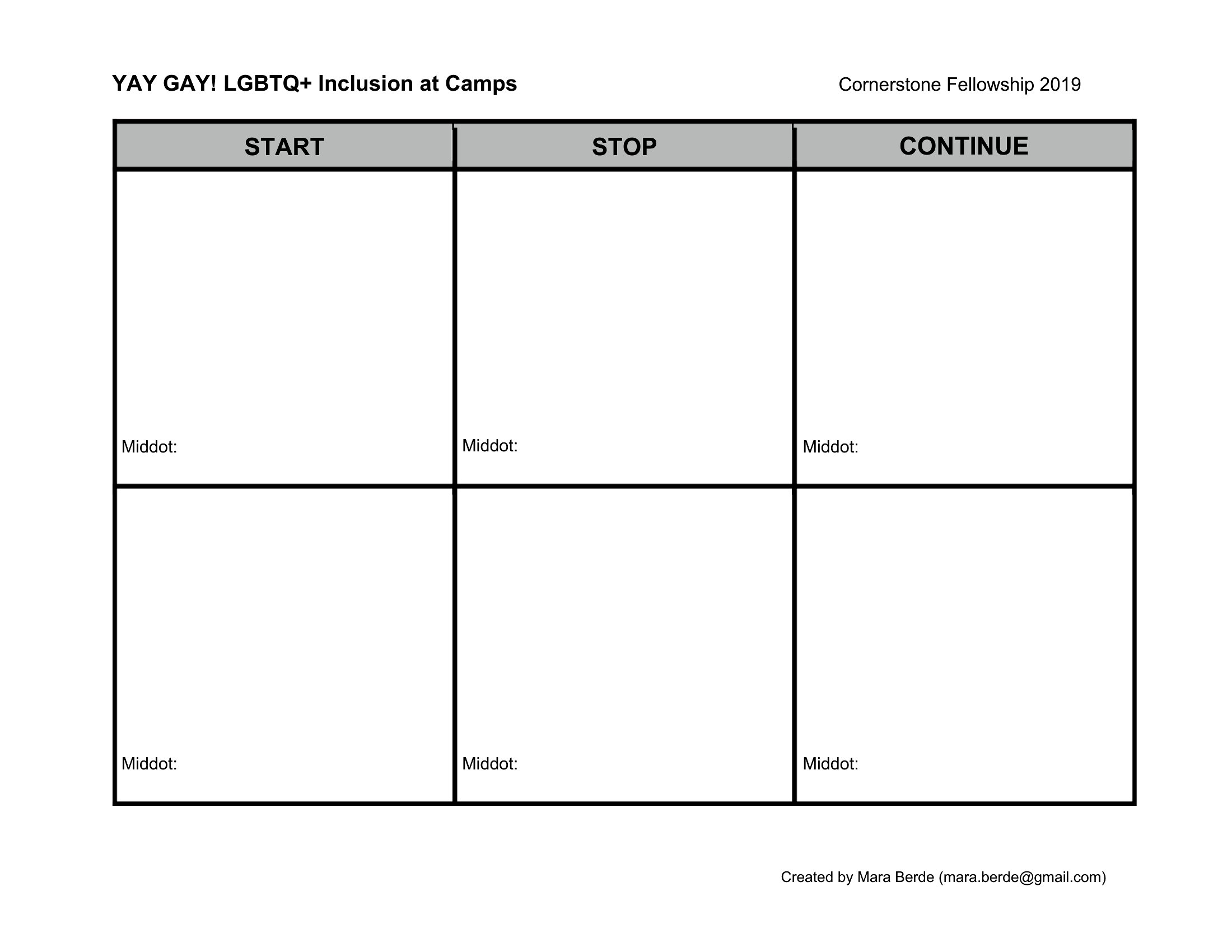
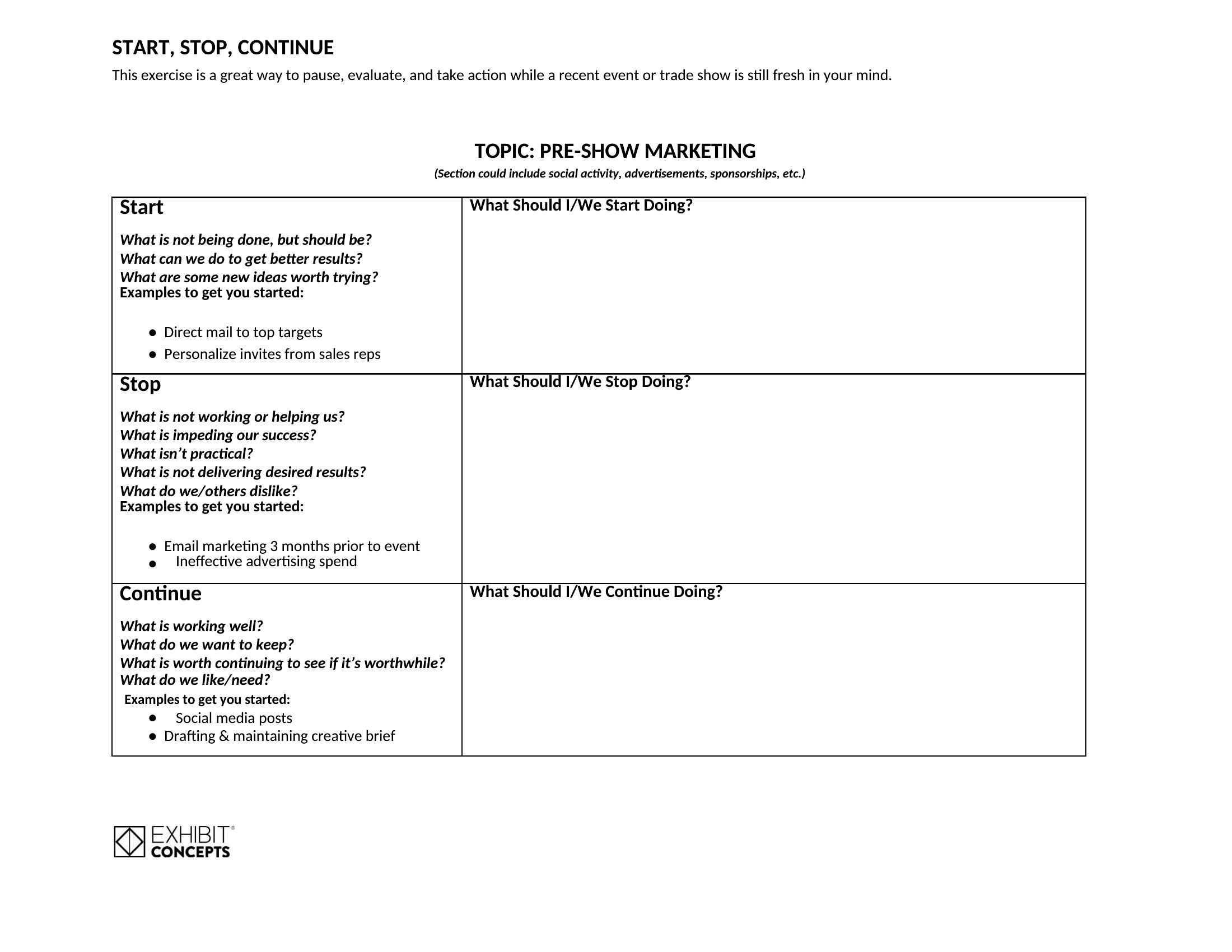
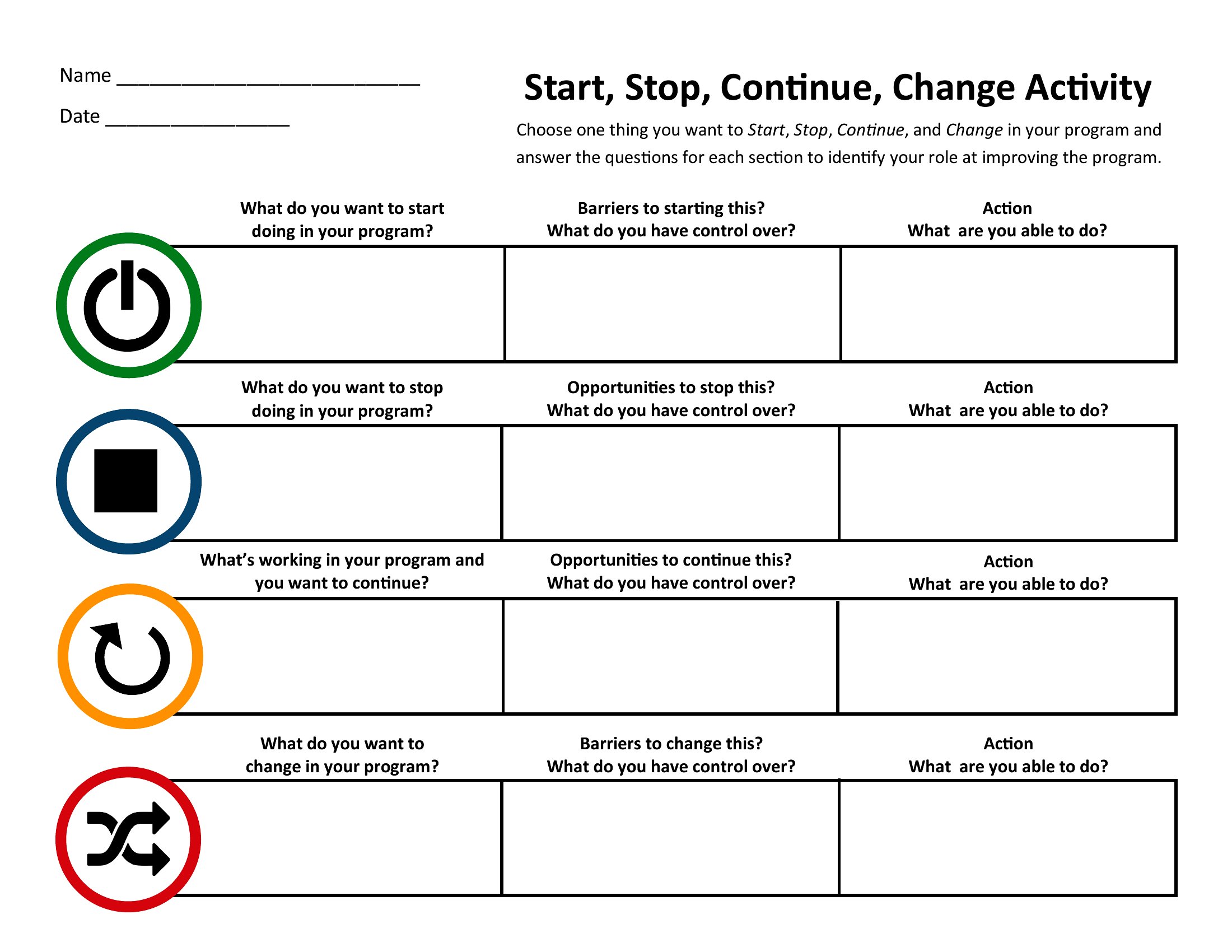
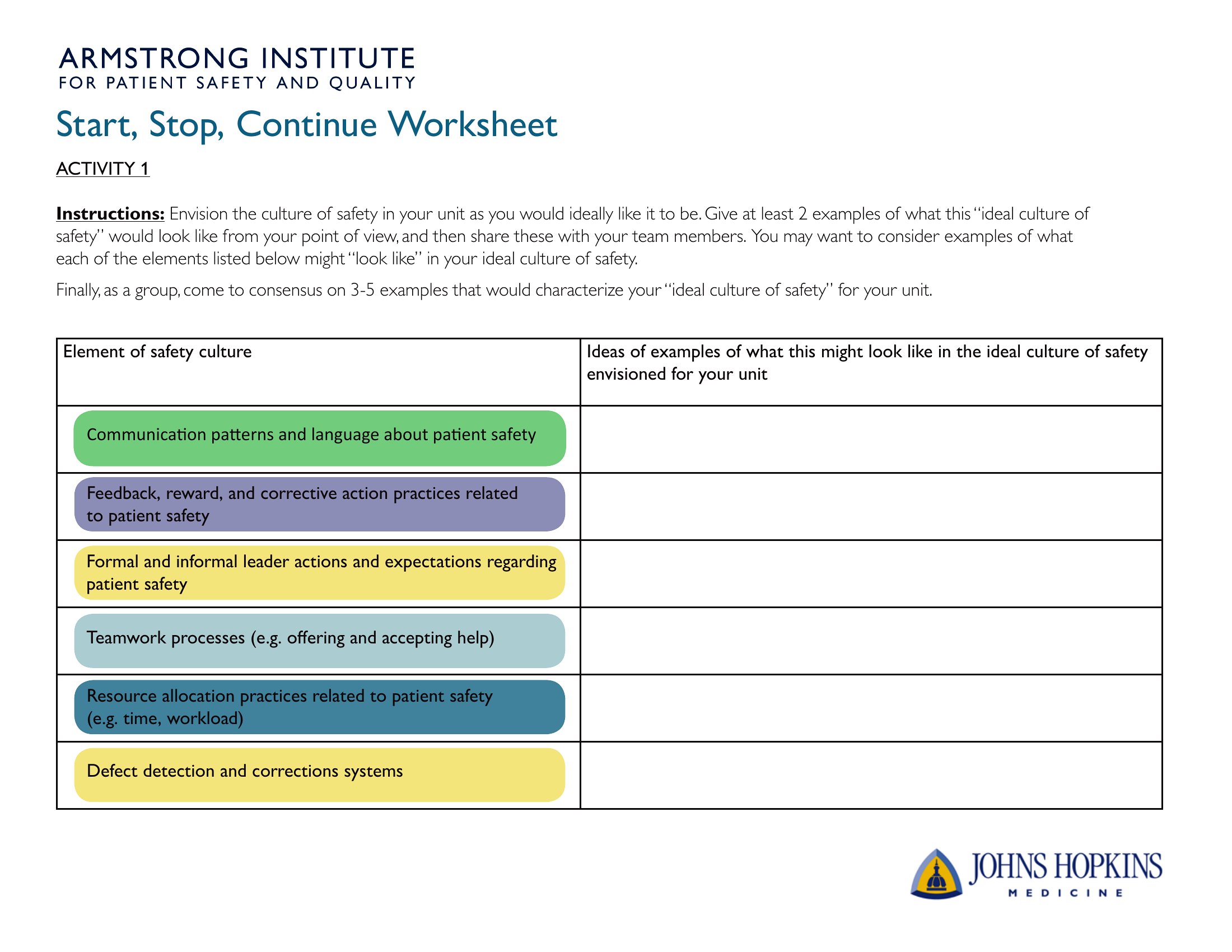
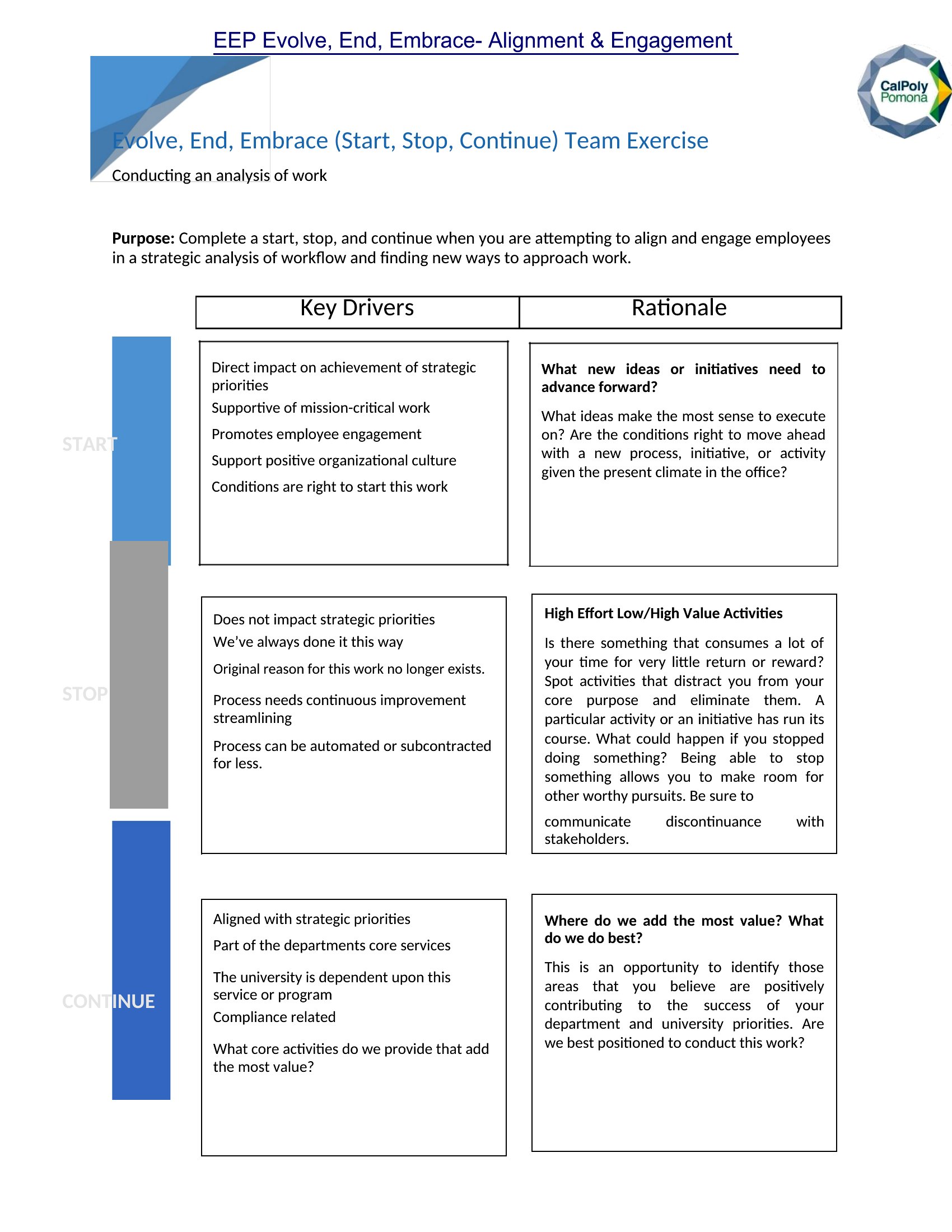
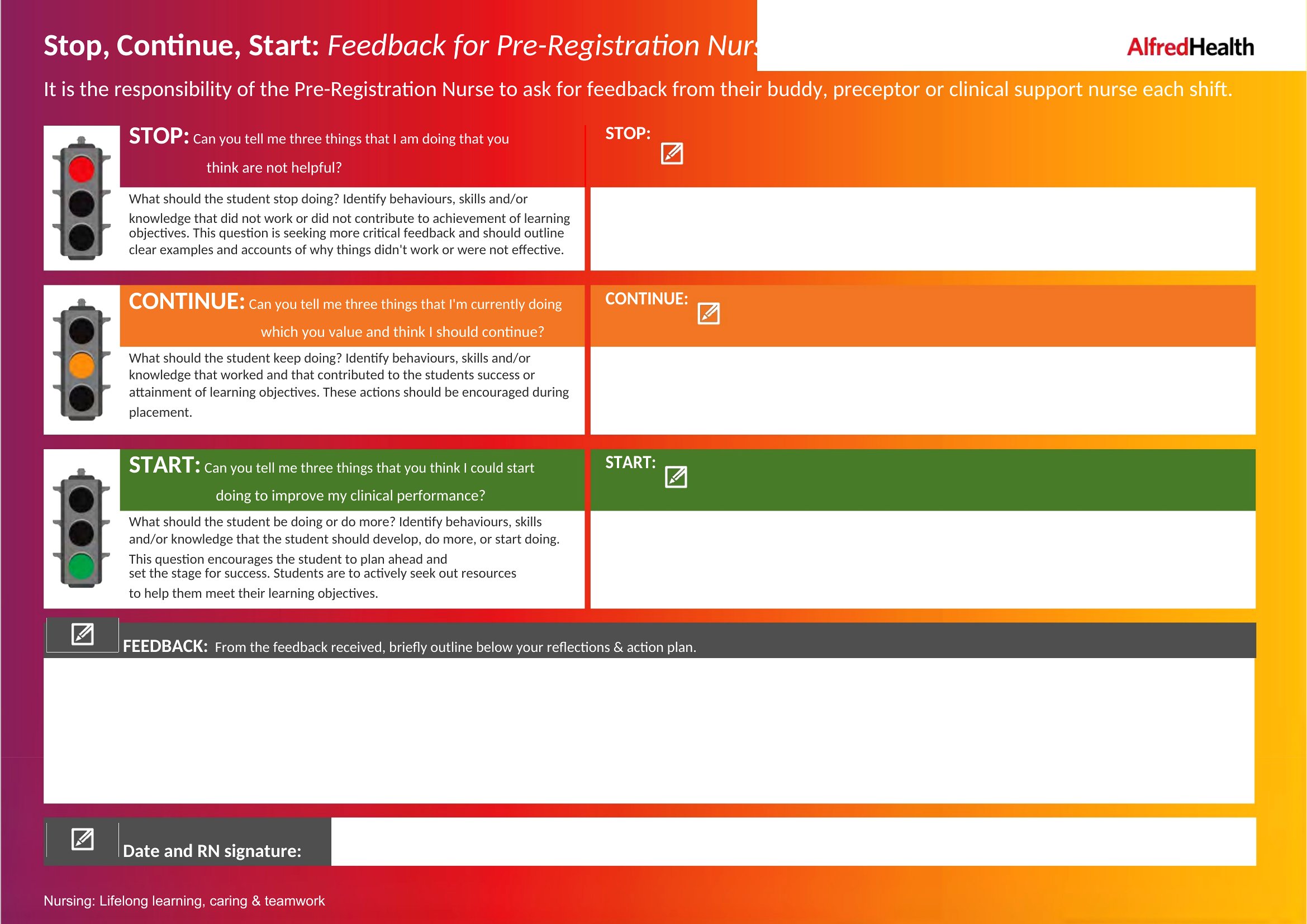
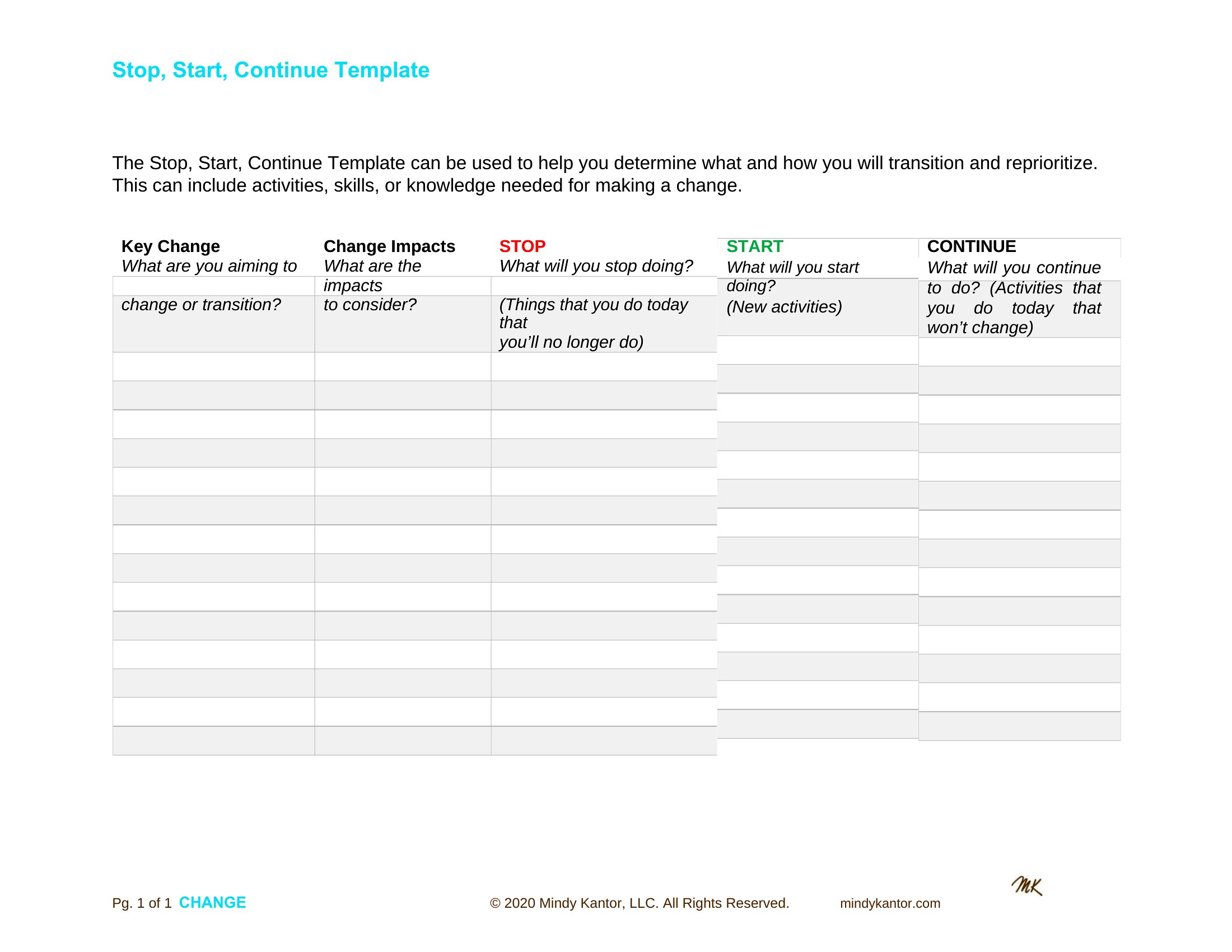
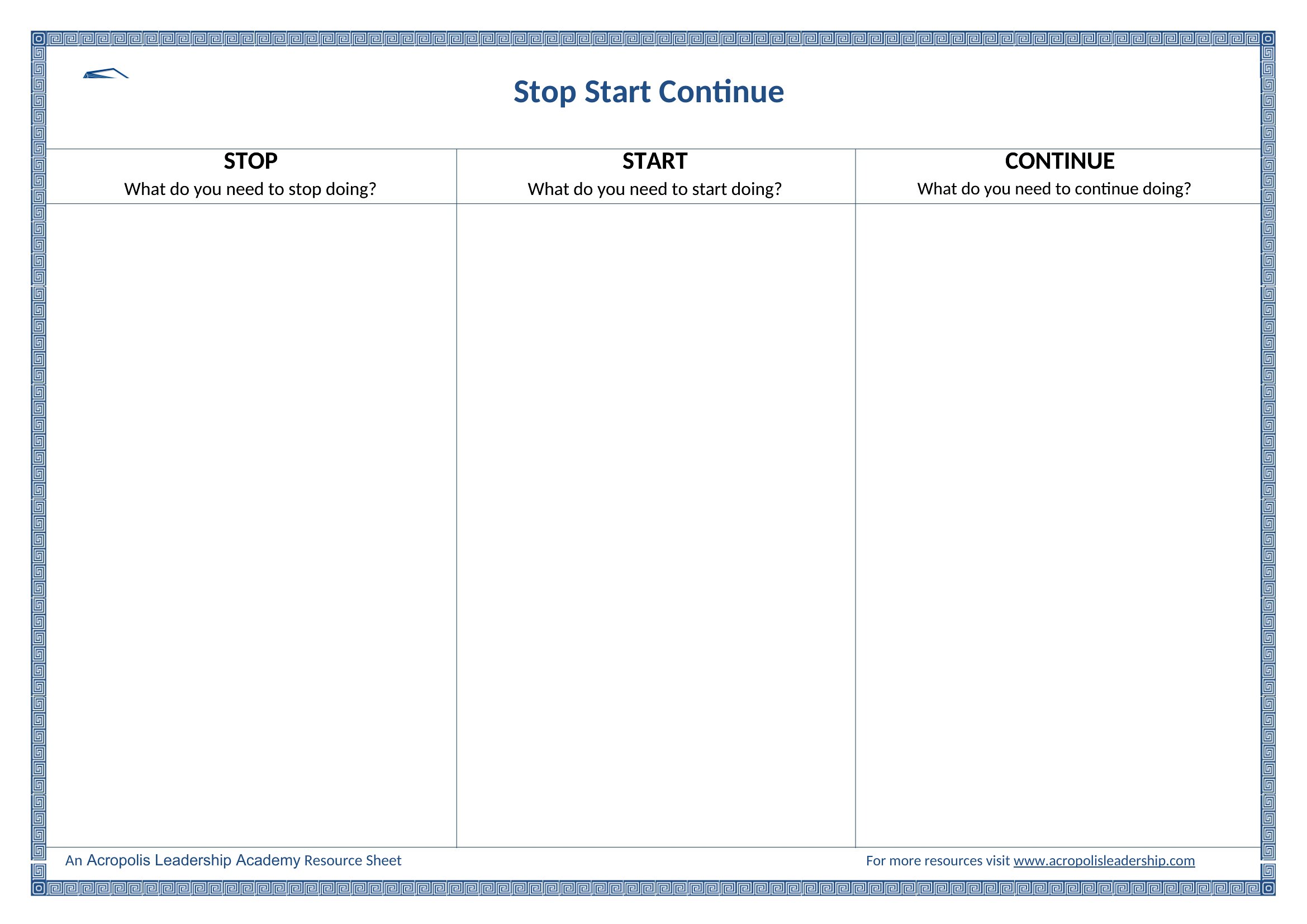
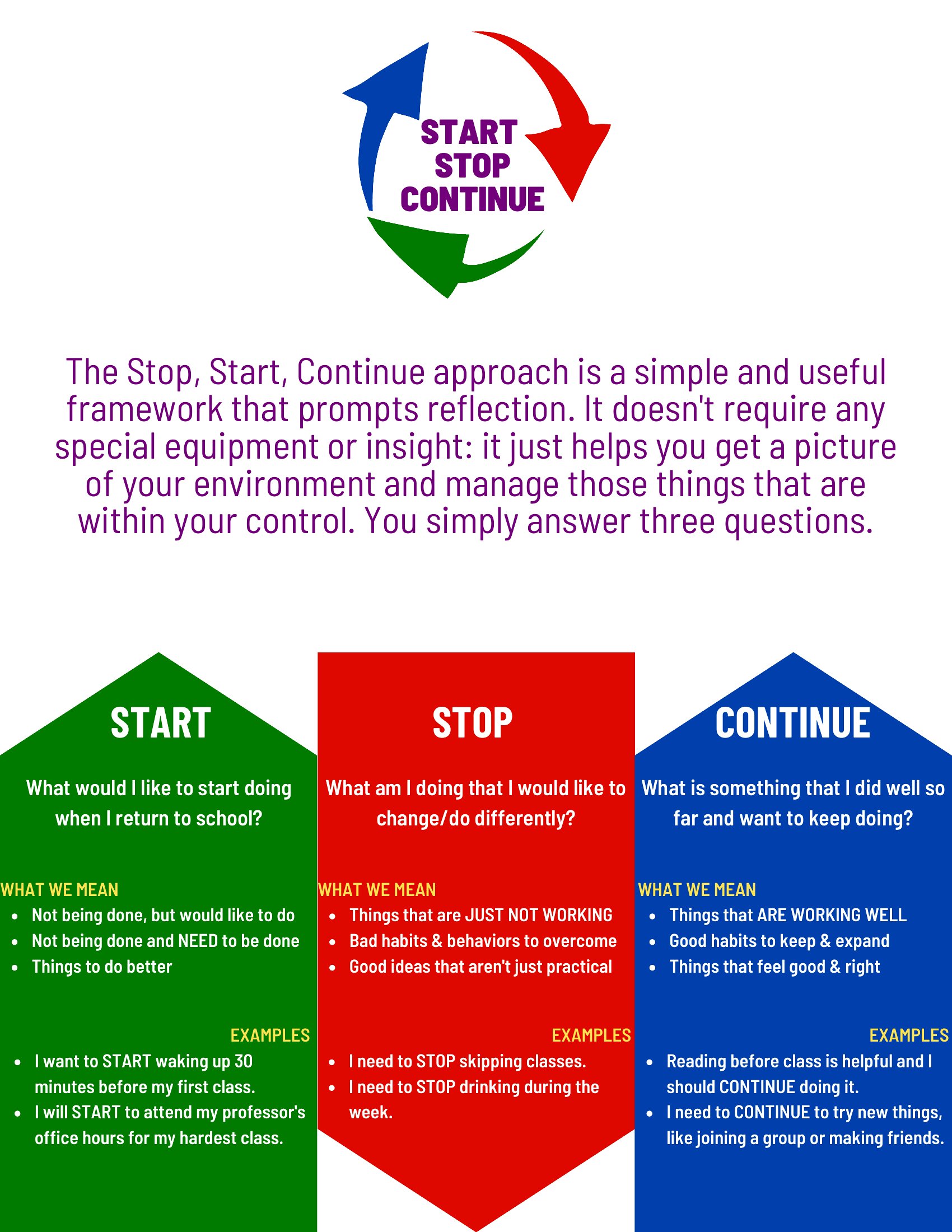
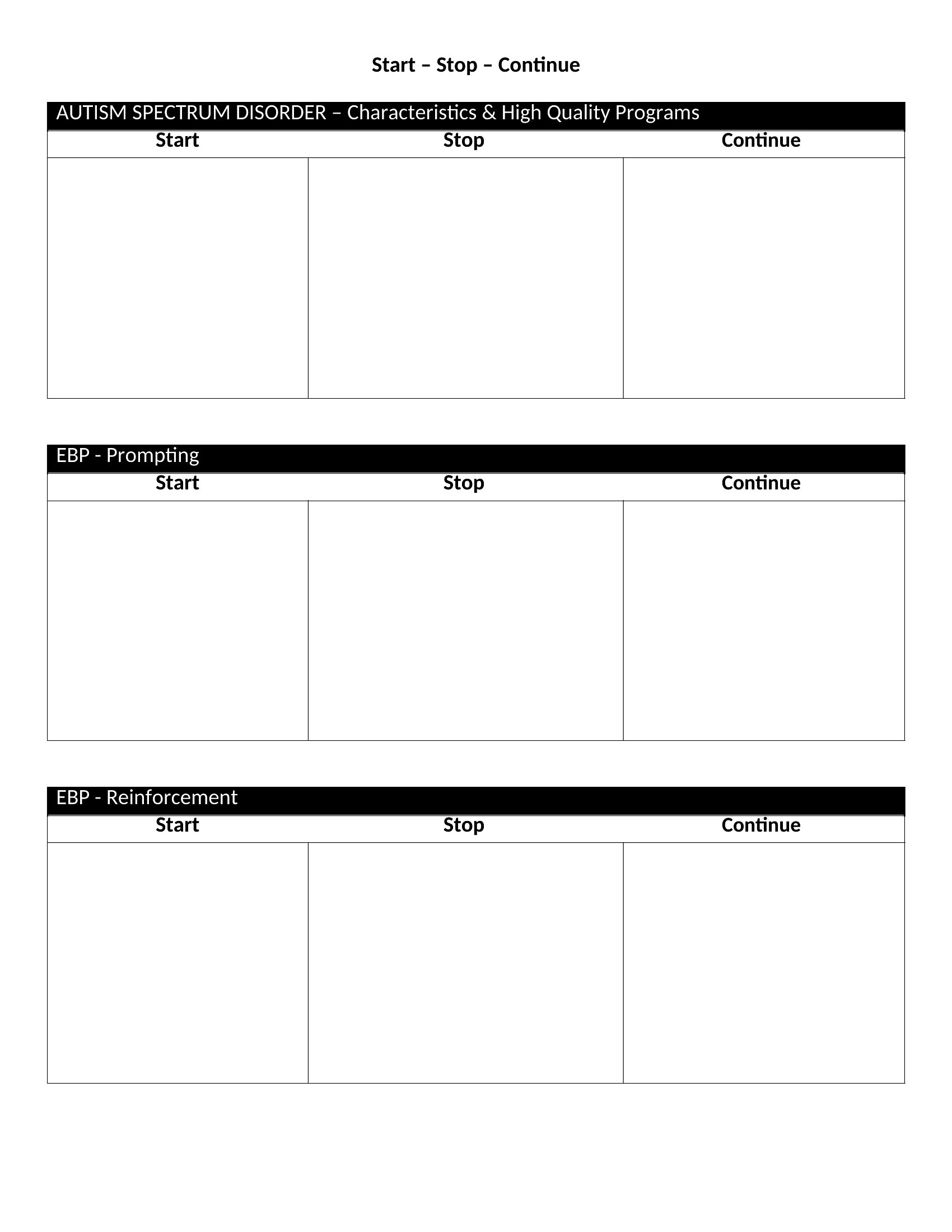
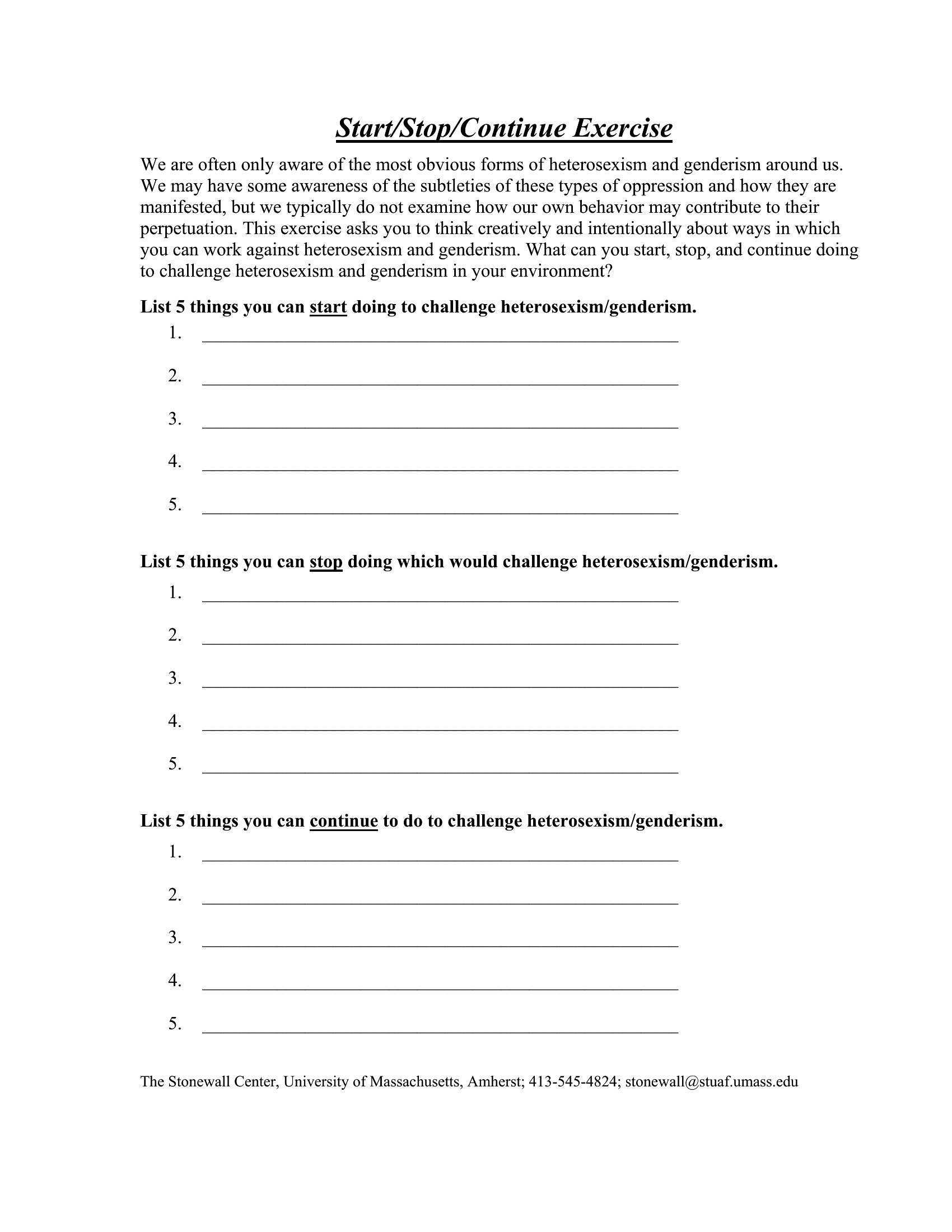
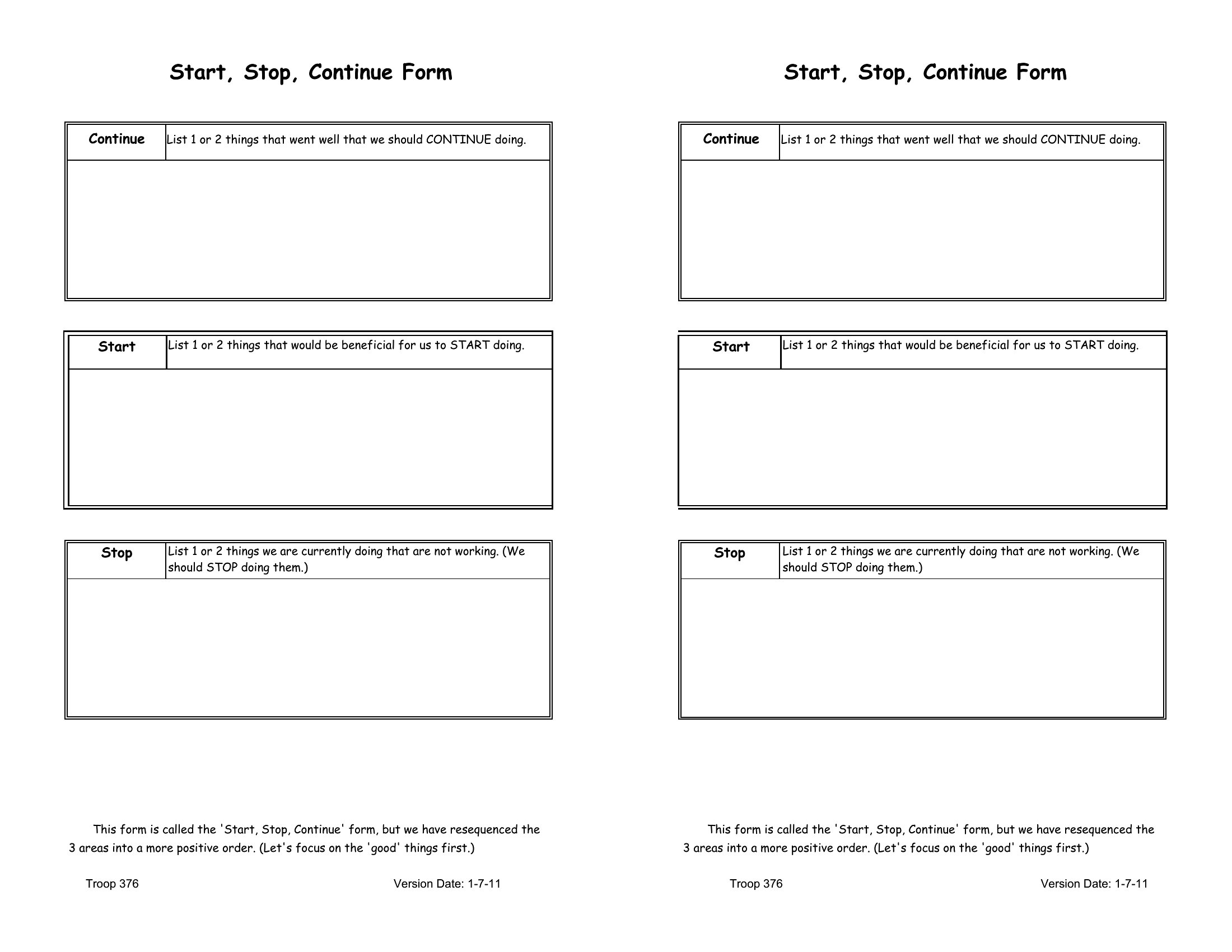
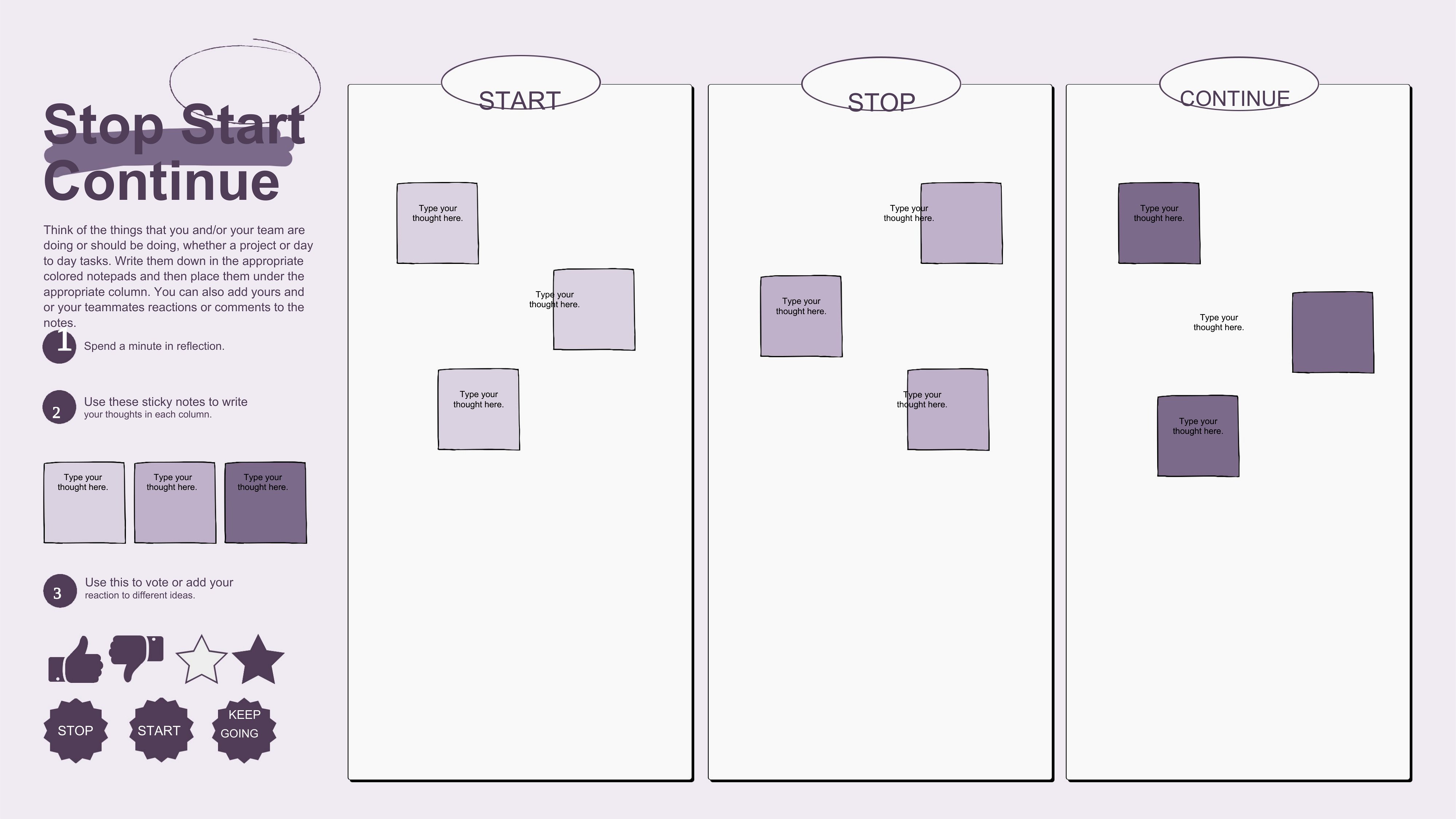
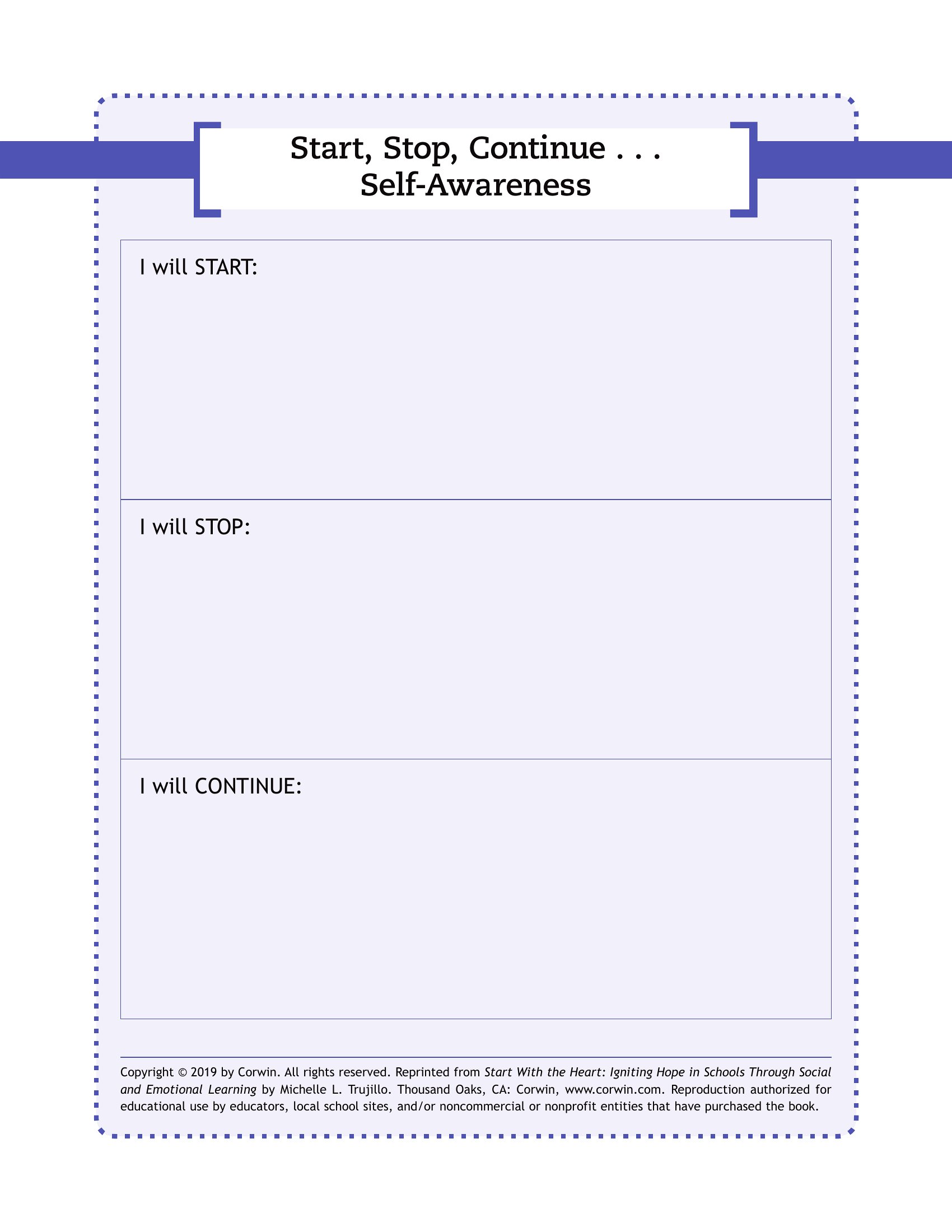
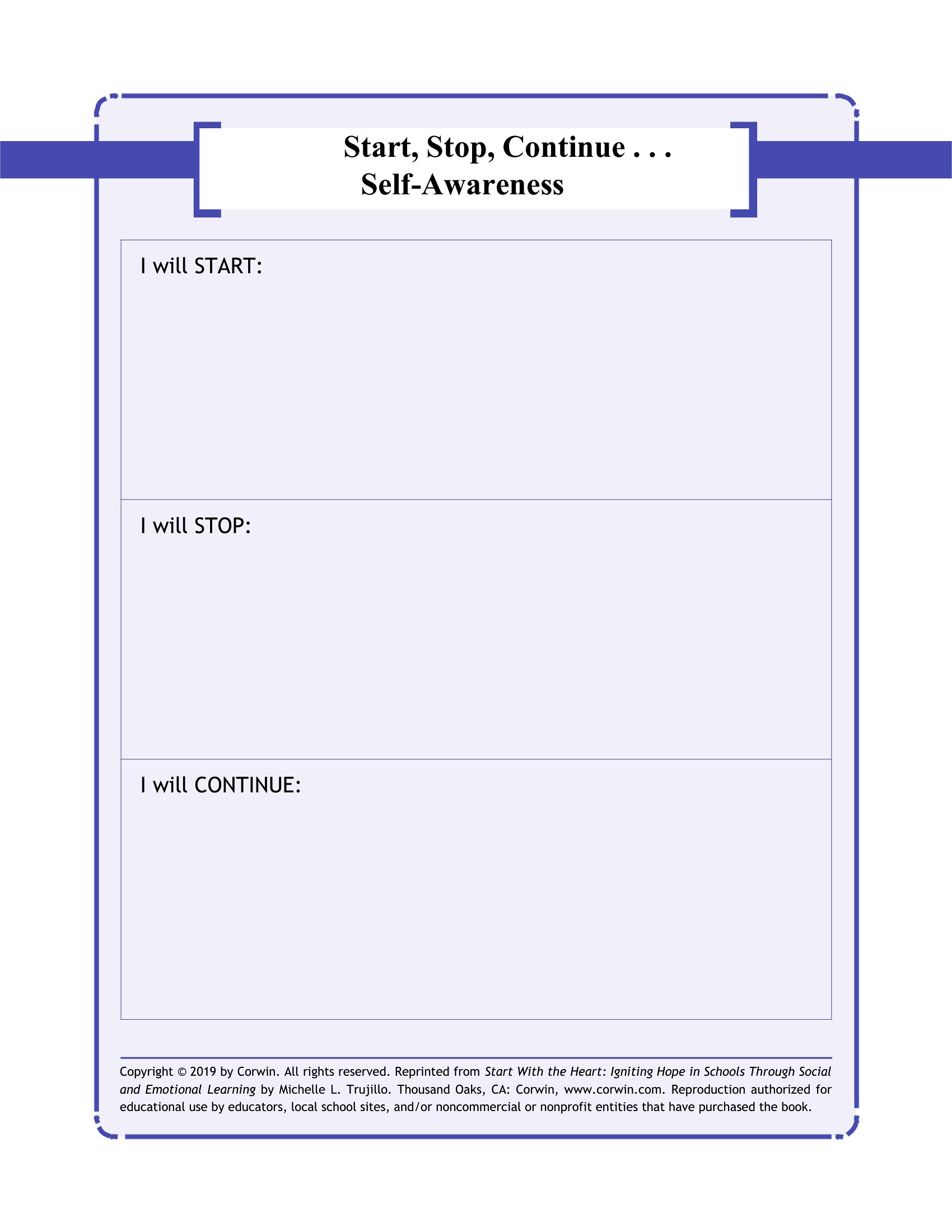
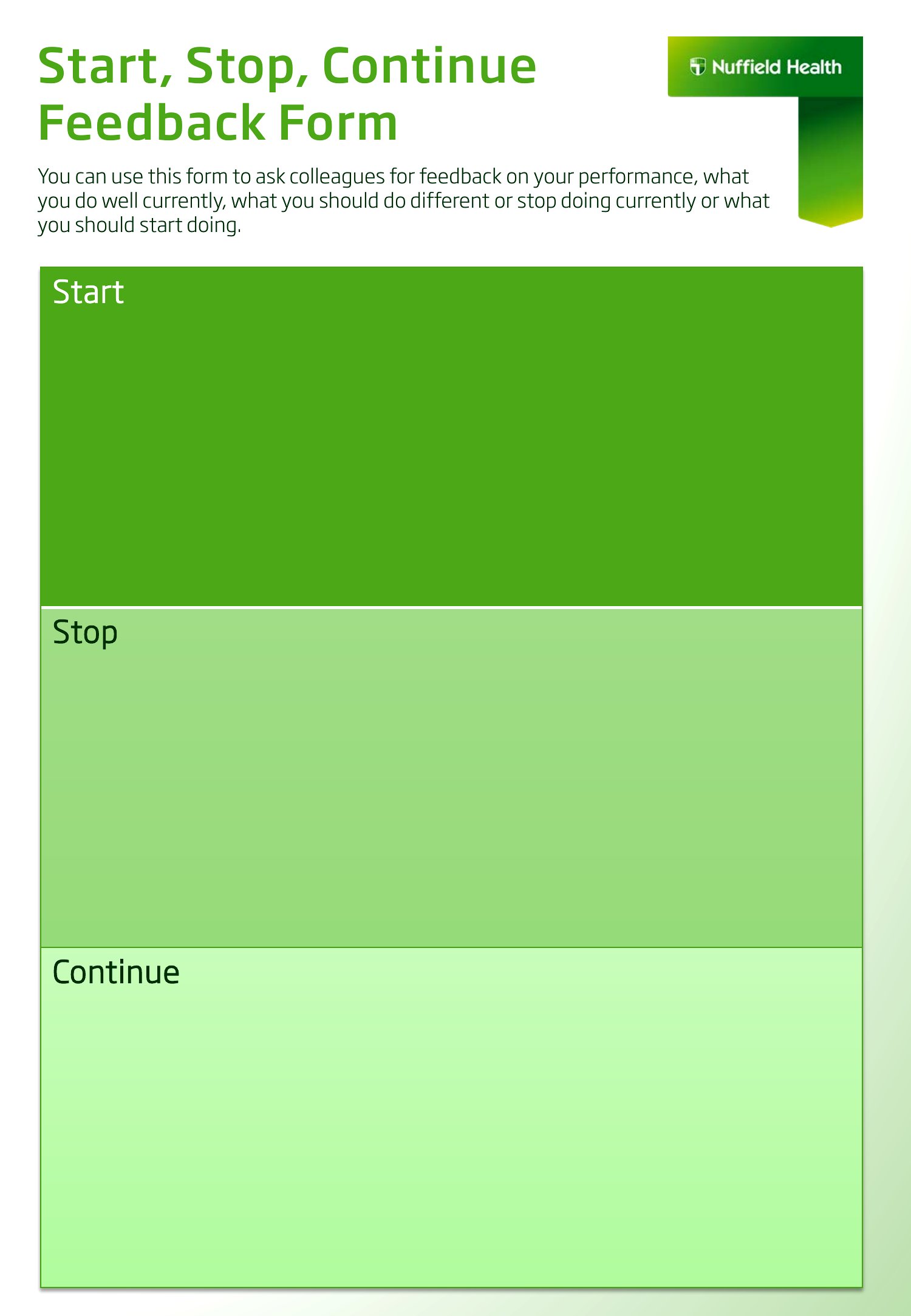
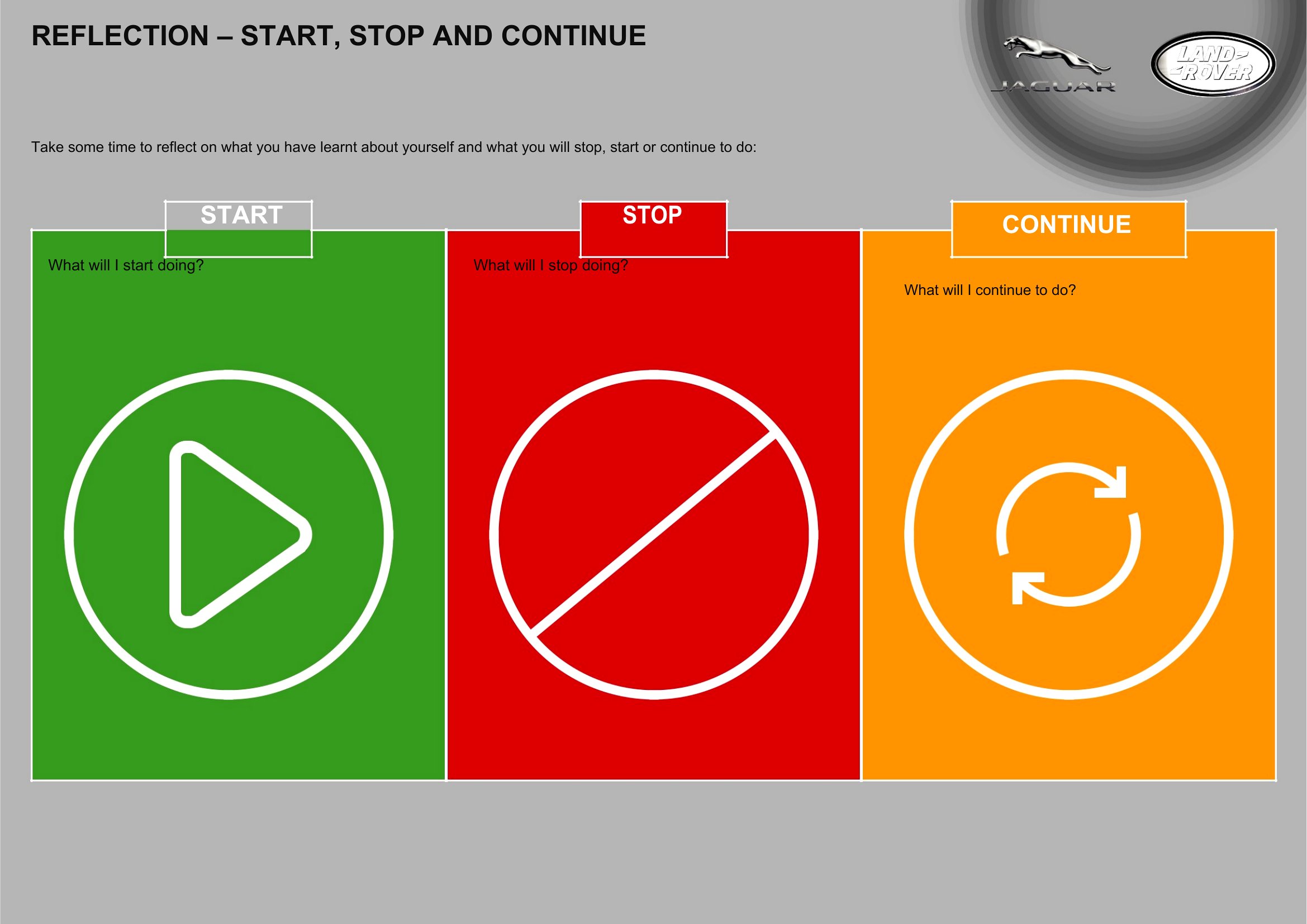
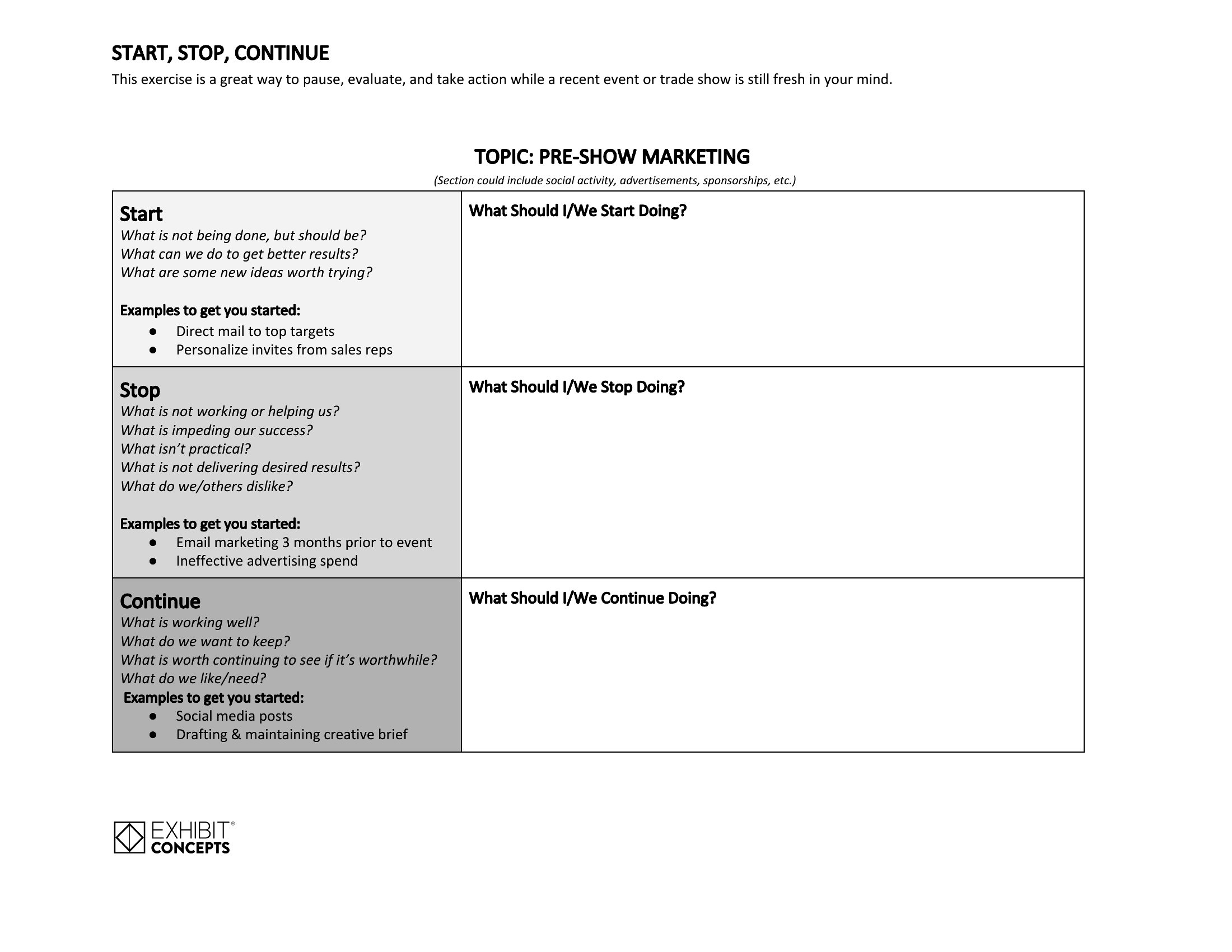
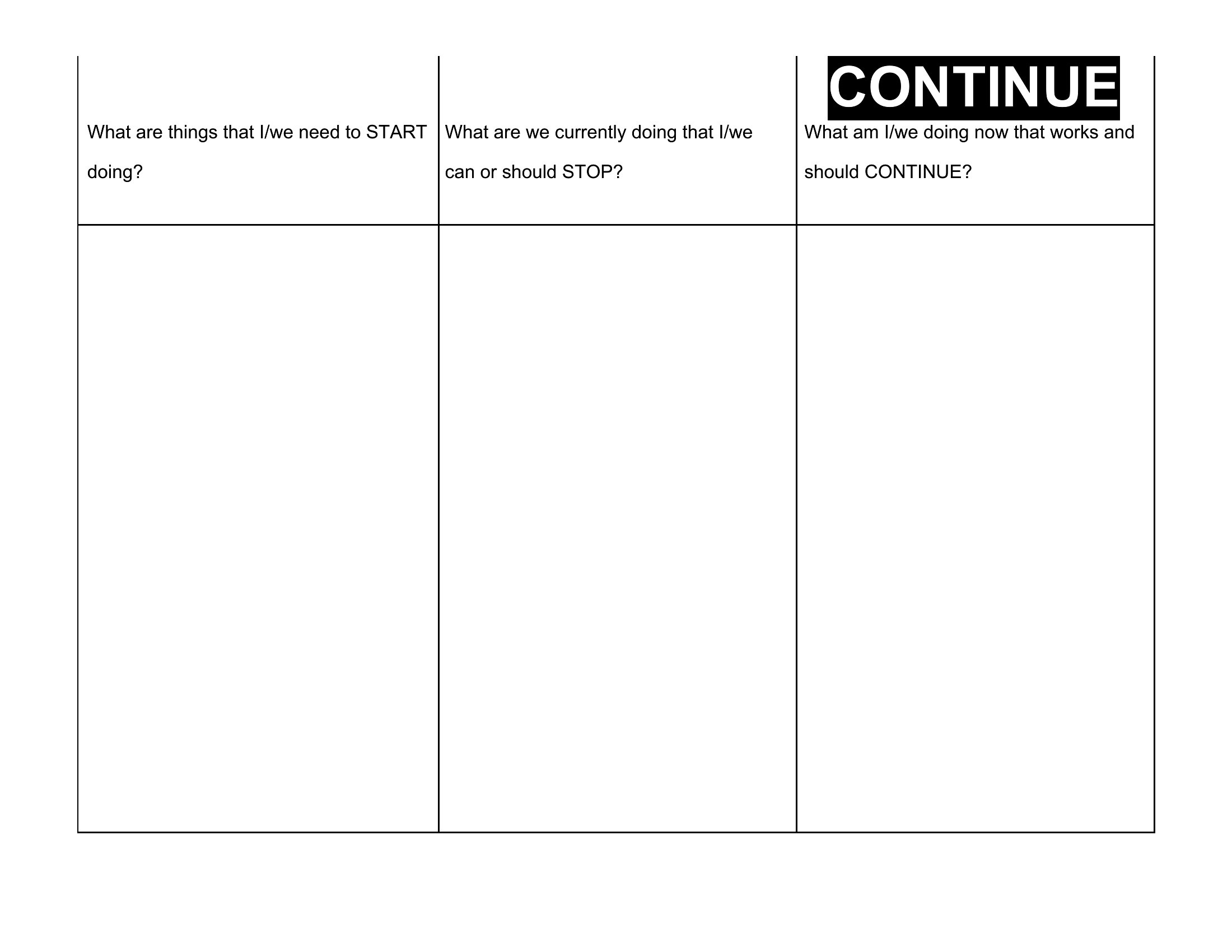
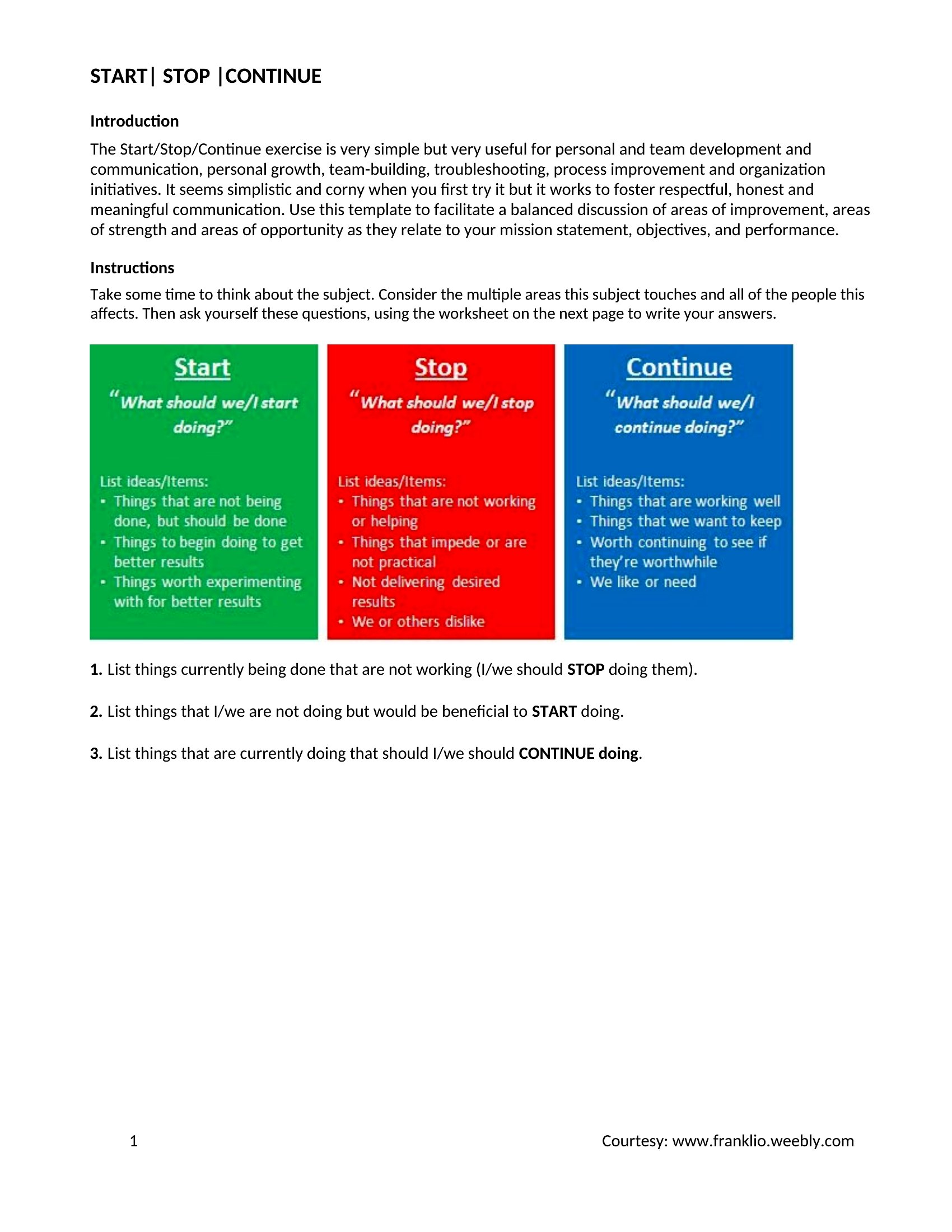
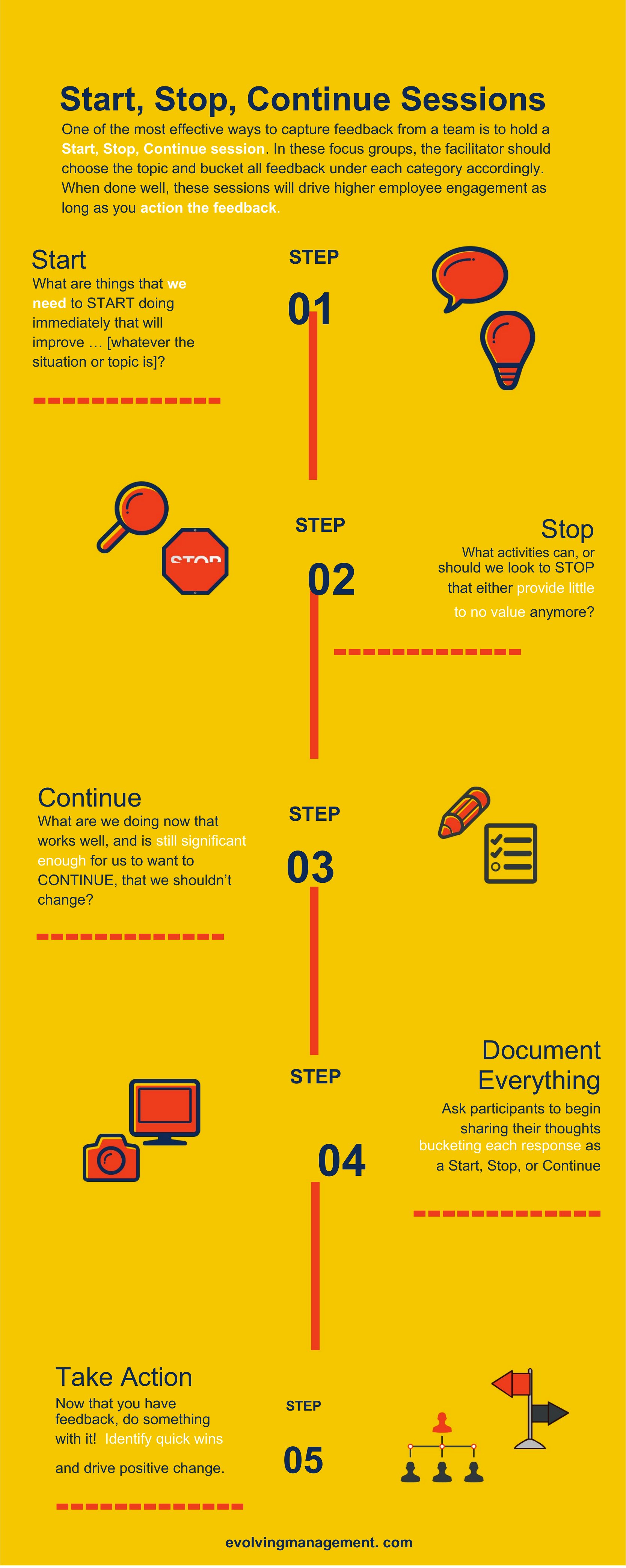
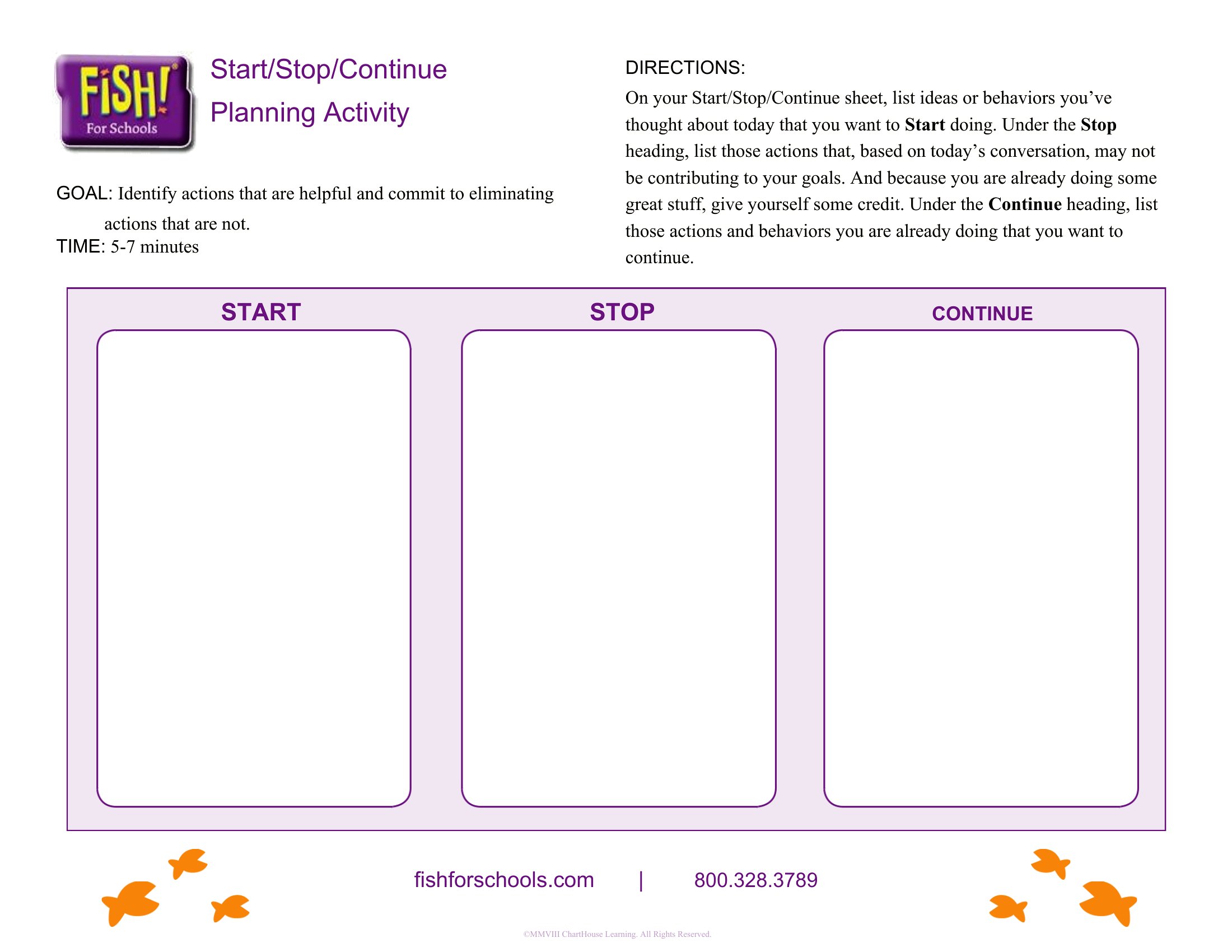
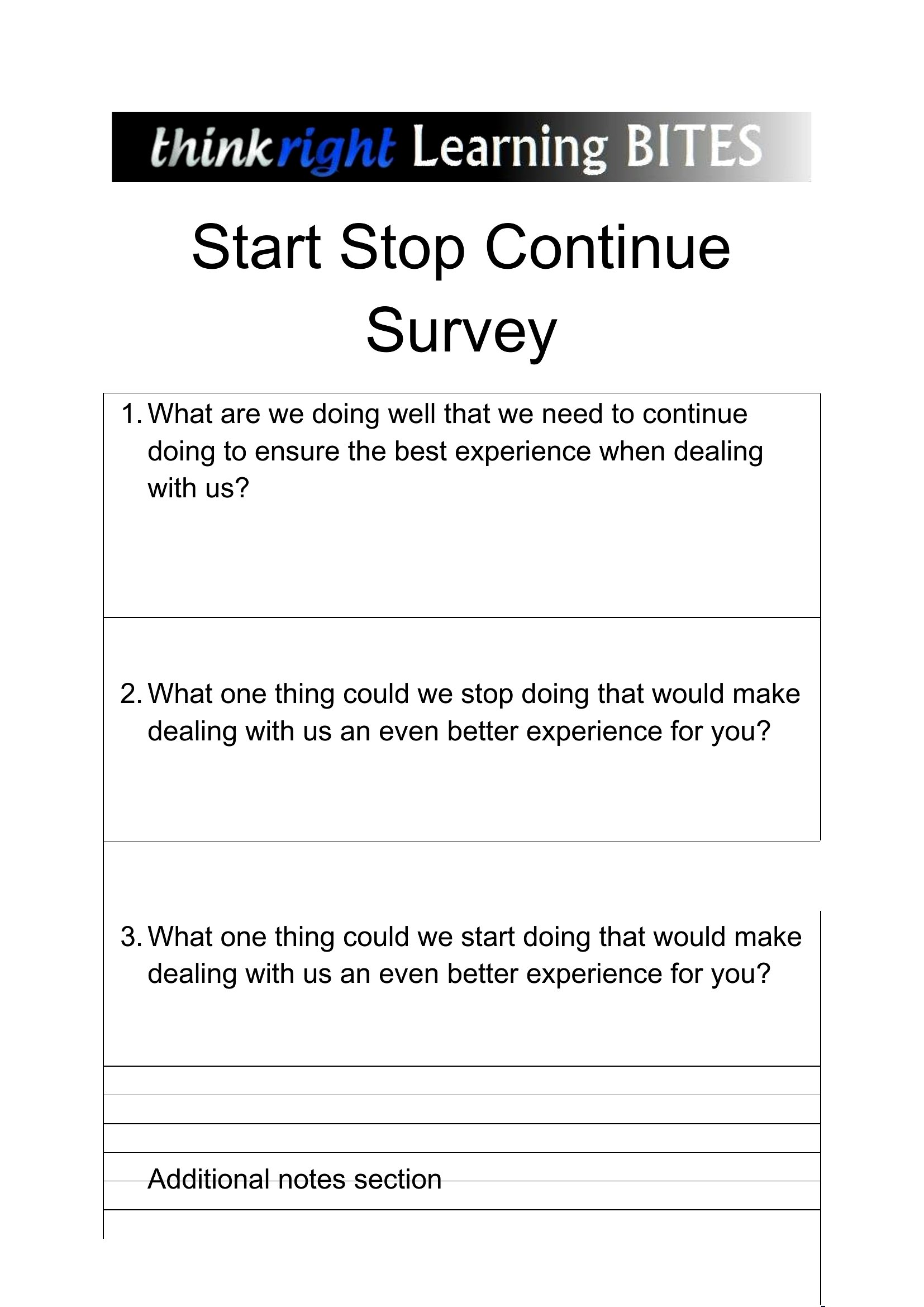
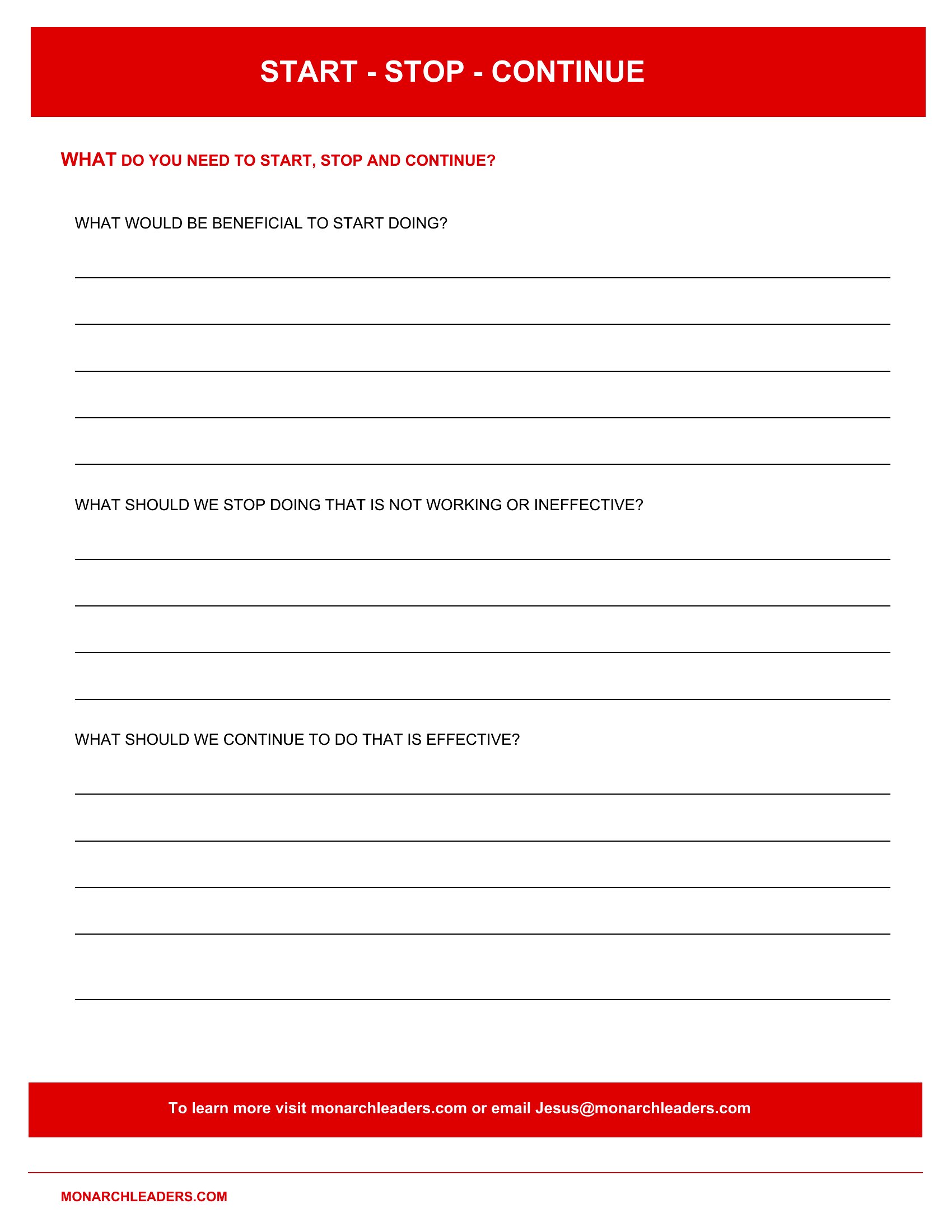
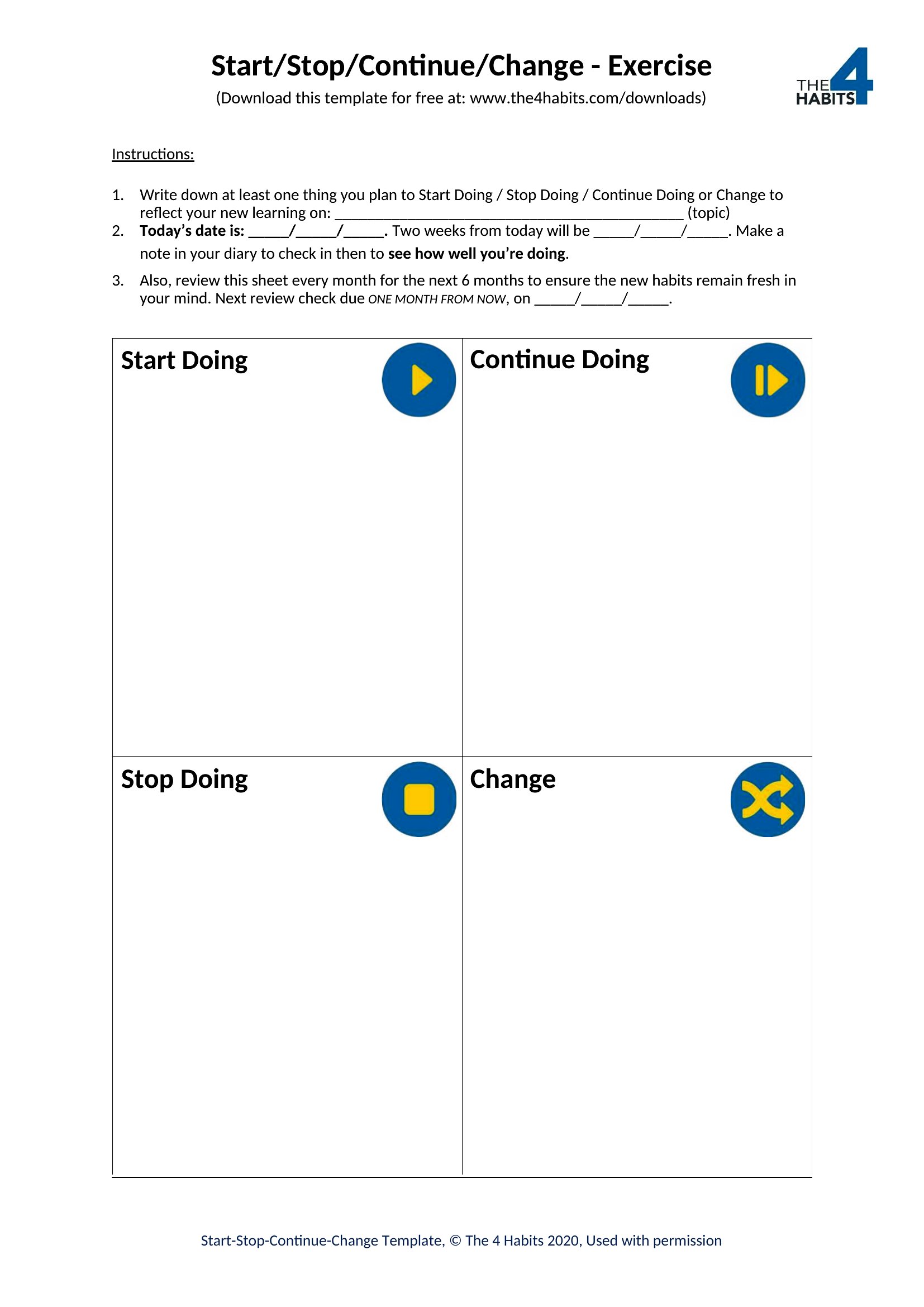
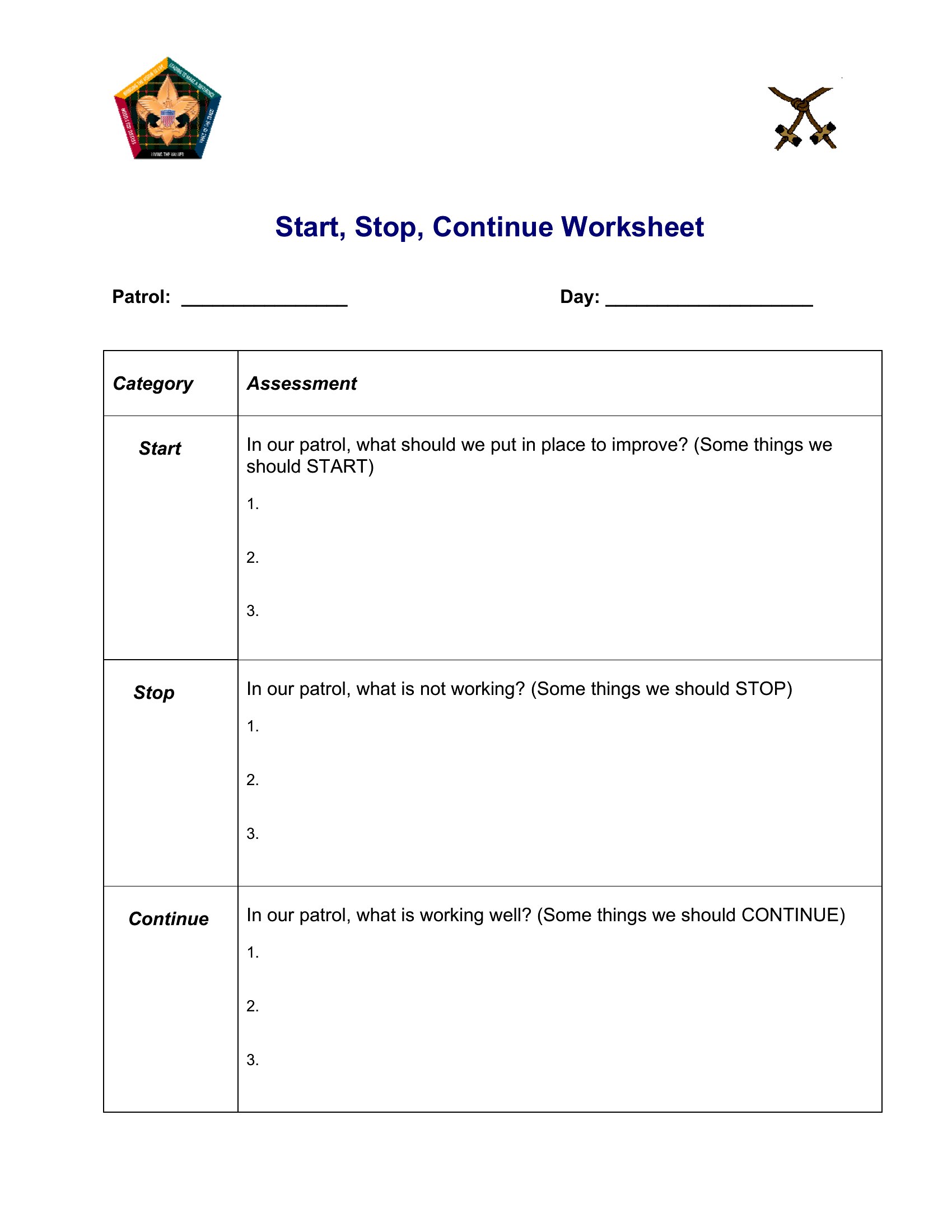
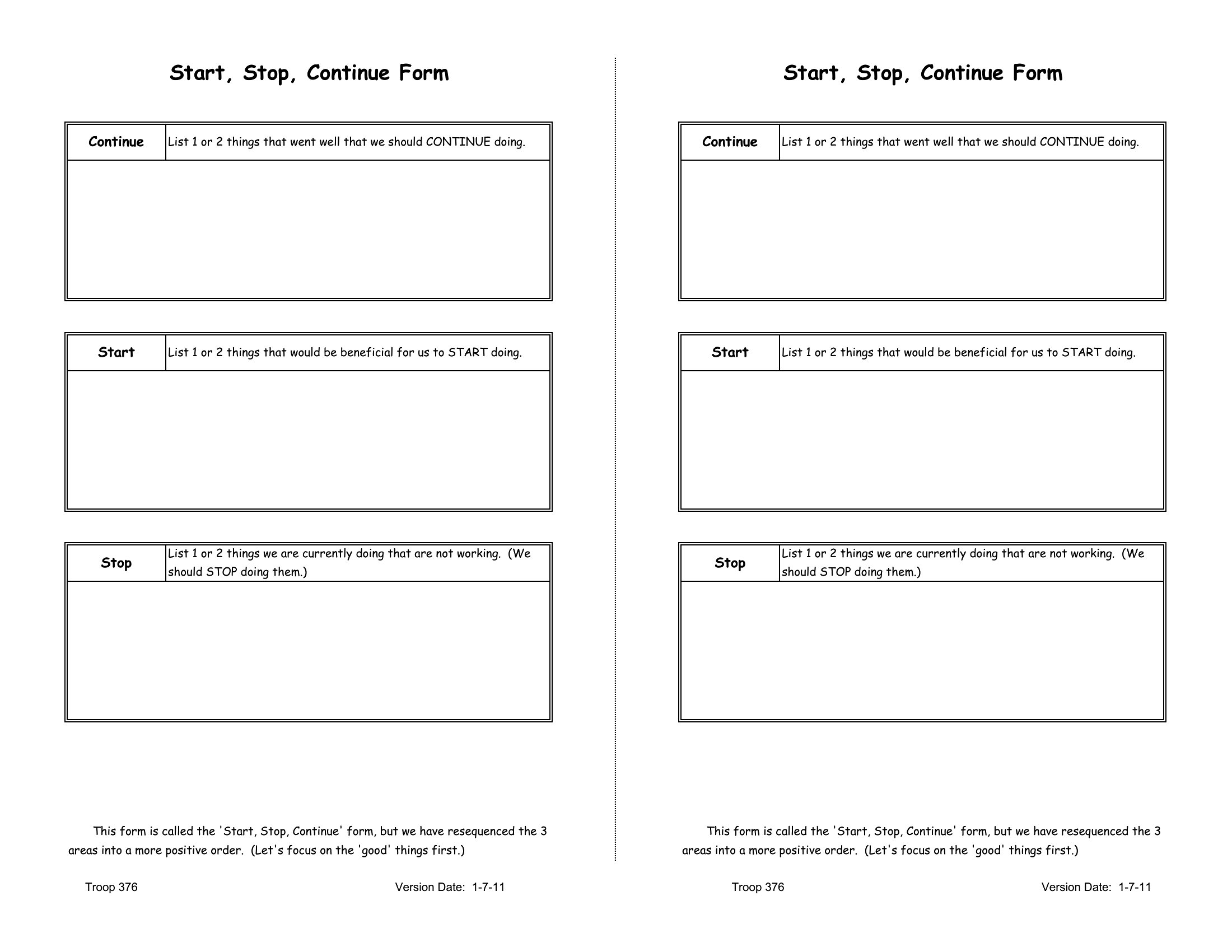
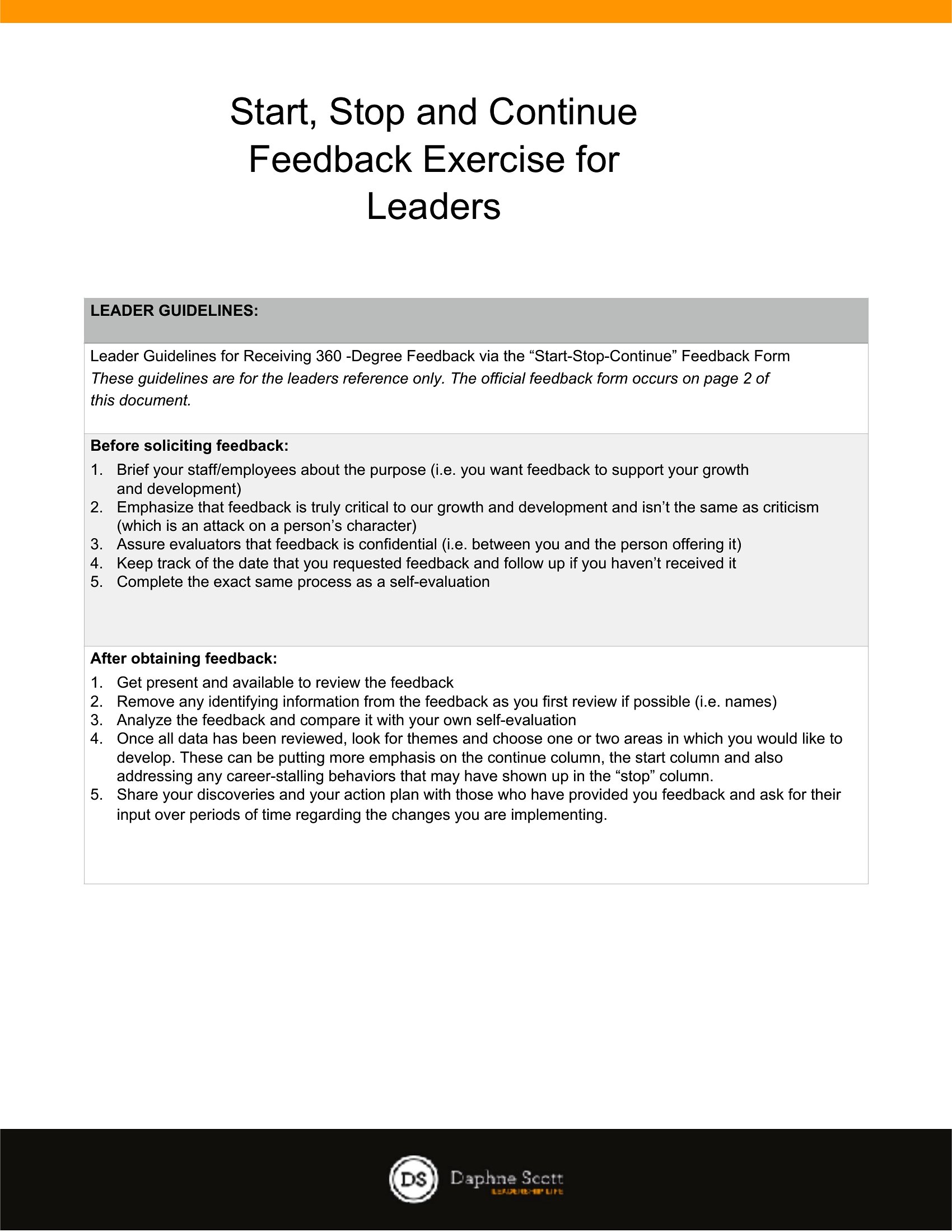
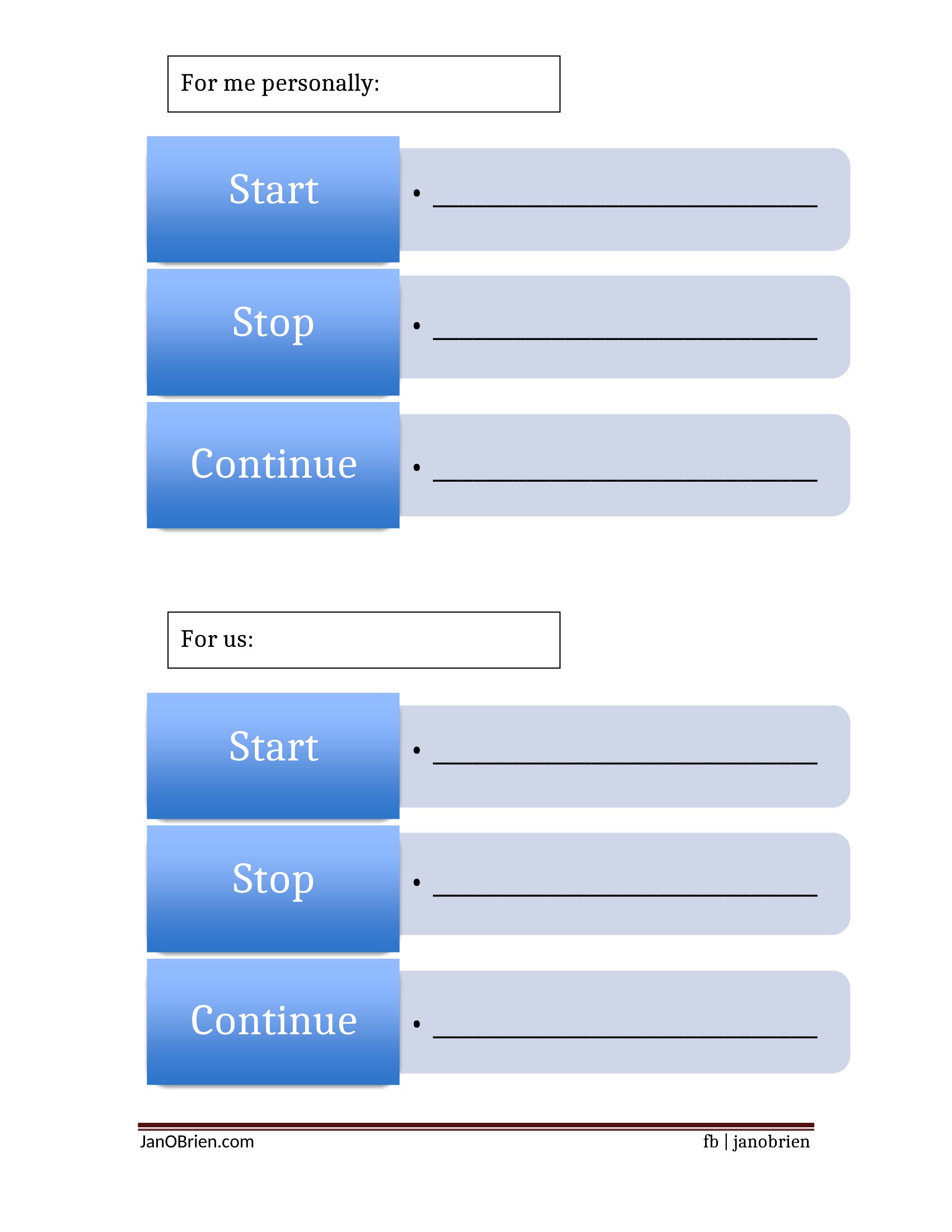
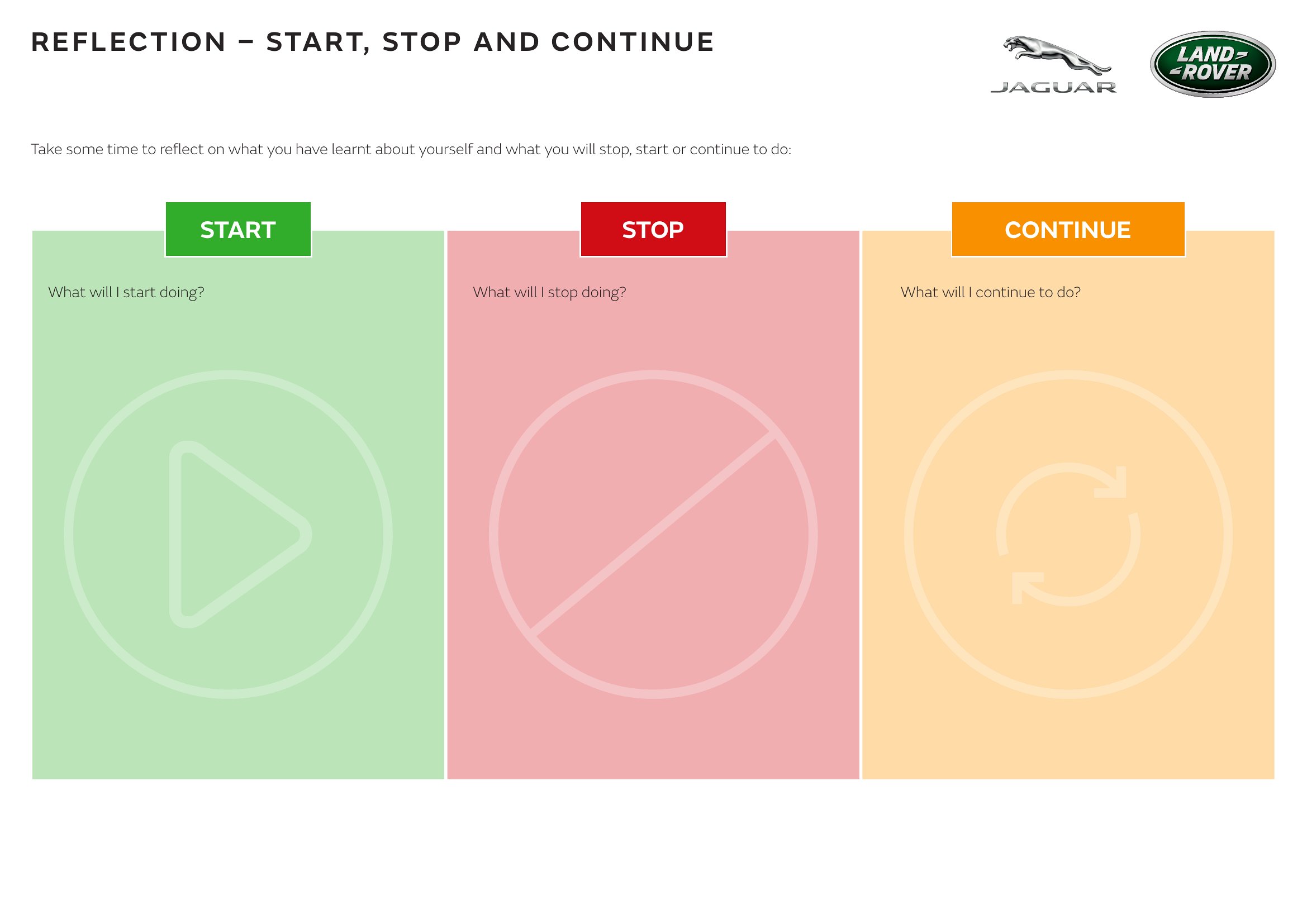
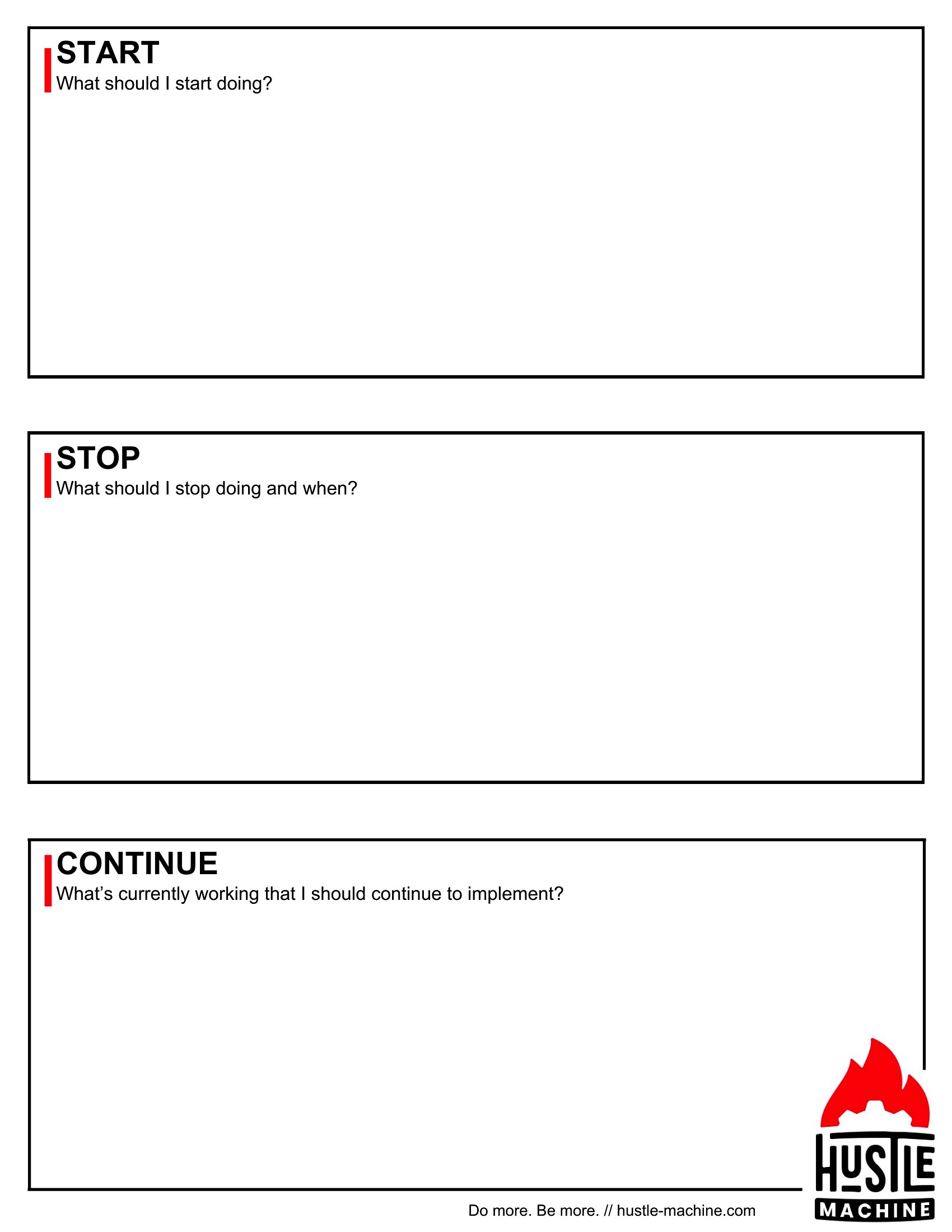
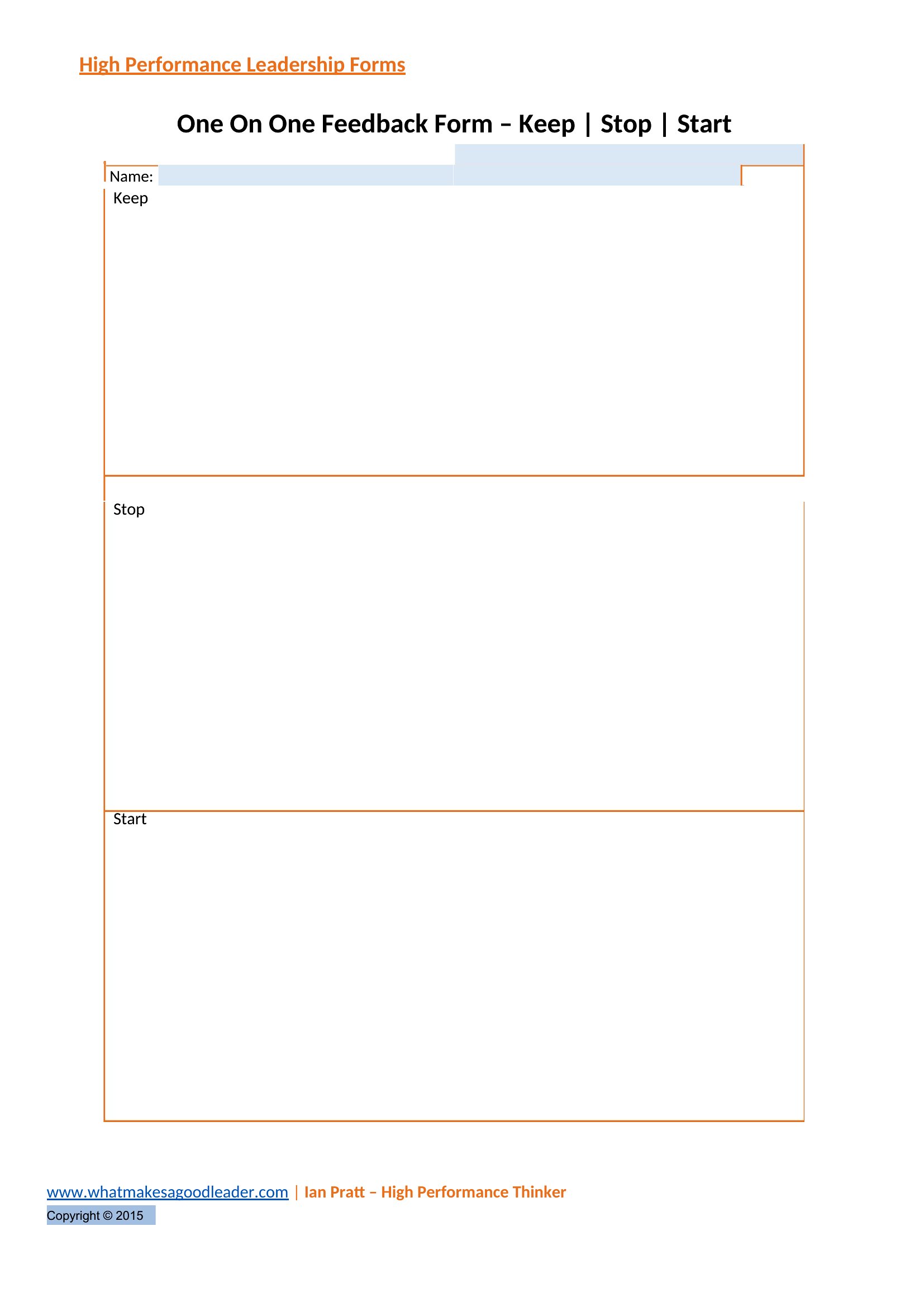
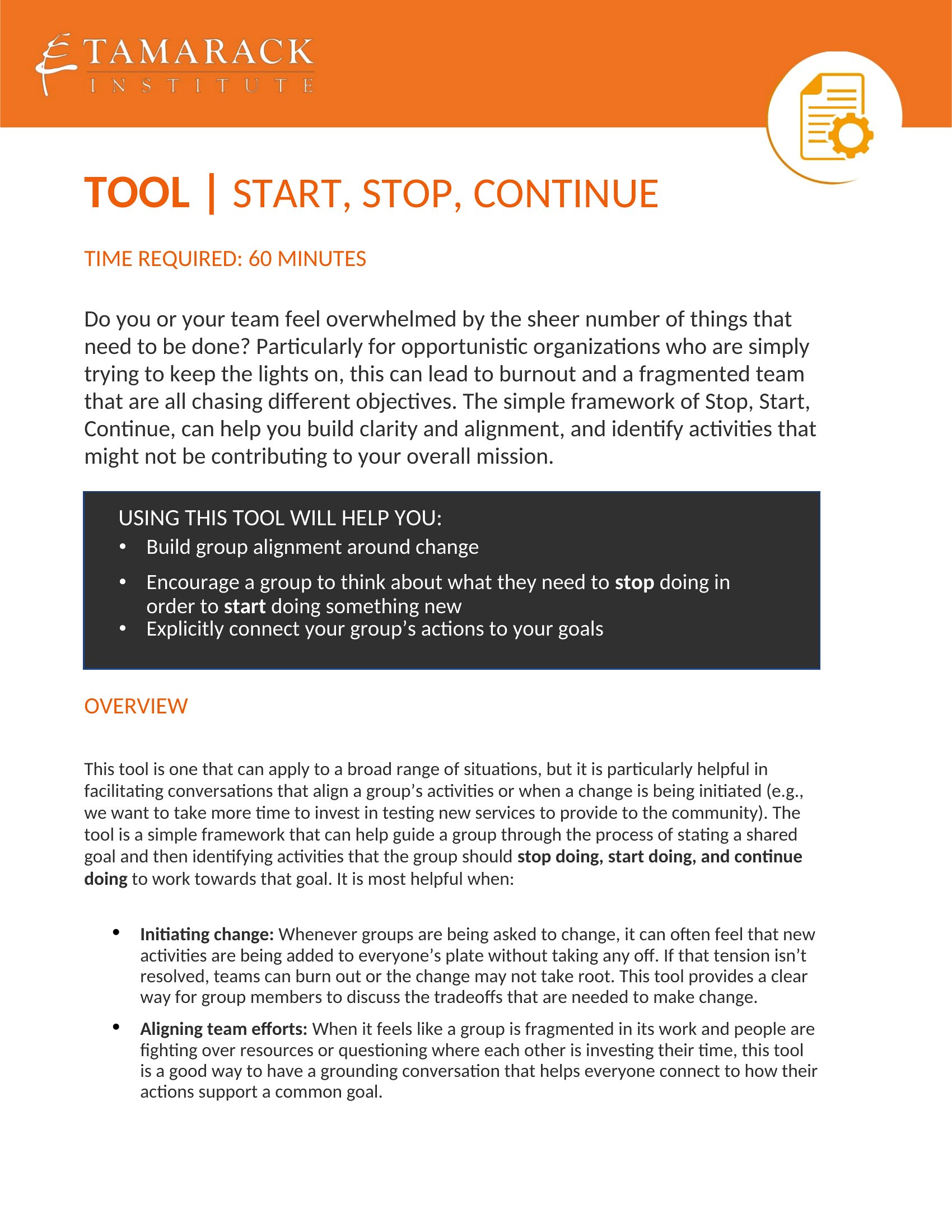
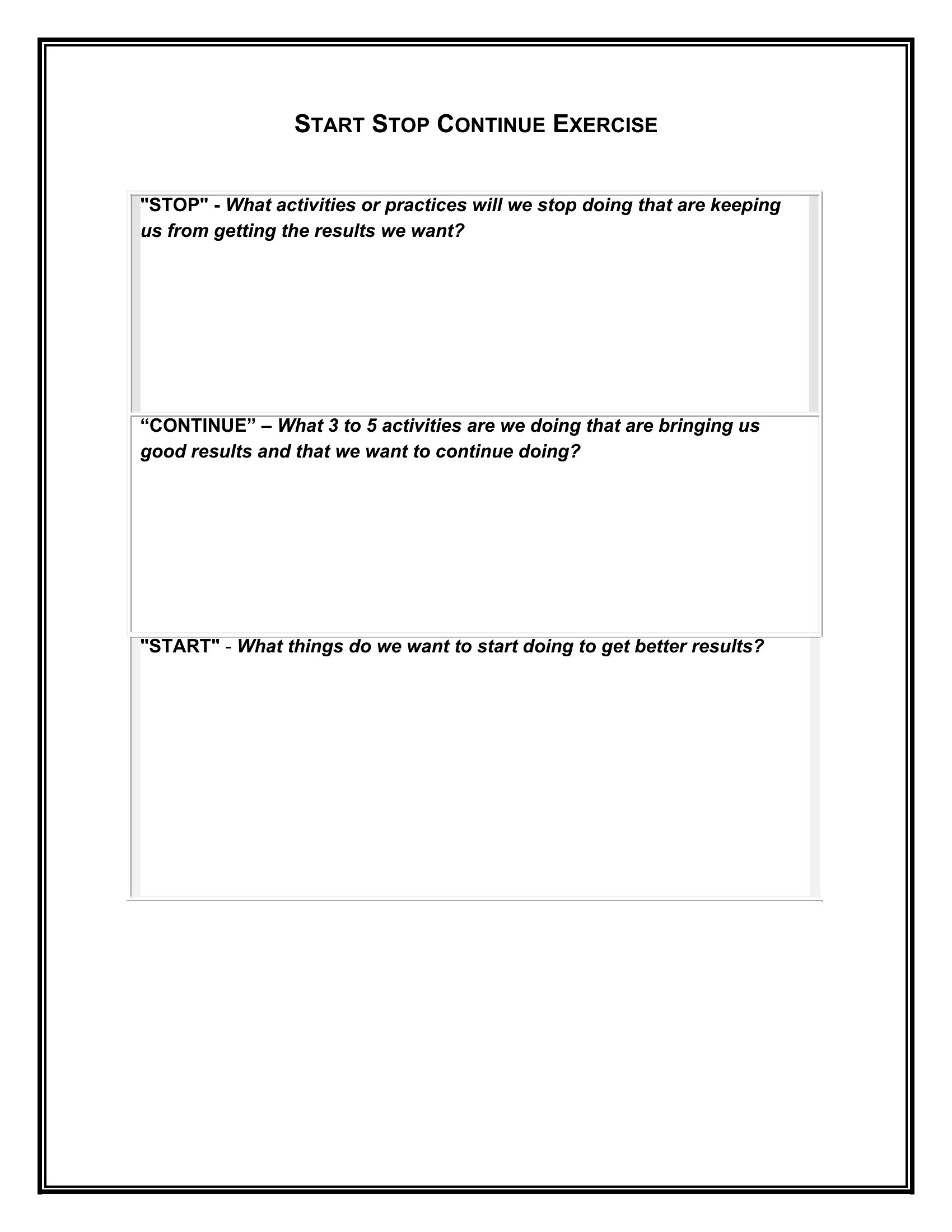
WorksheetsStart, stop, continue is a simple feedback framework that asks what a team should begin doing, quit doing, and keep doing, and it works for retrospectives, reviews, and personal reflection. This set of 52 start-stop-continue templates gives managers, agile teams, and coaches a ready three-column layout so the focus stays on the discussion, not the formatting. The structure keeps feedback constructive and easy to act on.
The templates come in Word for typing notes during a session and as PDFs to print for a whiteboard or workshop. Fill in each column as ideas come up, then share the summary with the group afterward. Use it after a sprint, a project, or a quarter to capture lessons while they're fresh. Pick the layout that fits your team and turn feedback into clear next steps.
When to use this Start-Stop-Continue template
- Agile development teams running sprint retrospectives to quickly identify actionable improvements without lengthy documentation.
- New managers hosting one-on-one check-ins with direct reports to surface what’s working and what needs adjustment in their workflow.
- HR departments facilitating exit interviews to capture constructive feedback from departing employees while keeping the conversation focused.
- Training facilitators wrapping up workshops to gauge participant engagement and refine future session content based on real-time insights.
Which format should I download?
Choose Word if you need to collaborate in real time, edit responses, or share the template for repeated use across multiple sessions. The editable format works well for teams that prefer digital annotations or plan to revisit feedback later. Opt for PDF if you’re printing handouts for in-person workshops or need a static, professional version to distribute to stakeholders who don’t use Microsoft Office. PDFs also lock in the layout, ensuring consistency during presentations or formal reviews.
How to use this Start-Stop-Continue template
Can I use these templates for anonymous feedback sessions?
Yes, these templates are designed to be flexible. For anonymous sessions, print the PDF versions or use Word’s comment feature to collect responses without requiring names. Focus on the three-column structure to keep feedback organized while protecting confidentiality.
How do I adapt this for a non-work setting, like a book club or volunteer group?
Simply rephrase the prompts to fit your group’s goals. For example, replace ‘start’ with ‘explore,’ ‘stop’ with ‘avoid,’ and ‘continue’ with ‘keep doing’ to make it feel more inclusive. The core structure remains the same—just tailor the language to your context.
What’s the best way to follow up on the feedback collected?
After the session, group similar responses under each column (start/stop/continue) and share a summary with actionable next steps. For teams, assign owners to specific items; for personal reflection, use the insights to set goals. The templates don’t include follow-up tools, but pairing them with a project tracker or goal-setting worksheet can help.
Comments
Join the conversation
Sign in to share your thoughts and leave a comment on this resource.