FAQ
What’s the difference between forbearance and a payment plan?
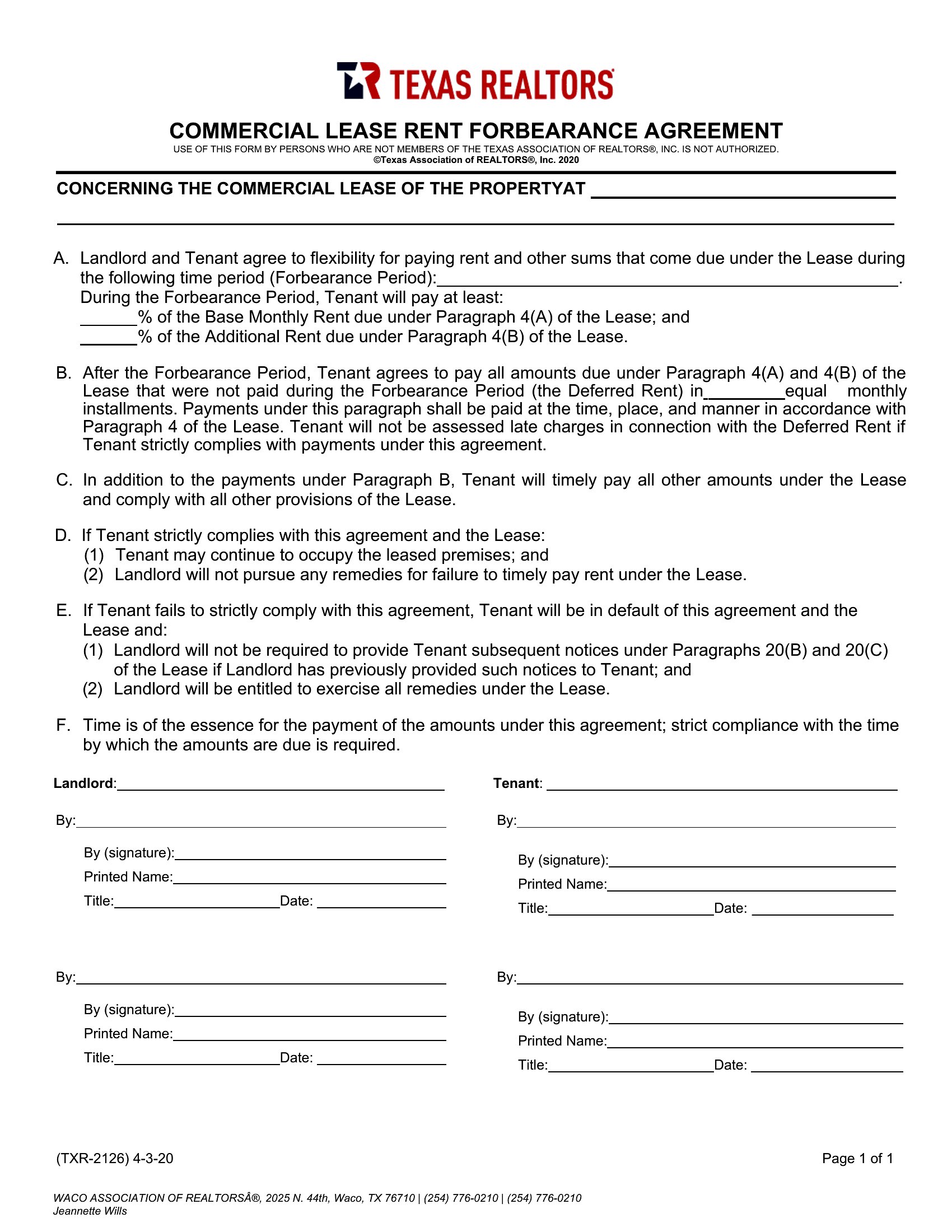
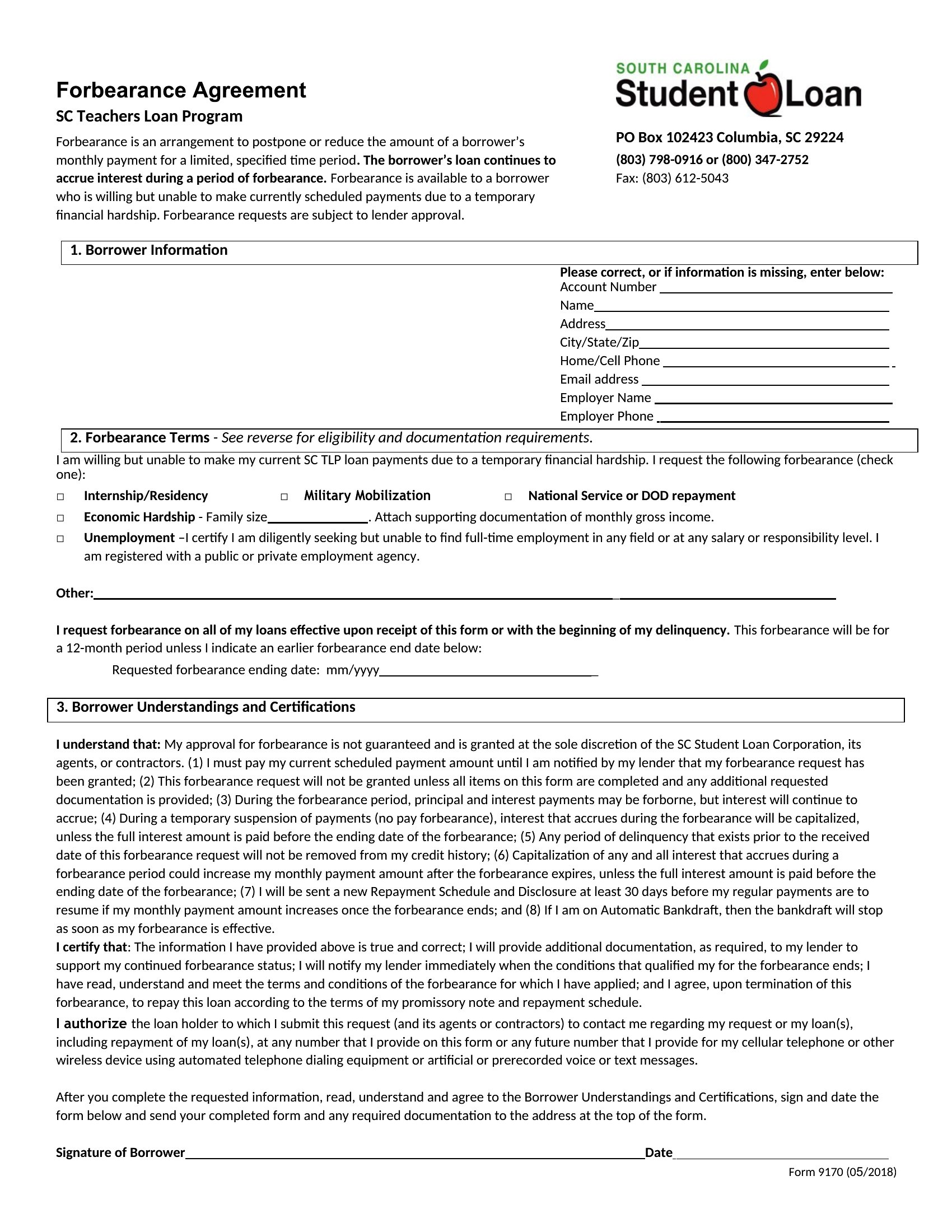
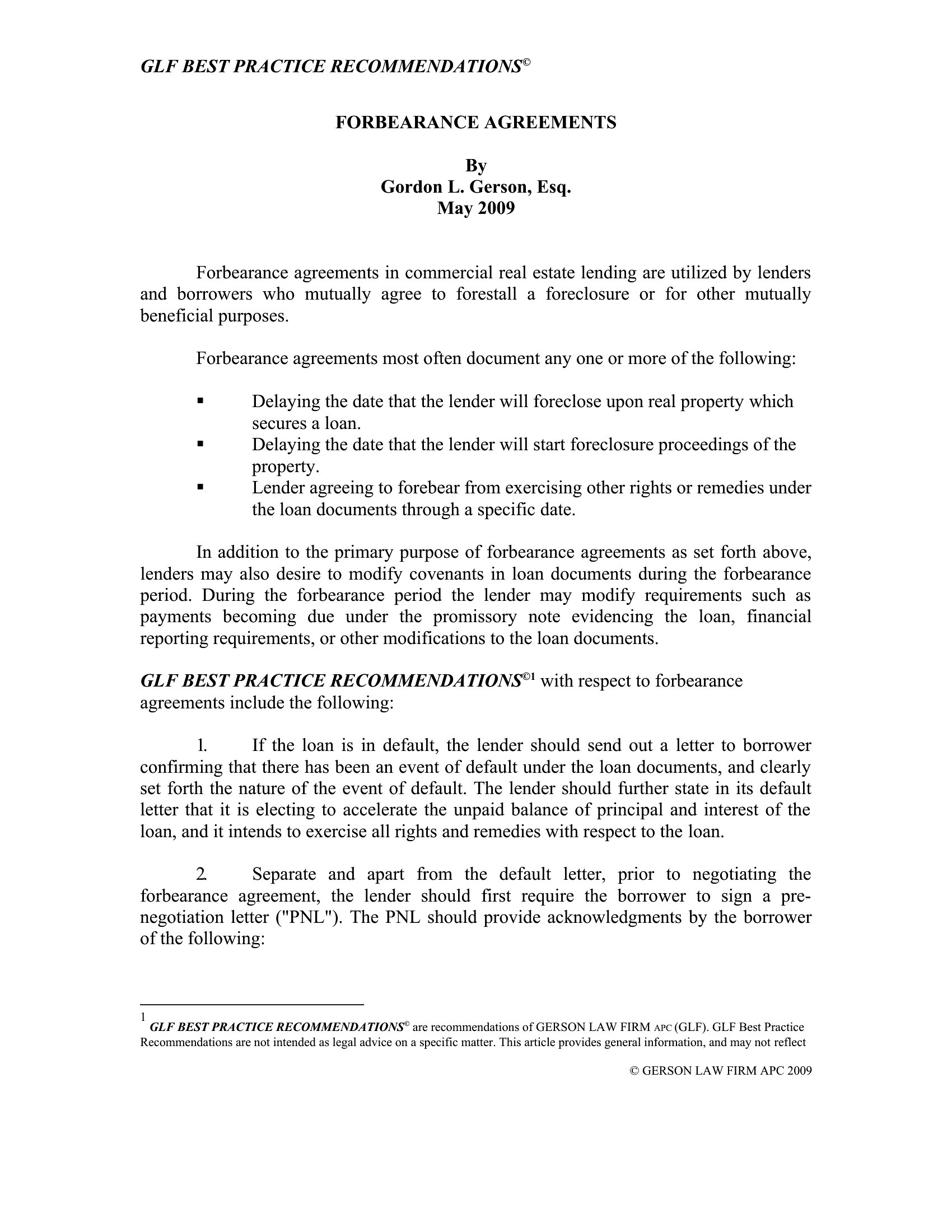
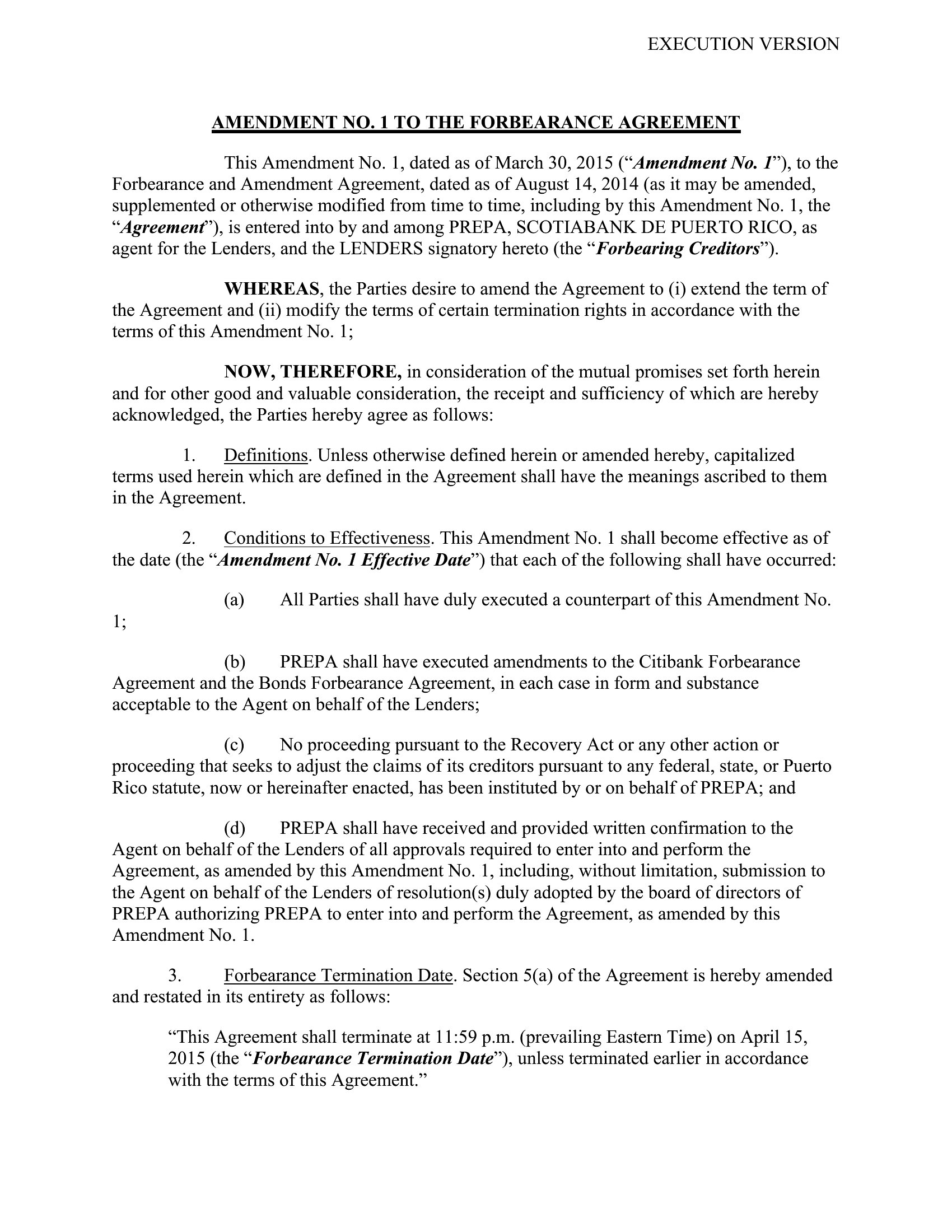
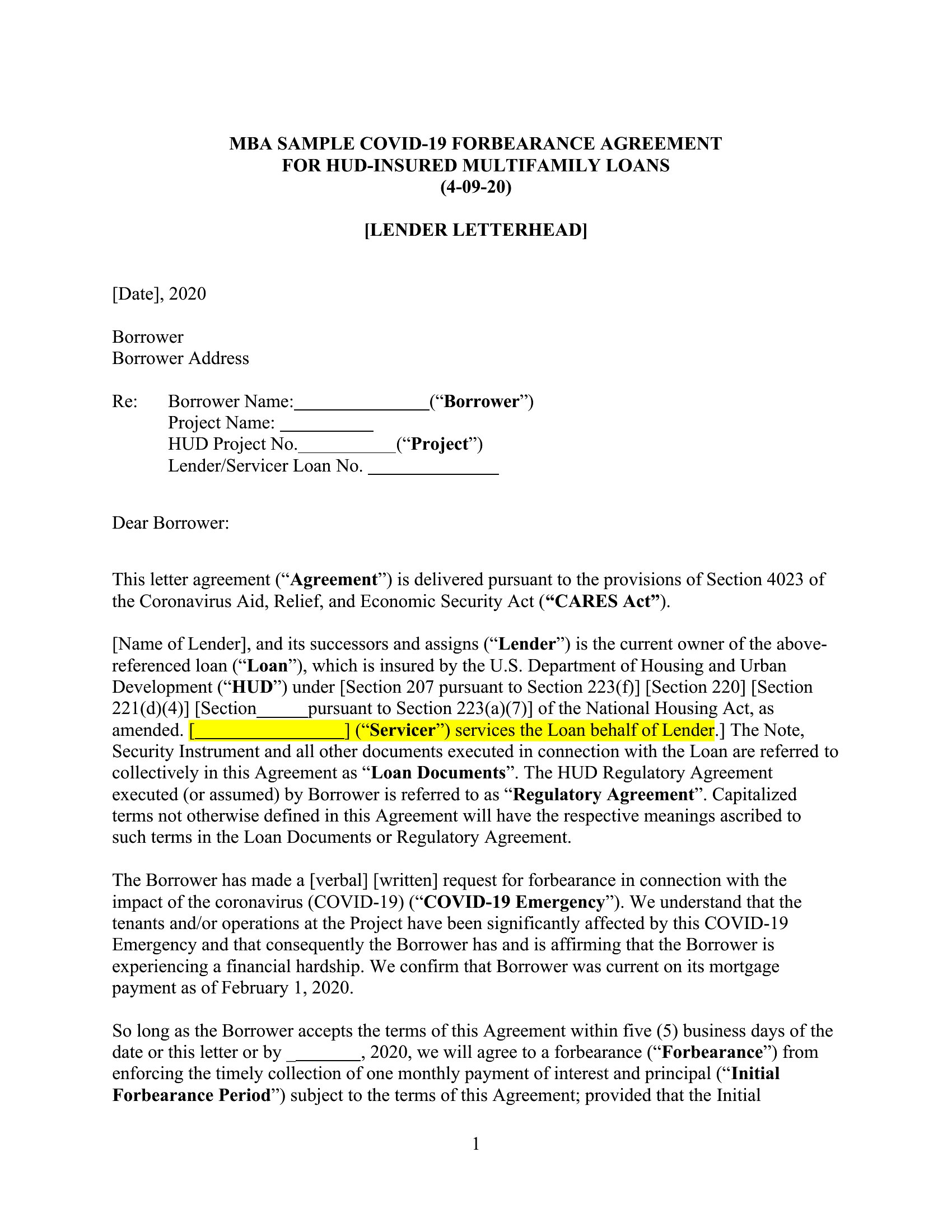
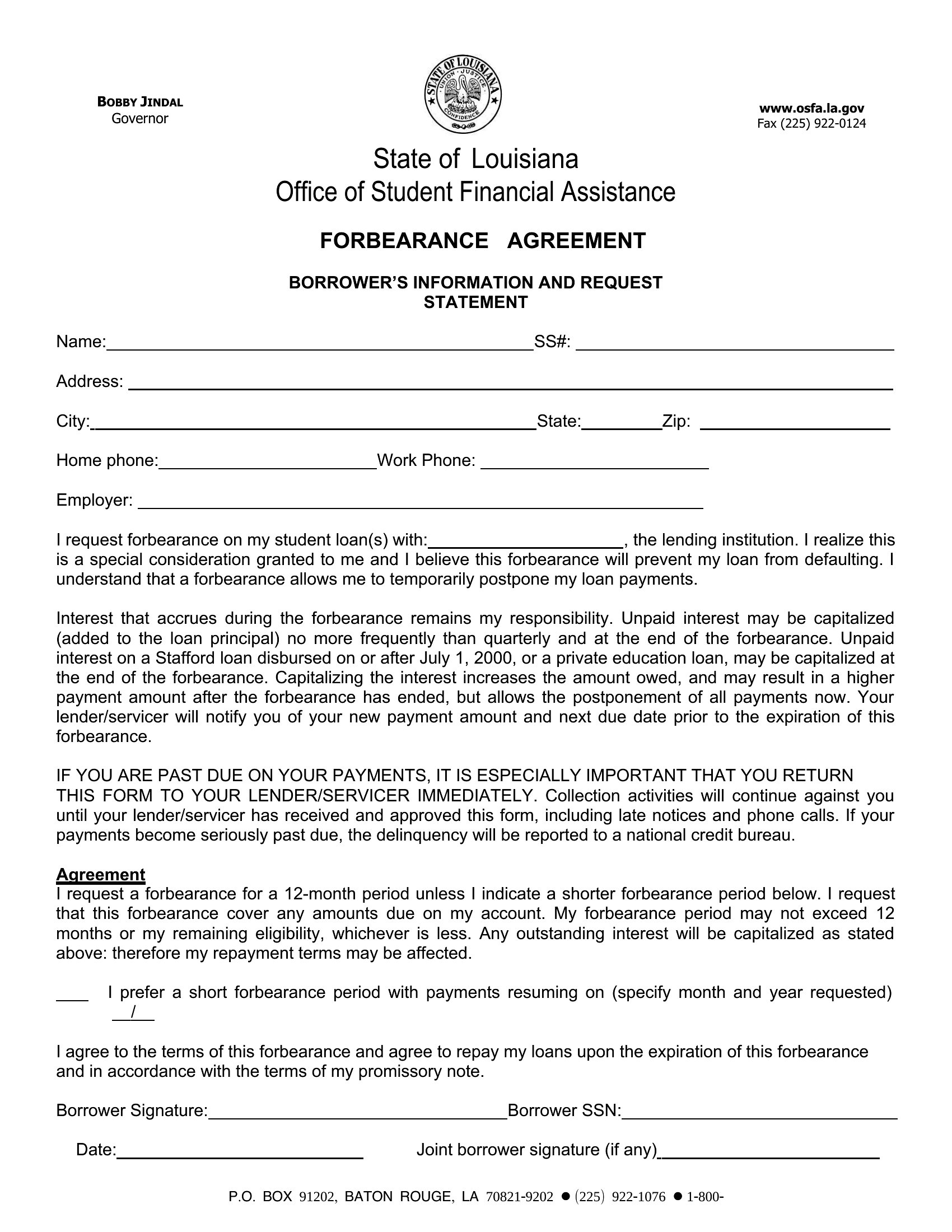
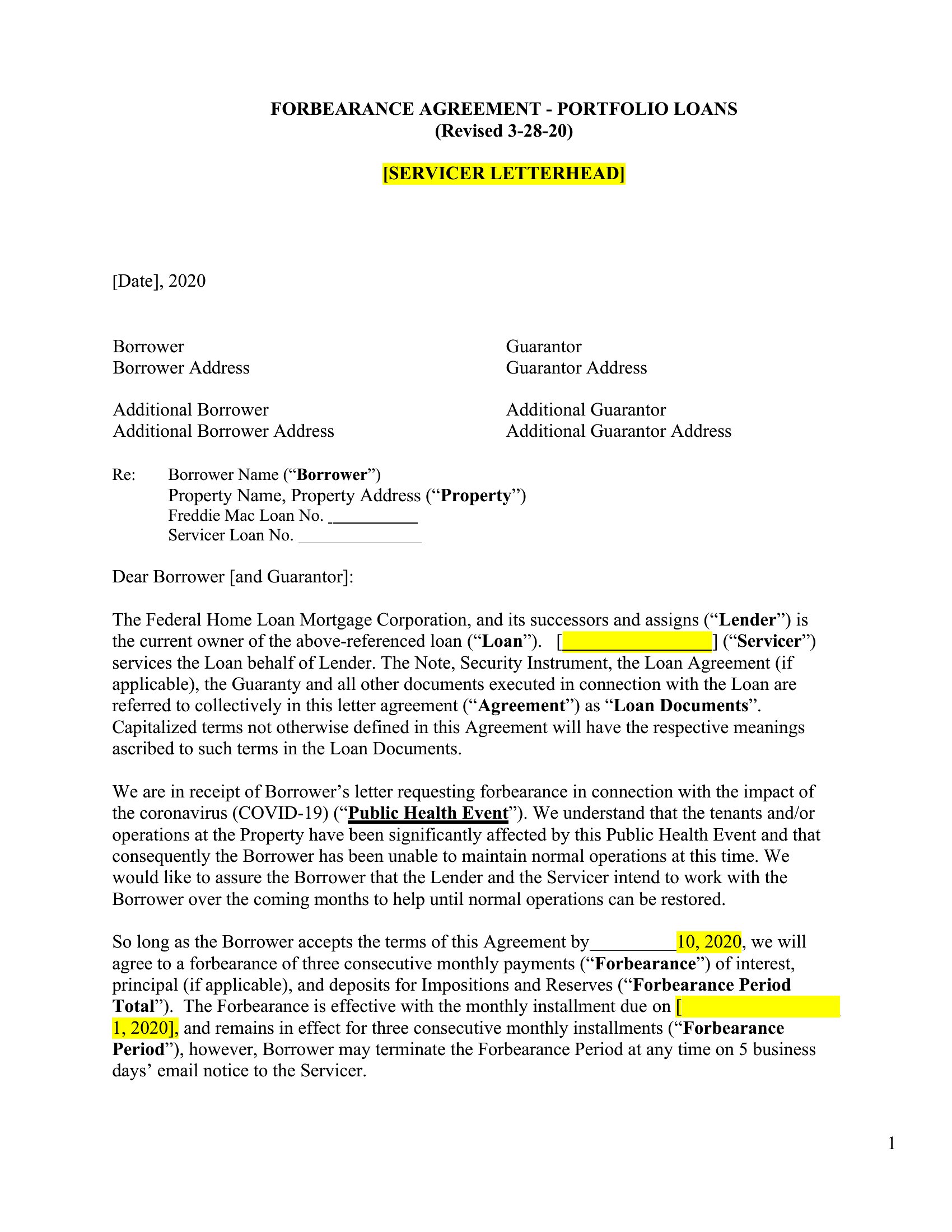
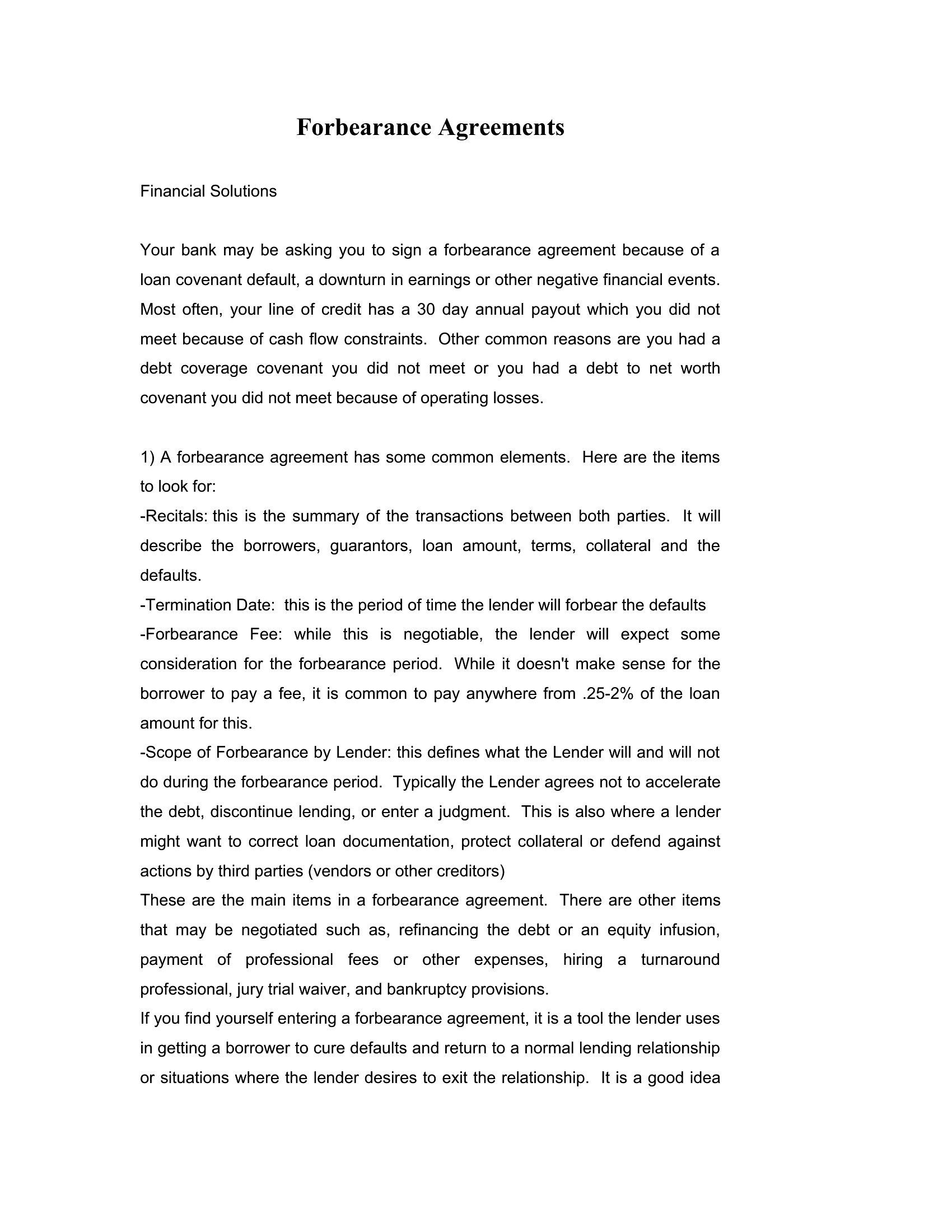
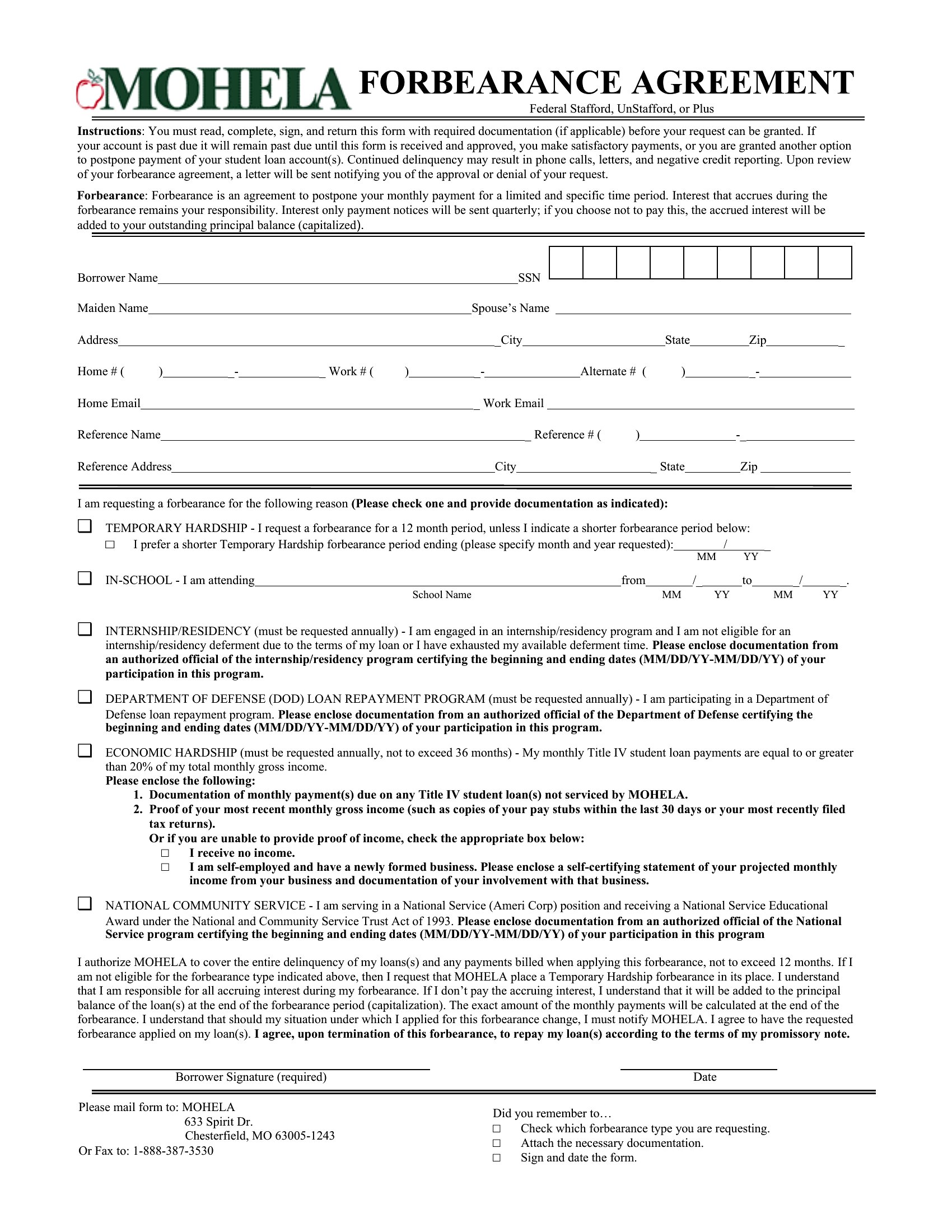
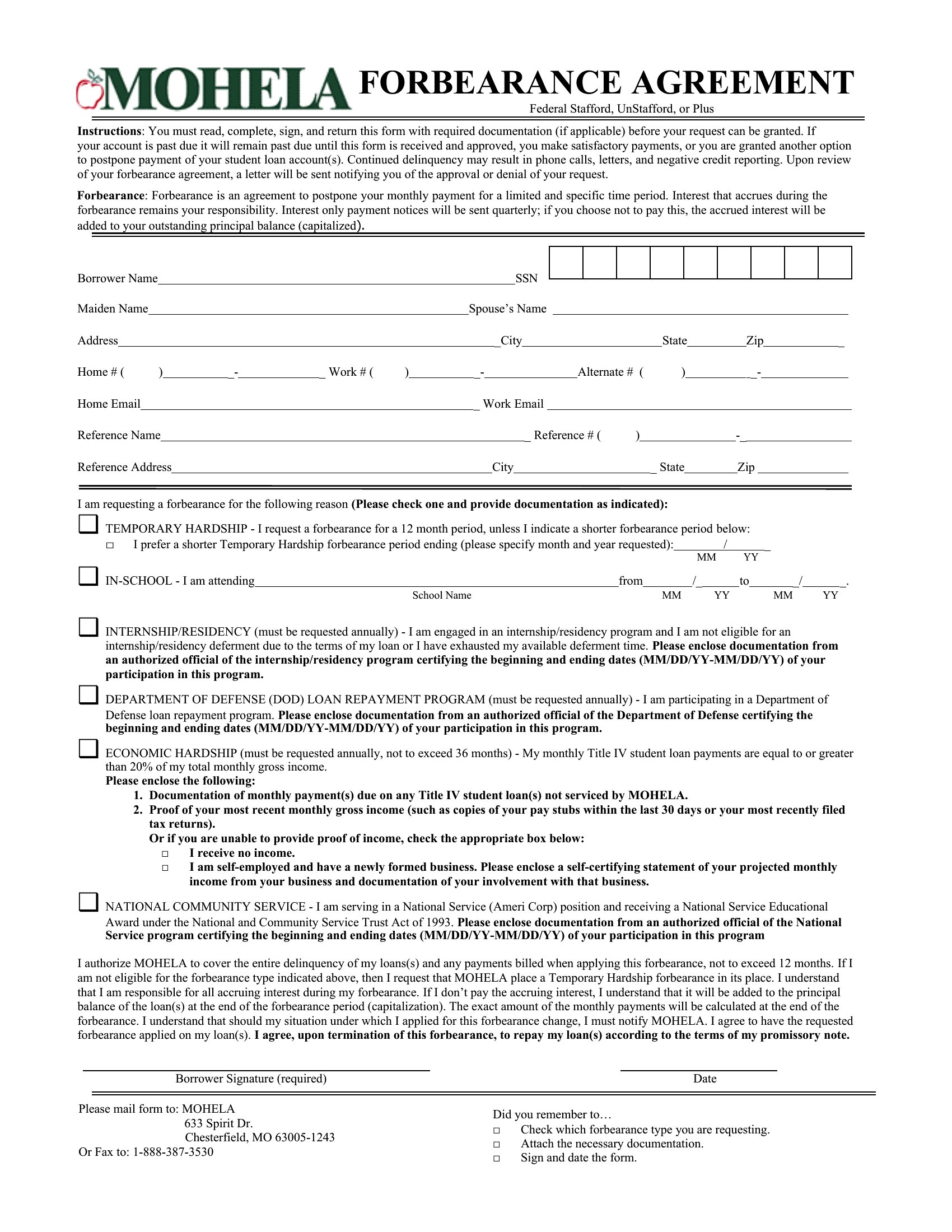
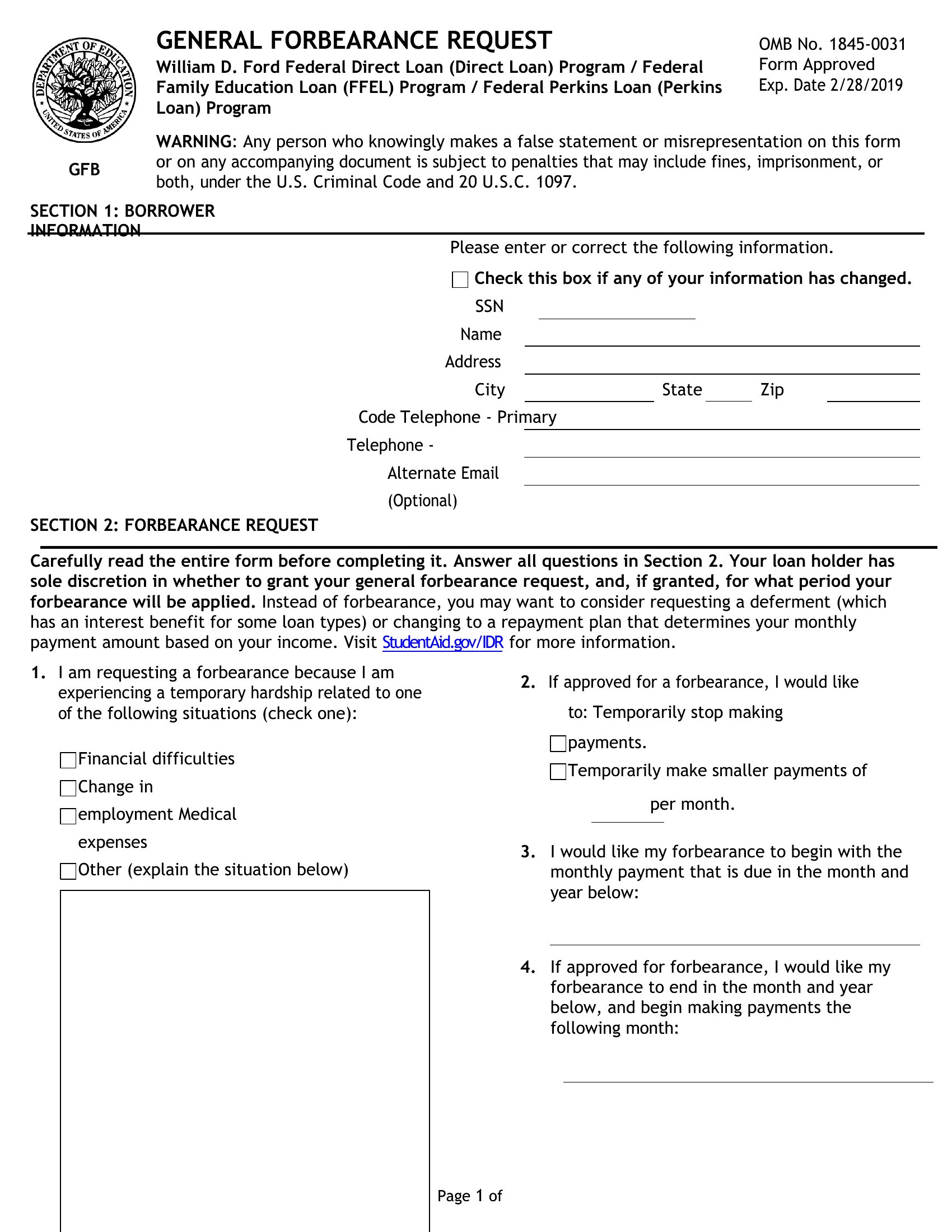
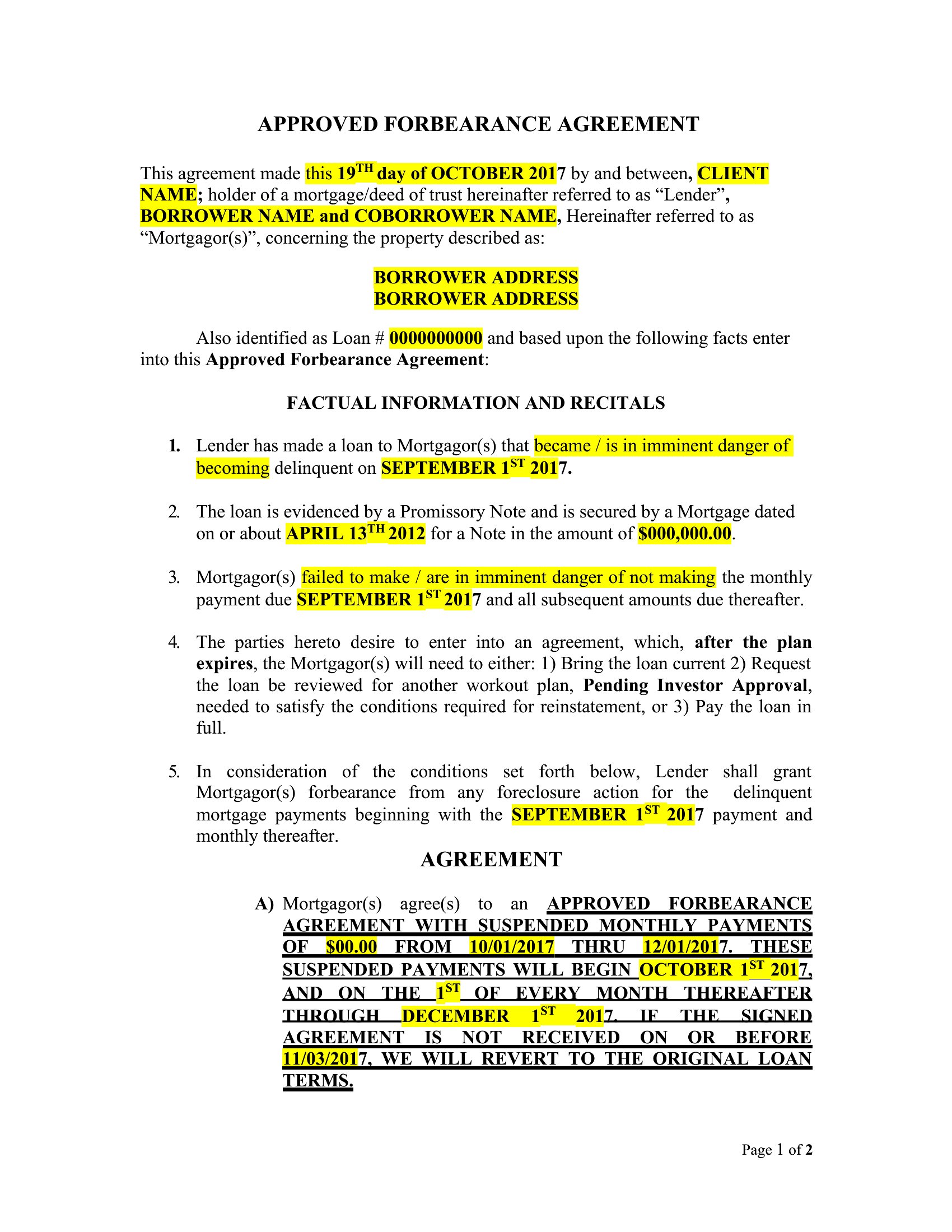
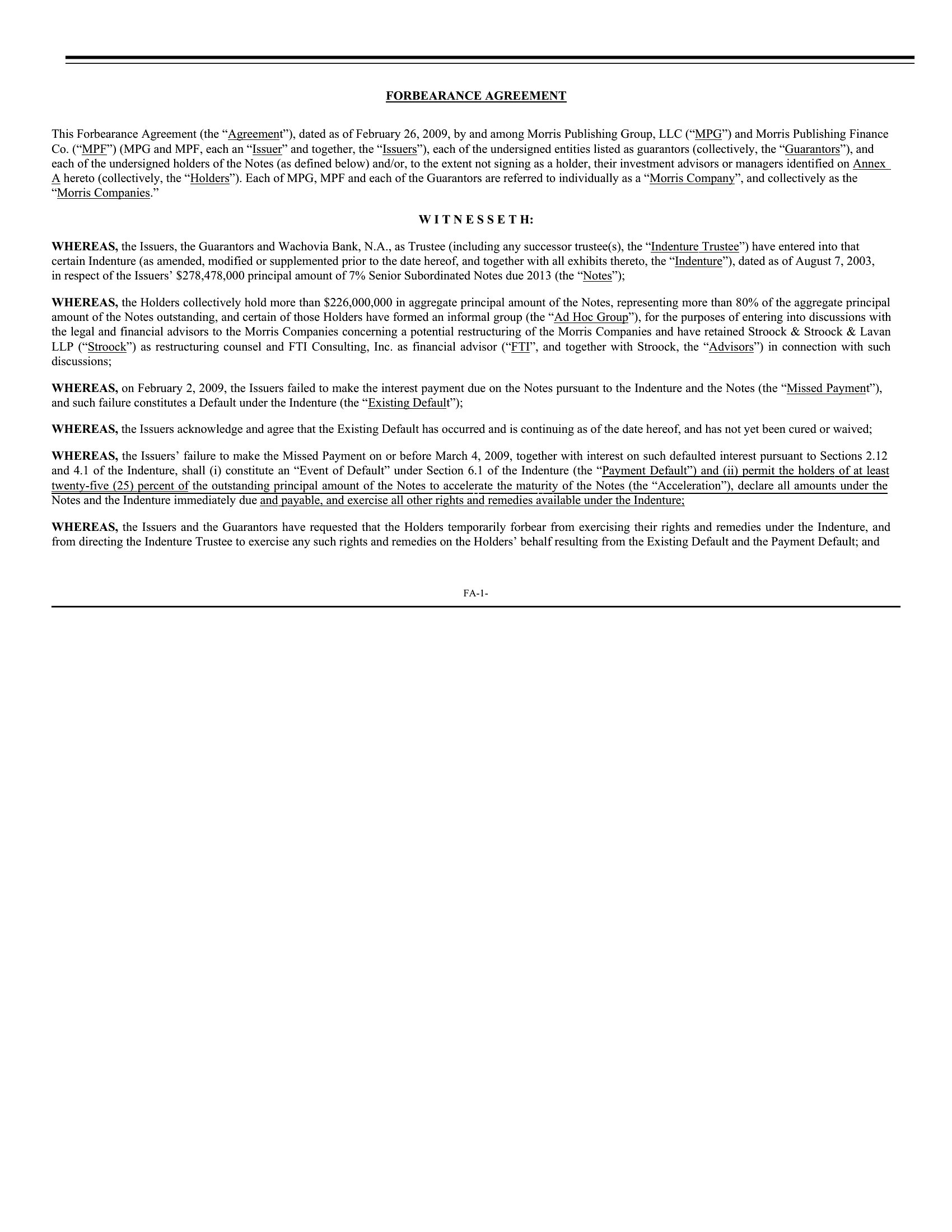
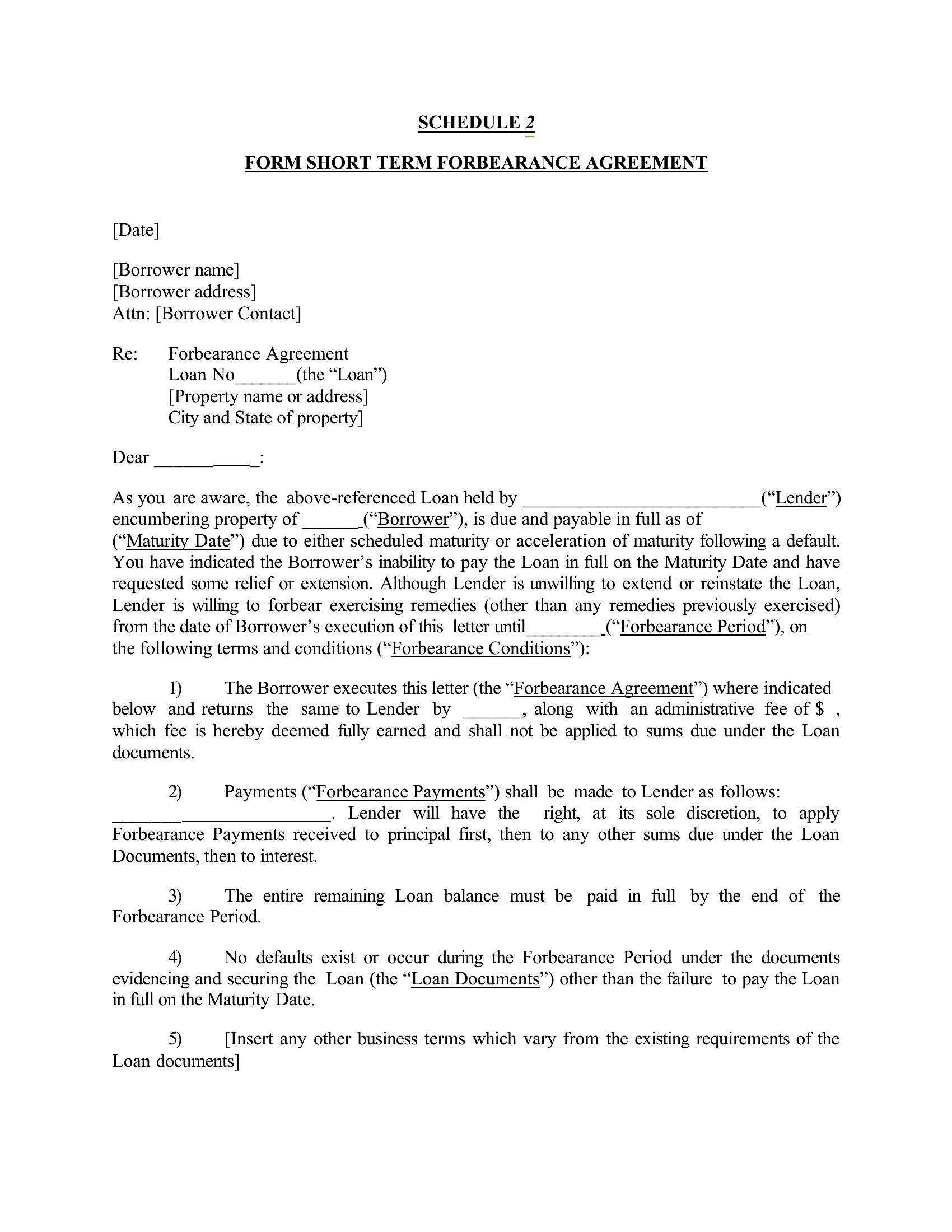
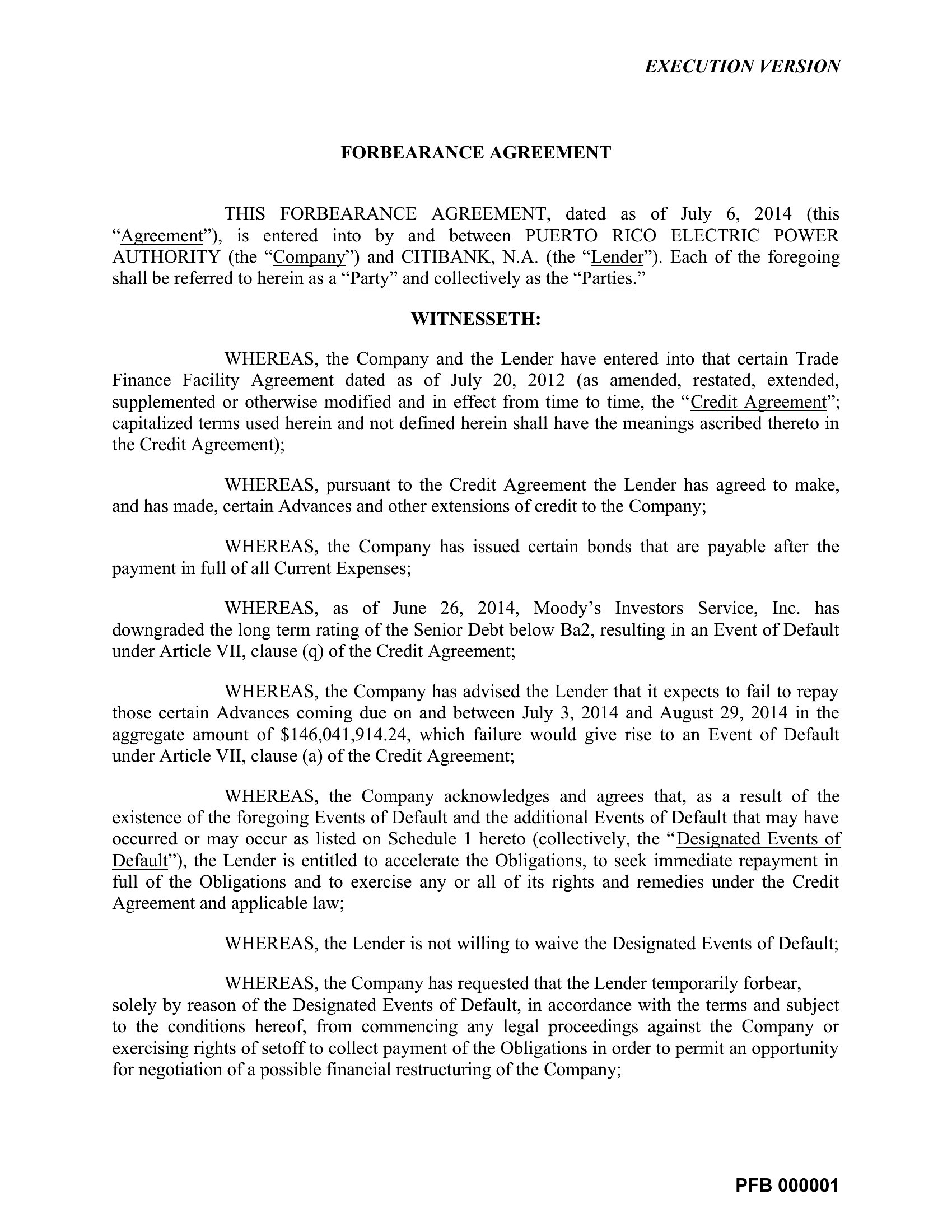
Forbearance temporarily pauses or reduces payments, while a payment plan spreads out existing debt into fixed installments. This template focuses on forbearance, which is better for short-term disruptions—like a one-time medical bill or sudden job loss—where payments may resume later without restructuring the entire debt. A payment plan is more structured and long-term.
Can this template be used for personal loans or only business debts?
These templates cover both personal and business debts, as they’re designed for broad use—whether it’s a mortgage, student loan, credit card, or business line of credit. The key is that the lender or landlord must agree to the terms. Always review the agreement with a legal or financial advisor to ensure it aligns with your specific type of debt and local laws.
Do I need a lawyer to use one of these templates?
While the template provides a clear structure, consulting a lawyer is wise if the agreement involves large debts, complex terms, or disputes. Lawyers can help tailor clauses like late fees, default consequences, or catch-up periods to protect your rights. For straightforward agreements (e.g., a small personal loan or short-term rent adjustment), editing the template carefully and documenting mutual consent may suffice.
Comments
Join the conversation
Sign in to share your thoughts and leave a comment on this resource.