FAQ
How can I soften the rejection without misleading applicants about their qualifications?
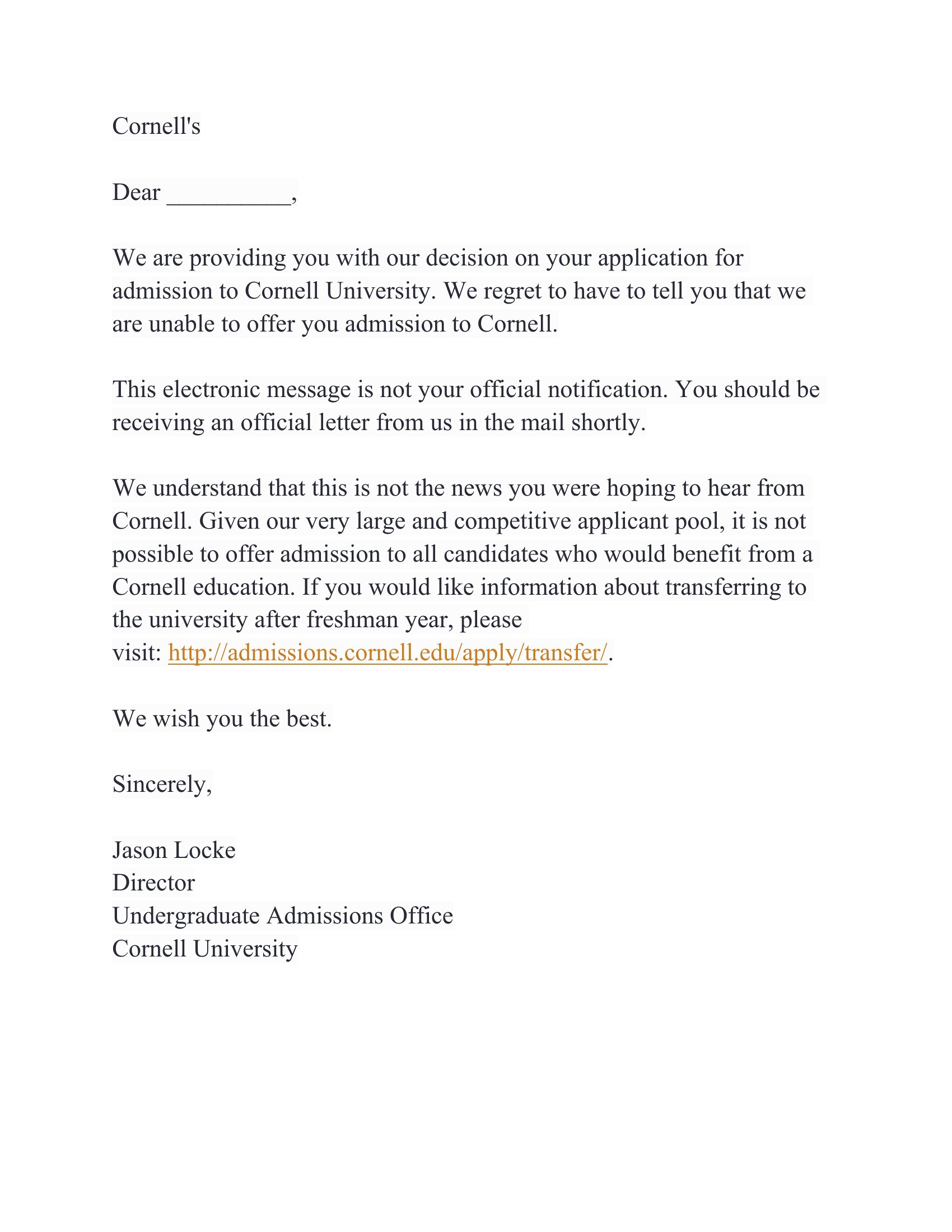
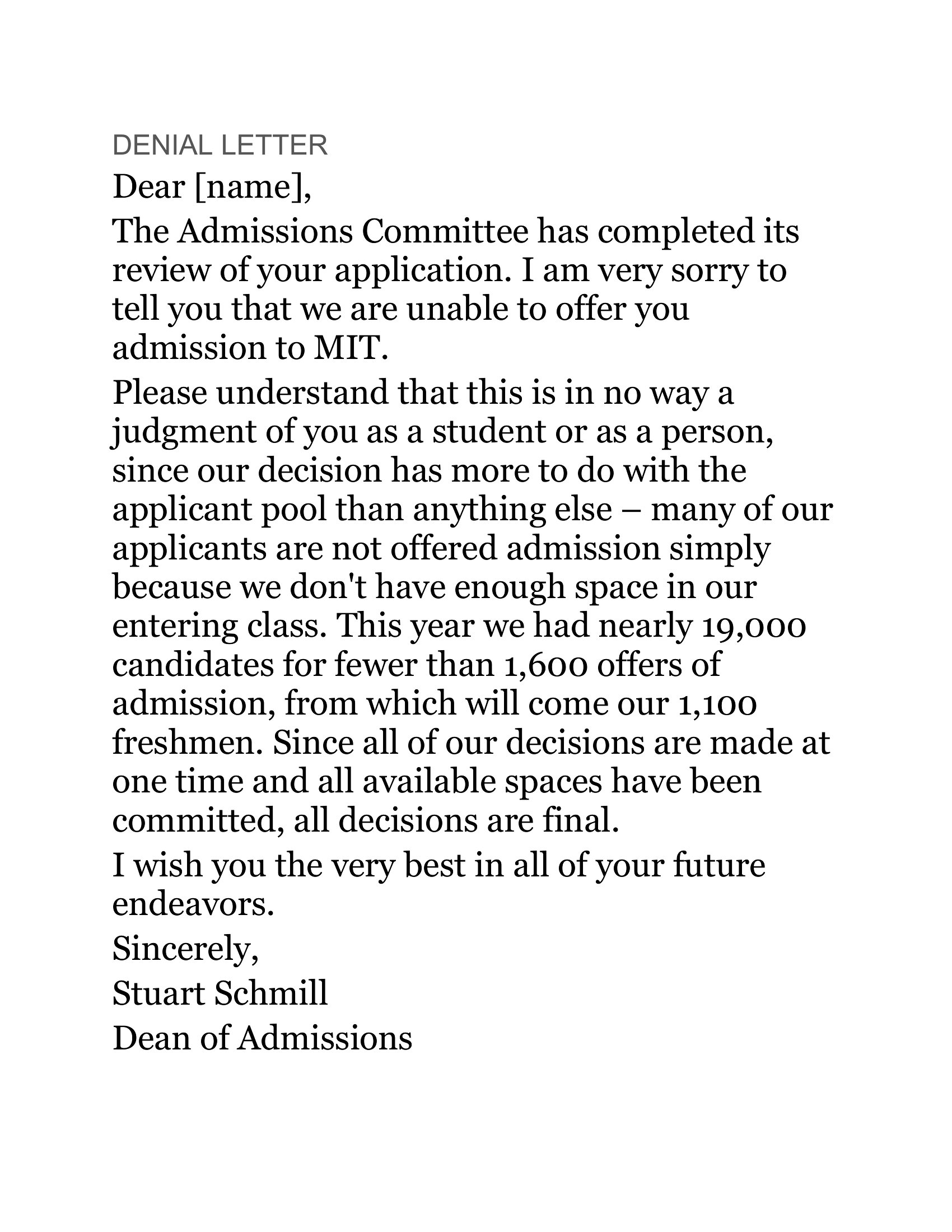
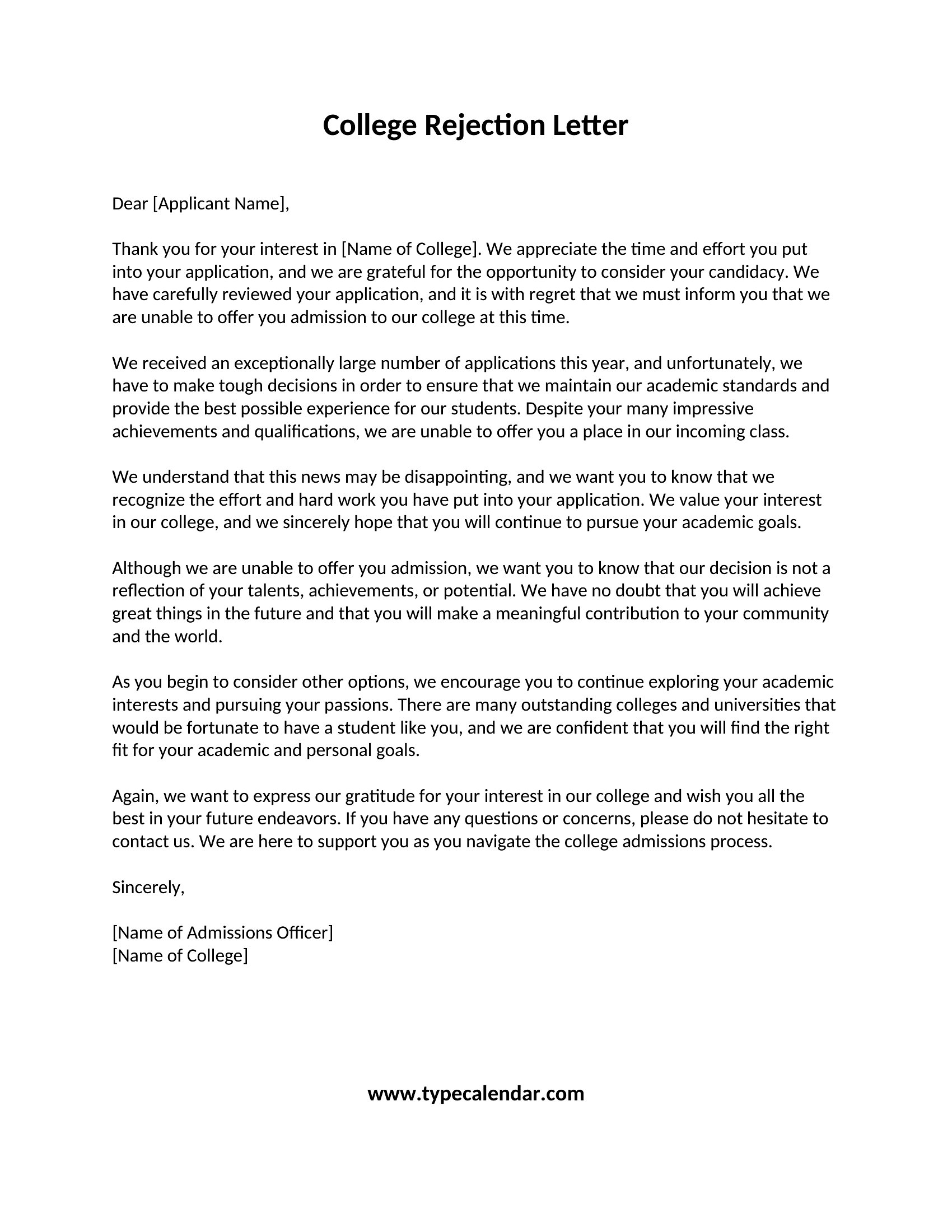
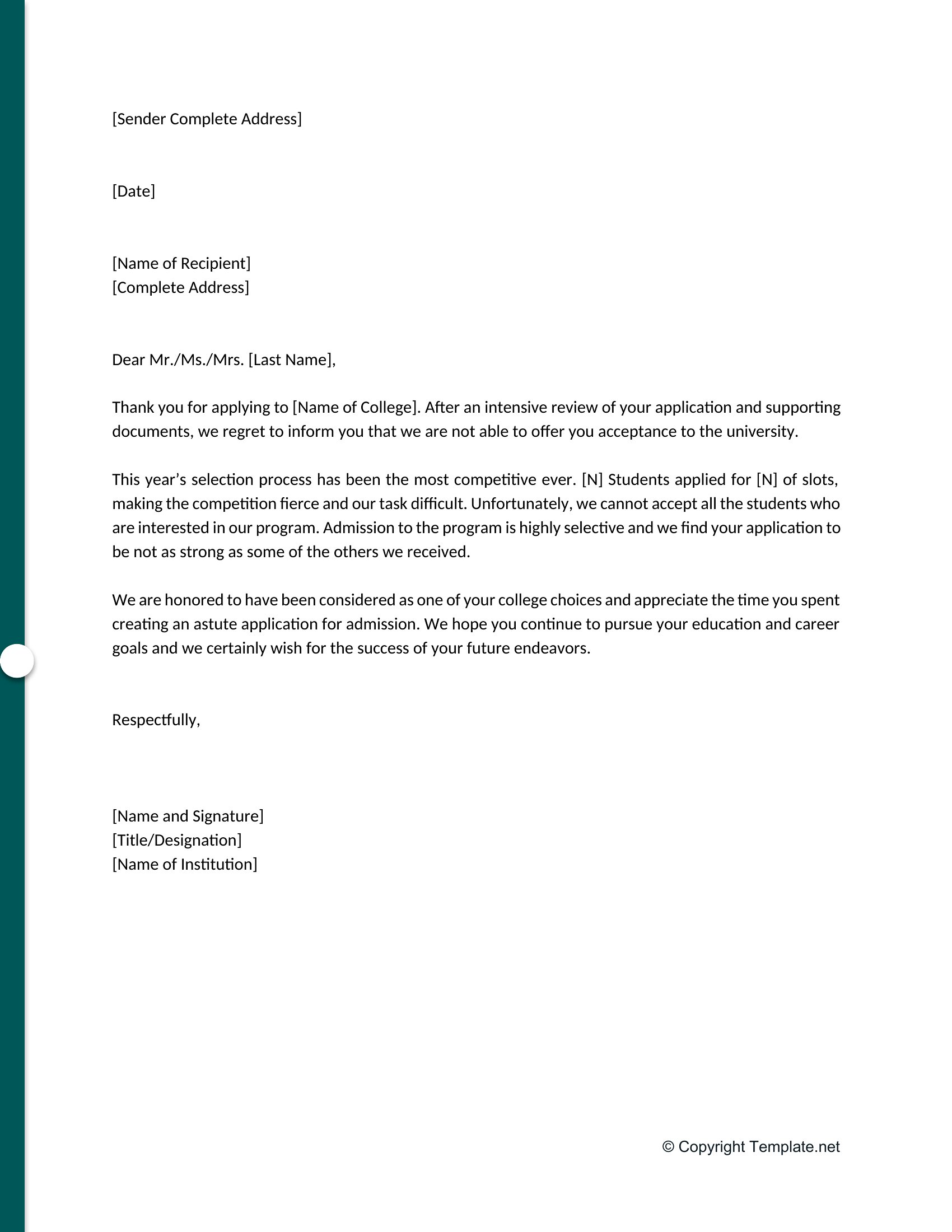
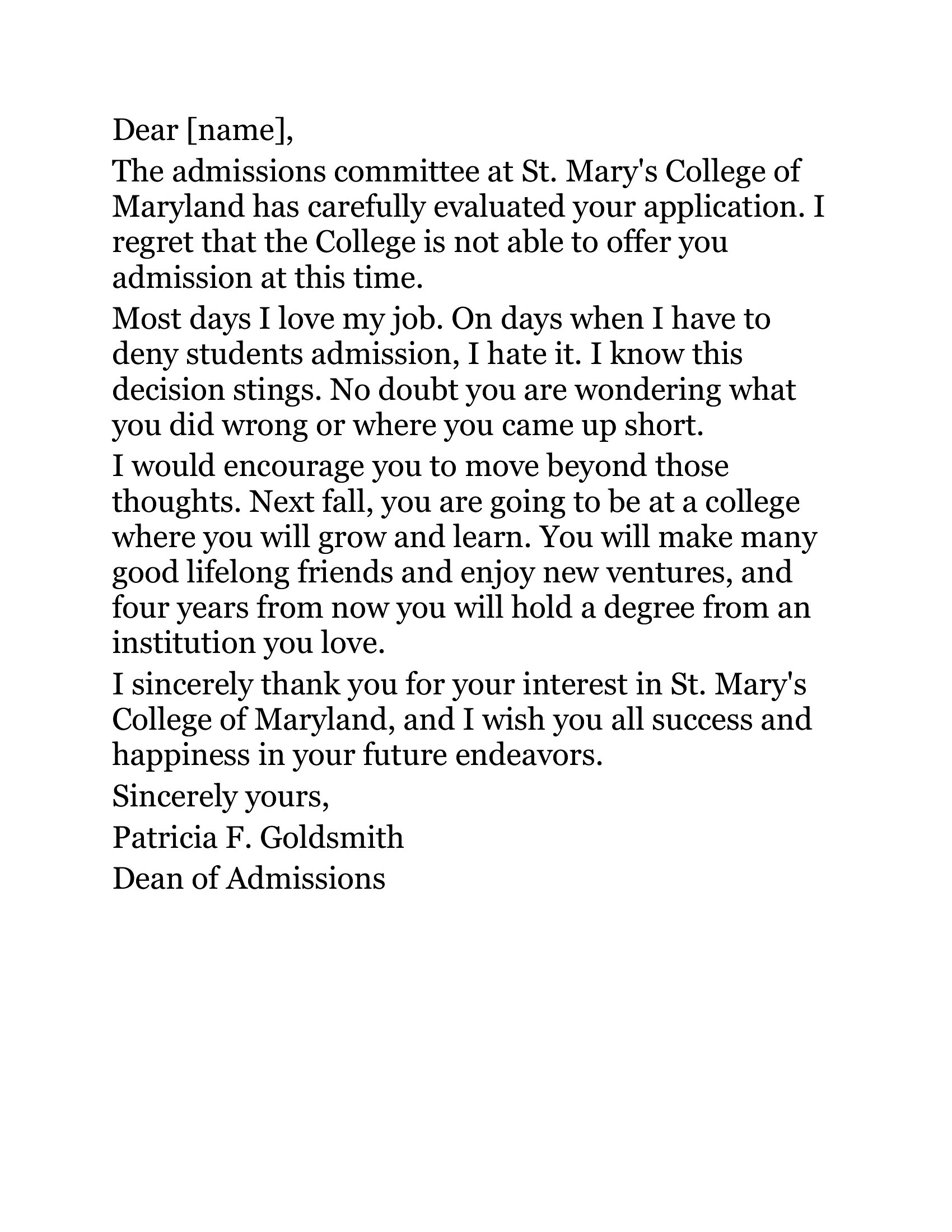
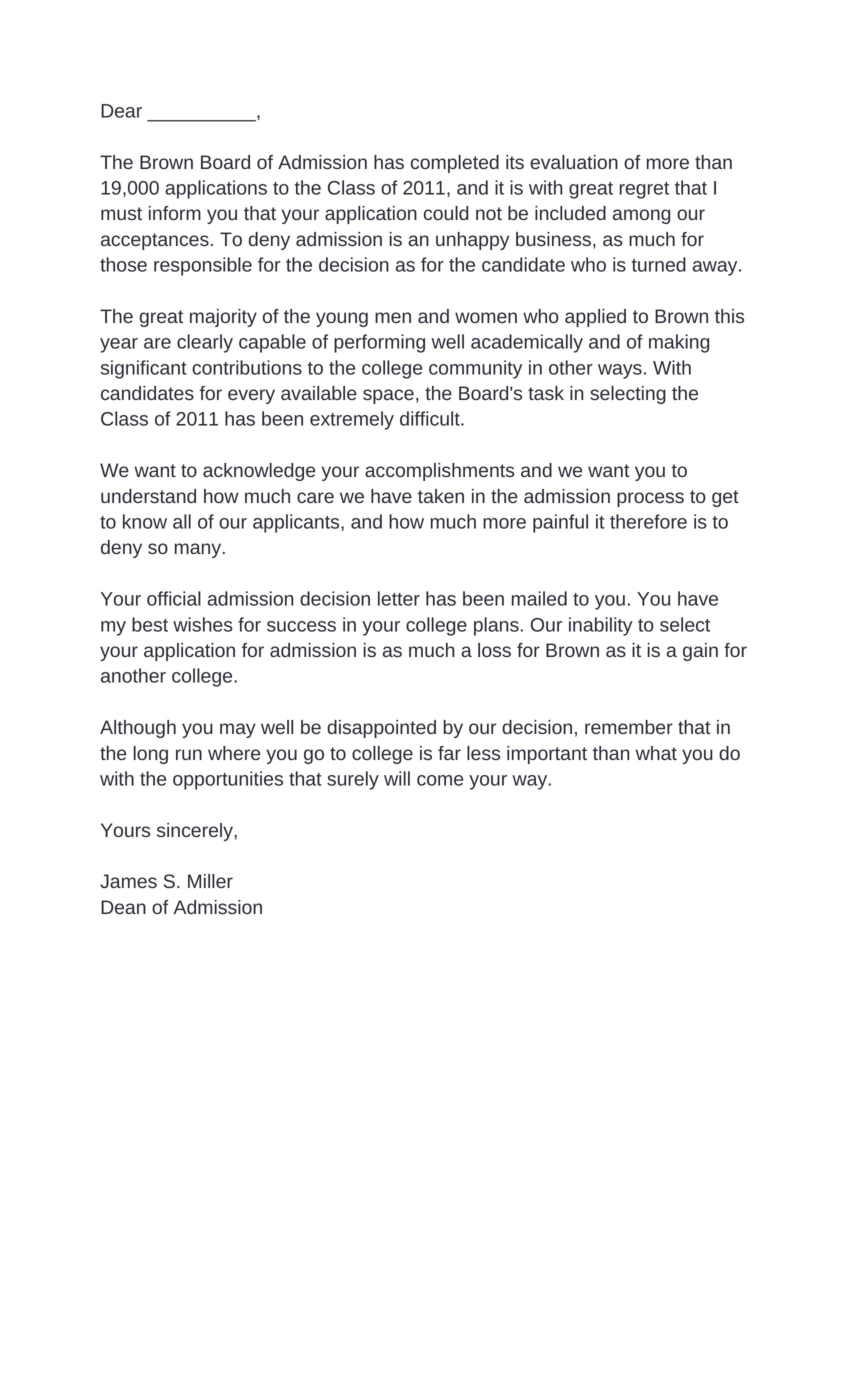
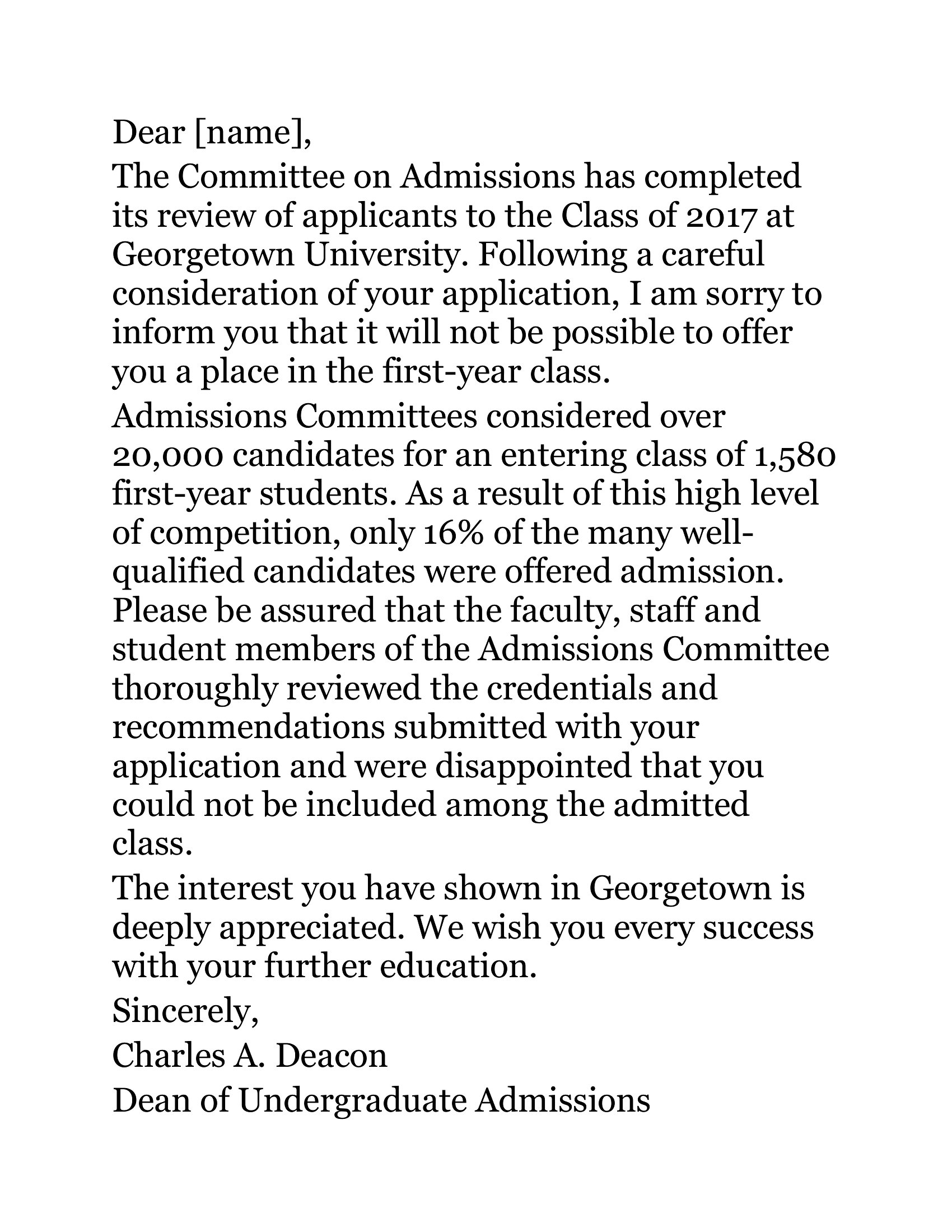
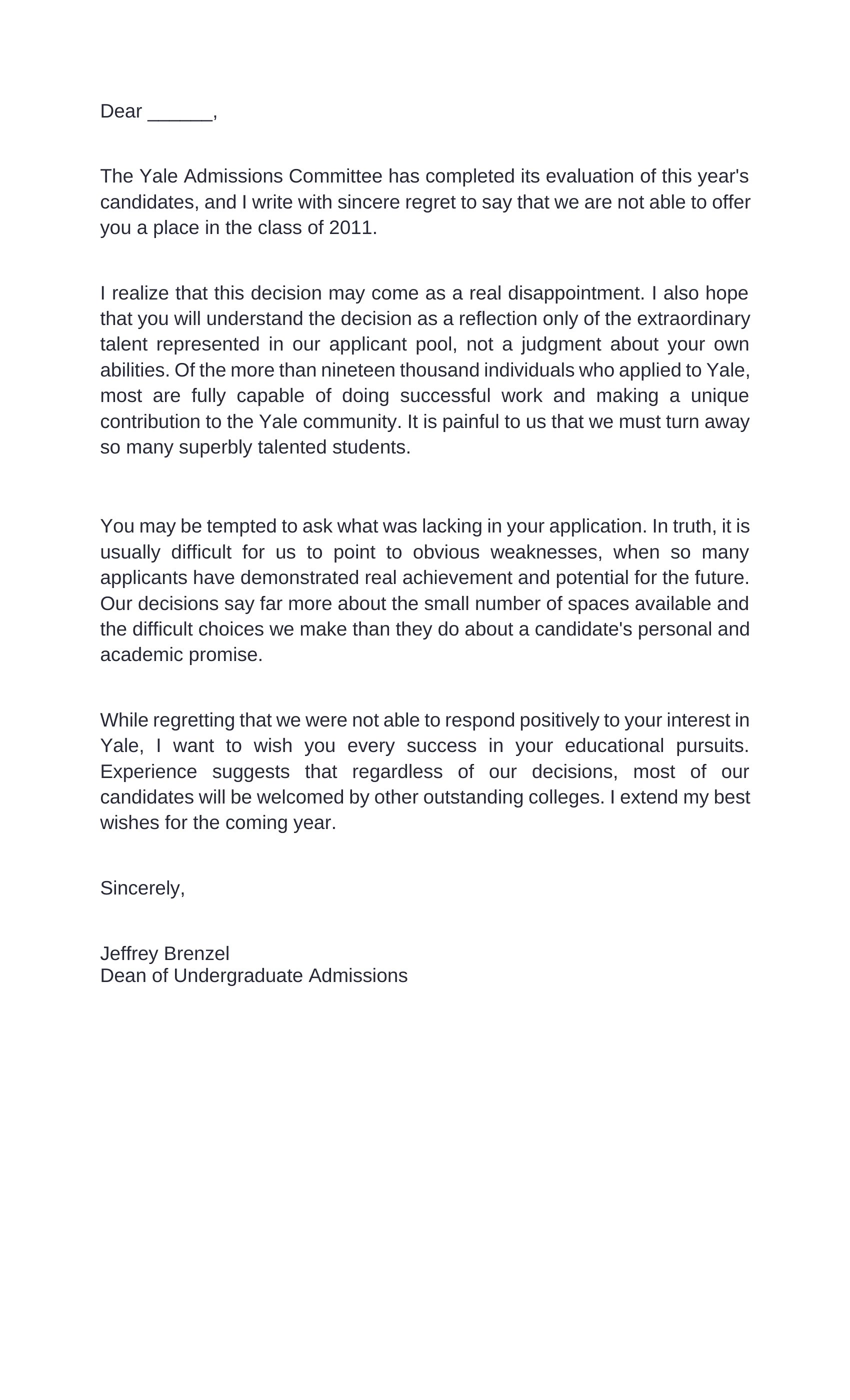
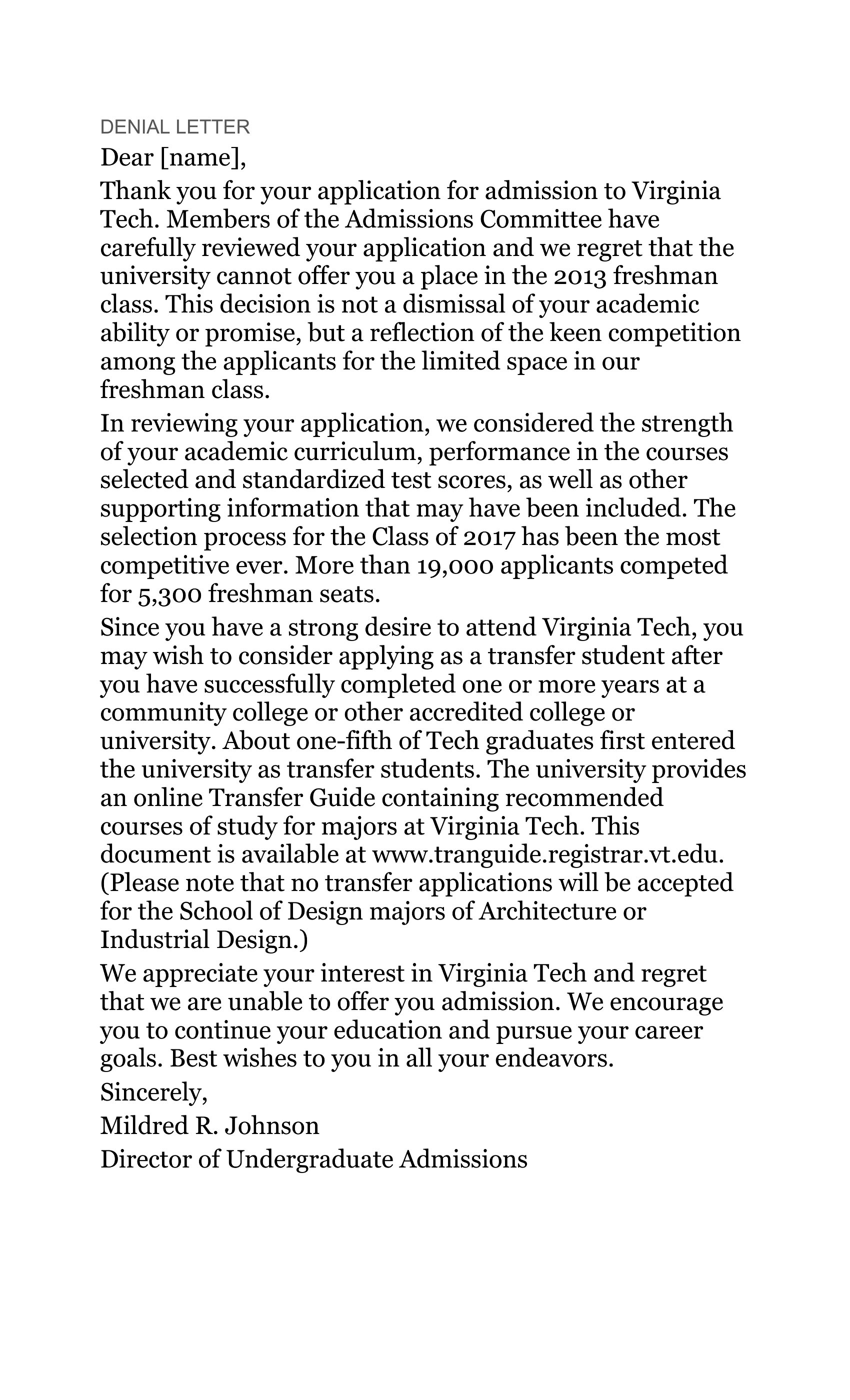
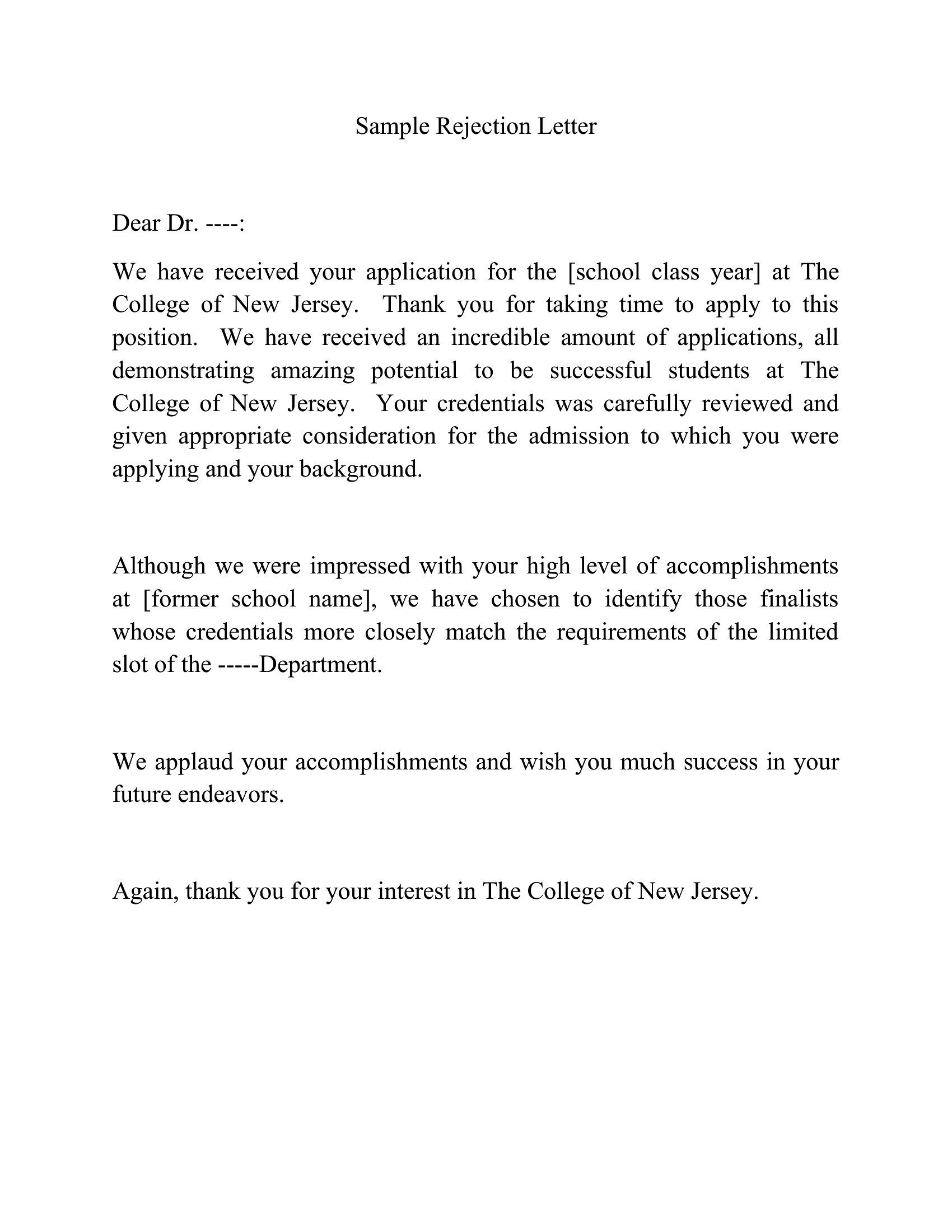
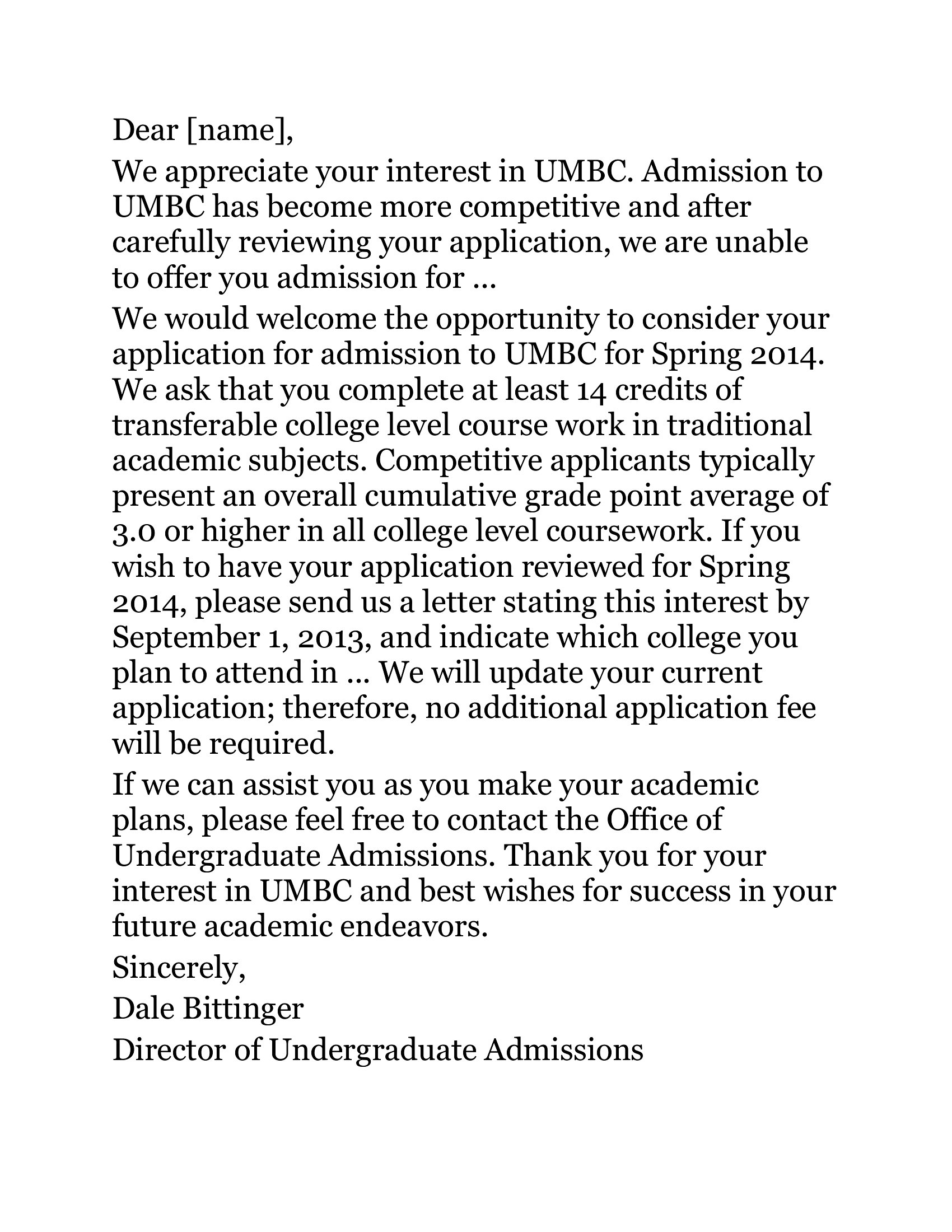
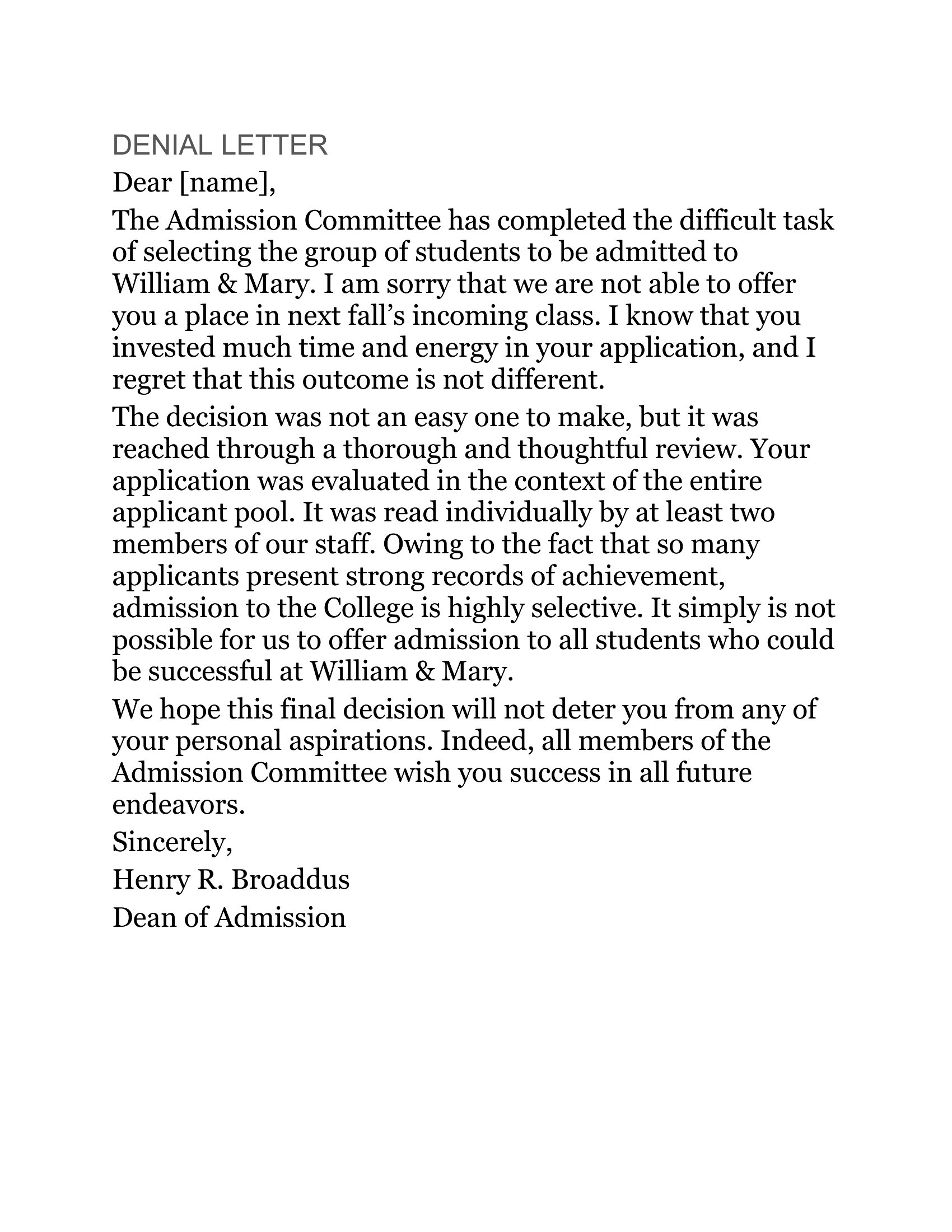
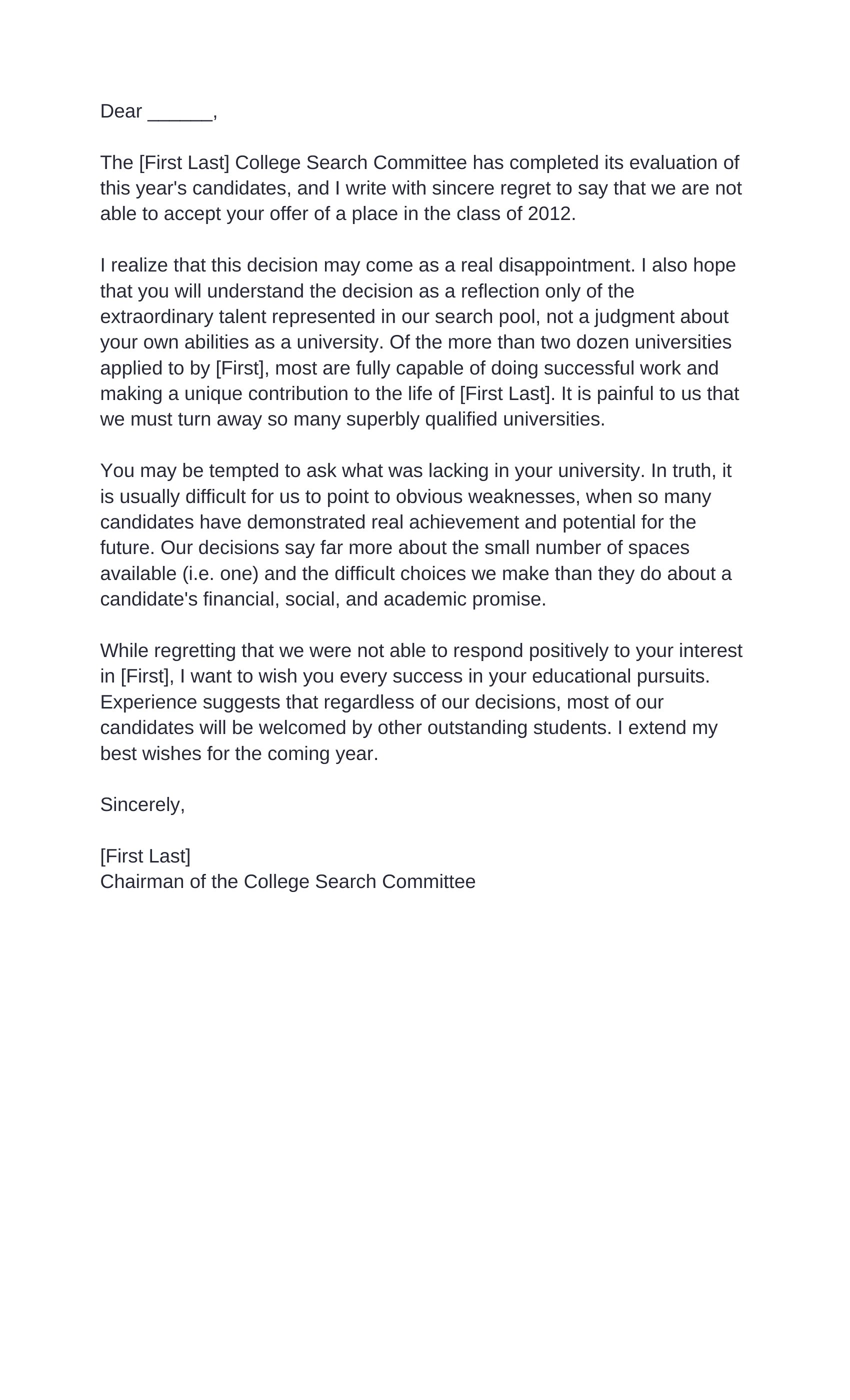
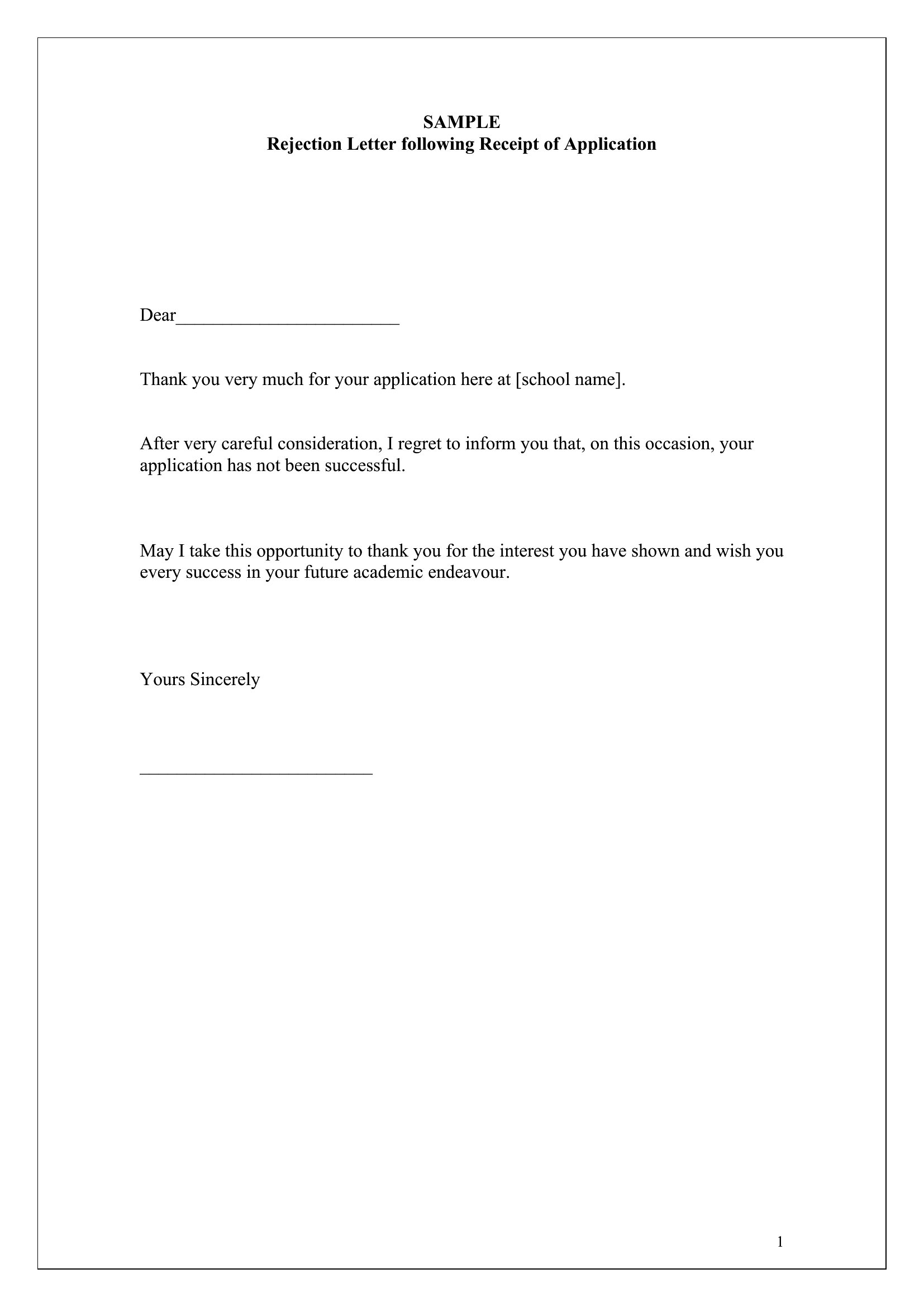
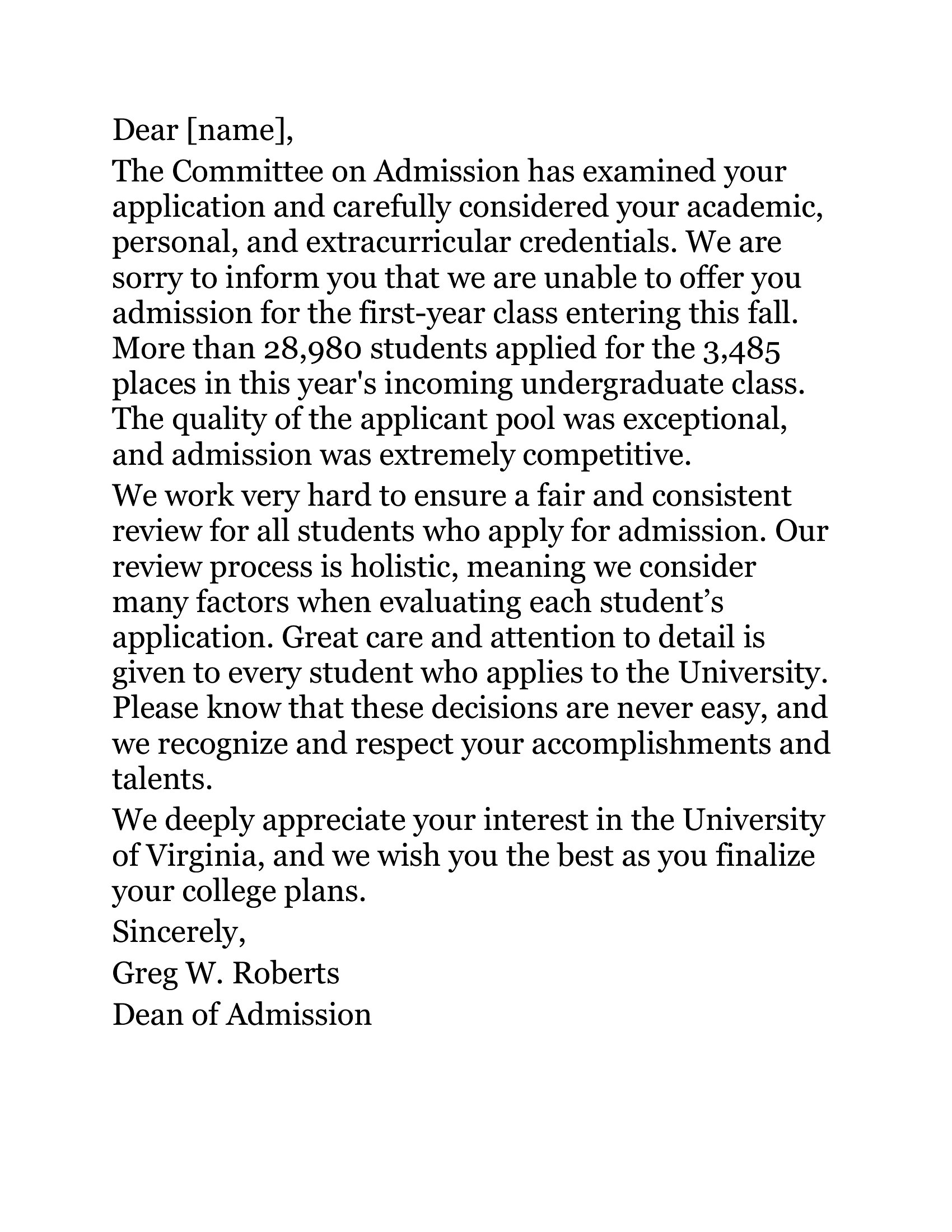
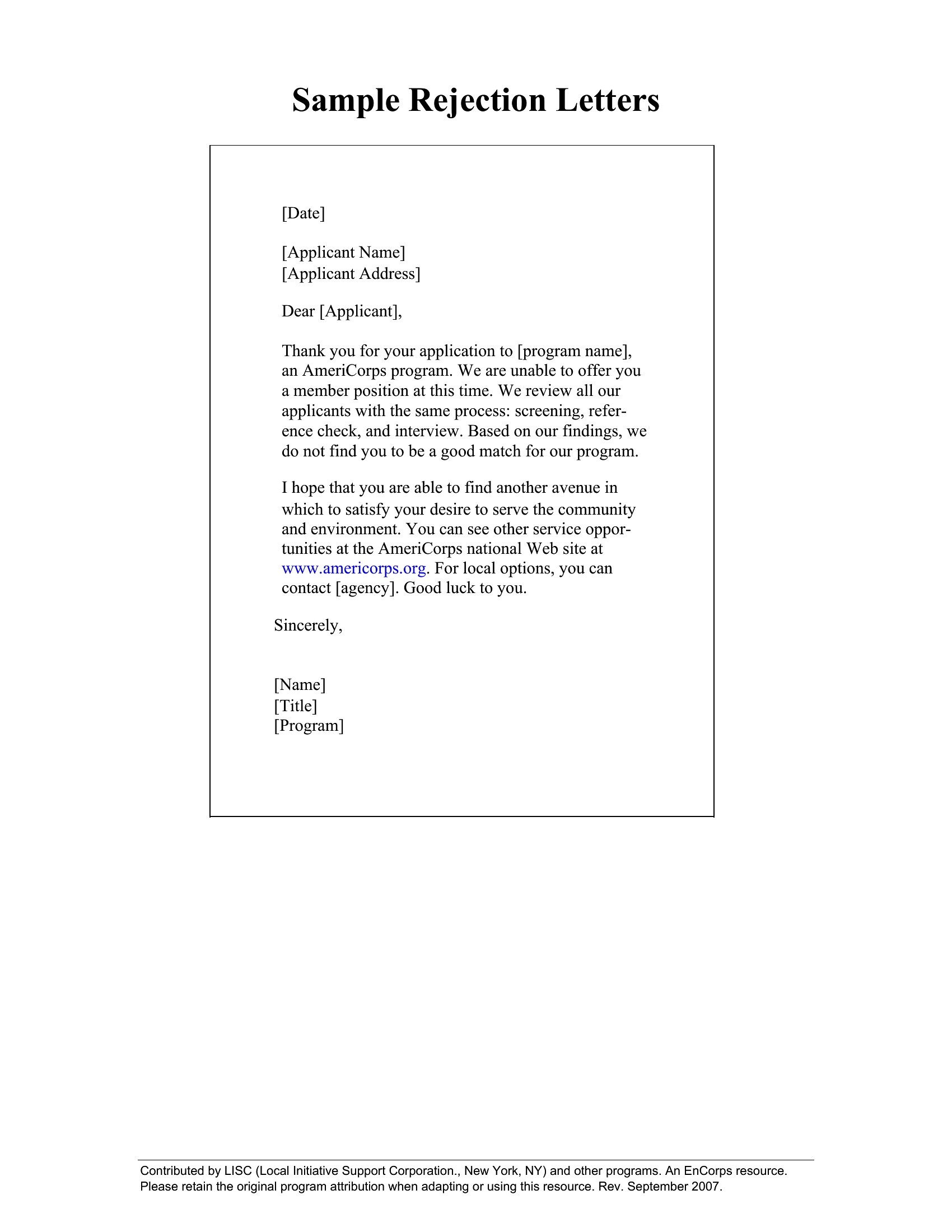
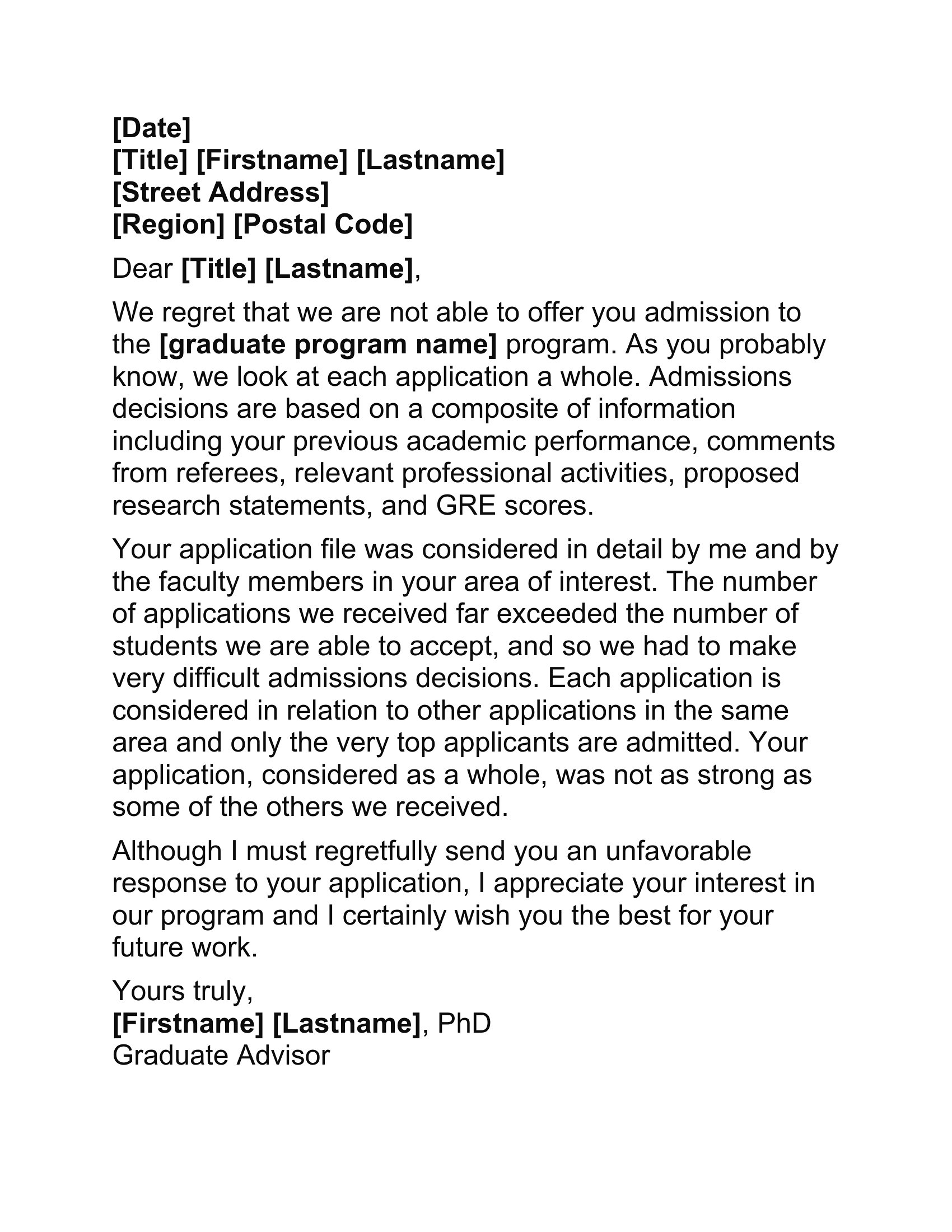
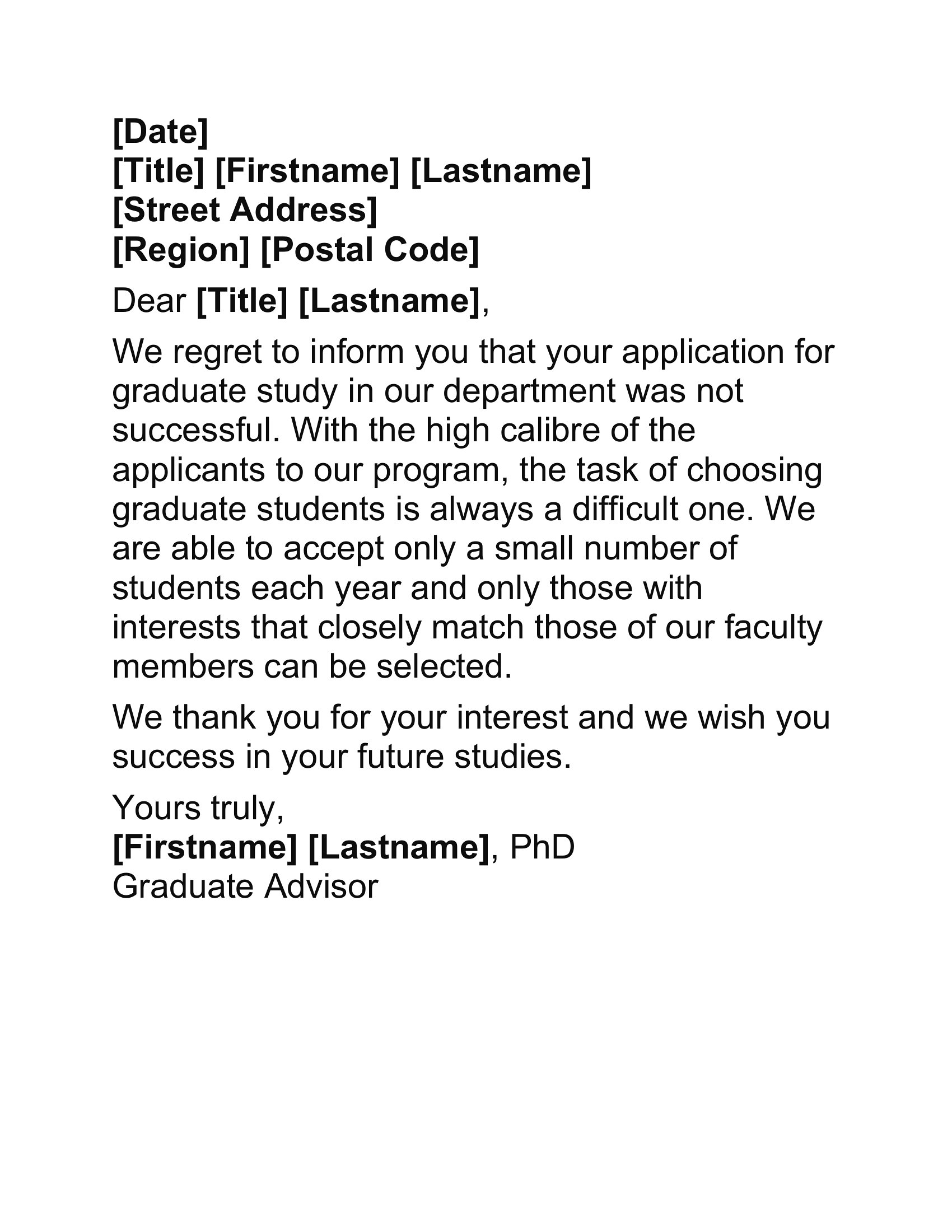
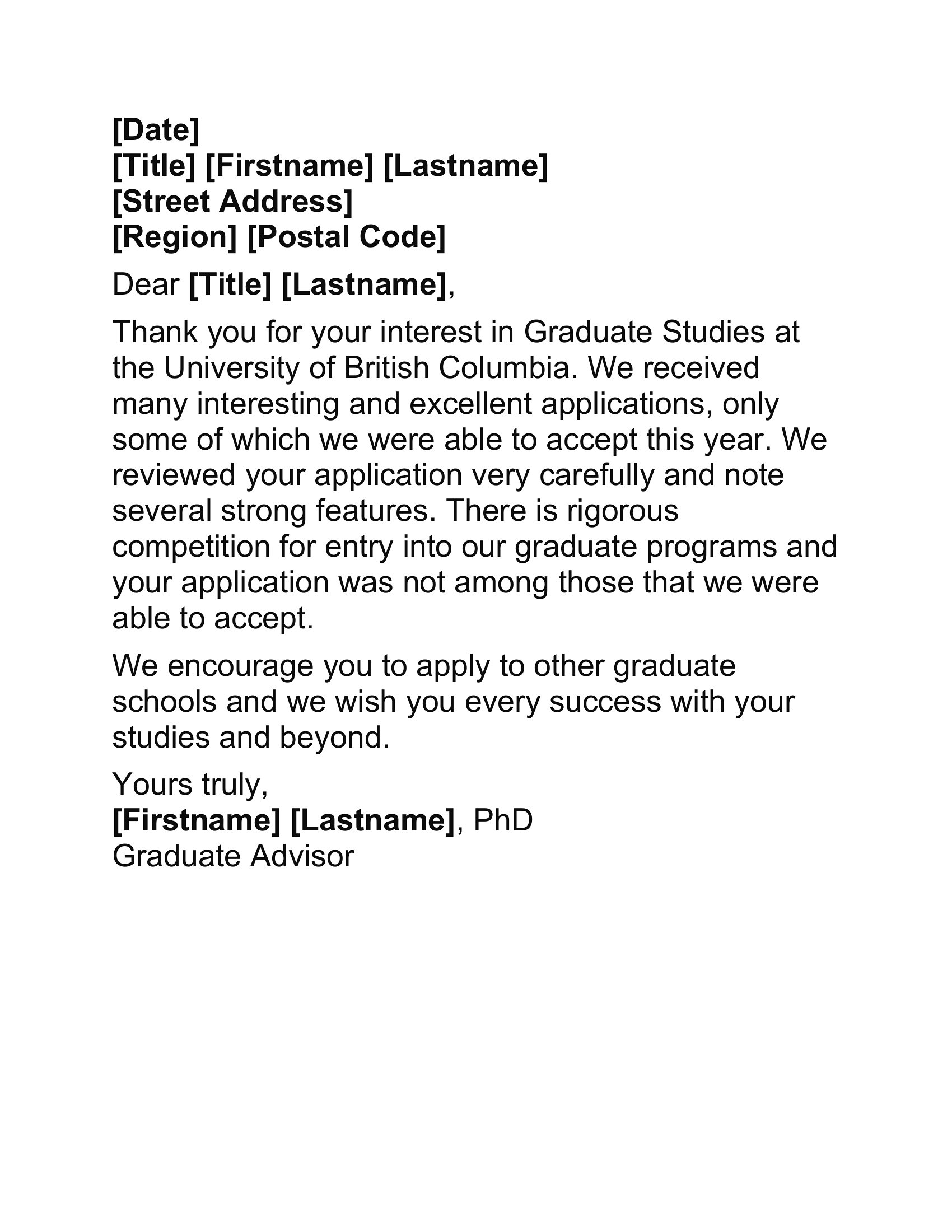
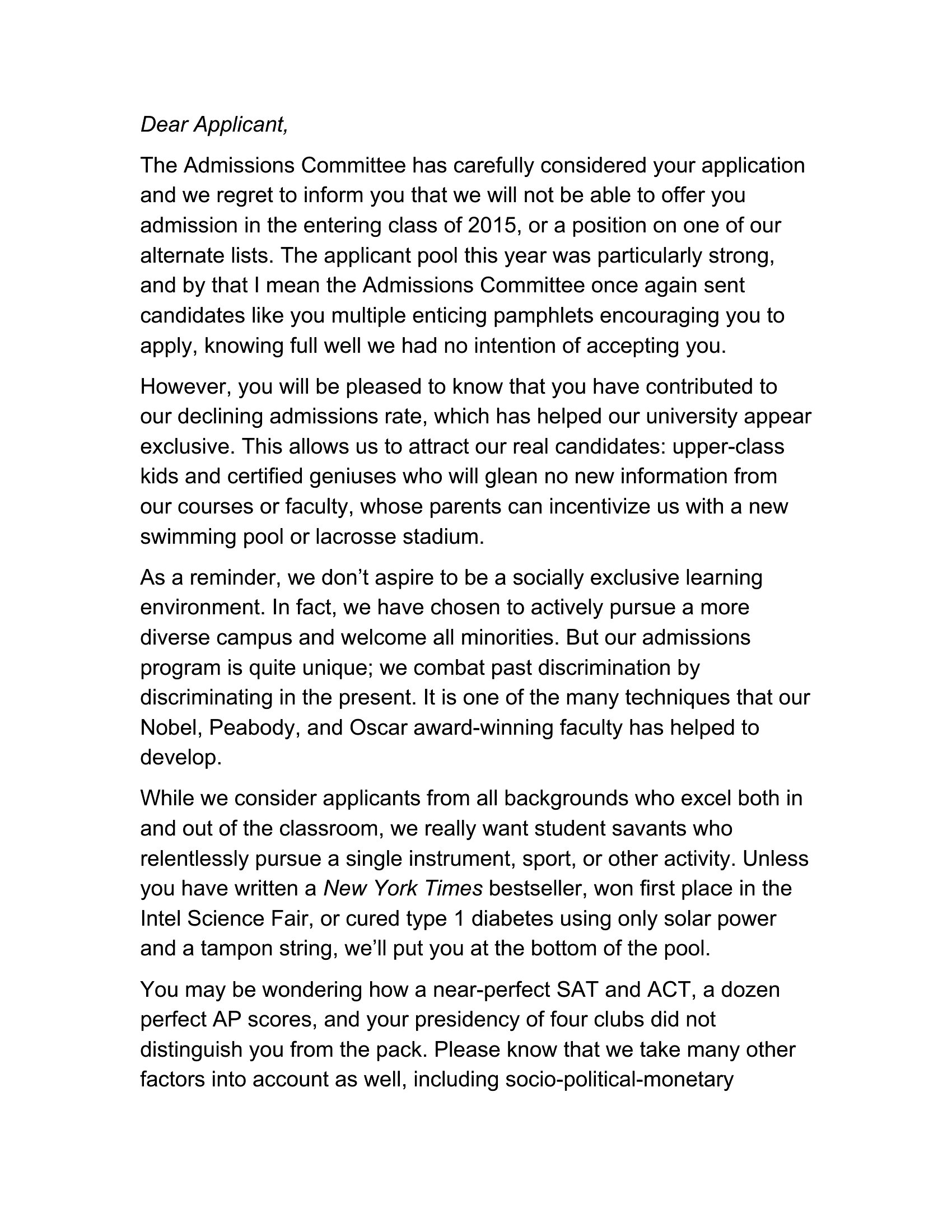
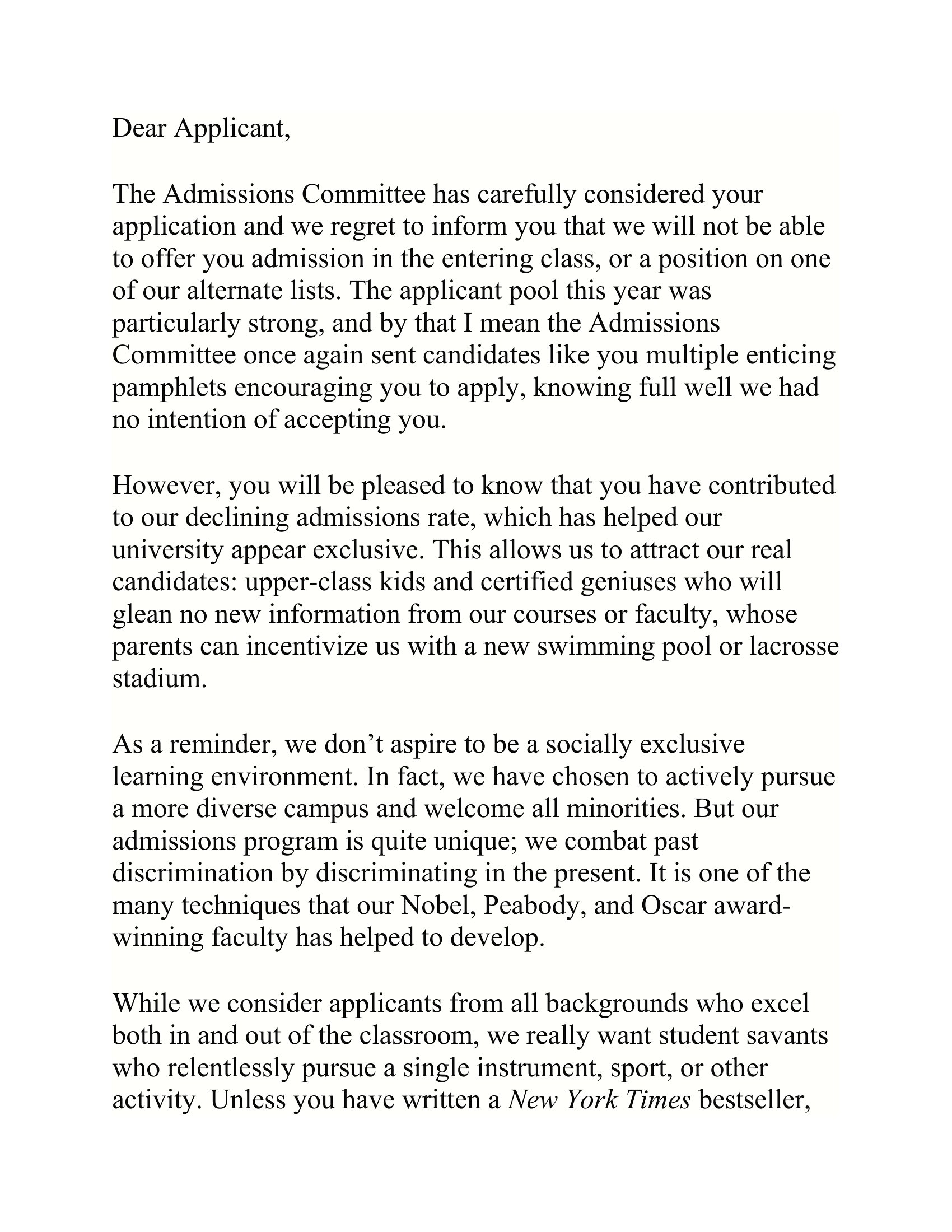
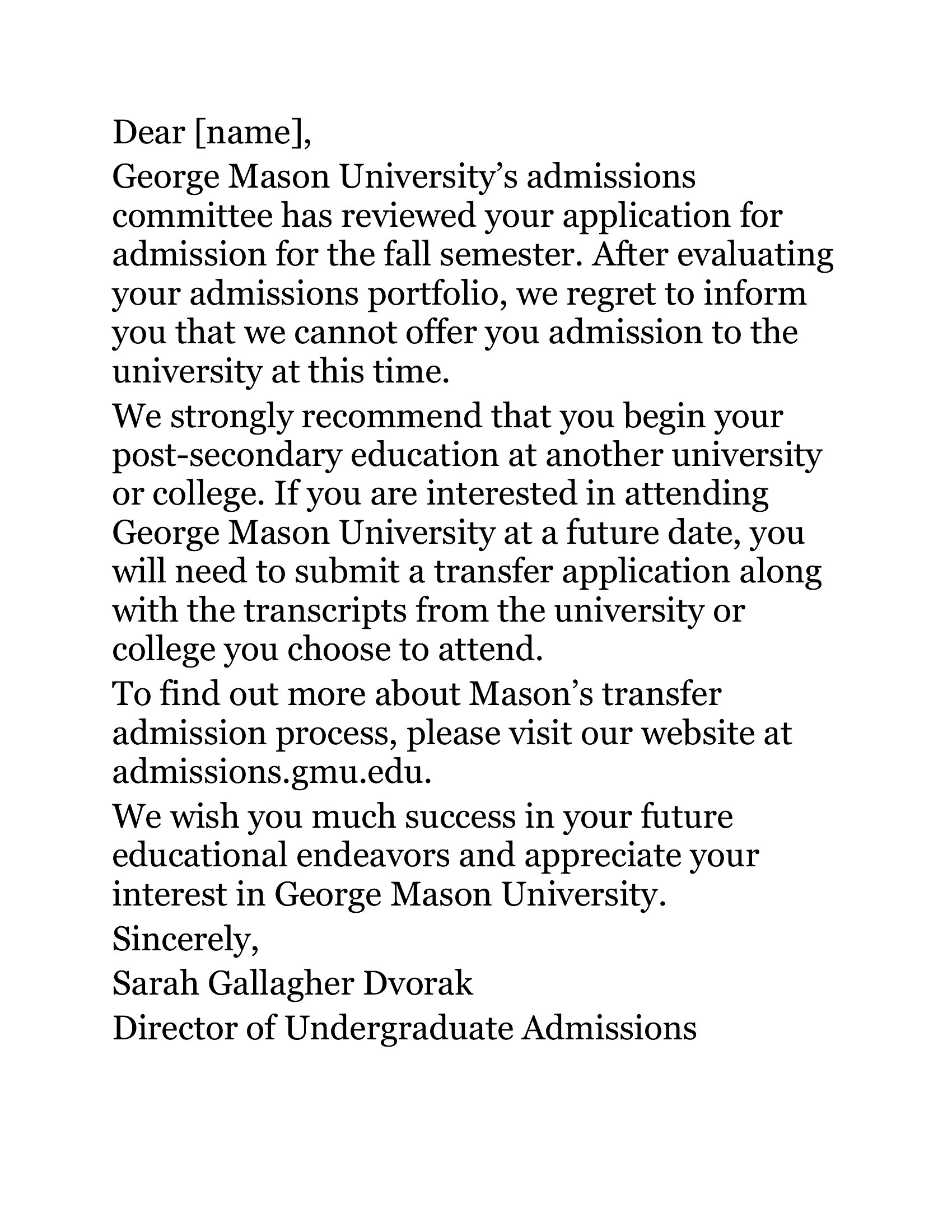
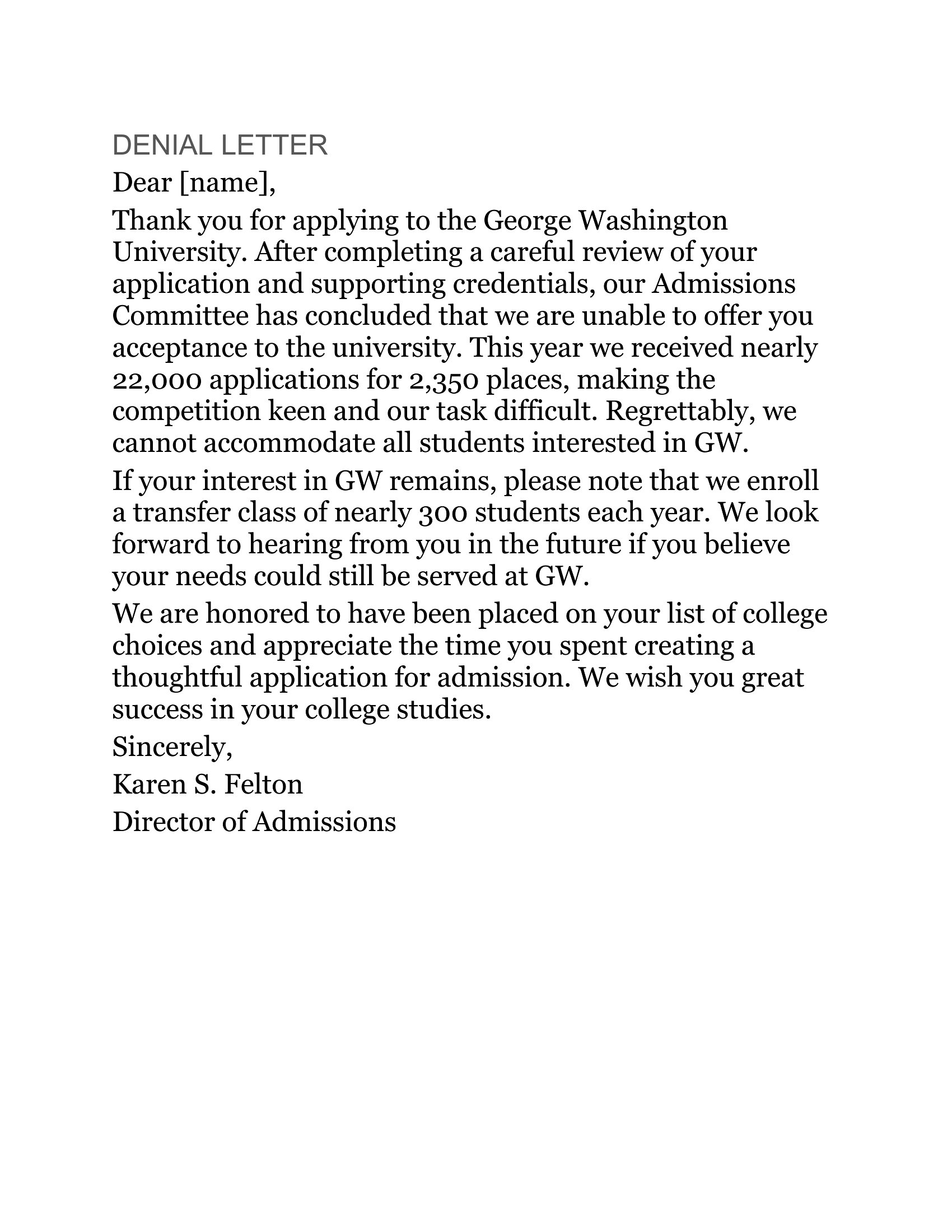
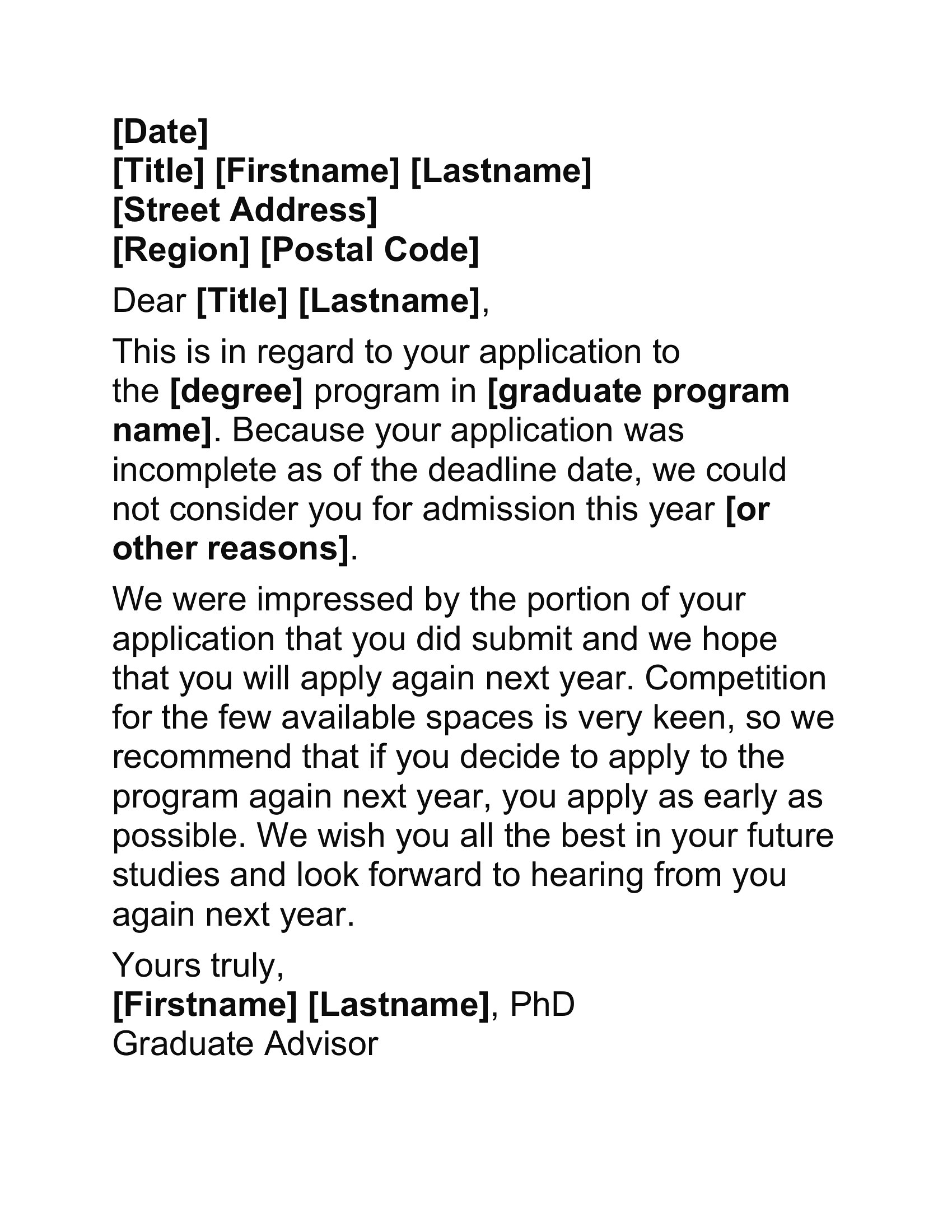
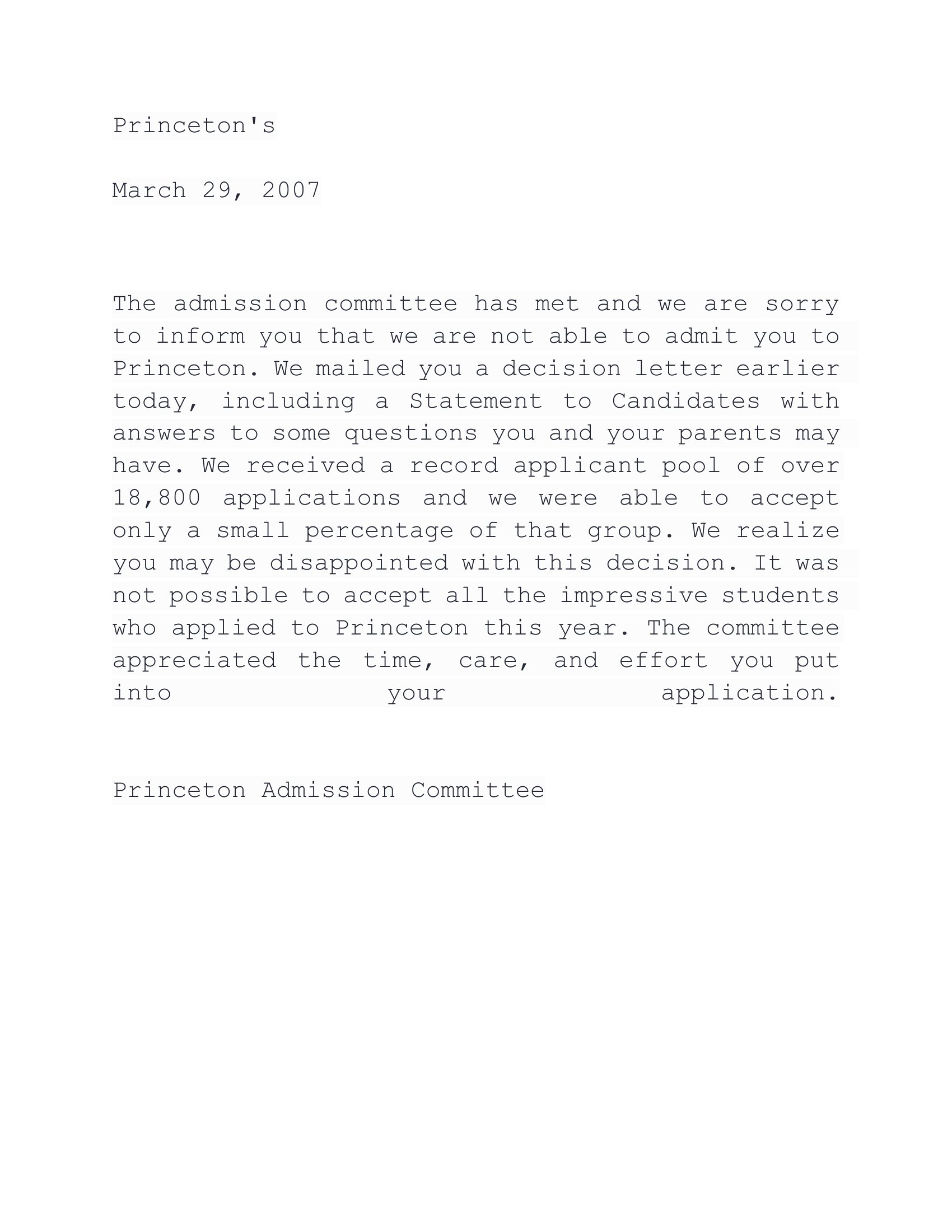
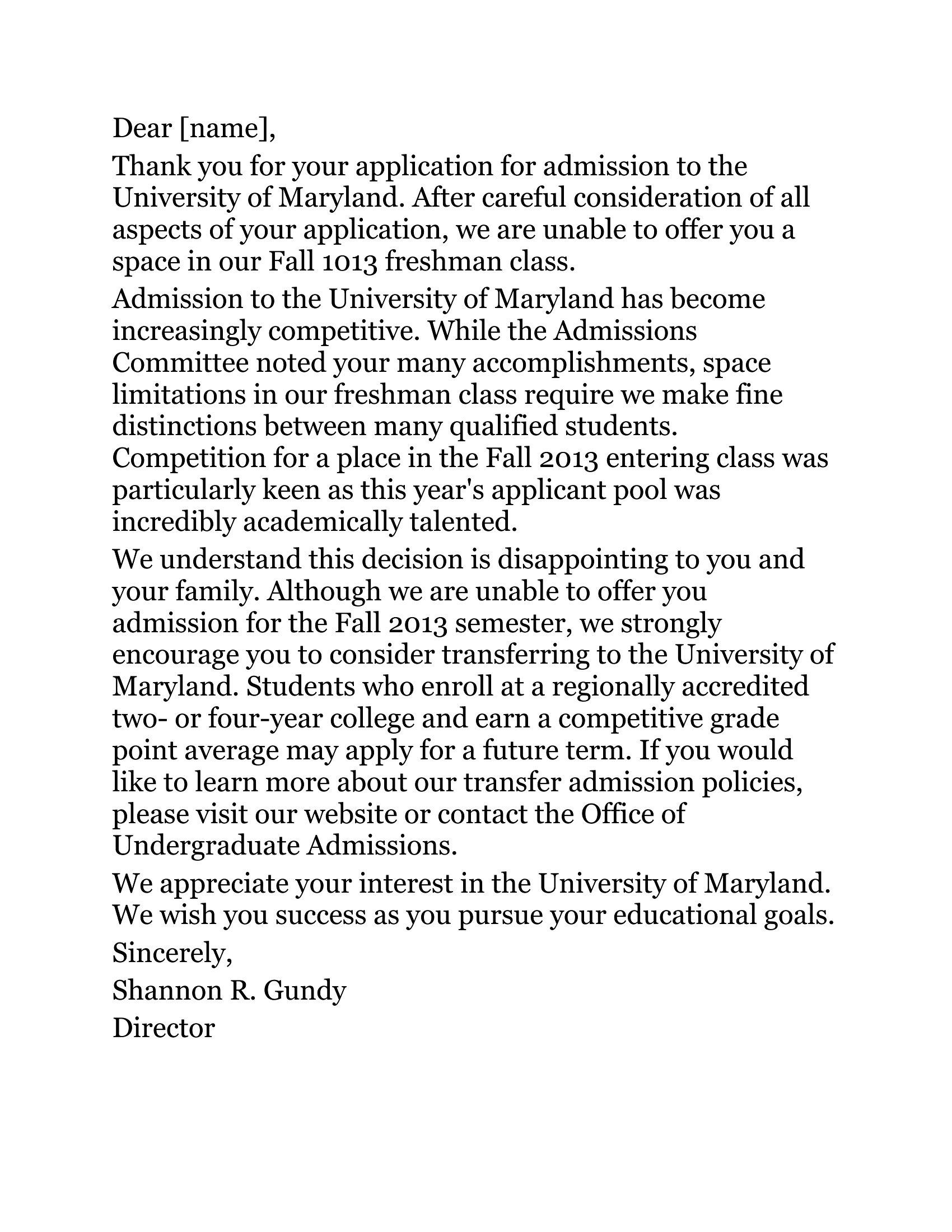
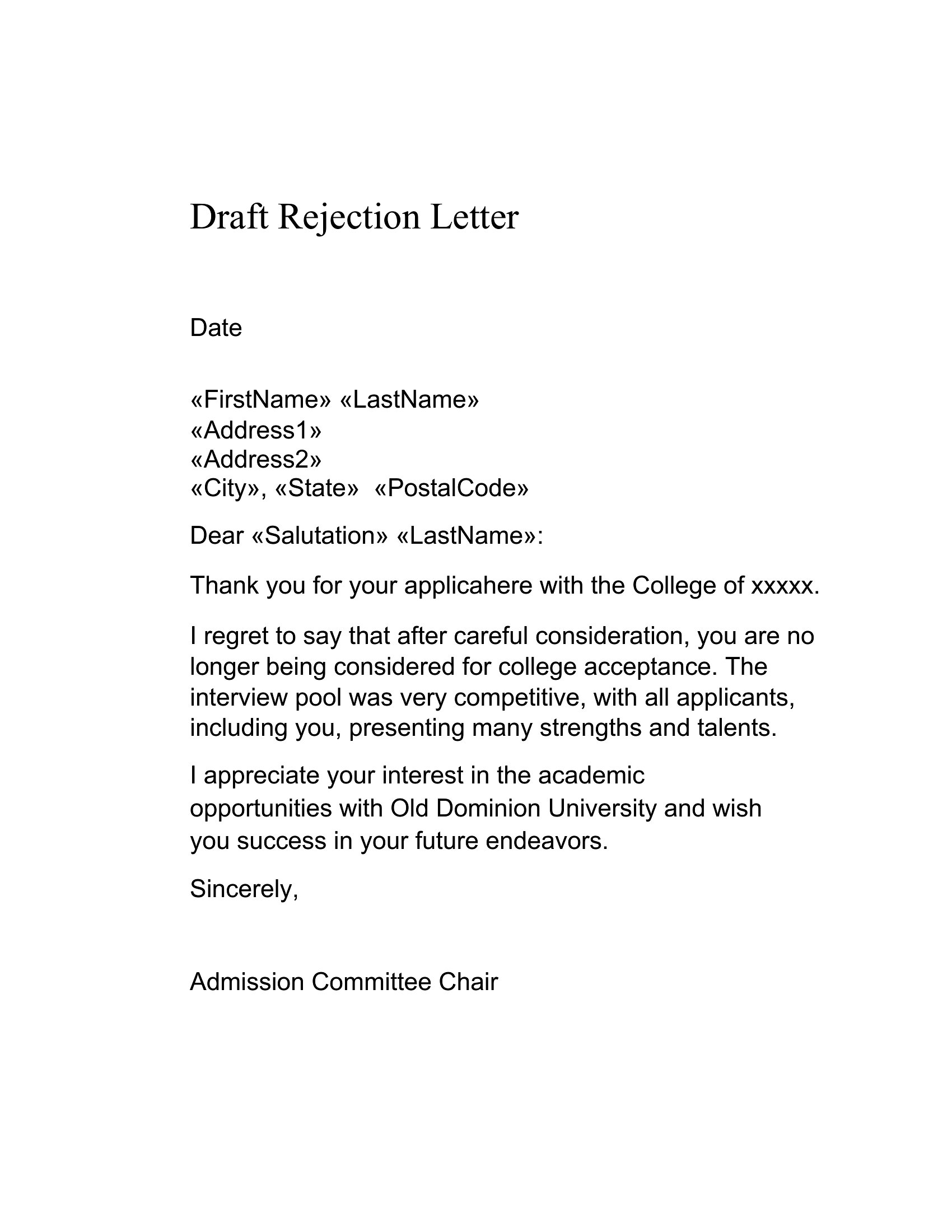
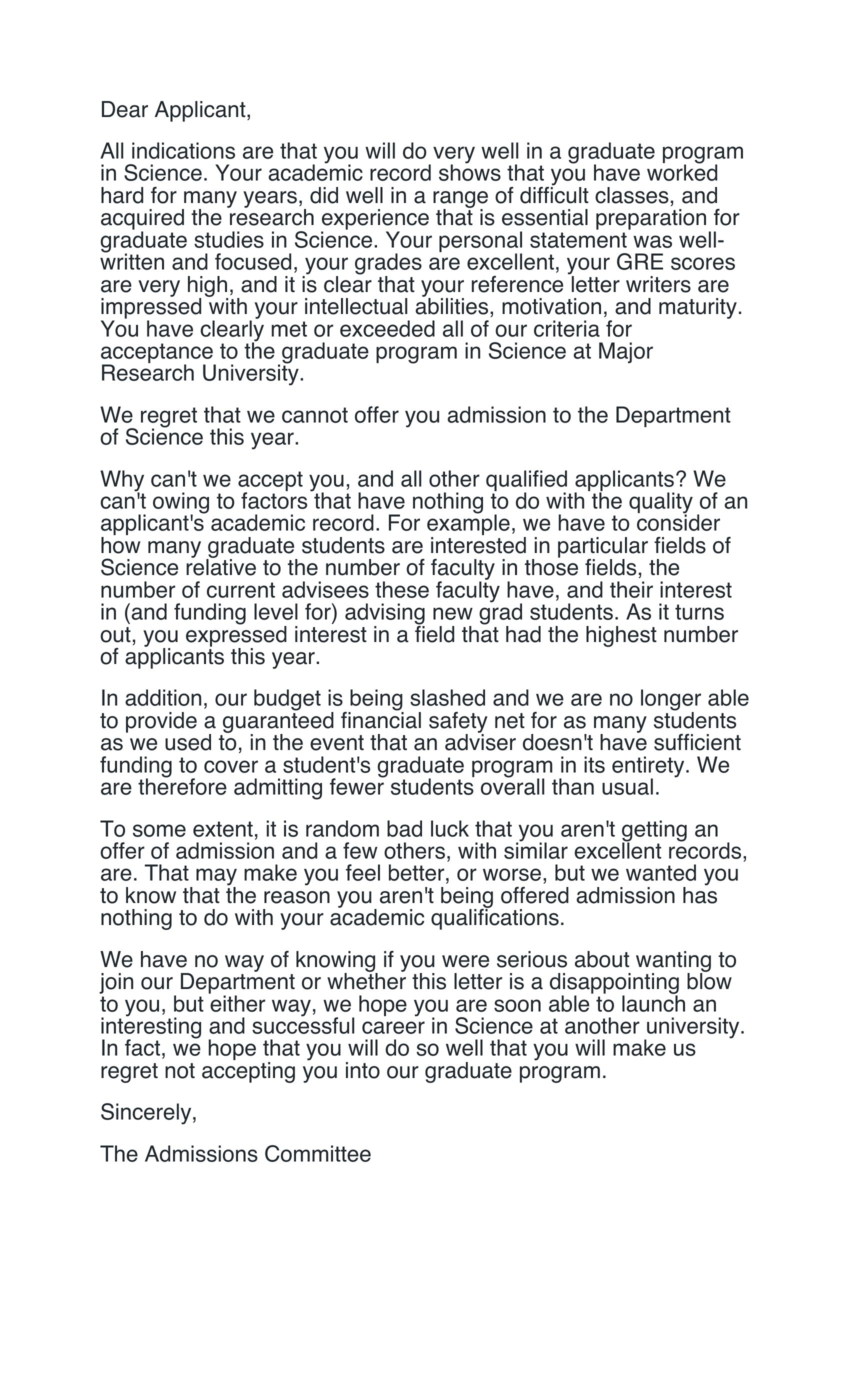
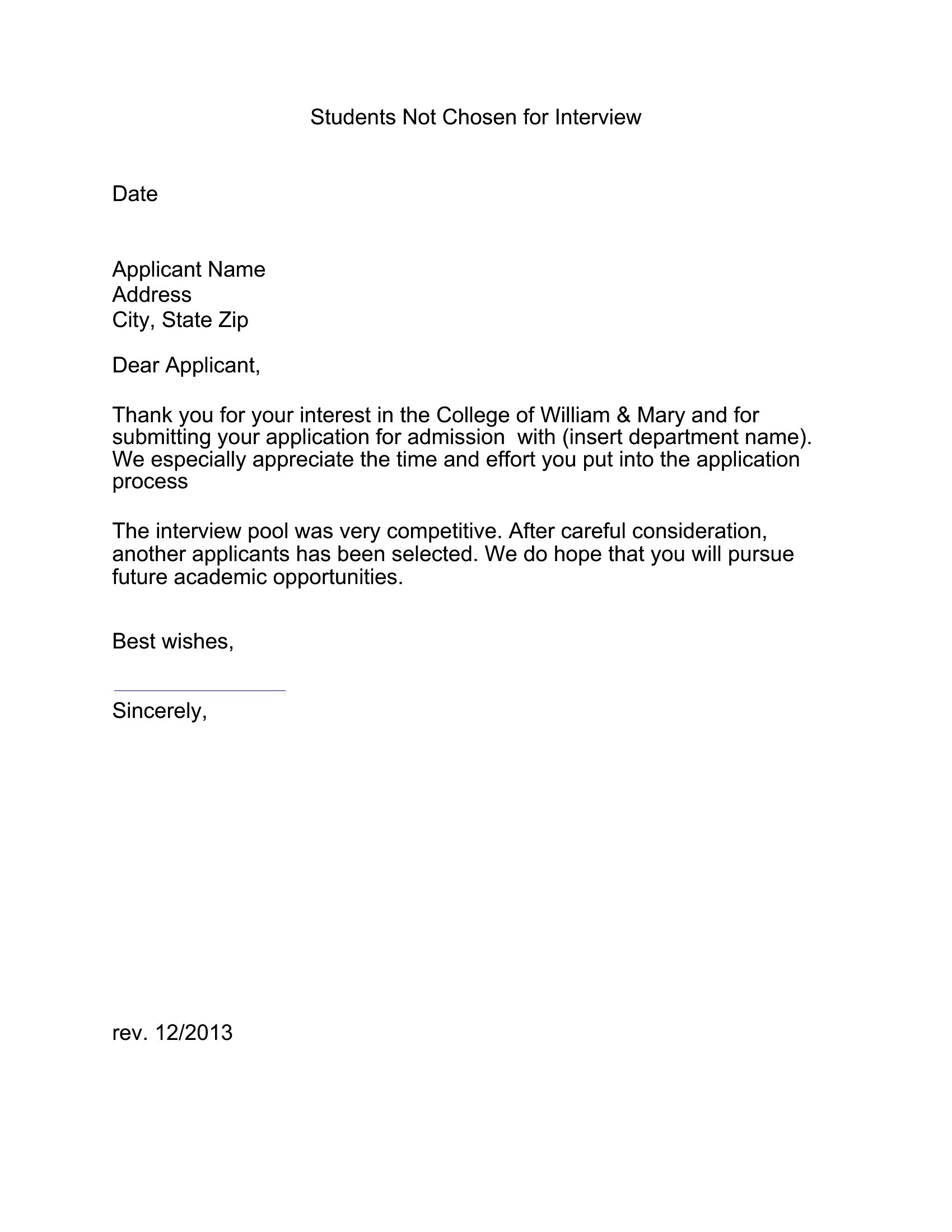
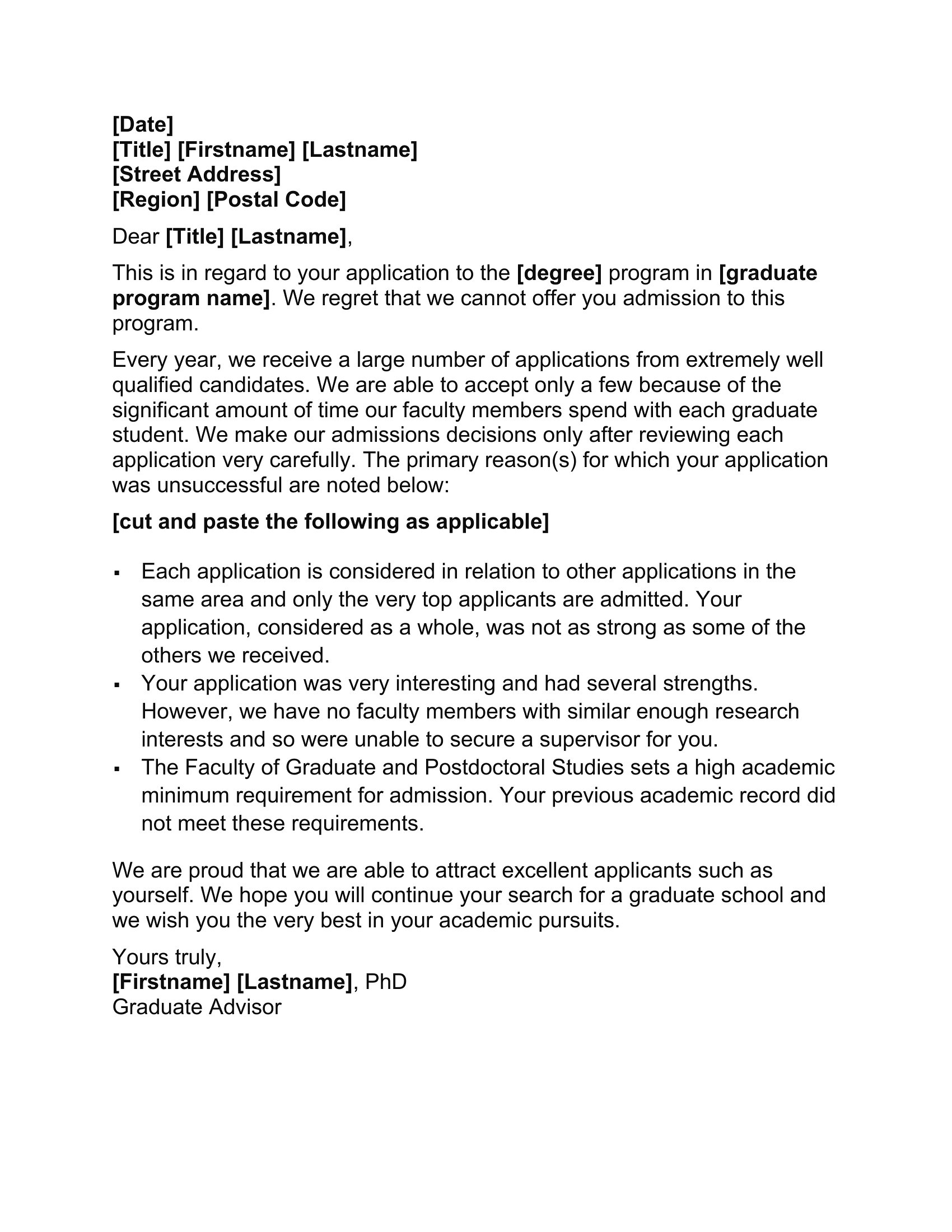
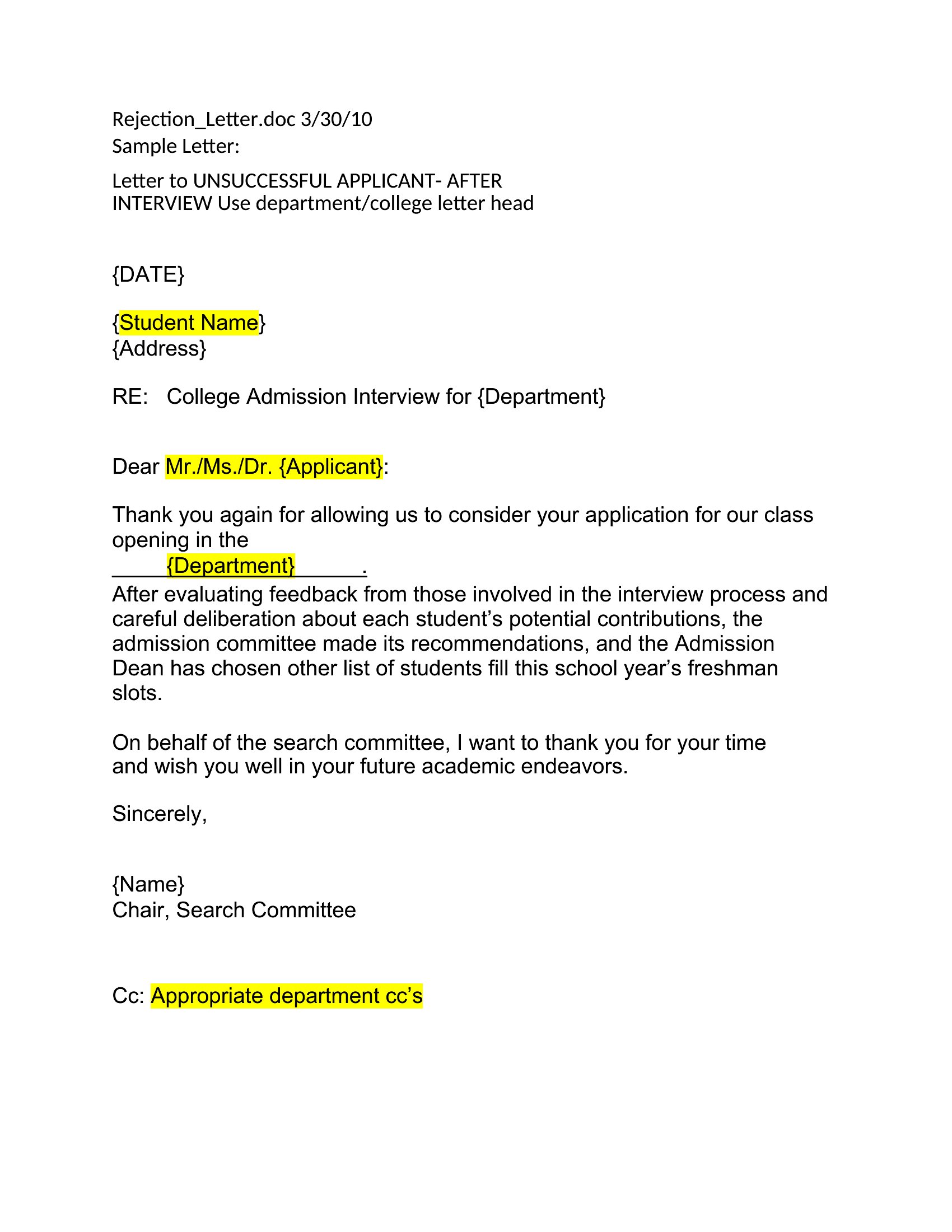
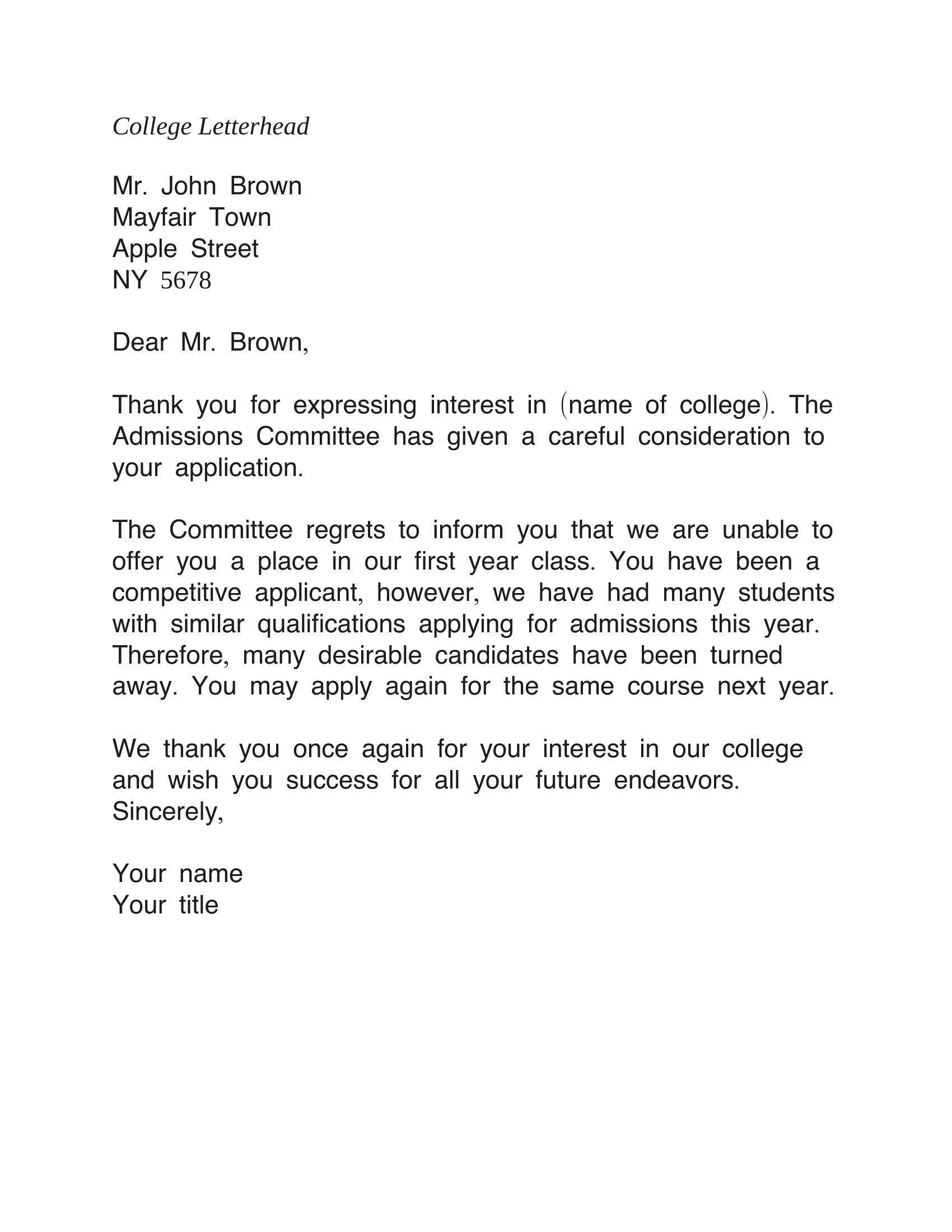
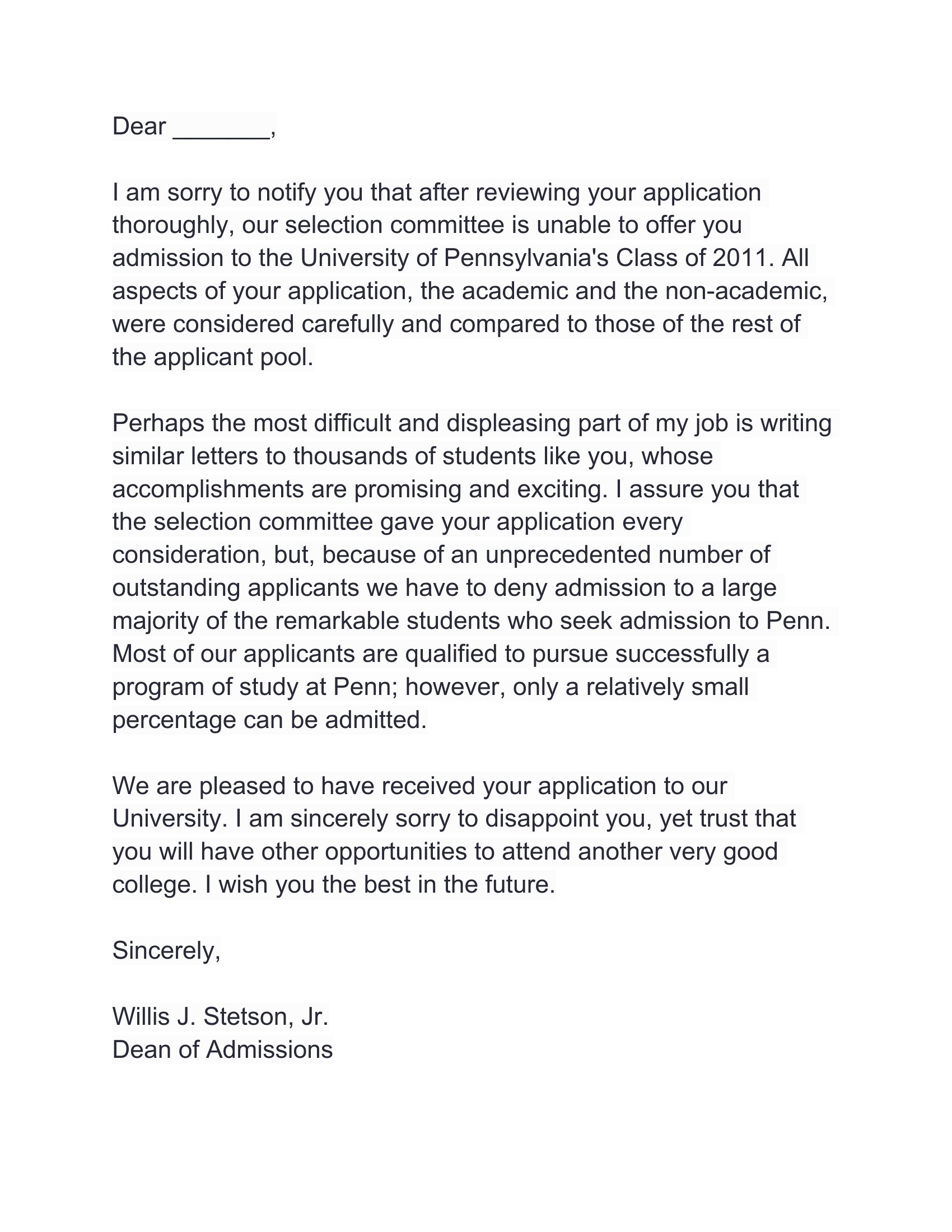
Focus on neutral, process-based language like ‘due to the high volume of exceptional candidates’ or ‘this cycle’s funding constraints,’ while avoiding vague praise. Pair it with actionable next steps, such as alternative programs or appeal instructions, to shift the focus forward. The templates include phrases designed to acknowledge strength while maintaining honesty—use them as a guide, not a script.
Should I include specific feedback or reasons for rejection in the letter?
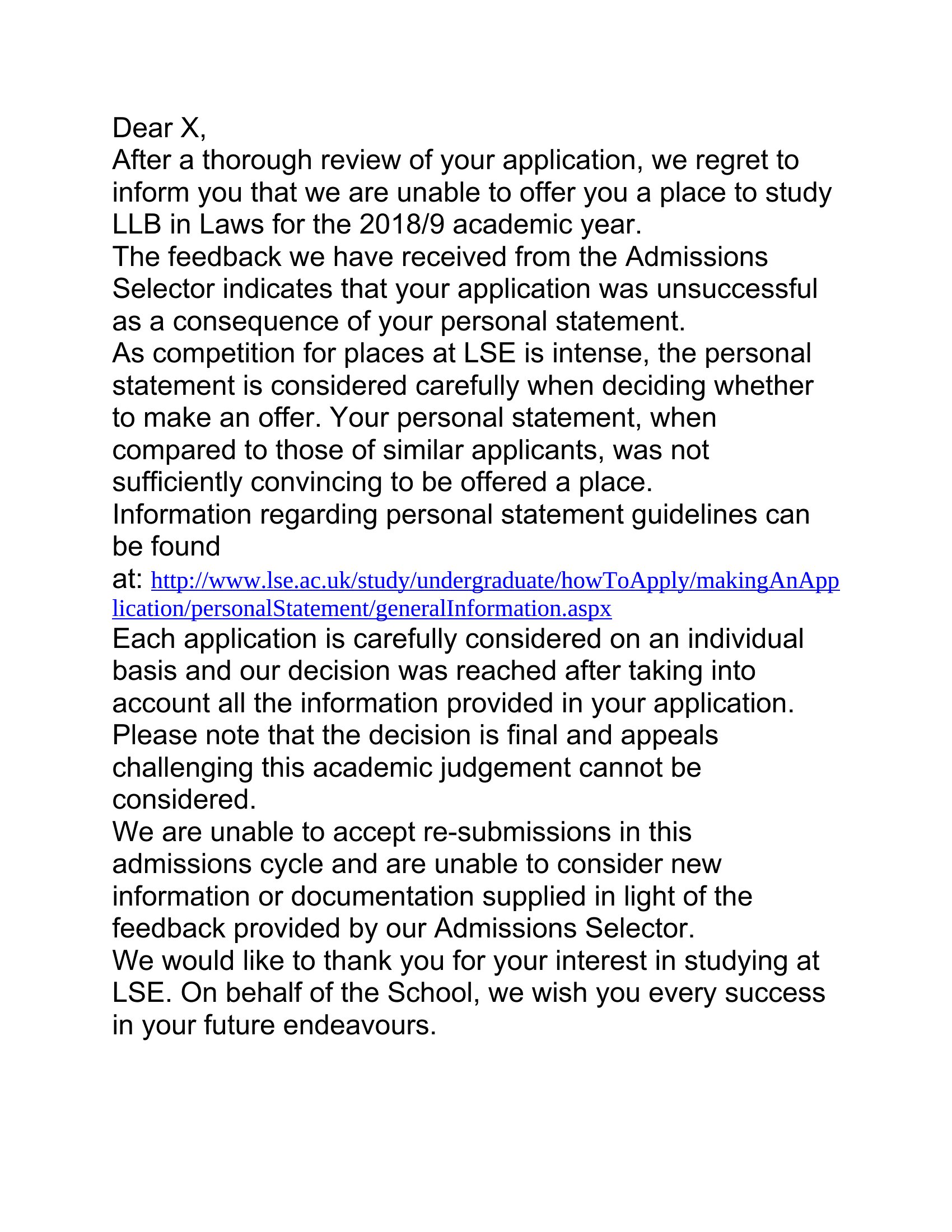
Avoid overly detailed critiques that could feel personal or demoralizing. Instead, highlight general trends (e.g., ‘competition for limited seats in your major’) or mention if the decision was based on holistic review. If feedback is warranted, offer it separately via email or a dedicated portal. The templates balance transparency with discretion, ensuring you don’t overpromise or under-explain.
What’s the best way to handle appeals after sending a rejection letter?
Direct applicants to a clear, brief appeal process outlined in the letter—such as a secondary form or email submission—while setting a firm deadline. The templates include optional appeal sections you can enable or disable as needed. Avoid reopening discussions mid-process; instead, use the appeal as a chance to reassess based on new criteria, not to rewrite the original decision.
Comments
Join the conversation
Sign in to share your thoughts and leave a comment on this resource.