
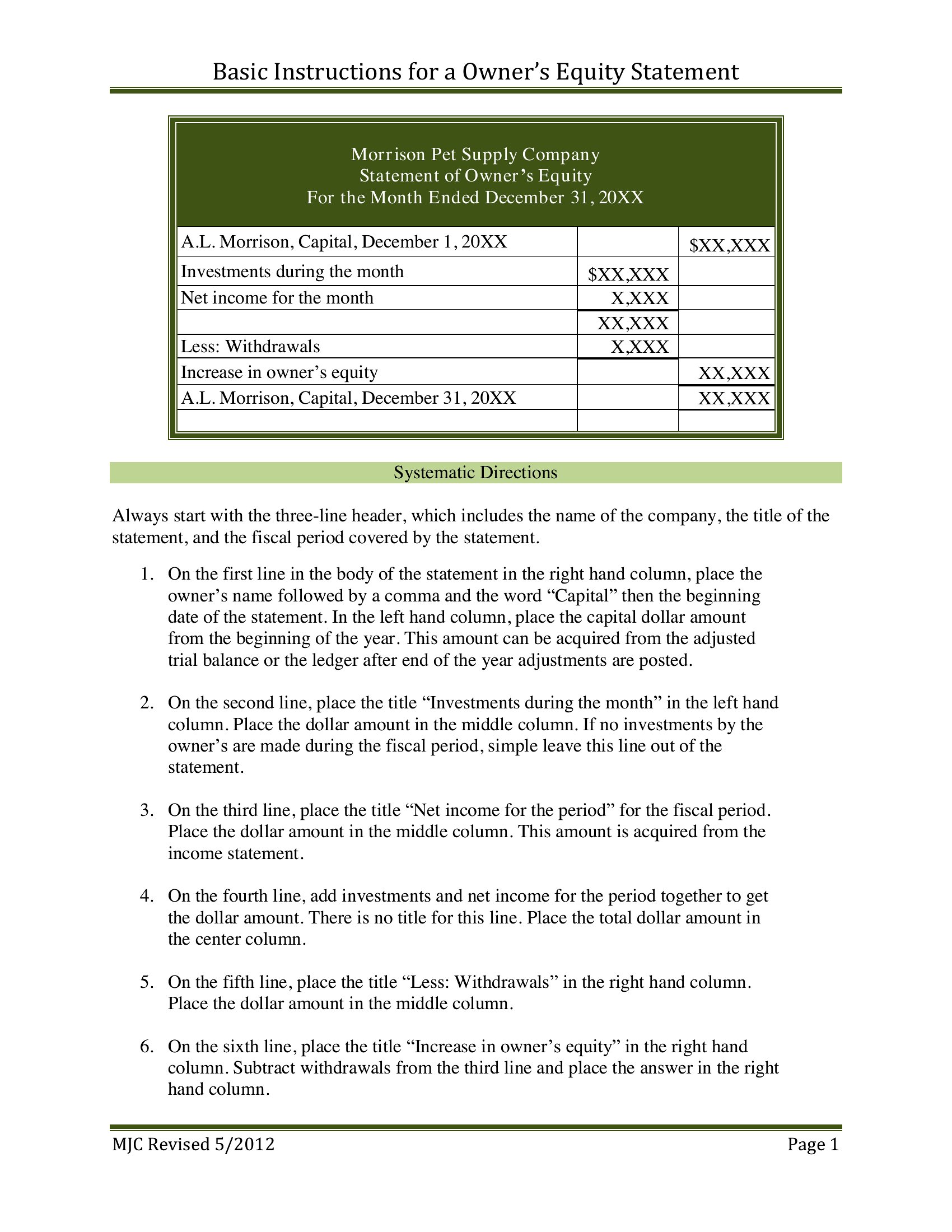
Free Owner's Equity Statement Templates (Word, Excel, PDF)
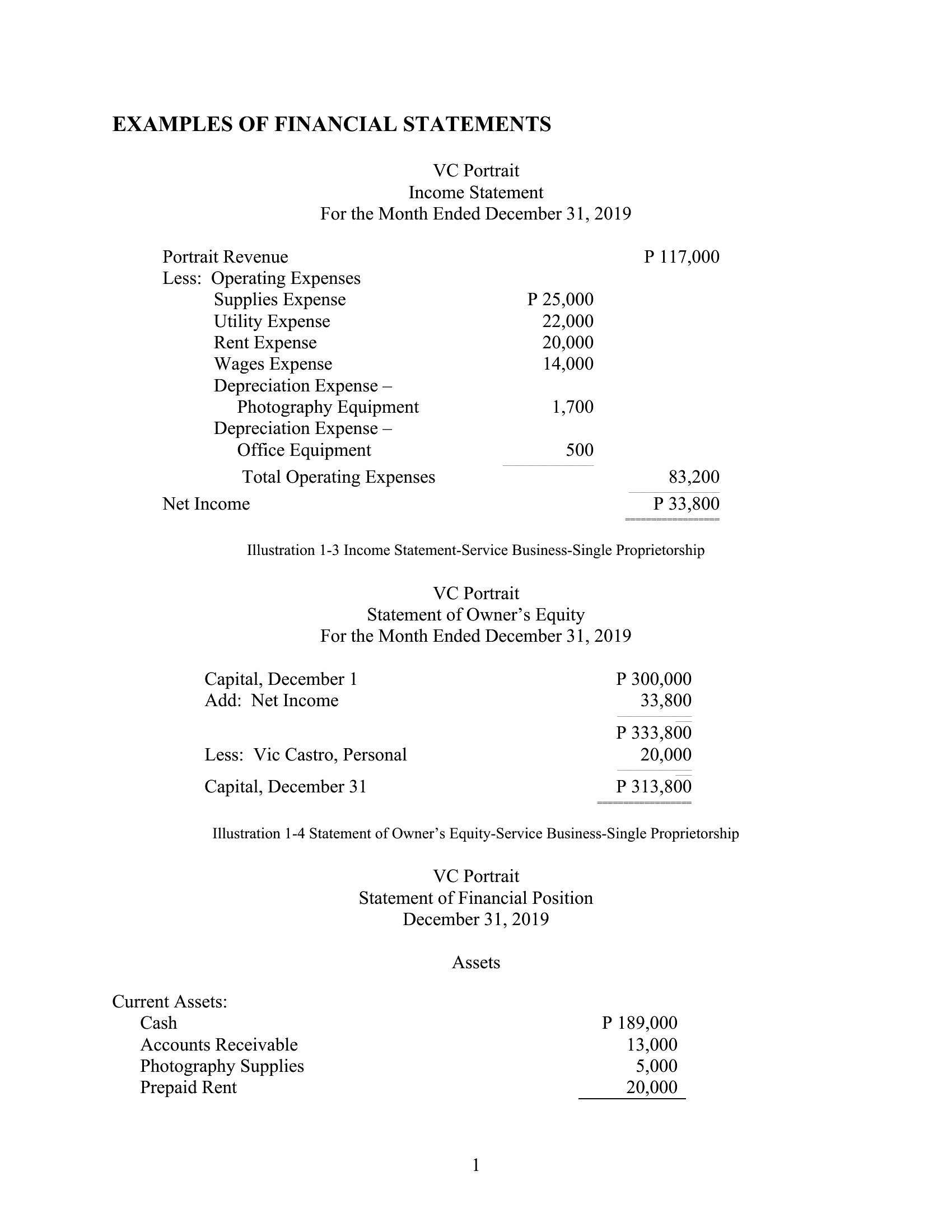
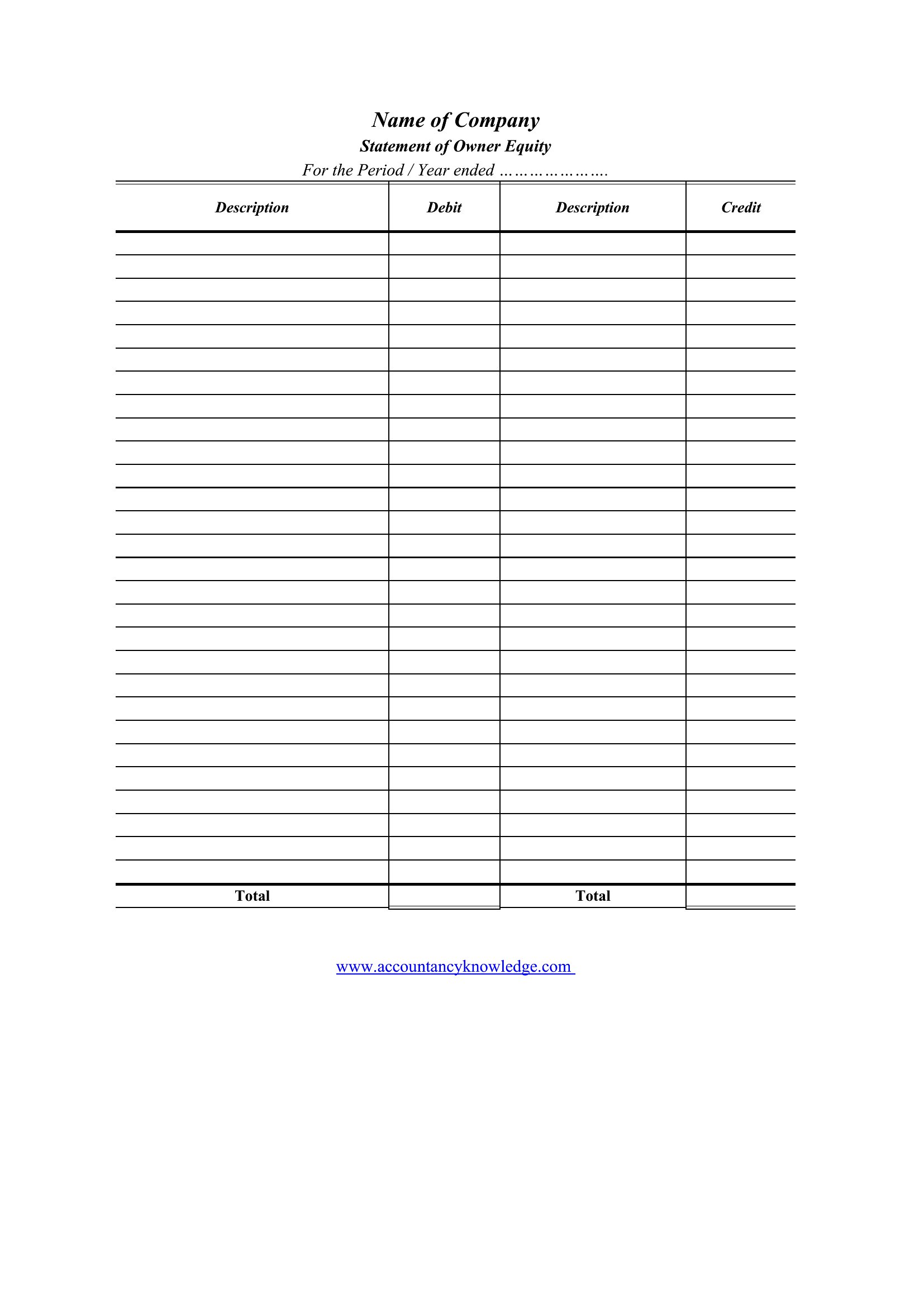
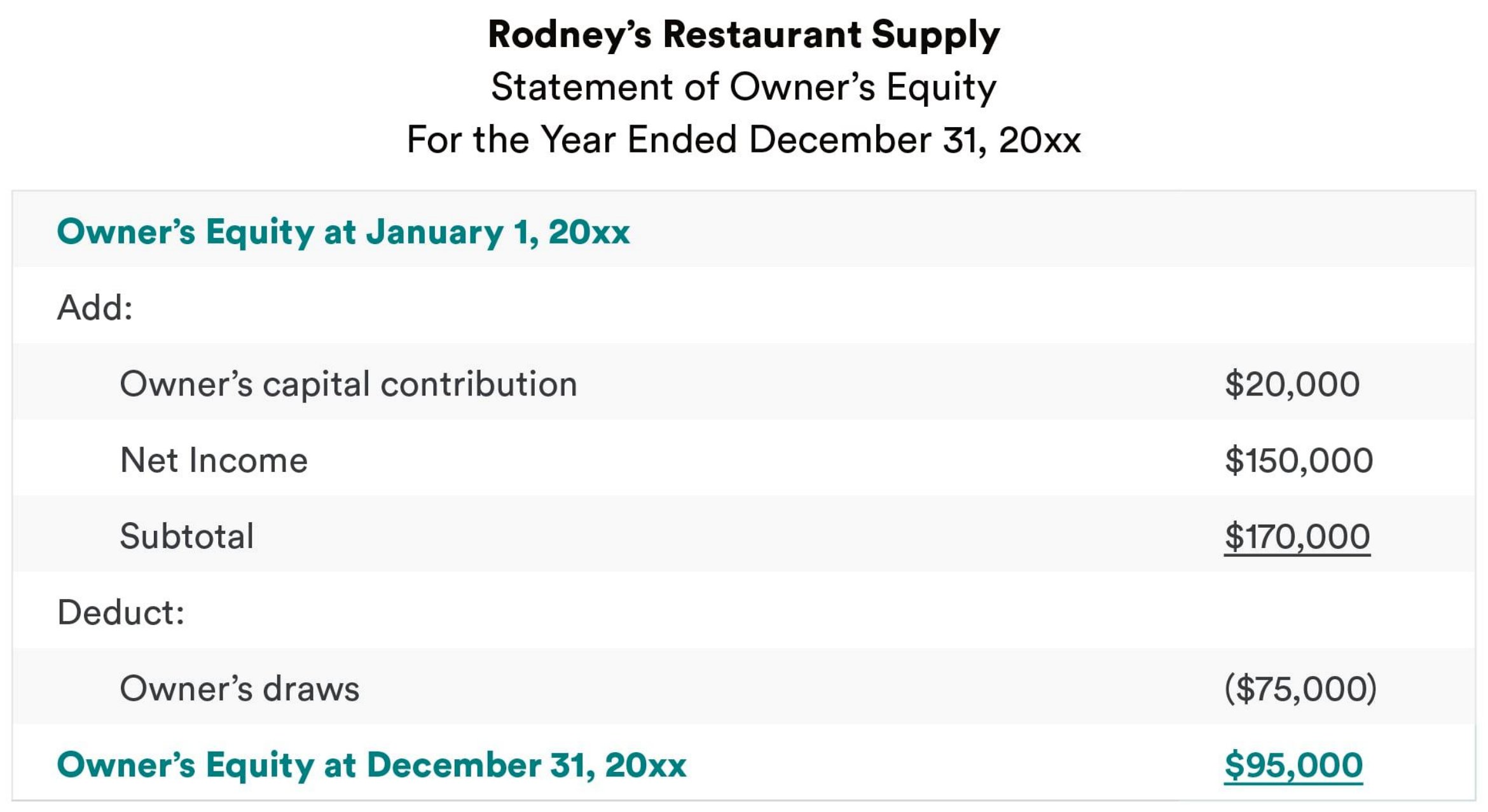
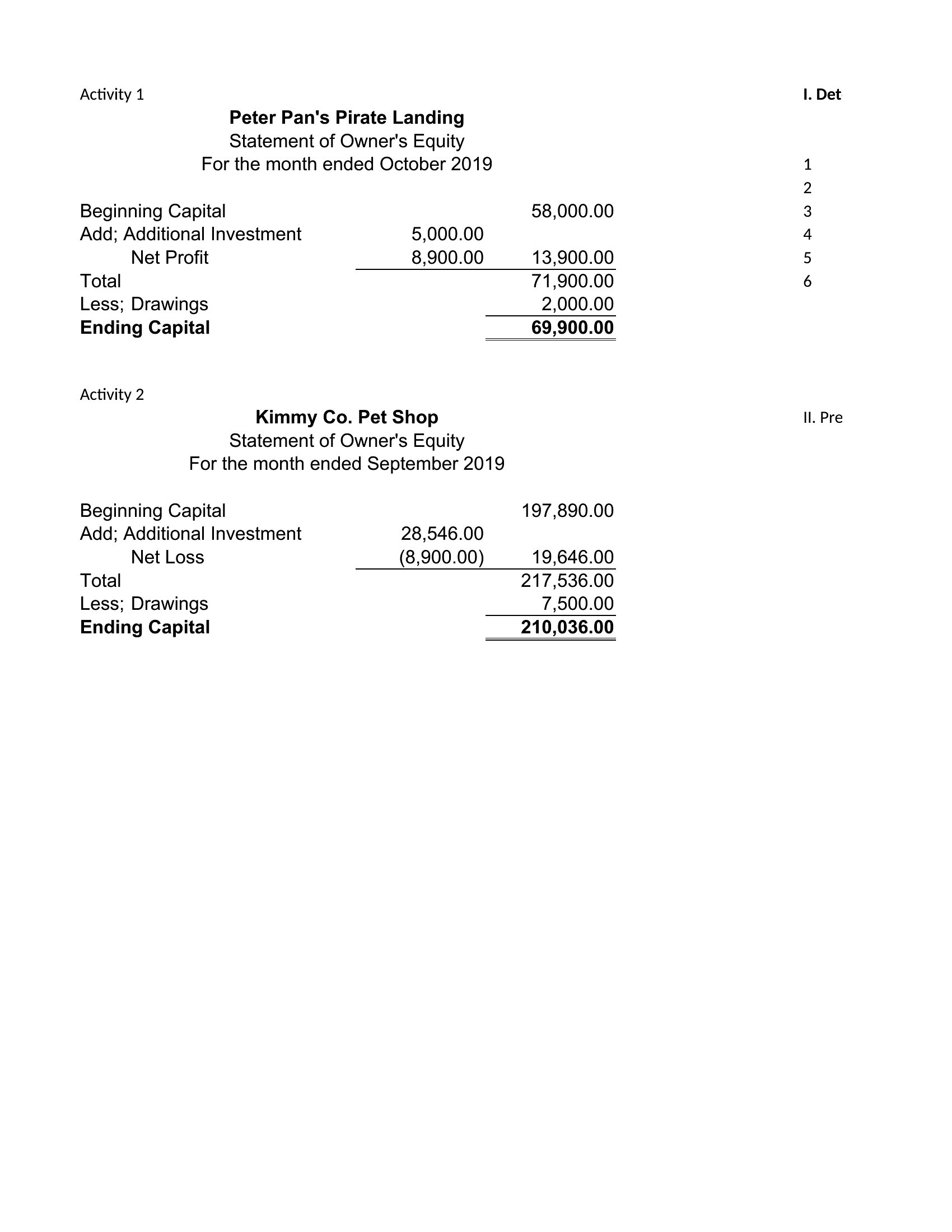
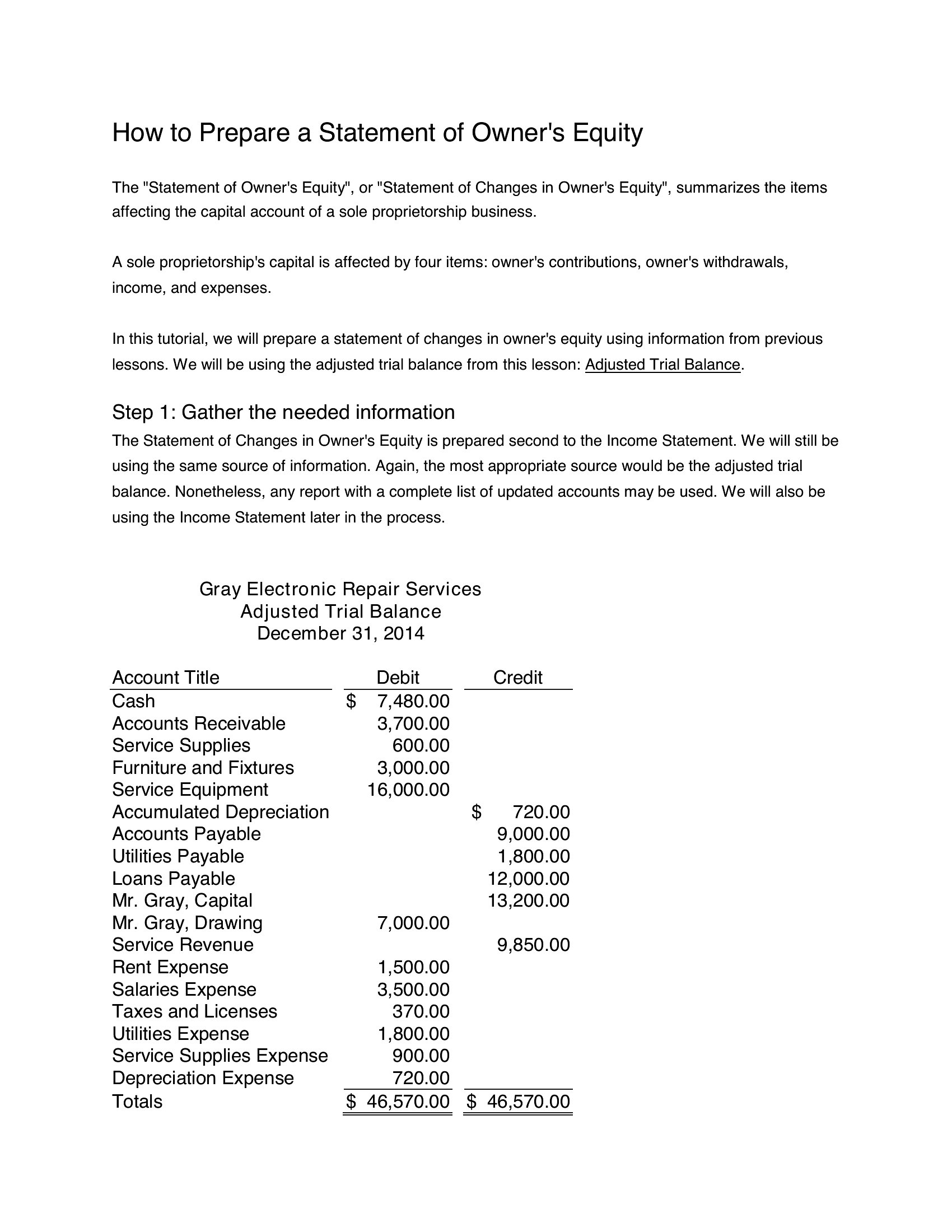
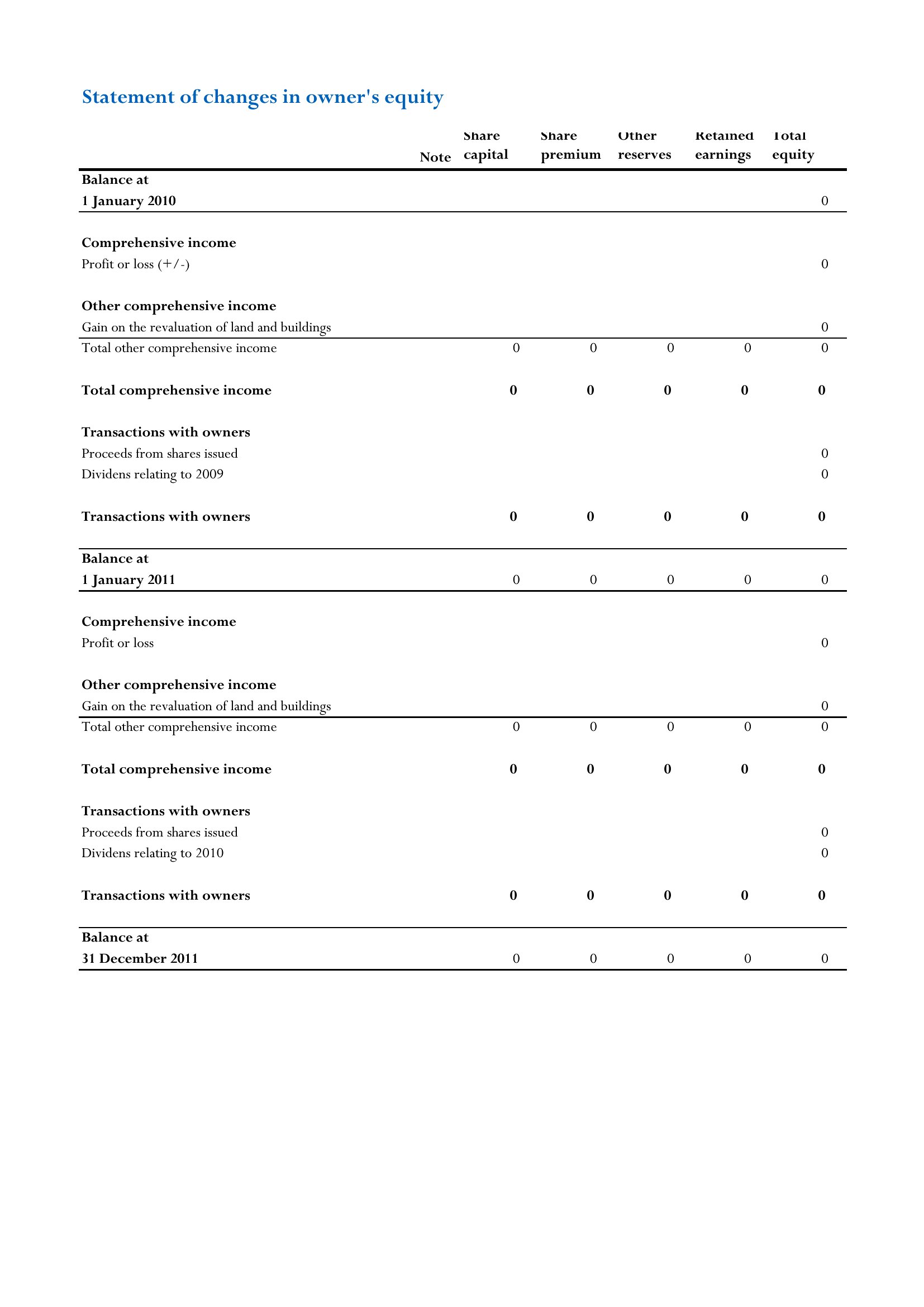
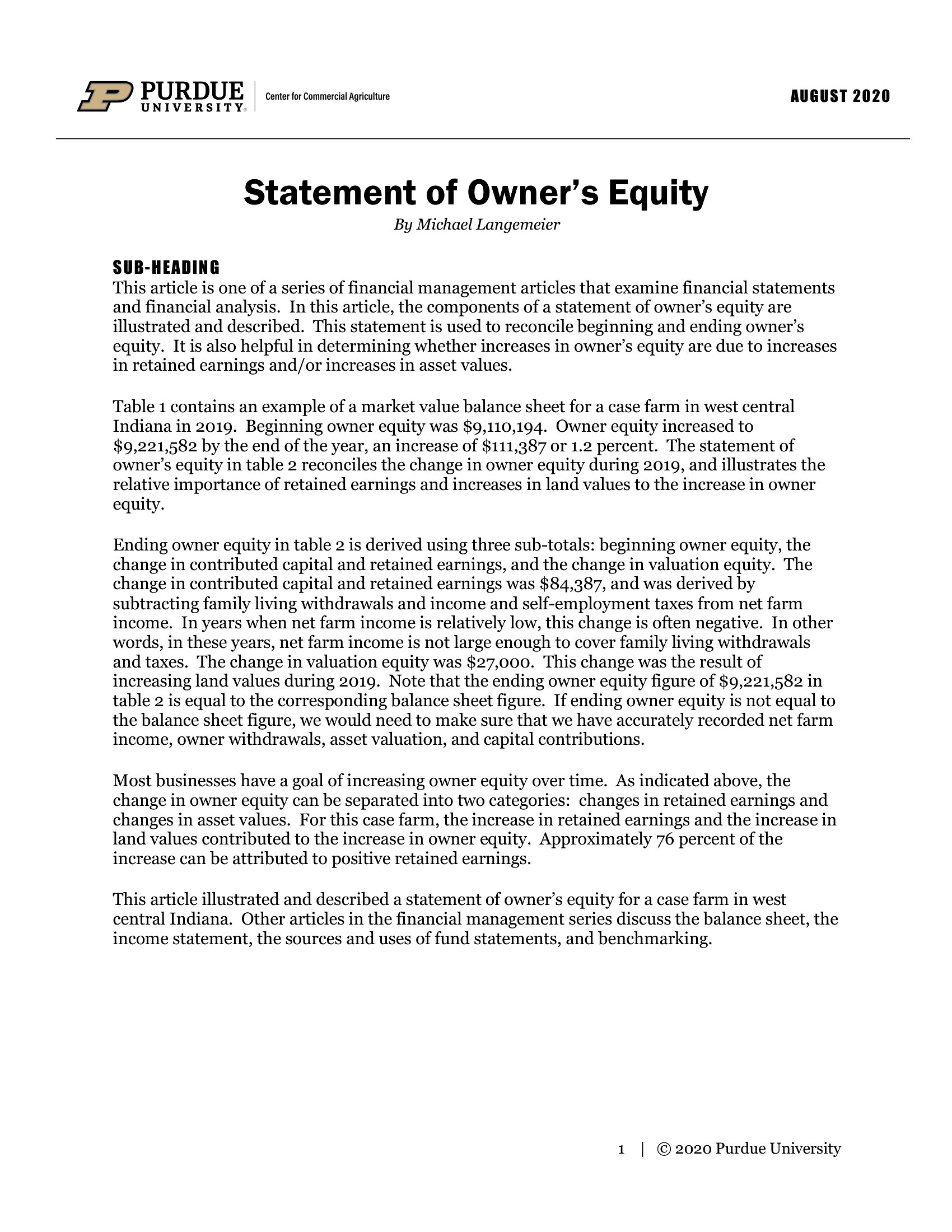
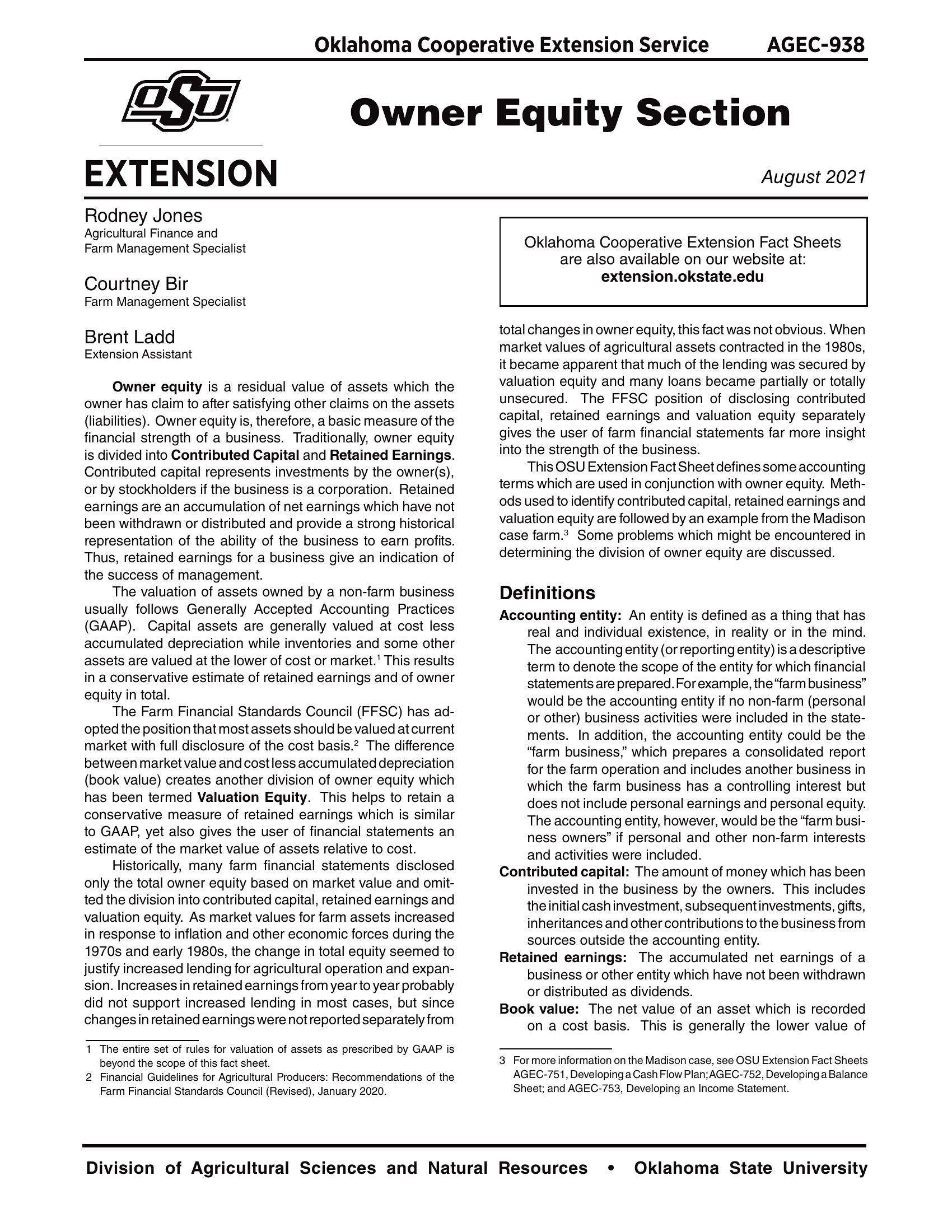
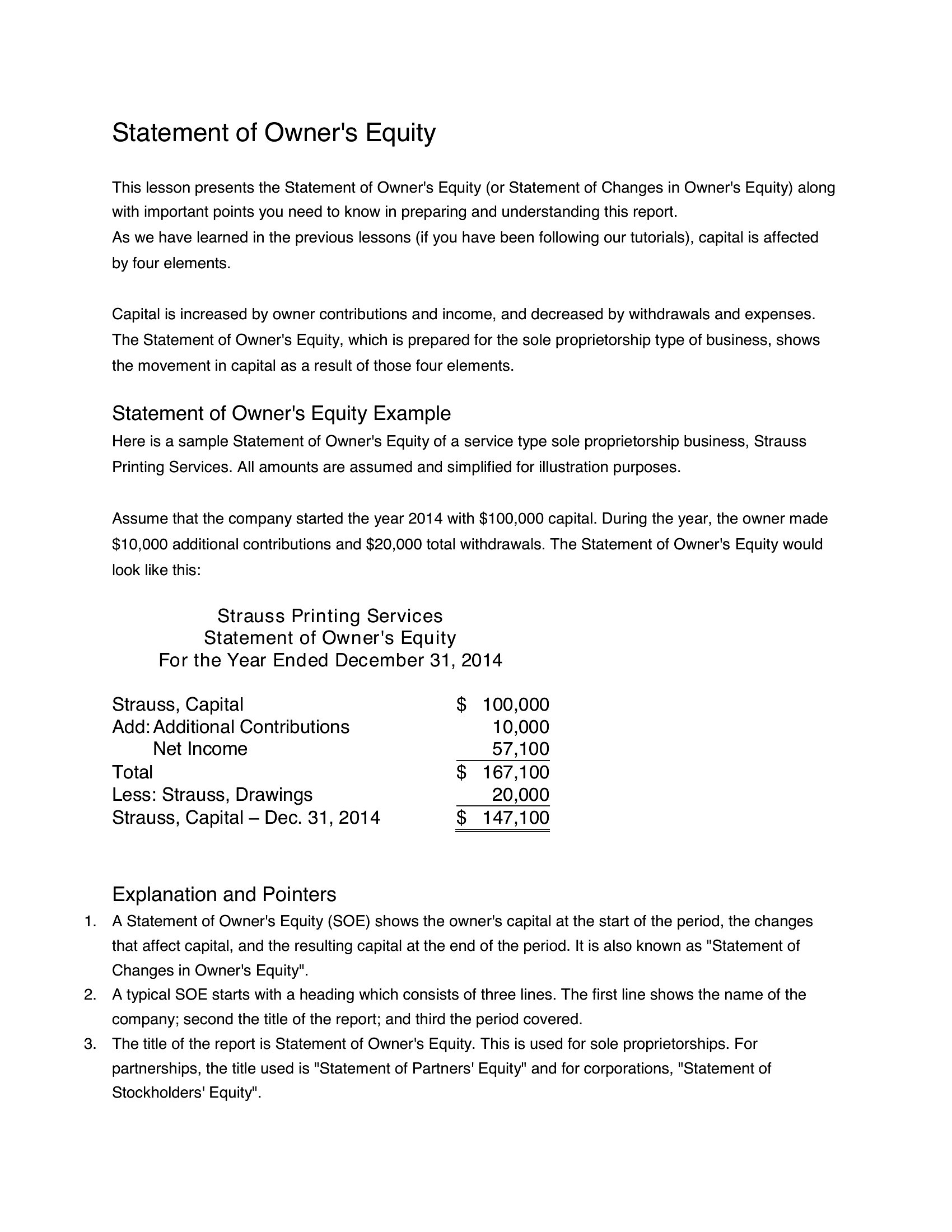
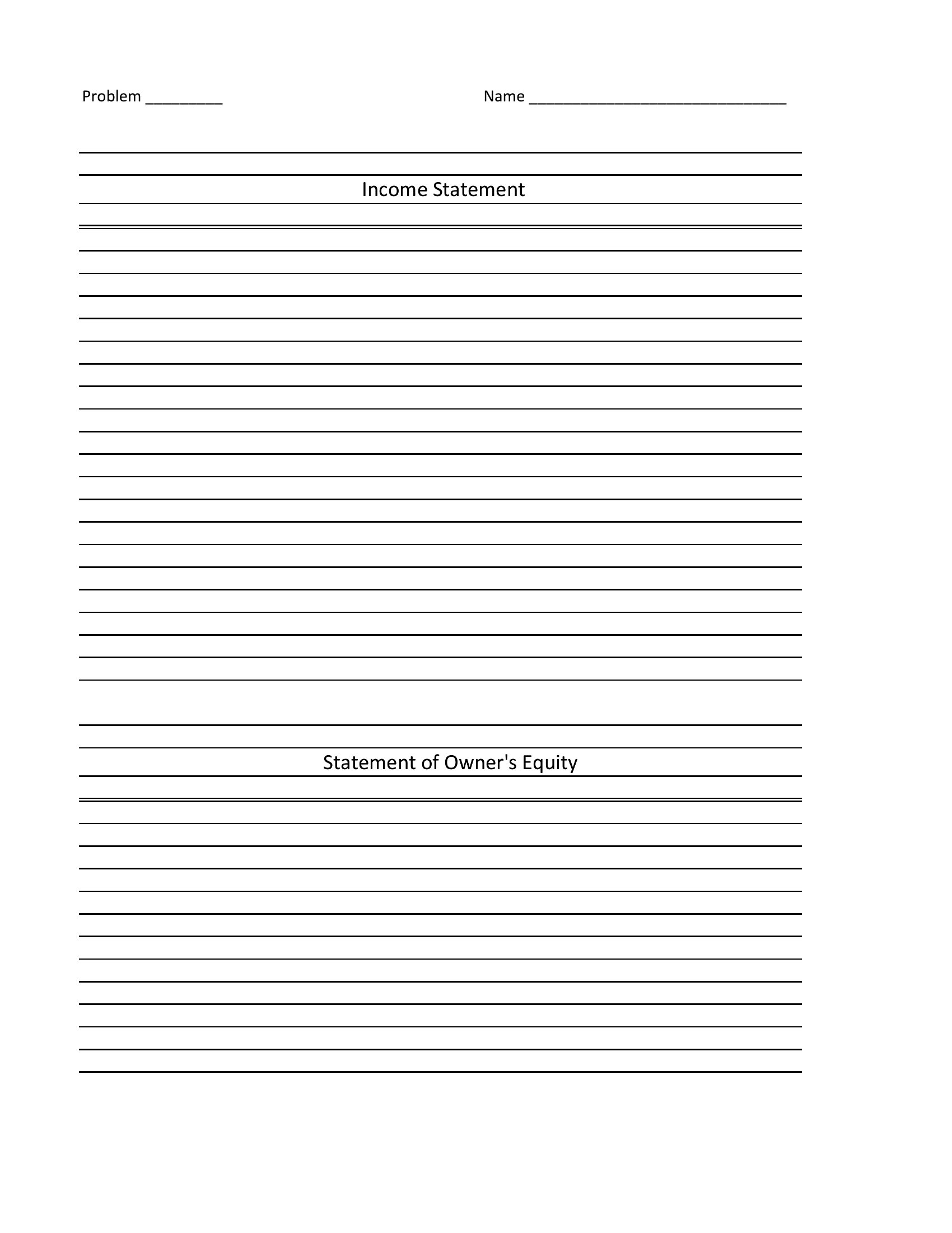
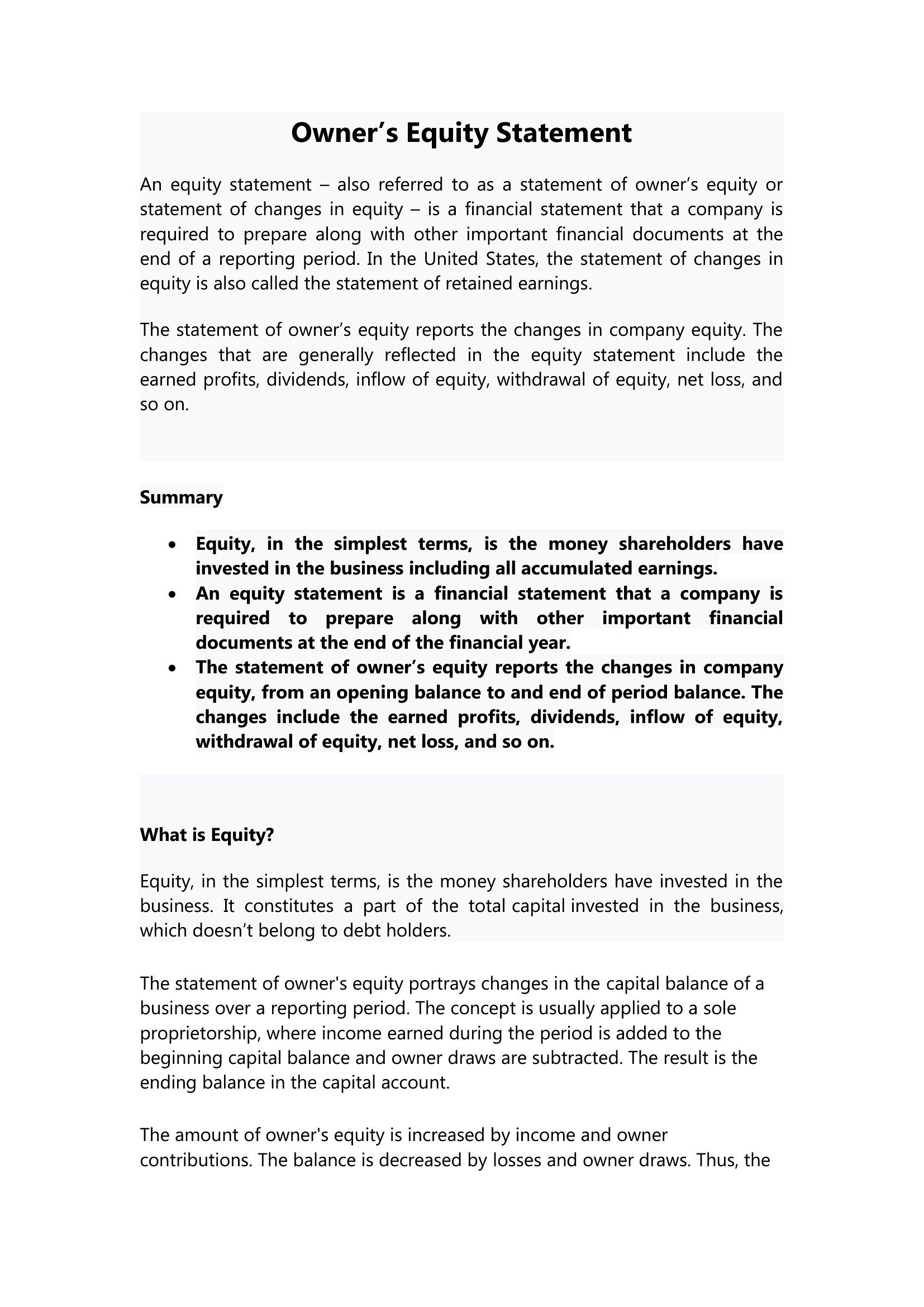
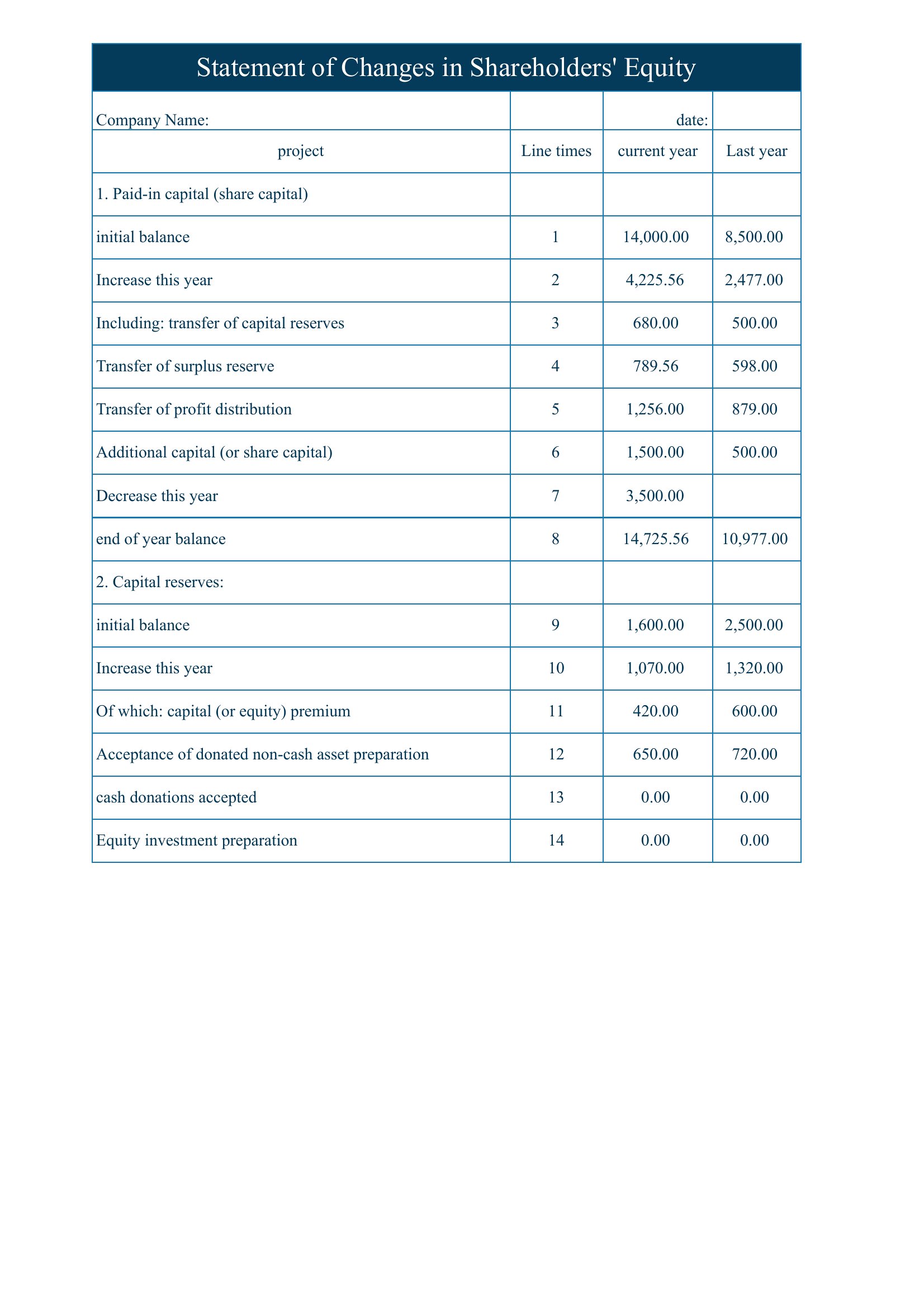
StatementsA statement of owner's equity shows how an owner's stake in a business changes over a period, factoring in contributions, draws, and net income or loss. This set of 14 templates helps small-business owners, bookkeepers, and accounting students put those numbers together without rebuilding the layout each time.
Reach for the Excel versions when you want totals to update as you type, the Word files for a tidy written statement, or the PDFs for a clean printout to file or share. Drop in your figures and the structure handles the presentation. Accounting rules and reporting needs vary, so check with an accountant if you're preparing formal financials. Pick the format that matches your books and fill it in today.
When to use this Statement of Owner' Equity template
- Small business owners tracking annual owner contributions and withdrawals alongside net income to assess personal financial impact on their business equity.
- Bookkeepers preparing year-end financial reports for sole proprietors who need a clear breakdown of retained earnings adjustments and equity changes over time.
- Accounting students practicing how to reconcile beginning and ending owner’s equity by plugging in hypothetical scenarios for dividends or reinvestments.
- Seasonal entrepreneurs calculating equity fluctuations at the end of each quarter to justify loan applications or investor updates.
Which format should I download?
Choose Excel if you need formulas to auto-calculate equity changes as you input new figures—ideal for ongoing adjustments. Word is best for printing or sharing a polished, static version with clients or partners. PDF works when you require a fillable form for quick data entry before finalizing numbers. Excel stands out here because it dynamically reflects equity shifts, saving time over manual recalculations.
How to use this Statement of Owner' Equity template
Can I use this template to show equity changes for multiple owners in a partnership?
These templates focus on single-owner equity calculations. For partnerships, you’ll need to adjust the layout to include columns for each partner’s share or opt for a partnership-specific template that tracks contributions and profit allocations separately.
How do I account for non-cash contributions (like equipment) in the owner’s equity statement?
Record non-cash contributions in the “additional investments” section, then adjust the owner’s capital account accordingly. Consult a CPA to ensure compliance with your local accounting standards, as valuation methods may vary.
What if my business has negative equity—can I still use this template?
Yes, simply input the loss or deficit in the net income/loss row. The template will reflect the decrease in owner’s equity. If negative equity raises concerns, consider reviewing financial strategies with a professional to explore solutions.
Comments
Join the conversation
Sign in to share your thoughts and leave a comment on this resource.