FAQ
Should I include a warranty clause in a private car sale contract?
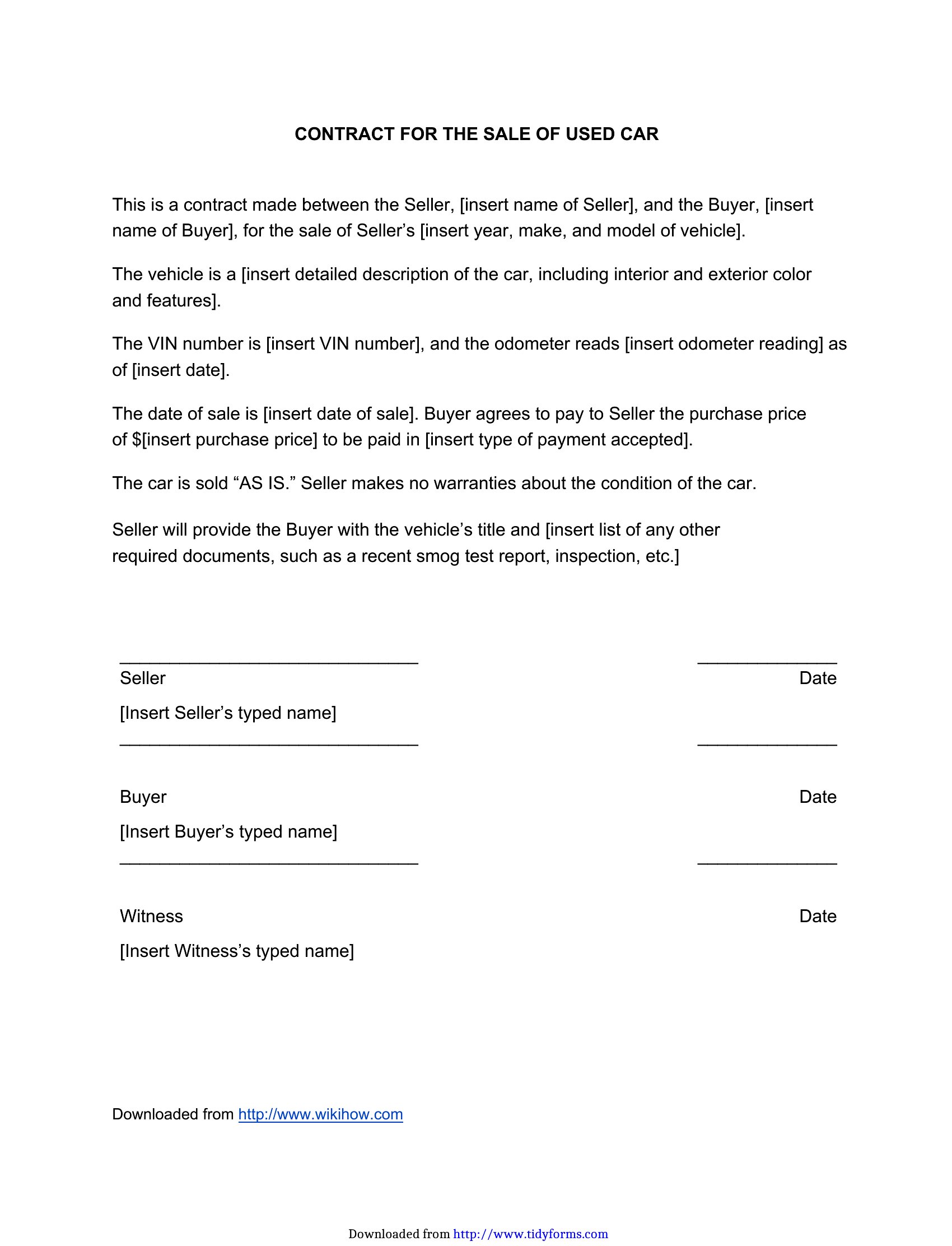
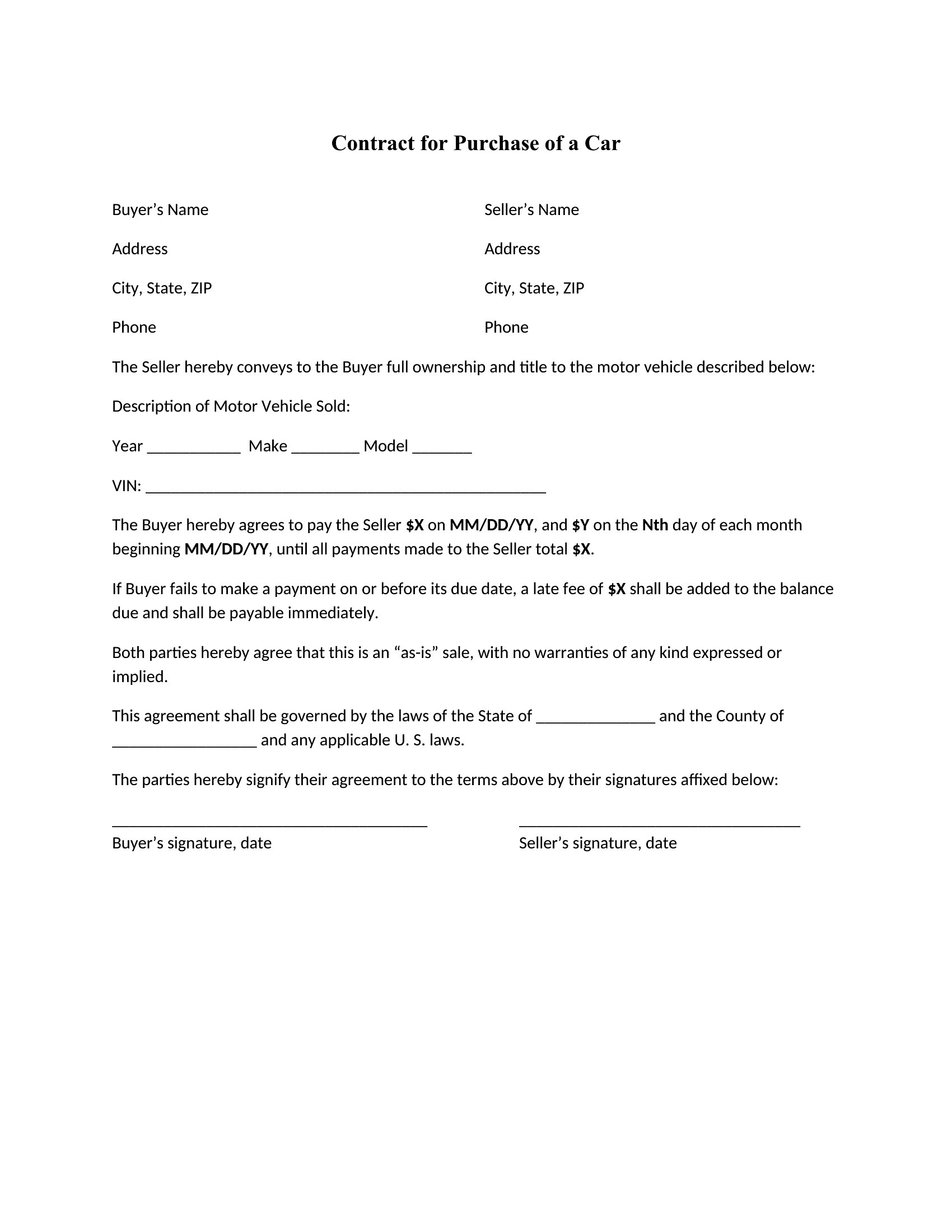
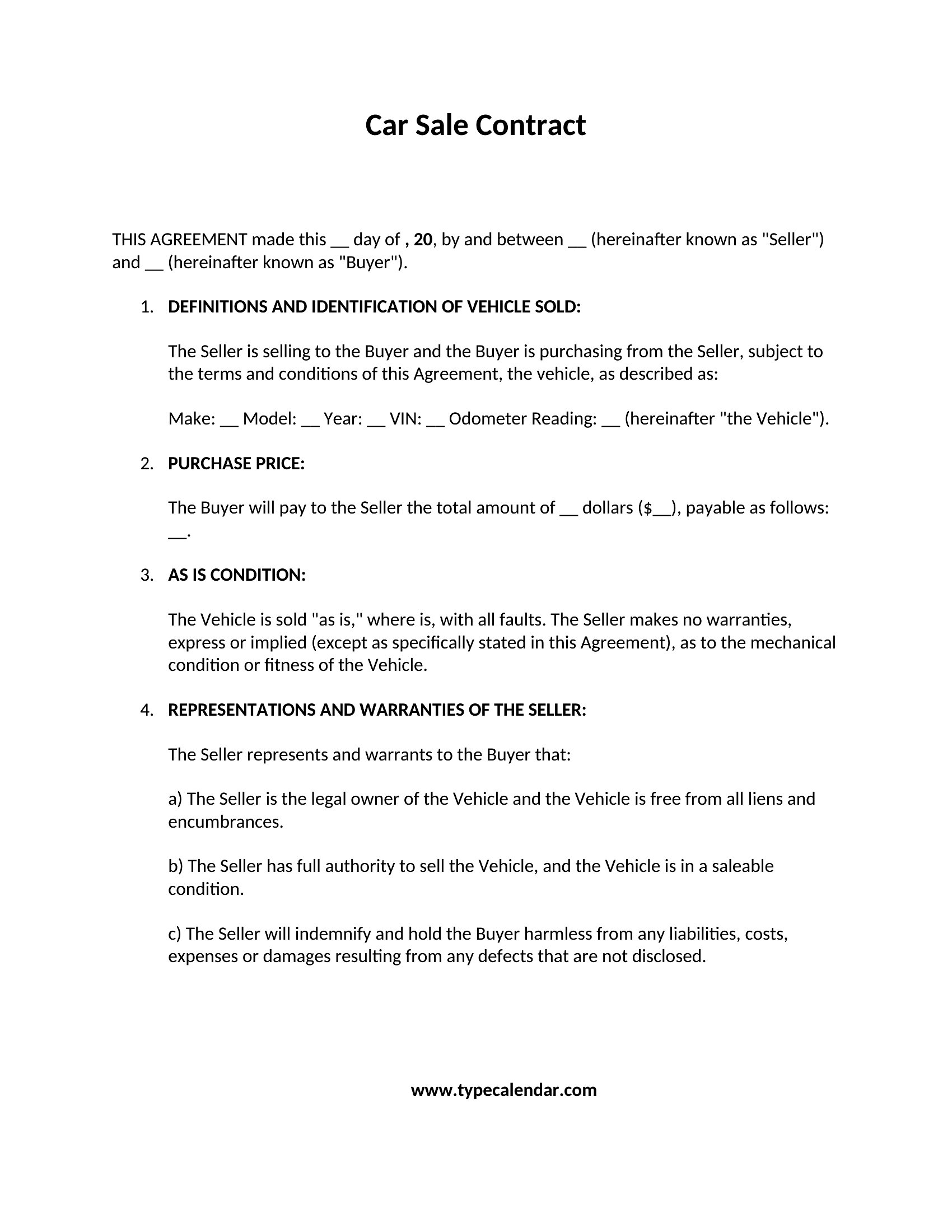
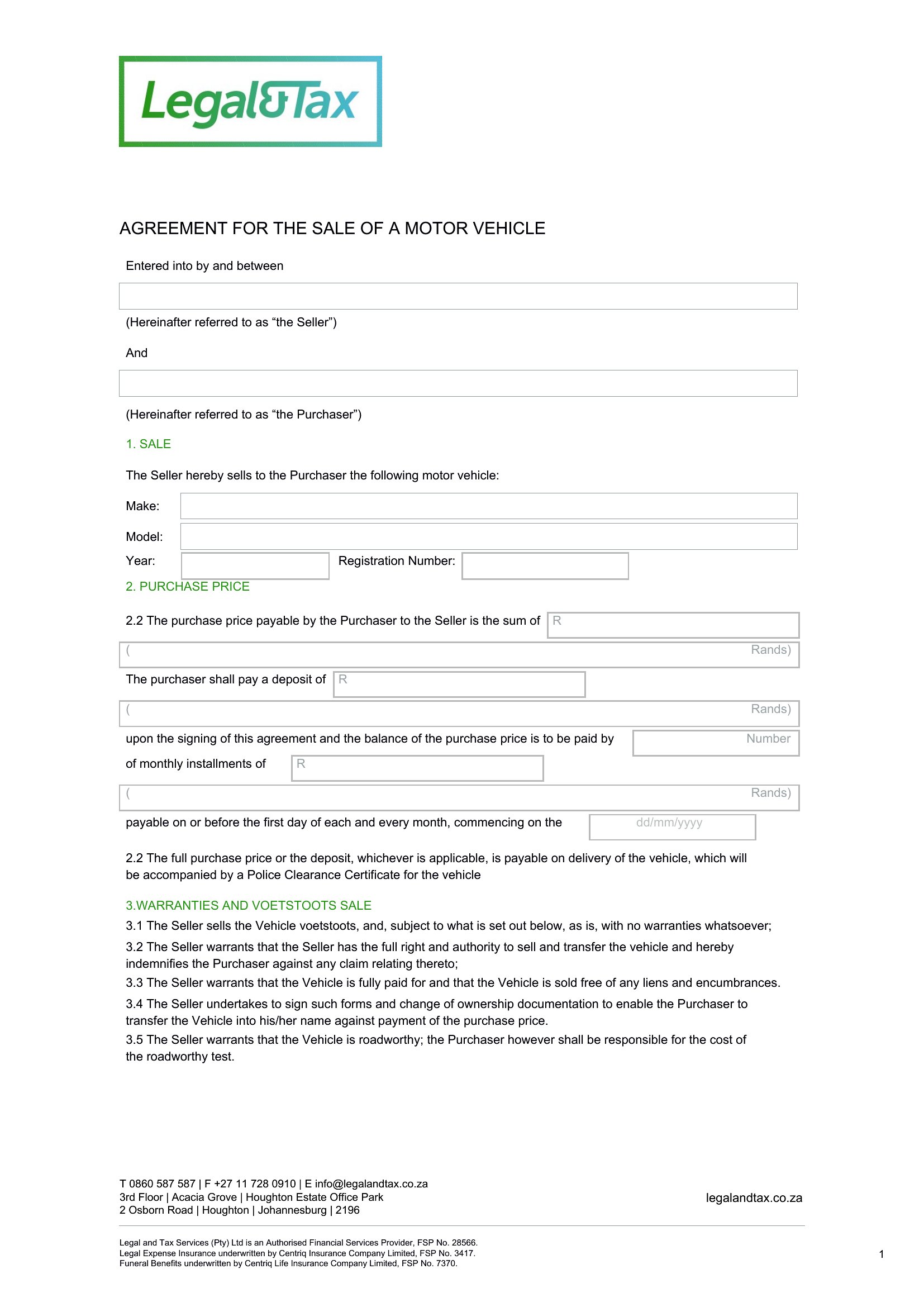
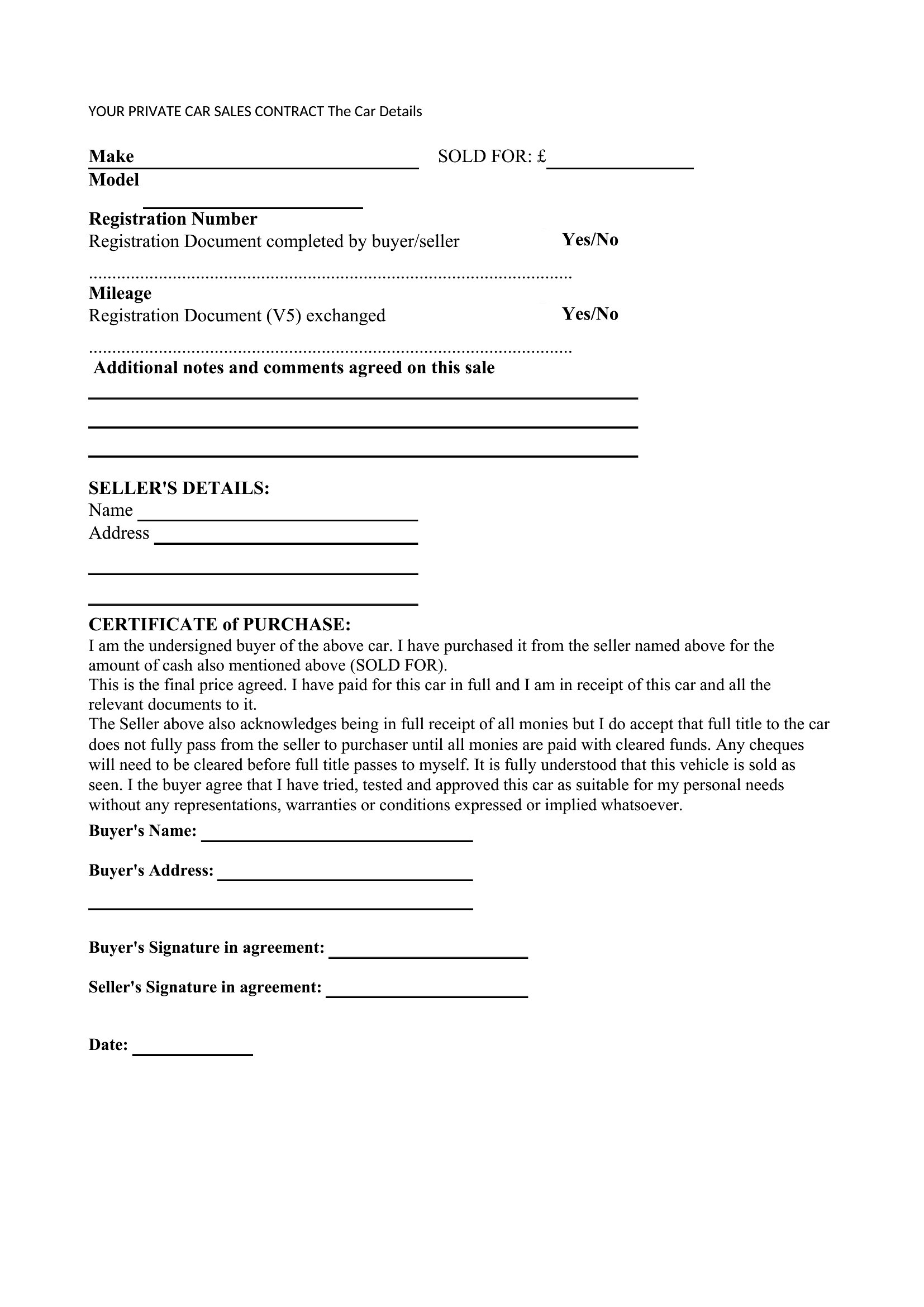
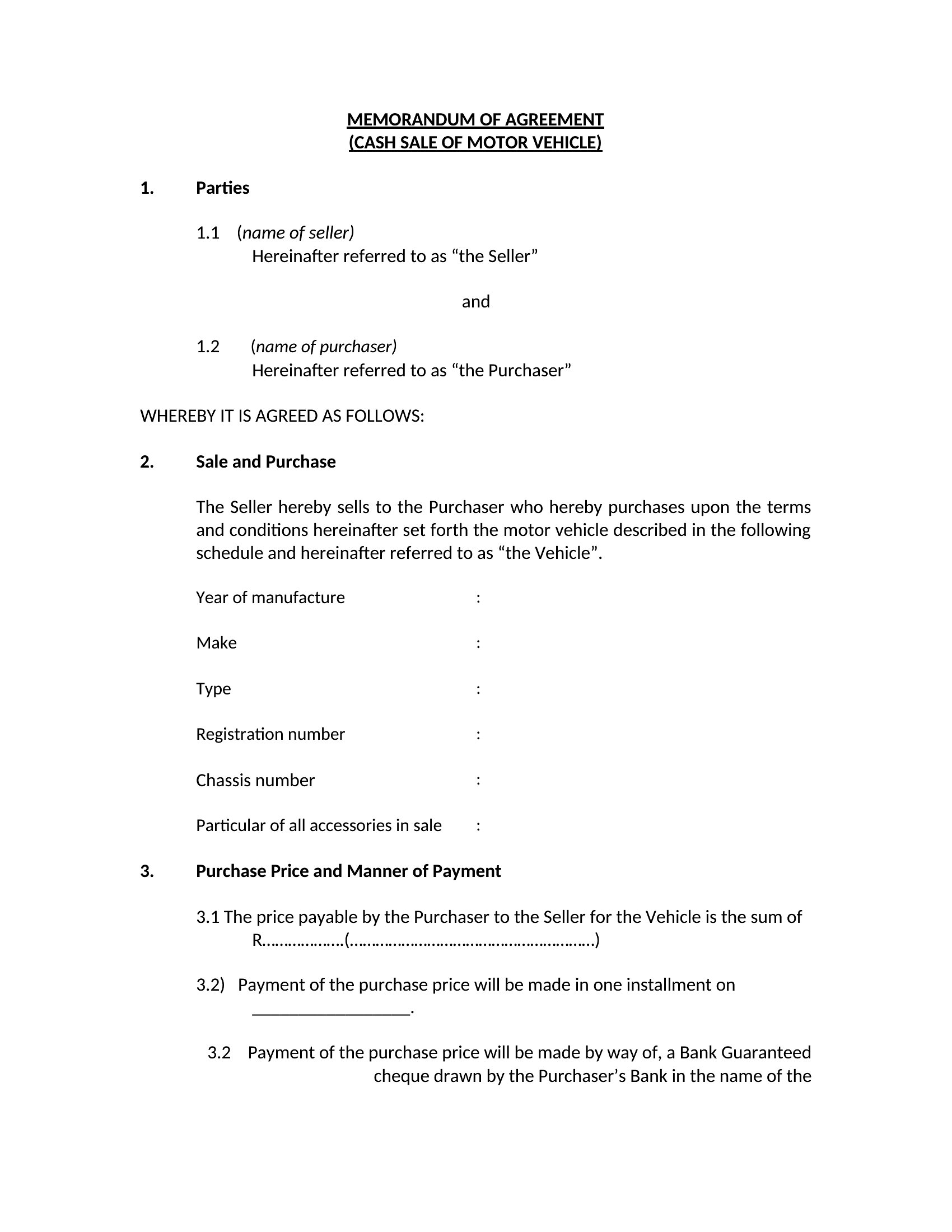
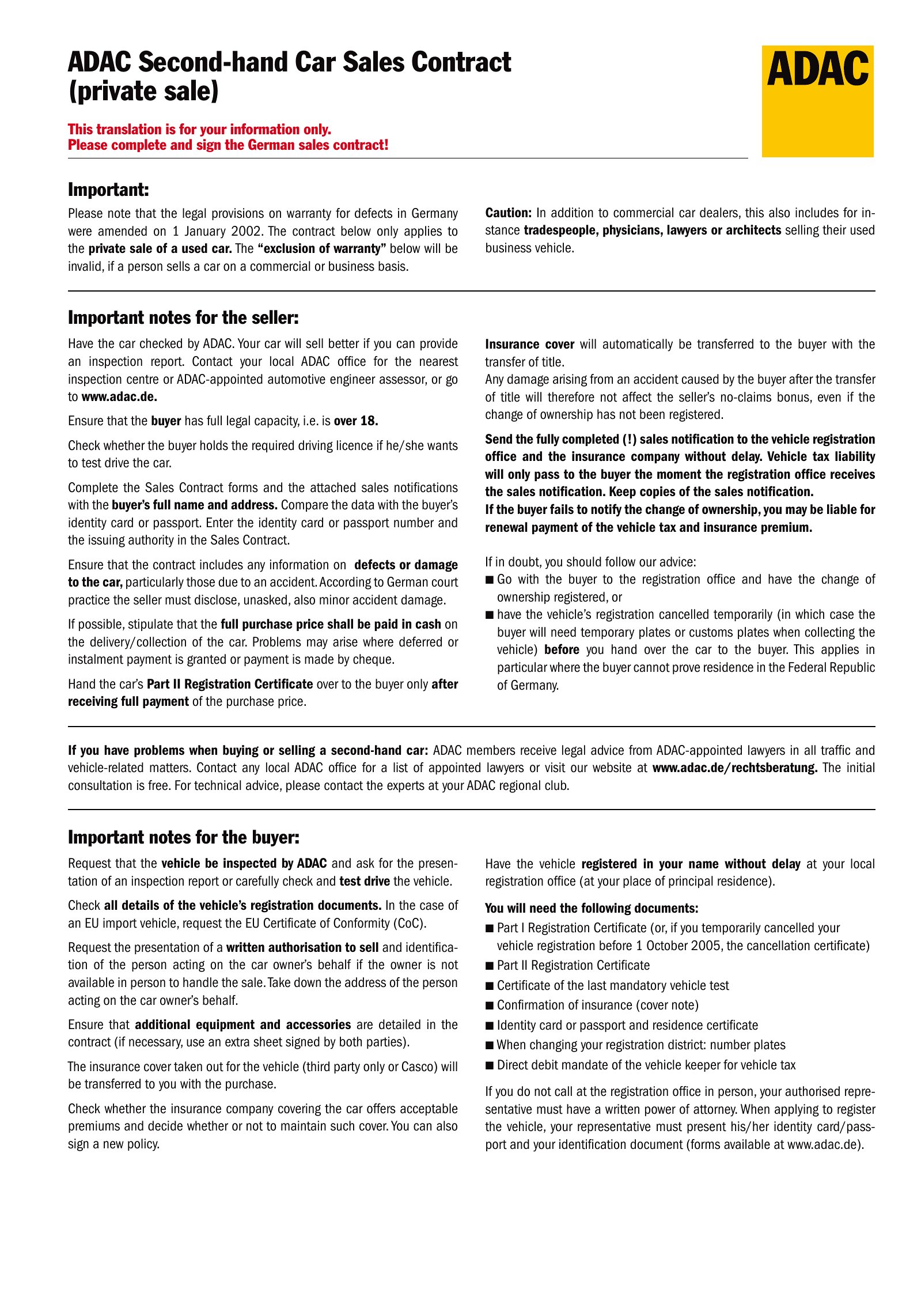
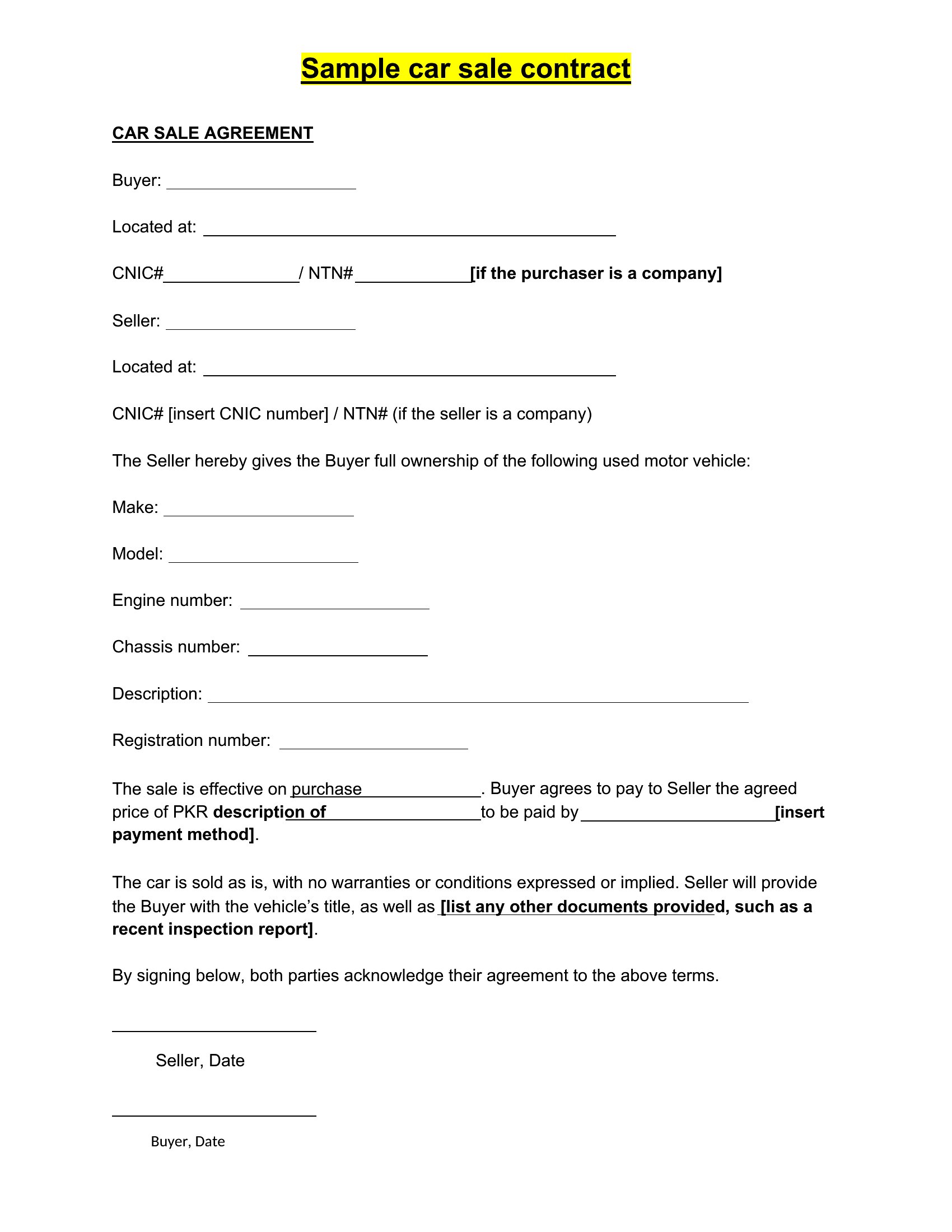
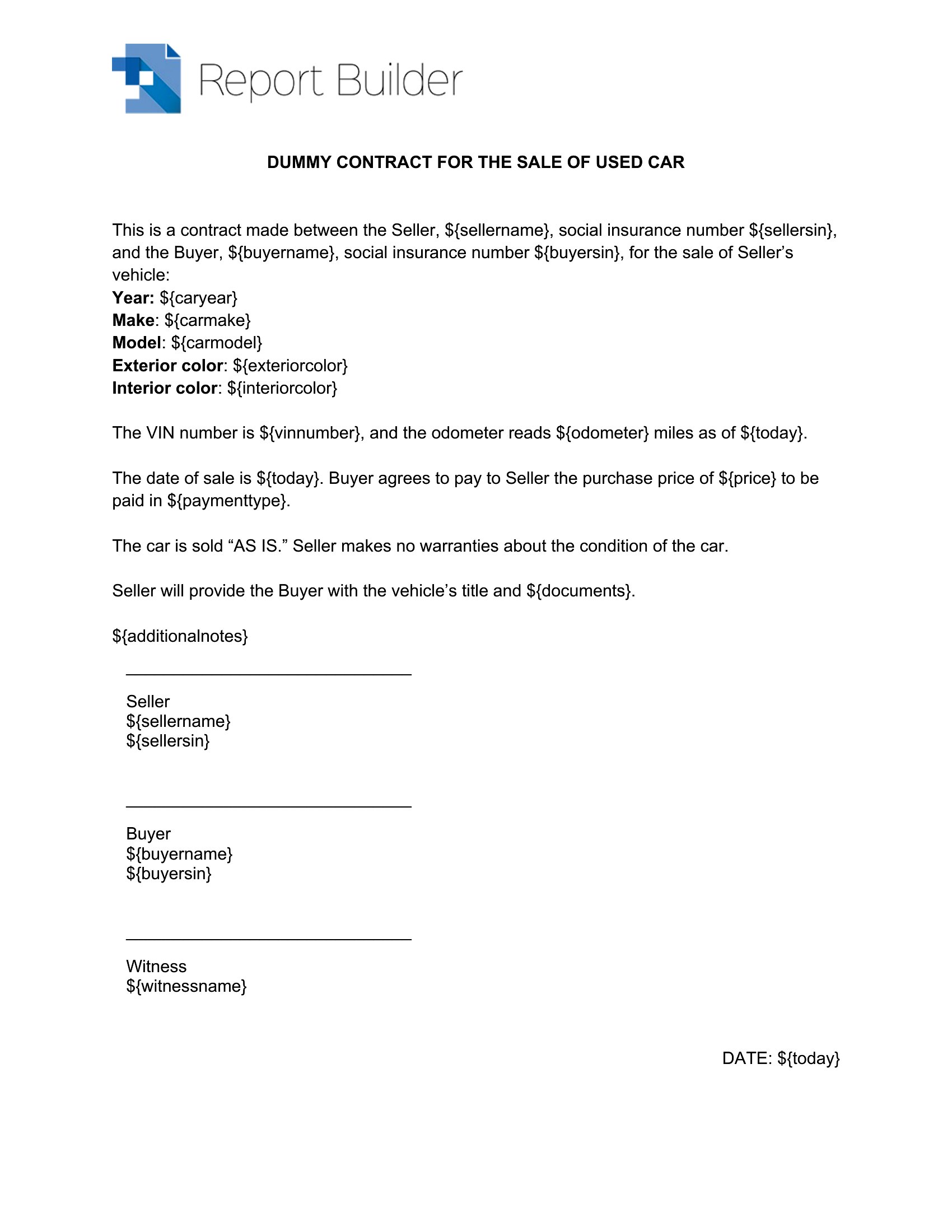
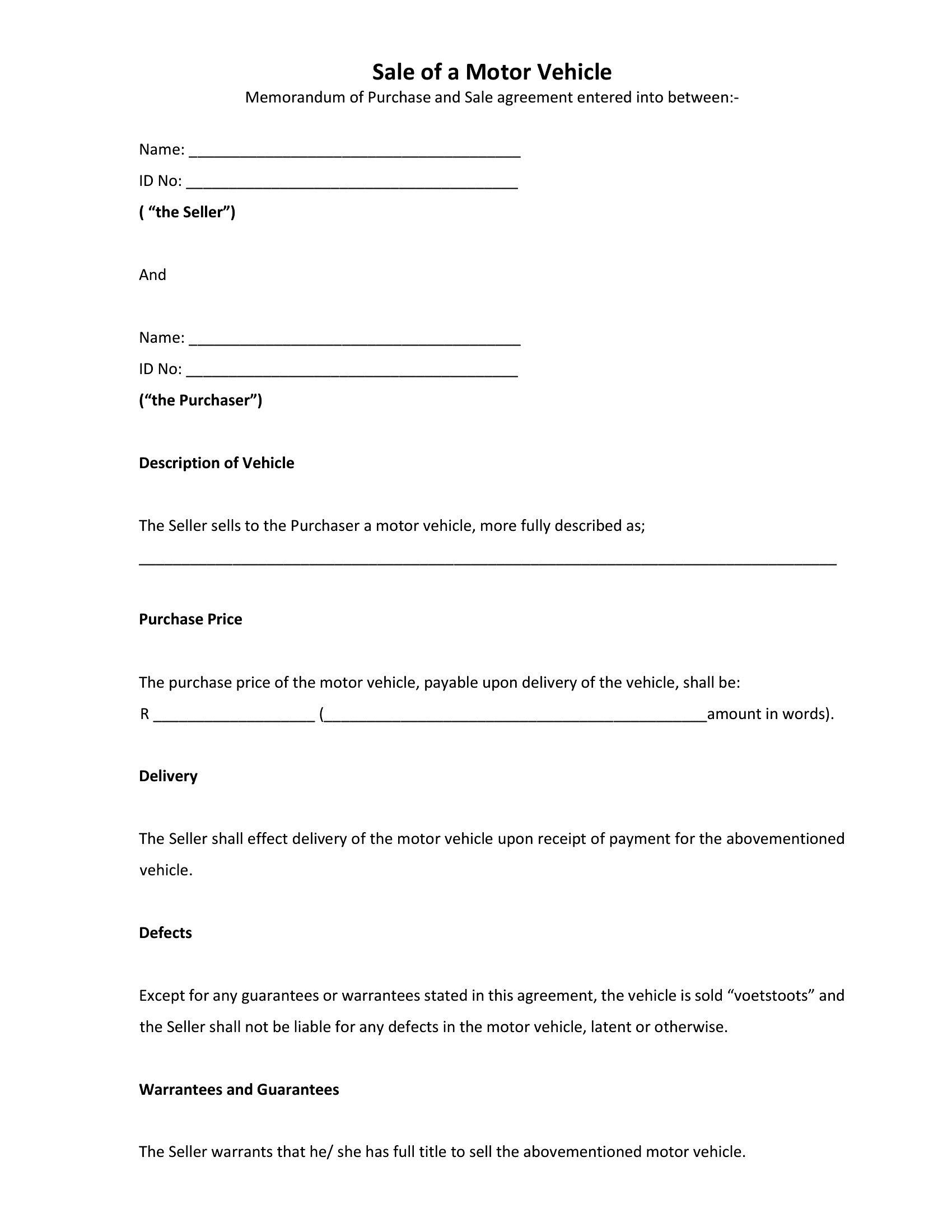
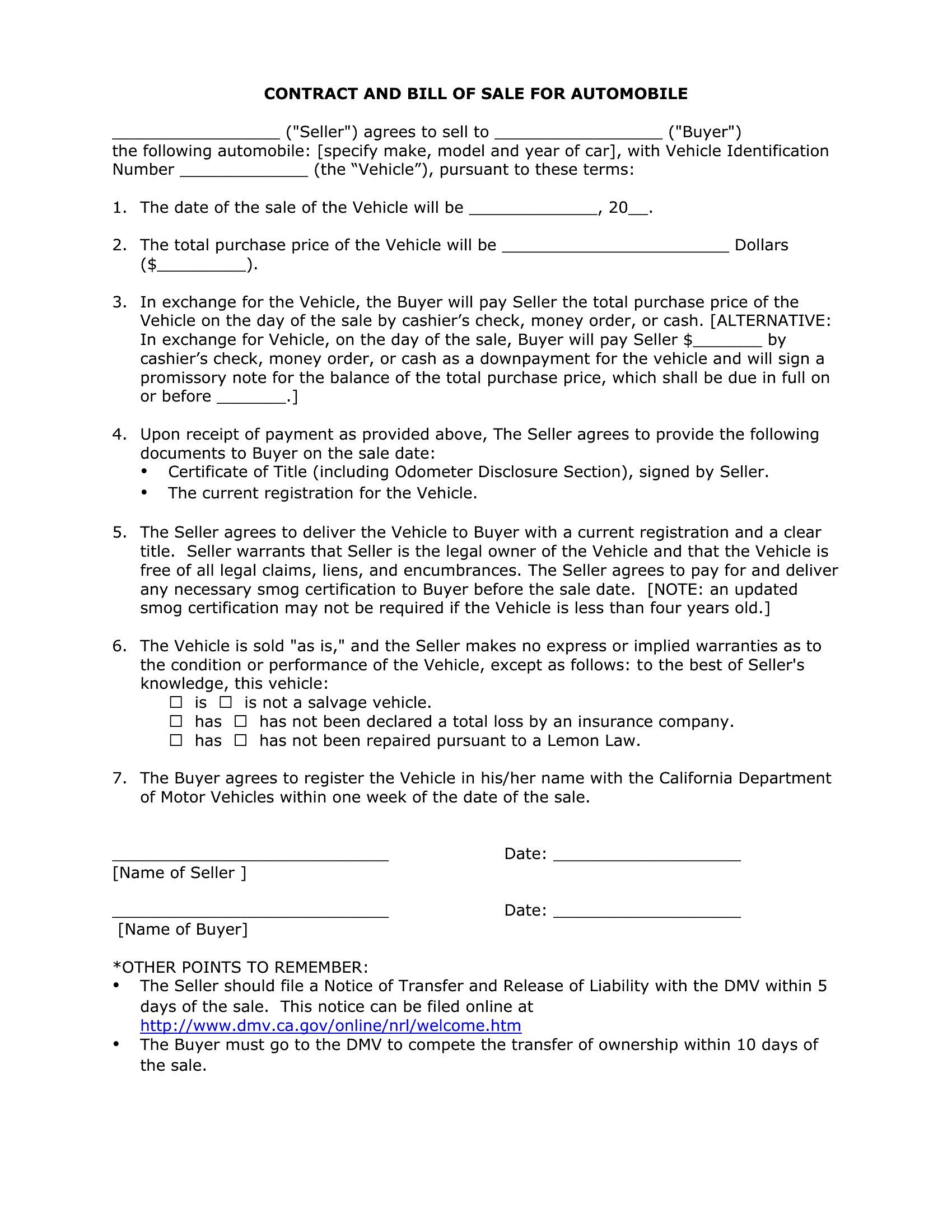
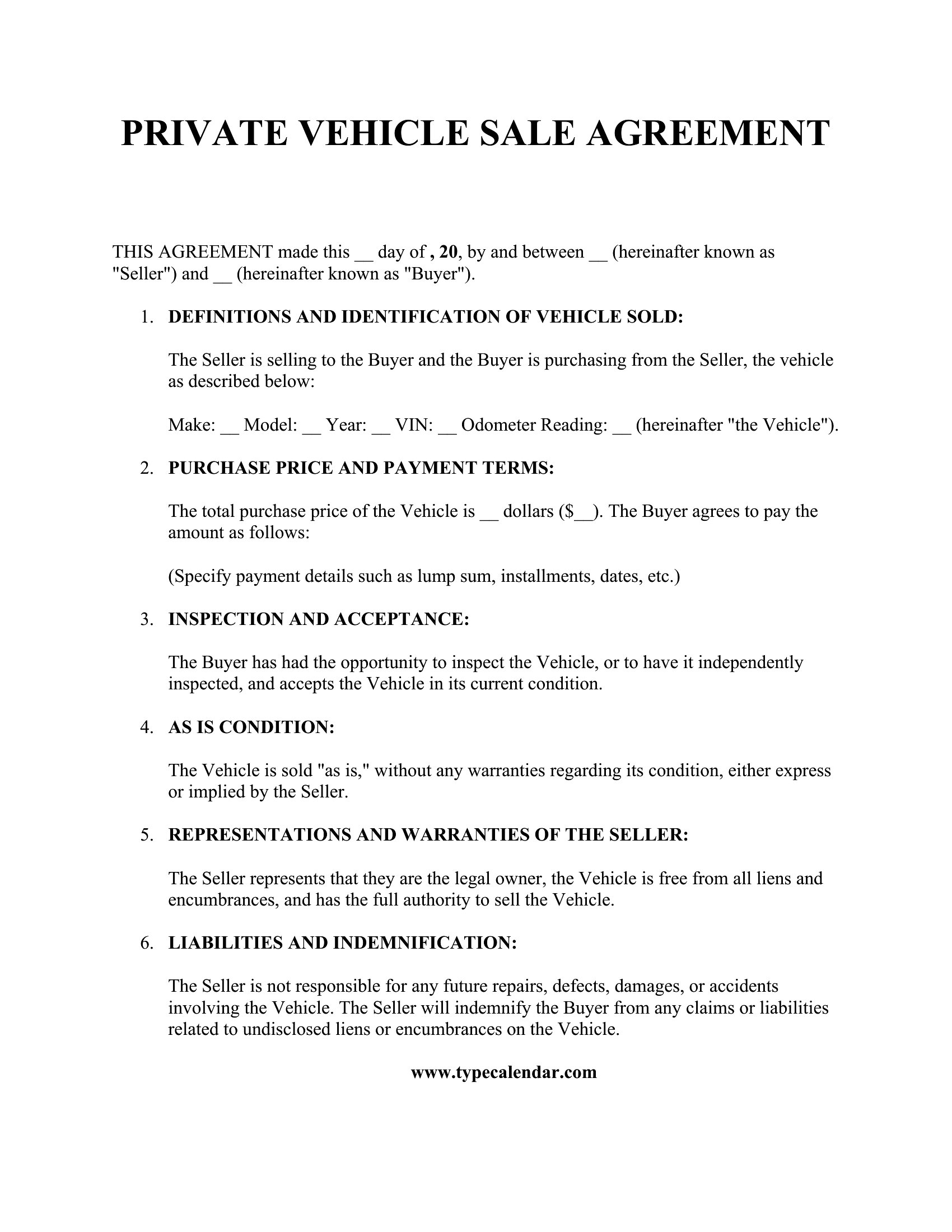
Private sales typically involve an ‘as-is’ agreement, meaning the car is sold without warranties. However, if you want to specify limited coverage (e.g., a 30-day guarantee for major mechanical issues), you can add a clause—but both parties should agree in writing. This isn’t a legal warranty but a personal agreement to avoid disputes. Consult a legal professional for state-specific guidance.
What happens if the buyer backs out after signing the contract?
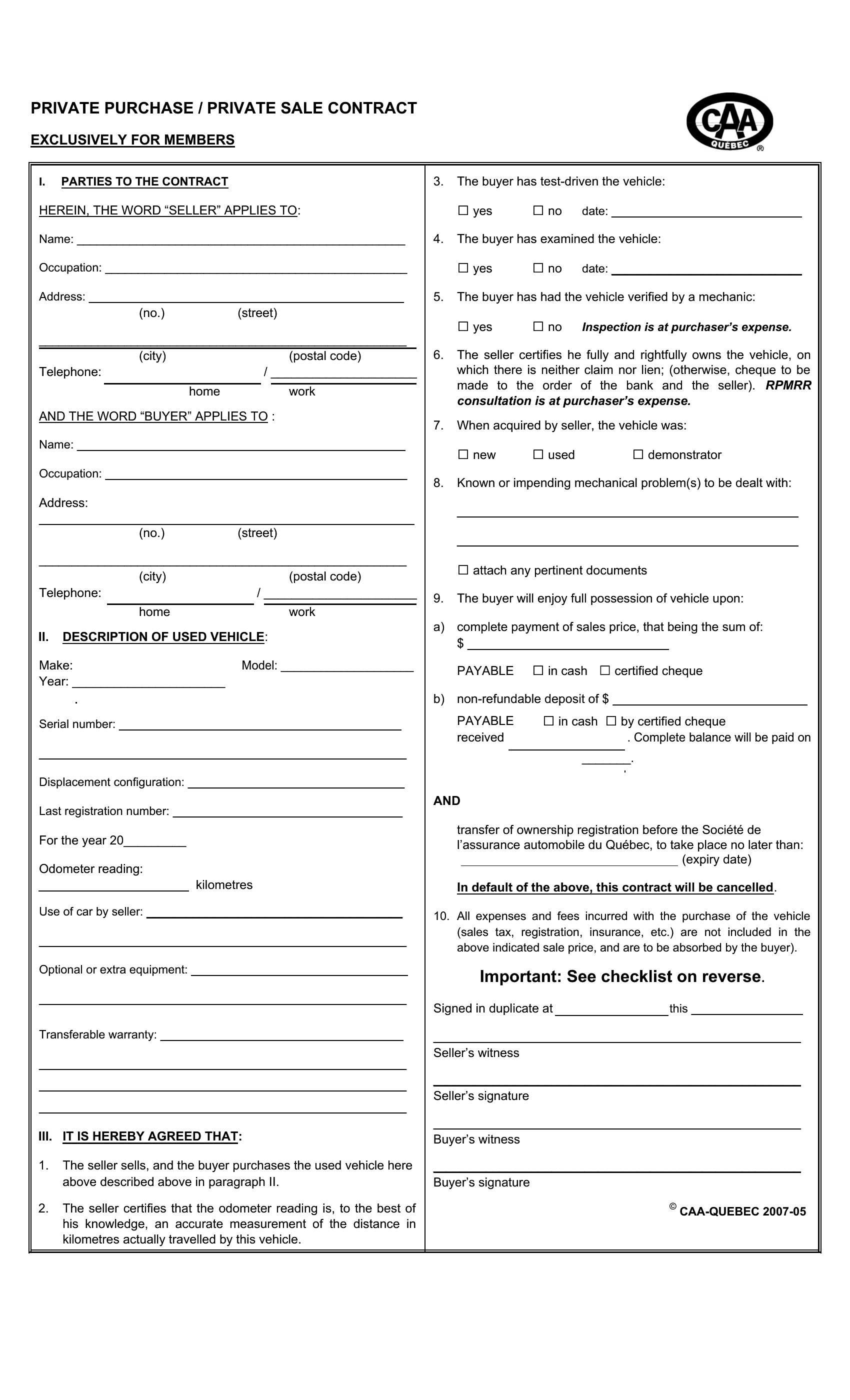
Most car sale contracts include a clause about earnest money or a deposit, which may be forfeited if the buyer cancels without cause. However, state laws vary, so specify whether funds are refundable or non-refundable. A signed contract strengthens your position in disputes, but enforcement still depends on local regulations—always clarify terms upfront.
Do I need to list every scratch or issue with the car in the contract?
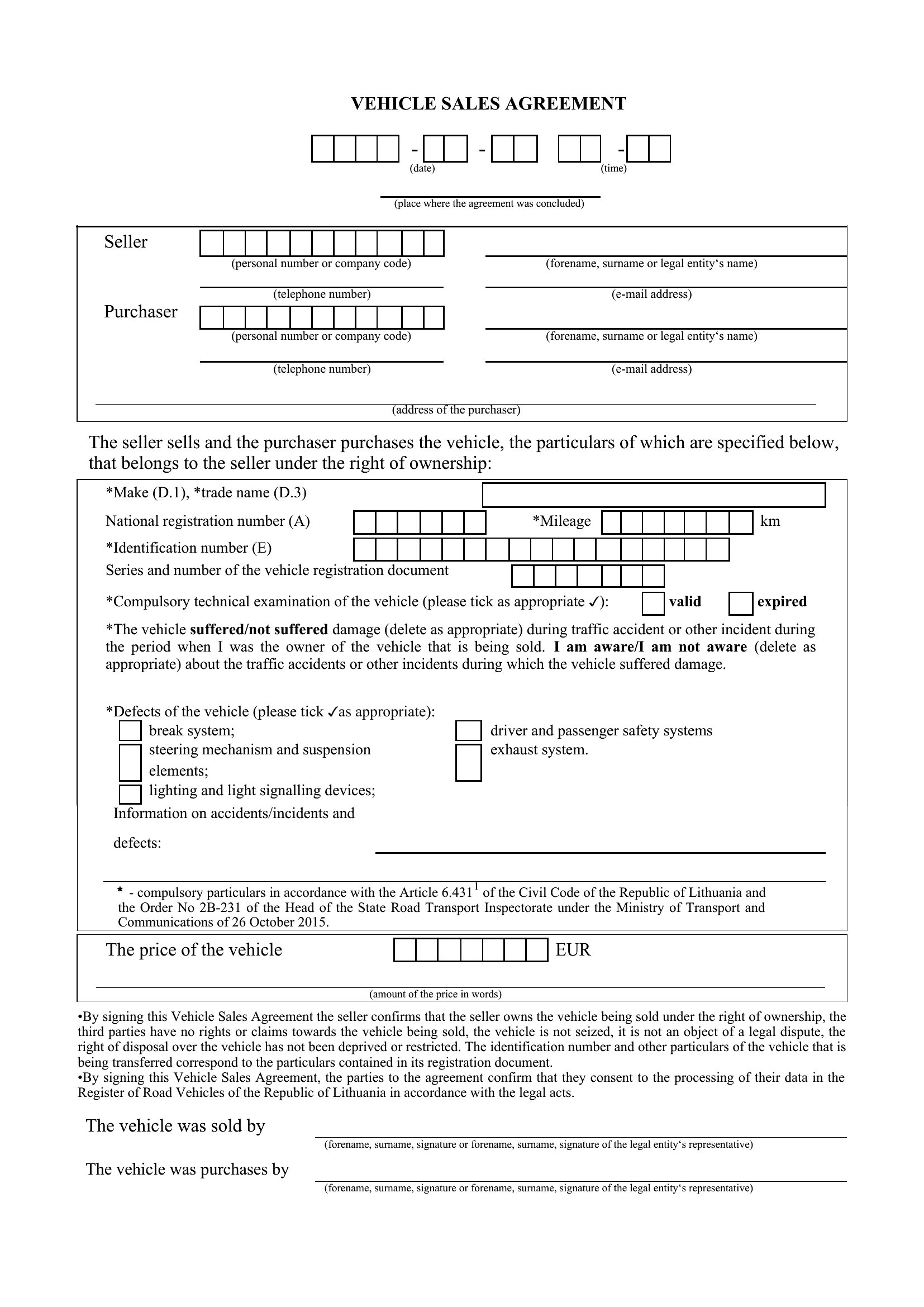
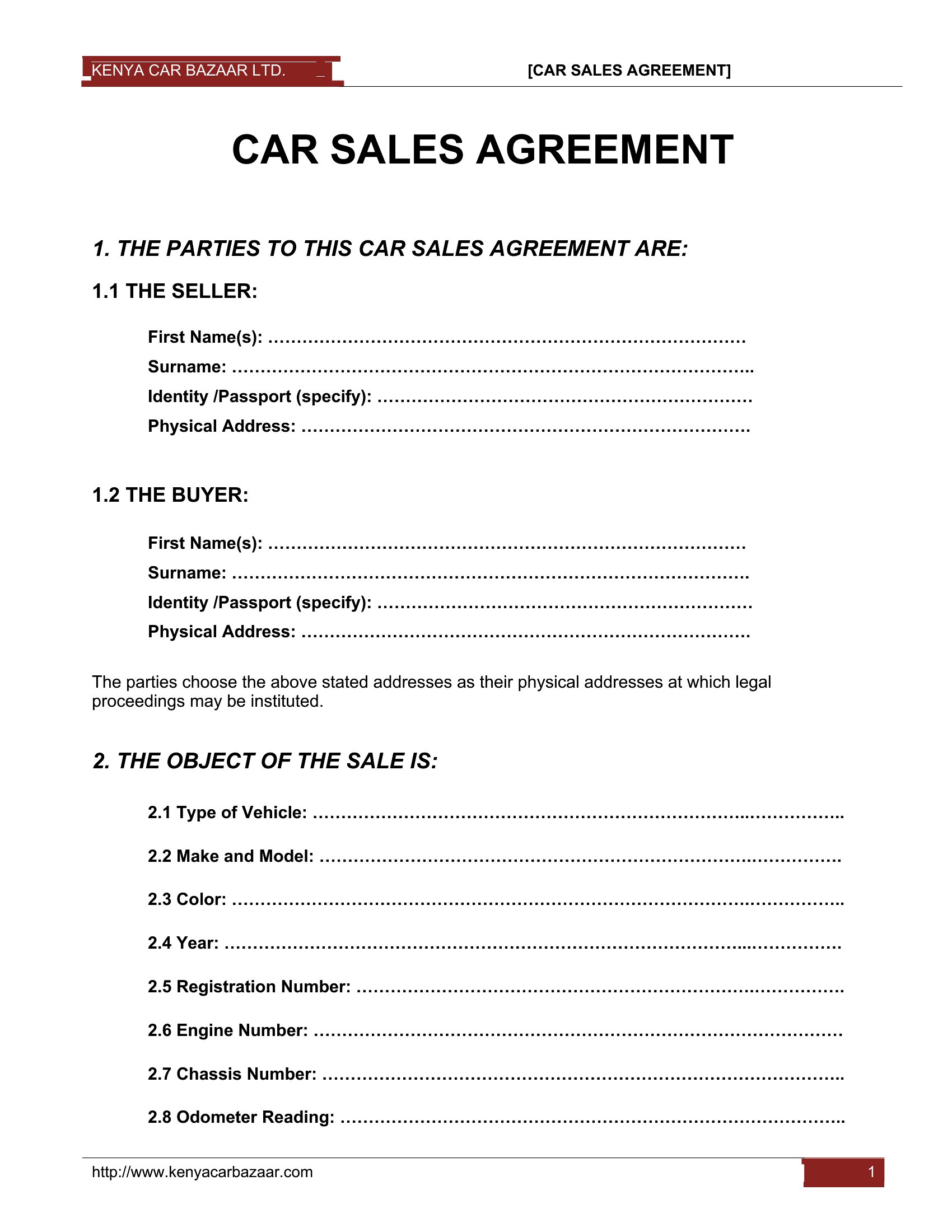
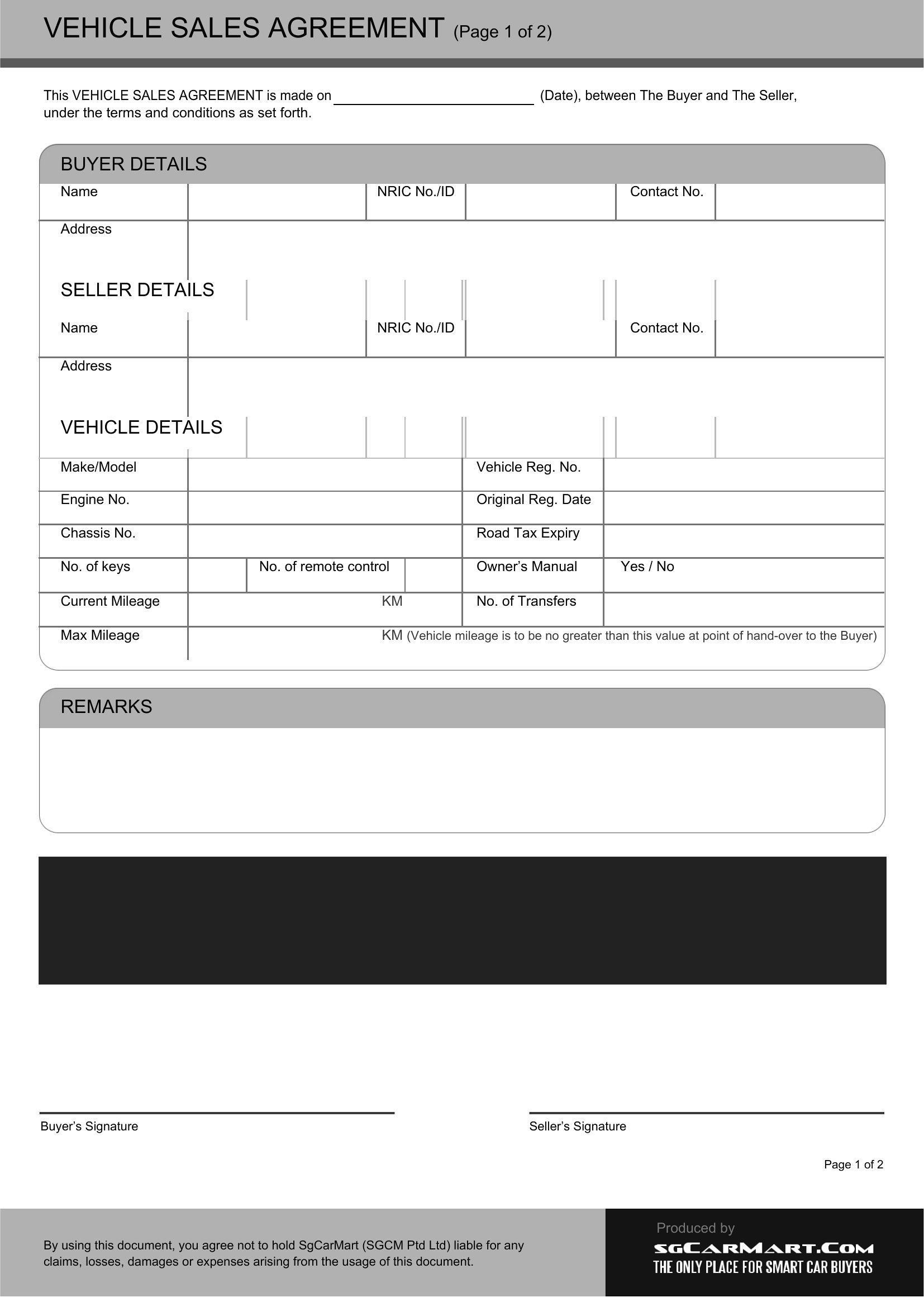
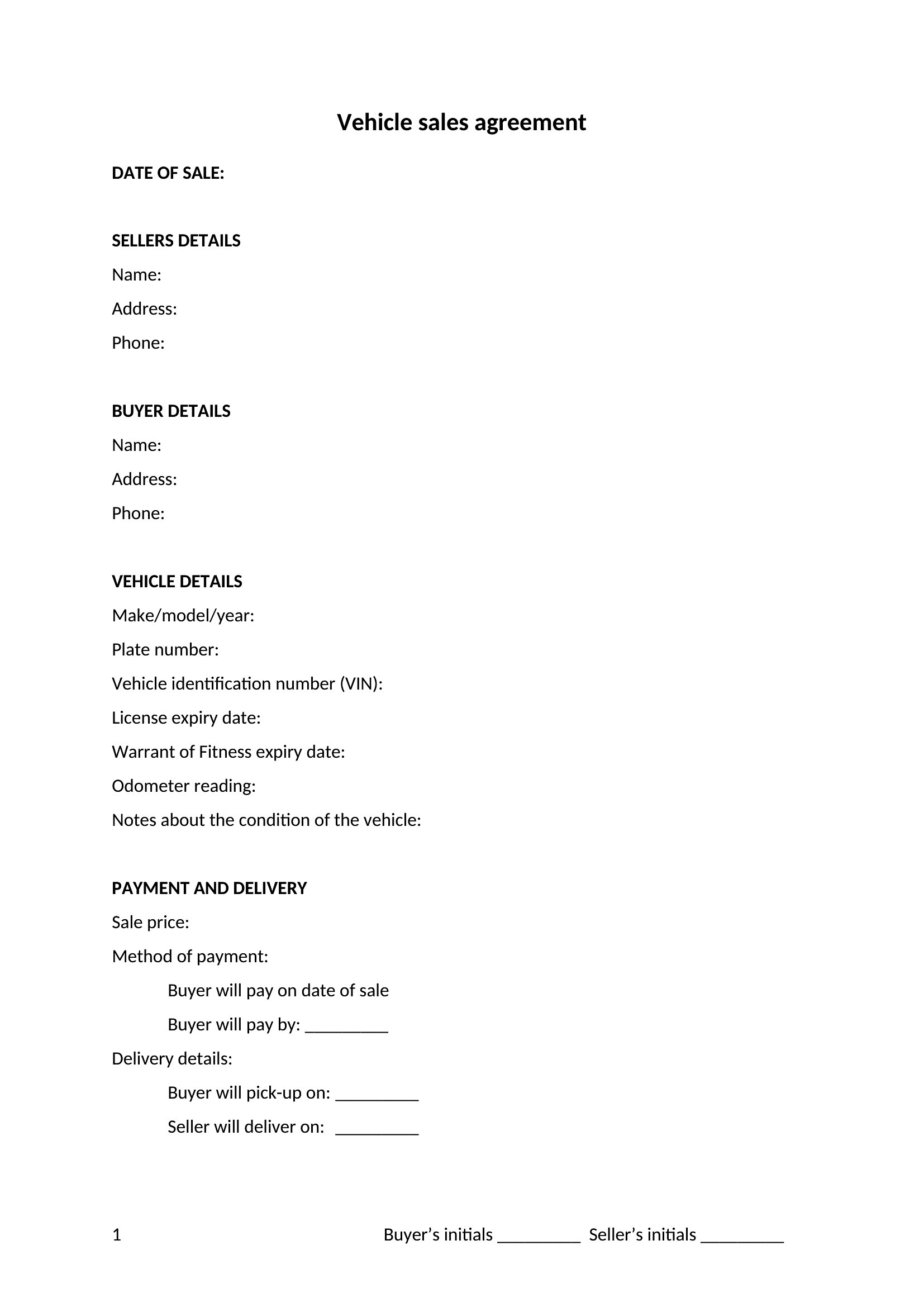
While you don’t have to disclose every minor imperfection, you should note major issues (e.g., engine problems, frame damage) to avoid accusations of misrepresentation later. A general ‘as-is’ clause paired with a honest description of the car’s condition helps protect both parties. Photographs attached to the contract can also serve as supporting evidence if needed.
Comments
Join the conversation
Sign in to share your thoughts and leave a comment on this resource.